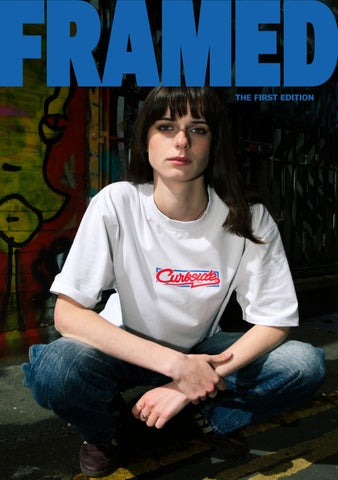
Hi, I’m Rowan — a Bristol-based photographer with a interest in fashion and sustainability. After two years in the making, I’m thrilled to finally introduce FRAMED — a personal project that brings my creative vision to life. It’s been a journey, and I’m so excited to share work that truly reflects what I care about.
In support of the sustainable fashion movement and local businesses, I created a fashion zine called FRAMED about Bristol’s fashion & textiles industry with intent to educate people on sustainable fashion and who in Bristol does it the best.
A huge thank you to:
Curbside Ethos: @curbsideethos
Bristol Textiles Quarter: @bristoltextilesquarter
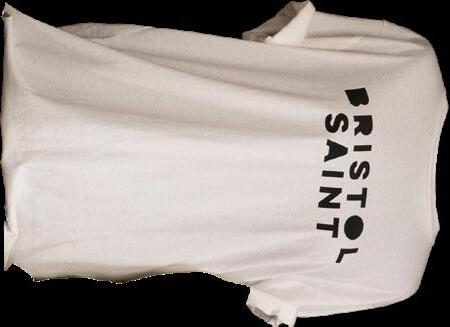
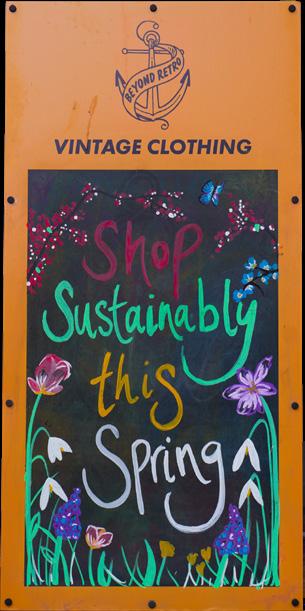
Bristol Saint: @bristolstvintage
Clothing XChange: @theclothingxchange for being able to make this possible!
BRISTOL TEXTILE QUARTER
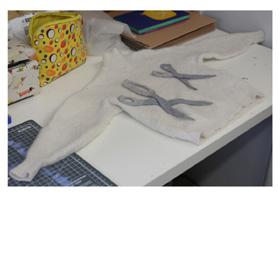
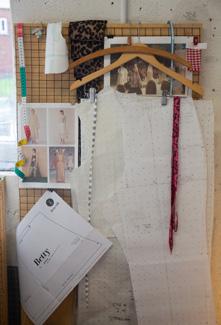
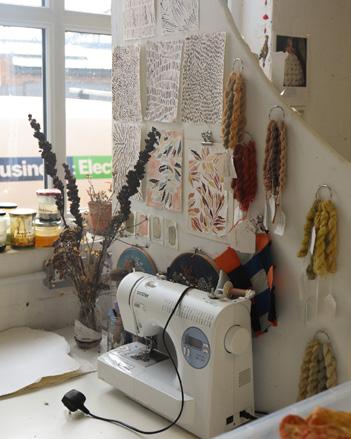
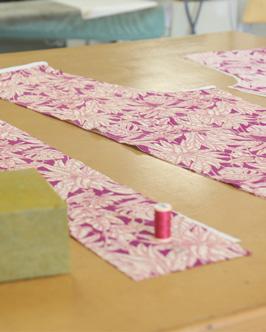
The studio operates on a monthly membership model, where members can stay for up to two years. Currently, we have two graduates from Central St. Martins, Sophie Burn (a textiles artist specializing in natural dyes) who will be leaving, and Rihanna, a weaver splitting her time with the Bristol Weaving Mill. Ellen, a graduate placement, is supported through a partnership with Bath Spa University, offering eight months of fully funded membership for graduates to explore their next steps. While we began with eleven members, we’ve lost a few over time, prompting us to rethink the studio’s future. We’ve brought in an interior architect to reimagine the space, aiming to shift from solely relying on memberships to becoming an educational hub. Although the post-lockdown environment has made this shift
challenging, we’ve continued hosting workshops, including “Meet Make Mend” and events, and we’re building stronger connections with Southwest England Fibershed under the Bristol Textiles Quarter.
Our goal is to create a program focused on sustainable practices— such as circularity, mending, and waste reduction—aligned with future-focused fashion in the southwest. This will help bridge education and industry, supporting graduates and professionals who struggle to find work in the area and retain talent locally.
Bristol’s “can-do” attitude fosters a supportive environment for microbusinesses, but rising real estate costs and a growing focus on tech have made artist spaces more expensive. Despite this, we believe that nurturing the fashion and textiles scene is essential, and our studio can be a key asset in Bristol and the southwest, helping creatives stay local rather than moving to bigger cities. The energy in Bristol is unique, and we’re excited to contribute to its creative future.
SaffronDarby StudioManager,BristolTextileQuarter
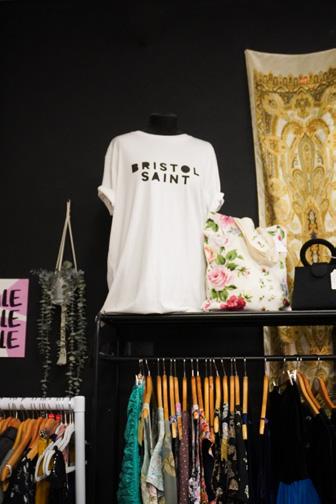
“I got into this business after learning about the environmental impact of fast fashion and the huge amount of clothes that end up in landfills. I used to shop at places like Primark and Zara, always needing something new, until I started buying secondhand and realised the quality of older pieces. Vintage items like Saint Michael’s or old M&S clothes were so much better than what’s sold at fast fashion stores.”
-Bristol Saint-
I began sourcing clothes from charity shops and car boot sales and was shocked by how much great stuff was being overlooked. I started reselling those finds for a profit, and soon it grew into a full-fledged business. It’s amazing to see how much I’ve saved and shared with others.
key because it keeps money circulating in the community. For example, the Ethical Gift Shop across the street supports 150 local makers from Bristol and Bath. When you buy from small businesses, you’re supporting someone’s passion and livelihood.
One of the most rewarding parts of this business is working with people like a local seamstress who repairs and breathes new life into old items. We’re a group of five traders who work collaboratively because we can’t afford to be here every day. It gives us flexibility and makes it work for all of us.
Supporting local businesses is
It’s like buying eggs directly from a farm—cutting out the middleman and helping someone live the life they want, not just survive. My favorite part of the job is sourcing pieces. I love finding that one item I know someone will love. It’s so rewarding to see a customer light up when they find something they’ve been searching for.
Linda Owner - Bristol Saint SPARKS, 78 Broadmead , Bristol
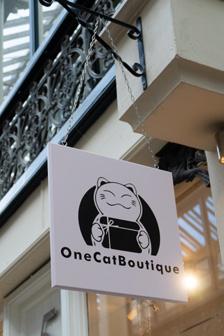
OneCat Boutique
OneCat Boutique is a small boutique owned and run by a couple who are passionate about sustainable fashion. They specialise in finding that unique vintage piece that you have been looking for. By curating their collection they make sure that everyone finds that one special piece they will cherish forever. As well as looking for preloved and vintage pieces, they also have a heavy focus on finding other small businesses, producing well designed and durable pieces that follow their strict sustainability guidelines.
Clothing Xchange
The shop based in Broadmead has a very simple but effective business idea; Buy, Sell, Trade. They have a large amount of secondhand clothing and accessories, from designer brands, thrift to reworked to buy and trade. As well as being able to sell your own clothes, that you don’t wear anymore. When you sell your clothes you will get 25% of the original price of the piece, and when you trade you will get store credit that is worth 50% of the original price of the piece.
Not only is the shop affordable, they’ve curated it well to have clothes that are high quality and unique, there is something there for everyone. Whether you are a fan of vintage designer handbags, or simply looking for second hand clothing at an affordable price, this shop is great.
WHY SHOULD YOU CHOOSE SUSTAINABLE FASHION?
Rethrindle CIC
Rethrindle CICis a shop within SPARKS that hosts mending, sewing and services that encourages sustainable fashion practices. The shop itself is based in the middle of SPARKS and hosts frequent workshops and has a weekly repair shop every Thursday between 11:00 -18:00.
The shop is incredible at helping those who want to start making more sustainable changes in their shopping practices, without throwing them into the deep end. They host a number of different workshops that can help you learn the basics of mend, or even try a new art style like Sashiko. A Japanese textiles mending practice that celebrates the imperfection of old/ripped clothes and uses colourful thread to highlight the mend.
Overproduction is a huge problem in the fashion industry. The desire for more and more pushes companies to mass produce a huge amount of clothes. This causes a whole range of problems like, lower quality products, dangerous working conditions and a huge amount of waste. Companies are mass producing their clothes in places like Bangladesh, India and China because of their cheaper prices, low work safety laws and access to their growing markets. Then garments are shipped to countries like the USA and UK to be bought in mainstream shops as micro trends appear and disappear, often ending up in landfill on average 3-5 years after purchase. Meaning the majority of clothes in landfills are completely wearable.
Solutions include, mending old clothes, donating clothes and shopping second hand in the first place. And supporting the slow fashion movement by being conscious of your buying patterns, micro trends and the effect your clothes have on the environment.
I’ve always loved creativity, and getting to be around it every day while making a living is honestly the dream. Curbside ethos has given me the ability to do just that. I also know how difficult it can be for creatives to make a living from their passion so I created the brand in order to try and support small independent labels, artists, and other local businesses on their journeys.
Do you think there is a large/active fashion community in Bristol?
Yes I believe so. Bristol definitely contains a wide array of fashion choices, you can see this first hand within 5 minutes of walking through the centre. The vintage / reselling scene seems to be quite popular with shops such as Don majors and Jacobs coming to mind.
How do you interact with the community?
We’ve managed to host a few public events so far including 2 art exhibitions along side 1LOVE ART (with a few more in the diary), a creative industry networking event in collaboration with local brand - LUCI.D (@luci.d_) - and have an array of workshops and community events in the pipeline. It’s still early days but we are community
driven and aim to be interacting as much as possible.
What drives you as a founder?
A strong passion for creativity and good energy. I want to build a brand that supports expression and promotes a happy and healthy lifestyle.
What is your inspiration?
Having been brought up in Bristol, I’ve found myself drawn to graffiti and street art which has played a large role in my creative inspiration. Independent clothing stores such as 5 Pointz (RIP) and Cooshti have definitely influenced my taste in fashion and what I want to achieve with my brand / store.
What do you hope will come from your brand?
I hope to achieve a global audience, hold a strong reputation as an urban lifestyle brand and ultimately inspire others to pursue their creative passions and dreams.
Why do you think being eco conscious is important?
I think it’s important to live ethically and to be ethical means to respect others and the world around you.
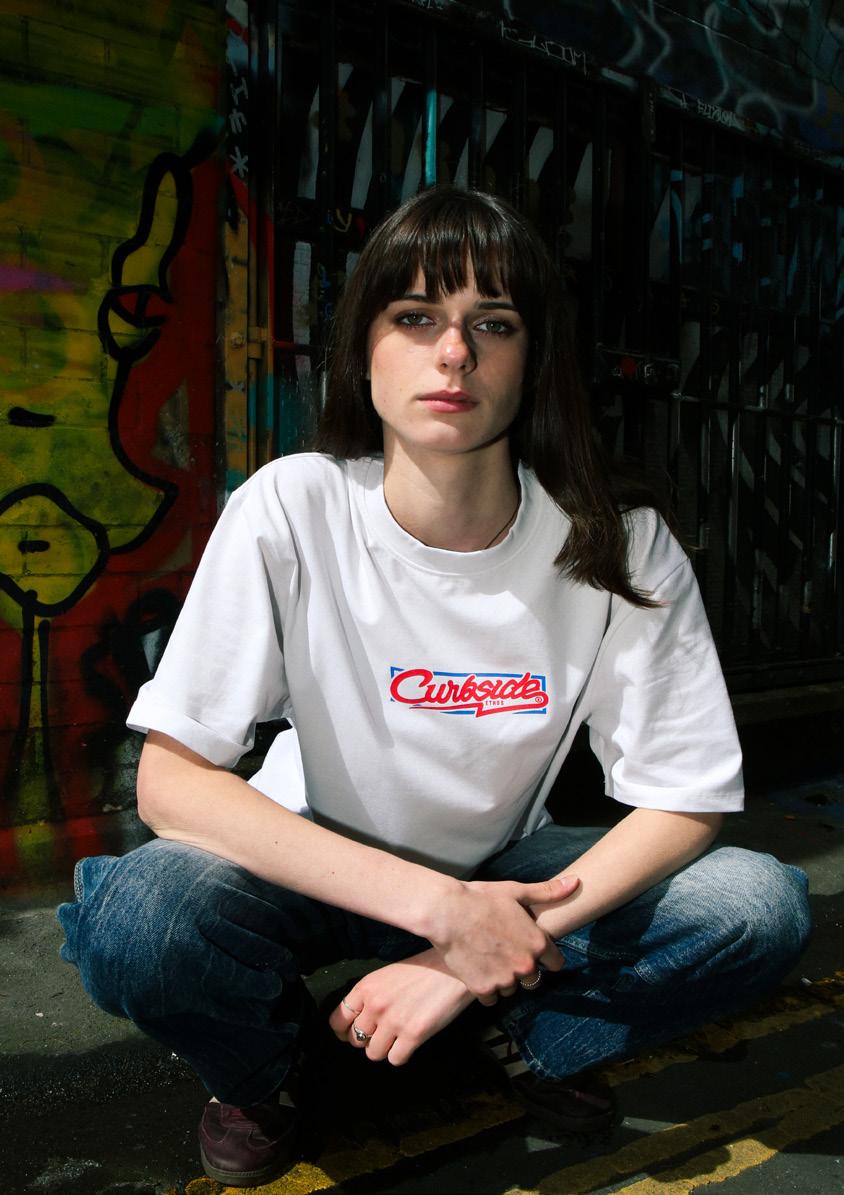
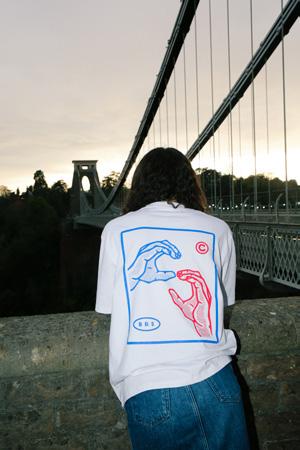
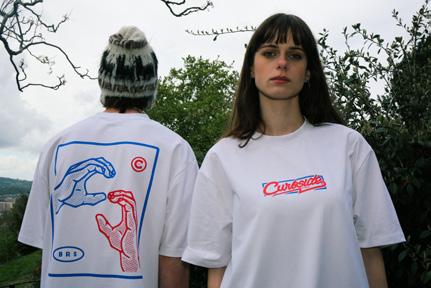
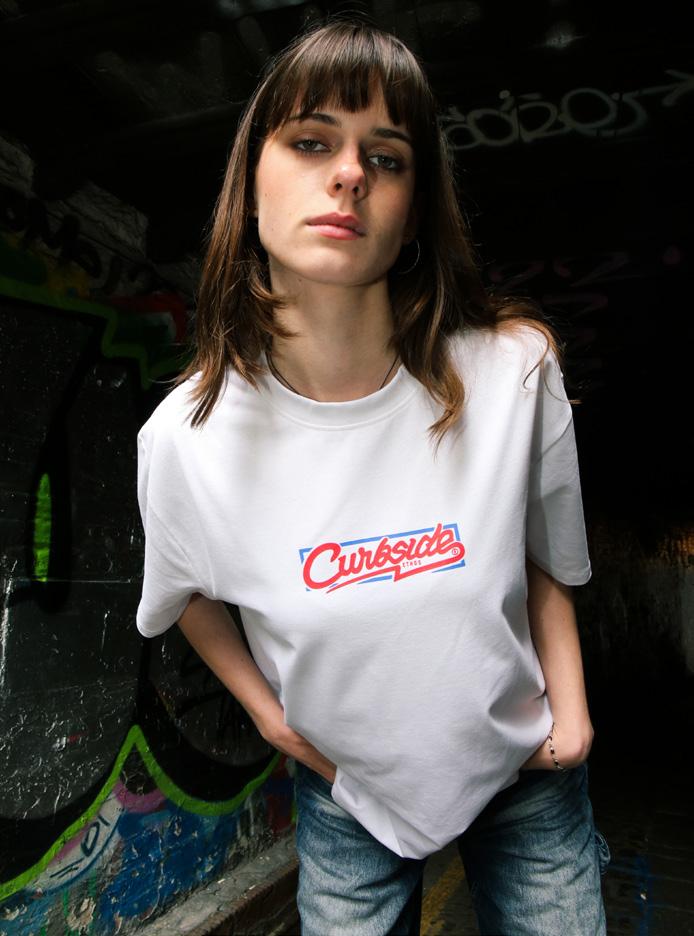
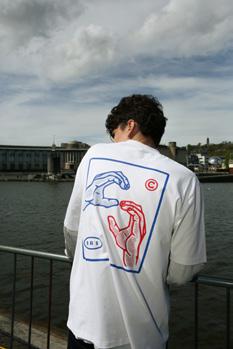
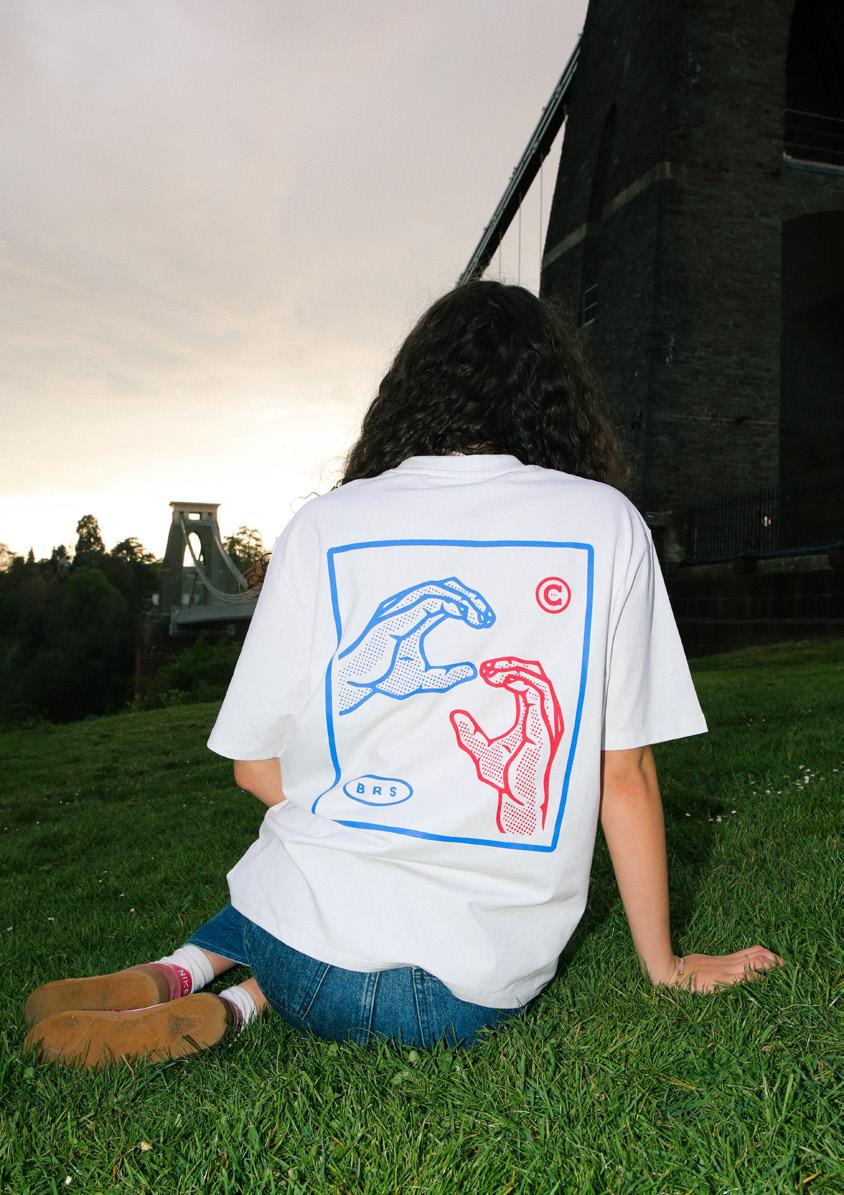
RIGHT: T-shirt from Curbside Ethos, in a medium.
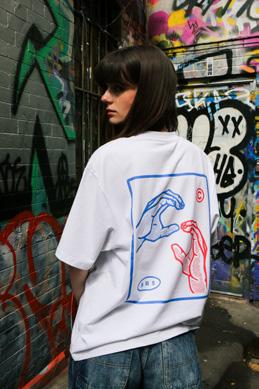
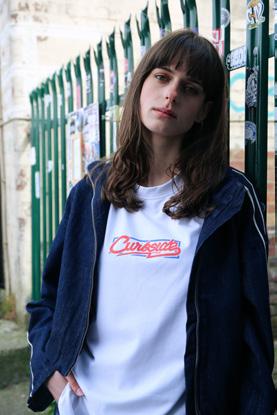
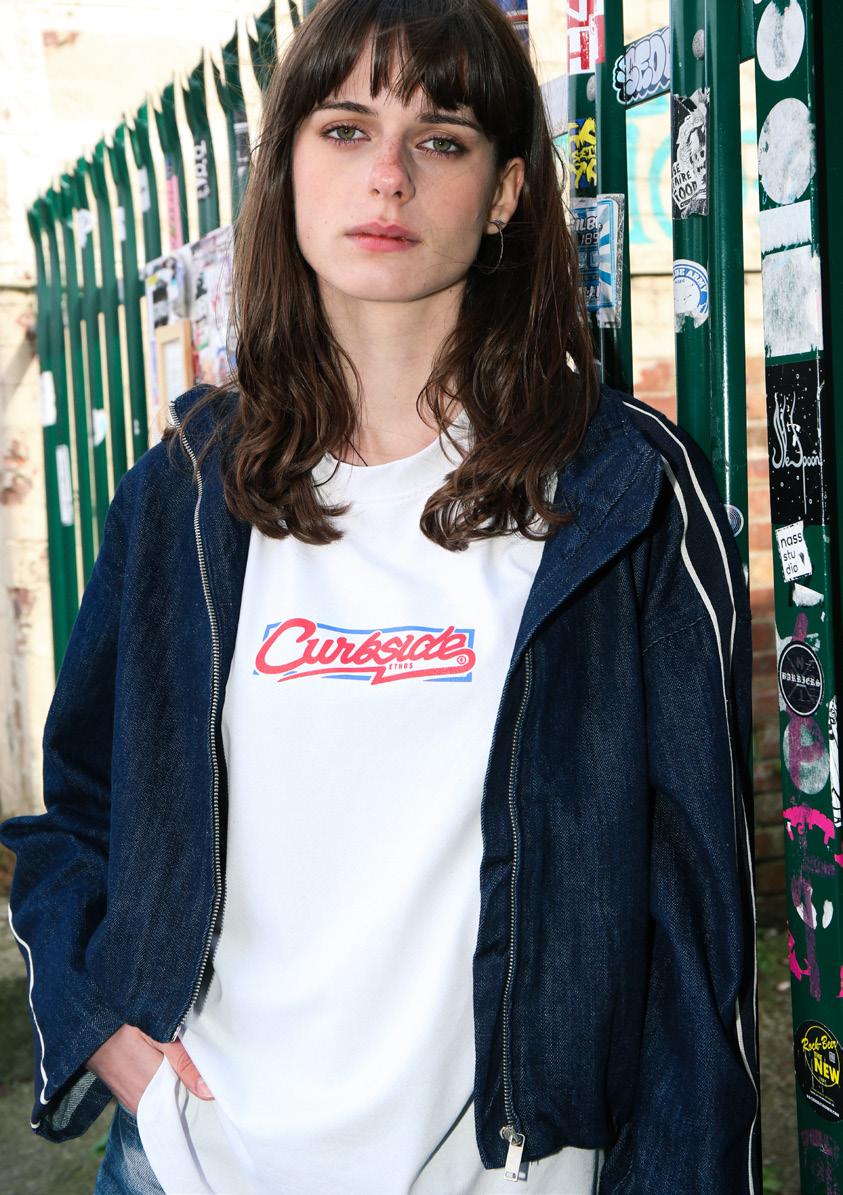
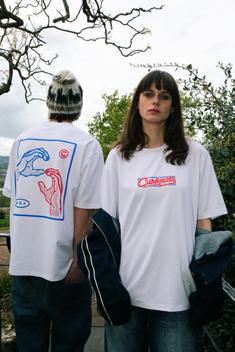
C: Curbside Ethos T-shirt (M) layered with an indigo dyed denim bomber jacket, finished with a pair of washed denim jeans.
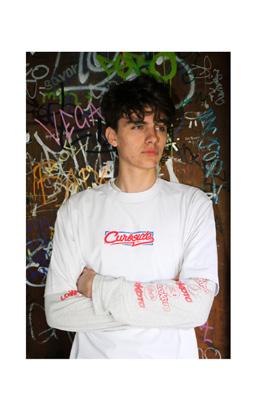
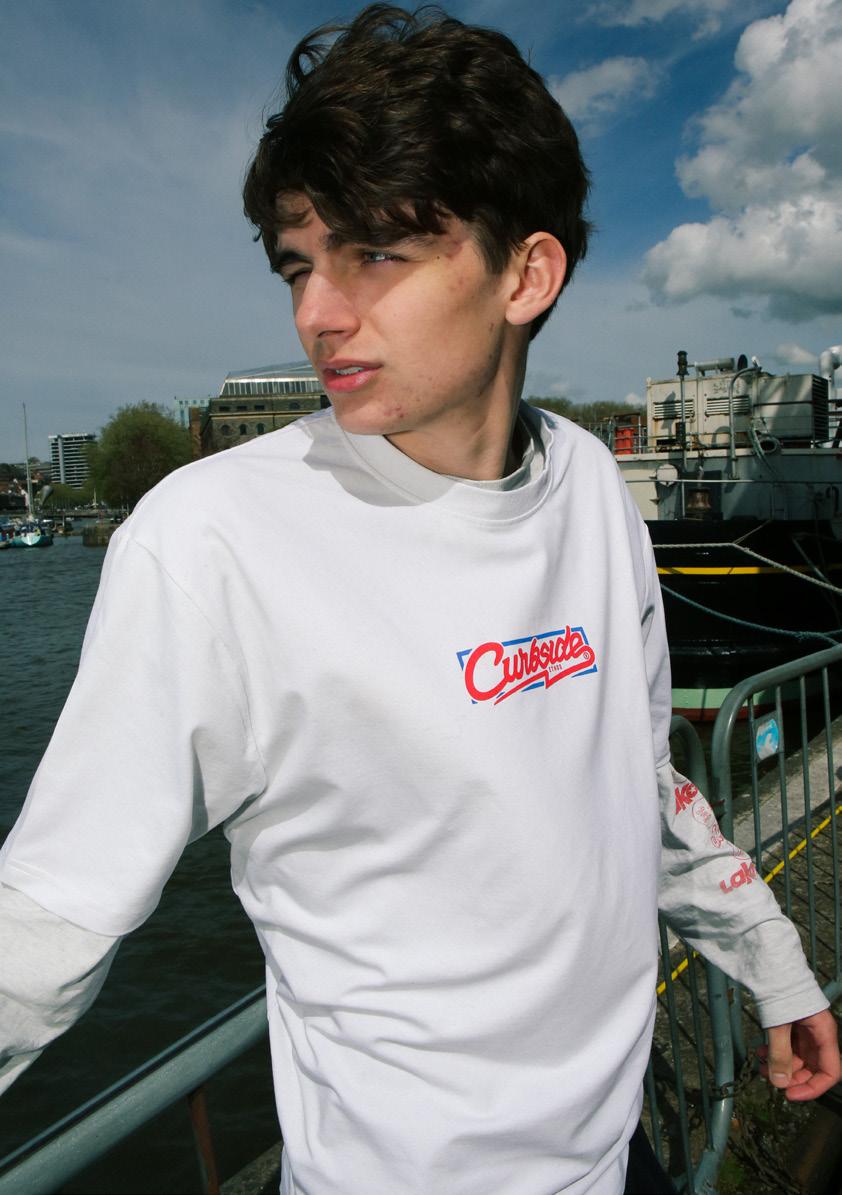
B: Curbside Ethos T-shirt (L) layered over a vintage Lakota long sleeve t-shirt, paired with a pair of black straight leg jeans.
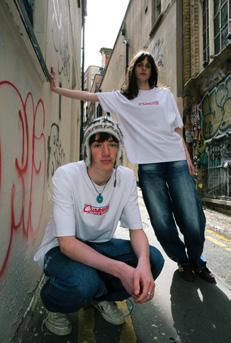
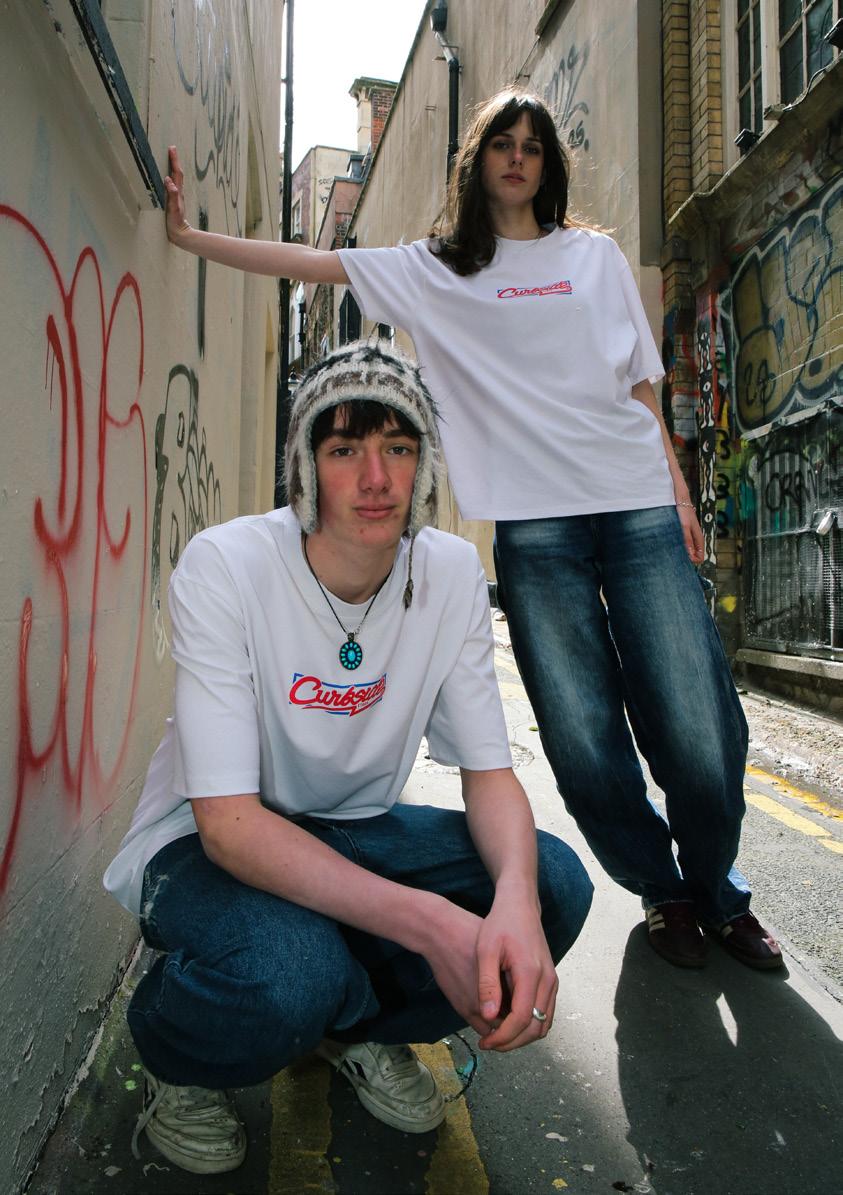
D: Curbside
Ethos T-shirt (L)
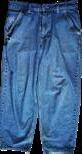
paired with a baggy pair of blue jeans, and topped with an alpaca wool hat.