

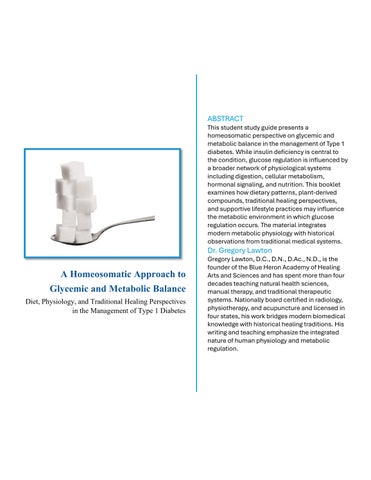
Diet, Physiology, and Traditional Healing Perspectives in the Management of Type 1 Diabetes
This student study guide presents a homeosomatic perspective on glycemic and metabolic balance in the management of Type 1 diabetes. While insulin deficiency is central to the condition, glucose regulation is influenced by a broader network of physiological systems including digestion, cellular metabolism, hormonal signaling, and nutrition. This booklet examines how dietary patterns, plant-derived compounds, traditional healing perspectives, and supportive lifestyle practices may influence the metabolic environment in which glucose regulation occurs. The material integrates modern metabolic physiology with historical observations from traditional medical systems. Dr. Gregory Lawton
Gregory Lawton, D.C., D.N., D.Ac., N.D., is the founder of the Blue Heron Academy of Healing Arts and Sciences and has spent more than four decades teaching natural health sciences, manual therapy, and traditional therapeutic systems. Nationally board certified in radiology, physiotherapy, and acupuncture and licensed in four states, his work bridges modern biomedical knowledge with historical healing traditions. His writing and teaching emphasize the integrated nature of human physiology and metabolic regulation.
Copyright
Copyright © 2026 Gregory Lawton
All rights reserved. No part of this publication may be reproduced, stored in a retrieval system, or transmitted in any form or by any means, electronic, mechanical, photocopying, recording, or otherwise, without prior written permission from the author, except for brief quotations used in educational review or scholarly reference.
This booklet is intended for educational purposes. The material presented is designed to help students understand physiological concepts related to metabolic health and nutrition. It is not intended to diagnose, treat, cure, or prevent disease. Individuals living with diabetes should always work with qualified healthcare professionals regarding medical treatment and medication management.
Published for instructional use in courses and educational programs related to natural health sciences, nutrition, and metabolic physiology.
The information presented in this booklet is provided for educational purposes only. It is intended to support student learning in the areas of metabolic physiology, nutrition, and traditional health perspectives. The material is not intended to diagnose, treat, cure, or prevent any disease.
Type 1 diabetes is a serious medical condition that requires ongoing medical care and supervision. Individuals living with diabetes should always consult with qualified healthcare professionals regarding diagnosis, treatment, medications, and insulin therapy. Changes in diet, lifestyle, supplements, or herbal products should only be undertaken with appropriate medical guidance and careful monitoring of blood glucose.
The author and publisher assume no responsibility for the misuse or misinterpretation of the information contained in this publication.
Discussion of foods, herbs, botanical preparations, and nutritional strategies in this booklet is intended for educational study of traditional and nutritional perspectives on metabolic health. These substances may influence physiological processes and may interact with medications or medical conditions.
Students and readers should understand that herbal and nutritional approaches are not substitutes for appropriate medical treatment. Individuals with diabetes should not alter medications, insulin therapy, or treatment plans without the supervision of a qualified healthcare professional.
Students should apply the material presented in this booklet only within the scope of their professional training and applicable laws governing healthcare practice.
A Student Study Guide
Dr. Gregory Lawton
Blue Heron Academy of Healing Arts and Sciences
This booklet was written as an introductory teaching document for students studying metabolic health and the physiological regulation of blood glucose. The purpose of this work is to explore how the body maintains metabolic balance and how nutrition, traditional dietary practices, and supportive botanical strategies may influence the stability of glucose regulation.
Type 1 diabetes is commonly described as a condition of insulin deficiency resulting from the destruction of insulin-producing cells in the pancreas. While this description accurately reflects the central pathology of the condition, it does not fully explain the broader physiological environment in which glucose regulation occurs. The human body maintains metabolic balance through the coordinated activity of many regulatory systems including the digestive tract, liver, muscles, endocrine signaling networks, and the intestinal microbiome.
The homeosomatic perspective presented in this booklet emphasizes the integrated nature of these physiological systems. Even when one regulatory mechanism is impaired, the body continues to rely on many interconnected processes that influence metabolism and energy balance. By understanding these relationships, students can better appreciate the role that nutrition, digestive physiology, and plant-derived compounds play in supporting metabolic stability.
This booklet does not propose alternatives to essential medical therapies. Insulin therapy remains the cornerstone of treatment for individuals living with Type 1 diabetes. Rather, the goal of this discussion is to explore how dietary patterns and supportive metabolic strategies may help create a physiological environment in which glucose regulation becomes more stable and predictable.
Students studying health sciences benefit from understanding both modern biomedical knowledge and the historical observations of traditional medical systems. By examining these perspectives together, we gain a broader understanding of the complex biological systems that maintain human health.
The study of health and disease often advances when different traditions of knowledge are examined together. Modern biomedical science provides powerful tools for understanding cellular mechanisms and biochemical pathways, while traditional healing systems preserve generations of clinical observation regarding diet, lifestyle, and botanical medicine.
The concept of homeosomatic regulation presented in this booklet reflects an effort to integrate these perspectives. The body functions as a dynamic system that maintains balance through countless interacting signals. Nutrients, hormones, digestive processes, microbial activity, and environmental influences all contribute to the regulation of metabolism.
In the management of metabolic disorders such as diabetes, recognizing the complexity of these interactions can lead to a more comprehensive understanding of patient care. Diet, lifestyle, and supportive nutritional strategies do not replace medical therapy, but they can influence the broader physiological environment in which metabolic regulation occurs.
By studying these relationships, students gain a deeper appreciation for the remarkable adaptability of the human body and the importance of supporting its natural regulatory systems.
Introduction
Understanding Glucose Regulation in the Body
Metabolic Stress and the Burden on the Insulin System
The Role of Diet in the Homeosomatic Regulation of Blood Glucose
Foods Historically Associated with Diabetic Diets
Bioactive Plant Compounds and Metabolic Signaling
The Traditional Chinese Medicine Perspective: Xiao Ke and Metabolic Balance
A Homeosomatic Dietary Strategy for Supporting Metabolic Stability
Low-Dose Botanical and Nutritional Support in a Homeosomatic Framework
Homeopathic Preparations in Context
Common Medications Used in Diabetes Care
Integrating a Homeosomatic Approach with Insulin Therapy
Case Example: Supporting Metabolic Stability in a Patient with Type 1 Diabetes
Conclusion: Integrating the Homeosomatic Perspective
Summary of Foods and Herbs
Glossary
References
Reflection Questions for Students
Type 1 diabetes has traditionally been understood in modern medicine as a disease in which the immune system damages the insulin-producing beta cells of the pancreas. These specialized cells, located in the islets of Langerhans, normally produce insulin in response to rising blood glucose levels after eating. Insulin allows glucose to enter cells, where it can be used to generate energy. When the beta cells are severely damaged or destroyed, the body loses the ability to regulate blood sugar effectively, and glucose accumulates in the bloodstream. For this reason, individuals with Type 1 diabetes require exogenous insulin therapy in order to survive.
While this description accurately reflects the central physiological disturbance, it does not fully describe the broader metabolic environment in which glucose regulation occurs. Blood sugar levels are influenced not only by insulin but also by the rate at which carbohydrates are absorbed from the digestive tract, the release of glucose from the liver, the uptake of glucose by muscle tissue, and a range of hormonal signals that coordinate metabolism throughout the body. These interacting systems form part of the body’s larger regulatory network, which continuously works to maintain internal balance.
The homeosomatic perspective begins with the recognition that the human body is an integrated physiological system designed to maintain equilibrium through dynamic feedback processes. Even when one component of that system is compromised, the surrounding regulatory networks continue to function. The goal of a homeosomatic approach is therefore not to deny the underlying disease process but to explore how the remaining regulatory systems can be supported so that metabolic balance becomes easier to maintain.
From this viewpoint, Type 1 diabetes can be understood not only as a condition of insulin deficiency but also as a state in which the body’s metabolic equilibrium has been disrupted. When glucose enters the bloodstream rapidly, when tissues become less responsive to insulin, or when metabolic stress accumulates within cells, the burden on the insulin regulatory system increases. Conversely, when dietary patterns stabilize glucose absorption and cellular metabolism functions efficiently, the overall metabolic environment becomes more predictable and easier to manage.
Nutrition therefore plays a central role in the homeosomatic approach to metabolic health. The foods that individuals consume each day influence how rapidly glucose enters the bloodstream and how effectively the body’s regulatory systems respond. Understanding this relationship between food and physiology provides an important foundation for studying the broader metabolic context in which diabetes management occurs.
Glucose is a primary source of energy for many cells in the body, particularly those of the brain and nervous system. After food is consumed, carbohydrates are broken down in the digestive tract into simple sugars, most importantly glucose, which then enters the bloodstream. As blood glucose rises, specialized cells in the pancreas known as beta cells release insulin. Insulin functions as a signaling hormone that allows glucose to move from the bloodstream into cells where it can be used to produce energy or stored for later use.
Although glucose is the most powerful stimulus for insulin release, pancreatic beta cells respond to the overall nutritional composition of a meal rather than to glucose alone. When dietary protein is digested, amino acids enter the bloodstream and reach the pancreas. Certain amino acids, particularly leucine and arginine, can stimulate insulin secretion. This response allows the body to utilize dietary protein efficiently while maintaining stable energy metabolism.
Dietary fats also influence metabolic regulation. Fat slows the rate at which food leaves the stomach and enters the small intestine, which moderates the pace at which nutrients are absorbed. Fatty acids also participate in metabolic signaling within cells and influence hormonal responses in the digestive tract. When fats reach the small intestine, specialized cells release hormones known as incretins. These hormones enhance the ability of pancreatic beta cells to respond to nutrients and help coordinate insulin release during digestion.
Because the pancreas responds to the combined signals produced by carbohydrates, proteins, and fats, the metabolic response to food depends greatly on the composition of a meal. Meals composed primarily of rapidly absorbed carbohydrates tend to produce sharp increases in blood glucose. In contrast, meals that include fiber, plant proteins, and healthy fats slow digestion and lead to more gradual metabolic responses.
In individuals with Type 1 diabetes, insulin production is greatly reduced or absent, which disrupts the normal cycle of glucose regulation. Nevertheless, many of the body’s other metabolic regulatory systems continue to function. The liver still releases glucose between meals, muscles still utilize glucose during physical activity, and digestive hormones still respond to nutrient intake. These interactions help explain why dietary patterns can strongly influence metabolic stability even when insulin therapy is required.
The regulation of blood glucose requires continuous coordination among multiple physiological systems. The pancreas, liver, muscles, digestive tract, and endocrine signaling networks all participate in maintaining metabolic balance. When blood sugar rises gradually after meals and declines steadily as nutrients are utilized, these systems function smoothly and efficiently. When glucose levels rise abruptly, however, the regulatory burden placed on the metabolic system increases.
For individuals with Type 1 diabetes, maintaining stable glucose levels requires careful coordination between insulin administration and nutrient intake. When meals produce rapid
changes in blood sugar, it becomes more difficult to match insulin dosing precisely to the body’s metabolic needs. Large or unpredictable fluctuations in blood glucose can therefore increase the complexity of daily metabolic management.
Dietary patterns play an important role in shaping this metabolic environment. Foods that release glucose gradually allow blood sugar levels to rise and fall in a more predictable manner. This stability reduces metabolic stress and makes it easier to coordinate insulin therapy with food intake.
Diet strongly influences the rate at which nutrients are absorbed and metabolized throughout the body. Whole plant foods provide a nutritional environment that differs substantially from that of refined carbohydrates. Foods such as legumes, vegetables, whole grains, nuts, and seeds contain complex carbohydrates embedded within a natural matrix of fiber, plant proteins, and micronutrients. This structure slows digestion and moderates the rate at which glucose enters the bloodstream.
Dietary fiber plays a central role in this process. Soluble fibers absorb water and form a gel-like substance in the digestive tract that slows the breakdown and absorption of carbohydrates. Insoluble fibers support healthy digestive movement and contribute to overall metabolic balance. Together these fibers help produce a gradual release of glucose into the circulation.
Meals that combine complex carbohydrates with plant proteins and healthy fats produce smoother metabolic responses than meals composed primarily of refined starches. These balanced meals slow digestion and allow nutrients to enter the bloodstream in a steady manner. As a result, blood sugar levels tend to rise and fall gradually rather than fluctuating sharply.
When dietary patterns emphasize whole plant foods, the metabolic environment surrounding glucose regulation becomes more stable. Instead of rapid cycles of elevation and decline in blood sugar, the body experiences slower and more predictable changes in energy availability. This stability can make glucose management more manageable for individuals living with diabetes.
Long before the discovery of insulin, physicians and traditional healers observed that certain foods appeared to improve the symptoms of disorders resembling diabetes. Individuals experiencing excessive thirst, frequent urination, fatigue, and progressive weakness were often advised to modify their diets in ways that reduced these symptoms. Although the mechanisms were not understood at the time, repeated clinical observation over many generations led to the recognition that certain vegetables and plant foods seemed to promote greater metabolic stability.
Across different cultures and medical traditions, several foods appear repeatedly in dietary recommendations for individuals experiencing symptoms associated with impaired glucose regulation. These foods were historically described as strengthening the body, reducing thirst, or
restoring balance. Modern nutritional science has begun to identify physiological mechanisms that may explain why these foods were valued in earlier dietary traditions.
Jerusalem artichokes provide one notable example. Despite the name, this vegetable is not related to the globe artichoke but is instead the tuber of a species of sunflower. Its primary carbohydrate is inulin rather than starch. Inulin is a soluble fiber that is not digested in the small intestine and therefore does not convert directly into glucose. Instead, it passes into the large intestine where it serves as nourishment for beneficial intestinal bacteria. During fermentation these microorganisms produce short-chain fatty acids that influence metabolic signaling throughout the body. Because Jerusalem artichokes provide a starchy texture without producing rapid increases in blood glucose, they have often been recommended as a substitute for higherstarch vegetables.
Bitter melon is another food that has been widely used in traditional dietary practices associated with metabolic disorders. This fruit, commonly used in Asian cuisines, contains plant compounds that influence metabolic signaling pathways involved in glucose regulation. Although bitter melon does not function as insulin, research has identified compounds within the plant that may enhance cellular glucose uptake and influence metabolic enzyme systems.
Okra has also been valued in traditional diets because of its high content of soluble mucilaginous fiber. When cooked, okra forms a gelatinous substance that slows carbohydrate digestion and moderates the rate at which glucose is absorbed from the intestine. By slowing nutrient absorption, okra helps produce a smoother metabolic response following meals.
Eggplant has long been included in Mediterranean and Middle Eastern dietary traditions for individuals experiencing metabolic disorders. This vegetable contains polyphenols and antioxidant compounds that support cellular metabolism and help protect tissues from oxidative stress. Some of these compounds also slow carbohydrate digestion, contributing to a more gradual release of glucose during the digestive process.
Green beans and other legumes have been widely recommended in historical dietary approaches to metabolic conditions. Legumes provide a unique nutritional combination of plant protein, complex carbohydrates, and dietary fiber. This combination slows digestion and produces relatively modest increases in blood glucose compared with many other carbohydrate-rich foods. During digestion, plant proteins within legumes are broken down into peptides that may influence metabolic signaling related to glucose utilization.
A common feature of many foods historically associated with diabetic diets is their high fiber content and their relatively low tendency to produce rapid changes in blood glucose. These foods also provide a wide range of plant compounds that interact with metabolic signaling pathways throughout the body. Although the historical explanations for their use differed from modern physiological descriptions, both traditional observation and modern research suggest that these foods contribute to a more stable metabolic environment.
From a homeosomatic perspective, these dietary traditions illustrate an important principle. When nutrients enter the bloodstream gradually and metabolic signaling remains balanced, the
body’s regulatory systems are better able to maintain physiological stability. Foods that support this gradual pattern of nutrient absorption can therefore play a supportive role in the broader management of metabolic disorders.
Plants contain a wide variety of chemical compounds that serve protective and regulatory roles within the plant itself. Many of these compounds help plants defend against environmental stress, microbial pathogens, and herbivorous insects. When humans consume plant foods, these substances interact with human physiology in complex ways. Although they are often present in relatively small quantities, they can influence cellular signaling pathways involved in metabolism, inflammation, and oxidative balance.
Modern nutritional science has increasingly recognized that the health benefits of plant-based diets arise not only from their vitamin and mineral content but also from these biologically active compounds. Collectively known as phytochemicals, these molecules influence how cells respond to metabolic signals and environmental stresses.
Polyphenols represent one of the most widely studied groups of plant compounds. These molecules are found in many vegetables, fruits, legumes, and herbs. Polyphenols possess antioxidant properties and help protect cells from oxidative stress, a process that can damage cellular structures and disrupt metabolic regulation. Pancreatic beta cells are particularly vulnerable to oxidative stress because they contain relatively low levels of protective antioxidant enzymes. By reducing oxidative stress within tissues, polyphenols may help support the stability of metabolic systems involved in glucose regulation.
Plant-derived peptides also influence metabolic signaling. When plant proteins are digested, they break down into smaller peptide fragments that may interact with cellular receptors involved in glucose metabolism. Certain peptides derived from legumes and other plant foods appear to support metabolic pathways that enhance cellular responsiveness to circulating glucose.
Soluble dietary fibers represent another important component of plant foods that influence metabolic regulation. Fibers such as inulin and beta-glucans are not digested in the upper digestive tract. Instead, they reach the large intestine where they are fermented by beneficial microorganisms within the gut microbiome. This fermentation process produces short-chain fatty acids that participate in metabolic signaling throughout the body.
Short-chain fatty acids influence several aspects of metabolic physiology. They help maintain the integrity of the intestinal lining, regulate immune activity, and participate in signaling pathways that influence glucose and lipid metabolism in the liver and muscles. They also stimulate the release of digestive hormones that participate in glucose regulation.
Among these hormones are the incretins, which are released by specialized cells in the small intestine in response to food intake. Incretins help coordinate nutrient metabolism by enhancing insulin secretion and regulating digestive processes. The production of incretin hormones is influenced by the composition of the diet, particularly the presence of fiber, proteins, and fats.
Taken together, these various plant-derived compounds illustrate an important principle of nutrition. Whole plant foods contain many interacting molecules that collectively influence metabolic regulation. Their effects are typically subtle but cumulative, supporting physiological balance when consumed regularly as part of a balanced dietary pattern.
Traditional Chinese Medicine historically described a disorder known as Xiao Ke, often translated as the wasting and thirsting disease. Classical texts describe individuals who experienced excessive thirst, frequent urination, fatigue, and progressive weight loss. Although these observations were recorded centuries before modern endocrinology, the symptoms closely resemble those associated with diabetes.
In Traditional Chinese Medicine, illness is understood as a disturbance in the balance of functional systems within the body. Rather than focusing on isolated organs, this medical tradition emphasizes the interaction of regulatory networks that govern energy, fluids, and nutrient transformation.
Xiao Ke was traditionally described as involving disturbances in several functional systems associated with fluid regulation and energy metabolism. Physicians recognized patterns involving excessive thirst, digestive disturbance, and progressive weakness. Treatment strategies were therefore directed toward restoring balance within these systems.
Dietary regulation played an important role in these traditional approaches. Foods believed to nourish body fluids and support digestive balance were emphasized, while foods thought to generate excessive heat or dryness were reduced. Many vegetables and plant foods recommended in these traditions correspond with foods now recognized for their ability to moderate glucose absorption.
Herbal formulas were also used to support metabolic balance. Herbs such as astragalus, Chinese yam, rehmannia, and trichosanthes root were traditionally used to nourish body fluids, support digestive function, and strengthen the body’s regulatory systems. Modern research has identified compounds within several of these herbs that influence metabolic signaling pathways involved in glucose regulation and oxidative balance.
Although the theoretical language differs from modern physiology, these traditional observations illustrate an early recognition that metabolic disorders involve complex interactions among multiple regulatory systems. The goal of treatment was to restore balance across these systems rather than to target a single mechanism of disease.
The practical goal of a homeosomatic dietary approach is to create a nutritional environment that supports stable metabolic regulation. Whole plant foods form the foundation of this dietary
pattern because they provide fiber, complex carbohydrates, plant proteins, and beneficial fatty acids that moderate nutrient absorption and support metabolic signaling.
Legumes such as lentils, chickpeas, and beans are particularly valuable foods because they combine plant protein with complex carbohydrates and fiber. This combination slows digestion and produces gradual increases in blood glucose following meals.
Vegetables contribute important micronutrients and plant compounds while producing minimal increases in blood sugar. Regular consumption of vegetables supports digestive health, microbial balance in the intestine, and cellular metabolism.
Healthy fats from foods such as nuts, seeds, and plant oils also play an important role by slowing digestion and influencing hormonal signals involved in nutrient regulation. When these foods are combined in balanced meals, the digestive process becomes more gradual and metabolic responses become more stable.
Regular meal timing and balanced food combinations further support metabolic stability by creating predictable patterns of digestion and nutrient utilization. Over time, this stability helps reduce metabolic fluctuations and supports the body’s regulatory systems.
In addition to dietary strategies, some practitioners explore the use of small amounts of botanical and nutritional preparations as supportive measures in metabolic disorders. Within a homeosomatic framework, these substances are viewed as gentle modulators of metabolic signaling rather than as strong pharmacological agents.
Many plants contain compounds that influence metabolic pathways involved in glucose utilization, oxidative balance, and inflammatory signaling. Herbs such as Gymnema sylvestre, bitter melon, fenugreek, and astragalus have traditionally been used in dietary and herbal practices related to metabolic regulation.
When used in modest quantities, these botanical compounds may contribute to the overall metabolic environment by influencing cellular signaling pathways. Their effects are typically mild and cumulative, complementing the stabilizing effects of balanced nutrition.
Some practitioners utilize low-concentration preparations derived from botanical tinctures or low decimal dilutions. Preparations such as mother tinctures, one X, two X, or three X still contain measurable amounts of the original plant constituents. At these concentrations they function as very dilute botanical extracts rather than purely energetic preparations.
Within the homeosomatic framework, such low-dose preparations are viewed as providing gentle metabolic signals that may complement dietary strategies aimed at supporting metabolic balance.
Homeopathy represents a distinct therapeutic tradition that developed in Europe during the eighteenth century. The system is based on the principle that substances capable of producing symptoms in healthy individuals may stimulate healing responses when administered in diluted form to individuals experiencing similar symptoms.
Highly diluted homeopathic remedies often contain extremely small or statistically negligible quantities of the original substance. These preparations are traditionally understood to act through mechanisms that differ from conventional pharmacological effects.
Lower potencies, such as those derived from mother tinctures or diluted to one X through three X, still contain measurable quantities of the original compounds. At these levels they function more like dilute botanical preparations. Some practitioners incorporate such preparations as adjunctive supportive measures within broader nutritional and lifestyle strategies.
Students should recognize that the scientific evidence supporting highly diluted homeopathic remedies remains a subject of ongoing debate. For this reason, such approaches should be viewed cautiously and should never replace established medical therapies in serious metabolic disorders.
Individuals living with diabetes often manage their condition within a medical framework that includes pharmacologic therapy. For patients with Type 1 diabetes, insulin therapy remains the primary and essential treatment because the body no longer produces sufficient insulin to regulate blood glucose levels. Students studying metabolic health should therefore understand the basic categories of medications used in diabetes care and the ways these therapies interact with diet, metabolism, and daily lifestyle patterns.
Insulin is the central medication used in the treatment of Type 1 diabetes. It functions as a replacement for the insulin that the pancreas can no longer produce. Several forms of insulin are used in modern diabetes management, each designed to act over different time frames. Rapidacting insulin is typically administered before meals to help regulate the increase in blood glucose that occurs during digestion. Long-acting insulin provides a steady baseline level of insulin activity throughout the day and night, helping to maintain metabolic balance between meals and during sleep.
Because insulin works directly to lower blood glucose, its effectiveness depends heavily on the relationship between insulin dosing and food intake. If insulin levels exceed the amount needed to manage circulating glucose, blood sugar may fall too low, a condition known as hypoglycemia. Symptoms of hypoglycemia may include dizziness, sweating, confusion, weakness, and in severe cases loss of consciousness. For this reason, careful monitoring of blood glucose levels is an essential part of insulin therapy.
Although insulin remains the primary therapy for Type 1 diabetes, some individuals may also encounter medications that are more commonly associated with Type 2 diabetes. These medications are sometimes used when patients develop additional metabolic challenges such as insulin resistance. One example is metformin, a medication that reduces the amount of glucose produced by the liver and improves the sensitivity of tissues to insulin. Metformin may help reduce the total amount of insulin required in some individuals, although its use varies depending on the clinical situation.
Other medications used in diabetes management may include drugs that influence digestion or hormonal signaling in the digestive tract. Some medications slow the breakdown of carbohydrates in the intestine, which moderates the rise in blood glucose after meals. Others influence incretin hormones that participate in metabolic regulation. These medications are used primarily in Type 2 diabetes but are occasionally encountered in broader diabetes care.
Students working with patients who have diabetes should also be aware that medications may produce side effects that influence a patient’s daily experience of the condition. Insulin therapy may occasionally result in episodes of low blood sugar if meal timing or carbohydrate intake changes unexpectedly. Some oral medications may cause digestive discomfort, changes in appetite, or mild fatigue. Recognizing these possibilities helps practitioners understand the complex interaction between medication, diet, and metabolic responses.
The purpose of this discussion is not to train students to prescribe medications but to provide a basic understanding of the therapeutic environment in which many patients are receiving care. When practitioners understand the role of medications in diabetes management, they are better prepared to integrate nutritional guidance, lifestyle strategies, and supportive therapies in a responsible and coordinated manner.
Within the homeosomatic perspective, dietary patterns and metabolic support strategies are viewed as complementary measures that operate alongside conventional medical treatment. By understanding how medications influence glucose regulation, practitioners can help patients approach nutritional and lifestyle changes in ways that support overall metabolic stability while maintaining appropriate medical supervision.
For individuals living with Type 1 diabetes, insulin therapy remains the central medical treatment because the body no longer produces sufficient insulin to regulate blood glucose. The homeosomatic approach does not replace insulin therapy. Instead, it focuses on supporting the broader metabolic environment in which glucose regulation occurs. By improving dietary patterns and stabilizing nutrient absorption, it may be possible to create conditions in which blood sugar levels fluctuate less dramatically throughout the day.
One of the most important principles students must understand is that dietary changes can influence the amount of insulin required to manage blood glucose. When meals are composed primarily of refined carbohydrates, glucose often enters the bloodstream rapidly, producing sharp increases in blood sugar that require larger or rapidly acting doses of insulin. In contrast, meals
16 | Page
composed of fiber-rich vegetables, legumes, plant proteins, and healthy fats release glucose more slowly during digestion. This gradual absorption often produces smoother changes in blood glucose levels.
When individuals adopt dietary patterns that slow the rate of glucose absorption, the relationship between food intake and insulin dosing may change. Some patients may find that the same amount of insulin produces a stronger glucose-lowering effect when glucose enters the bloodstream more gradually. For this reason, dietary changes should be introduced carefully and accompanied by close monitoring of blood glucose levels.
Patients should always work with their healthcare providers when making significant changes in diet or lifestyle. Regular blood glucose monitoring allows patients and clinicians to observe how the body responds to dietary adjustments and to make appropriate modifications to insulin dosing if necessary. The goal is not to eliminate insulin therapy but to achieve more stable and predictable glucose regulation.
Botanical or nutritional supplements, when used, should also be introduced cautiously and one at a time so that their effects can be evaluated. Because some plant compounds may influence glucose metabolism or digestion, careful observation of blood glucose responses is essential.
Within this framework, the homeosomatic approach can be understood as a strategy for supporting metabolic stability rather than replacing conventional medical care. When diet, physical activity, and metabolic support strategies are integrated thoughtfully with insulin therapy, many individuals experience improved predictability in blood glucose management.
Within the homeopathic tradition, practitioners have historically selected remedies for metabolic disorders based on the total pattern of symptoms experienced by the patient rather than on a single disease diagnosis. Homeopathic prescribing is guided by the principle that a remedy should correspond to the individual’s overall symptom picture, including physical, emotional, and constitutional characteristics.
For this reason, homeopathic remedies historically associated with diabetes have often been chosen in response to symptoms such as excessive thirst, frequent urination, fatigue, weight loss, skin irritation, and digestive disturbances. These symptoms correspond closely with the clinical presentation of metabolic disorders described in both traditional and modern medical systems.
One remedy frequently mentioned in homeopathic literature is Syzygium jambolanum, derived from the seeds of the jamun tree. This remedy has historically been used in cases involving excessive urination, persistent thirst, and elevated blood glucose. In traditional homeopathic practice, it has been administered in both mother tincture form and in low to moderate potencies.
Cephalandra indica, derived from a climbing plant related to bitter melon, has also appeared in homeopathic texts describing metabolic disorders. Practitioners historically associated this
17 | Page
remedy with symptoms such as excessive thirst, digestive disturbance, and weakness associated with chronic metabolic imbalance.
Uranium nitricum has been discussed in some homeopathic materia medica in connection with severe metabolic disturbances accompanied by weight loss, fatigue, and digestive irritation. In classical homeopathic practice this remedy has been selected based on the similarity between the toxicological symptoms of the substance and the symptom patterns observed in patients.
Phosphoric acid has historically been considered in cases where metabolic disorders were accompanied by exhaustion, mental fatigue, and progressive weakness. Homeopathic practitioners often associated this remedy with individuals experiencing significant depletion of energy and vitality.
Lycopodium has also been used in some cases where digestive disturbances, bloating, and irregular metabolic patterns accompany symptoms of metabolic imbalance. In homeopathic tradition this remedy is often associated with digestive weakness and fluctuating energy levels.
In addition to remedies aimed at the metabolic disorder itself, homeopathic practitioners have historically selected remedies to address secondary symptoms that may accompany diabetes. Remedies such as Arsenicum album have been associated with burning sensations and restlessness, while Sulphur has sometimes been used in cases involving skin irritation or slow healing of minor wounds.
Students studying these traditions should recognize that homeopathic prescribing is highly individualized and is based on the overall symptom pattern rather than on laboratory values or disease categories alone. In modern clinical practice, the scientific evidence supporting the effectiveness of highly diluted homeopathic remedies remains inconsistent and controversial. For this reason, such approaches should be viewed as historical or complementary perspectives rather than as primary medical treatments.
For individuals living with Type 1 diabetes, insulin therapy remains essential for maintaining metabolic stability. Any complementary approaches, including nutritional, botanical, or homeopathic strategies, should be considered within the context of appropriate medical care and careful monitoring of blood glucose levels.
Although the focus of this booklet is on metabolic strategies involving diet, physiology, and traditional nutritional perspectives, it is important for students to recognize that additional supportive therapeutic modalities have also been implemented in the treatment and management of metabolic disorders. These approaches do not replace insulin therapy or appropriate medical care in individuals living with Type 1 diabetes. Rather, they influence physiological systems that contribute to metabolic balance, circulation, cellular energy production, and stress regulation.
The human body regulates metabolism through a complex network of interacting systems. Circulatory function, muscular activity, nervous system regulation, and cellular energy
metabolism all influence the way nutrients are utilized and how glucose moves through the body. Therapeutic modalities that support these systems may therefore contribute to the overall metabolic environment in which glucose regulation occurs.
Physical activity represents one of the most powerful physiological regulators of glucose metabolism. Skeletal muscle tissue is a major site of glucose utilization, and during muscular activity glucose can enter muscle cells through mechanisms that do not depend entirely on insulin. Exercise stimulates the activation of cellular transport proteins known as GLUT4 transporters, which allow glucose to move from the bloodstream into muscle cells where it can be used as fuel. Regular physical activity also improves mitochondrial function, increases circulation, and enhances metabolic efficiency. For individuals living with diabetes, appropriate exercise can contribute to improved metabolic stability when performed with careful monitoring of blood glucose levels.
Heat therapy, including the use of infrared sauna or other forms of therapeutic warming, has also been studied for its physiological effects on circulation and cellular metabolism. Exposure to moderate heat increases blood flow, promotes sweating, and stimulates the production of heatshock proteins within cells. These proteins play an important role in cellular repair and stress adaptation. Some researchers have suggested that heat exposure may support metabolic health through mild hormetic stress responses that encourage cellular resilience and improved vascular function.
Massage therapy represents another modality that may influence metabolic physiology through its effects on circulation, lymphatic movement, and nervous system regulation. Mechanical stimulation of soft tissues increases local blood flow and may support the distribution of nutrients and metabolic byproducts throughout the body. Massage has also been associated with reductions in stress-related hormones, which can influence metabolic signaling and glucose regulation.
Hydrotherapy has a long history in traditional naturopathic medicine and involves the therapeutic use of water at varying temperatures to influence circulation and autonomic nervous system activity. Alternating applications of warm and cool water can stimulate vascular responses that improve blood flow and tissue perfusion. Improved circulation supports the delivery of oxygen and nutrients to tissues and assists in the removal of metabolic waste products generated during cellular activity.
When considered within a homeosomatic framework, these therapeutic modalities illustrate how metabolic balance is influenced by many physiological processes beyond the pancreas alone. Circulatory function, muscular activity, cellular energy production, and nervous system regulation all contribute to the body’s ability to maintain internal balance.
Students should recognize that individuals with diabetes must approach certain therapeutic modalities with caution. Conditions such as peripheral neuropathy, impaired circulation, or fluctuating blood glucose levels may require modifications in exercise intensity, heat exposure, or therapeutic techniques. For this reason, these modalities should be introduced thoughtfully and, when appropriate, under professional supervision.
In summary, supportive therapeutic modalities such as physical activity, heat therapy, massage, and hydrotherapy may influence the broader physiological environment in which metabolic regulation occurs. When integrated responsibly with nutritional strategies, medical care, and careful monitoring of blood glucose, these approaches can contribute to a comprehensive understanding of metabolic health within a homeosomatic perspective.
A twenty-eight-year-old individual with Type 1 diabetes had been managing the condition with a basal and rapid-acting insulin regimen for several years. Blood glucose levels were often difficult to predict, particularly after meals containing refined carbohydrates. The patient frequently experienced significant fluctuations between elevated post-meal glucose levels and occasional episodes of hypoglycemia when insulin dosing exceeded the body’s needs.
After consultation with a healthcare provider, the patient began gradually transitioning toward a dietary pattern emphasizing whole plant foods. Meals were structured around vegetables, legumes, modest portions of whole grains, and small amounts of healthy fats from nuts and seeds. Highly refined carbohydrates and sugary foods were reduced.
During the first several weeks of dietary adjustment, the patient monitored blood glucose levels carefully before and after meals. The slower digestion of fiber-rich foods produced more gradual increases in blood glucose after eating. As a result, the patient and healthcare provider observed that smaller doses of rapid-acting insulin were sometimes sufficient to manage post-meal glucose levels.
Over time, blood glucose patterns became more predictable. The patient continued to require insulin therapy, but the day-to-day variability in glucose levels decreased. Episodes of large postmeal spikes became less frequent, and insulin dosing could be adjusted with greater confidence.
This case illustrates an important principle for students studying metabolic health. Even when insulin therapy remains necessary, the metabolic environment created by dietary patterns can influence the stability of glucose regulation. By moderating the rate of nutrient absorption and supporting balanced metabolic signaling, dietary strategies may help create conditions in which blood glucose management becomes more consistent and predictable.
A fourteen-year-old student was recently diagnosed with Type 1 diabetes after experiencing several weeks of excessive thirst, frequent urination, fatigue, and unexplained weight loss. Laboratory testing confirmed elevated blood glucose levels and reduced insulin production. The patient began insulin therapy using a basal and rapid-acting insulin regimen.
In the first months after diagnosis, the patient and family focused primarily on learning how to measure blood glucose and administer insulin. Meals often included highly refined carbohydrates such as white bread, sweetened breakfast cereals, and processed snack foods. These foods
produced rapid increases in blood glucose following meals, requiring frequent adjustments in insulin dosing.
Working with a healthcare provider and a nutrition educator, the family gradually shifted the patient’s diet toward whole foods. Meals began to include vegetables, legumes, modest portions of whole grains, and healthy fats from foods such as nuts and seeds. Highly refined carbohydrates were reduced.
Within several weeks, the patient and family noticed that blood glucose patterns following meals became easier to predict. The slower digestion of fiber-rich foods produced more gradual increases in blood glucose, allowing insulin dosing to be coordinated more effectively with meals. Although insulin therapy remained essential, the patient experienced fewer extreme fluctuations in blood glucose levels.
This case illustrates how dietary structure can influence metabolic stability even in newly diagnosed patients. When nutrient absorption occurs gradually, blood glucose patterns often become more predictable, supporting more effective insulin management.
A forty-two-year-old individual had lived with Type 1 diabetes for more than twenty years. Despite consistent use of insulin therapy, the patient frequently experienced unpredictable swings in blood glucose levels. Episodes of high blood sugar following meals were often followed by periods of hypoglycemia later in the day.
A detailed dietary history revealed that the patient’s meals frequently consisted of refined carbohydrates consumed without significant amounts of fiber, protein, or fat. Breakfast often included sweetened pastries or white toast, and midday meals commonly consisted of processed convenience foods.
The patient began working with a healthcare provider to restructure daily meals. Breakfast was changed to include foods such as steel-cut oats, nuts, and fresh fruit. Lunch and dinner were redesigned to emphasize vegetables, legumes, and balanced portions of whole grains. Healthy fats from nuts, seeds, and plant oils were incorporated into meals.
As the patient monitored blood glucose levels during this transition, it became clear that the slower digestion of these foods produced more gradual changes in blood sugar after meals. The patient’s healthcare provider was able to make small adjustments in insulin dosing to better match the slower metabolic response to food.
Over several months, the patient reported fewer extreme swings in blood glucose levels and a greater sense of confidence in daily glucose management. This case demonstrates how dietary composition can influence the predictability of metabolic regulation in individuals living with long-term diabetes.
A thirty-five-year-old patient with Type 1 diabetes reported frequent fatigue and difficulty maintaining stable blood glucose levels throughout the day. The patient relied heavily on packaged snack foods, sweetened beverages, and highly processed carbohydrate products because of a busy work schedule.
After reviewing the patient’s dietary patterns, a gradual transition toward whole foods was recommended. The patient began preparing simple meals centered around vegetables, beans, lentils, and moderate portions of whole grains. Snacks were replaced with nuts, seeds, and fresh vegetables.
During the first weeks of this transition, the patient carefully monitored blood glucose levels before and after meals. The patient observed that blood glucose levels increased more slowly after meals composed of whole foods compared with previous dietary patterns. This slower rate of glucose absorption allowed insulin dosing to be adjusted with greater precision.
Over time, the patient experienced more consistent energy levels and fewer sudden drops in blood glucose. The patient continued insulin therapy but found that daily glucose patterns became easier to anticipate and manage.
This case highlights the importance of the overall metabolic environment created by dietary patterns. When foods release glucose gradually during digestion, the body’s regulatory systems operate under more stable conditions.
A homeosomatic perspective emphasizes the interconnected nature of physiological regulation. Glucose metabolism involves the coordinated activity of multiple systems, including the pancreas, liver, muscles, digestive tract, and hormonal signaling networks. Nutrition, digestive physiology, microbial activity, and cellular metabolism all contribute to this complex regulatory environment.
By focusing on dietary patterns that support gradual nutrient absorption and balanced metabolic signaling, it is possible to create conditions that favor greater physiological stability. Whole plant foods, traditional dietary practices, and modest botanical support strategies all illustrate ways in which nutrition can influence the broader metabolic context of glucose regulation.
For students studying metabolic disorders, the homeosomatic approach highlights an important principle of physiology: the body maintains balance through the interaction of many regulatory signals rather than through a single controlling mechanism. Understanding these relationships allows clinicians and researchers to view metabolic disorders within a broader framework of systemic regulation and physiological balance.
The following foods and herbs were discussed in this booklet because of their historical use, nutritional composition, or the presence of plant compounds that may influence metabolic signaling and glucose regulation. These foods and herbs should be understood as supportive elements within a broader nutritional strategy aimed at promoting metabolic stability.
Jerusalem Artichoke (Helianthus tuberosus)
A tuber rich in inulin, a soluble fiber that does not convert directly into glucose during digestion. Inulin supports beneficial intestinal bacteria and contributes to the production of short-chain fatty acids that influence metabolic signaling.
Bitter Melon (Momordica charantia)
A vegetable commonly used in Asian cuisines that contains plant compounds associated with improved cellular glucose uptake and metabolic signaling related to glucose regulation.
Okra (Abelmoschus esculentus)
A vegetable high in mucilaginous soluble fiber that slows carbohydrate digestion and moderates the rate of glucose absorption from the digestive tract.
Eggplant (Solanum melongena)
A vegetable containing polyphenols and antioxidant compounds that support cellular metabolism and may help reduce oxidative stress associated with metabolic disorders.
Green Beans (Phaseolus vulgaris)
A fiber-rich vegetable that produces minimal increases in blood glucose while providing micronutrients and plant compounds that support metabolic balance.
Legumes (Lentils, Chickpeas, Beans)
Plant foods containing a combination of complex carbohydrates, fiber, and plant protein that slows digestion and produces gradual increases in blood glucose.
Gymnema sylvestre
An herb used in traditional Ayurvedic medicine that contains compounds associated with glucose metabolism and digestive glucose absorption.
Fenugreek (Trigonella foenum-graecum)
Seeds rich in soluble fiber and amino acids that influence carbohydrate digestion and metabolic signaling pathways related to glucose regulation.
Bitter Herbs and Vegetables
Many bitter-tasting plant foods contain compounds that influence digestive and metabolic signaling pathways. These foods have traditionally been used to support digestive and metabolic balance.
Astragalus (Astragalus membranaceus)
A traditional Chinese medicinal herb used to support vitality and metabolic regulation. It contains polysaccharides and other compounds associated with immune and metabolic signaling.
Chinese Yam (Dioscorea opposita)
A traditional Chinese food and medicinal plant historically used to support digestive and metabolic balance.
Rehmannia (Rehmannia glutinosa)
A traditional Chinese medicinal herb used to nourish body fluids and support systemic balance in classical herbal formulations.
Trichosanthes Root (Trichosanthes kirilowii)
An herb historically used in Traditional Chinese Medicine to address thirst and fluid imbalance associated with metabolic disorders.
Whole Plant Foods (Vegetables, Legumes, Whole Grains, Nuts, and Seeds)
Foods that provide fiber, complex carbohydrates, plant proteins, healthy fats, and bioactive plant compounds that support balanced metabolic signaling and gradual glucose absorption.
Beta Cells
Specialized cells located in the pancreatic islets of Langerhans that produce and secrete insulin in response to rising blood glucose levels.
Bioactive Compounds
Naturally occurring molecules found in foods and plants that influence biological processes in the body, including metabolic signaling, inflammation, and cellular regulation.
Gluconeogenesis
A metabolic process in which the liver produces glucose from non-carbohydrate sources such as amino acids and glycerol.
Glucose
A simple sugar that serves as a primary source of energy for the body’s cells.
Homeostasis
The process by which the body maintains stable internal conditions through coordinated physiological regulation.
Homeosomatic Regulation
A perspective emphasizing the body’s integrated physiological systems and their capacity to maintain balance through multiple interacting regulatory signals.
Hypoglycemia
A condition in which blood glucose levels fall below normal levels, often producing symptoms such as dizziness, sweating, confusion, and weakness.
Incretins
Hormones released by the intestinal tract in response to food intake that help regulate insulin secretion and glucose metabolism.
Inulin
A soluble dietary fiber found in certain plants, including Jerusalem artichokes and chicory root, that is not digested in the small intestine and instead supports beneficial intestinal bacteria.
Insulin
A hormone produced by the pancreas that enables glucose to enter cells where it can be used for energy.
Islets of Langerhans
Clusters of endocrine cells within the pancreas that produce hormones involved in blood glucose regulation, including insulin and glucagon.
Microbiome
The community of microorganisms living within the human digestive tract that influence digestion, immune function, and metabolic regulation.
Peptides
Small fragments of proteins formed during digestion that may influence cellular signaling and metabolic processes.
Phytochemicals
Biologically active compounds found in plants that influence metabolic pathways and physiological processes in the body.
Polyphenols
A group of plant compounds with antioxidant properties that help protect cells from oxidative stress and influence metabolic signaling.
Short-Chain Fatty Acids
Metabolic products formed when intestinal bacteria ferment dietary fibers. These molecules influence metabolic signaling and intestinal health.
Type 1 Diabetes
An autoimmune condition in which the immune system destroys insulin-producing beta cells in the pancreas, resulting in insufficient insulin production.
American Diabetes Association. Standards of Medical Care in Diabetes. Diabetes Care. Current annual editions.
Bantle JP, Wylie-Rosett J, Albright AL, et al. Nutrition recommendations and interventions for diabetes. Diabetes Care.
Ceriello A, Motz E. Is oxidative stress the pathogenic mechanism underlying insulin resistance, diabetes, and cardiovascular disease? Arteriosclerosis, Thrombosis, and Vascular Biology.
Hanhineva K, Torronen R, Bondia-Pons I, et al. Impact of dietary polyphenols on carbohydrate metabolism. International Journal of Molecular Sciences.
Jenkins DJA, Kendall CWC, Augustin LSA, et al. Glycemic index and glycemic load in the management of diabetes. American Journal of Clinical Nutrition.
Li WL, Zheng HC, Bukuru J, De Kimpe N. Natural medicines used in the traditional Chinese medical system for therapy of diabetes mellitus. Journal of Ethnopharmacology.
Liu RH. Health benefits of fruit and vegetables are from additive and synergistic combinations of phytochemicals. American Journal of Clinical Nutrition.
Mayer EA, Tillisch K, Gupta A. Gut microbiome and metabolic regulation. Gastroenterology.
Nathan DM. Diabetes: Advances in diagnosis and treatment. Journal of the American Medical Association.
Sharma BR, Kim HJ, Rhyu DY. Caulerpin and other plant compounds affecting glucose metabolism. Phytochemistry.
World Health Organization. Global Report on Diabetes.
Yin J, Zhang H, Ye J. Traditional Chinese medicine in treatment of metabolic disorders. Journal of Diabetes Research.
Allen HC. The Keynotes and Characteristics with Comparisons of Some of the Leading Remedies of the Materia Medica. Philadelphia: Boericke & Tafel.
Boericke W. Pocket Manual of Homeopathic Materia Medica. New York: Boericke & Runyon.
Clarke JH. A Dictionary of Practical Materia Medica. London: The Homoeopathic Publishing Company.
Hahnemann S. The Organon of the Medical Art. Various editions.
Kent JT. Lectures on Homeopathic Materia Medica. Philadelphia: Boericke & Tafel.
Phatak SR. Materia Medica of Homeopathic Medicines. New Delhi: B. Jain Publishers.
Vermeulen F. Concordant Materia Medica. Haarlem, Netherlands.
1. What role do pancreatic beta cells play in the regulation of blood glucose?
2. Why is insulin essential for individuals living with Type 1 diabetes?
3. How do carbohydrates, proteins, and fats influence insulin release and glucose metabolism?
4. What is meant by metabolic stress, and how can dietary patterns influence it?
5. How does dietary fiber influence the rate at which glucose enters the bloodstream?
6. Why do whole plant foods often produce more gradual changes in blood glucose compared with refined carbohydrates?
7. What role does the intestinal microbiome play in metabolic regulation?
8. How do short-chain fatty acids produced by intestinal bacteria influence metabolic signaling?
9. What are incretin hormones, and how do they participate in glucose regulation?
10. Why were foods such as Jerusalem artichokes, bitter melon, and legumes historically associated with dietary approaches to metabolic disorders?
11. What is meant by the term bioactive plant compounds?
12. How do polyphenols influence cellular metabolism and oxidative stress?
13. What is the traditional Chinese medical concept of Xiao Ke, and how does it relate to modern descriptions of diabetes?
14. Why might balanced meals containing fiber, plant protein, and healthy fats produce more stable metabolic responses?
15. What is the purpose of low-dose botanical support within a homeosomatic framework?
16. How do mother tinctures and low decimal dilutions differ from highly diluted homeopathic preparations?
17. Why must dietary changes in individuals with Type 1 diabetes be monitored carefully when insulin therapy is being used?
18. How can gradual changes in nutrient absorption influence insulin dosing strategies?
19. What role does careful glucose monitoring play when patients modify their diet or lifestyle?
20. In what ways does the homeosomatic perspective emphasize the interconnected nature of physiological regulation?
21. Key Clinical Principles for Supporting Metabolic Stability in Diabetes
22. This booklet has explored the concept that metabolic health depends on the coordinated activity of many physiological systems. Blood glucose regulation involves not only the pancreas but also the digestive tract, liver, muscles, hormonal signaling networks, and the intestinal microbiome. The homeosomatic perspective emphasizes the importance of supporting these interconnected systems so that the body’s regulatory mechanisms can function as smoothly as possible.
23. For students and practitioners working with individuals who have diabetes, several practical clinical principles emerge from this discussion. These principles do not replace conventional medical treatment but help guide supportive strategies that may improve metabolic stability.
24. One of the most important clinical principles is the stabilization of glucose absorption through dietary patterns. Foods that are rapidly digested and absorbed can produce sharp increases in blood glucose. When glucose enters the bloodstream quickly, larger or more
rapid insulin responses are required to restore balance. In individuals with Type 1 diabetes, this can make insulin dosing more difficult to coordinate. Meals composed of fiber-rich vegetables, legumes, whole grains, plant proteins, and healthy fats tend to slow digestion and allow glucose to enter the bloodstream more gradually.
25. The structure of meals also influences metabolic responses. Combining complex carbohydrates with fiber, protein, and healthy fats produces more gradual changes in blood glucose than consuming refined carbohydrates alone. Balanced meals therefore support smoother metabolic transitions following food intake.
26. Dietary fiber plays a particularly important role in metabolic regulation. Soluble fibers slow carbohydrate digestion and support the growth of beneficial intestinal microorganisms. These microorganisms produce short-chain fatty acids that participate in metabolic signaling throughout the body. By supporting intestinal health and microbial balance, fiber-rich diets contribute to overall metabolic stability.
27. Another important principle is the recognition that plant foods contain numerous biologically active compounds that influence metabolic pathways. Polyphenols, peptides, and other phytochemicals interact with cellular signaling systems involved in energy metabolism, oxidative balance, and inflammatory regulation. Although these compounds act gently, their cumulative effects may support physiological balance when consumed regularly as part of a varied diet.
28. Traditional dietary practices from different cultures often emphasized many of these same foods. Vegetables such as bitter melon, okra, eggplant, and green beans have historically been included in diets associated with metabolic health. Legumes and fiberrich plant foods have also been widely recommended in traditional dietary systems. Modern research is increasingly able to identify biochemical mechanisms that help explain these longstanding observations.
29. Within a homeosomatic framework, small amounts of botanical compounds may also be used as supportive measures in some clinical traditions. Herbs such as gymnema, fenugreek, bitter melon, and astragalus contain compounds that influence metabolic signaling pathways. When used cautiously and in modest amounts, these preparations may complement nutritional strategies that promote metabolic stability.
30. Students must remember that insulin therapy remains essential for individuals living with Type 1 diabetes. Dietary strategies, lifestyle changes, and supportive botanical approaches should always be viewed as complementary measures rather than replacements for necessary medical treatment. Close monitoring of blood glucose remains a critical component of safe diabetes management.
31. Changes in diet, physical activity, or supplementation can influence how the body responds to insulin. When patients adopt dietary patterns that slow the rate of glucose absorption, insulin requirements may change. For this reason, adjustments in diet should be introduced gradually and accompanied by careful monitoring of blood glucose levels.
32. Students and practitioners should also recognize the importance of patient education and collaboration with healthcare providers. Individuals living with diabetes often manage their condition through a combination of insulin therapy, blood glucose monitoring, dietary awareness, and lifestyle adjustments. Supportive nutritional strategies can contribute to this process when they are implemented responsibly and integrated with appropriate medical care.
33. Ultimately, the homeosomatic perspective emphasizes the remarkable capacity of the body to maintain balance through the interaction of many regulatory signals. By supporting these systems through thoughtful nutrition, lifestyle practices, and careful clinical observation, practitioners can help create conditions that promote greater metabolic stability and improved quality of life for individuals living with diabetes.
Gregory Lawton, D.C., D.N., D.Ac., N.D. is the founder of the Blue Heron Academy of Healing Arts and Sciences and has spent more than four decades teaching natural health sciences, manual therapy, and traditional healing practices. His work focuses on the integration of physiology, nutrition, herbal medicine, and traditional therapeutic systems with modern understandings of human health and metabolic regulation. Dr. Lawton is nationally board certified in radiology, physiotherapy, and acupuncture and holds professional licenses in four states.
Dr. Lawton has developed numerous educational programs for students and practitioners in massage therapy, naturopathic health sciences, herbal medicine, and clinical bodywork. His teaching emphasizes the interconnected nature of human physiology and the importance of supporting the body’s regulatory systems through nutrition, lifestyle practices, and traditional therapeutic approaches.
Dr. Lawton has written extensively on subjects related to natural health, physiology, and traditional healing systems, and his work often explores the relationship between modern scientific knowledge and historical medical traditions.
Dr. Lawton is also a lifelong student of the martial arts and traditional movement practices. His study of Tai Chi Chuan and related internal disciplines has influenced his understanding of physiology, balance, and the integrated functioning of the human body.
Through his writing and teaching, he continues to promote a holistic understanding of health that recognizes the body as a dynamic system capable of maintaining balance through the interaction of many physiological processes.