EDITOR’S LETTER
We welcome you from deep within 2026. New Years resolutions have proven to be a sign of resilience or unfortunate disappointment. Our comeback after so many years away is a sign to you that we are resilient. Muve Magazine’s story has yet to meet its end. Our narratives will continue, we will continue to highlight the creatives, the innovators, the entrepreneurs that heedlessly push forward with will, might and fortitude. Our history will not be brief, it will be bright, ever lasting and imprinted on the minds and hearts of the generation that birth us and that we continue to celebrate. With that we welcome you to a new dawning of this publication. One where we dive deeper, go further, and exceed all expectations. Thank you for tuning in. Now, let’s elevate the senses, deepen our shared interests and reclaim our place in the zoo that we call local media. As always, Read. Enjoy. Share.
Andre LaMont, Editor



MUVEMAG.COM
EDITOR: ANDRE LAMONT
PUBLISHER: MUVE MEDIA
WRITERS:
JALISHA BOOTH ANDRE LAMONT
IMAGE CONTRIBUTIONS:
JALISHA BOOTH
TONY ACO
DUSTIN SKILES
Muve Magazine is published by Muve Media. All material copyright (c). All rights reserved. This publication may not be reproduced or transmitted in any form, in whole or in part, without the express written permission of Muve Mag. While every effort is made to ensure the information in this magazine is correct, changes can occur which affect the accuracy of copy, for which Muve Media LLC holds no responsibility. The opinions of the contributers do not necessarily bear a relation to those of Muve Mag or its staff and we disclaim liability for those impressions.

ON TOPIC W/ THE JAMES BOOTH FOUNDATION
WORDS: JALISHA BOOTH
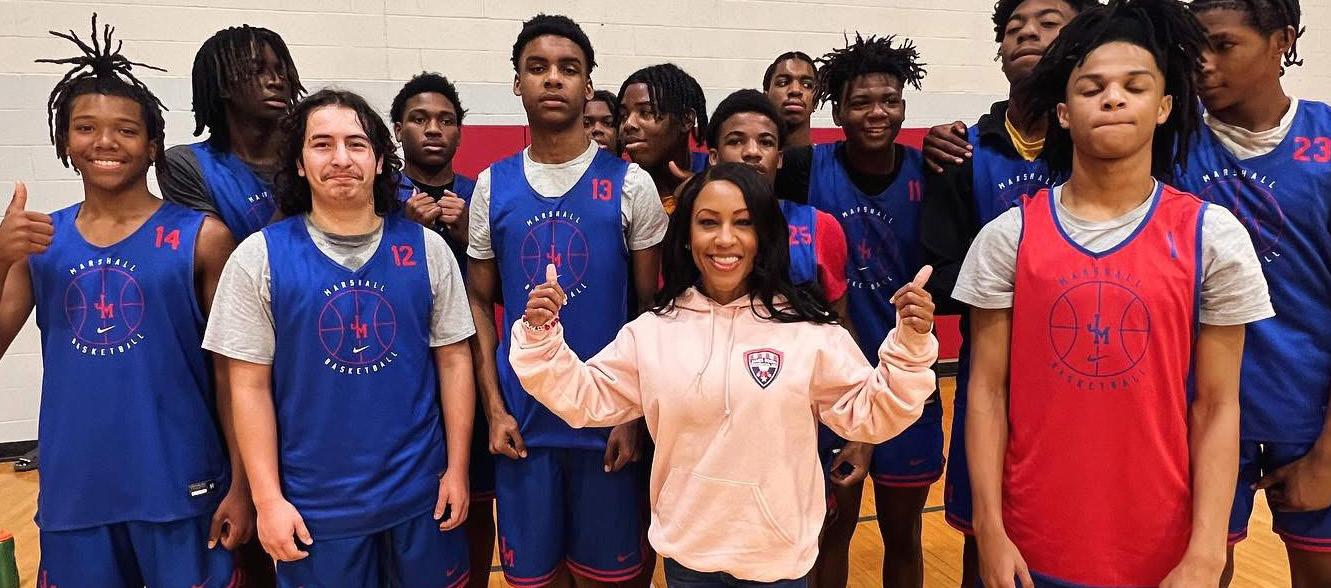
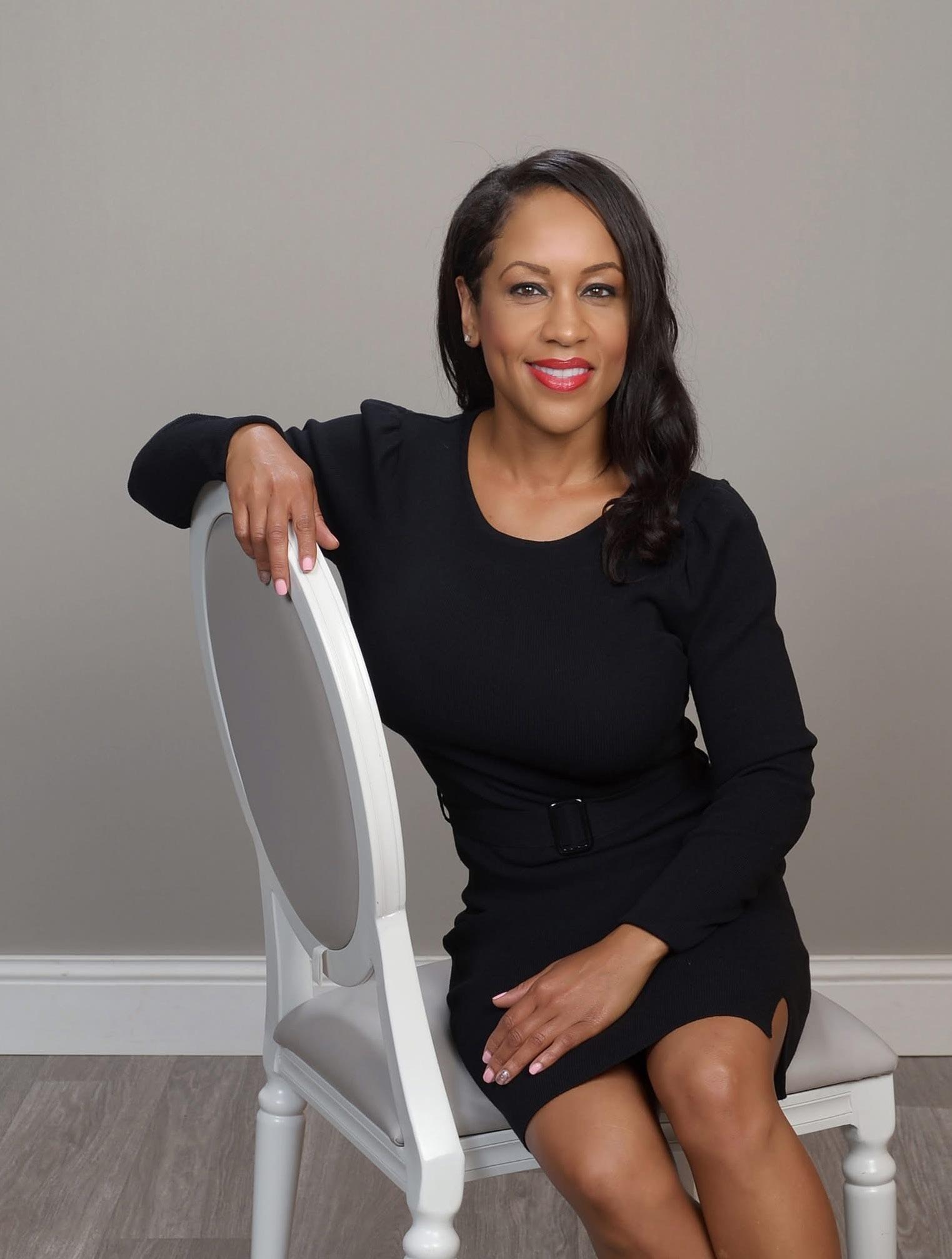
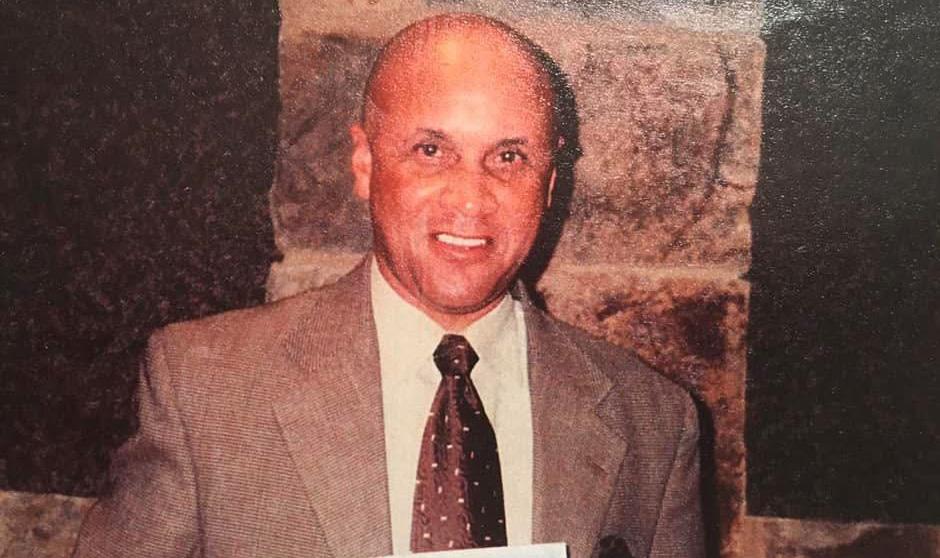
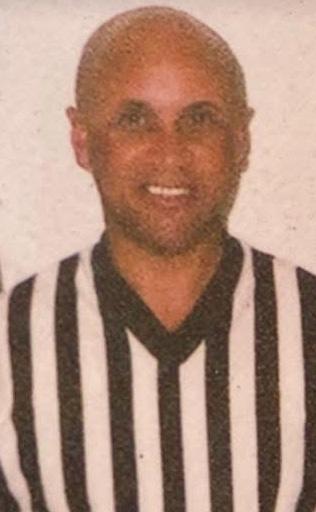
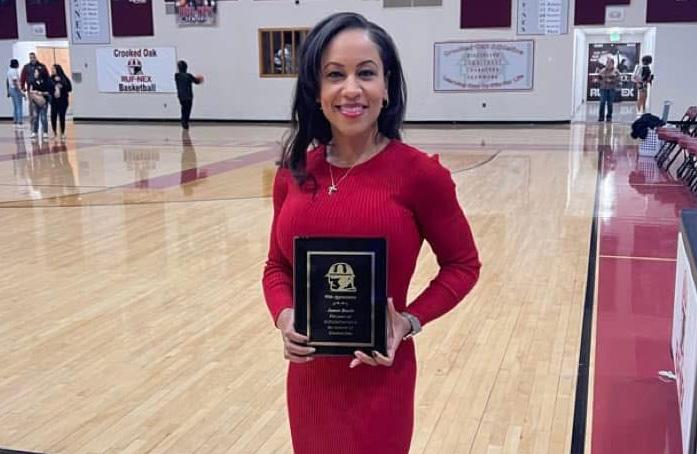
Jalisha Booth was inspired by her father, James Booth, to start the James Booth Foundation. He was an Army Vietnam veteran who worked for Philips Petroleum for over 30 years and mentored hundreds of students along the way. Beyond his professional life, he had a deep love for basketball. He played in local leagues and refereed for over 30 years.
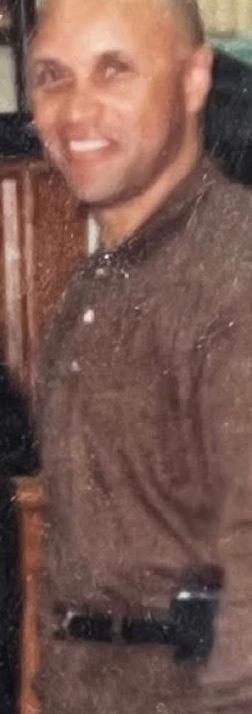
Moreimportantly, he made it his quiet mission to ensure that students’ basic needs, such as proper shoes, were met. He did this behind the scenes, always protecting their dignity. He was known for his fun personality and his no-nonsense, yet compassionate, ability to de-escalate conflict and bring people together. He believed that every young person deserved both accountability and opportunity.
In 2007, everything changed when he suffered a near-fatal, permanently disabling stroke that left him hemiplegic on his right side. He also lost much of his ability to speak clearly for the next 12 years. Alongside his medical team, I served as his primary caregiver. My dad was like Superman to me as a child, and just because he could no longer “fly” did not make me love or admire him any less, if anything, it deepened my respect for his strength and resilience.
When he transitioned to the heavenly basketball courts in 2020, I knew I wanted his legacy to live on in a tangible
CULTURE
way. Providing basketball shoes felt like a natural starting point, a way to ensure that high school athletes had proper footwear and immediate necessities so they could succeed both in their sport and in the classroom. That was the birth of JBF.
However, as I began working more closely with athletes and coaches, I quickly realized that the needs extended far beyond footwear. Many students were facing food insecurity, transportation barriers, and challenges affording required sports physicals. Their needs often exceeded their resources.
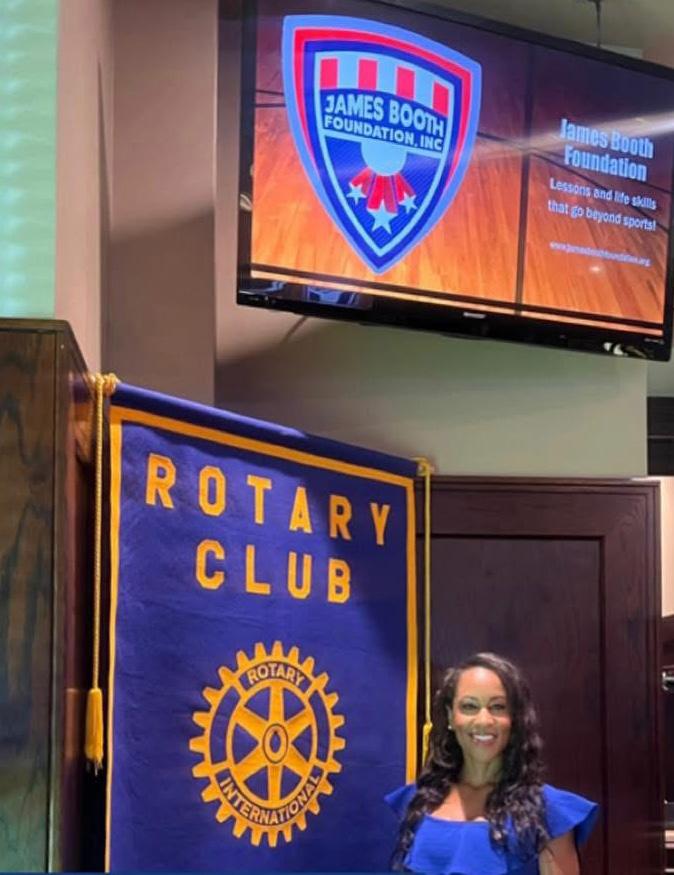
In response, JBF expanded to launch in-school sports physical clinics and an Athletes Nutrition Pantry to help remove those barriers. What began as a tribute to my father’s heart for dignity and service has grown into a broader commitment to ensuring that student-athletes are supported holistically so they can focus on growth, performance, and opportunity.
What challenges have you faced while providing your services to the community.?
The challenges I’ve faced while pro-
viding services to the community have been multifold. First, like many nonprofit founders will say, securing resources, both financial support and in-kind donations, has been an ongoing challenge. While we began by providing basketball shoes, we have since expanded to include a pantry program and in-school sports physicals for students who may not have the $30 fee or transportation for either service. As our programs grow, so does the need for sustainable funding. Additionally, increasing adult and parent participation is something we would love to see more of. It is always beneficial to have more hands on deck and positive role models supporting our students. That includes
CULTURE
not only parents, but also community stakeholders, alumni, and other invested constituents.
Finally, awareness presents its own challenge. There is a delicate balance between promoting our services broadly and ensuring we have the capacity to serve those who respond. Expanding community visibility is important, but it must align with our ability to meet the needs effectively and responsibly. What do you envision the foundation becoming in the not too distant future?
In the not too distant future, I envision the James Booth Foundation becoming an essential trusted partner to basketball teams across all Oklahoma City. Our goal is to expand our reach to serve all athletic programs within the seven OKCPS high schools, as well as independent school districts such as Crooked Oak and Western Heights, which face many of the same constraints as OKCPS.
nutrition pantry before and after practices and games, bringing in-school sports physicals directly to campus, or ensuring they have proper footwear so they are well-equipped for basketball and, eventually, other sports as we expand.
We aspire to be known for providing athletes with consistent and reliable support, whether through access to a
My vision is to create a sustainable system of support that removes barriers and allows student-athletes to focus fully on their performance, education, and personal growth.
How has your involvement in the foundation impacted your personal and professional life?
My involvement with the Foundation has impacted both my professional and personal life in very positive ways.
Professionally, it has stretched me in ways I did not realize I could be stretched further. It has deepened my appreciation for nonprofit leaders and organizations, because I now fully understand what it takes to invest time, resources, strategic planning, and
meaningful community engagement. The work requires far more behind-thescenes effort than many people realize.
Personally, the experience has given me an even greater sense of gratitude. Being exposed to the real-life circumstances of so many students has strengthened my desire to help wherever it is within my power to do so. It reinforces the responsibility we have as community members to step in and support when we can.
Some of my most fulfilling days have
CULTURE
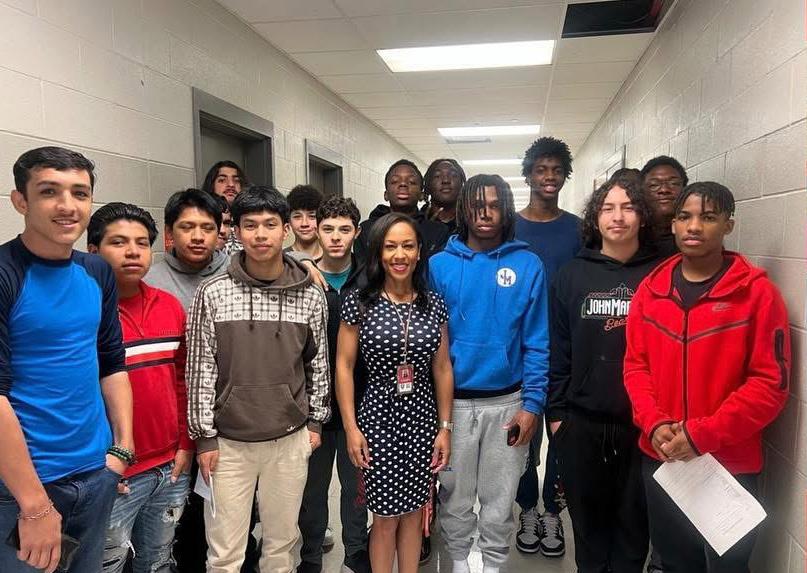
been those spent helping others succeed—especially students. Watching them gain confidence, stability, and opportunity is incredibly rewarding and reminds me why this work matters.
What advice would you give a founder seeking to start their own organization?
The advice I would give to a founder seeking to start their own organization is to truly do your research and make sure it is an endeavor you genuinely
want to pursue. In other words, count the cost.
There is a significant amount of sweat equity involved, and you may not see the fruit of your labor immediately. You have to ask yourself: Are you willing to commit and remain consistent even when progress feels slow?
Along with counting the cost financially and operationally, it is also important to check your heart. Are you pursuing this work to truly serve those you aim to
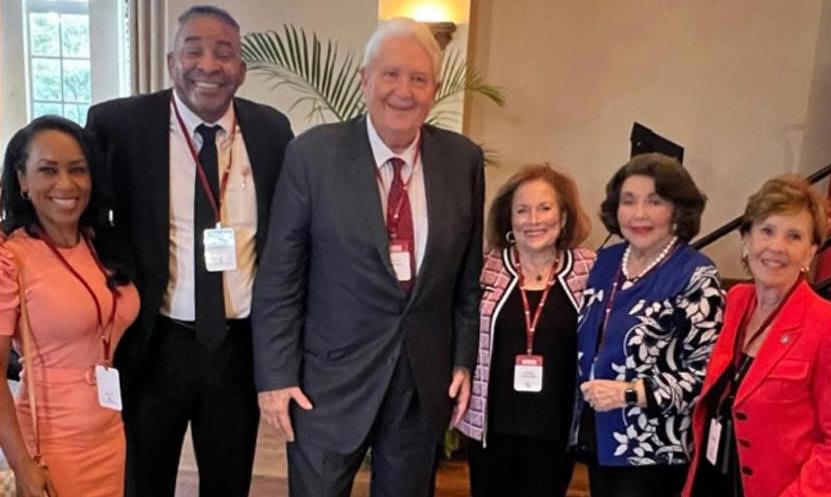
help, or are you seeking to be seen as someone who is helping? The motivation matters. Sustainable impact is built on a sincere desire to serve, not visibility, recognition, or applause. When your heart is aligned with service, the work remains meaningful even when no one is watching. Additionally, there is no need to recreate the wheel. Take the time to see whether other organizations are already doing something similar. Collaboration can often be more impactful than competition. For example, we partner with other foundations when appropriate or necessary to better
serve students. The ultimate goal is always the individual being served, not the recognition of the organization itself. If another organization is a better fit for a student’s needs, we will gladly refer them there.
Finally, do not be afraid to ask for help. Many founders believe they must do everything on their own, but we are not designed to be hyperindependent. We are designed to be interdependent.
Strong partnerships build stronger communities and create programs and relationships that are far more sustainable over time.
THE CHRONICLE W/ 21 RECORDS
CHRONICLE RECORDS
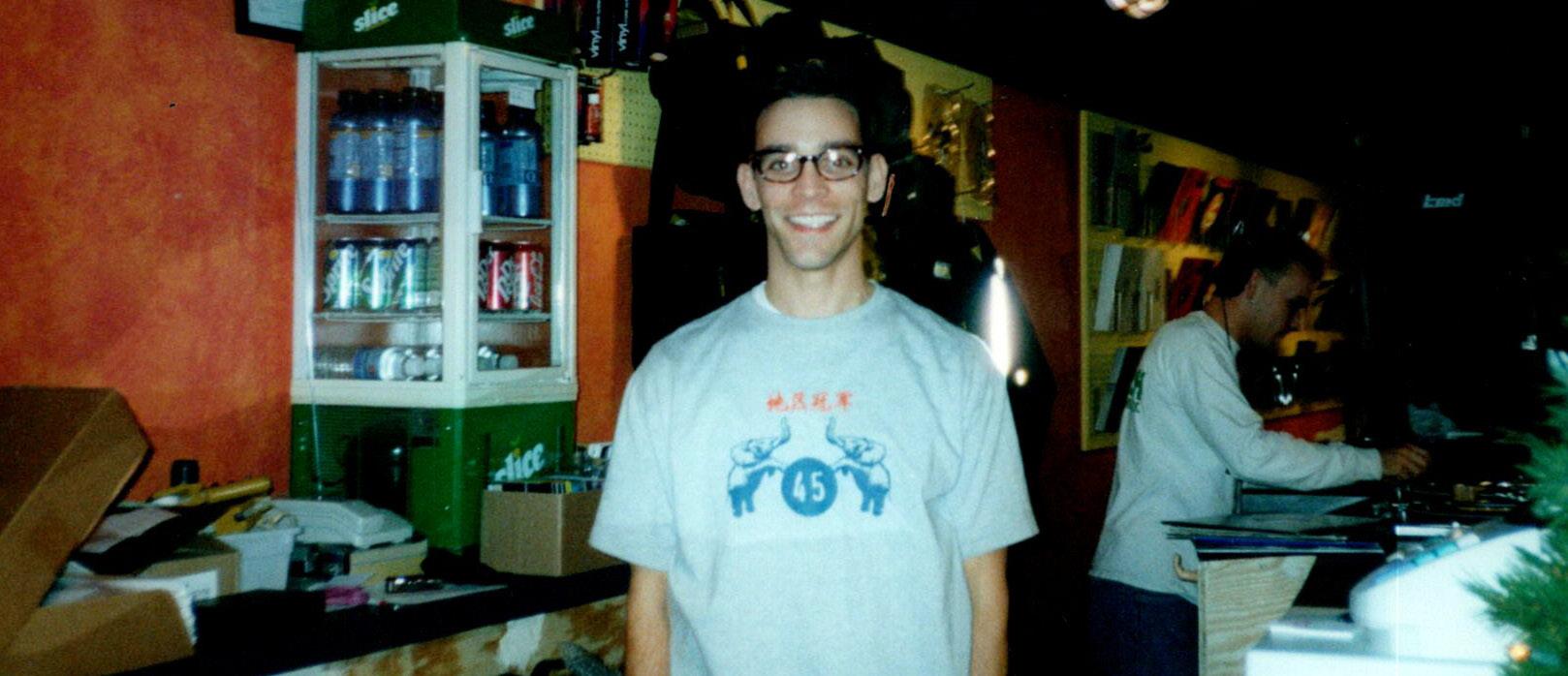
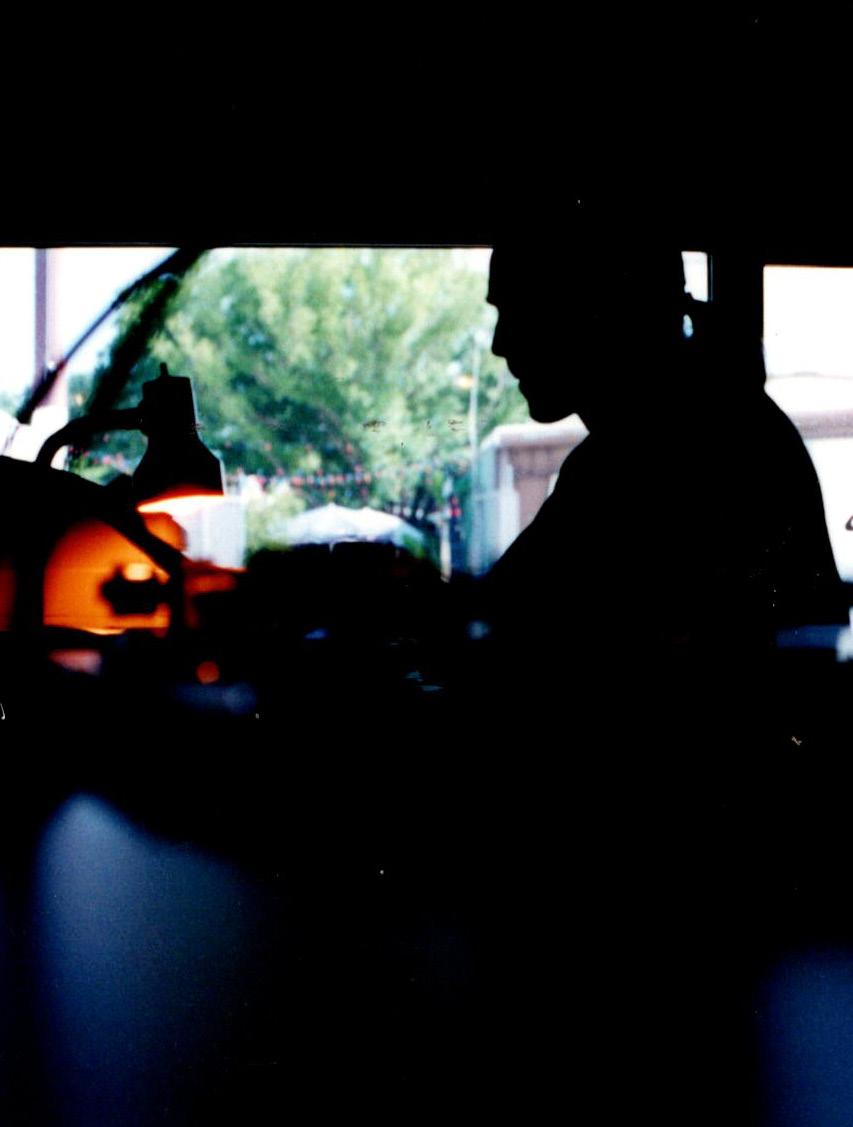
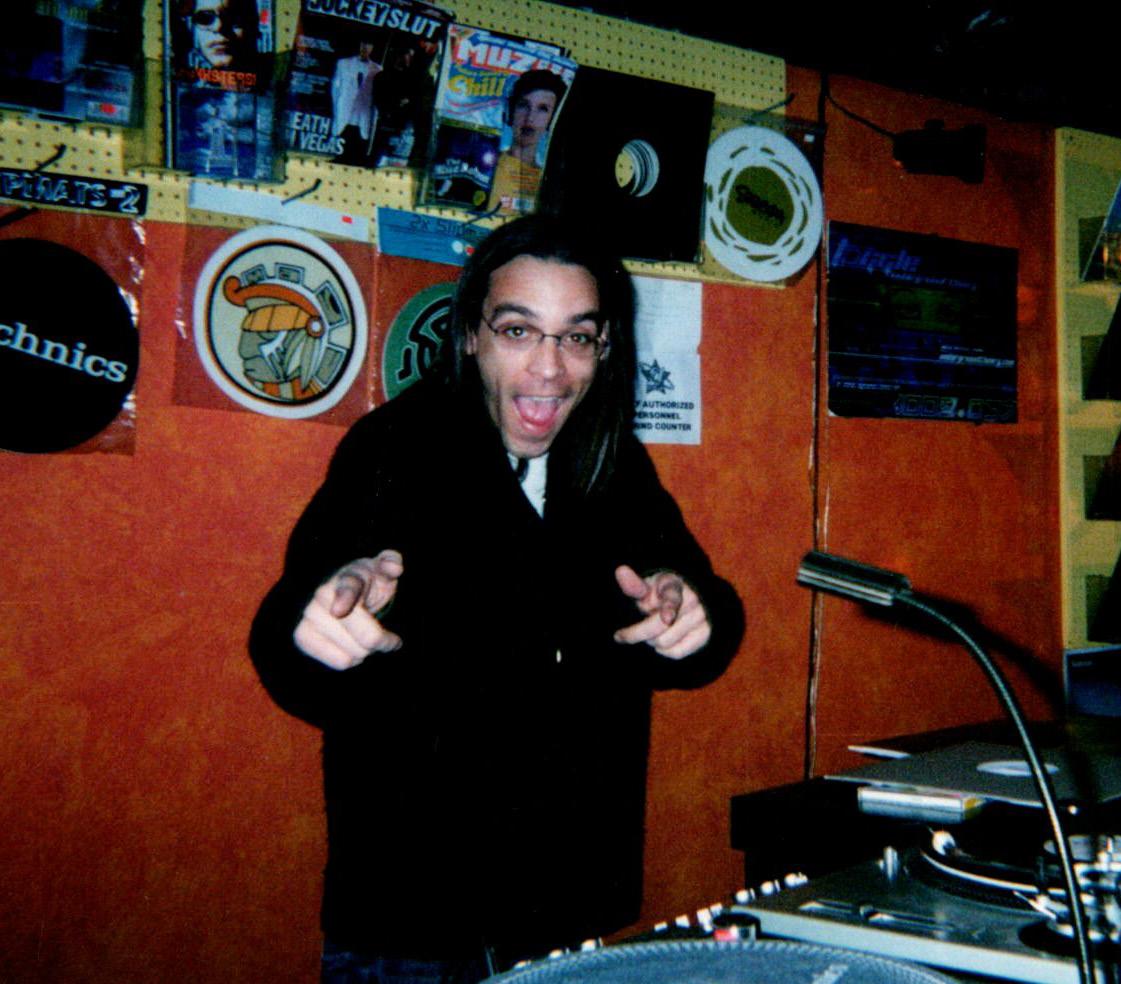
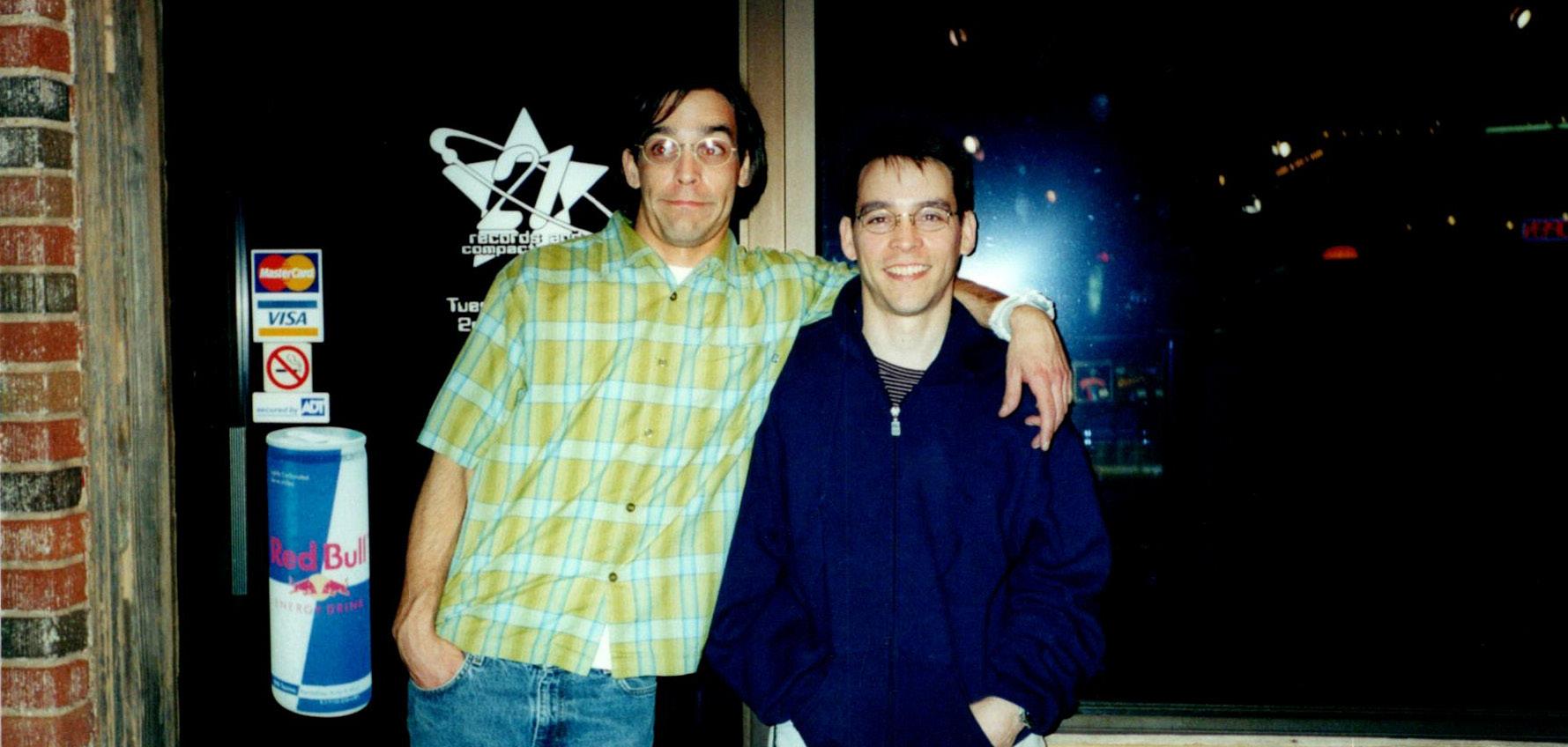
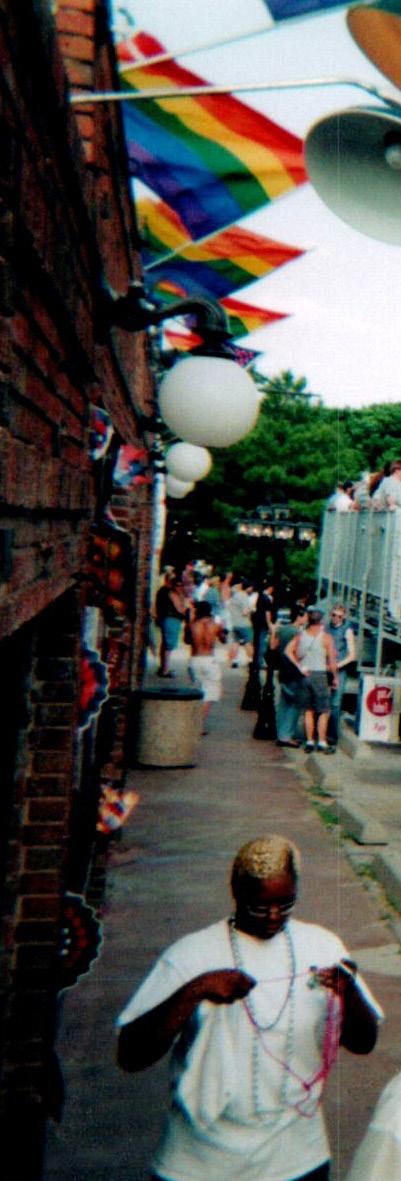
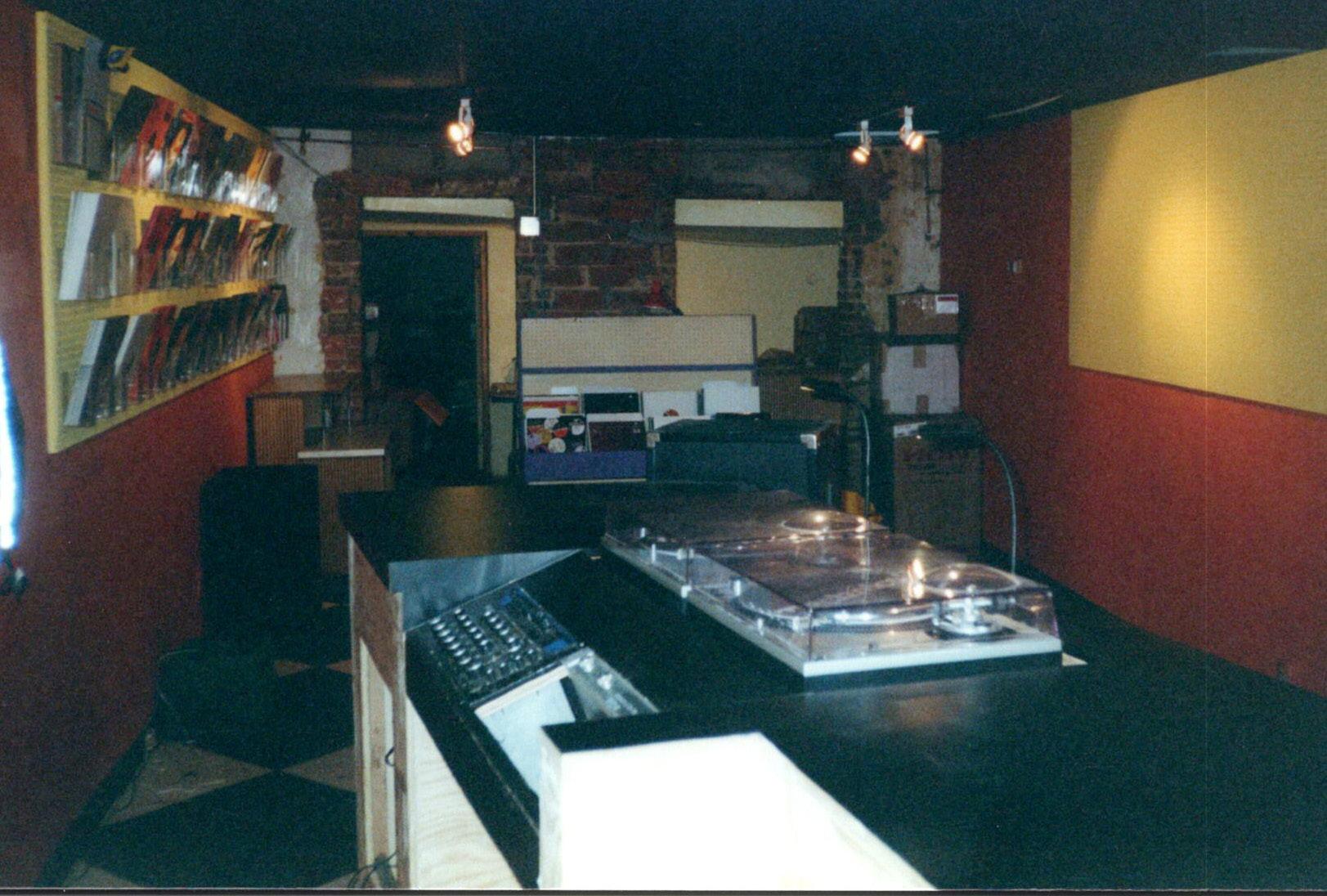
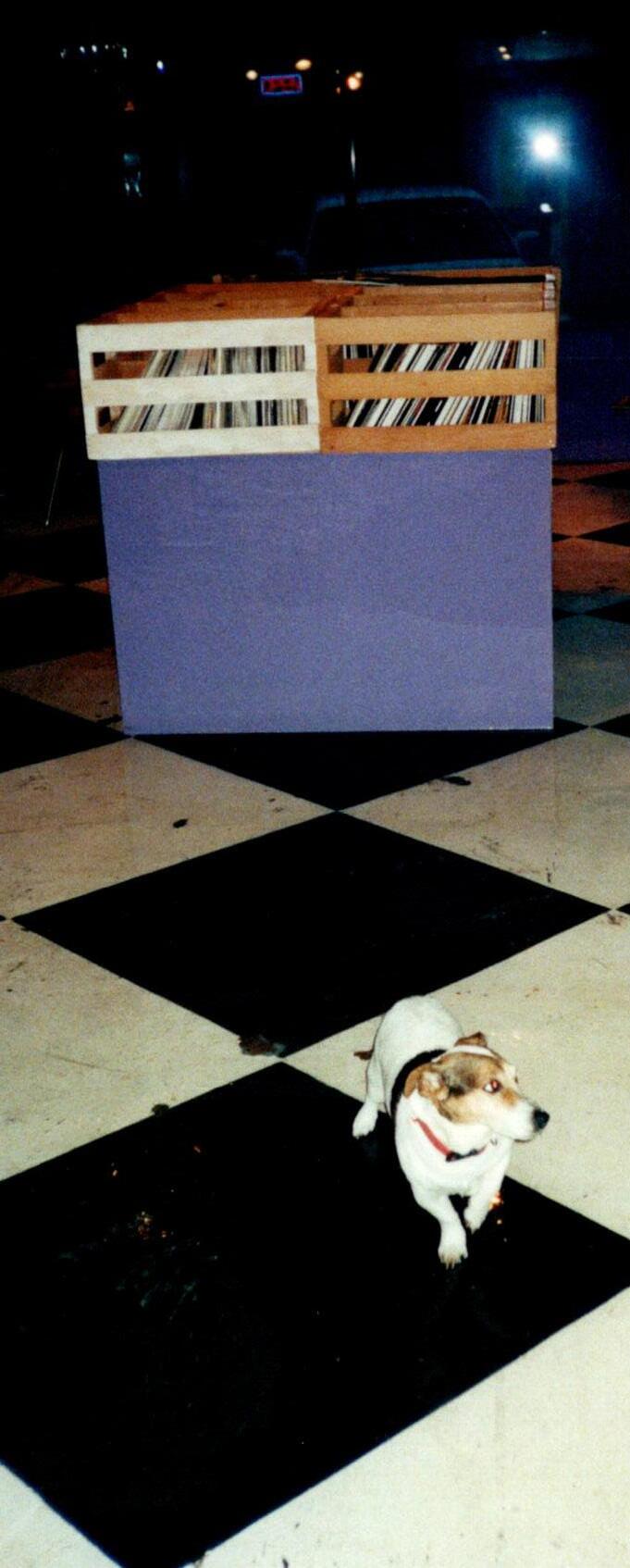
21 Records was known for delivering the latest vinyl gems to the bustling and thriving OKC music scene in the late 90’s. Catering to music enthusiasts from all walks of life, this desirable destination found its footing within the local DJ community. Nestled in a sweet spot located in the heart of the Gay District in northern OKC, this record store was destined to become a local favorite. As its support grew so did its influence on the community. Here Tony Aco, 21 Records store owner and operator, reflects on the record store, its impact on his life and lasting impression that it has left on the lives of its patrons.
INTERVIEWED BY ANDRE LAMONT
Andre: When did you decide to start a record store?
Tony: Pretty much when I moved back from Dallas. I needed a place here in town to order records and I found one. I felt as though there were more records that needed to get out there in the hands of people and DJs. I used my experience with working with Okan Re-
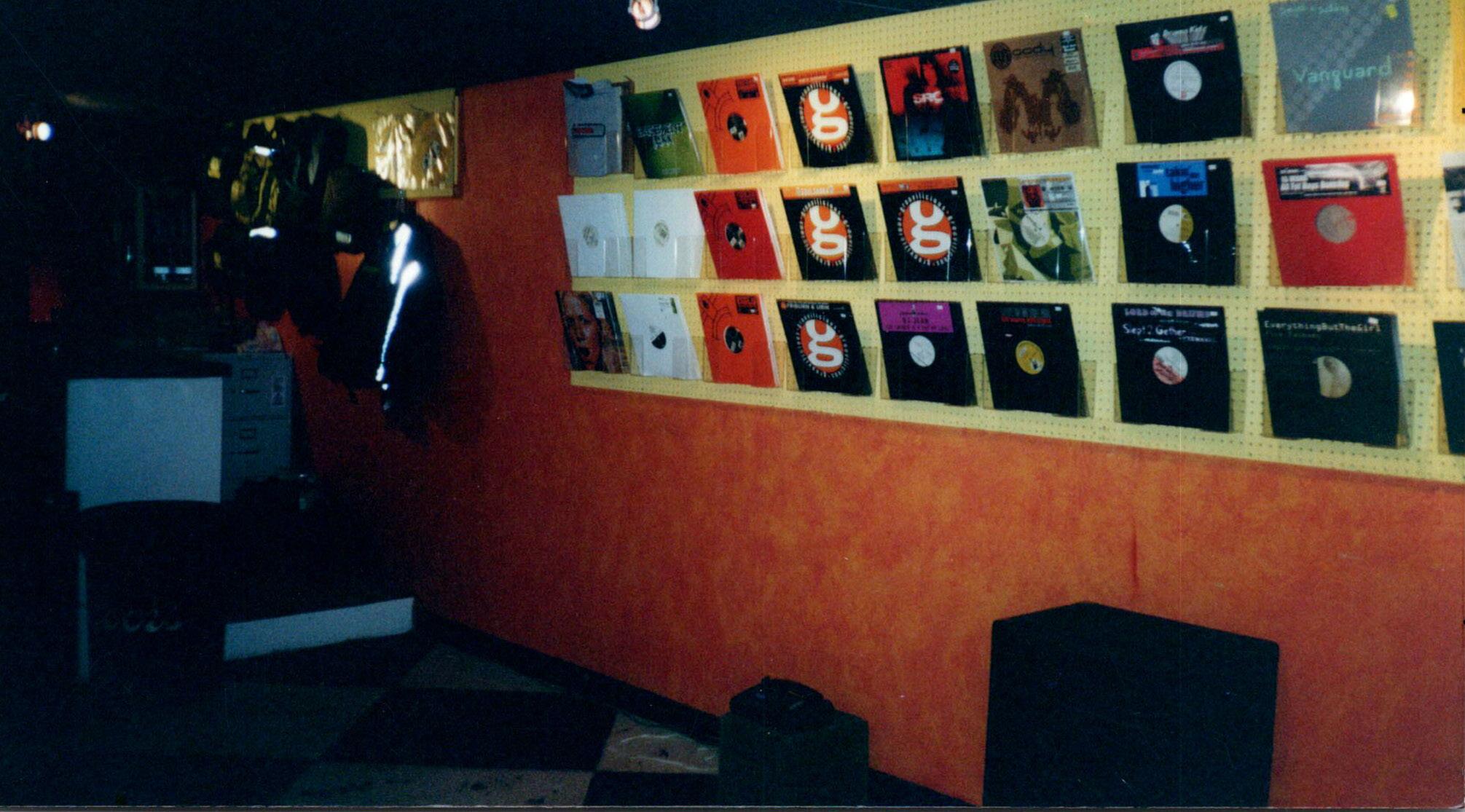
cords in Dallas for 4 or 5 years. I gained a bit of insider view of the music retail business. I knew that I could do it. I just built a business plan and then started ordering stock and product to sale that was necessary for DJs to have a good performance or have fun at home. Items like cleaning supplies and bags, sleeves and jackets for the records. You know, different things when I first
opened I had records bags and I also had mixers, and couple of other things for DJs to use. And it always changed. As far as offering different things. Like offering sodas and Redbulls. Having a selection of incense. Tone arms and needles for turntables. I felt like with my past history in the record business I knew a lot about different types of music like techno, house, hip hop, R and B, high energy. I just thought that I should go for it.
Opening the store came from my passion for music. I really wanted to push the music, push the artist, and push the art, so that people could do whatever they wanted. Whatever made people get into their own groove I wanted to sale, and wanted to provide. If they
wanted to get information or get music. I wanted to deliver.
Andre: Where you a DJ during the time the store was opened?
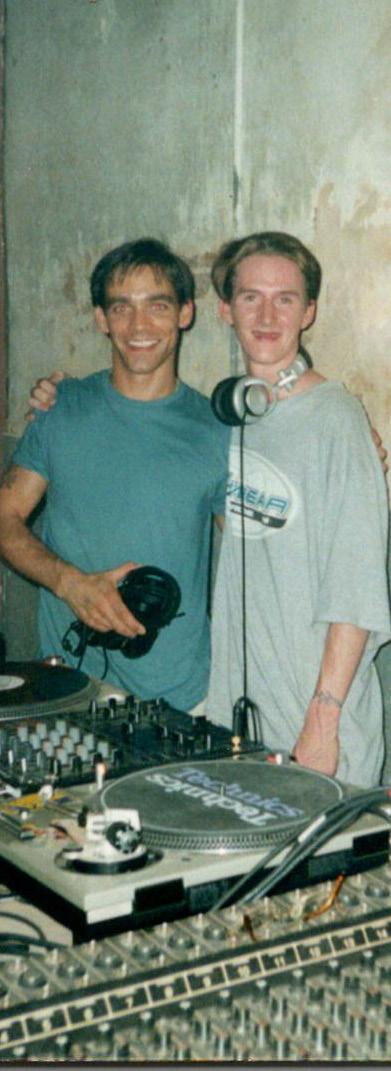
Tony: Yes, I DJed at the Wreckroom at the time. I moved back from Dallas in the fall of ’97. I opened the store in the fall of ’99 in December. I was at the Wreckroom for three years, I went to the Copa and met the owner out there. Somehow the next day the owner of Angles got my number and wanted to talk to me about working at the Wreckroom. So I started working at the Wreckroom on Saturdays alongside Steve Morton. I think after about a year, Steve Morton left and then Dustin came in after that. I was there for 6 years. I
was there from ’97 until 2003. For the first couple of years it was very rough. Getting a feel for music that would get the crowd moving alongside DJing for the drag shows. You know, I didn’t care for them that much, but I didn’t mind playing for them. They were some good performers. Some of the drag queens were very talented. Sometimes things got blown out of proportion. In time the drag show became a staple of the venue and we cross promoted the record store there. It seemed to work.
Andre: Did you see the location influence the Record store in a positive way?.
Tony: You know that’s why I wanted my store there. Because that crowd loves the culture, loves going out and just so happens to have a disposable income. They wanted to play the music after the club, and in there car. They understood that music, and found favor in the record store. And I didn’t think that any of my other customers would be affected by that and if they had a problem. Well sorry.
Andre: How long was the store open?
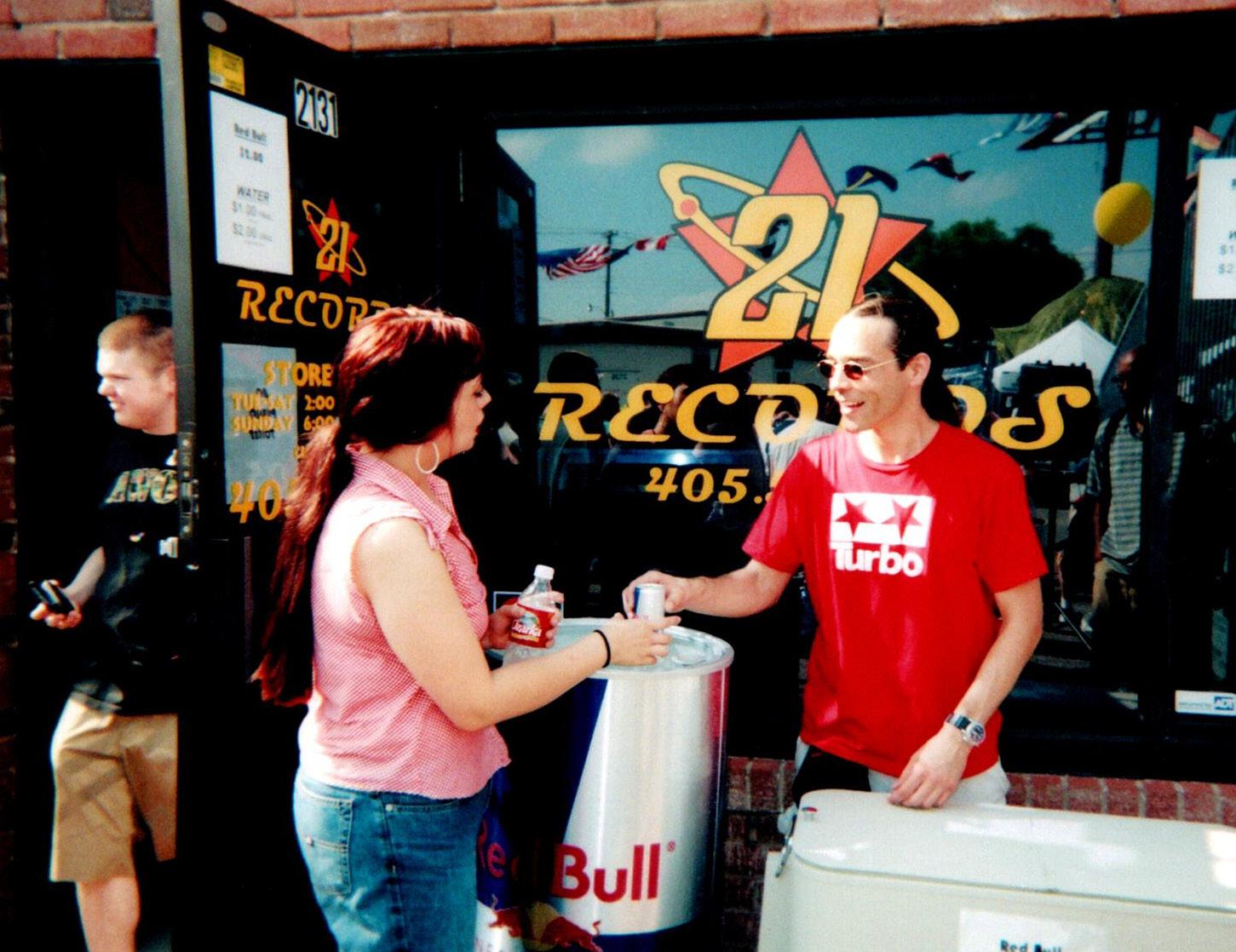
Tony: December ’99 and closed February of ’04. About three good years.
Andre: I think that your store influenced a lot of what has taken place in the community. Either artists were teaching at the store or DJing in the community . They were even hosting some of the largest events in the area. How do you think that the digital revolution has influenced the culture as whole. Includ-
ing the buying and selling of vinyl records?
Tony: Its definitely made either way easier for people to DJ. The fact that you can look up the song that you like, download it and play it on your midi-controller, or CDJ. If you aren’t use to mixing two songs together naturally with vinyl. That’s okay, I just think that is the way things are right now. I
don’t think kids are interested in knowing the ancient art form of mixing two records together without the help of tech. There is a lot of history that goes on with that. I think that some of that is left on the floor. When it comes to the history of dance music culture. When I got started with DJing I wanted to know everything about it. The type of equipment being used, especially the turntables. And at that time there was only one type of turntable to use. It was the Technics. It was the thing to buy. I think
that nowadays its just different. It’s like playing a video game. There are guys out there like Calvin Harris DJing and making great money, it boggles my mind that DJ’s are making this kind of money because back in the day, you never heard of things like that. What bugs me today is when people go to see a DJ, I feel as though they want to watch people hit the sync button and watch them through cake at the crowd and so on. When I go see a DJ I just don’t want to watch them. I want to be
on the dance floor grooving. And feeling it. To me you can’t get into the music if you are just standing on the wall like a robot. You’ve got to feel the music. You know, with your loved one, getting your groove on.
Andre : How do you think that the music still translates to older people?
Tony: You know, there is good artist and good music. But it’s just that the house heads have grown up., and all of these different things in life you have to tend to. Unfortunately, there aren’t a lot of younger DJ’s playing classics. The music fits more of the current trend. Maybe they haven’t seen a Josh Wink, or Danny Tenaglia set. You know the greats. An experience that takes you somewhere. Not the performer that plays the nastiest drops, or the most wobbly baseline. There is more to it than that. There is more emotion to it than that for me. I’m not too well versed on that music so I could be speaking out of my ass. But from a personal feeling, I feel that it has no emotion.
When I go on Traxsource and listen to music. I hear a lot music that they are
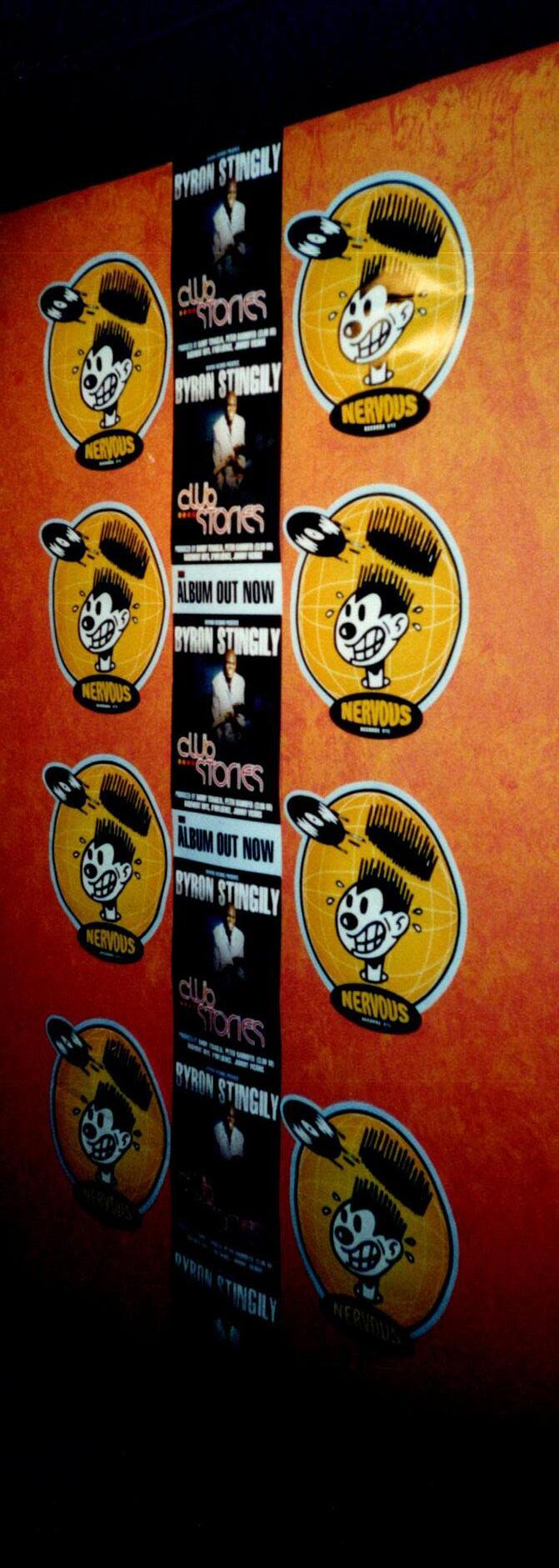
sampling a lot of house tracks from the 90’s and they are reworking it. Sometimes it sounds like rip offs, but I see that they still make the cut to be sold. I’m not sure how they get away with that though. It is the same thing as in the 90’s when DJs were cutting up their tracks and resampling it. Very solid stuff. I was buying it. Like the stuff from DJ Sneak. A lot of Chicago artists were doing the same thing.
Djing is very tactile. You feel your record, you push it out, you have a pitch control, the start stop button and then the mixer. Yes, it’s very much hands on. You can see the name of the producer on the record you can even smell it if
you want. There is a certain pride that comes with owning a record.
When you have a digital copy there is a different feeling associated with it. When you have a record though you may have paid 8 bucks for it, but you are like, Man, I got the Cashmere, it’s badass. And in that you have love for that physical record for the duration of time that you own it.
SO there is definitely a difference. It even took me quite sometime to get use to DJing with downloadable music. I had to equate it to using CDs. I’ve done that from time to time while DJing.
You know there is Serato and so on, but I don’t want to look at a computer screen. I get it though you know, it’s much easier to toss a thumb drive in and go from there.
Andre: You’re history is in music, and you understand how to find great music, when you are hunting for music you are ideally playing gems. Crate digging isn’t something that a lot of DJ’s are doing today,I think they are searching for music with bite sized morsels that people on the dance floor will respond to. In my opinion that leaves the essence of story telling on the cutting room floor. I noticed that the Djs that are playing music out that have been doing it for 20 to 25 years deliver a different feel to their sets.
I watched a Carl Cox and Green Velvet do a tag team set, they used CDJ’s and the way that they were mixing was on a different level. They went deeper, by making a breakdown themselves. They built it up and built it up, and then when the beat finally dropped it was one of the most pleasant experiences. The skill and attention to detail was evident
during that set.
Tony: You know, you can be very creative with your CDJ’s if you know how to use them. For me I just really know how to use the on off button and the pitch control. Jokingly. I’m pretty old school in my mixing. I see that you can have your tractor devices, loops and effects. Depending on what mixer you have you can do a ton of stuff and that’s really cool. Loop a vocal, bring in additional tracks. Loop some other beats, make it a new song basically.
There is so much creativity. They are so versatile especially if you have a producers mind. You can use vocals, snippets, beats you can have four different things going on thenyou can go to town. With different effects. It’s not me but I think that it is very cool. You can do some mashups and get a different type of art going on. You know, I favor DJing the old school way. But if you are into the digital , go for it , because I think all in all it’s pretty cool.
Andre: What do you feel was the lasting impact of your store. You know, all good things come to an end, but usual-
ly if those things are good enough when they cease to exist they leave a residue behind. So, what was the residue that you left behind.
Tony: I’m not too sure. But I think that it was a place where people of diverse backgrounds came to buy music and meet different people. I know that there was a lot of people that became friends through that store. Music would bring people together. Ultimately, there were some friendships made there. I tried to make the city dance a bit more and be more diverse and into the music. If someone came from out of town and they went to a nightclub and heard the latest music, I have hopes that they would be like OKC is up on it, ya know.
I think that people may still get together and play new records. It brings people together. They may gather on a Sunday afternoon and have a few beers and chill. It’s easier to do that, with your computer or iPhone and use some speakers to play. I don’t know if people are doing that but there is the ability to. I’ve got these speakers and a tractor cord for my iPhone and I’m ready to go. Tell me when, party for five.
Andre: How has your passion for music influenced your life.
Tony: I feel like it has always been there. I’m not sure that it has influenced me in any way as far as me growing up and getting older. I do find that now I do want to listen to my older music. I’m going through my old music and getting them in some kind of order.
I think I’m going to do a crate of records that I use to play at the Wreckroom. Play them and maybe do a reunion. I’ve been asked before and I’m like my records are spread out. But I want to do them like I use to play them. At least I’d like to do the Wreckroom that way.
Music is guiding me in a way now not necessarily through life but it is pushing me to do stuff. I’d like to hear somethings and mix somethings that I use to mix. If someone asked me to bring my crate of records I want to have them ready. You know the deep stuff, I don’t want to stress out about looking for the records. I want to recategorize them for now, because I want to hear them and I want to play them. Have records will travel.
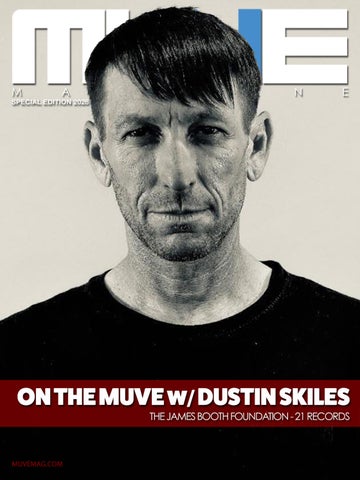
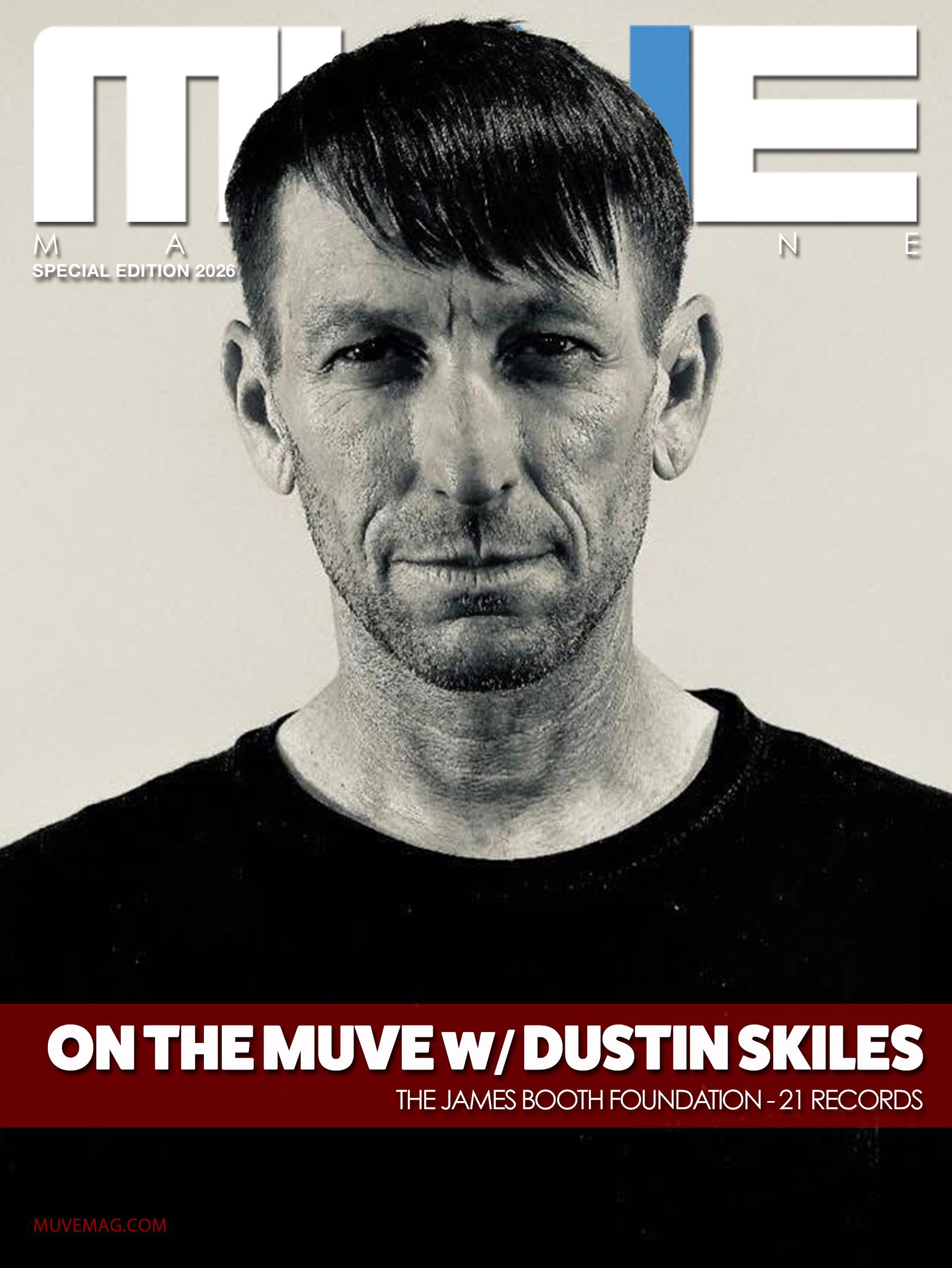
ON THE MUVE w/ DUSTIN SKILES
SKILES
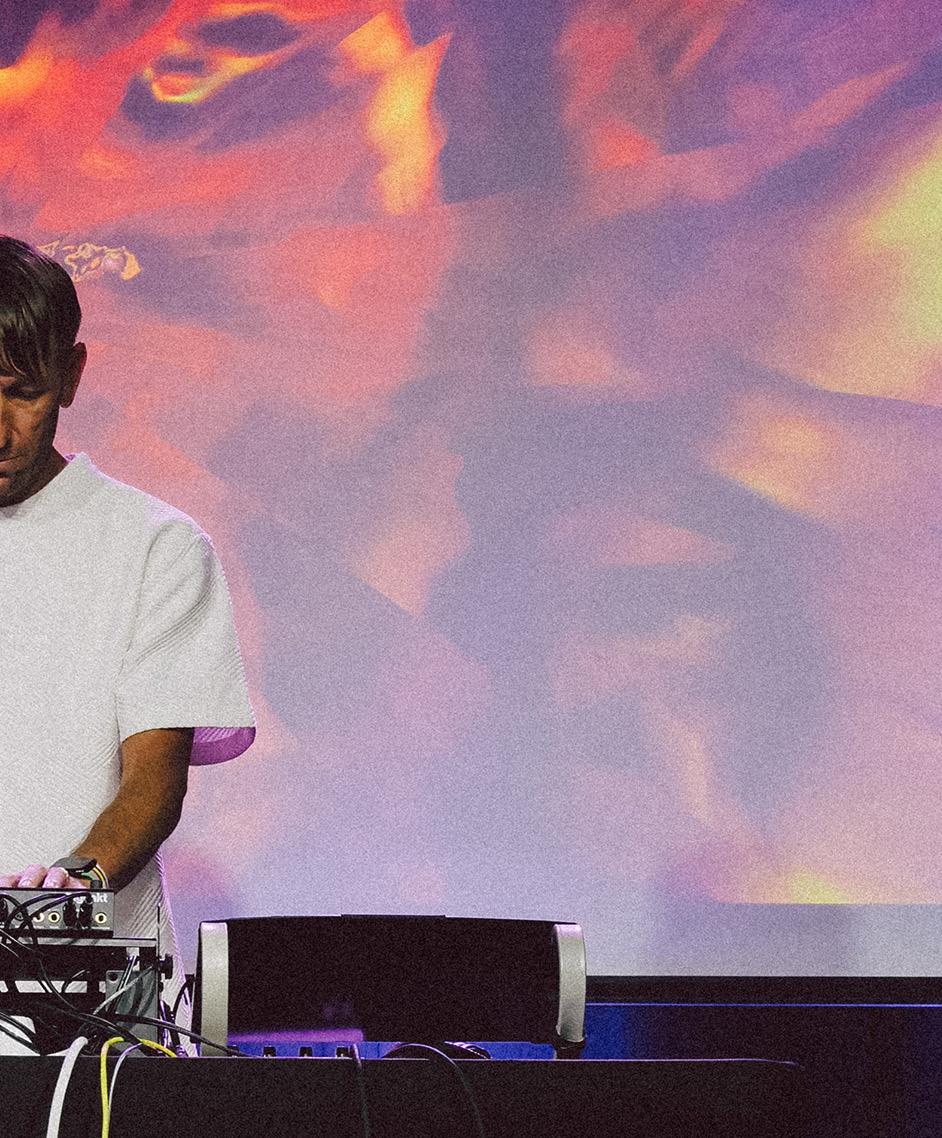
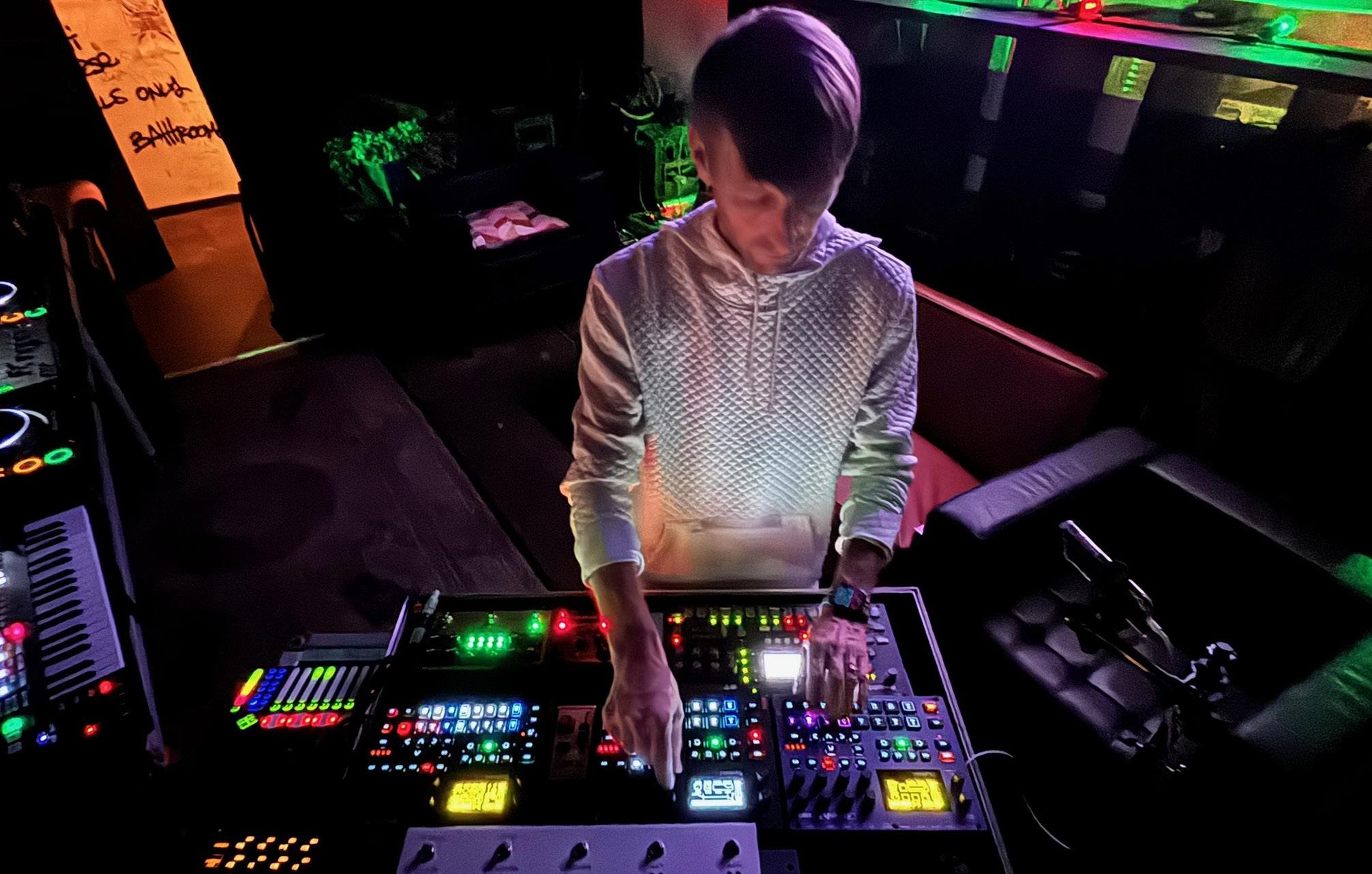
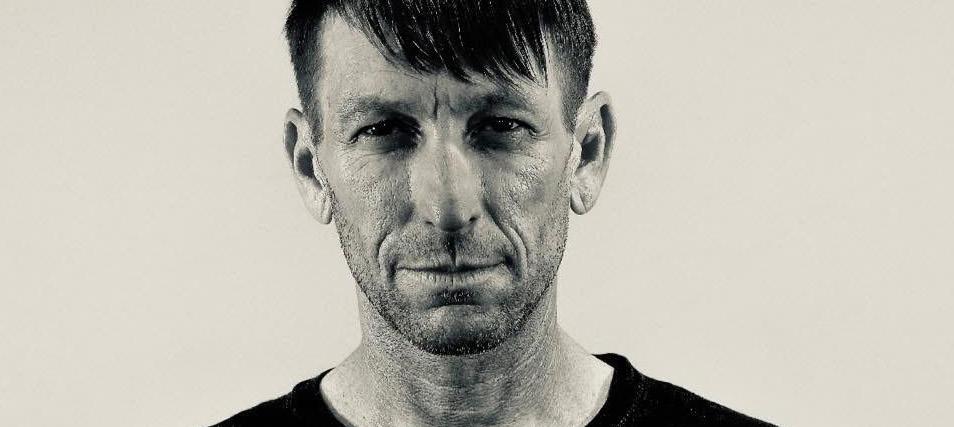
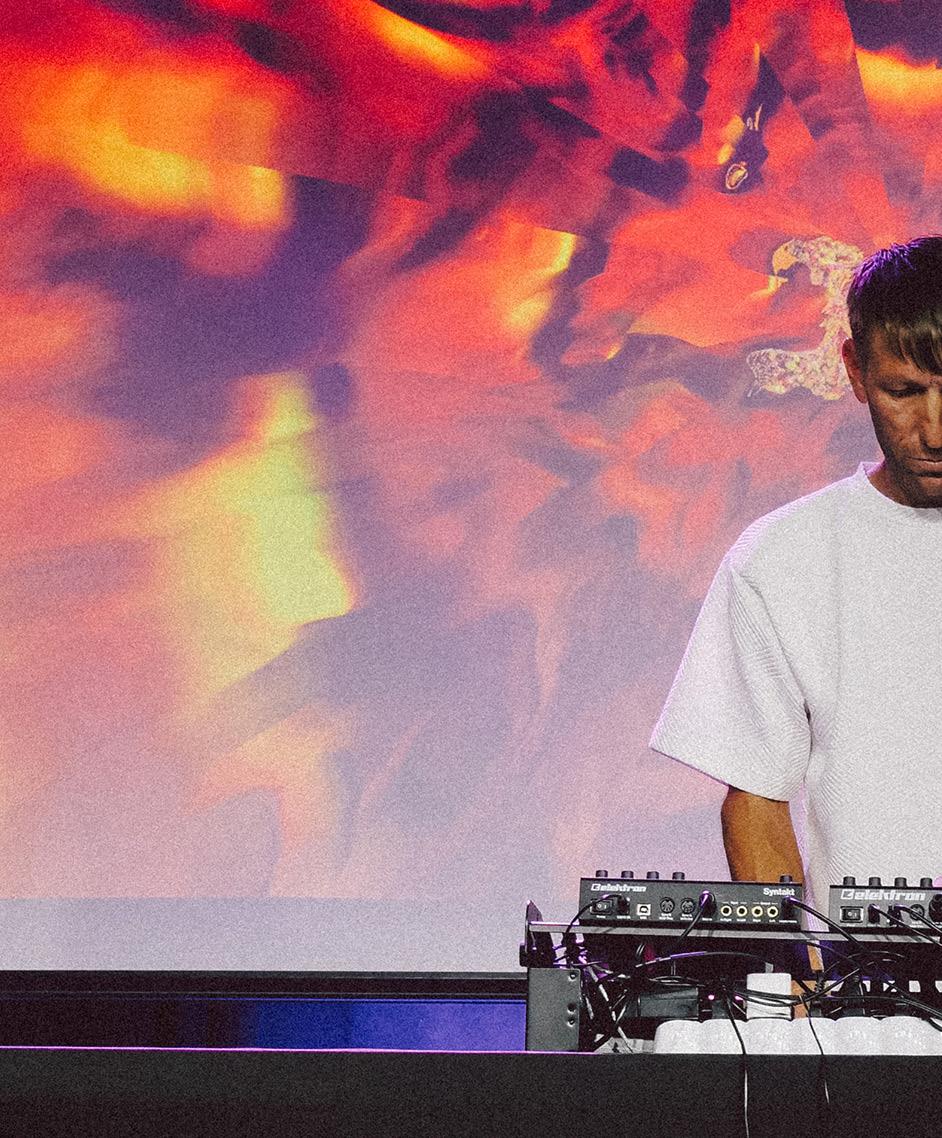
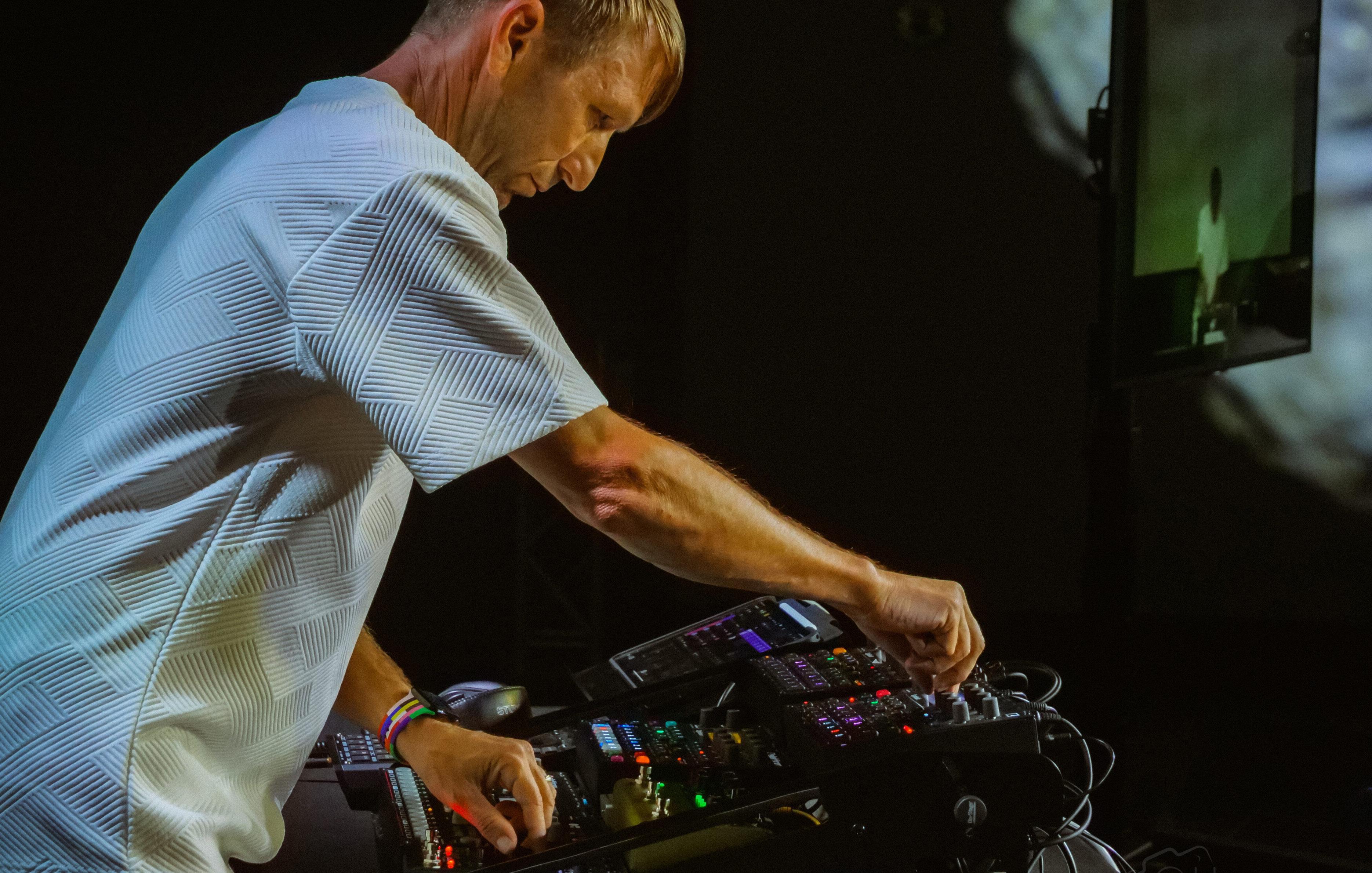
Dustin fell in love with house and techno in the mid-90s. He started DJing at house parties in high school. That love for the energy created during his sets led him to nightclubs, raves and other dance music focused venues. Early on in his music career, he produced edits and mashups for his DJ sets. The experience in the studio inspired him to begin to produce original tracks of his own, tailored for dance music DJs. After investing many years into his craft, Dustin made the shift from DJing to improvisational live per-
formances with synths, samples and effects.
We had the opportunity to interview Skiles ahead of his live performance in OKC later this spring. Consider the following:
What is the most awe-inspiring destination your music career has taken you to?
I’ve been blessed with opportunities to work with some amazingly talented people in so many wonderful spots. Venues, recording studios, festivals,
etc. One of my favorite bits of time was spent touring with my pals across the US, Canada, and England. I’d love to return to these spaces as an artist.
As a facilitator of music production over the years, could you briefly break down your curriculum for us?
At Full Sail University, I teach a monthlong course on Sequencing Technologies in the hands-on labs. We dig into synthesis, CV, MIDI, editing, sampling, and sequencing. I also give a presentation where I break down my approach to creating music and performing live.
Regarding your upcoming show, what can patrons expect from your performance?
Spontaneous music, fresh sounds, and strong grooves. Each show is unique, blending controlled chaos and happy accidents.
What is next for you as a performer, producer, and DJ?
My immediate plans include playing more shows and refining my sound. I fully intend to release material when the time feels right.