Ingebrigt Bjelland
Folkeleg musikk i Rogaland
Salmar, koralar, viser, bruremarsjar og dansar arrangerte for song, kor, orgel, piano og ulike instrument
Folk music in Rogaland
Hymns, Chorales, Ballads, Bridal Marches and Dances arranged for solo voice, choir, organ, piano and different instruments
Tittel: Ingebrigt Bjelland
Folkeleg musikk i Rogaland
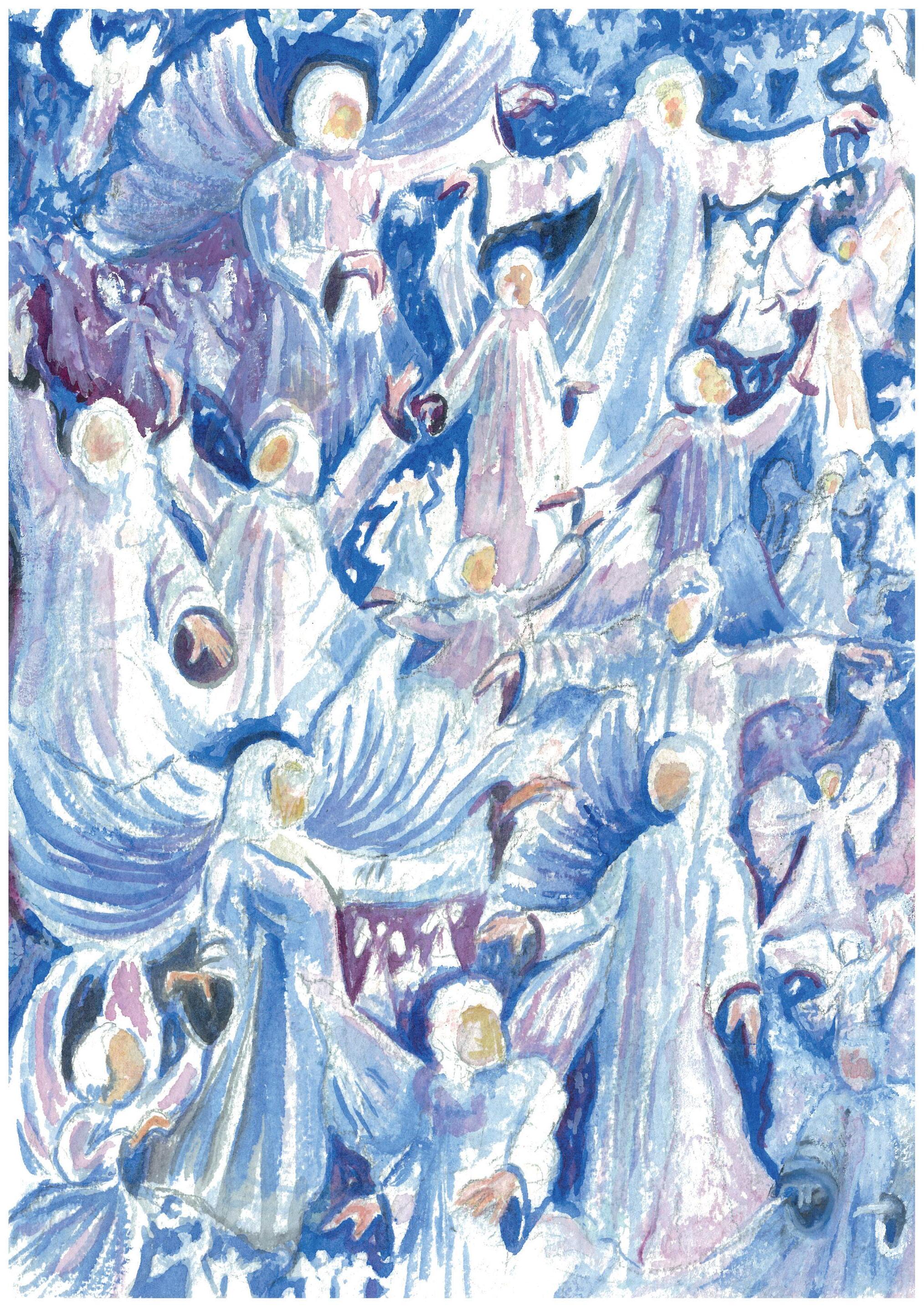
Teikningar Olaug Elisabeth Bjelland Jacobsen
Engelsk oversettelse Patricia Asdal
Utgjeven med støtte av Universitetet i Stavanger (UiS)
Copyright © Cantando Musikkforlag AS 2010
ISBN 978-82-92494-30-1
Adresse: Postboks 8019
4068 Stavanger
Telefon: 51 86 90 00
Faks: 51 86 90 01
E-post: order@cantando.com
Internett: www.musikkforlaget.no

Materialet i denne publikasjonen er omfatta av vedtektene i Åndsverklova. Utan særskild avtale med Cantando Musikkforlag AS er eikvar eksemplarframstilling og tilgjengeleggjering berre tillate dersom det er heimla i lov eller det er gjort avtale med Kopinor, interesseorgan for rettshavarar til åndsverk. Utnytting i strid med lov eller avtale kan medføra erstatningsansvar og inndraging, og kan straffast med bøter eller fengsel.
The material in this publication is subject to the rules of the Copyright Act. Unless otherwise specifically agreed with Cantando Musikkforlag AS, any reproduction or making available to the public is only allowed as far as it is permitted by law or authorized through an agreement with the Norwegian Reproduction Rights Organisation Kopinor, or similar organisations in other countries (http://www.ifrro.org)
Utilization in violence of law or agreement may carry liability for damages and may incur prosecution resulting in fines or imprisonment.
Forord
Under hovudfag-studiet var eg rundt i Rogaland fylke med band-opptakar der eg fekk spelt og sunge inn dansar, bryllupsmarsjar, viser og salmar. Dette blei gjort for at god kultur ikkje skulle gå i gløymeboka, men vera levande for generasjonen som lever i dag. - Kommunane som eg gjorde opptaka i, var Vindafjord, Sauda, Suldal, Hjelmeland, Stavanger, Bjerkreim og Varhaug. Eg har nå under utarbeiding av boka supplert materialet med kontaktar i Ryfylke.
Som pensjonist med arbeidsplass på Universitetet i Stavanger (UiS) har eg nytta tida til å bearbeida det innsamla stoffet for publisering.
Det er arrangert for song, kor, orgel, piano og gammaldansorkester, alt etter sjanger.
Publikasjonen er utarbeidd med god hjelp av Folkemusikkarkivet/Ryfylkemuséet, Universitetsbiblioteket, Nasjonalbiblioteket, Norsk Visearkiv, Byarkivet, ymse kyrkjekontor og elles med kollegaer frå UiS og fagpersonar i utgjevingsbransjen.
Mange av tekstane og melodiane i opplegget har – etter det ein kjenner til – ikkje tidlegare blitt nedteikna eller publiserte.
Produktet inneheld:
1) Bok med arrangementa, omtale av desse og litt om informantane.
2) CD der det meste av song og musikk er innspelt. Den kan kjøpast separat.
Dei to CD-platene inneheld alle dei 64 låtane, men nokre av songane er ikkje sungne inn med tekst. To av songane har skifta kategori i høve til boka.
Stoffet vil kunna nyttast i musikkskulen, grunnskulen, i heimane, i organisasjonar og ved ymse tilstellingar, dessutan som songbok med tilrettelagte arrangement og ferdig innspelte akkompagnement i tillegg til innsungne salmar, songar og viser.
Eg rettar stor takk til stipendgjevarane som har gjort det muleg å framstilla produktet: Kommunane Sauda, Suldal, Stavanger og Ryfylkefondet.
Takka går også i stor grad til Universitetet i Stavanger (UiS) som har gjeve meg arbeidsplass og dei fasilitetane som måtte til for å utføra jobben.
Elles takkar eg kollega Håkon B. Landråk for viktig hjelp og gode råd under utarbeidinga, dessutan ein kollega, som vil vera anonym, med korrektur-gjennomgang av teksten. Eg vil og takka søstera mi, Olaug Elisabeth Bjelland Jacobsen, som har illustrert boka, og ikkje minst Ruth Anne Moen, Folkemusikkarkivet/Ryfylkemuséet for uvurderleg hjelp.
Universitetet i Stavanger 03 05 10
Ingebrigt Bjelland
Foreword
Whilst studying for my Master’s degree I travelled around the county of Rogaland with a tape-recorder and recorded songs, dances, wedding marches, ballads and hymns. This was to ensure that a valuable cultural heritage would not be forgotten but could be available for future generations. The boroughs where I recorded were Vindefjord, Sauda, Suldal, Hjelmeland, Stavanger, Bjerkreim and Varhaug. Now that I am working on the book I have supplemented the material through contacts in Ryfylke.
I have utilised my time as a pensioner with a work-place at Stavanger University (UiS) to prepare my collected material for publication.
The arrangements are for various groups, voices, choir, organ, piano and traditional dance-orchestra according to the nature of the original material.
The following have given me help in the course of this project: The Folk Music Archive/Ryfylke Museum, The University Library, The National Library, The Norwegian Folk-Ballad Archive, several Churches, colleagues from UiS, and advisers who are in the publication business.
Many of the texts and melodies in this presentation have not, as far as I can ascertain, been written down or published before.
This presentation comprises:
1) A Book with arrangements of the Folk material collected, a commentary on the pieces, and a brief word about the sources.
2) A CD recording of most of the items, which can be bought separately.
The two CDs contain all 64 songs but some of them are performed without text. Two of the songs are categorised in a different way to the book.
The material can be used in schools, at home, clubs and other organisations.
I wish to thank the following sponsors who have made it possible to realise this project: The Borough authorities of Sauda, Suldal, Stavanger and the Ryfylket Fund.
Thanks also go to UiS who offered me the facilities required to undertake this enterprise. Otherwise thanks to Håken B. Landråk for good advice during the development of the project, a good colleague for proof-reading. Thanks to my sister Olaug ElisabethJacobsen, who has illustrated the book, and not least to Ruth Anne Moen, Folk Music Archivist at the Ryfylke Museum for her invaluable help.
Stavanger University, May 3, 2010
Ingebrigt Bjelland
Aldri
Bøn
Bånsull frå Jæren ...........................
Dei Haugland hæ høytt i nott
Frelsessoldaten
Farvel til heimbygdå Etter Bjørn O. Haugland
Fistersongen
Imsland-songen
Oluf Bjelland
Oluf Bjelland
Visa om Sterk- Odder Etter Lars Berge
Vågsvisa
Jæren
Dei Haugland hæ høytt i nott
Huldra som var attmed ein stor stein
Etter Jon Vetrhus
Aanestad
Etter Trygve Fuglestad
Svein P. Eikeland
dynna
Bruremarsjar
Ola Fagerheim
Bruraslått frå Høgsfjord Etter Leiv Mæhle
Bruremarsj frå Jelsa Etter Lars Berge
Reinlender frå Ryfylke-traktene
Etter Nils Staurland
Etter Olav Vandvik
Etter
America Ballad
The Farmer
Farewell to the Home Village
Fister’s Song
Imsland’s Song
Slettastøl’s Song
The Ballad of Sterk-Odder
The Ballad from Våg
Cradle Songs and Children’s Songs
Children’s Song from Bjerkreim
Cradle Song from Jæren
Haugland Folk have Gathered the Hay Tonight
The Wood-Nymph by the big Rock
Ballad of the Months
Out from Blidensol
Samuel Hovland og Nils Hovland
Jørn Telnes/After Tora Vetrhus
After Bjørn O. Haugland
Oluf Bjelland.
Oluf Bjelland.
Oluf Bjelland.
After Lars Berge
After Jon Vetrhus
After Trygve Fuglestad
After Sven Aanestad Lea
After Trygve Fuglestad
Svein P. Eikeland
After Ingrid Marvik og Inger Frøvik
After Toralf Klungland
Ballad of the Wood-Nymph After Toralf Klungland 199
Songs with
Outside the Door
and Piano
Ola Fagerheim
To My Girl Oluf Bjelland.
Bridal Marches
Bridal Air from Høgsfjord
Bridal march from Jelsa
Waltz
After Leiv Mæhle
After Lars Berge
The New Rose After Laurits Åmøy.
Masurka
Reinlender (Traditional Folk Dance)
Reinlender from Fister
Reinlender from Ryfylke-traktene
Reinlender from Suldal
Reinlender on the accordion
Fuglestad
After Nils Staurland
After Olav Vandvik
After Lars Førland
After Theodor Åmøy
Reinlender Peder Førland
Springar (Roundel)
Springar from Suldal
After Lars Berge
Translation of norwegian words
bokmål: One of two written standards in Norway developed from Danish and Danish-Norwegian and influenced by spoken Norwegian
halling: Folk dance from Hallingdal in duple time (solo dance for men)
nynorsk: One of Norway’s two official written languages developed from the language (grammar and dictionary) based on Norwegian dialects and written down by Ivar Aasen.
reinlender: Traditional Norwegian couple dance with a polka step in 2/4 time
riksmål: Conservative Bokmål (one of two written standards in Norway developed from Danish and Danish-Norwegian)
slått: A piece of folk music (originally about melodies being struck (slått) on string instruments)
springar: Norwegian folk dance in 3/4 time
stev: A type of Norwegian folk song with four lines in each verse
SALMAR KORALAR
VISER
HYMNS, CHORALES AND BALLADS
Aldri åleine
Den store hvite okk
med uophørlig jubelklang i høie kor, hvor Gud han bor blandt alle englers sang.
Copyright arrrangement © Cantando Musikkforlag AS, Stavanger ISBN 978-82-92494-30-1