
O
My first article for MUSE was titled “Nectarine”.
It’s about young love; the beauty in keeping secrets, in guarding a name. Somewhat ironic, because I recently re-read this article and was taken aback by my lack of guarding. I put every thought and feeling out there, no holds barred. So, in paying homage to “Nectarine” and the 18-year-old girl who wrote it, my last contribution to MUSE will be completely honest.
Issue XXXII is full of firsts; first articles, first experiences. It’s also full of seconds, and thirds, and fourths, and finals. I spent the previous letter thanking my team for their countless hours of dedication, and thanking you, reader, for embarking on this journey with us. This will be my second time doing that; it truly means so much.
Now, for the big one; thank you, MUSE. When I discovered this publication in my first year, I was ridiculously depressed; my mom took a daily phone call, and talked me down as I begged to come home. MUSE gave me a home here, introducing me to people who have invaluably expanded my world with their tenacity and passion. My entire life can be found on the MUSE website, within its issues and independent articles. I’ve written about my mental health, my first boyfriend, my smoking habit, my favourite photographer, and my least favourite bar. But more than being my outlet, MUSE is where I first discovered my sense of self. This magazine gifted me a purpose here, and without it, these past four years would not have been nearly as exceptional to me.
Don’t, for one second, underestimate the impact passion can have on your life. It can pluck you from the darkest, slipperiest hole, drop you on your feet, point you towards light, and say “go.” I feel compelled to share this, as passion is the very thing that makes me capable of offering advice on this page. If you ever feel that you’re losing your joy, your drive, or your path, seek out what compels you and fit it into your life. Force it, if you have to.
Every word I’ve written feels like an understatement. I cannot accurately express my gratitude for all the good that this publication and team have brought into my life. So, just know that when you read through these pages, they are filled with copious amounts of love.
Yours Creatively,
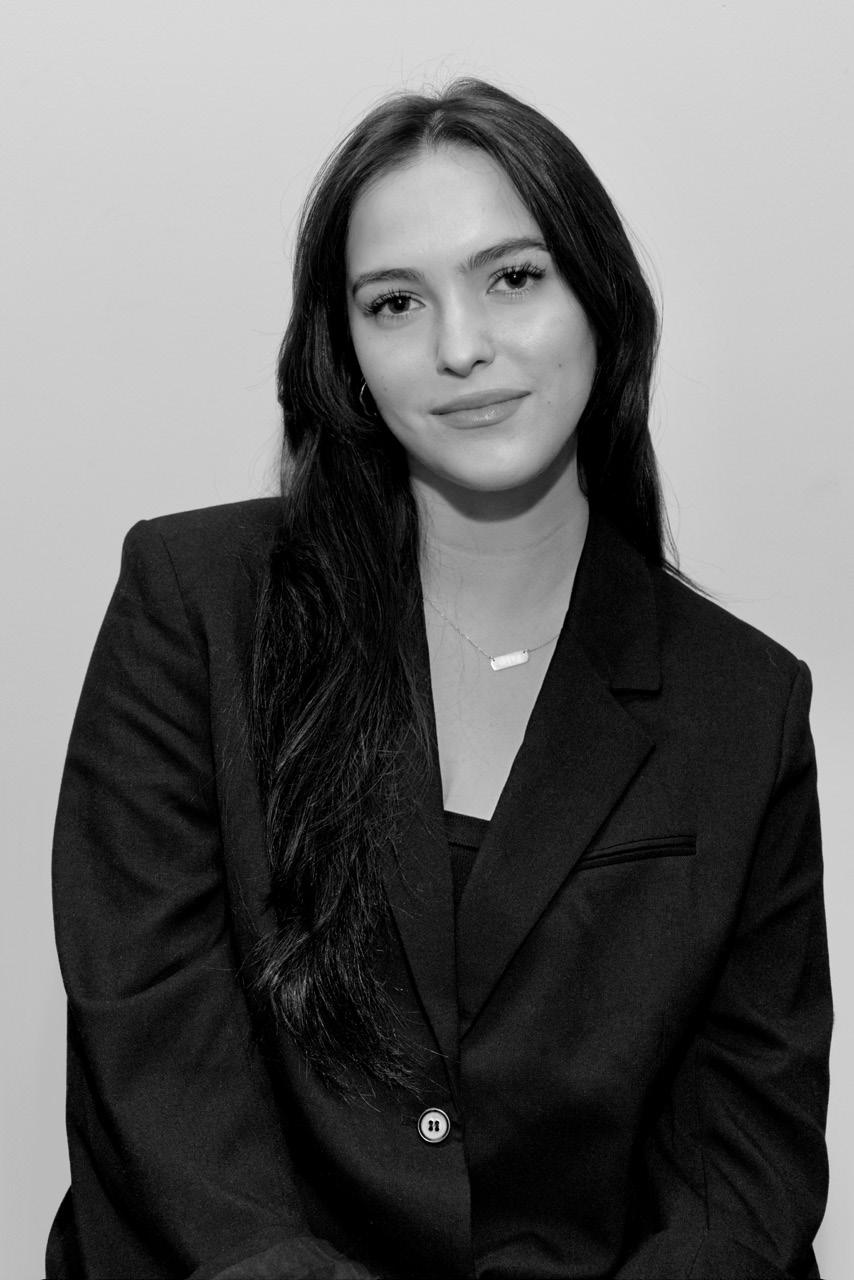
Sydney Toby Editor in Chief, 2025-2026
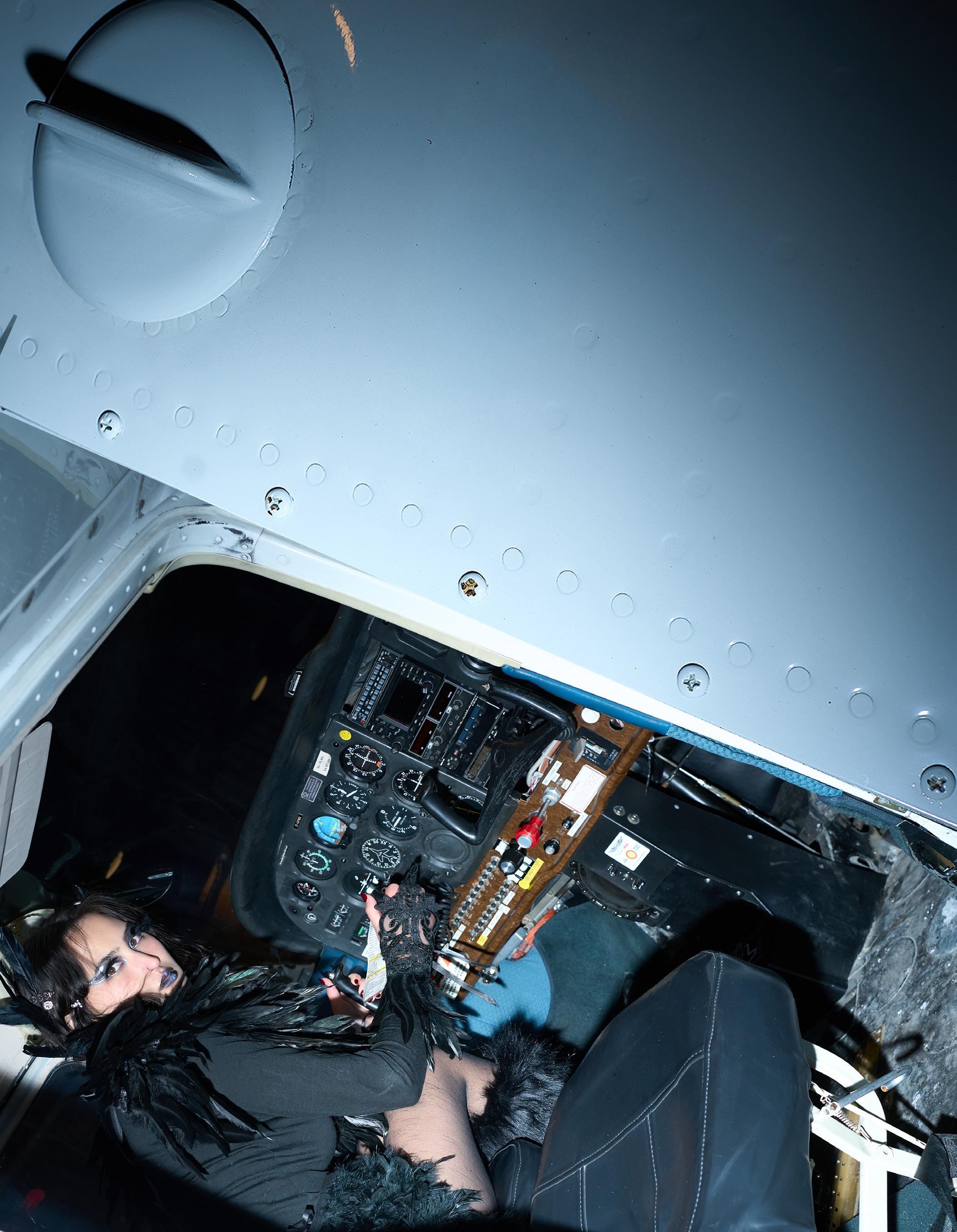
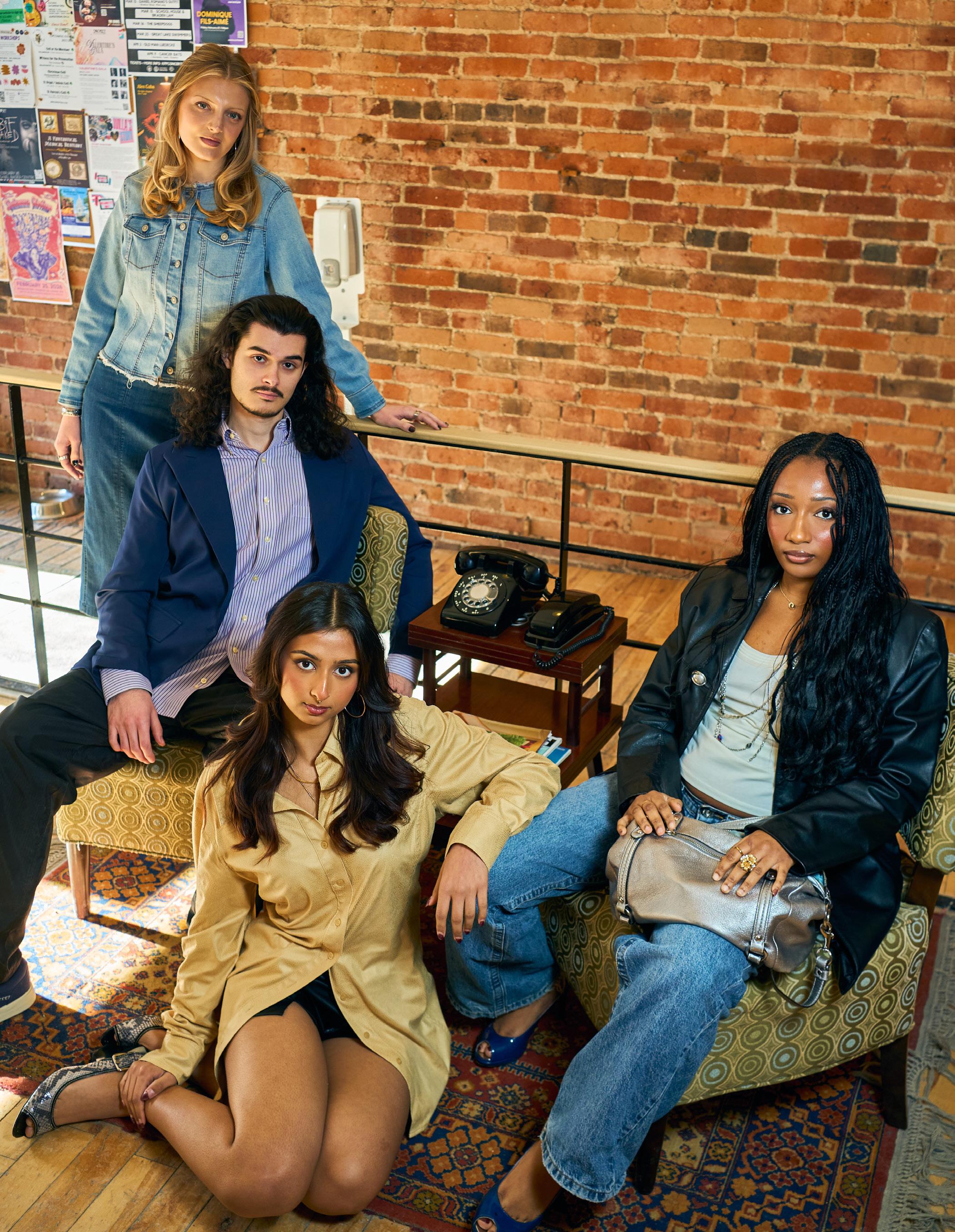
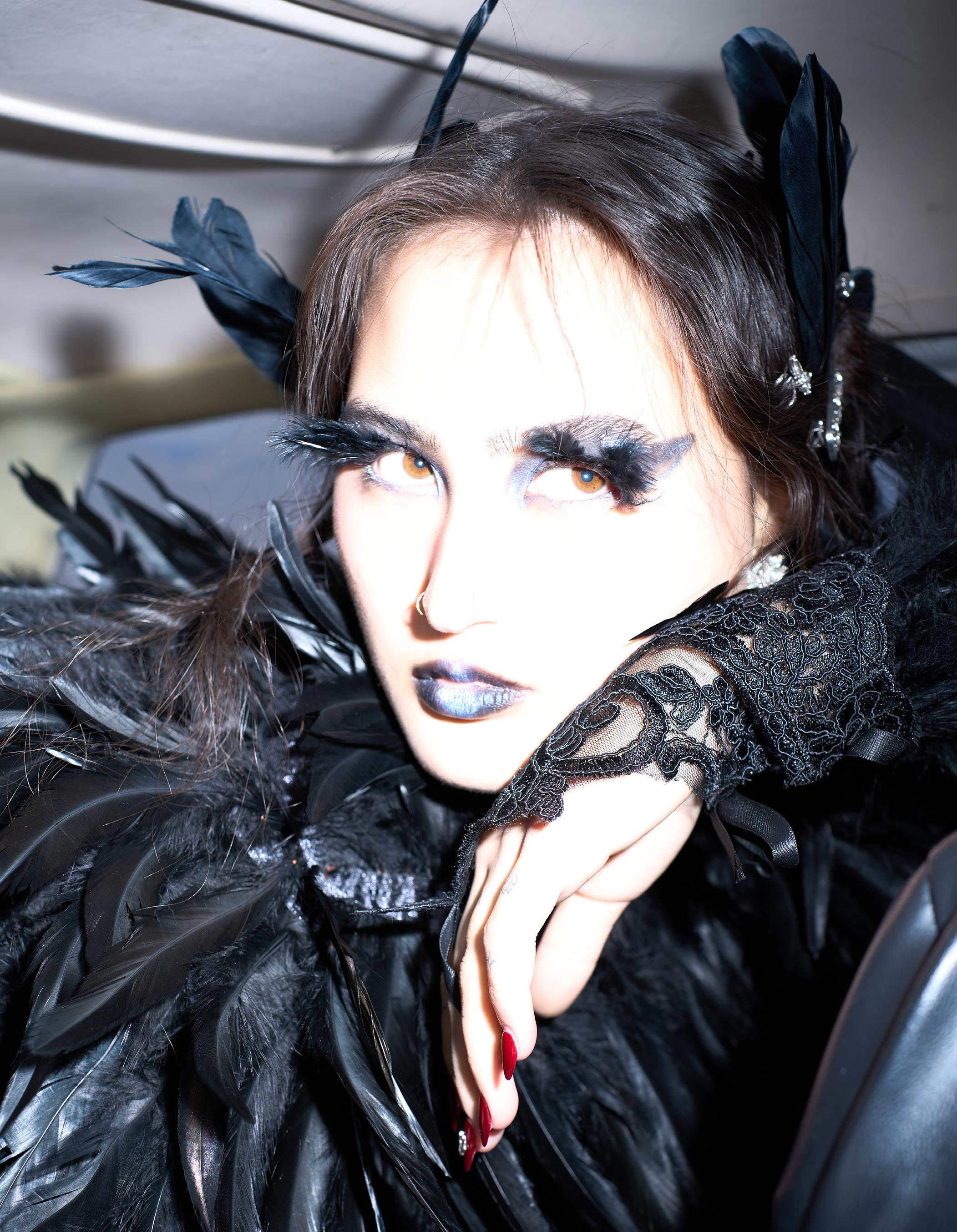
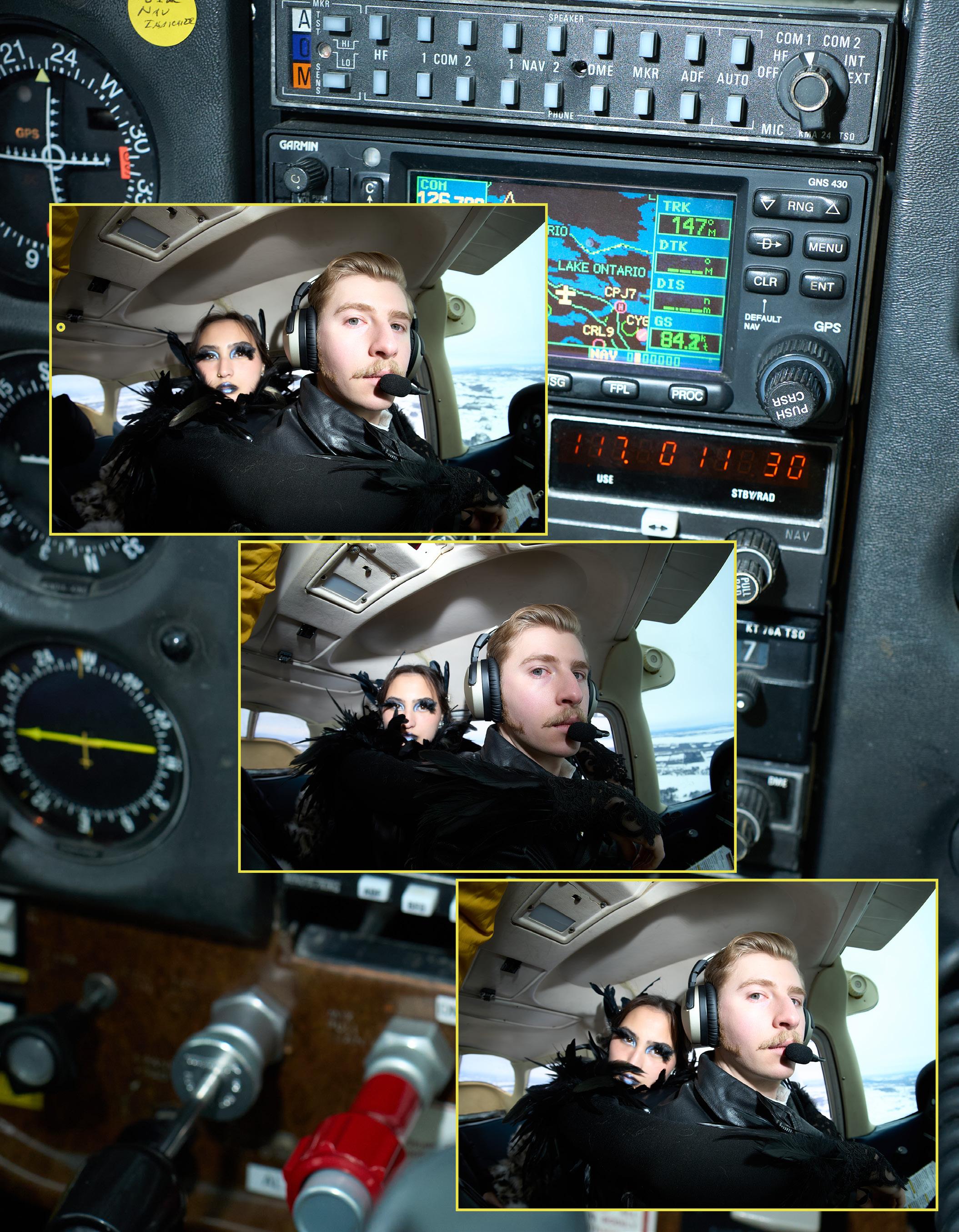
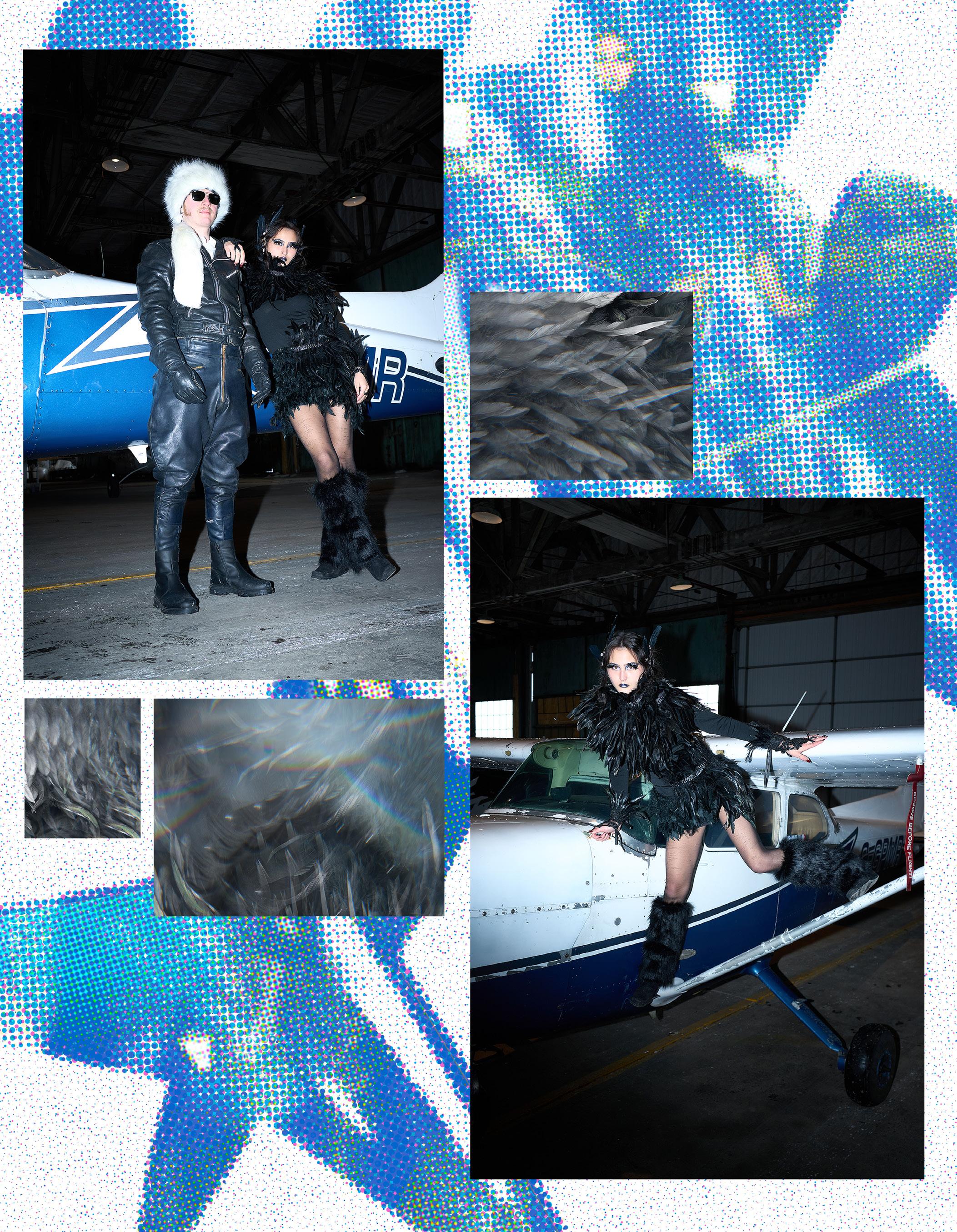
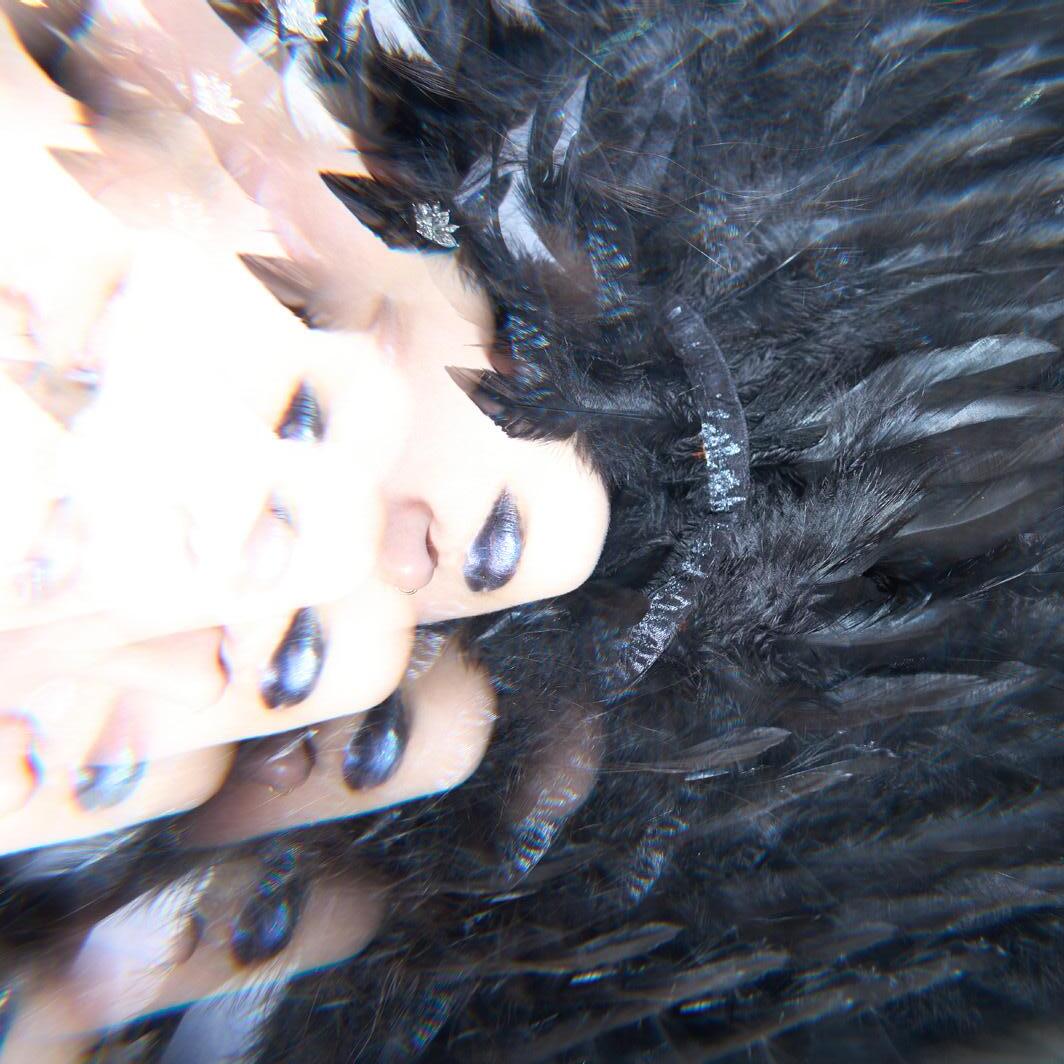
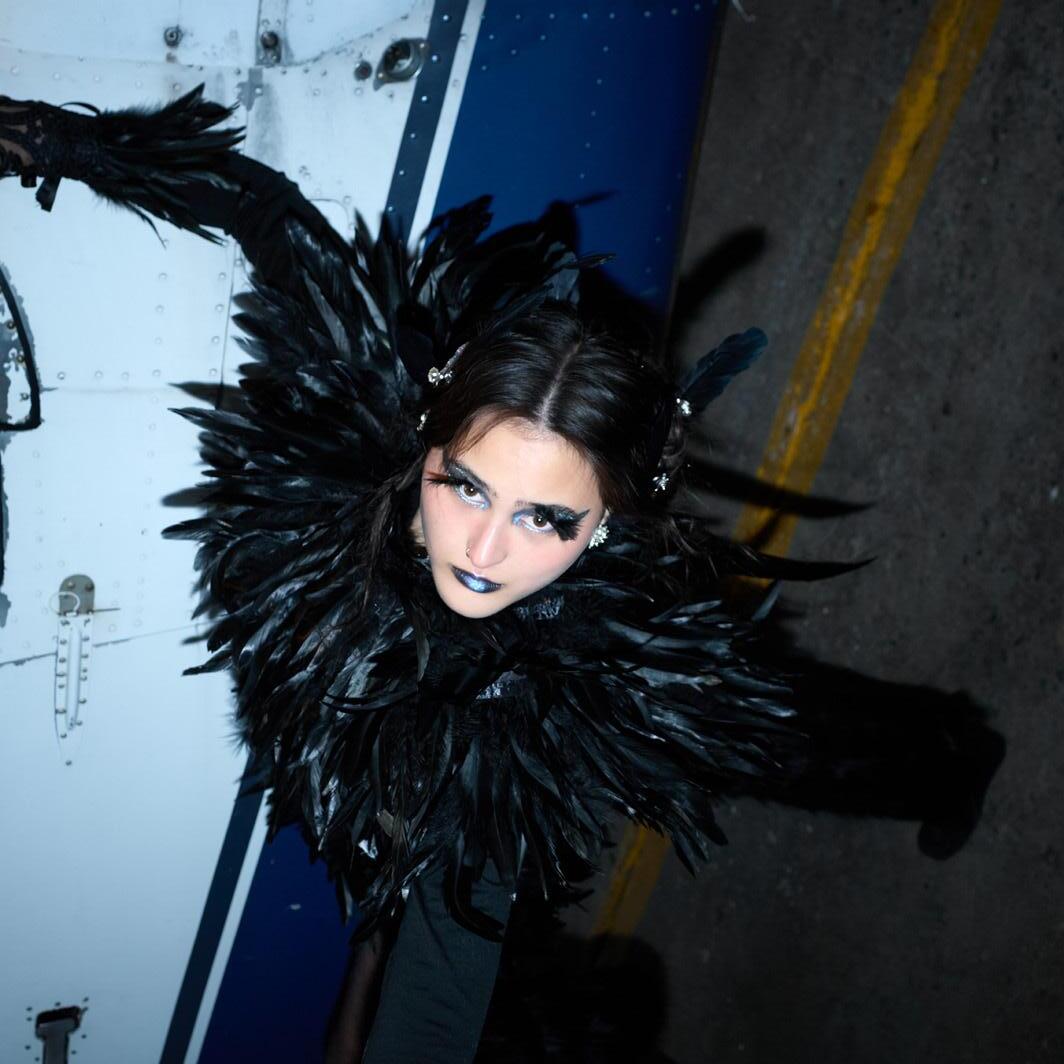
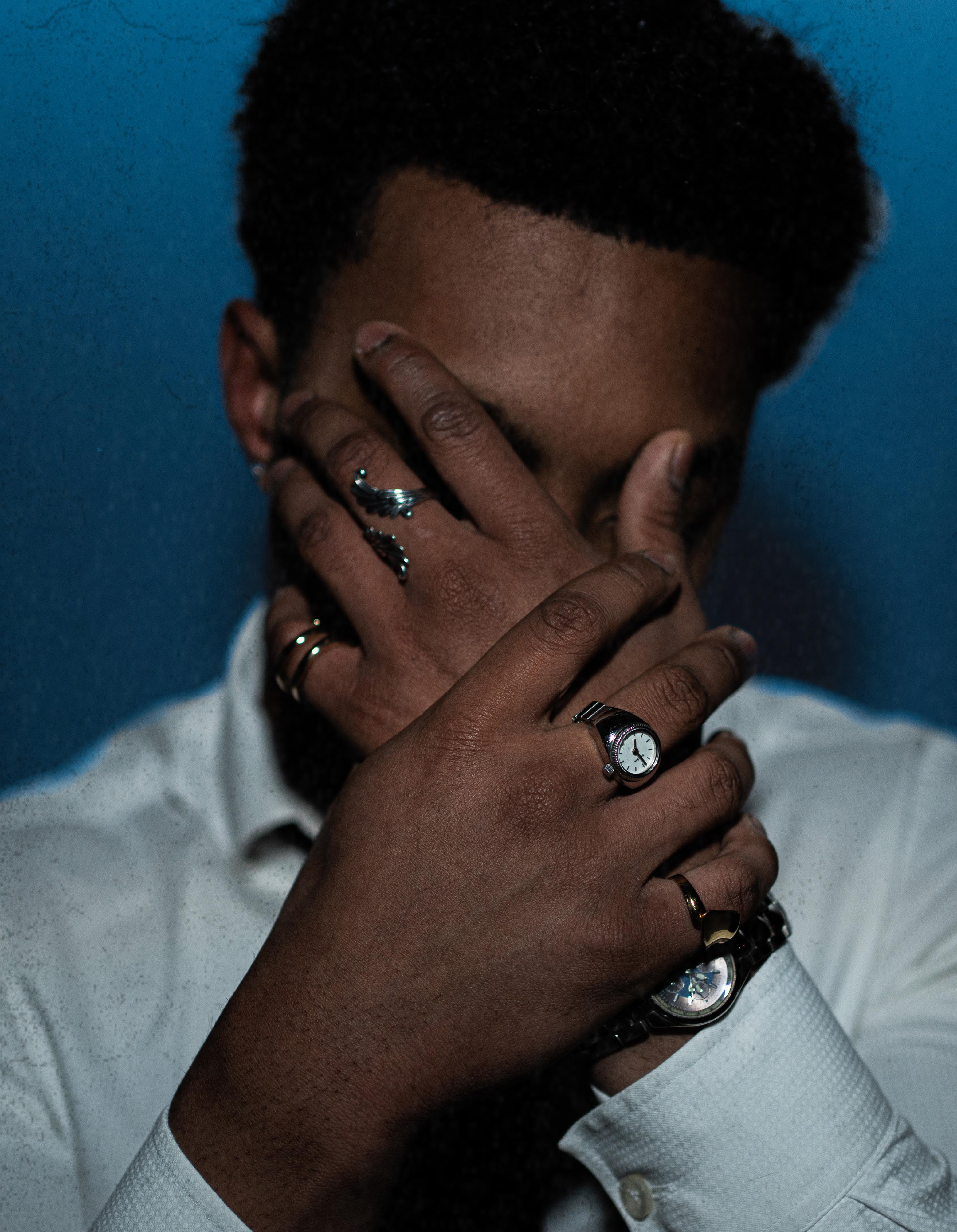
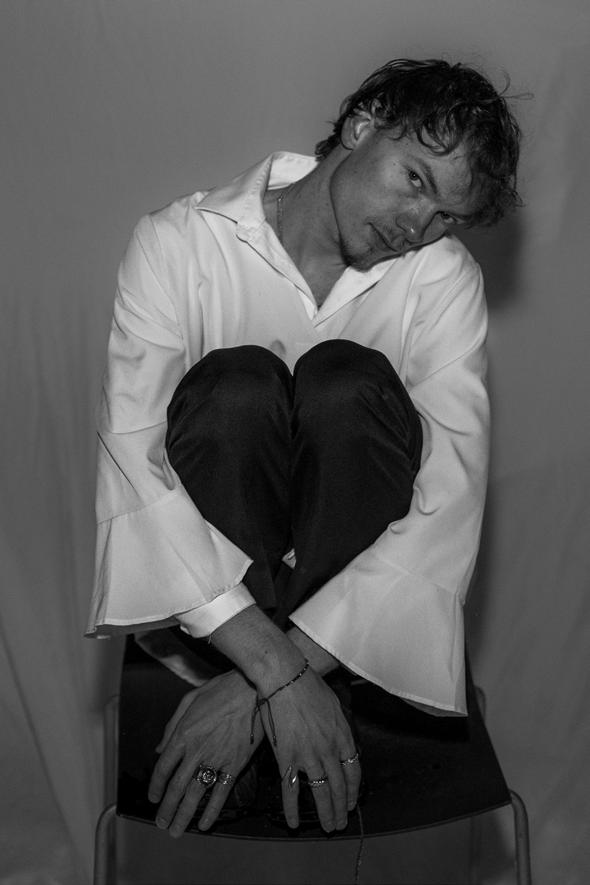
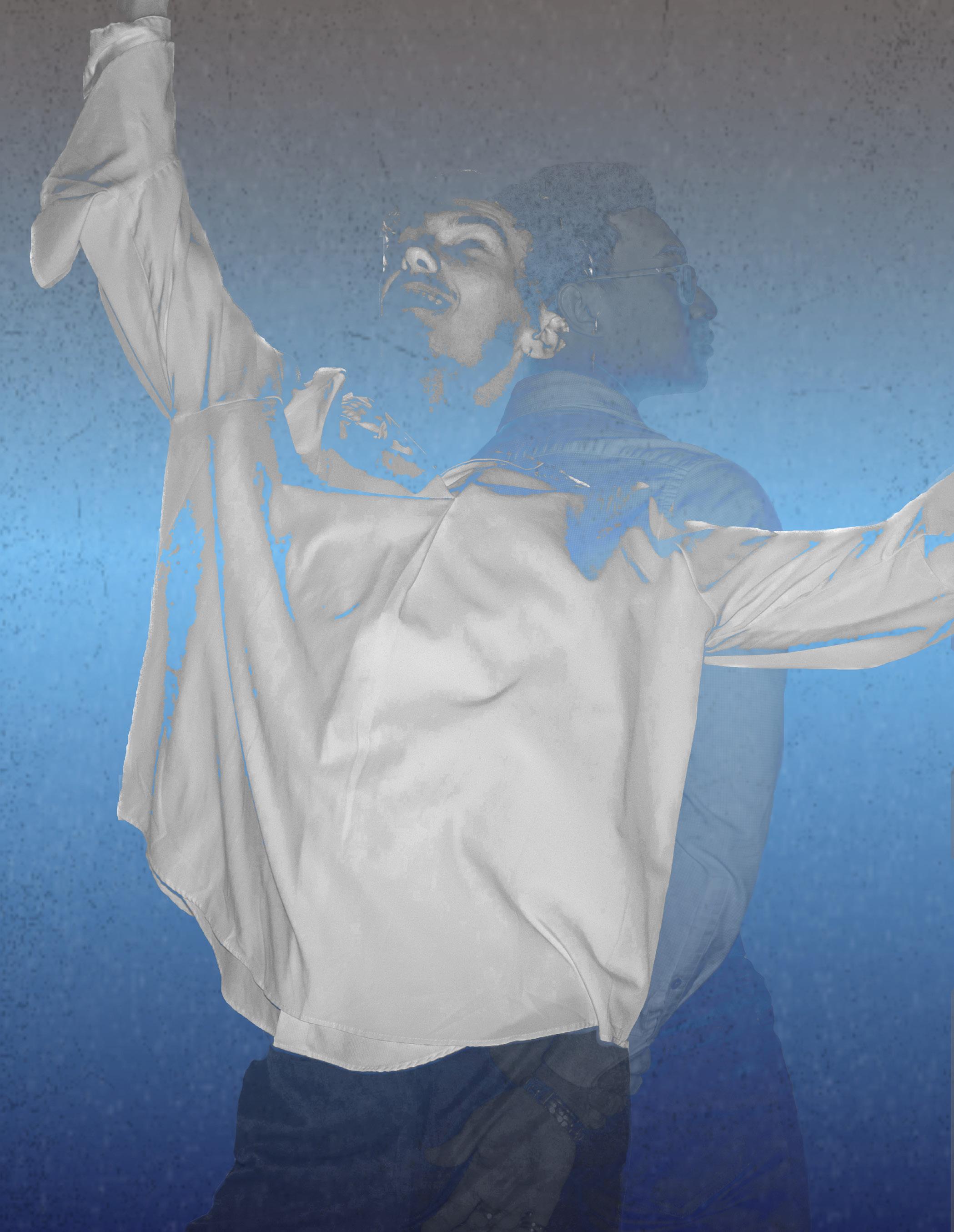
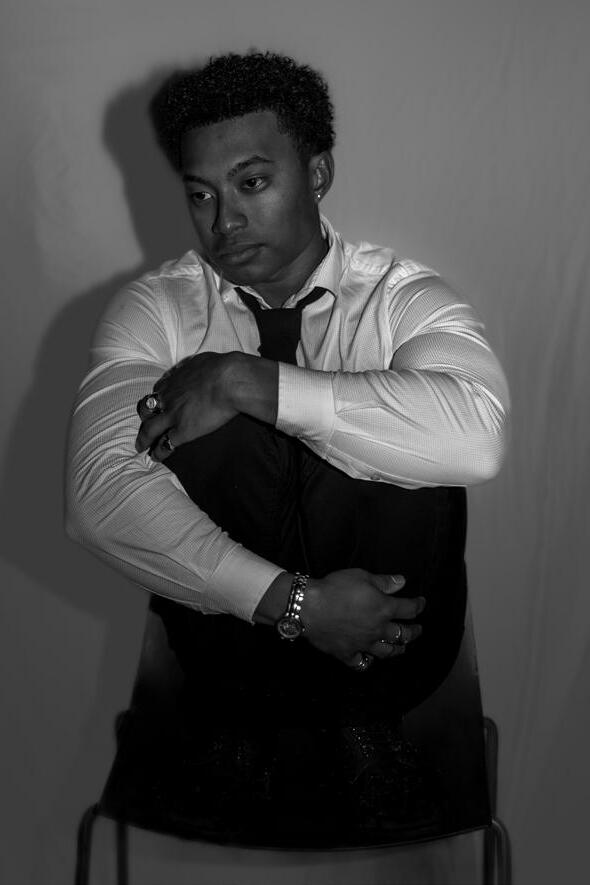
Creative Director: Zahara W G Photographer: Nathan Zhe
Videographer: Hadleigh Green
MUA: Zahara W G Model(s): ScoutG& Kenton Hooper
Jillian Morris
When I was in preschool, my Dad would sit in one of the three chairs occupying the small church lobby, waiting for my curls to appear in the bustling hoard of tiny children and their glittery fingers. In that time, he would listen to music, read a book, or on occasion, chat to some of the other parents also waiting for their kids. One of these conversations was with the mom of a little girl I did my crafts with on a daily basis. What my dad didn’t know was that this conversation, and the playdate invite that mom extended, would lead to me solidifying a now twenty-year-long relationship with Hannah, the closest thing I will ever have to a sister.
Growing up as an only child, while lovely in some ways, definitely has its drawbacks. Sometimes it can get pretty lonely. My parents are the loveliest people I know, and always made sure to play soccer games with me in the backyard, blow bubbles off the deck with me, and play with me and my Groovy Girl dolls (please tell me someone else remembers those). But even so, there were times where they had other things to do, as is life. When I was introduced into the loud, colourful, boisterous household that is Hannah’s for the first time, I struggled to remember what life was like without a sister. Between the trampoline jumping competitions, countless birthday bashes, and sword fights, that loneliness started to fade. Over the years, it was replaced with the hugs she always gave in greeting, her unabashed ability to be herself and bring the same out of me, and the toothy smiles and silly faces that always managed to come to the surface when we were around each other.
What was once a childhood friendship soon became a sisterhood. We became each other’s confidants, travel companions, and members of one another’s families. We occasionally fight like sisters, but we still call one another whenever we can and pick up like we never left off. No matter where we have gone, how our lives have changed, or who we have become, there is a beauty in knowing that in some ways, no one will ever know me as well as she does. She is my safe space, comfort person, and the future aunt of my children. Though we may not share a bloodline, we have shared twenty years of tears, laughter, and holding one another through some of the best and worst moments of our lives. Hannah, what an absolute gift it has been to grow up with you. I sincerely hope that we will grow old together too. I love you.
I’d like to preface this article by saying there are no physical pianos. My reason for doing so is because, when I worked as a hostess at a restaurant called Piano Piano, that was my answer to at least one daily phone call. Piano Piano, I would explain, is short for the Italian saying “piano piano va lontano”, which translates to “slowly slowly we go further”.
I started working at Piano Piano when I was sixteen. Compared to my first restaurant job, where the line cooks nicknamed me “jailbait”, it was a huge step up; this place had real chefs, a POS system, and a reserve wine list. I met my best friend Katie there. We bonded over glass polishing in the kitchen. When we were eventually trained as servers, work became a lot more interesting.
I collected a few funny stories from my time as a hostess. For example, a man once screamed “communist” at me for refusing his fake COVID vaccine passport. But when Katie and I started serving, our stories became more eventful and more frequent. I once dumped an entire tray of Bloody Marys on a wedding party. The next night, I broke the cork on a $500 bottle of wine. Katie figured out that two of our co-workers were having an affair. We played fun little games, like Who Here Is On Cocaine Right Now? or How Many Bottles of Wine Did I Forget To Charge That Table For? We formed a little group with more friends we’d made, and began ending our nights together, occasionally debriefing over a plate of wings. Customers were rude, managers unhinged, the kitchen slow. It was gluing us together.
I still work at Piano Piano during breaks and summers. I love to waltz back in, apron in hand, and be greeted with hugs from my coworkers of many years. They tell me about their marriages, mortgages, kids, vacations, universities. While I claim to be in it for the paycheck, and as much as I hate to admit it, this place has become an unlikely home. I kind of ended up with a second life. I’m not even called Sydney there; everyone refers to me by my last name.
I think the restaurant industry has a reputation for being impermanent. People leave, new people come in. I applied to Piano Piano with the intent that it be temporary, which is still the plan, but if you do the math, I’ve spent well over 5,000 hours in this place. That’s not even including the double shifts or buyouts that last until morning. This restaurant has grounded us in the same spot, and it’s here we spend a huge chunk of years supporting and leaning on each other. My co-workers have seen me cry, fail, and fall for people. We don’t really notice how much of our lives we’ve experienced together, but slowly slowly, we’ve gone further.

My childhood best friend chose a different university. One of my best friends goes to medical school in a different city. My university friends are now all applying to different programs, signing leases in different cities, and booking plane tickets to embark on journeys across the world. While I am endlessly proud of them all, it still feels as if I have pieces of home now scattered in many places.
When April rolls around and we all officially go our separate ways, I have spent lots of time trying to figure out ways in which we can stay together. Though social media has now made it easier than ever to stay connected, there is a depth of meaning that is not translatable through a simple text or tagged photo. We all know the feeling of drifting apart, watching as our hopeful plans to meet with a group of friends every month soon stretches to every few, followed by the ambitious notion of all meeting up once a year as our adult lives become consumed by work and kids and responsibilities.
Having been fed a steady diet of Disney princess movies and Gilmore Girls as a little girl, and taking much of my life inspiration from the Sisterhood of the Travelling Pants, it should be no surprise to anyone that I tend to romanticize my life. I remain hopeful of a world in which everyone accomplishes their dreams and travels the world all whilst remaining close with people from previous chapters of their life, even though many would say this is unrealistic. I tend to lean towards the analog, filling up my life with experiences and books and sketches, always preferring handwritten letters and handmade cards over digital invitations and emails. It was in one of these moments, as I was placing new keepsakes within my crumbling-at-
the-corners memory box, that the idea came to me.
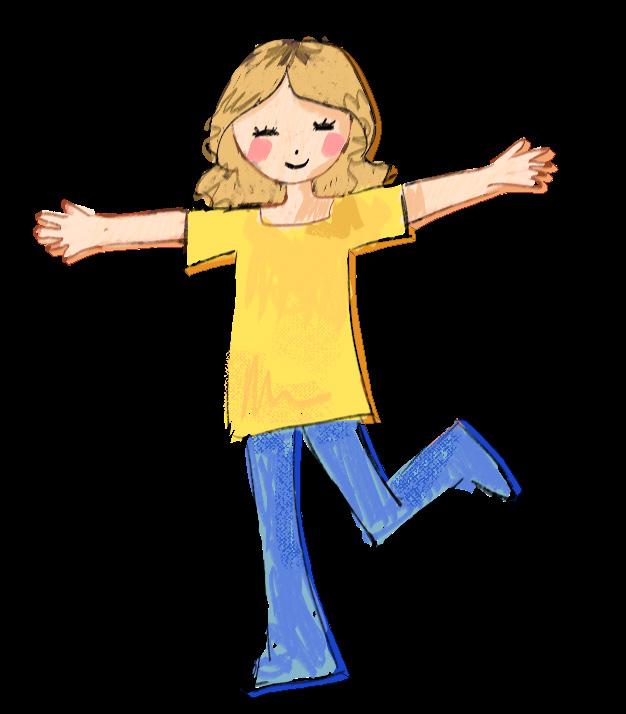
In my hands, I held my “Flat Jill” from public school. For those who don’t know, “Flat ___” was a project that swept the fourth grade when I was younger, leading to the creation of paper outlines decorated to represent oneself. My “Flat Jill” was then sent to travel across the world with my Aunt, who took the responsibility very seriously and sent me back a catalog of postcards and photos detailing “Flat Jill’s” adventures. Now one of my most cherished possessions, my aunt’s looping handwriting made me think.
What if, when we all went our separate ways, we stayed connected through postcards? No need for a pair of magical, universally fitting jeans or Instagram notifications to keep us connected, but instead a focus on sending your friends postcards or pictures detailing a small piece of your life. Sent from anywhere in the world, covered in stamps, doodles, and handwriting, this physical piece of the person you are missing can mean more than you know.
Just think of my case. When I want to feel close to my aunt now that she’s gone, I pull out the cards she wrote, the books she annotated, and “Flat Jill”. When I miss my friend in medical school, I pull out the photo album she gifted me full of photos and stories.
When I inevitably miss those I see almost everyday now, what would be better than flipping through a collection of colourful, worn, creased postcards? Well, other than them standing in front of me, I can’t think of anything.
Catherina Liu
When someone describes a “ride or die” friendship, they typically describe a person they would walk off the edge of the earth for, take a bullet for, or help bury a body. My question, however, for those who claim their “ride or die” friendship is boundless, is this: would you really? Would you really bury the body of someone your friend killed? You would have to consider all the options. Why did they kill them? Was it an accident? If it was an accident, why are they still burying the body and evading the law? I can’t speak for everyone, but in most cases, you would be nowhere near that body.
This situation typically remains reserved for dramas on Netflix; however, it does comment on a more central discussion: at what point do we bend our morals in favour of our closest friends? It may not be as drastic as a body cover-up, but some situations feel similar. Say, for example, one of your best friends is known for doing some less-than-nice things to other people. Say that they lost several other friendships over these types of actions, without a drop of remorse. It’s all okay because at least they haven’t done it to you and probably won’t…right?
When it comes to this kind of dilemma, there is typically a fine line of what you’re willing to let slide and what makes for the end of a friendship. But, where is this so-called line, and how do we know if it has been crossed?
You would think that it’s an easy decision. In the battle of personal values versus the person who defies them, the winner is usually clear. However, the line is entirely subjective and unique to each person and their situation. There are often many factors that go into deciding to remain in or cut off the friendship, including personal history, redeemability, and/or because your friend claims that the other person “deserved it”. Whatever it may be, it is nearly impossible to take a step back and observe through an unobjective eye. If you could, would you justify their doings, or would you remain a bystander to a bully?
As much as I wish I could give a step-by-step guide of what to do in these situations, you have to play it by ear. For some, a mistake is just a mistake, and you both learn and grow from it. For others, your friend may just have to learn their lessons without you, and trust me, as much as you can try to forgive and forget, sometimes it’s just not the same. Cutting off friendships for reasons concerning values, while it can truly suck, are necessary life lessons, especially as you grow older and realize your views are no longer the same as your friends. Ultimately, a “ride or die” friendship isn’t determined by the lengths you’ll go to for someone else, but by the inspiration and determination it takes to stay true to yourself.
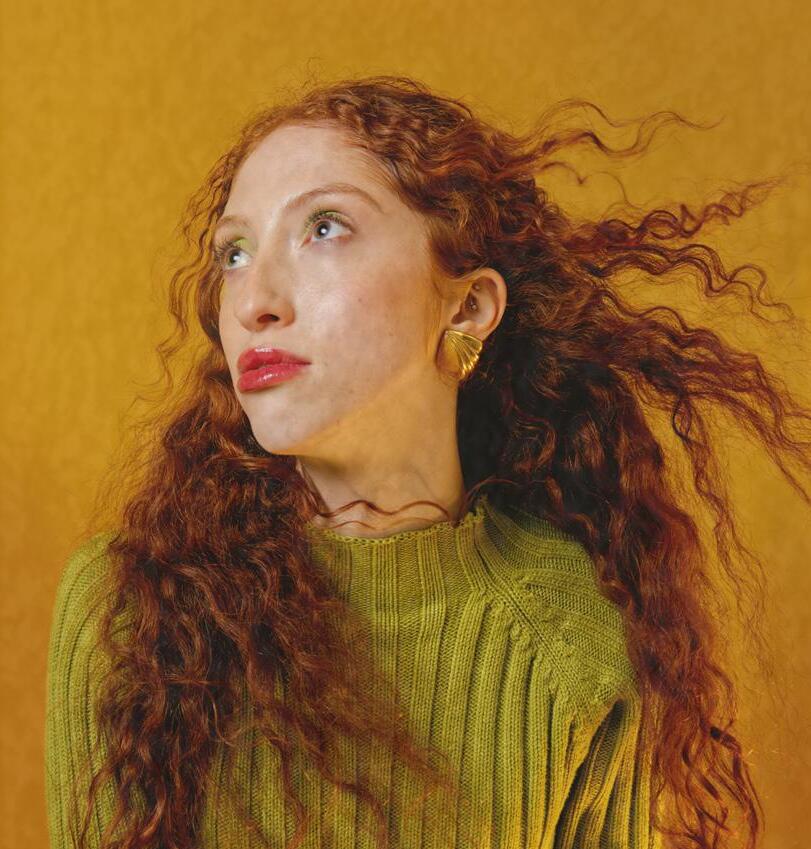
Creative Director: Sofia Merulla
Photographer: Mia Popelas
Videographer: Casper Leonard MUA: Natassia Lee & Ester Narduzzi
Model(s): Sejin Kim, Daphne Cohen, Anna Kowalczyk & Tadiwa Muponda
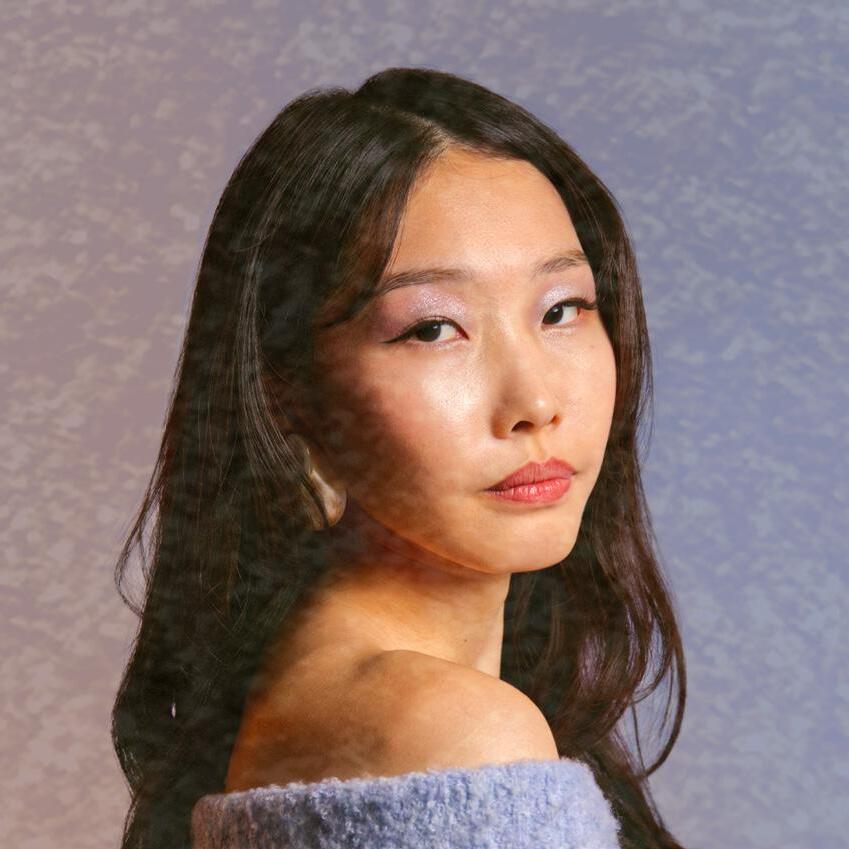
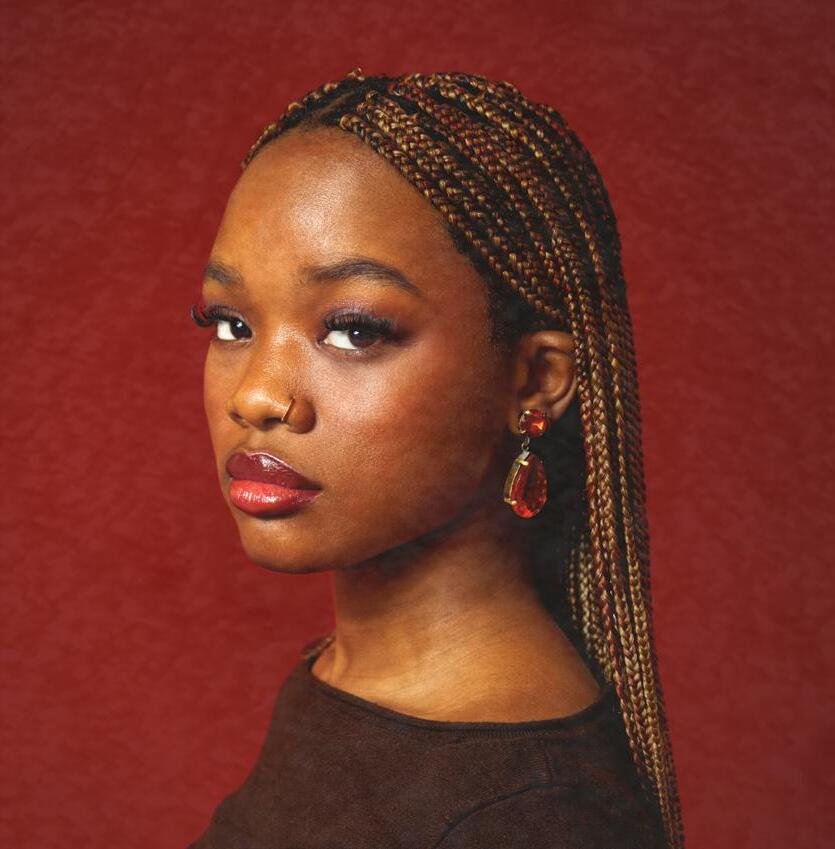
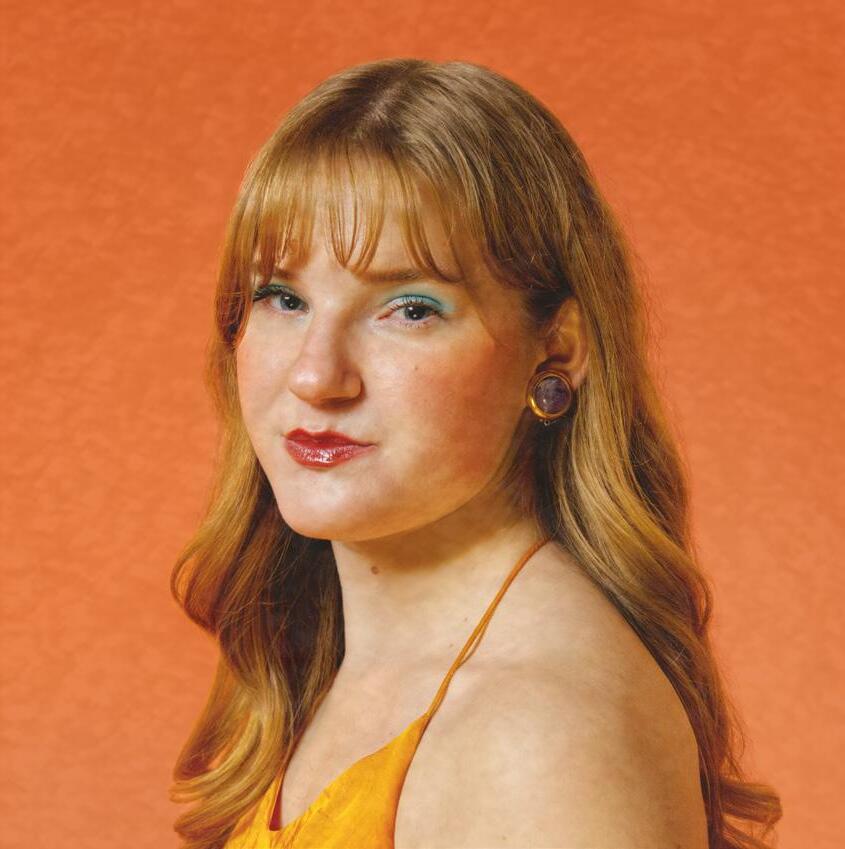
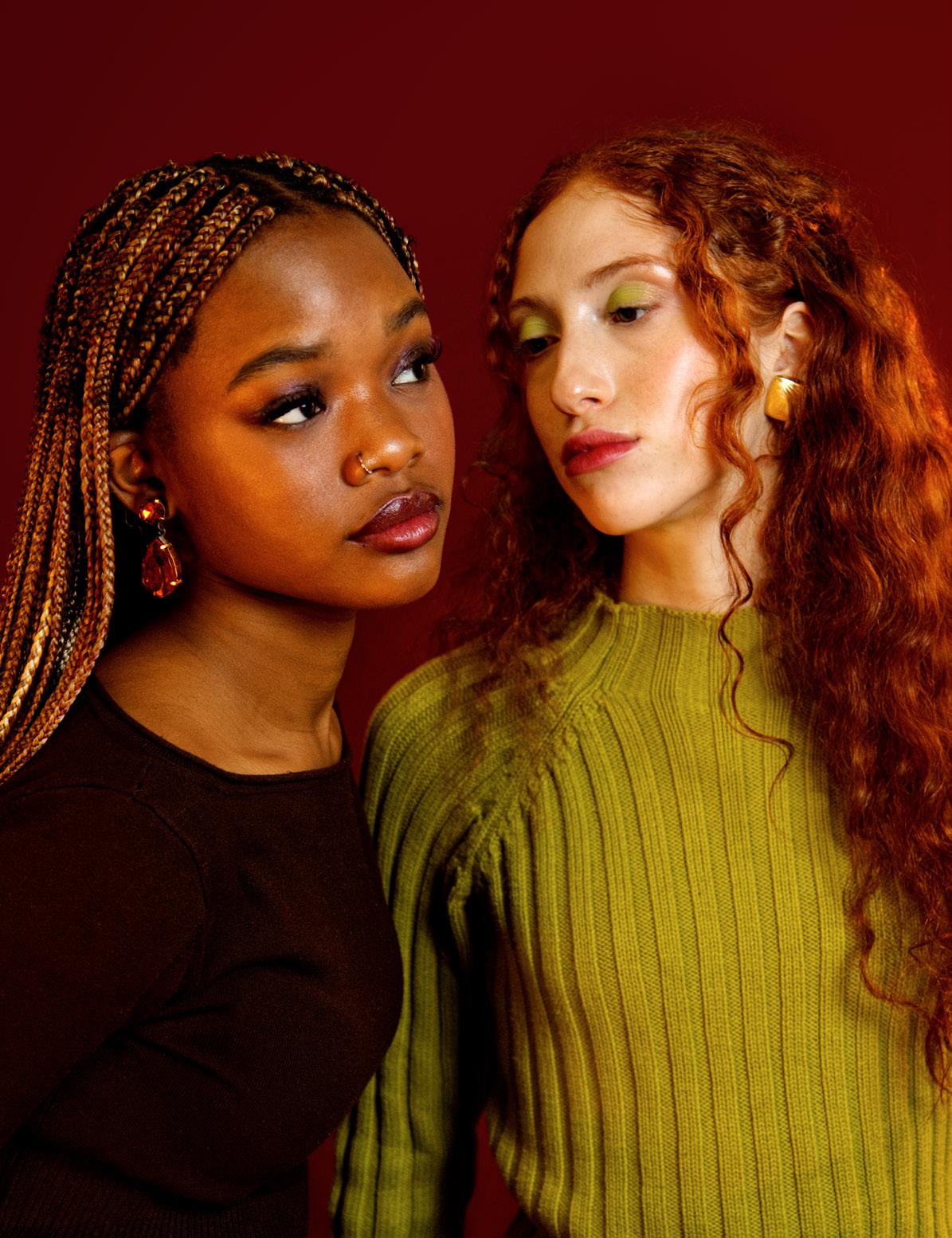
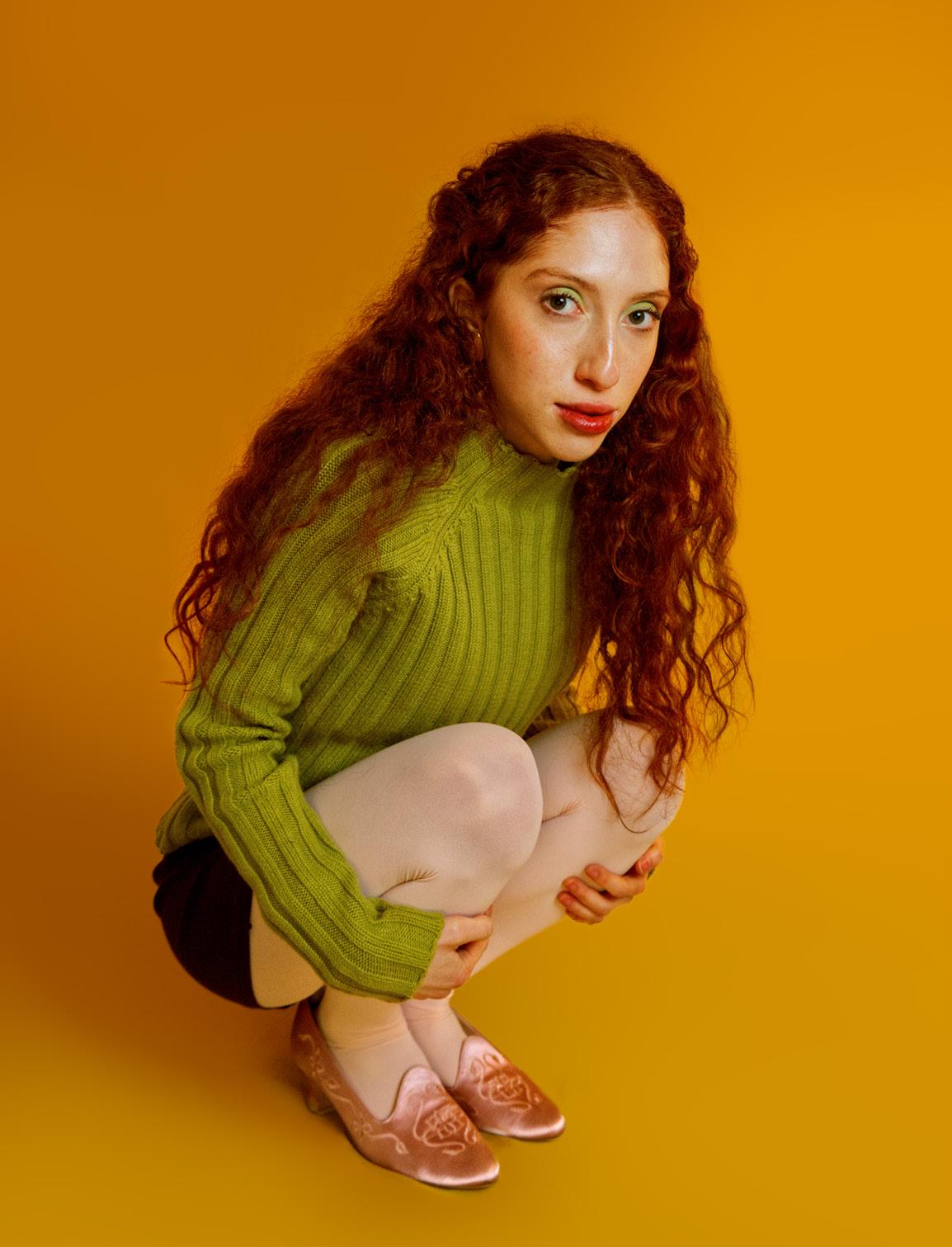
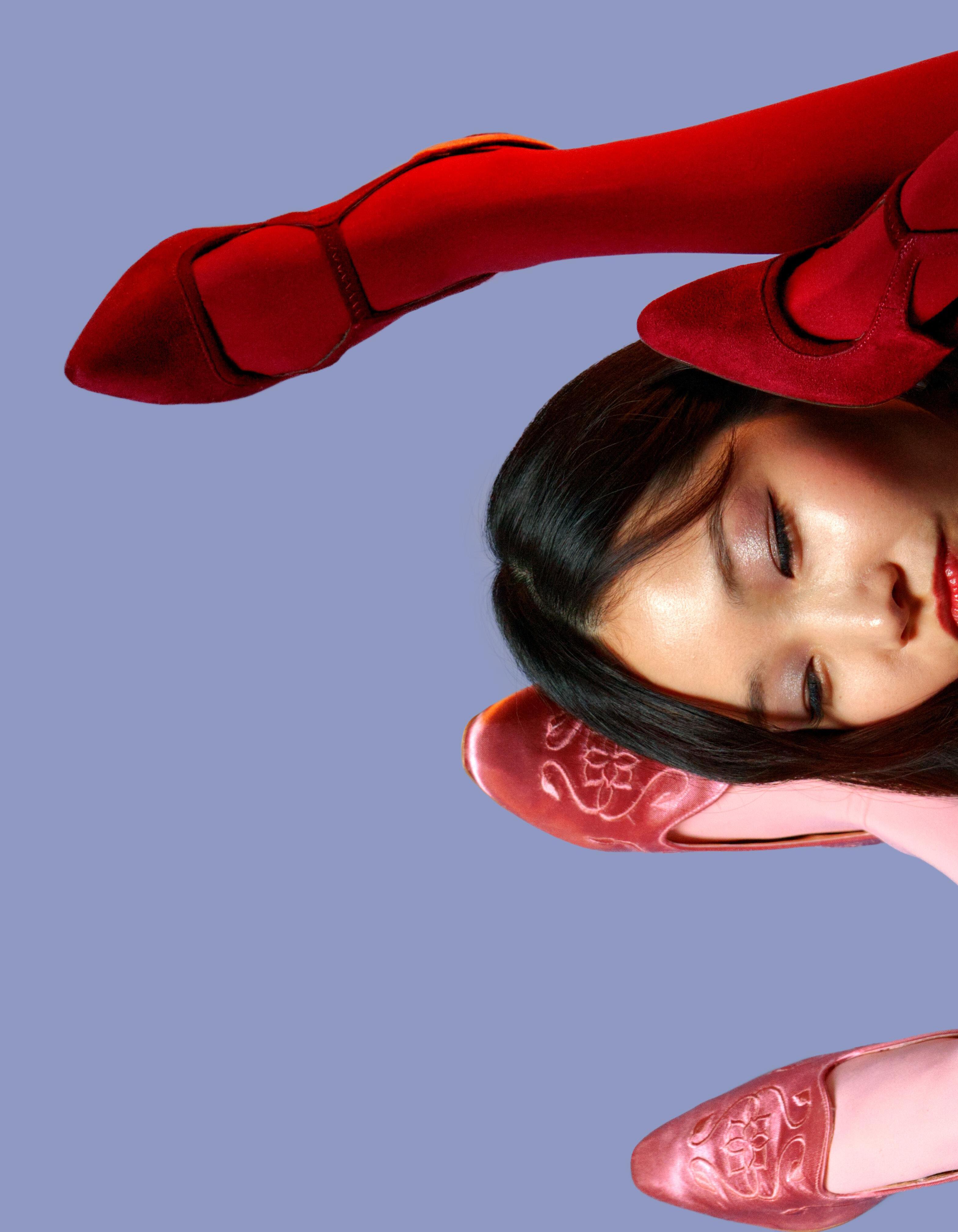
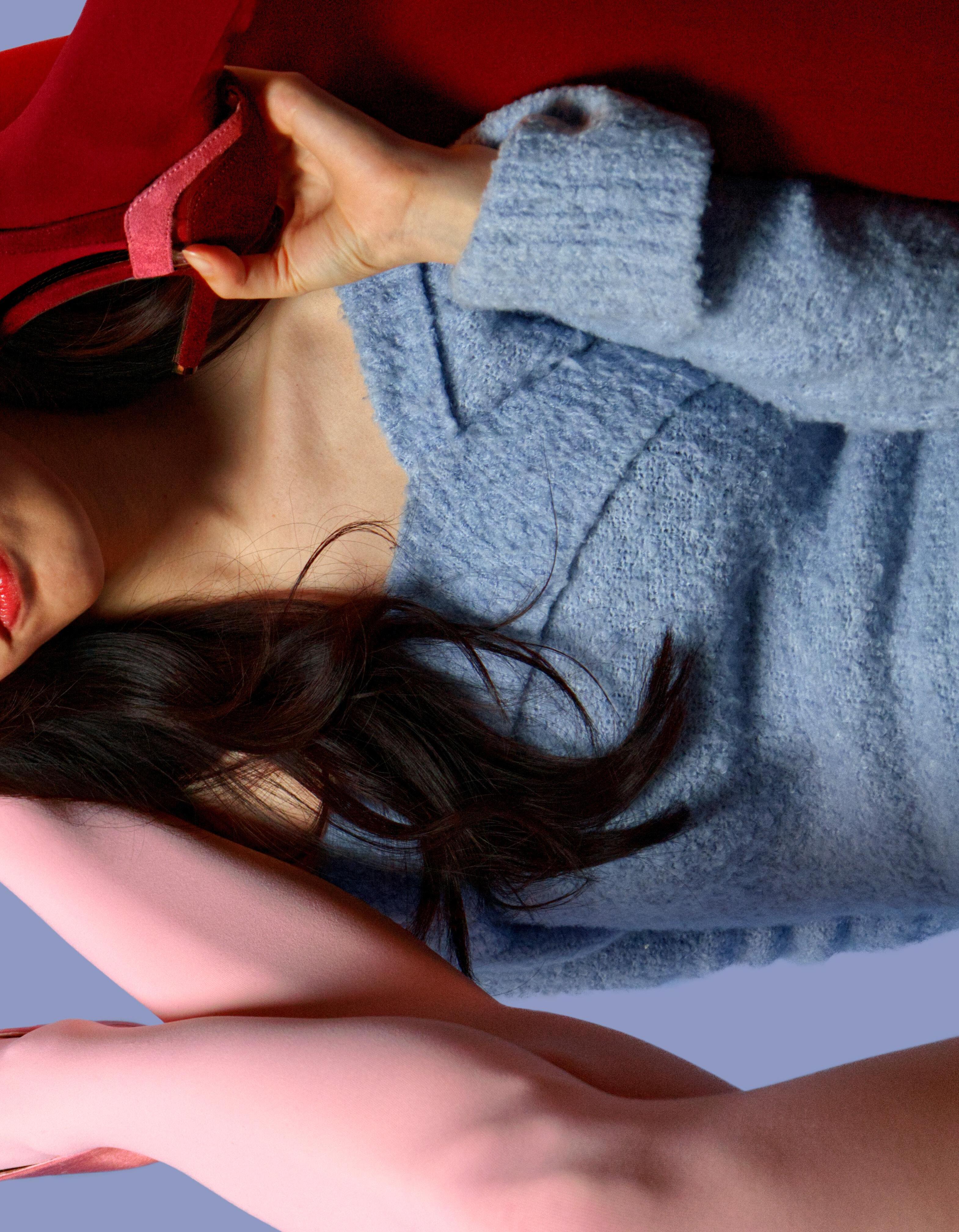
By now it’s almost infamous to hear the question, “Is having a boyfriend embarrassing now?”. Inspired by the viral Vogue article, written by Chanté Joseph, it seemed that modern women would rather stay single than indulge in heterosexual normativity anymore. Even before this article caused a North American drought for the straight women’s dating scene, it seemed that ‘#Ihatemyboyfriend’ was algorithmically shoved down our throats - mine included. And it was fucking funny.
Hating your boyfriend didn’t have to be a real feeling,
although it very well could be for some of the women behind these posts, but it was a reclamation to years of malpractice in the world of heterosexual relationships. Women have faced years of being reduced to a shadow behind successful men, but in today's age, having a man by you at all feels like a dim on your own success. We must ask, why is it that we are so committed to being in relationships yet so hesitant to claim them? It may be that, while dating hasn’t necessarily slowed down, the social media presence within the bond is no longer present: women don’t put their man’s
face on a post in the era of soft launches. Women show two coffee cups at a crowded café, a hand guiding them on a morning hike, and a muscular shoulder at their favourite band’s concert. It is not the man in the forefront of their posts anymore, just the hint that there might be one around. The Vogue article then hits the nail on the head; we don’t need to claim a man as the entirety of our identity, they should only remain as a fragment of such. In fact, the modern woman doesn’t make her life about a man; it’s uncool to do so. It’s so uncool that the internet coined a term for that too.
“Pick me’s” are considered to be women who act in a way to impress a man whilst simultaneously putting other women down. They put a man before themself and others, but relationships shouldn’t
be transactional and love shouldn’t be something that is due at the expense of your own personality.
I have a boyfriend. I have a boyfriend who I like a lot but it’s impossible to ignore the influence of the media on our own relationships. Why are women who are in happy relationships still claiming the words, “men ain’t shit,”? Sure it could be due to the failed talking stages and ex boyfriends who trailed before but could it also be the internet's toll on our thinking, the embarrassment to say, ‘I know men have done a lot of wrong but this one’s good, I swear.’ Or ‘yeah sure he cheated on you but mine’s not like that, he’s different.’ Maybe it’s the guilt of a million women's pitfalls dragging down at our heels, making us bite our tongue before showcasing our man to the public. Or worse, maybe it’s the anxiety of losing ourselves
behind a guy. Like I said, I like my boyfriend a lot. I like hanging out on the couch watching TV and studying in my kitchen, though these aren’t the date nights that the internet is saying I should have. ‘Men ain’t shit, I should be taken out to a Michelin star restaurant every night, I should come home to flowers on the table, his money is mine, and I should be the only woman he speaks to’. When has this narrative ever been realistic? The cookie cutter ‘perfect’ relationship shoved down our throats via social media is a facade. A ‘TikTok approved’ relationship, defined by ‘if he wanted to he would,’ ‘taxi cab theory,’ and ‘loyalty tests,’ all seem to take the magic out of dating and turn it into a method, an algorithm. The internet seemed to take all the rush out of meeting someone new, and codified it, to manufacture the perfect partner. But despite what people online say about
dating we can’t deny the fact that feelings can beat you to a pulp. Sure, having a boyfriend is embarrassing, but embarrassment doesn’t have to stop much and embarrassment over mass media campaigns seem to have a lot more influence than we granted them.
The article never said we should stop dating men and it surely wasn’t claimed as such either. Rather, we should embrace the modernity of female independence. Amplifying a public image whilst keeping a relationship private. Acknowledging that having a relationship is important but not everything, it’s not a career and it’s not all your friendships, it’s not your hobbies, or your passion. It’s a piece within the puzzle of your life and that piece doesn’t need to dampen the rest but rather act as a finishing touch to your whole identity.
Liyah Sulliman
I recently went to the movie theatre with my brother and father, and felt like my whole soul (and chequing account) was being drained away by the glaring $80 on the till; going to the movies is no longer a humble activity, but rather an economic investment. I wondered how exactly studios were convincing me to show up at the theatre in the first place. I’m not a Goodes Hall God, but I think I cracked it.
Advertising nowadays seems all-consuming, with the Barbenheimer phenomenon as an inciting moment in film marketing. This cultural era set the tone for blockbusters to come, particularly with the use of colour association as a tool to imprint itself onto you. We saw this in two movies last year, both with extravagant film advertising: Wicked: For Good and Marty Supreme. However, the difference in how
these movies utilized advertising calls upon a larger assumption: that movie marketing must now either compensate for films that lack substance or complement films that prove themselves worthy.
When I stepped into a Walmart for the first time in months this past November, I wondered if it was really still a Walmart or just a Wicked merchandise store. Everything from mac and cheese to my laundry detergent seemed to be plastered with that green and pink. It seemed disingenuous, and honestly, cheap, how ‘slutted out’ Wicked brand deals had become. Anyone and everyone had their hands on the promotional colours. I was unwillingly drowning in Elphaba and Glinda, green hands being forcefully shoved down my throat. There were two problems with this attempt at marketing: that it was inescapable and redundant. I felt like I was stepping into a parody of the Barbie marketing campaign, where pink was everywhere, without suffocation and slight nausea. However, despite the similar overzealous use of pink, Barbie’s virality was consumer-made and consumer-shaped. Pink billboards and burgers appeared nonetheless, but allowed consumers to choose whether to indulge. When your breakfast, laundry, and deodorant dictate to you to choose the world of Wicked, you feel less like you’re a willing participant with a choice and more like the consumer you are. You are being forced into a moment that is trying too hard to be memorialized, so it slowly becomes less about the movie entirely. None of this advertising made me want to see this movie, and when the reviews bombed, not even your pink-andgreen Cascade dish pods could save it.
The entire difference between shaping the narrative for the consumer, as opposed to letting the consumer shape your marketing, is why Marty Supreme is being praised for some of the best movie marketing of our generation. It was everywhere it needed to be. In places, it made sense; on A24’s YouTube in an A24-esque satirical Zoom
marketing meeting, on a Wheaties box and an Orange blimp, as per the video, or even in an EsDeeKid music video. Yet, this branding placement was intentional, while allowing the viewer to be in on the joke and even feel like they shaped it. The Marty Supreme jacket became more than a piece of merch, but a status symbol, with people lining up for hours at pop-ups to don the same look their idols wore. The models, hand-picked to represent the idea of a ‘Big Dreamer’, an innovator, a star who made it, allowed its appearance to feel genuine and intentional within the film’s theme, rather than a random celebrity endorsement. The marketing team likewise worked alongside the virality of EsDeeKid and the internet rumours that he looked identical to Timothée Chalamet, with many speculating that he was actually the rapper undercover. This led to Timmy’s viral verse on EsDee’s song, even name-dropping Marty Supreme mid-rap. Marketing tactics like this didn’t force virality; rather, they worked with narratives consumers had already shaped, allowing them to feel part of the moment instead of being told they are. “Marty Supreme, Christmas Day” became a slogan that felt like an inside joke rather than a command, and Marty Supreme did in fact become the thirdlargest R-rated Christmas Day release.
This dilemma between working with versus forcing virality is what can make or break a movie. While both films crushed it at the box office, one will live on both in cinema and pop culture, whereas the other will drown in the noise of other lost musicals. The problem with manufacturing memorialization is that the consumer becomes fatigued, disillusioned, and patronized, rather than invited into the moment, welcomed and celebrated as a viewer. After all, is that not what the magic of the movies is about? To share a moment with billions of other people, yet still feel individually special as soon as you walk out of the movie? Touched with someone else’s big dream, inducing and inspiring your very own?
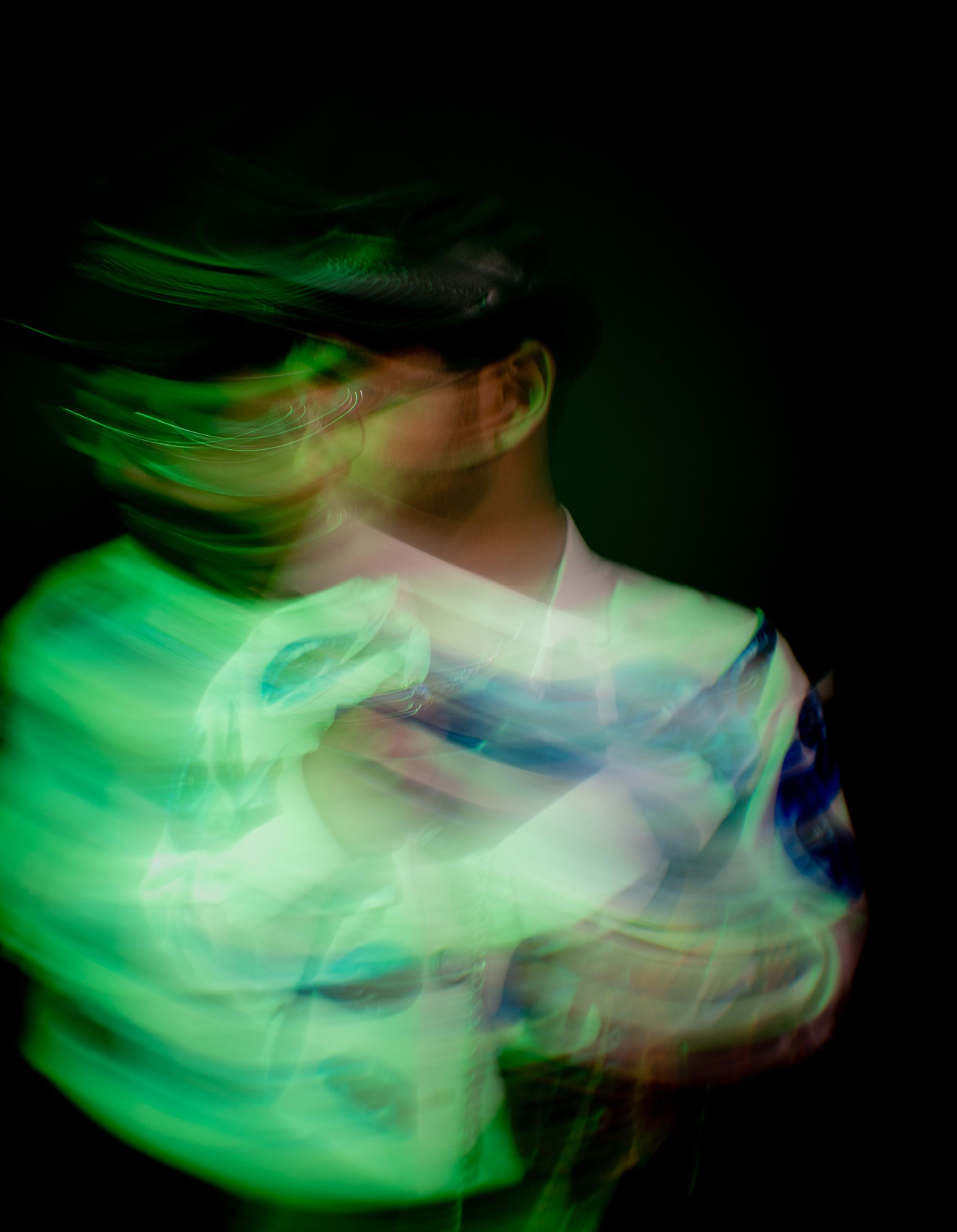
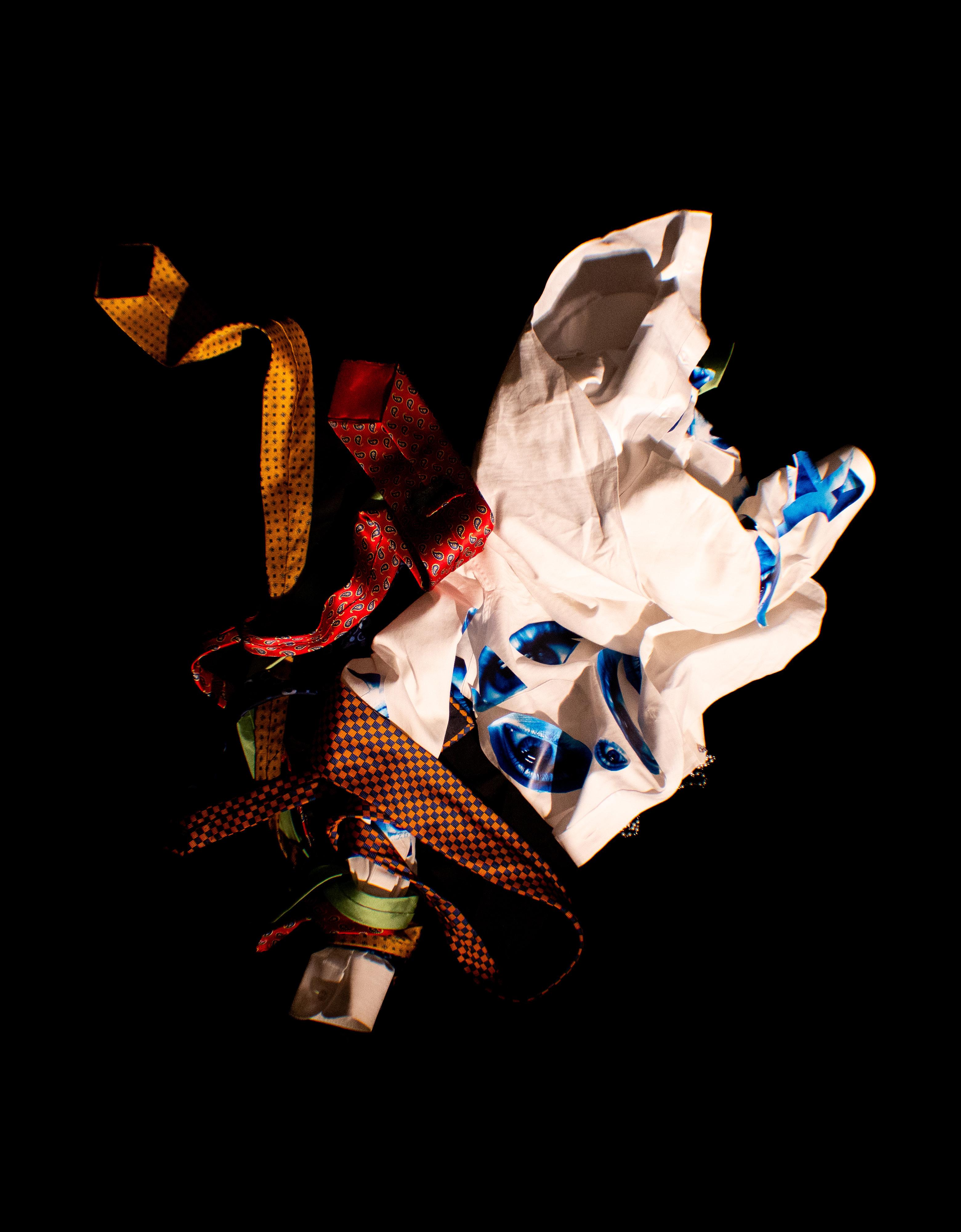
Creative Director: Kai
I am a sickly sentimental individual. I keep. I collect. I hoard and refuse to throw out any little thing I have attached meaning to. In my old desk and the storage boxes on my shelves, these items are stored and piled up for me to hold onto, because each holds a memory I’m not ready to let go of just yet. At my worst, I’ve collected trash and refused to toss it despite my parents’ exasperated pleas. Was there a purpose or end goal to use these items? Nope; I simply couldn’t stand parting with these pieces and losing the meaning I had given them.
It’s a real issue, I know. My sentimentalism is a blessing and a curse, which is why I turned to junk journaling.
Junk journals are handmade, personalized books made with found and recycled materials, used to collect and record memories, thoughts, ideas, and inspiration. They are personal, tangible documentations that evade perfection. It’s messier and less cohesive than scrapbooking and art journaling, acting as a canvas for experimenting with material curation and personal artistry. I started this hobby to log my travels, but it typically uses ordinary articles that capture everyday experiences. These journals are essentially my junk drawers and storage boxes, given a better home on creatively collaged pages.
These things may have no real value, but I see the tales that they tell. In the stamps, envelopes,

letters, and postcards. The tickets, receipts, wristbands, and wrappers. The magazines, newspapers, and old books. The pictures and polaroids. The pressed plants, teabag tabs, stickers, ribbons, and sewing scraps. I see these insignificant items, and I think of the journeys that have led me to where and who I am now. It is an exhibition of my lived experiences.
On a trip to Italy with my family last summer, I found myself accumulating tickets and postcards. That’s when I decided to start a travel junk journal to keep my mementoes in a memorialized space, neatly stored in the pages of a notebook. It would be something I could look back on with my family and show my niece once she is older to talk about the first trip we took together. I decided to do the same thing for the impromptu New York City trip my friends and I took in October. After the excursion, I set the mood for a relaxing evening-in at my desk with my materials scattered around, soon-to-be telling this trip’s story in its notebook.
In this meditative practice, I slow down through reflection and creation. I learn about my own artistic vision by reverting to my childhood roots in arts and crafts. My junk journals serve a purpose for my sentimental nature and turn my hoarding habit into an expressive pastime.
Maybe this is all just justification for hoarding these memories, but I can’t fight it. I’ll forever be a sentimental girl, so I turn this into a means to create and a medium to remember.
Tia Olesen
By Tia Olesen
I found life in a book of forgotten memories at the MoMA gift shop. Up on the two-storeytall bookshelves lining the wall, I noticed this book in the far corner of the room: a magenta-brimmed hardback titled Women in Trees, with a black-and-white photograph on the front and back covers that matched
the title. It lay on a shelf at eye level and was small compared to its neighbouring publications, with only 112 pages that could easily be held in one hand. It stood out for an inexplicable reason; something about this work caught my attention so much that I knew I would regret not taking it home.
The collection is by Jochen Raiss, a German visual artist and photo editor, who curated these photos for 25 years before creating this book. At a flea market in Frankfurt, he found his first photo in an old box, using it as a bookmark until the novel was done, before searching for a new snapshot for his next read. This practice sparked his collection of historical amateur photos. As he continued collecting, he coincidentally came across a second photo of a woman in a tree; Raiss then purposefully began hunting for them in other old boxes and piles of discarded photos at his flea market ventures around Germany. He became an avid collector, uncovering these black-and-white pictures taken from the 1920s to the 1950s. A photo series that came about by chance has now captured international attention and consists of over 100 found photos of women posing in trees, 52 of which are logged in this book. The first edition of Women in Trees was published by Hatje Cantz in 2016, and, following the success of his first collection, he published another book, More Women in Trees, in 2018.
Raiss discovered the artistry of found photography by noticing unintentional beauty in historical amateur portraits. The cataloguing of pre-existing anonymous images cultivated with a specific aesthetic vision does more than just document the past. As demonstrated through Women in Trees, it gives them new meaning. Raiss reinterprets these recovered photos to evoke storytelling and ignite wonder. Each of the Women in Trees images comes from private collections of amateur photographers. Their lack of note on who, when, or where they were taken invites the viewer to create stories about the scene and to guess the relationships between the subjects and the photographers. These photos hold intimacy; they indicate trust and a private story between the woman and her cameraman, evidence of the lives that exist in discarded moments. Found photography as an art form gives a home to images that were once lost, no longer forgotten. Memorializing moments becomes an
artistic archive as an unnamed subject and photographer, once lost in the darkness of a flea-market shoebox, is brought to light.
Through Raiss’s curation, I have come to interpret these images as performances of both submission and rebellion. Each woman appears to be experiencing the climb differently. From their dress to their body language and demeanour, they each present themselves uniquely. These photographs seem to show a more playful side of women from this period, a more vulnerable side that doesn’t conform to the typical seriousness of the time. They appear free from conformity and unbound from burdens. Most are not in typical tree-climbing attire, wearing heels while donning their Sunday best dresses or skirts, illustrating spontaneity. Their faces indicate this is a thrilling, impulsive endeavour, or cast doubt on why she is up there or how she will get down. Was this climb done in an act of rebellion against gender-normative stereotypes and a reclamation of girlhood, or was it in submission to someone requesting them to do so? Are they acting for the men behind the camera, or showing off that they will do what they please without a care for what that man may think, instead of conforming to ladylikeness? Maybe this is an exhibition of freedom, or instead a forced performance for the male gaze.
Once I got back from my New York visit, I had time to sit down and delve into the pages of this purchase, learning more and appreciating the artist and this photo series. In true feminine nature, I feel innately connected to them. I see a close likeness between the historical experiences of women and those of trees: the exploitation and objectification while remaining symbols of resilience, nurturement, and the creation of life. In this little book, I envision the stories once buried in flea market shoeboxes of photos with unknown faces and untold stories. These are questions we’ll never know the answer to, and are left to interpret on our own; the real stories remain forever tangled in those trees.
Nicole Turner
Why do some people feel so sure that everyone knows the same people as they do, while others have never even heard of them? I did not really think about this until a trip I took to New York over Christmas. Like most people, I went to the big art museums like the Museum of Modern Art and the Met.
The painting I was most excited to see was Vincent van Gogh’s The Starry Night. In my head, this was one of those pieces that everyone knows. It felt timeless and untouchable, like it belonged to everyone. I took photos, bought souvenirs, and came home so excited to show my family and friends. Then I showed my grandfather the pictures. He looked at them and said, “I don’t know what that is.”
I remember just staring at him, completely shocked. It sounds dramatic, but it genuinely stopped me in my tracks. How could someone not know this painting? For the first time, something I had always assumed was universally known suddenly was not. At first, I thought, okay, maybe it is just him. So later, I showed the same photos to my grandmother, who comes from another country and an entirely separate side of my family, expecting a different reaction.
I got the exact same one.
That moment stuck with me way more than I expected it to. It made me realize how much we assume our own world is everyone else’s. In my life, Van Gogh feels unavoidable. His work shows up in textbooks, online, in gift shops, on
posters, everywhere. But that does not mean he was unavoidable in my grandparents’ lives.
Both of my grandparents grew up in completely different circumstances. One was raised in the former Yugoslavia, the other on a farm in Vancouver. Their days were shaped by work, survival, politics, and community, not museum culture or famous Western artists. The people they admired were probably people who made life possible, not painters whose work hung in galleries thousands of miles away.
I think we idolize artists because they mean something to us personally. When someone embodies creativity, struggle, beauty, or rebellion in a way that resonates with you, their importance becomes clear and collectively understood. When you care that deeply, it is hard to imagine others not feeling the same way.
This experience also made me think about how broken up our culture really is. We like to act as if we all live in the same world, but we do not. What feels famous depends on what you see, what you are taught, and what you have access to. There is no single list of people everyone knows. What surprised me the most was not that my grandparents did not know the painting, but how emotional it made me feel to realize that my idea of “everyone” was so small.
Recognition only reaches as far as the worlds we live in, and those worlds can be very, very different.
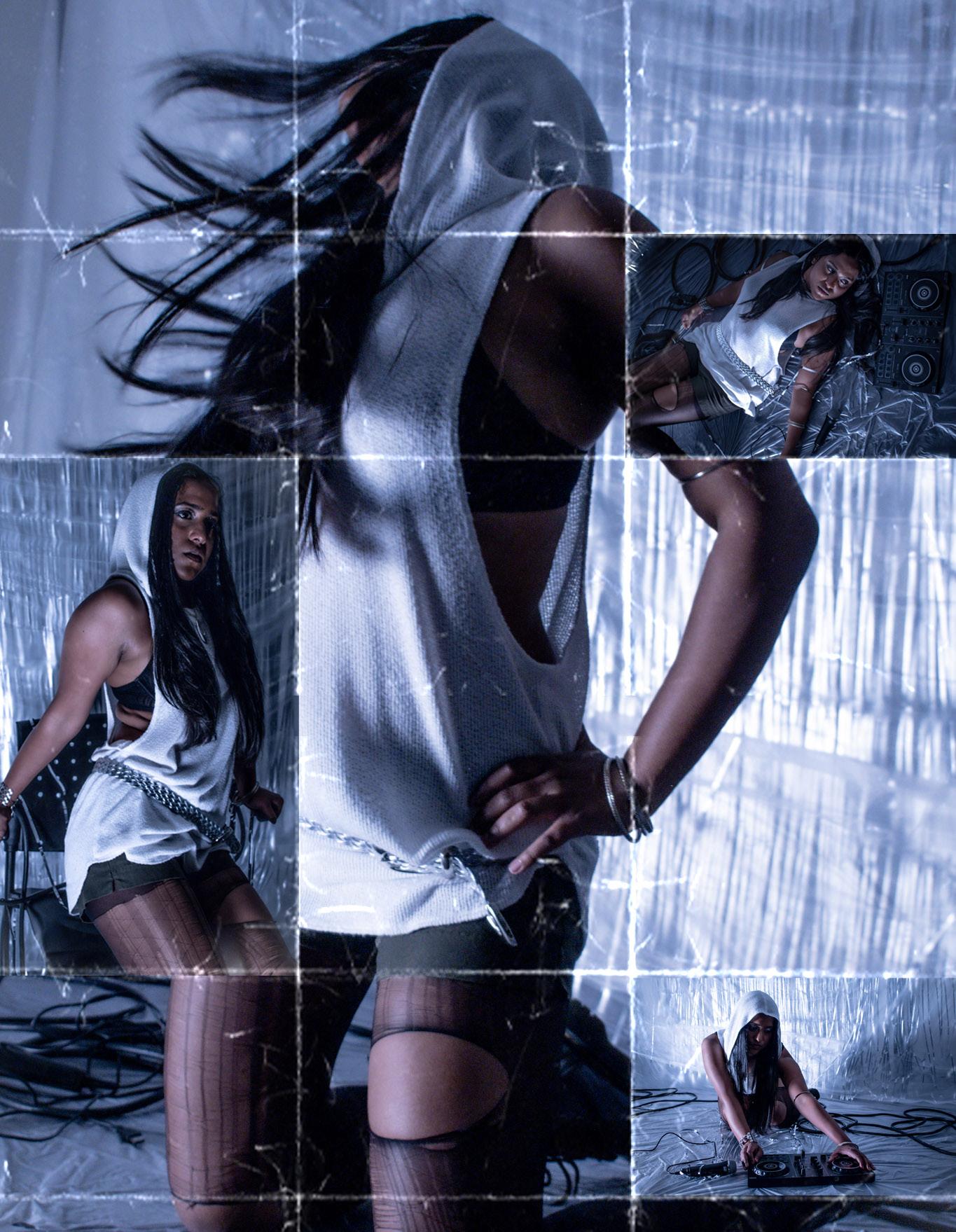
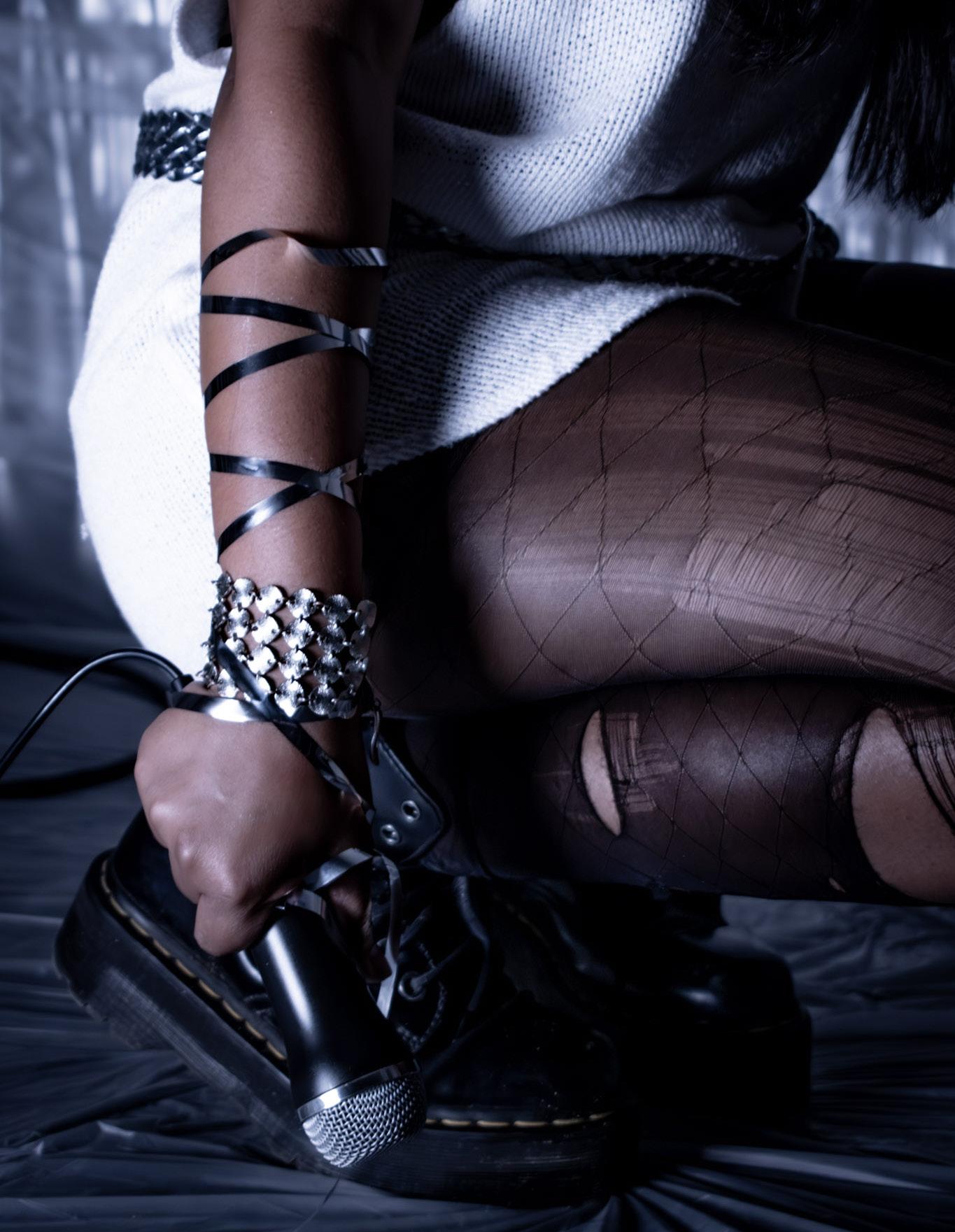
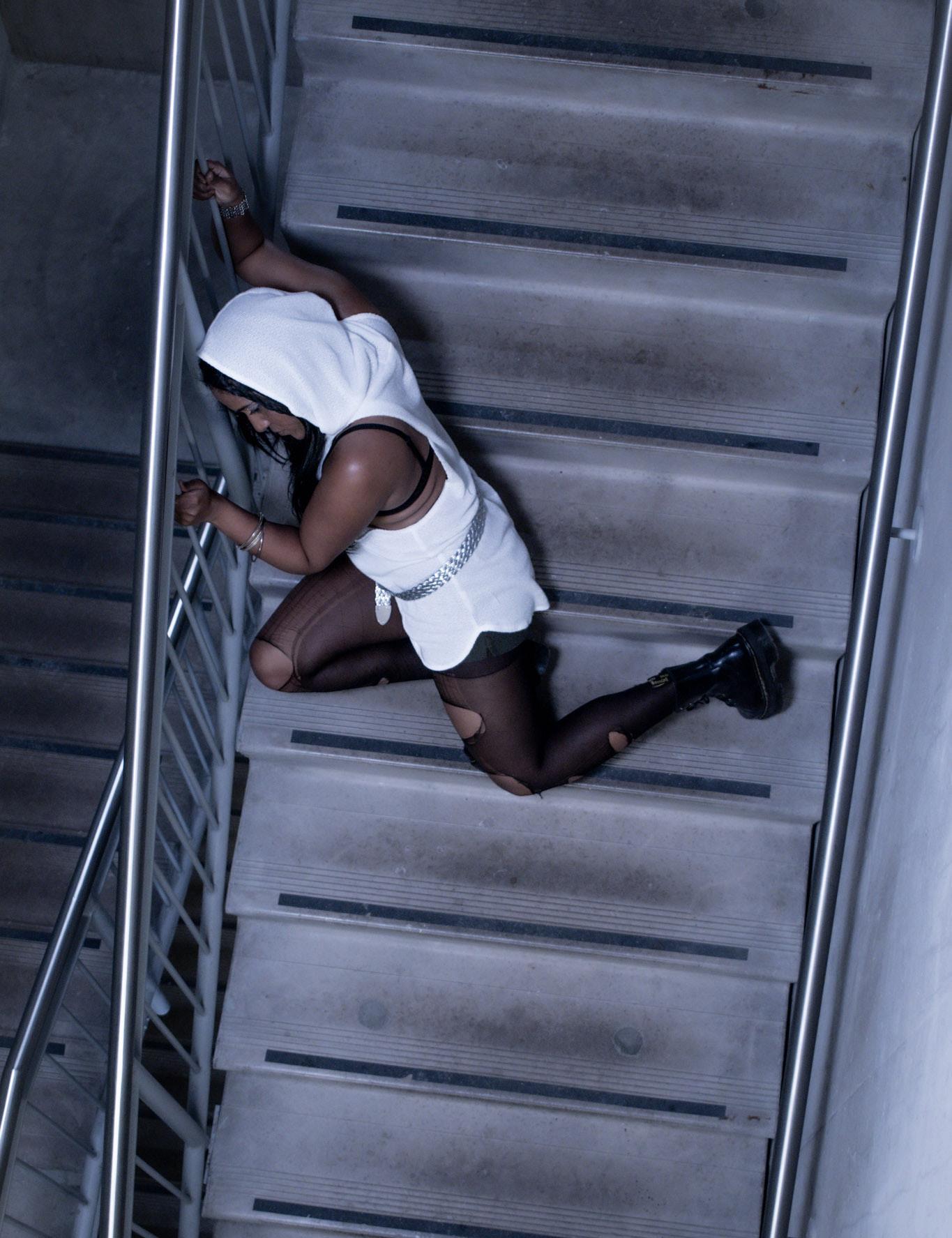
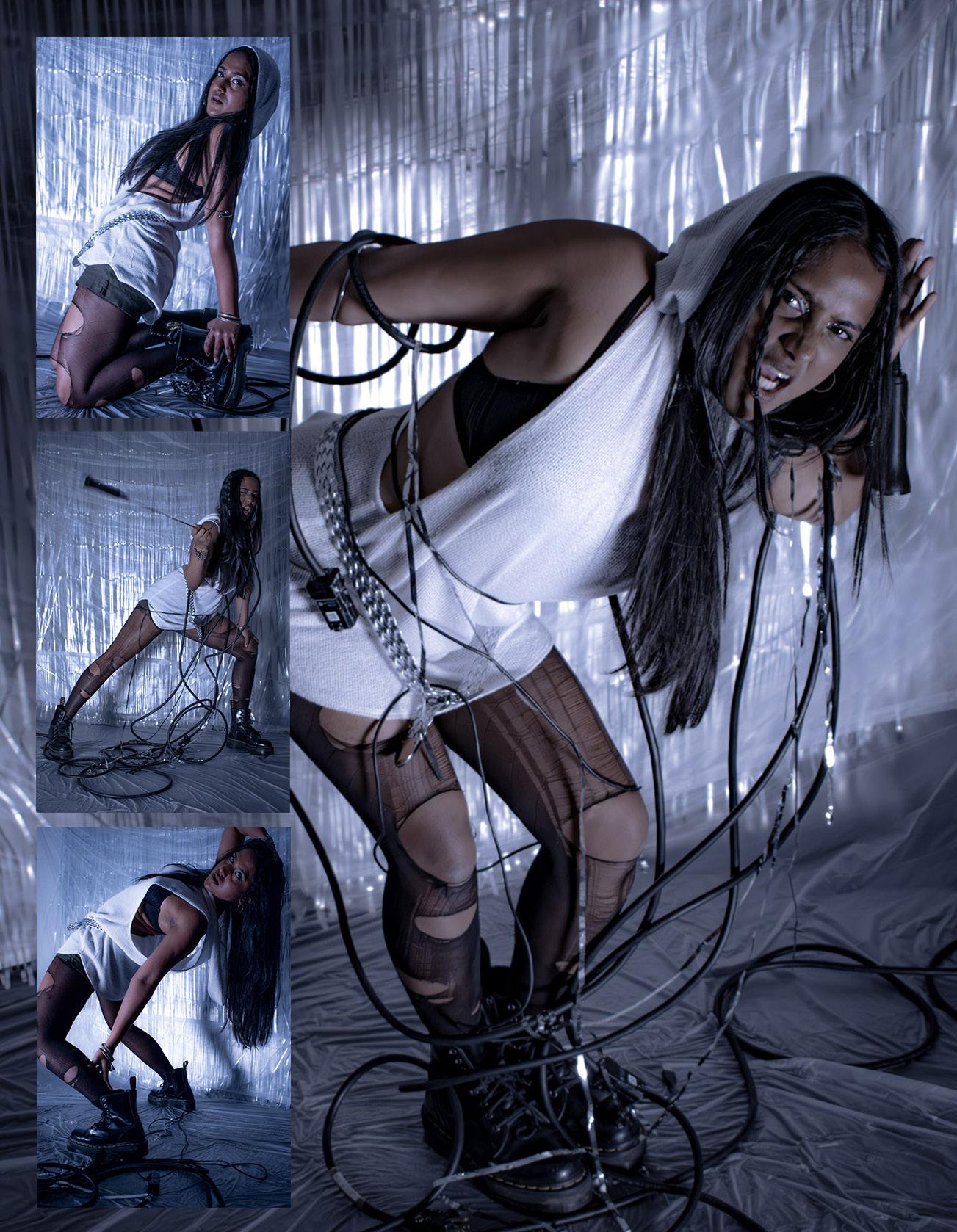
Creative Director: Gemma Falasconi
Photographer: Maya Vlasis
Videographer: Emily Fuhrman
MUA: Isabella Li
Models: Roshni Perera
Jillian Morris
Can you remember the last time you sat down and watched the red carpet? Not just scrolled through the pictures the next morning or watched a fashion student’s breakdown of each look on TikTok, but actually sat down, arms laden with snacks, waiting in anticipation for your favourite stars to strut by in real time?
No? Me neither. So begins the fall of glamour as we know it.
When I look back at the archival looks, dramatic shapes, and endless silks that painted the carpets of my childhood, it would be remiss for me to not mention the era that started it all. The 90s was a transformative time for the red carpet and fashion as a whole, with celebrities embracing their own personal styles and breaking many of the predefined molds set forth by Old Hollywood. Take, for example, Julia Roberts’ naturally curly, endlessly messy updo, her oversized men’s suit and tie, and the toothy smile she sported on the 1990 Golden Globes carpet. An image that can be commonly found on many a cool girl’s moodboard, Roberts’ natural, gender-norm defying look opened the doors for celebrities and stylists alike to take far more liberties with the fashion they wore on some of the world’s biggest stages.
As a young girl, I remember sitting with my mom on our couch, excitedly pointing out the next big star to exit their limousine. From Jennifer Aniston and Salma Hayek’s jawdropping red dress moments to Pamela
Anderson’s crimped hair and feathered gowns, the carpets were always a major event in our household. At school, awards season quickly became the topic of conversation on morning bus rides. Yet, red carpet shows are now lost to streaming platforms and glitchy YouTube livestreams that eventually get shut down by the bigger agencies. Stars take far less risks with their fashion - silver-studded denim is so out - and the latest beauty standards have resulted in many a star appearing almost unrecognizable, if not all eerily similar to one another. Viewers have begun to notice that the grandeur and scale associated with these award shows are now reading as extremely out of touch from the current political climate, with social media providing everything you never wanted to know about your favourite star within a couple of swipes and clicks.
As someone who adores all things classic, chic, and timeless, I find it disappointing that there was no effort to preserve the glamour of Old Hollywood. Unique features that were once seen as charming have mostly been smoothed and reshaped, daring new textures and silhouettes have been replaced with yet another sheer black dress, and the latest fashions focus more on blending in rather than letting a star’s personality stand out. If only ten-year-old me knew that Julia Roberts, and her imperfect, messy curls oh so similar to mine, would still be my fashion inspiration all these years later. Not only because she really was just that cool, but also because no one has done it like her since.
Tia Olesen
I never leave the house without a part of my mum with me. The necklace I wear every day was gifted to her by her Godparents when she was 18, and she gave me the ring that has been stuck on my finger since I was 13. The chunky rings on my hands, the statement sunglasses and belts, the original jackets, dresses, shirts and sets that I wear on a regular basis; they all come from Gillian. Her photo albums are my personal Vogue. Her wardrobe is a clothing curator’s dream. Her style has always been trendy yet timeless, classic but current, and naturally unique.
“I’ve always liked having pieces that are a little bit different and have some edge. I didn’t want to always wear the same thing everyone else was wearing. I didn’t want to see myself walking down the street.”
This was my mum’s response when I asked her about her sense of style. It’s evident in the printed pictures I have worshipped over the years that my mum has always marched to the beat of her own drum. It’s easy for me to say that Gill was, and still is, a style icon. She has been cultivating these different and outstanding pieces her entire life, from small shops and obscure locations outside her hometown, to brands that no longer exist, and to pieces made and given by family members and friends no longer around. Many of these clothes remain in her possession, and some now inhabit my own closet.
I like my clothes to have a history. These pieces tell the story of the person she has been. They hold the memory of who Gillian was when she was another person, before she became my mum. Wearing them makes me feel closer to her and part of something bigger than myself. She remembers loving these pieces and tells me that watching me wear them gives her joy and makes her proud; little does she know that doing so lets me live out my childhood dream.
I remember on weekend evenings sitting on the carpet as my mum sifted through her closet, picking out what she should wear for the dinner or party she was about to attend. Her hair was freshly blow-dried and curled, her makeup done, as she wore her fluffy pink robe. She would hold up her options, and together we would coordinate which colours matched best, which necklaces suited the neckline, and which shoes and accessories tied the outfit together. As I sat and helped style her, I couldn’t wait for the days I, too, would be able to dress up in hopes of being as beautiful as her.
I have grown up admiring my mum and her wardrobe. Her curated hand-me-downs are the closet staples I often receive the most praise for. I wear these pieces with pride, and when someone comments on them or pays a compliment, I’m ready to pull out my most used phrase: “Thanks, it’s from my mum.”
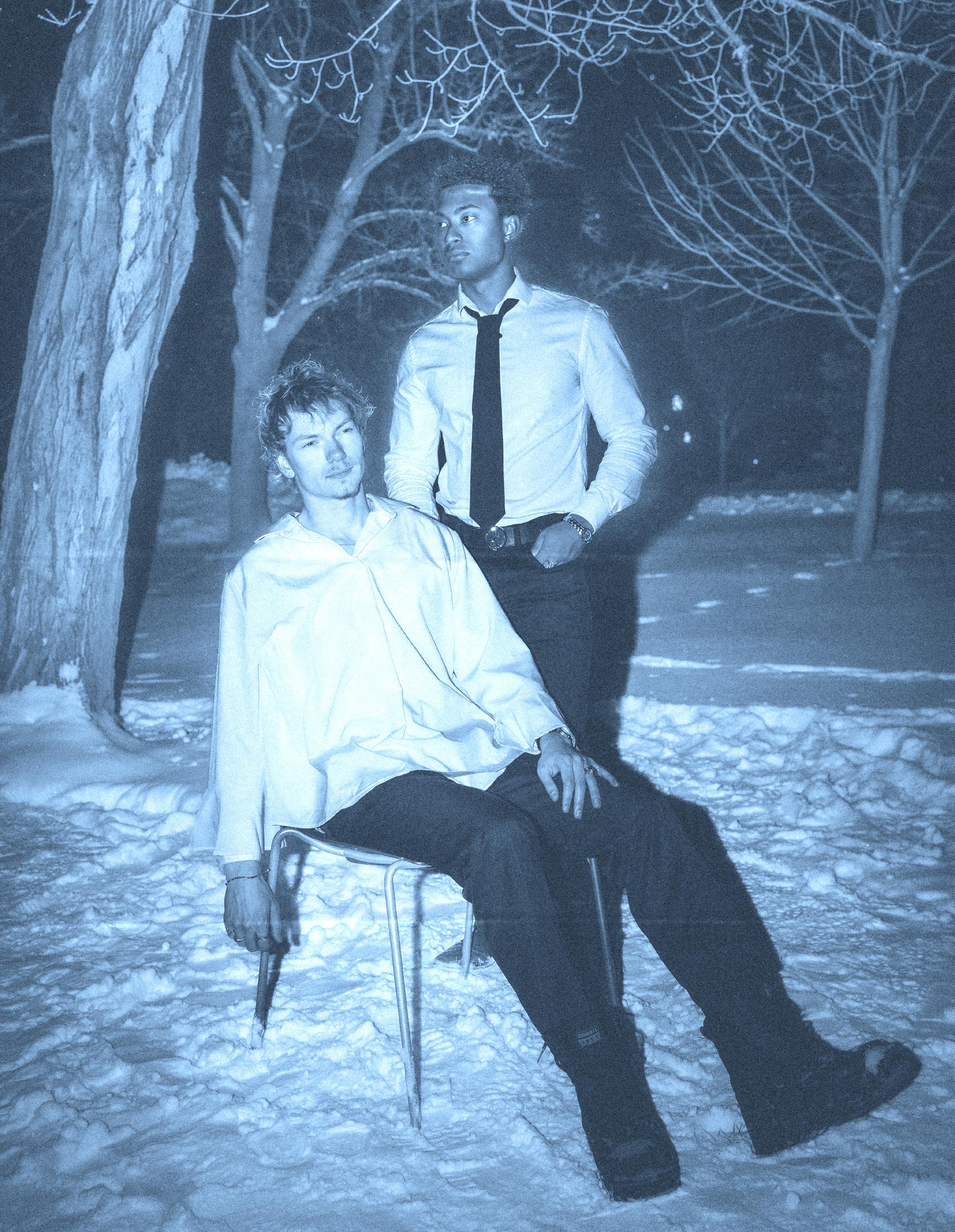
I read a note on Substack about how kindness is often mistaken for flirting, and I was surprised by how many people connected with it. It stuck with me for longer than I expected. The idea felt familiar, even if I had never put it into words before.
It made me think about how certain gestures that are meant to be generous or human, such as offering help or simple acknowledgment, can these days feel loaded with intention. It raises the question of how these kinds of gestures have come to feel charged with meaning beyond what was intended. When did warmth start being interpreted as something unusually intimate?
I think part of this comes from the way we have learned to interact over the past decade. So much of our connection now happens through screens. Messages are brief. Interactions are curated. Attention feels scarce. Because of that, it is easy to start believing that every small gesture must mean something more. A compliment feels intentional. A like feels deliberate. A kind word starts to feel personal in a way it never was before.
Social media has also taught us to overthink. We read into tone, timing, and response, often looking for validation without realizing it. In that mindset, it becomes hard to accept that something can simply be what it is. Sometimes people like your photos because they enjoy them. Sometimes you see a share or a save on your Instagram post because you posted something incredibly cool, not because people are cackling behind your back. Sometimes people do things because they are genuinely kind, not due to some ulterior motive.
At the same time, it makes sense that people are cautious. Many people have been hurt by mixed signals, or by moments when kindness turned into expectation. That same kind of calculation shows up in smaller, everyday interactions, such as rereading a kind message to figure out what it really means, or wondering whether a classmate’s offer to share notes comes from generosity or an unspoken expectation of closeness in return. Over time, this creates a quiet wariness. People learn to protect themselves by assuming that warmth comes with strings attached. It can make us suspicious of gestures that are meant to be simple.
Rather than viewing this confusion as due to romance or desire, it feels more like a sign of how much we miss basic human connection. There is a hunger for being noticed, spoken to gently, and treated with care in ways that feel real and present. Screens cannot fully replace that.
Maybe the answer is not to pull back further, but to relearn how to give and receive kindness without overanalyzing it. To let compliments exist without expectation. To offer help without assuming it will be misunderstood. To accept warmth without immediately questioning why it is there.
Kindness does not always mean something more. Sometimes it is just that. And maybe remembering that is one small way we begin to feel closer to each other again.
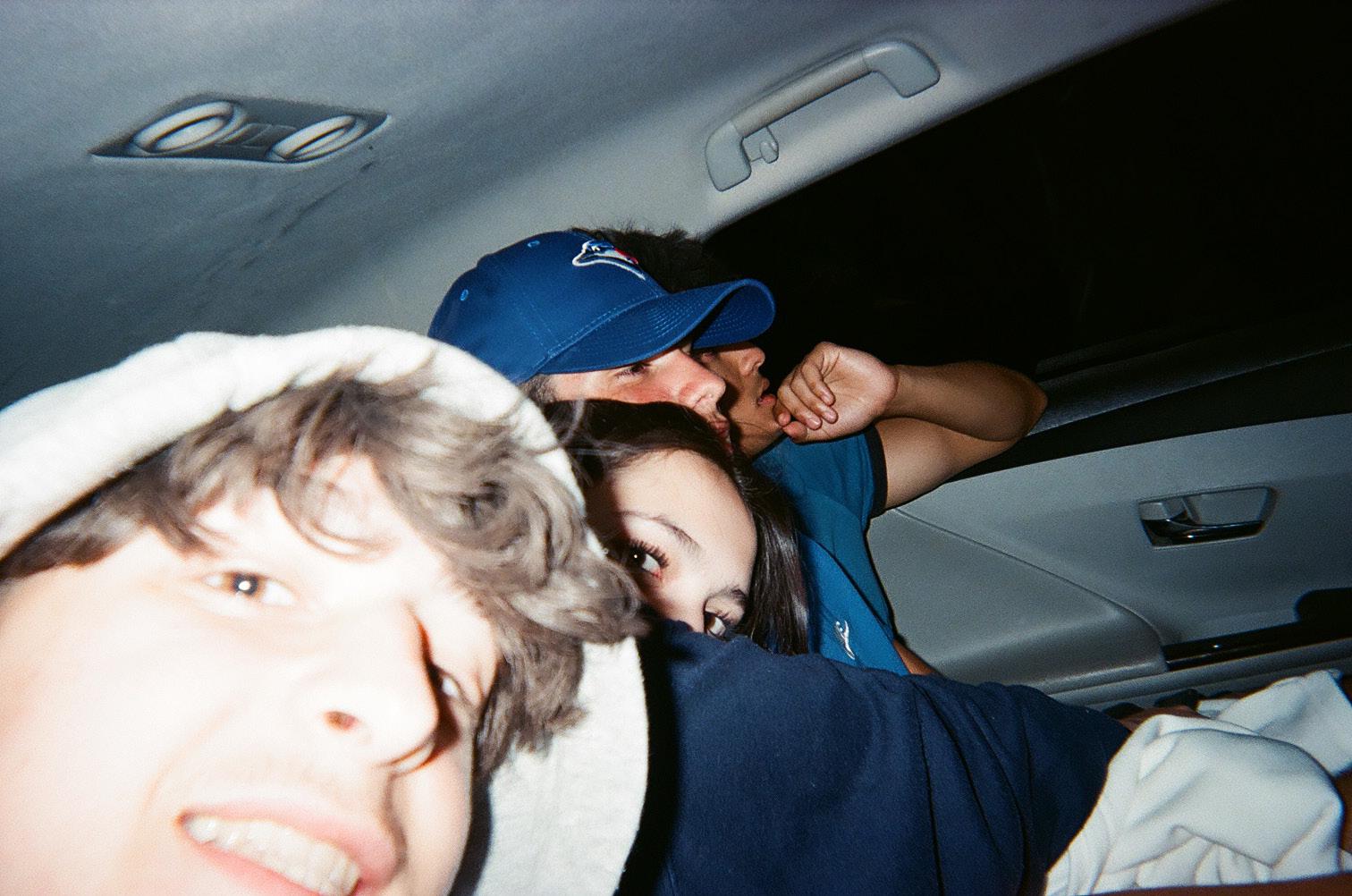
My car is ridiculous. It’s a bright orange Mini Cooper. Super cute, don’t get me wrong, but when I have road rage, the sweet, high-pitched “beep beep” of my horn isn’t intimidating anyone. Despite that, I love driving. I didn’t get my licence until winter of first year, but I’ve been making up for lost time; if I’m sad, or lonely, or bored, I hop in the Mini and drive along Lakeshore. There’s peace found in the dead streets.
I like peaceful, but there was a time when driving meant the exact opposite; it was about stuffing your car with as many bodies as you could fit, and filling it with as much noise as humanly possible. Back in high school, when it was still socially acceptable to act ferally, my friends and I would pile into whoever’s car had gas in it and treat the roads like our own personal playground. Even in the dead of winter, the windows would be down, and music was constantly cranked to full volume. We’d laugh, sing along, wince every time the car hit a bump and complain when someone’s knee was too bony. We have countless stories from these drives: getting lunch after graduation in our caps and gowns, a woman chasing us down Trafalgar, convinced we’d toilet-papered her house (we hadn’t), or the girl I hated confronting us for hurling cheese slices on her window at five in the morning (we had). During prom week, the seniors spontaneously met in the parking lot of a hockey rink, opened our trunks and reminisced with each other for hours. I’ve coined this hobby “clown car-ing”: the act of shoving too many people into one small car and driving around like degenerates.
Clown car-ing has evolved since high school. Now, when we squish on top of each other, there’s an end destination, like heading home from a party or on the way to dinner. It’s like how the best part of going out is the pre before the bar, not the bar itself. We still drive just to drive, occasionally, but most of the time, the only way we can get everyone together again is by giving the night a purpose.
I do sometimes miss when every night was spent smushing against each other. But my feelings about clown car-ing aren’t limited to nostalgia. I love the way it’s evolved over the years. When we’re younger, people come and go so quickly. Because of that, I used to believe closeness was proven through big plans; surprise birthday parties, vacations, wedding invitations. Adulthood scared me because
I questioned whether these people would remain in my life if we didn’t go for lunch every day. I equated connection with literal closeness. This misconception wasn’t a bad thing, because it’s those feelings of impermanence and yes, insecurity, that pushed me to create meaningful moments with the people I love. However, now that we’re grown enough to do all those things with one another, I’ve realized that I feel just as connected in those big, planned moments as I do driving around together with nothing to prove. When we pile into cars now, the physical closeness serves as a reminder of our comfort, not as validation.
This ease allows for an even deeper friendship. On my recent car excursions, I’ve had hour-long talks about mental health, relationship issues, family hardships, you name it. It’s a different form of clown car-ing: now, we sit still with each other. It’s best in the summer, when we can perch on the hood of my Mini with coffees in hand, parked on a street with fancy houses. And we can just exist, revel in how wonderful it is to be known. Movement has started to feel overrated. I think it’s the beginning of the end.
This cherished little hobby of mine will stop eventually. I can’t remember the last time I played mermaids in the pool or pretended to be asleep so my dad would carry me to bed. Clown car-ing will likely disappear the same way, as we make room for partners and kids, or maybe even before that. I’m not worried though; we’ve built these relationships to last. There’s no fear that we’ll lose touch, no anxiety that one day, I’ll stop feeling like enough. If I have so much faith in these friendships, I should have faith in this silly activity that has become so dear to us. So, maybe I’ll be fifty, still driving a ridiculous car and blasting music with my friends, while our kids sit in the back and complain that carpooling to school, or soccer, or band practice is too squishy.
Sometimes, when I’m sitting in a café, in a city far from home, surrounded by energy and languages I don’t understand, my mind quiets. The noise fades and I find peace in memories of those I love. I picture my dad taking everything in, standing still for a moment, the way he always did. I imagine my grandpa asking mundane questions about the place, how old it is, who lived there before, what stories it holds. For a second, it almost feels like they’re here. Then the feeling passes, and I’m left with their absence, interwoven into the thrill of discovery instead of separate from it.
My grandfather and my father are both gone now, and neither of them ever had the chance to see the world beyond what work, responsibility, and survival allowed. Traveling makes that loss sharper.
There are moments of awe that aren’t touched with sadness, but also moments where beauty feels almost too heavy to hold because I know how much they would have loved to see it. Each city holds space for them, not in absence alone, but in the way everything feels more meaningful because of who is missing.
As the eldest daughter of immigrant parents, responsibility was assumed. I learned how to translate documents before I fully understood what they meant, sitting at the kitchen table explaining letters from schools, banks, and hospitals. When my dad received his end-of-life diagnosis, that responsibility deepened. I learned how to repeat words no one ever wants to hear, how to soften medical language so it didn’t sound terrifying, how to stay steady even when I wasn’t. I learned how to lead without being asked—to make calls, ask questions, and carry what needed to be carried. I became the example, the one who was supposed to get it right, to make their sacrifices mean something.
That role shaped me in ways I’m grateful for, but also made independence outside the four walls of our home feel like something I had to earn. So when I step onto a plane or wander through a city where no one knows my name, there’s a rush that feels electric. In those moments, I’m not the translator or the caretaker. I’m not the dependable one. I’m just myself.
And yet, even then, the joy always leaves a quiet ache.
For a long time, I thought roots meant staying put—staying loyal to the life that held my family together. But no matter where I go, I carry home with me. I notice it in small ways: how the smell of spices in a restaurant pulls me back to my parents’ kitchen, the quiet hum of a place at night reminds me of our house, how routines in other countries make me think about the ones that kept us together through years of sacrifice. Traveling hasn’t made those memories fade. If anything, it made me yearn for them more. Seeing other parts of the world has changed the way I understand where I come from.
Traveling has never been just about seeing new places for me. It feels like both a privilege and a responsibility— to step into spaces my parents never could, to walk streets they only imagined, to carry pieces of them into parts of the world they never had the freedom to explore. I leave pieces of myself behind in cafés I linger in too long, in streets I wander without direction, in conversations with people I’ll never meet again. At the same time, I bring pieces of the world back home with me.
I’ve come to realize that I live in the push and pull between chasing something that feels entirely my own and staying anchored to my family, their traditions, and their love. Wanting more has never meant wanting to be away. Through travelling, I’ve learned that it is not an escape from home but an extension of it. Every trip feels like a quiet promise to those who came before me: I will see what you couldn’t. I will live fully enough for all of us.
Roots, I’ve learned, aren’t always about staying in one place. Sometimes they are the memories you carry, the values you move through the world with, and the love that follows you wherever you land. With every new trip, I am building a map—not just of where I’ve been, but of the lives that have shaped mine. Each place I visit becomes marked by who I was when I arrived and who I carried with me: my parents’ sacrifices, my father’s absence, my grandfather’s dreams, and the love that continues to guide me. I am both at home and beyond it, rooted and moving at the same time. Forever tethered to those I love, forever chasing the horizon they never got to see.
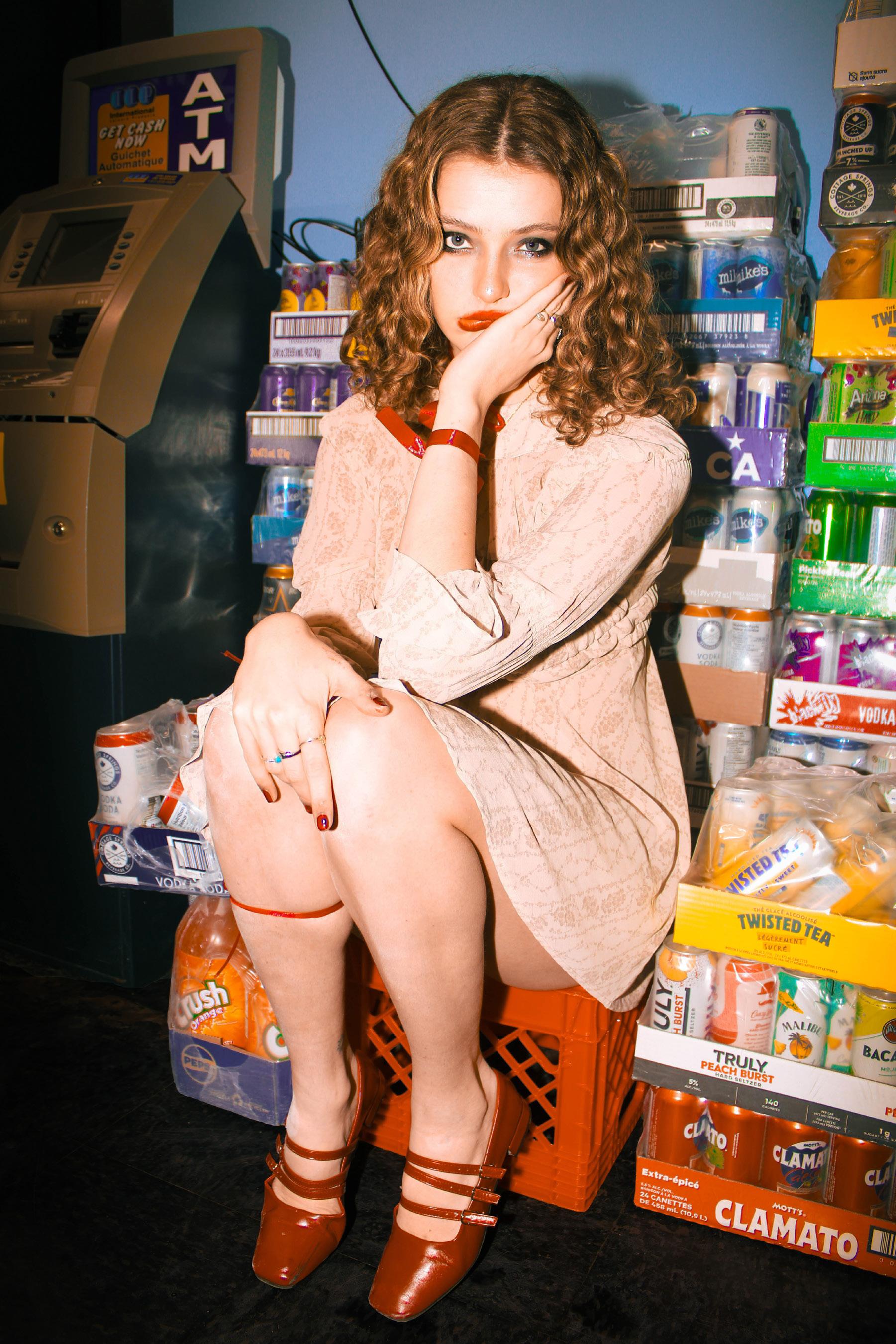
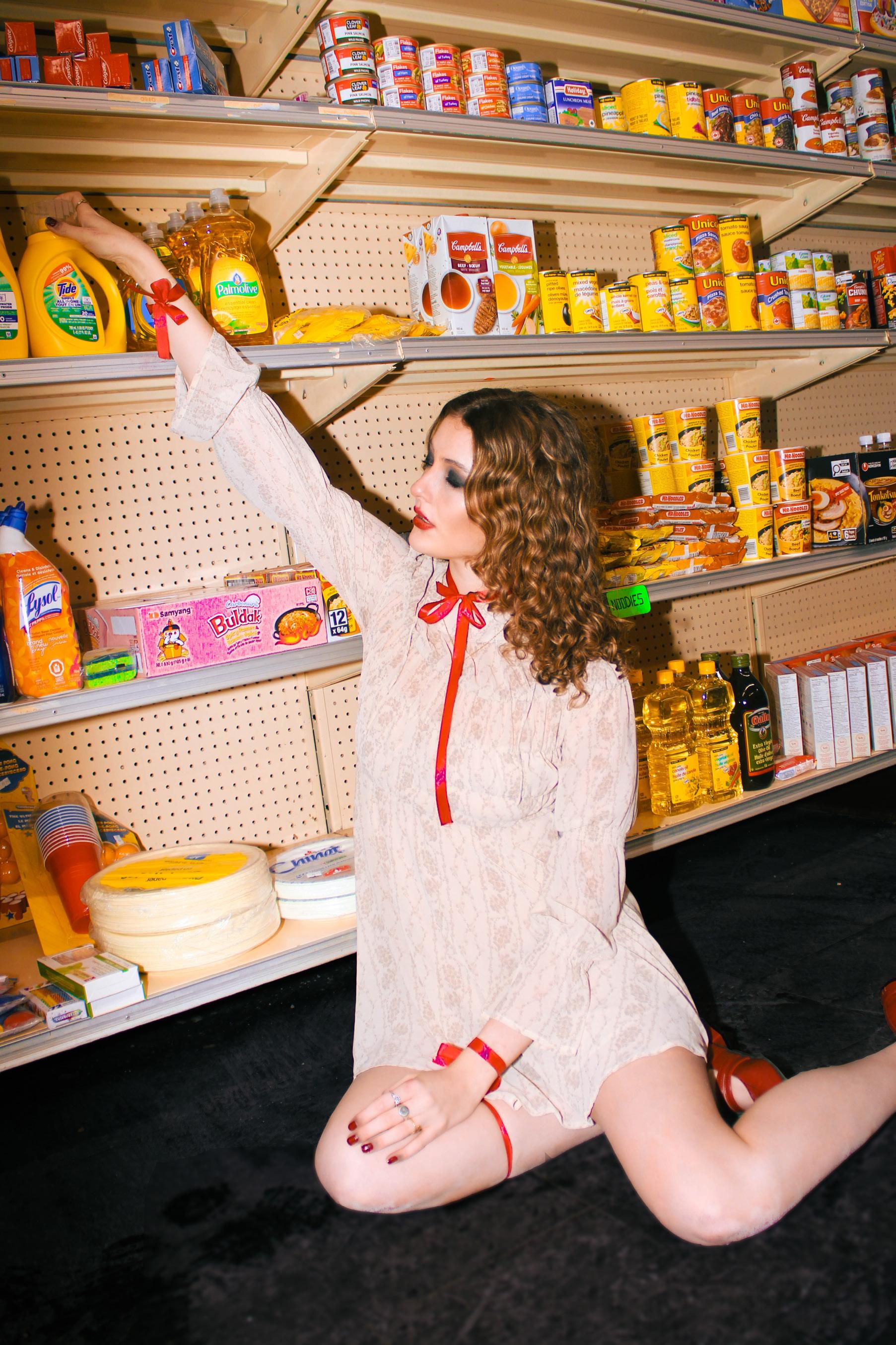
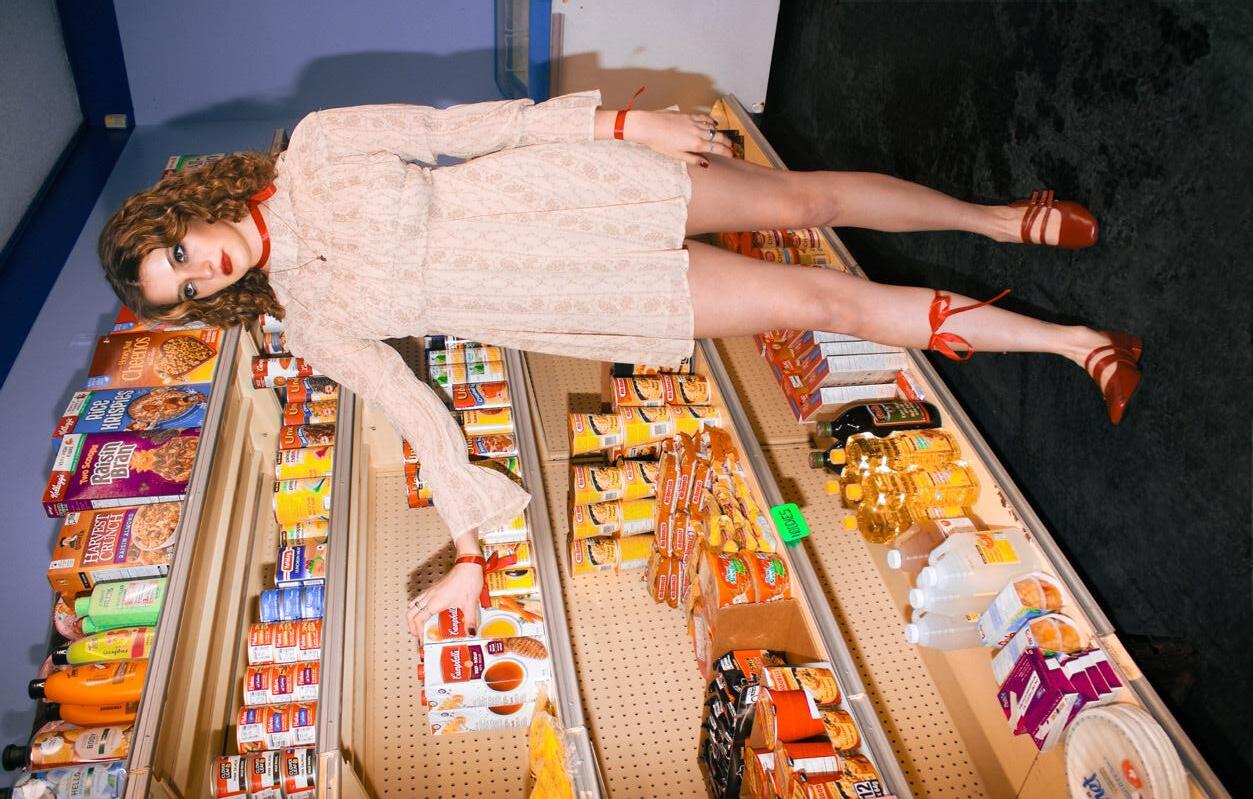
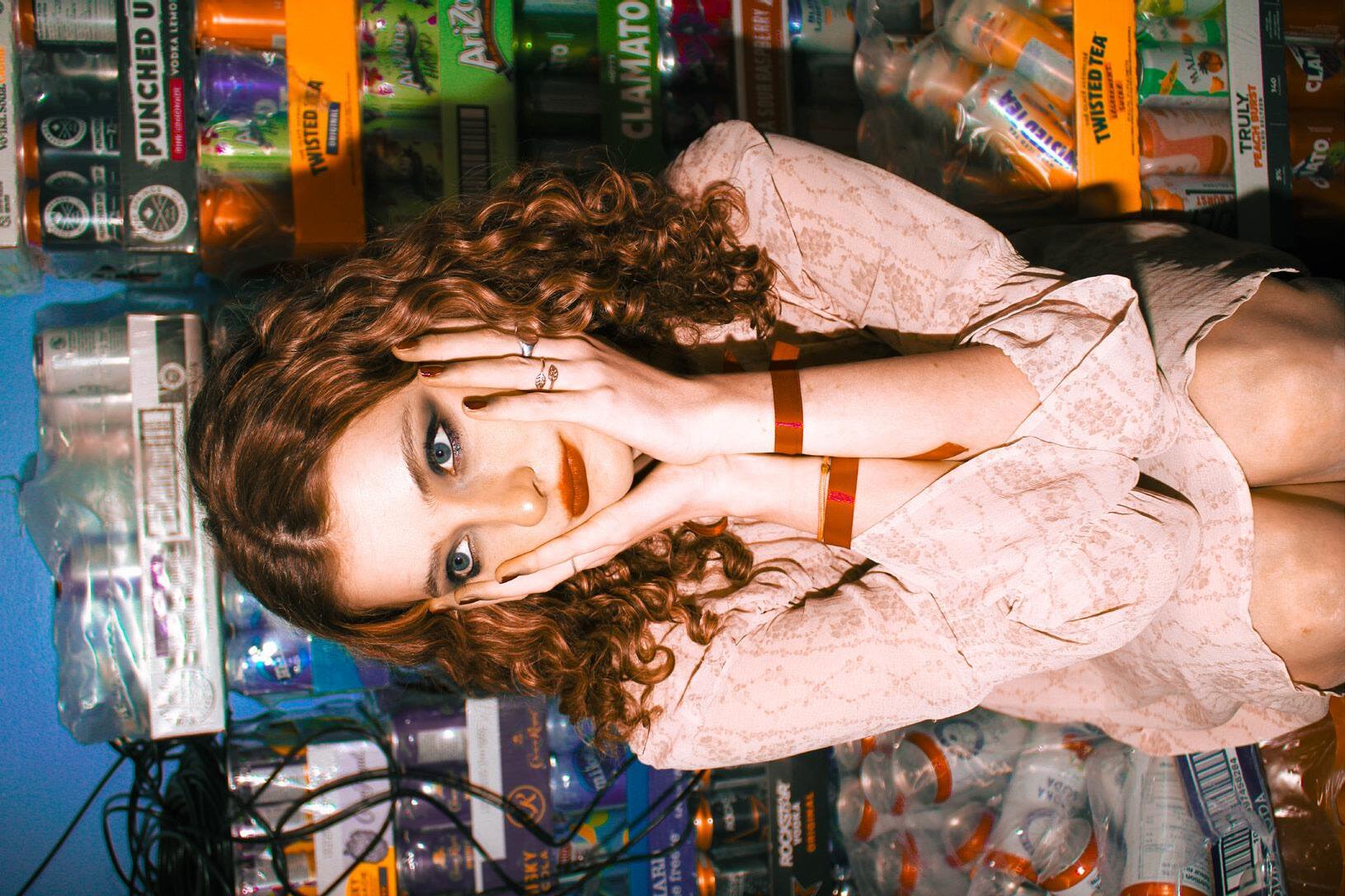
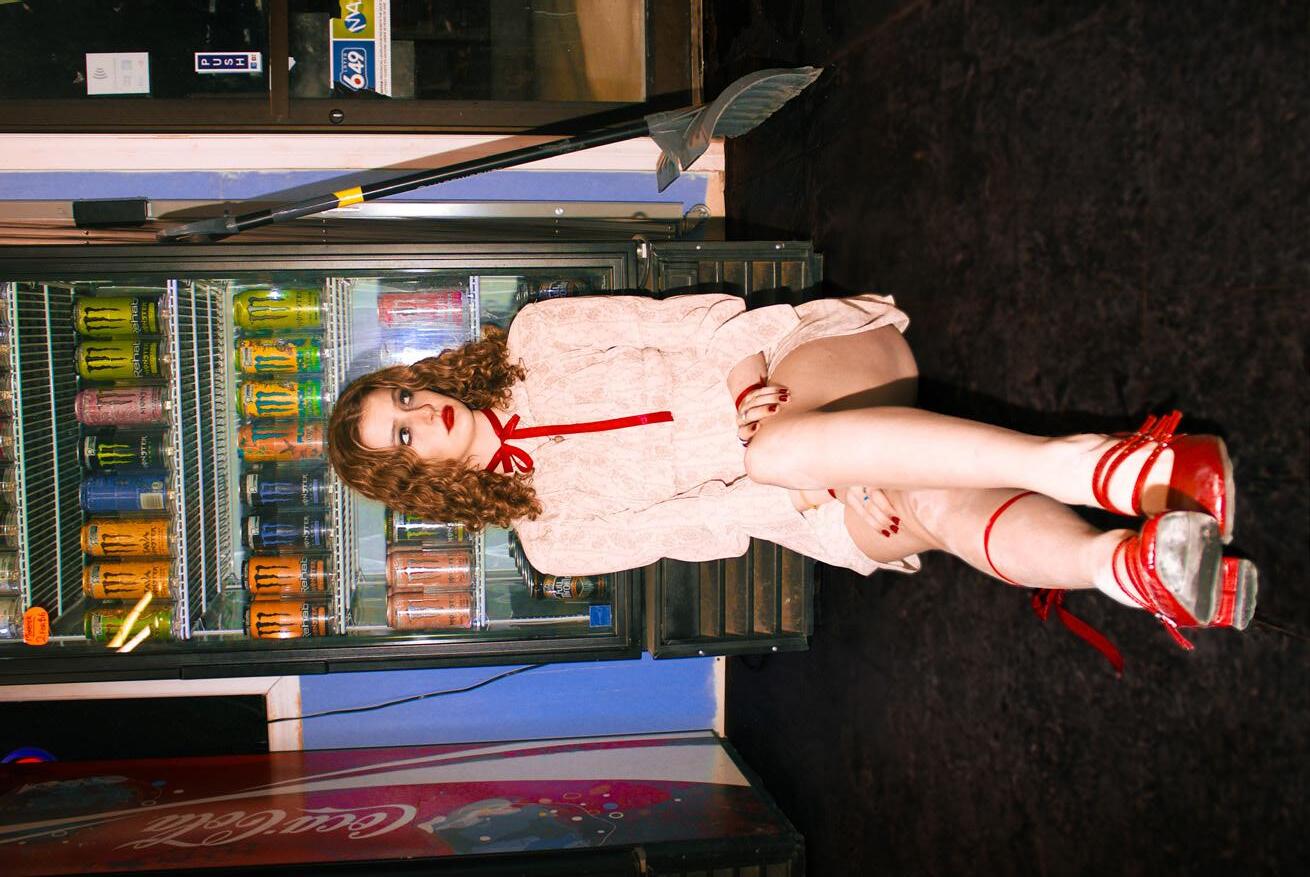
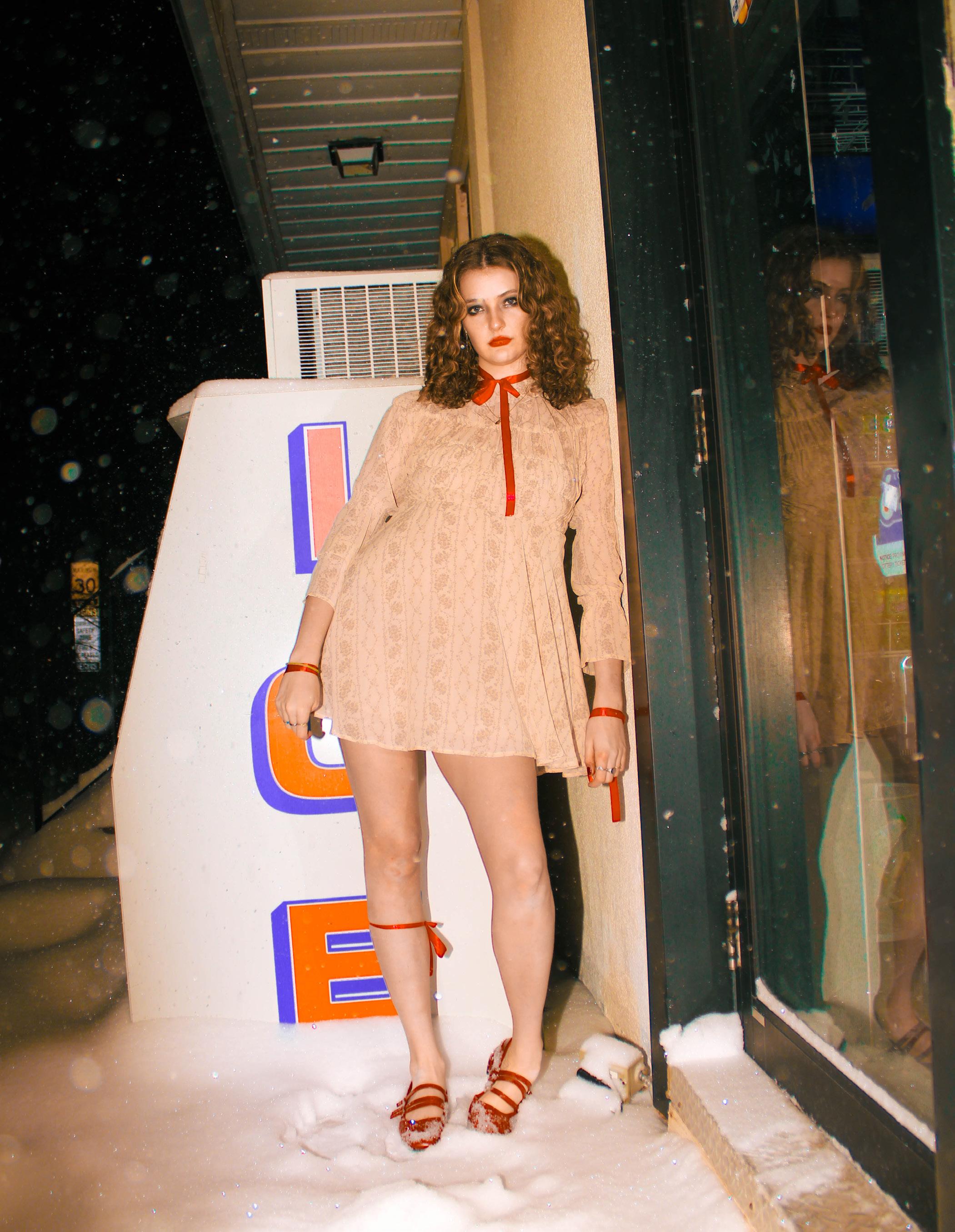
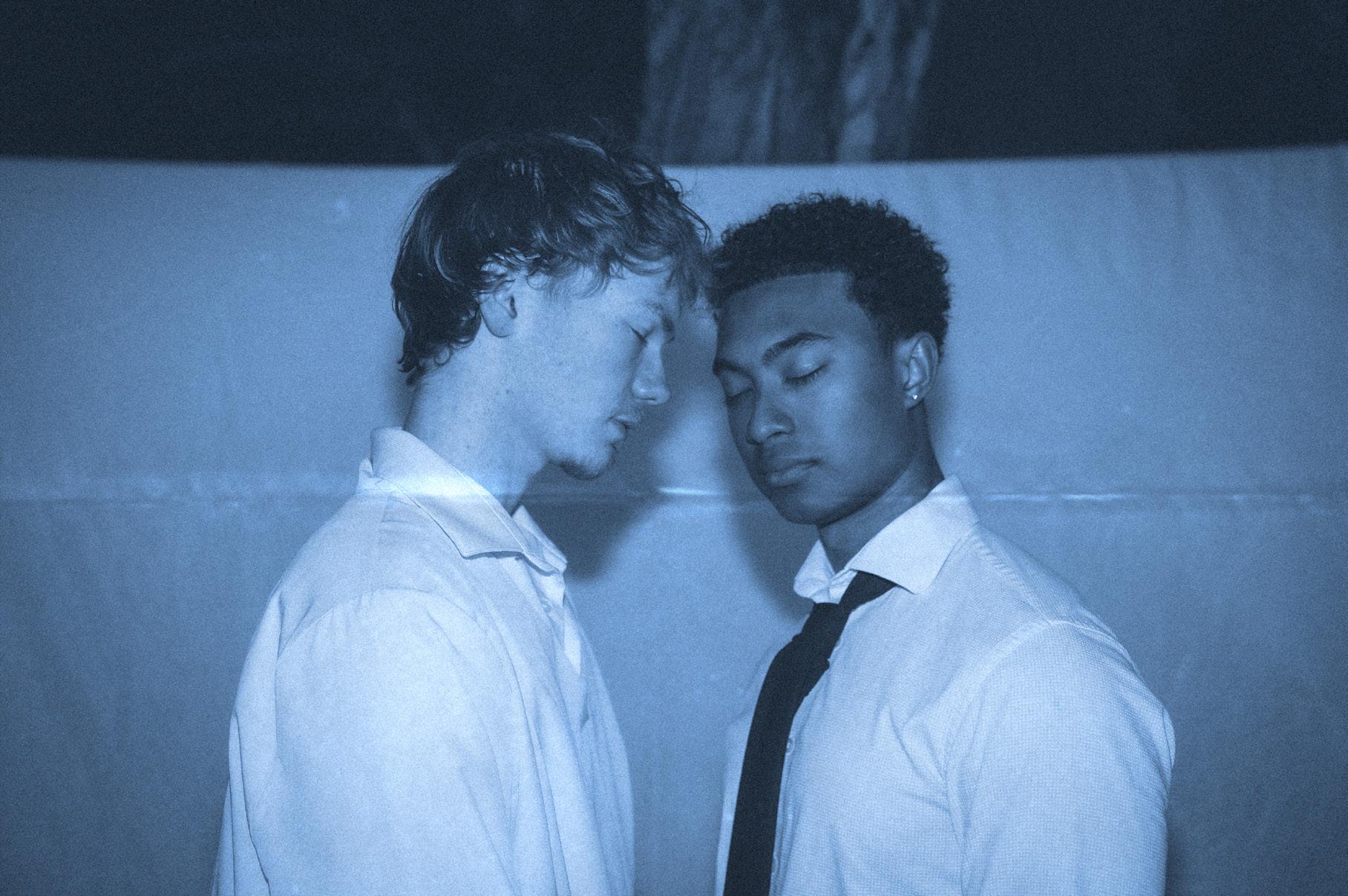
Creative Director: Tavishi Trivedi
Photographer: Sheana Tchebotaryov
Videographer: Hadleigh Green
MUA: Kelly Gao
Model: Cassidy Comeau
There is a recurring dream that I have been having.
There is a recurring dream that I have been having.
A lover comes to me in my sleep. She stands at the foot of my bed, with garments of funerary black laying at her feet.
A lover comes to me in my sleep. She stands at the foot of my bed, with garments of funerary black laying at her feet.
Her naked body feels like dirt on my skin and her tongue feels like worms in my mouth.
Her naked body feels like dirt on my skin and her tongue feels like worms in my mouth.
Her agonal breath rattles like death in my ears, I try to claw against her but my fingernails catch only coffin wood.
Her agonal breath rattles like death in my ears, I try to claw against her but my fingernails catch only coffin wood.
She holds my face with her cold hands and I can smell the sweetness of decay on her breath.
She holds my face with her cold hands and I can smell the sweetness of decay on her breath.
I love you, come to sleep with me.
I love you, come to sleep with me.
Her blue eyes pierce mine, their light floods my corneas and burns holes into my optical nerve.
Her blue eyes pierce mine, their light floods my corneas and burns holes into my optical nerve.
A green snake coils around her leg. It wraps its way up her body and onto mine. I feel its scales against my skin as it works its way across my chest. It runs down my left arm and as it reaches my hand I feel it tighten. It rises, tenses, and strikes my hand. Venom floods my veins as I feel her lips for the last time.
A green snake coils around her leg. It wraps its way up her body and onto mine. I feel its scales against my skin as it works its way across my chest. It runs down my left arm and as it reaches my hand I feel it tighten. It rises, tenses, and strikes my hand. Venom floods my veins as I feel her lips for the last time.
Those cold, dead, lips.
Those cold, dead, lips.
I awake in a wheat field. The overcast sky bathes the world in grey, and the clouds brew a tornado in their breasts.
I awake in a wheat field. The overcast sky bathes the world in grey, and the clouds brew a tornado in their breasts.
Behind me there is a blooming apricot tree, the pink flowers seem to glow against the greyness of the world. At the root of the tree lies two graves, one for my son, and one for my lover.
Behind me there is a blooming apricot tree, the pink flowers seem to glow against the greyness of the world. At the root of the tree lies two graves, one for my son, and one for my lover.
Before me is a man cloaked in black, he stands staring at the horizon with his back
Before me is a man cloaked in black, he stands staring at the horizon with his back
Ben Linton turned to me.
Do you know why I carry a scythe?
I know you must think me cold for what has happened but I assure you there is no hatred in these hands.
Do you think the plowman holds any hatred for his crop? No. He loves it.
He loves it the same as you love the fruit of that tree, and he loves it the same as I love you.
The fruit of the tree grows fat and plentiful. It weighs down the branches of the tree so that it bows down to the Earth. Then, they rot. The sweetness of decay fills the air and they rot away.
That is, unless you pick them. You take them and you make jam, and wine, and you feast and make merry.
When my scythe comes down I shed a tear for you, but I would sooner cut you down than to let you rot.
He turns, and walks towards me, his black robes gliding across the heads of wheat. As he stands before me he raises his scythe.
When I open my eyes I am knelt in a crescent of cut grass, behind me the tree bears its orange fruit and two crosses lay at its base.
Before me a great shadow is cast by a mountain of buffalo skulls.
Then I awake.
From hair pulling clashes and arm pit probes, awfully wet willies and miscellaneous chirps,
To others, perhaps, ignorant, rowdy and possibly even rude but to us, just the requirements for a good time.
Giggles always exploding until tears blur out our vision, roaring laughter loud enough to make mountains move,
In every poke, prank and silly little feud, love finds a way to crack through the chaos, shining true and bright.
Because amidst the noise, we have each other, And when shoulders feel too heavy and the world gets too loud,
It’s those same hands that once shoved and teased that reach out without being asked.
Laying on kitchen floors past midnight, walking nowhere just to escape somewhere, and sharing silence even when the laughter dries out.
It is in these minuscule, messy moments together that I am reminded I will always have a steady hand to hold, even through the thickest of storms. As the laughter, teasing and joy will always carry me through.
There once was a lady
Back permanently slumped
An annoyance with the world
Eyes kind for none
But a dog who was also annoyed at the world
Forced into a muzzle
An anger for everyone
And so they walked
Side by side
Through cold winter days and warm summer nights
Angry together
But maybe a little less so then they initially thought
Nicole Turner
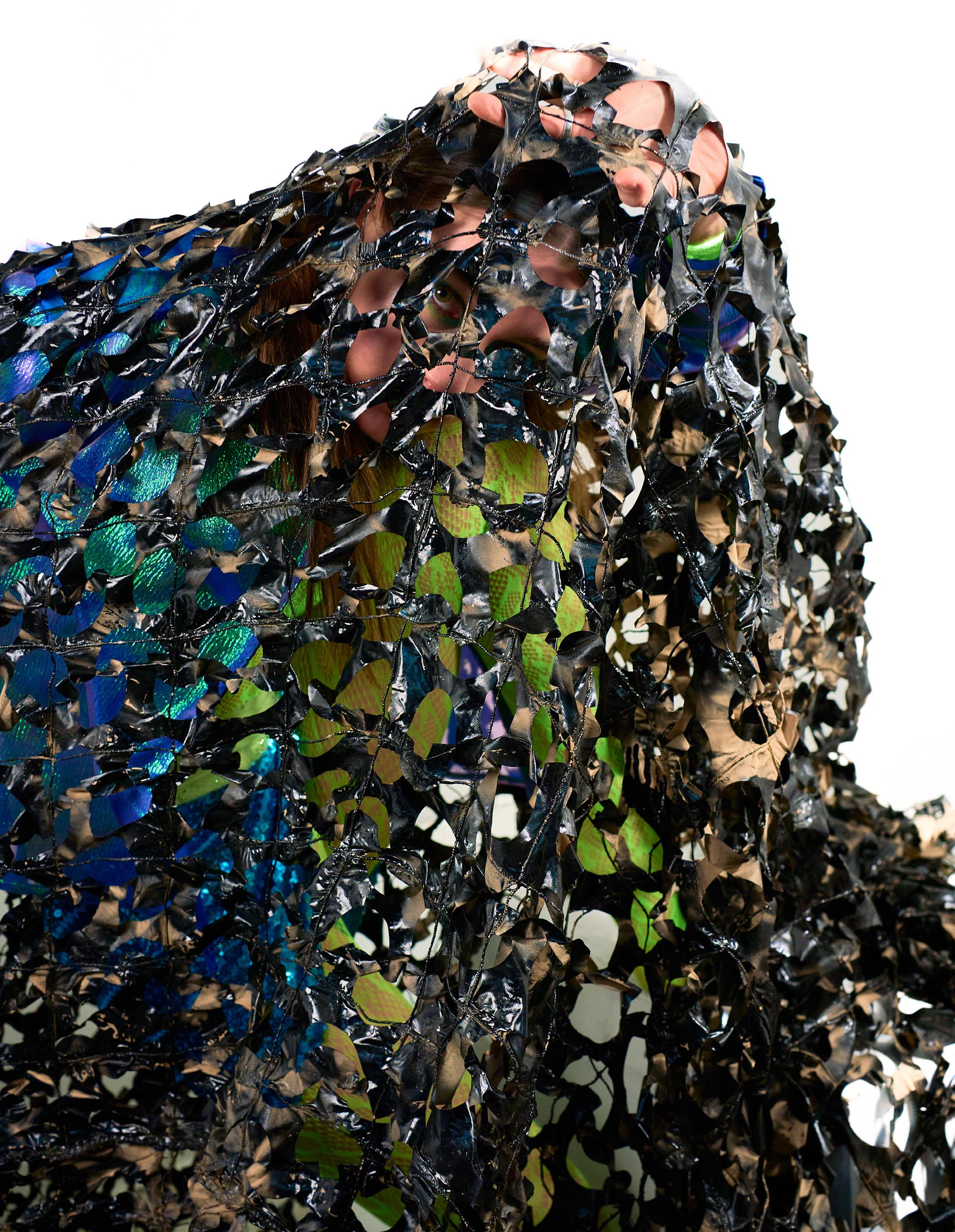
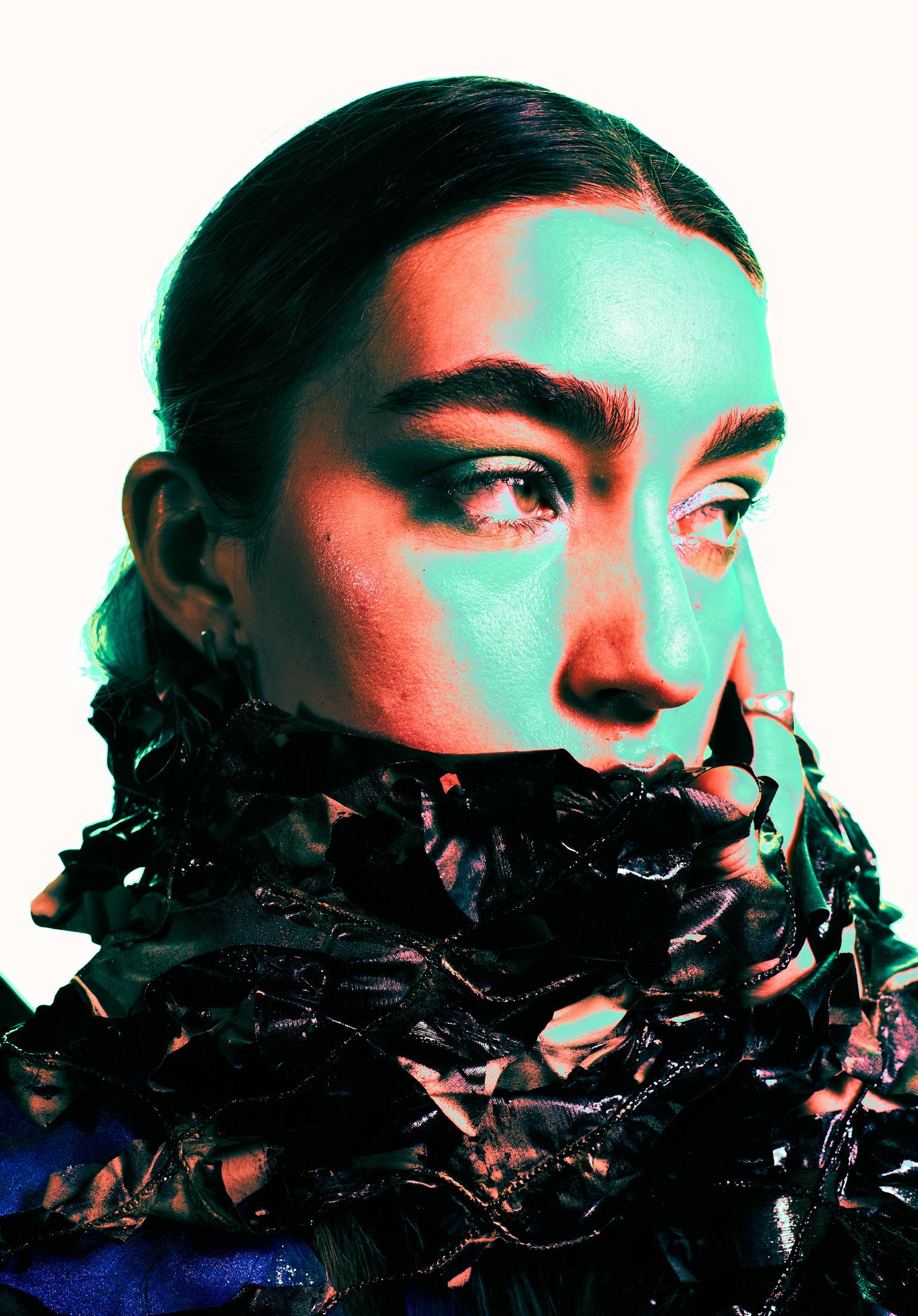
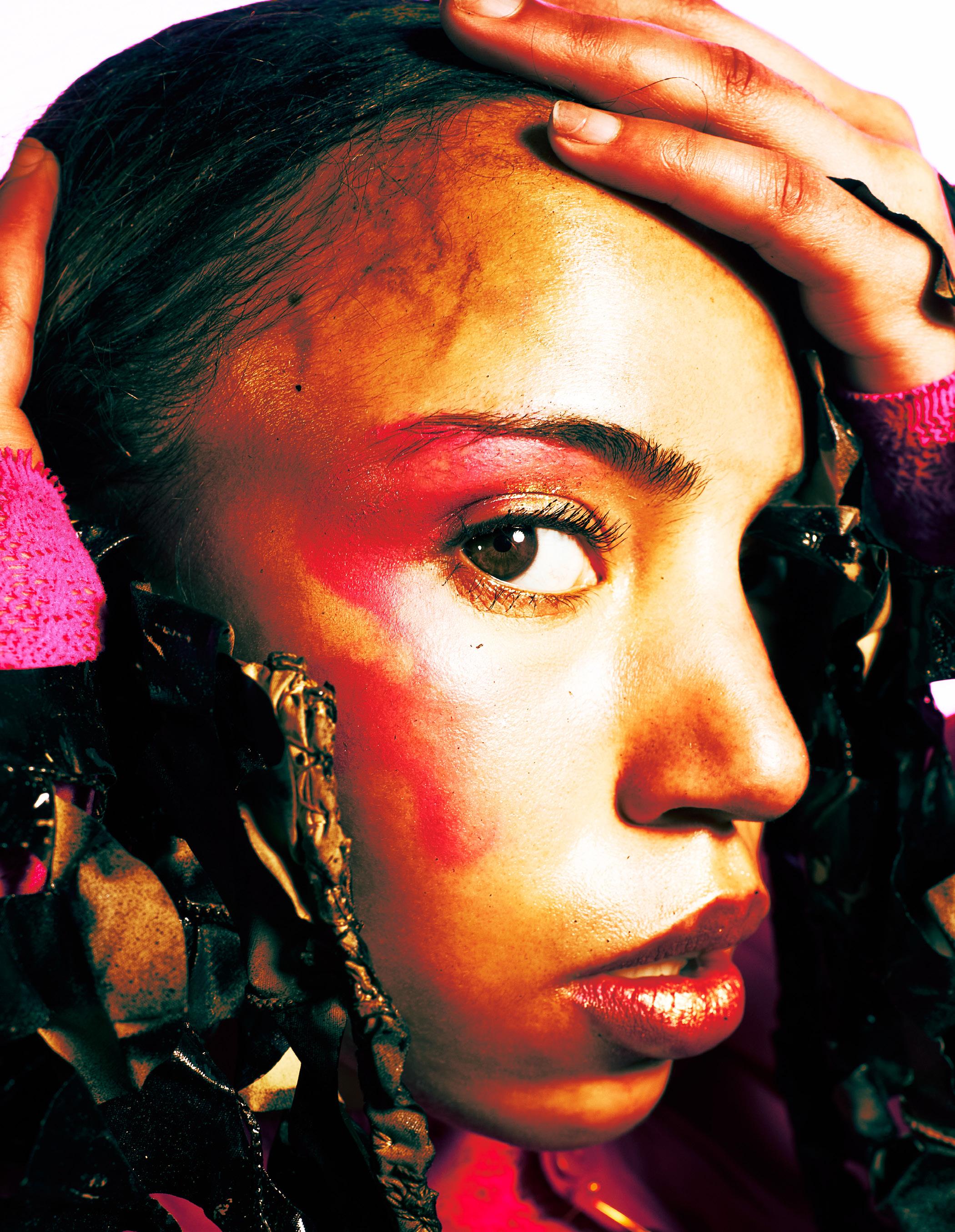
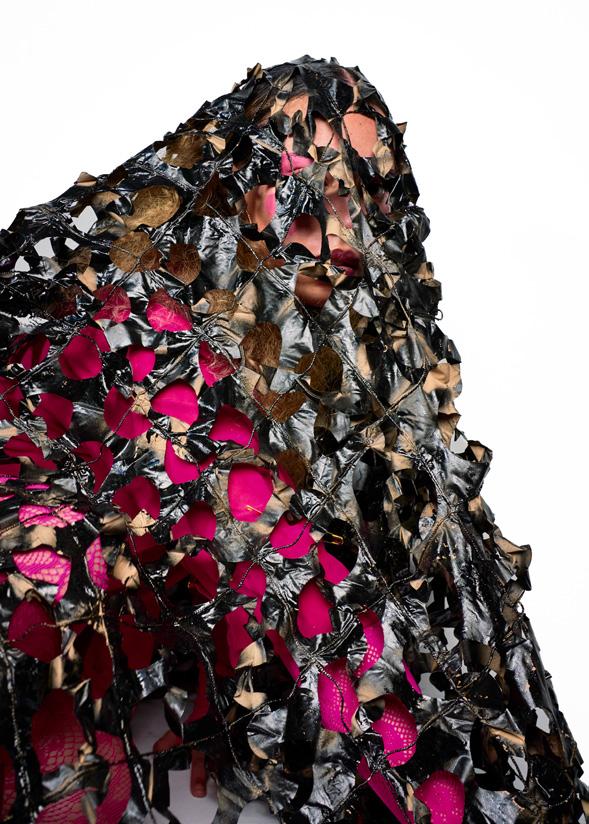
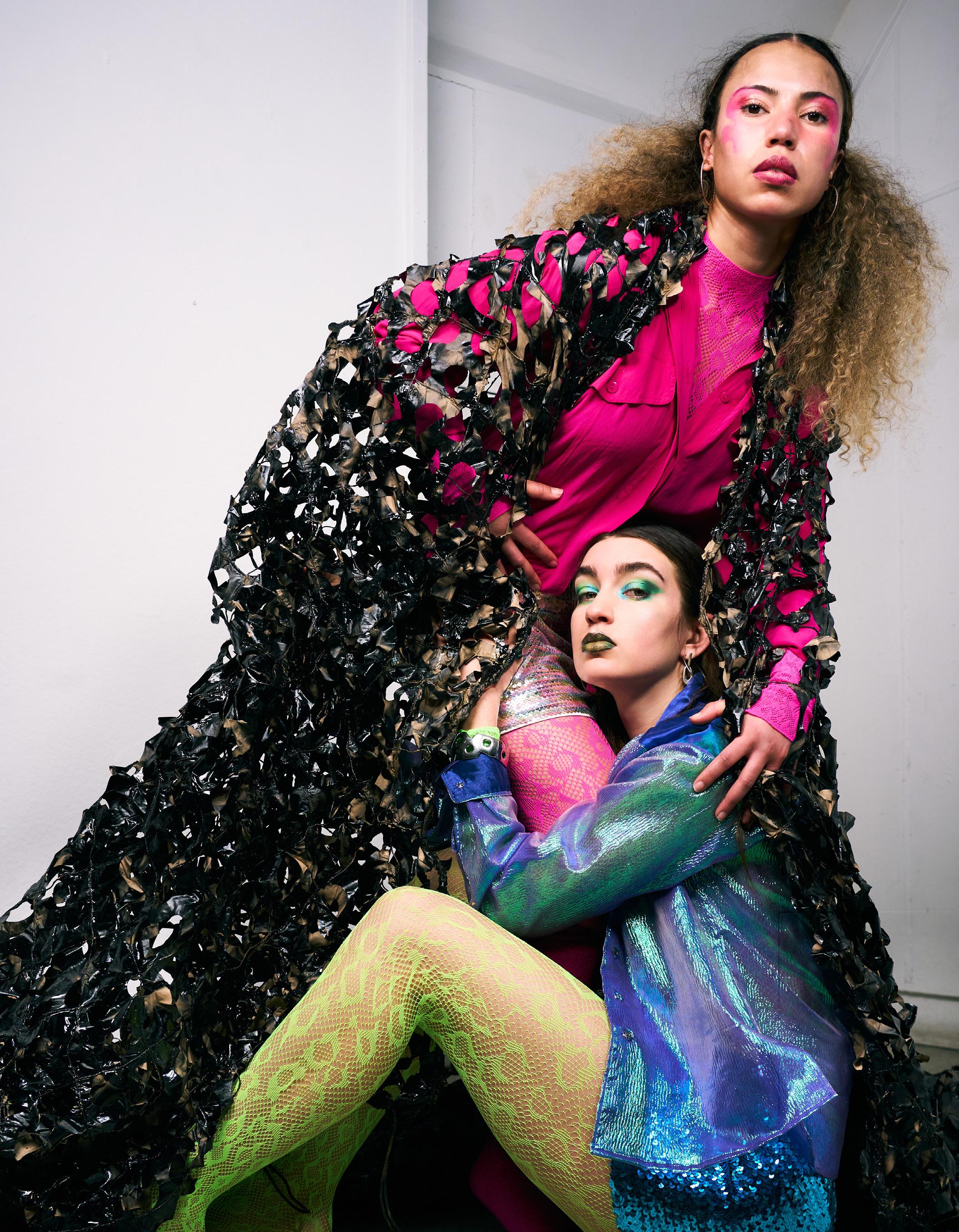
Creative Director: Nic Lindegger
Creative Assistant: Isabelle Lavrière
Photographer: Nathan Zhe
Videographer: Meg Horton
MUA: Kelly Gao + Lois Aguda
Model(s): Claire Alden & Sydney Davenport

Sydney Toby
Business Director
Rachel Heaney
Print Director
Jillian Morris
Marketing Director
Paton Morrison
Online Director
Isabella Persad
Creative Director
Zahara Wong Groenewald
Head of Photography
Nathan Zhe
Head of Videography
Hadleigh Green
Head of Creative Initiatives
Kahlil Ekpo
Head of Editorials
Nic Lindegger
Head of Layout
Jennifer Zhou
Heads of Publishing
Sofia Aparicio
Mannat Mehra
Head of Music
Kate Bassett
Head of Podcast
Samuel Somerton
Head of Illustration
Meghan Zhang
Chief Tech Officer
Safowan Mostaque
Head of Online Marketing
Breanna Gordon
Head of Event Marketing
Jenna McCoy
Head of TikTok
Mayah Ricketts
Head of Finance
Helena Khatami
Head of Events
Bailey Sutton
Head of Podcast
Samuel David Somerton
Arts Editor
Tia Olesen
Fashion Editor
Sadie Netley-Thompson
Entertainment Editor
Liyah Suliman
Lifestyle Editor
Nicole Turner
MUSE’ings Editor
Isabelle Lariviere
Creative Writing Editor
Reese Collins
Photographers
Laura Solà
Sheana Tchebotaryov
Mia Popelas
Maya Vlasis
Caleb Gao
Videographers
Emily Fuhrman
Randy Wang
Meg Horton
Casper Leonard
Sofia Merulla
Creative Assistants
Sofia Merulla
Kai Ronceria
Tavishi Trivedi
Lois Aguda
Gemma Falasconi
Layout Designer
Tatiana Lassos
Makeup and Hair Artists
Natassia Lee
Isabella Li
Kelly Gao
Ester Narduzzi
Initiatives Coordinator
Darya Hajiaghapour
Tyra Obadan
Mya Carew
ONLINE
Online Contributors
Ray Fenos
Mya Gallant
Avry Giodano
Simrit Grewal
Ben Linton
Catherina Liu
Nathan McAffee
Alissa Naydenova
Chloe Nunes
Katrina Reimer
Isabella Wong
Online Editors
Chiara Di Lorenzo-Graham
Izabela Veljkovic
Gianmarco Marro
Online Editor
Zarra Rahemtulla
Online Illustrators
Baran Forootan
Elizabeth Finkelson
Iman Jafrani
Jayda Korn
Anthony Liang
Christina Wang
Online Music Contributors
Lucy Bause
Iris Chen
Isabella Galliott
Kiana Lin
Mahyar Yousefzadeh
Online Music Editors
Rhea Puri
Abigail Rossman
Tech Team
Aryan Biswas
Ovil Miranda
Kevin Hu
Jack Maillet
Podcast Hosts
Mya Gallant
Hana Khan
Marketing Coordinators
Caitlin Mara
Sophie Jakab
BUSINESS
Events Coordinator
Rita King
Sponsorship Coordinator
Elsa Uzomechine
Business Assistant
Tiya Dhindsa