Health Needs Assessment Palliative Care
Acknowledgement of Country
We acknowledge and pay our respects to the Traditional Owners of the lands across which Murrumbidgee Primary Health Network (MPHN) operates: the Wiradjuri, Nari Nari, Wemba Wemba, Perepa Perepa, Yorta Yorta, Ngunnawal, Ngarigo, Bangerang and Yitha Yitha Nations. We recognise that many Aboriginal and Torres Strait Islander peoples from other mobs and clans also live, work and receive care in the Murrumbidgee region.
We pay respect to Elders past, present and emerging, and recognise that these lands have long been places of healing, care and connection. This history continues to guide how we listen, plan and deliver health services, including palliative and end-of-life care.
About this needs assessment
This needs assessment was developed by MPHN. We thank all staff, community members, service providers and health professionals who contributed their time, knowledge and insights. The document brings together information from multiple data sources, which have been cited throughout and listed in the reference section. Data and analysis were accurate at the time of writing and reflect the best available information for the intended purpose.
If you have feedback, suggestions or would like to discuss this work further, please contact us via MPHN’s contact page: mphn.org.au/contact
Cultural warning
We respectfully note for Aboriginal and Torres Strait Islander readers that this document includes discussion of death and dying, which may be culturally sensitive for some. Palliative care information and supports are available to all community members at mphn.org.au/palliative-care-supports
Disclaimer and funding acknowledgment
While the Australian Government Department of Health, Disability and Ageing has contributed funding for this material, the information contained in it does not necessarily reflect the views of the Australian Government and is not advice provided or endorsed by the Australian Government. The Australian Government is not responsible, whether in negligence or otherwise, for any injury, loss or damage arising from the use of, or reliance on, the information provided.
Greater Choice for At Home Palliative Care is an Australian Government initiative.
Summary
Palliative care need in the Murrumbidgee region is increasing as the population ages and chronic disease drives demand for end-of-life support. The Murrumbidgee region has one of the oldest population profiles nationally, high palliative care hospitalisation rates and strong community service utilisation, but limited specialist and GP capacity. The system is working hard, yet demand is growing faster than supply.
Key findings
Palliative care needs across the general Murrumbidgee population
The findings suggest that palliative care needs in the Murrumbidgee region are not limited to specific priority groups but are relevant across the broader community. Key needs include identifying people earlier who may benefit from palliative care, improving understanding of what palliative care is and when it can be accessed, better supporting families and carers, and strengthening coordination between general practice, community services, hospitals, residential aged care and specialist palliative care services.
A common theme in the data is that palliative care is often seen as care provided only at the very end of life. This can mean people are referred later than they could be, and that opportunities for symptom management, advance care planning and family support may be missed. Improving community awareness and making referral pathways clearer may help people have these conversations earlier and access support closer to home where possible.
The needs identified should be considered in terms of urgency, reach, feasibility, existing activity and likely impact. Based on the findings, the following needs are suggested as priorities for the general Murrumbidgee population:
1 Immediate priority: improve community and provider understanding of palliative care, including that it can be accessed earlier in the illness journey and alongside active treatment.
2 Short-term priority: strengthen referral pathways and coordination between primary care, specialist palliative care, hospitals, aged care and community-based services.
3 Medium-term priority: support workforce capability and confidence, particularly in rural and smaller communities where access to specialist services may be more limited.
4 Longer-term priority: improve data collection and monitoring to better understand access, equity, service gaps and outcomes across the region.
Existing and planned activities should be considered against these needs to understand where current work is already responding to local issues and where further work may be needed. This may include activities focused on provider education, community awareness, advance care planning, referral pathways, better use of local data, and targeted engagement with communities or service providers in areas where access appears more limited.
“Palliative care needs are widespread across the region, with earlier conversations and clearer pathways helping people access the right support sooner.”
Demand and need
• Older population: 10.1% aged 75+ in 2025, increasing to 10.6% by 2030, above NSW and national levels
• Murrumbidgee leading causes of death are chronic and progressive coronary heart disease (CHD), dementia, chronic obstructive pulmonary disease (COPD) and cancer
• Palliative care hospitalisations are the 3rd highest of all PHNs
• Higher prescribing of pain and neurological medications than NSW averages.
Equity
• The highest hospitalisation rates are seen in the most disadvantaged groups at 70.9 per 10,000 compared with 47.5 nationally.
• First Nations people experience earlier illness and value care on Country with family
• Limited local data for multicultural and LGBTQI+ populations but national evidence shows higher risk of delayed access for these groups.
Service activity
• Community palliative care activity is strong, particularly nursing and allied health
• Medical palliative care consultations are low (ranked 22/31 PHNs)
• High hospital use suggests care is often delivered late in the illness journey
• Stakeholders note low GP referral into Local Health District (LHD) palliative care services (approximately 30 annually, anecdotal).
Workforce
• Specialist palliative care physicians are limited in regional areas, Murrumbidgee is no exception to this
• There are GP shortages, ageing workforce and recruitment challenges
• The need to travel significant distances and gaps in after-hours services reduce timely palliative care support.
Community and provider insights
• Community views align with comfort, dignity and symptom relief but often as late-stage care
• Access experience is mixed: more reported difficulty than ease
• Carers need emotional support, respite, practical help and education
• Providers are confident but face barriers including workforce shortages and coordination issues.
Linking identified needs to activities and outcomes
The findings point to several connected needs, including earlier identification of people who may benefit from palliative care, better community and provider understanding of palliative care, clearer referral pathways, stronger coordination between services, better support for families and carers, and improved use of local data.
These needs link to existing, ongoing and proposed activities across the region, including community awareness, provider education, advance care planning, referral pathway development, service coordination, and targeted use of data to identify access gaps.
This work is expected to improve awareness of palliative care, support earlier conversations, and make referral options clearer. In the medium term, it should support more consistent referral practices, better coordination between services, stronger carer and family support, and increased workforce confidence. Over the longer term, the aim is to improve timely access to palliative care across the Murrumbidgee region and reduce gaps for rural and priority populations.
Progress can be monitored through practical measures such as education and awareness activity, provider participation, referral pathway development, advance care planning activity, service use data, and feedback from consumers, carers and providers. These measures can be refined through activity work plans so they are specific, measurable, achievable, relevant and time-bound.
“Earlier understanding, clearer pathways and stronger coordination can help more people receive palliative care when they need it.”
Measures and indicators
Available data can be used to monitor whether activities are helping to address the needs identified in this assessment and where gaps may still exist. This includes looking at service access, activity and experience measures over time.
Relevant measures may include palliative care service use, hospital and emergency department activity, advance care planning activity, referral patterns, provider participation in education or capacity-building activities, and feedback from consumers, carers and service providers. Where possible, these measures should be reviewed by geography, age, rurality and priority population groups, including First Nations peoples and multicultural communities.
These indicators can help show whether people are being identified earlier, whether referral pathways are clearer, whether access to care is improving, and whether families and carers are being better supported. They can also support progress reporting against activity work plans and inform future planning, commissioning and service improvement.
Background and purpose
Palliative care need is rising due to population ageing and chronic illness. This section outlines why the needs assessment was undertaken and how the findings will be used to inform future planning and commissioning.
Palliative care plays an important role in supporting people with life-limiting illness by managing symptoms and improving quality of life for people, families, kin and carers. Demand for palliative and end-of-life support in the Murrumbidgee region is expected to grow as the population ages. By 2025, 10.1 per cent of residents will be aged 75 years and over, compared with 8.6 per cent in NSW and 8.3 per cent nationally, increasing further to 10.6 per cent by 2030. This places MPHN among the top third of PHNs for the highest proportion of older residents, highlighting anticipated future pressure on community-based palliative care, primary care and carer support systems.
Source: Public Health Information Development Unit (PHIDU), 2025.
This palliative care health needs assessment has been developed to understand local need, service capacity and system gaps across the region. It draws on population trends, service utilisation, workforce information and stakeholder insights to identify what is working well and where improvements may be required.
The assessment aligns with the objectives of the Greater Choice for At Home Palliative Care (GCfAHPC) program, which aims to increase access to community-based palliative care, reduce avoidable hospitalisation and strengthen end-of-life support in primary and community settings.
The purpose of this assessment is to:
• describe current and emerging demand for palliative care
• identify gaps in access, capability and integration
• inform commissioning and targeted investment within the Murrumbidgee region
• guide Activity Work Plans and provide a baseline for evaluation.
Table 1: Projections for persons aged 75 and over in the Murrumbidgee, 2025 and 2030
Local population profile
The Murrumbidgee region is characterised by a large rural population, with a higher proportion of older residents than NSW and Australia overall. Older adults form a growing share of the community, and the number of people aged 75 years and over is projected to increase steadily over the next decade. This demographic shift has significant implications for demand on primary care, hospital services and palliative care capacity.
Chronic, progressive conditions make up the majority of deaths in the region. Coronary heart disease, dementia, chronic obstructive pulmonary disease (COPD), lung cancer and cerebrovascular disease are leading causes of mortality. These conditions are closely linked with palliative care need and typically require ongoing symptom management, multidisciplinary care and carer support.
Source: Australian Institute of Health and Welfare (AIHW), Mortality Over Regions and Time (MORT) books, April 2025.
Overall, the region’s age structure and mortality profile indicate a high and growing need for palliative care, with a strong role for early intervention, coordinated community models and homebased care options.
Table 2: Leading causes of death in the Murrumbidgee, all persons, 2019-2023
Demand, activity and utilisation
Demand is reflected in increasing service activity across hospitals, primary care and community settings, with strong utilisation of nursing and allied health support and lower levels of medical and specialist involvement.
Service footprint
The Murrumbidgee region has a wide geographical network of health services that support palliative and end-of-life care. These services vary in size, functions and capability, with smaller towns relying heavily on multi-purpose services (MPS) and community-based care teams, while larger centres provide more specialised inpatient and subacute options. The region’s footprint includes:
Source: MPHN internal service mapping dataset, 2025.
Table 3: Service types across the Murrumbidgee, 2025
“In smaller rural communities, strong coordination between MPS sites, general practice, aged care and community services is essential to help people receive palliative care closer to home.”

MPSs play a critical role in smaller towns, often functioning as the primary point of palliative care support and escalation when clinic or home-based care is no longer adequate.
Extensive long-distance travel and workforce availability are key factors influencing access. Residents in remote areas may need to travel long distances for hospital or specialist support, contributing to later presentation and higher reliance on acute care when symptoms escalate. Strengthening general practice involvement, building capability within all aged care services, and improving access to community palliative care models will help reduce avoidable transfers to hospital.
MPHN’s service footprint provides a strong foundation for palliative care service delivery, but capability and coverage vary by location. Enhancing coordination across service types, particularly between hospitals, MPS sites, general practice and RACHs, continues to be essential in supporting people to receive care in their preferred setting.
The region has a history of targeted palliative care initiatives across primary care, residential aged care, and community settings. These have included medication access programs in aged care, quality improvement audits in general practice, workforce education, telehealth trials, community development initiatives, and culturally informed consultations with First Nations communities. Collectively, these initiatives demonstrate strong local capability and engagement, while also highlighting ongoing challenges in sustainability, scale, and equity of access. A summary of past and current initiatives is provided in Appendix A.
Activity patterns
Palliative care activity across the Murrumbidgee is high, reflecting strong utilisation of communitybased services and a large cohort of older residents with chronic and progressive illness. Most palliative care activity occurs through nursing and allied health contacts while medical involvement is comparatively lower. This balance highlights active care delivery occurring in the community but also potential gaps in early identification, care coordination and specialist-led management.
Non-admitted1 palliative care service events
MPHN sits around the middle of PHNs nationally for overall palliative care service events but performs strongly in allied health and clinical nurse specialist interventions.
Table 4: Palliative care-related service events (episode-level), by Primary Health Network (PHN) areas, 2023–24
Source: AIHW, Palliative care services in Australia, October 2025.
MPHN records above-average palliative care activity overall, ranking 11 out of 31 PHNs for primary palliative care events and total service events. The region performs strongly in allied health and nurse-led care (ranked 7th), demonstrating well-established community capacity.
However, medical consultations are much lower (22nd). This suggests that while activity levels are high, the system relies heavily on nursing and allied health with limited access to specialist or GP-led palliative care services.
1 Refers to non-admitted patient care service event with a recorded tier 2 non-admitted service type as palliative care in allied health and/or clinical nurse specialist interventions.
Hospital-based palliative care (admitted patient care)
Hospital use for palliative care remains consistently high. The Murrumbidgee records the thirdhighest palliative care hospitalisation rate nationally, suggesting that some end-of-life care is occurring in acute settings that might otherwise be delivered in the home or community with appropriate support.
Palliative care related hospital activity in the Murrumbidgee has remained high, increasing from 53.5 per 10,000 in 2020–21 to 58.6 in 2022–23, before easing slightly to 57.6 in 2023–24, which is the third highest rate across all PHNs. Primary palliative care hospitalisations remained relatively stable at around 41–43 per 10,000, while other palliative care hospitalisations increased from 11.8 to 16.9 per 10,000 before settling at 15.0. In the Murrumbidgee, many rural hospitals are staffed by GP visiting medical officers, which may partly explain higher hospital based palliative activity, as palliative care is often delivered within hospital settings rather than through dedicated community services. This pattern suggests a continued reliance on hospital care and may reflect limited availability or accessibility of community-based palliative services, GP support outside hospital settings, and specialist palliative care earlier in the care pathway.
In discussions with stakeholders, it was noted that although the LHD may have around 300 patients on their specialist palliative care service books at any time, referrals from general practice are perceived to be low - informally estimated at around 30 per year. While anecdotal, this aligns with the pattern of continued hospital use and may point to gaps in referral pathways, awareness, or confidence in community-based management.
Figure 1: Rate of hospitalisations per 10,000 population for admitted patient palliative care
Palliative care-related hospitalisations and principal diagnosis
Cancer and non-cancer related palliative care hospitalisations are higher in the Murrumbidgee compared with NSW (AIHW, 2025). Cancer hospitalisations are around 50 per cent higher than the state rate (24.1 vs 16.4 per 10,000) and non-cancer admissions are also elevated (33.5 vs 25.9). This indicates a higher incidence of both cancer and chronic progressive disease in the region and suggests opportunities for earlier symptom management and stronger community-based support to reduce avoidable acute admissions.
Palliative care related hospitalisations
Primary palliative hospitalisations
Other hospitalisations
Palliative care related hospitalisations
Primary palliative hospitalisations
Other hospitalisations
Higher admission rates signal greater need and complexity, but also potential opportunities for earlier identification, symptom management and home-based models that reduce avoidable hospital presentations.
Figure 2: Non-cancer – Rate of hospitalisations per 10,000 population, Murrumbidgee
Figure 3: Cancer – Rate of hospitalisations per 10,000 population, Murrumbidgee
MBS claims and access to funded care
Medicare activity shows low utilisation of palliative care MBS items, particularly among older adults. Residents aged 75 years and over in the Murrumbidgee region recorded a rate of 239.4 per 100,000, significantly lower than the NSW average of 1,041.9 per 100,000 (AIHW, October 2025).
Low MBS use may indicate later referral into palliative care, limited awareness or practical access barriers. Increasing awareness, advance care planning conversations and routine screening for palliative care needs within general practice can help support earlier engagement and reduce acute escalation.
Figure 4: Rate of service per 100,000 population for MBS palliative care related services, 2023-24 2 Source:

“Higher use of palliative care medicines across all age groups suggests regional need is broader, earlier and more complex than end-of-life care alone.”
PBS palliative care related medications
PBS palliative care-related medications are medicines funded under the Pharmaceutical Benefits Scheme to support pain, symptom and comfort management in palliative care. The following data shows 2023–24 prescribing rates by medication group and age group per 100,000 population (AIHW, October 2025).
Table 5: By medication group, 2023–24
Source: AIHW, October 2025
The Murrumbidgee has higher prescribing rates than NSW across most palliative-care medication groups, with pain relief prescriptions around 75 per cent higher and neurological medications about 52 per cent higher. Gastrointestinal and psychological medications are also moderately higher, while respiratory prescriptions are around 15 per cent lower than the NSW average.
Table 6: By age group, 2023–24
Source: AIHW, October 2025
The Murrumbidgee’s PBS prescribing profile shows higher use of palliative care related medications across every age group compared with NSW. This suggests that need is not limited to older adults and extends into younger and working age groups.
The biggest differences appear in people aged 15 to 54, which is unusual for palliative type medicines and may reflect earlier onset or more complex illness in the region, as well as differences in care models where medications are used more actively for symptom management.
Although the highest number of prescriptions occurs in people aged 55 and over, the consistently higher rates across the whole population align with the broader pattern of high hospital use and point to sustained system pressure across multiple stages of illness, not only at end of life.
Inequality and variation
Hospitalisation rates are highest in the most disadvantaged communities, and this shows that palliative care demand is closely linked to socioeconomic vulnerability2. This may reflect limited access to primary care, transport, after hours support, or reliable home-based models, as well as the cost barriers associated with accessing care outside of publicly funded hospital services.
People in more disadvantaged areas are more likely to be hospitalised for palliative care reasons, while service utilisation in wealthier areas is closer to national averages. This highlights the need for targeted approaches, flexible service delivery and equitable access strategies.
Figure 5: Hospitalisations per 10,000 population: Murrumbidgee vs Australia by socioeconomic group, 2023–24
Hospitalisation rates in the Murrumbidgee region are higher than the national average across all socioeconomic groups and the largest gap appears in the most disadvantaged areas (AIHW, October 2025).
The Murrumbidgee records 70.9 hospitalisations per 10,000 people in the lowest socioeconomic group compared with 47.5 nationally which shows higher levels of need, greater complexity and stronger reliance on hospital-based care. Rates are closer in the mid-range groups but still higher than the national average across the board. Overall, palliative care demand in the region is more concentrated in disadvantaged and middle-income communities.
2 Socioeconomic groups are based on the ABS Index of Relative Socio-Economic Disadvantage (IRSD), reported here in five quintiles from most to least disadvantaged. IRSD reflects the average socioeconomic status of an area, not individuals within it.
Workforce capacity, distribution and challenges
In 2023, there were 358 palliative medicine physicians, 335 full-time equivalent (FTE), and around 3,900 palliative care nurses, 3,500 FTE, employed in Australia. This accounted for 0.8 per cent of all employed specialist medical practitioners and 1.0 per cent of all employed nurses and midwives (AIHW, 2025).
The Murrumbidgee region spans several remoteness categories, with most residents living in Inner Regional areas, followed by Outer Regional areas and smaller Remote communities. AIHW data shows that palliative medicine specialists decrease sharply with remoteness, while palliative care nursing remains more evenly spread but still drops in very remote areas.
Table 7: Palliative care workforce by remoteness (FTE per 100,000 population)
Note: NP indicates that the information was not provided by the data source.
The National Workforce dataset shows that in 2024, 33 nurses in the Murrumbidgee region reported working in palliative care, only slightly lower than 34 in 2020. With an ageing population, this stable workforce is not increasing in line with future need. Additionally, 24 per cent of palliative care nurses are aged over 55 and likely to retire in coming years, which may further increase workforce pressure.

“Palliative care workforce access becomes harder with distance, making local capability essential in regional communities.”

A review of recent literature shows that workforce pressures are more pronounced outside metropolitan areas, with the following issues particularly relevant to the Murrumbidgee:
✓ GP shortages and limited after-hours coverage: Rural areas experience persistent GP shortages, which limits access to after-hours and home-based palliative care.
✓ Ageing health workforce: A large proportion of the rural medical workforce is nearing retirement, which increases long-term workforce risk.
✓ Recruitment and retention challenges: Regional health services face chronic recruitment and retention challenges, especially for palliative care medical specialists.
✓ Travel time and large geographic coverage: Clinicians in rural areas spend more time travelling between towns and less time providing direct care.
✓ Limited access to specialist support: Rural PHNs have far fewer palliative care medicine physicians per capita than metropolitan areas.
✓ Rising demand for chronic and end-of-life care: Population ageing and rising multimorbidity are driving increased demand for palliative and end-of-life care in regional areas
✓ Workforce burnout and fatigue: High workloads and small team sizes contribute to burnout among rural clinicians
Sources: AIHW, Rural and Remote Health, 2023; Health Workforce Data, 2023; Palliative Care Australia, Roadmap 2022–2027; Productivity Commission, Vulnerable Private Health Workforce, 2022; ANZSPM, Palliative Medicine Workforce Report, 2020; Palliative Care Australia, The Future of Palliative Care, 2021; Rural Health Alliance, Workforce Burnout Report, 2023.
Demand is growing faster than capacity. Specialist numbers are limited, GPs are stretched and distance makes care harder to deliver. Building palliative care skills in general practice and aged care and increasing outreach support will help strengthen community care. Planning for future workforce growth will also be important so people can receive quality palliative care when and where they need it.
First Nations palliative care
MPHN commissioned Queensland University of Technology (QUT) in 2024 to undertake a First Nations palliative care consultation as part of the GCfAHPC Project. The aim was to understand the experiences, needs and priorities of First Nations people in the region relating to palliative and endof-life care, and to guide the development of culturally safe care models that support care at home and on Country where possible.
Engagement occurred across the region, with representatives from the Wiradjuri, Nari Nari, Wemba Wemba, Perepa Perepa, Yorta Yorta, Ngunnawal, Ngarigo, Bangerang and Yitha Yitha Nations. First Nations people often experience life-limiting illness earlier in life, with higher rates of cancer, cardiovascular disease, respiratory illness and diabetes. Life expectancy remains around 10 years lower than for non-Indigenous people, highlighting the importance of early identification of palliative care needs and timely access to support.
Palliative care for First Nations people is closely linked to Country, culture, spirituality, family and community connection. Many families prefer care in the home or in culturally familiar settings. Barriers to accessing care include limited awareness of palliative care options, unclear referral pathways, transport challenges, mistrust from previous health system experiences, and inconsistent specialist palliative care outreach, particularly in smaller towns.
There are clear opportunities to strengthen Aboriginal Community Controlled Health Organisation (ACCHO) partnerships, build cultural capability across services, increase support for home-based palliative care, including within Residential Aged Care Home (RACH) settings, and use yarning-based approaches to Advance Care Planning (ACP). Flexible and culturally responsive models that honour identity, family involvement and dying on Country will improve the experience and may reduce avoidable hospitalisation at end of life.
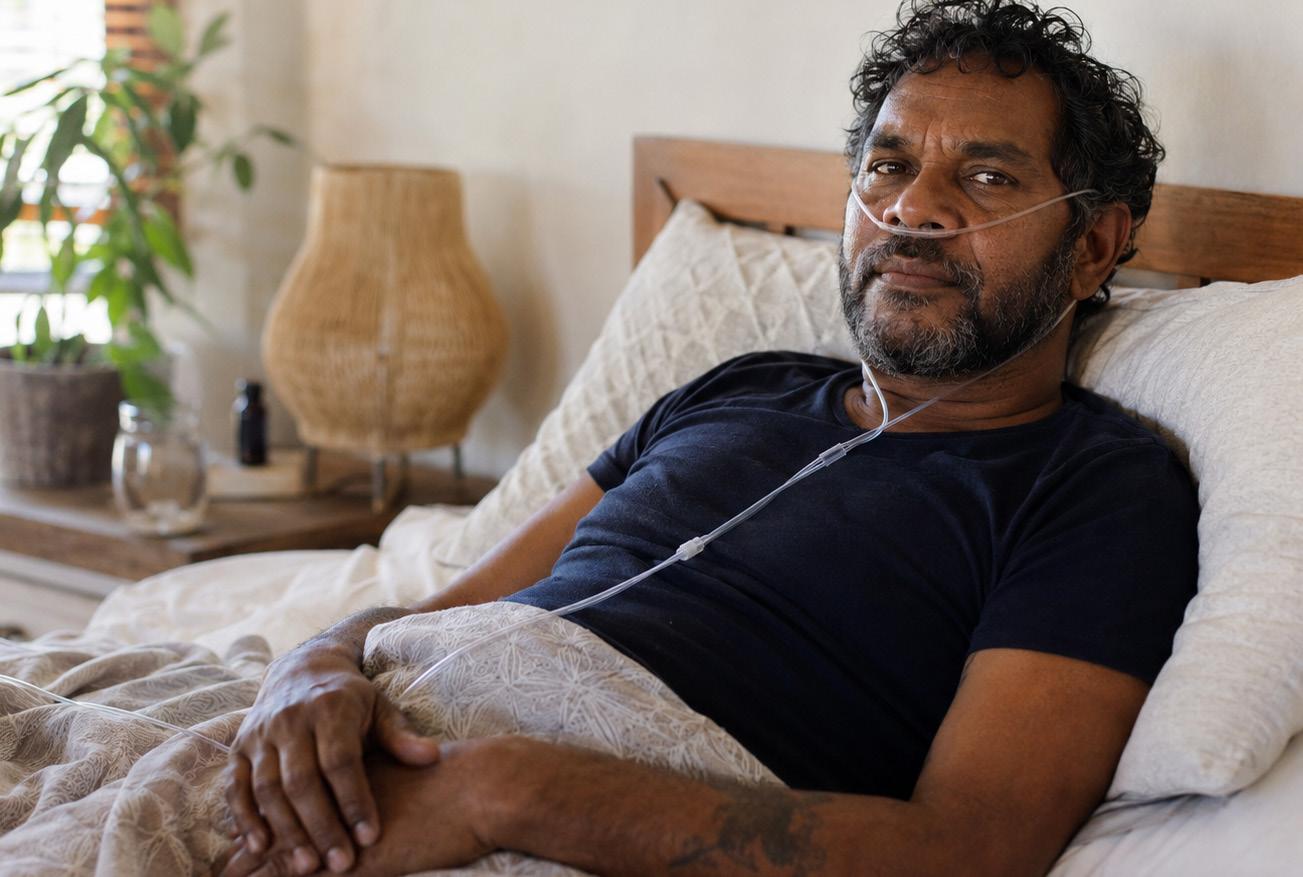
“Culturally safe palliative care for First Nations people means honouring Country, culture, family and the right to be cared for in a place of connection.”
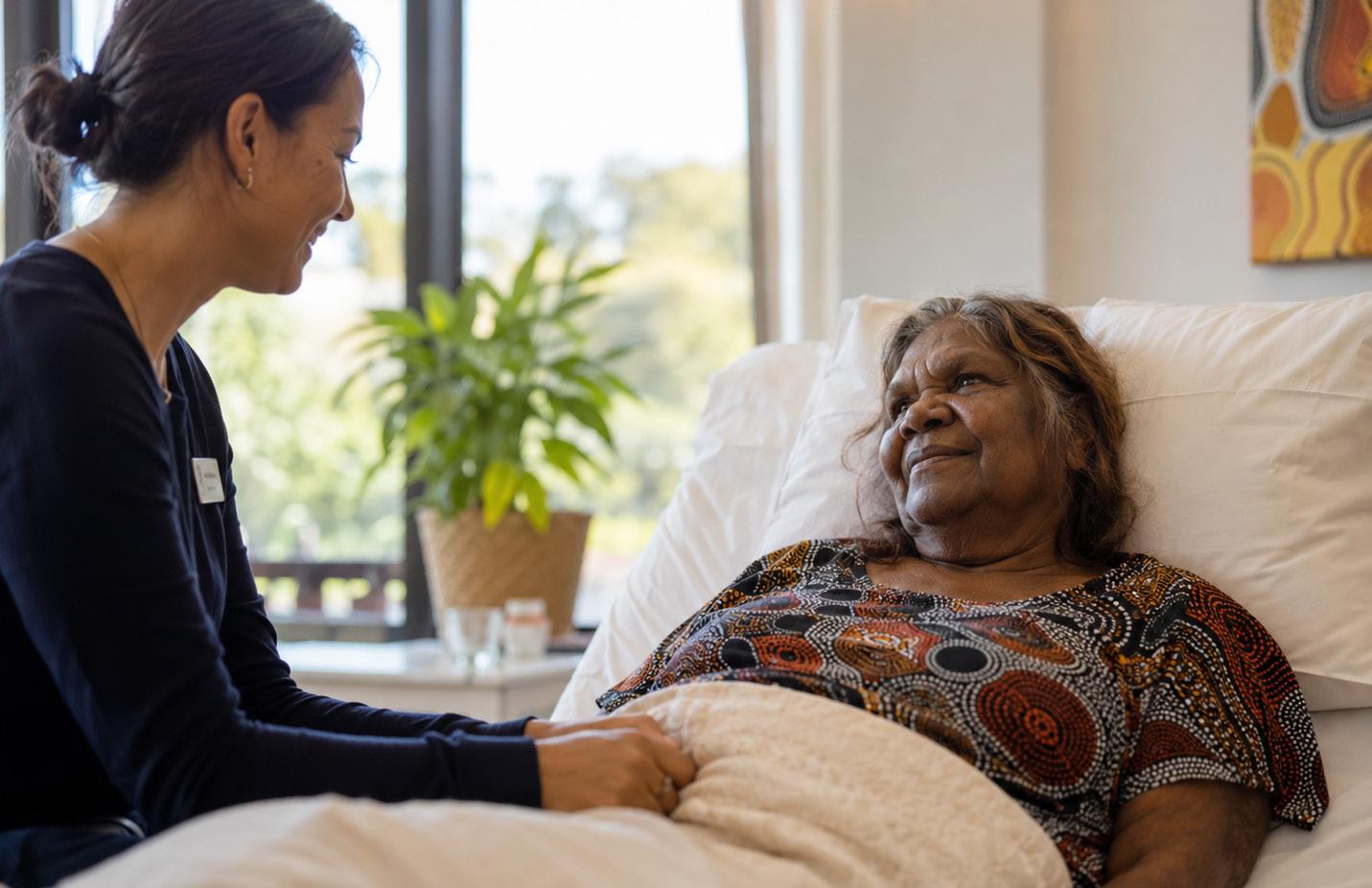
Key findings and recommended actions are:
Findings identified
Higher burden of illness earlier in life
Strong preference for care on Country with family
Late engagement, referral uncertainty and limited awareness
Workforce and specialist access limitations in smaller towns
Need for culturally aligned care experience
Families central to care decisions
Recommended actions
Earlier identification of palliative care needs in primary care
Expand flexible home and community-led models of care
Clear pathways, culturally safe communication and navigation support
Outreach models, local workforce training and capability building
Strengthened ACCHO partnership and cultural capability across services
Family-inclusive planning and yarning-based ACP approaches
National data shows that, of 107,500 palliative care hospitalisations in 2023–24, 3,100, or 2.9 per cent, were for Aboriginal and Torres Strait Islander people, with most occurring in public hospitals: 95 per cent compared with 85 per cent for other Australians. This reinforces the need for community-based, culturally safe and culturally grounded palliative care options that reduce the need for hospital presentation where appropriate, and align with family, cultural, spiritual and on Country-based preferences.
Multicultural community considerations
Data specific to multicultural populations is currently limited. National evidence shows that multicultural communities may experience barriers including language, health literacy, cultural beliefs about death and decision-making, and lower awareness of palliative care options (Australian Government Department of Health, 2020). Improving visibility of the needs of people from diverse cultural backgrounds will require targeted engagement, stronger data capture and culturally informed service planning. The following needs, risks and opportunities have been identified to inform and guide future MPHN activity in the region.
Key needs and risks
• Language and communication barriers, limited health literacy
• Low awareness or unclear understanding of palliative care services and ACP
• Cultural differences in end-of-life decisionmaking and family roles
• Higher likelihood of social isolation or limited informal support for some communities
• Limited visibility within current national and regional datasets.
Opportunities for MPHN
• Partner with multicultural services to build engagement and trust
• Provide interpreters and translated information resources for people, carers and kin
• Increase cultural capability training for palliative care and primary care providers
• Strengthen community education and awareness of pathways for palliative care services and supports
• Include multicultural identifiers and interpreter use in future data collection

“Culturally safe palliative care starts with respect for different ways of understanding illness, family and end-of-life care.”
Lesbian, Gay, Bisexual, Transgender, Queer or Questioning and Intersex (LGBTQI+) population and palliative care
There is limited quantitative data on palliative care access, experience and outcomes for LGBTQI+ people. Sexual orientation and gender identity are not routinely recorded in many health and palliative care datasets, which means this population is often invisible in system-level reporting (Australian Government Department of Health, 2019). Evidence that does exist is largely qualitative and indicates that LGBTQI+ people may delay accessing services due to fear of discrimination, previous negative healthcare experiences, or concern that their relationships or chosen family might not be recognised (Rosa et al., 2022; Stinchcombe et al., 2017).
This highlights a gap within the Murrumbidgee region, where no routine data exists to estimate palliative care use, service experience or unmet need for LGBTQI+ communities. Given the broader research showing later presentation, lower engagement with advance care planning and the importance of culturally safe environments, there is a strong rationale to improve visibility and engagement locally (Australian Government Department of Health, 2019; Rosa et al., 2022). Future work may include community consultation, collaboration with LGBTQI+ organisations and improved capture of sexual orientation and gender identity data within services.
“When LGBTQI+ people are not seen in the data, their needs can be missed in care.”
Survey insights

Survey insights from community members and health professionals
MPHN developed and conducted a palliative care survey (n=161) that was shared with community members, service providers and health professionals to support development of this HNA, continue building strong and active relationships with community and providers, and help inform future palliative care activities.
For community respondents, the survey asked about demographics, awareness of palliative care, personal experiences, perceptions, access to services and ideas for improvement.
Questions included both closed items such as yes/no, multiple choice and rating scales, as well as open-ended questions to capture comments, stories and suggestions.
For service providers and health professionals, the survey explored current practice, confidence, workforce capacity and support needs in delivering palliative care.
Topics included roles within the care pathway, involvement with palliative care clients, views on dementia as a life limiting condition, Advance Care Planning, bereavement support, cultural safety, multidisciplinary team meetings, telehealth, My Health Record, and opportunities to strengthen services. This section also used a mix of structured and openended questions to gather quantitative and qualitative insights.
“Palliative care is not only about dying well, it is about living well with serious illness, with comfort, dignity and choice.”
Community members
In total, 127 complete responses were received for the community member survey. The average age of respondents was 63. Most respondents were female (87 per cent) and were born in Australia. Only 6 per cent of respondents were born outside Australia. All respondents indicated they had heard of the term ‘palliative care’ before.
Most participants described palliative care as care for people nearing the end of life, with a strong emphasis on comfort, pain and symptom management, dignity, quality of life and compassionate support. Many highlighted holistic care that includes emotional and spiritual needs, as well as support for families and carers. Respondents also commonly referenced the importance of respect, autonomy and enabling a peaceful death, often at home or in a preferred place.
While these definitions aligned well with core palliative care principles, many people still saw palliative care as something offered only at the end of life. Palliative care can begin much earlier in an illness to support comfort, wellbeing and decision-making over time. This shows a clear opportunity for community education to build awareness of palliative care as an approach that supports living well, rather than only dying well.
127
87% 93% responses average age female born in Australia
63
How easy is it to access palliative care services in your community?
Neutral (30.4%)
Somewhat difficult (24.0%)
Somewhat easy (28.8%)
Very difficult (13.6%)
Very easy (3.2%)
These results suggest access is mixed, with more people leaning toward difficulty than ease.
What challenges have you experienced or observed?
The most common challenges reported were limited home-based care options (64 per cent), lack of information (63 per cent), and distance to services (45 per cent). Cost, late referrals, discharge communication issues and cultural or language barriers were mentioned less often. Multiple challenges were often selected, suggesting that access issues are layered rather than isolated or singular.
Table 9: Challenges experienced or observed
What support would help you as a carer?
Carers reported a strong need for emotional support (86 per cent), practical help at home (79 per cent), and respite care (71 per cent). Education and training (64 per cent) and carer support groups (55 per cent) were also commonly identified. This highlights the importance of both emotional and practical supports for carers.
Table 10: Support needs for carers
*Valid % reflects proportion of respondents selecting the item. Multiple selections allowed, totals exceed 100%.
What would improve your experience with your GP and primary care in palliative care?
Most respondents said they want better access to GPs, faster response times, clearer communication and more support for patients and carers at home. Many described long waits and difficulty getting appointments. Others felt unsupported or had to advocate for themselves during stressful times. Some were unsure about what to expect, or who was responsible for different parts of their care journey.
There were also positive comments. People spoke about compassionate GPs, strong teamwork and support that helped loved ones stay comfortable and even achieve personal goals at the end of life. These stories show what good care looks like when communication is clear and support is well coordinated. Comment extracts are presented below.
“I couldn’t improve the care... they were wonderful.”
“No support... had to ring them to get them out, arrived four days later.”
“Access to GP very limited.”
“Our GP and Palliative Care Team were incredible.”
“GP shortage in our area. GP overworked. No personal care.”
“My GP was amazing.”
“Waiting six months to get help and no one has responded.”
“A GP has insufficient time to discuss in depth needs.”
“My wife wrote a bucket list... she died at home in my arms.”
“Communication was terrible and confusing.”
What would make palliative care culturally safe and respectful for you and your family?
Aboriginal and Torres Strait Islander respondents emphasised the importance of culturally safe end-of-life care that supports connection to Country, family presence, and the ability to die at home with dignity and comfort. Spiritual and cultural practices were highlighted as core to care, including ceremonies, support from Elders and cultural leaders, and being surrounded by kin. Respondents also stressed the importance of pain relief, minimal suffering, and choice in how end-of-life care is managed, including control over when and where dying occurs.
A smaller number of respondents raised views around voluntary assisted dying (VAD) and the need for early and proactive palliative care planning. Key themes and extracts are presented below.
Connection to Country and culture
“Many Aboriginal people have a deep spiritual need to return to their Country before passing.”
“If returning isn’t possible, having soil, plants, or other symbols from Country can offer connection.”
Family and community presence
“To have loved one’s family and pets with us... to die with dignity and respect.”
“For family to be able to gather.”
Peaceful and dignified end of life
“For medicine to be administered in such a way the ordeal doesn’t last too long.”
“Assisted dying or dying with dignity where I want and when I’m ready.”
Spiritual support and cultural practices
“Spiritual traditions such as smoking ceremonies, songs, or support from Elders... may help guide the spirit’s journey.”
“As discussed above, end-of-life care includes a strong desire to return to Country, be surrounded by family and follow important cultural practices.”
Proactive planning
“As soon as that condition is deemed terminal a palliative care plan is set in place immediately... even if not needed for years.”
“Confidence is strong among providers, but people’s choices at end of life still depend on having the right workforce, knowledge, GP support and medicines in place.”

Service providers and health professionals
The service provider and health professional survey received 34 responses, with participants representing a range of sectors including allied health, community providers, general practice, hospital and health services, pharmacy, residential aged care and specialist palliative care.
Confidence in providing palliative care
Very confident (53%)
Somewhat confident (38%)
Not confident (9%)
Confidence in providing palliative care in the community was generally high, with 53 per cent of respondents reporting they felt ‘very confident’.
A further 38 per cent felt ‘somewhat confident’, while 9 per cent indicated they were ‘not confident’.
Barriers to supporting preferred place of death
The most reported barriers to enabling people to die in their place of choice related to the following themes:
Workforce shortages and limited services
Knowledge and awareness gaps in the community and among clinicians
Access to GP support and timely medications
Carer capacity and family limitations
Funding and resource constraints
Coordination and communication challenges
Medication and symptom management issues
Cultural attitudes and comfort around death
After hours or telehealth access limitations
Administrative and legal processes
Strengths supporting preferred place of death
The main strengths identified in supporting people to die in their preferred place were:
Comfort, calm environment and symptom management
Dignity, autonomy, choice and control
Familiar surroundings or home environment
Family presence, connection and support
Emotional peace and reduced stress or anxiety for the patient and family
Empowerment and informed decision making
Supportive teams and continuity of care including specialist GP and MDT care
Reduced hospital admissions and pressure on acute system
Respondents reported the following approaches used to support palliative care: Do you currently use any evidence-based programs, frameworks or structured processes to support palliative care?
Palliative Care Outcomes Collaboration (PCOC)
MDT meetings
None or no formal program used
Other frameworks or unspecified alternatives
Palliative Care Outcomes Program (PACOP)
What would improve collaboration and palliative care delivery in your region?
Key suggestions for improving collaboration and delivery service included:
More palliative care services or workforce expansion
GP training and capability building including medications and palliative knowledge
Community education and awareness
More carer support including respite groups and volunteers
Stronger collaboration between services including public, private and specialist GP links
Specialist palliative care team growth and outreach
Improved communication and referral pathways
Training for carers and staff
Keep local regional services accessible to reduce travel burden
Earlier engagement or referral to palliative care
More information and resources for community and professionals
What would help providers deliver culturally safe care?
Respondents most commonly highlighted the need for cultural awareness training and education. Others emphasised access to practical cultural knowledge and resources, Aboriginal Health Workers or cultural liaison roles, and interpreters or translated materials. Several noted that drawing on team knowledge or taking an individualised approach can support culturally safe practice. One respondent shared that while their community is not currently diverse, cultural needs are likely to increase over time.
Disaster management
The Murrumbidgee region has a history of natural disasters including bushfires, floods, droughts and prolonged heat events. Many towns are geographically isolated and rely heavily on multipurpose services, small general practices and community nursing. When disasters occur, these services can be cut off by road closures or staff shortages, which makes it harder for people with life-limiting illness to receive consistent care.
During large-scale events, people may also be displaced from their homes or usual support networks. Research shows that disasters can significantly disrupt end-of-life care and increase stress for carers who may already be managing complex needs.
It is important that palliative and end-of-life care is built into disaster planning across the region, including collaborative work with MLHD. This includes ensuring care pathways remain accessible when travel is limited, confirming that essential medications and equipment can be supplied, and making sure carers know where to seek help if usual services are interrupted. Strengthening coordination between MPHN, MLHD, aged care, general practice and community health teams will help maintain safe and continuous palliative care during emergency events and support people to remain as comfortable as possible, even when the region is under pressure.

“Disaster planning must protect comfort, dignity and continuity of care for people with life-limiting illness, even when usual supports are disrupted”.
Future directions for palliative care in the Murrumbidgee region
This assessment highlights a region facing increasing palliative care demand due to an ageing population, high chronic disease burden, strong hospital utilisation and workforce shortages. MPHN has one of the oldest population profiles nationally, with 10.1 per cent of residents expected to be aged 75 and over by 2025, rising to 10.6 per cent by 2030, compared with 8.6 per cent in NSW and 8.3 per cent in Australia.
As people live longer with progressive illness, demand for symptom management, coordination and home-based support will
continue to rise. Palliative care hospitalisations across the region are already the third highest nationally, with elevated cancer and noncancer admissions and high prescribing for pain and neurological conditions.
Meanwhile, GP-led palliative care involvement is lower than average, reliance on nursing and allied health is strong, and rural workforce shortages create challenges for timely community care. Without forward planning, the gap between need and capacity may widen over time (AIHW, 2023; PCA, 2021).
Strengthening system readiness will require coordinated effort across MPHN, MLHD, aged care and community partners. Key areas of focus include:
✓ Earlier identification and GP capability building
✓ Workforce planning and specialist capacity development
✓ Better integration between hospital, MPS, aged care and primary care
✓ Support for carers including respite and information
✓ Culturally safe models for First Nations people
✓ Better visibility of multicultural and LGBTQI+ populations
✓ Routine monitoring of demand, service use and workforce
This assessment should be viewed as a living document. As new data emerges, MPHN will update the palliative care needs profile to reflect changing demand and service capacity. There is an opportunity to be more deliberate in data collection, particularly from community members, carers and health professionals. MPHN’s involvement in statewide palliative care activities also provides a valuable channel to gather ongoing feedback and local experience, enabling regular updates rather than periodic major reviews.
Continuous monitoring, partnership-driven planning and data-informed decision-making will help ensure the region is prepared for the future. By embedding integration and proactive investment into commissioning cycles, MPHN can support a system where more people receive quality palliative care, earlier and in the place that aligns with their values and needs.
“Strengthening palliative care takes time, with progress seen not only in data, but in stronger relationships, clearer pathways and more confident care.”

Impact of existing and ongoing activities
The activities outlined in Appendix A provide an important foundation for strengthening palliative care across the Murrumbidgee region. While some activities are still in progress, they are already helping to build awareness, strengthen relationships between services, support provider capability, and improve understanding of local palliative care needs.
The impact of this work may not always be immediately visible through service data alone. Some changes are likely to be seen through improved collaboration, clearer referral pathways, increased provider confidence, stronger community awareness, and earlier identification of people who may benefit from palliative care.
Ongoing review will be important to understand what is working, where gaps remain, and how activities can be improved over time. This may include reviewing activity data, provider and community feedback, referral patterns, service access data, and learnings from implementation. This will support quality improvement and help demonstrate the value of existing and ongoing activities in strengthening palliative care delivery across the region.
Reference list
Australian and New Zealand Society of Palliative Medicine. (2020). Palliative medicine workforce reports. nzspm.org.au
Australian College of Rural and Remote Medicine. (2023). Rural generalist training pathway annual report. acrrm.org.au
Australian Government Department of Health and Aged Care. (2019). Exploratory analysis of barriers to palliative care: Issues report on people who identify as lesbian, gay, bisexual, transgender or intersex. health.gov.au
Australian Government Department of Health and Aged Care. (2020). Exploratory analysis of barriers to palliative care: Issues report on people from culturally and linguistically diverse backgrounds. health.gov.au/sites/default/files/documents/2020/01/exploratory-analysis-of-barriers-to-palliativecare-issues-report-on-people-from-culturally-and-linguistically-diverse-backgrounds.pdf
Australian Government Department of Health and Aged Care. (2023). Health workforce data. health.gov.au/topics/health-workforce
Australian Institute of Health and Welfare. (2023a). Palliative care services in Australia. aihw.gov.au/reports/palliative-care/palliative-care-services-in-australia
Australian Institute of Health and Welfare. (2023b). Rural and remote health. aihw.gov.au/reports/rural-remote-health
Australian Institute of Health and Welfare 2025, Mortality Over Regions and Time (MORT) books, AIHW. .aihw.gov.au/reports/life-expectancy-deaths/mort-books/contents/data-visualisation
Australian Institute of Health and Welfare 2025, Palliative care services in Australia, AIHW. aihw.gov.au/reports/palliative-care/palliative-care-services-in-australia/data
Australian Institute of Health and Welfare 2025, aihw.gov.au/reports/palliative-care-services/palliative-care-services-in-australia/contents/phnlevel-palliative-care-information
Murrumbidgee Primary Health Network 2025, Internal service mapping dataset, unpublished internal dataset.
National Rural Health Alliance. (2023). Reports and publications. ruralhealth.org.au
Palliative Care Australia. (2021). The future of palliative care in Australia. palliativecare.org.au
Palliative Care Australia. (2022). Palliative care roadmap 2022 to 2027. palliativecare.org.au
Productivity Commission. (2022). Vulnerable private health workforce in regional Australia. pc.gov.au
Public Health Information Development Unit 2025, Social Health Atlas of Australia: Primary Health Networks, Torrens University Australia, phidu.torrens.edu.au/social-health-atlases
Queensland University of Technology. (2024). First Nations palliative care consultation report for the Murrumbidgee Primary Health Network: Greater Choice for At Home Palliative Care initiative.
Rosa, W. E., Shook, A., Acquaviva, K. D., & Forbes, S. (2022). Palliative and end-of-life care needs, experiences and preferences of LGBTQ+ people: A scoping review. Palliative Medicine, 36(4), 606 to 620. doi.org/10.1177/02692163211069974
Royal Commission into Aged Care Quality and Safety. (2021). Final report. agedcare.royalcommission.gov.au
Stinchcombe, A., Smallbone, J., Wilson, K., & Kortes-Miller, K. (2017). Healthcare and end-of-life needs of lesbian, gay, bisexual and transgender older adults: A scoping review. Geriatrics, 2(1), 13. doi.org/10.3390/geriatrics2010013
Torrens University Australia, Public Health Information Development Unit. (2025). Social Health Atlas of Australia: Primary Health Networks. phidu.torrens.edu.au/social-health-atlases/data#social-health-atlas-of-australia-primary-healthnetworks
Appendices
Appendix A: Past and current palliative care initiatives in the Murrumbidgee region
Medication Management – Palliating in Place (MM-PIP) (with Evohealth)
Phase 1 (2021, 6 months) and Phase 2 (2022, 15 months) improved timely access to palliative care medicines for RACH residents. Phase 2 embedded the MM-PIP Toolkit across RACHs in the region with excellent feedback.
Quality Improvement Death Audits
Enhanced palliative care outcomes in primary care through systematic audits and continuous improvement in general practice across primary care.
Last Days Workshops (HammondCare)
Delivered education, including dementiaspecific modules, to strengthen clinical recognition and care in the last days of life across multiple communities.
PCOC in General Practice (2019–current)
Six years of supporting routine assessment of palliative care needs using the PCOC framework to improve patient outcomes and engagement in primary care.
Multidisciplinary Telehealth Trial (2018–2020)
Co-designed with stakeholders and patients/ carers, this trial improved access to palliative care at home through telehealth and multidisciplinary collaboration, reducing unnecessary hospitalisations and enhancing data collection.
Compassionate Communities Agreement (2018–2019)
Partnered with LHACs to build community capacity and support local compassionate communities initiatives.
First Nations Palliative Care Consultation (2024–2025)
Formal consultation to identify barriers and enablers for Aboriginal and Torres Strait Islander communities, guiding culturally appropriate palliative care supports and transitions between primary and acute care.
Advance Care Planning Training in RACFs (2021)
Delivered training and mentoring to improve uptake and understanding of advance care directives in residential aged care.
Appendix B: Aligning MPHN’s palliative care needs assessment with Greater Choice for At Home Palliative Care Program core objectives
GCfAHPC objective How this needs assessment addresses it
1. Improve awareness and access to safe, high quality palliative care at home and in primary and community care
2. Ensure people receive the right care at the right time and in the right place, reducing unnecessary hospitalisations
Describes community understanding of palliative care, perceived access, and what people value in care. Identifies gaps in awareness, information and homebased options and highlights the need for community education and stronger primary care involvement.
Documents high palliative hospitalisation rates and elevated cancer and noncancer admissions, alongside low use of palliative MBS items. Interprets these patterns as late engagement and reliance on hospital care. Emphasises home based, community and on Country models, and barriers and strengths around preferred place of death.
Key evidence and sections
Community survey findings on definitions of palliative care and access; challenges such as limited home-based care and lack of information; carer support needs; sections on general practice, community services, aged care and RACHs.
Hospital admission rates and diagnoses; MBS and PBS data; analysis of avoidable hospital use; survey findings on preferred place of death, barriers and strengths; First Nations section on care at home and on Country; recommendations for earlier identification and community models.
3. Generate and use data to support continuous improvement of palliative care services across sectors
4. Use available technologies to enable flexible and responsive palliative care at home, including after hours
Brings together multiple quantitative datasets and qualitative insights from community and providers. Uses these to identify gaps, equity issues and workforce pressures. Positions the needs assessment as a living document and highlights the need for ongoing data collection, feedback and regular updating to guide commissioning.
Telehealth is referenced within provider responses and disaster preparedness is considered, but technology-enabled palliative care pathways are not yet detailed. Represents a growth area for development and future planning.
Use of PHIDU, AIHW, National Workforce, mortality, MBS, PBS and survey data; equity analysis by socioeconomic status; workforce section; Future directions section describing ongoing monitoring, deliberate data collection and iterative updates.
Emerging alignment – further work required
Appendix C: Service needs and gap assessment summary table
Area
Demand and population ageing
Hospital use
Primary care and GP involvement
Community and homebased care
Workforce
Equity groups
Carer support
Coordination and pathways
Data and monitoring
Technology and afterhours
Rapid growth in 75+ population, high chronic disease mortality
Third highest palliative hospitalisation rate nationally
Low MBS palliative item use
Carers value home care; preference for comfort, dignity
Nurse numbers stable (33 in 2024); 24% aged over 55
Active but strained services across region
Strong acute sector, MPS network
GP access present but stretched
Strong nursing/ allied health
Nursing remaining consistent
Demand projected to outpace capacity High
High reliance on hospital versus homebased care High
Early identification and referral inconsistent High
Limited home-based models in some areas
Higher hospitalisation in disadvantaged groups
High need for emotional support, respite, training
Confusion around roles, late referrals
Some First Nations work underway
Some support available
MDT used in some areas
Baseline data compiled (AIHW)
Tracking not routine
Distance/after-hours gaps identified
Telehealth exists but under-utilised
High
Specialist/GP shortages and ageing workforce not matching growing demand High
CALD/LGBTQI+ data limited
Not consistent or visible enough
Navigation and referral pathways uneven. Requires further investigation
Need ongoing regional specific data (from MLHD) plus richer qualitative capture
Digital palliative pathway development required
High
High
High
Moderate to High
Moderate – emerging opportunity
Appendix D: Murrumbidgee palliative care stakeholder, community, and professional engagement activities
Category Summary of engagement
Palliative care stakeholders
Community engagement
Professional development and communication
Ongoing engagement with MLHD Specialist Palliative Care including strategic meetings, advance care planning, end-of-life governance, out of hospital care, and Murrumbidgee Care ConneXion Community of Practice.
Regular engagement with home care providers, RACHs, Cancer Council NSW, Council for Intellectual Disability, ACON, Calvary Riverina Hospital, Mercy Care Centre Young, Marathon Health, HammondCare, HealthPathways, Palliative Care NSW including management committee participation, First Nations partners, and quality programs including PCOC, PACOP, and the National Palliative Care Coordination (NPCC) Program pilot.
Active engagement through dementia alliances, carer groups, Local Health Advisory Committees, allied health, community events and awareness weeks, pride and diversity events, education sessions with TAFE NSW, University of the Third Age (U3A), Carer Gateway, and targeted community presentations across the region.
Weekly palliative care newsletter distributed to stakeholders to support shared learning, coordination, and sector updates.