











































We acknowledge and pay respects to the traditional owners of the lands on which MPHN operates; the Wiradjuri, Nari Nari, Wemba Wemba, Perepa Perepa, Yorta Yorta, Ngunnawal, Ngarigo, Bangerang and Yitha Yitha Nations.
We recognise our communities are made up of many Aboriginal and Torres Strait Islander peoples descended from additional mobs and clans who also call the Murrumbidgee region home.


Introduction and purpose of the Impact Report
Enablers
Strategic Plan Focus Area One: Invest in communities for improved health outcomes
Strategic Plan Focus Area Two: Support providers and enhance collaboration for stronger primary healthcare
Purpose and objective In-line with the quintuple aim of successful health reform, Primary Health Networks (PHNs) deliver 3 core functions:
Coordinate and integrate local health care services in collaboration with Local Health Districts (LHDs) to improve quality of care, people’s experience and efficient use of resources.
Commission primary care and mental health services to address population health needs and gaps in service delivery and to improve access and equity.
Capacity-build and provide practice support to primary care and mental health providers to support quality care delivery.
PHNs’ primary objectives are to keep people well, particularly people with chronic health conditions and mental illness, and reduce avoidable hospital presentations in their regions. To accomplish this, PHNs deliver national programs using a ‘place-based’ approach - tailoring initiatives to meet their local population’s health needs.
In late 2022 Murrumbidgee Primary Health Network (MPHN) released its 2023-2027 Strategic Plan.
The plan contains three key focus areas:
• Invest in communities for improved health outcomes
• Support providers and enhance collaboration for stronger primary healthcare
• Lead innovation and inspire for positive impact
Twelve priorities areas are linked to the focus areas and these guide MPHN in its work towards achieving our vision of well people, resilient communities across the Murrumbidgee
Halfway through the term of this strategic plan is an opportune time for us to reflect and take stock of our progress and impact against the focus areas and priorities.
This impact report is a high-level overview of the activity and impact of the organisation since 1 January 2023 through to 1 March 2025.
Each strategic plan focus area has a series of impact statements that provide detail about some of the activities that have been undertaken and the impact these activities have had.
The list of impact statements is by no means exhaustive, however, is a representation of the work. The impact statements are complimented by relevant impact stories and an achievements gallery at the conclusion of the document.
Work has also been undertaken to map activities against the three C’s of a PHN’s purpose of:
Coordinate and integrate local health care services in collaboration with Local Health Districts (LHDs) to improve quality of care, people’s experience and efficient use of resources.
Commission primary care and mental health services to address population health needs and gaps in service delivery and to improve access and equity.
Capacity-build and provide practice support to primary care and mental health providers to support quality care delivery.
The MPHN team and its partners have achieved much since January 2023 despite an increasingly complex and changing external environment. However, there is much opportunity to leverage as we look to the final two and half years of the current strategic plan.
This impact report will assist the Board and Executive to understand the work that has been undertaken, the impacts that have been realised to date and provide opportunity for line of sight between operational considerations and strategy.
It will also provide a reflection piece that will enable further planning and consideration of priority areas moving into the final two and half years of the current strategic plan.
Sincerely,

Stewart Gordon CEO
MPHN’s impact is underpinned and facilitated by our strategic enablers. These enablers need to be solid and robust to support the organisation.
• Stable Board membership and leadership with only one new addition since January 2023.
• Board has a number of governance committees that provide oversight and guidance and oversight to the Executive in between Board meetings.
• Strong and cohesive executive and senior leadership teams that continues to strengthen.
• The organisation actively engages in a robust activity reporting framework including departmental reporting, internal and external auditing activities.
• Joint Executive meetings with the Local Health District, key regional stakeholders such as the Health and Knowledge Precinct, development of joint regional planning frameworks to promote a one-health system way of working.
• MPHN supports consumer engagement with approximately 300 consumers involved in the Local Health Advisory Committees across the region. These are jointly managed in partnership with the Murrumbidgee Local Health District.
• MPHN is an active member of several consortiums, alliances, and collaboratives including Murrumbidgee Mental Health Drug and Alcohol Alliance, Murrumbidgee Aged Care Consortium, Murrumbidgee Aboriginal Health Consortium, and Murrumbidgee Suicide Prevention and Aftercare Collaborative.
• In 2024 MPHN hosted a celebratory 30-year anniversary event with more than 100 past and present stakeholders attending or participating in gathering organisation history recording activities.
• MPHN has 21 employees who have worked at the organisation for five years or more, and 10 who have provided 10 or more years of service.
• Commitment to Reconciliation with First Nations peoples through the launch of the organisation’s first Reconciliation Action Plan (RAP) in November 2023, developed by MPHN’s RAP working group.
• In the March 2025 MPHN Pulse Survey, 96% of employees would recommend the organisation as a great place to work.
• Since 2023, MPHN has welcomed 39 new employees to the team.
• Staff have participated in approximately 300 learning and development activities including attending conferences over the past three years.
• Revenue has increased in the two-year period by 9% to $38 million, with money spent on commissioning services increasing more than revenue at 11% to demonstrate efficiency, and a total of $53.1million spent across 465 contracts.
• ISO 9001 Certification was obtained in 2022 and in 2023 and 2024 MPHN obtained a 100% compliance rating.
• In 2024 MPHN attended five conferences including National Rural Health Conference, National Centre for Research and Surveillance, The Mental Health Service Conference, and the Health and Knowledge Precinct Innovation Showcase. Of the 17 conference abstracts submitted, 15 were successful. In 2025, MPHN has been invited to present at three conferences – International Mental Health Conference, International Social Marketing Conference, and Change 2025 Conference.
• In 2024 MPHN’s work has been acknowledged with several award accolades including The Mental Health Service Awards, Murrumbidgee Local Health District Excellence Awards, LIFE Award, NSW Public Participation Awards, Pharmaceutical Society of Australia Awards, Rural Health Pro Awards, and the Australian Marketing Institute Awards.
Key impact metrics from 1 January 2023 to 1 March 2025 include:
Contracts
contracts delivered. in funding across the Murrumbidgee region. Commissioning of approximately
$53,227,280
8,303
184
70
923 events
Mental health
mental health clients occasions of service
320 5,000 78,391 23,625 772
Wagga GP After Hours Service First Nations
37 8 patient consultations home visits GPs from practices
Primary healthcare provider support
1,756
968 practice engagements occasions of remote support
clients identifying as Aboriginal or Torres Strait Islander
13,966
Allied health services
20,077 occasions of service headspace occasions of service
Workplace growth support CPD and education events
48
11
17,107
186 ITC occasions of service
131 other AOD occasions of service
Research
2 clinical trials participants
2 university adjunct appointments
Conversations on the Couch
9 Yarns on the Couch occasions of service supporting someone with suicidality
UOW medical students completed placement
10 registrars trained in the Murrumbidgee
new medical practitioners we assisted with recruitment
400 approximate attendees Work it Out occasions of service
20 Conversations on the Couch
Grants
85 $2,225,000 grants totalling GP Grants
Wellbeing and Resilience Grants
26 $143,828 grants totalling
Community Suicide Prevention Capacity Building
3 $18,000 grants totalling
$526,661 grants totalling COVID Grants
141
Vaccinations
45 community events including
8 Foodbank popups
20 events held pop up vaccination clinics giving around 675 vaccinations
325 localised pathways pages
202 localised request pages
56 localised resource pages
122,302 total page views
33,426 total sessions
3.62
National lead region for Chlamydia and NSW lead for Travel Vaccination, Travel Consultation and the Prostate Cancer suite average views per session
Living Well, Your Way
8,852 enrollments in pathways
64 general practices enrolled in winter strategy
1,770 patients participating in winter strategy
38 phamiacists enrolled in the Pharmacy Screening program
292 patients screened in the Pharmacy Screening program
256 clinicians and sta trained
36 Clinical Council meetings 9 Consumer Advisory Committee meetings 30 Clinical Council recommendations to the board 10
Consumer Advisory Committee recommendations to the board
85% of GPs completed DHMA
100% of RACHs completed DHMA
43 GPs registed for LUMOS
86% active eTP (prescriptions)
94% live with MyHR


Priority area 1.1 – Identify opportunities to design and invest in models of care to improve equity of access, particularly for priority needs and populations.
Improving equity of access is embedded in all MPHN activities including design, commissioning and capability building. Since 2023, MPHN has strived to improve equity of access to primary care across the Murrumbidgee region.
service design
MPHN has strengthened its focus on co-design by recruiting specialists in design and engagement, ensuring the voices and needs of priority populations such as First Nations, LGBTQIA+, people experiencing homelessness, and veterans are embedded in service design.
IMPACT: Improving equity of access through responsive service delivery models shaped by communityled co-design and needs assessments.
allied health access
The Murrumbidgee WARATAH program improves access to allied health services for people with chronic conditions, particularly those unable to access appropriate care. The WARATAH program has delivered approximately 22,246 occasions of service since 2023.
IMPACT: By partnering with local providers and general practices, it fills service gaps and delivers outreach to improve equity of access.
safe care access
MPHN is embedding a cultural lens across commissioning, coordination, and capacity building. This includes dedicated First Nations roles in service contracts, mandatory cultural training, and development of support resources like the Murrumbidgee First Nations GP Toolkit and First Nations Health Strategy.
IMPACT: Improved equity of access to culturally appropriate care for First Nations communities.
4.
rural health access
MPHN is working with Murray PHN to improve equity of access to primary care in rural communities. Including designing services to boost access in Moulamein and Tooleybuc and support existing providers in Barham.
IMPACT: Helping rural communities have more equitable access to essential healthcare services, closer to home.
5.
Service in the after hours
Wagga GP After Hours Service improves equity of access by providing access to after hours primary care.
IMPACT: The collaborative model has been in operation for 23 years and is staffed by 37 general practitioners from eight general practices. Since January 2023 the service has provided 11,128 clinic consultations and 241 home visits to residents of residential aged care homes.
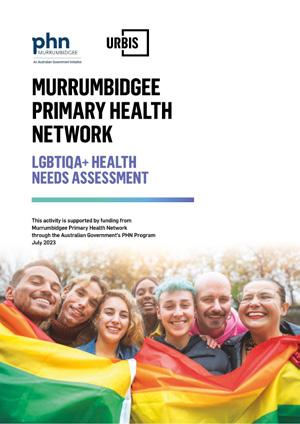
MPHN released the LGBTQIA+ Health Needs Assessment, revealing significant challenges faced by the local LGBTQIA+ community when accessing healthcare.
The assessment shows the compounded disadvantage LGBTQIA+ community members experience due to a lack of safe and inclusive healthcare services, with people delaying or avoiding seeking healthcare due to fear of discrimination or judgment.
“We need to create a healthcare system that understands and supports everyone. When we look at the concerns people have, like social isolation, financial hurdles, and the importance of better communication and education, it really emphasises the need for specific actions to boost the health and wellbeing of the LGBTQIA+ community in our region.”
Anita McRae, Senior Manager Priority Populations
MPHN was proud to launch a new toolkit designed to help GPs and general practice staff create culturally safe and inclusive environments for First Nations patients.
The Murrumbidgee First Nations Toolkit for General Practice aims to support general practices across the region in addressing the challenges First Nations people face when accessing healthcare through mainstream services.
“I’m looking forward to working with general practices and offering ongoing guidance as they implement the toolkit and build their cultural competence.”
Maxine Honeysett, Aboriginal Health and Wellbeing Manager
Priority area 1.2 – Work with partners to address the social and cultural determinants of health that are most impacting our communities.
The social and cultural determinants of health have a significant impact on health equity. By collaborating with our partners, MPHN is better positioned to address these factors effectively.
Addressing health determinants early
MPHN considers social and cultural determinants of health through programs supporting communities such as LGBTQIA+, people experiencing homelessness, and families with young children. The Enhanced Paediatrics in Primary Care (EPiPC) program supports early detection and management of behavioural and developmental concerns. Additionally the Waratah for Kids program has provided approx 483 occasions of service.
IMPACT: Improved health and wellbeing outcomes for children and families.
Partnering for inclusive healthcare
MPHN works closely with local partners such as Aboriginal Medical Services (AMSs), ACON, Carers NSW, and first responders to ensure services reflect community needs.
IMPACT: These partnerships help embed social and cultural determinants of health into service design, resulting in more inclusive and effective care.
3.
Collaborating with service providers
Commissioned service providers are key partners in addressing community health priorities. MPHN works with them throughout the commissioning cycle to design services that reflect social and cultural determinants of health.
IMPACT: Two Medicare Mental Health Centres have been commissioned in Wagga and Young in 2024 that provide a holistic approach to mental health services and addressing social and cultural determinants of health.
4.
Strengthening lived experience voices
MPHN is a key member of the Murrumbidgee Mental Health Drug and Alcohol Alliance, which supports recovery for people experiencing mental health and AOD challenges. A major initiative is the creation of a regional Lived Experience, Peer and Carer Network—the first of its kind in Australia.
IMPACT: Amplified lived experience voices and improved community-driven mental health and AOD support.
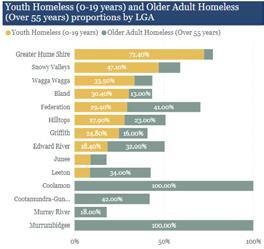
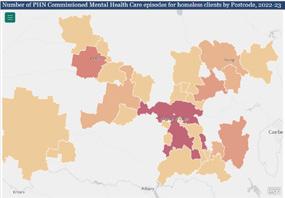
One of MPHN’s key findings over the last few years has been the rise of homelessness and issues with housing affordability and lack of affordable rental properties across the Murrumbidgee.
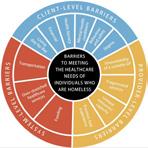
MPHN commissioned Beacon Strategies to undertake a homelessness-specific Health Needs Assessment (HNA). The HNA involved a stakeholder engagement session with representatives from housing, social and health sectors, with findings triangulated with population health and service utilisation data.
The HNA identified several areas of need including affordable and timely access to primary and specialist care, and opportunities to explore outreach models bringing services to where people are living. MPHN secured department funding to deliver a Homelessness Health Support Program in 2024/25 and is looking forward to delivering this program in the coming year.












Priority area 1.3 – Enhance our understanding of consumer experience and outcomes to deliver high value care.
MPHN has enhanced our understanding of consumer experience and outcomes through a variety of mechanisms and programs.
1. 2. 3. 4. 5.
MPHN improves understanding of consumer experience through data-driven platforms like Health Outcomes and Patient Experience (HOPE) and Lumos, ensuring high-value care.
IMPACT: Improved patient care, targeted investments in high-value services, and the ability to refine programs based on patient-reported outcomes for better health experiences.
MPHN’s evaluation framework uses consistent performance indicators and patient-reported measures to assess consumer experiences.
IMPACT: A more consumer-centred healthcare system, improved service planning through data-driven insights, and stronger stakeholder collaboration to address local health needs.
MPHN’s Suicide Prevention Lived Experience Advisor Network supports planning, workforce development, and opportunity mapping and ensures the consumer voice is heard.
IMPACT: The network shares expertise with agencies, peak bodies, and government, contributing to MPHN co-design and evaluation.
The Murrumbidgee Aged Care Consortium connects providers, universities, and lived experience individuals to enhance support for aged care services.
IMPACT: This collaboration improves consumer experiences and community access to aged care.
MPHN engages with over 400 consumers through advisory committees, events, and forums to better understand experiences and outcomes.
IMPACT: This deep community input directly informs the design and delivery of high-value, personcentred care across the region.
MPHN’s Connect, Your Way campaign has been recognised with three awards for its contribution to mental health awareness.
The campaign has won several accolades including Purpose-Led Marketing Award at the 2024 Australian Marketing Institute (AMI) Marketing Excellence Awards, the NSW Public Health Association Communication Award, and Mental Health Promotion or Mental Illness Prevention Award from the Mental Health Services Learning Network. The campaign also reached the finals of the Research Society’s Research Awards in 2023.
MPHN co-designed the Connect, Your Way campaign with more than 60 Murrumbidgee residents who shared their experiences of mental health challenges and accessing support. The campaign was bought to life by five locals who bravely shared their mental health experiences and stories.
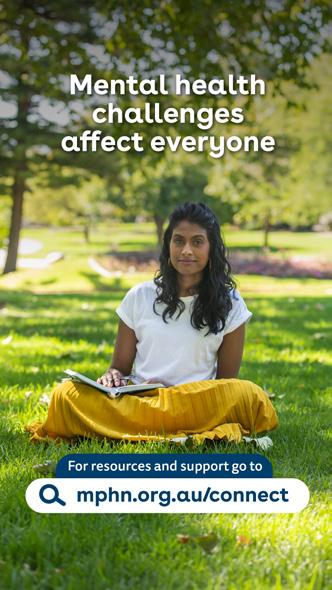
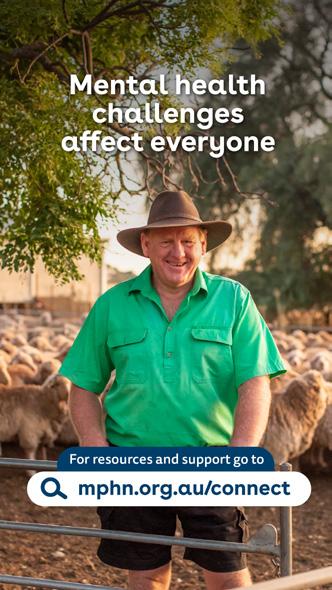
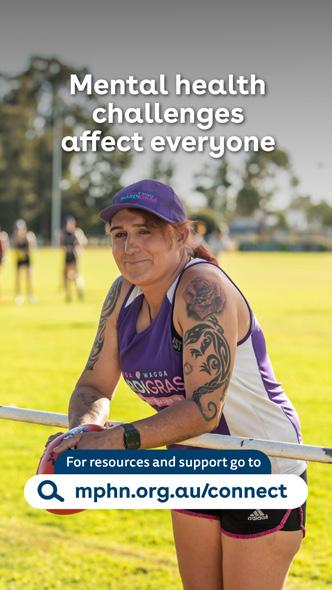
“The contributions of local people allowed our team to create a campaign that resonated deeply, not only with the Murrumbidgee community, but obviously with many people, given the campaign’s success. It highlights the importance of listening to and learning from people who have experienced mental health challenges when creating mental health resources. We’re deeply grateful for their input and proud to have developed such a valuable resource.”
Stewart Gordon, Chief Executive Officer
Priority Area 1.4 – Embed practices that support resilience and respond to emerging health and environmental impacts.
MPHN continues to strengthen its work in supporting the resilience of our communities and responding to emerging health and environmental impacts.
1. 2. 3. 4. 5.
Delivering vaccinations to vulnerable populations
MPHN’s public health response included pop-up vaccination clinics at community events, providing access to vital vaccines and health checks.
IMPACT: Increased community access to vital vaccinations and health checks, improved public health protection, and enhanced food security for over 6,000 people through MPHN-sponsored Foodbank pop-up clinics.
Strengthening emergency preparedness
MPHN developed a Disaster Response Framework and supported primary care providers to ensure their emergency plans are current.
IMPACT: Nearly half of the region’s general practices are using the Emergency Response Planning Tool to maintain care continuity during disasters.
Supporting disaster recovery locally
MPHN distributed around $160,000 through 30 one-off community grants, including flood and COVID support.
IMPACT: This funding helped communities recover from disasters while strengthening local partnerships.
Collaborating on emergency planning
MPHN has supported PHN advocacy at state level to ensure a mandated PHN role in the state and local health response to emergencies.
IMPACT: This collaboration strengthens regional coordination and improves emergency response efforts across the Murrumbidgee.
Supporting vulnerable rural practices
MPHN continues to support communities facing or experiencing general practice closures in places like Barham, Corowa, Culcairn, and Boorowa.
IMPACT: By maintaining strong relationships with local practices and engaging through Local Health Advisory Committees, MPHN helps reduce the impact on affected communities.
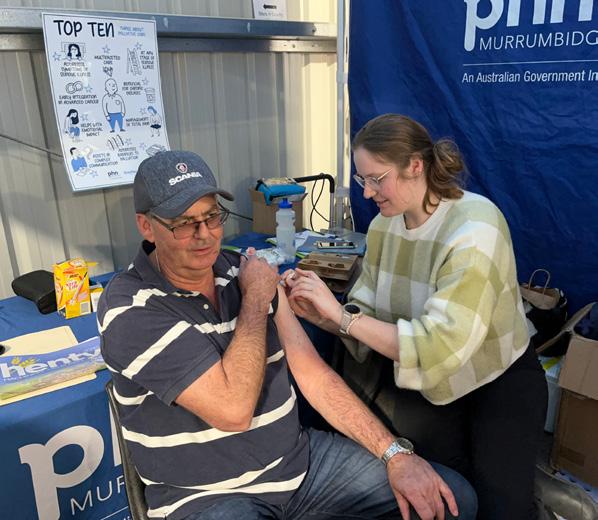
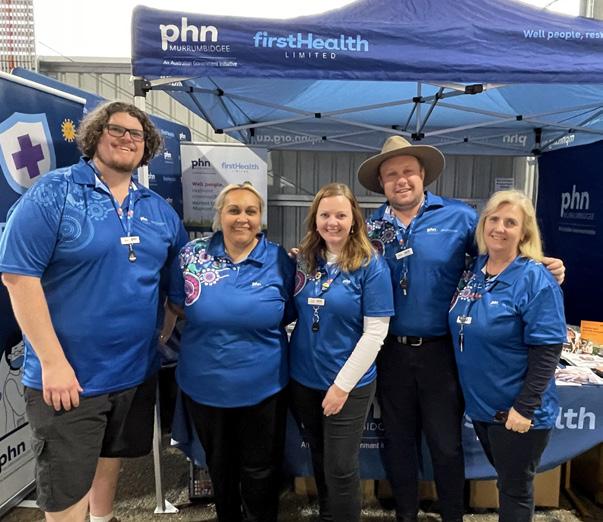
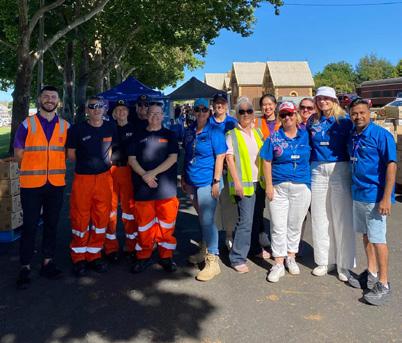
MPHN has travelled across the Murrumbidgee engaging with communities, providing free vaccinations and sharing vital health information with people in need.
A significant focus of our community engagement has been ensuring access to immunisations. Throughout the year, we organised multiple pop-up vaccination clinics which delivered a range of free vaccines, including COVID-19, influenza, and Japanese encephalitis (JE).
Events like the Henty Machinery Field Days, Big Picnic, and Junee International Women’s Day Expo allowed MPHN to connect with the community.
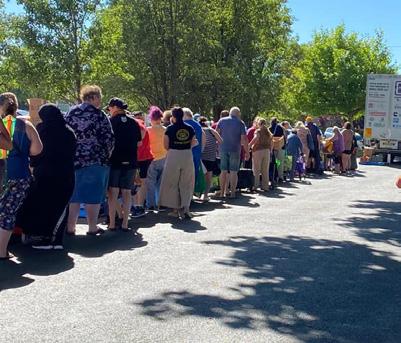
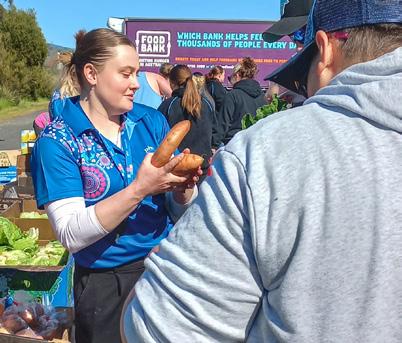
In December 2023, MPHN sponsored a Foodbank pop-up event in Wagga Wagga, which provided crucial food relief ahead of the holiday season, distributing eight tonnes of fresh produce to hundreds of families. Free health checks were also offered at the event.
MPHN has attended 45 community events including eight Foodbanks, giving approximately 675 vaccinations to hard-to-reach populations.
“Meeting with people in their own communities helps us understand their unique needs, connect them with health service information, and offer free vaccinations to those who may be vulnerable or have fallen behind with their healthcare. It’s also a great environment to chat about mental health and get people connected with relevant healthcare providers. Having these relaxed conversations helps us foster a healthier and more informed community.”
Peta Anderson, Clinical Programs and Emergency Response Manager


Support providers and enhance collaboration for stronger primary healthcare
Priority area 2.1 - Partner with general practice and primary health providers to support the wellbeing and sustainability of the workforce.
A core focus of MPHN is supporting the wellbeing and sustainability of the primary care workforce across the region. This work has been intensive and impactful, delivered through a variety of initiatives.
1. 2. 3. 4. 5. 6.
Trusted support for general practices
MPHN engages daily with general practices, recording 1,756 in-person visits and 964 remote support sessions since January 2023.
IMPACT: This strong connection drives quality improvement and supports innovations like the DREAM diabetes outreach clinics.
Ongoing local CPD support
MPHN has delivered more than 70 locally relevant CPD events since 2023, providing professional development and networking opportunities for the Murrumbidgee workforce.
IMPACT: These initiatives strengthen workforce capability, connection, and overall retention.
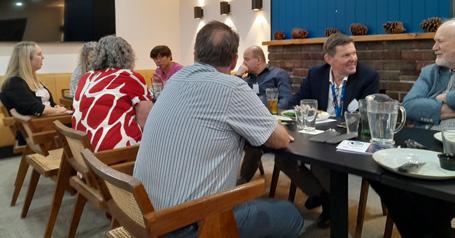
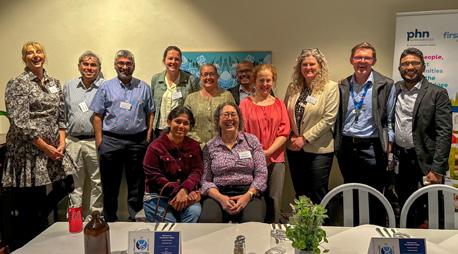
The Doctors Table is a dedicated dinner series supporting GP wellbeing and workforce sustainability.
IMPACT: The program has engaged over 30 GPs, strengthening collaboration, connection, and shaping locally tailored support.
MPHN has appointed four GPs with a passion for workforce planning to support the Workforce Planning and Prioritisation Program with the overall aim of guiding the RACGP and ACRRM to inform registrar distribution.
IMPACT: Their input helps guide registrar distribution by reviewing data, providing insights, and engaging with stakeholders.
MPHN partners with key workforce organisations such as the RACGP, ACRRM, RDN, rural training hubs, university clinical schools and the NSW Ministry of Health to deliver events that attract and retain GPs.
IMPACT: These collaborations help build strong training pathways, increase workforce visibility, and drive long-term sustainability.
In 2023/24, MPHN distributed 86 GP Medicare Grants totaling $2.15 million for IT, equipment upgrades, and accreditation costs.
IMPACT: These grants have enhanced practice infrastructure, supporting improved service delivery and patient care.
In an effort to provide more face-to-face engagement opportunities with our busy GPs, MPHN has launched a new initiative, The Doctors Table, to bring doctors together for dinner and conversation.
Firsthealth Board Chair Dr Jodi Culbert said the initiative aims to provide the opportunity for general practitioners to relax after work with colleagues and to discuss the issues and opportunities in the region.
“It is so important to take some time to recharge and be energised by discussing ideas and opportunities to address the various issues and challenges we face in practice.”
Dr Jodi Culbert, Board Chair
MPHN undertakes approximately in person general practice visits annually
MPHN supports the training of approximately
2000 60 8 10
GP Registrars annually in the Murrumbidgee region
MPHN supports the recruitment and onboarding of approximately new practitioners annually into the Murrumbidgee region
MPHN assisted approximately new general practices to commence operations in the region
MPHN invited general practices across the region to apply for funding through the Strengthening Medicare – General Practice (GP) Grants Program, part of a $220 million national investment by the Department of Health and Aged Care. The initiative complements MPHN’s broader efforts to support local implementation of national healthcare reforms like MyMedicare and increased bulkbilling incentives.
Eighteen general practices across the region shared in $460,000 in grant funding. Tumbarumba Medical Practice, for example, used its $25,000 grant to enhance its digital capability and infection control, purchasing a defibrillator, upgrading the vaccine fridge and server, and installing HEPA-filtered air conditioning.
Priority Area 2.2 – Continue building the capacity and capability of local general practice and broader primary health services and support them to lead primary care reform locally.
MPHN has worked locally to build the capacity and capacity of local services to lead primary care reform.
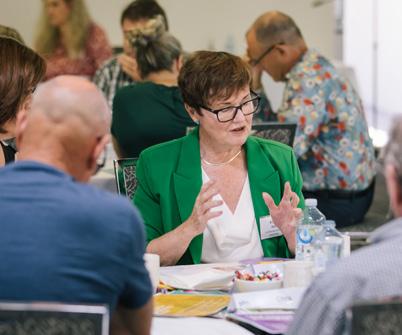
MPHN’s four Clinical Councils provide a platform for local clinicians to lead and influence primary care reform. Comprised of GPs and other primary care providers, they offer valuable advice and guidance to MPHN on healthcare challenges and opportunities.
IMPACT: With approximately 30-40 clinical representatives at any time, their input ensures that local issues and reform implications are considered, leading to more responsive, effective, and community-focused healthcare solutions.
MPHN is strengthening its focus on allied health professionals through the newly formed Allied Health Advisory Group, which provides valuable guidance through six formal meetings annually and additional ad-hoc input. This effort is supported by the Allied Health Strategy, which guides MPHN’s work in digital health, data quality, workforce access, and models of care.
IMPACT: By integrating allied health perspectives into planning and strategy, MPHN is enhancing service delivery, improving patient outcomes, and addressing workforce challenges.

3.
MPHN regularly receives requests from the Commonwealth and New South Wales governments to provide input into proposed policy, reviews, and reports. By incorporating feedback from local primary care leaders across the region, MPHN ensures that local voices and issues are amplified in the government’s work.
IMPACT: Policies and decisions are more reflective of local healthcare needs, leading to more effective and relevant health outcomes for the community.
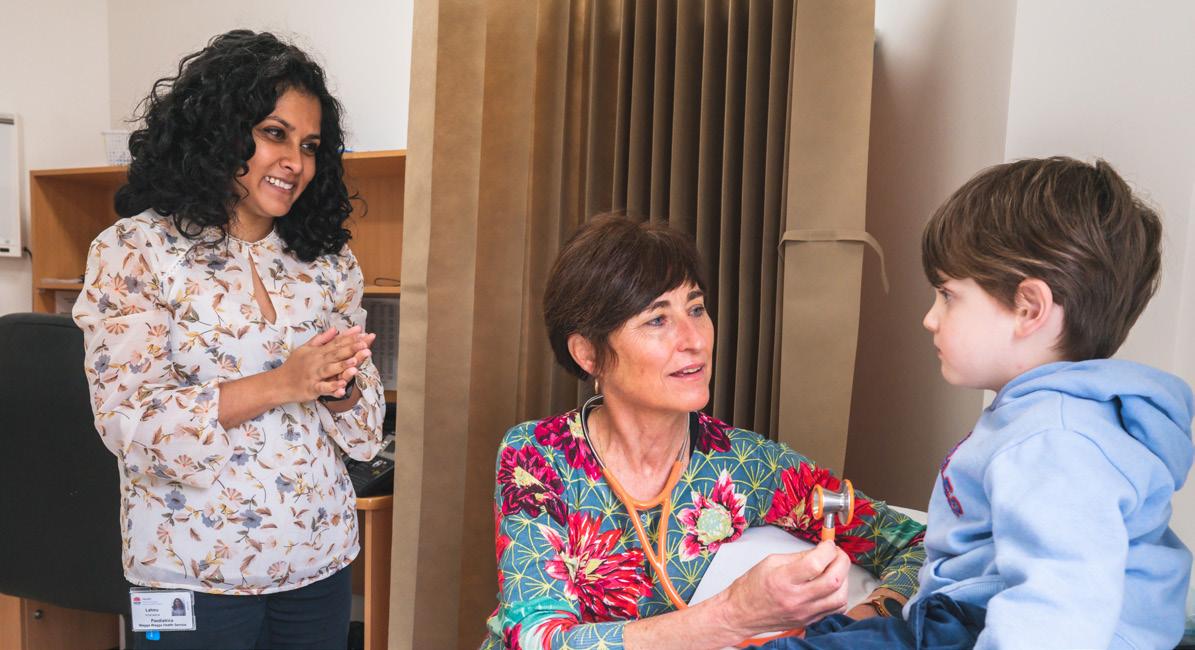
The Enhanced Paediatrics in Primary Care (EPiPC) program is making a significant difference in the lives of young children across the Murrumbidgee region by providing early intervention for behavioural and developmental issues through a coordinated, community-based approach.
Since commencement EPiPC has continued to aid children and their families across the Deniliquin, Gundagai, Hay, Wagga Wagga, and Leeton communities. GPs continued to enhance their professional development, conduct screenings, and provide extended appointments for children with behavioural and developmental concerns.
Recent success stories include instances where children were supported without needing in-person paediatric appointments. Through email consultations, GPs received community paediatrician advice, enabling timely support and reducing wait times.
Another initiative making a difference is WARATAH for Kids, which is helping young children facing developmental delays by facilitating assessments and referrals to allied health services.
Over the course of 42 clinics, 109 children were seen, receiving timely assessments and support.
One success story is that of 7-year-old Ollie*, who was struggling with sensory processing, emotional regulation, and behavioural issues. Through WARATAH for Kids, Ollie was referred to an occupational therapist (OT) for a comprehensive intake and assessment. With the OT’s guidance, Ollie’s family received tailored strategies and referrals, ensuring timely and coordinated care that allowed Ollie to thrive.
* Name changed
“The collaboration between our GPs, paediatricians, and allied health teams ensures families can access the right care when they need it. This program is helping communities to build stronger foundations for the future health of their children, and we’re really pleased with the positive impact it’s having across the Murrumbidgee.”
Christina Eastall, Contracts Manager
Allied health professionals are integral to primary healthcare, and are essential for improving access, outcomes, integration, safety, and quality across the health system.
In 2023, the National PHN Cooperative launched the National PHN Allied Health in Primary Care Engagement Framework to enhance engagement between Primary Health Networks (PHN) and the allied health sector. This framework will guide MPHN in strengthening collaboration and support with allied health practitioners in the region.
In May 2024, MPHN held focus groups with allied health clinicians to identify key challenges and opportunities. Feedback highlighted workforce shortages, the need for stronger collaboration with general practice, improved digital health integration, business support, networking, and allied health-specific CPD events. In response, MPHN launched a dedicated allied health web page and established an Allied Health Advisory Group.
Priority area
2.3
– Enhance collaboration with new and existing partners to enable integrated responses to health needs.
MPHN has enhanced collaboration to improve integrated care across multiple activities from 2023 to 2025. Below are just a few examples of these efforts and their impacts.
1. 2. 3.
The Living Well, Your Way program, co-designed by MPHN, MLHD, clinicians, and community, exemplifies integrated healthcare collaboration.
IMPACT: Its 15 initiatives have delivered profound community impact, positioning MPHN as a national leader in collaborative commissioning.
MPHN prioritises aged care and healthy ageing through initiatives like the Aged Care Community of Practice and regular collaboration with MLHD.
IMPACT: These efforts enhance sector knowledge, foster connection, and improve care transitions for older people across the region.
MPHN collaborates with a range of groups to enhance system integration, including the Murrumbidgee Mental Health Drug and Alcohol Alliance, Rural Mental Health Education Enhancement Hub, Wagga Wagga Elder Abuse Committee, Calvary Palliative Care Enhancement Council, the Older Men: New Ideas (OMNI) group, and various interagency groups and roundtables.
IMPACT: These partnerships ensure MPHN stays connected, influential, and well-positioned to lead meaningful local change.
4.
In 2023, MPHN and MLHD signed a Collaborative Agreement to ensure integrated responses to health needs and are working together through a joint board across the three focus areas of integrated care pathways, workforce sustainability and joint planning and data sharing.
IMPACT: Improved integration of healthcare services and more strategic, region-specific planning that enhances the overall effectiveness and accessibility of care for the community.
The Living Well, Your Way (LWYW) initiative is transforming how care is delivered for people with chronic conditions in the Murrumbidgee region, focusing on innovative, patient-centred solutions that improve access to affordable and equitable healthcare. The program is an example of regional needs addressed through a joint approach, local co-design, integration and capacity building. More than 200 local stakeholders designed the locally specific care pathways and programs for Congestive Heart Failure (CHF) and Chronic Obstructive Pulmonary Disease (COPD).
LWYW is a collaborative effort between MPHN and Murrumbidgee Local Health District (MLHD), funded by NSW Health. It aims to improve care for people living with Chronic Obstructive Pulmonary Disease (COPD) and Congestive Heart Failure (CHF). By working closely with local healthcare professionals, LWYW addresses challenges such as long travel distances and high healthcare costs, with a particular focus on reducing preventable hospitalisations.
The initiative includes a range of programs, such as pharmacy screening, outreach diagnostics, expanded primary care services, and culturally appropriate rehabilitation programs that give patients confidence to manage their health from home.
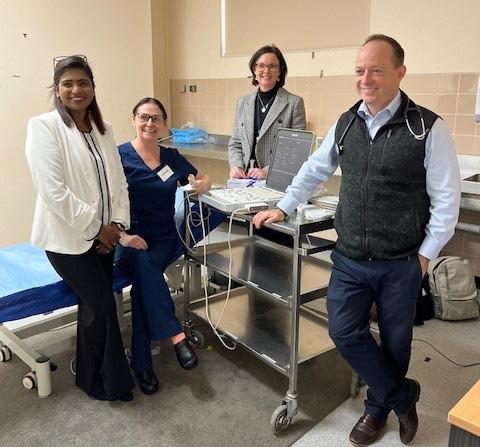
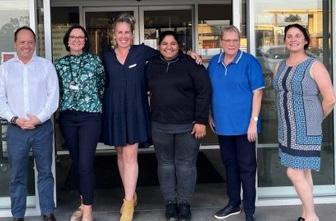
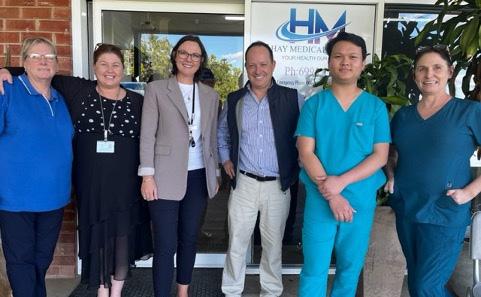
The Outreach Heart Failure Diagnostic Clinic is an important component, providing at-risk rural patients with affordable access to diagnostic services. The clinic is a public-private partnership involving MPHN, MLHD, Roy Cardiology, St Vincent’s Network, and Aboriginal Medical Services, which aims to improve heart failure management and reduce preventable hospital admissions.
The LWYW initiative introduced outpatient clinics for respiratory care and heart failure in Wagga Wagga to prevent readmissions and support home management. It also launched a culturally safe rehabilitation pilot for Aboriginal and Torres Strait Islander communities and trained local physiotherapists for Lungs in Action classes. The Wagga Wagga Base Hospital’s Rapid Access Clinic was expanded to reduce emergency department pressures, and the CareMonitor app helps patients track their own health metrics.
“Working together with local health professionals and community members is essential in helping people with chronic conditions live well. By combining our strengths and resources, we’re not just improving individual health outcomes, we’re fostering a supportive and better-connected community.”
Caroline Holtby, Director Collaborative Commissioning
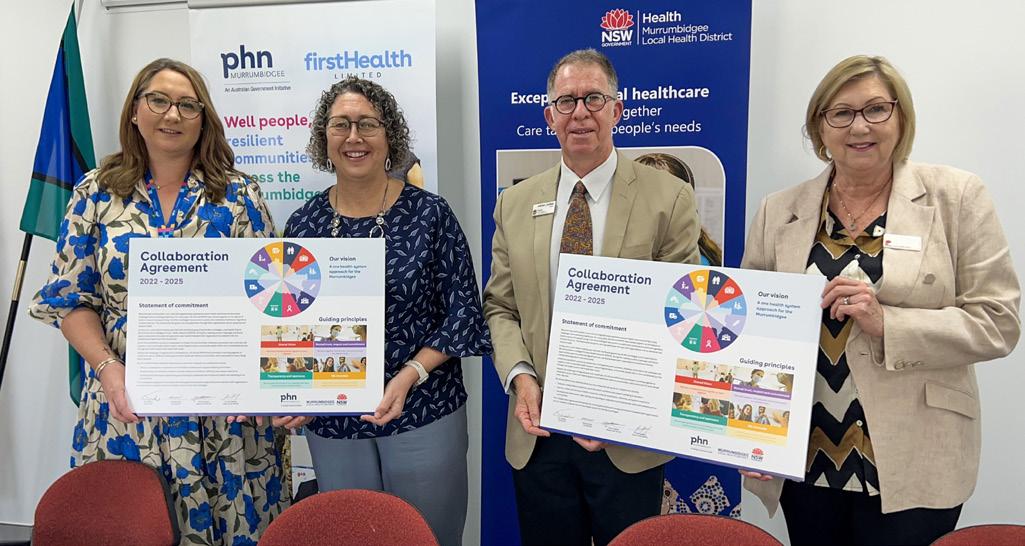
MPHN and MLHD formally made a commitment to improve the health and wellbeing of our communities through enhancing their partnership and collaborative work.
In late 2022, the boards of MLHD and firsthealth Limited met to discuss current challenges and future opportunities, resulting in a formal Collaborative Agreement.
MPHN’s firsthealth Board Chair Dr Jodi Culbert said communities in rural and regional areas experience poorer health outcomes and face many challenges when accessing healthcare.
“Despite the challenges of regional and rural healthcare, MLHD and MPHN are committed to working together to implement various NSW and federal government healthcare reforms and activities, and to advocate for local change when required,” Dr Culbert said.
“In fact, for several years, both organisations have worked together at the highest of levels to ensure people in the Murrumbidgee have access to quality and coordinated healthcare regardless of where they live. The relationship has grown and cascaded down through both organisations into an advanced and mature model.
“As MLHD and MPHN continue to collaborate, we believe the joint activities, initiatives, and projects we undertake will support a more sustainable health
system, reduce fragmentation, and provide people with a more coordinated journey through the health system that meets their needs.”
MLHD Board Chair Glynis Ingram said collaboration and partnership between both organisations was key to implementing government reforms and activities.
“The unique partnership between MLHD and MPHN is critical to meet the needs of our communities – both those accessing and providing care,” Ms Ingram said.
“We know when we work collaboratively together, we have the opportunity to create efficiencies, innovations and streamline healthcare journeys for patients, which ultimately leads to improvements in health outcomes for people.”
“This Collaborative Agreement formalises the existing partnership and strong commitment between both organisations to work towards a shared vision of one health system for the Murrumbidgee.”
Glynis Ingram, MLHD Board Chair
Priority area 2.4 – Advocate for communities and primary care providers to influence policy to ensure that local needs are understood and met.
MPHN continues to advocate for and amplify the voices of local communities and primary care providers at both the Commonwealth and state levels.
MPHN regularly responds to parliamentary inquiries, reviews and policy issues on behalf of the Murrumbidgee region. Since 2023 MPHN has provided input into over 20 individual papers, reviews, reports or inquiries covering subject areas such as rural health access, after hours services, the National Suicide Prevention Strategy, Australian National Audit Office, the Rural Health Inquiry, the Special Commission of Inquiry into Healthcare Funding, and the Select Committee on Remote, Rural and Regional Health.
IMPACT: This advocacy ensures the region’s challenges are recognised by decision-makers, driving more informed and equitable health policy.
MPHN participates in key state-level committees and working groups gaining valuable insights and ensuring the Murrumbidgee voice is heard. These include the NSW Ministry Children Young People and Families Executive Steering Committee, the Ministry of Health’s Drug and Alcohol Program Council, the Agency for Clinical Innovation’s Universal Aftercare Steering Committee and the NSW Specialist Trans and Gender Diverse Health Service.
IMPACT: This involvement ensures local needs and perspectives inform policies and programs at a broader system level.
MPHN maintains strong relationships with local members of parliament, allowing for swift responses to enquiries and requests. These connections ensure MPHN can provide timely input and information when needed.
IMPACT: These connections support effective advocacy and create opportunities to advance regional health priorities.
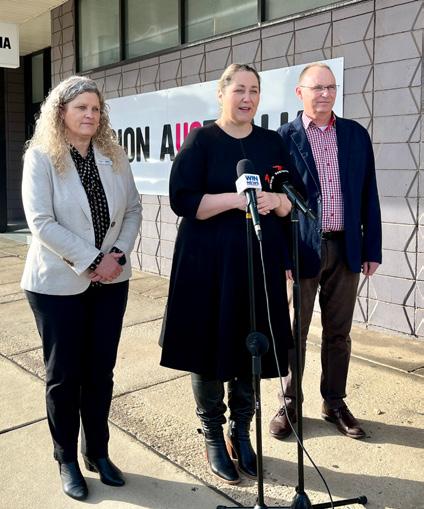
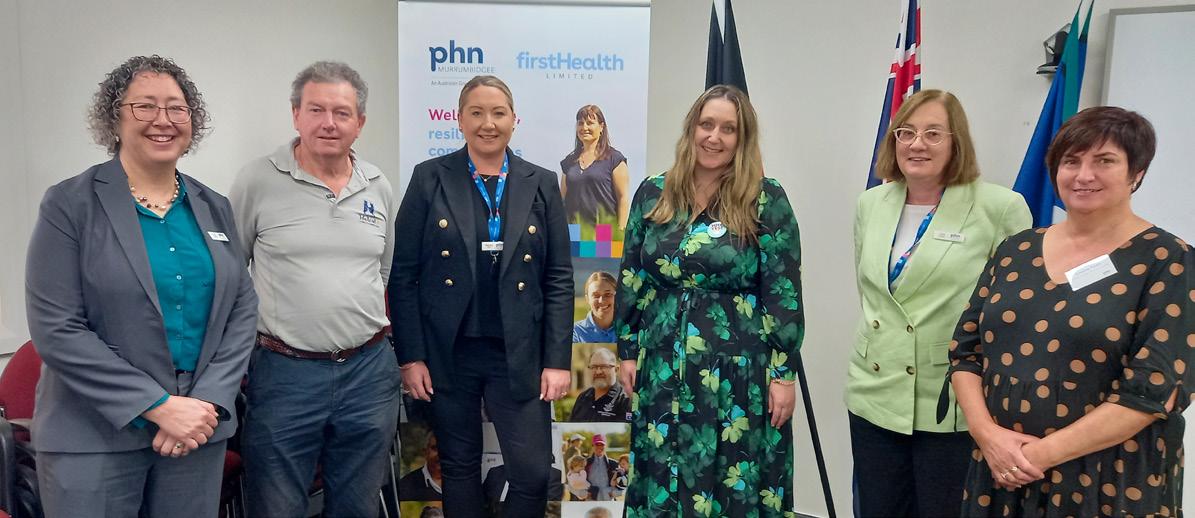
As a health leader, MPHN takes an active role in advocating for the health needs of our communities and health professionals. Advocacy is a key area of MPHN’s Strategic Plan. It’s a mechanism for influencing health policy to ensure local health needs are understood and met. Over the years, MPHN has actively highlighted various challenges faced in the region including workforce, after hours care, and funding.
In March 2023, MPHN appeared before the Special Commission of Inquiry into Healthcare Funding in Wagga Wagga. It provided an opportunity to demonstrate the impact of MPHN’s collaborative work and highlight opportunities to further strengthen service delivery, integration and care coordination in the region. Workforce challenges in the region were also highlighted.
At the federal level, MPHN advocated about the issues and challenges impacting the demand and supply of after hours primary care services in the region with a submission to the Department of Health and Aged Care review of after hours primary care. The submission was guided by feedback from general practice and aged care providers and community. After hours challenges were also discussed directly with Assistant Minister for Rural
and Regional Health The Hon. Emma McBride MP late in 2023 when she met with MPHN in Wagga Wagga.
During the ministerial visit, MPHN shared examples of local activities and innovations to help improve system efficiencies and improve health outcomes including the outreach diagnostic heart failure clinics and the Enhancing Paediatrics in Primary Care program. The Minister also spoke with local GPs about some of the challenges of the Strengthening Medicare reforms in relation to MBS billing and MyMedicare.
MPHN contributed to the National PHN CEO Cooperative’s joint submission to the Australian National Audit Office (ANAO) audit into the Effectiveness of the Department of Health and Aged Care’s Performance Management of Primary Health Networks. Published in February 2024, the report’s eight recommendations relate to performance, evaluation and data. In a statement at the time about the report, Acting CEO Narelle Mills said the recommendations relate to performance, evaluation and data and locally MPHN’s programs and services demonstrate improved health outcomes which could be harnessed further by the Department.
“As an organisation focussed on supporting primary care providers across the region, we have a role in improving coordination of care, commissioning primary care services to meet local population health needs, and supporting capacity building to ensure a sustainable workforce.”
Narelle Mills, Executive Integration and Partnerships


Lead innovation and inspire for positive impact
Priority area 3.1 – Trial, monitor and evaluate innovative approaches that will achieve improvements to primary care.
MPHN implements innovative approaches that will improve the delivery and access of primary care across the region.
1. 2. 3. 4.
MPHN’s Innovation Board sub-committee guides the adoption of new ideas across the organisation and region. This committee reviews innovative opportunities and provides a structured mandate for advancing our innovation agenda.
IMPACT: This structured approach drives innovation, ensuring impactful and forward-thinking solutions for local health needs.
MPHN has prioritised digital health, completing a 2024 digital health maturity assessment with 147 local organisations, including a 100% response rate from aged care homes and 88% from general practices.
IMPACT: The insights enabled tailored action plans and boosted uptake of key digital tools, strengthening primary care capability across the region.
The Medication Management Palliating in Place Project equipped clinicians to confidently support residents in aged care settings rather than having to be transferred to hospital.
IMPACT: This led to improved end-of-life experiences for residents and families, reducing unnecessary hospital transfers.
MPHN is researching, codesigning and implementing new models of care addressing homelessness, aged care incentives, mental health, veteran health, and after-hours services.
IMPACT: These tailored local solutions transform national programs into community-focused strategies that enhance patient outcomes.
5. 6.
The Living Well, Your Way program showcases innovative joint funding and co-designed health solutions.
IMPACT: Initiatives like pharmacy-based COPD screening have improved outcomes and broadened access to care across the region.
MPHN has introduced a staff training program focused on program logic and evaluation to support innovative initiatives.
IMPACT: New approaches are strategically designed and effectively implemented for lasting impact.
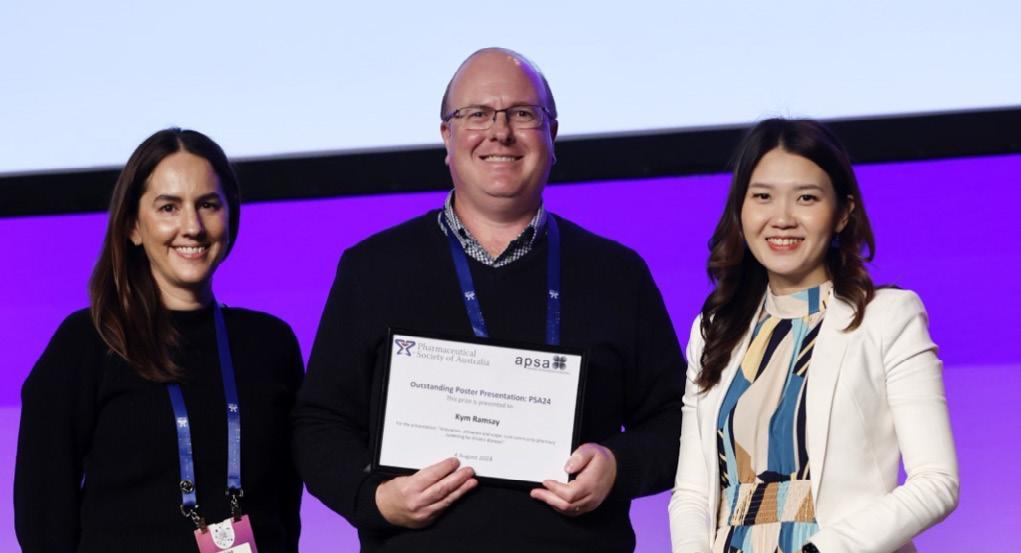
For many rural Australian communities, pharmacists are trusted and accessible primary healthcare professionals, with patients often visiting their pharmacy for symptom management before their doctor. It makes pharmacists uniquely positioned to identify patients presenting with early symptoms of chronic disease.
As part of the Living Well, Your Way program the COPD and CHF Pharmacy Screening Pilot identifies at risk patients and links them with their general practitioner (GP) for assessment and diagnosis to improve health outcomes and reduce the rate of hospitalisations.
Living Well, Your Way Community Pharmacist Kym Ramsey said the feedback from his peers has been inspiring. However, patient stories demonstrate the real value in the program.
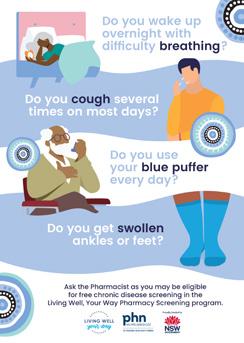
Key to the pilot’s success was involving GPs and pharmacists to codesign screening tools, workflow, and referral processes.
“On presentation to a pharmacy, patients identified as potentially at risk are invited to be screened. Screening utilises a codesigned questionnaire and may include micro spirometry for COPD. Those shown to be at increased risk are referred to their nominated GP for further assessment and possible early diagnosis, improving their long-term health outcomes,” Mr Ramsey explains.
It’s an exciting time for the Living Well, Your Way program and MPHN is keen to see how innovative programs like pharmacy screening can contribute more broadly to the Australian healthcare system.
“A 79-year-old woman who previously smoked and presented to the pharmacy with shortness of breath, swollen ankles/feet and fatigue was identified by the pharmacist for COPD and CHF screening. The results triggered a GP referral who referred her to a respiratory physician for further assessment. Through this early intervention she is more likely to manage her symptoms at home and reduces her risk of hospitalisation and further complications.”
Kym
Ramsey, Living Well, Your Way Community Pharmacist
Priority area 3.2 – Build collaborative research partnerships that build evidence and contribute to improving the health of local communities.
MPHN has made great inroads into forming collaborative research partnerships and strengthening research capabilities and capacity.
1. 2.
Strengthening research foundations
In 2024 MPHN launched its first Research Strategy and web presence to guide future research and attract collaboration.
IMPACT: Sharing the strategy with Sector Clinical Councils has boosted clinician awareness and engagement in regional research efforts.

3. 4.
Expanding research partnerships
MPHN’s Chief Data Officer holds adjunct roles at UNSW and Charles Sturt University, strengthening academic ties.
IMPACT: These positions enhance research capacity through collaboration, access to expertise, and valuable university resources.
Advancing research in practice
MPHN is partnering in major research projects like the ASPIRE trial, aimed at reducing medication-related harm post-hospital discharge.
IMPACT: Local co-design workshops, professional development events, and sector engagement ensure Murrumbidgee’s primary care workforce benefits from and contributes to world-class research.
Embedding primary care research
MPHN contributes to the X-Gen Physical Activity Project through its role in the Adult Advisory Group.
IMPACT: This partnership strengthens university collaboration and ensures primary care remains central to the research.
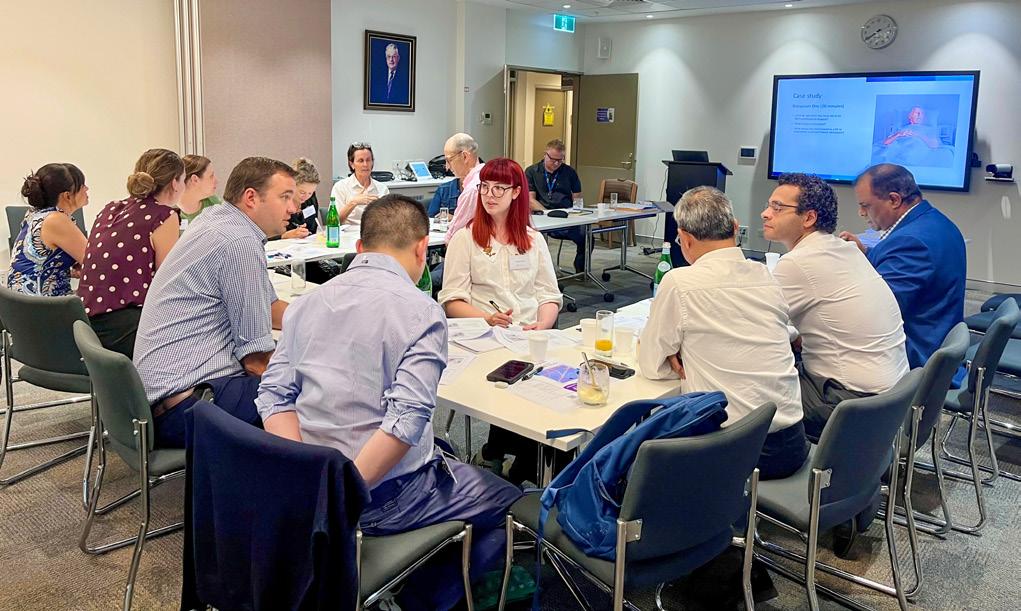
MPHN and Wagga Wagga Base Hospital (WWBH) have partnered to deliver the ASPIRE trial in our region with the aim of reducing medication-related harm at transitions of care.
The transition of care from hospital to home is widely recognised as a period of increased risk for medicationrelated harm. Older people or those taking high-risk or multiple medications are typically more vulnerable.
The ASPIRE Trial is a multi-centre study, sponsored by the University of Sydney, which investigates a PHNbased model of arranging timely medication reviews for people at high risk of medication-related harm when transitioning from hospital to home. Murrumbidgee is one of four trial sites across New South Wales and Queensland.
The trial, scheduled to run until 2025, will evaluate the implementation of a health service interventional program which aims to enhance both the uptake and the effectiveness of Home Medicines Reviews for people post hospital stay. This targeted intervention aims to reduce unplanned hospital readmissions, improve quality of life and reduce medicines burden.
MPHN in partnership with WWBH are planning to achieve this through:
• implementing a Murrumbidgee PHN-based Medication Safety Hub with a medication safety pharmacist who assists in the coordination of a timely medication management review
• a hospital pharmacist at the WWBH, who identifies patients at high risk of medication-related harm and who are likely to benefit from a post-discharge medication review
• strengthening communication channels between local hospital, primary care healthcare practitioners and PHN-based medication safety pharmacist to improve medication safety and patient outcomes
• multi-disciplinary PHN-led professional development activities on quality use of medicine topics for local healthcare practitioners
• a communication strategy to raise awareness among local healthcare practitioners of the new role of the PHN in coordinating medication reviews and medication safety initiatives.
Priority area 3.3 – Empowering clinical and community leaders to influence change in primary healthcare.
MPHN has empowered local leaders to influence change through a variety of mechanisms across the primary healthcare sector.
Empowering GP leadership
MPHN’s newly formed GP Advisory Panel GP Advisory Panel will provide a valuable insights into a vast range of local issues and help shape strategic priorities.
IMPACT: The panel will build the capacity and confidence of local clinicians to lead reform across a broad range of primary healthcare areas.
Local clinicians leading change
MPHN has appointed local practitioners to key roles, including Lead Clinical Editor for Murrumbidgee HealthPathways.
IMPACT: Clinical guidelines are regionally relevant, supporting better decision-making and patient care.
MPHN leads the Murrumbidgee Aged Care Consortium, uniting professionals, providers, and advocates to improve aged care.
IMPACT: Annual planning and events like the 2023 forum provide vital insights that shape MPHN’s aged care priorities and initiatives.
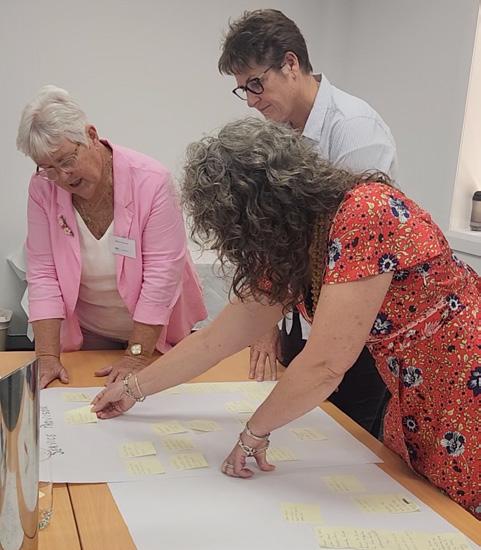
“One of the goals of our Strategic Plan is to lead innovation and inspire for positive impact. We engaged with each of the Clinical Councils to understand what local challenges they were facing and how might we be able to support innovative solutions. Its been really exciting to support our Clinical Councils in their projects and looking for innovative solutions for their identified local issues.”
Narelle Mills, Executive Integration and Partnerships
To support the leadership of MPHN’s four Clinical Councils, each council has successfully led and completed innovative projects in their region to address local health needs. In the west, the Western Clinical Council delivered a Community Diabetes Education Program (CDEP) targeting culturally and linguistically diverse (CALD) populations, with a focus on Italian and Pacific Islander communities. The program, developed in response to rising emergency department presentations for diabetes-related complications, was delivered in collaboration with multicultural health workers and community leaders. The initiative provided practical, patient-centred education to help people manage their Type 2 diabetes and reduce hospital presentations.
“Concerns were raised around a suspected increase in the number of people from CALD backgrounds presenting at the Griffith emergency department with diabetes related complications that could be better managed in the community,” explained Western Clinical Council Chair Dr Bhupinder Kumar.
“To address this a Community Diabetes Education Program (CDEP) designed to reduce health disparity within CALD communities will provide patient-centred knowledge to identify the behaviours to help reduce the risk of developing diabetes, diabetes complications and improve their health outcomes,” Dr Kumar said.
In Wagga Wagga, two important projects have now been completed. The first established a dedicated clinic to increase uptake of MBS 715 health checks for Aboriginal and Torres Strait Islander children. The second was a pilot of the Students as Lifestyle Activists (SALSA) program at The Rock Central School. This peer-led initiative saw university students train Year 10 students to become lifestyle ambassadors for their younger peers, promoting healthy eating and physical activity.
“Both projects have long-term benefits for First Nations people and young people in our region,” said Wagga Wagga Clinical Council Chair Dr Rachael Fikkers.
Meanwhile, the Border Clinical Council completed projects focused on continence care and prostate cancer support. In response to a shortage of continence services in the region, MPHN partnered with the Continence Foundation of Australia and the Rural Doctors Network to train and support practice nurses through online modules, scholarships, and a new community of practice.
“As a group the Border Clinical Council identified a lack of continence services in the region which has a significant impact on the quality of life and reduces the opportunity for an active lifestyle which in turn increases the likelihood of chronic comorbidities,” explained Border Clinical Council Chair Dr Marion Magee.
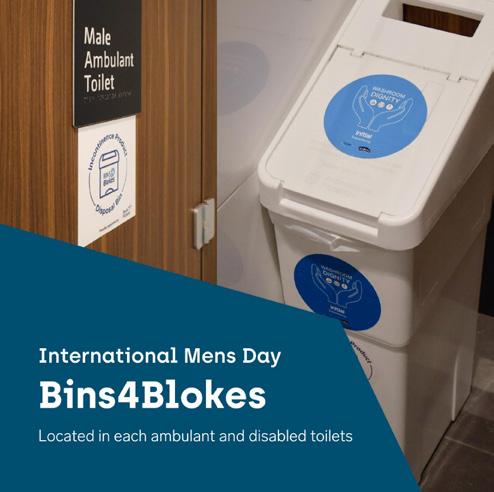
The Council also introduced initiatives to improve support for men with prostate cancer, including the rollout of the ‘Bins for Blokes’ campaign in the Snowy Valleys and Wagga Wagga. These targeted projects reflect the valuable insights and leadership of local clinicians in shaping primary care services.
Priority area 3.4 – Identify opportunities for new investment into the Murrumbidgee to address unmet needs.
MPHN is intentionally investigating and advocating for new investment into the Murrumbidgee region to address unmet needs.
funding opportunities
MPHN has established a dedicated business development function to identify and pursue funding opportunities that benefit the region.
IMPACT: $3.5 million from competitive funding submissions has enabled targeted applications across priority areas including CALD communities, homelessness, family and domestic violence, aged care in thin markets, and multidisciplinary care models.
Expanding funding streams
MPHN’s business development strategy now explores philanthropy and corporate partnerships to support primary healthcare in Murrumbidgee.
IMPACT: Current philanthropic for the DREAM and First Nations Last Days initiatives is helping address service gaps and extend regional impact.
MPHN’s unsolicited proposal process allows service providers to suggest tailored solutions for local health gaps.
IMPACT: Since July 2023, four proposals have been implemented, driving innovation and delivering targeted care in areas like antenatal health and children’s wellbeing.
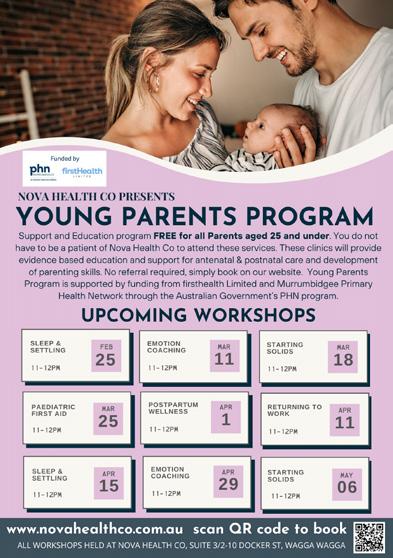
Limited access to specialists and allied health services, which are often restricted by availability, cost, and long waitlists, are just some of the common challenges faced by people living with diabetes in the Murrumbidgee region of New South Wales. But thanks to the local implementation of the Diabetes Regional Education, Access, and Management (DREAM) Initiative, these barriers are being addressed.
In 12 months, the Murrumbidgee DREAM initiative has supported 203 people with diabetes through 15 general practice clinics in the rural communities of Tumut, Gundagai, Young, Hay, Adelong, Leeton, Lake Cargelligo, West Wyalong, Griffith, Henty, Finley, Oaklands, and Cootamundra; and 94 health professionals across 15 general practices have participated in one or more professional development sessions.
The program was co-designed with local healthcare providers to ensure the solutions meet the specific needs of communities in the Murrumbidgee and is a result of a collaboration between St Vincent’s Health Network Sydney, St Vincent’s Curran Foundation, MLHD and MPHN.
“It really is a dream. Being in the Murrumbidgee is helping us better understand the unique challenges and needs of rural communities in managing diabetes, but equally important is patients having equity of service with their city cousins.”
Gael Holters, St Vincent’s Health Network Sydney Diabetes Clinical Nurse Consultant
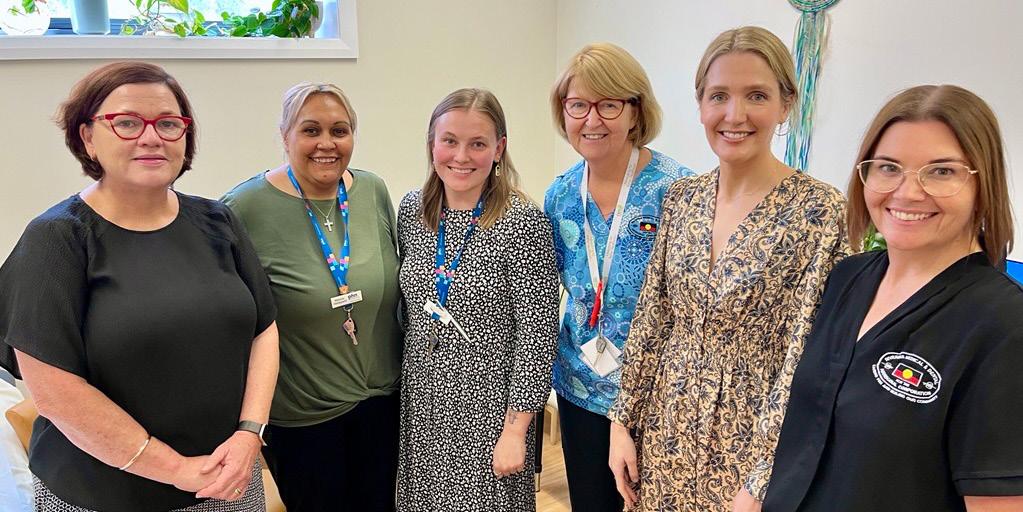
KidsXpress was engaged to deliver a whole-class therapeutic program using play and music based therapeutic modalities to encourage the development of healthy peer relationships, support emotional regulation and enhance the emotional wellbeing of children. The program delivered 30 sessions to 49 primary schools students, five teachers and five Student Learning Support Officers with overwhelmingly positive feedback.
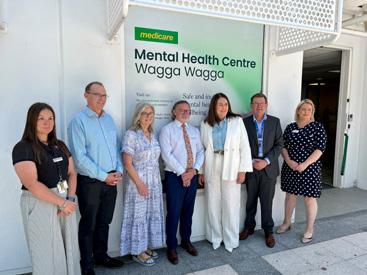
MPHN joined Senator Deborah O’Neill on 29 January to celebrate the official launch of two mental health community services.
The Medicare Mental Health Centre Wagga Wagga was officially opened at 235-241 Baylis Street, Wagga Wagga, providing free, walk-in mental health support and care for the local community, no Medicare card or referral needed. The centre is operated by Grand Pacific Health and commissioned by MPHN with Australian and New South Wales government funding.
We also celebrated the official opening of the new headspace Wagga Wagga centre at 141 Peter Street. headspace provides a safe and confidential environment for young people to access free services for mental health, physical health, alcohol and other drugs support, and work and study assistance.
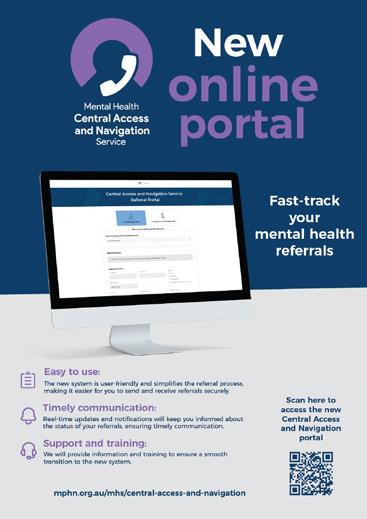
General practitioners can now enjoy a streamlined and efficient process for referring patients for mental health and alcohol and other drugs (AOD) care, thanks to the new online portal launched today by MPHN.
MPHN’s updated Central Access and Navigation (CAN) service will enhance the way general practitioners (GPs), service providers, and community members navigate the Murrumbidgee mental health and AOD system.
The new cloud-based CAN online referral portal offers secure messaging, making it easier to send and track patient information. It provides a central access point to services, enabling healthcare professionals to monitor their patient’s journey. The portal is conveniently accessible via the MPHN website.
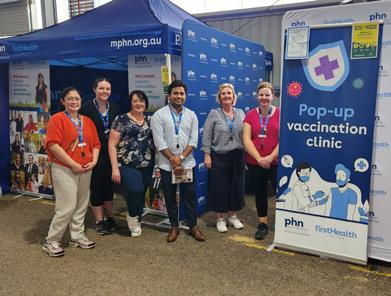
MPHN continued to play a crucial role in improving access to vaccinations and providing essential immunisation information to the Murrumbidgee community, ensuring locals had the resources and support needed to stay protected throughout the year.
Clinical Programs and Emergency Response Manager Peta Anderson visited all 93 general practices to check vaccine storage, support cold chain compliance, and provide up-to-date resources and clinical guidance.
She also supported aged care facilities in planning vaccination clinics with GPs and pharmacies to keep residents’ COVID-19 and flu vaccines current.
MPHN regularly reported vaccination rates to the Department of Health and Aged Care and, through pop-up clinics at local events, helped administer over 1,500 COVID-19, influenza, and Japanese encephalitis vaccines.
The Murrumbidgee General Practice Winter Strategy, part of the Living Well, Your Way initiative, was delivered again in 2023–24 by MPHN and MLHD to support people with chronic conditions like COPD and CHF. Thirty-one general practices participated, providing proactive care to over 25 vulnerable patients each, including immunisations, updated care plans, and regular nurse check-ins.
With support and funding through the Living Well, Your Way initiative, practices implemented quality improvements and received staff training. Patients reported feeling more confident managing their health, while practices noted better outcomes, improved workflows, and stronger patient connections.
“Our Winter Strategy program really helps people feel more supported and cared for during winter,” said Caroline Holtby, Director of Collaborative Commissioning. “We’ve been really pleased with the results. We’re seeing fewer hospital visits and stronger connections develop between patients and their general practices.”
“It’s satisfying to see how our combined efforts can make a difference, not just in the health outcomes but in the confidence and peace of mind it gives to both patients and local healthcare providers.”
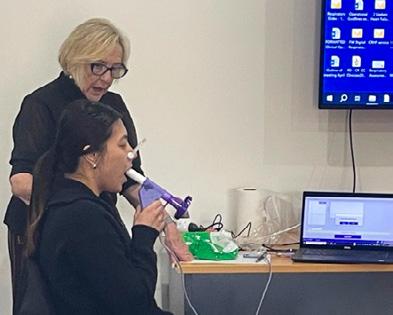
This year, MPHN focused on educating the community about staying well during seasonal changes. In September, we launched our annual Thunderstorm Asthma Collaborative campaign to raise awareness of increased asthma risks during spring thunderstorms. The campaign encouraged managing hay fever and asthma with support from healthcare professionals and featured community stories highlighting the importance of up-to-date asthma action plans and registering for thunderstorm asthma alerts.
MPHN’s Board Chair and local GP Dr Jodi Culbert urged residents to be prepared this season.
“Spring is a beautiful time of year, but it also brings with it certain risks for people with asthma and hayfever,” Dr Culbert said.
“If you experience asthma or hayfever, now is the time to visit your GP to review your asthma action plan and ensure your medications are up to date.”
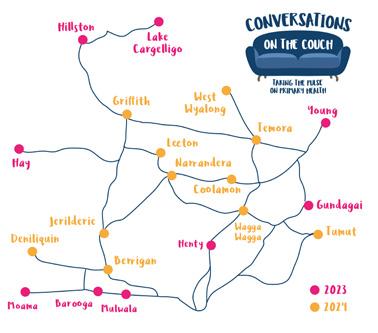
MPHN continues to tailor healthcare programs by listening to the community. Through Conversations on the Couch events across the region, residents shared common concerns—limited access to GPs and specialists, transport issues, mental health service gaps, and healthcare costs. Still, many expressed appreciation for local healthcare workers and bulk billing.
“Many communities face similar challenges but have their own nuances that you can only understand by listening to lived experience,” said Community Engagement Coordinator Tom Parker.
Yarns on the Couch provided a culturally safe space for First Nations voices in Leeton, Griffith, and West Wyalong. Key issues included transport, hospital follow-up, mental health support, and the need for local Aboriginal Medical Services.
Aboriginal Health and Wellbeing Manager Maxine Honeysett said, “To listen and yarn with community members means we can be part of their support network.”
These insights feed into MPHN’s Health Needs Assessment, helping guide future service planning.
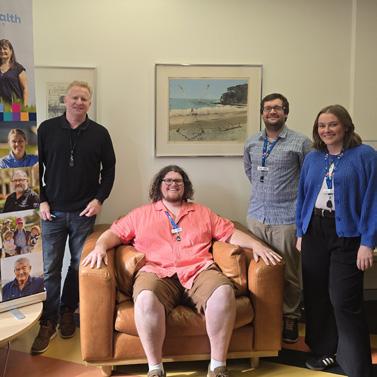
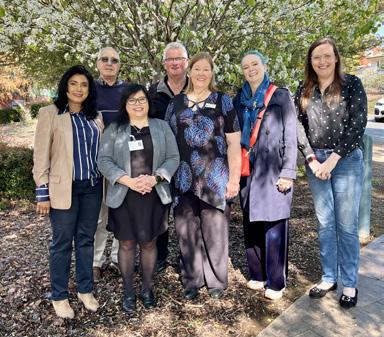
In May 2024, MPHN delivered its inaugural Commissioned Provider Forum, providing almost 40 of MPHN’s commissioned service providers the opportunity for networking, sharing experiences and stories, learning from others, and gaining a greater understanding of the commissioning processes.
MPHN’s Senior Manager Commissioning Janelle Dufty said all the region’s service providers play a significant role in partnering with MPHN to improve health outcomes for our communities.
“We know our commissioned service providers are achieving positive health outcomes and we see this in the good news stories they share as part of their regular reporting,” Ms Dufty said.
“Sharing these stories is critical to showcasing what we are achieving locally, and inspiring others working in regional and rural healthcare. These stories also assist MPHN to invest in our communities to address need, support providers and improve collaboration for an improved patient journey and outcomes, and look for opportunities to lead innovation and make a positive impact.”
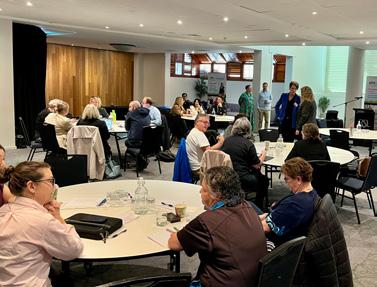
The Rural Doctors Network (RDN) hosted National Rural Health Commissioner Professor Ruth Stewart on a tour of the Collaborative Care project spanning the Snowy Valleys and Gundagai areas.
Accompanying Professor Stewart on her 23 April visit were representatives from the Department of Health and Aged Care, who have been instrumental in supporting the initiative through the Innovative Models of Care grant program. This program was delivered in partnership with local GPs, allied health providers, MPHN, and MLHD.
During her visit, Professor Stewart engaged directly with three local GPs who trialled the Shared Medical Appointment model, specifically tailored for patients with chronic illnesses. This trial marked a significant milestone, representing the first implementation of this model in the Murrumbidgee region.
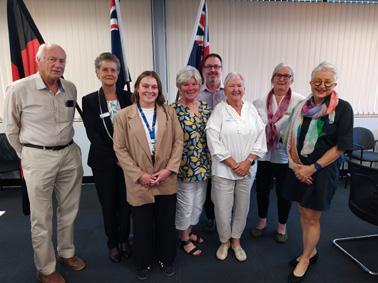
MPHN continues its partnership with the Murrumbidgee Health and Knowledge Precinct to address rural healthcare challenges through innovative, region-wide collaboration.
This year, the Precinct’s One System Integration Working Group, commissioned the development of a Regional Planning Framework to guide consistent, structured health planning based on local population needs.
MPHN’s Narelle Mills said, “The Regional Planning Framework will allow us to respond to current challenges and build a resilient healthcare system. Through enhanced regional collaboration, we aim to ensure everyone, no matter where they live, has access to quality healthcare.”
The framework will help shape new models of care and ensure resources are used effectively across the region.
In times of emergency or disasters, there can be an increased need to ensure access to primary care services for communities that may be impacted. To help facilitate access to primary care, MPHN has developed a Disaster Response Register which will enable MPHN to work with the MLHD and primary care providers to action access where required. In the event of an emergency, MPHN will send an initial SMS message to determine the potential capacity of the regional response.
Providers listed on the register may consider:
• Taking on additional patients for a short period of time
• Opening extended hours during an emergency
• Staffing a field clinic where local infrastructure is not available
• Caring for people affected by an emergency either locally or if required further afield.
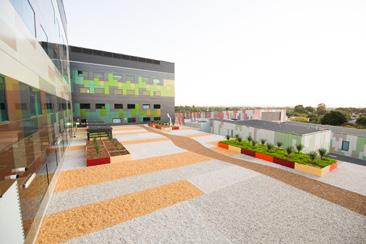
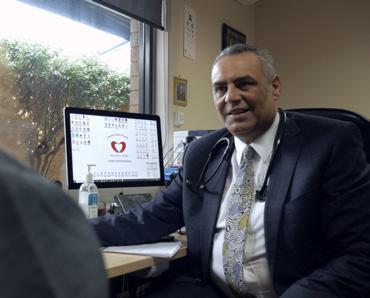
MPHN announced the launch of its inaugural Reconciliation Action Plan (RAP) this week.
The Innovate: Reconciliation Action Plan serves as a comprehensive guide for MPHN, its collaborators, and the community, outlining a strategic pathway towards achieving reconciliation.
MPHN’s firsthealth Board Chair Dr Jodi Culbert said MPHN had much to learn about traditional health and healing, and how it shapes modern medicine, health and wellbeing.
“We will walk side-by-side in partnership with First Nations peoples in our quest for improved health outcomes for Aboriginal and Torres Strait Islander peoples,” Dr Culbert said.
The RAP reinforces MPHN’s commitment to collaborating with the First Nations community when developing programs geared towards improving the health and wellbeing of Aboriginal and Torres Strait Islander peoples.
Aunty Mary Atkinson applauded MPHN for developing a RAP.
“Our mob need to be involved in these processes – nothing for us, without us ,” Aunty Mary said.
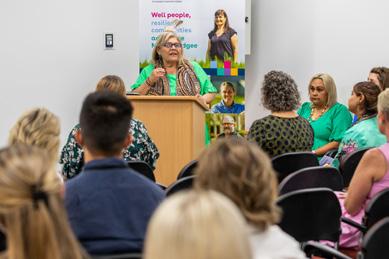
In November 2023, MPHN and MLHD formalised their long-standing partnership by signing a Collaborative Agreement in Wagga Wagga, reinforcing their shared commitment to improving health outcomes across the region.
MPHN Board Chair Dr Jodi Culbert said the agreement enables a united approach to tackling the challenges faced in rural and regional healthcare. “Our collaboration supports quality, coordinated care and helps drive lasting system improvements,” she said.
The partnership aims to implement state and federal health reforms, reduce fragmentation, and create a more sustainable, connected healthcare journey for people in the Murrumbidgee.
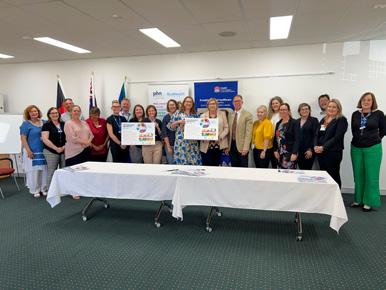
Communities impacted by last year’s flooding events will have help funding wellbeing and resilience projects thanks to new grants released today by MPHN.
Acting MPHN CEO Narelle Mills said the Wellbeing and Resilience Grants would help communities devastated by flooding continue the healing process.
“Our Wellbeing and Resilience Grants will give community groups and organisations the opportunity to tailor a wellbeing and recovery project or event to fit the needs of their community,” Ms Mills said.
“This may involve inviting health professionals to speak to the community, organising a new community event, or coming up with original ways to reach those people who don’t always reach out themselves.
“We want to help flood-impacted people rally together to strengthen their social connection, focus on their health and wellbeing, and build their community and individual resilience.”

MPHN has launched a new care finder initiative to help vulnerable older people access aged care and community services.
The free service is aimed at older Australians without a support network who may face barriers such as language, literacy, or isolation. MPHN is partnering with Marathon Health and the Berrigan and District Aged Care Association to deliver the program through a dedicated team of care finders.
Marathon Health’s Danielle Scoullar said, “Our care finders are kind, patient, and will be by people’s side throughout the whole process.”
The service offers face-to-face support to understand each person’s needs and guide them in finding the right care.

MPHN is supporting rural communities through grant programs that back local health and wellbeing initiatives, especially in times of adversity.
After the 2019/2020 bushfires, Bushfire Recovery Grants funded projects like Fireshed Fridays in the Snowy Valleys: community dinners offering connection, mental health support, and a symbol of regrowth. The project won Community Grant of the Year at MPHN’s 2023 Primary Healthcare Awards.
The Healthy Connections Grant also supported events like Blokes Night In in Deniliquin, where 150 men gathered to hear messages of hope and resilience, encouraging open conversations about mental health.
Acting CEO Narelle Mills said, “We’re proud to fund initiatives that highlight the strength, creativity, and community spirit of our rural region.”
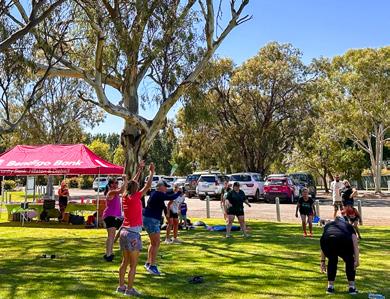
Rural Australians face higher rates of chronic illness and limited access to care. In response, MPHN and MLHD launched Living Well, Your Way, an integrated program improving access to heart health services across the Murrumbidgee.
A key initiative is the Outreach Heart Failure Diagnostic Clinic, offering free assessments—including echocardiograms and cardiologist consults—at local general practices and Aboriginal Medical Services.
Since late 2022, 168 patients have attended 20 clinics, with 19% diagnosed with heart failure and 21% avoiding hospital visits. The clinics also support upskilling of local clinicians and provide culturally safe care for First Nations people.
One patient shared, “This clinic has given me my life… I was a ticking time bomb.”
The program shows how local collaboration and innovation can transform rural healthcare.