2025
A message from Dinah Reddihough Executive Summary
As the CP-Achieve program officially comes to an end, we want to take a moment to reflect on the journey we’ve shared and the remarkable impact we’ve made together. When CP-Achieve first began, we had a bold vision: to better understand and improve the lives of young people with cerebral palsy aged 10 to 30 years.
Thank you,

Table of Contents
Executive Summary
What was CP-Achieve
CP-Achieve Snapshot
Impact Highlights
CP-Achieve Themes
CP-Achieve Programs
Translating Research into Practice and Education
Awards and Recognition
CP-Achieve Outputs
Acknowledgements
What was CP-Achieve
CP-Achieve was a five-year research program dedicated to improving the health, wellbeing, and life outcomes of adolescents and young adults with cerebral palsy, aged 10-30 years
CP-Achieve was funded by the National Health and Medical Research Council, from February 2020 to June 2025.
It supported collaborative research and capacity building in cerebral palsy, bringing together young people with cerebral palsy, their families, clinicians, researchers, and students to work toward shared goals.
The program focused on understanding the physical and mental health challenges faced by young people with cerebral palsy, as well as identifying the outcomes that matter most to them.
This knowledge informed the development of practical programs for health and disability service providers, improved access to health and community services, and guided policy and practice to better support young people with cerebral palsy.
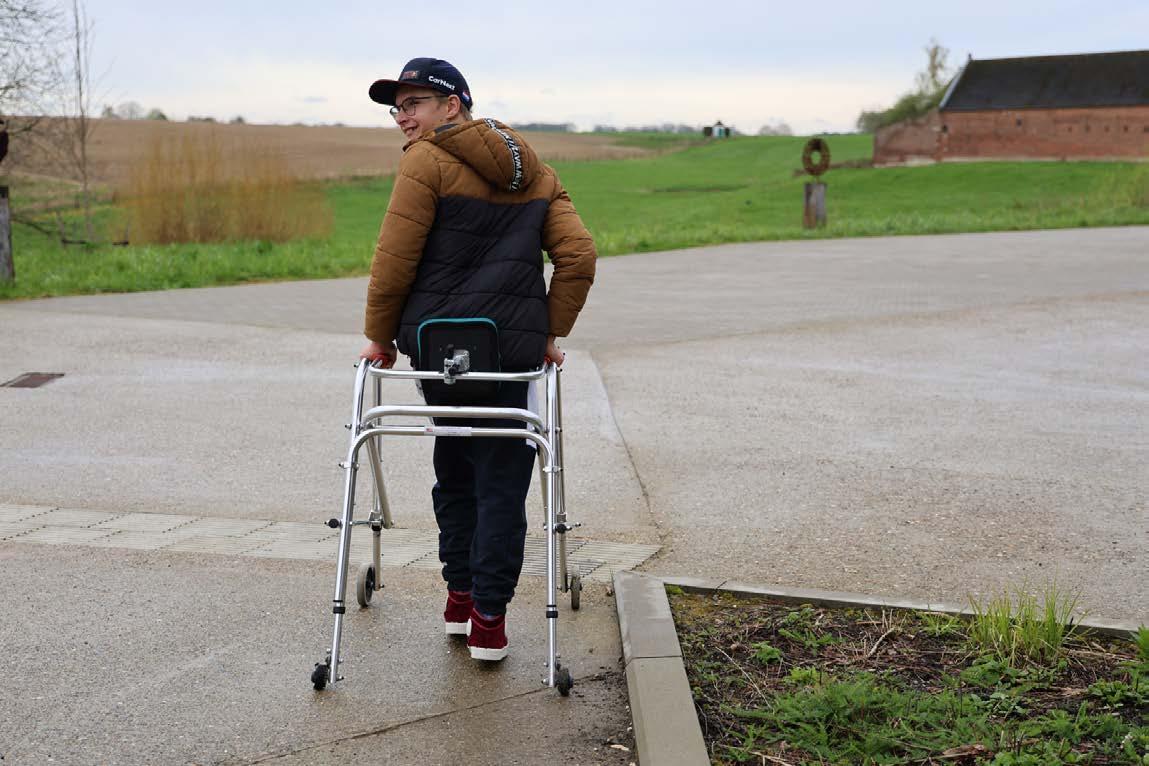
Photograph submitted by Nofar Ben Itzhak for the AusACPDM and CP-Achieve 2024 Lived Experience Photo Exhibition
Our Team
The team consisted of a multidisciplinary group of clinicians, researchers and consumers who have worked together to achieve CP-Achieve’s aims
Chief Investigators
Dinah Reddihough, Christine Imms, David Coghill, Ingrid Honan, Kerr Graham, Margaret Wallen, Nora Shields, Prue Morgan, Rob Carter, Susan Sawyer
Associate Investigators
Bruce Bonyhady, Evelyn Culnane, Gabrielle Drake, Jan Willem Gorter, Jane Tracy, Leanne Johnston, Leanne Sakzewski, Lyndal Hickey, Mats Granlund, Peter Rosenbaum, Jenny Ziviani
Postdoctoral Research Fellows
Stacey Cleary, Carlee Holmes, Iain Dutia, Robbie Eres, Sarah Giles, Gaela Kilgour, Melissa Mulraney
Knowledge Translation Fellows
Georgia McKenzie, Claire Rowland
Consumer Involvement Coordinators
Sevastine Katsakis, Carolyn Pinto, Joan Gains
Research Coordinators
Debora Markelis, Kari Klein
CP-Achieve Postdoctoral Candidates
Jacinta Pennacchia, Jacqueline Ding, Megan Walsh, Nadine Smith, Georgia McKenzie
Research Associates
Abby Thevarajah*, Adam Scheinberg, Adrienne Harvey, Barry Rawicki, Dana Anaby, Darryl Sellwood, Elise Woodman, Gina Hinwood, Helen Bourke-Taylor, Ian Wong, James Czencz*, Jessica Kramer, Jocelyn Cohen, John Carey*, Kate Anderson, Kathleen Ooi, Loren Apokourastos*, Loretta Sheppard, Michelle McInerney, Petra Karlsson, Rachel Toovey, Sue Reid, Utsana Tonmukayakul*, Ximena Camacho
Associated Higher Degree Research Students
Katie Headrick, Rowan Johnson, Kerry Britt, Magnus Ivarsson
Steering Committee
Dnah Reddihough, Chair; Christine Imms, Participation Theme Leader; Nora Shields, Workforce Theme Leader; Margaret Wallen, Consumer Involvement Theme Leader; Rob Carter, Economics Theme Leader; David Coghill, Program 1 Leader; Prue Morgan, Program 2 Leader; Joan Gains (to June 2022) / Carolyn Pinto (from August 2022), Consumer Coordinator; Kari Klein (to February 2022) / Debora Markelis (from March 2022), Executive Support
Stakeholder Advisory Group
Nadia Badawi, Melissa Boekhoorn, Kerry Evans, Kate MacRae, Andrew Pope, Maria Velegrinis, Christine Imms, Dinah Reddihough, Amy Southwood, Scott Shepherd, Rob White, Anne-Marie Dickinson, Adrienne Fosang
One Group Our Voice Advisory Group
Brodie Shaw, Penny Manning, Shirls Wong, Brenton Ponza
CP-Voice Advisory Group
Feona Magtanum, Jet Johnson, Kyra Culloten, Kai Armstrong, Ivy Rogers, Sam Higgins, Lachlan Dosser
CP-Unite Advisory Group
Nicole Kozelj, Alana Jovanovski, Greg Bonyhady, Rohan Symonds, Gaurav Thakkar, Cassandra Assaad, Alesia Lu, Freya Muzel, Shanee Holmwood, Abbey Potter, Natasha Jones, Tessa Pearce, Alice Verall, Lanie Dickson
Parent Advisory Group
Janine Stanley, Kylie Brown, Michelle Roger, Bianca Brant, WendyPritchard, Ebonie Gough, Helen Briffa, Toni Green, Michelle King, Chris Pacheco, Joan Gains, Helen Tossell, Julie Dean, Meg Smith
Consumer Partners
Alesia Lu, Alex Birnie, Alexa Yao, Amy Hogan, Ann Vouden, Bethany Green, Caitlyn Doyle, Cassandra Assaad, Chris Pacheco, Debbie Dorfan, Finn O’Keefe, Fiona Magtanum, Freya Munzel, Gaurav Thakker, Georgia Rose, Greg Bonyhady, Jet Johnson, Kylie Brown, Nicole Kozelj, Oliver Hunter, Rohan Symonds, Shirley Wong, Wendy Parker
Our Partners
CP-Achieve was carried out in partnership with the following organisations





CP-Achieve Snapshot
CP-Achieve delivered collaboration, research, capacity building, and impact
CP-Achieve brought together a wide network of collaborators, investigators and consumers across Australia, delivering a range of outputs while focusing on building capacity to strengthen knowledge and skills within the sector. Supported by multiple grants, the research encompassed many projects, with ongoing initiatives continuing to advance this work.
Impact Highlights
CP-Achieve research directly shaped policy, practice, education, and community inclusion for people with cerebral palsy
Evidencewasembeddedinto cerebralpalsyspecific HealthPathwaysandcare planningtools,strengthening statewideclinicalcoordination andperson-centredservice delivery.
A pilot health literacy resource was adopted in the development of, Fitness for Life, an accessible website that builds skills and knowledge, and expands physical activity opportunities beyond rehabilitation settings.
A systematic review informed the development of GP and consumer checklists to support structured consultations and consistent primary care service delivery for adults with cerebral palsy.
Co-designed resources supported meaningful consumer involvement, including people who use augmentative and alternative communication, improving accessibility and authenticity, and strengthening inclusive research practice in health and disability research.
Research was translated into service delivery and workforce education, with outcomes informing community inclusion policy and initiatives (inclusive gym programs and accessible beach day). The evidence was also incorporated into university teaching on adults with cerebral palsy at University of New South Wales and Central Queensland University.
Development of standardised chronic pain assessment informed clinical guidelines, enabling equitable referral to multidisciplinary pain services for people with cerebral palsy.
CP-Achieve Themes
The impact of programs and projects was strengthened through the integration of four cross-cutting themes
To ensure the success and sustainability of our research outcomes across all CP-Achieve projects, we embedded cross-cutting themes that underpinned our approach.
The themes reflected our commitment to authentic consumer partnership, participation-focused design, economic accountability, and the development of a specialised health and medical research workforce equipped to continue advancing the field.
By integrating these elements throughout the program, we strengthened the relevance, rigour, and long-term impact of our work. Each theme played a critical role in ensuring that research efforts were meaningful, targeted, and ultimately translated into real-world improvements in the lives of young people with cerebral palsy and their families.
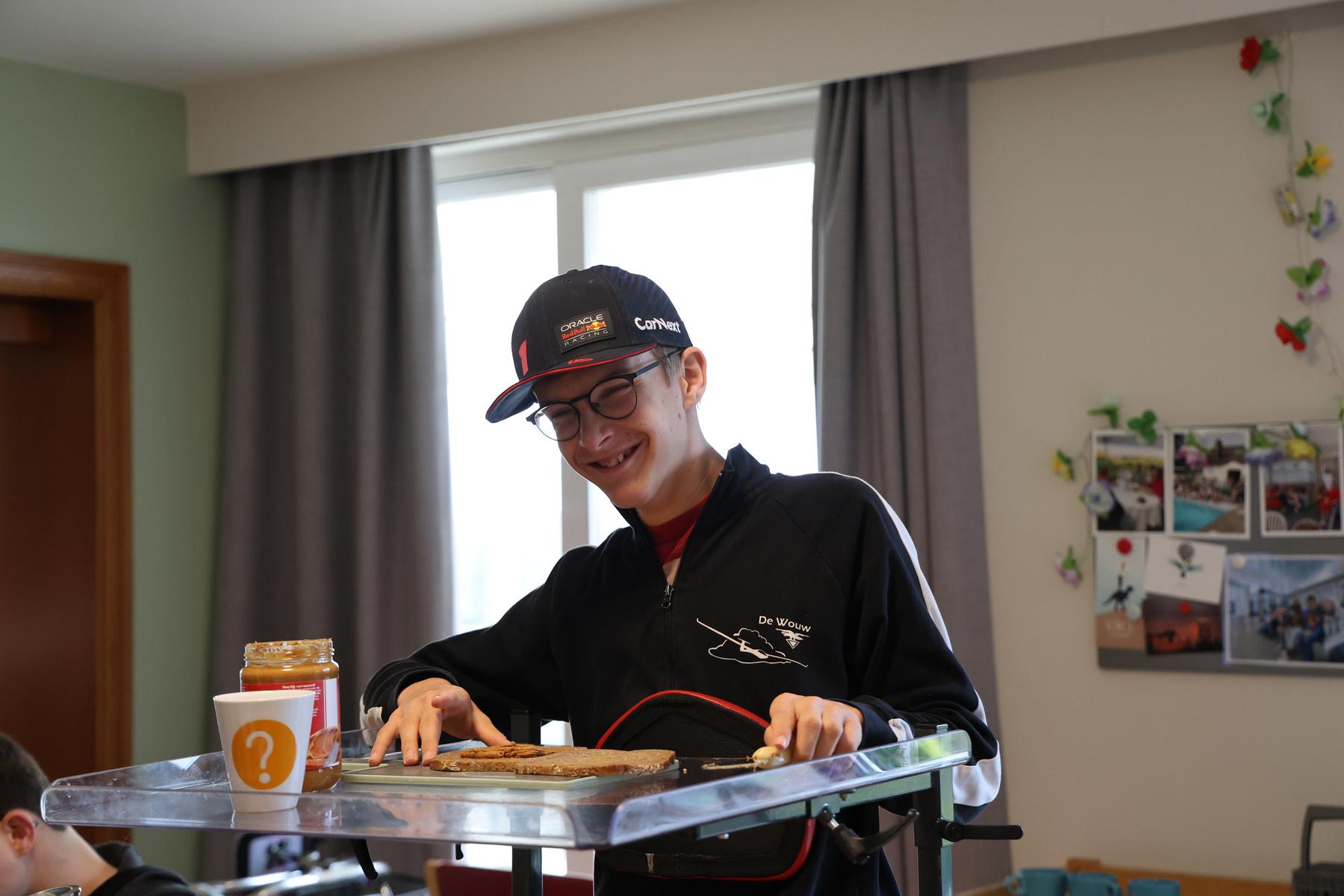
Photograph submitted by Nofar Ben Itzhak for the AusACPDM and CP-Achieve 2024 Lived Experience Photo Exhibition
Theme: Promotion of Participation
What we did
This theme focused on understanding and promoting participation as a key factor in supporting positive outcomes for young people with cerebral palsy. CP-Achieve aimed to encourage active participation by supporting fitness, recreation, meaningful social and community connections, and self-management of health needs.
To guide our work, we used the family of Participation Related Constructs (fPRC) framework, which helped us clearly define and measure participation. In the fPRC, participation is defined as having two essential elements:
The Participation theme provided information and guidance to researchers across CP-Achieve on how to study and assess participation
attendance (being present in activities such as education, recreation, or employment) and involvement (the personal experience of participation, including engagement, persistence, and social connection). This distinction allowed us to better understand individual experiences and assess the impact of interventions.
Our research design, including the development of hypotheses, outcome measures, and discrete choice analysis, was shaped by this framework and aligned with the International Classification of Functioning, Disability and Health (ICF; World Health Organization, 2001, International classification of functioning, disability and health).
Key achievements
Co-designed a participation survey with young adults with cerebral palsy, focusing on life areas they identified as important to study
Consumer Advisor Rohan Symonds was awarded a Churchill Fellowship to travel to the United States, where he met with Project TEAM collaborators to inform the program’s adaptation for the Australian context
Co-produced a journal article for a special edition of Childhood, sharing insights and learnings from working together as co-researchers
Collaborated with international colleagues to deliver the 4th International Participation Conference in Singapore (2024), showcasing global perspectives on inclusion in action
Theme: Developing a Specialist Workforce
What we did
CP-Achieve recognised the critical need for workforce development and, over its five years of funding, prioritised building research capacity in adolescent and young adult health for people with cerebral palsy.
As part of this theme, we successfully engaged both emerging and established researchers by awarding postdoctoral and doctoral positions, fostering a vibrant community of research and collaboration. Many of these early-career researchers, supported through supervision and mentorship by CP-Achieve investigators, subsequently secured competitive grants and scholarships. This growth in research capacity saw a strong focus on knowledge translation, with team members actively supported to share their insights through high-quality publications, presentations, and other impactful outputs. To further support dissemination, CP-Achieve travel scholarships were awarded through a competitive selection process to doctoral and postdoctoral researchers, as well as consumers.
These capacity-building activities were further supported through targeted education and training delivered via webinars and symposia reinforcing CPAchieve’s commitment to learning, development, and leadership.
Through this theme
CP-Achieve has made a significant contribution to narrowing the gap between research and practice
Key achievements
6 Postdoctoral Fellows funded in physical health, mental health, and lifestyle interventions research
Postdoctoral Fellows were supported to develop independent research programs securing over $347,000 in competitive grants
4 doctoral scholarships awarded- 3 completed, 1 submitted
Established a PhD and Early Career Researcher support network to foster collaboration, mentoring, and professional development
43 webinars delivered to a combined audience of over 1000
23 international and national travel scholarships awarded enabling doctoral and postdoctoral researchers, and consumers to present research and collaborate globally
Hosted 3 biannual symposia in partnership with the Australasian Academy of Cerebral Palsy and Developmental Medicine (AusACPDM), attracting over 650 total attendance.
Theme: Health Economics
What we did
Health economics was embedded as a key theme within CP-Achieve to inform evidencebased decision-making through analysis of costs and cost-effectiveness, and to demonstrate the broader health and economic impact of program priorities.
Building on expertise developed in the preceding CRE-Cerebral Palsy program, the health economics stream aimed to assess the value and long-term impact of interventions for individuals with cerebral palsy across the lifespan. A PhD scholar with specialist expertise in quality-of-life measurement contributed significantly to this work, including through a systematic review of the available economic evidence for cerebral palsy interventions.
This integrated health economics approach provided important insight into the value, equity, and sustainability of cerebral palsy related interventions and services in the Australian context
The health economics theme included predictive modelling of selected interventions to estimate potential cost savings for families, health and welfare sectors, and productivity; improvements in health outcomes; and equity impacts across stakeholders. Additional methods included causation analysis such as logistic regression in discrete choice modelling, full economic evaluations alongside clinical trials, and desktop modelling where trial data was not available. The work also involved assessments of the Health Utilities Index (HUI-3), the performance of the NDIS and Medicare for people with cerebral palsy, and the impact of different funding models. Scenario modelling and literature reviews supported long-term planning and policy relevance.
Key achievements
Provided expert advice to the CP-Achieve Steering Committee, research programs, and projects
Supervised and supported completion of a PhD on outcome measurement
Contributed to 2 successful grant applications
Supported 2 data linkage projects
Played a key role in the delivery of multiple research projects
Contributed to multiple grant applications
Theme: Consumer Involvement
Key achievements
Involved and supported 50 consumers as investigators and advisors in CP-Achieve research
Established 4 consumer advisory groups to guide and contribute to projects
Employed a Consumer Involvement Knowledge Translation Fellowship
Contributed expertise to NHMRC’s Consumer Involvement Statement review
Instigated ongoing evaluation of CP-Achieve consumer involvement
Co-developed CP-Achieve’s transition process with consumers
Supported consumers to co-present and lead panels at conferences
Developed 2 key resources to guide researchers in consumer involvement
What we did
CP-Achieve embedded consumer involvement across all aspects of our work, valuing the unique expertise that young people with cerebral palsy and their families bring through lived experience. Consumers collaborated with us as research partners and advisors, in advisory groups and project teams across the program.
Young people with cerebral palsy and parents were supported and mentored to take on roles as co-investigators, collaborators, and consultants throughout the research cycle. They were involved from research project inception to dissemination- guiding the identification of priority research questions, participant recruitment, ensuring outcomes were important to consumers, developing informative study materials, and in knowledge translation to clinicians, policymakers, and the community.
To strengthen and sustain this work, we employed consumer coordinators with lived experience of cerebral palsy and disability who fostered connection and collaboration between consumers and research teams.
We equipped researchers to meaningfully engage with consumers by providing education, resources, funding and ongoing support to build effective partnerships throughout the research process.
Advisory Groups
Alongside the involvement of consumers in individual research projects, four advisory groups had a substantial impact on the work of CP-Achieve. Consumer involvement is often limited by a lack of funding at the earliest stages of research, particularly during the development of research priorities, directions, and questions. CP-Achieve enabled meaningful engagement throughout the
By establishing advisory groups, CP-Achieve was able to engage with consumers from the outset, ensuring their voices and expertise informed the foundation and direction of the research entire research lifecycle.
CP-Voice
CP-Unite
Adolescent advisory group comprising of 6 young people with cerebral palsy aged 10-18 years. Main achievement: Members informed the early stages of projects and tested data collection methods. They built skills and confidence to take their expertise and research involvement to the next level, including new roles in advocacy, co-research, and leadership.
CP-Achieve’s flagship advisory group of 7 young adults with cerebral palsy aged 18-30 years. Main achievement: CP-Unite was instrumental in driving the participation theme by defining life situations which were meaningful to young people with cerebral palsy. Members progressed from guiding CP-Achieve to taking on formal roles in research and advocacy beyond the CRE, applying their lived experience and insights in new professional settings.
Parent Advisory Group
One Group
Our Voice
Consisted of 13 parents of young people with a range of presentations of cerebral palsy. Main achievement: Members helped align CP-Achieve’s research focus with the needs of families of young people with cerebral palsy. Their insights led to more inclusive, relevant and impactful research. The collaboration between parents and researchers also established parents as co-creators of knowledge.
Group of 5 people with cerebral palsy who use augmentative and alternative communication (AAC). Main achievement: A framework and toolkit to support researchers to involve AAC users as participants and partners in research, a publication describing the development of the framework, and several webinars and conference presentations.
Consumer Involvement Projects
Several CP-Achieve projects specifically focused on strengthening consumer involvement and evaluating the impact of our involvement practices. These initiatives examined how consumer input shaped research design, implementation, and outcomes, and provided valuable insights into what constitutes meaningful and impactful involvement.
Consumer involvement in CP-Achieve research: A mixed methods approach to evaluating multiple perspectives
Aim: To evaluate consumer involvement across all levels of CP-Achieve over its lifespan by capturing perspectives from consumers, researchers, coordinators, and leadership. This research examined processes, authenticity, impact, and unintended outcomes to generate evidence that improves meaningful involvement in cerebral palsy research and informs best practice reporting Status: Ongoing. Outcome: An understanding of the process, authenticity and impact of consumer involvement; recommendations for future involvement of people with disability in research Expected impact: Evidence to provide information for the field regarding effective processes, strategies to enhance authenticity and means of harnessing impact of consumer involvement in disability research.
Involvement of people with complex communication needs as consumer research partners
Aim: To increase involvement of people with cerebral palsy and complex communication needs in CP-Achieve and
more broadly Status: Complete. Outcome: Secured funding from State Trustees Foundation Australia. Established One Group Our Voice who provided input to research projects. Collaborative development of a framework and a practical toolkit to support researchers to involve people who use AAC as research participants and consumer research partners Impact: By increasing researchers’ capacity to meaningfully involve people who use AAC in research, the voices of AAC users will be heard, ensuring that studies address priorities that matter to their health and well-being and ultimately optimise outcomes for AAC users.
Project findings informed improvements to
CP-Achieve’s approach and contributed to broader knowledge on best practice in consumer involvement in health and disability research
Consumer Involvement Projects
Evaluation of mentor program for young adult research partners
Aim: To explore the mentor program from the perspectives of young people with cerebral palsy and their mentors to identify strengths, areas for improvement, and inform ongoing implementation while contributing to evidence on mentoring in this population Status: Complete. Outcome: Understanding the perspectives and experiences of mentors and mentees who participated in CPAchieve’s mentorship program Impact: The study provided recommendations to inform revision and development of CPAchieve’s and similar mentor programs to optimise the experience for mentors and mentees, and the impact that young people with cerebral palsy may have in their roles as consumer research partners.
Structured transition process for consumers at the conclusion of CP-Achieve
Aim: To support consumers with transitioning their involvement in CPAchieve research to other cerebral palsy or disability research involving consumer participation Status: Complete. Outcome: A structured process was codeveloped and implemented to support
consumers to transition at the end of CPAchieve Impact: Formal acknowledgment of individual consumers’ contributions and summary of achievements, and identification of opportunities for consumers’ continued involvement in research and advocacy.
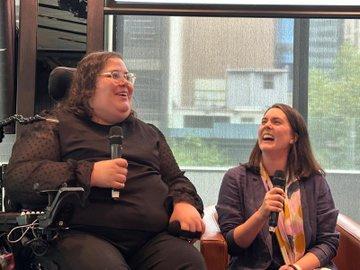
Freya Munzel, CP-Achieve Consumer Partner, and Dr Stacey Cleary, CP-Achieve Postdoctoral Research Fellow, at the CP-Achieve and AusACPDM 2025 Cerebral Palsy Symposium: Progress and Possibilities, Melbourne, Australia
CP-Achieve Programs
CP‑Achieve was built around two core research programs, forming the foundation for all project activity and enabling a comprehensive and coordinated approach to improving outcomes for young people with cerebral palsy.
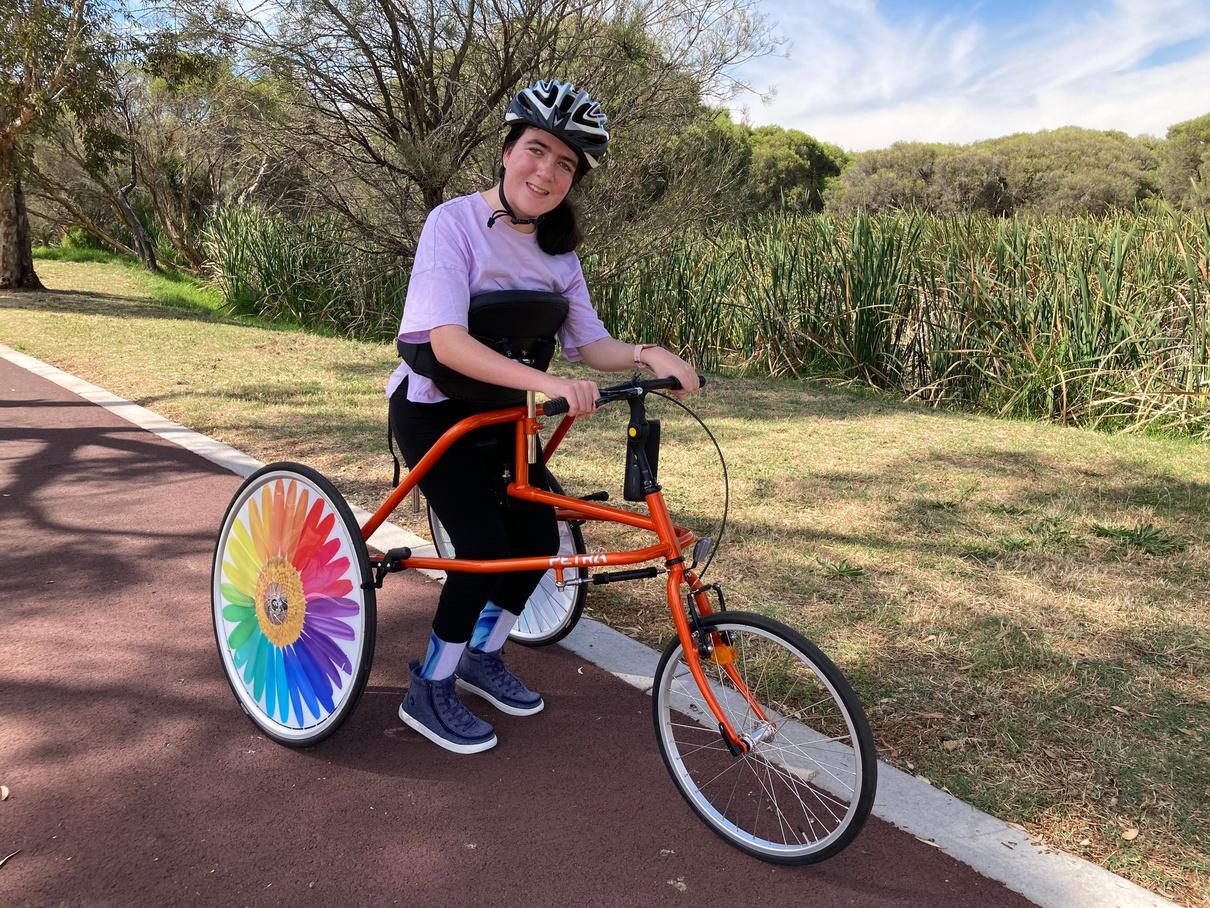
Photograph submitted by Kyra Culloton, for the AusACPDM and CP-Achieve 2022 Lived Experience Photo Exhibition
Program 1
This program focused on improving the physical and mental health of adolescents and young adults with cerebral palsy. It aimed to quantify the health impact of cerebral palsy and associated
Improving the physical and mental health of adolescents and young adults with cerebral palsy
Prevalence of physical and mental health outcomes
Understanding health service use and outcomes
Participation in education, employment and community
Evaluating the impact of screening on the identification of mental health problems
Program 2
The second program aimed at building supportive family, community, and health service environments that enable young people with cerebral palsy to participate fully in the life situations that matter to them.
Building supportive family, community, and health service environments
Evaluating the outcomes of transition services for young people with cerebral palsy
Translating available participation-focused intervention evidence to the Australian context service use, and to generate evidence to improve healthcare access, treatment, and outcomes.
Exercise in complex disability
Adapting an evidencebased lifestyle program to Australian context
Understanding needs and perspectives of people with cerebral palsy and their families
Creating pathways from rehabilitation to recreation
Program 1 Overview
Improving the physical and mental health of adolescents and young
adults with cerebral palsy
Overview
Program 1 generated critical insights into the physical and mental health needs of adolescents and young adults with cerebral palsy.
Through co-designed research, national surveys, and data linkages, the program explored complex relationships between pain, fatigue, sleep, anxiety, and depression, as well as service use, participation, and care transitions.
It identified key service gaps and developed practical tools to improve screening, assessment, and access to care informing evidence-based improvements in clinical practice, service design, and policy.
Key Achievements
Prevalence
of physical and mental health outcomes
National surveys confirmed high rates of pain, fatigue, anxiety, and depression across all functional levels. Tools developed for better chronic pain assessment. Important communication needs identified for adolescents using AAC, related to sexual health.
Understanding health service use and outcomes
Documented GP and hospital access by people with cerebral palsy.
Identified disparities in disability funding (age and location).
Ongoing data linkage will enhance understanding of service patterns, costs, and gaps in preventive care. Systematic reviews highlighted factors that influence access to primary care.
Participation in education, employment and community
National survey highlighted key environmental barriers limiting participation in work, education, and social life. Emphasised the importance of knowledgeable support and accessible opportunities.
Evaluating the impact of screening on the identification of mental health problems
Commenced the validation process for screening tools to identify mental health needs effectively. Showed telehealth mindfulness reduces stress and improves emotional wellbeing. Developing assessment methods for mental health in individuals with complex communication needs.
Evaluating the outcomes of transition services for young people with cerebral palsy
Identified family-reported barriers to independent living transitions.
Established statewide transition networks and practical tools to improve transition.
Program 1 Projects
Prevalence of physical and mental health problems
This research area provided population-
based data on key health issues —pain, insomnia, fatigue, and mental health problems
Physical and Mental Health Survey
Lead: Dr Sarah Giles and Dr Carlee Holmes Status: Complete. Aim: Through a series of linked national surveys, we aimed to describe the physical and mental health of young people with cerebral palsy and to explore the associations between pain, fatigue, sleep, anxiety, and depression. Outcomes: 72 people with cerebral palsy aged between 10-31 years, 55.6% female with representation across all levels of the cerebral palsy functional classification systems responded to surveys regarding pain, fatigue, sleep, anxiety and depression. Strong associations were identified between most outcomes (r ≥ 0.50). Impact: The study validated the experiences of pain, fatigue, sleep disturbance, anxiety, and depression in young people with cerebral palsy. It contributed new evidence about the relationships between physical and mental health in young people with cerebral palsy, with the often-neglected inclusion of people with more severe and complex disability who require proxy reporting.
Development of a Core Outcome Set to assess chronic pain for children and young people with cerebral palsy using a biopsychosocial approach (PhD)
Lead: Nadine Smith Status: Complete. Aim: The primary aim of this research was to develop a Core Outcome Set of chronic pain assessment tools that capture the psychosocial impacts of chronic pain in individuals with cerebral palsy. A key objective was to ensure that the recommended tools are accessible and appropriate for use across the wide range of communication, cognitive, and motor abilities within this population. Outcomes: This research led to the development of a Core Outcome Set for assessing the impact of chronic pain in children and young people with cerebral palsy. It identified valid and reliable tools that measure the emotional and functional interference of pain, and evaluated their feasibility across a range of communication, cognitive, and motor abilities. A decision tree was also developed to guide clinicians and researchers in selecting the most appropriate tools based on individual abilities. Impact: This program of research has developed a Core Outcome Set that can improve the identification and assessment of chronic pain, underpinned by the criterion standard biopsychosocial model. Improved assessment of chronic pain will facilitate referral to best practice multidisciplinary interventions for all people with cerebral palsy, regardless of their communication, cognitive or motor abilities.
Conversations about sexuality: Experiences of adolescents with cerebral palsy and complex communication needs (CCN) and their
guardians (PhD)
Lead: Megan Walsh Status: Ongoing. Aim: This program of research aimed to (i) develop a shared understanding between adolescents with cerebral palsy who use augmentative and alternative communication (AAC) and their parents or guardians about how these adolescents engage in conversations and interactions around sexuality, and (ii) to work collaboratively with participants to share these insights with other stakeholders. Outcomes: Five adolescents engaged in participatory research which included interviews and co-design of knowledge translation artefacts. Twelve parents were interviewed, followed by a small focus group for participatory analysis. Findings identified both adolescent priorities for conversations about sexuality as well as key supports required. Impact: This project has already demonstrated positive impacts for the individual participants’ communication about sexuality, for their communication supporters, for clinicians and for researchers. A co-designed knowledge translation plan is driving further knowledge translation with AAC users, clinicians and researchers. This includes three articles co-authored with consumer research partners.
Understanding cognitive fatigue in people with cerebral palsy
Lead: Dr Iain Dutia Status: Ongoing. Aim: To estimate the prevalence of cognitive fatigue in people with cerebral palsy, explore its associations with physical fatigue, pain and mood, and understand its impact on daily life through interviews with individuals and carers.
Outcomes: The study is generating quantitative data via survey and rich qualitative data via interviews. It is producing novel findings about the experience and correlates of cognitive fatigue in this population. Impact: Codesigned with people with cerebral palsy, this research will generate practical recommendations for clinicians to identify and support individuals experiencing cognitive fatigue. Findings will inform assessment practices and guide future service design.
This research area examined whether Understanding health service use and outcomes patterns of health service use among young people with cerebral palsy reflected their needs and differed from those without cerebral palsy. This data and care perceptions revealed barriers and highlighted ways to reduce hospitalisations and improve care access and integration for people with cerebral palsy
Understanding health service use and outcomes
Lead: Dr Sarah Giles and Dr Carlee Holmes Status: Complete. Aim: The aim of the Understanding Survey was to establish an accurate and up-to-date database of the demographic and clinical characteristics of young people with cerebral palsy who consented to be contacted for future CPAchieve research. Outcomes: A total of 182 young people with cerebral palsy were successfully surveyed, and a comprehensive report was completed in February 2024. The Understanding Survey
created a robust database of demographic and clinical information, laying the groundwork for ongoing participant engagement and guiding future CP‐Achieve activities. Impact: The project provided key demographic and cerebral palsy descriptor information critical for identifying participants for future studies and understanding adaptations needed to enable young people’s participation. Linkage with the Participation and Mental and Physical Health surveys reduced participant burden by requiring these questions to be completed only once.
NPS MedicineWise DataUnderstanding General Practitioner use
Lead: Professor Dinah Reddihough
Status: Complete. Aim: The primary aim of this study was to understand the frequency and reasons for general practitioner attendance in a cohort of people with cerebral palsy using MedicineInsight, a national general practice data program developed by NPS MedicineWise and transitioned to the custodianship of the Australian Commission on Safety and Quality in Health Care in 2023. Outcomes: People with cerebral palsy consulted general practitioners on average 19 times over a 5year period. Visits were for diverse conditions. They were prescribed multiple medications, including analgesics, antiepileptics, antipsychotics, anxiolytics, hypnotics, sedatives, centrally acting muscle relaxants. and laxatives. Impact: This is the first study to describe the use of general practitioner services by people with cerebral palsy across Australia. The extensive use of some drugs including opiates, requires further exploration. Important preventive screening measures
seem to be less regularly undertaken than in the population without disability.
Australian Institute of Health and Welfare databases and the Victorian Cerebral Palsy Register
Lead: Professor Dinah Reddihough Status: Ongoing. Aim: Our aims are to provide an understanding of health service use, expenditure and welfare support payments, in adolescents and adults with cerebral palsy aged 10-50 years, by linking Australian Institute of Health and Welfare administrative datasets with the Victorian Cerebral Palsy Register. Outcomes: There have been substantial delays (approximately 3.5 years) in receiving the linkage. The data will be made available to us early in 2026, and we hope to complete this project within the next 1-2 years. Estimated Impact: This comprehensive linked data asset will enable us to understand how people with cerebral palsy use health services. Data will be generated about potentially avoidable hospital admissions and emergency department presentations to identify issues that could be addressed in primary care. An economic analysis will be applied to identify cost drivers and cost burdens.
Interrogation of NDIA dashboards (NDIS service environment)
Lead: Professor Prue Morgan Status: Complete. Aim: Explored NDIS plan payments and support category by people with CP using publicly accessible NDIS data. A descriptive analysis was undertaken using observational statistics and variable comparisons to explore lifespan plan characteristics (core supports, capacity building and capital supports proportions) and payments between
different age groupings and geographical regions. Outcomes: 17,575 people with CP were NDIS participants, average plan payments $138,000/year, increasing with age. Most funding was allocated to core supports (~$103,000 Pa) compared to capacity building (~$40,000 Pa) and capital supports (~$11,000 Pa). There were large differences in plan payments between metropolitan and regional, likely influenced by personal and service availability factors. Impact: This research highlights gaps in NDIS funding priorities, revealing larger plan payments for older people with cerebral palsy coupled with insufficient support for employment and lifelong learning, despite these being key scheme priorities. Regional disparities in payments emphasise the need for further research to promote equitable access and improved outcomes nationwide.
Exploring the profile of general practice access and interventions among adults with cerebral palsy: A systematic review
NPS
MedicineWise Data- Understanding General Practitioner use
NDIA unit record data project
Lead: Professor Christine Imms Status: Ongoing. Aim: This project aimed to create a profile of use and impacts of the National Disability Insurance Scheme (NDIS) on people with cerebral palsy. The objective was to characterise those who access and use NDIS funding to inform future cerebral palsy advocacy, practice and research. Outcomes: Findings demonstrated that (i) people with cerebral palsy are more likely (than other disabilities) to be accepted, but there is associated administrative burden; (ii) the number of people with cerebral palsy in the NDIS is stabilising at around 23,000; (iii) remoteness is associated with reduced plan size and spending. Impact: Detailed information about the NDIS plan size and spending of people with cerebral palsy across the life course, can be used to inform advocacy efforts, and to track changes over time as NDIS reforms are implemented.
Lead: Professor Prue Morgan Status: Complete. Aim: This review aimed to investigate characteristics and utilisation of general practitioner (GP) access by adults with cerebral palsy. Secondary aims included exploring reasons prompting access, identifying interventions provided, and personal features affecting access. Outcomes: Fifteen studies were included describing GP access; 6231 adults with cerebral palsy. Proportion annually accessing GP was 78%. GP access frequency ranged 1.76 to 11.7 visits/year, increasing with age and disability severity. Comorbid intellectual disability and pain increased attendance. Limited data was available reporting healthcare needs and no interventions were described. Impact: This research identified that advancing age, greater disability, comorbid intellectual disability, and pain increase GP visits among adults with cerebral palsy. Understanding reasons for primary care use and interventions will improve lifespan care. Outcomes will support the subsequent development of a checklist for both GPs and consumers.
Health service utilisation by people ageing with cerebral palsy
Lead: Professor Prue Morgan Status: Complete. Aim: This study aimed to identify determinants associated with how individuals with cerebral palsy access hospital-based health services. Outcomes: 284 individuals, mean age 40.6 years, were identified. Health service encounters ranged 1-163 times in 5 years. Living in supported accommodation increased likelihood of accessing any health service
Participation in education, employment and community
NPS MedicineWise Data- Understanding General Practitioner use including emergency care. Younger adults were less likely to access any health service compared to children; being older increased likelihood of inpatient admission. Impact: This research showed that living in supported accommodation increases health service access, with older adults more likely to use inpatient care and younger adults less likely to access any services. It highlights the need for deeper understanding of how individual factors like location, disability complexity, and life stage influence service use to improve care access.
This research area focused on exploring changes within individuals over time and identifying key differences in outcomes based on age and geographic location
Participation survey
Lead: Professor Christine Imms Status: Ongoing. Aim: This survey explored the participation patterns of, and environmental influences on, participation of people with CP (aged 1030 years). Information was sought about participation in the key life areas identified by young people with cerebral palsy as important: home life, relationships, education, employment, leisure, physical activity and community, and health care. Outcomes: Overall, 79 people took part with representation from each level of the functional classification systems. Participation attendance varied by life situation. When attending, involvement was typically
rated as ‘mostly involved’. High proportions (50 – 89%) indicated a need for environmental accommodations to support participation. While acceptability of supports was often rated low, there was also a low percentage desiring change. Impact: The survey findings identify environmental and contextual factors that should be targeted for change to improve participation for people with cerebral palsy. For example, supporting healthcare attendance requires more professionals knowledgeable about cerebral palsy; employment needs suitable work opportunities; relationships benefit from chances to meet people; and community participation depends on staff awareness. Attitudes of others and expectations of participation were important barriers to participation in most life situations.
Evaluating the impact of screening on the identification of mental health problems
This research area focused on identifying mental health problems in young people with cerebral palsy, and using data to build a clearer understanding of treatment and service needs
Improving the assessment of anxiety
and depression in young people with cerebral palsy: Investigating screening procedures and understanding experiences of seeking help
Lead: Associate Professor Melissa Mulraney Status: Ongoing. Aim: This project aims to assess the acceptability and validity of two measures for anxiety
and depression in young people with cerebral palsy and explore their and their parents’ experiences when seeking mental health support. Expected Outcomes: Upon completion of the project, we will have an evidence base indicating which measures are more reliable and valid for identifying mental health issues in young people with cerebral palsy. Our research will also identify specific gaps in mental health services and school support for young people with cerebral palsy.
immediately post intervention and between baseline and after delay post intervention; improved mean scores for Depression and Stress subscales between baseline and immediately post intervention; and improved Difficulties in Emotion Regulation Scores between baseline and immediately post intervention and between baseline and after delay post intervention. The results suggest this approach is practical and helpful for adults with cerebral palsy.
Estimated Impact: The evidence generated by this study will support future grant applications to scale effective interventions or develop national programs aimed at improving mental health care for individuals with cerebral palsy. Findings will also inform healthcare and education policies, advocating for systemic changes to better meet their mental health needs.
NPS MedicineWise Data- Understanding General Practitioner use
Impact: Whilst this study found no significant between-group difference for the primary outcome of mindfulness knowledge, the MBSR program was successfully modified for adults with cerebral palsy and was effective in improving depression, stress, and emotion regulation. Qualitative results show that whilst there are aspects of the program that can be improved, participants enjoyed the program and valued accessing a variety of mindfulness techniques.
Randomised control trial of mindfulness
Lead: Dr Ingrid Honan Status: Complete. Aim: The aims of this randomised control trial were to investigate whether a modified telehealth Mindfulness Based Stress Reduction (MBSR) program could improve mindfulness and reduce depression, anxiety, and emotion regulation difficulties among adults with cerebral palsy with elevated anxiety and/or emotional regulation difficulties. Outcomes: The program was wellreceived and helped participants feel less stressed and more in control of their emotions. While overall mindfulness didn’t change significantly between the two groups, participants who received the MBSR intervention showed improved Cognitive and Affective Mindfulness ScaleR scores between baseline and
Developing an approach to assessing the mental health of young people with complex communication needs (PhD)
Lead: Jacinta Pennacchia Status: Complete. Aim: Driven by the belief that all people should have equitable access to services to address their mental health needs, the aim of this PhD was to develop an approach to identifying mental health concerns in young people with complex communication needs. Outcomes: The outcomes of this PhD include: (i) a systematic review that identified a significant lack of validated instruments for measuring wellbeing in individuals with complex communication needs; (ii) a mixed methods study exploring current practices and future requirements of practitioners assessing mental health in
this population; and (iii) a qualitative study capturing the lived experiences of AAC users regarding their mental health experiences. Impact: This PhD integrates knowledge from existing measures, the workforce, and AAC-users and their families to shape mental health assessment approaches. Effective assessment requires multidisciplinary collaboration, access to appropriate tools, sufficient time, and a shared language to ensure clear communication and better support for young people with complex communication needs.
person with cerebral palsy. Unfortunately, we had a low number of AYA participate and were unable to report on their perspectives in this study. However, we will revisit and centre the AYA experience with a PhD study. Estimated Impact: Two forthcoming papers provide evidence on the challenges and supports families face during the transition to independent living for young people with cerebral palsy, with potential to inform future policy and service design. The research also led to a Melbourne Disability Institute PhD scholarship exploring autonomy, identity, and everyday independence.
Transition and services for adults including care pathways
NPS MedicineWise Data- Understanding General Practitioner use
Evaluating the outcomes of transition services for young people with cerebral palsy
This research area examined whether transition outcomes for young people reflected the type of supports and pathways used during the move from paediatrics to adult care. Comparing these outcomes helped identify requirements for effective transition support
Transition to independent living
Lead: Dr Lyndal Hickey Status: Ongoing. Aim: To explore adolescent and young adults (AYA) with cerebral palsy and family member perspectives on the transition to independent living. Outcomes: Family members told us about their perspectives on the transition to independent living and the barriers and enablers within family, service systems and communities that impact on this process for the young
Lead: Evelyn Culnane Status: Ongoing. Aim: To develop pathways and resources for adults with CP transitioning from paediatric to adult care and for clinicians working with them. Outcomes: In collaboration with Western Victoria PHN, four cerebral palsy HealthPathways were published to guide care across the lifespan. Statewide paediatric and adult rehabilitation meetings were convened, and surveys of both adult and paediatric rehabilitation physicians were completed. Checklists were also developed to support care planning for adults with cerebral palsy. Impact: This work has improved statewide coordination of care for individuals with cerebral palsy by strengthening hospital networks and fostering clinical collaboration. Cerebral palsy-specific HealthPathways, national physician surveys, and practical tools such as care planning checklists are driving more informed, consistent, and personcentred care across services and the lifespan.
Program 2 Overview
Building supportive family, community, and health service environments
Overview
This program advanced inclusion and participation outcomes for children and adults with complex disability, particularly cerebral palsy.
Through co-designed research, it developed and tested physical activity and participation-focused interventions, adapted global evidence for local contexts, and deepened our understanding of lived experience.
The work strengthened inclusive practice across health, disability, and community service, shaping clinical care, informing policy, and building stronger pathways from rehabilitation to everyday life.
Key Achievements
Exercise in Complex Disability
Developed and tested home-based and inclusive cycling and gym programs for people with varied mobility. Demonstrated feasibility, safety, and benefits for wellbeing. Informed program design, clinical education, and broader adoption of adapted exercise approaches.
Understanding the needs and perspectives of people with cerebral palsy and their families
Explored young adults’ experiences, highlighting aspirations and systemic barriers. Identified misalignment between NDIS funding and young people with cerebral palsy’s goals.
Creating pathways from rehabilitation to recreation
Investigated young adults’ experiences in community gyms, identifying supports needed to increase inclusion and sustainability of physical activity. Supported increased access to physical activity options through collaboration with community, clinical, and consumer stakeholders.
Translating available participation-focused intervention evidence to the Australian context
Adapted and tested global interventions (e.g. PREP, Project TEAM) for young people with complex disability. Co-developed tools, a Young Adult PREP Supplement, and consumer involvement evaluation methods.
Strengthened evidence for person-centred, participation-focused practice across sectors.
Adapting an evidence-based lifestyle program
Co-designed a digital health literacy module (Your Health) with young adults with cerebral palsy, addressing a key gap in autonomy and healthcare engagement.
Achieved high usability and satisfaction, offering proof-ofconcept for inclusive digital tools.
Program 2 Projects
Exercise in complex disability
This research area advanced inclusive, community-based exercise interventions for individuals with complex disabilities, developing safe, accessible, and sustainable protocols. The work produced training resources to support wider adoption and demonstrated viable funding pathways to ensure long-term sustainability and improved health outcomes
Lead: John Carey Status: Ongoing. Aim: To develop and pilot online cycling resources with young people with disability and their support networks by surveying current adaptive cycling practices, feasibility testing the CHAIN provider training program, and co-designing, implementing, and evaluating a novel cycling program (CycLink). Outcomes: A publication was produced outlining diverse training approaches, participation barriers and enablers, and practice gaps. These findings guided refinement of the CHAIN online training program. Resources were also created for adapted ExperienceCo-design methods, and principles for the CycLink program were established, supporting successful NHMRC grant acquisition. Impact: This work enhanced understanding of young people’s and Cycling resources and programs in disability (PhD)
parents’ experiences learning to cycle with a disability and identified effective strategies to connect youth with local cycling opportunities. The project also clarified providers’ learning needs for knowledge translation and developed an inclusive, adapted methodology for codesign processes.
Adapted bike program (PhD)
Lead: Abby Thevarajah Status: Ongoing. Aim: This doctoral research aims to build evidence on the impact of adapted bike riding on participation outcomes for children with disabilities (aged 4–18) and their families, to inform future clinical research and practice. Outcomes: The systematic review identified limited highquality evidence and emphasised the need for participation-focused research. Building on this, the qualitative study revealed strong support from children, families, and therapists, offering key recommendations to enhance program delivery. Currently, a feasibility study is examining implementation, acceptability, and early impacts on participation and skill development. Impact: This work is expected to influence clinical practice, guide future research, and inform service design to enhance inclusion and participation through adapted bike riding.
Exercise interventions for those with complex cerebral palsy (PhD)
Lead: James Czencz Status: Complete. Aim: This project aimed to evaluate exercise interventions to improve activity,
NPS MedicineWise Data- Understanding General Practitioner use
participation, and quality of life for adults with complex cerebral palsy, particularly those who use wheelchairs and live in regional areas. It addressed evidence gaps through a systematic review, qualitative study, and feasibility trial of a communitybased gym program (FitSkills). Outcomes: This project found preliminary evidence that exercise interventions could be acceptable, practical, and beneficial for adults with complex cerebral palsy, particularly those using wheelchairs in regional areas. It identified key adaptations, highlighted the importance of participation-focused outcomes, and demonstrated the feasibility of community-based programs like FitSkills to enhance inclusion and quality of life. Impact: This work has advanced understanding of exercise for adults with complex cerebral palsy, influenced inclusive program design, and informed policy for community inclusion events (inclusive gym programs and beach days). It has led to the development of university curricula on adults with cerebral palsy at two institutions (UNSW, CQU), promoting workforce readiness and driving community-based initiatives that improve participation, quality of life, and access.
Home-based motorised cycling in nonambulant adults with cerebral palsy
Lead: Carlee Holmes Status: Ongoing. Aim: To investigate the effects of physical activity on cardiometabolic biomarkers in non-ambulant adults with cerebral palsy. To explore the impact of motorised cycling on pain, fatigue, sleep and leg function. Expected Outcomes: To date, 14 participants have been recruited, and data collection is underway. The study is generating important insights into how motorised cycling may support overall health and wellbeing in non-ambulant
adults with cerebral palsy, with a focus on both physiological and functional outcomes. Estimated Impact: It is hypothesised that motorised cycling will positively influence environmental and personal factors and logistical barriers contributing to decreased participation in physical activities and increased sedentary behaviours for those with profound disability and mobility issues.
Community based exercise for people with complex disability
(scoping review)
Lead: Professor Prue Morgan Status: Complete. Aim: To identify implementation strategies and safety outcomes (adverse events) of community-based physical activity interventions for adolescents and adults with complex cerebral palsy. Outcomes: Seventeen studies were included, with 160 of 262 participants classified at GMFCS levels IV or V. Community settings ranged from schools, and homes to gymnasia and swimming pools. Common implementation strategies involved preexercise screening, use of adapted equipment, familiarisation sessions, supervision, physical assistance, and physiological monitoring. Reported adverse events were mostly non-serious, expected, and related; serious events were rare. Impact: This review demonstrates that community-based exercise programs can be safely undertaken by individuals with complex cerebral palsy. Among participants classified at GMFCS levels IV or V, post-exercise pain and fatigue were uncommon, and serious adverse events were infrequent when appropriate safety strategies were used. These findings support broader inclusion in physical activity and provide guidance for safer program design and policy development.
NPS MedicineWise Data- Understanding General Practitioner use
Aquatic exercise for adolescents and adults with cerebral palsy: A scoping review
Lead: Isabel Huf/ Professor Prue Morgan Status: Complete. Aim: To identify characteristics of participants, intervention features and outcomes in studies examining aquatic exercise for adolescents and adults with cerebral palsy. Outcomes: Eleven studies were included, 66 participants in total. Three studies included participants with greater disability; four studies included participants >30 years. Aquatic program components were variable. Reporting of intensity, adverse events, and safety measures was poor. Participation outcomes were included in only three studies. No study formally gathered participant experiential data.
Evidence-based lifestyle program (PhD)
Lead: Jackie Ding Status: Complete. Aim: To co-design and test a digital health literacy module, ‘Your Health’, with young adults with cerebral palsy and other stakeholders (families, healthcare professionals) to support informed participation in healthcare during young adulthood. Outcomes: Using an overarching Integrated Knowledge
Translation framework, this three-stage project resulted in the creation of an online health literacy focused module that was developed with input from young adults with cerebral palsy, parents, and clinicians. Usability testing showed high engagement and satisfaction (SUS score: 80.2). The module filled a critical service gap. Impact: The module demonstrated proof-of-concept for co-designed, cerebral palsy-specific digital tools. It has since informed consumer engagement resources and is being disseminated as a pilot health literacy resource. The project contributed to a replicable model for inclusive health education development.
NPS MedicineWise Data- Understanding General Practitioner use
Impact: Aquatic programs for individuals with cerebral palsy appear focused on younger people and those with mild to moderate disability. Poor reporting of program design has led to nonreproducible studies and inconsistent approaches to aquatic exercise for adolescents and adults with cerebral palsy. Participant, carer and clinician perspectives on aquatic programs remains unknown.
Adapting an evidence-based lifestyle program to Australian context
This research area focused on adapting effective lifestyle interventions for young Australians with cerebral palsy. Informed by consumer input, the projects promoted positive health behaviours, improved wellbeing, and service capacity
Evidence-based lifestyle program
(expanded suite of offerings)
Lead: Dr Stacey Cleary Status: Ongoing. Aim: Co-design of a series of lifestyle modules (‘CP-Pathfinding’) to enhance the knowledge and develop the skills of young adults with cerebral palsy, in key life areas. Outcomes: The pilot development of the online ‘your health’ and ‘fitness for life’ online modules are now complete. The website for fitness for life was launched at the end of August 2025. Impact: The successful co-design of these two pilot modules paves the way for development and implementation of full modules, across a range of key life areas. The data gathered and products created provide a
basis for future community partner collaborations and funding applications.
Health literacy in young adults (PhD)
Lead: Jackie Ding Status: Complete.
Aim: To synthesise available evidence on health literacy in adolescents and young adults with cerebral palsy and explore how health literacy influences healthcare engagement, autonomy, and quality of life outcomes. Outcomes: A mixed-methods systematic review found health literacy to be under-researched yet vital for participation and autonomy. The review identified specific needs for communication-accessible resources and cerebral palsy-specific content. The paper was selected as a 'Top 10 Article' by American Academy for Cerebral Palsy and Developmental Medicine (AACPDM).
Impact: This study positioned health literacy as a key, modifiable enabler of participation. It provided a strong evidence base for intervention development and received national and international recognition. Findings were cited widely and shaped future directions within CP-Achieve and the broader field.
Understanding the needs and perspectives of people with
cerebral palsy and their families
NPS MedicineWise Data- Understanding General Practitioner use
This research area addressed the factors influencing participation and independence among young people with cerebral palsy. Projects explored strategies to enhance enablers and reduce barriers across different living situations
Understanding
NPS MedicineWise DataUnderstanding General Practitioner use
the needs and perspectives of people with cerebral palsy (PhD)
Lead: Jackie Ding Status: Complete. Aim: To explore the lived experiences and participation perceptions of young adults with cerebral palsy across key life areas and understand how service systems and societal factors shape autonomy, identity, and inclusion during the transition into adulthood. Outcomes: The study identified strong aspirations for independence alongside pervasive barriers including ableism, inaccessible systems, and emotional labour. Findings highlighted the need for inclusive environments and identity-affirming supports. Impact: The study advanced understanding of participation for young adults with cerebral palsy and informed CP-Achieve frameworks. It contributed to national and international dialogue on disability inclusion and was cited in multiple scholarly articles. The publication also catalysed critical commentary and dissemination through webinars, podcasts, and author panels.
NDIS capacity building goals (PhD)
Lead: Jackie Ding Status: Complete. Aim: To examine the allocation and focus of NDIS Capacity Building goals for young adults with cerebral palsy using publicly available datasets and evaluate alignment with life stage priorities such as independence, decision-making, and life planning. Outcomes: The study found that while Capacity Building supports were widespread, they did not consistently align with the goals of young adults. Funding skewed toward daily living supports, with fewer goals related to employment or life skills, highlighting a potential misalignment between
NDIS capacity building goals (PhD) participant aspirations and funded supports. Impact: The study provided the first national-level analysis of NDIS Capacity Building funding for young adults with cerebral palsy. Findings informed CP-Achieve policy advocacy and were presented at major conferences. The results highlighted the need for reform to better reflect young people’s participation goals in adulthood.
Experiences of participation in daily life of adolescents and young adults with cerebral palsy: A scoping review
Lead: Dr Stacey Cleary Status: Complete. Aim: This project aimed to synthesise components and implementation methods of internationally delivered lifestyle programs for people with cerebral palsy. Outcomes: Key findings from this review indicate that young people with cerebral palsy aspire to participate fully in adult life alongside their peers. Improved community accessibility, inclusion, and more supportive health environments would mean young people with cerebral palsy could more likely live the lives they choose. Impact: Results from this scoping review have shaped the development of the evidence-based lifestyle program, CPPathfinding. This review has only recently been published; we anticipate further impact and application with time and engagement.
Creating pathways from rehabilitation to recreation
Improving
access to inclusive community exercise for young people with cerebral palsy was the focus of
this research area. Socio-ecological and implementation science approaches were used to identify strategies and address barriers in the transition from health services to community-based programs
NPS MedicineWise DataUnderstanding General Practitioner use Community based physical activity (PhD)
Lead: Georgia McKenzie Status: Complete. Aim: This project explored the factors that impact participation in community-based physical activity for young adults with cerebral palsy. Specifically, the project aimed to (i) Understand the factors impacting community based physical activity for young adults with cerebral palsy. (ii) Understand the experiences of young adults with cerebral palsy in community gyms. (iii) Identify strategies to support participation in community gyms. Outcomes: Collaboration with young adults with cerebral palsy occurred across all research stages, including design, data collection, analysis, and co-authorship on two peer-reviewed papers. We found that while the physical environment influenced gym participation for young adults with cerebral palsy, social factors like support, belonging, and enjoyment were most important. Support was often provided only after entry, highlighting a gap in access. Stronger partnerships between health professionals and gyms are needed to support transitions. Impact: This work influenced research and practice through a top-cited review, broad academic dissemination, and targeted knowledge translation. Engagement with clinical, community, and lived experience audiences via events, webinars, podcasts, and infographics supported greater awareness, practical application, and
accessibility of physical activity opportunities for young adults with cerebral palsy.
Translating available participationfocused intervention evidence to the Australian context
This research focused on adapting and implementing two evidencebased programs, Project-TEAM and PREP, to support participation for individuals with disabilities
PREP and CEval projects
NPS MedicineWise Data- Understanding General Practitioner use
Lead: Professor Christine Imms and Associate Professor Margaret Wallen Status: Complete. Aim: This dual project aimed to (i) adapt and test the feasibility of the Pathways and Resources for Engagement and Participation intervention program for young adults with complex disability in Australia (PREP study); and (ii) evaluate the consumer involvement within the PREP study for authenticity and impact (CEval study).
Outcomes: PREP was successfully adapted for Australian young adults with complex disability and tested for feasibility with four young adults and their support people. Materials were co-designed to support implementation. The CEval project developed tools for consumer involvement evaluation and, in the PREP study, found high levels of authenticity and perceived impact of involvement. Impact: Along with dissemination of study findings, a PREP-Young Adult Supplement
for the PREP manual was co-produced and is available on the CanChild website alongside the original PREP resources: manual and training designed by the primary authors. The CEval project produced new methods of evaluation. In addition, four occupational therapy honours students completed their research.
Project TEAM
Lead: Professor Christine Imms Status: Complete. Aim: This project aimed to adapt and test the feasibility of the USA designed ‘Project TEAM’ intervention for use in the Australian context. TEAM stands for Teens making Environmental and Activity Modifications, and the intervention teaches young people how to identify and solve environmental barriers to participation. Outcomes: Project TEAM was successfully adapted to be more applicable in Australia and tested for feasibility in one Victorian service provider context. Impact: The adapted version of Project TEAM is in use in one provider location, two honours students have obtained their occupational therapy with honours degrees, and one consumer successfully obtained and completed a Churchill Fellowship.
Translating Research into Practice and Education
CP-Achieve supported the translation of evidencebased approaches to improve the health and wellbeing of adolescents and young adults with cerebral palsy across Australia.
We built strong collaborations with young people with cerebral palsy and their families to share insights and codevelop practical solutions.
Knowledge translation was driven through targeted research and two dedicated fellowships. Together we produced accessible resources and implemented a multidisciplinary research program which aimed to improve participation by young people with cerebral palsy in meaningful life situations.
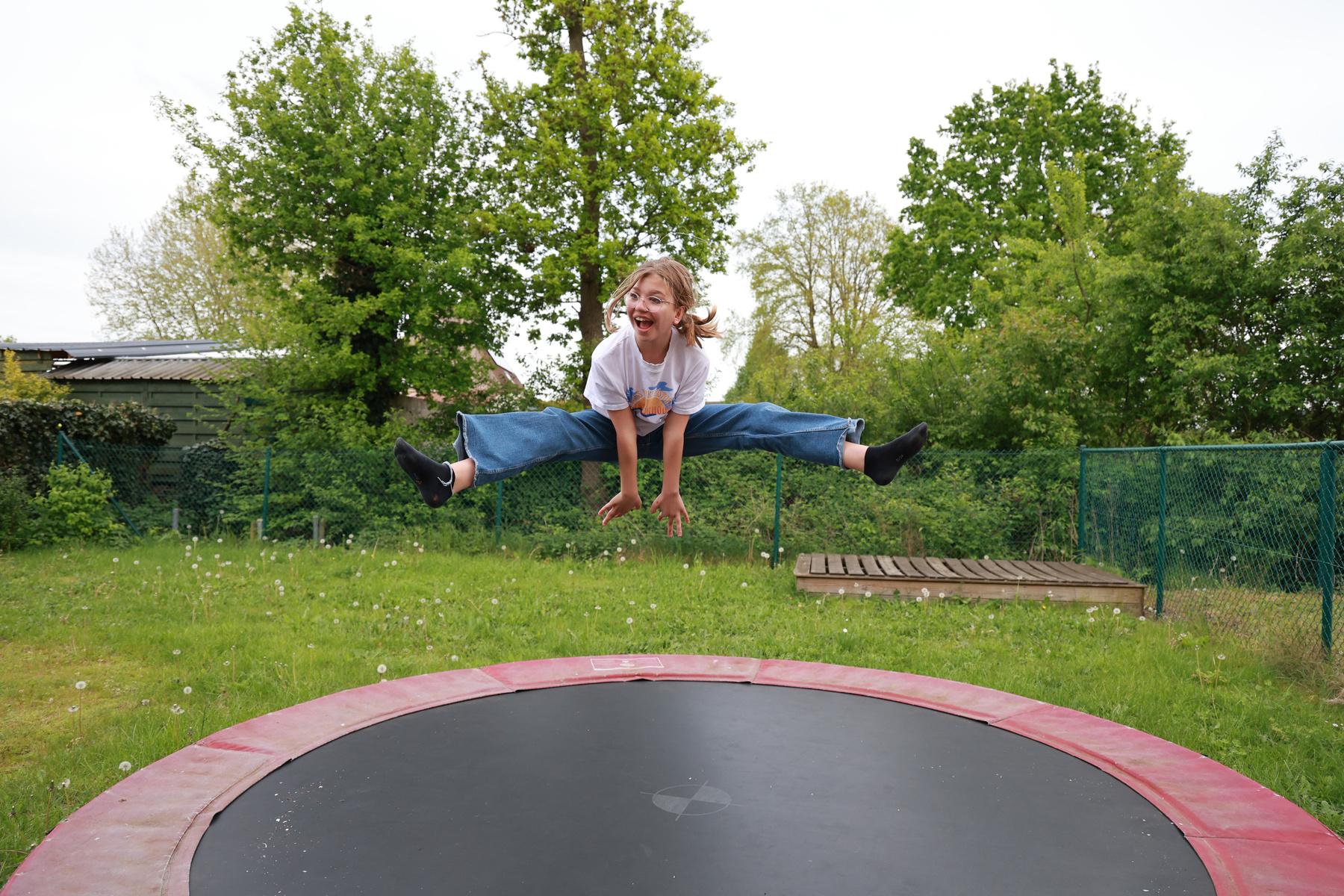
Photograph submitted by Nofar Ben Itzhak for the AusACPDM and CP-Achieve 2024 Lived Experience Photo Exhibition
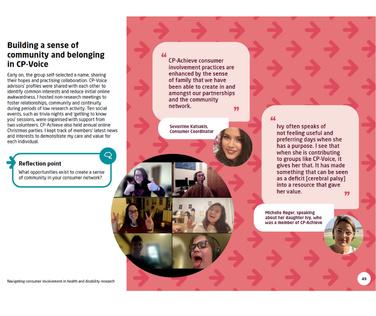
In recognition of this work, CP-Achieve was named a finalist in the inaugural Australian Consumer Partnerships in Research Awards 2025. We also commenced discussions for a partnership with the Western Australian Health Translation Network to co-develop education and were featured as a case study for the review of the NHMRC Statement on Consumer and Community Involvement in Health and Medical Research.
Navigating Consumer Involvement in Health and Disability Research
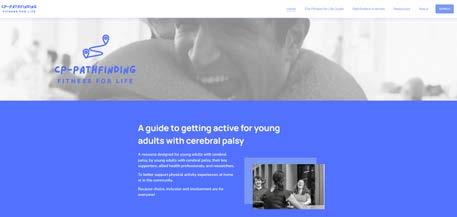
The resources were launched in August 2025 and disseminated through the CP-Achieve webinar series, the Australian Physiotherapy Association, and the Kids+ Changemaker Conference. Impact will be measured through website visits, resource downloads
Fitness for Life: Resources to build skills and knowledge for community and gym-based physical activity participation
Mental Health Toolkits
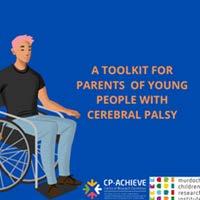
A Toolkit for Parents and Carers of people with Cerebral Palsy
This mental health toolkit was designed for parents and carers of people with cerebral palsy to support early identification of potential mental health concerns. It offers practical guidance on recognising early signs and raising these concerns with a doctor and the person with cerebral palsy.
Access the toolkit by clicking here
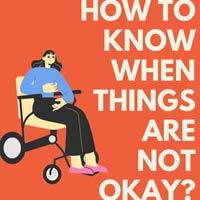
A guide for young people with cerebral palsy to help recognise signs of mental health problems
This toolkit is for people with cerebral palsy to help recognise early signs of mental health challenges. It offers clear examples of symptoms and practical tips for starting conversations with parents, carers, or health professionals.
Access the toolkit by clicking here
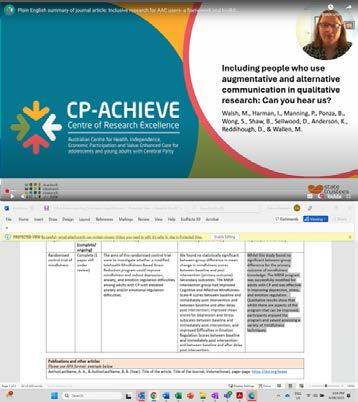
Dissemination has included copresentations with OGOV members through webinars and at national and international conferences, ensuring wide reach and engagement within research and disability communities
Inclusive Framework and Toolkit to include AAC users in research
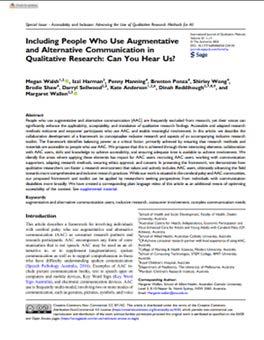
CP-Achieve researchers partnered with One Group Our Voice (OGOV), an advisory group of people with cerebral palsy who use augmentative and alternative communication (AAC). They codeveloped a Framework that guides researchers in creating accessible methods, materials, and environments for meaningful AAC user involvement in research as research partners and participants. The Framework addresses power imbalance, accessibility, researcher capability, time, recruitment, communication supporters, methods, ethics, and consent. The work was published in the International Journal of Qualitative Methods, with a plain English summary video and a practical Toolkit to support application.
Access the toolkit by clicking here
Access the article by clicking here
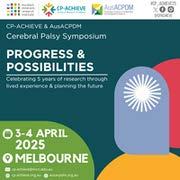
CP-Achieve and AusACPDM symposia
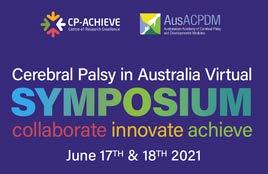
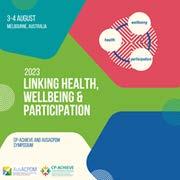
CP‐Achieve hosted three national symposia in partnership with the Australasian Academy of Cerebral Palsy and Developmental Medicine (AusACPDM), each focused on improving the health, wellbeing, and participation of adolescents and young adults with cerebral palsy. Across the three events, more than 650 people attended, including researchers, clinicians, people with lived experience, policy makers, and advocates.
Topics reflected life areas identified by young people with cerebral palsy such as education, employment, relationships, and community participation. Each symposium featured strong consumer involvement, with individuals with cerebral palsy and their families sharing insights and shaping discussions, ensuring the research remained grounded in lived experience and focused on real-world impact.
CP-Achieve Webinar Series
The CP‐Achieve webinar series was designed to share knowledge, spark connection, and engage people with an interest in improving the lives of young people with cerebral palsy. The sessions highlighted impactful research from CP‐Achieve, our collaborators, and leaders in the field, and featured insights from people with lived experience, families, clinicians, and researchers.
The series provided a platform for open discussion, learning, and collaboration, fostering stronger connections between research, practice, and the cerebral palsy community. All webinars were recorded and made freely available to ensure accessibility and ongoing impact.
Awards and Recognition
The research conducted across CP-Achieve received awards and recognition at local, national, and international levels, reflecting both the quality of research outputs and their translation into practice, policy, and community benefit.
Several PhD students and postdoctoral researchers were recipients of these awards, demonstrating how CP-Achieve supported the growth, skill development, and career progression of emerging researchers, while also advancing capacity across the broader health and disability sector.
Awards
Czencz, J. (2022). Best Presentation –Healthy Brain and Mind Research Centre Conference Day, Australian Catholic University.
Czencz, J. (2023). First Place Presentation, 3MT Competition – ACU: “Unleashing the potential of adults with complex CP through communitybased physical activity.”
Czencz, J. (2023). Garry Kesler Award –Best Student Presentation – World Ability Sport Conference, Scotland.
Ding, J. (2022). Best Oral Presentation –4th Physiotherapy Seminar Series, Monash University.
Ding, J. (2023). Third place- European Academy of Childhood Disability (EACD) Early Career Researcher Award.
McKenzie, G. (2021). Harry Jan Kesler Award for Best Student Presentation –Cerebral Palsy International Sports and Recreation Association Conference: “Finding what works for me” – A qualitative study of gym participation for young adults with cerebral palsy.
McKenzie, G. (2023). St Vincent’s Hospital Allied Health Excellence Award – Research and Innovation category.
Smith, N. (2024). Best Oral Paper –Child and Adolescent Health Service (CAHS) Research Symposium, Allied Health.
Smith, N. (2025). MESISIG Prize for Excellence in Methods and Trustworthiness — Methodology, Evidence Synthesis, and Implementation Special Interest Group (International Association for the Study of Pain) – International Symposium on Paediatric Pain, Glasgow, UK.
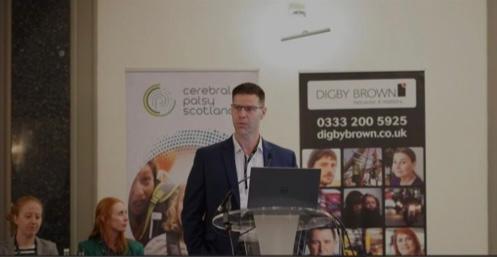
James Czencz, CPAchieve Research Associate, presenting at the 2023 World Ability Sport Conference, Scotland
Scholarships, Travel Grants, Career Development Awards
Carey, J. (2023). University of Melbourne Melbourne Travel Abroad Scholarship (MATS).
Carey, J. (2024). University of Melbourne Melbourne Travel Abroad Scholarship (MATS).
Carey, J. (2025). Felice Rosemary Lloyd Scholarship – Awarded by the Equity Trustees.
Cleary, S. (2023). Child and Adolescent Health Service (CAHS) Postdoctoral Travel Grant – Attendance at European Academy of Childhood Disability (EACD) Conference, Slovenia – $3,500.
Cleary, S. (2023) Healthy Trajectories Scholarship – McMaster University Microcertification: Family Engagement in Research.
Honan, I. (2023). Franklin Women’s Scholarship – Awarded to attend European Academy of Childhood Disability (EACD) Conference.
Imms, C. (2021). Kushner Invited Lectureship – University of Toronto, Holland Bloorview, Canada.
Imms, C. (2022). Norrington Lectureship – Rehabilitation Medicine Society of Australia and New Zealand (RMSANZ), Gold Coast Conference.
Imms, C. (2023). Robert Hill Memorial Developmental Pediatric Medical Education Fund – British Columbia Children’s Hospital, Vancouver, Canada.
Pennachia, J. (2023). Melbourne Abroad Travelling Scholarship –University of Melbourne travel support – $4,000.
Pennachia, J. (2024). Murdoch Children’s Research Institute Student Conference Support Award –Conference support – $1,250. Walsh, M. (2023). Higher Degree
Research Conference Grant – Faculty of Health, Deakin University – $3,000. Walsh, M. (2023). School Higher Degree Research Grant – Faculty of Health, Deakin University – $4,000.
Research Project Grants Awarded
Cleary, S. 2023 Healthy Trajectories
Seed Grant- CP-Pathfinding: Co-design of a lifestyle module to empower young adults with cerebral palsy in health literacy knowledge and participation – $29,166.
Cleary, S. 2023 Australian Physiotherapy Association
Physiotherapy Research Foundation
Seed Grant – CP-Pathfinding: Fitness for Life, proof of concept for a codesigned lifestyle module for young adults with cerebral palsy – $12,000.
Czencz, J. 2024 Warrnambool FitSkills Pilot Project – Gym Membership Grant, Healthy Warrnambool Plan – $1,749.
Dutia, I. 2023 Medical Research Future Fund (MRFF) Early to Mid-Career Researchers Grant – Running for Health: Community-based adaptive exercise for cardiorespiratory health in young people with moderate to severe cerebral palsy – $768,886.
Dutia, I. 2023 Medical Research Future Fund (MRFF) Effective Treatments and Therapies Grant – Implementation and scale-up of a consumer co-designed physical activity promotion program for people with moderate-to-profound disabilities – $590,868.
Dutia, I. 2023 Australian Catholic University Faculty of Health Sciences Early to Mid-Career Academic Research Development Scheme –Implementation and scale-up of a
consumer co-designed physical activity promotion program for people with moderate-to-profound disabilities –$15,000.
Headrick, K. 2023 Cerebral Palsy Alliance PhD Grant – Mixed methods study of process, authenticity and impact of consumer involvement within CP-Achieve’s research programs – $52,237.
Holmes, C. 2023 Cerebral Palsy Alliance Emerging Researcher Grant –Motorised Movement Therapy in Nonambulant Adults with Cerebral Palsy: Pilot study investigating cardiometabolic biomarkers, health and wellbeing outcomes – $99,528.
Holmes, C. 2023 Research Endowment Fund – St Vincent’s Hospital Melbourne – Motorised Movement Therapy in Non-ambulant Adults with Cerebral Palsy – $16,931.
Mulraney, M. 2024 Melbourne Disability Institute Seeding Grant –Improving the assessment of anxiety and depression in young people with cerebral palsy: Investigating screening procedures and understanding experiences of seeking help – $35,000.
Pennachia, J. 2021 Australian Group Supporting Communication Inclusion (AGOSCI) Research Grant – $1,000.
Pennachia, J. 2023 Speech Pathology Australia New Researcher Grant –Project development – $17,528.
Reddihough, D, Tracy, J, O’Keefe, F, Culnane, E, Morgan, P, Birnie, A, Dorfan, D, Pinto, C, Ponza, B. 2025 National Centre for Excellence in Intellectual Disability Health Grant – A Health Checklist to Improve the Care of People with Cerebral Palsy and Intellectual Disability – Project development and implementation –$61,930.
Walsh, M. 2021 Australian Group Supporting Communication Inclusion (AGOSCI) Research Grant – Project to support communication inclusion for people with cerebral palsy – $1,000.
Walsh, M, Wallen, M, Gains, J, Reddihough, D, Sellwood, D, Anderson, K – 2022 State Trustees Australia Foundation grant “Experts in Their Own Lives: Involving People with Cerebral Palsy and Complex Communication Needs in CP-Achieve Research – A Human Right and a Means for Inclusion” – $19,951.
Dr Carlee Holmes, CP-Achieve Postdoctoral Research Fellow, and William Dennis attending the Young Adult Complex Disability Clinic at St Vincent’s Hospital, Melbourne as part of the Motorised Movement Therapy in Non-ambulant Adults with Cerebral Palsy: Pilot study
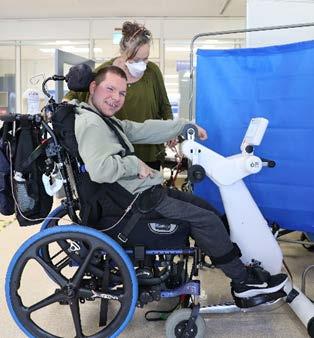
CP-Achieve Outputs
CP-Achieve has advanced research and practice to improve participation, health, and wellbeing for children and young adults with cerebral palsy.
Over the course of the program, CP-Achieve has generated a substantial body of scholarly and practical outputs including peerreviewed publications, presentations, workshops, and webinars spanning national and international platforms.
These outputs demonstrate the program’s commitment to evidence-based practice, coproduction with individuals and families, and knowledge translation to both clinical and community settings contributing to both scientific advancement and practical improvements in service delivery.
The breadth and impact of these outputs highlight CP-Achieve’s role in fostering collaboration between researchers, clinicians, community partners, and people with lived experience, ensuring research is both rigorous and meaningful in real-world contexts.
Professor Christine Imms, CP-Achieve Chief Investigator, and Rohan Symonds, CP-Achieve Consumer Partner, speaking at the CP-Achieve and AusACPDM 2023 Symposium: Linking Health, Wellbeing and Participation, Melbourne, Australia
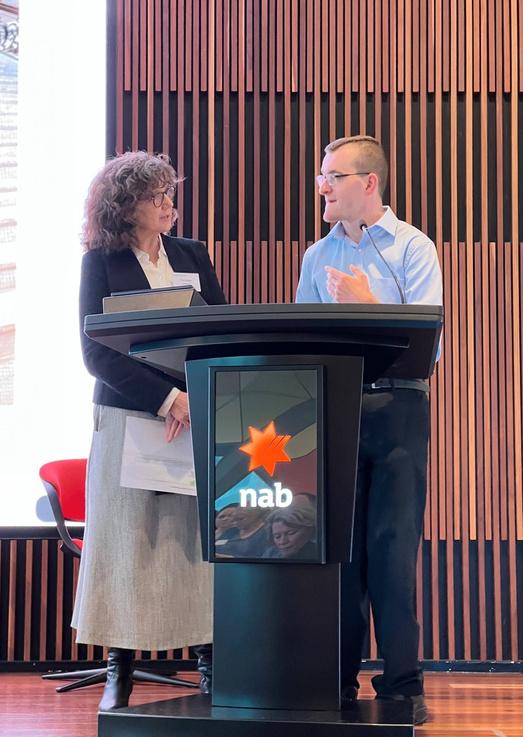
Skilbeck, H., & Toovey, R. (2025). Adapting experience-based co-design to disability research: Co-producing the CycLink codesign study. Health Expectations, 28(3), e70276. https://doi.org/10.1111/hex.70276
Publications
7. Carey, J. J., Toovey, R., Spittle, A. J., Imms, C., & Shields, N. (2023). Exploring adaptive cycling interventions for young people with disability: An online survey of providers in Australia. Journal of Clinical Medicine, 12(17), Article 5523. https://doi.org/10.3390/jcm12175523
8. Cassidy, A., Bannon, N., Wallen, M., Dimarco, A., Garrity, N., Hunter, O., Anaby, D., Fredrickson, E., Cowan, H., Knudsen, D., Thornton, S., & Imms, C. (2025). A stakeholder-involved adaptation of pathways and resources for engagement and participation (PREP) material with young adults with complex disability in Australia: An implementation feasibility
problems in Australians with cerebral palsy: A need for specialist mental health services. Advances in Mental Health, 20(3), 281–284. https://doi.org/10.1080/18387357.2021.2000 578
29. Gaskin, C. J., Imms, C., Dagley, G. R., Msall, M. E., & Reddihough, D. (2021). Successfully negotiating life challenges: Learnings from adults with cerebral palsy. Qualitative Health Research, 31(12), 2176–2193. https://doi.org/10.1177/10497323211023449
30. Gill, J., Morgan, P., & Enticott, J. (2022). Emergency department usage by adults with cerebral palsy: A retrospective cohort study. Emergency Medicine Australasia, 34, 169–175. https://doi.org/10.1111/1742-6723.13832
31. Graham, K., Rutz, E., Thomason, P., & Willoughby, K. (2023). Reducing spasticity does not prevent hip displacement in cerebral palsy. Developmental Medicine & Child Neurology, 65(8), 1123. https://doi.org/10.1111/dmcn.15613
32. Granlund, M., & Imms, C. (2024). Participation as a means–implications for intervention reasoning. Frontiers in Rehabilitation Sciences, 5, 1399818. https://doi.org/10.3389/fresc.2024.1399818
33. Granlund, M., Imms, C., King, G., Andersson, A. K., Augustine, L., Brooks, R., Danielsson, H., Gothilander, J., Ivarsson, M., Lundqvist, L. O., Lygnegård, F., & Almqvist, L. (2021). Definitions and operationalization of mental health problems, wellbeing and participation constructs in children with neurodevelopmental disorders: Distinctions and clarifications. International Journal of Environmental Research and Public Health, 18(4), 1656. https://doi.org/10.3390/ijerph18041656
34. Harvey, A. R., McKinnon, C. T., Smith, N., Ostojic, K., Paget, S. P., Smith, S., Shepherd, D. A., Lewis, J., & Morrow, A. (2021). Establishing consensus for the assessment of chronic pain in children
to exercising in community gyms for young adults with disability: A mixed methods study. JSAMS Plus, 5, 100094.
https://doi.org/10.1016/j.jsampl.2025.10009
4
56. Kennedy, R. A., McKenzie, G., Holmes, C., & Shields, N. (2022). Social support initiatives that facilitate exercise participation in community gyms for people with disability: A scoping review. International Journal of Environmental Research and Public Health, 20(1), 699. https://doi.org/10.3390/ijerph20010699
57. Kerr, C., Novak, I., Shields, N., Ames, A., Best Service Best Time Author Group, & Imms, C. (2022). Do supports and barriers to routine clinical assessment for children with cerebral palsy change over time? A mixed-methods study. Disability and Rehabilitation. Advance online publication. https://doi.org/10.1080/09638288.2022.204
6874
58. Kilgour, G., Adair, B., Stott, N. S., Steele, M., Hogan, A., & Imms, C. (2022). Do physical activity interventions influence subsequent attendance and involvement in physical activities for children with cerebral palsy? A systematic review. Disability and Rehabilitation, 44(9), 1682–1698.
https://doi.org/10.1080/09638288.2021.1909
151
59. Kilgour, G., Lu, A., Kozelj, N., Tracy, J., Hickey, L., Granlund, M., Shields, N., Morgan, P., Drake, G., Cleary, S., Johnston, L., & Imms, C. (2024). Participating together in CP-Achieve: Experiences, opportunities and reflections from a collaborative research team of people with lived experience of cerebral palsy and health care professionals. Childhood, 31(3), 407–426.
https://doi.org/10.1177/09075682241269682
60. Kilgour, G., Stott, N. S., Steele, M., Adair, B., Hogan, A., & Imms, C. (2023). Effects of a 12-week community-based high-level mobility program on sustained
complex communication needs. Disability and Rehabilitation. https://doi.org/10.1080/09638288.2025.254
3055
83. Pennacchia, J., Østvik, J., Dutia, I., Walsh, M., Coghill, D., Granlund, M., & Imms, C. (2025). Assessing mental health of people with complex communication needs: A systematic review. Journal of Communication Disorders, 113, 106494. https://doi.org/10.1016/j.jcomdis.2025.1064
94
84. Quartermaine, J. R., Rose, T. A., Auld, M. L., & Johnston, L. M. (2024). Reflections on participation at home, as self-reported by young people with cerebral palsy. Developmental Neurorehabilitation, 27(3–4), 69–82. https://doi.org/10.1080/17518423.2024.2347
993
85. Ralph, E., Carroll, K., Danks, M., & Harvey, A. (2022). Development of a clinical framework for the assessment of upper limb function in children with cerebral palsy and dyskinesia. Physical and Occupational Therapy in Pediatrics, 43(1), 1–13.
86. Rutz, E., Novacheck, T. F., Dreher, T., Davids, J. R., McCarthy, J., Kay, R. M., Shore, B. J., Shrader, M. W., Veerkamp, M., Chambers, H., Narayanan, U., Pierz, K., Rhodes, J., Shilt, J., Theologis, T., Van Campenhout, A., & Graham, K. (2022). Distal femoral extension osteotomy and patellar tendon advancement or shortening in ambulatory children with cerebral palsy: A modified Delphi consensus study and literature review. Journal of Children’s Orthopaedics, 16(6), 442–453. https://doi.org/10.1177/18632521221137391
87. Rutz, E., Sclavos, N., Thomason, P., Passmore, E., & Graham, K. (2024). Foot drop after gastrocsoleus lengthening for equinus deformity in children with cerebral palsy. Gait & Posture, 112, 183. https://doi.org/10.1016/j.gaitpost.2024.03.0 05
long-lasting inclusive participation for all? A vision for the future. Child: Care, Health and Development, 50(2), e13249. https://doi.org/10.1111/cch.13249
108. van de Velde, S. K., Graham, H. K., Ye, K., Chambers, H., & Rutz, E. (2024). Management of dorsal bunion in nonambulatory adolescents with cerebral palsy: A retrospective cohort study. Journal of Bone & Joint Surgery –American, Advance online publication. https://doi.org/10.2106/JBJS.24.00092
109. van der Slot, M., Benner, J., Brunton, L., Engel, J., Gallien, P., Hilberink, S., Månum, G., Morgan, P., & others. (2021). Pain in adults with cerebral palsy: A systematic review and meta-analysis of individual participant data. Annals of Physical and Rehabilitation Medicine, 64(3), 101391. https://doi.org/10.1016/j.rehab.2019.12.011
Presentations
110. Walsh, M., Harman, I., Manning, P., Ponza, B., Wong, S., Shaw, B., Sellwood, D., Anderson, K., Reddihough, D., & Wallen, M. (2024). Including people who use augmentative and alternative communication in qualitative research: Can you hear us? International Journal of Qualitative Methods, 23. https://doi.org/10.1177/16094069241234190
111. Walsh, M., Sawyer, S. M., O’Shea, A., Watson, J. M., Cranko, G., Pacheco, C. M., Pennacchia, J. M., & Anderson, K. L. M. (2025). Communication about sexuality for adolescents with cerebral palsy and complex communication needs: A scoping review with framework synthesis. Developmental Medicine & Child Neurology. https://doi.org/10.1111/dmcn.16479
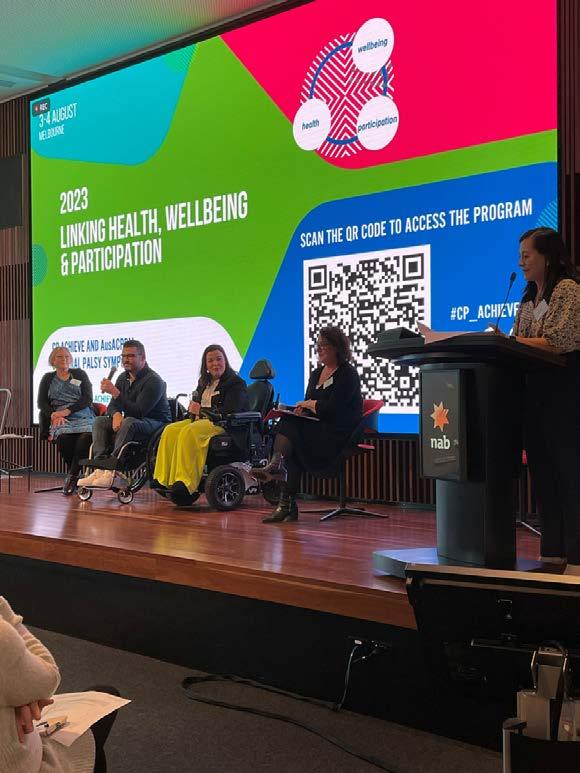
Dr Jane Tracey, CP-Achieve Associate Investigator; Oliver Hunter, CP-Achieve Consumer Partner; Peta Hooke; Dr Lyndal Hickey, CP-Achieve Associate Investigator; Evelyn Culnane, CP-Achieve Associate Investigator, speaking at the CP-Achieve and AusACPDM 2023 Symposium: Linking Health, Wellbeing and Participation, Melbourne, Australia
Associate Professor Margaret Wallen, CPAchieve Chief Investigator; Claire Rowland, CP-Achieve Knowledge Translation Fellow; and Gaurav Thakkar, CP-Achieve Consumer Partner, speaking at the CP-Achieve and AusACPDM 2025 Cerebral Palsy Symposium: Progress and Possibilities, Melbourne, Australia
Acknowledgements
We gratefully acknowledge the support of our research team and partner organisations, as well as the strong professional relationships established with our stakeholders. These include people with cerebral palsy, their families and carers, clinical services, universities, support groups, volunteers, and the many individuals and organisations who have provided guidance, expertise, and support to the program.
We sincerely thank the members of our Stakeholder Advisory Group and other Advisory Groups for their time, commitment, and valuable contributions. Their thoughtful advice and continued support have been integral to the development and delivery of CP-Achieve. This program was funded by the National Health and Medical Research Council. We are extremely grateful for this funding, which has enabled the successful completion of the program and supported the advancement of its outcomes.