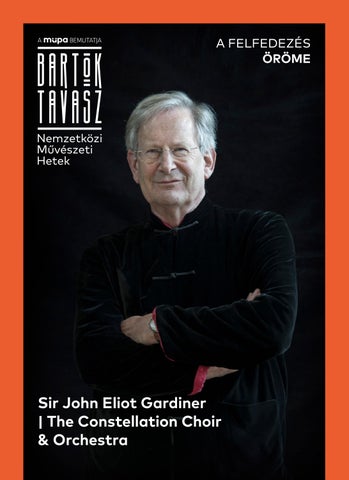
Sir John Eliot Gardiner
A FELFEDEZÉS ÖRÖME
| The Constellation Choir & Orchestra
ÁPRILIS 7. | 19.30
Müpa – Bartók Béla Nemzeti Hangversenyterem
Müpa Budapest – Béla Bartók National Concert Hall
J. S. Bach: Der Himmel lacht! Die Erde jubilieret, BWV 31
1. Sonata
2. Der Himmel lacht! Die Erde jubilieret – kórus • chorus
3. Erwünschter Tag! Sei, Seele, wieder froh – recitativo • recitative
4. Fürst des Lebens, starker Streiter – ária • aria
5. So stehe denn, du gottergebne Seele – recitativo • recitative
6. Adam muss in uns verwesen – ária • aria
7. Weil denn das Haupt sein Glied – recitativo • recitative
8. Letzte Stunde, brich herein – ária • aria
9. So fahr ich hin zu Jesu Christ – korál • chorale
J. S. Bach: Bleib bei uns, denn es will Abend werden, BWV 6
1. Bleib bei uns, denn es will Abend werden – kórus • chorus
2. Hochgelobter Gottessohn – ária • aria
3. Ach, bleib bei uns, Herr Jesu Christ – korál • chorale
4. Es hat die Dunkelheit an vielen Orten Überhandgenommen –recitativo • recitative
5. Jesu, lass uns auf dich sehen – ária • aria
6. Beweis dein Macht, Herr Jesu Christ – korál • chorale
szünet • interval
J. S. Bach: Húsvéti oratórium • Easter Oratorio (Kommt, eilet und laufet), BWV 249
1. Sinfonia
2. Adagio
3. Kommt, eilet und laufet
4. O kalter Männer Sinn – recitativo • recitative
5. Seele, deine Spezereien – ária • aria
6. Hier ist die Gruft – recitativo • recitative
7. Sanfte soll mein Todeskummer – ária • aria
8. Indessen seufzen wir – recitativo • recitative
9. Saget, saget mir geschwinde – ária • aria
10. Wir sind erfreut – recitativo • recitative
11. Preis und Dank – korál • chorale
Közreműködik • Featuring: Hilary CRONIN, Eline WELLE, Jonathan HANLEY, Jack COMERFORD – ének • voice, The Constellation Choir & Orchestra Vezényel • Conductor: Sir John Eliot GARDINER
For the English version, see page 8.
Johann Sebastian Bach: Der Himmel lacht! Die Erde jubilieret, BWV 31
A kantáta Bach weimari szolgálatának idejében született, 1715 áprilisakor, húsvét vasárnapján adták elő. Szövege Salomon Franck Evangelisches Andachts-Opffer című versgyűjteményének részlete. A kantáta első szakasza (2–4. tétel) Jézus feltámadását és a bűneitől megszabadított embert ünnepli. Az 5. tételben a hívő ember lelki feltámadását, régi lelkiségének elhagyását sürgeti. A kantáta utolsó harmada a Krisztussal közös szenvedésre, a halál utáni sóvárgásra fut ki, melyben az ujjongó öröm és a misztikus halálvágy a lehető legtermészetesebb módon forr egybe. A kompozíció különleges jellegét többek között a gazdag hangszerelés és a költői képekben dúskáló szöveghez illeszkedő invenciózus bachi dallamvilág biztosítja.
Johann Sebastian Bach: Bleib bei uns, denn es will Abend werden, BWV 6 A húsvét második napjára, húsvéthétfőre komponált kantáta 1725-ben Lipcsében hangzott el első ízben. A szövegkönyv szerzője ismeretlen, de szorosan kapcsolódott az ünnep evangéliumi olvasmányához (Lukács 24, 13–35): „Tanítványai közül ketten aznap egy faluba mentek, amely Jeruzsálemtől hatvanfutamnyira volt, és amelynek Emmaus a neve, és beszélgettek egymással mindarról, ami történt. Miközben egymással beszélgettek és vitáztak, maga Jézus is melléjük szegődött, és együtt ment velük. Látásukat azonban mintha valami akadályozta volna, hogy ne ismerjék fel őt. Ő pedig így szólt hozzájuk: Miről beszélgettek egymással útközben? Erre szomorúan megálltak. Majd megszólalt az egyik, név szerint Kleopás, és ezt mondta neki: Te vagy az egyetlen idegen Jeruzsálemben, aki nem tudod, mi történt ott ezekben a napokban?” A nagy hatású Bach-kutató, Alfred Dürr megjegyezte, hogy a költőileg kevéssé érdekes kantátaversezethez Bach egészen magasrendű zenét komponált. A nyitótétel a vonóskarral, a két oboával és az oboa da cacciával imponálóan nagyvonalú; a Hochgelobter Gottessohn kezdetű ária megdöbbentően képszerű; a második ária (Jesu, lass uns auf dich sehen) jellegzetes dallamindítása pedig a kereszt sziluettjét juttathatja a hallgató eszébe.
Johann Sebastian Bach: Húsvéti oratórium (Kommt, eilet und laufet), BWV 249
A Kommt, eilet und laufet legkorábban 1725. április 1-jén (a Bleib bei uns, denn es will Abend werden kezdetű kantáta előtt egy nappal) Lipcsében hangzott el. A darab annyiban különbözik Bach többi egyházzenei kompozíciójától, hogy „cselekményét eléneklik, tehát nemcsak
az evangélista recitálja – írja Alfred Dürr. – Péter (tenor) és János (basszus) Jézus sírjához sietnek. Már ott találják Jakab anyját, Máriát (szoprán) és Mária Magdolnát, akik látták: tervük, hogy a holttestet bebalzsamozzák, hiábavaló volt (4. tétel), s a fűszerek helyett győzelmi babérkoszorú illene ide (5. tétel). Péter és János megtudják Mária Magdolnától, hogy egy angyal elhozta nekik a feltámadás hírét; Péter megtalálja Jézus kendőjét, s – különös módon – arra következtet belőle, hogy saját halála sem lesz egyéb, mint álom, miután Jézus feltámadásának bizonyítékát immár kezében tartja (7. tétel). A két asszony is azt kívánja, hogy mihamarabb viszontláthassa a Megváltót (8. tétel), mert nélküle – mondja Mária Magdolna a 9. tételben – »egészen árvának és bánatosnak érzik magukat«. János a 10. tételben arra szólít fel, hogy mindenki örvendezzen Jézus feltámadásán; s a 11. tételben mindannyian együtt énekelnek hálaadó éneket az Úrnak.”
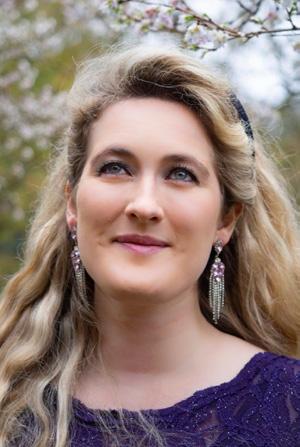
Hilary Cronin
Hilary Cronin első díjat és közönségdíjat nyert a londoni Nemzetközi Händel Énekversenyen, a BBC Music Magazine pedig „Rising Star” címmel tüntette ki. Olyan karmesterekkel dolgozott együtt, mint Sofi Jeannin, David Bates, Kristian Bezuidenhout, Harry Bicket, Jonathan Cohen, Laurence Cummings, Christian Curnyn, Maxim Emelyanychev, Stephen Layton, Robert King, Paul McCreesh, Christophe Rousset, Schiff András, Dinis Sousa és Peter Whelan. A 2025/2026-os évad elején Cesti L’Orontea című operájának címszerepében debütált a Theater an der Wienben. További felkérései között Händel- és Haydnelőadások találhatóak, mások mellett énekel a Buxtoni Fesztiválon az English Concert partnereként. Ezenkívül fellép a Felvilágosodás Korának Zenekarával a János-passióban, valamint a Royal Northern Sinfonia estjén Mahler 4. szimfóniájában.
Eline Welle
A sokoldalú holland énekesnő, Eline Welle az operától a dalokig, az oratóriumtól a kamarazenéig számos műfajban és stílusban mozog otthonosan. Éppúgy játszik barokk operában (Vivaldi: La fida ninfa), mint 20. századi darabban (Ravel: Pásztoróra), oratóriuménekesként pedig Bach passióiban és kantátáiban, Mozart és Duruflé Requiemjében, Scarlatti, Pergolesi és Vivaldi Stabat Materében állt már közönség előtt. Az utóbbi időben Elgar Sea Pictures című darabjában működött közre, főszerepet alakított Renske Vrolijk zenés színpadi
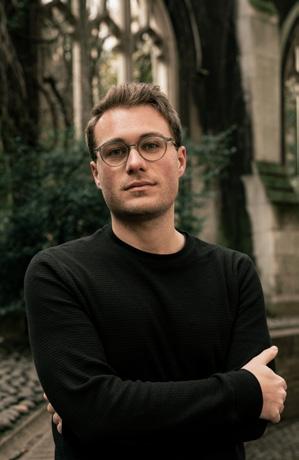
művében (Uncut), amelyet a Nederlands Kamerkoor felkérésére írt, és szólót énekelt Sir John Eliot Gardiner partnereként Bach-kantátákban. A Cappella Amsterdam vendégeként Bach Máté-passiójának előadásában vállalt szerepet.
Jonathan Hanley
A brit tenor szólistaként és kamaraénekesként egyaránt aktív. Repertoárja felöleli a Byrd és Britten közötti évszázadok muzsikáját, de különösen közel a barokk zenét érzi magához. Rendszeres vendég a Monteverdi Kórus és az Angol Barokk Szólisták, az Ír Barokk Zenekar, az English Concert és a Felvilágosodás Korának Zenekara nemzetközi fellépésein, például a Carnegie Hallban, az Elbphilharmonie-ban vagy a milánói Scalában. Gyakran énekli az Evangélista szerepét Bach két passiójában és a Karácsonyi oratóriumban. Számos lemezfelvétele is megjelent. Fellép a Stile Antico énekegyüttes tagjaként, valamint közreműködik a Vox Luminis, a Constellation Choir, a Gabrieli Consort és a Tallis Scholars estjein.
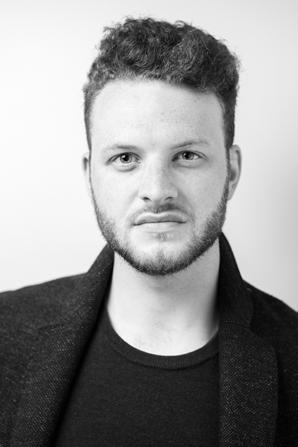
Jack Comerford
Jack Comerford előadóművészként, tanárként és kutatóként is dolgozik. Zenét a Yorki Egyetemen, arab nyelvet a Jordániai Nyelvészeti Akadémián tanult, majd mesterdiplomát szerzett a Royal College of Musicban. Énekelt Gluck-operákban (Orfeusz, Iphigénia Tauriszban), Harry Christopher vezetésével Bach-motettákban a BBC Proms rendezvényén, ugyanitt Beethoven Missa solemnisében Sir John Eliot Gardiner vezényletével. Zenetudósként Händel és az oratórium műfaja, illetve a korszak angol zenekultúrája áll kutatásai középpontjában. Tanulmányokat publikált a Händel Institute és az Eighteenth-Century Music kiadványaiban, illetve előadásokat tartott a BBC Radio 3 Early Music Show című műsorában.
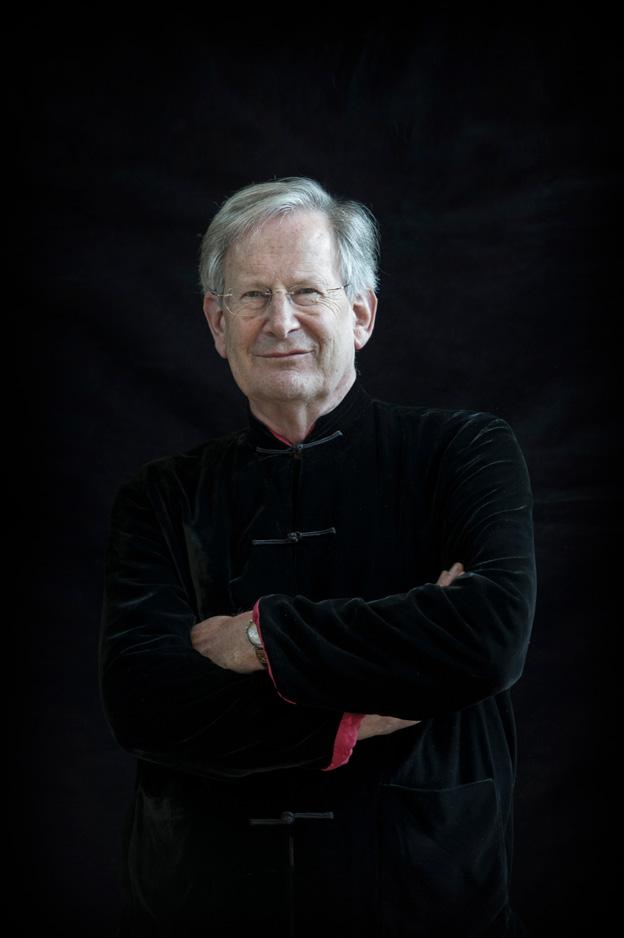
Sir John Eliot Gardiner
Sir John Eliot Gardiner a Springhead Constellation alapítója, valamint a Constellation Choir & Orchestra zeneigazgatója, a nemzetközi zenei élet meghatározó alakja, akit az egyik leginnovatívabb és legdinamikusabb muzsikusként tisztelnek szerte a világban. 2024 szeptemberében jelentette be a Springhead Constellation megalapítását, amelynek két zászlóshajója a The Constellation Orchestra és a The Constellation Choir. Az együttesek 2024 decemberében Gardiner
vezetésével indultak első, világhírű koncerttermeket érintő nemzetközi turnéjukra. Gardiner a Monteverdi Kórus, az Angol Barokk Szólisták és a Forradalom és Romantika Zenekarának alapítójaként és művészeti igazgatójaként, a történelmileg hiteles előadások úttörőjeként és a régizenejáték központi alakjaként vált ismertté. A világ vezető szimfonikus zenekarainak vendége, vezényelte többek között a Londoni Szimfonikus Zenekart, a Bécsi Filharmonikusokat, a Berlini Filharmonikusokat, a Bajor Rádió Szimfonikus Zenekarát, a Philharmonia Zenekart és a Royal Concertgebouw Zenekart. Utóbbival Brahms összes szimfóniáját is lemezre vette, a felvételek 2025-ben a Deutsche Grammophon gondozásában jelentek meg.
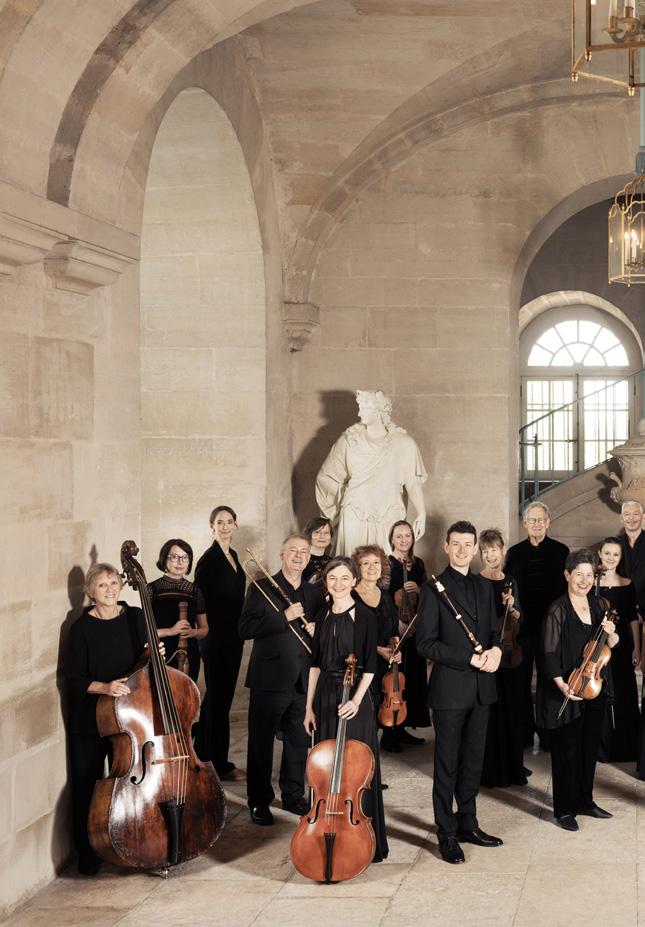
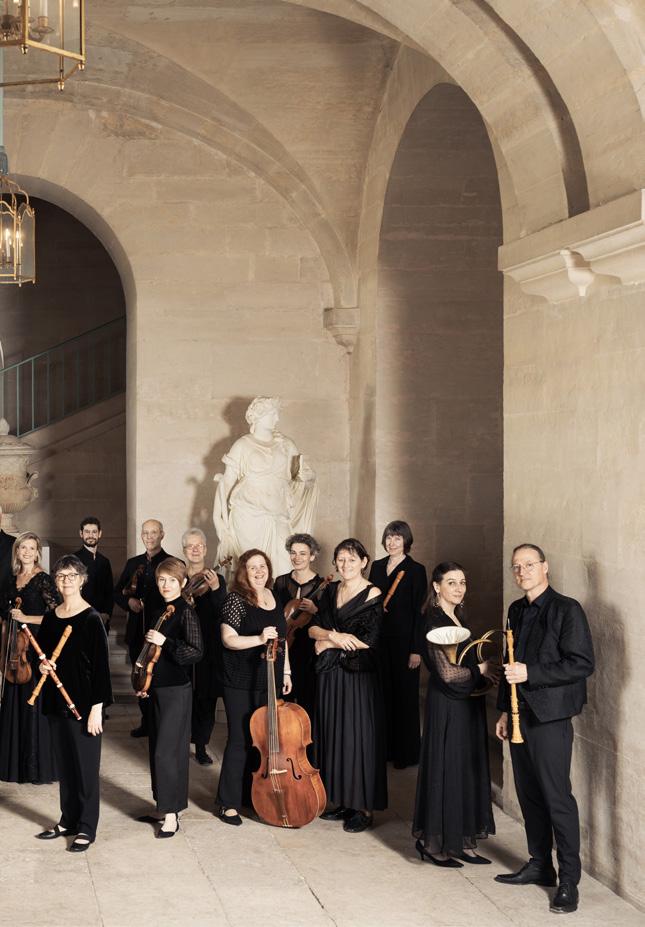
The Constellation Choir & Orchestra
A The Constellation Choir & Orchestra (CCO) együttest 2024 augusztusában alapította Sir John Eliot Gardiner. Az új formáció a legendás karmester hallatlanul gazdag zenei tapasztalatát és folyamatos megújulási vágyát reprezentálja, a művészi kíváncsiság és a kutatás, a különböző művészeti ágakat és ismereteket összekapcsoló, interdiszciplináris műhelymunka példaértékű képviselője kíván lenni. Az együttes elkötelezett amellett, hogy stilárisan megalapozott és meggyőző, technikailag briliáns előadásokat hozzon létre, híven ahhoz, amit alapítójuk is képviselt az elmúlt évtizedekben; ugyanakkor nyitott a modern kor előadóművészi kérdései iránt is. A CCO a Springhead Constellation kezdeményezés része. Ez a dinamikus kollektíva olyan zenei együtteseket, kreatív előadókat és alkotókat tömörít, akik elkötelezettek a 21. századi művészet újradefiniálása iránt. A CCO központi szerepet játszik ebben a küldetésben, generációkon és földrajzi határokon átívelő, hozzáférhető, oktató jellegű és magával ragadó előadásokat kínál a közönségnek. A CCO ambiciózus projektjei gyakran turnéznak világszerte, sokoldalúságukat és művészi magasrendűség iránti elkötelezettségüket olyan multidiszciplináris események létrehozásával igazolják, amelyek a zene, a művészet és a környezetvédelem metszéspontjában állnak.