




























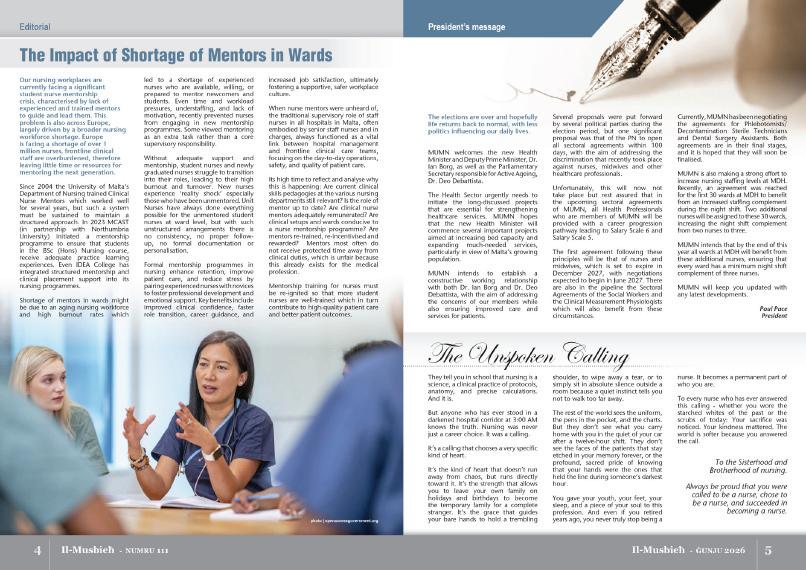

- Editorial - President’s message pages 4-5
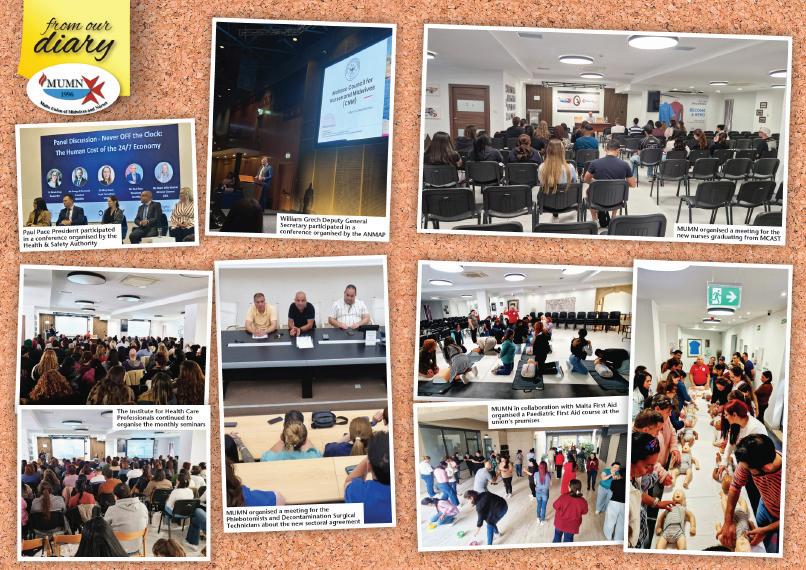
- From our diary pages 22-23
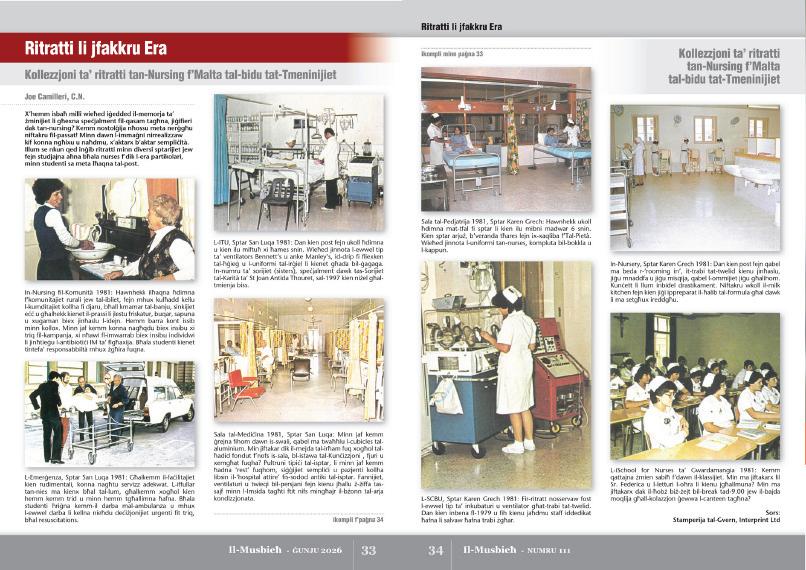


- Ritratti li jfakkru Era pages 33-34








- Editorial - President’s message pages 4-5
- From our diary pages 22-23
- Ritratti li jfakkru Era pages 33-34
Group Committees - Chairpersons & Secretaries Mater Dei Hospital:
Chris Camilleri, Chairperson: 99407812; Johann Cutajar, Chairperson: 99447377



SVP: Therese Decelis, Chairperson: 79809080; Mario Galdes, Secretary: 79449324
RHKG: Graziella Buttigieg, Chairperson: 79275872; Chantelle Camilleri, Secretary: 79953686
Health Centres: Roseanne Bajada, Chairperson: 79671910


MCH: Roderick Gatt, Chairperson: 99018268; Azaim Austin, Secretary: 77146624
SAMOC: Charles Galea: 79651430; Mark Mifsud: 99868033

GGH: Joseph Camilleri: 79485693; Anthony Zammit: 79617531; Jennifer Vella: 79277030
ECG Technicians: Alex Genovese, Chairperson: 79860571; Kevin Bonnici, Secretary: 79853013
Physiotherapists: Pauline Fenech, Chairperson: 79491366; Daren Stilato, Secretary: 77222999
Midwives Group Committee: Luciana Xuereb, Chairperson: 79538562; Marie Claire, Secretary: 99827852
MUMN Council Members
Paul Pace - President: 79033033
Colin Galea - General Secretary: 79425718
Alex Manche’ - Vice-President: 77678038
George Saliba - Financial Secretary: 79231283
Alexander Lautier: 99478982
Geoffrey Axiak: 99822288
William Grech: 79011981
Claire Zerafa: 99217063
Joseph Aquilina: 99467687
Alexandra Abela Fiorentino: 79642163
MUMN Office: 21448542
Editorial Board
Joseph Camilleri (Editor) CN M1 MDH
William Grech: 79011981
Alexander Lautier: 99478982
Pubblikat: Malta Union of Midwives and Nurses



Warner Complex, MUMN, Triq il-Vitorja, Qormi QRM 2508
• Tel/Fax: 2144 8542 • Website: www.mumn.org • E-mail: administrator@mumn.org

Il-fehmiet li jidhru f’dan il-æurnal mhux neçessarjament jirriflettu l-fehma jew il-policy tal-MUMN.
L-MUMN ma tistax tinÿamm responsabbli gœal xi œsara jew konsegwenzi oœra li jiæu kkawÿati meta tintuÿa informazzjoni minn dan il-æurnal.
L-ebda parti mill-æurnal ma tista’ tiæi riprodotta mingœajr il-permess bil-miktub tal-MUMN.
Çirkulazzjoni: 5,000 kopja.
Il-Musbieœ jiæi ppubblikat 4 darbiet f’sena.
Dan il-æurnal jitqassam b’xejn lill-membri kollha u lill-entitajiet oœra, li l-bord editorjali flimkien mad-direzzjoni tal-MUMN jiddeçiedi fuqhom.
Il-bord editorjali jiggarantixxi d-dritt tar-riservatezza fuq l-indirizzi ta’ kull min jirçievi dan il-æurnal. Kull bdil fl-indirizzi gœandu jiæi kkomunikat mas-Segretarja mill-aktar fis possibbli.
Our nursing workplaces are currently facing a significant student nurse mentorship crisis, characterised by lack of experienced and trained mentors to guide and lead them. This problem is also across Europe, largely driven by a broader nursing workforce shortage. Europe is facing a shortage of over 1 million nurses, frontline clinical staff are overburdened, therefore leaving little time or resources for mentoring the next generation.
Since 2004 the University of Malta’s Department of Nursing trained Clinical Nurse Mentors which worked well for several years, but such a system must be sustained to maintain a structured approach. In 2023 MCAST (in partnership with Northumbria University) initiated a mentorship programme to ensure that students in the BSc (Hons) Nursing course, receive adequate practice learning experiences. Even IDEA College has integrated structured mentorship and clinical placement support into its nursing programmes.

Shortage of mentors in wards might be due to an aging nursing workforce and high burnout rates which
led to a shortage of experienced nurses who are available, willing, or prepared to mentor newcomers and students. Even time and workload pressures, understaffing, and lack of motivation, recently prevented nurses from engaging in new mentorship programmes. Some viewed mentoring as an extra task rather than a core supervisory responsibility.
Without adequate support and mentorship, student nurses and newly graduated nurses struggle to transition into their roles, leading to their high burnout and turnover. New nurses experience ‘reality shock’ especially those who have been unmentored. Unit Nurses have always done everything possible for the unmentored student nurses at ward level, but with such unstructured arrangements there is no consistency, no proper followup, no formal documentation or personalisation.
Formal mentorship programmes in nursing enhance retention, improve patient care, and reduce stress by pairing experienced nurses with novices to foster professional development and emotional support. Key benefits include improved clinical confidence, faster role transition, career guidance, and




increased job satisfaction, ultimately fostering a supportive, safer workplace culture.
When nurse mentors were unheard of, the traditional supervisory role of staff nurses in all hospitals in Malta, often embodied by senior staff nurses and in charges, always functioned as a vital link between hospital management and frontline clinical care teams, focusing on the day-to-day operations, safety, and quality of patient care.
Its high time to reflect and analyse why this is happening: Are current clinical skills pedagogies at the various nursing departments still relevant? Is the role of mentor up to date? Are clinical nurse mentors adequately remunerated? Are clinical setups and wards conducive to a nurse mentorship programme? Are mentors re-trained, re-incentivised and rewarded? Mentors most often do not receive protected time away from clinical duties, which is unfair because this already exists for the medical profession.
Mentorship training for nurses must be re-ignited so that more student nurses are well-trained which in turn contribute to high-quality patient care and better patient outcomes.













The elections are over and hopefully life returns back to normal, with less politics influencing our daily lives.
MUMN welcomes the new Health Minister and Deputy Prime Minister, Dr. Ian Borg, as well as the Parliamentary Secretary responsible for Active Ageing, Dr. Deo Debattista.

The Health Sector urgently needs to initiate the long-discussed projects that are essential for strengthening healthcare services. MUMN hopes that the new Health Minister will commence several important projects aimed at increasing bed capacity and expanding much-needed services, particularly in view of Malta’s growing population.
MUMN intends to establish a constructive working relationship with both Dr. Ian Borg and Dr. Deo Debattista, with the aim of addressing the concerns of our members while also ensuring improved care and services for patients.
Several proposals were put forward by several political parties during the election period, but one significant proposal was that of the PN to open all sectoral agreements within 100 days, with the aim of addressing the discrimination that recently took place against nurses, midwives and other healthcare professionals.
Unfortunately, this will now not take place but rest assured that in the upcoming sectoral agreements of MUMN, all Health Professionals who are members of MUMN will be provided with a career progression pathway leading to Salary Scale 6 and Salary Scale 5.
The first agreement following these principles will be that of nurses and midwives, which is set to expire in December 2027, with negotiations expected to begin in June 2027. There are also in the pipeline the Sectoral Agreements of the Social Workers and the Clinical Measurement Physiologists which will also benefit from these circumstances.

Currently, MUMN has been negotiating the agreements for Phlebotomists/ Decontamination Sterile Technicians and Dental Surgery Assistants. Both agreements are in their final stages, and it is hoped that they will soon be finalised.
MUMN is also making a strong effort to increase nursing staffing levels at MDH. Recently, an agreement was reached for the first 30 wards at MDH to benefit from an increased staffing complement during the night shift. Two additional nurses will be assigned to these 30 wards, increasing the night shift complement from two nurses to three.
MUMN intends that by the end of this year all wards at MDH will benefit from these additional nurses, ensuring that every ward has a minimum night shift complement of three nurses.
MUMN will keep you updated with any latest developments.
Paul Pace President

They tell you in school that nursing is a science, a clinical practice of protocols, anatomy, and precise calculations. And it is.
But anyone who has ever stood in a darkened hospital corridor at 3:00 AM knows the truth. Nursing was never just a career choice. It was a calling.
It’s a calling that chooses a very specific kind of heart.
It’s the kind of heart that doesn’t run away from chaos, but runs directly toward it. It’s the strength that allows you to leave your own family on holidays and birthdays to become the temporary family for a complete stranger. It’s the grace that guides your bare hands to hold a trembling
shoulder, to wipe away a tear, or to simply sit in absolute silence outside a room because a quiet instinct tells you not to walk too far away.
The rest of the world sees the uniform, the pens in the pocket, and the charts. But they don’t see what you carry home with you in the quiet of your car after a twelve-hour shift. They don’t see the faces of the patients that stay etched in your memory forever, or the profound, sacred pride of knowing that your hands were the ones that held the line during someone’s darkest hour.
You gave your youth, your feet, your sleep, and a piece of your soul to this profession. And even if you retired years ago, you never truly stop being a
nurse. It becomes a permanent part of who you are.
To every nurse who has ever answered this calling - whether you wore the starched whites of the past or the scrubs of today: Your sacrifice was noticed. Your kindness mattered. The world is softer because you answered the call.
To the Sisterhood and Brotherhood of nursing.
Always be proud that you were called to be a nurse, chose to be a nurse, and succeeded in becoming a nurse.


Kif aœna œbieb? Nispera li tinsabu tajbin. Is-sœana bdiet tirranka sew. Nispera li ma taœraqniex iÿÿejjed!
Dawn l-aœœar ftit æimgœat, trid jew ma tridtx, segwejna l-andament talkampanja elettorali. Iltqajna maÿÿewæ partiti u ppruvajna kemm stajna nimbuttaw l-aæenda tagœna fl-interess tal-membri tal-union. Dak huwa d-dover u d-dmir tagœna li mingœajr ma nœarsu lejn il-kuluri, nimbuttaw ’il quddiem l-interessi tal-membri tagœna. Dak xogœlna, li jitla’ min jitla’, tkun moœœok mistrieœ li l-membri tiegœek mhux ser jaqgœu lura. Issa gœandna Gvern ædid u Ministru tas-Saœœa ædid ukoll li jinkorpora l-Anzjanità Attiva kif kien fil-leæislatura li gœaddiet.
Kien hemm min kien qed jispekula li jista’ jkun li jerægœu jiæu ÿewæ Ministeri seperati però l-Prim Ministru dehrlu mod ieœor. Infatti issa l-Ministeru tagœna œa promozzjoni! Minn Ministru tlajna gœal Deputat Prim Ministru (DPM). Meta kien hemm Chris Fearne hekk konna wkoll. Œafna jaœsbu li dan il-fattur ta’ DPM huwa dettal ÿgœir jew insinifikanti però l-fatti wrewna li mhux hekk. Ikun hemm waqtiet, sitwazzjonijiet u çirkustanzi li l-fatt li gœandek DPM huwa ta’ vantaææ u gwadann sostanzjali. ’Il quddiem infehmkom aœjar bl-eÿempji li jseœœu.
Nilqgœu lil Dr. Ian Borg b’idejna miftuœa u nawguraw li jkollna bejn iÿÿewæ naœat œidma fejjieda fl-interess kemm tal-pazjenti kif ukoll tal-membri tagœna. Qed inœarsu ’l quddiem biex nibdew paæna ædida li twassal gœall-
kollaborazzjoni ta’ œidma sfieqa bejn iÿ-ÿewæ partijiet.
Il-æurnata li l-MUMN tagœlaq it-30 anniversarju qegœda dejjem toqrob. Ittlett proæetti li ser jikkomemmoraw dan l-anniversarju gœaddejin æmielhom:
1. il-muÿew il-ædid li ser juri l-istorja tan-nurses, midwives u professjonisti oœra, miexi sew u issa qed jgœaqqad kollox flimkien. Neræa’ ntenni l-appell tiegœi biex jekk gœandek xi oææetti li huma denji li jitpoææew gœall-wiri f’dan il-muÿew u lest li tislifomna, aœna nkunu grati li ser taqsam dawn l-istess oææetti ta’ valur storiku ma’ dawk kollha li ser ikunu qed iÿuru l-istess muÿew.
2. il-ktieb tal-istorja tal-union gœadda gœall-pubblikazzjoni u qed nistennew li nirçievu l-ewwel draft. Intgœaÿlu wkoll ir-ritratti, it-titlu talktieb u x’se jidher fil-faççata. Il-proof reading lest ukoll.
3. il-monument il-ædid li ser jieœu post dak li kien hemm il-Furjana ser ikun lest f’Mejju li æej u l-pjan huwa li jiæi kommemorat fil-æurnata internazzjonali tan-nurses jew talmidwives
Barra minn hekk ser jiæi varat logo ædid gœal dan l-anniversarju li ser jibqa’ fis-sœœ matul is-sena kollha. Aœna ser nibqgœu nÿommukom aææornati bliÿviluppi kollha sakemm tasal il-æurnata mistennija.
F’dawn l-aœœar xhur konna nvoluti f’diskussjonijiet intensivi dwar ilFtehim Settorali tal-Phlebotomists,
Decontamination Sterile Technicians u Dental Surgery Assistants. Nista’ ngœid b’wiççi minn quddiem li wasalna sew però gœad baqa ftit dettalji ÿgœar li rridu nkomplu nisœqu fuqhom qabel niffirmaw.
Ftit tal-æimgœat ilu lœaqna Ftehim importanti sabiex jimtlew il-vakanzi æewwa l-isptar Mater Dei kemm dawk li huma shifts vojta jew binnuqqas ta’ nurse waœda kif ukoll fejn hemm vakanzi ta’ Day Nurses. Barra minn hekk, f’dan l-istess eÿerçizzju ser inkunu qed inÿidu nurse ieœor gœal matul il-lejl biex ngœaqdu l-ammont ta’ tlett nurses. Diæà æew miÿjuda 30 nurse gœal bil-lejl fejn il-Management ÿiedhom b’mod permanenti fis-swali u mhux fir-relieving pool. Dawn ser ikunu dejjem l-istess nurses biex b’hekk ikun hemm konsistenza u kontinwità. Issa qed nistennew appuntament ta’ laqgœa mill-uffiççju tas-Segretarju Permanenti biex naraw kif ser taœdem id-dinamika biex jimtlew il-vakanzi kollha u l-kumplament tas-swali biex jiÿdied it-tielet nurse bil-lejl. Inÿommuwkom infurmati b’dak li jkun qed iseœœ.
Fl-interess tal-kontinwità kif ukoll minœabba l-fatt li gœandna Ministru ædid li mhux æej mill-qasam tas-saœœa, is-Segretarju Permanenti baqa’ l-istess wieœed. L-MUMN gœandna relazzjoni eççellenti mas-sur Degabriele. Ilna nafu lil xulxin ÿmien twil minn meta s-sur Degabriele kien CEO tad-Dipartiment fil-Kura Primarja. Ir-raæel serju u ta’ l-affari tiegœu œafna però meta jkollok raæun itijuwlek u flimkien naraw kif insibu soluzzjoni.












F’Marzu li æej ser ikun hemm l-elezzjoni gœall-Kunsill ædid tal-Union. Din iddarba hemm bÿonn demm ædid biex jakkwistaw aktar esperjenza neçessarja dwar kif titmexxa l-MUMN. Hemm numru ta’ Chairpersons li gœandhom kwalitajiet eççelenti biex issa wasal iÿ-ÿmien li jitilgœu taræa oœra bœala membri tal-Kunsill. Personalment moœœi mistrieœ li l-MUMN ser tibqa’ gœaddeja b’idejn sodi.
Gœal din il-œaræa ser nieqaf hawn. Gawdu s-Sajf kemm tistgœu œbieb ma’ l-egœÿieÿ tagœkom però œudu œsieb.
Tislijiet mill-qalb,
Colin Galea Segretarju Æenerali


Maria Troncatti, FMA (Figlie di Maria Ausiliatrice) twieldet nhar is16 ta’ Frar 1883 u mietet nhar il-25 t’Awwissu 1969. Troncatti kienet soru Kattolika Taljana, membru tasSorijiet Salesjani ta’ Don Bosco u twieldet f’familja fqira tal-bdiewa. Hija ngœaqdet mal-kongregazzjoni fl-1905 u pprofessat fl-1908 f’Nizza, Monferrato. Troncatti marded b’infezzjoni serja fl-1909 u aktar tard laqqtet it-tifojde, meta Michele Rua kien ÿarha u berikha. Fl-1915 gœaddiet minn eÿamijiet ta’ kors speçjali tan-nursing u wÿat it-tagœlim li œadet waqt l-Ewwel Gwerra Dinjija meta œadet œsieb il-morda u s-suldati feruti. Œadmet ukoll mas-Soçjetà tas-Salib l-Aœmar meta kienet stazzjonata f’Varazze.
Troncatti ntbgœatet fil-missjoni talEkwador nhar id-9 ta’ Novembru 1922 (f’sorsi oœra 1925) u bdiet missjoni ta’ evanæelizzazzjoni qalb it-tribu Shuar fil-foresta tal-Amaÿonja. Hekk kif sabet saqajha, il-membri tat-tribu laqqmuha “Mamacita”. Fi triqitha lejn l-Ekwador, hi flimkien ma’ sœabha r-reliæjuÿi rikbu ferrovija gœal Marseille fi Franza u qattgœu xejn inqas minn æimgœatejn fuq vapur gœall-Panama. Minn hemm marret Guayaquil gœall-Ekwador.
Hi serviet ukoll f’Macas, Sucua, u Sevilla Don Bosco. Fl-inkontru tagœha mat-tribu sabet ruœha f’xifer il-mewt: meta t-tifla

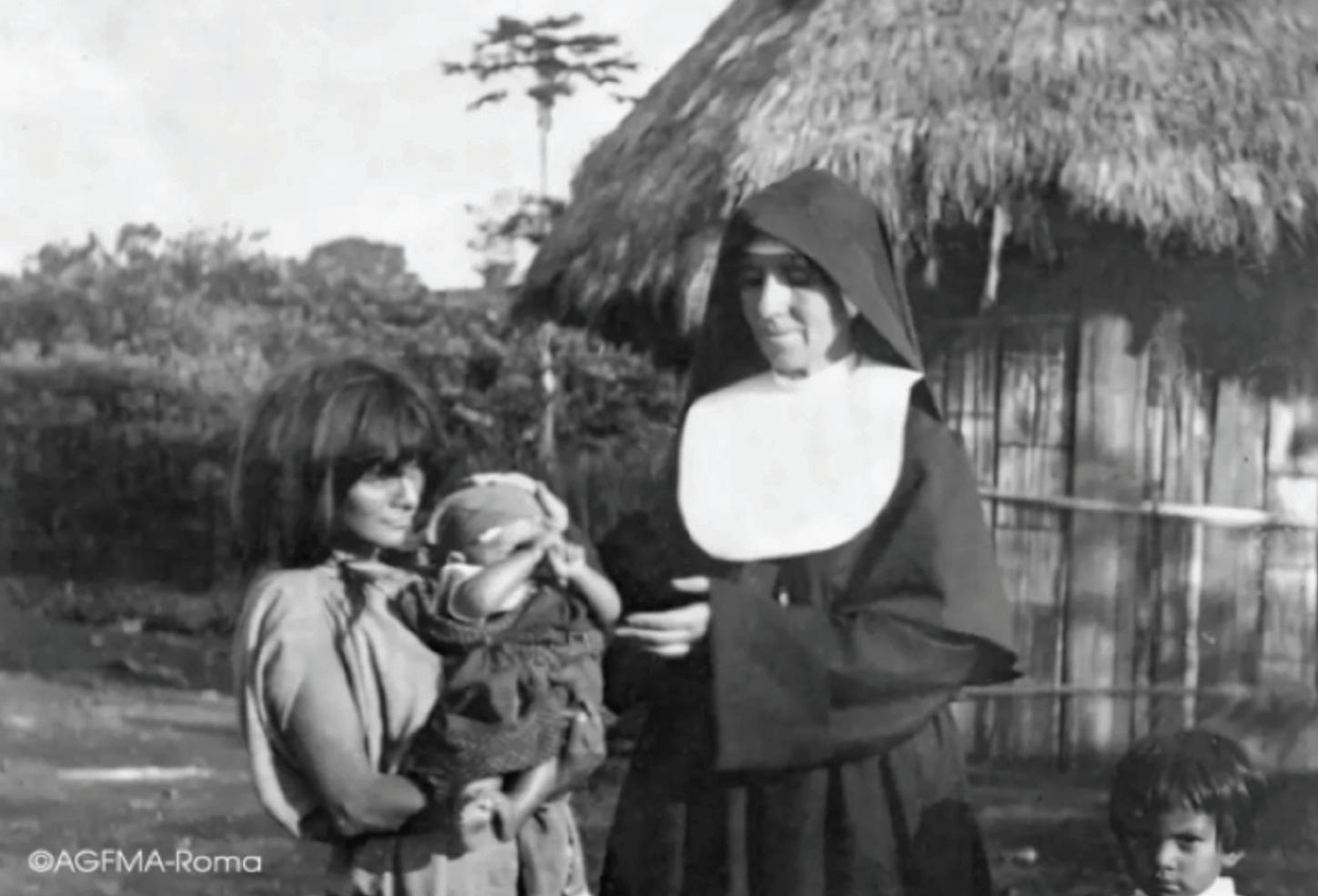
tal-kap tat-tribu æiet feruta permezz ta’ bullet li æiet sparata minn tribu rivali tagœhom. Troncatti kienet mhedda li tinqatel jekk ma ssalvax œajjet it-tifla, fejn din operat lit-tifla u fil-fatt salvatha. Biex operat lit-tifla Troncatti uÿat biss mus sempliçi u neœœiet il-bullet. Hawnhekk is-soru infermiera rebœet ir-rispett u l-ammirazzjoni tan-nies tal-post.
Fl-Ekwador serviet ukoll bœala katekista u kompliet xogœolha ta’ nurse, imma mhux biss gœaliex ipprovdiet kura multi-dixxiplinarja fin-nuqqas ta’ tobba, kirurgi, dentisti, ortopedisti u anke anestetisti. Waqqfet ukoll spiÿerija li filfatt kibret gœal sptar imsejjaœ Piju XII æewwa Sucua. Œaræet ukoll infermiera lokali biex anke jservu l-komunitajiet tagœhom. Fil-qasam soçjali, hija ddefendiet id-dinjità tan-nisa ta’ Shuar, opponiet iÿ-ÿwieæ sfurzat, u ææieldet l-illitteriÿmu.
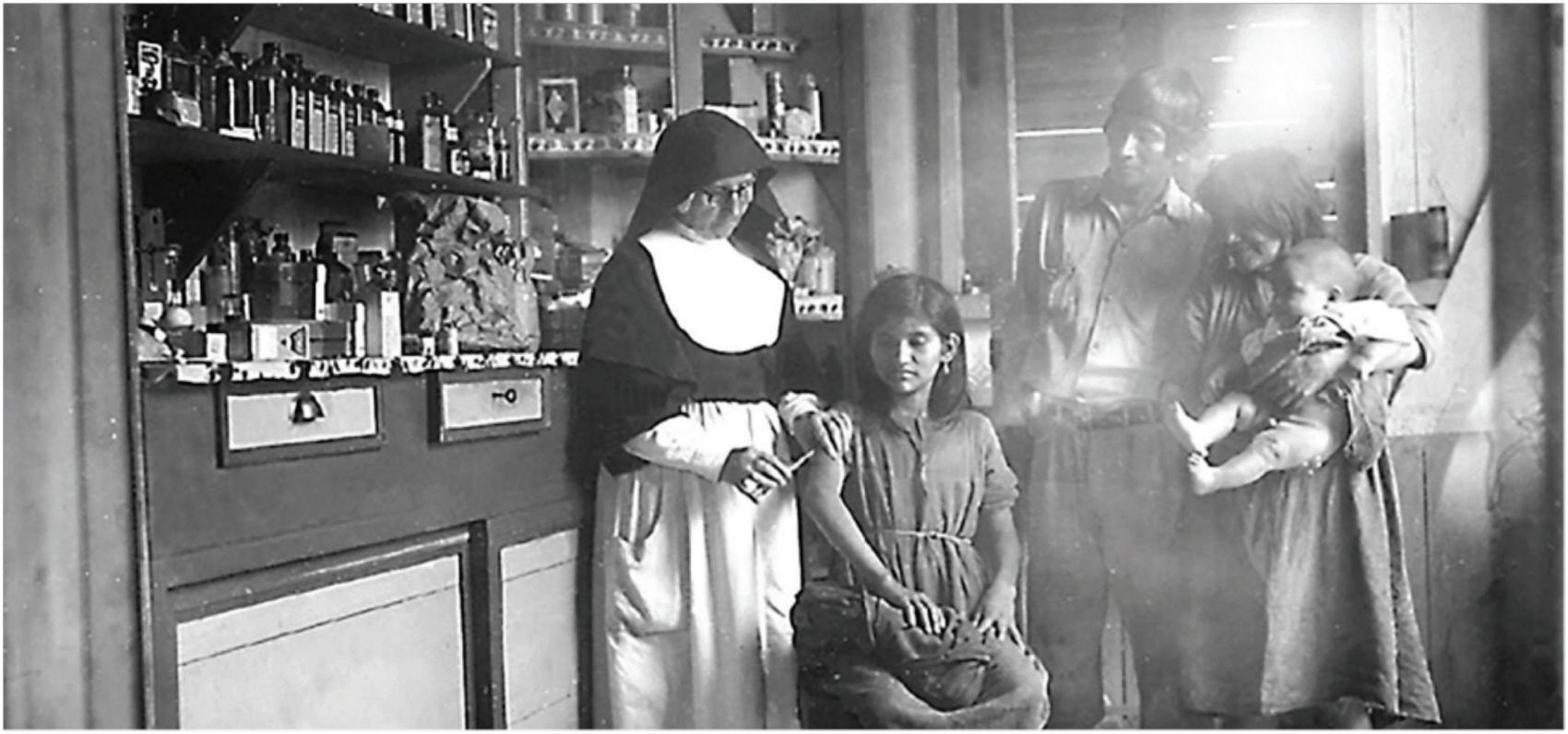

Qabel gœalqet il-85 fl-1968 kitbet ittra lil qrabatha fi Brescia u qaltilhom li kontra qalbha, gœalkemm xtaqet tingœaqad magœhom, minœabba l-età tagœha ma setatx tivvjaææa u gœalhekk ma kienitx se tœalli warajha l-missjoni tagœha. “Posti huwa hawn”, hija kitbet.
Però hija mietet minœabba vjaææ fuq ajruplan ÿgœir nhar il-25 t’Awwissu 1969 fl-Ekwador, meta l-ajruplan iææarraf f’tarf ta’ foresta. Magœha kien hemm ÿewæ reliæjuÿi li rnexxielhom jeœilsuha mill-mewt, fi triqthom gœallQuito gœall-irtir spiritwali annwali.
Il-proçess djoçesan tagœha beda fis-7 ta’ Settembru 1986 u kkonkluda fil-25 t’October 1987. Fit-12 ta’ Novembru 2008 Papa Benedettu XVI iddikjara lil Troncatti bœala venerabbli. L-ewwel miraklu, bl-interçezzjoni ta’ Maria Troncatti kien permezz tal-fejqan ta’ Josefa Yolanda Solórzano Pisco. Troncatti æiet ibbeatifikata nhar l-24 Novembru 2012 fl-Ekwador bilKardinal Angelo Amato jippresiedi ç-çelebrazzjoni minflok il-Papa. It-tieni miraklu kien investigat u l-proçess kien approvat minn Papa Franæisku nhar il-25 ta’ Novembru 2024. Hi æiet kanonizzata minn Papa Ljun XIV nhar id-19 t’Ottubru 2025.
Toncatti hija midfuna f’Macas, fejn hemm ukoll muÿew iddedikat gœal œajjitha u gœal xogœolha, fejn hemm ukoll esebiti gœodda li hija kienet tuÿa.
Riferenzi: salesianbulletin.org Ritratti: https://www.salesiansisters. org/apps/pages/Maria-Troncatti
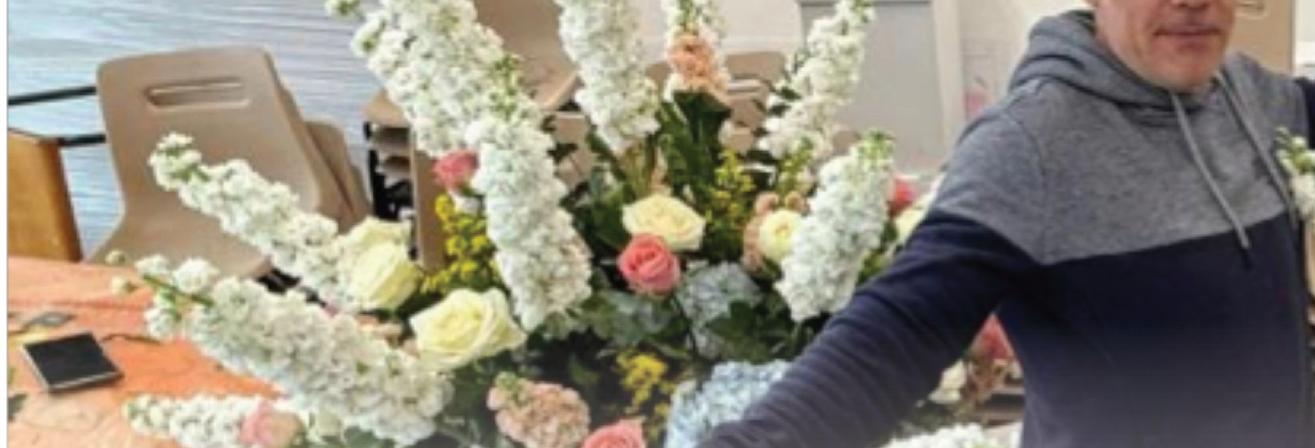
David Grech among select group
by Adriana Bishop
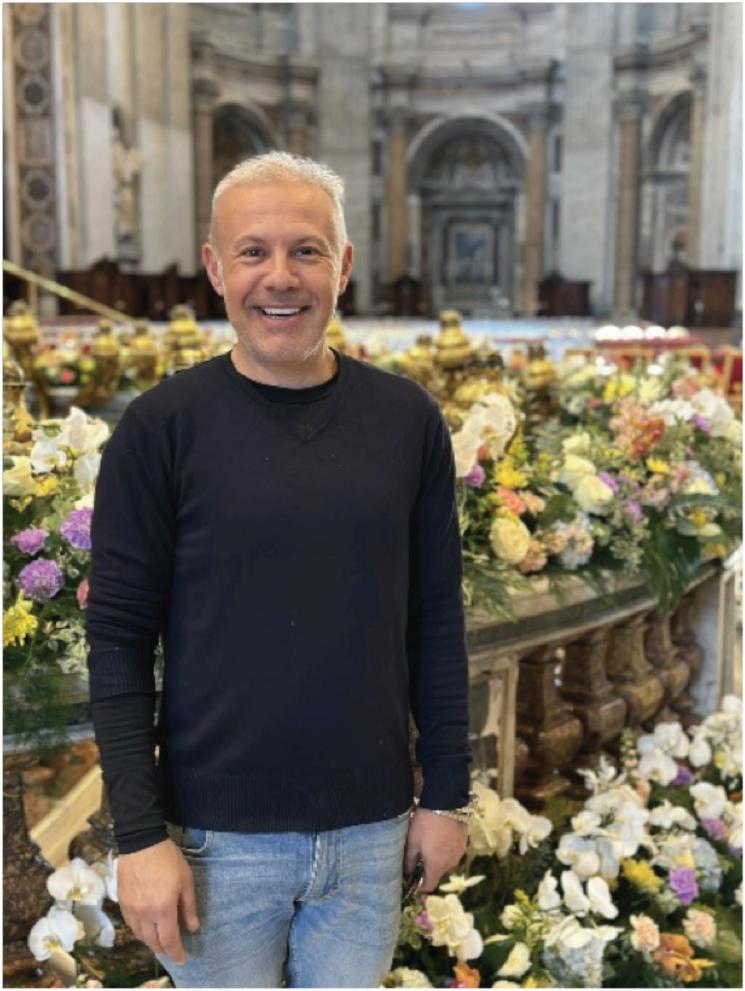
The Vatican’s Easter floral display this year will carry a message of hope amid ongoing wars with a Maltese florist playing a key role in the decorations at St Peter’s Basilica. For the third consecutive year, floral designer David Grech was chosen to form part of a select group of only four florists to plan and design the floral arrangements with the help of an army of gardeners from the Vatican.
Apart from Grech, there were two florists from Slovenia and one from Croatia. And this year’s display, using orchids donated by the Slovenian government, departed from the traditional Easter yellow and white colour scheme to deliver a special message.
“We wanted to use Spring colours and give a message of hope amid ongoing wars. Spring brings hope after Winter and we tried to ride on that theme,” Grech explained. The florists started planning the Easter flowers straight after Christmas but had only three days to assemble the displays, working long, gruelling hours to complete everything by midday on Saturday.
All smiles after working long hours to complete the floral displays inside St Peter’s Basilica in time for Easter Mass. Photo courtesy of David Grech. Speaking to Times of Malta from Rome, Grech described how he has been working 12 hours a day since Maundy



Thursday to finish the displays on time. “On Wednesday I had to decorate two churches in Malta. Then I flew to Rome, landing at 2am. By 6am I was already walking towards the Vatican to begin working on the flowers,” Grech said.
A highly qualified nurse by profession who manages a hospital in Malta, 50year old Grech developed a passion for floral arrangements as a teenager when he took up a part-time job at a florist shop to earn money to pay for his exams. “My family was very poor and I needed to save up LM7 to pay for my exams. I used to be paid 50c a week and I would scrounge around from the bin of discarded flowers to create my arrangements. Now I have a passion for floral design,” he recalled. Today, he is just as passionate about his sideline as a floral designer as he is about his day job as a nurse-manager. So much so that he will not be staying on to enjoy the floral displays on Easter Sunday as he will already be back in Malta on duty in the hospital.
“I had to take leave to come to Rome and I couldn’t take any more days off,” Grech said.
As a nurse, Grech has worked in several global hot spots including Haiti after the earthquake, delivering medical aid

in Libya, assisting after the tsunami in Sri Lanka and during the war in Kosovo. And it was his work in humanitarian aid that led him to be selected as one of the Vatican’s floral arrangers.
“I was assisting with humanitarian aid following the earthquake in Turkey three years ago when I posted some images of my floral work as well. A friend of mine who works as one of the gardeners of the Vatican saw them and got in touch. He invited me to join the meeting to plan for the Easter flowers,” Grech explained.
As he headed off to the airport to catch his flight back to Malta on Saturday evening, Grech confessed he was “exhausted but hugely satisfied” with the work, adding he would have loved his late father to have seen it all.
“I wish my late father were still alive to see this. He would have been very proud. He died four years ago so he never got to know about this work at the Vatican,” Grech said.

In September 2015 the United Nations launched The Sustainable Development Goals (SDGs) as part of the 2030 Agenda for Sustainable Development. This global initiative is essentially a universal call to action to end poverty, protect the environment, and ensure that individuals and communities have access to well-being that is equitable and sustainable.

The SDGs also referred to as Global Goals, aim to balance social, economic and environmental sustainability. There are 17 goals. These are: no poverty; zero hunger; good health and well-being; quality education; gender equality; clean water and sanitation; affordable and clean energy; decent work and economic growth; industry, innovation and infrastructure; reduced inequalities; sustainable cities and communities; responsible consumption and production; climate action; life below water; life on land; peace, justice and strong institutions; and partnerships for the goals.
These 17 goals provide a common blueprint for global peace and prosperity. Global policy is central to communicating this objective including the mechanisms to implement this vision. However, for there to be effective policy implementation there needs










to be a workforce that is capable of implementing them. Nurses represent more than half of the global healthcare workforce and therefore are crucial participants in the SDG framework. Perhaps the most obvious is their impact on SDG 3, good health and well-being, though in reality nurses are uniquely positioned to bridge the gap between global policy and the multiple influencing factors of human survival.




global mortality rates. When the community has access to qualified nurses’ health outcomes across the life trajectory improve.
Looking more closely at SDG 3, good health and well-being, the main aim here is to ensure healthy lives and promote well-being across the lifespan. Nurses are at the frontline here, from managing clinics, providing community care, providing clinical care in acute wards and intensive care units, nurses actively translate health goals through nursing care. Nurses’ contributions to preventative care, nurse-led immunisation campaigns, maternal and child healthcare, and the management of noncommunicable diseases are crucial to lowering

Nursing is not restricted to clinical care. Nurses have a profound impact on many of the other SDGs when viewed through the social determinants of health perspective. Nurses strive to care for patients by adopting a holistic approach in their care plans. This means that nurses consider environmental and social conditions that cause illness. SDG 6, clean water and sanitation for instance is influenced by nurses engaging in health surveillance by monitoring the water quality, reducing the risk of related infections and infestation transmission. In addition, nurses can be political activists, for instance in this case by ensuring that there is effective waste treatment. More directly nurses promote drinking water and basic sanitation through educational measures.
The workforce shortage challenge is a global concern for the nursing profession. There are a number of contributing factors here ranging from systemic burnout, to underfunding, and competitive work conditions within and beyond the healthcare sector, and poor recognition of nurses’ contribution and potential. SDG 8 focuses on decent work and economic growth. The nursing profession must be seen as beyond an expense, where nursing budgets are seen as a capital investment for the entire population.
The points put forward here are literally just scratching the surface. Nurses are a vital link that binds policy to people. Fulfilling the SDGs requires resilient, empowered and a fully supported nursing workforce. Governments, authorities and policymakers must urgently protect and invest in the hands that are expected to heal the world.
Marisa Galea Vella



In our spiritual pilgrimage towards a pastoral care that is based on the different names of God we come across the divine appellation הוָה

Ð Yahew Nissi, which means “the Lord is My Banner”.
This divine name announces the Lord God’s protection, leadership, and deliverance of us, His people. What comes to mind when we recall this name is the battle which the people of Israel had against their enemies the Amalekites. The story goes that throughout both the afternoon and the evening, Aaron and Hur helped Moses’ arms to stand high up in a praying gesture. Hence, they lifted him as he lifted the people many times before in front of God. In that manner the people of Israel won the battle that day. Surely, such a special day was not to be forgotten at all since the Lord, on that day, showed them that they were a unified nation. That is why He had fought for them in battle by leading them and protecting and conquering on their side. In a few words, we can say that the Lord was their banner.
But, today, in the society we are living in, what does it mean that the Lord is our banner? In an article, entitled Jehovah Nissi “The Lord is My Banner” –Significance & Meaning of God’s Name for Today, Barnabas Piper writes: “God is our banner because we live to celebrate and honor His faithfulness to us, shown in myriad ways, from the rising sun to the risen Christ. God is our banner because we remember all His deeds and His words graciously given to us in Scripture. God is our banner because He gives us identity, and our label is ‘God’s children,’ because of the saving work of Jesus. God is our banner because we are his representatives to the world, making Him visible and showing the beauty of His transforming work. God is our banner because all of this is an invitation, a gravitational pull, a summons, a tug to any who would believe but do not yet know what that means or how to do so.”
Barnabas Piper’s contribution is offering us some very valid pastoral insights



concerning God as our banner. First, as a hospital chaplain, I need to mirror to my patients the reality that God is a person to be celebrated. Only a person can show faithfulness, principally by the way that person acts. As a pastoral carer I am greatly challenged to portray to the people I am accompanying how the Lord is with them in such a way that they can remember all these different ways or modes of his presence with them and, eventually, trust him. A very tangible manner how this can be done is by selecting portions from Scripture that celebrate who God is. A practical example is surely Psalm 23 where God is pictured as Shepherd. Its opening line is so powerful!
, The Lord is my shepherd; I shall not want (Ps 23:1).
A quick glimpse to various translations of the same line brings out the richness of the verse itself. Hence, in the New International Version, Psalm 23 verse 1 is translated: The Lord is my shepherd, I lack nothing. In the New Living Translation we encounter this version of Ps 23:1: The Lord is my shepherd; I have all that I need. In the New American Standard Bible we meet this translation: The Lord is my shepherd, I will not be in need. The Christian Standard Bible gives us the following rendition of the verse Ps 23:1: The Lord is my shepherd; I have what I need. The Holman Christian Standard Bible offers us the following line: The Lord is my shepherd; there is nothing I lack. The opening line of the Brenton Septuagint Translation of Psalm 23 tells us: The Lord tends me as a shepherd, and I shall want nothing. The Contemporary English Version presents us with this translation: You, LORD, are my shepherd. I will never be in need. The Good News Translation says: The Lord is my shepherd; I have everything I need. The Good News Translation translates this verse: The Lord is my shepherd; I have everything I need. And, finally, in GOD’S WORD® Translation, we get the translation: The Lord is my shepherd. I am never in need.
On the basis of these different texts

we can logically ask: But why I lack nothing, I have all that I need, I will not be in need, I have what I need, there is nothing I lack, I shall want nothing, I will never be in need, I have everything I need, and I am never in need? It is because, as the Brenton Septuagint Translation puts it, The Lord tends me as a shepherd. The Amplified Bible qualifies this tending in the following way: The Lord is my Shepherd [to feed, to guide and to shield me].
And what can be concluded from this rather detailed look at the variants of Psalm 23 verse 1? We can easily affirm the onerous task the chaplain has of showing, in the way he is ministering to, that God is truly our Shepherd. As we have seen, the image of the Shepherd gives the identity both to God as well as to the minister who is representing Him. In relationship to Him, we are his sheep and his children, due to Christ’s salvific work. Is there something more transformative than a God who cares for his children in such a way as a shepherd treats his beloved sheep, by making them lie down in green pastures and leads them beside still waters (Ps 23:2)? He restores their soul, leads them in paths of righteousness for his name’s sake (Ps 23:3). May his children know that even if they walk through the valley of the shadow of death, they fear no evil, because He is with them. His rod ... and staff ... comfort them (Ps 23:4). Furthermore, he prepare[s] a table before them in the presence of their enemies, anoint[s] their head with oil, their cup overflows (Ps 23:5). And they shall dwell in the house of the Lord for ever (Ps 23:6).
What a great responsibility the chaplain has in manifesting the beauty of God’s most transforming work in his ministry! May he always let this Psalm and other scriptural passages talk to him so that he himself experiences this gravitational pull, this summons and tug so that he can communicate it vividly to the patients he ministers to! הוָה נִסִּי Yahwe Nissi!
Fr Mario Attard OFM Cap
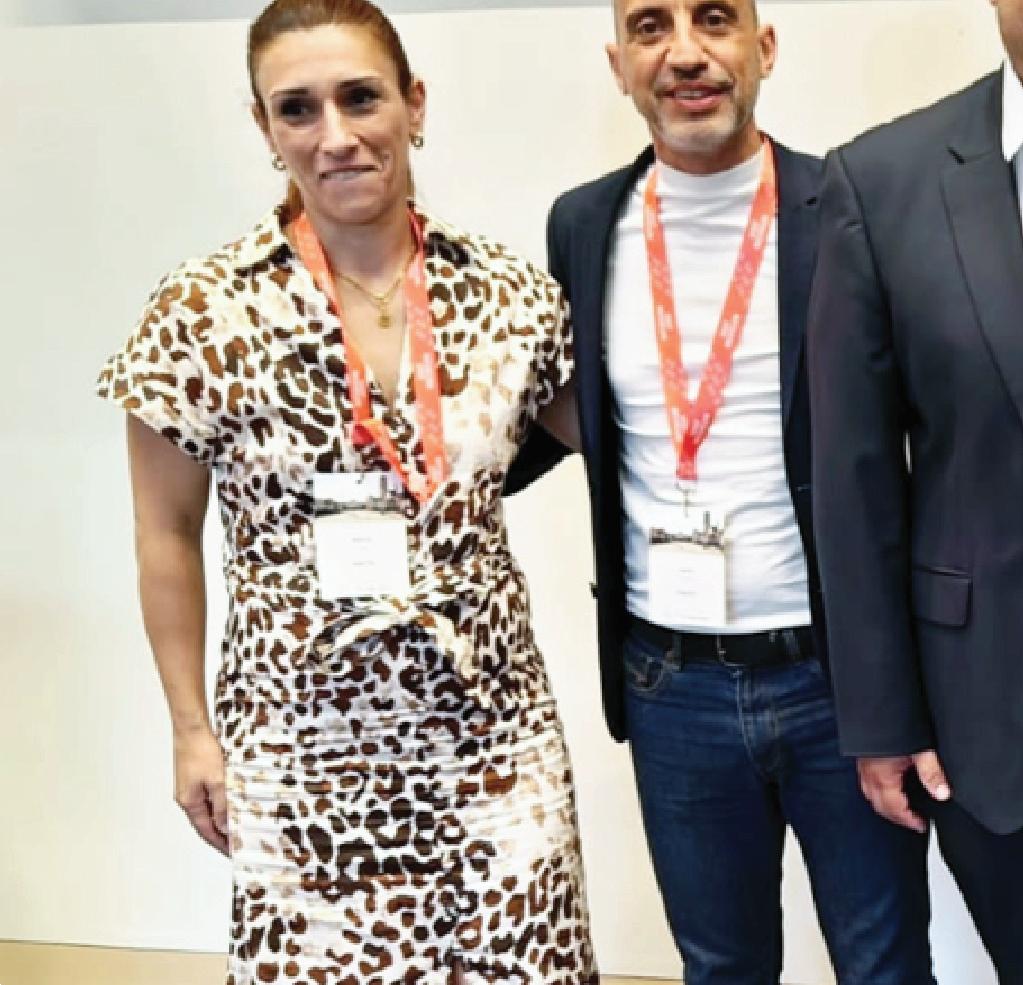
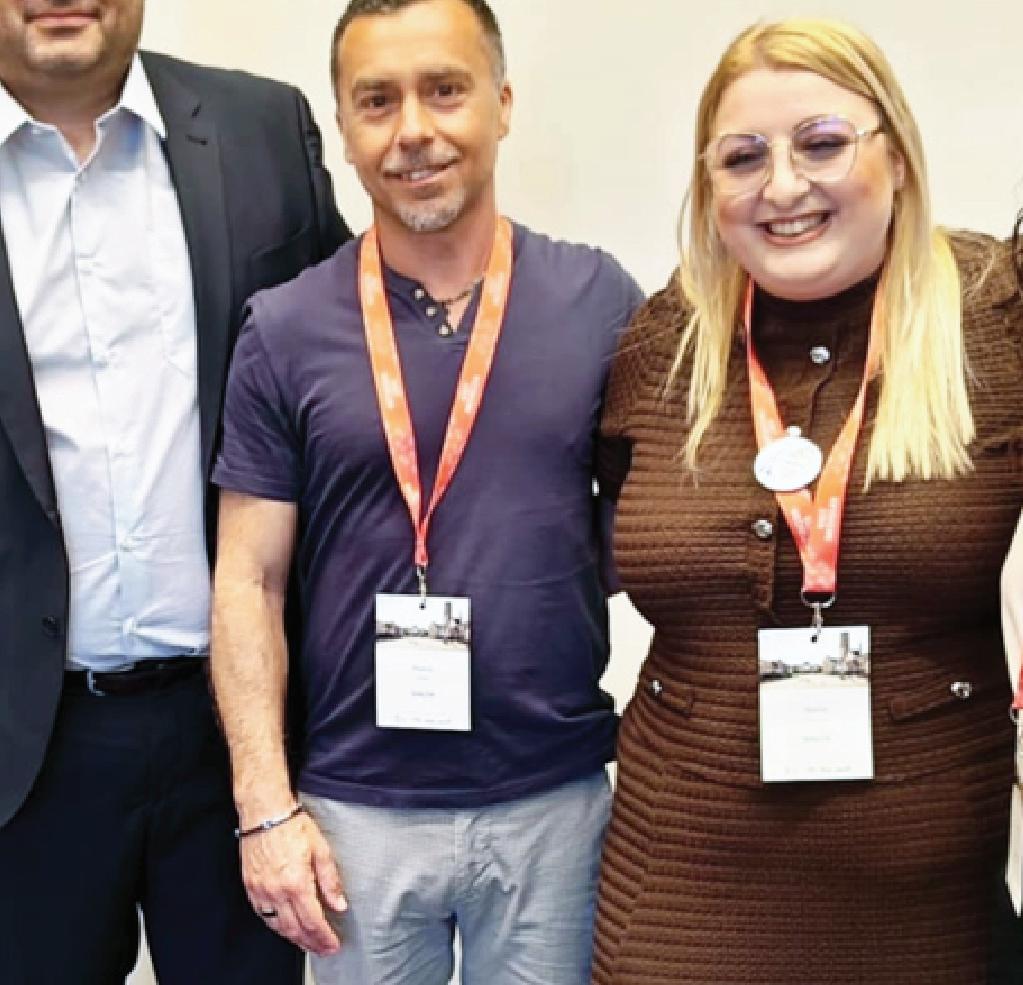
May 2026 marked the 20th anniversary of Horatio, the European Association of Psychiatric Nurses. Horatio, which owes its founding to two mental health nurses from Malta and the Netherlands, plays an active role in promoting high standards and best practices in mental health nursing across its European member states, while fostering leadership, collaboration, education, and human rights.
As part of its commitment to enhancing educational opportunities, the association organises an annual congress, which this year took place in Mechelen, Belgium, in collaboration with Thomas More University of Applied Sciences. The congress was attended by over 300 nurses, academics, leaders, and researchers working within the mental health field
from across the world, including seven representatives from Malta.
This year’s congress theme was ‘Rooted. Resilient. Ready.’, focusing on the future of psychiatric mental health nursing. Various keynote speakers were invited to address attendees. Particularly noteworthy was the keynote address delivered by Prof. Cheryl Forchuk, a former mentee of Hildegard Peplau, who is widely regarded as the mother of psychiatric nursing.
Listening to Prof. Forchuk speak about the values that shape mental health nursing and her connection to Peplau was both inspiring and grounding. Indeed, it reminded us of the reasons why we became mental health nurses and of the core values that have sustained our work throughout the years.
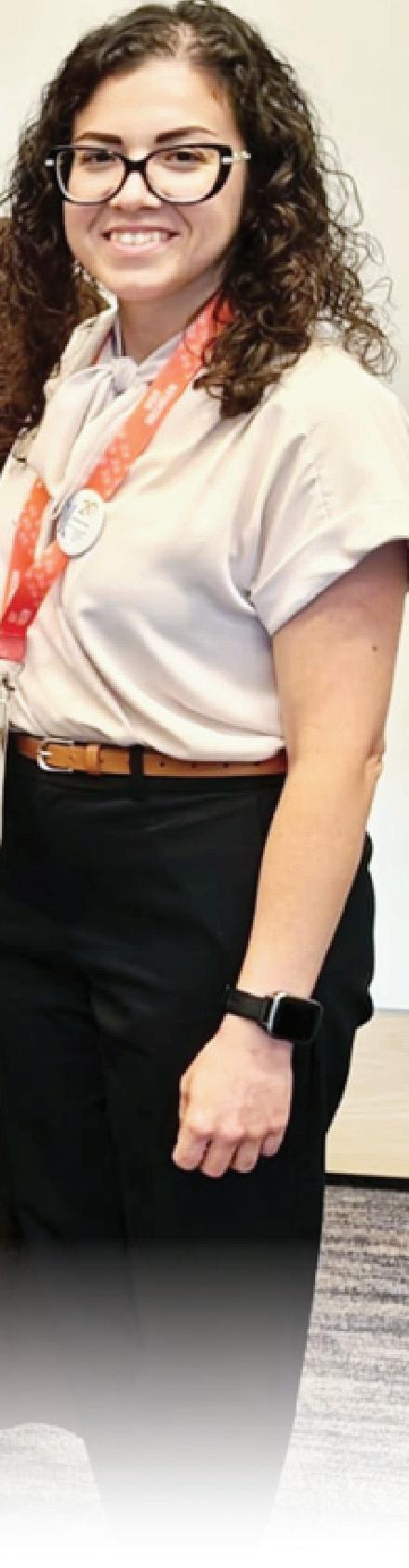
Dominique de Marné was the second keynote speaker. A peer expert herself, Dominique powerfully narrated her experiences with addiction and suicidal behaviour, highlighting community and a sense of connection as key components of care. Her presentation focused on how individuals can contribute to system change and how our interactions have the potential to promote dignity, connection, and recovery.
Other keynote speakers included Karl Desmet, Prof. Nina Kilkku, and Hanna Tuvesson, who spoke extensively on advancing clinical excellence, the current position of mental health nursing, and the transformative impact of mental health nursing on care standards.
continued on page 28

The current pay framework is broken and long overdue reform to pay structure is needed, says RCN General Secretary and Chief Executive Professor Nicola Ranger
Before the Westminster government submitted its evidence to the NHS Pay Review Body (PRB), we already knew what it would say. It would talk about how big the NHS wage bill is, and costsaving measures, but it wouldn’t acknowledge the real value you bring to patients, families, and the NHS.
That’s why most NHS unions stood together to reject this flawed, failing, government-manipulated process. The PRB process has failed us – year after year, it keeps nursing at the bottom. It doesn’t fix the crisis. It doesn’t value your skill. It doesn’t listen.
We’ve been proven right. On 30 October, the Department of Health and Social Care (DHSC) submitted its evidence to the NHS PRB for the 2026/27 pay round, which sets out the DHSC funding for pay recommendations for staff on Agenda for Change contracts. The figure given for nursing staff was: 2.5%.
Nursing is worth more. You deserve a pay structure that recognises your true value. One that reflects your skill, your sacrifice, and your central role in society. We’re continuing to make the case to the UK governments for wider reform – and every day that case gets stronger and harder to ignore. Earlier this year, members in England sent a clear message that 3.6% is not enough. It was a resounding message from our members: we will not fight for scraps anymore. There needs to be a reality




check in government that you cannot transform the NHS without getting behind the workforce delivering the vast majority of care.
The current pay framework is broken and long overdue reform to the pay structure is needed. Agenda for Change was introduced more than 20 years ago. Since 2018, the Nursing and Midwifery Council’s updated Standards of Proficiency have acknowledged the dramatic evolution of nursing practice – yet pay structures remain frozen in time. Nursing became a graduate profession in 2013, but the Agenda for Change framework has failed to keep pace. While qualifications, responsibilities, and pressures have intensified, the career support and progression pathways for newly registered nurses have stagnated. This disconnect between professional development and pay progression is not just outdated – it’s unjust.
Now, nursing is stuck in a bottleneck, with staff waiting years for progression while their responsibilities and clinical expertise grow daily. Too many nurses begin and end their careers at band 5. We can and must break out of the cycle of decline. Nursing has been cut, squeezed and devalued These challenges stretch to every corner of the UK. Long-overdue structural reform of nursing pay in the NHS is needed in every country. Nursing staff in Scotland, Northern Ireland and Wales face similar pressures due to the state of Agenda for Change pay structures. Each and every member of the nursing



profession, in every setting, deserves a future where their value is recognised and rewarded. A yearly pay award will not solve this. That doesn’t mean we won’t demand better. But that we have bigger, bolder and more urgent ambitions for our profession.
We need structural reform that goes beyond percentages. We need swift, meaningful and fully funded pathways to progression between bands that recognise the increased skill, knowledge and responsibility of roles in nursing. Crucially, all nursing staff must be on the correct band, reflective of their responsibility. That includes addressing the bottleneck in nursing progression from band 5 to band 6. We also need a fair approach to overtime and unsocial hours for all nursing staff. This isn’t just about fairness.
Nursing has been cut, squeezed and devalued. You’re asked to deliver more with less, year after year. The value placed on you, your skills, and your time has been eroded.
Real pay reform is about retention. It’s about safety. It’s about rebuilding a profession that has been stretched to its limits. Pay reform isn’t a luxury – it’s a necessity. It’s how we turn things around for our profession.
Let’s get what nursing needs, together. This autumn, we need to open formal negotiations between governments and unions. We need to make Agenda for Change fairer as a system, and the salary levels within it reflect what you actually do.







“I loved my care
On the brink of becoming registered, nursing student Tyler Kirkham reflects on a pivotal placement in a care home where the reality far exceeded expectation
When I was allocated a care home as my first placement in my second year, I initially thought this wasn’t what I wanted. I cried quite a lot and was anxious about having to spend 6 weeks there.
When I thought of a nursing placement, I thought of the clinical experiences, wards, nurses, doctors, and loud, busy environments – a far cry from a care home.
I reasoned with myself and told myself I couldn’t always get what I wanted. I needed to make the most of this opportunity. I called the care home manager a few weeks before starting to introduce myself and to arrange my shifts. I was asked how I felt about coming to the care home, and I was very honest. I told the manager how nervous I was instantly reassured that I would enjoy my time there. I didn’t believe her.






My care home placement was hands down one of my best learning experiences.
I was proved so wrong. My care home placement was hands down one of my best learning experiences. I was welcomed into the team and supported by everyone to make it a fantastic experience. I had the honour of being invited to look after residents in the place they call home. I got to know every resident and their families, which allowed me to support them in the best way possible. I quickly became part of that team.
HOLISTIC, PERSON-CENTRED CARE
A real highlight was my work on a quality care improvement project. The project aimed to make it easier for residents to transfer from care homes to hospitals, making the experience less distressing for them and their families. My background is in a medical admission unit and when people are admitted from care homes, they’re often admitted with insufficient information to enable a consistent transition. Sometimes they’re unable to verbalise the information needed.
This sparked an idea. I wanted to produce a tool that was accessible and easy to update when required. The document I created was an adaptation
of a hospital passport, most commonly used for people with learning disabilities: ‘My Hospital Personal Plan.’ The right care, in the right place, at the right time
It’s intended to accompany any resident admitted to the hospital and provide staff with the information needed to maintain the same personcentred care the resident experiences within the care home – the right care, in the right place, at the right time. I was encouraged and supported by all the staff at the care home and allowed to work independently and trusted to make changes where appropriate. Most importantly, I always felt listened to.
OPEN TO OPPORTUNITY
At the end of my placement, I genuinely felt very grateful for my time there and was very sad it was over. The care home will always hold a special place in my heart. We all get worried about our placements, and the thought of a care home makes some of us even more anxious. There is so much we can learn and take away from care home placements – you must be open and give them a chance like you would any hospital placement.
You never know; you may love it as much as I did.

by Geoffrey Axiak M.Sc. Nursing, P.G. Dip. Nutrition & Dietetics, B.Sc. Nursing, Dip. Public Management, Cert. Clinical Nutrition, Associate ESNO, F.E.S.N.O.
Self-assessment is here defined as the process by which individuals evaluate their own performance against established standards or criteria. It is closely connected to concepts such as self-reflection, self-regulated learning, and self-appraisal (Andrade & Valtcheva, 2009; Boud, 1995). In nursing, self-assessment holds particular significance, as practitioners must continuously evaluate their competence to ensure safe and effective patient care.
In modern healthcare settings, where clinical complexity and accountability are rising, nurses’ ability to critically reflect on their practice is crucial. Self-assessment helps nurses identify knowledge and skill gaps, supporting ongoing professional growth and enhancing patient outcomes.
Self-assessment is widely regarded as a core competency for lifelong learning and professional development (Boud, 2006). In nursing, it supports the development of clinical judgement, critical thinking, and professional accountability. Nurses frequently engage in self-assessment when reflecting on clinical decisions, evaluating patient outcomes, and identifying areas for improvement. The process involves comparing one’s performance against professional standards and integrating both internal insights and external feedback (Sargeant et al., 2010).
For self-assessment to be effective, learners must understand its purpose, have access to clear criteria, and receive structured guidance and feedback (Andrade, 2019).
Several variables influence the effectiveness of self-assessment:
• Experience and education level: Higher-level learners demonstrate greater accuracy (Panadero et al., 2017).
• Age and maturity: Self-efficacy tends to increase with age (Huang, 2013).
• Gender differences: Variations exist in confidence across domains (Brown & Harris, 2014).
• Assessment design: Clear criteria improve accuracy (Brown & Harris, 2014).
• Feedback and support: Constructive feedback enhances outcomes (Daniel, 2001).
These factors highlight the complexity of implementing self-assessment effectively in nursing education.
OF SELF-ASSESSMENT IN NURSING
Self-assessment offers several important benefits:
• Promotes reflective practice Encourages critical evaluation and deeper learning (Andrade, 2019).
• Enhances learner autonomy Supports independence and responsibility (Lew et al., 2010).
• Improves motivation and engagement Increases ownership of learning (Spiller, 2012).
• Supports personalised learning Allows identification of individual learning needs.
• Encourages continuous professional development Aligns with lifelong learning principles (Boud, 1995).
Additionally, it enables learners to identify performance issues not visible to external assessors.
Self-assessment can be divided into:
• Formative self-assessment: Ongoing evaluation to improve learning
• Summative self-assessment: Posttask evaluation of performance
Formative approaches are generally more effective, especially when supported by structured tools such as rubrics and reflective journals (Andrade, 2019).
TABLE 1: ADVANTAGES AND LIMITATIONS OF SELF-ASSESSMENT IN NURSING
Aspect
Learning
Advantages
Promotes reflection and critical thinking
Motivation Increases engagement and ownership
Professional growth Supports lifelong learning
Assessment process Encourages transparency
Clinical practice
Enhances selfawareness and decision-making
Limitations
May lack accuracy without guidance
Risk of over - or underestimation
Not all individuals possess required skills
Requires clear criteria and support
May not align with objective performance
Despite its benefits, self-assessment presents several challenges. A major concern is accuracy, as individuals often struggle to evaluate themselves objectively (Dunning et al., 2004). Overestimation of performance is common, while some individuals underestimate their abilities.
Not all learners are capable of effective self-assessment, particularly without training (Regehr & Eva, 2006). Educators may also fear that selfassessment could lower academic standards or lead to inconsistencies (Ross, 2006).
The design of criteria is crucial. Specific and clear criteria improve reliability,
continued on page 28
Geneva, Switzerland, 18 March 2026 - The International Council of Nurses (ICN) has warned that violence against nurses is a global gendered crisis that threatens health systems, patient safety and workforce sustainability.
Speaking at a United Nations Commission on the Status of Women (CSW70) parallel session, ICN President Dr José Luis Cobos Serrano called for urgent action to address workplace violence affecting nurses and other women-dominated professions.
The ICN session, co-hosted with Sigma Theta Tau International and SONSIEL, brought together global experts to examine the scale, causes and solutions to violence in health care workplaces.
Dr Cobos Serrano highlighted that nursing is overwhelmingly female, with women making up 85% of the workforce, and said its historic classification as “women’s work” has contributed to persistent undervaluation, lower pay and limited leadership opportunities.
He pointed to alarming data showing the scale of the problem: 86% of nurses report violence from patients or the public, while more than two-thirds experience violence from colleagues. Workplace violence, he said, is closely linked to gender inequities, unsafe working conditions and staffing shortages.
“Creating safe workplaces free from gender-based violence is essential for workforce sustainability,” he said. Dr Cobos Serrano also warned that violence is escalating in conflict settings, where attacks on health workers are increasingly used as a weapon of war. He highlighted ICN’s advocacy at the highest levels and its #NursesforPeace initiative supporting nurses in crisis-affected regions.
The consequences, he said, are severe and far-reaching. Violence contributes to burnout, absenteeism and staff shortages, while also increasing risks to


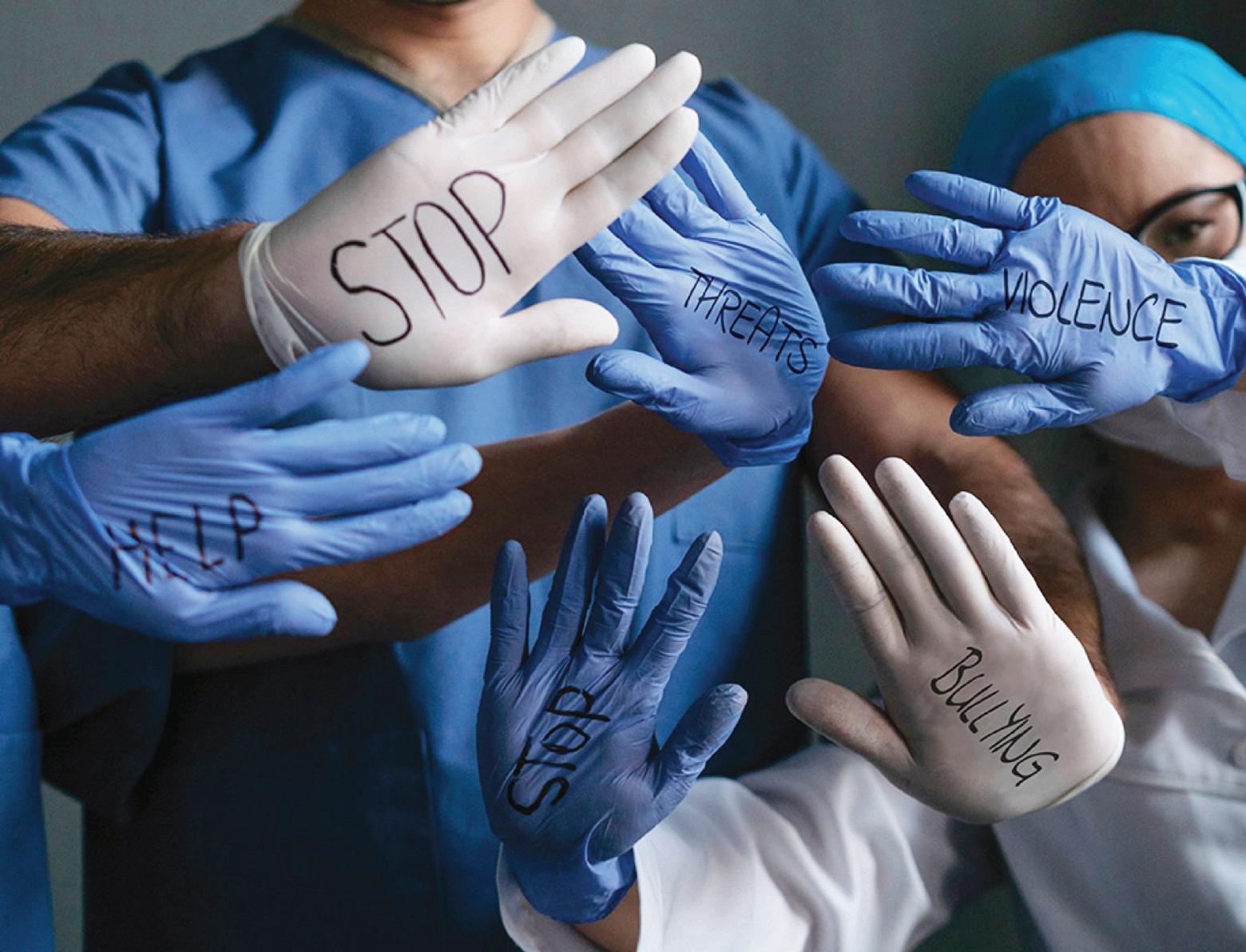
patient safety and quality of care. It is also driving nurses out of the profession, worsening global workforce gaps.
Closing the session, Dr Cobos Serrano emphasized that protecting nurses is fundamental to stronger health systems.
“Protecting nurses and frontline workers is essential not only for their safety, but also for economic stability, societal wellbeing, and the quality-of-care patients receive,” he said.
He highlighted three key priorities: advancing gender equity, strengthening nursing leadership, and ensuring that protecting nurses is recognized as essential to protecting patients.
Dr Cobos Serrano called for concrete measures, including zero-tolerance policies on workplace violence, improved security and prevention systems, mental health support for affected staff, and stronger protection of health workers in conflict zones.
“Nurses are one of the most trusted professional groups in society,” he said. “When we protect them, we enable them to improve health for all.”
ICN also highlighted upcoming engagements at CSW70 and invited participants to the ICN NP/APN Network Conference in Nashville (September 2026) and the ICN Congress in Taipei (July 2027).
Dr Cobos Serrano will continue to advance these themes later this week at another CSW70 parallel session on “Innovating for equity: Global standards and career advancement for health professions,” where he will emphasize the importance of strengthening the global health workforce through career development, skills recognition and leadership. He is expected to highlight the critical role of nurses in advancing gender equity, closing leadership gaps and driving digital health transformation, stressing that empowering nurses is essential to building more resilient, equitable health systems worldwide.


































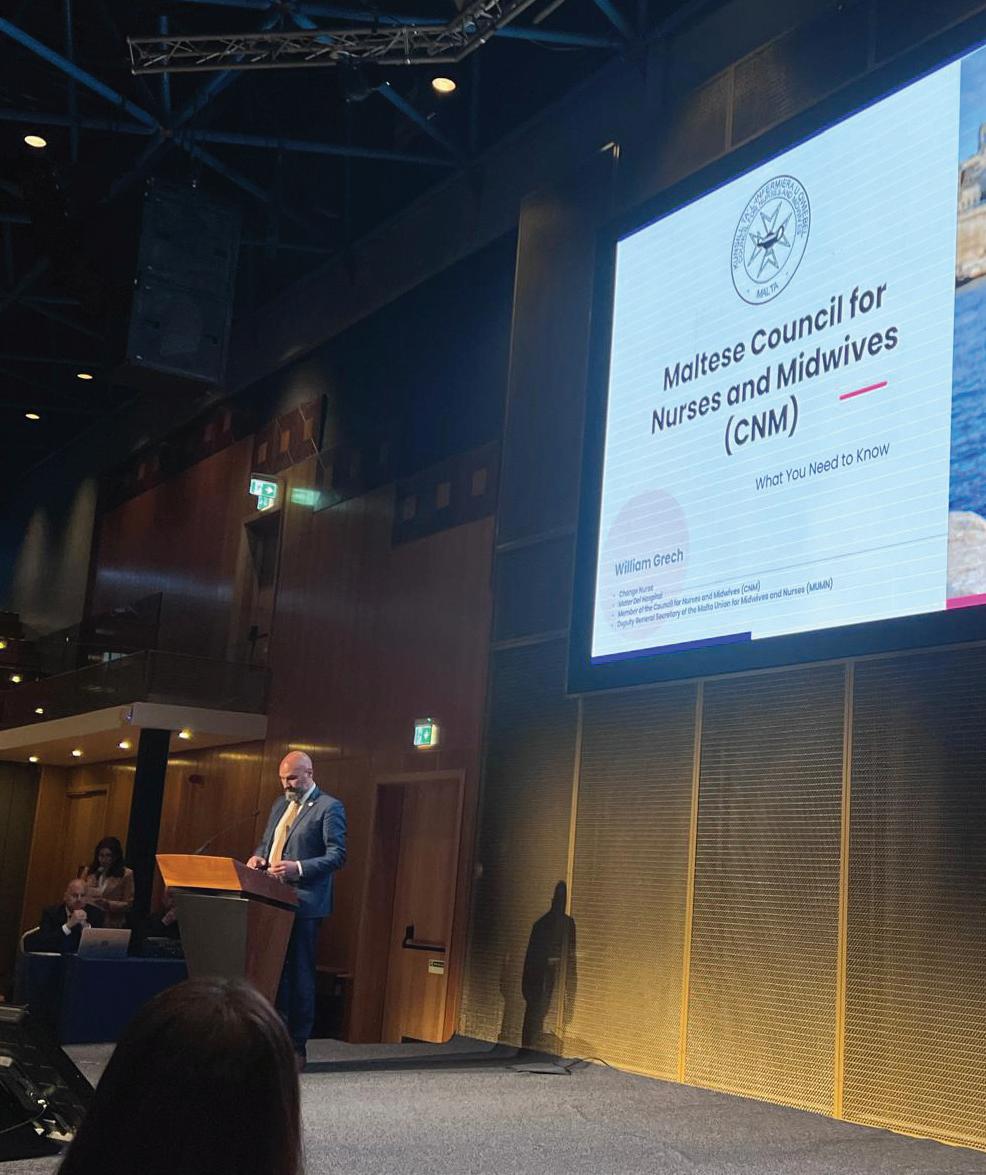
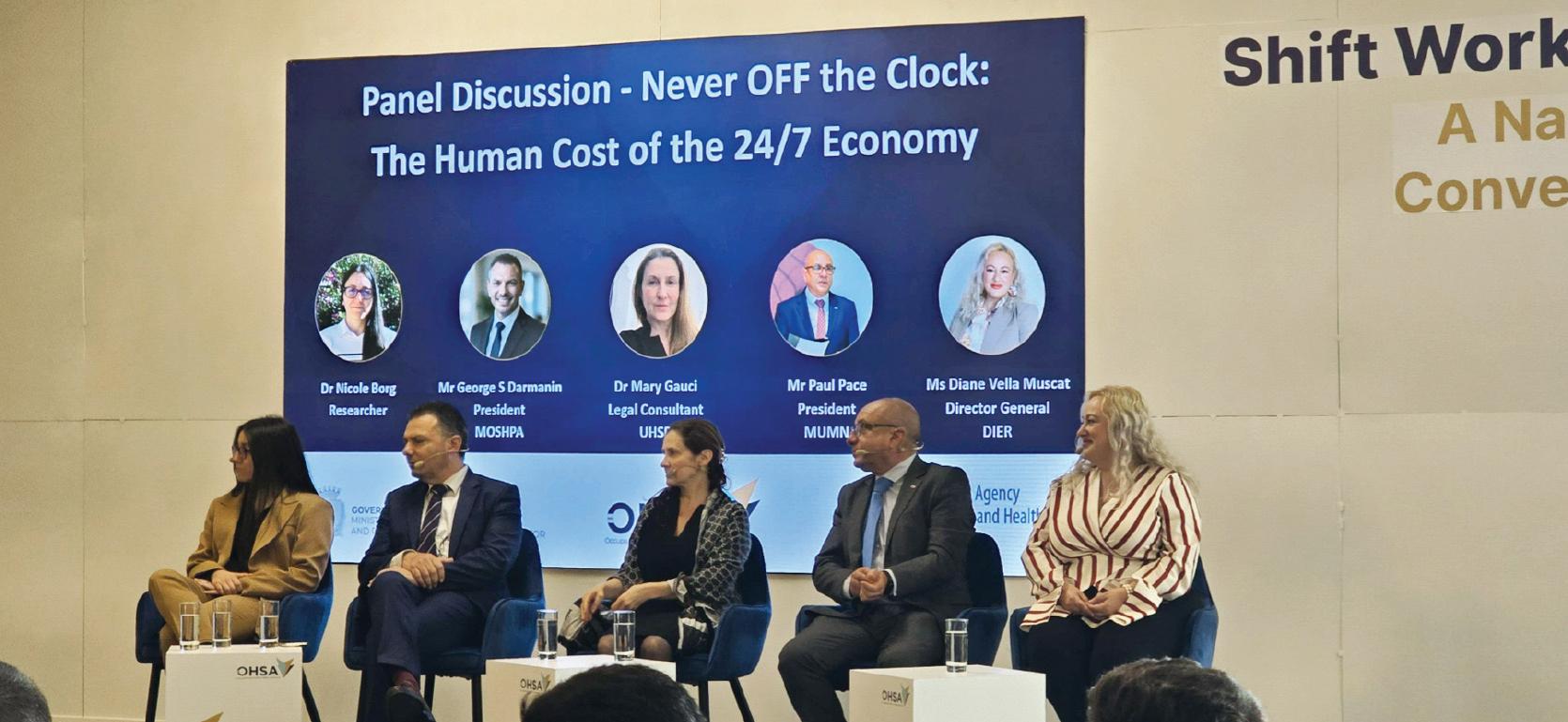




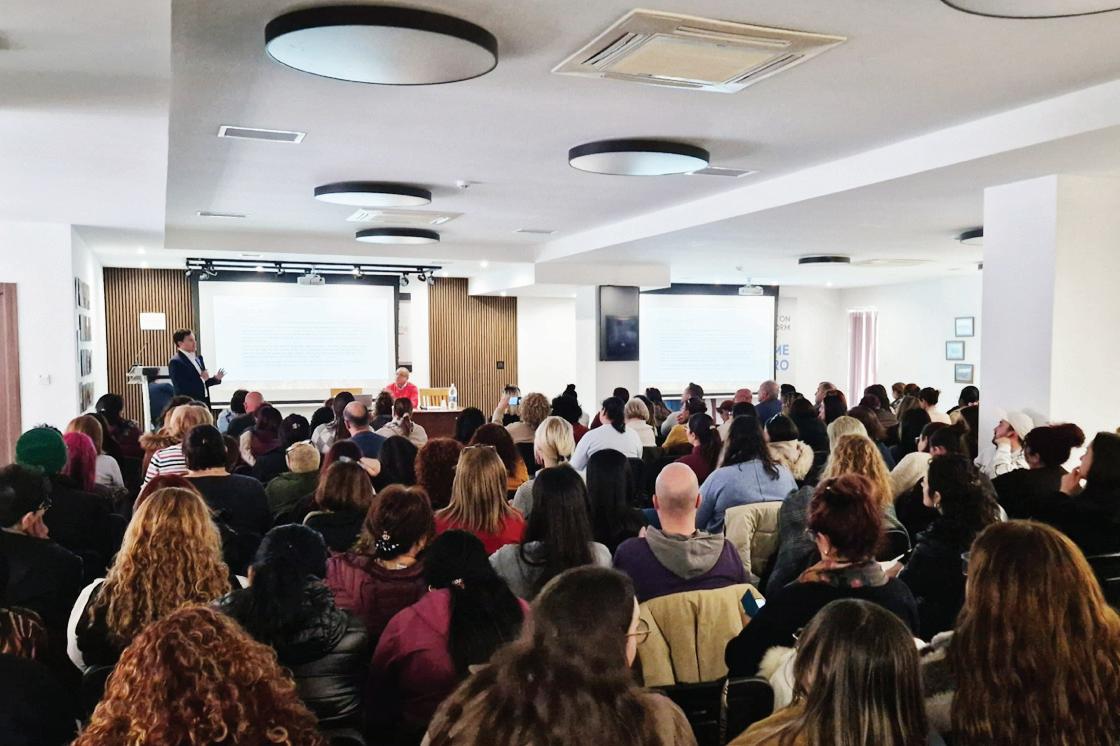




The Institute for Health Care Professionals continued to organise the monthly seminars





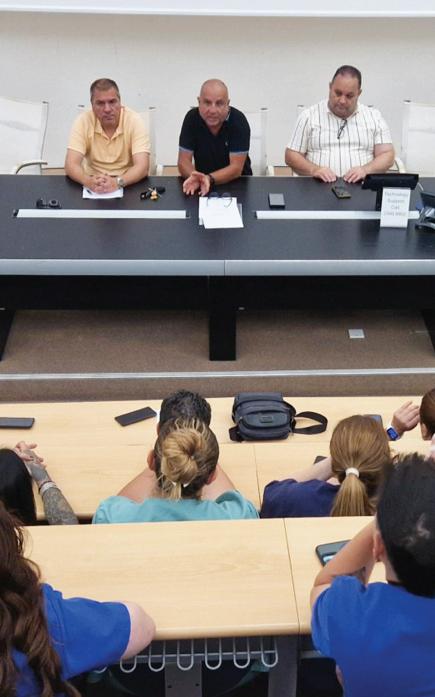
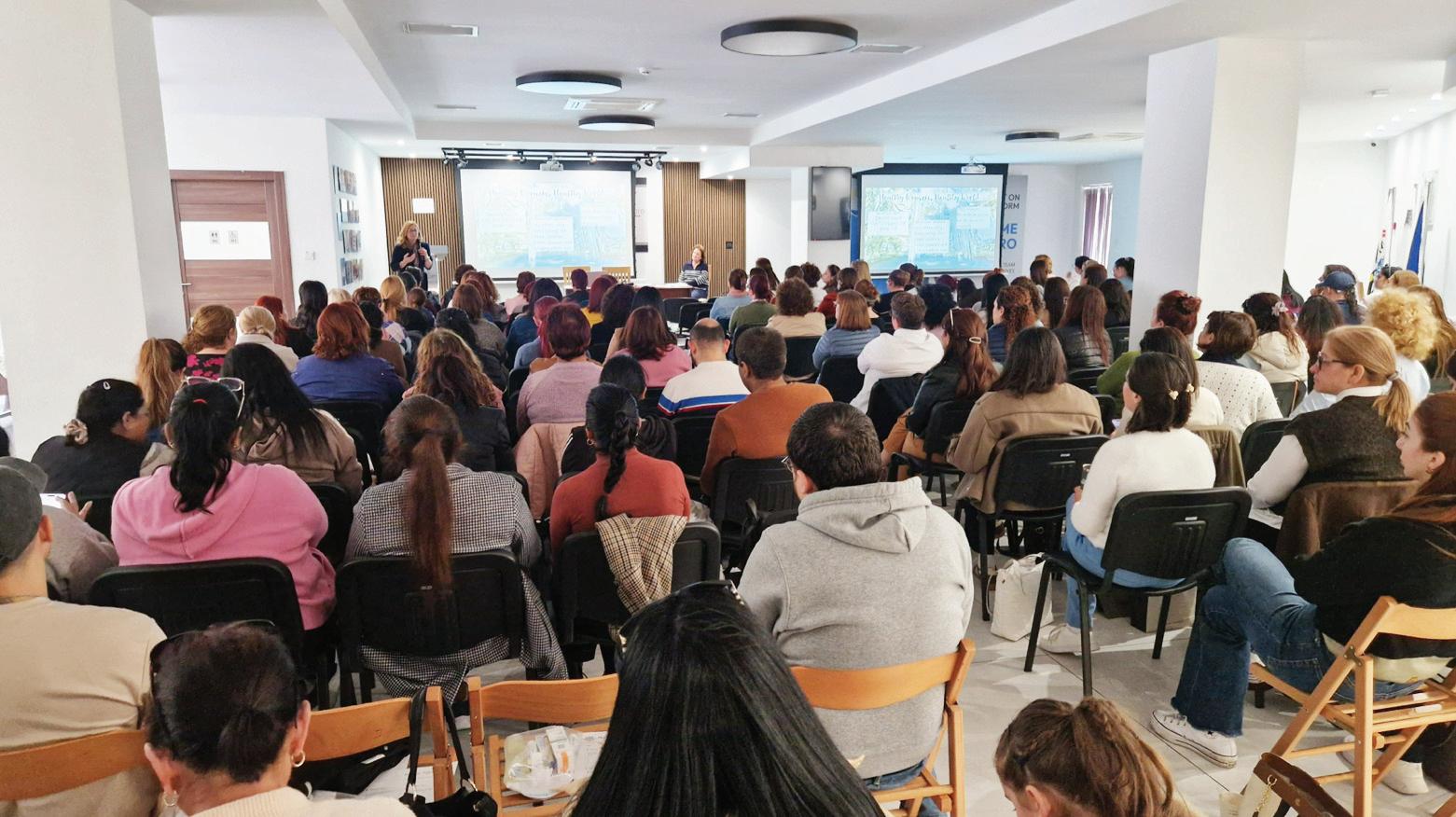
MUMN organised a meeting for the Phlebotomists and Decontamination Surgical Technicians about the new sectoral agreement





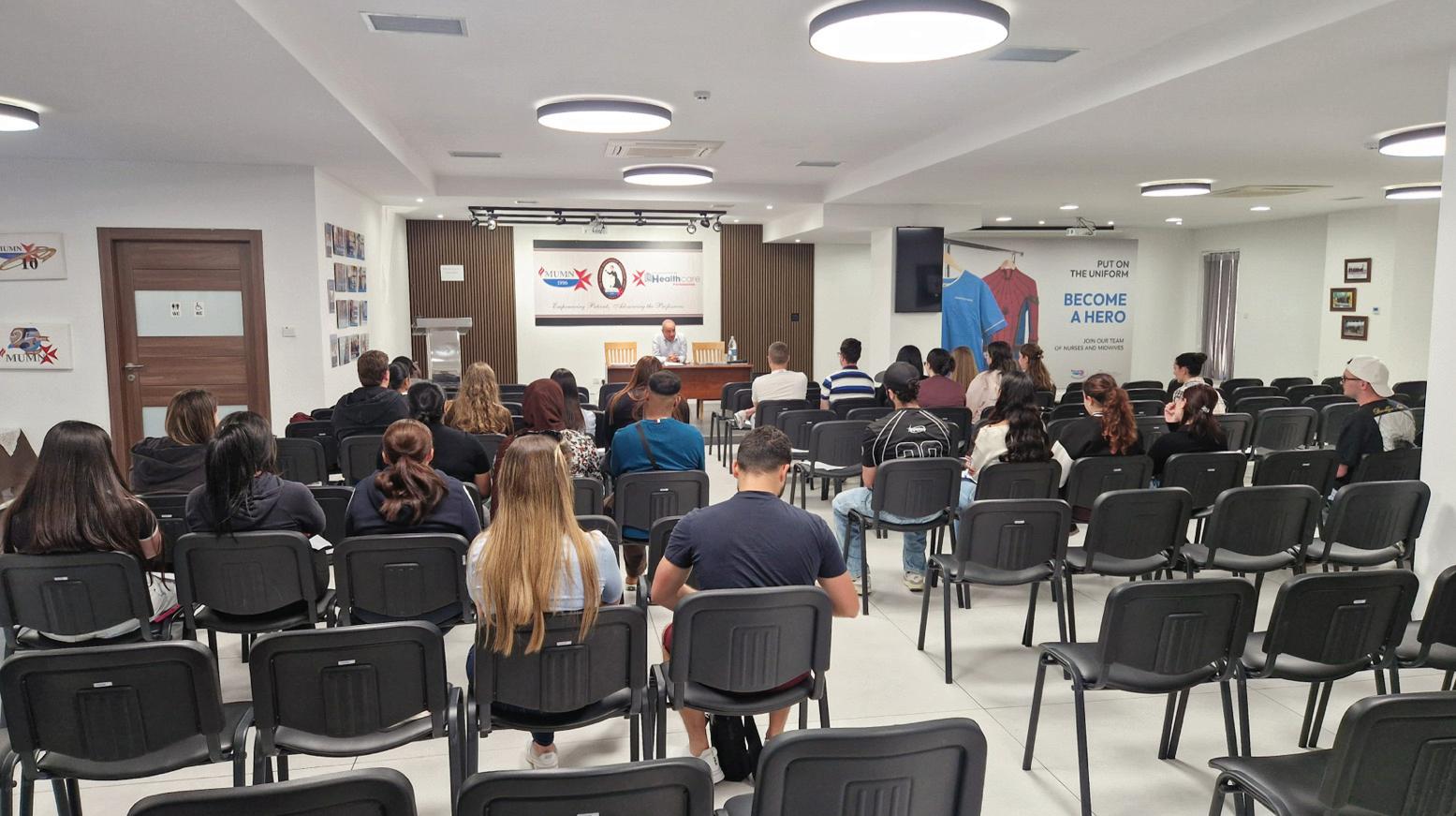
organised a meeting for the new nurses graduating from






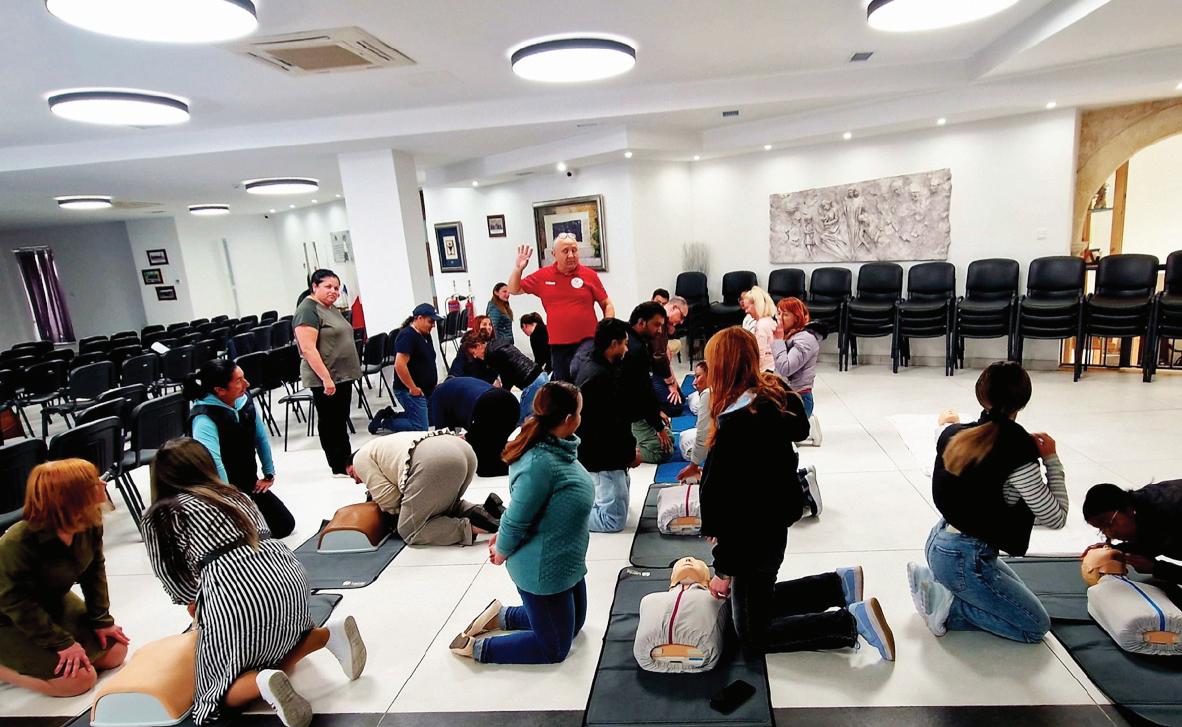



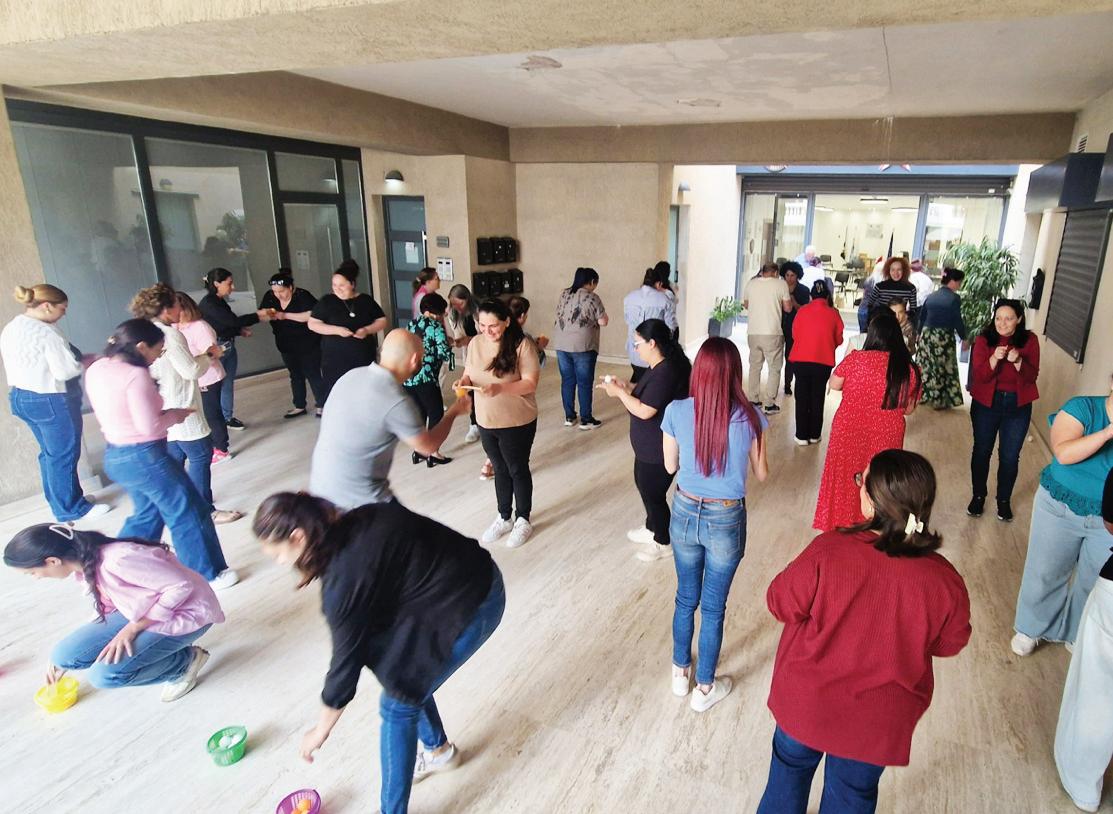

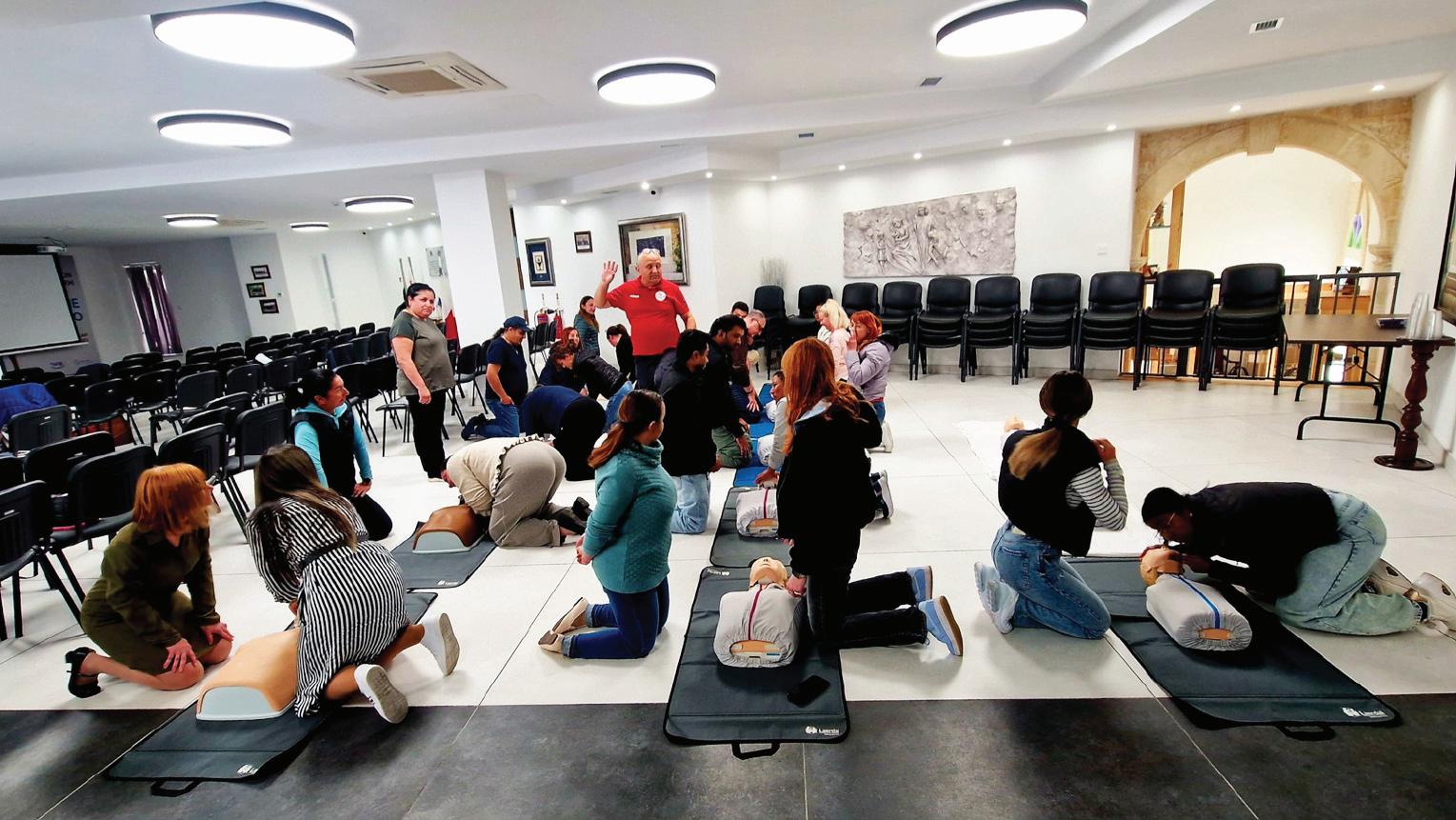
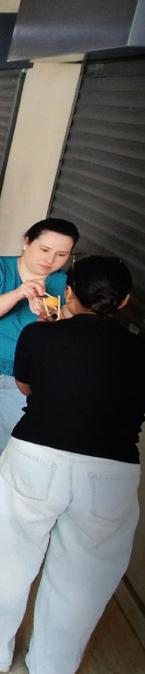
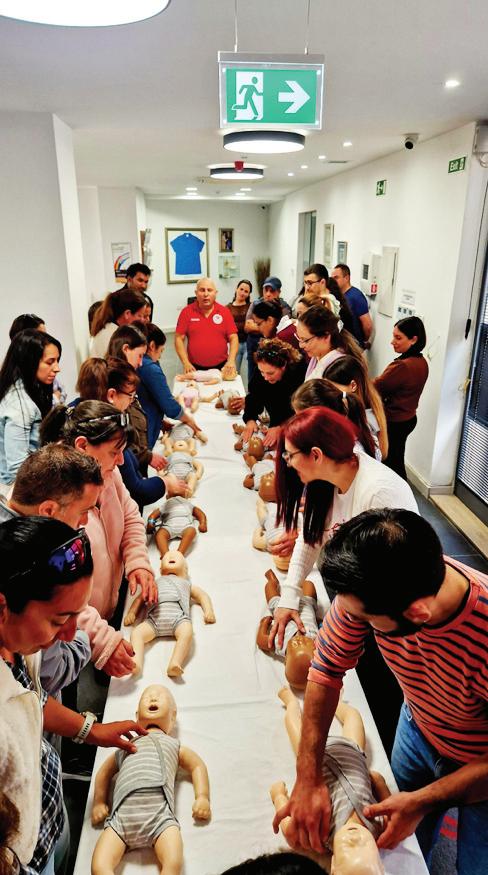
MUMN in collaboration with Malta First Aid organised a Paediatric First Aid course at the union’s organisedpremises
















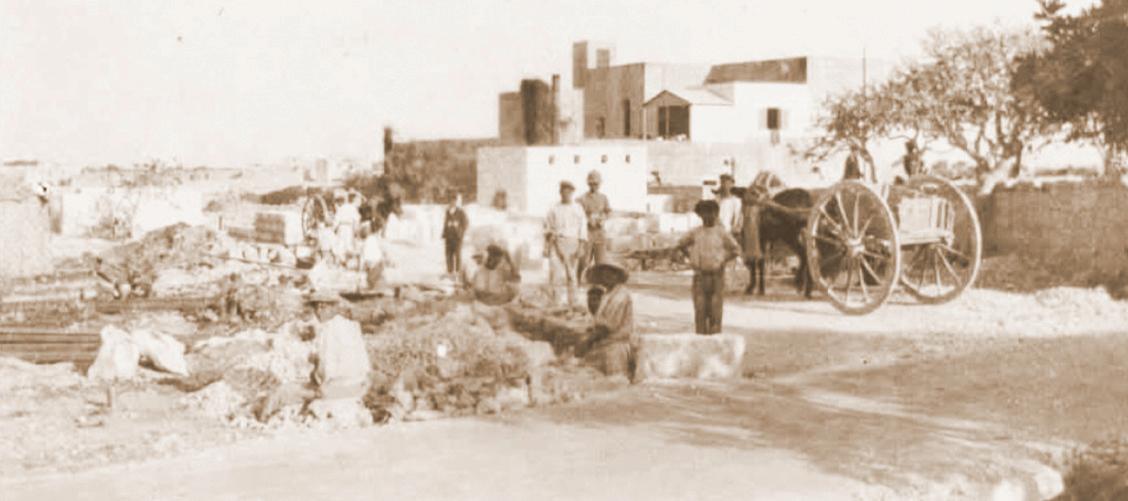
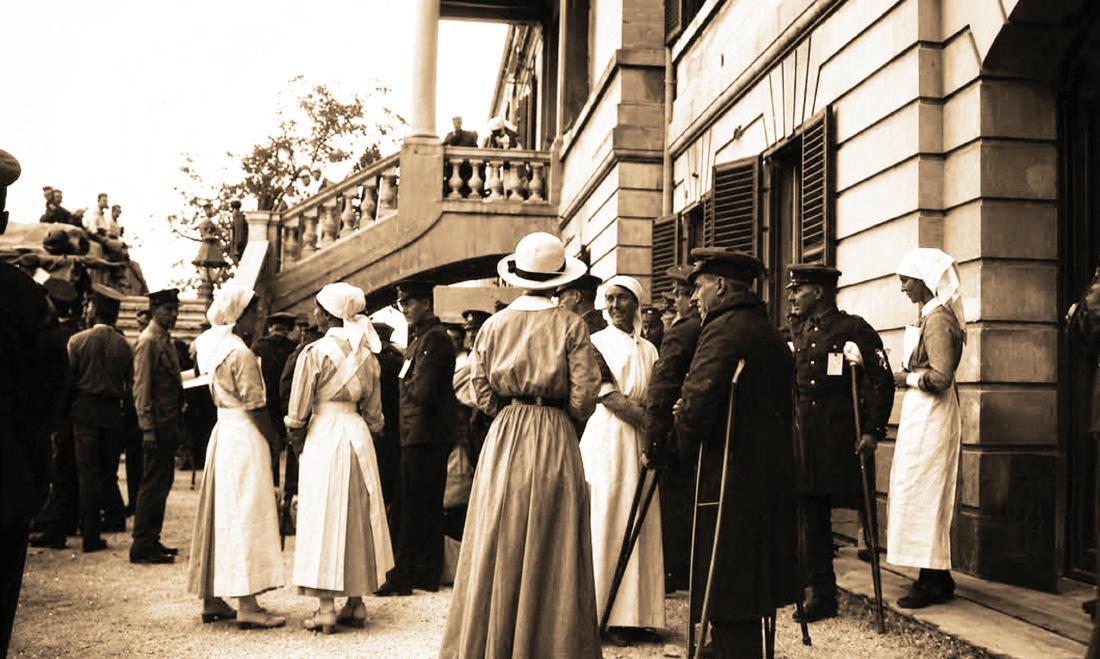
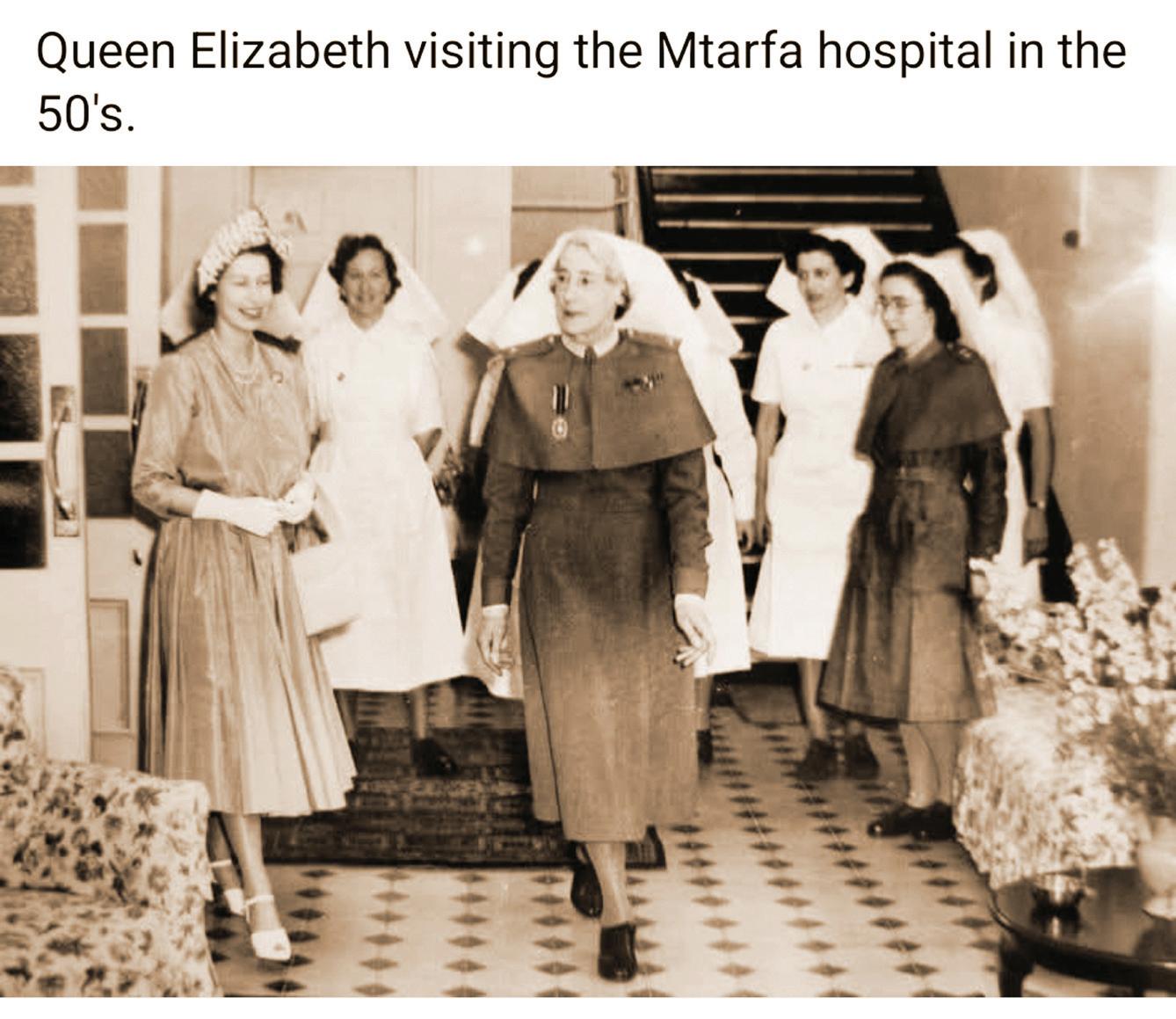
St Patrick’s was a temporary tented hospital set up in San Gwann, near the Tal-Balal crossroads, to cope with the rapid expansion in medical requirements for the wounded coming from the Gallipoli campaign. It opened 15th August 1915 with 1000 beds and peaked at 1168 beds before being closed 27th April 1917.

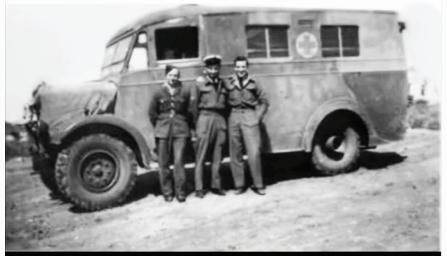
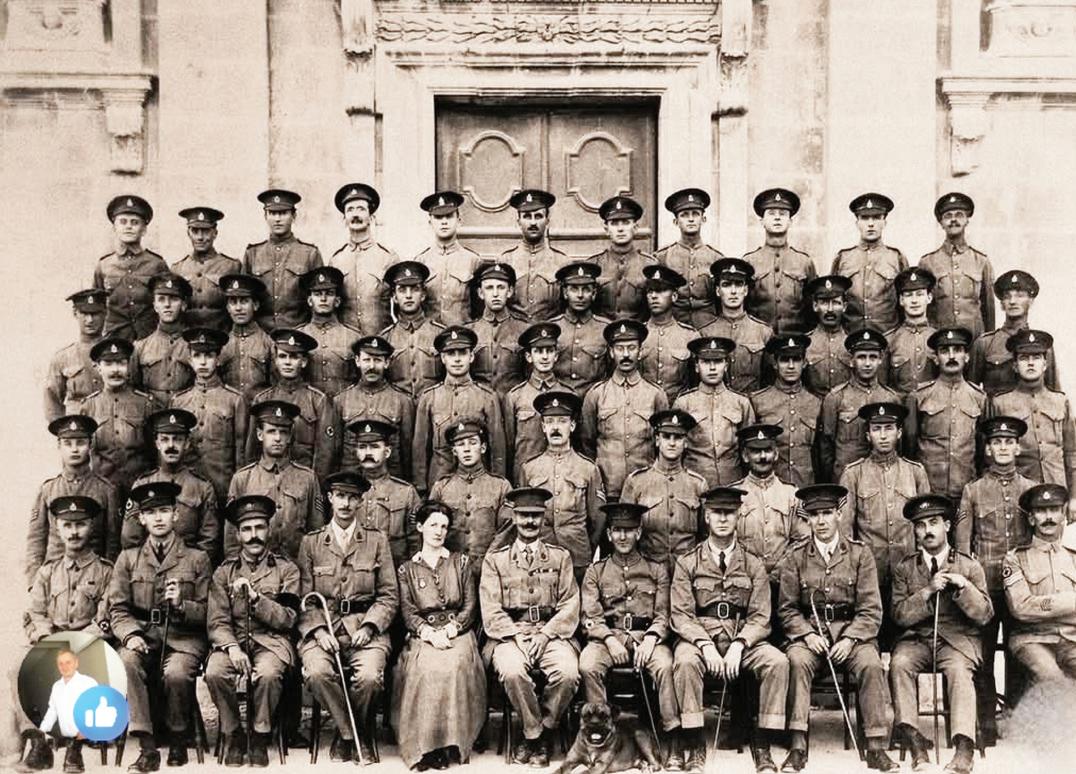
Orderlies and Medical Staff of Fort Manoel Hospital on Manoel Island, during the Great War (WW1). Date February 1917.

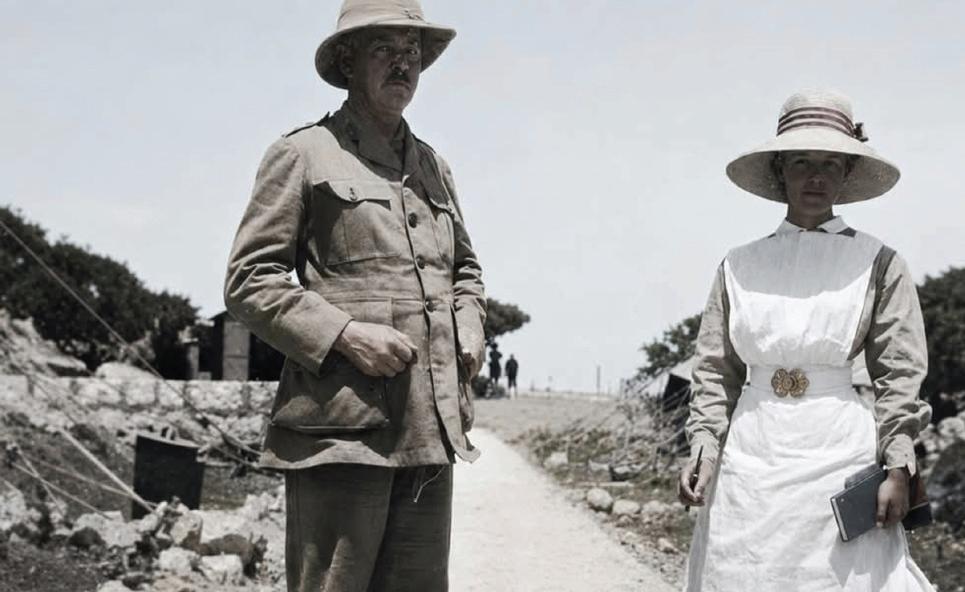
St. Patrick’s Military Camp Hospital was a British military installation and WWI tented hospital located in the San Æwann area (historically referred to as Imsierah). The camp was established in August 1915 to treat Gallipoli casualties and operated through WWI. Today, the former site’s footprint is completely absorbed by residential and urban development in San Æwann. It had over 1,100 beds. This photo was taken in 1916 showing Cpt Foley and Sister Rutledge.




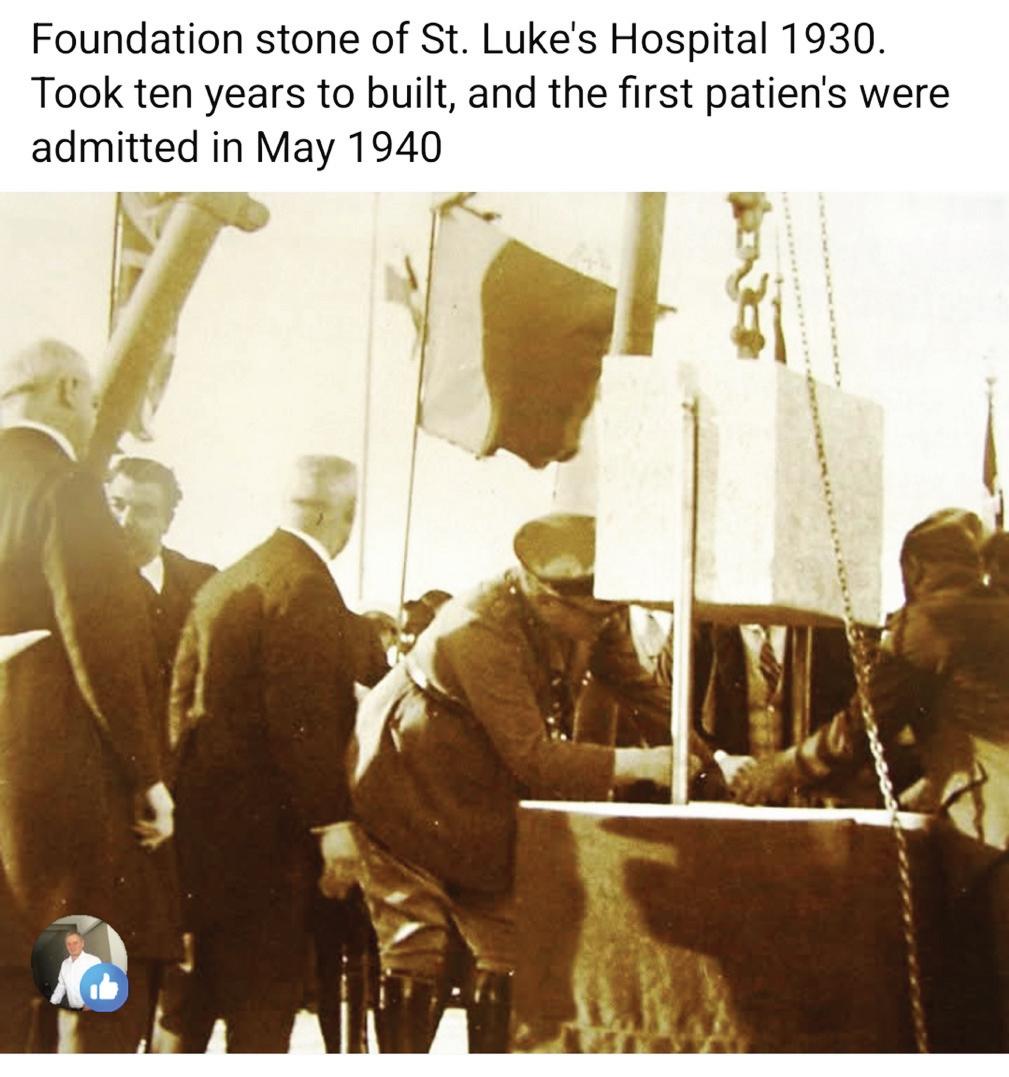
Foundation stone of St. Luke’s Hospital 1930. Took ten years to built, and the first patients were admitted in May 1940












The Public Service places strong emphasis on maintaining a healthy balance between organisational demands and the personal well-being of its employees. Within this framework, the Manual on the Procedure and Computation of Salaries serves as a comprehensive guide to ensure that all salary-related processes are carried out in a structured, transparent, and equitable manner. The manual is organised into three main chapters, namely the procedure for the payment of salaries, the computation of payments, and the different categories of pay, each addressing essential aspects of payroll management within the Public Service.
The following is some interesting information, which might be useful and is covered in this manual:
SOCIAL SECURITY
A section of the manual focuses on Social Security, particularly the obligations related to National Insurance (NI) contributions. Employees who perform at least one day of work within a sevenday period are required to pay the full NI contribution for that week. The applicable rate is determined based on the employee’s salary scale and working hours as established on the Monday of that week, regardless of any subsequent changes.
This ensures consistency and avoids fluctuations within the same contribution period. Even when employees are on half pay sick leave for the entire week, they remain liable to pay the full NI contribution, reflecting the principle that partial income still attracts full contribution liability. On the other hand, employees who are on no pay for the entire calendar week are not required to pay NI contributions for that period.
The manual also provides flexibility for part-time employees, who may opt to contribute a flat rate equivalent to 10% of their basic salary. However, where a part-time employee is already contributing through a full-time position elsewhere, no additional NI contribution is required on the parttime income. Furthermore, employees who have reached the age of 65 are
exempt from paying NI contributions, in line with existing social security provisions.
The computation of NI contributions is clearly defined to ensure uniform application. The weekly contribution is calculated by dividing the annual basic salary by 520, or alternatively by applying 10% to the weekly equivalent salary. For instance, an annual salary of ¢13,156 results in a weekly NI contribution of ¢25.30. This calculated rate must always be checked against the national minimum and maximum thresholds established for the respective year, ensuring that contributions remain within legally defined limits. Over a standard four-week pay cycle, this would result in a total contribution of ¢101.20 (¢25.30x4).
Calculation of a Normal Day’s Pay Both for Payment and Deduction Purposes: This manual explains how salaries are broken down for daily and hourly calculations, which are essential for accurate payroll processing, particularly in cases of deductions, allowances, or irregular working patterns. A normal day’s pay is determined by dividing the annual salary by 365 days, or 366 in a leap year. Using the same example, this results in a daily rate of ¢36.04, slightly lower in a leap year due to the additional day (¢13,156 ÷ 365 = ¢36.04 per day or ¢13,156 ÷ 366 = ¢35.95) .
CALCULATION OF ONE HOUR’S PAY BOTH FOR PAYMENT AND DEDUCTION PURPOSES
The hourly rate is calculated by dividing the annual salary by the total number of working hours in a year, typically based on 52 weeks multiplied by the standard weekly hours. This provides a consistent and fair basis for calculating payments related to overtime, leave, or deductions. Annual Salary ÷ number of weeks in a year x number of hours per week. Keeping the same example: ¢13,156 ÷ (52 x40) = ¢6.33 per hour.
DEDUCTION OF PAY
The manual also addresses situations where deductions from salary may be necessary. Employees who arrive late
without valid justification, and who are unable to make up for lost time through agreed arrangements, are subject to proportional deductions.
UNAUTHORIZED ABSENCES
Similarly, unauthorized absences are treated with strict accountability, with deductions calculated from the moment the employee is recorded as absent until their official return to duty. These deductions are computed to the nearest half-hour, ensuring fairness while maintaining administrative efficiency, and are never less than the equivalent of half an hour’s pay.
COMPUTATION OF OVERTIME PAY / TOIL
The manual also outlines the computation of overtime and Time Off In Lieu (TOIL), both of which are calculated at one and a half times the basic hourly rate. This enhanced rate recognises the additional effort and time contributed by employees beyond their normal working hours and ensures that compensation is both fair and consistent across the Public Service.
There is much more detailed information regarding salaries and their computation, which can be easily accessed by consulting the manual directly online. Although some calculations may appear simple and are often taken for granted, this manual provides valuable insight and helps foster a clearer understanding of how these processes are carried out. Overall, the manual serves as an essential reference document, offering clarity, consistency, and guidance on salary administration.
It not only supports accurate payroll processing but also promotes transparency and fairness, ensuring that employees are treated equitably while enabling departments to manage salary-related matters effectively and in line with established regulations.
William Grech Deputy General Secretary MUMN
continued from page 15
Another impactful presentation was delivered by Prof. Dirk Richter, who spoke passionately about human rights as the foundation of mental health care provision. In this regard, Prof. Richter explored how challenges encountered within mental health care can be addressed using a human rightsbased approach. The increasing use of coercive measures across Europe was also discussed, highlighting the urgent need to move away from coercive practices towards more supportive models of care in which service users are empowered to participate in decisionmaking and exercise autonomy in their care.
Sessions delivered by other speakers showcased research and practices being undertaken across a wide range of areas, including mental health equity, inclusion, trauma, clinical education, care environments, and professional identity.
The inclusion of peer experts throughout the congress was particularly distinctive. Their contributions ranged from participation in concurrent sessions to involvement during musical interludes. Throughout the congress, a
conceptual artist and peer expert made a memorable impression by weaving colossal bandages around participants and throughout the congress venue itself. The artist explained how he had learned to use bandages as a means of coping with psychotic episodes. Today, bandages evoke feelings of comfort and connection and symbolise the invisible bonds that support mental wellbeing.
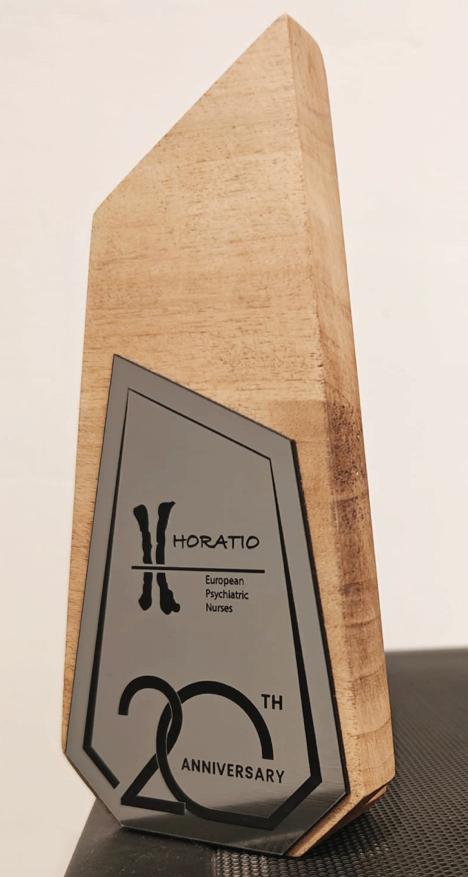
In commemorating its 20th anniversary, Horatio invited its founders and former board members to participate in a celebration reflecting on the work undertaken by the association over the past two decades. Several former board members shared stories and experiences that have helped Horatio grow into the organisation it is today. Finally, all former board members were presented with a commemorative token recognising Horatio’s contribution to mental health nursing over the past 20 years.
Janice
Agius
Janice is a registered mental health nurse and the secretary of the Maltese Association of Psychiatric Nurses (MAPN) www.mapnmalta.net


continued from page 20
whereas vague criteria reduce accuracy (Brown & Harris, 2014). Additionally, without proper preparation and feedback, self-assessment may become superficial or ineffective (Spiller, 2012).
Research shows a weak to moderate correlation between self-assessment and external evaluations (Lew et al., 2010). This suggests that selfassessment alone is not a reliable measure of competence.
However, it is strongly associated with affective outcomes, such as motivation and confidence (Sitzmann et al., 2010). Experience improves accuracy, and individuals trained in self-assessment

tend to perform better (Brown et al., 2015). In clinical practice, self-assessment supports professional development
Personal characteristics also influence outcomes. High self-esteem may lead to inflated self-assessments, while experienced practitioners tend to be more accurate (Lindeman et al., 1995).
To maximise effectiveness, selfassessment should be:
• Supported by clear criteria
• Accompanied by training and practice
• Combined with feedback from educators and peers
• Integrated with other assessment methods
• Encouraged through reflective tools such as journals
and improves patient care. However, it should complement, not replace, external evaluation.
Self-assessment is a valuable yet imperfect tool in nursing education and practice. It promotes reflection, autonomy, and lifelong learning but is limited by issues of accuracy and variability.
When implemented effectively, with appropriate support and structure, self-assessment can significantly enhance learning and professional competence. It should be integrated as part of a broader assessment strategy to ensure balanced and reliable evaluation.












B’dawn il-versi kollha sbieœ, Minn qalbi ngœidilkhom grazzi, Gratitudni, ÿgur bla qies.
Siegœat sœaœ tul il-æurnata Dawn iduru bil-marid, Æranet tul il-æimgœa kollha, F’biki, dmugœ, rimors u krib.
Bœall-teÿor mimli æojjelli, Aqwa minn kull xi deheb fin, L-infermiera anæli tas-sema, Minn Alla nies magœÿulin.
Jassistu t-twelid tat-trabi, F’mumenti mill-aktar sbieœ, Jgœinu l-gœeÿeÿ ommijietna, Kemm fil-œlas, fil-ferœ, fl-uæiegœ.
Professjoni kbira w nobbli, Xogœol ta’ bniedem wisq sinçier, Hemm bÿonn id-dedikazzjoni, Biex tkun vera infermier.
In-ners tkattar l-akbar fidi, Anælu jœenn tal-imniktin, Fl-aktar mumenti tant iebsa, Œdejk issiba ÿgur fil-œin.
Ma’ kull mard iœabbtu wiççhom, Dijabete jew pressjoni, Jippruvaw jagœmlu minn kollox, Jikkunslawk waqt dipressjoni.
Jikkuraw mill-qalb l-anzjani, Jassistu l-operazzjoni, Ma jarawx twemmin jew razza, Mingœajr ebda distinzjoni.



Kburi li kont wieœed minnhom, Tnejn w erbgœin sena jien rajt, Kont gœadni daqsxejn ta’ æuvni, Minn dejjem gœamilt kemm stajt.
Familja ta’ l-infermiera, Æo fina æera d-demm, Flimkien ma’ uliedi w marti, Fil-kura tant tajna sehem.
Illum meta nœares lura, U naœseb minn x’hiex gœaddejt, Niftakar f’œafna pazjenti, Li œabbejt, magœhom sofrejt.
Gœeÿiÿ œuti l-infermiera, Alla tagœkhom kbir talent, Minn qalbi irrid ngœidilkhom, Kunu l-wens gœal kull pazjent.
Romeo Galea





For several years now, the European
For several years now, the European Observatory on Health Systems and Reforms and WHO Europe, supported by the European Commission (DG SANTE), have been pushing the European policy agenda towards health system reforms. However, this process has been very academic in nature, without sufficiently engaging frontline healthcare professionals, or their representatives. Going further, the European Observatory on Health Systems and Reforms announced that its top research priority for 2026 will be on “New Models of Care”.
Among these, 7 new models of care being proposed include: Population Health Management; Disease Management; Person-Centred Integrated Care; Primary care-based generalist-specialist collaboration; Transitional Care; Hospital-atHome; and Case Management. While potentially effective – these new approaches need to be clearly evidenced in advance of widescale implementation, with the costs and impacts on patient outcomes and experience (including safety risks and continuity of care), assessed. Additionally, implementation science shows that success depends on many factors – including organisational readiness, leadership, and staff involvement/engagement if new models are to achieve their intended outcomes.
As a key safety pillar, registered nurse substitution cannot be considered as an option within the implementation of these new models of care, as substituting nursing staff with lesser qualified staff increases mortality rates and other negative indicators relating to patients’ safety and satisfaction, as well as the nurses’ own workplace safety and satisfaction (Aiken et al., 2014, 2025; Ball JE et al., 2014; Dall Ora C et al., 2022; Griffiths et al., 2018, 2019, 2023; Saville C et al., 2026).
all policy decisions affecting the profession, practice and patient safety. Therefore, the EFN calls on the EU Institutions and Member States to:
1. Implement EU nursing education legislation; Fully implement and uphold the minimum education and training requirements for general care nursesestablished in the Directive 2005/36/EC, updated by the Directive 2013/55/EU (at least 3 years of study or 4600 hours of which at least a third must be theoretical education and half must be clinical education). Lesser qualified staff cannot safely replace general care nurses without harming patients’ safety and care quality. The EFN Competency Framework (2015) is a publicly available resource which can guide policymakers in the implementation of the Directive 2005/36/EC.
2. Use the EFN Workforce Matrix 3+1


workforce on the EFN Workforce Matrix 3+1 will enable the nursing workforce to work to its full scope of practice while maintaining clear professional boundaries.
3. Recognise the leading role of Advanced Practice Nurses (APNs) in the frontline development and implementation of new models of care: APNs are pioneers in reinforcing the continuum of interprofessional care across settings, shifting care towards community care and prevention, supporting patients and citizens in achieving their health goals and, as such, creating a healthier population.
4. Include nurses in decision-making; Ensure adequate inclusion of the nursing representatives at both EU level and National level workforce planning, especially when the aim is to develop and implement innovative care models with unclear consequences for the daily workload of frontline nurses or for the safety and quality of patients care.
5. Develop EU safe staffing legislation; Develop an EU framework legislation on Safe Staffing Levels for nurses, with stipulated nurse-to-patient ratios, recognising unsafe staffing levels as an occupational hazard for healthcare professionals, anchored in patient safety outcomes and riskbased assessment. Ratios, which should be defined at national level in line with each Member State’s unique experience and healthcare models, should be based only on EQF6 nurses or above, and should therefore not account for lesser qualified workers.
With new models of care shaping the future of European healthcare, the EFN stresses that the nursing perspective must be integrated in
in planning; Integrate within EU and National nursing workforce planning policies the EFN Workforce Matix 3+1 (2023), which defines and distinguishes between the three categories of nursing care: General Care Nurses (Dir55 Nurses), Specialist Nurses, Advanced Nurse Practitioners, and recognises the importance of Healthcare Assistants. Underpinning the longterm planning of the nursing
6. Invest in a strong European nursing workforce; Put in place adequate funding to support EU self-sufficiency in the development of a highly educated and trained nursing workforce as the backbone of the resilience of healthcare systems.
EFN calls on the European Institutions, WHO Europe, the European Observatory on Health Systems and Reforms, and the Member States to take into serious consideration these recommendations, and to fully engage frontline nurses and nursing leaders in the development and implementation of new models of care.

Joe Camilleri, C.N.
X’hemm isbaœ milli wieœed iæedded il-memorja ta’ ÿminijiet li gœexna speçjalment fil-qasam tagœna, jiæifieri dak tan-nursing? Kemm nostolæija nœossu meta nerægœu niftakru fil-passat! Minn dawn l-immaæni nirrealizzaw kif konna ngœixu u naœdmu, x’aktarx b’aktar sempliçità. Illum se nkun qed inæib ritratti minn diversi sptarijiet jew fejn studjajna aœna bœala nurses f’dik l-era partikolari, minn studenti sa meta lœaqna tal-post.
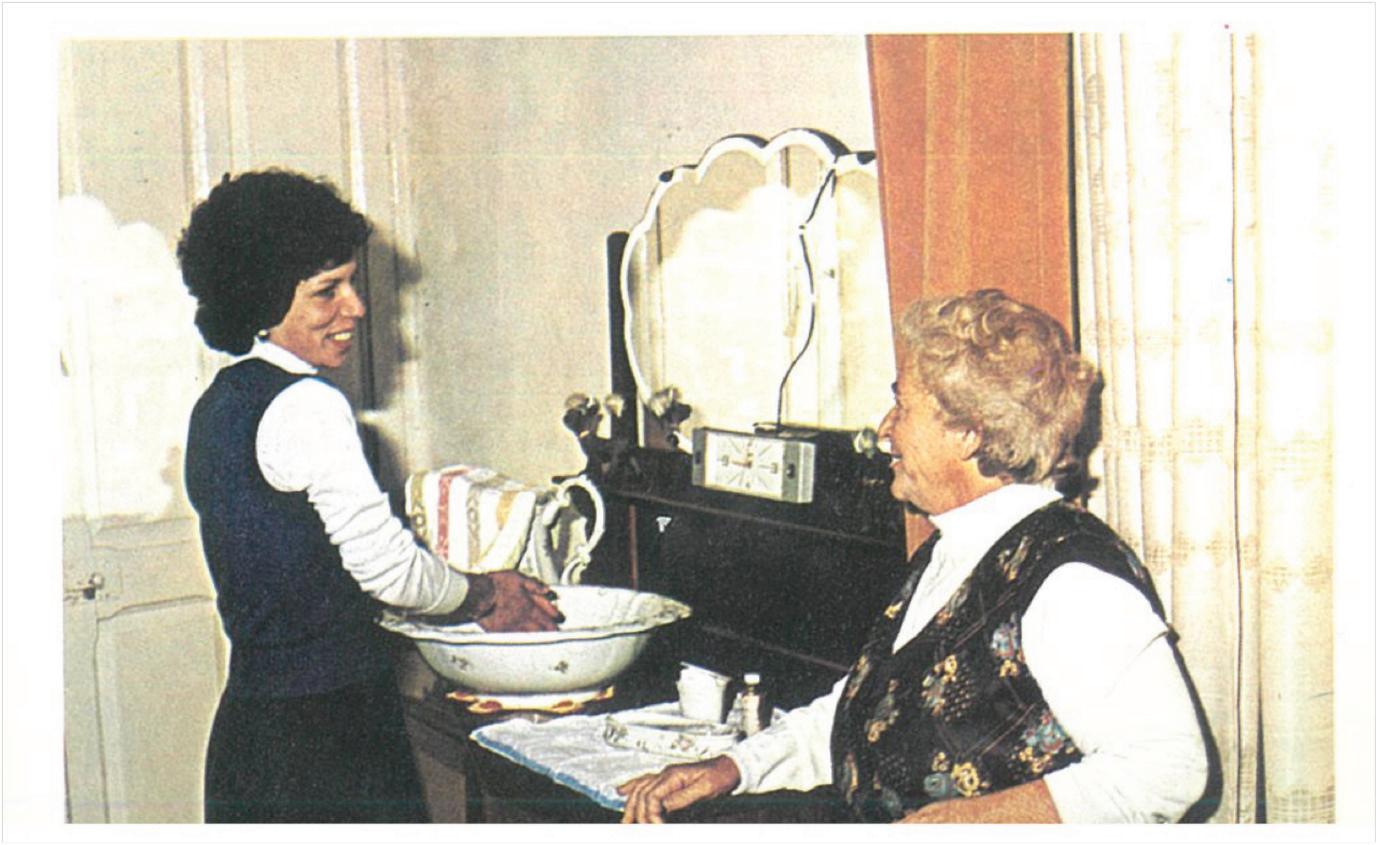
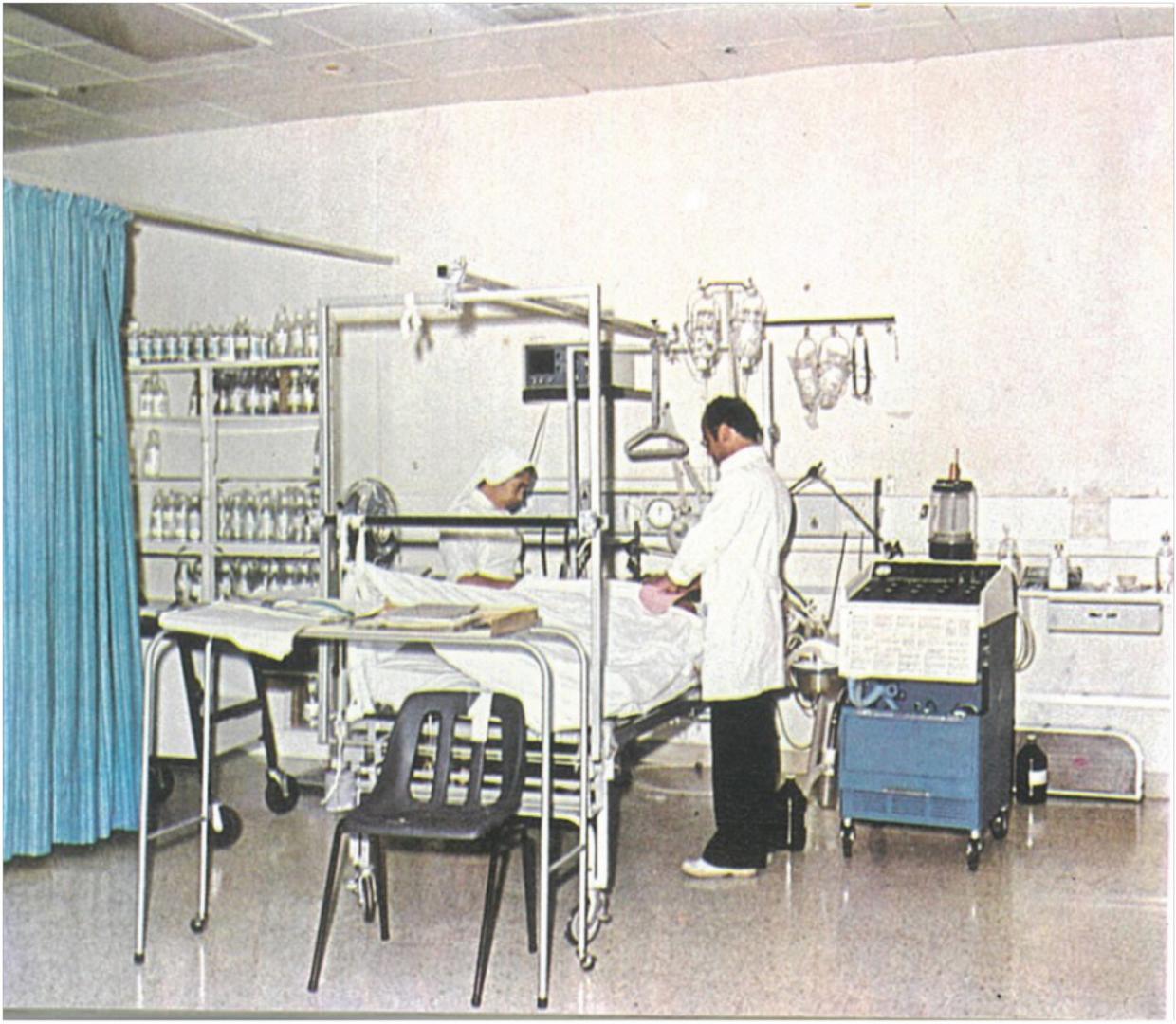

In-Nursing fil-Komunità 1981: Hawnhekk ilœaqna œdimna f’komunitajiet rurali jew tal-ibliet, fejn mhux kulœadd kellu l-kumditajiet kollha fi djaru, bœall kmamar tal-banju, sinkijiet eçç u gœalhekk kienet il-prassi li jlestu friskatur, buqar, sapuna u xugaman biex jinœaslu l-idejn. Hemm barra kont issib minn kollox. Minn jaf kemm konna nagœqdu biex insibu xi triq fil-kampanja, xi nœawi fl-imwarrab biex insibu individwi li jinœtieæu l-antibiotiçi IM ta’ flgœaxija. Bœala studenti kienet
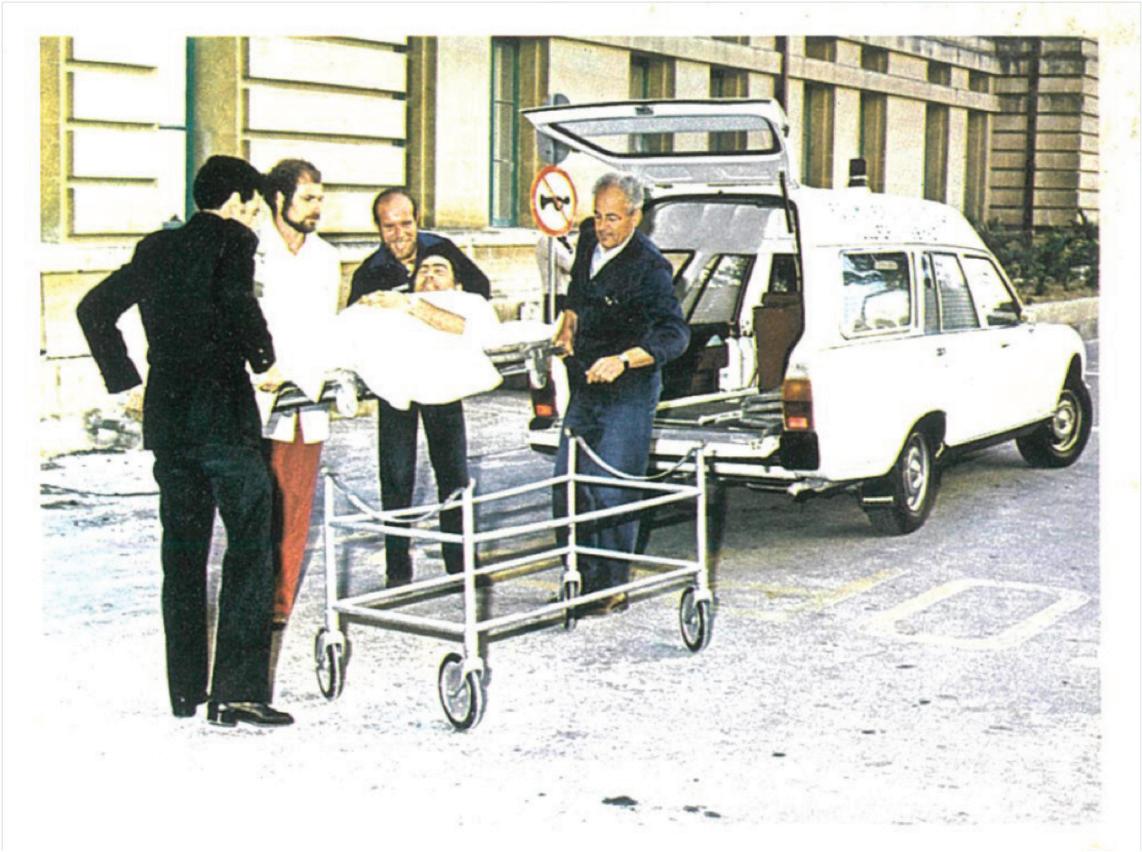

kien rudimentali, konna nagœtu servizz adekwat. L-iffullar tan-nies ma kienx bœal tal-lum, gœalkemm xogœol kien hemm kemm trid u minn hemm tgœallimna œafna. Bœala studenti œriæna kemm-il darba mal-ambulanza u mhux l-ewwel darba li kellna nieœdu deçiÿjonijiet urgenti fit triq, bœal resuscitations.

L-ITU, Sptar San Luqa 1981: Dan kien post fejn ukoll œdimna u kien ilu miftuœ xi œames snin. Wieœed jinnota l-ewwel tip ta’ ventilators Bennett’s u anke Manley’s, id-drip fi fliexken tal-œæieæ u l-uniformi tal-iræiel li kienet gœada bil-æagaga. In-numru ta’ sorijiet (sisters), speçjalment dawk tas-Sorijiet tal-Karità ta’ St Joan Antida Thouret, sal-1997 kien niÿel gœaltmienja biss.

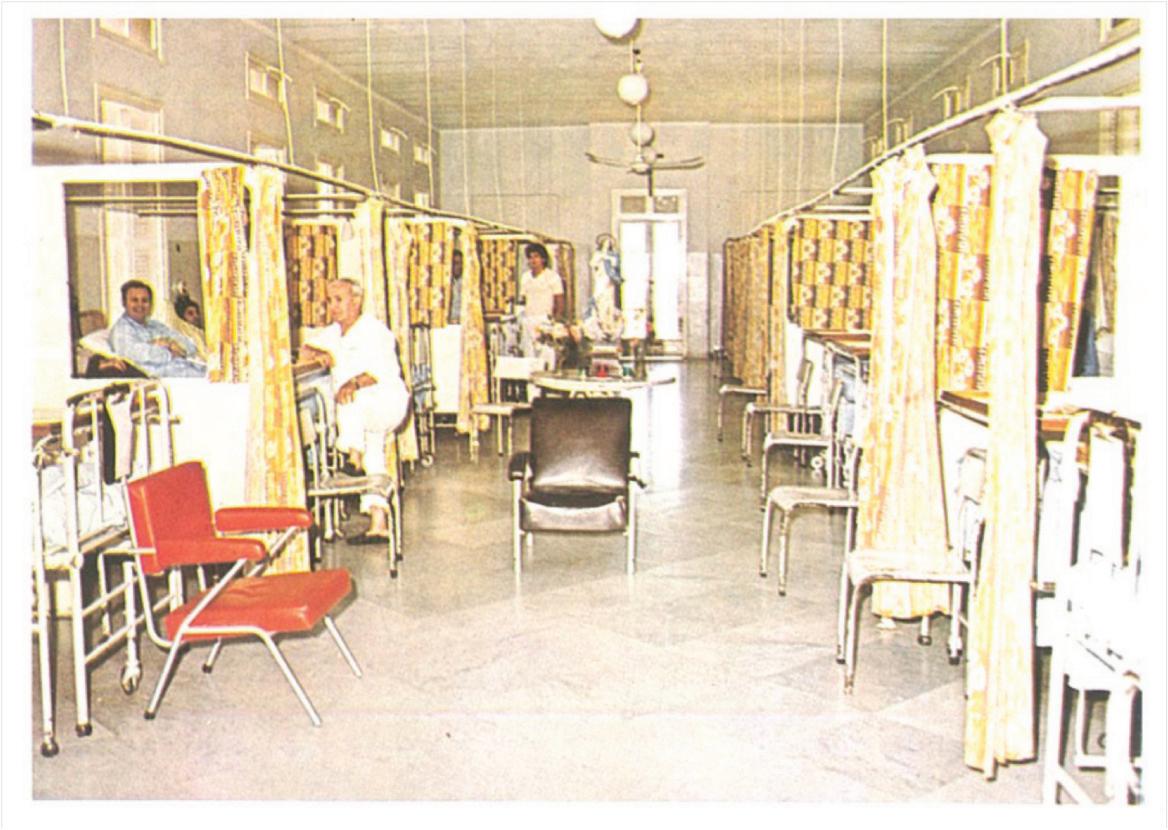
Sala tal-Mediçina 1981, Sptar San Luqa: Minn jaf kemm ærejna fihom dawn is-swali, qabel ma twaœœlu l-cubicles talaluminium. Min jiftakar dik il-mejda tal-irœam fuq xogœol talœadid fondut f’nofs is-sala, bl-istawa tal-Kunçizzjoni , fjuri u xemgœat fuqha? Pultruni tipiçi tal-isptar, li minn jaf kemm œadna ‘rest’ fuqhom, siææijiet sempliçi u pazjenti kollha libsin il-‘hospital attire’ fis-sodod antiki tal-isptar. Fannijiet, ventilaturi u twieqi bil-persjani fejn kienu jœallu ÿ-ÿiffa tassajf minn l-Imsida tagœti ftit nifs mingœajr il-bÿonn tal-arja kondizzjonata.
ikompli f’paæna 34
ikompli minn paæna 33
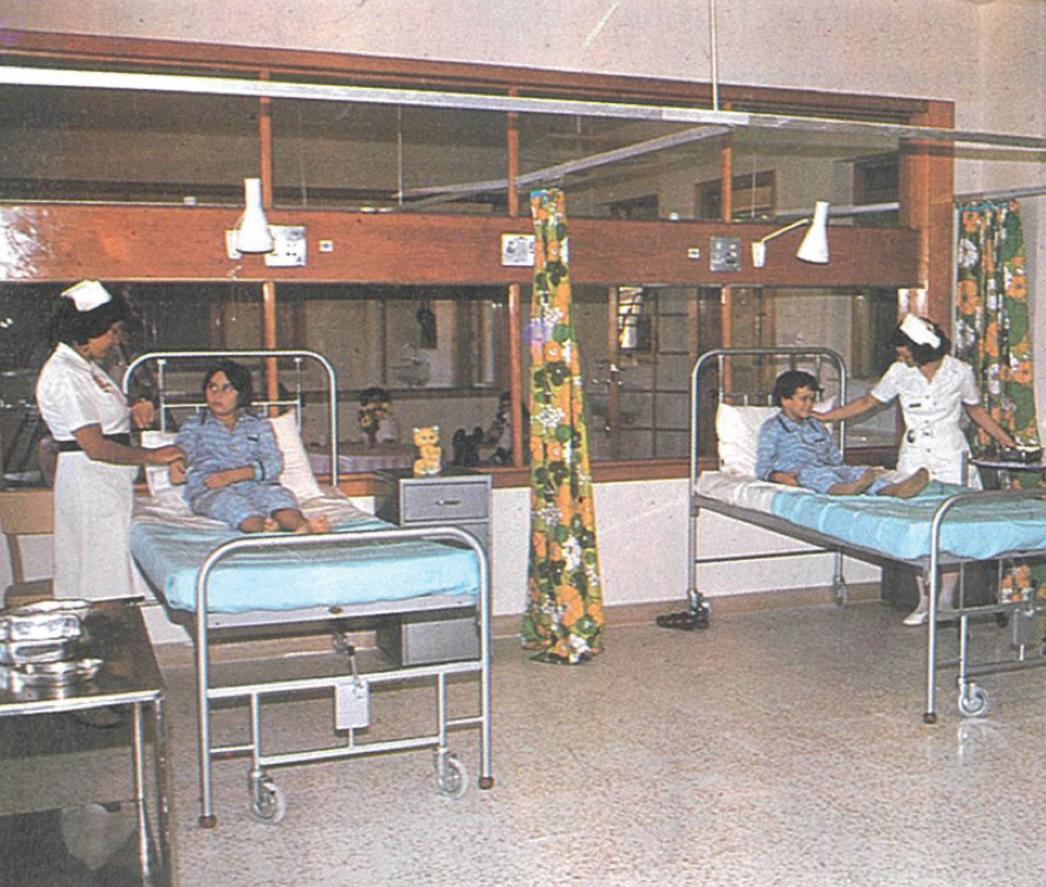
Sala tal-Pedjatrija 1981, Sptar Karen Grech: Hawnhekk ukoll œdimna mat-tfal fi sptar li kien ilu mibni madwar 6 snin. Kien sptar arjuÿ, b’veranda tœares lejn ix-xaqliba f’Tal-Pietà. Wieœed jinnota l-uniformi tan-nurses, kompluta bil-bokkla u l-kappun.



Kollezzjoni ta’ ritratti tan-Nursing f’Malta tal-bidu tat-Tmeninijiet
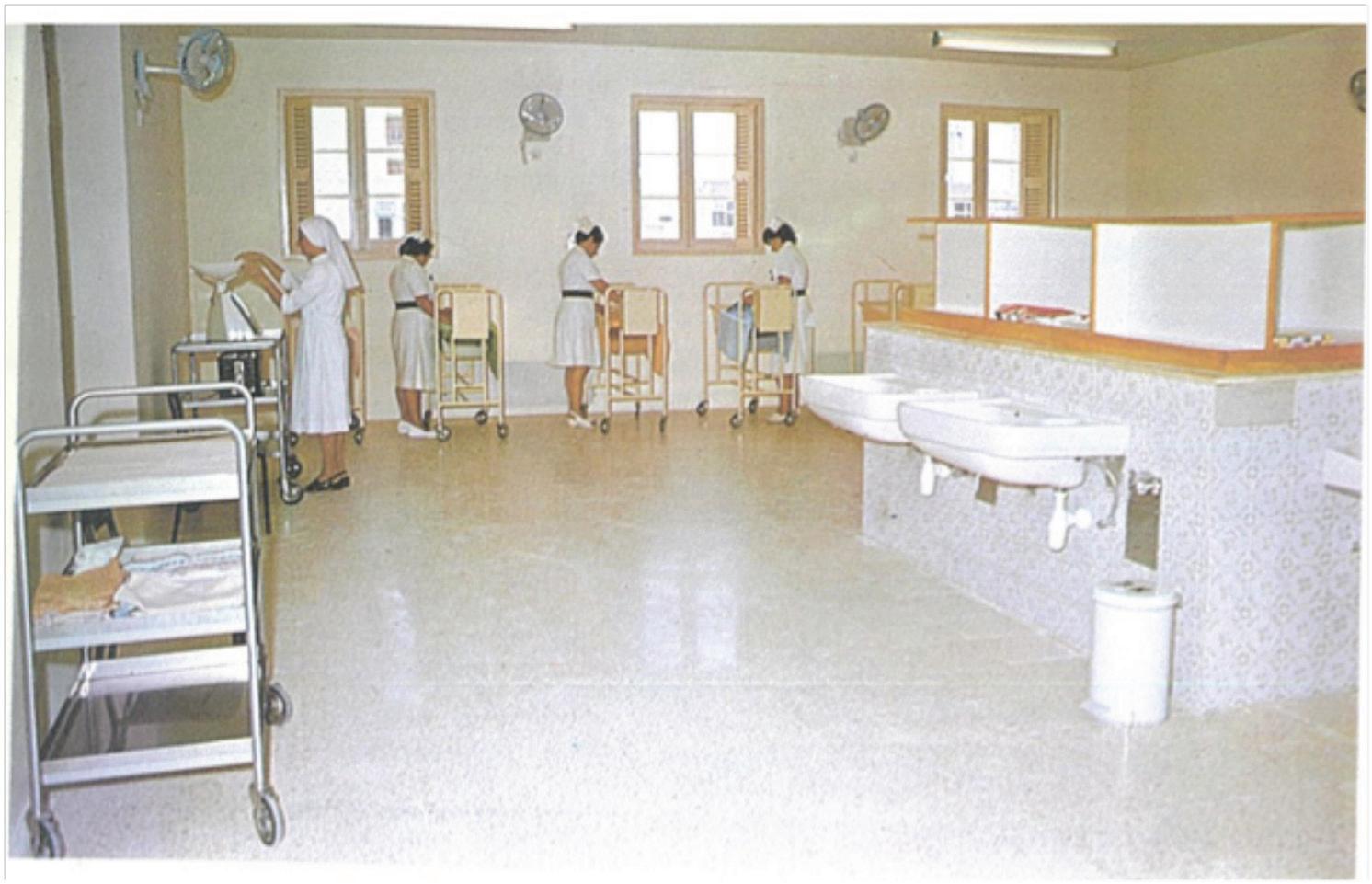


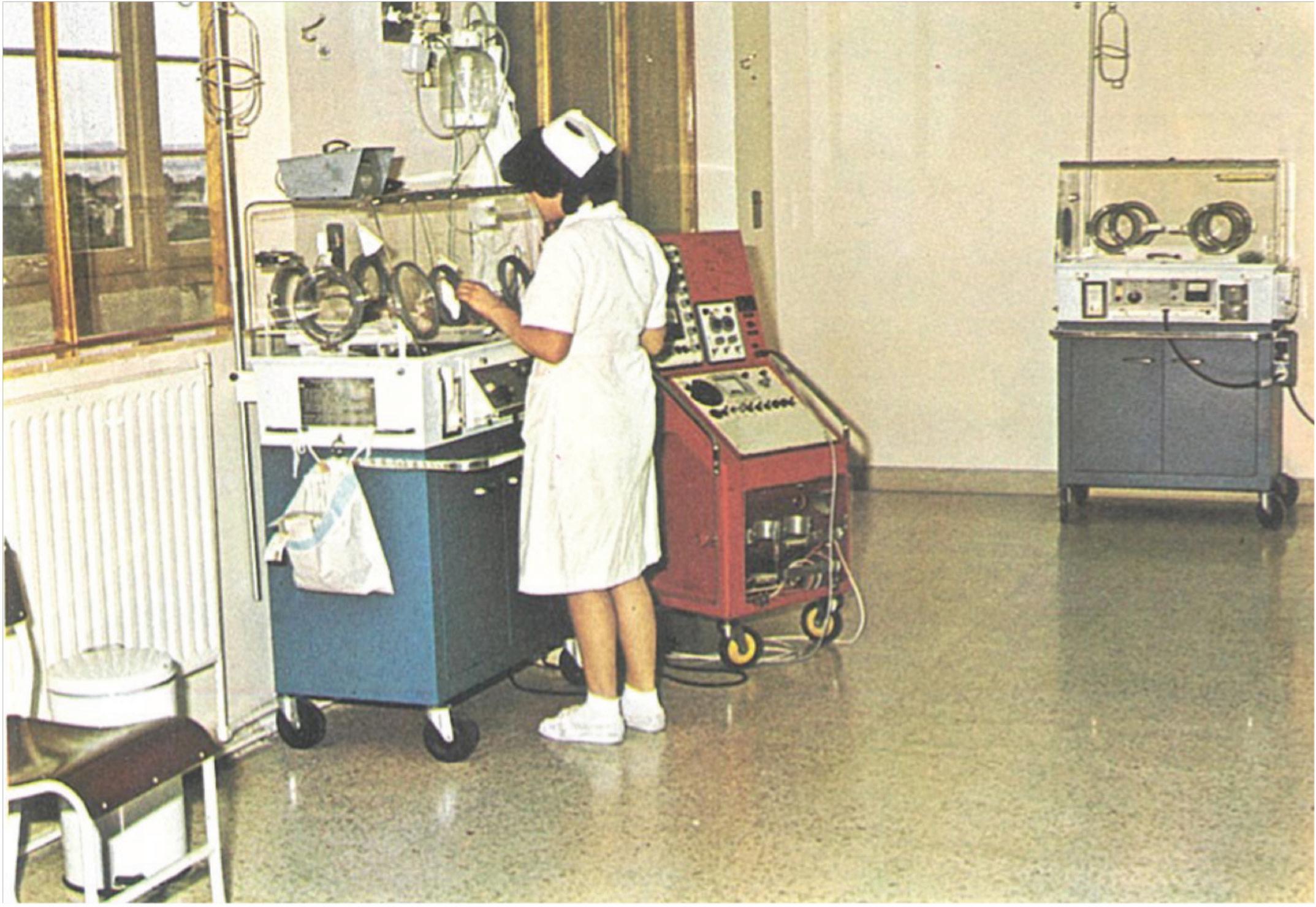
In-Nursery, Sptar Karen Grech 1981: Dan kien post fejn qabel ma beda r-‘rooming in’, it-trabi tat-twelid kienu jinœaslu, jiæu mnaddfa u jiæu misqija, qabel l-ommijiet jiæu gœalihom. Kunçett li llum inbidel drastikament. Niftakru wkoll il-milk kitchen fejn kien jiæi ippreparat il-œalib tal-formula gœal dawk
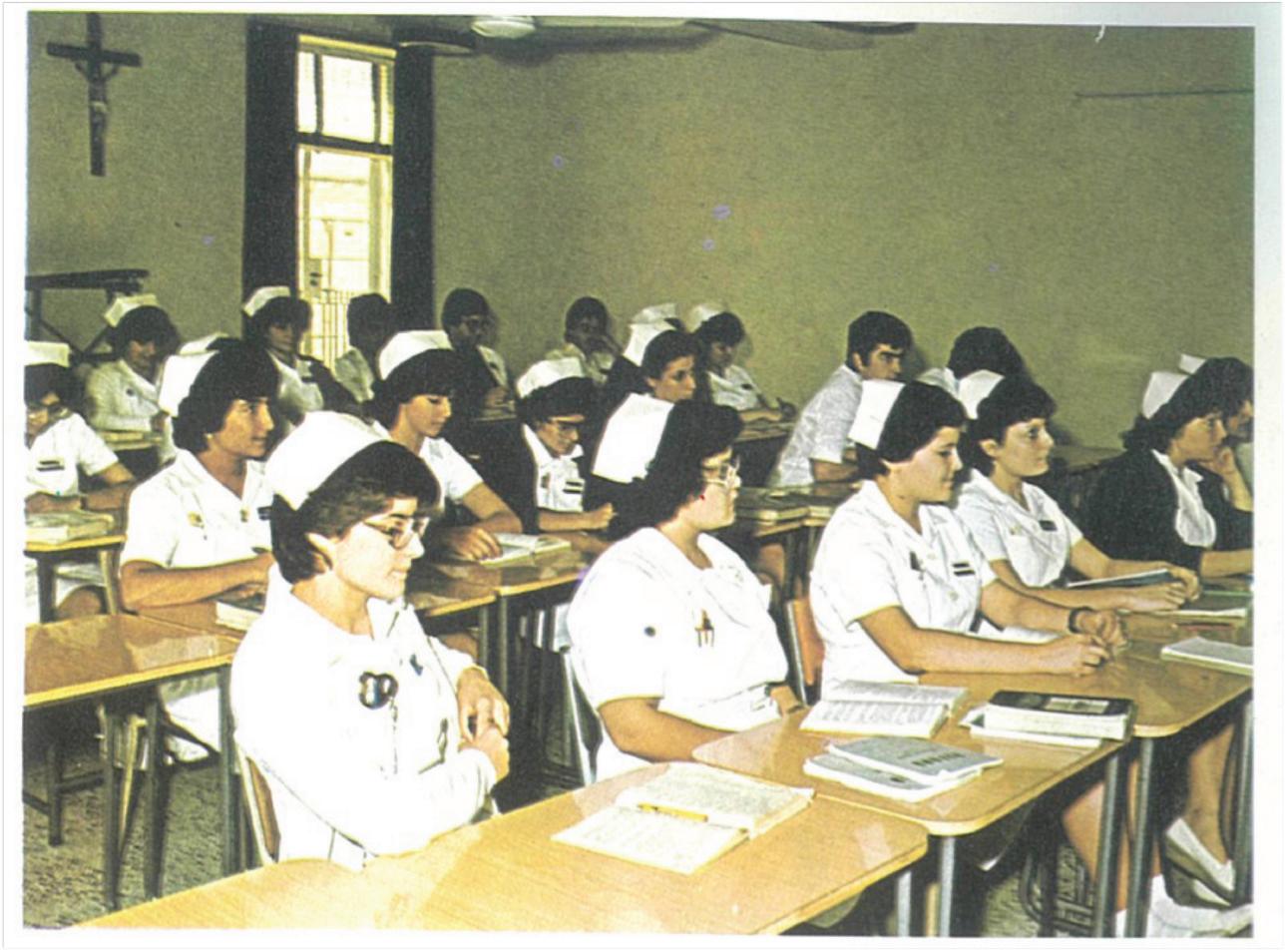

L-SCBU, Sptar Karen Grech 1981: Fir-ritratt nosservaw fost
L-SCBU, Sptar Karen Grech 1981: Fir-ritratt nosservaw fost l-ewwel tip ta’ inkubaturi u ventilator gœat-trabi tat-twelid. Dan kien inbena fl-1979 u fih kienu jaœdmu staff iddedikat œafna li salvaw œafna trabi ÿgœar.
L-iSchool for Nurses ta’ Gwardamangia 1981: Kemm qattajna ÿmien sabiœ f’dawn il-klassijiet. Min ma jiftakarx lil Sr. Federica u l-letturi l-oœra li kienu jgœallmuna? Min ma jiftakarx dak il-œobÿ biÿ-ÿejt bil-break tad-9.00 jew il-bajda moqlija gœall-kolazzjon æewwa l-canteen tagœna?
Sors: Stamperija tal-Gvern, Interprint Ltd



Geneva, Switzerland, 27 May 2026 - In response to the gravely concerning and escalating Ebola outbreak in the Democratic Republic of the Congo (DRC) and Uganda, the International Council of Nurses (ICN) warns that nurses and other frontline health workers are being put at serious risk and left fearful for their safety. Nurses are facing shortages of personal protective equipment (PPE) and screening supplies including masks, face shields, protective suits, testing kits, and equipment needed to safely handle highly contagious remains, while working amidst ongoing workforce and staffing shortages.
With infections and tragic deaths reported among health workers, including the death of a nurse, ICN is raising the alarm that the world is at risk of once again failing to protect those who protect us and repeating the deadly mistakes of the COVID-19 pandemic.
The World Health Organization (WHO) has confirmed that the epidemic is now “outpacing” the response. ICN President José Luis Cobos Serrano emphasized that the outbreak is a stark reminder of the need to protect health workers at the heart of global health security and emergency preparedness, and described how health and aid funding cuts have weakened health systems and surveillance and response capacities in affected areas. He said:
ICN President José Luis Cobos Serrano said: “A nurse, who tragically lost her life, was the first recorded victim of this Ebola outbreak. ICN is in direct contact with our National Nurses Associations in DRC, Uganda, and neighbouring countries, and nurses are telling us they are scared for their safety because they do not have the equipment to protect themselves.
‘During the COVID-19 pandemic, at least 115,000 nurses and other health personnel lost their lives: nurses
paid a devastating price because the world was not prepared and essential protective equipment was unavailable, particularly in lower-income countries. We cannot allow those lessons to be forgotten. Nurses and frontline health workers in DRC and Uganda must have immediate access to PPE, screening equipment and the resources they need to protect themselves, their patients and their communities.
We are also hearing alarming reports of how cuts to aid and health funding for already-fragile health systems in these countries have contributed to the delayed detection and rapid escalation of this outbreak. ICN previously warned, with firsthand evidence, that these cuts threatened emergency preparedness and long-term health security, and we are now tragically seeing our warnings come true.”
Nurses
are doing extraordinary, lifesaving work at personal risk and in extremely difficult conditions, but in many cases, they are reporting a lack of PPE, screening equipment and emergency training required to keep them safe and do their jobs effectively.
Last week, WHO Director-General Dr Tedros Adhanom Ghebreyesus declared the outbreak a Public Health Emergency of International Concern (PHEIC), the first time a DirectorGeneral has declared a PHEIC before convening an Emergency Committee, reflecting the extraordinary scale and speed of the epidemic. The World Health Assembly closed on Saturday 23 May,

with Member States yet to finalize the
with Member States yet to finalize the Pathogen Access and Benefit-Sharing (PABS) annex that will operationalize the Pandemic Agreement: ICN urges operationalization of this Agreement, which is more needed than ever as the world faces simultaneous outbreaks of Ebola and hantavirus that demand international solidarity and equitable access to resources.
ICN Chief Executive Officer Howard Catton said that the current Ebola public health emergency requires urgent and immediate action to protect frontline health workers and ensure an effective response, commenting:
“We are in constant contact with our National Nurses Associations on the ground. Nurses are doing extraordinary, lifesaving work at personal risk and in extremely difficult conditions, but in many cases, they are reporting a lack of PPE, screening equipment and emergency training required to keep them safe and do their jobs effectively. We are hearing that nurses are fearful of becoming infected and of the consequences: many do not have adequate health coverage or insurance or risk allowances to enable them to afford health care or survive loss of income if they do contract the disease, a tragic situation we also saw during COVID-19.
ICN lobbied for the protection of nurses and health workers throughout last week’s World Health Assembly, and now calls on leaders to immediately provide adequate protective equipment, health insurance coverage, risk allowances, and training to all health workers responding to the outbreak. We also call for urgent investment in nursing workforces and health systems following aid and health cuts and for the Pandemic Agreement to be finalized and made operational.
‘If we fail to protect the nurses and health workers who are risking their lives to contain this outbreak, we fail everyone. There is no response and no global health security without them.”
After experiencing baby loss, returning to work in a related health care setting can cause additional suffering and difficulty. Not enough understanding and support is currently in place, says paediatric nurse Kim
‘I’ve lost my baby’. Just 4 words, so quick to say, yet the hardest I have ever said publicly. The range of what those words mean and how that loss happens for people is vast. Early or late miscarriage, still birth, neonatal death – those 4 simple words don’t even scratch the surface in describing the level of pain and suffering experienced.
Through the incredible work of charities and the bravery of families who’ve experienced loss speaking out, there have been improvements in awareness and support. However, despite this, issues around fertility treatments and baby loss are still largely unspoken and hidden within society.
I would like to highlight the complexities of these experiences when you work in health care. Of course, going through fertility treatment and experiencing pregnancy or baby loss are challenging for everyone. This article is not meant to diminish the experiences of anyone else, nor discount that there will be many other workplaces that’ll also be equally as triggering. I’ve lost my baby. 4 words, so quick to say, yet the hardest I have ever said.
Nurses and midwives account for the largest proportion of the NHS workforce, and 88.9% of those are female. 1 in 6 women will experience at least 1 miscarriage. There is little national data on repeated miscarriage. Around 13 babies are stillborn or die every day in the UK. There were 4,870 baby deaths in the UK in 2021, of which 2,866 were stillbirths and 2,004 were neonatal deaths
Scaling the above just across the nursing and midwifery workforce demonstrates the number of our colleagues who’ve been impacted by baby loss at some point during their








career. We also need to be mindful of partners, further increasing the number of colleagues impacted by baby loss within our organisations.
As health care professionals there will be days when we encounter situations at work that have personal impact: a patient that reminds us of someone close to us or a situation that happened in our own lives. When you work in health care – across nursing, midwifery, medicine and all allied professionals and support staff – in roles that involve working around babies, children and pregnant women, there is a constant reminder of your own personal experience and loss. The loss of a pregnancy at any stage is an emotional and stressful time and research shows that the impact of loss is the same regardless of gestation.
There have been huge improvements around the offer of paid leave for baby loss in some NHS trusts and recognising the need for time off work. However, when our colleagues return to work, they are not suddenly ‘OK’. Losing your baby is a bereavement and that is a process both physical and emotional that is unique to everyone.
1 IN 6 WOMEN WILL EXPERIENCE AT LEAST 1 MISCARRIAGE
Our colleagues are dealing with their own loss, often in silence, while


encountering daily triggers and reminders of their own experience. They may even be working in the same services or locations where they had their own loss experience. We need to recognise the impact of baby loss on our colleagues and respond with kindness, compassion, and flexibility in how conversations and returning to the workplace are managed.
We need to acknowledge that there can be complexities in accessing support, especially in public forums or local support groups where there may be challenges to speak about the impact of workplace situations on their own bereavement journey.
This can be complicated by cultural or religious norms, or by language barriers. Identifying as a health care professional can also change group dynamics, with people wanting help and advice, or others within the group having had their own challenging experiences of health care during loss.
We need safe spaces where our colleagues can access support around their own personal loss and feel able to discuss the ongoing impact of working within their professional roles while they come to terms with and start to heal from the traumatic experience.
continued on page 42
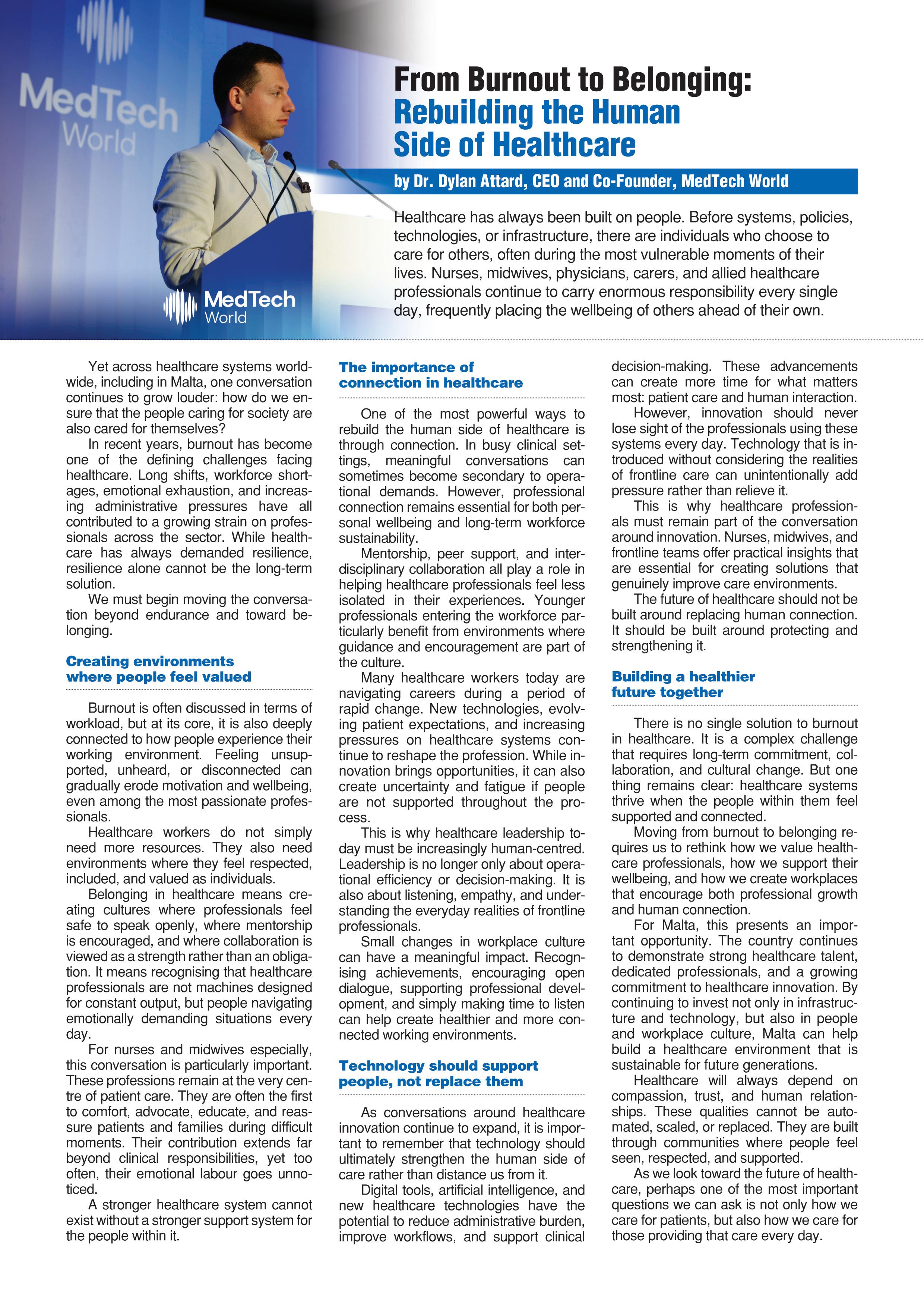
Dak li kellu jkun il-bidu ta’ btala rilassanti nbidel f’mument ta’ tensjoni kbira waqt titjira minn Bergamo fl-Italja lejn Marrakech, meta tarbija ta’ 13-il xahar waqfet tieœu n-nifs f’daqqa.
L-ekwipaææ talab gœajnuna medika immedjata u ÿewæ infermiera Taljani li kienu fost il-passiææieri, Riccardo Marchetto u Ilaria Valentini, wieæbu minnufih gœas-sejœa. Ir-raæel u martu, li jaœdmu fis-servizzi tas-saœœa firreæjun ta’ Vicenza, œadu œsieb it-tarbija u bdew l-interventi ta’ emeræenza meœtieæa.
Skont l-ewwel informazzjoni, kien hemm suspett li t-tarbija seta’ kellha mblokk fil-passaææi tan-nifs, possibbilment marbuta ma’ episodju ta’ konvulÿjonijiet ikkawÿati mid-deni. Iÿ-ÿewæ professjonisti evalwaw malajr il-kundizzjoni tat-tarbija u wettqu manuvri ta’ disostruzzjoni segwiti minn proçeduri ta’ rianimazzjoni pedjatrika. Wara diversi minuti kritiçi, it-tarbija



reægœet bdiet tieœu n-nifs, u b’hekk æiet evitata traæedja. Malli l-ajruplan niÿel, it-tifel æie trasferit gœall-kura tat-timijiet mediçi fuq l-art gœal aktar osservazzjoni u testijiet.
L-episodju æie mfaœœar mill-awtoritajiet professjonali tal-infermiera fl-Italja, li
ddeskrivew l-intervent bœala eÿempju çar ta’ kompetenza, kalma u umanità f’çirkostanzi diffiçli. Il-kaÿ reæa’ qajjem ukoll diskussjoni dwar l-importanza ta’ tagœmir mediku adegwat abbord l-ajruplani biex ikun jista’ jindirizza emeræenzi, inkluÿi dawk li jinvolvu tfal ÿgœar.













In 2024, in the context of the WHO-
In 2024, in the context of the WHOEU Nursing Action, EFN conducted a survey of the EFN Members to explore the education and training requirements of clinical mentors in the EU and Europe.
The data collected revealed the existence of many ongoing initiatives across several EFN Member States to ensure the development of adequately qualified clinical mentors (general care nurses, specialist nurses, and Advanced Practice Nurses (APNs)), however it also revealed that clinical mentors are facing major challenges which prevent them from providing adequate supervision and mentoring to nursing students. Meanwhile, in many European countries, Clinical Mentors are responsible for delivering clinical supervision not only to nursing students, but also to newly registered nurses and other members of the nursing staff, which creates additional challenges.
Among the key challenges, the EFN Members mentioned the shortage of nurses, the lack of incentives or other forms of institutional support, insufficient education and training provided to clinical mentors, the generational gap between mentors and students, difficulties with using new technologies, and inadequate ratios of mentors to students. For the EFN, it is key to tackle these challenges at both EU and National level, in order to comply with the Directive 2013/55/ EU requirements, and to improve the attractiveness of the nursing profession and the retention of nursing students.
Therefore, the EFN is calling on the EU Institutions and the EU and European Member States to: Tackle the nursing shortages by improving retention and recruitment via concrete, EU-supported measures, including the development of EU Framework legislation on Safe Staffing Levels, with stipulated nurseto-patients ratios, that recognised nursing shortages as an Occupational Health and Safety Hazard. Adequate staffing levels are a prerequisite for effective clinical mentorship.
Provide clinical mentors with adequate incentives and resources, financial rewards or other forms of compensation, protected time with and for learners in order to reflect on the learning process, adequate supervision and guidance, as well as adequate institutional support, and better recognition of their role in mentoring tomorrow’s frontline nurses, while they continue to provide high-quality bedside nursing care. Importantly, incentives should reflect not only the critical role played by Clinical Mentors in supervising nursing students, but also newly registered nurses and other members of the nursing staff.
Mentors should be appropriately qualified and competent in both clinical practice and relevant theory, as such, ensure that clinical mentors can undergo adequate education and training before mentoring nursing students, following the successful example of countries like Denmark, Norway, Malta, and Germany, which have put in place high-quality education frameworks, either through
“Better support is needed after baby loss”
continued from page 39
Our colleagues are dealing with loss while encountering daily triggers and reminders. Navigating loss is a journey, where individual support needs will change throughout that process. Personal disclosure of any kind is challenging.
For those who feel talking to someone in the workplace about their own loss is the right thing for them, this needs to be met with compassion
and understanding and supported in a way that meets their own needs.
Colleagues often need coaching and support on ‘what to say’ rather than saying nothing at all and having silence around the issue.
There will be many of our colleagues who’ve received incredible support from their employer following personal loss; however, staff experiences of support can vary even within an organisation.
national regulation or collective bargaining, to ensure the availability of highly qualified clinical mentors. Clinical mentors should learn how to lead by example, how to communicate and dialogue empathetically in order to build trust with learners and create a healthy, collaborative, learning and working environment, and how to bridge the generational gap on the use of new technologies.
Develop and implement highquality, paid Continuing Professional Development (CPD) opportunities for clinical mentors that account for the evolving demands of nursing care, and for technological developments impacting on nursing education and nursing clinical practice (such as digitalisation and AI). Such CPD opportunities would benefit from structured peer-to-peer mentoring opportunities for clinical mentors.
At the EU and National level, develop legal and policy frameworks that ensure adequate and evidence-based mentorship capacity to ensure the continued provision of high quality, clinical, nursing education, in line with the Directive 2013/55/EU requirements.
At the EU level, the European Commission should unlock adequate funding by means of the Recovery and Resilience Facility (RRF), the EU4Health programme, and the next Multiannual Financial Framework (MFF), to support Member States in developing the necessary number of highly qualified clinical mentors.
Our workplaces need an open, consistent culture around baby loss, collective understanding of what that means and the potential impact on staff. There needs to be knowledge around how to respond and support our colleagues appropriately and to signpost.
I hope that by using my voice I can help improve the experience of returning to work for other people and amplify the conversation about baby loss and the support needed for health care workers.