Pavilion | built Mar Jul 2025 | Structural components design team
Adaptable Glass-Timber Assembly
Material design research
Jul — Dec 2025 | MArch Design for Manufacture –The Bartlett School of Architecture, UCL | team
MITx 4.464x Sustainable Building Design
Building envelope facade Jun 2025 | Massachusetts Institute of Technology — edX individual
Banjarejo Rest Area
Masterplan & architectural design
Aug — Nov 2023 Shirvano Consulting | team
Kretek Gadjah Moksha
Bamboo bridge | Top 3 student awards
Mar 2023 | ARCH:ID Indonesia Architecture Exhibition & Conference 2023 IAI individual
Wooden Stand
Smartphone stand personal work
Cascading Waterfall
3D-Printed Artist Painting collaborative work
St Andrews Pavilion
Pavilion | built
Mar - Jul 2025 | Structural components design | team
Overview
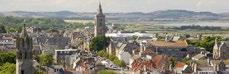
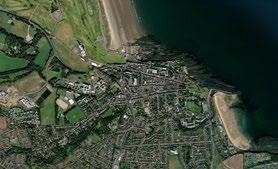
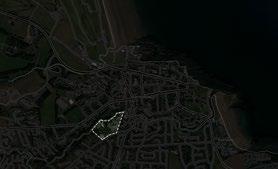
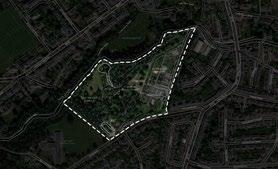
This project is in St Andrews Botanic Park, Scotland, United Kingdom. It is a small shelter for students and visitors. The pavilion was designed with a timber structure and an aluminium roof by the previous cohort students. The continuation of design-to-production schedule was planned for 5 weekdays across 2 weeks, but it extended to 3 weeks. Most components were prefabricated at Here East and then transported to site. Construction on site took place in early summer. My role was part of the Structure team, supporting joinery scripting and material selection. My tasks included defining engraving holes, shaping joinery and its bolt holes, and simplifying the structural model so engineers could calculate performance.
St Andrews
Adaptable Glass-Timber Assembly
Material design research
Jul — Dec 2025 | MArch Design for Manufacture –
The Bartlett School of Architecture, UCL | team
Design Research Overview
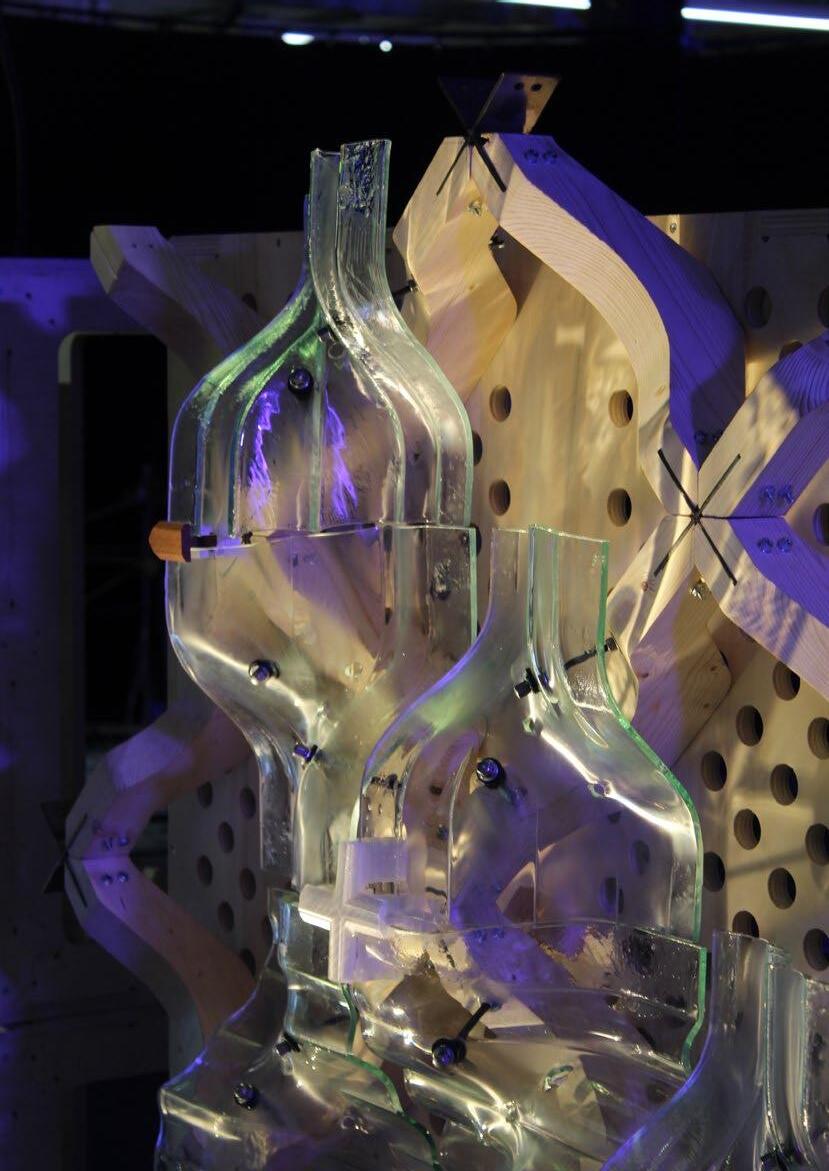
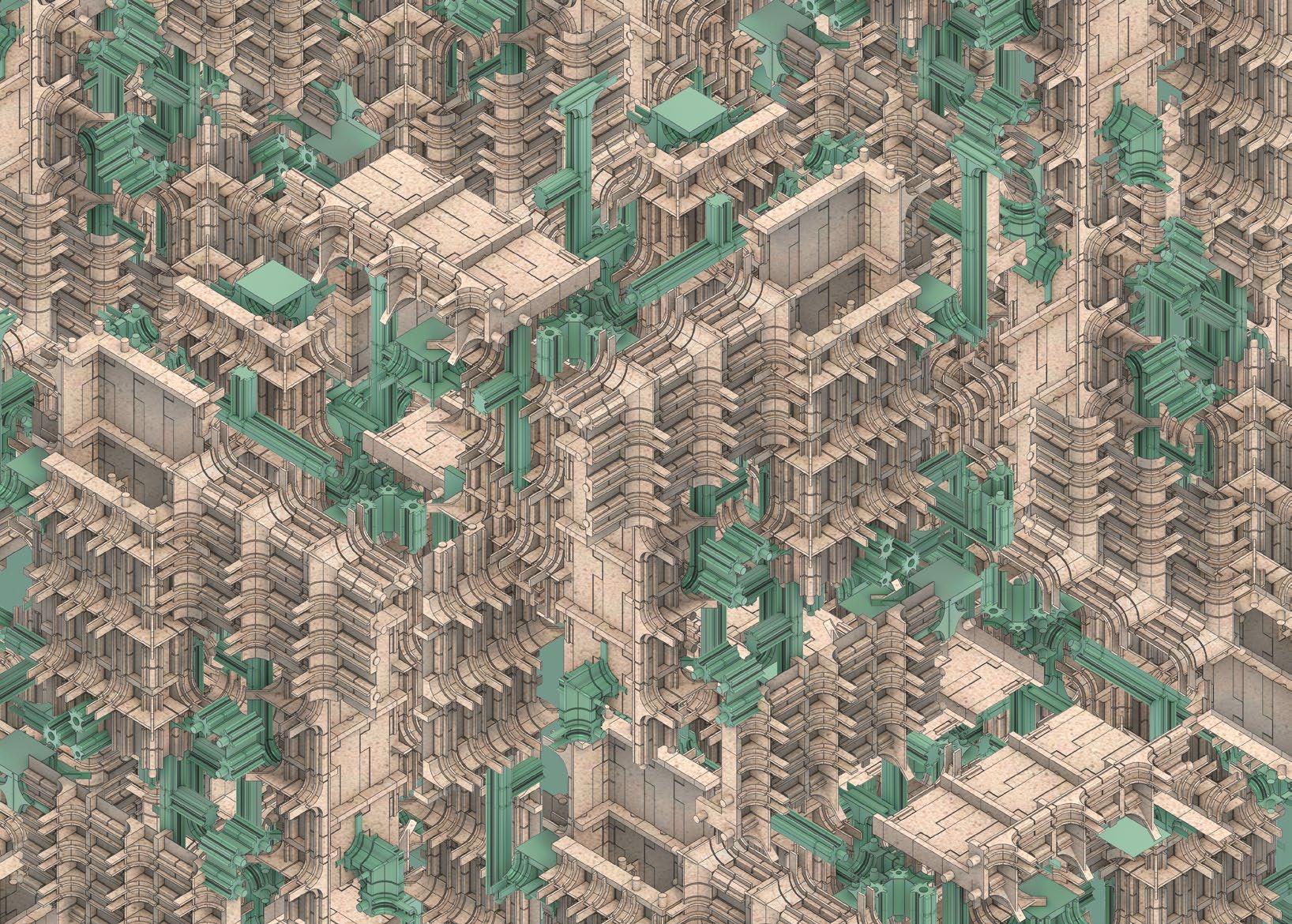
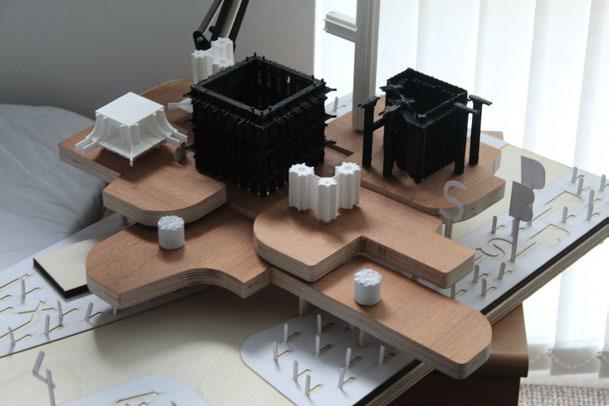
Flat glass waste reuse via thermoforming creates indeterminate parts that clash with precise timber structures, while conventional DfM (Design for Manufacture) protocols fail, demanding a new approach. This research establishes a systemic DfM workflow using a dynamic, concurrent data flow where we bypass slow scanning/simulation, transforming material uncertainty into instantaneous feedback parameters for adaptable timber fabrication. The outcome is a validation that adaptability, not absolute precision, is attainable, yielding resilient hybrid assemblies and challenging the uniform tolerance paradigm.
Sustainable Buildin
Jun 2025 | Massachusetts Institute of Technology — edX | individual
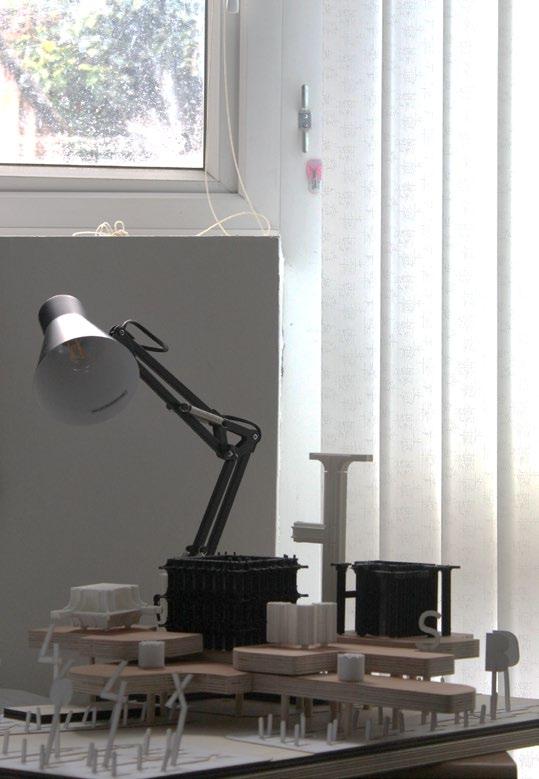
This workshop is provided by one of the professors and educators at MIT, Prof. Dr.–Ing. Christoph Reinhart who also leads his research group i.e. Sustainable De sign Lab. A healthy work environment can foster pleasant and consistent productivi ty, especially when natural daylighting is involved. However, tackling climate change presents a challenge in balancing energy use with internal heat gains from direct sunlight. Within this project, we would like to design an office building located in London, UK. Targets set by RIBA (Royal Institute of British Architects) can be used as a reference. In this project, we aim to meet the 2030 target of keeping energy use intensity (EUI) below 55 kWh/m2/year for new office buildings. Passive design strategies are prioritised in the early stages, before introducing active systems.
Banjarejo Rest Area
Masterplan & architectural design
Aug — Nov 2023 | Shirvano Consulting | team
Role Architectural Designer
Location
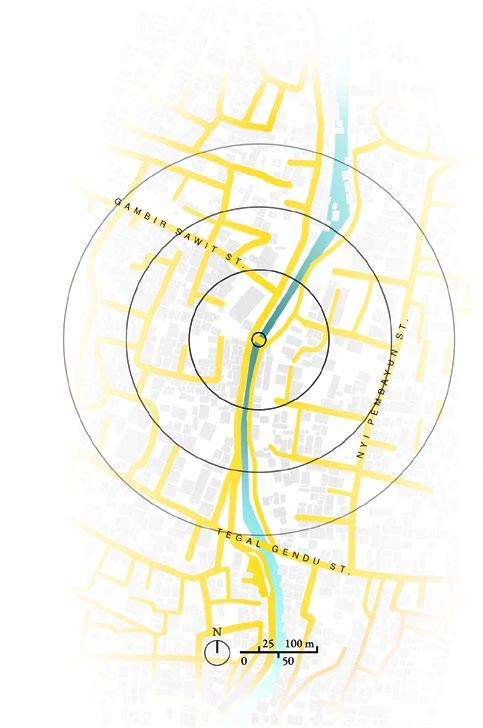
Banjarejo, Yogyakarta, Indonesia
Timeline
Sep — Nov 2023
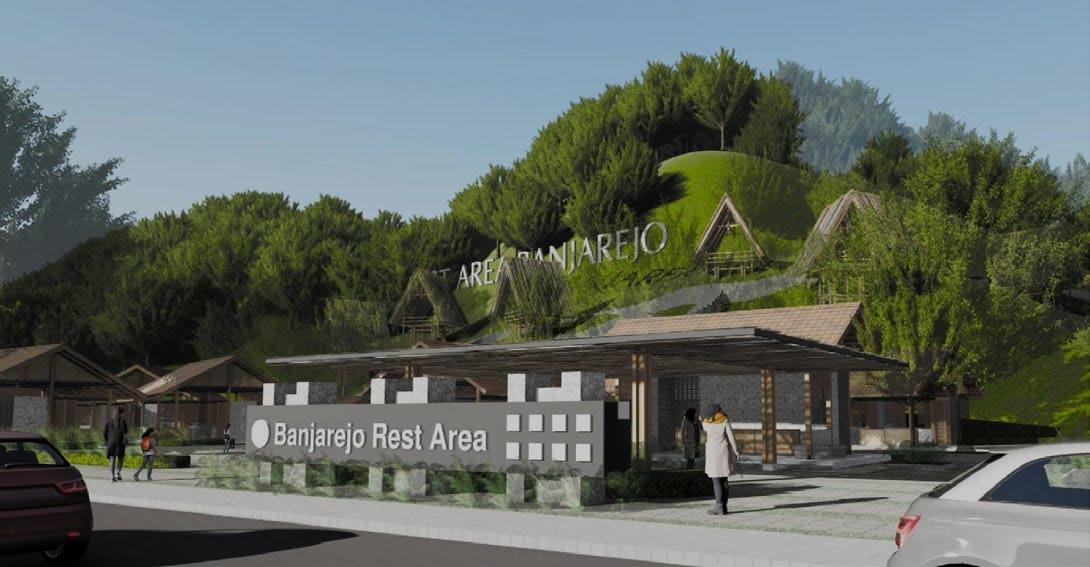
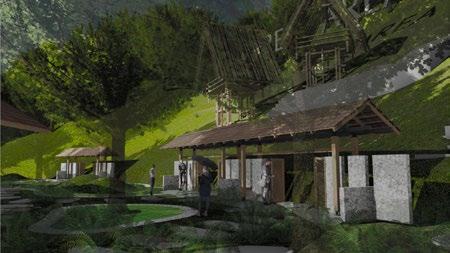
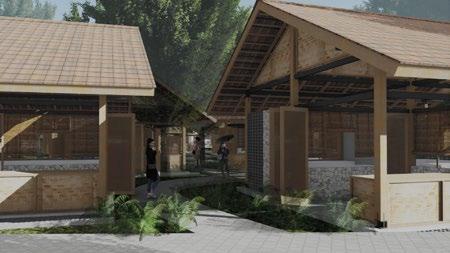
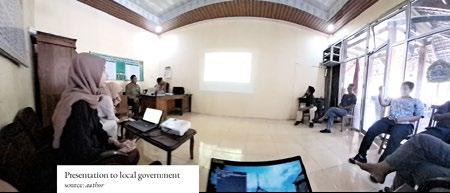
Author’s role assisted closely the project architect and team in the design process, including initial pitching to the local government, site surveillance, analysis and planning, facilities design, rendering, reports. and the project’s deliverables.
Rest Area Visitor Point Lumion-rendered Local Market
Hill Entrance Gate
Kretek Gadjah Moksha
Bamboo bridge | Top 3 student awards
Mar 2023 | ARCH:ID Indonesia Architecture Exhibition & Conference 2023 - IAI | individual
Common Understanding
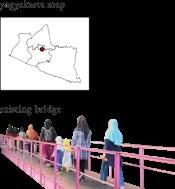
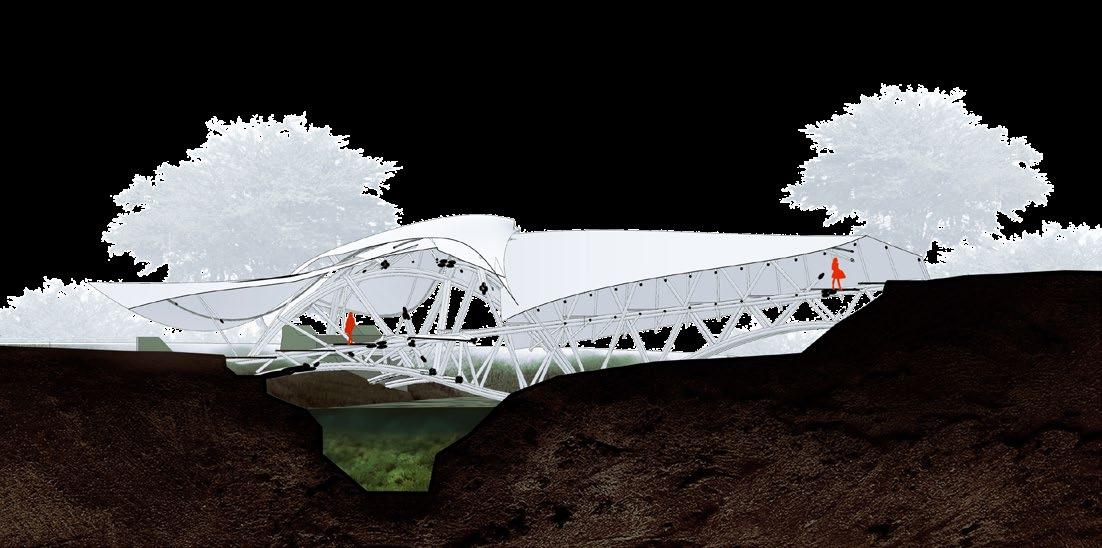
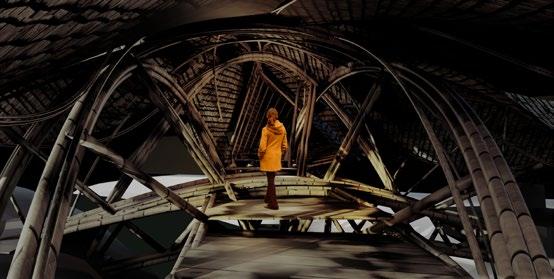
Public infrastructure has an important role, it’s also for a bridge in legawong public park at the edge of Gadjah Wong river. The river was facing overflow in the past and brought a time to reflect how should we ensure the river stays clean.
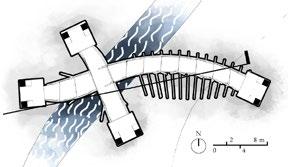
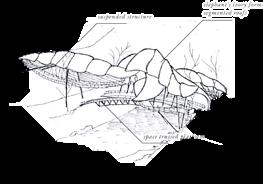
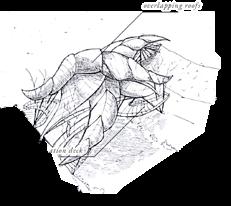
“Kretek Gadjah Moksha” was inspired by an elephant achieving moksha (enlightment; ensurement of inner-self cleanliness). The form emits from a point located in the center of the river, then spreading out in 4 directions. This bridge ends up with elephant’s ivory form.
This bridge mainly uses bamboo as an effort to achieve sustainability. Hence, it will attract locals, making the public park more alive and promoting such sense of belonging and preserving the rivers.
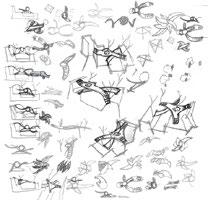
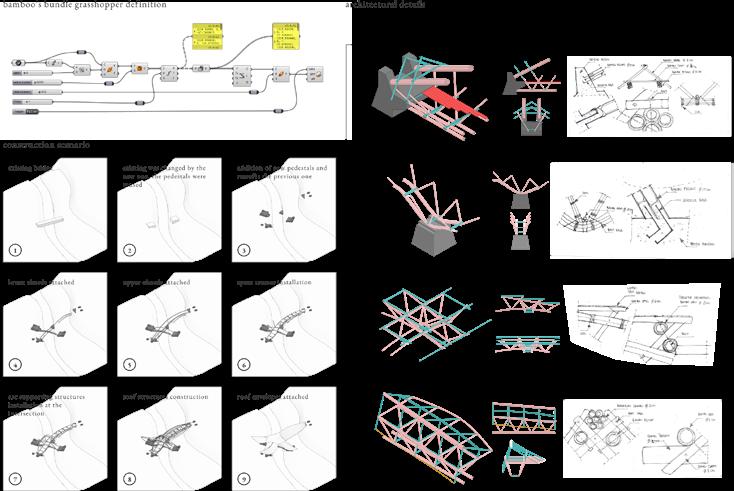
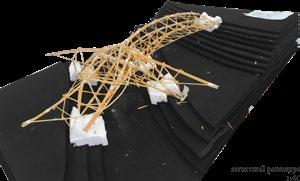
The process of the design is as important as the product itself. As well within this bamboo bridge, the design exploration involves 4 main steps: sketches, physical model-making, digital, and structural prototype.
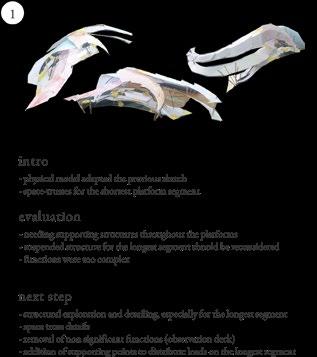
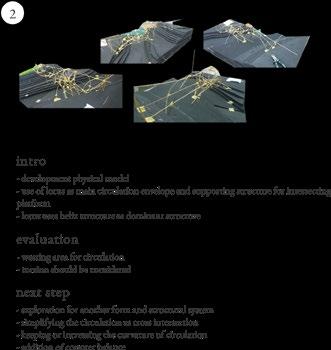
In the first phase, first thing should be established were 4 entrances (3 on the lower level, 1 on the upper level). Form was given after circulation planning. Sketches transformed continously till the selected design was chosen.
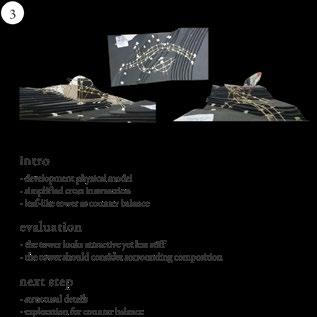
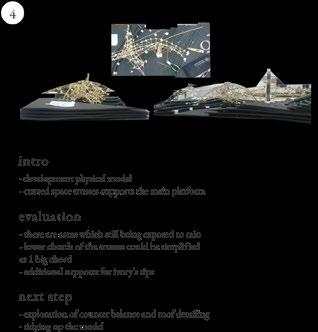
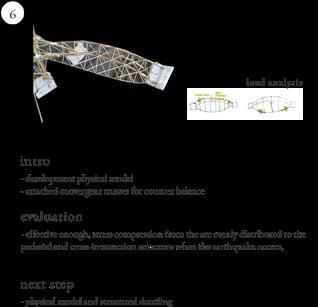
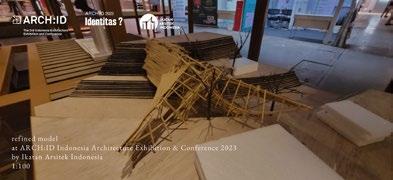
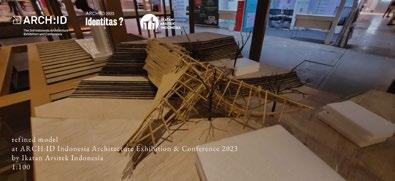
Second phase uses physical model to explore the bridge form before the structural prototype. Iterations occured to find out the most relevant design to be developed. belonging and preserving the rivers.
Digital Prototype
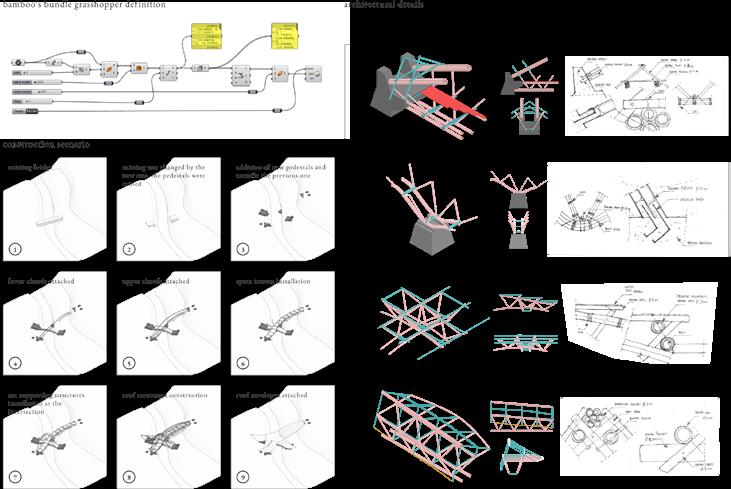
In this phase, the bridge was explored more detailed while refined by the aid of digital tools. The diagrams show up the concept of construction and the details behind.
Structural Prototype
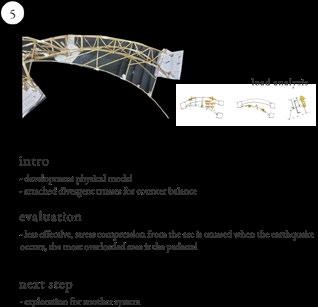
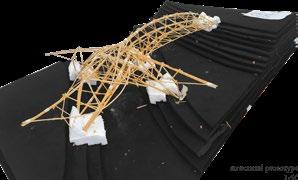
The final phase shows up the structural prototype that could be used as guidelines to construct in the construction field.
Wooden Stand
Smartphone stand personal work
Overview
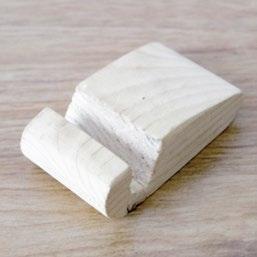
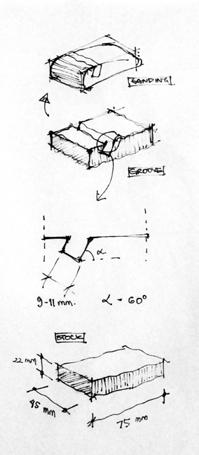
The design was developed through the use of and touches into timber waste. The geometry requirements were discovered and translated into few machining processes including stock identification, marking and grooving, and final sanding.
Cascading Waterfall
3D-Printed Artist Painting
collaborative work
Overview
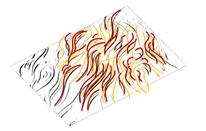
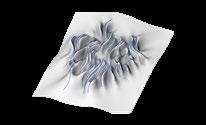
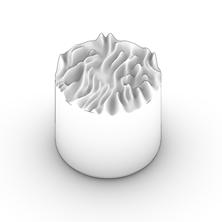
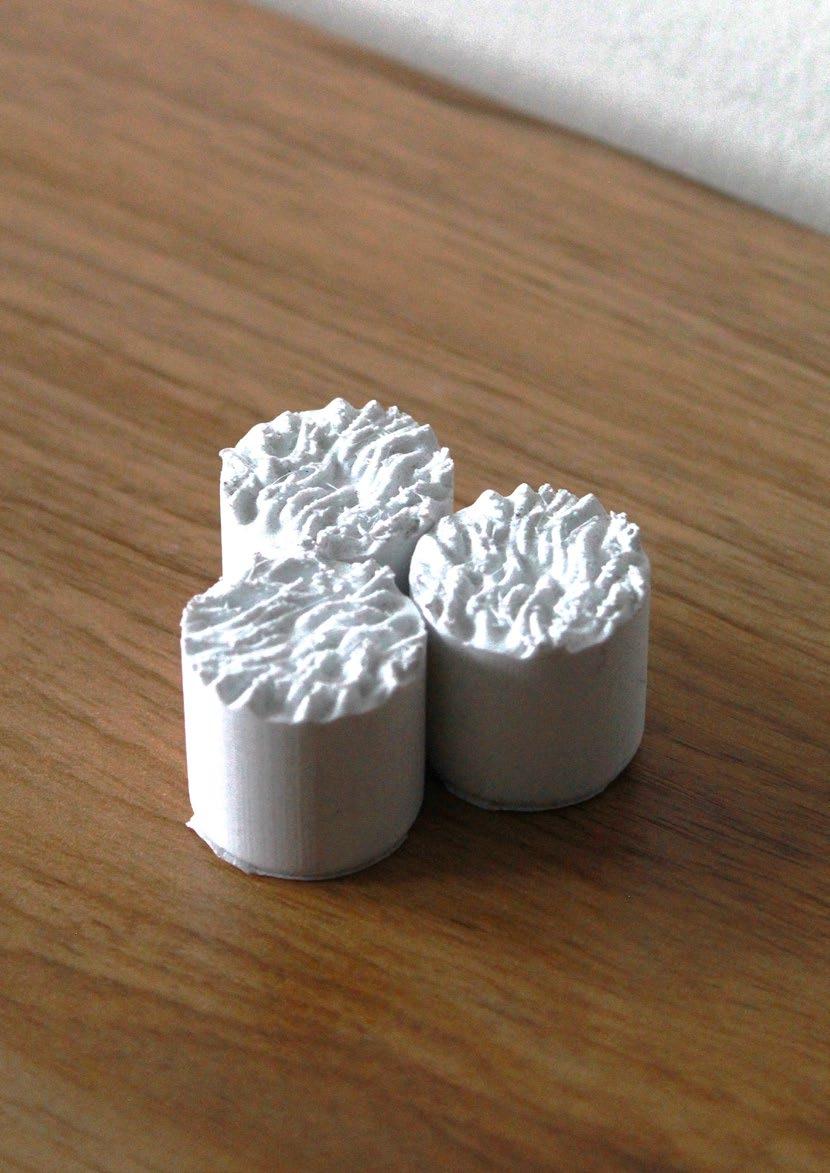
The ideas was to transform hand-painted drawing of my colleague into 3D-printed form. Initially, manual curves are created for each line, which are then hyperbolically mapped based on the length parameter of each line so that it always lands at then end of the curves. Another constraint is the maximum hill height, which is 2mm at any areas.