
What Caregiving Gives Back
How seniors can benefit from looking after their grandchildren

How seniors can benefit from looking after their grandchildren
People of all ages are encouraged to be physically active, and that includes seniors. The Centers for Disease Control and Prevention say seniors ages 65 and older should aim for at least 150 minutes per week of moderate-intensity aerobic activity and at least two days a week of muscle-strengthening exercises. Although some people may be drawn to the gym, others with no such preference may need to identify other ways to incorporate more physical activity into their lives. Seniors can stay active in various ways by enjoying activities that get them up and moving. The following are five ideas to get started.
1. Play a sport. Pickleball and padel are the fastest-growing recreational sports among seniors. Pickleball blends tennis and badminton while padel blends tennis and squash. These activities combine challenging cardio workouts with a social component.

2. Go dancing. A recent meta-analysis found that group dancing enhances social interaction while providing moderate aerobic exercise. Dancing is fun and can get anyone to break a sweat, and it doesn’t feel like exercise.
3. Join or start a walking club. Seniors can engage with other like-minded individuals by turning their daily walks into something that offers companionship and exercise. An app like Charity Miles offers an additional layer of purpose to the activity, as it turns walks into fundraising opportunities.
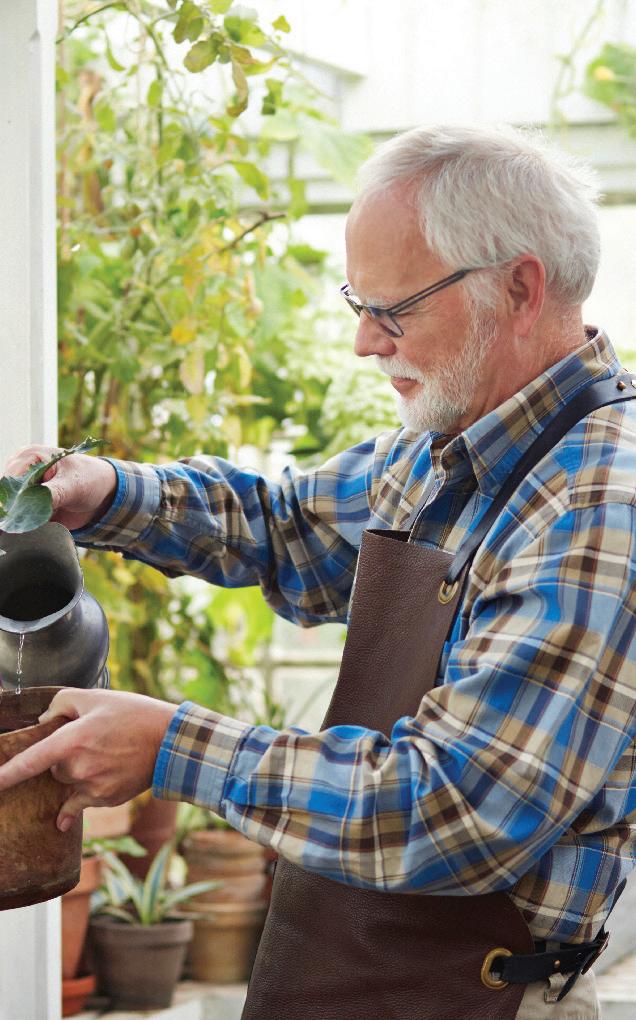
4. Take up gardening. Gardening can be a thorough workout. The Royal Horticultural Society says gardening provides moderateintensity, full-body exercise that burns approximately 165 to 300 calories every 30 to 60 minutes.
5. Consider aquatic endeavors. High-intensity interval training (HIIT) in the water is a new exercise trend that allows people to elevate their heart rates without placing any extra strain on the joints. Water activities in general tend to be easy on the body but provide immense benefits for flexibility and gentle resistance. Everyday Health says HIIT in a pool can improve fitness capacity roughly as much as HIIT done on land.
Seniors have various options to stay active and keep moving. Many such activities are entertaining and social in nature, which can help seniors maintain a commitment to being physically active.


Physical activity is a vital component of a healthy lifestyle. While the recommendations for exercise may vary for each individual, general guidelines from public health agencies typically suggest most people should get around 30 minutes of moderate-intensity aerobic exercise per day.
People with arthritis may be hesitant to head to the gym or engage in home workouts because the instinct to rest is strong when joints feel stiff or painful. However, health care advocates note that movement is one of the most effective treatments for arthritis.
Recent data from the Centers for Disease Control and Prevention says arthritis remains a leading cause of disability in 2026. Roughly one in four adults in the United States have been diagnosed with some form of arthritis. The Arthritis Foundation says exercise is not just a lifestyle choice, but an essential component of joint health. People who engage in physical activity report a 40 percent reduction in pain on average. Here is a prescription for safely navigating physical activity while managing arthritis.
• Emphasize exercise that improves flexibility. The Better Health Channel says people with arthritis should focus on exercises that reduce stiffness and keep joints moving through their full range-of-motion. Examples include gentle neck rotations, shoulder rolls and finger stretches daily, especially in the morning during flare-ups.
• Incorporate low-impact aerobic movements. Cardiovascular exercises improve heart health and help with weight management, which is essential for people with arthritis. The Arthritis Foundation says losing just one pound of body weight can remove four pounds of pressure from the knees. Walking, cycling and water exercises are low-impact ways to get the cardio a body needs, says the Mayo Clinic.
• Make resistance training part of your routine. Building strong muscles can help protect the joints by acting as shock absorbers. People can use bodyweight exercises like chair squats, resistance bands or light dumbbells to build muscle. The Arthritis Foundation recommends focusing on the muscles surrounding joints experiencing the most pain, such as quadriceps for knee arthritis or abdominals to protect the hips and spine.
• Assess pain. Experts suggest using something called the “two-hour rule” to determine if exercise added to or diminished arthritis pain. If joint pain is higher two hours after exercising, then it’s important to reduce the duration or intensity of exercise the next time. During a flare-up, do not stop moving entirely, but shift to gentle range-of-motion stretching only, suggests the Mayo Clinic. Exercise can remain a key component of daily life, even for those with arthritis.
Modern seniors are spending a lot of time with their grandchildren, and much of that time is spent providing care for youngsters, which might be helping grandparents in some unique ways. According to the National Poll on Healthy Aging from the University of Michigan’s Institute for Healthcare Policy & Innovation,
8% of grandparents provide daily or near-daily care for their grandchildren.
1 in 5 grandparents reports providing care for one or more grandchildren at least once a week.
Though it can be a tall order for grandparents to look after their grandchildren, the time grandparents spend with their children’s children can provide some unique benefits. The National Poll on Healthy Aging found that 72 percent of people with grandchildren indicated they hardly ever feel isolated, compared to 62 percent without grandchildren. The poll also found that 13 percent of seniors without grandchildren indicated their mental health was fair or poor, while just 9 percent of seniors with grandchildren characterized their mental health in that way.
Grandparents spending ample time with their grandchildren also may help to build stronger social and cultural connections between themselves and their grandkids. The healthy aging poll found that slightly more than six in 10 grandparents indicated they shared at least one meal with a grandchild or grandchildren over the previous month, and nearly half indicated they had prepared food for them. In addition, 36 percent of grandparents indicated they had baked or cooked with their grandkids over the previous month. One researcher who worked with the team behind the poll noted that eating and cooking with grandchildren affords grandparents an opportunity to pass down knowledge and recipes to younger generations.
Caregiving for grandchildren can be a tall order for grandparents. However, seniors who provide such care may be benefitting in some unique and important ways.
Spending time with grandchildren can make seniors feel young and valued. Grandparents are often asked to step in as caregivers to the youngsters they love. The U.S. Department of Labor reports 2.74 million children in the United States were being raised by a grandparent in 2021, the most recent year for data. Census data from 2021 also shows one in five Canadian grandparents regularly helps with grandchild care.
Chasing around a toddler or schoolaged child can affect seniors differently than it affects parents in their 20s or 30s. Effectively and safely managing the physical and emotional toll of caring for grandchildren may come down to emphasizing balance.
• Protect your body. Grandparents should rely on strollers, high chairs and step stools to minimize heavy lifting. When
a child wants to be held, a senior can sit on the couch or a chair and have the child climb up to them.
• Incorporate downtime. Seniors should schedule quiet time so they can get a physical and mental break. Whether this time involves reading books or engaging in easy crafts, ensuring there are blocks of time for rest is essential.
• Conduct a safety check. It’s important for a home to be safe for kids and seniors alike. Removing breakable items and covering up sharp edges on furniture and other hard surfaces can protect grandparents and grandkids.
• Establish some boundaries. Grandparents should establish clear communication with their own children regarding their expectations. It’s important to define a schedule that works for the
senior, and he or she should be honest about how much they can manage.
• Know the rules. Grandparents should discuss what parents expect regarding screen time, naps, food, and more. A united front from parents and grandparents can reduce the need to negotiate with headstrong children.
• Make a backup plan. Seniors should emphasize to their children that they need to have a backup caregiver available for when they are not able to watch the grandchildren. Seniors deserve days off. Grandparents frequently are called upon to pitch in and help their children with caregiving needs. Bonding with grandchildren can be rewarding, but seniors must balance their own needs with the needs of their children and grandchildren.

A significant percentage of American children are being raised by a grandparent. According to data from the U.S. Census Bureau, 2.74 million children in the United States were being raised by a grandparent in 2021. The USCB notes that such children were living with at least one grandparent who was responsible for most of their basic needs. Though the figures from the USCB suggest a growing number of grandparents
have taken on caregiving roles in recent years, data indicates that such increases are generally applicable only to older grandparent caregivers. Indeed, the USCB reports that the number of grandparent caregivers between the ages of 30 and 59 declined between 2009 and 2021, while the number of grandparent caregivers ages 60 and older increased during that 12-year period.


Polypharmacy, or the practice of managing multiple medications, is a part of life for a significant percentage of seniors. Many prescription and over-the-counter drugs are essential for maintaining health and managing chronic conditions. However, the chemical complexity of mixing so many drugs can lead to dangerous outcomes if one isn’t careful.
Older adults take more medications than any other age group. A report conducted by Age Wave and The John A. Hartford Foundation found that the average senior takes four medications, but more than 15 percent take eight or more. Some medications can create further conditions or worsen existing conditions. Data from the Agency for Healthcare Research Quality show that 15.9 percent of older adults use inappropriate medication.
Structured medication management is essential for seniors’ safety. Here’s how to safely navigate taking multiple medications at once.
• Conduct a medication audit. Take all of the medications and supplements you use to a primary care physician or pharmacist to discuss potential interactions and if any prescriptions can be canceled. Research from Clarest Health indicates that patients taking five to nine medications have a 50 percent chance of experiencing a significant adverse drug event.
• Talk about deprescribing. Speak with a doctor about the process of tapering off medications
that may no longer be necessary or are resulting in more harm than benefit.
• Use one pharmacy. Always fill prescriptions from the same pharmacy. Modern systems are equipped with safeguards to flag certain drug-to-drug interactions automatically. Also, the pharmacist is often an underutilized resource. Ask questions and figure out if he or she can conduct a medication review to ensure a regimen for taking medications is as complication-free as possible.
• Utilize smart systems. Rely on smart pill dispensers that unlock only at the correct time to manage high-risk medications. Other pill organizers and digital apps can set reminders to take medications at the appropriate times. An app like Medisafe will notify family members if a dose is missed.
• Link doses to actions. Make medications an automatic part of your day by linking them to activities, like morning pills taken with a cup of coffee or evening pills when you eat dinner.
• Use visual cues. Keep pill organizers in a visible spot so you remember to take the medication.
• Ask for help. If managing medications has become a tall order, ask a friend, family member or a visiting nurse or aide to assist with medication management.
• Update your list. Always maintain a current list of the medications and supplements you are taking, and bring it along to every new medical appointment for further review.
Managing medications becomes more complex as seniors typically take multiple drugs and supplements to maintain health.
Volunteering is a rewarding experience that engages people from all walks of life. While young adults and adults in middle age may find it hard to squeeze volunteering into their schedules, retirees are free of many of the professional and personal obligations that prevent younger adults from volunteering.

Retirees can reap some unique benefits from volunteering. Volunteering can provide retirees new opportunities to socialize, which can help them avoid feelings of social isolation and loneliness that many seniors confront after retiring. Volunteering also can provide an opportunity for seniors to utilize their professional expertise to the benefit of others. With so much to gain from volunteering, retirees can start looking for opportunities in their communities. Many such opportunities exist, and the following tips can help retirees find the most suitable one for them.
• Identify your motivation to volunteer. Identifying why you want to volunteer can be a great first step. Many retirees who had long and distinguished careers in the professional arena aspire to give back by employing their expertise in new ways. Once retirees have identified why they want to volunteer, they can then look for opportunities that align with that motivation.
• Consider any potential limitations you have. Some volunteering opportunities are physically demanding, which makes them difficult for retirees. Seniors may not be able to handle a volunteering opportunity that requires heavy lifting or one that asks volunteers to spend hours on their feet. Be honest about any physical limitations, and discuss any uncertainty you might have with your health care provider before committing to a volunteering gig.
• Decide how much time you can volunteer. It’s imperative that prospective volunteers identify how much time they have to volunteer. Many organizations allow volunteers to determine how much time they spend volunteering, but others may ask more of volunteers in regard to a time commitment. For example, volunteering to organize community events may require a significant time commitment that some retirees do not necessarily want to make.
There are many great reasons to volunteer. Retirees considering volunteering can give the prospect ample consideration before they begin searching for the right opportunity to give back.
Dating in one’s golden years is a common experience for many seniors. Whether it’s the result of a loss of a spouse or other life events, many people find themselves looking for love in their golden years.
1/3 of adults 65 and older in the United States reported being single in 2022
According to statistics from The Senior List and the Pew Research Center, roughly one-third of adults 65 and older in the United States reported being single in 2022, a percentage exceeded only by people between the ages of 18 and 29. Many older singles are not looking for a committed relationship; some just want to have fun exploring the dating scene. With that in mind, here’s how seniors can explore dating, which may look and feel a little different than the last time seniors were dating.
Seniors should establish the reasons they are ready to get back into the mix. Identifying the motivation for mingling can help set the right course for finding a partner. Sometimes it boils down to wanting someone to share hobbies, go to dinner or travel with. Some seniors like the idea of having a relationship with someone, but living apart with their own homes and sense of independence. Others are looking for the next Mr. or Mrs. Right, and want a partner to share their life with in all ways.
While meeting people in person is possible, particularly when those with similar interests are pulled together through clubs or social events, the dating world has increasingly moved online. Online dating is a popular and modern way to meet new people. Apps like OurTime and SilverSingles are geared specifically to the older demographic, while Bumble is women-led. Meetup is not a dating app, but one for meeting people with an interest in sharing specific experiences.
Great relationships are rooted in honesty. Individuals should skip the “glory days” photos of their youth or even 10 years ago and use current photos for dating apps. People should be specific with what they are looking for, like a travel companion to go to Europe or someone who enjoys trying the local culinary scene Being honest and specific increases the chances of finding a good match.
Seniors are often the targets of scams, and by tugging at the heartstrings, scammers can exploit vulnerabilities. AARP® says nearly 60,000 people reported romance scams to the Federal Trade Commission in 2024, when victims reported losing $2.95 billion. Wanting to move conversations off of dating apps and directly to texts or other messaging platforms where they can’t be monitored is a red flag. Scammers often indicate they live far away and can’t meet in person and will give excuses to that effect. Others will promise the world and be in constant contact. It’s a cause for concern anytime a person mentions needing money or having an investment opportunity.
If and when a senior meets with a date, the interaction should take place in a public location for the first several dates. Double-dating with a friend also can be a safe approach.
Dating in one’s golden years requires some adjustments and an emphasis on safety.



The importance of saving for retirement cannot be overstated. Expenses related to housing, transportation, medical care, and even recreational pursuits remain even after retirees are no longer earning a paycheck, and that underscores the need to build a sizable nest egg.
Running out of money in retirement is a legitimate fear for many retirees, including those who did what they could to save for their golden years. According to MetLife’s 2026 Paycheck or Pot of Gold Study, 51 percent of retirees who invested in an employer’s defined contribution (DC) plan worry about running out of money in retirement. And such fears are growing, as MetLife notes just 30 percent of retirees expressed similar fears in 2017. MetLife notes that rising health care costs and longer lifespans are behind such anxiety, which can be tempered when retirees embrace some simple ways to save.
• Get a library card. Many professionals aspire to read more in retirement, and this rewarding hobby can be free when retirees get a library card. Retirees can find more than books at their local libraries, which also loan out movies and sponsor free or low-cost programs for seniors. Such programs might offer financial advice for retirees or sponsor book clubs that serve as a fun and free recreational activity.
• Travel during off-peak seasons. According to a recent poll from RBC Wealth Management, 63 percent of respondents see travel as an important retirement goal. But more than half of those people feel the cost of travel could jeopardize those plans. But retirees can save on travel by choosing to vacation during off-peak times of year. Travel tends to peak at times of year when school is out, such as winter break, spring break and summer vacation. The costs of flights, lodging and rental cars tend to be particularly high during these in-demand seasons. Retirees have more freedom to travel whenever they choose, and they can use that to their financial advantage by avoiding peak travel seasons and saving on flights, hotels and other expenditures.


• Take advantage of senior discounts. A wide range of businesses and services offer discounts to senior consumers. Amazon offers more than 50 percent off its Prime membership to seniors receiving certain types of government assistance, and Walmart Plus offers a similar discount. In addition, retailers like Home Depot and Lowe’s, Kohl’s and Michael’s also offer percentage-based discounts to seniors. Many popular chain restaurants also offer discounts to senior diners.
• Utilize credit card incentives. Many credit cards offer benefits like points or cash back incentives. Seniors who have
A library card can help retirees save money on books and movies.
the money to pay their balances in full can use credit cards when purchasing big-ticket items, and then use the travel rewards or cash back benefits to save money on expenses like flights and hotels. Cash back bonuses can be directed however seniors see fit.
The prospect of running out of money in retirement is a notable fear for many retirees. But some simple ways to save can help seniors keep more money in their pockets throughout retirement.
Polypharmacy may contribute to complications that could jeopardize seniors’ health.
Johns Hopkins Medicine defines polypharmacy as the regular use of multiple prescriptions.
According to data from the National Health and Nutrition Examination Survey and the Canadian Health Measures Survey, 22 percent of adults between the ages of 40 and 79 in the United States and 19 percent of adults in that same age bracket in Canada took at least five medications in the 30 days prior to participating in each survey.
Prescription medications are designed and prescribed to help people overcome various medical conditions, but polypharmacy can contribute to other issues that are worth noting, and some of those conditions can have an adverse effect on seniors’ daily lives and overall well-being. According to Johns Hopkins Medicine, symptoms of polypharmacy include:
• Reduced alertness
• Confusion or cognitive problems
• Falls and accidents
• Weakness and dizziness
• Loss of appetite
• GI problems such as diarrhea, constipation or incontinence
• Skin rashes
• Depression
• Anxiety
• Excitability
It’s equally important that seniors recognize that polypharmacy affects aging adults differently than it affects younger people, as changes in body composition that are a natural part of aging can affect how the body reacts to medications and might affect how different medications interact with one another. The effects of new drugs on seniors also may be unknown, as Johns Hopkins Medicine notes that test subjects for medications may not include older adults.
Polypharmacy is a delicate situation and each individual’s reaction to taking multiple medications at once is unique. Seniors are

urged to be open and honest with all health care professionals they interact with regarding the medications they’re taking. Report any difficult or unusual side effects immediately. Seniors who feel they might be taking too many medications should address those concerns with their health care professionals, who may deprescribe a given medication and work with patients to find alternatives that can treat existing conditions without adversely affecting quality of life.



Aspiring to save money in retirement makes perfect sense. Once professionals call it a career and are no longer drawing a paycheck, cutting back on expenses can be a sound decision that ensures seniors won’t outlive their money. And housing remains a significant expense, even for retirees who own their homes and no longer have monthly mortgage payments to make.
Many retirees seeking ways to save money consider downsizing their homes. According to the National Association of Retailers, 12 percent of people between the ages of 60 and 69 who move indicated their home was too large, and that percentage grows among movers between the ages of 70 and 78 (16 percent) and those who move after turning 79 (18 percent). Downsizing a home in
retirement can seem like an ideal means to saving money after calling it a career, but individuals pondering such a move should consider a number of variables before putting their homes up for sale.
Downsizing may help retirees lower their property tax obligations, reduce their utility bills and lower their monthly mortgage payments (for those who are still paying off a mortgage on their current homes), but that does not mean moving will not incur new expenses that render such savings moot. Expenditures like closing costs, real estate commissions, moving-related expenses, and capital gains taxes can quickly add up. In addition, retirees who currently do not pay homeowner’s association fees may be subjected to such fees when moving into a new home, and those fees can be substantial and hard to avoid. Indeed, recent data from the U.S. Census Bureau indicated that 71 percent of new constructions in the western and southern United States were built in communities with homeowner’s associations. Prior to downsizing, current homeowners should calculate all of the costs related to relocating, including anticipated HOA fees, to see if downsizing is to their financial benefit.
Another variable that merits consideration is the impact that moving can have on seniors’ social lives. The World Health Organization reports that more than one in 10 seniors experiences loneliness, which can adversely affect their physical and mental health and potentially reduce their life expectancy. Retirees currently living in communities in which they are socially active should weigh the effects of leaving that social network behind. Retirees also can weigh the benefits of moving to 55 and over communities where they will be surrounded by people at a similar stage in life, and how living in such developments may improve their social lives.
Downsizing will require an adjustment period and a willingness to adapt. Retirees may have an emotional attachment to their current homes, and leaving that behind can be a difficult adjustment. Adapting to life in a new community also can be challenging, particularly if retirees are moving from areas where there are no restrictions regarding their properties to communities where homeowners’ associations must approve of any changes to properties. Moving also may require finding new health care professionals, which can be a particularly difficult adjustment for retirees who have spent years building a strong rapport with their current health care team.

Social isolation and loneliness can have a notably adverse effect on a person’s overall health. According to the World Health Organization, roughly 12 percent of older individuals experience loneliness, which can have a negative impact on their physical and mental health, quality of life, and even their life expectancy.
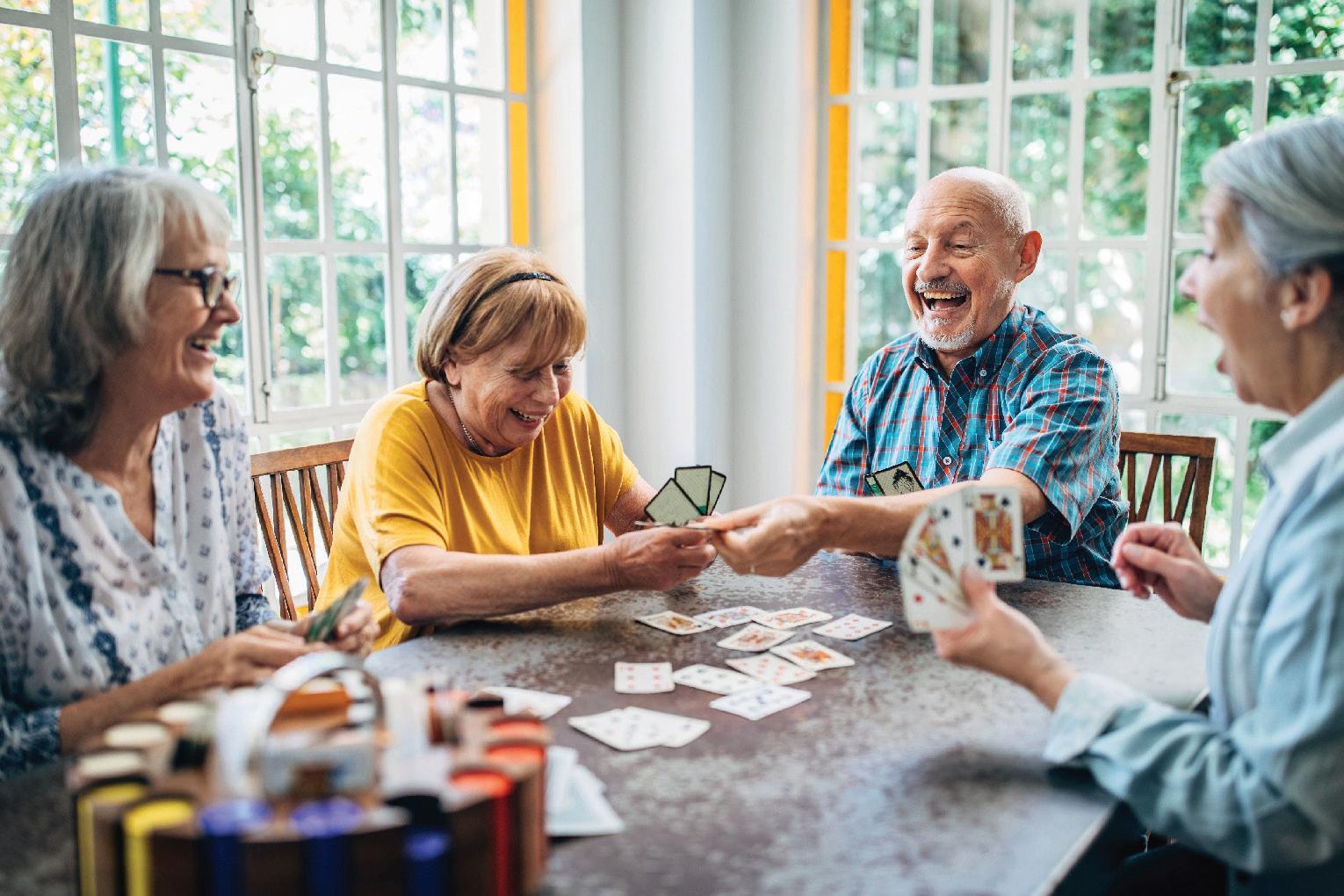
Seniors have much to gain when they take successful steps to avoid social isolation. Seniors who are concerned about the prospect of social isolation or loneliness or those already experiencing such feelings can try these strategies to build their social networks in retirement.
• Reconnect with old friends. It’s easy for adults to lose touch with old friends. By the time many adults reach middle age, professional and personal obligations can leave little time for a thriving social life. Successful professionals may be preoccupied with work projects, and while parents may be juggling their own hectic schedules with their children’s obligations. Come retirement, much of those responsibilities have ended, making this a perfect time to reconnect with old friends who also might have extra free time on their hands. Reach out through social media, text message or even a phone call, and let the situation unfold organically from there.
• Take advantage of community offerings. Many communities sponsor events for seniors, like bus trips to local museums or stadiums, in an effort to encourage seniors to get out of the house. Retirees can take advantage of these opportunities, which tend to attract like-minded individuals with the same interests. A bus trip to a theater production will attract fellow arts lovers, and
shared interests are a solid foundation for friendship.
• Start a local club or group. Starting a local club based on a particular activity is another great way for seniors to build a social network in retirement. Take to social media and express your interest in starting a local book club or walking group. Like community-sponsored bus trips, clubs and groups tend to attract like-minded individuals, providing a built-in pathway to friendship.
• Reconnect with your faith. Houses of worship also offer a great way to meet locals and build relationships based on a shared identity. Faithbased communities provide a sense of belonging that can help retirees overcome social isolation and loneliness
• Open yourself to new experiences. Trying something new is another great way to make new friends. Many local agencies like parks departments or community recreation offices offer seniors in-person workshops covering a wide range of activities. These offerings are a great way to discover a new pastime and meet new people along the way.




The prevalence of obesity among adults 60 and older is significant. According to the Centers for Disease Control and Prevention, 39 percent of adults 60 and over met the criteria for obesity over a two-year period between August 2021 and August 2023.
The National Council on Aging notes the importance of maintaining a healthy weight as you age. Seniors who qualify as obese, which occurs when a person’s body accumulates and stores excessive amounts of body fat, carry a higher risk of chronic diseases like type 2 diabetes, heart disease, and certain types of cancer. The NCOA also notes that excess body weight puts a strain on the joints, increasing the risk for osteoarthritis and making daily movements more difficult. People with obesity also are more likely to develop asthma and sleep apnea.
Seniors diagnosed with obesity are urged to seek safe and healthy ways to lose weight. Fad diets and other means to quick weight loss can be dangerous, but the NCOA notes simple lifestyle changes and healthy habits can help seniors safely lose weight.
• Consume nutrient-dense foods. Lean proteins, whole grains, fruits, and vegetables offer plenty of vitamins, minerals and fiber but tend to be low in calories. That makes them ideal options for people looking to lose weight, as they contribute to feelings of fullness without consuming a lot of calories.
• Incorporate physical activity into your daily routine. Exercise can pose problems for older adults who qualify as obese. The joint issues that can affect older adults with obesity can make traditional exercise regimens that incorporate strength training and moderate to vigorous aerobic activity very difficult, and maybe even dangerous. But the NCOA notes that exercise need not be intense to be effective. Walking is a
great physical activity for older adults. Swimming also is excellent, as it provides a full-body workout that’s easy on the joints. Seniors are urged to speak with their physicians about physical activities they can handle.
• Don’t sleep on sleep. Sleep can be an effective ally for seniors looking to lose weight. The NCOA notes that seven to nine hours of sleep per night helps support a healthy metabolism and regulate hunger. Seniors who have trouble falling asleep at night can try various strategies, from avoiding caffeine from the afternoon on to avoiding screens after dinner, to prepare their bodies to get better rest at night.
• Work to combat stress. The NCOA reports that stress is a contributor to weight gain. And stress and disorders linked to it are perhaps more common among adults 60 and over than people realize. In fact, according to the Anxiety and Depression Association of America, anxiety disorders, which are a notable source of ongoing stress, are the most widespread mental health condition among older adults. Sufficient sleep, meditation and deep breathing exercises can help seniors combat stress, and that in turn may help older adults avoid excess weight gain.
Obesity is a problem among older adults. Finding safe ways to lose weight can have a profound effect on seniors’ short- and long-term health.

As people age, their dietary habits may need to be modified in protection of their long-term health. Seniors may be advised to avoid certain foods, including red meat.
The consensus regarding seniors and red meat now emphasizes balance. Red meat, which consists of beef, lamb and pork, offers bioavailable nutrients that are difficult to get from plants alone. Red meat contains vitamin B12, which is crucial for cognitive function and nerve health. Since absorption of B12 often declines with age, according to UCLA Health, it can be challenging to get enough.
Red meat contains heme iron, which is more easily absorbed by the body than the non-heme iron found in beans or spinach. Iron helps ward off age-related anemia, according to UMass Memorial Health. High-quality protein also is essential to combat age-related muscle loss, a condition known as sarcopenia.
Despite the benefits of red meat, the American Heart Association and the World Cancer Research Fund suggest moderation because of the impact it may have on cardiovascular health. Many cuts of red meat are high in saturated fats, which have the potential to elevate LDL (bad) cholesterol. For seniors with a history of elevated lipid panels or heart disease, leaner cuts of red meat are key. Alternative protein sources also should be chosen more often than red meat.

Limiting red meat also can help combat digestive system concerns. As a person ages, the digestive system produces less stomach acid, says Cary Gastroenterology Associates. That makes it harder to break down heavy proteins like red meat. This can lead to bloating or discomfort if too much is consumed.
Certain studies have explored the link between high red meat consumption and systemic inflammation that can aggravate conditions like arthritis. Baylor College of Medicine says high levels of saturated fat and omega-6 fatty acids could elevate inflammatory markers like C-reactive protein, exacerbating autoimmune conditions and other health issues.
Best practices for seniors concerning red meat involve looking for cuts with “loin” or “round” in the name, as they have the highest protein-to-fat ratios. Seniors also should discuss the newest federal Dietary Guidelines for Americans with their doctors or nutritionists, as the 2026 guidelines represent a significant shift that promotes higher consumption of red meat, full-fat dairy and animal proteins, rather than restricting them to one to two times per week, despite advising limiting saturated fat intake. These contradictory messages may confuse the average person.
As with all dietary recommendations, advice will vary depending on one’s specific needs and underlying medical conditions.