


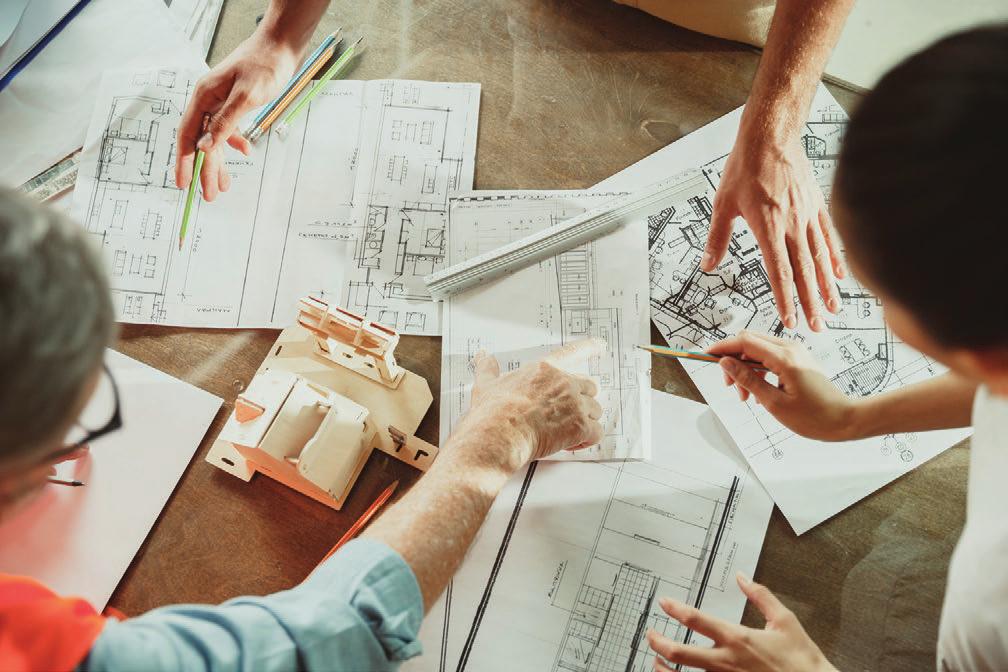








If you are thinking about buildinganewhome, there are several things you should do to make sure the process goes smoothly and your expectations are met. Tuesdee Davis, a local real estate agent and owner of TennesseeTuesdee Real Estate, LLC, took the time to go over some tips she has for those who are looking to build their own home.
“The very first step, no matter what, is to talk to a lender. Before you look at plans, land, or builders, you need to know your budget and what loan options you qualify for,” Davis said.
“If you are considering building, you will need to decide early whether you want to do an owner build or hire a general contractor. If you plan to owner build, keep in mind only a handful of lenders allow it. That is where working with a knowledgeable local real estate agent can help. They usually know which banks will finance these projects and which ones will not,” she added.
“If you plan to use a licensed general contractor, you will have more flexibility with construction and lenders but a GC is a large portion of your budget often,” Davis pointed out.
“Your lender will help determine your budget for both the home and the land.”
She said if you already own land, you may be able to use theequity in that land toward your build. In some cases, this can mean little to no money down.
Once you have selected your lender and decided how you want to build, you can move forward with your plans. You can purchase house plans online, design a custom plan, or choose from plans your general contractor already builds.
“If you are hiring a general contractor, take time to do your homework. Visit past builds, talk to previous clients, and look closely at the quality of work and overall satisfaction,” she suggests.
“Make sure your contractor is properly licensed and insured through the state


of Tennessee, not just operating under a local business license. This protects you and helps ensure your home meets code requirements,” Davis pointed out. Permits, Inspections, and the Build Process
Once your plans are finalized and your loan is approved, construction can begin, she said.
“Funds are typically distributed in phases throughout the build. Either you or your contractor will submit invoices to the lender, and payments are made as each stage is completed,” Davis said.
She pointed out there will be inspections along the way to ensure everything meets local building codes. The proper permits


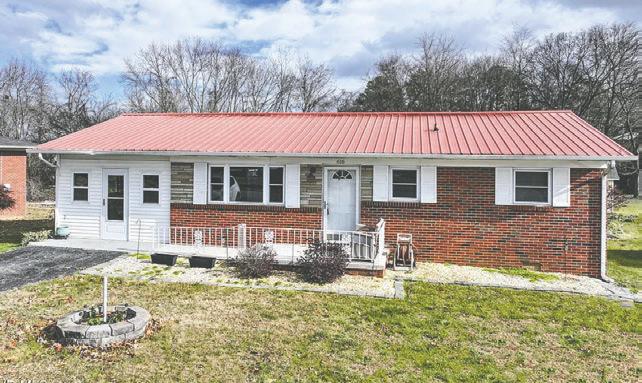
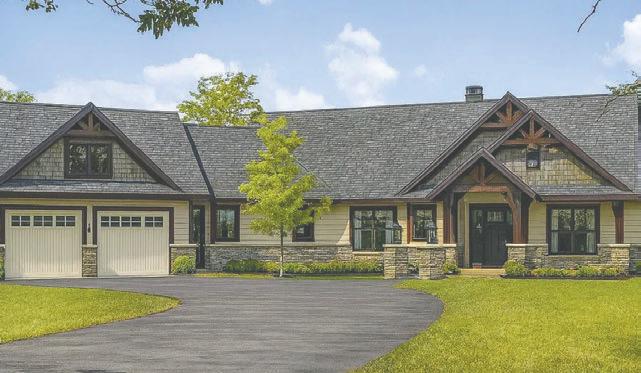
Ifyouarethinkingabout buying a home, there are several things you need to do to prepare yourself. Being a first time home buyer can be both stressful and exciting, sorealtor Tuesdee Davis has offered a few tips to help you get ready to buy your first home.
Establish stable income
Lenders want to see consistency. Ideally, you should have a full-time job with verifiable income for at least two years.
Self-employment is absolutely acceptable, but you’ll need properly filed tax returns to document your income.
Build & protect your credit score
Your credit score plays a major role in loan approval and interest rates. Start building credit early and keep balances low.
If you’re unsure where to start, connect with a trusted local lender or real estate agent who can guide you on which accounts to open and which to avoid. Not allc credit is good credit.
Avoid major financial changes
Don’t make large purchases (cars, furniture, etc.) before or during the home buying process.
Also avoid large unexplained deposits or withdrawals. These can delay or even derail your loan approval.
Explore lowor no down payment options
Many first-time buyers are surprised to learn there are loan programs that require little to no money down.
Even if your credit isn’t perfect or you have no credit yet there are steps you can take to improve it quickly sometimes.
Get pre-approved first
Before you start shopping, get pre-approved, not just pre-qualified. This
gives you a clear budget and makes your offer stronger in competitive markets.
Don’t max out your budget
Just because you’re approved for a certain amount doesn’t mean you should spend it. Leave room for maintenance, utilities, and life. Make sure no real estate agent is pushing you to buy at the top or over your budget.
Factor in ALL costs
Homeownership includes more than your mortgage; think property taxes, insurance, repairs, and possible HOA fees.
Keep your job stable during the process
Changing jobs (even for better pay) during underwriting can cause delays or require re-approval, so always speak to the lender for approval.
Have some cash reserves
Even with low down payment loans, having some savings for inspections,
appraisals, and unexpected repairs is important. Not to mention you don’t want to have car trouble and have to decide whether to fix your car or make a house payment.
Work with a knowledgeable local agent
A good local agent will guide you through the process, help you avoid costly mistakes, and negotiate on your behalf. If you buy “a for sale by owner,” then know your rights as a buyer and get proper disclosures to protect yourself. A good agent will take your concerns into consideration but guide you on what is realistic in our current market. No one should ever push you to make one of the largest purchases you will ever make. Make sure you find an experienced agent who knows which loans apply to which homes when shopping, so you do not make an offer on a home you don’t qualifyfor.
must also be pulled prior to construction commencing.
“Always take the time to research your contractor and subcontractors. There are too many cases of homeowners being taken advantage of by unlicensed or inexperienced builders,” she cautioned.
She said you can use someone you know for smaller jobs if it is allowed, but be aware of Tennessee regulations. For example, a home improvement license typically limits work to jobs costing less than $24,999, she said.
“Doing your homework on the front end can save you time, money, and stress and help ensure your new home is built the right way,” Davis concluded.
Carpeting adds warmth and comfort underfoot, but residential carpeting is a significant financial investment. Homeowners should do all they can to ensure carpeting remains in good condition for as long as possible.
According to the Carpet and Rug Institute, properly maintained carpet may last between 10 and 15 years. However, without the right care, the durability of carpet can be slashed in half. Maintaining carpeting is not just about preserving aesthetic appeal; protecting carpeting from too much wear and tear helps manage indoor air quality and maintain home value. These guidelines can







help any homeowner protect their pile.
• Remove shoes when coming indoors. Industry experts say that the majority of the soil entering a home is dry particulate matter that is brought in on the soles of shoes. Particulates can act like micro-abrasives that grind against carpet fibers, dulling the sheen and weakening the structure. Removing shoes upon entering the home will cut down on the amount of soil that reaches the carpet.
• Utilize high-quality mats. Place mats both outside and inside of every entrance to cut down on the amount of debris that is tracked into a home. The industrial matting company NoTrax indicates at least 15 feet of matting is required to remove the majority of dirt and debris from foot traffic. Carpet industry experts refer to this as the “Rule of 15.”
• Frequently vacuum the home. The CRI recommends vacuuming high-traffic areas daily, while other areas around the home may require less attention. Vacuuming removes dry soil before
it can be ground into the backing of carpeting. For the best results, a vacuum cleaner with a HEPA filter will ensure the machine effectively removes dust instead of just redistributing it into the air while vacuuming.
• Get a deep cleaning. Major carpet manufacturers, including Shaw and Mohawk, require Hot Water Extraction every 12 to 18 months on their carpets to maintain warranties. Professional cleaning removes even more debris and keeps carpeting in pristine shape.
• Apply a protectant. While most new carpets come with a factory-applied finish to protect fibers, this wears off over time. Reapplying a carpet protector (like ScotchgardTM) creates a shield that lowers the surface tension of the fibers, helping homeowners clean up spills fast beforestains set in.
Reducing dirt tracked inside, vacuuming frequently and arranging for periodic professional deep-cleaning will help prolong the longevity of residential carpeting.
Homeowners do not need to get hung up on room labels as they explore ways to reinvent their spaces. Just because a floor plan labels a space as a formal dining room doesn’t mean the area has to remain that way.
Repurposing rooms in a home comes down to aligning the space a person has with their lifestyle needs. Here are a few ways to rethink interior spaces and make a switch to improve utility.
• Identify unused or underused rooms. Take note of spaces that are cleaned but rarely used. For many people, this is a dining room or a guest suite. Either of these rooms can be transformed into something new.
• Invest in multipurpose furniture. Even people short on space can transform their homes. Replacing a traditional bed with a murphy bed or a daybed can make a room more suitable for a home office or yoga studio, but still provide a space for the occasional houseguest to sleep. A pull-down shelf desk in a bedroom or even a walk-in closet can turn an area into a compact home workstation.

• Claim dead space. The area under the stairs or another small spot often is used to collect junk. Instead, it can be turned into a built-in wine rack, a reading nook for kids or even a pet sanctuary with just a few modifications.
Therightrenovation project can change the look and feel of a home. Major undertakings like a kitchen remodel might be the first projects homeowners think of when considering ways to transform their home interiors, but small projects also can go a long way toward remaking spaces in a home. The molding in a home is a small yet important feature that can affect the look and feel of interior spaces. New molding might not offer the wow factor of a kitchen redesign, but new molding still has a dramaticeffect and is well worth the investment of time and effort, particularly if existing molding has begun to show signs of wear and tear.
WHENSHOULDMOLDING BE REPLACED?
Replacement may be necessarywhenmolding is showing signs of rot or damage or when paint is peeling. Rotting molding may feel soft, while warping and swelling indicates the molding is damaged and in need of replacement. Molding that is detaching from the walls also may need to be replaced. But such a condition also can occur as a house is setting or due to seasonal fluctuations of humidity within the home. If this occurs with molding that still looksgood, then re-nailing may be the best approach.
WHATSHOULDIKNOW ABOUT MOLDING BEFORE REPLACING IT?
Moldingcomesinmany shapes, styles and sizes. Molding helps to maintain cohesion in spaces
throughout a home, so it’s necessary to identify the current type of molding that’s in a home if you only need to replace pieces here and there. If all of the molding must be replaced, then you may have more flexibility. Molding styles include colonial, ogee, cove, and step and double step. The height and thickness of the molding as well as which material type, such as solid wood or PVC, also may determine the right product for your home. Working with an interior designer and contractor can help homeowners who are uncertain about their existing molding make the right choice when installing a new product.
HOW MUCH DOES MOLDING COST?
The cost to install new molding will be determined by a number of variables unique to each home, including where the home is located, which materials homeowners choose, which molding is being replaced (i.e., crown molding, baseboard molding, or both), and how much is being replaced. The renovation experts at Angi. com estimate that the range for a crown molding replacement project is between $600 and $2,100. Angi.com notes a similar price range for a baseboard molding replacement project, which typically runs between $800 and $2,250. Replacing fading or damaged molding can subtly but effectively transform interior spaces in a home. Homeowners are urged to work with a contractor to identify the right molding products for their homes.
Analyze areas around the home that seem like they don’t serve a purpose, and then figure out a way to make them more functional.
• Establish room zones. Some people simply cannot transform
an entire room into something else. Visual partitioning makes it possible to create rooms within rooms. An area rug can be used to define a border of a space. Open bookshelves can serve as a wall to separate a sleeping area from a
lounging spot. Lighting can add dimension to areas in a space. A pendant light over a crafting or work table can be used define the space.
• Look at utility areas. Unless you are a do-it-yourselfer or have a hobby that takes up much of the garage or basement, utility areas are major spots in a home to consider repurposing. A garage can be turned into a home gym, kids’ play area or even a hobby shop. Modular flooring and insulated walls can make the room comfortable. Attic lofts are the ultimate quiet zones, and can be serene spots for reading, meditating or doinghomework. An unfinished basement can be converted into a finished space to serve many different purposes. From media rooms to a teen lounge to a hobby cave, the opportunities are endless. A good rule of thumb before converting any room is to give it a test run. Move in a piece of furniture and test how it works with its intended function. Assess lighting, noise and foot traffic for a week, and then move ahead with changes if the result is positive.
Homeownersknow that the next home renovation project is always right around the corner. And that meansfinding ways to finance such undertakings. When planning for renovations, the average homeowner underestimates their project cost by approximately 22 percent, according to the 2026 Remodeling Impact Report. Establishing a pre-project budget can help avoid such surprises.
DON’TOVER IMPROVE
A common mistake homeowners make is over-improving a home beyond the neighborhood value. A good rule of thumb is to employ the average percentageof-home-value approach in an effort to stay within range of what’s acceptable. Budget a kitchen renovation or finished basement at 10 to 15 percent of the home value. A master bedroom will come in at 5 to 10 percent of home value, while a small bedroom or office falls between 1 and 3 percent of home value. These benchmarks are supported by the National Association of the Remodeling Industry and the National Association of Realtors. Historically, a functional, modern kitchen is the top driver of home value, says Remodeling Magazine.
LEARN THE BREAKDOWN
Homeowners should understandthatmaterials, fixtures, appliances, and flooring, otherwise known as “hard costs,” will eat up 50 to 60 percent of their renovation budgets. Labor, permits and design fees will comprise the next largest chunk, typically coming in between

25 and 35 percent. Homeowners also should factor about 15 to 20 percent of a budget to a safety net to cover unforeseen expenses, like mold remediation or structural issues.
GET THREE QUOTES
It’simportantforhomeowners to get several estimates before establishing a budget. Experts advise working with contractors that offer fixed-price contracts rather than those that list time and materials; otherwise, there may be a mid-project price hike that comes out of the blue. A person also can ask contractors for a lineitem bid so it’s possible to see where money can be trimmed through different material choices. With
a list of desired items in hand, and acceptable substitutions if the cost comes in too high, homeowners can create a budget that works.
SAVING VERSUS SPLURGING
It’simportantforhomeowners to be realistic about their renovations. They can splurge on items that are seen or touched every day, like door handles, cabinet pulls and faucets. Other items, like lighting fixtures or backsplashes, can be replaced down the road. It may be better to direct funds to structural elements or those “invisible renovations” like upgrading insulation or smart systems that save on energy costs and improve efficiency.






KEEP A 20 PERCENT CUSHION
Homeowners can determine the affordability if a proposed project ends up costing 20 percent more or takes a few months longer. If the answer is no, homeowners should scale back the project budget until they have that financial safety net. Alliant Credit Union says experts strongly recommend adding a 20 percent contingency cushion to a remodeling budget. A home remodeling project is a big commitment of time and money. Budgeting correctly ensures that there are few, if any, surprises along the way.








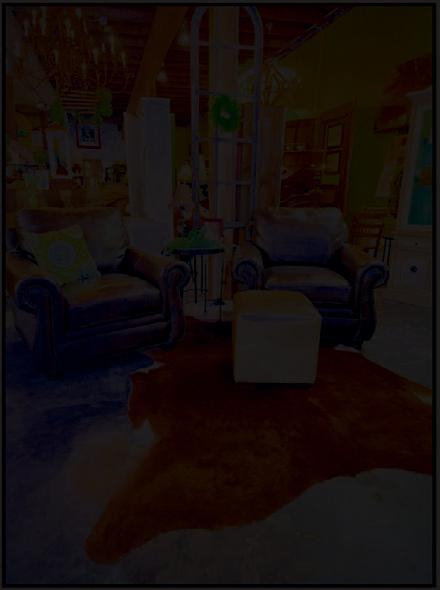








When planning for renovations, the average homeowner underestimates their project cost by approximately 22 percent, according to the 2026 Remodeling Impact Report. Establishing a pre-project budget can help avoid such surprises.
DON’T OVER IMPROVE
Acommonmistake homeowners make is over-improving a home beyond the neighborhood value. A good rule of thumb is to employ the average percentage-ofhome-value approach in an effort to stay within range of what’s acceptable. Budget a kitchen renovation or finished basement at 10 to 15 percent of the home value.
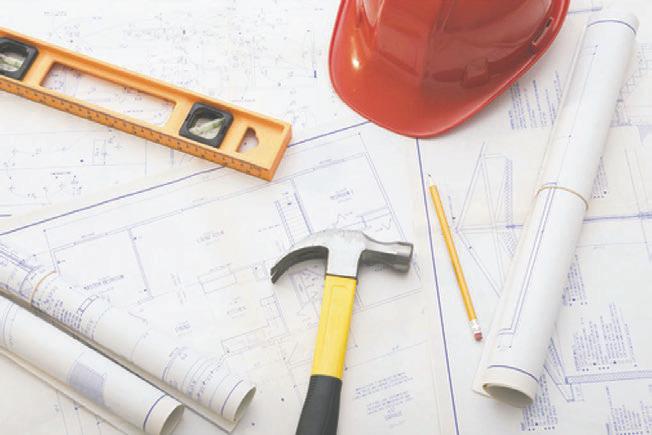
A master bedroom will come in at 5 to 10 percent of home value, while a small bedroom or office falls between 1 and 3 percent of home value. These benchmarks are supported by the National Association of the Remodeling Industry and the National Association of Realtors. Historically, a functional, modern kitchen is the top driver of home value, says Remodeling Magazine.
LEARN THE BREAKDOWN
Homeownersshould understand that materials, fixtures, appliances, and flooring, otherwise known as “hard costs,” will eat up 50 to 60 percent of their renovation budgets. Labor, permits and design fees will comprise the next largest chunk, typically coming in between 25 and 35 percent. Homeowners also should factor about 15 to 20 percent of a budget to a safety net to cover unforeseen





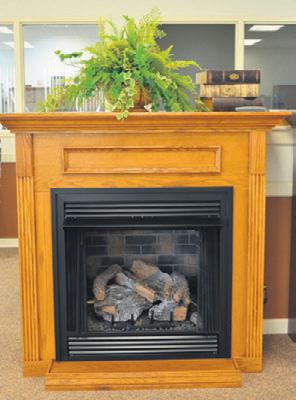
expenses, like mold remediation or structural issues.
GET THREE QUOTES
It’simportantforhomeowners to get several estimates before establishing a budget. Experts advise working with contractors that offer fixed-price contracts rather than those that list time and materials; otherwise, there may be a mid-project price hike that comes out of the blue. A person also can ask contractors for a line-item bid so it’s possible to see where money can be trimmed through different material choices. With a list of desired items in hand, and acceptable substitutions if the cost comes in too high, homeowners can create a budget that works.
SAVING VERSUS SPLURGING
It’simportantforhomeowners to be realistic about their renovations. They can splurge on items that are seen or touched every day, like door handles, cabinet pulls and faucets. Other items, like lighting fixtures or backsplashes, can be replaced down the road. It may be better to direct funds to structural elements or those “invisible renovations” like upgrading insulation or smart systems that save on energy costs and improve efficiency.
Homeowners can determinetheaffordabilityifa proposed project ends up costing 20 percent more or takes a few months longer. If the answer is no, homeowners should scale back the project budget until they have that financial safety net. Alliant Credit Union says experts strongly recommend adding a 20 percent contingency cushion to a remodeling budget.
A home remodeling project is a big commitment of time and money. Budgeting correctly ensures that there are few, if any, surprises along the way.
A home can never be too safeorsecure.Whenresidents of a home leave or go to bed at night, a wide range of safety and security features can protect them and their belongings. In-home amenities also can make homes safer for residents with mobility issues or other limitations.
Homeowners indeed have no shortage of options when seeking to make their homes safer and more secure. An assortment of safety and security features can help homeowners plan for nearly every situation that could put residents in jeopardy.
• Age-related safety features: Various features can help seniors age in place.
The National Institute on Aging recommends installing grab bars in showers and bathtubs to reduce the risk of falls when bathing. Such features also can help seniors balance themselves while they bathe and get in and out of showers and tubs. Nonslip strips can be installed on bathroom and kitchen floors in areas that might be vulnerable to spills or puddling. The NIA also recommends fixing all carpets firmly on the floors, which may necessitate the removal of all area rugs. Adding handrails on staircases so there’s something to grab onto on each side the staircase also can enhance the safety of these potentially risky spaces in a home.
• Entry point security features: Deadbolts, security cameras and/or smart doorbells make it easier to keep strangers out and monitor entryways. Smart doorbells may deter criminals from approaching a property. Locks and sensors also can be installed on all windows, and especially those on the first floor that can be accessed from the ground.
Locks on sliding doors can be reinforced with secondary locks that further prevent the door from being opened from the outside once the locks are engaged.
• Fire safety features: The National Fire Protection Association notes that the death rate in home structure fires is approximately 60 percent lower in homes with working smoke alarms than in homes with no alarms or in homes where alarms are not working. The NFPA adds that smoke alarms monitor for smoke and control the speaker that emits the sounds that notify occupants of the presence of smoke. The NFPA recommends both ionization smoke alarms and photoelectric smoke alarms, as each employs a different type of sensor. The combination of both in a home ensures people are alerted in the case of both flaming fires (ionization alarms) and smoking, smoldering fires (photoelectric alarms). A functioning fire extinguisher also is a must (disposable extinguishers typically last between 10 and 12 years), as is a carbon monoxide detector.
• Lighting: Sufficient lighting in a home and around the exterior of a home and even the property can be another important safety and security measure. Exterior lighting deters intruders because it makes them more visible to residents while they’re awake and makes them easier to see on overnight security cameras, which can be enough to keep them away. Interior lighting makes it easier to navigate a home at twilight and at night.Hallway night lights can make trips to the bathroom safer, and lighting alongside stairways can make these spaces easier to navigate when the rest of the home is dark.



Pests can be problematic forhomeowners.Pestscan be frightening, and an
ered or treated promptly.
According to Green Pest Management, termites can hollow out beams, beetles can tunnel through hardwood, and rodents can chew through wiring and insulation. It doesn’t take long for damage to escalate. And homeowners may not know issues are building until problems have become visible.
To address pests effectively, both inside and outside of the home, homeowners should prioritize prevention and physical barriers first. Chemicals and professional pest treatment services may be necessary if initial efforts are not enough. Here are some strategies homeowners can try.

make the environment less hospitable to pests.
• Manage crumbs and trash. Pests like an easy food source, so move dry goods into glass or sealed
plastic containers. Clean up crumbs around the kitchen, empty catches in the sink drain readily, and be sure to take out the garbage before it gets full and malodorous; otherwise, you might be
luring pests indoors.
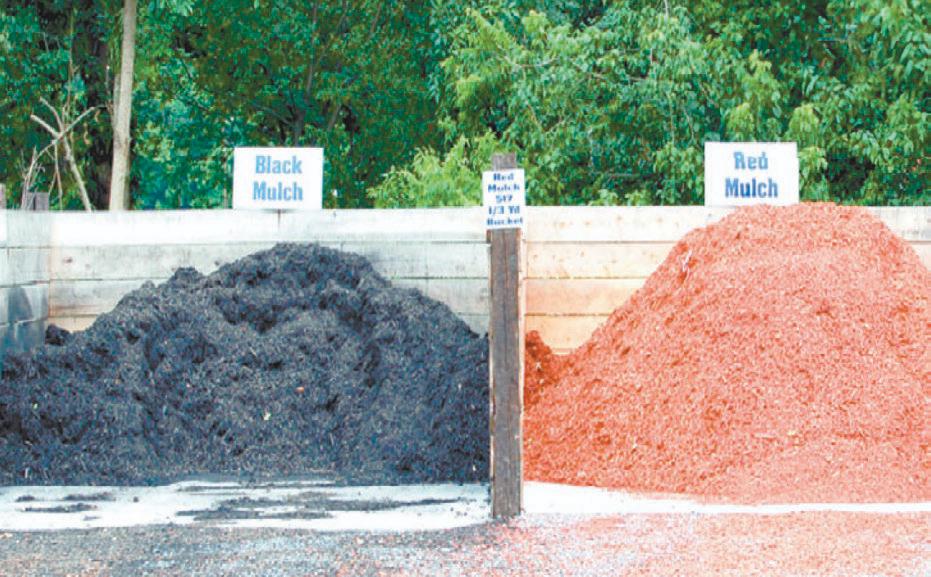
• Create a buffer zone outside. Try not to plant vegetation tooclose to the home. While mulch is coveted for its use in landscaping, it can act as a
highway for termites and ants. Gravel or bare dirt may be better against the house.
• Eliminate standing water. Clear gutters and address low-lying areas of the landscape. Turlock Mosquito Abatement District says mosquitoes grow in standing water, and they can develop into biting mosquitoes in amounts ofwater as small as that needed to fill a bottle cap. Tip and toss out any water to prevent mosquito breeding.
• Use natural repellents. Peppermint oil might deter spiders and rodents near entry points. Diatomaceous earth is a fine powder made from fossilized, microscopic remains of hard-shelled aquatic organisms. While used primarily in some pool filtration systems, DE also can dehydrate insects with exoskeletons, like ants or roaches.
If pests become problematic and first-line treatments are not working, consult with a professional pest company to see what might be the answer.
Kitchen renovations continue to top thelistofimprovementsthatofferahigh rate of return on investment. Buyers pay attention to kitchens, which undoubtedly affects the ROI of kitchen renovations. According to the Journal of Light Construction’s “Cost vs. Value Report 2025,” a minor kitchen remodel offers an ROI of 113 percent, while a midrange remodel offers an ROI of 51 percent. Replacing a kitchen countertop can help homeowners see improvements to the functionality of their spaces and improve the value of their homes.
According to data from Grand View Research, the U.S. countertops market is projected to reach $35.57 billion in 2026, driven by homeowners who desire highvalue renovations over relocating. Those thinking about overhauling their spaces with new countertops can consider the leading materials and how they rank in cost, maintenance and durability.
ENGINEEREDQUARTZ
The National Kitchen & Bath Association reports that 78 percent of design professionals expect quartz to be the preferred
countertop material over the next several years. Quartz is non-porous, so it will resist stains, scratches and bacteria infiltration without having to be sealed. Unlike natural stone, quartz offers pattern uniformity, which makes it easier to map out seamless transitions. Quartz costs between $50 and $150 per square foot installed.
GRANITE
Granitestillholdsaconsiderablechunk of the countertops market and remains a solid standard for those who value a oneof-a-kind look of natural stone. Granite
has exceptional heat resistance and adds significant resale value. However, it requires periodic sealing to maintain its good looks. Costs range from $40 to $190 per square foot.
PORCELAIN
Porcelaintilesandslabsareprojected to become the fastest-growing segment in the ceramic tiles market, according to reports from Yahoo Finance. High-precision printing technology enables porcelain
See COUNTERTOPS,C6



Aspiring to save money inretirementmakesperfect sense. Once professionals call it a career and are no longer drawing a paycheck, cutting back on expenses can be a sound decision that ensures seniors won’t outlive their money. And housing remains a significant expense, even for retirees who own their homes and no longerhave monthly mortgage payments to make.
Many retirees seeking ways to save money consider downsizing their homes. According to the National Association of Retailers, 12 percent of people between the ages of 60 and 69 who move indicated their home was too large, and that percentage grows among movers between the ages of 70 and 78 (16 percent) and those who move after turning 79 (18 percent).
Downsizing a home in retirement can seem like an ideal means to saving money after calling it a career, but individuals pondering such a move should consider a number of variables before putting their homes up for sale.
Downsizingmayhelp retirees lower their property taxobligations, reduce their utility bills and lower their monthly mortgage payments (for those who are still paying off a mortgage on their current homes), but that does not mean moving will not incur new expenses that render such savings moot.
Expenditures like closing costs, real estate commissions, moving-related
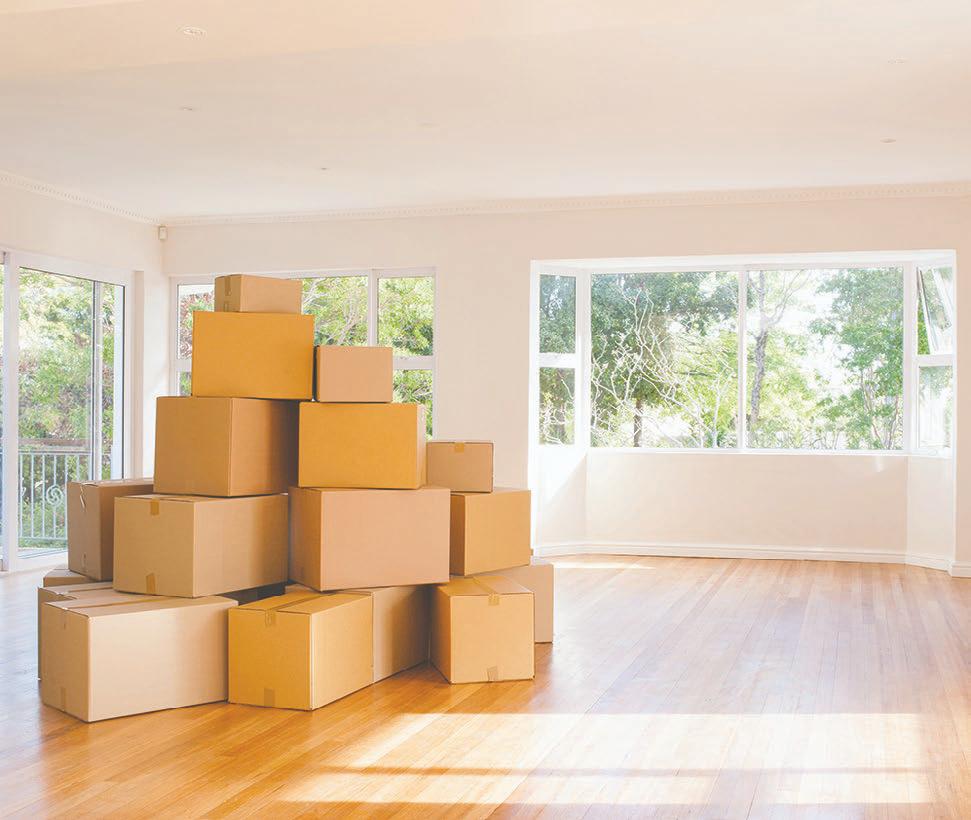
expenses, andcapital gains taxes can quickly add up. In addition, retirees who currently do not pay homeowner’s association fees may be subjected to such fees when moving into a new home, and those fees can be substantial and hard to avoid. Indeed, recent data from the U.S. Census Bureau indicated that 71 percent of new constructions in the western and southern United States were built in communities with homeowner’s associations. Prior to downsizing, current homeowners should calculate all of the costs related to relocating, including anticipated HOA fees, to see if downsizing is to their financial benefit.
Anothervariablethat merits consideration is the impact that moving can have on seniors’
social lives. The World Health Organization reports that more than one in 10 seniors experiences loneliness, which can adversely affect their physical and mental health and potentially reduce their life expectancy. Retirees currently living in communities in which they are socially active should weigh the effects of leaving that social network behind. Retirees also can weigh the benefits of moving to 55 and over communities where they will be surrounded by people at a similar stage in life, and how living in such developments may improve their social lives.
ADJUSTINGAND ADAPTING
Downsizing will require anadjustmentperiodand a willingness to adapt. Retirees may have an emotional attachment
to their current homes, and leaving that behind can be a difficult adjustment. Adapting to life in a new community also can be challenging, particularly if retirees are moving from areas where there are no restrictions regarding their properties to communities where homeowners’ associations must approve of any changes to properties. Moving also may require finding new health care professionals, which can be a particularly difficult adjustment for retirees who have spent years building a strong rapport with their current health care team.
Downsizing a home might be a pathway to more financial freedom for many retirees. Seniors considering such a move can consider a number of variables to determine if moving is in their best interest.
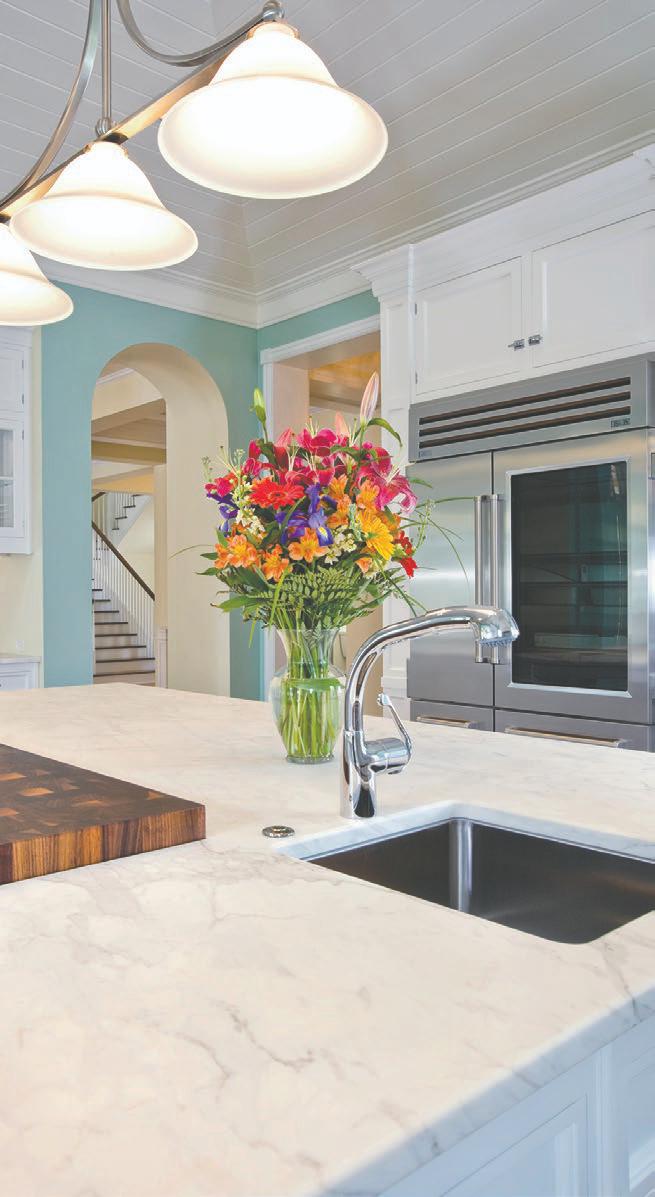
to mimic rare marble and other stone with superior accuracy. Porcelain is even harder than graniteand effectively impervious to UV rays. This makes the material a solid choice for outdoor kitchens. Plus, at a cost of $60 to $120 per square foot, it is competitive with other similar materials.
Thosewhoappreciateasoft,organictextureand “warmth” in their spaces can look to butcher block. Wood is making a comeback, as many homeowners are moving away from stark, white designs. Butcher block is self-healing, meaning scratches can be sanded out. Butcher block costs between $50 and $150 per square foot.
Laminateisabudget-friendlyoptionforhomeowners at $20 to $80 per square foot, but is not as durable as other materials. Some laminates mimic the look of highend materials, and they don’t require much maintenance. Countertops affect the look and feel of kitchens and other interior and exterior spaces. Choosing materials comes down to cost, durability and maintenance.

Bathrooms are more than just placestowashup.Thesespaces are evolving from utilitarian rooms to high-tech sanctuaries with all the modern conveniences one can imagine. Homeowners are increasingly investing more into their bathrooms, reflecting a growing desire for quiet luxury and personal health.
According to the 2026 National Kitchen & Bath Association (NKBA) Trends Report, 72 percent of designers report that clients are enlarging their bathrooms to accommodate new wellness-centered features. Modern bathrooms are defined by some notable features.
HOME SPA SHOWER
The NKBA reports more homeownersnowprioritizea larger, feature-rich shower over just a bathtub. Steam showers are no longer niche; they integrate aromatherapy and chromotherapy (mood-enhancing light) systems into the designs. Although open,
AGING IN PLACE ELEMENTS
heat and steam.
Featuresonceassociatedwith getting older are now being rebranded as high-end design elements. According to Forbes, curbless entries and built-in
benches are some luxury safety features built into modern bathrooms.
SMARTTECHNOLOGY
Polaris Market Research says the global smart bathroom market is projected to exceed $11 billion in 2026. Technology focused on efficiency and hygiene is popular. Intelligent toilets that have self-cleaning UV nozzles, heated seats and motion-activated lids arerising in popularity. Smart faucets with precise flow control and leak detection also are becoming standard, with Houzz saying sustainability features like these are a must-have for 84 percent of renovators.
EVOLVINGMINIMALISM
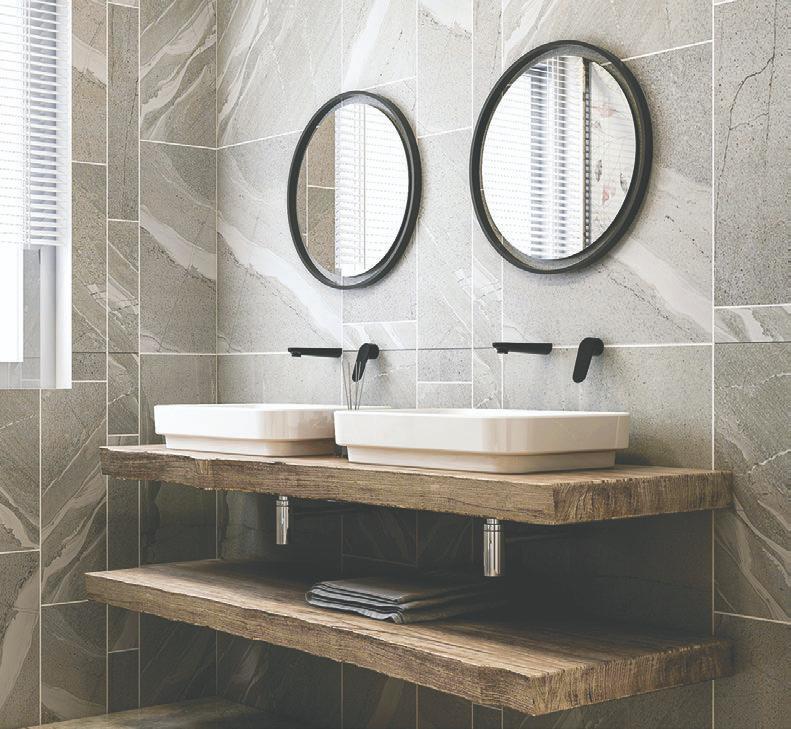
Organic minimalism is a defining style within modern bathroom trends for 2026. This idea prioritizes clean looks with natural materials like stone and wood, which are replacing cool grays and stark whites that
have been dominating bathroom schemes for some time, according to Re-Bath design expert Jenny Mars. Designers favor large-format slabs or tiles to minimize grout lines. Earthy tones like sage green, terracotta, and warm wood vanities also are popular.
LAYEREDLIGHTING
Design pros are using lighting as a functional tool, and say that task lighting must be layered for the best effect. Nighttime-specific low-glow lighting and integrated mirror LEDs support a natural circadian rhythm while offering comfort and safety. The NKBA says 91 percent of respondents cite lighting as a top priority in their bathroom designs. Mood lighting in showers and other lighting features are popular requests.
Modern bathrooms continue to evolve with features that add aesthetic appeal, sustainability and technology to thesehistorically utilitarian spaces.
It’swell-documentedthatkitchensare popular gathering spaces in homes. Perhaps that’s one reason why homeowners looking to sell their homes direct so much attention to the kitchen before listing their properties. The real estate experts at Trulia note that emphasis is well worth it, as buyers inspect kitchens and primary bathrooms more than any other spaces in a home.
Cabinets and countertops garner considerable attention when pondering kitchen renovations, but it’s equally important that homeowners pay attention to flooring when planning a remodel. The following are some notable flooring materials homeowners may want to consider as they plan to remodel their kitchens.
• Ceramic tile: Ceramic tile is a popular kitchen flooring material. The flooring experts at Avalon Flooring note that ceramic tile boasts an elegant and clean feel. Ceramic tile also is durable and easy to maintain. That simple maintenance includes ease of cleaning, as ceramic tile can be quickly cleared of spills and dirt tracked into
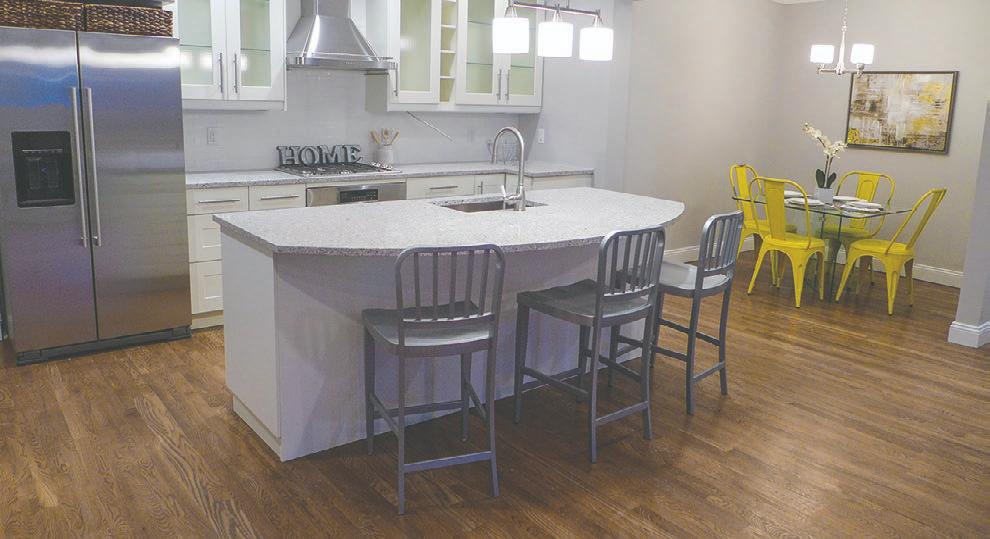
a kitchen from outside. Ceramic tile also comes in a wide variety of colors, a versatility that undoubtedly adds to its popularity.
• Porcelain tile: Porcelain tile is another versatile option that can add instant aesthetic appeal to a kitchen. Porcelain tile is waterproof, which appeals to many
homeowners looking to renovate their kitchens. Porcelain also is easily cleaned and durable, as flooring experts estimate that porcelain tiles can last anywhere from 15 to 50 years. Porcelain tile also requires minimal maintenance, which appeals to busy homeowners.
• Engineered hardwood: Engineered hardwood is a popular choice that many homeowners appreciate due to its strength and aesthetic appeal. This flooring material is made with real wood that’s reinforced to make it even more durable and water-resistant. The result is an easily maintained product that also can last as long as solid wood flooring so long as it’s well-maintained. Various shades, designs and textures are available, which makes this a versatile option.
• Laminate flooring: Laminate flooring is a budget-friendly option that’s available in a wide range of styles, colors and patterns. The smooth surface of laminate flooring makes it easy to clean, and it’s resistance to water is another characteristic that appeals to homeowners. But spills on laminate floors are best cleaned up quickly, and the material is vulnerable to warping and staining if exposed to moisture for extended periods of time. These are some of the options homeowners can consider as they ponder which material to install on their kitchen floors as they remodel these popular rooms.