





























When to seek care before it’s an emergency
BY NICK FOGLEMAN
Many chronic illnesses develop gradually, with symptoms that are easy to dismiss. Fatigue gets blamed on age, shortness of breath is chalked up to being out of shape, and mood changes are written off.
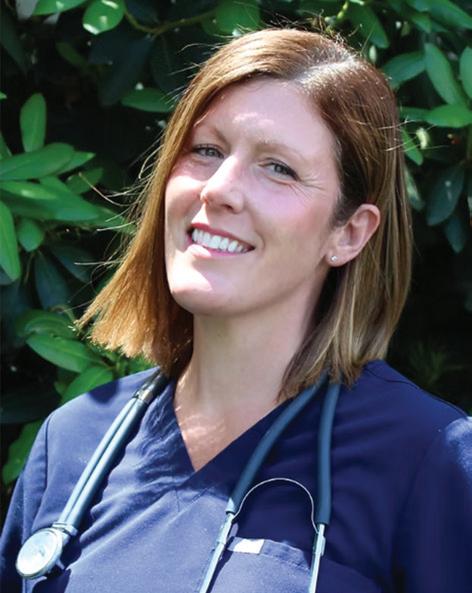
Morgan Baker, RN, health access manager at the Hunger and Health Coalition’s free clinic, said those subtle shifts can be early warning signs of more serious conditions, and ignoring them can delay treatment.
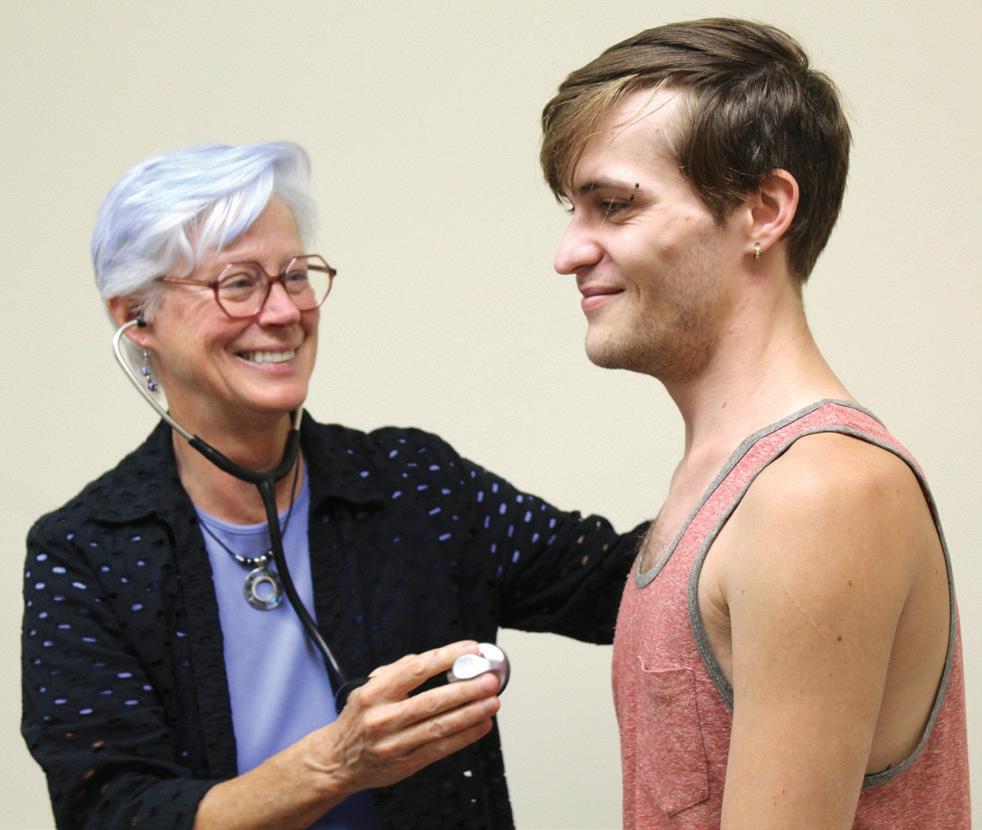
“There are many chronic diseases, and the best way to be on top of those is to have an annual exam with your primary care provider,” Baker said.
She also emphasized the importance of a healthy diet and avoiding alcohol and cigarettes.
Among the most common concerns she sees are cardiovascular disease, hypertension and Type 2 diabetes.
Symptoms to be aware of include shortness of breath, intense headaches, unexplained weight loss, or changes in mental status.
“If you start experiencing difficulty breathing, that’s a big warning sign,” Baker said.
Dizziness and a cough that won’t go away are also symptoms that should be evaluated. With diabetes, early warning signs can include frequent urination, increased thirst, vision changes, appetite changes and unexplained weight loss.
Unintentional weight loss of more
than 5% of body weight without trying can signal an underlying illness and should be discussed with a doctor.
“All of those are warning signs that can point to something that needs to be assessed and possibly controlled with medication,” she said. “It’s important to speak with your primary care provider about these symptoms.”
Fatigue, chest tightness and digestive changes may also be connected to major health concerns, particularly in middle-aged and older adults. Baker said numbness and tingling — especially in individuals who are overweight — can be associated with diabetes or heart issues.
“There’s just so many of the symptoms that you learn to live with and you really shouldn’t,” Baker said. “There’s help, and you should get treated so you can feel better.”
Baker also pointed to depression as an often-overlooked condition, particularly during the winter months.
“Just feeling down, not enjoying parts of your days, not wanting to get out of bed, eating too much, not eating at all,
sleeping too much, just not feeling like yourself,” she said.
While some seasonal mood changes are common, Baker said it becomes a concern when symptoms interfere with daily functioning or relationships.
“It’s important to seek help because there is a way to feel better, and it’s a sickness, just like everything else,” she said.
Not all illnesses present obvious symptoms, and some conditions may remain silent until advanced stages. At the same time, some symptoms may occur without a serious underlying cause.
That uncertainty is why Baker stresses paying attention to changes and scheduling annual visits with your doctor. A primary care provider plays a key role in coordinating care, identifying problems early and managing chronic conditions before they become emergencies.
Some symptoms warrant emergency care. Severe chest pain, especially when accompanied by shortness of breath or difficulty breathing, is a major red flag.
Other warning signs include prolonged fever, loss of consciousness or alertness noticed by family or friends, and unexplained acute vomiting.
Classic heart attack symptoms include chest pain or pressure that radiates to the jaw or upper back. Signs of stroke, such as weakness, numbness, tingling or facial droop on one side of the body, require immediate medical attention.
Sudden confusion, severe dizziness accompanied by other symptoms, intense headaches described as “the worst headache of your life,” or unusual bleeding, such as blood in urine, stool, vomit, or coughed up from the lungs, should also be evaluated promptly.
The Hunger and Health Coalition’s free clinic provides primary care services, including annual physical exams, chronic disease monitoring, and acute visits.
The clinic offers free laboratory testing and can refer patients to Watauga Medical Center for radiology services through a charity account, with all labs and imaging pre-ordered by a physician after assessment.
BY ZACH COLBURN
One of the top New Year’s Resolutions nearly every year is to get in shape, and people focus on their fitness.
But they’re not too keen on doling out a high number of dollars for a gym membership or spending a ton on fitness equipment.
Jessica Welch, who works as a personal trainer and fitness instructor at the Watauga Community Recreation Center, believes there are several effective, budget-friendly ways to improve your fitness.
But the most important, and at times, simplest one, is your own body.
Welch has also served as an Adjunct Lecturer in Appalachian State University’s Department of Recreation Management and Physical Education.
“You don’t need a gym or fancy equipment. If you wanted to buy some resistance bands for 20 dollars, that’s awesome, but you honestly just need your body,” said Welch. “Doing some basic exercises like squats, lunges, planks, glute bridges and pushups are great functional body weight exercises you can do anywhere without any equipment. Modify any exercise to fit your body; don’t forget, walking offers many health benefits.”
In addition to the tips from Welch, here are a few additional ones to keep in mind as you’re preparing to work out on a budget:
Bodyweight Workouts: Squats, lunges, planks, burpees, and jumping jacks require zero equipment and can be done anywhere.
Use Your Home: Run up and down
stairs, use chairs for dips, or do stepups on sturdy surfaces. You can also use household items as weights, such as water bottles, cans, or milk jugs.
Affordable basic and used equipment:
A jump rope, yoga mat (or towel) and some resistance bands are inexpensive investments. If you’re looking to up your workout but don’t want to splurge on new equipment, check yard sales and thrift stores for deals on larger items.
Outdoor Fitness: Walk or run in local parks, use fitness trails, or find free community fitness classes.
Online Resources: YouTube and fitness websites offer countless free workout videos for yoga, Pilates, cardio, and more.
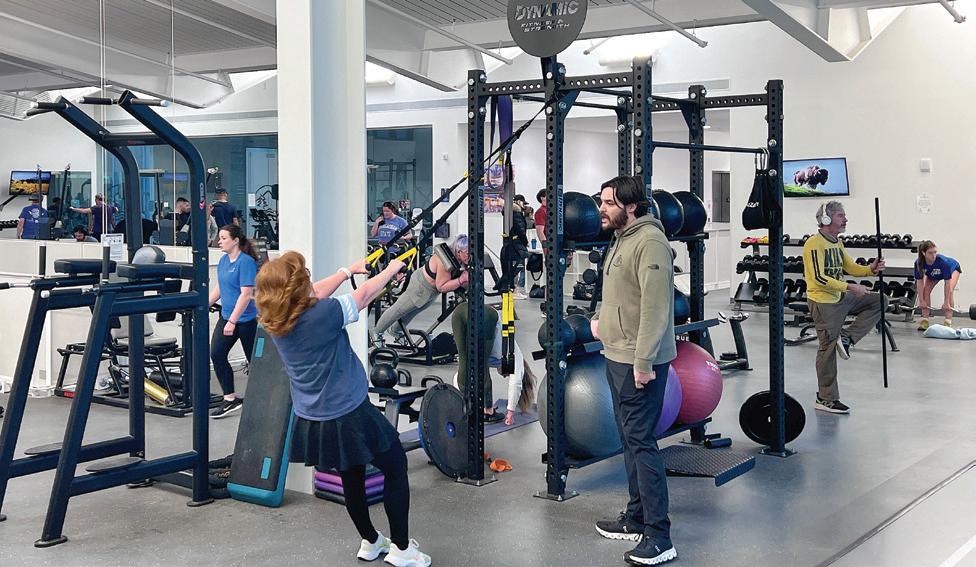
When it comes down to where to exercise, gyms in the High Country offer a variety of opportunities based on needs and schedules.
Most gyms require a membership, so it is recommended to contact the gym ahead of time to find out the rates.
Watauga Community Recreation Center (Boone) — located at 231 Complex Dr. Phone: (828) 264-9511
Hours: 6 a.m.-to-8 p.m. (M-F); 8 a.m. to-8 p.m. (Sat); Noon-to-5 p.m. (Sun)
The Gym 24/7 (Boone) — located at 599 Old Highway 421 South. Phone: (828) 355-9988
Hours: Open 24 hours
Deer Valley Athletic Club (Boone) — located at 507 Bamboo Road. Phone: (828) 262-3337
Hours: 8 a.m.-9 p.m. (M-F); 8 a.m. to 8 p.m. (Sat and Sun)
Anytime Fitness (Boone) — located at 368 Hwy 105 Ext. Phone: (828) 386-1100
Hours: Open 24 hours
Train4Life (Boone) — located at 1434 NC-105 #1. Phone: (828) 266-1110
Hours: 5:30 a.m.-to-7 p.m. (M-Thurs); 5:30 a.m. to 6 p.m. (Fri); 9 a.m.-to-Noon (Sat)
Paul H. Broyhill Wellness Center (Boone) — located at 232 Boone Heights Dr. Phone: (828) 266-1060
Hours: 5:30 a.m.-to-9 p.m. (M-Thurs); 5:30 a.m. to 8 a..m. (Fri); 8 a.m. to 4 p.m. (Sat); 1 p.m.-to-5 p.m. (Sun)
Center 45 Climbing and Fitness (Boone) — located at 200 Den Mac Drive. Phone: (828) 386-1550
Hours: 3 p.m. to 9 p.m. (Mon); 10 a.m. to 9 p.m. (Tues.-Sat.); 10 a.m. to 7 p.m. (Sun)
Williams YMCA of Avery County (Linville) — located at 436 Hospital Dr. Phone: (828) 737-5500
Hours: 5 a.m. to 8 p.m. (M-F); 8 a.m. to 4 p.m. (Sat)
Peak Fitness (Banner Elk) — located at 2209 Tynecastle Hwy. Phone: (828) 898-4090
Hours: 6 a.m. to 8 p.m. (M-F); 9 a.m. to 5 p.m. (Sat); 1 p.m. to 5 p.m. (Sun)
Little’s Health and Fitness Center (West Jefferson) — located at 1114 NC-
194. Phone: (336) 846-7474
Hours: 8 a.m. to 7:30 p.m. (Mon-Tues, Thurs); 8 a.m. to 4 p.m. (Wed); 8 a.m. to 4:30 p.m. (Fri); 9 a.m. to Noon (Sat)
CrossFit Postal (Boone) — located at 220 Postal Street. Phone: (828) 340-2477
Hours: 5:30 a.m. to 7 p.m. (M-F); 9 a.m. to 2 p.m. (Sat); 12:30 p.m.-to-2:30 p.m. (Sun)
Hellbender Fitness (Boone) — located at 643 Greenway Road, Suite Road. Phone: (828) 282-8039
Hours: 6 a.m. to 7 p.m. (M-F); 8 a.m. to Noon (Sat.); 9 a.m. to Noon (Sun.) Ashe CrossFit (West Jefferson) — located at 17E E.Buck Mountain Road. Phone: (336) 846-1717
Hours: 6 a.m. to 7:15 p.m. (M-F); 9 a.m. to 11 a.m. (Sat)
Family Central Fitness Center (Jefferson) — located at 626 Ashe Central School Road, Unit 16. Phone: (336) 982-6185
Hours: 8 a.m. to 8 p.m. (M-F); 10 a.m. to 4 p.m. (Sat)
FA Fitness Studio (Blowing Rock) — located at 7593 Valley Blvd Unit A. Phone: 828-818-0099
Hours: 6-10 a.m. and 4 -7 p.m. (Mon/ Wed); 6-10 a.m and 4-6 p.m. (Tue/ Thurs); 8-10 a.m. and 3-5 p.m. (Fri); 7:30 a.m. to 12 p.m. (Sat)
BY NATHAN HAM
Taking the time to talk with your doctor about scheduling specific health screenings could be the key to finding something very treatable early.
While guidance on when and how often to get certain screenings has changed over the years, the most recent suggestions provided by Healthcare. gov say that screening for high blood pressure, diabetes, and high cholesterol should begin as early as 30 years of age for men and women.
As you age, the likelihood of encountering chronic diseases also increases, even with a healthy diet and lifestyle. It is currently recommended to begin screening for colon cancer in your 40s, check your blood pressure annually
once you reach the age of 40, and have diabetic screenings every three years.
Women are encouraged to get their mammograms every year beginning at the age of 40, and for men, prostate screenings should be considered around the age of 45.
While some things are hereditary and difficult to prevent, simple health screenings can go a long way to preventing chronic diseases like cancer, heart disease and diabetes.
According to the Centers for Disease Control and Prevention (CDC), approximately 1.8 million people in the United States are diagnosed with cancer each year, and over 600,000 will die from the disease. The CDC also says that 843,000 Americans will die from
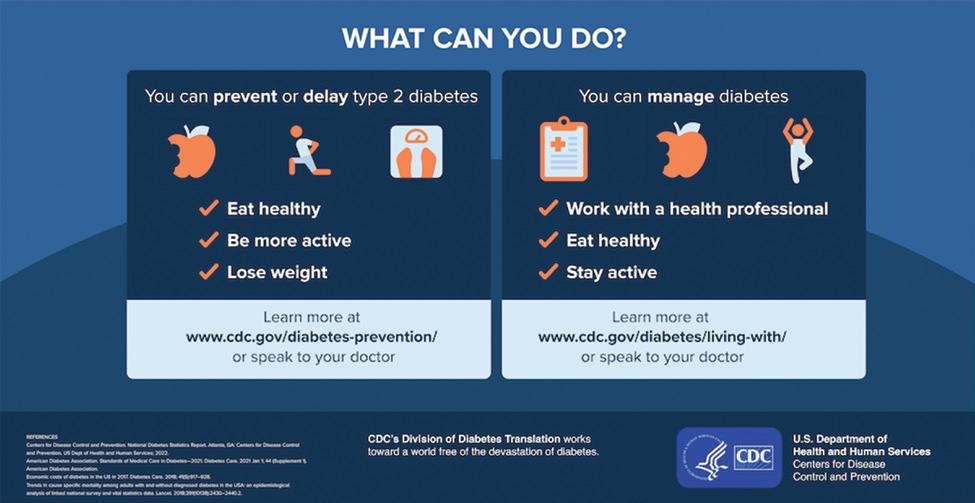
heart disease or stroke each year, the leading cause of death among all chronic diseases. Diabetes is becoming one of the most diagnosed diseases in the United States annually. According to the CDC, 38 million people in the United States currently have diabetes, and nearly another 100 million adults are considered to be “pre-diabetic.” Diabetes often leads to other serious complications, including kidney failure, heart disease, neuropathy, and vision impairment.
Ways to detect these diseases early include things such as colonoscopies to detect colon cancer, mammograms to detect breast cancer, PSA blood tests to detect prostate cancer and Pap/HPV tests to check for cervical cancer. Getting your A1C checked is a simple blood test to check for diabetes or prediabetes. Keeping a check on your cholesterol, triglycerides and blood pressure are three key screenings to detect heart disease and stroke risks.





Ashe Memorial Hospital ishome to agroupof certifiedtherapistsand rehabilitation specialistswho strive to helpyou achieveyour personal mobilitygoals. We arepleased to offer both inpatientand outpatient rehabilitation services,includingphysical therapy, occupational therapy,speechtherapy,aquatic therapy, cardiacrehabilitation andpulmonary rehabilitation.
Your rehabilitation journeybeginswithapersonal evaluation to determineyourindividualneedsand limitations. Ourteamwill thencreate acustomized program basedonyourcurrent condition, goalsand aspirationstohelpyou performatthe highest level.
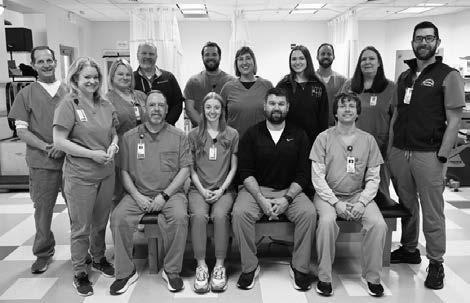
Rehabilitation Services Department
“Our rehabilitation departmentisbuilton a multidisciplinar yteamapproach, bringing together experiencedphysical therapists, occupational therapists, speech-language pathologists, andcardiac rehabilitation clinicians whoworkcollaboratively to supportpatients at ever ystage of recover y,”saidDustin Absher, directorofrehabilitationser vices forAshe Memorial Hospital.“Whetherpatients arereturning from surgery,managingachroniccondition, recovering from injury,orimproving cardiovascularhealth, our teamfocusesonindividualized, evidence-based care tailoredtoeachperson’sgoalsand lifestyle.”
same area,allowingfor collaborationoncomplex patients, ourhighlyexperiencedclinical teamworks closelywithphysiciansandother healthcareproviders to deliverseamlesscare, improve outcomes, andhelp patients safely regain function,independence,and confidence.
Forthose patients needingadditional specialized orthopaedic care,Ashe Orthopaedic Surgery &Sports Medicine, locatedonthe campus of Ashe Memorial Hospital,iscommitted to providingcomprehensive, high-qualitycare,offering afull rangeoforthopaedic andsport medicinetreatment options
•GeneralOrthopaedic Surgery
•SportsMedicine
•Adult Reconstruction includingOsteotomies
•Total JointReplacement(Knee,Hip andShoulder)
•Arthroscopy (Knee,Shoulder,Elbow andAnkle)
•Traumaand Fracture Care
•Chronic Conditions
Orthopedic surgeon Hardayal Singhand certified physician assistantDanielCaputohavemore than 45 yearscombinedexperiencein orthopedic andtrauma surgery andsportsmedicine.
“Myfavoritethingistalking to patients and connecting withthem,”Caputosaid. “I don’tliketo rush.Iliketotakemytimewithpatients andhelp themexplore treatmentoptions andfigurethings out together.Exploring options that work best to achieve theirdesired goals. Theycould’vecomeinwithastory about their worst dayand they endupleaving with a differentoutlook.”
In addition to seeingpatientsin theclinic, thetwo providersworkalongside Ashe MemorialHospital’s Rehabilitation Services Department in providingcare forstudentsin Ashe County Schoolsand Oak Hill Academy.
Formoreinformationor to schedule an appointment, please call 336-846-0222. Formoreinformationon Ashe Memorial Hospital’s rehabilitation servicesdepartment, please call 336-846-0833orvisit ashememorial.org.

Haveyousuffered acardiac eventand are lookingtoregaincontrol of yourhearthealth?
Through our12-weekoutpatientcardiac rehabilitation program,our clinical exercise physiologists will provide patients with an exercise prescriptiontailoredtomeettheir ownindividual needsand limitationswiththe goal of lowering their risk of afuturecardiac event. The 36-session, insurance-based program focusesonimplementing lifestyle changes andimproving overall health.
Patients will performaerobic andbalance exercisesand resistance training, receive education on howtomodifyriskfactors andwill have the opportunity to meet with aregistereddietitian. The program is availableTuesdays, Wednesdays andFridays at 7:30a.m., 9a.m.,10:30a.m. and 1p.m., andpatients will need aprovider referral. Ashe MemorialHospital’s Rehabilitation Services Department
In addition to itsdisciplines beinghousedinthe

Ashe Orthopaedic Surgery &SportsMedicineis open from 8a.m. to 4p.m., Monday throughFriday.
“Fromthe time youwalkinthe door andsee Abbieand Devinyou feel rightathome. Each therapist hasa uniquewayofhelping you. theyworkasateam.Whoeverworks with you,youcan expect200percent. Seth, Eric,Daniel,Bill, Judy,andthe restof the crew arewonderful.Youcan’tgow rong with anyofthese amazing people.”

Hospital is committed to delivering patient-centered, high-quality healthcare throughavariety of services.Weencourageyoutoscheduleyour appointments andproceduresandnotdelay your care.
Ashe Memorial Hospital is pleasedtobehometoMountainHeartsWellnessCenter, whichiscommitted to helping thecommunitylivean active lifestyle. The fitness centerisopentothe public andoffers an indoor pooland avariety of aerobic andstrengthtrainingequipment to help youachieveyour fitness goals.
BY JESSE CAMPBELL
Dieting and living a healthy lifestyle begin in the kitchen and with the right mindset, according to Margaret Rutter, of Lansing Family Health and Wellness.
With weekly grocery bills easily exceeding $200, dieting on a budget comes with challenges. Still, creative meal planning and prepping can help dieters avoid traditional pitfalls and overindulging in unhealthy foods.
“As far as diet goes, there are some things covered on food stamps and assistance that you can do to make food products healthier,” said Rutter.
Rutter, who runs the nonprofit health clinic in Lansing, recommends avoiding preservative-heavy foods, including sugar and salt.
She added many ways to give semi-prepared fruits and vegetables flavor without sugar or salt, including accentuating dishes with herbs that can enhance the flavor of preserved foods.
“Canned green beans, for example, have a lot of salt in the can, so if you rinse (the beans), soak in water, you can add basil, oregano, Rosemary, thyme, and Mrs. Dash or other combination spices,” said Rutter.
Overcooking vegetables can also leach healthy minerals, so Rutter suggests lightly drizzling spinach with olive oil to tenderize it before adding herbs, lemon, basil, pepper, or other preferred spices.
“I’m a big advocate of eating things raw,” she said.
Above all else, moderation is key, said Rutter.
Understanding food is also important in beginning a new diet.
“Someone once told me, many years
ago, when I first started teaching people about diabetes, if it tastes good, spit it out, which is really not the truth at all,” she said. “There are different kinds of carbohydrates that do different things in the body. If you want to lose weight, you have to feed your body, so your cells get food.”
Rutter said the first rule for dieters is recognizing that every cell in your body needs the right type of food: sugar, or glucose.
“So, if you change that to something else, the body produces ketones, and that’s when the kidneys start throwing up red flags,” said Rutter.
Although dieters might think that constantly burning fat is the desired goal of healthy eating, it’s also unsustainable because cellular metabolism is made to burn sugar, necessitating carbohydrate intake.
“If you want to cut back on carbs, you need to change what your plate looks like when you sit down to eat,” Rutter said. “Don’t fill it with starches like potatoes and rice. You fill it with a little of heavy starches and then get your fibrous greens, your other kind of carbs, and then you have your protein, and a little bit of the right kinds of fat, so metabolism works correctly and cells produce oxygen the way they should, and so your metabolism doesn’t slow down.”
When a patient comes to Rutter with the intent to lose weight, the first thing she tells them is to reduce their plate size from the standard 12-14 dinner plates to 10-inch plates, without stacking food on them, to ingrain a portion-control mindset.
She also said to avoid sugary fruit juice and soda, encouraging the consumption of fresh fruits, water, and carbonated water instead.
“If weight is an issue, stop drinking sweet teas and soda, and you will lose

weight, almost guaranteed,” she said. Reimagining “cheat days” or carefully managed indulgences can also keep dieters on track.
“Overindulging creates a sick feeling in the body,” she said. “A cheat day could mean something like you go out for dinner, but still make healthy choices. For example, Valentine’s Day. You don’t have to eat half a box of chocolates. That’s not good for anybody, and it’s not appropriate for the body to have to back up and reroute that metabolism to accommodate that cheat day.”
While staying active is essential for a healthy diet, burning calories doesn’t have to be a Herculean effort. Rutter
is a huge proponent of walking, tai chi, yoga, pilates, or any activity that deters boredom.
Dieters can also get creative with breaking up sedentary monotony, for example, by vacuuming or cranking up their favorite jam while dancing around the house.
Comprehending personal dieting motivation will also lead to better overall health results. Rutter said that reducing body weight by 15% for some patients can improve health outcomes by as much as 75%.
“If you want to be healthy, just do it,” she said.






As apatient-centered medicalhome, we look beyondprescriptionsand lab work to careforthe whole you —supporting yourhealthiestlife.
AVERYMEDICAL
448Cranberry Street Newland,NC28657 (828)737-0221
AVERYDENTAL
504Pineola Street
Newland,NC28657 (828) 742-1018
Because mentalhealth matters,ourbehavioral health teampartnerswith yourprovider to offer personalizedcare includingschool-based servicesin Wataugaand Avery counties.
BOONEMEDICAL 935 StateFarm Rd Boone,NC28607 (828) 892-3886
BOONEDENTAL
108DoctorsDrive Boone,NC28607 (828) 262-4651




Servingpatients from age onethrough adulthood, we offer comprehensive dentalcare —from prevention to surgeryand prosthetics.
We create simple, personalizednutrition planstosupport your goals —fromwellness andpreventivecareto diabetes education and chronicdisease management.
560 MalcolmBlvd ConnellySprings,NC28612 (828) 874-2061
BURKEDENTAL
500 East Parker Road Morganton,NC28655 (828)608-9062
BURKEMEDICAL
301E. Meeting St.Suite101 Morganton,NC28655 (828)608-0800
HCCHPEDIATRICS -ELKIN
110DutchmanCt Elkin, NC 28621 (336)835-7337
PHARMACY AT EAST BURKE
560 MalcolmBlvd,SuiteH-1 ConnellySprings,NC,28612 (828)509-5000
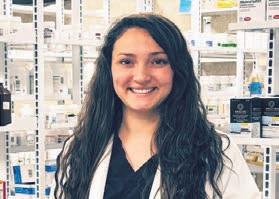
Withour in-house pharmacy, yourcare teamstaysconnected so youget medications faster,atlower costs— with FREEdelivery for eligiblepatients.
HCCHPRIMEDICAL 240NC-105Extension #100 Boone,NC28607 (828)264-7311
ScantheQRcode belowfor moreinformation

*Weaccept allmajorinsurances,medicaidandmedicare. We provide asliding feescale fortheuninsuredandlowincome.
BY SHWETA MISHRA
Growing up in the mountains of Avery County, where gardens etch green rows into the hillsides, Avery County food educator Hannah Gragg Presnell learned that resilience tastes like her grandmother’s garden green beans cooked on a wood stove.
“Granny Gragg” (the same Gragg as the heirloom NC apple!) grew up during the Great Depression and the time of Victory Gardens and food rations, gardening year-round and turning thrift into healthy, hearty cuisine.
“My entire life, I watched my Granny Gragg use these same skills that I teach, which helped her live to the age of 102. These same skills were life-changing in my own life when I became a single mother with two children and very busy schedules,” Gragg said.
Since June 2025, Presnell has channeled her inheritance and her own
personal encounters with the program into her work as the EFNEP educator with NC State Extension in Avery County, delivering the free, evidencebased Expanded Food and Nutrition Education Program to local families.
“I provide free, hands-on classes that teach families practical skills to eat healthier, manage their food budget and be more active,” she says — everything from meal planning and smart grocery shopping to cooking on a budget. She coordinates resources and services with local food pantries like Feeding Avery Families and Reaching Avery Ministries.
“As someone from the area, I’m super thankful and blessed to be working within our community. To say that I am very passionate about my work is an understatement,” Gragg said. “My favorite part is empowering individuals and families to make healthier food choices, manage their food resources effectively and help residents lead


healthier, more vibrant lives.”
Gragg shared some simple, timeless recipe ideas that call for using what you have, wasting nothing and involving your kids, making healthy food both affordable and joyful:
1. Stretch pasta night by mixing half whole-grain and half white pasta, incorporating the changes at your family’s pace. It’s an easy way to boost fiber without a rebellion at the dinner table.
2. Bulk up ground meats with minced vegetables or whole-grain breadcrumbs.
“Ground meats are a super easy way to hide healthier food ingredients,” she says, noting the trick also saves money and reduces food waste by using leftovers.
3. Rethink comfort-food classics. Swap lasagna noodles for thin slices of zucchini or squash and fold extra vegetables into the sauce so “your family is getting small amounts of veggies in each layer.”
4. Pizzas are a great way to incorporate healthier food options for your family. Some fun ways to do this are to make individual fruit pizzas with a whole-grain English muffin, lowfat yogurt, and your family’s choice
of fruit(s). You can also use this same concept to make individual regular pizzas and use low-sodium pizza sauce and your family’s favorite vegetables and other ingredients.
5. “Smoothies are a huge hit with youth in my program and with my own children,” Gragg said. This is one of the easiest ways for a parent to hide vegetables and fruits in fun and healthy foods for your family. Adults love these, too!
6. Yogurt parfaits are also a huge hit and an easy way to incorporate foods from the dairy, protein, fruit and grain food groups. Use low-fat yogurt (dairy and protein food group), fruit(s) of choice (fruit food group) and granola or whole grain graham crackers (grain food group).
7. Fun appetizers to puree and mix in healthier food ingredients include salsas, bean dips such as hummus and batters for sweet and savory cakes and pancakes.
8. Whatever-is-in-the-pantry soup. “This may not be your family-favorite, but soups, stews and casserole dishes are easy meals to use any food ingredients that may be left over, or if you do not have enough to use for an entire meal,” Gragg said.

BY NATHAN HAM
Going to the doctor for an annual check-up is a good habit to keep in mind, especially as you get older. One thing many people tend to forget is what is included in taking care of their entire selves. Mental health awareness is one of the most important things that can sometimes fall by the wayside.
In the High Country, the National Alliance on Mental Health offers many resources on a wide range of topics, including those for individuals dealing with a mental illness and for advocates helping someone who is dealing with a mental health problem or crisis.
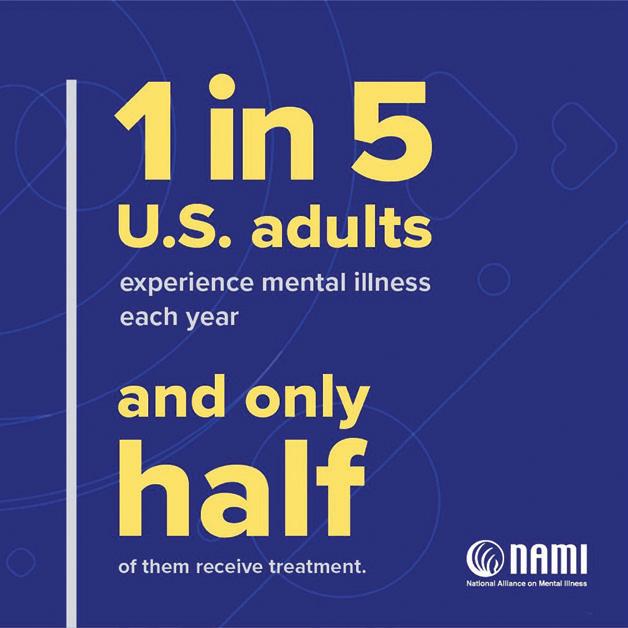
According to NAMI High Country, one out of every four Americans will experience some form of mental illness per year. Some of these issues include anxiety disorders, depression, eating disorders, or thoughts of self-harm. It is also estimated that around four million children and teens suffer from a mental disorder that affects their lives in numerous ways, including at school, socially and at home.
Bringing attention to mental health issues has become a growing trend in the High Country. The Ashe County Mental Health Forum is a collaboration of counselors, doctors, school personnel and community advocates that have made it their goal to bring more awareness to the mental health issues that the county faces, particularly children and teens. The Youth Helping Youth peer support group is designed to allow students the opportunity to support other students and be there for encouragement and someone to talk to.
For the last two years, citizens of Ashe County have gathered for the Walk Out of Darkness event to help raise awareness and prevent suicide. According to the American Foundation for Suicide Prevention, suicides are the third leading cause of death for children and young adults ages 10 to 34 in North Carolina. The lack of a community support network has also been linked to these mental health struggles that children, teens and young adults face. According to data collected in 2023, the American Foundation for Suicide Prevention says that 88% of the communities in North Carolina do not have enough mental health providers to serve their residents.

call 988, 24 hours a day, seven days a week. You can also text “hello” to 741741, call (866) 275-9552 or reach out to the PEER Warm Line for someone to talk to by dialing (855) PEERSNC (855733-7762).
North Carolina is a national leader in 988 implementation with a focus on answering every call and ensuring every person gets the care they need. A recent survey shows many people reported feeling hopeful, grateful and motivated after calling 988 with more than 90% finding the service valuable in their community. Additionally, 33% of people in the survey say 988 saved their life or the life of someone they care about, according to the North Carolina Department of Health and Human Services.
“No matter what you are facing, help is just a phone call away for all North Carolinians,” said NC Health and Human Services Secretary Dev Sangvai.
To keep up with events and for additional information, follow the Ashe Mental Health Forum on Facebook or email ashementalhealthforum@ gmail.com.
If you are struggling and need help, text or
“The rapid and successful adoption of 988 is a testament to the need for accessible, compassionate and supportive counselors so someone experiencing a mental health crisis can feel cared for in their most vulnerable moments.”
In North Carolina, the 13-17 age group averages the most contacts to 988, with 97 contacts per 10,000 residents, followed by 25-34 (96), 18-24 (93)
and 35-44 (57), according to the most recent data from the North Carolina 988 Performance Dashboard.
“The need for mental health care for young people in North Carolina has never been greater,” said Kelly Crosbie MSW, LCSW NCDHHS Director of the Division of Mental Health, Substance Use Services and Developmental Disorders. “We are building a system of crisis services to ensure there will always be someone to contact, someone to respond and a safe for help if you are in crisis or just need someone to talk to.”
Experienced and trained 988 operators will respond to all calls and ensure people receive the support and resources they need. The United States Department of Health and Human Services recently announced it would eliminate federal funding for the 988 Suicide and Crisis Lifeline service dedicated to LGBTQ+ youth services. On July 17, 2025, people who call 988 will no longer have the option to Press 3, specific to LGBTQ+ youth considering suicide. NCDHHS is committed to responding to everyone who needs mental health services. Everyone can and should still call 988, including members of the LGBTQ+ community.
Learn more about the 988 Lifeline at 988lifeline.org/get-help/what-to-expect/.
BY RICHIE WAGNER
FA Fitness Studio
A new year or an upcoming event flips a switch: I need to get in shape—fast. That mindset is exactly why most people fail. When it comes to fitness, there is no quick fix. A six-week crash diet and exercise plan can produce shortterm results, but it is not sustainable. Eventually, most people fall back into old habits, often gaining back more weight than they lost. When fad diets are removed and replaced with consistent habits, results stick, as long as the lifestyle is maintained.
For most people, the word diet immediately conjures up images of restriction, no favorite foods, no
flexibility, and no enjoyment. And that’s why it never lasts. Instead, use the 80/20 Rule: eat according to your goals 80% of the time, and allow 20% for date nights or time out with friends. This method fuels workouts and recovery without requiring you to give up the foods or activities you enjoy. The key is tracking meals and staying consistent 80% of the time. When the foundation is solid, planned flexibility becomes stress-free, and results continue to move in the right direction.
Strength training comes down to four key variables: Frequency: how often you train
• Type: the workouts and exercises you choose

1
Protein is the ultimate fitness hack.
Aim for roughly 1 gram of protein per pound of bodyweight. It keeps you fuller longer (less snacking), supports muscle growth, and improves recovery from workouts.
2
Train with friends
Accountability matters. When you train alongside someone who’s going through it with you, your chances of staying consistent skyrocket.
3
Consistency beats intensity
This isn’t a sprint, it’s a lifestyle change. Small, repeatable actions done consistently will always win.
• Time: how long you commit to a program
• Progressive Overload: gradually adding weight or reps over time.
Three full-body workouts a week is an effective starting point. Sticking with the same program for at least four weeks is critical. Jumping from workout to workout with no structure will stall progress. Consistency across these four areas drives long-term strength gains.


This approach is not only effective for reaching goals but also sustainable throughout life’s stages.
This goes deeper than a finish line or a number on the scale. It’s about who you’re becoming in the process. Life will change. Your goals will change. But the strength, discipline, and habits you build now stay with you for life. Commit to the long game, not another quick fix.




Diplomate:AmericanBoardofSurgery
•Upperandlowerblepharoplasty
•Otoplast y(surger yforprominentears)
•Facelifts
•Necklifts
•Breastreduction
Surger yCenter
115DoctorsDrive, Boone,NC 28607
PlasticSurger yCenter
141DoctorsDrive, Boone,NC 28607
•Fatgraftingtotheface
•Abdominoplast y(Tummy Tuck)
•Liposuction
•Mommymakeover:breastandabdomen
•Armlift •Thighlift
•Scarrevision
•Skincancerandsof ttissuetumorremovals:
•Breastreconstruction
BY MARK SCHWARZE
Make no mistake, addiction is a neurological brain disorder. When the subject of addiction comes up, people often lean on familiar explanations. “They just need more willpower.” “Why can’t they stop making bad choices?” “If they really cared about their families, they’d quit.” These reactions are common, but they’re also rooted in misunderstanding. For many, addiction is viewed as a moral failing, a matter of weak character or poor discipline. But science and research tell us a different story. Addiction is a brain disorder. Understanding it this way doesn’t excuse harmful behaviors, but it does open the door to compassion, effective treatment, and the possibility of recovery.
To understand addiction, it helps to look at how the brain is wired. Our brains are built with a reward system, powered by a chemical called dopamine. When you eat a delicious meal, laugh with friends, or achieve a goal, your brain releases dopamine, giving you a burst of pleasure and reinforcing the behavior. It’s nature’s way of saying, “That was good, let’s do it again.”
Drugs and alcohol hijack this system. Substances like opioids, cocaine, nicotine, or alcohol flood the brain with far more dopamine than everyday activities ever could. The brain, trying to protect itself from overstimulation, responds by reducing its natural dopamine production and desensitizing receptors. Over time, this leaves the person unable to feel normal pleasure from simple joys like a walk in the park, a hug, or a favorite meal. The drug isn’t pleasurable anymore and the user needs it to function. This is why people struggling with addiction often describe using as less about getting high and more about not feeling sick. Their brains have literally rewired themselves to demand the substance as a matter of survival.








line between choice and compulsion



once the brain changes take root, the
One of the hardest things for people who aren’t addicted to grasp is the blurry line between choice and compulsion in addiction. Yes, the initial decision to try a substance might be voluntary, but once the brain changes take root, the freedom to choose becomes severely compromised. Specifically, choice is really about predictability. People who are neurobiologically susceptible to addiction have impaired abilities to predict what will happen when they use substances. The craving signals from the brain become so powerful that they can override logic, values, and even love for family. It’s not that the person doesn’t care, it’s that the brain’s survival circuits have been rewired to place the drug at the very top of the priority list.



Seeing addiction as a brain disorder doesn’t excuse harmful actions. People still need to take responsibility for their recovery, and accountability is an important part of the process. But shifting from a moral lens to a medical one has several powerful benefits. When we frame addiction as a personal weakness, people are shamed into silence. They hide their struggles and delay seeking help. But when we recognize addiction as an illness, we respond differently just as we would if someone had diabetes or heart disease.
Medical care, counseling, and evidence-based treatments can make recovery very possible. Medications like buprenorphine for opioid addiction or naltrexone for alcohol dependence can help stabilize brain chemistry. Therapy and peer support help retrain the brain and rebuild a life without substances. Sarah, a composite of many clients I have treated over the years, started using prescription opioids after a car accident. At first, the pills dulled her pain. But soon, she needed more just to get through the day. She lost her job, her apartment, and nearly her life after an
















overdose. Her family thought she was ruining her life. When Sarah entered treatment, she learned that her brain wasn’t broken forever. With medication, therapy, and the support of a recovery community, her brain slowly recalibrated. Today, she’s back in school, rebuilding her life. Her story isn’t unique. Millions of people in recovery show that when we treat addiction as a medical condition rather than a moral failing, healing becomes possible.
So what can you do today to contribute to the healing? First, change the way you talk about addiction. Instead of saying “addict,” which defines a person by their disease, we can say “person with a substance use disorder.” Just as we wouldn’t call someone with cancer “a cancer,” we shouldn’t reduce people to their condition. Also, try and see the whole person. People struggling with addiction are more than their illness. They are parents, siblings, workers, and friends who often carry talents and dreams that can flourish in recovery. You can also support recovery communities.
Programs like Alcoholics Anonymous, Narcotics Anonymous, and newer peerled groups provide vital networks of hope. Celebrating recovery stories in our communities reminds us that change is possible.
Understanding addiction as a neurobiological brain disorder is vital to developing pathways to recovery. It challenges us to see beyond stereotypes and to respond with empathy rather than blame. We don’t shame people for needing insulin or heart surgery. Why should addiction be any different? The science is clear. Addiction is a complex interplay of brain chemistry, genetics, environment, and behavior. And like other chronic conditions, it requires treatment, patience, and support. When we confront the stigma, healing begins.
Dr. Mark Schwarze is a Licensed Clinical Mental Health Counselor and Licensed Clinical Addiction Specialist with a private practice in Boone. He is also an Associate Professor in the Department of Counseling, Family erapy and Higher Education at Appalachian State University specializing in mental health and addiction counseling. He can be reached at www. markschwarze.com or dr.markjschwarze@gmail.com
It’s a common sight everywhere you look: heads down, eyes glued to screens. Whether for work or fun, phones, computers and tablets provide portals to the outside world. Nowadays, most people — starting at a younger and younger age — are staring at screens for long periods of time.
But according to Blue Ridge Vision, those hours spent scrolling, working, and streaming are doing more damage to your eyes than you might think.
According to Blue Ridge Vision, screen time is linked with a decreased blink rate, which can cause dry, irritated eyes, and is also linked to the development of myopia (nearsightedness) in young children.
The official name for digital eye strain is “computer vision syndrome.” The American Optometric Association (AOA) describes the syndrome as a “group of eye- and vision-related problems that result from prolonged computer, tablet, e-reader and
cell phone use.
The AOA stated that viewing a computer or digital screen often makes the eyes work harder. As a result, the unique characteristics and high visual demands of computer and digital screen viewing make many individuals susceptible to the development of vision-related symptoms.
According to the AOA, symptoms of eye strain include:
• Eyestrain.
• Headaches.
• Blurred vision.
• Dry eyes.
• Neck and shoulder pain.
These symptoms may be caused by:
• Poor lighting.
• Glare on a digital screen.
• Improper viewing distances.
• Poor seating posture.
• Uncorrected vision problems.
• A combination of these factors.

“We stress the importance of annual eye examinations to monitor not only vision and ocular health but also screen for systemic issues that may present in the eye. Many of these conditions can be asymptomatic to the patient,” said Blue Ridge Vision Optometrist Dr. William C. Henson.
CVS, or digital eyestrain, can be diagnosed through a comprehensive eye examination. Testing, with special emphasis on visual requirements at the computer or digital device working distance, may include:
• Patient history to determine any symptoms the patient is experiencing and the presence of any general health problems, medications taken or environmental factors that may be contributing to the symptoms related to computer use.
• Visual acuity measurements to assess the extent to which vision may be affected.
• A refraction to determine the appropriate lens power needed to
compensate for any refractive errors (nearsightedness, farsightedness or astigmatism).
• Testing how the eyes focus, move and work together. In order to obtain a clear, single image of what is being viewed, the eyes must effectively change focus, move and work in unison. This testing will look for problems that keep the eyes from focusing effectively or make it difficult to use both eyes together.
According to the Mayo Clinic, eye strain doesn’t have serious or long-term consequences, but it can be aggravating and unpleasant. It can make you tired and reduce your ability to concentrate.
Blue Ridge Vision, located at 1180 Blowing Rock Rd. Suite A1 works to deliver top-quality eye care in a timely fashion. Staff use state-of-the-art instruments and staff work to make a customer’s experience “delightful.” For more information, visit www.blueridgevision.com.










BY JESSE CAMPBELL
Taking a hike is a first step in living a healthy lifestyle.
Outdoor excursions and hitting an open trail aren’t an all-day commitment, either.
The High Country has many well-maintained, public trails to help you achieve your dietary goals while maintaining a healthy heart rate and blood pressure.
Margaret Rutter, of Lansing Family Health and Wellness, said outdoor activities, including hiking, can keep you healthy while achieving dieting goals.
While hiking is accessible to everyone, careful planning and precautions can help prevent injury and discomfort.
Hikers should also monitor changing weather conditions on mobile apps or various weather websites.
Bringing a light jacket or hoodie and wearing appropriate, sturdy footwear can ensure a pleasant outing without prematurely giving up the new and healthy habit before reaching the first milestone.
The Boone area features the popular Boone Greenway Loop for leisurely midday or early morning hikes. Walkers and day-trekkers can access the loop via Clawson-Burnley Park (355 M.L.K. Jr. St), Deerfield Road, the Watauga Community Recreation Center, or Casey Lane.
Hikers looking for a more enduring challenge while notching their step counts can also visit Elk Knob State Park, located at 564 Meat Camp Road in Todd.
Elk Knob State Park is one of the more remote and potentially challenging hiking trails. The park is located
approximately 20 minutes, 11.2 miles, from Boone, off N.C. 194 and Meat Camp Road.
Grandfather Mountain, located at 2050 Blowing Rock Highway in Linville, offers several miles of scenic mountain hiking trails, including Woods Walk, Bridge Trail, Black Rock Trail, Grandfather Loop, and Mile High Swinging Bridge.
Grandfather Mountain is open this spring (March 8 - May 8) from 9 a.m. to 6 p.m. and from 8 a.m. to 7 p.m. this summer beginning May 9.

Click to grandfather.com/visit/ to purchase advanced tickets to guarantee admission.
Otter Falls in Seven Devils, located a short distance from Grandfather Mountain, is another moderate-to-






strenuous hiking trail to warm up hikers before tackling greater heights and peaks. The trail also offers a 25-foot waterfall, creating a picturesque scene while





















While Beech Mountain is a premier winter destination, the resort community also has an expansive hiking trail system, including around Buckeye Lake and the recreation center, located at 1330 Pine Ridge Rd.
The Northern Peaks State Park, another popular regional trail system, is expanding to connect distant ridgelines between Howard’s Knob, Boone, Meat Camp, Buffalo, and Paddy Mountain, with additional trailheads planned for Jefferson and West Jefferson.
Paddy Mountain in West Jefferson is one of the trail system’s newest additions, with more easements planned imminently, allowing year-round access for hikers to traverse the mountain’s south slope near Radiohill, overlooking West Jefferson.
“We are not that far from having a connection from Meat camp to Buffalo (for the trail),” said Trail Coordinator Jordan Sellers. “We have about five key properties in the Elk Knob area that if we can get easements on or acquire, we can connect those from the south side of Elk Knob, all the way across Elk Knob, the Peak,
Three Top, and try to figure out how to get toward Paddy (Mountain). It gets a little bit more complicated as we go from Paddy to Mt Jefferson because of the commercial development, and also from Meat Camp to Boone, but we’ve had a lot of progress in the past couple of years.”
Mt. Jefferson in Ashe County also offers a similar mountaintop trail loop system across the summit with one-mile loop deviations that rendezvous near the mountain’s rocky Jefferson overlook, which allows hikers to catch their breath after ascending the steep hill at the trail’s head at the picnic area before veering right near the weather monitoring tower and continuing along the ridgeline. The mountain is closed during inclement weather, and guests should plan outings at least 3 hours before dusk, when the park closes.
The Jumping Off Trail, located one mile from the N.C. 16 and 163 intersection along the Ashe-Wilkes county lines on the Blue Ridge Parkway, challenges hikers of all skill levels with a short half-mile trek to the top of the mountain for a scenic view of Wilkes and Surry counties.




















BY NICK FOGLEMAN
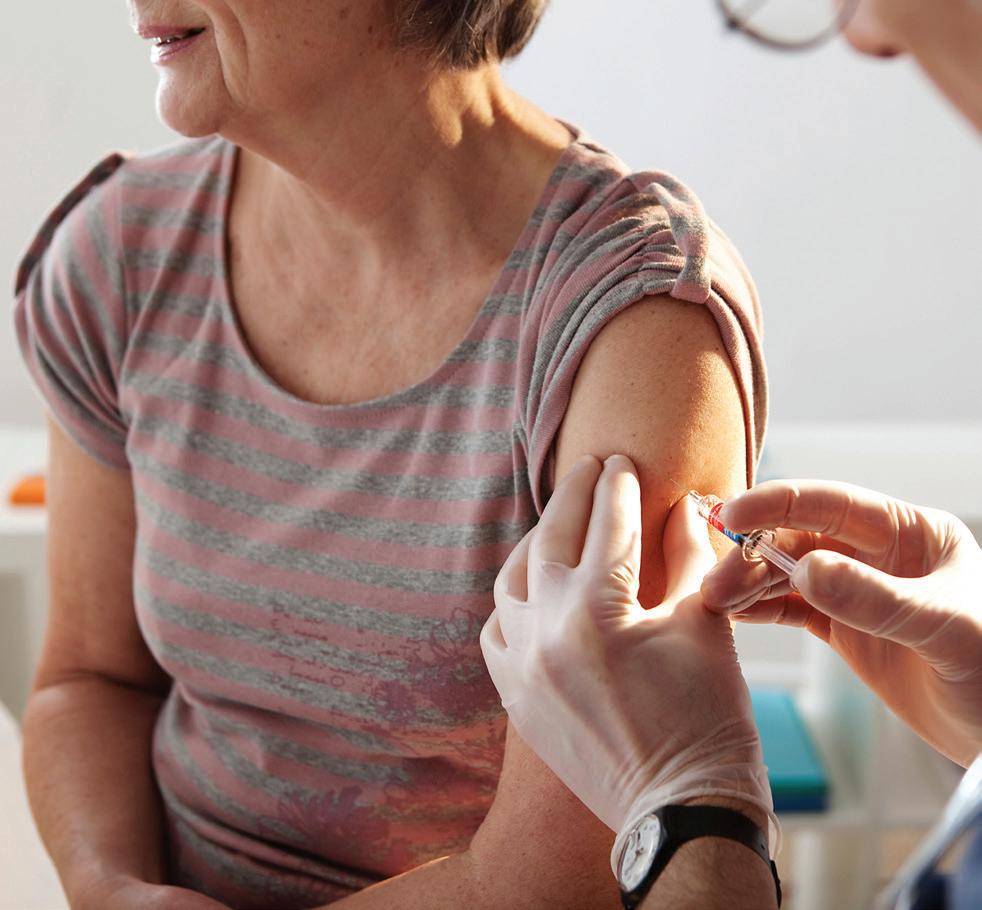
Vaccinations are one of the most effective tools for preventing serious illness. Staying up to date on recommended schedules not only protects individuals from common diseases but also helps safeguard vulnerable populations.
Morgan Baker, RN, health access manager at the Hunger and Health Coalition’s free clinic, said falling behind on vaccines can leave people vulnerable to preventable illnesses and increase the risk of spreading them to others.
“It’s important for those individuals to get vaccinated against things like the flu and COVID and things like that to protect more vulnerable populations they might come in contact with,” Baker said. “Follow the current guidelines and consult with your primary care provider.”
For children, the Centers for Disease Control and Prevention recommends a series of immunizations, including DTaP (diphtheria, tetanus, pertussis), MMR (measles, mumps and rubella), polio (IPV), Hib, varicella (chickenpox), pneumococcal (PCV) and HPV. These vaccines are given according to age-based schedules as children’s immune systems develop.
“Another important one that comes to mind right now would be measles,” Baker said. “There’s a really high amount

right now in North Carolina, and it’s primarily (among) the unvaccinated. So that’s completely preventable.”
For adults, the CDC recommends annual flu shots, tetanus/diphtheria (Tdap or Td) boosters every 10 years, and, depending on age and risk factors, vaccines for shingles, pneumonia, COVID-19, and Hepatitis B.
She emphasized that while a healthy adult may recover from the flu without complications, others may not.
“The flu vaccine is super important. It’s very common and easily spreadable,” Baker said. “Even though you may be fine if you get the flu, you come into contact most every day with people that are immunocompromised, like the elderly.”
Baker added that pneumonia and shingles vaccines are especially important for older adults and those with chronic health conditions.
“Anything can turn into pneumonia,” she said.
She also urged readers not to overlook routine boosters and stressed the importance of a tetanus vaccine.
“Everybody needs a tetanus shot every 10 years,” Baker said.
Flu vaccinations are typically recommended in the fall or early winter, when risk is highest. Baker noted that flu vaccines are updated annually to address evolving strains.
“It is one of the best ways to protect yourself,” she said.
While the CDC provides age-based immunization schedules, Baker stressed the importance of individualized care.
“The CDC has a great age-based timeline of immunization schedules,” she said. “But even so, for almost anything, you should consult with your primary care provider because there’s a lot of things that should be taken into consideration prior to receiving a vaccination.”
Those considerations include current health status, chronic disease processes, allergies and pregnancy.
Those unsure about their vaccination status or in need of guidance can contact their primary care provider or local health department to ensure they remain protected.

BY TIERNEY DRAKE
Daily routines are something we don’t think twice about, but maybe we should. Brushing your teeth twice a day and flossing regularly are standard practices for maintaining your dental health. However, simply doing these tasks are not enough to ensure satisfactory dental hygiene.
The brushing and flossing technique is crucial in dental care.
Amanda Fortune, who has been practicing dentistry since 2007, is a public health dental hygienist at High Country Community Health. According to Fortune, brushing for two whole minutes is a vital step in dental health. “I feel like a lot of patients will say
that they brush, but it’s not for two full minutes,” she said. “Having some way of timing yourself is important.”
A common misconception among patients is that mouthwash is more helpful than it really is. There are medicated mouth rinses that “a lot of times are no more effective than saltwater,” Fortune said.
“For me, a mouthwash is not something I recommend to hardly anyone,” she said.
Rather than leaving the dentist’s office with cleaning aids such as tongue scrapers or mouthwash, Fortune believes learning basic brushing and flossing techniques is the best way to ensure
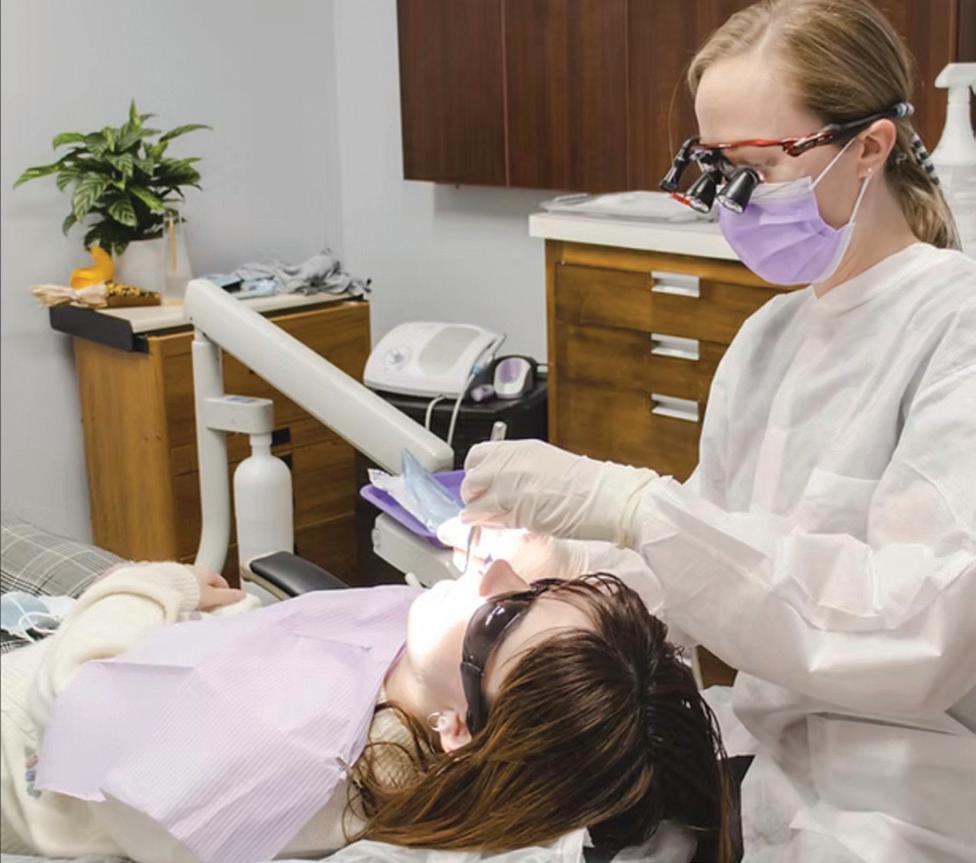

proper hygiene. She also advises patients not to rinse after brushing because it allows the toothpaste to soak into their teeth.
While brushing and flossing are important, they are not the only factors that contribute to oral health. Genetics, for example, can play a large role in dental care, but the negative outcomes are not always preventable. Nutrition and diet, however, are controllable factors that can either be beneficial or detrimental to dental care and your verall health.
Diet and nutrition are the foundation of oral health, and acid reflux, digestive issues, or a poor diet can negatively impact oral hygiene.
“You can brush in the morning and at night, but if you’re bathing your teeth in acid, those 12 hours in between don’t really matter,” Fortune said.
According to Fortune, many patients think that drinking diet soda or juice won’t harm their teeth.







“Even natural drinks have natural sugars, which also can cause decay,” she said. “A lot of times it’s not just sugar, it’s acids that damage the teeth.”
Even for those who brush and floss religiously, visiting the dentist regularly helps with underlying issues and can prevent irreparable damage to the teeth. Those who don’t usually visit the dentist might only book an appointment when they experience pain or an infection.
Nevertheless, failing to take care of your teeth can lead to tooth loss due to periodontal disease. Periodontal disease typically doesn’t cause any pain, making it difficult to catch without seeing a professional, thus causing it to become irreversible over time. Tooth loss affects mental and physical health, impeding the ability to eat healthier, fresher foods and negatively impacting one’s confidence.
yearly dentist appointment
Make sure to book your yearly dentist appointment while maintaining a healthy diet and brushing technique to ensure exceptional oral hygiene.






WelcometoDeerfieldRidgeAssistedLiving&MemoryCare,awarmand supportiveseniorlivingcommunity,nestledamidstserenemountain landscapesandnamedtheBestoftheBestAssistedLivinginWatauga Countyforthe11consecutiveyear!Ouraward-winningcommunity–ratedamongtheBestAssistedLivingbyU.S.News–encourages residentstostaysociallyactivewithdailyactivities,off-siteoutings, diningoptions,andacaringatmospherethattrulyfeelslikehome. th DeerfieldRidgeofferspeaceofmindandavibrantlifestyle intheheartofBoone,NC.


287 Bamboo Rd I Boone, NC 28607 (828) 264-0336


Jodi ProvinceCounseling Servic es is an outpatient ment alheal thagenc yserving5 counties in Northwe st NorthC arolina. We arepleased to only off er evidenc ebased therapie s. We workclosel y wi th many humanservice ent it ie sand various prac titioners to provideth eb es tc arep ossible for ourpatient s. Stel larservic es areo ffere dregardless of culture, cree d, or background.

Oppositional Defiant Disorder • Conduc tDis order Attachment Related Issues • ParentingSkills • Grief andLos s MoodDisorders(Depression ,Bipolar,etc .) An xiet yDis order s(PanicDisorder,O CD,P TSD, etc.) His tory
BY ZACH COLBURN
Whether it’s a workout on TikTok or something seen at the local gym or the park, fitness trends tend to change from year to year.
And over the years, fitness trends have also evolved from simple free weights in the garage or the gym to tracking fitness on an Apple Watch or a Fitbit, etc.
But the simple workouts, such as walking on the local greenway, can also be enhanced and made more challenging by adding extra weight, such as weighted vests.
“The biggest trend I see right now is weighted vests, and I am here for it,” said Jessica Welch, who works as a personal trainer and fitness instructor at the Watauga Community Recreation Center. “There’s many benefits of walking with weighted vests, but the main ones I want to focus on are improved bone density, higher exercise exertion and better posture. Start with a weighted vest, 5 to 10% of your body weight.”
In addition to a weighted vest, here are a few other popular trends for 2026.
Wearable technology/Mobile Exercise Apps: Consistently a top trend over the last several years, wearable technology continues to evolve with advanced biosensors now capturing indicators such as fall or crash detection, heart rhythm, blood pressure, blood glucose and skin temperature. These are particularly important for a wide range of people, including patients in rehabilitation, fitness beginners, athletes, and aging adults. Mobile Exercise Apps deliver on-demand, scheduled, livestreamed, or recorded workouts, offering users convenience and flexibility to exercise anytime, anywhere.
Fitness Programs for Older Adults:
The baby boomer generation includes 73 million Americans, all of whom will be over age 65 by 2030, intensifying demand for age-appropriate, evidence-based exercise
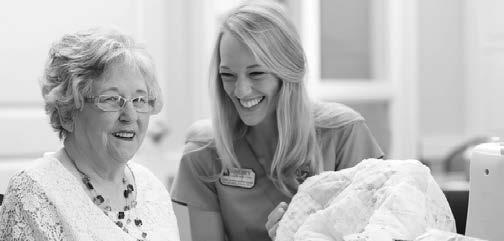


options, according to the 2023 IHRSA U.S. Health & Fitness Consumer Report, adults 65 and older now visit gyms and studios more often than any other age group. Exercise classes, such as Silver Sneakers, offer specialized, low-impact, and highenergy programs for seniors designed to improve heart health, stamina, and joint mobility through activities like dancing, light strength training, and aerobics.
Traditional strength training: Despite its benefits, fewer than 30 percent of U.S. adults meet the recommended guidelines for muscle-strengthening activity, according to the American College of Sports Medicine. Resistance exercises use free weights such as barbells, dumbbells and kettlebells to improve muscular strength, endurance and function. It plays a key role in maintaining bone density, metabolic health and mobility across the lifespan.
Adult Recreation and Sport Clubs: This trend reflects a growing interest in activities




that combine fitness with fun, flexibility and social connection outside traditional gym settings. The rising popularity of Pickleball, clubs and leagues involving less strenuous activities are examples of this trend. Another example that has become popular with people, both young and older, is obstacle course training, which has been made popular by the television show “American Ninja Warrior” or by the various mud runs and obstacle course races such as the Spartan Trifecta (Sprint, Super and Beast) and the Savage Race.
Functional Fitness Training: This type of training and fitness includes strength, power, mobility and endurance movements designed to improve physical performance in real-world activities. The versatility makes it appropriate for youth, adults, older and athletic populations alike. Programs often emphasize movements such as squats, lunges and carries that transfer directly to daily life or sport.





BY SHWETA MISHRA
Conventional medicine approaches cold and flu prevention with clinical precision: annual vaccination for anyone over six months old, vigilant hand-washing, covered coughs, and strategic distance from the visibly ill. If symptoms break through, the evidence-based arsenal includes zinc gluconate or acetate, elderberry, modest doses of vitamin C, and, in certain cases, antiviral pills. It’s a no-nonsense, checklist-ready model built on containment, mitigation and pharmaceutical intervention.
But as the Chinese Year of the Fire Horse begins in the mountains of Western North Carolina, another vibrant, holistic view endures. Rooted in Appalachian folk practice and informed by traditional Chinese medicine (TCM), it seeks not just to fight a virus but fortify the body and spirit before it arrives. That lens is embodied in the work of Jade Pierce of Mountain Community Healing Arts in Spruce Pine and Burnsville. Pierce, M.Ac., L.Ac., brings three decades of clinical experience shaped by FiveElement acupuncture, Japanese Hara diagnosis, classical Taoist medicine, and sports orthopedics, layered over an early apprenticeship in Western herbalism. Her practice weaves acupuncture, bodywork, custom herbal formulas, movement therapy and nutritional counseling into a cohesive whole. Yet what ultimately distinguishes her work is not the breadth of modalities but the philosophy threading through them: prevention as cultivation, immunity as balance and medicine as a communal healing-arts relationship between organs, seasons and the land itself.
“Typically, we call it the practice of traditional Asian medicine, and it’s a whole system of medicine,” Pierce says. “Acupuncture is, sort of, I would say, at least in our state, the main tool, the main treatment that we do. But it also includes herbal therapy, body work and nutritional therapy.”
This whole-system perspective is central to TCM’s understanding of infectious illness. In classical Chinese medicine, colds and flu are not generic viral events but patterned invasions — most commonly “wind-cold” or “wind-heat.” Wind, in TCM theory, is a carrier pathogen: mobile, penetrating, capable of breaching the body’s protective surface. Cold constricts; heat inflames. The practitioner’s job is to identify which pattern is present and respond early—before the pathogen moves deeper from the superficial layers (the Wei level) into the interior. Wei Qi — often translated as defensive energy — is the body’s protective field. Modern interpreters liken it loosely to immune function, though TCM sees it as more than
white blood cells. It is a dynamic, energetic circulation powered by digestion, breath, and constitutional vitality.
“We do what I would call constitutional medicine,” Pierce explains.
A flu consultation begins with a sweeping intake rather than a symptom checklist: nutrition, sleep, stress levels, hormonal cycles, and emotional health.
“So some things we would recommend to you with regard to staying healthy might be different than what I might tell somebody else who has a very different constitution.”
Prevention starts long before the sniffle.
“So the idea in traditional Asian medicine is that you want to start helping a person find balance two seasons before the season that they might have more difficulty with,” she says. “So, say winter is a really rough season for you. Ideally, we would start working on your constitution in late summer and really get you in good shape before winter comes.”
This anticipatory approach mirrors agricultural wisdom in Appalachia: you mend fences before the storm, put up wood before frost, can tomatoes before the first chill. Strengthen the root before the wind blows.
If winter is already at the door and the school-aged child is “bringing home germs” weekly, Pierce pivots to classic seasonal strategies. “In the wintertime, you want to eat warming food, cooked foods, avoid cold, raw foods and drinks.”
Dietary therapy in TCM is foundational. The spleen and stomach systems, roughly analogous to digestion and metabolic transformation, generate Qi and blood. Cold foods weaken digestive fire while warm soups stoke it.
“Ginger is a hot herb. It’s a warming herb. So when you warm your body, physically and energetically, you’re helping stimulate digestion. So you digest food really well. You’re simulating your circulation of your blood, which is the carrier for your immune system, among many other things.”
Wind-cold, she explains, is the traditional term for many winter respiratory infections. “So if you decide to keep the person warm on the inside, that will help balance that external cold.”
Classic formulas for protection from cold include Jade Windscreen Powder (Yu Ping Feng San), a centuries-old combination of Huang Qi (Astragalus), Bai Zhu and Fang Feng. It is one of the most cited immune tonics in TCM. “The Jade Windscreen basically creates the screen for your immune system to keep that wind out,” Pierce
says. Astragalus tonifies Wei Qi; Bai Zhu strengthens digestion; Fang Feng dispels wind. Unlike Western herbalism’s single-plant dosing, Chinese medicine prefers tonics. “Those formulas are designed for the herbs to be synergistic, and all work together in your body,” Pierce says.
Modern pharmacological studies have shown Astragalus to have immunomodulating properties, lending biomedical credence to ancient formulations.
Pierce’s winter kitchen prescription sounds both global and local. She suggests a sickness-warding soup that should sound vaguely familiar, with a twist: whole-chicken soup with ginger, maybe a dash of astragalus root from an Asian market, perhaps sustainably sourced ginseng, warming root vegetables, shiitake mushrooms, and shortgrain rice “that’s glutinous and sticks to your ribs.” In traditional Asian diets, she notes, such soups are breakfast fare, a warming, stabilizing start rather than a high-carb sugar spike.












BY MOSS BRENNAN
About every 40 seconds, someone in the United States has a heart attack.
According to the American Heart Association, a heart attack occurs when blood flow to the heart muscle is reduced or blocked.
Since a heart needs oxygen to survive, when the blood flow is reduced or stopped, the muscle begins to die.
Some heart attacks are sudden and intense. Others start slowly with mild pain or discomfort. The AHA recommends that people pay attention to their body and call 911 if they have:
Chest discomfort. Most people having a heart attack feel discomfort in the center of the chest. It can last more than a few minutes, or it may go away and then return. It can feel like uncomfortable pressure, squeezing, fullness or pain.
Symptoms can include pain or discomfort in the:
•Arms (one or both)
•Back
•Neck
•Jaw
•Stomach
Shortness of breath can happen with or without chest discomfort.
Other possible signs include:
•Breaking out in a cold sweat
•Nausea
•Rapid or irregular heartbeat
•Feeling unusually tired
•Feeling lightheaded
Symptoms can be different for women. According to the AHA, women may have other symptoms that are typically less associated with a heart attack, such as:
•Anxiety
•Shortness of breath
•Nausea
•Vomiting
•Upset stomach
•Pain in the shoulder, back or arm
•Unusual tiredness and weakness
In just the last few years, the technology for treating heart disease in the High Country has greatly improved.
UNC Health Appalachian’s Watauga Medical Center has an innovative treatment option for patients with severely calcified coronary artery disease living in the High Country. The new technology is an enhanced application of lithotripsy, an approach that uses sonic pressure waves to safely break up kidney stones. It is widely used to treat problematic calcium in the coronary arteries that can reduce blood flow in the heart.
For people suffering from heart disease, specifically those with coronary artery disease, as they grow older and as their disease progresses, plaque in the arteries evolves into calcium deposits, which can narrow the artery, according to UNC Health Appalachian. Of the approximately 1 million patients who undergo a stent procedure to open an artery each year, 30% have problematic calcium that increases their risk for adverse events.
According to UNC Health Appalachian, calcium makes the artery more rigid and harder to reopen with conventional treatments. The new shockwave technology,
known as intravascular lithotripsy or IVL, allows physicians to fracture the problematic calcium — using sonic pressure waves — so that the artery can be safely expanded, and blood flow is restored through the placement of a stent with minimal complications.3 The new version of the catheter allows for more complex calcium to be treated with more shockwaves per catheter, including up to 120 in each catheter, which will allow physicians to treat longer segments of calcified plaque.
“The cardiology team at Watauga Medical Center is committed to giving our patients access to the latest cardiovascular innovations to treat heart disease,” said Nathan Nipper, UNC Health Appalachian president/CEO. “Empowered by this novel shockwave IVL technology, we are excited to be treating some of the most complex forms of heart disease in our most challenging patient cases, all while remaining committed to improving patient outcomes for the benefit of the entire High Country community,” said Dr. Donna Denier, Medical Director, Cardiovascular Services, UNC Health Appalachian.
For additional information regarding this new treatment, please visit apprhs.org/ shockwave-intravascular-lithotripsy/.









Whether you’re managing aminorillness,livingwith achronic condition,orsimplystayinguptodatewith preventivecare, your family’shealthisin experthandswithour experiencedprimarycareteamintheHigh Country. All four of ourprimarycareoffices offer convenientTelehealth appointmentsandarecurrentlyacceptingnew patients.Same-dayappointments foracuteillnessesareavailableinBooneandLinville.