
“Let us help fix
“Let us help fix
Get your customers back on the road faster and get paid for your hard work. With over 50 MTF Finance offices nationwide, simply jump on mtf.co.nz , choose your nearest office and ask them to help your customer, pronto.
Your local MTF Finance office can offer same-day approval without phone queues or middlemen.
mtf.co.nz




New,
Freak
Sustainability:
New
Smoko Stumpers
Fuel & Heavy Vehicle: NZ's fuel supply explained
Repairer: Good advice doesn't date
Dealer: Confusion, chaos and procrastination
Training & Development: Belonging
Collision Repair: A short note on roadshow fever
Advocacy: Diesel’s up, and so is Winston
HR Advice: Winter, wellbeing and work
Market stats: March 2026
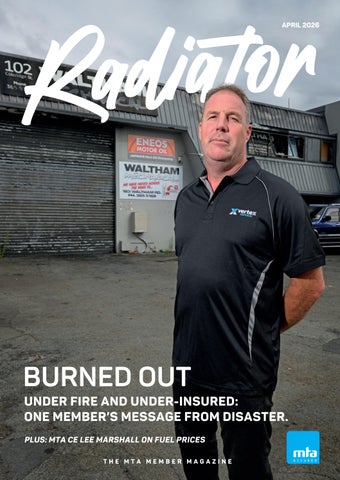
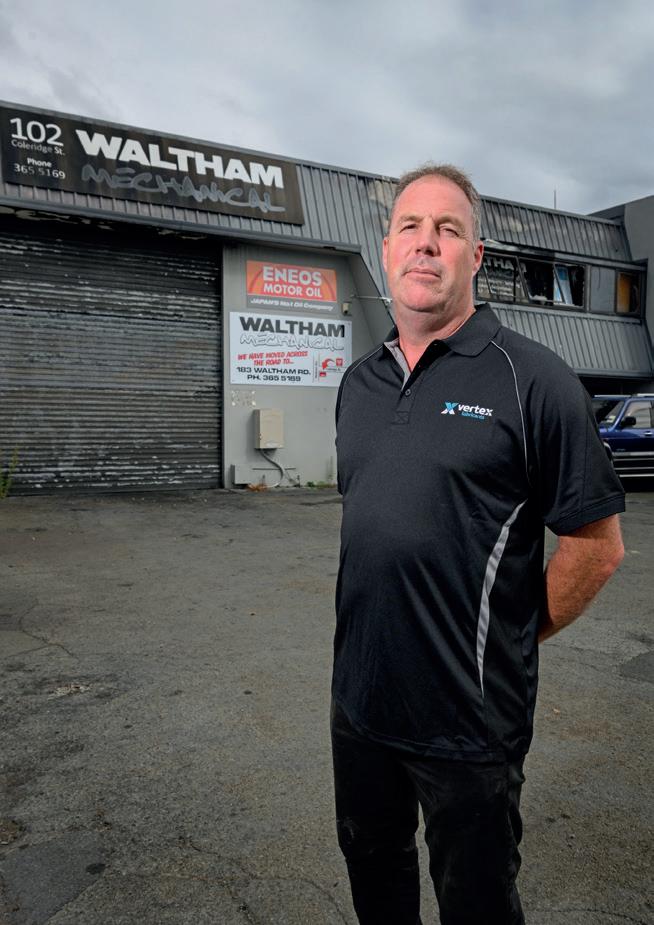
Hayden Spatcher shares his insurance experience and insights with members, after a fire ripped through his business at Christmas.
Editor Gerald Rillstone
027 252 3229
gerald.rillstone@mta.org.nz
Postal address
PO Box 9244, Marion Square, Wellington 6141
Physical address
Level 5, AIA House
34 Manners Street, Wellington 6011
E: mta@mta.org.nz
W: www.mta.org.nz
Printing & Production
Vertia, Wellington
Mailhouse
Orange Box, Wellington
Radiator Magazine
ISSN 1179-7800
The Motor Trade Association (Inc) (MTA) is not responsible for statements, opinions or factual matters published in Radiator magazine, nor do they necessarily reflect the views of MTA, its Board of Directors or its advisory/specialty committees, unless expressly so stated, and does not endorse advertisers.

Radiator magazine is available free to all members of MTA. Information on products and services contained in the editorial and advertising pages of this magazine is published as a service and no responsibility will be taken for inaccurate information.
Radiator magazine does not imply the endorsement of any product or service.
The publisher reserves the right to refuse advertising and editorial at any stage.
Copyright: No part of Radiator magazine may be reproduced in part or in whole without the written permission of the publisher.
Are we in the midst of a national fuel crisis? And how will it affect our industry? While nobody knows for certain what will happen in the coming weeks and months, it’s good to be prepared for what might come.
As a nation, New Zealand is wholly reliant on overseas refineries to supply us with the petrol, diesel and aviation fuels that support the transport eco-system.
We have a dilemma – in the event of a global shortage, we are relying on the benevolence of foreign nations to refine crude and then allow its export to our market, potentially at the expense of their own.
But as I write this (10th April) the sky isn’t falling. National stocks of refined fuel have grown since the last government update. And while the Strait of Hormuz shows no sign of reliably reopening soon, the other countries that previously supplied 80% of the world’s crude now have the incentive of USD$100 barrels of oil to motivate increased output.
MTA have been part of MBIE’s twice weekly ‘high-users’ group since inception. It’s evident that
many parties are worried – but also evident we haven’t yet seen overt consequences of drying supply, save for higher fuel costs.
So what difference might fuel price make to demand?
First off, let’s assume that the Government remains committed to using market forces (price) as the predominant and organic demand controlling lever. That’s a big ‘if’ but considering the fuel restrictions of the 1970s only succeeded in reducing demand by 3.6%, and resulted in the creation of a black market for fuel to boot, probably a fair one.
How much price affects demand is called ‘elasticity’ in economic lingo. And fuel price elasticity has been explored the world over, including a handy Ministry of Transport funded study with an agency called Motu that studied the New Zealand market in a 2023 paper.
Their 70-page report is comprehensive. Ultimately, they present a formula that predicts how demand of fuel is affected by price shock – further broken down by the differences between commercial and

lee.marshall@mta.org.nz
household demand.
As in, the difference in changes in demand, caused by price, depending upon whether you’re a freight company or your mate Steve. And it then considers the effect of time - a price hike this week only might not have much effect, but if it lasted for the year the effect would magnify as people sought means to reduce their fuel consumption.
Plugging in some possible fuel price numbers to the model produced some interesting results.
Assuming petrol used to be $2.50/l for argument’s sake, I ran the model through AI and asked what the effect on demand would be if fuel became $3.50/l, $4.25/l, or $5/l. I then asked it to model how that effect would change if the price hikes lasted for three, six 12, or 24 months.
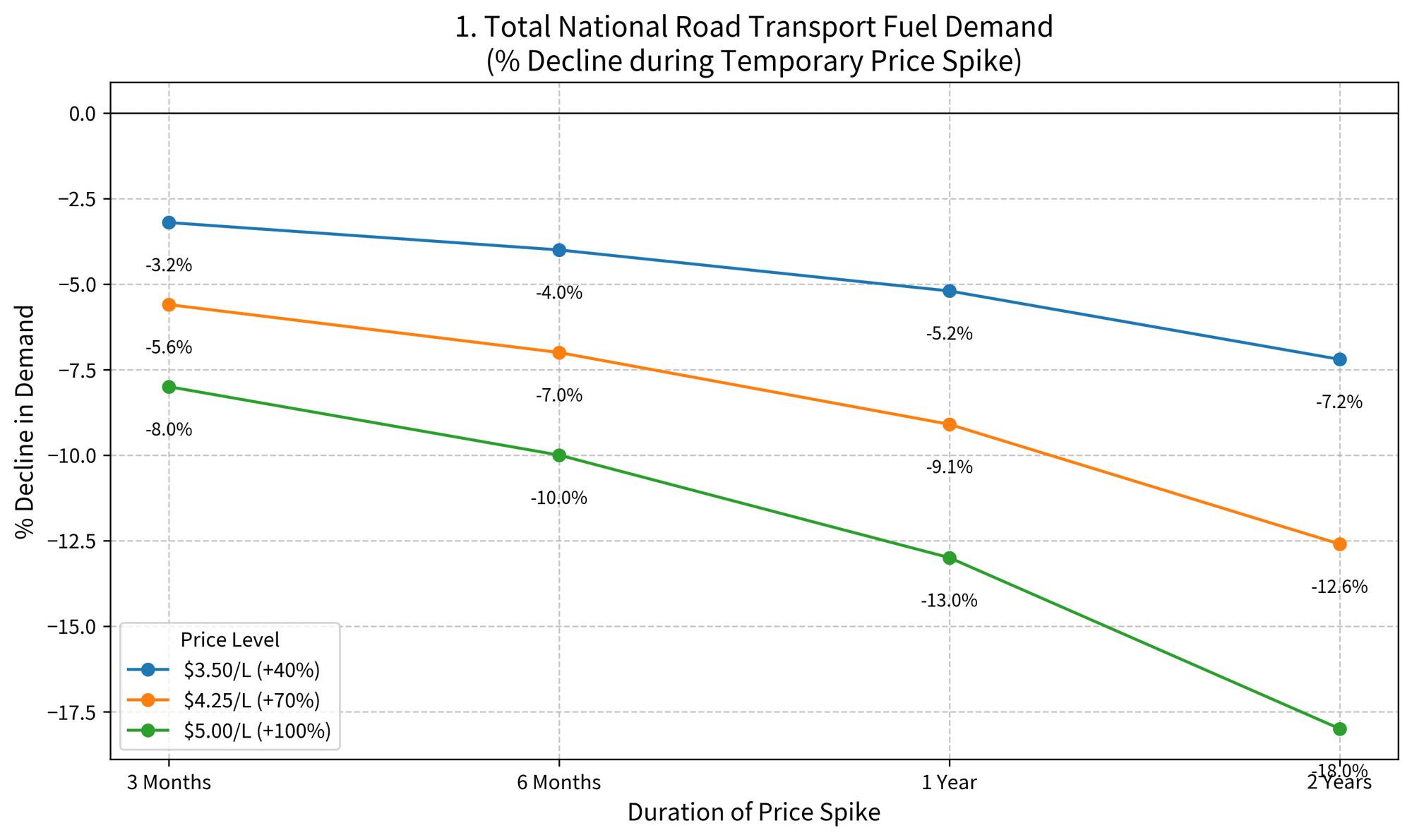
The table (left) shows how much total demand may be reduced if fuel prices were hiked for the various time frames. It would be fair to assume that a reduction in fuel consumption would translate directly into a reduction in vehicle kilometres travelled (VKT), and therefore all of the services that the automotive industry provides off the back of them.
However, the total picture could be quite misleading. Because those that can pass on higher costs of fuel – will.
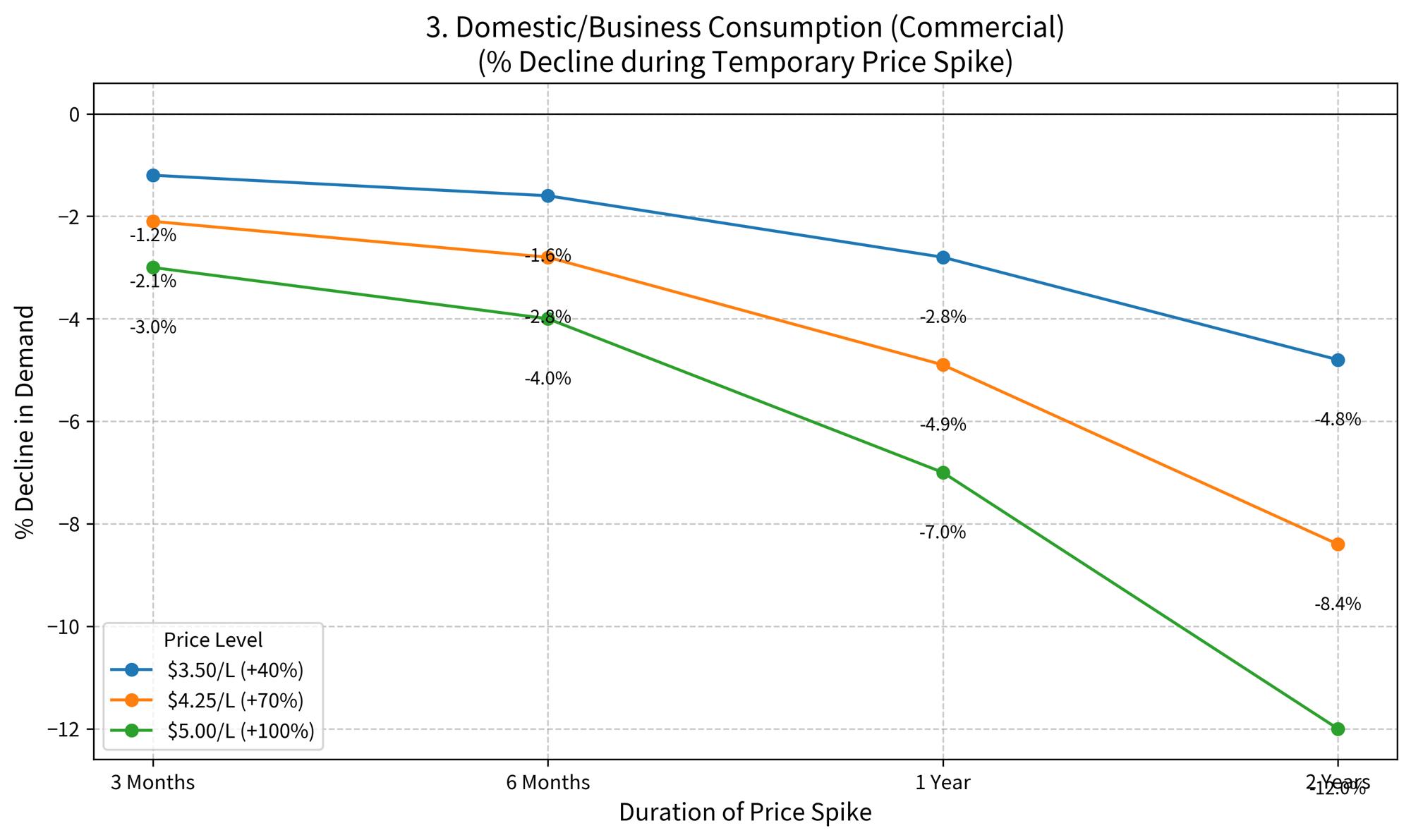
The effect of price hikes on consumption with the likes of freight, agriculture, taxis, government and corporate fleets, shipping, and to a lesser extent flights, will likely be muted. For busses, it would undoubtedly increase (see table right). Private consumption
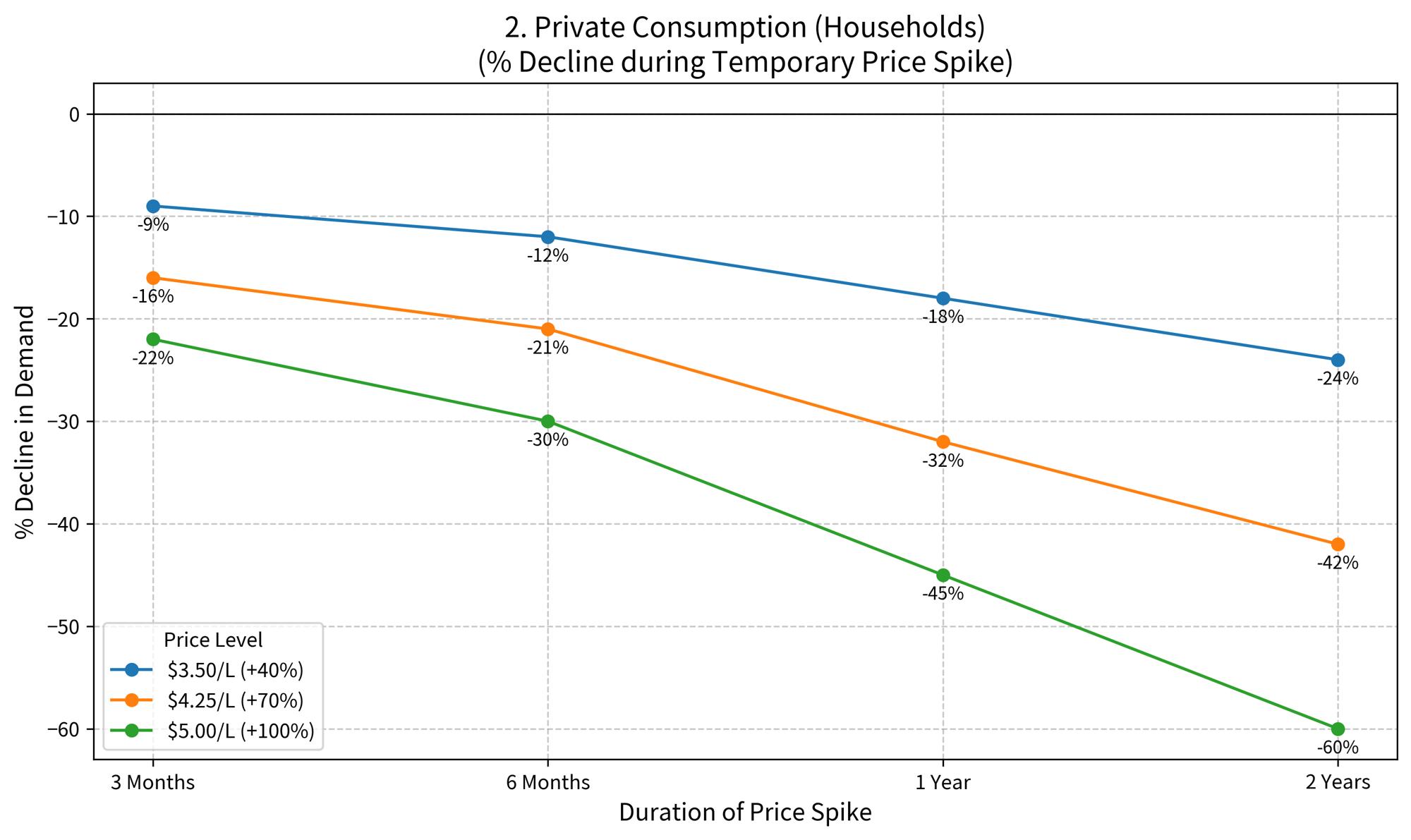
Though for households it’s a different picture (see table right). We can’t pass on the cost of fuel price increases at a personal level – an extra $50 a week at the pump is simply $50 less that I have for all other household expenses. And therefore, the effect is likely to be amplified for households – as for many (though not all), there is a high degree of optionality in transport. Many have the option to take the bus instead, car share, make less trips, ride a bike, request a day or two ‘work from home’ from their employer, or bite the bullet and finally buy that EV they have been mulling (or just upgrade their car to a newer, more fuel efficient variant). This drop in household consumption would be particularly relevant for the vehicle repair sector. Because not only would a reduction in VKT hurt, it’s also likely the same cost pressure dynamic would cause much deferred maintenance.
In short, less VKT equals less services required, less
tyres used, less collisions, and of course: less work for industry as a consequence. But in disruption comes opportunity. Less work for industry will leave many businesses exposed but it will also leave a ripe environment for those that have planned, organised, and taken a longer-term view. After all, the requirement for vehicle services and sales in the next few decades isn’t going anywhere. The only thing that will change is who’s doing the work.
As we have already seen, sales of EVs have exploded. Weirdly, so did sales of Ford Rangers in the March stats. And if my charts tell you anything, I hope it’s about the opportunity inherent in having a diversified portfolio of customers that includes a sizeable chunk of commercial fleet operators. Because while the revenue per job may be
disappointing, they’re more likely to need you – whatever the economic circumstance. While unfortunately MTA can’t influence the cost of fuel and its flow-on effects, rest assured we are here for you. There has probably never been a better time to find out the ways we can help you and your business improve or be more efficient through the guidance, resources, services, or partnerships that we offer.
In the coming weeks, we will also continue to update ‘The Good Oil’ – a resource available in the member Toolbox where we will attempt to explain what the changes means for your and your business. Check it out.
Lee Marshall Chief Executive

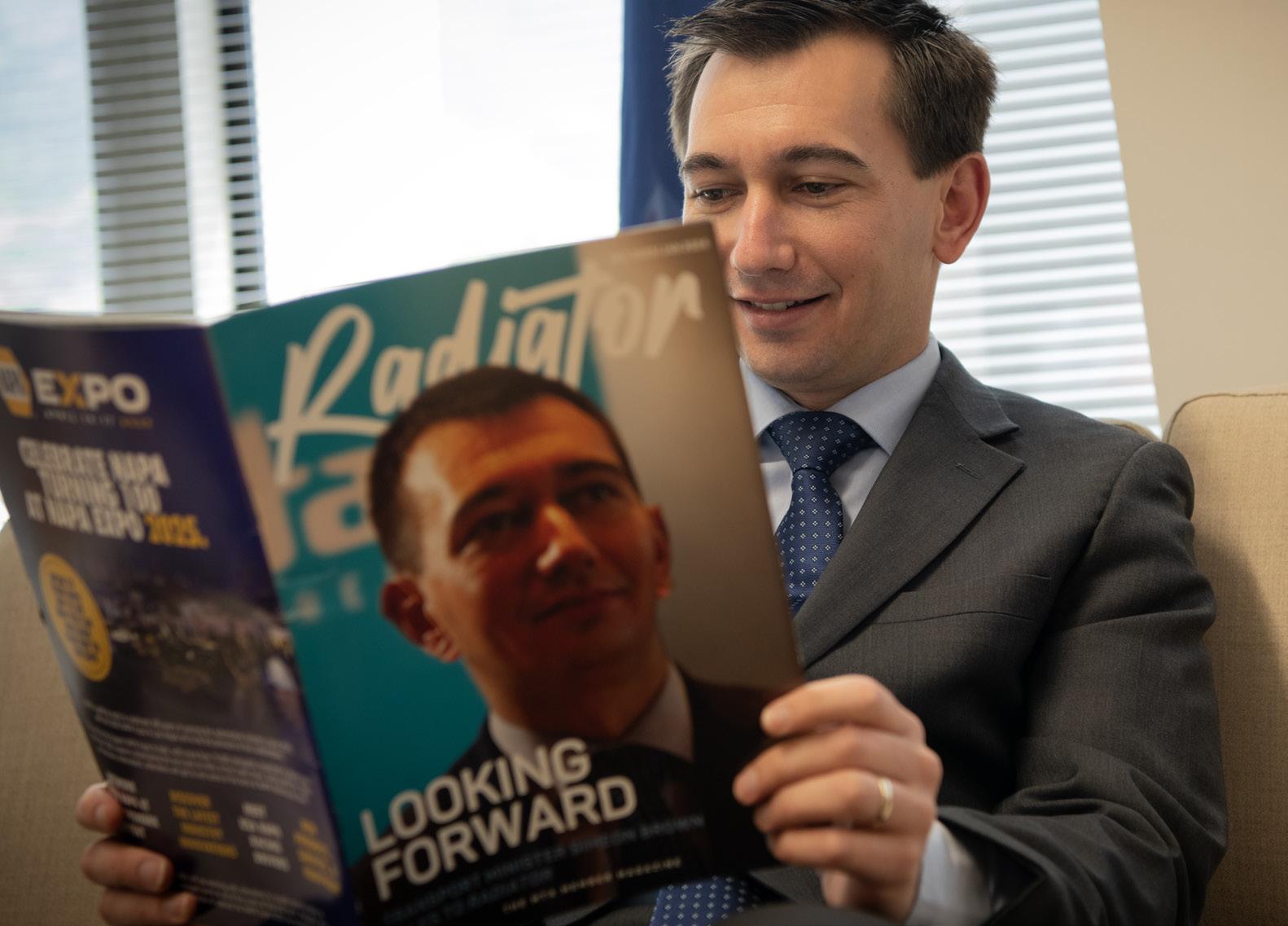
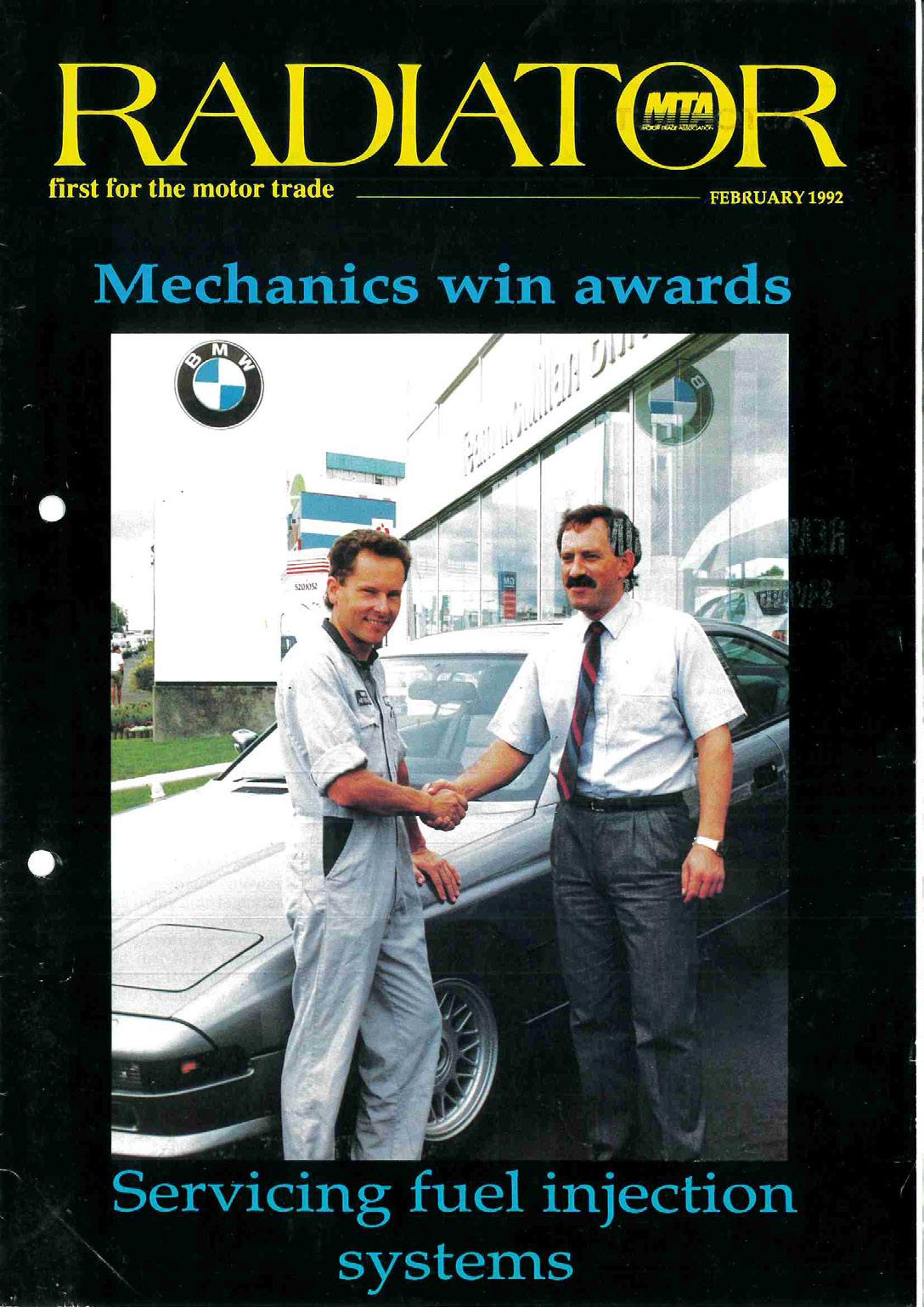
Radiator has been a proud part of MTA’s history for more than 100 years. In that time, it’s been read by tens of thousands of MTA members and staff.
It’s an institution in the automotive trade, and a much-loved one at that. There’s not many smoko rooms amongst the MTA membership where there isn’t a copy of Radiator on the table.
We take Radiator’s history and legacy extremely seriously. It’s part of MTA’s DNA. But we are also aware that times change, and we need to change and improve with them, to offer the best value to you. That’s why a few years ago we asked members for their thoughts on Radiator.
What came through strongly was the high value you place on the magazine, as a means of keeping up to date with what MTA is doing for you and industry. You clearly enjoyed the interviews and articles with Government and industry experts, the market analysis, and

risen massively, even in the last five years. Printing, paper – and most significantly, postage – add up to a substantial overhead.
At the same time, attracting advertisers is a challenge for all media.
We know you get that. In the same survey, you made it clear you want to see a hard copy Radiator continue into the future. But you
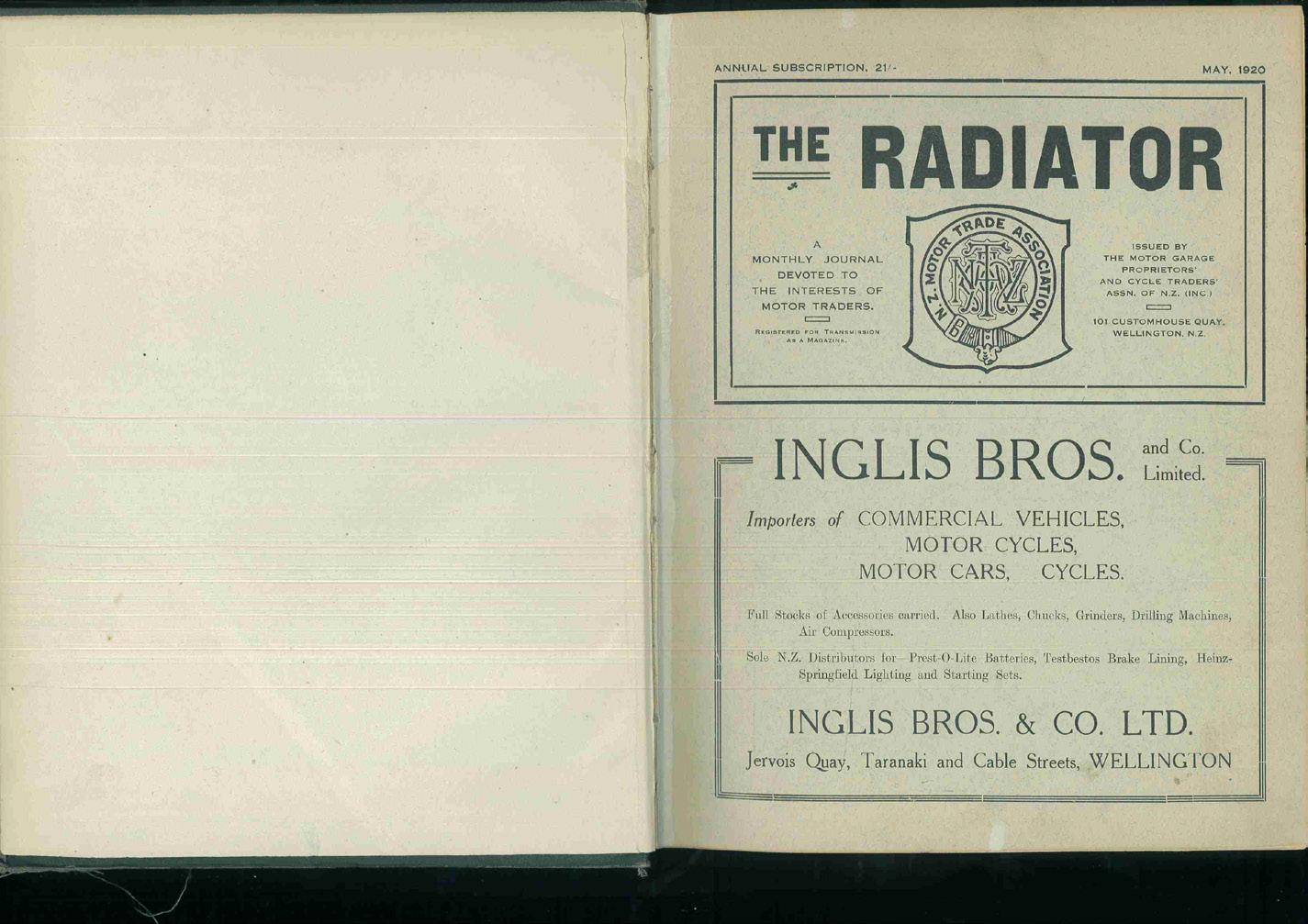
time in 1920.
would also understand and accept if Radiator was published every second month, rather than monthly as it is now, to reduce costs. So that is what we are doing. From now on, Radiator will be in your mailbox – and hopefully on your smoko table – every second month.

It makes strong financial sense to reduce the cost of producing and distributing Radiator as part of MTA’s financial responsibility and strategy. Especially as we have built up our emails to you, and other channels of communication like Toolbox.
This is not the end of Radiator. It’s not even the beginning of the end.
It’s an opportunity to rebuild, redesign and relaunch Radiator better than ever. And that’s what we will do.
We want your help with that. If there’s things you’d like to see in Radiator, or things you don’t, please let me know. I really want to hear from you.
Coincidentally and unrelated to this decision, our Editor of the last four years, Gerald Rillstone, is taking up an exciting new opportunity outside of MTA. We wish him well and thank him for his considerable contribution to Radiator. We know many of you have met Gerald and enjoyed working with him, and will share our feelings.
As I write this, we are in the process of hiring a new Editor to steer Radiator into this new phase in its history. We will be making changes, but rest assured the focus is still on offering the best reading and the best value for you.
And of course, don’t worry, we’ll still be profiling members and their achievements.
At the same time, we’re working to make our other channels even better than they are now.
The next Radiator will be the June edition, and we’re confident it’ll be worth the wait.
In the meantime, please contact me with your thoughts and feedback. I welcome it all.
Thanks for reading, and being a part of Radiator’s proud history.
Simon Bradwell Head of Communications simon.bradwell@mta.org.nz
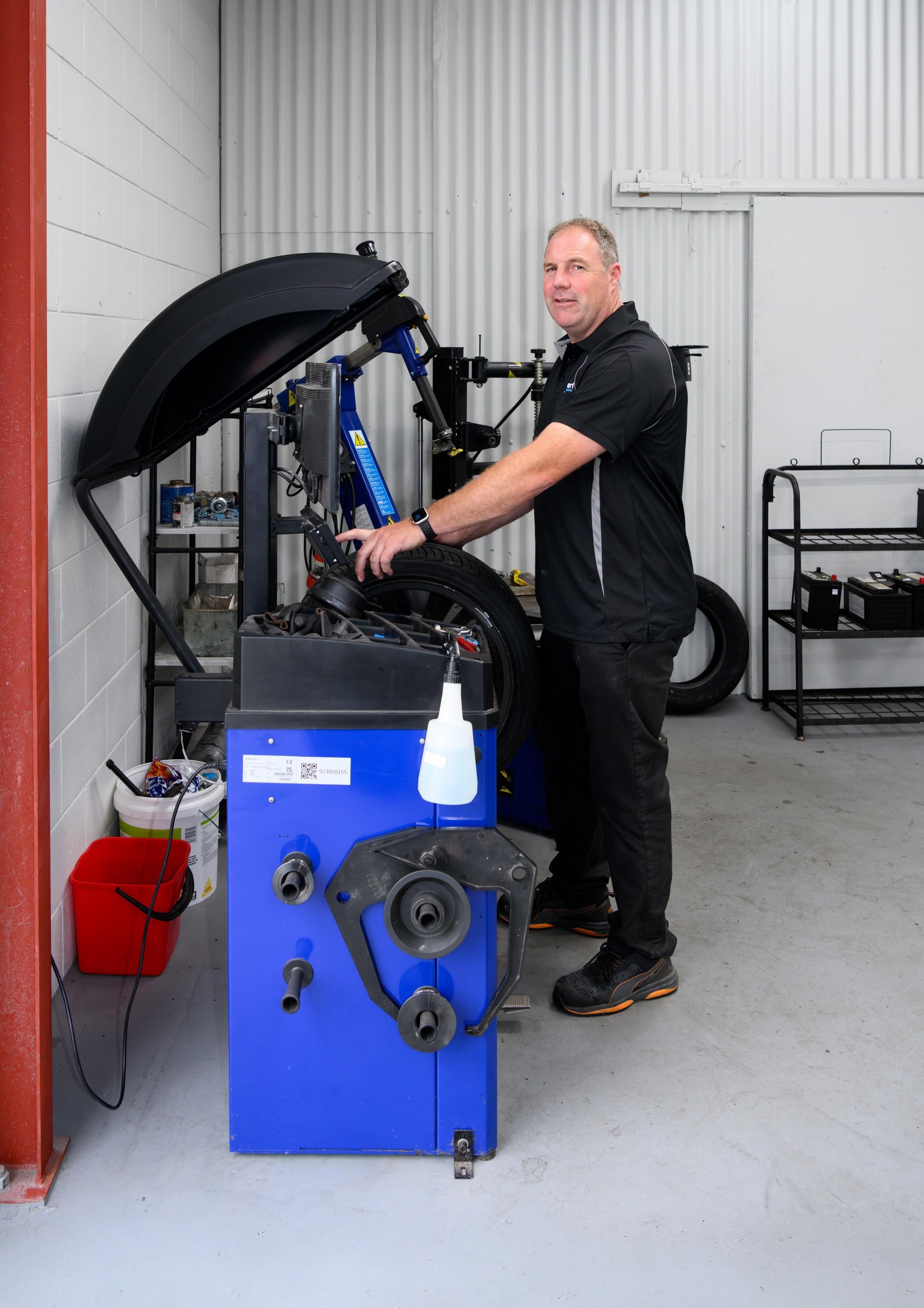
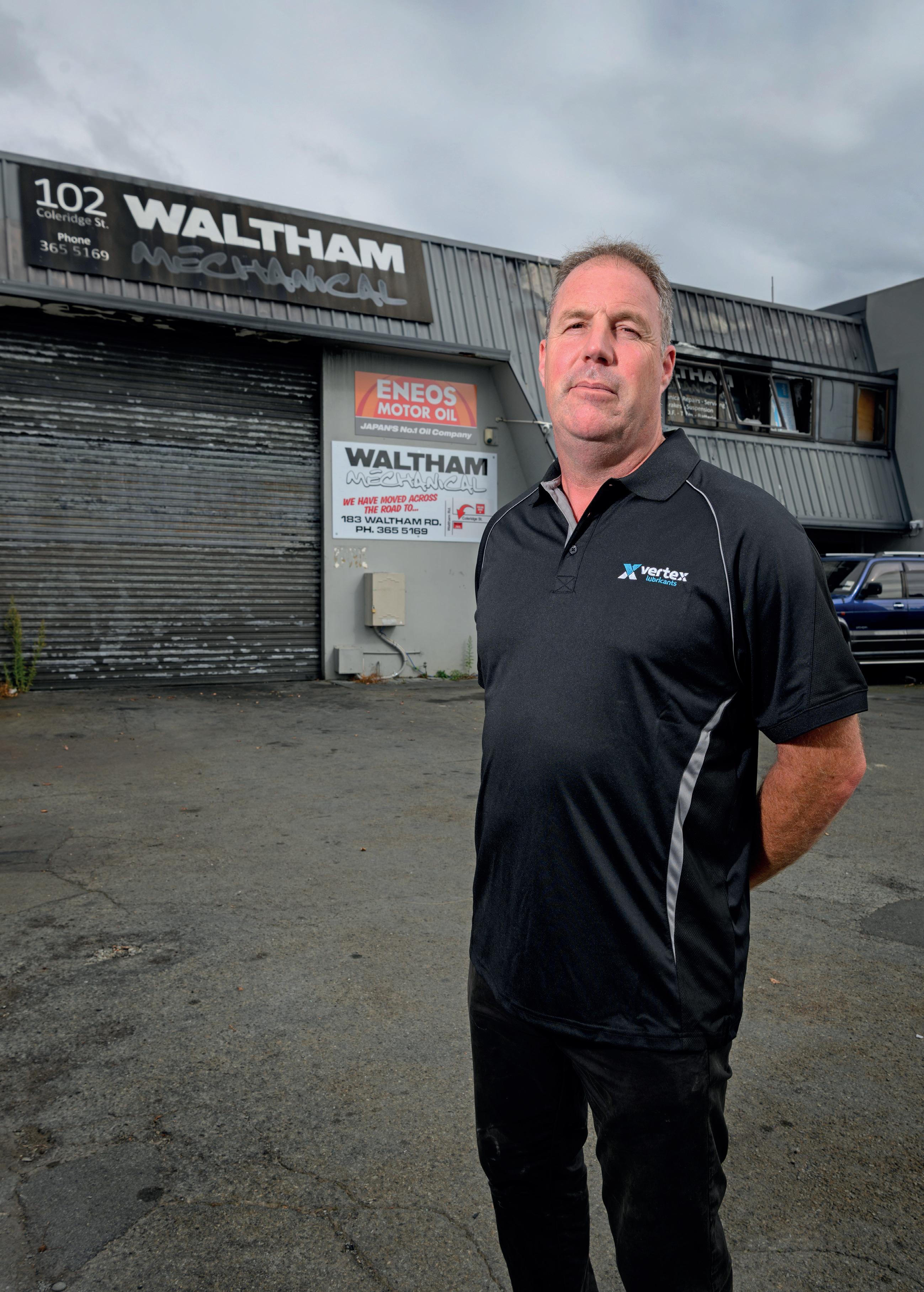
It was just before Christmas. A time when most people were looking forward to time off and sharing presents with family.
MTA member Hayden Spatcher was looking forward to a break. But he was about to get an unwanted gift that would throw his holiday into disarray.
“A fire,” Hayden says. “A freak accident.”
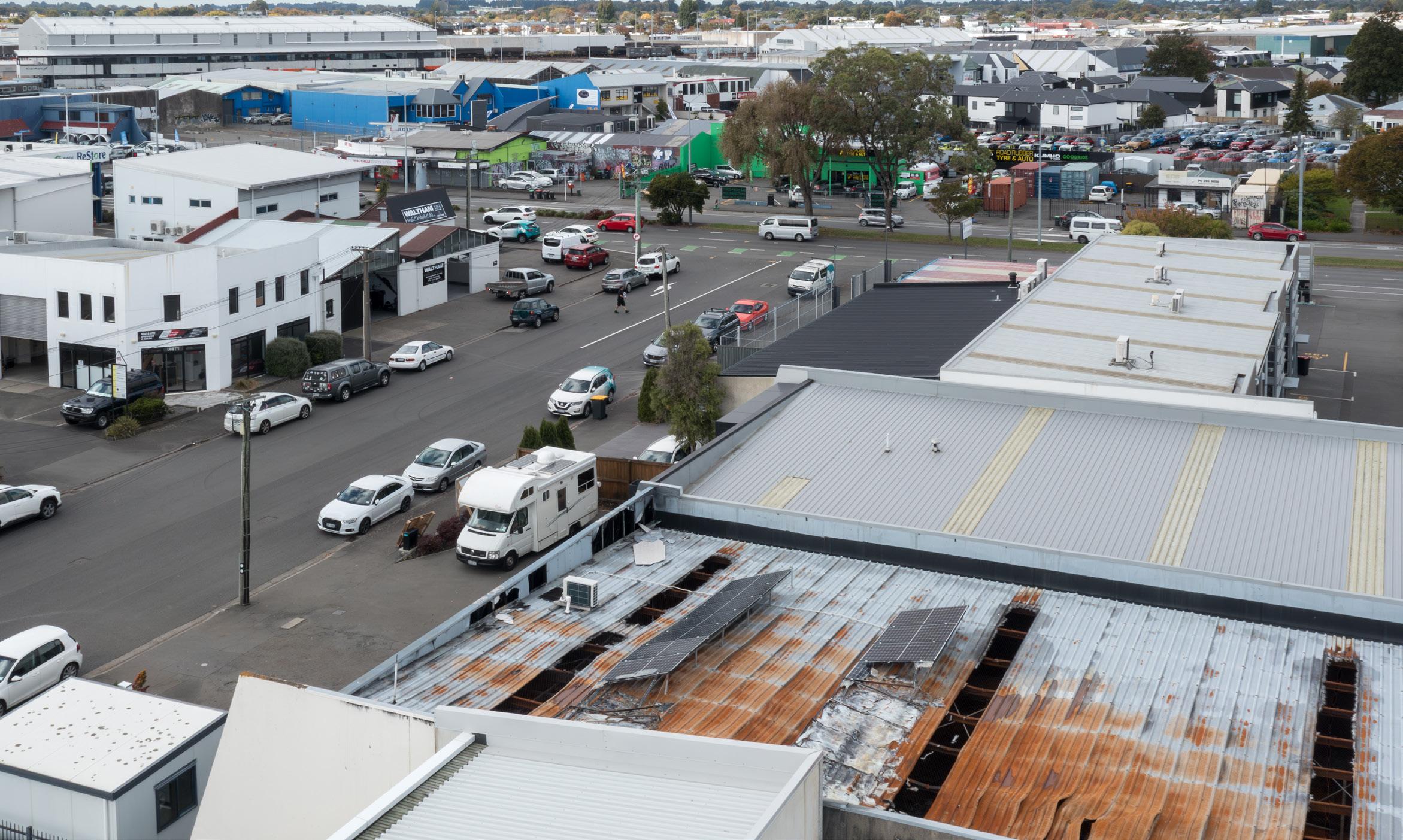
A fire that quickly took hold, sending a plume of smoke across the Christchurch sky and devastating his workshop, Waltham Mechanical.
A BMW Mini had caught fire under the bonnet on startup and getting it open was a problem. Modern materials such as plastics and a pressurised fuel systems accelerated the flames.
“I’ve seen under-bonnet fires before and they’re normally pretty easy to put out. But this one just took off too quickly,” Hayden says. Despite having the correct extinguishers, regularly serviced and positioned throughout the workshop, the fire spread too quickly and within moments, the situation escalated beyond control. By the time emergency services arrived, the fire had torn through the building.
It’s been a tough few months since, but now Hayden is ready to share his experience and important advice to members.
In the aftermath, a harsh reality set in. While he had insurance, the business was significantly underinsured.
“That was one of the big learning curves. What things are valued at, what they’re worth, and what you’re insured for are three different things,” Hayden says.
Like many workshops, equipment had been purchased over years, even decades. But replacement costs had surged well beyond their original purchase prices.
“Hoists used to be five or six thousand dollars. Now they’re eight, ten, even twelve thousand. A brake lathe that sat at twelve thousand for years is now over twenty-three.”
Hayden’s insurance, however, was based on declared values, not current market replacement.
“We were probably insured for about a third of what we actually needed,” he says.
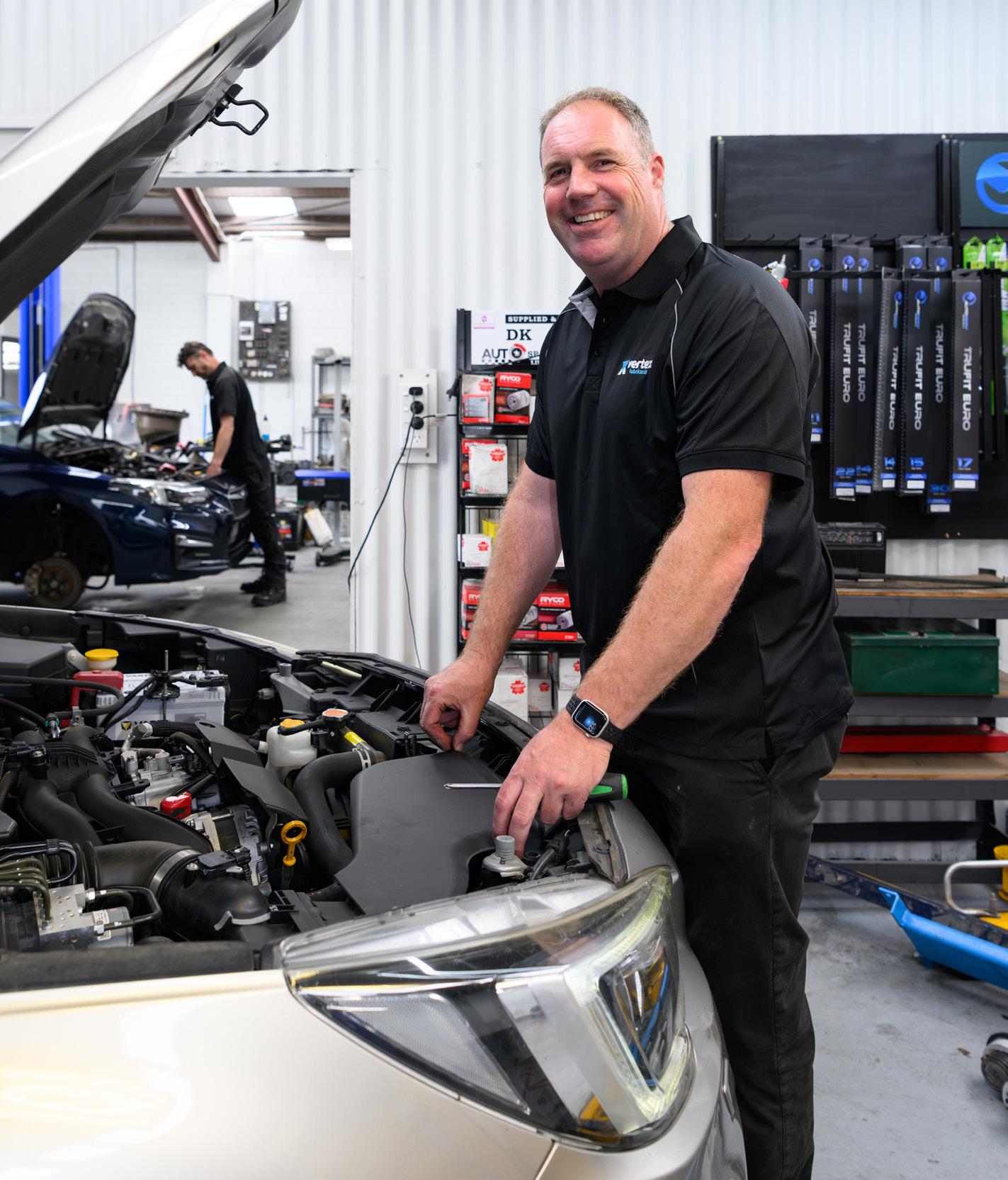
“It’s one of those things, more cover costs more money, and you’re always trying to balance that in business.”
Perhaps the biggest shock wasn’t just the rebuild cost, it was the delay.
After the fire, income stopped immediately.
“It was three or four weeks before the insurer even accepted the claim,” Hayden says. “They don’t give you anything until that happens.”
In that time, wages, bills and overheads continued.
“That was probably the biggest stress. You assume they’ll step in straight away, but they have to investigate everything first.”
Compounding the situation was the lack of business interruption insurance, a conscious cost-saving decision at the time.
“I thought if something bad happened, I’d just go and work
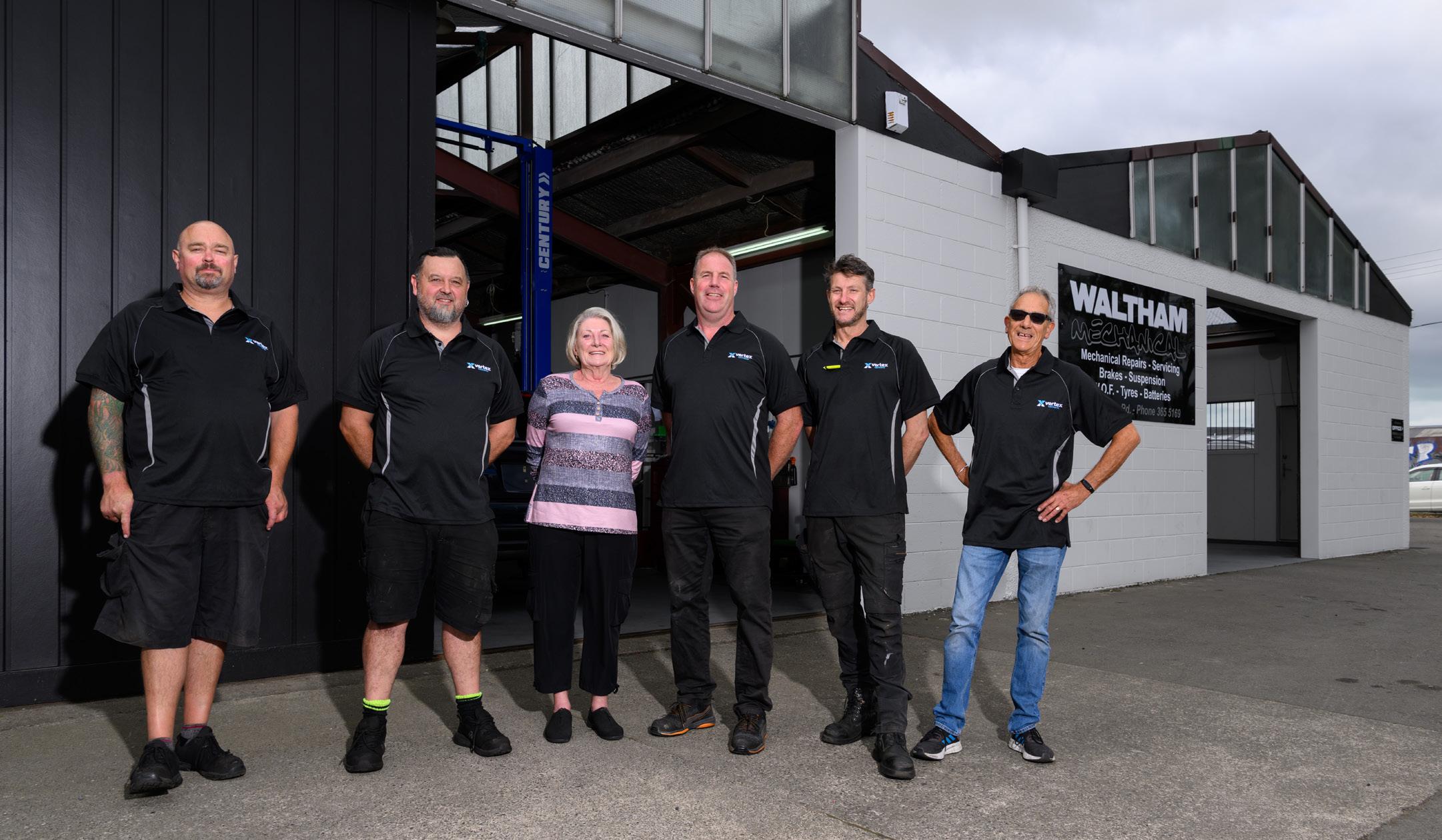
somewhere else for a while,” he says. “But it definitely makes you rethink that.”
Despite the devastation, the business never fully stopped. Support from within the industry proved critical. Other workshops stepped in, offering space and equipment. One lent a hoist; another cleared storage space to make room.
“It became a logistical nightmare,” Hayden says.
“We had cars, staff and jobs spread across three or four locations. Things were slower.
Communication wasn’t as good. Some customers were understanding others weren’t.”
Staff also felt the pressure.
“The stress on everyone was a big eye-opener,” he says. “Decisionmaking wasn’t the same. Little things you take for granted just didn’t happen.”
Rebuilding
Months on, the business is still in recovery and making good progress.
A new premises has been secured, and equipment is gradually being replaced, while not yet fully operational under one roof.
“We’re getting there,” Hayden says. “You can see the light at the end of the tunnel now.”
But it’s not something he’d want to go through again.
“But at the time, you don’t think about walking away. You just focus on what needs to be done.”
Support from staff, customers and suppliers made a critical difference.
“Most people were understanding. The staff stuck with it. That’s what gets you through.”
Looking back, the lessons are clear.
“The big thing is don’t assume it won’t happen to you,” Hayden says. “You’ve got to actually sit down and look at your insurance properly.”
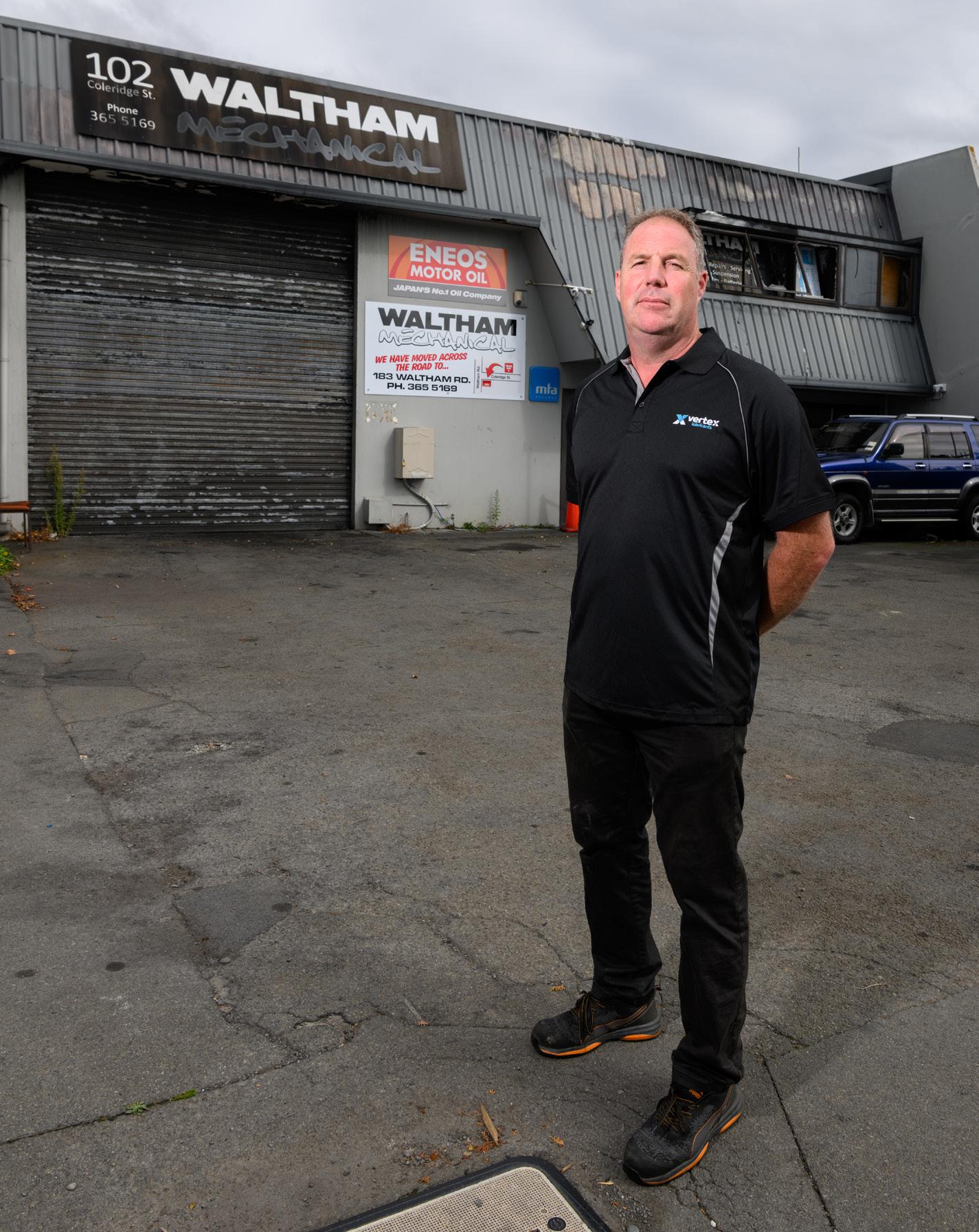
The fire destroyed the building and the business just before Christmas 2025.
That means regularly reassessing cover, not every few years, but ideally every year and understanding true replacement costs, not historical ones.
It also means considering the full picture: downtime, cashflow, and how the business would survive in the weeks immediately following a major event.
“If you lost everything tomorrow, what would you do?” he says.
“That’s the question.”
Underinsurance growing risk
Underinsurance is an increasingly significant issue and one Gallagher Insurance senior relationship manager, Paul Khun, is acutely aware of.
Underinsurance isn't a failure. It's just what happens when businesses evolve faster than their insurance solutions do. “ ˮ
He says, “underinsurance isn’t a failure. It’s what happens when businesses evolve faster than their insurance solutions do. The key is to recognise and address this before it turns a manageable setback into a business-closing event.”
He says in terms of affordability, cost-of-living pressures tend to have a disproportionately greater impact on households and small businesses, particularly through tighter cashflow.
“While this is something we see regularly, many of MTA members may have been able to pass a portion of these increased costs on to consumers. As a result, while
they are certainly not immune to rising expenses, they are actively offsetting them as much as possible.”
Paul recommends members treat insurance as a “strategic control, not a set and forget purchase.
“Members who invests the time to build a strong relationship with their Insurance broker - and engages in meaningful discussions about their cover and the protection it provides - they consistently achieve better outcomes when it matters most, at claim time.”
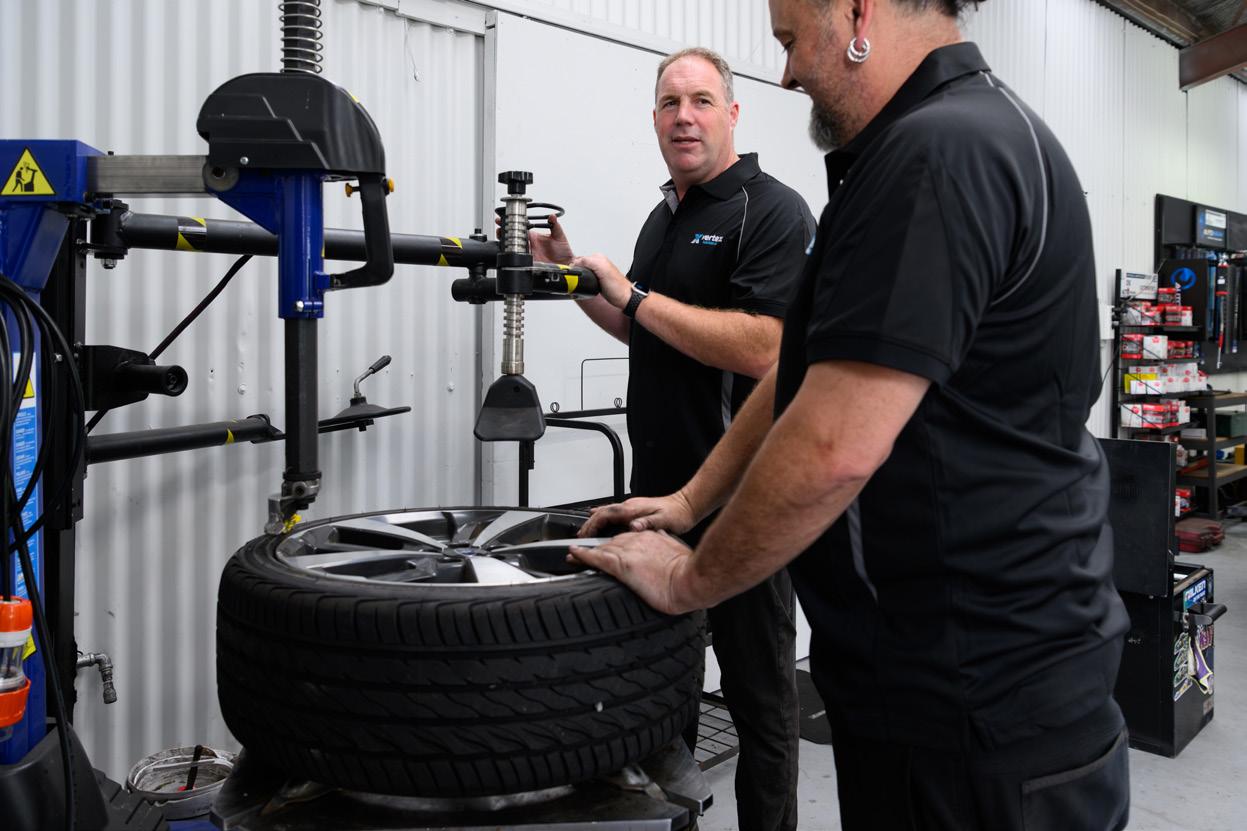
Having the right insurance cover can save you a lot of heartache and hassle if disaster strikes. Here’s some tips.
•Regularly review Insurance policies – speak to your insurer or broker and schedule a review. Review what is covered, how much per claim and per event.
•Check what the small prints says! Is the cover sufficient to replace items? If you are renewing your insurance, consider the MTA Member benefit package by Gallagher.
•Review the cover versus excess
Gallagher's key points:
•Business assets have changed significantly since 2020, with many organisations holding different equipment, technology, and stock profiles than they did even a few years ago.
•Rebuilds and repairs are taking longer, driven by material shortages, labour constraints, and supply -chain disruption - extending downtime and increasing claim costs.
•Insurance market conditions are currently soft, making this an opportune time to review sums insured and reset cover on more favourable terms.
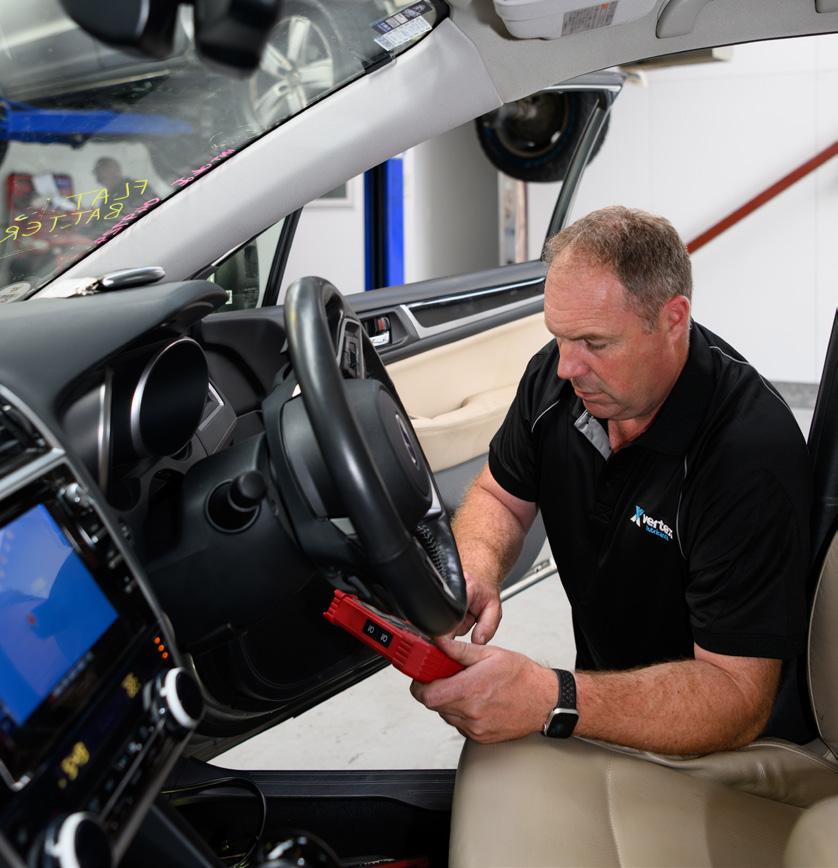
•Have an up-to-date inventory. At a minimum you should have a simple inventory list and carry out regular stocktakes
Business insurance will not (generally) cover customer vehicles damaged by an “Act of God” event, as this is covered by the owner’s vehicle insurance. However, if the owner does not have insurance, this will result in a situation where the owner believes you are responsible under a “duty of care”.
•Have some method of confirming if a vehicle entering your business or in
your care is insured.
•Ensure clear signage that conveys that a vehicle in your care is covered by the business’ insurance for an at fault incident. Incidents outside of the business’ control, such as weather events are the responsibility of the owner and their insurance policy.
Remember, MTA has a member benefit with Gallagher Insurance and a policy specifically developed for MTA members. Information can be found on the MTA Toolbox.
Alternatively email sean.stevens@mta.org.nz

Test your knowledge with our five-minute monthly motoring quiz.
Ratings:
1/5: Put your L plates back on.
2/5: Hit the books, rookie.
3/5: Middle of the road.
4/5: Close but no cigar.
5/5: Congratulations, you’ve outrun The Chaser.
James Bond Edition
1. The famous Aston Martin DB5 appears in how many Bond films – 2, 4 or 8?
2. In what film does Bond drive a Mustang Mach 1 (on two wheels!)
3. A Lotus Espirit that goes underwater featured in which film?
4. Bond drives an unusual vehicle in Octopussy. Was it – a tuk tuk, jet ski, or skateboard?
5. True or False: Daniel Craig wasn’t licensed to drive a manual when he was cast as 007?
Answers on page 60

Introducing Kim Hampstead, MTA National Events Manager.
The National Events Manager role is new to MTA and designed to provide increased strategy and planning alignment across the organisation.
Kim is keen to get started bringing event experiences that are energising, useful, and worth stepping away from the workshop or putting the tools down for.
“I love bringing people together, turning good ideas into great experiences, and making it easier to see the full picture of what we’re doing nationally.
“Over time, I’ll be looking at which events members value, where we can try new things, and how we keep lifting the bar. I’m really looking forward to getting to know you more and hearing from you.”
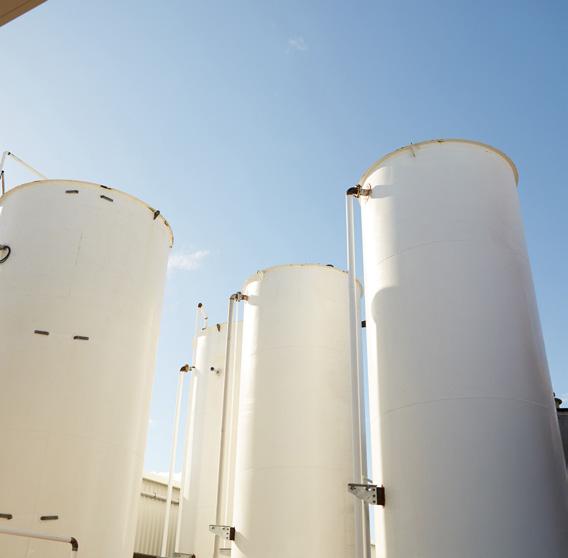
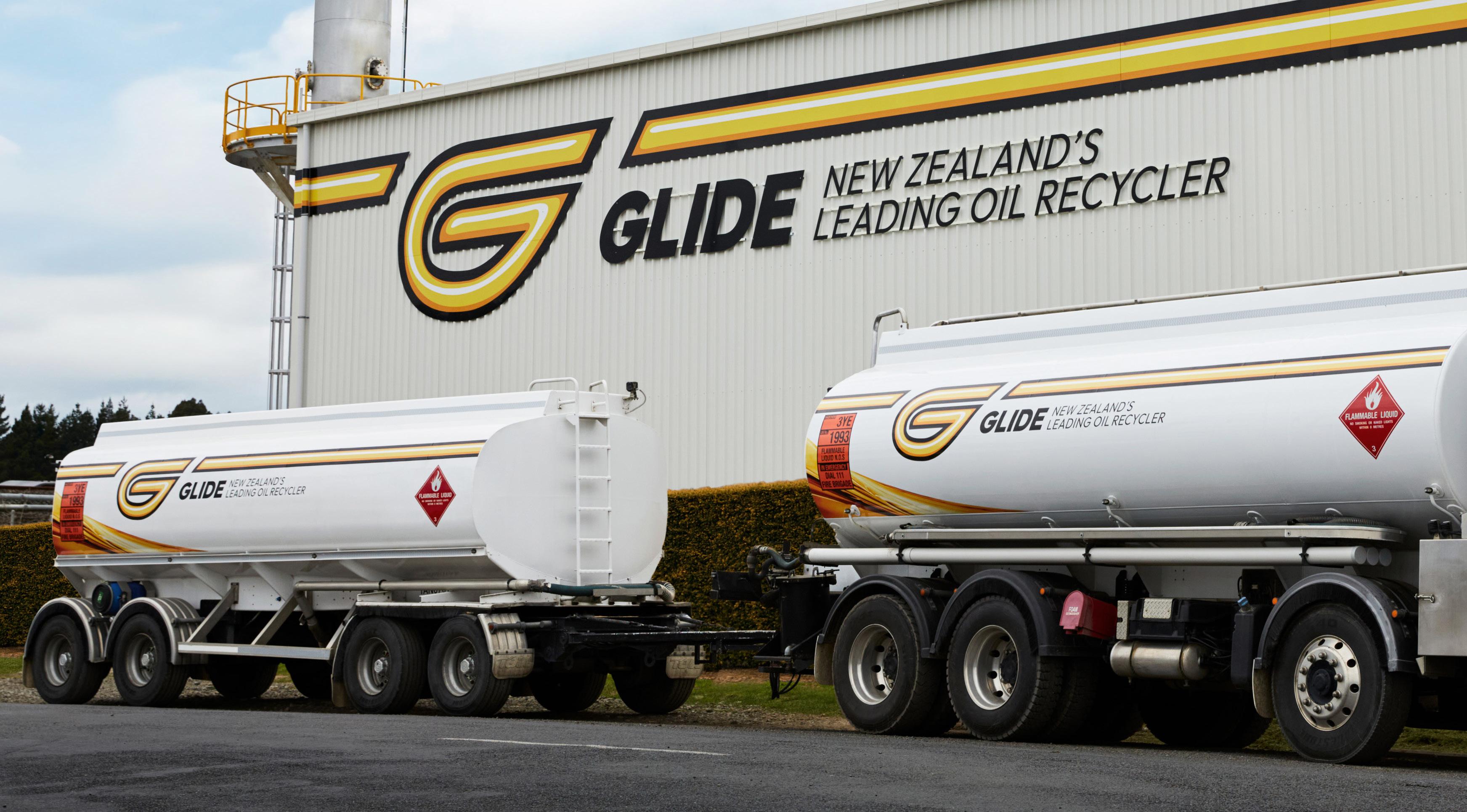
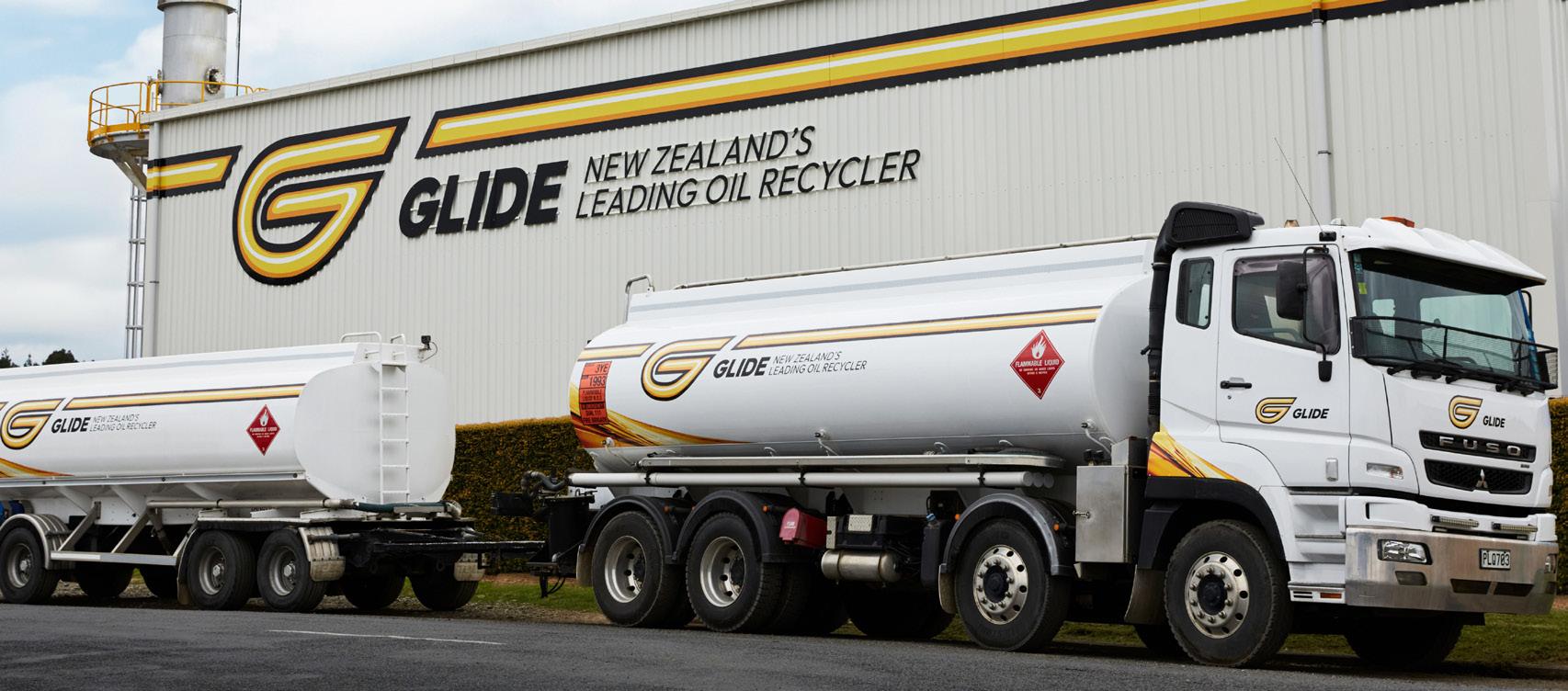
For decades, waste oil in New Zealand has followed a familiar path.
Once drained from an engine, it was largely treated as the end of the line, collected, stored, and ultimately burned.
But Glide’s Auckland-based rerefining facility is redefining how the automotive industry thinks about used oil, not as a liability, but as a resource with ongoing value.
For Phillip Alexander, Glide’s Head of Commercial Strategy and Partnerships, the motivation was clear from the outset.
“We believed there had to be a better way than simply burning waste oil,” he says.
“Traditionally it’s been treated
as the end of the line, but we saw it differently, used oil is still a valuable resource.”
Around the world, tightening environmental expectations and stricter consents are pushing industries away from burning waste oil. In contrast, re-refining offers a circular solution recovering and restoring oil so it can be used again.
“Instead of burning it, we keep it in circulation and give it another life.”
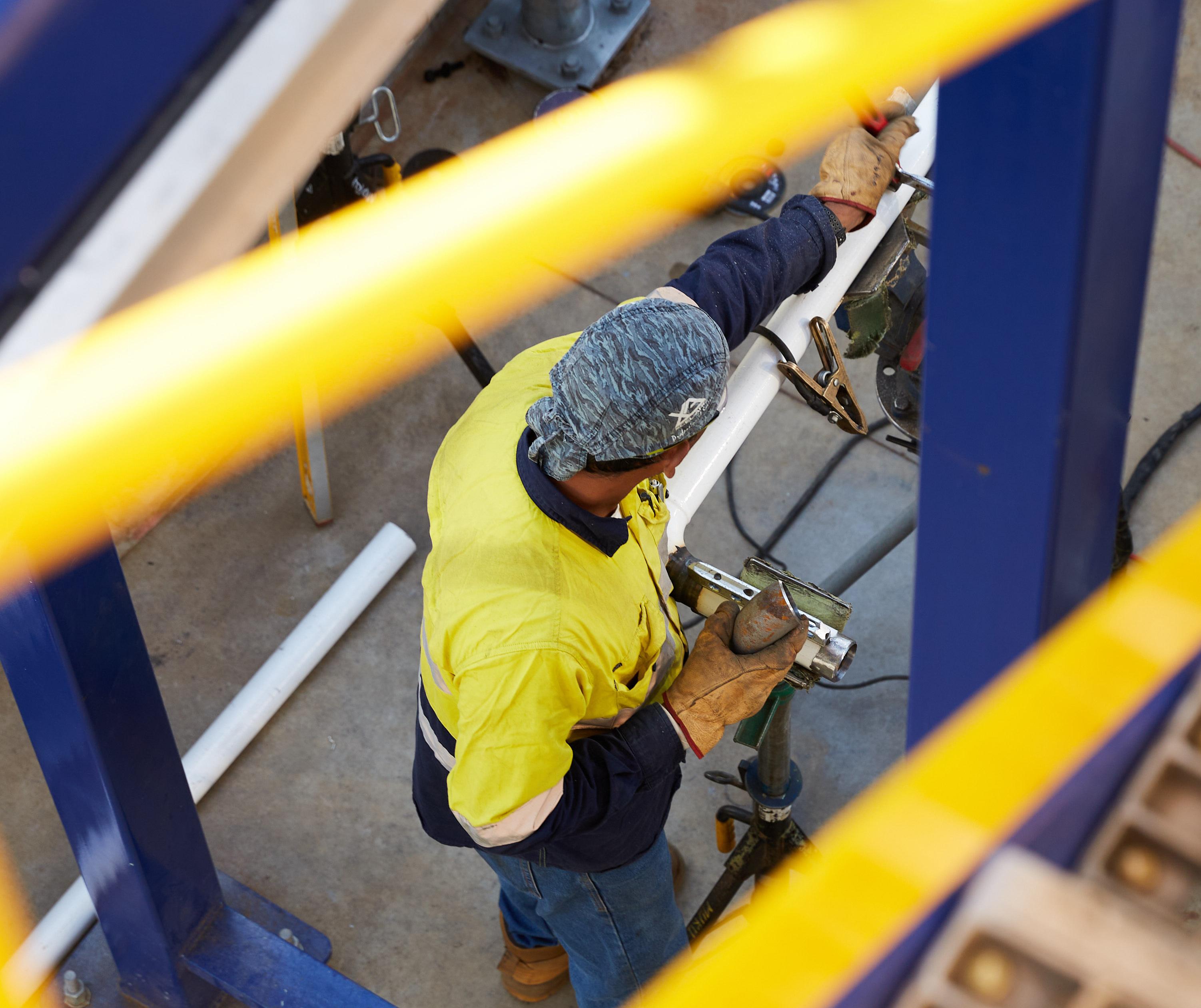
Turning that idea into reality required significant investment and technical expertise. Establishing a re-refining plant in Auckland meant meeting New Zealand’s rigorous engineering and regulatory standards.
“Once we validated the business model, the challenge became
designing and building a refinery that could meet very high standards,” Phillip says.
“That included independent verification of everything from pressure vessels to seismic structural requirements.”
Transformation
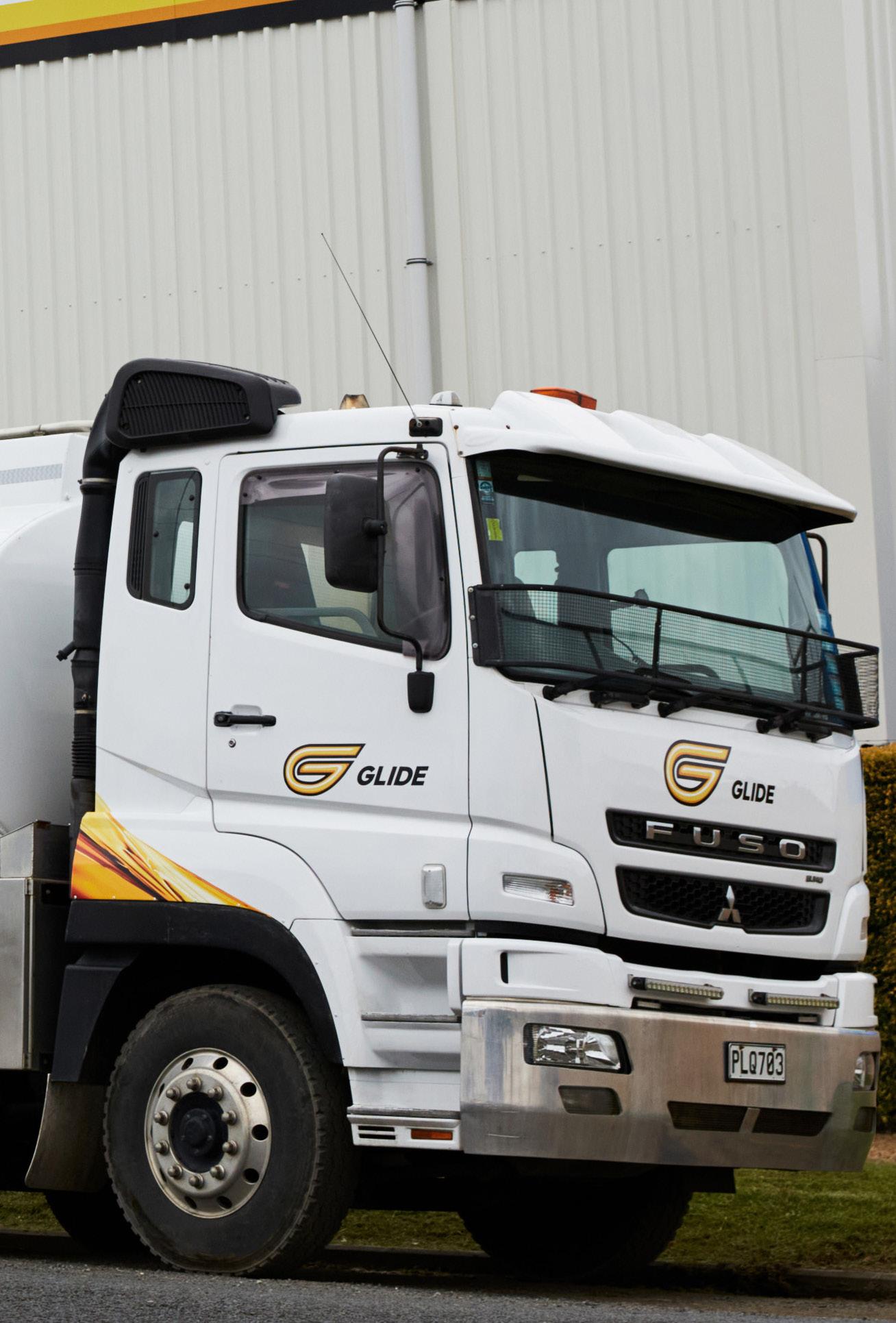
At the same time, Glide was evolving as a business, rebranding, and building a national collection network.
“We weren’t just building a plant, we were transforming the entire business,” he says.
That meant new depots, new trucks, and building a team with the capability to operate a modern re-refining facility.”
Customer expectations were also front of mind.
Most people are surprised to learn that used engine oil doesn't actually wear out, it just gets contaminated. “ ˮ
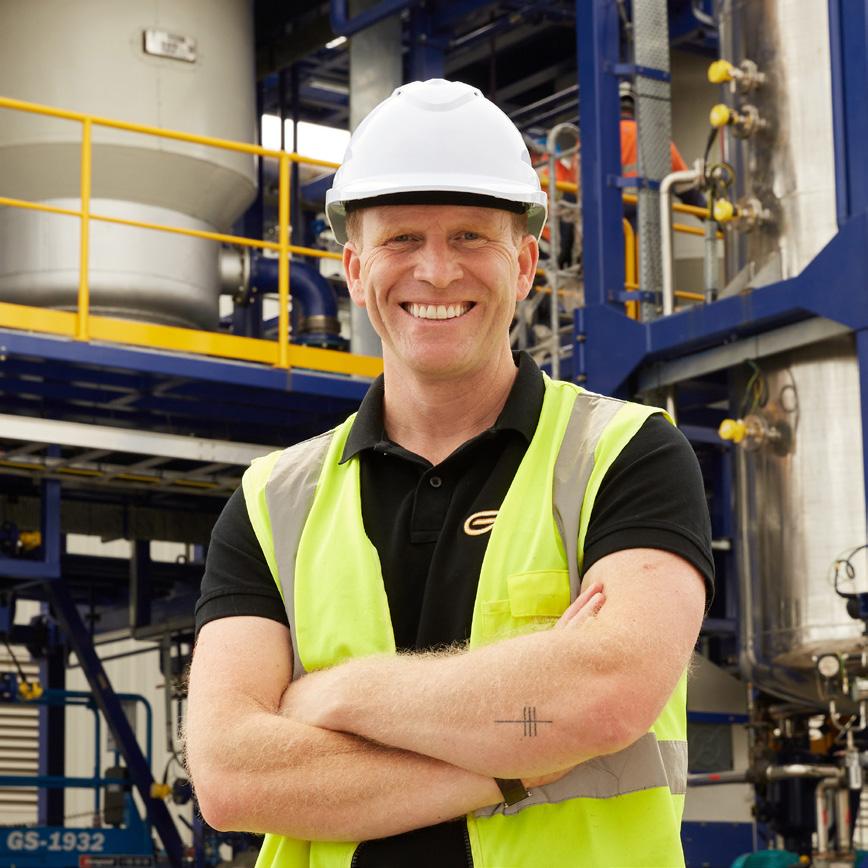
“Our research showed that service really matters,” he says.
“So we invested in systems that help workshops track collections, improve reliability, and even report their carbon savings.”
While the concept may be new to some, the science behind rerefining is well established.
“Most people are surprised to learn that used engine oil doesn’t actually wear out, it just gets contaminated.”
High quality
The process removes those contaminants through several stages, including pre-treatment, vacuum distillation and final finishing.
“What comes out the other end is high-quality base oil that meets the same international specifications as oil produced from crude,” he says. One of the most common questions is whether re-refined oil can match traditional products.
Phillip says it’s just as good.
“Re-refined base oil is every bit as good as base oil produced from crude,” he says.
“We recover up to 99% of the usable oil, and the finished product meets the same strict standards required for modern lubricants.”
Shift in attitudes
New Zealand is beginning to catch up with global trends, as sustainability becomes a bigger priority across the automotive sector.
“We’re definitely seeing attitudes start to change,” he says.
“In many other countries, rerefining is already the standard, and policies are being introduced to support it.”
Locally, that shift is gaining momentum, with major organisations taking a more proactive approach.
“Businesses want to know their waste oil is being managed responsibly.”
“We’re already seeing that in action, with organisations mandating re-refining as their preferred outcome.”
For workshops, this presents an opportunity to meet growing customer expectations.
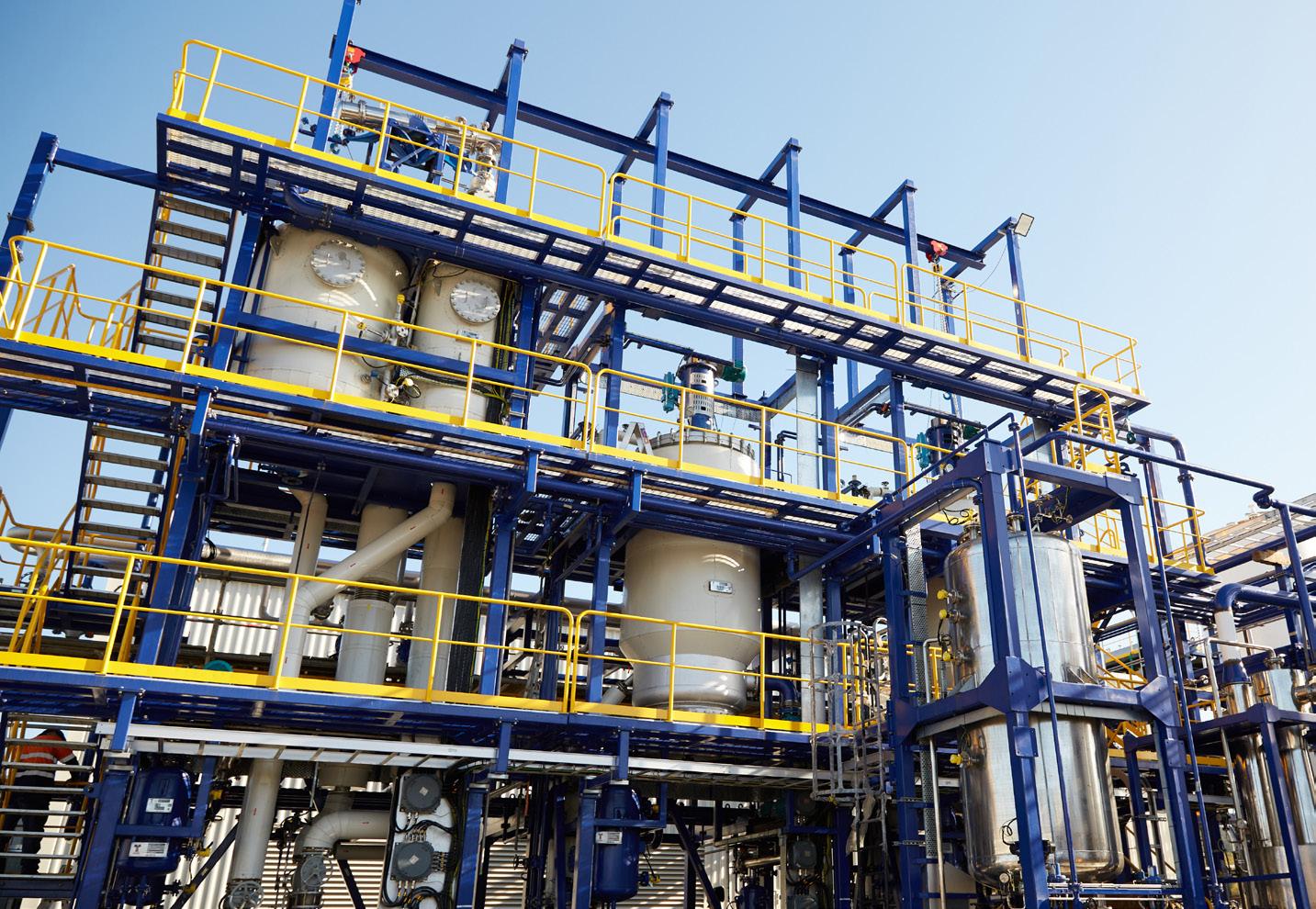
The environmental benefits of redefining are significant.
We've sized the plant to match the waste oil volumes we expect over the next 20 to 25 years. “ ˮ
“People are asking more questions and being able to give a clear, positive answer about what happens to waste oil is becoming increasingly important.”
A circular system depends on participation across the entire industry, with workshops playing a critical role.
“Workshops are the point where used oil enters the recovery system,” Alexander says. “If that oil is directed into re-refining rather than being burned, it allows the resource to be recovered and reused.”
Glide’s focus has been on making that choice as simple as possible.
“Our commitment is to remove any barriers and make the system work as easily and efficiently as possible,” he says.
The environmental benefits of rerefining are significant. Producing base oil from crude is resourceintensive, while re-refining preserves the existing material and uses far less energy.
“It can take up to 42 litres of crude oil to produce one litre of base oil, where re-refining preserves that resource while using less than half the energy.”
The Auckland facility has been designed to meet New Zealand’s
long-term needs, even as the vehicle fleet evolves.
“We’ve sized the plant to match the waste oil volumes we expect over the next 20 to 25 years,” he explains.
At full capacity, the impact is substantial.
“We have the potential to save more than 100,000 tonnes of carbon emissions each year,” he says. “That’s roughly equivalent to taking 40,000 vehicles off the road.”
Although based in Auckland, Glide’s operation is national in scope. For South Island workshops, a purpose-built Christchurch hub ensures efficient collection and consolidation.
“South Island customers receive the same level of service as anywhere else,” Phillip says. “We’ve built a logistics network to make that possible.”
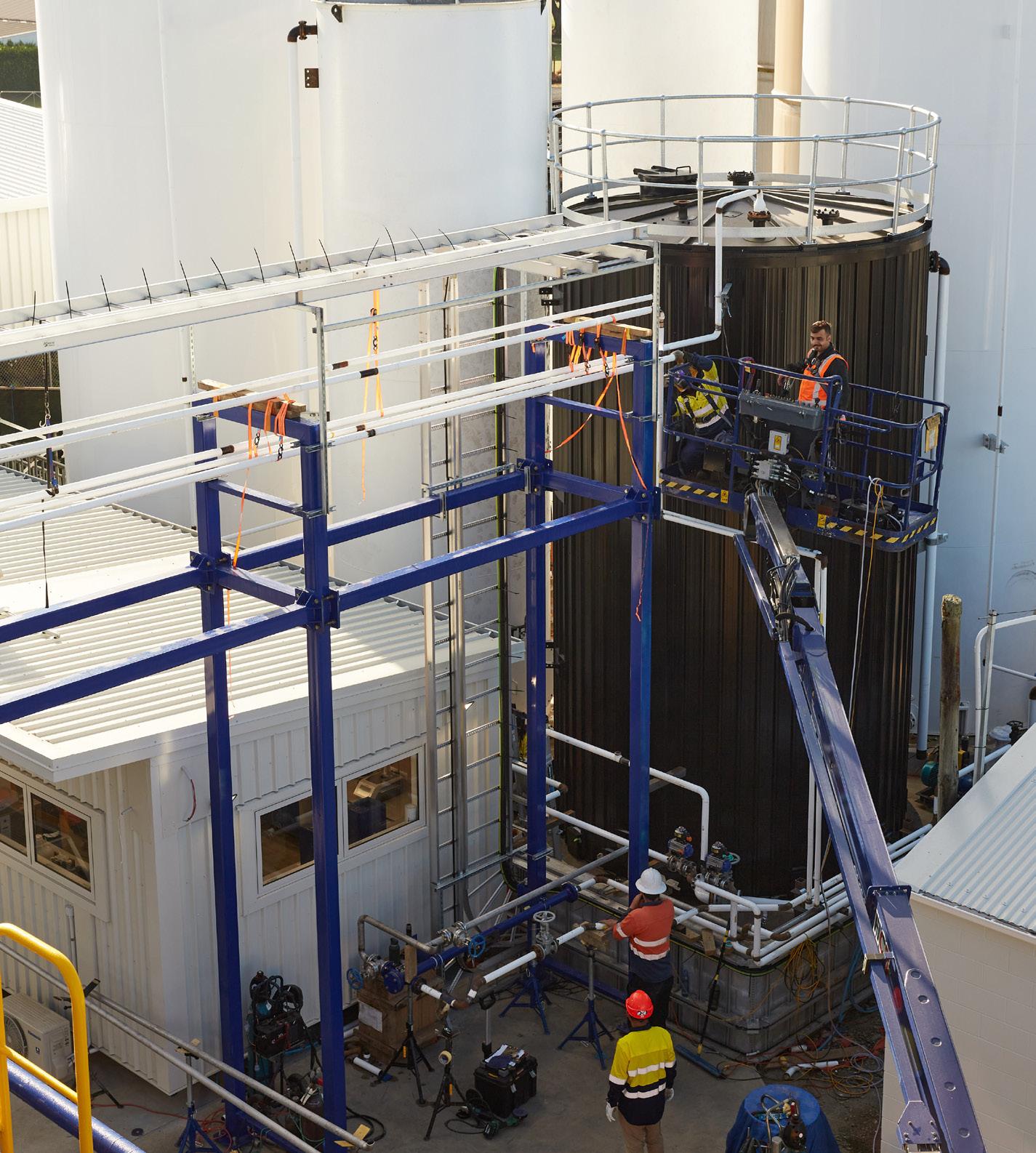
It’s been a massive investment which will have a huge impact.
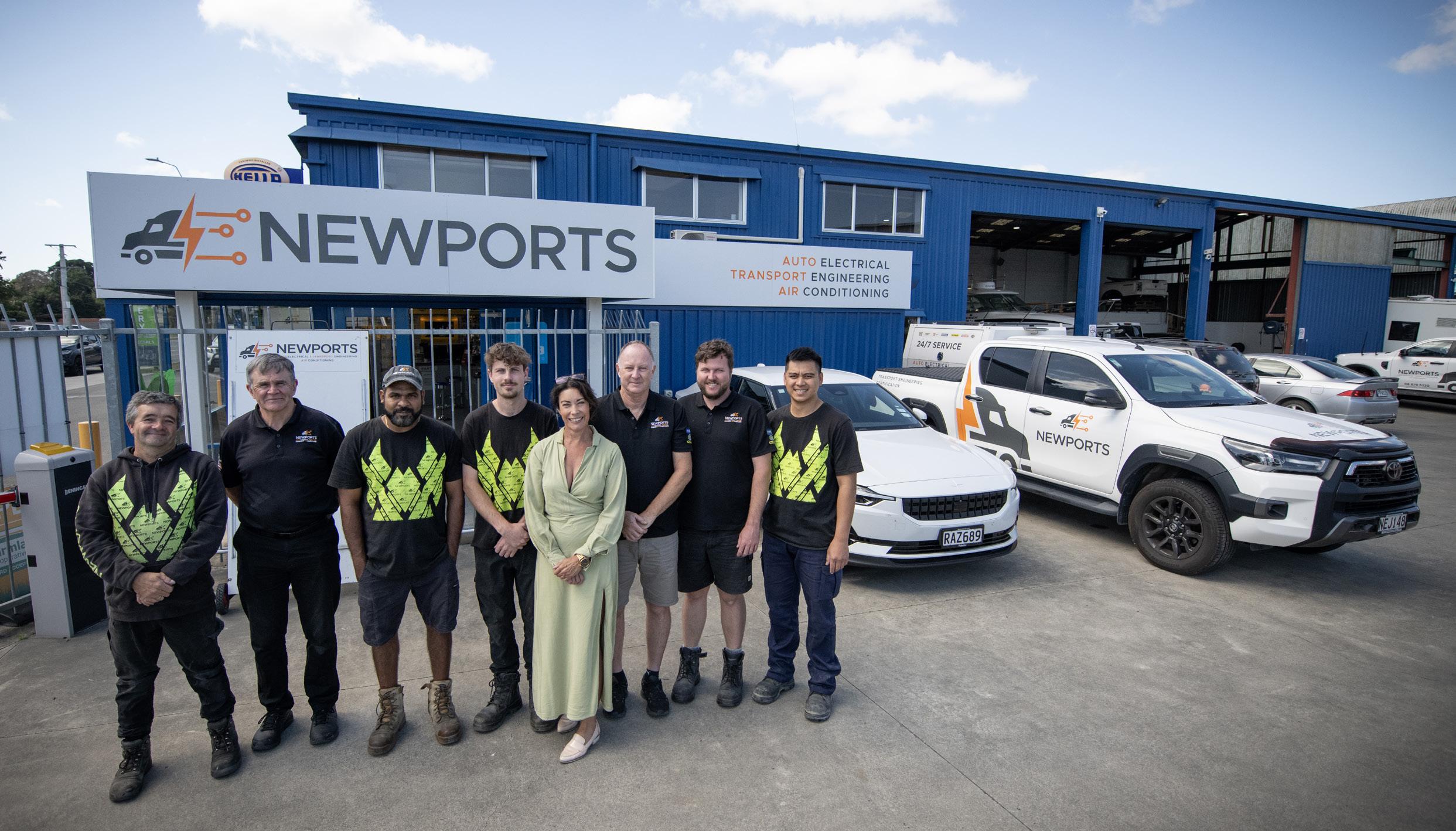
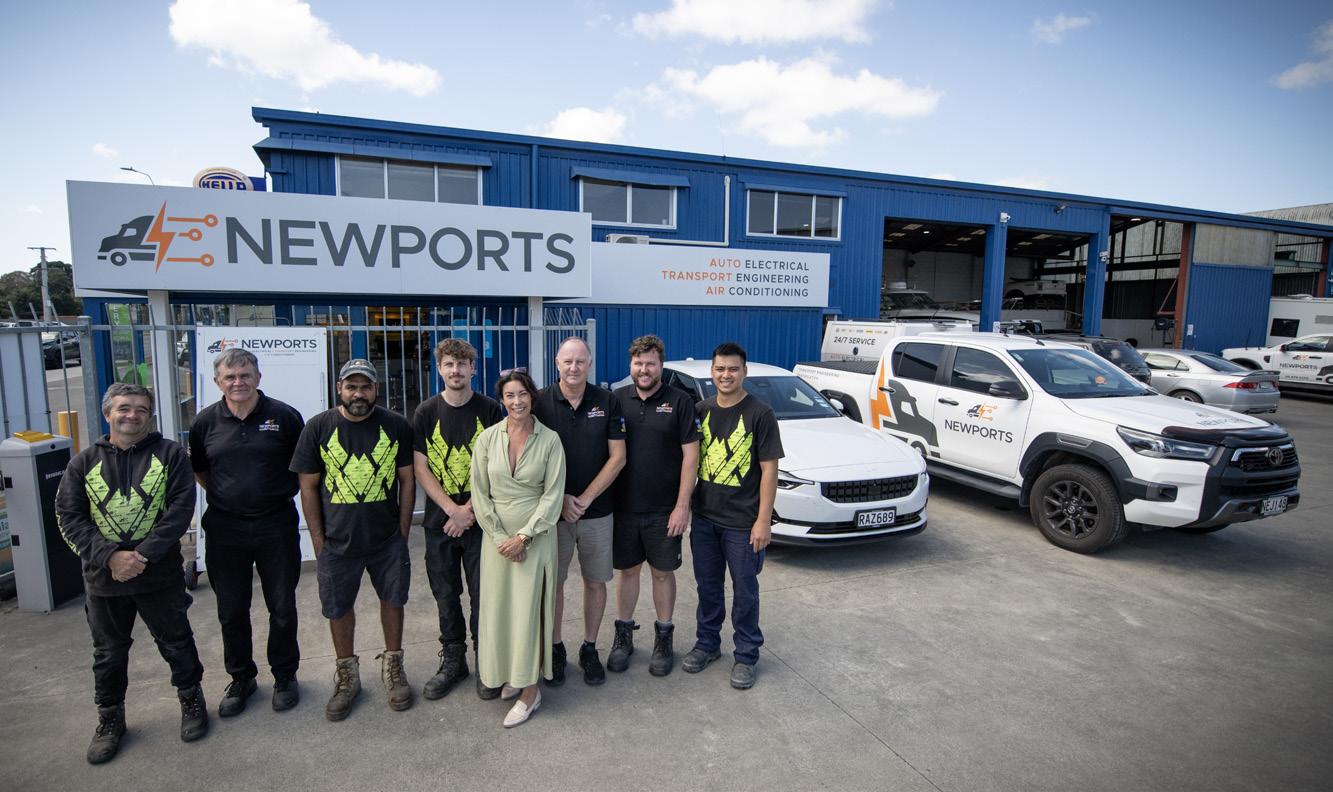
Few names in Hawke’s Bay’s automotive sector carry the history and reputation of Newports. Long known as the region’s go-to auto electrical specialists, the business has built its standing on quality workmanship, trusted service and deep technical expertise.
Today, however, Newports is also becoming a case study in how an established and traditional automotive business can evolve and position itself for the future.
When owner Chris Rooney purchased the company in 2021, his aim was simple.
“Newports has always had a strong reputation in Hawke’s Bay, and when I purchased the business my goal was to build on that legacy while evolving it for the
future of the automotive industry,” Chris says.
“Vehicles, technology and customer expectations are constantly changing, so we’ve focused on growing our capability, investing in our people and aligning ourselves with organisations like the Motor Trade Association that help set the professional standards for our industry.”
Perhaps the most significant shift in the automotive sector is the rapid growth of hybrid and electric vehicles, and Newports has moved to position itself in this space.
The business is now a NexDrive agent, a system developed in Canada, specialising in the
servicing and repair of hybrid and electric vehicles. Through this partnership, technicians receive specialist training and access to equipment designed specifically for high-voltage EV systems.
The range of vehicles passing through the Newports workshop reflects this changing mix. On any given day the team may be working on anything from a 1950s Volkswagen Beetle through to modern electric vehicles such as Tesla models, alongside heavy transport trucks, agricultural machinery and viticultural equipment.
Over recent years Newports has spent tens of thousands of dollars on advanced diagnostic equipment and modern air conditioning
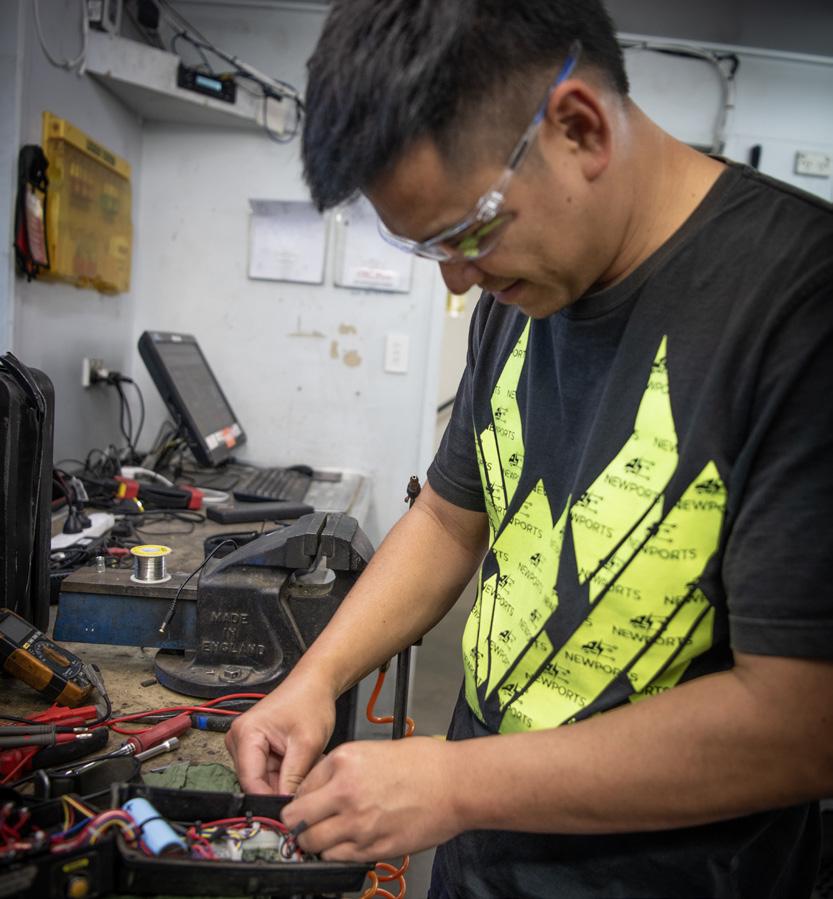

service systems designed for the latest refrigerant technologies.
Just as important is ongoing technician training. Through NAPA’s purpose-built training facility in Auckland, staff regularly attend courses covering emerging vehicle technologies, diagnostics and advanced electrical systems, Chris says.
The business also partners with organisations such as EROAD and Smart Start Interlock, installing and supporting telematics and safety technology both in the workshop and on customer sites.
Technologies which are becoming increasingly common across commercial fleets as operators seek greater efficiency, safety and compliance.
Bespoke builds
In another significant expansion, Newports has recently launched a Transport Engineering Division. The new division brings together a team of engineers, a designer and a heavy vehicle certifier to deliver bespoke transport builds.
The division specialises in custom heavy vehicle solutions including crane trucks, tipper
units, transporter decks, chiller bin bodies, trailers and other specialised transport equipment. Each build is tailored to the customer’s operational requirements, with durability, functionality and safety central to every design.
Originally owned by Russell Newport, the business earned its reputation over many years servicing the region’s automotive electrical needs. While those foundations remain, today’s Newports embraces a far broader and more technologically advanced operation.
When Chris took over, the business employed six staff. In four years that team has grown to nineteen, including five mobile technicians who travel throughout Hawke’s Bay servicing customers directly on site. This on-road capability allows Newports to support a wide range of sectors including transport, agriculture, viticulture and commercial fleets.
While Hawke’s Bay remains the company’s core service area, the team increasingly supports customers beyond the region as demand for its specialist services grows.
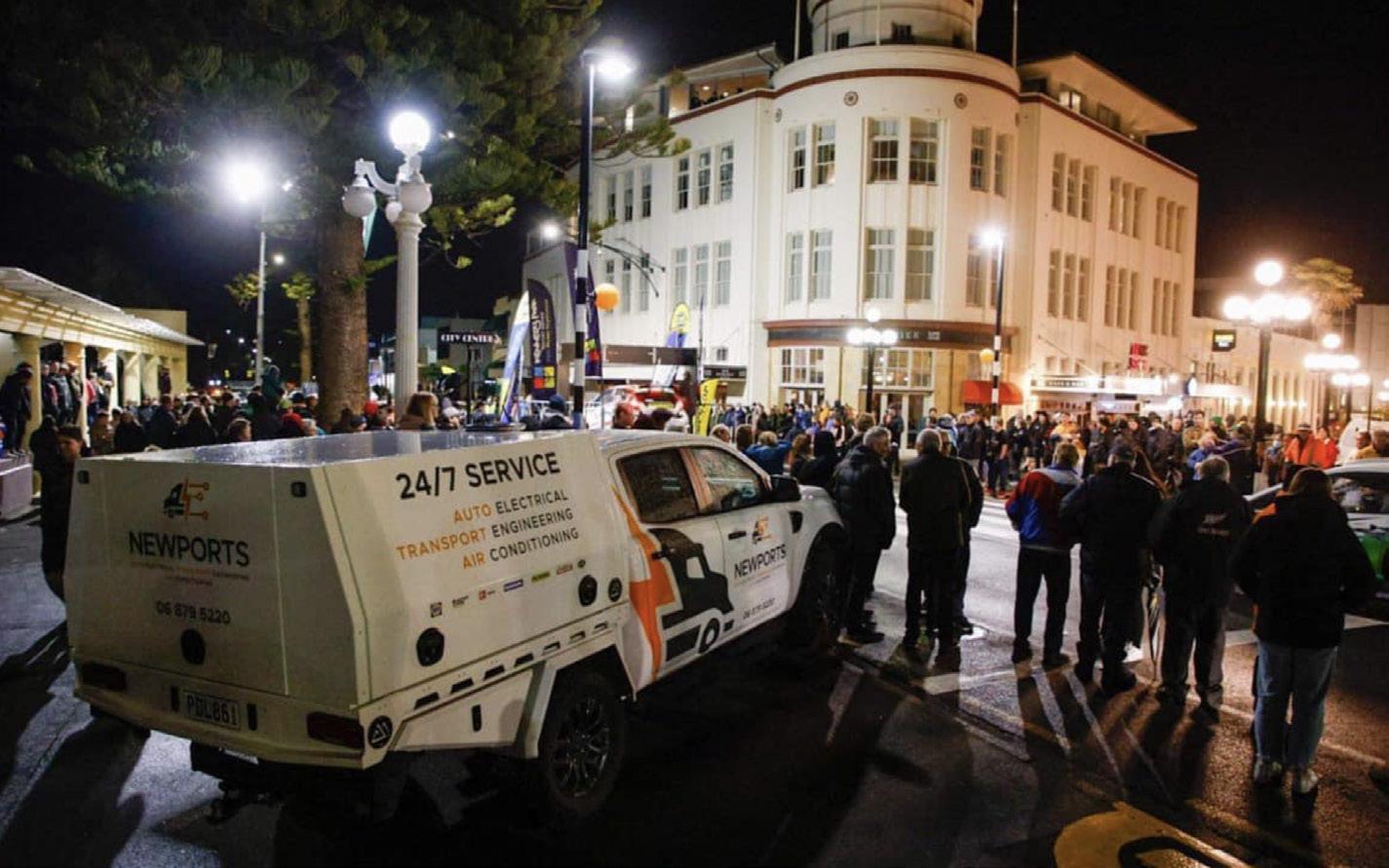
Few names in the Hawke’s Bay automotive sector carry the history and reputation of Newports.
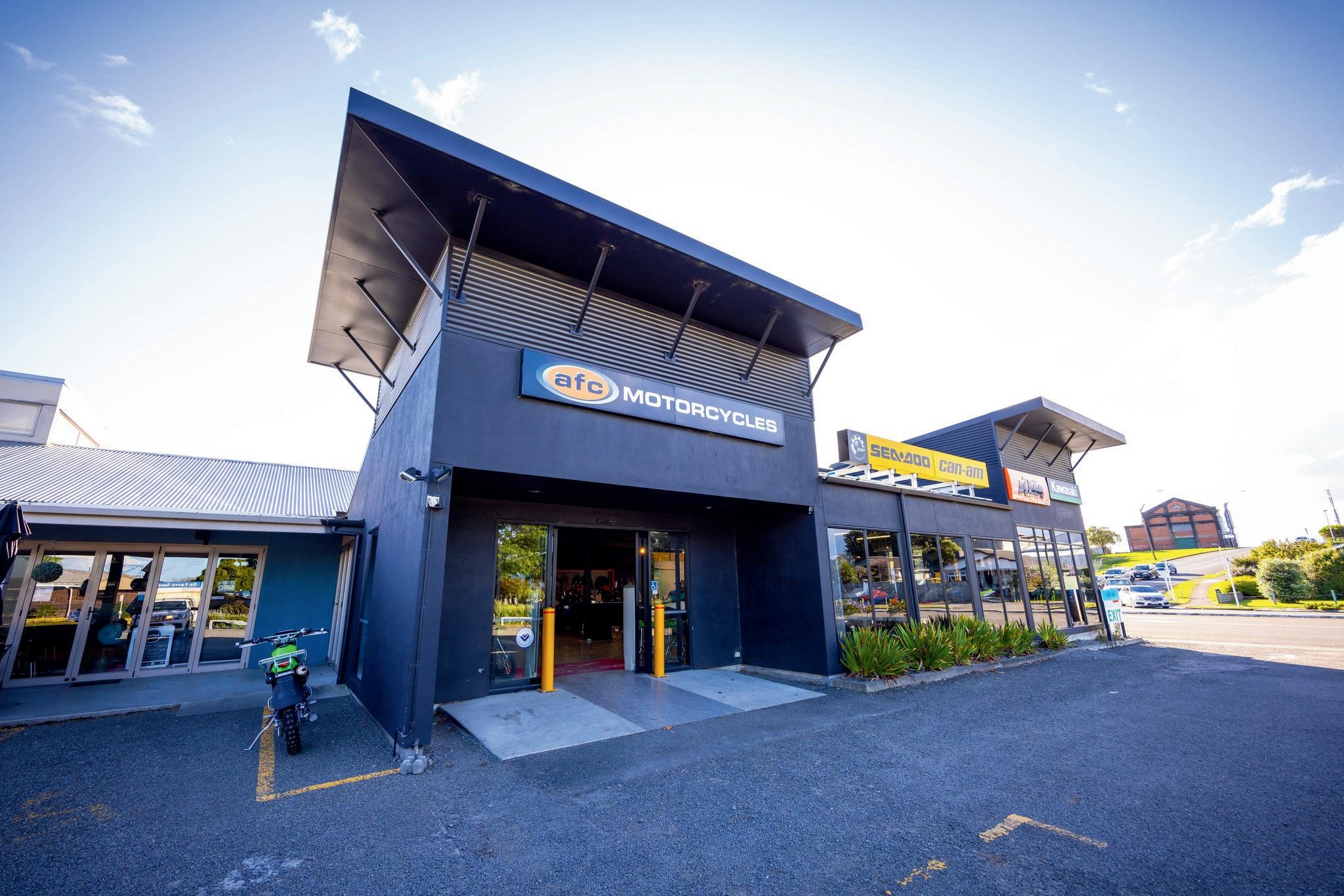
More consistency. More control.
And ultimately, more deals.
That’s where AFC Motorcycles have landed. But it didn’t start there. For Brendan Tootell and the team, sales has always been a hands-on, practical process. Moving stock, talking to customers, and keeping things running across multiple branches.
But as the business grew, so did the challenge of keeping track of every opportunity. Like many dealerships, the team relied on spreadsheets to manage leads and followups. It worked for a while. Until it didn’t.
Searching for customers was slow. Notes became messy. And filtering or segmenting leads for follow-up or marketing took more effort than it should have.
“We had an Excel spreadsheet that we ran… but doing a global search was really difficult.”
Even with regular sales meetings and a structured process, maintaining consistency across every lead and every salesperson was a constant challenge. The team explored other options. CRMs, prospecting tools, all the usual suspects.
But most came with a tradeoff. More functionality meant more complexity. And for a small sales team, that wasn’t what they needed.
“We are motorcycle dealers… we don’t want other systems to complicate things.”
What they were really after was something simple. Something that fit into the way they already worked, not something that forced them to change everything.
That’s where Orion’s Sales Workboard came in. The shift was immediate.
With Orion’s Sales Workboard, it’s a lot easier to follow up and maintain every single lead! The guys have adapted to it basically overnight…I showed them once and that’s it! That’s the great thing about it. It is really, really simple…anyone can do it.”
Brendan Tootell AFC Motorcycles
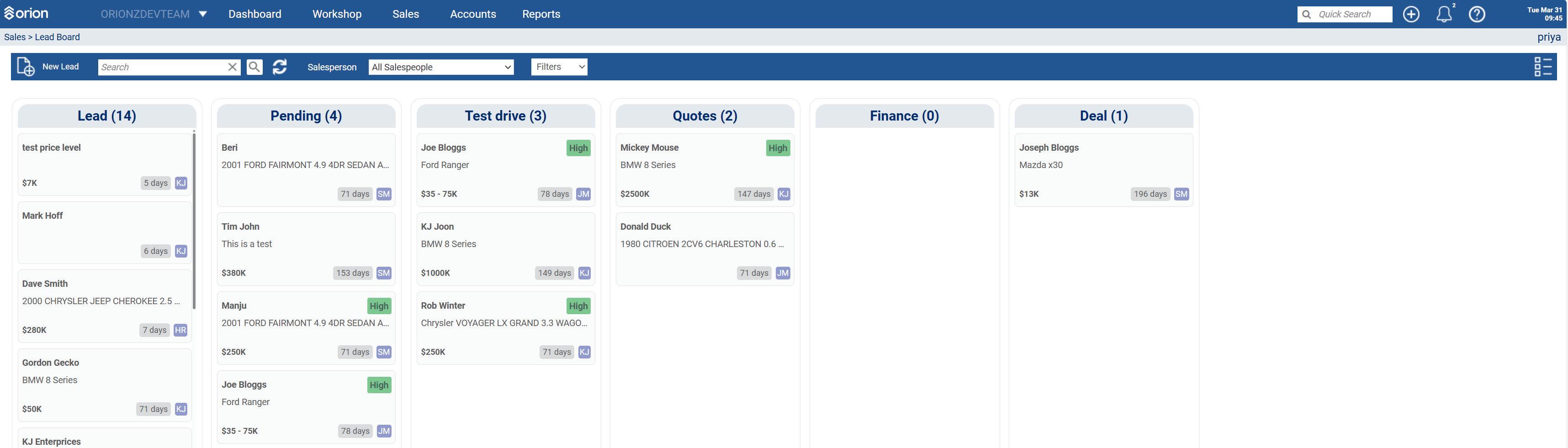
Instead of juggling spreadsheets, the team could now see every lead in one place. Clear, organised, and always up to date. Tasks could be assigned and followed through. Leads could be aged and prioritised. And every interaction, every note, sat neatly within the enquiry itself.
“It just keeps that discipline around following up… even having the days there, you can see how old the lead is really quickly.”
Just as importantly, communication became part of the same workflow.
Where spreadsheets made it difficult to act on leads, the Workboard made it easy. Whether it was sending a quick follow-up, reaching out
to a group, or re-engaging older enquiries, it could all be done in one place.
“The global search function and then being able to market from that… send an email, send a text message, is just fantastic.”
There’s no need to jump between tools. Tracking and follow-up now sit side by side. Across multiple branches, adoption was seamless.
“The guys have adapted to it basically overnight… I showed them once and that’s it, they’re putting leads in.”
There was no push required. No chasing people to use the system.
“That’s the great thing about it. It is really, really simple… anyone can do it.”
Want to see how Orion can work for your business? Scan the QR code to learn more!

For AFC Motorcycles, the impact is already clear. Not because it helps them focus only on the “hot” leads, but because it helps them stay on top of all of them.
Every opportunity is visible. Every follow-up is tracked. And actually reaching out is part of the same process.
“It’s a lot easier to follow up and maintain every single lead… and because of that, you’re on to them.”
Because in sales, consistency is what drives results.
And when every lead is tracked and followed up properly, deals don’t get missed.
They get done.

Every month we reply to members’ questions and comments drawn from conversations with the MTA team. Do you need advice or an answer on something? Radiator would love to hear from you. Please email simon.bradwell@mta.org.nz.
I got a call from someone claiming to be from MTA – it was a private number, and she said her name was Justine. She asked if I wanted to be on the updated mailing list. She requested our trading name, MTA account number, address, email address and contact phone number, my full name and position, my phone number, and the account our MTA payments are registered to. I saw red flags straight away as MTA has never called and asked for that information.
I want to alert members in case others are more trusting than I was. Great work, and well handled – you did the right thing. When MTA staff contact members, they will always identify themselves and members can double-check by calling the MTA office or emailing scott.gordon@mta.org.nz
Is it time for the Consumer Guarantees Act (CGA) to be looked at again? This could help reduce disputes for dealers and customers, not to mention other businesses – as well as for repairers. The current CGA causes too many disputes and many misunderstandings. It was created 30 years ago and needs an update as it no longer aligns with the current nation.
The government needs to be doing more to help support small businesses to take on staff from a financial point of view. Everyone knows that for the first year or two an apprentice doesn’t earn his money – it’s a long term investment, and we need more support than one year of Apprenticeship Boost.
Both issues are very much on MTA’s radar and are ones we are considering closely in our election calls to government.
What are some key things staff need to look out for when they are presented with vouchers? There have been some fakes ones doing the rounds, and it would be good to educate staff a bit more on how to handle them.
This is a timely reminder to carefully check vouchers that are being presented and train staff on what to look for, as counterfeiters are constantly trying to find ways of getting around our security measures. The best way to identify a fake at the moment is by doing a water test on any suspicious voucher. Dip the corner of the voucher into water, wait a few seconds, then wipe it with a clean tissue. The water will lift the ink on fake vouchers but will have no impact on real ones. Other key features to look for are the hologram – with ‘global secure’ listed in either the crosshatch or the MTA hologram – and any ink bleed or blurry text on fakes.


MTA vouchers have come a long way since they were introduced, as can be seen by this $2 voucher from 1978 a member of the public sent to us recently for our archives.
Make the most of your membership and take advantage of the value on offer from our business partners. For more information visit the MTA Toolbox or give us a call on 0800 00 11 44.
Afterpay
Offer Afterpay at a special MTA rate and attract more customers with Buy Now Pay Later convenience.
ASURE Accommodation
10 percent off 40 ASURE Accommodation Group properties throughout New Zealand.
AUXO Software
Increase profits with leading comprehensive solutions for automotive dealers and workshops.
Boost
Ready-made employee benefits package in a simple phone app.
Cardlink
Save thousands with transaction fee discounts for Service Stations.
DebtorInfo
Makes getting paid easy, effective and affordable. Members get a highly preferential rate.
Eftpos NZ
25 percent off terminal rental and free credit card surcharging.
Employment Advice
Our HR team are on hand to help you with staff and employment issues. Access a host of free HR resources and templates on our Toolbox.
Gallagher Insurance
A business insurance solution designed specifically for MTA members.
Gift Products
These MTA products have been designed to keep the MTA brand in front of consumers and encourage spend back to MTA members.
mta.org.nz/toolbox
We offer tools that help your business stay compliant and safe. Support is available for members and their staff dealing with life’s challenges.
Interislander Ferries
10 percent off the best available fare when you cruise between islands.
Just Water
Keep staff hydrated with 15 percent off water coolers and supplies.
Mediation Advice
Our free mediation service can help you handle issues with customers before they escalate.
MTA have partnered with MTF Finance to provide a finance solution aimed to help your customers pay for repairs, maintenance, parts and accessories that exceed $1500.
Free access for members. Last year members saved an average of $7,566 using n3 suppliers.
Our Auto
Service repair data and diagnostics at great rates.
Regional Opportunities
MTA hosts over 500 training and social events per year for members and staff.
Scenic Trains
Enjoy great journeys of New Zealand with 10 percent off the best available fares.
Triton Hearing
Free hearing checks and an extra 10 percent off hearing devices and protection.
*All business partner offers are subject to their own individual terms and conditions.
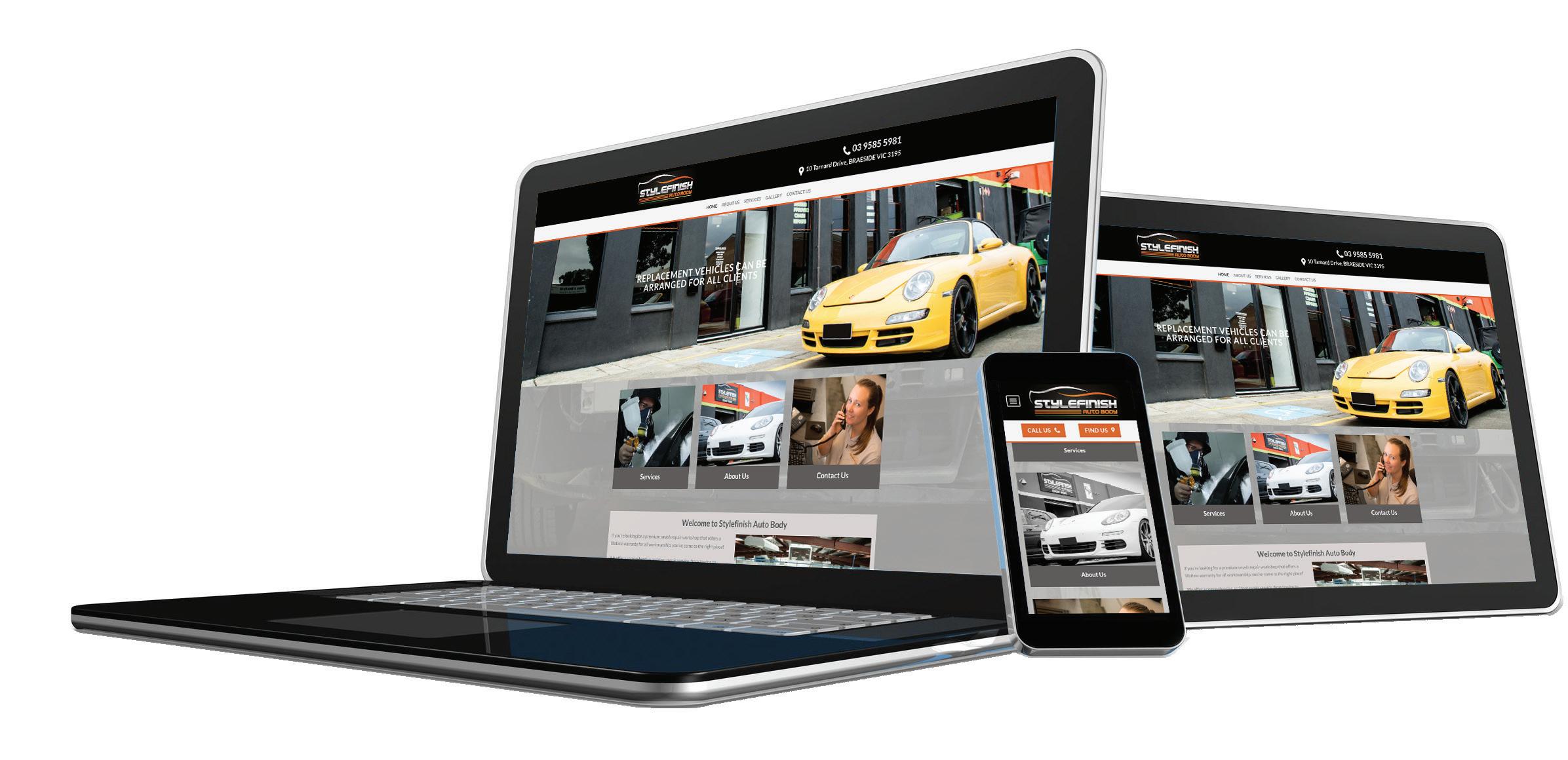
OurAuto Digital are automotive experts with a team of web designers, content specialists, SEO experts, graphic designers, videographers and social media marketers that focus on connecting customers with your business. Our digital marketing services are both comprehensive and responsive to your needs.
Automotive information at your fingertips

VACC MotorTech brings together the extensive online and physical repair, service and diagnostic information resources available from VACC with the global might of Haynes Publishing group, resulting in over 150 years, experience assisting the industry to repair motor vehicles.
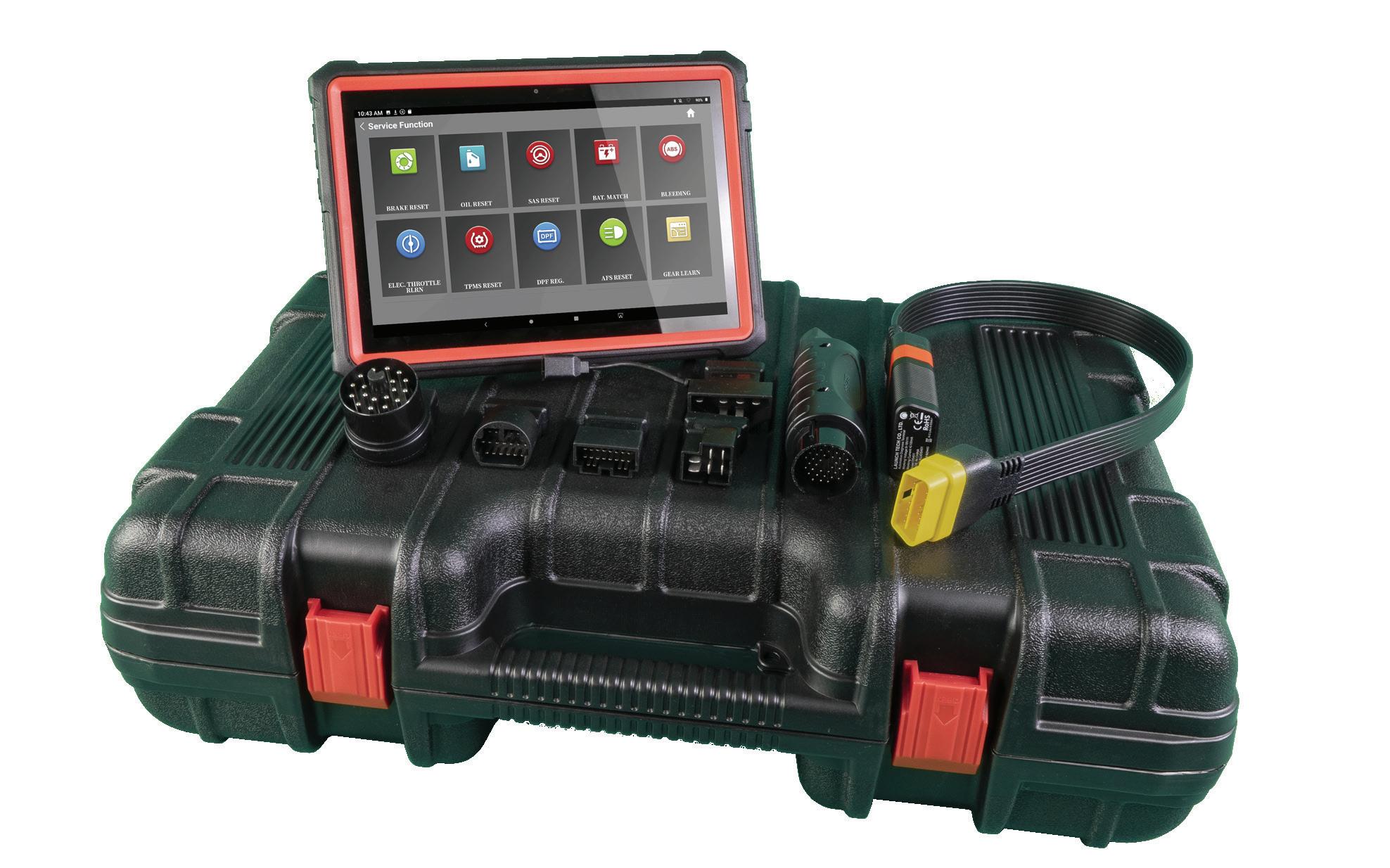
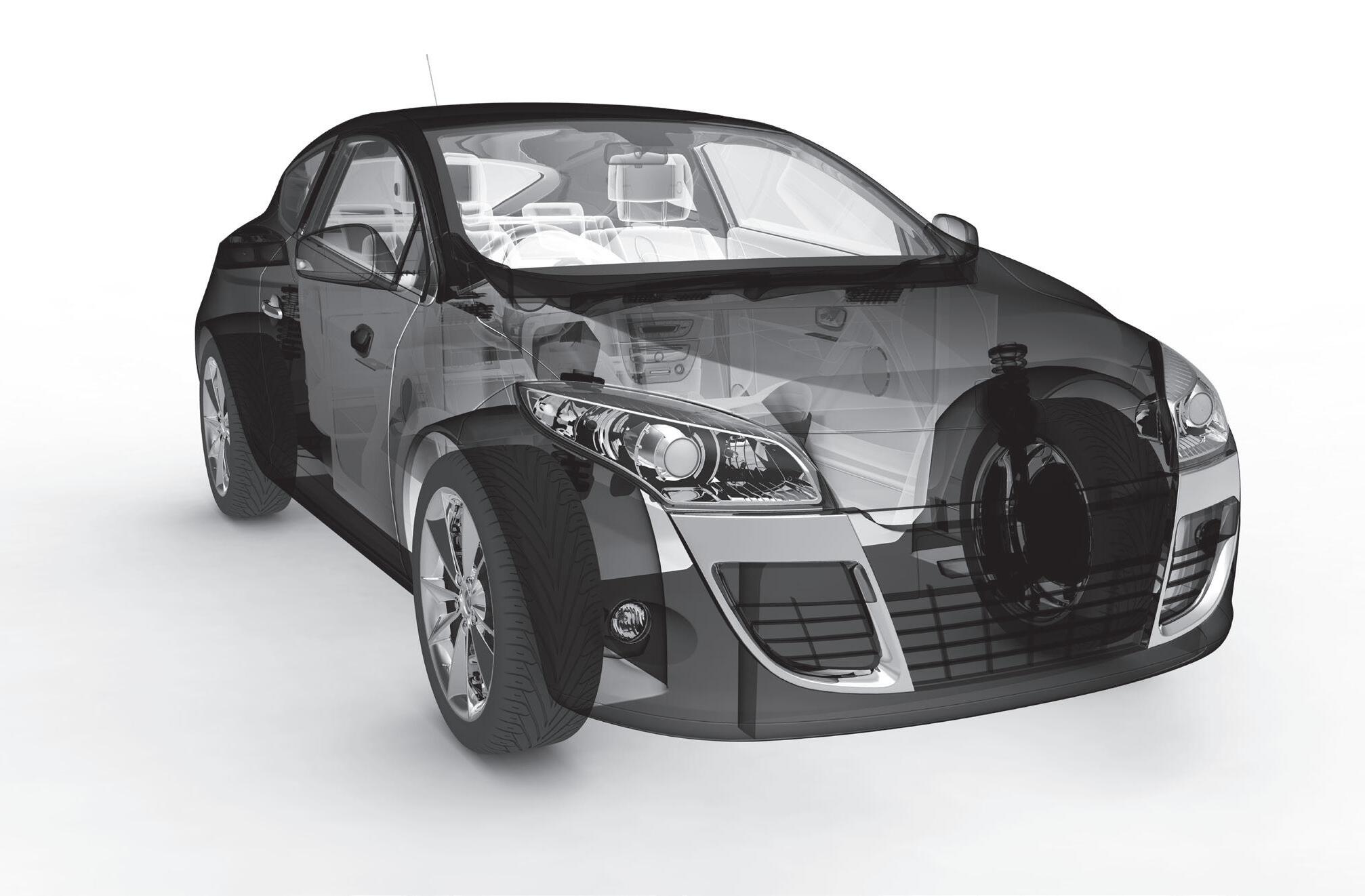
The OurAuto Diagnostic tool is easy to use and has class-leading automotive fault-technology software enabled, including seamless integration with VACC MotorTech, providing auto-detection, top range health reports and monthly updates. The Diagnostic Tool is available on a convenient monthly subscription plan.
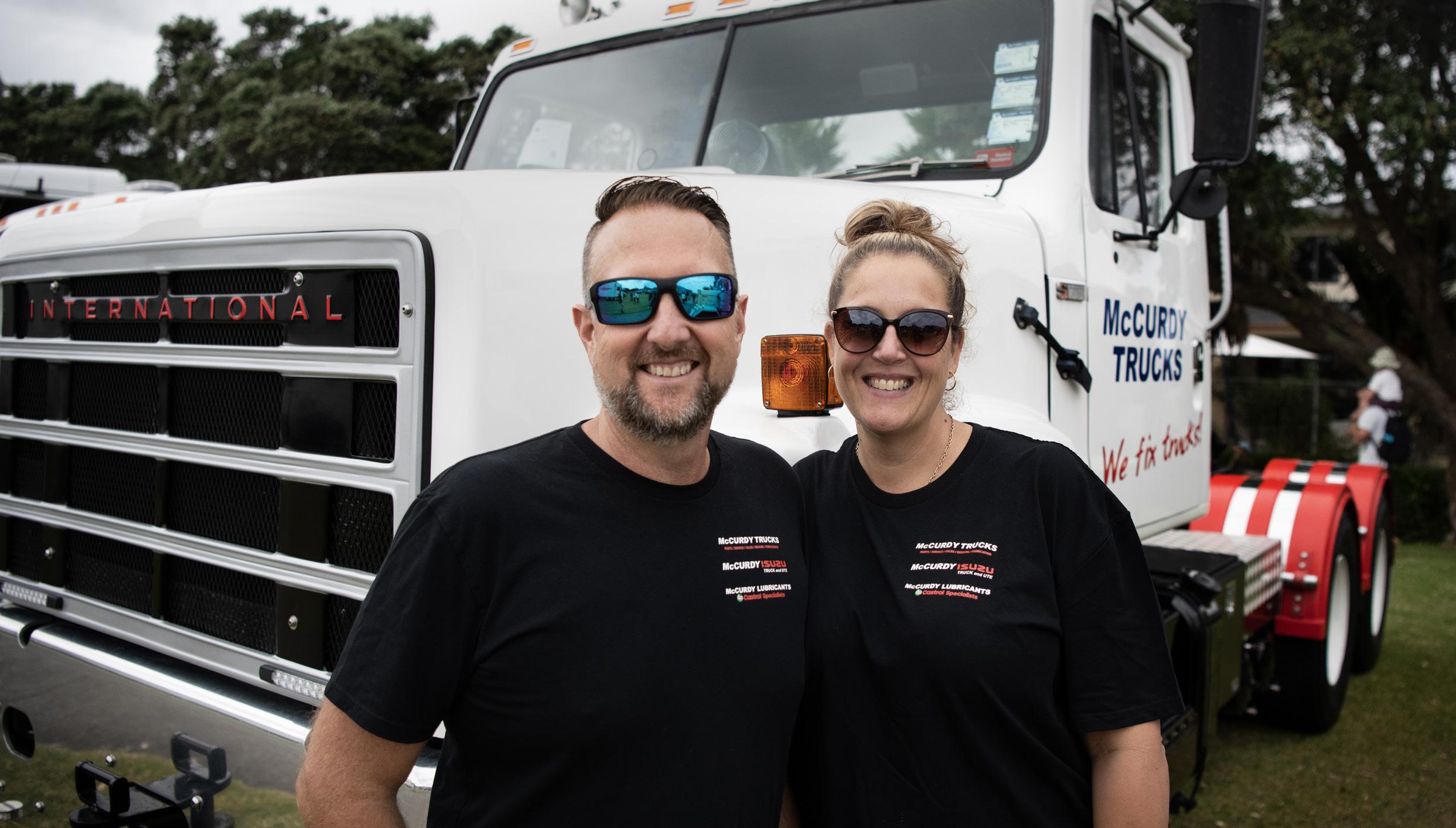
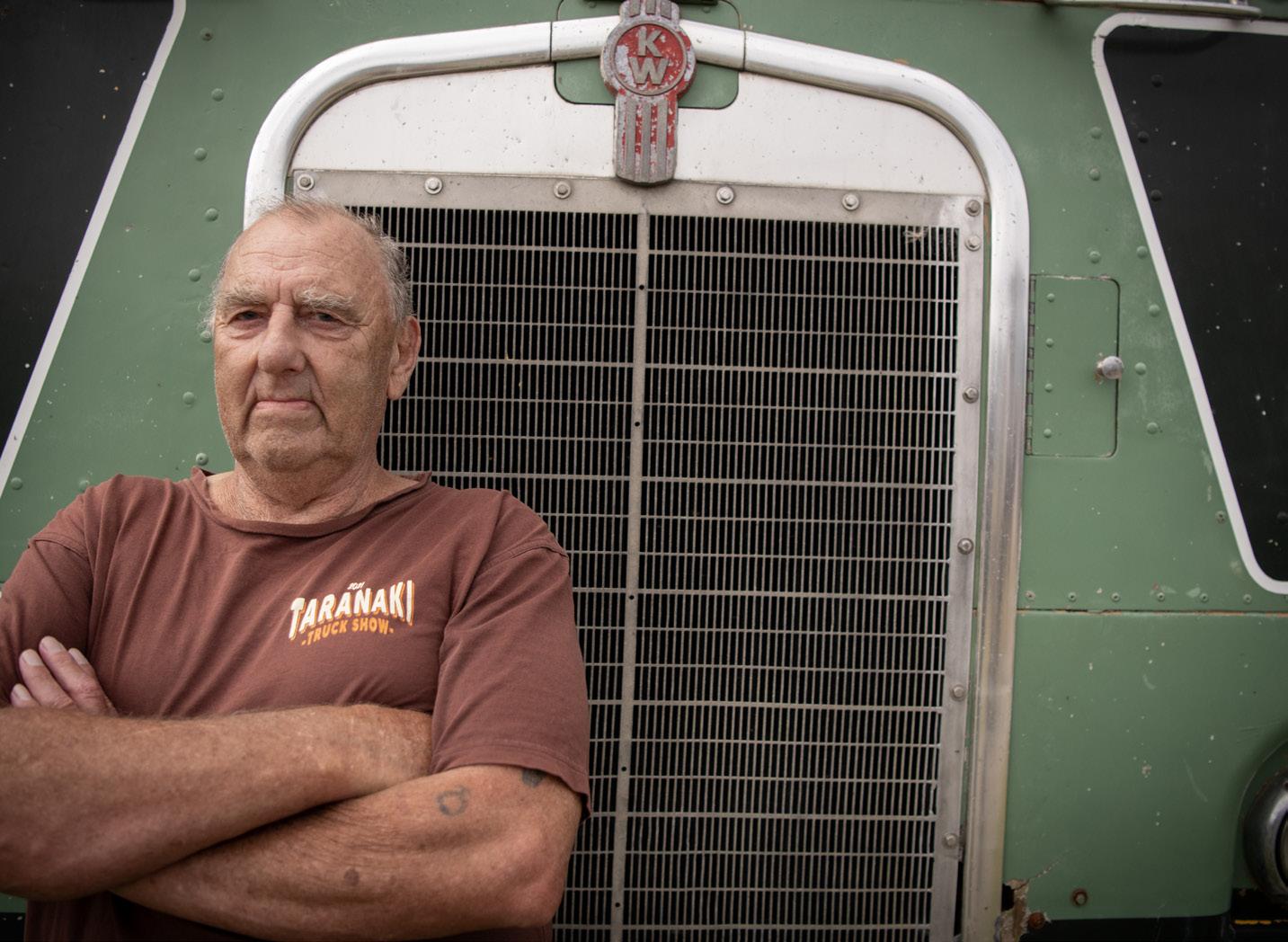
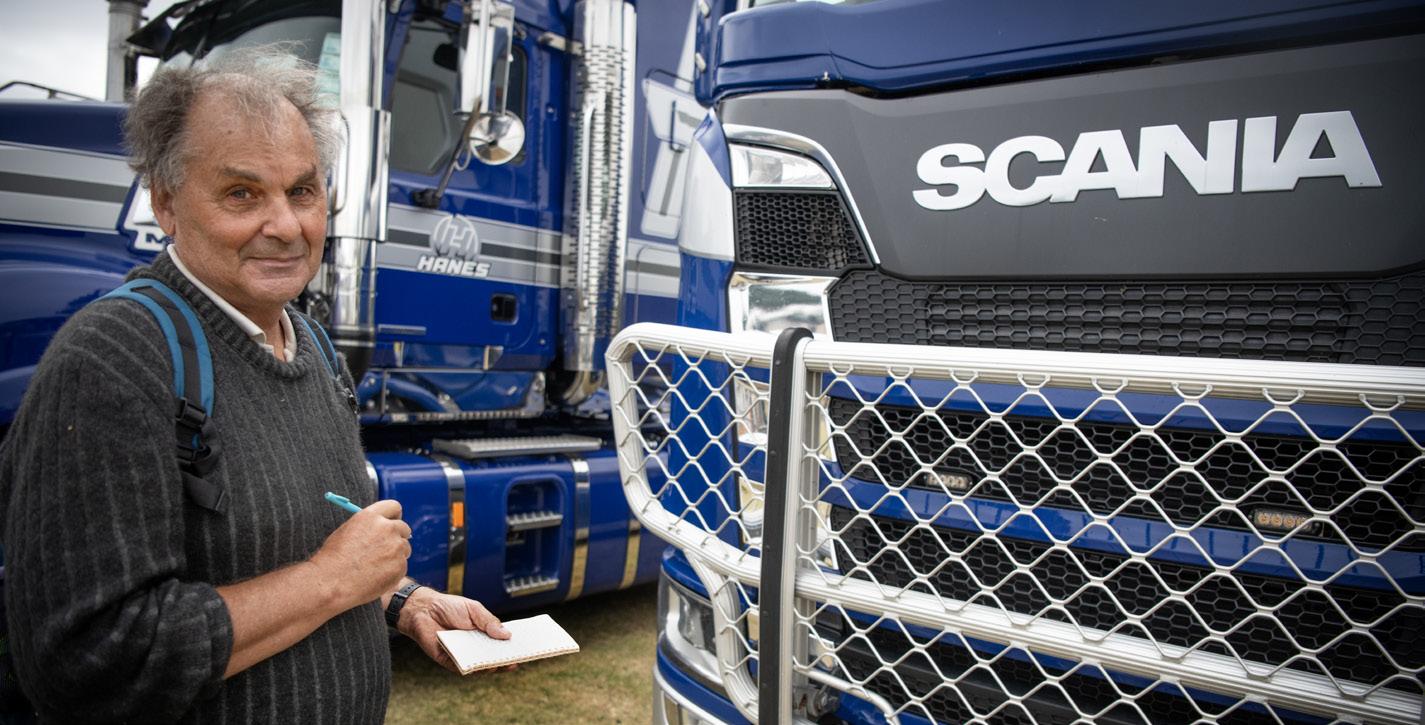
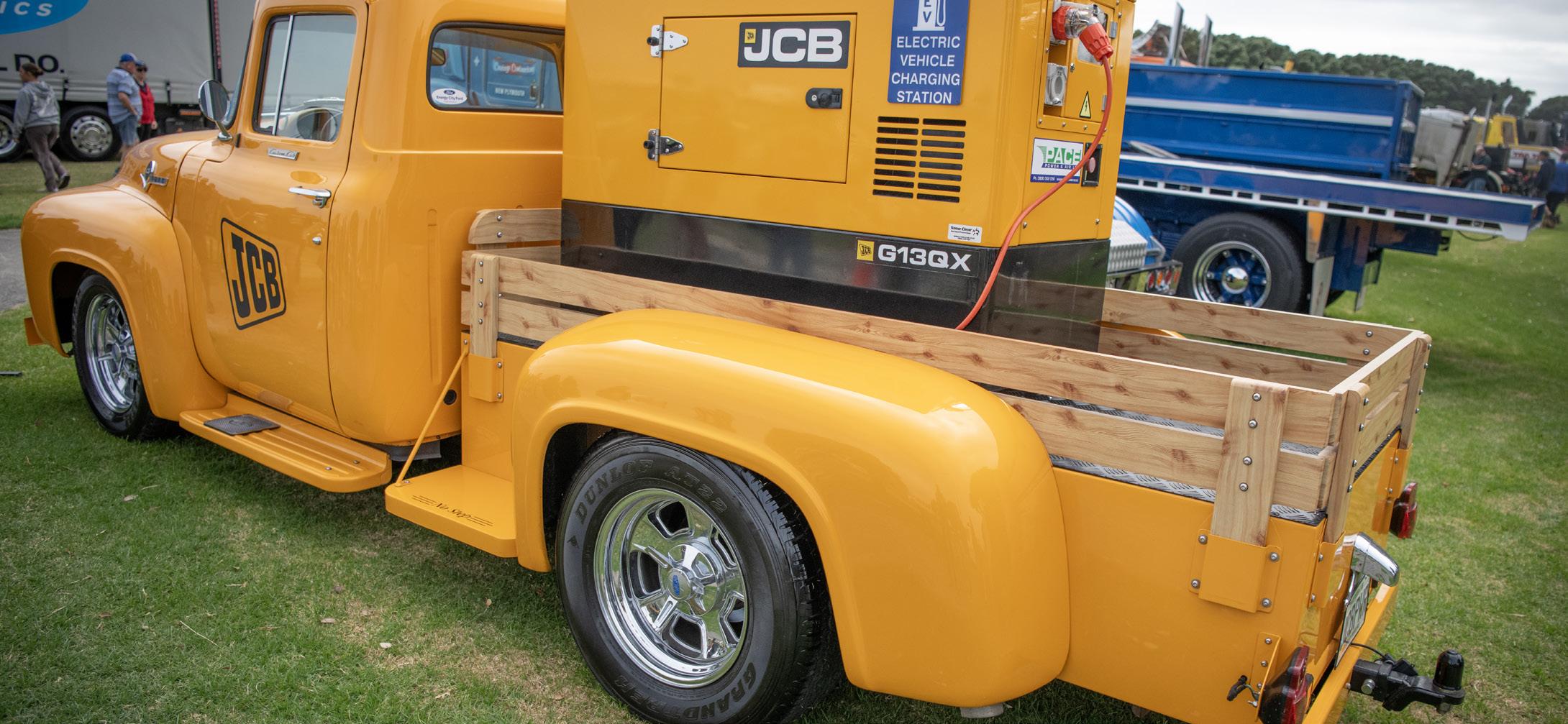
Taranaki Truck Show drew crowds from across the region for a celebration of all things trucking.
Held over Taranaki Anniversary weekend, the 2026 event marked a welcome shift from its traditional Easter slot, with organisers rewarded by settled weather and strong attendance.
Families, industry professionals and enthusiasts alike turned out in force, for what is one of the region’s standout automotive events.
Rows of immaculate trucks lined the grounds, from classic restorations to the latest high-spec units, each reflecting the pride and craftsmanship of their owners. The attention to detail was unmistakable; polished tanks, detailed airbrushing and me -
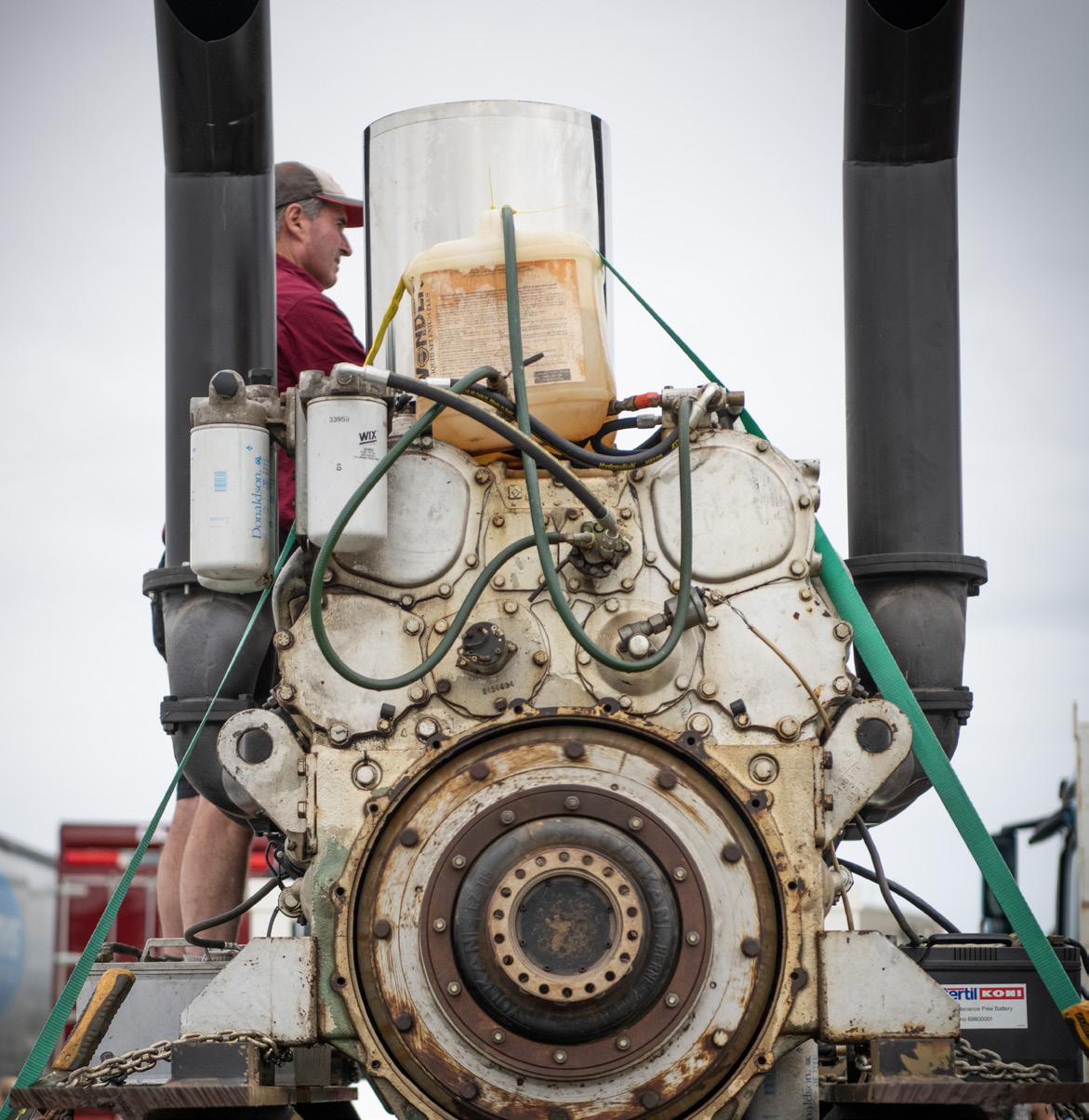
ticulously maintained interiors.
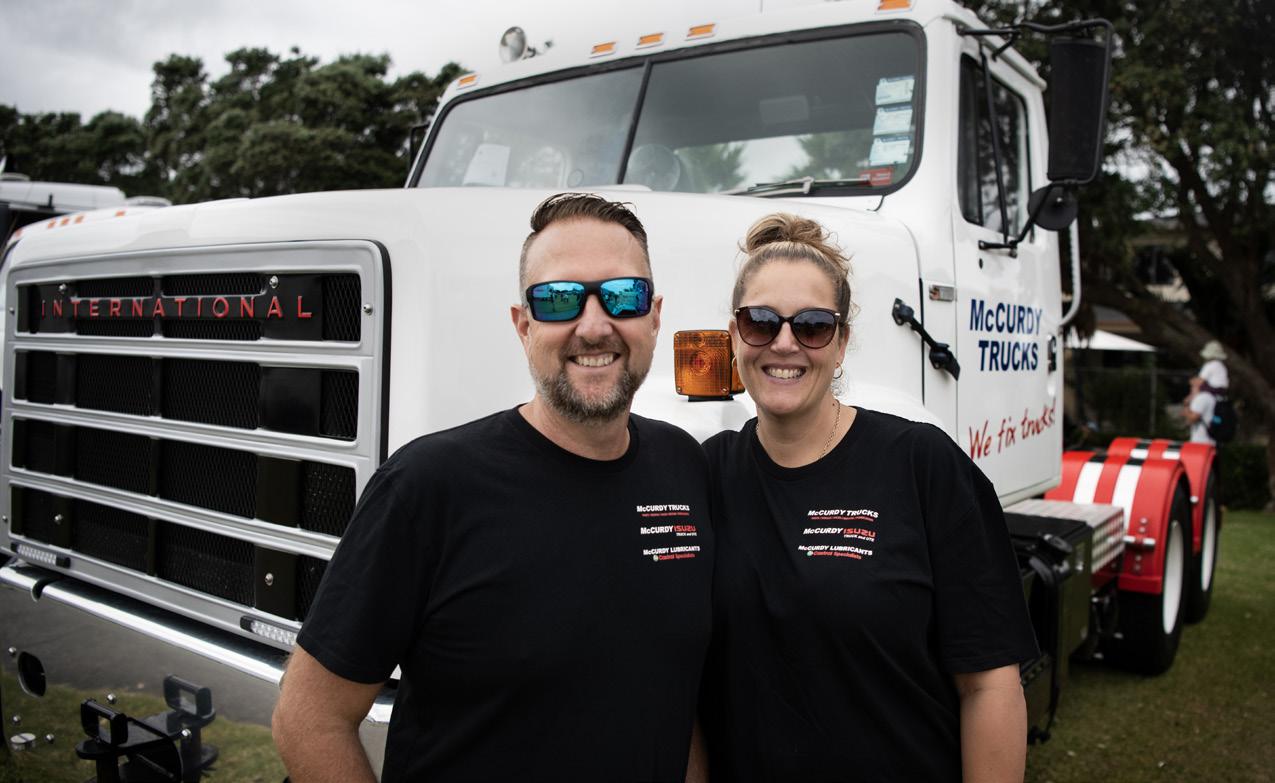
A key part of this year’s success was the support of major sponsors, including MTA member McCurdy Trucks.
“It is important for us to support events like this because it is our industry,” McCurdy Trucks general manager Paul McCurdy says.
“We had merchandise there and all the proceeds from it go to the event committee to give to the charity of their choice.”
Beyond the trucks themselves, the show carried a deeper purpose with a focus on mental health and wellbeing remained at the heart of the event, with proceeds going to the Taranaki Retreat and Waimanako, a charity providing community mental health and wellbeing support.
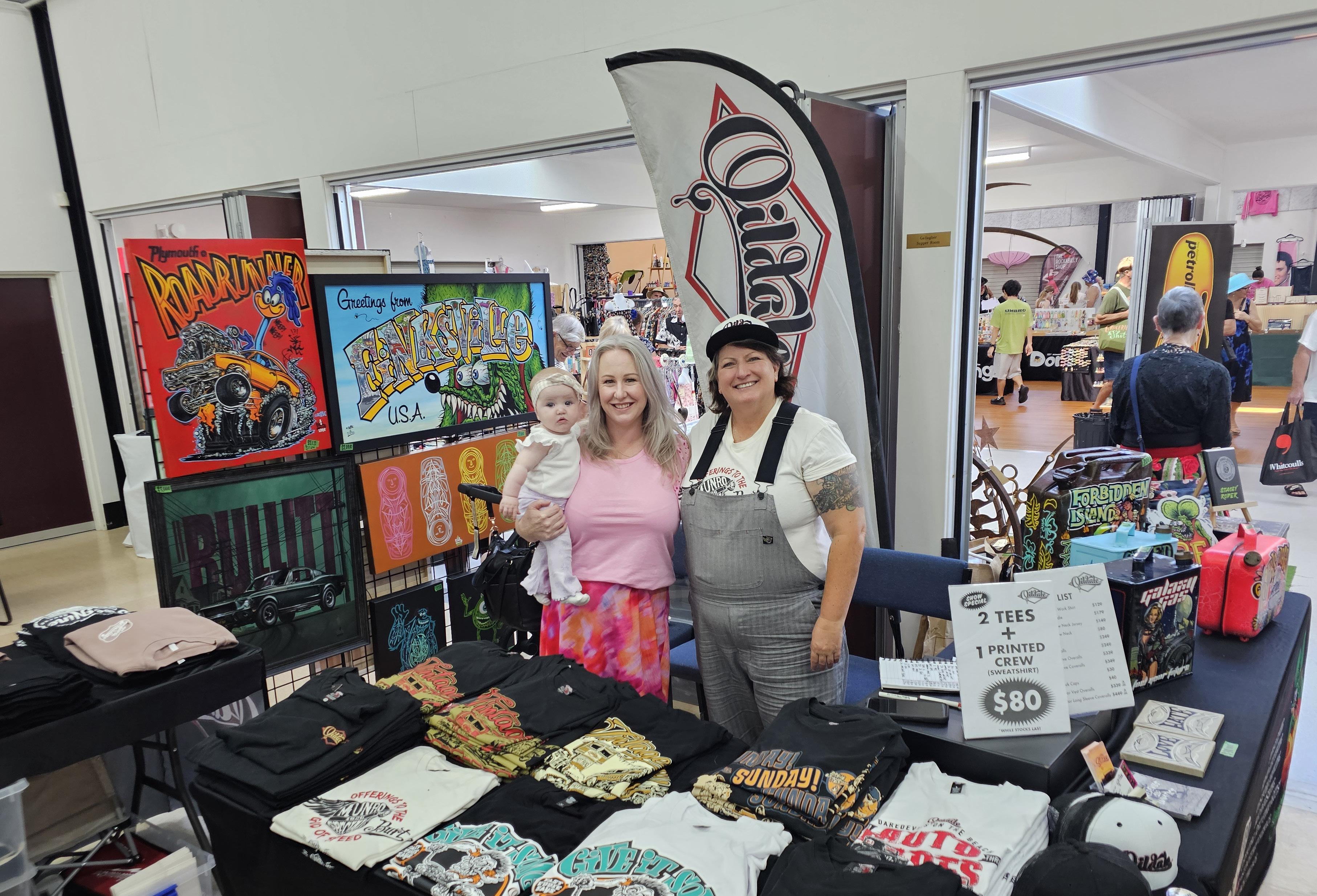
The show also provided a valuable platform for businesses within the automotive and transport industries to engage directly with the public. From equipment suppliers to service providers, exhibitors highlighted the latest products, technology and innovations shaping the future of trucking in New Zealand.
Melissa Hannan joins Radiator as a columnist with a mission to change the way women see their place in the automotive industry. With 17 years’ experience as a motor mechanic, she knows her way around an engine bay, but more importantly she understands the confidence gap that stops many women from picking up the tools in the first place.
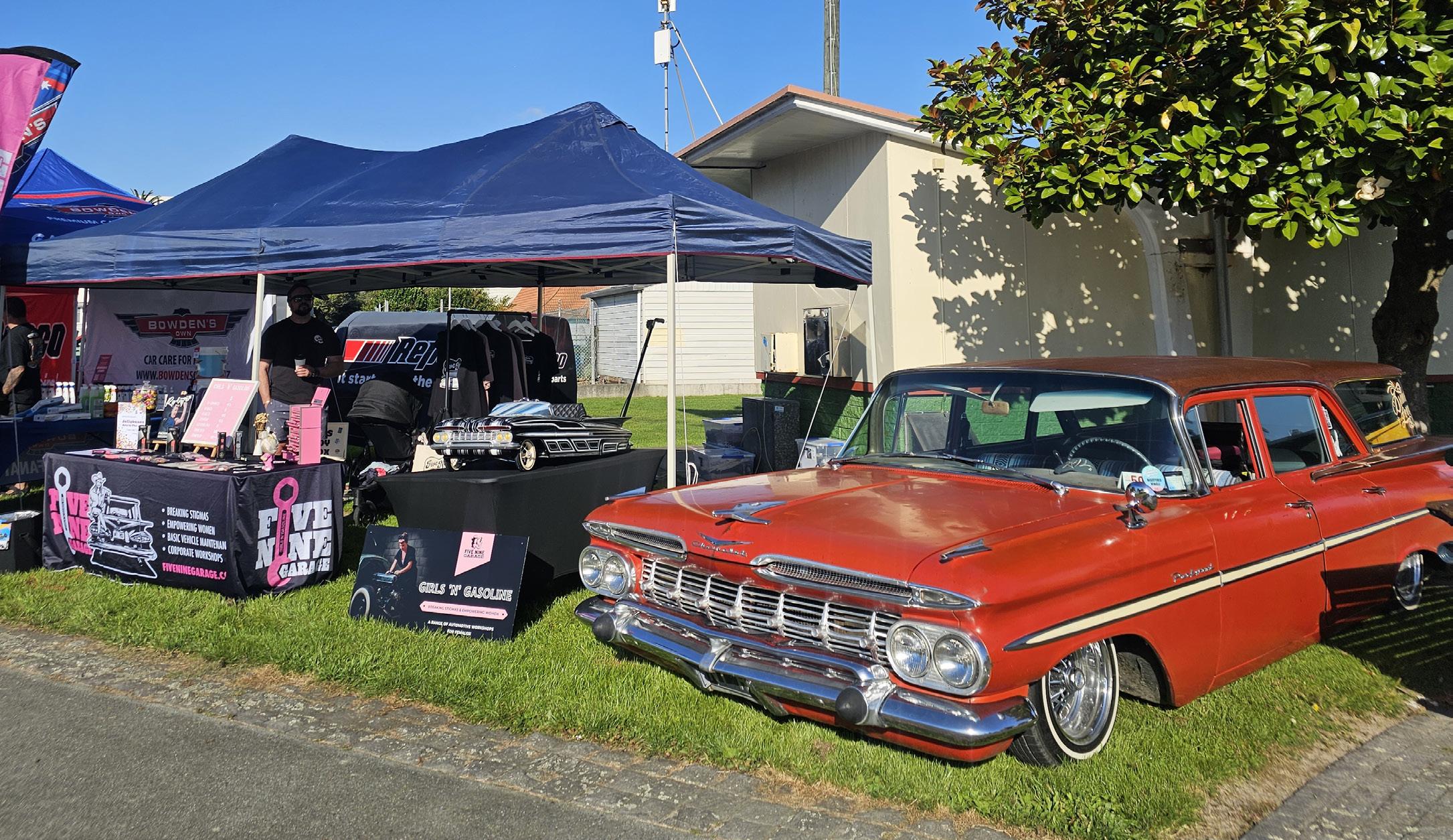
Melissa also runs the highly successful Girls 'N' Gasoline programme that helps women learn more about vehicle maintenance.
Summer car show season is starting to wind down across the country. But honestly, can we even call what we just had a summer? It seemed like it was raining for half the events I attended.
And lately the usual chats about the weather have well and truly been replaced by talk of fuel prices. I’ve got to the point where I avoid looking at the bowser altogether when filling up. Running a V8 as a daily is definitely starting to make me feel the sting of it. With Beach Hop now wrapped up for
another year, it feels like the right time to pause and reflect on the season that’s been.
Once car show season kicks off, it doesn’t really slow down. There’s usually something happening every weekend, whether it’s right on your doorstep or just a short road trip away. And for me, after welcoming my little girl in October, I was straight back into it!
Boxing day I attended the Demo Derby at Woodford Glen, which was a bucket list event that I finally got to
cross off! So cool to see other women out on the track too!
Then the car show season started strong with the Kumeu Classic Car & Hot Rod Festival in January, before heading back down to Christchurch for Muscle Car Madness. And wow, what a week that was – I don’t think I’ve ever seen a car event quite so… muddy.
In between events, I also fired my workshops back up in January, which has received incredible support. There’s something pretty special about
getting back into a space where women can come together, learn, and build confidence around their cars. Over the next few months I’ve got more lined up across the country, which I’m really looking forward to.
February rolled in with Hanmer Motorfest, and then March delivered – the Twin Rivers Motoring Extravaganza, the Caroline Bay Rock & Hop, and of course, finishing it all off with the Repco Beach Hop. Safe to say it was a jam-packed month!
And just when I thought things might slow down, April has other plans. The Otago Rally is up next, followed by the 2026 ITM Christchurch Super 440 the weekend after.
One of the coolest parts of this summer has been having my daughter alongside me for it all. She’s already been to more car events than I can count, so I think it’s safe to say another petrolhead is in the making!
That said, getting ready for events looks a little different these days. It used to just be me and the car. Now? It’s me, the car, the business, and a six-month-old who very much runs the schedule.
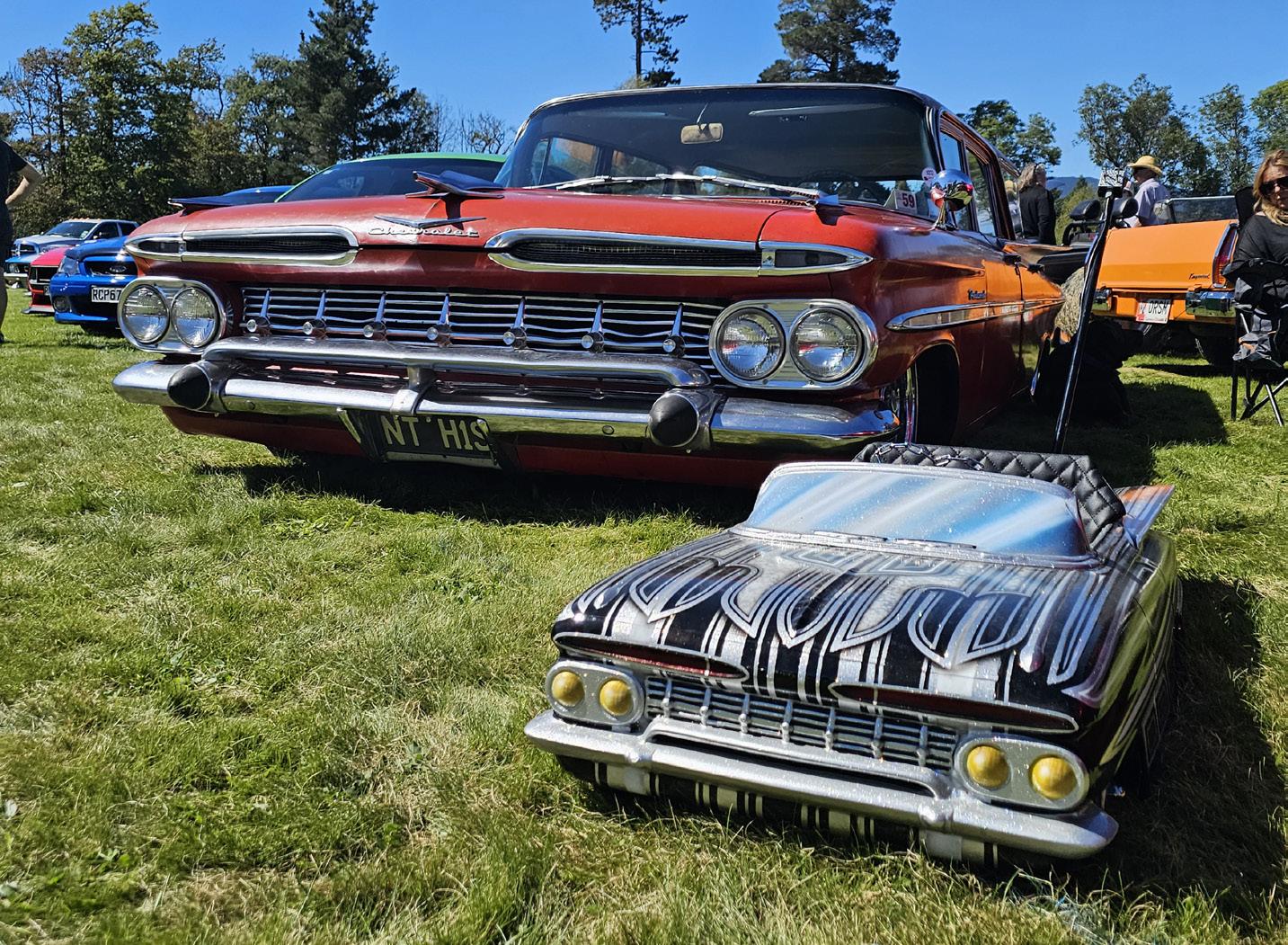
A pedal car replica of my pride and joy.
Through it all, my ’59 Chev has been an absolute dream. She’s made every South Island trip without missing a beat – as she has for the past 10 years I’ve owned her. She’s due for a bit of love and a tidy-up, but honestly, that car has earned it. The miles, the memories, the stories… there’s a lot there. I could talk about that car all day – and in the next issue, I just might.
Taking Girls ‘N’ Gasoline along to these car events has been just as rewarding as the events themselves. It’s given me the chance to meet so many incredible women, hear their stories, and connect in a way that goes beyond cars.
And if this past summer proved anything, it’s that no matter the weather or even the fuel prices, we all keep showing up!
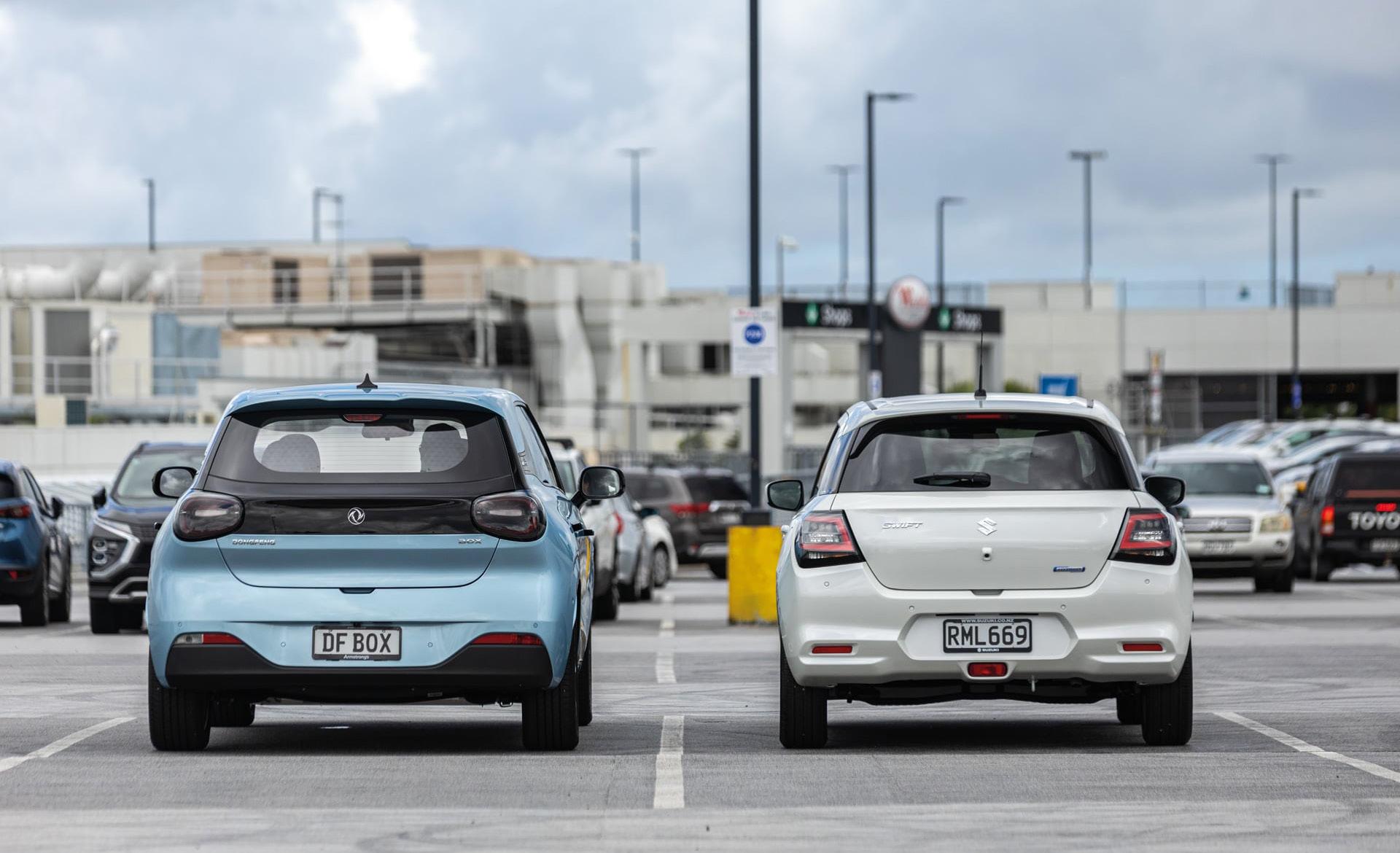
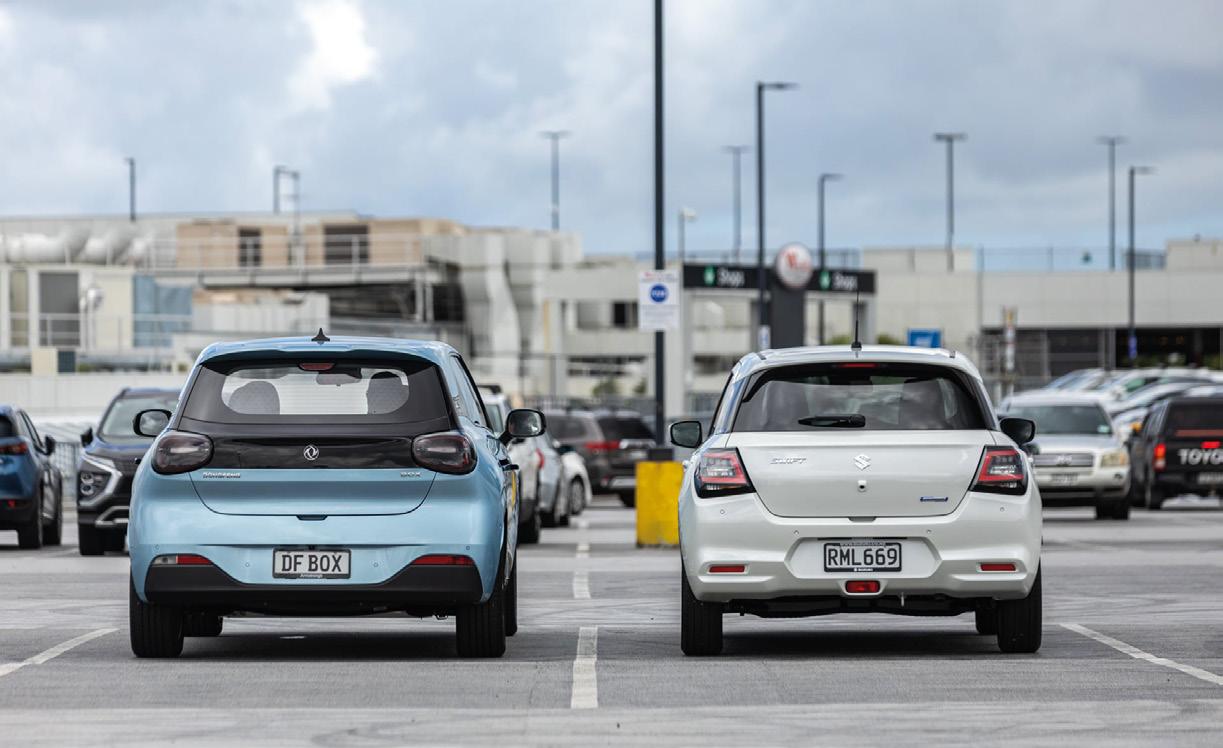
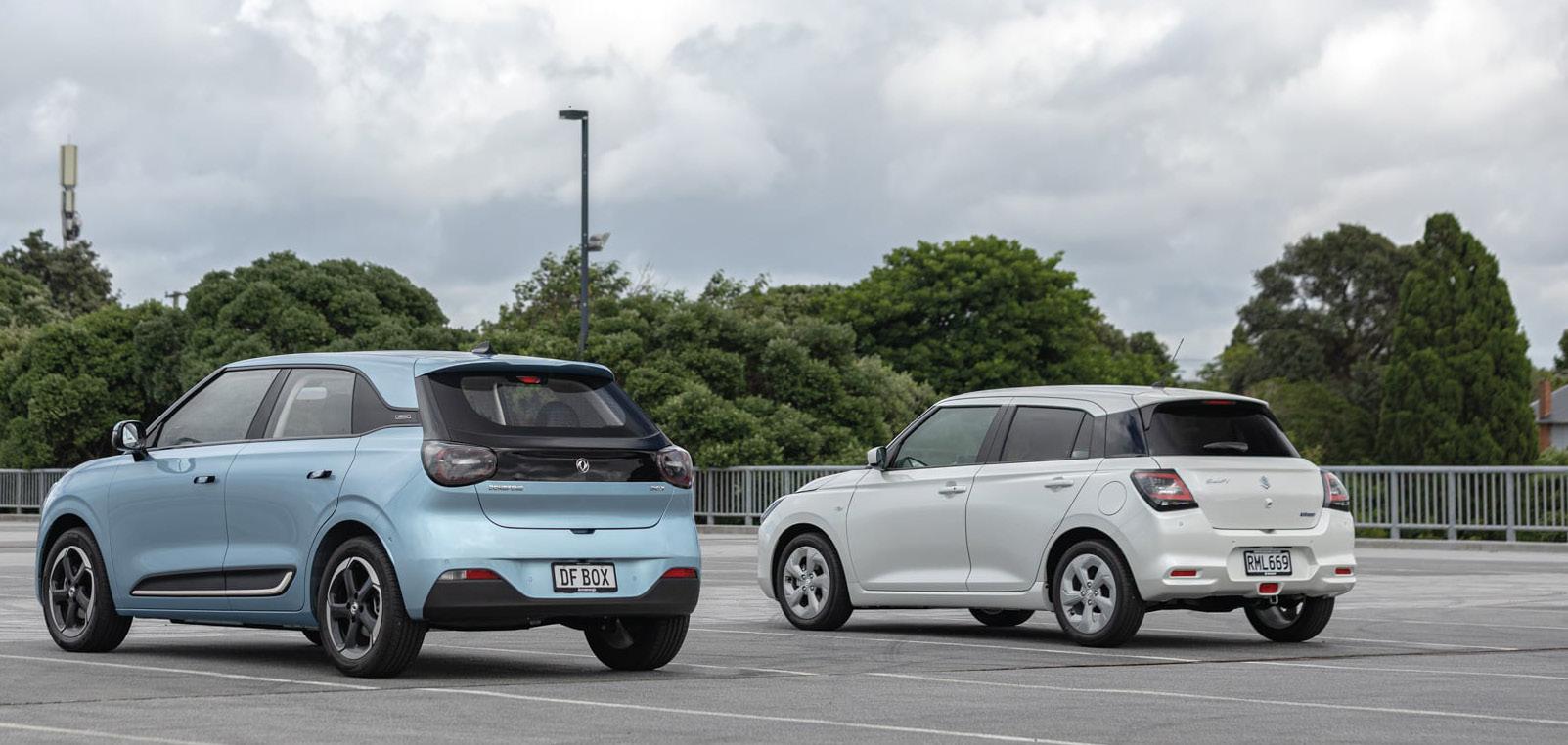
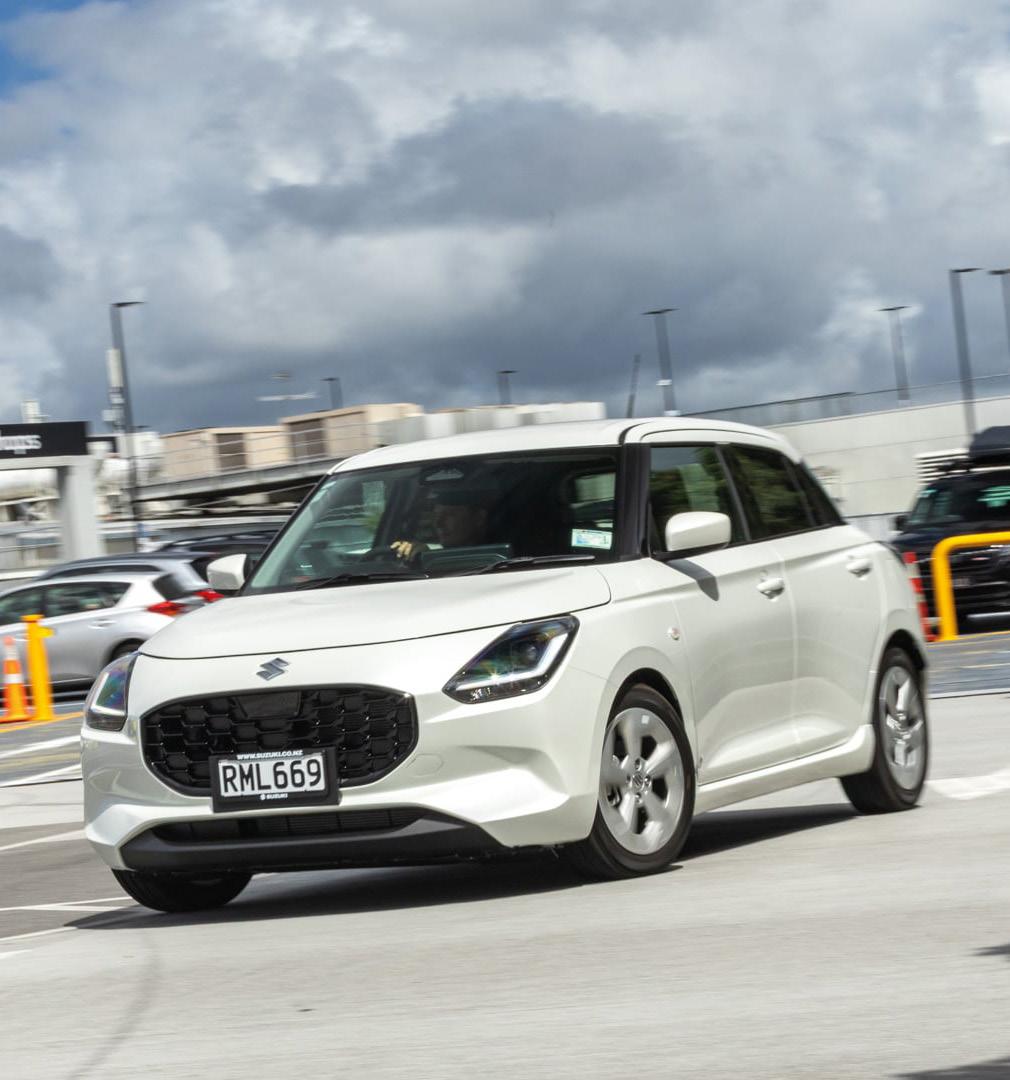
Small cars might not be as popular in the new car market as they once were, but there is still life in the segment. Here we compare a stalwart with a newcomer, to see if the disruptor is worthy.
Every year there are fewer small cars on the market and more higher-riding compact SUVs. Yet there is still life in this shrinking segment. One of the best sellers is still the Suzuki Swift, still making the top ten list, but only just. Its combination of cheeky styling, value, economy and snazzy driving dynamics make it a thoroughly decent prospect. And Suzuki has recently
added a new GLZ variant to the line up with spec and safety updates. New entrants into the small car zone are a rarity but with the influx of Chinese brands, there are a few new battery-powered options to consider. Geely is pondering the EX2, the Atto 1 is now here, and there’s the recently arrived Dongfeng Box. It has landed with the usual value pricing,

putting this pure electric on par with ICE machines. So if you’re looking at something like Swift, is the electric Box worth considering?
A word on safety first
Neither of these two are top rated safety picks, but that hasn’t stopped the Swift from selling well. Suzuki NZ says that the GLZ has a European specification with added safety features, moving the model to a threestar ANCAP rating. The Box on the other hand is ‘unrated’. The NZ-spec car differs from the Euro model, which was awarded a three-star Euro NCAP rating. Our Box has but two air bags in total, which is unacceptable in 2026. While it has a range of active safety features, the rating, or lack thereof, may rule it out for some, especially for those with OSH requirements. Hopefully Dongfeng is working feverishly to source a model that’s more appropriate for a market such as New Zealand. If you have occupant safety at the top of your list, well, you’ll
probably rule both of these ones out and go for something bigger.
Where’s the value at?
Neither will break the bank with sub-$30k pricing. The GLZ slots in at $28,500, adding a few features missing from the GLS while being slightly cheaper than the RSC. The Box is $32,990 though lands with promotional pricing of $29,990, a price point the brand will likely be forced to hold considering the safety rating and pressure from the Atto 1. Small cars are no longer stripped econo-boxes. The Swift comes complete with an easy-to-use infotainment system with sat nav, AA and CarPlay and USB C ports. There’s smart key entry, the fabric clad seats are heated, there are LED autodimming headlights and active cruise comes with a stop and go function. Of course, the Box adds the extras like electric seat adjustment and ventilation, faux leather, a 360-degree parking camera, auto parking, charge pad and ambient lighting.
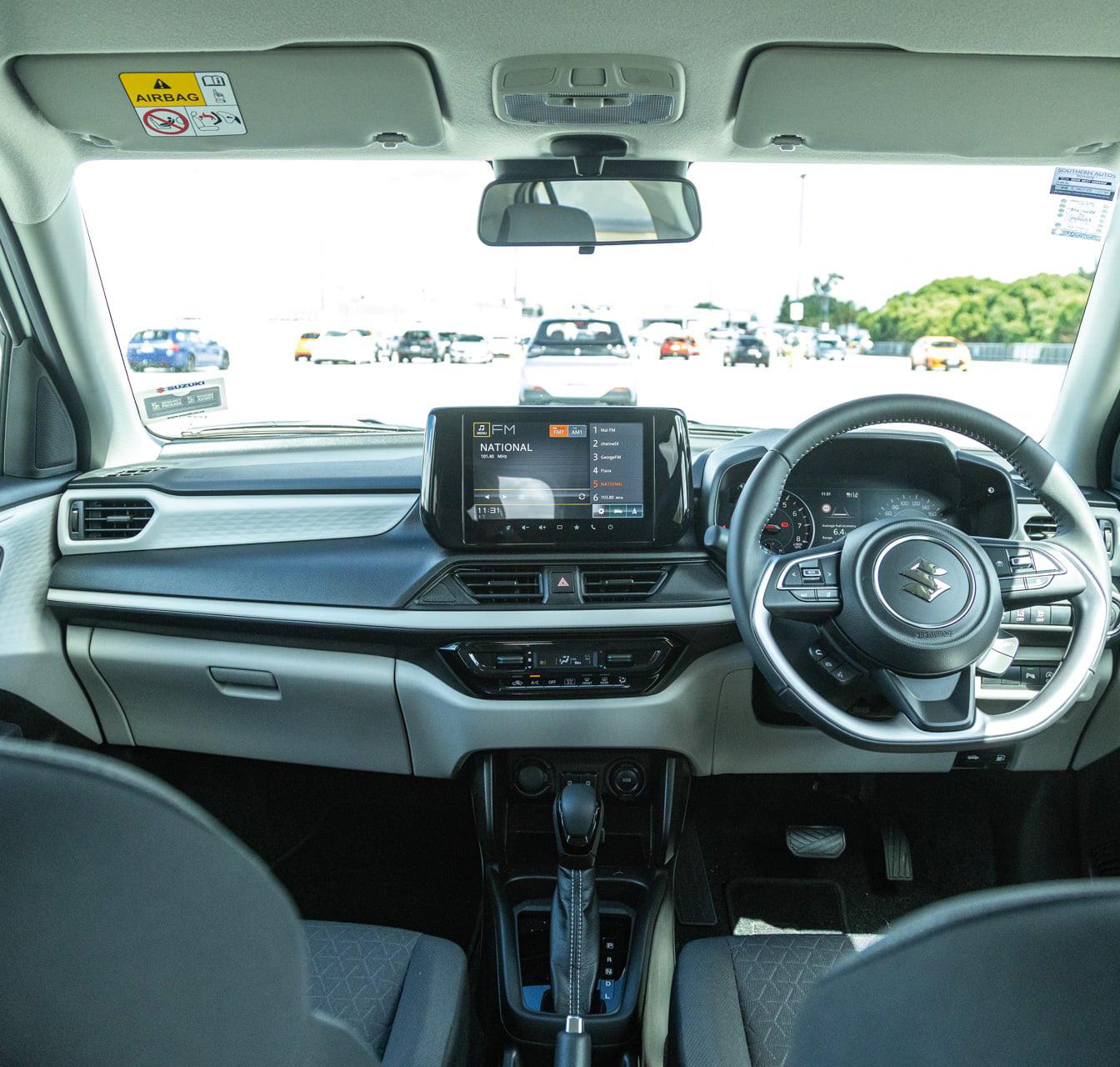
The Swift is conventional in layout and operation, even with a manual handbrake still and analogue dials. The touchscreen it’s a simple affair, and apart from its lethargy when switching functions, works fine. It doesn’t dominate your attention as
Swift uses buttons for the ventilation and other key functions.
It has a decent driving position, good adjustment at both the wheel and seat (comfy yet supportive too), and is easy enough to get in and out of.
Cup holders function as you’d hope, though the lack of an armrest/centre bin is a bit disappointing, making storage scarce. There is an abundance of hard plastic, but the design and use of colour help lift it a little.
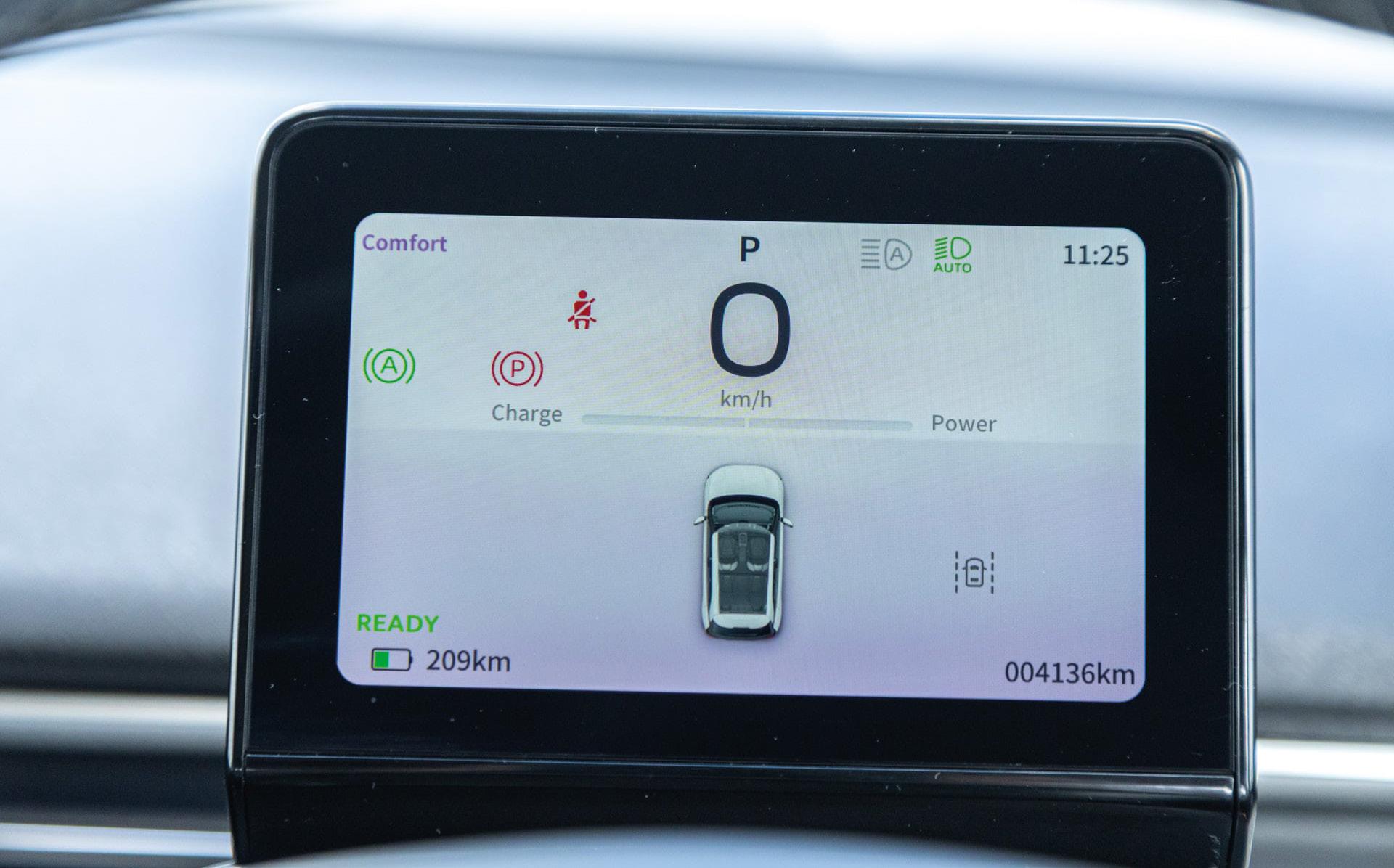
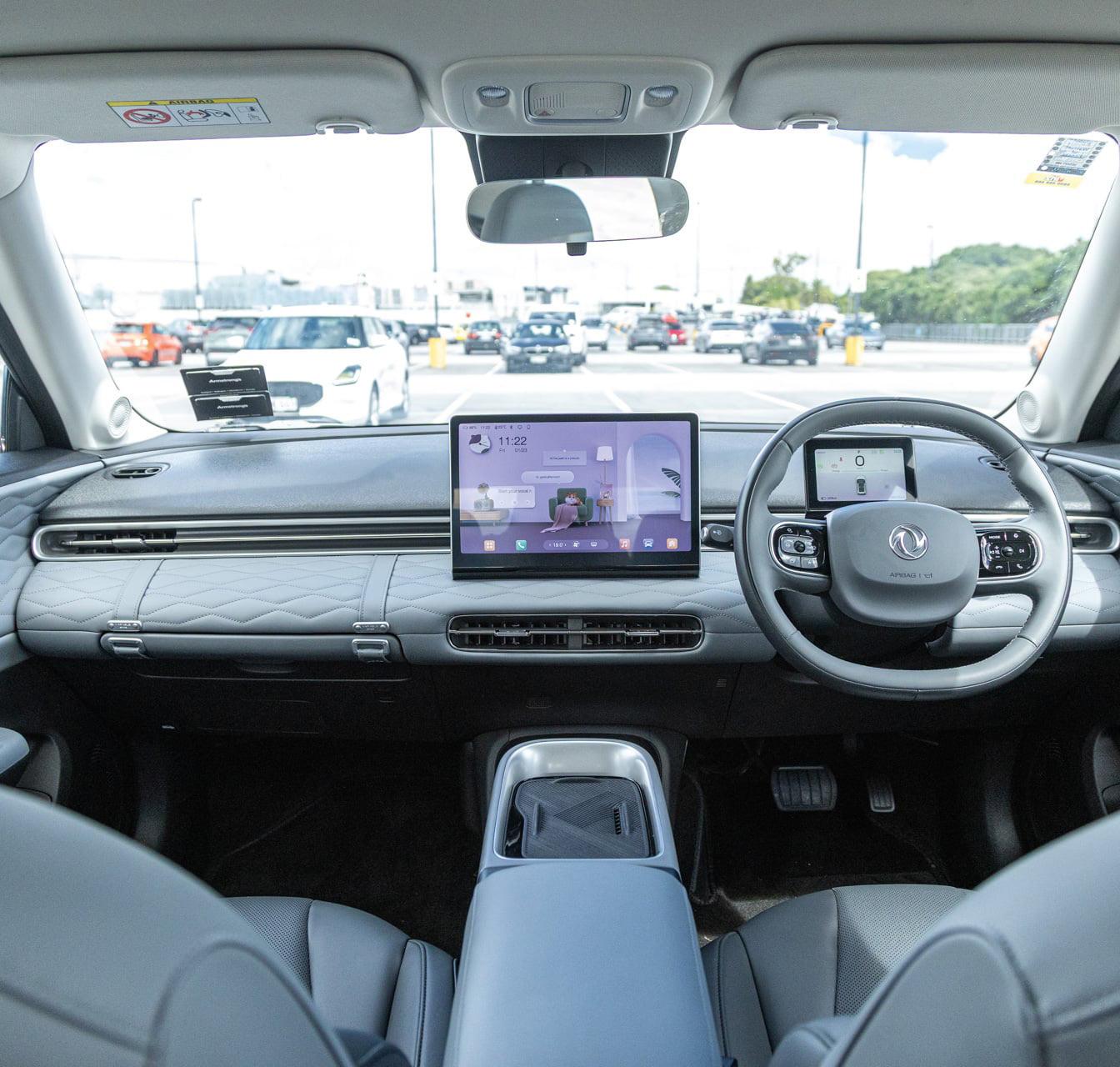
The Box has a unique style, outside and in. It’s not quite as generic as some of the other Chinese machines. It has some interesting ideas, such as the storage drawer up front (apparently
for jewellery and cosmetics), while they have attempted to raise the ambience with lighting and stitched soft touch surfaces.
The seats have less form but are softer than the Swift’s. A pity the steering wheel doesn’t adjust for reach, making it harder to find a good driving position. There’s more storage, with a raised center console that looks the part but wobbles around. The charge pad positioning makes the phone too accessible when driving (too tempting for some) while it doesn’t seem to have enough power to actually juice your phone, rather it maintains the charge. The cup holders will be welcomed by
Small cars aren't renowned for their ride quality, and so neither really excels in this regard. “ ˮ
those with XL drink bottles, yet they fail to secure a regular sized coffee cup. The window lifts sit proud on the door handle, so it’s easy to bump them as you get in and out, inadvertently lowering the windows. Not good if it’s raining. The screens dazzle at night, even with the brightness dialled to zero. It would therefore be taxing to drive on the open road after dark. The large central screen is home to a napping cat, inspirational quotes and a ‘Girly’ mode. Pity there’s no sat nav or radio reception. And connectivity is via a dongle gadget.
The Box is that bit bigger than Swift, and so has more room inside. However, Swift is surprisingly
practical. It can handle a brace of adults in the rear, with okay headroom though knees are brushing the front seats. You may be able to squeeze three into the back of the Box, it’s wider and a flat floor aids legroom. There are a pair of Isofix points in each if you need them, but it’d be cramped for car seats.
It’s the same in the luggage area, the Box with a hold that is wider and longer. The Swift’s is deep enough, but it’s short on length. Both have a folding rear seat, though you don’t get a flat load area. Where the Swift’s rear seat is split 60/40, the Box isn’t. Neither has a spare wheel while the Suzuki is rated to tow up to 650kg, believe it or not!
How’d they go?
Small cars aren’t renowned for their ride quality, and so neither really excels in this regard. The Swift is a tad firmer in its damping, but is also better controlled, and soaks bumps more effectively. The Box is softly sprung, great on bump free roads but it can jiggle about on mild undulations, while crashing into the big lumps. They are easy to manoeuvre about, with tight turning circles and good vision. The Box’s steering is super light, too
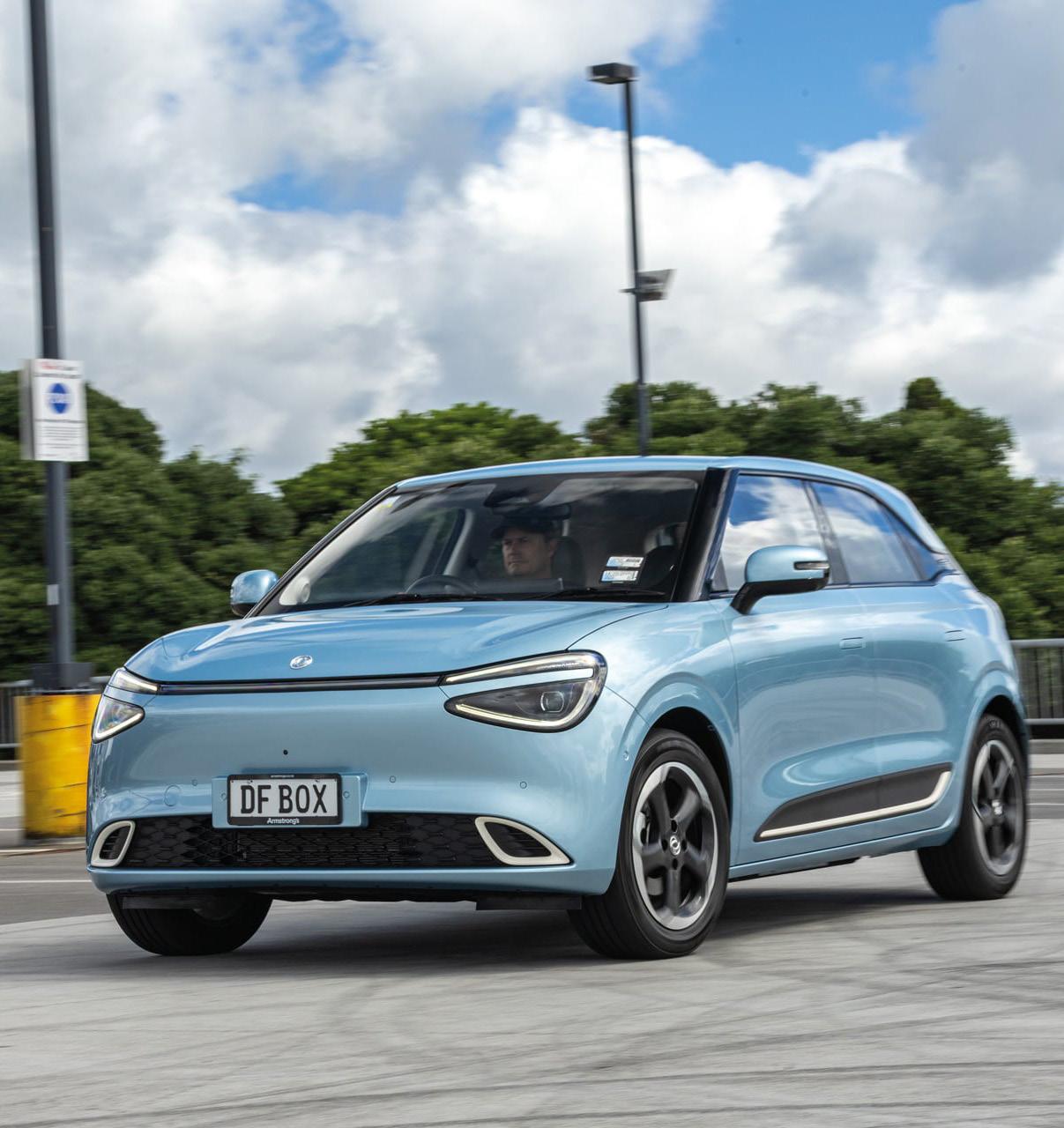
disconnected for us, while the Swift has a better feel.
Swift has blind spot monitoring, missing on the Box, while each has a lane keeping function, the Dongfeng’s more likely to intervene, while the Swift gives a gentle buzz alert. Apart from leaving too large a gap in traffic, the Box’s cruise is okay, but not its Intelligent mode, which weaves about in the lane.
Being electric, Box is on and ready to go once you’re seated, and we liked the convenience of the column mounted shifter. The front mounted motor offers 70kW and 160Nm, the 43kWh battery giving over 320km of range.
Swift uses a 1.2L triple with mild hybrid assistance, a full tank offering 620km of touring. Its 60kW/108Nm output might sound meek, but this actually goes well, processed ably by the CVT. The mild hybrid set up gives Swift a little bit more enthusiasm off the mark, the triple pulls well, even with the family on board. The idle stop system works near seamlessly too.
While the Box has a little more power, it’s lugging more weight too. The go pedal needs a decent push to actually get going, and while it gets up to
70km/h okay, it then quickly runs out of steam. It took 14 seconds to hit 100, while the 80-120km/h overtake required 15, and over 450m of road. So it’s really an urban car, where its efficiency is noteworthy. This was consuming around 13kWh/100km according to the trip computer anyway.
Expect the Swift to drink around 6L/100km in town rambling, while motorway miles will that reduce to five point something. The one downer is its 95 octane requirement, though there
Model Dongfeng Box
Price
are no RUCs to pay, unlike with the EV. The Box is noisy on the highway, the Swift less rowdy. The Dongfeng has zero steering feedback; there’s no feel for what the front is doing. While it grips ok on a dry day, this runs out quickly when it’s raining, and the ESP wasn’t really concerned about trying to correct the understeer. Throw the Swift at a bend, the front end bites well and the steering lets you know what’s happening. It’s an agile, lively machine yet it’s not bounced about by the bumps. Even the CVT works okay,
$29,990
0-100 km/h 12.5s
Ambient cabin noise 74.1dB@100km/h
100-0 km/h 37.70m
Motor output 70kW / 160Nm
Battery 43.9kWh
Range 317km
Stability systems ABS, ESP
Tyre size f/r-215/55R17
Turning circle 10.2m (2.5 turns)
Luggage capacity 326-945L
Service intervals 12 months / 15,000km
Warranty 6yrs / 200,000 km
ANCAP rating Unrated
Weight (claimed) 1345kg
Speedo error 95 at an indicated 100km/h
once you hit the Sport mode button to shorten up the ratio and improve the response.
So Swift then?
Yes. The Box has a few too many idiosyncrasies, the safety spec needs addressing and we just prefer cars that are sorted dynamically. The Swift is the better all-rounder for New Zealand, working well both in and out of urban confines. Its dynamics are sound, it’s economical and well-priced. Still a good pick in the small car realm.
Model Suzuki Swift GLZ
Price
$28,500
0-100 km/h 10.9s
Ambient cabin noise 72.0dB@100km/h
100-0 km/h 38.4m
Max power 60kW@5700rpm
Engine 1197cc / IL3 / DI
Drivetrain CVT / FWD
Stability systems ABS, ESP
Tyre size f/r-185/55R16
Turning circle 9.6m (2.5 turns)
Luggage capacity 265-589L
Service intervals 12 months / 15,000km
Warranty 3yrs / 100,000km
ANCAP rating 3/5 star (2025)
Weight (claimed) 984kg
Speedo error 97 at an indicated 100km/h
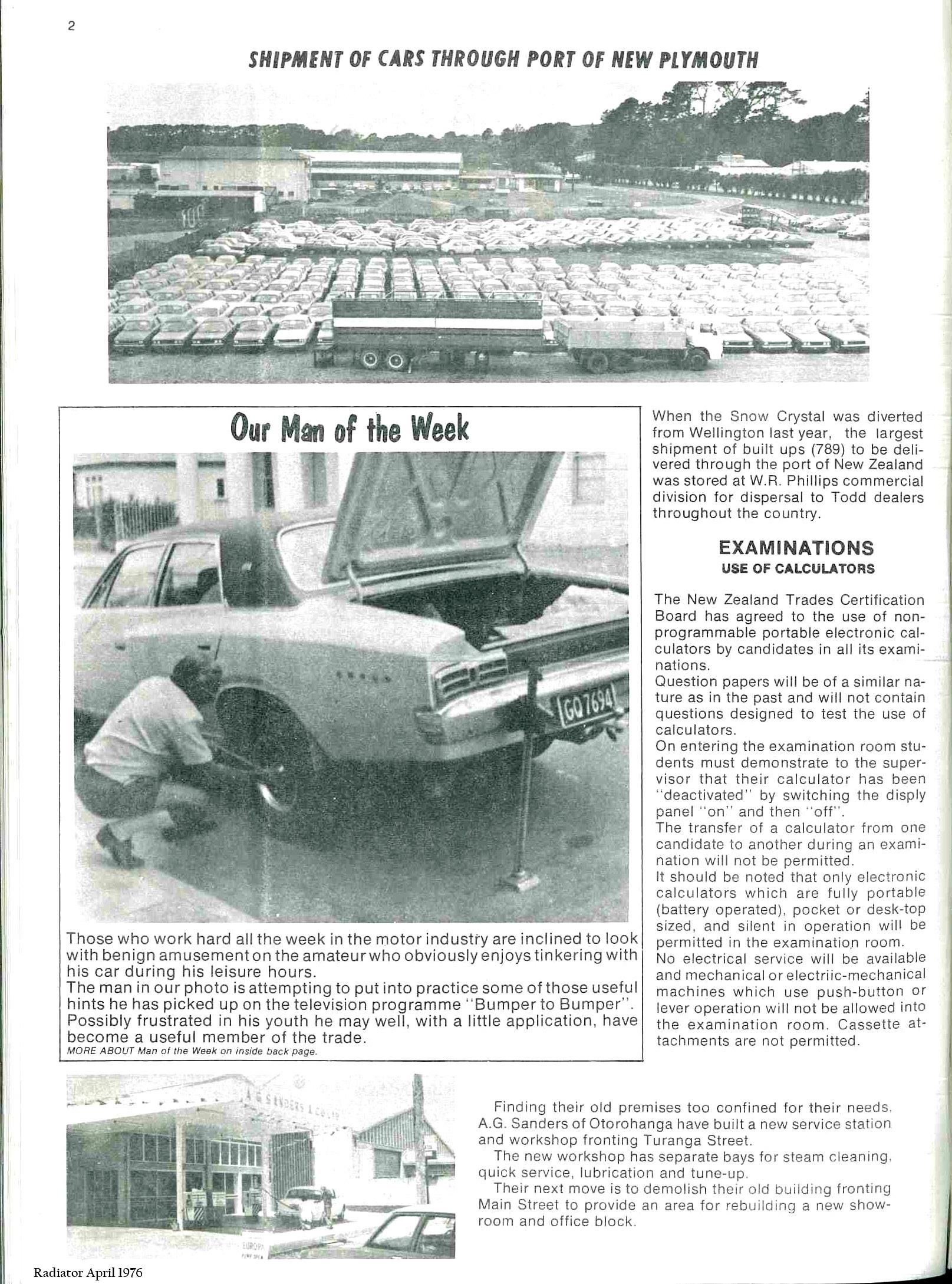
Every month we revisit pages from Radiator's history.


We’ve been on a bit of a theme lately, with mods that people do to make their vehicles carry heavier loads. One of the most common things we see is load assist airbags, which we’ve covered in previous Radiator articles. Because there’s no allowance in the Warrant of Fitness VIRM for load assist airbags, these require LVV certification. For clarity, these are the aftermarket air bellows kits often fitted to the rear suspension of commercial vehicles and campervans in order to combat sagging springs due to heavy loads. Note that load assist airbags are not the same as an air-adjustable shock absorber (more commonly known as air shocks), which don’t require a cert because they have their own specific allowance in the VIRM Threshold. While air shocks were popular in the ‘80s, when every Falcon, Kingswood and Valiant was expected to tow a 20-foot caravan away at Christmas, they have been all but superseded by these overload airbags available for vans and utes. Load assist airbags are a separate airbag, which either sits on top of a leaf spring and mounts to the vehicle’s chassis, or sits inside a coil spring. An airadjustable shock absorber just bolts in place of the OE shock absorber.
One of the main traps with these load assist airbags is that they usually replace an OE bump stop, and it’s sometimes not initially obvious to an AVI that a bump stop is missing. In some cases a vehicle will have more than one bump stop fitted – one inside a coil spring, and the other outside, for example. As part of the LVV certification of the vehicle, the certifier will need proof that if it replaces a bump stop, that the airbag is designed for and suitable for this – because not all of them are! Where the load assist airbags are intended to be used as bump stops, it’s because they’re designed so that when the bellows are compressed, the outside of the bag will roll over itself and squish. For this to happen, there needs to be no sharp surfaces inside the airbag or around the pedestal, and the material the bag is made from needs to be reinforced to withstand these loads and the friction this creates.
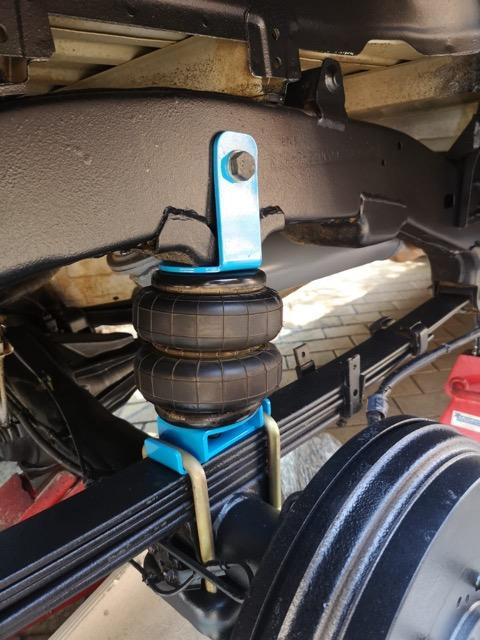
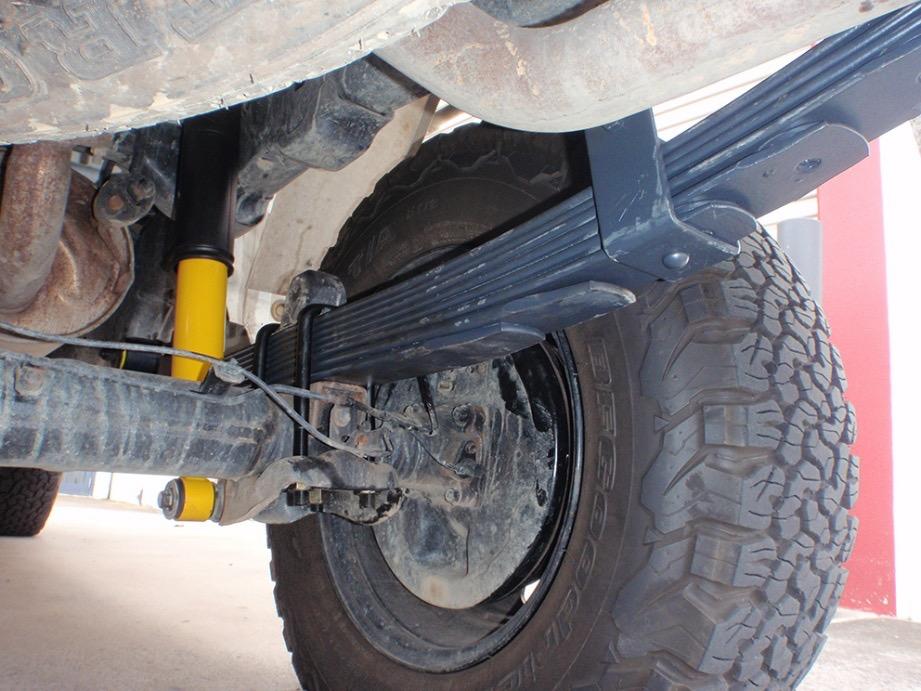
The load assist airbag (top) replaces the OE bump stop (bottom, circled) in most vehicles with leaf springs. Not all of these airbags are suitable to be used as a bump stop, either.
If the airbag doesn’t replace a bump stop, this creates another issue – the LVV Certifier then needs to assess the structure that the load assist airbag attaches to, to make sure that it’s suitable for the extra loads now going through it. These are intended to take part of the spring load, so this effectively creates another load path into the chassis – we have seen chassis cracked before from poorly placed override airbags. There is also the issue of welding to consider with modern utes, many of which use high-strength steels in their chassis, which are very sensitive to heat and need to have a proper welding procedure used in order to preserve their integrity. If a load assist airbag requires a new platform to be welded onto the chassis, this often isn’t as simple as it sounds. While it might seem harsh from the outside to say that all load assist springs require LVV certification, this helps to achieve a consistency of outcomes and level of safety across the country, and the level of assessment needed goes far beyond the scope of a regular WoF inspection.
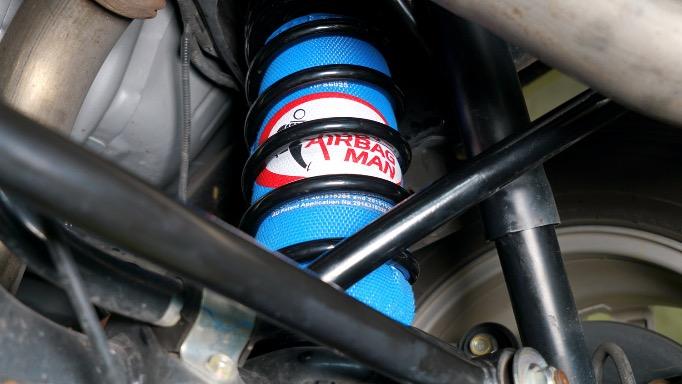
This is the other type of load assist airbag, which is designed for coil sprung vehicles. Again, this often replaces a bump stop housed within the spring.
Got a question that needs answering?
Have a topic that you’d like LVVTA to cover?
Let us know what you’d like to see in an upcoming LVVTA column at: info@lvvta.org.nz.
National
• QMS and VIRM Training
• Face-to-face group training Stress-free annual performance assessments
• On-site VI competency assessments (specific areas)



Many MTA staff love vehicles as much as you do and have a story to tell about them. This month a farewell story from departing editor Gerald Rillstone.
It’s been almost exactly four years since I took over the wheel as editor of Radiator, and now it’s time to ease off the throttle, and take the next turn in the road.
Like any good road trip, the real highlights haven’t just been the destination, they’ve been the stories along the way.
One of the privileges of this role has been hearing members’ yarns, tales of businesses built from next to nothing into thriving operations, of ingenuity in the workshop, and of an industry constantly adapting,
learning, and embracing new technology.
If there’s one thing I haven’t managed to fix in that time, it’s my mild obsession with older cars. There was a brief moment where I thought I might be cured, my wife bought a Prius, and suddenly I was confronted with a vehicle that didn’t need tinkering, didn’t demand weekend attention, and just… worked.
A new aftermarket battery and it’ll likely outlast most of us without so much as a spanner laid on it.
More to come
But no, the cure didn’t stick. Looking back through photos of cars I’ve owned over the years, it’s clear my affliction runs deep, and if I’m honest, there may well be more old projects in my future. Some cars you own, some you fix, and some just leave a mark.
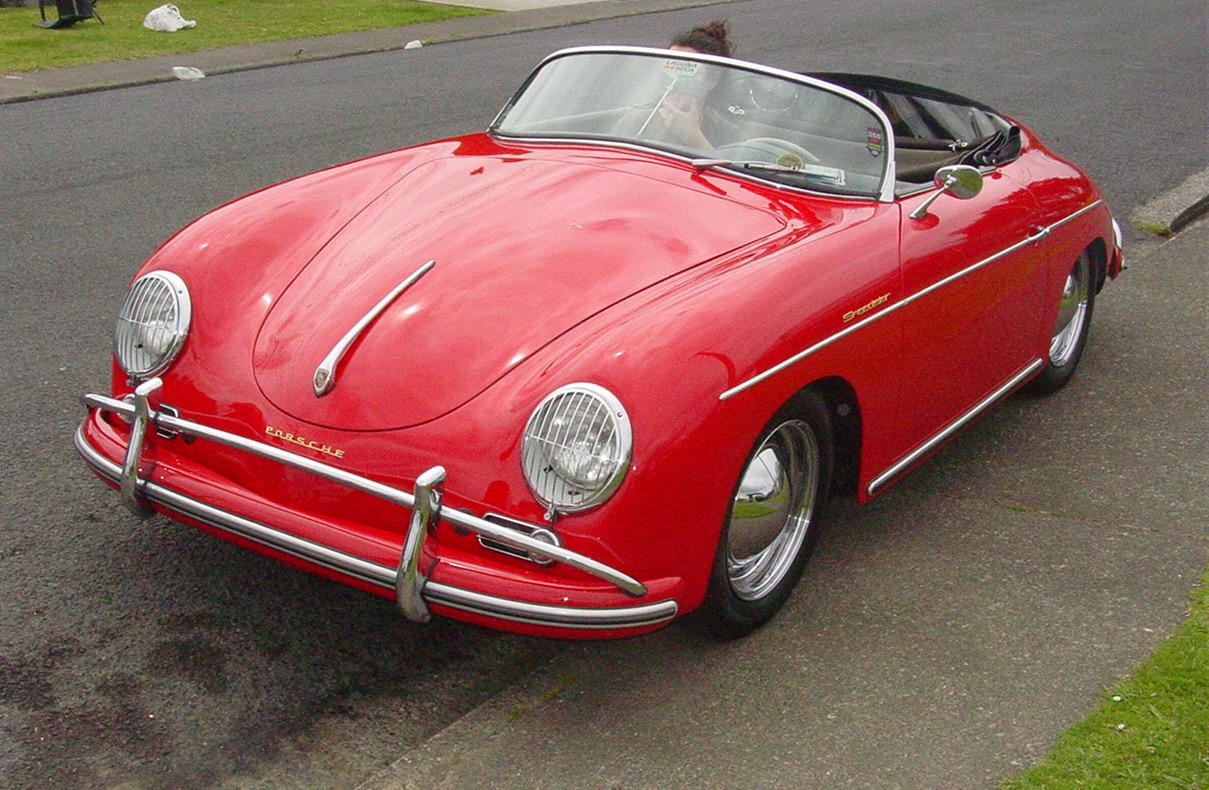
For me, one of those was a red 1950s Porsche 356 convertible I never owned but never forgot. It was a Sunday drive around Auckland’s North Shore back in 2004. Parked casually on the
roadside sat this stunning red 356. I pulled over for a closer look. Within moments, the owner wandered down his driveway, not to shoo me away, but to hand me the keys. It wasn’t for sale, he simply wanted to share the experience.
For the next hour, my wife, pregnant at the time, and I snapped photos as we cruised the neighbourhood, soaking in the moment. It was a rare thing, to me a perfect classic, a perfect memory, and not a single thing that needed fixing.
Which is more than I can say for some of the other 40 plus oldies I have owned.
The Austin A40 ute that needed “a bit of encouragement,” or the Citroens (DS, GS and CX) that seemed to treat reliability as more of a suggestion than a requirement. Frustrating? Absolutely. Memorable?
Without a doubt.
In many ways, working for MTA has been a bit like that Porsche
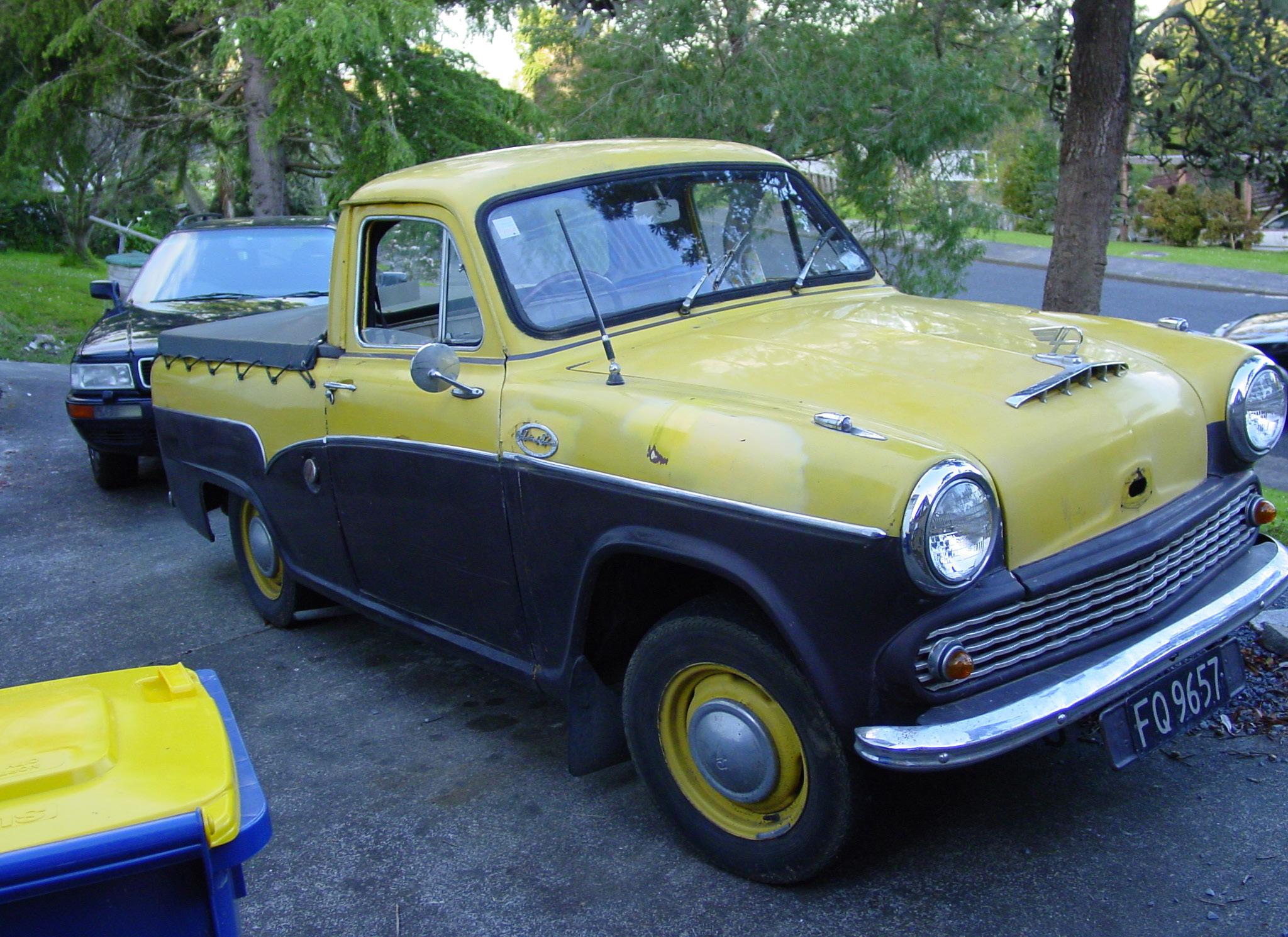
An in the moment purchase, the Austin A40 ute which made it from Auckland to Christchurch over a two day trip without any problems.
moment, it’s been special.
I’ll miss the breadth of stories, the deep dives into the issues that matter, and the chance to shine a light on an industry that keeps New Zealanders moving.
Most of all, I’ll miss the people.
The team behind MTA is a unique bunch of talented, committed, humans, often going well beyond what their job titles suggest. They’re
the people who quietly keep the MTA running smoothly for members.
So, as I change down a gear and head off toward something new, I do so grateful for the journey so far, and with a strong suspicion that, somewhere down the line, there’s another old car waiting to teach me something.
Thanks for the ride.

New Zealand’s refined fuel supply largely comes from the major Asian refining centres in South Korea and Singapore. The graphic below shows the sources of refined fuels in 2023, with those two locations supplying over 70 percent of the demand.
The sources of supply change with market dynamics, and there are large swings in volumes from different locations. Typically, North Asia (South Korea, Japan and China) supplies a larger proportion of diesel, with Singapore supplying more petrol, although
most locations can produce all of these fuels if required. As well as having an export refining industry, Singapore is a large petrolblending and storage location, as the main petrol-importing countries are in Southeast Asia (particularly Indonesia).
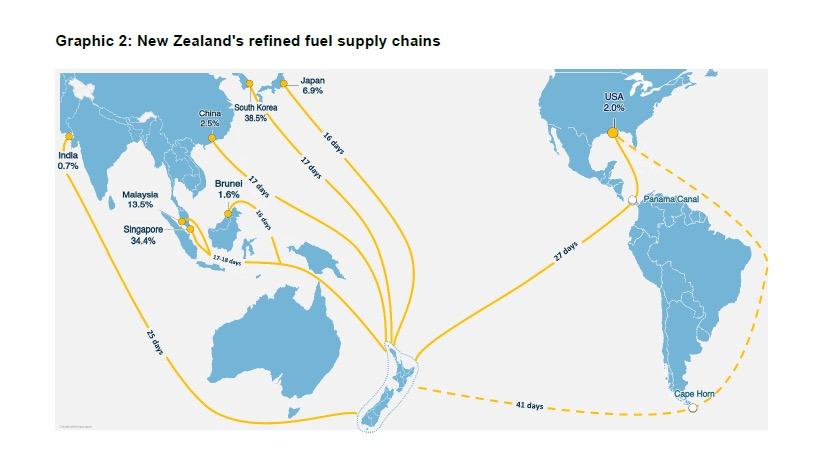
India has very large exportfocused refineries, although they trade primarily to the Middle East, Africa and Europe rather than into this region. They can supply Asia-Pacific, where there is an economic incentive, and, in the case of disruption, it would be a major option for delivering more fuel. The map illustrates that the most direct shipping route from India to New Zealand goes to the south of Australia, well away from congested shipping lanes that would be at greater risk of disruption or piracy.
The United States is now a major refined fuel exporter, although other than LPG there is not generally a demand for its production in Asia (it largely goes to Central/South America and at times Europe, due to more favourable economics). There is an incentive from time to time, and some non-transport products can also be supplied from that region to New Zealand. The shipping routes from the United States to New Zealand are largely in international waters, a long way from land.
New Zealand’s location means our supply chains are long but provide flexibility for alternate shipping routes, avoiding trouble spots if necessary. Only a small proportion of the fuel supplied goes through the South China Sea or the Strait of Malacca. The refineries supplying New Zealand are supplied from
and through more congested waters, and this issue is addressed in the disruption analysis.
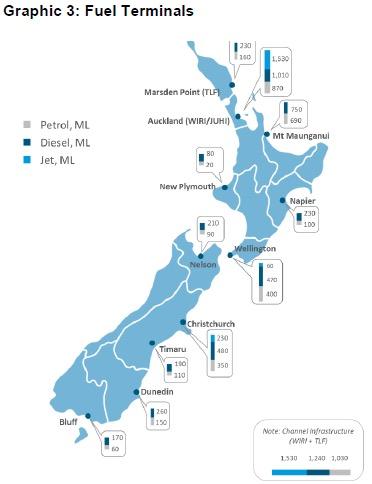
Many different refineries can supply New Zealand fuels, with one supplier noting that it uses 15 different refineries. There is a lot of storage around the main trading centre (Singapore/Malaysia), with
some suppliers noting that they contract storage and hold stock for their systems centrally so they can respond immediately to any disruptive events.
New Zealand's fuel requirement is only ~3.1 percent of Asia and Oceania’s refined fuel trade.
International supply disruptions or domestic logistics disruptions can impact fuel supply
New Zealand’s fuel supply is vulnerable to international and domestic disruptions, and many events could impact fuel supply. Our analysis groups the disruptions according to supply or logistics events.
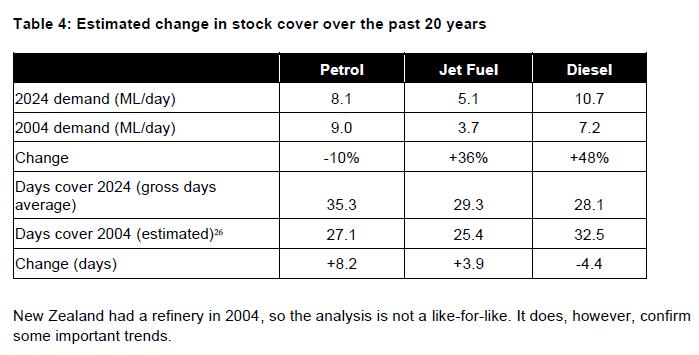
International supply disruptions: events that impact the import supply of refined fuels, possibly causing a shortage of fuel in New Zealand. This could be from a small event such as an offspecification cargo or a late ship; an international disruption such as seen with the Ukraine war; or a complete disruption of fuel flows to New
Zealand. In all cases, the event would cause volume shortage for a period. Larger disruptions would generally be related to an international event (ie something outside New Zealand’s borders), impacting sources of fuel supply and/or shipping routes to New Zealand.
International supply disruptions
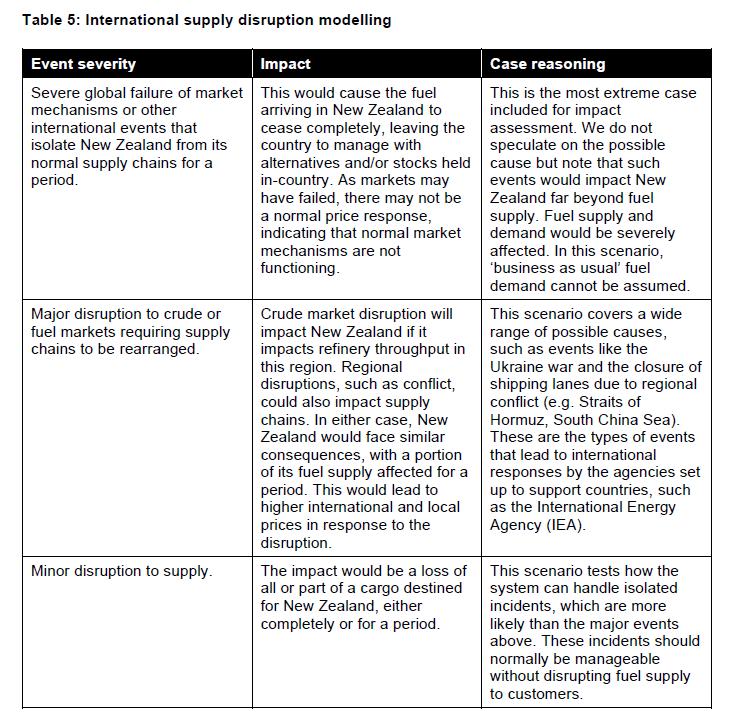
A range of events could disrupt New Zealand’s supply chains. These events have been grouped into severe, major and minor disruption categories, rather than by cause. Defining the disruption cause is not critical but could include events such as:
•wars and regional conflicts impacting crude supply or countries supplying product (or areas they are shipped through, such as the Strait of Hormuz or South China Sea)
•disruptions to a supplying country, such as war, pandemic or economic collapse
•severe natural disasters impacting a significant portion of crude oil or fuel supply (eg Hurricane Katrina on the US Gulf Coast)
•financial disruptions/collapses
•piracy/sabotage etc
•space weather events (impact on GPS, power systems)
•cyber-attacks
•shipping-focused attacks.
Major supply disruptions
Major supply disruptions cover all events that specifically impact fuel supply chains. These include major disruptions to:
•crude supply chains, such as the closure of the Strait of Hormuz for a period (this would impact 20 percent of the global fuel supply chain) or war/boycott issues, such as those seen following the Libyan Civil War (2011), and more recently the Ukraine invasion and resultant boycott of Russian oil in 2022
•refining centres due to events such as war or natural disasters (eg war in North Asia and/or South China Sea/ Taiwan, and hurricane impacts such as those in the US Gulf Coast (2005)
•trade flows or shipping.
These events have massive impacts on fuel supply chains. Prices respond immediately and will rise quickly and substantially depending on the scale of disruption. Crude oil and refined fuel trading markets are deep, sophisticated
and global and used to reacting to sudden, unplanned events. Crude oil and refined fuel are allocated where supply meets demand, and in disruption events, the price increases in the disrupted area, encouraging fuel supply from other regions to fill any gap.
The Fuel Security and Fuel Stockholding Costs and Benefits Report 2020 by Hale & Twomey for MBIE describes how this market mechanism mitigated any product shortages during the impacts of Hurricane Katrina on the United States Gulf Coast refining centre. There are well-established major multilateral institutions, such as the International Energy Agency (IEA), that coordinate responses to events within days. Regular planning exercises are run, including the types of events described above. New Zealand has been a member of the IEA since 1977, and many of our major suppliers, such as South Korea, are members. In addition, IEA associate member countries (which agree to work together during supply disruptions) include China, India and
Singapore, among many others.
The original IEA rules require members to assist each other during disruptions, with the IEA helping allocate stocks. Many decades ago, it was accepted that the market would do this more efficiently than a centralised agency. The focus is now on the collective release of strategic petroleum reserves (from both IEA and associate member countries) to help cover the supply loss from the disruption event. New Zealand plays its part in these stock releases through its international holdings of reserve stocks. To date, IEA members have responded to the:
•1991 Gulf War: voluntary release of strategic reserves by some IEA members
•2005 Hurricanes Katrina and Rita: coordinated release of strategic reserves with a particular focus on product stocks where possible
•2011 Libyan Civil War: partial release of strategic reserves (not all member countries had to participate)
•2022 Ukraine conflict: coordinated release of over 60 million barrels of strategic reserves (this was two separate releases in March and April of 2022).
•2026 Strait of Hormuz disruption: 400 million barrels of strategic reserves released in March to IEA members.
New Zealand participated in all these actions except the Libyan Civil War, in which we were not required to participate as we fell below the threshold allocated to each IEA member country.
The 1991 Gulf War was a voluntary release by IEA members who supported the Gulf War intervention.
History shows that prices will rise in response to disruption, so prices will be elevated when the IEA takes action. However, the decision driver for an IEA response is a sudden physical loss of supply, not high market prices.
Tips and tricks for running a business have been published in Radiator since the beginning, and much of the advice is as valid today as it was back then.
In a 1921 article written by an MTA member as part of a series on the business side of running a workshop, the unknown author discussed how important it was to “Know your costs”.
The article urged business owners to make sure they knew all the costs that went into each individual job, so that they accurately costed it out to the customer.
“Many of our jobbing and repairing businesses are controlled by people who have graduated from the bench, and whilst they are often excellent mechanics, many are ill-informed of some of the first principles of business, and in consequence lose the fruits of their labour and frequently their hardearned capital as well.”
The article went on to say that many of these business owners boasted about having everyone working on cars, and no “dead heads hanging about the office to keep the books and to look after the business arrangements generally”.
The author said if he had a choice about who ran a motor business he would choose a trained businessman over a mechanic any day.
“The best advice I can give to any young firms … is to secure the services of a first-class accountant to start them off on sound business lines and to arrange for some sort of competent supervision of their books.”
He then recommended a parts order form system and timesheet for mechanics that recorded the time they spent on individual jobs (see images) to help business owners

Glen.mcgarry@mta.org.nz
cost the jobs to the customers.
To be efficient, set the appropriate charges and make a profit, business owners need to know the labour, materials and overheads costs of their business. Over three months, the author explained how this could be done.
In 2026 the advice remains the same
Know your costs, and what the market will accept.
With the release of our published 2026 MTA surveys for chargeouts, WoFs, wages and salaries, it might be the best time to reflect on and examine business costs.
In general, once you know what it costs to run your business, you know what to set your chargeout rates at to ensure you are profitable. Generally, chargeout rates work out at about three times the hourly rate paid to your mechanics.
Where to begin – with the confusion or the chaos?
When it comes to compliance obligations under Gazette Notice 2022-au4073, which sets the rules for registered motor vehicle traders accessing personal information from the Motor Vehicle Register (MVR) under Section 241 of the Land Transport Act 1998, the line between ‘straightforward process’ and ‘mild admin meltdown’ is blurred.
Early last year, a collection of industry groups sat down with Waka Kotahi NZ Transport Agency (NZTA) to discuss a more efficient way for businesses to meet their access obligations for the MVR. From those discussions, the now famous (or infamous) 2025 MVR Declaration Form was born, a documented process designed to confirm privacy requirements and strengthen data protection obligations. Instead, it’s caused more head-scratching than a sandfly -ridden summer holiday. The confusion begins
Confusion kicked off on 1 November 2025, when every business with approved MVR access, whether individually authorised or covered by industry association, received an email titled
‘Motor Vehicle Register access annual reporting’.
Now, a subject line like that has the same appeal as a boat ramp queue on a wet July day when you’re cold, tired, and the only thing you’ve caught all day is a cold. No wonder plenty of businesses thought it was spam, or some kind of scam, so for some off it went, straight into the digital recycling bin. Others fired off a flurry of panicked questions: “Is this about WOFs, number plates, rego changes, or something else entirely?” and “Am I meant to deal with this, or is it for someone else?”
Christmas
On 18 December 2025, NZTA delivered another surprise: out came an email titled ‘2025 Compliance Declaration’, complete with a ‘2025 s241 Compliance Letter’. And just like that, the chaos engine started warming up, right when everyone was entangled in the pre -Christmas madness of last-minute servicing, repairs and WOFs coming and going faster than the Cookie Time biscuits in the smoko room.
Inside the letter was a list of compliance actions (some urgent) and this set off another round of confusion, a fresh layer of chaos,
Larry.fallowfield@mta.org.nz
and a nationwide outbreak of dealer procrastination strong enough to win gold at the 2026 Commonwealth Games.
Fast-forward to March and we uncovered yet another twist: NZTA and MTA emails aren’t always landing in the right inbox. Sometimes they’re not landing anywhere; staff changes meant some members even had their MVR access suspended simply because the outcome letter never reached the right person.
Here’s the important part: we need the correct MVR specialist contact for your business. You will be completing the declaration again this year, and if the wrong person gets the email, expect more chaos, more stress – and remember, procrastination is not a goldwinning tactic.
If we get the right people connected now, we might downgrade the 2026 chapter of this saga from ‘Confusion and chaos’ to something closer to ‘The administrative equivalent of a tidy Kiwi’.
Taking on a new apprentice is always a milestone.
For many MTA members, the past few months have meant welcoming a young person into the workshop or preparing to sign a training agreement. While we often focus on the practicalities – tools, tasks, collection of evidence, and productivity – there is one element that will determine whether that apprentice thrives or merely survives: belonging.
Belonging is the cornerstone of any successful team. Good leaders understand that when someone feels they belong, they feel safe. And when people feel safe, they bring effort, energy and commitment. The result? Stronger performance, better teamwork and a more productive business.
Every person who joins an organisation asks themselves, consciously or subconsciously, two powerful questions: What is my value here? and How do I contribute? This is especially true for apprentices. They are not just learning a trade, they are learning where they fit. If we are intentional about answering those questions early, we set the foundation for loyalty and growth.
Simple, consistent actions make a difference, a proper welcome on day one, introducing them to the wider team, explaining how their role contributes to the workflow, and taking time to check in. Creating moments that matter across the working week builds trust. When apprentices feel connected, their interaction improves, and so does their performance.
Those who develop a strong sense of belonging often become your future leaders. They become the ones who advocate for the business, mentor others and eventually take on training roles themselves. When someone feels heard and valued, they are far more likely to invest back into the workplace. Belonging builds succession.
In every workshop there are nonnegotiables. Standards, safety requirements and performance expectations are critical. But alongside these must sit an environment where people can bring themselves to work. When apprentices feel they can have a voice, and that it will be respected, engagement lifts and so does productivity. Have you ever asked

loretta.thompson@mta.org.nz
yourselves why young people are always on their phones? The answer is, they’ve found a connection to belong to!
One practical way to reinforce this culture in your workplace is through regular toolbox talks. Toolbox talks are more than a compliance exercise, they are a powerful platform to cement the importance of health, safety and wellbeing while strengthening connection within the team. When apprentices are invited to contribute, perhaps by leading part of a discussion, sharing a safety observation, or reflecting on a recent learning, they see that their voices matter. These short, consistent conversations create shared responsibility, encourage open dialogue and reinforce that everyone plays a role in keeping the workshop safe. In doing so, they support both a strong safety culture and a culture of belonging.
A helpful way to think about belonging is through Sir Mason Durie’s model of Te Whare Tapa Wha. Originally developed for the health sector and now widely adopted in education, the model describes wellbeing as a whare (house) built on four pou (pillars):
physical, mental and emotional, social, and spiritual wellbeing. In a workshop context, this reminds us that apprentices do not arrive as just hands-on tools. They arrive as whole people.
Meaning and purpose
Physical wellbeing might mean ensuring safe systems and manageable workloads. Mental and emotional wellbeing may involve regular feedback and encouragement. Social wellbeing is supported through inclusion in team conversations and activities. Spiritual wellbeing, a sense of meaning and purpose, comes when apprentices understand how their work contributes to the bigger picture of the business and the industry.
We often talk about generational differences – Boomers, Gen X, Millennials, Gen Z, and soon the emerging Alpha generation entering pathways from school into our workshops. While youth engagement is a priority across our sector, the truth is that belonging is not generational. Your age, gender, ethnicity or background does not matter. Every human being wants to feel accepted and valued within their tribe.
Inclusion and diversity are not checkboxes; they are outcomes of a culture of belonging. When apprentices see that there is space for them, that their ideas are welcome, that questions are encouraged, and that mistakes are treated as learning opportunities, they grow faster and contribute more confidently.
As members take on new apprentices this year and look beyond the training agreements and the job descriptions, it is worth reflecting, What are we doing to ensure they feel they belong? Because when belonging is present, safety increases. Trust strengthens. Effort rises. businesses flourish and
we attract the right people into our industry.
Belonging is not a ‘nice to have’. It is a strategic advantage, and it starts on day one.
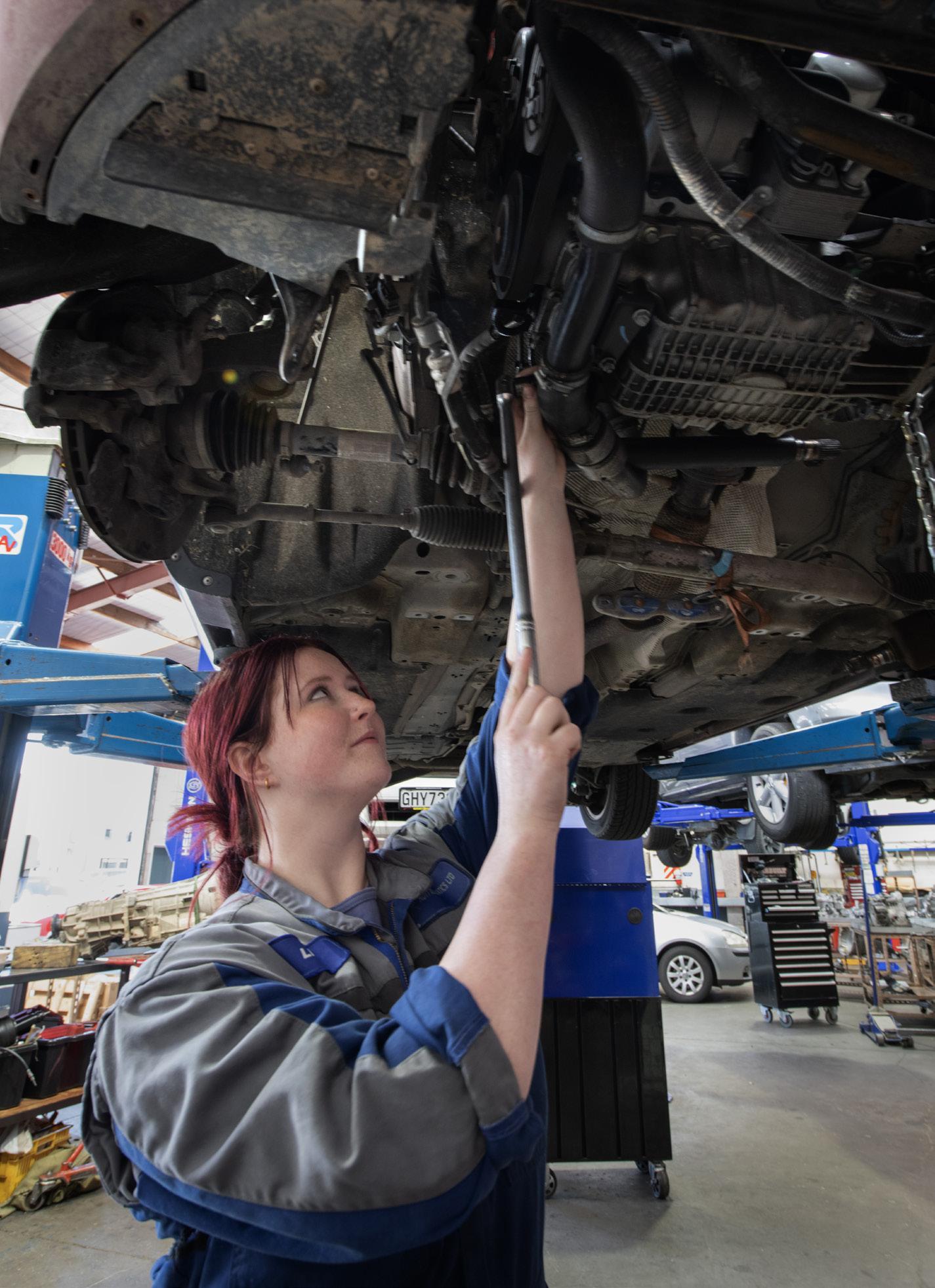
Three times a year the CRA travels to the eight CRA territories across New Zealand to hold road shows, which is a considerable investment in time, effort and money. The reason for this is to ensure the CRA keeps up engagement with its members. In 2025 close to 80 percent of members attended roads shows around the country; a great result. We infer that this means we are also meeting the highengagement objective, although we don’t actually know that and we need you to let us know if we are hitting the mark.
Different regions have different rates of attendance, and these correlate directly to the activity of the CRA branch in that area. Unsurprisingly, a highly active branch would have high attendance at its local road show. How to pass this enthusiasm along to less-active branches is something that’s occupied minds for many years. What is known is that not supporting that branch only hastens its decline.
A road show can be used for many objectives and in the CRA road shows we try to ensure that anything of potential interest to our members is aired at the event. This engages industry suppliers as well as experts from many fields that influence our members and their businesses.
Keeping the road shows topical and worth attending is a challenge, one that is met by encouraging the various branches to set the agenda and content. There are subjects that we present at all events nationally, but local speakers, local businesses and local subjects of interest are also key features.
The original concept of road shows was to ensure members had a forum in which to meet and share common concerns and issues. That is still a priority: as time has progressed, CRA has added content that is seen as inviting potential interest, whether its collision-repair-related or not.
stewart@collisionrepair.co.nz
A good example was last year’s Northland road show, at which the city mayor came and spoke with members – a conversation that was dominated by road construction and sections the council was developing. The member ratepayers’ voices and concerns came out at that road show.
The challenge for the CRA is to maintain the value that people see in road shows, and this will only happen if members send back their views and ideas. Technology in 2026 makes that easier than ever, so please do it, and help to keep the road shows a success in the years ahead.
•Stewart Gibb, Collision Repair Association General Manager
If you've been watching the polls, you'll know the political landscape heading into this year's general election is far from settled. Across the major polls, a picture has emerged: Labour leads National on the party vote, but the coalition bloc (National, ACT, and New Zealand First) remains highly competitive.
The February 1News–Verian poll had the coalition on 65 seats; the March Reid Research had it neck and neck at 60 apiece; and the most recent Curia poll (April) gives the centre-right 65 seats again. Sixty-one is the magic number to form a government. NZ First is the consistent story across all three, recording its strongest results in years – roughly double its 2023 election-night support. The preferred PM contest between Hipkins and Luxon is essentially a coin toss, with Winston Peters closing the gap behind both.
Of course, seven months is a long time in politics – and this is an election year where a war in the Middle East, a fuel crisis, and a Cabinet reshuffle have all landed inside the same fortnight. Polls are a snapshot, not a prediction. Take them with an educated grain of salt, and as always, expect fireworks as we creep towards 7 November.
The reshuffle itself is worth unpacking. With Judith Collins and Shane Reti departing, the Prime Minister promoted Chris Penk and
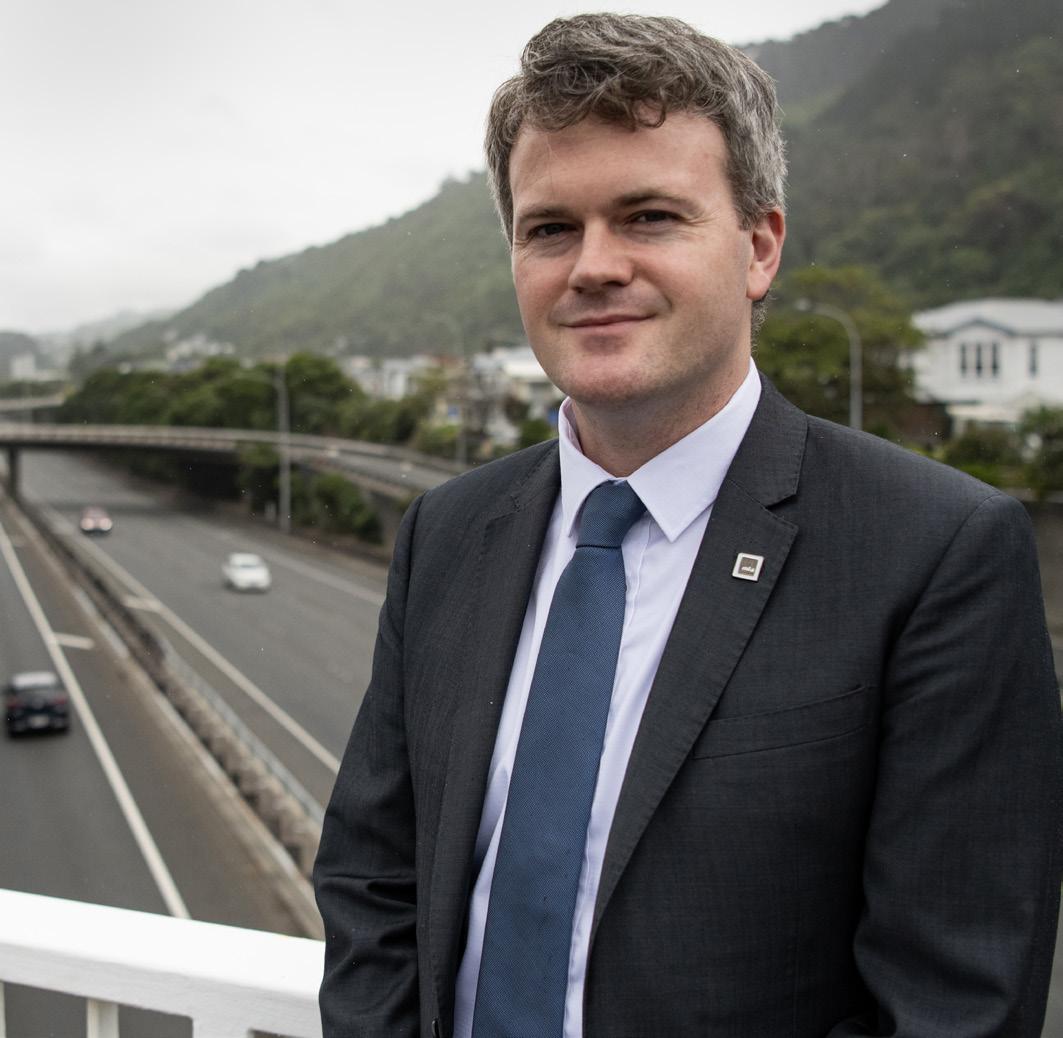
Penny Simmonds into Cabinet. For our industry, Simmonds' elevation matters – she picks up the consolidated Tertiary Education portfolio (universities and vocational education), rewarded for the disestablishment of Te Pūkenga. Chris Bishop remains Minister of Transport – important continuity for our ongoing engagement – while Simeon Brown takes on Energy. First-term MP Cameron Brewer steps in as the new Minister of Commerce and Small Business, and Nicola Grigg picks up the Environment portfolio, which remains outside Cabinet.
Now then. Somewhere between Tehran and your local service station, things have gone sideways. At the time of writing, diesel has pushed past $3.80 a litre – a 66 per cent increase in a matter of weeks. That's not a typo. It is hyperinflation of a single product that touches virtually every corner of our economy.
For members running workshops, freight operations, and dealerships, the flow-on effects – from parts shipping costs to customer confidence – are real and immediate.
Against that backdrop, MTA held its inaugural Industry Leaders Forum last month – a new format bringing senior automotive executives together to talk about the election year ahead. The energy in the room confirmed what
james.mcdowall@mta.org.nz
we already knew: our sector wants to shape the conversation, not just be consulted on it.
That's exactly what our 2026 Manifesto is designed to do. We're in the final stages now – working with our Expert Advisory Groups on the finishing touches and preparing some big-ticket calls across our four pillars.
On Workforce and Skills, we'll be making the case on both sides of the skills equation: smarter immigration settings so we can get the people our industry needs now, and a serious uplift in trades training and future-proofed careers – including a fresh look at how trade training is funded. On Fleet, we're proposing practical ways to gently bring down the age of New Zealand's vehicle fleet, which would reduce emissions and improve safety on our roads at the same time. Under Business and Regulation, we've identified a broad range of low-hanging fruit – the smaller things that get in the way of doing business – that any party could pick up and run with. And on Crime and Safety, we're putting firmly on the agenda that this issue matters to our members, particularly those in fuel retail who deal with it every day.
The launch event will be at Parliament in the middle of the year. Watch this space.
prabha.raman@mta.org.nz
yulene.knight@mta.org.nz
Winter in Aotearoa New Zealand brings more than colder mornings and shorter days. It also marks flu season – a time when respiratory illnesses, viruses and seasonal fatigue place additional strain on employees and workplaces alike. Your company’s response during this period is not just a matter of productivity; it is a matter of health, safety and good leadership. Supporting employees through winter is not just about managing sickness; it is about demonstrating care, meeting legal responsibilities, and building resilient, engaged teams.
During winter months, illnesses spread more easily in shared spaces. Employees who feel unwell may still attend work due to workload pressure, concerns about leave, or a desire not to let others down. Even though people usually mean well, this behaviour makes it easier for illness to spread, which can affect whole teams and sometimes the entire workplace.
Winter can also take a toll on mental wellbeing. Reduced sunlight, colder weather and less physical activity can contribute to fatigue, lower mood and disengagement. These impacts may be subtle, but over time they can affect performance, motivation and overall wellbeing. Recognising winter as a higher-risk period allows organisations to take preventative, supportive action.
Health and safety is a legal responsibility
In New Zealand, caring for employee’s health and wellbeing is not only good practice; it is also a legal obligation.
Under the Health and Safety at Work Act 2015 (HSWA), employers have a duty to ensure, as far as is reasonably practicable, the health and safety of workers while at work. This includes both physical and mental health. Preventing the spread of illness, managing health risks, and providing safe systems of work are all part of meeting these obligations. Encouraging sick
employees to stay home, enabling flexible work, and maintaining safe workplaces are practical steps that align directly with the intent of the Act.
The financial impact of illness is often underestimated. While absenteeism can cause disruption, presenteeism – when employees work while unwell – can be even more costly. Unwell employees are generally less productive, more prone to errors, and more likely to pass illness on to colleagues, creating wider and longer-lasting disruption.
Over time, repeated illness and pressure to work through sickness can contribute to burnout, higher turnover and increased health related claims. By contrast, organisations that actively support recovery and wellbeing often experience improved engagement, stronger retention and more sustainable performance outcomes. Investing in employee wellbeing during winter is not a cost to be managed; it is an investment with
tangible returns.
A healthy winter workplace starts with clear expectations. Employees need to know that staying home when unwell is supported and expected.
Policies alone are not enough. Employers must reinforce the message consistently and lead by example. When leaders use sick leave appropriately, speak openly about wellbeing, and support flexibility, it normalises responsible behaviour and builds trust across teams.
Clear communication, reassurance about job security, and flexible sick leave practices help employees make the right decision without fear of negative consequences.
Flexible work remains one of the most effective tools for supporting employees during winter. Where roles allow, working from home, adjusting hours, or temporarily modifying duties help employees to recover while reducing health risks for others. Flexibility is particularly important for those caring for sick whānau or managing ongoing health conditions.
Prevention also plays a key role. Encouraging flu vaccinations, promoting good hygiene practices, ensuring ventilation and maintaining clean shared spaces all contribute to safer workplaces. Just as importantly, regular checkins, manageable workloads and access to wellbeing supports through OCP services help
employees maintain both physical and mental health during the colder months.
Supporting employees through winter and flu season is about more than managing absence. It is about meeting legal obligations, reducing avoidable costs and fostering a workplace culture built on care, trust and responsibility.
Workplaces that take a proactive, people-centred approach during winter are better placed to navigate seasonal challenges –and to emerge with healthier, more resilient teams.
As Ned Stark said in Game of Thrones, “Winter is coming!”
Please contact MTA HR for further support and we’ll help you slay those winter blues.


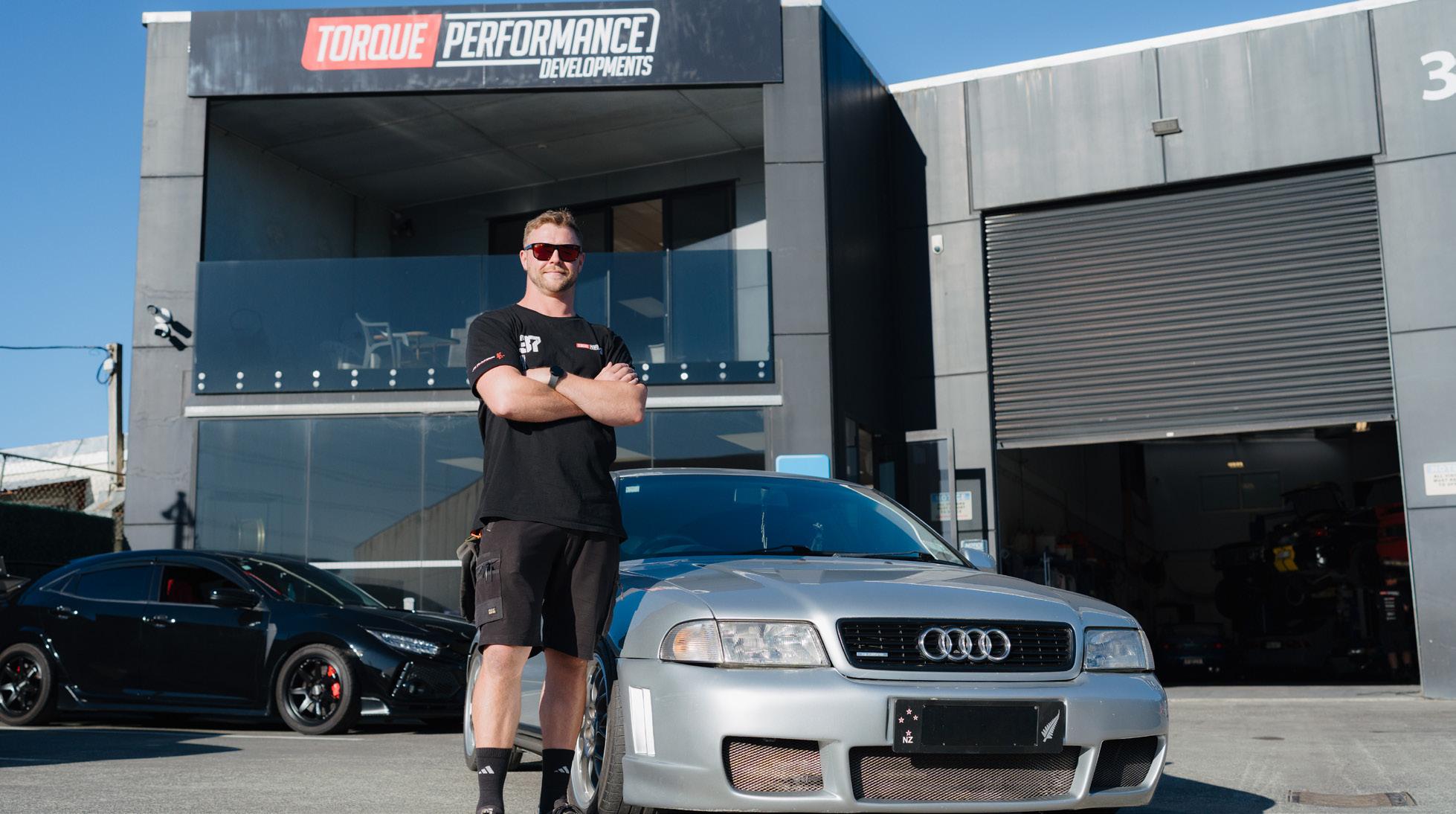
We first caught up with Tony Hamelmann in 2018 when he was announced as MTA Light Vehicle Apprentice of the Year. Since then, his career has progressed steadily forward, taking him from Audi technical expertise to the creative challenges of high performance vehicles to workshop leadership.
When Tony looks back on the decade since he first stepped into a workshop as an apprentice, he jokes about how eager he was at 18. “I was in a big hurry to get qualified because my boss said I’d get paid more as soon as I was qualified,” he says.
He powered through his apprenticeship at Audi, soaking up the structure and precision that defines the brand. He became a certified Audi technician, completing their inhouse qualification as well as MITO’s Automotive Electrical and Mechanical Engineering programme.
But after five years, Tony sought a change. “I found myself in a lull,” he explains. His drive for more led him elsewhere.
In 2019, Tony joined Torque Performance in Auckland, shifting into the performance car world, a move that reshaped everything he knew
about being an automotive technician. Gone were the manuals. Here, parts didn’t always fit, instructions didn’t always exist, and creativity mattered just as much as technical skill.
“You’ve got to rely on what you know and what tools you have to make it fit,” he says.
That challenge lit something in him, pushing him to learn welding. Then when the business changed ownership and pivoted from European to Japanese cars, Tony adapted again. Each change in the team opened a gap—and he stepped into it. “The auto sparky left, so I learned wiring. Then the tuner left, so I learned a bit of tuning. Then the foreman left.”
Becoming foreman, he says, was the hardest shift yet. “It’s the hardest role to learn because your output depends on other people, not yourself. You learn quickly that what works inside your head might not work in somebody else’s head.”
“We’re all humans at the end of the day. We’re not robots. If someone’s having a bad day, it affects the whole team—and in this industry, every mistake can cost a fortune. I've got to make sure everybody has exactly what they need to do the job the best
they can.”
Despite the pressures of a leadership role, the camaraderie is one of his favourite parts of the job. The closeness of a team of 10 is a contrast he values deeply.
There have been standout achievements along the way. For three years, Tony helped to build a drift car for the D1NZ Series, winning the Amateur Championship on the third year. The team was also one of the first New Zealand sponsored competitors in the World Time Attack Challenge, a motorsport festival held in Sydney. Even though travelling with the team wasn’t always possible, Tony took pride in keeping the workshop running. “That’s also part of the role— acting as my boss when he’s not here. It’s a big responsibility—one I take very seriously.”
If he could speak to his younger self, he knows exactly what he’d say: “If you want growth, it’s often change that gets you there. You learn how to do new things by throwing yourself in the deep end. I’ve grown as a person and in my work. I feel like I’m onto my fifth apprenticeship!”
Not too many surprises in March as electrified vehicles (BEV, HEV and PHEV) flew out the door, up 15.4 percent on February 2026 off the back of the fuel crisis.
The combined total new passenger and commercial vehicle market saw a 25.1 percent increase on March 2025, or up 2,994 units, to finish the month with 14,910 units, up 46.3 percent or 4,720 units on February 2025.
New passenger vehicle registrations totalled 10,063 units, an increase of 19.4 percent or a 1,637-unit increase over March 2025, and up on February 2026
New Vehicle Market Passenger and Commercial - March 2026
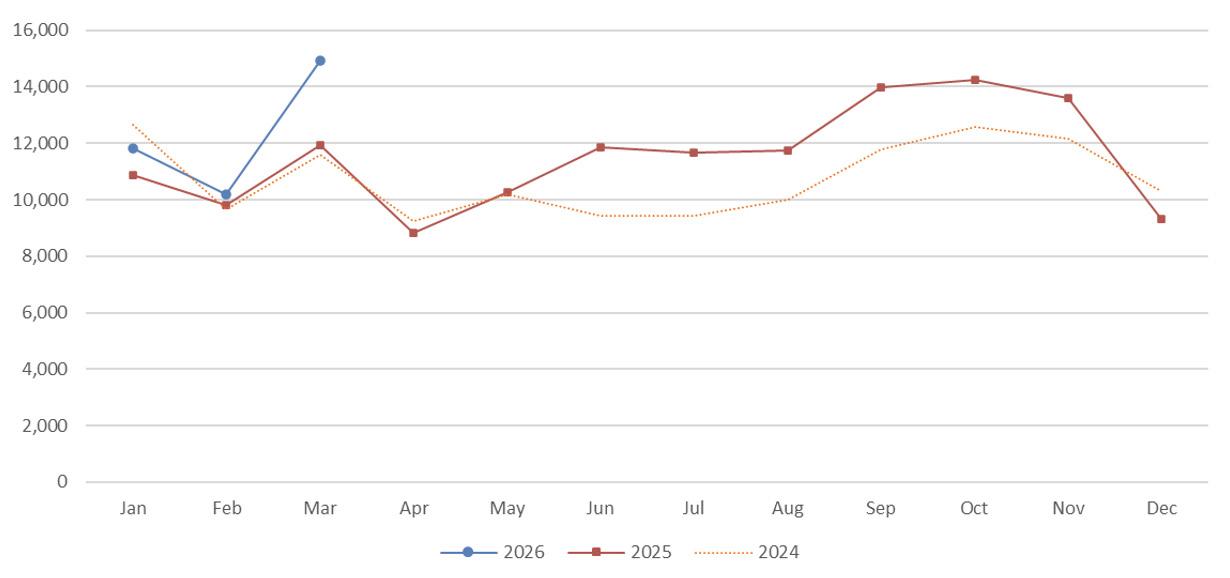
by 2,925 unit registrations or 41 percent. New commercial registrations had the strongest trading month since June 2023. The 4,847 registrations is up 1,357 units on March 2025 or nearly 39 percent, and up 58.8 percent or 1,795 units on February 2025. After a nine-month hiatus, Tesla was back on the Top 10 table. Nine of the Top 10 brands in March improved on February 2025 by a total of 2,726 units. Toyota, BYD, Mitsubishi, Suzuki and Tesla led the charge with increases of 1,277, 476, 220, 206 and 204 units, respectively. Dongfeng Box made its first appearance on the Top 15 model table with a 228-unit increase over February 2026, while the Toyota HiLux jumped five spots to the top of the table with an 885-unit increase over last month; Ford Ranger dropped to second, albeit up 275 units up on February, and the Tesla Model-Y with a massive 45unit increase over February 2026 came in at number three on the leader board.
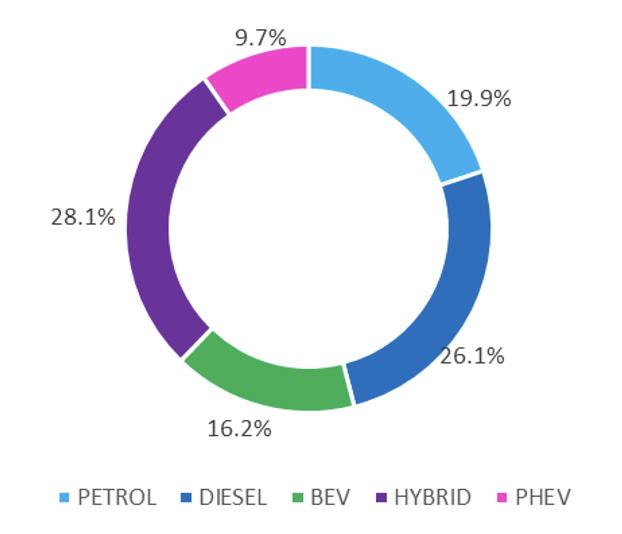
- March 2026
Top 15 New Models - March 2026
A 20-month record high for passenger vehicle registrations with 8,230 units in March 2026 is up 13.1 percent or 951 units on March 2025; it is also up by 1,274 units and 18.3 percent on February and up by 1,337 units year to date. August 2024 is how far back you need to go to find a better trading month in the commercial vehicle space, with 467 unit registrations for the month, up 16.8 percent or 67 units on March 2025 and up 32.3 percent or 114 units on February 2026. The total of 8,697 units was an increase of 13.3 percent or 1,018 unit registrations on March 2025. The combined sector was also up 1,388 units and 19 percent on February 2026 and up 1,418 units on the same trading period last year. The top three brands pushed up their market dominance by nearly two percent in March 2026 with 65.4 percent of the total registrations. Eight of the Top 10 had an increase in volume registrations, with Toyota and Nissan leading the way and Honda being the only other brand to make a three-figure increase, with 669, 364 and 129 units respectively, while Mitsubishi with 171 units jumped back onto the leader board. The Top 15 models also had an increase over February 2026, accounting for 55 percent of the total March registrations. The Nissan Leaf jumped up from the 16th-top-selling model last month to finish fourth with 444 unit registrations, up 318 units on February 2026, whilst the Toyota Aqua with 169 units, Toyota Prius with 95 units, and Corolla with a 142-unit increase over last month, rounded out the top three.
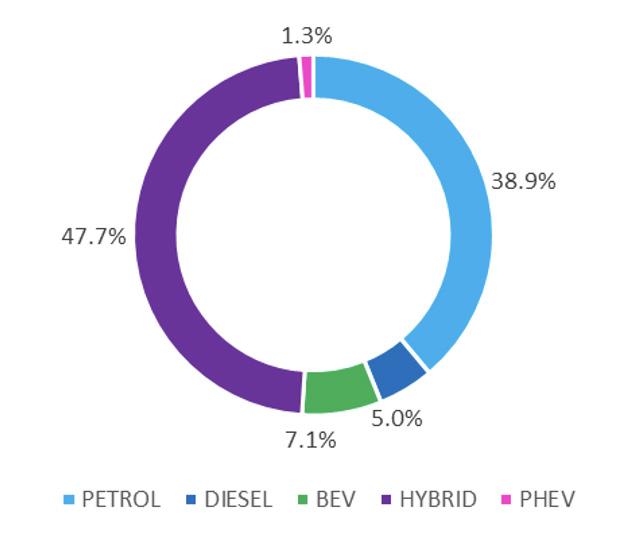
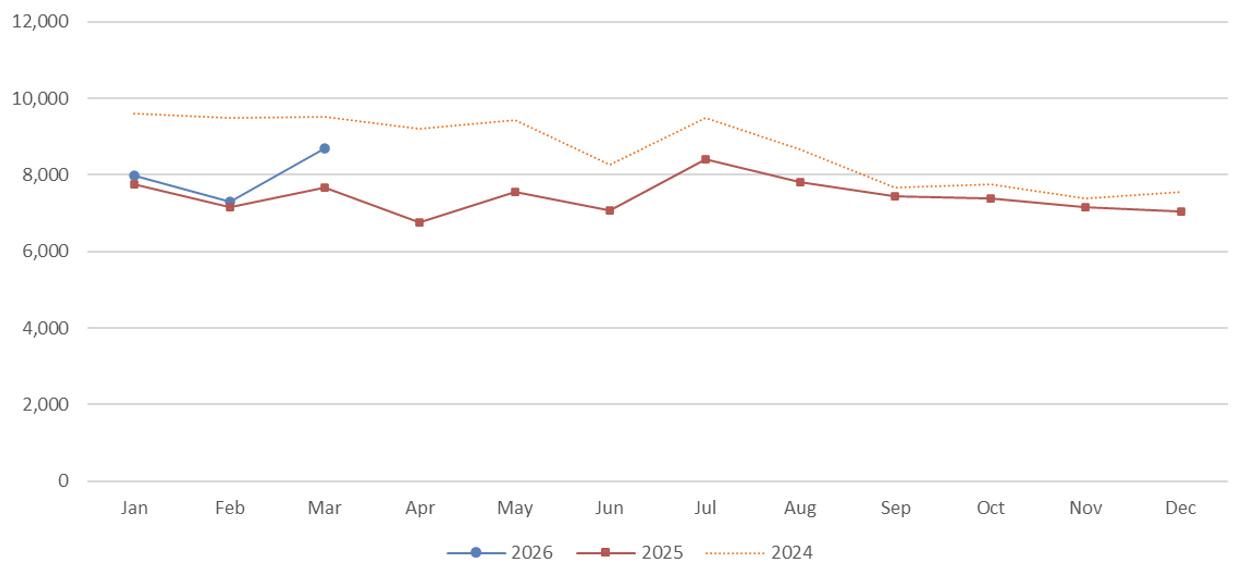
There’s nothing like a fuel crisis to see the worm turn, albeit led off the back of 158 under-60cc units that rode out of the dealers’ doors and probably past several more petrol stations on their first journey – also with the possibly of using less fuel in a year than a V8 Supercar will consume during the practice sessions at the 2026 ITM Taupō Super 440 event!
The 158 under-60cc units registered was up four units on the total sales for January (67 units) and February 2026 (85 units) combined.
A total of 740 units was the combined new road motorcycle and scooter market figure, and whilst registrations were up nearly 17 percent on March 2025 or 107, units it was also up 93 units or 14.4 percent on February 2026. Albeit a great boost, the sector is only tracking up by 12 registered units on the same quarterly period in 2025. Only 12 units separated the top three, with Forza six units behind the table, topping Honda, and Suzuki took the lower run on the podium. The top three had a combined market share of 34.1 percent or 252 units for the month. The over-60cc class saw 582 units, up 20 units from last month, albeit down 62 units on January 2026. The used space mirrored January 2026 with 79 units registered, albeit a slightly
10 Motorcycle
by
- March 2026
- March 2026
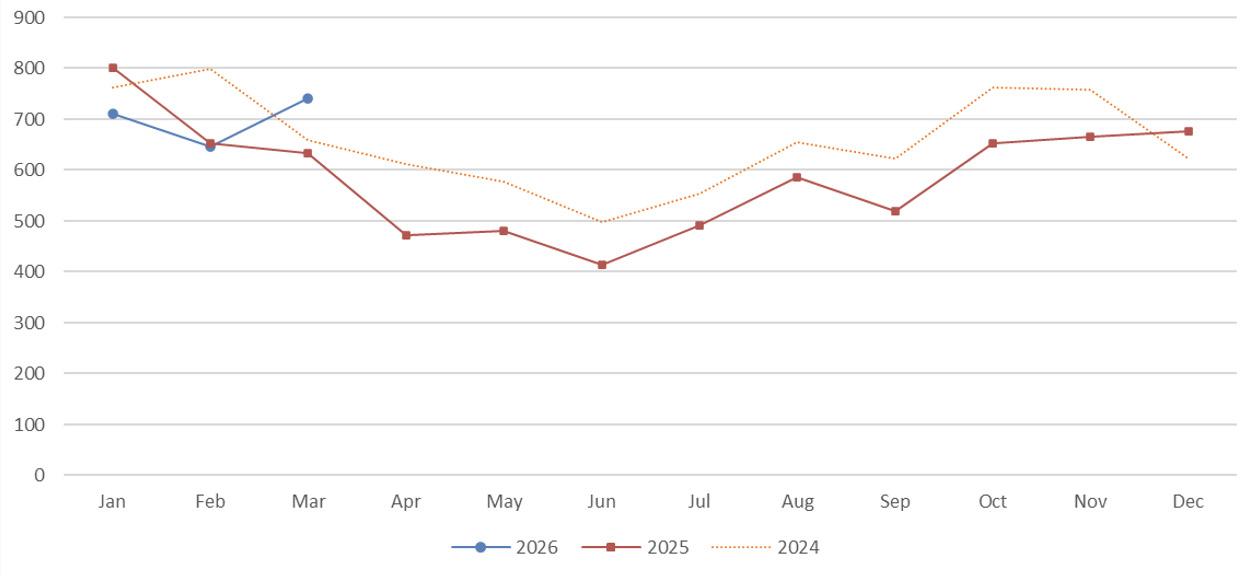
different mix: 61 registrations in the over-60cc sector, which was down seven units on January 2026 and 18 units on last month, and the under60cc sector registered 61 units to be down 18 units on last month and down seven units on January 2026. Five of the Top 15 scootered onto the table, with the first-placed Forza Ciclone living up to its whirlwind name by spinning past the KTM 390 by 13 units to top the table, and Suzuki UZ50 jumping up a rung from last month’s fourth place. In the Top 15, the scooter brigade road off with 127 units, while the entire Top 15 controlled 38 percent or 281 units registered for the month.
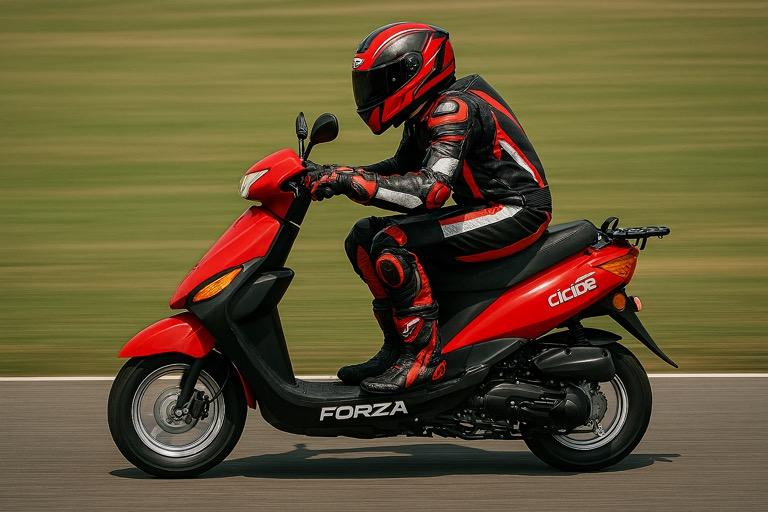
Automotive technician
We are seeking a service technician to join our well-established workshop shop at West Euro Auto. Applicants must be certified to issue Warrant of Fitness, able in both manual and scanned diagnostics, have knowledge and a high standard of work on a variety of makes and models. Email nick@westeuroauto.co.nz Text or phone 021591113. Applicants for this position should have NZ residency or a valid NZ work visa.
WoF Inspector
Torbay Service Station
We are looking for a part-time WOF Inspector to join our small team. We run a 4 Day Work Week, Monday - Thursday 7am - 6pm. The hours can be flexible and we would be happy to discuss this further. Phone: 02102645644
Email: tammyh.tss@gmail.com
ANZAC AUTOMOTIVE
EXPERIENCED
This role suits someone who is practical, flexible and team focused.We are looking for an experienced automotive technician with the relevant NZ qualifications and experience on European vehicles with strong diagnostic and problem-solving skills who has their WOF certificate.
Contact Phone: 094788457
Email: ash@anzacauto.co.nz
Tow-bar Fabricator & Accessory Installer
CHRISTCHURCH
Blackwell Loadmaster
Day-to-day work will include fabricating custom tow bars, fitting and wiring tow bars and accessories, installing vehicle accessories including winch and bull bars, nudge bars, roof racks.Would suit auto mechanics with welding or fabrication experience, custom fabricators with automotive experience If you have hands-on skills and love working on vehicles. Phone: 021 201 9090
Email: tony@loadmaster.co.nz
AJ Motors Repair Hub is seeking a skilled, detailoriented mechanic to join our high-volume workshop. Key Responsibilities are comprehensive fleet maintenance and servicing. Pre-purchase inspections and oil changes, service checks and WOF repairs. Requirements: Qualification: NZQA Level 4 or above (Essential). Join a supportive team where your technical expertise is valued. Contact: Ryan 021 0240 6180
Automotive technician
HAMILTON
Looking for a change? Want to work in a great team environment? Applicants must have at least level 3 qualification. Wof inspector not necessary but preferred. *General repairs on all makes and models, petrol and diesel. *Servicing. *Tyres, fitting and balancing/wheel alignments. *Electrical diagnosing and repairs.Contact Mark Walters 07 856 3571 for more information. Email info@motavation.co.nz
Senior Automotive Technician
We are on the hunt for a Senior Automotive Technician.We can accommodate this role at either our Napier or Hastings branch. We offer lifestylefriendly hours – no weekend work, competitive remuneration & overtime opportunities also full factory training towards Toyota Diagnostic Master Technician status and career development across our wider Hawkes Bay Toyota Group. Phone: 0223609792
Email: snash@hbtoyota.co.nz
Mechanic KUMEU, RODNEY
Small busy workshop seeking a mechanic with recognised qualification. WoF authority a bonus. Great communication skills and ability to work under pressure. Email Mike: admin@manukaautomotive.co.nz.
KAWERAU AUTOMOTIVE MECHANICS
AUTOMOTIVE TECHNICIAN APPRENTICE
At Petersen Motors we are seeking a qualified technician to join our team. This will be a full-time position. WoF ticket certification is a bonus but not necessary, so long as the applicant is capable and willing to get it. Email applicants should send their CV to: p.motors2024@gmail.com
Automotive Technician
LOWER HUTT
Capital City Motors is looking for a technician for their flagship Ford Lower Hutt workshop site and also out in their Kapiti Coast site. The ideal candidate will be a qualified and knowledgeable mechanic with good communication and teamwork skills. You will have a proven background in servicing, maintenance repairs, diagnostics, fault finding and repairing and either have or be working towards becoming an Authorised Warrant of Fitness Inspector. Email applicants should go to: HR@capitalcitymotors.co.nz
Auto Electrician
MATAMATA
Onsite Auto Electrical Matamata are looking for a qualified auto electrician to join our team. We work on a variety of vehicles both in our workshop and onsite.Email office@onsiteae.co.nz or 078887579
We are looking for a fully trained Automotive Technician to join our friendly team. You will need to be a qualified Light Vehicle Mechanic with a current driver's licence. If you are an experienced mechanic looking for a stable role in a busy, professional workshop where your skills are valued and rewarded, we would love to hear from you. Email: office@matamataautoservices.co.nz
AECS Equipment and Technical Support supplies equipment and support to the Automotive Industry across NZ. We are looking for someone to grow into our technical support team. The role could be based anywhere and includes travel and flexible hours. If you want to have passion for what you do, get in touch! For more information on the role please email jodie@aecs.co.nz
Office Administrator CRESWICK
Creswick Garage is looking for a reliable and organised Administrator to join our team. This is a part-time, on-site role. As our Administrator, you will play a key role in the day-to-day operations of the workshop. You will need a full driver’s licence strong organisational skills and good communication skills. Part Time. Email: admin@creswickgarage.co.nz
Towsafe Towbars
Auto Electrician - Team Leader
We're seeking an experienced Auto Electrician you be responsible for leading a small team of wirers within our busy tow bar business, this hands-on leadership role involves both technical work and team management. You will be qualified Auto Electrician with proven hands-on experience.This is an opportunity to shape and grow the electrical division. Phone: 021 201 9090
Email: tony@towsafe.co.nz
At Doug Thomson Mechanical Ltd, we are looking for someone with the following qualities: -Have a broad range of knowledge with servicing and repairs to most heavy vehicles - Be able to complete tasks to a high standard in a timely manner - Be confident with a scan tool or be open to learning - A solid work ethic, reliable and punctual -Self motivated and the ability to work unsupervised - A full drivers license including Classes 2-5 or the ability to gain them. - Looking for a qualified or nearly qualified heavy diesel automotive technician. Contact Phone: 027 361 7570
Email applicants should go to: office@dtmechanical.co.nz
Aj Motors Repair Hub
We’re looking for someone who brings initiative workshop experience (preferred but not required). Problem-solving skills a positive attitude and the ability to work both independently and within a small team A full NZ driver’s licence and a Commitment to get their apprenticeship theory
Contact Phone: 07 3231051
Email applicants should go to: Kawerau@boprentals. co.nz
Automotive Technician
KIHIKIHI GARAGE
We are looking for a qualified or experienced technician with strong diagnostic ability WOF authorised a bonus Comfortable working unsupervised and owning your bay Confident across a diverse range of vehicles. Send CV to office@ kihikihigarage.co.nz with the Subject Line Technician Application. Contact Phone: 078716710
WoF Technician KIRWEE
Looking for Person/Mechanic with WOF Authority
This position could be full time or part time This position could be solely doing WOF's or could be a mixture of WOF's & Repairs/Servicing Busy Workshop with a variety of vehicles coming through for WOF, Repairs & Servicing. Phone: 0273263083
Email: vanessa@kirweechallenge.co.nz
Mechanic/WoF inspector
KAIKOHE
Looking for a qualified automotive technician with WoF authority servicing and mechanical repairs. Clean New Zealand driver licence. Phone Richard 09 401 0155 or email CV to office@kaikohepanelbeaters.co.nz.
Qualified Technician
KAIKOHE
Motor
We are seeking an experienced and motivated Workshop Manager to lead the day-to-day operations of our workshop in Ngaio.In this role, you will oversee a team of skilled mechanics, ensuring the efficient repair and servicing of a variety of vehicles. We Offer competitive remuneration, working Monday-Friday an opportunity to be part of a growing and forward-thinking company. Email: accounts@motordoctors.co.nz
We are looking for a qualified Automotive Technician/2IC to join our busy service & repair workshop in Pandora, Napier. We’re an AA and MTA approved centre, Hawke’s Bay AA road service contractor, Ironman 4x4 & Yakima premium dealer. You'll need to have an Automotive trade qualification WoF certification (or eligible to gain authority) and a clean full NZ driver's licence. Contact Logan: 027 644 2210 or send your CV to: logan@onsiteservices.co.nz
We are looking for a qualified Automotive Technician Join our busy service & repair workshop in Pandora, Napier. We’re an AA and MTA approved centre, Hawke’s Bay AA road service contractor, Ironman 4x4 & Yakima premium dealer. We pride ourselves on top service for a wide customer,commercial & fleet client base. You'll need to have an Automotive trade qualification, WoF certification (or eligible to gain authority) and a clean full NZ driver's licence. Contact Logan: 027 644 2210 or send your CV to: logan@onsiteservices.co.nz
Riteway Paint and Panel are seeking an experienced Panel Beater. Proven experience as a Panel Beater (qualified preferred but not essential). Ability to work independently and as part of a team. Full NZ Drivers Licence preferred.We offer a competitive pay based on experience, a steady workload and job security in a modern workshop and quality equipment. Contact Phone: 0272759391
Email riteway@xtra.co.nz
Auto technician/WoF Inspector
PAIHIA
Want a job by the sea? We’re looking for a qualified auto technician. Great remuneration and relocation support. E: brian@boiam.co.nz or call 029 238 4088
Qualified mechanic PORIRUA
Join our busy, friendly team at Porirua Motors. Contact Murray Phone: 04 237 4975 or directly to our workshop. Phone: 04 237 7979
Qualified Automotive Technician
RG AUTOMOTIVE LTD
We are looking for a qualified Automotive Technician to join our busy, well-established workshop in Motueka.We carry out a wide range of work including diagnostics, repairs, WoF inspections and servicing. This role will suit someone who enjoys variety and takes pride in delivering quality workmanship. Phone: 027 753 3273 Email: accounts@rgautomotive.co.nz
Senior Automotive Technician RANGIORA
Driven Automotive. Bring your skills in diagnostics, repairs, and vehicle maintenance to a supportive, growing team. Trade Certified with WoF authority, and automotive electrical skills preferred. Enjoy career progression, modern tools, and a strong, inclusive culture. Excellent work–life balance with beaches, ski fields, and outdoor activities nearby. Make an impact, grow your career, and be part of a company that values your contribution. Email: hamish@drivenautomotive.co.nz
Automotive technician
SOUTH CANTERBURY
South Canterbury Honda service centre, after hours AA roadside contractor and carry out salvaging throughout the district. Must hold a full driver’s licence, have excellent diagnostic skills, time management and be a team player. Call Alan on 027 228 9584 or email alan@vaughanmotors.co.nz
SB European Ltd
Experienced Mechanic
Applicants must meet the following requirements: Two to Five years of work experience in lightweight automotive industry as a Technician with proven skills – AND on European cars
Specific experience on VW, Audi and Skoda is an advantage; but not essential. Proven competency in computer skills and able to work independently with minimal supervision Email: vivian@sbeuropean.co.nz
Auto Electrician
TAURANGA
P&R Automotive & Electrical. Looking for a qualified automotive electrician with strong diagnostic and repair capability. High-level auto electrical knowledge and proven hands-on experience. Mechanical knowledge is highly advantageous.This is a rare opportunity to join a growing company with a strong reputation for quality, trust, and innovation.A fully equipped mobile workshop vehicle, stocked with the equipment you need. Phone: 0221003202
Email: info@pandrauto.co.nz
Windscreen Glazier
TAIHAPE
Bell’s Diesel Truck & Tractor Limited - Central North Island. We are looking for an experienced auto glass technician to carry out repairs and replacements of automotive windscreens along
with recalibration. You will have at least a 3-year experience in a similar role. Full time – Part-time hours can be considered for the right person. Phone: 06 388 0449 or 027 279 199 or 027 256 4027. Email applicants should go to: bellsdieseltruckandtractor@gmail.com
Experienced Mechanic TAIHAPE
Please email us for further information bellsdieseltruckandtractor@gmail.com or call 027 332 2471
2x Qualified Auto-Electricians TASMAN / NELSON
Our work is interesting and varied, servicing –retail, commercial and industrial clients. Work can be in our workshop or out in the field. Join our fun dynamic team! Contact Dawn on 027 432 3171 Email: sales@auto-electrical.co.nz
Automotive technician
TAURANGA
Welcome to Automotivated - we are a busy Automotive workshop in sunny B.O.P Tauranga. Looking for a motivated full time technician to join our team, We specialize in fleet servicing all vehicle make/model repairs/wof s MTA approved all the latest workshop/equipment and diagnostic scan tools, preferable WOF authorized or able to achieve authority, possibility to grow within role. Job type: Full Time - Contact Phone: 0275710548.Email applicants should go to: admin@automotivated.co.nz
Automotive tech/WoF Inspector
TE AROHA
Immediate start. Qualified or equivalent experience and WoF authority are required. We offer excellent working conditions. Please email CV to: service@summitmotors.co.nz or call Garth on 021511911.
Qualified Mechanic
TE AROHA
We are seeking an automotive mechanic with their WOF ticket. Job includes, WOF tests, diagnostics, assessments, repairs and servicing on a variety of vehicles. Maintaining accurate records. Ability to work independently. Must be currently living in, and legally allowed to work in New Zealand. Must have a current and full NZ driver licence. Option to be on call out roster. Contact AgPlus Ltd 28-32 Lawrence Avenue, Te Aroha, 3320. admin@agplus.co.nz 07 8849901.
Qualified Mechanic
TE AWAMUTU, WAIKATO
We are seeking a Qualified Mechanic with their current WOF certificate or be willing to complete a course to obtain WOF Certificate for our busy workshop in Te Awamutu.Hours of work 8am - 5pm Monday to Friday. The successful candidate will need to be reliable with a good work ethic and a can-do attitude, pay attention to detail and be fluent in English both written and oral. A full NZ driving licence is essential along with a keen interest in the automotive trade. Please apply to: admin@totalautomotiveltd.co.nz
Seeking qualified mechanic for full time or job share role in busy, well established workshop. Email Adrian: service@tepunamotors.co.nz
Join our team at Blackwood Yamaha in the mighty Waikato! Excellent customer service and communication skills both written and verbal. A full NZ Driver’s Licence and Motorcycle class 6 Licence (or willing to get one) A competitive pay will be based depending on your skills and experience. We also offer other staff benefits. Phone: 07 827 7066 Email applicants should go to: sales@blackwoodyamaha.co.nz
We are on the hunt for an Experienced/ Intermediate mechanic to carry out vehicle and Trailer WOF inspections. Service, repair work and diagnostics on all makes and models of vehicles. No two days are the same. The ideal candidate must have a WOF inspection certificate ,4 or more years experience and a level 4 Certificate in Automotive Engineering. Adapting to paperless job cards through MechanicDesk and basic computer skills is essential; An excellent knowledge of vehicles of all makes and models, In particular, European vehicle knowledge would be beneficial. Please note: this is not a trainee or apprenticeship position. Good hours Monday to Friday 8:00 to 4:30. Car-pooling available from Whangarei. Contact Phone: 09 4320301 Email applicants should go to: accounts@ waipumotors.com
Experienced mechanic wanted Full Time, MondayFriday. Fun, friendly team working in busy Rural Garage on all automotive/ farm machinery & equipment. Contact Ross 06 342 7827 or email fordellgarage@inspire.net.nz
This is a wonderful opportunity if you are looking for a positive change in a rural environment surrounded by a wonderful community. Full-time or part-time considered. Please email: chevaun@gasmgk.co.nz
Bindon Auto is a specialist Auto Electrical workshop located in central. We work on a large variety of vehicles and equipment including Passenger, transport, forestry, recreational and Marine. We are a fun team of 8 with a high level of expertise. Must be Trade certified automotive electrical engineer with experience in the commercial sector. Current New Zealand Drivers license Experience with Air Conditioning an advantage. Excellent remuneration with tool allowance and overtime paid.
We are seeking an experienced car mechanic to join our team in beautiful Taupo. You will need to have proven experience as a car mechanic with a strong knowledge of automotive systems and repairs. The ability to work independently and efficiently with minimal supervision. WOF certified is an advantage but not necessary. Send your CV and a brief cover letter to taupo.mechanicalservices@xtra.co.nz Att: Glenn Milne. Contact Phone: 0273283848
Current owner for 40 years. A very successful family business now for sale so owners can retire. Automatic transmission repairs, Power steering and general servicing and repairs. Currently working out of two workshops with the capability of reducing to one. SAM computer system and Excel run through the accountant. All hoists, specialist tools. Grant: 0275 320 611 Email: automatics@xtra.co.nz
Situated in Mapua in the middle of the Tasman Bay. Lots of opportunity to grow an already very busy business. All equipment has been replaced over recent years. 20k invested this year alone. AA roadside contractor. Owner prepared to assist with transition. For information call Chris 021 540 286 or email chris.perrysauto@gmail.com.

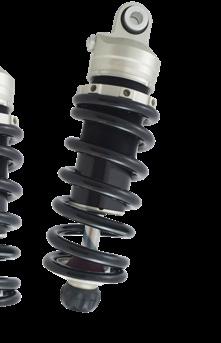



















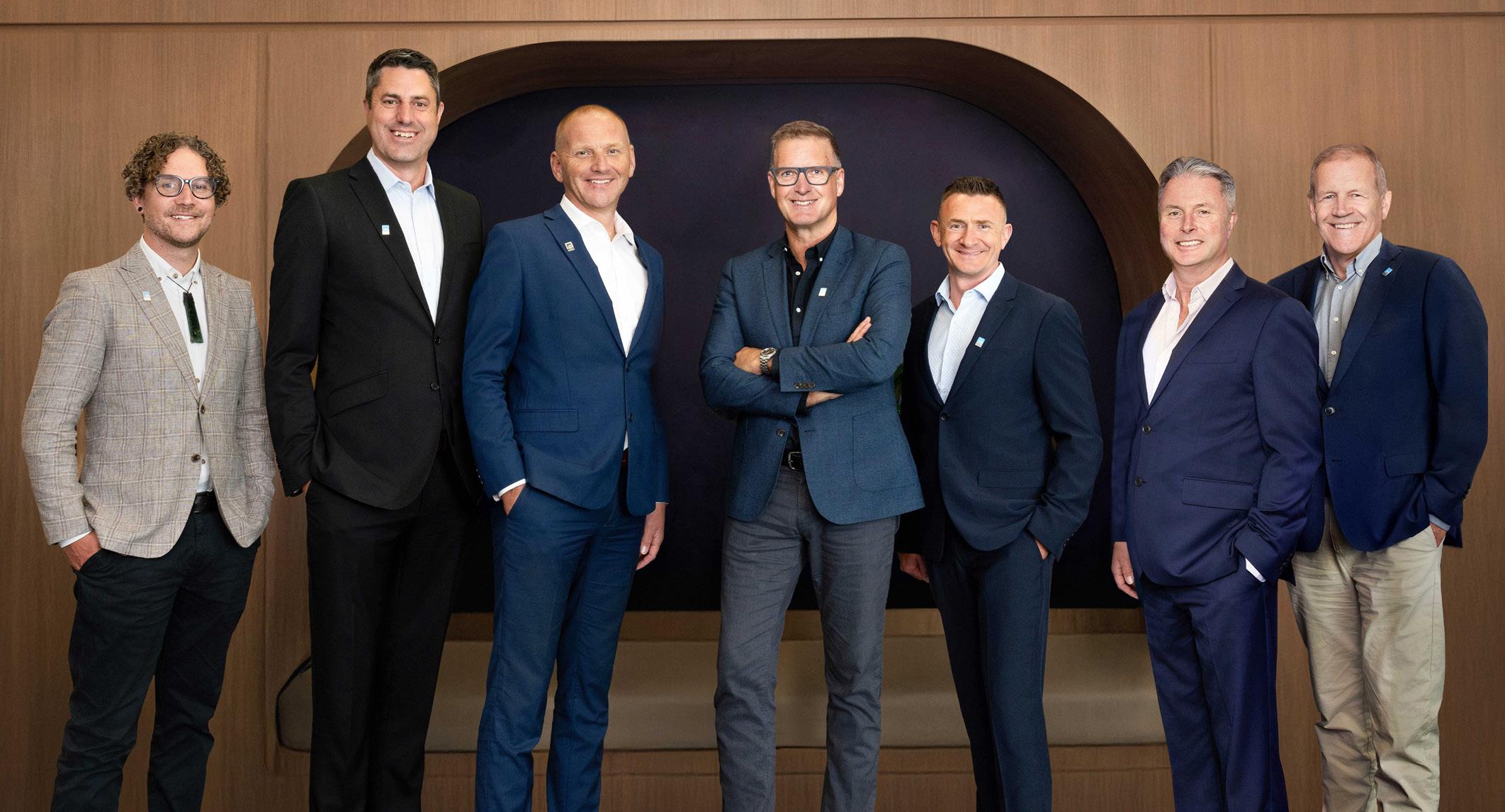
UPPER NORTH ISLAND
MIKE BURD Team Leader 027 539 4010 mike.burd@mta.org.nz
SOUTH AUCKLAND
MARK MOWBRAY 027 270 2665 mark.mowbray@mta.org.nz
LOWER NORTH ISLAND & UPPER SOUTH ISLAND
DANNY GARRICK 027 478 0593 danny.garrick@mta.org.nz


CENTRAL NORTH ISLAND
NICK MILLS 027 2099 494 nick.mills@mta.org.nz
LOWER SOUTH ISLAND
SHELLEY CARTER 027 497 1568 shelley.carter@mta.org.nz
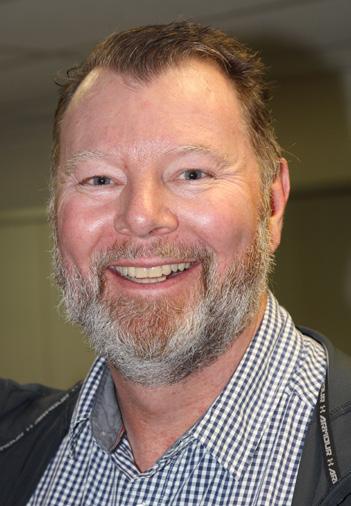

MEMBERSHIP SUPPORT
Member support team: 0800 00 11 44 mta@mta.org.nz
We encourage all members to attend the training courses, professional development opportunities or networking events taking place in their areas. Our region coordinators will let you know what’s on and when. They are also keen to hear your ideas for other training or get-togethers that you’d like to take part in.
The more you get involved, the more you can benefit from membership. Just contact your coordinator to check the dates of the meetings in your region.

natalie.campbell@mta.org.nz

natalie.campbell@mta.org.nz

Shannon Morbey Region Coordinator 021 031 0075 shannon.morbey@mta.org.nz
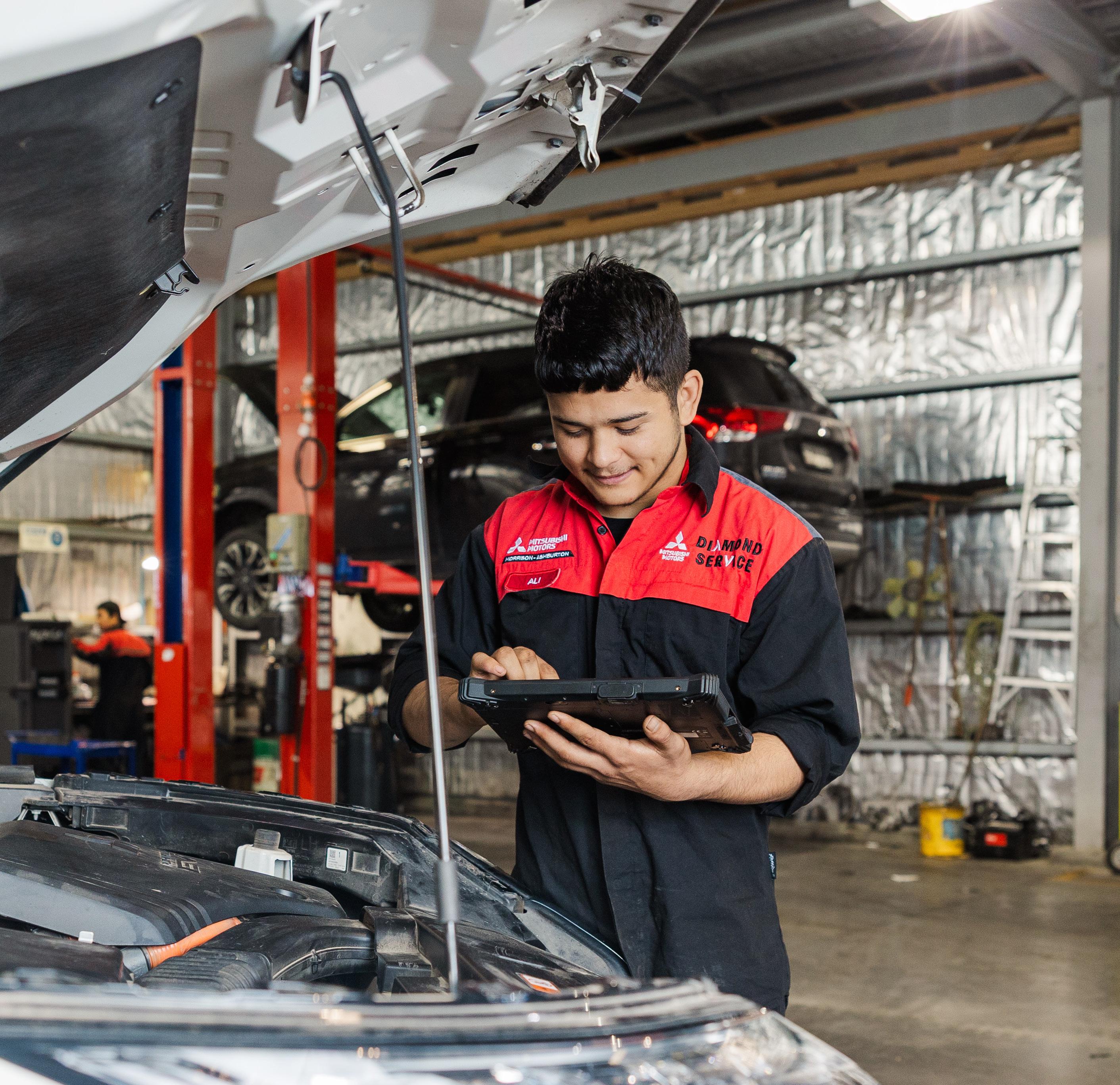
With MITO’s New Zealand Certificate in Light Vehicle Engineering (Level 5), you can develop diagnostic experts who get it right the first time. Reduce downtime. Improve accuracy. Find out more at mito.nz/lv5
Training. By industry. For industry.