I NAUGURATION OF THE SIXTH PRESIDENT
MILWAUKEE SCHOOL OF ENGINEERING
I NAUGURATION OF THE SIXTH PRESIDENT
MILWAUKEE SCHOOL OF ENGINEERING
PRES IDENT’S INAUGURATION COMMITTEE
Annmarie Baumgartner Office of the President
Daniel Bergen, Ph.D. Office of the President
Isabelle Branger University Advancement
JoEllen Burdue Marketing Communications
Olga Imas, Ph.D. ’99 Electrical, Computer and Biomedical Engineering
Kip Kussman, Ph.D. Dean of Students Office
Kristen Mekemson University Advancement
Madaleine Niemi University Advancement
Kelly Reuter
Office of the President
Nicholas Seidler Residence Life
Sebastian Thachenkary Marketing Communications
AS THE SIXTH PRESIDENT OF MILWAUKEE SCHOOL OF ENGINEERING
FRIDAY, APRIL 24, 2026 — 2 P.M.
KERN CENTER
1245 N. BROADWAY, MILWAUKEE, WI
PRELUDE
PROCESSION
PRESENTATION OF COLORS AND NATIONAL ANTHEM
WELCOME
REFLECTION
GREETINGS AND SALUTATIONS
INAUGURAL SPEAKERS
MSOE Jazz Band
Grand March from Tannhäuser (Richard Wagner)
Procession of the Nobles (Nikolai Rimsky-Korsakov)
Golden Eagle Battalion Army ROTC
Richard G. Galling ’75, ’25*
Chairman, MSOE Board of Regents
Kip Kussman, Ph.D.
Associate Vice President of Student Affairs and Dean of Students
James C. Rahn ’15*
Past Chairman, MSOE Board of Regents
Alex Rathke ’17 President, MSOE Alumni Association Board
Ron Gerrits, Ph.D.
Chair, MSOE Faculty Senate
Seandra Mitchell
Vice President of Student Affairs and Campus Inclusion
Amelia Brandt President, MSOE Student Government Association
David Crowley Milwaukee County Executive
Eric Fulcomer, Ph.D.
President, Wisconsin Association of Independent Colleges and Universities
J-D Yoder, Ph.D.
Dean and Professor, Ohio Northern University
Jennifer Trosper
JPL Fellow, NASA Jet Propulsion Laboratory
* MSOE honorary degree recipient
MUSICAL SELECTION
INVESTITURE OF PRESIDENT
ERIC T. BAUMGARTNER, PH.D.
TRANSFER OF THE MACE AND PRESENTATION OF MEDALLION
INTRODUCTORY VIDEO
INAUGURAL ADDRESS
CLOSING REMARKS
RECESSIONAL
The audience is asked to remain standing until the academic procession has left the arena.
Please join us for the President’s Reception immediately following the ceremony in the Field House and enjoy jazz music provided by WMSE 91.7 FM.
We would like to extend our gratitude to members of the MSOE Jazz Band who provided live music before and during today’s ceremony under the direction of Dana Legg, coordinator of music programs. We hope you enjoyed their performance of the following songs:
My Favorite Things (Sound Of Music) On The Street Where You Live (My Fair Lady) Hello, Dolly! (Hello, Dolly!) What I Did For Love (A Chorus Line) It Might As Well Be Spring (State Fair) Take 5 (Dave Brubeck)
MSOE Jazz Band Take 5 (Dave Brubeck)
John Y. Walz, Ph.D. ’25*
President Emeritus
Regent Chairman Galling
Driving Opportunity
Eric T. Baumgartner, Ph.D.
President
Regent Chairman Galling
Trumpet Tune (Henry Purcell)
Sing, Sing, Sing (Louis Prima)
Saxophones: Campbell Brock, Moon Early, Sean Kabara, Alex Scharfe and Andrew Wisniewski
Trumpets: Megan Ruffing, Kyra Schopper, Preston Tran, Collin Van Dam and Lucas Weigand
Trombones: Elizabeth Checkai, Jack Duty, Chris Hansen, Liam Otten and Jacob Minikel
Piano: Benjamin Thomas
Bass: Mason Beynon
Guitar: Joshua Coleman-Jones
Drums: Noah Reynolds
Today’s presentation of colors was provided by four students from the Golden Eagle Battalion Army ROTC: Rae Dakins, Marquette University; Theo Ruffin, MSOE; Gabbie Tully, Marquette University; and Donovan Stadler, Marquette University. This AROTC program serves students from five Milwaukee area colleges and universities. 3
ACADEMIC PROCESSION
MSOE Faculty and Staff Representatives
DELEGATES OF MILWAUKEE SCHOOL OF ENGINEERING BOARD OF REGENTS
Kendall G. Breunig ’79, ’17*
John L. Cain
Dwight D. Diercks ’90, ’14*
Kevin Fletcher ’19*
Richard G. Galling ’75, ’25*
Eckhart G. Grohmann ’99*
Nicholas A. Haemel ’02
Jacquelyn D. Herd-Barber ’84, ’18* (representing Regent Michael J. Barber ’82, ’12*)
Ronald J. Jensen ’74, ’19*
Scott Moon ’14*
Susan Kaufman Nash
James C. Rahn ’15*
Joseph J. Rencis, Ph.D. ’78, ’80
DELEGATES OF ACADEMIC INSTITUTIONS
1841 Fordham University
Rev. Paul Stanosz
1842 University of Notre Dame
Michael J. Seelinger, Ph.D., Dunn
Family Teaching Professor of Engineering
1846 Carroll University
Cindy Gnadinger, Ed.D., President 1847 Carthage College
John R. Swallow, Ph.D., President 1851 Ripon College
Julie Riccardi, Vice President for Advancement 1865 Worcester Polytechnic Institute
John Robertson
1866 University of Wisconsin - Platteville
Jessica P.M. Fick, Ph.D., Associate Dean, College of Engineering, Mathematics and Science
1871 Ohio Northern University
Lynda Nyce, Ph.D., Associate Provost
1881 Concordia University Wisconsin
Erik Ankerberg, Ph.D., President
1881 Marquette University
Kimo Ah Yun, Ph.D., President 1887 Alverno College
Christy L. Brown, J.D., President
1890 Viterbo University
Kirsten Gabriel, Vice President and Dean of Students
1891
1893
North Park University
Mary Karsten Surridge, President
Medical College of Wisconsin
Mara Lord, Ph.D., Chief Strategy and Growth Officer
1911 Wisconsin Technical College System
Layla Merrifield, President
1912 Milwaukee Area Technical College
Anthony Cruz, Ed.D., President
1913 Mount Mary University
Isabelle D. Cherney, Ph.D., President
1923 Waukesha County Technical College
Richard G. Barnhouse, Ph.D., President
1926 Embry-Riddle Aeronautical University
Joseph J. Rencis, Ph.D., Associate Dean, School of Engineering
1927 Edgewood University
Andrew P. Manion, Ph.D., President
1961 Wisconsin Association of Colleges and Independent Universities
Eric Fulcomer, Ph.D., President
1968 University of Wisconsin-Parkside
Steve Donovan, Executive Director for Partnerships, Associate Vice Chancellor
1969 Technische Hochschule Lübeck
Karen Cabos, Ph.D., Vice President for Research and International Affairs
1971 Excelsior University
David Schejbal, Ph.D., President
1973 Wisconsin Lutheran College
Daniel W. Johnson, Ed.D., President
Daniel J. Bergen, Ph.D.
Vice President and Chief of Staff
Alicia Domack, Ph.D.
Interim Vice President of Academics
Paul Matson
Vice President of Finance and CFO
Kristen Mekemson
Vice President of University Advancement
Seandra Mitchell
Vice President of Student Affairs and Campus Inclusion
Sebastian C. Thachenkary
Vice President of Marketing and Community Engagement
Joe Tranquillo, Ph.D.
Executive Vice President-Elect of Academics
Timothy A. Valley, Ph.D.
Vice President of Student Services and Enrollment Management
Stephen Williams, Ph.D.
Vice President of Campus Infrastructure
* MSOE honorary degree recipient
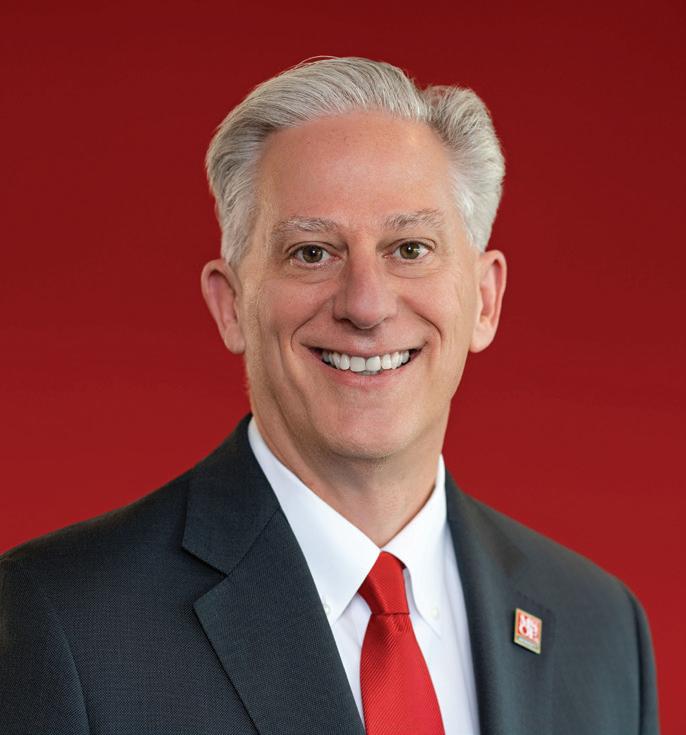
SIXTH PRESIDENT OF MILWAUKEE SCHOOL OF ENGINEERING
As a child in upstate New York, Dr. Eric T. Baumgartner dreamed of traveling to space and working for NASA. His first stops on his race to space were gaining the proper education. He earned his B.S. in Aerospace Engineering at the University of Notre Dame, his M.S. in Aerospace Engineering from the University of Cincinnati and his Ph.D. in Aerospace and Mechanical Engineering from the University of Notre Dame. He then began his career in academia at Michigan Technological University as an assistant professor in the Mechanical Engineering – Engineering Mechanics Department.
After his second year as a faculty member at Michigan Tech, Baumgartner’s dream of landing amongst the stars became a reality when he gained a NASA/ ASEE Summer Faculty Fellowship at the Jet Propulsion Laboratory (JPL) in Pasadena, California. This fellowship turned into a full-time position, and the Baumgartner family left Michigan’s Upper Peninsula for Southern California. Baumgartner’s career at JPL began with conducting research and developing technology solutions and robotic systems that supported solar system exploration missions. In the summer of 2000, he joined the Mars Exploration Rover (MER) flight project team, which designed, built, launched and operated the Spirit and Opportunity rovers on the surface of Mars. Baumgartner served as the lead system engineer for the robotic arm that was mounted on the front of each rover and used to place four scientific instruments on rock and soil targets on Mars. He also served as a driver for the Opportunity rover and was responsible for navigating the rover across Mars.
Baumgartner was recognized with the NASA Exceptional Achievement Medal in 2004 and as a co-recipient of the IEEE Robotics and Automation Award in 2008, which is regarded as the highest recognition in the field of robotics.
During his time at JPL, Baumgartner taught on a part-time basis at the University of California, Los Angeles. He also hosted a number of faculty members for fellowships in his lab at JPL, just as he had been hosted at the beginning of his career. He longed to return to an academic environment where he could educate future engineers and inspire others. In 2006, he began his service as the Dean of the T.J. Smull College of Engineering and professor of mechanical engineering
at Ohio Northern University, where he served for 11 years. Here he experienced the perspective of a small, private institution, worked with the college’s stakeholders to set the vision and strategic objectives for the college, and supported their mission for a fundraising campaign for a new engineering building.
Baumgartner began his role as Vice President of Academics at MSOE in July 2017 and was promoted to Executive Vice President of Academics in September 2020. He was drawn to MSOE’s commitment to an applications-oriented approach to achieving excellence in STEM education. Under Baumgartner’s astute leadership, MSOE accomplished numerous strategic academic initiatives. He led MSOE’s conversion from a century-old, quarter-based academic calendar to a semester-based model; led the COVID-19 crisis response committee to guide MSOE through the pandemic; supported the development of undergraduate and graduate programs focused on AI and machine learning; contributed to the design of new academic spaces such as those within the Dwight and Dian Diercks Computational Science Hall, Hermann Viets Tower, and the soon-to-bebuilt Robert D. Kern Engineering Innovation Center; and established the Center for Professional Education. He also created the opportunity to broaden MSOE’s academic offerings in the health professions in collaboration with the Medical College of Wisconsin; supported the launch of engineering and computing explorer pathways for undecided students; supported the formulation of the MSOE Mindset and the integration of this mindset into program courses and curricula; and created a focus on data-informed decision making by providing transparent access to data through numerous institutional dashboards. Today, he leads the university as the sixth president of MSOE.
Baumgartner and his wife, Annmarie, are proud parents of three adult children— Megan, Luke and Emma—and grandparents to their granddaughter, Eloise. On Jan. 1, 2026 Annmarie Baumgartner joined MSOE in a voluntary position as the Executive Advisor for Strategic Engagement. Annmarie previously served as the Senior Director of Donor Services at the Greater Milwaukee Foundation, where she led a team of philanthropic advisors and assisted donors in achieving their philanthropic goals.

John-David (J-D) Yoder has served as Dean of the T.J. Smull College of Engineering at Ohio Northern University (ONU) since 2017 and previously served as Chair of mechanical engineering. Before joining ONU, he was the Proposal Engineering Supervisor at Grob System Inc. He has held numerous leadership and advisory positions in various entrepreneurial ventures. Yoder is listed as inventor on 11 patents and has over 50 peer-reviewed publications. He has had the privilege of serving as a Faculty Fellow at the Jet Propulsion Laboratory in Pasadena, California, and an Invited Professor at INRIA Rhone-Alpes in Monbonnot, France. Yoder’s research interests include computer vision, mobile robotics, intelligent vehicles, entrepreneurship and engineering education.
Yoder has been an active member of the Kern Entrepreneurial Engineering Network (KEEN) since its founding over 20 years ago, and currently serves on the KEEN Leadership Council as well as being one of the founding facilitators for the Entrepreneurial Mindset for Future University Engineering Leaders (EM-FUEL) leadership development program, which aims to develop nearly 1,000 leaders over the next decade. He has served as both secretary and chair of the Ohio Engineering Deans Council. At the national level, he is a member of the Executive Committee of the American Society of Engineering Education (ASEE) Engineering Deans Council and is past chair of the Undergraduate Experience Committee of the Engineering Deans Council. Yoder earned his bachelor’s, master’s and doctoral degrees in mechanical engineering from the University of Notre Dame.
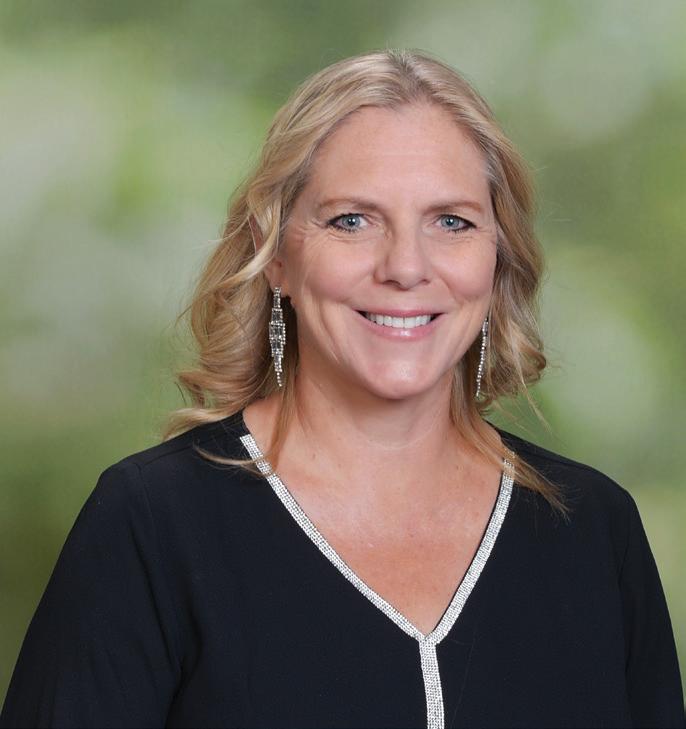
Inauguration Speaker Biography
JENNIFER HARRIS TROSPER
Jennifer Harris Trosper is a distinguished JPL Fellow and the laboratory lead for Mission Protection and Resilience in the Office of Project Engineering Management at the Jet Propulsion Laboratory (JPL) in Pasadena, California. She also leads the Rover Operations Center (ROC) at JPL, spearheading the infusion of artificial intelligence into JPL operating missions and collaborates with “New Space” and AI industry leaders to drive cost reductions and operational efficiencies across the laboratory.
With a career spanning over 30 years at the Jet Propulsion Laboratory, Trosper has held critical engineering leadership roles on every spacecraft ever to have roved the surface of Mars. Most recently, she served as the Project Manager for NASA’s Mars 2020 Perseverance rover and Ingenuity helicopter teams. Her leadership was instrumental throughout the mission’s lifecycle, from overseeing the design of autonomous capabilities as the Mission System Development Manager to managing the project-wide systems engineering teams through launch and surface operations.
Beyond the Red Planet, Trosper also served as the Integrated Systems Engineering Manager for the Psyche mission, where she was responsible for the verification and validation of the flight vehicle prior to its 2023 launch. Her extensive portfolio also includes leadership roles on the Mars Science Lab (Curiosity), SMAP, and the Mars Pathfinder missions.
Trosper’s technical foundation began as a power subsystem engineer before transitioning into attitude control, command data handling, and testbed engineering. This end-to-end expertise in complex systems has been the hallmark of her success and led to her being named a JPL Fellow in 2013. She holds a bachelor’s degree in aerospace engineering from MIT and a master’s degree from the University of Southern California. Originally raised on a farm in Ohio, she was inspired to pursue space exploration by her father’s stories of rocket launches during his service in the Army Corps of Engineers.
At the dawn of the 20th century, new occupations emerged in technical fields as the use of electrical and mechanical power was greatly accelerated. Engineers and technicians were in great demand, but few people were available who had the formal education and technical training. Industry’s need spurred the development of progressive programs of technical education.
In this context, Oscar Werwath organized the School of Engineering of Milwaukee in 1903. Werwath was a practicing engineer who graduated from European technical schools in the late 19th century. He was the first person to plan an American educational institution based on an applications-oriented curriculum.
From the beginning, leaders of business and industry cooperated in the institution’s development, and a close relationship was established that has continued throughout MSOE’s history. These early supporters realized that their future depended upon educational institutions that could prepare men and women to fill newly created engineering and management positions.
In the mid-1950s, MSOE expanded its offerings beyond engineering and established its business program. Over the next few decades, the business program continued to grow, adding bachelor’s and master’s degree programs which helped fuel the business and management talent pipeline for MSOE’s industry partners.
MSOE’s interest in technology and engineering in the medical field began in the 1970s with the creation of the biomedical engineering program. Thus, in the mid-1990s it was a logical step for MSOE to embrace the idea of offering a full-scale nursing program. Noting that a nursing degree relies on training in
many computer and applied technology areas, MSOE felt it was a natural fit for its existing curriculum. At the same time, the Milwaukee County General Hospital School of Nursing was being discontinued. This school was merged into MSOE, resulting ultimately in the launch of a four-year nursing bachelor’s degree.
Today, MSOE offers bachelor’s and master’s degrees in engineering, business, computer science and nursing. MSOE has more than 3,000 students who come from all parts of the United States and dozens of other countries. Students learn from industry-experienced faculty and work on real-world problems in small classes. MSOE is a small university making an enormous impact.
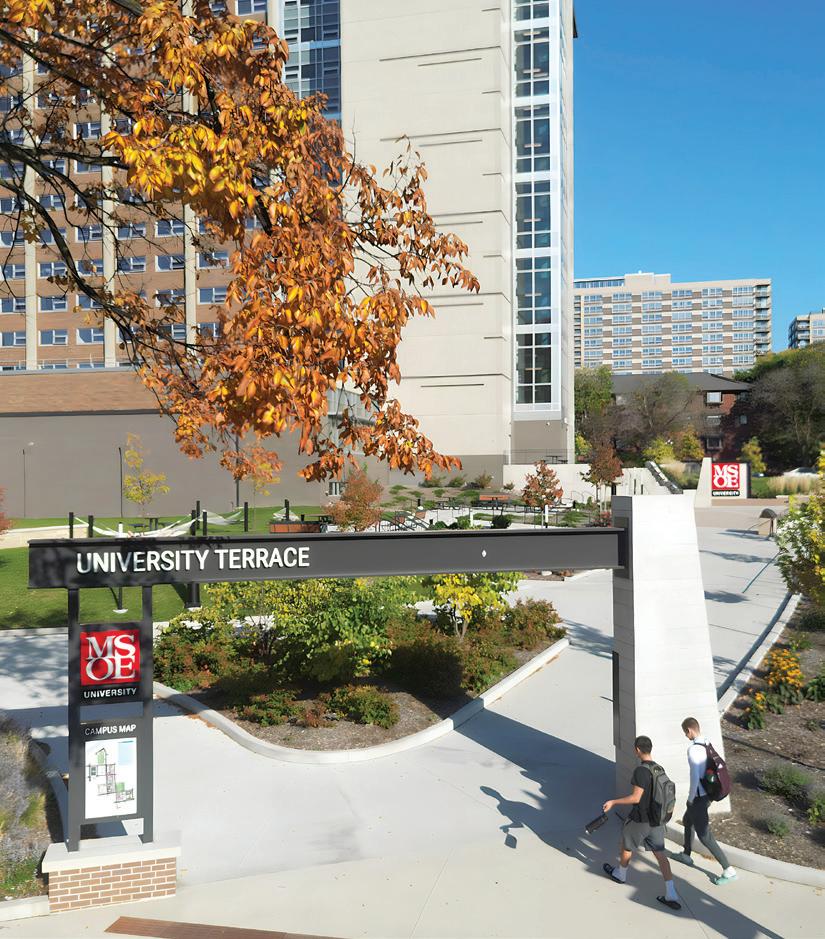
MSOE’s 23-acre campus is located in the heart of downtown Milwaukee. MSOE students enjoy all of the excitement and opportunity of the city with a close-knit community feel. The vibrant campus life at MSOE offers more than 100 student clubs and organizations. MSOE competes in NCAA Division III with 27 teams in men’s and women’s intercollegiate sports.
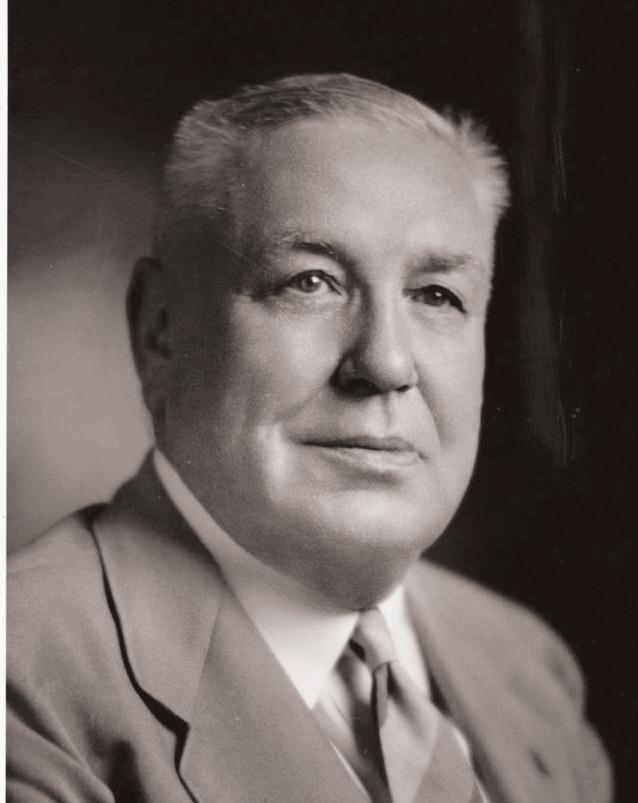
Oscar Werwath, founder 1903–1948
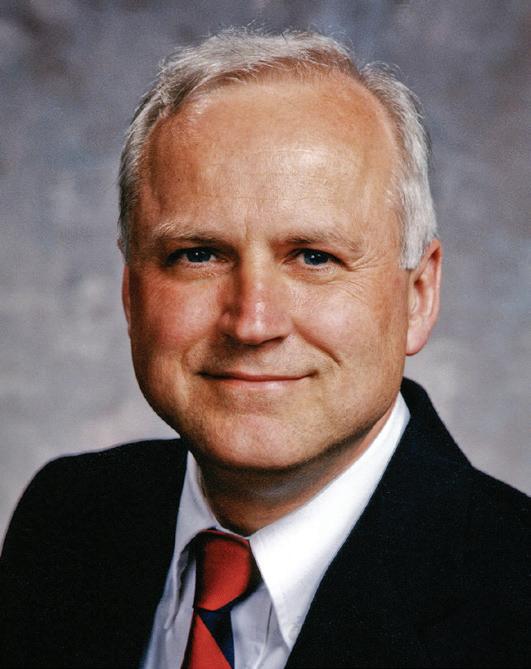
Hermann Viets, Ph.D. 1991–2015
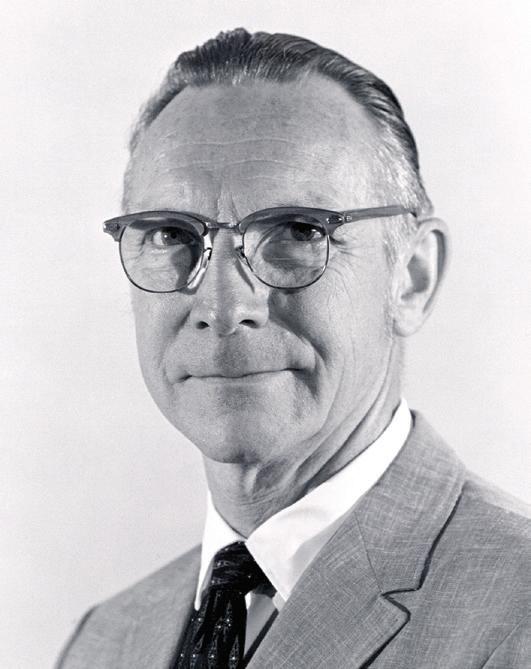
Karl Werwath 1948–1977
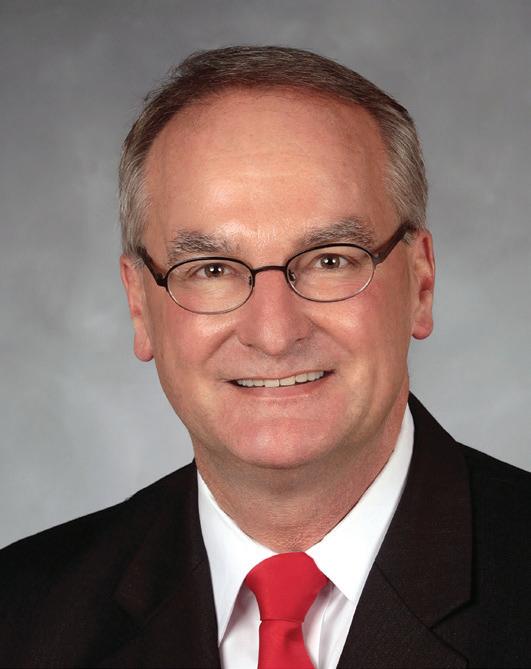
John Y. Walz, Ph.D. 2016–2025
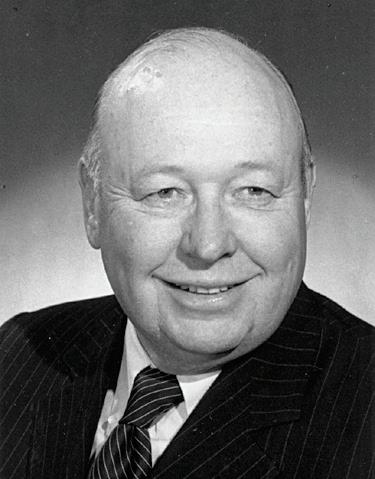
Robert R. Spitzer, Ph.D. 1977–1991
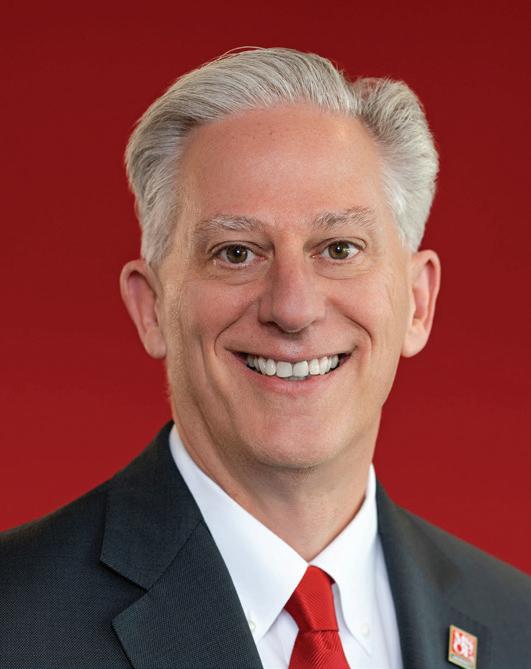
Eric T. Baumgartner, Ph.D. 2026–
Richard G. Galling, ’75, ’25* Chairman
G. Woodrow Adkins ’13*
Michael J. Barber ’82, ’12*
Steven G. Booth ’23*
Kendall G. Breunig ’79, ’17*
Matthew M. Burow ’99, ’24*
John L. Cain
Allen J. Carlson ’79
Bernard A. Cohen, Ph.D. ’71, ’13*
Dwight D. Diercks ’90, ’14*
William Edstrom Jr. ’84
Kevin Fletcher ’19*
Patrick Forsythe
Thomas Glaister
Dudley J. Godfrey III
Karl Gouverneur
Eckhart G. Grohmann ’99*
Nicholas A. Haemel ’02
Thomas J. Hauske Jr.
Robert J. Hillis ’07*
Michael E. Hora
Ronald J. Jensen ’74, ’19*
John. A. Mellowes ’01*
Daniel J. Moceri ’76, ’16*
Scott Moon ’14*
Susan K. Nash
Edward W. Raether ’68, ’12*
James C. Rahn ’15*
Michael J. Reader
Joseph Rencis, Ph.D. ’78, ’80
Kathleen M. Ruehlow ’72, ’15*
Don Schlidt
Rebecca Seidel ’93
John S. Shiely ’05*
* MSOE honorary degree recipient
Gary A. Stimac ’73, ’09*
Dawn A. Tabat ’15*
Robert A. Wagner ’64, ’18*
Neal K. Wunderlich ’74, ’17*
Kevin Zaba
Terry W. Anderson
Robert Arzbaecher
Jeffrey L. Bleustein, Ph.D., ’03*
Anthony W. Bryant
Thomas A. Burke
James J. Burns ’56
Richard G. Carlson, Ph.D.
Katherine Carr
Gene P. Carter ’60, ’95*
Brian W. Cooke
Curt Culver
Clyde J. Denton ’55
David L. Doerr
James L. Dorman
John E. Duncan ’79
David C. Easley
James D. Ericson
Susan Feith ’07*
Dean A. Foate ’99
Warner C. Frazier
William C. Gebhardt
Jodie K. Glore
James P. Griffin
Richard C. Grove
Stig Fiste Haagensen ’91
Frank M. Jaehnert
Robert H. Jenkins
David T. Kahler ’97*
Gary H. Kaine
Ward P. Komorowski ’82, ’85
Frederick D. Kuester
Craig L. Leipold
Gerald F. Lestina
Matthew Stephen Levatich
Joan R. Lloyd
Jay V. Loewi ’95*
Cheryl M. Lovinus ’03
Paul B. Luber
Michael Major
Carl R. Marschke ’09*
James F. McKinley
John W. Mellowes
Thomas L. Misiak ’77
Yuzaburo Mogi
Alex A. Molinaroli
Daniel R. Perry
George E. Prescott
Agustin A. Ramirez ’17*
Alan J. Ruud ’69, ’98*
John L. Schliesmann
Wolfgang A. Schmidt
Larry A. Schotz ’73, ’01*
David A. Selby ’77, ’79, ’00
Richard G. Sim, Ph.D.
John W. Splude ’10*
Brian J. Stark ’71
R. Baird Stephenson
Timothy W. Sullivan ’11*
W. Kenneth Sutton
John B. Torinus Jr.
Mark Train ’18*
Lyman William Tschanz
David V. Uihlein ’93*
Robert E. Vieau ’69, ’14*
Gary J. Vroman ’91
Kerry L. Woody
CORPORATE BOARD
Mathew J. Alagna ’91, ’02
Asif Bakar
Frederick J. Bartkowski ’59, ’62
Matthew T. Bertsch ’97
Dale Boehm
Thomas J. Boldt
Michael E. Cahill ’89
Stephen L. Capp ’77, ’78
Timothy L. Chambers
Randy Crump ’77
Sean Cullen
Kenneth J. Dragotta, ’85, ’98
Kurt A. Drier ’91
Michael S. Erwin ’94, ’14*
Robert J. Flemming
Randall L. Freeman ’72, ’74
David J. French ’97
Ploypairin Gerber ’19
Timothy J. Gramling
Dana Guthrie ’10
Scott Haag
Ronald E. Hahn ’91
Mark A. Hale ’91
Jacqueline D. HerdBarber ’84, ’18*
John C. Hunzinger
Eric D. Isbister
Susan L. Jaske ’86, ’97
Craig D. Jorgensen
Ted D. Kellner ’19*
Randall S. Kirk ’93
Thomas E. Kleinschmidt ’75, ’77
Dean R. Mehlberg ’71, ’73
Craig A. Miller ’89
Sara RS Miller ’86
Thor S. Misko ’06
Daniel M. Muchin
Matthew J. Mundt ’14
Joseph H. Noworatzky ’85
Matthew M. Olsen ’11
Seth R. Patin ’05
Kim M. Pettiford ’93, ’99
Richard R. Pieper Sr. ’04*
Donald R. Potter ’56
Allen F. Radtke Jr.
David Rolston
Lori L. Rosenthal
David B. Ruehlow ’07, ’17
Anthony J. Saiia ’71
Theodore J. Salgado ’76
Timothy M. Schneider ’04
Mark A. Simonides ’80, ’82
James J. Stocki Jr. ’90
John J. Stollenwerk
Gene A. Wright ’77, ’79, ’87
Fred M. Young Jr.
Reginald L. Zeller ’02
ALUMNI BOARD
Alex Rathke ’17
President
Greg Lisowski ’18
Vice President
Noel Knibb Jr. ’19
Secretary
Ploy Gerber ’19
President Emeritus
Brent Arnold ’01
Jack Cerasoli ’19
Casey DeLao ’16, ’21
Edward Ferkel ’87
Joseph Heinz ’19
Shravanthi Maniscalco ’19
Max Morache ’19
Margaret Rathke ’17
Anna Rowe ’19
Francis Sena ’19
Caleb Vredenbregt ’16
Joseph Zuniga ’17
* MSOE honorary degree recipient
Originally, the Mace was a heavy banded or spiked club used in warfare in the Middle Ages to support authority or power. When turned upside down, the Mace denotes peace, and it is in the position that it is carried in the procession. Over time, the Mace became a symbol of dignity and authority for those who ruled with knowledge. The MSOE Mace is a symbol of an era in which dignity and leadership are achieved through education, knowledge and truth.
At the base is a globe. It represents both MSOE’s international reach of drawing students from all over the planet, and educating students about knowledge from all over the world. An industrial diamond is set at MSOE’s location on the sphere.
Coming forth from the world are items and engravings symbolizing the educational programs offered by the university. The gear, pulley and piston represent mechanical engineering. A rotor and stator represent electrical engineering. A computer microchip represents computer and software engineering. Also depicted are symbols relevant to engineering, business and nursing, including the Ohm’s law pyramid, an electric motor, spring scale, flowchart, operational amplifier, a building and a person.
The integration of triangles represents management’s role of interdisciplinary actions between teams and their activities. The obelisk reaching to the light symbolizes beauty and enrichment of form. A cube at the top denotes the year of the founding of the university in 1903 and the name of the founder, Oscar Werwath. The dash gear above the cube represents the flame of knowledge and the shining light of truth and beauty.
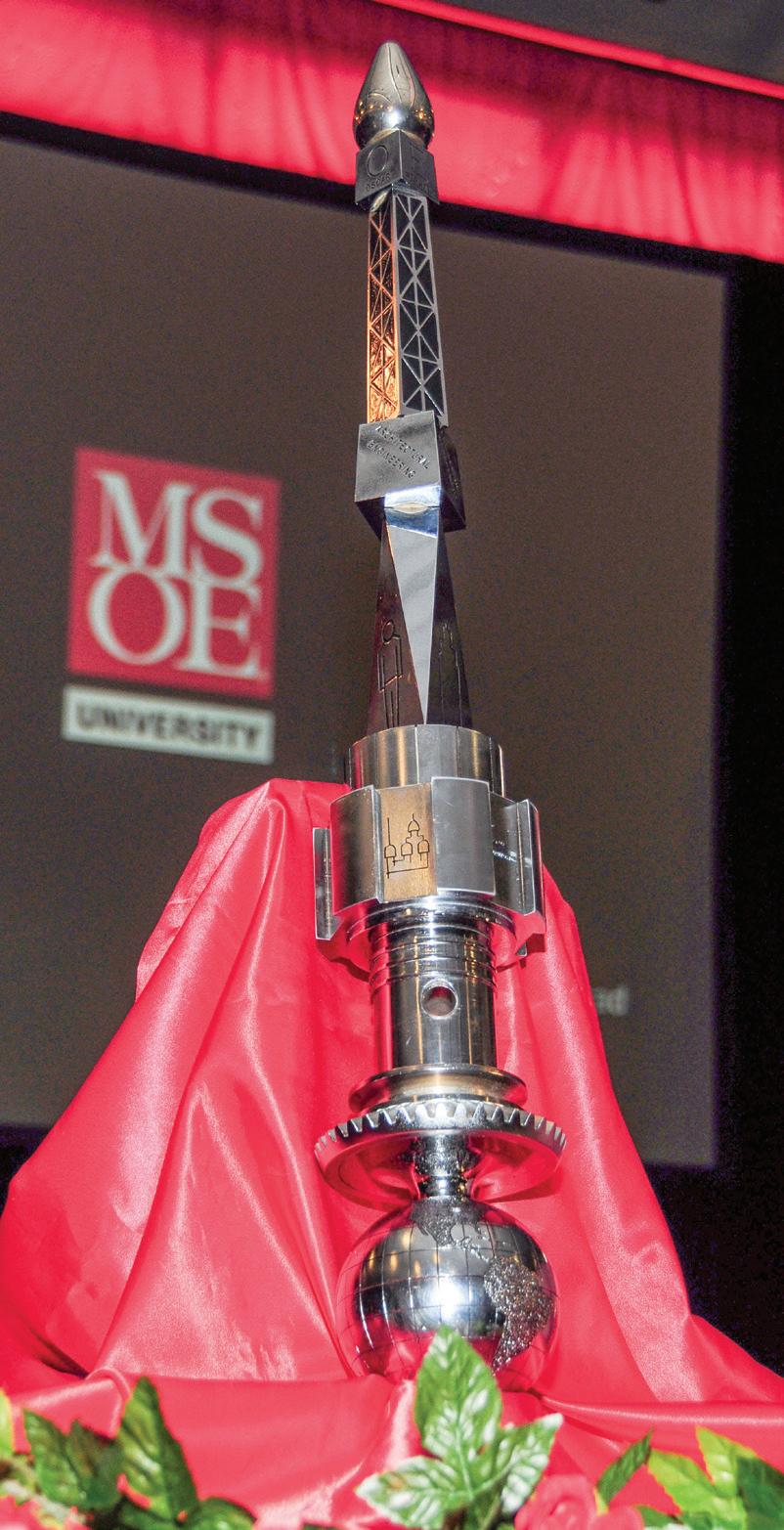
When the Mace is carried, the world is placed in the marshal’s hands. This is a sign that our destiny is in the hands of mankind. The Mace represents a charge to the university and to the graduates to use their education to influence the general welfare of the world.
The Mace is a way of life. The light of knowledge symbolizes that enlightenment comes from educated people, not from the authority of one or a few. The MSOE Mace has an ultimate goal of freedom, justice and equality for all.
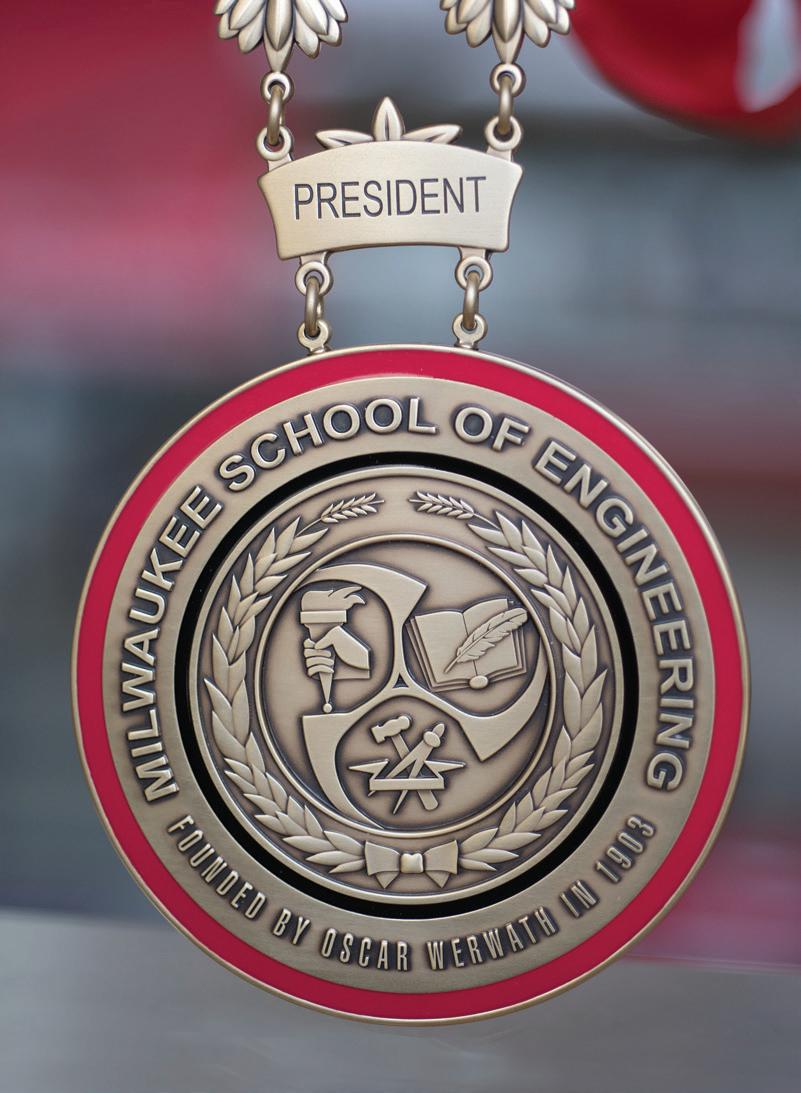
The medallion, or chain of office, presented to President Eric T. Baumgartner, Ph.D. during the inauguration ceremony is an antique bronze medal featuring the official seal of Milwaukee School of Engineering, suspended on ribbon of red. Engraved on the back of the medallion are the names of MSOE’s presidents and their years of service.
The MSOE seal evolved in three stages. The original, designed by the institution’s founder, Oscar Werwath, was a simple, wheel-shaped crest. It was embellished only by the name of the school and the symbol of the electrical sparks. The theme of the tomoe was incorporated in 1927. The present form was developed in 1935. Since then, it has been the proudly displayed emblem of a world-renowned technical university.
The central design of the seal is the tomoe, three whirling discs or commas found in traditional Asian art which represent air, fire and water, the three elemental forces of nature. Grouped in a circle, these discs form a wheel, humanity’s first engineering accomplishment with which they were able to control natural forces.
Superimposed on the tomoe are representations of the foundation of an MSOE education. The hammer, compass and sparks found at the base of the unit represent the applications-oriented curriculum. Above, and to the right, are the book and quill of knowledge and theory. The hand and flaming torch of knowledge complete the triad and honor the pursuit of excellence.
Surrounding the tomoe is a wreath of wheat sheaves signifying virility and high scholastic honors. The outer ring of the seal features the university’s name, and pays honor to Oscar Werwath, who founded the institution in 1903. The border of the seal is formed by a series of rings which represent the concentric curriculum, a unique educational system pioneered by the founder.
The official seal symbolizes formal authority vested in the university. It is a mark of authentication and institutional sanction. Use of the seal is reserved for the highest official university documents.
Academic dress reaches back into the early days of the oldest universities. A statute written in 1321 required that all “Doctors, Licentiates, and Bachelors” of the University of Combra wear gowns. In England, in the second half of the 14th century, the statutes of certain colleges prescribed the wearing of a long gown. Hoods covered the tonsured heads of faculty members until superseded by skull caps which were displaced by headdresses similar to those now used.
American colleges and universities desiring to adopt a system of academic apparel met at Columbia University in 1895. From that meeting came the establishment of a code of academic dress for U.S. colleges and universities. An American Council on Education Committee reviews the 1895 code at intervals making changes in effect today.
The gowns worn by the degree candidates and faculty members have distinctive characteristics. The gown for the bachelor’s degree with pointed sleeves is designed to be worn closed. The gown for the master’s degree has oblong sleeves. The arms are put through an arc cut away on the front of the sleeves. The gown may be worn open or closed. The doctor’s gown has bell-shaped sleeves and also may be worn open or closed.
The gowns are black cotton material for the bachelor’s and master’s degrees, and black rayon or silk-ribbed material for the doctor’s degrees.
The bachelor’s and master’s gowns are untrimmed. The front of the doctor’s gown is faced with black velvet with three black velvet bars on the sleeves.
Hoods made of the same material as the gown are worn only after the degree has been conferred. The bachelor’s hood is three feet long, and master’s three and one-half feet, and the doctor’s four feet with side panels.
The hood lining is the official color or colors of the college or university that conferred the degree. More than one color is shown by dividing the colors into bars or chevrons.
The edging of the hood is velvet or velveteen two, three and five inches wide for the bachelor’s, master’s and doctor’s degrees. For example, a degree in engineering is indicated by orange edging, business is buff, education is light blue, science is yellow, liberal arts is white, nursing is apricot, medicine is green, law is purple, theology is scarlet and so forth.
A long tassel is fastened to the top of the cap or mortarboard and, like the edging on the hood, is the color of the subject of the degree. Candidates for bachelor’s and master’s degrees in nursing wear apricot tassels; bachelor’s and master’s degree candidates in business and management wear drab tassels, as do bachelor’s degree candidates in construction management; bachelors degree candidates in user experience wear crimson tassels; bachelor’s degree candidates in actuarial science and computer science wear science gold tassels; master’s degree candidates in perfusion wear kelly green tassels; and bachelor’s and master’s degree candidates in engineering and machine learning wear orange tassels. The tassel is worn on the right side of the mortarboard before the degree is conferred and is transferred to the left side after the conferral, an important and meaningful part of the university commencement ceremonies.
SOURCE : An Academic Costume Code, American Universities and Colleges, American Council on Education, Washington, D.C.
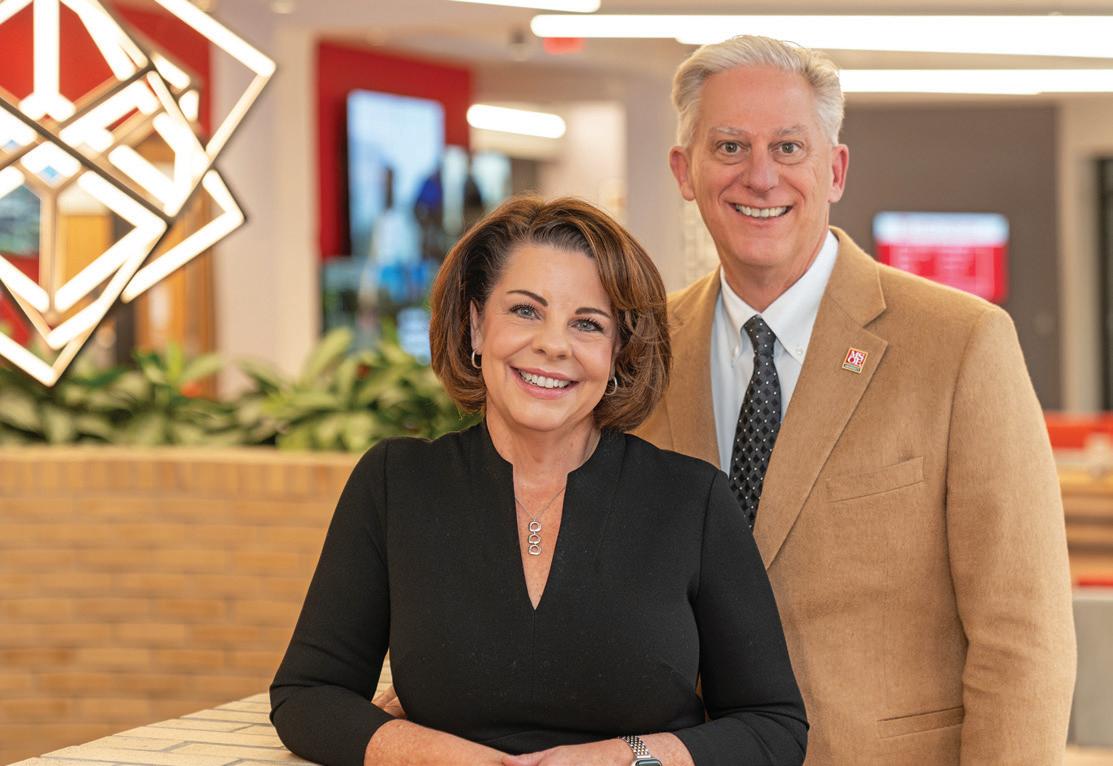
Today is a remarkable moment in MSOE’s history, and we extend our sincere appreciation to all who are able to join us in celebrating this moment in time.
We are deeply grateful to the university’s Board of Regents for their leadership throughout the presidential transition and for their continued stewardship of the institution. We are also thankful to President Emeritus John Walz and his wife, Moira, for their gracious spirit and partnership through the transition.
We extend our thanks to the alumni and friends of MSOE who have traveled from near and far to commemorate this special moment and for their continued dedication and passion for MSOE’s mission.
We offer our heartfelt thanks to the faculty, staff and students whose active engagement and support will be key as we drive the opportunities to advance MSOE’s mission, vision and values together.
MSOE is also a key contributor to the success of the Milwaukee region and a proud member of the national academic community and we are overwhelmed with all those who have shown their support through their attendance today or their thoughtful wishes for the inauguration and MSOE’s future.
This event, day and week would not have been possible if not for dedicated individuals whose vision and efforts brought to life these meaningful and memorable events. Thank you to the members of the Inauguration Planning Committee, AI Week Planning Committee, volunteers, today’s speakers and the MSOE Jazz Band who contributed their time and talents to this special occasion.
To say we are honored, humbled and thrilled by the opportunity to lead MSOE into the next chapter in its history is an understatement. Most importantly, we are resolved and committed to drive MSOE into a thriving and successful future.
Eric and Annmarie Baumgartner
I NAUGURATION WEEK
CELEBRATORY EVENTS
MONDAY, APRIL 20
Charting the Future: AI, Careers and Connections
TUESDAY, APRIL 21
Rosie Supercomputer Super Challenge
WEDNESDAY, APRIL 22
Inauguration Wine Tasting Event
THURSDAY, APRIL 23
Reimagining Education: AI, Critical Inquiry and Transformative Practice
Trivia with the Baumgartners
FRIDAY, APRIL 24
Presidential Luncheon (Invitation only)
Inauguration of Eric T. Baumgartner, Ph.D.
President’s Reception
President’s Dinner (Invitation only)
SATURDAY, APRIL 25
AI Week Distinguished Speakers: Full-Day Conference