
Better Together: Strengthening Our Golf Community
Golf is a unifying, shared passion for many across the world. Its intrinsic benefits translate across languages and geographies. For Montanans, we (most years) have to wait for a winter’s intermission to get back to the links. Golf is early mornings with friends, long summer evenings that stretch past sunset to get the last hole complete.
This year, we’re excited to take important steps forward in strengthening our community with the launch of our new website: www. msgagolf.org
Our goal was simple — modernize our existing content, make it mobile friendly and create a platform that makes it easier for you to engage with everything the Montana State Golf Association offers. Whether you’re registering for a championship, exploring member benefits, following tournament results, or learning about junior programs, the new site is designed to serve you better.
But a website is just a tool. The real story is the people behind it.
Membership in the MSGA continues to grow because golfers across our state understand something powerful: we’re better together.
Your membership is more than a handicap index. By joining the MSGA you’re helping support the entire golf ecosystem in Montana. We nerd out on handicap administration, course rating and championship opportunities. We care deeply about junior golf development, volunteer programs, and growing the
2 - 406GOLF - MARCH 1, 2026
game in Montana. Our shared membership strengthens relationships with clubs across the state and connects us to regional and national partners.
And of course, there are tangible benefits — the GHIN Mobile App continues to deliver ways to keep track of your score, your stats and where you played. Competing in state, regional and national events may not be for everyone, but we’re developing more playing opportunities for everyone.
Being a member stretches beyond these familiar benefits, membership has perks too.
• This very magazine you’re reading, 406golf
• Pacific Northwest Golfer Digital Magazine through our PNGA Partnership
• 20% stays at our trusted partner, Erck Hotels
• 12 Fantasy Golf Competitions with Prizes from Fins & Pins
• 20% off StrackaLine Yardage Books


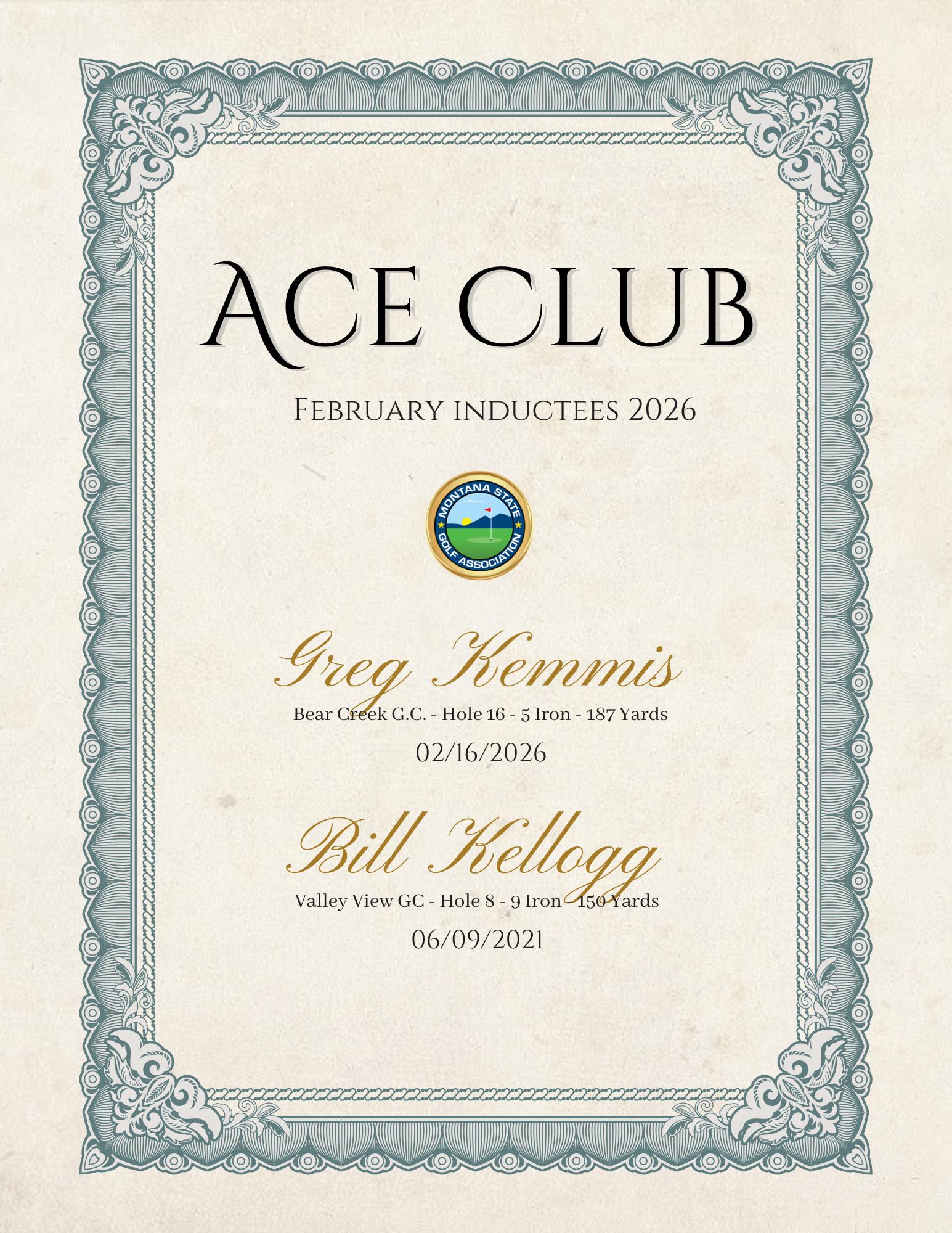
• Hole-in-One Certificates to commemorate your great shot
• Increased Travel Opportunities like the Las Vegas Getaway.
• Flipwedge Club Exchange Program
Belonging to a statewide community that believes in sportsmanship, stewardship, and opportunity to get involved has brought us trusted partners and we continue to work to provide you, the member even more benefits.
• As we look ahead, our focus is clear:
• Enhance the member experience.
• Grow participation across all ages and skill levels.
• Expand the value of membership.
• Continue strengthening relationships with clubs and partners.
None of that happens without you.
If you’re already a member — thank you. You are investing in the future of the game in our state. I would encourage you to share that experience. Invite a friend, a league partner, a
junior parent, or a colleague to join our community and become a member. A personal invitation remains the most powerful way to grow something meaningful. People like us belong to organizations like this.
If you’re not yet a member, there has never been a better time to join. Explore the new website. Discover the benefits. See how you can be part of something bigger than a single round.
Golf teaches us that progress is incremental — one swing at a time, one round at a time, one season at a time.
Our association is no different.
Thank you for being part of this journey. We are proud of where we are, excited about where we’re going, and confident that together, we can continue to elevate the game we all love.
Because in Montana golf — and in community — we are always better together.


BOARD OF DIRECTORS - OFFICERS
PRESIDENT................................................... Peter Benson
VICE PRESIDENT.................................. Ron Ramsbacher
TREASURER....................................................... Bill Dunn
PAST PRESIDENT......................................... Mary Bryson
EXEC COMMITTEE......................................Joe Rossman
BOARD OF DIRECTORS
Ross Bartell, Peter Benson, Carla Berg, Marshall Bettendorf, Mary Bryson, Brandon Davidson, Bill Dunn, Cheri Ellis, Lisa Forsberg, Marcia Hafner, Susan Haskins, Jeri Heard, Katy Peterson, Ron Ramsbacher, Joe Rossman, Rod Stirling
MSGA STAFF
Executive Director......................................... Nick Dietzen
Tournament & Player Dev. Director.............. Tim Bakker
Membership Operations Director............... Emily Hulsey
Member Services Manager.............................. Ian Hulsey
Marketing and Branding Director................... Katie Fagg
Communications Manager.............................. Ty Sparing
Partnerships & Business Development...... Nick Dietzen
Nick Dietzen.............................. 1 (800) 628-3752, ext. 6
406GOLF STAFF
Editor in Chief............................................... Nick Dietzen
Consulting Editor........................................ David Bataller
Senior Writer..................................................... Ty Sparing
Graphic Designer................................................Katie Fagg
Contributing Writer......................................Emily Hulsey
Contributing Writer.........................................Tim Bakker
Contributing Writer......................................Shanda Imlay
Contributing Writer.................Logan Groeneveld-Meijer
Contributing Writer..................................Bradley S. Klein
Montana State Golf Association P.O. Box 4306
Helena, MT 59604
1 (800) 628-3752
www.msgagolf.org


I’m excited to have had the opportunity to work together with the MSGA to make the online experience better for Montana golfers. Instead of trying to make their content fit into a pre-built template, we built a platform specifically tailored to the Montana golf community. As a digital product builder, I believe the MSGA needs a platform built from the ground up with its users in mind, not a generic template.
For any new website build, there are a few things that are almost always targeted for improvement. Fast, reliable load times were a priority as it is one of the cornerstones of delivering a great online experience, so performance was our top priority. Additionally, we wanted to meet accessibility standards so the
site remains easy to use for visitors of all types.
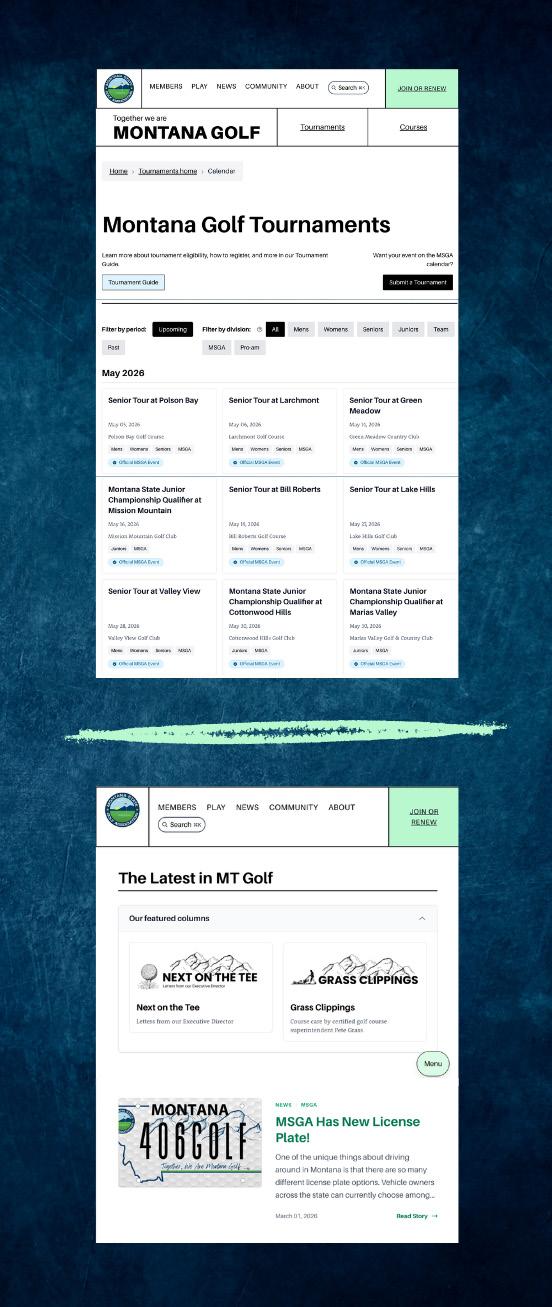
There is a lot of information to share with the Montana golf community so it takes a lot of care to guarantee nothing gets lost in the shuffle. We completely reorganized the main navigation to be clear, structured, and intuitive. We also added a new site search with the aim of making it much easier for you to find relevant information you’re looking for.
Last but definitely not least, we made a concerted effort to make the site easy to use on mobile devices. We wanted to work just as cleanly and smoothly whether you’re at the office or in the middle of the fairway. So we made sure all of the new and existing features and content are just as easy to use on phones and tablets as they are on desktop computers.
We integrated the site seamlessly with the MSGA's existing tools. For example, the amazing writing and digital magazine content the MSGA has long published can now be published in the website’s latest news section (include link). While the monthly digital magazine remains as vital as ever, you no longer have to wait for it to read the latest in Montana golf news. We can now share updates instantly on the site’s new blog.
We also know how important competitive tournaments are to many in the community so we renovated our tournament calendar with more detailed listings, helpful links to register & learn more, and we’re now including tourna-
ment results directly in our tournament listings. Live scoring and final results via Golf Genius are now embedded directly in the MSGA site, meaning you don't have to bounce between apps or browser tabs to see who is leading.
We’ll also be posting new tournament photo galleries via our new SmugMug integration which will allow users to buy and download professional photography. We designed and implemented these features to keep players and fans engaged long after the final hole.
Along with the renovation of tournament listings, we’ve also made the course directory more detailed and easier to use. Courses can be searched by name or municipality, and each course has its own listing with detailed information and upcoming tournaments. We will continue improving these listings to make them the definitive resource for golf courses across the Treasure State.
It’s been a tremendous experience getting to work directly with the amazing MSGA staff and help deliver something that will help the Montana golf community and grow the game. I’m super excited to hear what folks think and continue to work on making additional improvements throughout the season as we learn more.
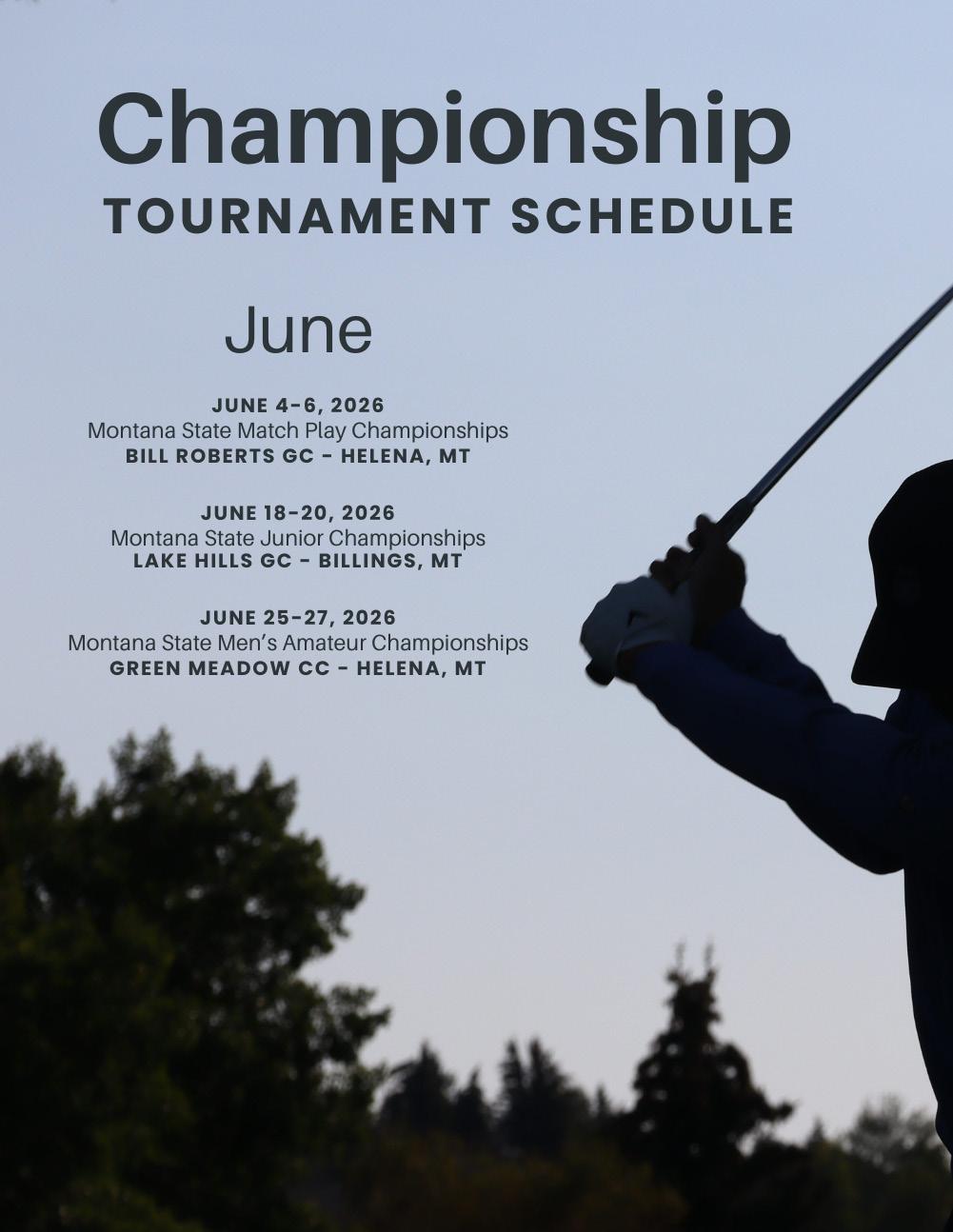
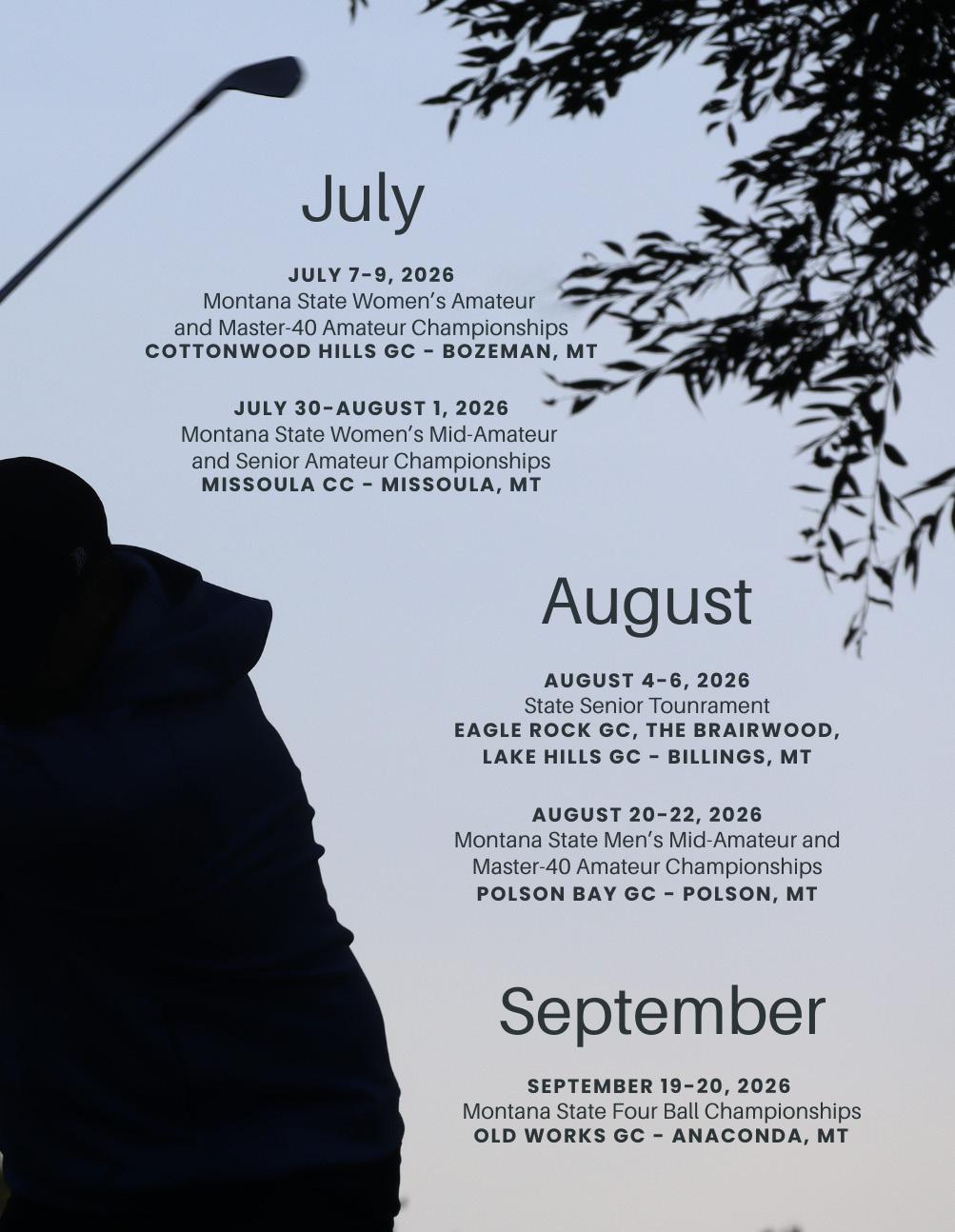

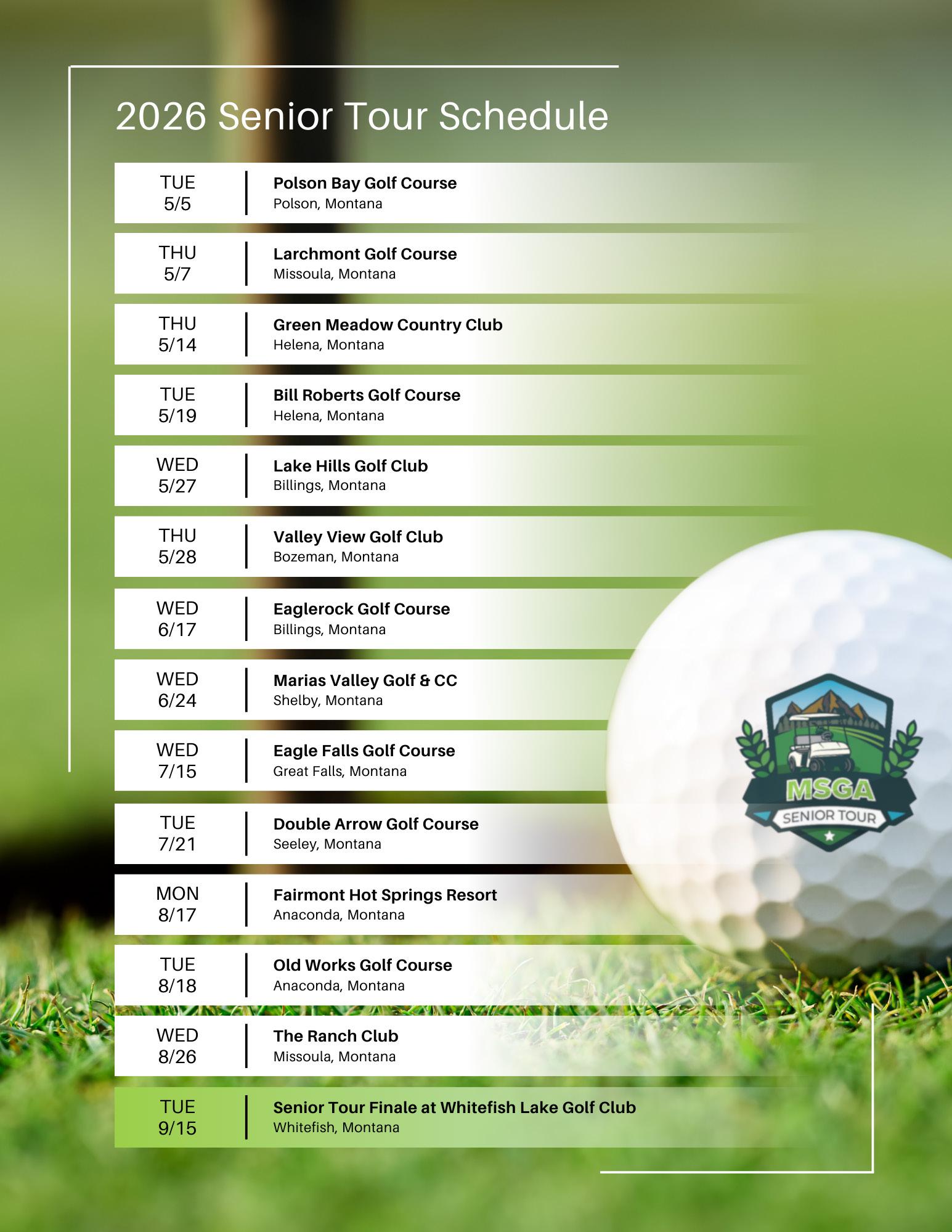
March 1st is here and many of us have played multiple rounds across Montana already, may the spring continue to provide us some beautiful golfing days ahead. With spring comes tournament sign ups, PNGA events, Senior Tour, and MSGA Championships.
The Pacific Northwest Golf Association Championships, registration opens on March 2nd. This year the PNGA Championship schedule includes the Men’s Amateur at Palouse Ridge Golf Course in Pullman, Washington. The Junior Championship will be hosted at the Vandel Golf Course in Moscow, ID and the Men’s Master 40 will be at Wine Valley Golf Club in Walla Walla, WA. The complete PNGA schedule can be found here
Year four of the Senior Tour is ready to kick off with 13 events on the schedule, with new stops at Double Arrow, Eaglerock, and Fairmont Golf Course. Senior Tour Membership is open now for purchase. Please ensure your MSGA Membership is active. First time MSGA players, you must complete the Tournament Directory Registration first. Having your Senior Tour Membership prior to March 15th will make event registration easier.
All 13 Senior Tour events will open for registration on March 15th at 9:00 a.m. Entry fee for all events is $85 which will again include, 18 holes of golf, cart seat, range balls prior to play and closest to the pin opportunities
Players will once again earn points on our season points list to earn a spot to the Senior Tour Finale at Whitefish Lake Golf Club. With more events on the schedule, we have made a change where if you play more than six events, you will
drop your lowest point scoring event.
Field Sizes will vary between sites, ranging from 72-108. At registration, division sizes are held for equal participation. If your division is full, we encourage players to join the waiting list. In 2025, only two events did not get all players into the field. We will move players from the waiting list into the field four weeks prior to the event if it has not reached its full field size.
We have a number of hotel partners for many of our events. Please watch for confirmation emails and our Golf Genius event pages for more information. We look forward to seeing you around the state this year!
Junior Qualifiers will kick off our championship season as our juniors compete for a spot in our only Championship where juniors advance through qualifiers. Qualifiers begin in May and occur in Ronan, Shelby, Bozeman, Billings, and Sidney. All leading to Lake Hills Golf Course in Billings where juniors will have an opportunity to earn a place in additional great events around the country.
Match Play once again kicks off the championship season at Bill Roberts Golf Course, in Helena. Match Play moves to a Thursday start day this year, with a qualifying round leading into Match Play brackets for Men, Seniors and Ladies.
Helena will continue to host the MSGA in late June, as we move across town for the Men’s State Amateur Championship’s at Green Meadow. Players again have until May 15th to register for the event. Players are then sorted by their handicap index on May 16th. The players with
the lowest handicap indexes will make the field for the 120 amateurs, 24 seniors and 16 super-seniors. Our Men’s State Amateur Championship will once again represent Montana at the USGA US Amateur Championship this August at Merion Golf Club in Philadelphia, PA.
Montana’s best ladies will tee it up at Cottonwood Hills Golf Club July 7-10 for the Women’s State Amateur and Master 40 Championships. High school & college players get to compete side by side in the 109th Women’s State Amateur Championship. This also includes the second year of the Master 40 Championship. The Master 40 will be played at a shorter yardage for any ladies over the age of 40.
The ladies will continue July 30th - August 1st at the Missoula Country Club for the Women’s Mid-Amateur and Senior Championships. This event offers three championships, the Mid-Amateur, Senior and Super Senior. All three championships will be played under 5600 yards, with the Super Seniors utilizing a shorter course set up on Missoula Country Club’s new forward tee boxes. Fun activities are also planned for the post round social on Thursday and the ladies banquet following round two on Friday night.
The State Senior Tournament is Montana's
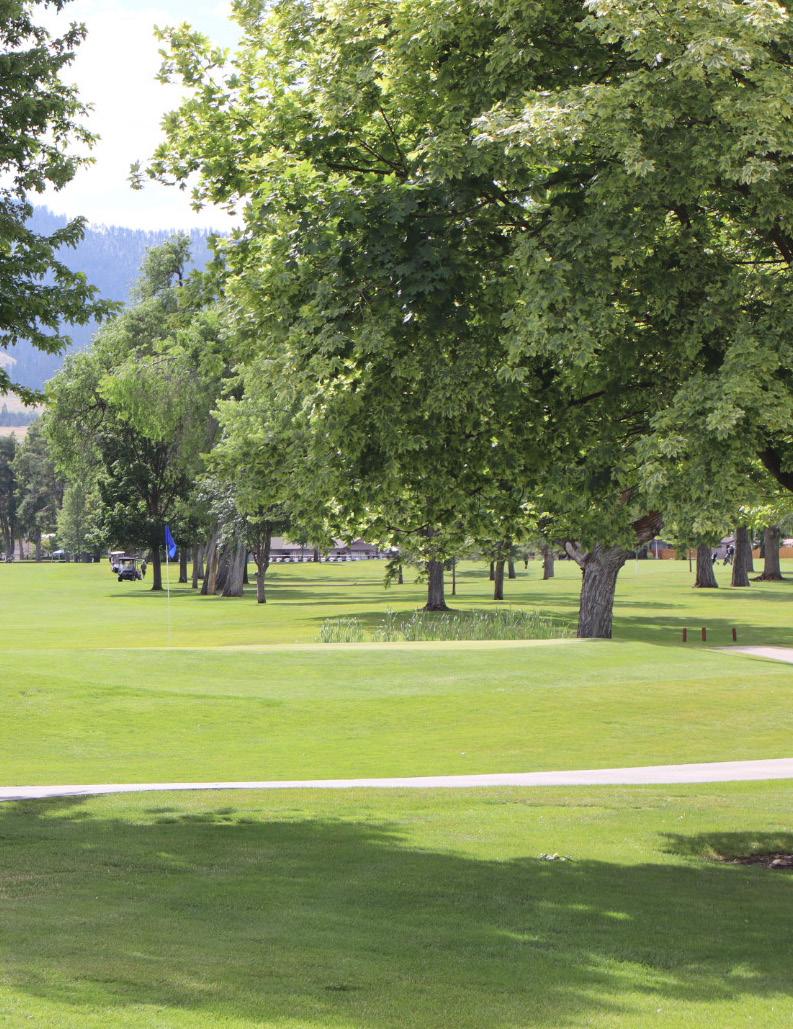
largest gathering of senior golfers in Billings, held August 4 - 6. Lake Hills, The Briarwood, & Eaglerock will host over 300 golfers during this three day jamboree of great golf and lots of laughs. Discounted hotel accommodations are available for players through our friends at Erck Hotels. Visit our State Senior Tournament information page for event registration and booking your hotel room now. Registration will open for the State Senior Tournament on May 1st.
The sun will be shining on the shores of Flathead Lake and the Mission Mountains at Polson Bay Golf Course for the Men’s Mid-Amateur and the Master 40 Championship. Players again have from March 15th thru July 15th for registration. At the close of registration, handicaps will be updated and the lowest 48 players in the Mid-Amateur and lowest 48 in the Master 40 will compose our championship field.
The MSGA season will be capped off at Old Works at the Four Ball Championships, September 19th & 20th. Get your registrations in early for one of the MSGA’s most popular events with room for only 36 men’s teams and 24 mixed teams.




BY TY SPARING MSGA COMMUNICATIONS MANAGER
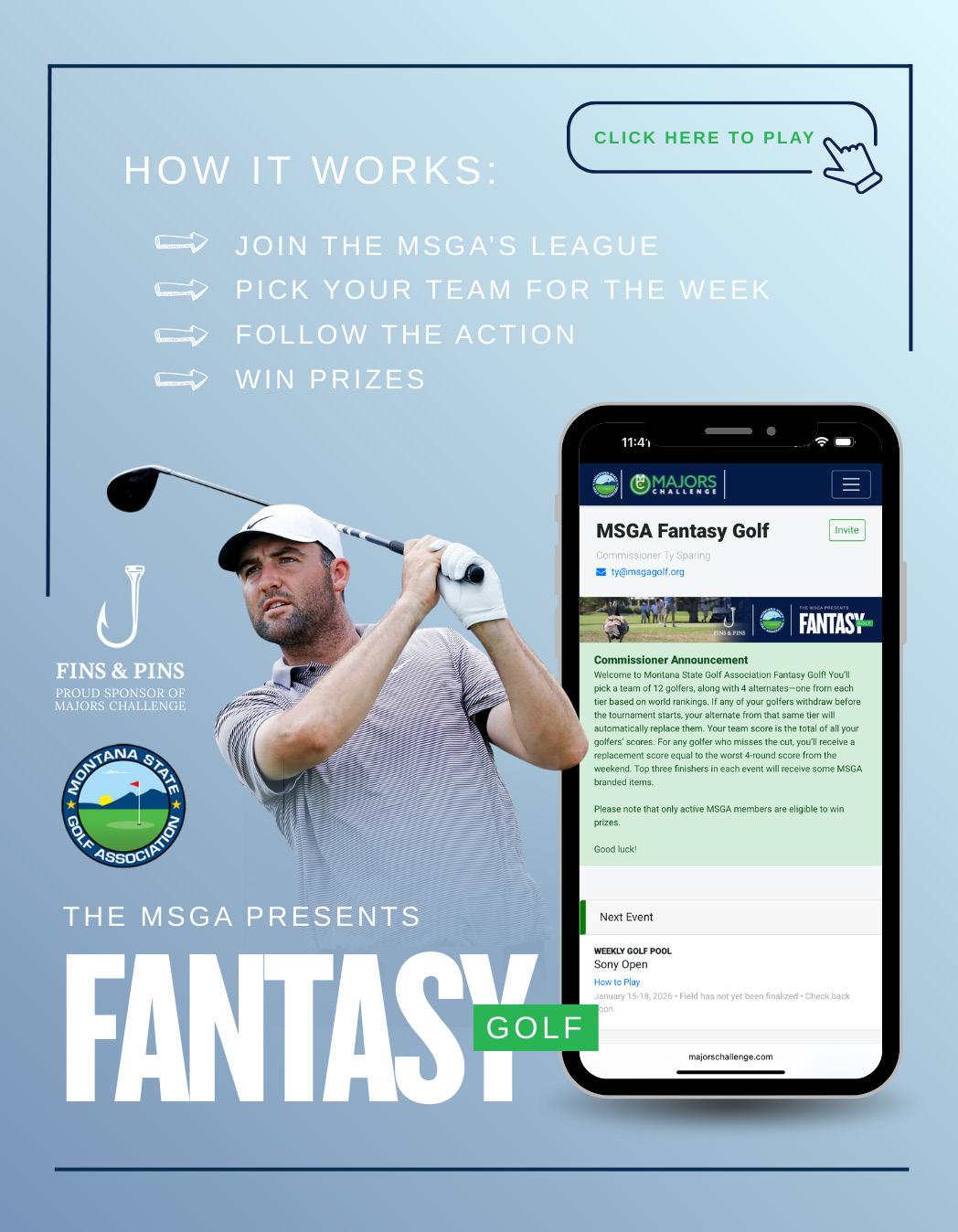
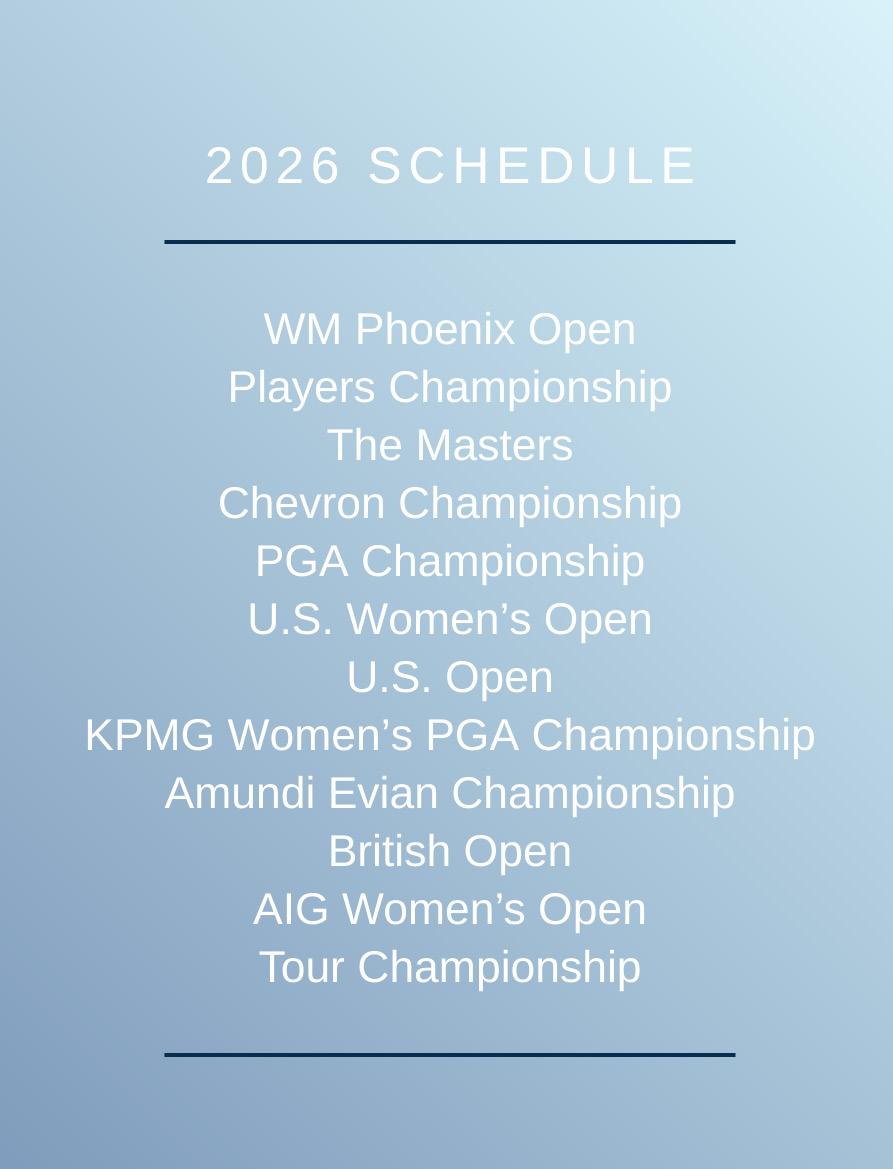
The Montana State Golf Association’s foray into the fantasy golf world got off to a favorable start this past February with our inaugural tournament, the WM Phoenix Open. Over 100 Montana golf fans participated in the first of twelve PGA and LPGA fantasy events, all competing for some cool prizes sponsored by Fins and Pins.
The golf at TPC Scottsdale was as exciting as it was loud. Christopher Gotterup collected five birdies in the last six holes to force a playoff with Hideki Matsuyama, before taking home the victory after sinking yet another birdie on the first playoff hole.
On the Fantasy front it was MSGA’s Membership Operations Director, Emily Hulsey, who took home the first win of the season. With only one player cut from her roster of twelve golfers, Emily rose up the leaderboards during the final two days before collecting a victory by three strokes.
Rounding out the top three was second place finisher Bill Mosely who holds a membership at the Wilderness Club in Eureka and in third was Joey Wark who is a member of the Whitetail Golf Course in Stevensville. Congratulations to our prize winners!
Along with our partners, Majors Challenge, we are excited to get the season up and running and look forward to many more fun events. Next up on the schedule is the Players Championship which is held March 12-15.

Remember, MSGA members and non-members alike can sign up for our single tournament events all season long, so tell your friends! Click here to sign up!


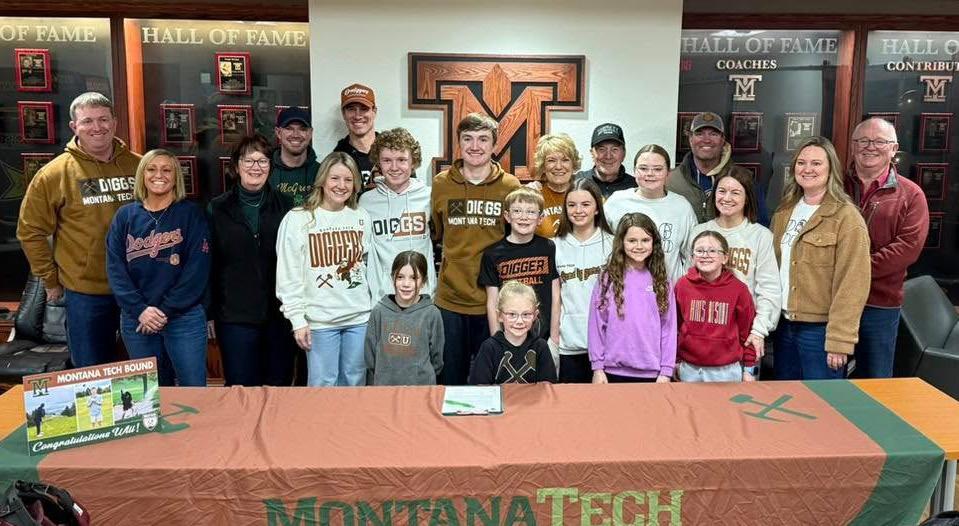
Montana Tech was able to keep another hometown golfer after recently signing Butte Central’s Will McGree. Having recently signed Butte High’s Chase Choquette, the Orediggers added another local All-Stater to the mix.
McGree and new Oredigger head coach David Starcevich are already acquainted, as Starcevich was previously the head coach for Butte Central’s golf team.
Former GCSAA President R. Scott Woodhead passed away recently at his home in Yuma, Arizona after a battle with cancer. A 43-year member of the GCSAA, Woodhead served as President in 2000 and was an Associate Director of Member Relations from 20022017. He also served over a decade as Superintendent at Valley View Golf Club in Bozeman, along with stints at the University of Montana Golf Course and the Town & Country Club in Miles City.
Known for his booming laugh and dry sense of humor, Woodhead was well respected within the GCSAA community and will be missed greatly by all who knew him. As the GCSAA posted on their social media accounts, “Scott’s commitment to the profession, to our members, and to the values of GCSAA left a lasting impact.”
We offer our condolences to his family.
Jimmy was also the one that introduced me to the love of teaching.

1. Who introduced you to golf?
At the time I was the only girl playing Little League Baseball. My Mom and Dad found out the new golf professional at Hamilton Golf Club, Jimmy Wallinder, was giving free junior lessons and they asked if I wanted to give golf a try rather than play baseball.
2. Who influenced you most in your golf life?
Mom & Dad, for introducing me to the sport that I have been a part of for over 50 years. For loving Golf as much as I do. For making sure that I knew that I didn’t have to play if I didn’t want to. Letting me know that no matter what, you loved me whether I won or not. For understanding your limits and willing to pay for my lessons!
Helen Tremper – growing up seeing a woman playing competitive golf and being able to play with the 15-time Women’s Amateur Champion was one of my favorite moments.
Alice Ritzman – seeing someone from Montana make it on Tour realizing dreams are possible through hard work and determination.
Jimmy Wallinder – who showed me that Golf is a game and playing can be FUN!
Dan Desmond –The Head Golf Professional at the Missoula Country Club, introduced me to the PGA of America and hired me as the assistant golf professional when I was 19.
Gary Dowen – Head Golf Professional at Illahe Hills Country Club in Salem, Oregon who was one of the best in tournament operation and provided leadership and that there are many opportunities within the golf industry.
3. What brought you to the MSGA? What are some MSGA projects you are most passionate about?
Retired as Director of Junior Golf, Oregon Golf Association, moved back to the family home in Missoula and contacted Nick Dietzen, Executive Director, to see if I could be of help to the association.
There are two projects I am most passionate about. Rules Education, especially the PNGA Six-week course and Tournament Operations helping to make sure there is consistency with each event.
4. What is your favorite course in Montana and why?
I have three because of fond memories:
Yellowstone Country Club was my first Women’s Amateur Tournament at the age of 13.
Fairmont Hot Springs where I won the Montana State Women’s Amateur Championship.
Missoula Country Club where I played my high school golf, was my last Women’s Amateur Tournament and was where I began my PGA career.
My favorite course to play is the Mead-
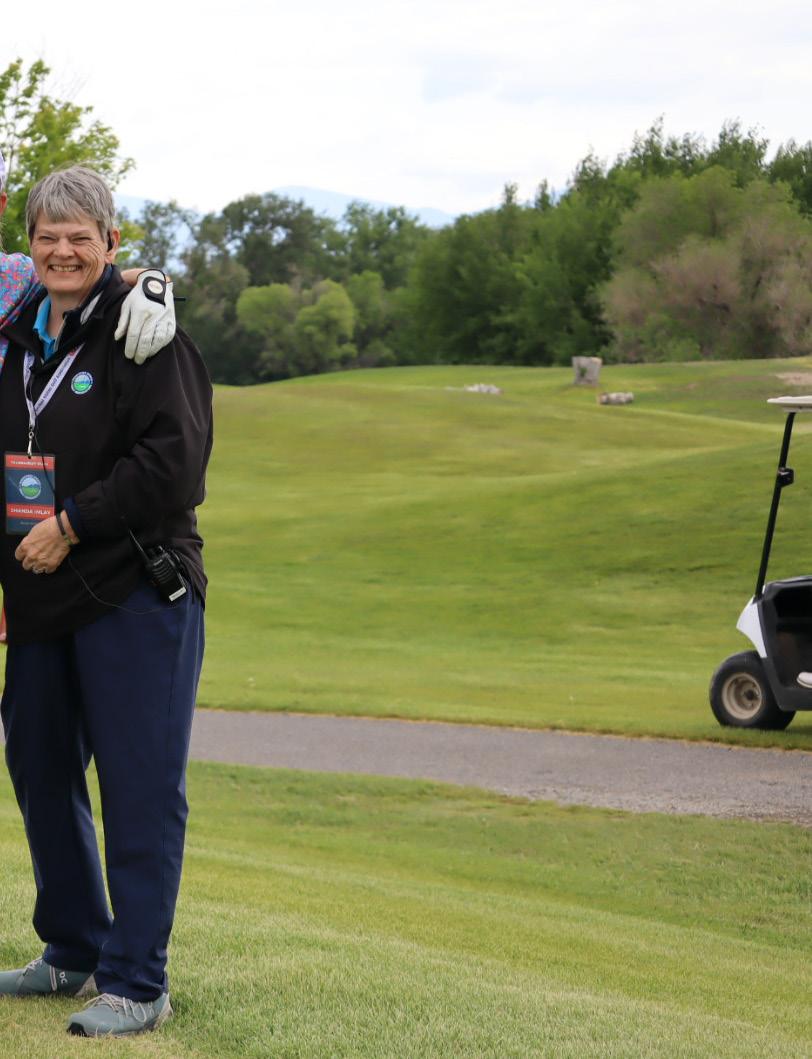
owlark Country Club – as the assistant golf professional under Head Golf Professional Frank Koegan I never got tired of playing the golf course and the view of the river playing Hole 18 was spectacular!
5. What is a dream golf course you’d like to play once?
St. Andrews in Scotland. Because of the tradition of the game and my heritage is Scottish.
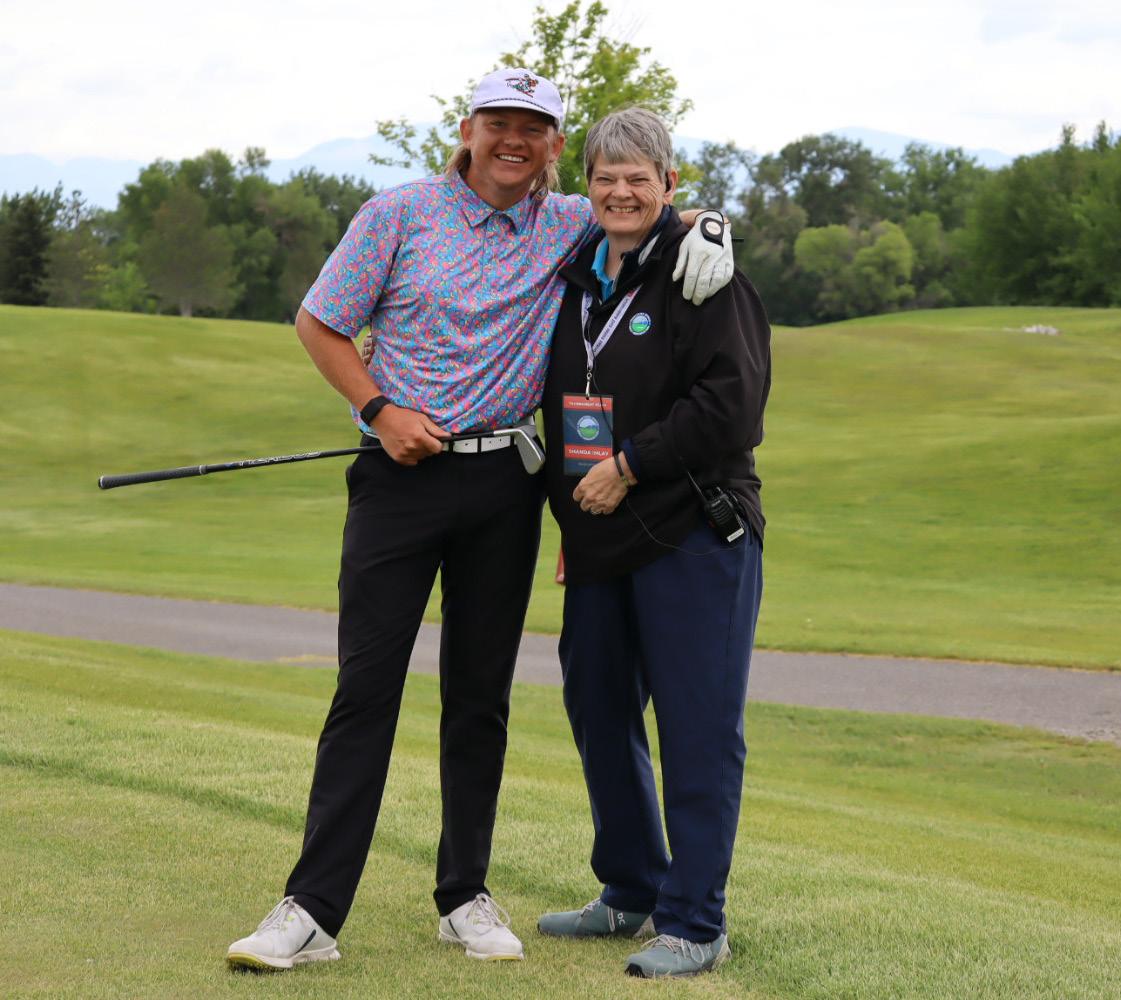
6.What is your dream foursome (living or dead)? Why would you choose them?
Kathy Whitworth - she won 88 LPGA Tour tournaments, more than anyone else on the LPGA or PGA Tours.
Nancy Lopez – Is such an ambassador for Golf, especially supporting women.
Annika Sorenstam – not only one of the greatest players of our time but showcased the importance of the mental game.
Helen Tremper – so she could see how far women’s golf has come and how important she was in my playing.
7. What’s your most memorable moment on a golf course?
I have two – Hole #3 at the Missoula Highlands Golf Course, my first Hole-inOne at the age of 13 playing with my parents on July 4th, 1970.
Winning the Montana State Women’s Golf Association State Amateur Championship in 1977.
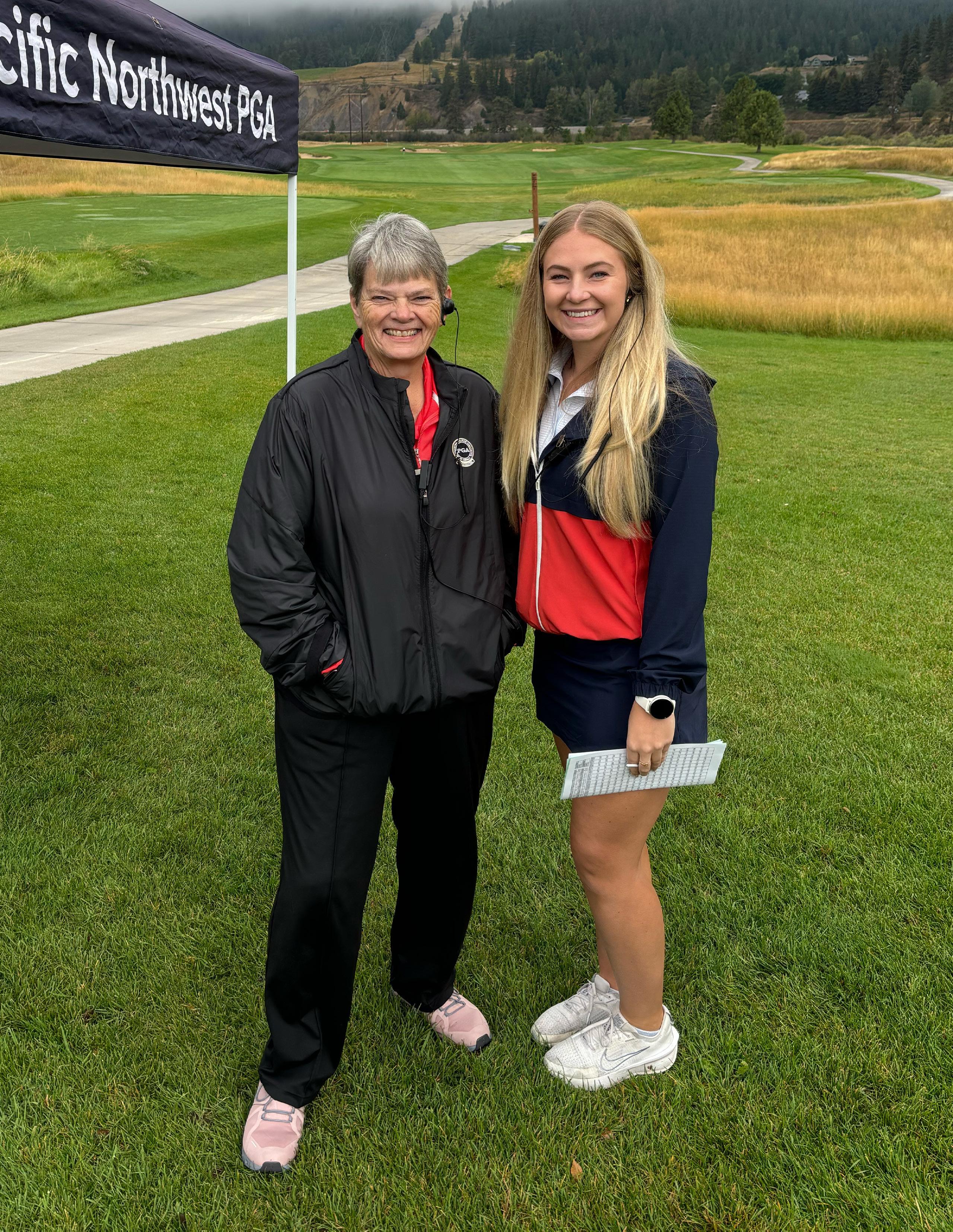
8. If you could change one thing about the game of golf what would it be?
Golf instruction. Stop with the angles, swing speed charts, launch monitors and training aids and get back to the basics of how to play the game, simple course management!
9. What advice would you give to beginner golfers?
The advice I give to all my beginning students is whether you are on the range or the golf course talk to yourself as you would a 5-year old! Remember why you wanted to play. Golf is a game and should be played for FUN!
Bonus: Lay up or go for it?
Lay Up - Throughout my playing career I always relied on my short – game!



"At a junior qualifier, a young player used her alignment stick to measure her two club lengths to take a drop from a penalty area. Her opponent pointed out that alignment sticks aren’t “clubs” and claimed it was an illegal measurement tool. So my question is, are alignment sticks treated like clubs? Is using one to measure a penalty?" - Ralph G.
Believe it or not this happened to me when I was officiating a State High School Championship in Oregon where the leading player was about to take relief using alignment stick when I was able to stop her before taking her drop.
With the player, her Golf Coach and father standing there we went through the following process.
First, we started with the basic question: what is an alignment stick?
In the Rules of Golf, the definition of a club is defined as an implement designed to be used for striking the ball.
A club must be composed of three essential parts:
• Head: The part used for

striking the ball, which must have only one striking face (except for putters, which may have two identical faces).
• Shaft: Must be attached to the head and be at least 18 inches long (except for putters).
• Grip: Material added to the shaft to allow a firm hold.
Since Alignment Sticks do not meet the definition of a club, what are they in the Rules of Golf?
In the Rules of Golf, alignment sticks are classified as training aids or swing aids.
While they are categorized as "equipment," they are subject to specific restrictions under Rule 4.3a
Not a Golf Club: Alignment sticks do not count toward your 14-club limit because they lack a striking face and are not designed to hit a ball.
Permissible to Carry: You are allowed to carry alignment sticks in your bag during a round without penalty.
Prohibited Use During Play: Under Rule 4.3a(6), you cannot use them to help in preparing for or making a stroke.
This includes:
• Checking swing plane or posture.
• Setting them on the ground to assist with alignment or ball position.
• Using them to measure relief areas (as they are not "clubs").
To answer the question, using an alignment stick to measure relief distances during a round typically results in a general penalty (two strokes in stroke play or loss of hole in match play).
Under USGA Rule 4.3a, players are prohibited from using equipment in an abnormal way that creates a potential advantage, specifically including
"training or swing aids" used during a round.
Key Reasons for the Penalty
Prohibited Equipment Use: While you are allowed to carry alignment sticks in your bag, using them for any purpose related to a stroke—including checking alignment or measuring a relief area—is a breach of the equipment rules.
Definition of Club-Length: Rule 14.3 and the official definitions specify that a "clublength" must be measured using the longest club in your bag (other than a putter), which is almost always the driver. An

alignment stick is not a golf club and cannot be used as the standard for this measurement.
Setting Objects Down: Placing any object on the ground to assist with aiming, stance, or positioning for a stroke is a violation of Rule 10.2b(3).
Several professional golfers have faced penalties or disqualification for using training aids during competition. Notable examples include:
Brendan Steele (2019): At the Wyndham Championship, Steele received a two-stroke penalty after his caddie used an alignment stick to check his alignment during the second round. This violated Rule 4.3a(6), which prohibits using training aids to assist with alignment or swing plane during a round.
D.A. Points (2014): During the AT&T Pebble Beach ProAm, Points was disqualified for using a small "spongy ball" (a foam training aid) under his arm while playing the 18th hole. He used it to help maintain his arm position, which was a breach of the rules regarding artificial devices.
Juli Inkster (2010): At the Safeway Classic, Inkster was disqualified after using a weighted "donut" on her club to stay loose during a 30-minute wait on the 10th hole. A television viewer reported the incident, leading to her disqualification for using a practice device during a round.
Minjee Lee (2024): Lee was assessed a two-stroke penalty at The Annika for accidentally having a club modified as a
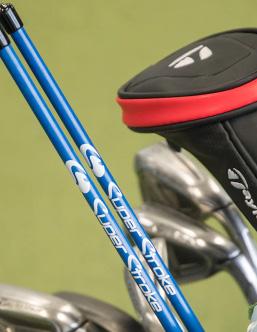
training aid in her bag. Although she did not use it, its presence caused her to exceed the 14-club limit.
Note: There is no penalty for using an alignment stick purely for stretching or non-golf-related physical tasks, provided it is not used to check alignment or aid in taking a stance for a shot. But be aware if you choose to use alignment sticks for anything other than its intended use!
In the end as an official, I would rather take the time even though they were not happy with the explanation of the ruling. It was better than the alternative of being assessed a penalty since it turned out she only won the championship by one stroke!
BY TY SPARING MSGA COMMUNICATIONS MANAGER
Every year around springtime, publications across the country release their “best of” lists, boldly declaring the top golf courses in each state. Using their preferred methodologies for course rating, experts from Golf Digest, Golf. com and Golfweek usually rearrange the same list of highly regarded (and often luxurious) courses scattered throughout Montana, ranging from uber-exclusive places like Yellowstone Club to the more community minded Old Works. Along with those two spots you’re almost guaranteed to see some combination of Rock Creek Cattle Company, The Reserve at Moonlight Basin, Stock Farm, Iron Horse, and Wilderness Club rounding out the rest of the list.
Obviously, these bucket list type of destinations offer world class scenery, immaculate playing conditions and were designed by high-profile names like Nick Faldo, Tom Doak, Jack Nicklaus, Tom Fazio and Tom Weiskopf. No wonder they attract golfers from all over the world!
But the “best” doesn’t always mean it’s a person’s “favorite.”
While national golf publications adhere to strict guidelines when ranking top courses, these questions become a little bit more subjective when you’re asking the average Montana resident. Inevitably it’s more personal for
many of us who live and golf in this state. For as much as luxury and course design are taken into account by some, so too are childhood memories and hometown loyalties for others.
Billings’ Jerry Pearsall said it well. When asked what his favorite course in the state is, the multiple-time Senior Champ wrote “When I think about a favorite course, I think, ‘what course in Montana would I want to play for the rest of my life if there was only one to choose from.’” For Pearsall, “the answer to that is my home course, Yellowstone Country Club.”
One of Montana’s most decorated junior golfers of all-time, Katie Lewis, took the same approach as Pearsall with her selection of The Ranch Club in Missoula. “I love the course,” she wrote, “but more importantly, I love the people. The Ranch Club is home, and there is nothing better than home.”
Our “Get to Know,” series in this magazine is a good case study of what the golf community in Montana values in a course. Along with Pearsall and Lewis, over forty of our Treasure State’s most notable golf figures were asked about their favorite golf course in Montana, and while some chose the higher end “best” courses, many others went with nostalgia or loyalty.
Fellow MSGA Hall of Famer, Chris McConnell (aka Banjo Ninja), admitted nostalgia was a main reason for choosing Pine Meadows Golf Course in Lewistown, a spot that Golf
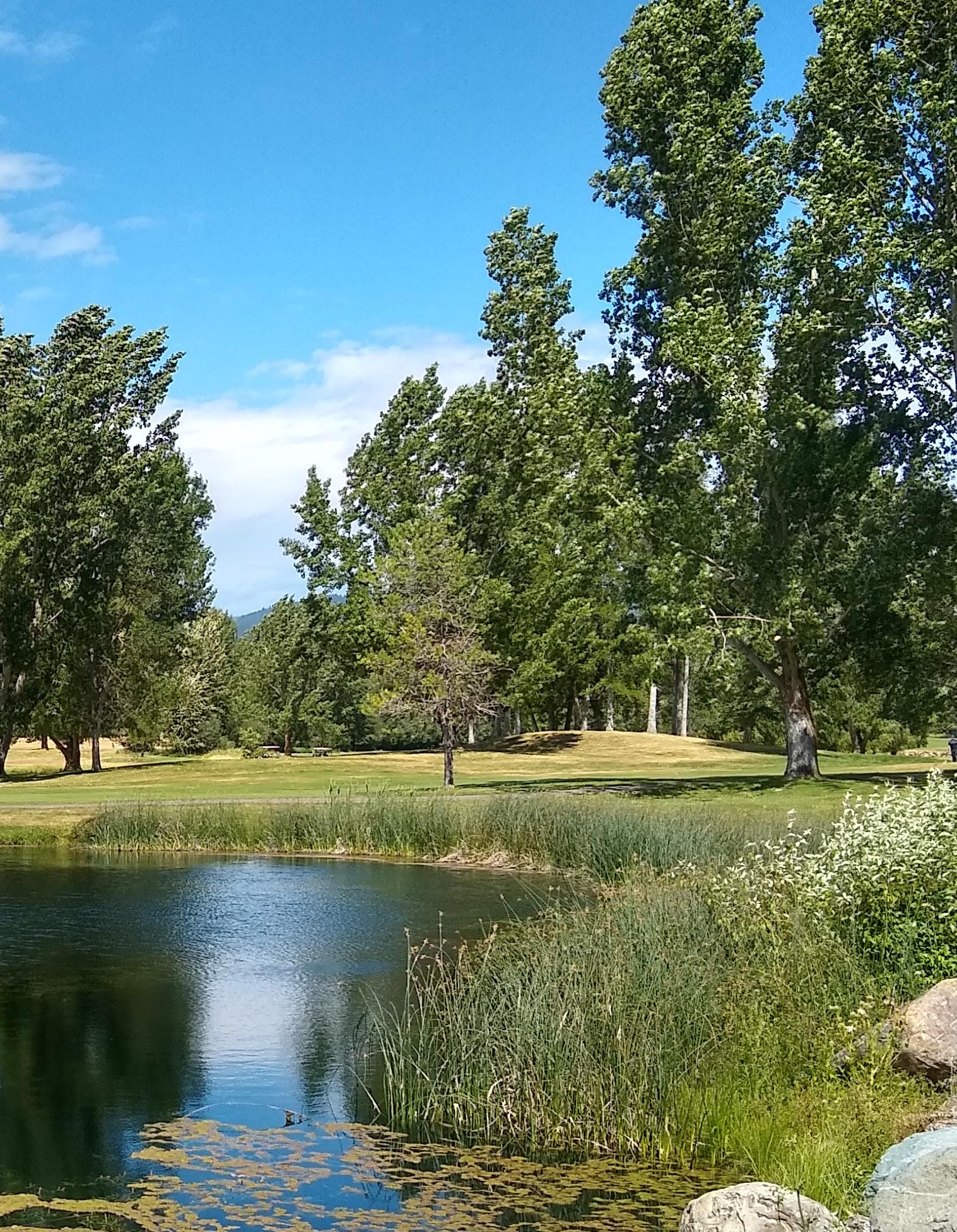
Digest types have likely never even heard of. Nevertheless, it was in the middle of the state at Pine Meadows where McConnell developed his famous short game “playing on the elevated and severely-sloped greens and fairways in high school.”
Likewise, Carroll College golfers Celi Chapman and Stella Claridge chose the courses they grew up playing on during the summers, Double Arrow in Seeley Lake and Buffalo Hill in Kalispell respectively.
So too did Saints coach Bennett MacIntyre when asked the question of his favorite course in Montana, responding with Meadow Lake Golf Course in Columbia Falls. “I really like the layout,” MacIntyre wrote, “but more importantly if I am there I know I am with family. I grew up taking summer vacations every year there with all my cousins. From hunting for golf balls to playing until dark, we had the best time up there. I now take my family there every summer and my kids love their time at Meadow Lake as well.”
Indeed, family plays a major role for many in deciding one’s favorite course. MSGA’s former Executive Director, Jim Opitz, said his choice “would probably be Whitefish because when I was teaching and coaching, before the MSGA, it meant we were on a family vacation in the Flathead.” The Whitefish Lake Golf Course was also the choice of reigning State Women’s Mid-Am Champion, Ashley Cortez, because she spent much of her childhood summers in the Flathead visiting grandparents, and is also the site of her first hole in one!
Family tradition runs deep for someone like Mike Barnett, one of the greats in Montana golf history and among the four Barnetts in the MSGA Hall of Fame. Mike chose his home course, the Missoula Country Club, which is also where his grandfather Don built the first grass green in the state back in 1931. “To this day I still love playing it,” the 1975-76 State Amateur Champion Barnett wrote, “It’s so beautiful with all its trees and flowers and typically in fantastic shape.”
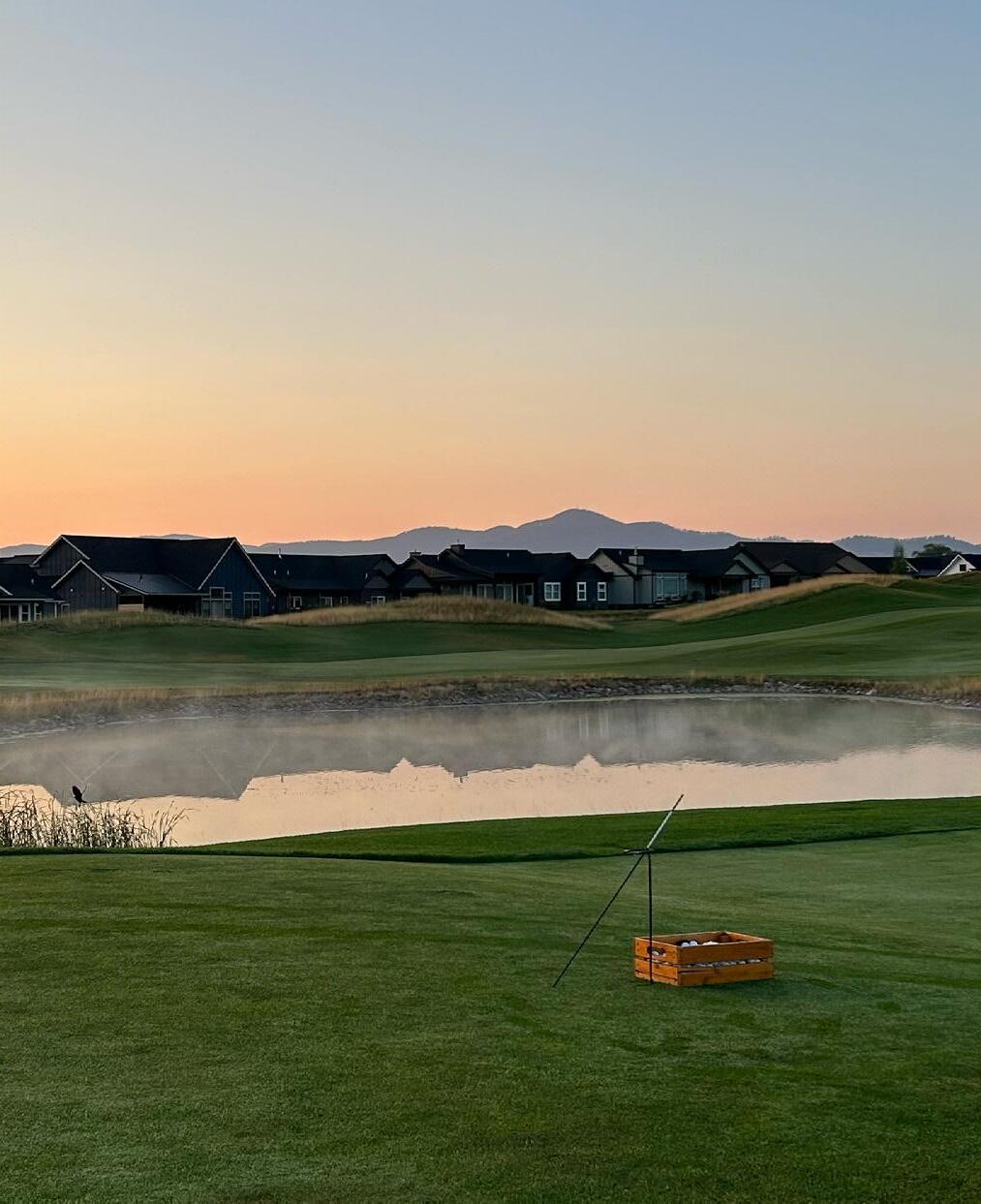
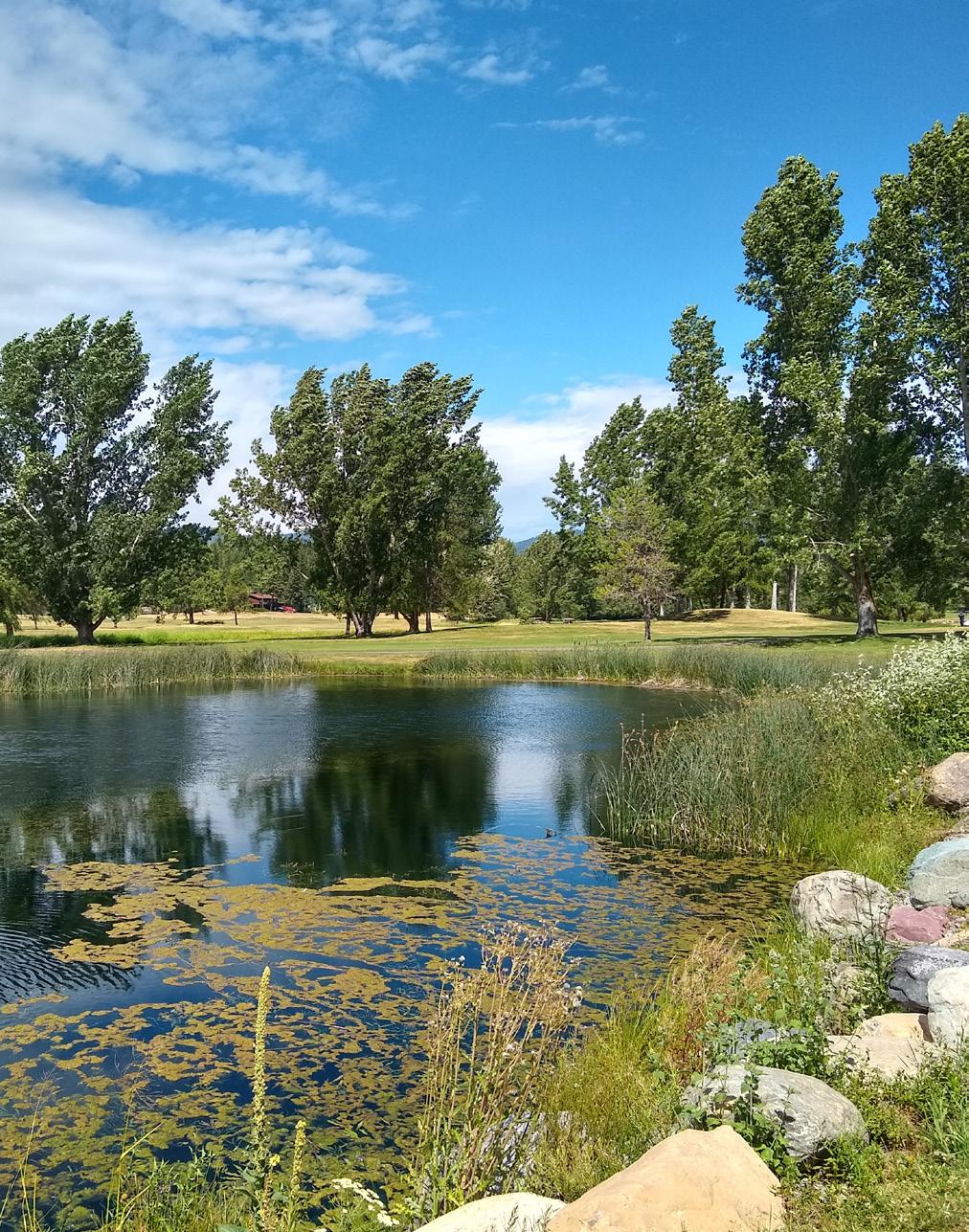
As we all know, Montana is a large territory with a vast amount of stunning landscapes. To try and single out the “best” view is no doubt an effort in futility. Famous names like Glacier and Yellowstone garner a lot of attention, but do they compare with the sun rising above the lake where you spent your childhood? Or the view from on top of the mountains in your hometown? Just like with golf courses, it almost seems pointless to compare because so much of it is about personal taste and emotional memories.
Whether your answer is like Old Works’ GM Todd Lupkes who chose the Yellowstone
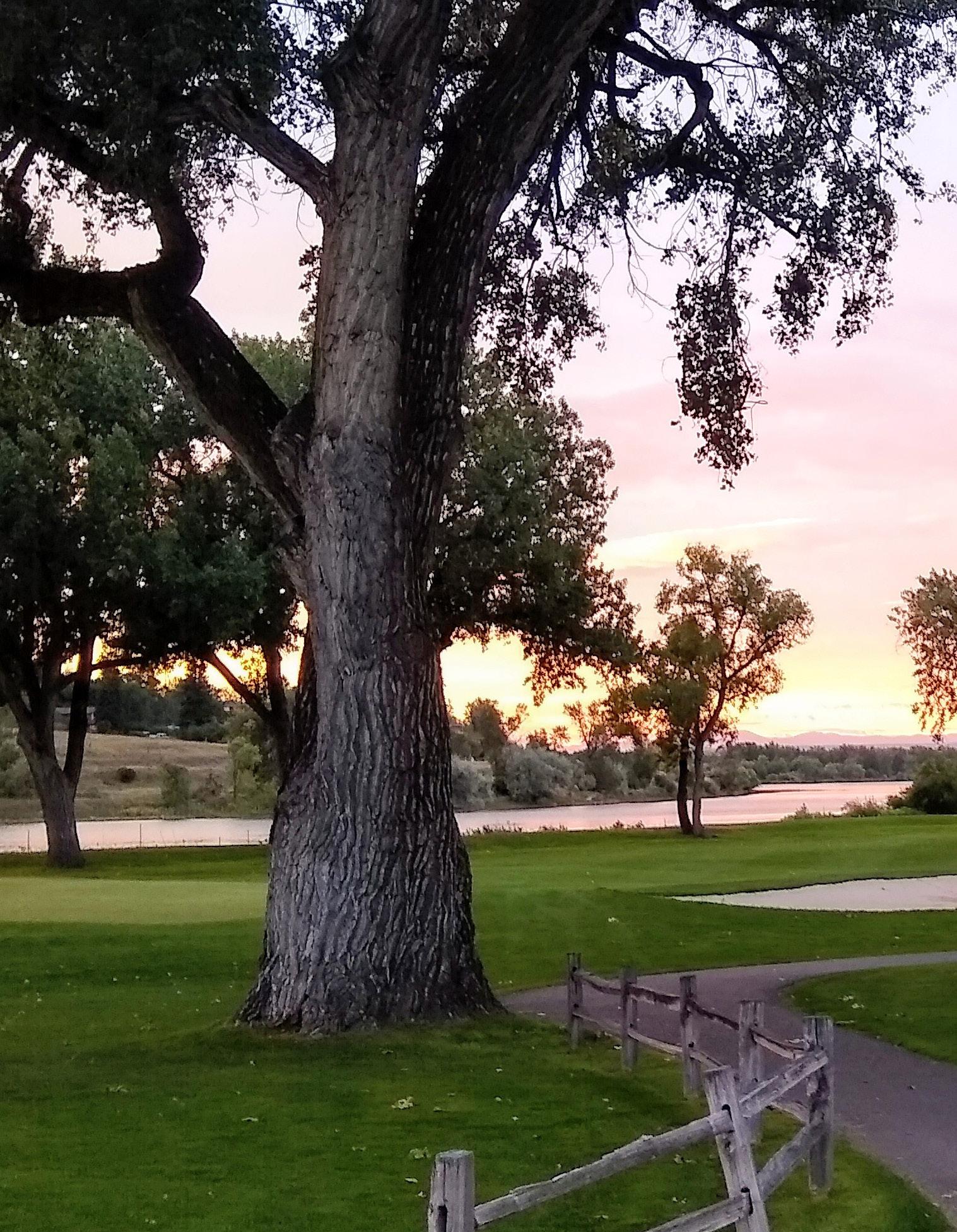
Club, in part because he hit a hole in one there and got a signed flag from Tom Weiskopf, or if you’re like Missoula Sentinel head coach Sam Boyd who chose the 9-hole Eagle Bend course in Thompson Falls because “there’s just something about a quirky little nine-hole course you can walk in a T-shirt that brings me so much joy” – in Montana, there’s a golf course for everybody.
Helena’s Michael Williams might’ve said it best when contemplating his favorite Montana course. Recalling an old Grateful Dead maxim, Williams wrote, “whichever one I’m playing next.”




BY JIM GORANT
Golf’s great irony is that golfers don’t do it, they play it. No doubt you’ve been part of a conversation where someone says, “I love to golf” or “I’m golfing today.” You instantly know one thing: That person missed the memo that using the word as a verb is akin to fingernails on a blackboard. I mean, does anyone go “tennis-ing”?
It’s not enough to hit the shots, you’ve got to talk the talk, which can sometimes be challenging for a game that seems to have its own language. The patois includes technical terms like carry and fade and even “moment of inertia” dit M-O-I. You have to take divots on doglegs and hit explosion shots to elevated greens. On the slangier side, you must know your breakfast ball from your banana ball, and you’ve seen both while playing better ball – which is not the same as better golf. You can even dine out on cabbage and chili dip and the occasional fried egg. When it comes to clichés, you’ve played cart golf, army golf and more than once made the acquaintance of the
ubiquitous blind squirrel.
Your mastery of “golf speak” signals your insider status, but don’t get too comfortable. Do you know that bogey once meant par and par meant you should check in with your financial advisor? “Curlew” or “whaup” probably aren’t part of your lexicon, but trust me, you’d love to have one. The language of golf brims with color and life, like the game itself, but both evolve. Consider the modifications to match-play vernacular, where those tongue-tied by “all square” were instead just tied, and anyone who didn’t like “dormie” found they couldn’t lose.
Those changes to matchplay vocabulary emerged from the 2019 revisions to the Rules of Golf, which have played a role in shaping speech about the game since they were first codified by the Royal & Ancient Golf Club of St. Andrews in 1891.
“The widespread use of a golf language coincided with the rise of the printed word,” says Elizabeth Beeck, exhibitions curator at the USGA
Golf Museum in Liberty Corner, N.J. “That’s why so many of the common terms emerged around the 1880s and ’90s, the start of the industrial age, when it became easier to travel and communicate on a broader scale.”
Still, many golf terms stretch back centuries, and contested origins are common. What follows is an attempt to sort through the competing etymologies, past reporting and scholarly guesswork to deliver a history of some of golf’s most fundamental words. As for curlew and whaup, they’re names of a European seabird that were proposed and disposed of as stand-ins for hole-in-one… which turned out aces.
Par
Like “muckraking” and “gag order,” par came to the world via a journalist bending the language. In this case, one Alexander Hamilton (A.H.) Doleman, an amateur golfer and writer from Scotland who competed in the 1870 British Open at Prestwick, asked professional counterparts Davie Straith and James Anderson
to predict a winning score. After conferring, the pair said a perfect outing on the 12-hole course would amount to 49.
Par comes from Latin and means “equal” or “equality.” At the time of the championship, Brits used the word to describe a stock’s average performance; one could trade above or below that standard.
A few days later, when Young Tom Morris shot a 149 over the three-round competition to win his third straight Championship Belt, Doleman wrote that he’d finished two “over par.” Doleman himself finished 20 shots back, which is why his greatest contribution to the game is linguistic.
Even that success took time, though. The first standardized Course Rating sys-
tem didn’t emerge until the 1890s, and par itself didn’t gain official recognition until 1911, when the USGA codified a rating standard that called it “perfect play without flukes and under ordinary weather conditions, always allowing two strokes on each putting green.” The R&A followed suit in 1925.
Bogey originally meant what par does today in the sense that it represented the target score for any given hole. That definition emerged in 1890, when the secretary of Coventry Golf Club in England, Hugh Rotherman, established a scoring standard at his club. He called the target total a “ground score.”
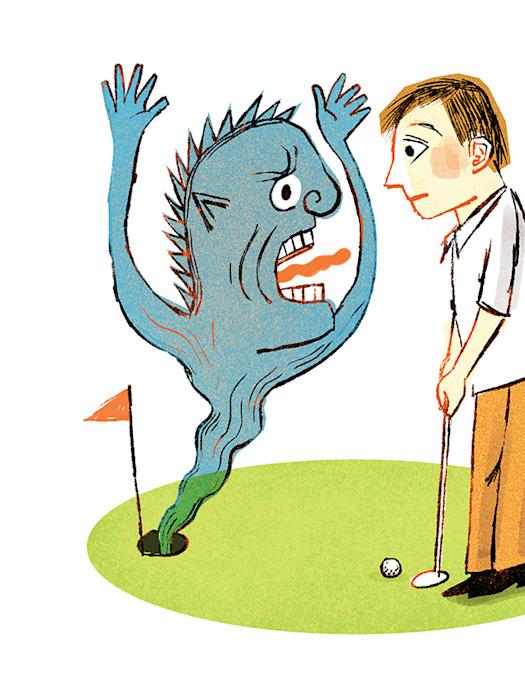
For the Scots, since the 1500s, a “bogey” represented a demon or gremlin, leading to the term “bogey man” and a popular song of the 1880s called “Hush! Hush! Hush! Here Comes the Bogey Man.” By then the term connoted an elusive figure who was difficult to capture, something like the modern Bigfoot.
As the ground score concept spread, golfers replaced that phrase with “bogey score” and adopted the idea that they were chasing or competing against Mr. Bogey. A good player might be called a real “bogey man” and anyone who fell short of the standard “lost to Mr. Bogey.” At the United Services Club, open only to the military, they altered the persona to
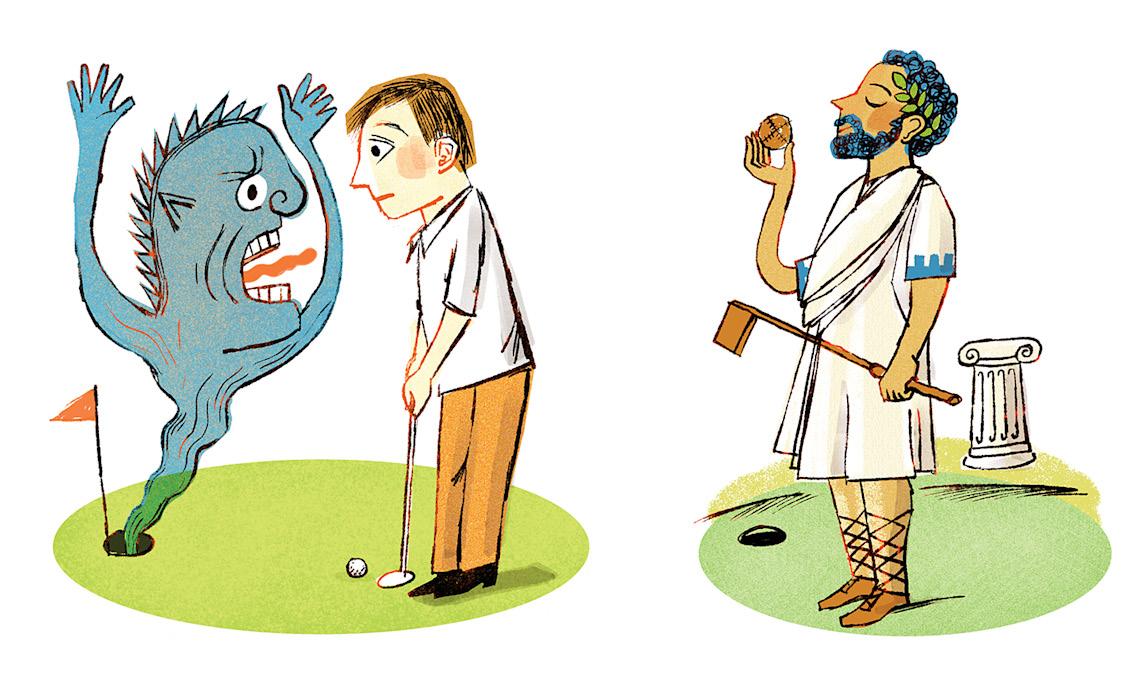
Colonel Bogey, who stood guard for decades.
As equipment and courses improved, good golfers could easily beat the Colonel and “par” emerged as a target score for pros and proficient amateurs. It was well into the 20th century when U.S. golfers began to use bogey as a term meaning 1 over par, which at the time was just another reason for the game’s founders to dislike Americans.
”Bird” was “lit” before it became birdie, if that makes sense. The standard term for shooting 1 under par on a hole is purely American, and it derives from the slang term
“bird,” which at the dawn of the 1900s meant anything excellent.
Its specific application to golf, according to legend, traces to Atlantic City (N.J.) Country Club, where A.B. Smith, his brother, William, and George Crump, who designed Pine Valley Golf Club, were playing the second hole.
A.B. hit his second shot close on the par 4, and when he tapped in for a 3, called it “a bird of a shot.” After that, the threesome began calling any such feat a “birdie,” and it stuck. The club commemorated the event with a plaque that puts the date at 1903.
The Americans weren’t done with birds. The eagle
landed on 2 under par for a hole shortly after the arrival of birdie, with A.B. Smith and friends again claiming credit, although the term wasn’t fully accepted everywhere until the 1930s. The logic was simple enough – if a regular old bird was good, the symbol of the U.S. must be even better.
Smith and his companions used double eagle for 3 under, but that nomenclature was largely undone by a different bird, the albatross, which emerged as the preferred choice in the 1920s. The exact derivation appears to have gone undocumented, although the
species brings a logical continuity since it’s a majestic and Words
exceedingly rare bird.
This is where the story of the game detours to France. There are written references to “golf” in France dating to the 1400s, and many speculate that caddie comes from the French word “cadet,” which means “boy.” As the story goes, Mary, Queen of Scots, encountered the word on her travels and brought it back to her homeland, where it came to refer to anyone working as a porter or messenger. Eventually, it made the leap to golf.
That sounds tidy enough, but there’s a problem. Other historians say the French didn’t play golf at the time of Mary’s visit, but a different game that used only one club, for which a caddie wouldn’t have been necessary. Whatever the truth, Mary spoke French, as did many nobles, and “cadet” made its way to Scotland (as did “dormie” from the French “dormir,” meaning “to sleep”) and became “caddie” by the 1600s. Dictionaries tagged it as a golf-centric term by the mid1800s.
It feels like “fore” should simply be a shortened version of “foreword,” used as a general warning to those ahead of you. It’s not.
A more fun possibility revolves around military history, particularly the formations
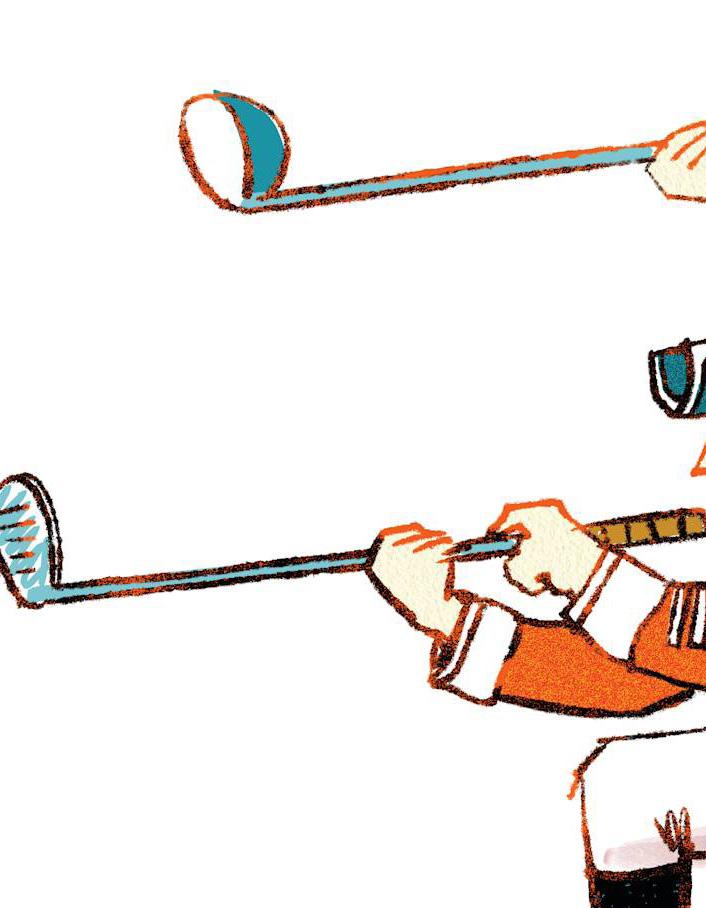
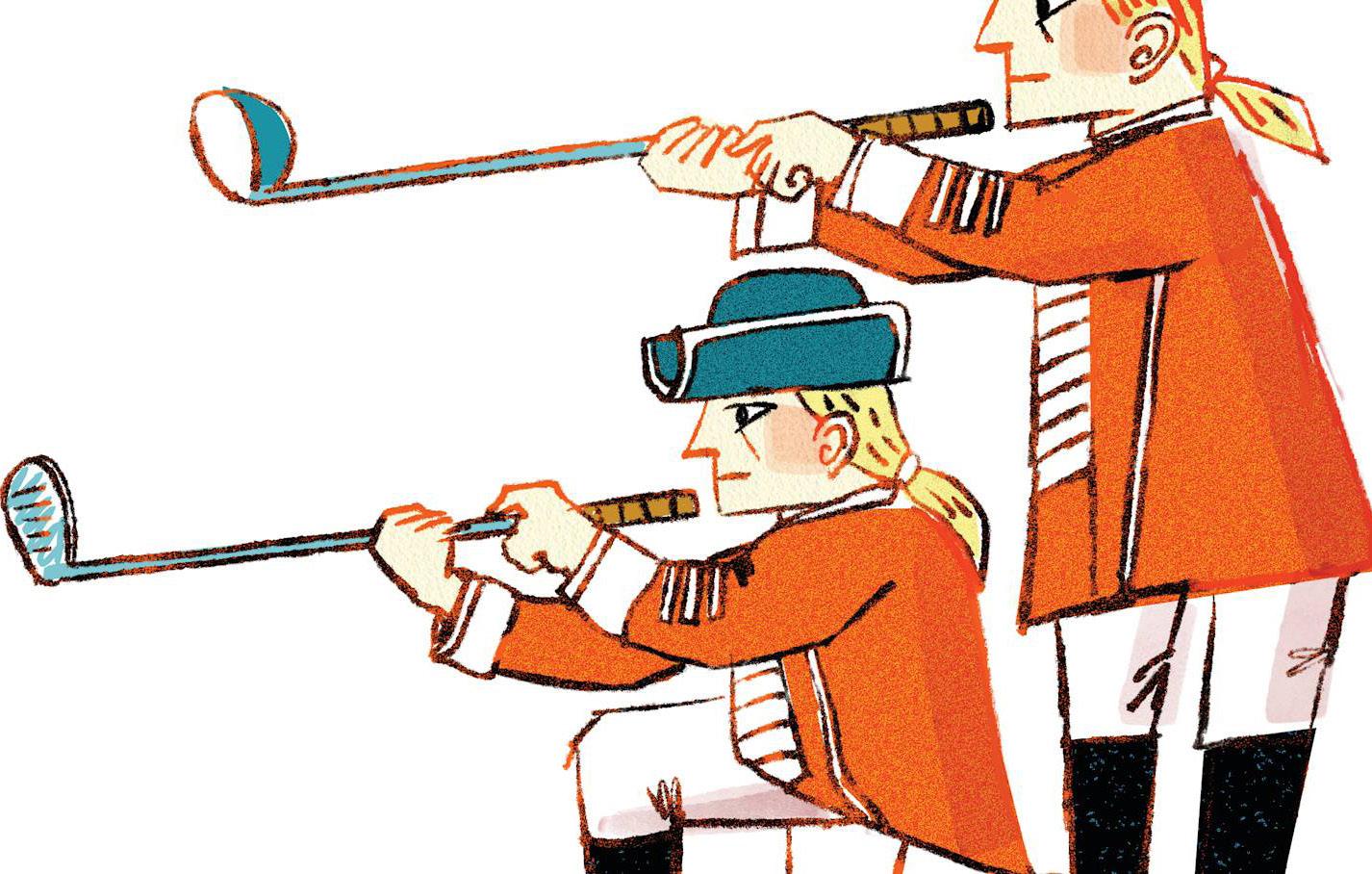
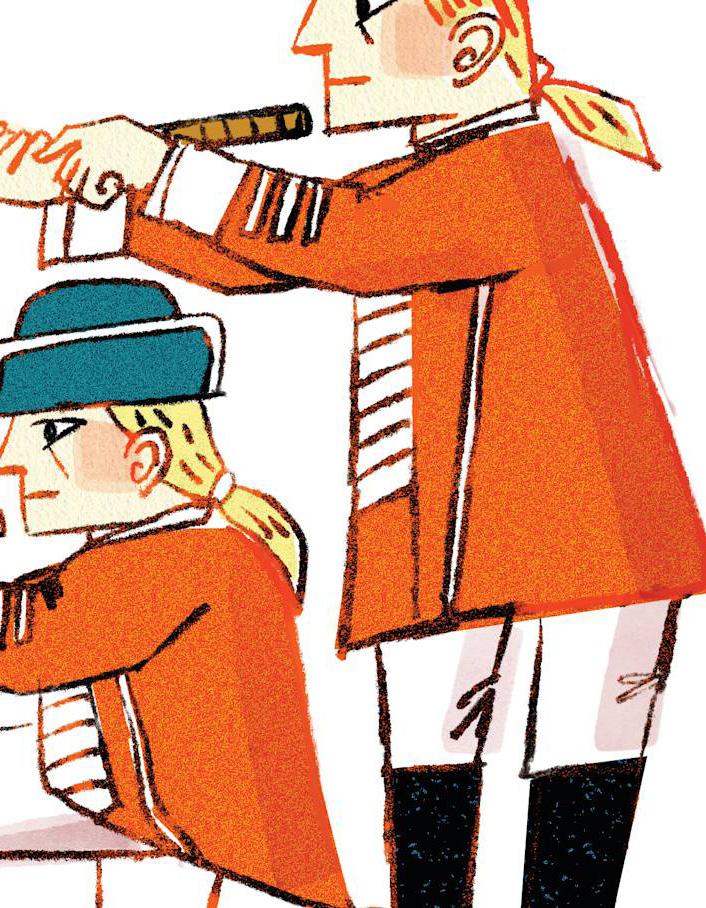
of riflemen aligned in rows, with one set kneeling in front of a standing set. “Beware foreword” served as a warning to the soldiers in front when the back row was firing and, according to the theory, that eventually morphed into “fore.” There’s a particular connection to Leith Links in Edinburgh, Scotland, which stood next to a fort, bringing soldiers and golfers into close contact, although the warning there related to a pair of cannons flanking the entry. Either way, it puts the fear of getting plunked by a small white orb into perspective.
A second option concerns forecaddies, which were popular in the age of the feathery ball, because they were expensive and hard to make. To keep track of those leather-wrapped projectiles, forecaddies would stand in the landing area. Before hitting, golfers would yell “forecaddie” to alert his man that the ball was incoming. Eventually, they shortened the warning to “fore.” This, as has been noted, holds a certain logical appeal, since the words “caddie,” “forecaddie” and “fore” all emerged around the same time.
They say success has 1,000 fathers, which might explain golf’s unresolved paternal roots.
Contenders for the title include colf, kolf, chole, kolbe and kolven, all of which basi-
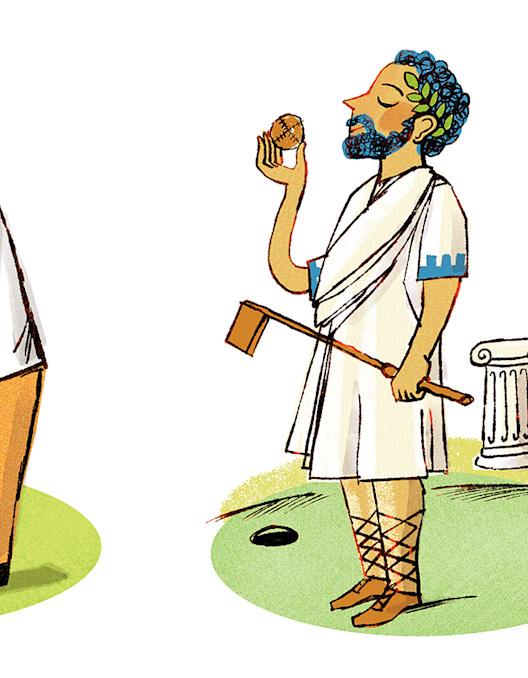
cally mean “club” and are associated with some sort of game that involves hitting an orb with a stick. Some historians trace them back to the ancient Greek word kolaphos or the Latin words colapus or colpus, meaning “to strike” or “to cuff.” The games also seem to have some root in the Roman game paganica, which featured a feather-stuffed ball hit with a curved stick and was spread throughout Europe by the conquering legions.
Other experts propose that the Dutch game kolf –played with a stick and ball on frozen canals or fields –migrated across the North Sea to Scotland. Of course, it doesn’t help that once the game arrived the Scots called it all kinds of names, including goff, goif, golf, goiff, gof, glove, gowf, gouff and gowfe. In Gaelic, the word is goilf.
The truth is elusive, but all that matters is that at some point the Scots began playing a game directly related to the current version of the sport and agreed to call it “golf.” Back then, they may have even “golfed,” but no one does that anymore. At least not if they really know what they’re talking about.




BY DAVID PHIPPS GCSAA NORTHWEST REGIONAL REPRESENTATIVE

“No life is, or can be, self-existent. We depend on each other.”
Those words, spoken by Colonel John Morley, the founding father of the Golf Course Superintendents Association of America (GCSAA), set the tone for an organization that has quietly shaped the game of golf for a century. This year, the GCSAA celebrates its Centennial, and Morley’s belief in collaboration, shared purpose, and pride in turf care remains at the heart of the profession.
(The Peaks & Prairies Chapter of the GCSAA is celebrating its 50th anniversary in 2026. The Oregon Chapter will celebrate its centennial in 2028.)
For golfers, the impact of the GCSAA is felt every time they step onto the first tee. Smooth greens, consistent fairways, and healthy playing surfaces don’t happen by chance. They are the result of planning, science, and countless decisions made by golf course superintendents and their teams. For 100 years, the GCSAA has supported its members through education, research, and leadership development to improve the golf experience.
“Golf courses don’t just happen – they are carefully managed ecosystems,” says Steve Kealy, CGCS and GCSAA Presidents Award recipient. “When superintendents are supported with education and research, golfers benefit through better playing conditions and healthier courses.”
That connection between preparation and play is especially clear in the Pacific Northwest. Golf courses across the region operate in diverse and often demanding environments, from coastal rainfall and cool springs to summer heat, drought, and wildfire smoke. Northwest superintendents must constant-
ly adapt, balancing playability with environmental responsibility. GCSAA-supported best-management practices guide those decisions, ensuring courses remain enjoyable while protecting water resources, wildlife habitat, and the surrounding landscapes that golfers value as much as the game itself.
“Stewardship and playability go hand in hand,” Kealy stated. “Our goal has always been to leave the game better than we found it.”
Over the past century, the role of the superintendent has evolved just as the game has. Advances in turfgrass science, irrigation technology, and environmental management have transformed how courses are maintained. The GCSAA has played a leading role in that progress, connecting superintendents with university research, developing certification programs, and promoting practical solutions that work in the real world.
The Centennial Celebration is not only about honoring the past, but it’s also about recognizing the people who make golf possible today and preparing for what comes next. Throughout 2026, GCSAA will highlight stories from across the country, in-
cluding the Pacific Northwest, showcasing how modern course management blends tradition with innovation. Programs such as First Green, which introduces students to STEAM learning through golf courses, and Rounds 4 Research, which funds critical turfgrass research,
demonstrate the association’s continued investment in the game’s future.
For golfers, the GCSAA’s 100th anniversary is a reminder that great golf depends on more than a good swing or the latest equipment. It relies on a century
of shared knowledge, collaboration, and care. As the association enters its second hundred years, Colonel Morley’s words still ring true: Golf is better when we depend on each other – on the course, behind the scenes, and throughout the communities that surround the game.
BY ROSS NIEWOLA AGRONOMIST, WEST REGION
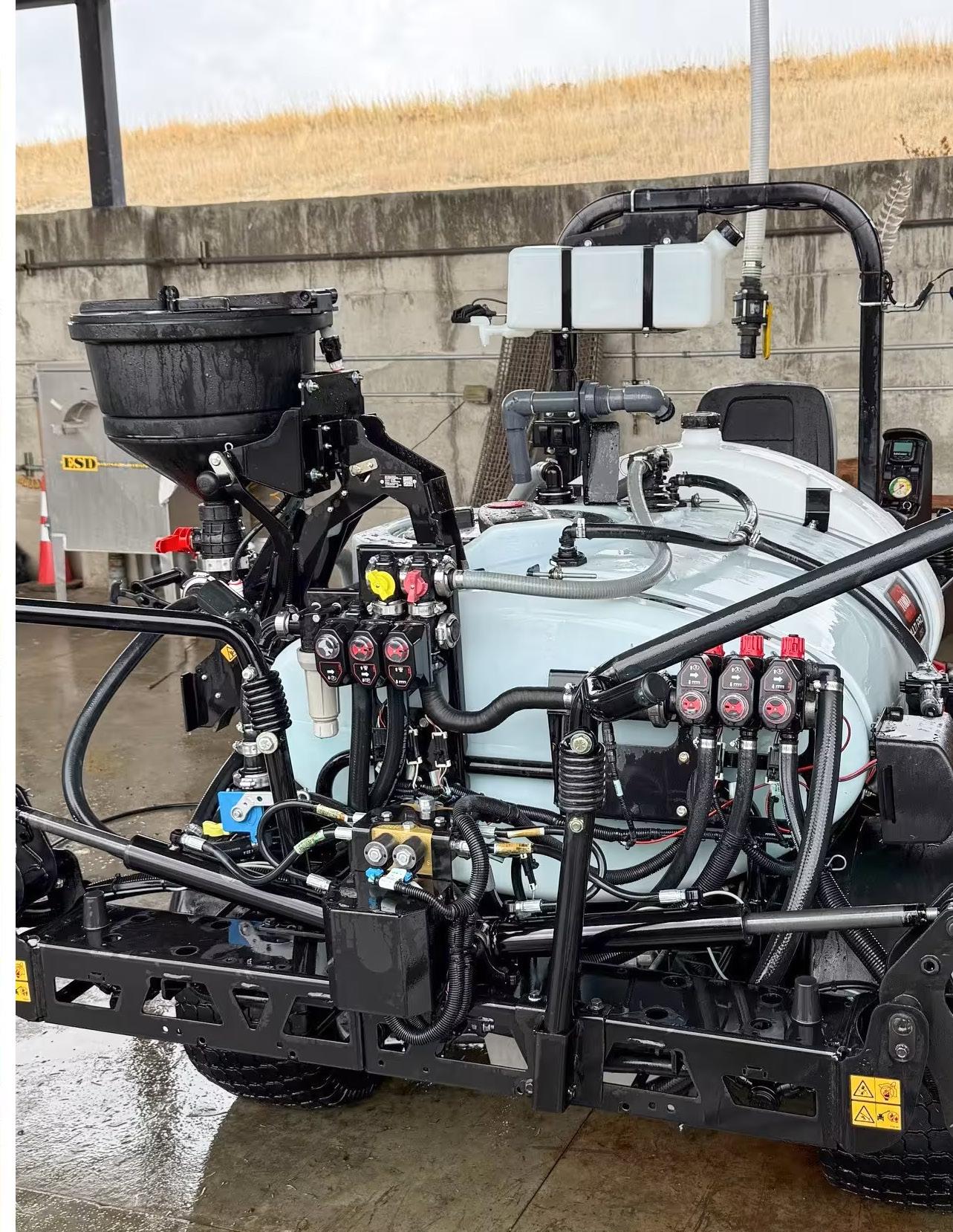
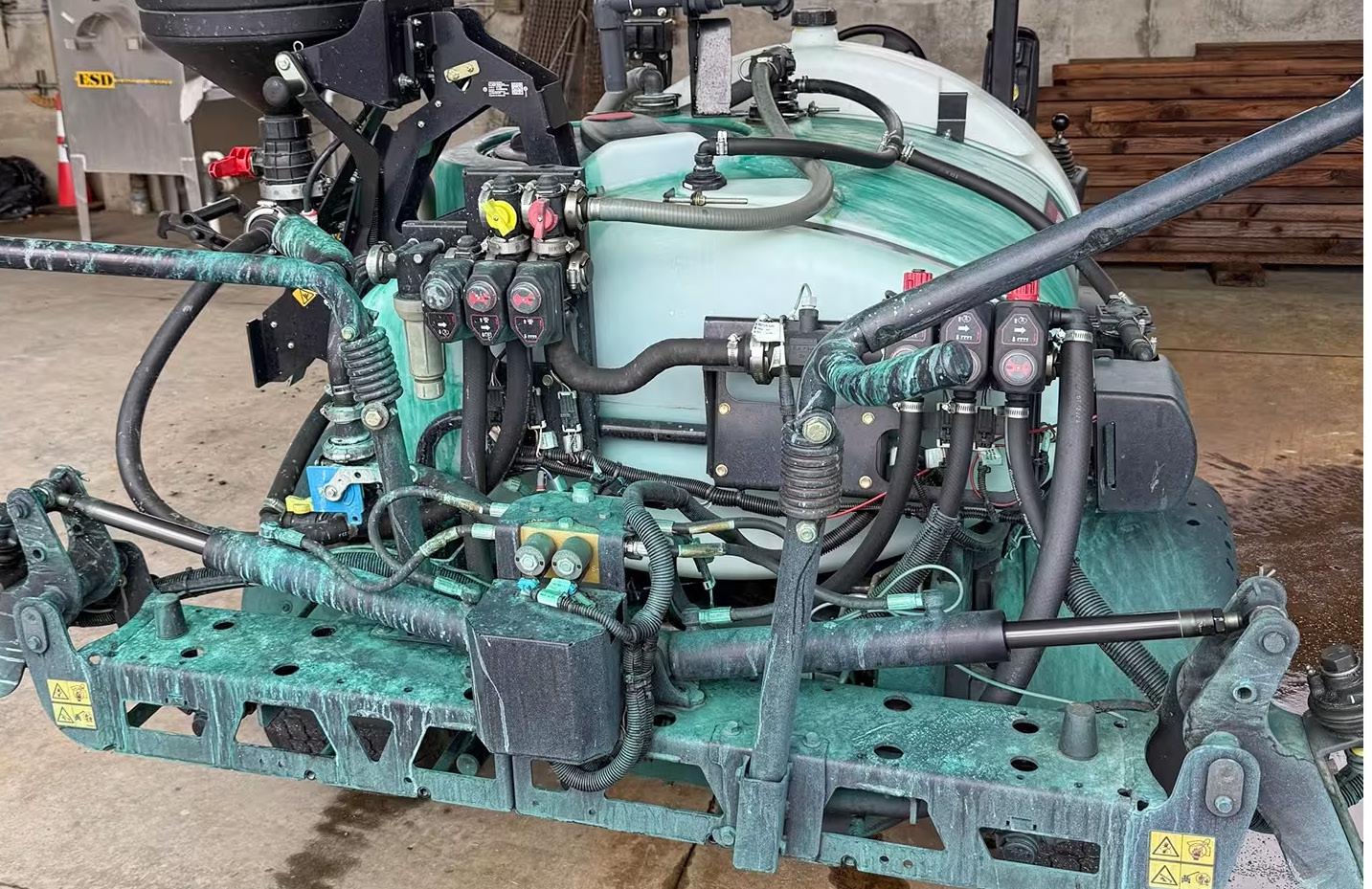
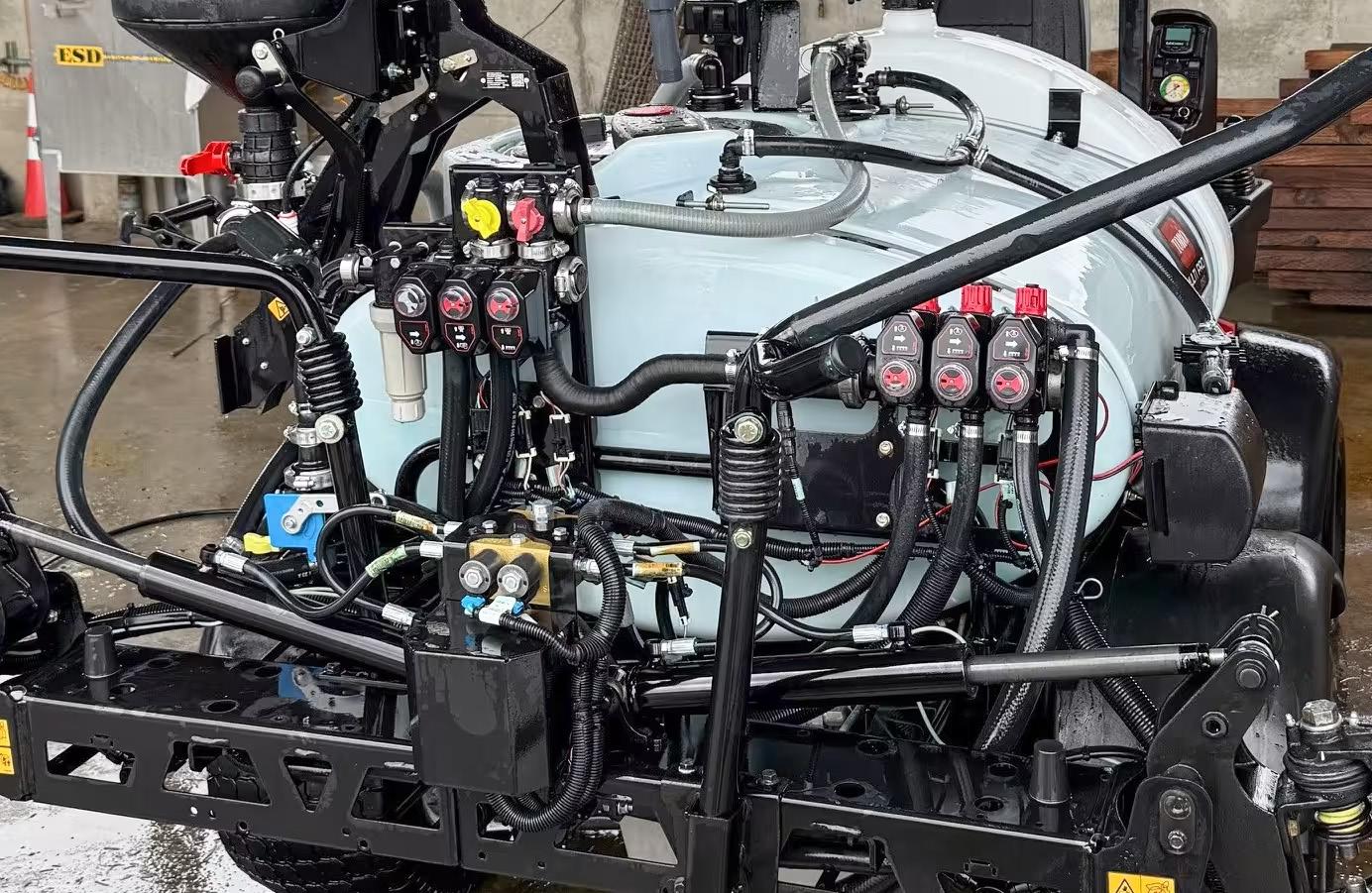
Winter is an ideal opportunity for deep-cleaning your equipment, and sprayers are one place where a fresh start pays off. Some aggressive products are often used, including things like toilet cleaners, but it can feel nerve-racking to place products like that inside the same tank you rely on to spray greens.
At Coeur d’Alene National Reserve in Idaho, director of agronomy and reserve operations Zach Bauer, CGCS, found a creative way to safely clean his sprayers: He called a car detailing company. A mobile detailer in the area, who also cleans agricultural and farm equipment, has been a great option for getting the spray tank and system cleaned thor-
oughly using basic auto soaps and avoiding harsher chemistries. After Bauer’s team finishes the final winter fungicide spray, the detailer comes in and makes quick work of all their sprayers. Bauer feels the investment (under $500 per sprayer) is well worth the price and allows his staff to focus on other important work, like installing winter elk fencing. A quick internet search for farm or agricultural cleaning services – or mobile auto detailers – will let you know if any providers are in your area.
If you’re staying in-house, proprietary tank-cleaning products from fertilizer companies and chemical vendors can help, but sometimes the
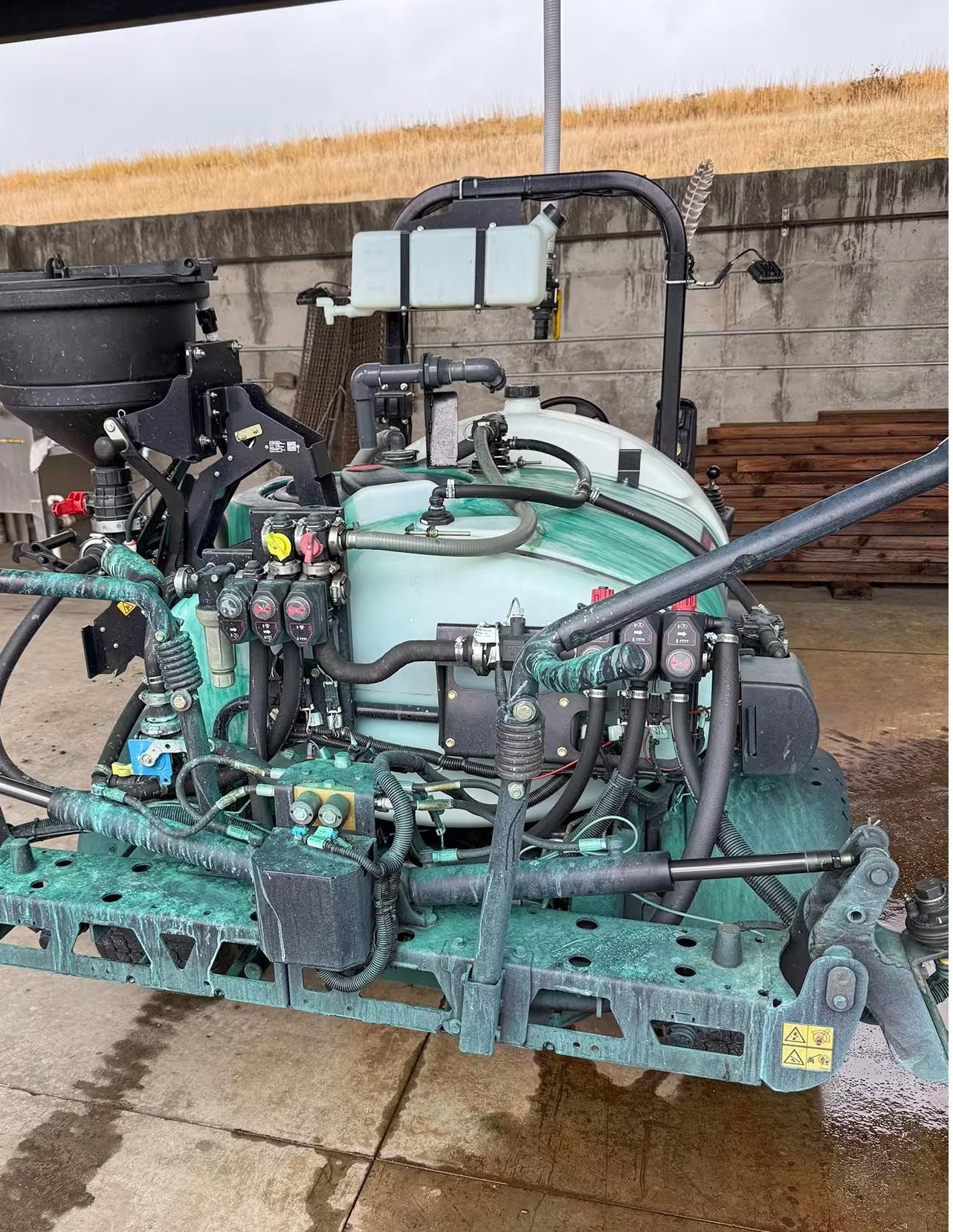
most reliable method is still simple elbow grease. Read cleaning product labels carefully to ensure they won’t damage electronics, gaskets or other sensitive sprayer parts. A power washer can also make quick work of the season’s buildup, but use it thoughtfully. High pressure around nozzles, hoses, seals and other softer parts of a sprayer can turn a fast clean into an expensive repair.
If your winter to-do list gets longer and longer every year, consider outsourcing sprayer cleaning to a mobile auto detailer. Let a professional save you time and give you better results!