Throughout the past few years, the MSGA’s leadership and strategic planning initiatives have worked to put plans into action. Our board and in turn, our special recognition committee decided that to better reflect the accomplishments of golfers in Montana, we needed to create a more refined Hall of Fame criteria. The past processes were solely dependent on MSGA events and contributions. This year, we’re excited to announce the Montana Golf Hall of Fame and a class of six inductees who represent golf from every part of our Montana Golf Community. Beyond the trophies, titles, and impressive resumes, at its core, the Hall of Fame is a reflection of the people who helped shape golf in Montana — the ones who manicured courses, mentored players, ran tournaments, taught juniors, advocated for the game and, in many cases, quietly made golf better for decades without much fanfare.
The 2026 Hall of Fame class is a fitting example of the recognition for those who are so deserving.
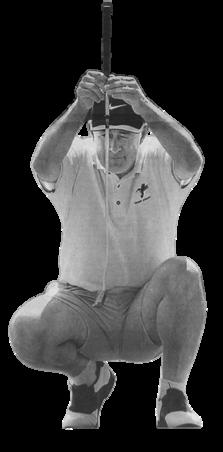
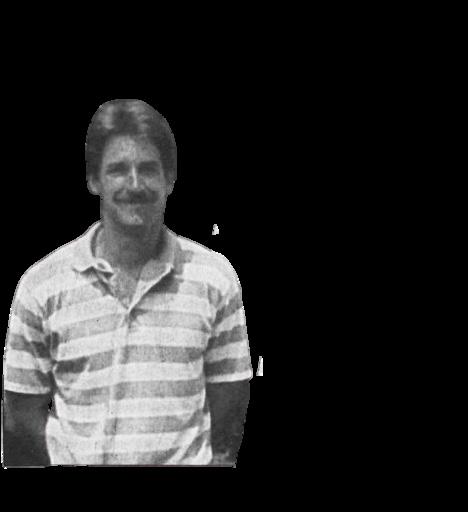
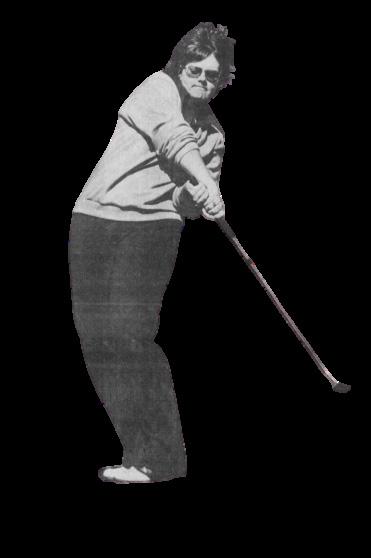
This year, the MSGA will honor six individuals whose contributions to golf in Montana have come in very different forms, but whose impact has been equally significant: Jim Opitz of Helena, Shanda Imlay and Gary Koprivica of Missoula, Pete Grass and Jerry Pearsall of Billings and Roger Wallace of Polson.
For many golfers around the state, Jim Opitz became synonymous with the MSGA itself. After taking over as Executive Director in 2000, Opitz guided the association through more than two decades of change in
2 - 406GOLF - JUNE 1, 2026
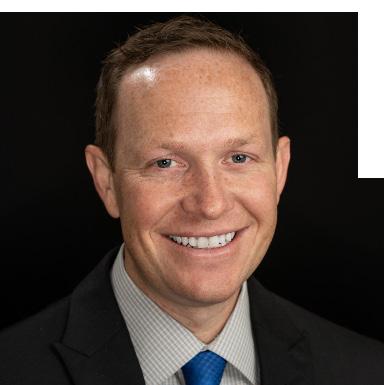
golf and in association leadership. During his tenure, the organization navigated shifting participation trends, moved its headquarters to Helena, adopted GHIN® handicap services and helped unify Montana golf through the eventual merging of the women’s and senior golf associations into one statewide golf community.
But beyond the organizational milestones, Jim’s steady leadership style left a lasting mark. Montana golf needed stability and vision during a changing era, and he provided both.
Shanda Imlay’s story is one of both achievement and influence. A standout junior and amateur player in Montana during the 1970s, Imlay later became the first woman elected to membership in the Pacific Northwest PGA in 1982.
Her career in golf has stretched far beyond competition. Through instruction, junior golf development, administration and entrepreneurship, Imlay has spent decades helping

MONTANA GOLF
JERRY PEARSALL
JIM OPITZ
GARY KOPRIVICA
ROGER WALLACE
PETE GRASS
SHANDA IMLAY


golf industry. In a profession often defined by pressure and perfectionism, Pete helped bring
he continues to learn and serve as a volunteer

in Oregon as an instructor and administrator.
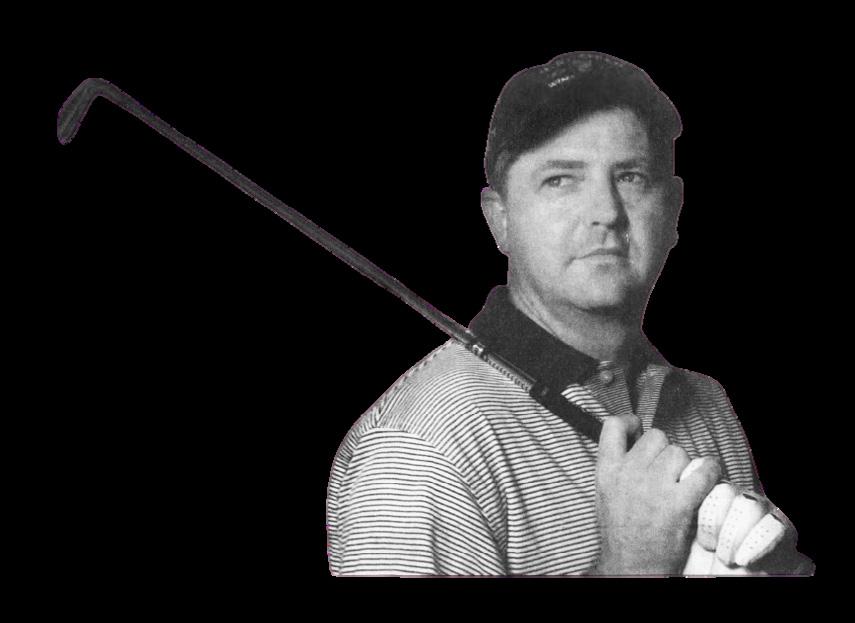
Pete Grass represents another side of golf that players sometimes overlook until they truly understand the game — stewardship. For more than 50 years at Hilands Golf Club in Billings, Grass dedicated himself to creating exceptional playing conditions while becoming one of the most respected superintendents in the country.
His influence reached far beyond Montana through the Golf Course Superintendents Association of America (GCSAA), eventually serving as national president. Yet one of Pete’s most impactful contributions may have come through his honesty and vulnerability,
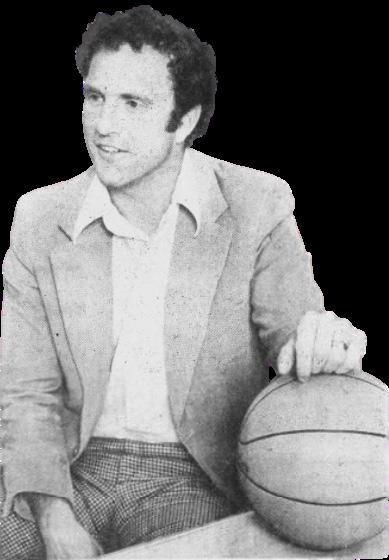
Roger Wallace’s influence can be seen all across Montana through the generations of golf professionals and players who came through Polson Bay Golf Course during his 36-year tenure there.
A decorated PGA professional and leader, Wallace built one of the strongest golf cultures in the state while mentoring countless individuals along the way. His success in competition is impressive, but those who know Roger best often point first to his leadership, generosity and investment in others throughout Lake County and beyond. The branches of his PGA tree are vast and have spread wide.
Gary Koprivica’s playing career spans
generations of Montana golf. From his junior golf success in Butte to standout years at the University of Montana and appearances in 13 USGA championships, Koprivica has remained a fixture in competitive golf for decades.
Even while competing at a high level, Gary developed a reputation as someone who genuinely cared about Montana golf and the people in it. Fierce competitor? Absolutely. But also an ambassador for the game in every sense.
And then there’s Jerry Pearsall, whose recent run in senior golf has reminded everyone that great golf playing careers don’t always follow a traditional timeline. Pearsall has become one of the dominant senior players in the state, adding major championships and national-level competition to a golf résumé that already included years as a PGA professional and golf administrator.
Collectively, this Hall of Fame class reflects something special about golf in Montana. The game here has always depended on passionate people willing to give their time, energy and talents to something larger than themselves.
The varied contributions of these six individuals have many qualities in common – they are impressive, they represent commitment to one’s craft over time and unwavering love of the game of golf.
In a game built on tradition, stewardship and community, this year’s class reminds us that Montana golf has always been at its best because of people willing to give back to it.
That’s what makes a Hall of Fame class memorable — not just what was accomplished, but how those accomplishments helped shape the game for everyone else. Congratulations and a hearty golf clap to our 2026 Montana Golf Hall of Fame Class.

BOARD OF DIRECTORS - OFFICERS
PRESIDENT................................................... Peter Benson
VICE PRESIDENT.................................. Ron Ramsbacher
TREASURER....................................................... Bill Dunn
PAST PRESIDENT......................................... Mary Bryson
EXEC COMMITTEE......................................Joe Rossman
BOARD OF DIRECTORS
Ross Bartell, Peter Benson, Carla Berg, Marshall Bettendorf, Mary Bryson, Brandon Davidson, Bill Dunn, Cheri Ellis, Lisa Forsberg, Marcia Hafner, Susan Haskins, Jeri Heard, Katy Peterson, Ron Ramsbacher, Joe Rossman, Rod Stirling
MSGA STAFF
Executive Director......................................... Nick Dietzen
Tournament & Player Dev. Director.............. Tim Bakker
Membership Operations Director............... Emily Hulsey
Member Services Manager.............................. Ian Hulsey
Marketing and Branding Director................... Katie Fagg
Communications Manager.............................. Ty Sparing
Partnerships & Business Development...... Nick Dietzen
Nick Dietzen.............................. 1 (800) 628-3752, ext. 6
406GOLF STAFF
Editor in Chief............................................... Nick Dietzen
Senior Writer..................................................... Ty Sparing
Graphic Designer................................................Katie Fagg
Contributing Writer......................................Shanda Imlay
Contributing Writer...........................................Ian Hulsey
Contributing Writer................................Cade Shoemaker
Contributing Writer.......................................Noah Weyne
Contributing Writer.......................................Avery Linder
Contributing Writer........................................Toby Dinges
Contributing Writer........................................Isabel Ewers
Contributing Writer.................................Melissa Dickson
Contributing Writer..........................................Peter Grass
Contributing Writer..................................Michael Trostel
Contributing Writer..................................Vincent Allocco
Contributing Writer...................................Brain Whitlark
Montana State Golf Association P.O. Box 4306
Helena, MT 59604
1 (800) 628-3752
www.msgagolf.org
1, 2026 - 406GOLF - 5

BY CADE SHOEMAKER AND NOAH WEYNE MSGA P.J. BOATWRIGHT INTERNS
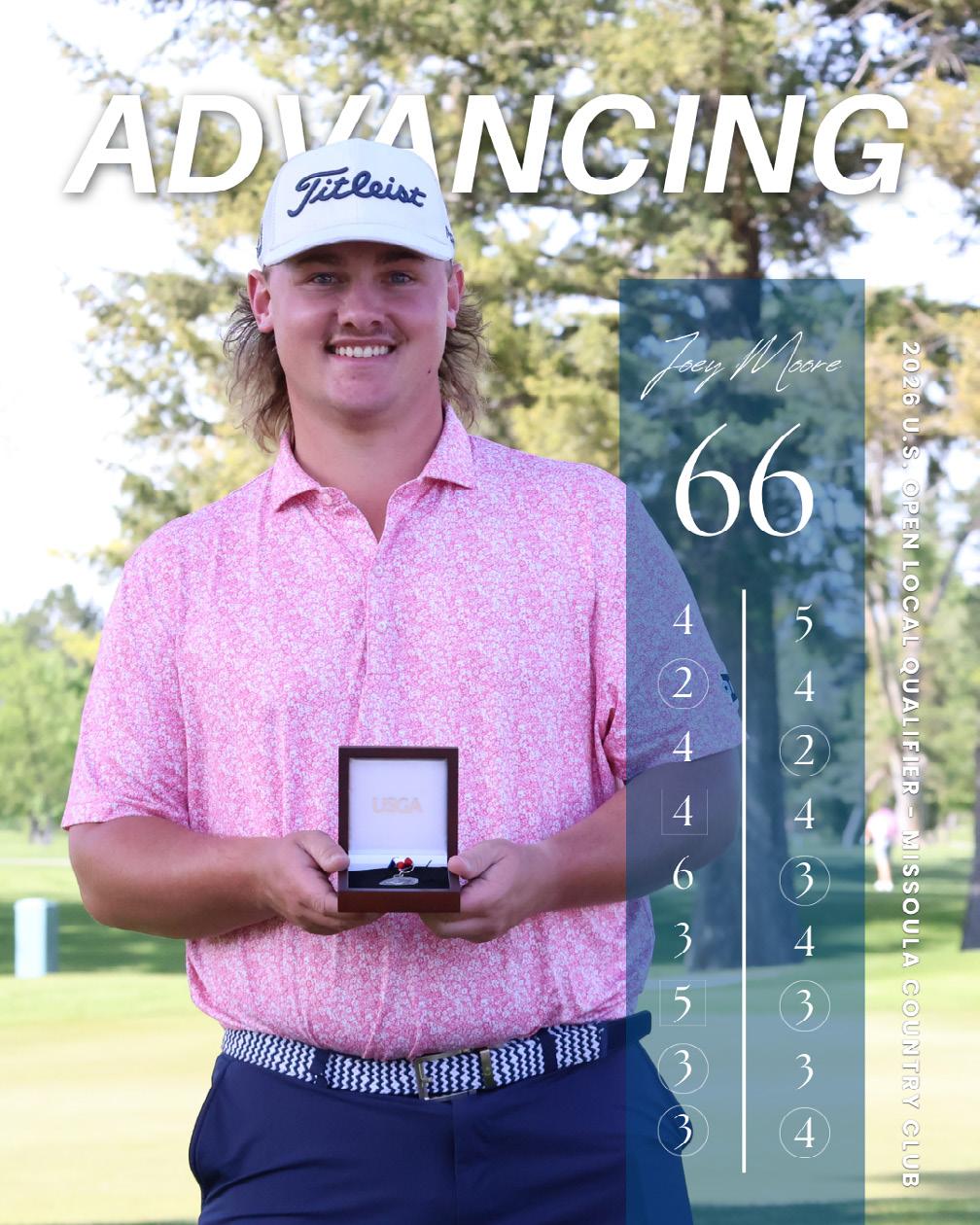
Four players from the 68-person field at Missoula Country Club (MCC) advanced to final qualifying for a chance to compete at the 126th U.S. Open at Shinnecock Hills Golf Club, along with two alternates.
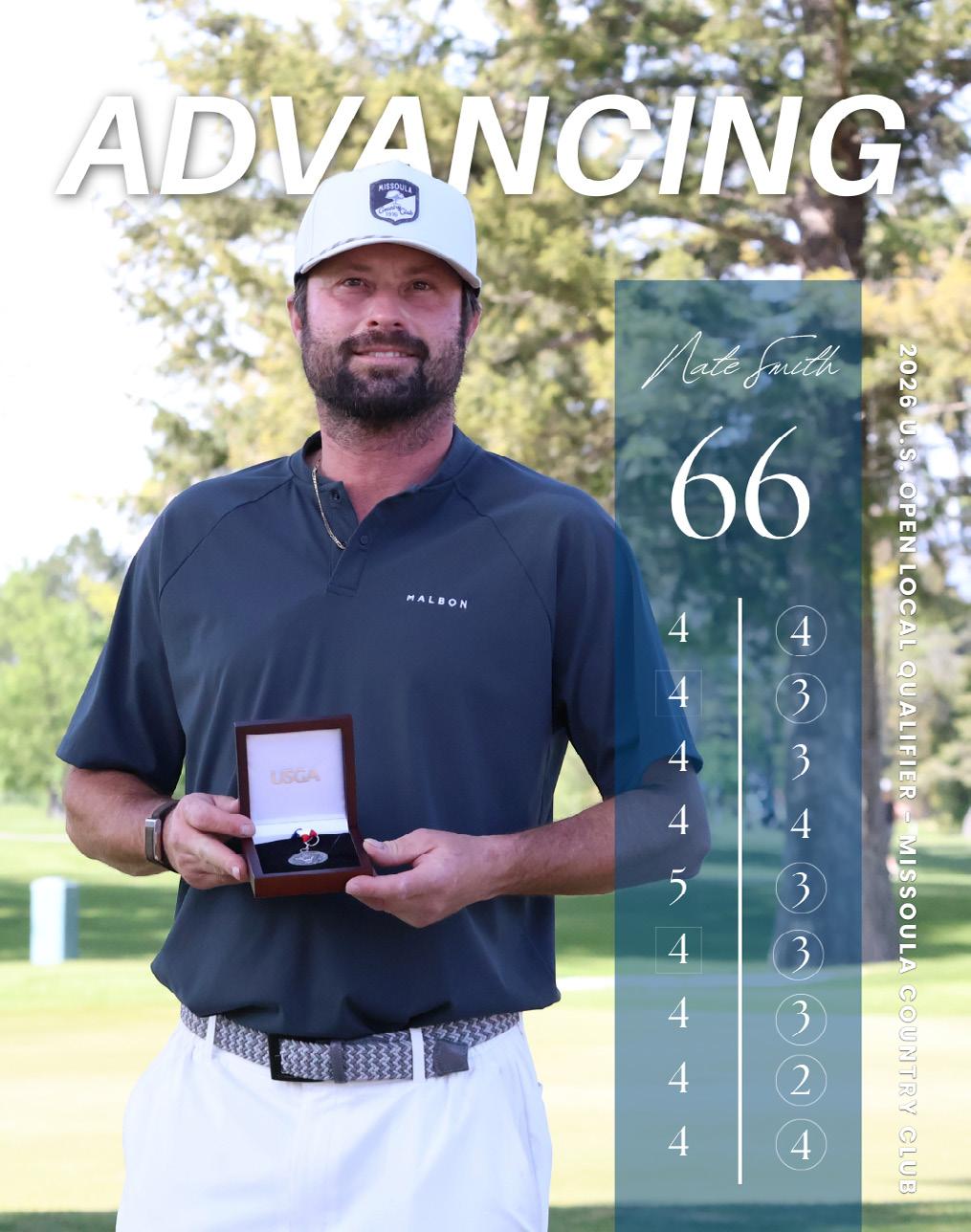
Billings, Montana native Joey Moore and Teton Valley, Idaho native Nate Smith both medaled with a tying low score of -5 (66) while
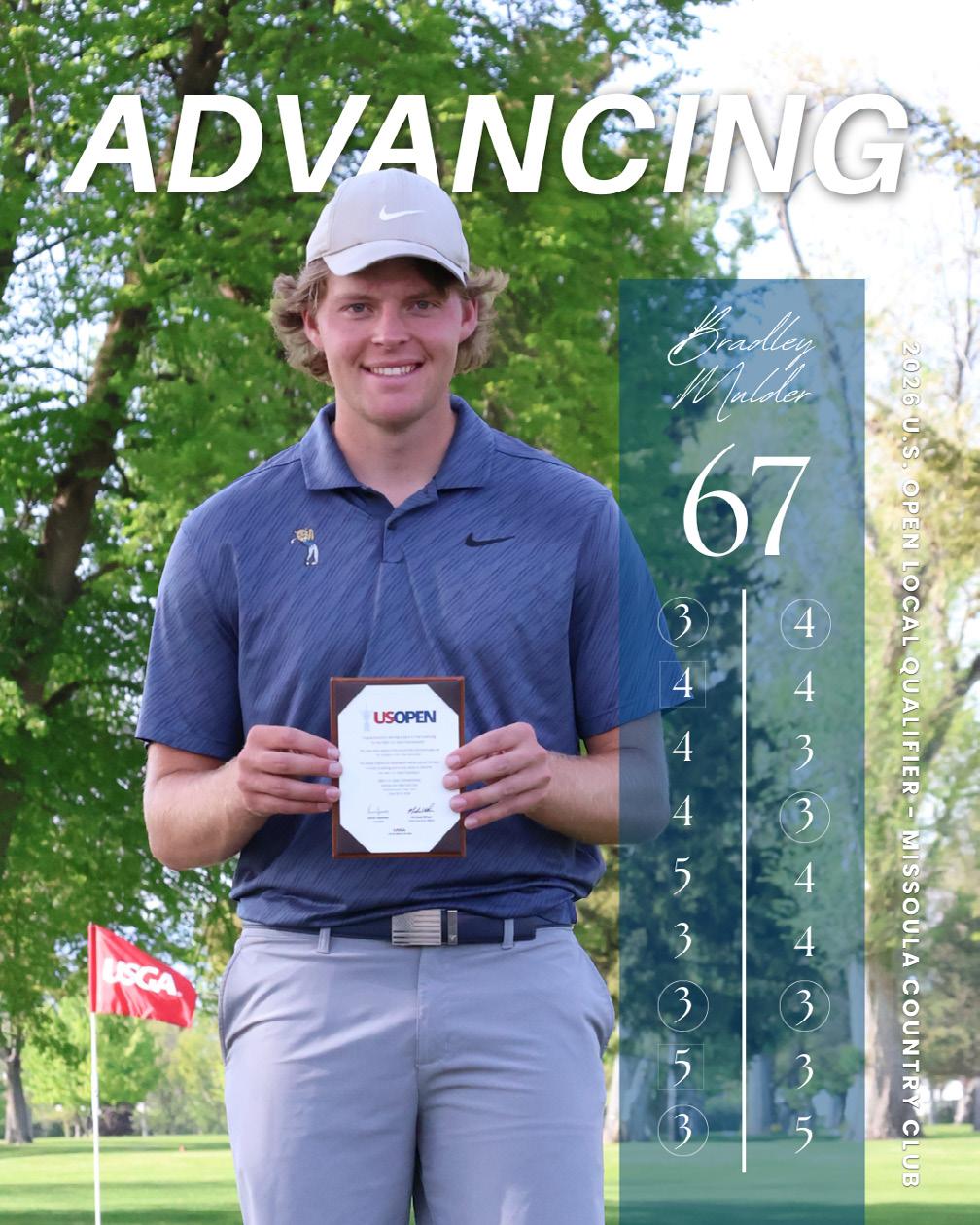
Bradley Mulder and Michael McGowan earned the other two qualifying spots after shooting -4 (67).
For the second straight year, Moore has reached the next qualifying round of the U.S. Open. The recent professional and two-time Montana State Men’s Amateur Champion played without a caddie and used an out-ofbounds drive on the fifth hole to “wake up” before he settled himself with back-to-back birdies to finish the front and stayed hot the rest of the way. With a bogey-free -4 (32) back nine, Moore walked his birdie putt confidently in on the 18th green.
Though he played alone, he wasn’t without support. His friend and junior golfer, Colin Jensen, was in the group behind him and cheered him on the whole way. The two practiced together in Missoula the week before the qualifier at Highlands Golf Club, where the greens and playing conditions were similar.
“I’m not rooting against outsiders, but, you know, I root for Montana kids,” Moore said. “Colin was right behind me all day today, and it’s just that home state kind of feeling. I think we’re all just proud of being Montanan.”
If Moore were to go all the way to the U.S. Open Final, he would be the first Montana golfer to do so since Brandon McIver in 2014. With over 10,000 entries accepted to qualify for the Major Championship this year, making it to Shinnecock Hills Golf Club is one of sports' hardest achievements.
Before even entering the event, players must have a 0.4 handicap index. Golfers then apply to one of the 110 local qualifying sites to
reach one of the 13 final qualifiers, where they will directly play for a spot in the 126th U.S. Open. Four spots were allocated from Missoula Country Club’s 68-player field.
If any player is well acquainted with the grueling qualification process, it’s Smith, the other medalist at MCC’s qualifier. The former professional golfer and 2024 Idaho Amateur Champion — who has a career victory on the Korn Ferry Tour and played his collegiate golf at Duke University — made it to the 104th U.S. Open in 2004. Which, coincidentally enough, was also played at Shinnecock Hills.
Starting his journey back to Southampton, New York, 22 years later, Smith shot a -7 (29) on the back nine that included five consecutive birdies on holes 14-18 to situate himself at the top of the leaderboard. Despite a slow start, +2 (37) on the front nine, Smith was patient.
“I don’t watch the scoreboard,” Smith said.
“I just play and try to get to a number that I think is better than it’s gonna take… I was like ‘Hey, let’s just see if we can get to six (under), I bet that’ll be alright.”
As tied medalists, Smith and Moore secured the first two spots. A three-man, sudden-death playoff determined the final two between Mulder, McGowan and Clayton Tribus, tied at -4 (67), with the trio heading back to hole 16 to begin.
After three pars on the first playoff hole, golfers headed to 17 — a long par three — where Mulder stuck his tee shot to 10 feet. Immediately, after his birdie putt rolled in, securing his qualifying spot, the cheer from his mother (and caddie) was louder than his sigh of relief.
The rising senior at Colorado Christian University qualified days after competing in the NCAA Division II regionals, where he helped
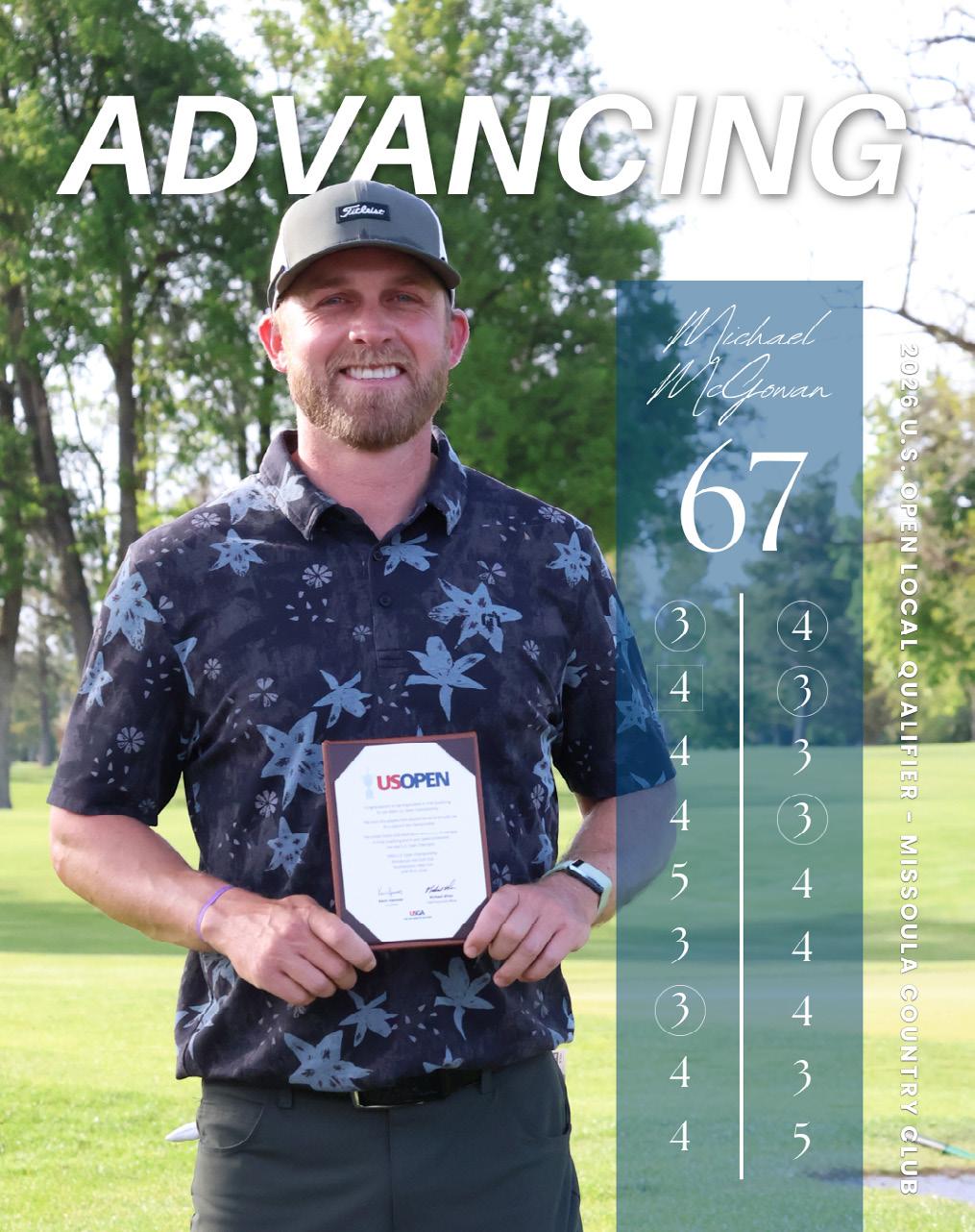
the Cougars advance. Last year, Mulder helped his team to a runner-up finish in the 2025 NCAA DII National Championship.
With the final spot left between McGowan and Tribus, the two played another four holes — 24 in total for the day — before McGowan decided it with a birdie on the par-5, 18th. The North Carolina native chipped and tapped in his putt using his 56-degree wedge engraved with the name “Dr. Chip-in-ski”.
“All I could think about was making that chip, because I’d hit quite a few nice chips today and we kept talking about you’re going to make one of these,” McGowan recalled about the conversation with his caddie.
The former UNC-Chapel Hill golfer grew up in the Pinehurst, N.C. area, where his parents own two golf clubs. As the fourth qualifier in the field, the professional golfer put both a Tar Heel and a Blue Devil through to the final qualifying stage.
Two alternate positions are awarded at each qualifying location in case a player has to withdraw. A pair of Montana natives, Tribus and Kade McDonough, earned the alternate spots.
Complete scores and photos from the event can be found on the Montana State Golf Association’s website – the Golf Genius ID for
the round was 26MSGAUSOQ. And if YOU are interested in playing in the 2027 U.S. Open Qualifier or competing in local MSGA-sponsored events, register on the tournament page at www.msgagolf.org/tournaments

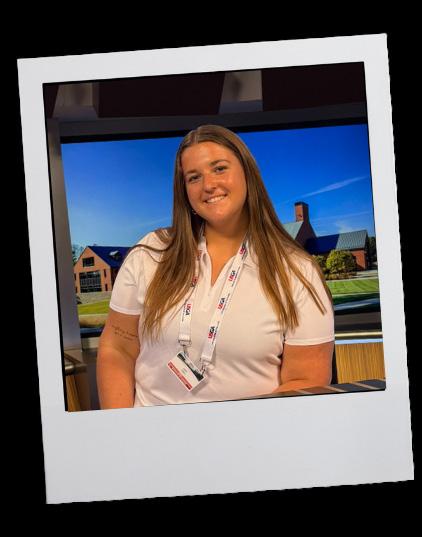
1. Where are you from originally?
I am originally from Chanhassen, Minnesota.
2. What brought you to the MSGA? How did you find out about the Boatwright Internship?
My aunt is a member of the MSGA and
she saw the posting for the Boatwright Internship. I applied, and after talking with the staff during the interview process, I felt like the MSGA was a perfect fit for me.
3. What are you hoping to learn while working in the golf industry?
I hope to learn more about the sports industry as a whole and how strong marketing can grow the game and increase fan engagement.
4. What MSGA program are you looking forward to contributing to the most?
All of them! I am brand new to the golf industry, so I am looking forward to getting exposure across all programs and learning how each of them individually continues to grow the game.
5. If you could golf with anybody, what four other people would you select?
I would choose Tiger Woods, Michael Jordan, Sidney Crosby, and Tom Brady to compare some of the greatest athletes of all time and see their competitiveness on the golf course.
6. If you could golf at any course in the world, where would you go?
I would go to Augusta National Golf Club because of its rich history and prestige.
7. What is your favorite course in Montana and why?
This internship is my first time in Montana, so I don’t currently have a favorite, but I am hoping to find one this summer!
8. What is your favorite sport outside of golf?
My favorite sport to play is Basketball and my favorite sport to watch is Hockey.
9. Outside of golf, what are some of your other interests?
Outside of golf I really enjoy hiking, working out, playing and watching all kinds of sports, and traveling all over!
1. Where are you from originally?
I am from High Point, North Carolina, a city at the foothills of the Appalachian Mountains and in the middle of the state. High Point is dubbed the furniture capital of the world, and twice a year for four weeks in total, the downtown furniture market generates over $6 billion in economic impact as designers from across the world fly in to buy and sell. Because of this, we also have the world’s largest chest of drawers on display year-round!
2. What brought you to the MSGA? How did you find out about the Boatwright Internship?
I found the MSGA through a series of Boatwright applications but was by far most
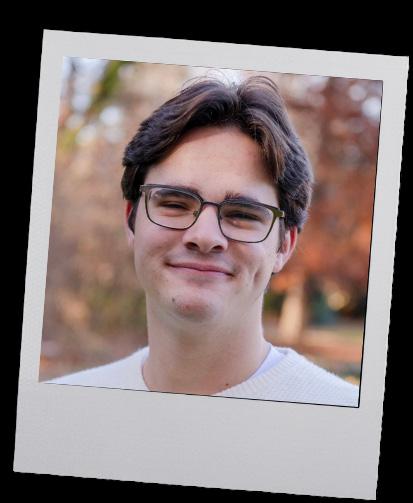
excited about going out to Montana versus any other state association. I have never been that far west and or seen anything close to the beauty of the natural landscapes, so I am excited to see what Montana has to offer as well as the opportunity to work with an amazing golf organization.
3. What are you hoping to learn while working in the golf industry?
I am eager to continue developing skills in storytelling about a sport that I have less experience writing about, capturing amazing photos and videos that show the natural beauty of golf and the courses, as well as the unique networking that happens within the industry itself.
4. What MSGA program are you looking forward to contributing to the most?
I am excited to contribute to the monthly magazine and membership newsletter. The
opportunity to be creative with the MSGA’s messaging, and combining multimedia aspects like graphic design, photo and writing will be a really cool project to get to work on.
5. Who introduced you to golf?
My dad first introduced me to the game of golf when I was in middle school, though he isn’t much of a player and neither was I for a long time until I started playing in college. Since then, my college friends have really shown me the ropes and have grown my love for playing and watching more than anything else.
6. If you could golf at any course in the world, where would you go?
Growing up in North Carolina, I have always wanted to play Pinehurst No. 2 and the plentiful other courses at the resort and surrounding area. I’m certain the challenge of a U.S. Open-level course would be extremely difficult for me, and I may even shoot over 100, but it would be a ton of fun regardless, and only about an hour and a half drive from home.
7. If you could golf with anybody, what three other people would you select?
If I could choose my ideal foursome grouping it would be with LeBron James (my favorite athlete and recent golf enthusiast), Tiger Woods (my favorite golfer and someone who could give me swing tips on the range before the round) and John Daly (to keep the vibes high and make the round more enjoyable).
8. If you could change one thing about the game of golf, what would it be?
I am a big believer that a ball that lands
in another player’s previous divot, should be considered ground under repaired and movement out of the divot should be free relief. Though it is a rare occurrence, it can immensely change the outcome of a shot, and it is nothing the player can control.
9. Outside of golf, what are some of your other interests?
I am a big sports fan no matter what sport it is. I love playing pickup basketball, soccer and pickleball/tennis. My faith is also a big part of my life, and I do a lot within the Christian community and church back home in North Carolina!
Bonus: Lay up or go for it?
I’ve learned the hard way that laying up is almost always the right play...
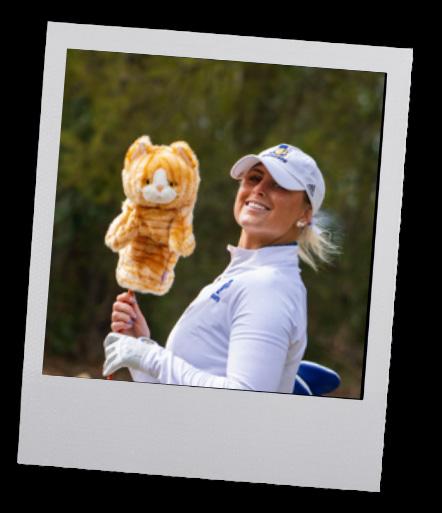
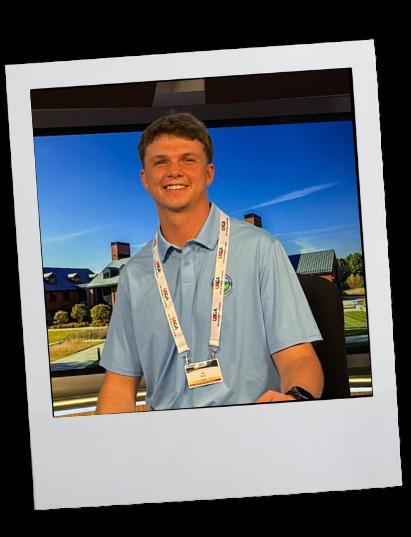
1. Where are you from originally?
I am from Sweden, but I attend college in Greenwood, South Carolina.
2. What brought you to the MSGA? How did you find out about the Boatwright Internship?
What brought me to MSGA was mainly the fact that the climate reminds me of home (Sweden), and I wanted to experience a completely different side of the U.S. I love exploring new places, and this is something I’ve never done before. During my interviews, the team genuinely felt welcoming and authentic, which made MSGA an easy
choice for me. I heard about the Boatwright Internship through a friend who is doing the same internship this summer, and she encouraged me to apply and challenge myself.
3. What are you hoping to learn while working in the golf industry?
I hope to learn more about the sports industry and whether it is something I would like to work in the future. I also hope to gain hands-on experience in how tournaments are organized and managed, as well as all the work that goes on behind the scenes with planning, logistics, and maintenance.
4. What MSGA program are you looking forward to contributing to the most?
The program I’m probably looking forward to the most, even without having experience with any of them, is likely the junior or amateur tournaments where the players are around my age or younger. It’s always so fun to watch younger golfers and see their potential, their passion for the sport, and their drive to become the best.
Watching amateurs my own age compete is also really inspiring and motivating because I can see myself in them and understand exactly what their situation is like. It’s easier for me to relate to them and the younger players compared to the older generation, even though I’m also excited to be around them and see how much golf means to so many people’s lives.
5. Who introduced you to golf?
I would probably say it is a combination of my parents and my grandparents. We had a summer house on a golf course where my grandparents lived, which made it natural for me to start swinging a club at
an early age. Ever since I was little, I have been out on the course doing some putting, swinging, playing, or riding in the golf cart. As I got older, my parents continued taking me to the course, even when other interests seemed much more fun at the time. But once I found a great group of friends at the golf course, it quickly became my favorite thing in the world.
6. If you could golf at any course in the world, where would you go?
It would be Augusta National 100%. It is probably every golfer’s dream, but the course looks absolutely incredible, and it would truly be a dream come true to one day walk on those grounds.
7. What’s your most memorable moment on a golf course?
My most memorable moment on a golf course was when I had the opportunity to compete in a tournament at St Andrews, where I played 36 holes on the New Course
and 18 on the Old Course. I honestly had goosebumps when I teed off on the first hole, and the feeling of walking up the 18th fairway toward the historic clubhouse was one of the most incredible experiences of my life. It is truly something I would love to experience again.
8. If you could change one thing about the game of golf, what would it be?
If I could change one thing about golf, it would probably be my wish for more girls and women to be drawn to the game of golf. It’s still a very male-dominated sport, and from my experience through tournaments, junior golf, and even just from what you usually see at golf clubs, the majority are boys and men.
I think it would be amazing to create a community where women and girls could appreciate golf just as much as men do, and to show girls that it’s an incredible sport that you can continue playing throughout your entire life — something you can always rely on.
Golf can be there for you during moments of happiness, sadness, frustration, and pretty much every stage of life. I truly hope the sport continues to become more equal and inclusive in the future.
9. Outside of golf, what are some of your other interests?
Outside of golf, I love spending time with friends, shopping, staying active, and doing pretty much any kind of sport. I also enjoy hiking, going to the gym, and spending time with my family, even though I don’t get to see them very often because of the distance between me and Sweden.
My dog, Fabbe, is also a huge part of my life, and I miss him so much now that I’m no longer able to see him every day. One of my favorite things in the world is going on
walks along the beach with my dog back home in Sweden.
1. Where are you from originally?
I was born in Sidney, Nebraska, where I lived for 9 years prior to moving to Bozeman, Montana!
2. What brought you to the MSGA? How did you find out about the Boatwright Internship?
Growing up playing golf in Montana, the MSGA was the main source for playing completive golf tournaments in the state. I always felt a sense of connection with the MSGA, they were always very understanding and always very nice to talk with. One of my coaches in high school, Cora Rosanova
was a previous boatwright intern. She suggested that I should apply and that I would be a great fit.
3. What are you hoping to learn while working in the golf industry?
I want to learn about all the rules, regulations, and overall operations of how golf tournaments run.
4. What MSGA program are you looking forward to contributing to the most?
I look forward to the junior program of the MSGA, growing up playing in those tournaments I will be able to have a sense of connection with the players themselves.
5. Who introduced you to golf?
I got introduced to golf by my mom and her dad. They were the ones who have also benefited me the most in my golf journey.
6. If you could golf at any course in the world, where would you go?
Old Course at St Andrews.
7. What is your favorite course in Montana and why?
Rock Creek Cattle Company, I fell in love with it due to amazing views along with the very wide fairways.
8. If you could change one thing about the game of golf, what would it be?
Everyone should be allowed to take a breakfast ball on the first teel.
I enjoy fly fishing, music, and spending time outdoors!
9. Outside of golf, what are some of your other interests?
Bonus: Lay up or go for it?
Go for it!
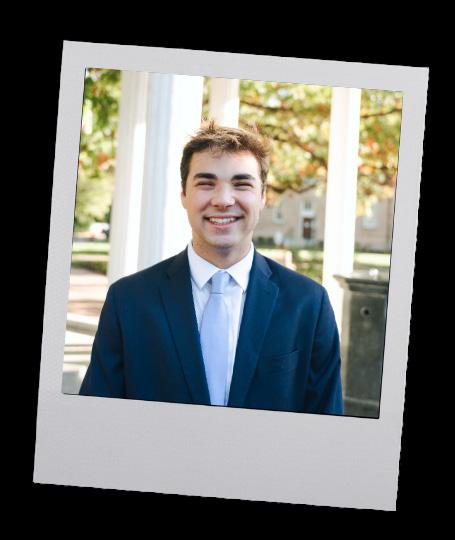
1. Where are you from originally?
I was born in Tucson, Arizona and lived there for the first five years of my life. My family then moved to Phoenix, Arizona for the next two years. Then San Diego, California is where my family called home for the next two and half years. One more move would not hurt, right? From the West Coast my family moved 3,000 miles to Wake Forest, North Carolina. I have called North Carolina home for the last 11 years of my life.
2. What brought you to the MSGA? How did you find out about the Boatwright Internship?
At the start of the school year, I met with my college advisor to talk about potential summer internships. She challenged me to find an internship that combined my communication and writing skills with a passion of mine outside the classroom. I knew instantly it would be my passion for golf. I applied to a plethora of different golf related internships whether for other golf associations, clothing and shoe lines, or professional tours. My roommate, Cade, was the one who sent me the application to the MSGA after he applied. We applied to four different state associations and felt like the MSGA was the best fit overall. I am incredibly grateful for the opportunity.
3. What are you hoping to learn while working in the golf industry?
I am hoping to gain hands-on experience through this internship. Working in all the different areas of communications – press releases, interviews, photography, magazine design all excite me. I love the world of golf and can not wait to be in Montana during the championship events the MSGA is having this summer.
4. What MSGA program are you looking forward to contributing to the most?
I am most excited about working the junior events and covering the championships. Junior golf is where I fell in love with the sport, and I can not wait to write stories about golfers who feel the same way. Additionally, looking forward to working on some of Montana’s best golf courses and future talent.
5. Who introduced you to golf?
My dad introduced me to the sport of golf. The only way he was able to go out and play was he had to take me and my sister. I have been swinging a golf club since I was three years old. My dad has been my biggest fan and supporter with all of my golf endeavors. He traveled with me to every tournament. When my family moved to Wake Forest,
North Carolina my sister and I spent every summer growing up on the golf course. Some of my favorite childhood memories are getting the first tee time at the course and not leaving till sunset, trying to perfect our game.
I would go play at Bandon Dunes in Oregon. I have never traveled up the Northern West Coast before and the ocean views look spectacular. My dad got to play there on a business trip and ever since then I have dreamed of playing on their three golf courses. I use a ball marker with Bandon Dunes' course logo every time I play a round and want to use it on the actual course.
7. What is your favorite course in Montana and why?
Well, I have only seen three so far and Missoula Country Club was my favorite. The lush tree landscape and mountain top views were absolutely stunning. I cannot wait to play there later this summer. The course also reminded me of North Carolina golf with the trees.
8. If you could change one thing about the game of golf, what would it be?
I wish that range balls were automatically included in every round you play, no matter the course. Additionally, I believe the golfing community could do a better job of
6. If you could golf at any course in the world, where would you go?
discounting gear and clubs to junior golfers to ensure the game continues to grow and become a more accessible sport.
9. Outside of golf, what are some of your other interests?
I love to be active whether it is playing tennis, pickleball, volleyball, and recently triathlons. Leading YoungLife has been a huge part of my college experience. Mentoring high school students and hanging out with them has been a true joy for me (I am getting all of them into golf too). I also love going to concerts with my friends – Mt. Joy was my favorite. Lastly, you can normally catch me at most UNC sporting events cheering as loud as I can for the Tar Heels.
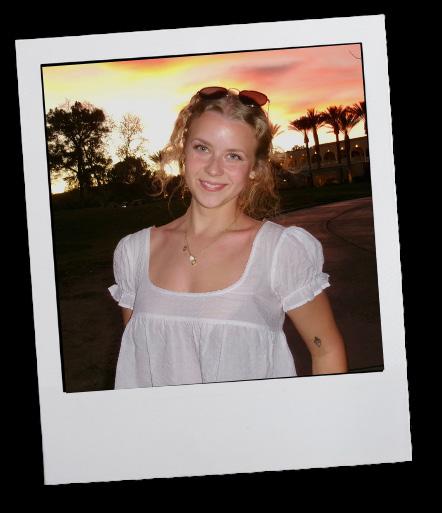
1. Where are you from originally?
I grew up in a small town called Oakdale in the Central Valley of California! I attended the University of Montana here in Missoula where I now call home.
2. What brought you to the MSGA? How did you find out about the Boatwright Internship?
I’ve been familiar with the MSGA through caddying alongside my boyfriend in various golf tournaments and then came across a Facebook post on UM’s School of Journalism page inquiring about an internship with the MSGA, and I knew this would be a super fun way to blend what I am studying in my career and a hobby I enjoy doing.
3. What are you hoping to learn while working in the golf industry?
I am excited about the opportunity to learn about not only the game of golf itself, and all of its nuances, but also the relationships I have the opportunity to build in my community and one common things that brings people together.
4. What MSGA program are you looking forward to contributing to the most?
I am looking forward to contributing to competitive championship programs such as the women’s championships, the most. I want to be that voice for every level of golfer and translate that story into inspiring others to start getting into the hobby at any age and any level.
5. Who introduced you to golf?
My boyfriend initially introduced me to golf, and how important being a team player is, while also enjoying yourself in the sun on beautiful days enjoying all that
Montana has to offer. Since then, I’ve gotten to improve my own game and it’s exciting to watch my own growth.
6. If you could golf at any course in the world, where would you go?
I would love to play Pebble Beach Golf Course in Monterey, CA. I have been to the Inn at Spanish Bay and watched the sunset go down as the bagpiper rounds the corner and think playing the course itself would be insane.
7. What is your favorite course in Montana and why?
My favorite course in Montana is Old Works Golf Course in Anaconda. I like the fact that it ties in golf, and a key part of Montana’s history, incorporating the slag of decades old mining, a rich piece history that serves as an ode to Montana’s natural resources all around us.
8. If you could change one thing about the game of golf, what would it be?
One thing I would change about the game of golf is the wider perception of it, that it can be very inclusive and welcoming to everyone, non-golfer or not, because of the longevity of the sport it can create relationships that stay fed for years.
9. Outside of golf, what are some of your other interests?
Outside of golf, I love to rock-climb, hike and attend concerts! Anywhere outside is where I want to be, especially during a Montana summer.
Bonus: Lay up or go for it?
Lay-ups are for basketball go for it every time.


BY TY SPARING MSGA COMMUNICATIONS MANAGER
There’s a little bit of debate surrounding the record for most holes-in-one ever recorded, but rest assured it’s pretty much guaranteed that the people in question have made more aces than you or I have ever dreamed possible.
For decades a former Boeing electrical design engineer from Long Beach named Norman Manley was thought to hold the hole-inone record with an astonishing number of 59 recorded throughout his life. In 1964 the amateur player from California first made waves in the golf world after he made a hole-in-one on two consecutive par-4 holes at Del Valle Country Club in Saugus, California. The Double Albatross is still listed in the Guinness Book of World Records. As Manley later reflected on the rare event to the Los Angeles Times, “I got so drunk after those two aces it took me three days to recover.”
(For those curious, his score on the front nine was a 27, with a back nine at 34, giving him the course-record at 61.)
For Manley, it all started in 1946, when as a 23-year-old he started golfing in an effort to impress a girl that played the sport. As it happens, he fell in love…with the game. “I dropped that girl,” he told Golf Digest in 1980, “I’ve been in love with the game ever since. I start shaking when I just drive past a course.”
Manley continued spending much of his time at the range working on his irons and ultimately became a pretty good amateur on the course, with record scores at multiple clubs, once even recording a 58 at Ontario National. He described himself as mostly self-taught with some help from reading Ben Hogan’s instructional book, “Beginner’s Golf.”
By 1980 when he had already recorded 46 aces, the then 57-year-old Manley was asked by the Iowa Gazette how he was able to achieve such a remarkable feat. “I don’t really know myself,” he conceded, “I like to drink and horse around just like anybody else.”
His achievement became so well-known that even a Peanuts comic strip from 1987 showed Snoopy writing a letter on his keyboard to Manley that said “I read that you have made 58 holes-in-one. I have never made any. I am sure you don’t need them all. Please send me one.”
If only it were that easy, Manley would’ve likely been more than happy to share a few of his holes-in-one with the friendly cartoon dog. By that point they had become something of a burden to him anyway. Oddly, the more aces he hit, the more unsettled Manley became about it. In an honor sport like golf, accusations of dishonesty were plaguing him by the early 1980s as he told a Golf Digest reporter, “If I ever make another hole-in-one, I might not tell anyone about it. I’m really embarrassed about it. You wouldn’t believe how many times I’ve been called a liar – or worse. I’ve been asked if I walk up and kick the ball in the hole, or do I let it drop into the cup through a hole in my pocket.”
His longtime friend and playing partner, Les Elliot, who had personally witnessed over a dozen of Manley’s aces, concurred that “Norm is kind of embarrassed about it now. For the past 8 or 10, he won’t even look in the hole. He has his playing partners do it for him.”
Imagine making so many holes-in-one that people call you a liar. It’s not exactly how most envision such an achievement, but that’s essentially what happened to Manley. Although he had plenty of documented witnesses that could attest to at least dozens of holes-in-one,
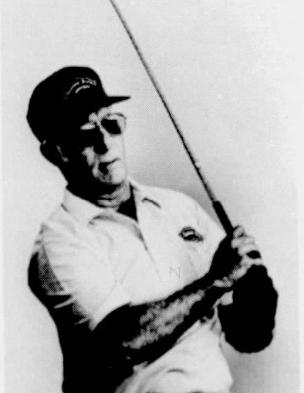
Norman Manley recorded 59 holes-in-one during his life
the chorus of disbelief grew with each recorded ace. It’s culminated in recent years as GOLF. com among others have discredited his record of 59, stating in 2020 that the problem was Manley’s witnesses “are largely scattered to the wind, and Manley himself, who would be in his late-90s today, has proven difficult to locate.” Golflink.com meanwhile in 2023 called his verification “sketchy.”
While this is a notion that seems to be gaining steam, none of these outlets provide any other information on how they came to these conclusions. With such an obvious lack of research involved, it’s perhaps a little gauche to discredit a person simply because all the witnesses have died and Manley can no longer vouch for himself. The fact that he was an amateur golfer who played in an era long gone have been the primary themes running through Manley’s discreditation process. But without an actual governing body overseeing hole-in-one statistics, who actually has the final say?
Consider for instance that in 1952 the Golf Digest Hole-in-One Clearinghouse was created to track holes-in-one across the nation. For decades the organization helped people like Manley validate their aces through an application process that required the names of all witnesses and a score card or photo of a score card that could be attested by a club professional or manager. However, by the late 2000s, the Hole-in-One Clearinghouse was gone, and in its place popped up a handful of privately owned hole-in-one registers and insurance companies that track the data, along with state associations that certify aces for their members.
One of those entities is the U.S. Golf Register, which falsely claims to be the first of its kind when it was formed in 1998, but they nevertheless still treat Manley’s 59 aces as the record. The National Hole-in-One Registry, meanwhile, was formed in 2006 and has seemingly never heard of Norman Manley.
In 1999 Golf Digest ran an article that
profiled golfers with astoundingly high holein-one counts, and the disbelief surrounding many of those claims. When asked about it, the then 75-year-old Manley shouted defensively, “I’ve been called a liar, a cheat, a man with a hole in his pocket. They’ve asked if my little dachshund, Gretchen, was trained to go put the ball in the hole.”
By the 2020’s, Golf Digest (providing no real evidence) began to dismiss Manley’s claim to fame as well, joining the crowd of naysayers and officially disregarding the hole-in-one record that they had spent decades treating as legit.
Manley never really got much out of it either, other than a little press. Even when interviewed he would always admit that “It’s 100% luck. I think any hole in one is strictly 100% luck.”
So despite being considered the nationally known record holder for nearly half a century, once even hitting two holes-in-one in a row on two par-4s, and admitting many times it was all luck – combined with the inability to raise witnesses from the dead to reaffirm the claim of 59 – results in Manley entering a new era of being considered the man formerly known as the hole-in-one king.
The other “King of Aces” is named Mancil Davis, and he is a Texan credited with 51 holes-in-one. Like Manley, Davis’s exploits on the course have made national headlines for sixty years, starting when he was just a kid in the 1960s. To be sure, Davis has been called a liar and a cheat many times as well, but like Manley remains defiant in the face of it, as he told Golf.com when asked to take a polygraph, “doesn’t bother me a bit, I know that it’s all true because I was there.”
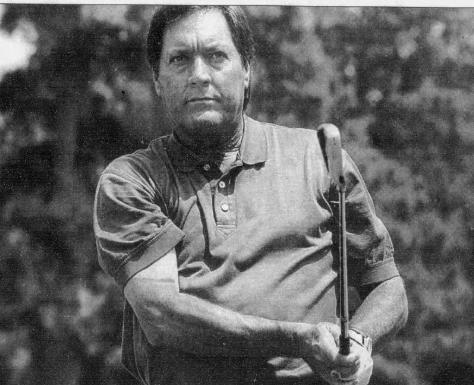
Mancil Davis’s hole-in-one journey started in the 1960s, except where Manley was 40 when he notched his first ace, Davis was an 11-year-old. By age 12 Davis had eight already credited to his name and even appeared on
the show I’ve Got a Secret, where nobody came close to guessing his astonishing achievement. And over the years the ball just kept finding the hole. At age 21 while golfing for LSU, he had 22 aces to his name. By the time he was 31, that number ballooned up to 45 holes-inone. In fact, until he was 51 years old, Davis could make the claim that he recorded more holes-in-one than birthdays.
“I just feel comfortable on the 3-pars,” Davis once told a reporter for the Houston Post, “I do two things differently: First, I’m trying to make an ace. Second, I never use a tee.”
Davis ultimately became the Director of Golf at The Woodlands Country Club in Texas,
and even attempted to make it on the PGA tour in the mid-1970s, although the irony of his hole-in-one achievements was that he didn’t have as much success playing competitively as one might think. As Golf.com once reported he was “good, not great,” as a golfer, and Davis himself even joked that he was “the eighth man on a team of five,” while competing at LSU. “My problem,” Davis conceded, was that “I hit my irons like Doug Sanders, and my driver like Colonel Sanders.”
In 1981, while Norman Manley was still widely considered the record holder for most holes-in-one, Davis’s own trajectory of aces garnered him a lot of attention, and even some
financial opportunities. A Dallas insurance salesman named Jon Everhart had the bright idea to sell hole-in-one insurance for golf events that gave away large prizes for hitting an ace, and who better to serve as the face of the brand than Texas’ own Mancil Davis. The niche market insurance company labeled itself the National Hole-in-One Association (NHIO), and Davis was given the moniker, “King of Aces.”
As he told Golf.com, his role as the “King of Aces,” included wearing a purple robe and showing up at events in a promotional role. “It basically involved playing golf, partying and talking to people,” he recalled, “and it turned out I was pretty good at all three.”
Curiously, in 1984 the Houston Post published an article questioning Davis’s qualifications as the King of Aces, citing the Golf Digest Clearing House that still gave the overall record to the amateur golfer, Norman Manley. Soon after, the Public Relations Manager of the Woodlands Country Club felt it necessary to write a letter to the editor clarifying that Davis held the professional, not the overall record for most holes-in-one. “Mancil has never claimed to hold the overall record for holes-inone,” she wrote, and that his royal nickname originated from his work promoting NHIO, the very official sounding insurance company.
Most of Davis’s aces occurred during competitive events, which up until present day has given him enough credibility to keep the major national outlets from turning on him like they did his predecessor Manley. While both golfers spent years adamantly defending their respective records, Davis also seems to relish the debate a little more than Manley ever did, as he talked about his doubters to Golf Digest in 1999, “They’re always asking, ‘Is the King of Aces dealing from a full deck?’ I love it. Just spell the name right.”
For Manley and Davis, it is certainly lonely at the top. Hitting all those holes-in-one almost seemed like the easy part. The hardest part was getting people to believe them.



BY MELISSA DICKSON MSGA P.J. BOATWRIGHT INTERN
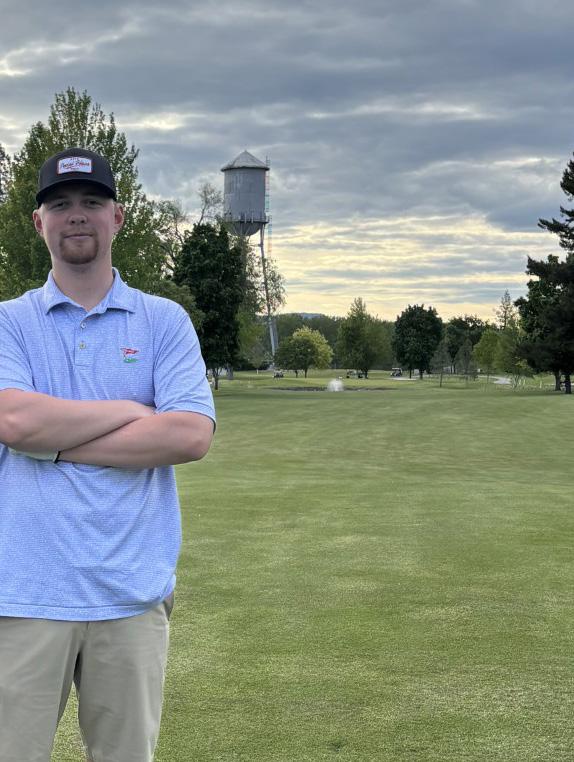
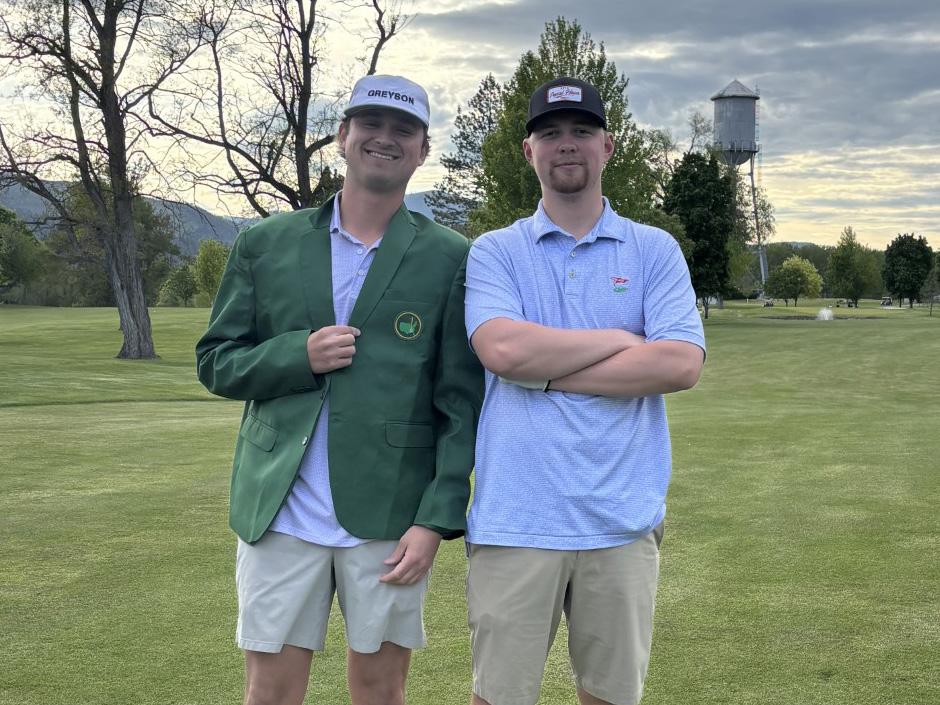
The story began six years ago, when one course brought two old high school buddies back together again in a friendly round of golf. Now, their sixth summer playing together is creeping up on them, and one comes armed with a fresh set of irons and the other, a brand new driver, each hoping this will be the year to get the chance to tout the coveted green jacket.
Both born and raised in Missoula, Jack Johnston, a software engineer born and raised in Missoula, MT and and Andrew Hauser, who works also born and raised in Missoula working in low-voltage controls, began golfing together on a more regular basis after graduating from Missoula Sentinel High School high school and with what started as a “season-long match” between the two, turned into something a little more high-stakes.
The bet is simple: whoever plays the best golf across all four major tournaments they come together and partake in takes home the prize, a crisp emerald green jacket, a nod
to the most coveted garment in the sport. Johnston said as the bragging rights grewgot bigger, it got to a point where an imaginary trophy wasn’t cutting it anymore, and so after throwing out ideas like a real crown, or a heavyweight championship belt, it hit them: a green jacket. And so every year they add to it, embroidering their initials in yellow, and it has since become their own little history book, each name stitched in a story of memories.
Hauser remembers the first few times he ever golfed with Johnston, before the jacket came into the picture. “We played on the same golf team, he always kicked up on me back then, so it gave me something to chase, and now we’ve been battling it out ever since.”
Hauser has had the jacket for the past two years, but before then Johnston was in the running. “Speaking for myself, I want that jacket. Bad. Mostly so Turbo (Hauser) can’t say ‘Well I have the jacket’ when we’re trash talking on the links,” Johnston said.
Right now, Hauser has the lead heading into 2026 for the jacket, but the year is just getting started, and Johnston retorts that he plans on doing something about it.
Arguably the biggest tournament, according to both of them, is also what they call their “Super Bowl”, which is being the Miller Lite Classic in Butte, MT. “That’s a great tournament for all of our buddies who aren’t super into tournament golf to play along, but it’s also the finale of our golf season, where it usually comes down to the wire on who’s taking the jacket home, so you add that and being in Butte, it makes for a pretty memorable weekend,” Hauser said.
But the competition doesn’t end when the season does. The trash-talking is non-stop. Hauser notes it’s what gets them through the winters even, driving the other one crazy. “The only time there’s silence is when one of us makes a bogey in a tournament round that’s counting towards the green jacket. You can feel it in the air when it happens. Nobody says a word for the next two holes,” said Johnston.
Aside from the heated matchup on the greens each summer, the game has brought them both together in a friendship that means more than seizing the title of jacket-holder.
“Obviously you want to play good in the tournament, but at the end of the day, it takes your mind off the tournament. It pushed both of us to be better, and has brought us closer in a way that feels constant,” Hauser said.
For Johnston, it’s a way to stay connected in each oth-
er’s lives even when life pulls them in different directions. And though they live hours apart now, when they’re on the course together it feels the exact same as it did when they were just silly little high school kids running around out there everyday. “Not many things in life let you go back in time like that,” he added.
The jacket, to them, symbolizes much more than competition. It’s about comradery, anticipation, and complementing each of
their strengths as they move through life on and off the course, while feeding a friendship that will last until they’re old men running around the same greens fighting for the trophy on every hole.
“I think we’ll have an absolute mountain of stories to tell,” Johnston said. “The destination each year was always winning the jacket. But looking back, the real prize was always the summers we spent together and the journey it took to get there.”
BY PETE GRASS RETIRED CGCS
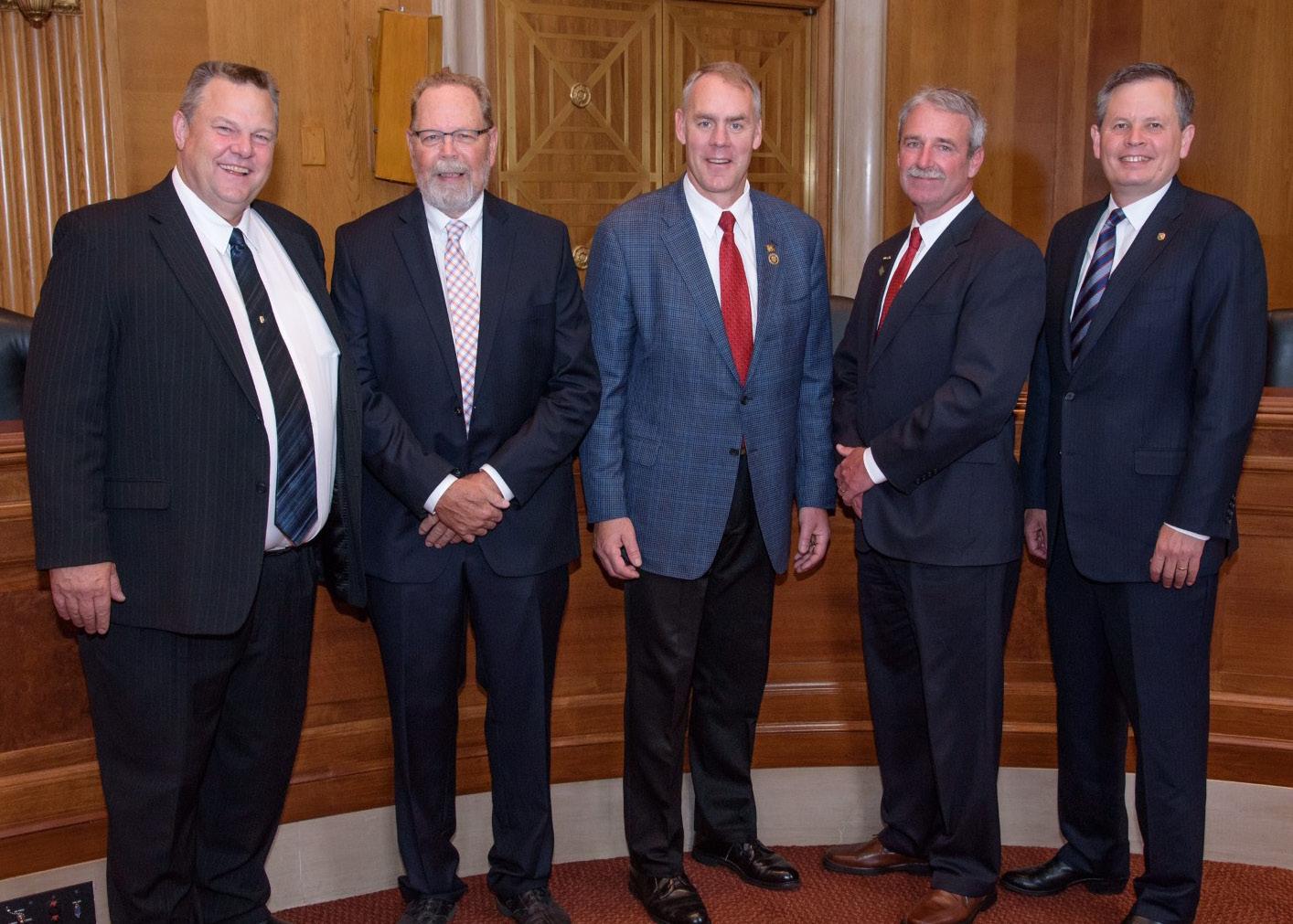
You probably were unaware of it, but every May for the last 16 years, the game of Golf meets in Washington DC for National Golf Day. I am proud to have been a part of this group from 2009-2017, during my time as a Board Member of GCSAA. The chance to meet with Montana’s Senators and Representative (only one back then) was a learning experience on how “Washington” works (or doesn’t it seems from time to time). But really to have the chance to tell the story of “Golf” and the people (2 million of them) like me who make their living tied to the game. I also want to give a big thank you to Dane Gamble, Co-owner and Superintendent of Bridger Creek Golf course in Bozeman, as he has for many years attended the event also, at his own expense because he knows the importance of telling the story and advocating for fair and equitable regulations around the environmental and economic factors that golf facilities face every day. Dane and I also have over the years done the same thing at the Montana Legislature when “local” issues were before the group.
I can’t describe the background and purpose of the American Golf Industry Coalition which organizes National Golf Day amongst many other ways to tell the story of “Golf” any better than the formal press release excerpts that follows. Please read it to understand the overall impact that golf makes around the country (world) every day.
“A primary area of focus centers around helping to facilitate the industry’s diversity, equity and inclusion initiative, known as Make Golf Your Thing. Through those efforts, the coalition also provides support to the six cross-industry work groups dedicated to making golf accessible to all (education & skill development, talent acquisition, procurement, human resources, youth & adult player development, and marketing/communications). Additionally, the coalition contributes to advocacy efforts for legislative and regulatory issues of importance to the industry.
“The golf industry is comprised of more than two million people who wake up every day giving their all to a game that is growing and evolving,” said Rhett Evans, Chairman, American Golf Industry Coalition Executive Leadership Committee & CEO, Golf Course Superintendents Association of America. “I am proud of the platform and vision the coalition provides for addressing golf’s collective issues on behalf of the industry it represents.”
For more than 16 years since its founding, the American Golf Industry Coalition has become a banner under which golf’s collective priorities can be addressed. The coalition assembles industry representatives annually in Washington, D.C. for what is called National Golf Day, to meet with elected officials and advocate on behalf of golf’s $102 billion economy, $4 billion in charitable impact, and two million jobs throughout the U.S.
The coalition also works to amplify tangible examples of key initiatives at both the
grassroots and industry workforce level and advocate in support of issues that impact the industry at the state and federal level. This years key issues discussed with 250+ meetings with 41 states congressional delegations were as follows. Tax Code Modernization, federal tax codes because they were written years ago and “golf” was treated as all private clubs not the variety of ownership models that truly make up the business. No type of golf facilities were able to apply for disaster tax relief when other businesses were when effected by the same natural disasters. H-2B Visa Program, only a few golf facilities in Montana use this program but nationwide thousands do, to find foreign temporary seasonal workers when they are not able to fill their staffing needs locally. Protecting this program, expanding the number of visa’s available and making those facil-
ities who have a 5 year record of legally using this program, be exempt from portions of the extensive paperwork requirements, were part of the discussions. Funding for the National Agricultural Statistics Survey, Turf makes up over 60 million acres and is the 4th largest crop in the United States. It should be included in data collection and economic impact figures as all crops done by the Department of Agriculture currently.
In summary, I feel it is important for you the “average golfer”, to understand that things just don’t magically happen and the things that help keep golf going and growing are often because of the great hard working members of the many organizations that make up the American Golf Industry Coalition (formerly “We Are Golf”).
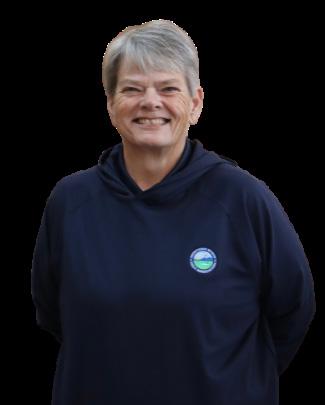

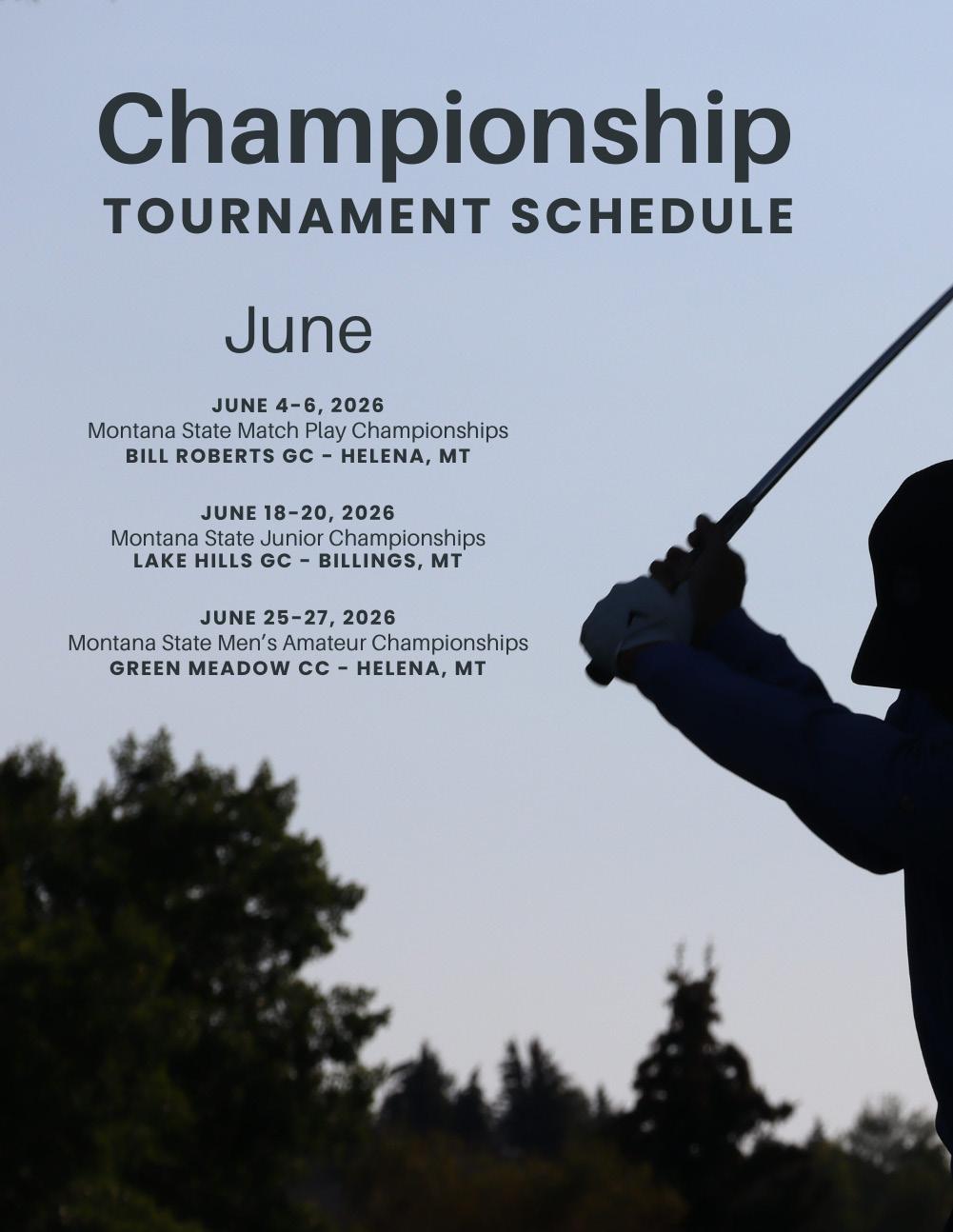
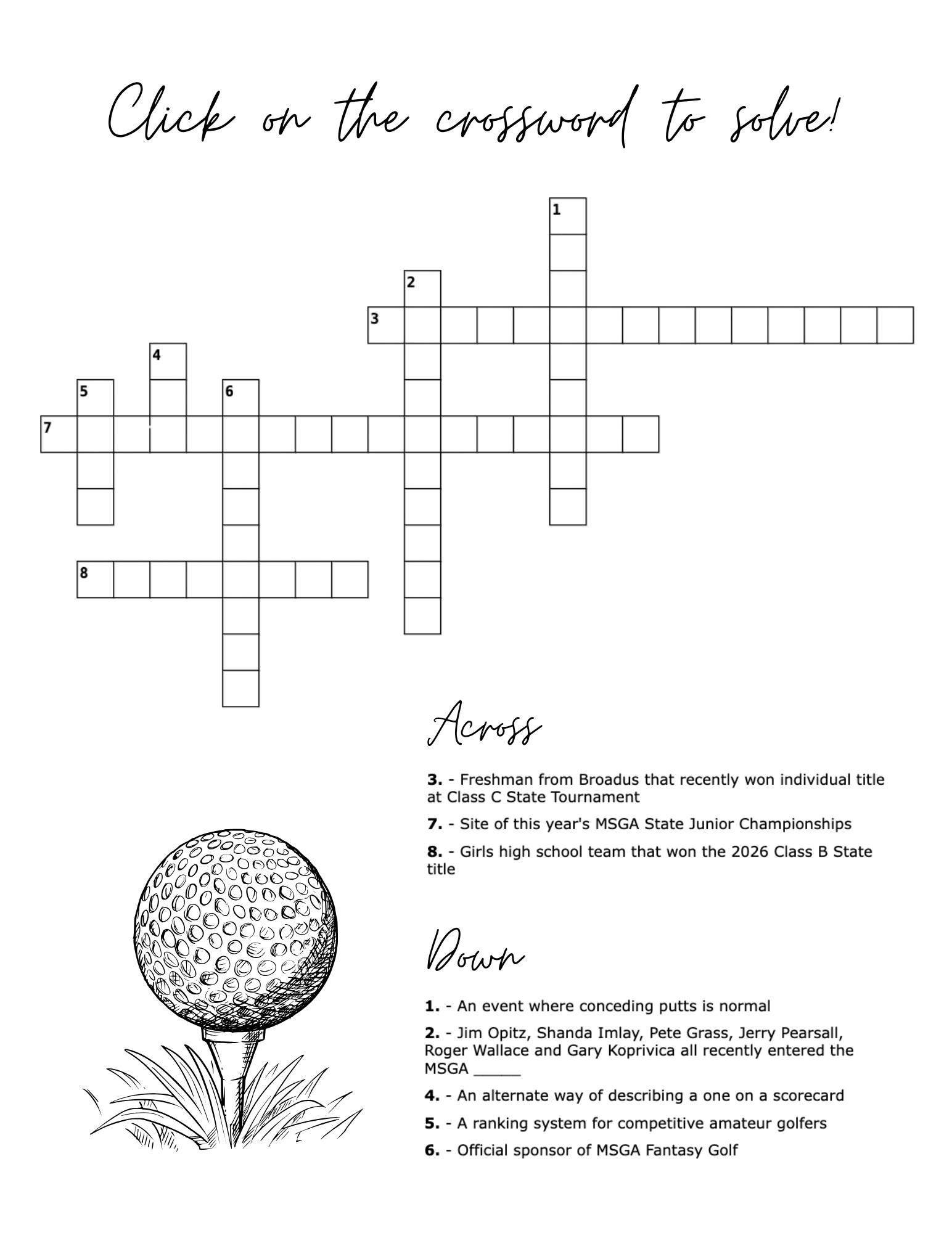
Instead of my monthly WWSD article I decided to brush you up on Match Play Rules as our 2026 Championship season is about to begin with The Montana State Match Play Championships scheduled for June 4th through June 6th hosted by Bill Roberts Golf Course in Helena, Montana.
As you know Match Play is a form of play where a player (or players) play directly against an opponent (or opponents) in a head-to-head match. You win a hole by completing it in the fewest number of strokes, and you win a match when you are winning by more holes than remain to be played. You (or your opponent) may concede a stroke, a hole, or even the match to each other. If your next stroke has been conceded, you are permitted to putt out, unless this helps your partner (for example, by showing them the line for their putt).
If you are unsure how to proceed, you and your oppo-
nent can agree on a course of action even if it is against the Rules, but you are not allowed to mutually agree to ignore a Rule or penalty. If you and your opponent don’t agree on how to proceed, you should do what you think is correct. Your opponent can then make a request for a ruling, which will later be decided by the Committee.
There are basic rules that are different from stroke play so here are my top five rules that are important to know before playing in Match Play format.
1. Concession: In match play only, you may decide to concede a stroke to your opponent. The ball is considered holed and your opponent may pick it up. You may also concede a hole, or the entire match. A concession cannot be declined or withdrawn (see Rule 3.2b(1)).
2. Doubt to Procedure: In stroke play you are allowed to play two balls under Rule 20.1c(3) However, In Match
Play this rule does not apply. So, what can a player do?
A player may seek a ruling from the Committee, decide by agreement with your opponent, or proceed how you think is right. If your opponent disagrees, he or she may make a request for a ruling from the Committee (see Rule 20.1b).
3. General Penalty: In stroke play a general penalty results in a two-stroke penalty but in Match Play it is a Loss of Hole Penalty. For example, if a player was late to the tee in stroke play it would be a two-stroke penalty however, in match play you would proceed to the second hole as the player late to the tee would receive a loss of hole penalty.
4. Ready Golf: In stroke play competitions we are always encouraging players to play when they are ready! Remember in Match Play we are playing order of play. On the tee box, the player with the honour (who won the previous hole) tees off first. Throughout the rest of the hole, the player furthest from the hole always plays first.
5. Scoring: Stroke and match play differ in how you keep score, declare the winner, or finish a hole. Stroke play requires you to count every shot you hit from the first tee until your ball drops into the 18th hole cup. The player carding the fewest strokes then wins the round.
Match play is played against
a single opponent. The player with the lowest score on a hole is awarded that hole. If it reaches the point where your opponent cannot draw or win the match, you are the victor, and you can walk back to the clubhouse.
That is why Match play is my favorite format because a terrible hole is not severely punished. In match play, if I carded a 7 on a par 4 and my opponent a 3, I would only go 1 down.
Unlike stroke play, you are not required to keep a scorecard or sign for a total score but now we need to follow the Rules of Handicapping. One of the biggest questions is when I don’t finish a hole or if the match finishes before playing all 18 holes how the score is posted.
When a hole starts but a player does not hole out, the player must record their most likely score for handicap purposes. (Rule 3.3, Rules of Handicapping)
If a match ends with holes left to play and the players do not play the remaining holes, the players should post using the hole-by-hole feature for each hole played (keeping in mind at least 9 holes associated with a 9-hole Course Rating™ and Slope Rating™ must be played for a score to posted).
According to the Rules of Handicapping Most Likely
Score is the number of strokes (including penalty strokes) you have already taken plus the number of strokes you would most likely need to complete the hole.
How do you estimate your most likely score?
To determine your most likely score, use the guidelines in the Rules of Handicapping, and ask yourself, “what would most likely happen here?”
Your most likely score cannot exceed your maximum hole score for handicap purposes, known as Net Double Bogey.
For example: A player with a Course Handicap of 10 receives 1 stroke on holes allocated 1 through 10. On a par 4 hole with a stroke index of 5, their net double bogey max is 7 (double bogey +1).
Now you have some background on Match Play let’s go out and play with your friends or even maybe in your League Play!
Cheers, Shanda Imlay, Rules Official

BY MICHAEL TROSTEL AND VICTORIA NENNO (USGA)
Conceding putts is a common practice for recreational golfers playing a friendly weekend match – or top amateurs playing in a national championship. It can help improve pace of play and is considered a courtesy for a putt that an opponent will almost certainly make.
The phrase itself, “concede putts,” was first mentioned in the Rules of Golf in 1909. Interestingly, the USGA was strongly against it. The section Special Rules for Match Play Competitions reads, “The Rules of Golf Committee recommends that players should not concede putts to their opponents.” This was mentioned in each subsequent Rules book until 1933.
At one point, conceding a putt was used as a way to play around the “stymie rule,” which was in existence until 1952. On September 1, 1920, the USGA added a provision that allowed the stymied player to concede his opponent’s next putt, and it was incorporated into the 1921 Rules of Golf: “If the opponent lay the player a stymie, the player
may remove the opponent’s ball; the opponent shall then be deemed to have holed in his next stroke.”
More than a decade before, the December 1909 issue of the USGA Golf Bulletin featured two articles on the practice of conceding putts. Horace F. Smith, president of the Southern Golf Association, wrote that conceding putts was newly popular among golfers attempting to show good sportsmanship:
“Custom has created a sentiment favoring such concessions among enthusiastic golfers, courteous and chivalrous young men who delight in fair play and the observance of generous liberality towards an opponent.”
H.S.C. Everard added that golfers were becoming so comfortable with the custom that they were incredulous when the courtesy was not evoked:
“Some men feel preternaturally aggrieved when asked to hole out a short putt; it should be scarcely necessary to say that they have abso-
lutely no grounds whatever for annoyance at such a request. … In ‘serious golf’ the reply should be the courteous one: ‘Putt it out, mine enemie.’”
In the 1920s, conceding putts was still a hotly debated issue on both sides of the Atlantic. In the July 1927 issue of Golf Illustrated, William Henry Beers blamed “generous British golfers” for the custom’s introduction to the game, arguing that it cheated players of valuable practice and brought to light the differences in British and American opinions on the topic.
“American golfers have been criticized for holing out in all matches, which is done for the practice thus gained, and to keep accurate scores for club handicaps. For doing this, American players have been accused of ‘being passionately fond of keeping scores’ and delaying the progress of the players behind by holing out. There is no golf player in the world today who is so good on the putting green that he can afford to lose a large percentage of putting practice that he is deprived of with an opponent who picks up his ball when-
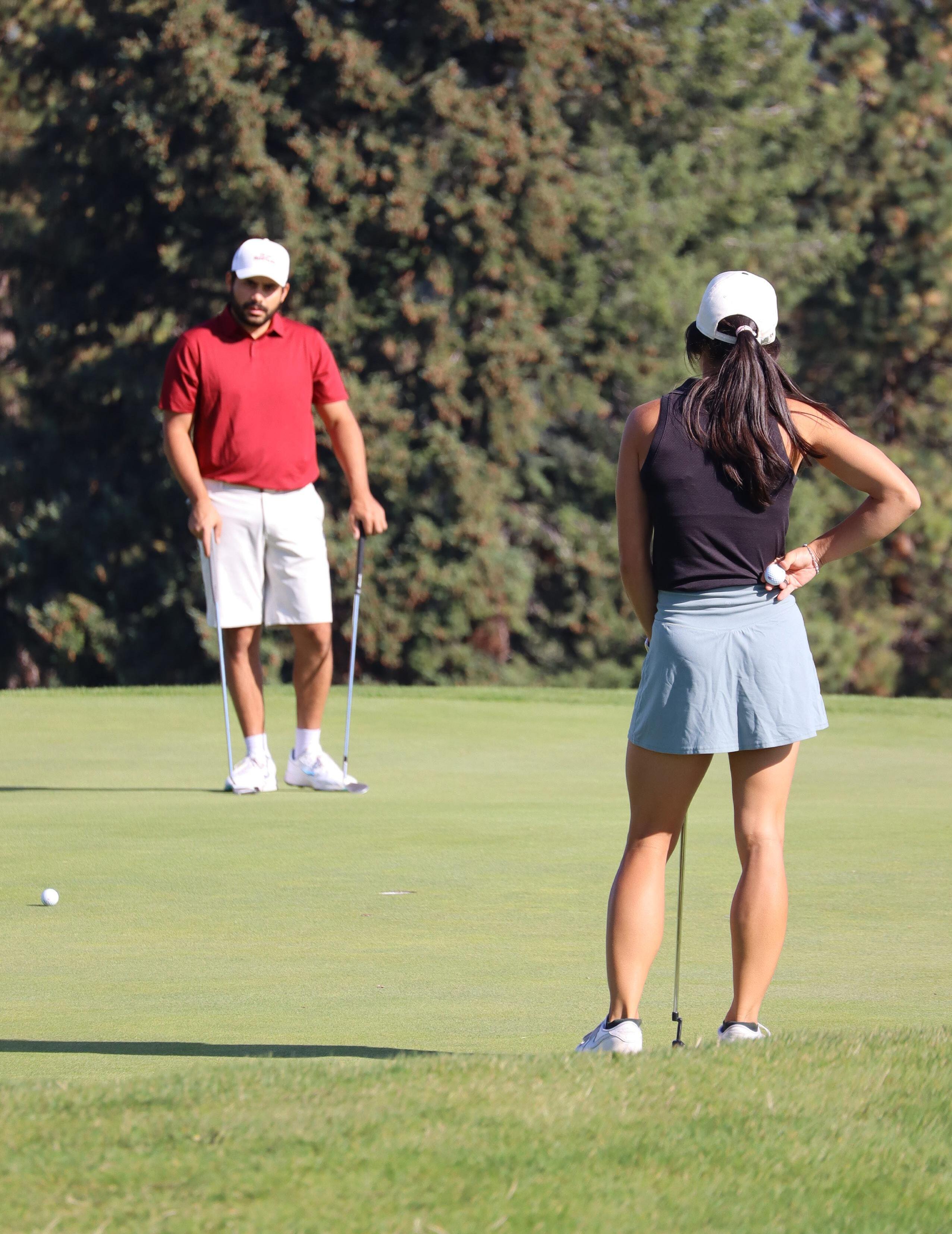
ever he pleases, or knocks his opponent’s ball away from the hole and concedes the putt.”
British writer and GB&I Walker Cupper Bernard Darwin felt differently. Darwin contended that “the holing out of putts which cannot affect a match, but which are holed purely for private satisfaction, is ‘frankly a bore.’”
According to Darwin, “Americans make a fetish of keeping individual scores. This insistence upon scribbling little figures on a card is not only a waste of time but actually defeats the sporting spirit which is a fundamental principle of match play.”
Golf Illustrated writer George Trevor vehemently opposed Darwin’s views. He described the American practice of always holing out a result of values integral to American culture, writing:
“This American insistence

on keeping personal scores is basically sound as well as satisfying to the soul. It is the cornerstone upon which our national golf progress is founded, making, as it does, for the precision of play rather than sloppy, slipshod habits. The American feels that anything worth doing at all is worth doing well. Holing out putts breeds confidence and puts the stamp of finality on a man’s game. Not holing out cultivates a sloppy mental attitude.”
He finished the article by discussing the special importance of holing out in match play and the inner debate that players face when determining whether or not a putt should be conceded:
“Refusal to concede a three-footer may be constructed as poor sportsmanship. It doesn’t seem right to burden a contestant with such
a delicate decision. A sensitive golfer fears to be pilloried as a poor sport. He will lean over backwards in conceding missable putts rather than have his sportsmanship questioned. Conceding putts may relieve course congestion and speed up play, but it also takes the joy out of life for the typical American golfer.”
Over the past century, stances have softened on the acceptability of conceding putts. In perhaps the most visible display of this, Jack Nicklaus conceded a two-foot par putt to Tony Jacklin in the 1969 Ryder Cup, creating the first tie in the event’s history. (The United States retained the Cup). Others use the gesture as a form of gamesmanship, conceding putts to an opponent early in the round, only to make him putt similar-length putts near the conclusion of the match.

BY CADE SHOEMAKER
MSGA P.J. BOATWRIGHT INTERN
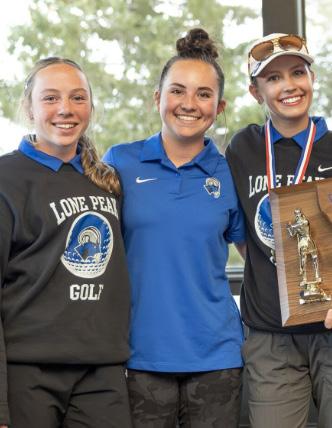
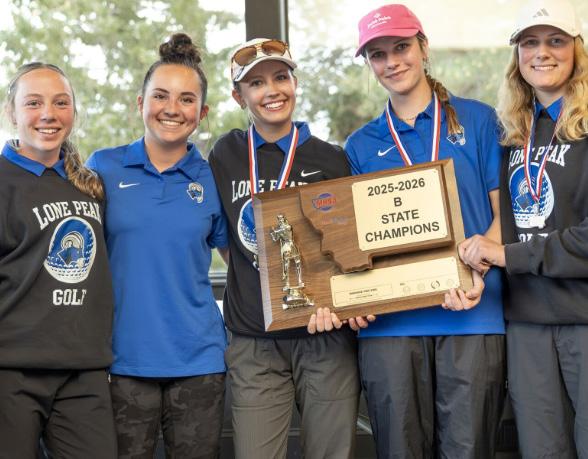
The 2026 Montana High School Association Class B Golf State Championship was played on May 19-20 at Lake Hills Golf Course in Billings, with Manhattan senior Blake Bentle coming from behind to win the Boys’ individual title and Lone Peak senior Cate Leydig dominating the Girls’ individual championship.
After shooting a +2 (74) in the first round on Tuesday, Bentle trailed by four strokes to the defending champion Zach Munding of Loyola Sacred Heart (Missoula). In the championship round, things looked even more grim when Bentle trailed by six strokes, but the Tiger senior quickly made up ground on the back nine by gaining six strokes with a pair of birdies on holes 10 and 14 while Munding took three bogeys and a double bogey.
From there, Bentle took the lead and never relinquished it. He finished the second round shooting +1 (73) to secure a one-stroke victory over Munding with a total score of +3 (74, 73), earning him his first-ever Class B State Cham-
pionship individual title.
Florence-Carlton captured the Boys’ Team championship with a combined score of +82 to best Manhattan by only four strokes. The victory is the program’s first boys’ title in school history, after its girls team won the school’s first golf state championship in 2025. Brody Duchien led the Falcons with a +3 (75) on Tuesday, while Ian McLean helped secure the title on Wednesday with a +7 (79). Duchien +13 (75, 82), McLean +17 (82, 79), RJ Moody +21 (78, 87) and Easton Anderson +36 (92, 88) were the scoring golfers for Florence-Carlton.
After an opening round that saw Leydig and Anaconda’s Logan McKay tied after each posted a +7 (79), the Blue Horn senior ran past the competition in the final round, winning by six strokes over her fellow teammate, Olivia Kamieniarz, and 10 strokes over McKay, who finished third.
Leydig had a superb back nine, where she shot a -3 (33), including an eagle on a par 5 and a birdie to finish the tournament at +7 (79, 72). The even-par second round helped Leydig capture her first individual Class B state title. She previously won the Class C individual championship as a freshman in 2023 and finished runner-up in the Class B individual championship in 2024, but didn’t participate in last year's postseason.
Leydig and Kamieniarz’s performances helped Lone Peak dominate the Girls’ Team
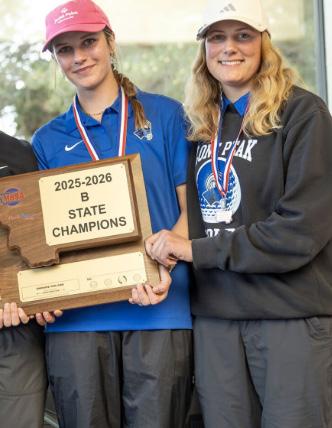
championship, winning by 65 strokes with a total score of +96 to secure the program’s second Class B title since moving up into the division three years ago. The Big Horns had three of its four scoring golfers finish in the top-10, with Ledyig, Kamieniarz +13 (80,77), Dylan Manka +27 (84, 87) and Maddie Wilcynski +49 (96, 97) contributing to the victory.
To view official scores from the Class B State Championship for both individuals and teams in both the boys and girls divisions, CLICK HERE or enter the following GGID into the Golf Genius App: 2026STGOLF
BY NOAH WEYNE MSGA P.J. BOATWRIGHT INTERN
Three-peat and back-to-back Montana High School Association (MHSA) Class C State Titles were won yesterday by Scobey High School boys and Savage High School girls golf teams at Marias Valley Golf & Country Club. Broadus High School freshman, Patrick No Runner, and
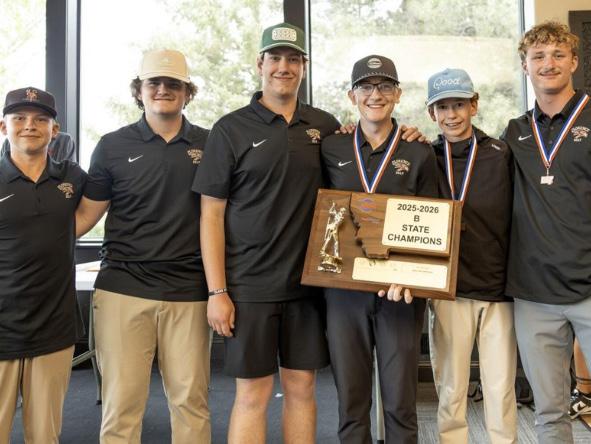
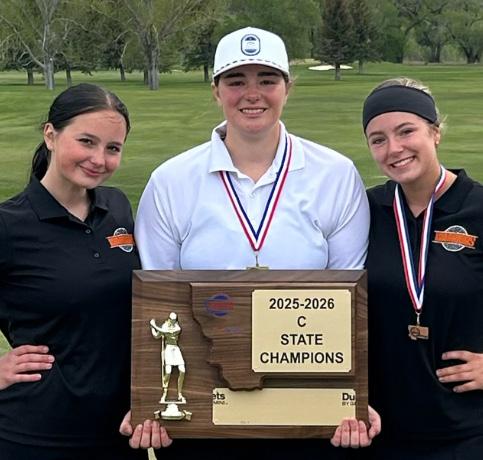
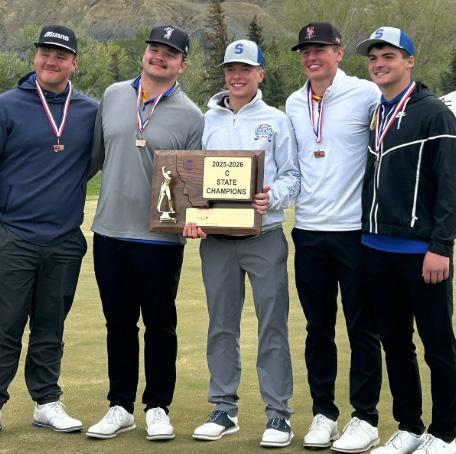
Savage High School senior, Aspen Peterson, earned individual state titles shooting +2 (74, 72) and +24 (79, 89) respectively.
The MHSA Class C State Tournament took place in Shelby, from May 19-20, 2026. The State Tournament consisted of a team and individual stroke play tournaments. Eight boys teams and nine girls teams from across the state competed for the team state title. While 52 boys from 16 different schools and 47 girls from 19 various schools in Montana played for the individual titles.
Teams brought four boys golfers and three girls golfers to compete, and the top three scores after each day counted towards the team total. Players whose team did not make the tournament, or were not in their team’s lineup, qualified throughout the season to play for the individual state title. In total, 15 boys who shot 85 or better and 13 girls who shot 100 or less during the regular season earned spots in the tournament field.
Three-peat state champions, Scobey High School, defended their title this week shooting a team score of +63, winning the tournament by 22 strokes. The Spartans were led by 2025 Class C Boys State Champion, Cooper Axtman (+16) who finished in fourth place, with support from Aydan Stenoft (+23) who tied for seventh and Evan Tande (+24) who finished up in a tie for tenth place.
No Runner and Centerville's Grady Dow
were tied after the first-round shooting twin 74s. After the front-nine, No Runner had a four-shot lead over Dow. No Runner continued to widen his lead by winning the individual title by eight strokes, finishing the back-nine -2 (34).
Max Venhuizen (+23) tied with Stenoft for seventh place and aided Manhattan Christian School to secure the team’s second place finish.
Savage High School girls won back-to-back state titles winning by four strokes over Manhattan Christian School. The team was led by Peterson; Emma McPherson (+49) and Jaylee Peterson (+73) supported the team’s win. Manhattan’s Lydia Visser (+28) steered the Eagles to a runner-up finish and finished third individually.
Peterson dominated the competition after day one, being the only female golfer in the field to break 80, shooting +7 (79). The senior had a five-stroke lead going into round two. Yet, her state title win did not come easily. After thirteen holes on day two Peterson and Adisyn Kennedy were tied for first, with Katherine Taylor and Visser only one stroke behind. Peterson held onto her lead winning the title by three strokes over Taylor shooting +17 (89) to finish her last season.
Complete scores from the MHSA Class C State Tournament can be found here or enter the following GGID into the Golf Genius App: STATECMT2026.




BY IAN HULSEY MSGA MEMBERSHIP COORDINATOR
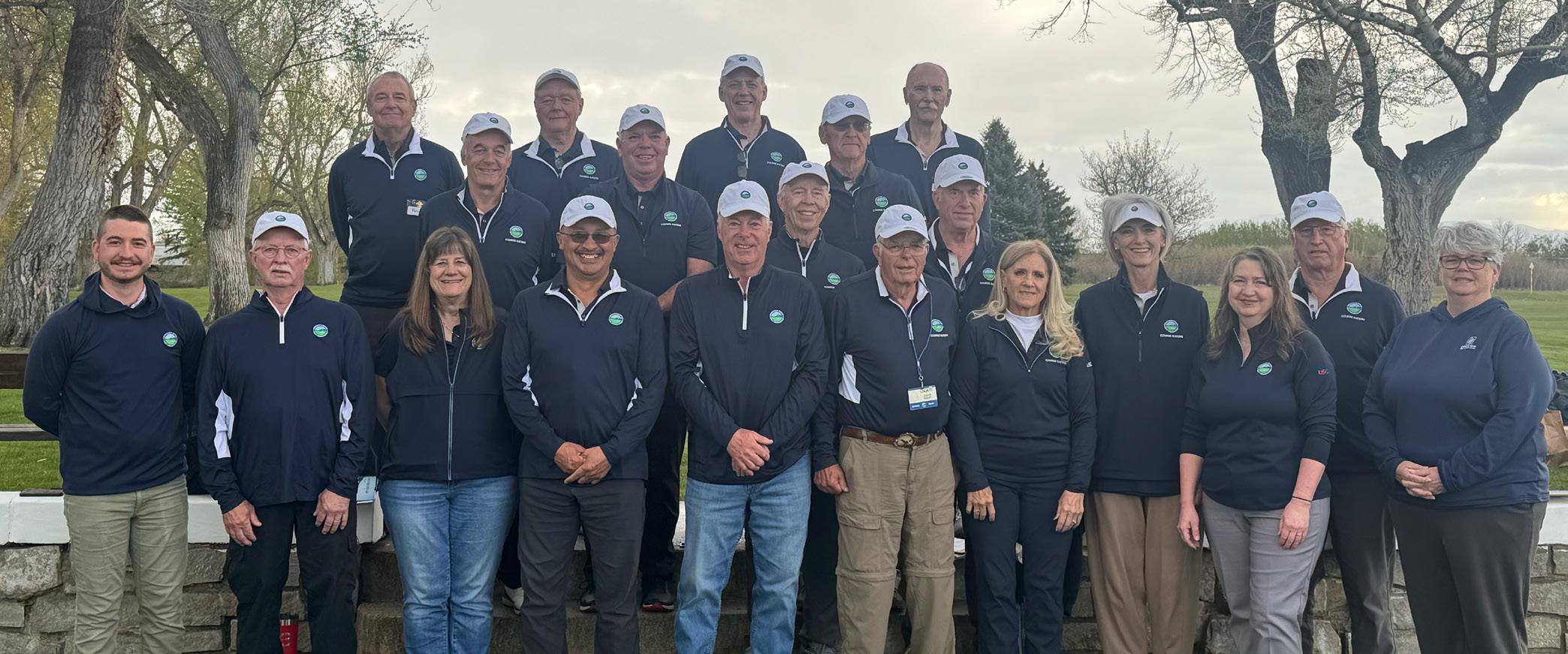
On May 6th, at Green Meadow Country Club in Helena, a group of dedicated and passionate volunteers met to prepare for the upcoming season of rating courses throughout Big Sky Country.
This session included an afternoon of detailed classroom-style training and reminders, presented by the MSGA team and a special guest speaker, Gretchen Yoder, Director of Course Rating with the Oregon Golf Association. A big thank you to Gretchen for generously giving of her time and energy, traveling
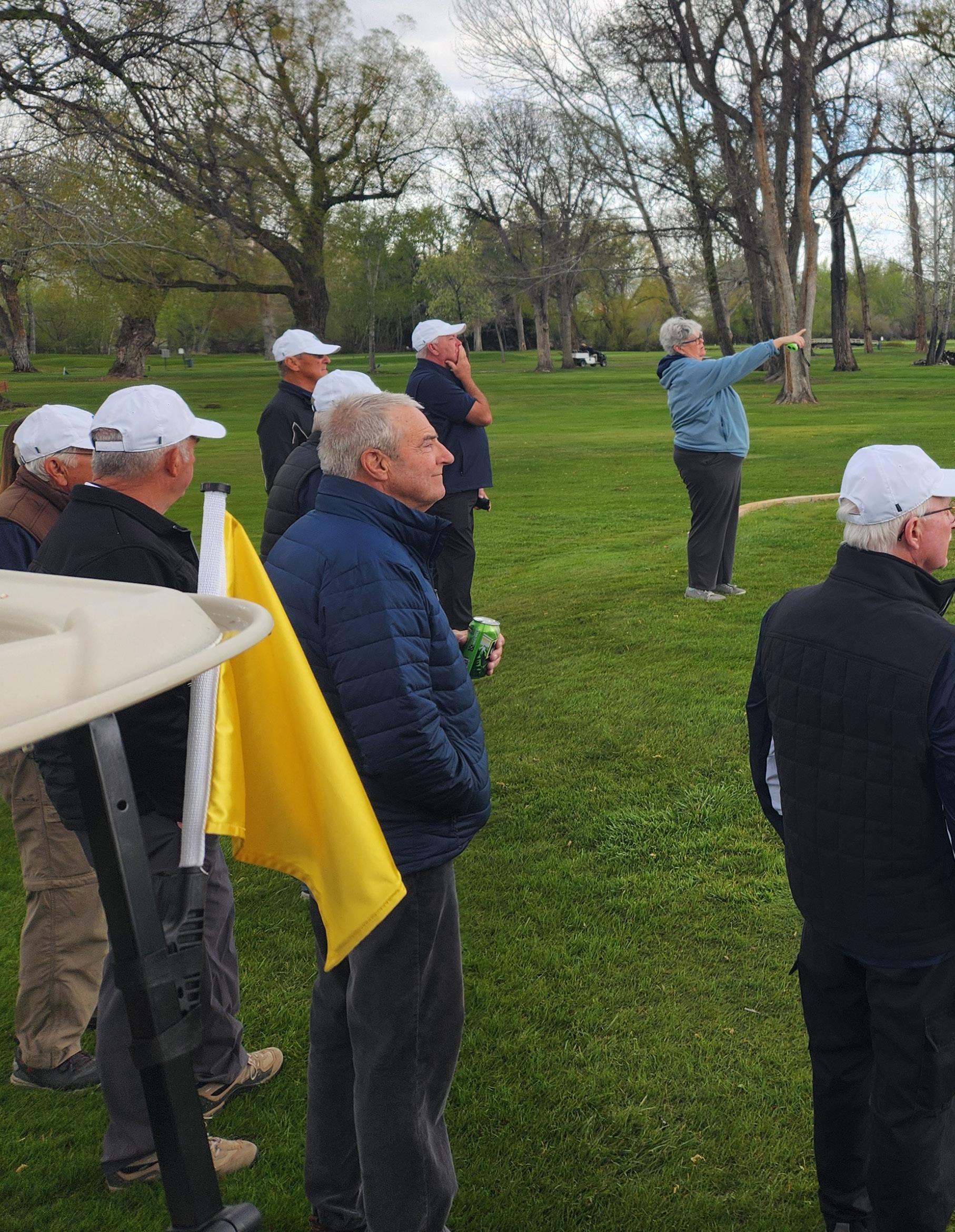
all the way to Montana and teaming up with us!
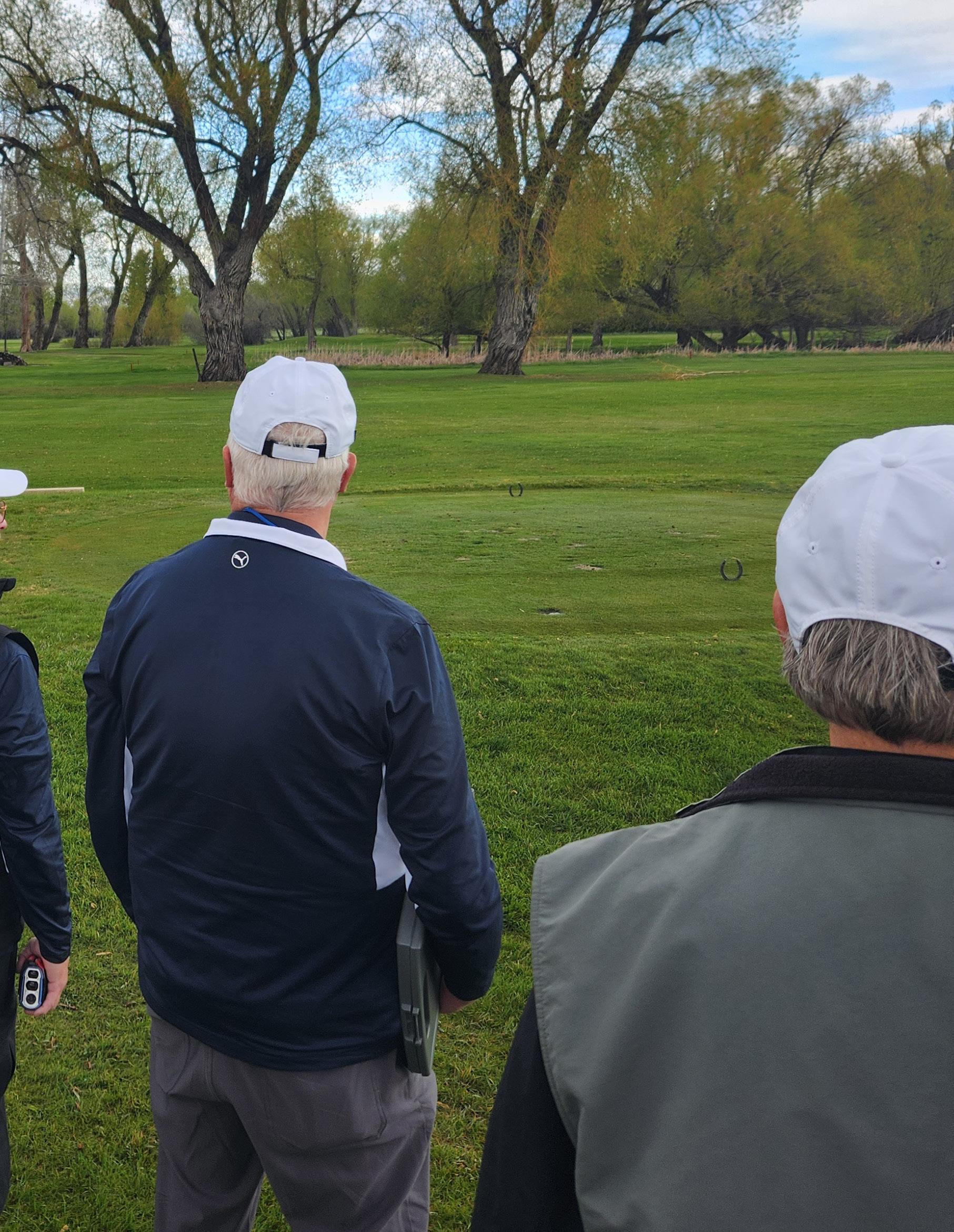
The following day included field training and reminders, navigating the holes of Green Meadow Country Club to gain practical field knowledge for the weeks ahead. The Course Rating service is provided to all MSGA member clubs on an 8-year cycle, or if there are significant changes to the course between scheduled ratings. Volunteers are trained using the Course Rating System, a part of the World Handicap System, directed by the USGA in our region.
We take this opportunity to again thank our team of hard-working volunteers, who give of their time and resources to help the MSGA staff in furthering the game of golf in the Treasure State!
BY NOAH WEYNE MSGA BOATWRIGHT INTERN
The Inaugural FBI Agents Association (FBIAA) Big Sky G-Man Golf Classic will take place on June 15, 2026 at Riverside Country Club in Bozeman, MT. The event will be a shotgun scramble format and will tee off at 10:00 a.m.
The classic will include over 100 golfers and more than 250 banquet guests, with all proceeds going toward the FBIAA’s Membership Assistance Fund (MAF) – a non-profit organization that provides support and advocacy for active and retired FBI agents and their families. Spots for the golf classic are already filled, but opportunities remain to attend the banquet, participate in a silent auction and donate.

Additional event information can be found here
The Fund, established in 2009, provides critical financial support to agents and their families during times of hardship or tragedy. With over $3 million distributed, nearly 800 Special Agent Families have received critical assistance.
The Fund has helped families pay for essential living expenses, emergency travel, treatments for grave illnesses and injuries, funeral expenses and purchase necessary durable medical equipment.
Last year alone, the MAF distributed more than $800,000 to Agents and families in need, including those who lost their homes in the Palisades fires in California.
The FBIAA conducts various events around the country to raise funds and awareness for the organization and its work. There are approximately 17 other golf tournaments held annually across the country, with hopes that the Big Sky G-Man Golf Classic will become an annual event in Montana as well.


BY VINCENT ALLOCCO (USGA)
Urban legends aside, golf is not itself an acronym, but the game has plenty of them, like GIR (greens in regulation) and, yes, USGA. WAGR, the World Amateur Golf Ranking, falls under the heading IYKYK – if you know, you know... but if you don’t, you should.
Launched by The R&A in 2007 and produced in partnership with the USGA since 2009, WAGR includes a women’s ranking and a men’s ranking for elite amateur players, as well as, since 2019, rankings for golfers with disabilities (WR4GD). Golf’s two governing bodies offer WAGR as a global service to golf. Its purpose is threefold: to accurately rank players based on their results in competitions; to provide a system that lets players compare to one another even though they may not compete head-to-head; and to stimulate ambition among players and national federations in development of their games and talent pools.
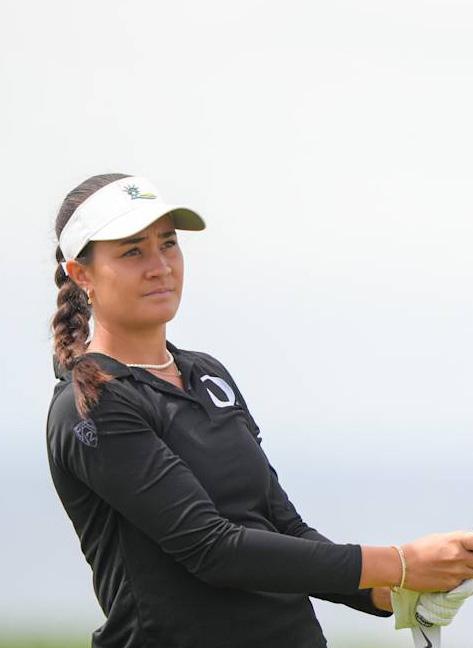
By assessing thousands of counting events each year (see sidebar), both amateur and professional (relevant when top-tier amateurs compete in such tournaments, as they often do), WAGR is recognized as the ultimate ranking system for amateur golf, the equivalent of the Rolex Rankings for professional women’s golf and the Official World Golf Ranking for professional men’s golf. At the end of each summer competitive season the top-ranked male and female amateurs receive the Mark H. McCormack Medal, earned in 2025 by Jackson Koivun and Kiara Romero, both from the United States.
By helping identify the best amateur players, WAGR can translate into opportunity for college scholarships, for NIL (Name, Image, Likeness) support and for exemptions into important events – that is, for more pathways to success in golf for amateurs worldwide. So, FWIW, WAGR is truly for the good of the game.
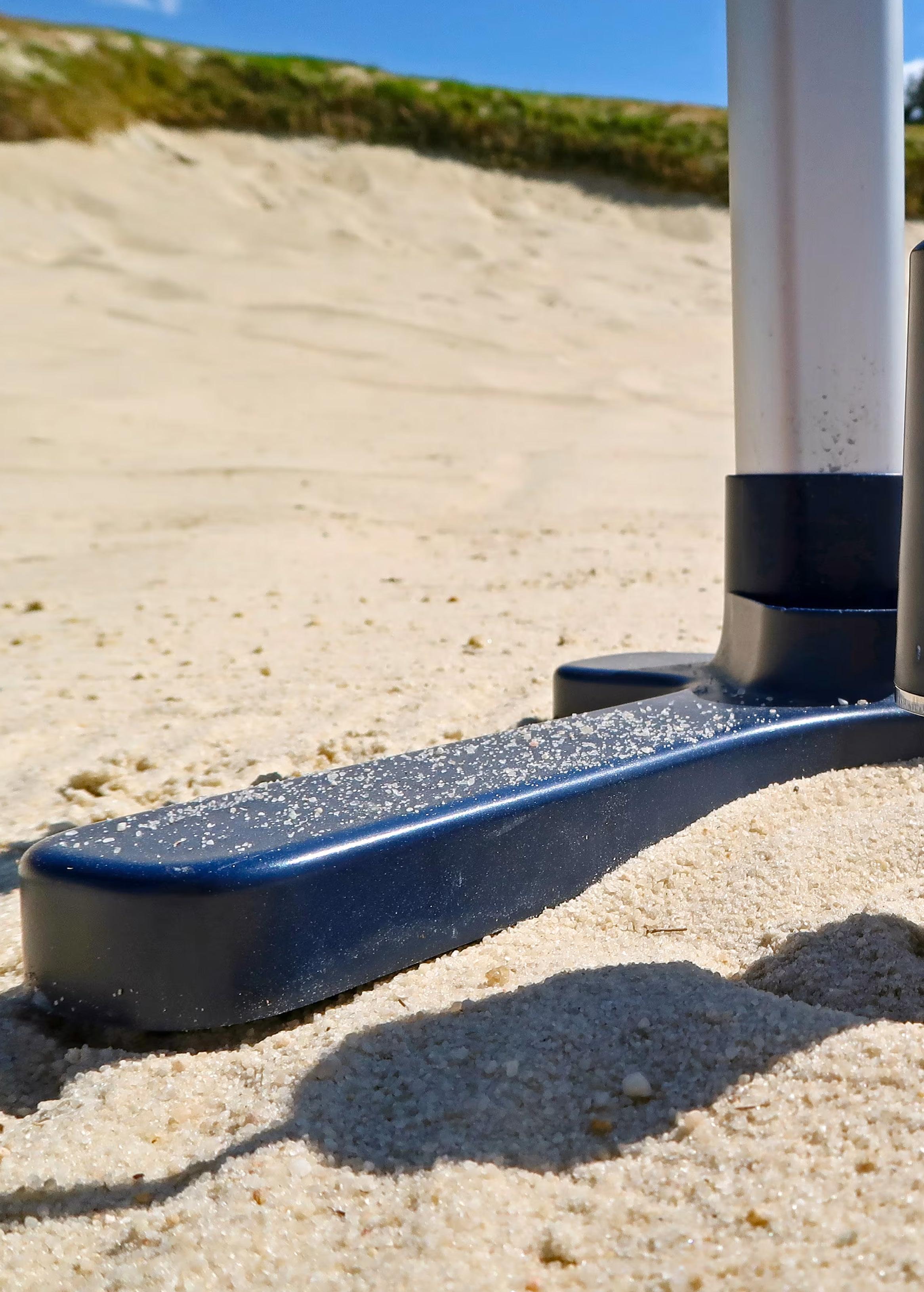
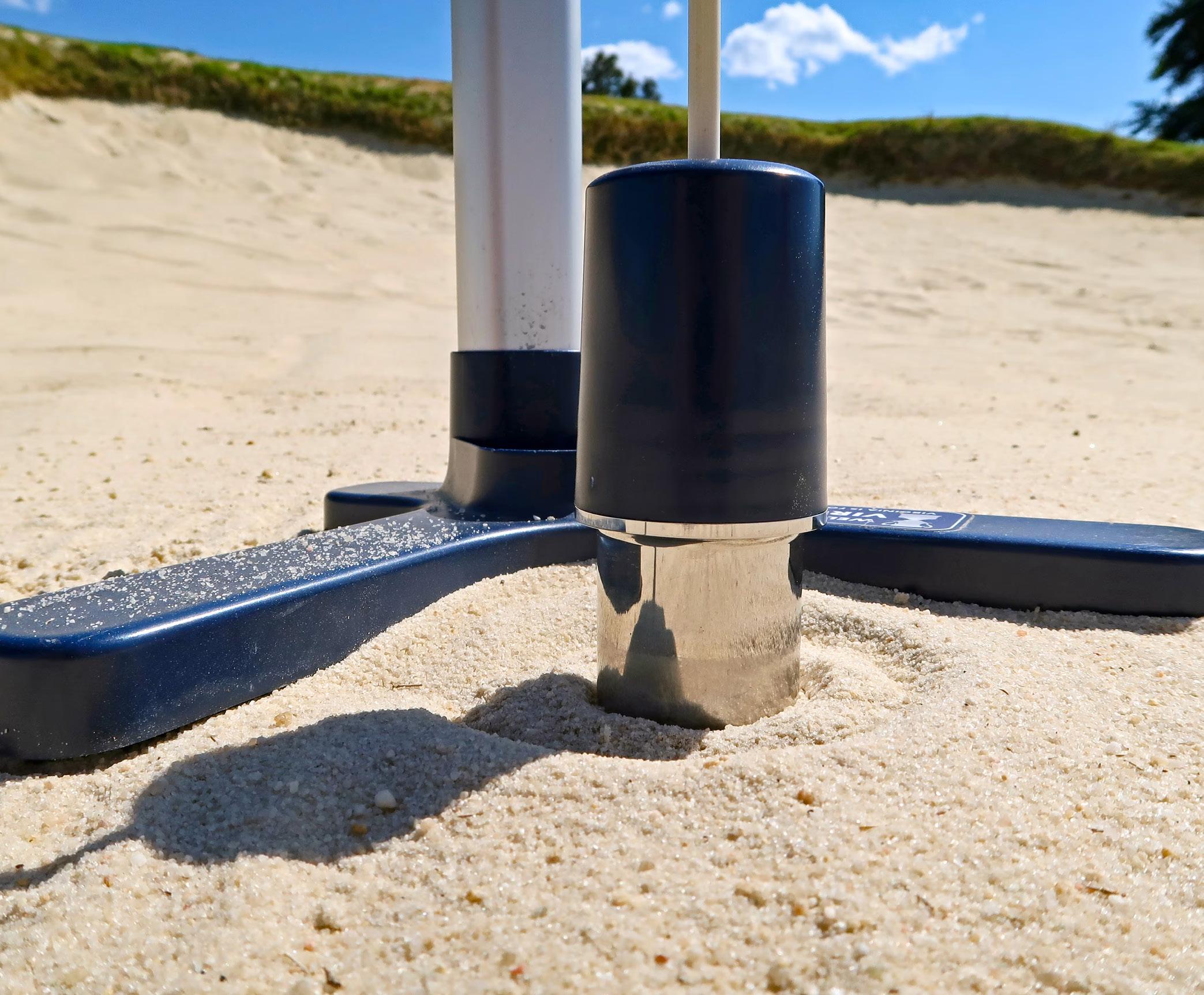
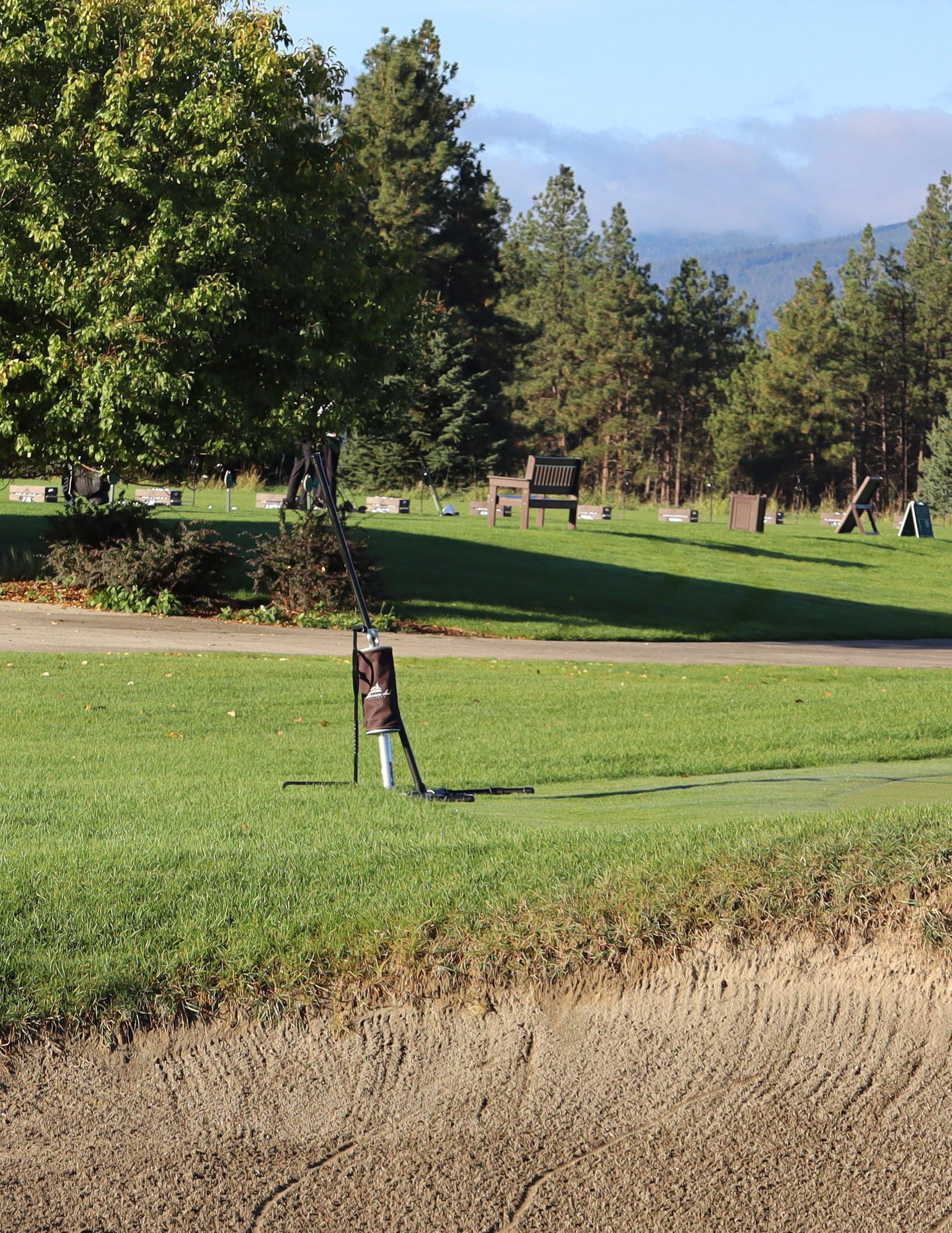
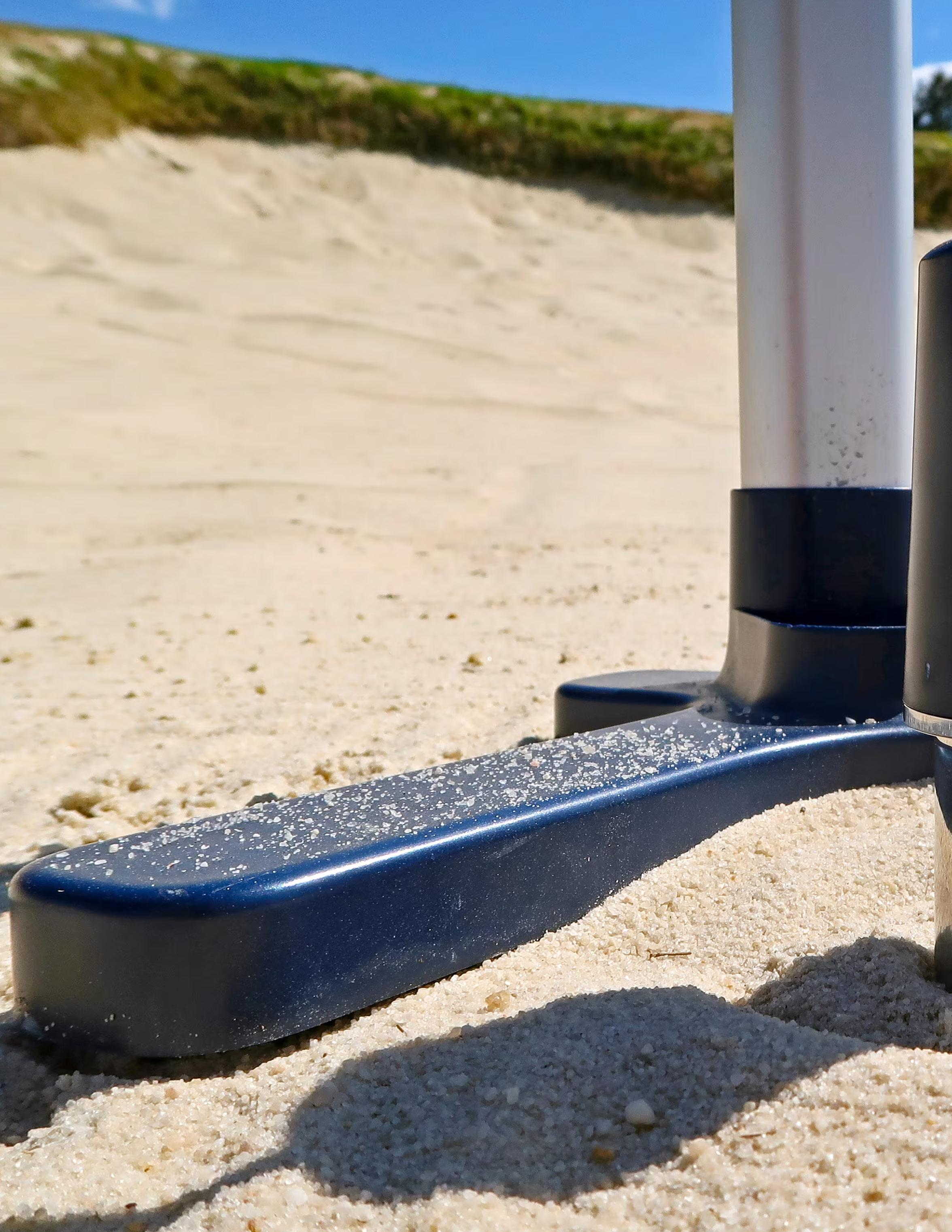
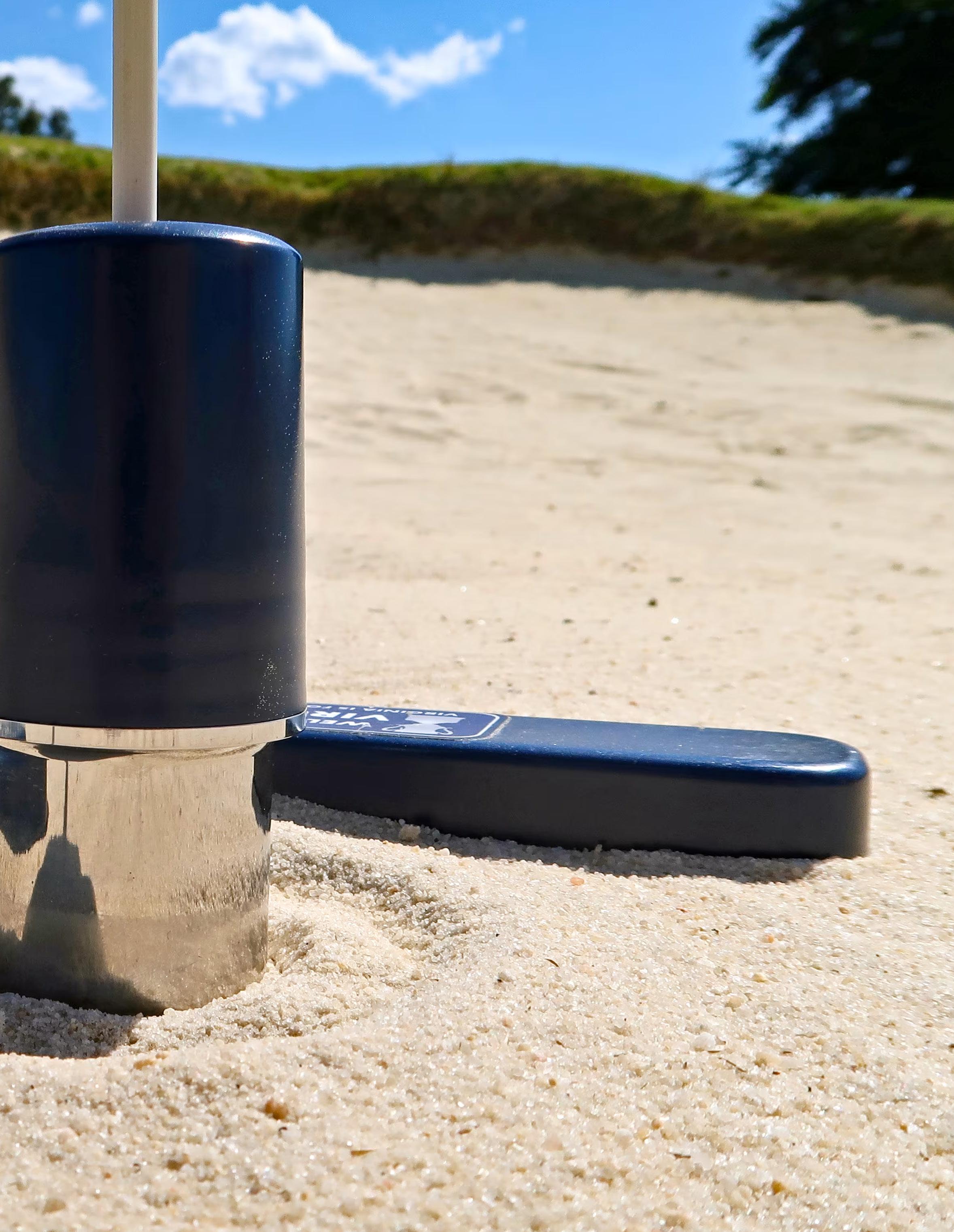
4 inches and is still too firm, then some form of “fluffing” may be sufficient to soften conditions. One example where this worked well was during preparations for the U.S. Mid-Amateur Championship at Troon Country Club in the fall of 2025.
If GS3 values exceed 0.900 inch, some method to firm the sand may be appropriate. Adding water and wheel packing is one method. A vibratory plate compactor is another option for increasing firmness. You might also consider adding a different sand to the bunkers to widen the particle size distribution and help improve firmness. However, these methods
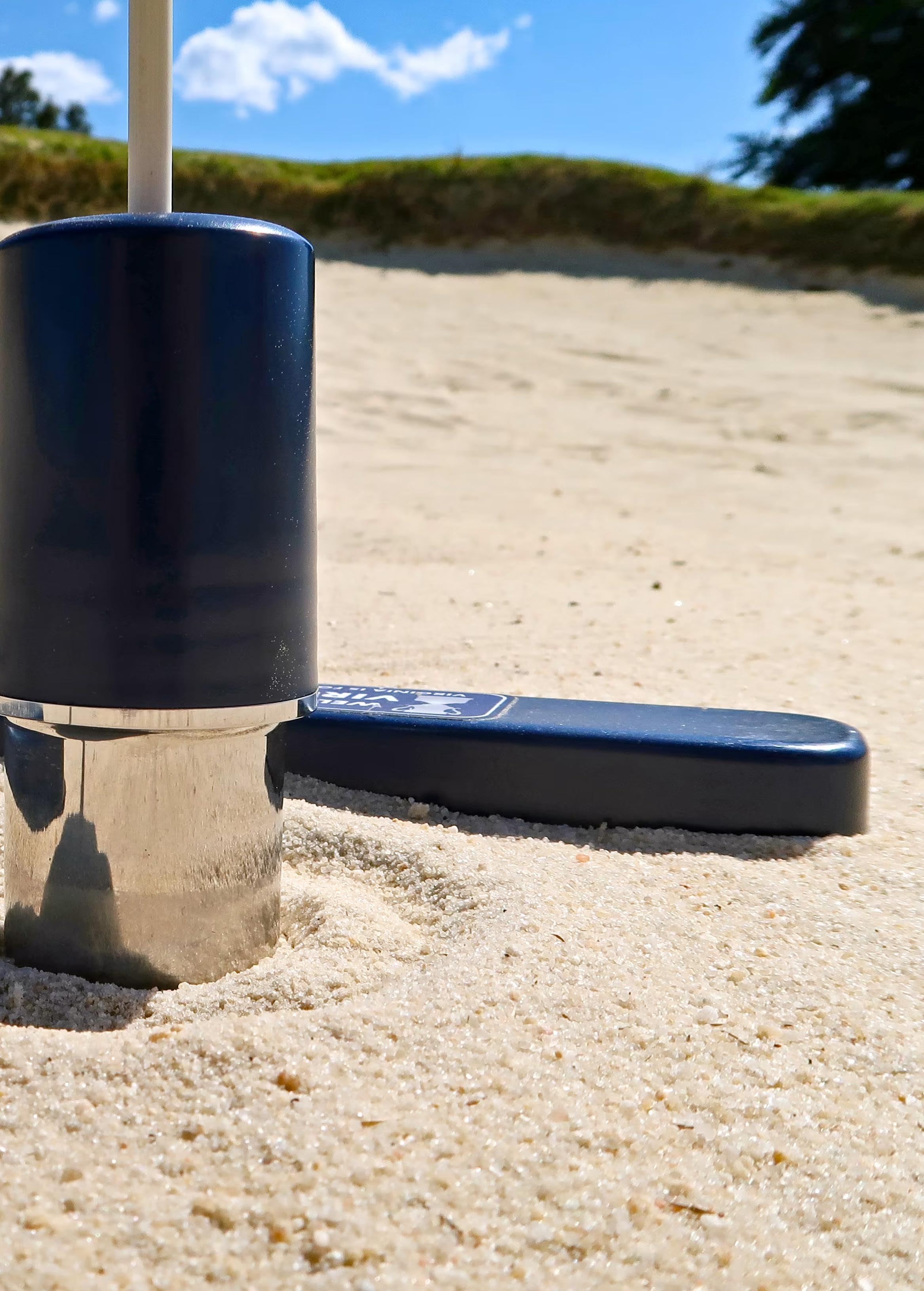
are all very labor intensive and certainly not appropriate for all courses. In some cases, irrigation, rain and time will result in natural firming.
While bunkers are meant to penalize errant shots, the sand shouldn’t be so hard and compacted that the average player struggles to play a normal bunker shot, or so soft that there are lots of golf balls getting buried in the sand. The GS3 is a tool that can help your course avoid the extremes. For more information on bunker maintenance or any other issues at your course, please reach out to your regional USGA agronomist