


Dear Montana Golf Community,
We’re excited to share a fresh look on a familiar way to support golf in Montana. Available now at a DMV near you, the MSGA is rolling out a new sponsored license plate. Driving around the state to courses, I am regularly comforted by a sea of cars sporting our license plate at venues and course parking lots.
This plate is more than a new design. While the one you’re familiar with will slowly become less numerous, our community of golfers has tightened in the past decade as mergers of the Montana State Women’s and Montana State Senior Golf Associations created what we have today – one association that is stronger together.
When you choose the MSGA license plate, the portion dedicated to the sponsored organization (in this case MSGA) directly supports junior golf programming throughout Montana. Those dollars help fund junior tournaments, player development opportunities, access initiatives around the state like our Youth on Course partnerships, and junior grants that allow kids from communities large and small to experience the game we love. Buying a sponsored plate is a simple, yet meaningful opportunity to support the next generation of Montana golfers while proudly showing your connection to the game and being a visible part of our statewide golf community.
Golf in Montana is special. It’s played on municipal courses, small-town nine-holers, resorts, and family-run clubs. Junior golf is how that tradition continues. It’s how we

introduce young players to sportsmanship, integrity, self-reliance, and lifelong friendships. Your support through the purchase of a license plate helps ensure those opportunities remain strong and accessible statewide.
One of the things we like most about this program is its simplicity. There’s no event to attend, no form to fill out beyond what you’re already doing, and no ongoing obligation. You make a choice once, and every mile you drive becomes a show of support for golf in Montana and your love of the game. Sometimes, it’s a clever statement too, I’ve seen some great personalized plates that need no explanation and some that I have had to ask about.
Speaking of which, MSGA plates serve as a conversation starter. Whether you’re parked at the course, the grocery store, or a school pickup line, the plate helps raise awareness of the MSGA and the work being done to grow the game for future generations. My eyes are attuned to seeing the plate and I always have a sense of camaraderie and curiosity – who is
that golfer? Do I know them? It’s an easy way to thank and meet golfers across the Treasure State. Unfortunately, we don’t get to meet all of our members in person, but having the sense of community and knowing there are more of us out there than one could imagine is always a special feeling. We build connection through shared experiences and as you know, golf is an experience best enjoyed in the company of others.
We know there are many worthy causes competing for your attention and support. By choosing the MSGA license plate, you’re investing locally, visibly, and directly in Montana’s golf community — especially its youngest players. In the coming year we will be sharing with you some additional programming to help elevate our juniors. Stay tuned.
In the meantime, thank you for helping us grow the game, strengthen junior golf, and ensure that Montana continues to be a great place to learn, play, and love golf.

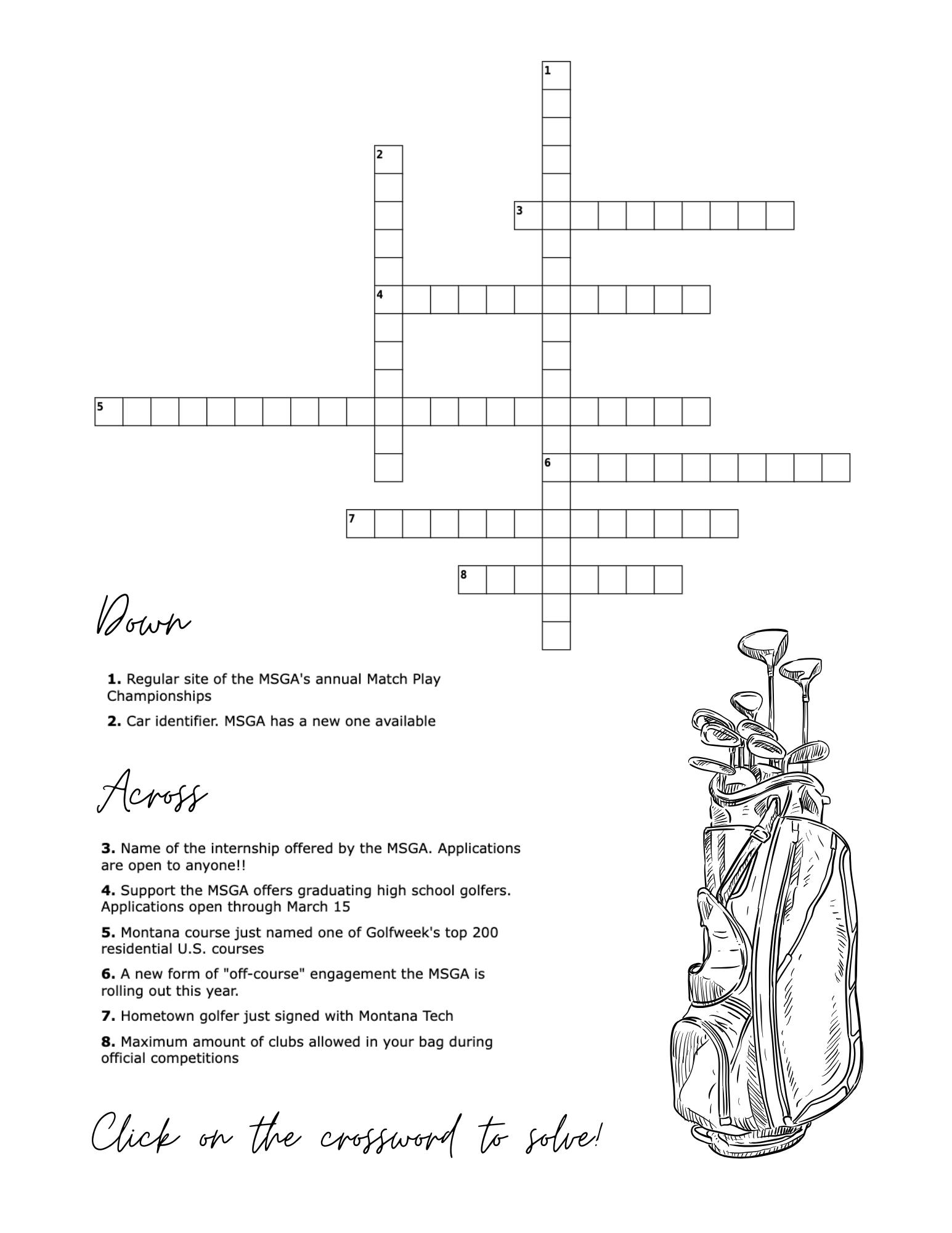
One of the unique things about driving around in Montana is that there are so many different license plate options. Vehicle owners across the state can currently choose amongst the 227 plates that are sponsored by “qualified non-profit organizations, colleges, or governmental bodies.”
In 2003 the MSGA joined forces with the former Montana State Women’s Golf Association to create the beautiful “Golf the Big Sky” license plate. With proceeds used to promote junior golf programs and fund college scholarships, it has served us well over the years.
Now, over two decades later, the MSGA and MSWGA are under the same banner, and we thought it might be time for a little update. While the plate itself has a fresh new look, the mission behind it remains the same: Supporting junior golf in the state of Montana.




BOARD OF DIRECTORS - OFFICERS
PRESIDENT................................................... Peter Benson
VICE PRESIDENT.................................. Ron Ramsbacher
TREASURER....................................................... Bill Dunn
PAST PRESIDENT......................................... Mary Bryson
EXEC COMMITTEE......................................Joe Rossman
BOARD OF DIRECTORS
Ross Bartell, Peter Benson, Carla Berg, Marshall Bettendorf, Mary Bryson, Brandon Davidson, Bill Dunn, Cheri Ellis, Lisa Forsberg, Marcia Hafner, Susan Haskins, Jeri Heard, Katy Peterson, Ron Ramsbacher, Joe Rossman, Rod Stirling
MSGA STAFF
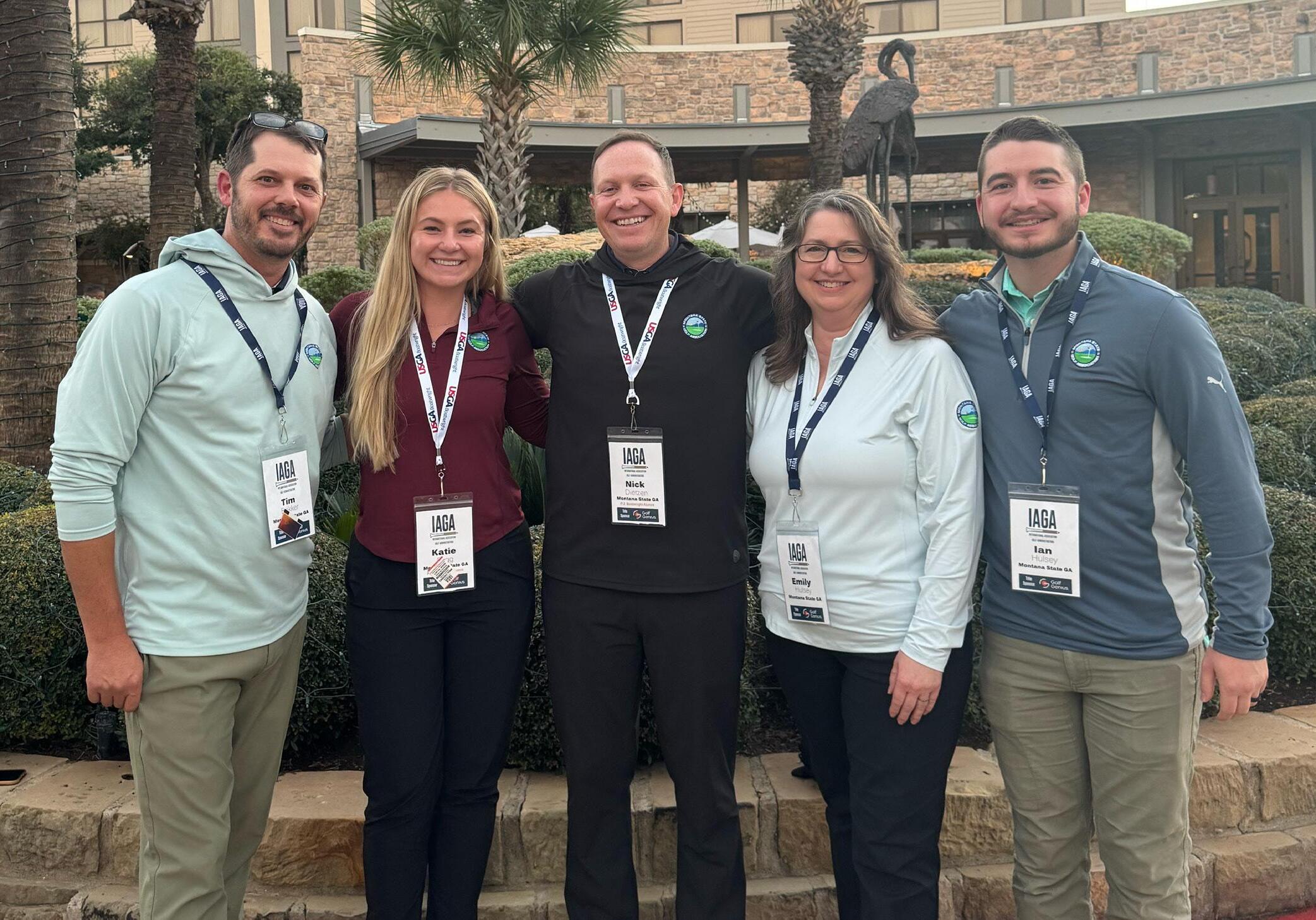
Executive Director......................................... Nick Dietzen
Tournament & Player Dev. Director.............. Tim Bakker
Membership Operations Director............... Emily Hulsey
Member Services Manager.............................. Ian Hulsey
Marketing and Branding Director................... Katie Fagg
Communications Manager.............................. Ty Sparing
Partnerships & Business Development...... Nick Dietzen
Nick Dietzen.............................. 1 (800) 628-3752, ext. 6
406GOLF STAFF
Editor in Chief............................................... Nick Dietzen
Consulting Editor........................................ David Bataller
Senior Writer..................................................... Ty Sparing
Graphic Designer................................................Katie Fagg
Contributing Writer......................................Emily Hulsey
Contributing Writer.........................................Tim Bakker
Contributing Writer......................................Shanda Imlay
Contributing Writer.................Logan Groeneveld-Meijer
Contributing Writer..................................Bradley S. Klein

Montana State Golf Association P.O. Box 4306
Helena, MT 59604
1 (800) 628-3752
www.msgagolf.org


BY TY SPARING MSGA COMMUNICATIONS MANAGER
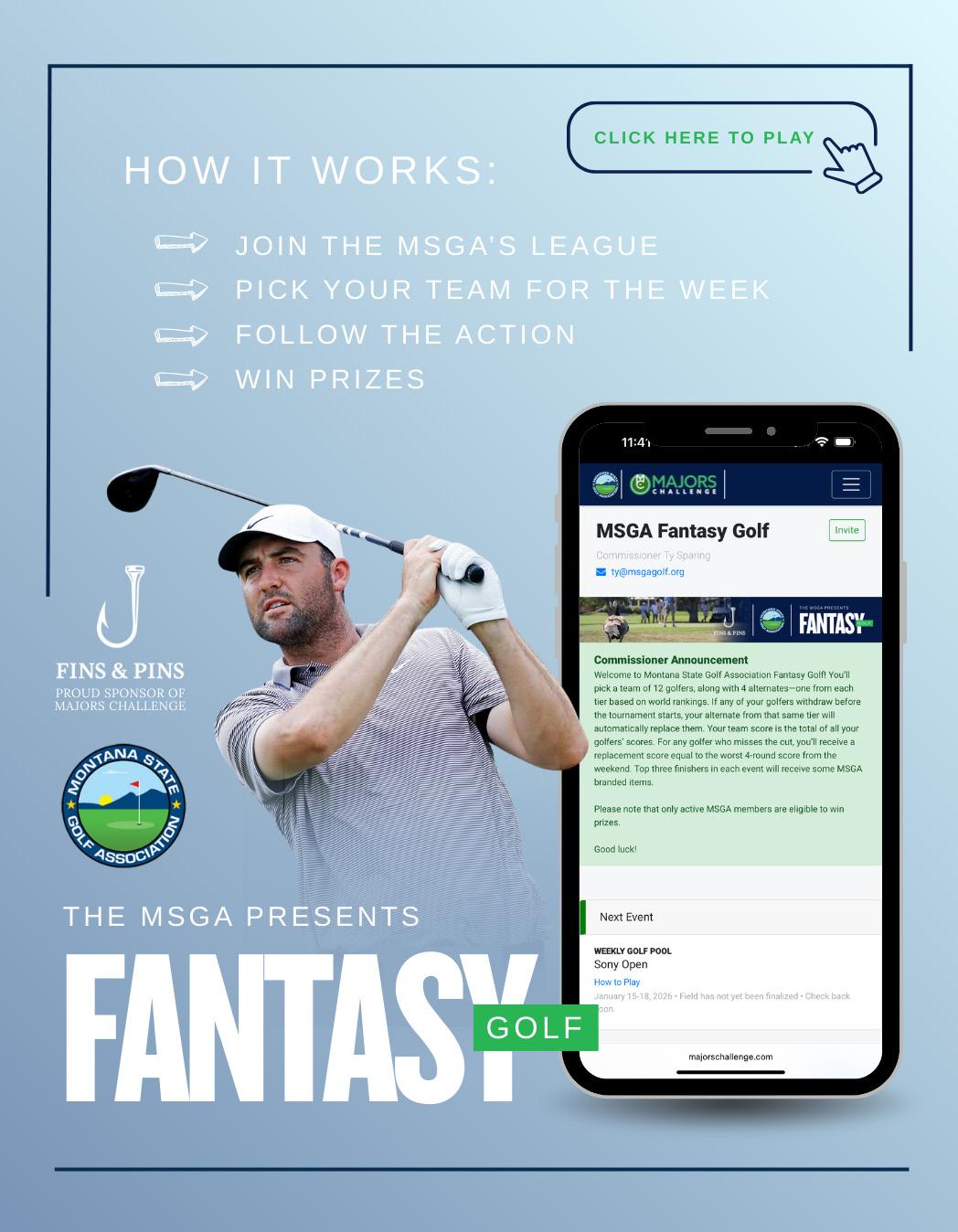
We’re excited to announce that signups for the newly created MSGA Fantasy Golf are now open. Having recently partnered up with the most respected brand in fantasy golf, Majors Challenge, golf fans throughout the state will now have the opportunity to follow the pro tours like never before.
Starting with the Waste Management Phoenix Open (February 5-8), MSGA Fantasy Golf will host twelve of the top events from both the PGA and LPGA tours.
The sign-up process is very simple, here’s how it works: You’ll pick a team of 12 golfers, along with 4 alternates—one from each tier based on world rankings. If any of your golfers withdraw before the tournament starts, your alternate from that same tier will automatically replace them. Your team score is the total of all your golfers’ scores. For any golfer who misses the cut, you’ll receive a replacement score equal to the worst 4-round score from the weekend.
Non-members of the MSGA are also allowed to play, so tell your friends! The top three finishers in each event will receive some cool MSGA branded items. For more information, go to www.majorschallenge.com/go/msgagolf
To sign up, CLICK HERE
1. Enter a Team of 12 golfers. Golfers are segmented into four groups, by their world rank.
2. Pick one alternate for each group. An alternate is only used if your starter withdraws before the start of Round 3.
3. Save Your Team.
4. Follow your friends. Easily track how your friends are doing by tagging them in the Members section. Choose the filter button to collapse the Leaderboard into only the teams you care about.
5. Follow the action live. The leaderboard is basic stroke play. Add up your golfers scores and compare it to the competition.
During the tournament, the Majors Challenge leaderboard updates in real-time with the PGA. A teams position on the leaderboard is based on the sum of its golfer scores.
Cut, Withdraw and MDF Rules:
• If one of your golfers withdraws before the tournament starts then that golfer will be replaced with an alternate.
• If one of your golfers withdraws during round 1 or 2 then that golfer will be replaced with an alternate.
• If one of your golfers withdraws after round 2 then that golfer is treated the same as if he were CUT.
• If more than one golfer in a group is to receive an alternate due to withdrawing then your team will receive an alternate for the first WD and a CUT for any additional WD.
You will receive the worst four round score on the PGA leaderboard in place of every golfer on your team that is CUT, MDF, DQ or withdraws without an alternate replacement.


BY TY SPARING MSGA COMMUNICATIONS COORDINATOR
It’s cold out there and for golfers in a state like Montana, during these long winter months there’s not much more we can do other than daydream about getting back on the course again. Simulators are certainly a viable option and in recent years have become an increasingly popular off-season destination for those looking to keep their skills sharp all year round. However, there’s nothing quite like teeing it up in the crisp morning air, smelling the freshly cut grass and knowing you’re about to journey through an articulately designed green space whose beauty can mesmerize players as much as the golf itself.
It’s in these frigid months that we might reflect upon all those small things that make the golf course experience truly great. Some of us miss the human element which is always a strong draw for golf – a social game that
strengthens communities and helps us create lasting memories with our friends and loved ones. For nature lovers golf is also a vehicle in which we can use to explore the wondrous, curated mixture of human creativity and the natural world. And for the crowd that stays focused solely on the game itself, perhaps it’s that little moment of zen when the surrounding world dissolves and the mind is singularly focused on the next shot.
It might be a majestic view of a mountainous panorama, a warm gentle breeze through the fescue, some wildlife running through the course, or a smile on someone’s face after making birdie, we might speculate that it’s an accumulation of all the small things in the golf experience that uplift the soul.
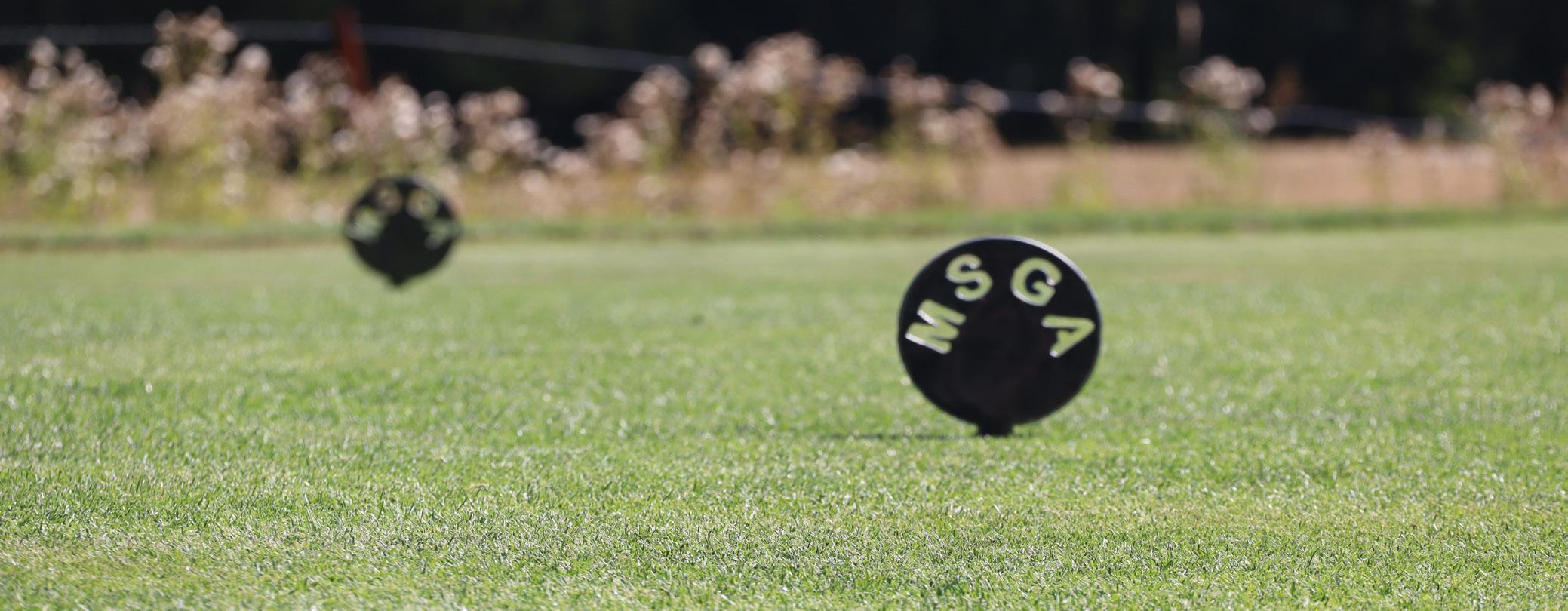
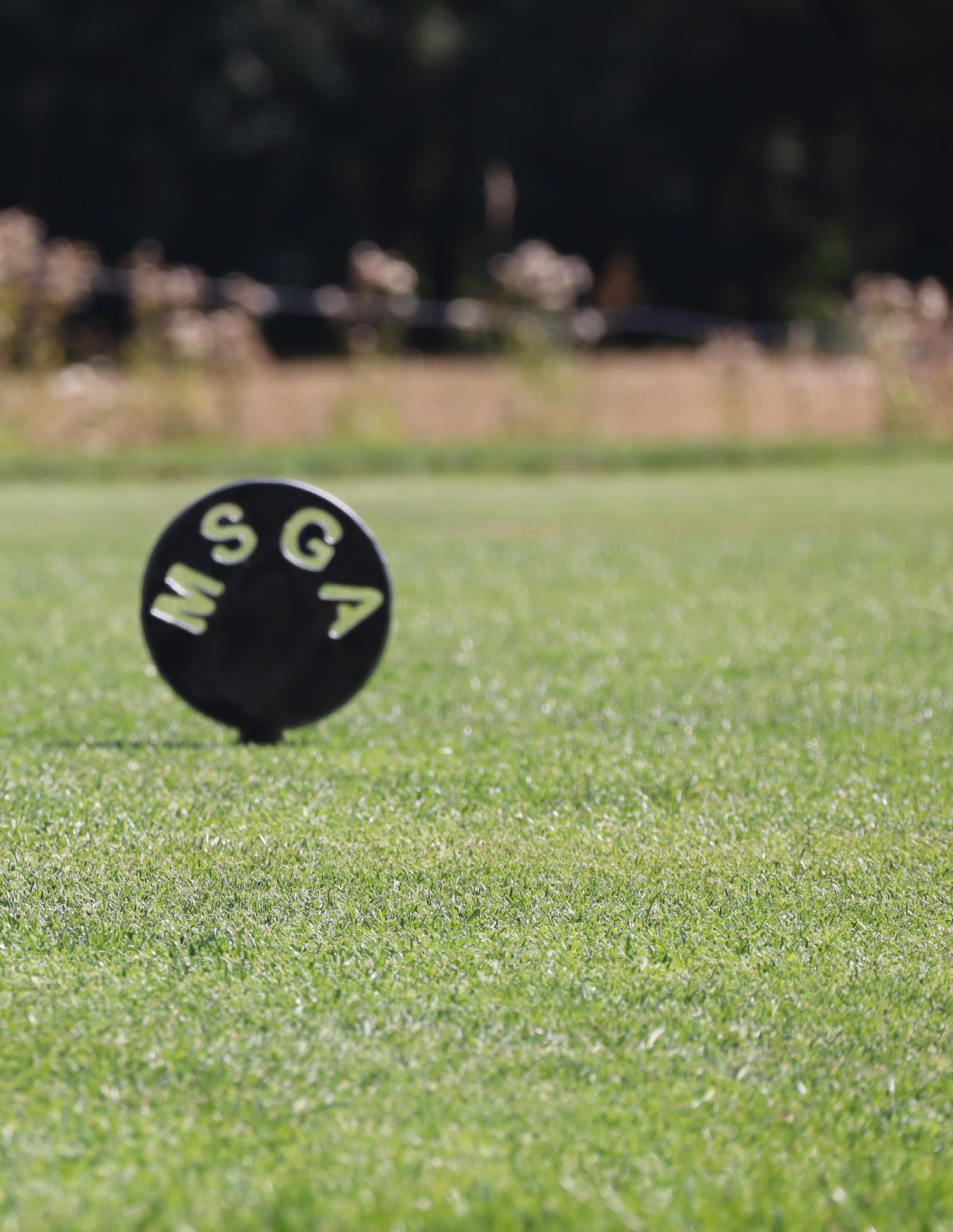
At the MSGA, we have the pleasure of working at a lot of beautiful golf courses around the state. Here’s a collection of some of those small things that we’re all missing right about now.
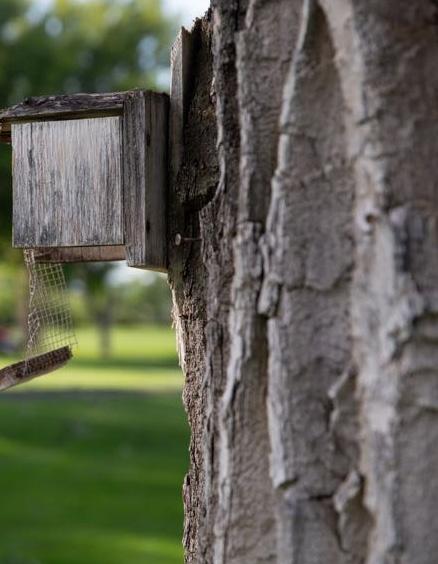
Once your round begins you have left the world of concrete behind and entered a
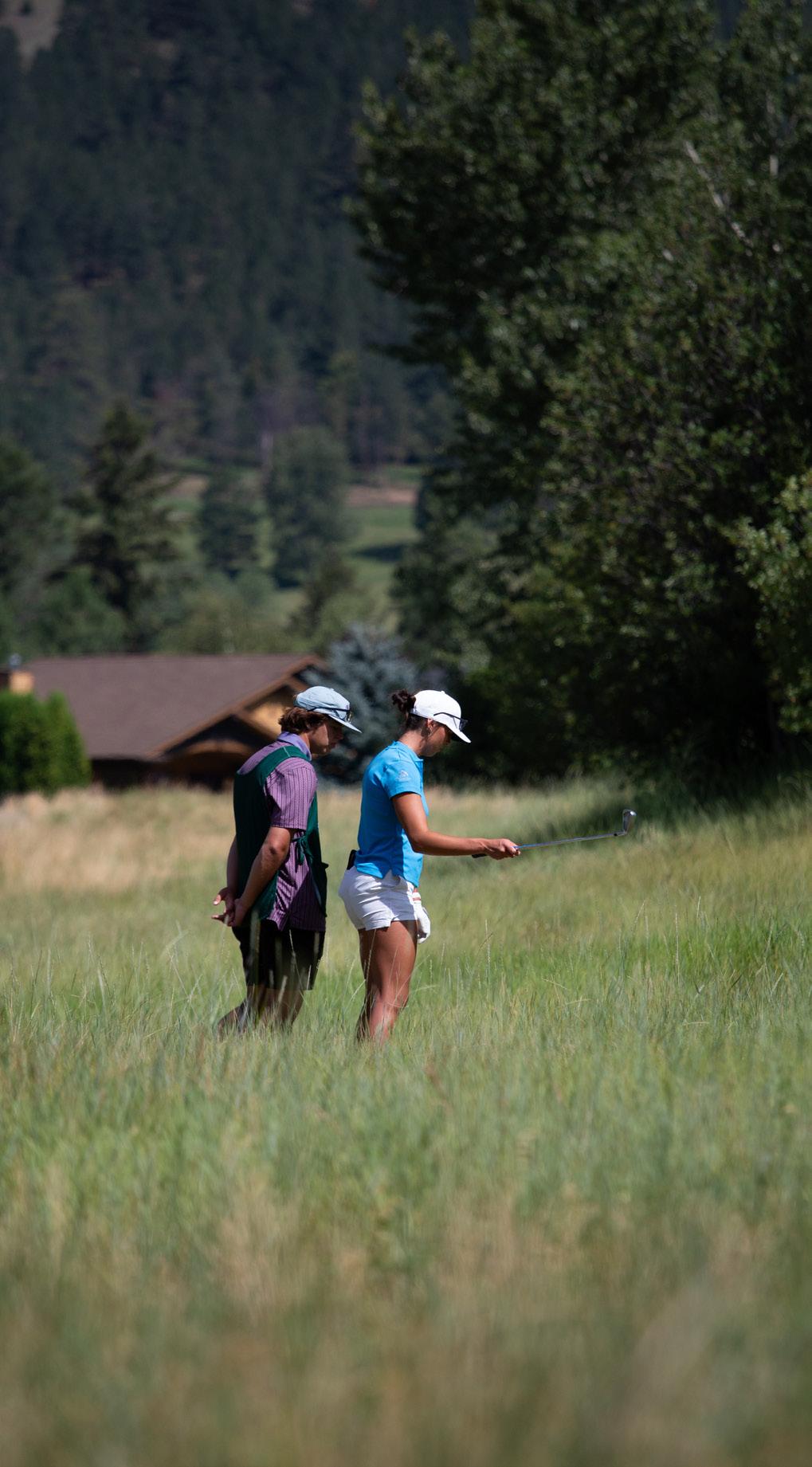
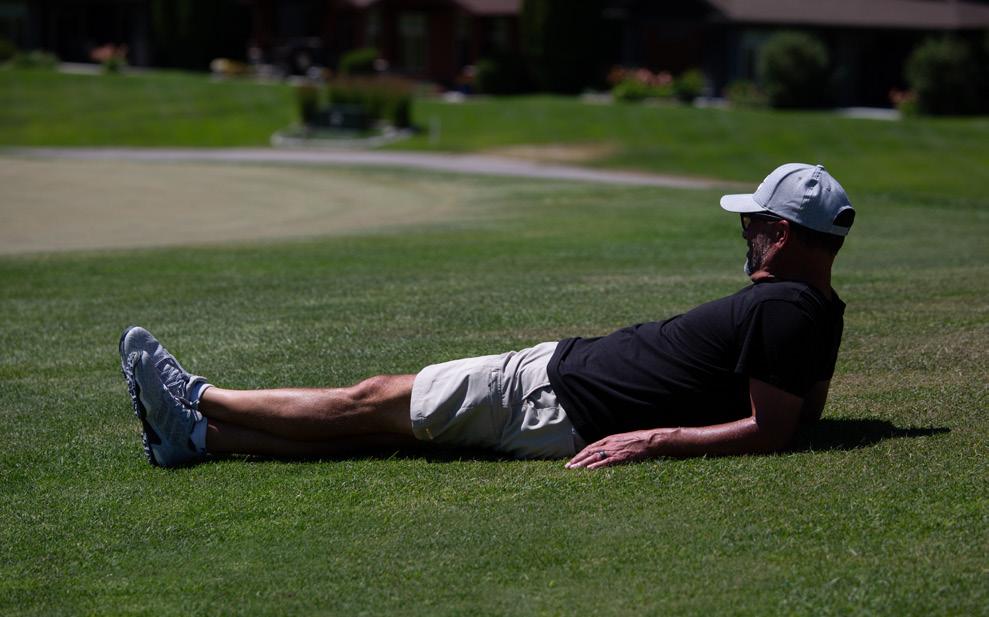
Whether you are looking for a ball in the fescue, throwing a few blades in the air to gauge wind direction, or even if you just need a place to relax for a few minutes, grass culture is strong in the golf industry.

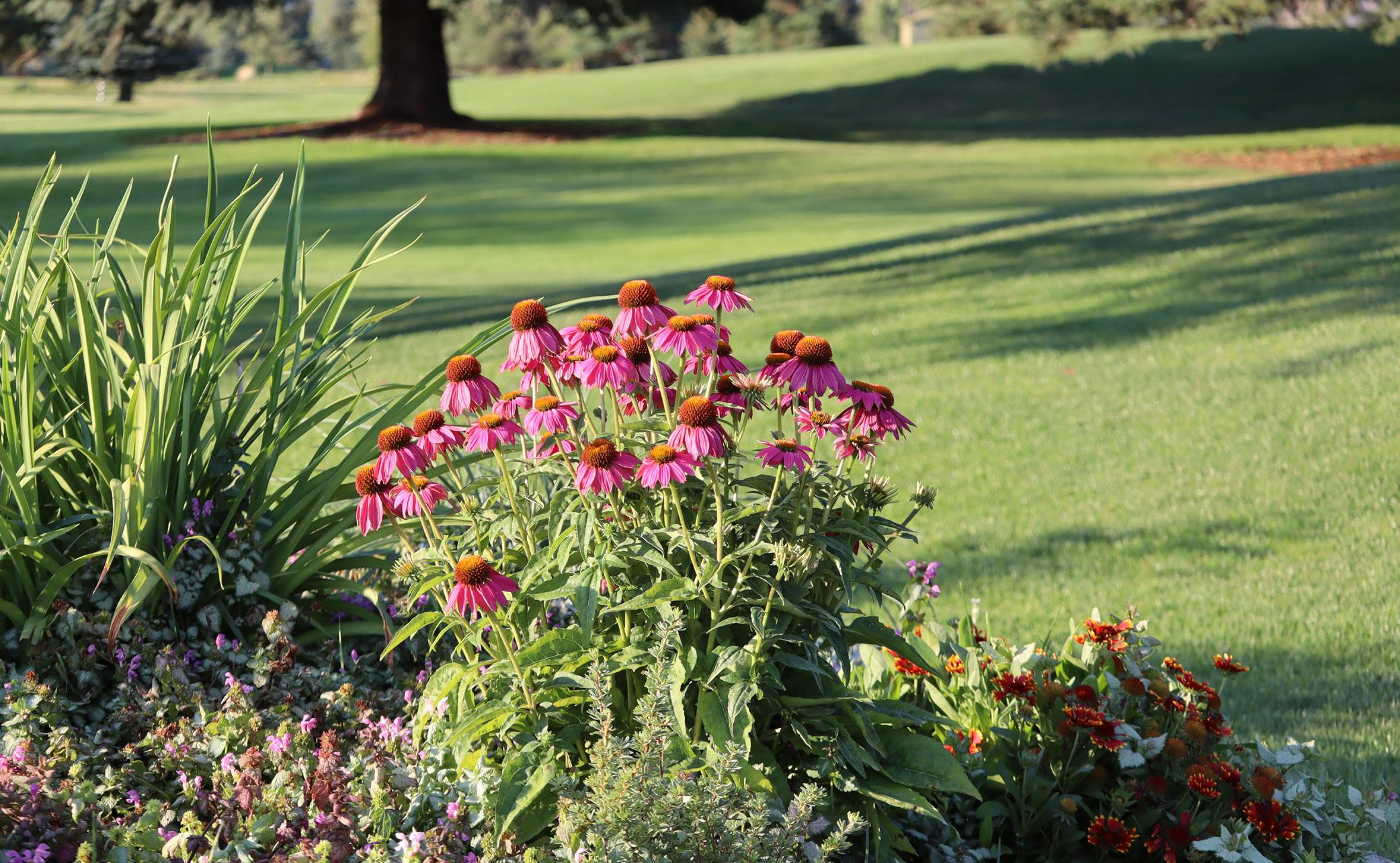
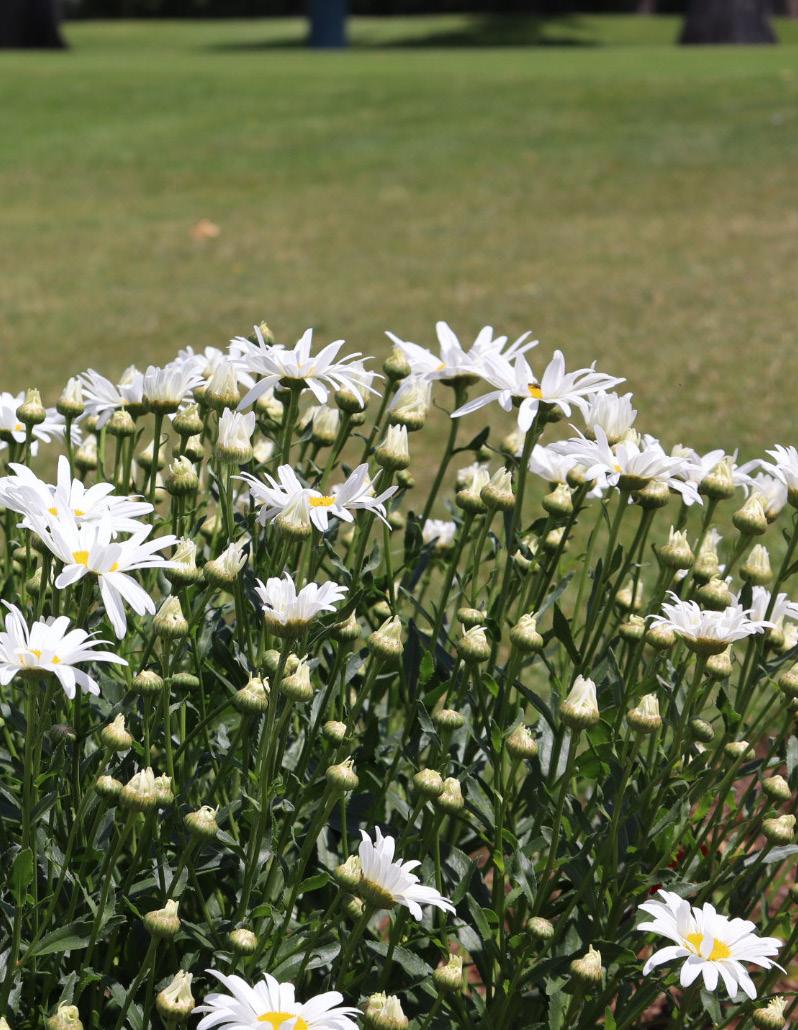
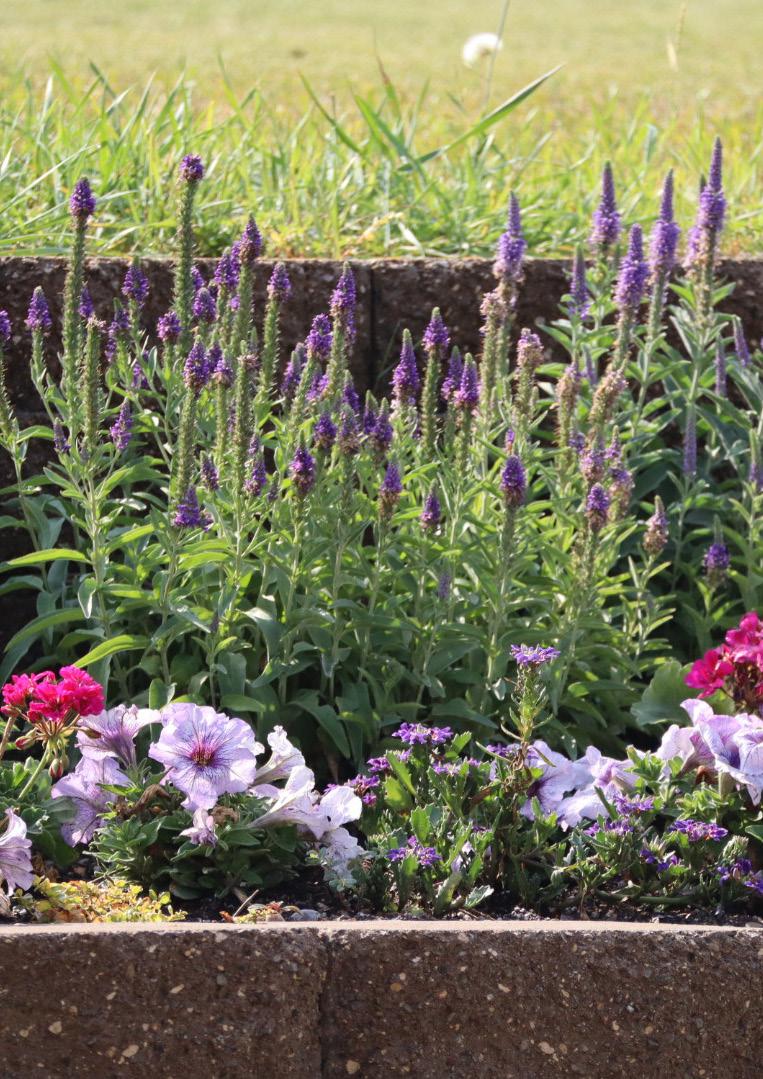
like the vibrant colors of flower decorations that adorn clubhouse and pro shop areas. Nothing says
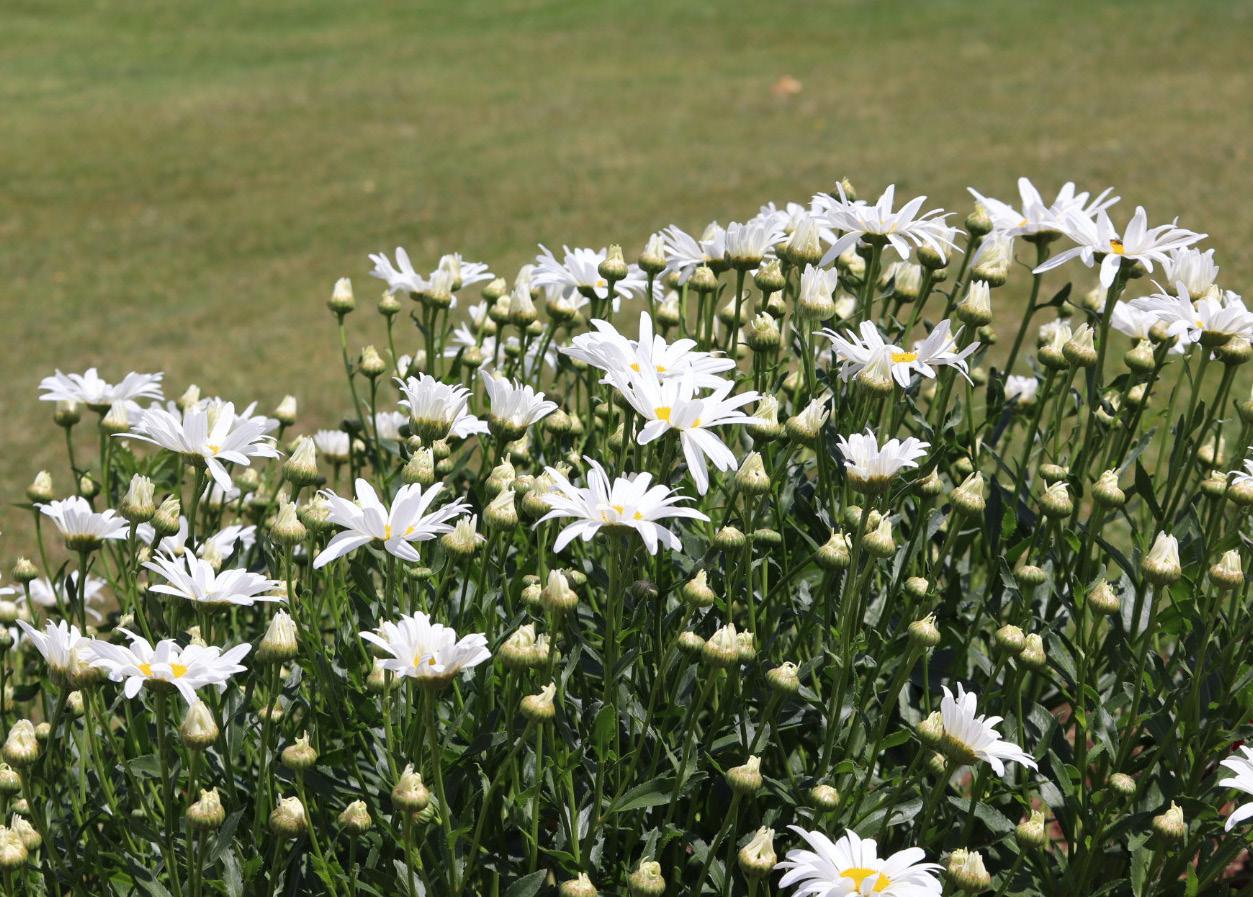
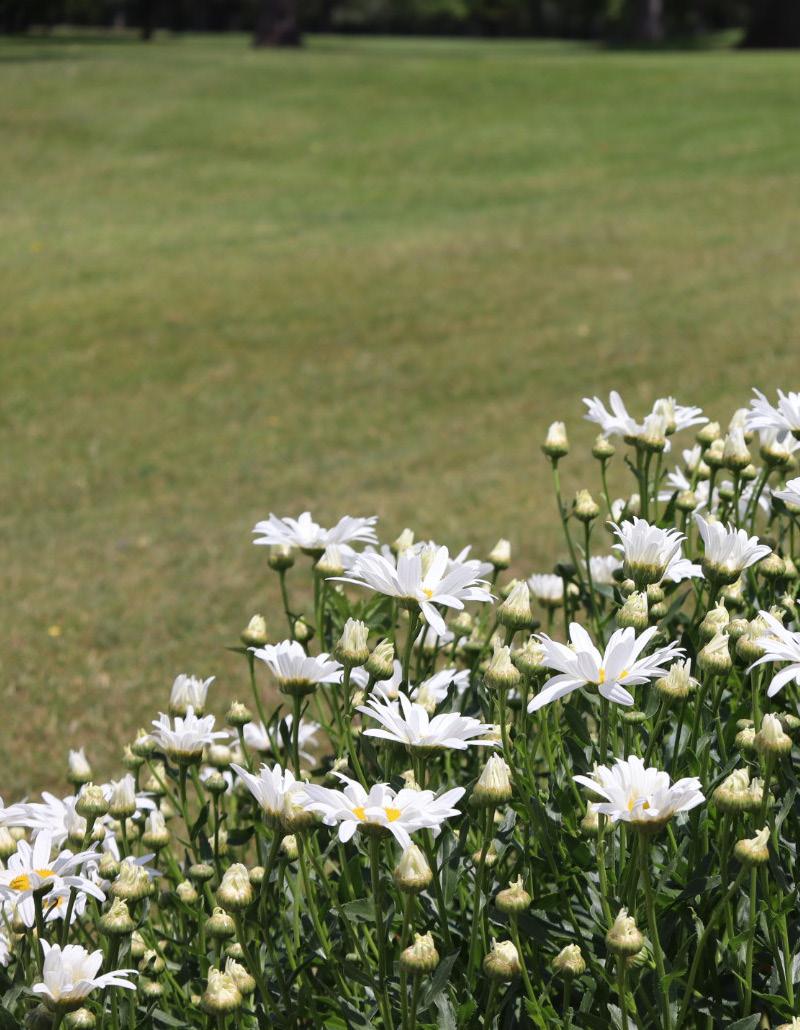
A daily task for staff to maintain, the flora and fauna arrangements often catch the eye as we meander our way to the putting green and first tee box. A calming way to begin a round of golf, even the National Institute of Health tells us that the mere act of “seeing flowers can provide physiological and psychological advantages such as stress reduction and improved well-being.”
IT’S INEVITABLE
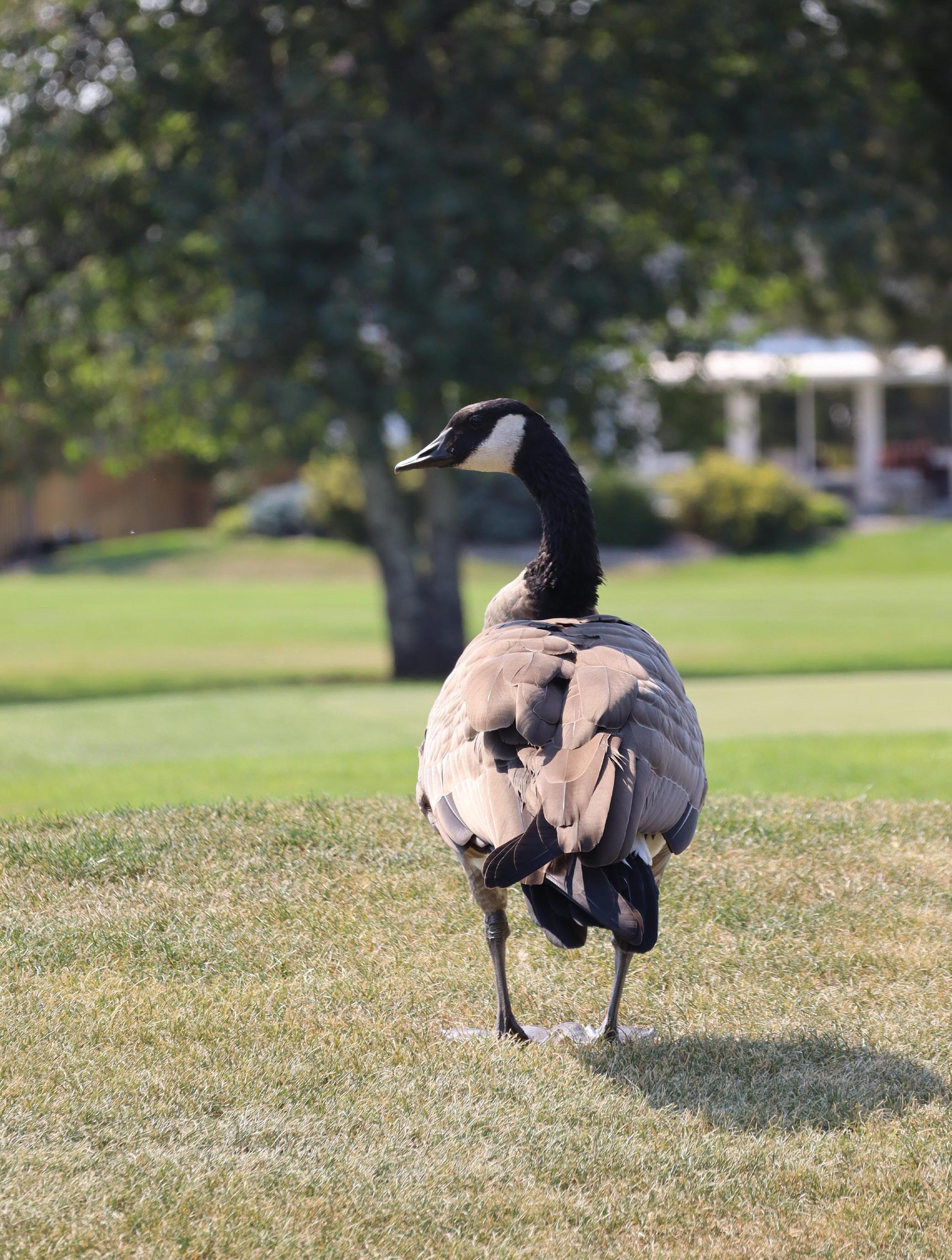
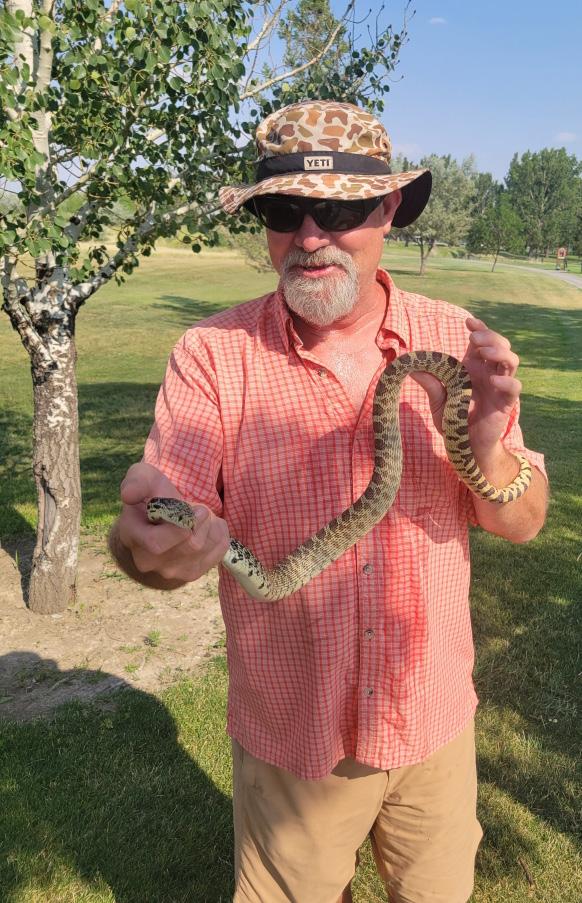
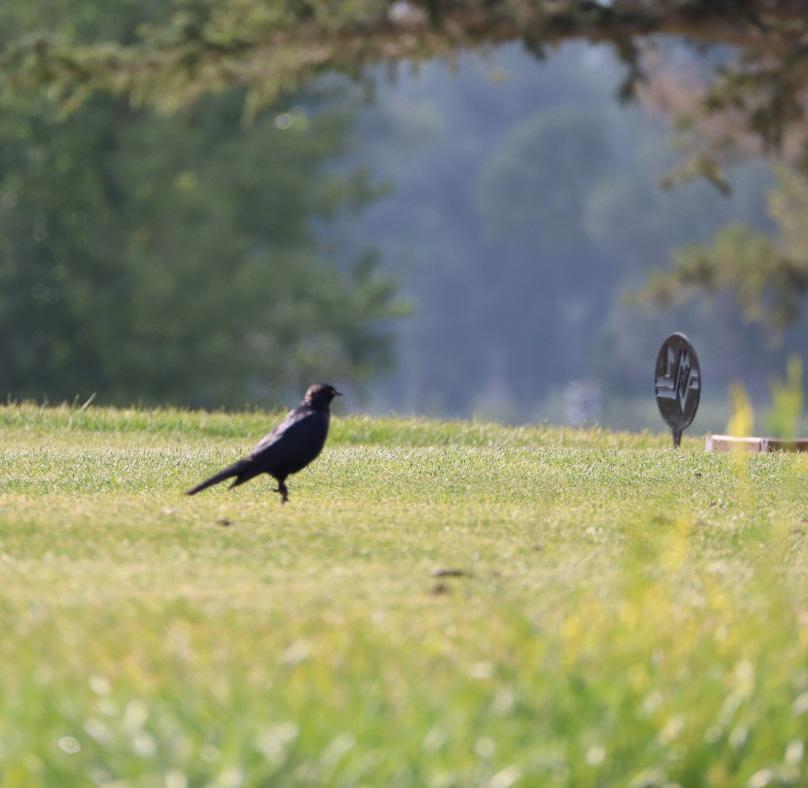
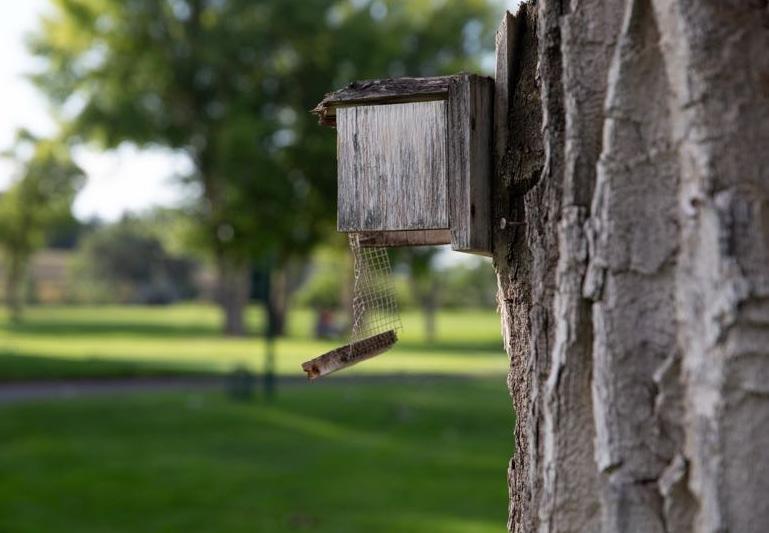
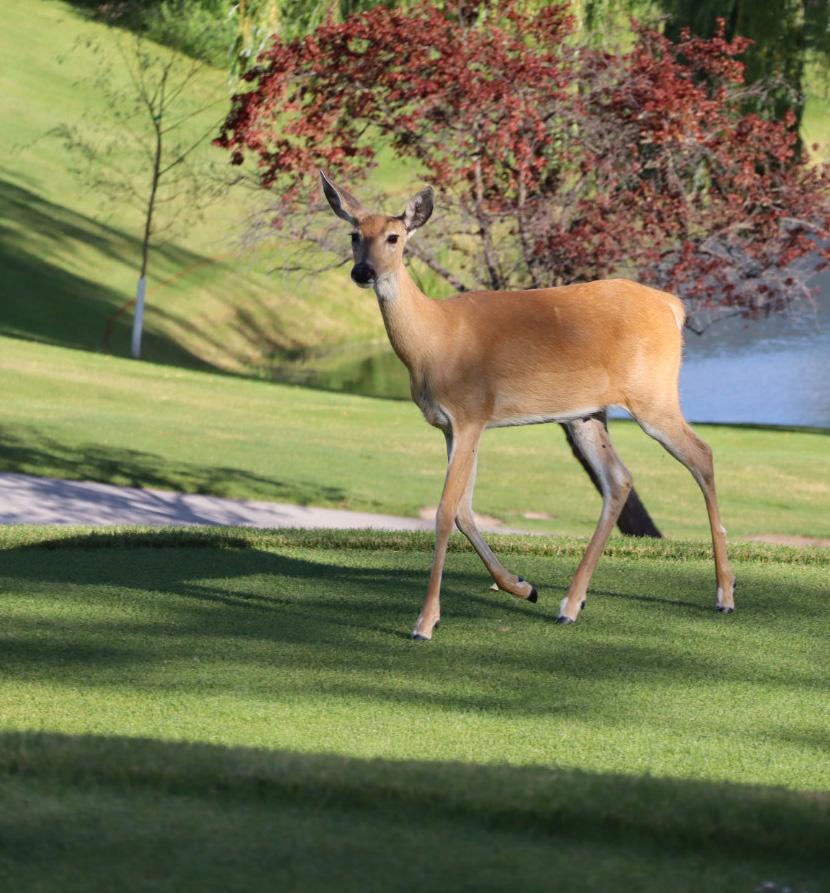
when playing at a Montana course that golfers are going to see some pretty interesting wildlife.
In a state with such a diverse array of animals both big and small, no course is complete without a few birds chirping and some neighborly four-legged friends roaming around.
FEBRUARY 1, 2026 - 406GOLF
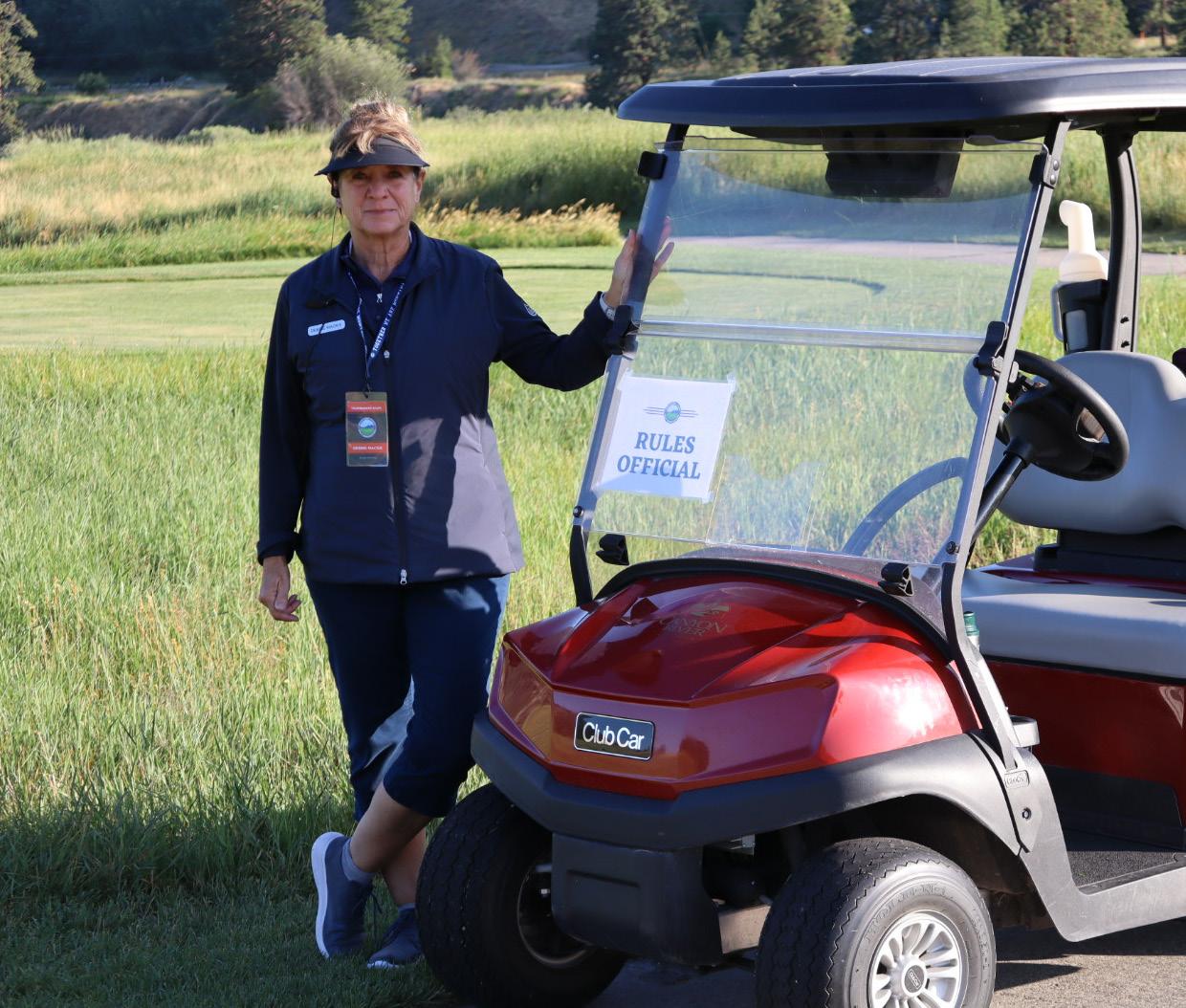
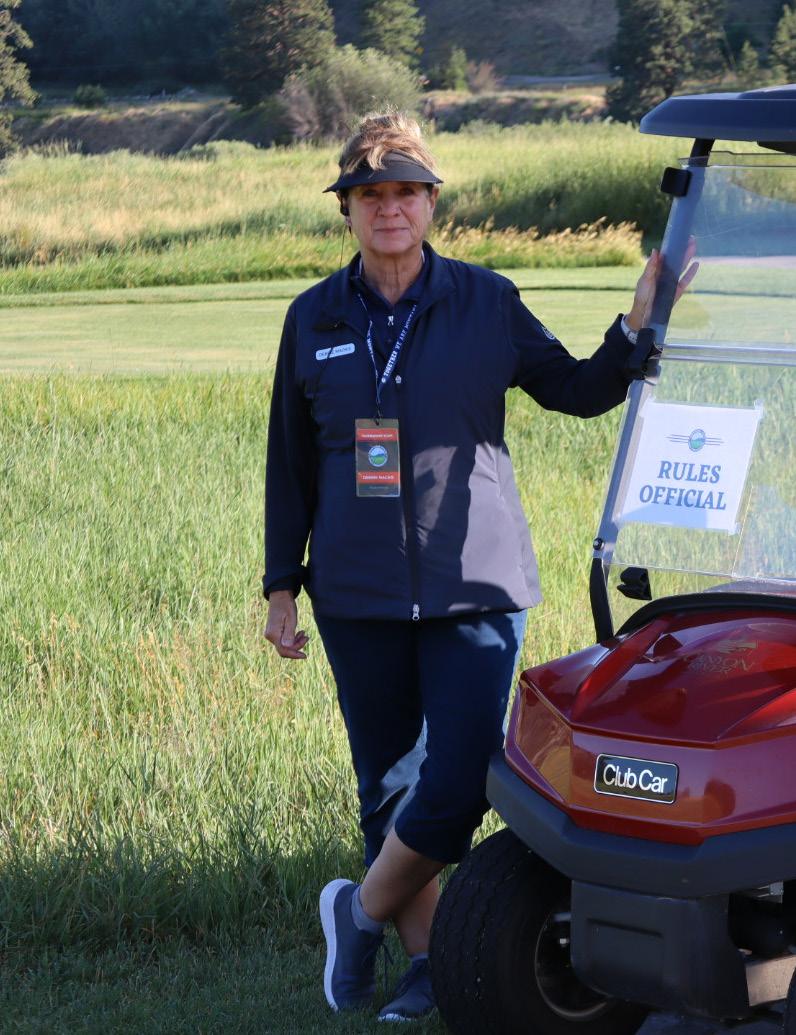
We love our volunteers! So much is possible with the help of many across the state of Montana when the MSGA is planning our variety of events.
From helping with the rules, player registration and scoring, or even on the course spotting balls, our volunteers help things run smoothly. If you love hanging out at golf courses, helping out at a tournament is a great way to spend an afternoon. Click here for more information on how you can join the MSGA team!
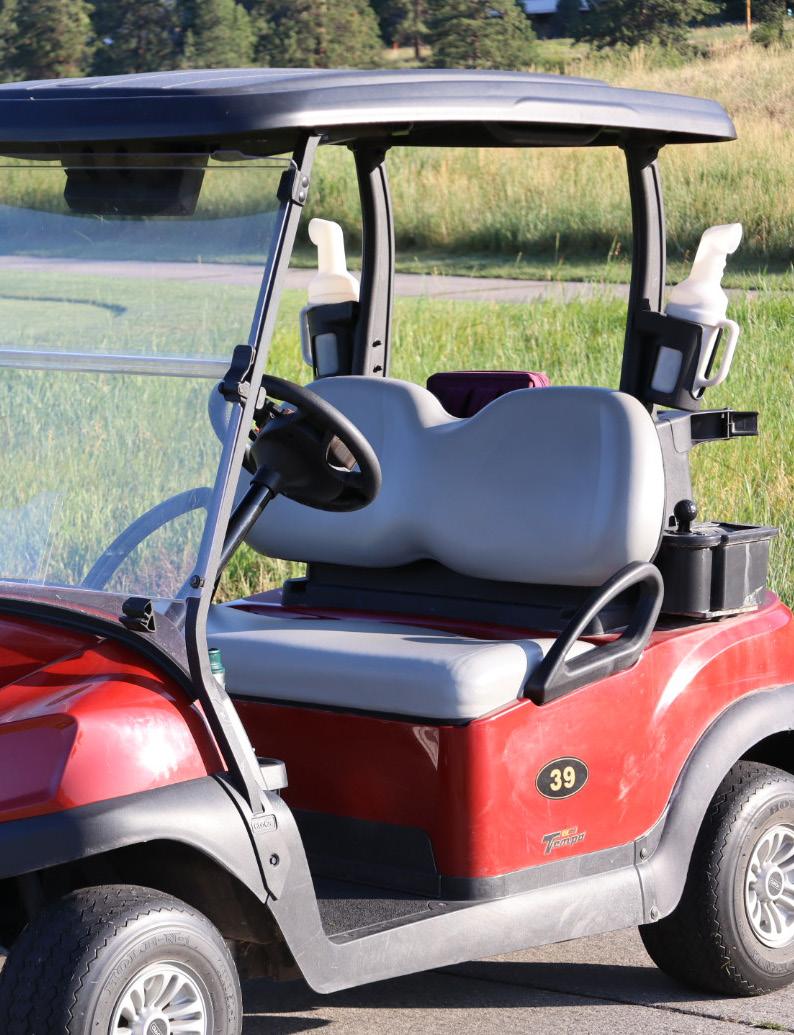
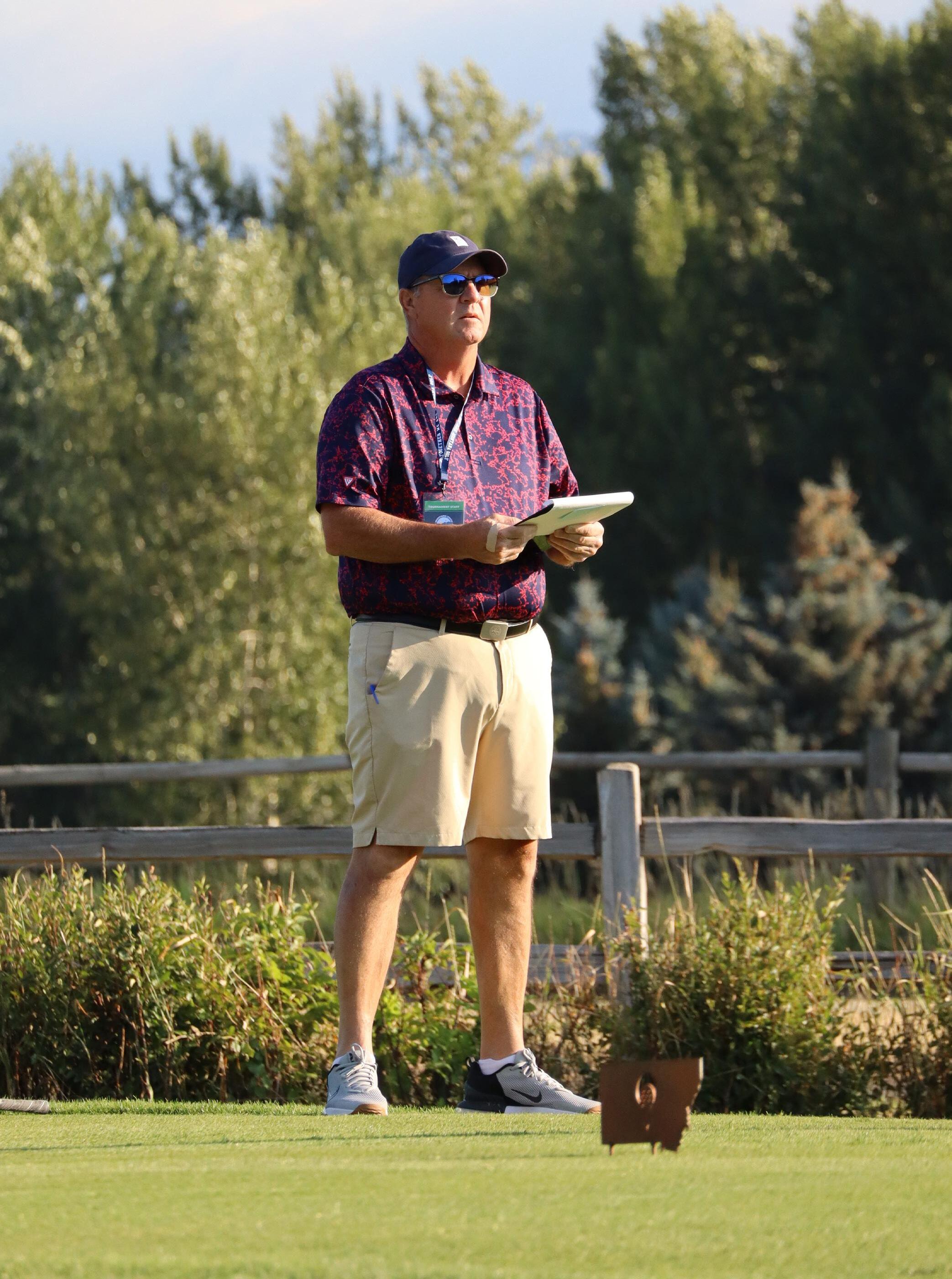
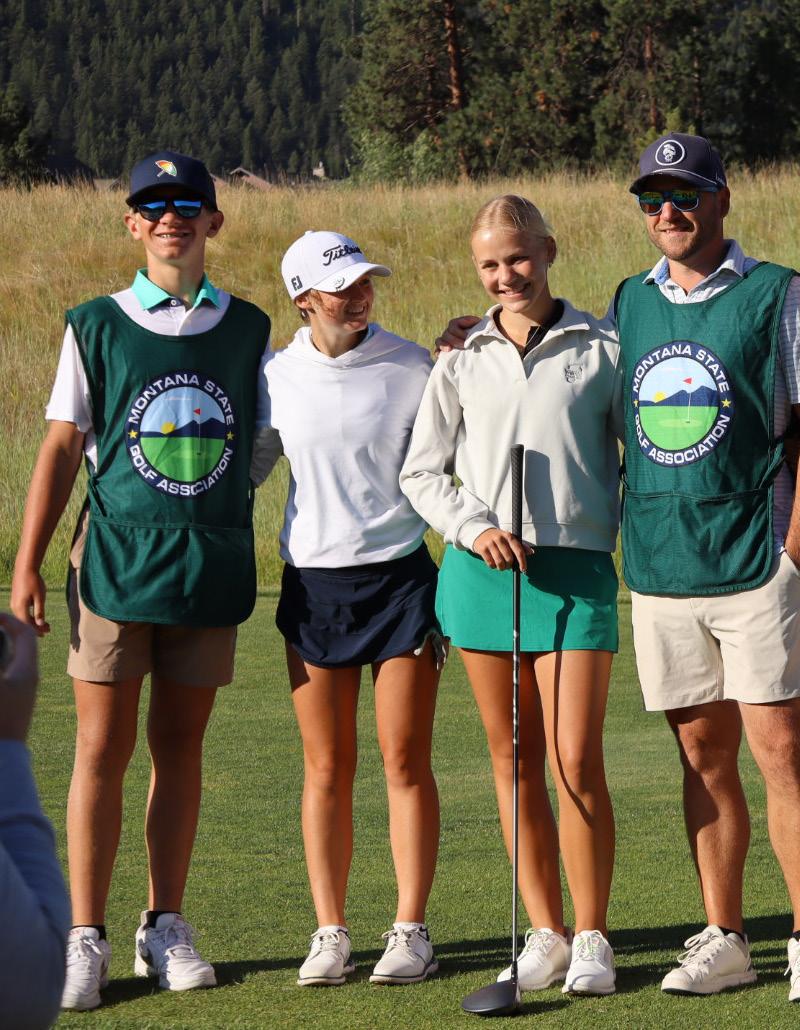
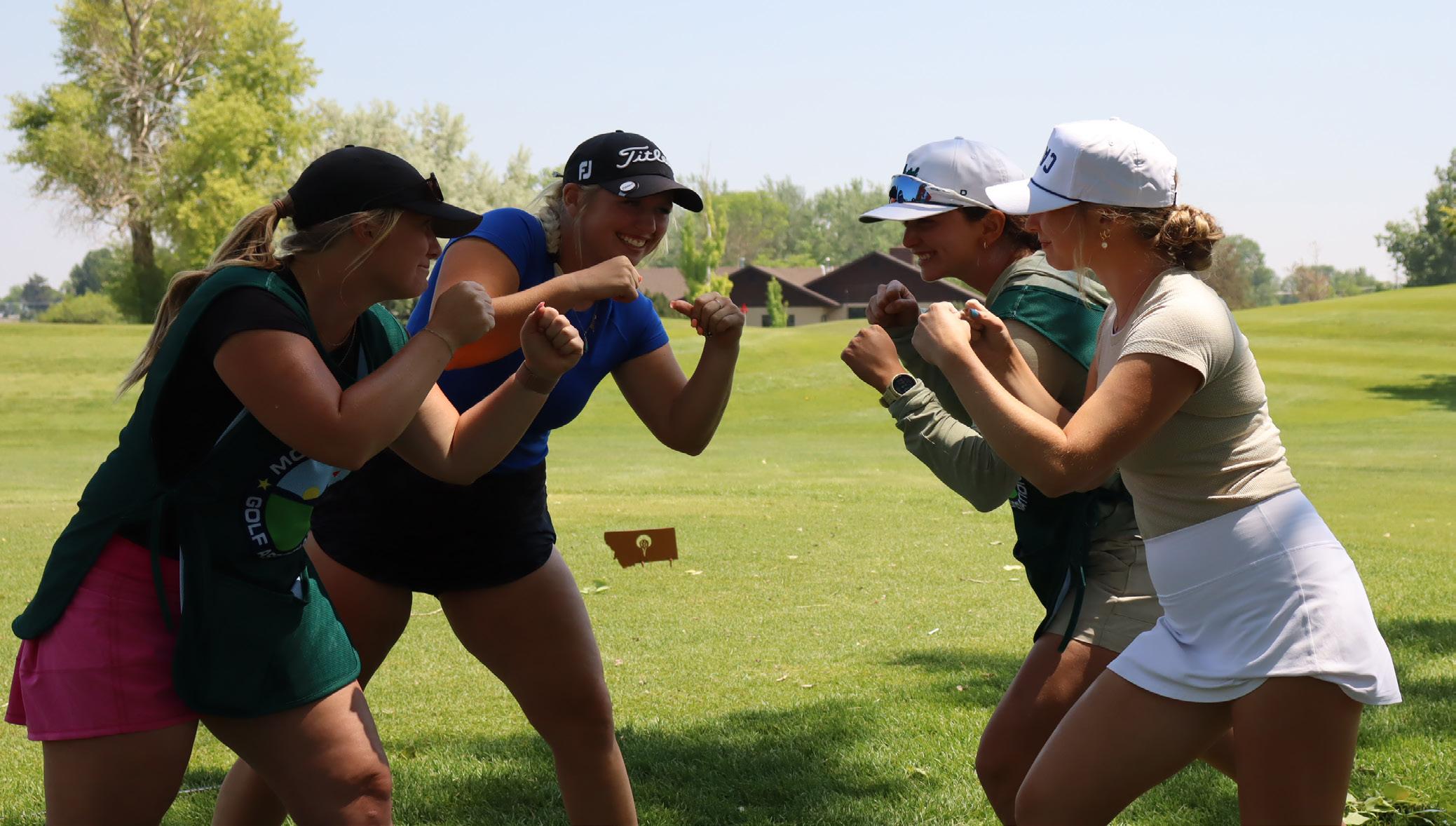


As I finished three days of the USGA/ PGA workshop and prepared for presenting the upcoming PNGA workshop, I want to share my key ideas for learning from the workshop and preparing for the exam.
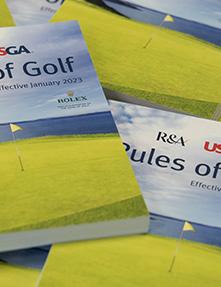
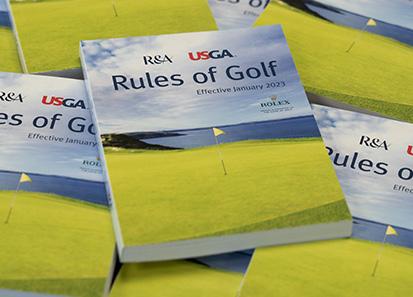
What is needed to be successful? The first thing everyone needs to have is The Official Guide to the Rules of Golf. This is the larger book and has the clarifications in it for each rule. Additionally, the USGA Rules of Golf App is a must have for assisting with learning and the exam. I would recommend a good highlighter, colored pens, and colored tabs to add to your Official Guide to the Rules of Golf book. Prior to class, I add small colored tabs to each of the rules for quick page reference. During class I highlight or underline key words or phrases emphasized during the presentation. Make it your rule book. Within the USGA App, the search feature will allow you to quickly find a topic and different rules which may apply to your situation.
Get to know your rule book. There are many different parts of the rule book, beyond the twenty five rules. One of the first areas to study is the Definitions. Here we learn so many of the terms which are used in our rule book. Obstruction, Loose Impediments, Stroke, Animal, Flagstick. Common words we use when playing golf and using the rules of golf, but is an insect a loose impediment or an animal?
The Areas of the Golf Course. When dealing with rules you must know where you are on the golf course. Did you know there are five areas of the golf course? The Teeing Area, Bunker, Putting Green, Penalty Area, and the General Area. Did you notice fairway & rough are not “areas”? They are treated equally in the rules of golf. You
are allowed more actions in the Teeing Area than you are in the Penalty Area. It is best to know where you are on the golf course when implementing the rules.
Rule Numbers. The rules are grouped in the book and it is helpful to know where to look. Each rule number will have subsections underneath them. If you have lost your ball into a Penalty Area, Rule 17 is for Penalty Areas. Rule 17.1a tells us the ball is in the penalty area when any part of the ball is touching the penalty area. Rule 17.1b, explains how we may proceed to either play our ball or take relief, along with any penalty to be added to our score. Additionally after the explanation of the rule, there is a Clarifications section. The clarifications provide examples of situations of how the rule should be applied. You do not need to memorize each rule and clarification, but familiarize yourself and know where they live.
Additionally, near the back of the book, is a section on Committee Procedures and Model Local Rules. These are areas we use when setting up our championships, such as when we want to allow Preferred Lies during the round. Will they be in the General Area or just in areas “mowed to fairway height or less.” This area might not be used on a day to day basis when playing golf, it is useful to know and understand for The Rules of Golf Exam.
Take Practice Exams. The USGA offers many customizable quizzes online at USGA Rules. These rules can be from 10-25 questions, Basic, Intermediate, or Advanced. When registering for an official USGA Workshop, it is highly recommended to complete their study guide. Outside the USGA, The Roving Official & The General
Area provide additional study material and questions.
Taking the Test. The first thing to decide is “Do I want to take the 80 question or the 100 question exam?” The 80 question exam is considered slightly easier and designed for first time test takers. This exam is great for anyone looking to earn advanced certification. Advanced certification will allow many people the opportunity to work for their golf association. The 100 question exam is for earning expert status and the opportunity to be a volunteer rules official with the USGA at one of their Open championships.
When the time comes to take the exam, it is divided into 2 parts: closed and open book. You will have four hours total to complete the exam. A key component to taking the exam is careful reading. What form of play is occurring, match
or stroke? What is the question asking for? Then read each answer, you may believe you found the correct answer, I always recommend reading all of the options. Two answers may appear very similar, with a key word changed. Finally, trust your instincts, don’t over think or add details which are not included in the question.
If you are interested in learning more about The Rules of Golf register now for the PNGA Rules Education, Tuesday & Thursday nights beginning February 10th. Please reach out to myself or Shanda Imlay if you have questions regarding the Rules of Golf or would like to assist with a MSGA Championship this year.



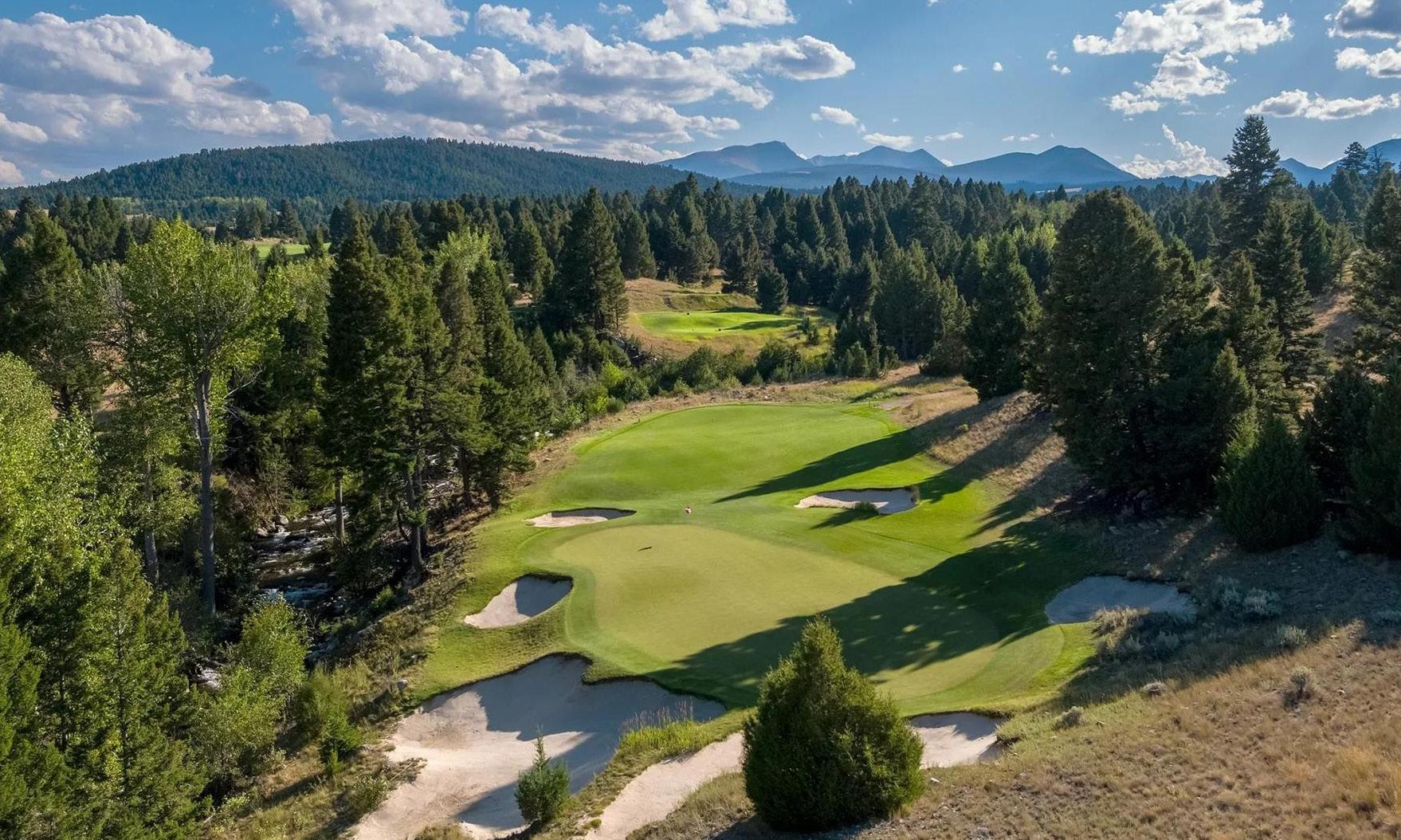
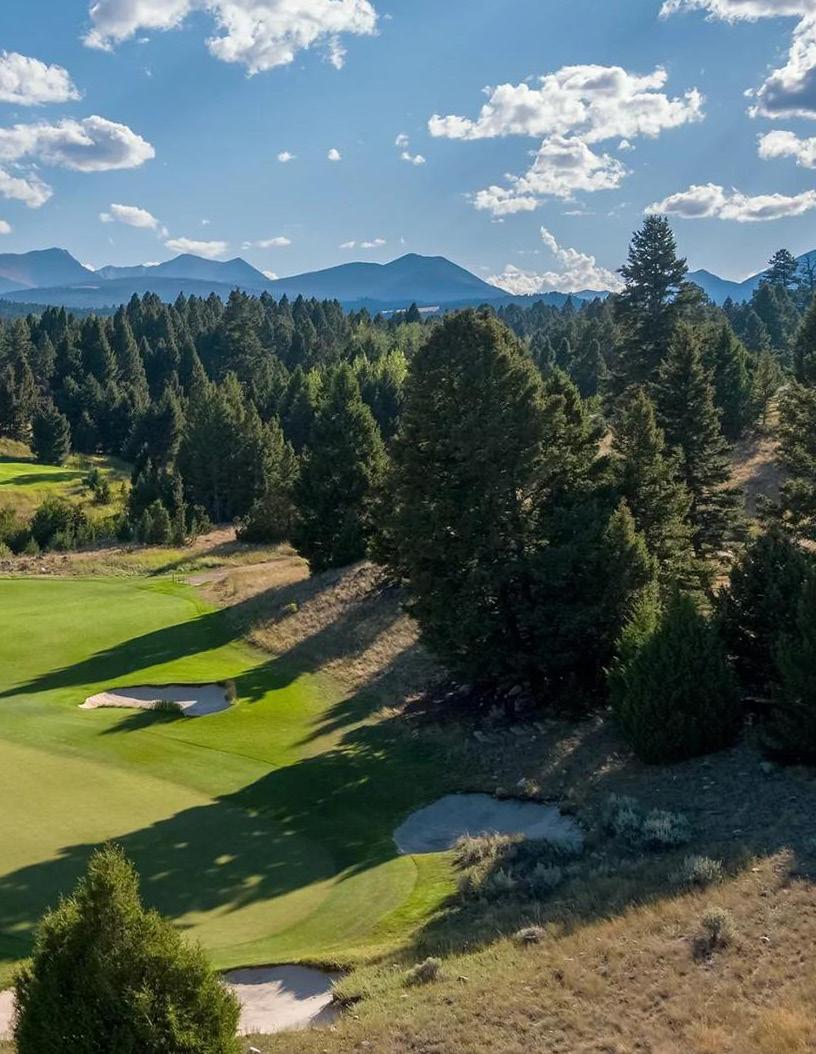
Each year the renowned Golfweek publication issues their list of Top 200 Residential Golf Courses in the nation. Hundreds of members of a course-rating panel evaluate courses throughout United States with a particular
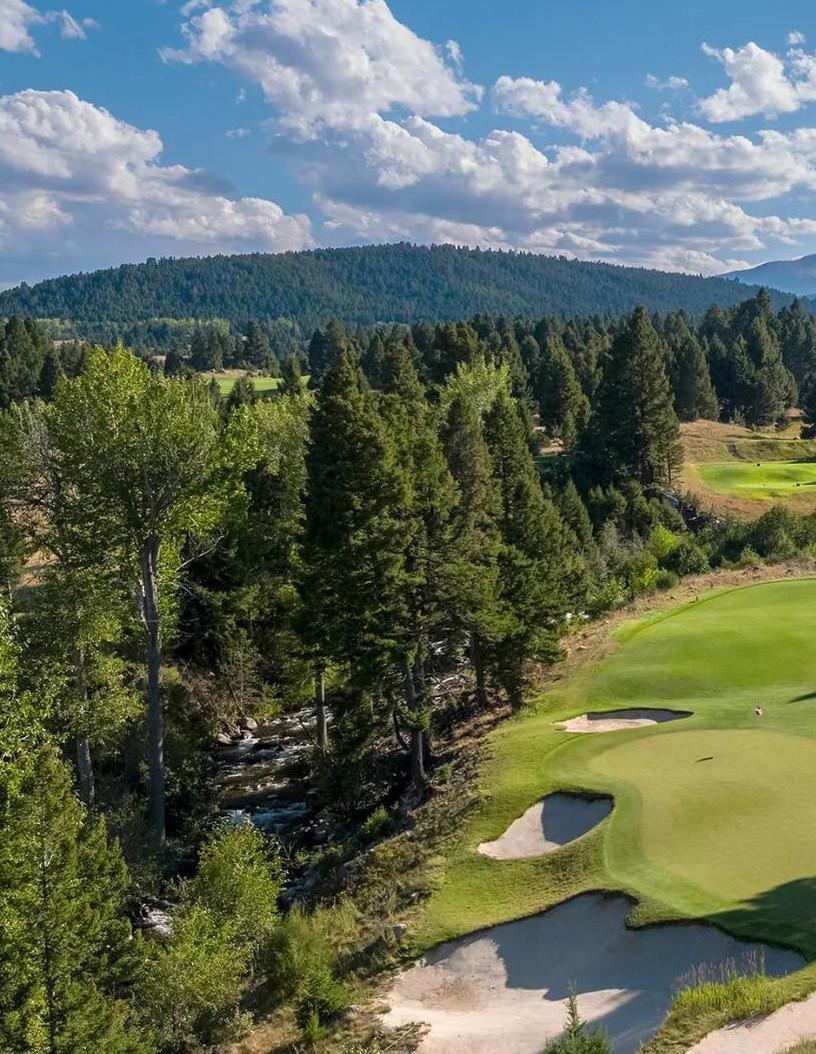
set of criteria in which a cumulative rating is produced. This year the Rock Creek Cattle Company came in second place for the second year in a row.
The Tom Doak designed course constructed in 2008 is certainly known in Montana as one of the premier golf locations in the state, a bucket list destination for many. Since opening Rock Creek has garnered national attention from a variety of sources, and continues to showcase the type of luxurious golfing experience that Montana can offer.
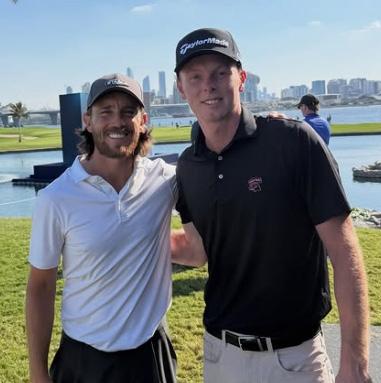

Libby’s Ryggs Johnston started off 2026 with a solid 33rd place showing at the Dubai Invitational held mid-January at the Dubai Creek Resort. He even notched the first holein-one of his professional career!
Johnston started off well with a -1 (70) first round in which he carded four birdies and stayed (mostly) consistent throughout the rest of the event. The second round of +1 (72) provided the hole-in-one excitement on the par-three eighth hole.
Making the cut, and playing well over the next two rounds, Johnston had a little trouble on the last hole of the tournament – putting a nine on the scorecard – but was still in good enough position to finish in the money, earning roughly $25,000 for his efforts.
Butte High School golfing standout, Chase Choquette, will stay in his hometown for college as he recently signed a letter of intent to play golf this upcoming fall for the Montana Tech Orediggers.
One of the top high school competitors in the state, Choquette notably took home the Schwartz Cup at the 2025 Montana State Amateur Championship held at the Missoula Country Club, an award given to the lowest scoring youth golfer in the field.
With the addition the Orediggers bolster an already talented men’s roster that is chalk full of Montana natives.


1. What is your favorite MSGA program and why?
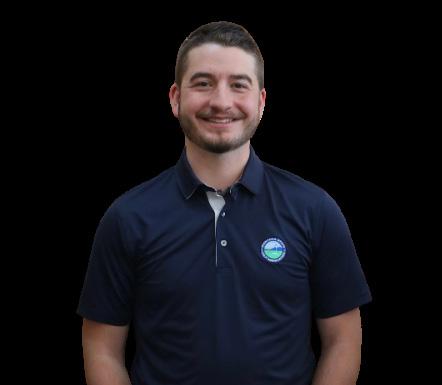
Junior golf is a great way for kids to get out on the course and realize their potential, and open doors to further growth in the game as they get older and improve their skills. There’s a big opportunity here in Montana to get even more of our youngsters involved, an example of which is our junior grant program!
2. What is your favorite memory as a golf administrator?
Among many, thus far in my experiences, has been the exciting privilege to tour and
teach clubs about technical things like the workings of the World Handicap System and how they can qualify to continue administering Handicaps to their members. I value being able to connect with our members here in Big Sky Country as well!
3. Who introduced you to golf?
My grandfather has been a member of Hilands Golf Club for many years, even serving on the board as President for a time. Growing up with opportunities to play with him on the wooded links in the Billings area was a key memory for me. Seeing the inner workings of the technical side of golf through my mom has also developed my interest in the sport over the years.
4. What’s the best part of your golf game?
If the question is the worst part of my game, I could write a whole page. But without claiming to be a professional by any stretch of the imagination, closing out a solid putt is a good possibility on my end.
5. What is your favorite course in Montana and why?
Working with our nearly 100 member clubs really makes me appreciate the scope of beauty and quality we can find around the state. Personal shout-outs include Pol-
son Bay GC, Meadow Lark CC in Great Falls, Green Meadow CC in Helena, Laurel GC, Hilands GC in Billings, and Forsyth CC to name a few.
6. What is a dream golf course you’d like to play once?
Pebble Beach, which my family has been to. (Jealous!) Shout-out to Bandon Dunes as well.
7. What is your dream celebrity foursome (living or dead)? Why would you choose them?
I don’t need celebrities; any combination of family and friends is more than good enough for me!.

8. What’s your most memorable moment on a golf course?
One of the furthest holes at Exchange City Par 3 in Billings borders a cemetery. While shanking a shot far into the cemetery, my buddy loudly shouts “dead ball!”. The obvious joke to make, but perfectly timed and executed nonetheless.
9. What advice would you give to beginner golfers?
Keep your cool! Golf isn’t always about brute force, but channeled focus. Don’t sweat the mistakes, we all make em!
Bonus: Lay up or go for it?
You'll never know if you don't try!



top or uppermost point.
To answer the question yes there is a height requirement and as long as the tee used was conforming no rules violation.
Now for the bonus... As a PGA Golf Professional I have been asked so many times through the years about the strategy for tee height so here is my simple guideline for tee height
Driver: My classic advice for the driver is to place your driver on the ground next to the teedup ball, roughly half of the golf ball should be visible above the top of the driver’s crown.
Here’s how to do it. Push your tee into the ground with the ball on it. Place your driver head flat on the ground right next to the ball, as if you were at address.
Look at how much of the ball sits above the top line (the crown) of the clubhead. Adjust the tee up or down until about half the ball is over the top.
This position encourages the ideal impact point, slightly above the center of a clubface that is moving slightly upwards.
This combination is what produces that high-launch, lowspin trajectory that seems to hang in the air forever.
Fairway Woods and Hybrids: These clubs are designed differently from drivers. Their center of gravity is lower, and they are built to be hit from the fairway. When you tee them up, your
goal is to replicate a perfect, fluffy lie in the short grass, not to launch it like a driver.
My classic advice for fairway woods and hybrids is to just tee barely off the ground. A good checkpoint is to have no more than a quarter-inch of tee showing, resulting in just the lower third of the ball being just above the grass. You absolutely do not want half the ball above the head of a fairway wood.
Teeing a fairway wood too high is a common mistake and leads to shots hit high on the face. At best, this causes a loss of distance, at worst, it’s a popup that goes nowhere. The idea is to approach the shot with a "sweeping" motion. You want the clubhead to clip the ball cleanly from the top of the tee. Using a very low tee just gives you that margin for error for perfect contact.
Should you use a tee for your irons on a Par 3? The answer

is yes, always! A golf swing is difficult enough we need all the help we can! Using a tee guarantees a perfect lie every single time. So my question is why wouldn't you take that advantage?
The Golden Rule when teeing up an iron is as low as possible, push the tee almost all the way into the ground. You want the bottom of the golf ball to be just a hair above the blades of grass.
Final Thoughts: Mastering tee height is about matching your setup to your intention. Tee the driver high with the intent to launch it on an upward path for maximum distance. Tee your woods, hybrids, and irons very low to give yourself a perfect lie without changing your swing.
Taking a few extra seconds in the teeing area to get this right will pay off with better contact and more predictable results.

"In a college dual match, two identical balls finished inches apart in the rough. The players discussed which was whose. Both agreed. One player hit her shot beautifully onto the green only to discover moments later she’d hit the wrong ball. She argued: “But we BOTH agreed it was mine!” Does mutual verbal agreement change the wrong ball penalty?" Lily T.
First, we have to understand that we are playing match play, not stroke play! Rule 20.1b says players in a match are allowed to agree on how to decide a rules issue/dispute. Furthermore, if the agreement turns out to be an incorrect application of a rule, so long as the players didn't agree to ignore a rule or penalty they knew applied, then the agreement stands.



BY LOGAN GROENEVELD-MEIJER
AN ARTICLE FROM THE PNGA
Well-versed golfers, particularly those just east of the Cascades, might be familiar with a single-syllable last name that’s wholly indicative of pure golf passion.
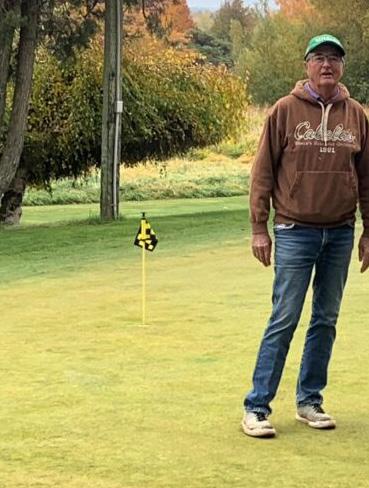
That name is Crimp, and that reputation is well-earned. Leading operations at Ellensburg (Wash.) Golf and Country Club in that town are 75-year-old twin brothers Keith and Frank Crimp, who have done so since 1985. In those four decades, the golf course blossomed into a family business in the most traditional sense.
Frank maintains his longtime role as the club’s PGA Head Professional, alongside his daughter Kathryn, who just entered the PGA Professional program and is now the club’s assistant pro. Keith’s son Matthew is head superintendent, who is assisted by Frank’s son, Robert. Any of those family staffers can give a firm indication of what the place has meant to them throughout their lives.
“I was constantly surrounded by golf,” said Kathryn, 24, of her upbringing in and around the local course. “My earliest memories are of going out to the golf course with my parents.”
Indeed, Keith and Frank are originally from Ellensburg, and Keith said they “did everything together, growing up.” Taking up sports like baseball and golf, they each played four years of the latter together at Central Washington University in their hometown, despite their high school not having a golf team. Throughout their high school and college years, both twins served on the grounds crew of the course they’d eventually come to own.
The buying opportunity came in 1985 when the then-35-year-old twins noticed the local
chapter of the community service-oriented Elks Lodge had listed the course – one of two it owned in the area – for sale. Keith and Frank eagerly made a bid and were the only ones to do so. Their initial offer was declined, but after more time passed and little additional interest arose from elsewhere, the Elks accepted an increased offer from the Crimps.
The brothers suddenly found themselves in possession of a golf course that was originally designed with elements wholly indicative of its humble charm.
“The course had originally been built by local farmers,” Keith said of the place’s formation. “It had sand greens, and sheep grazed the fairways.”
Keith had taken on the project right in the middle of his career as a schoolteacher at Sunnyside high school, which spanned 25 years from 1976-2001.
Once he stepped away from that life, and his schedule became primarily focused on his golf course, Keith hit the ground running to make his golf course sparkle.
The premises originally had five bunkers; Keith designed and integrated 34 more himself. He added a new irrigation system and built 12 new teeing areas.
“I can’t sit still,” Keith said of his own determination at the time. “So, when I retired from teaching, I started doing all the upgrades on the course.”
As the decades went by, the Crimps’ leadership led to popularity and attention of the golf course beyond just the Ellensburg population.
“When we bought the course, it was about 80 percent local club member play,” Keith said. “Now, it’s flipped, so that we get about 80 per-
cent play from people outside the area.”
Still thinking of the locals, the course offers discounted rates to Central Washington University students, at times of the year that specifically align with the school’s academic quarters.
“We’re really proud to be able to offer affordable golf to the community,” Keith said.
In addition to his own co-ownership of the course, the always-moving Keith has not lost his competitive spirit. He became eligible for super senior competition 10 years ago but still elects to compete in WA Golf and PNGA Senior Championships, as well as Mid-Amateurs. He has a total of four state titles, the most recent of which came in 2020, the year he turned 70.
“My uncle was always the better golfer between my dad and him,” Kathryn admitted of Keith, adding a memory of how she was once
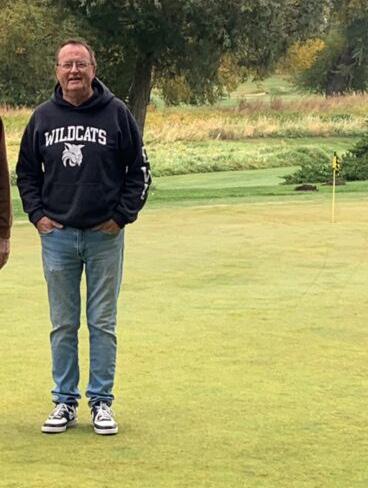
picked up from school early to see him finish the final few holes of a tournament. “He may be 75 years old, but he’s the best at our golf course. He’s so accurate, so consistent.”
Keith’s longtime presence around the game can be reflected in coincidental moments, too, like it did at the 2025 PNGA Men’s Master-40, when he was put up against Jeff Widdows, a former student of his.
As passionate as ever, Keith couldn’t be happier to have his brother, and so many others bearing the Crimp name continue to lend their service to what they’ve all built for decades.
“Owning the golf course has provided so many wonderful experiences for my family,” said Keith. “It has kept the family close, both personally and geographically.”
And it will continue to do so.

BY BRADLEY S. KLEIN RETIRED SUPERINTENDENT
Superintendent John Carlone, recently retired after 40 years in the business, recalls the title of a GCSAA seminar he attended years ago that provided some of the most valuable lessons he ever encountered. It was called “Hold Your Tongue, Hold Your Job.”
“The point of the class,” he said, “was to make sure you treated people tactfully, and that you did not reveal what you actually thought about whatever they had to say.”
Over the years, added Carlone, he learned never to argue with a golfer who presented an idea or complaint. “No matter how crazy or how absurd,” he said, “I tried to respond with something helpful that showed them I was listening and taking them seriously.”
That’s easier said than done given some of the feedback golfers come up with and the steady drumbeat of suggestions from armchair agronomists that bedevil a typical superintendent. Golfer complaints about course conditions can be nerve-racking at the least, and sometimes a real threat to a superintendent’s job security. Handling them effectively takes more than discipline and tact, you need to have a strategy and a larger analytical perspective on the nature of golf course operations.
Remember the 90/10 rule.
For starters, the old “90/10 rule” is relevant here. At most courses, the vast majority of golfers are reasonably happy, or at least quiet. Roughly 90 percent of the unrest emanates from about 10 percent of the golfers.
This seems to be a consistent ratio for many businesses, with the additional proviso that golf contributes to the frustration level of its participants like few other activities, and the unhappiness that comes from bad shots often gets directed outwardly rather than articulated as self-criticism. Someone is at fault for the failures encountered during a round. For many golfers, it might as well be the person responsible for setting up the playing field. It’s important for superintendents and golf facility leaders to keep the 90/10 ratio in mind so they don’t overreact to the loudly voiced grievances of a relatively small number of customers.
Avoid reverse exposure.
Running a golf course is firmly planted in the hospitality and service industry. Like many other service businesses, the bulk of customer interactions don’t typically happen with department leaders who are best prepared to answer questions or receive angry complaints – it’s often whomever happens to be manning the counter at the golf shop or the first maintenance staff member that drives past an unhappy player. This creates an information gap where the initial concerns a golfer might have about course conditions do not get an appropriately informed response. The result can be misunderstanding and a perceived accountability vacuum.
Establishing well-known lines of communication for golfers to reach the superintendent can help alleviate this issue, and many superintendents are proactively making themselves visible and available on the course throughout the day so they can connect with golfers and answer any questions or concerns. Handling
complaints on the fly might not necessarily be enjoyable, but it gives the superintendent an opportunity to better understand the issue and either explain it or assure the golfer that steps will be taken to address it. You can even hop in a cart and go check out the problem together. Defusing issues on the spot is much better than letting them get amplified over a few drinks in the bar after the round.
Handling complaints and questions about course conditions successfully requires a unified front across golf course departments. That means having the general manager, golf professional and superintendent on the same page publicly. If golfers perceive any breach in that formal unity, there is sure to emerge the kind of subterranean grumbling that leads to dissension and unrest.
Well-run courses provide a unified message
to the customer regardless of any differences of opinion that get expressed in department meetings. Weekly conferences among department leaders also help, ideally on a rotating basis in the respective offices of the main characters. It’s great for the superintendent, golf professional and general manager to play golf together from time to time, or visit neighboring courses to see how they operate. This builds comfort, strengthens lines of communication and helps the leadership team handle problems smoothly. The goal is not for the general manager or the head professional to become an agronomic expert, or for the superintendent to become a sommelier, it’s just to make sure everyone is on the same page. This is especially important when it comes to planning infrastructure upgrades or major renovations, because the disruption that comes with these projects is bound to produce more than the usual amount of grumbling.
The leadership team needs to present a
common front and share relevant information with customer-facing staff so that a clear, simple and affirmative message is conveyed consistently. Otherwise, chronic naysayers will exploit perceived gaps. The USGA Green Section did a podcast featuring the superintendent and head golf professional at Southern Hills Country Club in Oklahoma that covers the importance of a unified front in great detail.
You can’t please everybody.
Everything from routine decisions about course maintenance to plans for much-needed infrastructure improvements can be derailed by a few negative voices – often it’s the same voices again and again. It is up to the facility leadership to distinguish legitimate concerns from the kind of narrow-minded objections raised by people who find fault with everything or who have a personal agenda that doesn’t match the long-term best interests of the course. Decision-makers often spend an immense amount of time responding to the concerns of what can only be described as perpetual whiners. In the process, they can lose focus on sound planning and everyone suffers. It’s important for people to be heard, but the priorities of long-term planning and daily decision-making can’t be driven by the whims of a few grumps.
Outreach is important.
When you get golfers in a room to discuss matters related to course maintenance or renovations, it can be striking how unfamiliar they are with some of the basic considerations. That usually applies to owners, boards and committees as well. Superintendents need to recognize this even if the golfers don’t. Be proactive with your education efforts and keep them simple.
A membership forum or smaller focus group can be a very instructive venue for educating rank-and-file golfers about course conditions, maintenance practices, and the long-term needs of a facility. Including outside experts in these meetings helps reinforce important messages. The key is to prevent these sessions from getting hijacked. An open bar is never conducive to rational discourse, and it’s good to have some supportive and influential golfers ready to pose questions that advance a productive discussion.
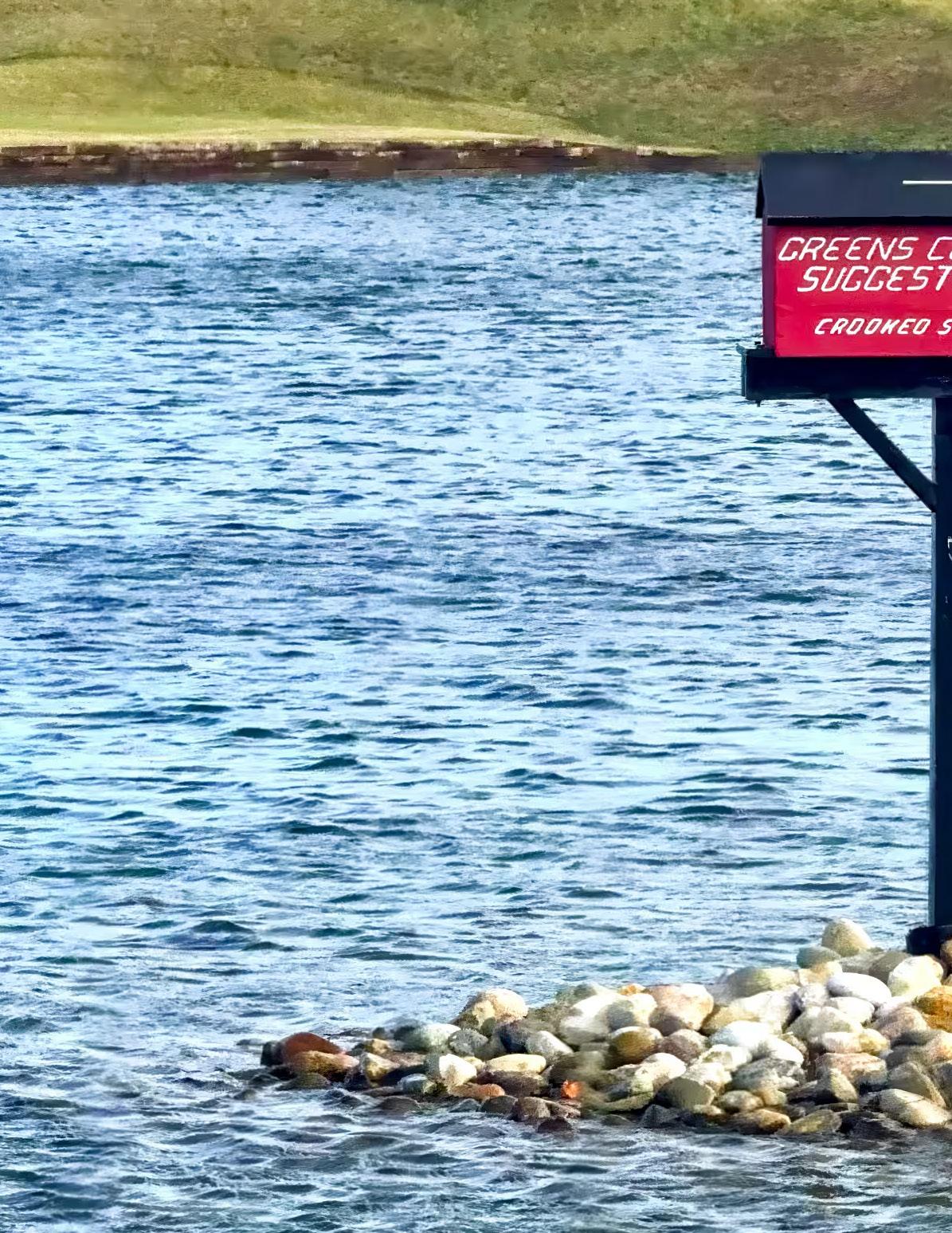
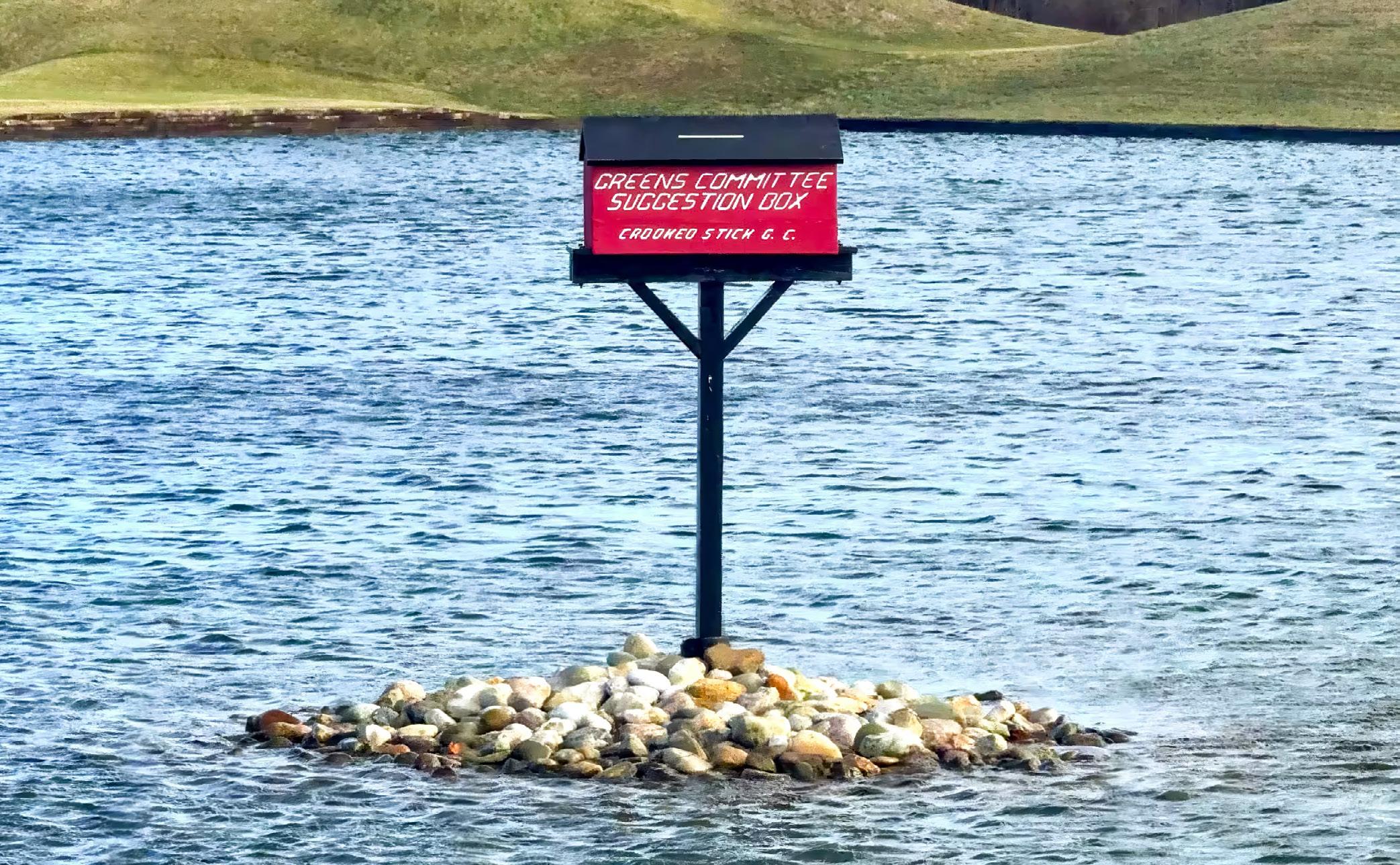
Listening carefully and taking concerns seriously is always the best approach – with the qualifying note that not all concerns merit an explanation of the same detail and nuance. Of course, there is always the approach taken at Crooked Stick Golf Club in Carmel, Indiana, where a suggestion box welcoming comments sits on a pole in the middle of the lake alongside the 18th hole.
One thing is for sure: The fine art of dealing with complaints is a far more sophisticated craft than simply pretending to listen.