Every so often, golf gives us something bigger than a leaderboard.
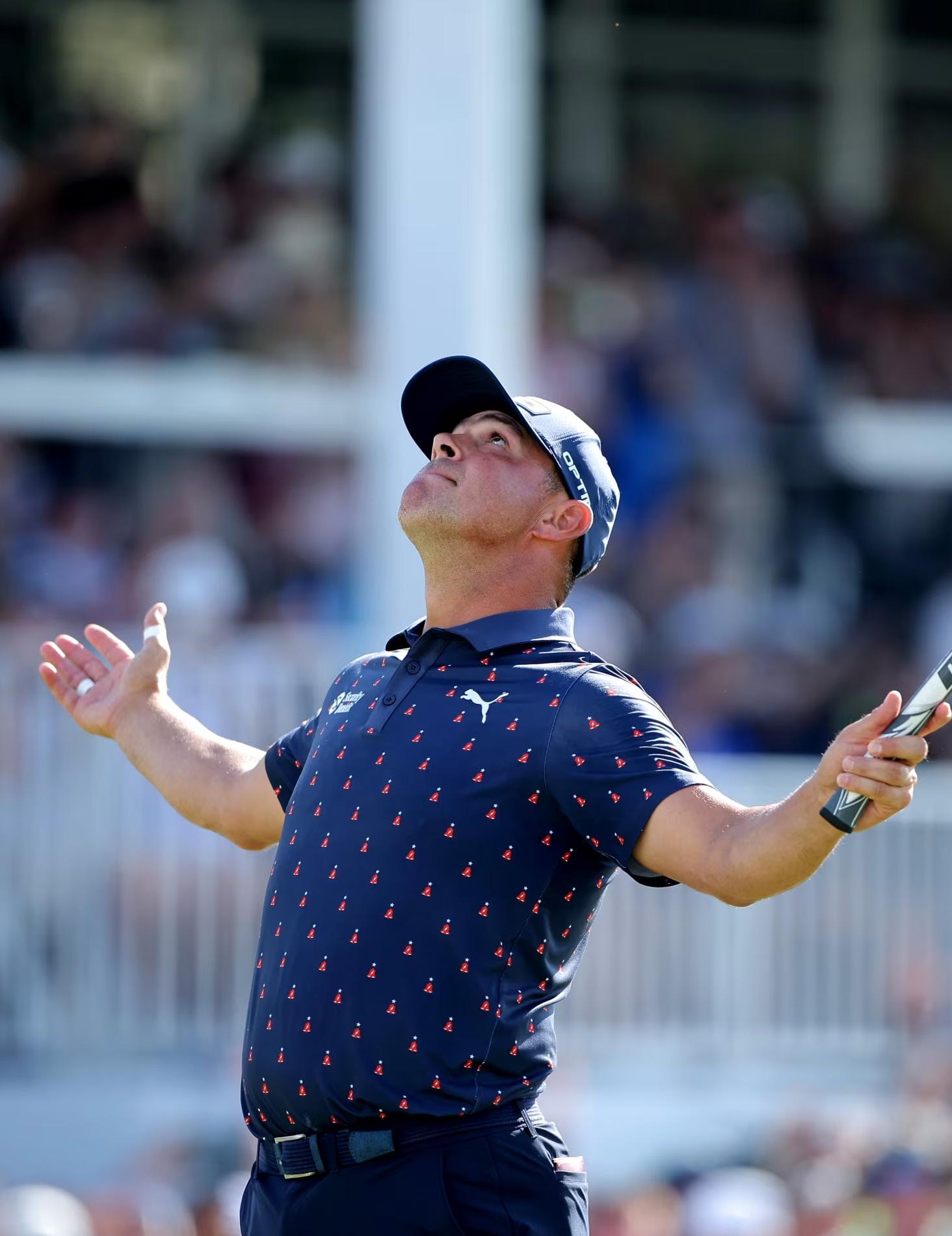
Recently, that moment belonged to PGA Tour player, Gary Woodland. Perhaps you’ve followed his journey or maybe his story just entered your news feed this past Sunday.
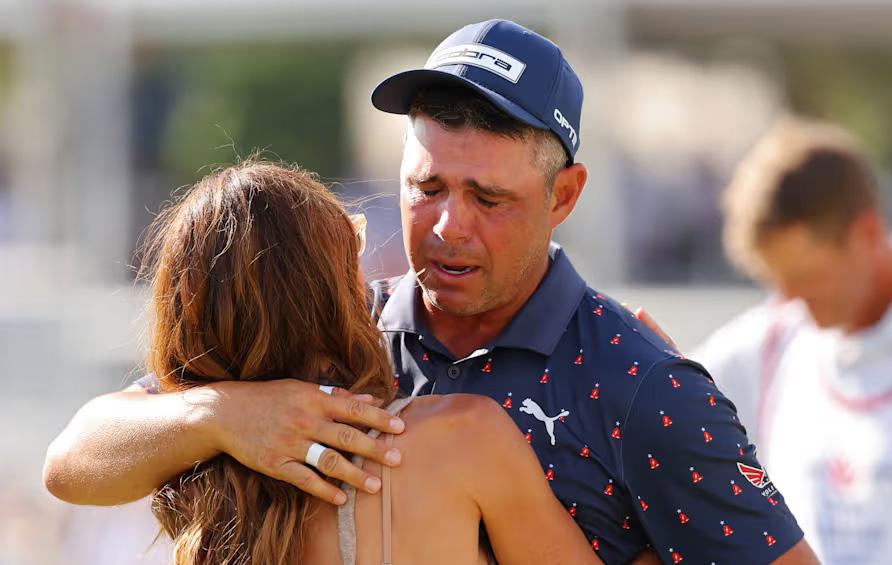
If you saw it, you probably felt it. The win. The emotion. The release. But the part that stuck with me wasn’t another trophy or a large purse for an already decorated golfer—it was everything that led up to it.
Over the past few years, Woodland has battled a brain tumor, undergone surgery, and more recently opened up about dealing with post-traumatic stress (PTSD). While returning to the PGA Tour, he had galleries full of support and encouragement for every shot. But while he could hear it, he didn’t feel it.
At one point, he described his feelings: “I appreciate that love and support. But inside, I feel like I'm dying, and I feel like I'm living a lie.” Woodland reiterated the challenge of trying to be inspirational, while also staying focused on his own goals. "I want to live my dreams and be successful out here. But I want to help people, too. I realize now I've got to help myself first.”
And yet, there he was—back in the winner’s circle. This time with a message: “Anyone struggling with something, I hope they see me and don't give up. Just keep fighting.”
And it hit me that this is exactly what golf asks of all of us—just on a different scale.
Because let’s be honest, this game can wear you down.
You can feel great about your swing on the range and lose it by the third hole. You can put in the time, care deeply, and still walk off the course wondering what just happened. It has a way of humbling you right when you think you’re close.
And that’s just the golf part.
Add in everything else we’re all managing—work, family, health, the day-to-day— and it’s no surprise that sometimes the game feels heavier than it should.
But here’s the flip side, and maybe the reason we all keep coming back:
Golf also gives us perspective.
It reminds us that progress—like most of our golf shots—doesn’t take a straight path.. That control is limited. Some days, the win is simply showing up, getting outside, and being part of something we enjoy, even on the days it doesn’t feel like it.
Woodland didn’t find his way back because things suddenly got easier. He found it be-
cause he stayed in it. Through uncertainty. Through frustration. Through moments that would have been completely understandable to step away.
That kind of perseverance—it’s not just a professional’s story. It’s the fabric of the game.
What also struck me was the timing—he had just recently shared his struggles with PTSD more publicly, including how difficult galleries and attention had become. It was a heartbreaking account, but perhaps in sharing it, some of that weight lifted—allowing him to swing a little freer and play his best.
Gary Woodland’s story is one we can appreciate—hopefully not one we ever have to replicate. Hopefully none of us has to have brain surgery. More than likely, none of us are going to play on tour. It’s about finding our own goals and using golf as an outlet— something that is equal parts meaningful and
meaningless.
As we begin another season, we hope that you’ll use the tools available to you through your membership, like the GHIN app to post scores, track progress, and stay connected to your goals.
You may be trying to break 100 for the first time. Looking to make the final group at your club championship or maybe win more matches than you lose in your weekly golf league.
Whatever this year’s goals are, somewhere along the way, I think we all need the reminder:
• This is supposed to be fun.
• Not perfect. Not stress-free. But fun.
• Fun in the every day challenge.
• Fun with the people we get to tee it up with.
Fun in those moments where everything clicks—even if it’s just for a few holes.
I became a Gary Woodland fan when the story of his friendship with Special Olympics golfer Amy Bockerstette was publicized during his victory at the 2019 U.S. Open.
Woodland’s likability became further entrenched in the hearts of many golfers as his struggle through brain surgery and recovery was documented in Netflix’s Full Swing, Season 2.
Gary Woodland is an elite athlete—a twosport collegiate athlete (basketball and golf). While everyday golfers may not relate to his prodigious power off the tee, we can also be amazed by the other characteristics he has displayed off the course.
The reality that life doesn’t pause for golf— but golf can still be a place we go to reconnect with ourselves and others. Many of our members have gaps in their playing record as they manage the challenges of life, but golf is a lifetime sport and we hope one that you get to play later in life.
So as we get deeper into the season, I’d encourage all of us to keep balance in mind related to our own golf games and our lives.
Care about your game. Compete. Try to get better.
But also enjoy the serenity of the walk, the laughs in the cart with friends. Don’t let one bad hole—or even a bad round—take more from you than it should.
Because at the end of the day, the scorecard fades.
What sticks is the experience. The relationships. The perspective.
And if we’re doing it right, golf gives us all three.

BOARD OF DIRECTORS - OFFICERS
PRESIDENT................................................... Peter Benson
VICE PRESIDENT.................................. Ron Ramsbacher
TREASURER....................................................... Bill Dunn
PAST PRESIDENT......................................... Mary Bryson
EXEC COMMITTEE......................................Joe Rossman
BOARD OF DIRECTORS
Ross Bartell, Peter Benson, Carla Berg, Marshall Bettendorf, Mary Bryson, Brandon Davidson, Bill Dunn, Cheri Ellis, Lisa Forsberg, Marcia Hafner, Susan Haskins, Jeri Heard, Katy Peterson, Ron Ramsbacher, Joe Rossman, Rod Stirling
MSGA STAFF
Executive Director......................................... Nick Dietzen
Tournament & Player Dev. Director.............. Tim Bakker
Membership Operations Director............... Emily Hulsey
Member Services Manager.............................. Ian Hulsey
Marketing and Branding Director................... Katie Fagg
Communications Manager.............................. Ty Sparing
Partnerships & Business Development...... Nick Dietzen
Nick Dietzen.............................. 1 (800) 628-3752, ext. 6
406GOLF STAFF
Editor in Chief............................................... Nick Dietzen
Senior Writer..................................................... Ty Sparing
Graphic Designer................................................Katie Fagg
Contributing Writer.........................................Tim Bakker
Contributing Writer......................................Shanda Imlay
Contributing Writer.........................................Shane Rene
Contributing Writer...................................Danny Vohden
Contributing Writer....................................Frank Talarico
Contributing Writer.........................................Peter Grass
Contributing Writer...........................................Julia Pine
Contributing Writer.....................................Ross Niewola

Montana State Golf Association P.O. Box 4306 Helena, MT 59604
1 (800) 628-3752
www.msgagolf.org




BY DANNY VOHDEN
Tracking your group’s match is easier thanks to the games and score-keeping feature on the USGA’s GHIN app presented by Sentry.
Available free to all Golf Handicap and Information Network® (GHIN) users, the easy-to-use digital scorecard allows you to keep hole-byhole scores and track a match for your group in one central location so that everyone can focus solely on their games.
At the end of the round, a user can seamlessly transfer each player’s scores to their
GHIN app for individual review and posting.
“GHIN innovation continues to enhance the enjoyment of the game in a way that’s simple and accessible for every type of golfer,” said Gareth Londt, USGA managing director of Product, Data & Technology. “This latest update is one of the most significant to date in terms of elevating the experience of everyone playing together in a group, while still providing the ability to post individual scores for your Handicap Index.®"
Below are three ways to use the new feature:
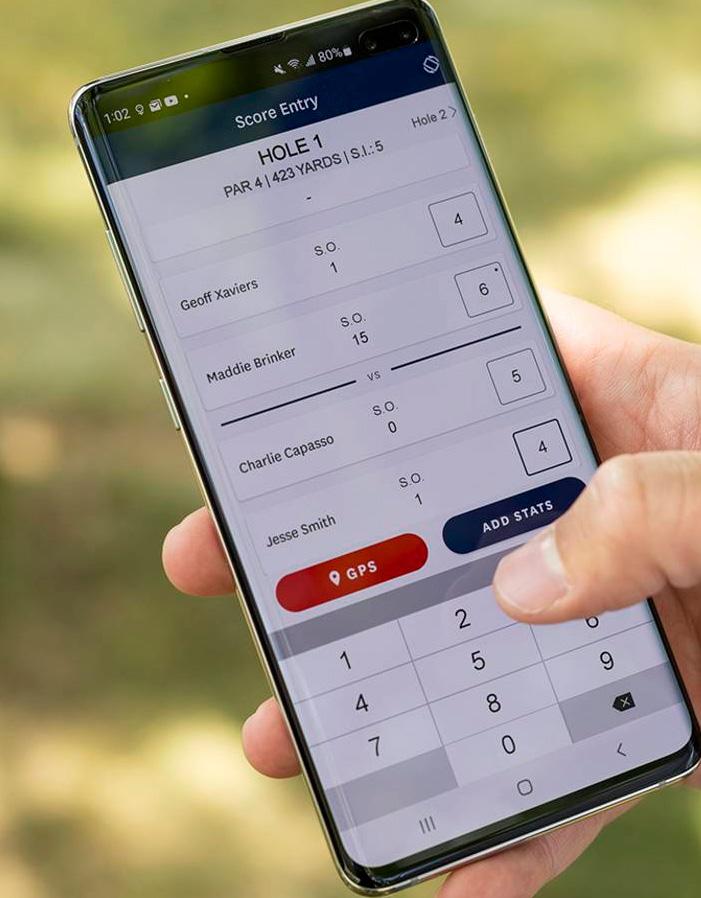
• Set up a game: Calculate handicap strokes for each person playing in the group on one digital scorecard.
• Track your match: Always know where the match stands with holeby-hole scoring.
• Transfer scores: Easily transfer scores to players in your group after the round for individual review and posting.
The USGA's GHIN app presented by Sentry can be downloaded to any mobile device via the App Store or Google Play.

BY SHANE RENE
IDAHO GOLF ASSOCIATION
Ever since the advent of televised golf in color, the bright pink azaleas and towering loblolly pines that frame an immaculate ocean of turf at Augusta National Golf Club have symbolized a budding golf season. It’s a tradition, they say, unlike any other — a weekend when golfers across the country trade tee times for couches in anticipation of an annual dose of history.
But every year, within a few days of the Green Jacket finding fresh shoulders, millions of those spectators — golfers from Buffalo to San Diego — return to their home clubs for a more subtle moment on the golf calendar.
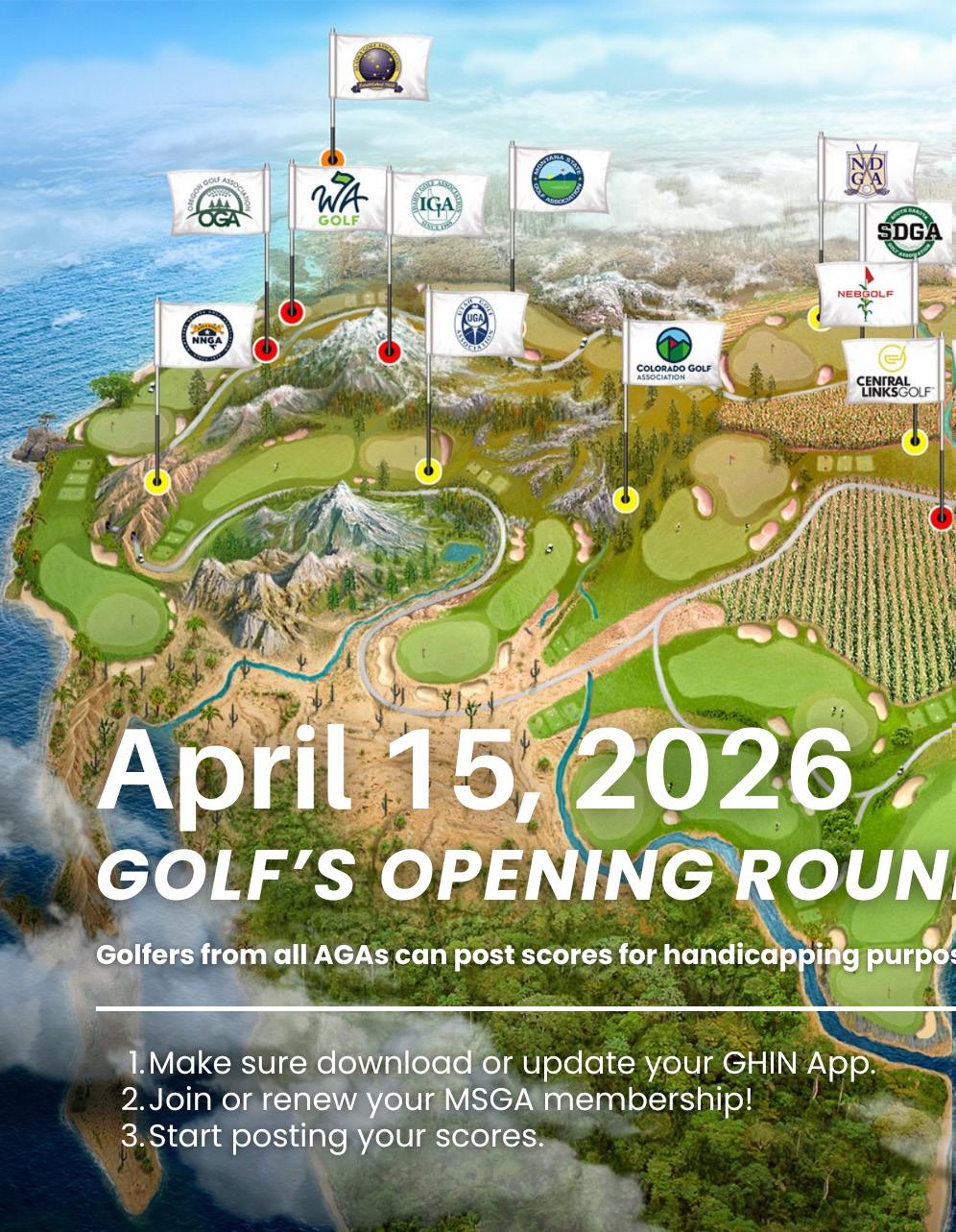
April 15 marks what the USGA has dubbed “Golf’s Opening Round” — the day that handicap holders can post a score at every rated golf course in the United States. Idaho’s posting season opened March 1, states like Florida and Arizona are always posting, but today is the day American golfers can
collectively celebrate the beginning of a new season. And as Masters week falls into the rearview mirror, Golf’s Opening Round is a reminder that the beauty of this game lives and dies with its participants.
Unlike football, baseball or basketball, the golf industry stands on the shoulders of people who are decidedly bad at the thing. The money does not flood around stadiums and superstars; it does not rely on jersey sales and media rights. The golf economy roots itself in every nook and cranny where grass will grow; it relies on hand-me down clubs and hot dogs at the turn, greens fees that support municipal parks departments and public golf courses. It’s the game the welcomes everyone out to play.
When we consider which sports attract the most attention, golf’s participant-first nature is easy to overlook. SportsCenter won’t come calling when you card your personal best this year; your local paper is unlikely to write a story about your first holein-one. But the memory of
those moments lives within the communities that play this game — stories told in living rooms and kitchens, over the phone with friends and family who share a soft spot for a good walk spoiled by a little white ball.
The World Handicap System is something of a monument to that community. It’s a tangible infrastructure that connects recreational golfers across the globe. Since 1911, when the USGA first adopted a national system of handicapping, American golfers have enjoyed a growing network of like-minded players who can compete on level ground. And after more than a century of development and refinement, the World Handicap System emerged, bringing a world full of golfers closer together than ever before.
So, this year, as you head out to fill your scoring record with scores from 2026, take a moment to reflect on the community you find yourself a part of — because this game thrives on those who play without pay.
Because we are inherently different — it’s woven into our very DNA. Flipwedge was born from the mission: to serve the member and grow the game. We believe the golf community is a deeply interconnected ecosystem—of golf associations, OEMs, green grass facilities, and PGA Members--where each stakeholder’s success is linked to the others. By dedicating ourselves to the service of one another, we elevate the entire industry.
Our commitment is to foster the game’s growth by supporting every individual and organization that contributes to it. We deeply value the essential role PGA Members play in shaping the future of golf, and we recognize the indispensable contributions of our allied associations to our shared success. At Flipwedge, our purpose is to champion the prosperity of our partners and customers alike.
It’s no coincidence that our guiding principle is: For the golfer. For the game.
At Flipwedge, we view golf not merely as a sport, but as a transformative experience— physically invigorating, socially enriching, and emotionally fulfilling. Our mission is rooted in the belief that golf should be accessible to everyone, regardless of age, gender, or socioeconomic background. To realize this vision, we focus on dismantling the three primary barriers to participation: access to affordable
equipment, quality instruction, and playable facilities.
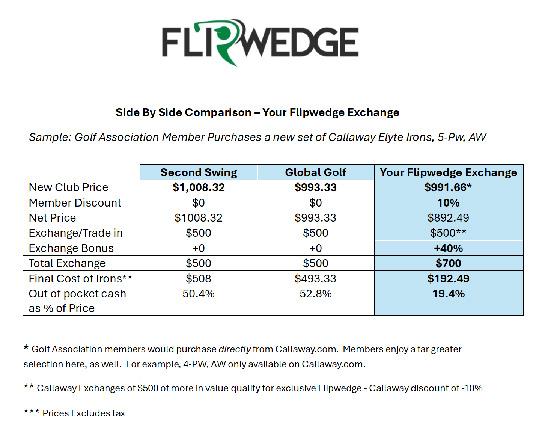
Our core strategy directly addresses the most immediate obstacle—affordability of equipment. As a dedicated purveyor of high-quality, pre-owned golf gear, we proudly offer the internet’s most competitively priced used golf clubs. We intentionally do not sell new equipment. Instead, we empower our customers to choose what's right for them, while guiding those seeking new gear toward our trusted partners—world-leading golf manufacturers—through incentivized referral programs.
Simultaneously, we engage in strategic partnerships with PGA Sections and allied golf organizations to expand access to instruction and facilities. These collaborations allow us to amplify existing outreach programs and promote diverse opportunities for public engagement in the sport.
In addition to supporting industry-wide efforts, Flipwedge has developed proprietary initiatives to foster inclusivity. A flagship example is our Build a Bag (BaB) program. Through this initiative, PGA Members can refer individuals who lack the means to obtain equipment. Upon referral, participants can select a custom set of six clubs—completely free of charge—via the Flipwedge website. Equipment is distributed through partnering PGA facilities, First Tee chapters, Section offices, or local community centers.
Build a Bag: A Purpose-Built Program Designed for Lasting Impact
At the heart of Flipwedge’s commitment to growing the game is our flagship Build a Bag (BaB) program—a first-of-its-kind initiative designed not merely to donate equipment, but to thoughtfully integrate new golfers into the fabric of the golf community.
What makes Build a Bag truly unique is its member-led, community-rooted design. Rather than operating as a traditional giveaway or anonymous donation model, BaB empowers PGA Members to identify and refer individuals who face financial barriers to participation. These are students, juniors, veterans, and community members whom PGA Professionals already know, teach, and mentor—ensuring that equipment is placed directly into the hands of individuals who are both eager and supported in their journey into the game.
Once referred, participants receive access to a curated, digital Build a Bag experience on the Flipwedge platform, where they select a custom six-club set at no cost. This approach restores dignity and agency to the recipient— allowing them to actively participate in the process rather than passively receive donated goods. Equipment is then fulfilled through trusted PGA facilities, Section offices, First Tee chapters, or community partners, reinforcing the local connection that is so essential to sustained engagement in golf.
Beyond the individual golfer, the program is intentionally designed to strengthen the entire golf ecosystem. By keeping distribution local and professional-led, Build a Bag drives new relationships into facilities, introduces participants to PGA Professionals, and creates natural on-ramps to instruction, leagues, and ongoing play. In short, BaB doesn’t just put clubs in hands—it places golfers into communities.
The broader impact is meaningful and measurable. Build a Bag:


Lowers the cost-of-entry barrier at the most critical moment—first participation
Expands the reach and relevance of PGA Professionals as community leaders
Supports junior development, diversity initiatives, and veteran programming
Creates a sustainable pathway from introduction -> instruction -> lifelong engagement
Importantly, BaB aligns seamlessly with Flipwedge’s broader industry partnerships. By focusing exclusively on high-quality preowned equipment, the program complements—rather than competes with—OEM partners, while reinforcing the long-term
health of the equipment lifecycle and secondary market.
Build a Bag exemplifies Flipwedge’s belief that growing the game requires more than good intentions—it requires thoughtful structure, trusted leadership, and shared value creation. It is a living expression of our guiding principle:
Looking ahead, we are actively expanding our suite of Grow the Game initiatives, each tailored to attract, inspire, and sustain the next generation of golfers. With laser-focused intent, we are building a foundation that ensures golf remains vibrant, inclusive, and accessible for years to come.


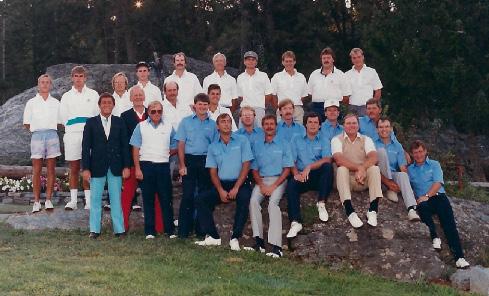
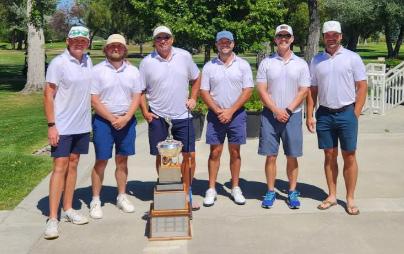
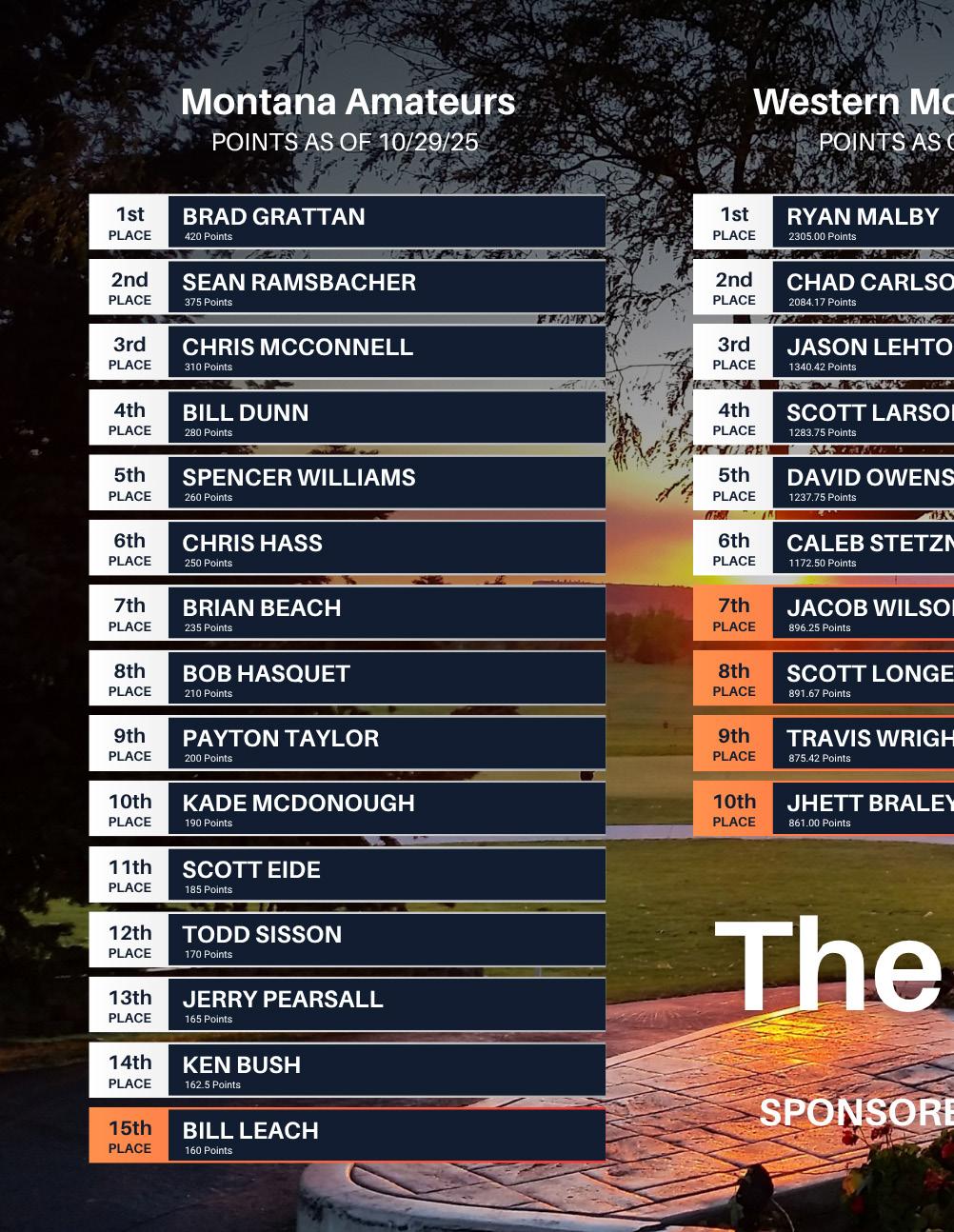
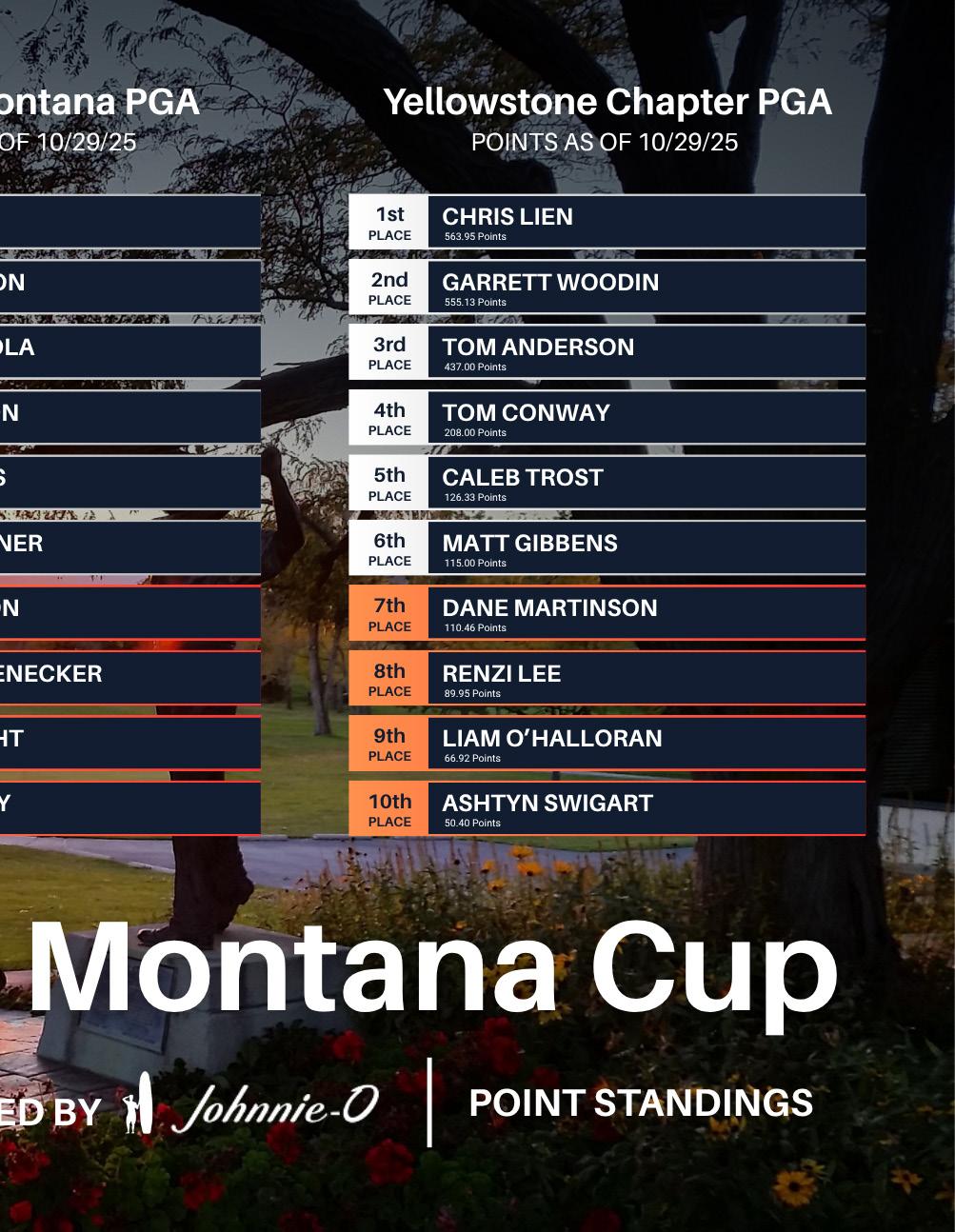
The Montana Cup began in 1985 as a friendly competition between Montana’s top professionals and amateurs. August 11 & 12th, Yellowstone Country Club will be host to the 42nd Montana Cup. Teams compete in Match Play, playing Foursomes, Modified Alternate Shot, and Singles. Each match is worth 3 points, teams earning a point for the front 9, back 9 and an overall 18 hole match.
Professionals earn their way onto their team through events in their respective section and chapter events, with six professionals coming from the Western Montana Chapter PGA and six from the Yellowstone Chapter PGA. The amateurs compete over the course of a year, earning points at MSGA, PNGA, and select MSGA Member club events around the state.
As we head into the final stretch of 2025-26 qualifying, remaining events include the Lake City Open, Barnett Memorial Tournament, MSGA Match Play Championship, The Oilfield, the MSGA Men’s Amateur Cham-
pionships, along with pro am events across Montana. The 2026 qualifying window will close this year with the Men’s Amateur Championships at Green Meadow. 2027 qualifying will begin at Whitefish Lake Golf Club.
View the current standings here!
In 2025, the team of professionals held a single point lead heading into the final round, but with 12 matches and 36 points available, the trophy was up for grabs. The amateurs came through and earned 19.5 points, to surpass the professionals, 37 to 35, lead by Spencer Williams and Sam Berry earning 3 points each on day 2.
If you have any old photos of your Montana Cup experience please share your images or news articles with us at tim@msgagolf.org
Thank you to Johnnie-O for sponsoring the Montana Cup clothing again in 2026. Please look for Johnnie-O in your local golf retail shop and follow them on instagram @jonnieobrand

tim@msgagolf.org


Libby’s Ryggs Johnston capped off a third straight tournament in the money with his best performance of the year at the Joburg Open this past March 5-8. Playing at the Houghton Golf Club in Johannesburg, South Africa, Johnston’s scorching second round helped propel him to the top of the leaderboard where he ultimately settled in for an 18th place finish.
Following a solid first round at -1 (69), Johnston collected five birdies and an eagle during the second day of action, finishing up with the second-best single round of the entire event at -5 (65). Making the cut easily, Johnston was as high as 9th on the leaderboard at one point and continued playing well with a third round at -1 (69) and a final round of even par (70).
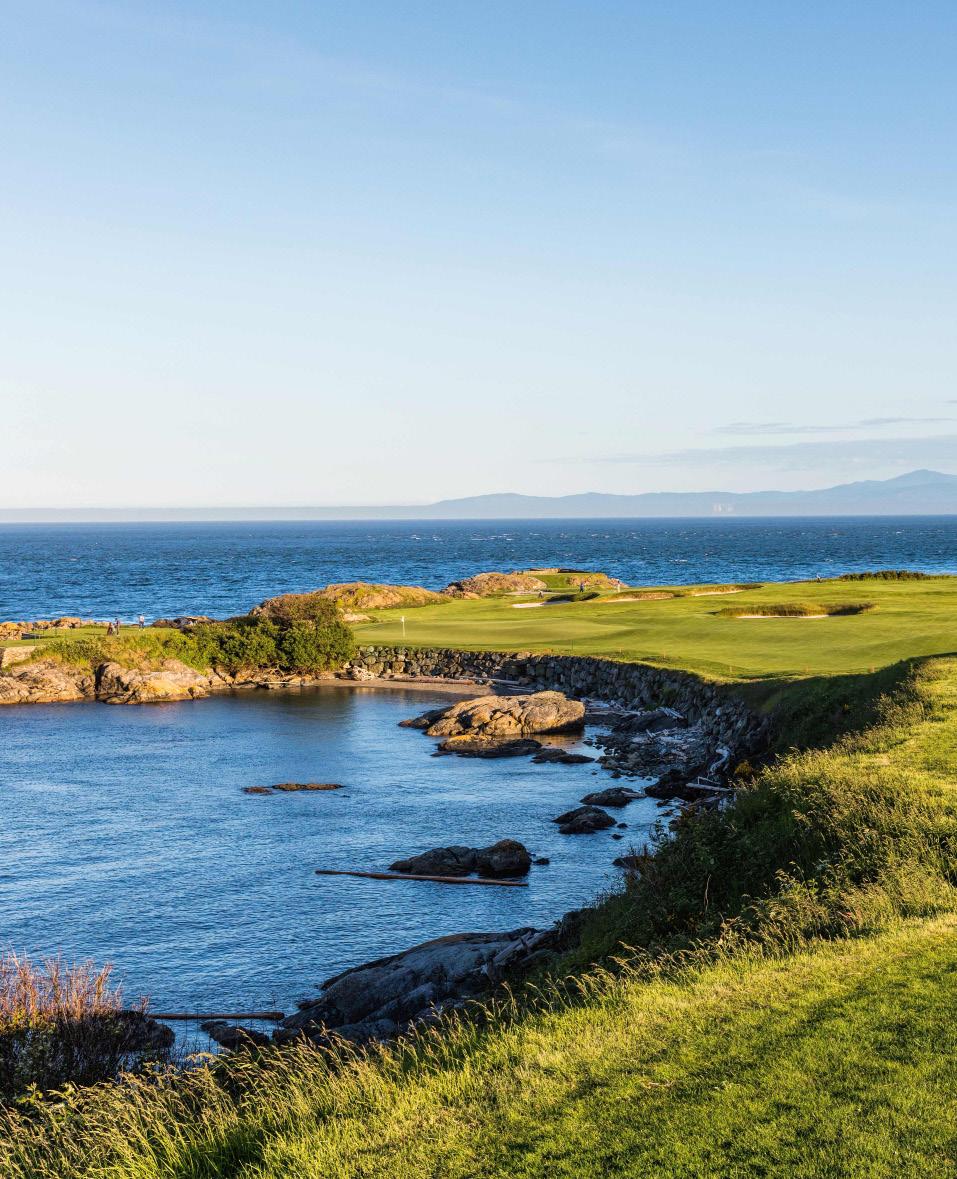
This April 27-29, for the first time ever Montana will field a team at the PNGA Lamey Cup, one of the top golfing events in the northwest. Now in its nineteenth year, the Lamey Cup is an annual Ryder Cup-style competition in which each association under the
PNGA banner selects a 10-person team consisting of six men and four women. This year golfers head north of the border where they will compete at the historic Victoria Golf Club in Victoria, British Columbia.
Teams from Oregon, Washington, Idaho, British Columbia, Montana and another PNGA at large team are represented by two mid-amateur men and two mid-amateur women who are ages 25 years or older, two men 40 years and older, two senior men age 55 and over and two women who are 50 and older.
The MSGA is proud to send some of our state’s very best amateur golfers: Payton Taylor, Sean Ramsbacher, Jaime Henkensiefken, Ashley Cortez, Chris Haas, Nicholas Balcken, Jo Smith, Deb Porcarelli, Jerry Pearsall, Bill Dunn, and Joey Lovell who was chosen for the PNGA at large team..
Each of the players selected are recent MSGA champions, along with having proven their merit at some of our state’s other high-caliber tournaments.
Missoula has the most golfers represented in Taylor, Ramsbacher, Dunn and Smith. Jo Smith was inducted into the MSGA Hall of Fame in 2022 and holds a women’s record with four State Senior titles under her belt (2024, 2021, 2020, 2018). Bill Dunn is a fellow MSGA Hall of Fame inductee and has won just about every event possible in the state of Montana, most recently having repeated as the Montana State Senior Match Play Champion. Taylor meanwhile is the defending Men’s
State Amateur Champion, while Ramsbacher is a two-time State Four-Ball Champion and 2024 Mid-Amateur Champion.
Helena claims two golfers, Jamie Henkensiefken and Nicholas Balcken. Former Montana Grizzly golfer, Henkensiefken, won the inaugural Master’s 40 event for golfers over 40 this past summer at Canyon River Golf Club. Balcken meanwhile is the reigning champion of both Montana State Match Play and the longstanding Oilfield Tournament up at Marias Valley Golf & Country Club.
Bozeman’s Chris Haas and Laurel’s Ashley Cortez both won their first state titles last summer in their respective Mid-Amateur Championships.
Rounding out the Montana Lamey Cup team is Great Falls’ Deb Porcarelli and Billings’ Jerry Pearsall, both multiple time senior champions. Porcarelli has won three of the last four State Senior Women’s titles (2025, 2023, 2022) while Pearsall is a two-time State Senior Tournament Champion (2024, 2019) and the reigning State Senior Amateur Champion.
Along with the ten golfers that make up the Montana team, Bozeman’s Joey Lovell will compete for the PNGA at large team. Lovell is an Assistant Golf Coach for Montana State University and a two time Montana State Amateur winner (2021, 2022).
The Lamey Cup is a one-of-a-kind event created by Dr. Jack Lamey, a past PNGA President. In the spirit of regional camaraderie and partnership, it is a two-day competition that includes four-ball and foursome matches the first day and singles matches on the second day, making it three matches total for each player.
Combining both men’s and women’s scores to determine the team result the Lamey Cup is as unique of a golf experience as it is exciting and we’ll be cheering on the Montana squad as they face off against the region's best.
For more information on the PNGA Lamey Cup, CLICK HERE.
We’re now on to our third event of the season, and so far it’s been MSGA staff that has taken home the top spots. Over 200 golf fans around the state are now participating in MSGA Fantasy Golf which competes across twelve PGA and LPGA events throughout the season, all competing for some cool prizes sponsored by Fins and Pins.
Will the Masters be when our members fi-
nally take home the top spot or will the MSGA push our winning streak to three? If it’s anything like the recent PGA Players Championship there’ll be plenty of drama atop the fantasy leaderboards.
Along with our partners, Majors Challenge, we are looking forward to what should be one of the top events of the season in the Masters, with many more fun tournaments in store the rest of the season.
Remember, MSGA members and non-members alike can sign up for our single tournament events all season long, so tell your friends!



BY TY SPARING
MSGA COMMUNICATIONS MANAGER
This past March, four of us from MSGA had the opportunity to fly down to Las Vegas for the annual IAGA West Regional Conference. The International Association of Golf Administrators (IAGA) is an organization set up to allow those who work in golf administration a chance to meet, exchange insights and share best practices. In attendance were a range of folks who work for Allied Golf Associations (like the MSGA), the USGA, and Golf Genius assembled at Dragon Ridge Country Club for the purpose of keeping golf as vibrant tomorrow as it is today.
After a short delay in the Salt Lake City Airport, the Missoula crew (Tim, Katie, Ty) landed in Vegas just in time to meet Nick at Dragon Ridge for the IAGA cocktail hour. A casual introduction to the week's proceedings, the social was a great opportunity to reconnect with our professional peers across the western region and take the edge off after a long day of travel for most of us. The
cocktail hour was highlighted by an impassioned speech by Golf Genius CEO, Chris Kallmeyer, who stated that the P.J. Boatwright Jr. Internship is the greatest program the USGA has ever produced, citing the number of golf leaders and administrators throughout the country who went through the year-long training. Many of us listening, former Boatwrights ourselves, enthusiastically agreed.
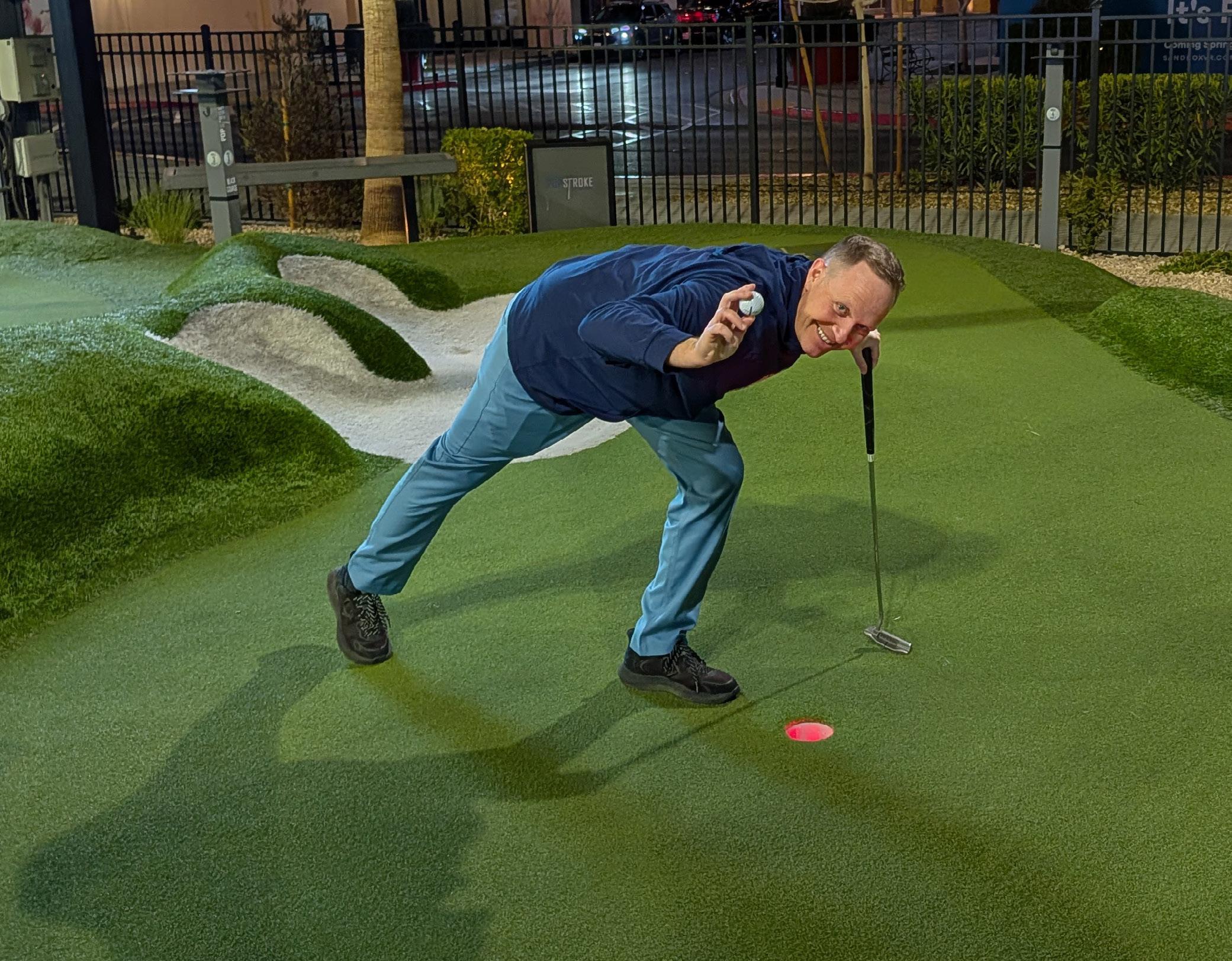
Later many of us went and tried our hand at PopStroke, a popular new form of MiniGolf that was a short drive away from Dragon Ridge. MSGA competed hard for our respective teams and Nick even managed a hole in one on the night!
Back at Sunset Station where many of us conference goers were staying, we checked into our rooms and went to bed in anticipation of a big day ahead.
The second day at Dragon Ridge started at 10:45 a.m., coffees in hand. The variety of topics of each department
breakout covered just about every aspect of golf administration. We heard the latest from the USGA and had many conversations relating to competitions, marketing and communications, and some of the new developments with golf software like Golf Genius and HubSpot. Once done for the day it was time to re-gather all of us in the ballroom area for a quick drink and delicious pasta dinner. Great conversations were had.
Back at Sunset Station a few of us put a little money on the University of Montana men’s basketball team who were battling the Idaho Vandals for the Big Sky Championship. We even bumped into members of the Carroll College golf squad who were in town for a tournament, many of whom were similarly looking to watch the game at the casino’s sportsbook. Unfortunately, that bet didn’t work out, and neither did blackjack later on for that matter.
After the game a few of the night owls went and rolled a few frames at the cool bowling alley on site, while others
like me decided to call it a night.
After a brief stop getting Chik-Fil-A breakfast, we were back at Dragon Ridge by 8:00 a.m. for the third and final day. We continued with conversations about membership, Youth on Course, marketing strategies, and even discussed the future of golf magazine publishing and how to move forward in this new digital age.
After a quick lunch and some final remarks from

the IAGA, it was back to the airport we went to catch our flights home. While waiting again in Salt Lake for our 11:00 p.m. flight back to Missoula, we happened to bump into former MSGA Boatwright Intern, Ryan Kirk, who was with us back in 2023. From the sounds of it Ryan is still playing quite a bit of golf and traveling frequently for his new job demonstrating virtual reality fire training modules. He and his wife are planning on getting a new dog soon.
Bleary eyed we finally landed back at our respective locations, thankful to miss the storm that hit the area following our trip.
After a few days of intensive golf administration discussions, and catching up on a little bit of sleep, the four of us were eager to get back to the crisp air of Montana with some new and exciting ideas in tow for the upcoming season.
BY PETER GRASS CGCS RETIRED
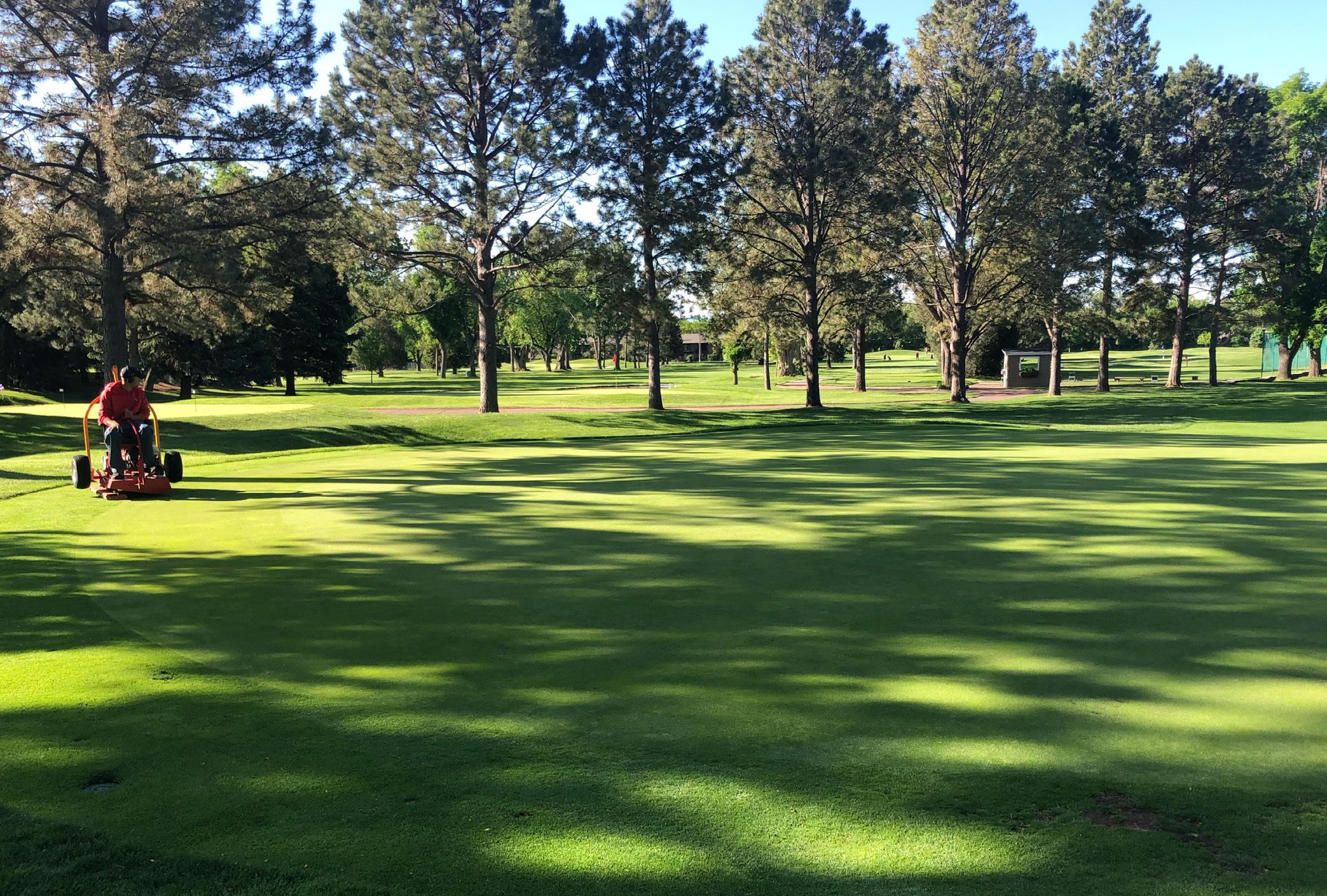
Hurray, it is finally April, the official start of golf season here in Montana. It is also Masters time, for many the unofficial mental stimulus to get excited about playing golf again. Many years it could be said, to “get back on the course” after a long winters nap but not so much this year. For most of us it has been a very mild, if not almost non-existent winter season. Not so great for skiers and other winter sports, but I am guessing, at least for golf here in the Billings area, record numbers of “off season” play. At the annual GCSAA Education conference and Golf Industry Show held back in February, it was discussed and very evident by overall attendance that the golf industry has since covid, been experiencing continued growth again and more players than ever before. One of the very few positive things that resulted from the pandemic.
With both new players, renewed interest from former players and the continued play of existing golfers, the total number of rounds being played, worldwide, not just in the United States has been increasing yearly. I have a theory about why this may have happened, and I hope it is true for the overall physical and mental health of anyone who plays golf. It will take a bit of a background story to get to but I hope my journey will eventually show some relation to why you may play the game.
For myself, it happened several years ago when one Friday afternoon while at the course, I reached a critical point of anxiety, frustration
and feeling overwhelmed with “things”. Luckily and very thankful to me, I knew exactly who to call for help as they were members at Hilands Golf Club. Kee Dunning a 40-year therapist (also whom has worked on grounds staffs part time since high school and understands the challenges of maintaining a course from both natural and human pressures) and her partner Stacy Stellflug a Nurse Practitioner/Professor of Nursing MSU-Bozeman. Together they help to treat patients’ mind and bodies as needed. As they got to understand me and my quirks, they were able to provide tools of therapy and medicines which have, I am very happy to report, helped me so much ever since that initial visit. Periodic “checkups” help to keep me on track like a person should do with any mental/ medical providers.
Through these experiences, I learned something about “golf” that I had never considered at any time in my back then 47 years of working at a golf course. Earlier I did not mention one thing about Kee, I’m not sure if there is officially such a diagnosis as this but she is what I call a “golfaholic”. She will play anywhere anytime she can. With a free hour during her day she will play a few holes, with available time on a weekend or vacation, she will play 36 holes (or more sometimes) usually walking. A couple years ago I finally asked her why she plays so much. Her reply was, golf is a type of mental and physical therapy for her. After dealing with some pretty tough situations in her professional life, being out on a course, walking and enjoying nature and the beauty of the surrounds, along with her mind concentrating
on her current and next shot(s), she leaves behind work and goes into a happy place for her mind and body. When she explained that to me, it was a moment of slap my forehead and thinking. “I never thought of that as to why people play”. I have since done lots of informal research, asking random people I saw on the course or played with myself, from all professions and walks of life, why they played. Maybe not to the point of 36 holes if time allows, but most definitely everyone replies that it is exactly why Kee plays, challenging yourself, and having an escape from the pressures in their life. They find playing a game which at times can be very frustrating, to also be a beautiful, relaxing experience, especially when playing with friends.
My overall message for this month is that you think about why you play and hopefully you fall into the category of those who find it
to be a break from the pressures of everyday work and other life, and a great form of mental and physical health therapy. Thank you again, from those of us who in the past did and those that continue to make a living by working in the golf industry, for playing and supporting the facilities where you play. I hope that the hard work of all is appreciated and that the result of their work, gives you all the experience of being at “your happy place” while playing golf, no matter which course that is.
Kind of like the Chick-fil-a advertising campaign that has cows encouraging you to “eat more chicken”, my campaign is to have you find more time this season to play more golf. Use that time spent to enjoy nature, friends, challenge yourself and enjoy the physical and mental health benefits in doing so. Cheers to you all and “PLAY MORE GOLF” !!!!
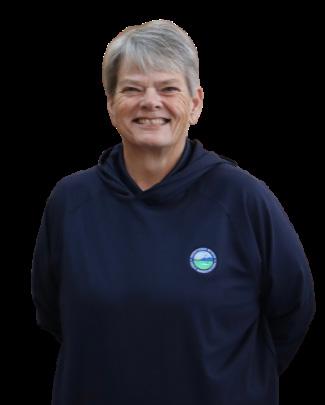
1. Who introduced you to golf?
My parents introduced me to the game of golf when I was a teenager. I learned and played on the sand greens at the Columbus Golf Course in Columbus, MT.
2. Who influenced you most in your golf life?
My parents introduced me to the game and encouraged and provided me opportunities to play the game of golf.
3. What brought you to the MSGA? As a new board member, what MSGA projects are you most excited about??
I have been an active member of my Ladies Association at the Laurel Golf Course and have been participating in state golf events since 2007 and am so aware of the work done by this association. I also had a son who participated in all of the Junior events and was a member of the Boys America Cup and Montana Ryder Cup which was possible because of the MSGA. I look forward to growing the game of golf for women and increasing participation in the State events as well as supporting junior golf.
4. What is your favorite course in Montana and why?
My favorite course is the Laurel Golf
Course. This is my home course and I have many memories of rounds with family and friends. It is a challenging course and well maintained.
5. What is a dream golf course you’d like to play once?
I would like a trip to Bandon Dunes someday.
6.What is your dream foursome (living or dead)? Why would you choose them?
I would select my husband, son and Arnold Palmer.
7. What’s your most memorable moment on a golf course?
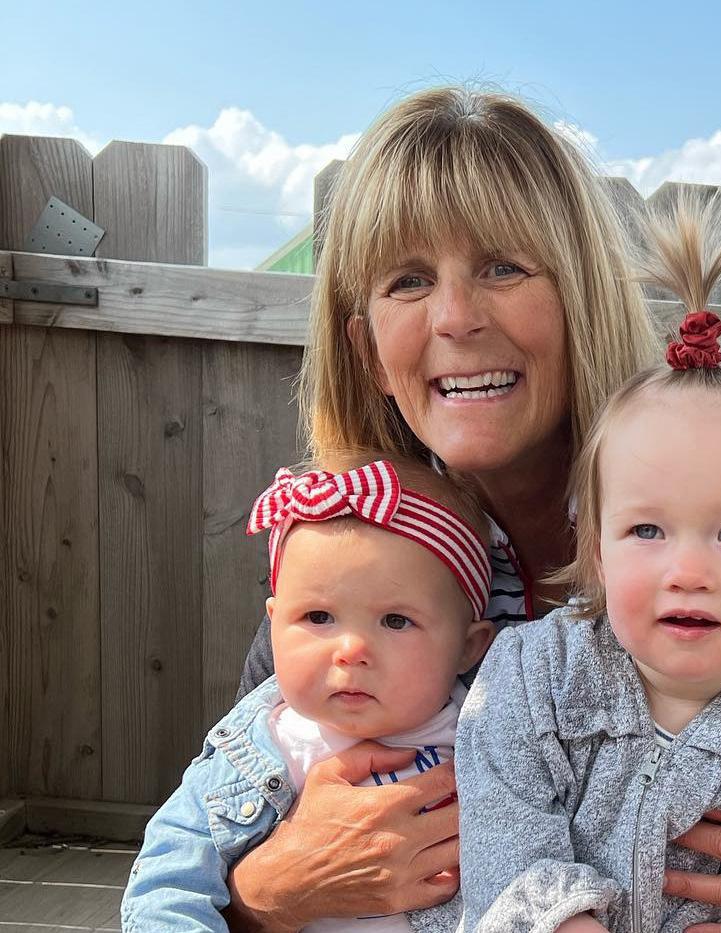
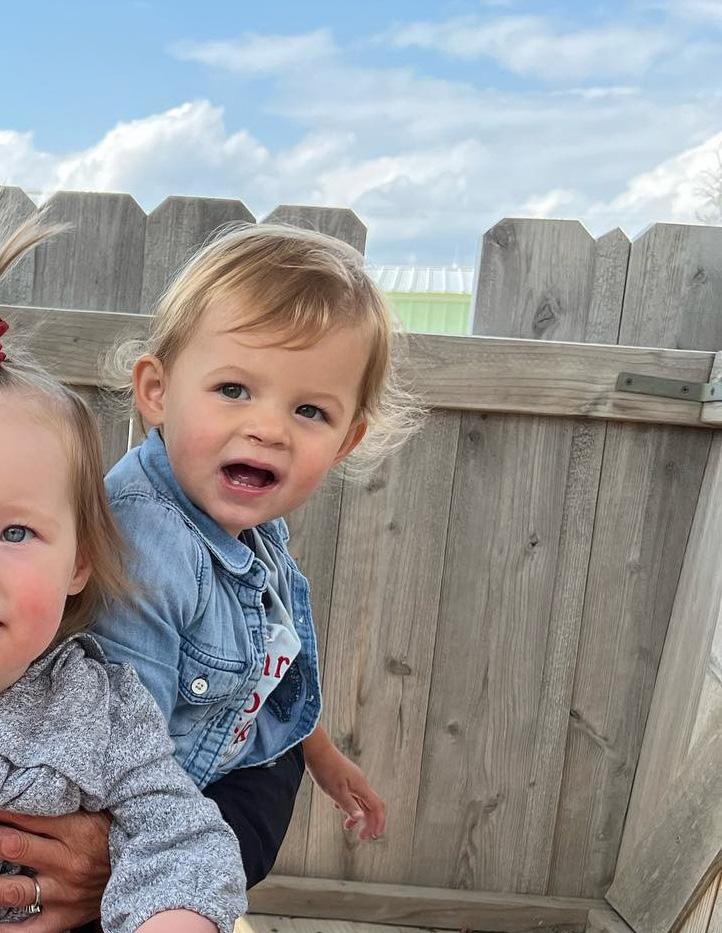
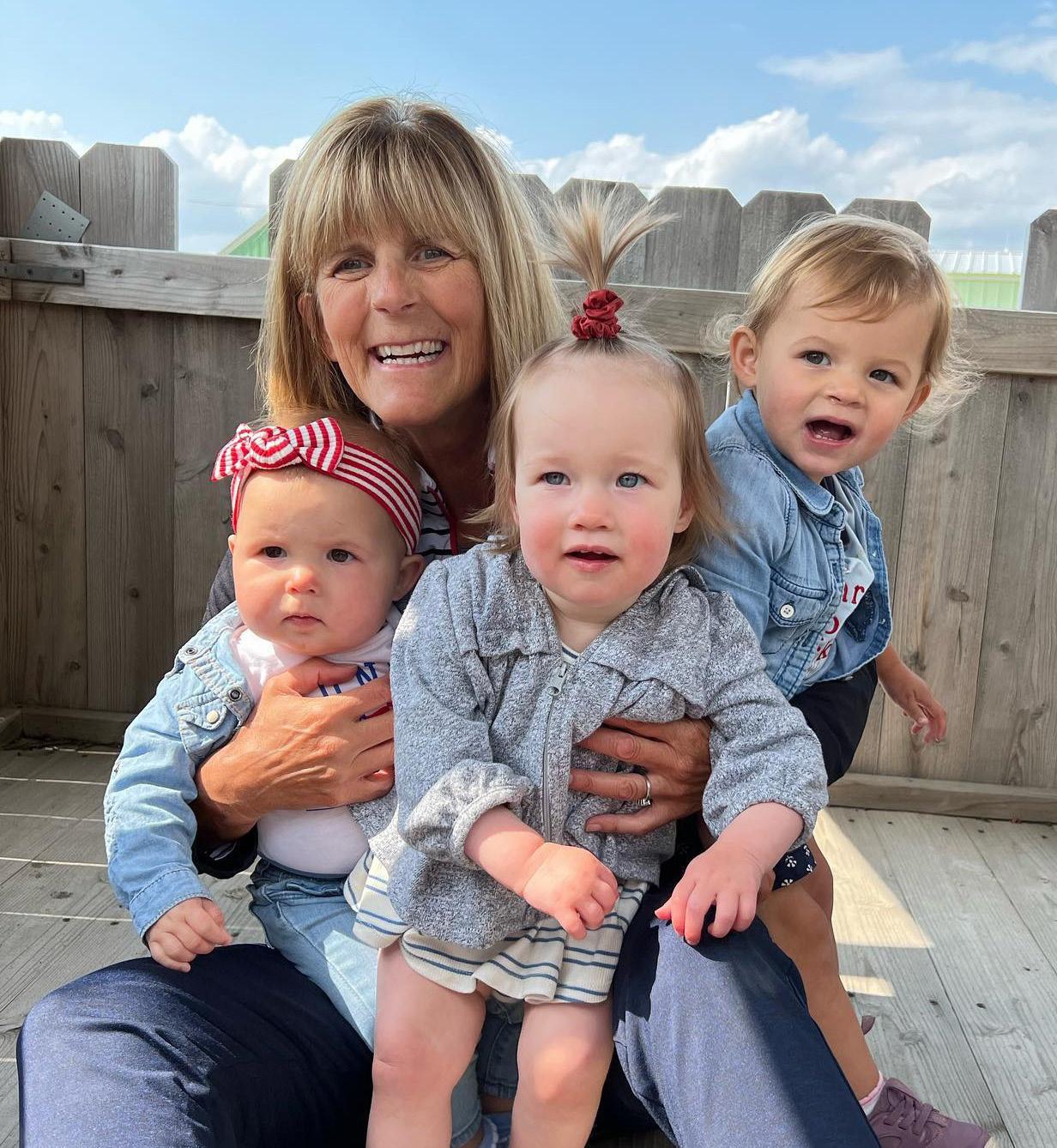
Any round that I get to play with my 85-year-old mom, husband, kids, and now grandchildren.
8. If you could change one thing about the game of golf what would it be?
To encourage more people to play in tournaments and enjoy the people you meet there. To explain that regardless of your handicap, there are places for you in tournaments.
9. What advice would you give to beginner golfers?
Find a golf professional and take a few lessons so that you start off with a good foundation (grip, stance, swing).
Bonus: Lay up or go for it? I usually lay up!!


"During a qualifier, one of the leaders pushed her drive into the right rough on the 14th — a patch of thick grass that had swallowed plenty of balls earlier in the day. As she walked up to search, her caddie (her close friend who had never caddied before) spotted the ball first. Without thinking, he reached down and gently nudged aside some grass to “help her see it better,” accidentally causing the ball to move slightly in the process. The player gasped. The other competitors froze. The caddie immediately apologized: “I didn’t touch the ball on purpose — I swear! I was just trying to find it.” But the ball had moved, and the group called for a rules official to sort things out.
So my question is, if a caddie accidentally causes a player’s ball to move during a search, is the player penalized? Does the ball have to be replaced, or played from its new position? And does it matter whether the caddie was trying to help or simply searching?" - Karen R.
Well, here we go!
First, What is a caddie allowed to do? Let's look at Rule10.3b(1) Actions Always Allowed second bullet point which states
Search for the player’s ball (Rule 7.1)
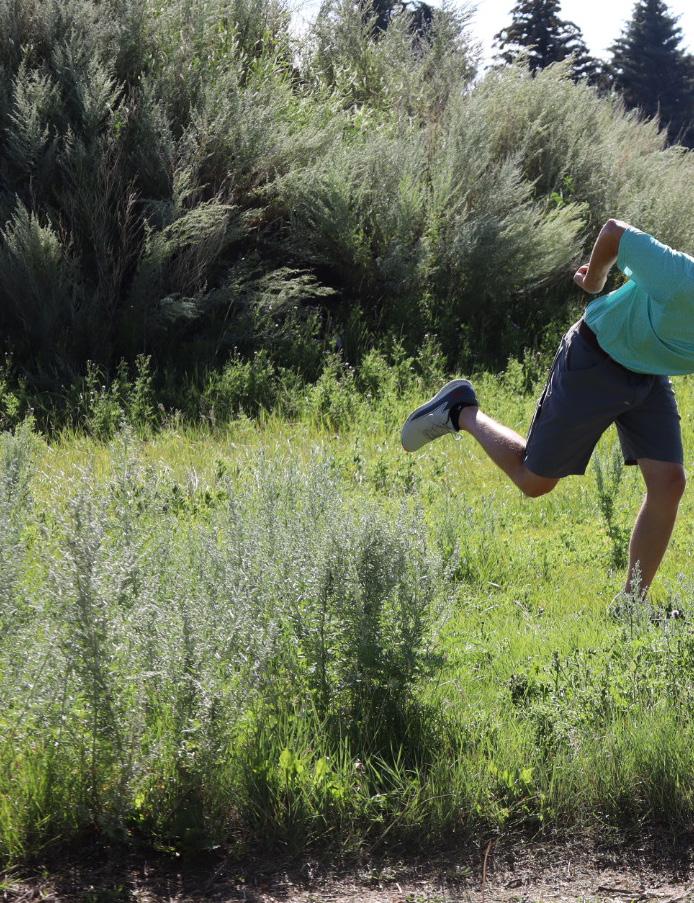
Now we turn our attention to Rule 7 Ball Search: Finding and Identifying Ball and look at Rule 7.4 Ball Accidentally Moved in Trying to Find or Identify It.
In the Rules of Golf, there is no penalty if the player’s ball is accidentally moved by the
player, opponent or anyone else while trying to find or identify it. But if the player causes the ball to move before they start to search for the ball, the player gets one penalty stroke under Rule 9.4b.
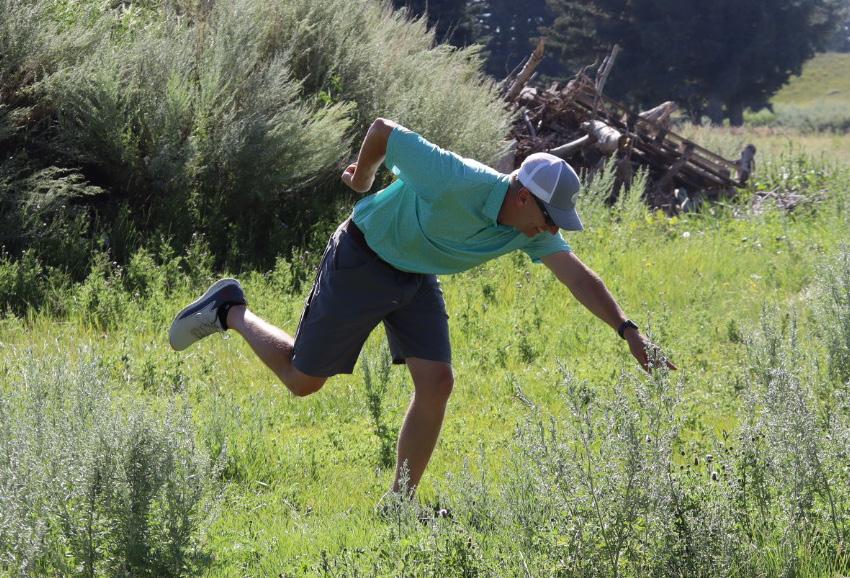
Under this Rule, “accidentally” includes when the ball is moved by anyone taking reasonable actions to find the ball that were likely to reveal the ball’s location by moving it (such as by sweeping feet through long grass or shaking a tree).
In these situations, the ball must be replaced on its original spot (which if not known must
be estimated) (see Rule 14.2).
Looking at this particular question there are three parts we need to look at.
First, is the player penalized?
The player would not be penalized as the movement of the ball was during a search by the caddie.
Second, the ball must be replaced on its original spot.
Third, which is interesting, is whether the caddie was helping the player by moving aside some grass to “help her see it better,” accidentally causing the ball to move slightly in the
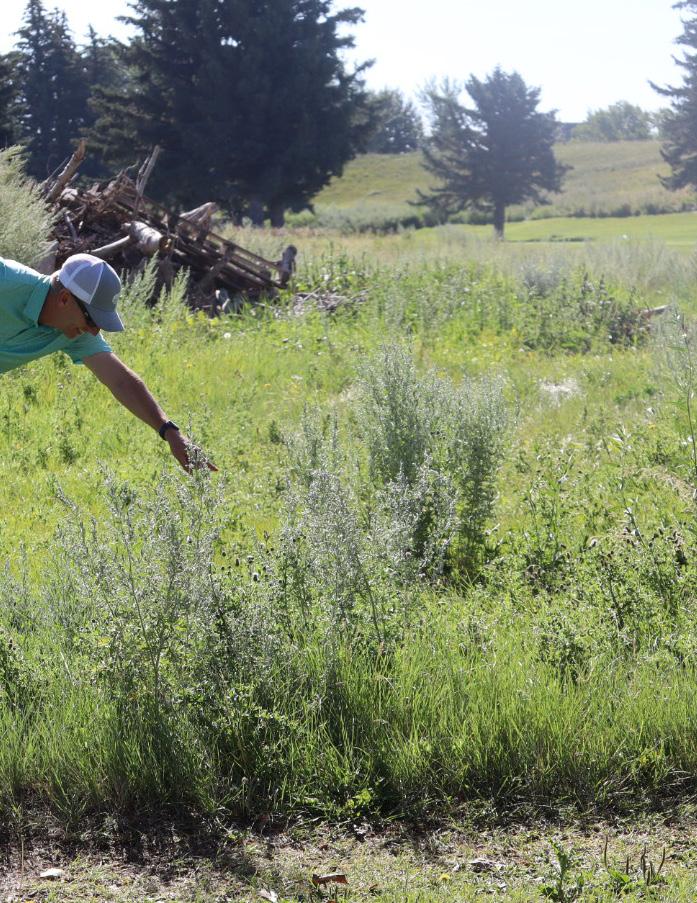
process or was this during the action of searching and identifying?
As the Rules Official I would ask
Did the caddie know it was the player’s ball?
It was stated earlier that there had been “plenty of balls earlier in the day”.
Was the caddie’s actions simply to help the player see a ball better so she could identify it as hers?
My ruling, it was accidental in the process of identifying, replace the ball on the original spot -no penalty, play on!
Nine-Time USGA champion joins esteemed list of influential figures with USGA medal in their names
BY JULIA PINE
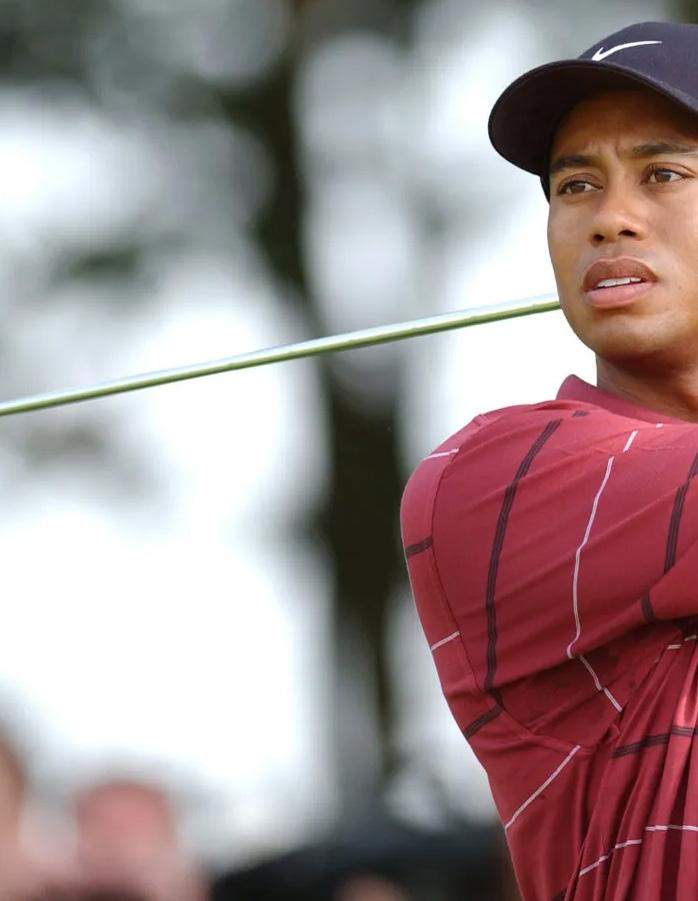
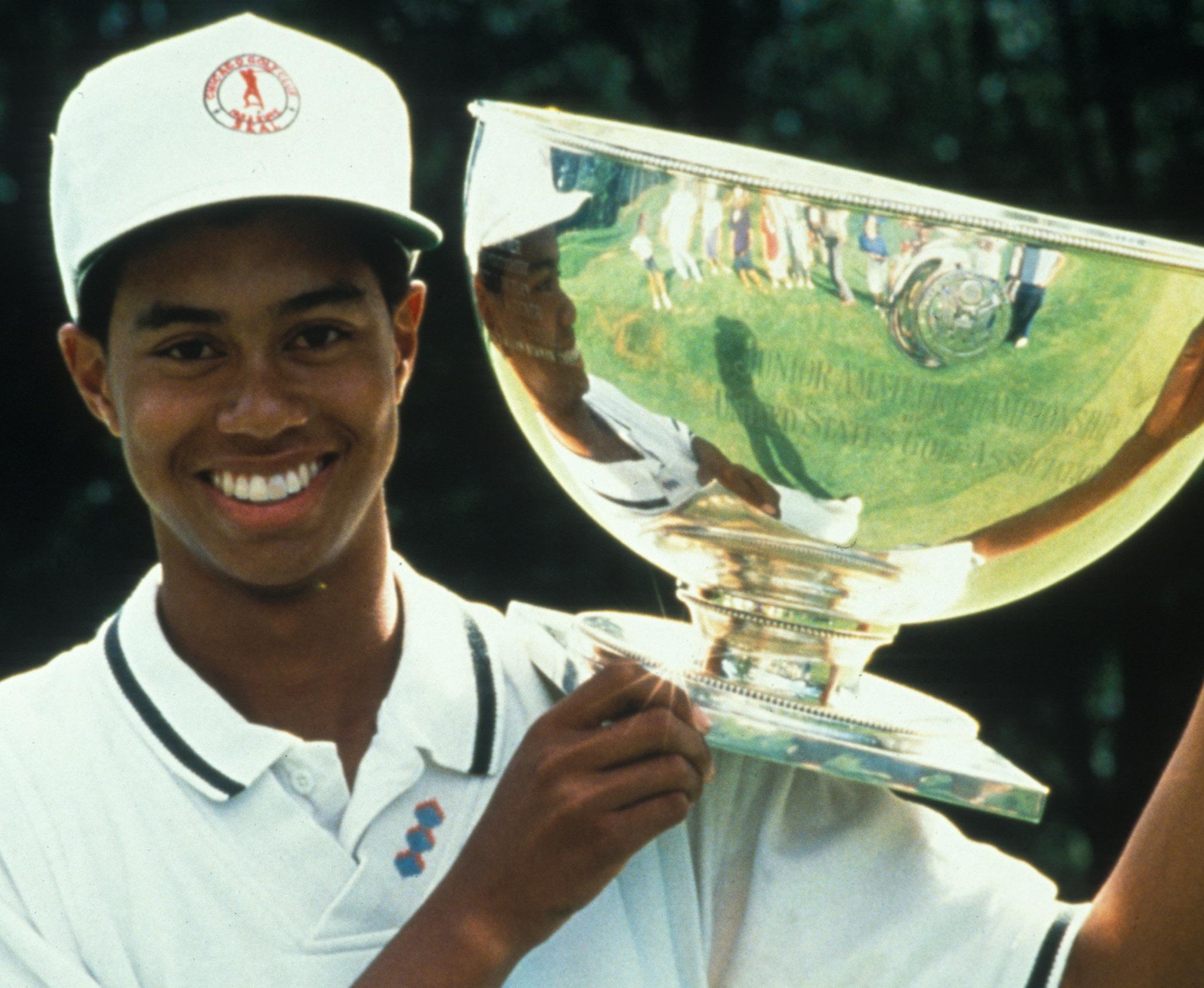
The United States Golf Association (USGA) today announced during its Annual Meeting in New York City that the medal presented annually to the U.S. Amateur champion and the trophy awarded to the U.S. Junior Amateur champion will be renamed and redesigned to honor Tiger Woods, recognizing one of the most extraordinary competitive careers in the history of the game and his unparalleled resume in amateur golf.
Beginning with the 126th U.S. Amateur at Merion Golf Club and the 78th U.S. Junior Amateur at Saucon Valley Country Club later this year, each champion will receive the Tiger Woods Medal and the Tiger Woods Trophy, respectively, celebrating Woods’ legacy as the only player to win three consecutive U.S. Junior Amateur Championships and three consecutive U.S. Amateur Championships — a feat that remains unmatched.
“Tiger Woods redefined what was possible in amateur golf,” said Mike Whan, CEO of the USGA. “His achievements as a junior and amateur didn’t just set records — they set a new standard of excellence. Naming our U.S. Amateur Medal and U.S. Junior Amateur Trophy in his honor ensures that every future champion is forever connected to a legacy that helped shape the modern game.”
Woods captured the U.S. Junior Amateur title in 1991, 1992 and 1993, followed by three consecutive U.S. Amateur victories in 1994, 1995 and 1996. His six straight USGA amateur championships laid the foundation for a historic career that includes a total of nine USGA championship victories, highlighted by U.S. Open wins in 2000, 2002 and 2008. Woods’ nine USGA championship victories are tied with Bob Jones for the most in history.
In addition to his competitive accomplishments, Woods’ influence on the game has extended far outside the ropes. He helped introduce golf to new audiences around the world, inspired generations of junior players

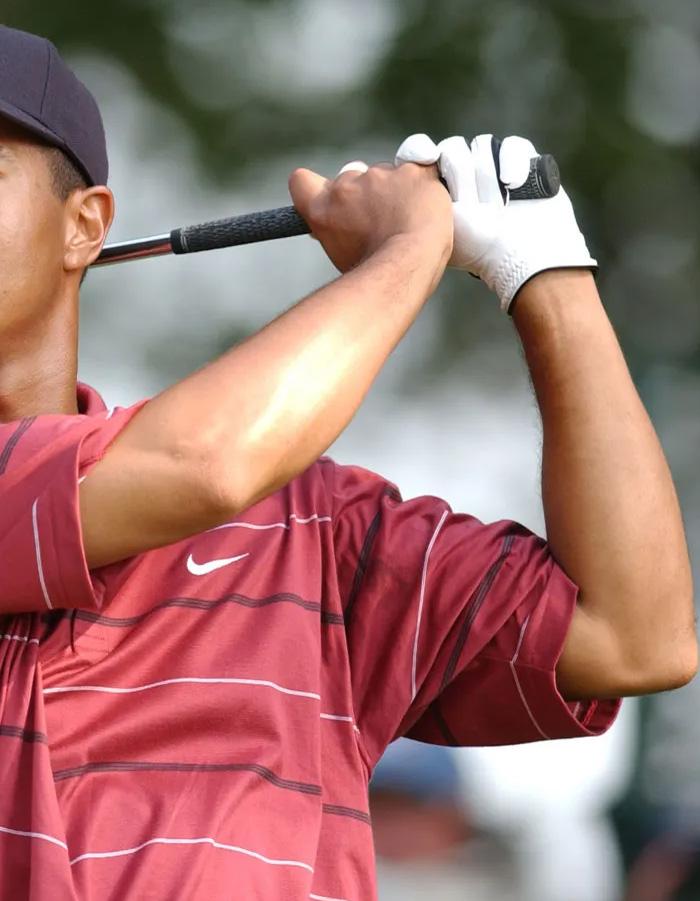
and elevated the visibility and significance of amateur competition as a pathway to the highest levels of the sport. He was the recipient of the Bob Jones Award, the USGA’s highest honor, in 2024.
“The USGA and its championships have played an enormous role in my life,” said Woods. “The U.S. Junior Amateur and U.S. Amateur were defining moments in my development, both as a golfer and as a person. To be recognized in this way is incredibly humbling, and I hope it inspires young players to chase their dreams and appreciate the history and values of the game.”
Woods joins a select group of golf’s most influential figures to be honored through the naming of USGA championship medals. The U.S. Open gold medal bears the name of Jack Nicklaus, while the U.S. Women’s Open medal honors Mickey Wright. Most recently, the USGA announced that the U.S. Women’s Amateur champion’s medal will be named for eight-time USGA champion JoAnne Carner and will be presented for the first time later this year at The Honors Course.
BY ROSS NIEWOLA AGRONOMIST, WEST REGION
Spring aeration has always been a race against the clock, but in recent years that clock seems to be moving even faster. Tight maintenance windows, unpredictable weather, and tough labor markets can make it difficult to complete aeration efficiently. When a key cultural practice needs to happen during a narrow stretch of workable weather, time quickly becomes the most valuable resource.
Cleaning up cores is one of the most time consuming parts of the process, and crews have typically relied on basic
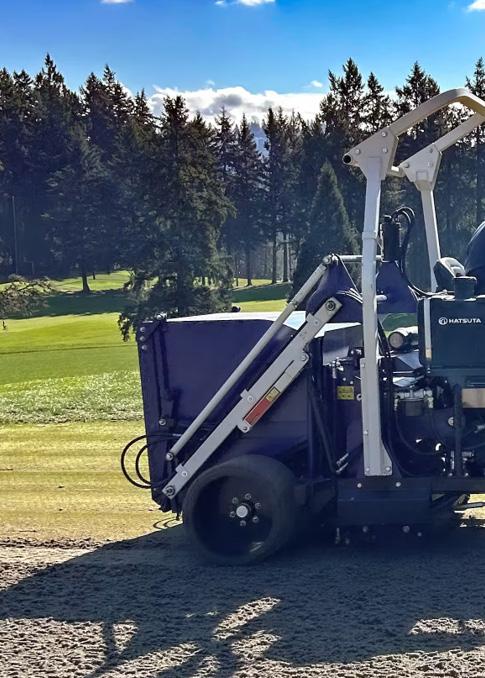
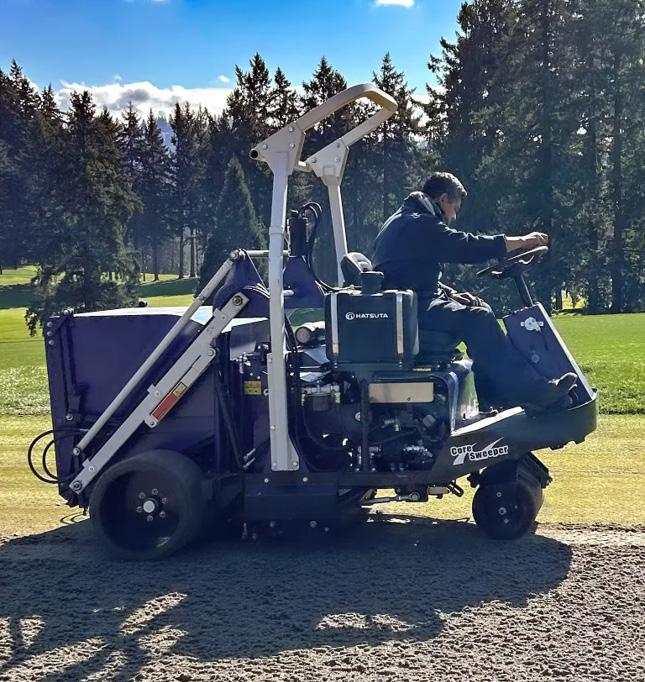
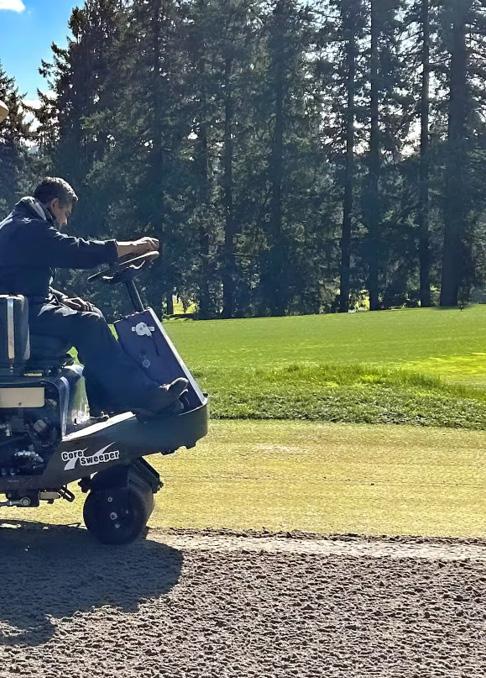
tools and plenty of elbow grease to get the job done. There is nothing wrong with sticking to methods that are familiar, affordable and proven. That said, labor challenges and shifting spring weather have more superintendents looking for ways to speed up aeration and reduce wear and tear on staff. Sweepers and core harvesters collect and move cores quickly and improve efficiency during aeration cleanup, helping crews stay on schedule and get surfaces back into playable condition sooner. Machines like the Hatsuta Core Sweeper are drawing interest because they can help streamline cleanup.
Of course, purchasing specialized equipment is not always realistic. Aeration tools may only be used during a few short windows each year, and capital budgets are often stretched in other directions. That is why renting can also be an attractive option. Renting newer equipment allows a course to limit upfront costs and reduce financial exposure while still testing whether a machine fits the operation before purchasing outright.
The best approach will depend on labor availability, acreage, budget and the intensity of the aeration program. Some courses may find that traditional hand tools remain the most sensible option for
core cleanup. Others may benefit from adding one specialized piece of equipment to improve efficiency at the most labor-intensive point of the process. As spring weather, course closures and labor
markets continue to become less predictable, adaptability matters more than ever. The old tools still work, but newer options may help crews respond when conditions are less forgiving. If tough
weather is threatening to wreak havoc on your aeration season, this may be the year to try a different tool and buy your team a little more time.