
SUSTAINABILITY REPORT 2025
Our business continues to evolve rapidly, and we are responding with focus, discipline and long-term commitment.
PIERFRANCESCO VAGO EXECUTIVE CHAIRMAN
WELCOME FROM OUR EXECUTIVE CHAIRMAN
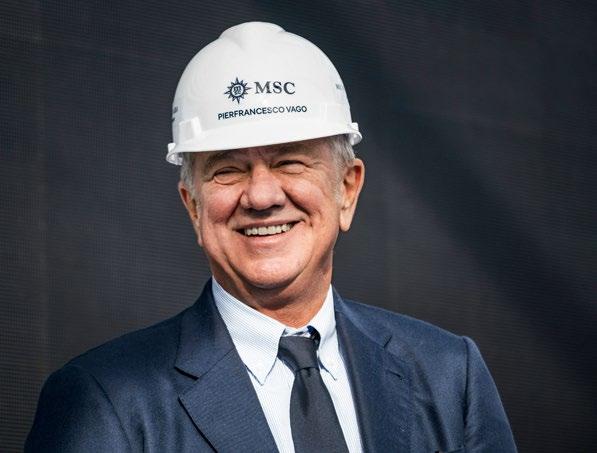
As we publish the seventh annual Sustainability Report for the MSC Group’s Cruise Division, the progress we are making against the sustainability targets we have set is clear. Our business continues to evolve rapidly, and we are responding with focus, discipline and long-term commitment.
Expectations are rising, from regulators, partners, colleagues, guests and communities, and as a family company we can make substantial, long-term investments to ensure that the continued growth of MSC Cruises and Explora Journeys remains responsible and resilient.
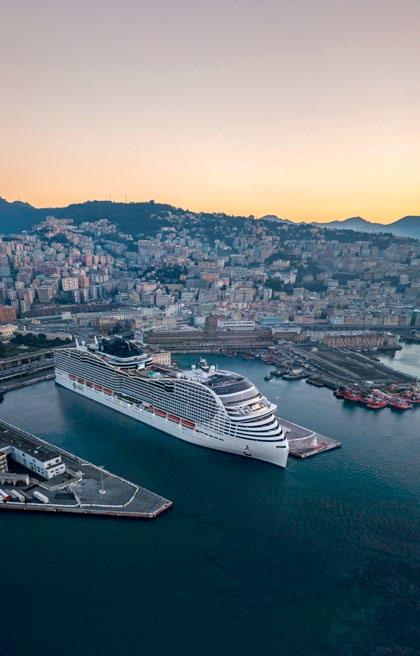
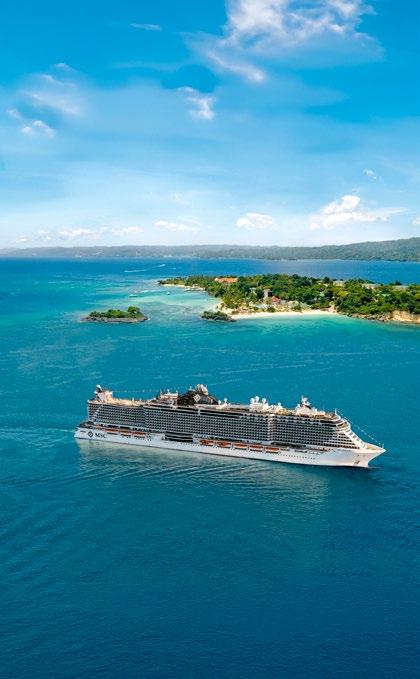
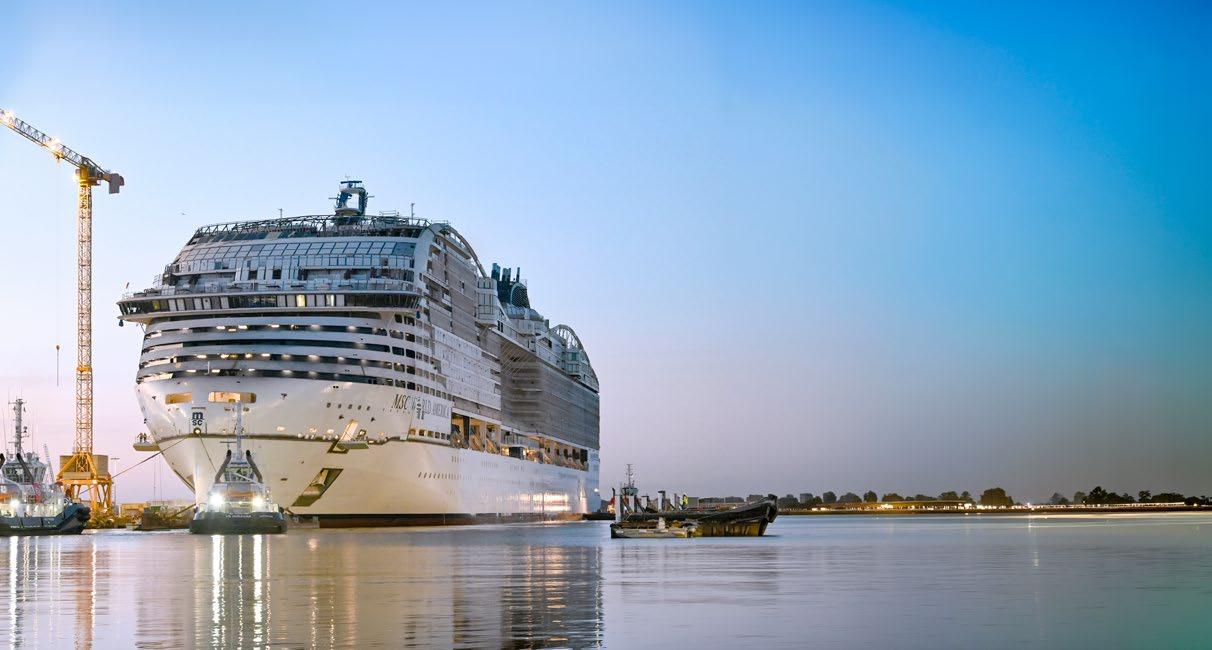
In 2025, we proudly welcomed MSC World America to our fleet; a ship that symbolises our dedication to environmental innovation. Every ship is constructed with state-of-the-art technology and engineered for efficiency and adaptability to lower-emission fuels, allowing us to keep responsible innovation at the heart of our operations.
A central pillar of this report is our Energy Transition Plan. We remain on track to achieve net-zero greenhouse gas emissions for marine operations by 2050, while growing our fleet. In 2025, we reached the International Maritime Organization’s (IMO) 2030 target of a 40% reduction in carbon intensity five years ahead of schedule. This milestone, supported by over 9,800 tonnes of renewable fuels purchased in 2025, demonstrates our progress in ship design, operational efficiency, and fuel strategy.
To further drive change, we continue to advocate for global policies able to accelerate our industry’s energy transition and support the scaling up of renewable fuels. In the meantime, 2025 has marked the entry into force of FuelEU Maritime regulation and I’m glad to say that through the utilisation of LNG and other renewable fuels, we were able to meet the required carbon intensity target, achieving full compliance.
We continue to invest in dual fuel LNG engine technology on all our new and planned ships. This provides a significant improvement in efficiency today and allows the immediate use of bio-LNG, and the use of synthetic LNG in the future, as scalable and cost-effective fuels pathways.
Also, as detailed in this report, we were able to measure onboard the methane slip values of our engines and have them independently verified, confirming methane slip levels significantly lower than the default values set in the FuelEU Maritime regulation. This demonstrates the important progress our industry is making in this area.
On land, we are strengthening our infrastructure. In 2025, new terminals in Barcelona and Miami were opened, supporting more efficient and sustainable operations. Our growing use of shore power, with 217 successful connections across the fleet, significantly reduces local emissions while ships are berthed. Most of our fleet is now equipped for shore power, and we are working closely with ports and policymakers to further utilise this capability, while continuing to call for consistent and transparent pricing frameworks.
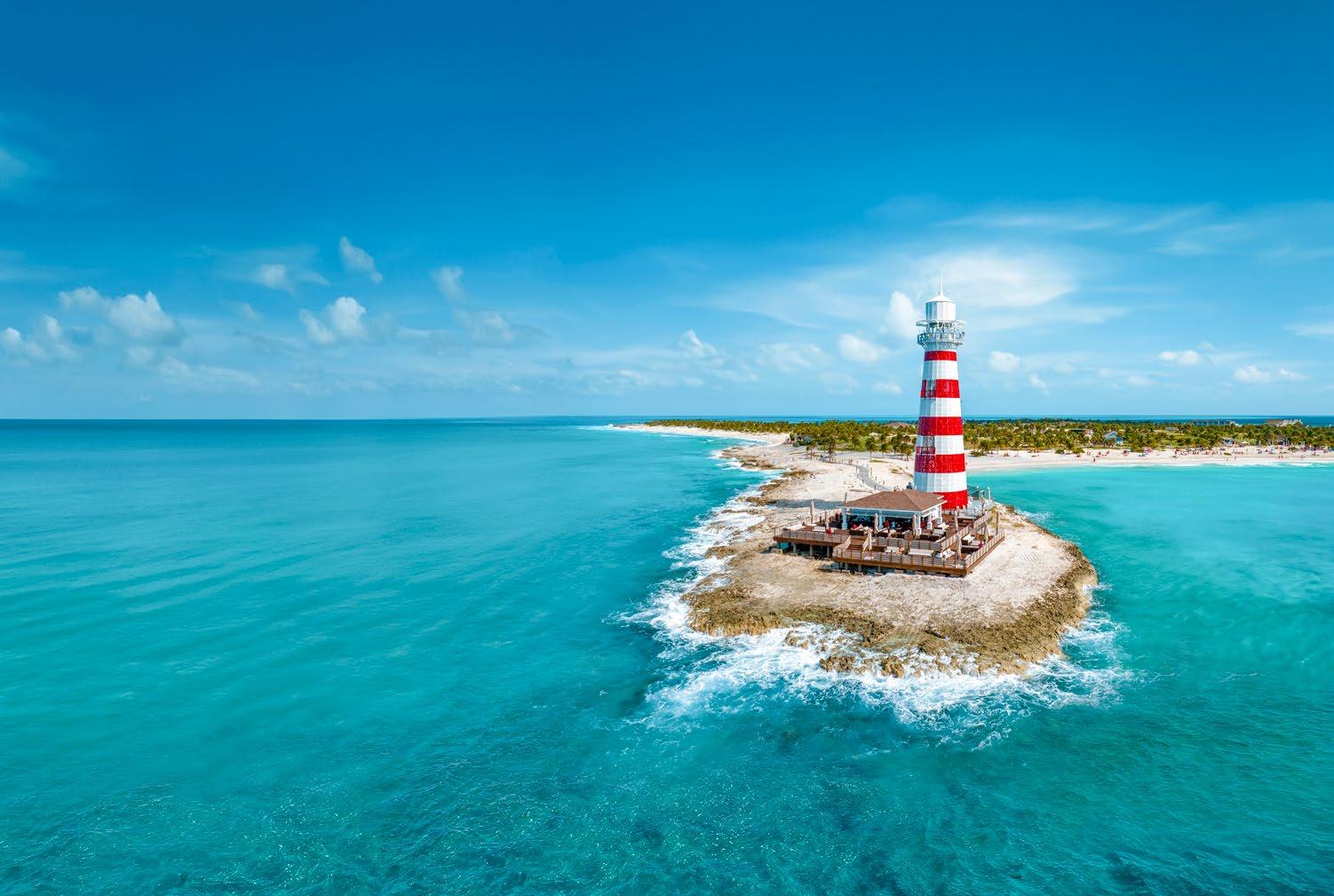
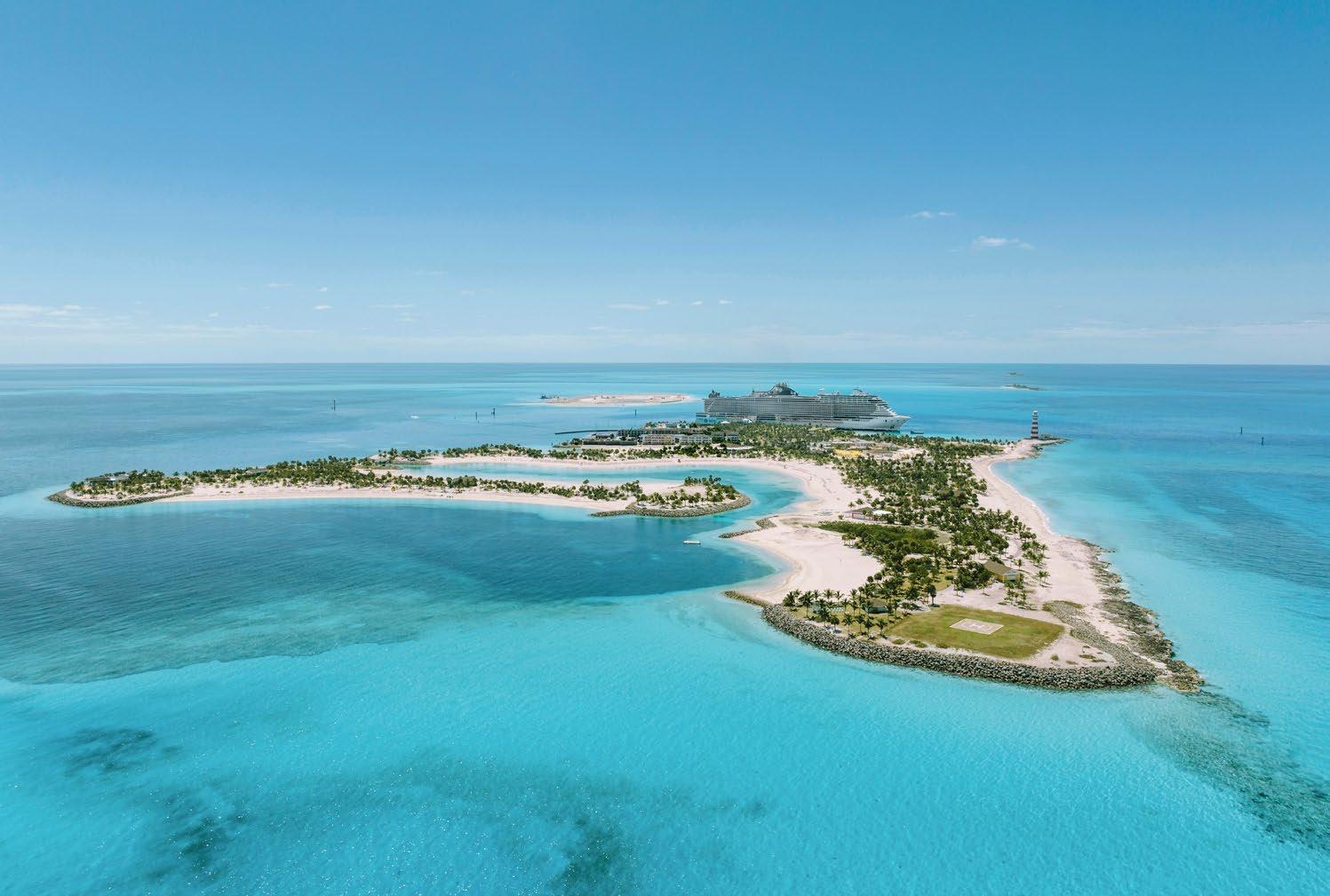
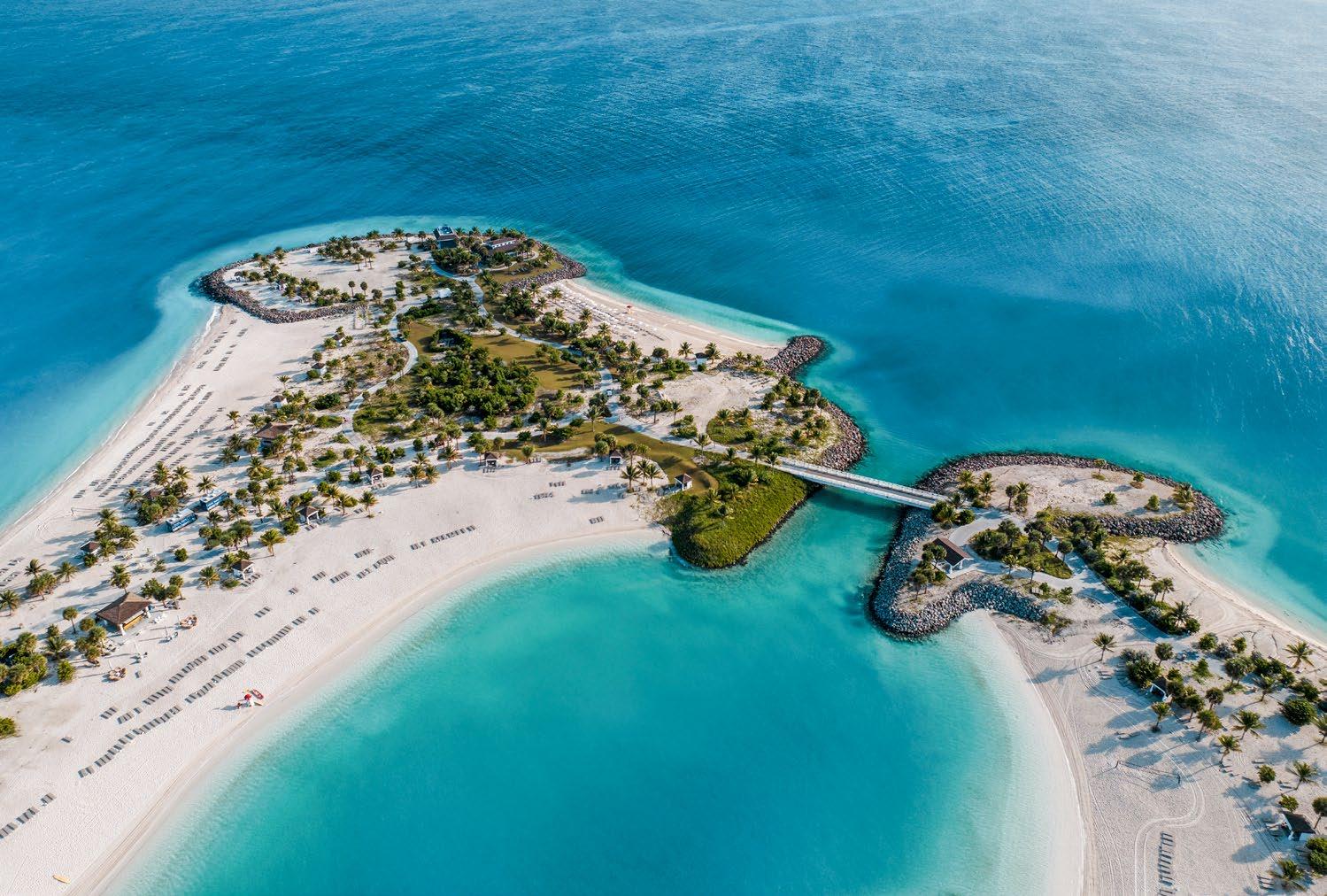
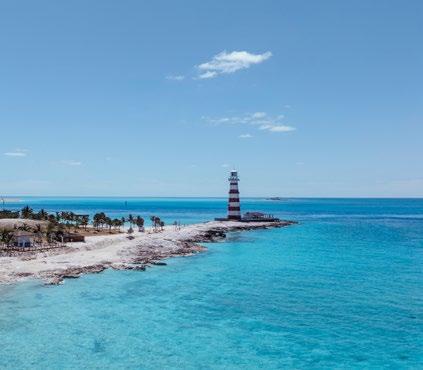
We refreshed our biodiversity strategy in 2025, focusing on strategic priority areas that both address business risks and offer opportunities for positive action. Measures to protect marine wildlife, such as route adjustments and dedicated crew training to reduce whale strike risks, are being advanced, whilst restoration and rejuvenation initiatives like Ocean Cay MSC Marine Reserve support the recovery of local marine ecosystems.
Our success depends on the trust we build with communities we serve. The Community Engagement Steering Committee
helps us understand local priorities, target our efforts, and measure our impact, ensuring tourism delivers shared value and positive outcomes for all.
Through all these efforts, I am most proud of our people and by the end of 2025, we had a total workforce of 56,105 individuals. Their passion and dedication are fundamental to delivering our ambitions and creating a world-class guest experience. Initiatives like Our Best, a cultural transformation programme, are designed to create a people-first mindset across MSC Cruises and Explora Journeys. I know this is going to support us in delivering exceptional experiences for colleagues and guests.
Progress is seldom linear, and no single solution suffices. Sustained investment, openness to innovation, adaptability, and close collaboration are required. I invite you to explore this report and join us on our journey, driven by a steadfast commitment to sustainability, both now and for generations to come.
ABOUT THIS REPORT
This Sustainability Report outlines MSC Cruises S.A.’s approach, performance and governance practices of our identified material sustainability-related impacts, risks and opportunities.
The purpose of this report is to provide employees and external stakeholders with clear, relevant, and transparent information on our environmental, social, and governance (ESG) priorities, commitments, and progress over the reporting period, and how these issues inform the business strategy and plans.
Reporting scope and boundaries
This report has been compiled on a consolidated basis and covers the owned and operationally controlled entities of the Cruise Division of MSC Group – MSC Cruises S.A. –which includes MSC Cruises and its luxury sister company, Explora Journeys.
The activities and related data in this report cover our upstream and downstream value chain, incorporating all owned and operationally controlled terminals, destinations, ships, warehouses and offices (including European and non-European offices reporting into our Switzerlandbased headquarters), unless otherwise indicated. Although it is a wholly owned subsidiary of MSC Cruises, the travel agency group Bluvacanze publishes its own report. As such, information and disclosures relating to its operations are not covered here.
Unless otherwise indicated, reported disclosures cover the fiscal year January 1, 2025, to December 31, 2025.
Sustainability standards and frameworks
We are committed to full and transparent sustainability reporting.
We are readying our sustainability reporting for compliance with the European Union (EU) Corporate Sustainability Reporting Directive (CSRD) and have started to align our reporting with its requirements. Unless otherwise stated in issue-specific disclosures, all data is from direct sources. For each material topic we also indicate whether data is directly measured or estimated.
This report covers our short-, medium-, and long-term sustainability commitments, aligning with established methodology frameworks including the Greenhouse Gas (GHG) Protocol for emissions reporting. Instances of improved data accuracy, methodological updates, or changes in organisational structure from previous-year reporting are highlighted throughout.
All our fuel and GHG emissions data is subject to third-party verification under both International Maritime Organization (IMO) and EU monitoring, reporting and verification obligations. In addition, we voluntarily seek external assurance for local air quality emissions data (sulphur oxides and nitrogen oxides).
Managing reporting risks
We have established robust internal controls for our data management, collection and verification, linked to business criticality and compliance. Data on air emissions, wastewater, waste management, workforce, and health and
safety regulatory requirements require that sufficient internal resources and checks are in place to align with global, regional and national obligations.
The Sustainability Team coordinates and consolidates this data in collaboration with relevant business units, with assigned data collectors responsible for collecting and submitting performance data into a global online data collection system.
Sustainability reporting risks include data accuracy and incompleteness influenced by human input errors, evolving regulations or the absence of accepted reporting standards for certain disclosures. To help mitigate these, we provide assigned data collectors with training on our online data management tool, including group sessions and one-toone assistance.
Any material reporting risks are reviewed by our Sustainability Advisory Board (SAB), which is chaired by the Executive Chairman, who sits on the MSC Cruises S.A. Board. The SAB approves the report prior to publication.
OUR BUSINESS
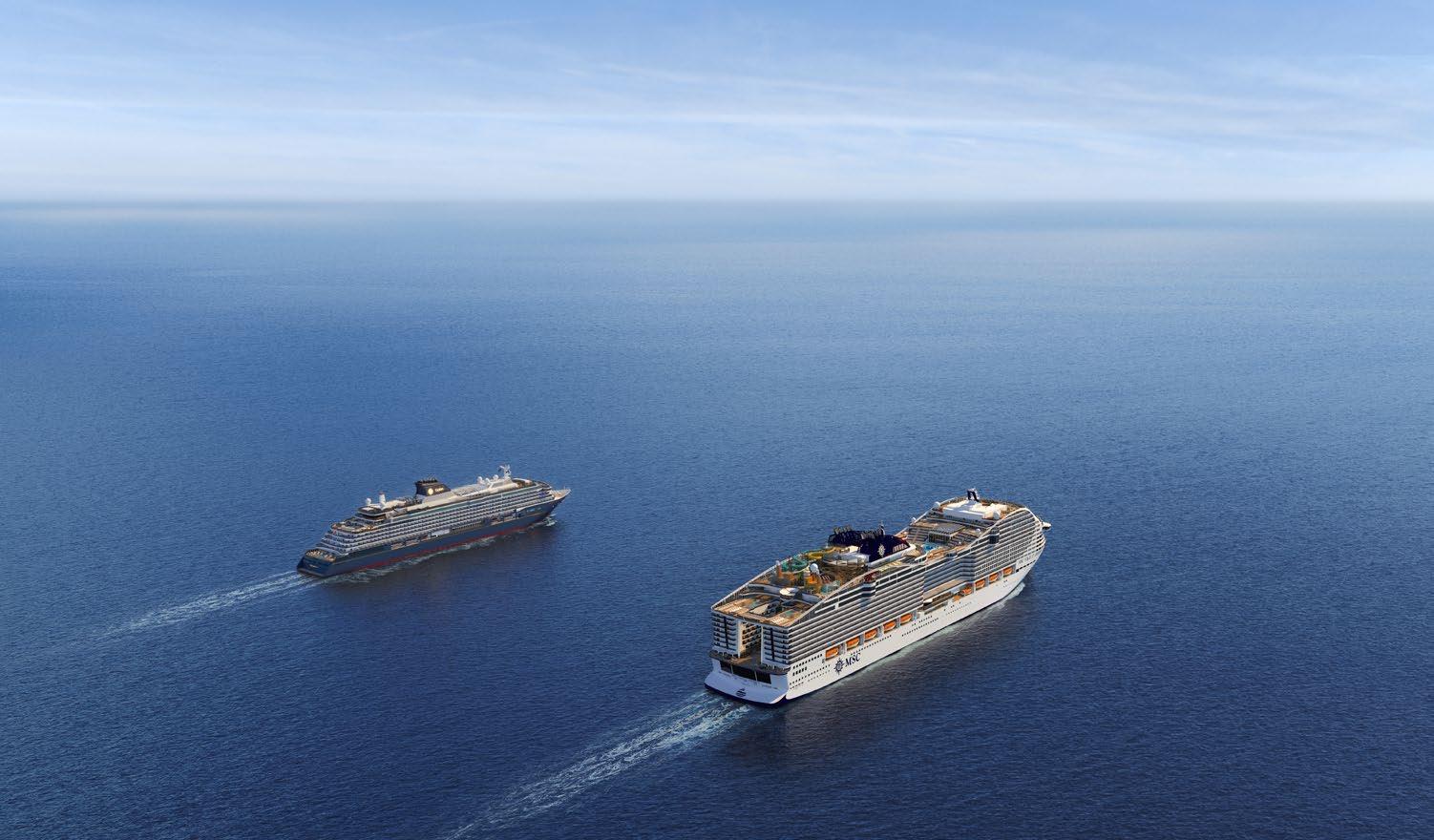
MSC Cruises and Explora Journeys together form the Cruise Division of MSC Group, a leading privately held Swiss-based shipping and logistics conglomerate, headquartered in Geneva, Switzerland. MSC Cruises is the world’s third-largest cruise brand and is the leader by capacity in Europe, the Gulf region, Southern Africa and South America. We have a strong and growing presence in the USA and the Caribbean, and operate in the Far East.
Our sustainability priorities are defined through our double materiality assessment (DMA), which identifies the sustainability matters with the most significant impacts, risks, and opportunities (IROs) for our business. These material topics directly inform our business strategy, growth ambitions and decision-making, and ensure that sustainability considerations are embedded in how we create long-term value.
OUR VISION
To be the world’s leading provider of cruise holidays, offering exceptional experiences to guests while supporting local communities and minimising our impact on the environment.
OUR VALUES
Our company values are the cornerstones of our business, supporting our vision, shaping our culture and driving responsible and innovative practices.
We are a We have We are in We We believe in
OUR SHIPS
EXPLORA JOURNEYS
EXPLORA II 2025
EXPLORA I 2023
WORLD CLASS
MSC WORLD AMERICA 2025
MSC WORLD EUROPA 2022
SEASIDE CLASS
MSC SEASCAPE 2022
MSC SEASHORE 2021
MSC SEAVIEW 2018
MSC SEASIDE 2017
MERAVIGLIA CLASS
MSC EURIBIA 2023
MSC VIRTUOSA 2021
MSC GRANDIOSA 2019
MSC BELLISSIMA 2019
MSC MERAVIGLIA 2017
FANTASIA CLASS
MSC PREZIOSA 2013
MSC DIVINA 2012
MSC SPLENDIDA 2009
MSC FANTASIA 2008
MUSICA CLASS
MSC MAGNIFICA 2010
MSC POESIA 2008
MSC ORCHESTRA 2007
MSC MUSICA 2006
LIRICA CLASS
MSC SINFONIA 2005
MSC ARMONIA 2004
MSC OPERA 2004
MSC LIRICA 2003
2025 AT A GLANCE
25 Number of ships
14 Number of ships on order
OUR OPERATIONS
28,808,570 Available lower berth days (ALBD)
4,910,399 Guests carried
3 Number of dual-fuel LNG vessels
20
Number of ships with shore power capability
8,624 Operating days
41.9% Improvement in carbon emissions intensity since 2008
42.3% Of onboard waste segregated for recycling
OUR WORKFORCE
52,371 Number of Crew
9,839 Tonnes of renewable fuels used
217 Connections to shore power
3 , 734
Number of shore-based employees
137
Number of crew nationalities
1,725,359 Number of training hours
OUR STRATEGY
Our business strategy and growth plan are developed around six key pillars.
Fleet modernisation and renewable fuels
We continue to build one of the world’s most modern cruise fleets. Between 2026 and 2033, we will invest substantially in 14 new vessels, expanding our fleet to 39 ships. These dual-fuel newbuilds will incorporate innovative designs and advanced technologies that support our energy transition and long-term decarbonisation goals.
Alongside new investments, we continue to enhance our existing fleet through targeted upgrades that will improve energy efficiency, increase operational flexibility, and help address potential future constraints in the destinations we visit.
We design and operate our fleet to enable the use of renewable fuels, with fuel flexibility embedded into both vessel design and operational planning. We view the LNG pathway as a key enabler of our energy transition, as it provides immediate emissions reductions today while offering compatibility with renewable drop-in alternatives in the future.
See our Environment chapter for more information on our energy transition.
Operational Excellence
As we expand our fleet and extend our global reach, we are focused on optimising efficiency across all areas of our operations. This includes enhanced itinerary planning while elevating the guest experience, strengthening our supply chain through robust and scalable practices, and developing the land-based infrastructure required to support our growth.
In 2025, our two strategically located cruise terminals in Miami and Barcelona became operational, marking a significant milestone in our expansion. We continue to invest in ports and destinations worldwide, ensuring our infrastructure evolves in alignment with our long-term growth plans.
Global market growth
We continue to broaden our operations in existing markets while also expanding into new regions. During 2025, our new vessel, MSC World America, was added to our operations in North America and we will begin operating in Alaska in 2026.
We are also exploring emerging markets, being mindful of our responsibility to work together in partnership with local communities to bring benefits beyond cruise-related revenues.
Our wholly owned Barcelona and Miami cruise terminals became operational in 2025 and we continue to make investments in new shore-based infrastructure to support our growth in existing and new regions.
Continual improvement of our guest experience
Alongside continued investment in our fleet, we are focused on improving the guest experience by refining our services and offering more personalised products and experiences across the full guest journey.
We are expanding shore-based experiences that reflect local expectations and priorities, including low-impact excursions and activities that support nature awareness and education. These experiences are developed in close collaboration with our tour operator partners to support responsible tourism outcomes.
In 2025, we began implementing a more structured approach to accessibility, including the creation of a new senior role. We collaborate with a specialist provider of accessible travel solutions and expanded our offering of accessible shore excursions. In parallel, we are reviewing and enhancing onboard services and facilities to better support guests with disabilities, supported by targeted training for our people to improve awareness, service delivery and inclusion.
Guest satisfaction is measured using the Net Promoter Score (NPS), based on extensive guest feedback. This feedback is used to identify priorities and inform continuous improvements across the guest experience.
See our Social chapter for more information on the guest experience.
Developing talent in our workforce
As our business grows, building a skilled and capable workforce is essential. We recruit employees from a wide range of regions and backgrounds, bringing diverse perspectives and expertise that strengthen our operations.
We prioritise safety, wellbeing and professional growth, providing structured opportunities for career development and clear pathways for advancement. In 2025, 6,192 crew were promoted internally, an achievement enabled through systems that provide each crew member with access to trainings and the skill requirements for progression and promotion.
These initiatives contribute to stronger talent retention and operational continuity. In 2025, crew retention continued to improve, enabling more effective workforce planning as our fleet and operations expand.
See our Social chapter for more information on how we support and develop our workforce.
Supporting communities
We work closely with local communities to maintain strong relationships and address key concerns, including responsible tourism management and low-impact tourism. These efforts ensure that economic and social benefits extend beyond cruise-related revenues.
Our dedicated Community Engagement Steering Committee, led by the Sustainability & Community Engagement Manager, ensures a focus on the specific needs and concerns of the destinations we visit, fostering positive, mutually beneficial relationships.
Beyond the destinations we visit, we also contribute to the communities where our ships are built and maintained. Shipbuilding and refurbishment activities support skilled employment, local supply chains and long-term industrial capabilities. Through these partnerships, we aim to create lasting economic value for the regions that play a key role in bringing our ships to life.
We collaborate with the wider cruise industry through organisations such as the Cruise Lines International Association (CLIA) to address shared challenges, including over-tourism, and to promote sustainable practices. Studies by CLIA highlight the economic contribution of cruise operations and guests to local communities, including spending in shops and restaurants, tours and excursions, port fees, and sourcing local supplies.
See our Social chapter for information on how we engage with communities.
VALUE CREATION
Our business activities drive value creation both up- and downstream, from the goods and services we source, to the destinations we visit and the people we employ.
VALUE CREATION IN 2025
5 training centers in Asia, South America and South Africa provided role-specific training to 6,300 new crew
45 offices in 25 countries
5 SHIPYARDS FOR SHIPBUILDING AND MAINTENANCE
• 1 new ship delivered
• 3 dry docks
• 14 new ships on order 2026-2033
9,839 tonnes of certified renewable fuel purchased
3,734 shore-based employees
424 unique itineraries across 97 countries
25 SHIPS OPERATING WORLDWIDE
• 4,910,399 guests across 201 nationalities
• 52,371 crew across 137 nationalities
2 new terminals opened in Miami and Barcelona
SHOREPOWER
• 20 ships equipped with shore power
• 217 shore power connections
2,356 active suppliers
4,352 unique excursions provided for our guests
STAKEHOLDER ENGAGEMENT
We engage proactively with a wide range of stakeholders to understand their priorities, inform our decisions, and ensure our operations deliver social, environmental, and economic value.
Stakeholder engagement remains an important method to identify our sustainability priorities and overall business strategy, and in turn, inform the content and disclosures of this report.
Employees
• Health and safety
• Career development and training
• Diverse and inclusive environment
• Corporate ethics
• Sustainability
Guests
• Health, safety, accessibility
• Onboard and shore experiences
Ports
• Infrastructure requirements
• Environmental impact
• Tourism management
Communities and Civil Society
• Tourism management
• Responsible tourism
• Economic benefit
• Environmental protection
We draw on multiple formal and informal touchpoints to support open dialogue, while ensuring concerns can also be raised safely and confidentially, including:
• Training programmes
• Individual performance management process
• Whistleblowing channels
• Internal communications
• Webinars
We engage with guests at multiple touchpoints before, during and after their journey via:
• Pre-cruise communications
• MSC for ME app
• Onboard signage
• Post-cruise surveys
We work closely with our ports to manage concerns, including through:
• Coordination of arrival schedules
• Agreeing visitor limits and port call frequency
• Support on infrastructure investments
• Collaboration through industry group events
We engage proactively with communities and civil society organisations in destinations we visit, seeking to understand local priorities and collaborate on initiatives that support environmental protection and shared value creation. We achieve this through:
• Proactive engagement at visited destinations
• Participation in port and destination events
• Partnerships on shared initiatives
STAKEHOLDER KEY STAKEHOLDER CONCERNS HOW WE ENGAGE
STAKEHOLDER KEY STAKEHOLDER CONCERNS
Suppliers
• Procurement policies
• Timely payment
• Fair treatment
Shipbuilders
• Regulatory compliance
• Safety
• Energy efficiency and decarbonisation
• Innovation in shipbuilding construction
Regulators and Policy Makers
Financial / Insurance
• Effective regulations
• Safety and sustainability compliance
• Decarbonisation
• ESG performance
• Climate risk
• Asset financing
Member Organisations
• Industry standards
• Collective policy influence
We foster close relationships with our suppliers to communicate expectations, conduct responsible procurement and manage sustainability risks through:
• Screening and onboarding
• One-to-one engagement
• Guidance on environmental procurement
• Supply chain risk assessments and action
We work closely with shipbuilders throughout the design and construction process to ensure alignment with regulatory, environmental and operational expectations by:
• Collaborating at all design and construction stages
• Alignment on decarbonisation and operational performance expectations
We engage with regulators and policy makers to influence evolving maritime regulation and ensure compliance via:
• Ongoing dialogue at local, national, and international levels
We engage directly with members of the financial community on topics including:
• Our energy transition plans
• ESG considerations for vessels and terminals
We contribute to collective action and policy discussions by participating in numerous forums including those led by:
• Cruise Lines International Association (CLIA)
• World Travel & Tourism Council (WTTC),
• International Chamber of Shipping (ICS)
• International Maritime Organisation (IMO)
• National shipowner associations
DOUBLE MATERIALITY ASSESSMENT
A Double Materiality Assessment (DMA) used input from relevant internal stakeholders, desktop analysis, and insights gained through ongoing engagement with external stakeholders to identify our Impacts, Risks and Opportunities (IROs). Our material IROs inform our business strategy, shaping the policies we develop and targets we set – ultimately supporting the long-term resilience of our business.
Internal subject matter experts are engaged to ensure a clear understanding of their roles and responsibilities in managing these IROs. Oversight of our sustainability strategy sits at the highest level: our Executive Chairman is the Chair of the SAB, which also includes the CEOs and all concerned management functions, to oversee and approve policies and targets related to our IROs.
The IROs will be reviewed to ensure continued relevance in 2026.
DMA OUTCOME
This Sustainability Report is structured to report on the management of the material IROs and includes the relevant disclosures.
ENVIRONMENT
Climate change mitigation is a key strategic focus for our business. We have reaffirmed our commitment to achieving net-zero greenhouse gas emissions for our marine operations by 2050, supported by a robust energy transition plan.
We leverage advanced onboard technologies and systems to prevent pollution, backed by the expertise of our teams both onboard and ashore. Our dedication to protecting marine biodiversity is demonstrated through initiatives including deck crew training in whale strike mitigation, underscoring our commitment to ocean health and reflecting our unwavering focus on environmental responsibility.
CLIMATE
1
MATERIAL ISSUES
• Climate change
• Energy and fuel consumption
2
KEY POLICIES
• Energy Transition Plan
• ISO 14001 Environmental Policy
• ISO 50001 Energy Management Policy
3
2025 ACTION HIGHLIGHTS
• Achieved the IMO’s carbon intensity reduction 2030 target, with a 41.9% improvement in kgCO₂/ALBkm since 2008
• 9,839 metric tonnes of renewable fuels used by our fleet, reducing well-to-wake emissions by 48,714 tCO₂e compared to their fossil equivalent
4
LOOKING AHEAD & TARGETS
• Meet or exceed the near and mid-term emissions milestones in our Energy Transition Plan
• Achieve net-zero greenhouse gas emissions for marine operations by 2050
Material issues
The nature of our business requires that fuel use, the resulting GHG emissions and potential impact on climate is a core material issue. Our actions for climate related material issues are influenced by regulatory environment and the clear expectations across a broad range of stakeholders.
Energy transition plan
In 2021, the MSC Cruise Division committed to achieving netzero GHG emissions for its marine operations by 2050, and in 2024 we published the first iteration of our Energy Transition Plan, independently verified by Bureau Veritas. The plan sets out our decarbonisation trajectory to 2050 with 5-year interim emissions targets. These targets are set in metric tonnes of carbon dioxide equivalent (tCO₂e) emissions across the full fuel lifecycle, in line with the well-to-wake approach.
To ensure the Energy Transition Plan remains closely aligned with business operations, we updated key inputs in 2025, as well as updates to our business strategy, and changes to renewable fuel availability. Following this process, we are pleased to share
we remain within the original trajectory forecast in 2024 and on track to achieving our interim 2030 target. This updated plan was reviewed and approved by the CEO and the Executive Chairman.
Our newbuild orderbook continues to grow, with MSC World America joining the fleet in 2025. Over the next eight years, MSC Cruises will introduce six new World Class ships, including MSC World Asia (2026) and MSC World Atlantic (2027), and four New Frontier Class ships, alongside four new Explora Journeys ships. This will increase the number of ships in our Cruise Division fleet from 25 vessels in 2025 to 39 by 2033.
The Cruise Division is expected to reach peak emissions in 2030, after which absolute emissions will begin to decline as we accelerate the transition to renewable fuels, particularly through the deployment of bio-LNG where feasible. We remain confident in our ability to meet our stated milestones in 2035, 2040, 2045, and ultimately 2050, while recognising that greater regulatory clarity and increased renewable fuel production would enable us to accelerate the transition further.
MSC CRUISE DIVISION ENERGY TRANSITION PLAN
IMO CARBON INTENSITY PERFORMANCE OF MSC CRUISE DIVISION
Achieving our carbon intensity target
In 2018, the IMO agreed on a sector-wide goal to reduce the carbon intensity of international shipping by at least 40% by 2030 compared with 2008 levels, focusing on the tank-to-wake CO₂ emissions generated per available lower berth-kilometre (ALBkm). We are proud to report that in 2025 we achieved this target five years ahead of the 2030 timeline, achieving 41.9% reduction, reflecting sustained improvements through fleet modernisation and operational optimisation.
In 2025, we achieved the IMO’s 2030 target of a 40% reduction in CO₂ intensity, five years ahead of schedule.
Decarbonisation levers
To achieve our net-zero goal, we are focusing our effort and resources on three main decarbonisation levers: Lever 1: Ship and Engine Technology, Lever 2: Operational Efficiency and Lever 3: Renewable Fuels. The first two levers are focused on reducing fuel consumption – irrespective of fuel type – through the deployment of more efficient technologies and better operating and energy efficiency practices. By decreasing the baseline energy demand of each ship, we create the conditions for the third lever to deliver its full impact: the transition to renewable fuels, which will ultimately enable us to reach netzero emissions.
Lever 1: Ship and Engine Technology
Our newbuild programme ensures that each new ship incorporates design features and technologies that reduce our energy demand over a service life that typically exceeds 30 years. Our team of naval architects and engineers work closely with shipyards, research and development institutions, technology providers, engine manufacturers and numerous other stakeholders to deliver the most energy-efficient designs possible.
Ship Design
As part of our detailed newbuild strategy, we set design targets that will help us to reach net-zero by 2050. We also closely align targets to the IMO’s Energy Efficiency Design Index (EEDI) – the globally harmonised framework for assessing and advancing energy efficient ship design - that sets progressively stricter emission limits for new vessels. All new cruise ships must exceed EEDI Phase 3 –the most stringent tier of the current EEDI requirements – by 20%. As a result, we are proud that the Cruise Division has delivered some of the most energy-efficient cruise ships in the world, with MSC Euribia outperforming EEDI Phase 3 by 28%, MSC World Europa by 37%, and our newest vessel, MSC World America, by 39%.
A key requirement of our newbuild programme is that all the new vessels must be capable of connecting to shore power while at berth. Once connected in port, ship engines can be switched off, reducing direct emissions and drastically reducing the impact on local air quality.
More information on our shore power use can be found in the Pollution section of this chapter.
DECARBONISATION LEVERS

SHIP AND ENGINE TECHNOLOGY
RENEWABLE FUELS
IMO
40,00050,00060,00070,00080,00090,0001,000,000110,000120,000130,000140,000150,000150,000170,000180,000190,000200,000210,000220,000230,000240,000250,000
Engine Technology
A critical consideration in new ship design is the ability to mitigate uncertainties relating to future fuel availability. The engine technologies installed on our ships must be designed to operate on the lowest impact fossil fuels available today, while remaining capable of a full transition to drop-in renewable energy.
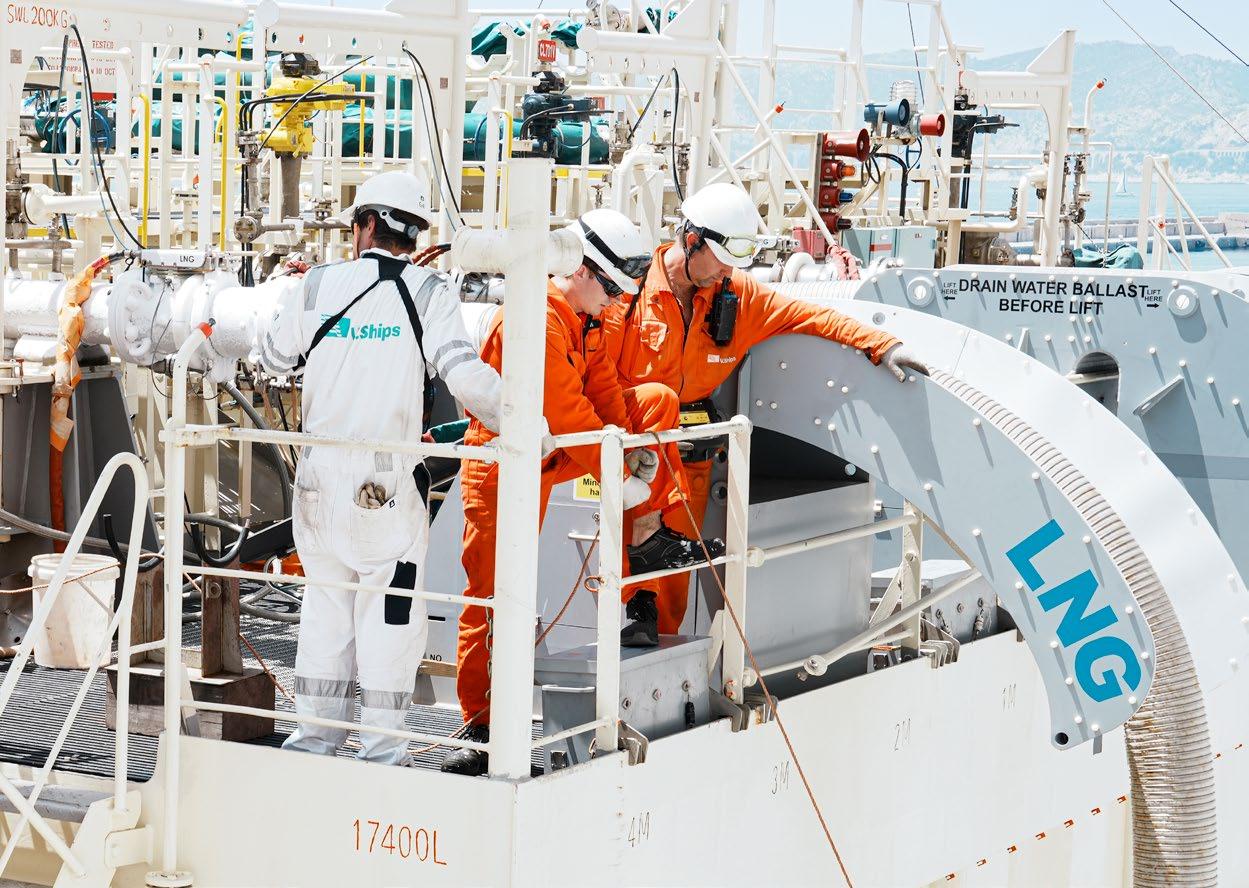
To support this transition, we are installing dual-fuel engine technology on all newbuilds, enabling the use of both Liquified Natural Gas (LNG) and Marine Gas Oil (MGO) fuel types, and the ability to run on a broad range of renewable drop-in fuels commonly available in the market today. This strategy ensures multiple renewable fuel pathways remain available to our fleet in the future and, most importantly, enables the immediate uptake of renewable fuels, such as bio-LNG and synthetic (e-) LNG, which are widely anticipated to be among the most scalable and cost-effective fuel pathways in the near to medium term.
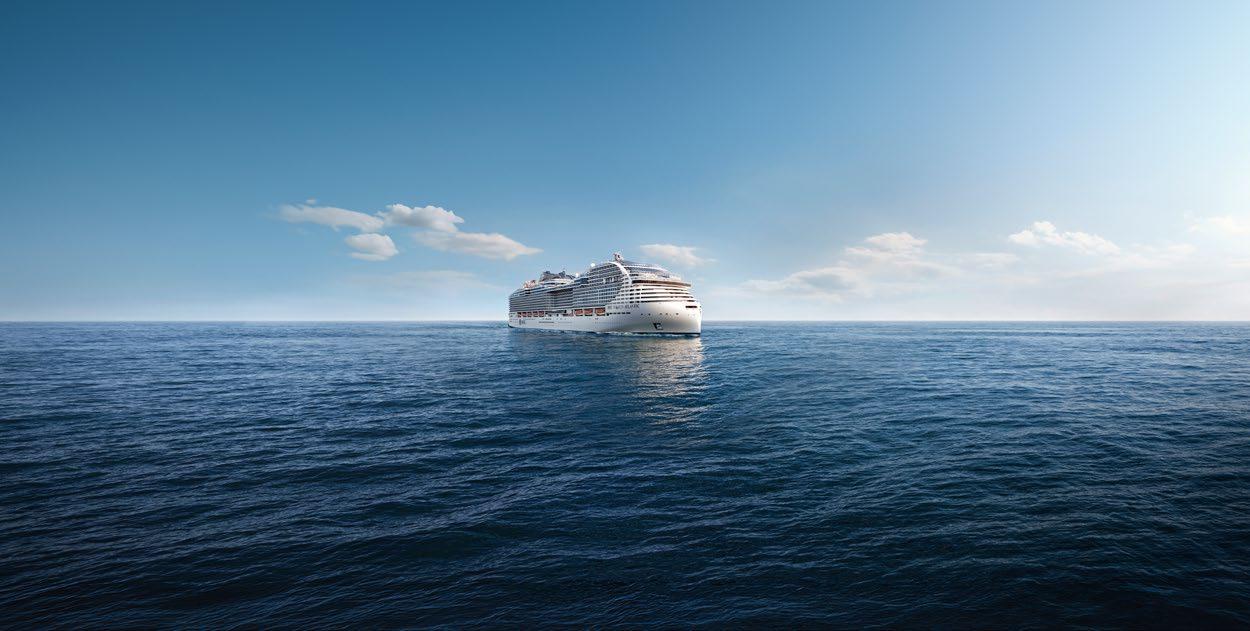
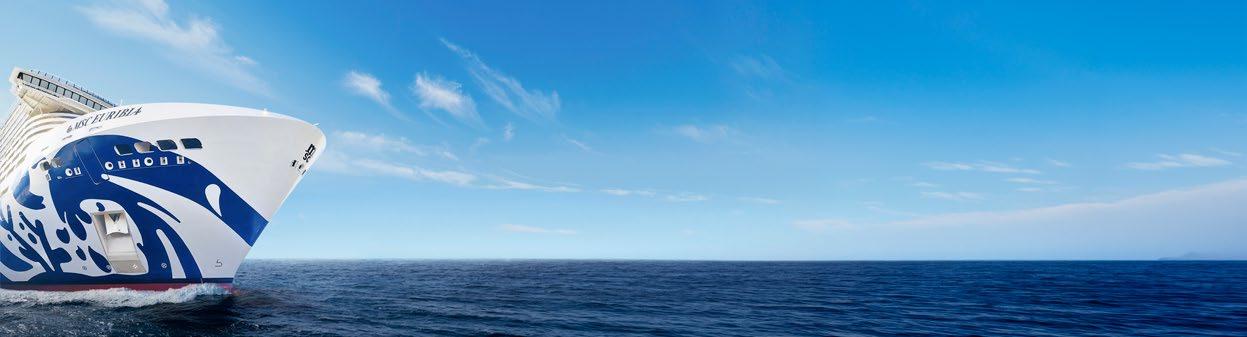
MSC Euribia (2023)
MSC World America (2025)
MSC World Europa (2022)
DROP-IN RENEWABLE FUELS
LNG DUAL FUEL ENGINE
LNG provides an immediate GHG reduction of up to 20% compared to conventional marine fuels, such as heavy fuel oil and marine diesel, while also effectively reducing many local air quality pollutant emissions.
Methane slip remains an important topic in the discussion around LNG as a marine fuel and often results in a more negative discourse than warranted due to reliance on
outdated or incomplete information. We have demonstrated through independent onboard measurement campaigns – conducted by the VTT Technical Research Centre throughout 2024 and 2025 – that the methane slip level of our modern dual-fuel LNG engines measured 1.7% or lower, significantly below the 3.1% default factor established by FuelEU Maritime for dual-fuel LNG medium-speed engines.
We remain committed to advancing the understanding of methane slip by supporting the implementation of a coherent and comprehensive methodology for methane emissions measurement and reporting. This will help to ensure that regulatory frameworks reflect the actual performance of state-of-the-art engine technologies under real operating conditions today. In parallel, we are actively engaging with engine manufacturers to explore and integrate low-methaneslip solutions into our future newbuilds, contributing to further reductions in methane emissions across the fleet.
Following the publication of FuelEU Maritime Guidelines for reporting and verification of actual methane slip tank-to-wake emissions factors by the European Commission, 2025 was the first year that the MSC Cruise Division was able to report using independently verified actual methane slip values as opposed to default values for its dual-fuel LNG ships. MSC World Europa attained a 1.67% actual methane slip value, while MSC Euribia attained 1.48% - significantly below the 3.1% default value prescribed by FuelEU Maritime Annex II.
Lever 2: Operational Efficiency
Designing and delivering advanced ships is only the first step. Our ships are fitted with the latest available energy efficiency technologies able to reduce energy consumption of onboard utilities such as cooling water systems, chilled water system, HVAC and ventilation in different operational modes and to maximise heat recovery.
The second is to ensure they are operated as efficiently as possible throughout their full-service life. Achieving this means ensuring that each ship’s hull, machinery and systems are maintained properly and managed in the most energy efficient way possible. Effective itinerary planning is equally important, as decisions related to ship deployment, ports of call, the order in which destinations are visited, and arrival and departure times affect the fleet’s overall energy demand.
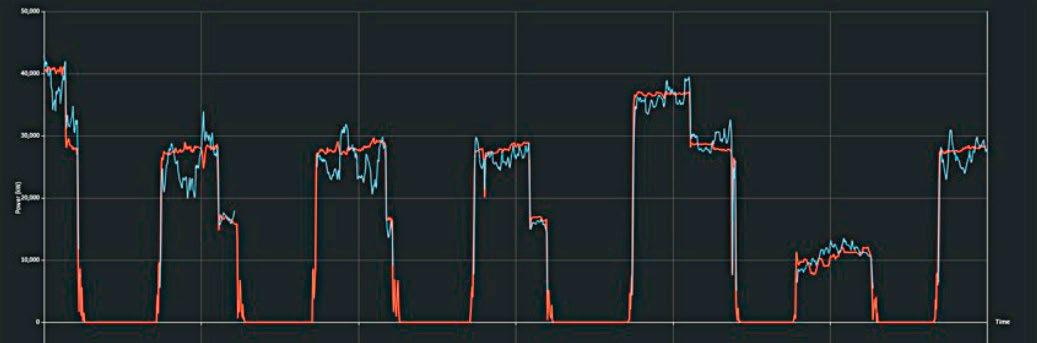
Real-time monitoring is essential to maintaining and improving performance, and digitalisation is unlocking efficiency gains that were previously not possible without high-frequency data. Oceanly Performance is the software solution used to monitor each ship’s performance by tracking fuel consumption, engine parameters, hotel loads and all major onboard systems and utilities. Every five minutes, thousands of signals are transmitted from each ship around the globe to our shoreside Energy Efficiency Department, where experts can immediately identify less-than-optimal performance and advise the ship’s command on opportunities to further improve performance and share best practices across the fleet.
Operational efficiency measures are structured across three areas of focus:
Propulsion
Propulsion covers all aspects related to the performance of a ship’s hull. A rough and fouled hull or propeller increases resistance, requiring more fuel and generating higher emissions to maintain target speeds. In 2025, substantial fuel savings were achieved through enhanced drydocking practices involving full hull blasting and the application of premium coatings that reduce surface roughness and slow biofouling. By year end, 14 of our 25 ships had been fully blasted and coated with advanced silicone-based coatings. In addition, close monitoring of hull performance through Oceanly Performance allows us to identify fouling accumulation and intervene where needed, typically by conducting an underwater hull or propellors cleaning. In 2025, we commenced projects involving regular preventive hull cleanings using Remotely Operated Vehicles (ROVs). Together, these strategies have achieved a 3.4% reduction in speed loss since early 2023 which translates to tens of thousands of tonnes of GHG emissions avoided on a yearly basis.
Hotel and services
Onboard hotel and service operations include, among others, heating, ventilation and air conditioning (HVAC), lighting, galleys, laundry operations, exhaust gas cleaning, freshwater production, various pumps and fans. Together they represent a significant proportion of our energy consumption, and an important area to monitor and optimise to ensure that no energy is wasted. To achieve this, we rely on:
• Upgrading our ship equipment, for example by retrofitting more efficient HVAC systems, lights, or pump and fan controls.
• Collecting and analysing high frequency operational data from hotel and service consumers through Oceanly Performance, providing valuable insights and enabling us to focus on key consumers, identify optimal operational practices and quantify savings after the application of a new measure.
Power Plant management
By maximising the efficiency of our ships’ power generation systems, we reduce the amount of fuel we require. Our performance system enables us to monitor the operational load of our engines and to ensure we are operating within the most efficient load range whenever possible. Additionally, through analysis of historical high frequency engine data it is possible to track engine performance over time and take informed decisions on engine maintenance to ensure efficiency remains optimal.
Analysis of millions of data points each year is applied to newbuilds being designed and constructed across Europe, ensuring that: ships are optimised for a range of realistic operational conditions rather than one design condition; onboard systems can foster energy efficient operations; and that proven upgrades to the fleet in operation are also applied to the newbuilds.
EMISSION REDUCTION FROM OPERATIONAL EFFICIENCY
31,500 tCO₂e
Propulsion – 60.2%
• Dry docks
• Hull cleaning
• Trim management
• Full blasting
• Silicon paint
18,400 tCO₂e
Hotel Load and Thermal Load – 35.2%
• HVAC
• Lighting
• Freshwater production
• Heat recovery
• Thermal power demand
2,400 tCO₂e
Generators Utilisation – 4.6 %
• Configuration management
• Loading at sea
Dashboard 1
OPERATIONAL EFFICIENCY IN ACTION
VS.
PROPULSION
PUBLIC AREAS
HVAC
Temperature, CO₂ and fan-speed setpoints are configured to optimise comfort and energy efficiency across all public areas and cabins. These settings are also managed through occupancybased timetables to avoid energy waste.
LED RELAMPING
Across most of the fleet, older technology lights have been replaced with more efficient LED lighting.

GALLEY ENERGY
SAVING MODE
Galley timetables ensure that consumption is reduced in out of service hours.
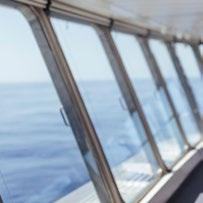
BRIDGE DG LOAD OPTIMISATION
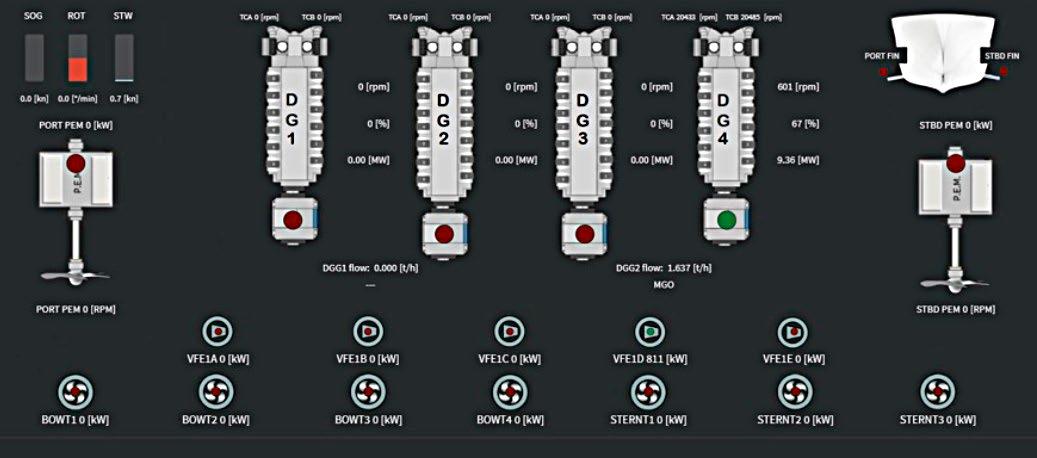
The ship’s voyage is planned to ensure that the diesel generators are used at their optimal (most efficient) load point.
DEADWEIGHT OPTIMISATION
The ship’s displacement and trim are adjusted to achieve the best propulsive efficiency based on optimisation algorithms.
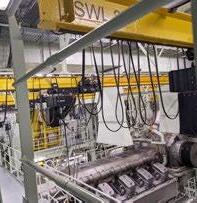
TECHNICAL SPACES CHILLER OPTIMISATION
An AI-based system uses vessel operational data and environmental conditions to adjust chilled-water temperature and reduce energy waste.
HEAT MANAGEMENT
The use of reverse osmosis and evaporator plants are based on the available steam to reduce boiler consumption.
SHORE POWER
When possible, vessels connect to shore power to eliminate local emissions at berth.
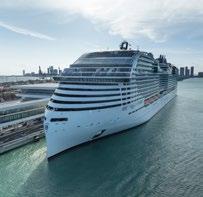
HULL HULL & PROPELLER PERFORMANCE
By constantly monitoring the H&P performance via shore-based dashboards, hull cleanings (using divers or robots) and propeller polishings are planned to minimise interventions while ensuring an efficient hull.
During drydocks, ships are hydrodynamically improved through appendage modifications and the application of low resistance silicone coatings.
Lever 3: Renewable Fuels
While technology and operational efficiency reduce the amount of fuel consumed by the fleet, switching from fossil fuels to renewable drop-in substitutes remains the only option for achieving sustained, long-term emissions reductions and our ultimate ambition of net-zero GHG emissions by 2050.
The availability and affordability of renewable fuels is heavily influenced by the presence of fit-for-purpose policy measures that can stimulate demand, create and maintain a level playing field, and deliver financial incentives for early adopters. At the regional level, the EU has taken meaningful steps in this direction with the introduction of the FuelEU Maritime regulation which has introduced clear requirements to support the scale-up of renewable fuels, providing the policy certainty needed to accelerate the energy transition.
At the global level, negotiations are ongoing at the IMO on how to operationalise the revised 2023 climate ambition to reach net-zero by 2050. While initial consensus on key measures is now expected in 2026 rather than 2025, we remain supportive of a comprehensive global policy framework – including a global fuel standard – as it will be essential to bolster fuel availability worldwide and enable an equitable transition across the sector. We continue to monitor these developments closely and engage constructively in the regulatory process.
Bio-LNG and Mass Balance
In 2023, we demonstrated that a net-zero voyage using biomethane was possible with the launch of MSC Euribia. Building on this success, we actively engaged with fuel producers and suppliers to secure affordable high-quality renewable fuels, and in 2025 we began blending them into our operations at scale. For our dual-fuel ships, bio-LNG remains
the most practical and cost-effective solution, offering the highest emissions-reduction potential of any renewable fuel commercially available today and availability through massbalance delivery in the European gas grid. Mass balance is widely recognised as the most environmentally efficient method of distributing the benefits of renewable energy to end-users. For the maritime sector, relying on the existing pipeline network means that renewable methane can be delivered immediately without the need for investment in new infrastructure, which would increase both cost and associated emissions while further delaying uptake.
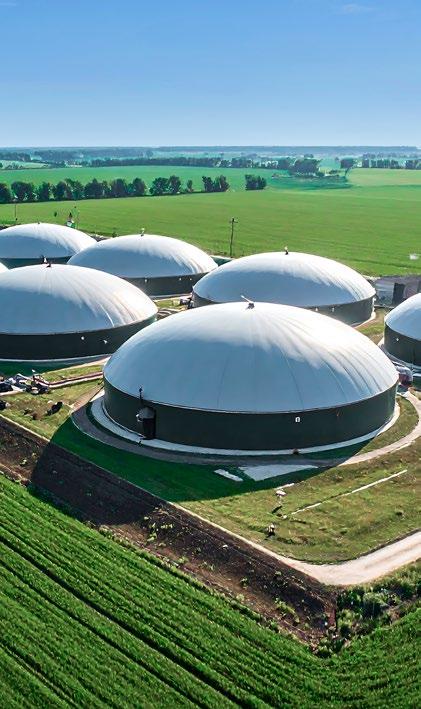
The bio-LNG we sourced in 2025 was produced from a variety of different sustainable feedstocks, including whey permeate, food waste, sewage sludge, organic municipal waste and, most notably, manure, which alone accounted for over 66% of the total feedstock used on an energy basis. The prominence of manure in our bio-LNG supply chain is particularly important as it is associated with the lowest carbon intensity due to its positive climate contribution. By capturing methane that would otherwise escape directly from manure decomposition, bio-LNG production prevents potent methane emissions. Additionally, the solid digestate by-product from biomethane processing is returned to farmland as an organic fertiliser, improving soil health, nutrient retention and long-term carbon sequestration. Beyond its emissions reduction benefits, manure-based bio-LNG strengthens rural economies, supports circular agricultural systems, reduces dependence on synthetic fossil-based fertilisers, and improves local air and water quality – making it one of the most impactful value chains in Europe’s transition to low-carbon fuels.

The prominence of manure in our bio-LNG supply chain is particularly important as it is associated with the lowest carbon intensity due to its positive climate contribution.
FEEDSTOCK BREAKDOWN
OUR BIO-LNG SUPPLY CHAIN
2025 FEEDSTOCK COUNTRY OF ORIGIN
LEGEND
The physical product is mixed but the environmental attributes are segregated in bookkeeping by an independent third party.
Same methane molecule (CH4 ), different production pathways.
BIOMETHANE PLANT
BIOMETHANE PLANT
NATURAL GAS PLANT
BIOMETHANE PLANT
NATURAL GAS TERMINAL
MSC WORLD EUROPA
BIOMETHANE NATURAL GAS
Biofuels Trials
As most of our fleet remains conventionally powered, biodiesels represent the only drop-in solution available for these vessels today. To validate compatibility with installed engines and ensure operational readiness, we conducted a four-month trial using 100% unblended hydrotreated vegetable oil (HVO) to power one of MSC Opera’s five engines. HVO is a type of renewable diesel fuel produced from waste residues as opposed to crude oil. During the trial, MSC Opera consumed, 1,727 tonnes of HVO and successfully demonstrated engine compatibility without the need for blending with marine diesel. The trial delivered promising results while also identifying possible engine settings to further improve the performance of HVO.
MSC Seaview also sailed using 572 tonnes of HVO and 164 tonnes of biodiesel from Used Cooking Oil (UCO), delivered in a B24 blend with Very Low Sulphur Fuel Oil.
The use of biomethane, several types of HVO, and UCO across our fleet showcases the ability for renewable fuels to seamlessly integrate into normal operations, helping to move the industry towards more widespread adoption of lower-emissions fuels.
Overall, the renewable fuels used by the Cruise Division in 2025 generated an emission reduction on a well-to-wake basis of 48,714 tCO₂e, compared to their equivalent fossil fuels.
BIOFUELS USED IN 2025

The renewable fuels used by the Cruise Division in 2025 generated an emissions reduction of 48,714 tCO2e compared to their equivalent fossil fuels.
GHG Scope 1, 2 and 3 emissions mapping
In 2025, we reached an important milestone in our decarbonisation journey by completing, for the first time, a full mapping of our GHG emissions across Scopes 1, 2 and 3. This work reflects our commitment to strengthening the way we understand and manage our climate impact, and it represents an important step in our wider journey to align – well ahead of the regulatory timeline – with the EU CSRD requirements.
A clear and detailed emission baseline is essential for identifying our most significant sources of impact and for guiding the next phase of our decarbonisation effort. The mapping exercise has helped us build a more complete picture of our emissions profile across both our company boundaries and in the broader value chain.
For Scope 1, we broadened our reporting to go beyond our fleet, which has intuitively been the primary area of focus so far, as it represents the largest share of our direct emissions. We now also account for the fuel consumption from all onshore assets that fall within our reporting boundaries, ensuring a more complete and accurate representation of our operational footprint.
The most significant evolution took place in Scope 3. In 2025, we completed a comprehensive assessment of our entire value chain for the first time, covering shipbuilding activities, dry-dock operations, global employee travel, food and beverage procurement and related logistics activities, as well as the waste generated during operations.
GHG EMISSIONS MAPPING
SCOPE 2
Indirect Emissions
Purchased Energy
Owned assets
Onshore power supply
SCOPE 1
Direct Emissions
Owned destinations Ship operations
SCOPE 3
Indirect Emissions
Value Chain
DOWNSTREAM ACTIVITIES UPSTREAM ACTIVITIES
End-of-life treatment Business mobility
Long term assets
Transportation of goods
Owned offices and vehicles
Scope 2 accounts for indirect emissions from purchased electricity, steam, heating, or cooling used in our operations.
For our fleet, this mainly relates to Onshore Power Supply (OPS), while for shore-side assets, it refers mainly to electricity consumption.
Scope 1 covers direct emissions from sources we own or operationally control.
It encompasses fuel consumption from our fleet as well as from onshore facilities (offices, warehouses, terminals, and destinations).
Leased assets
Purchased goods
Investments
Scope 3 covers all other indirect emissions outside our direct operations but linked to our value chain.
This includes shipbuilding, purchased goods and services, crew and employee mobility, and other categories related to our value chain.
Scope 3
Through in-depth analysis, we identified nine material Scope 3 categories out of the 15 defined by the GHG Protocol, reflecting the complexity of our operations and the wider ecosystem that supports our business. Our Scope 3 footprint totalled 2,224,267 tCO₂e, with Purchased Goods & Services, Fuel- and Energy-Related Activities and Capital Goods as the primary emission hotspots, together accounting for more than 89% of our total carbon footprint.
A key insight this year relates to ‘Category 2 – Capital Goods’. This category stands out as one of the most significant contributors to our Scope 3 emissions, largely due to the delivery of MSC World America in 2025 and opening of both Miami and Barcelona Cruise Terminals. Since the capital goods category requires us to account for the full upstream emissions associated with manufacturing, regardless of when those emissions occurred, the delivery of new assets can create significant fluctuations in annual results.
To ensure a robust and accurate calculation of our Scope 3 footprint, we undertook a comprehensive tender process to identify the partner with the methodology and tools required for our specific needs. This evaluation led us to collaborate with Normative, an industry leader in carbon accounting. Normative applies advanced methodologies and leverages a dozen globally recognised emissionsfactor databases to deliver reliable and transparent results across Scope 3 categories.
A key focus for us was prioritising an activity-based approach rather than the simpler spend-based method. Activity-based calculations rely on real operational data, making them significantly more accurate than spend-based estimates,
which only use financial data as a proxy. This choice reflects our commitment to integrity and precision in emissions reporting.
Implementing this approach required extensive work: mapping data sources, engaging the right stakeholders, and navigating multiple systems to gather consistent and reliable information. Data collection was only the first step; significant effort went into cleaning, harmonising, and validating the data to ensure accuracy.
Finally, matching the correct emission factors to each activity was a critical step. Using Normative’s access to multiple recognised emissions-factor databases, we secured the best possible matches, ensuring the highest level of accuracy for our Scope 3 calculations.
For aviation-related emissions, including business travel undertaken by employees and emissions associated with Fly & Cruise ticket sales, we rely on the International Air Transport Association (IATA) dataset. The IATA CO2 Connect emissions calculator uses real-world airline data such as type of aircraft operated, specific fuel consumption and airline-specific load factors to calculate carbon emissions. This methodology enables a robust and data-driven representation of CO₂ emissions per passenger by airline and aircraft type, based on the best available information.
Collaborating with specialised external experts has enabled us to establish a robust and accurate understanding of our carbon footprint. Through high-quality data and advanced calculation methods, we can confidently identify key emission hotspots across our value chain with increased confidence.

We prioritise an activity-based approach to Scope 3 emissions because it uses real operational data, delivering far greater accuracy than spend-based estimates.
SCOPE 3 EMISSIONS FOR MSC WORLD AMERICA
This year saw the delivery of MSC World America by Chantiers de l’Atlantique.
At 333m in length and with 2,614 cabins, the vessel incorporates the latest in modern maritime design and technologies. From an emissions-accounting perspective, the shipbuilding phase falls under our Scope 3 –Upstream emissions of capital goods (Category 2)
With the support of lifecycle emissions data for the shipbuilding phase from Chantiers de l’Atlantique , we were able to account for total emissions associated with the construction of MSC World America. This marked the first time we have been able to calculate the Scope 3 emissions associated with the shipbuilding phase, enabling greater visibility of our full carbon value chain and the proportion shipbuilding accounts for in our total carbon footprint.
The Chantiers de l’Atlantique yard has long recognised the environmental challenge: since 2007 it has advanced its Ecorizon® research-and-development programme, which is dedicated to improving energy efficiency and reducing CO₂ and other emissions.
The ship-building emissions from MSC World America account for 14% of our total Scope 3 footprint in 2025, an amount that is significant and reflects the scale of an asset of this magnitude.
The delivery of MSC World America marks not just a commercial or operational achievement, it also demonstrates the integration of sustainability at the heart of our capital investment planning.
Shipbuilding emissions of
305,000 tCO2e
GHG EMISSIONS BASELINE
Addressed by the Energy Transition Plan
Tank-to-Wake emissions of fleet 2,741,521
Well-to-Tank emissions of fleet
2,224,267
463,610
2025 annual GHG emissions
In 2025, our total carbon footprint was calculated as 9,977,492 tCO₂e, with Scope 1 accounting for the majority of emissions at 55% of the total. The second highest source was Scope 3, followed by 2.
The comprehensive Scope 3 emissions mapping we undertook in 2025 clarified that our emissions profile extends beyond the boundaries traditionally addressed through our Energy Transition Plan. While the Plan already targets the core of our climate impact by covering the tankto-wake emissions of our fleet under Scope 1 – together with the well-to-tank emissions of marine fuels under Scope 3 Category 3 – this exercise highlighted additional sources of emissions both within our business boundaries and across the entire value chain.
This full overview provides a robust 2025 baseline for our emissions and strengthens our ability to address decarbonisation in a holistic and more structured way. It
reinforces the role of the Energy Transition Plan as central to our decarbonisation strategy, while clearly highlighting remaining areas where further action is required in our value chain.
While decarbonising Scope 3 emissions presents a particular challenge due to the scale and complexity of our value chain, it is a priority that we are committed to addressing. Building on this baseline, our next steps will focus on progressively targeting these harder-to-reach emissions by integrating more sustainable practices across sourcing, procurement, logistics and operations, and by working closely with our partners and suppliers. By embedding sustainability into day-to-day decisionmaking beyond our fleet, we aim to translate this expanded understanding of our footprint into concrete actions that deliver long-term value for our business and stakeholders.
POLLUTION
MATERIAL ISSUES
• Water pollution
• Air pollution
KEY POLICIES
• ISO 14001 Environmental Policy
• Pollution prevention and control – related standard operating procedures
2025 ACTION HIGHLIGHTS
• 20 ships, covering over 87% of guest capacity with shore power capability
• Collectively, our ships made 217 shore power connections
• With the arrival of MSC World America, 17 of our ships have Advanced Water Treatment Systems installed
LOOKING AHEAD & TARGETS
• Increase shore power connections from 217 in 2025 to 450 in 2026
Material issues
Pollution prevention is central to protecting the environments and communities we operate in, requiring comprehensive environmental management measures to minimise the impact of our vessels on the ocean and local air quality in the port communities we visit.
Ocean pollution can potentially result from various activities including wastewater discharged from ships and – very rarely – accidents such as oil spills. Air pollution occurs from the emission of common pollutants including sulphur oxides (SO x), nitrogen oxides (NO x), and particulates (PM) resulting from the combustion of fuels used by vessels. Poor air quality affects ecosystems and human respiratory health.
Our approach
Our pollution-prevention approach is embedded in a rigorous environmental management system – certified under ISO 14001:2015 and ISO 21070:2017 – that ensures full compliance with regulations. All ships follow our pollutionprevention procedures that align with the International Convention for the Prevention of Pollution from Ships (MARPOL) requirements, covering oil spill prevention, wastewater management, waste management and air emissions. These procedures, which include protocols on pollution avoidance and accidental releases, are regularly verified by independent third parties.
Wastewater
All ships in our fleet operate with approved wastewater treatment and discharge systems, including 17 ships that are equipped with Advanced Wastewater Treatment Systems (AWTS), allowing the discharge of treated wastewater in accordance with regulations.
WASTEWATER
The 17 out of 25 ships with AWTS, accounting for 78% of our fleet by guest capacity, reflects our investment in the most advanced water treatment systems on our new vessels and enhanced operational efforts.
Seven vessels also feature enhanced nitrogen and phosphorus removal technologies that meet the MARPOL Baltic Standard for discharge in sensitive waters, reducing the risk of eutrophication, allowing the discharge of wastewater in the most sensitive regions that we operate in.
Oily bilge water is managed under strict controls and is normally offloaded at approved port reception facilities. Discharge to sea is permitted only in exceptional circumstances, following management approval, and always
following full treatment through the oil-water separator.
Compliance with regional discharge rules is supported by the onboard Ocean Guardian platform, to support environmental compliance anywhere in the world.
Biofouling
All vessels follow a dedicated Biofouling Management Plan covering the monitoring, maintenance and use of approved anti-fouling coatings. The hull coating across our entire fleet complies with the International Convention on the Control of Harmful Anti-fouling Systems on Ships (AFS Convention). Additionally, eight ships use next-generation, highly durable paints that greatly reduce the risk of particles detaching into the marine environment.
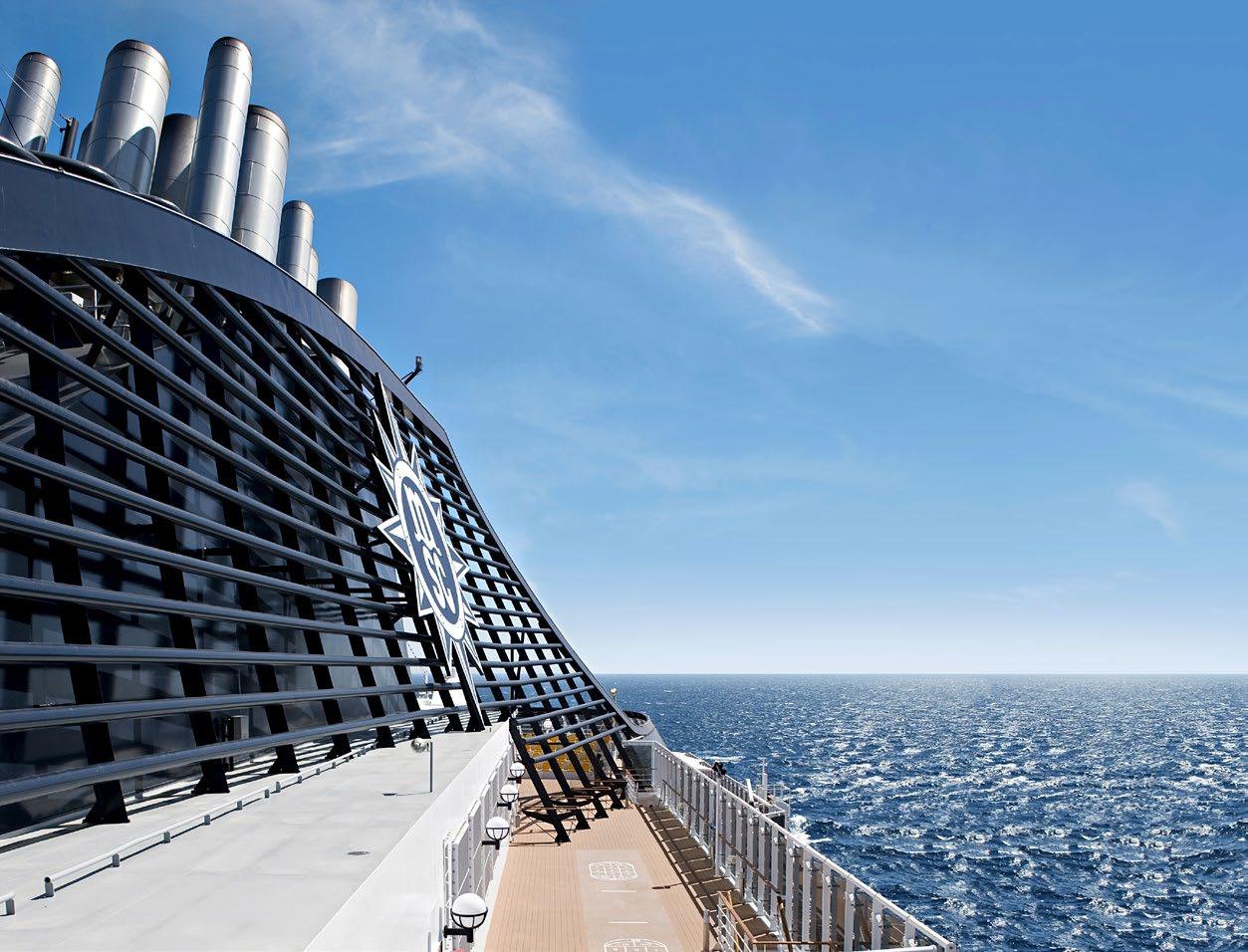
Seven vessels feature enhanced nitrogen and phosphorus removal during advanced wastewater treatment that reduces the risk of eutrophication in sensitive waters.
Air pollution
Managing and reducing atmospheric pollutants such as sulphur oxides (SO x ) and nitrogen oxides (NO x ) are key priorities for our operations. We address air pollution through a combination of fuel choices, onboard technologies, regulatory operational obligations, and voluntary commitments that go beyond minimum requirements in certain regions.
We fully comply with the IMO MARPOL Annex VI requirements, which set global and regional limits on air pollutant emissions depending on fuel type, engine characteristics, vessel age and area of operation. Since 2020, the global sulphur cap limits sulphur content in marine fuels to 0.50%, while a stricter 0.10% limit applies in designated Emission Control Areas (ECAs), including the Baltic Sea, North Sea, North America and, from May 2025, the Mediterranean Sea. NO x emissions are regulated through a tiered system, with Tier I and II limits applying globally based on engine build date, and the most stringent Tier III standards applicable to newer vessels operating within NOx ECAs and other sensitive areas such as the Norwegian Heritage Fjords.
Our LNG dual fuel newbuild strategy ensures that all new MSC Cruises ships operate on LNG. Beyond its GHG benefits compared to conventional marine fuels, LNG virtually eliminates many local air quality pollutant emissions, achieving the following reductions:
• ~85% reduction in NOx
• ~99% reduction in SO x
• ~99% reduction in particulate matter emissions (PM)
All other vessels either operate on MGO, a low sulphur distillate fuel, or are equipped with hybrid Exhaust Gas Cleaning Systems approved by the Flag Administration
and compliant with IMO 2021 Guidelines. These systems reduce sulphur emissions to below the 0.5% IMO sulphur limit and the more stringent 0.1% limit in ECAs. The resulting washwater is managed in accordance with applicable regulations and safely retained onboard where discharge is restricted. To address NOx emissions, nine of our newest ships are also fitted with Selective Catalytic Reduction (SCR) systems, enabling compliance with IMO Tier III requirements.
Beyond regulatory compliance, we voluntarily apply additional measures in certain regions. In France, our commitment under the newly revised Charter on Sustainable Cruising in the French Mediterranean includes actions to reduce atmospheric emissions. For example, we prioritise shore power connections while at berth, where possible, and implement operational measures to minimise emissions in the event of pollution peaks. We also monitor visible emissions at berth and promote transparency through the publication of inspection results by port state authorities. In Italy, we adhere to Blue Flag agreements with several ports, including Genoa, La Spezia, Trieste, Civitavecchia, Ancona and Venice, implementing further voluntary measures to reduce air pollutant emissions and our impact on local air quality.
We monitor and report SO x and NO x emissions across our fleet, ensuring full transparency of our air emissions management. This data has been subject to independent third-party verification, reinforcing the robustness and credibility of our reporting processes. Compared to the previous year, our 2025 SO x and NO x performance decreased, reflecting the combined effect of our fuel choices, technical abatement systems and the operational measures implemented across the fleet.
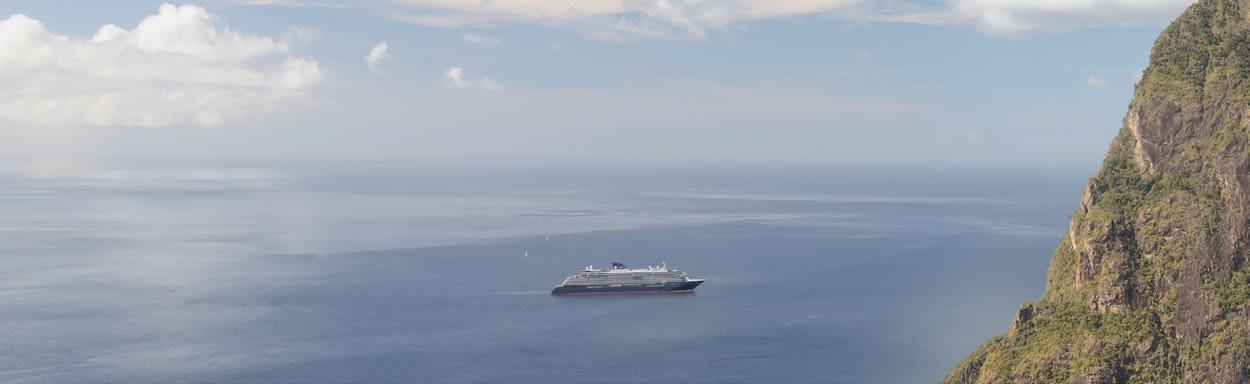
We address air pollution through a combination of fuel choices, onboard technologies, regulatory operational obligations, and voluntary commitments that go beyond minimum requirements.
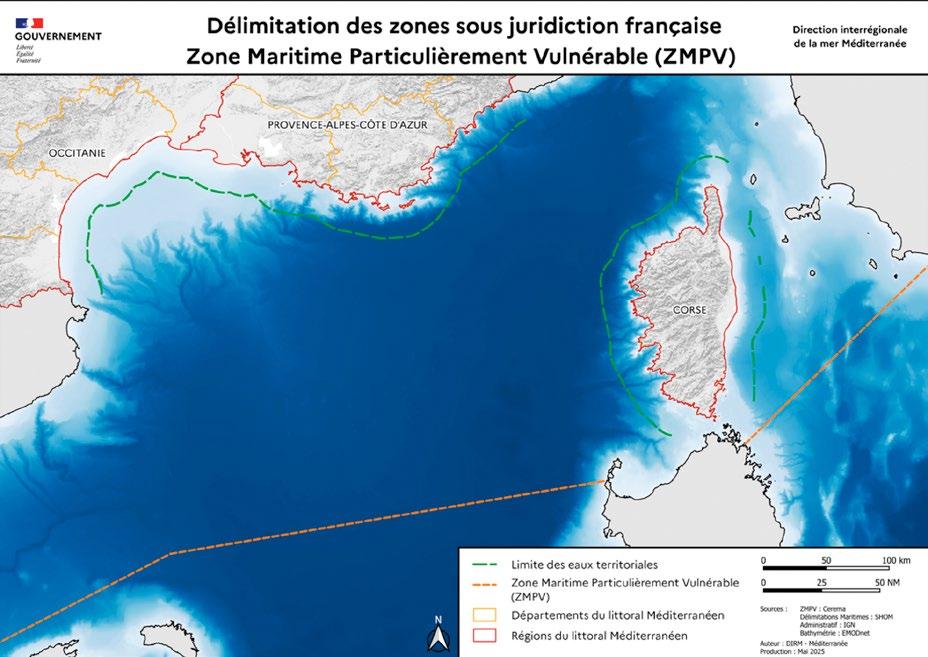
CHARTER ON SUSTAINABLE CRUISING IN THE FRENCH MEDITERRANEAN
In 2025, the MSC Cruise Division renewed its commitment to the Charter on Sustainable Cruising in the French Mediterranean, reaffirming its proactive engagement in initiatives that go beyond regulatory compliance to reduce the environmental footprint of cruise operations.
The Charter, with geographical coverage across the Mediterranean basin, represents a unique agreement between France, Monaco and major cruise operators, based on voluntary commitments that exceed existing regulatory requirements in areas linked to the environmental impact of cruising. It was originally established in October 2022 in response to the growth of cruise activity and increasing concerns related to environmental protection and air quality among
citizens and public authorities. In 2025, the Charter was strengthened through an updated framework designed to reflect evolving regulations and identify areas for further improvement compared to the 2022 version.
While maintaining its original objective of reducing the environmental impact of cruising by promoting technical and organisational solutions, the revised Charter enhances the scope and ambition of the actions expected from participating companies.
The updated framework is structured around eight thematic areas, and defines 20 concrete commitments aimed at driving measurable improvements in vessel operations and environmental performance.
Contribute to the preservation of biodiversity, promote the use of biodegradable products on board vessels, and minimise the risk of spreading invasive species.
Reduce the risk of collision between vessels and cetaceans, and contribute to the reporting of large cetaceans.
Minimise discharges at sea, particularly scrubber waters and pool waters in the French territorial waters, as well as untreated sewage in the north western PSSA under the french jurisdiction.
Promote waste reduction logistics on board and waste recovery on land. Combat food waste and the use of single-use plastics.
Reduce noise and light pollution from cruise vessels while in transit and at port.
Raise passenger awareness about environmental protection and communicate the environmental performance of the company’s vessels.
Reduce emissions of air pollutants and greenhouse gases while in transit, at port, and during excursions.
Develop a collaborative dynamic with local areas to minimise the environmental impact of port calls and excursions.
8
THEMATICS TO REDUCE THE IMPACT OF VESSELES
Implementation of the Charter is supported by a robust governance and control system. Cruise companies commit to providing transparent information on how the Charter is applied in practice and to participating in a four-step verification process. This includes the completion of a technical questionnaire, onboard audits, the development of action plans where needed and final validation by the competent authorities. Through this structured approach, the Charter ensures accountability while fostering continuous improvement in sustainable cruising practices.
Local air quality and shore power
The adoption of shore power technology is transformative in reducing local air emissions in ports as well as contributing to GHG emissions reduction. By connecting our ships to the onshore electrical grid, we can shut down engines while at berth, eliminating most direct emissions and significantly reducing our impact on local air quality in surrounding areas. Shore power capability has been standard on all newbuilds since 2017, and we have an active retrofit schedule in place. At the end of 2025, a total of 20 out of 25 ships were equipped with shore power capability.
We invest heavily in shore power-ready ships. However, in many European ports, plugging in at berth remains costly, driving operating cost increases of up to 100% even after accounting for potential EU Emission Trading System (ETS)
savings. This is due not only to differences in national electricity prices, but also to inconsistent and often nontransparent connection and administrative fees, which in some cases appear disproportionately high. In addition, ports apply different pricing mechanisms (fixed, annual, or on-the-spot models), making planning and budgeting challenging. While we remain committed to maximising shore power utilisation for our fleet, we will continue to advocate for proportionate, justified, and transparent fees, as well as more consistent pricing approaches across ports, to support wider OPS uptake and accelerate investment in port infrastructure.
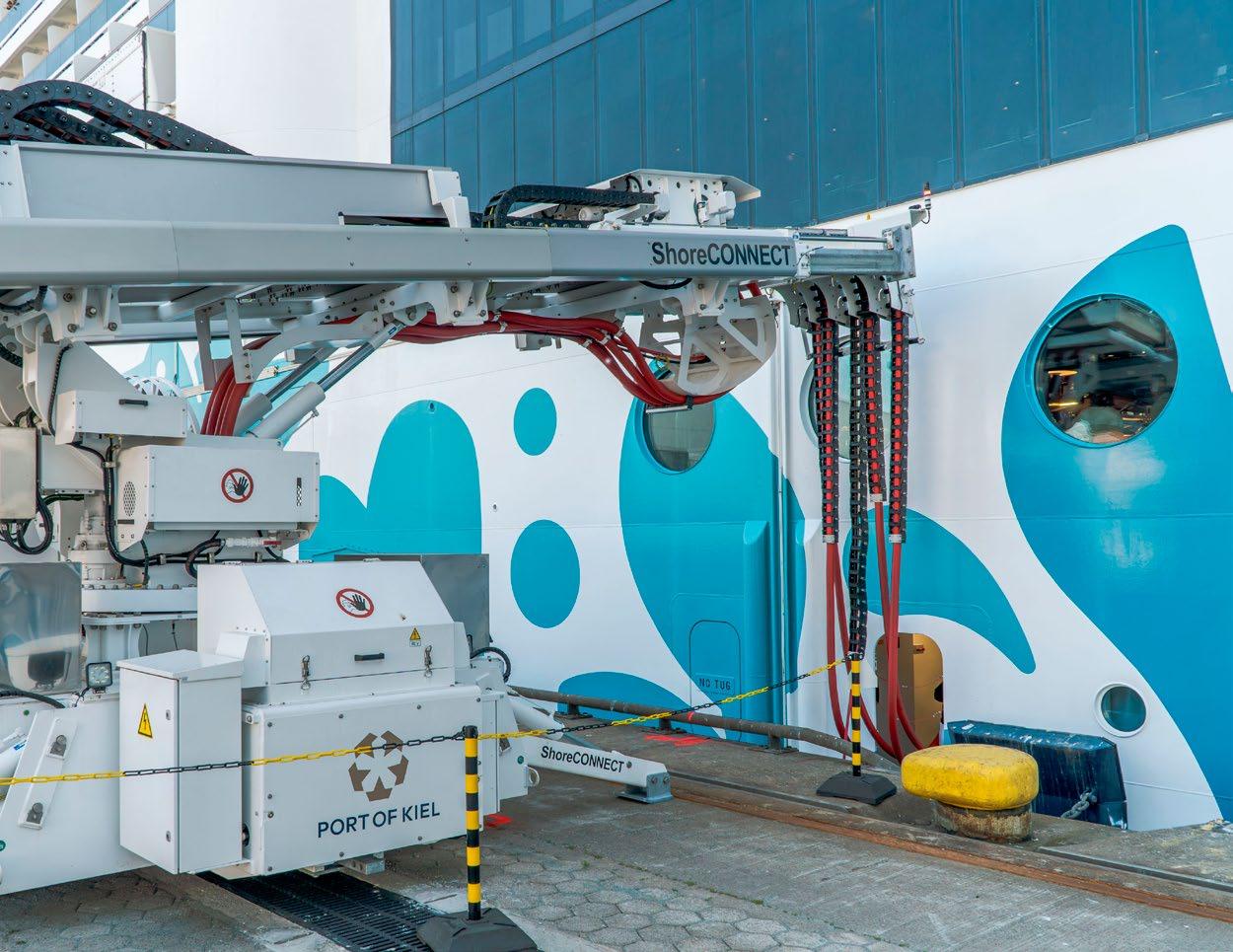
We achieved 217 shore power connections in 2025, up from 142 in 2024 and 44 in 2023.
CONNECTIVITY BY COUNTRY (based on energy used) EUROPE
ALESUND, NORWAY
BERGEN, NORWAY
HAUGESUND, NORWAY
KRISTIANSAND, NORWAY
COPENHAGEN, DENMARK
KIEL, GERMANY
HAMBURG, GERMANY
ROTTERDAM, NETHERLANDS
WARNERMUNDE, GERMANY
SOUTHAMPTON, UK
LE HAVRE, FRANCE
LA VALLETTA, MALTA
,866 MWh
Connections
NEW YORK, USA
MIAMI, USA
of connection
WATER AND MARINE RESOURCES
3
MATERIAL ISSUES
• Water consumption KEY POLICIES
• ISO 14001 Environmental Policy
2025 ACTION HIGHLIGHTS
•
84.4% of all potable water across our fleet was produced by onboard desalination
4
LOOKING AHEAD & TARGETS
• Continue to avoid bunkering of freshwater in water-scarce regions
FRESHWATER
8,441,067 m3
1,317,371 m3
Bunkered – 15.6%
7,123,696 m3
Produced onboard – 84.4%
Material issues
Freshwater is essential onboard for guests, crew and ship operations from hygiene, drinking and cooking to cleaning and technical needs. As climate change intensifies water scarcity in many regions, including several of our destinations, the availability of local freshwater is increasingly at risk. In these water-stressed areas, drawing freshwater from shore can place additional pressure on already limited supplies.
Our approach
We prioritise producing as much freshwater as possible onboard, both for hotel and technical operations, while minimising the volumes taken from shore. Every ship in our fleet is equipped with desalination systems, such as reverse osmosis and evaporators, which in 2025 generated over seven million cubic meters of freshwater, supplying 84.4% of our total onboard consumption. When calling at ports in water-scarce regions, we abide by any restrictions in place on bunkering of water by local authorities.
Our onboard water-recovery systems allow us to reclaim water for non-potable uses, such as reusing filtered laundry water and air-conditioning condensate for toilet flushing, laundry operations and deck washing. We also reduce consumption through water-efficient technologies, including low-flow fixtures, vacuum systems for toilets and food-waste transport, and high-efficiency laundry and galley equipment.
Crew training plays a central role: we raise awareness on the importance of freshwater, reinforce good conservation practices and ensure prompt reporting of leaks.
Water
consumption
In 2025, the total onboard water demand increased as we expanded the size of our operational fleet. We consumed 8,441,067 m 3 of potable water, 84.4% of this produced onboard from the desalination of seawater. The demand per guest day has remained relatively consistent in recent years, in 2025 this was 0.27m 3 per guest day.

84.4% of our onboard water consumption was supplied through desalination of seawater.
BIODIVERSITY AND ECOSYSTEMS
1
MATERIAL ISSUES
• Biodiversity
• Air pollution
• Water pollution
2
KEY POLICIES
• ISO 14001 Environmental Policy
• Pollution prevention and control – related standard operating procedures
• Whale strike avoidance procedure
3
2025 ACTION HIGHLIGHTS
• Confirmed six priority areas for biodiversity action
• Over 200 crew members completed either initial or refresher whale strike avoidance training in 2025
4
LOOKING AHEAD & TARGETS
• Defining biodiversity strategy
• Approval and implementation of new biodiversity actions
Material issues
Cruise operations can pose significant risks to ocean biodiversity, which is already threatened by pollution, habitat loss and climate change. Underwater noise from ships can disrupt marine life, while ballast water discharge and hull biofouling can introduce non-native species, potentially compromising native ecosystems. There is also a risk of ship strikes involving large marine mammals, including whales. Onshore activities, including port and terminal infrastructure development and tourist excursions, can degrade or pollute habitats and disrupt wildlife, further threatening the ecological balance.
Our approach
The relevant IROs identified through the double materiality process served as a basis for six strategic biodiversity priorities.
For each of these strategic priority areas, there are measures in place to mitigate adverse effects and enhance opportunities, with the aim of developing further actions as we mature our biodiversity strategy.
Appropriate governance practices are in place to ensure issues are approved, managed and tracked, in collaboration with internal subject matter experts and external partners and associations.

Our approach ensures that biodiversity considerations are embedded in corporate decision-making and that actions and progress are reported to the Sustainability Advisory Board, which acts as the decision-making body for the approval of substantive projects.
Ocean Pollution Prevention
As one of our more established priority areas, our extensive pollution control actions help mitigate potential impacts on ocean biodiversity. These measures go beyond compliance obligations, extending to voluntary commitments in the regions we operate in, reinforcing our commitment to protecting sensitive marine environments.
Ballast water, which is carried in a ship’s ballast tanks to improve stability, balance and structural integrity, can contribute to the spread of invasive species if not properly managed. Its discharge is therefore strictly controlled. A Ballast Water Management Plan is developed for each ship in accordance with the IMO’s Ballast Water Management Convention. Ballast water is treated onboard prior to discharge, preventing the transfer of potentially harmful aquatic organisms from one region to another.
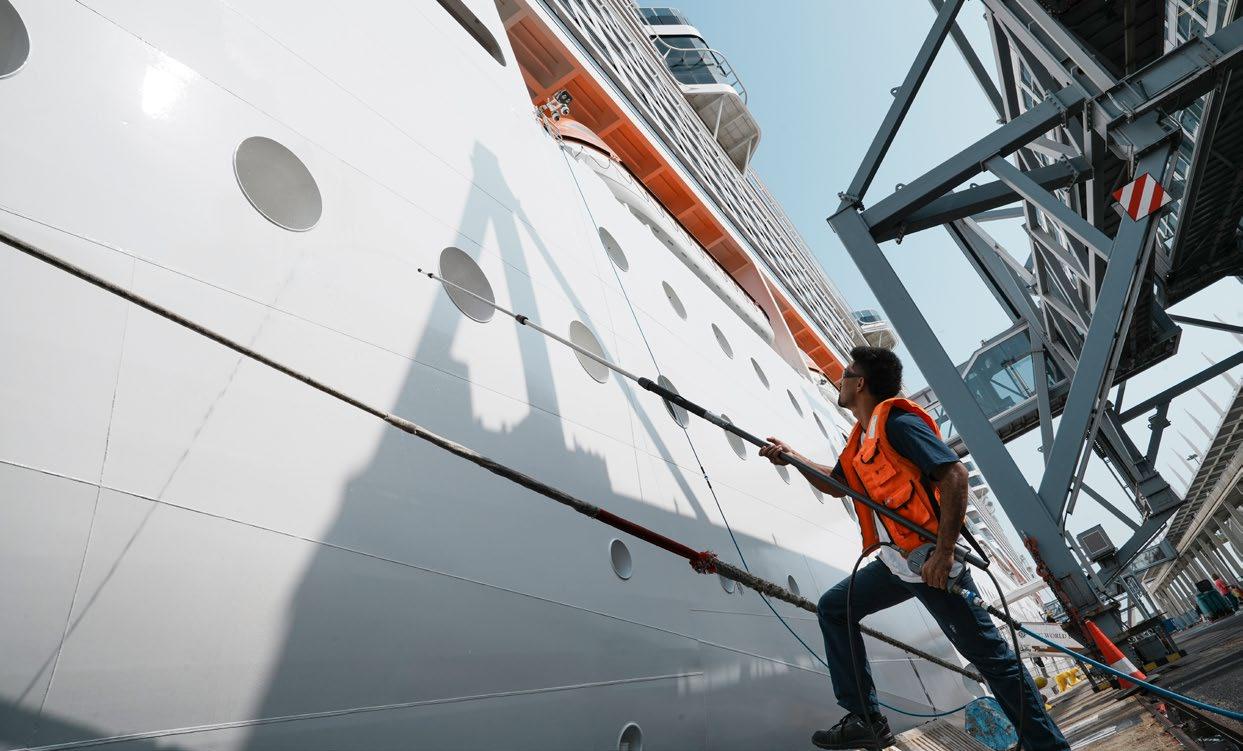
Biofouling management plans encompass regular hull maintenance and the application of appropriate anti-fouling paints, supported by routine inspections and efficiency monitoring. Together, these actions aim to minimise pollution and the risks associated with invasive species.
We also maintain a stringent onboard protocols to prevent marine littering, to minimise the risk of oil and chemical spills, and ensure effective response and management should such incidents occur.
For more details of our pollution control measures, please refer to the Pollution section of this chapter.
Cetacean Protection
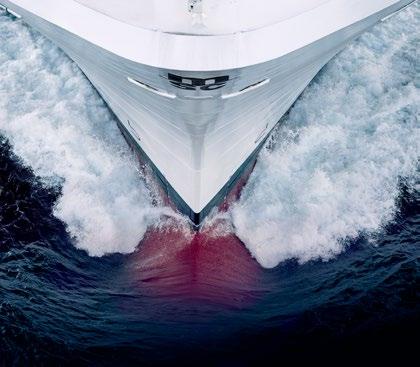
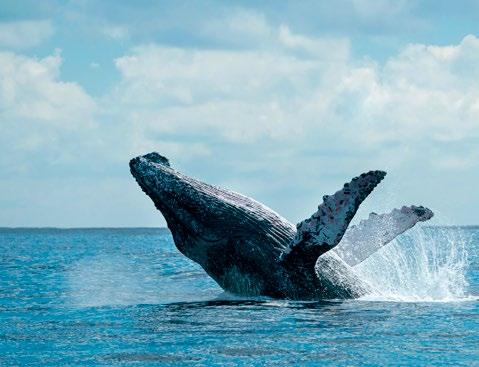
Reducing risks to cetaceans remains one of the most material biodiversity issues for our global cruise fleet, particularly in regions with known migration corridors or high-density whale populations.
We maintain a comprehensive Standard Operating Procedure for whale protection, based on the Whale Chart of the World Shipping Council. This procedure
identifies areas of the world’s oceans where whale consideration measures are in place, and inform our crew of the appropriate actions to take within those areas. The Whale Chart was updated in 2025 and our procedure was revised accordingly.
Additionally, we have adjusted certain routes, including in the Hellenic trench area, to reduce the risk of whale strikes in areas of known sperm whale activity and breeding, following discussions with conservation organisations studying the region.
As part of our commitment to the Charter on Sustainable Cruising in the French Mediterranean, we operate at reduced speeds in the event of whale sightings and report them to coastal authorities.
All Explora Journeys ships and the latest MSC Cruises vessels have received underwater radiated noise class notations, confirming that they adhere to defined underwater noise and vibration limits. We will seek this certification for all future ships.
We have entered into an agreement with the organisation Ocean Research and Conservation Association (ORCA) to support our new itineraries in Alaska from summer 2026. This partnership provides whale avoidance guidance to the business, helps inform the shore excursions we offer to our guests and enables ORCA marine mammal experts to use our ships to study the behaviour of whales in the region.
ORCA also delivers comprehensive ship strike mitigation training for deck officers across our fleet to reduce the likelihood of collisions with whales, dolphins, and porpoises. This programme began in 2023. In 2025, 191 new officers were enrolled in the refreshed training programme, and a refresher course commenced for those who had previously completed the training.
Responsible Procurement Practices
Our supply chain and procurement practices can directly influence biodiversity, including through our efforts to replace conventional single-use plastics with lower-impact alternatives that reduce harm to ecosystems and support circular economy principles. Substantial efforts have been made in previous years to eliminate many single use plastic
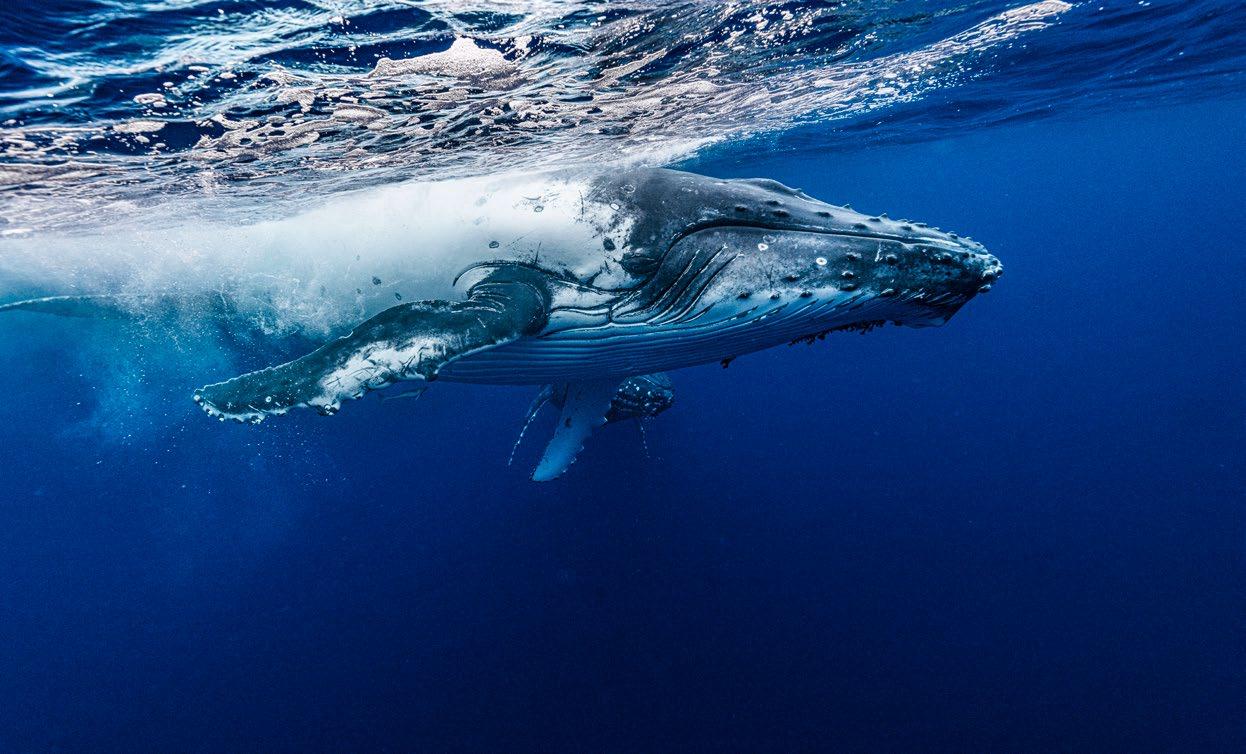
All of our deck crew have completed ship strike training to help reduce the likelihood of collisions with cetaceans.
items and in 2025, we started a second comprehensive study of viable alternatives to those remaining single use plastics. This is expected to be completed in 2026. More information on the AQUA by MSC programme, which has resulted in the removal of plastic water bottles onboard our fleet, can be found in the Resource Use and Circular Economy section of this chapter.
Responsible Guest Excursions
We design excursions with environmental considerations in mind, working with our tour operators to identify lowimpact options. MSC Protectours are designed to enhance the guest experience though engaging destination-based activities, such as walking, cycling and kayaking, while minimising environmental impact and promoting greater awareness of local habitat protection. In 2025 we increased the number of destinations offering MSC Protectours excursions from 100 in 2024 to 137 in 2025.
In 2026, we will implement a more structured approach to identifying and tracking the biodiversity implications of our shore excursions, including establishing clear expectations for excursion operators and strengthening guest education and communication to promote responsible, naturesensitive behaviour during shore excursions. This work is led by our internal Responsible Tourism Committee, with
representation from shore excursions, port operations and sustainability teams, supported by our local teams and additional internal expertise as required.
Protecting Nature-Rich Sites
Any new port or coastal development associated with our business, including the construction of terminals, must comply with applicable local regulations relating to habitat protection. We also adhere to additional obligations under Leadership in Energy and Environmental Design (LEED), a recognised building certification programme.
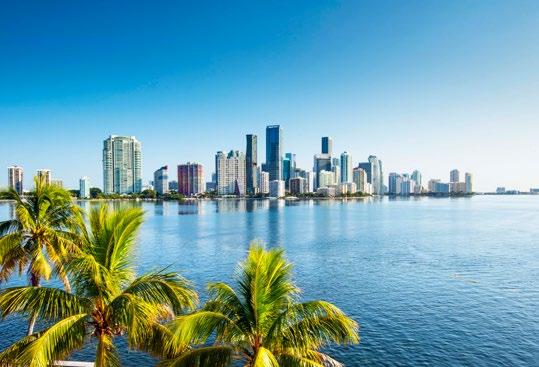
In 2025, we opened two new cruise terminals, in Barcelona and Miami, with local biodiversity considerations integrated into both the development and operational phases.
Our Barcelona terminal received LEED Gold certification, recognising the high standards applied throughout its design and construction. The scoring process also awarded points for habitat protection and restoration.
In Miami, procedures were implemented during the construction phase of the terminal to reduce potential impacts on local habitats, including halting of dredging works in the event of any sighting of marine mammals. These measures were subject to regular external audits.
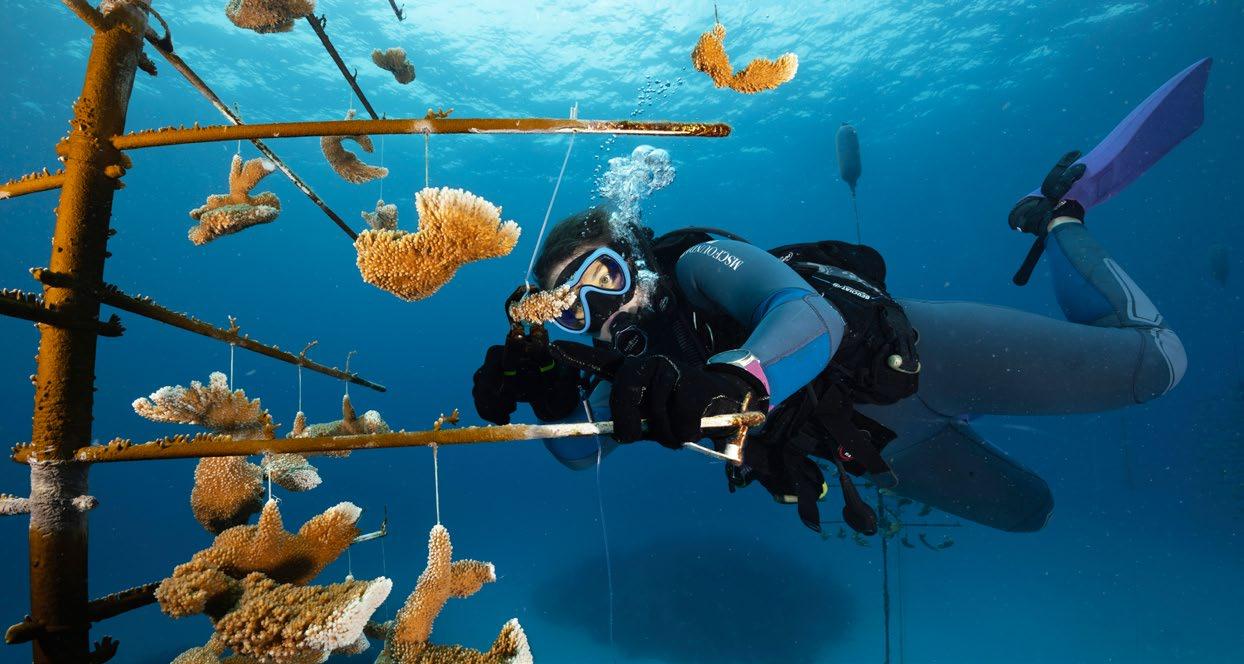
In 2025, the new Marine Conservation facility was completed on Ocean Cay, with its design and construction funded by MSC Cruises.
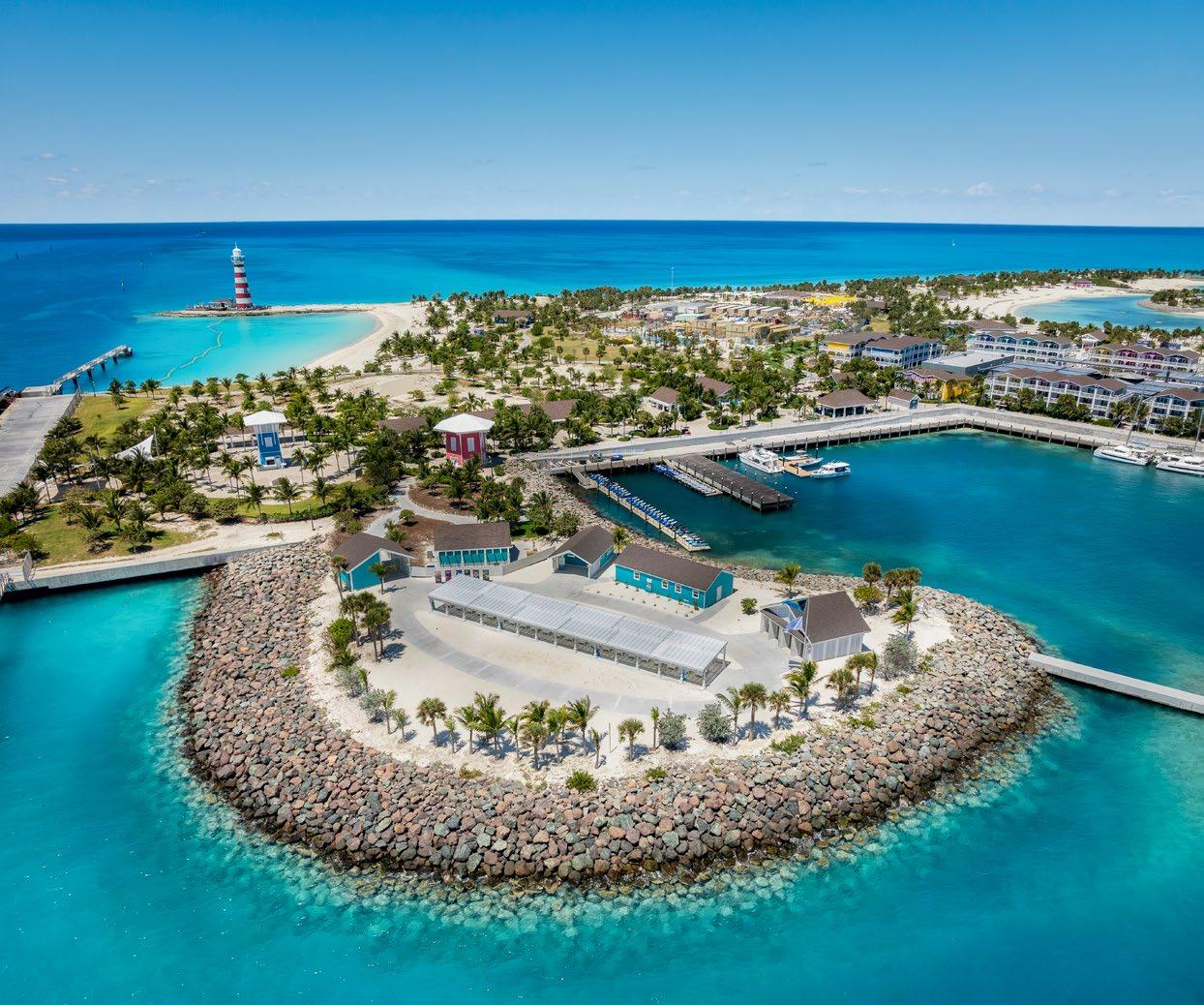
Nature Positive Actions
The rehabilitation of our island destination, Ocean Cay MSC Marine Reserve, required the extensive clean-up of a former industrial site. Following the initial clean-up, the site was developed to operate in a way that enhances its natural beauty and enables marine wildlife to thrive. In the 2025 avian monitoring report, 63 bird species were identified on the island. We continue to implement strict environmental measures, formalised in a comprehensive Environmental and Social Management System and overseen by a dedicated Environmental, Health and Safety Officer based on the island.
In 2025, the new Marine Conservation facility was completed on Ocean Cay, with its design and construction funded by MSC Cruises. The MSC Foundation now operates this research and educational centre, working with regional universities, raising awareness among cruise guests about the need for conservation and restoration of coral communities. More details on the research programmes and activities of the MSC Foundation can be found at www.mscfoundation.org
In recognition of the resulting enhancement of the biodiversity, Ocean Cay has been designated as a Hope Spot by the nonprofit organisation Mission Blue.
RESOURCE USE AND CIRCULAR ECONOMY
2
• ISO 14001: 2015 Environmental Policy 1
MATERIAL ISSUES
• Onboard resources and waste
• Animal welfare
3
2025 ACTION HIGHLIGHTS
• Over 42% of onboard waste materials are segregated for recycling
• AQUA by MSC programme started onboard MSC World Europa with approximately 72,000 plastic water bottles removed per seven day itinerary
• Pilot project started for onboard food waste measurement and management
4
KEY POLICIES
• Procurement Policy and Bidding Procedure
LOOKING AHEAD & TARGETS
• Maintain onboard waste recycling ratio above 40%
• Roll out Aqua by MSC across all the fleet by Q1 2027
• Source 100% cage free fresh eggs onboard from 2026
Material issues
Our operations rely on the procurement of a broad range of goods and services, including ship maintenance materials, onboard food and beverages, furniture, hotel operations equipment and crew uniforms. These activities are associated with material environmental and social impacts across the value chain, including impacts on worker welfare, land use change, deforestation, habitat degradation and biodiversity loss.
Waste generation also represents a material consequence of our activities. Significant volumes of waste are generated during onboard operations and throughout the fleet lifecycle. If not effectively managed, waste can result in marine pollution, ecosystem degradation, and soil and groundwater contamination resulting from landfill disposal and incineration emissions. These impacts represent both environmental risks and opportunities to drive resource efficiency and circularity.
Our approach
We are committed to responsible sourcing, efficient resource use, and effective waste management in order to minimise negative environmental impacts, reduce climate-related
emissions and improve operational efficiency. Our approach is guided by the waste hierarchy, prioritising prevention and reduction, followed by reuse and recycling, and, where unavoidable, responsible disposal.
We aim to demonstrate circular resource use within the business by collaborating with suppliers and business partners to identify innovative solutions that can work within the challenges of cruise operations. Our procurement teams are responsible for ensuring that goods and services meet defined health, safety, ethical, and environmental requirements, helping to mitigate risk across the value chain.
Each ship operates under a comprehensive waste management plan aligned with the requirements of IMO MARPOL Annex V. This ensures waste minimisation, segregation, collection and onboard processing, as well as appropriate disposal at approved shoreside facilities. Our objectives include reducing total onboard waste generation, minimising food waste discharged at sea and increasing recycling rates.
In 2025 we began rolling out a food waste management system using digital devices to measure and categorise our food waste to inform purchasing and food preparation decisions.
We comply with EU Regulation 2022/91, which promotes waste reduction and sustainability through economic incentives such as reduced port fees. Our fleet-wide ISO 14001:2015 and ISO 21070:2017 certified management systems support consistent waste segregation, recycling, and responsible disposal across both maritime and onshore operations.
How we take action
Our MARPOL obligations require the segregation of waste into seven categories, which are packaged and labelled before being offloaded at port. While waste management sits outside our direct control once offloaded, careful onboard segregation, packaging, and labelling help support effective recycling once waste is transferred to port reception facilities.
Since 2022 we have seen a steady increase in the proportion of onboard waste segregated for recycling. In 2025, we achieved a recycling rate of 42.3%.
Targeted training is provided to onboard personnel responsible for waste segregation and processing. This training covers defined roles and responsibilities, operational procedures, and the safe and effective use of waste management equipment and systems. Personnel with full-time waste management responsibilities report directly into the onboard Environmental Compliance Officer, who is responsible for training and oversees environmental compliance of ship operations, including the implementation of the extensive onboard segregation procedures.
Beyond regulatory compliance, we collaborate with local partners to increase recycling and recovery rates. For example, in ports such as Genoa, Venice, Trieste, and Monfalcone, spent photographic solutions are sent to specialised recovery facilities for silver extraction. We also work with the MSC Foundation to identify charitable organisations for the reuse of obsolete furnishings. In 2025, we worked closely with the Port
SPOTLIGHT
REDUCTION OF FOOD WASTE
In 2025, a food waste measurement and management system, Winnow, was installed on MSC World Europa as a pilot to assess its effectiveness in improving food management and reducing food waste. The system comprises 17 devices used to weigh and categorise food waste, supported by a targeted crew training and awareness programme.
The data generated by the devices enables more informed, evidence-based decision-making. With an initial focus on food management in the buffet restaurant, a 40% reduction in pre-consumer waste from prepared buffet food was achieved compared to the established baseline. Winnow will be fitted across the entire fleet by 2027.
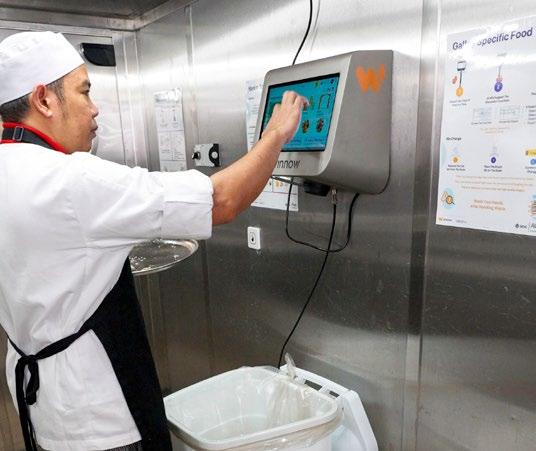
of Genoa to facilitate the transfer of reusable mattresses and linens from our ships to a local charity for distribution.
Responsible purchasing decisions are supported by supplier assessments conducted through the EcoVadis platform. This enables us to identify ESG-related risks and make more informed decisions about what we purchase, from whom, and where materials are sourced. We use a phased, risk-based approach that prioritises engagement with higher-risk suppliers, followed by a progressive rollout across the wider supply base. This strengthens supply chain transparency and reduces overall ESG-related risk.
As part of our sustainable procurement and responsible purchasing processes, we consider animal welfare in the sourcing of meat and poultry products we buy for onboard purchase. In 2025, we confirmed that all the 31 million fresh eggs sourced for consumption onboard our MSC Cruises vessels were from cage free and we are committed to sourcing all our fresh eggs from cage-free sources across both cruise brands from 2026.

We are committed to sourcing all our fresh eggs from cage-free sources across both cruise brands from 2026.
ELIMINATION OF PLASTIC WATER BOTTLES SPOTLIGHT
We continue to reduce reliance on single-use plastics where items can be eliminated or feasible alternatives can be found. In 2025, we introduced ‘AQUA by MSC’, a project which addresses one of the primary sources of plastic consumption: bottled water.
The system replaces single-use plastic water bottles with onboard-purified drinking water, made available to guests through water dispensers installed throughout the vessel, and in reusable glass bottles in bars and restaurants. On MSC World Europa, the first vessel to trial this system, approximately 72,000 plastic water bottles were replaced on an average seven-day itinerary, through using the AQUA by MSC system.
All guests purchasing drinks packages receive a stainless-steel water bottle to use and keep. This system will be introduced progressively across the fleet within 2026 and early 2027.
On Explora Journeys ships, water is served in refillable glass carafes, and all guests are provided with aluminium water bottles for use at water refill stations throughout the ship.

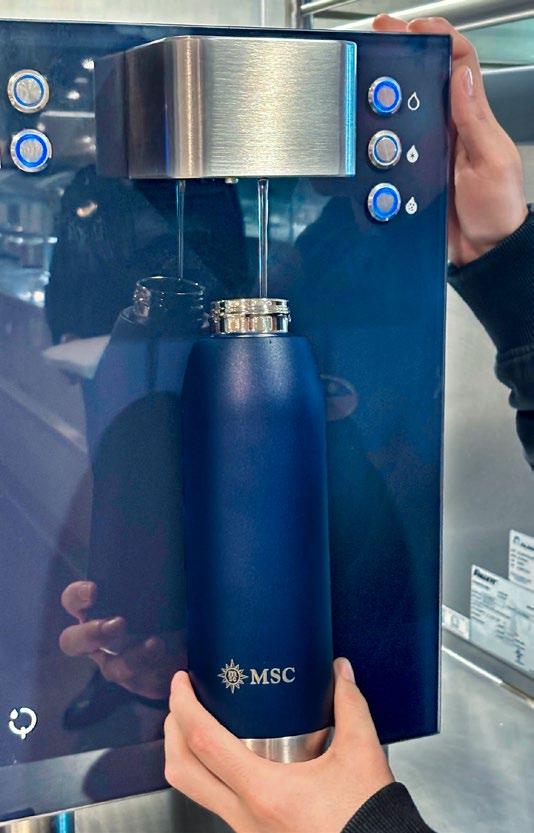
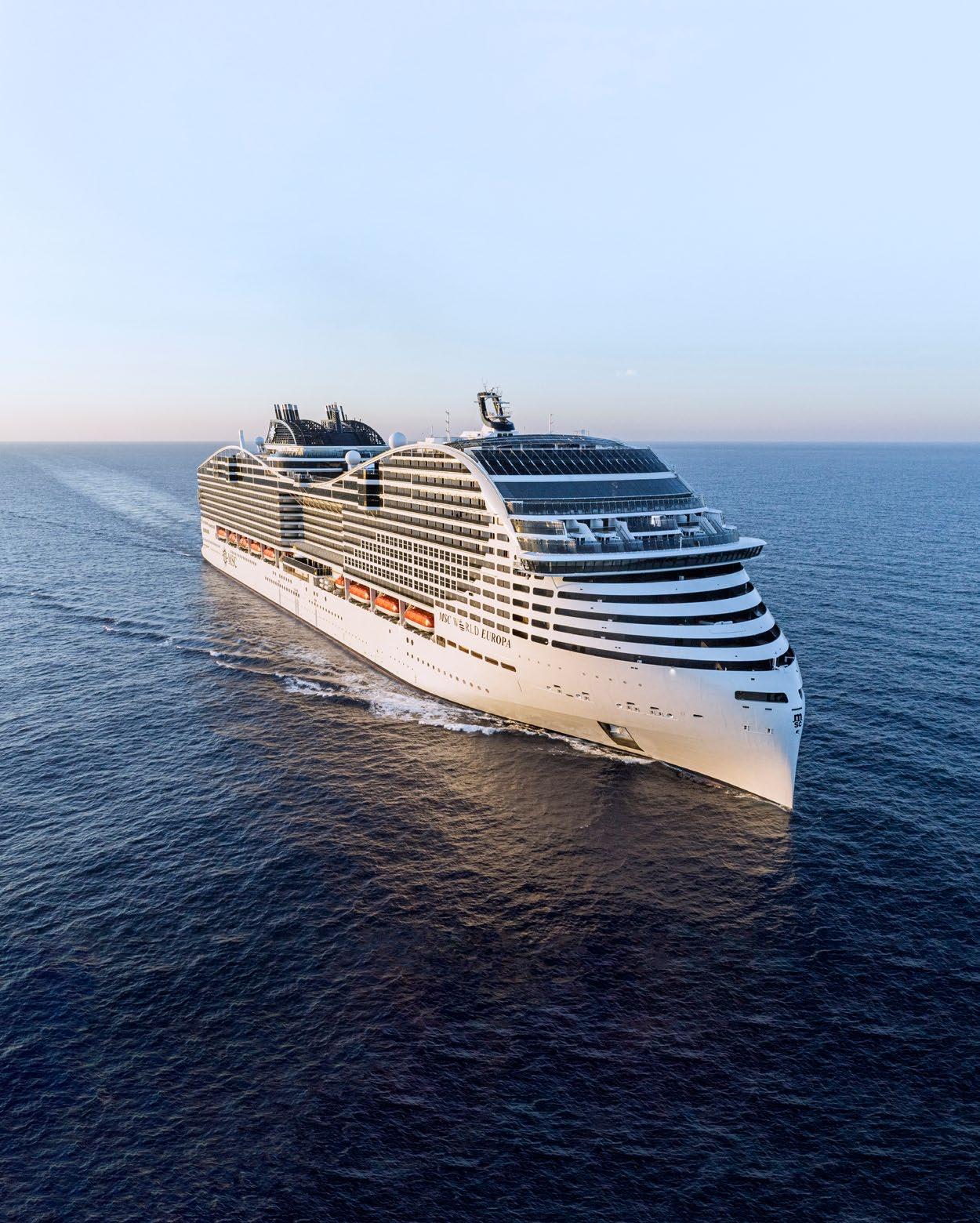
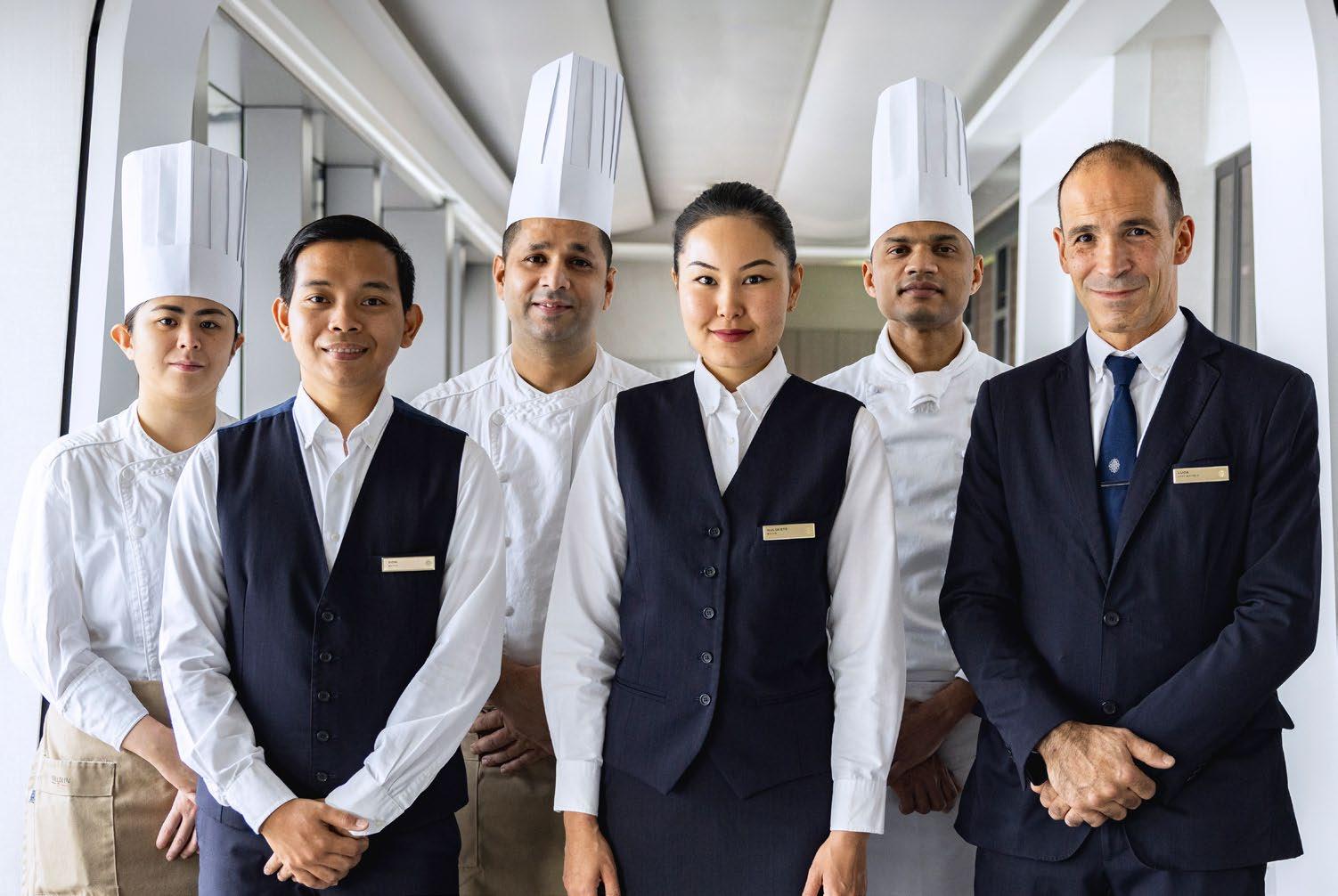
SOCIAL
Our long-term success is closely intertwined with the wellbeing of our people, our guests, communities, and the environments we touch. Our commitment to fostering a skilled, diverse, and inclusive workforce and operating safely and responsibly is complemented by our dedication to ethical supply chain practices and the responsible growth of tourism. By addressing key social risks and advocating for human rights, we aim to create lasting value for our own people and those that we interact with.
OUR WORKFORCE
1
MATERIAL ISSUES
• Employee health and safety
• Employee wellbeing
• Training and development
2
KEY POLICIES
• Code of Conduct for Employees
• Global diversity and inclusion commitments
• ISO 45001:2018 - compliant safety management policy
• ISO 22001:2018 - compliant food safety policy
3
2025 ACTION HIGHLIGHTS
• Launch of Our Best, a global cultural transformation initiative
• Over 300 Our Best training activities with a strong leadership focus for over 3,500 employees
• Improved retention rates for crew from 89% in 2024 to 91% in 2025
4
LOOKING AHEAD & TARGETS
• Diversity & Inclusion: full compliance with ISO 30415:2021 by end of 2026
• At least 30% female crew recruited in 2026
Material issues
A skilled, diverse and engaged workforce is central to our long-term success and business performance. Attracting, retaining and developing talent underpins continuity, operational excellence, and supports regulatory compliance.
Material social risks include insufficient training, health and safety incidents, lack of diversity and inclusion (D&I), pay gaps, limited job security, and inadequate social protection. These factors can affect wellbeing, increase turnover, disrupt operations, and expose the business to financial, operational and reputational risks.
Health and safety is a critical priority, as accidents, injuries or exposure to hazards can seriously impact those onboard and our operations. Ensuring ongoing security of our people and guests requires a proactive approach, with security risk management required in all stages from cruise planning to day-to-day operations to be effective.
A diverse and well-supported workforce reflects our global customer base, enhances guest satisfaction, and strengthens engagement. Creating a safe, inclusive and supportive environment is therefore fundamental to mitigating risks and sustaining a committed workforce.
Our approach
We adopt a proactive and structured approach to managing our workforce, both onboard and ashore. Our approaches are guided by our Code of Conduct and align with key
international frameworks, including the ILO Maritime Labour Convention (MLC), the IMO International Convention for the Safety of Life at Sea and the IMO International Safety Management (ISM) Code.
The safety and security of both crew and guests are further supported by compliance with the International Ship and Port Facility Security Code, which provides a globally recognised framework for maritime security.
All employees are required to comply with our Code of Conduct and complete mandatory training programmes designed to reinforce expected behaviours, ethical standards and safety responsibilities. These requirements are embedded within our policies and procedures to ensure consistent implementation across the business.
How we take action
Together, our crew and our shore-based employees form the backbone of our business and play a critical role in delivering safe, reliable and high-quality experiences across our global operations.
Crew
Our crew represents the largest share of our workforce, accounting for 93% of total employees in 2025. Operating across many regions of the world and working 365 days a year, crew members are at the heart of our business, ensuring the day-today delivery of operations and maintaining high standards of safety, service and reliability for our guests worldwide.

To support our commitment to greater female representation, we held two women-only recruitment events in 2025 and aim for at least 30% of new crew hires to be women in 2026.
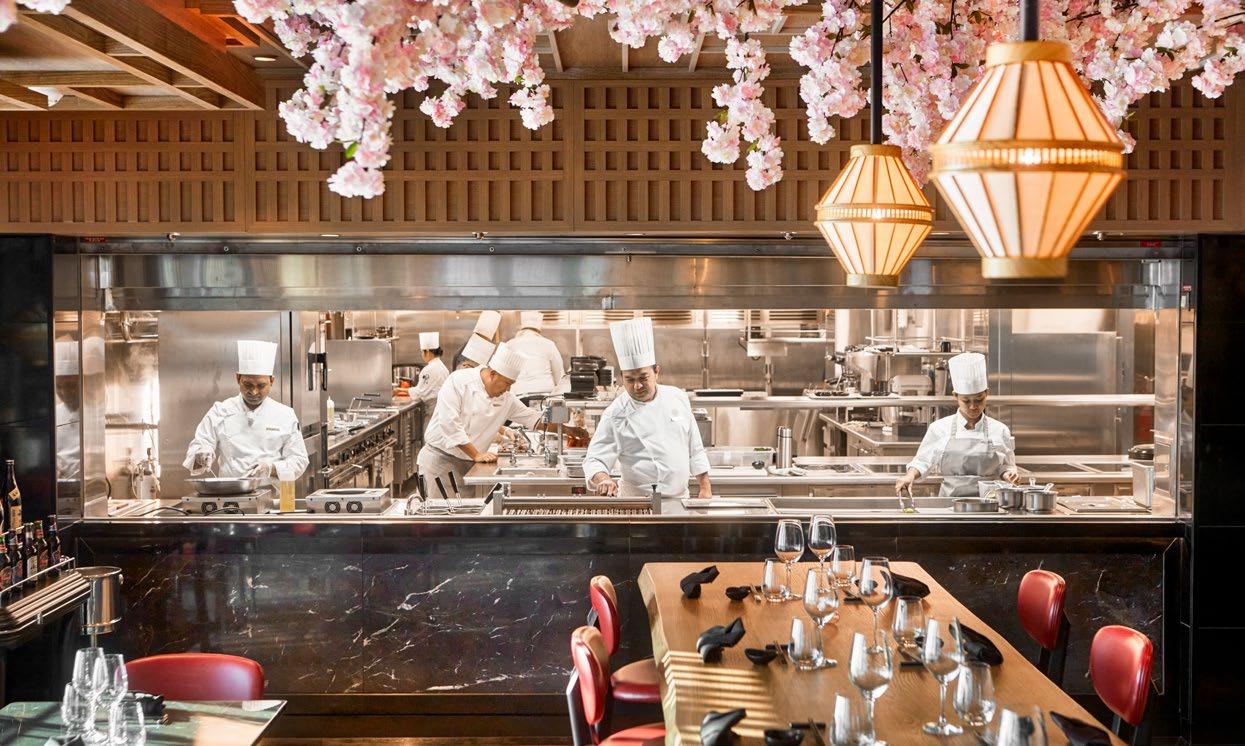
In 2025, the MSC Cruise Division collectively onboarded 8,536 new crew members, highlighting the Group’s continued investment in building a resilient, diverse, and operationally sustainable global workforce to support our ongoing fleet expansion. Our total onboard workforce by the end of 2025 was 52,371 across both brands.
Recruitment activity in 2025 was predominantly driven by MSC Cruises, which onboarded 7,690 new crew members. This reflects the scale of its fleet and the additional capacity requirements associated with the entry into service of MSC World America, as well as attrition.
Explora Journeys recruited 846 new crew members to meet existing operational needs and in preparation for the upcoming entry into service of Explora III in July 2026 and Explora IV in December 2026.
Gender diversity remains a core pillar of the Group’s workforce growth strategy. In 2025, women represented 24.4% of total hires across both brands, corresponding to 2,083 new female crew members. Explora Journeys continues to attract a higher proportion of female talent, with women accounting for 35.3% of hires. While these figures demonstrate great progress, we
are fully committed to exploring all opportunities to further strengthen female representation across our fleet. Two women-only recruitment events were successfully conducted for Explora Journeys in 2025, with plans to extend this initiative to MSC Cruises in 2026. We are also aiming to ensure women account for at least 30% of new hires in 2026.
Recruitment in 2025 continued to leverage established global sourcing markets, ensuring access to skilled talent while upholding ethical, compliant and responsible recruitment practices.
• Explora Journeys ’ recruitment activity is primarily concentrated in the Philippines, India and Indonesia, which together account for 63% of new hires.
• MSC Cruises’ recruitment footprint is predominantly in the Philippines, Indonesia, and South Africa representing 52% of total new hires.
Our global recruitment strategy provides meaningful employment and development opportunities, and allows the different language requirements of our guests to be met.
Over 1,477,000 hours were dedicated to crew training in 2025.
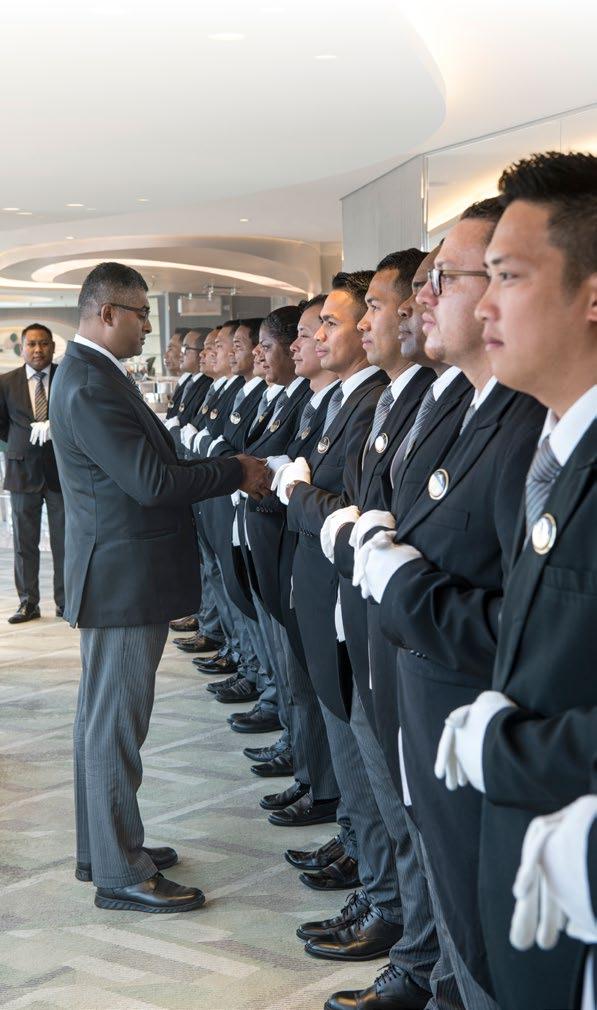
Skills development
In 2025, our crew benefited from a structured onboarding programme, with pre-embarkation training taking place at our centres in Honduras, the Philippines, India, Indonesia and South Africa. Over 6,300 new hires completed this training during the year.
We continued to invest in the skills development of our onboard colleagues through a structured portfolio of mandatory, nautical, technical, and leadership training programmes. These initiatives were designed to ensure regulatory compliance, promote operational excellence, and support the continuous professional growth of seafarers across all ranks and functions. Over 1,477,000 hours were dedicated to crew training in 2025.
Mandatory and regulatory training remained a key focus, to maintain the certifications and competencies required to operate safely and in line with international maritime standards, particularly in relation to safety-critical roles.
Nautical and technical development programmes supported the enhancement of core operational skills, with training covering Bridge Resource Management (BRM), technical systems, and ship operations. These programmes strengthened decision-making, situational awareness and teamwork on board, contributing to safer navigation and more efficient vessel operations.
We go beyond compliance obligations through companyspecific skills training, with highlights including:
• Executive leadership summits for Captains, Chief Engineers, and Hotel Directors,
• Learning Labs delivered to Assistant Managers and Supervisors, focused on psychological safety, empowered leadership and operational decision making.
• Energy-efficiency workshops covering systems optimisation and predictive maintenance reporting to enhance shipboard operational efficiency.
• Bridge Resource Management (BRM) and Engine Resource Management (ERM) programmes for beyond-compliance competencies in situational awareness, team coordination, risk mitigation and incident prevention.
• Voyage-planning training, focused on proactive navigational optimisation
Crew wellbeing remains a priority. We foster a supportive working environment and provide access to psychological and wellbeing assistance, recognising the challenges of life at sea and the importance of mental health for engagement and retention. This is reflected in an improved retention rate from 89% in 2024 to 91% in 2025.
Shore-based employees
Our shore-based employees accounted for 7% of our total workforce in 2025, operating across over 35 offices, 5 terminals and one island destination, located across more than 20 countries. Each team plays a critical role in enabling the safe, efficient and sustainable operation of the business. They provide expertise across functions such as marine and technical management, ground operations, commercial activities, finance, IT and human resources. Working in close
coordination with onboard teams, shore-based employees ensure continuity, governance and strategic oversight across all geographies in which we operate.
Skills development
In 2025, we continued to strengthen the skills and capabilities of our shored-based workforce through core development programmes, focused on leadership, coaching skills and project management. These programmes support employees in enhancing leadership capabilities, collaboration and effective project execution.
To support flexible, continuous learning, employees have access to our global eLibrary, which includes e-books, audio learning resources and recorded classroom sessions. The eLibrary provides employees with up-to-date knowledge, supporting both professional and personal growth across a wide range of topics, including marketing, sales, finance and AI. In 2025, more than 50% of our employees actively used the eLibrary, with over 10,000 learning materials downloaded.
Building on our commitment to support employees’ career development, we also launched a new global e-learning platform in 2025 to provide easy access to online learning resources across all global offices. The platform offers technical, professional, and soft-skill courses.
We also introduced Learning Waves, a global learning week open to all onshore employees. The event offered sessions focused on knowledge sharing, soft skills, and personal development, fostering cross-functional collaboration and reinforcing our commitment to continuous learning across the global onshore workforce. In total, 825 employees participated in the event.
Further investment was made to enhance team effectiveness and collaboration through the Insights Discovery tool. The tool offers individual profile assessments and a platform for team workshops, creating a space for employees from offices in different locations to share knowledge and learn from one another.
EMPLOYEE VALUE PROPOSITION: ENGAGING AND RETAINING TALENT
In 2025, the MSC Cruise Division launched a refreshed Employee Value Proposition (EVP) to strengthen our ability to attract, engage and retain talent globally. The EVP articulates shared commitments between the company and its people, aligning individual aspirations with organisational purpose and reinforcing a culture grounded in belonging, inclusion and sustainable performance.
The EVP was shaped through interviews with more than 500 employees and supported by external benchmarking to ensure it is authentic and competitive. Aligned with the brand mantra “Where Passion Meets Opportunity,” it is built around five pillars: Bring Passion, Take Pride; Expand Your Possibilities; Genuine at Heart; Achieve the Extraordinary; and Beyond Borders.
The EVP is embedded across key people processes and employer branding initiatives. Progress is monitored through engagement, retention, mobility, learning, and inclusion and wellbeing indicators, with regular reviews to support responsible employment practices and sustainable growth.
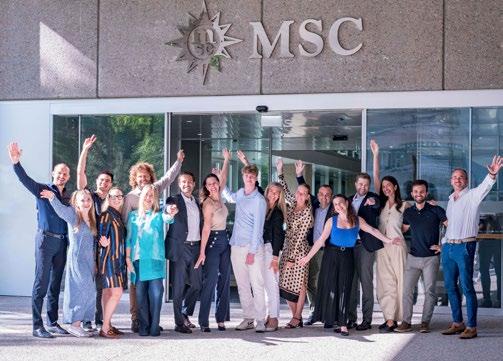
SPOTLIGHT
Care team volunteering
Supporting our crew and guests in the moments that matter is a core part of our responsibility. Our Care Team is responsible for providing dedicated assistance to support crew and guests involved in emergencies affecting MSC Cruises and Explora Journeys. Please see the Our Guests section of this chapter for more on the assistance provided to those onboard.
The Care Team is supported by a global network of Care Team Volunteers located across the ships and our various worldwide offices and onboard. These employee volunteers participate in refresher training every two years and are mobilised by the Care Team Specialists, whenever needed. As of December 2025, a total of 2,700 of our crew members had completed the training programme to become on board Care Team Volunteers, while 79 shore-based volunteers completed the refresher training.
CASE STUDY
OUR BEST - PUTTING PEOPLE AT THE HEART OF OUR JOURNEY
We believe that exceptional guest experiences start with empowered, engaged people. In 2025, we launched Our Best - a cultural transformation programme that is built on our core values and seven guiding behaviours. Our aim is to foster collaboration, inclusiveness, and accountability – ultimately ensuring that every colleague feels valued and supported, regardless of role or location.
In 2025, the Our Best programme trained 3,595 managers across 47 locations worldwide, delivering over 1,050 hours of dedicated training across 300 sessions. We hosted 35 launch events and introduced 103 BESTy Ambassadors to actively champion a people-first mindset cultural shift across ships and offices.
BESTy Ambassadors pilot programme
In 2025, we conducted five pilot initiatives of the BESTy Ambassadors programme, ahead of its full launch in March 2026. The pilots involved focused education and learning on the Our Best behaviours for both shipboard and shore-based volunteers. Over 100 employees joined the pilot sessions and became ambassadors. The enthusiasm demonstrated by colleagues highlighted the need for a clear and authentic cultural transformation programme, confirming the relevance and impact of Our Best in supporting internal engagement and alignment.
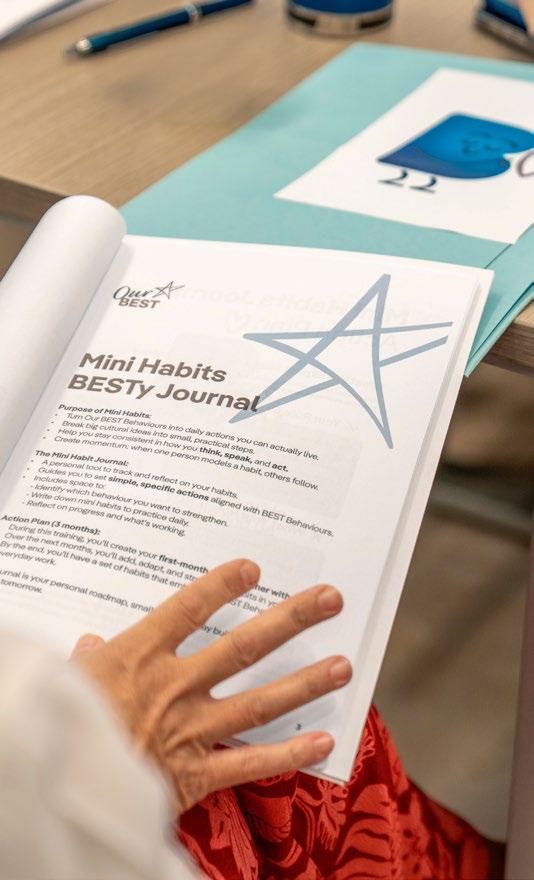
Diversity and inclusion
D&I is fundamental to the resilience, performance and longterm success of our workforce. As a global organisation operating across multiple countries, cultures and professional backgrounds, we rely on the richness of perspectives, skills and experiences of our people to deliver safe, high-quality and reliable operations. Fostering an inclusive working environment supports employee wellbeing, engagement and retention, helps mitigate key social risks such as unequal treatment and limited career progression, and strengthens collaboration and decision-making across the business.
To advance this commitment in a structured and consistent way, we established a Diversity and Inclusion Advisory Committee, bringing together colleagues from across the Cruise Division and external experts who are leaders in their respective fields. The Committee plays a key role in shaping and driving our D&I agenda, leveraging diverse perspectives and expertise to support meaningful progress.
Our approach is further reinforced through alignment with ISO 30415, the international guideline on human resource management and D&I. In parallel, we have implemented a comprehensive framework of mandatory D&I learning
programmes across both shipboard and shore-based environments. These include training on our Code of Business Conduct, D&I basics for onboard crew, leadership-focused D&I awareness, harassment prevention, safeguarding techniques and care-related skills. Together, these ensure a shared understanding of expectations while fostering respectful, inclusive and safe working environments.
Beyond training, we have developed and internally distributed an inclusive Language Guide to promote communication that respects and acknowledges the diverse identities, experiences and perspectives of individuals across our organisation. We are in the process of drafting a policy to guide inclusive communication with external stakeholders, ensuring consistency between our internal culture and external engagement.
To support continuous improvement, we conducted a D&I survey across the organisation in 2025. The insights gathered help inform our strategy, establish benchmarks, guide the development of new initiatives and shape our future priorities, ensuring our D&I efforts remain grounded in the lived experiences of our people.

We are aligning our D&I approach to ISO 30415: Human resource management – diversity and inclusion.
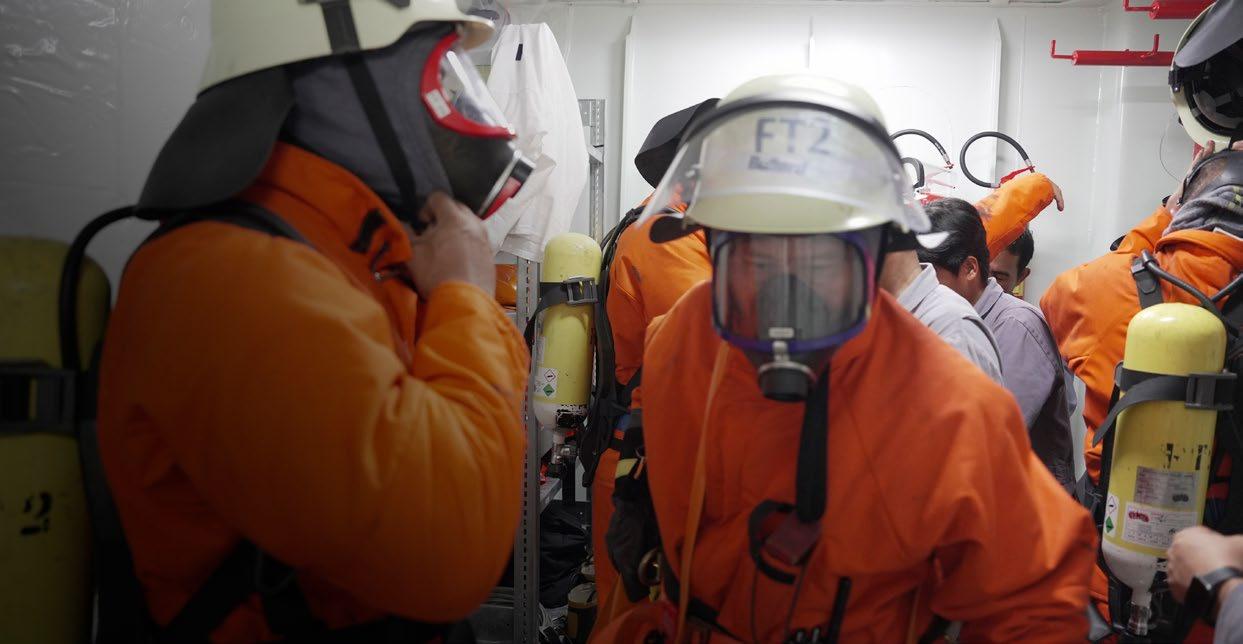
All crew receive extensive safety training, including induction,fire, man-overboard, abandon-ship drills, and role-specific instruction.
Operational onboard safety
Our operations comply with the regulations of each country in which we operate to ensure safe working conditions. Onboard, crew are trained to identify hazards, operate equipment safely, and respond to emergencies.
All crew receive extensive safety training, including induction, fire, man-overboard, abandon-ship drills, and role-specific instruction. Our Safety Management System follows the ISM Code and ISO 45001, providing a comprehensive approach to managing safety risks. Third-party checks by class societies on behalf of Flag states confirm alignment with the ISM Code and MLC standards.
The dedicated crisis response Care Team and medical staff are available for crew and guests. Senior leadership, including Board representatives, review safety, medical, and security performance monthly through the Health, Environment, Safety, and Security Committee meetings to guide operational improvements.
Security and risk management
Operating a global cruise fleet in today’s fast moving security landscapes requires foresight, agility and constant awareness, achieved through a comprehensive, proactive and preventiondriven approach to security and risk management.
The Corporate Security team for MSC Cruises and Explora Journeys is responsible for integrating risk awareness into itinerary planning, port evaluation and daily operations via its intelligence-driven, globally coordinated security framework.
Using real time data, the team assesses how geopolitical shifts, port level conditions and supply chain risks could impact operations, protecting our guests, crew, vessels, and operations wherever we set sail. This proactive approach is strengthened by close collaboration with port authorities, governments, international partners and military agencies. By harnessing integrated intelligence across our operations, we embed proactive foresight, rather than reactive response.
In recent years, we have strengthened situational awareness by mapping fleet movements and deployment plans against up to date political, social, and security intelligence. In 2025, we also strengthened incident detection through an enhanced monitoring system, enabling swift response capabilities and more effective risk mitigation.
Our fleet’s resilience is reinforced through rigorous adherence to the International Ship and Port Facility Security Code and by a dedicated Investigative team who analyse incidents, identify vulnerabilities, and drive continuous improvement across our procedures and systems.
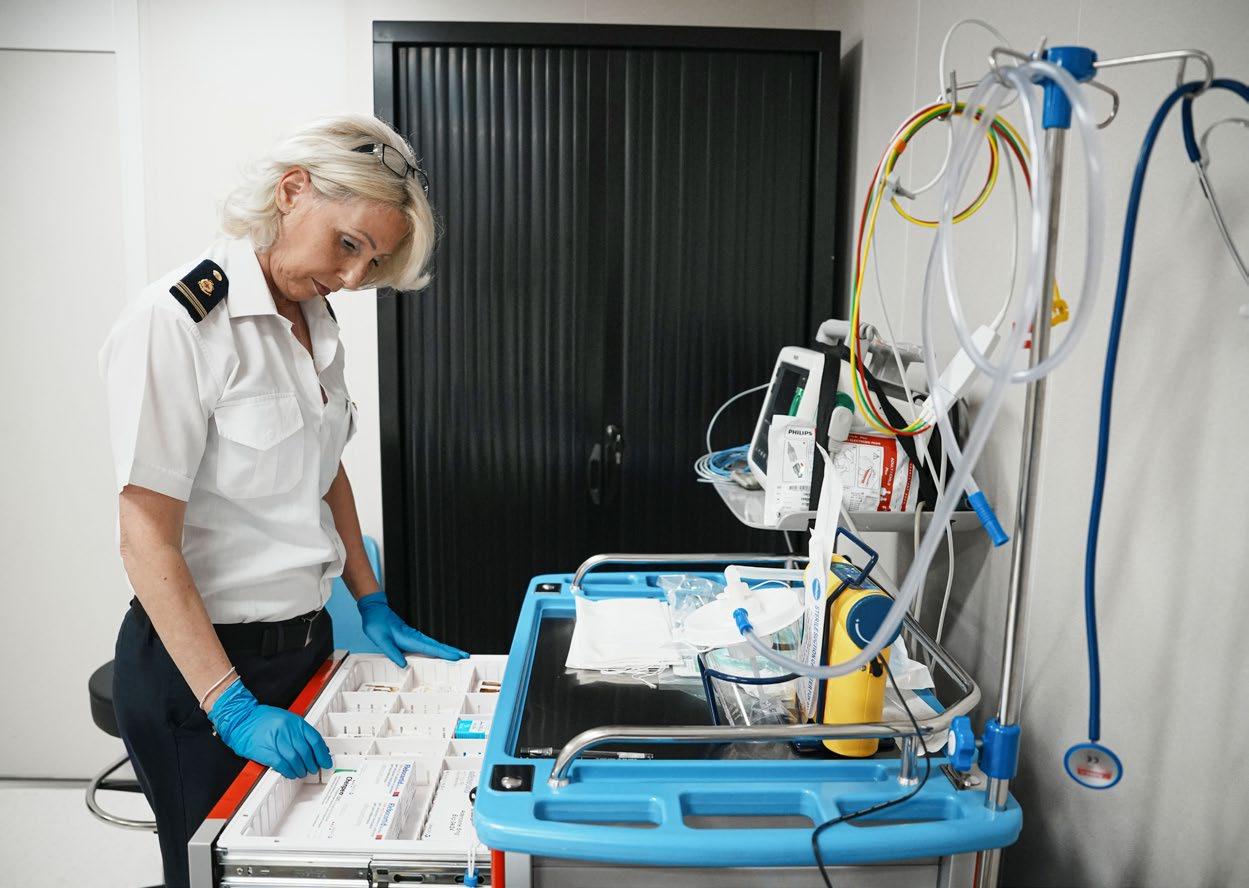
We constantly review the effectiveness of our actions and report results to the Health, Safety, Environment and Security Committee for feedback and guidance.
Our people are central to our security strategy, and we continue to invest in strengthening skills and capabilities. Specialised training prepares our shipboard teams to manage incidents, conduct investigations, and respond to crises with professionalism and clarity. These capabilities are fully supported by a global emergency response and crisis communication structure that enables rapid coordination across our fleets.
Health and safety
We work continuously to protect our people and our guests, taking active steps to prevent injuries, illness, pollution, and operational risks. We regularly assess risks and monitor our operations, taking rapid action whenever improvements are needed, in compliance with ISO 45001:2018 Occupational
Health and Safety Management Systems. We follow industry best practices and continually review and strengthen our approach to make sure it remains effective and aligned with our responsibilities.
Clinical Governance and Quality Assurance
Onboard clinical care and outcomes are reviewed on a regular basis to ensure continuous improvement in the quality of care we provide. Medical staff training, clinical performance and credentials are documented and verified on a dedicated performance management platform.
Modern Medical Facilities
All our vessels are equipped with medical centres that meet or exceed the Health Care Guidelines for Cruise Ship Medical Facilities by the American College of Emergency Physicians. These facilities are staffed on a 24/7 basis by experienced doctors, nurses, and paramedics representing diverse nationalities.
Our onboard medical teams deliver both routine and emergency care, supported by advanced diagnostic and therapeutic technologies, including X-ray imaging, point-ofcare ultrasound, cardiac monitoring, pulmonary ventilation systems and onboard laboratory services. These capabilities ensure prompt assessment, effective treatment and highquality clinical outcomes at sea.
Onboard operations are supported by our 24/7, on-call shoreside Medical Operations team staffed by tenured maritime physicians.
Training & Preventative Health
MSC Cruises maintains comprehensive training and prevention programmes to reinforce a safe and healthy working environment. These include:
• Health and hygiene training embedded into routine safety protocols.
• Emergency medical response training to maintain readiness for onboard and offshore medical incidents.
• Ongoing professional development aligned with our commitment to employee growth and wellbeing.
Fleetwide Influenza Vaccination Programme
To strengthen infectious disease prevention, we have introduced a fleetwide influenza vaccination programme for all crew. This is provided at no extra cost to crew members, reducing the incidence of seasonal illness, minimising workforce disruption, and supporting overall public health resilience onboard.
Mental Health & Psychological Support
Recognising the unique pressures of working at sea, MSC Cruises has partnered with a dedicated psychological support provider - International SOS - offering confidential, 24/7 mental health assistance to all crew members. Services include tele-counselling, crisis support, stress-management, and culturally sensitive mental health interventions. This fleetwide programme ensures that crew have free access to safe psychological support whenever they need it.
All employees worldwide, and their immediate families, have access to the Employee Assistance Programme, to support well-being. It provides a 24/7 support line as well as tools such as videos, webinars and podcasts.
Shoreside Hospitalisation
When crew require medical care ashore, we ensure continuity of care through dedicated case management providers. They work closely with our Medical Operations and Crew Services teams to coordinate all aspects of shoreside hospital admissions, including; medical liaison with hospitals and specialists, ongoing clinical updates and treatment oversight and assistance with logistics, language and documentation. This case-management structure safeguards crew welfare during complex medical events and ensures a consistent, supportive experience across all geographies.

Future Improvement Commitments
We are committed to making ongoing improvements by investing in crew health, access to care, and overall well being through:
• Ongoing enhancement of shipboard medical technologies and expansion of digital health capabilities,
• Strengthened infectious disease prevention, including vaccination programmes and improved outbreak readiness protocols,
• Improved transparency and reporting in line with evolving sustainability frameworks such as the EU CSRD, and
• Collaboration with external public health authorities such as EU ShipSan, the US CDC Vessel Sanitation Programme & Brazilian ANVISA to optimise training and strengthen onboard procedures.
Public health infrastructure and compliance
Each vessel carries a dedicated Public Health Officer (PHO) responsible for implementing and monitoring compliance with our public health protocols and all relevant port-state and international regulatory requirements. PHOs are supported by a travelling Public Health Supervisory Team assigned to each fleet, which provides oversight, guidance and support for continuous improvement across the vessel.
This integrated structure ensures consistent alignment with global health standards and underpins a proactive approach to outbreak prevention, sanitation monitoring, epidemiological surveillance, and overall crew health protection.
Public health and food safety
Public health and food safety is ensured through a comprehensive management system from procurement to logistics, to onboard practices. With new leadership strengthening our public health operations, we continue to strive not only to meet but to exceed the expectations set by leading authorities such as the U.S. CDC Vessel Sanitation Program (VSP), EU SHIPSAN, ANVISA and other global partners.
During 2025, our fleet underwent 31 inspections by external public health authorities, with no failed outcomes, demonstrating robust compliance with international public health requirements.
Across our supply chain, all food suppliers undergo rigorous qualification and routine audits by our Quality & Compliance team to ensure they consistently meet our safety and quality requirements. Onboard PHOs play a key role in maintaining daily food safety controls, from storage and preparation through to service, while also supporting infectious disease prevention and regulatory compliance.
The ISO 22000:2018 Food Safety Management standard has been maintained across the fleet throughout 2025. In 2025, minor food safety findings identified during ISO 22000 audits were reduced by nearly half, reflecting stronger operational controls and ongoing investment in crew training. These results highlight our commitment to continuous improvement and the consistent application of preventive ways of working.
As part of our goals, we have started to refine company protocols, including exploring new approaches to reduce chemical use and waste within our pest management programme.
OUR GUESTS
1
MATERIAL ISSUES
• Guest health and safety
• Guest inclusivity and accessibility
2
KEY POLICIES
• Guest Conduct policy
3
2025 ACTION HIGHLIGHTS
• New Director Accessibility and ADA
4
LOOKING AHEAD & TARGETS
• A focus on accessibility, with a strategy to enhance the guestaccessibility credentials of the fleet
• Accessibility upgrades on MSC Poesia
• Install pool lifts on a further 12 ships in 2026 and 2027, improving accessibility
Material issues
We are responsible for identifying and managing risks relating to accessibility, inclusivity, and guest health and safety, in line with our duty of care to all guests. Our obligations include providing appropriate facilities for guests with disabilities, ensuring ships are designed with accessibility and inclusivity in mind and delivering day-today services by appropriately trained personnel.
Our approach
The safety of our guests onboard is a core responsibility and central to our duty of care. We maintain robust security protocols to identify, manage, and mitigate risks, including theft, drug-related offences, and harassment. In parallel, we apply rigorous food safety controls and monitoring processes to reduce the risk of food-borne illness and maintain confidence in the quality and safety of our food and beverage offerings.
Inclusivity is embedded in both ship design and operations. We seek to accommodate guests with reduced mobility and other disabilities through accessible facilities and services, supporting safe and practical access throughout the guest journey.
Clear standards of guest behaviour underpin our commitment to a safe and respectful onboard environment. Our Guest Conduct Policy, available to all prospective guests via our website, sets out expectations relating to safety, security, and conduct towards crew members and fellow guests.
Our approach to onboard safety, security and health applies to both guests and crew. Further information is provided in the ‘Our Workforce’ section.
Guest safety
In 2025, we welcomed over 4.8 million guests, across 201 nationalities onboard, with comprehensive measures implemented on every voyage by highly trained crew to safeguard guest health, safety and wellbeing.
All guests are required to complete a mandatory safety briefing via their in-cabin television, confirm completion, and participate in muster drills at their assigned station. Emergency procedures, guest communication, and safety signage across the fleet align with the international Safety Of Life At Sea (SOLAS) requirements and are subject to independent verification, to ensure procedures are effectively implemented and crew are appropriately trained.
Crew are supported by trained onshore personnel. Our Maritime Support Centre continuously monitors vessel routing, provides operational support to ships and contributes to the safety of guests and crew.
We also extend our health and safety responsibilities to guests who book shore excursions with us, protecting their safety through contractual agreements and comprehensive checks on third-party operators.
Guest accessibility
First introduced in 2024, we completed the roll-out in all markets of our updated Accessibility and Medical Form in 2025, expanding the accessibility categories from 13 to 50. This allows for more specific support to be provided across mobility, respiratory, cognitive and dietary needs, and helps us better understand and accommodate our guests.
In 2025, we welcomed over 4.9 million guests across 201 nationalities onboard, supported by comprehensive measures to safeguard health, safety and wellbeing on every voyage.
Our newest ships continue to strengthen their accessibility provisions. Pool lifts are installed progressively across the MSC Cruises’ fleet and are now standard on all new builds. Of the MSC Cruises ships, 11 ships are equipped with pool lifts, with installations planned for a further 12 ships in 2026 and 2027.
Launched in April 2025, MSC World America offers 66 fully accessible cabins, distributed across multiple cabin categories. These cabins include wider doors, roll-in showers, grab bars and other features designed to accommodate guests with mobility and other disabilities. MSC World Asia, which is scheduled to enter service in December 2026, will offer the same number of fully accessible cabins.
Ahead of its Summer 2026 debut in Alaska, MSC Poesia received accessibility upgrades. These enhancements included three accessible Yacht Club suites and two pool lifts.
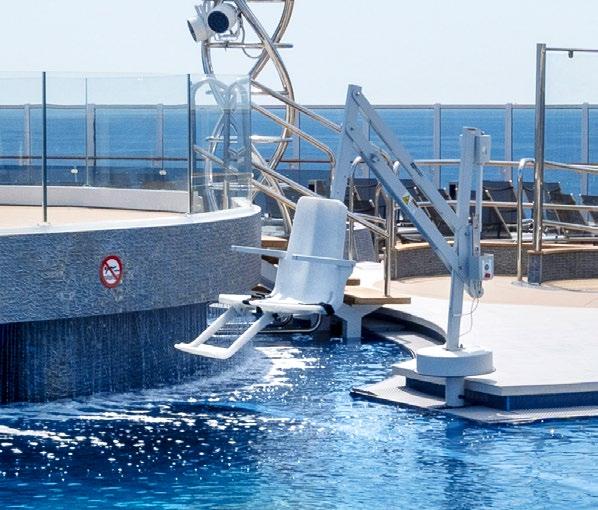
SPOTLIGHT
DEDICATED LEADERSHIP FOR ACCESSIBILITY

In 2024, we appointed Ron Pettit as Director, Accessibility and ADA (Americans with Disabilities) Compliance, a newly created role. He brings 40 years of experience of accessibility across the travel and hospitality sector, including 20 years in the cruise industry. His initial mandate has been to conduct a comprehensive review of accessibility provisions across MSC Cruises and Explora Journeys, identifying strategies and opportunities to strengthen and enhance the accessible guest experience. The role supports both regulatory compliance and our ambition to lead the industry in accessible holidays.
ACCESSIBLE CABINS
Our ambition is to lead the industry in accessible holidays.
Care teams
The global Care Team within the MSC Cruises Division comprises three core components, the shore-based care team specialists, shore-based volunteers and onboard care team volunteers. Shore-based Care Team Specialists provide comprehensive logistical and emotional support to guests and crew members affected by incidents occurring onboard or ashore.
The Care Team consists of two fully trained team leaders and nine dedicated specialists, ensuring compassionate, timely and round-the-clock assistance whenever required. The team is responsible for supporting all guests and crew members involved in emergencies.
Further information is provided in the ‘Our Workforce ’ section.
SUPPORTING GUESTS REQUIRING DIALYSIS
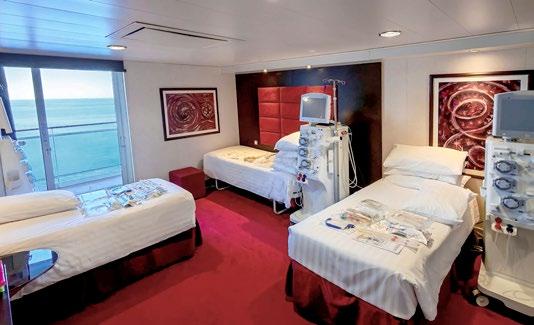
For over 40 years, specialist tour operator Viaggi Più has organised cruises for guests requiring dialysis, providing specialist equipment and medical personnel onboard. MSC Cruises partners with Viaggi Più to provide the necessary support and assistance for these guests during their cruise, including the allocation of appropriate space onboard for equipment and treatment. This service is available on selected itineraries in the Mediterranean, the Caribbean, the United Arab Emirates and Northern Europe.
WORKERS IN THE VALUE CHAIN
1
MATERIAL ISSUES
• Welfare of value chain workers
2
KEY POLICIES
• Business Partner Code of Conduct
• Sustainable procurement chapter of Procurement Manual
• Slavery and Human Trafficking Statement
3
2025 ACTION HIGHLIGHTS
• 98 internal buyers trained on supplier risk management and the EcoVadis platform
4
LOOKING AHEAD & TARGETS
• Complete the ESG evaluation of high risk suppliers in 2026
• eLearning tool on sustainability to be made available to all those with supplier engagement and procurement functions
Material issues
We manage a global and varied supply chain, procuring goods and services from thousands of suppliers. These range from ship construction and onboard operations to shoreside services, including guest transportation, and warehousing and office services.
Given the geographic breadth of our supply base, we recognise the potential risks to worker welfare and labour standards across multiple jurisdictions.
Our approach
Our suppliers rely on clear and transparent communication regarding our procurement requirements, sustainability expectations and risk management processes. They also expect fair treatment, constructive engagement and timely payment. In return, we expect our suppliers to operate responsibly, provide safe working environments for their employees, manage environmental, social and ethical risks within their operations and value chains.
Our expectations of suppliers are set out in our Business Partners’ Code of Conduct, which aligns with our own Code of Conduct. We are committed to providing safe, fair and ethical working conditions across our value chain and maintain zero tolerance for modern slavery, human trafficking, forced labour and child labour.
All contractors, subcontractors, suppliers, third parties and partners have access to our whistleblower hotline, Speak Up, which can be used to report behaviours that do not align
with our Business Partner Code of Conduct. The Speak Up line is available to our employees and external stakeholders and is operated on a 24/7 basis by an independent provider. All concerns are investigated promptly, with appropriate corrective or disciplinary action taken where necessary.
In line with our UK reporting obligations, we publish our Slavery and Human Trafficking Statement on our website.
How we take action
Sustainability considerations are integrated into procurement processes, with all suppliers required to meet minimum standards on working conditions and comply with human rights laws. We equip our buyers with tool and guidance to support responsible sourcing practices, including risk identification frameworks and clear payment protocols.
We use the EcoVadis platform to support ESG risk management and monitor sustainability performance across our supply base. EcoVadis provides independent sustainability ratings aligned with internationally recognised standards, including the GRI, UN Global Compact and ISO 26000.
Supplier assessments through the EcoVadis platform are structured across four thematic areas: Environment, Labour and Human Rights, Ethics and Sustainable Procurement. This enables us to identify risks, benchmark performance and promote continuous improvement within the value chain.
SPOTLIGHT
PROCUREMENT ECOCHAMPIONS
Our EcoChampions lead the implementation of the EcoVadis strategy within their respective procurement categories. They act as the primary point of contact for all EcoVadis-related activities, ensuring coordination, follow-up and progress tracking.
While category managers and buyers integrate sustainability into daily sourcing decisions, EcoChampions maintain overall accountability for continuous performance improvement.
We currently have 16 EcoChampions embedded across the procurement function. They meet monthly to share best practices, review processes and receive additional training.
Our risk-based supplier assessment
Given the size and diversity of the supplier base, we have implemented a three-phase, risk-based assessment framework, which allows us to prioritise engagement and corrective actions where sustainability risks are highest, while progressively extending assessment coverage to all suppliers. We categorise suppliers as high, medium and low risk, based on country, industry and spend.
In 2025, the Phase 1 assessment process commenced with high-risk suppliers, who were required to complete a comprehensive questionnaire to generate sustainability scorecards. Suppliers scoring below the minimum threshold must implement corrective action plans. Persistent noncompliance may result in removal from the approved supplier register.
Training and capacity building
To support the rollout of the EcoVadis platform, structured training sessions were delivered in 2025 to 98 colleagues across procurement and supplier management functions.
The training programme covered our sustainability and procurement commitments, the EcoVadis methodology and tools, supplier risk assessment, scorecard interpretation and supplier engagement processes. We will continue internal training, including refresher and advanced sustainability training sessions for procurement teams. In 2026, we expect to launch a mandatory sustainability eLearning programme for all procurement-related functions.
Ongoing supplier engagement will involve targeted webinars and guidance sessions to support assessment completion and performance improvement.
THREE-PHASE SUPPLIER ASSESSMENT FRAMEWORK
HIGH PRIORITY SUPPLIERS
Required to complete full EcoVadis questionnaire. Corrective action plans if below threshold.
MEDIUM PRIORITY SUPPLIERS
Structured engagement and guidance to progressively improve sustainability performance.
LOW PRIORITY SUPPLIERS
Ongoing monitoring with assessment coverage being extended over time.
AFFECTED COMMUNITIES
1 2
MATERIAL ISSUES
• Community relations
KEY POLICIES
• CLIA Guiding Principles for Responsible Tourism
• Community Engagement Strategy
3
2025 ACTION HIGHLIGHTS
• Established the Community Engagement Steering Committee and implemented the Community Engagement Strategy
• Hosted community representatives on 14 ship visits in 14 different ports
• Hosted five educational environmental ship tours in five different ports attended by local politicians, community representatives and destination management companies.
• Implemented the Todos a Bordo educational programme with local schools in Tenerife, Lisbon and Tarragona.
4
LOOKING AHEAD & TARGETS
• Execute the global action plan for community engagement, with a focus on our approved priority destinations
Material issues
According to the World Travel & Tourism Council’s Cruising for Impact study, the cruise industry supported 1.8 million jobs in 2024, with over 1.4 million based onshore. The report also finds that one full-time job is created globally for every 20 cruise passengers—underscoring the industry’s deep integration with local economies and its direct impact on livelihoods in destinations worldwide. With a growing global presence and fourteen ships on firm order between 2026 and 2033, MSC Cruise Division can play an important role in this economic contribution, supporting local communities, create job opportunities and creating opportunities for cultural exchange.
At the same time, cruise tourism also presents challenges. Increased visitor numbers can contribute to overtourism, resulting in overcrowding and pressure on local infrastructure such as waste management systems, public health facilities, and transport networks thereby affecting community well-being.
Our approach
MSC Cruises is committed to developing a realistic and achievable plan to support responsible tourism and deliver positive social and economic impacts in the communities we visit. We work closely with ports, local authorities, and tour operators, to understand concerns and how we can maximise benefits to the communities. Using feedback, we prioritise which actions to take and then develop destination specific approaches. These are formalised in the Community Engagement Strategy.
We recognise the need to both engage and ensure concrete actions, so our preference is for proactive community engagement. At the same time, we continue to work on measures to manage tourism numbers, promote balanced guest distribution, encourage cleaner local transport solutions, and develop excursions with measurable environmental value and lower environmental footprint.
Active engagement with local stakeholders supports open dialogue and collaboration within destinations, helping to
strengthen community relationships and create opportunities for education, cultural exchange and economic development. Transparent communication and coordinated planning help ensure our activities with local priorities.
Supporting local communities also includes sourcing goods locally where possible rather than distributing them from central locations, and promoting local artisan products. For example, at Ocean Cay MSC Marine Reserve, we collaborate with several local businesses and provide retail space to them on the island.
These measures align with the CLIA Guiding Principles for Responsible Tourism and help to ensure that our operations foster local economic benefits, protect cultural identity, and minimise environmental and social impacts. We view these efforts as long-term investments in trust, predictability, and shared value.
Our goal is to be an active, trusted partner in the local ecosystem, contributing to sustainable development and enhancing experiences for residents and guests alike.
How we take action
In 2025, we took concrete steps to strengthen community engagement and advance responsible tourism.
Community Engagement
Our direct community engagement focused on education, environmental awareness and local partnerships. Initiatives included hosting schools, universities, and job seekers onboard, supporting cultural exchange programmes, organising environmental activities such as beach cleanups and sustainability-focused ship tours and strengthening collaboration with destinations through outreach and pre-season visits. Active participation in industry forums including CLIA, the International Association of Cities and Ports and port associations such as MedCruise, Cruise Europe and Cruise Norway has enabled us to deepen our understanding of community needs and collaborate with local partners to implement them.
Throughout 2025, we hosted meetings with local and national stakeholders onboard our ships in selected ports in Norway, Germany, France and Spain, with an aim to foster open dialogue. These sessions brought together participants with diverse perspectives on cruise tourism, including political representatives, business partners and local communities. By providing a neutral platform for discussion, we aimed to address concerns, share information transparently, and identify collaborative solutions that balance economic benefits with social and environmental considerations.
Whilst community engagement is important in all regions we operate in, or are planning to expand into, we also recognise the need for focused attention in some regions. Our dedicated Community Engagement Steering Group approves priority regions and destinations for targeted community engagement. A detailed mapping of the local challenges and opportunities in each of these destinations and regions allows us to take a focused and measurable approach to implementing initiatives and tracking progress in these areas.
Responsible Tourism
Some of our guest excursions have been categorised as Protectours, reflecting their educational contribution or low carbon emissions. In 2025 we offered 317 Protectours to our guests across 137 destinations.
Locally, we favour working with tour operators that adopt lowor zero-emission transport alternatives employ local experts as tour guides and adopt itineraries that can deliver measurable social and economic impact at the destination level.
During 2025, additional low- and zero-emission transportation was added to our shuttle and shore excursion services to reduce our local environmental impact.
Through these actions, we aim to strengthen our social licence to operate and deepen our contribution to - and acceptance within - the communities we visit.
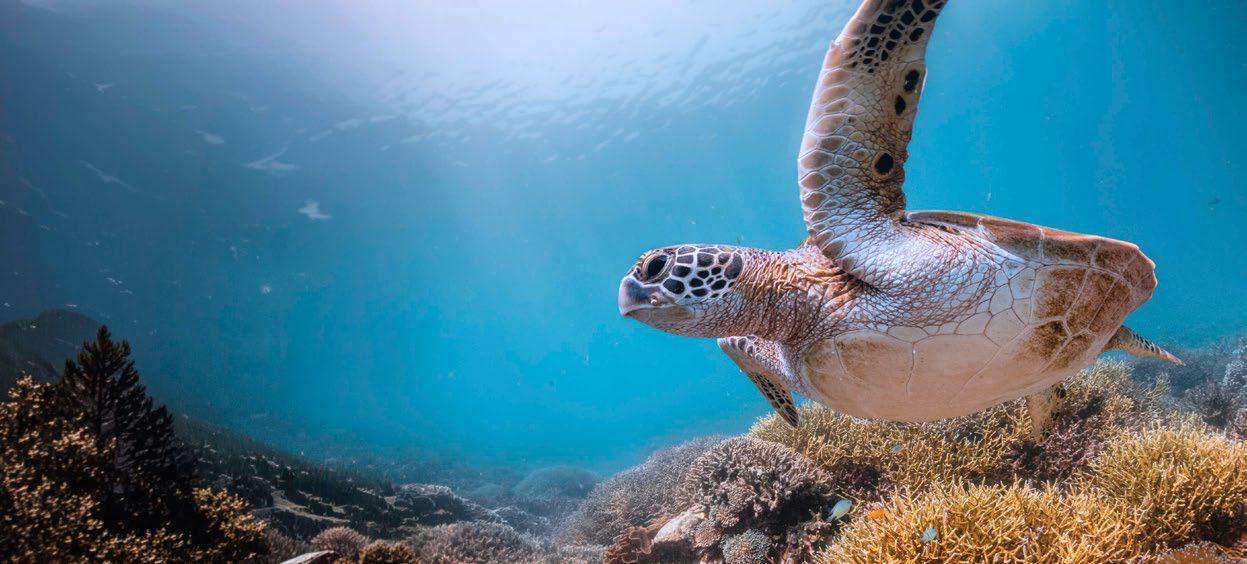
In 2025, we expanded our Protectours programme to 317 excursions in 137 destinations.
COMMUNITY PARTNERSHIPS IN ACTION
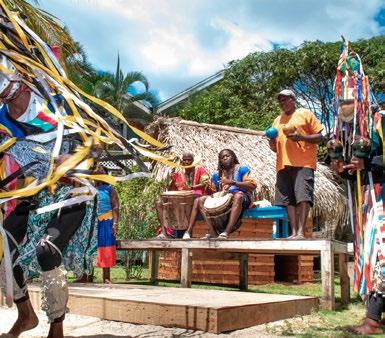

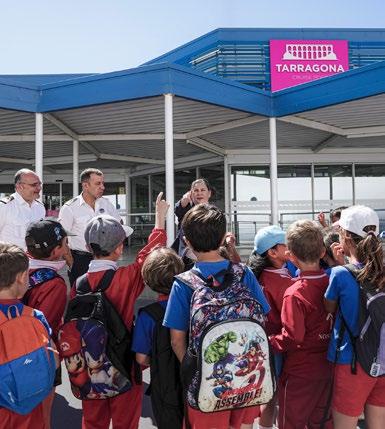
Big French Key - MSC ShoreExcellence winner (Responsible Tourism category)
Big French Key has been a key shore excursion partner for MSC Cruises since 2009, managing approximately 90% of all guest excursions in Roatán, Honduras. The company was an early pioneer of cruise tourism on the island, beginning operations in 1996 before formal port infrastructure was established.
In recognition of its long-term commitment to authentic visitor experiences and positive environmental, economic and social impact, Big French Key received our Sustainability & Community Champion –Caribbean award at the inaugural MSC ShoreExcellence Awards in 2025.
Promoting local culture with Los Pueblos Más Bonitos de España
In 2025, MSC Cruises launched a new initiative with Los Pueblos Más Bonitos de España, supported by the Los Pueblos Más Bonitos association, local authorities, and Mayors, to offer exclusive excursions to four recognised inland villages across the archipelago: Garachico, Betancuria, Teguise and Tejeda.
The initiative promotes local culture, preserves heritage and supports more sustainable tourism across the islands. Formally signed in Madrid, the agreement reinforces MSC Cruises’ commitment to a more environmentally responsible tourism model while creating stronger connections between travellers and local destinations.
Todos
a Bordo - All Aboard
CLIA launched Todos a Bordo in 2024 as an educational programme to introduce young people to career opportunities in the cruise industry while promoting teamwork, diversity, cultural respect and sustainability. Following a successful pilot in Palma de Mallorca in February 2024, MSC Cruises and CLIA expanded the initiative in 2025 to Tenerife and Tarragona (Spain) and Lisbon (Portugal), reaching nearly 200 schoolchildren.
The programme was strengthened through active crew participation and close collaboration with port authorities, transforming classroom sessions into practical, community-based experiences which also helped crews build stronger connections to local communities. The programme is set to expand further in 2026 to seven schools, 19 classes and approximately 400 children across the island.
GOVERNANCE
Sound corporate governance is fundamental to how we protect stakeholder interests and uphold our reputation as a trusted business. Our governance framework is supported by Board-level oversight, cross-functional committees and our Code of Conduct, embedding accountability throughout the business, across all functions and at all levels. By operating with integrity and accountability, we create lasting value for our business, our partners and the communities connected to our operations.
BUSINESS GOVERNANCE
1
MATERIAL ISSUES
• Business Conduct
2
KEY POLICIES
• Code of Conduct
• Business Partners Code of Conduct
• Human Rights Policy
• Modern Slavery Statement
• Child Labour Policy
3
2025 ACTION HIGHLIGHTS
• Provided tailored governance training to Directors and Board members across MSC Cruises S.A. entities
• Specialised conflict of interest and investigation training was delivered to HR personnel
• Tailored bribery and corruption training was provided to crew recruitment agencies
4
LOOKING AHEAD & TARGETS
• Complete governance training for all Directors and Board members within 2026
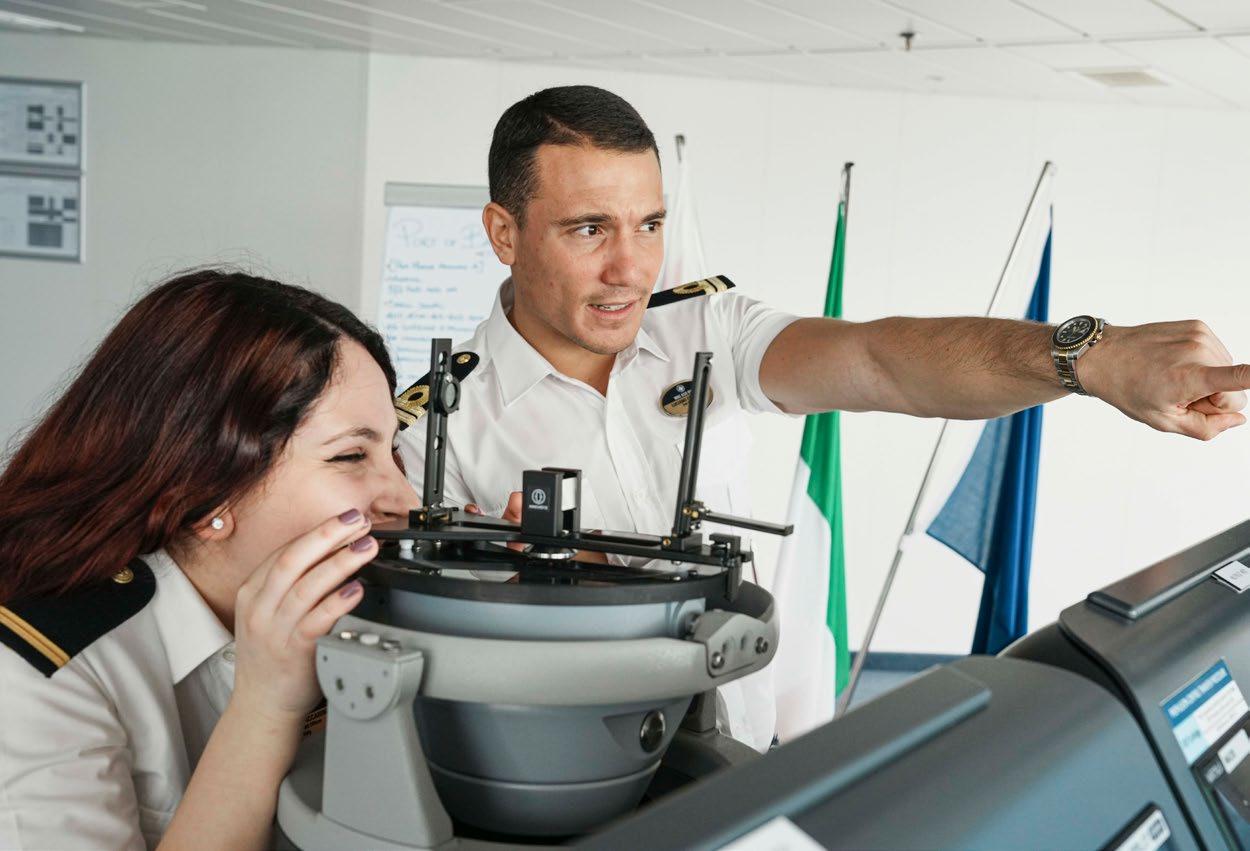
Our approach
As a global business, robust governance underpins safe and successful operations across all markets we serve. Our governance frameworks are designed to protect stakeholder interests and reinforce a transparent, accountable culture that drives our long-term success.
All MSC Cruises entities comply with our Corporate Governance Procedure. The governance framework is implemented through adherence to the Procedure and reinforced through training provided to members of the Board of MSC Cruises S.A. subsidiary entities.
Our Corporate Governance Committee supports the Board of MSC Cruises S.A. and the Executive Chairman, ensuring that a strong governance framework is maintained. Appropriate review and evaluation processes are carried out to select Board members and appoint Directors of our subsidiary entities.
Management Responsibilities
The highest level of accountability for the delivery of our sustainability strategy and approval of our Sustainability Report sits with the Executive Chairman who also holds the position of Chair of the MSC Cruises S.A. Board. As a family-owned business, the Board comprises three senior family members.
The Sustainability Advisory Board is chaired by the Executive Chairman and includes senior management representation from core business functions.
The Sustainability Team works across global operations, with business owners and relevant committees, to ensure that the responsibilities for managing material IROs are assigned.
Several committees play a crucial role in facilitating effective discussions and reaching agreements on IROs that require crossfunctional collaboration. This ensures alignment with business obligations and the maintenance of high ethical standards.
Sustainability skills and experience
The Boards of the global entities within MSC Cruises S.A. are structured to meet both local legislative requirements and the Group’s corporate governance standards, with a balance of local and corporate representatives. Board members of all entities are highly qualified and independent, with diverse skills and experience that equip them to perform their roles effectively.
It is the role of the Corporate Governance Committee to assess skills, expertise and experience to ensure individuals can fulfil their responsibilities effectively. The Boards and the Corporate Governance Committee also regularly review the training and development needs of Directors, taking into account the changing business environment, emerging governance trends and required competencies.
In 2025, tailored training was provided to Directors and Board members across MSC Cruises S.A. entities to strengthen understanding of key responsibilities, legal duties and best practices in governance and decision-making. The training ensured understanding of corporate governance
principles, and related policies and procedures. It also served to re-emphasise the importance of sustainability across the business and the role of management in the effective oversight of assigned material ESG issues.
All directors have access to relevant training programmes and resources to support their ongoing development. They are encouraged to take part in continuous education, including seminars and industry conferences, to remain up to date on best practice, regulatory developments and emerging governance issues.
The Sustainability Team brings a strong and diverse range of capabilities, underpinned by decades of combined industry experience. The team’s expertise spans environmental management, regulatory compliance, sustainability strategy, marine engineering and corporate leadership. Sustainability colleagues actively contribute to relevant governance committees, providing practical insight and specialist expertise to support robust informed discussions and decision-making.
ADMINISTRATIVE, MANAGEMENT AND SUPERVISORY BODIES
MSC Cruises S.A. Board
Chaired by the Executive Chairman
Sustainability Advisory Board
Chaired by the Executive Chairman
ESG- RELATED ROLES AND RESPONSIBILITIES
Sustainability Team
Led by the Vice President Sustainability & ESG
Strategic Advisory Group
Led by the Chief Communications Officer
With senior management representatives from core business functions, this Board is responsible for setting the sustainability strategy across MSC Cruises S.A.
The Sustainability Team presents the proposed sustainability strategy, processes and responsibilities for managing IROs, as well as key developments and actions. Approval is sought from the members of the Sustainability Advisory Board for activities that substantially influence business decisions and/or require budgetary approval.
Responsible for recommending the sustainability strategy to the Sustainability Advisory Board and overseeing and tracking the implementation of approved sustainability initiatives across the business.
Convenes key functions including Port Development, Government Affairs, Corporate Communications, Sustainability and Shore Excursions, to support strategic alignment and coordinated decision-making on sustainability-related topics across MSC Cruises S.A.
Responsibilities include key decision -making concerning sustainability-related material impacts or risks, ensuring these matters are appropriately considered in setting the business strategy. Other members are the Group Chairman and the Group Chief Financial Officer.
Sustainable Procurement Committee
Led by the Chief Procurement Officer
Sustainable Communications & Marketing Committee
Led by the Head of Communications
Corporate Governance Committee
Led by the Chief Advisory & Audit Officer
Compliance Committee
Led by the Head of Corporate Compliance
Data Privacy Committee
Led by the Data Privacy Officer
Health, Environment, Safety and Security Committee
Led by the President of MSC Cruise Management (UK)
Health Steering Committee
Led by the Executive Chairman
Diversity and Inclusion Committee
Led by the Head of Diversity, Inclusion and Wellbeing
The aim of the committee is to ensure sustainability is integrated into procurement practices and decision-making by identifying risks, agreeing on appropriate actions, and embedding these into procurement and supply chain management systems.
Attended by the representatives from Marketing, Communications, Sustainability and Legal teams, this committee is responsible for ensuring that we communicate responsibly and accurately about our ambitions and achievements to guests, industry partners, key stakeholders and the public.
Ensures that the appropriate corporate governance framework is in place across the Cruises Division. Internal subject matter experts are invited on a case-by-case basis to address specific business and operational topics.
Reviews compliance matters raised either through our anonymous Speak Up line or directly with the Corporate Compliance team. Each matter is investigated in collaboration with the relevant business function, with corrective actions and mitigation measures agreed by the Committee and implemented by the business. The most serious cases are escalated to the CEO and Executive Chairman.
Responsible for reviewing issues and risks related to data protection. The committee may take action to resolve these matters, as required, or escalate them for discussion by Top Management.
Responsible for overseeing the safe and secure operation of the two fleets, and ensuring a safe and healthy environment onboard, for all crew and guests indistinctively.
Attended by representatives from all teams with operational responsibility for health, environment, safety and security, this committee reviews initiatives and activities, evaluates risks, analyses data, identifies trends and addresses potential non-compliance issues, with the aim to continually improve operations.
Attended by senior medical and health practitioners within the business, together with senior internal legal representation and an external medical consultant. The Committee reviews the annual medical report, discusses new projects and considers any serious medical-related concerns. It is responsible for reviewing measures to manage relevant IROs assessing the effectiveness of policies and proposing improvement targets.
With representatives from across our global operations and four external experts, this Committee approves the D&I agenda and related actions for the business, including action plans aligned with the results of the annual D&I survey. It also ensures that policies and actions are in place to manage IROs relevant to D&I.
Incentive schemes and remuneration policies
Linking executive remuneration to the achievement of longterm ESG targets reinforces leadership accountability and drives measurable progress, helping to build a culture of sustainability from the top.
Onboard our ships, 23 senior positions are subject to performance-related incentive schemes linked to energy
efficiency, food hygiene, and crew and guest satisfaction. For energy efficiency, these incentives are linked to actual fuel consumption compared to budgeted fuel consumption. Bonuses for senior food and beverage managers are linked to compliance with food hygiene regulations. Crew and guest satisfaction incentives are calculated based on quarterly crew surveys and the results of post-cruise guest surveys.
23 senior positions are subject to performance-related incentive schemes linked to energy efficiency, food hygiene, and crew and guest satisfaction.
Due diligence
Due diligence is embedded in our business through key policies, including the Code of Conduct for employees, the Business Partners Code of Conduct; Human Rights Policy; Modern Slavery Statement’ and Child Labour Policy. We also follow comprehensive policies and procedures covering marine environment and biodiversity protection, supply chain stewardship, and crew health, safety and wellbeing. Further information on our due diligence approach to specific material issues is set out in the relevant chapters of this report.
Risk Mitigation
Timely risk identification and mitigation are key priorities for our business. We regularly assess a wide range of businessrelevant risks, including those related to ESG. This process guides key business decisions and activities.
Sustainability risks are identified as part of the Double Materiality Assessment (DMA). The methodology for identifying risk-related IROs is aligned with the likelihood and consequence scoring applied under the corporate risk assessment policy and process. These risks are also considered by the Advisory & Audit Department as it prioritises and conducts assessments of risk and internal control systems across the business in accordance with the established methodology. Where sustainability-related audit engagements are included in the Audit Plan, the Internal Audit Team collaborates, as required, with the Sustainability Team to manage these activities.
Following each update to the DMA, the Executive Chairman and CEOs are provided with the results for approval and to inform strategic business decisions.
Our codes of conduct
Our success is built on delivering outstanding service to our guests, while conducting business responsibly and with the highest level of integrity. To ensure our ethical approach is embedded across the business, all employees adhere to our Code of Conduct and we expect our partners and suppliers to do the same through our Business Partners Code of Conduct, which reflects our own standards.
The Code of Conduct and related policies provide clear guidance on identifying, preventing and addressing risks, as well as the consequences of breaches. Mandatory training on the Code of Conduct is provided to all employees.
The main elements of the Codes are as follows:
Environment
We are committed to reducing our environmental impact and complying with all applicable laws and regulations in the countries in which we operate.
Human rights and labour standards
We are committed to protecting our employees and all those working on our behalf, aligning to standards covering: non-discrimination, protection of minors, D&I, working conditions, health and safety and harassment. We comply with employment laws, support employees’ rights to unionise, provide fair wages and working hours, ensure safe working conditions and prohibit harmful practices such as underage employment, forced labour, physical punishment or abuse.
Anti-bribery
We are committed to conducting business fairly and upholding all applicable anti-bribery laws in our business dealings worldwide. We strictly prohibit bribery and facilitation payments.
Conflict of interest
Employees should fully disclose any situations that could reasonably be expected to give rise to a conflict of interest and receive training to help avoid any situation that could affect their ability to act in the best interest of the business.
Sanctions regulations
We comply with Swiss and EU sanctions regulations, as well as with any other sanctions regimes applicable to our activities and business dealings worldwide.
Fair competition
We are committed to complying with the applicable competition regulations, also known as ‘Antitrust Laws’, at all
times, and in all jurisdictions in which we operate, conducting business in an honest and transparent manner.
Confidentiality
Employees are required to safeguard all confidential information, including information received from guests and third parties.
Privacy and Data Protection
We maintain a structured Privacy Governance Framework designed to safeguard personal data by ensuring its integrity, confidentiality and availability. This Framework governs all aspects of data handling, including collection, processing, security, privacy risk management, third-party oversight and training.
Whistleblowing
As part of our commitment to transparency and ethical conduct, we provide a secure Speak Up system for employees and external stakeholders to raise concerns regarding potential breaches of our Code of Conduct and policies. Managed independently and aligned with the EU Whistleblower Protection Directive, the Speak Up Line ensures confidentiality and anonymity. Reports are reviewed by the Compliance Committee and handled by the Compliance team in collaboration with the relevant functions to ensure appropriate action is taken.
Cybersecurity
We take a holistic approach to cybersecurity, combining technical, organisational and procedural safeguards to protect our digital assets and reduce cyber risk. As threats continue to evolve across both land- and sea-based operations, we apply a long-term perspective to strengthen resilience and maintain operational continuity.
We integrate future-ready security solutions into new builds and upgrade our existing fleet accordingly. Our cybersecurity framework enables real-time threat monitoring, AI-enabled risk detection and advanced defence systems, supported by robust employee training and awareness.
Regular cybersecurity drills enable us to identify and address vulnerabilities proactively, protect critical data and ensure uninterrupted operations, safeguarding the safety of our passengers, crew and business.
Modern slavery and human trafficking
We maintain a zero-tolerance approach to modern slavery, including forced labour and human trafficking, and are committed to full compliance with applicable international
frameworks and regulatory requirements. Our Code of Business Conduct reinforces our expectations regarding human rights, fairness, and the ethical treatment of all workers. We embed ethical labour and compliance clauses in relevant contracts.
We comply with the ILO Maritime Labour Convention 2006, which sets minimum international standards for seafarers’ working and living conditions. Our recruitment and onboarding processes are designed to prevent exploitation and trafficking. We also uphold policies that protect employees’ rights, including freedom of movement and freedom of association. We monitor and respond to fraudulent recruitment practices that may target vulnerable workers, working closely with recruitment agencies and online platforms to detect and prevent misconduct.
In line with the UK Modern Slavery Act 2015, we publish an annual statement outlining the actions taken to assess and mitigate modern slavery risks across our operations and supply chain.
Payment policy for suppliers
The MSC Cruises and Explora Journeys Procurement Manuals set out standard payment terms for suppliers, which are incorporated into contractual documentation. All standard payment terms are reviewed and approved by both Procurement and Finance representatives.
Corporate Compliance
In 2025, the business enhanced its Corporate Compliance function to align with its global growth strategy and to reinforce a consistent, enterprise-wide approach to risk identification, assessment, and mitigation. As part of this process, the Compliance Committee was reshaped to reflect evolving organisational needs and international best practice. The Committee, now chaired by the Head of Corporate Compliance, convenes at least monthly, ensuring governance oversight remains aligned with our strategic objectives.
Compliance Programme Training
As part of our commitment to responsible business conduct, Corporate Compliance delivered a set of training initiatives aimed at reinforcing a culture of integrity across the organisation. These efforts addressed both overarching compliance risks and sector-specific challenges relevant to the cruise industry.
A dedicated training module on the strategic importance of compliance was developed and delivered to all onboard Top Management, reinforcing accountability at the leadership level. To ensure wide accessibility and global reach and accessibility, an online training programme covering bribery and corruption, conflicts of interest, and hospitality, entertainment and gifts was deployed for employees worldwide.
Cross-functional collaboration further supported targeted capability-building initiatives. Specialised conflicts of interest and investigation training was delivered to HR personnel, while tailored bribery and corruption training was provided to our crew recruitment agencies. These actions support the organisation’s commitment to ethical conduct throughout its value chain and contribute to the responsible growth of our global operations.
Operational compliance
The distinctive nature of maritime operations, often conducted over long periods and in international waters, requires adherence to specific rules and regulations.
These requirements are strictly enforced and are supplemented by additional voluntary standards and agreements that guide the way we operate.
For employee matters, we adhere to the International Labour Organisation (ILO) and its specific seafarers’ agreements, the Maritime Labour Convention .
For safety at sea, seafarer certification and environmental protection, we align with the various conventions established by the IMO.
International Labour Organisation (ILO)
The ILO is the United Nations’ agency responsible for advancing social justice and promoting decent work conditions. Adopted in 2006, the Maritime Labour Convention (MLC) is an agreement under the ILO providing international standards for the global maritime industry. Widely known as the ‘seafarers’ bill of rights’, it establishes the international rights and protection rules for those working at sea.
International Maritime Organisation (IMO)
The IMO is the United Nations’ agency responsible for the safety and security of shipping, and the prevention of marine and atmospheric pollution from ships. The most important conventions include:
• The International Convention for the Safety of Life at Sea
• The International Convention on Standards of Training, Certification and Watchkeeping for Seafarers
• The International Convention for the Prevention of Pollution from Ships
Regional, national and local regulations
In addition to these global regulations, we also comply with national and regional standards.
Local and regional authorities require us to demonstrate compliance through regular documentation reviews, Port State inspections or other enforcement mechanisms. Recognised organisations such as Bureau Veritas and RINA play a key role in verifying our compliance with class and statutory requirements on behalf of Flag States.
Individually, and as part of industry agreements, we are also signatories to voluntary local requirements, demonstrating our commitment to responsible tourism and to reducing potential environmental impacts.
MSC Cruises has signed a number of voluntary port environmental agreements across Mediterranean ports. These are informal, non-binding commitments, under which the cruise line agrees to take specific actions including recommendations such as slow-downs, the use of cleaner fuel near ports, and other best practices aimed at improving air quality, protecting marine ecosystems and reducing impacts on local communities.
These include:
• Cannes Charter
• Civitavecchia Blue Flag Agreement
• Genoa & Savona Blue Flag Agreement
• Venice Blue Flag Agreement
• Marseille Blue Charter
• Golfo dei Poeti (La Spezia) MoU
• Ports of Trieste & Monfalcone Agreement
Additionally, in 2025 we renewed our commitment to the Charter on Sustainable Cruising in the French Mediterranean. More information on the Charter can be found in the Pollution section.
Voluntary certifications
We voluntarily maintain certification to the following ISO standards:
• ISO 14001: 2015 Environmental Management Systems
• ISO 21070: 2017 Ships and marine technology - Marine environment protection - Management and handling of shipboard garbage
• ISO 50001: 2018 Energy Management Systems
• ISO 45001: 2018 Occupational Health and Safety Management Systems
• ISO 22000: 2018 Food Safety Management Systems
• ISO 9001: 2015 Quality Management Systems
OPERATIONS
MSC CRUISES
EXPLORA JOURNEYS
SCOPE NOTES
Total number of ships from MSC Cruises fleet as of 31st December 2025.
Total number of days of operations across the entire MSC Cruises fleet, from the first to the last completed cruise within the calendar year.
MSC Cruises Fleet
Total number of guests across the entire MSC Cruises fleet, from the first to the last completed cruise within the calendar year.
Sum of guest count per operating day, from the first to the last completed cruise within the calendar year.
Sum of ALB (Available Lower Berth) per operating day, from the first to the last completed cruise within the calendar year.
SCOPE NOTES
Total number of ships from Explora Journeys fleet as of 31st December 2025.
Total number of days of operations across the entire Explora Journeys fleet, from the first to the last completed cruise within the calendar year.
Total number of guests across the entire Explora Journeys fleet, from the first to the last completed cruise within the calendar year.
Sum of guest count per operating day, from the first to the last completed cruise within the calendar year.
Sum of ALB (Available Lower Berth) per operating day, from the first to the last completed cruise within the calendar year.
Explora Journeys Fleet
ENVIRONMENT
ENERGY CONSUMPTION & MIX
SCOPE NOTES
Fleet + Shorebased Sum of total reported fossil energy and renewable energy consumption.
Fleet + Shorebased
Sum of fossil energy consumption from coal products, crude oil and petroleum products, natural gas, other fossil fuel sources and purchased or acquired electricity, heat, steam and cooling from fossil sources consumed in the calendar year. For fleet, raw data are recorded in metric tonnes for all categories of fossil energy sources and verified. Mass to energy conversions are based on LCV values as per MEPC 308(73).
Fleet + Shorebased Total fuel consumption from coal products for fleet and shorebased operations during the calendar year.
Fleet + Shorebased Total consumption of fuels from crude oil and petroleum products for fleet and shorebased operations during the calendar year.
Fleet Fuel consumption from crude oil and petroleum products for fleet operations.
Shorebased Fuel consumption from crude oil and petroleum products at owned shorebased facilities and the operation of vehicles. For 2025, data for South Africa and Mozambique omitted as incomplete.
Fleet + Shorebased Total fuel consumption from natural gas for fleet and shorebased operations during the calendar year.
Fleet Fuel consumption of natural gas for fleet operations.
Shorebased Fuel consumption of natural gas for energy use at owned shorebased facilities. For 2025, data for South Africa and Mozambique omitted as incomplete.
Fleet + Shorebased Total fuel consumption from fossil fuels sources other than already reported for fleet and shorebased operations during the calendar year.
Fleet + Shorebased Total electricity, heat, steam and cooling consumption from fossil sources for fleet and shorebased operations during the calendar year.
Fleet Consumption of electricity for fleet operations. Corresponds to Onshore Power Supply (OPS) connections consumption during the calendar year.
Shorebased Consumption of electricity, heat, steam and cooling from fossil sources for shorebased facilties and vehicles. For 2025, data for South Africa and Mozambique omitted as incomplete.
ENERGY CONSUMPTION & MIX
SCOPE 1,2 and 3 GHG
SCOPE NOTES
Fleet + Shorebased Total consumption of purchased or acquired electricity, heat, steam, and cooling from renewable sources, combined with total fuel consumption from renewable sources during the calendar year.
Fleet + Shorebased Total electricity, heat, steam and cooling consumption from renewable sources in the calendar year.
Fleet Consumption of electricity, heat, steam and cooling consumption from renewable sources for fleet operations.
Shorebased Consumption of electricity, heat, steam and cooling consumption from renewable sources at owned shorebased facilities. For 2025, data for South Africa and Mozambique omitted as incomplete.
Fleet + Shorebased Total consumption of fuels from renewable sources during the calendar year.
Fleet Consumption of renewable fuels for fleet operations. For 2025, this includes bio-LNG, HVO and B24.
Shorebased Consumption of renewable fuels used forowned shorebased facilities and vehicles during the calendar year. For 2025, data for South Africa and Mozambique omitted as incomplete.
Shorebased Self production of electricty through PV panels on Ocean Cay.
SCOPE NOTES
Fleet Scope 1 emissions derived from reported and verified fuel consumption of the fleet in the calendar year, in accordance with IMO DCS reporting methodology. For 2025, in metric tonnes of CO₂e. For previous years, in metric tonnes of CO₂. Does not include emissions from waste incinerated onboard. Value has been verified.
Shorebased Scope 1 emissions associated with fuel consumption at owned shorebased facilities and operation of vehicles. For 2025, data for South Africa and Mozambique omitted as incomplete.
Fleet + Shorebased Total location-based Scope 2 emissions associated with electricity consumption for fleet and shorebased operations.
Fleet Location-based Scope 2 emissions derived from electricity consumption for OPS operations in the calendar year.
Shorebased Location-based Scope 2 emissions associated with electricity consumption at owned shorebased facilities and electric vehicles usage. For 2025, data for South Africa and Mozambique omitted as incomplete..
Fleet + Shorebased Total market-based Scope 2 emissions associated with electricity consumption for fleet and shorebased operations.
Fleet Market-based Scope 2 emissions derived from electricity consumption for OPS operations in the calendar year.
Shorebased Market-based Scope 2 emissions associated with electricity consumption at owned shorebased facilities and electric vehicles usage. For 2025, data for South Africa and Mozambique omitted as incomplete.
SCOPE 1,2 and 3 GHG EMISSIONS
SCOPE NOTES
Fleet + Shorebased Total Scope 3 emissions occurring during the calendar year across the business value chain, associated with our operations and calculated in line with the GHG protocol.
Fleet + Shorebased Total upstream emissions from purchased goods and services, including food and beverage, hotel supplies, technical items, and other procured services.
Fleet + Shorebased Total upstream emissions associated with all new assets delivered in 2025, including MSC World America and Miami and Barcelona terminals.
Fleet + Shorebased Total upstream emissions from fuels and energy purchased and consumed by the fleet, company vehicles, and owned facilities (offices, terminals and destinations), including transmission and distribution losses.
Shorebased Total emissions associated with the transportation and distribution of purchased goods from suppliers’ gates to our ships.
Fleet Total emissions from the treatment of waste and wastewater generated on board during the operations.
Shorebased Total emissions generated from business travel and employee commuting of crew members and shoreside employees during operations.
Shorebased Total upstream emissions from the operation of upstream leased assets, excluding emissions associated with refrigerant leakage.
Shorebased Total amount of Tank-to-Wake CO₂e emissions from charter flights sold to guests, calculated by IATA.
Fleet + Shorebased Total emissions associated with our investments, including associate companies and joint ventures, allocated based on ownership share.
Fleet Total amount of Tank-to-Wake CO₂ emitted in the calendar year divided by total Available Lower Berth (ALB) and total distance travelled in km. In 2025, the Tank-to-Wake CO₂ emissions accounted for 2,658,746 tonnes.
SCOPE NOTES
Fleet Total amount of NOx emitted in the calendar year. Value has been verified.
Fleet Total amount of SOx emitted in the calendar year. Value has been verified.
Fleet As of 31st December, Lirica class and MSC Orchestra were not fitted with OPS capability.
SCOPE NOTES
Fleet Total amount of freshwater consumed in the calendar year.
Fleet Total amount of freshwater produced onboard in the calendar year.
Daily volumes are recorded onboard each ship and transmitted to land where data collected from the entire fleet is compared and reconciled.
Fleet Total amount of freshwater bunkered in the calendar year.
Daily volumes are recorded onboard each ship and transmitted to land where data collected from the entire fleet is compared and reconciled.
Fleet Total amount of wastewater generated onboard in the calendar year. Fleet
Fleet
Blackwater includes waste water from toilets, urinals, medical sinks and other similar facilities.
Greywater includes drainage from galleys (food preparation, dishwashing and cleaning), accommodation showers and sinks, and laundry.
Daily volumes are recorded onboard each ship and transmitted to land where data collected from the entire fleet is compared and reconciled.
Fleet Number of ships equipped with Advanced Wastewater Treatment Systems (AWTS).
SCOPE NOTES
Fleet Total amount of waste generated onboard in the calendar year except hazardous waste. Fleet
Daily volumes are recorded for all categories of waste generated onboard each ship and transmitted to land where data collected from the entire fleet is compared and reconciled.
Volume to mass conversions are based on best-available conversion factors.
Fleet Total amount of hazardous waste generated onboard in the calendar year. Mass values are recorded and transmitted to land.
Own workforce SOCIAL
HEADCOUNTS
GENDER DISTRIBUTION
SCOPE NOTES
Whole workforce Sum of shorebased employees and crew members as per definitions below.
Crew (direct)
Shorebased employees
Total number of directly hired crew members who performed work for MSC Cruises and Explora Journeys in the calendar year.
Each crew member is counted only once, regardless of the number of contracts signed during the reporting year.
Total number of shorebased employees within MSC Cruises SA operationally controlled entities as of 31st December 2025.
Whole workforce Sum of shorebased non- employees and crew non-employees as per definitions below.
Crew (concessionaires)
Shorebased workforce
Total number of crew members hired through concessionaires, who performed work for MSC Cruises and Explora Journeys in the calendar year.
Each crew member is counted only once, regardless of the number of contracts signed during the reporting year.
Total number of non-employees in the undertaking’s own workforce, including self-employed contractors and workers provided by third-party undertakings engaged in employment activities, whose work is performed under the direction of the Company during the reporting year.
Each individual is counted only once, irrespective of the number of assignments or contractual arrangements.
SCOPE NOTES
Whole workforce Sum of female shorebased employees and female crew members as per definitions below.
Crew (direct)
Total number of female crew members who performed work for MSC Cruises and Explora Journeys in the calendar year.
Each female crew member is counted only once, regardless of the number of contracts signed during the reporting year.
The percentage refers to the total number of female crew members out of the total number of crew members.
Shorebased employees Total number of shorebased female employees within for MSC Cruises SA operationally controlled entities as of 31st December 2024.
The percentage refers to the total number of female employees out of the total number of employees.
Whole workforce Sum of male shoreabased employees and male crew members as per definitions below.
Crew (direct)
Shorebased employees
Total number of male crew members who performed work for MSC Cruises and Explora Journeys in the calendar year.
Each male crew member is counted only once, regardless of the number of contracts signed during the reporting year.
The percentage refers to the total number of male crew members out of the total number of crew members.
Total number of shorebased male employees within MSC Cruises SA operationally controlled entities as of 31st December 2025.
The percentage refers to the total number of male employees out of the total number of employees.
GENDER DISTRIBUTION AT TOP MANAGEMENT LEVEL
AGE DISTRIBUTION
LEAVERS & TURNOVER
SCOPE NOTES
Shorebased employees
Shorebased employees
Shorebased employees
Total number of employees in top management within MSC Cruises SA operationally controlled entities as of 31st December 2025. Top management includes the following employement levels: Executive Chairman, the CEO of MSC Cruises, the President of Explora Journeys and their direct reports.
Total number of female employees in top management within MSC Cruises SA operationally controlled entities as of 31st December 2025.
Total number of male employees in top management within MSC Cruises SA operationally controlled entities as of 31st December 2025.
SCOPE NOTES
Whole workforce Sum of employees and crew members aged under 30 years old as per definitions below.
Crew (direct)
Shorebased employees
Whole workforce
Crew (direct)
Shorebased employees
Total number of directly hired crew members aged under 30 years old who performed work for MSC Cruises and Explora Joruneys in the calendar year. Each crew member is counted only once, regardless of the number of contracts signed during the reporting year.
Total number of shorebased employees aged under 30 years old within MSC Cruises SA operationally controlled entities as of 31 December 2025.
Sum of employees and crew members aged between 30 and 50 years old (inclusive) who as per definitions below.
Total number of directly hired crew members aged between 30 and 50 years old (inclusive) who performed work for MSC Cruises and Explora Journeys in the calendar year. Each crew member is counted only once, regardless of the number of contracts signed during the reporting year.
Total number of shorebased employees aged between 30 and 50 years old (inclusive) who MSC Cruises SA operationally controlled entities as of 31st December 2025.
Whole workforce Sum of employees and crew members aged above 50 years old as per definitions below.
Crew (direct)
Shorebased employees
Total number of directly hired crew members aged above 50 years old who performed work for MSC Cruises and Explora Joruneys in the calendar year. Each crew member is counted only once, regardless of the number of contracts signed during the reporting year.
Total number of shorebased employees aged above 50 years old within MSC Cruises SA operationally controlled entities as of 31st December 2025.
SCOPE NOTES
Whole workforce Sum of employees and crew members who left the company voluntarily (or due to dismissal, retirement or death in service) in the calendar year as per definitions below.
Crew (direct)
Shorebased employees
Total number of directly hired crew members who left the company voluntarily in the calendar year.
Total number of employees within MSC Cruises SA operationally controlled entities that left the company voluntarily in the calendar year.
Shorebased employees Total number of shorebased employees within MSC Cruises SA operationally controlled entities that left the company voluntarily in the calendar year divided by the total number of shorebased employees.
Crew (direct) Percenatge of crew members who stayed on-staff as of 31st December compared to the total number of crew members at the beginning of the calendar year. This metric refers to MSC Cruises crew members only.
CONTRACTS, COLLECTIVE BARGAINING AGREEMENTS AND SOCIAL DIALOGUE
SCOPE NOTES
Whole workforce
Crew (direct)
Shorebased employees
Whole workforce
Crew (direct)
Shorebased employees
Whole workforce
Crew (direct)
Shorebased employees
Whole workforce
Crew (direct)
Total number of employees with a permanent contract within MSC Cruises SA workforce.
Total number of direct crew members with a permanent contract within MSC Cruises SA workforce.
Total number of shorebased employees with a permanent contract within MSC Cruises SA workforce as of 31st December 2025.
Total number of employees with a temporary contract within MSC Cruises SA workforce. Temporary contracts refer to internships, maternity covers, 1-year contracts, any other contact with a clear date of employment termination.
Total number of direct crew memebrs with a temporary contract within MSC Cruises SA workforce.
Total number of shorebased employees with a temporary contract within MSC Cruises SA workforce as of 31 December 2025.
Total number of non-guaranteed hours employees within MSC Cruises SA workforce. NON-GUARANTEED HOURS employees are employed by the undertaking without a guarantee of a minimum or fixed number of working hours. The employees may need to make themselves available for work as required, but the undertaking is not contractually obliged to offer the employee a minimum or fixed number of working hours per day, week, or month.
Total number of direct crew members with a non-guaranteed hours type of contract within MSC Cruises SA workforce.
Total number of shorebased non-guaranteed hours employees within MSC Cruises SA workforce as of 31 December 2025.
number of employees covered by Collective Bargaining Agreements globally within MSC Cruises SA workforce.
Total number of directly hired crew members covered by Collective Bargaining Agreements who performed work for MSC Cruises and Explora Journeys in the calendar year. Each crew member is counted only once, regardless of the number of contracts signed during the reporting year.
Shorebased employees Total number of employees covered by Collective Bargaining Agreements globally within MSC Cruises SA workforce as of 31st December 2024.
Whole workforce
Crew (direct)
number of employees covered by workers representatives globally within MSC Cruises SA workforce.
Total number of directly hired crew members covered by workers representatives who performed work for MSC Cruises and Explora Journeys in the calendar year. Each crew member is counted only once, regardless of the number of contracts signed during the reporting year.
Shorebased employees Total number of employees covered by workers representatives globally within MSC Cruises SA workforce as of 31st December 2024.
TRAININGS AND SKILLS DEVELOPMENT
SCOPE NOTES
Crew (direct)
Crew (direct)
Crew (direct)
Crew (direct)
Shorebased employees
Shorebased employees
Shorebased employees
Shorebased employees
Training hours delivered to crew members in the calendar year.
Training hours delivered to female crew members in the calendar year.
Training hours delivered to male crew members in the calendar year
Training hours delivered to crew members in the calendar year with no gender specification.
Training hours delivered to shorebased employees in the calendar year.
Training hours delivered to female shorebased employees in the calendar year.
Training hours delivered to male shorebased employees in the calendar year.
Training hours delivered to shorebased employees with no gender specification.
Crew (direct) Average number of training hours per crew member.
Shorebased employees Average number of training hours per shorebased employee.
Crew (direct)
Crew (direct) Crew (direct)
Crew (direct)
Shorebased employees
Shorebased employees
Shorebased employees
Shorebased employees
Number and percentage of crew members that participated to performance and career reviews.
Following the definition provided by CSRD, a regular performance review is defined as a review based on criteria known to the employee and his or her superior undertaken with the knowledge of the employee at least once per year. The review can include an evaluation by the worker’s direct superior, peers, or a wider range of employees. The review can also involve the human resources department.
Number and percentage of shorebased employees that participated to performance and career reviews.
Following the definition provided by CSRD, a regular performance review is defined as a review based on criteria known to the employee and his or her superior undertaken with the knowledge of the employee at least once per year. The review can include an evaluation by the worker’s direct superior, peers, or a wider range of employees. The review can also involve the human resources department.
Affected Communities
Fleet Number of unique itineraries offered as of 31st December 2025.
Fleet Number of unique countries visited as of 31st December 2025.
Fleet Number of unique shore excursions offered as of 31st December 2025.
Fleet Number of unique destinations offering "Protectours" as of 31st December 2025.
Statement no. NPL0/RMT/20260705201900
Issued within the scope of the BUREAU VERITAS Marine & Offshore General Conditions.
Name of Ships Manager MSC Cruise Management UK Ltd
Company IMO Number 5908969
Fleet Gross Tonnage 3223743 GT
Number of ships 25
With reference to document “MSCCM Emissions Inventory 2025”, provided by MSC Cruise Management UK Limited, it is hereby confirmed that:
the fuel consumption based methodology, where the Greenhouse Gas (GHG) emissions are calculated using the standard emission factors for fossil fuels and emission factors provided by sustainability criteria for biofuels, is found in compliance with EU regulations; the methodology, where the SOx emissions are calculated using the mass-based emission factor, directly determined from fuel sulphur content, is found in compliance with the Third IMO GHG Study; the fuel consumption based methodology, where NOx emissions are calculated using the fuel-based emission factor depending by the result of NOx measurements in accordance with the requirements of the revised Technical Code on Control of Emission of Nitrogen Oxides form Marine Diesel Engines and the BSFC (brake specific fuel consumption) as per maker’s FAT protocol, is found in compliance with the Norwegian NOx tax emissions standard.
With regard to the document “SUSTAINABILITY REPORT 2025”, an assessment of the completeness of the contents was carried out with respect to the requirements of EU Directive 2024/825 Article 1 (which integrates Article 6, paragraph 2 of Directive 2005/29/EC with letter d)) relating to future climate declarations and verifiable commitments as well as a detailed and realistic implementation plan that shows how those commitments and targets will be achieved. Following our analysis, nothing has come to our attention to indicate that information in the “SUSTAINABILITY REPORT 2025” are inaccurate or incomplete with respect to the specific requirements of Article 1 of EU Directive 2024/825.
Made at Napoli (Italy), on the 7th May 2026
The latest published Rules of Bureau Veritas Marine & Offshore and the General Conditions therein are applicable. La dernière édition des Règlements de Marine et Offshore du Bureau Veritas ainsi que les conditions Générales qui y figurent sont applicables
Any person not a party to the contract pursuant to which this certificate is delivered may not assert a claim against Bureau Veritas for any liability arising out of errors or omissions which may be contained in said certificate, or for errors of judgement, fault or negligence committed by personnel of the Society or of its Agents in the establishment or issuance of this certificate, and in connection with any activities for which it may provide
Toute personne qui n’est pas partie au contrat aux termes duquel ce document est délivré ne pourra engager la responsabilité du Bureau Veritas pour les inexactitudes ou omissions qui pourraient y être relevées ainsi que pour les erreurs de jugement, fautes ou négligences commises par le personnel de la Société ou par ses agents dans l’établissement de ce document et dans l’exécution des interventions qu’il comporte BV Mod Ad. WE 1341