By Maytal Davidovics (’29)

By Maytal Davidovics (’29)



hat if the secret to healthier plants isn’t water and sunlight but the playlist you have for them? Music has a positive impact on plants, helping them grow quicker. This may seem hard to believe. How can plants recognize what’s happening around them? And how does this spike their growth? The truth is actually simple to explain.
The vibrations of the sound waves stimulate the cells in the plant, transferring nutrients and proteins. The most optimal range of sound waves for the plant’s growth mimics the sound levels in house plants’ natural habitats. Specific frequencies, often found in classical music, cause the leaf pores to remain open longer, allowing for more gas exchange.
grow, but the attentive caretaker who plays the music. Playing the music helps the caretaker pay more attention to watering, fertilizing, and pest monitoring, leading to more successful growth. When the caretaker sings to the plant, they give them an extra boost of carbon dioxide, which helps the photosynthesis process.

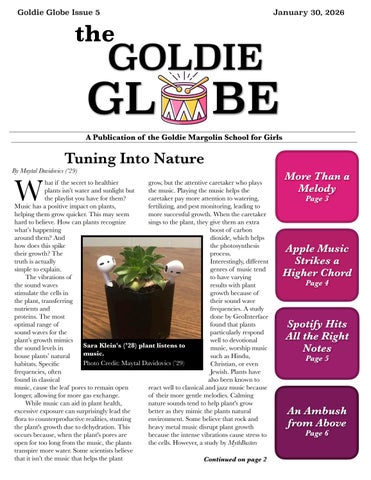
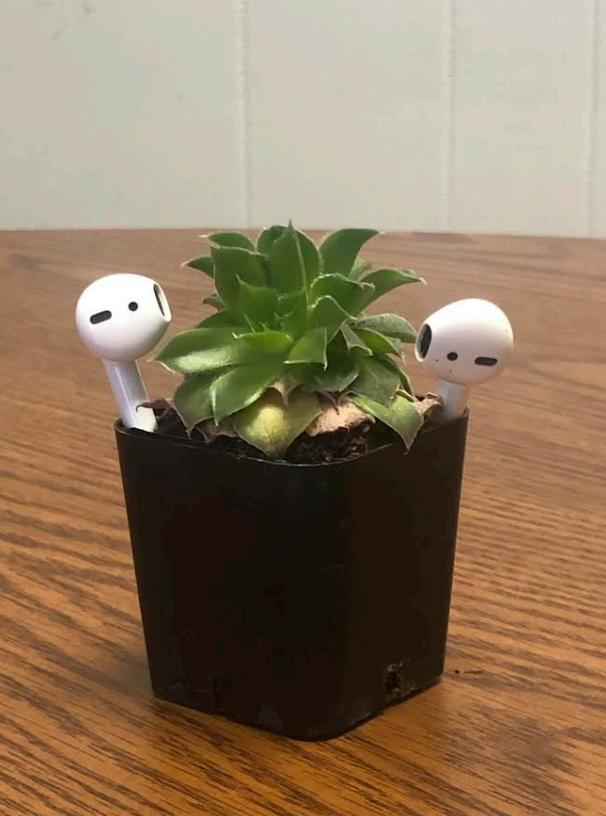
Sara Klein's (’28) plant listens to music.
While music can aid in plant health, excessive exposure can surprisingly lead the flora to counterproductive realities, stunting the plant's growth due to dehydration. This occurs because, when the plant's pores are open for too long from the music, the plants transpire more water. Some scientists believe that it isn’t the music that helps the plant
Interestingly, different genres of music tend to have varying results with plant growth because of their sound wave frequencies. A study done by GeoInterface found that plants particularly respond well to devotional music, worship music such as Hindu, Christian, or even Jewish. Plants have also been known to react well to classical and jazz music because of their more gentle melodies. Calming nature sounds tend to help plant's grow better as they mimic the plants natural environment. Some believe that rock and heavy metal music disrupt plant growth because the intense vibrations cause stress to the cells. However, a study by MythBusters





Continued from page 1
proved otherwise. MythBusters found that rock and heavy metal music was better for plants than leaving the plant to grow in silence and that certain species of plants actually responded better to that form of harsh or intense music.
Select plant species react to music and their vibrations differently as well. Some studies have shown that roses grown near country music developed more thorns, although many plants didn’t show any reaction at all. Loud music has been found to be harmful for corn and they do much better when they are in silence which is unlike many other crops that do very well when exposed to loud music. The herb cress hears loud or rhythmic music as munches from the caterpillars and produces a chemical to lure away the caterpillars which can divert energy away from the plant's growth. Dense evergreen plants like holly or arborvitae absorb the sound energy making them less sensitive to musical stimulation.
One of the most fascinating parts of this method of plant growth is that, when a plant is dying, music can help it recover faster. The sound waves emitted from the music cause hormonal stimulation within the plant cells. The hormonal stimulation can kickstart the recovery in weakened plants by fostering cell division and root expansion. The frequencies that are found in classical music and nature sounds can
stimulate leaf pores to become wider, increasing gas exchange and light energy absorption. These things are vital for a dying plant to regain its

frequency that can enhance genes related to disease resistance. This may potentially help a sick plant fight off the pathogens that have caused it to start dying.
As we approach Tu B’Shvat, these scientific findings take on a new spiritual significance. This upcoming holiday is all about the rebirth of the trees and the renewal of life. Trees and plants come back every year on their own as a part of the natural cycle of life. Music can help plants become reborn when they otherwise
would have died. Through music, we can learn to be rebuilt and renewed from listening to the words and melodies since music can reach parts of the brain that words cannot. When we renew ourselves, we can grow and flourish as people just like what plants do every spring. Trees and plants are also often connected to tranquility. Many studies have shown that plants respond better when introduced to gentle music than when they are exposed to more intense or harsh music. This can teach us to be less quick to anger and be calm, cool, and collected all of the time. When we represent these qualities, we can have a lot of growth, like the plants do when they are “calm.”
Music can help plants and trees grow faster, though you have to have the right conditions or it could harm the plant. There are many different genres of music that can help or hurt your plant and many types of plants that respond better or worse to a variety of songs. Generally, gentle, more melodic music is better for plants to grow and thrive in its environment. This is because the sound wave frequency in those songs mimic the sounds that would be in their natural habitats. Music can even help nurse a plant back to health and give the plant a rebirth. May we all take the ideas of Tu B’Shvat, staying calm and embracing our potential for rebirth, and be able to grow and flourish as people.

By Margalit Goldkin (’26)
Have you ever sat listening to the beautiful sound of zmiros, maybe live around a Shabbos table or even on Spotify, and wondered what makes them so special in Judaism? Why do songs appear constantly in our lives, davening, and on Shabbos? Many sources like Tanach, Chazal, Kabbalah, and even Chassidus come to the conclusion that music is a big part of Judaism.
In Melachim Beis (3:15), Elisha says, “Bring me a musician,” before he receives a nevuah. Chazal explains here that a nevuah can not come to someone who is sad or emotionally unavailable. Music can elevate our neshama, open our hearts, and make us more aware of the world. Studies in psychology show this same idea. It says that music affects the limbic system, the part of the brain responsible for emotion and memory. This is why music can help calm anxiety, lift your spirits, or bring up memories instantaneously.
Another time songs are brought up to play a big role is in Tehillim. Dovid Hamelech wrote Tehillim with Ruach Hakodesh. They were all meant to be sung, not just read. Singing allows tefillah to come from emotion. Psychologically, singing triggers the release of endorphins and dopamine. This is how singing creates feelings of lightness and more connection. Even when one doesn't fully understand every word, the melody carries meaning by itself, like niggunim.
they connected with the actions they were performing. This idea continues into Shabbos with zmiros. The Zohar teaches that singing on Shabbos lifts up the neshama and brings kedusha into our homes. When we sing at the table, we are turning our simple actions of eating into something so holy and bringing Hashem’s shechina into our homes. Research shows that music
Kippur, everyone was in Shul davening and this little boy did not know how to daven but wanted to play the flute because that was how he connected. His father protested but the little boy took it out and started to play anyway. Everyone in the shul was shocked and upset by this, saying someone needed to get him out. The Baal Shem Tov spoke up and said this child lifted all of their prayers to shamayim and all their prayers were accepted because of him. His longing to play the note of his heart for Hashem was what Hashem loved and wanted.
The Rambam talks about how the Leviim sang daily in the Beis Hamikdash and how their singing was their avodah. Music was not just for fun; it was their work, and it was how
Slow, repetitive melodies help people enter a calmer, more focused state. Kabbalah takes this idea one step further. The Arizal explains that different melodies align with being in different spiritual levels. Music has a special power of tikkun, repair, which can help ground you and your neshama if you feel disconnected. Chassidus builds on that idea. The Baal Shem Tov taught that a niggun comes from a deeper place than words. There is a famous story about a little boy who was a shepherd. He had a flute he would play when tending to his flock. One Yom
Music has a communal power too. The Maharal discusses that song creates harmony, and harmony is similar to unity. When people sing together, all the individual voices blend beautifully into one. Zmiros are a connection between all of Klal Yisroel. Singing in a group is also psychologically known to release oxytocin from people’s brains and create feelings of connection and belonging. When you are more relaxed you are more open. Music lowers the cortisol levels and slows heart rate which results in relaxation. Chassidus emphasizes the importance of simcha, happiness. In Tanya it teaches that sadness and depression blocks spiritual growth. Music brings simcha into peoples lives which opens their neshamos. It’s a way of connecting with Hashem in your own special voice and way.
Judaism connects our bodies and neshamos to show the importance of it all. Zmiros remind us that avodas Hashem is not just about words and halachos but about connecting and feeling. In a world that never slows down, Judaism welcomes us to take a pause, listen, and connect through song.

By Aliza Wiener (’27)
There’s been a debate ever since the first phone came out regarding which music app is better, and while some say Spotify is the best app, more musically experienced folk like myself strongly disagree. To be able to fully understand my opponent's side, I took the liberty of downloading Spotify to see what I was up against, and, honestly, I can't say competition is tight.
Sure, Spotify has its perks-- I mean, who wouldn’t want an extremely disturbing ad interrupting their playlist? I don’t see why someone would want to pay extra money for Spotify Premium when Apple Music comes included in the Apple One subscription bundle, but that could just be me. Now my opponent might argue that Apple Music only works for Apple products, but that is in fact false, as it can be downloaded on any Android or Samsung product, and functions flawlessly.
feel it, Apple Music probably already made a playlist for it. It even has its own breakoff app for classical music. To spare you the frantic search for this app, it's called Apple Music Classical. I know, they are very creative.

Expenses aside, Apple Music has many other incredible attributes that Spotify lacks. For instance, Apple Music grants access to behind-thescenes interviews with your favorite artists and movies the artists made about their albums. This streaming service is also renowned for its variety – you can stream music, podcasts, and even Spanish radio (if you're into that sort of thing).
One of my biggest qualms with Spotify is that I noticed it wouldn't let me pick the song I wanted to listen to if it was in a playlist, and even added its own songs. Now, I'm all for checking out new tunes, but if I wanted a song on my playlist, I would add it myself. Furthermore, Apple Music creates personalized playlists for every mood imaginable: late-night chills, morning run, energized party, etc. If you can
Apple Music is also super easy to navigate; everything is organized and descriptive. I asked a fellow classmate of mine, Abby Lewis (‘29), to share her opinions about the app. She shared that not only is it super easy to use, but the app also has a fun and cheerful feel to it, filled with bright colors and pictures. She even goes as far as to say it is “pretty wonderful.” Each song is accompanied by the full lyrics, a karaoke version, autoplay, shuffle, repeat, and the songs that follow in the queue. Now I know Spotify shows a clip of the music video while the song is playing, but why view a clip of the video when Apple Music holds the full one just one click away?
If you want to get into the rich science behind this debate, Apple Music has better audio quality, and before you doubt me, this is scientifically backed. As of recent
reports, Apple Music has lossless and hi-res lossless streaming. Now, I don't know that much about audio, but what I do know is that Spotify doesn't have this. The app also supports Dolby Atmos/spatial Audio, and if you've ever been to the movies, you should know that means the sound is “all around you, you, you,” providing a much more immersive musical experience.
In addition, Apple Music is pleasing to the eye and the bane of any indecisive person. The second you open the app, you are met with a library of categories to browse: pop, rap, Bad Bunny’s Road to Halftime (which is sponsored by Apple Music if you didn't know), and more. Don't know what mood you’re in? You have over one hundred million songs to choose from, slightly more than Spotify which has a mere eighty million to pick from.
While the debate between Spotify and Apple Music will probably outlive us all, I believe the evidence speaks for itself. Apple Music offers a deeper, more immersive, and userfriendly experience. From its top-tier audio quality to its ad-free streaming, its large variety of music to its exclusive content, it consistently proves that it's built for true music lovers. Beyond technical advantages, Apple Music makes listening personal; every feature, playlist, and design choice is intentionally crafted to make the listener's experience smooth and enjoyable. It's clear to see that Apple Music doesn't just meet expectations, it exceeds them. So though it's inevitable that there will be a select few who still believe Spotify is better, so be it. But for those deciding to make the switch to Apple Music or have been loyal since the start, enjoy the app that values the listener over the algorithm. In a world where music is such a staple in our lives, why settle for anything less than pure bliss?
By Sophie Chaifetz (’29)
Who would win in a fist
fight? The owner of Spotify or Apple Music? Since we can’t test that, we can compare their apps. Spotify is universally known as the superior music platform – and for good reason. You can see it in your everyday life. When I ask my friend to play some music, I expect them to go straight to Spotify and I’m flabbergasted if they open Apple Music. You don’t just have to take my word for it, look at the stats.
Spotify is the number one most used music app. It has worked harder than any other music platform out there. It matches competing music streaming apps and exceeds their capabilities. Spotify offers millions of different songs and other music related content with very high audio quality, featuring artists from all over the world. Some of Spotify’s other unique qualities include built-in features like smart shuffle, Spotify music videos, private sessions, concerts in your area or where you want to go, and sleep timers.
Spotify can claim its prize as the best music platform just by looking at its monthly users compared to Apple Music. As of 2025, Spotify has 713 million users and 276 million premium subscribers while Apple Music has only 95 million paid users. This outrageous discrepancy clearly highlights the chokehold that Spotify has on the market.
Spotify eclipses Apple Music once again in regards to pricing. With Apple Music, you have to pay $10.99 per month just to use the app, much less to gain access to any additional benefits. However, with Spotify, you only pay if you want added bonuses. Luckily, regular Spotify is free and
can still satisfy the needs of anyone using it.
Founded in 2006, Spotify is the original music streaming platform, having been created almost a whole ten years before Apple Music’s release in 2015. On Spotify, all of the features that you see can be found on this one app. On Apple Music, they don’t have those same features as

requires you to switch the app you’re using just to use other features.
Spotify has podcasts, audiobooks, and more, all in the same platform, no need to go find a different app. Anything you would look for on Spotify is easy to find; everything is clearly labeled and displayed well. You are more satisfied and get more entertainment from Spotify.
Another reason why Spotify always ends up on top is a feature called Spotify Wrapped, an end of the year feature that demonstrates how music has shaped your year: your top artists, your top songs, and other fun topics. You can also share
that information with your friends. This year-in-review style features have come to be available everywhere, from Duolingo to Goodreads to literally anything you can think of. Who started this fun and well developed end of the year trend? Spotify did, in 2016. Apple Music only added Apple Music Replays in 2019 and has changed it over the years to resemble Spotify Wrapped more and more. They are clearly the copycats here.
Spotify also has another special feature, known as Spotify jams, that you can start up on your device so that you can listen in time to music or audiobooks with your friends no matter where they are. They can be in New York, in their house, or literally anywhere – and you can still use it. You can listen to a playlist together and even queue songs that you want to hear. If you skip a song, it skips for the other person; you listen to the same part of the song at the same time. Spotify also created an AI DJ on their platform for Premium users that will curate playlists based on the songs you’ve listened to in the past. It will play your old favorites, current favorites, and maybe even songs that will become your new favorite. Additionally, it takes voice/text requests on songs you want to listen to. Spotify started this back in 2023, while Apple Music just added an AI DJ in early 2025.
To sum it all up, Spotify is the better app for you. It has much more to offer than Apple Music ever had. Spotify is the OG music app, Apple Music just copies it. Spotify has better prices, it’s more accessible, it has better features, it’s more original, and more. The list could go on for miles. And all these reasons show why Spotify is the best music platform there ever was and ever will be.

By Sara Klein (’28)
his week’s parsha, Beshalach, is full of popular miraculous stories about the Jewish people. We encounter the Splitting of the Sea, the miracle of water in Marah, Mann falling from the sky, and lastly, a supernatural victory over Amalek. However, there’s one miracle that seems to go unnoticed. After Pharaoh’s reluctant release of the Jews, they begin their journey towards freedom. After traveling only a small distance, Hashem commands Moshe to tell the Jews to “turn back and encamp in front of Pi Hachirot, between Migdol and the sea.” It follows that if the Jews listen, Pharaoh will say, “
,” “They are trapped in the land, the desert has closed in upon them.” By going back and pretending to be lost, Pharaoh will then think that they are stuck in the desert and seize the opportunity to chase after them.
As the good listeners that they were, the Jews followed Hashem’s command, and helped Him set up His master plan to destroy the Egyptians. They act like they're lost in the desert, and like clockwork, Pharaoh jumps at the chance to get his slaves back. The Divine strategy works perfectly and Pharaoh fell right into Hashem’s trap. He collects his army, horses, and chariots and goes after the Jews. Three days later, the Jews look behind them and see the Egyptians coming towards them – exactly as planned. However, their reactions were not the typical “Hooray! It worked! We’re going to be saved,” that is expected after a miracle is done for
them. Not even close. The Jews’ responses were completely the opposite.
As they stood sandwiched between the sea and a swarm of Egyptians, accompanied by the miraculous pillar of fire that guided them, the Midrash says the Jews split into 4 groups. One group argued that they were doomed anyway and should just cast themselves into the sea. The second begged to go back and be slaves in

wage war against the Egyptians. The last group davened to Hashem to save them. After all the makkot and supernatural acts Hashem did for them, how can they question Hashem’s abilities now? On top of that, the Jews were a part of making this strategy work; they knew that this was part of Hashem’s plan to destroy the Egyptians. And yet, they make crazy statements such as wanting to be slaves and even contemplating suicide. Additionally, once the numbers are added up, the Ibn Ezra says that the
Jews’ fear is even stranger. Rashi says that they had a decent army of 600,000 armed, military-aged men –outnumbering the Egyptians. These irrational reactions of the Jews were due to the slave mentality that was still a part of them. It is the constant thought of a former slave who fears that they will be a slave again or even forever. Despite all the miraculous things done in their favor, the Jews’ fear of Egypt was not fully purged from them. Only after the Jews stood at the opposite side of the Yam Suf and looked back at the Egyptians drowning behind them did they truly feel free from Pharoah. Furthermore, Rashi explains that Hashem caused the Egyptians’ bodies to wash up on shore so that the Jews could see with certainty that they were dead and would no longer chase after them, leaving no doubt that they were free. However, during all this drama, the Jewish women took an opposite approach. They left Egypt with the proper faith that Hashem would take care of them. The Midrash says they knew confidently of the miracles He would do for them and therefore prepared musical instruments to bring with them from Egypt, so they would be ready to rejoice and sing the praises of Hashem. While the rest of the Jews were paralyzed by their fears, considering unimaginable options, these righteous women used the power of the music from their tambourines to see a higher spiritual reality. They demonstrated a faith that looked past their days in Egypt and focused on all Hashem has done for them and the promise of redemption.
Although we may not be living in those times, with open miracles provided daily, we too face situations when it feels like everything is going wrong. Yet, we need to attempt to have the mentality of these women, and have proper faith that everything is part of Hashem’s master plan.
Check out the GMSG favorites from this year and what their Spotify Wrapped would look like!
By Rachel Sanderson (’27)






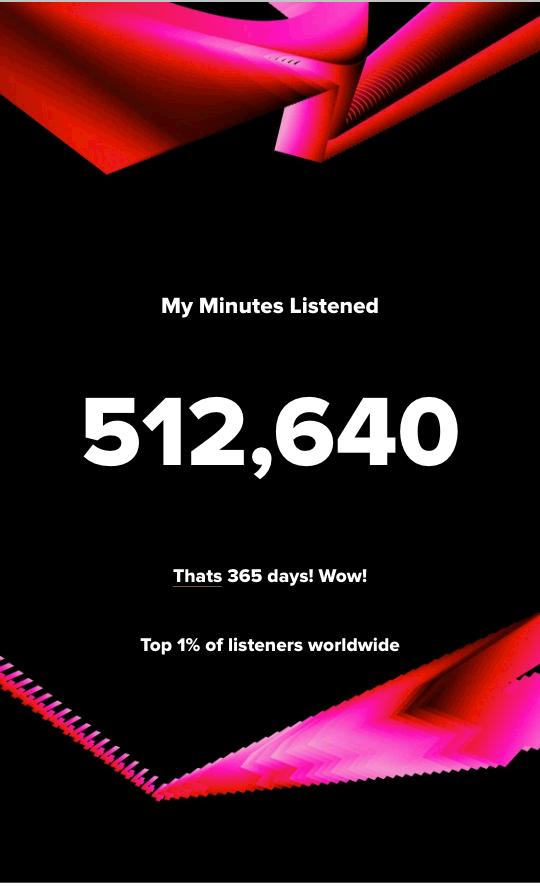





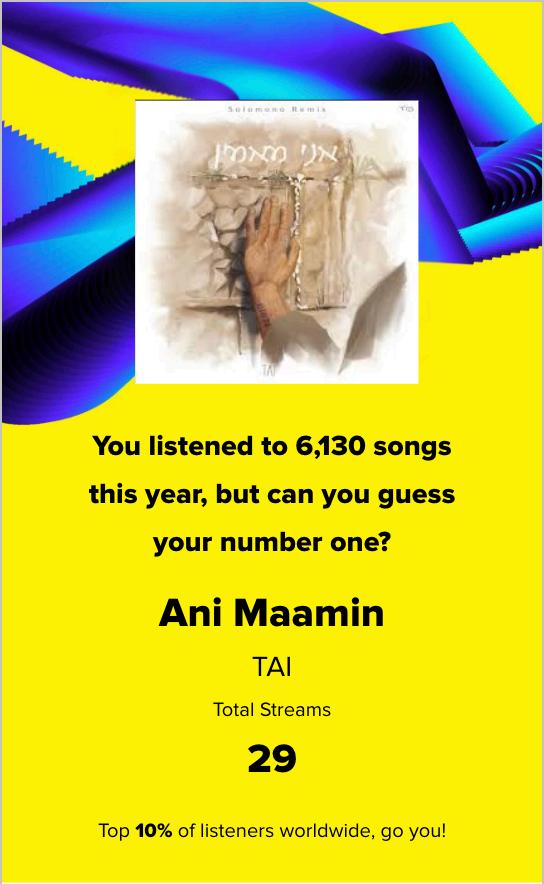




Match the emojis to the song title that fits!
By Yaheli Zalman (’28)
Answers:

























Beast)







Hello there readers, I am particularly excited for this week's hot take because we will be discussing my favorite topic: taxes! Just kidding … we are talking about music, specifically the bad kind, the crimes against humanity. Have you ever been scrolling on TikTok and you think you hear an absolute fifteen second banger of a song that an artist (generally a random celebrity whose mother decided they were talented) is promoting? So you look it up on Spotify, only to realize the rest of the song is absolutely, diabolically mediocre. The artists have no depth or soul, and generally they end up sounding like a worse version of Kids Bop. Mazal tov and congratulations, you just got clickbaited! You have just been tricked into listening to what sounds like three minutes of what your parents felt while staring at your preschool sticker chart. Utter silent and soul-crushing disappointment. We as a society need to collectively hold these people accountable for ruining days, months, and years. I propose we create a task force forcing public heartfelt apologies to any victims (our ears) of this atrocious and heinous noise.


By Daphna Kam (’28)
This land is your land, this land is my land… just kidding, this was Elvis Presley’s land. Sitting on 13.8 acres, this was Elvis’s mansion. The singer recorded music in a room called the Jungle Room, which was decorated with tropical designs and a green carpet on both floor and ceiling. Elvis made an impact on rock and roll by combining influences from his upbringing, including gospel and blues, with mainstream pop.


B for Beale, B for blues! In the 1900s, Beale Street was the center for blues music, helping shape the genre. Musician W.C. Handy, who is called “Father of the Blues,” heard local musicians perform music on Beale Street and helped make the blues genre more popular across the globe. His first blues piece is called “The Memphis Blues!” Now, Beale Street is a popping scene of live music including blues, soul, rock, and jazz.
Funny it is called Sun Studios, because it sure did produce a lot of STARS! Founded by Sam Phillips in 1950, this small storefront became the "Birthplace of Rock ‘n’ Roll." Singers such as Elvis Presley, Johnny Cash, and Jerry Lee Lewis all recorded songs here. In fact, these legends famously united with Carl Perkins for the "Million Dollar Quartet," a momentous impromptu jam session in 1956. Through this studio, the rock and roll genre was popularized.
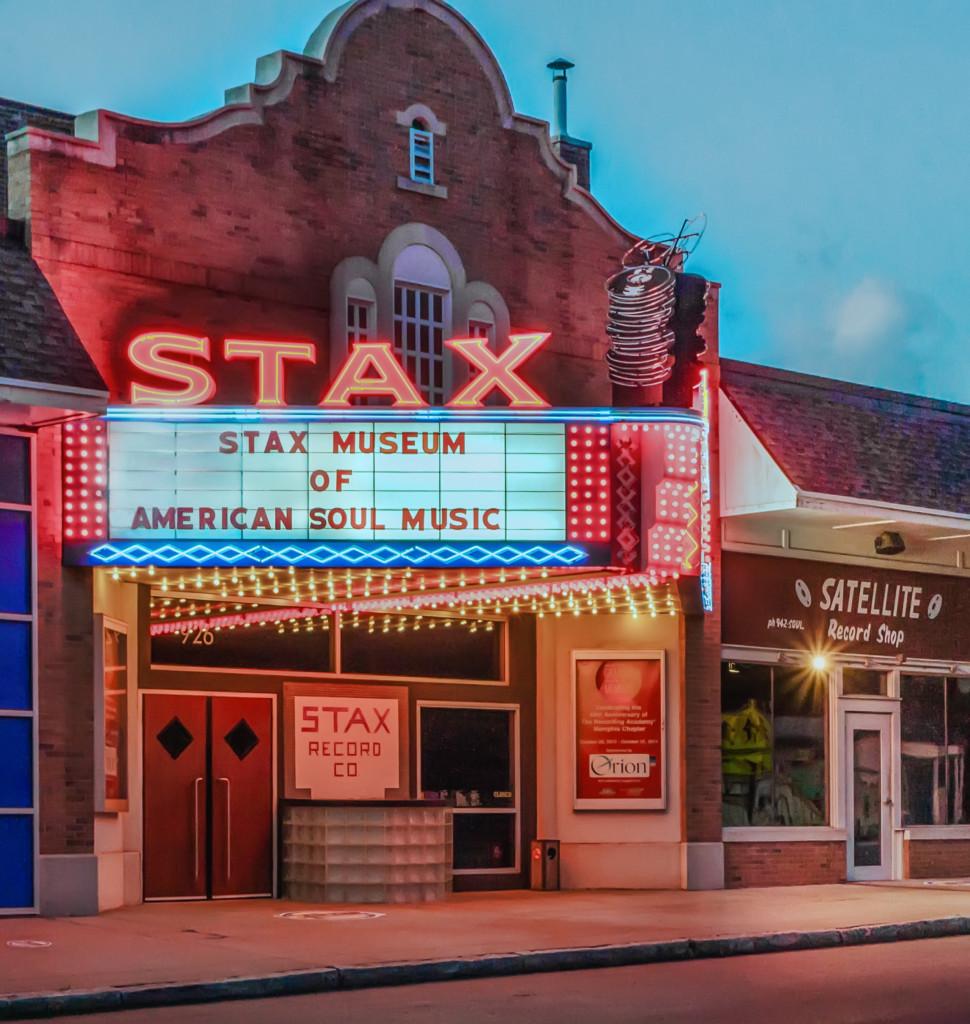

The Stax Museum of American Soul Music is named after the instrument the STAXophone. Just kidding (it’s actually called Stax after the founders, Jim STewart and Estelle AXton). This is a museum dedicated to the history of soul music. Stax Records was a recording studio that made many soul artists famous in the 60’s and 70’s. One such artist is Booker T & the MG’s. The museum includes replicas of original recording studios in Stax Records. Additionally, the museum includes displays of instruments, mixing boards, and equipment used by legendary artists. Through these visuals, visitors can begin to understand how soul music is made and produced.














Try to find all the differences, we bet you won't. If you think you've found them all, send them in to rachel.sanderson@mhacyos.org
Dear Goldie,


Something absolutely crazy happened the other day (or night, I guess)! I was casually minding my own business, listening to the newest Omer Adam hits on one of my daily walks, when suddenly, out of nowhere, a moose jumped out the forest near me and ran over railroad tracks up ahead before heading back into the woods. I was so startled and scared I completely fell onto my bottom and fainted. I woke up safely, in my bedroom, to find out it was all a dream. I proceeded downstairs feeling dizzy. I find my mom and she tells me that we’re going on a trip to Minnesota, into the mountains where we’ll be staying in a cabin. Goldie, I can NOT do that. I have a flaming phobia of the possibility that a moose will jump out at me (again)! What should I do?
How can I get out of this trip?
Sincerely, Startled_Shira68
Dear, Startled_Shira68
Are you off your rockers? That dream of yours sounds utterly unhinged! Although it’s a nice thing you were listening to Omer Adam; in the olden time all we had was classical bingo music, boo, but I was no player you’d want to reckon with. I was the cat to its cheese, a ball to the net, a gamble to good odds, a… I think you get the idea. You must remember though, this weekend is Tu B’Shvat, the Jewish birthday of the trees! It's the time to not be afraid of the woods, rather to spend time in our beloved nature. This trip will do you good and show you how amazing being with family outdoors can be! If you need, put on some music, shake your hips, and everything will work out. You need to put this supposed fear of yours aside to allow you to fully take everything in. I remember my time in Minnesota; oh dearie, it was a sight for sore eyes. It was where I won my first of many medals in bingo! I also saw moose all around, you are going to be frightened for your life, haha. However, you'll be fine, it’s gorgeous there!!

Dear Readers,
As we reach Shabbos Shira and Tu B'Shvat, mid-year in the Jewish calendar, it gives us the perfect opportunity to reflect on the good Hashem has given us so far. As the women in the midbar were able to recognize Hashem's good, so may we. I hope that this issue gave you a greater appreciation for music in our life, religion, and even plants!

To sponsor an issue for just $30, email Rachel Sanderson at rachel.sanderson@mhacyos.org
Neima Rovner Editor-in-Chief neima.rovner@mhacyos.org
Margalit Goldkin
Managing Editor
margalit.goldkin@mhacyos.org
Sara Shimanovich
Senior Editor sara.shimanovich@mhacyos.org
Sara Klein
Assistant Layout Editor sara.klein@mhacyos.org
Hodaya Harary
Assistant Editor-in-Chief hodaya.harary@mhacyos.org
Aliza Wiener
Layout Editor / General Editor aliza.wiener@mhacyos.org
Rachel Sanderson
Features Editor rachel.sanderson@mhacyos.org
Adina Schwartzberg
News Editor adina.schwartzberg@mhacyos.org
Faculty Advisors
Mrs. Ashley Brown & Mrs. Rivki Wiener
General Staff
Etta Kurinsky
Yonina Lichter
Debi Cohen
Daphna Kam
Yaheli Zalman
Rena Siegel
Rivka Ruderman
Avigayil Safier
Sophie Chaifetz
Maytal Davidovics
Chaya Devorah Besser
Miriam Kaplowitz
Abby Lewis
Ariella Caplan