
By DOMINIC PIERRE President|Minnesota Turf and Grounds Foundation
As we gear up for another vibrant spring and summer season across Minnesota, the Minnesota Turf and Grounds Foundation (MTGF) continues its vital work supporting our industry through collaboration, education, and research. This year, we have been working extensively alongside our seven allied associations to keep members informed about an important plumbing code change with potentially significant ramifications for irrigation systems and rainwater reuse systems. We encourage all professionals in our community to reach out directly to MTGF for detailed information, resources, and guidance on how these changes may affect your operations.

I am also pleased to report that the MTGF has awarded just under $100,000 this year in support of research and education initiatives. These investments fund critical projects that advance turfgrass science, improve maintenance practices, and equip professionals with the latest tools and knowledge. From developing resilient plant materials to promoting environmentally sound techniques, these grants directly benefit the work you do every day.
Finally, a heartfelt thank you to all our members and supporters. Your dedication and hard work this spring—installing, maintaining, and nurturing Minnesota’s turf and grounds—make our state’s landscapes the envy of many. We deeply appreciate the passion and expertise you bring to the field, and we remain committed to advocating for and investing in your success. Together, we will continue building a stronger, greener future.
Thank You!
Dominic Pierre
Dominic Pierre President Minnesota Turf and Grounds Foundation





11, 2026
Aldrich Arena + Grounds Maplewood, MN

8:00am
Registration Opens/Name Badge Pick Up
Check in at the registration desk on the west side of Aldrich Arena to pick up your name badge and lunch ticket.
11:30am – 1:00pm Lunch
Join your peers for lunch inside Aldrich Arena. Be sure to bring your ticket provided with your name badge.
8:30am – 2:30pm Trade Show
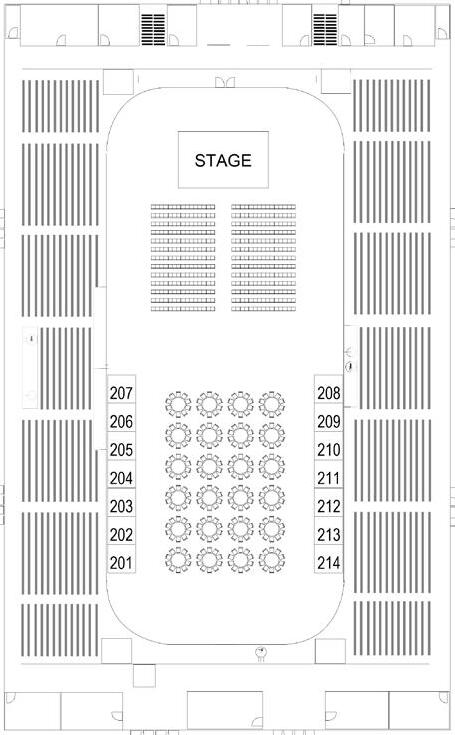
Visit with vendors who are excited to assist you in 昀nding solutions to help you and your team succeed! Plus, ever want to test out that mower or drive that skid steer before you made a purchase? There will be both a pavement track and a grass path for you to do just that throughout the event.
8:30am – 2:30pm
Village Education, Hands-On Sessions, and More!
We’re currently busy building the education track for 2026. See NorthernGreen.org for updated education content as it becomes available!









$10,000 Support Funding for the University of Minnesota|Crookston Golf and Sports Turf Management Program
Principal Investigator:
Kristina S. Walker, Ph.D. Associate Professor of Agronomy
Department
Chair | Agriculture & Natural Resources Department University of Minnesota|Crookston
(Editor’s Note: Dr. Walker teaches courses in several programs including Agronomy, Horticulture, Soils, and Golf and Sports Turf Management at the University of MinnesotaCrookston. She advises undergraduate students from all four program areas. She is the program lead for the Golf and Sports Turf Management. She coaches the turf students in the annual GCSAA Turf Bowl and the SFMA Student Challenge. She is also the advisor to the Turf Club. Dr. Walker has been at the University of Minnesota Crookston for 17 years.)
Abstract
The purpose of this grant proposal is to secure funding from the Minnesota Turf and Grounds Foundation for the Golf and Sports Turf Management Program at the University of Minnesota Crookston. This gift would support the undergraduate turf management students and the turfgrass management program in three key areas: teaching, research, and outreach. The goal is to provide current students with hands-on learning (experiential) experiences through teaching and research while also recruiting future students into turfgrass management through outreach and enrichment activities. Retaining current and future students in the green industry is the joint mission of the MTGF and the University of Minnesota.
Rationale
The University of Minnesota Crookston (UMC) Golf and Sports Turf Management Program is requesting support funding from the Minnesota Turf and Grounds Foundation. This funding would go directly to the turfgrass program to support undergraduate student activities and turfgrass management program initiatives in three areas: teaching (education), research, and outreach (extension). There are currently 14 students in the Turf Management Program and 18 students in the Horticulture Program which includes an environmental landscape emphasis (6 students).
The Crookston campus of the University of Minnesota is known throughout the state as a teaching institution. Our focus is on undergraduate students and providing handson experiences in the classroom, lab, and field. These highimpact practices within our courses cost money to provide our students with these experiences. The hands-on experiences we provide give our graduates an advantage when applying for jobs within the green industry. These experiences also help us retain these students on our campus and in the turf or green industry. The experiential learning practices we provide include but are not limited to:
1. Use of equipment and technology in the lab and/or field.
2. Field trips to golf courses, sports fields and facilities, lawns, and turf businesses (both local and regional)*
3. Trips to conferences (regional and national) for educational sessions, networking, trade shows, and competing in the annual Turf Bowl (GCSAA) and Student Challenge (SFMA)
*University vehicles cost $47-59 per trip.
The research conducted on the Crookston campus is carried out by undergraduate students alongside a faculty mentor. We currently have no graduate programs on our campus. Research includes current faculty projects (1-5 have all been published) or projects designed and implemented by the student or students in their interest area. Projects initiated by the student do not have grant funding to support their efforts. The University of Minnesota does offer an Undergraduate Research Opportunities Program (UROP) to fund student research projects. It is extremely competitive as it is open to all U of M undergraduate students and only provides up to $300 in expenses/supplies for the proposed project.
(Continued on Page 7)
•



(Continued from Page 5)
Additional funding is needed to help initiate and manage the non-grant-funded projects involving undergraduate students. Below is a list of research projects that undergraduates have either worked on with me or have initiated themselves. Ten undergraduate students have participated in these projects. Only 3 projects were funded through the U of M UROP (Projects 2, 4, & 5).
1. Water conservation practices and nitrogen fertility for the reduction of greenhouse gas emissions on creeping bentgrass putting greens (https://doi.org/10.3390/grasses3030016)
2. The effects of cultivation practices and fertilizer use on the mitigation of greenhouse gas emissions from Kentucky bluegrass athletic field (https://doi.org/10.3390/horticulturae10080869)
3. Shade and nitrogen fertilizer effects on greenhouse gas emissions from creeping bentgrass putting greens (https://doi.org/10.3390/horticulturae10080832)
4. The effects of fertilizer sources and site location on greenhouse gas emissions from creeping bentgrass putting greens and Kentucky bluegrass roughs (https://doi.org/10.3390/grasses2020008)
5. Using agronomic data to minimize the impact of field conditions on player injuries and enhance the development of a risk management plan (football and soccer; 2 students; (https://doi.org/10.3233/JSA-200538)
6. The determination of soil organic matter in calcareous soils: How it impacts nitrogen fertilization and turfgrass cultivation management practices in turf 7. Low input turfgrass management strategies on reducing wear and soil compaction on Kentucky bluegrass athletic fields
8. Organic Fertilizer Applications on Pumpkin Development and Size 9. Aboveground and Belowground Agronomic Plant Responses to Organic Fertilizer Programs (current student product)
1. Incorporating Sulfur-Based Fertilizers in Annual Turfgrass Fertility Programs to Suppress Typhula Blight and Microdochium Patch (1 student)
2. The Effects of Cultivation Practices and Topdressing Use on the Mitigation of Greenhouse Gas Emissions from Creeping Bentgrass Putting Greens Additional support for these students could lead to more undergraduate students pursuing graduate degrees in turfgrass management. One of these UROP students went on to earn his Master’s degree in Soil and Crop Sciences from Texas A&M University.
Outreach to the community and young people has never been more important to the future of our industry than now. It is not just about recruiting students to UMC but also about recruiting 3 people into the green industry. Employment opportunities exist, but there are not enough
students to fill open turf positions in the industry. I am constantly engaging with folks in the community or with young people through outreach activities to share my experiences (why I went into turfgrass management or being a female in our industry) and teaching about turfgrass management. Listed below are both past events and planned outreach events. Supplies for these activities cost money. While registration fees or the university covers most costs, some are not.
One example is last summer’s Adventure Camp where I purchased 5 soccer balls, 5 tape measures, and 10 orange safety cones.
1. Agriculture and Natural Resources Activities Day (UMC)
2. Adventure Camp (CREST-Center for Rural Education in Science and Technology)
3. Exploration Days (Turf and Horticulture)
4. 4-H Forage/Grass Education Session
5. College in the Classroom (UMC)
6. Career Day (City of Crookston)
7. X-Camp (UMC)
8. AG Academy
9. 4-H Camp
10. EnviroSTEM Camp
11. Crime Scene Investigation (CSI) Camp
12. Northern Great Plans Youth Institute
13. Soils Lab Day: How Water Moves Through Soils
14. WAO Summer Camp
15. Environmental Science Day at the Soil Pits
16. Highland Stem Workshop
17. County Fairs (Wadena, Kittson, & Polk)
Potential Benefits to Turf and Grounds Professionals: Supporting student activities and turfgrass management initiatives through teaching, research, and service at UMC can lead to the recruitment and retention of students in the turfgrass profession, especially here in Minnesota.
Currently, there are not enough turfgrass management students to cover the open turfgrass positions in innesota. The mission of the Minnesota Turf and Grounds Foundation is to promote the green industry in Minnesota through support of research, education, and outreach at the University of Minnesota and elsewhere. While the MTGF has consistently supported research on the Crookston campus, additional support is needed for our students and our program.
Objective:
1. Support undergraduate student activities and turfgrass management initiatives at the University of Minnesota Crookston in the following areas:
a. Teaching
b. Research
c. Outreach (Extension)
(Continued on Page 9)
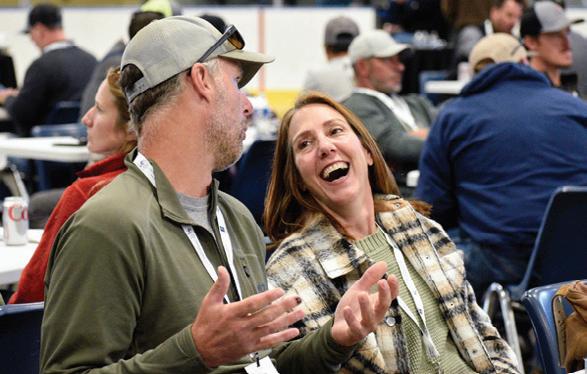
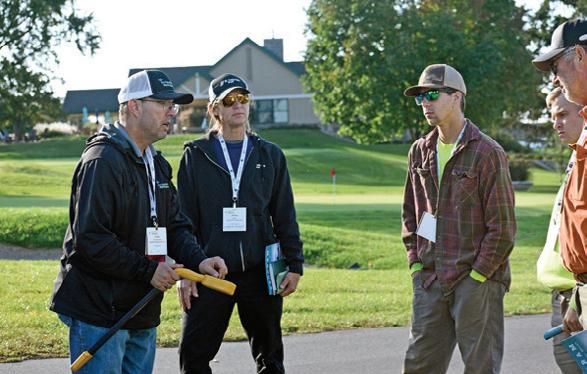
Expanding the impact of Northern Green with an annual event OUTDOORS! Visit exhibitor booths, operate equipment, and participate in interactive and hands-on events happening throughout the day. Get your in-season questions answered as you connect with colleagues and forge valuable connections.

1 SAVE THE DATE! August 11, 2026
2 SAME VENUE!
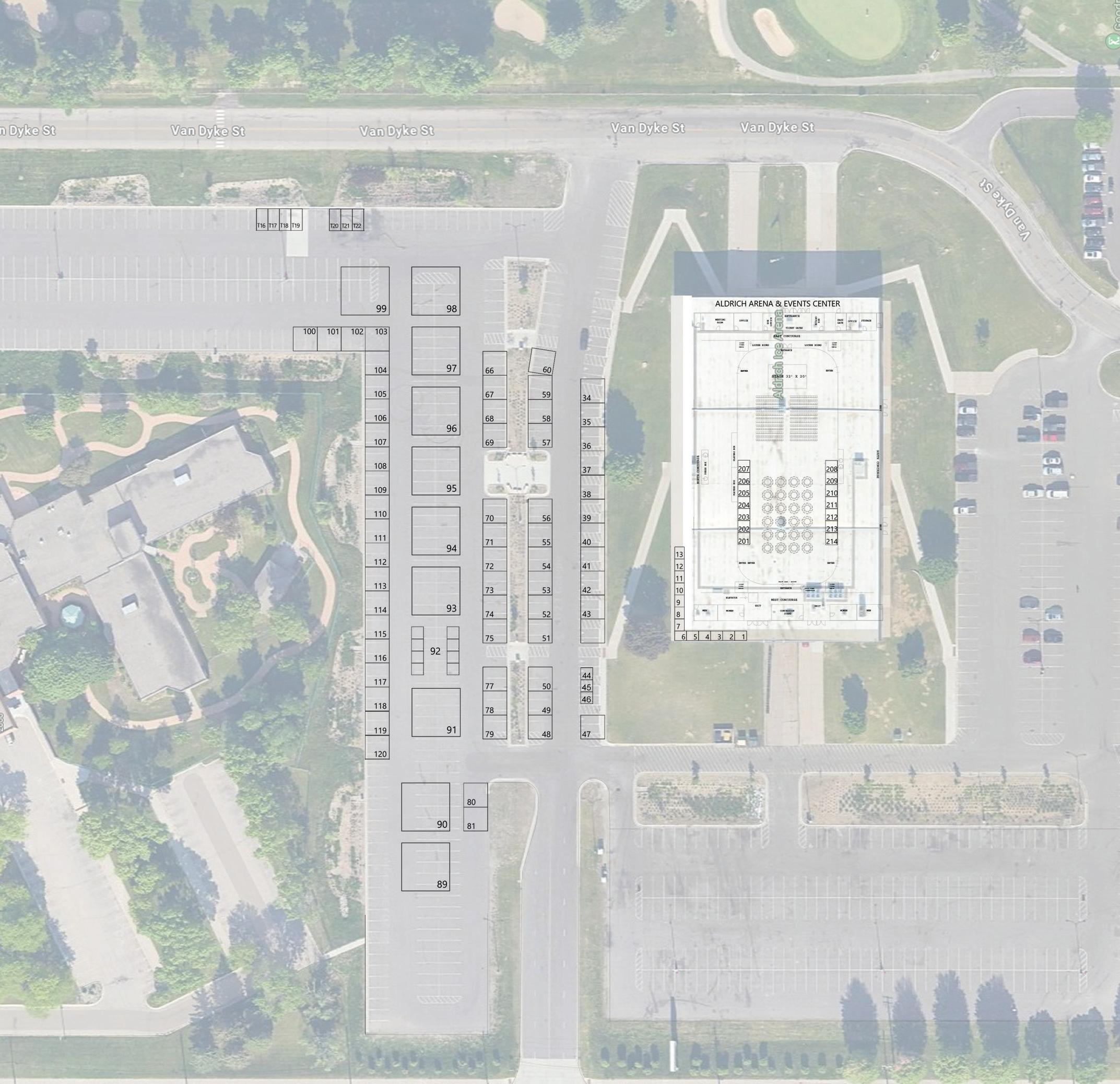
Aldrich Arena + Grounds (1850 White Bear Ave, Maplewood, MN 55109)
3 FREE PARKING! There are large parking lots onsite, and over昀ow parking across St. Paul Rd at Woodland Hills Church.
4 LUNCH IS PROVIDED!
5 RAIN OR SHINE! Dress to participate in hands-on activities and to visit active job sites.


Attend sessions relevant to you.

Test drive equipment.
(Continued from Page 5)
Materials and Methods
Below is a more detailed list of examples of current or proposed expenditures to the turf management program in teaching, research, and outreach.
Teaching
1. Equipment and Technology-verticutter and nutrient meters
2. Field Trips-university vehicle rental
3. Trips to conferences-hotel and airfare
4. Turf Bowl and Student Challenge-study materials for the library (textbooks and identification tools)
Research
1. Expenses-sample analysis in the lab
2. Supplies-seed, topdressing, fertilizer, paint, stakes, string, renting equipment, gas chambers, anchors, vials, syringes
Outreach
1. Supplies-soccer balls, tape measures, orange cones, seed, potting mix (examples)
Anticipated Outcomes/Results:
Recruiting prospective students through outreach and

retaining current students through teaching and research initiatives is key to preserving the future of the green industry in Minnesota and elsewhere. Support from the MTGF would greatly impact the Golf and Sports Management Program at UMC and our students.
Deliverables
1. Offering UMC students more hands-on learning experiences in their courses.
2. The ability of our students to network with industry professionals.
3. More visibility of UMC students at green industry events.
4. Increased numbers of undergraduate students doing applied research in their field.
5. Improved recruitment and retention of turfgrass management students at UMC and within the green industry.
By Dr. Jon Trappe University of Minnesota Turfgrass Science
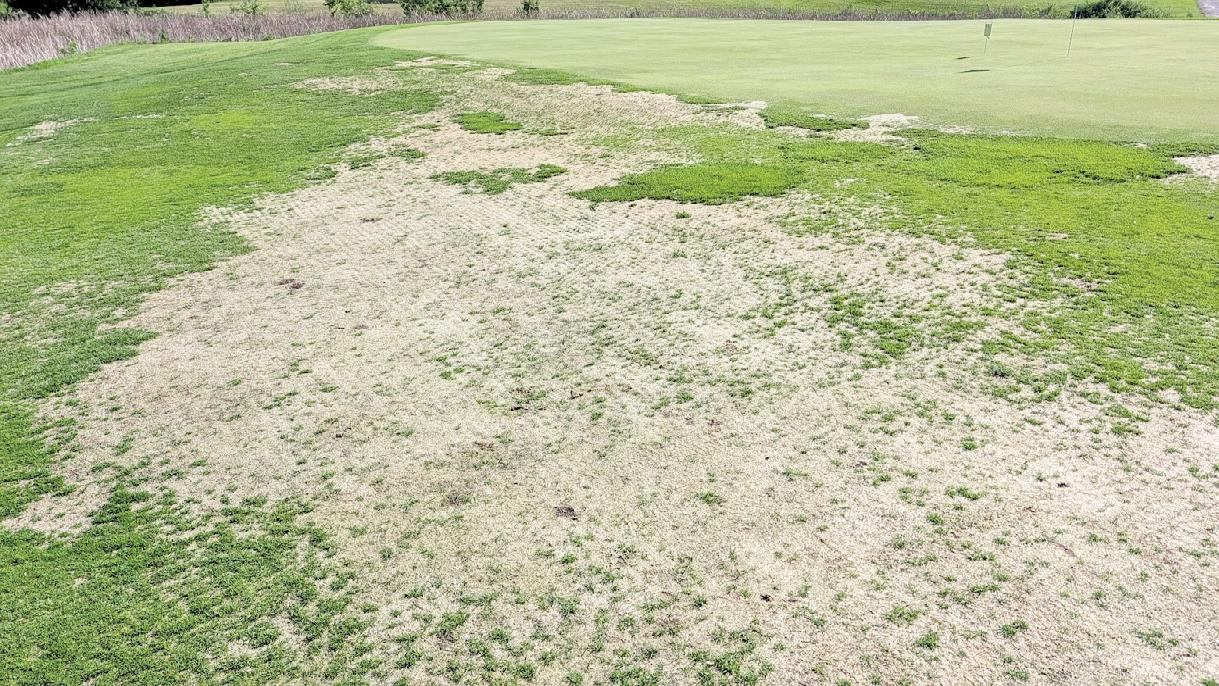
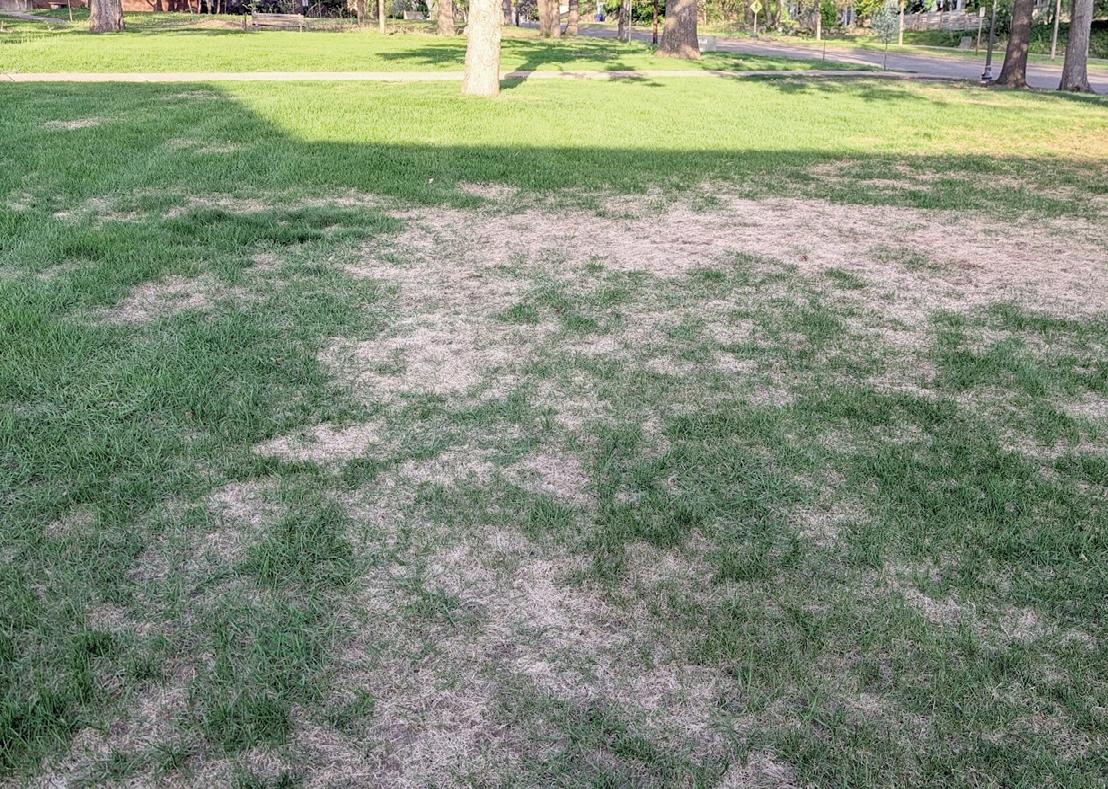
For much of Minnesota, this was a colder and drier winter compared to 30 year averages.
Although it may have only been 1-3 degrees colder than average, the cycling between cold and warm fronts reduced the duration of insulating snow cover. One notable late January system resulted in very low temperatures with relatively high wind. The WinterTurf project has been working towards understanding what extent these types of conditions may have on turf to assist turf managers with predictive models and management practices to limit and recover from winter turf injury.
Around early May, the University of Minnesota Turf Lab began hearing reports from around the area of apparent winterkill. The two suspected causes based on the site conditions were desiccation and ice damage. Winter desiccation is when the crowns of turfgrass plants dry out, and is most damaging to exposed turf over winter. These exposed areas can be where snow drifted off or melted, and are often on slight slopes facing predominant winter winds, but any exposed turf can be susceptible to winter desiccation. Ice damage tends to be most likely when turf is covered under ice for an extended period of time. This ice may be in low-lying areas where water pooled and froze or it could be shaded areas that were trafficked or had some but not all snow and ice melt.
What can or should be done now with winterkill areas?
How you decide to manage the site will likely depend on the severity and type of damage. If the type of damage is not concentrated with at least 50% living turf scattered throughout, you may just be able to focus on nitrogen fertilization to promote the existing turf to fill in the voids. More significant turf loss or complete kill-offs will likely need to be replanted.
Replant with species or cultivars that are more resistant to the stresses of that site. Tall fescue and Chewings fescue
are both known to have lower tolerances of ice cover. All turfgrass species are susceptible to desiccation, but the species that are most susceptible include perennial ryegrass and annual bluegrass.
Regardless of the type or severity of winter damage, weed control will be critical in late spring and early summer. Of course you should consult pesticide labels for any precautions or restrictions when applying to newly planted turf. Post-emergent control of summer annual grassy weeds like crabgrass will likely be necessary. Broadleaf weed control may also be necessary, so be sure to avoid using ester formulations to limit herbicide volatilization. Do not spray herbicides if air temperatures are above 85F.
Preparing for the next winter One potential cause for ice encasement overwinter is poor water infiltration. Core aeration in early to mid-fall can promote water infiltration and reduce ice formation over winter. Adjusting slope and contours is always recommended, but can be especially helpful with surface drainage of water when soils are frozen.
With respect to preventing winter desiccation, ensure the turf is not dry going into winter. Healthier plants will generally be more stress tolerant. Some anit-desiccants and pigments are marketed to help prevent winter desiccation. Many of these products contain polymers or waxes to protect plant parts from losing moisture overwinter.
The unpredictability of these winter stresses has been a challenge conducting research trials to formally evaluate many of these products or practices, but we will continue to collaborate with turf professionals and other turf scientists to find solutions. Although no one likes to see grass fail to green up in the spring, these data points are still helpful for researchers to better understand these phenomena. If you are not already subscribed, check out the WinterTurf Newsletter to stay updated on winter turf-related research and news.


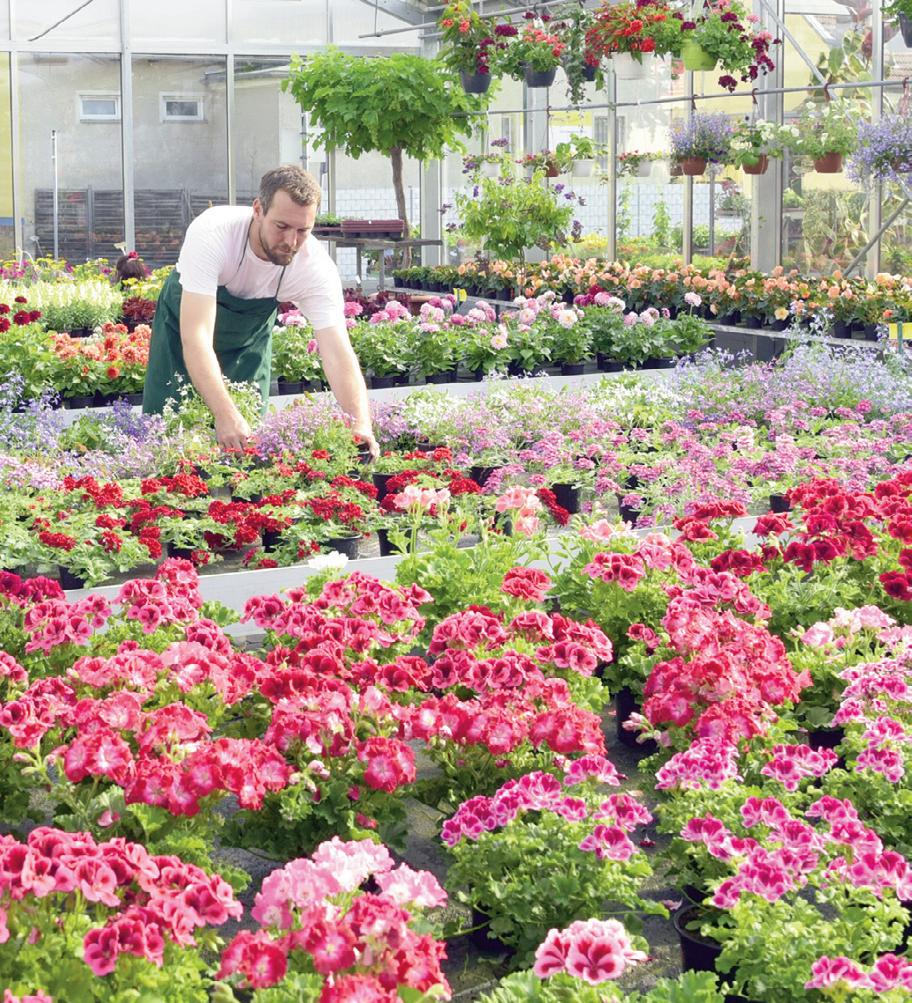

The Tessman Company is a trusted wholesale distributor providing a comprehensive selec琀on of fer琀lizers, chemicals, grass seed, golf course supplies, greenhouse soils and plas琀cs, landscape materials, pest control products, and ice melters.
INDUSTRIES WE SERVE
• Lawn Care Professionals
• Snow Removal Professionals
• Landscapers
• Golf Courses
• Athle琀c Field Managers
• Greenhouses
• Nurseries
• Pest Control
2026 MTGF DONATION: $31,200 Support for Teaching, Research, and Outreach Programs at University of Minnesota Departments of Forest Resources & Plant Pathology
Principal Investigators:
Ryan Murphy Department of Forest Resources University of Minnesota
Benjamin Held Department of Plant Pathology University of Minnesota
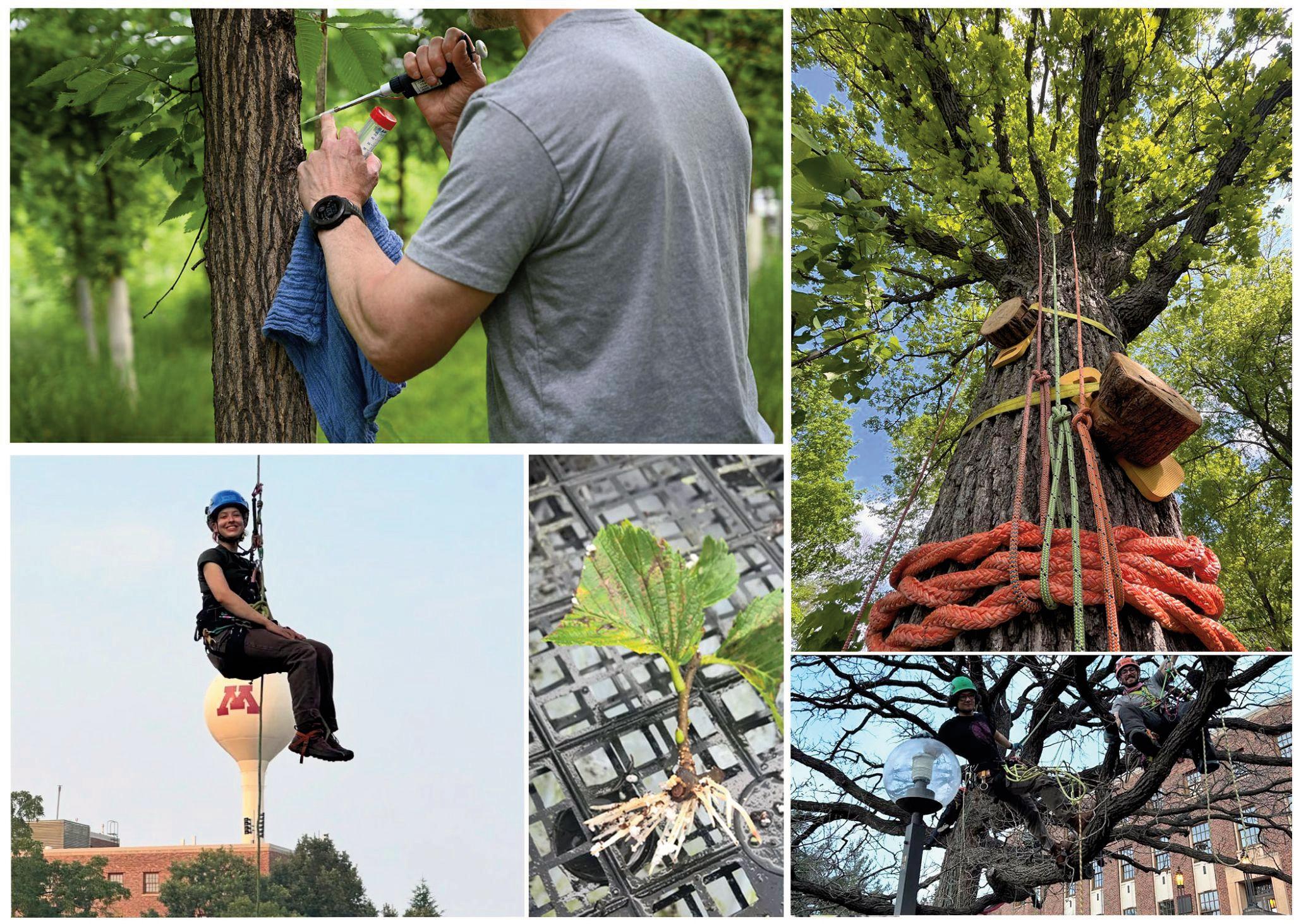
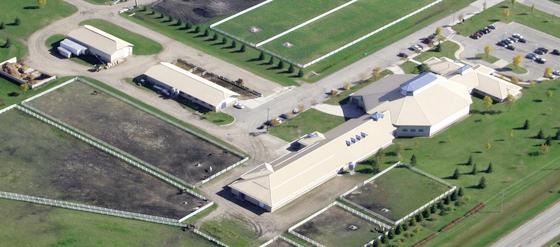
Support from MTGF continues to be critical in provding staff and student salary support, equipment qcquisition and development of novel research methodologies at the UMN Urban Forestry Outreach & Research labe nd the
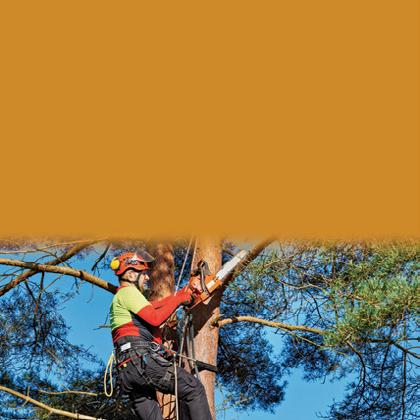
UMN Elm Selection Program. Pictured above, MTGFFunded Outreach and Research conducted at the University of Minnesota. (Continued on Page 14)
(Continued from Page 13)
Abstract
Urban forests and forested landscapes are critical infrastructure that support environmental quality, economic value, and quality of life. However, these resources are under increasing pressure from invasive pests such as Dutch elm disease and emerald ash borer. Combined with environmental stressors, including repeated drought, these threats are accelerating canopy loss and straining the resources available for forest management. Sustained efforts are needed to restore and preserve tree canopy to ensure a resilient and sustainable urban forest for both residents and land managers. We aim to address these challenges by conducting research on tree diseases and pests, providing meaningful continuing education for professionals, and engaging youth through outreach designed to recruit the next generation of urban foresters, arborists, and scientists. Long-term support from the Minnesota Turf and Grounds Foundation (MTGF) to the Departments of Forest Resources and Plant Pathology has created valuable opportunities for growth in both academic research and outreach to industry professionals, school-age youth, and the broader public.
We request continued funding to support these efforts through the Urban Forestry Outreach & Research Lab and the University of Minnesota Elm Selection Program.
Rationale, Benefits to Grounds Managers
Continued development of high-quality instruction, research, and outreach programs to grounds managers, arborists, and school-age youth increases the value and investment in urban and community forests statewide. Additionally, research and workshop programming provided by University of Minnesota faculty and staff throughout Minnesota help to engage our communities and enhance the benefits of urban natural resources.
1. UMN Urban Forestry Youth Outreach Programs (UFOR)
2. University of Minnesota Elm Selection Program (UMESP)
1. UMN Urban Forestry Youth Outreach Programs
2026 UFOR Objectives:
● Continue the support of youth outreach, engagement, and recruitment programs in the metro as well as the exploration of programs that reach K-12 students in greater Minnesota. This includes development of skills and knowledge related to urban forestry and arboriculture, technical tree climbing, and methods of rope access used to safely enter and explore tree canopies.
● Enhance support for the University of Minnesota Tree Ascension Group (TAG), a student group dedicated to pro-
viding free hands-on tree climbing experiences for students in the Department of Forest Resources and the student community at large.
2026 Anticipated Outcomes:
● Youth Tree Climbing experiences will be conducted on and off UMN St. Paul Campus (3-5 events) which will provide professional rope access arboriculture experiences to over 100 youth.
● Tree Ascension Group climbs occur every other week during semesters, resulting in 14 climbing days each year.
Materials & Methods
Youth Engagement in Arboriculture (YEA) and Tree Ascension Group (TAG): The Minnesota Turf and Grounds Foundation has been critical to the sustainability of the YEA program. Funding from MTGF supports hiring contracted professional arborists and salary for UMN technical staff to provide hands-on instruction in professional arboriculture techniques in a safe and fun environment to youth and young professionals entering the green industry.
MTGF Funding is also an important part of maintaining a collection of safe tree climbing equipment; including ropes, helmets, harnesses, rigging equipment, and other essential personal protection equipment and first aid. In 2026, YEA will once again be collaborating with the University of Minnesota’s Youth Programs to provide a week-long climbing experience for participants. Additional climbing events will be conducted at various municipal Arbor Day events and venues such as the MN Festival of Trees / Tree Climbing Championships. Additionally, in 2026, UMN educational staff are working to increase our direct outreach to Minnesota classrooms through developing partnerships with teachers and increasing our available curriculum and activities appropriate for K-12 youth. We are expanding the scope of our request in 2026 to include supporting the University of Minnesota Tree Ascension Group (TAG). TAG is a student-led group dedicated to providing tree climbing experiences for other UMN students - primarily those studying in the natural resources field, but to the broad student body as well, increasing awareness about career paths in arboriculture and urban forestry. Climbs are typically organized every other week on UMN St. Paul Campus. University of Minnesota technical staff supervise the group and ensure climbing systems are set properly and participants are supported throughout the event. TAG events are also attended by industry professionals who volunteer and network with students who may be interested in pursuing careers in the industry. MTGF funding will support UMN technical staff time and support climbing equipment purchases to maintain safe conditions for the students.
● UMN Week-long Youth Climbing Camp - 32 participants
(Continued on Page 16)
(Continued from Page 13)
● Eden Prairie Arbor Day - 60 participants
● Festival of Trees / MN Tree Climbing Championships in Minneapolis, MN - 49 participants
● Increasing Diversity in Environmental Careers Program at the Conservation Corps of Minnesota and Iowa - 5 Participants
● UMN Cloquet Summer Field Session Climbing Experience for Forestry Students - 25 participants 2. University of Minnesota Elm Selection Program (UMESP)
2026 UMESP Objectives
● Propagate putatively resistant elms in the Minnesota landscape for resistance screening.
● Rate and monitor genotypes inoculated in 2025.
● Maintain elm research plots for long term resistance screening and for non-native resistant species.
● Conduct a rapid screening experiment using pathogen quantification as a proxy for DED resistance
Materials & Methods: The Minnesota Turf and Grounds Foundation has been a foundational partner of the University of Minnesota Elm Selection Program and its sustained support has enabled the long-term research, propagation, and evaluation efforts necessary to identify, test, and deploy Dutch elm disease–resistant American elm genotypes for restoration and urban planting in Minnesota. Propagation of large survivor elms will continue over the winter months, as grafts, and into the summer focusing on softwood cuttings. This clonal propagation is an important step in the process to maintain identical genetics for disease screening and we regularly get submissions to our elm submission form from the public and partners across the state about potential resistant trees. An inoculation trial is not scheduled this season, however, we will continue to monitor and rate the 197 trees that consisted of 20 genotypes that were inoculated last season. Nearly half of the genotypes had a wilt score of less
than 50% at 3 months following inoculation. A rating will be taken at one year post inoculation and use an 11 point scale where 0=no wilt and 11=complete wilt. Maintenance of the plot will also continue in the research plots which includes planting out newly propagated genotype. A rapid resistance screening study is also being planned in which we intend to validate DED resistance in known resistant and susceptible genotypes of American elms using grafted trees and seedlings by quantitatively measuring pathogen load and disease progression following inoculation. Grafts of two resistant genotypes, Valley Forge and Jefferson, and wild type susceptible seedlings will be grown for one year after which they will be inoculated with a spore suspension of the pathogen, Ophiostoma novoulmi.


Following inoculation, stem samples will be collected at defined distances (1,10 cm) from the inoculation point at two time points, 7 and 21 days. DNA will be extracted from samples using a Qiagen plant pro kit to purify fungal DNA. Fungal biomass will be quantified using an established TaqMan qPCR assay, that is specific to O. novo-ulmi. Restricted fungal spread/quantity will be interpreted as evidence of resistance. Disease symptom development will also be monitored over time to correlate with qPCR data.
Clones of survivor elms will be added to our collection for future screening in field trials. In addition, there will also be propagations of trees collected in prior years to prepare enough replicates for screening. One year ratings from the 2025 inoculation will provide data that will be used to make decisions about the genotypes being released in which this was the second round of screening. Refinements to propagation methods will also be summarized from softwood cuttings. Grafts of resistant genotypes will be made and wild types grown out in preparation for the inoculation/qPCR study that will take place late spring in 2027.
Funding from MTGF supports research on the potential of non-native elm species in Minnesota. While our primary goal remains the development of Dutch elm disease DED)resistant American, rock, and red elms, certain non-native elm selections have demonstrated strong resistance to DED. We maintain a collection of these promising selections, which offer potential for specific landscape applications due to both their disease resistance and desirable growth forms.
The mission of the Minnesota Park and Sports Field Management Association is to encourage the collection and dissemination of scientific, educational and applied knowledge through association with those persons engaged in, and who are concerned with, the construction, maintenance and use of park and sports turf areas for high quality and safe playing conditions.

The Board of Directors of the MPSFMA is made up of ag roup of people who are truly passionate about park and sports field management. This group spends considerable time making sure the two workshops and all other events have quality speakers and a lunch.
The MPSFMA has roughly 300 active members across Minnesota but primarily in the greater Twin Cities area.
More than 40 companies support the MPSFMA Spring and Fall Workshops as sponsors with tabletop displays at the annual March and November events. For many years, the two sites of the events have not changed as feedback from members indicated to stay. The Spring Workshop is held at the University of Northwestern | Saint Paul. The Fall Workshop is held in Lakeville at Brackett’s Crossing Country Club.
MPSFMA Demo Day is a free event for its members to attend. This year’s Demo Day is on July 15 at M Fairview Sports Center in Woodbury.
The UMN Turfgrass Science group annually offers a Field Day for park and sports field managers. This year’s event will take place on July 1 at TROE Center in Falcon Heights near the UMN St. Paul campus.
In recent years, the MPSFMA has partnered with The Minnesota Twins and The Toro Company for a one-day Community Service Project on a worthy field in Minneapolis or St. Paul. A field has not been picked yet for a CSP this September but plans are to have a field secured soon.
The MPSFMA has two Awards recognizing excellence: The Turfco Mfg.| MPSFMA Field of the Year Award and the Heritage PPG Sports Field Manager of the Year Award. Both awards are recognized annually.
Toni Stone Field in St. Paul won the 2025 Field of the Year with Sports Field Manager Derek Hollanitsch accepting the Award at the January 8th MPSFMA Annual Meeting.
Justin Holmberg, Turf Manager at St. Paul Academy and Summit School was the 2025 recipient of the Heritage PPG | MPSFMA Sports Field Manager of the Year Award. Holmberg accepted his award at the March 5th MPSFMA Spring Workshop at the University of Northwestern|Saint Paul.
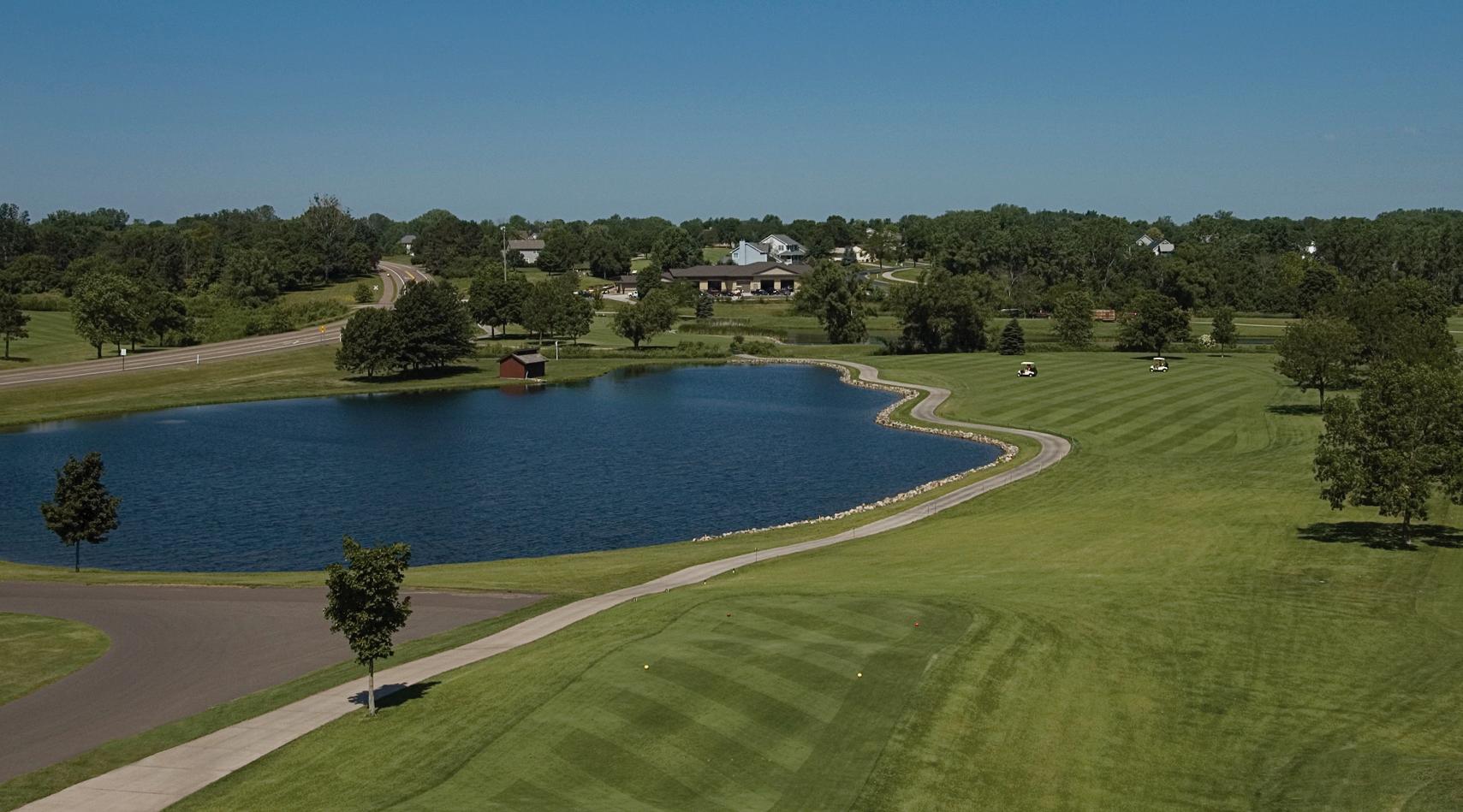
Five years ago, the MPSFMA began producing its own golf tournament. The first few years were held at Royal Golf Club in Lake Elmo but then the venue turned private. The past two years the MPSFMA has held its golf tournament at Oak Glen Golf Course in Stillwater. This year’s golf tournament will take place on August 20 at Oak Glen.
The MPSFMA produces a quarterly online magazine entitled MSPSMA NEWS which keeps current with news that’s happening with the MPSFMA.
The MPSFMA is a Chapter of the national Sports Field Management Association which has its own national conference. In 2027, the SFMA Conference will be held Feb. 1-4 in Tampa, Forida.
(Editor’s Note: Go to mpsfma.org for more information.)
Minnesota Park and Sports Field Management Association
BOARD OF DIRECTORS
Officers
President
Marshall Syvertsen City of Edina
Vice President
Nate Williamson
University of Northwestern|St. Paul
2nd Vice President
Justin Holmberg Saint Paul Academy & Summit School
Past President
Trenton Waters Minnesota Sodding Company
Treasurer Roger Weinbrenner, CSFM Minnesota Sodding Company
Executive Secretary
Jeff Turtinen Turtinen Communications, Inc.
Directors
General Membership
Kyle Larson Minnesota Vikings
General Membership
Kyle Johnson ISD 622 | North Saint Paul
Commercial Membership
Tom O’Hern Pioneer Athletics
Commercial Membership
Nick Wilz
Heritage PPG
MTGF Representative
Ben Boeding, CSFM Reinders, Inc.
MTGF Representative
Jason Goehring City of Plymouth
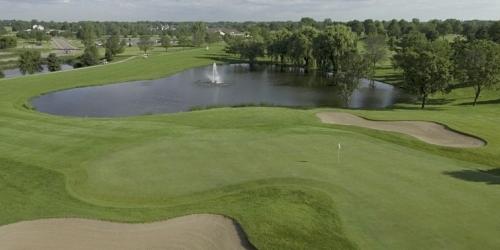

TO PLAY GOLF: $100 per person | $400 per foursome TO SPONSOR A HOLE: $200 (More Sponsorship Opportunities, too)
ALL MTGF ALLIED ASSOCIATION MEMBERS ARE INVITED TO PLAY GOLF, SPONSOR OR DO BOTH. IF YOU ARE A MEMBER OF ONE OF THE GROUPS BELOW, WE INVITE YOU AND YOUR CO-WORKERS TO PLAY IN THIS FUN 4-PERSON SCRAMBLE EVENT HOSTED BY THE MINNESOTA PARK AND SPORTS FIELD MANAGEMENT ASSOCIATION TO RAISE MONEY FOR MTGF-FUNDED RESEARCH AT THE UNIVERSITY OF MINNESOTA.

Turf and grounds professionals in Minnesota and beyond have benefited greatly from innovative research funded by the Minnesota Turf and Grounds Foundation. Since 2001, we have donated over $2.1 million to the University of Minnesota (that’s about $90,000 per year!); this funding has helped build strong applied research programs focused on turf and landscape management. The ongoing support from the MTGF has given these research programs a foundation from which to seek larger grants that generate new approaches to landscape management that help sustain our industry. Unfortunately, this past year has created a challenge for the MTGF as our primary revenue sources, Northern Green, which is a joint effort between MTGF and the Minnesota Nursery and Landscape Association, was not held in person and therefore did not generate sufficient income from which to make our annual donations for research.
To continue our important role in support of turf and grounds research, we are asking for donations from individual MTGF members. In a normal year, you would’ve contributed to our efforts by attending the Northern Green, where you would have learned from leading horticultural educators, visited with vendors on the impressive trade show floor, and networked with your fellow green industry professionals. This year, you can have a positive impact by making a donation to help the MTGF continue our mission of funding research, outreach, and education for the turf and grounds professionals.
We hope you see this as an investment, one that will bring great returns in the form of new knowledge, more sustainable practices, and forward-looking approaches to maintain green spaces.
As a member of one of seven allied associations you are considered a member of the MTGF. The MTGF has no membership fees or dues. However, you have received the full benefits through the mission of the MTGF. The MTGF Board is made up of two individuals from each of the seven allied associations plus two vendor members. The seven MTGF allied associations are:
+ Minnesota Association of Cemeteries
+ Minnesota Educational Facilities Management Professionals
+ Minnesota Golf Course Superintendents' Association
+ Minnesota Park and Sports Field Management Association
+ Minnesota Society of Arboriculture
+ Minnesota Sod Producers
+ Minnesota Turf Seed Council
Funding provided by the MTGF through your participation has been able to leverage millions of more dollars for turf and grounds research. Your attendance at the 2027 Northern Green helps is key. The Green Industry as a whole has been rewarded year after year through the research dollars granted by the MTGF and we are now asking for extra help to be able to continue this same success. Please visit the MTGF website (www.mtgf.org/donations) where you can find additional information on how you can donate to additional turf and grounds research. Thank you for your consideration.
SMS49,71560,00030,00020,
BENHELD|DUTCHELMDISEASESSUPPORT16,20015,0009,5007,5005,70010,4157,40010,00010,000 UMYOUTHENGAGEMENTINARBORICULTURE15,00012,5009,5007,5009,3007,250
UMCONSERVATION9,975
UMELMSELECTION6,250
UMPRUNING5,500
UMESPRESEARCH5,500
BOBMUGAAS/UMOREPARKTECHNICIAN3,5003,500 ARBORETUMTURF&GROUNDSRESEARCH9002,000
UMHELPLINE3,000 ECONOMICIMPACTSTUDY15,73310,518 NATIONALTURFRESEARCHINSTITUTE500500 GRABOWSKI/MALVICKWHITEMOLDRESEARCH3,5402,0002,0003,000 DR.JUZWICKOAKWILTSTUDY10,0003,250 DR.WALKERMINERALIZABLENITROGENSTUDY10,00010,0005,0005,000 DR.KRISTINAWALKERUMNCROOKSTON10,00010,0006,0005,0005,0005,000
The mission of the Minnesota Turf and Grounds Foundation is to promote the green industry in Minnesota through support of research, education and outreach at the University of Minnesota and elsewhere. The MTGF pursues its mission in various ways. One of these is an annual "Call For Proposals," titled the "MTGF Research Gift Program," whereby researchers, instructors and outreach faculty and staff involved in turf and grounds work may submit requests for unrestricted gifts to support their activities. As a 501(c)(3) corporation, funding approved by the MTGF will not be subjected to overhead or other indirect charges or costs. The dates for submission, review and approval may change on an annual basis as well as the protocol stipulated for the submission of gift requests.
TO: Minnesota Turf and Grounds Foundation, P. O. Box 617, Wayzata, MN 55391 or donate online at www.mtgf.org/donations
Support for the University of Minnesota Turfgrass Science Research Program
Principal Investigators:
Dr. Dominic Petrella, Dr. Eric Watkins, and Dr. Jon Trappe University of Minnesota Turfgrass Science
Abstract
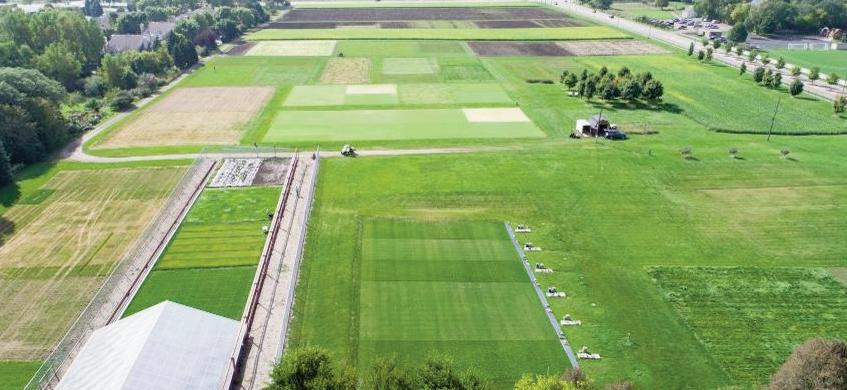
We are proud of the partnership between the University of Minnesota Turfgrass Science Program and the Minnesota Turf and Grounds Foundation (MTGF). Since 2001 nearly $2 million dollars has been donated to the University of Minnesota from the MTGF. In return, we have conducted research to increase economic efficiency for turf managers and improve the ecological sustainability of turfgrass landscapes. This request includes $50,000 of general support to continue our research and outreach activities in the next year. MTGF funding is essential to maintain staff and land at the Turfgrass Research, Outreach and Education (TROE) Center on the St. Paul campus. Ongoing projects include improving turfgrass winter stress tolerance, improving turfgrass shade tolerance, conserving irrigation inputs, and implementing new technologies for data-based decision making.
Rationale for Research
Over the years we have leveraged support from MTGF to procure millions of dollars in support from other funding sources. The list of funding successes is extensive, ranging from the Minnesota Department of Transportation to the United States Department of Agriculture. Each funded proposal benefits the membership of the MTGF and amplifies the dollars invested. In recent years, we have leveraged MTGF funding to obtain additional research grants, including:
● Metropolitan Council. $418,997. Reducing water use on Twin Cities lawns through assessment, research, and demonstration. We have expanded our efforts to educate Twin Cities residents about lawn water conservation, including expanding a program we call “Lawn Leaders” whereby Master Gardeners from around the region host lawn education events at their homes/lawns/garages. Our team trains these Master Gardeners to lead demonstrations that help residents solve lawn challenges such as clogged irrigation nozzles, weed problems, seeding new lawns, fertilizing properly, etc. We are also working with HOAs on best practices for reducing water on their grounds. Finally, we will be working with the Minnesota Board of Water and Soil Resources (BWSR) to provide
consumers and professional turfgrass managers with staterecommended turfgrass seed mixtures for lawn water conservation. We are testing a series of species mixtures at four sites in the Twin Cities, and then will work with BWSR and turfgrass seed vendors to develop a list of recommended species ratios for approved mixtures. This will be very valuable for defining seed mixtures in projects that go out for bid, and also provide general consumers with easy to follow seed mixture recommendations using an existing, trusted public entity (BWSR).
● USDA Specialty Crop Research Initiative: $8,000,000. WinterTurf: A holistic approach to understanding the mechanisms and mitigating the effects of winter stress on turfgrasses in northern climates. This project, led by our team, involves researchers in 7 states and Norway, and aims to increase our understanding of winter stresses of turfgrass, while providing new solutions for turfgrass managers. This is the largest federal grant ever awarded to a turfgrass research project; our success in leading this project would not be possible without the years of support from MTGF and other allied organizations. Current work in Minnesota is aimed at improving perennial ryegrass for winter stress survival and determining ice encasement thresholds for annual bluegrass survival. This work is resonating with turfgrass managers worldwide.
● Minnesota Department of Transportation. $275,928. Regional optimization of roadside turfgrass seed mixtures phase 3: Assessing long-term performance and creating a web based decision tool. This project is evaluating the long-term performance of multi-species mixtures on 14 roadside sites around the state. This project is delivering valuable information to public agencies making decisions about turfgrass seed for roadsides and helping us learn about optimized mixtures for low-input landscapes such as parks, cemeteries, and home lawns.
● USDA Agricultural Marketing Service: $477,952. Increasing the diversity of sod production through sustainable turfgrass adoption.
(Continued on Page 21)
(Continued from Page 20)
This new project, a collaborative effort with Kansas State, Purdue, and Rutgers, aims to identify best practices for establishing and growing low-input sod, and also exploring approaches to develop new cultivars that can more quickly produce harvestable sod. In addition, we will work with Chengyan Yue at UMN to help identify ways to better inform and educate consumers about low-input sod.
● Scandinavian Turfgrass and Environment Research Foundation (STERF): $57,373. AURORA GREEN: Managing turfgrass photoinhibition in the northern light. Research from previous projects funded by either the USGA or through USDA WinterTurf has continuously shown that high light stress has a role in winter survival. In this STERF funded project in collaboration with orwegian Institute of Bioeconomy Research (NIBIO) and the University of Massachusetts, we will explore this more in depth. At UMN, we will specifically examine the use of pigment applications in spring and fall to reduce potential winterkill of golf course turf. This project has received match funding from the Minnesota Golf Course Superintendents Association of $10,000/year across 3 years total.
● Indiana Corn and Soybean Board: $5,000. Development of granular slow-release fertilizer for the homeowner/big box store market. This research is a collaborative project with Ohio State and Purdue Universities and is part of a continued research program on using soy flour as a fertilizer. We have previously shown that applications of soy flour (~9% nitrogen) as a liquid drench leads to turfgrass responses that are similar to corn gluten meal but releases too quickly for an organic fertilizer. This current project is focused on pelleted soy flour that is coated with a biodegradable coating (polylactic acid, PLA). Plant based fertilizers are expected to have increasing emands in the coming years due to biosolid organic fertilizers being heavily contaminated with PFAS (“forever chemicals”) with the potential for being banned in some parts of the U.S. We believe that soybean based fertilizers like soy flour will have a large place in the market in the near future due to this. We also have continuing projects in turfgrass breeding, bee lawn establishment, soil moisture sensors, early spring creeping bentgrass establishment, dormant seeding best practices, breeding grasses for improved shade tolerance, turfgrass stress physiology, and more.
Turfgrass breeding efforts: We have made tremendous progress in developing more shade tolerant turfgrass cultivars over the past 5 years. This has worked specifically for hard fescue, but the developments we have made will also occur in other species in the near future. The breeding that we are doing is unique from other programs because we are intentionally breeding for foliar-shade tolerance by screening for plants that grow well in filtered light (low intensity light with poor light quality), similar to what you would actually find under tree shade. We have 2-3 popula-
tions of hard fescue that have improved shade tolerance and are relatively close to being potential cultivars. Much of this work could not have been done without previous MTGF support, and we believe we can continue on the trajectory with the continued support being requested here.
We have active projects that impact all types of turf and grounds managers. Our work in seed production improvement, both through breeding and agronomics, has a major impact on the practices used by members of the Minnesota Turf Seed Council. Research on the improvement of fine fescues is important for many types of turf managers, especially those among the Minnesota Association of Cemeteries (MAC), Minnesota Park and Sports Field Managers Association (MPSFMA), and Minnesota Educational Facilities Management Professionals (MASMS). Ongoing studies to understand turfgrass shade stresses are relevant to the Minnesota Society of Arboriculture. We have several recent and upcoming experiments to support sod production efficiency and the Minnesota Turf Association. Finally, we work closely with the Minnesota Golf Course Superintendents Association (MGCSA) to address challenges of particular importance to golf course superintendents such as precision management and winter stress mitigation. Our extensive work on dormant seeding has utility across a range of turfgrass management situations. To improve access to turfgrass research generated by our team, we organized three field days during 2025; one focused on winter stresses on April 16, 2025; one targeted for parks and sports field managers on July 2, 2025; and one for homeowners on September 3, 2025. Our series of field days reached public parks and school grounds managers, municipal water agencies, lawn care operators, sod farmers, product sales representatives, Master Gardeners, and homeowners. These were highly successful and we will continue to host four field days for various audiences in 2026.
The objectives of our program are to increase economic efficiency for all turf managers in Minnesota, improve the ecological sustainability of our turfgrass landscapes, and protect Minnesota’s natural resources. We do this through research in the areas of breeding and genetics, turfgrass management, plant physiology, and social science. Materials and Methods (Current Projects) and Anticipated Outcomes We have dozens of active projects benefiting multiple turfgrass stakeholder groups (see rationale section above). Outcomes from these projects include improved best management practices, data-driven solutions for difficult turfgrass challenges, new turfgrass cultivars, and new prediction models to guide turfgrass manager decision making.
(Continued on Page 22)
(Continued from Page 21)
We regularly publish our results as blog posts, scientific research papers, and magazine articles aimed at professional turf and grounds managers. We also post brief research updates on our blog (turf.umn.edu). We present our work to other researchers at national conferences. Whenever possible, we publish scientific papers in journals that can be open access, thereby allowing all Minnesota stakeholders to access our work without having to pay journal subscription costs.

Scientific publications in peer reviewed journals in 2025 and 2026 Li, X., Sanaeifar, A., Padilla, N., Stover, C., Kowalewski, A., Watkins, E., Runck, B., Qiao, L., & Yang, C. (2026). Winter damage diagnostic modeling based on synthetic vegetation indices from UAV-based multispectral imaging. Computers and Electronics in Agriculture, 243, 111334. https://doi.org/https://doi.org/10.1016/j.compag.2025.111 334
Barnes M.R., Friell J., Runck B.C., Soldat D.J., Watkins E., & Yue C. (2025) Cultivating connections: Framing turfgrass as a thriving social–ecological–technological system.
Crop Science 65:e21387. DOI: https://doi.org/10.1002/csc2.21387.
Barnes, M. R., Moncada, K. M., & Watkins, E. (2025). Identifying challenges in establishing pollinator lawns among current and potential owners. Agricultural & Environmental Letters, 10, e70044. https://doi.org/10.1002/ael2.70044
Breuillin-Sessoms, F., Turbeville, J., Deters, G., Petrella, D., & Watkins, E. (2025). Effect of cool season turfgrass mixtures and mycorrhizal inoculation at establishment to sequential acute droughts under field conditions. Crop Science, 65, e70191.
https://doi.org/10.1002/csc2.70191
Breuillin-Sessoms, F., Petrella, D., Deters, G., Turberville, J., & Watkins, E. (2025). Response of cool-season turfgrass monocultures and two-way mixtures to sequential acute drought periods. Crop Science, 65(1), e21385.
https://doi.org/https://doi.org/10.1002/csc2.21385
Cui, M., Yue, C., & Watkins, E. (2025). Which pricing tools are effective to promote resource conservation behavior? Implications from residential water consumption. Journal of Agricultural and Resource Economics, 50(1), 146-161.
DaCosta, M., Lu, J., Ebdon, J. S., Watkins, E., Petrella, D., Bekken, M., Pettersen, T., & Aamlid, T. (2025). Effects of cultivar, synthetic cover, and plant health products on creeping bentgrass establishment in early spring. International Turfgrass Society Research Journal, 15, 624–635. https://doi.org/10.1002/its2.70011
Watkins, E., Petrella, D. P., Aamlid, T., Christensen, D. C., Dalmannsdottir, S., Hollman, A. P., & Deters, G. (2025). Recovery of five cool-season turfgrasses following long-term ice encasement. Crop Science, 65(2), e70053. https://doi.org/10.1002/csc2.70053
Yue, C., Parasuram, U., Watkins, E., Soldat, D., Koch, P., Frank, K., & DaCosta, M. (2025). The economic cost of winter injuries on golf courses in North America. HortScience, 60(8), 1389–1397. https://doi.org/10.21273/HORTSCI18673-25
Summary of 2025 outreach and Extension
Outreach to turfgrass stakeholders is of primary importance for our program. From turfgrass seed producers in the very northern reaches of the state, to golf course superintendents along the state’s southernmost border, our reach is extensive. We devote considerable time and resources to this work. Below is a summary of our Extension and outreach events in 2025. We will continue to expand this effort in 2026.