
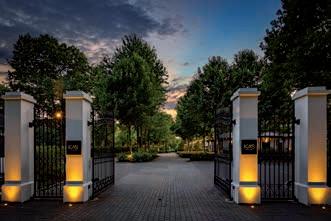
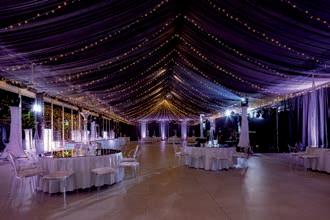
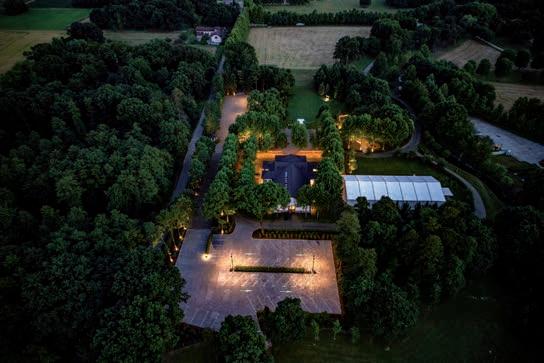
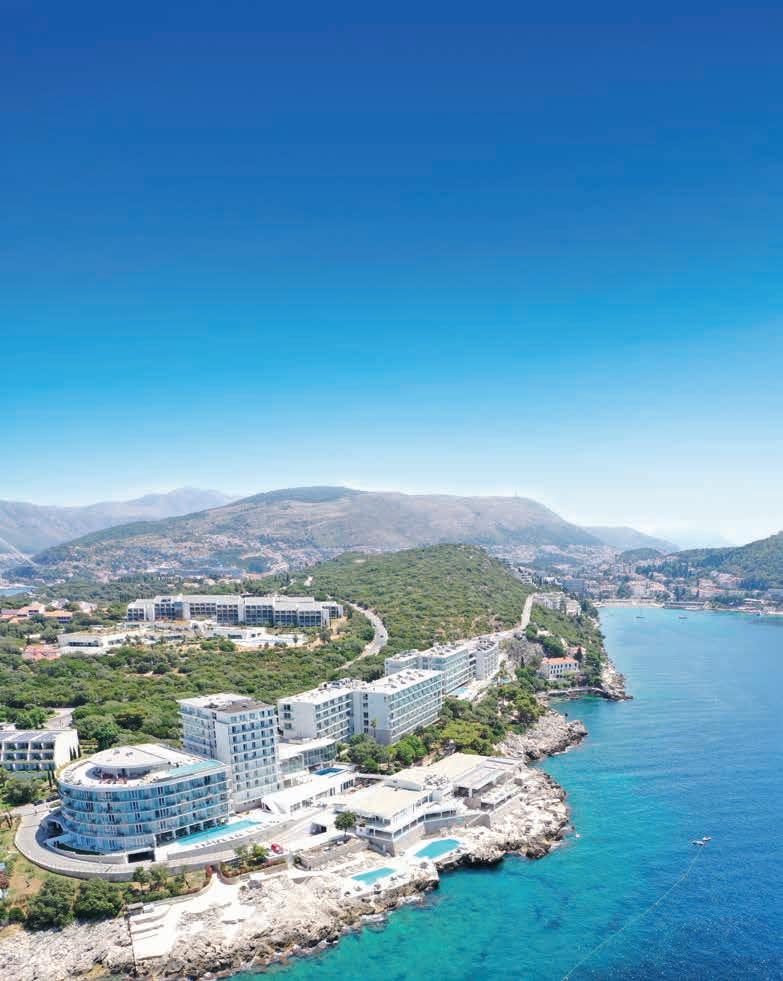
Feel inspired by an exceptional location, and discover our elegant spaces and premium amenities.
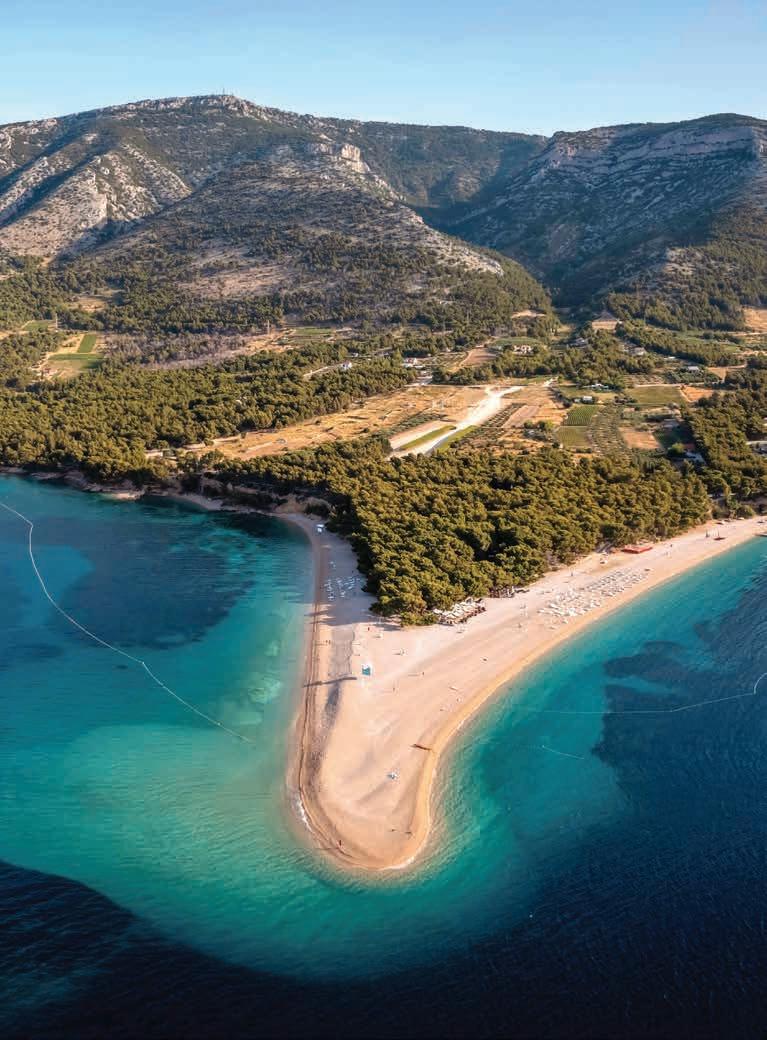
Experience the jewel of the Dubrovnik Riviera, hidden in a tranquil bay along the shimmering Adriatic Sea. Create memorable moments in the breathtaking south of Croatia.
Book your stay with us at: reservations@sheratondubrovnikriviera.com or call +385 52 808 900 or visit: Marriott.com/DBVSI
Sheraton SheratonHotels SheratonHotels
Šetalište dr. F. Tuđmana 17 Srebreno, 20207 Mlini, Croatia T +385 20 601 500 Marriott.com/DBVSI

Poštovani putnici, proljeće je vrijeme novih početaka, planova i susreta − i upravo tada započinje razdoblje u kojem zračni promet ponovno dobiva puni zamah. To je vrijeme kada se planovi pretvaraju u putovanja, a povezanost znači još više. Zahvaljujemo vam što i u ovom razdoblju birate Croatia Airlines kao svojeg pouzdanog partnera. Uoči ljetne sezone nastavljamo s razvojem mreže letova i jačanjem međunarodne povezanosti Hrvatske. Naši će zrakoplovi tijekom sezone povezivati Hrvatsku sa 32 europska odredišta, uz povećanje broja letova i raspoloživih sjedala u odnosu na prethodnu godinu. Posebno ističemo uvođenje novih sezonskih linija koje dodatno unapređuju dostupnost hrvatskih destinacija − između Splita i Nantesa te Dubrovnika i Stuttgarta. Zagreb će tijekom sezone biti povezan sa 23 međunarodna odredišta, uz oko 144.000 dodatnih sjedala u odnosu na prethodnu godinu. Split će imati izravne veze sa 20 međunarodnih odredišta uz povećanje kapaciteta od približno 10 posto, dok će Dubrovnik biti povezan s osam europskih gradova. Nastavljamo i s cjelogodišnjim letovima Rijeka − München i Osijek − München, osiguravajući stabilnu povezanost tijekom cijele godine.
Razvoj naše mreže prati i modernizacija flote. Trenutačno u prometu imamo osam novih zrakoplova Airbus A220, a tijekom 2026. očekujemo dolazak još šest novih zrakoplova, čime nastavljamo obnovu flote, što je najveći projekt u povijesti Croatia Airlinesa. Novi zrakoplovi donose veću udobnost putnicima, veću učinkovitost te manji utjecaj na okoliš, što je važan dio naše dugoročne strategije.
Zahvaljujemo vam na povjerenju te želimo ugodna proljetna putovanja i uspješan početak ljetne sezone, uz sigurnu i kvalitetnu uslugu na svakom letu.
Dear passengers,
Spring is a season of new beginnings, fresh plans, and renewed encounters − a time when air travel once again gathers full momentum. It is the moment when plans turn into journeys, and connectivity takes on even greater meaning. Thank you for continuing to choose Croatia Airlines as your trusted partner.
Ahead of the summer season, we are further expanding our flight network and strengthening Croatia’s international connectivity. During the season, our flights will link Croatia with 32 European destinations, with an increased number of flights and available seats compared with the previous year. We are particularly pleased to introduce new seasonal routes enhancing the accessibility of Croatian destinations − between Split and Nantes, and Dubrovnik and Stuttgart.
Throughout the season, Zagreb will be connected to 23 international destinations, offering approximately 144,000 additional seats compared with last year. Split will provide direct connections to 20 international destinations, with capacity increased by around ten percent, while Dubrovnik will be linked to eight European cities. We are also continuing year-round services on the Rijeka−Munich and Osijek−Munich routes, ensuring stable connectivity throughout the year.
The development of our network is accompanied by comprehensive fleet modernisation. We currently operate eight new Airbus A220 aircraft, and during 2026 we expect the arrival of six additional aircraft, continuing the largest fleet renewal project in the history of Croatia Airlines. These new aircraft offer greater passenger comfort, improved efficiency, and reduced environmental impact − a key element of our long-term strategy.
Thank you for your continued trust. We wish you pleasant spring journeys and a successful start to the summer season, with safe and high-quality service on every flight.

Jasmin Bajić Predsjednik Uprave / President & CEO
14
Razgovor
LJEPOTA ŽIVLJENJA KAO SMISAO I POKRETAČ
Saša Šekoranja, slikar, scenograf, autor interijera i florist, osvrće se na trideset godina svojeg umjetničkog puta i projekte koji su nerijetko bili ispred svojega vremena.
Interview
THE BEAUTY OF LIVING AS PURPOSE AND DRIVING FORCE
Painter, set designer, interior designer, and florist Saša Šekoranja reflects on the three decades of his artistic work and projects that were often ahead of their time.
Proljeće _ Spring 2026
www.croatiaairlines.com
24
Prirodne ljepote
PITOMA DIVLJINA POSAVINE
Lonjsko polje mjesto je gdje se priroda i ljudi još uvijek gledaju u oči − preko drvenih kuća, pašnjaka i krovova punih roda.
Nature’s wonders
THE TAME WILDERNESS OF POSAVINA
Lonja Field is a place where nature and people still look one another in the eye − across wooden houses, pastures, and roofs full of storks.
34
Kontinentalna Hrvatska KUĆA ČAJA − OAZA MIRA
Upoznajte suvremeni posjetiteljski centar koji zrcali tradiciju sakupljanja i uzgoja samoniklog ljekovitog bilja na području Virovitičko-podravske županije.
Continental Croatia
THE TEA HOUSE − AN OASIS OF PEACE
Discover this contemporary visitor centre that reflects the tradition of foraging and cultivating wild medicinal plants in the Virovitica-Podravina County.
Uredništvo ne odgovara za promjene u rasporedu događanja, za otkazivanje ili promjene datuma održavanja događanja nastale nakon objavljivanja časopisa.
Uredništvo ne odgovara za sadržaj oglasa, promotivnih i plaćenih PR tekstova te kvalitetu njihova prijevoda.
The editorial board cannot be held responsible for any changes that may occur in the scheduling of events or their cancellation after the magazine goes to press.
The editorial board cannot be held liable for the content of advertisements, promotional texts, and paid PR texts or the quality of their translation.
S. Cerić
48
Život grada
VRIJEME JE ZA − ZAGREB
Zagreb u toplijem dijelu godine živi punim kulturnim i urbanim ritmom, nudeći posjetiteljima razlog više za dolazak i ostanak.
City life
IT’S TIME FOR − ZAGREB
During the warmer half of the year, Zagreb lives at a full cultural and urban rhythm, offering visitors one more reason to come − and to stay.




56
Galerije
PULS SUVREMENOSTI
Zagrebačka Galerija suvremene umjetnosti
Zen ulazi u dvanaestu godinu postojanja, a osnovana je sa željom za što kvalitetnijim predstavljanjem hrvatskih likovnih umjetnika.
Galleries
THE PULSE OF MODERNITY
Founded with the aim of presenting Croatian visual artists at the highest possible level, the Zagreb-based Zen Contemporary Art Gallery is entering its twelfth year.

84
Moda
UNIFORME CROATIA AIRLINESA
U sklopu redizajna vizualnog identiteta Croatia Airlinesa i uniforme letačkog i zemaljskog osoblja postaju jedan od ključnih komunikacijskih elemenata brenda.
Fashion
CROATIA AIRLINES’ UNIFORMS
As part of the redesign of Croatia Airlines’ visual identity, the uniforms of flight and ground personnel become one of the brand’s key communication elements.
52
Muzeji
POVRATAK MUZEJA U MEŠTROVIĆEV DOM Na zagrebačkom Gornjem gradu nalazi se uistinu poseban gradski kutak koji je pripadao jednom od najpoznatijih hrvatskih kipara svjetskoga glasa − Ivanu Meštroviću.
Museums
THE MUSEUM RETURNS TO MEŠTROVIĆ’S HOME
Zagreb’s Upper Town hides a remarkable corner of the city that once belonged to one of Croatia’s most celebrated sculptors of international renown − Ivan Meštrović.
68
Urbana kultura
REGENERACIJA INDUSTRIJE
SUVREMENOM KULTUROM
Rekonstrukcijom tvorničke hale stvoreno je novo kulturno središte sjeverne Hrvatske − Regenerator Zabok.
Urban culture
REGENERATING INDUSTRY THROUGH CONTEMPORARY CULTURE
Through the reconstruction of a factory hall, a new cultural hub of northern Croatia has been created − Regenerator Zabok.


Nakladnik/Publisher
Croatia Airlines
Hrvatska zrakoplovna tvrtka
Bani 75B, Buzin
10010 Zagreb, Croatia +385 1 6160066
marketing@croatiaairlines.hr www.croatiaairlines.com
Predsjednik Uprave/President & CEO
Jasmin Bajić
Glavna urednica/Editor-in-chief
Gabrijela Lochert
Suradnici glavne urednice/ Editor-in-chief assistants
Ana Ćulumović Šoštarić
Zlata Prpić
Snježana Davidović advertising@croatiaairlines.hr
Dizajn/Design
Ivana IvankoviÊ, Miranda Herceg
Prijelom/Layout
Miranda Herceg
Direktor Komercijalnih poslova/ Commercial Division Director Slaven Žabo
Lektor/Proofreader
Nevena Erak Camaj
Prijevod na engleski/ English translation
Ana Janković
Oglaπavanje/Advertising
Croatia Airlines
Gabrijela Lochert +385 1 6160017 advertising@croatiaairlines.hr
Promocija/Promotion
Croatia Airlines
+385 1 6160102
Priprema/Prepress
AKD d.o.o., Savska cesta 31, Zagreb
Tisak/Press
AKD d.o.o., Savska cesta 31, Zagreb
ISSN 1330-6278
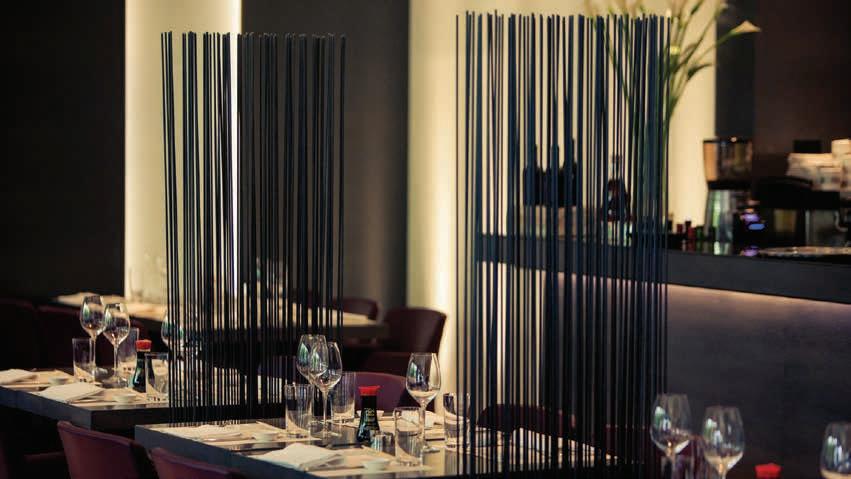

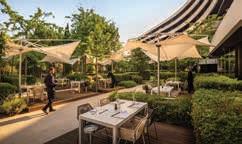

JAPANESE RESTAURANT TEKKA ZAGREB
Radnička cesta 37b − Zagreb tel +385 1 63 89 398 − restaurant tel 01/63 89 399 − delivery info@tekka.hr − www.tekka.hr


TEKKA BY LONE ROVINJ
Luje Adamovića 31 − Rovinj tel +385 52 632 012 tekkabylone@maistra.hr www.maistra.hr

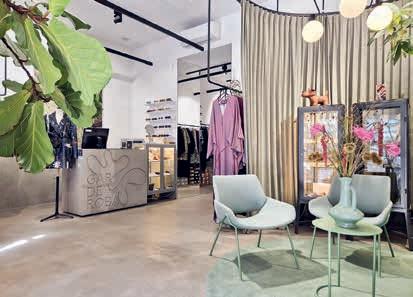
Garderoba Concept Store u Zagrebu i Rovinju donosi pažljivo odabranu selekciju skandinavskih modnih brendova i dizajna, spajajući suvremenu estetiku, kvalitetu i profinjen lifestyle pristup.
Garderoba Concept Store in Zagreb and Rovinj offers a carefully curated selection of Scandinavian fashion brands and design, bringing together contemporary aesthetics, quality, and a refined lifestyle approach.
garderobastore.hr
Garderoba Concept Store Zagreb, Martićeva 17
Garderoba Concept Store Rovinj, Šetalište Vijeća Europe 2 (Grand Park Hotel)

Lykke mirisni medaljoni / scented lockets
Lykke nakit jedinstveni je suvenir iz Hrvatske koji se može personalizirati notama vašeg omiljenog parfema i gravurom. Prvi hrvatski dizajnerski mirisni medaljoni utjelovljuju ideju da suveniri mogu biti nosivi, emotivni i trajni.
Lykke jewellery is a unique souvenir from Croatia that can be personalised with the notes of your favourite perfume and with engraving. The first Croatian designer scented lockets embody the idea that souvenirs can be worn, felt, and cherished.
Lykke Gift Shop, Zagreb: Palmotićeva 2 i/and City Center One East www.lykke.hr
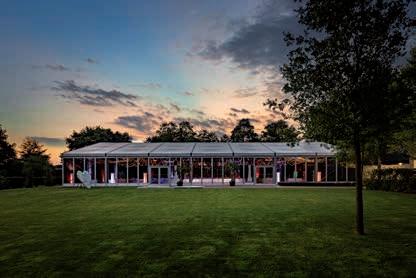
ANII jewellery je suvremeni, ručno rađeni srebrni nakit. U radionici dizajnerice Ane Mrazek Lugarov u Zagrebu nastaje u malim serijama, kroz različite zlatarske tehnike koje ističu materijal, teksturu, detalj i ručni trag. Nadahnut prirodom i geometrijskim formama, ANII oblikuje skulpturalne, nosive komade koji spajaju suptilnost i karakter. Dio kolekcije dolazi i u Warm Glow verziji, srebru s 14k pozlatom. Moderan i izražajan, a bezvremenski.
ANII jewellery is contemporary, handcrafted silver jewellery created in small series in the Zagreb-based workshop of designer Ana Mrazek Lugarov. Each piece is created using a range of goldsmithing techniques that highlight the material itself, its texture, detail, and the maker’s touch. Inspired by nature and geometric forms, ANII creates sculptural yet wearable pieces that unite subtlety with character. Part of the collection is also available in the Warm Glow version − sterling silver finished with 14-carat gold plating. Modern and expressive, yet timeless.
jewellery.anii.hr | info@anii.hr | anii_jewellery


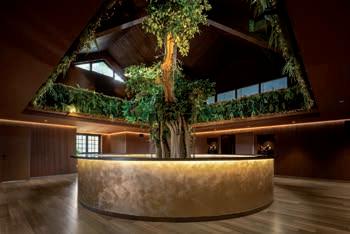


Lapidarium je sinonim za autorski nakit već dva desetljeća. Zlatarnica, showroom i radionica smješteni su u srcu Zagreba. Nakit Lapidarium nije samo proizvod, to je priča, emocija i umjetnost pretočena u plemenite materijale.
Lapidarium − a jewellery store, showroom, and goldsmith’s workshop located in the heart of Zagreb − has been synonymous with designer jewellery for two decades. Lapidarium pieces are more than just jewellery − they are stories, emotions, and art shaped into precious materials.
VIIS pilotski satovi
VIIS pilot watches
VIIS predstavlja moderne mehaničke pilotske satove s hrvatskom dušom. GMT kolekcija Velebit, Adriatic i Levante inspirirana je prirodom Hrvatske − vrhunska urarska umjetnost i neprolazni dizajn u savršenom spoju.
VIIS stands for modern mechanical pilot watches with a Croatian soul.
The GMT collection − Velebit, Adriatic, and Levante − is inspired by Croatia’s nature, blending fine watchmaking with timeless design.
viiswatch.com
IG: @viis_watch | info@viiswatch.com



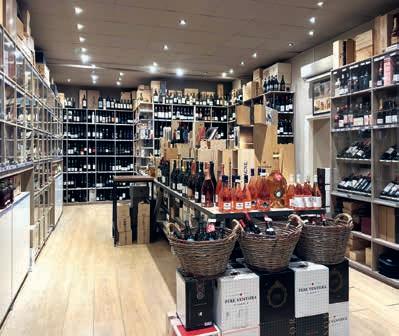
Vinoteka Vivat fina vina Vivat Fina Vina wine shop
Ova vinoteka u središtu Zagreba, u Martićevoj 12, jedna je od najpopularnijih destinacija za lokalne ljubitelje finih vina i delicija. Ovdje možete pronaći iznimno bogat izbor vina svih vrsta iz raznih vinogorja Hrvatske, kao i vina iz cijelog svijeta. Potražite i vrhunska, međunarodno nagrađena maslinova ulja iz Istre i Dalmacije, fine likere i destilate te vinski pribor.
Located in Zagreb’s city centre (12 Martićeva Street), this wine shop is one of the most popular destinations for local lovers of fine wines and delicacies. Here, you’ll find a rich selection of different kinds of wine coming from different vineyards from around Croatia, as well as wines from around the world. Be sure to also check out their top-quality, internationally awarded olive oils from Istria and Dalmatia, fine liqueurs, distillates, and wine accessories.
www.vivat-finavina.hr

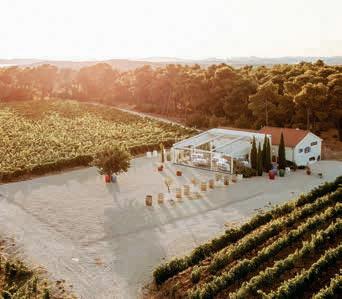
Vinarija Testament Testament Winery
Doživite okus bogate hrvatske vinske tradicije uz vinariju Testament. Posjetite Testament kušaonicu u srcu naših vinograda kako biste kušali nagrađivana vina i saznali više o našem procesu proizvodnje vina.
Experience the taste of Croatia’s rich winemaking tradition with Testament Winery. Visit the Testament tasting room in the heart of our vineyards to sample our award-winning wines and learn more about our winemaking process.
Stražnice 2, Jadrtovac, 22000 Šibenik www.testament-winery.com | FB: Testament Winery IG: @testamentwinery
Moje malo zlato
Bez glutena, bez problema!
Gluten free − Problem free!
Hrvatski bezglutenski pekarski proizvodi vrhunske kvalitete. Dostupni u cijeloj Hrvatskoj − za svaki dan, svako putovanje, za sve koji biraju zdraviji životni stil i uživaju u punom okusu svakoga zalogaja.
Premium gluten-free bakery products made in Croatia. Available across the whole country − for every day, every journey, for all who choose a healthier lifestyle and savour the full flavour of every bite.
www.mojemalozlato.com
info@mojemalozlato.com
FB: Bez glutena − bez problema | IG: @glutenfree_problemfree



Zelena oaza skulptura: priča o Topiary parku
A green oasis of sculptures: The story of Topiary Park
U Sračincu nadomak Varaždina krije se Topiary park, pravo remekdjelo oblikovanja prirode. Ova obiteljska oaza s oko 400 skulptura od šimšira pretvara vrtnu arhitekturu u čistu umjetnost. Šetnja kroz žive likove životinja i geometrijske oblike pruža jedinstven mir i nadahnuće. Nezaobilazna stanica za ljubitelje hortikulture i putnike koji traže autentične, zelene priče sjevera Hrvatske.
In the village of Sračinec, near the town of Varaždin, lies Topiary Park, a true masterpiece of sculpted nature. This family-created oasis, featuring around 400 boxwood sculptures, transforms garden architecture into pure art. A stroll amongst its vivid figures of animals and precisely shaped geometric forms offers a rare sense of tranquillity and inspiration. An unmissable stop for horticulture enthusiasts and travellers in search of authentic, green stories from northern Croatia.
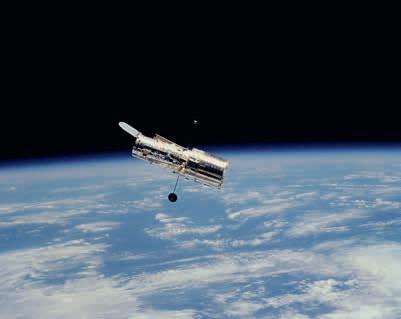
Svemir govori hrvatski!
Društvo HISPACE: Lansirna rampa za hrvatsku svemirsku industriju
Space speaks Croatian!
HISPACE: A launchpad for Croatia’s space industry
Hrvatska sve sigurnije zauzima mjesto na globalnoj svemirskoj karti pretvarajući ambiciozne ideje u stvarnu industriju. U središtu tog razvoja nalazi se Društvo HISPACE, najveći hrvatski space hub

koji povezuje stručnjake, poduzetnike i institucije s ciljem jačanja svemirskog ekosustava. Djelujući kroz snažnu mrežu članova, uz međunarodne suradnje i flagship program Say HI to SPACE, HISPACE potiče inovacije, jača nacionalne kapacitete te aktivno potiče osnivanje Hrvatske svemirske agencije te ostvarenje punopravnog članstva Hrvatske u Europskoj svemirskoj agenciji.
Društvo su osnovali Tanja Prlenda Skenderija, Vedrana Radetić, Jakov Čudina i Bernard Ivezić, stručnjaci iz privatnog sektora s bogatim iskustvom u projektnom menadžmentu, softverskom i hardverskom razvoju, marketingu te razvoju startupa. Sudjelovali su u misiji lansiranja prvog hrvatskog satelita CroCube.
Croatia is steadily securing its place on the global space map, transforming ambitious ideas into tangible industry. At the heart of this momentum stands HISPACE, the country’s largest space hub, connecting experts, entrepreneurs, and institutions with the goal of strengthening the national space ecosystem.
Operating through a strong member network, international partnerships, and its flagship programme Say HI to SPACE, HISPACE fosters innovation, builds national capacity and actively advocates for the establishment of a Croatian Space Agency, as well as for Croatia’s full membership in the European Space Agency.
HISPACE was founded by Tanja Prlenda Skenderija, Vedrana Radetić, Jakov Čudina, and Bernard Ivezić − professionals from the private sector with extensive experience in project management, software and hardware development, marketing and start-up growth. They also took part in the mission that saw the launch of Croatia’s first satellite, CroCube.
Atmosfera, onaj fluidni osjećaj koji svemu daje život i uzvišenost. Interijeri bez atmosfere mrtvi su interijeri. Atmosfera je život, ali interijer mora provocirati i izazivati, zadržati vas da u njemu stvarate atmosferu koja je sukus mirisa, boja, svjetlosti i zvukova, ona je eterična i treba je njegovati i čuvati jer jedino ona može biti podloga ljepoti.
Atmosphere − that fluid feeling which gives life and sublimity to everything. Interiors without atmosphere are lifeless interiors. Atmosphere is life, yet an interior must also provoke and challenge, holding you within it so that you create an atmosphere distilled from scents, colours, light, and sound. It is ethereal, and must be nurtured and preserved, for only it can form the basis of beauty.
PIŠE/BY Ante Peričić
FOTOGRAFIJE/PHOTOS Vjekoslav Skledar

Kako nikada ništa nije radio po uzusima ustaljenih pravila, zahtjevno je kartoteku životnih djela Saše Šekoranje smjestiti u jednu ladicu. Akademski slikar, scenograf, autor interijera, televizijska osobnost, florist, putnik s bilježnicom u džepu... No sve su to, naposljetku, različite forme iste preokupacije: stvaranja atmosfere, tog, kako će reći, fluidnog osjećaja koji svemu daje život i uzvišenost, atmosfere u kojoj se može i mora živjeti ljepše, sporije, autentičnije.
U njegovu svijetu cvjećarna može biti galerija, hotelski blok za bilješke početak novog umjetničkog djela, a putovanje inicijacija koja mijenja život sam. Tako se u razgovoru što slijedi omiljeni hrvatski cvjećar osvrće na trideset godina umjetničkog puta vraćajući se trenucima u kojima je birao ljepotu ‘mjesto novca, mjestima koja su ga oblikovala i projektima koji su, kako danas vidi, nerijetko bili ispred svoga vremena. Osvrćući se na svoju karijeru unatrag tri desetljeća, postoji li rad ili projekt koji vam danas izgleda potpuno različito nego kad ste ga radili, odnosno ostanete li nekad iznenađeni koliko je neki projekt bio ispred svoga vremena?
− Hm, nisam o tome razmišljao. Moram vam priznati da nažalost nisam baš jako pedantan i posložen pa je i u mojoj arhivi puno rupa, ali me oduševi kada vidim da sam prije punih trideset godina radio stvari koje su tek danas trend, i to globalni trend. Mislim, primjerice, na cvjećarne koje su postale kao galerije u kojima svi upotrebljavaju postamente da bi izložili cvijet. Baš sam ponosan na to što sam uspio pronaći sugovornike u tom vremenu kada je moj rad bio potpuna avangarda u svijetu cvijeća.
Iza vas je trideset godina profesionalnog rada koji ste objedinili u knjizi Atmosfere. Jeste li se ikad našli pred velikom poslovnom ponudom koju ste ipak odbili i zašto?
− Sjećam se jedne baš dobre ponude za posao. Super ponuda, ali klijent i ja dva svemira, s jedne strane ogroman novac, a s druge mušterija iz pakla koja će, predosjećao sam, kroz dulju suradnju pokvariti moj osjećaj za lijepo, moj ukus uopće. Puno sam razmišljao i odlučio ne prihvatiti posao. I to je bila baš jako dobra odluka! Trenutak u kojem sam shvatio da mogu živjeti na bezbroj načina, ali na meni
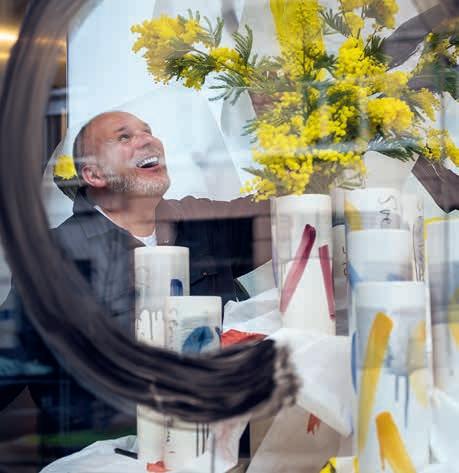
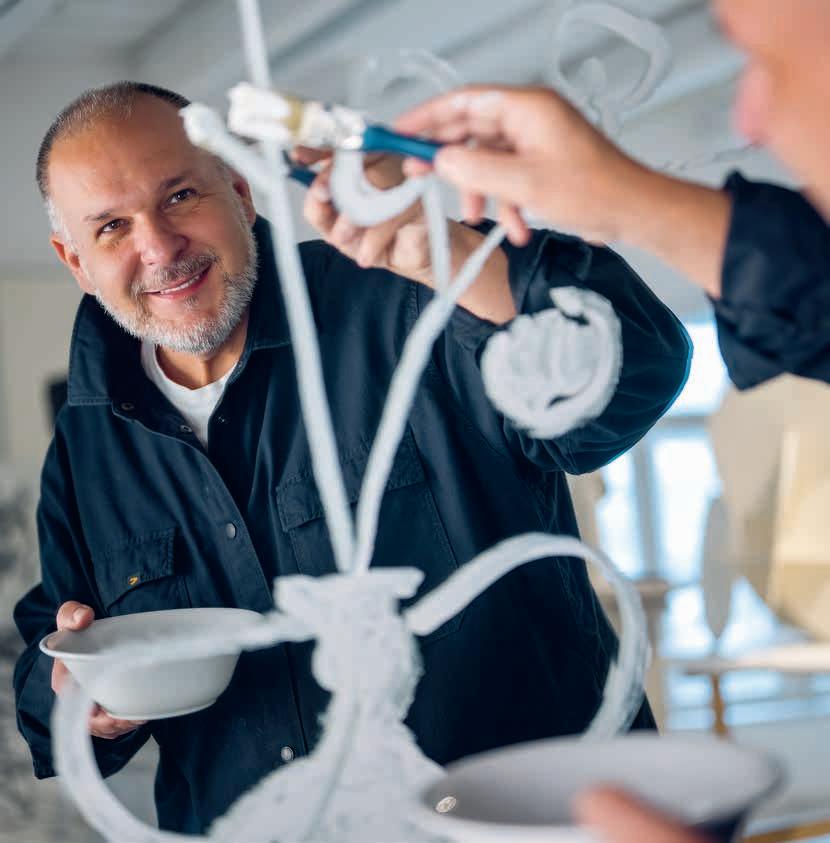
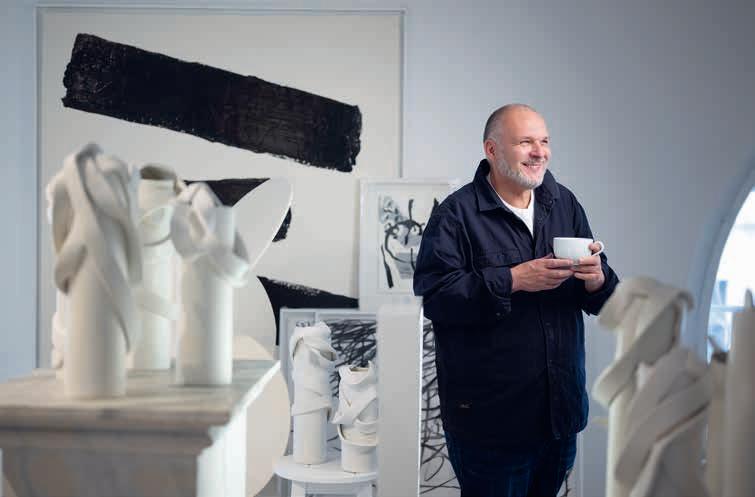
01 Saša u svojem ateljeu; u prvom planu vaze koje naziva Tagliatelle, dok se u pozadini uzdižu slojevi naslaganih slika Saša in his studio; in the foreground are the vases he calls Tagliatelle, while layers of stacked paintings rise in the background
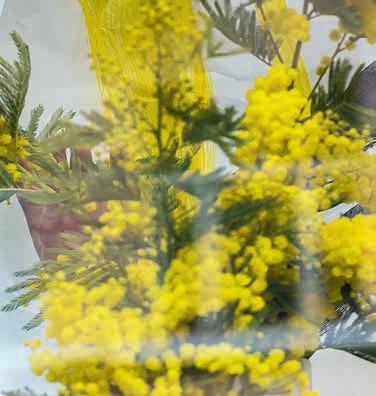
02 Tišina bijelog cvijeća uz fragment kamenog reljefa iz 17. stoljeća, detalj iz cvjećarne
The stillness of white flowers beside a fragment of a 17th-century stone relief, a detail from the flower shop
je da izaberem. I nije riječ, pritom, o novcu i luksuzu te vrste. Ovdje govorim o ljepoti, ljepoti življenja. Ona je za mene sav smisao i pokretač.
To se vidi i u emisiji Savršena mjesta, u kojoj se vraćate lokacijama koje su vas obilježile i koje nosite sa sobom kroz rad. Na koji način putovanja oblikuju vašu umjetničku viziju i estetski kod?
− Putovanja su esencijalna. Pogledajte kroz povijest, postoji naziv grand tour, što bi označavalo neku vrstu prekretnice ili inicijacije u životu čovjeka. Od 17. stoljeća, engleska aristokracija bi u dobi punoljetnosti kretala na veliko putovanje na kojem bi
Posjećujte mala mjesta, u njima još uvijek možete nešto novo otkriti, nešto što vas može iznenaditi. Sve preporučeno već je potrošeno i to je najveći nedostatak našeg vremena. Brzina nam je ubila doživljaje. Treba biti svoj i autentičan. Ne obraćam se onima koji vole laži.
Visit small places. There, you can still discover something new, something surprising. All the recommended places and spots have already been consumed, and that is the biggest drawback of our time. Speed has killed experience. Be yourself, be authentic. My work does not appeal to those who prefer falsehood.
stjecala iskustva i širila svoje obzore. Putovanja su trajala mjesecima, pa i godinama, a po povratku vraćali bi se sa suvenirima i zapisima koji su postali kolekcija i nadahnuće za budući život. Moj grand tour čini puno kraćih putovanja s kojih se vraćam sa svojim malim kolekcijama sačinjenim od fotografija, ali i puno crteža koje često brzo skiciram u onim malim blokićima iz hotela u kojima boravim. Upravo emisija Savršena mjesta govori o putovanjima koja su me obilježila i nadahnula, vraćam se mjestima koja se često ne mogu tako lako pronaći na karti svijeta. Ponekad su to palače, muzeji, nekada samo hoteli, a često priroda, vrtovi, ali i pojedinci koji su svojom vizijom mijenjali svijet. Putovanja su mi, tako, jako važna jer nekada se u svojim radovima toliko nesvjesno referiram upravo na neke trenutke i inspiracije s putovanja. U tim se putovanjima često pojavljuju Francuska i Italija, zemlje snažnih kulturnih slojeva i izražene estetike. Što vas u njima iznova privlači i onamo vraća?
− Ne mogu bez Italije i Francuske, ma, to pretjerivanje, ta dolce vita, sunce... volim
ja i japanske ceremonije i rituale, ali ipak ne pijem čaj iz malih zdjelica, već iz velikih šalica s puno keksa sa strane. Znate, onako, barokno, puno zagrabiti, nanijeti veliki namaz boje na platno, kao Borrominijeva ekstaza! Posjećujte mala mjesta, u njima još uvijek možete nešto novo otkriti, nešto što vas može iznenaditi. Sve preporučeno već je potrošeno i to je najveći nedostatak našeg vremena. Brzina nam je ubila doživljaje.
Kad biste morali izdvojiti jedno putovanje koje vam je ostalo posebno urezano u pamćenje, koje bi to bilo i zašto?
− Sad su mi najdraža upravo ova putovanja koja i snimam za HRT-ov serijal Savršena mjesta jer se ponovno vraćam na najdraža mjesta, poput nekih flashbacka u kojima sudjeluju i moji prijatelji. Tako su ova putovanja stvarno kao život iz filma u film. Divna, iscrpljujuća, naporna, ali i nadahnjujuća i uzbuđujuća. Znate osjećaj onog jakog fizičkog umora nakon odrađenog dobrog posla, kada zaspite s osmijehom? Upravo tako se osjećam! Kad bih baš morao odabrati, to bi bili škotski Highlands, Somerset, Atlantik i, naravno, Italija. Kako manevrirate, odnosno pronalazite ravnotežu između vlastitog autorskog izraza, očekivanja klijenata i funkcionalnosti prostora kada je riječ o uređenju interijera?
− Ne bih rekao da manevriram. Mislim da, kada bih počeo s manevrima i podilaženjem, ne bih daleko stigao. Prije svega, kad odlazim zubaru, biram nekoga komu ću vjerovati pa mu ne sugeriram kako da brusi moj zub, nego mu, kako sam rekao, vjerujem. Isto očekujem od svojih klijenata. U suprotnom nema sreće niti dobrog završetka projekta.
Vaši božićni izlozi postali su svojevrsna urbana tradicija. Zašto vam je važna ta godišnja ritualizacija kreativnog procesa?
− Da, to je zbilja super. Znate, uvijek je vrijeme Božića razdoblje kada možeš još više biti dijete i nadoknaditi ili, još bolje rečeno, ostvarivati snove iz djetinjstva. E, tu si mogu sve priuštiti i upravo zbog tog nastaju moji izlozi. Zamišljam što bi mene oduševilo, što bih mogao napraviti s ciljem da izmamim samome sebi osmijeh na lice ili da se iznenadim. Sretan sam, također, kad gledam reakcije prolaznika. Drago mi je kada me tapšu i hvale (smijeh). Za prošlogodišnji ste božićni izlog inspiraciju pronašli u 130. obljetnici Hrvatskog narodnog kazališta u Zagrebu.
Volite ići u kazalište?
− Kazalište sam obožavao još kao dijete. Pa, da, Labuđe jezero, kao klincu je to još sve veće uz dodatak mašte, a ja sam zamišljao još barem desetak jezera i šuma iza scene. Čarolija, to je baš ono što želim u svojem izlogu, i svjetlo, i glazbu, i pokret, i oslikane kulise...
Lani ste u Dubrovniku radili scenografiju za kazališnu predstavu Filantrop u režiji Branka Ivande, koji nas je nedavno napustio. Kako pamtite tu suradnju?
− Jao, divni Branko, Dubrovnik. Ljepota. Živim u snu, ne želim često vjerovati stvarnosti. Divno je raditi s ljudima s kojima se razumiješ, cijeniš i nadopunjuješ.
Kazali ste da od klijenata očekujete da vam vjeruju. Što je, pak, najvažnije što ste o njima naučili?
− Da im ne treba podilaziti ili ih podcijeniti. Treba biti svoj i autentičan. Ljudi to kuže. Ne obraćam se onima koji vole laži.
Možete li detektirati trenutak u kojem se iz klasičnog akademskog slikarstva razvio osjećaj za cvijeće, prostor, za interijere, ili je sve to teklo usporedno?
− Pa, da, to nije bio trenutak, to je čitav moj život, milje odrastanja, upravo sve ovo o čemu smo razgovarali: kazalište, vrt, interijeri, kućni odgoj, putovanja... nakon Akademije u malom dućanu kraj

Postoje li umjetnici pred čijim ste radovima osjetili onu snažnu, gotovo osobnu emociju koja vas je trajno obilježila? Koje hrvatske umjetnike posebno cijenite?
− Postoje radovi pred koje sam stao i osjetio emociju, nešto što me potaknulo na razmišljanje i nadahnulo me da radim. Zanimljivo je da kroz slike, knjige, skulpture i filmove skupiš bliske prijatelje koje nikada nisi fizički upoznao, ali toliko toga sam s njima podijelio i od njih naučio. Matisse, najdraži, uvijek me toliko impresionira u svojoj suvremenosti u fluidnosti, boji, titravosti i poeziji linije. Koliko samo mogućnosti i svjetova postoji, ali samo trebamo prepoznati tu slobodu i znati je vidjeti. Od hrvatskih umjetnika tu su svakako Džamonjine forme, Murtićeva snaga ekspresije, prostorne tapiserije Jagode Buić, Meštrović... Ti ljudi, ti umjetnici, nisu oni samo njihove slike i radovi, oni su sve najvrjednije što Hrvatska ima, oni su nadahnuće kroz svoj način življenja, kroz umjetnost − pogledajte samo njihove kuće i ateljee.
Are there artists before whose work you have felt a profound personal emotion that marked you for life? Which Croatian artists do you particularly admire?
− There are works before which I have stood and felt something profound, something that compelled me to think and inspired me to create. It is fascinating how, through paintings, books, sculptures, and films, you gather close friends whom you have never met in person, in real life, yet with whom you’ve shared so much, and from whom you’ve learned so much. Matisse, my favourite, still astonishes me with his modernity, his fluidity, colour, vibration, and the poetry of his line. There are so many possibilities and worlds out there; we simply need to recognise that freedom, learn to see it. From amongst Croatian artists, I certainly admire the sculptural forms of Dušan Džamonja, the expressive force of Edo Murtić, the spatial tapestries of Jagoda Buić, and Ivan Meštrović. These artists are not only their works; they are amongst the most precious treasures Croatia possesses. They inspire not only through their art, but through the way they lived − just look at their houses and studios.
Britanca izložio sam puno slika, onako, malo dekorativnih, koje sam slikao kroz ljeto vježbajući ruku i tehniku. Nisam mogao vjerovati, ali sve sam ih prodao u tjedan dana, ali prodao sam i cvijeće koje je bilo dekor u vazi pa mi je tako palo na pamet da dodam i cvijeće, interijere. Malo po malo, sve vizualno meni blisko i zanimljivo postalo je dio moje preokupacije, mojega rada. Scenografija, fotografija, slikanje, cvijeće, emisije... ma, baš mi je to sve super i jako me veseli!
U jednom ste intervjuu rekli da vam je naziv cvjećar neko vrijeme smetao jer nije obuhvaćao sve čime se bavite. Kako se danas odnosite prema tom pojmu?
− Ma nije mi smetalo, nego prije više od 30 godina, a vi se sigurno i ne sjećate, cvjećarne i buketi izgledali su potpuno drugačije. Cvjećari su žicama vezali pupoljke ruža da se ne rascvjetaju, motali su metre plastičnog, masnog i obojenog celofana, kilometre krep papira... sad dok o tome razmišljam, zvuči
fora, čak i inspirativno (smijeh), mogao bih to danas napraviti na drugačiji, novi način. Za mene je cvijeće uvijek bio medij s kojim sam mogao stvoriti i umjetničke instalacije, ne samo dekorativne bukete.
Književnica Irena Vrkljan govorila je da su joj zavičaj gradovi, a kod vas se čini da tu ulogu ipak ima priroda, koja je sveprisutna u vašim radovima i motivima. Kako odnos s prirodom oblikuje vašu estetiku, vaše odluke koje donosite bilo u umjetničkom, bilo u dizajnerskom pogledu?
− Priroda prije svega, neodvojiva i uvijek prisutna jer moj način i estetika upravo su i jedino kalibrirani po prirodi. Vrt, koji je polje mojeg opuštanja i neka vrsta meditacije, uči me strpljivosti i iščekivanju. Ondje su pravila vrlo jasna: priroda je osnovna mjera za umjetnost, arhitekturu, čak i politiku. Ne postoji druga mjera. Vaši prostori često djeluju kao male scenografije s vlastitom pričom i emocijom. Na koji način pristupate stvaranju takvih prostornih mikropriča?
− Hvala vam. Instalacija u Oktogonu, u Nacionalnom muzeju moderne umjetnosti bila je posvećena Gabi Novak. Čim sam dobio poziv od Turističke zajednice grada Zagreba, znao sam kako će izložba izgledati. Za vrijeme razgovora napravio sam skicu i sve se tako dobro posložilo. Otišao sam nekoliko puta kasnije na izložbu i, ne znam kako bih to objasnio, ali kad napravim stvari, jednostavno ih ne vidim kao da sam sada ja to napravio, kao da je riječ o mojem radu. Ulazeći u prostor muzeja, bio bih iznenađen energijom, svjetlošću, zvukom i reakcijama ljudi koji su stalno pristizali. Neki su plesali, neki raznježeno pustili suzu... Sad znam da je to baš dobra priča. Za Gabi. Za Zagreb. Kako razvijate te narative? Mijenjaju li se prvotne ideje kroz sam proces?
− I ne puno. Odmah vidim sliku i ne odustajem od toga. Naravno, dogode se neke promjene zbog, primjerice, tehničkih ograničenja, ali to je minimalno i uopće ne utječe na cjelinu ideje.
A što je s intuicijom, sa spremnošću na pogreške?
− Upustiti se, vjerovati i smišljati bez ograničenja te naposljetku iz svega izvući najbolje. Ne oklijevati u neodlučnostima, što bi značilo izabrati i napraviti, učiti na greškama i ići naprijed. Ajme, ako stanem i odmah se ne odlučim za neku nijansu boje ili uzorak, pa počnem drviti po detalju, ode mi cjelina k vragu. Nekad moram i pogriješiti pa i to uzimam kao dio procesa.
U kolikoj vam mjeri literatura, umjetnost općenito pomažu u stvaranju atmosfere?
− Atmosfera! Onaj fluidni osjećaj koji svemu daje život i uzvišenost. Interijeri bez atmosfere mrtvi su interijeri. Atmosfera je život, ali interijer mora provocirati i izazivati, zadržati vas da u njemu stvarate atmosferu koja je sukus mirisa, boja, svjetlosti i zvukova, ona je eterična i treba je njegovati i čuvati jer jedino ona može biti podloga ljepoti. Čitam malo jer čim počnem čitati moja mašta već stvara, i zaplete, i rasplete, odlutam... Ali ako se nekim knjigama vraćam, to su one Marguerite Yourcenar.
Pamtite li posebno neki let s Croatia Airlinesom?
− Pamtim puno letova s Croatia Airlinesom: uslužne, zgodne stjuardese s osmijehom, svilenim maramama oko vrata, tankim remenčićima oko struka, zvuk iz kokpita: Cabin crew, prepare for takeoff, onaj dobar osjećaj kada krećeš u nove avanture. Sada jedva čekam prvi let da zgrabim ovaj časopis i vidim što smo napravili! Divno, hvala vam! Živjeli i što više i dalje letjeli!
As he has never done anything according to established rules, it is difficult to place the life’s work of Saša Šekoranja neatly into a single drawer.
An academically trained painter, set designer, interior designer, television personality, florist, traveller with a notebook in his pocket… Yet all of these are, ultimately, different forms of the same preoccupation: creating atmosphere − that fluid feeling which gives life and sublimity to everything − an atmosphere in which one can and must live more beautifully, more slowly, more authentically.
In his world, a flower shop may become a gallery, a hotel notepad the beginning of a new artwork, and a journey an initiation that changes life itself. In the interview that follows, Croatia’s favourite florist reflects on the three decades of his artistic work, returning to moments when he chose beauty over money, to places that shaped him, and to projects which, as he now sees, were often ahead of their time.
Looking back over the three decades of your career, is there a work or project that appears completely different to you today than when you created it? Are you ever surprised at how far ahead of its time a project may have been?
− I must admit I haven’t thought about it much. I am not especially methodical, so there are many gaps in my archive. But I am delighted when I see that I was doing things thirty years ago that are only now global trends. For instance, flower shops that resemble galleries, using pedestals to display a single bloom. I am proud that I found kindred spirits at a time when my work was pure avant-garde in the world of flowers.
You have compiled thirty years of your professional work in the book Atmosfere Have you ever gotten a major business offer that you chose to reject, and why?
− I remember one excellent offer. A fantastic proposal, but the client and I were worlds apart: on one side, a great deal of money;
on the other, a client from hell who, I sensed, would in time corrupt my sense of beauty, my taste altogether. I thought about it deeply and decided to decline it. It was a very good decision. That was the moment I realised I can live in countless ways, but it is up to me to choose. I am not speaking of money or luxury. I am speaking of beauty, of the beauty of living. For me, beauty is the ultimate purpose and driving force.
That is also evident in the television series Savršena mjesta, Perfect Places, in which you return to locations that have marked you and your work. How do travels shape your artistic vision and aesthetic code?
− Travel is essential. History knows of the Grand Tour, a turning point of sorts or a rite of passage. From the seventeenth century, young English aristocrats would, once they reached majority, embark on long journeys to broaden their horizons. Their travels would last months, even years, from which they’d return with souvenirs and journals that became collections and inspiration for life.
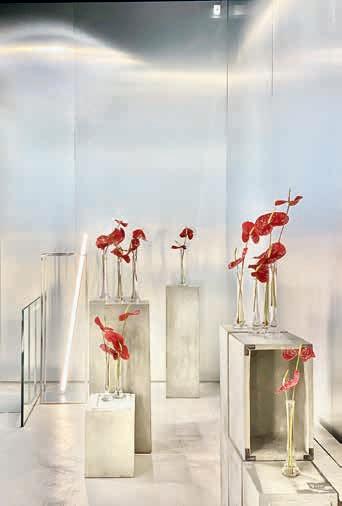
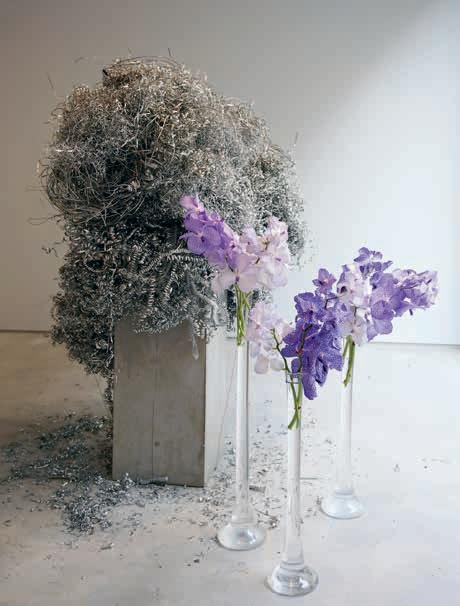
01 Postav izloga s cvjetovima anturija i svjetlom A window display with anthurium flowers and light
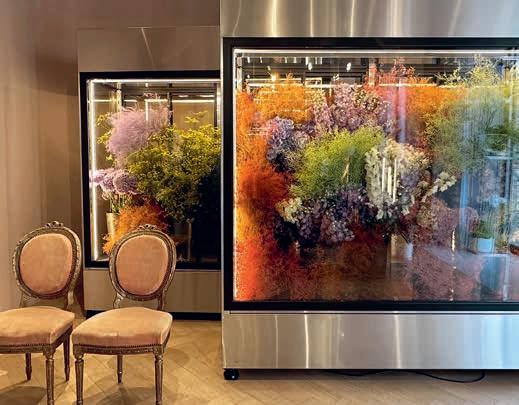
02 Rashladne komore pune cvijeća oblikovane su kao instalacija u samome prostoru cvjećarne The flower-filled refrigeration units are designed as an installation within the flower shop itself
My own grand tours are made up of many shorter journeys, from which I return with small collections of photographs and sketches drawn quickly in hotel notebooks. The series Savršena mjesta speaks of travels that shaped and inspired me, places not always easily found on a map. Sometimes they are palaces, museums, sometimes only hotels, often nature, gardens, or individuals whose vision changed the world. I frequently realise that I unconsciously refer to those moments of travel and inspiration in my work.
France and Italy, countries with mighty cultural layers and distinct aesthetics, appear often in your journeys. What continually draws you back to them?
− I cannot live without Italy and France − that excess, that dolce vita, the sun… I love Japanese rituals, too, but I drink tea from large cups with plenty of biscuits on the
side. I enjoy things baroquely, generously, like the generous application of paint onto a canvas, similar to Borromini’s ecstasy. Visit small places. There, you can still discover something new, something surprising. All the recommended places and spots have already been consumed, and that is the biggest drawback of our time. Speed has killed experience.
If you had to single out one journey that remains especially vivid in your memory, which would it be, and why?
− At the moment, it is the travels I am filming for the Croatian Radiotelevision series Savršena mjesta or Perfect Places, in which I revisit beloved spots. It’s like a series of flashbacks that I’m now experiencing with friends. These travels are really like life itself. They are wonderful, exhausting, demanding, yet inspiring and exhilarating all at once. You know that feeling of intense physical fatigue after a good job, when you fall asleep with a smile on your face? That’s exactly how I feel. If I had to choose, it’d be the Scottish
Highlands, Somerset, the Atlantic and, of course, Italy.
How do you manoeuvre or rather balance your own artistic voice, clients’ expectations, and functionality in interior design?
− I wouldn’t say I manoeuvre. If I began to manoeuvre and pander, I wouldn’t get far. When I visit, say, a dentist, I choose someone I trust and let them do their work. I would never tell my dentist how to do his job, what to do with my teeth. And I expect the same trust from my clients. Without it, there is no happy ending, projects don’t end well without trust.
Your Christmas window displays have become an urban tradition of sorts. Why is this annual ritualisation of the creative process important to you?
− Christmas is a time when one may become a child again and realise their childhood dreams. When creating my Christmas window displays, I allow myself everything. I imagine what would delight me, what would make me smile, what would surprise me. And I am happy when passers-by respond with warmth, when they applaud and praise me (laughs).
Last year’s window display drew inspiration from the 130th anniversary of the Croatian National Theatre in Zagreb. Do you enjoy the theatre?
− I adored the theatre already as a child.
Swan Lake felt vast and magical when I was a little boy. I remember imagining at least a dozen more lakes and forests behind the scenes. That is what I want in my windows: magic, light, music, movement, painted scenery…
You created the set design for the Dubrovnik production of The Philanthropist, directed by Branko Ivanda, who recently passed away. What was that collaboration like?
− Dearest Branko… Dubrovnik. Beauty. I live in a dream, I don’t often want to believe in reality. It’s wonderful to work with people you understand and respect.
You’ve said that you expect your clients to trust you. What is the most important thing you have learned about clients?
− Never to underestimate them or pander to them. Be yourself, be authentic. People recognise that. My work does not appeal to those who prefer falsehood.
Did your interest in flowers, space, and interiors develop from your academic
training in painting, or did you work on all your interests in parallel?
− It wasn’t a moment, but my whole life, the milieu I grew up in, all the things we’ve talked about: the theatre, gardens, interiors, my upbringing and home life, travels… After I graduated from the Academy of Fine Arts, in a tiny shop near the British Square in Zagreb I exhibited a lot of my paintings, most of them decorative, that I painted over the summer as a way of practicing my hand and technique. I couldn’t believe it, but I sold them all within a week, including the flowers arranged in a vase beside them, which is when it occurred to me to introduce flower and interior design to my work. Little by little, everything visually close and interesting to me became part of my work: set design, photography, painting, flowers, television. And all of it brings me joy.
You said in an interview that the term florist bothered you for a while because it didn’t encompass everything you do. How do you regard the term today?
− It did not so much bother me. The thing is that thirty plus years ago − and you probably don’t even remember this − flower shops and bouquets looked entirely different. Florists would, for instance, wire rosebuds so they wouldn’t open, wrap metres of shiny, coloured cellophane around arrangements, add kilometres of crêpe paper… When I think of it now, it almost sounds amusing, even inspiring (laughs). Perhaps I could reinterpret it today in an entirely new way. For me, flowers have always been a medium with which I could create artistic installations, not merely decorative bouquets.
Writer Irena Vrkljan once said that cities were her homeland, whereas in your case it seems to be nature, ever-present in your work and motifs. How does your relationship with nature shape your aesthetic and the decisions you make, whether artistic or design-related?
− Nature above all, inseparable, and constant. My entire sensibility and aesthetic are calibrated solely by nature. The garden, which is my place of rest and meditation, teaches me patience and the art of waiting. There the rules are clear: nature is the only true measure of art, architecture, even politics. There is no other measure.
Your interiors often resemble small stage sets, each with its own narrative and emotional charge. How do you approach the creation of these spatial micro-stories?
− Thank you. The installation in the Oktogon passageway at the National Museum of Modern Art, dedicated to singer Gabi Novak, is a good example. The moment I received the invitation from the Zagreb Tourist Board, I knew exactly what the installation would look like. During the project meeting, I made a sketch, and everything fell into place. When I later revisited the display a few times, I felt almost detached from it, as if I had not created it myself. Entering the museum space, I was struck by the energy, the light, the sound, the steady flow of visitors and their reactions. Some were dancing, others quietly wiped away a tear. That was when I knew it was truly a good story. For Gabi. For Zagreb.
How do you develop such narratives?
Do your initial ideas change during the process?
− Not much. I see the image immediately, and I hold on to it. Of course, minor adjustments are at times required due to, for instance, technical limitations, but they tend to be so slight that they don’t affect the essence of the idea.
What about intuition, about allowing yourself to make mistakes?
− You must dive in, trust, create without limitation, and then draw the best from it. Do not hesitate endlessly − choose and act, learn from mistakes and move forward. If I stop and cannot decide on a shade of colour or a pattern, if I start obsessing over a detail, the whole collapses. Sometimes I
have to make mistakes, and I accept that as part of the process.
How important are literature and art in creating atmosphere?
− Atmosphere is everything! That fluid feeling which gives life and sublimity to everything. Interiors without atmosphere are lifeless. Atmosphere is life. But an interior must also provoke and challenge you, hold you inside it so you create your own atmosphere, distilled from scents, colours, light, and sound. It is ethereal and must be nurtured and protected, because only it can form the basis of beauty. I do not read much, because the moment I begin, my imagination starts weaving plots and subplots, and I drift away… But the books I do return to often are those of Marguerite Yourcenar. Do you recall a particular flight with Croatia Airlines?
− I remember many flights with Croatia Airlines, the gracious, elegant flight attendants smiling, silk scarves tied around their necks, slim belts at their waists, the sound from the cockpit Cabin crew, prepare for take-off, that wonderful feeling of setting off on a new adventure. I can hardly wait for my next flight to pick up this magazine and see what we’ve created. This has been wonderful, thank you! Here’s to many more journeys and many more flights ahead.
Uvijek ima cvijeća za one koji ga žele vidjeti Flowers are always around for those who want to see them

Proljeće u Hrvatskoj donosi dulje dane i ugodne temperature, budi se priroda, a ritam u gradovima postaje veseliji. Pravo je vrijeme za upoznavanje Hrvatske aktivno, autentično i izbliza. Od mirisnih istarskih šuma i kvarnerskih uvala, preko dalmatinskih otoka, do povijesnih zidina i kreativnih radionica, proljeće nudi iskustva koja se pamte.
Bicikliranje u Istri
Staza Parenzana vijuga kroz zeleni krajolik nekadašnje uskotračne željeznice, povezujući vinograde, maslinike i šarmantna mjesta uz obalu, a idealna je za rekreativce i obitelji. Istovremeno, međunarodno označene rute EuroVelo 8 i 9 nude spektar dionica uz obalu i u unutrašnjosti, a blagi proljetni zrak čini svaki prijeđeni kilometar užitkom.
Muzej batane
U srcu Rovinja otkrijte priču o batani, tradicionalnom ribarskom brodu koji je simbol lokalne baštine. Ovaj jedinstveni muzej donosi interaktivnu i multimedijalnu prezentaciju ribarske tradicije koju je UNESCO prepoznao kao dobru praksu očuvanja nematerijalne kulturne baštine.
Lov na divlje šparoge
Kad proljeće probudi istarske šume, počinje sezona divljih šparoga. One su tanje i intenzivnijeg okusa od uzgojenih te ih uz stručno vodstvo možete samostalno brati. Sezona traje od ožujka do kraja travnja, a tradicionalna jela pripremljena od tog šumskog blaga nude pravi okus
Istre: jednostavan, ali intenzivan i povezan s prirodom.
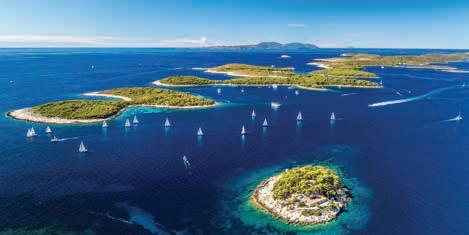
Smješteni uz jugozapadnu obalu otoka Hvara, nasuprot gradu Hvaru, Paklinski otoci predstavljaju jedan od najljepših arhipelaga srednje Dalmacije. Osobito su popularne uvale Palmižana i Vinogradišće, poznate po kristalno čistom moru i zaklonjenim sidrištima.
Okuse Dalmacije upoznajte na radionicama pripreme tradicionalnih jela. Soparnik je tradicionalna slana pita podrijetlom iz Poljica, mjesta između Splita i Omiša. Riječ je o tankom tijestu punjenom blitvom, češnjakom i maslinovim uljem, koje se peče na ognjištu pod žarom i potom reže u rombove. Jednostavan po sastojcima, a bogat okusom, soparnik je danas zaštićeno nematerijalno kulturno dobro Hrvatske i simbol autentične dalmatinske kuhinje.
Stonske zidine i povijesna solana
U Stonu, nedaleko Dubrovnika, impozantne stonske zidine tvore jedan od najdužih sačuvanih obrambenih sustava u Europi, a u njihovoj blizini djeluje i najstarija solana u Europi s kontinuiranom tradicijom proizvodnje soli. Kombinirajte povijest s degustacijom lokalnih kamenica, koje su omiljena proljetna delicija.
Priprema štrukli
U srcu kontinentalne Hrvatske proljeće

je idealan trenutak za povratak u kuhinju. Tradicionalne štrukle pripremaju se s probranim sastojcima: svježim sirom i domaćim jajima. Radionice štrukli pružaju uvid u gastronomsku tradiciju središnje Hrvatske te prenose prepoznatljivu toplinu i gostoljubivost kontinenta.
Proljeće u Hrvatskoj donosi buđenje prirode, blago vrijeme i sezonu svježih delicija, od šparoga u Istri do kamenica u južnoj Dalmaciji. Otkrijte proljeće kroz okuse, mirise i prizore Hrvatske. Svaki je doživljaj priča koja ostaje u sjećanju i savršena je za predah prije ljetne vreve.
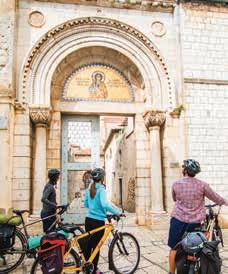
1 Poreč - Parenzana, Julien Duval
2 Fritaja sa šparogama (Frittata with asparagus), Maja Danica Pečanić
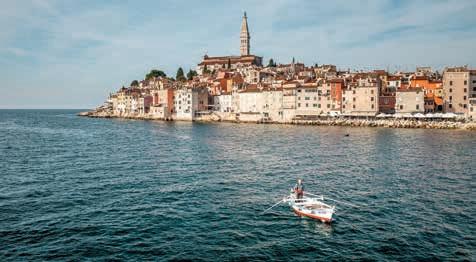
3 Rovinj - batana, Julien Duval
4 Kamenice (Oysters), Maja Danica Pečanić
5 Paklinski otoci (Paklinski islands), Julien Duval
6 Stonske zidine i solana (The Walls of Ston and the Saltworks), Julien Duval
7 Soparnik, Maja Danica Pečanić



Spring in Croatia brings longer days and pleasant temperatures. Nature awakens, and the rhythm of cities becomes more vibrant. It’s the perfect time to explore Croatia actively, authentically, and up close. From the fragrant forests of Istria and the coves of Kvarner, across the Dalmatian islands, to historic walls and creative workshops, spring offers experiences that leave a lasting impression.
The Parenzana Trail winds through lush landscapes along a former narrow-gauge railway, connecting vineyards, olive groves, and charming coastal towns. It is ideal for recreational cyclists and families alike. At the same time, the internationally designated EuroVelo 8 and 9 routes offer a wide range of coastal and inland stretches, while the mild spring air makes every kilometer a pleasure.
In the heart of Rovinj, discover the story of the batana, a traditional fishing boat and a symbol of local heritage. This unique museum presents an interactive and multimedia interpretation of fishing traditions that UNESCO has recognized as a best practice in safeguarding intangible cultural heritage.
When spring awakens the forests of Istria, the wild asparagus season begins. Thinner and more intense in flavor than cultivated varieties, wild asparagus can be picked independently under expert guidance. The season lasts from March to the end of April, with traditional dishes prepared from this woodland treasure offering the true taste of Istria – they are
simple, yet intense and deeply connected to nature.
Located off the southwestern coast of the island of Hvar, opposite the town of Hvar, the Pakleni Islands form one of the most beautiful archipelagos in central Dalmatia. Coves such as Palmižana and Vinogradišće – known for their crystal-clear sea and sheltered anchorages – are especially popular.
Discover the flavors of Dalmatia through workshops dedicated to preparing traditional dishes. Soparnik is a traditional savory pie originating from the Poljica region located between Split and Omiš. It is a thin pastry filled with Swiss chard, garlic and olive oil, baked on the hearth under embers and then cut into diamond shapes. Simple in ingredients yet rich in flavor, soparnik is today a protected intangible cultural heritage of Croatia and a symbol of authentic Dalmatian cuisine.
Not far from Dubrovnik, in Ston, the
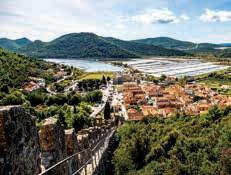
impressive Ston Walls form one of the longest preserved defensive systems in Europe, and nearby operates the oldest saltworks in Europe with a continuous tradition of salt production. Combine history with a tasting of local oysters, a favorite spring delicacy.
In the heart of continental Croatia, spring is the perfect moment to return to the kitchen. Here, traditional štrukli are prepared using carefully selected ingredients, fresh cheese, and homemade eggs. Štrukli-making workshops provide insight into the gastronomic traditions of central Croatia and convey the distinctive warmth and hospitality of the continental region.
Spring in Croatia brings the awakening of nature, mild weather, and a season of fresh delicacies – from asparagus in Istria to oysters in southern Dalmatia. Discover spring through the flavors, scents, and sights of Croatia. Every experience becomes a story that lingers in memory – perfect for a peaceful escape before the summer bustle begins.



U Posavini, uz Savu i njezine tihe pritoke, proljeće pretvara livade u vodeni svijet, a ljeto ih vraća konjima, kravama i svinjama. Lonjsko polje mjesto je gdje se priroda i ljudi još uvijek gledaju u oči − preko drvenih kuća, pašnjaka i krovova punih roda.
In the Posavina region, along the Sava River and its quiet tributaries, spring turns meadows into a watery world, while summer gives them back to horses, cows, and pigs. Lonja Field is a place where nature and people still look one another in the eye − across wooden houses, pastures, and roofs full of storks.
Uz Savu, ondje gdje se voda ne doživljava kao prijetnja nego kao ritam godine, prostire se Lonjsko polje − veliki posavski mozaik poplavnih pašnjaka, šuma i polja, od Siska preko Jasenovca sve do Stare Gradiške. Ovo je krajolik koji se stalno mijenja, ali nikad ne gubi identitet. Na livadama, u širokim, otvorenim prostorima, domaće životinje žive gotovo kao u priči iz nekog starog vremena: konji, krave i svinje mirno pasu dok iznad njih prolaze bijele sjene čaplji i žličarki. U istoj slici, bez dramatične granice, pojavljuju se i divlji stanovnici − divlje svinje i jeleni koji se kreću rubovima prostranih i bujnih šuma. A sela? Ona su topla, drvena i skromna, kao da su građena da ne naruše mir ravnice: ovdje je drvo i dalje temelj svakodnevice i identiteta. Ako Lonjsko polje ima krvotok, onda je to Sava − ali i njezine manje, tiše, često podcijenjene lijeve pritoke: Lonja, Česma, Trebež, Ilova, Pakra i Strug. Upravo te neugledne rječice u rano proljeće pokažu svoju pravu snagu. Kad nabujaju, razliju se preko niskog i ravnog terena i u tren promijene raspoloženje krajolika. Livade i šume postanu vodeni svijet, a umjesto jedne jasne rijeke nastane čitav sustav
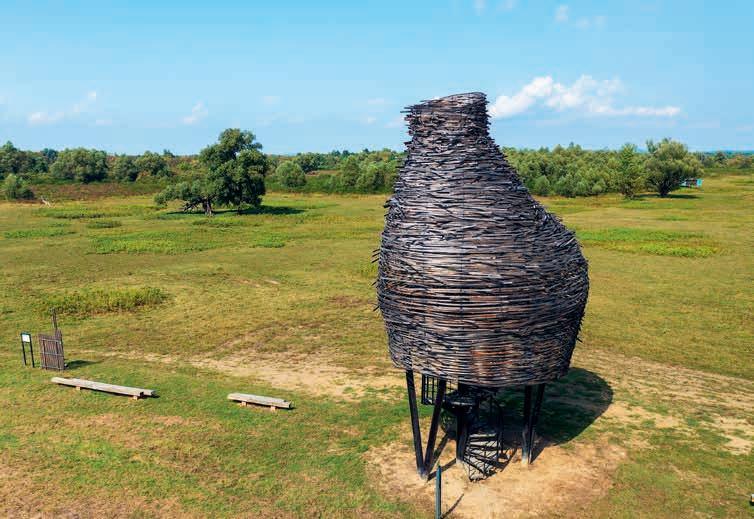
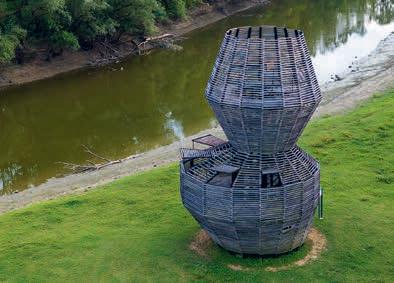
01-02 Moderne promatračnice za ptice na više lokacija u Lonjskom polju, od kojih je svaka drukčija Modern birdwatching hides at several locations throughout Lonja Field, each with its own distinctive design
jezera i poplavnih polja. Najveća među njima jesu Lonjsko polje te Poganovo i Mokro polje. U tim danima čamac je najpouzdanije prijevozno sredstvo, iako se ponegdje, gdje je voda plića, može proći i u visokim čizmama, polako i oprezno, kao kroz neko privremeno more. Sezonsko plavljenje ovdje nije iznimka − ono je pravilo, prirodan proces na koji je ekosustav naviknut i kojemu se prilagodio. Voda zna ostati i mjesecima,
ali Lonjsko polje ne djeluje kao mjesto koje se bori s tim; prije kao mjesto koje je naučilo živjeti u skladu s ovim ritmom. Najbolji su dokaz monumentalni hrastovi lužnjaci i poljski jasenovi: iz generacije u generaciju stoje u vodi bez dramatičnih posljedica, kao da su ukorijenjeni u tlu i u strpljenju. Godišnja kolebanja vodostaja, koja mogu dosegnuti i do dva metra, čitaju se na njihovoj kori poput prirodne kronike. Lišajevi rastu iznad linije vode,
Lonjsko polje ima promatračnice koje su puno više od platformi s pogledom. Mnoge su zamišljene kao mali arhitektonski objekti − diskretno uklopljeni u trsku i šumu, s čistim linijama, drvenim detaljima i kadrovima koji izgledaju kao filmski okvir. Čak i ako niste strastveni promatrač ptica, vrijedi ih posjetiti samo zbog atmosfere: sjednete, utihnete i krajolik vam sam dođe bliže.
Lonja Field has birdwatching hides that are far more than viewing platforms. Many are conceived as small architectural structures − discreetly integrated into the reeds and forest, with clean lines, wooden details, and frames that resemble cinematic shots. Even if you aren’t a passionate birdwatcher, they are worth visiting for the atmosphere alone: you sit down, fall silent, and the landscape itself draws closer.
dok je dio debla koji ostaje potopljen čist, oslobođen tih sitnih biljčica. Pri samom podnožju mahovine se hrane plodnim sedimentom koji voda ostavi kad se povuče, kao podsjetnik da poplava ovdje nije samo voda nego i obnova. U nižim depresijama razvija se prava močvarna vegetacija: tršćaci, gusti zeleni rubovi i vodene biljke poput lopoča, koji u mirnijim dijelovima djeluju gotovo dekorativno. No najimpresivnije scene nisu samo lijepi prizori nego život koji se odvija pred očima. Krapje đol, između sela Krapje i Drenov Bok, jedan je starih mrtvih rukavaca. Žličarke, jedna za drugom, klize zrakom elegantno i precizno pa uz snažno mahanje krilima slijeću na mala uzdignuta postolja − gnijezda od gruboga granja na vrbama i trsci. Ondje ih dočekuju mladi ptići, nestrpljivi, glasni i neumoljivi. Hranjenje ponekad izgleda gotovo grubo: mlade žličarke guraju roditeljima kljun duboko u grlo, kao da žure nadoknaditi svaki propušteni zalogaj. Sličan prizor nude male bijele čaplje i čaplje dangube, čiji stariji mladunci posežu za kljunom roditelja gotovo komičnom upornošću − na trenutke se doista čini kao da će zadaviti odraslu pticu. U toj gužvi života
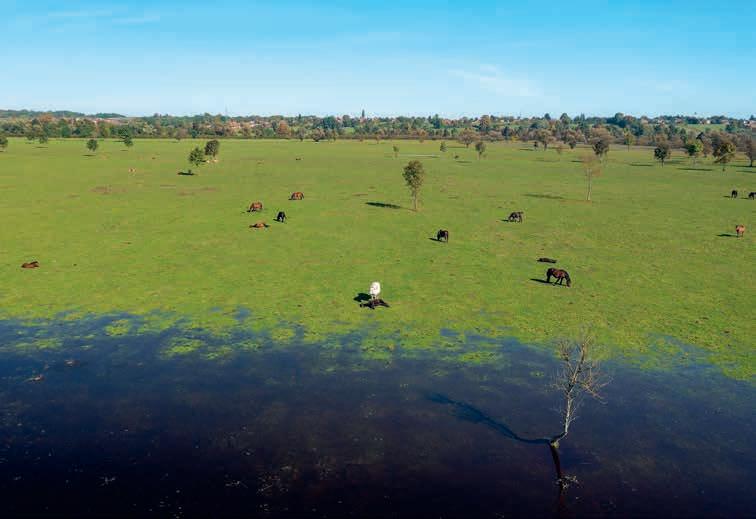
Konji pasu uz djelomično poplavljen travnjak kod mjesta Repušnica
Horses grazing on a partially flooded meadow near the village of Repušnica
prisutni su i gakovi, trstenjaci i niz drugih ptica koje Lonjsko polje čine jednim od najživljih ornitoloških prostora u zemlji. Kad se voda povuče, Lonjsko polje opet promijeni lice. Poplavni svijet postaje prostran pašnjak, i tada na scenu stupaju konji, krave i svinje koje tople mjesece provode na otvorenom. Za žarkih ljetnih mjeseci konji, krave i svinje osvježenje traže u malim barama − posljednjim tragovima proljetne poplave. Takav način držanja nije samo romantičan − on znači kvalitetniji život za životinje, a često i kvalitetnije proizvode za ljude. Ujedno, ekstenzivna poljoprivreda čuva prostor: krajolik ostaje otvoren, raznolik i manje opterećen kemikalijama nego površine pod intenzivnom proizvodnjom.
No Lonjsko polje nije jedinstveno samo po prirodi nego i po ljudima koji su uspjeli sačuvati kulturnu baštinu kao dio
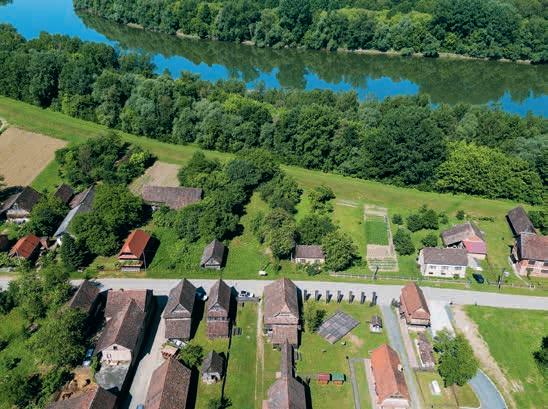
Kad nabujaju, Lonja, Česma, Trebež, Ilova, Pakra i Strug razliju se preko ravnice i zelenilo se u tren pretvori u plavi vodeni svijet.
When they swell, the tributaries Lonja, Česma, Trebež, Ilova, Pakra, and Strug spill over the plain and in an instant, the green turns into a blue watery world.
01 Selo Krapje s drvenim kućama uz rijeku Savu
The village of Krapje with its wooden houses along the Sava River
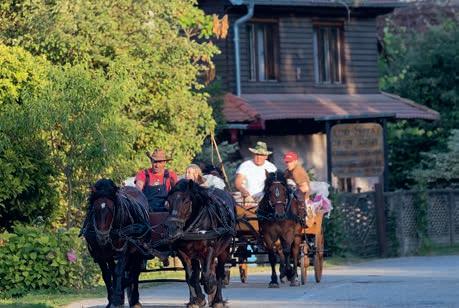
02 Konjska zaprega česta je u idiličnim drvenim selima Lonjskog polja
Horse-drawn carriages are a common sight in the idyllic wooden villages of Lonja Field
svakodnevice, a ne kao muzejski eksponat. Dovoljno je pogledati stare drvene kuće, najprepoznatljiviji potpis sela, da se osjeti koliko je ovdje tradicija ukorijenjena. A na krovove stiže najnježnija veza između čovjeka i prirode − rode. One su Lonjsko polje prigrlile kao vlastiti dom, gnijezde se tik uz ljude, na kućama i gospodarskim zgradama, i dopuštaju da se njihov cijeli životni ciklus odvija pred ljudskim očima. Dolazak, parenje, ležanje na jajima, podizanje mladunaca − sve se događa na svega nekoliko metara od
prozora i soba. U Čigoču zna biti oko 45 gnijezda pa nije čudo da je selo proglašeno selom roda − mjestom gdje je suživot doslovno vidljiv, glasno klopara na dimnjacima i traje iz sezone u sezonu. Takav sklad, međutim, nije sam po sebi zajamčen − krhak je i traži zaštitu. Zato je ovo poplavno područje proglašeno parkom prirode na 50.650 hektara. Ovdje se ne čuva samo priroda nego i kulturni krajolik, način života i znanje o suživotu s vodom. Jednako važna zadaća jest razvoj turizma, ali onog koji razumije pro-
stor: sporijeg, pažljivijeg, održivog. Nije slučajno da je Lonjsko polje uvršteno i na Ramsarski popis međunarodno važnih močvarnih područja − jer ovo nije samo lijep kraj. Ovo je velika, živa učionica o tome kako priroda diše kada joj dopustimo da bude svoja.
By the Sava, where water is not perceived as a threat but as the rhythm of the year, lies Lonja Field − a great Posavina mosaic of floodplain pastures, forests, and fields, stretching from the town

of Sisak past the village of Jasenovac all the way to the village of Stara Gradiška. This is a landscape that constantly changes, yet never loses its identity. On the meadows, in wide, open spaces, domestic animals live almost as if in a story from some bygone era: horses, cows, and pigs graze peacefully while the white shadows of herons and Eurasian spoonbills pass overhead. In the same picture, with no dramatic boundary, wild inhabitants also appear − wild boar and deer moving along the edges of vast, lush forests. And the villages? They are warm, wooden, and modest, as if built not to disturb the tranquillity of the plain: here, wood remains the foundation of daily life and identity. If Lonja Field has a bloodstream, it is the Sava − but also its lesser, quieter, often underestimated left tributaries: the Lonja, Česma, Trebež, Ilova, Pakra, and Strug. It is these unassuming little rivers that show their true strength in early spring. When they swell, they spill over the low, flat terrain, and in an instant change the mood of the landscape. Meadows and forests become a watery world, and instead of one distinct river, an entire system of lakes and floodplain fields emerges. The largest amongst them are the Lonja, Pogan, and Mokro Fields. In those days, a boat is the most reliable means of transport, though in places where the water is shallower, one can also pass through in high boots, slowly and carefully, as if crossing a temporary sea.
Seasonal flooding here is not the exception − it is the rule, a natural process to which the ecosystem is accustomed and has adapted. Water can remain for months,
yet Lonja Field doesn’t feel like a place struggling against it; rather, a place that has learned to live in harmony with this rhythm. The most compelling evidence are the monumental pedunculate oaks and narrow-leaved ash trees: generation after generation, they stand in the water without dramatic consequence, as though rooted both in soil and in patience. The annual water level fluctuations, which can reach up to two metres, are read on their bark like a chronicle of nature itself. Lichens grow above the waterline, while the submerged part of the trunk remains bare, free of these tiny plants. At the very base, mosses feed on the fertile sediment left behind when the water retreats, a reminder that flood here is not only water but also renewal.
In the lower depressions, true wetland vegetation develops: reed beds, dense green margins and aquatic plants such as water lilies, which in calmer areas appear almost decorative. Yet the most impressive scenes are not merely beautiful vistas, but life itself that unfolds before one’s eyes. Krapje Đol, between the villages of Krapje and Drenov Bok, is one of the old oxbow lakes. Eurasian spoonbills, one after another, glide through the air with elegance and precision, then, with powerful wing beats, land on small elevated platforms − nests of coarse twigs set in willows and reeds. There, young chicks await them, impatient, loud, and relentless. Feeding sometimes appears almost rough: the young spoonbills thrust their beaks deep into their parents’ throats, as if rushing to make up for every missed morsel. A similar scene is offered by little egrets and purple

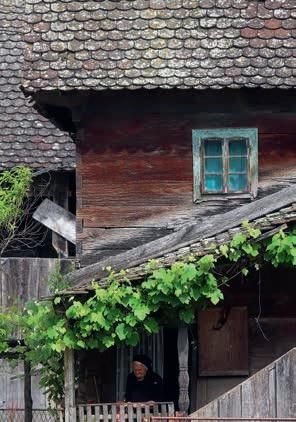
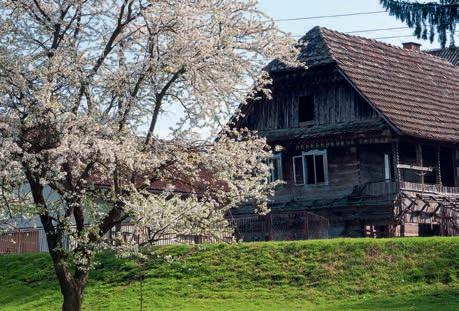
01 Stara drvena kuća u rano proljeće
An old wooden house in early spring
02 Bijela roda na krovu kuće
A white stork perched on a rooftop
03 Drvo je omiljeni građevni materijal u Lonjskom polju
Wood is the preferred building material in Lonja Field
herons, whose older nestlings reach for their parent’s beak with an almost comical persistence − at times it truly seems they will choke the adult bird. In this bustle of life, black-crowned night herons, reed warblers and a host of other birds are also present, making Lonja Field one of the most vibrant ornithological areas in the country.
When the water retreats, Lonja Field changes its face once more. The floodplain world becomes a vast pasture, when it is the turn of the horses, cows, and pigs that spend the warm months outdoors. During the scorching summer months, horses, cows, and pigs seek refreshment in small ponds − the last traces of the spring flood. Such a husbandry method is not merely romantic; it
means a higher quality of life for the animals, and often better products for people. At the same time, extensive agriculture preserves the landscape: it remains open, diverse and less burdened by chemicals than areas under intensive production.
Yet Lonja Field is distinctive not only for its nature, but also for its people, who have managed to preserve cultural heritage as part of everyday life, not as a museum exhibit. One need only look at the old wooden houses, the most recognisable signature of the villages, to feel how deeply tradition is rooted here. And onto the roofs arrives the most tender bond between man and nature − the storks. They have embraced Lonja Field as their own home, nesting right be-
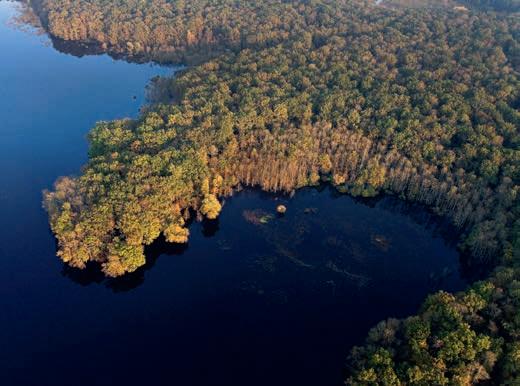
01 Poplavljeno polje u jesen
A flooded field in autumn
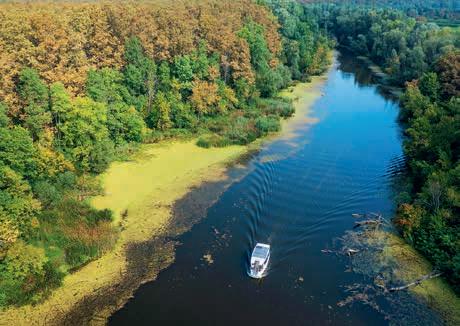
02 Tihi čamac na solarni pogon na rijeci Strug
A quiet solar-powered boat on the River Strug
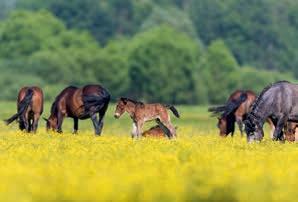
03 Konji na paši na rascvjetalom proljetnom travnjaku
Horses grazing on a blossoming spring meadow
side people, on houses and farm buildings, allowing their entire life cycle to unfold before human eyes. Their arrival, mating, sitting on eggs, rearing of young − all of it happens just a few metres from windows and rooms. In the village of Čigoč, there can be around 45 nests, so it is little wonder the village has been declared a village of storks − a place where coexistence is literally visible, rattling loudly on chimneys and enduring season after season.
Such harmony, however, is not guaranteed by itself − it is fragile and demands protection. That is why this floodplain area has been declared a nature park spanning 50,650 hectares. Here, it is not only nature that is preserved, but also the cultural landscape, a way of life, and the knowledge of man’s coexistence with water. Equally important is the development of tourism − but of a kind that understands this space: slower, more mindful, sustainable. It is no coincidence that Lonja Field has also been inscribed on the Ramsar List of Wetlands of International Importance − for this is not merely a beautiful landscape. This is a great, living classroom on how nature breathes when we allow it to be itself.

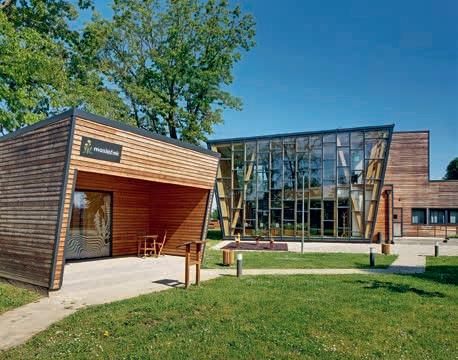
Kuća čaja − Oaza mira suvremeni je posjetiteljski centar koji zrcali tradiciju sakupljanja i uzgoja samoniklog ljekovitog bilja na području Virovitičko-podravske županije.
The Tea House − An Oasis of Peace is a contemporary visitor centre that reflects the tradition of foraging and cultivating wild medicinal plants in the Virovitica-Podravina County.
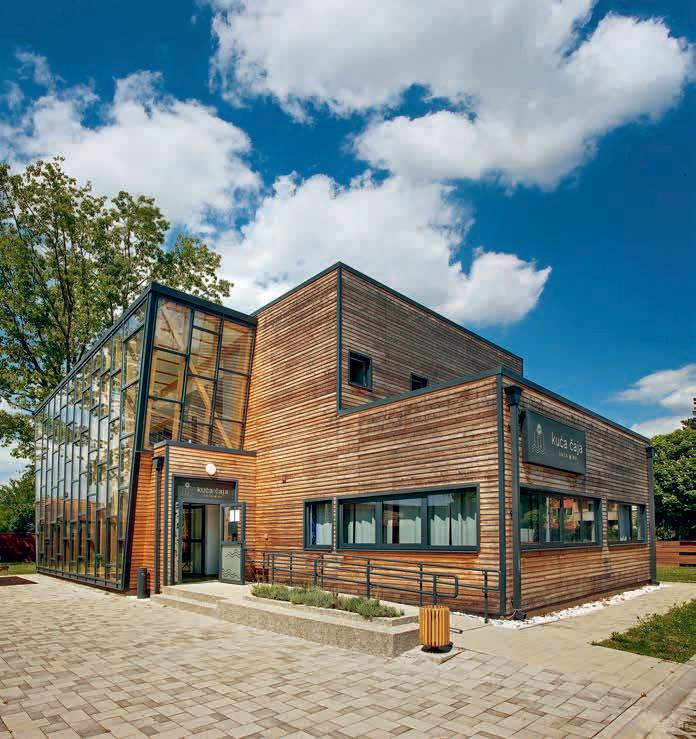
01 Posjetiteljski centar Kuća čaja − Oaza mira u Špišić Bukovici
The Tea House − An Oasis of Peace Visitor Centre in the village of Špišić Bukovica
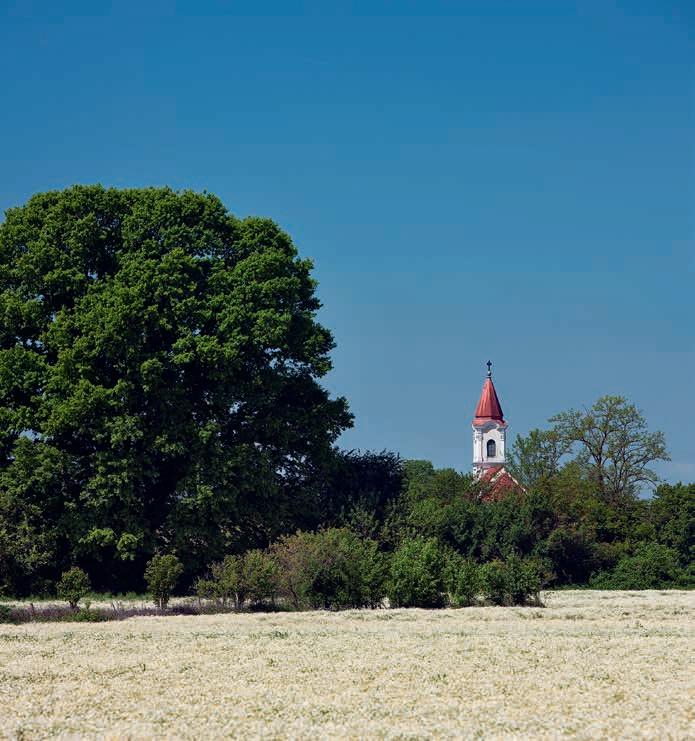
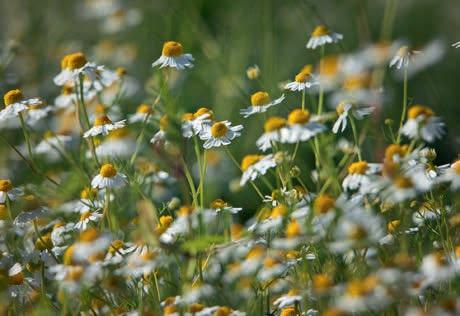
02 Polja rascvale kamilice upotpunjuju vedutu Špišić Bukovice sa župnom crkvom sv. Ivana Krstitelja u pozadini
Blooming chamomile fields complete the vista of the village of Špišić Bukovica with the parish Church of St. John the Baptist in the background
Početkom 14. stoljeća, na obroncima Bilogore u tišini stoljetne bukove šume, pavlinski su redovnici podigli samostan sv. Benedikta. Vjerojatno nije slučajno da su prostor ispunjen mirom, idealan za molitvu i kontemplaciju pronašli upravo na tom mjestu, jedva koji kilometar od središta današnje Špišić Bukovice. Bijeli fratri, kako su ih zvali zbog boje njihove mantije, dva i pol stoljeća skupljali su znanje i ljekovito bilje te njegujući pobožnost prema anđelima čuvarima i Blaženoj Djevici Mariji pisali prošlost Špišić Bukovice. Pa ipak, jedan
od najstarijih srednjovjekovnih pavlinskih samostana u Hrvatskoj, stariji i od onog u Lepoglavi, nije odolio sili usuda, ostavši sjećanje u ljetopisima reda i zagonetka prekrivena koprivama i mahovinom na sjeverozapadnom rubu Virovitičko-podravske županije.
Ova priča nije pokušaj da se rasvijetli srednji vijek, nego pozivnica svakomu na dublje povezivanje s prirodom na mjestu na kojemu su to činili pavlinski pustinjaci sedam stoljeća ranije. Kasno proljeće možda je i najbolje vrijeme za posjet Špišić Bukovici. Priroda je tada sva u bijelom
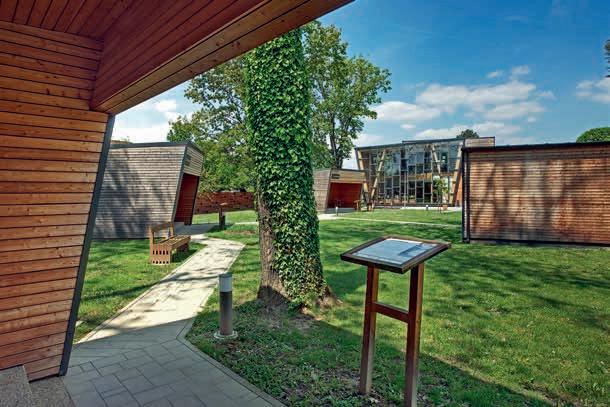
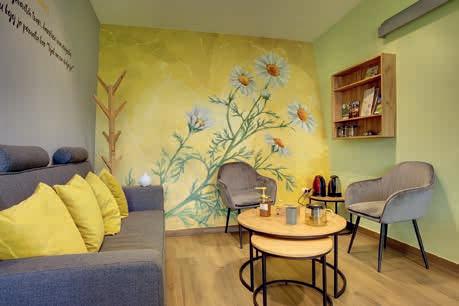
01 Dvorište oko zgrade posjetiteljskog centra s kušaonicama čaja nalik je zen vrtu
The courtyard around the visitor centre’s building, featuring tea tasting rooms, resembles a zen garden
02 Poučna staza vodi posjetitelje kroz priču o čaju i ljekovitom bilju
The visitor centre’s educational trail leads visitors through the story of tea and medicinal plants
03 Drveni bungalovi namijenjeni kušanju različitih vrsta čajeva i uvaraka
The tasting rooms where different types of teas and infusions can be tasted are housed in wooden bungalows
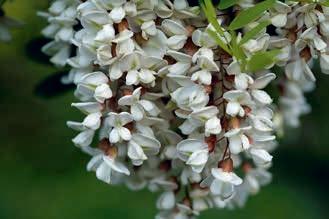
cvatu, a zrak zasićen opojnim mirisima eteričnih ulja bagremova cvijeta, bazge i kamilice. Zbog očuvanog staništa, povoljne klime i sretnog spoja šumovitog, niskog gorja i podravske nizine, čitavo područje općine Špišić Bukovice iznimno je bogato samoniklim ljekovitim, jestivim i medonosnim biljem. Pčelarstvo i sakupljanje bilja stoljetna su tradicija ovoga kraja kojoj se u protekla dva desetljeća pridružio i uzgoj kamilice. Zbog činjenice da je zbog svoje kvalitete jedna od najtraženijih u svijetu, među poljoprivrednim kulturama koje ljudi ovdje uzgajaju kamilica je na prvome mjestu. Ona je za Špišić Bukovicu isto što i lavanda za Provansu, trešnjin cvijet za Japan ili tulipani za Nizo-
zemsku. Prepoznatljiva vizualna osobna iskaznica, iscrtana u krajobrazu.
Špišić Bukovica jedno je od pet naselja u Hrvatskoj čije je ime etimološki ukorijenjeno pod krošnjom bukve. A od svih tih pet Bukovica jedino ona nosi još i prezime.
Dao ga joj je Antun pl. Špišić Japranski, koji je po milosti carice i kraljice Marije Terezije od ljeta gospodnjeg 1748. baštinio posjed između Drave i Bilogore. Tada kao i sada, Špišić Bukovica nalazila se u neposrednoj blizini Virovitice, na Podravskoj magistrali i željezničkoj pruzi u smjeru Varaždina i Koprivnice. Toliko blizu da bi se moglo reći kako je od županijskog centra dijeli tek dva sata pješačenja poljima kamilice. Pribroje li se tomu biciklističke i pješačke staze po Bilogori, plaža na Dravi i ribnjak Zidine, eto i savršene destinacije za vikend na otvorenome na mjestu gdje Slavonija prestaje, a Podravina se najavljuje.
S obzirom na to da najbolja kamilica na svijetu uspijeva na poljima oko Špišić Bukovice, odličan povod za dolazak odnedavno je i Kuća čaja. Novi, moderno dizajnirani posjetiteljski centar posvećen tradiciji sakupljanja i uzgoja samoniklog ljekovitog bilja na bukovičkom području, reprezentativan je objekt u samome središtu naselja. Otkako je prije dvije godine centar otvorio svoja vrata, sintagma Kuća čaja − Oaza mira neizostavno se veže uz Špišić Bukovicu. To je muzej, kušaonica i škola u kojoj se o čaju i ljekovitom bilju može štošta naučiti. Uz priču o samoni-
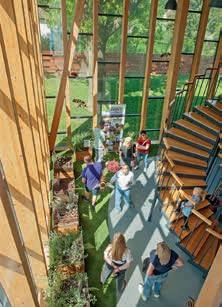
klim biljkama i fauni naših livada važnoj za njihovo oprašivanje, poučna staza vodi vas kroz ostakljenu unutrašnjost kraj tegli s maslačkom, koprivom ili stolisnikom. Naići ćete onda i na knjige, stručnu biblioteku, digitalni herbarij i mikroskope pomoću kojih posjetitelj može zaroniti u nevidljivi svijet botanike. Edukacijska dvorana nudi programske projekcije te razne radionice, prezentacije, čajanke i seminare. Vođeni program osmišljen je za sve dobne skupine, a najmlađima se uz posjet nudi i ručak, igraonica i kino projekcije. Posebno je dojmljivo veliko dvorište, nalik zen vrtu s drvenim bungalovima. Kroz njega vodi još jedna poučna
staza, od ljetne terase i dječjeg igrališta do kušaonica čaja. Njih je ukupno šest, svaka u svojoj drvenoj kućici posvećenoj jednoj biljci od koje se spravlja ljekoviti oparak: kamilica, maslačak, metvica, divlja ruža, kopriva i lipa. Gutljaj čaja potkrijepit će priču, a vi možete kušati svaki od njih, zaslađen bukovičkim medom od bagrema ili lipe iz OPG-a Tomislav Lelek. Trag eteričnih ulja ljekovitog bilja vodi i u radionicu ručno rađene prirodne kozmetike Iskre Bedeković Pintarić, Spark&Soup. Originalan i inspirativan, Posjetiteljski centar Kuća čaja − Oaza mira hram je doživljaja, znanja, igre i održivosti. U samo dvije godine postojanja nagrađen je i
03 Kopriva, ljekovita i hranjiva, skrivena ljepotica bukovičkih šuma
Medicinal and nutritious nettle, the hidden beauty of Špišić Bukovica’s forests

dvjema prestižnim nagradama u kategoriji ruralnih projekata u turizmu: Simply The Best Udruge hrvatskih putničkih agencija i specijaliziranog turističkog časopisa
Way to Croatia te Suncokret ruralnog turizma mrežnog portala suncokret.hr i Ministarstva turizma i sporta.
Da bi se odnekud došlo do Kuće čaja, u selo valja ući novim prilazom iz šume.
Može i sa sjevera, no na predloženi način mnogo je dojmljivije. Prvi dojam ipak je najvažniji jer našem mozgu treba samo nekoliko sekundi da o nečemu donese mišljenje. Podosta se zna o prapovijesnom naselju na jugu Špišić Bukovice, no nitko mi pouzdano nije mogao odgovoriti zašto taj dio sela Bukovčani zovu Mali Zagreb. Zagrepčani će zasigurno ostati iznenađeni kada iz Zagreba autom krenu u Špišić Bukovicu i opet stignu u Zagreb! Ako bi jednom riječju morali dočarati privlačnost Špišić Bukovice, bila bi to riječ mirisi. Naprežući svoje nektarije, cvjetovi bagrema, bijeli poput pavlina, škrope zrak aromom kojoj je nemoguće odoljeti. I ne zaboravite, zadnjim danima proljeća ova priča ne prestaje. Kad se u Bukovici namiriše lipa, vrijeme je za Ivanje!
At the beginning of the 14th century, on the slopes of the low mountainous range of Bilogora, in the silence of an ancient beech forest, the monks of the Order of Saint Paul the First Hermit, more commonly known as the Pauline monks, built the Monastery of Saint Benedict. It is probably no coincidence that they found a space filled with peace, ideal for prayer and contemplation, precisely in that spot, barely
a kilometre from the centre of today’s village of Špišić Bukovica. The White Friars, as they were called thanks to the colour of their habits, spent two and a half centuries gathering knowledge and foraging medicinal herbs, and while nurturing devotion to the guardian angels and the Blessed Virgin Mary, they wrote the history of Špišić Bukovica. Yet, one of the oldest medieval Pauline monasteries in Croatia, older even than the one in the townlet of Lepoglava, did not withstand the force of fate, remaining a memory in the order’s chronicles and an enigma, covered in nettles and moss, on the north-western edge of the Virovitica-Podravina County. This story is not an attempt to shed light on the Middle Ages, but an invitation to everyone to connect more deeply with nature in a place where the Pauline hermits did so seven centuries earlier. Late spring is perhaps the best time to visit Špišić Bukovica. Nature is then all in white blossom, and the air is saturated with the intoxicating scents of essential oils from black locust flowers, elderflower, and chamomile. Thanks to the preserved habitat, favourable climate, and the fortunate combination of wooded low hills and the plains of Podravina, the entire area of the municipality of Špišić Bukovica is exceptionally rich in wild medicinal, edible and honey-bearing plants. Beekeeping and herb foraging are centuries-old traditions of this region, which in the past two decades have been joined by the cultivation of chamomile. Thanks to the fact that its quality makes it one of the most sought-after in the world, chamomile is the number one agricultural crop cultivated here. Chamomile is for Špišić Bukovica what lavender
01 Interijer kušaonice čaja osmišljen prema jednoj od šest ljekovitih biljaka
The interior design of each of the six tea tasting rooms features one of the six medicinal plants
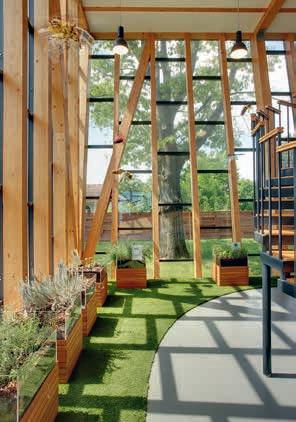
02 Ostakljena unutrašnjost Posjetiteljskog centra Kuća čaja − Oaza mira
The glazed interior of the Tea House − An Oasis of Peace Visitor Centre
is for Provence, cherry blossom for Japan, or tulips for the Netherlands − a recognisable visual identity card, etched into the landscape.
Špišić Bukovica is one of five settlements in Croatia whose name is etymologically rooted, as it were, beneath the canopy of the beech tree, or bukva in Croatian. Of all five Bukovicas, only this one has a surname. It was given it by Antun pl. Špišić Japranski, who, by the grace of the Empress Maria Theresa in the year of our Lord 1748, inherited an estate between the Drava River and Bilogora. Then, as now, Špišić Bukovica was located in the immediate vicinity of the town of Virovitica, on the Podravina Highway and the railway line towards the towns of Varaždin and Koprivnica. So close that one could say it is separated from the county seat by just a two-hour walk through chamomile fields. Add to that the cycling and hiking trails across Bilogora, the beach

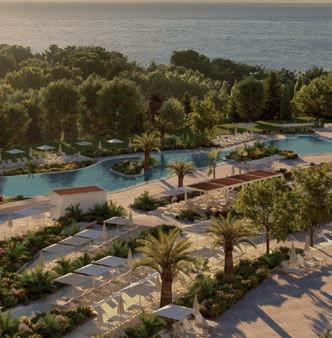

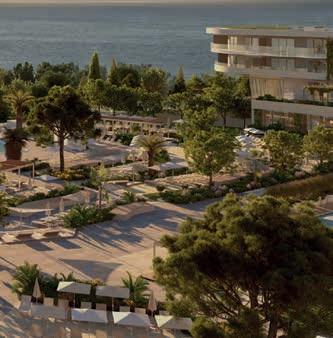







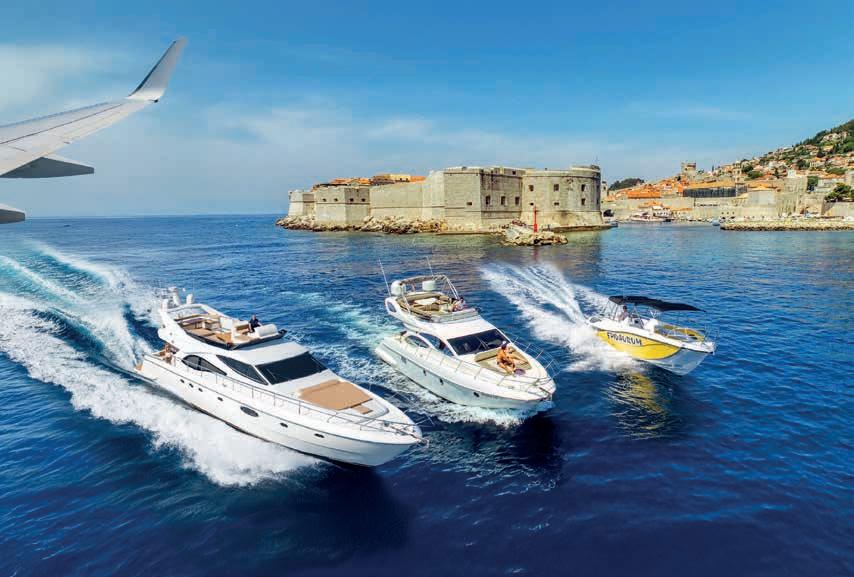
on the Drava River, and the Zidine fishing lake, and you have a perfect destination for a weekend in the open air, in a place where Slavonia ends and Podravina begins. Given that the world’s best chamomile grows in the fields around Špišić Bukovica, the Tea House − An Oasis of Peace has recently become an excellent reason for a visit. The new, modernly designed visitor centre, dedicated to the tradition of foraging and cultivating wild medicinal plants in and around Špišić Bukovica, is an emblematic building at the very heart of the village. Since the centre opened its doors two years ago, The Tea House − An Oasis of Peace has become inextricably linked with Špišić Bukovica. It is a museum, a tasting room, and a school where you can learn a great deal about tea and medicinal herbs. Alongside the story of wild plants and the animal life of our meadows important for their pollination, an educational trail leads you through the visitor centre’s glazed interior past pots of dandelion, nettle, or yarrow. You will then come across books, a specialist library, a digital herbarium, and microscopes with which visitors can dive into the invisible world of botany. The centre’s educational hall offers programme
info@boat-dubrovnik.com
+385 98 427 550 +385 99 435 9102
screenings and various workshops, presentations, tea parties, and seminars. The guided programme is designed for all age groups, and for the youngest visitors, the visit also offers lunch, a playroom, and cinema screenings. Particularly impressive is the large courtyard, reminiscent of a zen garden with wooden bungalows. Another educational trail runs through it, from the summer terrace and children’s playground to the tea tasting rooms. There are six in total, each in its own wooden bungalow dedicated to a single plant from which a medicinal infusion is prepared: chamomile, dandelion, mint, dog rose, nettle, and linden. A sip of tea will reinforce the story, and you can taste each one, sweetened with Bukovica black locust or linden honey from the Tomislav Lelek family farm. The trail of essential oils obtained from medicinal herbs also leads to the workshop of Iskra Bedeković Pintarić, Spark&Soup, which produces handmade natural cosmetics. Original and inspiring, The Tea House − An Oasis of Peace Visitor Centre is a temple of experience, knowledge, play, and sustainability. In just two years of existence, it has been awarded two prestigious prizes in the category of rural tourism projects; namely, Simply The
Best award presented by the Association of Croatian Travel Agencies and the specialised travel magazine Way to Croatia, and the Sunflower of Rural Tourism award given by suncokret.hr and the Croatian Ministry of Tourism and Sports.
To get to The Tea House, enter the village via the new access road from the forest. You can also reach it from the north, although the new access road is far more impressive. First impressions are, after all, critical, as our brain needs only a few seconds to form an opinion. Quite a bit is known about the prehistoric settlement in the south of Špišić Bukovica, but no one could reliably tell me why the locals call that part of the village Little Zagreb. Residents of Zagreb will certainly be surprised when they set off from Zagreb by car to Špišić Bukovica and end up back in − Zagreb! If you had to evoke the appeal of Špišić Bukovica in a single word, that word would be scents. Straining their nectaries, black locust blossoms, white as the Pauline monks, mist the air with an aroma that’s impossible to resist. And do not forget, this story does not end with the last days of spring. When the scent of linden fills the air in Bukovica, it is time for Saint John’s Eve.
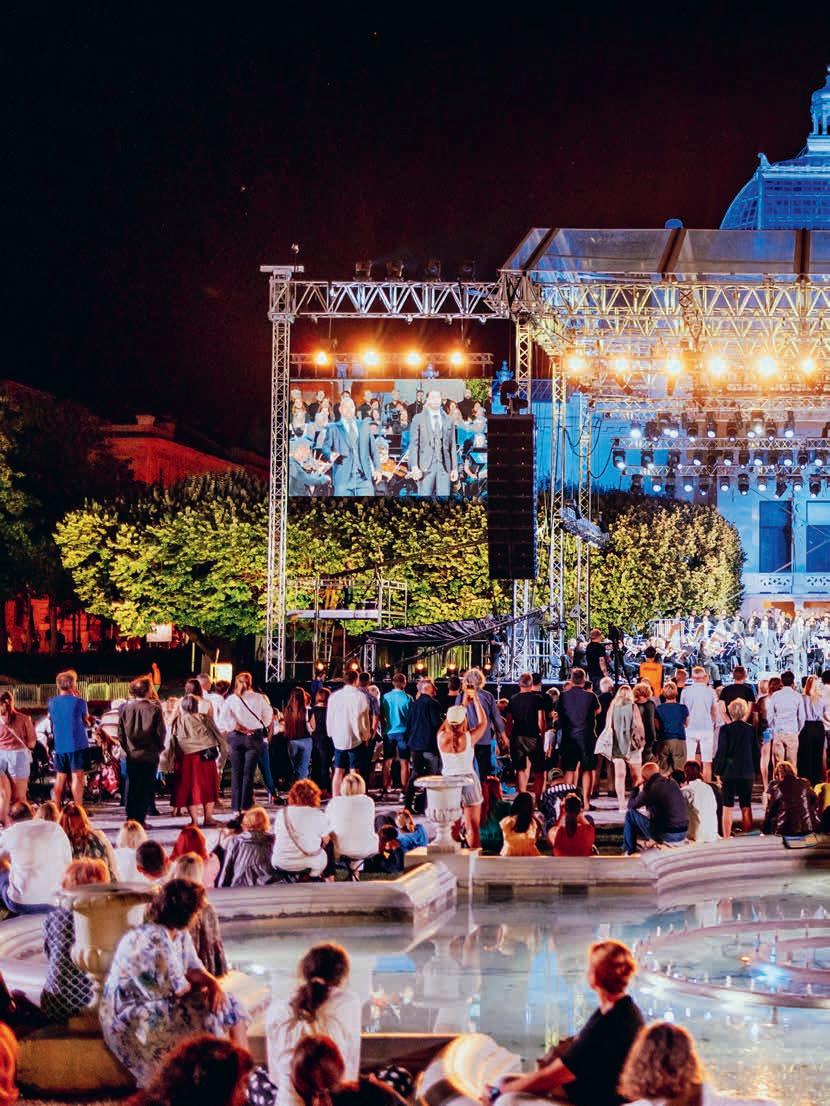
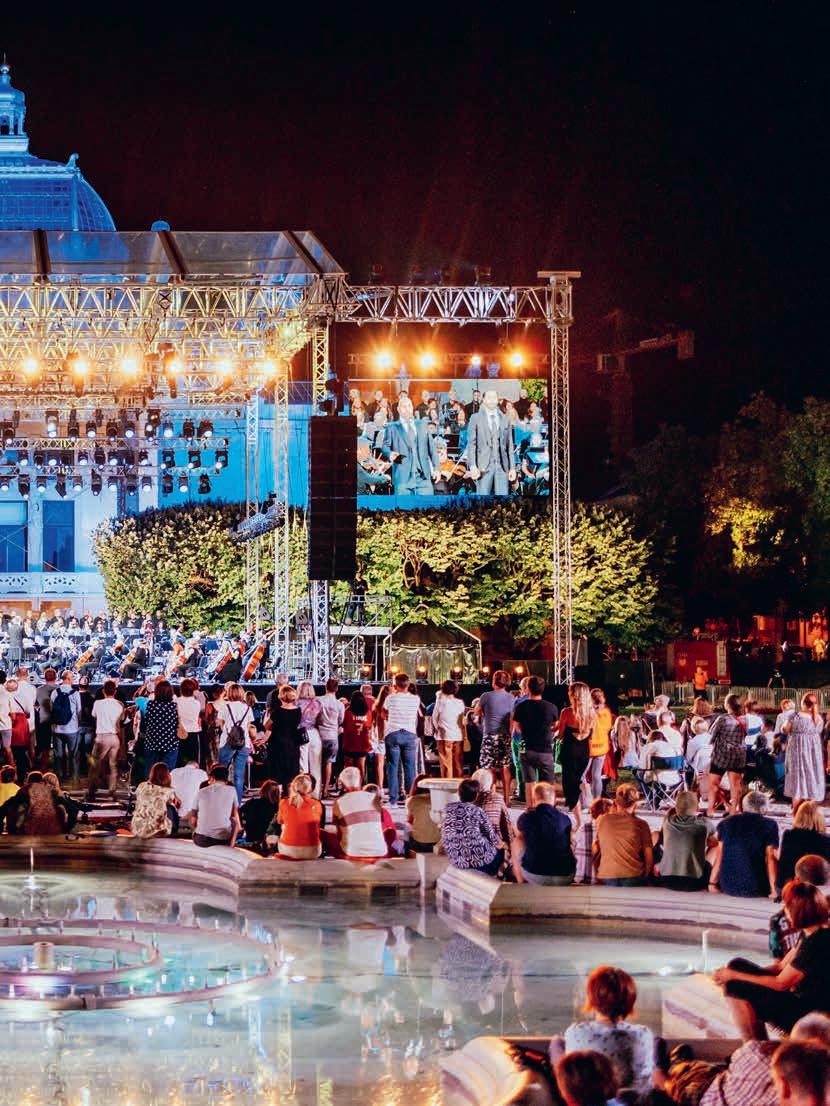
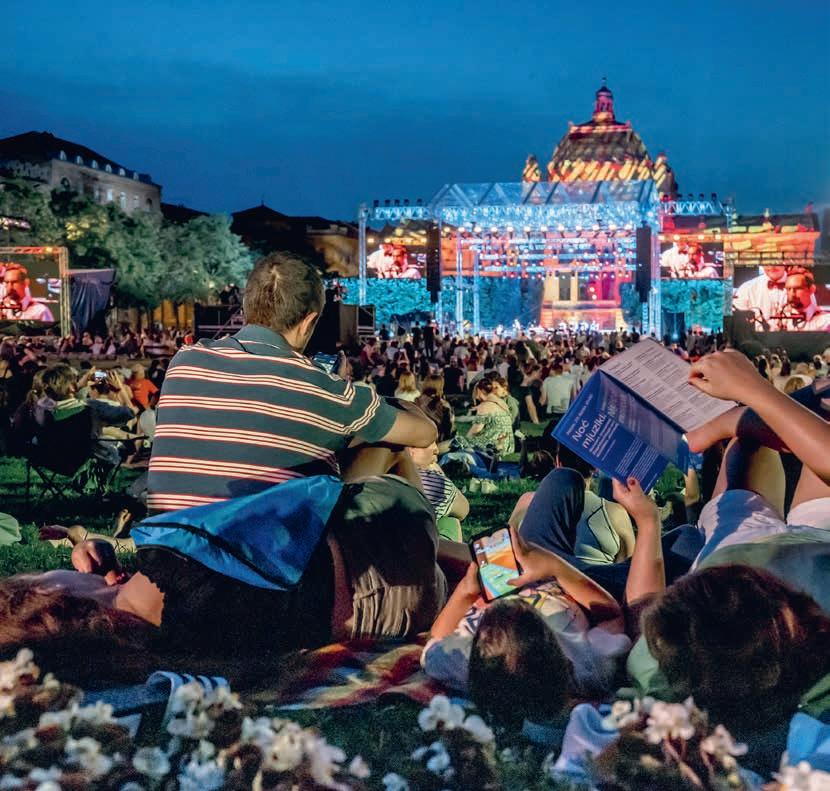
Zagreb Classic: Klasična glazba u ritmu ljeta
19. lipnja − 3. srpnja | Trg kralja Tomislava
Zagreb Classic: Classical music in the rhythm of summer
19 June − 3 July | King Tomislav Square
Dolazak ljeta u Zagrebu već je godinama nezamisliv bez Zagreb Classica − glazbene manifestacije na otvorenome koja jedan od najljepših gradskih trgova pretvara u veliku ljetnu pozornicu. Smješten ispred Umjetničkog paviljona, na Trgu kralja Tomislava, ovaj festival nudi rijetku priliku za uživanje u vrhunskoj glazbi pod otvorenim nebom, u opuštenom ambijentu i samom središtu grada.
Od 19. lipnja do 3. srpnja program okuplja istaknute domaće i međunarodne orkestre, soliste i dirigente. Pažljivo osmišljen repertoar obuhvaća najpoznatija djela klasične glazbe, operne arije i baletne ulomke, ali i suvremene orkestralne interpretacije koje klasičnu glazbu približavaju široj publici. Upravo ravnoteža između tradicije i suvremenog pristupa čini Zagreb Classic jednako privlačnim iskusnim poznavateljima i onima koji se s klasičnom glazbom tek upoznaju.
Posebnost ove manifestacije leži u njezinoj otvorenosti. Ulaz na sve koncerte besplatan je, a publika programe prati s travnjaka u neposrednoj blizini pozornice, u opuštenoj atmosferi koja potiče spontano druženje i uživanje u glazbi. Festival briše granice između izvođača i publike te klasičnu glazbu prirodno smješta u svakodnevni urbani kontekst.
Za posjetitelje grada Zagreb Classic idealan je povod za večernju šetnju Donjim gradom. Prije ili nakon koncerata okolne ulice nude bogat izbor kafića, restorana i
muzeja, dok se područje Zelene potkove pretvara u elegantnu ljetnu kulisu. Glazba, arhitektura i gradski ritam stapaju se u doživljaj koji Zagreb čini posebno privlačnim tijekom ljetnih mjeseci. Ugled manifestacije dodatno potvrđuju nastupi vrhunskih međunarodnih umjetnika iz prijašnjih izdanja, kao što su tenor Francesco Meli, violinist i dirigent Julian Rachlin, pijanist Hyung-ki Joo, uz nastupe komornog ansambla Cameristi della Scala, Zagrebačke filharmonije te brojnih drugih izvođača.
Zagreb Classic danas se ubraja među najznačajnije kulturne događaje na otvorenom u Hrvatskoj i prepoznat je kao simbol početka zagrebačkog ljeta. Riječ je o manifestaciji koja na jedinstven način povezuje opuštenu ljetnu atmosferu i vrhunsku glazbenu izvedbu s gradom kao pozornicom, stvarajući nezaboravne večeri i glazbene doživljaje koji ostaju u sjećanju dugo nakon posljednjega pljeska.
Više informacija dostupno je na www.infozagreb.hr/hr/zagreb-classic
For years, the arrival of summer in Zagreb has been unimaginable without Zagreb Classic − an open-air music event that transforms one of the city’s most beautiful squares into a grand summer stage. Set before the Art Pavilion on King Tomislav Square, this festival offers a rare opportunity to enjoy world-class music under the open sky, in a relaxed ambience at the very heart of the city.
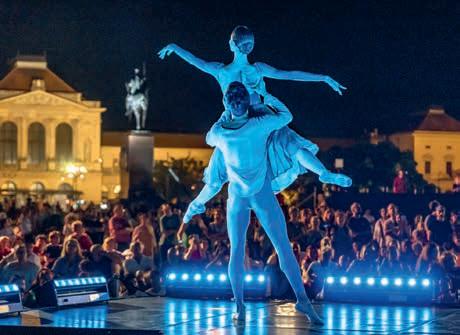
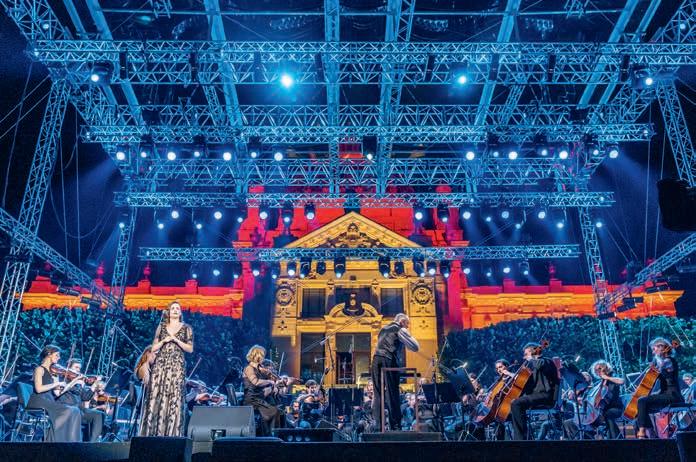
From 19 June to 3 July, the programme will bring together prominent domestic and international orchestras, soloists, and conductors. The carefully curated repertoire encompasses the best-known works of classical music, operatic arias, and ballet excerpts, alongside contemporary orchestral interpretations that bring classical music closer to a wider audience. It is precisely this balance between tradition and a modern approach that makes Zagreb Classic equally appealing to seasoned connoisseurs and those just beginning their journey into classical music.


Festival briše granice između izvođača i publike te klasičnu glazbu prirodno smješta u svakodnevni urbani kontekst.
The festival blurs the boundaries between performers and audience, naturally placing classical music within an everyday urban context.
What sets this event apart is its openness.
Admission to all concerts is free, with audiences following the performances from the lawn before the stage, in a relaxed atmosphere that encourages spontaneous socialising and enjoyment of the music. The festival blurs the boundaries between performers and audience, naturally placing classical music within an everyday urban context. For visitors to the city, Zagreb Classic is an ideal pretext for an evening stroll through the Lower Town. Before or after the concerts, the surrounding streets offer a wealth of cafés, restaurants and museums, while the green of Lenuci’s Horseshoe becomes an elegant summer backdrop. Music, architecture and the city’s rhythm merge into an experience that makes Zagreb particularly appealing during the summer months. The event’s reputation is further affirmed by performances from previous editions featuring top-tier international artists, such as tenor Francesco Meli, violinist and conductor Julian Rachlin, pianist Hyung-ki Joo, along with appearances by chamber ensemble Cameristi della Scala, the Zagreb Philharmonic Orchestra and numerous other performers.
Zagreb Classic today ranks amongst Croatia’s leading open-air cultural events and
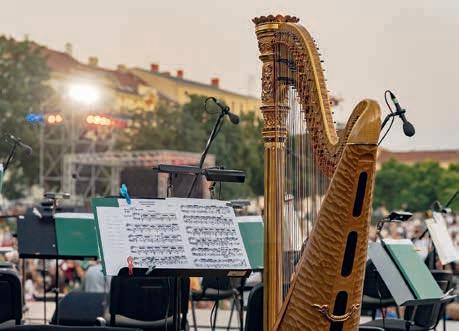
is recognised as a symbol of the start of Zagreb’s summer. It is an event that uniquely connects the relaxed summer atmosphere and superb musical performance with the city as its stage, creating unforgettable evenings and musical experiences that linger long after the final applause.
For more information, visit www.infozagreb.hr/en/zagreb-classic-en
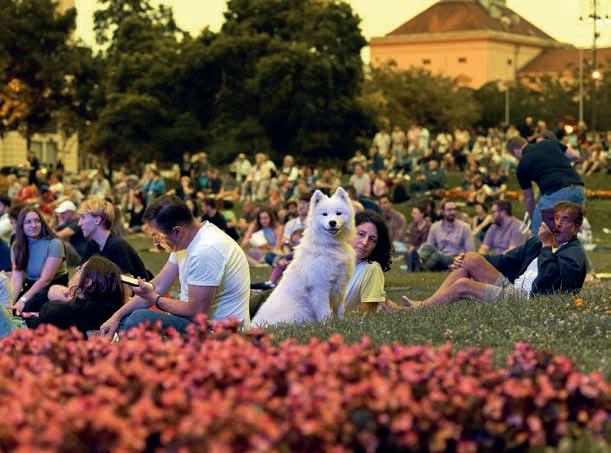
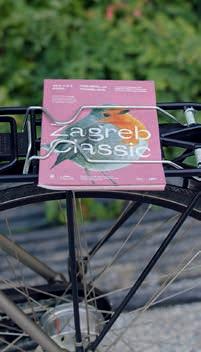
It’s time for − Zagreb
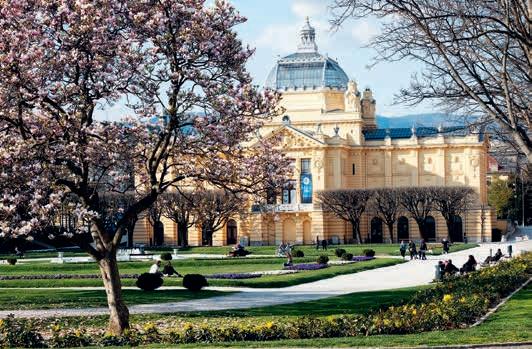
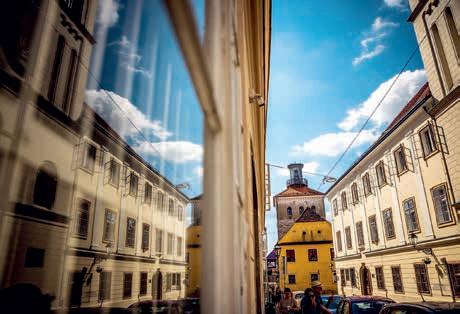
Od proljetnih festivala do ljetnih večeri na otvorenome, Zagreb u toplijem dijelu godine živi punim kulturnim i urbanim ritmom. Grad se tada pretvara u dinamičnu pozornicu filma, glazbe, umjetnosti i sporta, nudeći posjetiteljima razlog više za dolazak − i ostanak.
Proljeće u Zagrebu započinje svjetlom. Festival svjetla Zagreb u ožujku simbolično najavljuje dolazak toplijih dana, pretvarajući gradske ulice, trgove i pročelja u dojmljivu galeriju svjetlosnih instalacija. Nakon Uskrsa travanj donosi ZagrebDox (19. − 26. travnja), međunarodni festival dokumentarnog filma, koji Zagreb već
godinama potvrđuje kao važno mjesto suvremenog filmskog i društvenog dijaloga.
Kako se proljeće bliži ljetu, Zagreb sve snažnije živi uz glazbu. Velika koncertna gostovanja ispunjavaju dvorane i otvorene pozornice, a ove godine publiku u Areni Zagreb 28. travnja očekuje koncert Erosa Ramazzottija, dok se u lipnju i srpnju glazbeni ritam dodatno pojačava koncertima izvođača kao što su Empire Of The Sun (10. lipnja, ŠRC Šalata), The Offspring (14. lipnja, ŠRC Šalata), A Perfect Circle (16. lipnja, ŠRC Šalata), Sting (17. lipnja, Arena Zagreb), Black Eyed Peas (26. lipnja, jezero Bundek), Marilyn
01 Gornji grad Zagreb’s Upper Town
02 Umjetnički paviljon, Trg kralja Tomislava Art Pavilion, King Tomislav Square
Manson (16. srpnja, Arena Zagreb) i Dropkick Murphys (27. srpnja, ŠRC Šalata). Početkom lipnja Zagreb postaje svjetsko središte animacije zahvaljujući Animafestu Zagreb (8. − 13. lipnja), jednom od najuglednijih festivala animiranog filma na svijetu. Grad tada diše u ritmu kreativnosti, okupljajući autore, studije i publiku iz svih dijelova svijeta, a tu je i međunarodni ulični festival Cest is d’Best koji ispunjava grad urbanom kulturom, performansima na otvorenom i street artom.
U središtu zagrebačkih kulturnih događaja nalazi se Zagreb Classic (19. lipnja − 3. srpnja), koji klasičnu glazbu donosi u samo srce grada. Koncerti pod zvijezdama, na Trgu kralja Tomislava, stvaraju prepoznatljiv ljetni ugođaj i čine Zagreb Classic jednim od najvažnijih simbola zagrebačkog ljeta.
Glazbenu ponudu ljeta dodatno obogaćuje i INmusic Festival (22. − 24. lipnja), najveći međunarodni glazbeni festival u Hrvatskoj, koji dovodi svjetske zvijezde kao što su Manic Street Preachers, Kings of Leon, Jack White i Gorillaz.
Kulturni život nastavlja se i tijekom srpnja i kolovoza. Tako Večeri na Griču nude
koncertne izvedbe u povijesnom ambijentu Gornjega grada, stvarajući intiman i autentičan doživljaj, dok Međunarodna smotra folklora Zagreb u srpnju već tradicionalno okuplja ansamble iz cijelog svijeta, prezentirajući bogatstvo folklorne tradicije kroz glazbu, ples i nošnje. Plesnjak na Zrinjevcu u kolovozu donosi opuštene plesne večeri pod otvorenim nebom u jednom od najljepših zagrebačkih parkova, a Okolo // Around gradske ulice i trgove pretvara u galeriju suvremene javne umjetnosti.
Osim kulture, glazbe, umjetnosti i filma, Zagreb je poznat i kao domaćin velikih i dugovječnih sportskih događanja, a 2026. godina posebno će potvrditi njegov status vrhunske sportske destinacije.
Ljetni mjeseci donose snažan međunarodni fokus zahvaljujući Svjetskom prvenstvu u rukometu na pijesku, koje će se od 23. do 28. lipnja održati na jezeru Jarun. Natjecanje okuplja najbolje muške i ženske reprezentacije svijeta te će Zagreb pretvoriti u globalnu pozornicu jednog od najatraktivnijih ljetnih sportova. U kraljici sportova − atletici − uživa se na Boris Hanžeković memorijalu, najstarijem sportskom natjecanju u Hrvatskoj, koje Zagreb od 26. do 28. lipnja ponovno stavlja u središte svjetske atletske scene. Poseban vrhunac sportske godine bit će Europsko prvenstvo u sportskoj gimnastici, koje će se u kolovozu održati u Areni Zagreb. Ovo prestižno natjecanje okupit će najbolje europske gimnastičarke i
gimnastičare te dodatno učvrstiti ugled Zagreba kao domaćina najvećih sportskih događanja u dvoranskim sportovima. Za one koji, pak, sport žele doživjeti i iz drugačije perspektive, tu je novootvoreni Hrvatski športski muzej u Ilici 13, koji kroz vrijedne eksponate i multimedije donosi priču o bogatoj sportskoj povijesti Zagreba i Hrvatske.
Sve je to tek dio bogatog programa koji Zagreb u toplijem dijelu godine pretvara u grad susreta, doživljaja i otvorenih pozornica. Na trgovima, u parkovima, na ulicama i u koncertnim dvoranama, Zagreb pokazuje svoje najotvorenije i najživahnije lice pulsirajući energijom koja poziva na ostanak, istraživanje i spontano uživanje u svakom trenutku. Bilo da dolazite zbog festivala, glazbe, umjetnosti, sporta ili jednostavno atmosfere grada, odgovor je isti − vrijeme je za Zagreb.
Sve informacije o događanjima dostupne su na www.infozagreb.hr.
From spring festivals to summer evenings in the open air, during the warmer half of the year Zagreb lives at a full cultural and urban rhythm. The city then transforms into a dynamic stage for film, music, art and sport, offering visitors one more reason to come − and to stay. Spring in Zagreb begins with light. The Zagreb Festival of Lights in March symbolically heralds the arrival of warmer days, turning the city’s streets, squares and façades into an impressive gallery of light installations.
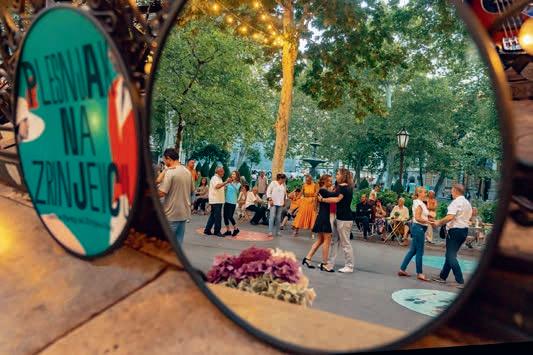
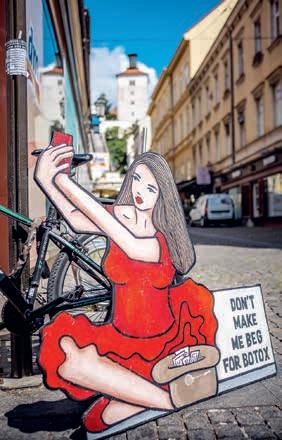
After Easter, April brings ZagrebDox (19−26 April), an international documentary film festival that has for years confirmed Zagreb as an important venue for contemporary cinematic and social dialogue. As spring nears summer, Zagreb lives ever more intensely with music. Major concerts fill halls and open-air stages. This year, audiences at the Zagreb Arena can look forward to a concert by Eros Ramazzotti on 28 April, while in June and July the musical tempo intensifies further with performances by artists such as Empire of the Sun (10 June, Šalata Sport and Recreation Centre), The Offspring (14 June, Šalata Sport and Recreation Centre), A Perfect Circle (16 June, Šalata Sport and Recreation Centre), Sting (17 June, Zagreb Arena), Black Eyed Peas (26 June, Lake Bundek), Marilyn Manson (16 July, Zagreb Arena), and Dropkick Murphys (27 July, Šalata Sport and Recreation Centre).
01 Plesnjak na Zrinjevcu A Dance Party at Zrinjevac Park
02 Ulični život Street life

At the beginning of June, Zagreb becomes the world capital of animation thanks to Animafest Zagreb (8−13 June), one of the most prestigious animated film festivals in the world. The city then breathes to the rhythm of creativity, bringing together authors, studios and audiences from all corners of the globe, alongside the international street festival Cest is d’Best, which fills the city with urban culture, open-air performances, and street art.
At the heart of Zagreb’s cultural events is Zagreb Classic (19 June − 3 July), bringing classical music to the very centre of the city. Concerts under the stars, on King Tomislav Square, create a distinctive summer ambience and make Zagreb Classic one of the most important symbols of a Zagreb summer.
The summer’s musical offering is further enriched by the INmusic Festival (22−24 June), the largest international music festival in Croatia, which brings global stars such as Manic Street Preachers, Kings of Leon, Jack White, and Gorillaz.
Cultural life continues through July and August as well. Evenings on Grič offer concert performances in the historic setting of the Upper Town, creating an intimate and authentic experience, while the Zagreb International Folklore Festival in July traditionally brings together ensembles from across the
world, presenting the richness of folkloric tradition through music, dance, and costume. Dance Parties at Zrinjevac Park in August offer relaxed open-air dance evenings in one of Zagreb’s most beautiful parks, while Okolo // Around turns city streets and squares into a gallery of contemporary public art. Beyond culture, music, art and film, Zagreb is also known as a host to major, long-standing sporting events, and 2026 in particular will affirm its status as a premier sports destination.
The summer months bring a strong international focus thanks to the Beach Handball World Championships, to be held from 23 to 28 June at Lake Jarun. The competition gathers the world’s best men’s and women’s national teams, and will turn Zagreb into a global stage for one of the most attractive summer sports. The queen of sports − athletics − is enjoyed at the Boris Hanžeković Memorial, the oldest sporting competition in Croatia, which, from 26 to 28 June, once again places Zagreb at the centre of the world athletics scene.
A special highlight of the sporting year will be the European Artistic Gymnastics Championships, to be held in August at the Zagreb Arena. This prestigious competition will bring together Europe’s finest male and female gymnasts, and further cement Zagreb’s reputation as a host of the largest indoor sporting events. For those who wish to experience sport from a different perspective, there is the newly opened Croatian Sports Museum at 13 Ilica Street, whose valuable exhibits and multimedia tell the story of the rich sporting history of Zagreb and Croatia.
All this is but part of the rich programme that, during the warmer part of the year, turns Zagreb into a city of encounters, experiences, and open stages. On its squares, in its parks, on its streets and in its concert halls, Zagreb reveals its most open and vibrant face, pulsing with an energy that invites you to stay, explore and spontaneously enjoy every moment. Whether you come for the festivals, the music, the art, the sport or simply the atmosphere of the city, the answer is the same − it’s time for Zagreb. For more information, visit www.infozagreb.hr/en/.
01 Ulična umjetnost Street art
02 Ulični festival Cest is d’Best Cest is d’Best street festival
03 Nedjeljom u paviljonu, park Zrinjevac Sundays in the Pavilion, Zrinjevac Park
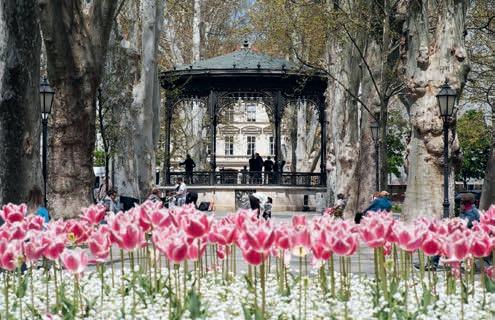


DVIJE KARTICE, JEDNA ČLANARINA

Zatražite Diners Club Croatia Airlines i/ili Visa Croatia Airlines karticu 100% digitalno preko aplikacije George ili u poslovnici Erste banke, sudjelujte u nagradnom programu Miles & More* i uživajte u brojnim pametnim pogodnostima.
- Milje skupljate na isti Miles & More račun uz neograničenu valjanost*
- Skupljene milje možete udružiti s drugim korisnicima Miles & More nagradnog programa
- Polica putnog osiguranja** - od gubitka, krađe, uništenja i kašnjenja prtljage te kašnjenja prijevoza
- Mogućnost korištenja usluga Airport Lounge salona do pet ulazaka u obračunskom razdoblju ***
Zatražite i aktivaciju paketa za Diners Club Croatia Airlines i Visa Croatia Airlines kartice i plaćat ćete jednu članarinu za obje kartice.
Više informacija na www.erstebank.hr.
PIŠE/BY
Jelena Hrgović Tomaš
FOTOGRAFIJE/PHOTOS Damir Žižić
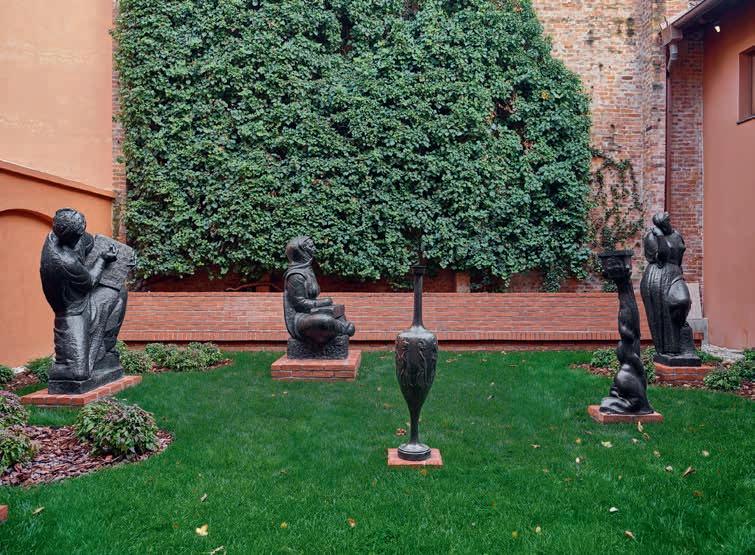
Na zagrebačkom Gornjem gradu, u Mletačkoj ulici broj 8, iza monumentalnih vrata skriva se poseban gradski kutak koji je pripadao jednom od najpoznatijih hrvatskih kipara svjetskoga glasa − Ivanu Meštroviću.
Nekadašnji dom i radni atelijer, u koji se Meštrović uselio 1920-ih godina, već je
više od šest desetljeća jedan od najpoznatijih zagrebačkih muzeja.
Meštrovićev zagrebački dom, u kojem je živio sa suprugom Olgom i četvero djece, bio je i važno mjesto susreta umjetnika, intelektualaca i istaknutih članova društva. Odlikovao ga je snažan interes za društvena i politička zbivanja pa je
u živim raspravama sa suvremenicima
Meštrović razmjenjivao ideje i promišljao o načinima doprinosa razvoju društva. Njegov umjetnički rukopis posebno se ističe u brojnim javnim skulpturama kojima je oplemenio gradske prostore, ali i u dojmljivim zdanjima poput Atelijera Meštrović u Zagrebu, Galerije Meštrović 01
u Splitu, crkve Presvetog Otkupitelja − obiteljske grobnice Meštrovićevih u Otavicama − te kompleksa Crikvine−Kaštilac s crkvom sv. Križa u Splitu. Sve je te građevine, zajedno s nizom skulptura, crteža, pisama i drugih vrijednih predmeta, Darovnicom iz 1952. godine poklonio hrvatskom narodu. Danas su oni dio Muzeja Ivana Meštrovića, čija je temeljna zadaća očuvanje sjećanja na umjetnika te trajna interpretacija i predstavljanje važnosti i aktualnosti njegove umjetnosti i ostavštine.
Zagrebački muzej − Atelijer Meštrović − čine dvije zgrade: nekadašnja obiteljska kuća, čijim prizemljem dominira masivni drveni stol s izrezbarenim sjedalicama kao središnje mjesto okupljanja, te atelijer visokih svodova i velikih staklenih stijena. Kroz njih s jedne strane prodire obilje svjetla u radni prostor, a s druge se otvara pogled na vrt ispunjen skulpturama, među kojima se ističe brončana Povijest Hrvata , jedna od Meštrovićevih najprepoznatljivijih javnih skulptura. Muzej je, poput mnogih drugih zgrada, stradao u zagrebačkom i petrinjskom potresu te je bio zatvoren gotovo tri godine. Ponovno je otvoren krajem 2025. godine, a u prvome mjesecu posjetilo ga je gotovo sedam tisuća posjetitelja. Obnovljeni prostor donosi i novi stalni postav koji potpisuje muzejska savjetnica Muzeja Ivana Meštrovića Barbara Vujanović uz
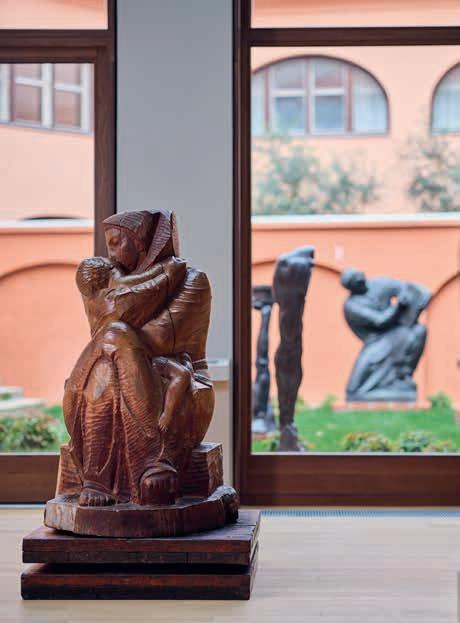
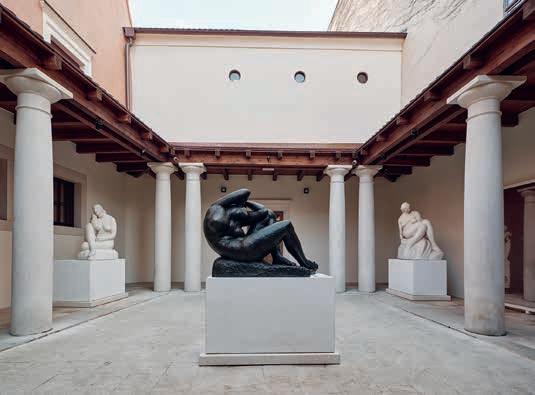
01 Vrt obiteljske kuće u Mletačkoj 8
The garden of the family home at 8 Mletačka Street
02 Ivan Meštrović, Majka i dijete, Zagreb, 1942., orahovina
Ivan Meštrović, Mother and Child, Zagreb, 1942, walnut wood
03 Ženski aktovi u atriju
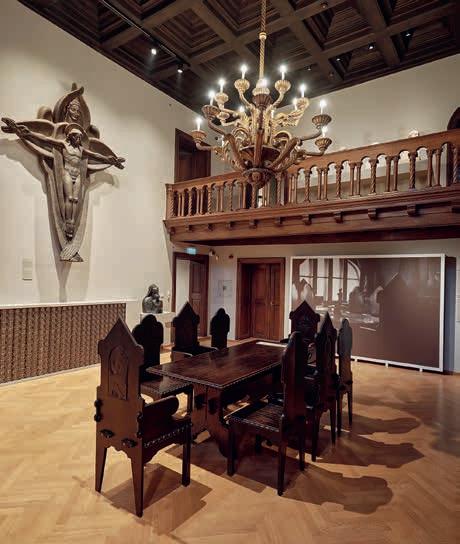
arhitektonsko i likovno oblikovanje Damira Gamulina, Antuna Sevšeka i Jasmina Ćemanovića. S dubokim poštovanjem prema Meštrovićevoj ostavštini, postav ističe snagu i genijalnost njegova opusa te uključuje i multimedijalne sadržaje. Po prvi put uprisutnjen je i sam Meštrović − glasom. Njegov sin, Mate Meštrović, snimio je oca dok recitira jednu od svojih pjesama. Taj se audiozapis danas predstavlja upravo u umjetnikovu atelijeru, gdje prostorom odzvanja Meštrovićev hrapavi glas i snažna poruka o znakovima vremena.
Postav je osmišljen tako da njeguje Meštrovićevu ideju suživota obiteljskog i radnog prostora, koji su se u njegovu životu neprestano isprepletali − možda i zato što je bio neumorni radnik koji gotovo nikada nije prestajao stvarati. Nova stalna izložba obuhvaća 116 skulptura, faksimila crteža i litografija, a zamišljena je kao rotirajući postav, u kojem će se djela povremeno izmjenjivati. Polazeći od činjenice da je o Meštroviću mnogo toga već poznato, autorica postava Barbara Vujanović sa suradnikom Matom Marićem u interpretacijskim tekstovima
donosi suvremen, jasan i emotivno snažan okvir za novo čitanje Meštrovićeva opusa, pozivajući posjetitelje na drukčiji i dublji susret s umjetnikom. Upravo zato i oni koji su mislili da su Meštrovića već dobro upoznali danas s novim entuzijazmom dolaze u njegov dom i atelijer.
01 Raspelo Vječno razapeti i Meštrovićev namještaj u nekadašnjoj blagovaonici
The crucifix The Eternally Crucified and Meštrović’s furniture in what was once the family dining room
02 Izložbena cjelina naslovljena Stvaralački impulsi
Creative Impulses exhibition section
In Zagreb’s Upper Town, at no. 8 Mletačka Street, a remarkable corner of the city lies hidden behind monumental doors. It once belonged to one of Croatia’s most celebrated sculptors of international renown − Ivan Meštrović. His former home and working studio, into which he moved in the nineteen-twenties, has for more than six decades been one of Zagreb’s most distinguished museums.
Meštrović’s Zagreb residence, where he lived with his wife Olga and their four children, was also an important meeting place for artists, intellectuals, and prominent public figures. Deeply engaged with social and political developments, he exchanged ideas with his contemporaries in lively discussions, reflecting on ways in which art might contribute to society. His artistic signature is particularly visible in numerous public
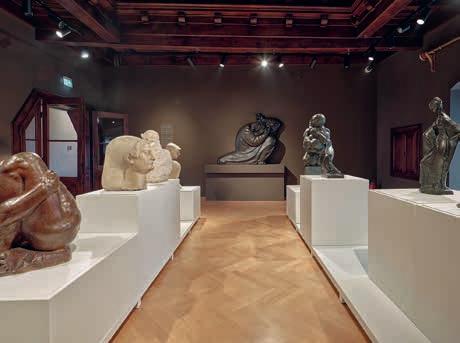
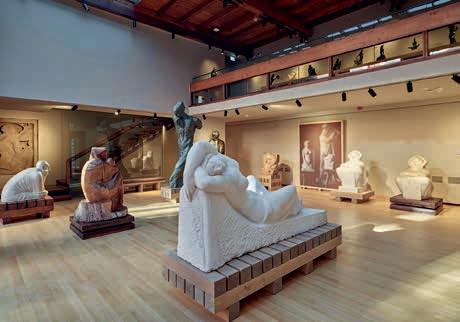
sculptures that have enriched urban spaces, as well as in striking architectural projects, such as the Meštrović Atelier in Zagreb, the Meštrović Gallery in Split, the Church of the Most Holy Redeemer − serving at the same time as the Meštrović family mausoleum − in Otavice, and the Crikvine−Kaštilac complex with the Church of the Holy Cross in Split.
All these buildings, together with numerous sculptures, drawings, letters and other valuable objects, were donated to the Croatian people by a deed of gift in 1952. Today, they form part of the Ivan Meštrović Museums, whose mission is to preserve the memory of the artist, and to interpret and present the enduring relevance of his art and legacy.
The Zagreb museum − the Meštrović Atelier − comprises two buildings: the former family house, whose ground floor is dominated
by a massive wooden table and carved chairs as a central gathering place, and the studio with its high vaults and expansive glass walls. Through them, abundant light floods the working space, while opening views onto a garden filled with sculptures, amongst which stands the bronze History of the Croats, one of Meštrović’s most recognisable public works.
Like many buildings in the city, the museum suffered damage in the Zagreb and Petrinja earthquakes, and remained closed for almost three years. It reopened at the end of 2025, welcoming nearly seven thousand visitors in its first month alone. The restored space introduces a new permanent exhibition conceived by museum adviser Barbara Vujanović, with architectural and visual design by Damir Gamulin, Antun Sevšek,
Atelijer, radni prostor
Ivana Meštrovića
Ivan Meštrović’s studio and Jasmin Ćemanović. With deep respect for Meštrović’s legacy, the display highlights the strength and brilliance of his oeuvre while incorporating multimedia elements. For the first time, Meštrović himself is present − through his voice. His son, Mate Meštrović, recorded him reciting one of his poems.
That audio recording is now presented in the artist’s studio, where his distinctive, hoarse voice echoes through the space with a powerful reflection on the signs of the times.
The exhibition concept honours Meštrović’s idea of the coexistence of family life and work, which in his own life were in constant interplay − perhaps because he was a tireless creator who rarely ceased working.
The new permanent display includes 116 sculptures, facsimiles of drawings and lithographs, and is conceived as a rotating exhibition, with works periodically replaced and changed around. Acknowledging that much has already been written about Meštrović, curator Barbara Vujanović, together with collaborator Mate Marić, provides in the interpretative texts a contemporary, clear, and emotionally compelling framework for a renewed reading of his oeuvre, inviting visitors to encounter the artist in a deeper and more personal way. For that very reason, even those who believed they already knew Meštrović well are now returning to his home and studio with fresh enthusiasm.




Istaknuta zagrebačka Galerija suvremene umjetnosti Zen (Zen Contemporary Art Gallery) ulazi u dvanaestu godinu postojanja, a osnovala ju je povjesničarka umjetnosti Frankica Mitrović Mihić 2014. godine sa željom što kvalitetnijeg predstavljanja hrvatskih likovnih umjetnika. Nakon završenog poslijediplomskog studija Business of Art na Fashion Institute of Technology u New Yorku, usavršila je znanja iz suvremene umjetnosti, upoznala tamošnju likovnu scenu te stekla uvid u funkcioniranje svjetskog tržišta umjetnina. U New Yorku je radila u MoMA PS1, najvećoj i najstarijoj organizaciji u SAD-u za suvremenu umjetnost, i to na odabiru
umjetnika koji će premijerno izlagati u New Yorku.
Nakon povratka u Hrvatsku neko je vrijeme radila kao kustosica u Muzeju suvremene umjetnosti u Zagrebu, a zatim osnovala vlastitu galeriju. Galerija je fokusirana na suvremenu umjetnost i programski usmjerena na predstavljanje radova renomiranih hrvatskih likovnih umjetnika mlađe i srednje generacije, kao i na otkrivanje novih talenata. Vlasnica galerije od samih se početaka vodi intenzivnim praćenjem umjetničkog rada. Zahvaljujući toj posvećenosti, galerija danas s ponosom predstavlja skupinu vodećih vizualnih umjetnika hrvatske likovne scene.
Uz redoviti izložbeni program galerija aktivno potiče međunarodnu suradnju s inozemnim umjetničkim galerijama te sudjeluje na odabranim domaćim i međunarodnim sajmovima umjetnosti u svrhu što boljeg predstavljanja hrvatskih umjetnika na globalnom tržištu umjetnina. Naime, nakon dugogodišnjeg online djelovanja i organiziranja brojnih izložbi u Hrvatskoj i inozemstvu, 2023. godine otvoren je prostor galerije u Gradišćanskoj ulici 30, u neposrednoj blizini Laube − Kuće za ljude i umjetnost, u urbano revitaliziranom dijelu Zagreba.
Godišnji galerijski program obuhvaća četiri do pet izložbi, među kojima su
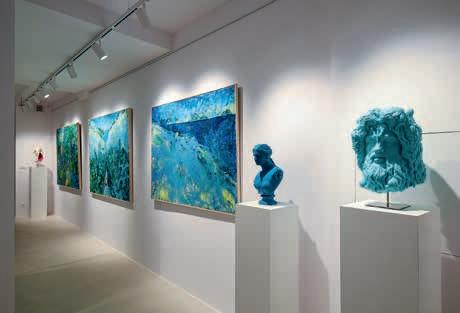
samostalne i skupne izložbe domaćih i inozemnih autora, kao i gostujuće izložbe realizirane u suradnji s međunarodnim galerijama i kustosima. Jedan je izložbeni projekt posebno posvećen mladim, nadolazećim umjetnicima, ponekad i studentima završnih godina Akademije likovnih umjetnosti − s ciljem predstavljanja njihovih radova široj publici te pružanja kontinuirane podrške i afirmacije unutar suvremene umjetničke scene.
Program galerije prati apstraktne tendencije u slikarstvu i skulpturi, od lirske do geometrijske apstrakcije, neo-geo utjecaja, ali vrlo fleksibilno prihvaća djela koja ne napuštaju u potpunosti prepoznatljive motive pejzaža i prirode poput djela Natalije Borčić Peuc, pripadaju hiperrealizmu ili, kao kod skulptura Danielea Fortune, sežu do antičke stilizacije portretne plastike. Posebno je zanimljiv koncept usporednog izlaganja i spajanja slikarstva i skulpture kako bi se pomalo osvježila ideja o sintezi svih vizualnih umjetnosti iz šezdesetih i sedamdesetih godina 20. stoljeća.
Galerija suvremene umjetnosti Zen u dosadašnjem je djelovanju ostvarila niz zapaženih samostalnih i skupnih izložbi u Hrvatskoj i izvan nje. Među domaćim izložbama ističu se samostalne izložbe slikara Sebastijana Dračića, Stjepana Šandrka, Matka Vekića i Domagoja Rogine, kao i multimedijalne umjetnice
Božice Dee Matasić. Galerija je predstavila i brojne skupne projekte u kojima su sudjelovali Grgur Akrap, Natalia Borčić Peuc, Iva Laterza Obuljen, Matej Vuković
01 Samostalna izložba Matka Vekića Slika iz pozadine, 2025.
Matko Vekić’s solo exhibition Image from the Background, 2025
02 Skupna izložba Natalije Borčić i talijanskog kipara Danielea Fortune Island’s Mystic and Echoes of Classical Beauty, 2024. Natalia Borčić and Italian sculptor Daniele Fortuna’s joint exhibition Island’s Mystic and Echoes of Classical Beauty, 2024
03 Samostalna izložba Domagoja Rogine Mekani vrhovi, 2025. Domagoj Rogina’s solo exhibition Soft Peaks, 2025

i talijanski kipar Daniele Fortuna, kao i mladi, nadolazeći umjetnici poput Marte Katavić, Mihaele Rašice, Monike Sinković, Mije Matijević Akrap, Mije Markušić i Caroline Barbarić. Otvorenja izložbi u galeriji uvijek su poseban doživljaj jer galerija kontinuirano njeguje visoke standarde pripreme i prezentacije svake izložbe. Svako otvorenje pretvara se u divno, živopisno i inspirativno okupljanje ljubitelja umjetnosti, umjetnika i stručnjaka iz područja kulture.
Na međunarodnom planu galerija je ostvarila niz uspješnih suradnji u Milanu, kroz izložbe No Limit, Il Ritorno alla Figurazione, Silence, Inspiration to Classic i
Spectacle, koje su potvrdile visoku razinu i prepoznatljivost hrvatske recentne likovne umjetnosti na talijanskom tržištu, predstavljanjem istaknutih slikara Sebastijana Dračića, Pauline Jazvić, Martine Grlić i Stjepana Šandrka. Takva jasnoća koncepta, gdje Frankica Mitrović Mihić prati razvoj umjetnika kroz godine i cikluse, čini je specifičnom među galerijama.
The distinguished Zagreb-based Zen Contemporary Art Gallery is entering its twelfth year. It was founded in 2014 by art historian Frankica Mitrović Mihić with the aim of presenting Croatian visual artists at the highest possible level. After
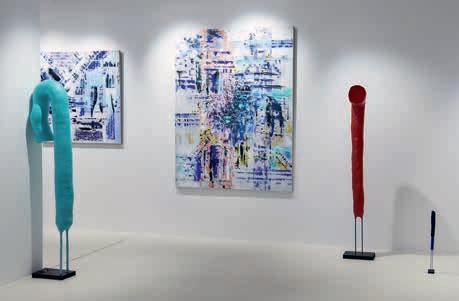

completing her postgraduate studies in the Business of Art at the Fashion Institute of Technology in New York, she further refined her expertise in contemporary art, became closely acquainted with the city’s art scene, and gained insight into the functioning of the global art market. In New York she worked at MoMA PS1, the largest and oldest contemporary art institution in the United States, participating in the selection of artists premiering their work in New York. Upon returning to Croatia, she spent a period working as a curator at the Museum of Contemporary Art in Zagreb before establishing her own gallery. From the outset, the Zen Contemporary Art Gallery has focused on contemporary art, with a programme dedicated to presenting works by established Croatian visual artists of the younger and middle generations, while also discovering and supporting emerging talents. The gallery’s founder has always been guided by close, continuous engagement with the
01 Skupna izložba Ive Laterza Obuljen i Mateja Vukovića Slojevi unutarnjeg glasa, 2024.
Iva Laterza Obuljen and Matej Vuković’s joint exhibition Layers of the Inner Voice, 2024
02 Otvorenje galerijskog prostora i skupne izložbe Art Now s radovima Grgura Akrapa, Sebastijana Dračića, Matka Vekića i talijanskog kipara Danielea Fortune
At the opening of the gallery and group exhibition Art Now with works by Grgur Akrap, Sebastijan Dračić, Matko Vekić, and Italian sculptor Daniele Fortuna
artists she represents. Thanks to that commitment, the gallery today proudly presents a group of leading figures on Croatia’s visual arts scene.
Alongside its regular exhibition programme, the gallery actively fosters international collaboration with foreign galleries, and participates in selected Croatian and international art fairs, seeking to position Croatian artists more prominently on the global art market. After many years of online activity and organising exhibitions both in Croatia and abroad, a permanent gallery space was opened in 2023 at no. 30 Gradišćanska Street, in the immediate vicinity of Lauba − A House for People and Art, in a dynamically revitalised part of Zagreb.
The annual programme comprises four to five exhibitions, including solo and group shows by Croatian and international artists, as well as guest exhibitions realised in collaboration with foreign galleries and curators. One exhibition project is specifically devoted
to young and emerging artists, sometimes students in the final years of their studies at the Academy of Fine Arts, with the aim of introducing their work to a wider public, and providing sustained support and affirmation within the contemporary art scene.
The gallery programme primarily follows abstract tendencies in painting and sculpture, ranging from Lyrical to Geometric Abstraction, and Neo-Geo influences, yet remains flexible enough to embrace works that retain recognisable motifs of landscape and nature such as in Natalia Borčić Peuc’s work, that belong to Hyperrealism, or that − as in the sculptures of Daniele Fortuna − reach towards classical stylisations of portrait sculpture. Particularly compelling is the concept of exhibiting painting and sculpture side by side, subtly reviving the idea of a synthesis of the visual arts associated with the 1960s and 1970s.
Over the years, the Zen Contemporary Art Gallery has realised a series of notable solo and group exhibitions in both Croatia and abroad. Amongst the most prominent domestic exhibitions are solo shows by painters Sebastijan Dračić, Stjepan Šandrk, Matko Vekić, and Domagoj Rogina, as well as the multimedia artist Božica Dea Matasić.
The gallery has also presented numerous group projects featuring Grgur Akrap, Natalia Borčić Peuc, Iva Laterza Obuljen, Matej Vuković, and the Italian sculptor Daniele Fortuna, alongside emerging artists such as Marta Katavić, Mihaela Rašica, Monika Sinković, Mia Matijević Akrap, Mia Markušić, and Caroline Barbarić. Exhibition openings at the Zen Contemporary Art Gallery are always special occasions, as the gallery consistently maintains high standards in the preparation and presentation of each show. Every opening becomes a lively and inspiring gathering of art lovers, artists, and cultural professionals.
Internationally, the gallery has achieved a series of successful collaborations in Milan through exhibitions such as No Limit, Il Ritorno alla Figurazione, Silence, Inspiration to Classic, and Spectacle, confirming both the quality and recognition of recent Croatian visual art on the Italian market through the presentation of distinguished painters Sebastijan Dračić, Paulina Jazvić, Martina Grlić, and Stjepan Šandrk. This clarity of concept − with Frankica Mitrović Mihić closely following the development of her artists across years and cycles − sets her apart within the gallery landscape.
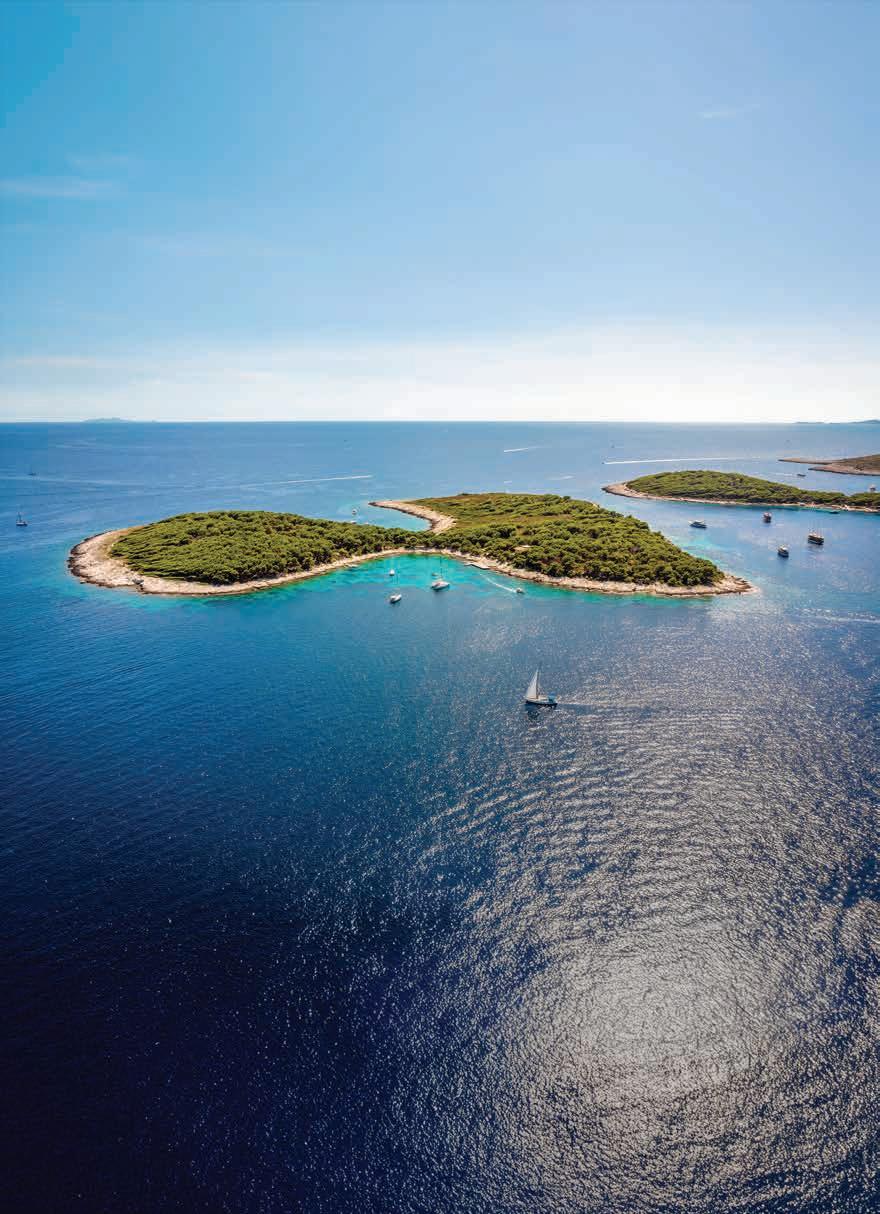
PIŠE/BY Tea Rittig
FOTOGRAFIJE/PHOTOS Damir Fabijanić
Izložba Moja koža − kultura tetoviranja predstavlja tetoviranje kao dinamični kulturni fenomen koji se kroz povijest neprestano mijenja, prilagođava i reinterpretira. Smještena između rituala i mode, duhovnosti i estetike, bunta i društvenih normi, tetovaža se pokazuje kao snažan oblik osobnog i kolektivnog izražavanja. Tetoviranje danas primjećujemo gotovo posvuda i gotovo na svakome, no ono je znatno više od prolaznog trenda. Riječ je o praksi duboko ukorijenjenoj u ljudskoj povijesti; ljudska se koža obilježava tisućama godina iz raznih razloga i s različitim značenjima.
Izložba posebnu pažnju posvećuje tradicijskim tetovažama, koje su neraskidivo povezane s kulturnim nasljeđem iz kojega

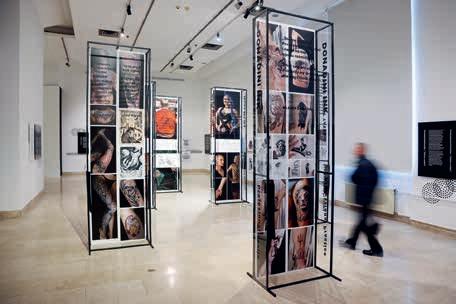
potječu, ali u suvremenom kontekstu često nadilaze lokalne okvire i postaju globalno prepoznatljiv vizualni jezik. Jedan od središnjih primjera jest fenomen bocanja, sicanja, odnosno tetoviranja žena katolkinja iz Bosne i Hercegovine, koji se prikazuje kao jedinstven oblik neverbalne komunikacije uvjetovan povijesnim okolnostima i jasno čitljivom simbolikom.
Postav izložbe Moja koža − kultura tetoviranja potpisuje Tea Rittig, a oblikovanje postava i vizualni identitet Studio Bilić_Müller
The exhibition My Skin − The Culture of Tattooing is curated by Tea Rittig, while the exhibition design and visual identity are authored by Bilić_Müller Studio

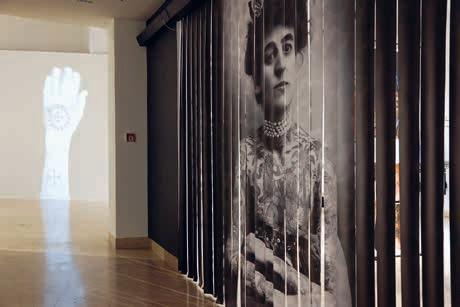
Suvremena dimenzija tetoviranja predstavljena je kroz suradnju s profesionalnom zagrebačkom tattoo scenom, s naglaskom na raznolikost i inkluzivnost te tetoviranje kao spoj kreativnog rada, poduzetništva i životnog stila.
Tetovaže su trajno upisane u kožu i pamte osobne priče, iskustva i stavove. Njihova se društvena percepcija kroz vrijeme mijenjala − od oznake devijantnog i buntovnog do danas široko prihvaćenog i medijski snažno prisutnog oblika izražavanja. Cilj izložbe jest referiranjem na nasljeđe prikazati živopisnu, inovativnu i slojevitu kulturu tetoviranja kroz osobne narative te potaknuti rasprave o njezinim vizualnim, etnološkim i kulturološkim aspektima.
The exhibition My Skin − The Culture of Tattooing presents tattooing as a dynamic cultural phenomenon that has continually evolved, adapted and been reinterpreted throughout history. Situated between ritual and fashion, spirituality and aesthetics, rebellion and social norms, the tattoo emerges as a powerful form of both personal and collective expression. Today, tattoos can be seen almost everywhere and on almost everyone. Yet they are far more than a passing trend. Tattooing is a practice deeply rooted in human history: for thousands of years, people have marked their skin for a variety of reasons and with diverse meanings.
The exhibition places particular emphasis on traditional tattoos, inseparably linked to the cultural heritage from which they originate. In a contemporary context, however, such motifs often transcend local boundaries and
become part of a globally recognisable visual language.
One of the central examples explored is the phenomenon of bocanje or sicanje − the traditional tattooing of Catholic women in Bosnia and Herzegovina. Presented as a unique form of non-verbal communication shaped by specific historical circumstances, these tattoos carry a clearly legible symbolic vocabulary.
The contemporary dimension of tattooing is highlighted through collaboration with Zagreb’s professional tattoo scene, focusing on diversity and inclusivity, and on tattooing as a fusion of creative practice, entrepreneurship, and lifestyle.
Permanently inscribed into the skin, tattoos preserve personal stories, experiences, and convictions. Their social perception has shifted over time − from markers of deviance and
Izložba Moja koža − kultura tetoviranja
27. siječnja − 3. svibnja
Etnografski muzej, Zagreb
My Skin − The Culture of Tattooing exhibition
27 January − 3 May
Ethnographic Museum, Zagreb

rebellion to a widely accepted and strongly mediated form of expression. By referencing historical heritage while foregrounding individual narratives, the exhibition seeks to present the vivid, innovative, and multi-layered culture of tattooing, while encouraging dialogue about its visual, ethnological, and broader cultural dimensions.
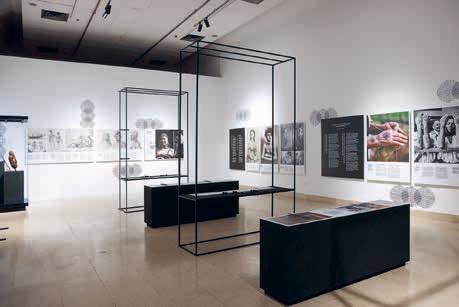
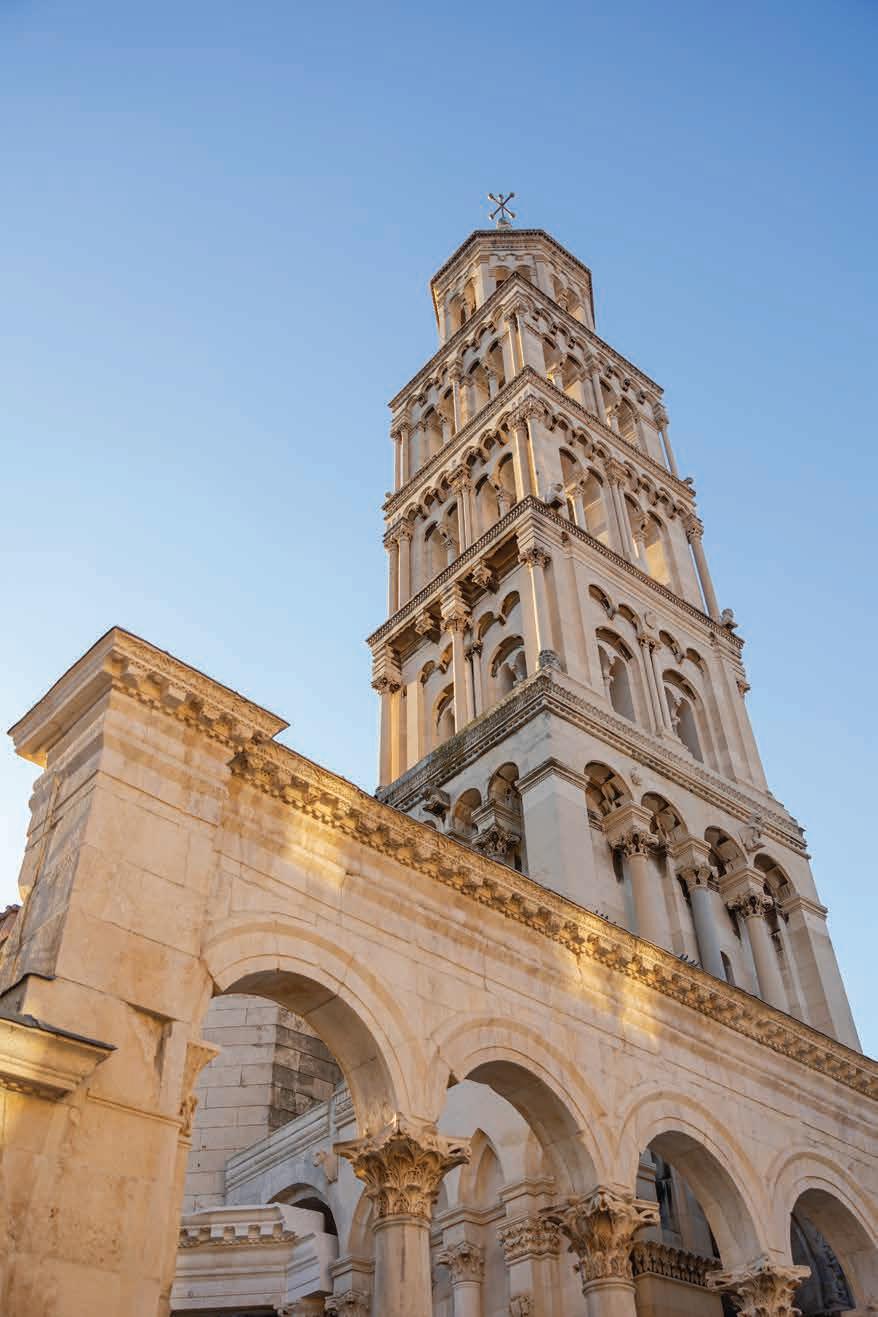



Ozbiljno neozbiljan muzej
Kad se pomisli na muzej, najčešće se zamišljaju tišina, pravila i promatranje umjetnina s distance. HaHaHouse, prvi muzej posvećen smijehu, pokazuje da muzejsko iskustvo može izgledati potpuno drugačije. Ondje se ne šapuće, ondje se sudjeluje, a pojedine eksponate pokreće upravo smijeh. Već na uzbudljivom muzejskom ulazu postaje jasno da nije riječ o mjestu koje traži da budete primjereni nego svoji. Djeca ondje ne moraju biti tiha, a odrasli ne moraju biti ozbiljni. HaHaHouse s lakoćom budi dijete u odraslima i podsjeća na to koliko je važno uživati u trenutku i barem nakratko zaboraviti svakodnevne brige.
Smijeh ima svoju adresu
Ovaj centar zabave i smijeha smješten je u samome srcu Zagreba, u Gajevoj ulici. U Muzeju smijeha redovito se postavljaju nove instalacije i izložbe, dok se eksponati obnavljaju, mijenjaju i nadograđuju kako bi sve zadovoljio, bez obzira na dob i smisao za humor. Posjetitelji se smiju od srca, a nerijetko i do suza.

01 Najdraže predimenzionirane igre iz djetinjstva
Favourite oversized childhood games
02 Sumo borba ravnoteže i smijeha
Sumo wrestling, a contest of balance and laughter
Smijeha i igara
U godinu dana od otvorenja Muzej smijeha postao je nezaobilazna destinacija za obitelji i društva željna zabave, ali i sve popularnije mjesto za proslave rođendana. Kao što ni sam muzej nije uobičajen, ni rođendani koji se ondje organiziraju nisu šablonski. Uz vođenu turu, igre i personalizirane kvizove o slavljeniku, proslavili su ih školarci, milenijalci, ali i 80-godišnjaci.
Od nedavno HaHaHouse organizira i team building programe.
Umjesto klasičnih i predvidivih radionica, smijeh se koristi kao alat povezivanja. Kroz interaktivne sadržaje, pitalice i predimenzionirane verzije igara poput Čovječe, ne ljuti se, sudionici izlaze iz poslovnih uloga, opuštaju se i povezuju na iskrenijoj razini.
Povratak u djetinjstvo
HaHaHouse podsjeća na to koliko je smijeh važan za mentalno zdravlje i svakodnevicu. Već na ulazu zaboravljate stres i dobivate rijetku dozvolu − dozvolu za smijeh, spontanost i igru bez zadrške.
Muzej smijeha tako se nameće kao mjesto koje posjetitelje vraća u bezbrižnost djetinjstva, razvedrava svakodnevicu i podsjeća na to koliko je iskren smijeh jednostavan ali moćan razlog za dolazak.
A seriously unserious museum
When one thinks of a museum, silence, rules, and the quiet contemplation of artworks from a respectful distance usually come to mind. HaHaHouse − the world’s first museum devoted entirely to laughter − proves that a museum experience can look completely different. Here, there is no whispering; there is participation. Some exhibits are even set in motion by laughter itself.
From the very entrance, vibrant and unexpected, it becomes clear that this is not a place that demands decorum, but one that invites you to be yourself. Children need not be quiet, and adults need not be serious. HaHaHouse effortlessly awakens the child within,
01
02 Karaoke soba koja mijenja glasove A karaoke room that transforms voices
03 Ponesi smijeh kući iz suvenirnice Cash & Trash Take the laughter home from the
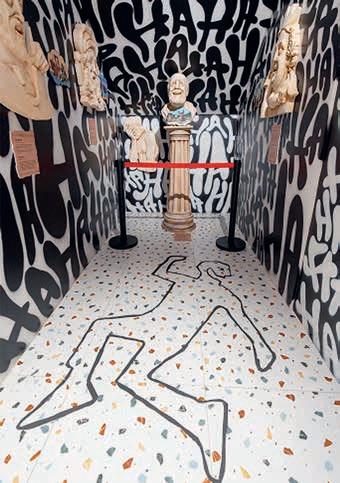
reminding visitors how important it is to savour the moment and, at least for a while, forget everyday concerns.
This centre of fun and laughter is located in the very heart of Zagreb, in Gajeva Street. The Museum of Laughter regularly introduces new installations and exhibits, while existing displays are refreshed, reimagined, and upgraded to delight visitors of all ages and every sense of humour. Laughter here is wholehearted − and not infrequently brings tears to the eyes.
In the year since opening, the Museum of Laughter has become an unmissable destination for families and groups in search of amusement, and an increasingly popular venue for birthday celebrations. Just as the museum itself defies convention, so too do the birthday parties held within it. With guided tours, games and personalised quizzes about the celebrant, parties have been enjoyed by schoolchildren, millennials and even eighty-year-olds.
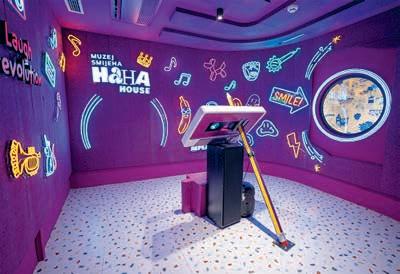

More recently, HaHaHouse has introduced team-building programmes. Instead of conventional, predictable workshops, laughter becomes a tool for connection. Through interactive activities, playful challenges, and oversized versions of classic games such as Ludo, participants step out of their professional roles, relax, and connect on a more genuine level.
HaHaHouse serves as a gentle reminder of how essential laughter is to mental well-being and everyday life. From the moment you step inside, stress begins to fade and you are granted a rare permission − the freedom to laugh, to be spontaneous, and to play without restraint.
The Museum of Laughter thus emerges as a place that restores a sense of childhood lightness, brightens the everyday, and reminds us that sincere laughter is a simple yet powerful reason for a visit.
The new Xiaomi 17 series: Photography with a Leica signature

Xiaomi je lansirao novu seriju flagship modela čiji slogan Istinska Leica fotografija jasno stavlja fokus na vrhunsku kameru s potpisom slavne njemačke kuće, osmišljenu za one koji od mobilne fotografije očekuju više.
U središtu nove Xiaomijeve serije nalazi se fotografija kao iskustvo: promišljena, precizna i estetski nenadmašna. Partnerstvo s Leicom ne donosi samo prepoznatljiv vizualni potpis nego i osjećaj zadovoljstva jer svaki kadar postaje umjetnost, prirodan, uravnotežen i besprijekoran.
Xiaomi 17 Ultra podiže tu filozofiju na najvišu razinu. Opremljen optikom Leica Summilux i telefoto objektivom visoke rezolucije od 200 MP s mehaničkim zoomom, uređaj pretvara svjetlosne izazove noći u platno za kreativnost. Veliki Light Fusion senzor
od jednog inča čuva najfinije detalje i teksture, dok inovativna LOFIC tehnologija osigurava kontrolu nad svijetlim dijelovima kadra, a sjene otkrivaju bogatstvo detalja. Svaka urbana panorama, refleksija na mokrim ulicama ili dramatični portret obasjan uličnim svjetlima reproducira se s dubinom i karakterom profesionalne kvalitete.
Napredni AI alati poput AI Beautify i AI Film dodatno sofisticiraju foto iskustvo: diskretno retuširanje, proširenje kadrova ili naglašavanje atmosfere sada postaju kreativni alati u rukama korisnika. Xiaomi 17 Ultra nije samo telefon nego partner u kreiranju vizualnog sadržaja. Noćni grad, povijesni spomenici ili zvjezdano nebo dobivaju profesionalnu jasnoću i autentičan Leica karakter.


Xiaomi 17 prenosi jednak vizualni DNK u profinjenom, svakodnevnom izdanju. Minimalistički dizajn, uravnotežene linije i premium materijali čine ga iznimno elegantnim, dok Leica optika jamči snimke profesionalne kvalitete. Serija Xiaomi 17 redefinira granice kreativnosti. Bez obzira na to snimate li u dnevnom svjetlu ili pod izazovnim noćnim uvjetima, rezultati zadivljuju i nadahnjuju pa je namijenjena korisnicima koji kvalitetu fotografije doživljavaju potpuno beskompromisno.
Xiaomi has unveiled its new flagship 17 series under the slogan True Leica Photography, placing clear emphasis on a premium camera system developed in collaboration with the legendary German brand Leica Camera − designed for those who expect more from mobile photography.
At the heart of the new Xiaomi series lies photography as an experience: thoughtful, precise, and aesthetically unparalleled. The partnership with Leica brings not only a recognisable visual signature, but also the satisfaction that each frame can become a work of art − natural, balanced, and flawless.
The Xiaomi 17 Ultra elevates this philosophy to its highest level. Equipped with Leica Summilux optics and a high-resolution 200 MP telephoto lens with mechanical zoom, the device transforms the challenges of low light into a canvas for creativity. Its large oneinch Light Fusion sensor captures the finest details and textures, while innovative LOFIC technology ensures control over highlights and reveals rich nuances within the shadows. Urban panoramas, reflections on rain-soaked streets or dramatic portraits illuminated by city lights are rendered with remarkable depth, and professional character.
Advanced AI tools such as AI Beautify and AI Film further refine the photographic experience: subtle retouching, frame expansion, and atmospheric enhancement now become creative instruments in the user’s hands. Xiaomi 17 Ultra is not merely a smartphone, but a partner in visual storytelling. Night-time cityscapes, historic landmarks, and star-filled skies gain professional clarity and the unmistakable Leica aesthetic.
The Xiaomi 17 brings the same visual DNA into a refined, everyday format. Its minimalist design, balanced lines, and premium materials give it a distinct elegance, while Leica optics ensure consistently professional-quality results.
The Xiaomi 17 series redefines the boundaries of creativity. Whether capturing images in daylight or under challenging night-time conditions, the results are both striking and inspiring − crafted for users who approach photographic quality without compromise.

PIŠE/BY Ivan Dorotić
FOTOGRAFIJE/PHOTOS Jure Živković
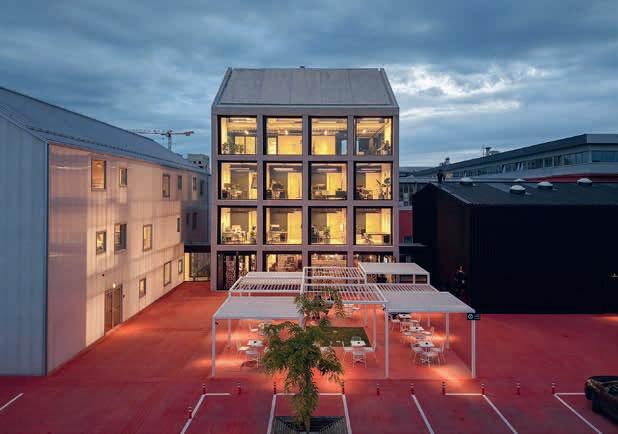
Rekonstrukcijom i dogradnjom nekadašnje tvorničke hale stvoreno je novo kulturno središte sjeverne Hrvatske − Regenerator Zabok.
Zabok je grad u Zagorju u kojem se posljednjih godina stvarao, a lani se konačno i otvorio, vrlo specifičan i na ovim prostorima jedinstven projekt. Siguran sam da će Centar urbane kulture
Regenerator Zabok ovaj grad smješten nedaleko od Zagreba široj javnosti učiniti prepoznatljivim upravo po svojoj originalnosti, oblikovnoj distinkciji i šarolikom kulturnom programu.
Regenerator Zabok suvremeni je kompleks smješten u ranije isključivo industrijskoj zoni, danas revitaliziranoj u novi urbani centar rada. Kompleks kulture, glazbe i kreativnosti u njegovu
01 Kompleks se sastoji od tri međusobno povezana volumena: obnovljenog Regeneratora te novoprojektiranih Silosa i Inkubatora
The complex consists of three interconnected volumes: the renovated Regenerator building, and the newly designed Silos and Inkubator
02 Kompleks se otvara prema trgu s nadstrešnicom i vanjskoj pozornici
The complex opens onto a square, complete with a covered outdoor area and an open-air stage
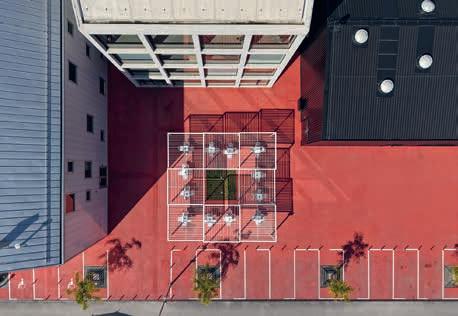
središtu mjesto je susreta i suradnje, druženja, dobre glazbe, kreativnih industrija te nezavisnih udruga na polju kulture i civilnog društva. Projekt ne skriva svoje industrijsko porijeklo − prostor nekadašnje tvornice tepiha Regeneracija − već ga koristi kao temelj novog identiteta. Realiziran kao dio šireg procesa transformacije čitave zone, projekt prenamjenjuje bivši proizvodno orijentiran prostor u fleksibilno arhitektonsko okruženje koje potiče zajednički život zajednice. Inicijalna priča o Regeneratoru započinje 2009. godine, kada je skupina entuzijasta i volontera dobila na korištenje napuštenu tvorničku halu. Uz sustavnu podršku grada, županije i lokalne zajednice, zapušteni prostor pretvoren je u funkcionalan klub koji je tijekom sljedećeg desetljeća prerastao u ključno okupljalište mladih i nezavisne kulturne scene, s više od dvje-
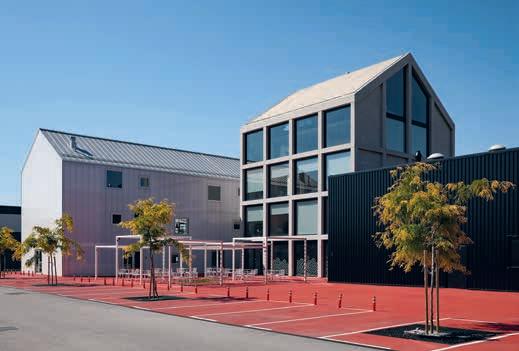
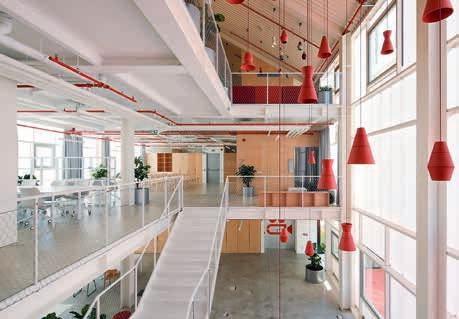
01 Za projekt su Mikelić Vreš Arhitekti nominirani za europsku nagradu Mies van der Rohe
The architectural studio Mikelić Vreš Arhitekti has been nominated for the European Mies van der Rohe Award for the project
02 Interijerom dominiraju produkti hrvatskog dizajna, uključujući lampe studija Grupa
The interior is dominated by products of Croatian design, including lamps by the Grupa Studio
03 Signalistiku prostora, izrađenu u tepihu, potpisuju dizajneri Marko Hrastovec i Robert Čanak
The signage, made in carpet, was designed by Marko Hrastovec, and Robert Čanak
sto događanja koja su oblikovala identitet mjesta i generacija koje su u njemu stasale. Upravo ta snažna veza prostora, zajednice i glazbe bila je poticaj Gradu Zaboku za obnovu cijelog kompleksa i stvaranje današnjeg Regeneratora − arhitektonski ambicioznog i programski slojevitog centra, koji se s pravom navodi među najzanimljivijim koncertnim prostorima u široj okolici Zagreba.
Izvrstan projekt obnove, prenamjene i nove izgradnje potpisuje zagrebački arhitektonski ured Mikelić Vreš Arhitekti, nudeći jasan primjer kako arhitektura može djelovati kao aktivni alat urbane regeneracije. Zadržavajući industrij-
ski karakter izvorne strukture, projekt spaja staro i novo, sirovu materijalnost i suvremeni dizajnerski jezik, industrijsko nasljeđe i kulturnu produkciju − s jasnim osjećajem kontinuiteta, gdje arhitektura nije neutralna pozadina programa nego njegov suautor.
Kompleks Regeneratora sastoji se od tri međusobno povezana volumena − obnovljenog Regeneratora te novoprojektiranih Silosa i Inkubatora − koji zajedno funkcioniraju kao jedan organizam, ali i kao tri jasno profilirana prostora. Svaki volumen ima vlastiti karakter i namjenu, a zajedno tvore novo gradsko obilježje snažnog identiteta.

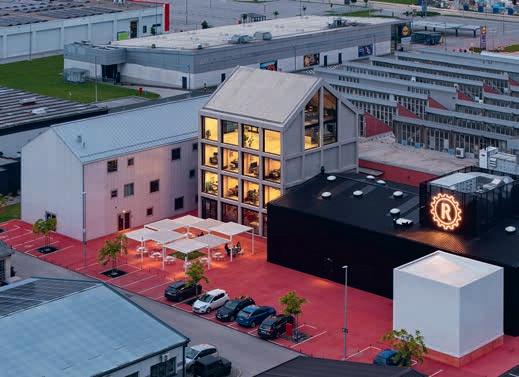
U obnovljenoj zgradi Regeneratora smještena je koncertna dvorana sa sviraonicama, prostor čiju akustiku glazbenici kontinuirano hvale. Središnji Silos preuzima ulogu radne jezgre kompleksa, s uredima institucije i lokalnih aktera s polja kreativnih industrija te cafe barom u prizemlju, dok Inkubator okuplja sadržaje malog art-kina, izložbenih i multifunkcionalnih prostora, ureda udruga te malog hostela smještenog na vrhu. Takva podjela omogućuje različite scenarije korištenja: pojedini dijelovi mogu funkcionirati neovisno, ali se na razini prizemlja po potrebi stapaju u jedinstven, zajednički prostor.
Programski i oblikovno različiti, volumeni stvaraju niz kontrastnih ambijenata − od tamne, introvertirane koncertne dvorane, preko bogato ostakljenih radnih prostora ureda Silosa, do bijelog prozračnog prostora Inkubatora. Istovremeno djelujući kao jedan zajednički sklop zgrada, ali i kao malo urbano susjedstvo, kompleks se otvara prema središnjem trgu, s nadstrešnicom za boravak na otvorenom i vanjskom pozornicom, oblikujući novi javni prostor i mjesto susreta u gradu. Danas Regenerator djeluje kao kulturno žarište Krapinsko-zagorske županije, s naglaskom na glazbu, suvremenu kulturu i mlade, svojim programiranjem i oblikovanjem sugerirajući kako promišljena prenamjena industrijskog nasljeđa, povjerenje u lokalnu energiju i resurse te suvremeni arhitektonski jezik mogu stvoriti autentičan i odvažan urbani sadržaj. Regenerator ne obnavlja samo prostor
01 Spajajući industrijsko nasljeđe i suvremenu arhitekturu, Regenerator postaje prepoznatljivo kulturno žarište Krapinsko-zagorske županije
Combining industrial heritage and contemporary architecture, Regenerator has become a recognisable cultural hotspot of the Krapina-Zagorje County
02 Projekt se ponosi jednim od najboljih koncertnih prostora
The project boasts one of the best concert venues
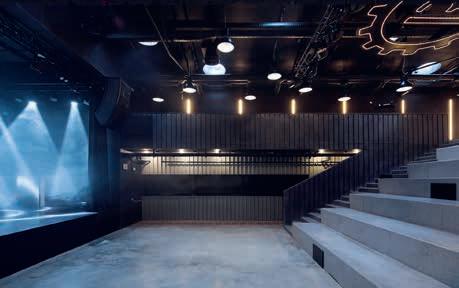
nego redefinira i doslovno regenerira načine na koje mali grad može razmišljati o (svojoj) kulturi, zajednici i budućnosti.
Through the reconstruction and extension of a former factory hall, a new cultural hub of northern Croatia has been created − Regenerator Zabok.
Zabok is a town in the Zagorje region where, over recent years, a highly distinctive and locally unique project has taken shape, finally opening its doors last year. The Regenerator Zabok Centre for Urban Culture is certain to make this town, situated not far from Zagreb, widely recognised for its originality, strong architectural identity, and vibrant cultural programme.
Regenerator Zabok is a contemporary complex located in what was once an exclusively industrial zone, now revitalised into a new
urban centre of activity. At its heart stands a hub of culture, music, and creativity − a place of encounter and collaboration, social gatherings, live music, creative industries, and independent associations active in culture and civil society. The project does not conceal its industrial origins − the former Regeneracija carpet factory − but instead embraces them as the foundation of its new identity.
Conceived as part of a broader transformation of the entire area, the project has converted a former production facility into a flexible architectural environment that encourages shared community life. The story of Regenerator began in 2009, when a group of enthusiasts and volunteers were granted use of an abandoned factory hall. With systematic support from the town, county, and local community, the neglected space was transformed into a functional






club which, over the following decade, grew into a key gathering place for young people and the independent cultural scene, hosting more than two hundred events that shaped both the venue’s identity and the generations that came of age within it. It was precisely this strong bond between space, community, and music that inspired the town of Zabok to renovate the entire complex and create today’s Regenerator − architecturally ambitious and programmatically layered, now rightly considered one of the most compelling concert venues in the wider Zagreb area.
The outstanding project of renovation, conversion and new construction was designed by the Zagreb-based architectural studio Mikelić Vreš Arhitekti, offering a clear example of how architecture can function as an active tool of urban regeneration. Retaining the industrial character of the original structure, the design brings together old and new, raw materiality and contemporary architectural language, industrial heritage and cultural production − with a strong sense of continuity. Here, architecture is not a neutral backdrop to the programme but its co-author.
The Regenerator complex consists of three interconnected volumes − the renovated Regenerator building, and the newly designed Silos and Inkubator − functioning as a single organism while remaining three clearly articulated spaces. Each volume has its own character and purpose, yet together they form a new urban landmark with a powerful identity.
The restored Regenerator building houses a concert hall with rehearsal rooms, a venue
whose acoustics are consistently praised by musicians. The central Silos serves as the working core of the complex, accommodating offices for the institution and local actors in the creative industries, along with a café bar on the ground floor. Inkubator brings together a small arthouse cinema, exhibition and multifunctional spaces, offices for associations and a small hostel located at the top. This layout allows for flexible use: individual sections can operate independently, yet at ground level they may merge into a single, shared space when required.
Programmatically and visually distinct, the volumes create a sequence of contrasting atmospheres − from the dark, introspective concert hall to the generously glazed office spaces of Silos, and the bright, airy white interiors of Inkubator. Acting both as a unified ensemble of buildings and as a small urban neighbourhood, the complex opens onto a central square, complete with a covered outdoor area and an open-air stage, shaping a new public space and meeting point for the town.
Today, Regenerator stands as a cultural focal point of the Krapina-Zagorje County, with a strong emphasis on music, contemporary culture, and youth. Through its programming and design, it demonstrates how the thoughtful reuse of industrial heritage, trust in local energy and resources, and a contemporary architectural language can create an authentic and bold urban space. Regenerator does not merely restore a building; it redefines − and quite literally regenerates − the ways in which a small town can think about (its) culture, community, and future.

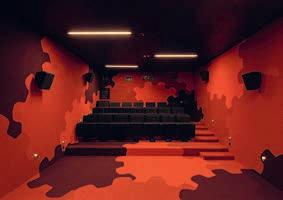
01-02 Malo art kino u potpunosti je obloženo tepisima kao referenca na izvornu funkciju prostora − tvornicu tepiha Regeneracija
The small arthouse cinema is completely carpeted as a reference to the original function of the space − the Regeneracija carpet factory

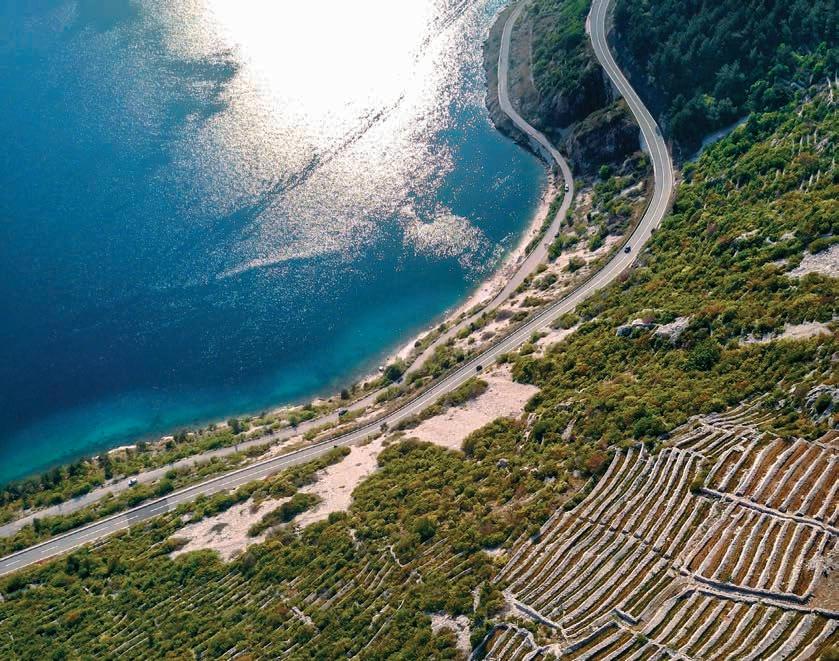
e kvarner@kvarner.hr www.kvarner.hr
European Region of Gastronomy 2026.
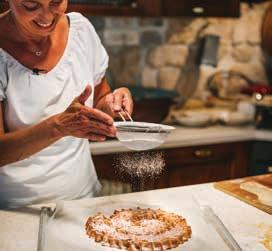
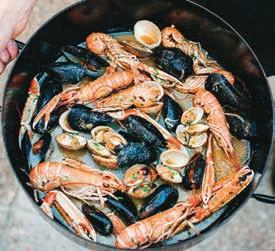






Čini se da u gurmanskim krugovima vlada konsenzus da su sezonsko i lokalno preduvjeti vrhunske spize.
It seems there is a consensus in gourmet circles that seasonal and local foods are prerequisites for top-notch food.
Danas, nakon što su nam globalizacija i napredak u agronomiji omogućili da jedemo jagode i trešnje usred zime, možda ipak proljeće više od svih godišnjih doba naglašava sezonsku stranu kuhanja. Posebno zato što je proljeće i vrijeme mnogih samoniklih jestivih biljaka, koje su se kao vjesnici proljeća utaborile u mnogim našim tradicionalnim receptima i jelima, pa je i ponuda tog bilja na hrvatskim tržnicama uvijek bogata. U Dalmaciji i Primorju to su mišancija i divlje šparoge, dok su na kontinentu (osim gljiva) najpopularniji medvjeđi luk ili srijemuš i koprive.

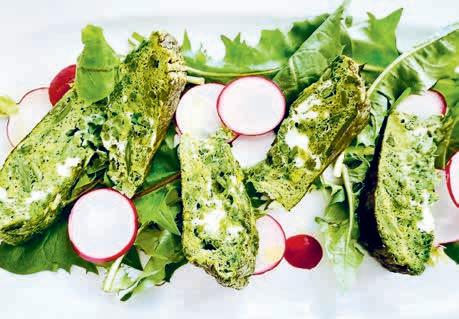
01 Pesto od medvjeđeg luka Wild garlic pesto
02 Omlet od divljih šparoga, medvjeđeg luka i kozjeg sira
Wild garlic, wild asparagus and goat’s cheese omelette
Na samome izmaku zime na našim se tržnicama prvo pojavljuje mišancija, mišanca, pazija, pakoleč, svakober, gruda, paparač, parež, broška, ščadovina, divje zeje ili zelje iz tršja. Sve su to nazivi za mješavinu samoniklog jestivog bilja, koje se najviše bere i cijeni u Dalmaciji i Primorju. Tradicija koja je očigledno nastala iz neimaštine danas se pretvorila u vrhunsku sezonsku deliciju, za koju su sladokusci spremni platiti više nego za bilo koje drugo lisnato povrće. Koje sve trave spadaju u mišanciju, teško je odrediti jer svako mjesto, otok ili sakupljač ima vlastitu formulu. U Enciklopediji samoniklog jestivog bilja Ljubiša Grlić divi se korčulanskim običajima i znanju, zahvaljujući kojima Korčulani u svojoj lokalnoj mišanciji (grudi) koriste čak trideset vrsta različitog samoniklog bilja.
Žutenica, sinjak, jaguc, buraž, mak, žukvar, divlji luk, baljuška, koromač, drizguja, gorčica, škurlin, repuša i iglica samo su neki od živopisnih naziva tih biljaka. Danas možemo biti sretni ako u mišanciji možemo prepoznati njih desetak najuobičajenijih.
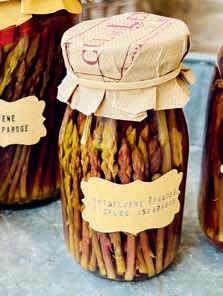
01 Ukiseljene divlje šparoge
Pickled wild asparagus
02 Berba medvjeđeg luka na Tuškancu u centru Zagreba
Foraging for wild garlic in Tuškanac Park in the centre of Zagreb
Važno je da se biljke za mišanciju beru mlade, prije cvata, jer nakon toga često postaju gorke. Osim ako sami ne berete biljke za mišanciju, teško da imate previše izbora kad je riječ o omjeru pojedinih biljaka pa je dobro kušati pojedine vrste kako biste mogli izbaciti dio onih koje vam se čine jako aromatične i koje bi mogle potpuno prekriti okus ostalih. Možete koristiti mišanciju na jednak način kao što biste koristili aromatični špinat − i nemojte se ograničiti samo na uobičajenu lešo varijantu s krumpirom. Njome možete puniti meso ili raviole, aromatizirati salse i fritaje, a fantastično se slaže sa svim grahoricama, posebno slanutkom.
Odmah nakon mišancije, obično krajem veljače i početkom ožujka (ovisno o godini i klimatskim uvjetima), kreće sezona divljih šparoga, koju osobno jedva dočekam. U nekoliko godina života na selu u Istri, šparugarenje je postalo jedna od mojih omiljenih aktivnosti. Osim fizičkog dijela, dugih šetnji i vježbi zbog uvlačenja i izvlačenja iz gustog, često bodljikavog grmlja, obožavam i grickanje sirovih, svježe ubranih divljih šparoga, koje su tada zapravo vrlo slatke. Za razliku od gljiva šparoge godinama rastu na jednakim mjestima pa tako već imam vlastita bogata nalazišta. Višak divljih šparoga, koje se ne stignu pojesti svježe, nikad ne zamrzavam jer
tako gube mnogo na okusu i teksturi. Otkrila sam da su odlične ukiseljene pa u njima mogu uživati cijele godine. Doduše, po dosadašnjem iskustvu, zalihe nestanu vrlo brzo nakon kiseljenja.
Šparoge se mogu kombinirati sa svim proljetnim povrćem, ali jedno je sigurno − jaja i šparoge se vole! Dapače, jako su zaljubljeni, s leptirićima u trbuhu i svime što ide uz to. Pritom nikad nisu dosadni i monotoni kao što često savršeni parovi znaju biti jer već same šparoge mogu biti divlje, karakterne ali i vrlo nježne, uzgojene, dok mogućnosti metamorfoze jaja nije potrebno ni spominjati.
Na kontinentu Hrvatske proljeće najavljuju mlade koprive, čiji su žarko zeleni listovi izvrsni kuhani, kada naravno više ne peku. Lišće mladih kopriva može se koristiti na jednak način kao špinat ili blitva: možete od njih spravljati juhe ili zeleni pesto za tjesteninu. Osim svoje gastronomske vrijednosti idealan su sastojak za čišćenje organizma nakon zimskog sna jer su bogate vitaminom C, vitaminom A, vitaminom B2, fosforom, željezom, magnezijem, natrijem, kalijem i drugim nutrijentima neophodnim za urednu funkciju ljudskog organizma. Koprive se trebaju brati prije cvjetanja izbjegavajući jako velike listove, koji mogu biti gorki. Za mene najbolje ipak dolazi na kraju. To je medvjeđi luk ili srijemuš jer za velike ljubitelje arome češnjaka, kao što sam sama, s medvjeđim lukom ta divota dolazi u zelenom i svježem obliku. Može biti divan pikantan začin nekim jelima, ali i glavna zvijezda u juhama, omletima i paštama. Iako ga se veći dio proljeća može kupiti od kumica na zagrebačkim
tržnicama, može se doslovce nabrati i u nekoliko perivoja u centru Zagreba, samo treba znati da srijemuš voli sjenovita i vlažna mjesta.
U nekim namirnicama koje se u ovom razdoblju pojavljuju moći ćemo uživati tek iduće proljeće, što i jest velik dio njihove privlačnosti. Međutim, i u tako kratkom vremenu postoji početak, vrhunac i kraj sezone, zato je dobro imati na umu da na početku trebate iskoristiti posljednje divlje šparoge, crvene sicilijanske naranče, mišanciju, ćimulice, domaće limune, mladu janjetinu, medvjeđi luk, komorač, a onda usred proljeća uživati u uzgojenim domaćim šparogama, mladom bobu, mladom luku i češnjaku, mladoj rikuli, listovima i rombovima, mladoj mrkvici, proljetnoj salati, koprivama, špinatu, mladom kozjem siru te pripremiti recepte s artičokama, graškom, prvim mahunama i jagodama. Ipak, jedan je od izazova kod kuhanja s dugo očekivanim prvim proljetnim namirnicama sačuvati njihove delikatne boje, teksture i okusa. Stoga, štedljivo sa začinima, dugim kuhanjima i žestokim okusima.
Omlet od medvjeđeg luka, divljih šparoga i kozjeg sira
Namirnice:
− 1 vezica svježih divljih šparoga
− 1 vezica svježeg medvjeđeg luka
− 3 mlada češnjaka narezana na kolutiće
− 3 mlada luka narezana na kolutiće
− 12 jaja
− ekstra djevičansko maslinovo ulje
− 250 g svježeg kozjeg sira
− naribana korica limuna
− sol i svježe mljeveni papar

Zagrijte pećnicu na 200 °C. Šparoge kratko blanširajte u slanoj kipućoj vodi, tek toliko da postanu zelene. Ocijedite ih i ohladite u ledenoj vodi pa narežite na manje komade od oko 2 cm. Izmiksajte medvjeđi luk s dva jaja u pire, a zatim ga pomiješajte sa šparogama, ostatkom jaja, kozjim sirom i koricom limuna. Posolite i popaprite. U tavi sa zagrijanim maslinovim uljem propirjajte mladi luk i češnjak pa ulijte smjesu od jaja te na laganoj vatri pustite da se omlet stisne s donje strane. Premjestite tavu u pećnicu i pecite otprilike šest minuta, dok se ne stisne i s gornje strane. Okrenite omlet iz tave na tanjur, narežite i poslužite.
Today, after globalisation and advances in agronomy have made it possible for us to eat strawberries and cherries in the depths of winter, perhaps spring, more than any other season, underscores the seasonal side of cooking. Particularly because spring is also the time of many wild edible plants, which have established themselves as harbingers of spring in numerous traditional Croatian recipes and dishes, making the selection of such greens at Croatian markets always bountiful. In the regions of Dalmatia and the Croatian Littoral, these are a wild greens mix called mišancija and wild asparagus, while in the continental region − aside from mushrooms − the most popular are wild garlic and nettles.
At the very end of winter, the first to appear at our markets is mišancija, known locally by many names: mišanca, pazija, pakoleč, svakober, gruda, paparač, parež, broška, ščadovina, divje zeje, or zelje iz tršja. These are all terms for a mixture of wild edible greens, most commonly foraged and prized in the regions of Dalmatia and the Croatian Littoral. A tradition that evidently arose from scarcity has today transformed into a premier seasonal delicacy, for which food lovers are willing to pay more than for any other leafy vegetable. Which specific herbs make up mišancija is difficult to determine, as every place, island or forager has their own formula. In the Encyclopaedia of Wild Edible Plants, Ljubiša Grlić marvels at the customs and knowledge of Korčula, thanks to which the islanders use as many as thirty different types of wild plants in their local mišancija or gruda Žutenica, sinjak, jaguc, buraž, mak, žukvar, diblji luk, baljuška, koromač, drizguja, gorčica, škurlin, repuša, and iglica are just some of the vividly named plants. Today, we can

consider ourselves lucky if we can recognise about a dozen of the most common ones in a mišancija mix. It is important that the plants for mišancija are picked young, before flowering, as they often become bitter afterwards. Unless you forage the plants yourself, you have little choice regarding the proportion of individual greens, so it is a good idea to taste the different types to see if you need to remove any that seem overly aromatic and might completely overwhelm the flavour of the others. You can use mišancija in the same way you would use flavourful spinach − and don’t limit yourself only to the usual boiled version with potatoes. You can use it to stuff meat or ravioli, flavour salsas and frittatas, and it pairs fantastically with all legumes, especially chickpeas.
Right after mišancija, usually at the end of February and beginning of March, depending on the year and weather conditions, the wild asparagus season begins − one I personally eagerly await. During several years of living in the Istrian countryside, asparagus foraging has become one of my favourite activities. Besides the physical aspect, the long walks and the exercise of ducking in and out of dense, often thorny undergrowth, I also adore nibbling on raw, freshly picked wild asparagus, which at that moment is actually quite sweet. Unlike mushrooms, asparagus grows in the same spots year after year, so I already have my own bountiful patches I discovered over the years.
I never freeze the surplus of wild asparagus that doesn’t get eaten fresh, as it loses much of its flavour and texture. I’ve discovered they are excellent pickled, allowing me to enjoy them all year round. Admittedly, though,
U nekim namirnicama koje se u ovom razdoblju pojavljuju moći ćemo uživati tek iduće proljeće, što i jest velik dio njihove privlačnosti.
Some of the plants that grow during this period we will only be able to enjoy again next spring, which is a large part of their appeal.

01 Mišancija
A wild greens mix called mišancija
02 Divlje šparoge Wild asparagus
based on my experience so far, the supplies disappear very quickly after pickling. Asparagus can be combined with all spring vegetables, but one thing is certain − eggs and asparagus are a match made in heaven! Indeed, they are deeply in love, with butterflies in their stomachs, and all that entails. Yet they are never boring and monotonous as perfect pairs can sometimes be, because asparagus itself can be wild and full of character, but also very tender and cultivated, while the transformative possibilities of eggs need not even be mentioned.
In continental Croatia, spring is announced by young nettles, whose bright green leaves are excellent when cooked, when of course they no longer sting. The leaves of young nettles can be used in the same way as spinach or Swiss chard: you can make soups or a green pesto for pasta from them. Besides their culinary value, they are an ideal plant for cleansing the body after its winter slumber, as they are rich in vitamin C, vitamin A, vitamin B2, phosphorus, iron, magnesium, sodium, potassium and other nutrients essential for the proper functioning of the human body. Nettles should be picked before flowering, avoiding very large leaves which can be bitter.
For me, the best comes last. That is wild garlic, medvjeđi luk or srijemuš in Croatian, because for great lovers of garlic flavour like myself, this delight comes in a green and fresh form in the spring. It can be a wonderful, pungent seasoning for some dishes, but also the main star in soups, omelettes, and pastas. Although for most of the spring it can be bought at Zagreb’s farmers’ markets, it can literally be picked in several parks in the city centre; all you need to know is that wild garlic likes shady and damp places.
Some of the plants that grow during this period we will only be able to enjoy again next spring, which is a large part of their appeal. However, even within such a short time, there is a beginning, a peak, and an end to the season, so it is good to keep in mind that at the start you should make the most of the last wild asparagus, blood oranges from Sicily, mišancija, the tender sprouts of different cabbage plants, homegrown lemons, spring lamb, wild garlic, fennel, and then in mid-spring enjoy cultivated asparagus, spring broad beans, spring onions and garlic, baby rocket, common soles and European flounders, spring carrots, spring salad greens, nettles, spinach, young goat’s cheese, and prepare recipes with artichokes, peas, the first green beans, and strawberries.
Nevertheless, one of the challenges when cooking with these long-awaited first spring foods is preserving their delicate colours, textures, and flavours. So, be sparing with spices, long cooking times, and overpowering tastes.
Wild garlic, wild asparagus and goat’s cheese omelette recipe
Ingredients:
− 1 bunch of fresh wild asparagus
− 1 bunch of fresh wild garlic
− 3 spring garlic cloves, sliced
− 3 spring onions, sliced
− 12 eggs
− extra virgin olive oil
− 250 g fresh goat’s cheese
− grated lemon zest
− salt and freshly ground pepper
Preheat the oven to 200°C. Briefly blanch the asparagus in salted boiling water, just until it turns bright green. Drain and cool in iced water, then cut into smaller pieces, about 2 cm long. Blend the wild garlic with two eggs into a purée, then mix it with the asparagus, the remaining eggs, goat’s cheese, and lemon zest. Season with salt and pepper. In an ovenproof frying pan, sauté the spring onions and spring garlic in heated olive oil until soft, then pour in the egg mixture, and cook gently over a low heat until the omelette is set on the underside. Transfer the pan to the oven, and bake for approximately six minutes, until set on top as well. Turn the omelette out of the pan onto a plate, slice and serve.

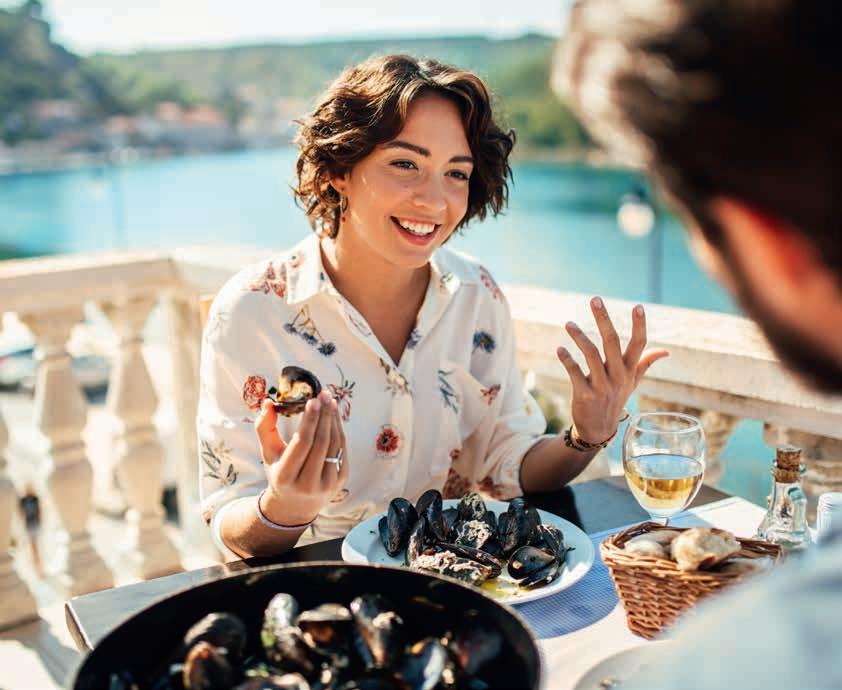

Savour the wines of Zadar’s vineyards.

sir - bogat okusom i tradicijom. Pag cheese - rich in flavour, rooted in tradition.
Kada je riječ o gastronomiji, Zadarska županija pravi je predstavnik Dalmacije i Mediterana, gdje riba, vino i maslinovo ulje čine “sveto trojstvo“ prehrane. Riječ je o području iznimne raznolikosti, vidljive u krajolicima, tradicijama pripreme i autentičnim namirnicama. Donosimo vam izbor jela i proizvoda koje jednostavno ne smijete propustiti!
When it comes to gastronomy, the Zadar Region is a true representative of Dalmatia and the Mediterranean, where fish, wine and olive oil form the “Holy Trinity” of nutrition. This is a region of remarkable diversity, reflected in its landscapes, culinary traditions and authentic ingredients. Here are some dishes and produce you should not miss!
S gotovo petinom hrvatske obale i stotinama otoka, Zadarska županija živi u ritmu mora, gdje je svježa riba svakodnevni luksuz. Od jednostavno pripremljene orade, brancina ili srdela s gradela na ribarskim feštama, do sočnih novigradskih dagnji na buzaru, okusi su uvijek autentični i puni karaktera. Posebno mjesto zauzima tradicionalni brudet, a najpoznatiji je onaj iz Kali, kuhan na otvorenoj vatri s krumpirom.
Zadarska županija posljednjih godina doživljava pravu renesansu na hrvatskoj vinskoj sceni, zahvaljujući malim boutique vinarima i snažnoj orijentaciji prema održivosti. Čak 30% proizvođača nosi ekooznaku, a specifična mikroklima podno Velebita vinima daje izraženu svježinu i eleganciju. Uz međunarodne sorte, sve veću pažnju dobivaju autohtone sorte poput svrdlovine, plavine i tribidraga, koje ponovno osvajaju ljubitelje vina.
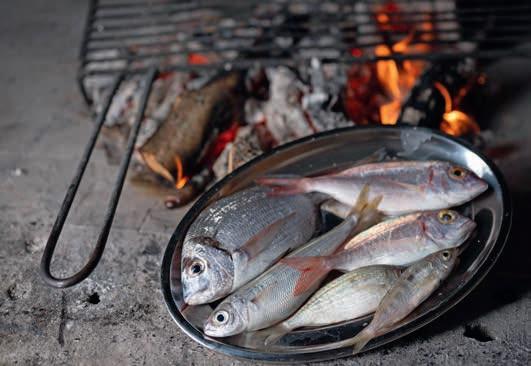
With almost a fifth of the Croatian coastline and hundreds of islands, life in the Zadar Region follows the rhythm of the sea, and fresh fish is an everyday luxury. From simply grilled sea bream, sea bass or sardines enjoyed at coastal fishing festivals, to slow-cooked specialties such as Novigrad mussels on buzara, the flavours are always genuine and full of character. Don’t miss traditional fish stews such as brudet, especially the famous one from Kali, prepared over an open fire with potatoes.
The Zadar Region has recently experienced a true renaissance on the Croatian wine scene, driven by small boutique wineries with a strong focus on sustainability. With as many as 30% of producers holding eco-labels, the region shines with fresh, elegant wines, shaped by the cool air currents from Mount Velebit. Alongside internationally renowned varieties, native grapes such as Svrdlovina, Plavina and Tribidrag are once again telling the authentic wine story of the Zadar Region.
Maslinovo ulje srce je dalmatinske kuhinje, a u Zadarskoj županiji s razlogom nosi naziv “zeleno zlato“.
Nepregledni maslinici prostiru se od Ravnih kotara do obale i otoka, oblikujući krajolik i okuse duboko ukorijenjene u tradiciju.
Na tom putu moguće je kušati maslinova ulja različitih nijansi zelene, odraza tla, sunca i višestoljetne brige o maslini. Ova maslinova ulja globalno su prepoznata i višestruko nagrađivana, cijenjena zbog svoje kvalitete, autentičnosti i izraženog mediteranskog karaktera.
Olive oil is the essence of Dalmatian cuisine, and in the Zadar Region it is truly treated as “green gold”.
Endless olive groves stretch from Ravni Kotari to the coast and islands, creating landscapes and flavours deeply rooted in tradition.
Along the way, visitors can sample olive oils in different shades of green, each telling a story of the soil, the sun and generations of careful cultivation.
Globally recognised and award-winning, these olive oils are celebrated for their quality, authenticity and distinctive Mediterranean character.
PIŠE/BY Dubravka Prpić Znaor
FOTOGRAFIJE/PHOTOS Mladen Šarić
Usklopu redizajna vizualnog identiteta Croatia Airlinesa, novu ulogu dobivaju i uniforme letačkog i zemaljskog osoblja, promišljene kao jedan od ključnih komunikacijskih elemenata brenda. Uniforme pritom nadilaze osnovnu funkcionalnu ulogu te postaju vidljiv i svakodnevan nositelj vrijednosti, identiteta i profesionalnih standarda nacionalnog avioprijevoznika.
Nova kolekcija uniformi osmišljena je kao sustav kapsulne garderobe koji istodobno odgovara operativnim zahtjevima rada u zrakoplovnoj kabini i jasno se uklapa u obnovljeni vizualni jezik kompanije. Riječ je o dugoročno održivom sustavu odijevanja, oblikovanom s ciljem trajnosti, funkcionalnosti i vizualne dosljednosti kroz dulje razdoblje. Autorica dizajna uniformi hrvatska je modna dizajnerica Martina Vrdoljak Ranilović.
Kolekciju čini niz temeljnih, modularno oblikovanih odjevnih komada koji omogućuju različite kombinacije unutar jasno definiranog vizualnog okvira. U dizajnu je svjesno tražena ravnoteža između naslijeđene, gotovo romantičarske percepcije profesije te suvremenog, funkcionalnog pristupa odijevanju, prilagođenog stvarnim potrebama današnjega zrakoplovnog okruženja.
Uniforme omogućavaju lakoću kretanja, osjećaj sigurnosti i profesionalnog dosto-
janstva, ali istodobno prenose identitet kompanije.
Koloristička paleta izravno proizlazi iz obnovljenog vizualnog identiteta Croatia Airlinesa: dominantna tamnoplava boja, tradicionalno povezana s profesionalnošću, pouzdanošću i autoritetom, postavljena je kao temelj, dok se ostali tonovi pojavljuju u ulozi suptilnih akcenata. Izbor materijala bio je jedan od ključnih segmenata procesa, posebno zbog specifičnih uvjeta rada u avionskoj kabini. Prednost je dana prirodnim vlaknima koja osiguravaju veću razinu udobnosti, prozračnosti i sigurnosti, dok je konstrukcija odjevnih predmeta prilagođena nošenju tijekom većeg dijela godine, neovisno o sezonskim promjenama.
Redizajn uniformi odvija se usporedno s opsežnom obnovom flote, koja uključuje 15 novih zrakoplova tipa A220, kao i s potpunim redizajnom vizualnog identiteta kompanije. Novi logotip i novo oblikovanje zrakoplova redizajnirani su s ciljem bolje vidljivosti, jasnijeg isticanja nacionalnog identiteta i suvremenije vizualne prezentacije brenda.
− Taj se vizualni kod dosljedno prenosi i na dizajn službenih marama i kravata, čime se osigurava koherentnost svih elemenata novog vizualnog sustava − istaknula je dizajnerica vizualnog identiteta Croatia Airlinesa Ivana Ivanković.



Djelatnici simboliziraju vrijednosti
Croatia Airlinesa i u središtu su priče o povjerenju i kvaliteti usluge
Croatia Airlines’ employees symbolise the values of the company, and are at the centre of the story of trust and quality of service


Nova kolekcija uniformi osmišljena je kao sustav kapsulne garderobe koja se jasno uklapa u obnovljeni vizualni identitet kompanije
The new uniform collection is designed as a capsule wardrobe system that clearly aligns with the company’s renewed visual identity


Kao nacionalna aviokompanija Croatia Airlines pritom ima važnu ulogu u oblikovanju percepcije države, pri čemu su tehnička preciznost, kvaliteta i sigurnost naglašeni kao temeljne vrijednosti identiteta.
As part of the redesign of Croatia Airlines’ visual identity, the uniforms of flight and ground personnel have been given a new role, conceived as one of the brand’s key communication elements. The uniforms thereby transcend their basic functional purpose, and become a visible, everyday bearer of the values, identity, and professional standards of Croatia’s flag carrier.
The new uniform collection has been designed as a capsule wardrobe system that simultaneously meets the operational demands of working in an aircraft cabin and clearly aligns with the company’s renewed visual language. It represents a long-term sustainable clothing system, created with durability, functionality, and visual consistency over an extended period in mind. The uniforms were designed by Croatian fashion designer Martina Vrdoljak Ranilović.
The collection consists of a series of essential, modularly conceived garments that allow for various combinations within a clearly defined visual framework. The design consciously sought a balance between the inherited, almost romantic perception of the profession on the one hand, and a contemporary, functional approach to dressing, adapted to the real needs of today’s aviation environment, on the other. The uniforms facilitate ease of movement, a sense of security, and professional dignity, while simultaneously conveying the company’s identity.
The colour palette derives directly from Croatia Airlines’ renewed visual identity: a dominant navy blue, traditionally associated with professionalism, reliability, and authority, serves as the foundation, while other tones appear as subtle accents.
The choice of materials was one of the key segments of the process, particularly due to the specific working conditions in the aircraft cabin. Preference was given to natural fibres, which ensure a higher level of comfort, breathability, and safety, while the construction of the garments is adapted for wearing throughout most of the year, regardless of seasonal changes.
The redesign of the uniforms is taking place in parallel with Croatia Airlines’ extensive fleet renewal, which includes 15 new A220 aircraft, as well as with a complete overhaul of the company’s visual identity. The new logo and the new aircraft livery have been redesigned with the aim of better visibility, a clearer emphasis on national identity, and an updated visual presentation of the brand.
− This visual code is consistently carried through to the design of the official scarves and ties, thereby ensuring the coherence of all elements of the new visual system − highlighted Croatia Airlines’ visual identity designer, Ivana Ivanković.
As the flag carrier, Croatia Airlines thus plays an important role in shaping the perception of the country, with technical precision, quality, and safety highlighted as the core values of the carrier’s identity.


Liječnik i znanstvenik uvršten na popis 2% najutjecajnijih znanstvenika svijeta, prof. dr. Dragan Primorac progovara o aktualnim temama na sjecištu medicine, znanosti i sporta, kao i o projektima koji posljednjih godina oblikuju taj prostor dotičući se razvoja preventivnih modela, međunarodnih znanstvenih inicijativa te suradnji s vodećim svjetskim institucijama. Primorac govori o trendovima u medicini, ulozi novih tehnologija te poziciji Hrvatske u globalnom zdravstvenom kontekstu.
Physician and scientist included amongst the top 2% of the world’s most influential researchers, Prof. Dragan Primorac, MD, Ph.D., talks about current topics at the intersection of medicine, science, and sport, as well as about the projects that have shaped this field in recent years, touching upon the development of preventive models, international scientific initiatives and collaborations with leading global institutions. Primorac also speaks about trends in medicine, the role of new technologies, and Croatia’s position within the global healthcare context.
Član ste Zdravstvene i antidopinške komisije Europskih olimpijskih odbora, Zdravstvene komisije i Vijeća Hrvat ‑ skog olimpijskog odbora, Zdravstvene komisije Svjetske odbojkaške fede racije, potpredsjednik ste Hrvatskog taekwondo saveza, savjetnik ste za zdravstvo i znanost u Hrvatskom nogo metnom savezu, a 2019. kao predsjed nik Zdravstvene komisije Hrvatskog no gometnog saveza po prvi ste put uveli sustavnu analizu nekoliko stotina gena s ciljem prevencije iznenadne srčane smrti u sportaša. Svoj ste model pre vencije iznenadne srčane smrti objavili i u nekoliko znanstvenih radova… − Prevencija iznenadne srčane smr ti jedan je od najsloženijih izazova suvremene medicine. Tom se problemu posvećuju brojni stručnjaci, no nijedna medicinska disciplina sama za sebe ne može pružiti sve odgovore vezane uz iznenadnu srčanu smrt sportaša. Kao predsjednik Zdravstvene komisije HNS‑a 2019. godine okupio sam multidiscipli narni tim hrvatskih, američkih i njemač kih stručnjaka − kardiologa, genetičara, specijalista medicine rada i sporta itd. − s ciljem integracije genetike u ranu dijagnostiku i prevencije iznenadne srča ne smrti kod predisponiranih sportaša. U sklopu projekta prvi je put u sustavni probir rizičnih sportaša uvedeno isto dobno testiranje 294 gena i pripadajućih mutacija povezanih s bolestima koje mogu dovesti do iznenadne srčane smr ti. O projektu smo obavijestili FIFA‑u i UEFA‑u, a naš projekt ubrzo je dobio na ziv Hrvatski model prevencije iznenadne srčane smrti u sportaša . Od tog trenutka do danas napravljen je značajan iskorak jer s istim ciljem kod predisponiranih sportaša sekvencioniramo cijeli ljudski
genom, čime ponovno hrvatsku medi cinu snažno globalno pozicioniramo. Sličan model uspješno primjenjujemo i na rizične skupine opće populacije.
Osnovali ste inicijativu Nobel Spirit i godinama surađujete s dobitnicima Nobelove nagrade, ali i mladim znan stvenicima. Koja je najzanimljivija lekcija koju ste naučili u suradnji s nobelovcima?
− Ponosan sam na ovu u svijetu pre poznatljivu inicijativu. Do sada je deset dobitnika Nobelove nagrade sudjelovalo u njegovu radu: Aaron Ciechanover, Ri chard Roberts, Gregg Semenza, Svante Pääbo, Robert Huber, Ada Yonath, Paul Modrich, Harald zur Hausen, Avram Hershko i Thomas Südhof, a provodimo ga u partnerstvu s Hrvatskom radiote levizijom. Nobel Spirit je postao trajna platforma koja povezuje hrvatsku aka demsku i kliničku zajednicu, posebice mlade znanstvenike i liječnike te studen te i učenike s vodećim znanstvenicima svijeta, potiče nove suradnje te globalno povećava vidljivost Hrvatske. Temeljna poruka koju šaljemo mladim znanstve nicima jest ne bojte se riskirati i najveći je rizik ne riskirati ako želite napraviti značajne iskorake u životu Što možemo očekivati od ovogodiš nje 14. ISABS i Mayo Clinic konferenci je koja će se u lipnju održati u Dubrov ‑ niku? U suradnji ISABS‑a, Mayo Clinic i Specijalne bolnice Sv. Katarina do sada je u radu kongresa sudjelovalo 6000
znanstvenika iz osamdesetak država kao i više od 800 pozvanih predavača… − U pravu ste, naš kongres je postao globalni brend s snažnom reputacijom mjesta na kojem se otvaraju teme koje oblikuju budućnost medicine. Fokus ovogodišnje konferencije bit će umjetna inteligencija u medicini kao koncept koji već danas oblikuje dijagnostiku, terapiju, rehabilitaciju, ali i organizaciju zdrav stvenih sustava. Vodeći znanstvenici svijeta objedinit će na jednome mjestu postojeća znanja iz umjetne inteligencije iz gotovo svih područja kliničke medici ne te forenzičke i antropološke genetike, a Dubrovnik će ponovno biti pozornica na kojoj se jasno vidi kako će izgledati medicina budućnosti. Poseban naglasak bit će na naprednim modelima strojnog učenja koji omogućuju interpretaciju velikih, kompleksnih bioloških skupova podataka na razini stanica. Takvi pristupi otvaraju put preciznijem razumijevanju molekularnih mehanizama odgovornih za nastanak bolesti, ali i razvoju potpuno novih terapijskih pristupa u liječenju do sada neizlječivih bolesti. Kako gledate na zdravstveni turizam i njegovu trenutačnu poziciju u Hrvat skoj?
− Malo je zemalja koje mogu istodobno ponuditi vrhunsku medicinsku skrb, sigurnu destinaciju, izniman geografski položaj i reputaciju zemlje u koju se ljudi vraćaju s istinskim povjerenjem, kao što je Hrvatska. Ključ uspjeha leži u stra

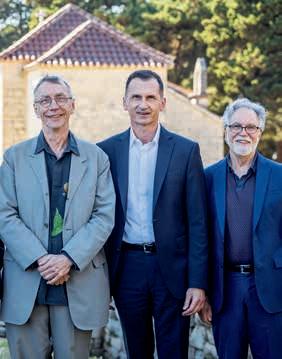
teškom razvoju globalno prepoznatljivih centara izvrsnosti te osiguravanju potpu nog kontinuiteta skrbi − od dijagnostike, medicinskih zahvata pa do rehabilitacije. Samo tako nastaje sustav kojemu paci jenti vjeruju, ali koji je istodobno i održiv. Suradnja s institucijama poput Uni versity of Pittsburgh Medical Center, Mayo Clinic, Darthmouth i Penn State traje godinama. Što ste kroz te su radnje, kao i za boravka i rada preko Atlantika, naučili o razlikama u načinu razmišljanja američke i europske medi ‑
01 Prof. dr. Dragan Primorac sa svojim timom u laboratoriju nakon prvog sekvenciranja cijelog ljudskog genoma s kliničkom interpretacijom u Hrvatskoj
Prof. Dragan Primorac, MD, Ph.D., with his team in the laboratory after the first whole human genome sequencing with clinical interpretation in Croatia
02 Nobelovci prof. dr. Svante Pääbo i prof. dr. Gregg Semenza s prof. dr. Draganom Primorcem Nobel laureates prof. Svante Pääbo, Ph.D., and Prof. Gregg Semenza, MD, Ph.D., with Prof. Dragan Primorac, MD, Ph.D.
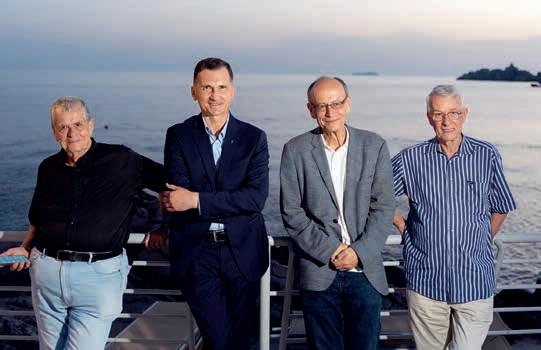
cine i gdje Hrvatska danas stoji između ta dva modela?
− U najznačajnijim američkim instituci jama koje spominjete posebno se ističe iznimna brzina translacije znanstvenih otkrića i tehnoloških inovacija u klinič ku praksu, što je rezultat desetljećima osmišljavanog modela koji počiva na visoko standardiziranim procesima, flek sibilnim regulatornim okvirima, iznimnim ulaganjima u znanost i istraživanje, snaž noj kulturi interdisciplinarnog timskog rada, velikoj uključenosti privatnog sek tora te duboko ukorijenjenoj kulturi filan tropije. U takvom okruženju, u skladu s načelima translacijske medicine, nova znanstvena spoznaja vrlo brzo prelazi put od laboratorija do pacijenta. S druge strane, iako europska medicina ima dugu tradiciju, i dalje zaostaje u uku pnom izdvajanju za znanost, posebno u privlačenju privatnih ulaganja, a europski zdravstveni sustavi često su opterećeni organizacijskom heterogenošću koja varira od države do države, što prirodno usporava sinkronizaciju znanstvenih pri oriteta i ujednačavanje kliničke prakse. No europski model čuva iznimno važnu vrijednost: snažan naglasak na javnom zdravstvu i širokoj dostupnosti zdrav stvene skrbi. Stručne analize upozora vaju na to da europska regulativa često produžuje put od istraživanja do tržišta, što nerijetko dovodi do toga da europ ski znanstvenici najvrjednije rezultate komercijaliziraju izvan granica EU a.
Hrvatska je danas u vrlo zanimljivom po ložaju − svojevrsnom međuprostoru tih dvaju modela. Iako smo dio europskog regulatornog sustava, ne dvojim da kao manji sustav možemo biti agilniji, brži i fleksibilniji.
You are a member of the European Olympic Committees’ Medical and Anti-Doping Commission, the Health Commission and the Council of the Croatian Olympic Committee, the Medical Commission of the International Volleyball Federation, the Vice President of the Croatian Taekwondo Federation, and you are health and science advisor to the Croatian Football Federation. In 2019, as President of the Medical Committee of the Croatian Football Federation, you introduced for the first time a systematic analysis of several hundred genes aimed at preventing sudden cardiac death in athletes. You have also published your prevention model for sudden cardiac death in several scientific papers… − The prevention of sudden cardiac death is one of the most complex challenges in contemporary medicine. Numerous experts devote themselves to this problem, yet no single medical discipline can provide all the answers regarding sudden cardiac death in athletes. As President of the Medical Committee of the Croatian Football Federation, in 2019 I assembled a multidisciplinary team of Croatian, American and German experts − cardiologists, geneticists,
Nobelovci prof. dr. Aaron Ciechanover, prof. dr. Thomas Südhof i prof. dr. Richard Roberts s prof. dr. Draganom Primorcem
Nobel laureates Prof. Aaron Ciechanover, Ph.D., Prof. Thomas Südhof, Ph.D., and Prof. Richard Roberts, Ph.D., with Prof. Dragan Primorac, MD, Ph.D.
specialists in occupational and sports medicine, amongst others − with the goal of integrating genetics into early diagnostics and the prevention of sudden cardiac death in predisposed athletes. As part of the project, the simultaneous multi-gene panel testing of 294 genes and associated mutations linked to diseases that can lead to sudden cardiac death was introduced for the first time into the systematic screening of at-risk athletes. We informed FIFA and UEFA about the project, and it soon came to be known as the Croatian Model for the Prevention of Sudden Cardiac Death in Athletes. From that moment to the present day, we have made significant progress, as we are now sequencing the entire human genome in predisposed athletes with the same aim, thereby once again positioning Croatian medicine strongly on the global stage. We are also successfully applying a similar model to at-risk groups within the general population.
You founded the Nobel Spirit initiative and have for years collaborated with Nobel laureates, as well as young scientists. What is the most interesting lesson you have learned from working with Nobel laureates?
− I am proud of this initiative, which is recognised worldwide. To date, ten Nobel laureates have taken part in its work; namely, Aaron Ciechanover, Richard Roberts, Gregg Semenza, Svante Pääbo, Robert Huber, Ada Yonath, Paul Modrich, Harald zur Hausen, Avram Hershko and
Thomas Südhof, and we carry it out in partnership with the Croatian Radiotelevision. Nobel Spirit has become a permanent platform connecting the Croatian academic and clinical community, particularly young scientists, physicians, students and schoolchildren, with the world’s leading researchers, fostering new collaborations, and increasing Croatia’s global visibility. The fundamental message we convey to young scientists is do not be afraid to take risks , and the greatest risk is not taking one if you wish to make significant breakthroughs in life
What can we expect from the 14th ISABS and Mayo Clinic Conference, to be held in Dubrovnik in June this year?
In collaboration between ISABS, the Mayo Clinic, and St. Catherine Specialty Hospital, 6,000 scientists from some eighty countries have participated in the conference to date, along with more than 800 invited speakers…
− You are correct; our conference has become a global brand with a strong reputation as a venue where topics shaping the future of medicine are discussed. The focus of this year’s conference will be artificial intelligence in medicine, a concept already shaping diagnostics, therapy, rehabilitation, and the organisation of healthcare systems. The world’s leading scientists will gather in one place our existing knowledge on artificial intelligence from nearly all fields of clinical medicine, as well as forensic and anthropological genetics, and Dubrovnik will once again be the stage upon which the future of medicine is clearly envisioned. Special emphasis will be placed on advanced machine learning models that enable the interpretation of large, complex biological datasets at the cellular level. Such approaches pave the way for a more precise understanding of the molecular mechanisms responsible for the onset of disease, as well as the development of entirely new therapeutic approaches in the treatment of previously incurable illnesses.
How do you view health tourism and its current standing in Croatia?
− Few countries can simultaneously offer top-tier medical care, a safe destination, an exceptional geographical location, and a reputation as a place to which people return with genuine trust − Croatia being one of them. The key to success lies in the strategic development of globally recognised
centres of excellence, and the provision of complete continuity of care, from diagnos tics and medical procedures through to rehabilitation. Only in this way can a system be created that patients trust, yet which is simultaneously sustainable.
Collaboration with institutions such as the University of Pittsburgh Medical Center, Mayo Clinic, Dartmouth College, and Penn State University has lasted for years. Through these collaborations, as well as during your time spent living and working across the Atlantic, what have you learned about the differences in mindset between American and Euro pean medical professionals, and where does Croatia currently stand between these two models?
− In the most prominent American institutions you mention, what stands out in particular is the exceptional speed at which scientific discoveries and technological innovations are translated into clinical prac tice − the result of a model developed over decades, built upon highly standardised processes, flexible regulatory frameworks, substantial investment in science and re search, a strong culture of interdisciplinary teamwork, significant involvement of the private sector, and a deeply rooted culture of philanthropy. In such an environment, in keeping with the principles of translational medicine, a new scientific insight travels very quickly from the laboratory to the patient. On the other hand, although Euro pean medicine has a long tradition, it con tinues to lag in overall funding for science, particularly in attracting private investment, and European healthcare systems are often burdened with organisational heterogeneity that varies from country to country, which naturally slows the synchronisation of scientific priorities and the harmonisation of clinical practice. Yet the European model preserves an immensely important value: a strong emphasis on public health and the broad accessibility of healthcare. Expert analyses warn that European regulation often prolongs the journey from research to market, frequently resulting in European scientists commercialising their most valua ble findings outside EU borders. Croatia today occupies a very interesting position, a kind of intermediary space between these two models. Although we are part of the European regulatory system, I have no doubt that, as a smaller system, we can be more agile, faster, and more flexible.


Svijet se mijenja brže nego ikada, a najveći je rizik ostati pasivan. Vrijeme je za odlučne poteze i lidere koji oblikuju budućnost. U tom duhu, Future Tense powered by Lürssen donosi uvide i rješenja za izazove koji određuju buduće poslovanje.
Šesto izdanje konferencije u fokus razgovora o budućnosti poslovanja stavlja teme sigurnosti, liderstva i dugovječnosti, o kojima će govoriti Mikko Hyppönen, globalni stručnjak za sigurnost, futurolog Rik Vera, stručnjakinja za održivost Märtha Rehn-
berg te znanstvenica Susanna Søberg. Pridružite se zajednici Future Tense i otkrijte trendove koji će oblikovati desetljeće pred nama.
Za više informacija posjetite futuretense.eu.
The world is changing faster than ever, and the greatest risk is to remain passive. This is a time for decisive action, and for leaders ready to shape the future. In that spirit, Future Tense powered by Lürssen delivers insights and solutions to the
challenges defining the future of business. The sixth edition of the conference places security, leadership, and longevity at the cen tre of its discussions on the future of busi ness. Speakers include Mikko Hyppönen, a globally recognised security expert; futurist Rik Vera; sustainability specialist Märtha Rehnberg; and scientist Susanna Søberg. Join the Future Tense community, and explore the trends set to shape the decade ahead.
For more information visit futuretense.eu.



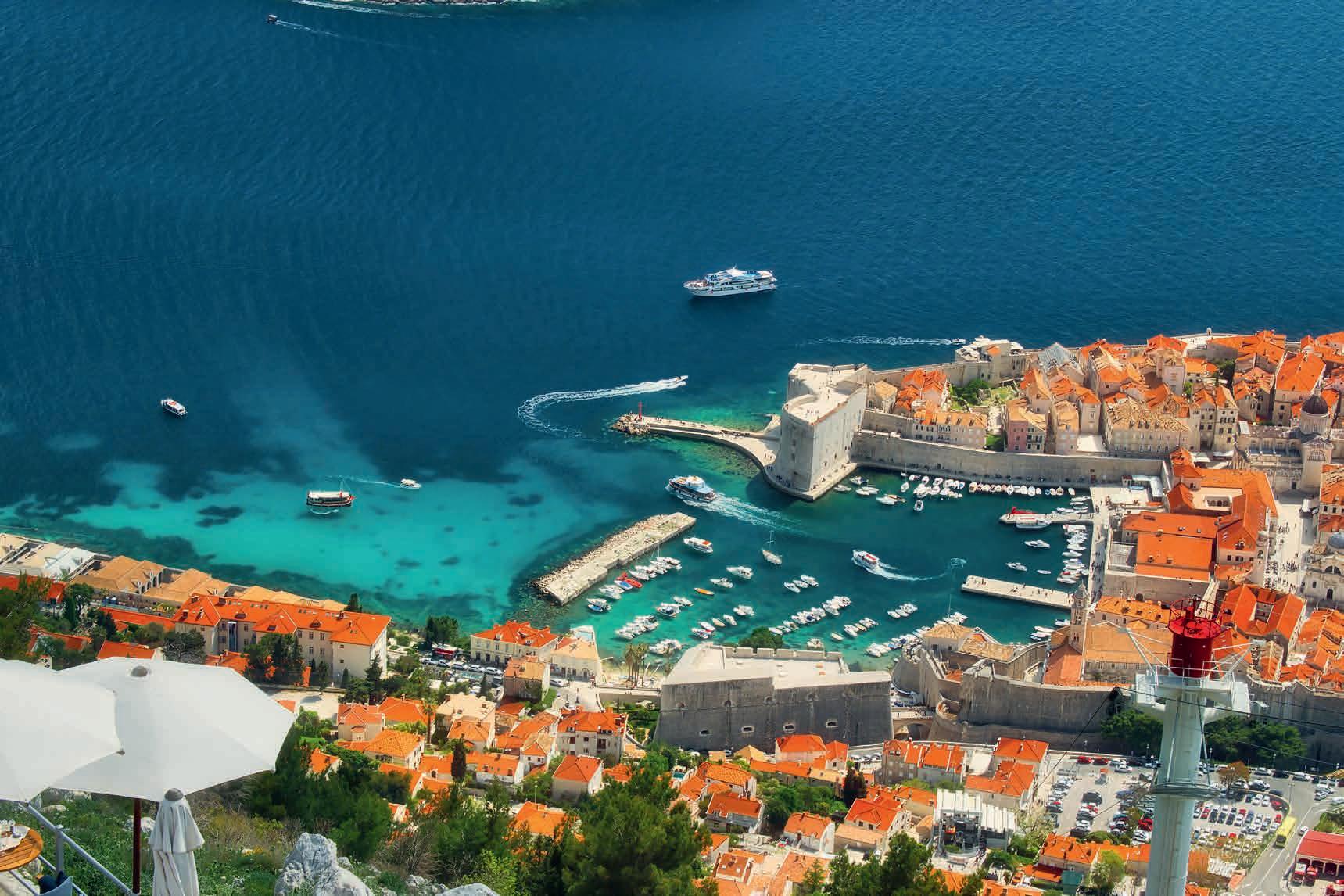
From ancient city walls to untouched islands, from summer to autumn to winter and spring, from the top of the mountains to the depths of the sea, from opulent history to pampering today, Dubrovnik is a pure joy to experience. So when's a better time to fall in love than now?
Fly to Dubrovnik, today.
Zakoračite u čudesni svijet filmaša Wesa Andersona u Muzeju dizajna. Do zatvaranja u srpnju izložba The Archives predstavlja detaljne scenografije, kostime i rekvizite redatelja. Obožavatelji i ljubitelji dizajna mogu lutati filmskim slikama otkrivajući razigrane detalje i živopisne palete koje definiraju Andersonov jedinstveni univerzum. Rijetka je to prilika za uranjanje u suvremenu filmsku umjetnost − iza kulisa.
LONDON
Step into the whimsical world of filmmaker Wes Anderson at the Design Museum. Closing in July, The Archives exhibition showcases the director’s meticulous sets, costumes, and props. Fans and design lovers can wander through cinematic tableaux, discovering the playful details and vibrant palettes that define Anderson’s unique universe. It’s a rare, immersive peek behind the scenes of modern film artistry.
Zagreb i Prag povezani su letovima Croatia Airlinesa od 30. ožujka do 23. listopada ponedjeljkom, srijedom i petkom. U Prag zrakoplovi Croatia Airlinesa lete i iz Splita od 9. svibnja do 5. listopada ponedjeljkom i subotom, a iz Dubrovnika od 10. svibnja do 18. listopada četvrtkom i nedjeljom.
Zagreb and Prague are connected by Croatia Airlines flights from 30 March to 23 October, operating on Mondays, Wednesdays, and Fridays. Croatia Airlines also operates flights to Prague from Split from 9 May to 5 October on Mondays, and Saturdays, and from Dubrovnik from 10 May to 18 October on Thursdays, and Sundays.

Zagreb i London povezani su letovima Croatia Airlinesa ponedjeljkom, srijedom i petkom cijele godine te dodatnim letom subotom za vrijeme zimskog reda letenja. Split s Londonom povezujemo ponedjeljkom, petkom i subotom tijekom ljetnog reda letenja.
Zagreb and London are connected by Croatia Airlines flights on Mondays, Wednesdays, and Fridays throughout the year, with an additional flight on Saturdays during the winter flight timetable. Split and London are connected on Mondays, Fridays, and Saturdays during the summer flight timetable.
Vršovice otkrivaju mirniju stranu Praga, gdje murali i ulična umjetnost oživljavaju uske uličice. Šarmantni kafići pozivaju na lagana poslijepodneva, a galerije predstavljaju lokalnu kreativnost. Daleko od turističkih gužvi, ova četvrt utjelovljuje suvremenu kulturu opušteno i po mjeri čovjeka, što je čini idealnom za ležerno istraživanje i otkrivanje skrivenog umjetničkog pulsa grada.
Vršovice offers a quieter side of Prague, where murals and street art colour narrow lanes. Charming cafés invite slow afternoons, while galleries showcase local creativity. Away from the tourist throngs, this neighbourhood blends contemporary culture with a relaxed, human scale, making it ideal for leisurely exploration and discovering the city’s hidden artistic pulse.


Slatka je briga... jer Visa Gold Croatia Airlines kartica nagrađuje Vaše kupnje novim nagradnim miljama. Postanite korisnik Visa Gold Croatia Airlines kartice bez upisnine i članarine!*


* Pogodnost vrijedi za prvu godinu korištenja Visa Gold Croatia Airlines kartice za sve pristupnice primljene od 27.12.2025. do 30.6.2026.
** Nakon što posjedujete karticu najmanje tri mjeseca i dobijete barem jednu milju mjesečno za kupnju karticom
Svakodnevnom kupnjom sakupljajte nagradne Miles & More milje te uživajte u brojnim pogodnostima:
2.000 nagradnih milja dobrodošlice • sakupljanje milja u omjeru 1 € = 1 Miles & More milja • putno osiguranje
• milje ne zastarijevaju**
• kupnja na 36 rata bez kamata i naknada • naknadna podjela jednokratne transakcije na rate
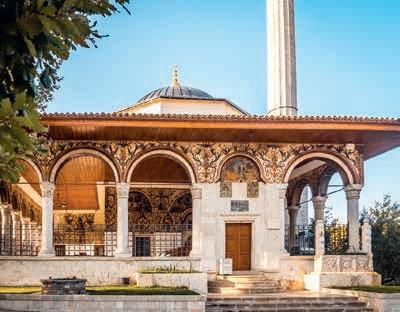
Zagreb i Tirana povezani su letovima Croatia Airlinesa od 1. svibnja do 23. listopada utorkom, petkom i nedjeljom.
Zagreb and Tirana are connected by Croatia Airlines flights from 1 May to 23 October, operating on Tuesdays, Fridays, and Sundays.
Carturesti Carusel, knjižara na više razina u starom gradu Bukurešta, utočište je za čitatelje i ljubitelje kulture. Zahvaljujući spiralnim stubištima, svijetlim galerijama i kafiću na krovu, Carturesti Carusel intimno je skrovište od gradske vreve, a zahvaljujući sezonskim izložbama i trgovinama s rukotvorinama ona je više od knjižare − mjesto je to gdje se književnost, dizajn i svakodnevni život spajaju u tiho očaravajućem iskustvu.
BUCHAREST
Carturesti Carusel, a multi-level bookstore in the Old Town of Bucharest, is a haven for readers and culture seekers. Spiral staircases, bright galleries, and a rooftop café create an intimate escape from the city streets, while seasonal exhibitions and artisanal shops make it more than a bookstore − a place where literature, design, and everyday life meet in a quietly captivating experience.
Blloku pulsira postkomunističkom energijom, spajajući boutique kafiće, urbanu umjetnost i ulice pune života. Nekoć rezervirana za albansku elitu, danas je to četvrt idealna za šetnju, promatranje ljudi i uživanje u lokalnom stilu. Proljetno svjetlo omekša pročelja, a uglovi ulica otkrivaju povijest grada i njegovu modernu, kreativnu preobrazbu.
Blloku pulses with post-communist energy, blending boutique cafés, urban art, and lively streets. Once reserved for Albania’s elite, today it’s a neighbourhood for strolling, people-watching, and soaking in local style. Spring light softens façades, while street corners reveal both the city’s history and its modern, creative reinvention.
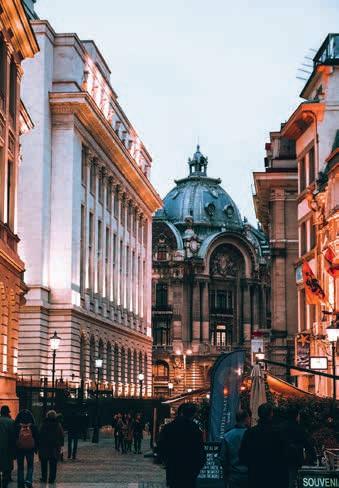
Zagreb i Bukurešt povezani su letovima Croatia Airlinesa od 2. lipnja do 24. listopada utorkom, četvrtkom i subotom.
Zagreb and Bucharest are connected by Croatia Airlines flights from 2 June to 24 October, operating on Tuesdays, Thursdays, and Saturdays.


Nantes u proljeće: gdje se rijeke sjećaju
PIŠE/BY
Ana Janković
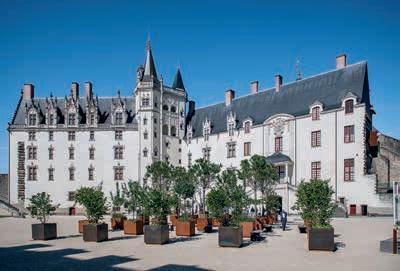
Proljeće u Nantes stiže s plimom. U proljeće se rijeka Loire, široka i ispunjena svjetlom, istodobno rješava zimskog sivila i počinje odražavati mekše nebo, dok platane uz obale gotovo preko noći zazelene. Nekoć moćna atlantska luka, danas laboratorij kulture i dizajna, Nantes se u godišnjem dobu obnove otkriva postupno. Povijest grada zadržava se u kamenim pročeljima i bivšim brodogradilištima, a u gradu je u proljeće sveprisutno kretanje − vode, ideja, ljudi koji ponovno osvajaju terase i vrtove. Tiho siguran u vlastitu preobrazbu, Nantes djeluje otvoreno pozivajući posjetitelje u istraživanje. U središtu priče o Nantesu stoji Château des Ducs de Bretagne odnosno Dvorac vojvoda od Bretanje, sagrađen krajem 15. stoljeća po nalogu Franje II., posljednjega bretonskog vojvode, a potom i njegove kćeri Ane Bretonske, koja je u dva navrata bila francuska kraljica. Njegovi blijedi bedemi uzdižu se iz opkopa koji ih zrcali − prizor je to koji istodobno pobuđuje viziju obrane i osjećaj spokoja. Nakon što prijeđete pokretni most, ulazite u dvorište u kojem se preklapaju stoljeća: rezidencija vojvode, revolucionarna vojarna, lokalni povijesni muzej. U proljeće travnjaci omekšavaju strogu geometriju zidina, a s bedema puca nježan panoramski pogled na krovove od škriljevca i tornjeve romaničke katedrale svetog Petra i svetog Pavla, čija je gradnja započela 1434., a završena je 1891. godine. Drugim riječima,
Nantes in spring: where the rivers remember
nakon punih 457 godina. Dvorac vojvoda od Bretanje usidrava Nantes u njegovoj bretonskoj prošlosti, istovremeno uokvirujući moderni grad koji je oko njega izrastao. Uzduž otoka Île de Nantes raspoloženje grada mijenja se zahvaljujući mehaniziranoj fantastici. Ondje, na nekadašnjim brodogradilišnim dokovima, Les Machines de l’Île odnosno Strojevi s otoka postali su simbol kreativne smjelosti grada. Golemi mehanički slon − dijelom skulptura, dijelom predstava − kreće se gotovo nevjerojatnom gracioznošću, prevozeći putnike visoko iznad šetnice, a u blizini fantastična bića u plastici kao da su izronila iz mašte Julesa Vernea, rođenog u Nantesu. Dok proljetno sunce svjetluca na čeliku i drvu, prostor koji je nekoć bio industrijski danas vrvi obiteljima, biciklistima i predstavama na otvorenom. Preobrazba je ovdje vidljiva i opipljiva.
U Pasažu Pommeraye čeka vas elegancija nekog drugog vremena. Ova trgovačka arkada iz 19. stoljeća prostire se na više razina, a galerije i stubišta ukrašena su skulpturalnim alegorijama trgovine i industrije. Ispod staklenog krova dnevno se svjetlo nježno filtrira, obasjavajući knjižare i butike. U vedro proljetno jutro pasaž djeluje gotovo filmski: mjesto na kojem ćete se zadržati a ne kupovati, na kojem koraci tiho odjekuju, a grad izvana kao da je na trenutak zastao.
Zelenila u Nantesu ima napretek. U Jardin des Plantes, nasuprot željezničkom kolodvoru, magnolije cvatu stvarajući blijede oblake, dok pomno uređene cvjetne gredice bojom i duhovitošću najavljuju proljeće. Vrt spaja botaničku ozbiljnost s tihom zaigranošću − skulpturalne klupe, neočekivane vizure i sjenovite staze za laganu šetnju. Nešto sjevernije, na otoku Île de Versailles, vrt nadahnut japanskim hortikulturnim stilom prati mirne vode rijeke Erdre. Drveni paviljoni, kameni lampioni i lučni mostovi stvaraju kontemplativan krajolik u kojem se proljeće razotkriva u nježnim prijelazima zelenih tonova.
Da biste razumjeli Nantes u potpunosti, svakako prijeđite i rijeku Loire. U četvrti Trentemoult nekadašnje se ribarske kuće, obojene u boje koralja, tirkiza i žutog suncokreta, nižu duž uskih uličica. Rublje vijori obješeno između nasuprotnih pročelja, kafići se izlijevaju na pločnike, a rijeka uokviruje udaljeni obris dizalica i crkvenih tornjeva Nantesa. U jasnom proljetnom svjetlu boje djeluju gotovo mediteranski, podsjećajući da je Nantes oduvijek gledao prema van, prema moru − točnije, Atlantskom oceanu.
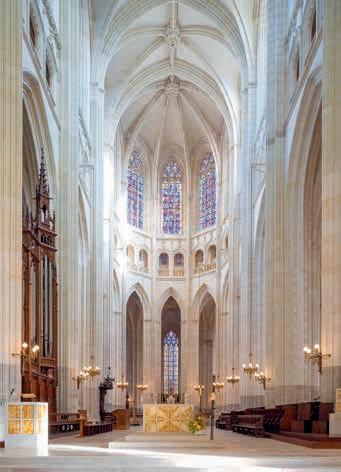
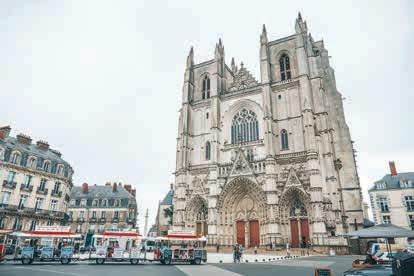
Ono što povezuje mjesta Nantesa nije kontrast nego kontinuitet. Nantes ne skriva svoje slojeve; on ih usklađuje. Vojvodska tvrđava, industrijsko nasljeđe, botanička profinjenost i spontanost uz rijeke koegzistiraju na pješačkoj udaljenosti. Upravo u proljeće grad kao da diše s rijekama koje ga oblikuju − prostran a opet intiman, povijestan a opet eksperimentalan. Dok se terase pune, a vrtovi uljepšavaju, Nantes poziva posjetitelje da uspore korak i slijede njegove rijeke, otkrivajući odredište gdje mašta i baština teku u istom smjeru.
Spring arrives in Nantes on the tide. The Loire River, broad and light-filled, loosens its winter greys and begins to mirror a softer sky, while plane trees along the quays flush green almost overnight. Once a powerful Atlantic port, today a laboratory of culture and design, Nantes reveals itself gradually in this season
01 Dvorac vojvoda od Bretanje usidrava Nantes u bretonskoj prošlosti
Château des Ducs de Bretagne anchors Nantes in its Breton past
02 Unutrašnjost romaničke katedrale svetog Petra i svetog Pavla krase iznimno visoka lađa, bijeli kamen pršinac i veličanstveni vitki stupovi
The interior of the Romanesque Cathedral of Saint Peter and Saint Paul features an exceptionally high nave, white tuffeau stone, and grand, slender columns
03 Katedrala svetog Petra i svetog Pavla, čija je gradnja trajala punih 457 godina
The Cathedral of Saint Peter and Saint Paul, whose construction took 457 years to finish
04 Urbani piknik uz rijeku Loire
Urban picnicking along the Loire River
05 Panoramski pogled na Nantes u proljeće
A panoramic view of Nantes in spring
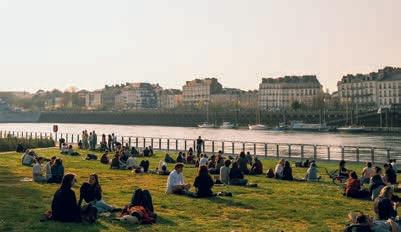
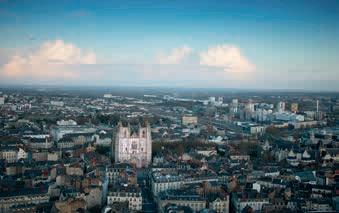
of renewal. History lingers in stone façades and former shipyards, yet everywhere there is movement − of water, of ideas, of people reclaiming terraces and gardens. The city feels open, exploratory, quietly confident in its reinvention.
At the heart of that story stands the Château des Ducs de Bretagne, built in the late 15th century by François II, the last Duke of Brittany, and later by his daughter, Anne of Brittany, who was twice Queen of France. Its pale ramparts rise from a reflective moat, an image at once defensive and serene. Crossing the drawbridge, visitors enter a courtyard where centuries overlap: ducal residence, revolutionary barracks, local history museum. In spring, the lawns soften the geometry of the walls, and the walk along the battlements offers a gentle panorama of slate roofs and the spires of the Romanesque Cathedral of Saint Peter and Saint Paul, whose construction began in 1434 and which was completed in 1891, taking 457 years to


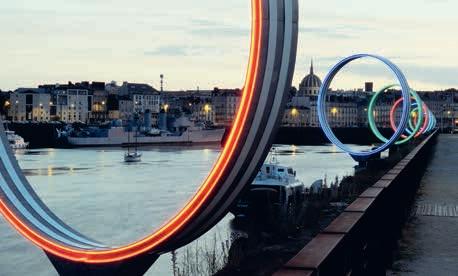
Les Anneaux at the Antilles Quay in Nantes, an art installation comprising a series of 18 rings by Daniel Buren and Patrick Bouchain, offering different frames onto the riverscape of the Loire as it opens onto the estuary
finish. The château anchors Nantes in its Breton past, while framing the modern city that has grown around it.
From medieval stone to mechanical fantasy, the mood shifts along the Île de Nantes. Here, on former shipbuilding docks, Les Machines de l’Île have become the emblem of the city’s creative audacity. The colossal mechanical elephant − part sculpture, part theatre − moves with improbable grace, carrying passengers high above the esplanade. Nearby, fantastical creatures in sculpture echo the imagination of Jules Verne, born in Nantes. Spring sunlight glints off steel and timber, and what was once industrial terrain now hums with families, cyclists, and open-air performances. It is reinvention made visible.
Elegance of another era awaits in Passage Pommeraye. This 19th-century shopping arcade unfolds over multiple levels, its staircases and galleries adorned with sculpted allegories of commerce and industry. Beneath the glass canopy, daylight filters softly, illuminating bookshops and boutiques. On a bright spring morning, the passage feels almost cinematic: a place for lingering rather than purchasing, where footsteps echo lightly and the city outside seems momentarily suspended.
Greenery is never far away in Nantes. At the Jardin des Plantes, just opposite the railway station, magnolias bloom in pale clouds, while meticulously arranged flowerbeds announce the season with colour and wit. The garden balances botanical seriousness with quiet playfulness − sculptural benches, unexpected vistas, shaded paths for unhurried wandering. A little further north, on the Île de Versailles, a Japanese-inspired
garden lines the calm waters of the Erdre River. Wooden pavilions, stone lanterns, and arched bridges create a contemplative landscape where spring unfolds in delicate gradations of green.
To understand Nantes fully, one must also cross the Loire River. In Trentemoult, former fishermen’s houses painted in coral, turquoise, and sunflower yellow cluster along narrow lanes. Laundry flutters between façades, cafés spill onto the pavement, and the river frames the distant skyline of cranes and church towers. In the clear light of spring, the colours appear almost Mediterranean, a reminder that Nantes has always looked outwards, towards the sea − the Atlantic Ocean, to be precise. What unites these places is not contrast but continuity. Nantes does not conceal its layers; it orchestrates them. Ducal fortress, industrial memory, botanical refinement, and riverside spontaneity coexist within walking distance. In spring especially, the city seems to breathe with the rivers that shape it − expansive yet intimate, historic yet experimental. As terraces fill and gardens brighten, Nantes invites visitors to slow their pace and follow its waterways, discovering a destination where imagination and heritage flow in the same direction.
Split i Nantes povezani su letovima Croatia Airlinesa od 5. svibnja do 9. listopada utorkom i petkom.
Split and Nantes are connected by Croatia Airlines flights from 5 May to 9 October, operating on Tuesdays, and Fridays.

Neočekivana nježnost proljeća u Stuttgartu
PIŠE/BY Ana Janković
Stuttgart’s unexpectedly gentle spring
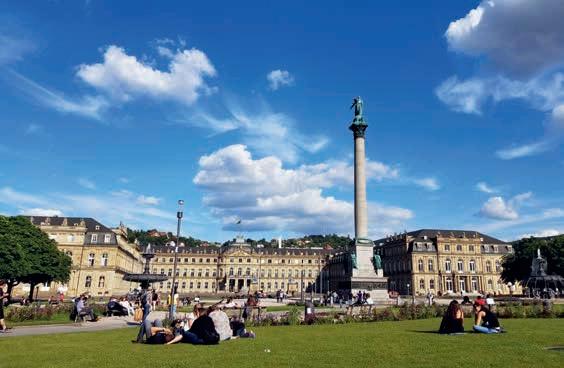
Proljeće u Stuttgart, jedno od novih odredišta Croatia Airlinesa, stiže tiho, gotovo sramežljivo, kao da brda grada najprije moraju odlučiti omekšati prije nego što pokažu svoje boje. Vinogradi iznad doline rijeke Neckar zazelene se nježnim proljetnim tonovima, magnolije procvjetaju u zaklonjenim dvorištima, a terase kafića ponovno ožive duž ulica koje kao da su oblikovane koliko urbanističkim planom toliko i samim krajolikom. Često povezivan s inženjerstvom i industrijom, Stuttgart u proljeće djeluje neočekivano nježno − mjesto je to gdje kultura, priroda i inovacija koegzistiraju u skladnoj ravnoteži.
Malo koja zgrada snažnije izražava moderni identitet Stuttgarta od Muzeja Mercedes-Benz. Njegova zavojita, spiralna arhitektura uzdiže se poput uglačane skulpture, odražavajući i nebo i okolni park. Unutra se kronološki razotkriva priča o pokretu koja prati razvoj izuma i ambicije. Ipak, iza sjaja kroma i stakla, proljeće prostoru daje toplinu: obitelji se zadržavaju na otvorenom oko
Schlossplatz ili Trg palače u srcu Stuttgarta mjesto je susreta ne samo ljudi nego i povijesti sa suvremenošću Schlossplatz or Palace Square at the heart of Stuttgart is a meeting place not only of people but also of history with modernity
muzeja, biciklisti prolaze obližnjim stazama, a s terasa muzeja puca pogled ublažen proljetnim zelenilom. Manje je to spomenik strojevima, a više meditacija o kretanju − posve prikladna gradu izgrađenom na brežuljcima.
Ljubitelji arhitekture ne bi smjeli zaobići Weissenhof, pionirsko stambeno naselje iz 1927. godine koje utjelovljuje viziju modernističkih arhitekata poput Le Corbusiera i Miesa van der Rohea. U proljeće čiste linije i bijela pročelja naselja stvaraju snažan kontrast svježem zelenilu koje ih okružuje. Pođete li na vođeni obilazak, dobit ćete uvid u načela rane moderne, dok će vas mirna dvorišta i vrtovi pozivati na tihu šetnju, spajajući povijest, inovaciju i sezonski šarm u dojmljivo iskustvo.
Iz te smjele modernosti raspoloženje se lako premješta u intimne uličice četvrti Bohnenviertel, koja je oko 1415. godine osnovana kao jedno od prvih stambenih područja grada izvan izvornih zidina utvrde. Najstarija gradska četvrt Stuttgarta djeluje kao
stvorena za lutanja ulicama, a ne za organizirano razgledavanje znamenitosti. Drvene kuće s vidljivim vanjskim gredama blago se nadvijaju nad uskim ulicama, male vinske konobe ispisuju jelovnike kredom na crnoj ploči, a neovisne trgovine izlažu keramiku, knjige i ručno izrađen nakit. U proljeće prozorske klupčice u cijeloj četvrti cvjetaju, a razgovori se prelijevaju na ulicu kroz otvorena vrata. Ovdje se osjeća da identitet Stuttgarta ne leži samo u inovacijama nego i u kontinuitetu − u prostorima gdje se svakodnevica odvija u ritmu po mjeri čovjeka. U Stuttgartu zelenila ne manjka. Smješten u kotlini okruženoj vinogradima i šumovitim obroncima, grad je u stalnom dodiru s prirodom. Nigdje to nije očitije nego u Wilhelmi, botaničkom i zoološkom vrtu izgrađenom u maurskom stilu. Izvorno zamišljena kao kraljevsko odmaralište, njezini raskošni paviljoni i arkade uokviruju terase kamelija, azaleja i procvalih stabala. U proljeće se boje slažu u slojevima − nježno ružičaste magnolije, tulipani jarkih boja, mlado proljetno lišće − dok sjenovite staze pozivaju na polagano istraživanje. Mjesto je to na kojem arhitektura i botanika vode tihi dijalog uzajamno naglašavajući svoju eleganciju. Kako biste dobili širu sliku grada i kraja, krenite uz vinograde prema Grabkapelle auf dem Württemberg. Ova neoklasicistička kapela, čiji su stupovi vidljivi iz daleka, krasi brdo na kojem se nekoć nalazila drevna tvrđava. Uspon je blag, posebno u proljeće kada divlje cvijeće obrubljuje staze, a zrak je parfimiran nježnom slatkoćom vinove loze u cvatu. S vrha se otvara pogled na dolinu rijeke Neckar − na krovove, crkvene tornjeve, šumom pokrivene površine. Panoramski je to pogled koji objašnjava posebnost
01 Minimalistička, potpuno bijela, kubična arhitektura Gradske knjižnice u Stuttgartu, koju je dizajnirao Eun Young Yi, često se opisuje kao futuristički, svijetao i tih prostor ispunjen knjigama
Stuttgart City Library’s minimalist, all-white, cubic architecture, designed by Eun Young Yi, is often described as a book-filled, futuristic, bright, and silent space
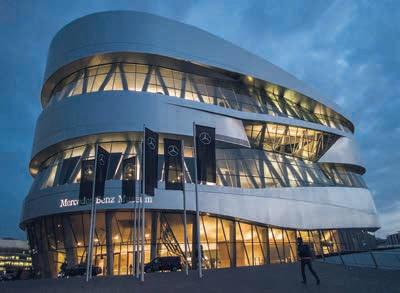
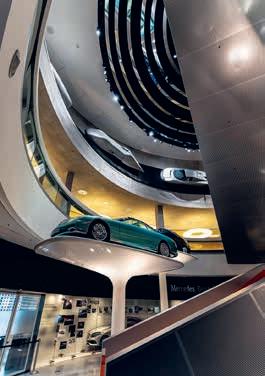
02 Muzej Mercedes-Benz − majstorska klasa dizajna, iznutra i izvana
Mercedes-Benz Museum − a masterclass in design, both inside and out
03 Interijer Muzeja Mercedes-Benz s oblinama na pravim mjestima
The interior of Mercedes-Benz Museum with curves in all the right places
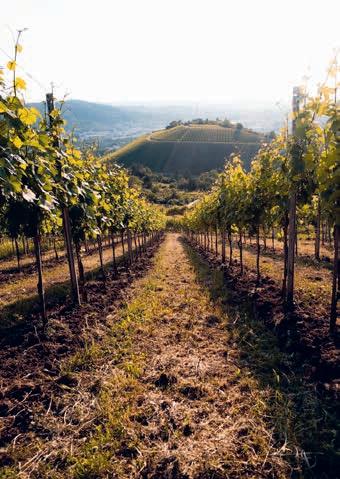
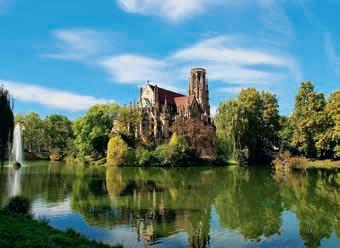
ritma Stuttgarta. Grad se ne širi linearno; on se razotkriva u naborima i uzvisinama, uvijek u dijalogu sa svojom okolinom. Na kraju, pođite na gozbu za sva osjetila. Markthalle Stuttgart povijesna je zatvorena tržnica koja vrvi svježim plodovima zemlje, lokalnim delicijama i proizvodima obrtnika, što je čini idealnom za opušteno proljetno jutro. Kušanjem lokalnih sireva, pekarskih proizvoda te sezonskog voća i povrća upoznat ćete okuse gastronomske tradicije Stuttgarta. Ovdje ćete se družiti s lokalnim stanovništvom i uživati u živopisnoj atmosferi tržnice, zaokružujući vaše putovanje kroz mirnija, manje istražena blaga grada. U toplijim mjesecima Stuttgart djeluje slojevito, a ne linearno. U njemu suvremeni dizajn stoji uz bok stoljetnim ulicama, botanička raskoš omekšava industrijsku preciznost, a vinogradi se potiho provlače kroz gradske četvrti. Upravo u proljeće grad se otkriva ne u velikim gestama nego u suptilnim prijelazima − od cvijeta do lista, od čelika do kamena, od inovacije do intime.
01 Okružen vinogradima, Stuttgart je u stalnom i bliskom dodiru s prirodom Surrounded by vineyards, Stuttgart is in constant, close contact with nature
02 Schlossgarten je mjesto na kojem ćete pronaći mir usred grada Schlossgarten is where to find peace in the middle of the city
Spring in Stuttgart, a new Croatia Airlines destination, arrives quietly, almost shyly, as if the city’s hills must first decide to soften before revealing their colour. Vineyards begin to glow green above the Neckar valley, magnolias open in sheltered courtyards, and café terraces reappear along streets that seem shaped as much by landscape as by design. Often associated with engineering and industry, Stuttgart in spring feels unexpectedly gentle − a place where culture, nature, and innovation coexist in easy balance. Few buildings express that modern identity more strikingly than the Mercedes-Benz Museum. Its sweeping, spiral architecture rises like a polished sculpture, reflecting both sky and surrounding parkland. Inside, the story of mobility unfolds chronologically, tracing invention, and ambition. Yet beyond the gleam of chrome and glass, spring lends the setting warmth: families linger outside, cyclists pass along nearby paths, and the museum’s terraces offer views softened by new foliage. It is less a monument to machinery than a meditation on movement − fitting for a city built on hills.
A must-see for architecture enthusiasts is the Weissenhof Estate, a pioneering housing project from 1927 that showcases the vision of modernist architects including Le Corbusier and Mies van der Rohe. In spring, the estate’s clean lines and white façades contrast beautifully with the fresh greenery that surrounds it. Guided tours offer insight into early modernist design principles, while the quiet courtyards and gardens invite a reflective stroll, blending history, innovation, and seasonal charm in one striking experience.
From this bold modernity, the mood shifts easily to the intimate lanes of the Bohnenviertel, established in around 1415 as one of the city’s first residential areas outside the original fortification walls. Stuttgart’s oldest quarter feels scaled for wandering rather than organised sightseeing. Timber-framed houses lean gently over narrow streets, small wine taverns set out chalkboard menus, and independent shops display ceramics, books, and handmade jewellery. In spring, the Bohnenviertel’s window boxes spill with early blooms and conversations drift through open doors. The neighbourhood offers a reminder that Stuttgart’s character lies not only in innovation but in continuity − in spaces where daily life unfolds at a human pace.
In Stuttgart, there is no shortage of greenery. The city’s setting within a basin of vineyards and wooded slopes means that nature presses close to its centre. Nowhere is this more evident than at Wilhelma, the Moorish-style botanical garden and zoological park. Originally created as a royal retreat, its ornate pavilions and arcades frame terraces of camellias, azaleas, and blossoming trees. In spring, colour gathers in layers − soft pink magnolias, bright tulips, tender new leaves − while shaded pathways invite unhurried exploration. It is a place where architecture and botany converse, each enhancing the other’s elegance.
For a broader perspective, follow the vineyards upward to the Grabkapelle auf dem Württemberg. This neoclassical chapel crowns a hill
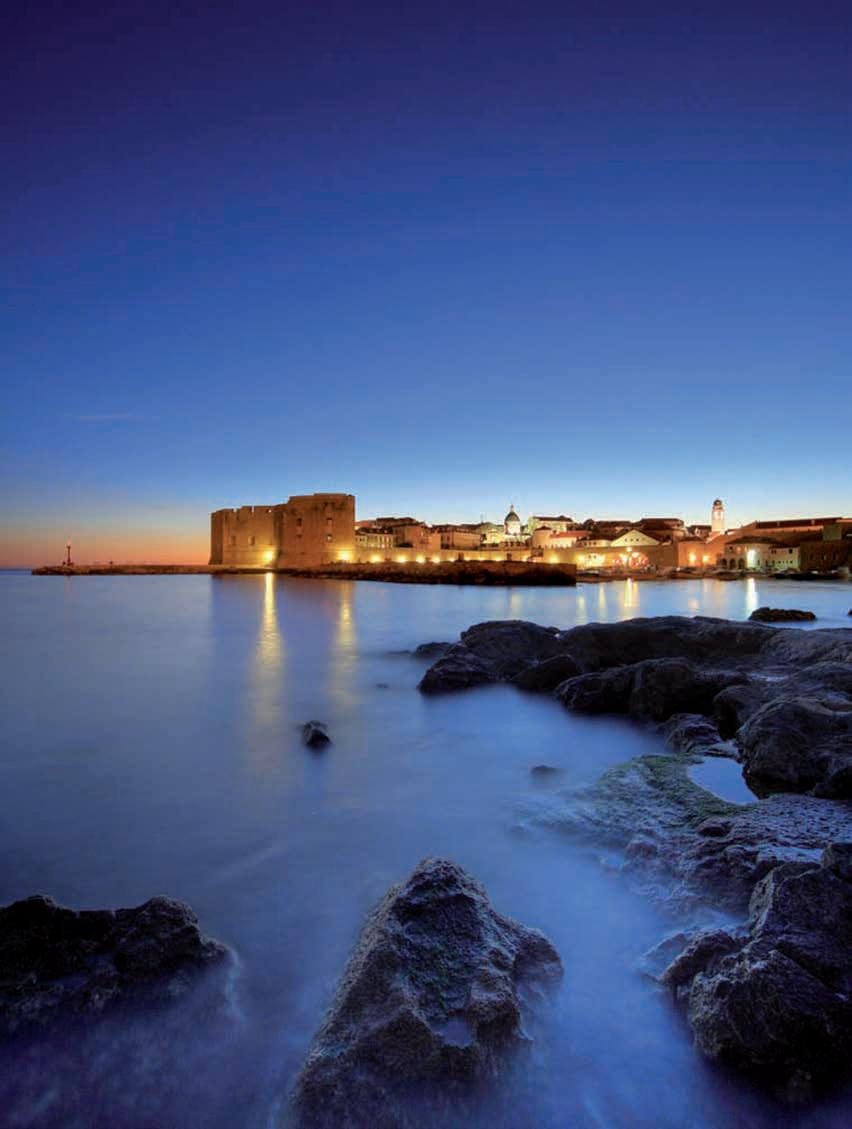
The City Walls, Rector’s Palace, museums and galleries. Full experience. Great savings.
Have the whole city on your palmby purchasing your Dubrovnik Pass to access the City Walls, you get free entrance to all major attractions.

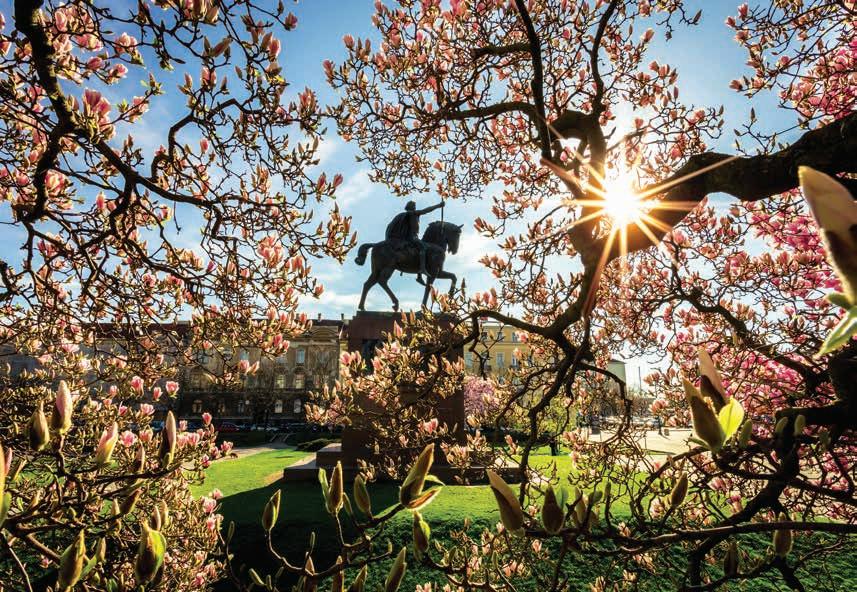
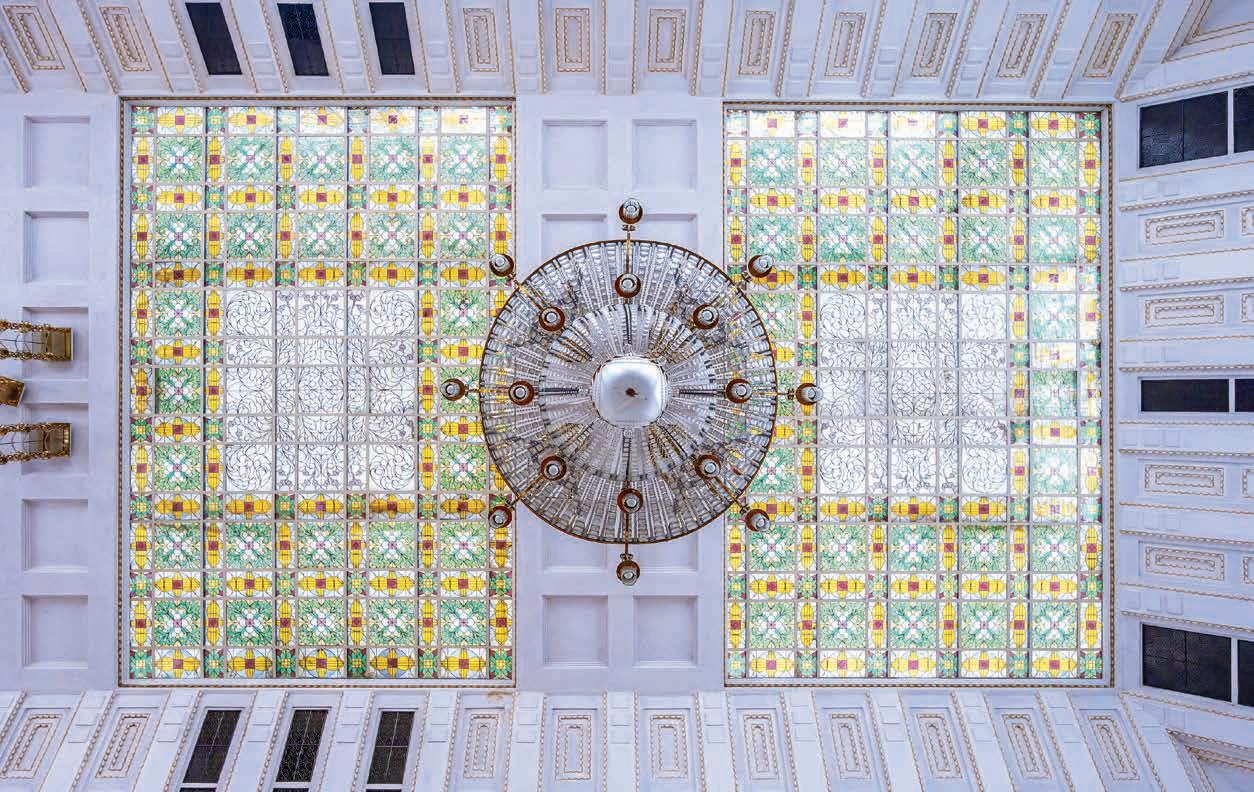
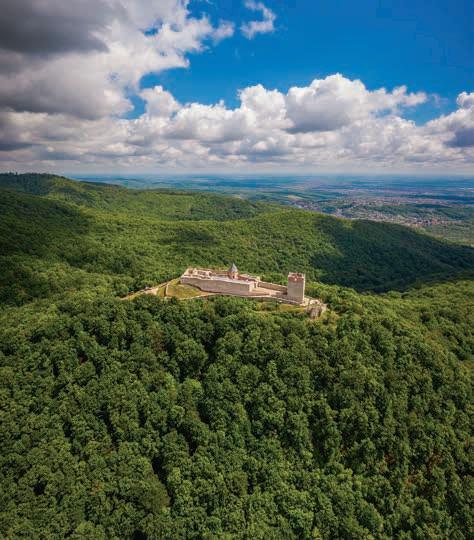


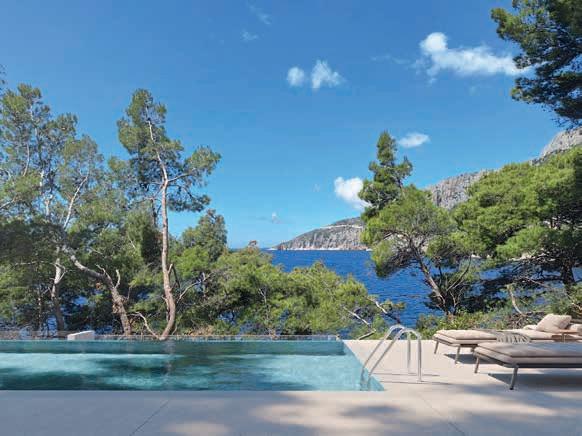
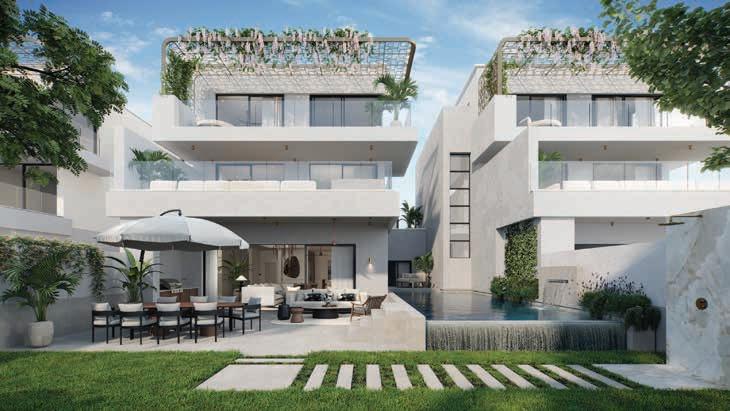
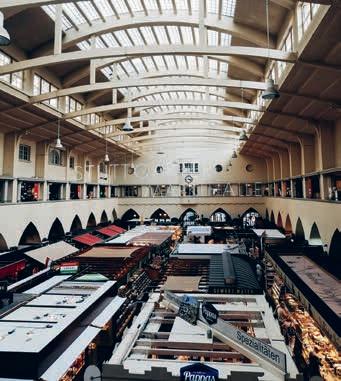
once occupied by an ancestral fortress, its columns visible from afar. The climb is gentle, especially in spring when wildflowers edge the paths and the air carries a faint sweetness from budding vines. From the terrace, the view opens across the Neckar valley − rooftops, church towers, patches of woodland − a panorama that explains
Andrea G. _ Unsplash
Povijesna tržnica Markthalle nudi pravu gozbu za sva osjetila
Stuttgart’s particular rhythm. The city does not sprawl; it unfolds in folds and elevations, always in dialogue with its surroundings. Finally, the Markthalle Stuttgart offers a feast for the senses. This historic indoor market bursts with fresh produce, regional delicacies, and artisan products, ideal for a leisurely spring morning. Sampling local cheeses, breads, and seasonal fruits provides a taste of the city’s culinary traditions. Visitors can mingle with locals and enjoy the vibrant market atmosphere, rounding off a journey through Stuttgart’s quieter, less explored treasures.
In the warmer months, Stuttgart feels layered rather than linear. Modern design stands beside centuries-old streets, botanical splendour softens industrial precision, vineyards thread quietly through urban districts. In spring especially, the city reveals itself not in grand gestures but in subtle transitions − from blossom to leaf, from steel to stone, from innovation to intimacy.
Dubrovnik i Stuttgart povezani su letovima Croatia Airlinesa od 4. svibnja do 23. listopada ponedjeljkom i petkom.
Dubrovnik and Stuttgart are connected by Croatia Airlines flights from 4 May to 23 October, operating on Mondays, and Fridays.

VOJIN BAKIĆ: PRINCIP NADE do/until 18. 4. 2026. Izložba je otvorena u obnovljenom Gradskom muzeju Bjelovar i obilježava 110. obljetnicu rođenja Vojina Bakića, jednog od najvažnijih hrvatskih kipara 20. stoljeća. Budući da je posljednja samostalna izložba u Bjelovaru održana još 1966. godine, riječ je o prvoj opsežnoj prezentaciji njegova života i rada u rodnom gradu nakon šezdeset godina.
VOJIN BAKIĆ: THE PRINCIPLE OF HOPE
Opened at the newly renovated Bjelovar Town Museum, the exhibition marks the 110th anniversary of the birth of Vojin Bakić, one of the leading Croatian sculptors of the twentieth century. As the last solo exhibition of his work in Bjelovar was held in 1966, this represents the first comprehensive presentation of his life and oeuvre in his hometown in more than sixty years.
www.gradski-muzej-bjelovar.hr

ZAGREBDOX 19. − 26. 4. 2026.
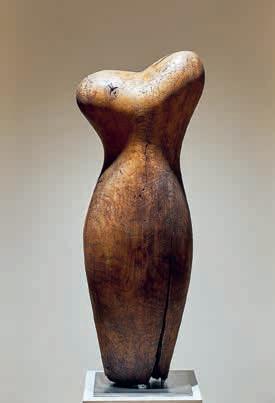
Riječ je o najznačajnijem festivalu dokumentarnog filma u državi i regiji koji prikazuje najbolje kreativne dokumentarne filmove čija imaginativna forma i odabir tema čine ovaj festival jedinstvenim u Hrvatskoj i Europi. Osim natjecateljskih, ZagrebDox ima i niz nenatjecateljskih programa − retrospektiva, filmova fokusiranih na pojedine teme, žanrove, tehnike i estetike.
This most prominent documentary film festival in the country and the wider region presents the finest creative documentaries whose imaginative form and carefully chosen subjects make this festival unique in both Croatia and Europe. In addition to its competition programme, ZagrebDox also features a rich selection of non-competitive sections, including retrospectives, and curated programmes focused on specific themes, genres, techniques, and aesthetics.
zagrebdox.net



























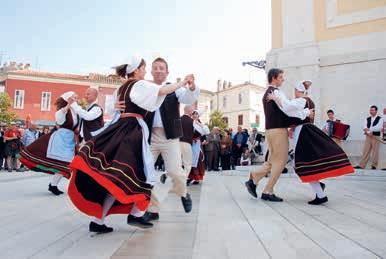
USKRS U POREČU
3. 4. − 6. 4. 2026.
Uz tradicionalno slavlje na Trgu slobode, posjetitelje očekuje bogati program koji uključuje sajam lokalnih istarskih proizvoda, živu glazbu, kreativne radionice za djecu i prigodnu gastro ponudu, stvarajući svečani ugođaj u starogradskoj jezgri.
EASTER
Alongside the traditional celebration held on Freedom Square in Poreč, visitors can look forward to a rich programme featuring a fair of local Istrian products, live music, creative workshops for children, and a specially curated offer of food and drinks − all combining to create a festive atmosphere in the historic town centre.
www.myporec.com
VINISTRA
8. − 10. 5. 2026.
Ova međunarodna izložba vina okuplja vrhunske vinare, destilerije, proizvođače vinarske i poljoprivredne opreme te proizvođače gastro delicija. Posebnu pažnju svake godine privlače izvrsna vina.
This international wine exhibition brings together leading winemakers, distilleries, producers of viticultural and agricultural equipment, as well as creators of fine culinary delicacies. Each year, exceptional wines take centre stage, and attract particular attention from visitors and professionals alike.
vinistra.hr
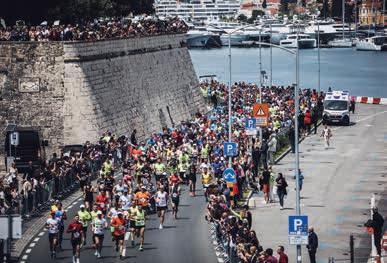
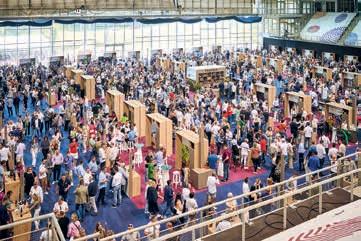
WINGS FOR LIFE 10. 5. 2026.
Wings for Life World Run, najveći svjetski trkački događaj, vraća se u svojem 13. izdanju. Milijuni trkača i korisnika invalidskih kolica diljem svijeta kreću zajedno s jednim zajedničkim ciljem − pronaći lijek za ozljedu leđne moždine.
Wings for Life World Run, the world’s largest running event, returns for its thirteenth edition. Millions of runners and wheelchair participants around the globe will once again set off together with one shared goal − to help find a cure for spinal cord injury.
www.wingsforlifeworldrun.com/en/locations/zadar
FIBA 3×3 WORLD TOUR 2026 15. − 16. 5. 2026.
Zadar postaje središte svjetske 3×3 košarke. FIBA 3×3 World Tour okupit će 14 najboljih svjetskih ekipa i hrvatsku reprezentaciju u borbi za bodove i nagradni fond. Ulaz je besplatan, a u subotu od 20 sati spektakl zatvaraju Baby Lasagna, Vojko V i TBF.
Zadar becomes the centre of the global 3×3 basketball scene as the FIBA 3x3 World Tour brings together 14 of the world’s top teams, alongside the Croatian national team, in competition for ranking points and prize money. Admission is free, and on Saturday from 8 p.m. the spectacle concludes with performances by Baby Lasagna, Vojko V, and The Beat Fleet. worldtour.fiba3x3.com/2026
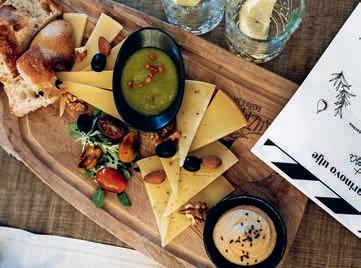
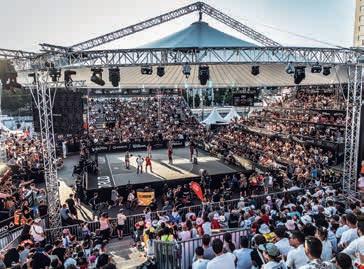
FESTIVAL ŽUPSKI PJAT
20. − 27. 4. 2026.
Festival Župski pjat svakog proljeća slavi bogatu gastronomsku i kulturnu baštinu hrvatskog juga. Kroz mirise i okuse tradicionalnih jela i domaćih namirnica festival donosi posebnu ponudu Župe dubrovačke, stvarajući autentični mediteranski ugođaj i nezaboravne gastro uspomene.
ŽUPSKI PJAT FESTIVAL
The Župski Pjat Festival celebrates the rich culinary and cultural heritage of Croatia’s southernmost region each spring. Through the aromas and flavours of traditional dishes and locally sourced ingredients, the festival presents the distinctive culinary offer of the municipality of Župa Dubrovačka, creating an authentic Mediterranean atmosphere and unforgettable gourmet experiences.
www.zupski-pjat.com Ž. Milić
TRADICIJA VELE SETEMANE NA KORČULI
29. 3. − 6. 4. 2026.
Za vrijeme Vele setemane odnosno Velikog tjedna u gradu Korčuli, tri drevne bratovštine prolaze ulicama u procesiji odjevene u tonige, noseći bogato ukrašene torce (svijeće), cereferale i kandelabre. Vela setemana u gradu Korčuli upisana je u Registar kulturnih dobara Republike Hrvatske kao nematerijalno kulturno dobro.
HOLY WEEK TRADITIONS IN KORČULA
During Vela setemana or Holy Week, in the town of Korčula, three ancient confraternities process through the streets dressed in traditional tonige or tunics, carrying richly decorated torce and cereferali or Easter candles, and candelabra. Vela setemana traditions in Korčula are entered in the Register of Cultural Property of the Republic of Croatia as an item of intangible cultural heritage.
visitkorcula.eu
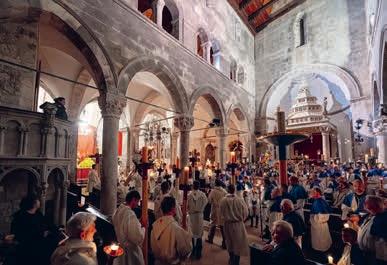









− osjeti vibru
− Feel the vibes
Zagreb postaje omiljena destinacija za kratki predah od svakodnevice − bilo da volite kulturu, gradske šetnje, gastronomske doživljaje ili opuštenu atmosferu. U suradnji s Turističkom zajednicom grada Zagreba, kampanja Discover Zagreb promiče glavni grad Hrvatske kao savršenu city break destinaciju te poziva domaće i regionalne putnike da otkriju koliko je Zagreb blizak, pristupačan i inspirativan.
U suradnji s Croatia Airlinesom i putničkom agencijom Obzor putovanja, dostupan je atraktivan paket aranžman koji uključuje povratni let iz Splita, Dubrovnika, Pule, Zadra, Sarajeva, Skoplja i Mostara, smještaj u hotelima kategorije 4 ili 5 zvjezdica s uključenim doručkom te razgled grada sa stručnim vodičem. Sve to čini Zagreb još dostupnijim i primamljivijim za kratak ali sadržajan boravak. Zagreb nudi bogat kulturni program, autentičnu gastronomsku scenu, brojne manifestacije, kao i onu prepoznatljivu opuštenu atmosferu koja svakom posjetitelju omogućuje da se odmah osjeća kao doma. Više informacija dostupno je na: www.infozagreb.hr
Otkrijte Zagreb − i uživajte u svakom trenutku.
Više informacija o dostupnim paket aranžmanima potražite na web stranicama agencije Obzor putovanja, na poveznici obzorputovanja.hr.
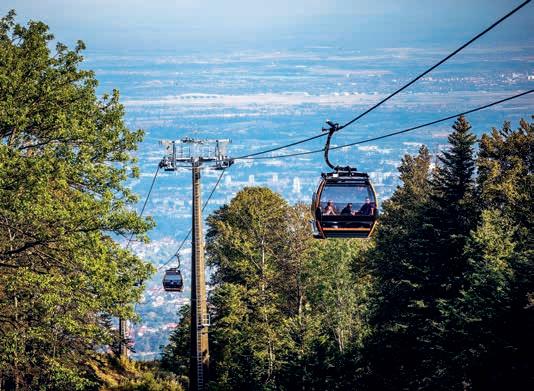
Zagreb is becoming a favourite destination for a short escape from everyday life − whether you love culture, city walks, culinary experiences, or a laid-back atmosphere. In cooperation with the Zagreb Tourist Board, the Discover Zagreb campaign promotes Croatia’s capital as the perfect city break destination, inviting domestic and regional travellers to discover how close, accessible, and inspiring Zagreb truly is.
In collaboration with Croatia Airlines and the Obzor Holidays travel agency, an attractive package is available that includes return flights from Split, Dubrovnik, Pula,
Zadar, Sarajevo, Skopje, and Mostar, accommodation in 4- or 5-star hotels with breakfast, and a guided city tour. All this makes Zagreb even more accessible and appealing for a short yet fulfilling getaway. Zagreb offers a rich cultural scene, an authentic cuisine, numerous events, and that unmistakable relaxed atmosphere that makes every visitor feel right at home. Find out more at www.infozagreb.hr/en/. Discover Zagreb − and enjoy every moment.
For more information on available packages, visit the Obzor Holidays travel agency website at www.obzorholidays.com.
Zagreb, grad bogate kulturne baštine, autentičnog šarma i opuštenog ritma života, idealno je mjesto za predah i istraživanje. Zahvaljujući suradnji Turističke zajednice grada Zagreba i Croatia Airlinesa, putnici sada imaju priliku organizirati svoj boravak u Zagrebu na 24 ili 48 sati i pritom doživjeti grad na posve nov način.
Program Stopover Zagreb osmišljen je kao pozivnica svima koji presjedaju u Zagrebu da se zadrže malo dulje i istraže što glavni grad Hrvatske nudi − od bogate povijesti, muzeja i galerija, do atraktivne gastronomske i shopping scene. Bilo da uživate u šetnjama starim gradskim ulicama, ispijanju kave na jednoj od brojnih terasa ili otkrivanju lokalnih delicija, Zagreb će vas osvojiti već na prvi pogled.
Za putnike koji lete Croatia Airlinesom dostupan je atraktivan paket aranžman koji uključuje smještaj u hotelima kategorije 4 ili 5 zvjezdica, s uključenim doručkom, boravišnom pristojbom te Zagreb Card karticom koja nudi brojne pogodnosti − od besplatnog javnog prijevoza do popusta na ulaznice za muzeje, atrakcije i restorane.
Zaustavite se. Udahnite grad. Doživite Zagreb − između dva leta.
Više informacija o dostupnim paket aranžmanima potražite na web stranicama agencije Obzor putovanja, na poveznici obzorputovanja.hr, a više informacija o Zagrebu na www.infozagreb.hr.
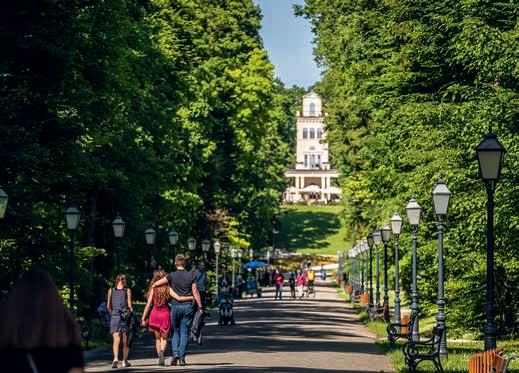
Zagreb, a city of rich cultural heritage, authentic charm, and a relaxed pace of life, is the perfect place for a break and a bit of exploration. Thanks to the collaboration between the Zagreb Tourist Board and Croatia Airlines, passengers now have the opportunity to organise their stay in Zagreb for 24 or 48 hours, and experience the city in a whole new way.
The Stopover Zagreb programme invites all passengers transiting through Zagreb to extend their stay and discover what Croatia’s capital has to offer − from its rich history, museums and galleries to its vibrant culinary and shopping scenes. Whether you prefer strolling through the city’s old streets,
enjoying coffee on one of its many terraces, or tasting local specialities, Zagreb will charm you at first sight.
For Croatia Airlines passengers, an attractive package is available, including accommodation in 4- or 5-star hotels with breakfast, city tax, and a Zagreb Card offering numerous benefits − from free public transport to discounts on museum tickets, attractions, and restaurants. Pause. Breathe in the city. Experience Zagreb − Between two flights.
For more information on available packages, visit the Obzor Holidays travel agency website at www.obzorholidays.com. To find out more about Zagreb, visit www.infozagreb.hr/en/.




Zagreb − gdje su kućni ljubimci uvijek dobrodošli
Zagreb − Where pets are always welcome

Zagreb sve snažnije potvrđuje svoj status pet friendly destinacije, a zahvaljujući nastavku suradnje Turističke zajednice grada Zagreba i Croatia Airlinesa, doživljaj putovanja s kućnim ljubimcima jednostavniji je i ugodniji nego ikad.
Zagreb is increasingly affirming its status as a truly pet-friendly destination, and thanks to the continued partnership between the Zagreb Tourist Board and Croatia Airlines, travelling with pets is now simpler and more enjoyable than ever.
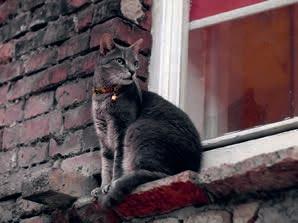
Ako postoji grad koji zna kako spojiti urbani ritam i opuštenu atmosferu, onda je to Zagreb, i to ne samo za putnike nego i za njihove vjerne četveronožne suputnike. Sve više hotela, kafića, parkova i šetnica u glavnom gradu otvara vrata kućnim ljubimcima, pretvarajući svaki dolazak u istinski pet friendly doživljaj.
U zagrebačkim parkovima lako je zaboraviti da ste u metropoli. Maksimir, Bundek i Jarun nude prostrana mjesta za odmor i bijeg od gradske vreve, dok su središnje gradske ulice, trgovi i zelene površine kojima grad obiluje savršeni za lagane šetnje i predah uz kavu na terasi. Brojni hoteli nude smještaj po mjeri ljubimaca, a sve je više restorana i barova u kojima posudica s vodom i pseći keksi čekaju stalne goste na četiri šape.
U Zagrebu su dobrodošli svi, bilo na dvije ili četiri noge.
Dolazite li na vikend ili ostajete dulje, grad nudi savršen spoj urbane energije, zelenih kutaka i gostoljubivosti koja se osjeti na svakom koraku.
Let s ljubimcem jednostavan je i bezbrižan zahvaljujući Croatia Airlinesu, koji dozvoljava do tri ljubimca u putničkoj kabini. Od prosinca 2025. do travnja 2026. godine pripremljen je i poseban dar − 20% popusta na međunarodnim letovima, uz simboličan poklon za male putnike: poslastice PAWsitively CROatian, 100% hrvatski proizvod, jer svako dobro ponašanje zaslužuje nagradu − čak i na 10.000 metara visine. Boška i/and Krešu
Kako bi putovanje bilo potpuno bez stresa, Croatia Airlines i turistička agencijom Obzor putovanja, u suradnji s Turističkom zajednicom grada Zagreba, kreirali su pet friendly paket aranžmane koji uključuju povratne avionske karte, smještaj u hotelima prilagođenim ljubimcima te transfere između zračne luke i centra grada.
Sve potrebne informacije dostupne su na stranici agencije Obzor putovanja, kao i na stranici www.infozagreb.hr/hr/ljubimci-zagreba, koju je osmislila Turistička zajednica grada Zagreba kako bi vlasnicima omogućila pogled na grad kroz oči svojih ljubimaca. Stranica funkcionira kao sveobuhvatan vodič kroz Zagreb iz pet friendly perspektive − od hotela i restorana koji toplo dočekuju ljubimce, preko veterinarskih ordinacija, salona i skloništa, sve do kulturnih institucija i muzeja otvorenih za životinje.
Svaki je detalj pažljivo osmišljen kako bi iskustvo bilo ugodno, jednostavno i bezbrižno − za vlasnike i njihove vjerne suputnike.
Vlasnici kućnih ljubimaca postaju sve važniji segment putnika, a Zagreb se, zahvaljujući zelenim površinama, prijateljskoj atmosferi i sve većem broju pet friendly objekata, prirodno pozicionirao kao destinacija u kojoj uživaju ljudi i njihovi ljubimci.
Zagreb vas poziva da osjetite njegov ritam, mirise i zvukove, da istražujete zajedno, smijete se, igrate i uživate − jer ovdje ste doma, vi i vaš ljubimac.
If there is a city that knows how to blend an urban rhythm with an easy-going atmosphere, it is Zagreb − not only for travellers, but also for their loyal four-legged companions. More and more hotels, cafés, parks, and promenades in Croatia’s capital are opening their doors to pets, turning every visit into a genuinely pet-friendly experience. In Zagreb’s parks it is easy to forget that you are in a metropolis. Maksimir Park, and lakes Bundek and Jarun offer wide, open green spaces for relaxation and an escape from the bustle of the city, while Zagreb’s city centre streets, squares, and landscaped lawns are ideal for leisurely walks and a break over coffee on a café terrace. Numerous hotels now offer pet-specific accommodation, and an increasing number of restaurants and bars keep bowls of water and dog treats ready for their regular fourpawed guests.
In Zagreb, everyone is welcome − whether on two legs or four.
Whether you are visiting for a weekend or staying longer, the city offers a perfect blend of urban energy, leafy corners, and hospitality you can feel at every step.
Flying with your pet is simple and stress-free thanks to Croatia Airlines, which allows up to three pets in the cabin. From December 2025 to April 2026, a special treat will be available − a 20% discount on international flights, along with a symbolic gift for the smallest travellers: PAWsitively CROatian treats, a 100% Croatian product, because
good behaviour deserves a reward − even at 10,000 metres of altitude.
To make the journey completely worry-free, Croatia Airlines and the Obzor Holidays travel agency, in cooperation with the Zagreb Tourist Board, have created pet-friendly travel packages that include return flights, accom modation in pet-friendly hotels, and transfers between the airport and the city centre.
All the information is available on the Obzor Holidays travel agency’s website, as well as on www.infozagreb.hr/en/pets-of-zagreb, a page designed by the Zagreb Tourist Board to help owners see the city through their pets’ eyes. It serves as a comprehensive guide to Zagreb from a pet-friendly perspective − from hotels and restaurants that warmly welcome pets, to veterinary clinics, grooming salons, and shelters, as well as cultural institutions and museums open to pets.



Every detail has been carefully considered to ensure the experience is pleasant, simple, and carefree − for both owners and their faithful companions.

Pet owners are becoming an increasingly important segment of travellers, and Zagreb, with its green spaces, friendly atmosphere, and growing number of pet-friendly venues, has naturally positioned itself as a destina tion enjoyed by people and their pets alike. Zagreb invites you to experience its rhythm, scents, and sounds, to explore together, laugh, play, and enjoy − because here, both you and your pet are truly at home.



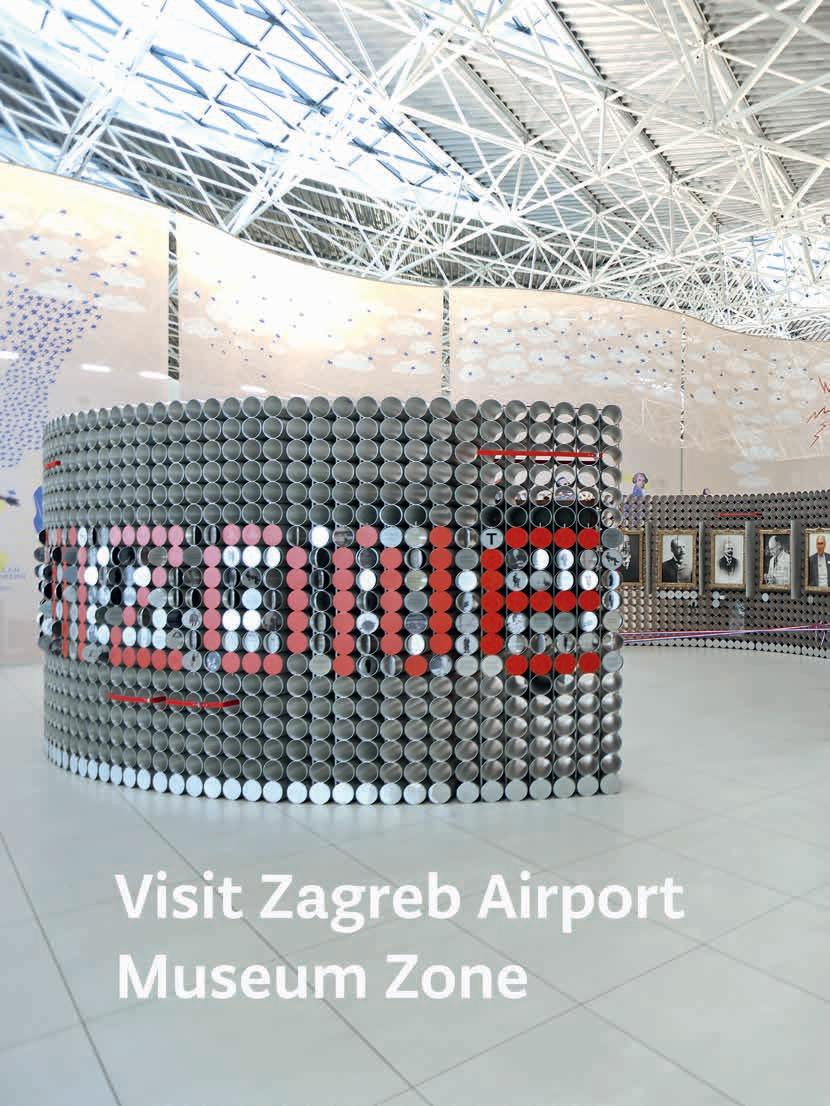
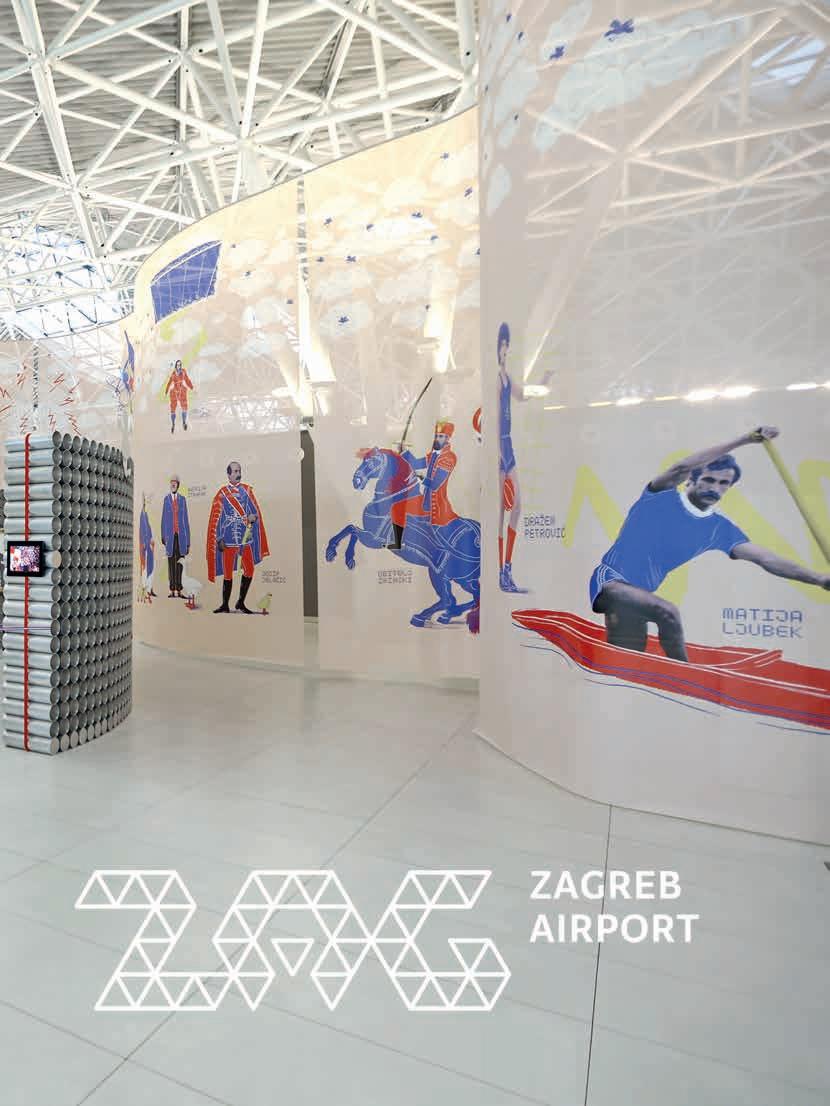

Novosti u ljetnom redu letenja U ljetnom redu letenja (29. 3. − 24. 10.) planirano je više od 19.290 letova na kojima ćemo ponuditi više od 2,396.000 sjedala. U tom razdoblju planirano je povezivanje Hrvatske s ukupno 32 međunarodna odredišta, odnosno 33 europske zračne luke, a zrakoplovi će pritom letjeti na 55 međunarodnih redovitih linija. Novost su naše dvije sezonske linije, Nantes − Split (utorkom i petkom) i Stuttgart − Dubrovnik (ponedjeljkom i petkom).
Tijekom turističke sezone naši će zrakoplovi povezivati glavni grad Zagreb s ukupno 23 međunarodna odredišta: Amsterdamom, Atenom (via Dubrovnik), Barcelonom, Bečom, Berlinom,
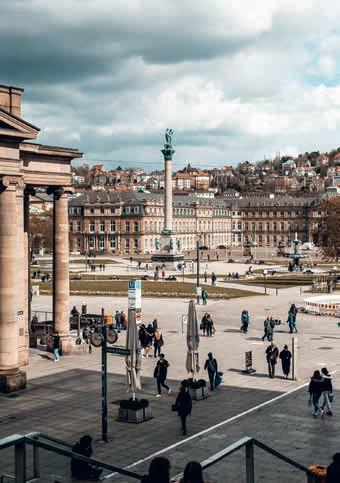
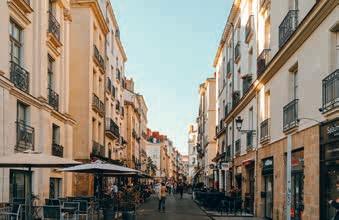
Bruxellesom, Bukureštom, Kopenhagenom, Frankfurtom, Hamburgom, Londonom (Heathrow), Madridom, Milanom, Mostarom, Münchenom, Parizom, Pragom, Rimom (via Split/ Dubrovnik), Sarajevom, Skopljem, Stockholmom, Tiranom i Zürichom. Splitska Zračna luka sveti Jeronim bit će povezana sa 20 međunarodnih odredišta, odnosno 21 zračnom lukom − Atenom, Bečom, Berlinom, Dublinom, Düsseldorfom, Frankfurtom, Istanbulom, Kopenhagenom, Londonom (ZL Gatwick i ZL Heathrow), Lyonom, Nantesom, Milanom, Münchenom, Oslom, Parizom, Pragom, Rimom, Skopljem, Stockholmom i Zürichom. Tijekom ove turističke sezone Croatia Airlines planira izravno povezivati Dubrovnik s osam europskih odredišta − Atenom, Frankfurtom, Münchenom, Parizom, Pragom, Rimom, Stuttgartom i Zürichom. Nastavljaju se i cjelogodišnji letovi Rijeka − München i Osijek − München.
In the summer flight timetable (29 March − 24 October), more than 19,290 flights are planned, providing more than 2,396,000 seats. During this period, Croatia will be connected with a total of 32 international destinations, across 33 European airports, while our aircraft will operate 55 international scheduled routes.
Two new seasonal routes will be introduced: Nantes − Split (operating on Tuesdays, and Fridays), and Stuttgart − Dubrovnik (operating on Mondays, and Fridays).
During the tourist season, our aircraft will connect Croatia’s capital, Zagreb, with a total of 23 international destinations: Amsterdam, Athens (via Dubrovnik), Barcelona, Vienna, Berlin, Brussels, Bucharest, Copenhagen, Frankfurt, Hamburg, London (Heathrow), Madrid, Milan, Mostar, Munich, Paris, Prague, Rome (via Split/Dubrovnik), Sarajevo, Skopje, Stockholm, Tirana, and Zurich. Split’s Saint Jerome Airport will be connected with 20 international destinations, served via 21 airports − Athens, Vienna, Berlin, Dublin, Düsseldorf, Frankfurt, Istanbul, Copenhagen, London (Gatwick, and Heathrow), Lyon, Nantes, Milan, Munich, Oslo, Paris, Prague, Rome, Skopje, Stockholm, and Zurich. During this tourist season, Croatia Airlines plans to connect Dubrovnik directly with eight European destinations − Athens, Frankfurt, Munich, Paris, Prague, Rome, Stuttgart, and Zurich. Year-round flights between Rijeka and Munich, and Osijek and Munich will also continue.
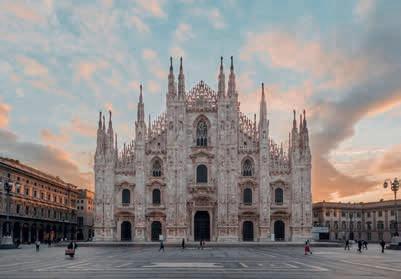
I n y o u r
d i r e c t i o n
c r o a t i a a i r l i n e s c o m
Summer 2026.
New!
Stuttgart - Dubrovnik
Nantes - Split

Good connections within Croatia.
Dočekali smo naš novi zrakoplov A220-100
U Zagrebu smo 13. ožujka ponosno dočekali naš osmi od ukupno 15 novih zrakoplova Airbus A220, kojima obnavljamo i moderniziramo našu flotu. Novi zrakoplov A220-100 također je stigao izravno iz Airbusovog pogona u Mirabelu u Kanadi, kao i sedam novih zrakoplova A220 koji su se ranije pridružili našoj floti. Naš drugi zrakoplov A220-100, nazvan po gradu Puli, dodatno će ojačati našu mrežu letova, pružiti putnicima i posadama prvoklasno iskustvo letenja, a istodobno će pridonijeti održivijem poslovanju naše kompanije.
Welcoming our new A220-100 aircraft
On 13 March in Zagreb we proudly welcomed our eighth of a total of 15 new Airbus A220 aircraft, part of the ongoing renewal and modernisation of our fleet. The new A220-100 aircraft also arrived directly from Airbus’s facility in Mirabel, Canada, just like the seven A220 aircraft that joined our fleet earlier. Our second A220-100 aircraft, named after the city of Pula, will further strengthen our flight network, provide passengers and crew with a first-class flying experience, and at the same time contribute to the more sustainable operations of our company.
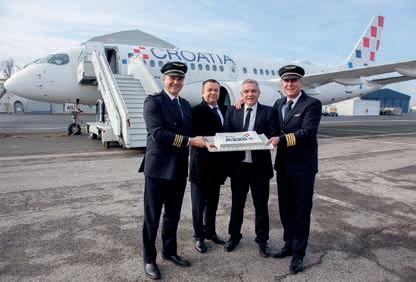
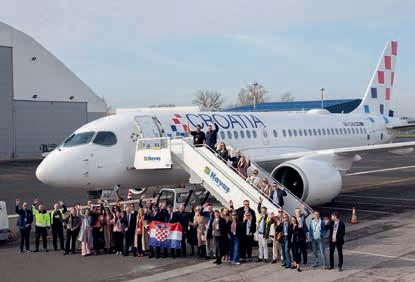

Svečani povratak rukometaša
Nakon osvajanja brončane medalje na Europskom rukometnom prvenstvu, naši su rukometaši iz Billunda u Danskoj 1. veljače poletjeli prema Zagrebu posebnim čarter letom Croatia Airlinesa − letom ispunjenim ponosom, emocijama i zasluženim slavljem.
Naša posada čestitala je rukometašima i poželjela im puno uspjeha u daljnjoj sportskoj karijeri te se pobrinula da ovaj poseban let iz Skandinavije protekne u prigodnom slavlju uz tortu i šampanjac.
Croatia’s handball team’s ceremonial return
After winning the bronze medal at the European Men’s Handball Championship, our handball team departed Billund in Denmark for Zagreb on 1 February aboard a special Croatia Airlines charter flight − a journey filled with pride, emotion, and well-deserved celebration. Our crew congratulated the players and wished them much success in their future sporting careers, ensuring that this special flight from Scandinavia took place in a celebratory atmosphere with cake and champagne.

Putni časopis Croatia osvojio prestižno priznanje Grand Prix
Marco Polo
Putni časopis Croatia, koji više od 30 godina izdaje Croatia Airlines, osvojio je u prosincu 2025. prestižnu nagradu Grand Prix
Marco Polo Hrvatske udruge turističkih novinara i pisaca − FIJET Croatia.
Kako stoji u obrazloženju nagrade, riječ je o putnom časopisu koji tekstom i slikom predstavlja ljepotu te kulturnu i povijesnu baštinu Hrvatske i tako pridonosi prepoznatljivosti naše zemlje u svijetu. Gabrijela Lochert, glavna urednica putnog časopisa Croatia, tom je prigodom istaknula kako je riječ o priznanju koje potvrđuje da predani rad, koji se ogleda u prenošenju prirodnih, kulturnih i povijesnih ljepota Hrvatske, pronalazi svoj put do čitatelja u zemlji i svijetu te tako pruža potporu hrvatskom turizmu. Dodala je kako će urednički tim i ubuduće, s još više entuzijazma i ljubavi, nastaviti širiti priču o Hrvatskoj − na krilima Croatia Airlinesa.
Croatia inflight magazine receives prestigious Marko Polo Grand Prix award
The Croatia inflight magazine, published by Croatia Airlines for more than 30 years, received the prestigious Marko Polo Grand Prix award
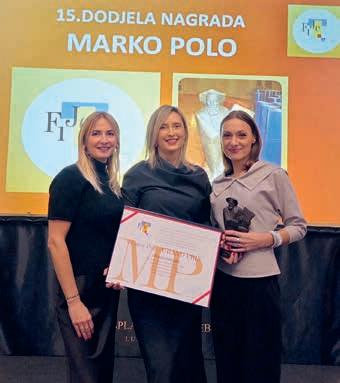
Ivanković
from the Croatian Association of Travel Journalists and Writers − FIJET Croatia in December 2025.
As stated in the award citation, the magazine presents the beauty of Croatia as well as its cultural and historical heritage through text and photography, thereby contributing to the international recognition of our country.
On that occasion, Gabrijela Lochert, editor-in-chief of the Croatia inflight magazine, emphasised that the award confirms that dedicated work in presenting Croatia’s natural, cultural and historical beauty reaches readers both in Croatia and abroad, thus supporting Croatia’s tourism. She added that the editorial team will continue, with even greater enthusiasm and passion, to share the story of Croatia − on the wings of Croatia Airlines.
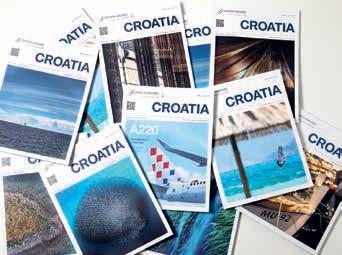
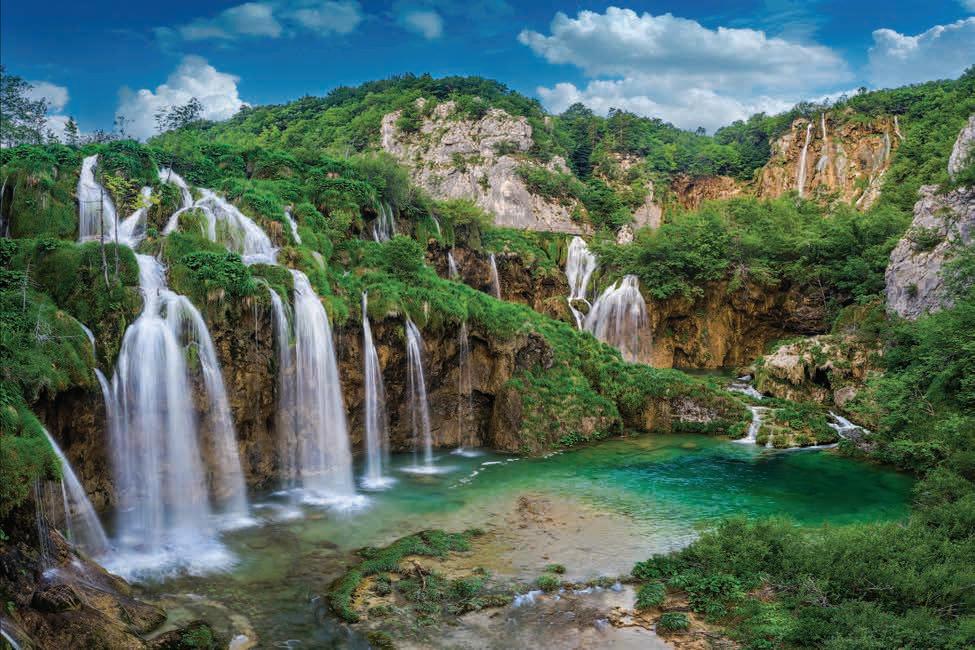

Okusi Kvarnera
Kvarner nije tek regija − to je doživljaj u kojem se susreću more i planine, tradicija i suvremeni način života, netaknuta priroda i vrhunska gastronomija. Dio tog jedinstvenog spoja možete doživjeti i na svojem letu. Upravo u 2026. godini Kvarner s ponosom nosi titulu Europske regije gastronomije, dodatno potvrđujući svoju izvrsnost i prepoznatljivost na europskoj kulinarskoj karti.
Od 1. travnja do 31. srpnja u poslovnom razredu na međunarodnim letovima duljim od jednog sata poslužujemo veliki snack box ispunjen pažljivo odabranim delicijama: kobasicom s ružmarinom, krekerima sa žlahtinom i kaduljom, pastom od zelenih maslina, keksom sa suhim smokvama te keksima s bademom i limunom.
Na domaćim i međunarodnim letovima kraćim od jednog sata u poslovnom razredu dostupan je mali snack box, koji sadrži kobasicu s ružmarinom, krekere sa žlahtinom i kaduljom i keks sa suhim smokvama.
Putnici u ekonomskom razredu na međunarodnim letovima duljim od jednog sata mogu uživati u krekerima sa žlahtinom i kaduljom.
Okusi Kvarnera predstavljaju više od laganog obroka − oni odražavaju autentičnost podneblja, bogatstvo lokalnih sastojaka i predanost tradiciji koja se prenosi generacijama. Svaki proizvod u boxu nadahnut je mediteranskim načinom života i pričom o kraju iz kojeg dolazi.
Prepustite se aromama i okusima Hrvatske visoko iznad oblaka i otkrijte Kvarner na drugačiji način. Neka vaše putovanje bude i gastronomsko iskustvo koje se pamti.
The flavours of Kvarner
Kvarner is more than a region − it is an experience where sea and mountains meet, where tradition blends with contemporary living, and where unspoilt nature pairs effortlessly with outstanding cuisine. A taste of that unique fusion can accompany you on your flight.
In 2026, Kvarner proudly holds the title of European Region of Gastronomy, further affirming its excellence and recognition on the European culinary map.
From 1 April to 31 July, passengers travelling in Business Class on international flights longer than one hour will be served a large snack box filled with carefully selected delicacies: rosemary sausage, crackers infused with Žlahtina wine and sage, green olive spread, fig biscuits, and almond and lemon biscuits.
On domestic flights and international services shorter than one hour, Business Class passengers can enjoy a smaller snack box featuring rosemary sausage, Žlahtina and sage crackers, and fig biscuits.
Passengers travelling in Economy Class on international flights longer than one hour are offered crackers flavoured with Žlahtina and sage.
The Flavours of Kvarner represent far more than a light meal − they reflect the authenticity of the region, the richness of its local ingredients, and a culinary heritage passed down through generations. Each product in the box is inspired by the Mediterranean way of life, and the story of the land from which it originates.
Surrender to the aromas and flavours of Croatia high above the clouds, and discover Kvarner in a new way. Let your journey become a memorable gourmet experience.
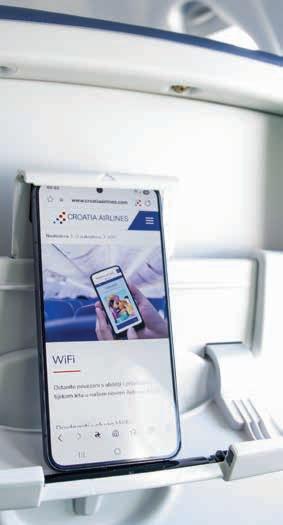
Ostanite povezani tijekom leta u našem novom Airbusu A220 . Koristite WhatsApp, Messenger, e-poštu i društvene mreže
Spojite se na CroatiaAirlinesWiFi . Kupite paket u pregledniku.
Sky Chat (besplatno 10 min): Poruke (bez slika i videa)
Sky Surf (7,95 € ): Poruke, surfanje, e-pošta i društvene mreže (bez videa)
Sky Premium (11,95 € ): Neograničeno surfanje, e-pošta, društvene mreže i kraći videozapisi
Stay conn ected dur ing your fl ight on b oard our new Airbus A220 Us e Wh atsApp , Mess enger , email and s oc ia l medi a
Turn on WiFi in airplane mode Connect to CroatiaAirlinesWiFi
Purchase a package in your browser
Sky Chat (10 min, free): Mess ages (ph otos and videos not included )
Sky Surf ( € 7.95): Mess ag es , surfin g, e mail and social m ed ia ( vide os not inc luded )
Sky Premium ( € 11 9 5) : Un li mited surfin g, e mail , social medi a and sh ort vide os






- 1 EUR = 1 nagradna milja za svakih
Croatia Airlines card
PRIKUPLJANJE NAGRADNIH MILJA
NA LETOVIMA
CROATIA AIRLINESA
COLLECTING AWARD MILES ON CROATIA AIRLINES FLIGHTS
bilježi se
1 EUR potrošenih preko ove kartice, 1 nagradna milja
- 2000 milja dobrodošlice na Miles & More računu za nove korisnike
- Putno osiguranje
- Milje ne zastarijevaju
- Dvostruke nagradne milje za plaćanje
u poslovnicama Croatia Airlinesa i PBZ Card Travela
Diners Club Croatia Airlines kreditna kartica
- 1 EUR = 1 award mile − for every 1 EUR spent via this card, you collect 1 mile
- 2000 welcome miles on Miles & More account for new basic members
- Travel insurance
- Miles do not expire
- Ear n double award miles using the card to pay at Croatia Airlines and PBZ Card Travel
Diners Club Croatia Airlines credit card
- 0,66 EUR = 1 nagradna milja − za svakih - 0,66 EUR = 1 award mile − for every 0,66 EUR spent via this card, you collect 1 mile
0,66 EUR potrošenih preko ove kartice, bilježi se 1 nagradna milja
- Prikupljajte nagradne milje svuda − jednostavno plaćajte svojom Diners Club karticom na bilo kojemu od 12,000.000 DC prodajnih mjesta u zemlji i inozemstvu.
- 2 kartice 1 račun Miles & More koristite li se istodobno privatnom i poslovnom karticom Diners Cluba i Croatia Airlinesa, prikupljene nagradne milje zbrajaju se na istom računu Miles & More
VISA Croatia Airlines kreditna kartica
Croatia Airlines i Erste Card Club nude i VISA Croatia Airlines samostalnu karticu, poslovnu i privatnu. Potrošnja od 2 EUR u Hrvatskoj na samostalnim karticama donosi 1 nagradnu Miles & More milju, a za potrošen u EUR 1 inozemstvu dobiva se preko kartica u paketu 1 nagradna Miles & More milja
Više informacija možete pronaći na: www milesandmore com
- Collect award miles everywhere simply pay with your Diners Club Card in any of 12 million DC offices in Croatia or abroad
- 2 credit cards 1 Miles & More membership account use your private and business card to collect award miles on the same membership account
VISA Croatia Airlines credit card
Croatia Airlines and Erste Card Club offer a VISA Croatia Airlines standalone credit card, both business and private. You will get 1 Miles & More award mile for every 2 EUR via ent sp st card credit andalone whereas for every 1 EU R spent abroad via companion credit cards 1 Miles & More award mile will be credited to your account.
Please find detailed info at: www milesandmore.com

Fly to Croatia's magnificent cities of Zagreb, Dubrovnik, Pula, Split and Zadar.
Book your flight!
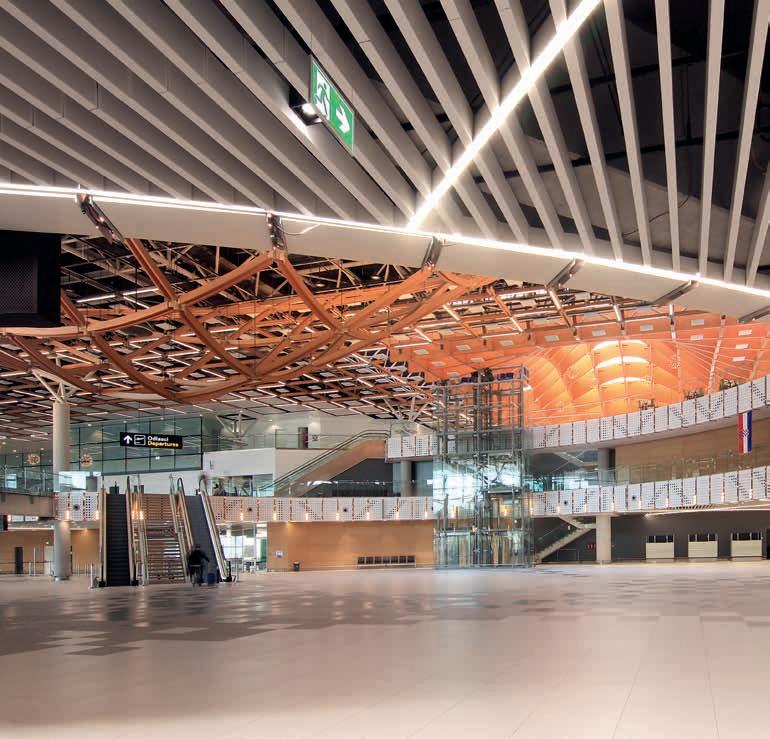
Proljeće u splitskoj Zračnoj luci sveti Jeronim: nova sezona, više letova i nova povezanost
Spring at Split’s Saint Jerome Airport: A new season, more flights, and new connections
Prispjele najave za predstojeću ljetnu sezonu upućuju na to da je pred nama još jedna iznimno sadržajna turistička sezona. Ukupno 43 prijevoznika nudi jako zanimljivu i raznoliku mrežu letova, koja će osigurati povezanost splitske Zračne luke sveti Jeronim s čak 87 odredišta.
Early announcements for the upcoming summer season indicate that another exceptionally dynamic tourist season lies ahead. A total of 43 airlines will offer an impressively diverse route network, connecting Split’s Saint Jerome Airport with as many as 87 destinations.
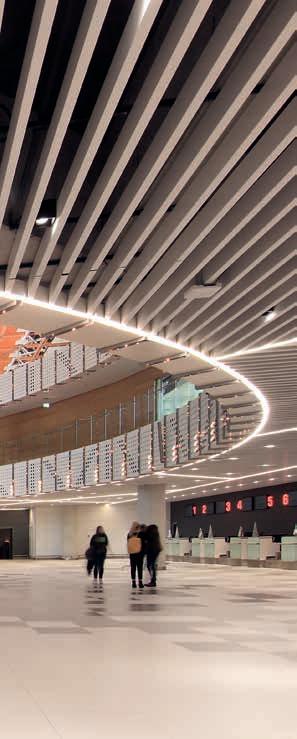
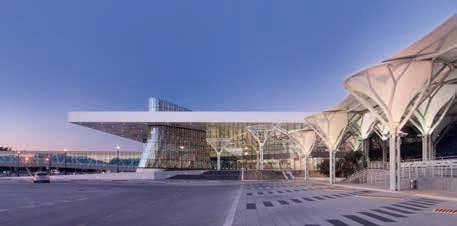
Proljeće donosi više svjetla, više kretanja i više razloga za putovanje. Proljeće je godišnje doba kad se putuje bez žurbe, kada gradovi u Dalmaciji dišu punim plućima, a obala otkriva svoju idiličnu stranu isprepletenu svježim bojama i mirisima. Izvrsna je to prilika za opuštanje, istraživanje novih mjesta ili možda aktivni odmor na otvorenome.
Prispjele najave za predstojeću ljetnu sezonu, a nakon provedenog postupka usklađivanja redova letenja sa zračnim prijevoznicima, upućuju na to da je pred nama još jedna iznimno sadržajna turistička sezona. Posebno valja istaknuti najavu prve izravne interkontinentalne linije i to za New York, koju će United Airlines provoditi tri puta tjedno od početka svibnja do konca rujna. Ukupno 43 prijevoznika nudi jako zanimljivu i raznoliku mrežu letova koja će osigurati povezanost splitske Zračne luke sveti Jeronim s čak 87 odredišta. Tržišta s kojim dolazi najizraženija prometna potražnja jesu sljedeća: njemačko, britansko, francusko, nizozemsko, hrvatsko, talijansko, švedsko, poljsko, norveško, austrijsko, švicarsko, dansko, irsko, finsko i španjolsko. Ponuđeni kapaciteti bit će značajan poticaj daljnjem razvoju turizma na srednjedalmatinskom području.
Spring brings more light, more movement, and more reasons to travel. It is the season for unhurried journeys, when the cities of Dalmatia start living life to the fullest, and the coastline reveals its idyllic side, interwoven with fresh colours and scents. It is an ideal time to relax, explore new destinations, or perhaps enjoy an active holiday in the open air.
Early announcements for the upcoming summer season, following the coordination of flight timetables with airlines, indicate that another exceptionally dynamic tourist season lies ahead. Of particular note is the introduction of the first direct intercontinental service to New York, to be operated by United Airlines three times weekly from early May until the end of September.
A total of 43 airlines will offer an impressively diverse route network, connecting Split’s Saint Jerome Airport with as many as 87 destinations. The markets generating the strongest demand include Germany, the United Kingdom, France, the Netherlands, Croatia, Italy, Sweden, Poland, Norway, Austria, Switzerland, Denmark, Ireland, Finland, and Spain. The planned capacity represents a significant boost to the continued development of tourism in the region of Central Dalmatia.
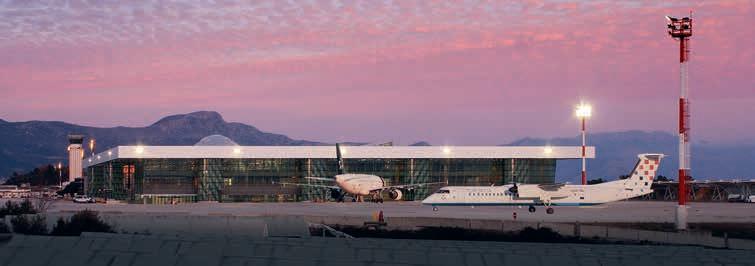
Mobile app for an easier way to travel!

Preuzmite našu mobilnu
aplikaciju i imat ćete sve što vam je potrebno prije i za vrijeme leta nadohvat ruke: kupnja aviokarata, red letenja, status leta, check-in, ponude i još mnogo toga...
Aplikacija je dostupna na hrvatskom, engleskom, njemačkom i francuskom jeziku.
Download it and have everything you need before and during your flight with us in the palm of your hand: flight booking, timetable, flight status, check-in, offers and more...
Our app is available in Croatian, English, German and French.

TERMINAL
Amsterdam (AMS) Schiphol Amsterdam Airport T1
Athens (ATH) Athens Airport Eleftherios Venizelos Main Terminal
Barcelona (BCN) Barcelona El Prat Josep Tarradellas T1
Berlin (BER) Berlin Brandenburg T1
Brač (BWK) Brač Airport
Main Terminal
Brussels (BRU) Brussels Airport (Zaventem) T1 (Pier A)
Bucharest (OTP) Bucharest Henri Coandă International Airport T1
Copenhagen (CPH) Copenhagen Airport T2
Dublin (DUB) Dublin Airport T1
Dubrovnik (DBV) Dubrovnik Ruđer Bošković Airport T1
Dusseldorf (DUS) Düsseldorf Airport Terminal A
Frankfurt (FRA) Frankfurt Airport T1 Hall B
Hamburg (HAM) Hamburg Airport T1
Istanbul (IST) Istanbul Airport
Main Terminal
London Gatwick (LGW) London Gatwick Airport South Terminal
London Heathrow (LHR) London Heathrow Airport T2
Lyon (LYS) Lyon Saint-Exupery International Airport T1
Madrid (MAD) Adolfo Suárez Madrid-Barajas Airport T2
Milan (MXP) Milano Malpensa T1
Mostar (OMO) Mostar International Airport
Main Terminal
Munich (MUC) Munich Airport Franz Josef Strauss T2
Osijek (OSI) Osijek Airport
Main Terminal
Oslo (OSL) Oslo Airport, Gardermoen T1
Paris (CDG) Paris Charles de Gaulle Airport Terminal 2D
Prague (PRG) Vaclav Havel Airport Prague T2
Pula (PUY) Pula Airport T1
Rijeka (RJK) Rijeka International Airport
Main Terminal (T1)
Rome (FCO) Leonardo da Vinci - Fiumicino Airport T1
Sarajevo (SJJ) Sarajevo International Airport Terminal A
Skopje (SKP) Skopje International Airport T1
Split (SPU) Saint Jerome Airport T1
Stockholm (ARN) Stockholm Arlanda Airport T5
Tirana (TIA) Tirana International Airport
Main Terminal
Vienna (VIE) Vienna Airport T3
Zadar (ZAD) Zadar Airport
Zagreb (ZAG) Franjo Tuđman Airport
Main Terminal (Terminal A)
Main Terminal (T1)
Zurich (ZRH) Zurich Airport T1
Informacije o polascima autobusa / Bus departure information plesoprijevoz@plesoprijevoz.hr plesoprijevoz.hr ZAGREB
Polasci svakog dana s gradskog terminala (Autobusni kolodvor, Avenija Marina Držića 4) prema Zračnoj luci Zagreb Departures daily from the town terminal (Central Bus Station, 4 Marin Držić Avenue) to Zagreb International Airport: 4.00 - 5.00 - 5.30 - 6.00 - 6.30 - 7.00 - 7.30 - 8.30 - 9.00 - 9.30 - 10.00 - 10.30 - 11.00 - 11.30 - 12.00 - 12.30 - 13.00 - 13.30- 14.00 - 14.30 - 15.00 - 15.45 - 16.15 - 16.45 - 17.30 - 18.00 - 19.00 - 19.30 - 20.00 - 20.30 - 21.00
Polasci svakog dana iz Zračne luke Zagreb prema gradskom terminalu (Autobusni kolodvor, Avenija Marina Držića 4)
Departures daily from Zagreb International Airport to the town terminal (Central Bus Station, 4 Marin Držić Avenue): 6.00 - 6.30 - 7.30 - 8.00 - 8.30 - 9.00 - 9.30 - 10.00 - 10.30 - 11.00 - 11.30 -12.00 - 12.30 - 13.00 - 13.30 - 14.00 - 14.30 - 15.00 - 15.30 - 16.00 - 16.30 - 17.00 - 17.30 - 18.00 - 19.00 - 19.30 - 20.00 - 20.30 - 21.00 - 21.30 - 22.00 - 22.30
Za više informacija, molimo nazovite / For more information, please call: ZAGREB tel.(+385 - 1) 6331-933 tel.(+385 - 1) 6331-935 tel.(+385 - 99 ) 210 0451 SPLIT tel.(+385-99 ) 355 9222
shuttle_bus_split@platanus.hr platanus.hr
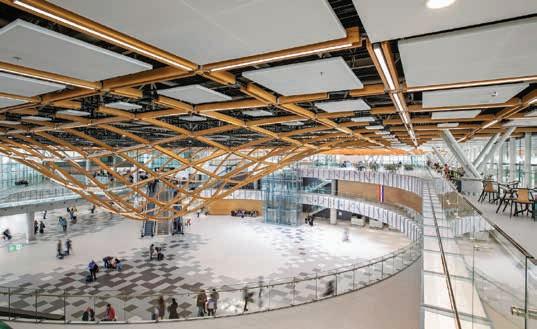
RUČNA PRTLJAGA
Ukupna dopuštena prtljage za putnike:
• ekonomskog razreda: 1 komad ručne prtljage i 1 komad osobne prtljage
• poslovnog razreda: 2 komada ručne prtljage
Ručna prtljaga: težine do 8 kg i zbroj dimenzija do 118 cm
Osobna prtljaga: najveća dopuštena veličina 50x43x23cm (uključuje vrećice, poklon pakete, laptop torbe i sl.)
Veće komade ručne prtljage spremite u pretince, a manje stavite ispod sjedala ispod vas, osim u redovima kod izlaza za slučaj opasnosti.
U kabinu se dodatno može unijeti:
• putuje li se s djetetom do 2 godine: 1 dječja kolica ili autosjedalicu ili nosiljku te hranu za bebe
• bolesne osobe i osobe s invaliditetom: ortopedska ili protetička pomagala
Ručna prtljaga mora biti dovoljno lagana da je putnik može bez pomoći podignuti u pretinac iznad sjedala.
Kompanija zadržava pravo da, u slučaju ograničenog prostora u putničkoj kabini, iz sigurnosnih razloga i radi osiguranja udobnosti putnika, ručnu prtljagu smjesti u prtljažni prostor aviona.
CABIN BAGGAGE
Total baggage allowance for passengers:
• Economy Class: 1 piece of cabin baggage and 1 personal item
8kg
• Business Class: 2 pieces of cabin baggage
Cabin baggage: up to 8 kg; maximum total dimensions 118 cm
Personal item: maximum size 50 × 43 × 23 cm
(includes handbags, gift bags, laptop bags, etc.)
Please place larger cabin baggage items in the overhead compartments and smaller items under the seat in front of you, except in rows next to emergency exits.
In addition, the following items may be carried into the cabin:
• when travelling with a child under the age of two: one stroller, car seat or baby carrier, as well as baby food
• passengers who are ill or passengers with disabilities: orthopaedic or prosthetic aids
Cabin baggage must be light enough for the passenger to lift into the overhead compartment without assistance.
In the event of limited space in the passenger cabin, the airline reserves the right, for safety reasons and for the comfort of passengers, to place cabin baggage in the aircraft hold.
TEKUĆINE U RUČNOJ PRTLJAZI
U zrakoplov se smiju unositi:
• tekućine kupljene u duty free prodavaonicama ili u zrakoplovu, pod uvjetom da su spremljene u prozirne plastične vrećice, zapečaćene prilikom kupnje (STEB) i ne smiju se otvarati do krajnjeg odredišta
• tekućine pakirane u pojedinačnim pakiranjima do 100ml ili 100 g u prozirnoj plastičnoj vrećici sa zatvaračem do 1 litre
• tekućine koje se tijekom leta koriste u medicinske svrhe ili zbog posebnih prehrambenih potreba (dječja hrana)
Ostale tekućine mogu se prevoziti u predanoj prtljazi.
The following liquids may be carried on board:
• liquids purchased in duty-free shops or on board the aircraft, provided they are placed in transparent plastic bags, sealed at the time of purchase (STEB), and remain unopened until the final destination
• liquids in individual containers of up to 100 ml or 100 g, placed in a transparent resealable plastic bag with a capacity of up to 1 litre
• liquids required during the flight for medical purposes or special dietary needs (e.g., baby food)
Other liquids may be carried in checked baggage.
Kako bi let s vašim kućnim ljubimcem protekao ugodno i sigurno, kako za vas tako i za ostale putnike, obvezni ste se pridržavati navedenih uputa:
• Životinje mogu putovati isključivo u zatvorenoj torbi za nošenje i prijevoz kućnih ljubimaca (transporteru). Tijekom cijelog leta, uključujući ukrcaj i iskrcaj, ljubimac mora ostati unutar transportera (uključujući glavu i rep), pod nadzorom putnika te ne smije smetati drugim putnicima ili posadi.
• Životinje koje zbog svoje veličine ne mogu putovati u putničkoj kabini prevoze se u prtljažniku zrakoplova (AVIH).
CABIN BAGGAGE PERSONAL
Molimo vas da veće komade ručne prtljage smjestite u pretinac iznad sjedala ili ispod sjedala.
Važno: Ručna prtljaga se ne smije stavljati ispod sjedala u redu koji vodi prema izlazu.
Please place larger cabin baggage items in the overhead compartment above your seat or under the seat in front of you.
max. 55 x 40 x 23 cm
Important: Cabin baggage must not be placed under the seat in rows leading to the emergency exit.
max. 40 x 30 x 10 cm
Molimo vas da manje komade ručne prtljage obavezno stavite ispod sjedala ispred vas.
Važno: Ručna prtljaga se ne smije stavljati ispod sjedala u redu koji vodi prema izlazu.
Please place smaller cabin baggage items under the seat in front of you.
Important: Cabin baggage must not be placed under the seat in rows leading to the emergency exit.
U slučaju evakuacije ostavite svu prtljagu u zrakoplovu.
In the event of an evacuation, leave all baggage on board the aircraft.
• Prijevoz životinja potrebno je unaprijed rezervirati i dodatno se naplaćuje u poslovnicama. Broj mjesta za prijevoz životinja ograničen je, stoga se preporučuje rana rezervacija. Putnik je dužan pribaviti svu potrebnu dokumentaciju.
To ensure that travelling with your pet is pleasant and safe for you and for other passengers, please follow the instructions below:
• Animals may travel only in a closed pet carrier. Throughout the entire flight, including boarding and disembarkation, the pet must remain inside the carrier (including its head and tail), under the passenger’s supervision, and must not disturb other passengers or the crew.
• Animals that are too large to travel in the passenger cabin will be transported in the aircraft hold (AVIH).
• Transport of animals must be reserved in advance and is subject to an additional charge at
Croatia Airlines sales offices. The number of animals permitted on each flight is limited, therefore early reservation is recommended. Passengers are responsible for obtaining all required documentation.
Besplatan prijevoz moguć je na svim linijama pod uvjetom da je pas posebno obučen pomagati osobi sa invaliditetom i da ima svu potrebnu dokumentaciju.
U kabini zrakoplova pas mora biti poslušan i miran (ne smije lajati, režati ni skakati na ljude ili životinje).
Pas ne smije sjediti na sjedalu, već mora stati u prostor pod noge putnika i biti osiguran pomoću posebne vodilice ili pojasa. Putnik je obvezan imati brnjicu i staviti je psu u slučaju da predstavlja rizik za sigurnost.
ASSISTANCE DOGS (GUIDE DOGS/SERVICE DOGS)
Assistance dogs may travel free of charge on all routes, provided that the dog is specially trained to assist a passenger with a disability and all required documentation is presented. In the aircraft cabin, the dog must remain calm and well behaved (it must not bark, growl, or jump at people or other animals).
The dog may not sit on a passenger seat; it must remain in the floor space at the passenger’s feet and be secured with a special harness or leash. Passengers are required to carry a muzzle and place it on the dog if it poses a potential safety risk.
The use of electronic devices is permitted only in flight mode. Larger and heavier devices must be safely stowed when the seat belt sign is switched on.
Permitted electronic devices include:
• mobile/smartphones
• tablets
• noise-cancelling headphones
• digital audio/MP3 players
• electronic games
• e-readers
• laptops/notebook computers
• portable DVD/CD players
• Bluetooth devices
• cameras
• medical devices
• electric shavers
ZABRANJENE ELEKTRONIČKE NAPRAVE
Samobalansirajući uređaji koji sadrže litijeve baterije nisu dozvoljeni ni u ručnoj ni u predanoj prtljazi.
PROHIBITED ELECTRONIC DEVICES
Self-balancing devices containing lithium batteries are not permitted in either cabin baggage or checked baggage.
koje ometa posadu u obavljanju dužnosti, smatra se ozbiljnim kršenjem propisa o zračnom prometu. U takvim slučajevima zadržavamo pravo poduzimanja svih potrebnih mjera radi očuvanja sigurnosti i reda u zrakoplovu, uključujući uskraćivanje daljnjeg prijevoza, prijavu nadležnim tijelima te zabranu budućeg putovanja našim letovima.
Molimo putnike da obrate pozornost na sigurnosnu demonstraciju. Možda ne letite prvi put, ali svaki zrakoplov je drugačiji i bitno je upoznati se s njim.
U zrakoplovu nije dopuštena konzumacija vlastitog alkohola.
Pušenje je zabranjeno tijekom cijelog leta, uključujući elektroničke cigarete.
Molimo da ne fotografirate posadu i putnike. Fotografiranje i snimanje u zrakoplovu moguće je jedino uz dopuštenje posade.
Molimo putnike koji koriste ton na elektroničkim uređajima da priključe slušalice ili smanje ton na uređaju kako ne bi ometali ostale putnike tijekom leta.
Preporučujemo da budete vezani tijekom cijelog leta.
BEHAVIOUR ON BOARD
Passengers must follow all instructions given by the crew at all times and comply with all safety regulations during the flight. The safety of passengers, crew and aircraft is our highest priority.
ELEKTRONIČKI UREĐAJI U RUČNOJ PRTLJAZI
Upotreba elektroničkih uređaja dopuštena je isključivo u zrakoplovnom načinu rada, a teže i veće uređaje potrebno je sigurno pospremiti dok je upaljen znak obaveznog vezanja. Dopuštene elektroničke naprave:
• mobilni/pametni telefoni
• tablet računala
• slušalice za suzbijanje buke
• digitalni audio/MP3 uređaji
• elektroničke igre
• e-čitači
• prijenosna/notebook računala
• prijenosni DVD/CD uređaji
•Bluetooth uređaji
• kamere
• medicinski uređaji
• električni brijaći aparati
ZABRANJENI PREDMETI
Zakonom je zabranjeno nošenje opasnog materijala u ručnoj i predanoj prtljazi. To su eksplozivi, lako zapaljive tekućine i čvrste tvari, radioaktivni materijali, infektivne tvari i otrovi, oružje, stlačeni plinovi, korozivna i oksidirajuća sredstva itd.
PROHIBITED ITEMS
The carriage of dangerous materials in cabin or checked baggage is prohibited by law. These include explosives, flammable liquids and solids, radioactive materials, infectious substances and poisons, weapons, compressed gases, corrosive and oxidising substances, etc.
PONAŠANJE U ZRAKOPLOVU
Putnici su dužni u svakom trenutku pridržavati se uputa članova posade i poštovati sve sigurnosne propise tijekom leta. Sigurnost putnika, posade i zrakoplova naš je najviši prioritet. Svako ponašanje koje može ugroziti sigurnost zrakoplova, osoba ili imovine ili
Any behaviour that may endanger the safety of the aircraft, persons or property, or that interferes with the crew in the performance of their duties, is considered a serious violation of air transport regulations. In such cases, we reserve the right to take all necessary measures to maintain safety and order on board, including refusal of further carriage, reporting the incident to the relevant authorities, and banning future travel on our flights.
Please pay attention to the safety demonstration. Even if you are an experienced traveller, every aircraft is different, and it is important to familiarise yourself with the safety features. Consumption of personal alcohol on board is not permitted.
Smoking is prohibited throughout the entire flight, including electronic cigarettes. Please do not photograph crew members or other passengers. Photography and filming on board are permitted only with the crew’s approval.
Passengers using sound on electronic devices are kindly asked to use headphones or reduce the volume so as not to disturb other passengers during the flight.
We recommend that you keep your seat belt fastened throughout the flight.
Ponosno raspolažemo sa osam novih zrakoplova Airbus A220. Završetak obnove flote planiran je za 2027. godinu, kada bi naša flota trebala brojiti 15 novih zrakoplova Airbus A220.
We are proud to operate eight new Airbus A220 aircraft. The fleet renewal is scheduled for completion in 2027, when our fleet is expected to comprise 15 new Airbus A220 aircraft.


Airbus 220-300 Raspon krila
Wing span (m/ft) 35 / 115
Duljina trupa
Fuselage length (m/ft) 38,7 / 127
NajveÊa dopuπtena teæina
Maximum take off weight (kg) 62142
NajveÊa letna brzina
Maximum cruising speed (km/h) 871 (470 kts)
Broj zrakoplova u floti
Number of aircraft in fleet 6
Broj sjedala
Number of seats 149
Wi-Fi
Airbus 220-100 Raspon krila
Wing span (m/ft) 35 / 115
Duljina trupa Fuselage length (m/ft) 35 / 115
NajveÊa dopuπtena teæina
Maximum take off weight (kg) 57153
NajveÊa letna brzina
Maximum cruising speed (km/h) 871 (470 kts)
Broj zrakoplova u floti
Number of aircraft in fleet 2
Broj sjedala
Number of seats 127
Wi-Fi
Airbus A319-100 Raspon krila
Wing span (m/ft) 35,8 / 117
Duljina trupa
Fuselage length (m/ft) 33,84 / 111

NajveÊa dopuπtena teæina
Maximum take off weight (kg) 64000
NajveÊa letna brzina
Maximum cruising speed (km/h) 834 (450 kts)
Broj zrakoplova u floti
Number of aircraft in fleet 4
Broj sjedala
Number of seats 144 / 150

Dash 8 Q400 Raspon krila
Wing span (m/ft) 28,42 / 93,24
Duljina trupa
Fuselage length (m/ft) 32,83 / 107,71
NajveÊa dopuπtena teæina
Maximum take off weight (kg) 29257
NajveÊa letna brzina
Maximum cruising speed (km/h) 667 (360 kts)
Broj zrakoplova u floti
Number of aircraft in fleet 4
Broj sjedala
Number of seats 76







Direkcija / Head office
Bani 75B, 10 010 Buzin, Zagreb, Tel. (+385-1) 616-00-66
Fax (+385-1) 6160 153
E-mail adrese / E-mail addresses
President’s Office/uprava@croatiaairlines.hr Public Relations/pr@croatiaairlines.hr
Marketing/advertising@croatiaairlines.hr Sales/sales@croatiaairlines.hr Cargo/cargo@croatiaairlines.hr
Kontakt centar / Contact Center
072-500 505 samo za pozive iz Hrvatske / only for calls from Croatia
Tel. (+385-1) 66 76 555 pon - pet/Mon - Fri 08:00 - 20:00 sub, ned, praznik / Sat, Sun, Holiday 09:00 - 15:00 contact@croatiaairlines.hr
Odnosi s korisnicima / Customer Relations Dept. http://www.croatiaairlines.com/hr/Zahtjev http://www.croatiaairlines.com/Claim
Miles & More kontakt centar / Miles & More Service Team
072 220 220 samo za pozive iz Hrvatske / only for calls from Croatia
Informacije o prijevozu robe / Cargo information office
Tel. (+385-1) 61-64-573
Obzor putovanja / Obzor Holidays Ltd
Tel. (+385-1) 487 31 68, 616 02 46 info@obzorputovnja.hr
Travel centri u zračnim lukama
Travel centar Dubrovnik
Zračna luka Dubrovnik 20 213 Čilipi
Tel. (+385-20) 773 332 airport.ticketingoffice@airport-dubrovnik.hr
Travel centar Osijek
Zračna luka Osijek Vukovarska 67, 31207 Klisa Tel. (+385-31) 284 611 agencija@osijek-airport.hr
Travel centar Pula
Zračna luka Pula
Valtursko polje 210, Ližnjan Tel. (+ 385-52) 550 927 travel.centar@airport-pula.hr
Poslovnice / Town and airport offices
Brussels Belgium
Tribes Brussels Central Station Koloniënstraat, 56 1000 Brussel - België Tel. (+32-2) 753-5132 bruap@croatiaairlines.hr
Frankfurt
Kaiserstrasse 7 60311 Frankfurt
Tel. (+49-69) 92-00-520 frato@croatiaairlines.hr
Paris
Sarajevo
71 000 Sarajevo
ZraËna luka/Airport
Tel. (+387-33) 789-600 sjjto@croatiaairlines.hr
Skopje
1000 Skopje
ZraËna luka/Airport
Tel. (+389-2) 3296-967, 3296-969 skpap@croatiaairlines.hr
Split
Zadar
Zagreb
21 000 Split
ZraËna luka/Airport Tel. (+385-21) 203-305 spuap@croatiaairlines.hr
23 000 Zadar
ZraËna luka/Airport Tel. (+385-23) 250-101 zadap@croatiaairlines.hr
10 000 Zagreb
Trg Nikole Zrinskog 17 Tel. (+385-1) 61-60-215 posl.zrinjevac@croatiaairlines.hr
Meunarodna zraËna luka Zagreb/ Zagreb International Airport
Tel. (+385-1) 61-64-581 Fax (+385-1) 62-65-930
Prodajni zastupnici / Sales agents
Europa / Europe
»eπka / the Czech Republic
CK Blue Sky Travel
Opletalova 57, 11 000 Praha 1 Tel. +420 222 222 235 czech@croatiaairlines.hr
GrËka / Greece
Intermodal Air, Airlines Representations 2, Marathonomachon str 16452 Argyroupoli − Greece Tel. +30 210 321 7750 www.intermodalair.gr
Irska /Ireland
ATTS - Travel Representation Solutions Unit 1, Argus House Greenmount Office Park, Harolds Cross, Dublin D6W YH67
Ireland Tel: 353 1 473 7981 sales@atts.ie
Italija / Italy
Aviareps
Piazza della Repubblica, 32 - 20124 Milano - Italy
Tel. +39 02 43 45 83 26 croatiaairlines.italy@aviareps.com
Rumunjska/Romania
Specialised Aviation Services srl. 17d Emil Garleanu Str, Voluntari, Ilfov County Tel. +40 21 599 0108 romania@croatiaairlines.hr
SlovaËka / Slovakia
CK Blue Sky Travel
Poštová 1, 811 06 Bratislava Tel. +421 2 5262 2375 slovakia@croatiaairlines.hr
Španjolska / Spain
Global Representacion Turistica / GlobeLink
Rambla de Catalunya, 61 5º 3ª, 08007 Barcelona Tel. +34 93 487 63 86 spain@croatiaairlines.hr
Bliski istok / Middle East
Izrael / Israel
Biaf Aviation Services Ltd 1 Ben Yehuda Street, Migdalor blgd. 12th floor, Tel Aviv 63802
Tel. +972 3 516 7181, 516 7140 yael@croatiaairlines.co.il
Indija / India
STIC Travel Group
2nd Floor, Tower C, Cyber Greens, DLF Phase - III
Gurgaon - 122002, New Delhi Ph: +91 (124) 4595300 croatia@sticgroup.com
Novi Zeland / New Zealand
CTtravel Limited NZ PO Box 104-056, Lincoln North, Suite, 1/182 Lincoln Rd. Henderson, Auckland, NZ Tel. +64 9 837 9897 croatiaairlines@cttravel.co.nz
Koreja / Korea
Bohram 1901-1, 19F Coryo Daeyungak Tower, 97 Toegye-ro Jung-gu, Seoul
South Korea (04535) croatiaairlines@bohramair.co.kr
Tajvan / Taiwan
Pacific Express Company Limited 8F, No 137, Nanking E. Road Sec. 2, Taipei, Taiwan, R.O.C. Tel: +886 2 2515 2371 sales-service@pacificexpress.com.tw
Kina / China
Rijeka
19 Boulevard Malesherbes 75008 Paris
Tel.: (+ 33 1) 8880 6941 parto@croatiaairlines.hr
51 000 Rijeka
JelaËiÊev trg br. 5
Tel. (+385-51) 330-207, 336-757 rjkto@croatiaairlines.hr
Portugal
APG Portugal
Rua Tojalinho da Areica, nr. 15
Bolembre
2705-553 São João das Lampas
Portugal
Tel. +351 211 930 226 portugal@croatiaairlines.hr info@apg-portugal.com
Pacific Aviation Marketing 12H, Zaofong Universe Building 1800 West Zhong Shan Road Xuhui District, Shanghai Tel. +862164400032 Jenniferhuo@pam.com.hk
Hong Kong
Pacific Aviation Marketing Ltd. Unit 2503, Island Place Tower, 510 Kingís Road, North Point, Hong Kong. Tel. +852 2926 2030 pamoperation@pam.com.hk


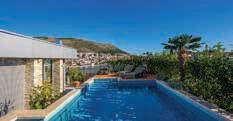


Vibrant, creative, and welcoming – Zagreb captivates visitors the moment they step into its lively rhythm.
Every street, square, and quiet alleyway in Zagreb has a story to tell. Discover tucked-away corners and feel the city’s magic come alive.
From medieval towers to colourful rooftops –and even the world’s shortest funicular –Zagreb invites you to wander through centuries of architecture, culture and stories waiting to be discovered.
Historic buildings and elegant hotels blend sophistication with a city that tells its stories at every turn.
Step into galleries, explore animated classics, or discover murals and unexpected urban interventions that transform the streets of Zagreb into an ever-changing gallery beneath the open sky.
Explore Zagreb’s “Museums, Maybe” collection – a series of quirky museums and off-beat cultural spaces filled with playful curiosities and unexpected experiences waiting to be discovered.
Blooming flowers, rustling trees, and peaceful pathways – Zagreb’s parks are perfect for relaxation and wonder.
Art, concerts and cultural celebrations fill Zagreb’s calendar year-round – from the illuminated cityscapes of the Festival of Lights Zagreb, to open-air performances at Zagreb Classic, and the magical winter charm of Advent Zagreb.
More than 200 historic gas lamps still illuminate Zagreb’s streets, lending evening strolls a warm and unforgettable charm.
Be there.