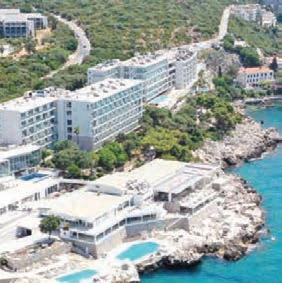
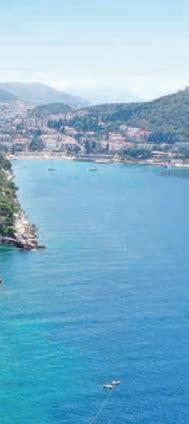
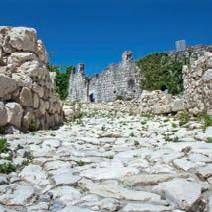
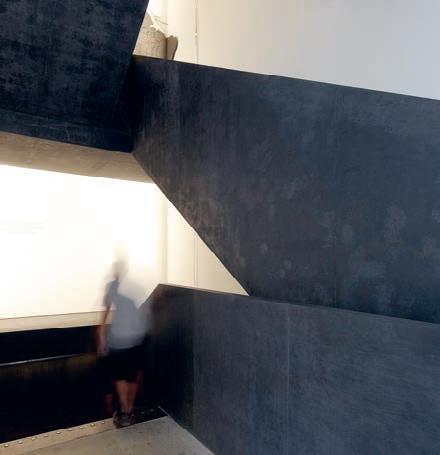
Putni časopis CROATIA ljeto 2026 / Inflight Magazine CROATIA summer 2026
Foto: H. Serdar
Poštovani putnici,
ljeto je vrijeme putovanja, novih doživljaja i intenzivnijeg povezivanja ljudi, destinacija i kultura. Upravo u tom razdoblju zračni promet doseže svoju najveću dinamiku, a Croatia Airlines s ponosom nastavlja svoju ulogu pouzdanog partnera na vašim poslovnim i privatnim putovanjima. Zahvaljujemo vam na povjerenju koje nam iz godine u godinu dajete birajući hrvatskog nacionalnog avioprijevoznika.
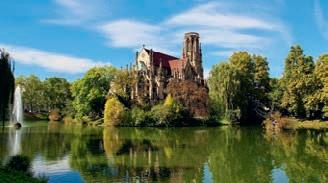
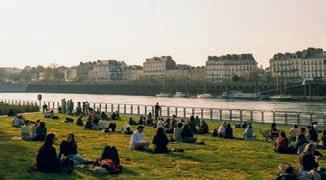
Rekordni prometni rezultati ostvareni u zimskom razdoblju 2026. godine potvrđuju značajnu ulogu koju Croatia Airlines ima u ostvarenju ciljeva cjelogodišnjeg turizma u Republici Hrvatskoj. U prva četiri mjeseca ove godine Croatia Airlines prevezao je ukupno 569.415 putnika, što je 104.108 putnika više nego u jednakom razdoblju prošle godine, uz rast od 22 posto. Ostvareni rezultati potvrđuju nastavak povećanja tržišnog udjela Croatia Airlinesa na hrvatskom zrakoplovnom tržištu. Nažalost, u uvjetima tako pozitivnog trenda odvija se rat na Bliskom istoku i više nego dvostruko povećanje cijena mlaznog goriva, što uzrokuje snažne poremećaje u zrakoplovnoj industriji. Tijekom ovogodišnje ljetne sezone nastavljamo pridonositi hrvatskom turističkom proizvodu, što dodatno obogaćuju nove sezonske linije između Splita i Nantesa te Dubrovnika i Stuttgarta. Istodobno nastavljamo i najveći razvojni projekt u povijesti Croatia Airlinesa − obnovu cjelokupne flote novim zrakoplovima Airbus A220. U ljetnoj sezoni očekujemo dolazak još triju novih zrakoplova, među kojima i jednog posebno značajnog: prvog zrakoplova u svijetu s vizualnim obilježjima Star Alliancea na tipu Airbus A220. Novi zrakoplovi putnicima donose višu razinu udobnosti, veću operativnu učinkovitost i manji utjecaj na okoliš, što je i dalje važan dio naše dugoročne strategije održivog razvoja.
Pred nama je vrhunac turističke i prometne sezone, a naš je cilj i dalje pružati sigurnu, kvalitetnu i pouzdanu uslugu na svakom letu.
Hvala vam što putujete s nama i želimo vam ugodno ljeto, inspirativna putovanja i mnogo lijepih trenutaka uz Croatia Airlines.
Dear passengers,
Summer is a season of travel, new experiences and stronger connections between people, destinations and cultures. It is also the period when air traffic reaches its highest intensity, and Croatia Airlines proudly continues its role as a reliable partner on both your business and leisure journeys. We thank you for the trust you continue to place in us year after year by choosing Croatia’s flag carrier.
The record traffic results achieved during the 2026 winter period confirm the important role Croatia Airlines plays in supporting the development of year-round tourism in Croatia. During the first four months of this year, Croatia Airlines carried a total of 569,415 passengers − an increase of 104,108 passengers compared with the same period last year, representing growth of 22 percent. These results further confirm the continued strengthening of Croatia Airlines’ market position within the Croatian aviation sector.
Unfortunately, this positive trend is unfolding against the backdrop of war in the Middle East and a more than twofold increase in jet fuel prices, both of which are causing significant disruptions across the aviation industry.
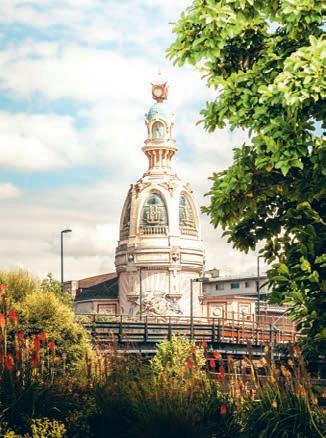
During this year’s summer season, we continue to contribute to Croatia’s tourism product with the introduction of new seasonal routes between Split and Nantes, as well as Dubrovnik and Stuttgart.
At the same time, we are continuing the largest development project in the history of Croatia Airlines − the complete renewal of our fleet with new Airbus A220 aircraft. During the summer season, we expect the arrival of three additional aircraft, including one particularly significant addition: the world’s first Airbus A220 featuring Star Alliance livery. These new aircraft provide passengers with greater comfort, and have improved operational efficiency and a reduced environmental impact, remaining an important part of our long-term sustainability strategy.
As we approach the peak of the tourist and travel season, our goal remains unchanged: to provide a safe, high-quality and reliable service on every flight.
Thank you for travelling with us. We wish you a pleasant summer, inspiring journeys and many memorable moments with Croatia Airlines.
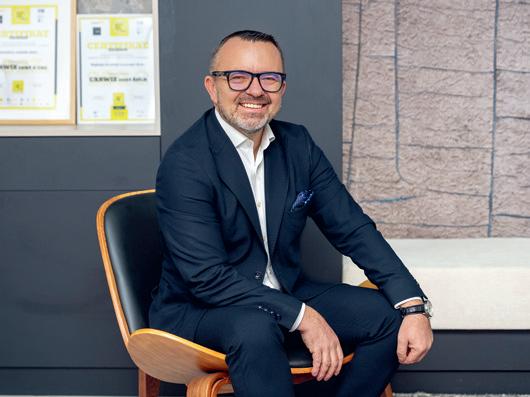
Predsjednik Uprave / President & CEO
Jasmin Bajić
S. Šimunović
14
Razgovor
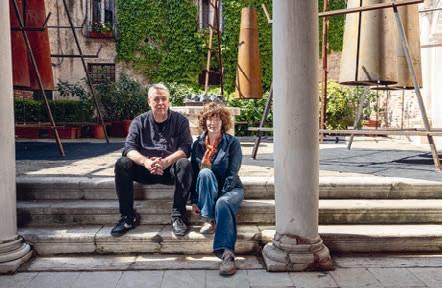
KORIJENI KOJE SAMI STVARAMO Čileanac hrvatskih korijena Smiljan Radić
Clarke ovogodišnji je laureat Pritzkerove nagrade, koju se često naziva i Nobelovom nagradom za arhitekturu
Interview
THE ROOTS WE CREATE OURSELVES
Chilean architect of Croatian descent Smiljan Radić Clarke is this year’s recipient of the Pritzker Prize, often referred to as the Nobel Prize of architecture
Ljeto _ Summer 2026
www.croatiaairlines.com
28
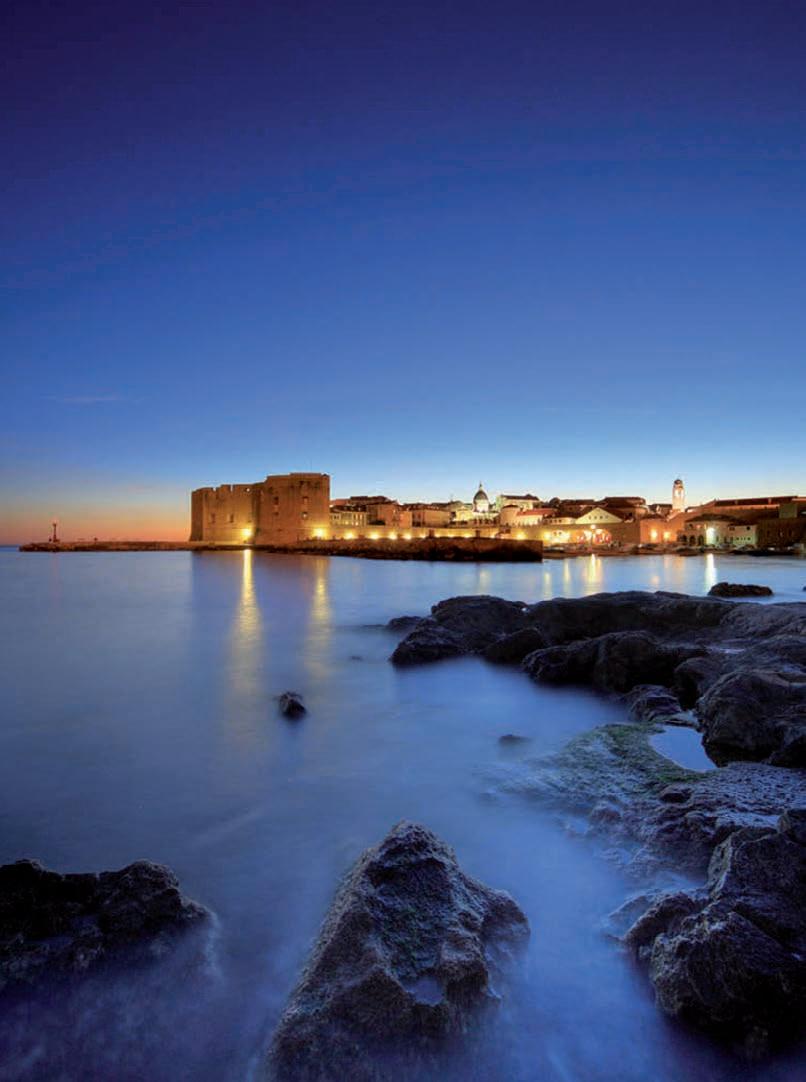
Obala i zaleđe
IZMEĐU SLATKE I SLANE VODE
Putujemo od srednjovjekovne kamene
Vrane u zaleđu Zadra, preko slatkovodnog prostranstva Vranskog jezera do modrog i slanog mora u Pakoštanima.
Coast and hinterland
BETWEEN FRESHWATER AND SALTWATER
Journey from medieval stone-built Vrana in the Zadar hinterland, via the vast freshwater expanse of Vrana Lake, to the blue Adriatic shores of Pakoštane.
42
Baština
U KU I STABLA SVIJETA
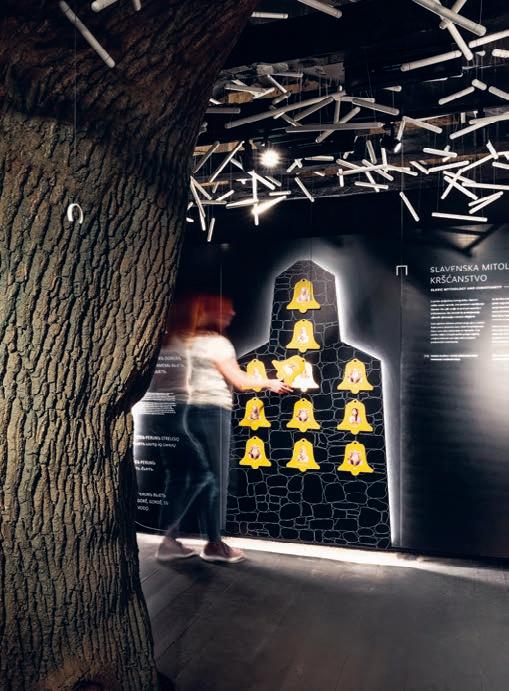
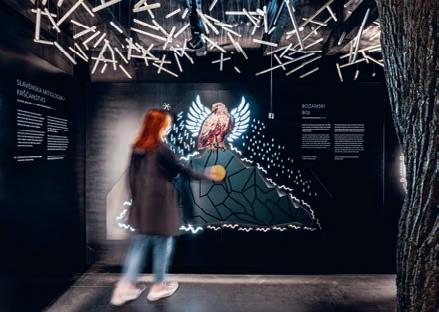
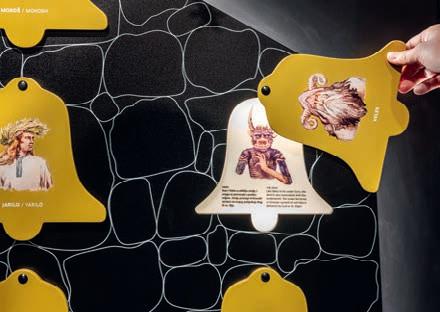
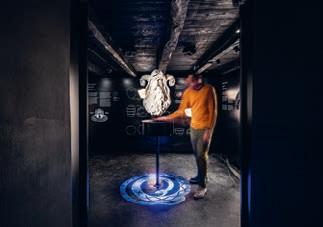
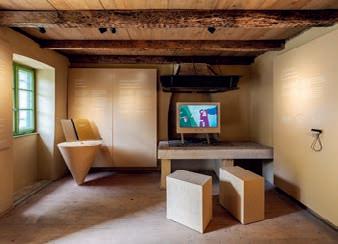
U Kući stabla svijeta doživjet ćete praslavensku kozmologiju u narativnom prostoru koji spaja lokalnu baštinu i znanstvenu rekonstrukciju.
Heritage IN THE HOUSE OF THE WORLD TREE
Experience Proto-Slavic cosmology at the House of the World Tree, a narrative space where local heritage meets scientific reconstruction.
Uredništvo ne odgovara za promjene u rasporedu događanja, za otkazivanje ili promjene datuma održavanja događanja nastale nakon objavljivanja časopisa.
Uredništvo ne odgovara za sadržaj oglasa, promotivnih i plaćenih PR tekstova te kvalitetu njihova prijevoda.
The editorial board cannot be held responsible for any changes that may occur in the scheduling of events or their cancellation after the magazine goes to press.
The editorial board cannot be held liable for the content of advertisements, promotional texts, and paid PR texts or the quality of their translation.
60
Prirodne ljepote
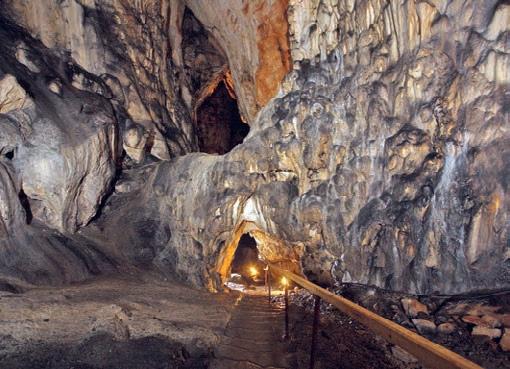
OTKRIJTE PE INSKI PARK GRABOVA A Upoznajte fascinantan podzemni svijet, bogatu povijest i mir prirode kakav se rijetko gdje može doživjeti − u srcu netaknute Like.
Nature’s wonders DISCOVER GRABOVAČA CAVE PARK
Discover a fascinating underground world, rich history and the kind of tranquillity found only in unspoilt nature − in the heart of Lika.
C. Palma
76
Muzeji
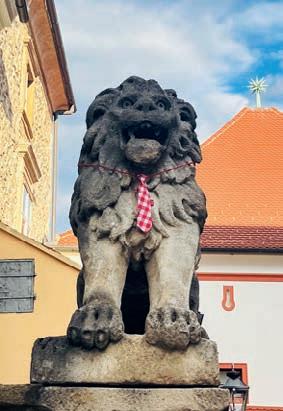
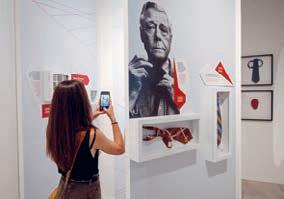
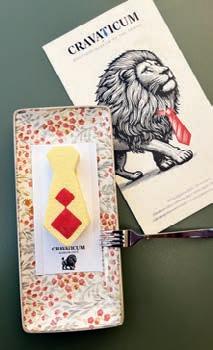
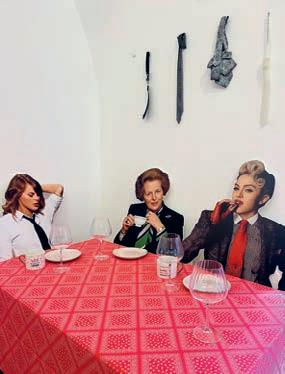
POVEŽITE SE S HRVATSKOM − KRAVATOM!
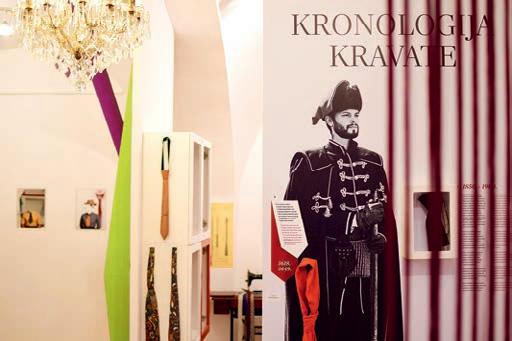
Cravaticum, boutique muzej kravate, mjesto je na kojem ćete otkriti sve o najpopularnijem modnom dodatku koji potječe iz Hrvatske.
Museums
CONNECT TO CROATIA − WITH A CRAVAT!
Cravaticum, the boutique cravat museum, reveals the story of the world’s most iconic fashion accessory, born in Croatia.
86
Izložbe
POTAKNUTA STRAHOM I LJEPOTOM
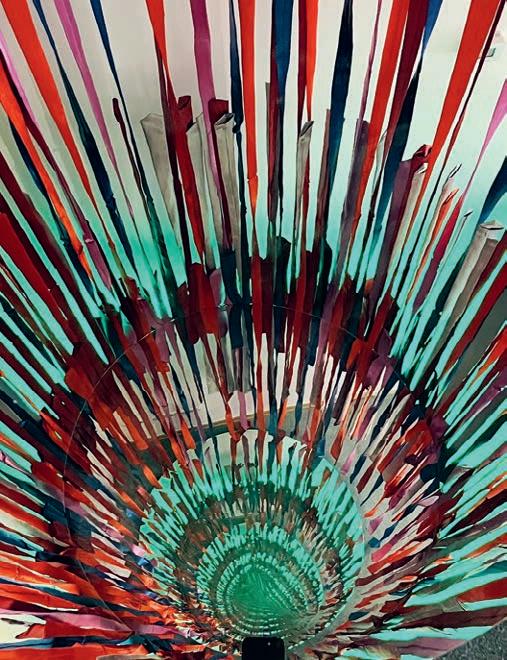
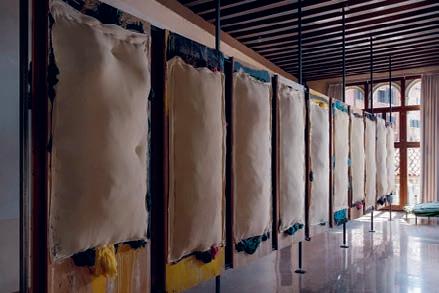
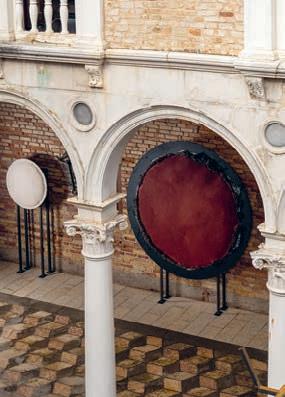
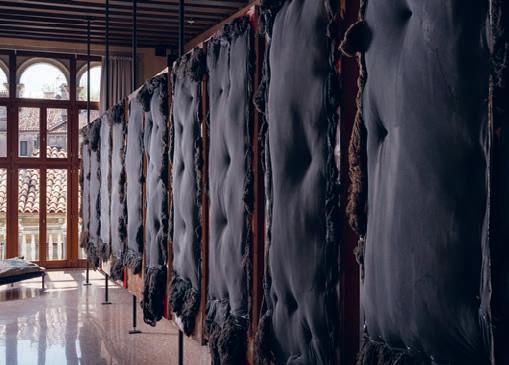
Na 61. Venecijanskom bijenalu Hrvatska se predstavlja prostorno specifičnom instalacijom višestruko nagrađivane umjetnice Dubravke Lošić.
Exhibitions
COMPELLED BY FRIGHT AND BEAUTY
At the 61st Venice Biennale, Croatia is represented by a site-specific installation by the multi-award-winning artist Dubravka Lošić.
68
Galerije
GALERIJA KOJA OBLIKUJE SCENU
Galerija Kranjčar dinamičan je prostor susreta umjetnika, kustosa i publike, ali i važna platforma za produkciju i prezentaciju suvremene likovnosti.
Galleries
SHAPING THE ART SCENE
Kranjčar Gallery is a dynamic hub for artists, curators and audiences, as well as an important platform for the production and presentation of contemporary art.
80
Kazališta
ZKM POVEZUJE SVIJET
Zagrebačko kazalište mladih inovativnim pristupom i međunarodnim koprodukcijama spaja zagrebačku publiku s globalnim kazališnim tokovima.
Theatres
ZKM CONNECTING THE WORLD
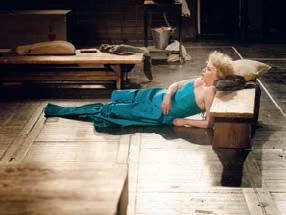
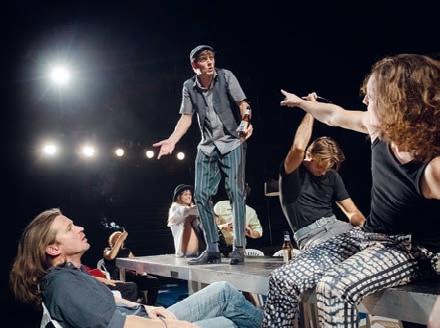
Through innovative productions and international collaborations, the Zagreb Youth Theatre connects local audiences with the global theatre scene.
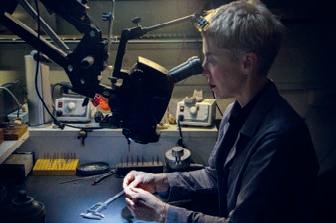
Lapidarium je sinonim za autorski nakit već dva desetljeća.
Zlatarnica, showroom i radionica smješteni su u srcu Zagreba. Nakit
Lapidarium nije samo proizvod, to je priča, emocija i umjetnost pretočena u plemenite materijale.
Lapidarium − a jewellery store, showroom, and goldsmith’s workshop in the heart of Zagreb − has been synonymous with designer jewellery for two decades. Lapidarium pieces are more than just jewellery − they are stories, emotions, and art shaped into precious materials.
Radićeva ulica 10, 10000 Zagreb | lapidarium.eu
FB: Lapidarium − Autorski nakit
IG: @lapidariumauthorjewelry
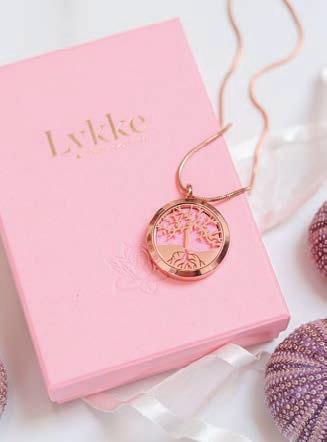
Lykke mirisni medaljoni / scented lockets
Lykke nakit jedinstveni je suvenir iz Hrvatske koji se može personalizirati notama vašeg omiljenog parfema i gravurom. Prvi hrvatski dizajnerski mirisni medaljoni utjelovljuju ideju da suveniri mogu biti nosivi, emotivni i trajni.
Lykke jewellery is a unique souvenir from Croatia that can be personalised with the notes of your favourite perfume and with engraving. The first Croatian designer scented lockets embody the idea that souvenirs can be worn, felt, and cherished.
Lykke Gift Shop
Zagreb: Palmotićeva 2 i/and City Center One East www.lykke.hr
JouJou Botanicals
Rođen na jadranskoj obali, JouJou Botanicals u svojim organskim formulama spaja samoniklo mediteransko bilje i mirise Mediterana s modernom znanošću. Rezultat je višestruko nagrađivana kozmetika koja njeguje kožu onako kako priroda to oduvijek zna.
Born on the Adriatic coast, JouJou Botanicals blends wild Mediterranean botanicals and the scents of the Mediterranean into organic formulas powered by modern science. The result is an award-winning skincare collection that nourishes skin the way nature always has.
joujoubotanicals.com
IG: @joujoubotanicals
VIIS pilotski satovi VIIS pilot watches
VIIS predstavlja moderne mehaničke pilotske satove s hrvatskom dušom. GMT kolekcija Velebit, Adriatic i Levante inspirirana je prirodom Hrvatske − vrhunska urarska umjetnost i neprolazni dizajn u savršenom spoju.
VIIS stands for modern mechanical pilot watches with a Croatian soul. The GMT collection − Velebit, Adriatic, and Levante − is inspired by Croatia’s nature, blending fine watchmaking with timeless design.
viiswatch.com
IG: @viis_watch | info@viiswatch.com
Nikel
Najnagrađivanija hrvatska kozmetika
Croatia’s most awarded cosmetics brand
Broj 1 u hrvatskoj kozmetici, uz zlatne medalje za inovaciju dobivene u SAD-u, Aziji, Europi, Rusiji i Ujedinjenoj Kraljevini. Trenutačni sjaj, bez zatezanja i suhoće. Za kožu baršunastu poput latica ruže. Nikel hidratantna krema s ružom − vaša tajna blistavosti tijekom leta.
The number one name in Croatian skincare, with gold medals for innovation received in the USA, Asia, Europe, Russia and the UK. Instant radiance, without tightness or dryness. For skin as velvety as rose petals. Nikel hydrating rose cream − your secret to a radiant glow while flying.
www.nikel.com.hr | info@nikel.com.hr
DiSiMi
DiSiMi lifestyle putuje s tobom − savršen je suputnik od plaže do grada. Originalni hrvatski dizajn otkriva ti naš duh i način života…
DiSiMi lifestyle travels with you − the perfect companion from the beach to the city. Original Croatian design that reveals our spirit and way of life…
disimi.hr
Arhiva VIIS
PARANGAL
Nova dimenzija prostorne skulpture
A new dimension of spatial sculpture
Mreže kao prostorne skulpture redefiniraju granice između umjetnosti i funkcije. Kao instalacije stvaraju lebdeće krajolike koji povezuju čovjeka s prirodom kroz taktilnost i fluidnost forme.
Izrađene od održivih materijala, spajaju inovativnost i senzibilitet prostora u jedinstvenu sinergiju doživljaja i povezanosti.
Nets conceived as spatial sculptures redefine the boundaries between art and function. As installations, they create floating landscapes that connect people with nature through the tactility and fluidity of form. Made from sustainable materials, they blend innovation and the sensitivities of space into a unique synergy of experience and connection.
IG: @parangal.hr
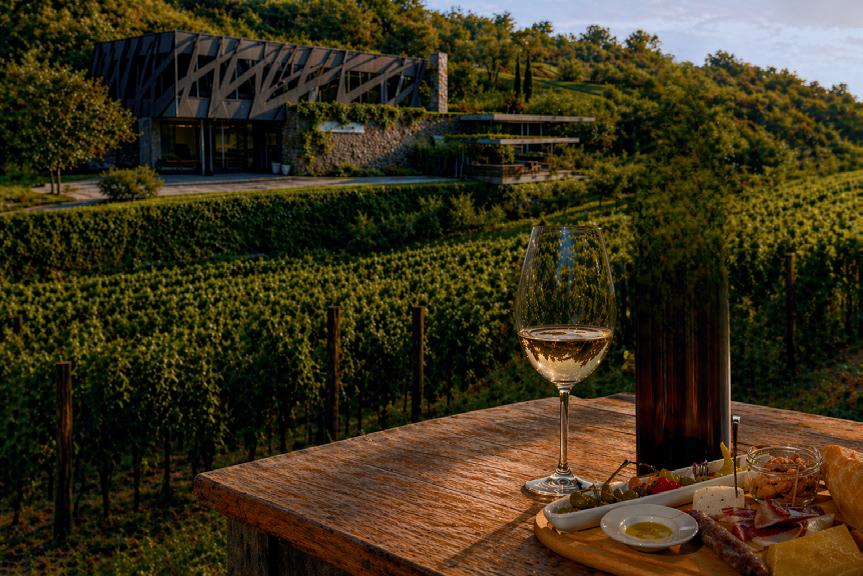
Vinarija Testament Testament Winery
Doživite okus bogate hrvatske vinske tradicije uz vinariju
Testament. Posjetite Testament kušaonicu u srcu naših vinograda kako biste kušali nagrađivana vina i saznali više o našem procesu proizvodnje vina.
Experience the taste of Croatia’s rich winemaking tradition with Testament Winery. Visit the Testament tasting room in the heart of our vineyards to sample our award-winning wines and learn more about our winemaking process.
Hrvatski bezglutenski pekarski proizvodi vrhunske kvalitete. Dostupni u cijeloj Hrvatskoj − za svaki dan, svako putovanje, za sve koji biraju zdraviji životni stil i uživaju u punom okusu svakoga zalogaja.
Premium gluten-free bakery products made in Croatia. Available across the whole country − for every day, every journey, for all who choose a healthier lifestyle and savour the full flavour of every bite.
www.mojemalozlato.com
info@mojemalozlato.com
FB: Moje malo zlato | IG: @mojemalozlato
CHI Coffee x NAR
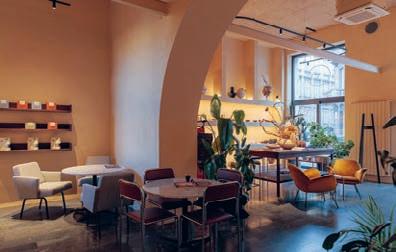
CHI Specialty Coffee u Zagrebu oblikovan je kao cjelovit prostor u kojem se specialty kava, arhitektura, materijali i detalji stapaju u jedinstvenu cjelinu. Unutar njega nalazi se i NAR Concept Store, gdje se odabrani dizajnerski i umjetnički predmeti prirodno nastavljaju na prostor te cjelokupni stil i atmosferu.
CHI Specialty Coffee in Zagreb has been conceived as an integrated space where specialty coffee, architecture, materials, and details merge into a unified whole. Within it is also the NAR Concept Store, where a curated selection of design pieces and works of art naturally extends the space’s overall style, ambiance, and aesthetic experience. J.
Workshop, nova adresa kreativnosti Workshop, a new address for creativity
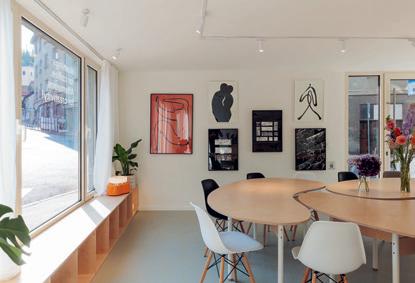
Interijer Workshopa odiše promišljenom jednostavnošću i toplinom, stvarajući prostor u kojem se ideje prirodno razvijaju. Zamišljen kao hibridni community space, Workshop je mjesto gdje se susreti pretvaraju u nadahnuće, a svakodnevica u kreativni doživljaj. Funkcionira kao svakodnevno mjesto okupljanja kreativaca.
The interior of Workshop radiates thoughtful simplicity and warmth, creating a space where ideas develop naturally. Conceived as a hybrid community space, Workshop is a place where encounters become inspiration and everyday moments are transformed into creative experiences. It functions as a daily gathering point for creatives. J. Živković
Tesla kao vječna inspiracija
Tesla as eternal inspiration
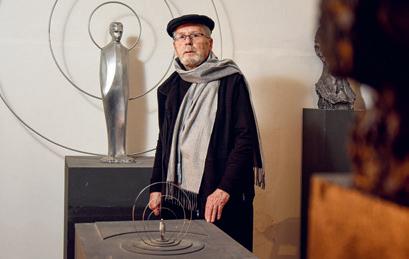
Nikola Tesla hrvatskom je kiparu Peri Jelisiću već desetljećima trajna inspiracija u umjetničkom radu kojim ističe vizionarsku dimenziju genija čije ideje i danas nadahnjuju svijet, dok ga istodobno fascinira snaga prirode i njezine energije. Kao vrstan portretist, Jelisić je tijekom svojeg dugogodišnjeg stvaralaštva izradio oko 100 skica i više od 50 Teslinih portreta, bista, reljefa i originalnih kompozicija. U godini kada se obilježava 170 godina Teslina rođenja, nagrađen je u New Yorku prestižnim međunarodnim priznanjem Tesla Spirit Award.
For decades, Croatian sculptor Pero Jelisić has found lasting inspiration in Nikola Tesla, creating works that emphasise the visionary dimension of the genius whose ideas continue to inspire the world today. At the same time, Jelisić remains fascinated by the power of nature and its energy. An accomplished portraitist, Jelisić has, over the course of his long artistic career, created around 100 sketches and more than 50 portraits. In the year marking the 170th anniversary of Tesla’s birth, Jelisić received the prestigious international Tesla Spirit Award in New York.
Živković
S. Zinaja
Mondo travel putovanja s potpisom
Grupna putovanja
City break putovanja
Daleka putovanja
Velike autobusne ture
Sjever Europe
Egzotične destinacije
Individualna putovanja
Krstarenja
Iskusni pratitelji putovanja
Već 24 godine s vama
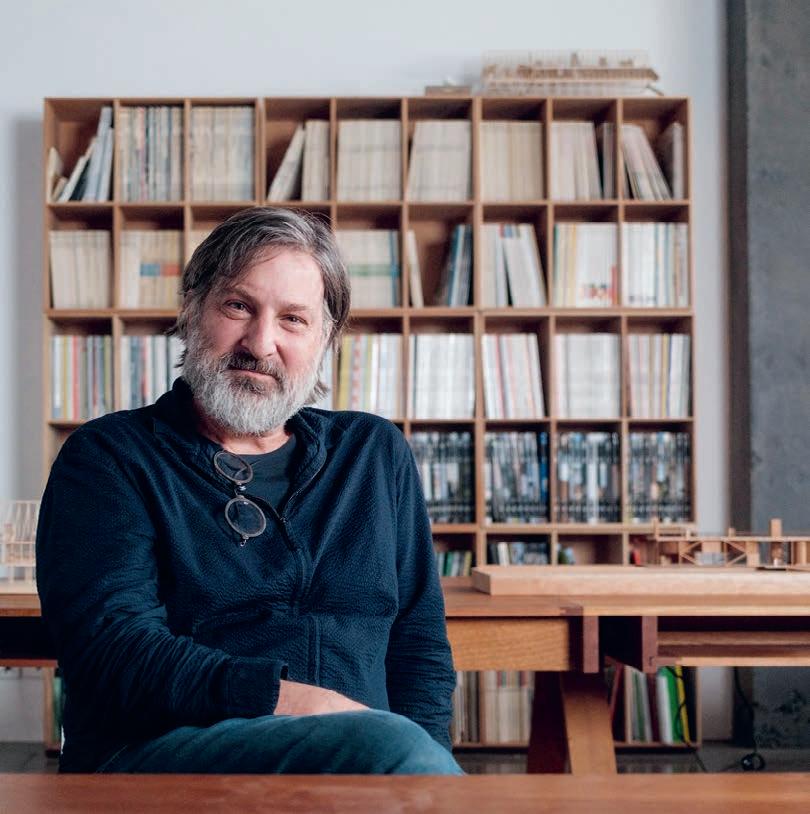
Ovogodišnjem dobitniku Pritzkerove nagrade za arhitekturu Smiljanu Radiću Clarkeu, Čileancu hrvatskih korijena, Hrvatska nije bila gotova obiteljska priča nego nešto što je kroz život morao slagati gotovo arhitektonski: iz djedova prezimena, šahovskih partija na hrvatskom, pisama iz rata, bračkih ljeta i, naposljetku, vlastitog rada u Baški na otoku Krku.
For this year’s winner of the Pritzker Architecture Prize, Smiljan Radić Clarke, a Chilean of Croatian ancestry, Croatia was not a completed family story, but something he had to assemble throughout life almost architecturally: from his grandfather’s surname, chess games played in Croatian, wartime letters, summers on the island of Brač and, ultimately, his own work in the townlet of Baška on the island of Krk.
SMILJAN RADIĆ CLARKE
KORIJENI KOJE SAMI STVARAMO THE ROOTS WE CREATE OURSELVES
PIŠE/BY Ante Peričić
Tek nakon razgovora sa Smiljanom Radićem Clarkeom postala mi je jasnija ona fraza što sam je davno pročitao u nekom galerijskom prospektu, a koja bi se za potrebe ovog razgovora mogla parafrazirati ovako: promatrati arhitekturu kroz fotografije jednako je kao i pisati o glazbi. Fotografija može zabilježiti oblik, materijal i svjetlo, ali arhitektura Radića Clarkea iziskuje kretanje, vrijeme, blizinu, ona traži neposredan osjećaj prostora. Rođen u čileanskoj prijestolnici, s hrvatskim podrijetlom preko djeda koji je domovinu napustio 1919. godine, ovaj je proslavljeni arhitekt vezu s pradomovinom s godinama postupno obnavljao kroz studij, prijateljstva, putovanja i projekte. Sve navedeno ne ostavlja prostor za iznenađenje što je i u Hrvatskoj s posebnim ponosom dočekana vijest da je ovogodišnji laureat Pritzkerove nagrade − često nazivane Nobelovom nagradom za arhitekturu − upravo arhitekt kojemu Hrvatska nije bila gotova obiteljska priča nego nešto što je kroz život morao slagati gotovo arhitektonski: iz djedova prezimena, šahovskih partija na hrvatskom, pisama iz rata, bračkih ljeta i, naposljetku,
vlastitog rada u Baški na otoku Krku. Osvr u i se na rane neuspjehe koji su vas potaknuli na studij i putovanja diljem Europe, to danas u svojem radu inite druk ije upravo zbog tog razdoblja? to su vas ta iskustva konkretno nau ila u praksi?
− Iskreno, teško je o tom razdoblju imati sasvim jasnu predodžbu. Ta su rana vremena pomalo neobična: život se jednostavno odvijao u nekoj mirnoći. Ipak, vjerujem da je putovanje kroz arhitekturu − posjećivanje njezinih prostora i potraga za njom gdje god se nalazila − najbolji način učenja.
Kazali ste da su va i rani projekti imali vi e nevinosti, pa ak i neznanja. Mo ete li navesti konkretan primjer u kojem vam je upravo taj manjak znanja pomogao?
Zna i li to da ste tada riskirali vi e nego danas?
− To znači da tijekom karijere stvari postaju sve složenije, ponekad i vrtoglavom brzinom, te da, ako čekate trenutak u kojem ćete sve imati pod kontrolom, nikada nećete ništa napraviti. Najbolje je prihvatiti određenu dozu povjerenja u ono što radite; sve ostalo svodi se na po-
02 Kuća za Pjesmu pravog kuta, Vilches, Čile, 2013.
House for the Poem of the Right Angle, Vilches, Chile, 2013
kušaje i pogreške, oslonjene na iskustvo koje se s vremenom akumulira. Što više iskustva imate, veća je i vaša sposobnost eksperimentiranja.
U kontekstu formativnih iskustava, jednom ste rekli da ponekad moramo sami stvoriti vlastite korijene. to za vas zna i ta ideja u arhitekturi? Prepoznajete li je i danas u na inu na koji birate materijale, itate mjesta i gradite vlastiti sustav referenci? I to biste danas nazvali svojim stvorenim korijenima?
− Ta je misao proizašla iz promišljanja o gradnji. Pronaći vlastite korijene znači da, ako živite u zemlji poput Čilea, gdje arhitektonsko nasljeđe nije posebno duboko ukorijenjeno, imate i slobodu i odgovornost tražiti ih − pa i iznova stvarati − drugdje. Riječ je o tome da,
gotovo zatečeno i iz perspektive imigranta, uzimate najbolje iz mjesta u koja dolazite, a da pritom ne napuštate vlastito sjećanje, ma koliko ono bilo jednostavno ili ograničeno. U mojem slučaju, vjerujem da se upravo u toj formalnoj i materijalnoj suzdržanosti, odnosno skromnom načinu rješavanja problema, može pronaći ono najbolje u čileanskoj arhitekturi.
Kad govorimo o korijenima koje ovjek nasljeđuje, ali i onima koje sam mora izgraditi, kako je u va em ivotu bila prisutna Hrvatska? Je li to bila obiteljska pri a koja vas je pratila od djetinjstva ili veza koju ste tek kasnije po eli svjesno otkrivati i oblikovati?
− Hrvatska je oduvijek bila prisutna na neki neodređen način, prije svega preko mojeg djeda. Znali smo da je Hrvat, ali ne mnogo više od toga. S nama nikada nije govorio hrvatski, osim sa svojim bratom dok su igrali šah, a u domovinu se, nakon što ju je napustio 1919. godine, vratio samo jedanput. Tu sam povezanost na neki način ponovno izgradio kada sam otišao studirati u Italiju: najprije kroz susrete s kiparima iz Istre, zatim preko prijatelja, hrvatskih arhitekata, ali i čitajući pisma djedove majke, koja mu je tijekom Drugog svjetskog rata pisala tražeći čo-
koladu i svilene čarape. S vremenom se ta veza produbljivala kroz dulje boravke tijekom godina, a kasnije se pojavila i prilika za realizaciju nekih projekata na otoku Krku.
Va je ured u Santiagu namjerno ostao malen. to vam takav na in rada konkretno omogu uje u procesu projektiranja? I događa li se da odbijate projekte kako biste sa uvali tu fleksibilnost i mjeru rada?
− Mali je ured po definiciji fleksibilan: može se lakše kretati i prilagođavati ritmovima arhitekture, tržišta i klijenata. U velikoj mjeri sve ovisi o tome koliko želite graditi − i u kojem mjerilu. Odbio sam neke projekte, ne mnogo njih, ali uglavnom ne zato što sam bio prezauzet, nego zbog određenih predrasuda ili intuicija koje smatram nužnima u arhitekturi; zato što me tema nije zanimala ili zato što sam procijenio da klijenti nisu ozbiljni.
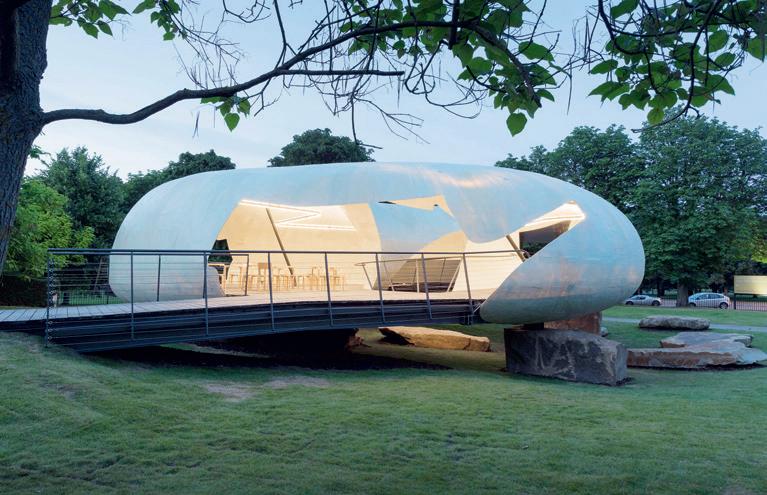
Paviljon Galerija Serpentine jedna je od najvidljivijih privremenih arhitektonskih narud bi: svake se godine u londonskim Vrtovima Kensington poziva arhitekt koji dotad nije gradio u Engleskoj da u vrlo kratkom roku osmisli paviljon za javni program Galerija Serpentine. Va paviljon iz 2014. − poluprozirna ci-
lindri na struktura nalik ljusci, oslonjena na velike kamene blokove − pro ao je kroz vi e verzija prije kona ne izvedbe. Kako u tako intenzivnom procesu znate kada treba stati s doradama? I to za vas, u prakti nom smislu, zna i da je projekt sjeo, ak i ako u njemu i dalje ostaje ne to nedovr eno ili nesavr eno? − U slučaju Paviljona Galerija Serpentine ritam rada i pritisak izvana − a oboje je presudno za taj proces − odredili su Julia Peyton-Jones i Hans Ulrich Obrist. Riječ je o tome da dvoje kustosa jedne javne galerije u Londonu u određenom trenutku odluče ući u dijalog s arhitekturom i za to odaberu upravo vaš način rada. To je zapravo neizrečeni cilj projekta: kada ga uspijete ispuniti, zajedno s kustosima možete zaključiti da je projekt došao do kraja. Zato sam u tri mjeseca razvio tri projekta. Svaki projekt ima svoje okolnosti: neki kroz proces pronađu način da opstanu, a neki se u njemu jednostavno izgube. Uvijek je riječ o slučaju za sebe. Kada radite s materijalima koji izgledaju sirovo ili nedovr eno, koliko je zapravo te ko posti i taj dojam prirodnosti? Je li ono to izgleda jednostavno i autenti no esto slo enije i skuplje nego to se ini?
− Ponekad jest, ovisno o tome gdje gradite. U Europi je ono što smatramo lokalnim − materijali, obrtničke tehnike i posebni, katkad i zaboravljeni načini gradnje − često skuplje. Zbog toga ono što izgleda lokalno nerijetko u sebi nosi određenu dozu artificijelnosti. Zato ono što je istinski autentično ne treba nužno tražiti u nekoj pamtljivoj prošlosti nego u sadašnjosti, u onome što danas jest i što se danas može takvim doživjeti.
Va a prva ku a s kiparicom i partnericom Marcelom Correom, Casa Chica, bila je građena gotovo ru no. Kako se u va oj suradnji arhitektonsko i kiparsko promi ljanje međusobno nadopunjuju?
− Logika arhitekture i logika skulpture ovdje se ne sukobljavaju jer ne radimo tako da svatko iz svoje discipline nameće osobne opsesije ili trendove. Naprotiv, radimo iznutra, zajedno s inženjerima i graditeljima, oko stvari koje kao da već u sebi nose vlastite ideje, a mi ih zatim tumačimo iz različitih perspektiva.
Spomenuli ste kako se veza s Hrvatskom s vremenom produbljivala kroz dulje boravke, a kasnije se pojavila i prilika za realizaciju projekata na otoku Krku.
Projekt Drops u Ba ki va je jedini realizirani rad u Hrvatskoj. Je li rad na mjestu povezanom s va im podrijetlom nosio neku druga iju vrstu odgovornosti?
− Ne nosi drukčiju odgovornost u odnosu na naš uobičajeni rad, možda tek veće zadovoljstvo što ga možemo realizirati upravo u Hrvatskoj. Projekt smo razvijali tijekom pandemije, u neobičnom razdoblju u kojem nismo mogli u cijelosti kontrolirati proces gradnje niti u stvarnom vremenu pratiti postavljanje elemenata na lokaciji, po tome ga svakako pamtim. iri Pritzkerove nagrade istaknuo je va u tihu emocionalnu inteligenciju. Mo ete li navesti konkretan projekt u kojem ste svjesno uti ali vizualni dojam arhitekture kako biste sa uvali suptilnije prostorno iskustvo?
− U projektu proširenja Čileanskog muzeja pretkolumbijske umjetnosti zamračili smo podzemnu prostoriju, odnosno svjetlo sveli na svojevrsni osvijetljeni polumrak. Time smo, s jedne strane, osigurali primjerenu zaštitu i očuvanje arheoloških predmeta − od kojih su mnogi i sveti − a s druge im, i u simboličkom smislu, omogućili da postanu istinski protagonisti prostora, umjesto da to bude prostor koji ih okružuje.
Osnovali ste zakladu Arquitectura Frágil. ime se ona konkretno bavi: istra ivanjem, izlo bama, gradnjom? Na koji na in pro iruje va e arhitektonsko promi ljanje?
− Zaklada Arquitectura Frágil dosad je organizirala više izložbi, među njima i nedavnu izložbu Tiras de prueba. Arquitecturas 1951−1997 u Nacionalnom muzeju likovnih umjetnosti u Santiagu, otvorenu vrlo širokoj publici. U svojem sjedištu organizira i seminare te izložbene programe, a trenutačno planiramo uvesti i istraživačke stipendije budući da zbirka koju čuva sve više dobiva na važnosti i strateškom dosegu. Koliko je moguće, nastojimo je držati odvojenom od moje profesionalne prakse. No u stvarnosti između njih postoji izravna veza jer naš ured, bez posrednika i vanjskih organizatora, sudjeluje u realizaciji aktivnosti zaklade.
U natruhama ste se ve dotaknuli te teme, ali koja je najkonkretnija razlika između rada u Europi i u ileu? Postoji li projekt koji biste mogli realizirati u ileu, a koji bi u Europi bilo gotovo nemogu e izvesti?
− U pravilu, ono što radim u Čileu u Europi se ne bi moglo izvesti na jednak način, barem ne u tehničkom smislu, jer se razina razrade projekata i metode
02Forma Guatero, 22. Čileanski bijenale arhitekture i urbanizma, 2023.
The Guatero form, 22nd Chilean Architecture and Urbanism Biennial, 2023
gradnje razlikuju. To ne znači da je jedan pristup bolji od drugoga, nego jednostavno da pripadaju različitim građevinskim kulturama.
Zanimljiva je va a misao koja ka e da va a arhitektura ne funkcionira dobro na fotografijama, to daje naslutiti da ste se nagledali fotografija svojih djela koje posve proma uju stvarno iskustvo prostora…
− Mnogo puta, ali to zapravo nije važno. Mislim da je potreban vrlo uvježban pogled kako bi se arhitektura mogla čitati samo kroz slike. Takav pogled, naravno, postoji, ali on ne može zamijeniti neposredan doživljaj prostora. Današnja stvarnost ionako u sebi ima nešto od Pinteresta. Na tragu toga, dr ite se podalje od dru tvenih mre a. Za to?
− Donosi mi vrijeme i različite vrste vremena. Ništa manje od toga.
Na emu trenuta no radite i po emu se taj projekt razlikuje od svega to ste dosad radili?
− S Miquelom Marinéom, Beatriz Borque i Césarom Ruedom radim na projektu za kongresni centar Fira de Barcelona, površine 50.000 četvornih metara. Rad u tom razmjeru jako me veseli: riječ je o tome da pokažete iste stvari kao i uvijek, ali ih izvedete izvan njihovih uobičajenih granica. Postoji li neko mjesto, mo da i ne posebno poznato, koje je na vas sna no utjecalo ili vam se s vremenom posebno urezalo u pam enje?
− Kad smo prvi put ljetovali na Braču, slučajno smo unajmili kuću pokraj kule Tri sestrice Vladimira Nazora u Bobovišćima. Za nas je to bilo iznimno lijepo iskustvo.
Only after speaking with Smiljan Radić Clarke did a phrase I once read in a gallery brochure begin to make sense to me, one that for the purposes of this interview could be paraphrased as follows: looking at architecture through photographs is much like writing about music. A photograph may capture form, material and light, but Radić Clarke’s architecture demands movement, time and proximity; it calls for a direct experience of space. Born in the Chilean capital and of Croatian descent through a grandfather who left his homeland in 1919, this acclaimed architect gradually rebuilt his connection with his ancestral roots over the years through study, friendships,
travel and projects. It therefore comes as no surprise that Croatia welcomed with particular pride the news that this year’s recipient of the Pritzker Architecture Prize − often referred to as the Nobel Prize of architecture − is an architect for whom Croatia was not a completed family story, but something he had to assemble throughout life almost architecturally: from his grandfather’s surname, chess games played in Croatian, wartime letters, summers on the island of Brač and, ultimately, his own work in the townlet of Baška on the island of Krk.
Looking back on the early setbacks that prompted you to study and travel across Europe, what do you do differently in your work today because of that period? What did those experiences teach you in practice?
− Honestly, it’s difficult to have a completely clear idea of that period in my life. Those early years were somewhat unusual: life simply unfolded in a certain calmness. Still, I believe that travelling through architecture − visiting its spaces, and searching for it wherever it may be found − is the best way to learn.
You once said that your early projects contained more innocence, even ignorance. Can you give a specific example in which that lack of knowledge actually helped you? Does it mean you took more risks then than you do today?
Ako ekate trenutak u kojem ete sve imati pod kontrolom, nikada ne ete ni ta napraviti. Ono to je istinski autenti no ne treba nu no tra iti u nekoj pamtljivoj pro losti nego u sada njosti − u onome to danas jest i to se danas mo e takvim do ivjeti.
If you wait for the moment when you have everything under control, you’ll never create anything. What is truly authentic does not necessarily have to be sought in some memorable past, but rather in the present − in what exists today and can be experienced as such today.
S. Radić Clarke
Smiljan Radić Clarke čileanski je arhitekt hrvatskog podrijetla, rođen u Santiagu. Diplomirao je arhitekturu na Papinskom katoličkom sveučilištu u Čileu 1989. godine, a nakon studija boravio je u Europi, među ostalim i u Veneciji, gdje je nastavio oblikovati svoj arhitektonski pogled kroz putovanja, studij i neposredno iskustvo prostora. Njegov djed po očevoj strani emigrirao je u Čile s Brača 1919. godine, što je hrvatsku vezu u njegovoj biografiji učinilo prisutnom, ali dugo fragmentarnom i više obiteljskom nego jezičnom ili kulturno dovršenom.
Vlastiti arhitektonski ured osnovao je u Santiagu 1995. godine i namjerno ga zadržao malim, što mu omogućuje fleksibilniji, neposredniji i eksperimentalniji način rada. U arhitekturi često polazi od materijalne suzdržanosti, konstrukcijske krhkosti, odnosa prema krajoliku i atmosfere prostora, a u nizu projekata surađuje s kiparicom Marcelom Correom. Njegovi projekti obuhvaćaju privatne kuće, kulturne ustanove, izložbene prostore, privremene paviljone i veće javne zgrade. Međunarodnu pozornost posebno je privukao 2014. godine, kada je projektirao
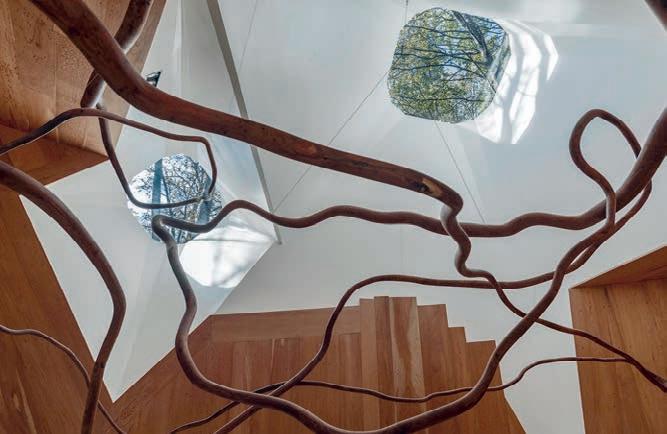
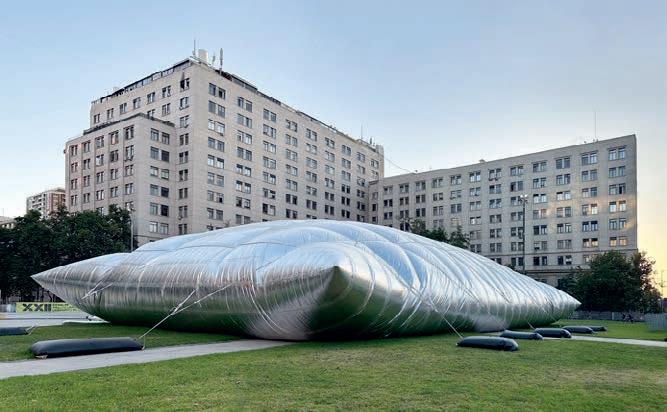
Paviljon Galerija Serpentine u londonskim Vrtovima Kensington: poluprozirnu cilindričnu strukturu nalik ljusci, oslonjenu na velike kamene blokove. Među njegovim važnijim projektima jesu i Casa Chica, Copper House 2, kuća Pite, restoran Mestizo, Kuća za Pjesmu pravog kuta, Vinarija Vik Millahue, Regionalno kazalište Biobío u Concepciónu te proširenje Čileanskog muzeja pretkolumbijske umjetnosti u Santiagu.
Godine 2026. dobio je Pritzkerovu nagradu, najuglednije svjetsko priznanje za arhitekturu. Žiri je u njegovu radu istaknuo sposobnost da arhitektura bude istodobno fizički konkretna i emocionalno slojevita, često obilježena krhkošću, suzdržanošću i snažnim osjećajem za unutarnji doživljaj prostora. U hrvatskom kontekstu posebno je zanimljiv projekt Drops u Baški na Krku, njegov jedini realizirani rad u Hrvatskoj, nastao tijekom pandemije.
Smiljan Radić Clarke is a Chilean architect of Croatian descent, born in Santiago. He graduated in architecture from the Pontifical Catholic University of Chile in 1989, and after completing his studies spent time in Europe, including in Venice, where he continued shaping his architectural outlook through travel, study and direct experience of space. His paternal grandfather emigrated to Chile from the island of Brač in 1919, making the Croatian connection in his biography real, although it was fragmented for a long time, and is in nature more familial than linguistic or culturally complete.
He founded his own architecture studio in Santiago in 1995, which he intentionally kept small, allowing for a more flexible, direct and experimental way of working. His architecture often begins with material restraint, structural fragility, a relationship with landscape and the atmosphere of space. He collaborates with sculptor Marcela Correa on many projects, which include private residences, cultural institutions, exhibition spaces, temporary pavilions and larger public buildings. He attracted particular international attention in 2014 when he designed the Serpentine Galleries Pavilion in London’s Kensington Gardens: a semi-transparent cylindrical structure resembling a shell, resting on large stone blocks. His most notable projects include Casa Chica, Copper House 2, Pite House, Mestizo restaurant, House for the Poem of the Right Angle, Vik Millahue Winery, Biobío Regional Theatre in Concepción and the extension of the Chilean Museum of Pre-Columbian Art in Santiago.
In 2026, he received the Pritzker Architecture Prize, the world’s most prestigious award in architecture. The jury highlighted that, in his work, architecture can simultaneously be physically concrete and emotionally layered, often marked by fragility, restraint and a powerful sense of the inner experience of space. In the Croatian context, the Drops project in Baška on the island of Krk is of particular interest as his only realised work in Croatia, created during the pandemic.
− It means that throughout a career, things become increasingly complex, sometimes at dizzying speed, and that if you wait for the moment when you have everything under control, you will never create anything. It is best to accept a certain degree of trust in what you are doing; everything else comes down to trial and error, supported by experience that accumulates over time. The more experience you have, the greater your capacity for experimentation.
Speaking of formative experiences, you once said that sometimes we must create our own roots. What does that idea mean to you in architecture? Do you still recognise that idea today in the way you choose materials, read places, and build your own system of references? What would you today call your created roots?
− That thought emerged from my reflections on building. Finding your own roots means that if you live in a country like Chile, where architectural heritage is not especially deeply rooted, you also have the freedom and responsibility to seek your roots out − even to recreate them elsewhere. It is about taking the best from the places you arrive in from the perspective of an immigrant, allowing yourself to almost be taken aback by them, while not abandoning your own memory, however simple or limited it may be. In my case, I believe that the very best of Chilean architecture can be found precisely in that formal and material restraint, in that modest way of solving problems.
Speaking of the roots we inherit, but also those we must build ourselves, how has Croatia been present in your life? Is it a family story that has accompanied you since childhood, or a connection you only consciously began to discover and shape later on in life? − Croatia has always been present in my life in some vague way, primarily through my grandfather. We knew he was Croatian, but not much more than that. He never spoke Croatian with us, except with his brother while they played chess, and after leaving Croatia in 1919 he returned to his homeland only once. I rebuilt that connection in a way when I went to study in Italy: first through encounters with sculptors from Istria, then through friends, Croatian architects, but also through reading the letters written to my grandfather by his mother during World War II asking him for chocolate and silk stockings. Over time, that connection deepened through longer stays over the years, and later the opportunity arose to realise several projects on the island of Krk.
You’ve kept your studio in Santiago intentionally small. What exactly does running a
small office allow you in the design process? Do you sometimes refuse projects in order to preserve the flexibility and scale of work that a small office allows?
− A small studio is, by definition, flexible: it can move and adapt more easily to the rhythms of architecture, the market and clients. Much depends on how much you want to build, and at what scale. I have turned down some projects, not many, but mostly not because I was too busy; rather because of certain prejudices or intuitions that I consider necessary in architecture, because the subject did not interest me, or because I felt the clients weren’t serious.
The Serpentine Galleries Pavilion is one of the most visible temporary architectural commissions. Each year, an architect who hasn’t previously built in England is invited to create a pavilion for the public programme of the Serpentine Galleries in London’s Kensington Gardens within a very short timeframe. Your 2014 pavilion − a semi-transparent cylindrical structure resembling a shell, resting on large stone blocks − went through several versions before the final one and its execution. In such an intense process, how do you know when to stop refining? What does it mean to you, in practical terms, for a project to sit right, even if something unfinished or imperfect still remains within it?
− In the case of the Serpentine Galleries Pavilion, the pace of work and the external pressure − both crucial to the process − were determined by Julia Peyton-Jones
and Hans Ulrich Obrist. The project is about two curators of a public gallery in London deciding, at a certain moment, to enter into dialogue with architecture, for which to happen, they choose your way of working. That is, in fact, the unspoken goal of the project: once you fulfil it, you and the curators can conclude together that the project has reached its end. That is why I developed three projects in three months. Every project has its own circumstances: some find a way to survive through the process, while others simply get lost within it. Each case is unique. When working with materials that appear raw or unfinished, how difficult is it in practice to achieve that impression of naturalness? Is what looks simple and authentic often more complex and expensive than it appears?
− Sometimes it is, depending on where you’re building. In Europe, what we consider local − materials, craft techniques and particular, sometimes even forgotten, construction methods − is often more expensive. As a result, what appears local frequently contains a certain degree of artificiality. That is why what is truly authentic should not necessarily be sought in some memorable past, but rather in the present − in what exists today and can still be experienced as such.
Your first house with sculptor and partner Marcela Correa, Casa Chica, was built almost by hand. How do architectural and sculptural thinking complement one another in your collaboration?
− The logic of architecture and the logic of sculpture don’t clash here, because we don’t
approach our collaboration in a way that would allow either discipline to impose its own obsessions or trends on the other. On the contrary, we work from within, together with engineers and builders, around things that seem to already contain their own ideas, which we then interpret from different perspectives.
You mentioned that your connection with Croatia deepened over time through longer stays, and later through projects on the island of Krk. The Drops project in Baška is your only realised work in Croatia. Did working in a place connected with your origins carry a different kind of responsibility?
− It doesn’t carry a different responsibility compared to our standard approach to work, perhaps only a greater sense of satisfaction that we were able to realise it precisely in Croatia. We developed the project during the pandemic, in an unusual period when we couldn’t fully control the construction process or follow the installation of elements on site in real time. That is certainly what I remember it by.
The jury of the Pritzker Architecture Prize highlighted your quiet emotional intelligence. Can you name a specific project in which you consciously subdued the visual impact of architecture so as to preserve a more subtle spatial experience?
− In the extension project for the Chilean Museum of Pre-Columbian Art, we darkened the basement room, reducing the light to an illuminated half-darkness of sorts.
In this way, on the one hand, we ensured appropriate protection and preservation of the archaeological artefacts − many of them sacred − while on the other hand, allowing them, even symbolically, to become the true protagonists of the space rather than have the space surround them.
You founded the Arquitectura Frágil Foundation. What exactly does it do: research, exhibitions, construction? How does it expand your architectural thinking?
− The Arquitectura Frágil Foundation has so far organised several exhibitions, amongst them Tiras de prueba Arquitecturas 1951−1997, a recent exhibition at the National Museum of Fine Arts in Santiago, open to a very broad audience. At its head-
I. Baan
SAFE. HOME. INVESTMENT.
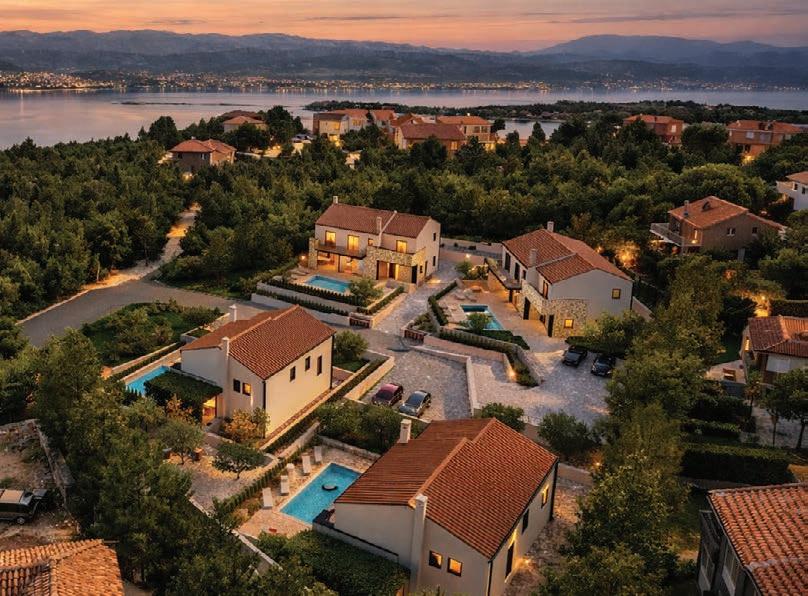
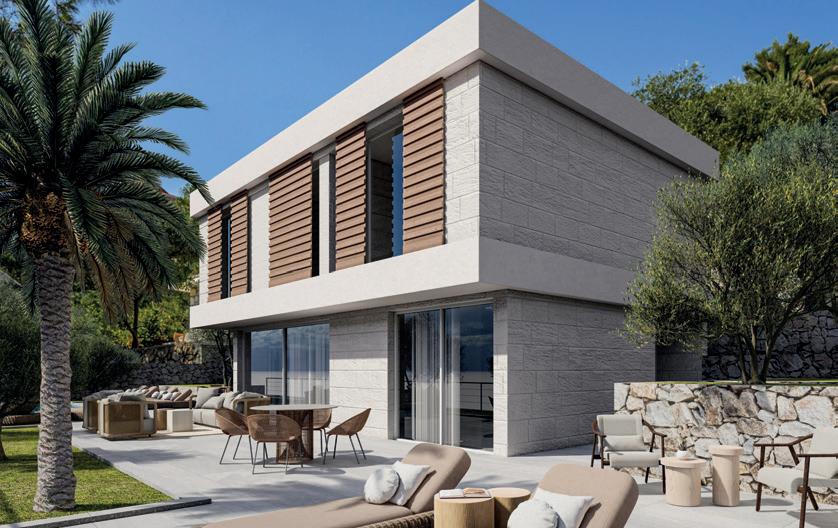
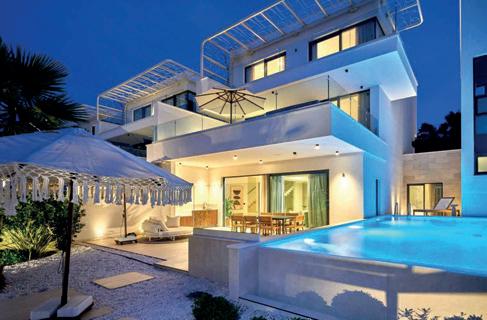
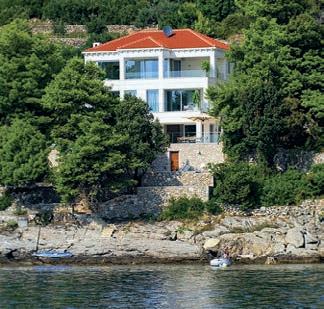
RARE AND UNIQUE C OM PLE X OF 4 V IL L AS O N ISLAND OF KR K 4 bedrooms, 5 bathrooms, 232 sq.m. living space, heated pool, 800 sq.m. parcel
• ISLAND TRANQUILITY MEETS EXCELLENT CONNECTION TO MAINLAND AND AIRPORT
• LUXURY MEETS SERENE NATURE
• EUROPEAN SAFETY MEETS THE AUTHENTIC BEAUTY OF THE CROATIAN COAST
• FIRST ROW — 150M FROM THE BEACH
• OVER 700 PLANTS AND TREES IN THE COMPLEX
Whether you are investing in your future or recognizing a rare market opportunity, Quadra Vista Krk was designed for exactly that. This exclusive complex of four fully furnished luxury villas combines timeless Mediterranean living with long-term investment value. The villas are within the VAT system, allowing company buyers to reclaim VAT — creating a compelling business opportunity rarely found in luxury real estate. Combined with strong appreciation potential and attractive rental yield, Quadra Vista is as much a strategic investment as it is a home.
Project completion: July 2026.
quarters, it also organises seminars and exhibition programmes, and we are currently planning to introduce research fellowships, as the collection that the foundation keeps has increasingly been gaining in importance and strategic reach. As far as possible, we try to keep it separate from my professional practice. In reality, however, there is a direct connection between the two because our studio participates in the realisation of the foundation’s activities without intermediaries or outside organisers.
You’ve already touched on this briefly. What would be the most specific difference between working in Europe and in Chile? Is there a project you could realise in Chile that would be almost impossible to execute in Europe?
− Generally speaking, what I do in Chile could not be realised in Europe in the same way, at least not technically, because the level of project development and construction methods differ. That does not mean that one approach is better than the other; they simply belong to different construction cultures.
An interesting reflection of yours is that your architecture does not function particularly well in photographs, which suggests that you’ve seen many photographs of your works that completely miss the real experience of the space…
− Many times, but that’s not what is really important. I think that a highly trained eye is needed to read architecture through images alone. Such trained eyes certainly do exist, but they cannot replace the direct experience of space. Today’s reality already contains something of Pinterest within it anyway.
Following that thought, you stay away from social media. Why?
− It gives me time, and different kinds of time. Nothing less than that.
What are you currently working on, and in what way does your current project differ from everything you’ve done so far?
− I am working on a 50,000-square-metre project for the Fira de Barcelona Convention Centre together with Miquel Mariné, Beatriz Borque and César Rueda. Working at that scale gives me great pleasure: you get to show the same things you normally do, but the scale itself allows you to take them beyond their usual limits.
Is there a place, perhaps not an especially famous one, that has strongly influenced you or remained particularly engraved in your memory over time?
− When we first spent a summer on Brač, we accidentally rented a house next to Vladimir Nazor’s Three Sisters Tower in Bobovišća. That was an exceptionally beautiful experience for us.
Kuća Pite, Papudo, Čile, 2005. Pite House, Papudo, Chile, 2005
C. Palma
6 hrvatskih regija, 6 doživljaja
za ljeto koje se pamti
Boravak u Hrvatskoj donosi niz isprepletenih doživljaja koji povezuju povijest, prirodu, gastronomiju i aktivnosti u netaknutoj prirodi. Od kamenih ulica UNESCO-ovih gradova do skrivenih uvala, udaljenih otočića i mirisa tartufa iz unutrašnjosti Istre, svaka regija donosi drugačiji ritam i šarm. Putem ovih šest doživljaja možete upoznati različita lica Hrvatske.
Šetnja kroz povijest
Trogir u srcu Dalmacije na svakom koraku priča o povijesti. Tijekom vođene pješačke ture kroz grad pod zaštitom UNESCO-a uske kamene ulice vode prema palači Ćipiko, katedrali, gradskom trgu i skrivenim prolazima koji pamte priče starije od dvije tisuće godina. Grad su osnovali grčki kolonisti još u 3. stoljeću prije Krista, a danas njegov sklad romaničke i renesansne arhitekture stvara jedinstvenu atmosferu mediteranskog grada.
U netaknutoj prirodi
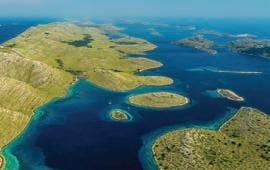
Nedaleko od Šibenika nalazi se nacionalni park Kornati. Cjelodnevno krstarenje brodom ili jedrilicom kroz kornatsko otočje donosi prizore dramatičnih stijena, mirnih uvala i mora nestvarne boje. Dani na Kornatima prolaze polako, uz kupanje u skrivenim uvalama, ručak na brodu i zaustavljanje u parku prirode Telašćica. Visoke litice ovdje se spuštaju prema otvorenom moru, a slano jezero Mir skriva jednu od najmirnijih otočnih oaza.
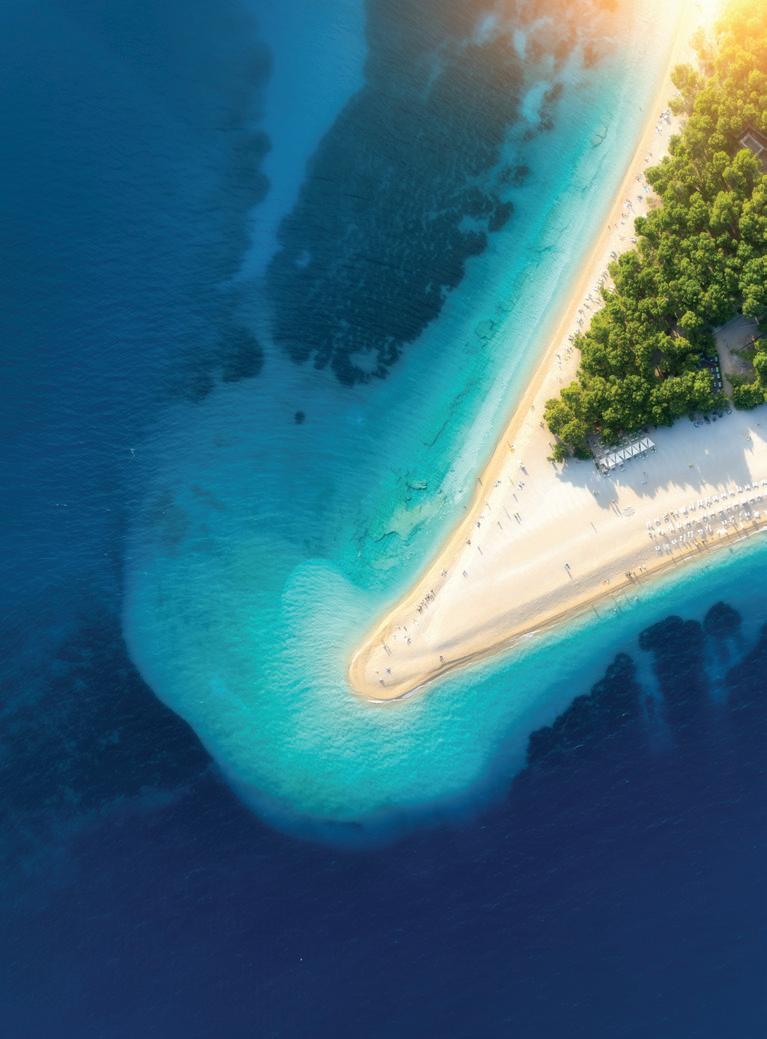
Bijeli pijesak i tirkizno more
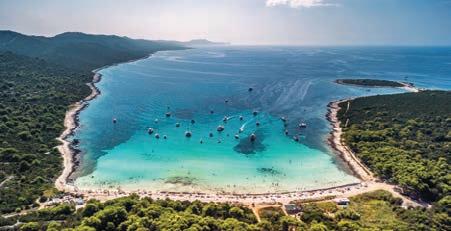
Iz Zadra zaplovite prema Dugom Otoku i zastanite pred impresivnim kontrastima strmih litica i mirnih plaža. Među njima se
posebno ističe plaža Sakarun, poznata po tirkiznom moru i bijelom pijesku. Tijekom izleta možete plivati u špilji Golubinki te istražiti podmorje uz potonuli brod na sjeverozapadnom rtu Dugog otoka. Ovaj će dio zadarskog arhipelaga biti pravi doživljaj za ljubitelje mora, istraživanja i opuštenih ljetnih dana provedenih daleko od kopna.
Ljepote istarske unutrašnjosti U zelenoj unutrašnjosti istarsko ljeto ima sasvim drukčiji miris. Prevladavaju note zemlje, šume i svježih tartufa. Organizirani lov na tartufe vodi vas kroz šumske predjele uz pratnju posebno istreniranih pasa, dok lokalni vodiči otkrivaju tradiciju koja je generacijama dio života ovog kraja. Doživljaj se nastavlja posjetom srednjovjekovnim gradićima Motovunu i Grožnjanu, njihovim kamenim ulicama i umjetničkim ateljeima. Doživljaj završava degustacijom istarskih specijaliteta i vina u spoju gastronomije, kulture i sporijeg ritma života.
Aktivno i opušteno
Na Lošinju i Cresu aktivni odmor prirodno se spaja s potpunim opuštanjem. Biciklističke staze prolaze uz mirisne borove šume, skrivene uvale i vidikovce s pogledom na kvarnerske otoke, dok blaga mediteranska klima dodatno naglašava osjećaj lakoće boravka na otvorenom. Nakon dana provedenog u istraživanju prirode večer se nastavlja u wellness oazama nagrađivanih hotela, gdje personalizirani spa programi i tretmani nadahnuti morem i otočnim biljem pretvaraju boravak u iskustvo potpunog resetiranja.
Na samom jugu
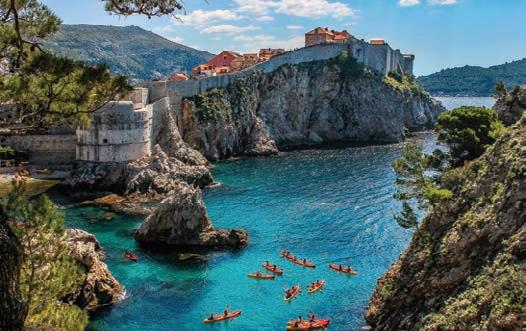
Na krajnjem jugu Hrvatske posebno je iskustvo doživjeti Dubrovnik s mora. Vođena tura kajacima oko gradskih zidina monumentalnu ljepotu grada otkriva s mora, dok veslanje prema obližnjim Elafitima vodi prema miru, skrivenim plažama i kristalno čistim uvalama idealnima za kupanje. Spoj aktivnog odmora, mediteranske prirode i pogleda na jedan od najljepših gradova na obali čini ovaj izlet jednim od najposebnijih načina za upoznavanje dubrovačke regije.
Vidimo se u Hrvatskoj!
Za još inspiracija i ideja za putovanja Hrvatskom proučite preporučene itinerare, skrivene kutke i autentične doživljaje na croatia.hr te isplanirajte svoje savršeno ljeto u Hrvatskoj.
1.Lov na tartufe, D. Vojković / Tartufi Istra
2.NP Kornati, Julien Duval
3.Trogir, Julien Duval
4.Plaža Sakarun, Dugi otok, A. Gospić
5.Dubrovnik
6 Croatian Regions, 6 Experiences for a Memorable Summer
Astay
in Croatia brings a series of experiences intertwined by history, nature, gastronomy and outdoor adventures. From the cobbled streets of UNESCO-listed towns to hidden coves, remote islands and the earthy scent of Istrian tru es, each region reveals its own rhythm and charm. rough these six experiences, discover the various sides of Croatia.
A Walk- rough History
In the heart of Dalmatia, Trogir tells a story at every turn. During a guided walking tour through this UNESCO-protected city, narrow cobbled streets lead towards the Ćipiko Palace, the cathedral, the main square and hidden passageways that have witnessed more than two thousand years of history. Founded by Greek colonists in the 3rd century BC, Trogir today captivates visitors with its harmonious blend of Romanesque and Renaissance architecture, where everyday Mediterranean life unfolds against a remarkable historical backdrop.
Surrounded by Untouched Nature
Not far from Šibenik lies the Kornati National Park. A full-day cruise by boat or a sailing yacht through the Kornati archipelago reveals dramatic cli s, serene coves and seas in striking shades of blue. Days spent among the islands unfold slowly, with swimming stops in secluded bays, lunch served on board and a visit to the Telašćica Nature Park. Here, towering cli s descend into the open sea, while the saltwater Lake Mir hides one of the calmest island oases of the achipelago.
White sand and turquoise sea
From Zadar, set sail towards Dugi Otok and discover the striking contrasts between steep cli s and serene beaches. Among
them, Sakarun Beach stands out for its turquoise waters and white sand. e excursion also includes swimming inside the Golubinka sea cave and exploring the underwater world around a sunken ship near the north-western cape of Dugi Otok. is part of the Zadar archipelago o ers the perfect escape for those seeking relaxed summer days by the sea, far from the mainland crowds.
e Charm of the Istria’s Inland
In Istria’s green interior, summer has a completely di erent scent, one of forests, earth and freshly unearthed tru es. Organised tru e-hunting excursions lead through woodland landscapes accompanied by specially trained dogs, while local guides share traditions deeply rooted in everyday life in this region. e experience continues with visits to the medieval hilltop towns of Motovun and Grožnjan, their cobbled alleys and artists’ studios. e experience concludes with tastings of Istrian specialities and wines, bringing together gastronomy, culture and a slower pace of life.
Active Yet Relaxing
On the islands of Lošinj and Cres, active holidays blend naturally with complete relaxation. Cycling trails wind through fragrant pine forests, hidden coves and panoramic viewpoints overlooking the Kvarner islands, while the mild Mediterranean climate enhances the sense of ease that defines life outdoors here. A er a day spent exploring nature, evenings continue in
the wellness sanctuaries of award-winning hotels, where personalised spa programmes inspired by the sea and island herbs create a true sense of restoration.
At the Southernmost Tip
In the far south of Croatia, experiencing Dubrovnik from the sea o ers a completely di erent perspective of the city. Guided kayaking tours around the city walls reveal Dubrovnik’s monumental beauty from sea level, while paddling towards the nearby Elafiti Islands leads to peaceful scenery, hidden beaches and crystal-clear coves, perfect for swimming. is excursion is among the most memorable ways to discover the Dubrovnik region.
See You in Croatia!
For more inspiration and ideas for travelling across Croatia, discover recommended itineraries, hidden gems and authentic experiences at croatia.hr and start planning your perfect Croatian summer.
IZMEĐU SLATKE I SLANE VODE
VRANA I PAKOŠTANE
PRIČA KOJA LETI EUROPOM
BETWEEN FRESHWATER AND SALTWATER
VRANA AND PAKOŠTANE
A STORY CARRIED ACROSS EUROPE
VRANA
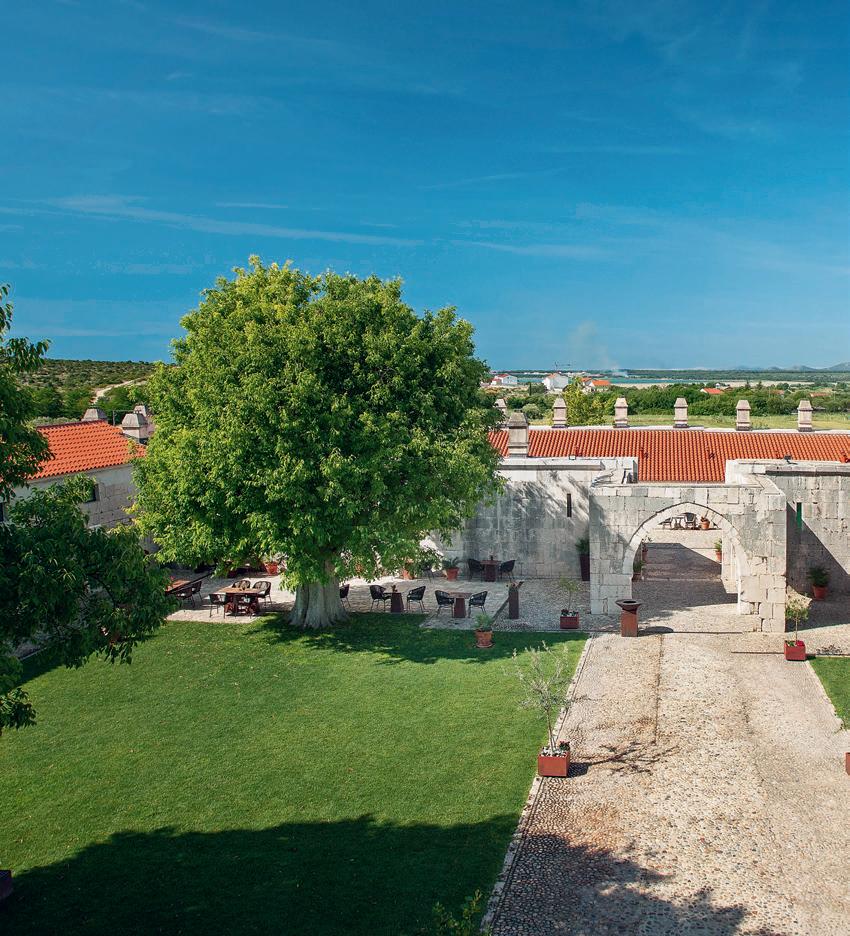
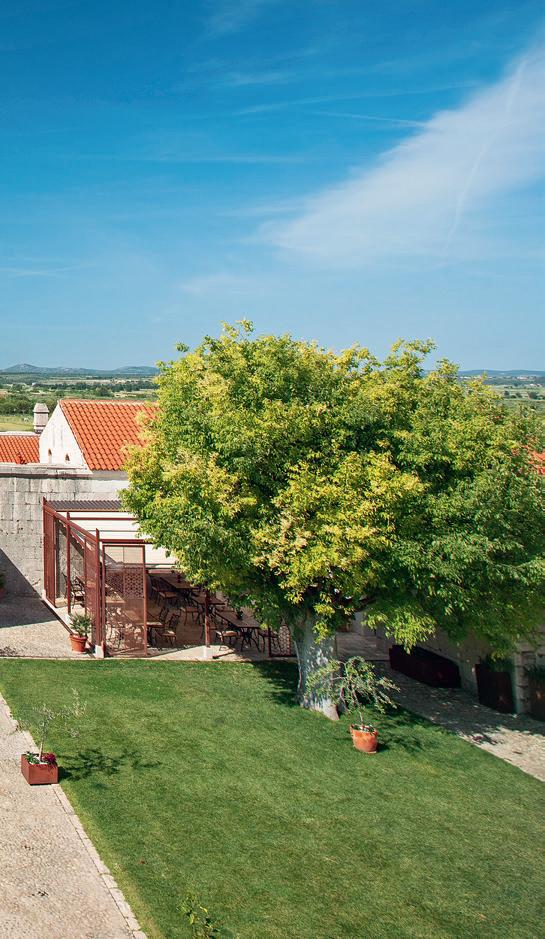
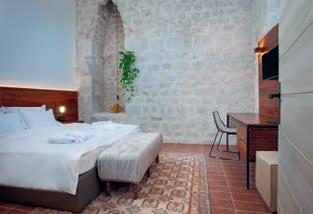
Zamišljen u 17. stoljeću kao rezidencija Jusufa Maškovića, Maškovića Han danas je jedan od najljepših baštinskih hotela u Hrvatskoj
Conceived in the 17th century as the residence of Yusuf Mašković, Maškovića Han is today one of Croatia’s finest heritage hotels
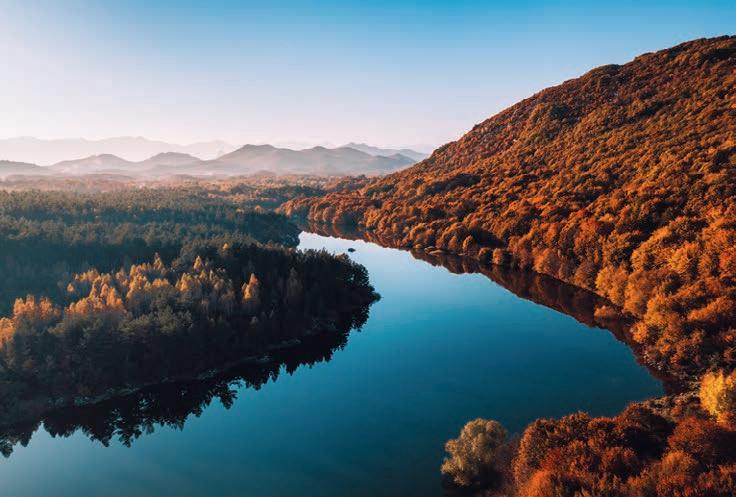
Krenite s nama u pustolovinu od mirnih ruševina staroga grada Vrane u zaleđu Zadra, preko prirodnih ljepota i promatranja ptica na Vranskom jezeru, sve do osvježavajućeg urona u Jadransko more u Pakoštanima.
Join us on an adventure from the peaceful ruins of the Old Town of Vrana in the hinterland of Zadar, through the natural beauty and birdwatching opportunities of Vrana Lake, all the way to a refreshing plunge into the Adriatic Sea in Pakoštane.
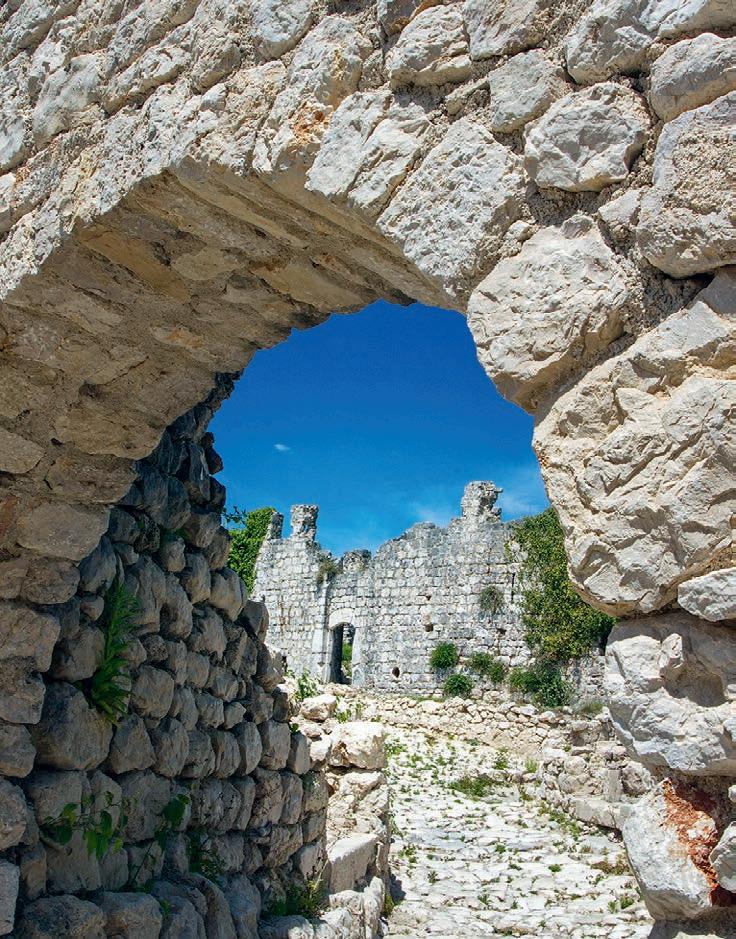
Nedaleko od obale, u zaleđu Zadra, započinje naše putovanje kroz vrijeme i prostor − u starom gradu Vrani, lokalno poznatijem kao Gradina. Ruševine ovog srednjovjekovnog naselja blago se uzdižu nad ravničarskim krajem u blizini Parka prirode Vransko jezero, čiji zidovi nose stoljetne slojeve povijesti. Između 11. i 14. stoljeća Vrana nije bila obično naselje − ona je bila središte moći u kojem su trag ostavili benediktinci, templari, ivanovci ili hospitalci, Mlečani i Osmanlije. Upravo se ovdje nekoć čuvala riznica hrvatskih kraljeva, uključujući i samu krunu. Danas Gradina nema ograda ni zadanih ruta obilaska pa se posjetitelji mogu slobodno kretati među ostacima crkve, utvrda i kuća slažući vlastitu sliku vranske povijesti u tišini ljetne žege.
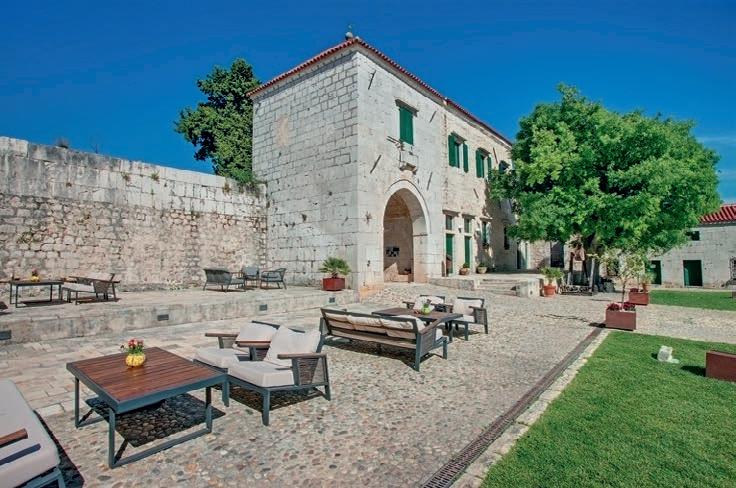
Na svega nekoliko minuta hoda priču nastavljamo u Maškovića hanu, osmanskom svratištu odnosno karavan-saraju. Ulaskom u njegovo kameno dvorište mijenja se ugođaj − zdanje i prostor djeluju živo upravo zahvaljujući autentičnosti koju su oblikovala stoljeća, a koju ju je
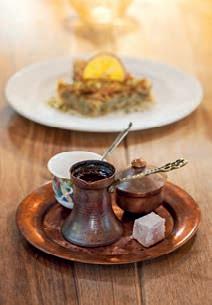
han sačuvao do danas. U 17. stoljeću ga je dao sagraditi Jusuf Mašković rodom iz vranskoga kraja, koji se uzdigao do ranga velikog admirala osmanske flote. Han je trebao biti njegova veličanstvena rezidencija po umirovljenju, no ostao je nedovršen nakon Maškovićeva iznenadnog pogubljenja po nalogu samog sultana 1646. godine. Taj osjećaj prekinutosti i danas je prisutan u njegovim proporcijama i detaljima. Danas Maškovića han, pažljivo obnovljen kao baštinski hotel, restoran i interpretacijski centar, nudi više od mjesta za predah. Ambijent je to u kojem se na jedinstveni dalmatinsko-osmanski način susreću kamen, svjetlo i sjena. Osmansko nasljeđe najizraženije je možda u detaljima: turska kava koja se u dvorištu ispija kako tradicija nalaže − polako i uz slasnu baklavu, a tu su i artefakti pronađeni u hanu i njegovoj okolici izloženi multimedijalno u interpretacijskom centru, koji cijelom iskustvu daju dodatnu povijesnu dubinu.
Zahvaljujući ovima dvama lokalitetima, Vrana se ne otkriva kao zasebna atrakcija odvojena od svojeg okruženja, nego kao dio krajolika kontinuiteta. Taj se kontinui-
tet proteže prema vodi, iako još ne prema moru. Na Vranskom jezeru, najvećem prirodnom jezeru u Hrvatskoj, ljeto poprima drukčiju teksturu. Ogromna površina slatkovodnog Vranskog jezera od 30,2 km2 leži tik do niskog obalnog grebena − potpuno odvojena od Jadrana, a opet neraskidivo povezana s njim. Unutar parka prirode, drvene pješačke i biciklističke staze jednim dijelom obrubljuju obalu, dok se promatračnice za ptice panoramski otvaraju prema jednom od najvažnijih ornitoloških rezervata u zemlji. Trska šušti životom, a ribolov je česta aktivnost uz obalu jezera (uz važeću dozvolu). Jezero je stoljećima oblikovalo ovdašnji život i na još jedan ključan način: njegove vode prirodno natapaju okolno tlo, stvarajući plodnu crvenicu u inače surovu krškom kraju. Uz cestu koja prati rub jezera nižu se voćnjaci i polja prepuna ljetnih plodova − smokava, bresaka i raznog povrća. Uređena plaža kampa Crkvine kod Pakoštana nudi rijedak doživljaj na Jadranu − kupanje u toploj, plitkoj slatkoj vodi koja u srpnju doseže vrlo ugodne temperature. Skriveno u borovoj šumi, mjesto je to koje nudi mirnije i mekše osvježenje u odnosu
01 Stari grad Vrana, povijesno središte templarskog viteškog reda u Hrvatskoj
The Old Town of Vrana, the once seat of the Knights Templar in Croatia
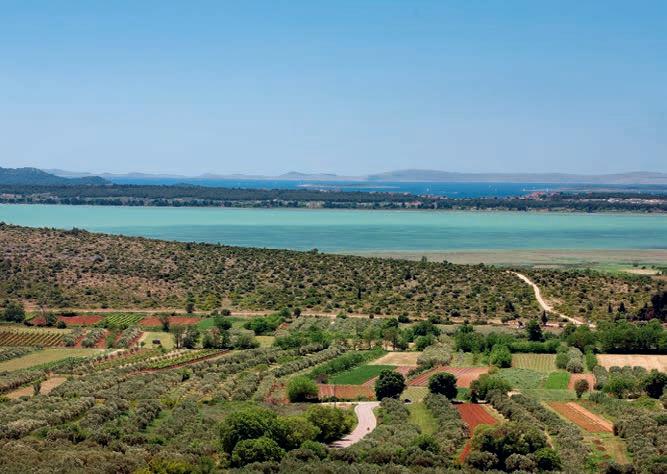
02 Slojevito bogatstvo vranskoga kraja s pogledom na plodna polja, Vransko jezero, Pakoštane i obližnje otoke Jadrana
Vrana region’s layered richness unfolding in views of fertile fields, Vrana Lake, Pakoštane, and the nearby Adriatic islands
na more − kupanje bez valova i soli. Sredinom ljeta ovaj kraj nakratko mijenja ritam. Dani Vitezova vranskih vraćaju pokret i zvuk u vranska polja i ruševine. Srednjovjekovni viteški tabori, bitke na konjima, stari zanati i obrti te bogata gastronomska ponuda oživljavaju doba templara i ivanovaca, no ne kao daleku povijest nego kao proživljeno osobno iskustvo. Zahvaljujući ambijentu i lokaciji na kojoj se viteški festival odvija poviše Gradine, a pokraj izvora vode Pećina steći ćete naglašeni dojam da ove priče pripadaju upravo ovom prostoru.
01 Maškovića han najzapadniji je spomenik svjetovne otomanske arhitekture u Europi
Maškovića Han is the westernmost monument of secular Ottoman architecture in Europe
02 Usnuti među zidinama iz 17. stoljeća autentično je vransko iskustvo
Falling asleep within 17th-century walls is a truly authentic Vrana experience
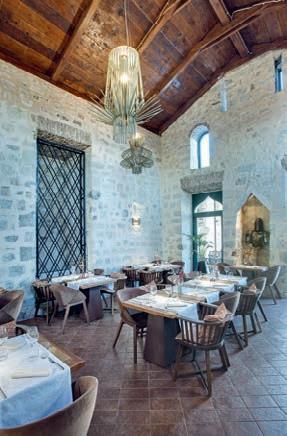
03 Restoran Timar vodi vas putevima vrhunskih gastronomskih doživljaja
Timar Restaurant leads you on a journey of exceptional gourmet experiences
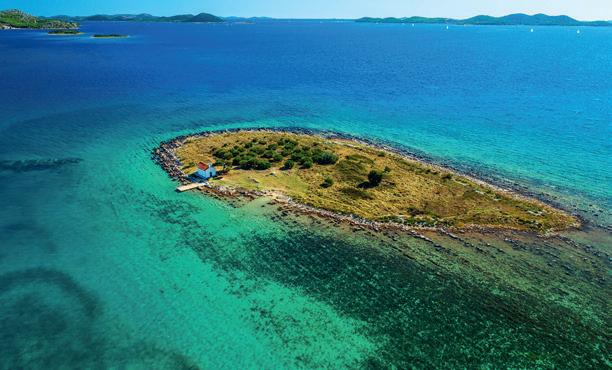
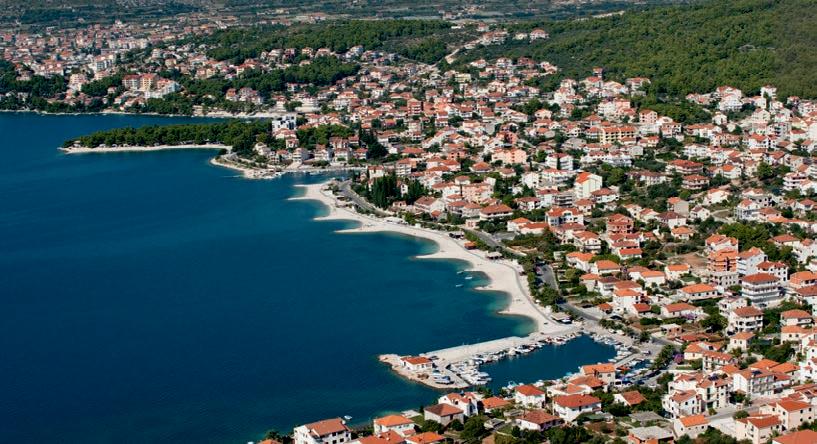
Put od jezera do mora mjeri se u minutama. U Pakoštanima, obalnom mjestu koje je kroz povijest bilo više okrenuto unutrašnjosti nego pučini, utjecaj Vranskog jezera i dalje je vidljiv. Unatoč položaju na Jadranu, Pakoštane su se razvile kao mjesto poljoprivrednika, a ne ribara, koji su svoje proizvode mijenjali za usoljenu ribu i druge plodove mora. Ispred rive, tri nenaseljena otočića na kojima nema prometa − Sveta Justina, Veliki Školj i Babuljaš − tvore prepoznatljivu vizuru. Mještani su ih odavno preimenovali po trima kćerima dobrog duha kršćanstva − Vjeri, Ufanju i Ljubavi − dok ih u novije vrijeme od milja zovu još i Otokom susreta, Otokom ljubavi i Otokom rastanka. Bez obzira na to što su blizu rive pa do njih lako možete doplivati, na njima ćete pronaći osamu i
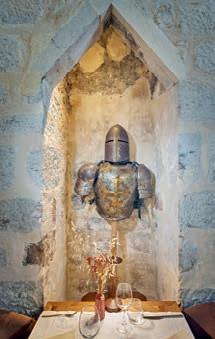
01 Intimnu atmosferu restorana Timar
osiguravaju tihi čuvari prošlosti
The intimate ambience of Timar Restaurant is protected by silent guardians of the past
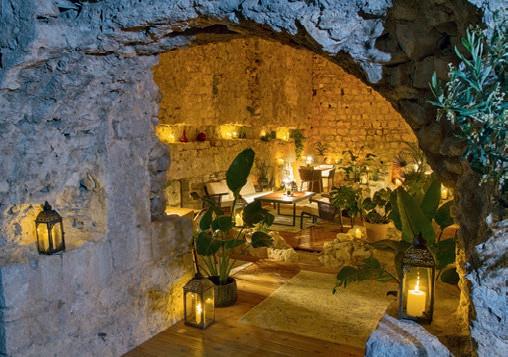
02 Cocktail bar Timar u zagrljaju kamena i svjetlosti svijeća
Timar Cocktail Bar, embraced by stone walls and candlelight
03 Turska kava s lokumom i baklava upotpunjuju orijentalni prizvuk 17. stoljeća
Turkish coffee, Turkish delight and baklava complete the han’s 17th-century Oriental ambience
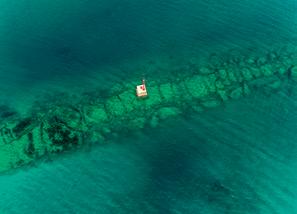
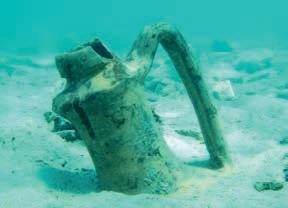
osjećaj vremenske i prostorne odmaknutosti od kontinenta. Pješačkom stazom obići možete dva otoka, Justinu i Školj, te usput otkrivati bogatstvo lokalne flore. Na Svetoj Justini nalaze se crkvica i staro groblje, Veliki Školj obilježen je križem, dok Babuljaš prekriva gusto zelenilo. Ispod mirne morske površine, na podvodnom arheološkom nalazištu Janice, leže ostaci antičke rimske luke. Nekoć zaštićena od vjetrova prirodnim formacijama koje su se protezale prema otočiću svete Justine, luka je povezivala ovaj dio jadranske obale s trgovačkim rutama diljem Mediterana. Arheološki ostaci − kamene strukture ojačane drvenim gredama − svjedoče o mjestu koje nije bilo samo pristanište nego i prostor susreta i razmjene.
Upravo se ovdje naše putovanje završava. Nakon tišine ruševina i smirenosti slatke vode, Jadran vas poziva na završno uranjanje. Zaronite u bistro, slano more iznad
ostataka antičke luke, gdje su morske struje zamijenile trgovačke putove, i dopustite krajoliku da dovrši svoju tihu priču − od kamena u zaleđu preko jezera na razmeđi pa sve do modrog Jadranskog mora.
Our journey through time and space begins not far from the coast, in the hinterland of Zadar − in the Old Town of Vrana, to be exact. The ruins of this medieval town, locally better known as Gradina, rise gently above the flat landscape near Vrana Lake Nature Park, their walls carrying centuries of layers of history. Between the 11th and 14th centuries, this
was no ordinary settlement − it was a seat of power where the Benedictines, Templars, the Knights Hospitaller, Venetians and Ottomans each left their mark. Here, the treasury of Croatian kings − including the crown itself − was once kept. Today, there are no barriers or prescribed routes, so visitors can move freely amongst the remains of a church, fortifications and dwellings, assembling their own sense of Vrana’s past in the stillness of the summer heat.
A short walk away, the story continues at Maškovića Han, an Ottoman-era inn or caravanserai. Entering its stone courtyard shifts the atmosphere: the edifice and its spaces feel alive precisely because the caravanserai has retained an authenticity shaped by centuries. Built in the 17th century by Yusuf Mašković, a local who rose to become the Grand Admiral of the Ottoman fleet, the han was intended as his grand residence upon retiring. However, it remained unfinished after his sudden execution on the orders of the sultan himself in 1646. That sense of interruption still lingers in its proportions and details. Today, Maškovića Han, carefully restored as a heritage hotel, restaurant, and interpretation centre, offers more than a place to pause; it is an environment where stone, light and shadow frame a distinctly Dalmatian−Ottoman encounter. The Ottoman legacy is perhaps most tangible in the details: Turkish coffee sipped in the courtyard the way tradition dictates − slowly,
Kamene uličice Bužaka u staroj jezgri Pakoštana ljeti oživljava manifestacija Materine užance − slavlje dalmatinske svakodnevice kakvu su oblikovale generacije žena. Uz klapsku pjesmu i prikaz starih zanata, lokalne domaćice pred posjetiteljima pripremaju tradicionalna jela − od njoka i hobotnice do slastica poput fritula i kroštula. U tom spoju drevnih okusa, mirisa i običaja otkriva se tiša, ali trajna povijest kraja − ona koja se prenosila iz ruke u ruku, kroz kuhinju i život.
In the old stone lanes of Bužak, the historic centre of Pakoštane, summer brings the revival of Mother’s Recipes or Materine užance − a celebration of Dalmatian everyday life shaped by generations of women. Accompanied by traditional Dalmatian a cappella klapa singing and demonstrations of traditional crafts, local women prepare traditional dishes before visitors’ eyes, from gnocchi and octopus to sweets such as fritule and kroštule. In this blend of ancient flavours, aromas and customs, a quieter yet enduring history of the region emerges − one passed down from hand to hand, through kitchens and everyday life.
and complemented by a serving of luscious baklava. Thanks to the multimedia displays of artefacts uncovered in the han and its surroundings, and exhibited in the interpretation centre, your experience of Maškovića Han will be grounded in the material traces of its past.
Between these two sites, Vrana reveals itself not as a single attraction separated from its surroundings, but as a landscape of continuity. That continuity extends towards the water, though not yet the sea. At Vrana Lake, Croatia’s largest natural lake, summer takes on a different texture. The massive freshwater surface of 30.2 km2 lies just beyond a low coastal ridge, separated from the Adriatic yet inseparably linked to it. Within the nature park, wooden walking paths and cycling trails partially trace the shoreline, while birdwatching stations open panoramic views onto one of the country’s most important ornithological reserves. Reeds rustle with life, with fishing a common activity along the banks (a valid fishing permit is required). The lake has long shaped life here in another key way: its waters naturally irrigate the surrounding land, creating fertile terra rossa or red soil in an otherwise stark karst landscape. Along the road skirting the lake, orchards and fields overflow with summer produce, from figs and peaches to vegetables grown in abundance. At the Crkvine campsite near Pakoštane, a managed beach allows for an experience rare along the Adri-
01 Otok Sveta Justina poput debelog je nanosa uljane boje zemlje i kamena na modro platno Jadrana
The islet of St. Justina resembles a thick brushstroke of earth and stone painted onto the Adriatic’s deep-blue canvas
02 Nekadašnja prirodna zaštita antičke rimske luke od juga danas je tek podvodni greben
The natural barrier that once protected the ancient Roman port from southerlies now survives only as a submerged reef
03 Starorimska amfora na podvodnom arheološkom nalazištu Janice
An ancient Roman amphora at the underwater archaeological site of Janice
atic: swimming in warm, shallow freshwater, often reaching pleasantly high temperatures in July. It is a quieter, softer counterpart to the sea, hidden in a pine forest, offering refreshment without waves or salt. In the height of summer, this landscape briefly shifts in tempo. The Days of the Knights
of Vrana festival brings movement and sound back to the fields and ruins of Vrana. Medieval camps, mounted battles, traditional crafts, and a rich offer of food recreate the era of the Templars and Hospitallers, though not as distant history but as lived experience. The ambience and very setting of the festival − held above Gradina, near the Pećina freshwater spring − reinforce the sense that these stories belong precisely here. From lake to sea, the transition is measured in minutes. In Pakoštane, a coastal settlement that has historically looked more inland than towards the open sea, the influence of the lake remains tangible. Despite its position on the Adriatic, Pakoštane developed as a community of farmers rather than fishermen, who traded their produce for salted fish and other goods from the sea. Offshore, three small uninhabited islands free of traffic − Saint Justina, Veliki Školj and Babuljaš − form a distinctive horizon. The locals have long renamed them after the three daughters of the good spirit of Christianity − Faith, Hope and Love − although, as of more recently, they’ve also been endearingly nicknamed the Island of Meeting, the Island of Love and the Island of Parting. Though close enough to the waterfront to
be reached by swimming, they offer solitude and a sense of both temporal and spatial distance from the mainland. Walking paths circle two of the islands, Justina and Školj, revealing the richness of the local flora along the way. Saint Justina carries a small church and old cemetery, Veliki Školj is marked by a cross, and Babuljaš by its thick greenery. Beneath this tranquil surface, at the underwater archaeological site of Janice, lie the remains of an ancient Roman port. Once protected from winds by natural formations stretching towards the islet of Saint Justina, the harbour connected this stretch of the Adriatic coast to trade routes across the Mediterranean. Archaeological remains − stone structures reinforced with timber beams − suggest a place not only of anchorage but of exchange and encounter. It is here that the journey resolves itself. After the stillness of ruins and the calm of freshwater, the Adriatic invites one final immersion. Plunge into the clear, salty water above the remains of the ancient port, where sea currents have replaced trade routes, and let the landscape complete its quiet narrative − from stone in the hinterland, through lake at the meeting point, to the deep blue Adriatic.
01 Pakoštane nudi puno više od čistog mora i prekrasnih plaža Pakoštane offers far more than pristine waters and beautiful beaches
02 Pilatuša, skrivena plaža do koje se s Vranskog jezera stiže biciklom za svega nekoliko minuta
Pilatuša, a hidden beach where the Adriatic and Vrana Lake feel remarkably close − just a few minutes apart by bicycle
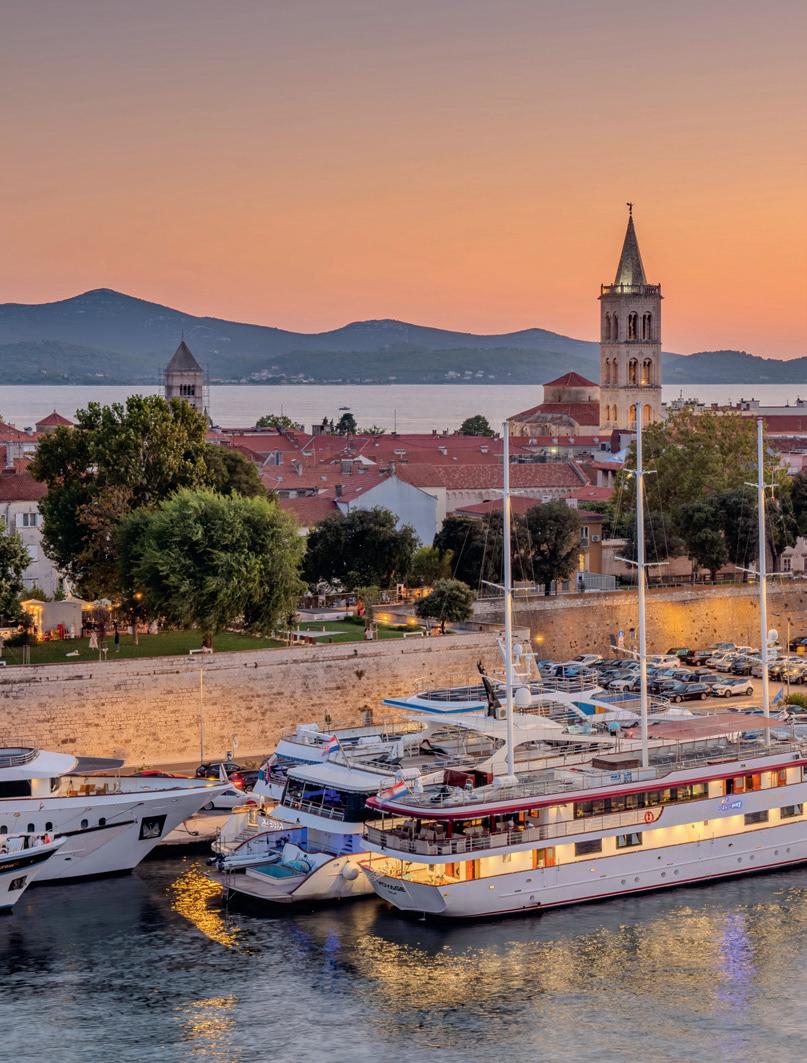
Ljetna UNESCO pozornica u Zadru
Ostanite zbog atmosfere.
Svakog četvrtka ljeti zadarske UNESCO zidine pretvaraju se u pozornicu pod otvorenim nebom. Muraj Art & Sound donosi spoj glazbe, lokalnog obrta i večernje atmosfere koja se ne planira, nego događa.
Na bastionu sv. Roka, među stoljetnim kamenim zidovima, Zadar pokazuje svoje autentično lice. Večer započinje uz rukotvorine zadarskih obrtnika – nakit, keramiku, tekstil i male dizajnerske predmete koji pričaju o tradiciji i suvremenoj kreativnosti. Ovo nije klasičan suvenir, već uspomena s karakterom.
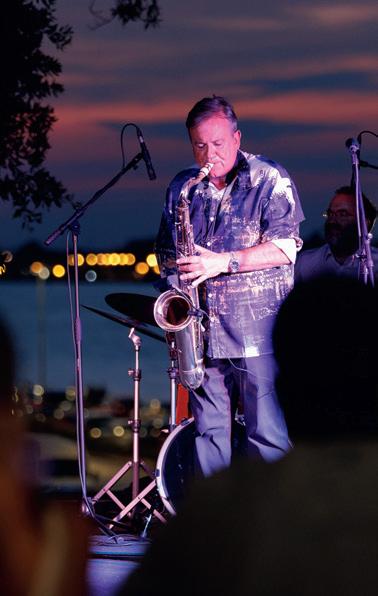
Svaki četvrtak donosi drugačiji zvuk, od jazza i akustičnih izvedbi, sve do popa, bluesa i suvremenih ritmova. Glazba se širi zidinama i miješa s mirisom mora te tako stvara ljetni ugođaj koji se pamti. Muraj Art & Sound savršeno utjelovljuje Zadar danas, grad u kojem se povijest ne promatra, nego živi. Sve je na dohvat ruke: šetnja uz more, Morske orgulje i Pozdrav suncu, kamene ulice stare jezgre i otoci na horizontu.
Muraj Art & Sound
Zadar City Walls (UNESCO)
Svaki četvrtak, lipanj - kolovoz
Glazba i lokalni obrtnici
ulaz slobodan
UNESCO Summer Stage in Zadar
Muraj Art & Sound
Zadar City Walls (UNESCO)
Every Thursday, June – August
Music and local artisans free entry
Every Thursday in the summer, the UNESCO walls of Zadar are transformed into an open-air stage. Muraj Art & Sound brings a combination of music, local crafts and an evening atmosphere that is not planned, but happens.
On the bastion of St. Roko, among the centuries-old stone walls, Zadar shows its authentic face. The evening begins with the handicrafts of Zadar craftsmen - jewelry, ceramics, textiles and small designer items that tell the story of tradition and contemporary creativity. This is not a classic souvenir, but a memory with character.
Every Thursday brings a different sound, from jazz and acoustic performances, to pop, blues and contemporary rhythms. The music spreads along the walls and mixes with the scent of the sea, creating a summer atmosphere that is memorable.
Muraj Art & Sound perfectly embodies Zadar today, a city where history is not observed, but lived. Everything is within reach: a walk along the sea, the Sea Organ and the Greeting to the Sun, the cobblestone streets of the old town and the islands on the horizon. Stay for the atmosphere.
Destinacije zbog kojih se isplati rezervirati let za Hrvatsku
Destinations worth booking a flight to Croatia for
Neka mjesta birate zbog mora, neka zbog prirode, a neka zato što već pri dolasku imate osjećaj da ste pronašli svoju novu ljetnu adresu. Upravo takav dojam ostavljaju hoteli, kampovi i resorti iz portfelja Rudan Hotels & Camps, koji od Dalmacije do Hrvatskog zagorja spajaju komfor, prirodu i onaj opušteni lifestyle zbog kojeg odmor postaje puno više od samog boravka.
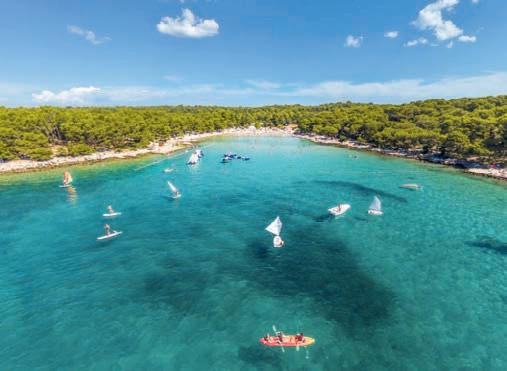
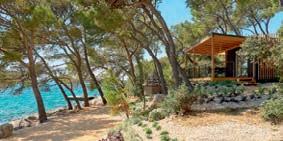
U srcu srednje Dalmacije, u Pakoštanima, nalazi se Pine Beach, resort s gotovo kultnim statusom među gostima koji žele aktivan ali neopterećen odmor. Smješten u borovoj šumi, uz više od kilometra obale i s prirodnom pješčanom plažom, prostire se na 180 tisuća četvornih metara i nudi all inclusive smještaj u atraktivnim mobilnim kućicama i bungalovima, buffet mediteranskih okusa te više od 20 sportskih aktivnosti, od jedrenja, kajaka i windsurfinga do
tenisa, odbojke na pijesku i mini golfa. Uz Park prirode Vransko jezero te nacionalne parkove Kornati i Krka u blizini, Pine Beach je idealna baza za istraživanje Dalmacije. Na ulazu u Omiš, kamp Almissa donosi spoj mora, avanture i autentičnog dalmatinskog ritma. Plaža je na nekoliko koraka, rijeka Cetina u blizini, a dani se lako popune uz rafting, zipline, šetnju starom gusarskom jezgrom ili pogled s omiških stijena. Mobilne i holiday kućice te kamping koncept prilagođeni su obiteljima, parovima i svima koji žele prirodu bez odricanja od udobnosti.
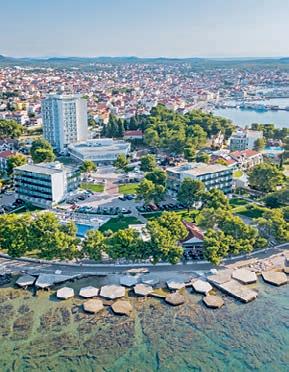
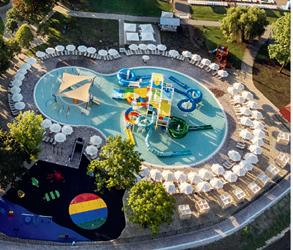
U Biogradu na Moru Hotel Adria posebno je privlačan obiteljima koje žele jednostavan, sadržajan i bezbrižan odmor. Animacija, dječje aktivnosti, prostor za igru i opušten hotelski ritam stvaraju ravnotežu u kojoj djeca imaju organizirane male avanture, a roditelji vrijeme za predah.
Biograd, Pašmanski kanal, Kornati, Park prirode Telašćica i dinamična ljetna riva dodatno daju boravku onu pravu morsku dinamiku.
Sasvim drukčiji doživljaj nude Terme Jezerčica, smještene nadomak Zagreba, u čarobnom zelenom Hrvatskom zagorju. Termalna voda, bazeni, wellness sadržaji i mir brežuljkastog krajolika stvaraju savršen bijeg za vikend ili duži odmor tijekom cijele godine. Dani ovdje mogu biti ispunjeni wellnessom, zagorskom gastronomijom, izletima do dvoraca, šetnjom malim romantičnim gradovima i vinskim cestama. Ove adrese povezuje ista ideja odmora. Svaka ima svoj karakter, svoju publiku i svoj razlog zbog kojeg se pamti. Negdje su to pješčana plaža i borovi, negdje Cetina i adrenalinski doživljaji, negdje opuštena obiteljska atmosfera, a negdje termalni mir. U vremenu kada se sve više
putuje zbog osjećaja, a ne samo zbog lokacije, upravo su ovakva mjesta razlog zbog kojeg se Hrvatska bira, pamti i ponovno posjećuje.
Osim navedenih smještajnih objekata, grupacija Rudan Hotels & Camps u svojem portfelju raspolaže i dodatnim hotelima, kampovima i resortima, a cjelokupnu ponudu moguće je provjeriti na službenoj web stranici Rudan Hotels & Camps − rudanhotels.com.
Some places you choose for the sea, some for the nature, and some because the moment you arrive, it already feels as though you have found your new summer address. That is precisely the feeling created by the hotels, campsites and resorts within the Rudan Hotels & Camps portfolio, which − from Dalmatia in the south to Hrvatsko Zagorje in the north of Croatia − combine comfort, nature and a relaxed lifestyle that turns your holiday into something far beyond simply staying somewhere.
In the heart of central Dalmatia, in Pakoštane, Pine Beach is a resort that has achieved almost cult status amongst guests seeking an active yet carefree holiday. Nestled in a pine forest, with more than a kilometre of coastline and a natural sandy beach, Pine Beach stretches across 180,000 square metres, offering all-inclusive accommodation in attractive mobile homes and bungalows, Mediterranean buffet cuisine and more than 20 sports activities, from sailing, kayaking and windsurfing to tennis, beach volleyball and mini golf. With the Vrana Lake Nature Park, and the Kornati and Krka national parks neraby, Pine Beach
is the ideal base for your exploration of Dalmatia.
At the entrance to Omiš, Camp Almissa offers a combination of sea, adventure and authentic Dalmatian rhythm. The beach is just a few steps away, the Cetina River close at hand, and days are easily filled with rafting, ziplining, walks through the old pirate town centre or views from the cliffs of Omiš. Mobile homes, holiday homes and the camping concept are designed for families, couples and anyone seeking nature without giving up comfort.
In Biograd na Moru, Hotel Adria is particularly appealing to families looking for a simple, activity-filled and carefree holiday. Entertainment programmes, children’s activities, play areas and the hotel’s relaxed atmosphere create a balance in which children enjoy organised little adventures while parents find time to unwind. Biograd, the Pašman Channel, the Kornati archipelago, Telašćica Nature Park and the lively summer waterfront all add true Adriatic energy to your stay.
A completely different experience awaits at Terme Jezerčica, located near Zagreb in the enchanting green landscape of Hrvatsko Zagorje. Thermal water, pools, wellness facilities and the tranquillity of the rolling countryside are the perfect ingredients of a weekend break or a longer holiday at any time of year. Days here can be filled with wellness, Zagorje’s cuisine, excursions to castles, walks through charming romantic townlets and wine roads.
What connects all these destinations is the same idea of a holiday. Each has its own character, its own audience and its own reason for being memorable. In some
places, it is the sandy beach and pine trees; elsewhere, the Cetina River and adrenaline-filled experiences; somewhere else, a relaxed family atmosphere or the serenity of thermal wellness. At a time when people increasingly travel for the feeling rather than simply the location, places like these are exactly why Croatia is chosen, remembered and revisited.
Alongside the accommodation facilities mentioned above, the Rudan Hotels & Camps group includes additional hotels, campsites and resorts within its portfolio. For more information, visit rudanhotels.com.
U KUĆI STABLA SVIJETA IN THE HOUSE OF THE WORLD TREE
PIŠE/BY Dragana Lucija Ratković Aydemir
FOTOGRAFIJE/PHOTOS
Bosnić+Dorotić
Napušteni zaseok Trebišća smjestio se na obroncima Učke, planine koja Kvarnerski zaljev dijeli od istarskog poluotoka. Austrijski slavist
Georg Holzer ovaj toponim tumači kao izvedenicu od praslavenske riječi za žrtvu: tre˘ba. Vrh iznad zaseoka zove se Perun. Ovim mjestima netko je davno nadjenuo imena čiji je smisao tek valjalo otkriti. Taj je zadatak privukao etnologe Tomu Vinšćaka i Vitomira Belaja te filologa akademika Radoslava Katičića na višegodišnji interdisciplinarni projekt koji je 2004. inicirao Veseljko Velčić, tadašnji predsjednik Katedre Čakavskog sabora Općine Mošćenička Draga. Hodali su do Trebišća i vrha Peruna, razgovarali s lokalnim stanovnicima, bilježili uzrečice i nazive mjesta koje nitko više nije znao objasniti. Dva pristupa, jezikoslovni i etnološki, spojila su se u službi otkrivanja priče koja se ovdje davno isprela, u doba Praslavena. Ovi drevni preci nisu nam ostavili pisane tragove svojih vjerovanja. Svoju su kozmologiju prenosili usmenom predajom, a istraživači je minuciozno pokušavali rekonstruirati iz jezika, uzrečica, zagonetki i toponima koji su se sačuvali sve do danas. U praslavenskom svjetonazoru sve je bilo organizirano oko jedne osi, stabla koje korijenom seže u podzemlje, deblom prolazi kroz svijet ljudi, a krošnjom dodiruje nebo. Istraživači su prepoznali da zaseok Trebišća, smješten uz kanjon Potoške vale i podno vrha Perun, taj kozmički raspored ima upisan u samu topografiju.
Stoga nimalo ne čudi da se upravo ovdje smjestila Kuća stabla svijeta, mjesto gdje se praslavenska kozmologija može doživjeti u narativnom prostoru koji spaja lokalnu baštinu, znanstvenu rekonstrukciju i suvremene posjetitelje. Vrata obnovljene kamene kuće otvaraju se upravo prema
takvom iskustvu, a čim zakoračiš unutra, krećeš, simbolično, pod zemlju. Ovdje vlada Veles, bog koji mijenja pojavu: čas je medvjed, čas zmija, čas vuk, gospodar svega vlažnog i zemljanog čije je carstvo oduvijek bilo uz vodu i korijenje. Susrećeš ga licem u lice − skulptura s rogovima i dugom bradom izniče iz mraka, obasjana dok sve oko nje tone u tminu. Posegneš rukom i dotakneš bradu, a na tamnom podu pojavi se zmija, jedna od njegovih pojavnosti, u plavom svjetlu koje treperi i nestaje. Izraz uhvatiti boga za bradu, prepoznatljiv i svakomu blizak, ovdje oživljuje kao tjelesni čin: živi otisak drevnih predodžbi sačuvan u svakodnevnom govoru sve do danas. Središte prizemlja zauzima scenografija s deblom svetog hrasta, toliko masivnog da probija strop i nastavlja se na kat. Kozmička os praslavenskog svjetonazora tako postaje tjelesno iskustvo: prolaziš uz nju, ona raste iznad tebe. Uz deblo stoji portret barba Vinka, jednog od posljednjih stanovnika zaseoka, koji dijeli sjećanja na život kakav se u Trebišćima živio još u njegovo doba. Iza debla sam aktiviraš svjetlosni izložak koji Trebišća prikazuje kroz godišnja doba, otkrivajući kako je isti krajolik koji danas gledaš određivao ritam rada, prehrane i sklada s prirodom. Stubama se penješ na kat i deblo se rastvara u krošnju. Sa stropa visi dojmljiva instalacija u koju su uklopljeni svici s likovima praslavenskog panteona. Priđeš jednom, odmotaš svitak i pred tobom izroni lik božanstva koji još nisi sreo. Ovdje se otkriva srž kozmologije: kroz izložak
Božanskog boja pratiš zbivanje koje se ponavlja svakom olujom i svakim godišnjim ciklusom. Sijevne munja, tresne grom i u tom trenutku prepoznaješ boga Peruna: tjera zmiju Velesa s gore prema vodi, oslobađaju se kiše, vraća se plodnost. Tragovi koji ti bogovi ostavljaju u kršćanskom kalendaru ovdje se čitaju jasno: Perun postaje sveti Ilija ili sveti Mihovil, Veles sveti Nikola ili sveti Vlaho, Mokoš Gospa. Zatim priđeš kružnom izlošku Božanske svadbe, gdje se pred tobom odvija scena po scena susreta boga Jarila i boginje Morane: on dolazi s daleka puta, ona ga čeka u lugu, a njihov zagrljaj traje koliko i proljeće. Izložbu zaokružuje animirani film koji mit sažima u priču dostupnu svima i tihi hommage četvorici koji su je iznijeli na svjetlo:
Katičiću, Belaju, Vinšćaku i Velčiću, koji danas više nisu među nama.
Tko želi, iz Trebišća može nastaviti stazom prema vrhu Perun, gdje se na 881 metru nadmorske visine mitska priča zaokružuje. U svakom slučaju, jedno je zajamčeno: svi koji posjetite Kuću stabla svijeta otići ćete promijenjeni, s osjećajem da su ovim tlom, duž ovoga kanjona, hodali i oni prije nas te da nas s njima veže nešto daleko starije od pamćenja.
The abandoned hamlet of Trebišća lies on the slopes of Učka, the mountain that separates Kvarner Bay from the Istrian peninsula. The Austrian Slavicist Georg Holzer interprets this place name as deriving from the Proto-Slavic word for sacrifice − tre˘ba. The peak above the hamlet is called Perun. Long ago, someone gave these places names whose meaning was only waiting to be uncovered.
This task drew ethnologists Tomo Vinšćak and Vitomir Belaj, as well as philologist and academician Radoslav Katičić, into a years-
01 Praslavenska božanstva transformirala su se u kršćanski religijski kod
The Proto-Slavic deities were transformed into the Christian religious code
02 Bog Veles, vladar podzemlja, voda i stoke
God Veles, ruler of the underworld, water and cattle
03 Interaktivna instalacija Božanski boj
The interactive Divine Battle installation
long interdisciplinary project initiated in 2004 by Veseljko Velčić, then president of the Chakavian Assembly Chair of the Municipality of Mošćenička Draga. They walked to Trebišća and the peak of Perun, spoke with local residents, and recorded sayings and place names that no one could fully explain anymore. Two approaches − one linguistic and one ethnological − came together in the effort to uncover a story woven here long ago, in the time of the Proto-Slavs. These ancient ancestors left no written record of their beliefs. Their cosmology was passed down orally, and researchers painstakingly
Taktilni izložak
oživljava poznati izraz
uhvatiti boga za bradu
reconstructed it from language, sayings, riddles and place names preserved to this day. In the Proto-Slavic worldview, everything was organised around a single axis − a tree whose roots reached into the underworld, whose trunk passed through the human world, and whose crown touched the sky. The researchers recognised that the hamlet of Trebišća, set along the canyon of Potoška Vala beneath the peak of Perun, embodies this cosmic order in its very topography. It is therefore no coincidence that this is where the House of the World Tree is located − a place where Proto-Slavic cosmology can
be experienced through a narrative space that brings together local heritage, scholarly reconstruction and present-day visitors. The doors of the restored stone house open onto precisely such an experience, and as soon as you step inside, you begin − symbolically − to descend underground.
Here reigns Veles, a god who changes form: at times a bear, at times a snake, at times a wolf, lord of all that is moist and earthly, whose realm has always been tied to water and roots. You encounter him face to face − a horned, long-bearded sculpture emerging from the darkness, illuminated while everything around it fades into shadow. You reach out and touch his beard, and on the dark floor a snake appears − one of the forms he takes − in a flickering blue light that fades away. The familiar Croatian idiom to grab God by the beard (meaning to seize fortune itself or, more colloquially, to hit the jackpot) comes to life here as a physical act − a living trace of ancient ideas preserved in everyday language right up until the present day.
At the centre of the ground floor stands a scenographic installation with the trunk of a sacred oak, so massive that it pierces the ceiling and continues to the upper level. The cosmic axis of the Proto-Slavic worldview
The familiar Croatian idiom to grab God by the beard brought to life via a tactile exhibit since
becomes a physical experience: you move alongside it as it rises above you. Beside the trunk is a portrait of an old man, barba Vinko, one of the last inhabitants of the hamlet, sharing memories of life in Trebišća as it was in his time. Behind the trunk, you activate a light installation that presents Trebišća through the seasons, revealing how the same landscape you see today once determined the rhythm of work, diet, and harmony with nature.
You ascend the stairs to the upper floor, where the trunk unfolds into a crown. From the ceiling hangs an impressive installation incorporating scrolls with figures from the Proto-Slavic pantheon. You unroll one, and before you appears a deity you have not yet encountered. Here the core of the cosmology is revealed: through the exhibit of the Divine Battle, you follow a cycle that repeats with every storm and every season. Lightning flashes, thunder strikes, and in that moment you recognise god Perun driving the serpent Veles from the mountain towards the waters, releasing the rains and restoring fertility. The traces these gods leave in the Christian calendar are clearly visible here, and so Perun becomes Saint
Projekcija edukativnog animiranog filma Alana Vukovića
A screening of an educational animated film by Alan Vuković
Elijah or Saint Michael, Veles becomes Saint Nicholas or Saint Blaise, and Mokosh becomes the Virgin Mary. You then approach the circular exhibit of the Divine Wedding: before you unfolds, scene by scene, the meeting of god Jarilo and goddess Morana − he arrives from a distant journey, she awaits him in the grove, and their embrace lasts as long as spring.
The exhibition concludes with an animated film that distils the myth into a story accessible to all, and a quiet homage to the four men
who brought it to light − Radoslav Katičić, Vitomir Belaj, Tomo Vinšćak and Veseljko Velčić, who are no longer with us.
Those who wish can continue from Trebišća along a trail to the peak of Perun, where at 881 metres above sea level the mythic story comes full circle. In any case, one thing is certain: all who visit the House of the World Tree leave changed, with the sense that along this canyon, on this very soil others walked long before us − and that something far older than memory still connects us.
OBALA COAST
Povijest, more i otoci nadohvat ruke
History, sea and islands within easy reach
SPLIT
Od carske palače i povijesnih zidina do živih trgova i prekrasnog obalnog poteza, Split se tijekom godina prometnuo u istinsku perjanicu turizma i nezaobilaznu mediteransku prijestolnicu. Šetajući njegovom povijesnom jezgrom, putnik će istodobno osjetiti duh antike, ali i pulsirajući, svakodnevni život lokalaca koji se savršeno nadopunjuje s bogatom kulturnom i povijesnom baštinom.
U samom je središtu Dioklecijanova palača, UNESCO-ov zaštićeni spomenik i jedan od najbolje očuvanih primjera rimske arhitekture na svijetu. No ono što Split izdvaja od ostalih antičkih lokaliteta jest činjenica da je Palača živo tkivo grada. Unutar njezinih monumentalnih zidina, ondje gdje su nekada koračali rimski carevi, danas se nalaze vrhunski restorani, elegantni boutique hoteli i trgovine.
Osim što je povijesno središte, Split je i jedna od najvećih luka na Mediteranu, poveznica s najljepšim otocima Jadrana. Hvar, otok
sunca i luksuza, oduševit će vas mirisom polja lavande i tirkiznim morem Paklenih otoka, nudeći spoj moderne elegancije i tradicije. Susjedni Brač, otok kamena i maslina, poziva na istraživanje prekrasnih kamenih sela u potpunosti izgrađenih od bijeloga bračkog kamena i kušanje najboljih ulja na svijetu u Muzeju uja u Škripu. Za one koji traže netaknutu prirodu i mir, Vis nudi potpunu privatnost na skrovitim divljim plažama, okruženim gustom mediteranskom vegetacijom koja otoku daje prepoznatljiv miris i ugođaj. Uz kristalno čisto more na Visu ćete s lakoćom pronaći uvalu samo za sebe. Osim Visa tu je i Šolta, otok nadomak Splita koji često prolazi nezapaženo i izvan uobičajenih turističkih ruta. Taj zeleni otok savršeno je utočište za sve koji žude za mirom borovih šuma i uvalama u kojima vrijeme kao da je stalo. Bez obzira na to odlučite li se za istraživanje povijesnih jezgri ili plovidbu prema pučinskim otocima, Split je ključna točka za svakoga tko želi osjetiti autentičnu Dalmaciju.
From its imperial palace and ancient walls to its lively squares and beautiful waterfront, Split has evolved into one of the Mediterranean’s defining destinations and a true flagship of Croatia’s tourism. Walking through the city’s historic centre, visitors experience both the spirit of antiquity and the vibrant rhythm of everyday life, where locals and centuries of cultural heritage coexist naturally and effortlessly.
At the heart of the city lies Diocletian’s Palace, a UNESCO World Heritage Site and one of the world’s best-preserved examples of Roman architecture. Yet what truly sets Split apart from other ancient sites is the fact that the Palace remains a living part of the city. Within its monumental walls − where Roman emperors once walked − visitors today will find excellent restaurants, elegant boutique hotels and stylish shops woven seamlessly into the historic fabric of the city. Beyond its historic core, Split is also one of the Mediterranean’s most important ports and the gateway to some of the Adriatic’s most beautiful islands. Hvar, the island of sunshine and luxury, enchants visitors with the scent of lavender fields and the turquoise waters of the Pakleni Islands, combining refined elegance with local tradition. Neighbouring Brač, the island of stone and olive groves, invites travellers to discover picturesque villages built entirely from the famous white Brač stone, and to taste some of the world’s finest olive oils at the Olive Oil Museum in the hamlet of Škrip.
For those seeking untouched nature and tranquillity, the island of Vis offers complete privacy on secluded wild beaches, surrounded by dense Mediterranean vegetation that gives the island its distinctive scent and atmosphere. With its crystal-clear sea, on Vis you can
still easily find a hidden bay entirely to yourself. Then there is Šolta, an island of understated beauty just off the coast of Split that often remains outside the usual tourist routes. This green island is an ideal retreat for anyone longing for the quiet of pine forests and coves where time seems to slow down.
Whether you choose to explore historic town centres or set sail towards Dalmatia’s open-sea islands, Split remains the essential starting point for anyone wishing to experience the authentic spirit of Dalmatia.
PRIME BANKARSTVO ZAGREBAČKE BANKE
PRIME BANKING BY ZAGREBAČKA BANKA
Nova dimenzija personaliziranog bankarstva
A new dimension of personalised banking
Vrhunska usluga i digitalno bankarstvo, uz dodatno individualizirane pristupe za klijente s kompleksnijim financijskim potrebama, u središtu su novog koncepta − Prime bankarstva Zagrebačke banke.
Prime status aktivira se automatski za definirani Prime segment klijenata, ne iziskuje od klijenata nikakvu aktivnost ni trošak te im podiže razinu usluge kako bi još bolje odgovarala njihovim potrebama.
Svaki Prime klijent ima dodijeljenog Prime bankara koji poznaje ciljeve svojih klijenata, proaktivno im preporuča proizvode i usluge prilagođene njihovim potrebama te zajedno s njima izrađuje dugoročne financijske planove. Prime bankarstvo dostupno je i u mobilnoj aplikaciji m-zabi, u kojoj je uveden poseban Prime dio vidljiv Prime klijentima nakon ažuriranja aplikacije, gdje na jednome mjestu imaju kontakt svojeg Prime bankara s mogućnošću brzog i jednostavnog ugovaranja sastanka, kao i pregled relevantnih usluga i pogodnosti.
Exceptional service and digital banking, combined with an even more tailored approach for clients with more complex financial needs, are at the heart of Zagrebačka banka’s new concept − Prime Banking.
Prime status is activated automatically for clients who qualify for the designated Prime segment. It requires no action or additional cost on the part of the client, while providing an enhanced level of service designed to better meet their individual needs.
Each Prime client is assigned a dedicated Prime banker who understands their financial goals, proactively recommends products and services tailored to their needs, and works with them to develop long-term financial plans. Prime Banking is also available through the m-zaba mobile app, where a dedicated Prime section becomes visible to Prime clients after updating the application. In one convenient place, clients can access their Prime banker’s contact details, quickly and easily arrange appointments, and view relevant services and benefits.
The Art of Doing Nothing
Gooshter offers the luxury of the Dolce Far Niente - the sweetness of doing nothing. Whether you are cooling off in the crystal-clear Adriatic or sharing a chilled bottle of rosé, the atmosphere is effortlessly cool.
"Gooshter isn't just a destination, it’s that exact moment you realize you haven't looked at your watch in hours."
There is a specific magic that happens when the rugged Dalmatian coast meets a refined, bohemian spirit. Welcome to Gooshter Beach Club, a coastal sanctuary set within the lush grounds of Le Méridien Lav.
Named after the local lizard known for basking in the heat, this club offers a sophisticated, barefoot-friendly escape for the modern nomad.
From Sun-Drenched to Star-Lit
Your day at Gooshter transitions seamlessly from a peaceful morning retreat to a vibrant evening destination:
•The morning ritual: Claim your sanctuary on the shore and enjoy a slow morning to the sound of gentle waves.
•The coastal kitchen: Share street-food-inspired plates, from delicious noodles to fresh sushi, under dappled shade.
•The golden hour: As the sky turns a fiery orange, sip botanical cocktails while the DJ sets the tempo for the evening.
www.gooshter.com @gooshterbeachclub WHERE THE ADRIATIC MEETS ITS SOUL: An a ernoon at Gooshter beach club
The Lavish side of Split
Grljevačka 2a, Podstrana, Croatia
kvarner region tourist board e kvarner@kvarner.hr www.kvarner.hr
Hotel Ambasador u Opatiji bezvremenski je dragulj Liburnijske rivijere, gdje se moderna jadranska elegancija susreće s obalnim šarmom. Smješten uz prepoznatljivu šetnicu Lungomare, spoj je suvremenog dizajna, vrhunske usluge i panoramskog pogleda na Kvarnerski zaljev, što ga čini savršenom destinacijom za opuštanje i nova iskustva. Kroz svoj pažljivo oblikovan lifestyle doživljaj, Hotel Ambasador besprijekorno spaja odmor, wellness i poslovne sadržaje. Gosti mogu uživati na elegantnoj hotelskoj plaži, u unutarnjem i vanjskom bazenu ili se prepustiti prostranom wellness centru od 1.300 m² s prilagođenim tretmanima nadahnutim jadranskim načinom života.
Gastronomski doživljaji glavni su dio iskustva u Ambasadoru − od profinjenih okusa u restoranu Cubo do signature koktela u elegantnom Manhattan Lobby Baru.
Hotel Ambasador više od 50 godina kontinuirano pridonosi izvrsnosti u kongresnom turizmu te je 2025. godine nagrađen Godišnjom hrvatskom turističkom nagradom za Kongresni hotel godine.
Hotel Ambasador in Opatija is a timeless jewel of the Liburnia Riviera, where modern Adriatic elegance meets seafront charm. Perfectly positioned along the iconic Lungomare Seaside Promenade, it combines contemporary design, impeccable service and panoramic views of Kvarner Bay to create a refined destination for both relaxation and discovery.
Envisioned as a curated lifestyle experience, Hotel Ambasador seamlessly balances leisure, wellness and business offerings.
Guests are invited to unwind on the elegant hotel beach, enjoy the indoor and outdoor pool, or indulge in the expansive 1,300 m² wellness centre, featuring customised treatments inspired by the Adriatic way of life.
Culinary experiences are at the heart of the stay, from the elevated flavours of Cubo Restaurant to signature cocktails served in the stylish Manhattan Lobby Bar.
With over 50 years of experience in organising professional gatherings, conferences and business meetings, Ambasador continues to inspire collaboration and nurture novel partnerships. Honoured with the Annual Croatian Tourism Award for Best Congress Hotel in 2025, it remains a benchmark of excellence.
KVARNERSKI ŠKAMP
OKUS KOJI DOLAZI IZ DUBINE
KVARNER SCAMPI
A TASTE FROM THE DEEP
PIŠE/BY Hrvoje Petrić
U svijetu vrhunske gastronomije postoje sastojci koji nadilaze svakodnevno kulinarstvo i postaju simboli područja iz kojih dolaze. Kvarnerski škamp upravo je takav − malen, nježan i gotovo proziran, ali s okusom koji ostavlja snažan dojam i na najzahtjevnijim nepcima.
In the world of gourmet food, certain ingredients transcend everyday cooking to become symbols of the regions they come from. Kvarner scampi is one such ingredient − small, delicate and almost translucent, yet with a flavour that leaves a lasting impression even on the most discerning palates.
Kvarnerski zaljev nalazi se u sjevernom dijelu Jadranskog mora, između istočne obale Istre, hrvatskog primorja i kvarnerskih otoka, a uključuje i otoke (Krk, Cres, Lošinj, Rab te nekoliko manjih otoka) koji čine njegovu strukturu. Ovo područje krije jedinstvene prirodne uvjete koji kvarnerskom škampu daju njegovu prepoznatljivu kvalitetu.
Za razliku od većine srodnih vrsta, kvarnerski škamp odlikuje se tankim oklopom i delikatnim, gotovo kremastim mesom. Njegova nježno ružičasta boja s blagim R.
Pichler
narančastim tonovima skriva bogatstvo okusa koje se najbolje otkriva u najjednostavnijim jelima. Lokalni kuhari često ističu kako je ovaj sastojak savršen upravo zahvaljujući minimalnoj obradi: kratko blanširan, pripremljen na buzaru, pečen na žaru ili čak poslužen sirov, kao carpaccio, uz tek nekoliko kapi maslinova ulja i prstohvat morske soli. Sve češće ga chefovi koriste i u modernim interpretacijama, kao dio sofisticiranih degustacijskih menija, gdje dolazi do izražaja njegova čistoća i elegancija okusa. Kvarnerski škamp nije samo gastronomska delicija nego i zanimljiva biološka i ekološka pojava Jadranskog mora. Riječ je o vrsti Nephrops norvegicus, koja obitava u hladnijim i dubljim dijelovima mora diljem Europe, no upravo u Kvarnerskom zaljevu doseže svoju vrhunsku kvalitetu. Znanstvena istraživanja pokazala su da su se populacije škampa u Jadranu razdvojile tijekom razdoblja značajnih promjena razine mora u pleistocenu. Dio populacije povukao se prema dubljim dijelovima Jadrana, dok je drugi ostao izoliran u Velebitskom kanalu i Kvarnerskom zaljevu. Kada je razina mora ponovno porasla, škampi iz južnih područja ponovno su naselili otvoreni Jadran. Danas su upravo ti južni škampi genetski raznolikiji, dok su sjevernojadranski primjerci, uključujući kvarnerske, specifični po svojoj veličini i kvaliteti mesa.
Škamp se tradicionalno lovi vršama, no sve se više lovi i mrežama za koćarenje. Iako je riječ o učinkovitoj metodi, lov koćama − mrežama koje se vuku po morskom dnu, ima i negativne strane pa se posljednjih godina sve češće naglašava potreba za održivim ribolovom kako bi se očuvala ova vrijedna populacija.
Nažalost, broj škampa u Kvarneru značajno se smanjio tijekom posljednjih dvadesetak godina. Dok je nekada na ovom području lovilo petnaestak koća, danas ih je značajno više. Posljedice su vidljive: ulov po jednoj noći pao je s nekadašnjih 30 − 40 kilograma na svega nekoliko kilograma, i to uglavnom sitnijih primjeraka. Kvarnerski škamp, uz istarska maslinova ulja i bijele tartufe, definitivno spada među najcjenjenije hrvatske gastronomske proizvode. Njegova rijetkost, kvaliteta i autentičnost čine ga nezaobilaznim sastojkom u vrhunskoj kuhinji.
U svojoj suštini, kvarnerski je škamp jedna od onih rijetkih delicija koje najbolje doživljavamo upravo na mjestu njihova
nastanka. On je spoj mora, vremena, gastronomskog nasljeđa i tradicije Kvarnera − diskretan, profinjen i duboko ukorijenjen u identitet regije.
The Kvarner Bay lies in the northern part of the Adriatic Sea, ensconced between the eastern coast of Istria, the Croatian Littoral and the islands of Kvarner, including Krk, Cres, Lošinj, and Rab, as well as several smaller islands that form its structure. This area offers unique natural conditions that give Kvarner scampi its distinctive quality.
Unlike most related species, Kvarner scampi is characterised by a thin shell and delicate, almost creamy meat. Its pale pink colour with subtle orange hues conceals a depth of flavour that is best revealed in the simplest dishes. Local chefs often point out that Kvarner scampi is at its finest when minimally prepared: briefly blanched, cooked alla buzara (a local one-pot sautéed scampi dish), grilled, or even served raw as carpaccio, with just a few drops of olive oil and a pinch of sea salt. Increasingly, chefs have also been using it in modern interpretations, as part of refined tasting menus where the purity and elegance of its flavour come to the fore. Kvarner scampi is not only a delicacy, but also a fascinating biological and ecological phenomenon of the Adriatic Sea. It belongs to the species Nephrops norvegicus, which inhabits cooler and deeper parts of seas across Europe, yet reaches its finest quality precisely in the Kvarner Bay. Scientific research has shown that scampi populations in the Adriatic became separated
during periods of significant sea-level changes in the Pleistocene. One part of the population retreated to deeper areas of the Adriatic, while another remained isolated in the Velebit Channel and the Kvarner Bay. When sea levels rose again, scampi from southern areas recolonised the open Adriatic. Today, these southern populations are genetically more diverse, while those in the northern Adriatic, including Kvarner scampi, are distinguished by their size and the quality of their meat. Scampi have traditionally been caught using traps, although bottom-trawling nets are increasingly used as well. While efficient, bottom-trawling − which involves dragging nets along the seabed − has its drawbacks, and in recent years there has been growing emphasis on sustainable fishing with a view to preserving this valuable population. Unfortunately, the number of scampi in the Kvarner Bay has declined significantly over the past twenty years. While around fifteen trawlers once operated in the area, today their number is considerably higher. The consequences are evident: the catch per night has dropped from 30−40 kilograms to just a few, mostly consisting of smaller specimens. Alongside Istrian olive oils and white truffles, Kvarner scampi ranks amongst the most prized Croatian food products. Its rarity, quality and authenticity make it an essential ingredient in fine cuisine.
At its core, Kvarner scampi is one of those rare delicacies best experienced in the place where it originates. It is a meeting point of sea, time, culinary heritage and the tradition of Kvarner − understated, refined and deeply rooted in the identity of the region.
R. Pichler
Istra koju ćete poželjeti sačuvati za sebe
The Istria you’ll want to keep to yourself
Kad Istra poželi pokazati svoje najtiše, najljepše lice, odvede vas u Krasicu. Možda nikad niste čuli za ovaj komadić istarskog raja blizu Buja skrivenog od ljetne žurbe, a ipak vrlo lako dostupnog. Odiše posebnim mirom u kojem se pogledi zadržavaju na brežuljcima, razgovori traju dulje, a svaki dolazak počinje osjećajem da ste otkrili nešto samo svoje. U središtu te priče nalazi se Stara škola with Ana Roš, restoran smješten u renoviranoj osnovnoj školi s pogledom koji s terase dopire sve do mora i Tršćanskog zaljeva. Prostor nekadašnjih učionica danas je mjesto susreta hrane, vina, umjetnosti i opuštanja. U njemu se prošlost ne čuva kao uspomena pod staklenim zvonom nego živi kroz detalje, toplinu ambijenta i onu rijetku lakoću zbog koje ručak može neprimjetno prerasti u cijelo poslijepodne. Na zidovima se susreću djela umjetnika poput Joana Miróa,
Larryja Poonsa i drugih, a ljepota nije dekoracija nego dio istog iskustva koje se nastavlja na tanjuru i u čaši. Kuhinja Stare škole with Ana Roš nastaje u kreativnom dijalogu Jana Vukasovića, glavnog chefa restorana, i jedne od najcjenjenijih svjetskih chefica Ane Roš. Nije to formalni fine dining nego moderna istarska kuhinja zamišljena za dijeljenje, isprobavanje i uživanje bez žurbe. Sezonalnost, lokalne namirnice i regionalna tradicija njezin su temelj, dok globalna inspiracija daje jelima suvremen ritam. Na tanjurima se susreću kontinentalna Istra i morski dah Jadrana, jednostavnost i preciznost, poznato i neočekivano. To su jela koja ne traže velike riječi, ali se o njima govori još danima.
U neposrednoj blizini restorana, tek nekoliko minuta dalje, priča se prirodno nastavlja u vinariji Clai. Ondje vino nije dodatak iskustvu nego njegov autentičan glas. Clai je jedna od onih istarskih
vinarija koje su izgradile prepoznatljiv autorski potpis: vinogradi na 200 metara nadmorske visine, puno sunca, blizina mora, laporasta zemlja i prirodan pristup koji se osjeća u svakoj čaši. Grožđe se vinificira spontano, bez nepotrebnih intervencija, a vina ostaju vjerna berbi, tlu i rukama koje ih stvaraju, u što će vas vješto uvesti Timothy Withfield, glavni enolog vinarije sa svojim timom. Zato se u Krasicu ne dolazi samo jesti i piti. Ovdje ulazite u skriveni svijet u kojem se hrana, vino, krajolik i ljudi isprepleću i nadopunjuju. Možete dan započeti isprobavanjem vina u Claiju pa ga završiti uživanjem u nezaboravnim jelima u Staroj školi ili obrnuto; redoslijed je manje važan od osjećaja koji ostaje. A on je rijedak, baš kao da je Istra još jednom pronašla način da vas iznenadi, uspori i natjera da joj se vratite. U tom malom krugu od nekoliko minuta vožnje stane cijeli jedan svijet Istre: nježan, profinjen i duboko osoban.
01 Bajkovit panoramski pogled na vinariju Clai i njezine vinograde
A fairy-tale panoramic view of Clai Winery and its vineyards
02 Ana Roš i Jan Vukasović osmišljavaju ideje u vrtu restorana Stara škola
Ana Roš and Jan Vukasović brainstorming in the garden of the Stara Škola restaurant
When Istria decides to reveal its quietest and most beautiful side, it leads you to the village of Krasica. You may never have heard of this small corner of Istrian paradise near the town of Buje − hidden from the rush of summer, yet surprisingly easy to reach. It is a place defined by a rare sense of calm, where views linger over rolling hills, conversations last longer and every arrival begins with the feeling that you have discovered something entirely your own.
At the centre of this story is Stara Škola with Ana Roš, a restaurant housed in a renovated former village school − hence its name Stara Škola or Old School − with a terrace overlooking the sea and the Gulf of Trieste. The old classrooms have been transformed into a space where food, wine, art and relaxation come together effortlessly. Here, the past is not preserved behind glass, but lives on through thoughtful details, the warmth of the atmosphere and that rare ease that allows lunch to quietly become an entire afternoon. The walls feature works by artists including Joan Miró and Larry Poons, while beauty itself feels less like decoration and more like part of the experience unfolding on the plate and in the glass.
03 Timothy Withfield, glavni enolog vinarije Clai, uz Malvaziju Sv. Jakov, vino predstavljeno u knjizi 101 Wines to Try Before You Die
Timothy Whitfield, head winemaker at Clai, with Sv. Jakov Malvazija, a wine featured in the book 101 Wines to Try Before You Die
04 Čarobna atmosfera ljetnih večeri u restoranu Stara škola
The magical atmosphere of summer evenings at the Stara Škola restaurant
The cuisine at Stara Škola with Ana Roš is shaped through the creative dialogue between head chef Jan Vukasović and one of the world’s most celebrated chefs, Ana Roš. This is not formal fine dining, but a contemporary interpretation of Istrian cuisine designed for sharing, tasting and savouring without hurry. Seasonality, local ingredients and regional tradition form its foundation, while global influences bring a distinctly modern rhythm. On each plate, inland Istria meets the Adriatic, simplicity meets precision and the familiar meets the unexpected. These are dishes that do not demand grand words, yet stay in conversation long after the meal is over. Just a few minutes away, the story naturally continues at the Clai Winery. Here, wine is not an accompaniment to the experience but its authentic voice. Clai is one of those Istrian wineries with a distinctive signature of its own: vineyards set 200 metres above sea level, abundant sunshine, proximity
to the sea, marl-rich soil and a natural approach that reveals itself in every glass. The wines are made through spontaneous fermentation and minimal intervention, remaining true to the vintage, the land and the hands that create them − a philosophy masterfully introduced by the winery’s head winemaker Timothy Whitfield and his team. People do not come to Krasica simply to eat and drink. They come to enter a hidden world where food, wine, landscape and people intertwine naturally. You can begin the day with a tasting at Clai and end it with an unforgettable meal at Stara Škola, or do the reverse − the order matters far less than the feeling that remains afterwards. And that feeling is rare: as though Istria has once again found a way to surprise you, slow you down and make you want to return. Within this small corner of just a few minutes’ drive lies an entire world of Istria − gentle, refined and deeply personal.
SKRIVENI PODZEMNI SVIJET LIKE OTKRIJTE PEĆINSKI PARK GRABOVAČA
THE HIDDEN UNDERGROUND WORLD OF LIKA DISCOVER GRABOVAČA CAVE PARK
Grabovača je jedini pećinski park u Hrvatskoj, a na njezinu području nalazi se više od 40 speleoloških objekata. Ipak, posebnu pažnju privlači špilja Samograd, impresivna podzemna građevina duga 345 metara, poznata po monumentalnim dvoranama i bogatom sigastom nakitu. Njezina prirodna arhitektura često se uspoređuje s katedralom, a dodatnu čar daje činjenica da je nastajala tisućama godina, u tišini i savršenom skladu prirodnih procesa. Samograd nije samo geološki fenomen nego i mjesto bogate povijesti. Poznata još od prapovijesnih vremena, špilja je uređena za posjetitelje krajem 19. sto -
ljeća, kada su uklesane 474 stepenice koje i danas vode kroz njezin impresivni interijer. Posjet je moguć isključivo uz stručno vodstvo, što dodatno obogaćuje doživljaj i otkriva brojne zanimljive priče skrivene u podzemlju. No ljepota Grabovače ne završava pod zemljom. Park je isprepleten uređenim pješačkim i edukativnim stazama koje vode kroz šumski krajolik, pokraj brojnih špilja i jama te do vidikovaca s kojih se otvaraju pogledi na kanjon rijeke Like i moćnu planinu Velebit.
Jedna od najneobičnijih atrakcija svakako je šumski toranj s orguljama − jedinstvena instalacija koja uz pomoć
vjetra stvara umirujuće zvukove prirodne glazbe, pružajući posjetiteljima poseban osjetilni doživljaj. Područje parka obiluje i kulturno-povijesnim nasljeđem. Unutar njegovih granica nalazi se i srednjovjekovni Stari grad Perušić, prvi put spomenut 1071. godine, koji svjedoči o dugoj i bogatoj povijesti ovoga kraja. Arheološkim iskapanjima prikupljena je vrijedna pokretna arheološka građa koja svjedoči da je upravo utvrda Staroga grada Perušića jedna od rijetkih na području Like koja je preživjela osmanlijsku okupaciju u 16 st.
Rubnim dijelovima parka protječe rijeka Lika, druga po duljini ponornica u Eu -
PIŠE/BY Jelena Milković
ropi. Njezin miran tok i očuvana priroda idealni su za opuštanje, šetnje i promatranje krajolika, dodatno naglašavajući autentičnost ove destinacije.
Pećinski park Grabovača savršeno je mjesto za one koji traže spoj prirode, edukacije i mira − skriveni dragulj Like koji se otkriva polako, ali ostaje u sjećanju dugo nakon posjeta.
Grabovača is Croatia’s only cave park, with more than 40 speleological sites scattered throughout its area. Particular attention, however, is drawn to Samograd Cave, an impressive underground structure stretching 345 metres in length, renowned for its monumental chambers and richly decorated stalactite and stalagmite formations. Its natural architecture is often compared to a cathedral, made all the more remarkable by the fact that it was shaped over thousands of years in silence and in perfect harmony with natural processes.
Samograd is not only a geological phenomenon, but also a site of considerable historical importance. Known since prehistoric times, the cave was adapted for visitors at the end of the 19th century, when 474 stone steps were carved into the rock − steps that continue to guide visitors through its impressive interior to this very day. Visits are possible only with expert guides, which further enriches the experience and reveals many fascinating stories hidden beneath the surface.
Yet the beauty of Grabovača does not end underground. The park is criss-crossed with maintained walking and educational trails leading through forest landscapes, past numerous caves and pits, and towards lookout points overlooking the canyon of the Lika River and the mighty Velebit Mountain Range.
One of the park’s most unusual attractions is undoubtedly the forest tower with organ pipes − a unique installation that harnesses the wind to play nature’s soothing sounds, offering visitors a distinctive sensory experience. The area is also rich in cultural and historical heritage. Within the park’s boundaries lies the medieval Old Town of Perušić, first mentioned in 1071, bearing witness to the long and layered history of this region. Archaeological excavations have uncovered valuable movable artefacts confirming that the fortress of the Old Town of Perušić was one of the few
01 Rijeka Lika u jesenskom ruhu The Lika River in autumn
02 Šumski toranj s instaliranim orguljama
A forest tower with organ pipes
03 Špilje Grabovače dom su brojnim vrstama šišmiša Grabovača’s caves are home to numerous species of bats
04 Impresivni sigasti most špilje Samograd Samograd Cave’s impressive stalactite and stalagmite bridge
strongholds in Lika to survive the Ottoman occupation in the 16th century.
Along the edges of the park flows the Lika River, the second-longest sinking river in Europe. Its calm waters and preserved surroundings provide an ideal setting for relaxation, walks, and quiet contemplation
of the landscape, further emphasising the authenticity of this destination.
Grabovača Cave Park is the perfect place for those seeking a blend of nature, education, and peace − a hidden gem of Lika that reveals itself slowly, yet lingers in the memory long after the visit ends.
01 Svitanje iznad Starog grada Perušića
A sunrise over the Old Town of Perušić
02 Kapljice vode stoljećima stvaraju tajanstvenu snagu podzemnog svijeta
Drops of water have been creating the mysterious power of the underground world for centuries
B. Krstinić
M. Danilović
Zeleni bijeg na Medvednicu
A green escape to Medvednica
Ispod neba, iznad Zagreba − Medvednica tijekom ljeta postaje mjesto gdje gradska energija polako ustupa mjesto svježini šume, miru i osjećaju slobode. Ova zelena zagrebačka gora, udaljena tek nekoliko kilometara od urbanog središta, nudi savršenu ravnotežu između rekreacije, prirode i lokalne tradicije − idealnu za putnike koji žele više od klasičnog city breaka
Uspon nikada nije bio jednostavniji zahvaljujući modernoj žičari Sljeme. U svega dvadesetak minuta iz gradske svakodnevice prelazite u planinski mir, dok se pred vama otvaraju pogledi koji mijenjaju perspektivu. Prostrane kabine prilagođene za osobe s invaliditetom, kao i za bicikle te kućne ljubimce, čine Medvednicu dostupnu svima.
Razgranata mreža planinarskih i rekreativnih staza koje vode prema vrhu Sljeme (1033 metra nadmorske visine), nude različite razine težine, od laganih šetnji do zahtjevnijih uspona. Šumski hlad prati svaki korak, a povremeni vidikovci otkrivaju široke panorame koje podsjećaju na to koliko je grad zapravo blizu − i koliko se lako od njega udaljiti. Za ljubitelje aktivnog turizma tu su i biciklističke rute, trail staze te brojne mogućnosti za cjelodnevni boravak u prirodi.
Uz prirodne ljepote Medvednica skriva i bogatu kulturno-povijesnu baštinu.
ZAGREB
Srednjovjekovna utvrda Medvedgrad pruža uvid u prošlost i jedan od najljepših pogleda na Zagreb. Nedaleko od planinskih staza, špilja Veternica otvara vrata u posve drugačiji svijet − svjež, tih i gotovo izvan vremena. Ulazak u njezinu unutrašnjost donosi kontrast ljetnom danu, ali i rijedak osjećaj prostora oblikovanog milijunima godina. Upravo ta geološka slojevitost jedan je od razloga zašto je područje početkom 2026. godine predstavljeno kao kandidat za UNESCO-ovu globalnu mrežu geoparkova, čime se dodatno ističe njegova jedinstvena prirodna vrijednost.
Poseban dio doživljaja čini i gastronomija. Planinarski domovi i izletišta nude domaće specijalitete − od svježih štrukla i savijača do ukusnih toplih jela − savršenih za predah nakon aktivnog dana. Za one koji žele produžiti boravak, Medvednica nudi i jedinstvenu mogućnost smještaja u samome srcu prirode. Hotel Tomislavov dom smješten je među stoljetnim šumama i već je desetljećima sinonim za odmor − s restoranom, well-
ness sadržajima i pogledom na zelenilo koje okružuje svaku sobu. U neposrednoj blizini nalazi se i Aparthotel Snježna kraljica, koji kombinira privatnost apartmana s dodatnim sadržajima poput wellnessa i restorana, idealan za duži boravak ili miran vikend bijeg.
Jedan od najupečatljivijih doživljaja pruža vidikovac na OIV odašiljaču Sljeme, najvišoj točki Zagreba, gdje se na visini od čak 1114 metara otvara panorama koja u vedrim danima seže sve do Alpa i Velebita. Riječ je o suvremenoj atrakciji Sljeme 360°, koja posjetiteljima omogućuje jedinstven doživljaj grada i njegove okolice iz potpuno nove perspektive.
Lakše planiranje i istraživanje omogućuje besplatna mobilna aplikacija i web stranica Medvednica Turističke zajednice grada Zagreba. Aplikacija nudi pregled staza, interaktivne karte, prijedloge ruta te informacije o atrakcijama, čineći boravak i obilazak jednostavnijim i sadržajnijim. Bilo da planirate kratki izlet ili cjelodnevnu avanturu, sve ključne informacije dostupne su na jednome mjestu.
Medvednica tako postaje više od izletišta − ona je produžetak zagrebačkog doživljaja, mjesto gdje se priroda istražuje aktivno, ali i doživljava opušteno. Ljeti to je destinacija koja se ne propušta. www.medvednica.com
Beneath the sky, above Zagreb − Medvednica Mountain becomes, during summer, a place where the city’s energy gradually gives way to forest freshness, tranquillity and a sense of freedom. This green mountain overlooking Zagreb, located just a few kilometres from the urban centre, offers the perfect balance of recreation, nature and local tradition − ideal for travellers seeking more than a classic city break. Reaching the summit has never been easier thanks to the modern Sljeme Cable Car. In just twenty minutes, the rhythm of city life gives way to mountain calm, while views unfold that completely change your perspective. Spacious cabins adapted for people with disabilities, as well as for bicycles and pets, make Medvednica Mountain accessible to everyone.
A vast network of hiking and recreational trails leading towards the summit of Sljeme (1,033 metres above sea level) offers routes for every level, from easy walks to more demanding climbs. Forest shade accompanies every step, while occasional lookout points reveal sweeping panoramas that remind you just how close the city still is − and how easily you can leave it behind. For lovers of active tourism, there are also cycling routes, trail-running paths and countless opportunities for a full day spent in nature. Alongside its natural beauty, Medvednica Mountain also hides a rich cultural and historical heritage. The medieval fortress
of Medvedgrad offers a glimpse into the past, along with one of the finest views over Zagreb. Not far from the mountain trails, Veternica Cave opens the door to an entirely different world − cool, quiet and almost beyond time itself. Stepping inside brings a striking contrast to the summer heat, but also the rare sensation of entering a space shaped over millions of years. It is precisely this geological richness that led to the area being presented as a candidate for the UNESCO Global Geoparks Network in early 2026, further highlighting its exceptional natural value.
Food is also an essential part of the Medvednica experience. Mountain lodges and excursion sites serve homemade specialities − from freshly prepared cottage-cheeseand-cream-filled homemade štrukli and traditional pastries to hearty hot dishes − perfect for a break after an active day outdoors.
For those wishing to extend their stay, Medvednica also offers the unique opportunity to stay in the heart of nature itself. Tomislavov Dom Hotel, surrounded by centuries-old forests, has for decades been synonymous with relaxation, with a restaurant, wellness facilities and views of greenery from every room. Nearby, Snježna Kraljica Aparthotel combines the privacy of apartment accommodation with additional amenities, such as wellness facilities and a restaurant, making it ideal for a longer stay or a peaceful weekend escape.
One of the mountain’s most memorable experiences awaits at the Sljeme TV Tower observation deck, the highest point in Zagreb, where, at an altitude of 1,114 metres, panoramic views stretch on clear days all the way to the Alps and Velebit Mountain. This contemporary attraction, Sljeme 360°, offers visitors a unique view of the city and its surroundings from an entirely new perspective.
To make planning and exploring easier, there are the free mobile app and website of the Zagreb Tourist Board’s Medvednica project. The app offers trail overviews, interactive maps, suggested routes and information on attractions, making every visit simpler and more rewarding. Whether planning a short excursion or a full-day adventure, all essential information is available in one place. Medvednica is much more than an excursion destination − it is an extension of the Zagreb experience itself, a place where nature can be explored actively, yet enjoyed at a slower pace. In summer, it is a destination not to be missed. www.medvednica.com
J. Duval, arhiva
Zagreb
Ljeto bez žurbe
Zagreb
Unhurried summer
Zagreb je grad u kojem se živost i opuštenost susreću na svakom koraku. Dani počinju dugom kavom, a završavaju spontano − uz razgovore, glazbu i tople večeri na otvorenom. Bez žurbe. Bez pritiska. U vlastitom ritmu. Svakodnevica se tada prirodno seli na ulice. Trgovi postaju mjesta susreta, parkovi mjesta predaha u hladu, a brojne terase mjesta druženja. Od Zrinjevca do Maksimira, od Jaruna i Bundeka do svježine Medvednice − priroda je ovdje uvijek nadohvat ruke, bilo da tražite mir ili nastavak dana na otvorenom, tek nekoliko minuta od urbane energije grada. Ljeti Zagreb živi u posebnom ritmu. Brojna i raznolika događanja − koncerti pod zvijezdama, kina na otvorenom, festivali,
ulični programi i performansi te sportska i rekreativna događanja − ispunjavaju ga tijekom cijelog dana i večeri, a kultura pritom izlazi izvan svojih uobičajenih okvira i postaje dio svakodnevice. Od velikih koncerata i festivala do manjih, lokalnih događanja u parkovima, dvorištima i uz jezera, Zagreb nudi raznolik program koji se lako uklapa u vaš tempo. Otkrijte što vas sve čeka ovog ljeta u Zagrebu.
Zagreb is a city where you meet vibrancy and relaxation at every turn. Days begin with long coffees and end spontaneously − with conversation, music and warm evenings spent outdoors. Unhurriedly. Unforcedly. At your own pace.
01 Park Zrinjevac Zrinjevac Park
02 Trg Petra Preradovića Petar Preradović Square
During the summer months, everyday life naturally moves outdoors. Squares become gathering places, parks offer moments of shade and respite, while countless terraces turn into spaces for socialising. From Zrinjevac to Maksimir Park, from Jarun and Bundek lakes to the fresh greenery of the Medvednica Nature Park, nature is always within easy reach − whether you are looking for peace and quiet, or simply wishing to continue the day outdoors, just minutes from the city’s urban energy.
In summer, Zagreb moves to a rhythm all its own. A rich and varied programme of events − including concerts beneath the stars, open-air cinemas, festivals, street performances, and sports and recreational events − fills the city from day into night, while culture steps beyond its usual settings and becomes part of everyday life.
From major concerts and festivals to smaller local events in parks, courtyards and by the lakes, Zagreb offers a diverse programme that easily adapts to your pace.
Discover what awaits you in Zagreb this summer.
D. Rostuhar, arhiva TZGZ/Zagreb TB archive
LIPANJ / JUNE
Festival Vinski grad Zagreb Zagreb Wine City festival Park dr. Franje Tuđmana Dr. Franjo Tuđman Park 13. − 27. 6.
Festival klasične glazbe Zagreb Classic Zagreb Classic music festival Trg kralja Tomislava / King Tomislav Square 19. 6. − 3. 7.
INmusic festival
jezero Jarun / Jarun Lake 22. − 24. 6.
Fantastic Zagreb Film Festival više lokacija / multiple locations 25. 6. − 5. 7.
Koncert grupe Black Eyed Peas Black Eyed Peas concert jezero Bundek / Bundek Lake 26. 6.
Svjetsko prvenstvo u rukometu na pijesku Beach Handball World Championships jezero Jarun / Jarun Lake 23. − 28. 6.
Natjecanje u atletici Memorijal Borisa Hanžekovića
Boris Hanžeković Memorial athletics competition više lokacija / multiple locations 24. − 26. 6.
7
SRPANJ / JULY
Festival klasične glazbe Zagreb Classic Zagreb Classic music festival
Trg kralja Tomislava / King Tomislav Square do / closing on 3. 7.
Fantastic Zagreb Film Festival više lokacija / multiple locations do / closing on 5. 7.
Festival klasične glazbe Večeri na Griču Grič Evenings classical music festival Galerija Klovićevi dvori Klovićevi Dvori Gallery 6. − 22. 7.
Međunarodna smotra folklora Zagreb Zagreb International Folklore Festival više lokacija / multiple locations 15. − 19. 7.
Koncert Marilyna Mansona Marilyn Manson concert Arena Zagreb 16. 7.
Koncert grupe Dropkick Murphys Dropkick Murphys concert
SRC Šalata / Šalata Sports and Recreation Centre 27. 7.
8
KOLOVOZ / AUGUST
Plesnjak na Zrinjevcu Dance Party at Zrinjevac Park svakog petka i subote each Friday and Saturday 31. 7. − 29. 8.
okolo // around umjetnost u javnom prostoru art in public space druga polovica mjeseca second half of the month
Koncert grupe Amyl and The Sniffers Amyl and The Sniffers concert SRC Šalata Šalata Sports and Recreation Centre 8. 8.
Europsko prvenstvo u sportskoj gimnastici / European Artistic Gymnastics Championships Arena Zagreb 13. − 23. 8.
9
RUJAN / SEPTEMBER
Zagrebački muzejski vikend Zagreb Museum Weekend više lokacija / multiple locations
Međunarodni festival kazališta lutaka PIF PIF International Puppet Theatre Festival više lokacija / multiple locations 11. − 17. 9.
Festival svjetske književnosti World Literature Festival više lokacija / multiple locations
Eno-gastro festival Aftertaste Aftertaste Food and Drinks Festival Kvaternikov trg / Eugen Kvaternik Square
Više informacija na / For more information, visit www.infozagreb.hr.
01 Radićeva ulica Pavle Radić Street
02 Izlazak sunca Ulicom Nikole Tesle Sunrise on Nikola Tesla Street
03 okolo // around, umjetnost u javnom prostoru okolo // around,
GALERIJA KRANJČAR
GALERIJA KOJA OBLIKUJE SCENU
KRANJČAR GALLERY
SHAPING THE ART SCENE
Galerija Kranjčar, smještena u samom srcu zagrebačkog Kaptola, već više od dva desetljeća zauzima posebno mjesto na karti suvremene hrvatske umjetnosti. Od svojeg osnutka 2006. godine razvila se u dinamičan prostor susreta umjetnika, kustosa i publike, ali i u važnu platformu za produkciju i prezentaciju suvremene likovne prakse. Tijekom godina galerija je izgradila prepoznatljiv identitet temeljen na otvorenosti prema dijalogu, eksperimentu i umjetničkim rizicima. Upravo takav pristup omogućio je i etabliranim i brojnim mladim umjetnicima da ovdje dobiju značajnu priliku za izlaganje i afirmaciju. Umjesto oslanjanja isključivo na tržišne principe, Galerija Kranjčar razvija model rada koji
01 Marija Ujević Galetović i/and Denis Krašković, Mentalni sklop 1/ Frame of Mind 1, 2015.
02 Danijel Žeželj, Fractalia, slikarsko-glazbeni performans u suradnji s Alenom i Nenadom Sinkauzom, 2020. Danijel Žeželj, Fractalia, a painting and music performance in collaboration with Alen and Nenad Sinkauz, 2020
03 Elvira Kranjčar, vlasnica Galerije Kranjčar
Elvira Kranjčar, the proprietor of Kranjčar Gallery
04 Otvorenje izložbe u Galeriji Kranjčar
Exhibition opening at the Kranjčar Gallery
počiva na dugoročnom ulaganju u umjetnički razvoj i profesionalizaciju scene. Program galerije oblikuje se kroz suradnju i zajedničku viziju, a kontinuirana povezanost s umjetničkom zajednicom dodatno je osnažena partnerskim projektima s Hrvatskim društvom likovnih umjetnika. Kroz izložbe, nagrade i različite inicijative sustavno se potiče razvoj novih umjetničkih imena, čime galerija djeluje kao važan most između institucionalnog i nezavisnog kulturnog prostora.
Posebnost Galerije Kranjčar leži upravo u toj fleksibilnosti − sposobnosti da reagira brzo, slobodno i promišljeno, stvarajući prostor za ideje koje možda ne bi pronašle svoje mjesto u većim sustavima. Ona nije samo izložbeni prostor nego živa
platforma koja kontinuirano gradi i oblikuje suvremenu umjetničku scenu. Iza ove dugogodišnje i predane priče stoji Elvira Kranjčar, čija je vizija i ustrajnost omogućila razvoj galerije u ono što je danas. Njezin doprinos prepoznalo je i Hrvatsko društvo likovnih umjetnika i uručilo joj posebno priznanje za razvoj likovne umjetnosti te dugogodišnji i nesebičan rad na poticanju suvremene umjetničke scene, posebno kroz podršku mladim umjetnicima, suradnju s Hrvatskim društvom likovnih umjetnika te kontinuirano održavanje i razvoj galerije.
Galerija Kranjčar danas predstavlja više od fizičkog prostora: ona je kontinuirani proces, dijalog i istraživanje. U vremenu koje često traži brze rezultate, ona ostaje posvećena sporijem, ali dubljem razumijevanju umjetnosti − onom koje potiče promišljanje, emociju i maštu. Upravo zato, za brojne posjetitelje i umjetnike, Galerija Kranjčar nije samo mjesto izložbi nego prostor iskustva − tiho ali snažno središte suvremene umjetnosti u Zagrebu.
D. Fabijanić
Arhiva
R. Gašpert
The Kranjčar Gallery, located in the heart of Zagreb’s Kaptol quarter, has held a special place on the map of contemporary Croatian art for more than two decades. Since its founding in 2006, it has evolved into a dynamic meeting place for artists, curators and audiences, as well as an important platform for the production and presentation of contemporary practices in the visual arts.
Over the years, the gallery has developed a distinctive identity grounded in openness to dialogue, experimentation and artistic risk. It is precisely this approach that has enabled both established and emerging artists to find an important opportunity for exhibition and recognition in the Kranjčar Gallery. Rather than relying solely on market principles, the gallery has developed a model based on long-term investment in artistic development and the professionalisation of the art scene.
The gallery’s programme is shaped through collaboration and a shared vision, while its ongoing connection with the artistic community has been further strengthened through partnership projects with the Croatian Association of Visual Artists. Through exhibitions, awards and various initiatives, the gallery consistently encourages the development of new artistic voices, serving as an important bridge between institutional and independent cultural spaces.
What makes the Kranjčar Gallery distinctive lies precisely in this flexibility − its ability to respond quickly, freely and thoughtfully, creating space for ideas that might not otherwise find their place within larger systems. It is not merely an exhibition venue, but a living platform that continuously shapes and
builds the contemporary art scene.
Behind this long-standing and dedicated story stands Elvira Kranjčar, whose vision and perseverance have enabled the gallery to become what it is today. Her contribution has also been recognised by the Croatian Association of Visual Artists with a special award for the advancement of visual arts, presented in recognition of her many years of selfless work in supporting the contemporary art scene, particularly through her support of young artists, collaboration with the Croatian Association of Visual Artists, and the continuous development and maintenance of the gallery.
Today, the Kranjčar Gallery represents more than a physical space: it is an ongoing
02 Ivan Prerad, Imaginarni muzej/ Imaginary Museum, 2020.
03 Zrinka Šimičić Mihanović, Dobra voda, izvedbeno-prostorna instalacija u suradnji s Marinom Bauer i Didierom Douetom, 2022.
Zrinka Šimičić Mihanović, Good Water, a performance and spatial installation in collaboration with Marina Bauer and Didier Douet, 2022
process, a dialogue and an exploration. In a time that often demands quick results, it remains dedicated to a slower yet deeper understanding of art − one that encourages reflection, emotion and imagination. For many visitors and artists alike, the Kranjčar Gallery is not just a place for exhibitions, but a space of experience − a quiet yet powerful centre of contemporary art in Zagreb.
J.
Vuglač
J. Vuglač
NOT ALL FIRST CLASS IS IN THE AIR.
Designer furniture, lighting and home goods for the place you call home, wherever it may be.
*photo by Dino Šaruga of Arija the dog on Togo Loveseat sofa by Ligne Roset
UMIJEĆE OBLIKOVANJA NAKITA MANJE JE VIŠE
THE ART OF JEWELLERY DESIGN
LESS IS MORE
Usvijetu u kojem dominiraju vizualna buka i naglašeni izrazi luksuza, serija nakita TANKA arhitektice
Senke Dombi djeluje gotovo meditativno. Njezina estetika ne traži pozornost. Ona je osvaja tišinom, mjerom i jasnoćom forme.
Senka Dombi profesionalno djeluje u području arhitekture, no nakit je prostor njezine osobne strasti. Upravo se u toj disciplini malog mjerila zrcali njezin arhitektonski senzibilitet: promišljanje strukture, ravnoteže i odnosa dijelova prema cjelini. Naziv TANKA upućuje na tanku zlatnu žicu od koje su komadi oblikovani, ali i priziva japansku pjesničku formu sažetog izraza. U oba značenja sadržana je jednaka ideja, koncentracija smisla u jednostavnoj, pročišćenoj formi.
U središtu kolekcije nalazi se puni krug savijene žice od 14-karatnog zlata promjera svega 0,5 milimetara. Variranjem i umnažanjem tog elementa nastaju prsteni, narukvice, naušnice, broševi i chokeri − modularni, međusobno povezivi oblici koji tvore skladan sustav. Tankoća i savitljivost materijala stvaraju dojam lakoće, dok precizna izvedba naglašava plemenitost zlata. Izostanak kopči i suvišnih detalja dodatno ističe neposredan dodir s kožom i čistoću linije.
Iako različitih mjerila, arhitektura i nakit dijele jednak proces, pretvaranje ideje u prostor. No nakit je pritom intiman: prati pokret tijela, reagira na svjetlo i postaje dio osobnog izraza. TANKA briše granice između svakodnevnog i svečanog. Jednako prirodno pristaje uz jednostavnu
PIŠE/BY Jasna Galjer
FOTOGRAFIJE/PHOTOS Vanja Šolin
bijelu košulju na poslovnom putovanju kao i uz večernju haljinu u posebnim prigodama.
Za autoricu, TANKA nije tek estetski objekt. Ona je tišina koju nosimo na koži, suptilan trag prisutnosti i svjetla. Namijenjena je onima koji razumiju ljepotu suzdržanosti i vjeruju da je pravi luksuz onaj koji se gotovo ne vidi, ali se osjeća. U toj diskretnoj eleganciji potvrđuje se bezvremenska istina modernističkog načela: manje je, doista, više.
In a world dominated by visual noise and emphatic expressions of luxury, the TANKA jewellery collection by architect Senka Dombi feels almost meditative. Its aesthetic does not seek attention; it captures it through silence, restraint, and clarity of form.
Although professionally active in the field of architecture, Dombi approaches jewellery as a space of personal passion. Within this small-scale discipline, her architectural sensibility is unmistakable: a thoughtful consideration of structure, balance, and the relationship between parts and the whole. The name TANKA − fine or thin in translation from Croatian − refers to the fine gold wire from which the pieces are shaped, while also evoking the Japanese poetic form of the same name, known for its concise expression. In both meanings lies the same idea − the concentration of meaning within a simple, refined form.
At the heart of the collection is a complete circle formed from 14-carat gold wire measuring just 0.5 millimetres in diameter. By varying and multiplying this element, rings, bracelets, earrings, brooches, and chokers emerge − modular, interconnectable forms that create a harmonious system. The fineness and flexibility of the material lend a sense of lightness, while precise craftsmanship highlights the nobility of gold. The absence of clasps and superfluous details further emphasises direct contact with the skin and the purity of line.
Though differing in scale, architecture and jewellery share the same process: transforming an idea into space. Jewellery, however, is intimate. It follows the movement of the body, responds to light, and becomes part of personal expression. TANKA dissolves the boundaries between the everyday and the festive, pairing as naturally with a simple white shirt on a business trip as with an evening gown on special occasions.
For its creator, TANKA is more than an aesthetic object. It is a quiet presence worn on the skin, a subtle trace of light and intention. Designed for those who appreciate the beauty of restraint, and believe that true luxury is almost invisible yet deeply felt, TANKA’s discreet elegance affirms the timeless modernist principle: less is, indeed, more.
Proces izrade kolekcije TANKA, arhitekture u malome mjerilu
The process of creating the TANKA collection, architecture in miniature
POVEŽITE SE S HRVATSKOM − KRAVATOM!
CONNECT TO CROATIA − WITH A CRAVAT!
PIŠE/BY Ana Janković
Cravaticum, boutique muzej kravate
Cravaticum, the boutique cravat museum
Nisam znao da je kravata nastala iz ljubavi, a ni da je Hrvatska njezina domovina − priznaje Joseph Morrison iz Brazila, jedan od posjetitelja Cravaticuma, jedinstvenog boutique muzeja kravate na zagrebačkom Gornjem gradu.
Na prostranom zidu muzeja dominira upečatljiva slika mladića na konju s crvenom maramom oko vrata, a 3D efekt konjske glave u trenu vas prenosi u 17. stoljeće, kada i započinje ova priča stara 400 godina: hrvatski momci odlaze u Tridesetogodišnji rat, a djevojke im na rastanku vežu svoj rubac oko vrata kao zalog ljubavi i vjernosti.
No rubac je bio i praktičan − služio je za brisanje znoja i zavijanje rana. Hrvatski vojnici, koji su se borili na strani Francuza, postali su poznati po svojoj hrabrosti i upravo po tim pametnim ovratnicima. Francuski vojnici taj su stil vezivanja ovratnika nazvali à la Croate − u prijevodu, poput Hrvata . I tako je nastala riječ cravat , odnosno kravata.
Za njezinu popularizaciju posebno su zaslužni francuski kraljevi Luj XIII. i Luj XIV., a potonji je čak osnovao i posebnu pukovniju lake konjice s hrvatskim vojnicima, nazvavši je Kravat pukovnija.
Moderan muzej za sve
Cravaticum nije klasična izložba kravata nego moderan, interaktivan prostor koji kravatu predstavlja na zabavan i nepredvidiv način.
− Zanimljiv je i onima koji je vole i onima koji se ne mogu zamisliti s njom − ističe jedan od osnivača Igor Mladinović.
Tijekom 40-minutnog besplatnog stručnog vodstva, voditelji Sara, Leon i Niko I. Mladinović
otkrivaju intrigantnu povijest kravate, a posjetitelji mogu naučiti vezati četiri osnovna čvora, uključujući i onaj slavni windsorski.
Od kravate otporne na metke do Beyoncéine kolekcije
Ovdje možete vidjeti jedinu kravatu otpornu na metke, posebno dizajniranu za Cravaticum u Bangkoku, zatim kravatu od zmijske kože i onu koju je za Beyoncé stvorio hrvatski dizajner Juraj Zigman. Također, možete dizajnirati vlastitu kravatu, sastavljati kravata-puzzle ili prošetati beskonačnim tunelom kravata. Ogladnite li, muzejski kafić nudi jedinstveni kolač Cravaticum nadahnut receptima iz 17. stoljeća, koji ne možete kušati nigdje drugdje. Osmislio ga je vrhunski hrvatski slastičar Robert Hromalić. Na kraju obilaska svakako svratite u suvenirnicu muzeja po neki od posebno dizajniranih suvenira na temu kravate.
Kravata kao simbol
− Kravata je puno više od modnog detalja. Kroz povijest bila je simbol demokratskih promjena, borbe za ženska prava i ravnopravnost, zrelosti i poslovnog uspjeha. Upoznavši njezinu priču, upoznajemo i društvo u kojem živimo − objašnjava suosnivač muzeja Mladinović. Interijer muzeja osmislila je Carmen Mikuš, a nalazi se u jednoj od najljepših starogradskih zgrada Zagreba, s balkonom s pogledom na Kamenita
vrata, jedini očuvani srednjovjekovni ulaz u tadašnji Zagreb. Ne čudi stoga da na Tripadvisoru i Googleu ima ocjenu 5.0 te da nosi titulu mjesta broj jedan od njih tristotinjak koje treba vidjeti u Zagrebu. Nakon samo jednog sata posjeta shvatit ćete zašto.
Ididn’t know that the tie was born out of love, nor that Croatia is its homeland − admits Joseph Morrison from Brazil, a visitor to Cravaticum, a unique boutique cravat museum in Zagreb’s Upper Town.
A striking painting of a young man on horseback, a red scarf tied around his neck, dominates a spacious museum wall, while the 3D effect of the horse’s head instantly transports you to the 17th century, when this 400-year-old story begins: young Croatian men depart for the Thirty Years’ War, and their sweethearts, bidding them farewell, tie their own scarves around the soldiers’ necks as a token of love and fidelity. Yet the scarf was also practical − it was used to wipe away sweat and bind wounds. Croatian soldiers, who fought on the French side, became renowned for their bravery and for these very neckerchiefs. French soldiers called this style of tying neckwear à la Croate − in translation, like the Croatians And thus, the word cravat, or tie, was born. The French kings Louis XIII and Louis XIV were particularly instrumental in popularising it; the latter even established a special light cavalry regiment with Croatian soldiers, naming it the Cravat Regiment.
01 Beskonačni tunel kravata u Cravaticumu
Cravaticum’s endless tunnel of ties
02 Vojnik Kravat pukovnije
A Cravat Regiment soldier
03 Skulptura lava s kravatom na terasi muzeja
The museum terrace’s lion sculpture with a tie
04 Kravate u pop kulturi Ties
A modern museum for everyone Cravaticum is not a classic exhibition of ties, but rather a modern, interactive space that presents the tie in a fun and unpredictable way.
− It appeals both to those who love ties and to those who cannot imagine themselves wearing one − highlights one of the museum’s founders, Igor Mladinović.
During the 40-minute complimentary guided tour, guides Sara, Leon and Niko reveal the intriguing history of the tie, while visitors will learn how to tie four basic knots, including the famous Windsor.
From a bulletproof tie to Beyoncé’s collection
Here, you will see the only bulletproof tie in existence, specially designed for Cravaticum in Bangkok; a tie made of snakeskin; and one created for Beyoncé by Croatian designer Juraj Zigman. You can also design your own tie, assemble a tie puzzle, or stroll through the endless tunnel of ties.
Should you grow hungry, the museum café offers a unique Cravaticum cake, inspired by 17th-century recipes and available nowhere else. It was devised by top Croatian pastry chef Robert Hromalić. At the end of your visit, be sure to stop by the museum gift shop for a specially designed tiethemed souvenir.
The tie as a symbol
− The tie is much more than a fashion accessory. Throughout history, it has symbolised democratic change, the struggle for women’s rights and equality, maturity, and
professional success. By learning its story, we come to understand the society in which we live − explains museum co-founder Mladinović.
The museum’s interior was designed by Carmen Mikuš, and it is housed in one of Zagreb’s most beautiful historic buildings, featuring a balcony overlooking the Stone Gate, the only preserved medieval entrance to the Zagreb of old. It is hardly surprising, then, that it holds a 5.0 rating on both Tripadvisor and Google, and is ranked #1 out of 300+ must-see spots in Zagreb. After just one hour’s visit, you will understand why.
01 Jedinstveni kolač
Cravaticum nadahnut receptima iz 17. stoljeća
The unique Cravaticum cake, inspired by 17thcentury recipes
02 Kravata kao alat ženske moći
The tie as a tool of feminine power
I. Mladinović
I. Mladinović
ZAGREBAČKO KAZALIŠTE MLADIH
POVEZUJE SVIJET
THE ZAGREB YOUTH THEATRE
CONNECTING THE WORLD
Pamtim sliku iz norveškog romana desetljeća Max, Mischa i ofenziva Tet Johana Harstada, prema kojem je Zagrebačko kazalište mladih ove sezone postavilo uspješnu istoimenu predstavu u režiji Ivice Buljana: dječak sluša oca pilota kako pred njegovim razredom govori o letu, visinama, zrakoplovima i rutama, a ubrzo se otkriva da iza svakog leta stoji cijeli nevidljivi sustav ljudi bez kojih on ne bi bio moguć. Ima u tome nečega vrlo bliskog kazalištu: pred publikom stoje glumci, a iza njih autori, ansambl, tehnika, produkcija i godine rada, a upravo iz takvog, kolektivnog rada posljednjih godina izrasta i međunarodna vidljivost Zagrebačkog kazališta mladih, koje se profiliralo kao trenutno najprepoznatljivije hrvatsko kazalište u svijetu. Kako ističe dugogodišnja ravnateljica
ZKM-a Snježana Abramović Milković, to nije slučajnost nego rezultat sustavne strategije, umjetničke hrabrosti i iznimnoga glumačkog ansambla.
− Međunarodna suradnja za kazalište ima višestruku vrijednost: ona osnažuje umjetnike, otvara prostor razmjene, ali i pridonosi prepoznatljivosti Zagreba i Hrvatske u širem kulturnom kontekstu − govori ravnateljica kazališta u Teslinoj 7, koje je posljednjih godina ostvarilo suradnje i gostovanja s uglednim europskim institucijama, među kojima su Nacionalno katalonsko kazalište u Barceloni i Litavsko nacionalno dramsko kazalište u Vilniusu.
Suradnje se razvijaju kroz koprodukcije, razmjenu predstava, rezidencijalne programe i sudjelovanja na relevantnim međunarodnim festivalima, a posebno
PIŠE/BY Ante Peričić
FOTOGRAFIJE/PHOTOS Marko Ercegović
01 Acid / Kiselina
02 Logor / Golgota Camp / Golgotha
su zapažena bila i nedavna gostovanja u Aziji, u Busanu u Južnoj Koreji te Šangaju u Kini, gdje su predstave ZKM-a pobudile velik interes publike i struke. Suradnja sa Šangajskim centrom za dramsku umjetnost, započeta uspješnim gostovanjem 2024. godine, nastavlja se i u 2027., dodaje Abramović Milković.
Jedan od razloga međunarodne prepoznatljivosti ZKM-a svakako je i repertoar koji uspješno spaja klasiku, suvremene tekstove i autorske projekte. Iako je repertoarni raspon širok, povezuje ga jasan umjetnički smjer: zanimanje za teme koje se tiču suvremenog čovjeka, društva i vremena u kojem živimo.
− ZKM se kontinuirano potvrđuje kao prostor izražene društvene svijesti, umjetničke odgovornosti i neprekidnog propitivanja različitih modela izvedbe-
nosti − naglašava Abramović Milković, dodajući kako se važan dio međunarodnog djelovanja ZKM-a odnosi i na vidljivost hrvatskih autora, posebno dramskih pisaca. Kazalište sudjeluje u Europskom rezidencijalnom programu za dramske autore, u okviru kojega surađuje s institucijama u Madridu, Bruxellesu, Vilniusu i Marseilleu. Nakon javnog poziva i selekcije, ZKM svake godine odabire hrvatskog dramatičara ili dramatičarku koji u partnerskim institucijama razvijaju svoj tekst i dobivaju priliku za međunarodnu prezentaciju. Tako je drama Vedrane Klepice u studenome 2024. predstavljena u Vilniusu na Festivalu suvremene drame Versme˙ , a u svibnju 2025. koncertno izvedena u ZKM-u.
− Ovaj program vidim kao snažan most između hrvatskog dramskog pisma i europske kazališne scene. On omogućuje kontinuiranu razmjenu, razvoj novih tekstova i međunarodnu vidljivost hrvatskih autora − naglašava Abramović Milković, dok na pitanje što ZKM razlikuje od drugih institucionalnih kazališta u Hrvatskoj i okruženju, ravnateljica izdvaja prije svega njegovu energiju, otvorenost i vjeru u teatar kao prostor slobode:
− Zagrebačko kazalište mladih vjeruje u igru, ljepotu, odgovornost, slobodu pojedinca i radost zajedništva. Jedino takvo kazalište može biti živo i slobodno. To se ozračje jasno osjeti u kazalištu, i u pozadinskim djelatnostima i u radosti kolektivne kazališne igre pred publikom. U narednom razdoblju predstave ZKM-a
gledat će i publika u Budimpešti, Cividaleu, Stockholmu, rumunjskom Cluju te na prestižnom Međunarodnom kazališnom festivalu Santiago a Mil u Čileu, što je još jedna potvrda da kazalište, baš kao i let iz Harstadova romana, počiva na nevidljivom radu mnogih i, još više, na potrebi da povezuje ljude preko granica.
Iremember a scene from the Norwegian novel of the decade, Max, Mischa & the Tet Offensive by Johan Harstad, on which the Zagreb Youth Theatre based its successful production of the same name this season, directed by Ivica Buljan: a boy listens as his father, an airline pilot, speaks to his class about flying, altitude, aircraft and routes, only for it soon to become clear that behind every flight stands an entire invisible network of people without whom the flight would be impossible. There is something deeply similar in theatre: actors stand before the audience, while behind them stand writers, ensemble members, technicians, producers and years of work. It is precisely from this collective effort that the international visibility of the Zagreb Youth Theatre has grown in recent years, establishing it as the most internationally recognised Croatian theatre of the moment.
As the theatre’s long-time Artistic Director Snježana Abramović Milković points out, this is no coincidence, but the result of a systematic strategy, artistic courage and an exceptional acting ensemble.
− International collaboration has multiple values for theatre: it empowers artists, creates
01 Max, Mischa i ofenziva Tet
Max, Mischa & the Tet Offensive
02Ravnateljica
ZKM-a Snježana Abramović
Milković
Snježana Abramović
Milković, Zagreb
Youth Theatre’s Artistic Director
space for exchange, and also contributes to the visibility of Zagreb and Croatia within a broader cultural context − says the theatre’s Artistic Director at Zagreb’s no. 7 Nikola Tesla Street. In line with this vision, the Zagreb Youth Theatre has in recent years developed collaborations and held guest performances with renowned European institutions, including the National Theatre of Catalonia in Barcelona and the Lithuanian National Drama Theatre in Vilnius.
These collaborations develop through co-productions, exchanges of performances, residency programmes and participation in major international festivals. Particularly notable were recent appearances in Asia, in Busan, South Korea, and Shanghai, China,
where Zagreb Youth Theatre productions attracted considerable interest from both audiences and theatre professionals. Collaboration with the Shanghai Dramatic Arts Centre, initiated following a successful guest performance in 2024, will continue in 2027 as well, Abramović Milković adds.
One of the reasons for the theatre’s international recognition is undoubtedly its repertoire, which successfully combines classics, contemporary texts and original author-driven projects. Although broad in range, the programme is united by a clear artistic direction: an interest in themes concerning contemporary individuals, society and the time in which we live.
− The Zagreb Youth Theatre continuously affirms itself as a space of pronounced social awareness, artistic responsibility and constant questioning of different performance models − emphasises Abramović Milković, adding that an important aspect of the theatre’s international activity also lies in promoting Croatian authors, particularly playwrights. The theatre participates in the European Residency Programme for Playwrights, through which it collaborates with institutions in Madrid, Brussels, Vilnius and Marseille. Following an open call and selection process, each year the Zagreb Youth Theatre chooses a Croatian playwright who develops a text within partner institutions and is given the opportunity for international presentation. In this way, a play by Vedra-
na Klepica was presented in Vilnius at the Versme˙ Contemporary Drama Festival in November 2024, after which it was staged as a concert performance at the Zagreb Youth Theatre in May 2025.
− I see this programme as a strong bridge between Croatian dramatic writing and the European theatre scene. It enables continuous exchange, the development of new texts and international visibility for Croatian authors − says Abramović Milković. Asked what distinguishes the Zagreb Youth Theatre from other institutional theatres in Croatia and the wider region, she highlights above all its energy, openness and belief in theatre as a space of freedom:
− The Zagreb Youth Theatre believes in play, beauty, responsibility, individual freedom, and the joy of connection and collaboration. Only such a theatre can remain alive and free. That atmosphere is clearly felt through out the theatre, both behind the scenes and in the joy of collective theatrical play before an audience.
In the coming period, Zagreb Youth Theatre productions will also be seen by audiences in Budapest, Cividale del Friuli, Stockholm, Cluj-Napoca in Romania and at the pres tigious Santiago a Mil International Theatre Festival in Chile − yet another confirmation that theatre, much like flying in Harstad’s novel, depends on the invisible work of many people and, even more importantly, on the need to connect people across borders.
01 Logor / Golgota Camp / Golgotha
02 Max, Mischa i ofenziva Tet Max, Mischa & the Tet Offensive
Varaždin County is like the most exquisite piece of lacework. The deeper you wander into its layers, the finer the threads that reveal its unique tapestry.
Green and abundant, hilly and rolling, fragrant, flavourful, rich in activities, embraced by the golden Drava River and refined by its wines — Varaždin County holds more stories than one lifetime can contain.
That is why our motto is Destination with a Story, and we’ve unlocked all the beauty it has to offer just for you.
We invite you to explore our county in every season of the year.
Varaždinska županija je poput najljepšeg čipkanog veza. Što dublje zalazite u njezine slojeve, to su finije niti koje čine to njezino tkanje.
Zelena i raskošna, bregovita i brdovita, mirisna, ukusna, aktivnostima bogata, zlatonosnom Dravom okružena, vinskom kapljicom oplemenjena, Varaždinska županija ima toliko priča koliko ne stane u jedan život.
Zato je naša krilatica Destinacija s pričom, a za vas smo otključali svu ljepotu koje ima napretek.
Pozivamo vas da istražite našu županiju u svako doba godine!
POTAKNUTA STRAHOM I LJEPOTOM
COMPELLED BY FRIGHT AND BEAUTY
PIŠE/BY
Lana Šetka
FOTOGRAFIJE/PHOTOS
Veronica Arevalo
Na jednoj od najstarijih, najznačajnijih i najprestižnijih smotri suvremene umjetnosti, 61. Međunarodnoj izložbi vizualnih umjetnosti Venecijanskog bijenala, koja će od 9. svibnja do 22. studenoga predstaviti 99 nacionalnih paviljona i 31 popratno događanje te okupiti brojne umjetnike, kustose, kritičare i posjetitelje iz cijelog svijeta, Hrvatska se predstavlja prostorno specifičnom instalacijom Potaknuta strahom i ljepotom višestruko nagrađivane umjetnice Dubravke Lošić.
Hrvatski paviljon smješten je u četvrti Castello, na adresi Salizada Zorzi, 4930, u Palazzo Zorzi, koja se smatra jednim od najzanimljivijih arhitektonskih primjera prijelaznog razdoblja između gotike i renesanse i jednom od prvih renesansnih zgrada u Veneciji, a pripisuje se istaknutom arhitektu toga vremena Mauru Codussiju. Palača je kroz povijest mijenjala vlasnike i namjene, prošla nekoliko restauracija, adanas je sjedište UNESCO-ova Regionalnog ureda za znanost i kulturu u Europi.
U koncepciji Branka Franceschija, povjerenika hrvatskog nastupa na ovogodišnjem Venecijanskom bijenalu i kustosa izložbe, sve izabrane skupine radova Dubravke 01
U tom povijesnom interijeru Dubravka Lošić izlaže cikluse koji su se razvijali tijekom četiriju desetljeća, kroz koje promišlja traumu egzistencije nadvladanu ljepotom, umjetnošću i utjehom umjetnosti u skladu s glavnom temom Bijenala, In Minor Keys, koju je odredila prerano preminula kustosica Koyo Kouoh.
Lošić ostvarene su kao samostojeće instalacije. Postav obuhvaća dvorište palače i dvoranu Codussi na njezinu reprezentativnom prvom katu, kroz dinamičan odnos ciklusa Libertas Bells (2014. − 2026.), Rozarij (2026.), Tondo (2020. − 2025.), Alba albula (2019.), Kiše Pariz (2018.), Imago Anima (2012. − 2013.), Rozarij (1987. − 2026.) i Morske psine (1986. − 2013.), koji sjaj venecijanskog interijera nadopunjuju sirovom ekspresivnošću geste, boje, tkanine i forme, oblikujući posve jedinstvenu umjetničku viziju.
01 Zvona iz ciklusa Libertas Bells u dvorištu Palazzo Zorzi
Bells from the Libertas Bells cycle in Palazzo Zorzi’s courtyard
02 Radovi iz ciklusa Alba albula
Works from the Alba Albula cycle
03 Radovi iz ciklusa Tondo na trijemu Palazzo Zorzi
Works from the Tondo cycle on Palazzo Zorzi’s porch
04 Radovi iz ciklusa Kiše Pariz na reprezentativnom prvom katu Palazzo Zorzi
Works from the Rains Paris cycle on Palazzo Zorzi’s piano nobile
Ova reinterpretacija umjetničina opusa pažljivo je prilagođena prostornim i konceptualnim osobitostima palače, uz naglašen osjećaj teatralne estetizacije svojstven Veneciji i umjetničinu rodnom Dubrovniku.
From 9 May to 22 November this year, 99 national pavilions and 31 collateral events are presented at one of the oldest, most important and most prestigious showcases of contemporary art − the 61st International Art Exhibition of La Biennale di Venezia − bringing together numerous artists, curators, critics and visitors from around
the world. Croatia is represented by the site-specific installation Compelled by Fright and Beauty by the multi-award-winning artist Dubravka Lošić.
The Croatian Pavilion is located in Venice’s Castello district, at Salizada Zorzi 4930, within the historic Palazzo Zorzi. Widely regarded as one of the most fascinating architectural examples of the transition from Gothic to Renaissance architecture and amongst the earliest Renaissance buildings in Venice, the palace is attributed to the distinguished architect Mauro Codussi. Over the centuries, it has served a variety of owners and purposes, and undergone several restorations. Today,
it houses the UNESCO Regional Bureau for Science and Culture in Europe.
Within this remarkable historic setting, Dubravka Lošić presents a selection of cycles developed over four decades, exploring the trauma of existence transcended through beauty, art and the consoling power of artistic expression. In this sense, the exhibition resonates closely with the Biennale’s central theme, In Minor Keys, conceived by the late curator Koyo Kouoh.
In the curatorial concept of Branko Franceschi, commissioner of Croatia’s participation at this year’s Venice Biennale and curator of the exhibition, all selected groups of works by Dubravka Lošić are presented as freestanding installations. The exhibition extends across the palace courtyard and the Codussi Hall on its representative first floor − or the piano nobile − creating a dynamic interplay between the artist’s cycles Libertas Bells (2014−2026), Rosary (2026), Tondo (2020−2025), Alba Albula (2019), Rains Paris (2018), Imago An-
ima (2012−2013), Rosary (1987−2026), and Sharks (1986−2013). Together, these works complement the splendour of the Venetian interior with the raw expressiveness of gesture,
colour, fabric and form, shaping a singular artistic vision.
This reinterpretation of Dubravka Lošić’s oeuvre is carefully adapted to the spatial and conceptual characteristics of the palace, conveying a pronounced sense of theatrical aestheticism, characteristic of both Venice and the artist’s native Dubrovnik.
01 Na otvorenju Hrvatskog paviljona
At the opening of the Croatian Pavilion
02 Umjetnica Dubravka Lošić i kustos izložbe Branko Franceschi u dvorištu Palazzo Zorzi uz radove iz ciklusa
Libertas Bells
Artist Dubravka Lošić and exhibition curator Branko Franceschi in the courtyard of Palazzo Zorzi with works from the Libertas Bells cycle
DUBROVNIK PASS
The City Walls, Rector’s Palace, museums and galleries. Full experience. Great savings.
SCAN & BUY
Have the whole city on your palmby purchasing your Dubrovnik Pass to access the City Walls, you get free entrance to all major attractions.
Lykke nakit, jedinstveni suvenir
iz Hrvatske
Lykke jewellery, a unique souvenir from Croatia
Prije sedam godina brend Lykke unio je svježinu u svijet nakita. Prvi hrvatski dizajnerski mirisni medaljoni spoj su estetike, simbolike i osobne priče, a svaki medaljon može se personalizirati gravurom ili obogatiti parfemom ili eteričnim uljem, čime postaje jedinstven komad nakita.
Iza brenda Lykke stoje Darija i Krešimir Petrić, bračni par koji je svoju ljubav prema umjetnosti, nasljeđu i poduzetništvu pretvorio u viziju nakita kao detalja koji se nosi i osjeća. Posebno mjesto zauzima kolekcija nadahnuta hrvatskom baštinom, u kojoj svaki komad nosi dio identiteta i kulture te pridonosi širenju ljepote naše baštine, emocija i dizajna diljem cijelog svijeta. Lace of Pag nadahnut je paškom čipkom, Royal Charm dubrovačkom rozetom, Rosetta from Slavonia rozetom đakovačke
katedrale, dok Adriatic Coral i Croatian Sea slave ljepote Jadrana. Ove godine posebno se ističe mirisni medaljon Heart of Croatia s motivom licitarskog srca kao dobitnik tradicionalne nacionalne nagrade Simply the Best za kreativno oblikovanje suvenira nadahnutog lokalnom tradicijom.
Lykke nakit dostupan je u Lykke Showroomu, u centru Zagreba na adresi Palmotićeva 2, u jedinstvenom prostornom konceptu koji vam omogućuje da uz kupnju pogledate i izložbu mirisnog nakita kroz stoljeća.
Dostupan je još u City Centru One East u Zagrebu te kod partnera diljem Hrvatske. Sve lokacije nalaze se na www.lykke.hr u rubrici Prodajna mjesta.
Seven years ago, the Lykke brand brought a fresh perspective to the world of jewellery. The first Croatian designer scented lockets combine aesthetics, symbolism, and personal storytelling, whose pieces can be personalised with an engraving and enriched with perfume or essential oils, transforming them into truly unique items of jewellery.
Behind the Lykke brand are Darija and Krešimir Petrić, a married couple who transformed their shared love of art, heritage, and entrepreneurship into a vision of jewellery designed not only to be worn, but also to be experienced.
A special place belongs to the collection inspired by Croatian heritage, in which each piece carries a fragment of Croatian identity and culture, helping to share the beauty of the country’s heritage, emotion, and design around the world.
Lace of Pag draws inspiration from the lacework native to the island of Pag, Royal Charm from the Dubrovnik rosette, Rosetta from Slavonia from the rosette of Đakovo Cathedral, while Adriatic Coral and Croatian Sea celebrate the beauty of the Adriatic. This year, particular attention goes to the scented locket Heart of Croatia, inspired by the traditional licitar heart, which received the national Simply the Best award for creative souvenir design inspired by local tradition.
Lykke jewellery is available at the Lykke Showroom in Zagreb’s city centre, at 2 Junije Palmotić Street, whose unique spatial concept allows visitors not only to shop, but also to explore an exhibition dedicated to scented jewellery through the centuries.
It is also available at City Center One East in Zagreb and through partners across Croatia. A full list of partner points of sale is available at www.lykke.hr.
01 Lykke mirisni medaljoni s motivima hrvatske baštine Lykke scented lockets inspired by Croatian heritage motifs
02 Osnivači brenda Lykke Darija i Krešimir Petrić Darija and Krešimir Petrić, founders of the Lykke brand
03 Lykke Studio u sklopu Lykke Showrooma namijenjen za radionice, edukacije, evente i snimanja
Lykke Studio within the Lykke Showroom dedicated for workshops, educational programmes, events and photo shoots
04 Mirisni medaljon Lykke Tree of Life The Lykke Tree of
HOTSPOTS
Pariz
Iako djeluje kao da je svjetovima udaljen od središta Pariza, Butteaux-Cailles u 13. arondismanu često nazivaju malim Montmartreom Niske kuće, popločane uličice i živopisna ulična umjetnost stvaraju ugođaj nalik seoskom. Šarmantni kafići prelijevaju se mirnim ulicama, dok murali unose boju u svakodnevicu četvrti. Mjesto je to za lutanje bez žurbe, gdje grad poprima intimniji, neočekivano lokalni karakter, posebno ljeti.
PARIS
Butte-aux-Cailles, often dubbed Mini Montmartre, feels worlds away from central Paris. Low-rise houses, cobbled lanes, and vivid street art create a village-like atmosphere in Paris’s 13th arrondissement. Lovely cafés spill onto quiet corners, while murals add colour to everyday life. It’s a place for wandering without urgency, where the city softens into something more intimate and unexpectedly local, particularly in summer.
Zagreb i Madrid povezani su letovima Croatia Airlinesa do 24. listopada ponedjeljkom, četvrtkom i subotom.
Croatia Airlines connects Zagreb and Madrid on Mondays, Thursdays and Saturdays until 24 October.
Zrakoplovi Croatia Airlinesa lete iz Zagreba za Pariz svakodnevno cijele godine, iz Splita za Pariz ponedjeljkom, srijedom, subotom i nedjeljom do 24. listopada, a iz Dubrovnika za Pariz utorkom, četvrtkom, petkom i nedjeljom do 23. listopada te srijedom do 26. kolovoza.
Croatia Airlines operates flights from Zagreb to Paris daily throughout the year. Split and Paris are connected on Mondays, Wednesdays, Saturdays and Sundays until 24 October, while flights between Dubrovnik and Paris operate on Tuesdays, Thursdays, Fridays and Sundays until 23 October and on Wednesdays until 26 August.
Madrid
Lavapiés otkriva drukčiji Madrid − slojevit, multikulturalan i ispunjen kontrastima. Uskim ulicama četvrti nižu se sjajne galerije, knjižare i kafići, dok smjela ulična umjetnost oživljava pročelja na svakom koraku. Energija četvrti nije uglađena, ali je snažna; oblikovana je svakodnevnim životom, a manje planiranjem. Mjesto je to na kojem se susreću razgovor, kultura i kreativnost − idealno za sporo ljetno istraživanje i uživanje.
MADRID
Lavapiés reveals a different Madrid − layered, multicultural, and alive with contrast. Its narrow streets are lined with fabulous galleries, bookshops, and cafés, while bold street art animates façades at every turn. The neighbourhood’s energy is unpolished but compelling, shaped by daily life rather than design. It’s a place to explore and enjoy slowly in summer, where conversations, cultures, and creativity intersect.
C. Curry _ Unsplash
A. Kagan _ Unsplash
rst putovanje?
Slatka je briga... jer Visa Gold Croatia Airlines kartica nagrađuje Vaše kupnje novim nagradnim miljama.
Postanite korisnik Visa Gold Croatia Airlines kartice!
* Nakon što posjedujete karticu najmanje tri mjeseca i dobijete barem jednu milju mjesečno za kupnju karticom. Slika generirana umjetnom inteligencijom.
Svakodnevnom kupnjom sakupljajte nagradne Miles & More milje te uživajte u brojnim pogodnostima:
2.000 nagradnih milja dobrodošlice • sakupljanje milja u omjeru 1 € = 1 Miles & More milja • putno osiguranje
• milje ne zastarijevaju*
• kupnja na 36 rata bez kamata i naknada • naknadna podjela jednokratne transakcije na rate
VISA GOLD CROATIA AIRLINES
Sve navedene informacije o redu letenja podložne su promjenama. All of the above flight timetable information is subject to change.
Nantes
Le Lieu Unique, smješten u nekadašnjoj tvornici keksa, kulturno je sjecište Nantesa. U otvorenom, protočnom prostoru ispod njegova prepoznatljivog tornja koegzistiraju izložbe, predstave, knjižara, pa čak i turski hamam. Ljetna svjetlost filtrira se kroz industrijski interijer dok se posjetitelji kreću između umjetnosti i razgovora. Le Lieu Unique manje je mjesto održavanja događanja a više mjesto susreta, gdje se kreativni puls grada prepoznaje u stalnom pokretu.
NANTES
Le Lieu Unique, housed in a former biscuit factory, is Nantes’ cultural crossroads. Beneath its distinctive tower, exhibitions, performances, a bookshop, and even a hammam coexist in an open, fluid space. Summer light filters through industrial interiors as visitors drift between art and conversation. It’s less a venue than a meeting point, where the city’s creative pulse is felt in constant motion.
Split i Nantes povezani su letovima Croatia Airlinesa do 9. listopada utorkom i petkom.
Croatia Airlines operates flights between Split and Nantes on Tuesdays and Fridays until 9 October.
R. Klaus _ Unsplash
ATENA
PIŠE/BY Ana Janković
Atenu ljeti oblikuju svjetlost i izdržljivost. Do podneva grad svjetluca u vrućini koja se uzdiže iz mramora i asfalta da bi ponovno odahnuo prema večeri, kada se život vraća na ulice, trgove i terase. Akropola možda slikom definira Atenu, no stvarni život grada odvija se drugdje: u sjenovitim uličicama, stazama na obroncima, kvartovskim tržnicama i na obali gdje zrak ponovno počinje strujati. Podno sjevernih padina Akropole, Anafiotika djeluje gotovo nestvarno izdvojeno od prijestolnice koja je okružuje. Četvrt i danas nosi pečat svojega podrijetla − izgradili su je obrtnici s otoka Anafi, koji su u Atenu došli raditi na kraljevskim projektima nakon Grčkog rata za neovisnost u 19. stoljeću. Bijelo okrečene kuće, uske stepenaste ulice i kaskade bugenvilije stvaraju dojam sela s kikladskog arhipelaga prenesenog na kontinent. Vrata kuća ostaju otvorena, mačke drijemaju u hladu, a miris jasmina parfimira nepomični zrak. Upravo to prenošenje − arhitekture, navika, ugođaja − daje Anafiotiki trajni pečat otoka unutar grada Nedaleko od Anafiotike, Varvakios Agora vraća Atenu na razinu svakodnevice neizmjernim intenzitetom. Središnja tržnica najživlja je ujutro, kada ribari slažu ulov na drobljeni led, a mesari rade
C. Kollias _ Unsplash
Pod atenskim suncem
Under the Athenian sun
Zalazak sunca nad Akropolom
The sun setting over the Acropolis
uvježbanom preciznošću pod visokom željeznom konstrukcijom krova. Zrak je ispunjen mirisima soli, začina, bilja i vrućine koji se međusobno natječu dok se žamor uzdiže, a glasovi preklapaju u postojanom, nefiltriranom zboru. Možda Varvakios Agora nije odviše slikovita, ali je bez imalo sumnje neizostavna na svačijem itinereru − mjesto je to na kojem se svakodnevni život grada odvija pred vašim očima, a pod pritiskom ljeta dodatno je naglašen. U potrazi za predahom, Atenjani se od pamtivijeka okreću uzvisinama. Brdo Filopapos, koje se uzdiže nasuprot Akropoli, nudi i hlad i pogled. Borovi ublažavaju vrućinu, a vijugave staze vode do proplanaka s kojih se grad panoramski otvara u slojevima kamena i sunčeve svjetlosti. Predaja kaže da je Sokrat bio zatočen negdje na ovim padinama, što krajoliku daje tihu filozofsku notu u opreci s gradom u podnožju. S vrha Filopaposa, Akropola djeluje gotovo nadohvat ruke, dok iza nje horizont nestaje u blijedoj, suncem obasjanoj izmaglici. Mjesto je to na kojem se korak usporava, a misao kao da ga slijedi.
U Exarchiji se raspoloženje ponovno mijenja. Ova središnja gradska četvrt dugo se povezuje s intelektualnim i političkim životom Atene, a ulice su joj prepune knjižara, šarmantnih kafića i zidova prekrivenih grafitima i muralima. Čak i ljeti, kada se velik dio Atene povuče prema obali, Exarchia zadržava svoju neumornu energiju. Razgovori se protežu do duboko u noć, kada granice između javnog i privatnog prostora kao da nestanu. Manje je uglađena od drugih četvrti, ali zato neposrednija − Atena je to koja odolijeva pojednostavljivanju.
Na južnom rubu grada odnos s morem postaje opipljiv. Mikrolimano, mala luka u Pireju, uvija se prema unutra u gotovo savršenom luku, a njezine obale obrubljuju ribarski brodovi i restorani. Danju se svjetlost oštro odbija od površine mora, a navečer prizor omekša: stolovi se pune, čaše hvataju posljednje zrake sunca, a zrakom struji miris ribe s roštilja i soli. Ovdje se Atena širi izvan same sebe, ponovno se povezujući s pomorskim životom koji je od pamtivijeka oblikuje.
Ono što se kroz ove raznolike prostore postupno otkriva jest Atena koja svoje krajnosti usklađuje tihom prilagodljivošću. Sjena i izloženost suncu, povijest i neposrednost, grad i more u stalnom su dijalogu. Atena nije grad kroz koji se prolazi u žurbi, nego mu se prilagođava − posebno ljeti. Njegov ritam određuje sunce, a njegovi se užici otkrivaju u vremenskim razmacima. Kretati se Atenom u ovo doba znači razumjeti je ne kao statičnu sliku nego kao životni prostor oblikovan koliko vrućinom i svjetlošću toliko i samom poviješću.
Summer in Athens is a matter of light and endurance. By midday, the city shimmers in heat rising from marble and asphalt, only to exhale again towards evening, when life returns to the streets, squares, and terraces. The Acropolis may define Athens in image, but the lived city unfolds elsewhere: in shaded alleys, hillside paths, neighbourhood markets, and coastal edges where the air begins to move again.
01 Trg Monastiraki,
Monastiraki Square, a historic crossroads in central Athens
02 Panorama Atene
A panorama of Athens
Beneath the northern slopes of the Acropolis, Anafiotika feels improbably removed from the capital that surrounds it. The neighbourhood still carries the imprint of its origins − it was built in the 19th century by craftsmen from the island of Anafi, who came to Athens to work on royal projects following the Greek War of Independence. Whitewashed houses, narrow stepped lanes, and cascades of bougainvillea create the illusion of a Cycladic village transported inland. House doors remain open, cats doze in patches of shade, and the scent of jasmine lingers in the still air. It is this transplantation − of architecture, of habit, of atmosphere − that gives Anafiotika its enduring sense of being an island within the city.
Not far away, Varvakios Agora brings Athens back to ground level with unapologetic intensity. The Central Market is at its most vivid in the morning, when fishmongers arrange their catch on crushed ice and butchers work with practised precision beneath high, iron-framed roofs. The air is thick with competing scents − salt, spice, herbs, and heat − while voices rise and overlap in a steady, unfiltered chorus. Varvakios Agora may not be picturesque, but is, without doubt, essential on any Athens itinerary: a place where the city’s daily life is conducted in full view, particularly heightened under the pressure of summer.
For respite, Athenians have long turned to higher ground. Philopappos Hill, rising opposite the Acropolis, offers both shade and perspective. Pine trees soften the heat, and winding paths lead to clearings where the city opens out in layers of stone and sun-
A. Leopardi _
Unsplash
Panoramski slojevi zelenila i mora isprepleću se sa slojevima tisućljetne povijesti i čovjekove prisutnosti oko Akropole
Panoramic layers of greenery and sea intertwining with layers of millennia of history and human presence around the Acropolis
light. Tradition holds that Socrates was imprisoned somewhere on these slopes, lending the landscape a quiet philosophical resonance that contrasts with the city below. From its summit, the Acropolis appears almost within reach, while beyond it the horizon fades into a pale, sunlit haze. It is a place where movement slows, and thought seems to follow.
In Exarchia, the mood shifts again. This central neighbourhood has long been associated with intellectual life and political expression, its streets lined with bookshops, charming cafés, and walls dense with graffiti and murals. Even in summer, when much of Athens empties towards the coast, Exarchia retains its restless energy. Conversations stretch late into the evening, when the boundaries between public and private space seem to blur. It is less polished than other districts, but more immediate − an Athens that resists simplification. At the southern edge of the city, the relationship with the sea becomes tangible. Mikrolimano, a small harbour in Piraeus, curves inward in a near-perfect arc, its waters edged with fishing boats and waterfront restaurants. By day, the light reflects sharply off the surface of the sea, while by evening the scene softens: tables fill, glasses catch the last of the sun, and the air carries the scent of grilled fish and salt. Here, Athens extends beyond itself, reconnecting with the maritime world that has shaped it from time immemorial. What emerges across these varied spaces is an Athens that negotiates its extremes with quiet adaptability. Shade and exposure, history and immediacy, city and sea exist in constant dialogue. In summer, especially, the city is not something to be rushed through but adjusted to − its pace dictated by the sun, its pleasures unfolding in intervals. To move through Athens at this time is to understand it not as a fixed image, but as a lived environment, shaped as much by heat and light as by history itself.
Zrakoplovi Croatia Airlinesa lete iz Zagreba preko Dubrovnika u Atenu utorkom, četvrtkom i nedjeljom do 22. listopada. Split i Atena povezani su direktnim letom subotom do 17. listopada.
Croatia Airlines operates flights from Zagreb to Athens via Dubrovnik on Tuesdays, Thursdays and Sundays until 22 October. Split and Athens are connected by a direct flight on Saturdays until 17 October.
R. Hoyos Weht
LYON
PIŠE/BY Ana Janković
Mäkikyrö _ Unsplash
Lyon se ljeti smiruje uz svoje dvije rijeke. Rhône teče brzo i blistavo, Saône sporije i mirnije, a između njih grad se proteže preko terasa, uz obale i niz osunčana pročelja. Vrućina se do podneva zadržava u kamenu da bi navečer popustila kada se stanovnici ponovno vraćaju na otvoreno, ispunjavajući riječne obale i trgove opuštenom, sporijom energijom. Lyon ljeti ne određuje spektakl već ritam − svjetlosti koja se prelijeva preko vode, dugih obroka koji se protežu do duboko u noć, grada koji se postupno otkriva u toplini.
Lyon u ljetnom svjetlu
Lyon in summer light
U Starom gradu Lyona (Vieux Lyon) prošlost čvrsto drži svoje mjesto i u jeku sezone. Podno gotičke katedrale svetog Ivana Krstitelja, čiji je raskošno ukrašeni astronomski sat počeo mjeriti vrijeme 1480. godine i još uvijek to čini precizno, uske srednjovjekovne ulice nude dobrodošao hlad. Traboules, prolazi kojima su se nekoć koristili svilari, diskretno presijecaju zgrade, a njihovi hladni nadsvođeni kameni prolazi pružaju kratkotrajno utočište od sunca prije nego što se otvore u skrivena dvorišta. Muzej kinematografije i minijatura (Musée Cinéma et Miniature) s minuciozno izrađenim scenama Dana Ohlmanna uvodi posjetitelje u svjetove zadivljujućih detalja, a odmah iza njega četvrt se neprimjetno preobražava u sadašnjost s profinjenim restoranima, intimnim vinskim barovima i terasama na kojima čaše vina Beaujolais hvataju zadnje zrake večernjeg sunca. Ova je četvrt istodobno i zaklon i pozornica, mjesto gdje se povijest osjeća koliko i vidi.
S druge strane Saône, Croix-Rousse uzdiže se u prozračniji prostor. Ova nekadašnja četvrt tkalaca svile živi vlastitim ritmom. Njezini široki bulevari i strme ulice živahni su, no nikada užurbani. Otvorena tržnica Croix-Rousse, jutrom puna života, obiluje bojama i mirisima sezone: rajčicama ugrijanima na suncu, koštunjičavim voćem, svježim začinskim biljem i cvijećem u mirisnim svežnjevima. Miris zrelog voća i povrća miješa se s mirisom kruha i sira, a razgovori traju onoliko dugo koliko to dopušta ljetna vrućina. Čak i kako dan odmiče i zagrijava se, zasjenjeni kafići i mirne sporedne ulice čuvaju osjećaj lakoće koji definira ovu četvrt. Na južnom rubu lionskog Poluotoka (Presqu’île), Muzej ušća (Musée des Confluences) hvata punu snagu svjetlosti. Staklene i čelične plohe oblikovane pod oštrim kutovima odražavaju nebo i vodu, stvarajući neprestano promjenjivu igru refleksija koja zgradi tijekom dana daje uvijek novo lice. Smješten na mjestu susreta Rhône i Saône, muzej djeluje nerazdvojivo od svojega okruženja kao arhitektonski odgovor na tokove i strujanja koji određuju sam Lyon. Unutra se održavaju različite izložbe, no ljeti najviše ostaje u sjećanju upravo međuigra njegove strukture, svjetlosti i krajolika. Identitet Lyona, međutim, neizbježno se vraća za stol. Široko prepoznat kao gastronomska prijestolnica Francuske −
01 Veličanstvena Bartholdijeva fontana iz 19. stoljeća
The magnificent 19th-century Bartholdi Fountain
02 Grand Hôtel-Dieu na Rhôni, nekadašnja bolnica, danas je mjesto za kupovinu i razonodu Grand Hôtel-Dieu on the Rhône, once a hospital, today a place for shopping and leisure
03 Muzej ušća hvata punu snagu svjetlosti
The Museum of Confluences capturing the full force of the light
s najvećom gustoćom restorana s Michelinovim zvjezdicama po stanovniku u zemlji − Lyon njeguje gastronomsku kulturu koja je istodobno zahtjevna i duboko ukorijenjena. Imena restorana poput Paul Bocuse, La Mère Brazier, Le Neuvième Art i Takao Takano predstavljaju tradiciju koja se nastavlja razvijati. Ljeti se kuhinja prilagođava ponudi na tržnicama pa lakša jela, svježe povrće i precizne, sezonske kombinacije oblikuju menije koji naglašavaju jasnoću umjesto bogatstva okusa. Večere se protežu u noć, terase se pune kako vrućina popušta, a čin objedovanja postaje neodvojiv od ritma samoga grada. Ono što se tijekom ljetnog dana u Lyonu postupno otkriva jest grad oblikovan koliko atmosferom toliko i prostorom. Lyon se ljeti ne mijenja. On se opušta u vlastitoj prirodi, u kojoj njegove strukture, okusi i krajolici pronalaze prirodnu ravnotežu. Slijediti njegove rijeke, ulice i brežuljke znači upoznati grad koji svoj karakter ne otkriva odjednom, već polako tijekom dugih ljetnih dana.
Summer in Lyon settles along its two rivers. The Rhône is fast and bright, the Saône slower and reflective, and between them the city stretches out in terraces, quays, and sunlit façades. Heat gathers on stone by midday, only to soften again in the evening when locals return outdoors, filling riverbanks and squares with an easy, unhurried energy. Lyon in summer is not defined by spectacle but by rhythm − of light shifting across water, of
long meals extending into night, of a city that reveals itself gradually in the warmth.
In Lyon’s Old Town (Vieux Lyon), the past holds its ground even in the height of the season. Beneath the Gothic Cathedral of Saint John the Baptist, whose ornate astronomical clock started marking time in 1480 and continues to do so to this day with precision, narrow medieval streets offer welcome shade. Traboules, passageways once used by silk workers, cut discreetly through buildings, their cool arched stone corridors providing brief refuge from the sun, before opening into hidden courtyards. The Cinema and Miniature Museum (Musée Cinéma et Miniature), with Dan Ohlmann’s meticulously crafted scenes, draws visitors into worlds of astonishing detail, while just beyond, the quarter shifts effortlessly into the present: refined restaurants, intimate wine bars, and terraces where glasses of Beaujolais wine catch the late light. The district is both shelter and stage, its history felt as much as seen.
Across the Saône, Croix-Rousse rises into clearer air. This former silk-weaving district moves at its own pace, its broad boulevards and steep passages animated but never hurried. The Croix-Rousse Food and Flower Market, lively in the morning, overflows with the colours and smells of the season: sun-warmed tomatoes, stone fruit, fresh herbs, and flowers in fragrant bundles. The scent of ripe produce mingles with that of bread and cheese, and conversations linger as long as the heat allows. Even as the day grows warmer, shaded cafés and quiet side streets preserve a sense of ease that defines the neighbourhood.
At the southern edge of Lyon’s Peninsula (Presqu’île), the Museum of Confluences (Musée des Confluences) captures the full force of
J. Freudenau
DVIJE KARTICE, JEDNA ČLANARINA
Skupljajte nagradne milje uz pametniji način plaćanja.
Zatražite Diners Club Croatia Airlines i/ili Visa Croatia Airlines karticu 100% digitalno preko aplikacije George ili u poslovnici Erste banke, sudjelujte u nagradnom programu Miles & More* i uživajte u brojnim pametnim pogodnostima.
- Milje skupljate na isti Miles & More račun uz neograničenu valjanost*
- Skupljene milje možete udružiti s drugim korisnicima Miles & More nagradnog programa
- Polica putnog osiguranja** - od gubitka, krađe, uništenja i kašnjenja prtljage te kašnjenja prijevoza
- Mogućnost korištenja usluga Airport Lounge salona***
Zatražite i aktivaciju paketa za Diners Club Croatia Airlines i Visa Croatia Airlines kartice i plaćat ćete jednu članarinu za obje kartice.
Više informacija na www.erstebank.hr.
Posebnim
PRAVA EKIPA IGRA KAO JEDAN.
A view of the Part-Dieu skyscraper, nicknamed The Pencil, as if through a keyhole
the light. Its angular surfaces of glass and steel reflect sky and water in sharp, shifting planes, changing character throughout the day. Set at the meeting of the Rhône and Saône, it feels inseparable from its surroundings, an architectural response to the flows and currents that define Lyon itself. Inside, its exhibitions range widely, yet in summer it is the interplay of structure, light, and landscape that lingers most vividly.
Lyon’s identity, however, returns inevitably to the table. Widely recognised as the culinary capital of France − boasting the highest density of Michelin-starred restaurants per capita in the country − it sustains a culinary culture both exacting and deeply rooted. Restaurant names such as Paul Bocuse, La Mère Brazier, Le Neuvième Art, and Takao Takano represent a tradition that continues to evolve. In summer, the cuisine shifts with the offer on the markets: lighter dishes, fresh vegetables, and precise, seasonal combinations define menus that favour clarity over richness. Dining stretches into the evening, terraces filling as the heat recedes, and the act of eating becomes inseparable from the rhythm of the city itself. What emerges over the course of a summer day in Lyon is a city shaped as much by atmosphere as by place. Lyon does not transform in summer. It relaxes into itself, with its structures, flavours, and landscapes settling into a natural balance. To follow its rivers, streets, and hills is to encounter a city that reveals its character not all at once, but slowly, in the lingering light of long summer days.
Split i Lyon povezani su letovima Croatia Airlinesa do 7. listopada srijedom i subotom.
Split and Lyon are connected by Croatia Airlines flights on Wednesdays and Saturdays until 7 October.
Pogled kao kroz ključanicu na neboder Part-Dieu, nadimka Olovka
M. Pira _ Unsplash
OSIJEK
Grad koji diše uz Dravu Ljeto s osječkim potpisom
The city on the Drava Summer, Osijek-style
Osijek je jedan od onih gradova koji vas ne osvajaju bukom nego osjećajem da ste stigli negdje gdje ljeto teče sporije, zelenije i srdačnije. Dok se mnogi putnici ljeti okreću obali, ovaj grad na Dravi nudi drukčiji ritam: široke šetnice, hlad riječnih obala, barokne trgove, secesijska pročelja, večeri na otvorenom i onu slavonsku gostoljubivost zbog koje se i prvi dolazak brzo pretvori u poznanstvo.
Jutro u Osijeku najbolje je započeti u Tvrđi, baroknoj utvrdi iz 18. stoljeća, gdje se povijest ne čuva iza zatvorenih vrata nego živi među muzejima, galerijama, kafićima, restoranima i tihim kamenim ulicama. Na Trgu Svetog Trojstva grad pokazuje svoje staro srce, a u Gornjem gradu, uz Trg Ante Starčevića i visoki toranj konkatedrale sv. Petra i Pavla, svoje novo i prepoznatljivo lice. Nekoliko koraka dalje Europska avenija otkriva elegantni secesijski Osijek, s pročeljima, balkonima i ornamentima koji svaku šetnju pretvaraju u mali arhitektonski doživljaj.
No ljeto u Osijeku najviše pripada Dravi. Promenada je gradska dnevna soba na otvorenome: staza za šetače, bicikliste, trkače i sve one koji najljepši dio dana čekaju uz vodu. Kada vrućina
Barokna Tvrđa iz 18. st okružena zelenilom
Tvrđa, Osijek’s 18th-century Baroque citadel, surrounded by greenery
popusti, grad se polako seli prema rijeci, prema zalascima sunca, razgovorima i ležernom ritmu kontinentalnog ljeta. Na lijevoj obali čeka Kopakabana, omiljena Kopika, s bazenima i riječnom plažom bez koje je teško zamisliti osječke vruće dane. Do ZOO-a, zelenila i druge obale može se stići i kompom, malom riječnom skelom koja je jedan od najšarmantnijih osječkih detalja.
Osijek ljeti ima i svoj festivalski puls. Osječke ljetne noći pune ulice glazbom, gastronomijom, lokalnim proizvodima i druženjem, Osječko ljeto kulture donosi kazalište, koncerte, izložbe i film, a različite manifestacije uz Dravu dodaju energiju sporta i mladenačkog ritma. Zato Osijek nije samo ugodan city break nego grad koji iznenadi sadržajem, prostorom i lakoćom boravka.
Treba mu dati barem jedno jutro za Tvrđu, jedno poslijepodne za Promenadu i Kopiku, jednu večer za trgove i glazbu pod otvorenim nebom. A zatim još malo vremena za savršen zalogaj, čašu slavonskog ili baranjskog vina, pivo u Tvrđi, vožnju kompom i tišinu Drave pred sumrak. Osijek se ne nameće ali ostaje − u ritmu rijeke, osmijehu domaćina i pitanju koje se pojavi već pri odlasku: kad se vraćamo?
Osijek is one of those cities that doesn’t win you over with noise, but with the feeling that you’ve arrived somewhere where summer moves more slowly, more gently and with genuine warmth. While many travellers head for the coast in summer, this city on the Drava River offers a different rhythm: broad promenades, the shade of riverbanks, Baroque squares, Art Nouveau façades, open-air evenings and the unmistakable hospitality of Slavonians that quickly makes even your first visit feel familiar. The perfect way to begin your morning in Osijek is in Tvrđa, the 18th-century Baroque citadel where history is not preserved behind closed doors but lives on through museums, galleries, cafés, restaurants and quiet cobbled streets. On Holy Trinity Square, the city reveals its historic heart, while the Upper Town, with Ante Starčević Square and the soaring tower of the Co-Cathedral of Saint Peter and Saint Paul, reflects its modern and recognisable face. Just a short walk away, the European Avenue unveils elegant Art Nouveau Osijek, where façades, balconies and ornamental details turn every stroll into a small architectural discovery.
01 Park Sakuntala, osječka oaza secesijskog šarma
Sakuntala Park, Osijek’s oasis of Art Nouveau charm
02 Bazeni na omiljenom ljetnom kupalištu Kopiki
Kopika swimming pools, a favourite summer swimming spot
03 Večer uz Dravu s pogledom koji se pamti
An evening along the Drava River with a memorable view
04 Šetnja najdužom riječnom šetnicom Promenadom Walking along the longest river Promenade
Yet in summer, Osijek belongs above all to the Drava. The Promenade is the city’s open-air living room: a riverside path for walkers, cyclists, runners and anyone who likes to end their day beside the water. As the heat softens, life gradually moves towards the river − towards sunsets, conversation and the relaxed rhythm of continental summer evenings. On the left bank lies Copacabana, affectionately known as Kopika , a favourite local retreat with swimming pools and a riverside beach that has long been part of Osijek’s summer identity. Visitors can also reach the Osijek Zoo, green parklands and the opposite bank by kompa , the small river ferry that remains one of the city’s most charming details. Osijek also has its own vibrant summer festival atmosphere. Osijek Summer Nights fill the streets with music, food and drink, local products and social gatherings, while the Osijek Summer of Culture brings theatre performances, concerts, exhibitions and film screenings. Events along the Drava River add a youthful energy shaped by sport and outdoor activities. This is why Osijek is far more than a pleasant city break destination − it is a city that surprises visitors with its atmosphere, spaciousness and effortless ease of living.
Give it at least one morning for the Tvrđa citadel, one afternoon for the Promenade and Kopika , and one evening for the squares and music beneath the open sky. Then allow yourself a little more time for the perfect bite to eat, a glass of Slavonian or Baranja wine, a pint of beer in Tvrđa, a ride on the kompa ferry and the quiet stillness of the Drava at dusk. Osijek never imposes itself, yet it stays with you − in the rhythm of the river, in the warmth of its people and in the question that inevitably arises as you leave: when are we coming back?
Hedonizam živi na istoku Hrvatske
Hedonism lives in Eastern Croatia
Rijetko kome izvanredna gostoljubivost dolazi tako prirodno kao Slavoniji i Baranji jer temelji ove destinacije temelji su dobrog života.
Gdje se dobro, zdravo i domaće jede Impresivan prvi susret s regijom dolazi za stolom. U Baranji su nezaobilazni Restoran i vinarija Josić u Zmajevcu, Baranjska kuća u Karancu, Didin konak u Kopačevu i čarde u kojima se jedu fiš paprikaš, perkelt i šaran u rašljama. Suvremeniji pogled na lokalne namirnice nude osječki restorani Waldinger, Lumiere i Projekt 9, dok ljubitelji mesa ne bi trebali zaobići crnu slavonsku svinju u Crnoj svinji ili restoranu Meandar. Za kušanje tradicije kod kuće ponesite kulen i suhomesnate proizvode malih proizvođača poput Sina ravnice, Dobrovca, Novosela ili Matijevića.
Gdje je svaka čaša vina doživljaj za sebe U Baranji se kroz surduke Zmajevca i Suze spušta u gatore, tradicionalne čuvare vina, gdje vas čekaju Josić, Zajec, Kalazić, Kolar, Gerštmajer, Kusić i drugi. Erdutski vinski poluotok donosi poglede na Dunav kod vinarija Brzica i Siber, vinske piknike u Vinariji i destileriji K55, jednu od najvećih vinskih bačvi na svijetu u upotrebi te vinske radionice i kušanja u Erdutskim vinogradima. U Dalju je posebna preporuka nagrađivana Vinarija Antunović. Uz podrume vrijedi obići i vidikovce, vinske ceste i piknik lokacije.
01 Šetnica u Parku prirode Kopački rit
Wooden walkways in Kopački Rit Nature Park
02 Vožnja čamcem po kanalu u Kopačkom ritu
A boat ride on a canal in Kopački Rit Nature Park
Gdje su ljudi najtopliji
Dođite na Vinski mjesec Osječko-baranjske županije, Večer vina i umjetnosti u Osijeku, HeadOnEast, Đakovačke vezove ili vinske šetnje poput Osijek Wine & Walka i Baranja Wine & Walka. Ondje se najlakše shvati da se ovdje gost ne dočekuje protokolarno nego iskreno.
Gdje se živi aktivno, na svježem zraku
Za odmor izvan stola i vinskog podruma tu su Kopački rit, vožnja čamcem, promatranje ptica i šetnje jednim od najposebnijih močvarnih krajolika Europe. Biciklisti mogu birati rute uz Dravu, Dunav, kroz Našice, Đakovo ili Baranju. Ljubitelji konja posjetiti će Državnu ergelu Đakovo i ergelu Feričanci, a uz KK Hercules i udrugu 4 lista mogu jahati uz Dunav ili Dravu. Za mirniji ritam dovoljni su šetnja osječkom promenadom, izlet do Zoološkog vrta Osijek kompom pa koktel na gradskoj plaži Kopiki ili istraživanje dvoraca i plemićkih imanja Slavonije i Baranje.
M. Banić
M. Banić
01 Ručak u hladovini vinove loze u Erdutskim vinogradima
Lunch in the shade of vines in Erdut Vineyards
02 Gastro specijaliteti Baranjske kuće
Baranjska Kuća Restaurant specialities
03 Bicikliranje niz poznatu vinsku cestu
Cycling along the region’s renowned wine route
Few places embrace hospitality as naturally as Slavonia and Baranja, where the foundations of the region are built on the simple art of enjoying life well.
Where good, honest food takes centre stage
For many visitors, the first unforgettable encounter with the region happens at the table. In Baranja, essential stops include the Josić Restaurant and Winery in the village of Zmajevac, Baranjska Kuća Restaurant in the hamlet of Karanac, Didin Konak Restaurant in the village of Kopačevo and traditional riverside taverns known as čardas, where local specialities such as freshwater fish stew called fiš paprikaš, Hungarian-style freshwater fish stew called pörkölt and carp roasted on wooden forks are still prepared in the authentic way.
A more contemporary take on local ingredients can be found in Osijek’s restaurants Waldinger, Lumiere and Projekt 9, while meat lovers should not miss black Slavonian pig dishes at the Black Pig or Crna Svinja and Meandar restaurants. To take the flavours of the region
home, stock up on kulen salami and artisanal cured meat products from small producers, such as Sin Ravnice, Dobrovac, Novosel, and Matijević.
Where every glass of wine tells a story
In Baranja, the winding surduks − sunken village lanes in Zmajevac and Suza − lead visitors into gatori, traditional wine cellars, where winemakers such as Josić, Zajec, Kalazić, Kolar, Gerštmajer and Kusić welcome guests with tastings and stories of the region.
The Erdut wine peninsula offers sweeping views over the Danube at either the Brzica or Siber wineries, wine picnics at the K55 Winery and Distillery, as well as tastings and workshops − and one of the world’s largest wine barrels still in use − at Erdut Vineyards. The award-winning Antunović Winery in the hamlet of Dalj is another standout destination. Alongside the cellars themselves, the region’s scenic lookout points, wine roads and picnic spots are well worth exploring.
Where hospitality feels genuine
The warmth of the region is perhaps best experienced during local events, such as Wine Month of Osijek-Baranja County, Wine & Art Evening in Osijek, HeadOnEast Food Festival, the Đakovo Embroidery Folklore Festival or wine walks, including Osijek Wine & Walk, and Baranja Wine & Walk. It quickly becomes clear that guests here are not welcomed out of formality, but with genuine openness and warmth.
Where life is best enjoyed outdoors
Beyond the dining tables and wine cellars, the region offers countless ways to enjoy nature and fresh air. Kopački Rit Nature Park invites visitors to explore one of Europe’s most remarkable wetland landscapes through boat rides, birdwatching and peaceful walks.
Cyclists can choose routes along the Drava and Danube rivers or through the landscapes of Našice, Đakovo and Baranja. Horse lovers can visit the State Stud Farm in Đakovo and the stud farm in Feričanci, while riding clubs such as KK Hercules and the 4 Lista Association organise horseback riding experiences along the Danube and Drava. For a slower pace, there are leisurely walks along Osijek’s riverside Promenade, a ride across the Drava on the kompa river ferry to the Osijek Zoo, followed by a cocktail at the city beach of Copacabana, locally also known as Kopika, or exploring the castles and noble estates scattered across the region of Slavonia and Baranja.
DOGAĐANJA EVENTS
Desinić
TABOR NEW FRAME FILM FESTIVAL
2. − 4. 7. 2026.
Tabor New Frame Film Festival međunarodna je proslava kratkometražnog filma koja u središte pozornosti stavlja autore mlađe od 35 godina. Festival se održava u spektakularnom ambijentu dvorca Veliki Tabor, a svi filmski programi, radionice i koncerti besplatni su za posjetitelje.
The Tabor New Frame Film Festival is an international celebration of short filmmaking that places emerging filmmakers under the age of 35 centre stage. Set against the spectacular backdrop of Veliki Tabor Castle, the festival offers free admission to all film screenings, workshops and concerts. tabor.film
Zagreb
ZAGREBAČKI OPERNI FESTIVAL
11. − 20. 9. 2026.
HNK u Zagrebu, kao središnja nacionalna kuća s dugom tradicijom i umjetnicima prepoznatima na europskim i svjetskim pozornicama, ljubiteljima opere donosi festival s vrhunskim produkcijama uz bogat popratni program. Ovogodišnje izdanje festivala u znaku je međunarodne suradnje i okupit će niz uglednih opernih kuća i umjetnika iz Hrvatske i inozemstva.
ZAGREB OPERA FESTIVAL
As Croatia’s leading national theatre, with a long artistic tradition and performers recognised on European and international stages, the Croatian National Theatre in Zagreb brings opera lovers a festival featuring outstanding productions accompanied by a rich programme of events. This year’s edition places a special emphasis on international collaboration, bringing together a line-up of distinguished opera houses and artists from Croatia and abroad.
www.hnk.hr
K. Mitok _ Delzeta
R. Pretković
KONCERT POD ZVIJEZDAMA GREGORYJA PORTERA
6. 8. 2026.
Nagrađivani američki glazbenik prepoznatljivog glasa, Gregory Porter, nastupit će s bendom na Ljetnoj pozornici u Opatiji. Gregory Porter vodeći je pjevač na današnjoj jazz i soul sceni, ali i svestrani umjetnik − glumac, skladatelj i pjesnik.
AN EVENING UNDER THE STARS WITH GREGORY PORTER
Grammy Award-winning American vocalist Gregory Porter will take the stage with his band at Opatija’s Summer Stage. Widely regarded as one of the leading voices in contemporary jazz and soul, Porter is also a versatile artist − singer, songwriter, actor and poet.
www.festivalopatija.hr
Opatija
DJELA POP-ARTA ZBIRKE INFELD
1. 8. − 27. 9. 2026.
Po prvi put u Umjetnički paviljon Juraj Šporer u Opatiji dolaze djela proslavljenih umjetnika pop-arta svjetskog glasa iz Zbirke Infeld − Andyja Warhola, Keitha Haringa, Mela Ramosa, Kiki Kogelnik, Stevea Kaufmanna, Jamesa Rosenquista, Roya Lichtensteina i drugih.
INFELD COLLECTION’S POP ART PIECES
For the first time, the Juraj Šporer Art Pavilion in Opatija will be presenting works by internationally acclaimed Pop Art artists from the Infeld Collection, including Andy Warhol, Keith Haring, Mel Ramos, Kiki Kogelnik, Steve Kaufman, James Rosenquist, Roy Lichtenstein and others.
www.hrmt.hr
Zadar
GLAZBENE VEČERI U SV. DONATU
5. 7. − 6. 8. 2026.
Glazbene večeri u Sv. Donatu već šezdeset i šestu godinu Zadar pretvaraju u pulsirajuće središte umjetnosti i kulturnog dijaloga. Ovaj ambijentalni glazbeno-scenski festival međunarodni je brend koji predstavlja klasičnu, suvremenu i ranu glazbu kroz inovativne formate i suradnju s drugim umjetnostima.
MUSICAL EVENINGS AT ST. DONATUS
Now in its 66th year, the Musical Evenings at St. Donatus continue to transform Zadar into a vibrant centre of artistic expression and cultural dialogue. This atmospheric music and performing arts festival has become an internationally recognised brand, presenting classical, contemporary and early music through innovative formats and collaborations with other art forms. www.donat-festival.com | www.kuzd.hr
M. L. Blaslov
Steve Kaufman, Portrait Peter Infeld II, 2002. _ Thomastik-Infeld GmbH
E. Umphery
Pakoštane
LUMINARIES SUMMIT
21. − 27. 9. 2026.
Međunarodni skup Luminaries, posvećen osobnom rastu, duhovnom buđenju i planetarnoj svijesti, okuplja kreativce, terapeute i poduzetnike, a donosi inspirativna predavanja, radionice, obrede iscjeljivanja, glazbeni program i ekološki uzgojenu hranu na jedinstvenoj lokaciji uz more.
Luminaries, an international immersive gathering dedicated to personal growth, spiritual awakening and planetary consciousness, brings together creatives, therapists and entrepreneurs. Set in a stunning seaside location, the event features inspiring lectures, workshops, healing ceremonies, live music and organically grown food.
ZBIRKA NIKŠIĆ
DO/CLOSING ON 27. 9. 2026.
luminaries.earth
Dubrovnik
STRADUN CLASSIC FESTIVAL
28. 8. − 6. 9. 2026.
Dubrovnik ponovno postaje središte vrhunske komorne glazbe. Deveto izdanje Stradun Classic festivala, u organizaciji Dubrovačkog simfonijskog orkestra i pod umjetničkim vodstvom klarinetistice Marije Pavlović, u jedinstvenom ambijentu Kneževa dvora okuplja svjetska imena poput Mische Maiskog, Gordana Nikolića, Stefana Milenkovića i brojnih drugih renomiranih umjetnika.
Dubrovnik once again becomes a centre of world-class chamber music. The ninth edition of the Stradun Classic Festival, organised by the Dubrovnik Symphony Orchestra and held under the artistic direction of clarinettist Marija Pavlović, brings together internationally acclaimed artists in the unique setting of the Rector’s Palace. This year’s festival features renowned musicians, including Mischa Maisky, Gordan Nikolić, Stefan Milenkovich and many others.
U ljetnikovcu Bunić-Kaboga na Batahovini otvorena je izložba Dubrovačkih muzeja Zbirka Nikšić, vrijedna donirana i otkupljena građa nekadašnjeg inventara vile Giorgi-Bona (Nikšić) na Pilama. Postavom se uspostavlja suptilni dijalog između muzealiziranih predmeta lišenih prirodnog okružja i iznimnog povijesnog prostora koji se otvara za novu namjenu.
THE NIKŠIĆ COLLECTION
The Nikšić Collection, an exhibition organised by the Dubrovnik Museums, is on view at the Bunić-Kaboga Summer Residence in Batahovina. Presenting a valuable collection of donated and acquired objects that once formed part of the inventory of the historic Giorgi-Bona (Nikšić) Villa in the Pile district, it establishes a subtle dialogue between museum objects removed from their original setting and the exceptional historic space that now serves a new purpose.
www.dso.hr www.dumus.hr
Arhiva DSO/DSO archive
D. Kabalin
Korčula
ŽELJKO JERMAN: DEATH IN KORKYRA 17. 7. − 17. 8. 2026.
U prostoru gdje slika prestaje biti prikaz a postaje trag otvara se susret s opusom Željka Jermana. U povodu dvadesete godišnjice njegove smrti ostvaren je ciklus izložbi izbora radova na tri lokacije: u Gradskom muzeju Korčula, u Wi-Fi galeriji siva) (zona u Korčuli te uMuzeju suvremene umjetnosti u Zagrebu (7. 7. − 20. 9.).
In a space where the image ceases to be a representation and becomes a trace, an encounter unfolds with the oeuvre of Željko Jerman. Marking the twentieth anniversary of his death, a three-part exhibition project has been organised at the Korčula Town Museum, the grey) (area Wi-Fi Gallery in Korčula and the Museum of Contemporary Art in Zagreb (7 July−20 September), each presenting a selection of his works.
tim, za
PAGARTFESTIVAL
1. − 17. 8. 2026.
28. PagArtFestival donosi koncerte ozbiljne glazbe, na kojima nastupaju Lovro Pogorelić, Jeremias Fliedl, Ansambl Antiphonus i Tea Kulaš, Eva Mach i Martina Jembrišak te Paula Čurić, a tu je i izložba fotografija Portraits at a Festival Elvisa Šmita i monodrama Žlica Steinberg u izvedbi Ane Pogorelić.
The 28th edition of PagArtFestival brings a programme of classical music, including featured performances by Lovro Pogorelić, Jeremias Fliedl, the Antiphonus Chamber Vocal Ensemble, Tea Kulaš, Eva Mach, Martina Jembrišak and Paula Čurić. The festival programme also includes the photography exhibition Portraits at a Festival by Elvis Šmit and the monodrama Spoonface Steinberg, performed by Ana Pogorelić.
FB: PagArtFestival | IG: @pagartfestival E. Šmit
Poliklinika Siai – vodeći centar za dermatologiju, oftalmologiju, plastičnu kirurgiju, radiologiju i citologiju.
Čačkovićeva 25, 10000 Zagreb +385 99 830 6888 poliklinika@siai.hr
Arhiva
B. Švertasek/B. Švertasek’s archive
sivazona.hr
Ljepota ne
nastaje
promjenom nego povratkom onog najboljeg od nas
Beauty isn’t about change, but about revealing your best self
Prema toj filozofiji rade dr. Maja Malić i dr. Mislav Malić, koji su u Zagrebu stvorili boutique polikliniku posvećenu isključivo licu.
Njihov rad temelji se na kontinuiranoj edukaciji kod vodećih svjetskih stručnjaka te uspješno položenim europskim stručnim ispitima, što privlači sve veći broj pacijenata iz inozemstva u potrazi za vrhunskom ali diskretnom estetskom kirurgijom. U vremenu brzih rješenja njihov pristup ostaje dosljedan medicinskim načelima i dubokom razumijevanju anatomije lica.
Rezultat nije promjena identiteta nego suptilno, prirodno pomlađivanje − izgled koji djeluje odmorno, svježe i nenametljivo.
Dr. Maja Malić fokusirana je na rinoplastiku gdje spaja funkciju i estetiku, dok dr. Mislav Malić razvija suvremene deep plane tehnike faceliftinga, vraćajući tkiva na njihovo prirodno mjesto bez zategnutog izraza.
− Cilj nije da netko primijeti da ste operirani, već da izgledate kao najbolja verzija sebe − ističe dr. Maja Malić.
Putnicima Croatia Airlinesa poliklinika nudi prioritetne termine i posebne pogodnosti − od brzih tretmana poput botoksa i dermalnih filera koje možete uskladiti uz
razgledavanje grada, do detaljnih konzultacija za planiranje kirurških zahvata.
U svijetu dostupne estetske kirurgije, razlika je u pristupu. Ovdje svaki zahvat počinje razgovorom, a završava rezultatom koji ne traži objašnjenje.
This philosophy guides Dr. Maja Malić and Dr. Mislav Malić, who have created a boutique clinic in Zagreb specialising exclusively in facial surgery. Their work is grounded in continuous training with leading international specialists and European board certifications, attracting a growing number of international patients seeking exceptional yet discreet aesthetic surgery.
In an era of quick solutions, their approach remains firmly rooted in medical principles and a deep understanding of facial anatomy. The result is not a change of identity, but subtle, natural rejuvenation − a look that appears rested, fresh and understated.
Dr. Maja Malić focuses on rhinoplasty, combining function and aesthetics, while Dr. Mislav Malić has developed advanced deepplane facelift techniques, restoring tissues to their natural position without a tightened appearance.
− The goal is not for someone to notice you have had surgery, but for you to look like the best version of yourself − emphasises Dr. Maja Malić.
For Croatia Airlines passengers, the clinic offers priority scheduling and exclusive benefits − from quick treatments like Botox and dermal fillers that fit around your Zagreb visit, to comprehensive consultations for surgical procedures.
In a world of accessible aesthetic surgery, the difference lies in the approach. Here, every procedure begins with a conversation, and ends with a result that requires no explanation.
Skenirajte QR kod za dogovor termina. Scan the QR code to make an appointment.
Od nadahnuća Jadranom do vrhunskih uzbuđenja, Hrvatska živi u Europa-Parku, najvećem njemačkom tematskom zabavnom parku.
From Adriatic inspiration to world-class thrills, Croatia comes to life at Europa-Park, Germany’s largest theme park.
Europa-Park osnovali su Franz Mack i njegov sin Roland Mack 1975. godine. Zahvaljujući jedinstvenom konceptu putovanja Europom u jednom danu, s tematskim cjelinama posvećenim odabranim državama i regijama, kompleks se u međuvremenu razvio u cjelogodišnju destinaciju s više od stotinu atrakcija, hotelima, kongresnim sadržajima i vodenim svijetom Rulantica. Am-
biciozna obiteljska vizija postala je tako globalna atrakcija s više od 7 milijuna posjetitelja godišnje.
Od 2024. godine ovo putovanje kroz živopisni, razigrani i pomalo nadrealni svijet uključuje i hrvatsko tematsko područje. Njegovu su gradnju inicirali počasna konzulica Republike Hrvatske Miriam Mack i njezin suprug Michael Mack. Zahvaljujući hrvatskim korijenima Miriam Mack,
atmosfera jadranske obale oživjela je u regiji Baden, u neposrednoj blizini granice s Francuskom.
Usred kamenih pročelja i mediteranskog zelenila, ljubitelje adrenalina dočekuje spektakularni roller coaster Voltron Nevera powered by Rimac, razvijen u suradnji s hrvatskim poduzećem Rimac Automobili. Nadahnuta izumima Nikole Tesle i elementarnom energijom jadranske nevere,
ova je vrhunska atrakcija besprijekoran spoj brzine, preciznosti i uzbuđenja. No Hrvatska nije predstavljena samo kroz adrenalinsku vožnju: izložba o hrvatskim izumima, gastronomska ponuda i pažljivo osmišljeni prostori stvaraju slojevit dojam koji potiče na osobni posjet zemlji. Europa-Park tako nije samo spoj europske kulture i zabave nego i jedinstvena svjetska pozornica za hrvatsku kreativnost, inovativnost i baštinu.
Europa-Park was founded in 1975 by Franz Mack and his son Roland Mack. Thanks to its unique concept of travelling through Europe in a single day, with themed areas dedicated to selected countries and regions of the continent, the complex has since developed into a yearround destination featuring more than one hundred attractions, complemented by ho-
tels, conference facilities, and the Rulantica Water World. What began as an ambitious family vision has grown into a global attraction welcoming more than seven million visitors each year.
Since 2024, this journey through a vivid, playful and slightly surreal world has also featured a Croatian-themed area. Its creation was initiated by Honorary Consul of the Republic of Croatia Miriam Mack and her husband Michael Mack. Thanks to Miriam Mack’s Croatian roots, the atmosphere of the Adriatic coast has been brought to life in Germany’s Baden region, close to the French border.
Amid stone façades and Mediterranean greenery, thrill-seekers are greeted by the spectacular roller coaster Voltron Nevera
powered by Rimac, developed in collaboration with the Croatian company Rimac Automobili. Inspired by the inventions of Nikola Tesla and the elemental energy of the Adriatic nevera storm, this top-tier attraction is a seamless fusion of speed, precision, and excitement.
Yet Croatia is presented here through more than just an adrenaline ride. An exhibition on Croatian inventions, a carefully curated offering of foods and drinks, and thoughtfully designed spaces create a layered experience that inspires visitors to discover the country for themselves. Europa-Park thus becomes not only a meeting point of European culture and entertainment, but also a unique global stage for Croatian creativity, innovation, and heritage.
SARAH BRIGHTMAN
Na krilima glazbe kroz Europu
On the wings of music across Europe
FOTOGRAFIJE/PHOTOS Charles Sykes
Postoje putovanja koja ne završavaju dolaskom na odredište, nego ostaju u pamćenju kao doživljaj koji se nosi dalje, u melodijama, emocijama i atmosferi trenutka.
Ove godine na europsku pozornicu vraća se jedna od najuspješnijih sopranistica današnjice i umjetnica nominirana za nagradu Grammy, Sarah Brightman, s novim koncertnim spektaklom A Winter Symphony. Zagreb će biti jedna od ekskluzivnih postaja turneje, a koncert u Areni Zagreb održat će se 22. studenog 2026., kao dio odabranog niza od deset europskih gradova.
Riječ je o umjetnici čija je karijera obilježena iznimnim uspjesima na svjetskoj sceni − od početaka u mjuziklima kao što su Fantom iz opere i Mačke, do globalne prepoznatljivosti koju joj je donijela suradnja s Andrewom Lloydom Webberom. Upravo ju je spoj kazališne čarolije, klasične vokalne tehnike i suvremenog glazbenog izričaja pretvorio u jednu od najprepoznatljivijih umjetnica današnjice, a Winter Symphony nastavlja tu tradiciju kao novo, blistavo poglavlje njezina glazbenog putovanja koje stiže i pred zagrebačku publiku.
− Ponosni smo što smo nakon dvije godine rada realizirali istočnoeuropsku turneju Sare Brightman A Winter Symphony. Zahvaljujemo Sari i njezinu timu na povjerenju te vjerujemo da publiku očekuje uistinu posebna i nezaboravna večer − izjavio je Alen Ključe u ime Star produkcije.
Na pozornici će joj se pridružiti orkestar i zbor, stvarajući raskošan, gotovo filmski glazbeni spektakl, dok prepoznatljiva interpretacija Sare Brightman svaki koncert pretvara u uzvišeno glazbeno putovanje koje nadilazi granice klasičnog scenskog nastupa. Publiku će pritom podsjetiti na bezvremenske uspješnice poput veličanstvene Time to Say Goodbye, koju je izvela
u nezaboravnom duetu s Andreom Bocellijem, te emotivne Amigos para siempre, nastale u suradnji s Joséom Carrerasom, u kojima se stapaju snaga glasa, emocija i bezvremenska ljepota glazbe.
Ne propustite večer u kojoj Zagreb postaje dio svjetske glazbene scene. Za one koji žele iskustvo više, dostupni su Silver Bells VIP paketi, kao vrhunski dodatak glazbenom doživljaju, s nizom ekskluzivnih pogodnosti.
There are journeys that do not end upon arrival, but remain as experiences carried forward − in melodies, emotions and the atmosphere of a moment.
This year, one of today’s most successful sopranos and a Grammy-nominated artist, Sarah Brightman, returns to the European stage with her new concert spectacle A Winter Symphony. Zagreb will be one of the exclusive stops on the tour, with a concert at Arena Zagreb on 22 November 2026, as part of a select series of ten European cities.
Sarah Brightman is an artist whose career has been marked by outstanding achievements on the global stage − from her early roles in musicals such as The Phantom of the Opera and Cats, to the international recognition she
gained through her collaboration with Andrew Lloyd Webber. It is precisely this blend of theatrical magic, classical vocal technique and contemporary musical expression that has made her one of today’s most recognisable artists. A Winter Symphony continues that tradition as a new, radiant chapter in her musical journey, now arriving before the Zagreb audience.
− We are proud to have brought Sarah Brightman’s A Winter Symphony Eastern European tour to life after two years of dedicated work. We would like to thank Sarah and her team for their trust, and we believe the audience can look forward to a truly special and unforgettable evening − said Alen Ključe on behalf of Star Produkcija.
On stage, she will be joined by an orchestra and choir, creating a rich, almost cinematic
musical spectacle, while her distinctive interpretation transforms each concert into an elevated musical journey that goes beyond the boundaries of a traditional stage performance. Audiences will also be reminded of timeless favourites, such as the magnificent Time to Say Goodbye, performed in an unforgettable duet with Andrea Bocelli, as well as the emotional Amigos para siempre, created in collaboration with José Carreras − songs in which the power of her voice, emotion and the timeless beauty of music come together.
Do not miss an evening in which Zagreb becomes part of the global music scene. For those seeking an enhanced experience, Silver Bells VIP packages are available, offering a premium addition to the musical experience with a range of exclusive benefits.
Uz mStart mProces rješenje preuzmite potpunu kontrolu nad svojim digitalnim dokumentima, od njihovog nastanka do sigurnog arhiviranja.
Optimizirajte poslovanje, ubrzajte procese odobravanja i dugoročno zaštitite svoju dokumentaciju od gubitaka i zloupotrebe.
Ulazni računi, ugovori, putni nalozi – jedan sustav, laka integracija s ERP-om, maksimalna efikasnost, mobilna aplikacija.
www.mstart.eu mstart@mstart.eu
Putovanje u vrhunski sport
Otkrijte Zagreb kroz Europsko prvenstvo u sportskoj gimnastici 2026.
A journey into elite sport
Discover Zagreb through the 2026 European Artistic Gymnastics Championships
Glavni grad Hrvatske živjet će gimnastiku od 13. do 23. kolovoza, kada će zagrebačka Arena postati europska pozornica za čak četiri vrhunska gimnastička natjecanja: seniorsko Europsko prvenstvo u muškoj i ženskoj sportskoj gimnastici te juniorsko prvenstvo u obje konkurencije.
Croatia’s capital will live and breathe gymnastics between 13 and 23 August this year, when Arena Zagreb becomes the European stage for four top-level competitions: the senior European Championships in Men’s and Women’s Artistic Gymnastics, as well as the junior championships in both categories.
Zagreb će ovog kolovoza postati europski centar gimnastike i ispisati novu stranicu sportske povijesti − priču o snazi, disciplini i savršenstvu pokreta. Nakon Svjetskog kupa 1982. i Univerzijade 1987., hrvatska metropola ponovno će ugostiti veliko gimnastičko natjecanje − Europsko prvenstvo u sportskoj gimnastici Zagreb 2026., ujedno prvo takvo u Hrvatskoj.
U Zagrebu će se okupiti više od 650 gimnastičarki i gimnastičara iz više od
40 europskih zemalja, što ovo Europsko prvenstvo svrstava među najveća i najbrojnija prvenstva u povijesti Europske gimnastičke federacije (European Gymnastics). No riječ je o mnogo više od sportskog natjecanja − publiku očekuje jedinstven doživljaj za cijelu obitelj, ispunjen vrhunskim izvedbama i energijom velikih sportskih događanja.
− Riječ je o najvećem projektu Hrvatskoga gimnastičkog saveza u njegovoj 120-godišnjoj povijesti − ističe predsjed-
Club archive
Gymnastics
Žito
Gimnastičkog kluba Osijek Žito/Osijek
Tina Zelčić vježba na gredi, DOBRO World Cup u Osijeku
Tina Zelčić practising on the balance beam, DOBRO World Cup in Osijek Arhiva
nik Saveza i bivši europski prvak na preči Marijo Možnik, naglašavajući kako je ovo prilika da Hrvatska pokaže koliko živi i razumije gimnastiku. Posebno iskustvo pruža nastup pred domaćom publikom − trenutak koji sportašima daje dodatnu motivaciju i emociju.
Upravo će tu dimenziju osjetiti i hrvatski reprezentativci u muškoj i ženskoj sportskoj gimnastici, koje će predvoditi naši olimpijci Tin Srbić, Filip Ude i Aurel Benović, uz olimpijskog viceprvaka na ručama iz Pariza Illiju Kovtuna, koji će prvi put na Europskom prvenstvu nastupiti za Hrvatsku. Očekuje se i snažna podrška s tribina, koje bi mogle biti ispunjene do posljednjeg mjesta.
Među gledateljima sigurno će biti i djece koja će poželjeti jednoga dana i sama nastupati na europskom prvenstvu, a možda u budućnosti i osvojiti medalju. Zagrebačko domaćinstvo ostat će zapamćeno i považnim iskoracima za europsku gimnastiku. Po prvi put osiguran
Vaš život na prvom mjestu.
je nagradni fond za gimnastičarke, gimnastičare i njihove trenere, čime se dodatno potvrđuje prestiž ovog prvenstva. Osim sportaša te navijača i ljubitelja gimnastike, prvenstvo će okupiti i akademsku zajednicu kroz znanstveno-stručnu konferenciju posvećenu razvoju i budućnosti gimnastike. Predstavit će se i parkour, nova i atraktivna urbana grana gimnastike koja sve više dobiva na popularnosti, dodatno obogaćujući program ovog velikog događaja.
Zagreb će u kolovozu postati mjesto susreta vrhunskog sporta, znanja i inspiracije − grad u kojem gimnastika nije samo natjecanje nego doživljaj koji se pamti.
This August, Zagreb will become the European hub of gymnastics, writing a new chapter in sporting history − a story of strength, discipline, and perfection of movement. Following the 1982 FIG Artistic Gymnastics World Cup and the 1987 Summer Universiade, Zagreb will once again host a major gymnastics event − the 2026 European Artistic Gymnastics Championships in Zagreb, the first of its kind in Croatia.
More than 650 gymnasts from more than forty European countries will gather in Zagreb, making these European Championships the largest and most widely attended championships in the history of the European Gymnastics federation. Yet this is much more than a sporting competition. Visitors can expect a
unique experience for the whole family, filled with outstanding performances, and the energy of major sporting events.
− This is the largest project in the 120-year history of the Croatian Gymnastics Federation − emphasises Marijo Možnik, its president and former European champion in the horizontal bar, noting that this is an opportunity for Croatia to show how deeply it lives and understands gymnastics. Performing in front of a home crowd offers a special experience − a moment that gives athletes additional motivation and emotion.
This dimension will also be felt by the Croatian national teams in men’s and women’s artistic gymnastics, led by our Olympians Tin Srbić, Filip Ude, and Aurel Benović, joined
by Olympic silver medallist on the parallel bars in Paris Illia Kovtun, who will compete for Croatia at this year’s European Championship for the first time. Strong support from the stands is expected, with the arena likely to be filled to capacity.
Amongst the spectators will surely be children inspired to one day compete at a European Championship themselves − and perhaps even win a medal.
Zagreb’s hosting will also be remembered for important advances in European gymnastics. For the first time, a prize fund has been secured for gymnasts and their coaches, further confirming the prestige of these championships. Alongside athletes and fans, the event will also bring together the academic community through a scientific and professional conference dedicated to the development and future of gymnastics.
Parkour − a dynamic urban discipline of gymnastics that is rapidly growing in popularity − will also be presented, further enriching the programme of this major event.
In August, Zagreb will become a meeting place of elite sport, knowledge, and inspiration − a city where gymnastics is not only a competition, but an experience to remember.
01 Tin Srbić, Olimpijske igre u Tokiju 2021.
Tin Srbić, Olympic Games in Tokyo 2021
02 Tin Srbić vježba na preči, DOBRO World Cup u Osijeku
Tin Srbić practising on the horizontal bar, DOBRO World Cup in Osijek
Putovanje bez granica
CARWIZ International spaja kontinente kroz nova tržišta
A
journey without borders
CARWIZ International connects continents through new markets
CARWIZ International nastavlja snažan globalni rast kroz strateško širenje na nova tržišta, jačanje franšizne mreže te kontinuirani razvoj digitalnih usluga, čime potvrđuje svoj položaj jednog od najdinamičnijih i najbrže rastućih franšiznih brendova u industriji najma vozila na globalnoj razini.
CARWIZ International continues its strong global growth through strategic expansion into new markets, the strengthening of its franchise network, and the ongoing development of digital services, reaffirming its position as one of the most dynamic and fastest-growing franchise brands in the global car rental industry.
01 Krešimir Dobrilović, glavni izvršni direktor i vlasnik CARWIZ Internationala Krešimir Dobrilović, CEO & owner of CARWIZ International
02 Ulaz u ured CARWIZ Internationala CARWIZ International office entrance
Poseban fokus usmjeren je na Južnu Ameriku te nova tržišta u razvoju, gdje kompanija bilježi ubrzano širenje, rastuću prepoznatljivost i sve veću potražnju za CARWIZ modelom mobilnosti. Strategija razvoja temelji se na dugoročnoj održivosti, diversifikaciji portfelja tržišta i jačanju globalne mrežne otpornosti.
U posljednjem valu međunarodne ekspanzije u mrežu su uključeni Novi Zeland, Dominikanska Republika, Šri Lanka, Gvatemala i Panama, čime CARWIZ dodatno učvršćuje prisutnost na više kontinenata te na različitim turističkim i poslovnim tržištima.
Posebna je strateška vrijednost Panama, gdje poslovanje preuzima postojeći partner koji već uspješno vodi CARWIZ franšizu u Portoriku. Ovaj primjer višestrukog širenja istog partnera potvrđuje snagu franšiznog modela, stabilnost sustava i visoku razinu povjerenja unutar mreže, kao i njegovu dokazanu skalabilnost. Usporedno s geografskim širenjem,
Sedlar
CARWIZ arhiva/archive
CARWIZ intenzivno razvija i svoj digitalni ekosustav. U tijeku je razvoj nove mobilne aplikacije te loyalty programa koji će biti implementirani tijekom nadolazeće godine s ciljem unapređenja korisničkog iskustva, jednostavnijeg pristupa uslugama i jačanja digitalne povezanosti korisnika i partnera. − Naš rast nije slučajan, već rezultat jasno definirane globalne strategije, snažnih lokalnih partnerstava i kontinuiranog ulaganja u digitalizaciju, inovacije i iskustvo korisnika. Upravo ta kombinacija omogućuje nam brzu i održivu ekspanziju − ističe vlasnik i CEO Krešimir Dobrilović. Ovakav spoj globalnog širenja i digitalne transformacije pozicionira CARWIZ kao modernog pružatelja mobilnosti koji uspješno spaja lokalnu ekspertizu i međunarodne standarde poslovanja, uz kontinuirano jačanje prepoznatljivosti brenda na globalnoj razini.
Daljnji strateški fokus ostaje na širenju u Latinskoj Americi, Aziji i Oceaniji, uz nastavak razvoja partnerske mreže i digitalnih rješenja za korisnike i franšizne partnere.
CARWIZ nastavlja graditi globalno prepoznatljiv brend temeljen na povjerenju, skalabilnosti i inovacijama, s jasnim ciljem održivog dugoročnog rasta i jačanja prisutnosti na ključnim svjetskim tržištima.
Particular focus is placed on South America and emerging markets, where the company is experiencing accelerated expansion, growing brand recognition, and increasing demand for the CARWIZ mobility model. Its development strategy is based on long-term sustainability, diversification of its market portfolio, and the strengthening of global network resilience.
In the latest wave of international expansion, the network has been extended to include New Zealand, the Dominican Republic, Sri Lanka, Guatemala, and Panama, further reinforcing CARWIZ’s presence across multiple continents, and diverse tourism and business markets.
Particular strategic value is attached to Panama, where operations will be taken over by an existing partner already successfully managing the CARWIZ franchise in Puerto Rico. This example of multi-market expansion by the same partner confirms the strength of the franchise model, the stability of the system, and the high level of trust within the network, as well as its proven scalability.
Alongside its geographical expansion, CARWIZ is also intensively developing its digital ecosystem. A new mobile application and a loyalty programme are currently in
development, expected to be launched over the coming year, with the aim of enhancing the customer experience, simplifying access to services, and strengthening digital connectivity between users and partners. − Our growth is not accidental, but the result of a clearly defined global strategy, strong local partnerships, and continuous investment in digitalisation, innovation, and customer experience. It is precisely this combination that enables our rapid and sustainable expansion − emphasises Krešimir Dobrilović, owner and CEO.
This combination of global expansion and digital transformation positions CARWIZ as a modern mobility provider that successfully brings together local expertise and international business standards, while continuously strengthening brand recognition on the global level.
Further strategic focus remains on expansion in Latin America, Asia, and Oceania, alongside the continued development of its partner network, and digital solutions for customers and franchise partners.
CARWIZ continues to build a globally recognisable brand based on trust, scalability, and innovation, with a clear objective of sustainable long-term growth, and an expanded presence in key international markets.
Brendirani automobil CARWIZ Internationala tijekom sponzorstva na Islandu
CARWIZ International branded vehicle during a sponsorship trip to Iceland
T.
Roosjen
www.zagreb-airport.hr
AKTUALNO THE LATEST
Naše nove ljetne linije povezuju Hrvatsku s ključnim europskim tržištima Dubrovnik kao jedna od najprepoznatljivijih hrvatskih turističkih destinacija prvi je put povezan izravnim letovima sa Stuttgartom kao središtem njemačke pokrajine Baden-Württemberg. Riječ je o našoj novoj sezonskoj liniji Dubrovnik − Stuttgart, koja je našim putnicima dostupna ponedjeljkom i petkom do 23. listopada ove godine.
Njemačka je tradicionalno među vodećim tržištima hrvatskog turizma, a vjerujemo da će ova nova linija putnicima omogućiti još jednostavniji i brži dolazak u Dubrovnik i Dubrovačko-neretvansku županiju. Istodobno, putnicima iz Hrvatske otvaramo nove mogućnosti putovanja prema Njemačkoj. Naša druga nova linija Split − Nantes dostupna je do 9. listopada ove godine, a letovi se odvijaju dva puta tjedno − utorkom i petkom. Drugi po veličini hrvatski grad i jedno od najpoželjnijih mediteranskih odredišta tako je izravnim letovima povezan s jednim od najatraktivnijih gradova zapadne Francuske.
Our new summer routes connect Croatia with key European markets
For the first time, Dubrovnik − one of Croatia’s most recognisable tourist destinations − is connected by direct flights to Stuttgart, the capital of Germany’s Baden-Württemberg region. Our new seasonal Dubrovnik− Stuttgart service operates on Mondays and Fridays until 23 October. Germany has long been one of the most important source markets for Croatia’s tourism, and we believe that this new route will make travelling to Dubrovnik and the Dubrovnik-Neretva County even easier and more convenient for visitors. At the same time, it opens up additional travel opportunities for passengers from Croatia heading to Germany.
Our second new route, Split−Nantes, is available until 9 October, with flights operating twice weekly, on Tuesdays and Fridays. Croatia’s second-largest city and one of the Mediterranean’s most sought-after destinations is now directly connected with one of western France’s most attractive cities.
Nantes
Stuttgart
K. Weinland _ Unsplash
Croatia Airlines dobitnik nagrade
Zračne luke Atena
Naša je kompanija 12. svibnja dobila nagradu Athens International Airport Airline Award u kategoriji najbržeg rasta na sezonskoj liniji na europskom tržištu u 2025. godini. Nagrada nam je dodijeljena u sklopu 25. izdanja Airline Marketing Workshopa Međunarodne zračne luke Atena, jednog od najvažnijih godišnjih okupljanja avioprijevoznika te predstavnika zračnog prometa, putovanja i turizma u Grčkoj, a Croatia Airlines nagrađen je za ostvareni rast na sezonskoj europskoj liniji prema Ateni, čime je još jednom potvrđena važnost naše kompanije u jačanju međunarodne povezanosti Hrvatske i prepoznatljivosti hrvatskih odredišta na europskom tržištu.
Posebno nas veseli što priznanje dolazi od Međunarodne zračne luke Atena, jednog od važnih regionalnih zračnih čvorišta, s kojom razvijamo kvalitetnu partnersku suradnju. Sezonske linije imaju važnu ulogu u povezivanju Hrvatske s europskim tržištima, posebno u razdoblju pojačane turističke potražnje, a ovakva priznanja dodatni su poticaj za daljnje jačanje naše mreže i usluge.
Croatia Airlines receives Athens International Airport Airline Award
On 12 May, Croatia Airlines received the Athens International Airport Airline Award in the category of fastest growing airline on a seasonal route in Europe in 2025. The award was presented during the 25th edition of the Airline Marketing Workshop organised by Athens International Airport, one of the most important annual gatherings of airlines and representatives from the aviation, travel and tourism sectors in Greece. Croatia Airlines was recognised for the strong growth achieved on its seasonal route to Athens, further underscoring the airline’s role in strengthening Croatia’s international connectivity and enhancing the visibility of Croatian destinations across the European market.
Arhiva
We are particularly pleased that this recognition comes from Athens International Airport, one of the region’s leading aviation hubs and a valued partner with whom we continue to build a strong and productive relationship. Seasonal routes play an important role in connecting Croatia with European markets, especially during periods of increased tourism demand, and awards such as this provide additional motivation to continue strengthening both our network and our services.
Dočekali smo novi zrakoplov A220-300
U Zagrebu smo ponosno dočekali naš deveti od ukupno 15 novih zrakoplova Airbus A220, kojima obnavljamo i moderniziramo našu flotu. Novi zrakoplov također je stigao izravno iz Airbusova pogona u Mirabelu u Kanadi, kao i osam novih zrakoplova
A220 koji su se ranije pridružili našoj floti. Naš novi zrakoplov A220-300, nazvan po gradu Šibeniku, dodatno će ojačati našu mrežu letova, pružiti putnicima i posadama prvoklasno iskustvo letenja, a istovremeno će pridonijeti održivijem poslovanju naše kompanije.
Welcoming another Airbus A220-300 to the fleet
We proudly welcomed our ninth Airbus A220 aircraft in Zagreb, part of the total fleet of 15 new A220s that are transforming and modernising Croatia Airlines’ operations. Like the previous eight aircraft, the new Airbus A220-300 arrived directly from the Airbus facility in Mirabel, Canada. Named after the city of Šibenik, the aircraft will further strengthen our flight network, provide passengers and crews with a first-class flying experience, and contribute to the company’s longterm sustainability goals.
Okusi Kvarnera i Dalmacije
Kvarner je regija u kojoj se susreću more, planine, tradicija i vrhunska gastronomija. Dio tog jedinstvenog doživljaja putnici mogu iskusiti i tijekom leta kroz posebno osmišljene snack boxeve nadahnute lokalnim okusima. U 2026. godini Kvarner dodatno potvrđuje svoju izvrsnost titulom Europske regije gastronomije.
Dalmacija, poznata po bogatoj mediteranskoj tradiciji, vrhunskom maslinovom ulju, pršutu i autohtonim delicijama, donosi spoj jednostavnosti i vrhunske gastronomije koji se prenosi generacijama.
Od 1. kolovoza do 30. studenoga u našim zrakoplovima predstavljamo Dalmatinsku marendu, nadahnutu mediteranskim načinom života i kulinarskom tradicijom Srednje Dalmacije.
U poslovnom razredu na međunarodnim letovima duljim od jednog sata bit će dostupan veliki snack box koji sadrži krekere s maslinovim uljem i ružmarinom, dalmatinski pršut, pastu od crnih maslina, bobiće i ušećerene bademe.
Na domaćim i međunarodnim letovima kraćim od jednog sata u poslovnom razredu posluživat će se mali snack box s krekerima s maslinovim uljem i ružmarinom, dalmatinskim pršutom i ušećerenim bademima. Prepustite se okusima Hrvatske visoko iznad oblaka i pretvorite svoje putovanje u gastronomsko iskustvo koje se pamti.
The flavours of Kvarner and Dalmatia
Kvarner is a region where the sea, mountains, tradition and exceptional cuisine come together in a uniquely Croatian experience. Passengers can now enjoy a taste of that experience during their flight through specially curated snack boxes inspired by the flavours of the region. In 2026, Kvarner further confirms its culinary excellence as the holder of the title European Region of Gastronomy. Dalmatia, renowned for its rich Mediterranean heritage, premium olive oil, prosciutto and authentic local delicacies, brings together simplicity and refined cuisine passed down through generations.
From 1 August to 30 November, we will present the Dalmatian Marenda snack box, inspired by the Mediterranean way of life and the culinary traditions of Central Dalmatia.
In Business Class on international flights longer than one hour, passengers will be offered a large snack box containing olive oil and rosemary crackers, Dalmatian prosciutto, black olive spread, traditional Dalmatian almond biscuits called bobići and sugar-coated almonds.
On domestic and international flights shorter than one hour, Business Class passengers will be served a smaller snack box with olive oil and rosemary crackers, Dalmatian prosciutto and sugar-coated almonds.
Discover the flavours of Croatia high above the clouds and turn your journey into a memorable culinary experience.
WiFi u zrakoplovu / on board A220
Ostanite povezani tije kom leta u na še m novom Airbusu A220 . Ko ristite What sApp , Messenger, e-poštu idruštvenemreže.
Spojitese na CroatiaAirlinesWiFi . Kupite paket u pregledniku.
Sky Cha t (besplatno 10 mi n): Por uke (bez slika i videa )
Sky Sur f (7,9 5 € ): Por uke,surfa nje , e-pošta i društvene mreže (bez videa )
Sky Premiu m (11,9 5 € ):Neograničeno surfa nje , e-pošta, dr uštvenemre že i kraći video zapi si
Stay conn ected dur ing yourfl ight onboardour new Airbus A 220 UseWhatsApp , Mess enger , email and social medi a.
Turn on WiFi in airplanemode Connectto CroatiaAirlinesWiFi
Purchase a package in your browser
Sky Cha t (10 min, free): Mess ages (ph otos and videos not included )
Sky Surf ( € 7.95): Mess ages, surfin g, e mail and social m edia(vide os not inc luded )
Sky Premiu m ( € 11 .95):Unlimited surfin g, e mail , social medi aand sh ort vide os
Lugarov
- 1 EUR = 1 nagradnamilja zasvakih
Croatia Airlines card
PRIKUPLJANJE NAGRADNIH MILJA CROATIA AIRLINESA
COLLECTING AWARD MILES ON CROATIA AIRLINES FLIGHTS
-2000 milja dobrodošlice na Miles & More računu zanovekorisnike
-Putno osiguranje
- Miljenezastarijevaju
-Dvostruke nagradne milje −za plaćanje u poslovnicama CroatiaAirlinesa iPBZ CardTravela
Diners ClubCroatiaAirlines kreditnakartica
-0,66EUR = 1nagradnamilja − za svakih
0,66EURpotrošenih preko ovekartice, bilježise1nagradnamilja.
-Prikupljajte nagradne milje svuda − jednostavno plaćajte svojom Diners Club karticom na bilo kojemu od 12,000.000 DC prodajnih mjesta u zemlji i inozemstvu. -2kartice−1račun Miles& More− koristiteli se istodobnoprivatnomi poslovnom karticomDinersCluba iCroatiaAirlinesa,prikupljenenagradne milje zbrajajusenaistom računu Miles&More.
VISACroatiaAirlines kreditna kartica
Croatia Airlinesi Erste Card Clubnudei VISA CroatiaAirlinessamostalnu karticu, poslovnuiprivatnu.Potrošnja od2 EUR uHrvatskojnasamostalnim karticama donosi1nagradnu Miles&More milju, a za potrošen uRUE1inozemstv u dobiva seprekokarticau paketu 1 nagradna Miles& More milja.
-2creditcards−1 Miles& Moremembershipaccount−useyourprivate and business cardtocollectawardmiles onthe same membershipaccount
VISACroatia Airlinescreditcard
Croatia Airlines andErste CardClub offer a VISACroatiaAirlinesstandalonecredit card, bothbusiness and private.You will get1 Miles& Moreaward mile for every 2 EUR vtnepsst dractidercenoladna whereas for every 1 EUR spent abroad via companioncredit cards 1 Miles& Moreaward mile will becredited to your account.
Pleasefinddetailedinfoat: www.milesandmore.com
NA LETOVIMA
Zračna luka Split očekuje još jednu dinamičnu ljetnu sezonu
Split Airport expects another dynamic summer season
Tijekom ove ljetne sezone splitska zračna luka bit će izravno povezana sa 85 odredišta i 28 različitih tržišta. Ova raznovrsna mreža letova Zračnu luku Split čini idealnom polaznom točkom za istraživanje srednje Dalmacije i šire regije.
During this summer season, Split Airport is offering direct connections to 85 destinations across 28 different markets. This diverse flight network makes Split Airport the ideal starting point for exploring central Dalmatia and the wider region.
Arhiva
Zračne luke Split/Split Airport archive
Smještena na jednoj od najljepših obala Europe, splitska zračna luka ključna je poveznica između srednje Dalmacije i svijeta. Svakog ljeta postaje dinamično središte susreta putnika željnih autentičnog mediteranskog iskustva − kristalno čistog mora, bogate povijesti i vrhunske gastronomije.
Zahvaljujući kontinuiranom ulaganju u infrastrukturu i kvalitetu usluge, Zračna luka Split danas je moderna i učinkovita
zračna luka koja uspješno odgovara rastućem broju putnika. Moderan i komforan putnički terminal pruža ugodno i intuitivno iskustvo putovanja uz širok raspon sadržaja.
Tijekom ove ljetne sezone splitska zračna luka bit će izravno povezana sa 85 odredišta i 28 različitih tržišta. Poseban je iskorak uvođenje prve izravne interkontinentalne linije, i to United Airlinesa prema New Yorku tri puta tjedno.
Ova raznovrsna mreža letova Zračnu luku Split čini idealnom polaznom točkom za istraživanje srednje Dalmacije i šire regije. U neposrednoj blizini nalaze se povijesni gradovi pod zaštitom UNESCO-a, poput Splita i Trogira, kao i spektakularni nacionalni parkovi, slikoviti otoci i očaravajuće skrivene uvale.
Bilo da je svrha dolaska odmor ili poslovna obveza, zračna luka Split po uzdan je partner na početku i kraju svakog putovanja.
Located on one of Europe’s most beautiful coastlines, Split Airport serves as a key connection between central Dalmatia and the rest of the world. Every summer, it becomes a vibrant hub for travellers seeking an authentic Mediterra-
nean experience − crystal-clear sea, rich history and fabulous food.
Thanks to continuous investment in infrastructure and service quality, Split Airport has grown into a modern and efficient airport, successfully responding to the increasing number of passengers. Its modern and comfortable passenger terminal provides a pleasant and intuitive travel experience, complemented by a wide range of amenities.
During this summer season, Split Airport is offering direct connections to 85 destinations across 28 different markets.
A particularly significant milestone is the introduction of the airport’s first direct intercontinental route, with United Airlines operating flights to New York three times a week.
This diverse flight network makes Split Airport the ideal starting point for exploring central Dalmatia and the wider region. Nearby are UNESCO-protected historic cities, such as Split and Trogir, along with spectacular national parks, picturesque islands and enchanting hidden coves.
Whether arriving for leisure or business, Split Airport is a reliable partner at the beginning and end of every journey.
Mobilna aplikacija za lakši način putovanja!
Mobile app for an easier way to travel!
Preuzmite našu mobilnu
aplikaciju i imat ćete sve što vam je potrebno prije i za vrijeme leta nadohvat ruke: kupnja aviokarata, red letenja, status leta, check-in, ponude i još mnogo toga...
Aplikacija je dostupna na hrvatskom, engleskom, njemačkom i francuskom jeziku.
Download it and have everything you need before and during your flight with us in the palm of your hand: flight booking, timetable, flight status, check-in, offers and more...
Our app is available in Croatian, English, German and French.
DEST IATA AIRPORT
TERMINAL
Amsterdam(AMS)Schiphol Amsterdam Airport T1
Athens (ATH)Athens Airport Eleftherios Venizelos Main Terminal
Barcelona(BCN)Barcelona El Prat Josep TarradellasT1
Berlin (BER)Berlin Brandenburg T1
Brač (BWK)Brač Airport
Main Terminal
Brussels (BRU)Brussels Airport (Zaventem) T1 (Pier A)
Bucharest(OTP)Bucharest Henri Coand International Airport T1
Copenhagen(CPH)Copenhagen Airport T2
Dublin (DUB)Dublin Airport T1
Dubrovnik(DBV)Dubrovnik Ruđer Bošković Airport T1
Dusseldorf(DUS)Düsseldorf Airport
Terminal A
Frankfurt (FRA)Frankfurt Airport T1 Hall B
Hamburg(HAM)Hamburg Airport T1
Istanbul (IST)Istanbul Airport
Main Terminal
London Gatwick(LGW)London Gatwick Airport South Terminal
London Heathrow(LHR)London Heathrow Airport T2
Lyon (LYS)Lyon Saint-Exupery International AirportT1
Madrid (MAD)Adolfo Suárez Madrid-Barajas AirportT2
Milan (MXP)Milano Malpensa T1
Mostar (OMO)Mostar International Airport
Main Terminal
Munich (MUC)Munich Airport Franz Josef Strauss T2
Osijek (OSI)Osijek Airport
Main Terminal
Oslo (OSL)Oslo Airport, Gardermoen T1
Paris (CDG)Paris Charles de Gaulle Airport
Terminal 2D
Prague (PRG)Vaclav Havel Airport Prague T2
Pula (PUY)Pula Airport T1
Rijeka (RJK)Rijeka International Airport
Main Terminal (T1)
Rome (FCO)Leonardo da Vinci - Fiumicino AirportT1
Sarajevo (SJJ)Sarajevo International Airport Terminal A
Skopje (SKP)Skopje International Airport T1
Split (SPU)Saint Jerome Airport T1
Stockholm(ARN)Stockholm Arlanda Airport T5
Tirana (TIA)Tirana International Airport
Main Terminal
Vienna (VIE)Vienna Airport T3
Zadar (ZAD)Zadar Airport
Zagreb (ZAG)Franjo Tuđman Airport
Main Terminal (Terminal A)
Main Terminal (T1)
Zurich (ZRH)Zurich Airport T1
Informacije o polascima autobusa / Bus departure information plesoprijevoz@plesoprijevoz.hr | plesoprijevoz.hr ZAGREB
Polasci svakog dana s gradskog terminala (Autobusni kolodvor, Avenija Marina Držića 4) prema Zračnoj luci Zagreb Departures daily from the town terminal (Central Bus Station, 4 Marin Držić Avenue) to Zagreb International Airport: 4.00 - 5.00 - 5.30 - 6.00 - 6.30 - 7.00 - 7.30 - 8.00 - 8.30 - 9.00 - 9.30 - 10.00 - 10.30 - 11.00 - 11.30 - 12.00 - 12.30 - 13.00 - 13.30- 14.00 - 14.30 - 15.00 - 15.30 - 16.00 - 16.30 - 17.00 - 17.30 - 18.00 - 18.30 - 19.00 - 19.30 - 20.00 - 20.30 - 21.00
Polasci svakog dana iz Zračne luke Zagreb prema gradskom terminalu (Autobusni kolodvor, Avenija Marina Držića 4)
Ručna prtljaga: težine do 8 kg i zbroj dimenzija do 118 cm
Osobna prtljaga: najveća dopuštena veličina 50x43x23cm (uključuje vrećice, poklon pakete, laptop torbe i sl.)
Veće komade ručne prtljage spremite u pretince, a manje stavite ispod sjedala ispod vas, osim u redovima kod izlaza za slučaj opasnosti.
U kabinu se dodatno može unijeti:
• putuje li se s djetetom do 2 godine: 1 dječja kolica ili autosjedalicu ili nosiljku te hranu za bebe
• bolesne osobe i osobe s invaliditetom: ortopedska ili protetička pomagala
Ručna prtljaga mora biti dovoljno lagana da je putnik može bez pomoći podignuti u pretinac iznad sjedala.
Kompanija zadržava pravo da, u slučaju ograničenog prostora u putničkoj kabini, iz sigurnosnih razloga i radi osiguranja udobnosti putnika, ručnu prtljagu smjesti u prtljažni prostor aviona.
CABIN BAGGAGE
Total baggage allowance for passengers:
• Economy Class: 1 piece of cabin baggage and 1 personal item
8kg
• Business Class: 2 pieces of cabin baggage
Cabin baggage: up to 8 kg; maximum total dimensions 118 cm
Personal item: maximum size 50 × 43 × 23 cm
(includes handbags, gift bags, laptop bags, etc.)
Please place larger cabin baggage items in the overhead compartments and smaller items under the seat in front of you, except in rows next to emergency exits.
In addition, the following items may be carried into the cabin:
• when travelling with a child under the age of two: one stroller, car seat or baby carrier, as well as baby food
• passengers who are ill or passengers with disabilities: orthopaedic or prosthetic aids
Cabin baggage must be light enough for the passenger to lift into the overhead compartment without assistance.
In the event of limited space in the passenger cabin, the airline reserves the right, for safety reasons and for the comfort of passengers, to place cabin baggage in the aircraft hold.
TEKUĆINE U RUČNOJ PRTLJAZI
U zrakoplov se smiju unositi:
• tekućine kupljene u duty free prodavaonicama ili u zrakoplovu, pod uvjetom da su spremljene u prozirne plastične vrećice, zapečaćene prilikom kupnje (STEB) i ne smiju se otvarati do krajnjeg odredišta
• tekućine pakirane u pojedinačnim pakiranjima do 100ml ili 100 g u prozirnoj plastičnoj vrećici sa zatvaračem do 1 litre
• tekućine koje se tijekom leta koriste u medicinske svrhe ili zbog posebnih prehrambenih potreba (dječja hrana)
Ostale tekućine mogu se prevoziti u predanoj prtljazi.
LIQUIDS IN CABIN BAGGAGE
The following liquids may be carried on board:
• liquids purchased in duty-free shops or on board the aircraft, provided they are placed in transparent plastic bags, sealed at the time of purchase (STEB), and remain unopened until the final destination
• liquids in individual containers of up to 100 ml or 100 g, placed in a transparent resealable plastic bag with a capacity of up to 1 litre
• liquids required during the flight for medical purposes or special dietary needs (e.g., baby food)
Other liquids may be carried in checked baggage.
ŽIVOTINJE U PUTNIČKOJ KABINI
Kako bi let s vašim kućnim ljubimcem protekao ugodno i sigurno, kako za vas tako i za ostale putnike, obvezni ste se pridržavati navedenih uputa:
• Životinje mogu putovati isključivo u zatvorenoj torbi za nošenje i prijevoz kućnih ljubimaca (transporteru). Tijekom cijelog leta, uključujući ukrcaj i iskrcaj, ljubimac mora ostati unutar transportera (uključujući glavu i rep), pod nadzorom putnika te ne smije smetati drugim putnicima ili posadi.
• Životinje koje zbog svoje veličine ne mogu putovati u putničkoj kabini prevoze se u prtljažniku zrakoplova (AVIH).
CABIN BAGGAGE PERSONAL
Molimo vas da veće komade ručne prtljage smjestite u pretinac iznad sjedala ili ispod sjedala.
Važno: Ručna prtljaga se ne smije stavljati ispod sjedala u redu koji vodi prema izlazu.
Please place larger cabin baggage items in the overhead compartment above your seat or under the seat in front of you.
max. 55 x 40 x 23 cm
Important: Cabin baggage must not be placed under the seat in rows leading to the emergency exit.
max. 40 x 30 x 10 cm
Molimo vas da manje komade ručne prtljage obavezno stavite ispod sjedala ispred vas.
Važno: Ručna prtljaga se ne smije stavljati ispod sjedala u redu koji vodi prema izlazu.
Please place smaller cabin baggage items under the seat in front of you.
Important: Cabin baggage must not be placed under the seat in rows leading to the emergency exit.
U slučaju evakuacije ostavite svu prtljagu u zrakoplovu.
In the event of an evacuation, leave all baggage on board the aircraft.
• Prijevoz životinja potrebno je unaprijed rezervirati i dodatno se naplaćuje u poslovnicama. Broj mjesta za prijevoz životinja ograničen je, stoga se preporučuje rana rezervacija. Putnik je dužan pribaviti svu potrebnu dokumentaciju.
ANIMALS IN THE PASSENGER CABIN
To ensure that travelling with your pet is pleasant and safe for you and for other passengers, please follow the instructions below:
• Animals may travel only in a closed pet carrier. Throughout the entire flight, including boarding and disembarkation, the pet must remain inside the carrier (including its head and tail), under the passenger’s supervision, and must not disturb other passengers or the crew.
• Animals that are too large to travel in the passenger cabin will be transported in the aircraft hold (AVIH).
• Transport of animals must be reserved in advance and is subject to an additional charge at Croatia Airlines sales offices. The number of
animals permitted on each flight is limited, therefore early reservation is recommended. Passengers are responsible for obtaining all required documentation.
PAS POMAGAČ (PAS VODIČ/PAS PRATITELJ)
Besplatan prijevoz moguć je na svim linijama pod uvjetom da je pas posebno obučen pomagati osobi sa invaliditetom i da ima svu potrebnu dokumentaciju.
U kabini zrakoplova pas mora biti poslušan i miran (ne smije lajati, režati ni skakati na ljude ili životinje).
Pas ne smije sjediti na sjedalu, već mora stati u prostor pod noge putnika i biti osiguran pomoću posebne vodilice ili pojasa. Putnik je obvezan imati brnjicu i staviti je psu u slučaju da predstavlja rizik za sigurnost.
ASSISTANCE DOGS (GUIDE DOGS/SERVICE DOGS)
Assistance dogs may travel free of charge on all routes, provided that the dog is specially trained to assist a passenger with a disability and all required documentation is presented. In the aircraft cabin, the dog must remain calm and well behaved (it must not bark, growl, or jump at people or other animals).
The dog may not sit on a passenger seat; it must remain in the floor space at the passenger’s feet and be secured with a special harness or leash. Passengers are required to carry a muzzle and place it on the dog if it poses a potential safety risk.
ELEKTRONIČKI UREĐAJI U RUČNOJ PRTLJAZI
Upotreba elektroničkih uređaja dopuštena je isključivo u zrakoplovnom načinu rada, a teže i veće uređaje potrebno je sigurno pospremiti dok je upaljen znak obaveznog vezanja. Dopuštene elektroničke naprave:
• mobilni/pametni telefoni
• tablet računala
• slušalice za suzbijanje buke
• digitalni audio/MP3 uređaji
• elektroničke igre
• e-čitači
• prijenosna/notebook računala
• prijenosni DVD/CD uređaji
• Bluetooth uređaji
• kamere
• medicinski uređaji
• električni brijaći aparati
ELECTRONIC DEVICES IN CABIN BAGGAGE
The use of electronic devices is permitted only in flight mode. Larger and heavier devices must be
safely stowed when the seat belt sign is switched on.
Permitted electronic devices include:
• mobile/smartphones
• tablets
• noise-cancelling headphones
• digital audio/MP3 players
• electronic games
• e-readers
• laptops/notebook computers
• portable DVD/CD players
• Bluetooth devices
• cameras
• medical devices
• electric shavers
ZABRANJENE ELEKTRONIČKE NAPRAVE
Samobalansirajući uređaji koji sadrže litijeve baterije nisu dozvoljeni ni u ručnoj ni u predanoj prtljazi.
Prijenosne baterije (power bankovi) ne smiju se puniti niti koristiti za punjenje drugih prijenosnih elektroničkih uređaja tijekom boravka u zrakoplovu.
PROHIBITED ELECTRONIC DEVICES
Self-balancing devices containing lithium batteries are not permitted in either cabin baggage or checked baggage.
Portable batteries (power banks) must not be charged or used to charge other portable electronic devices while on board the aircraft.
koje ometa posadu u obavljanju dužnosti, smatra se ozbiljnim kršenjem propisa o zračnom prometu. U takvim slučajevima zadržavamo pravo poduzimanja svih potrebnih mjera radi očuvanja sigurnosti i reda u zrakoplovu, uključujući uskraćivanje daljnjeg prijevoza, prijavu nadležnim tijelima te zabranu budućeg putovanja našim letovima.
Molimo putnike da obrate pozornost na sigurnosnu demonstraciju. Možda ne letite prvi put, ali svaki zrakoplov je drugačiji i bitno je upoznati se s njim.
U zrakoplovu nije dopuštena konzumacija vlastitog alkohola.
Pušenje je zabranjeno tijekom cijelog leta, uključujući elektroničke cigarete.
Molimo da ne fotografirate posadu i putnike. Fotografiranje i snimanje u zrakoplovu moguće je jedino uz dopuštenje posade.
Molimo putnike koji koriste ton na elektroničkim uređajima da priključe slušalice ili smanje ton na uređaju kako ne bi ometali ostale putnike tijekom leta.
Preporučujemo da budete vezani tijekom cijelog leta.
BEHAVIOUR ON BOARD
Passengers must follow all instructions given by the crew at all times and comply with all safety regulations during the flight. The safety of passengers, crew and aircraft is our highest priority.
ZABRANJENI PREDMETI
Zakonom je zabranjeno nošenje opasnog materijala u ručnoj i predanoj prtljazi. To su eksplozivi, lako zapaljive tekućine i čvrste tvari, radioaktivni materijali, infektivne tvari i otrovi, oružje, stlačeni plinovi, korozivna i oksidirajuća sredstva itd.
PROHIBITED ITEMS
The carriage of dangerous materials in cabin or checked baggage is prohibited by law. These include explosives, flammable liquids and solids, radioactive materials, infectious substances and poisons, weapons, compressed gases, corrosive and oxidising substances, etc.
PONAŠANJE U ZRAKOPLOVU
Putnici su dužni u svakom trenutku pridržavati se uputa članova posade i poštovati sve sigurnosne propise tijekom leta. Sigurnost putnika, posade i zrakoplova naš je najviši prioritet. Svako ponašanje koje može ugroziti sigurnost zrakoplova, osoba ili imovine ili
Any behaviour that may endanger the safety of the aircraft, persons or property, or that interferes with the crew in the performance of their duties, is considered a serious violation of air transport regulations. In such cases, we reserve the right to take all necessary measures to maintain safety and order on board, including refusal of further carriage, reporting the incident to the relevant authorities, and banning future travel on our flights.
Please pay attention to the safety demonstration. Even if you are an experienced traveller, every aircraft is different, and it is important to familiarise yourself with the safety features. Consumption of personal alcohol on board is not permitted.
Smoking is prohibited throughout the entire flight, including electronic cigarettes.
Please do not photograph crew members or other passengers. Photography and filming on board are permitted only with the crew’s approval.
Passengers using sound on electronic devices are kindly asked to use headphones or reduce the volume so as not to disturb other passengers during the flight.
We recommend that you keep your seat belt fastened throughout the flight.
Ponosno raspolažemo s devet novih zrakoplova Airbus A220. Završetak obnove flote planiran je za 2027. godinu, kada bi naša flota trebala brojiti 15 novih zrakoplova Airbus A220.
We are proud to operate nine new Airbus A220 aircraft. The fleet renewal is scheduled for completion in 2027, when our fleet is expected to comprise 15 new Airbus A220 aircraft.
Gurgaon - 122002, New Delhi Ph: +91 (124) 4595300 croatia@sticgroup.com
Novi Zeland / New Zealand
CTtravel Limited NZ
PO Box 104-056, Lincoln North, Suite, 1/182 Lincoln Rd. Henderson, Auckland, NZ Tel. +64 9 837 9897 croatiaairlines@cttravel.co.nz
Koreja / Korea
Bohram
1901-1, 19F Coryo Daeyungak Tower, 97 Toegye-ro Jung-gu, Seoul
South Korea (04535) croatiaairlines@bohramair.co.kr
Tajvan / Taiwan
Pacific Express Company Limited
8F, No 137, Nanking E. Road Sec. 2, Taipei, Taiwan, R.O.C. Tel: +886 2 2515 2371 sales-service@pacificexpress.com.tw
Kina / China
Pacific Aviation Marketing
12H, Zaofong Universe Building 1800 West Zhong Shan Road Xuhui District, Shanghai Tel. +862164400032 Jenniferhuo@pam.com.hk
Hong Kong
Pacific Aviation Marketing Ltd. Unit 2503, Island Place Tower, 510 Kingís Road, North Point, Hong Kong. Tel. +852 2926 2030 pamoperation@pam.com.hk
In the Mega Penthouse Suite at Radisson Blu Resort & Spa, Split, you enjoy sweeping views over the Adriatic, with your exclusive VIP Cabana included in your reservation. The Beach Club is right by the sea, turning your stay in Split into something truly special.