Dear Partners and Supporters,
We are proud to present our 2026 - 2030 Strategic Plan, which has been developed over the course of past year by reflecting, consulting and deliberating the evolution of Mount Kenya Trust and what we see as our vision for this incredibly unique landscape, a World Heritage Site critical for ecosystem services at a National and Regional level.
The threats and the factors that drive forest destruction are constantly changing; and in the 25 years of the Trust’s lifetime, we’ve built up a portfolio of holistically integrated projects we’re proud of. We have had to adapt to change, adding building blocks over time, earing trust and taking greater steps towards more resilience to both global and local forces that affect resource mobilisation and our ability to carry out successful projects.
Looking back over our track record, strengths, successes challenges and weaknesses has helped us to make informed decisions about the direction we want to take, the opportunities we need to realise and the mission driven goals that will lead us to bring about meaningful change.
Mount Kenya Trust recognises that finding solutions to unsustainable resource use must come from community led solutions that provide and enhance
incomes, education and creating alternative income sources within local communities. We will be strengthening our community partnerships and building on our ability to support community organisations through capacity building at the educational and institutional level.
Based on the impact of our healthcare services projects with Government ministries over the past 10 years, we strongly believe that enhancing wellbeing by improving basic care services access, and voluntary family planning has positive impacts on family incomes, improves the safety of adolescents and women and saves lives. Together these are catalysts that help break poverty cycles and fundamentally change the direction of young lives.
Finally, we will continue to be the leaders we have proven to be, and applauded for in forest restoration, forest protection, human wildlife conflict mitigation and fire risk management. And as these projects continue to be part of our core outputs we will engage and train in the use of new technology to enhance the work of our dedicated teams.
To realise these ambitious pillars of work, we’ll also use the next 5 years to develop capacity building for our field and management teams, work on producing more operationally valuable monitoring tools, analytics and strengthen our fundraising and income sources through enhanced collaboration, communication and learning.
We hope that you will continue your journey with us with a renewed sense of where we are heading with a guiding document that we will keep coming back to accomplish the positive change we want to see for the benefit of people, forests, water and wildlife.

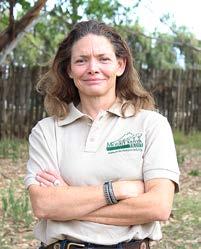
Susie
On behalf of the Mount Kenya Trust Team and Board of Directors
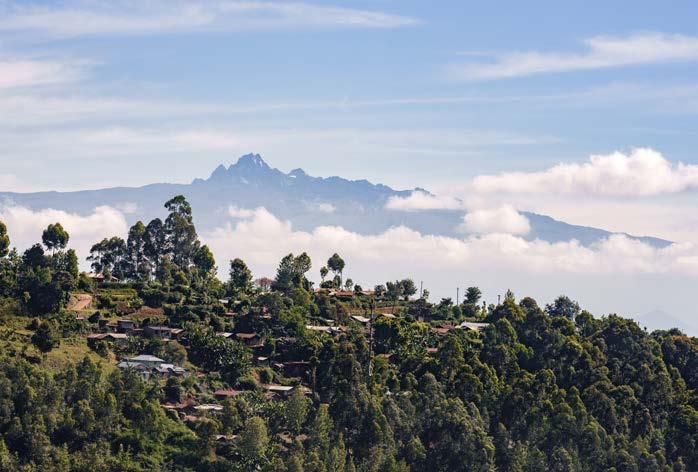
Mount Kenya Trust (MKT) has been a leading force in conserving and restoring the Mount Kenya ecosystem
- a globally significant biodiversity hotspot and critical water tower that sustains over 3.5 million people.
For over 25 years, MKT has championed conservation efforts, tackling deforestation, protecting wildlife, and supporting local communities through a collaborative, community-driven approach. This strategic plan reaffirms MKT’s commitment to reversing ecosystem degradation while fostering sustainable socio-economic development for forest-adjacent communities.
MKT envisions a thriving Mount Kenya ecosystem where communities, forests, and wildlife coexist harmoniously. The Trust aims to achieve this by sustainably conserving the landscape through strengthened partnerships with government agencies, civil society, and local communities.
Over the next five years, MKT will concentrate on three strategic pillars;
Building unified conservation strategies through collaborations and partnerships.
Empowering community-led forest management and livelihoods Increasing forest cover through large-scale restoration initiatives.
Realising these goals will require substantial investment, MKT aims to raise $10 million over five years, diversifying funding through grants, corporate partnerships, and climate finance opportunities. These resources will support conservation programs, enhance organisational capacity, and ensure the sustainability of restoration efforts. MKT’s ability to leverage collective action and align multiple stakeholders will be key to achieving lasting impact across the Mount Kenya ecosystem.
With a holistic approach that blends conservation with community stewardship, MKT is poised to lead transformative change. By balancing ecological restoration with the socio-economic needs of local communities, the Trust will safeguard Mount Kenya’s unique biodiversity, strengthen climate resilience, and secure the ecosystem’s future as a vital sanctuary for people and nature alike.
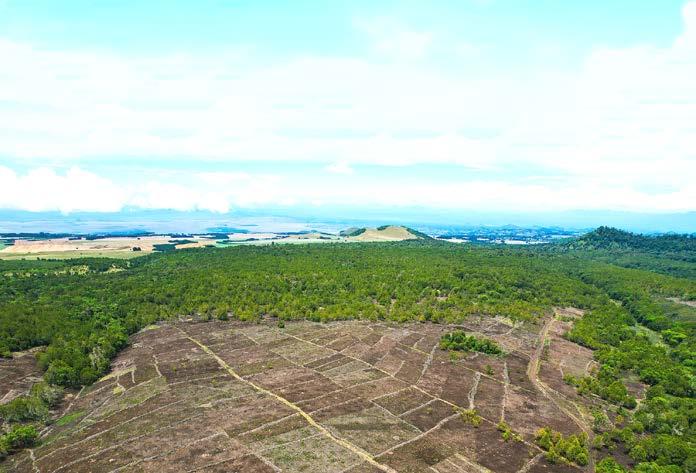
Mount Kenya Trust (MKT) is a Kenyan NGO working to protect and conserve the forest ecosystems and wildlife around Mount Kenya, Africa’s second-highest mountain.
Mount Kenya’s Afromontane forests, extensive bamboo stands, and moorlands host significant biodiversity, including mammals of international conservation significance and vulnerability and at least 81 endemic plant species.
Beyond its ecological value, the ecosystem is a vital watershed that supplies water to over 3.5 million people across ten counties, sustaining livelihoods, agriculture, and cultural heritage in Kenya’s North and Central regions. It is home to 27 forest-edge communities, most of whom rely on local agriculture, timber for construction, and wood fuel for cooking—activities that directly impact the ecosystem.
The Mount Kenya ecosystem has suffered considerably from the pressures of a fast-growing population needing farmland, cooking fuel and construction materials. In early 1999, an aerial survey by the Kenya Wildlife Service (KWS), in conjunction with the Kenya Forests Working Group and supported by the United Nations Environment Programme, revealed extensive destruction of Mount Kenya and Imenti Forests. This destruction, primarily occurring below the bamboo and afroalpine zones, was driven by uncontrolled agroforestry practices such as the shamba system (later renamed the Plantation Establishment and Livelihoods Improvement Scheme, or PELIS), illegal charcoal production, logging of indigenous trees, livestock grazing, marijuana cultivation, and forest fires. Landslides further exacerbated the damage caused by forest degradation. According to the Trillion Trees Initiative, nearly one-fifth of the ecosystem surrounding Mount Kenya has been deforested within the last decade alone1 while Global Forest Watch satellite data estimates a national net annual forest cover loss of approximately 1,200 hectares between 2000 and 2020.
In response to this critical situation, the Mount Kenya Trust was established in late 1999 to combat deforestation and safeguard this vital ecosystem. For over 25 years, MKT has spearheaded efforts to protect Mount Kenya through a holistic, community-driven, and partnership-based approach, ensuring the ecosystem remains a cornerstone of Kenya’s ecological and cultural heritage.
1 https://trilliontrees.org/project/kenyan-forests/#:~:text=In%20the%20past%2010%20years%20 alone%2C%20one%20fifth%20of%20the,unsustainable%20livestock%20overgrazing%20and%20 fires
E The founding Trustees establish ‘The Bill Woodley Mount Kenya Trust’ [MKT] following the publication of a report2 on the destruction of the forests
E In response to the report, the government gazettes Mount Kenya National Reserve, covering the Forest Reserve to enhance the protection of the indigenous forests.
E MKT employs a Field Coordinator and Executive Officer to manage the Trust’s projects. In the same year, the first two-strand elephant fence and the first of the Trust’s ranger teams, the Marania Wildlife Guards [MWG], was established.
2 https://www.unep.org/resources/report/aerial-surveydestruction-mt-kenya-imenti-and-ngare-ndareforests-reserves
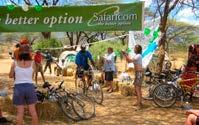
E The inaugural 10 to 4 Mountain Bike Challenge is held. The course runs from the Mt. Kenya boundary at 10,000 ft elevation down to Il Ngwesi Group Ranch at 4,000 ft.
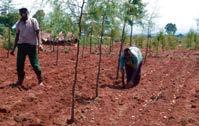
E Indigenous forest restoration projects begin at Irangi, the first large-scale indigenous planting project on Mount Kenya.
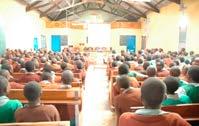
E The Trust conducts its first conservation education outreach programme with partners.
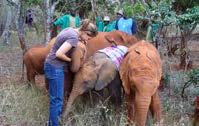
E The Trust begins an elephant fencing project in the Sirimon area to reduce Human/Elephant Conflict. By 2012, MKT had built over 100km of two-strand fences and 7km of ‘short’ elephant fences in Nyeri and Meru Districts [now Counties].
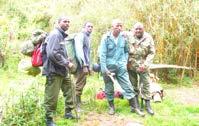
E The Joint Wildlife Protection Team [JWPT] was formed at Ruthumbi. Community guards and KWS Rangers make up the team of nine. It quickly becomes an effective team curtailing illegal activities on the northern sector of the mountain.
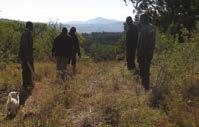
E The construction of the elephant corridor is carried out. MKT spearheads the project, working with partners Kisima Farm, Marania Farm, Lewa Wildlife Conservancy and Rhino Ark. This corridor re-established connection for wildlife movements between the Mt. Kenya forests and Lewa Conservancy and adjacent conservation areas, including through a road underpass
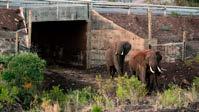
E On New Year’s Day, ‘Tony’ becomes the first elephant to walk through the corridor underpass, East Africa’s first constructed wildlife corridor, just a day after the fences and underpass beneath the Nanyuki – Isiolo/Meru highway are connected.
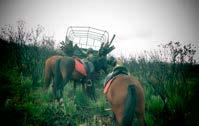
E The Horse Patrol Team [HPT] is established with support from Kisima Farm and donor partners
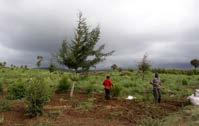
E The MKT’s second major forest rehabilitation project begins in the Karuri area
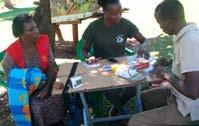
E The MKT Community Health Service Project begins with a one-year pilot project in collaboration with CHASE Africa. The project has grown ever since.
E MKT supports a comprehensive elephant population survey run by the Wildlife Conservation Society. As of 2020, the elephant population in the Mount Kenya ecosystem was estimated at approximately 1,905 individuals
E MKT begins new projects in the Imenti Forest Reserve [NE Mt. Kenya] and the Imenti Patrol Team [IPT] is formed.
E Two automated elephant oneway gates are established in the Imenti forest to reduce HEC and fence breaking by annually migrating elephants. The herds follow their historic route between Samburu and Shaba to Imenti and Mt. Kenya forests.
E MKT, Rhino Ark Trust and Tropic Air assist KWS and KFS in fighting a moorland fire that burnt an estimated 20,000 hectares. This includes coordinating logistics and raising emergency support to cover the costs of rations, equipment, fuel, vehicle hire and reconnaissance aircraft.
E MKT conducts a pilot survey to determine the condition and use of riparian land by wildlife, livestock and people on the Timau, Teleswani, Sirimon and Ontulili Rivers, which all feed the Ewaso Ng’iro River.
E MKT is first runner-up in the African Conservation Award conservation team category.
E The Junior Ranger Programme is launched which, aligned with the Ministry of Education curriculum, aims to educate and inspire students around Mt. Kenya on environmental conservation
2023
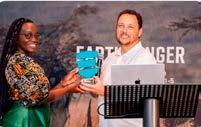
E MKT wins the Earth Ranger Conservation Tech Award 2023 for The Best Application of Technology through the Junior Ranger Programme.
E Six MKT rangers graduate as Non-Commissioned Officers (NCOs) to the ranks of Corporal and Sergeant following a rigorous training course run by KWS.
E New websites for both Mount Kenya Trust and the 10to4 Mountain Bike Challenge are launched.
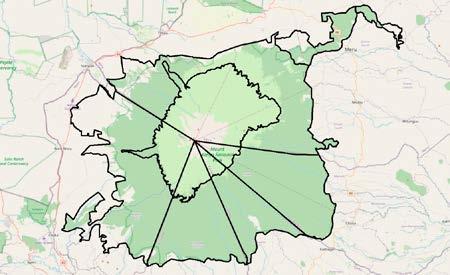
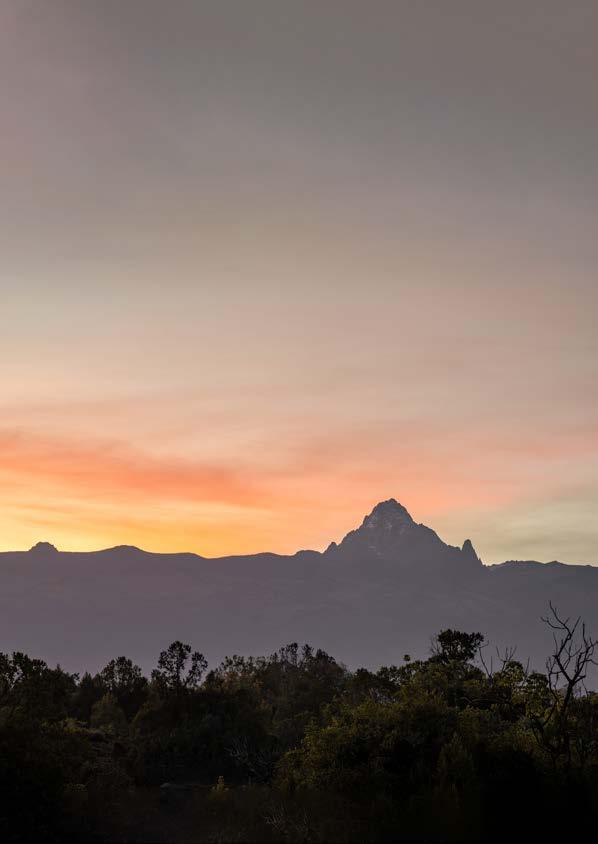
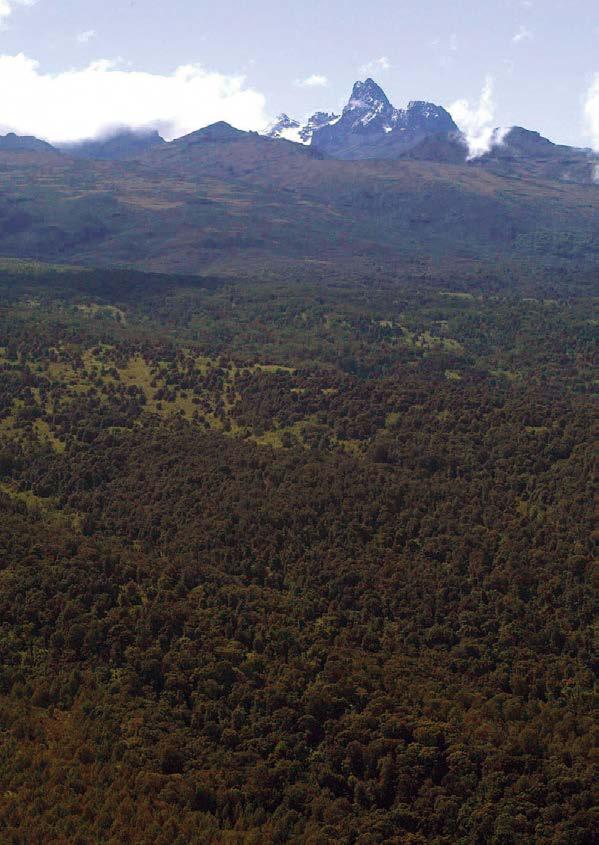
Mount Kenya, Africa’s second-highest mountain at 5,199 meters, lies 140 km north of Nairobi and 450 km inland from the coast. An extinct volcano formed approximately three million years ago, it harbours a diverse montane ecosystem with 882 recorded plant species, 81 of which are endemic.
Peak Elevation
5,199m An Extinct Volcano Approximate Age 3million Years Since Formation Total Ecosystem 2,100km² Park, Reserve & Forest
Mount Kenya’s diverse montane ecosystem provides a habitat for a remarkable number of plant species. This isolation and unique environment have led to a high rate of endemism, meaning many species are found nowhere else on Earth.
Endemin Plant Species
Other Plant Species
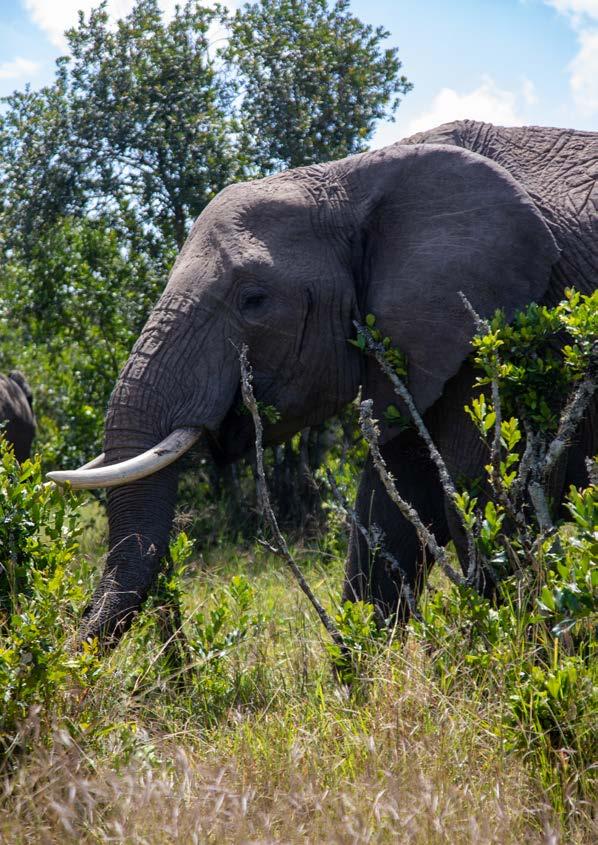
The mountain supports significant wildlife populations, including elephant, leopard and the black fronted duiker.
Recognised as a UNESCO World Heritage Site in 1997, Mount Kenya is renowned for its glaciers, Afroalpine moorlands, and diverse forests, illustrating outstanding ecological processes.
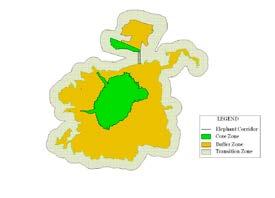
The Mount Kenya ecosystem spans 2,100 square kilometres, encompassing the Mount Kenya National Park, National Reserve, and Forest Reserve. The Forest Reserve was gazetted in 1932, followed by the establishment of the National Park in 1949. The latter initially covered 588.7 square kilometres and was expanded to 715 square kilometres in 1968. In 2000, the entire Forest Reserve was designated a National Reserve, leading to a co-management structure between the Kenya Wildlife Service (KWS) and the Kenya Forest Service (KFS). To the north, a 9.8 kilometre elephant corridor connects Mount Kenya to the Lewa Wildlife Conservancy and Ngare Ndare Forest Reserve, facilitating habitat connectivity for key wildlife species.
The protected area covers a significant part of six counties - Nyeri, Kirinyaga, Embu, Meru, Tharaka Nithi, and Laikipia - which are home to a combined population of 4.4 million people according to the 2019 census. Of this, approximately 400,000 individuals (about 80,000 households) reside within 1.5 kilometres of the forest’s edge.
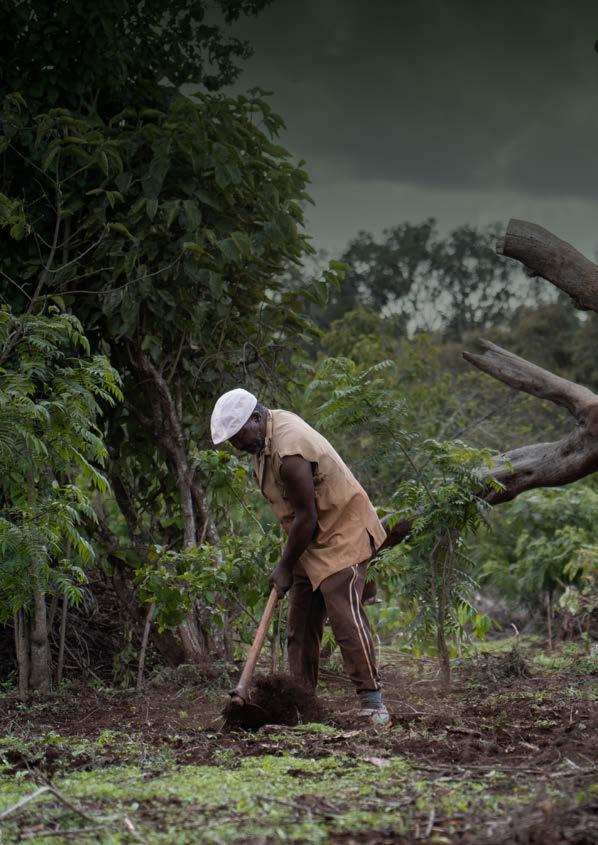
These communities play an integral role in conservation efforts, actively engaging in biodiversity protection and sustainable resource management. Many are organised into Community Forest Associations (CFAs), legally recognised under the Forest Conservation and Management Act (2016). Currently, there are 27 CFAs operating in and around Mount Kenya, working in partnership with KFS and other stakeholders to promote responsible forest management and conservation.
Mount Kenya Trust plays a critical conservation role in this ecosystem through forest restoration, wildlife protection, and human-wildlife conflict mitigation initiatives. Collaborating closely with KWS, KFS, and the 27 CFAs, the Trust promotes sustainable forest management, reforestation, and conservation education. Its operations extend across key conservation zones, including the Ontulili, Marania, and Imenti forest blocks, where it supports anti-poaching efforts through community ranger teams, habitat restoration projects, and community-led conservation initiatives. MKT has been instrumental in establishing the Imenti Patrol Team (IPT) and deploying automated elephant gates to mitigate human-elephant conflict.
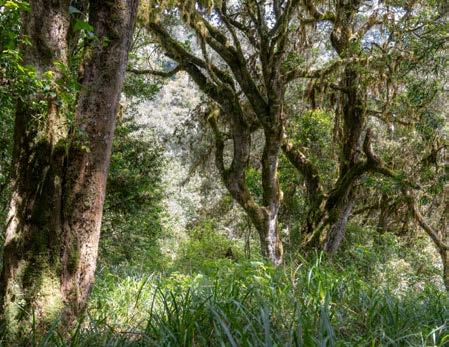
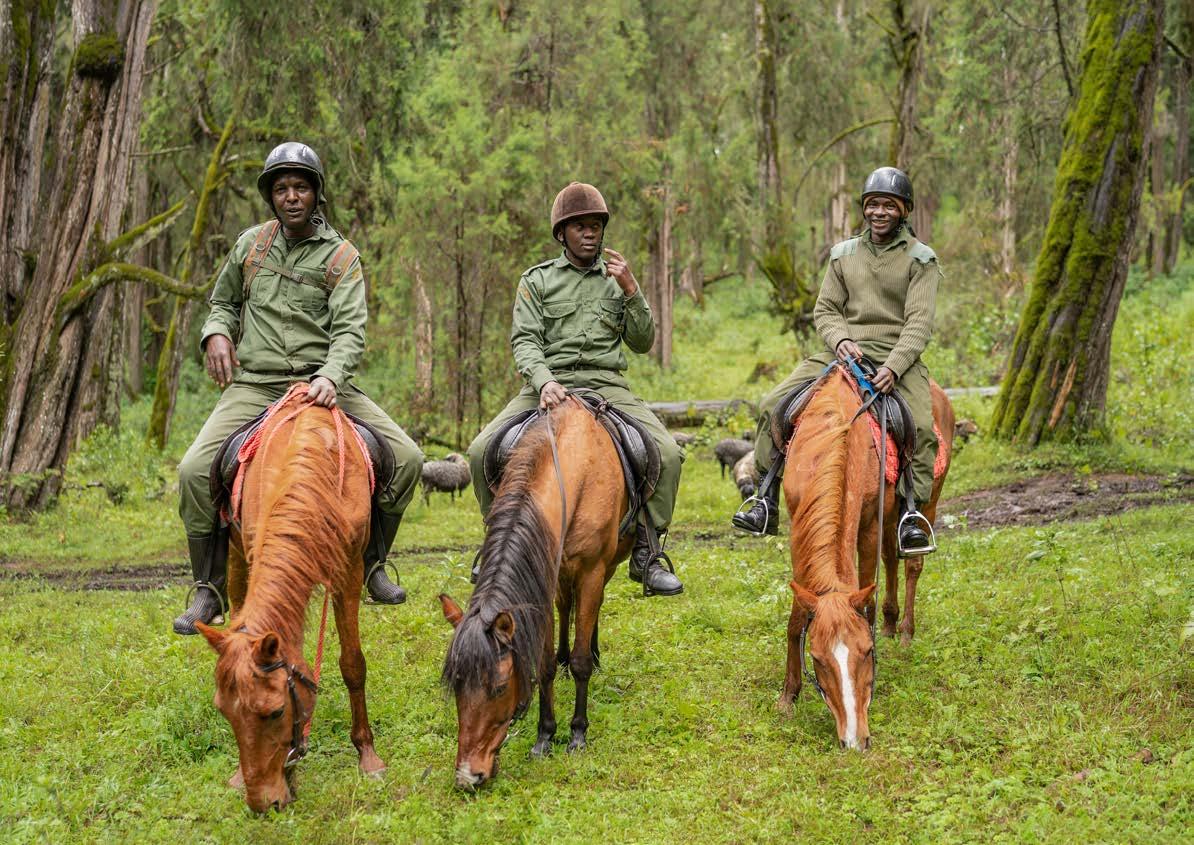
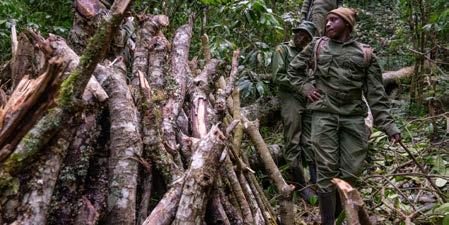
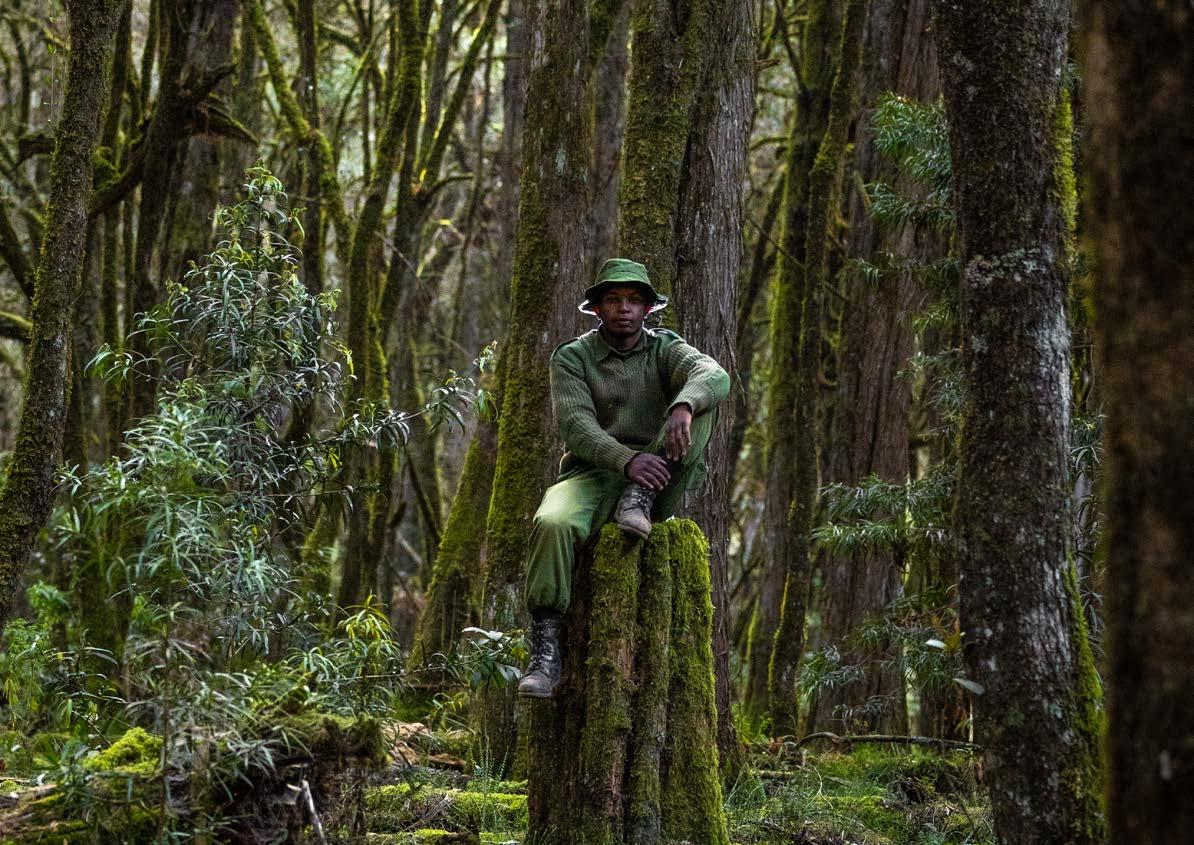
Mount Kenya Trust conducts consistent forest monitoring through foot, horse and vehicle patrols. Community ranger patrols typically range from 10 to 20 kilometres daily, depending on the area covered. The mounted patrol team, established in collaboration with KWS and Kisima Farm in 2011 and fully operational by 2012, reaches more remote areas, traveling up to 30 kilometres daily. This extensive coverage ensures the monitoring of critical conservation zones such as Sirimon, Marania, and Imenti forest blocks, aiding in detecting illegal activities, wildlife monitoring, and ecosystem health assessments. The mounted unit remains one of Kenya’s few horse patrol ranger teams, employing five local rangers who work alongside KWS personnel to protect the Mount Kenya ecosystem.3
Since 2004, MKT has collaborated with KFS to restore degraded forest areas, successfully rehabilitating approximately 500 hectares and planting over 2 million indigenous trees. This restoration work has improved river flows,
3 Rufford Foundation, Mount Kenya Horse Patrol team https://www.rufford.org/projects/susie-weeks/mount-kenya-horsepatrol-team/
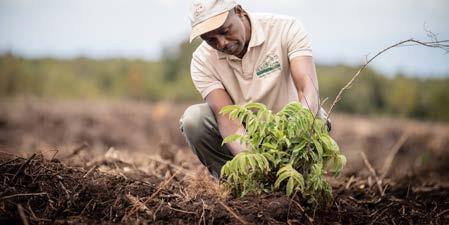
facilitated wildlife return, and controlled invasive species such as Lantana camara while also ensuring a sustainable firewood supply for local communities. MKT actively involves communities in forest protection by providing equipment, training, and income-generating opportunities through tree nursery management. Its dedicated “Tree Monitors” collect crucial data on tree health and growth, ensuring a high survival rate from planting through to maturity. This approach fosters long-term ecosystem health and sustainable forest management.
‘For the 12 years we have been with MKT we have enjoyed a good relationship on forest restoration and support to our livelihoods. We want to continue building each other and maintaining the relationship.’
- Priscilla Wanjiku, Ontulili Forest Women’s Group
The Mount Kenya ecosystem, one of Kenya’s five major water towers, provides water for over 3.5 million people, supporting domestic use, agriculture, and hydropower. MKT collaborates with Water Resource Users Associations (WRUAs) and stakeholders to protect these vital resources and promote sustainable watershed management. It conducts community outreach on waste management, water conservation, and erosion control while implementing
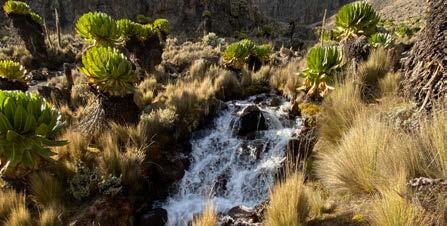
reforestation along riparian areas. By 2022, over 20,000 indigenous trees had been planted along the Timau, Ontulili, Ngusishi, and Teleswani Rivers, stabilising riverbanks, improving water retention, and enhancing biodiversity. Through conservation and community engagement, MKT has strengthened Mount Kenya’s water catchment resilience for future generations.
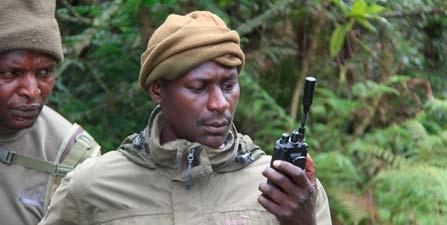
Much of Mount Kenya Trust’s positive impact on the environment, wildlife, and local communities is driven by its strategic use of technology. MKT employs innovative tools such as EarthRanger, SMART Cybertracker, InReach devices, and
SMART to track patrols, monitor forest restoration projects, and enhance conservation efforts. SMART and EarthRanger are used to collect critical data from patrol teams, helping assess ecosystems’ health and detect illegal activities. In recognition of its technological advancements, MKT was awarded the 2023 EarthRanger Conservation Technology Award, receiving a USD 15,000 grant to amplify its impact further. The Trust also runs the Junior Ranger Program, training school children in GPS and tracking system use to foster early environmental stewardship. In addition, MKT collaborated with Rhino Ark, KWS and communities to develop two one-way gates in the Imenti Forest, allowing elephants to move safely into the Imenti Forest Reserve while preventing them from invading adjacent farms. Sensor technology and camera traps monitor elephant movements at these gates and along the Mount Kenya Elephant Corridor, contributing to effective wildlife management and conflict mitigation.
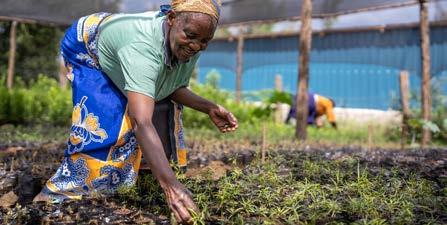
MKT has played a key role in supporting the formation and growth of Community Forest Associations (CFAs) under the Forest Act and, through the Kenya Forest Service’s KFS - Trees Establishment Livelihood Improvement Scheme (TELIS)4, fosters participatory forest management and enhanced access and use of forest resources, thereby improving livelihoods for communities living
4 https://www.mountkenyatrust.org/forest-restoration
near the forest,. CFA members can farm in certain forest areas in exchange for planting and stewarding trees in other areas. Initially implemented on 485 ha by the MKT Lower Imenti CFA, this successful model has been replicated in four other forest stations, targeting 1,472 ha and working with 4 CFAs. To date, MKT has restored approximately 3,500 hectares of degraded forest by planting over three million indigenous trees, demonstrating the success of community-led reforestation efforts.
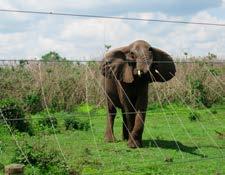
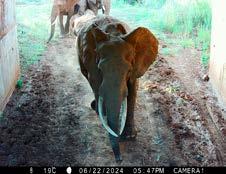
The internationally renowned Mount Kenya Elephant Corridor, spearheaded by MKT, was created to link Ngare Ndare Forest Reserve and, by extension, the Samburu-Laikipia ecosystem with Mount Kenya Forest5. The creation of the corridor has enabled the free movement of elephants between these regions, reduced human-elephant conflict, and helped increase the genetic diversity of the elephant population. Other wildlife species also access the corridor. The corridor is seen as a success by stakeholders, partners, and community representatives as it has resulted in fewer incidents of human-elephant conflict being recorded. In addition to the corridor, other fencing has helped reduce human-wildlife conflicts at the forest boundaries. MKT has worked with Kenya Wildlife Service on fencing much of the western side of the Mt. Kenya boundary.
‘The Mount Kenya elephant corridor is the best project I’ve ever seen managed.’
- Suzzi Mutua, Elephant Cooperation
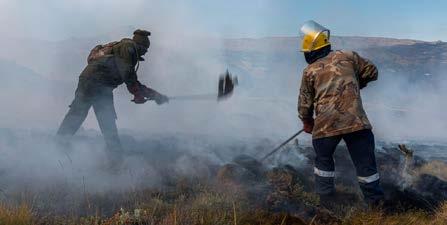
MKT has consistently offered critical equipment and technical support in response to moorland and forest fires/wildfires which are an intensifying threat during the dry seasons and droughts. This support has included developing a fire management plan for Mount Kenya, a reporting and command system, mobilising resources, and collaborating with other organisations. In March 2022, MKT was key in coordinating firefighting efforts with Rhino Ark, KFS and the KWS by deploying up to 35 trained personnel daily and 150 – 200 community members during fire episodes. Critically, MKT organized helicopter support to drop trained personnel at fire sites to help extinguish fires. MKT has also constructed fire breaks along overgrown high-altitude tracks of over 11km, expanding the track by 3m on each side. These efforts have made firefighting more manageable, and WS/KFS has recognised MKT for its firefighting efforts and training on the ground.
‘MKT has played a lead role in mobilising teams and resources for the Mt. Kenya ecosystem.’
- Mungumi Bakari, KWS
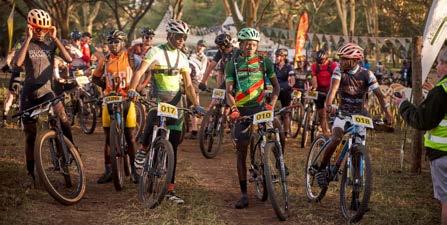
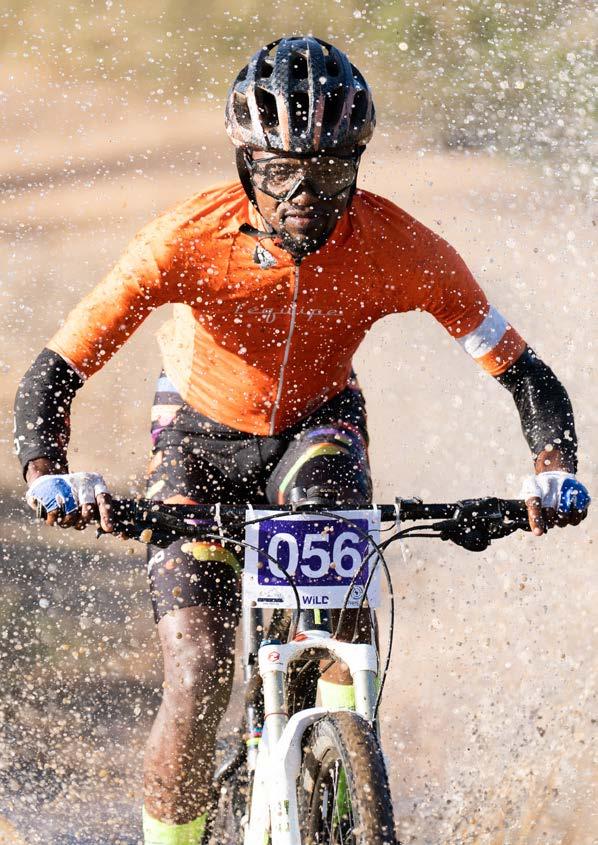
For the past 25 years, MKT has been at the forefront of conservation efforts, responding to the deforestation crisis of the late 1990s and emerging as the leading organisation dedicated to protecting Mount Kenya. By mobilising resources, infrastructure, and multi-sector collaborations, MKT has played a pivotal role in making Mount Kenya a national conservation priority across government, NGOs, the private sector, and local communities. A key example of this impact is the 10to4 Mountain Bike Challenge, now a globally recognised event. By coordinating and securing funding for this initiative, MKT has expanded access to the mountain and heightened awareness of the threats facing its forests, water sources, and wildlife. The classic ride, which descends from 10,000 feet to 4,000 feet, traverses Mount Kenya National Park, Ngare Ndare Forest Reserve, Borana Conservancy, and private lands, bringing conservation to the forefront while fostering engagement with diverse stakeholders. Through such efforts, MKT continues to amplify the significance of Mount Kenya and drive long-term conservation action.
For over 25 years, MKT has been a key player in conserving the Mount Kenya ecosystem, reducing illegal activities, and driving successful forest regeneration efforts. Through partnerships with the KWS, KFS, CFAs, and other stakeholders, MKT has significantly contributed to the restoration of degraded forests, enhanced biodiversity, and improved local livelihoods. Its integrated approach, combining the needs of people, wildlife, and forests, has cemented its reputation as a trusted institution in forest conservation, allowing it to lead efforts that protect Mount Kenya’s vital ecosystems and resources.
‘MKT’s purpose is unique and powerful - protecting a significant water tower in Kenya. 15% of Kenya’s population gets their water from this ecosystem.’
- Charlie Dyer, Kisima Farm)
‘MKT has been keen to add value to the services that the Mt. Kenya ecosystem provides to communities and the country. With World Heritage Status, these values are now global.’
- Mungumi Bakari, KWS
With focused and transformative leadership combined with a passionate and efficient team, MKT has established itself as a reliable organisation in conservation. Its well-coordinated team, supported by long-standing relationships with key partners such as KFS, KWS, WRUAs, and CFAs, ensures quick decision-making and effective action in the field, consistently delivering impactful results.
‘Passion and dedication transmit through the team from the top.’
- Alethea Rous, former Staff member
MKT has a long history of collaboration with community institutions, government bodies, non-governmental organisations, and private sector partners. Its close work with the CFAs, Kenya Forest Service and Kenya Wildlife Service (KWS) has been vital in delivering reforestation and fencing projects. At the same time, strong relationships with civil society, donors, and the private sector have enabled rapid aerial responses to forest fires and other interventions. These collaborations have been instrumental in achieving MKT’s impact within the Mount Kenya ecosystem.
‘MKT is an NGO that compliments KWS activities in the ecosystem and ensures communities benefit from their natural resources.’
- George Ombuki, KWS
Since its inception in 1999, MKT has grown significantly in terms of resources and staffing. Despite starting with just one staff member and support from wellwishers, MKT’s operational budget has expanded to nearly $1 million by 2024. The team has also grown to 66 staff members, with the majority drawn from the communities surrounding Mount Kenya, reflecting the organisation’s increased capacity to drive its conservation efforts.
MKT’s conservation model prioritises forest restoration, with community participation at its core. MKT ensures that communities contribute to and benefit from its restoration efforts by actively engaging local populations. The Trust recognises that broader social drivers, such as community health and education, are essential to sustainable conservation. MKT works with the government to provide mobile health services to address community health, focusing on reproductive health, disease prevention, and basic treatment. Simultaneously, the Trust raises awareness in schools and local communities about the vital role of forests and wildlife through targeted environmental education programs.
This integrated approach improves community well-being and strengthens conservation awareness, leading to positive shifts in perceptions and behaviours that enhance ecosystem resilience.
‘Their biggest impact is engagement with the community at all levels - from youth upwards. It’s a long-term strategy! Working with communities is slow-going but necessary.’
- Jennifer Man, ThinGreen Line Foundation
Rapid organisational growth has increased demand for MKT’s work and introduced the risk of mission drift, emphasising the need for a clear strategic direction. With limited resources and team capacity, refocusing and establishing a defined path for the organisation’s future is essential.
MKT’s community engagement strategy, especially beyond scouts, rangers, and tree nurseries, lacks clarity. This includes addressing barriers to community participation, access to benefits, and support for strengthening local institutions like CFAs and WRUAs. There is an opportunity to shift from labour/value chain-based engagement (e.g., tree seedling procurement and planting) to empowering communities for forest management through CFAs or other mechanisms.
There is a critical need for succession planning and internal capacity building to reduce dependence on a few key individuals, particularly the Executive Director. Strengthening leadership and technical support will fortify senior leadership, enhance team resilience, and allow the leadership to focus on long-
term strategic goals. Delegating responsibilities will allow the leadership to concentrate on the organisation’s broader vision.
Uncertainty in grants and funding disrupts future planning, shifting the focus from strategic goals to operational survival. MKT has relied on project-specific financing rather than program-based funding. A shift is needed toward more flexible, diverse, and long-term funding options. Building a reserve for financial sustainability and improving fundraising capacity, internal structures, and communication of achievements will also support organisational growth. Board governance capacity and participation: MKT’s board has not been actively engaged in providing strategic direction. Enhancing the board’s capacity, participation, and effectiveness will strengthen strategic oversight and ensure MKT can effectively deliver on its vision.
MKT’s work relies on partnerships, particularly with key agencies such as KFS and KWS, which have the primary mandate for managing the ecosystem. However, bureaucracy and stakeholder dynamics sometimes strain relationships, potentially delaying critical, time-sensitive work. Strengthening coordination with mandated agencies and partners, improving stakeholder interactions and enhancing information sharing will help define roles more clearly and foster better collaboration for more effective partnerships and complementary efforts.
The lack of comprehensive data on the Mount Kenya ecosystem poses challenges for effective conservation and resource management but also
presents an opportunity for MKT to contribute valuable insights. Conducting context analysis, impact assessments, and resource mapping can support better decision-making in key areas such as water resource management, ecological health monitoring, and tracking deforestation and afforestation rates. By collaborating with KFS, KWS, and other stakeholders, MKT can help ensure that conservation efforts and future programs are evidence-based, leading to more effective ecosystem management and sustainable resource use.
MKT can enhance the role of community institutions such as CFA and WRUAs by strengthening their governance capacity, rights to resources, and benefits, which will incentivise protection of the Mt. Kenya ecosystem. By supporting these institutions, MKT can expand its influence and long-term impact.
‘How best would MKT engage with communities and community institutions without promoting tokenism but rather meaningful engagement?’
- Samuel Mathe, Sirimon River WRUA Chairman)
MKT can scale efforts within the vast Mount Kenya ecosystem, mobilise more resources, and replicate success in other ecosystems like the Aberdares. Collaborating with communities, government, and partners is crucial, and MKT can also explore sustainable eco-tourism and livelihood programmes that deepen impact beyond restoration.
There is growing momentum around ecosystem and forest restoration as demonstrated by global targets under international conventions and Frameworks like the Global Biodiversity Framework (which Kenya has adopted), which has committed to ensure that 30% of all degraded ecosystems are under effective restoration by 2030. In addition, in areas that have experienced fires, there is a need for sustained forest restoration and reforestation.
As one of the leading forest conservation and restoration organisations in the Mount Kenya ecosystem, MKT is uniquely positioned to secure climate, biodiversity, and carbon funding. These resources are critical for addressing environmental challenges and advancing global commitments such as the Paris Agreement and the Global Biodiversity Framework. By leveraging its expertise and leadership, MKT can drive impactful nature-based solutions that enhance climate resilience, restore ecosystems, and benefit local communities.
Poor connectivity on the mountain can hinder timely responses to issues like fires and poaching. Adopting push-to-talk satellite technology and other advancements could enhance MKT’s operational efficiency, improve field support, track impact and set a precedent for other organisations working in similar ecosystems.
Climate change is escalating extreme weather events, which threaten vulnerable ecosystems like Mount Kenya and exacerbate existing threats to water resources, wildlife, and communities. These conditions could worsen forest fire risks and bring about other climate-related emergencies to which the government has limited capacity to respond, manage or avert. As a key support partner, this highlights the need for MKT to build capacity and deliver training, mobilise proper equipment and funding, and work with others to design a clear strategy around climate change mitigation and adaptation efforts.
Local politics, political interference, and resource competition continue to challeng MKT’s conservation efforts. In addition, growing political support for
large infrastructure projects, such as proposed dams and road realignments through Mount Kenya and similar ecosystems, adds significant pressure on these vital landscapes. Proposed dams, including those on the Naro Moru and Nanyuki rivers6, have raised concerns about their potential to disrupt water resources, alter ecosystems, and negatively impact biodiversity. While these projects may offer economic benefits, they threaten long-term conservation goals by interfering with the ecosystem’s delicate balance.
The Mount Kenya ecosystem is under increasing pressure due to rapid population growth and land fragmentation. The population in counties surrounding Mount Kenya — such as Meru, Nyeri, Kirinyaga, and Embu — has grown significantly, with Meru County alone experiencing an annual growth rate of 2.1% (KNBS, 2019). This expansion has led to the subdivision of land into uneconomical plots, reducing agricultural productivity and increasing dependence on forest resources for fuel, timber, and grazing. Economic marginalisation further exacerbates environmental degradation as communities facing limited livelihood opportunities turn to illegal logging, charcoal burning, and encroachment into protected areas. Despite restoration efforts, forest loss in the Mount Kenya ecosystem remains a challenge, with satellite data showing a net annual forest cover loss of approximately 1,200 hectares between 2000 and 2020 (Global Forest Watch). These environmental threats will persist without sustainable economic alternatives and effective enforcement measures, undermining conservation gains.
MKT’s Community Health Care Program has expanded health services for forest-adjacent communities but faces challenges due to the dependence on the Ministry of Health’s approval and local cultural sensitivities regarding reproductive health.
6 https://nation.africa/kenya/counties/nyeri/govt-to-construct-20-dams-in-mount-kenya-region-327054 https://rris.biopama.org/sites/default/files/2020-12/Mount%20Kenya%20National%20Park%20Natural%20Forest%20-%20 2020%20COA%20-%20en.pdf
Vision
A healthy Mount Kenya ecosystem where communities, forests and wildlife coexist harmoniously.
To sustainably conserve the Mt. Kenya ecosystem.
Forest destruction in the Mount Kenya ecosystem is driven by unsustainable logging, agricultural expansion, and illegal activities such as charcoal burning, poaching, and land encroachment. These pressures contribute to severe deforestation, habitat loss, and biodiversity decline, reducing the ecosystem’s ability to regulate water flow and store carbon. This degradation threatens wildlife and endangers the livelihoods of local communities that depend on forest resources and other ecosystem services.
A critical gap in community education and engagement exacerbates the problem. Many residents rely on the forest for firewood, grazing, and farming but are unaware of sustainable alternatives. Without adequate knowledge and participation, conservation efforts remain ineffective, allowing the continued depletion of natural resources.
Governance failures and weak law enforcement further accelerate environmental destruction. Leadership conflicts, corruption, and lack of transparency within Community Forest Associations (CFAs) undermine conservation efforts. Additionally, ineffective enforcement of environmental regulations - due to resource constraints, corruption, and lack of complianceenables illegal logging, land encroachment, and overexploitation of natural resources, worsening the degradation of the Mount Kenya ecosystem.
MKT is the leading NGO dedicated to conserving and restoring the forests of Mount Kenya, one of Kenya’s most vital ecosystems and a UNESCO World Heritage Site. As a key player in forest conservation, MKT safeguards this critical watershed, ensuring its resilience for people and nature.
What sets MKT apart is its collaborative, communitydriven approach. By working closely with government agencies, local communities, and conservation partners, MKT combines bold, innovative strategies with onthe-ground action to protect essential habitats while promoting sustainable livelihoods.
Backed by a passionate team - many from local communities - MKT leverages technology, data-driven solutions, and deep local knowledge to address dynamic conservation challenges. Its unwavering commitment ensures Mount Kenya remains a thriving sanctuary for forests, wildlife, and the millions who depend on its resources.

MKT is founded on honesty and trust, ensuring accountability, transparency, and the highest ethical standards. With over 20 years of strong relationships, MKT upholds integrity as a pillar of its success.

MKT fosters an environment where everyone is valued equally, ensuring equal access to resources while embracing diverse cultures, religions, genders, and backgrounds.

MKT’s success is built on strong partnerships, leveraging collective strengths to achieve shared conservation goals.
MKT promotes responsible resource use and nurtures future conservationists through education and knowledge sharing. Its efforts are rooted in the belief that sustainable practices today are the foundation for a thriving future.
MKT blends modern and Indigenous knowledge, embracing creative solutions to navigate conservation challenges with resilience.
MKT believes collaboration is central to the long-term conservation of the Mt. Kenya ecosystem. Success depends on fostering strong, effective partnerships that align conservation efforts for maximum impact.
Key to this approach is strengthening relationships with mandated government agencies, such as the Kenya Wildlife Service (KWS) and Kenya Forest Service (KFS), alongside community institutions like Community Forest Associations (CFAs) and Water Resource Users Associations (WRUAs), the private sector and other conservation organisations. While these government agencies hold the legal mandate for protecting the ecosystem, their limited capacity necessitates close collaboration with partners to ensure a shared conservation vision. By coordinating strategies and aligning efforts, MKT sees a path to creating a unified and effective approach to conservation within the Mt. Kenya ecosystem.
Community inclusion is equally vital to achieving long-term conservation goals. MKT recognises that meaningful engagements begin with addressing the community’s urgent needs and well-being, ensuring conservation efforts support livelihoods and improve resilience. Empowering CFAs and WRUAs to participate actively in ecosystem management will strengthen environmental stewardship. This will foster community ownership of interventions and support sustainable livelihoods that reduce dependency on unsustainable resource extraction. With stronger community collaborations, MKT sees a clear pathway to reversing environmental degradation and promoting sustainable management practices that balance the needs of wildlife, forests, and people. This holistic approach is critical for restoring ecosystem health, safeguarding biodiversity, enhancing essential ecosystem services, mitigating resource-based conflicts, and improving local livelihoods.
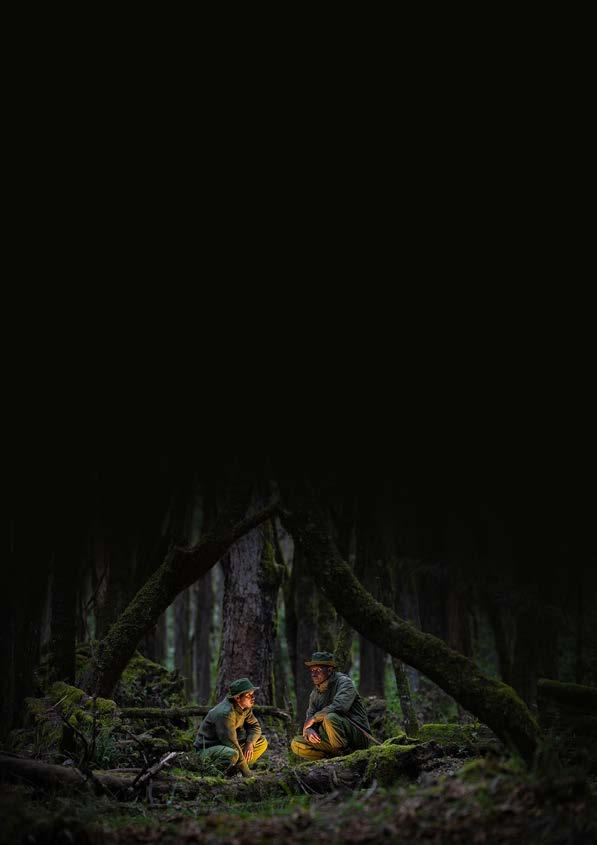
Decades of deforestation, habitat loss, and unsustainable resource use have severely degraded the Mt. Kenya ecosystem and threatened its role as a vital water tower and biodiversity hotspot. MKT believes that together with stakeholders, the existing damage can be reversed through large-scale restoration efforts, targeted reforestation, and strengthened conservation measures. MKT sees itself at the centre of this endeavour.
Ultimately, IF MKT is able to strengthen partnerships with government agencies, conservation organisations, and community institutions while actively supporting community-led forest management, community well-being and sustainable livelihoods.
THEN it can drive the implementation of a unified longterm conservation strategy that enables the restoration of degraded forests and enhances local economic resilience.
SO THAT the Mt. Kenya ecosystem regains its ecological integrity, provides sustainable benefits for people and nature, and remains resilient to climate change and other shocks now and in the future.
A healthy Mt. Kenya ecosystem where communities ard wildife coexist harmoniously.
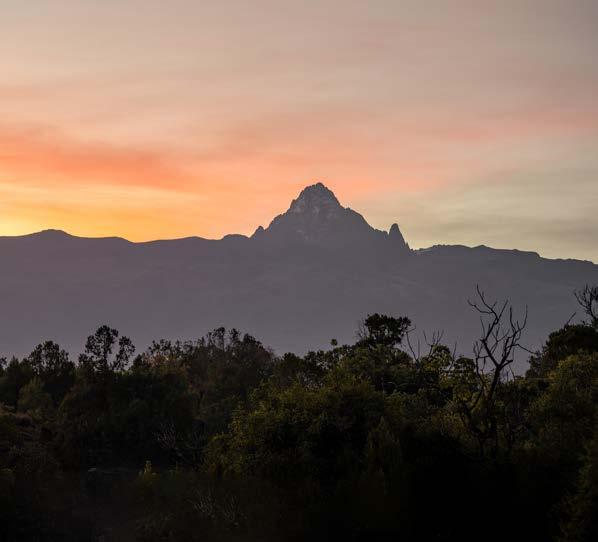
To sustainably conserve the Mt. Kenya ecosystem
GOAL 3: Increased forest cover in the Mt. Kenya Ecosystem
GOAL 1: Strengthened collaborations and partnerships towards a unified conservation strategy
GOAL 2: Strengthened community forest management, well-being and livelihoods
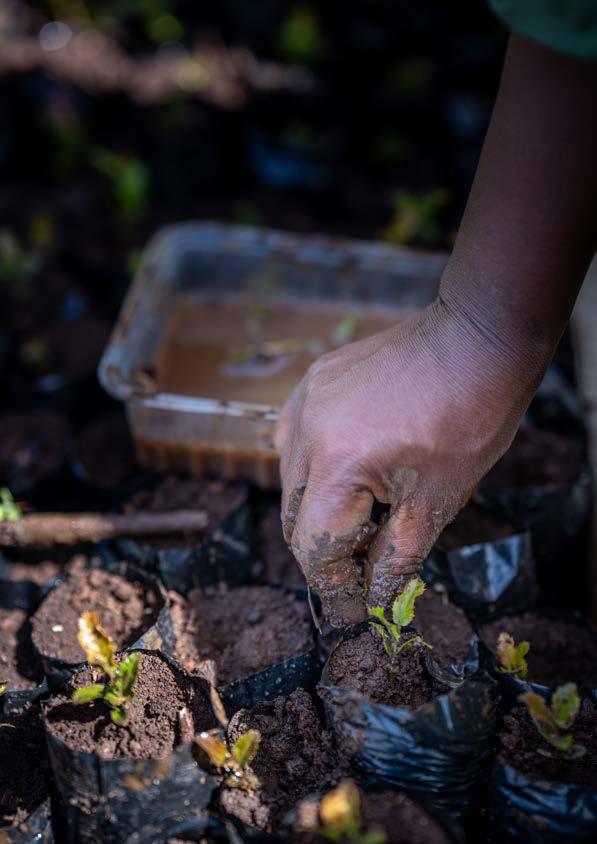
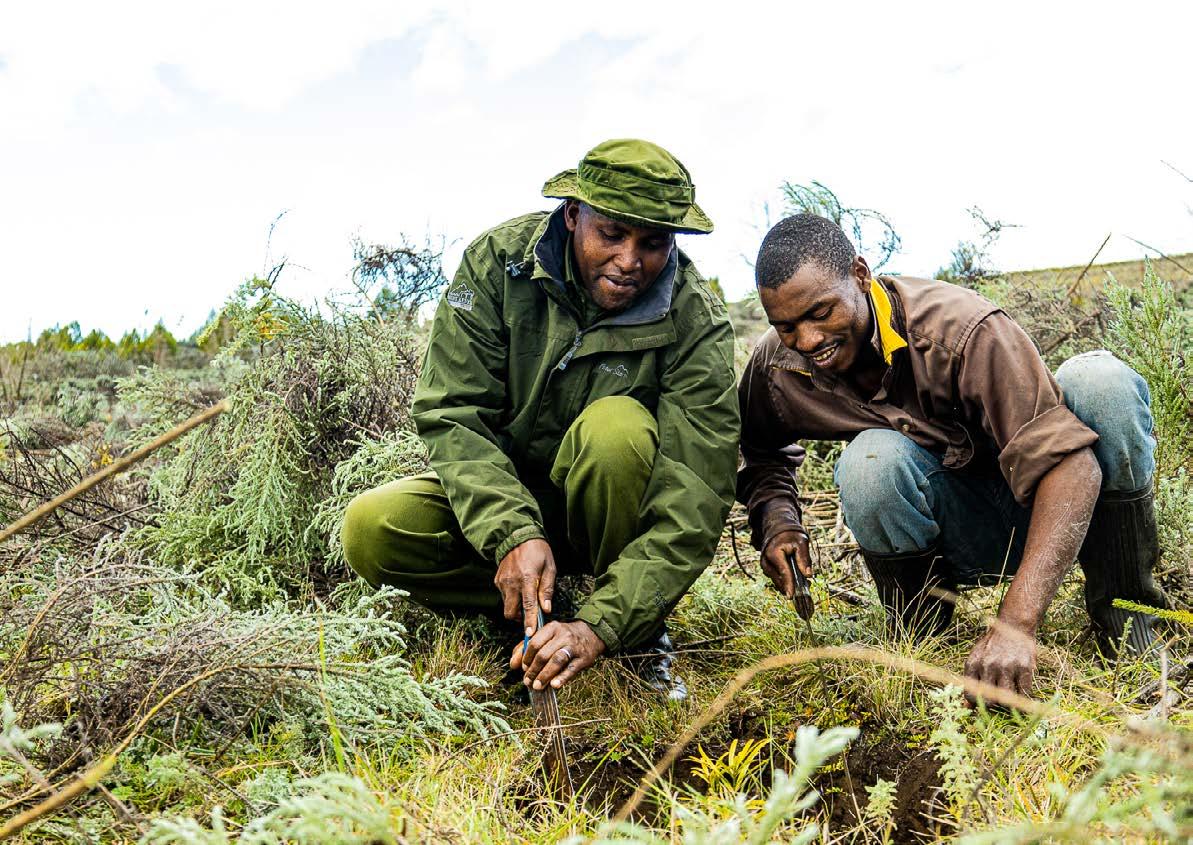
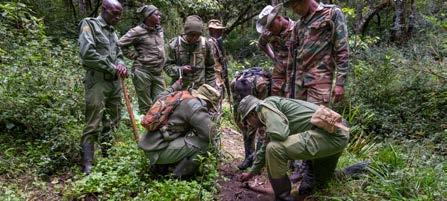
The legal mandate for the conservation of Mt. Kenya rests with the government. However, its capacity and resources are limited. Given this, there is a critical need for MKT to play a central partnership role — bridging the gap between government, communities, civil society organisations (CSOs), and the private sector. By fostering stronger collaborations, MKT can help develop and implement a shared strategy that ensures Mt. Kenya’s long-term conservation and sustainable management.
Additionally, working with county governments to promote agroforestry initiatives is essential in reducing pressure on Mt. Kenya’s forests. By supporting sustainable land-use practices in surrounding areas, communities can benefit from alternative sources of livelihood while contributing to the long-term resilience of the ecosystem.
1. Broaden strategic, trust-based partnerships with relevant county and national Government departments and agencies
1. Develop a joint long-term conservation strategy for the Mt. Kenya ecosystem in collaboration with KWS, KFS, and other key stakeholders by 2029.
2. Formalise five agencies’ Memorandums of Understanding (MOUs) with key government agencies to jointly implement conservation activities by 2029.
3. Organise two biannual stakeholder forums with policymakers to discuss and align on conservation priorities and policy development.
4. Contribute to the development or revision of at least two conservationrelated policies or strategies that align with Mount Kenya ecosystem conservation goals by 2030.
2. Develop collaborative conservation initiatives with other stakeholders and partners
1. Partner with at least four new national and international conservation organisations to co-develop and implement conservation initiatives
2. Create and operationalise four multi-stakeholder conservation projects focusing on restoration, sustainable livelihoods, and climate resilience.
3. Mobilise USD 5 million in funding from collaborative partnerships to support Mount Kenya ecosystem conservation activities.
3. Leverage private sector investments for sustainable funding and innovation
1. Secure three private sector partnerships to fund conservation initiatives, such as reforestation, eco-tourism, and sustainable agriculture, by 2030
2. Launch technology-driven pilot projects in partnership with the private sector to enhance forest monitoring, carbon tracking, and fire prevention by 2030
3. Generate USD 1 million from corporate social responsibility (CSR) programs and private sector grants to support Mount Kenya conservation by 2030.
4. Co-develop six sustainable development initiatives (Woodlots Carbon) with private sector partners to benefit local communities and the ecosystem by 2030.
4. Co-develop and implement a comprehensive monitoring framework for the ecosystem
1. Conduct a baseline survey on forest cover, biodiversity, water resources, and socio-economic factors by 2029 to establish a comprehensive ecosystem database.
2. Digitise and centralise all baseline data into an online GIS-based system accessible to stakeholders by 2029.
3. Publish at least one ecosystem status report with actionable insights and recommendations for restoration and conservation by 2030.
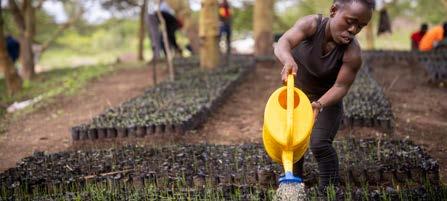
Empowering local communities to participate actively in forest management is essential for the long-term conservation of Mt. Kenya’s ecosystems. By strengthening community-led governance structures, enhancing capacity, and ensuring inclusive participation, communities can become key forest stewards. This approach fosters sustainable resource use while promoting conservationfriendly practices that align with environmental and socio-economic needs. Through collaborative management frameworks, local groups can play a more effective role in decision-making, enforcement, and restoration efforts, ultimately contributing to a healthier forest landscape.
Improving community well-being and livelihoods is equally critical to reducing dependence on unsustainable resource extraction. By supporting community health and alternative income-generating activities such as agroforestry, ecotourism, and sustainable forest enterprises, communities can achieve socioeconomic resilience while protecting their natural environment. Strengthened partnerships between government agencies, civil society organisations (CSOs), and private sector actors can help provide technical expertise, market access, and financial resources to ensure the sustainability of these initiatives. A holistic approach that integrates conservation with socio-economic development will safeguard Mt. Kenya’s forests and enhance the quality of life for those who depend on them.
1. Strengthen the capacity of CFAs and WRUAs
1. Train five CFAs and WRUAs on sustainable resource management, advocacy, and governance by 2030.
2. Develop four co-management plans between Mount Kenya Trust, CFAs, and WRUAs to coordinate conservation activities by 2030.
3. Secure eight new partnerships with governmental and non-governmental organisations to support CFA and WRUA initiatives by 2030
2. Support community health and well-being for reduced poverty and vulnerability
1. Provide mobile health services to at least 40,600 community members annually, focusing on sexual reproductive and adolescent health and other disease prevention, i.e. cervical and breast cancer screening, family planning services, and basic treatment.
2. Work with Community Health Promoters (CHPs) and other partners to conduct four community health education and awareness campaigns annually targeting 24,000 community members.
3. Establish new partnerships with five health organisations to ensure consistent healthcare and well-being delivery and resource mobilisation for conservation-linked communities by 2030
3. Promote economic empowerment through conservation-linked enterprises
1. Support the establishment / training of five community-run tree nurseries to supply seedlings for forest restoration and provide employment for 270 individuals/year by 2030
2. Support the development of three eco-tourism projects (e.g., guided tours, cultural centres) that directly benefit local communities by 2030.
3. Train 200 community members/year in sustainable farming practices, agroforestry, and value-added products by 2030.
4. Increase household incomes for participating communities by 30% through conservation-linked enterprises by 2030.
4. Enhance community education and awareness of conservation and sustainable practices
1. Conduct 3-year community sensitisation workshops on conservation and sustainable practices, reaching 600 individuals.
2. Partner with 20 local schools annually to integrate conservation topics into their curricula and engage youth in environmental activities by 2030
3. Achieve 50% increased adoption of sustainable land use practices in target communities through continuous education and support by 2030.
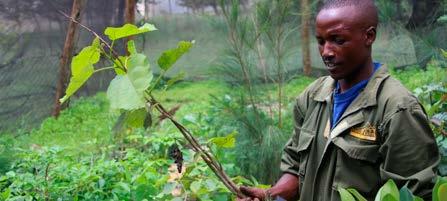
Restoring and preserving the Mt. Kenya ecosystem is central to MKT’s mission, ensuring the resilience of this vital water tower and biodiversity hotspot. Largescale restoration efforts are essential for maintaining biodiversity, ecological balance, and ecosystem services. Targeted restoration, particularly in indigenous forest zones, will help rehabilitate natural habitats and enhance biodiversity. Through the Tree Establishment and Livelihood Improvement Scheme (TELIS), MKT will continue to collaborate with government agencies, local communities, and conservation partners to restore degraded areas through tree planting and natural regeneration. These efforts aim to increase vegetation cover, restore habitats, and support the recovery of wildlife populations across the Mt. Kenya ecosystem.
To further protect and expand forest cover, MKT will work with community-led patrols to offer monitoring support, curb illegal logging, and strengthen local ownership of restoration efforts. Reducing forest fire destruction is also a key priority, with improved preparedness, early warning systems, and coordinated response strategies playing a crucial role in protecting forest resources. MKT will also focus on establishing and restoring wildlife corridors that will enhance habitat connectivity, create safe passage for wildlife, and reduce human-wildlife conflicts.
1. Restore degraded areas through large-scale reforestation efforts
1. Reforest 500 hectares of degraded land/year within forest areas of Narumoru, Lower Imenti, Lusoi Hill and Timau forest station using 100% indigenous tree species by 2030
2. Achieve a 90 % tree survival rate through regular monitoring, maintenance, and community involvement in nurturing planted trees.
2. Strengthen community-led patrols, monitoring and liaison systems for effective forest regeneration.
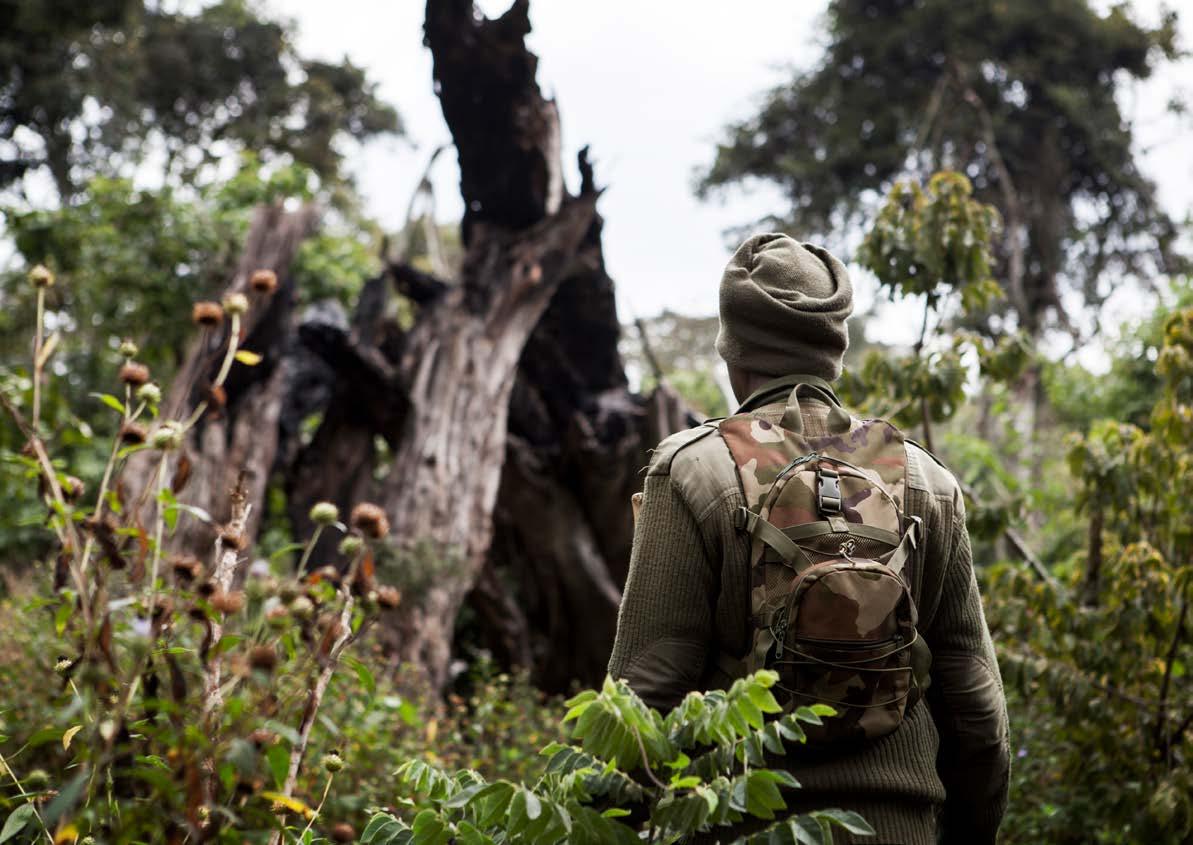
1. Equip 35 community forest patrol officers to monitor, report and manage ecosystem threats such as logging and poaching by 2030.
2. Conduct regular patrols covering 60% of critical forest areas to deter illegal activities and encroachment.
3. Reduce forest loss from fires through enhanced fire preparedness and response
1. Train and equip 140 new community fire rangers with modern firefighting tools and techniques by 2030, focusing on seven CFAs and high-risk fire hotspots.
2. Reduce forest fire incidents and damage by 30% through proactive fire management, improved coordination, and community education by 2030.
4. Restore and maintain wildlife corridors for habitat connectivity and conflict reduction
1. Restore one critical wildlife corridor connecting fragmented habitats within the Mount Kenya ecosystem by 2030.
2. Reduce human-wildlife conflict incidents by 80% through the establishment of physical barriers and community-led mitigation efforts by 2030.
3. Maintain one community-based wildlife monitoring team to oversee and protect corridor functionality by 2029.
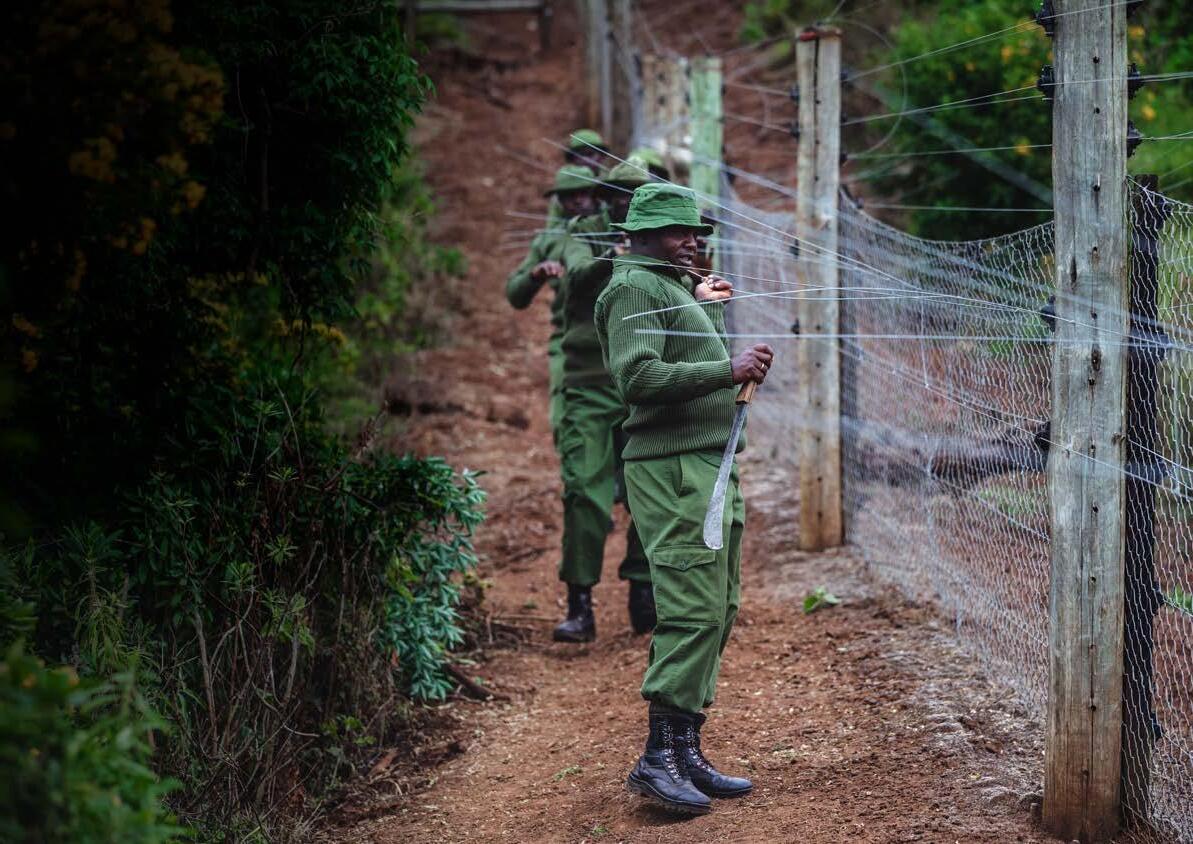
MKT’s work has been critical to the long-term sustainability of the Mount Kenya ecosystem. To continuously deliver and build collaborations and partnerships that achieve ecosystemlevel impact, MKT will need to develop its capacity and that of its teams to address the ever-changing problems and threats to the Mount Kenya ecosystem.
Whilst MKT believes it has a solid foundation, the following key priorities have been identified as areas of improvement to build a more effective organisation.
Mt. Kenya Trust has experienced substantial growth in funding and built a diverse donor portfolio. However, the scale and complexity of conservation challenges in the vast Mount Kenya ecosystem continue to grow, requiring greater flexibility and long-term funding commitments. Much of MKT’s funding is project-specific, limiting sustained impact across the landscape. To bridge this gap, MKT must diversify its funding portfolio, strengthening existing donor relationships while securing new partnerships with funders that provide flexible, multi-year commitments aligned with its long-term mission.
MKT requires at least USD 10 million over the next five years to implement the strategic plan successfully. Fundraising efforts will focus on conservation programs and building organisational capacity, including staff development, technology, infrastructure, and operational efficiency, by expanding resource mobilisation strategies — including grants, corporate partnerships, and innovative financing mechanisms. MKT aims to enhance its financial resilience, ensuring sustainable, high-impact conservation efforts for the Mount Kenya ecosystem.
Goal: Build long-term funding relationships that secure flexible, multi-year resources for the sustainable management and conservation of the Mount Kenya ecosystem.
1. Develop a fundraising plan that provides a clear roadmap detailing how the organisation will achieve its fundraising goals and objectives.
2. Expand outreach efforts to diversify the pool of funders, to include corporate sponsors, foundations, and government grants.
3. Foster consortiums with other actors in the landscape that develop tailored
initiatives and funding proposals towards the long-term impact and sustainability of the Mount Kenya ecosystem.
4. Build internal organisation systems and procedures to ensure fiscal prudence and accountability.
Effective conservation requires robust data collection, analysis, and adaptive learning. However, there are significant gaps in comprehensive and up-todate data on the Mt. Kenya ecosystem, limiting the ability to track progress, measure impact, and inform decision-making. To address this, Mt. Kenya Trust is committed to enhancing its Monitoring, Evaluation, and Learning (MEL) capacity, ensuring that reliable data and evidence-based strategies guide conservation efforts.
By strengthening data collection and management, MKT aims to improve ecosystem monitoring, biodiversity assessments, and the effectiveness of restoration initiatives. This includes investing in modern data collection tools, strengthening field-based monitoring teams, and fostering collaboration with research institutions and conservation partners. Through an improved MEL system, MKT will enhance its ability to assess long-term environmental trends, refine conservation strategies, and share valuable insights with stakeholders, ultimately driving more impactful and sustainable conservation outcomes.
1. Develop a centralised and robust MEL system for collecting, storing, managing, and sharing data to facilitate real-time tracking and analysis.
2. Build resource capacity to invest in and deploy advanced monitoring technologies, such as remote sensing, GIS, and drones, to enhance data accuracy and coverage.
3. Work with government and other stakeholders to establish and adopt standardised protocols for collecting and analysing ecological data to ensure consistency and reliability in monitoring efforts.
4. Develop monitoring, evaluation and learning capability with dedicated personnel.
Mt. Kenya Trust has built a strong and dedicated team that has positioned the organisation as a key stakeholder in the Mount Kenya ecosystem. However, as conservation challenges evolve, it is essential that the team continuously develops its skills, cohesion, and effectiveness to address emerging issues and drive impact.
Additionally, MKT’s leadership is stretched, creating a need for new team members to step up into leadership roles. To sustain momentum and successfully implement this strategic plan, MKT aims to establish a structured team development system that fosters continuous growth while reinforcing its organisational culture and values.
1. Strengthen internal communication by optimising tools and practices for transparent, open, and efficient information flow.
2. Develop and deliver targeted training programs to enhance skills and competencies relevant to team roles.
3. Align organisational and team goals with individual objectives, ensuring clarity on each member’s contribution to MKT’s mission.
4. Foster a culture of continuous learning with regular performance assessments, development plans, and mentorship opportunities.
5. Provide structured pathways for leadership development, empowering team members to take on greater responsibilities and strengthen MKT’s overall capacity.
A strong and engaged board is essential for shaping the future of Mt. Kenya Trust, managing risks, and ensuring the organisation effectively fulfils its mission. MKT recognises the need to enhance the board’s capacity, diversity, and participation to strengthen its impact, ensuring it has the right skills and composition to provide strategic guidance and oversight in an evolving conservation landscape.
1. Develop and implement a board governance framework to enhance strategic oversight and decision-making.
2. Reconstitute and diversify board membership to bring in varied expertise, perspectives, and networks.
3. Establish structured training and development programs to ensure board members fully understand their roles, responsibilities, and emerging sector trends.
Mt. Kenya Trust has established itself as a key player in conservation, increasing the visibility of its work within the Mount Kenya ecosystem. However, MKT must strengthen its brand and communication strategy to expand its impact and engage broader local, national, and international audiences. Improved communication will enhance awareness of conservation challenges, attract key stakeholders and secure the resources necessary for long-term sustainability.
To achieve this, MKT will leverage storytelling, digital outreach, and strategic media engagement to amplify conservation efforts and mobilise support at local and global levels. Strengthened communication will deepen community connections, boost participation in initiatives like the 10to4 Mountain Bike Challenge, and drive advocacy for long-term conservation solutions. Additionally, MKT requires at least USD 10 million over the next five years to implement its strategic plan fully. Effective communication will be instrumental in mobilising these resources by enhancing donor engagement, expanding partnerships, and diversifying funding streams, ensuring the sustainability and growth of conservation efforts.
1. Develop and implement a comprehensive communication and branding strategy to strengthen stakeholder engagement and ensure consistent messaging.
2. Recruit an in-house Communications Assistant to support and enhance MKT’s outreach efforts.
3. Build MKT’s capacity to communicate its impact compellingly using datadriven storytelling and innovative outreach strategies.
info@mountkenyatrust.org | www.mountkenyatrust.org