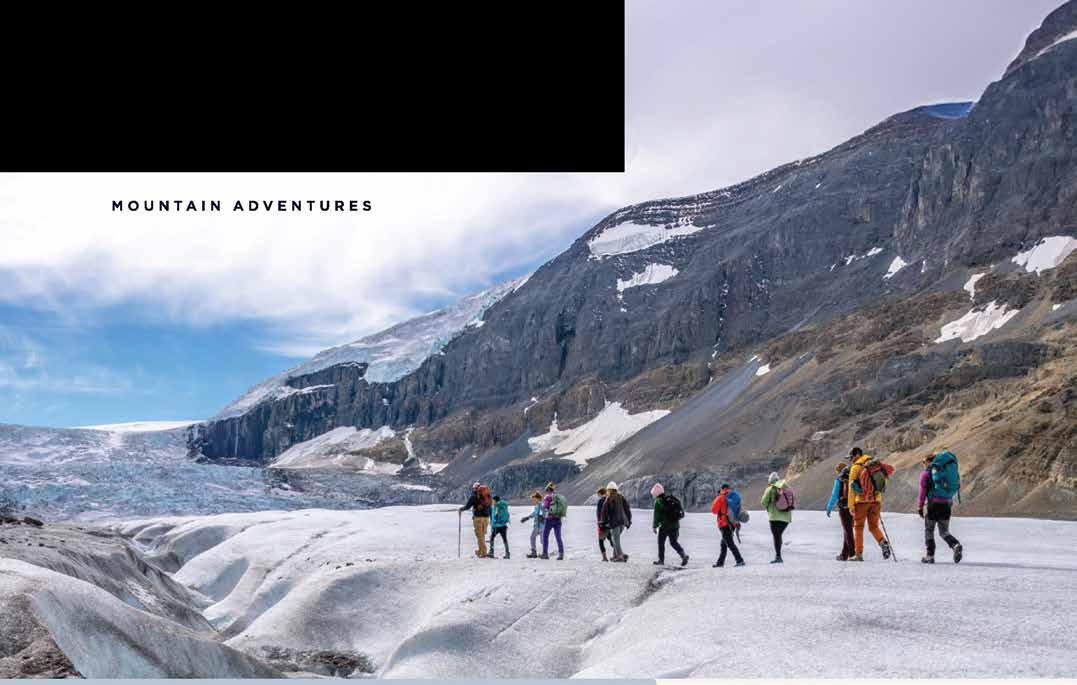
ROCKY MOUNTAINS
ALL THRILL. YOUR PACE.

Quality craftsmanship
“Arrives razor sharp, ready to tackle any job.”
- Justin S. Verified Buyer
FROM THE FJORDS TO THE ROCKIES

Norrøna's mountain heritage meets Monod's alpine roots. Performance trail running gear for trails that demand more. Now at Monod Sports.
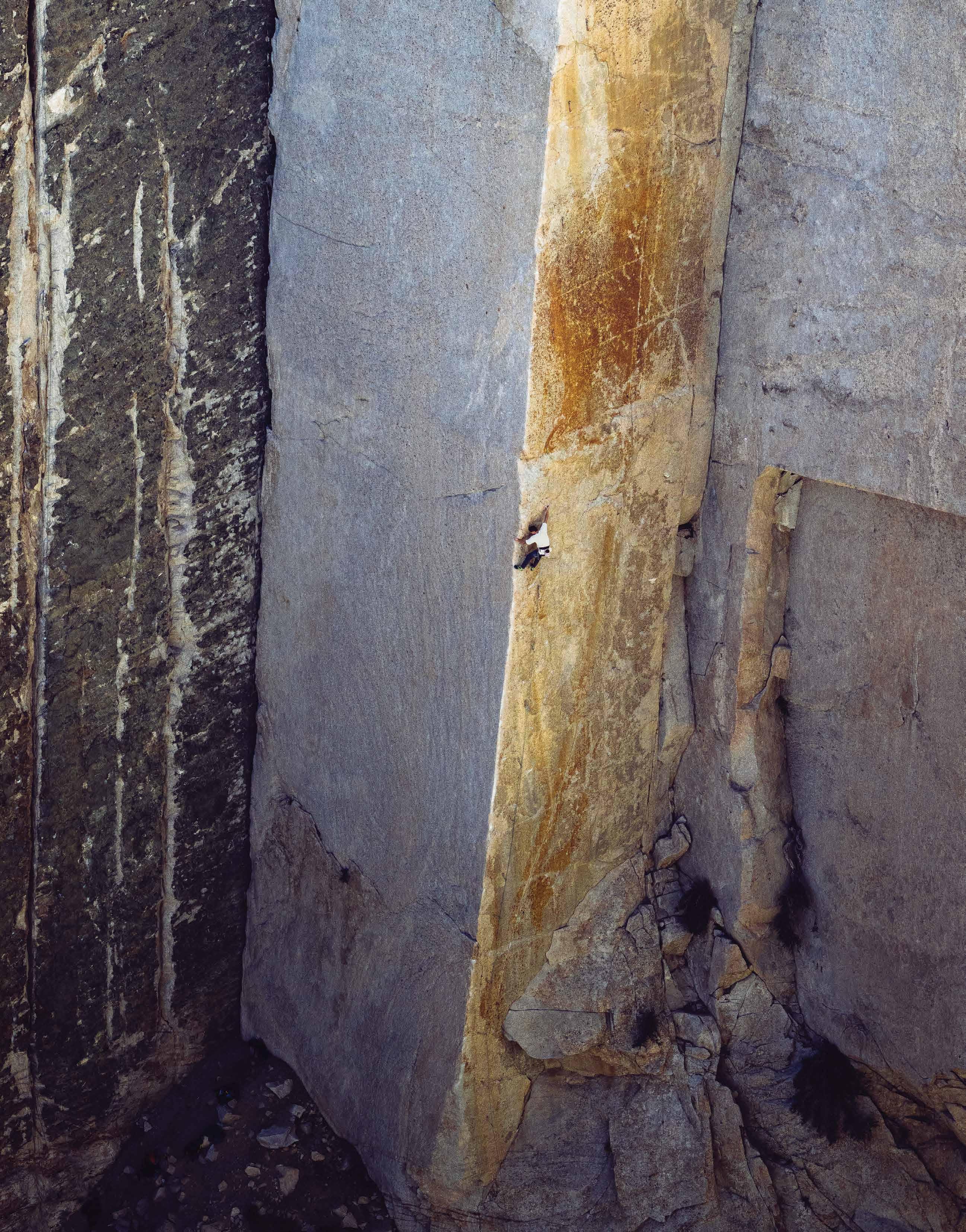
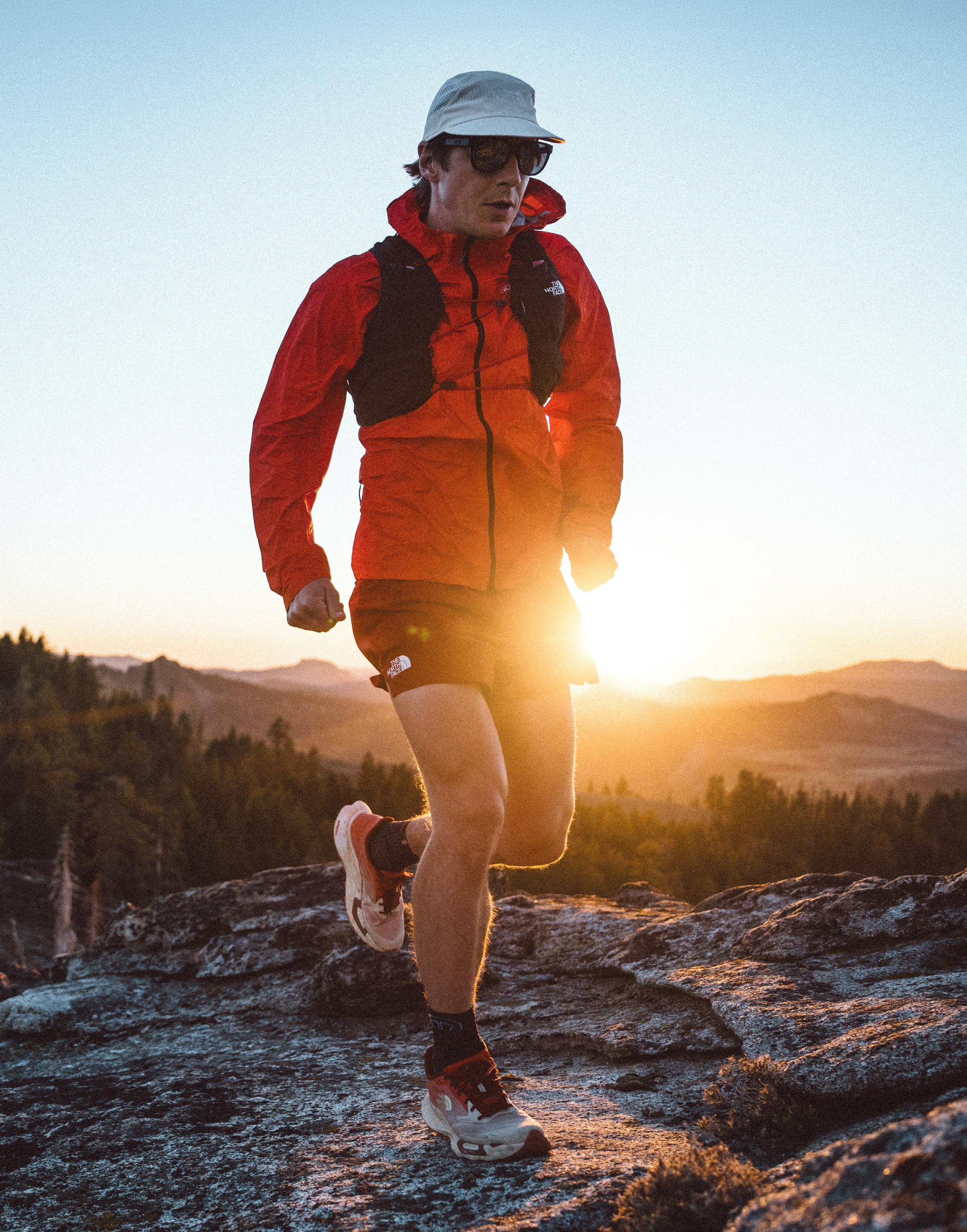
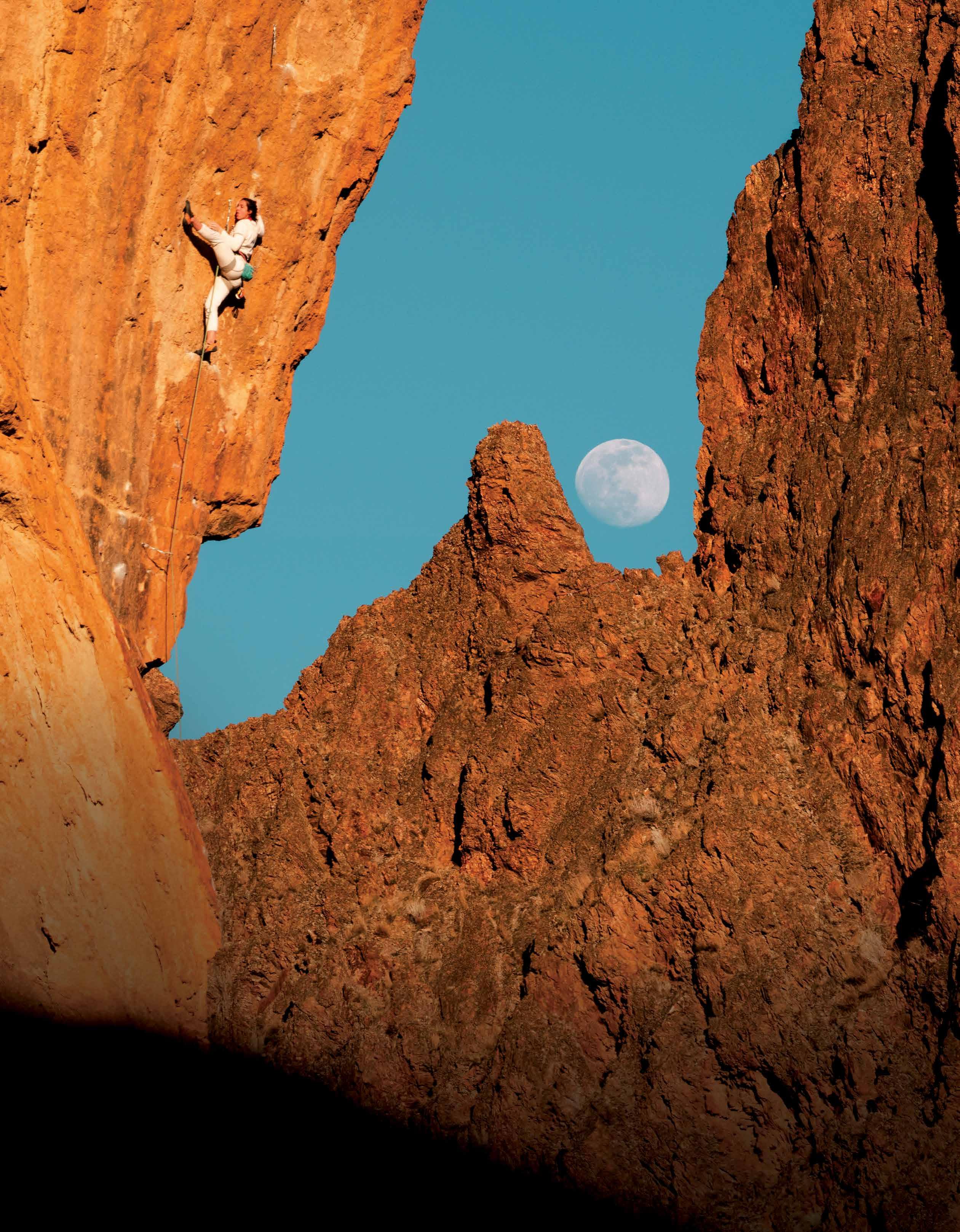
Jonathan Siegrist Payahuunadü Territory
Pine Creek Canyon, California, USA
Photo: Taylor Shaffer
FEATURES
TABLE of CONTENTS
DEPARTMENTS
p. 10 Editor’s Message: Threshold
p. 39 Mountain Lifer: Greg Horne
p. 43 Guided by Legacy
p. 49 Trail Mix
p. 50 Book Reviews
p. 54 Gallery
p. 61 Gear Shed
p. 64 Back Page
P. 12 The Forgotten Divide
P. 22 Silent Siege
P. 31 Lip Service
THIS PAGE
ON
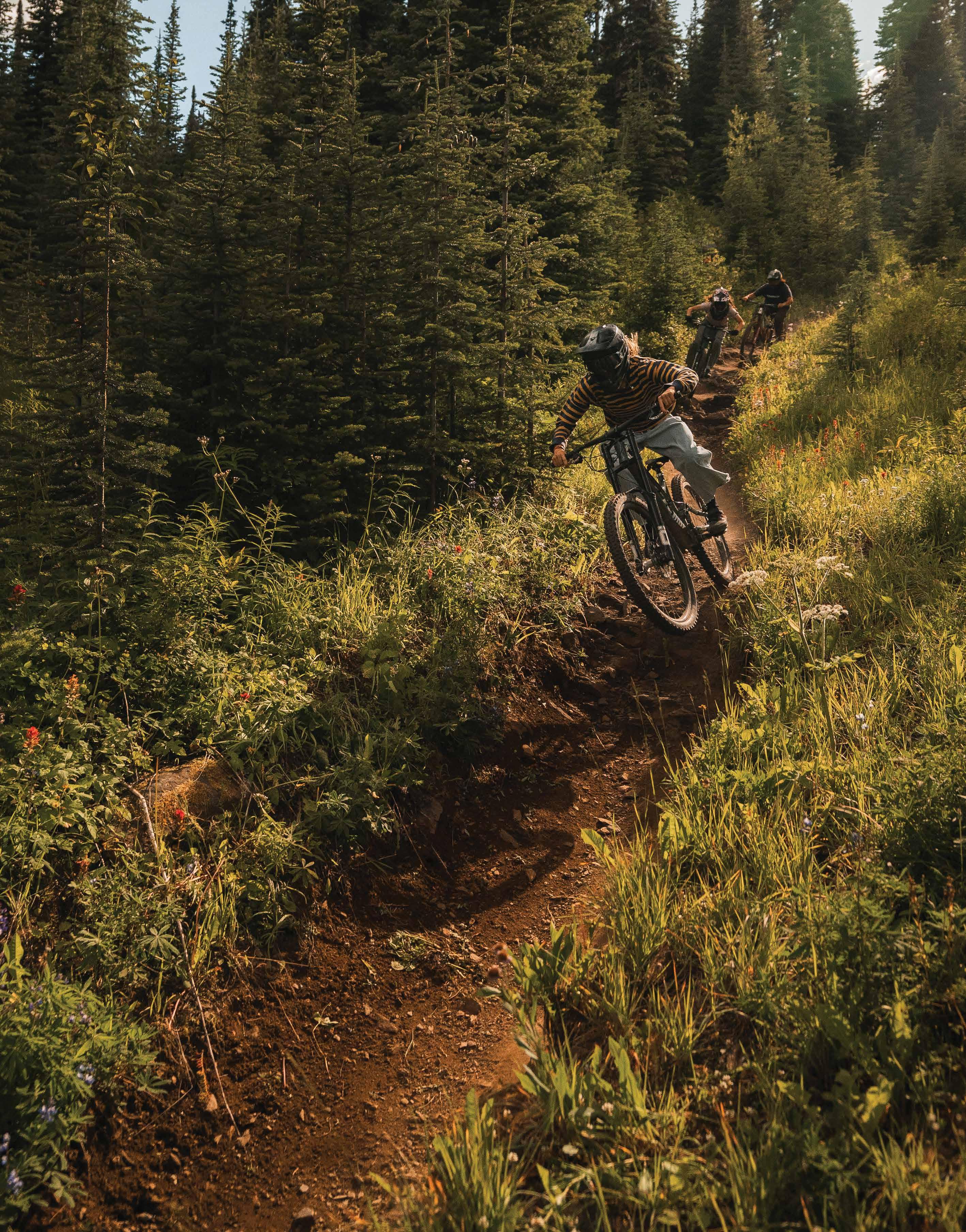
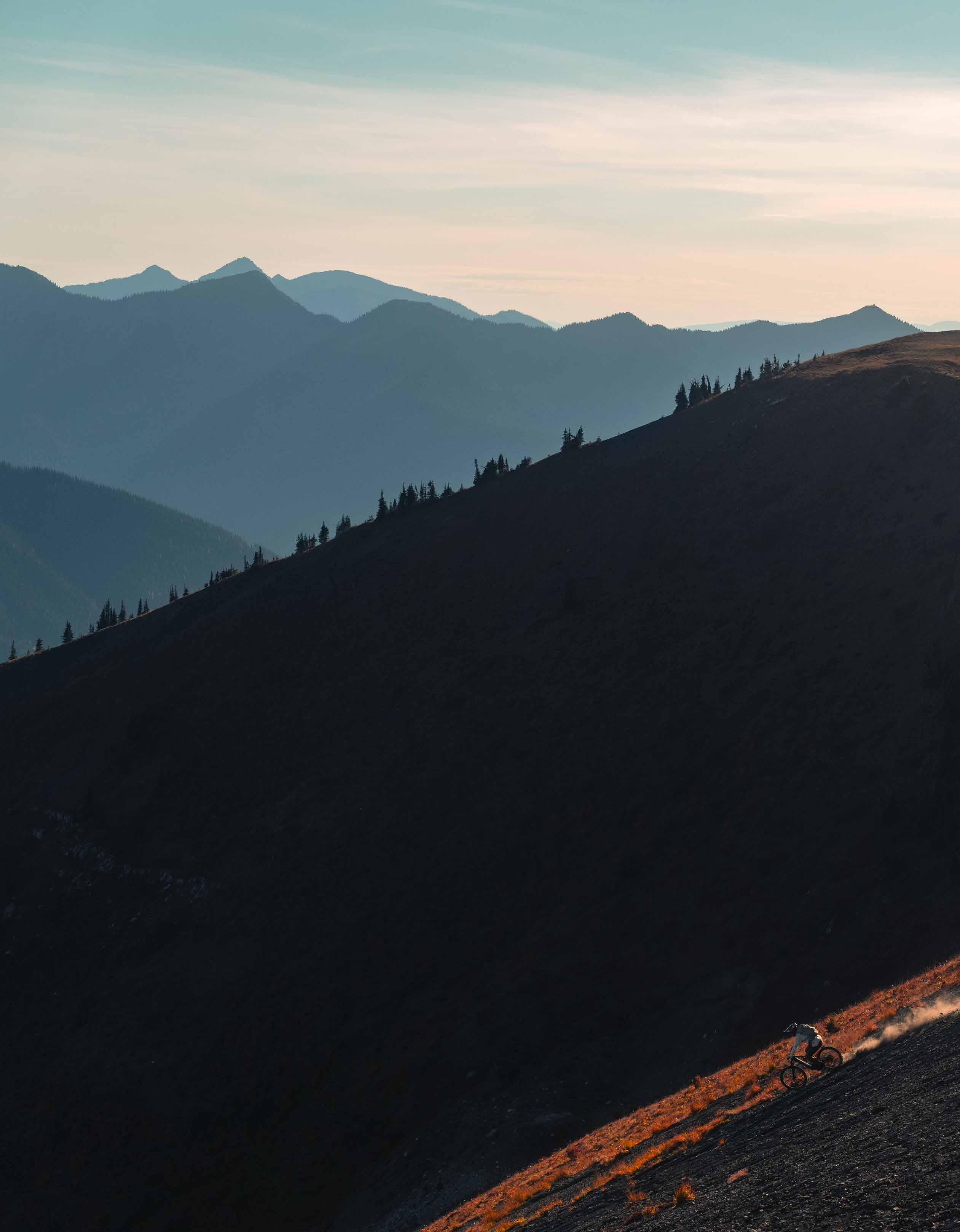
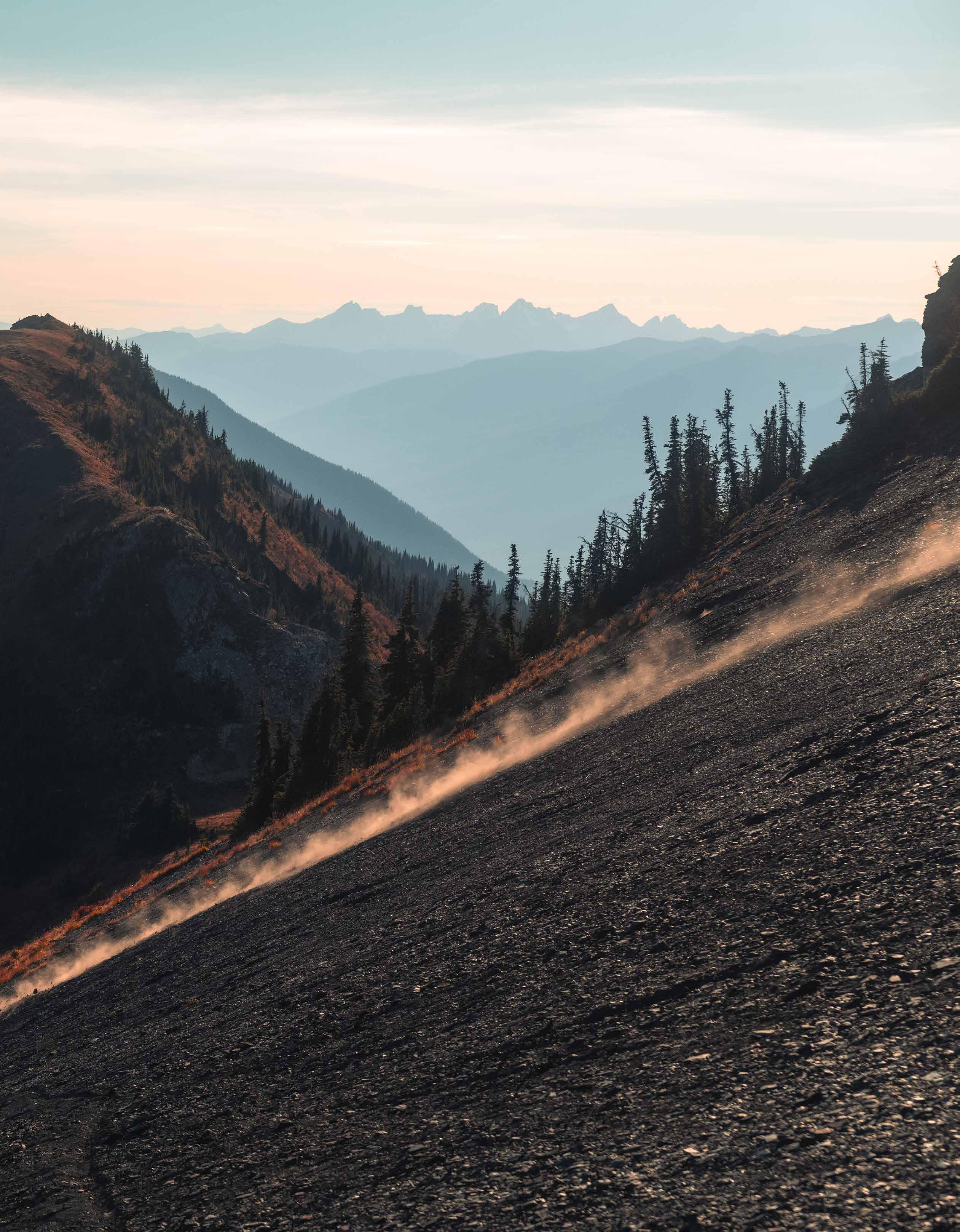
Alex Volokhov, chasing lines and leaving dust—this is what finding your threshold looks like.
STEVE SHANNON
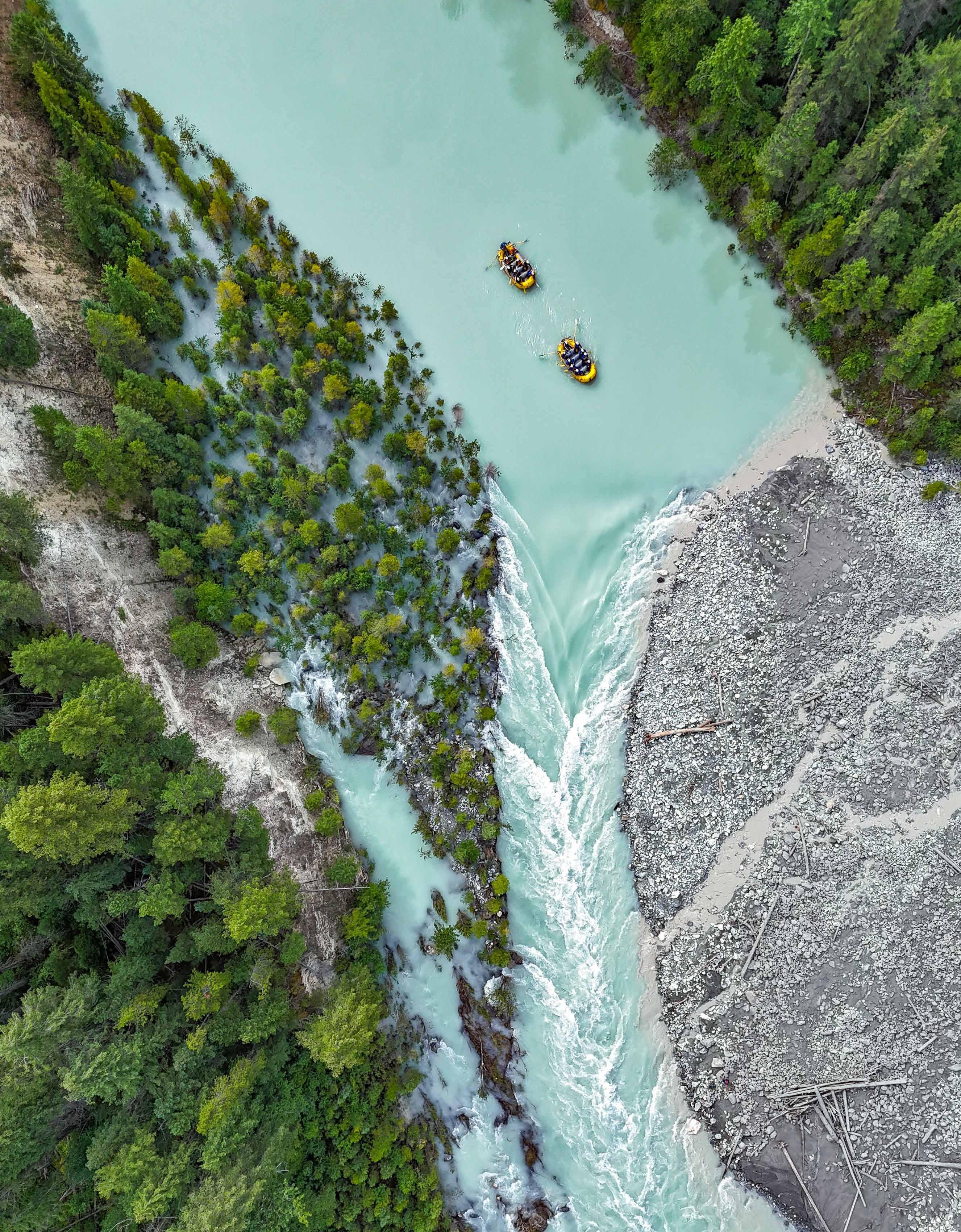
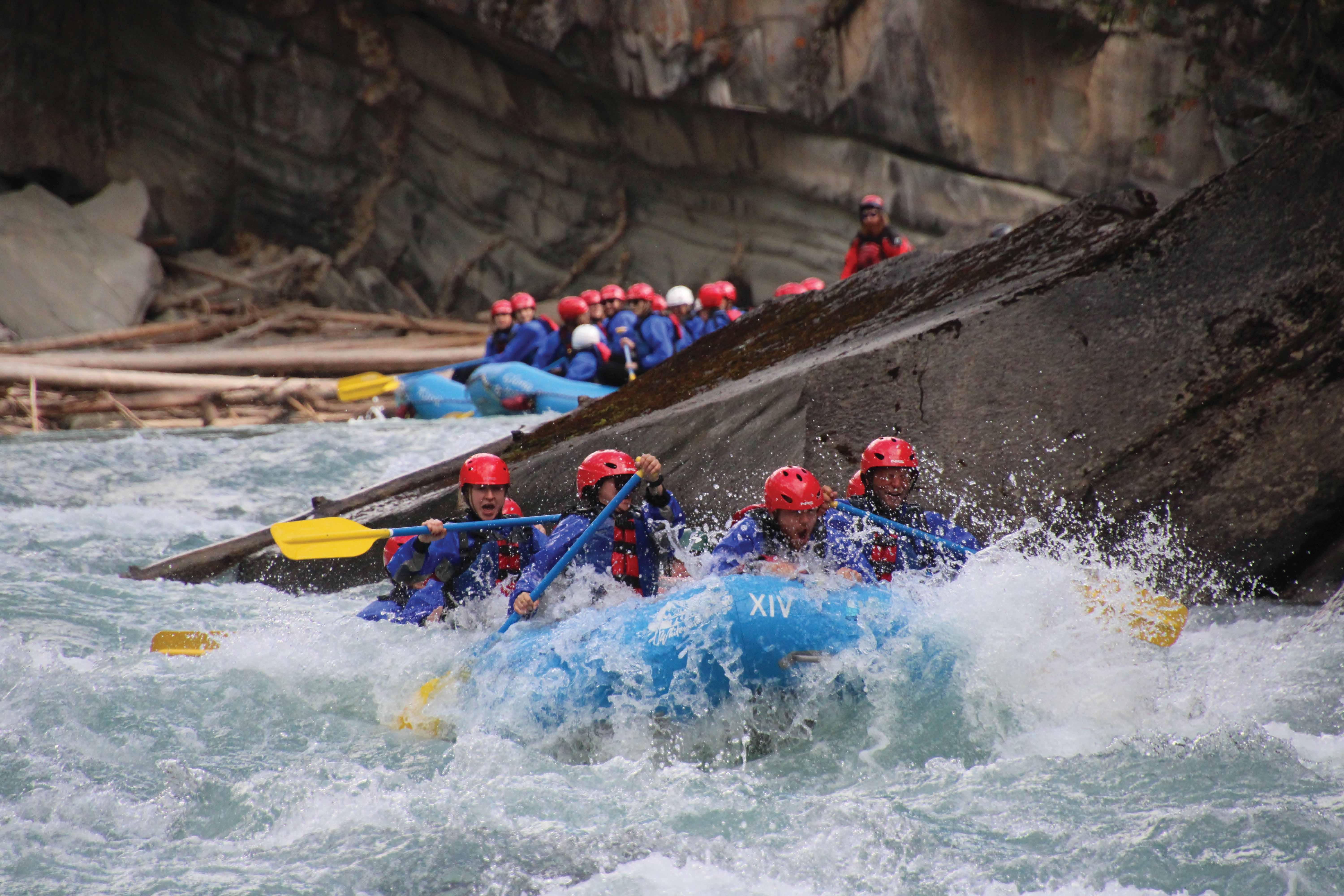
ON THE COVER Glacier Raft Co. boats approach the Alarm Clock rapid on the Kicking Horse River near Golden, BC. MAUR












SMALL BATCH COFFEE ROASTERY AND CAFE
































In the spirit of respect and truth, we honour and acknowledge that Mountain Life Rocky Mountains is published in the traditional Treaty 7 Territory which includes the ancestral lands of the Stoney Nakoda First Nations of Bearspaw, Chiniki and Wesley, the Tsuut’ina First Nation, the Blackfoot Confederacy First Nations of Siksika, Kainai and Piikani, and the Métis Nation of Alberta, Region 3. We acknowledge the past, present and future generations of these Nations who continue to lead us in stewarding this land, as well as honour their knowledge and cultural ties to this place.
PUBLISHERS






Bob Covey bob@mountainlifemedia.ca
Jon Burak jon@mountainlifemedia.ca
Todd Lawson todd@mountainlifemedia.ca
Glen Harris glen@mountainlifemedia.ca
EDITOR
Bronwyn Biro bronwyn@mountainlifemedia.ca







CREATIVE & PRODUCTION DIRECTOR, DESIGNER
Amélie Légaré amelie@mountainlifemedia.ca
PHOTO EDITOR
Brooke Riopel brooke@mountainlifemedia.ca
MANAGING EDITOR
Kristin Schnelten kristin@mountainlifemedia.ca

WEB EDITOR
Ned Morgan ned@mountainlifemedia.ca
DIRECTOR OF MARKETING, DIGITAL & SOCIAL
Noémie-Capucine Quessy noemie@mountainlifemedia.ca
FINANCIAL CONTROLLER
Krista Currie krista@mountainlifemedia.ca
CONTRIBUTORS
David Argument, Frank Brassard, Kristin Braun, CPAWS Southern Alberta, Kat Craats, Sylvia Dekker, Cameron Fenton, Andrew Findlay, Jessica Gergely, Dave Hobson, Paige Kuczmarski, Mitchell Leong, Maur Mere, Josh Nugent, Amber Payliss, Ayla Peacock, Megan Posein, Joshua Schultz, Steve Shannon, Roman Skrabal, Laura Szanto, Cy Whitling, John Wilmshurst, Evan Wong, Paul Zizka
SALES & MARKETING
Jon Burak jon@mountainlifemedia.ca
Todd Lawson todd@mountainlifemedia.ca
Glen Harris glen@mountainlifemedia.ca
Published by Mountain Life Media, Copyright ©2026. All rights reserved. Publications Mail Agreement Number 40026703. Tel: 604 815 1900. To send feedback or for contributors guidelines email kristy@mountainlifemedia.ca. Mountain Life Rocky Mountains is published every October and May and circulated throughout the Rockies from Revelstoke to Calgary and Jasper to Fernie. Reproduction in whole or in part is strictly prohibited. Views expressed herein are those of the author exclusively. To learn more about Mountain Life, visit mountainlifemedia.ca. To distribute Mountain Life in your store please email Bob at bob@mountainlifemedia.ca.
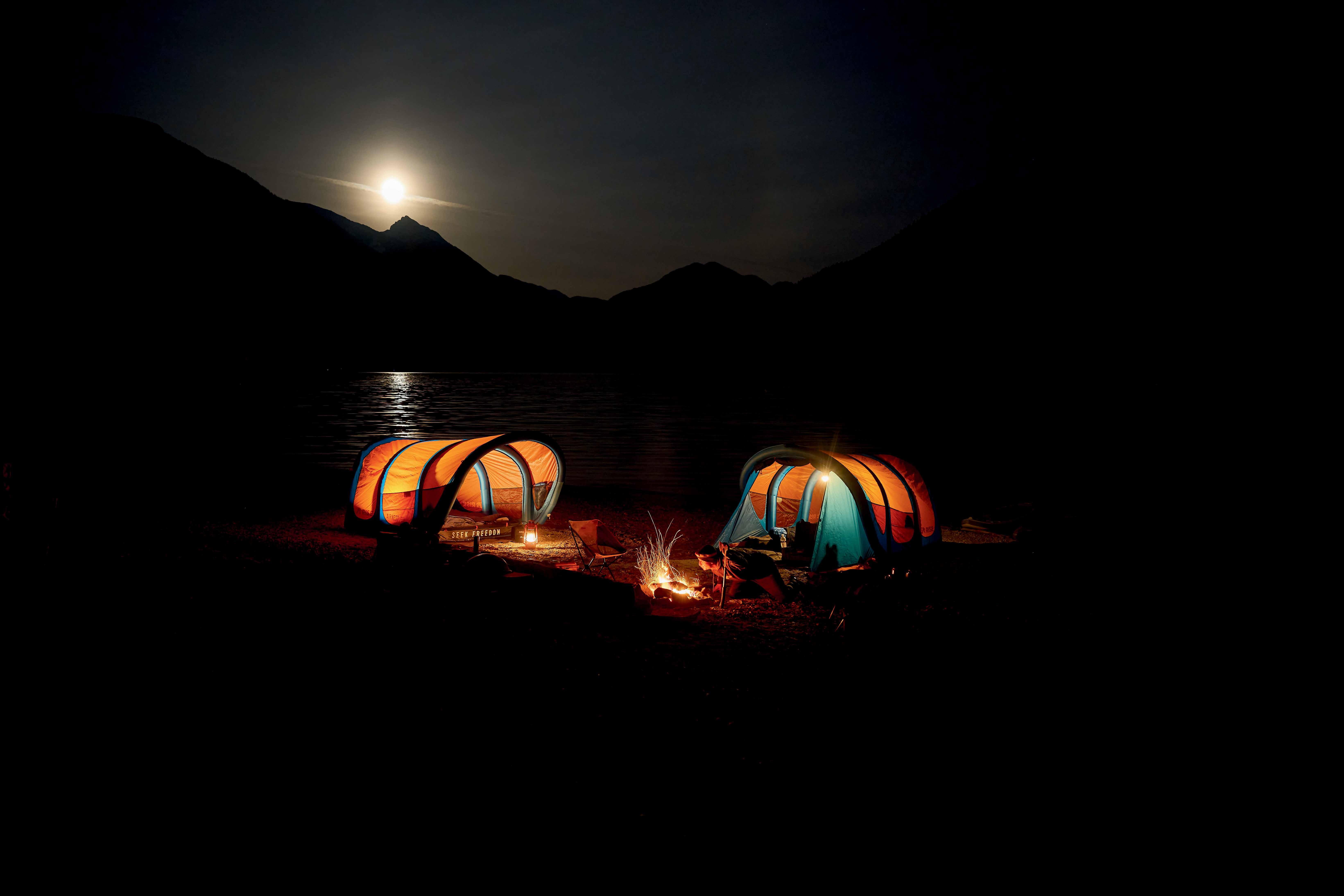

Photo: Blake Jorgenson
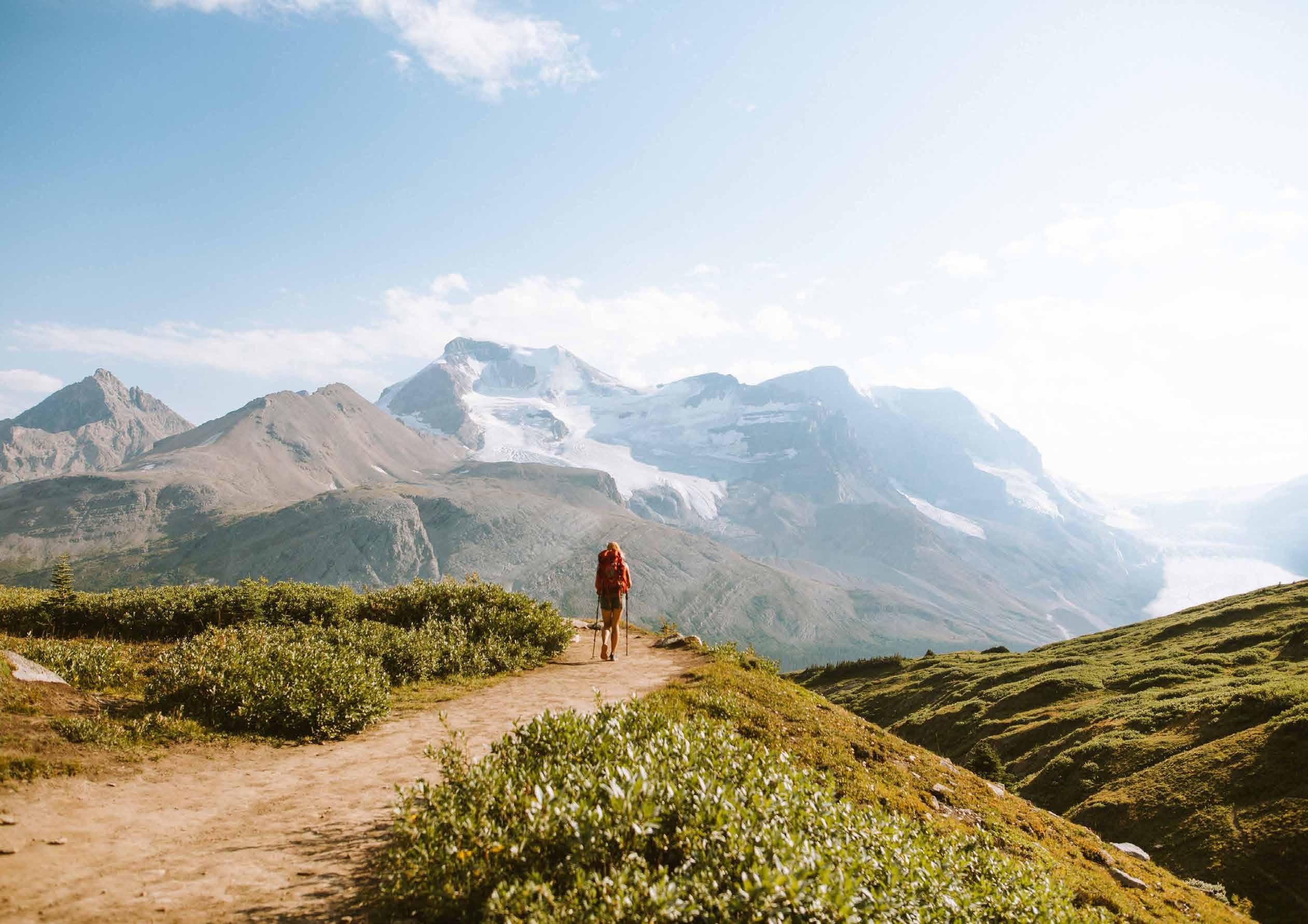
Some days, the trail is the only place the noise quiets down. Your body is on the trail but your head is still inside. The unfinished email. The open tabs. The conversation you keep replaying. The trail keeps going. It always has.
Growing up, the quiet came free.
I’m one of the rare few born and raised in Banff. I started skiing when I was so small that the chairlift hit me in the back of the head. Halloween required an inside costume and an outside costume, built to fit over a snowsuit. My first job was in retail on Banff Avenue. Tourists would ask if we painted the lakes that blue—or when we let the wildlife out. Eventually, I wondered about the world outside our tiny town.
I moved to New York City for a corporate job, and life became action items, “circling back” and screens glowing at night.
It looked stable. Successful, even.
But I started to feel the pull.
So I came back. Climbed some 11,000ers. I learned to backcountry ski, to lead climb, to trail run. I’ve been
putting myself outside my comfort zone and figuring things out as I go.
Somewhere above the treeline, your mind leaves the indoors and joins you on the trail. Cold air pours off the snowfield and takes the warmth straight out of you. The valley is in shadow now. You didn’t notice it cross.
You stop checking the time. Not suddenly. Just less often. You’re just in it, part hungry, part tired, properly cold.
Eventually, you’re back at the treeline. Then the trailhead. The front door.
The tabs are still open. The cursor blinks.
But a part of you is still above the treeline.
That’s the spirit behind this issue.
This summer, stay at the edge a little longer. Step outside what you know. Try that route you keep eyeing. Be bad at something new. Climb something that makes you a little nervous. Say yes before you’re ready.
Explore your threshold –Bronwyn Biro
On the trail, the noise starts to quiet down. KAT CRAATS
BIGHORN RIDGE
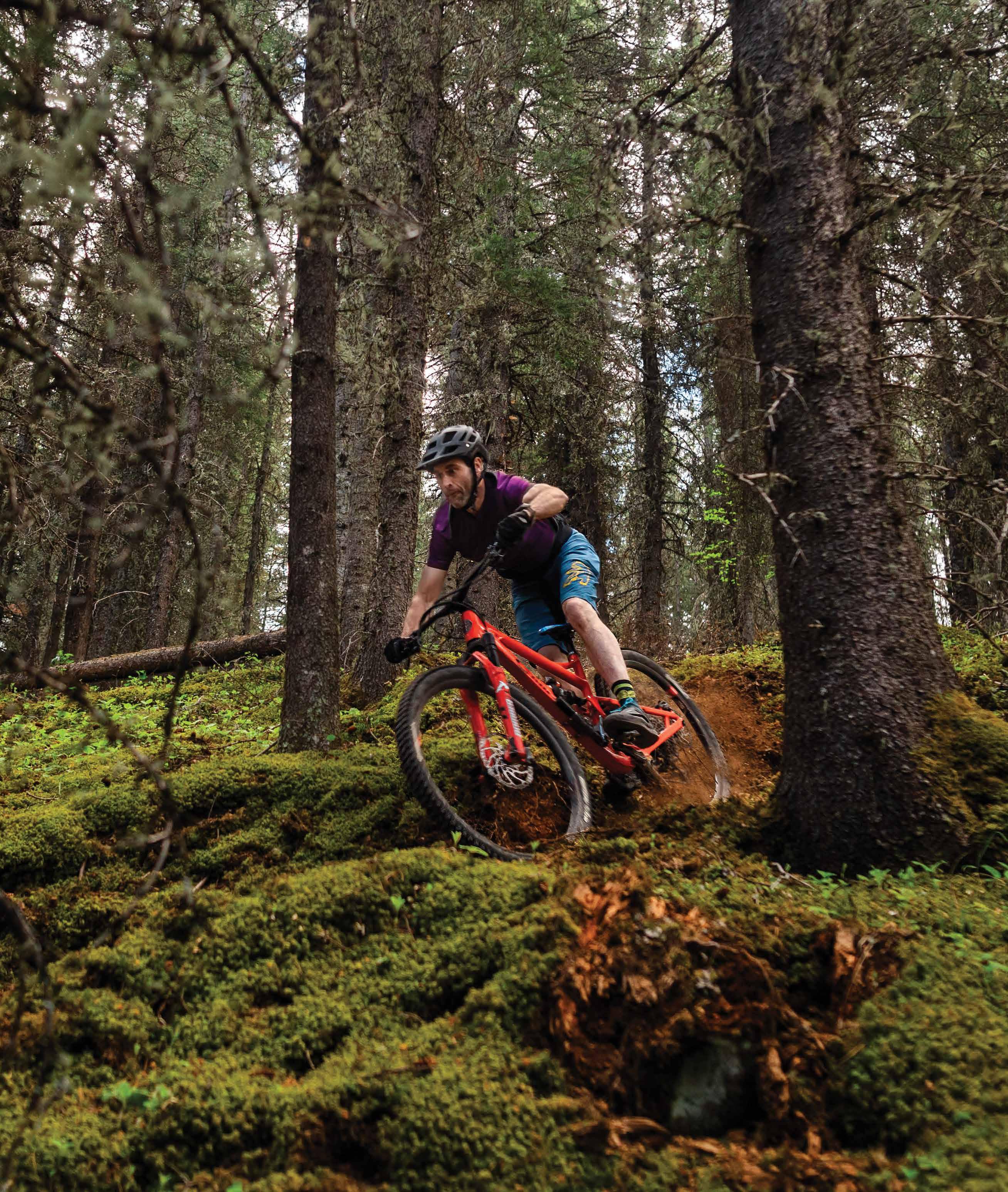
Uncover boundless adventure and personal discovery in the endlessly captivating Northern Rockies.
THE FORGOTTEN DIVIDE
Exploring the abandoned trails and waters of Howse Pass
words & photos :: Cameron Fenton
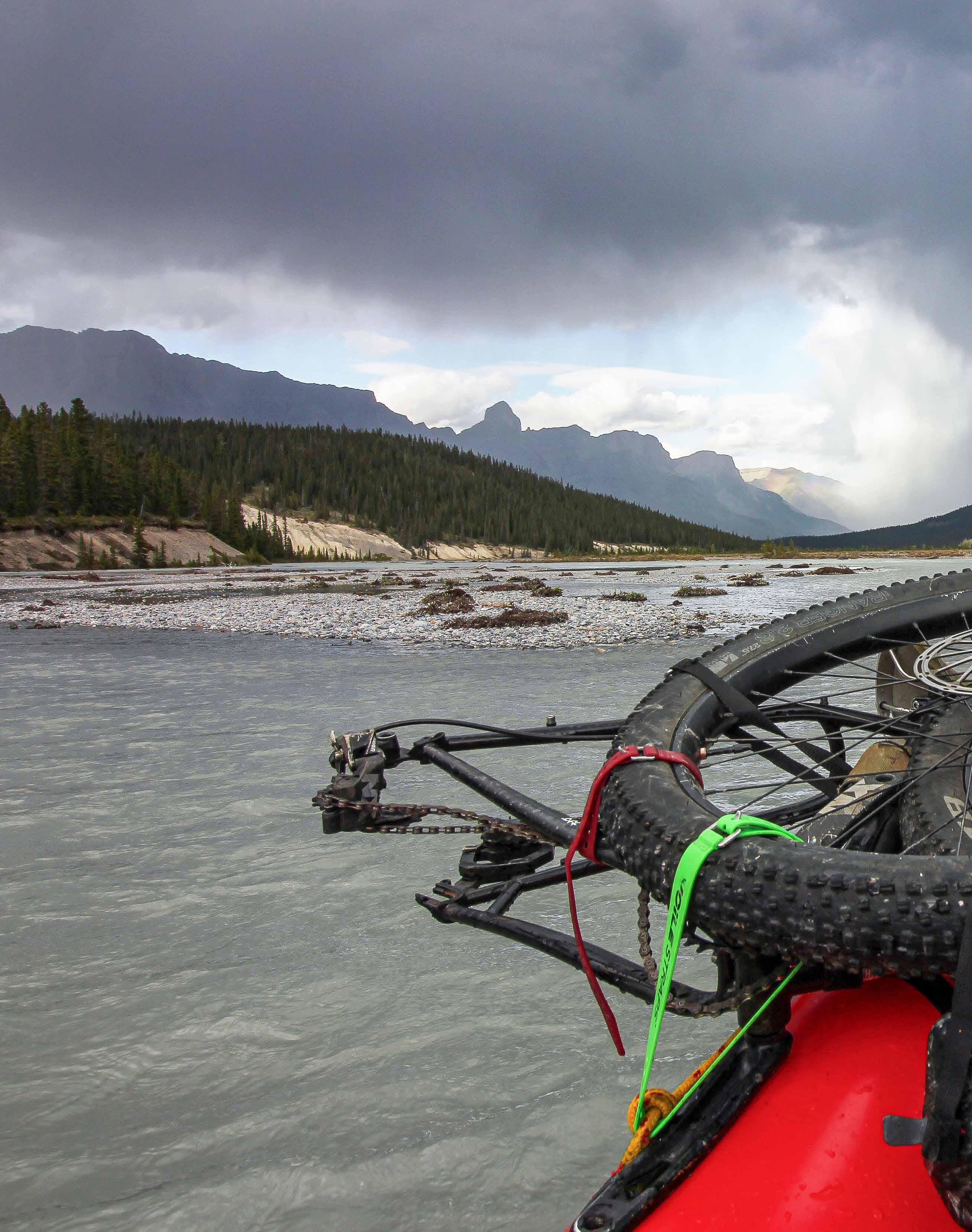
Paddling the upper reach of the Howse River, looking downriver to a storm rolling in.
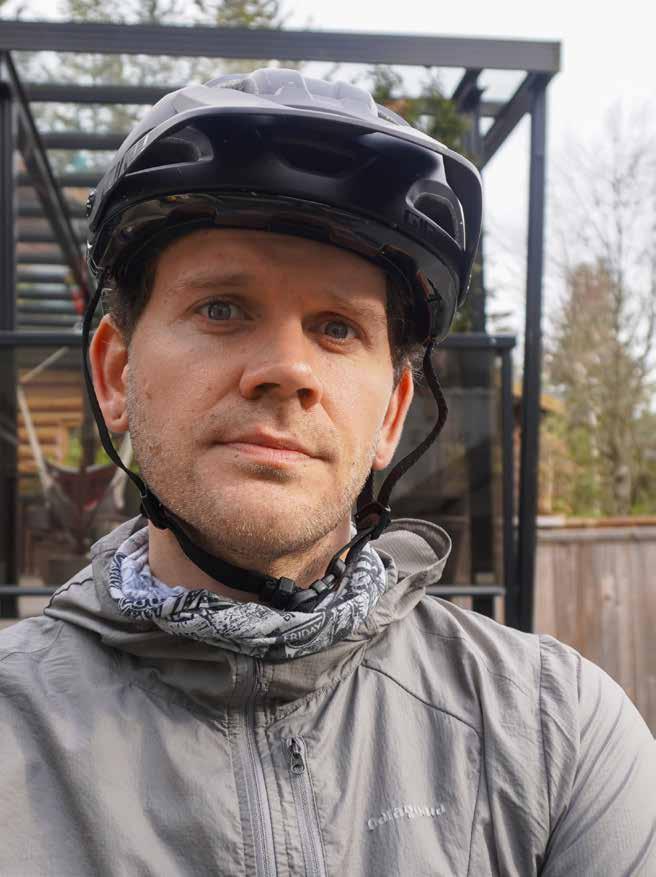
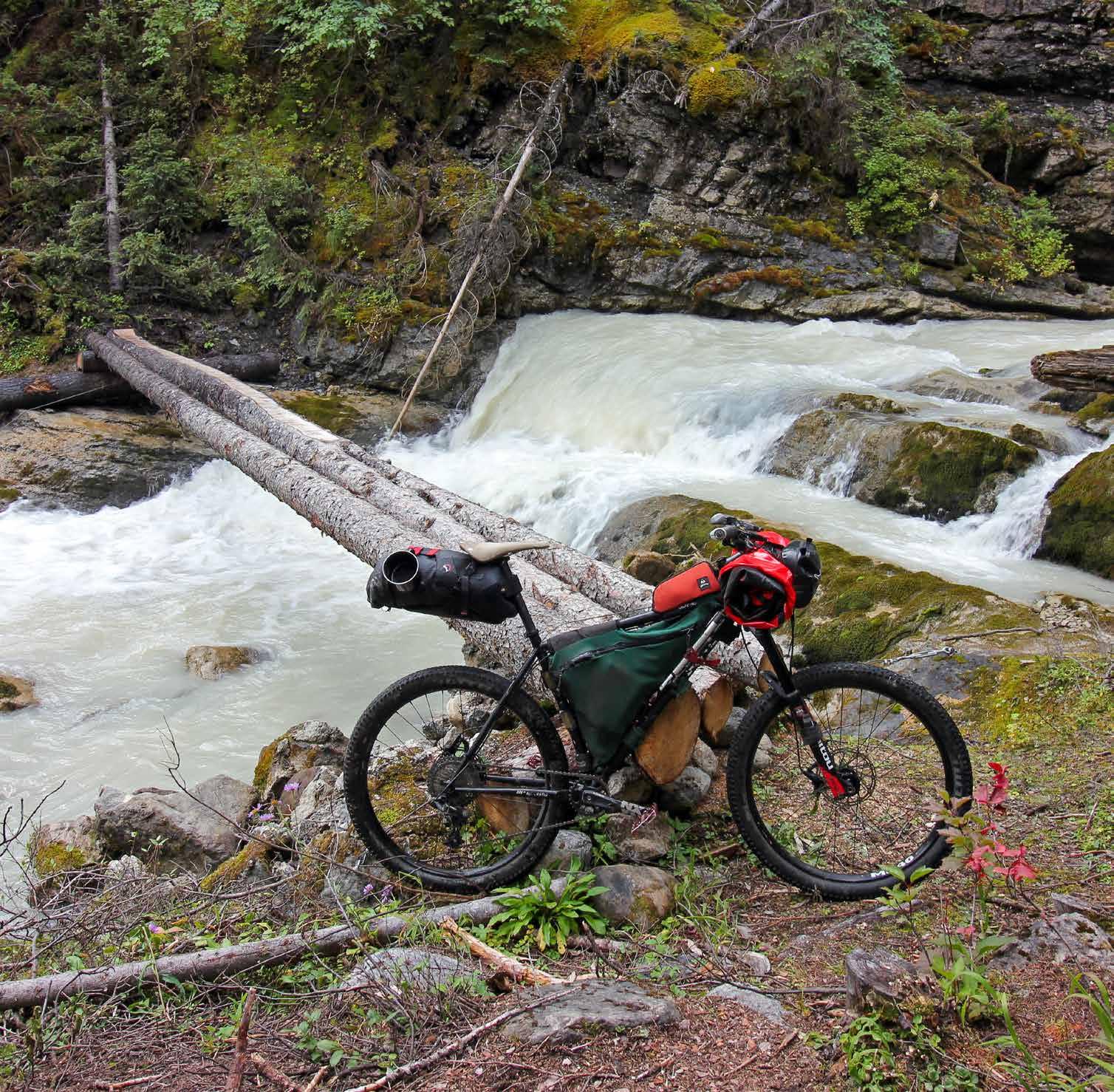
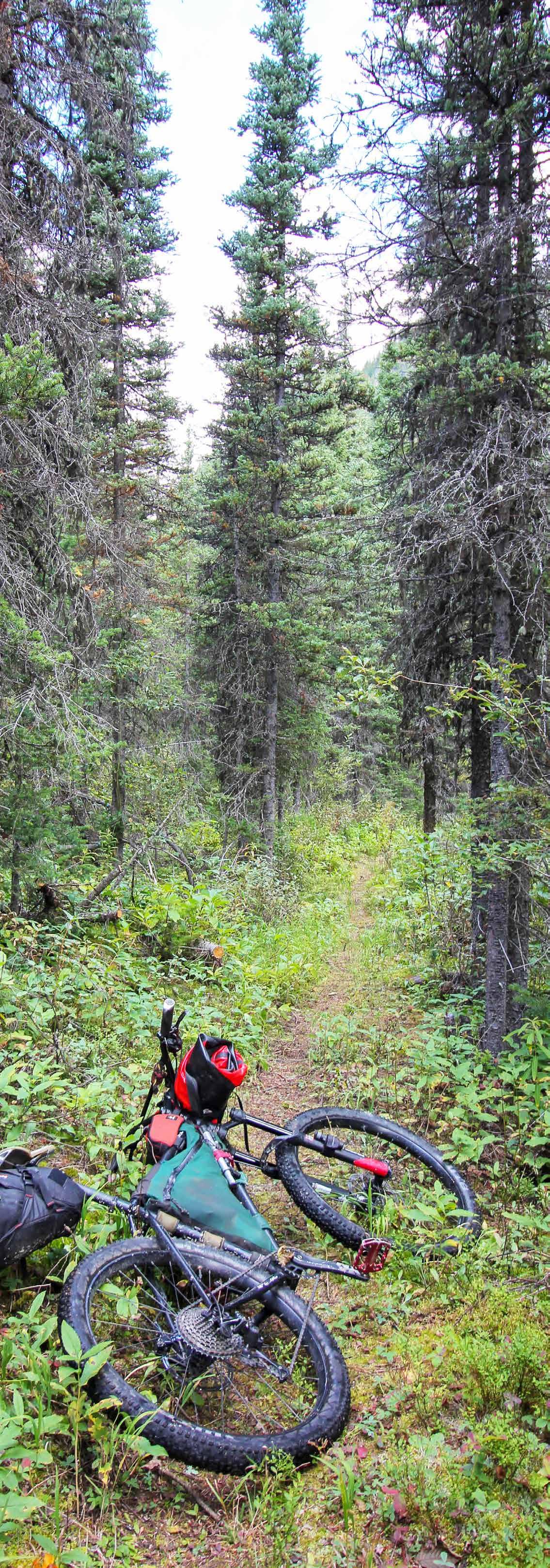
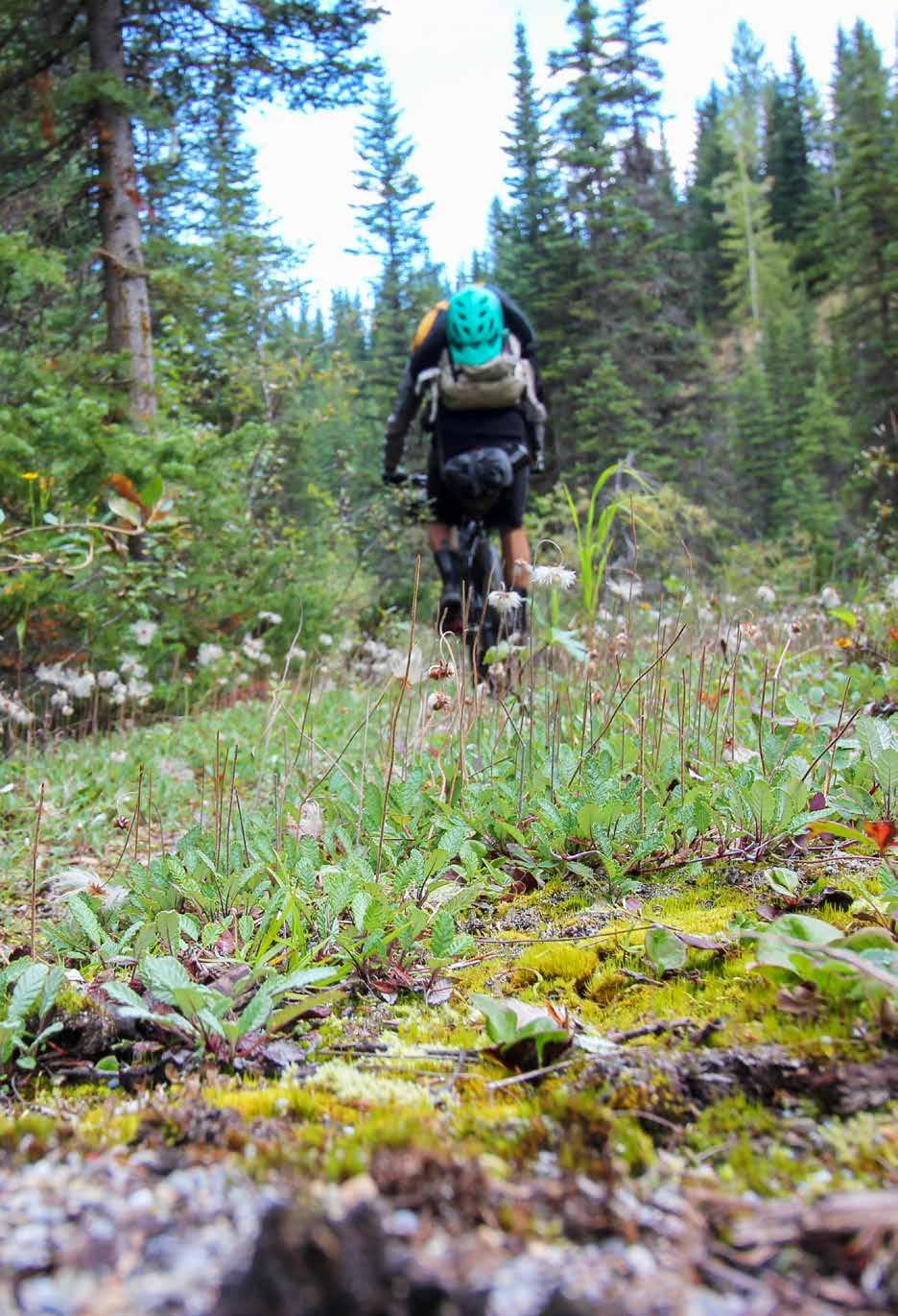
It’s hard to call what I was doing “bikepacking.” Sure, I had ridden my bike up the long, gravel Blaeberry Road, but once I hit the trail, the bike spent more time slung over my shoulder than touching dirt. For hours, I bushwhacked through downed timber, willows and alder, pushing and muscling my steel-framed hardtail along the faint remnants of an overgrown trail.
It reminded me of what Roman Dial, the Alaskan adventurer and author of The Adventurer’s Son, called “hell-biking”—a mix of mountain biking, bushwhacking and packrafting built on long stretches of misery that left you questioning why you brought a bike into the backcountry at all.
A few years earlier, I had stumbled across the web page for Howse Pass National Historic Site. I’d long been curious about the random historical markers dotted along the highways and byways of North America—the plaques in gravel pullouts that, in all my hours on the road, I’d never seen anyone stop to read. Howse Pass wasn’t like any of these. When I pulled it up on a map, it was miles from any road.
Deep in the Rocky Mountain wilderness, the tiny historical marker sat nestled on a low divide straddling the Alberta/BC border. It pulled me in like a magnet.
A PLAQUE IN THE WILDERNESS
The problem, I quickly learned, was that the trail connecting Howse Pass to the Icefields Parkway had been abandoned by Parks Canada more than a decade earlier. Trail reports described hellish bushwacks, with many abandoning their efforts after only a few kilometres. Although the stretch of trail is technically part of the Great Divide Trail, most thru-hikers skip it and pick back up at Saskatchewan River Crossing.
Then I came across an event posting: A group of volunteers from Golden were heading up to do some maintenance on the BC side of the trail. I looked at a calendar and figured I could squeeze in a trip a few days later. I decided to turn the trip into a loop. I would bike from Golden, up the Blaeberry Road, then ride and hike to Howse Pass. From there, I would inflate a packraft and float down the Howse River to the Icefields Parkway, then ride the pavement back to my car. On paper, it looked straightforward.
Nearly ten hours after I set out, soaked in sweat and covered in tiny scratches and mosquito bites, I finally emerged from the bushwack jungle and set my rubber tires onto a long stretch of trail. Pedaling past black spruce trees, my wheels brushed their branches, filling the late-summer air with the sweet, almost citric smell of summer evergreens.
A yellow flash marked a tree ahead. I slowed, then stopped, reading the sign: I was about to cross into Banff National Park. I sighed and hopped off my bike, returning it to the groove that the top bar of my bike had been wearing into my shoulder for the past day. There wasn’t anyone around to enforce it, but I knew bikes were banned on this trail.
It was a short hike to the perfectly manicured clearing in the woods. On one side stood a small stone marker denoting the border between Alberta and British Columbia. On the other side, a faded wooden sign and a newer red plaque confirmed I had reached my destination.
The reality of hell-biking: a brief reprieve by the creek before the next round of bushwhacking.


“First Major Expedition West Of The Rockies Led By Mapmaker David Thompson Descended This Pass On June 25, 1807 En Route To The Columbia and Kootenay Rivers,” read the wooden sign.
The plaque provided more information, noting that this remote spot in the Rocky Mountains was a formal historical site managed and maintained by Parks Canada. Trees swayed in the wind. A squirrel chittered away, annoyed that I had disturbed his home. Arriving at the clearing felt disorienting. Compared to the overgrown trail, this felt like some kind of secret garden hidden in the middle of the wilderness. I spent the better part of an hour in the clearing, reading and re-reading the plaques and eating my lunch of crackers, cheese and dark chocolate.
FUR TRADERS, BLOCKADES AND MYSTERIOUS BEASTS
Born in London, England, David Thompson arrived at what is now Churchill, MB, in 1784. He spent six years keeping records in Hudson’s Bay Company outposts across what is now Saskatchewan and Manitoba before heading out west as a company surveyor. In 1792, he completed his first field assignment, mapping a route from Manchester House, a fur trading outpost on the North Saskatchewan River, to Lake Athabasca.
Thompson was officially made a surveyor in 1794, but three years later he grew frustrated. The Hudson’s Bay Company ordered him to cease his mapping efforts and return to commerce. In 1797 he left, hiking more than 100 kilometres through the snow to join the Northwest Company, the rival of his former employer.
With the Northwest Company, Thompson pushed farther west, helping found Rocky Mountain House in 1799. From there he launched his expedition to cross the Rockies in 1806, reaching Howse Pass and the Columbia River the following year.
By 1810, Thompson was headed back to company headquarters, ready for a quiet life in Montreal, when word came down that his skills were needed once again. A few years earlier, the American Corps of Discovery, the expedition led by Lewis and Clark and their Shoshone guide Sacagawea, had navigated the Lower Columbia River to the Pacific. News of this navigable waterway spread, launching a race between British and American interests to claim this lucrative trade route. Thompson had been drafted to lead the Northwest Company’s effort.
Though Thompson had crossed Howse Pass without resistance before, when he arrived in 1810 he ran into a blockade of armed Indigenous Piikani warriors. Thompson knew many of the gathered men, having traded and lived with them and their neighbours, the Ktunaxa, during his explorations. He pleaded with them to let him pass, but the Piikani were unmoved. They
Once I hit the trail, the bike spent more time slung over my shoulder than touching dirt.
were worried that allowing white men to cross would displace their role as trade intermediaries between the fur trade to the east and the Indigenous nations to the west.
Thompson chose not to press the issue. That winter he instead crossed Athabasca Pass, near what is now Jasper. It was there that, on January 7, 1811, he wrote about seeing the tracks of a large animal with four toes, a print so enormous and unusual that it left him and his guides baffled.
Thompson thought the tracks were of some “large old grizzled bear,” though his Indigenous guides called it a “young mammoth.” Modern readers of Thompson’s journal have speculated that Sasquatch made the prints.

Decades later, Thompson reflected, “the sight of the track of that large beast staggered me, and I often thought of it, yet never could bring myself to believe such an animal existed, but thought it might be the track of some monster Bear.”
Thompson descended the Canoe River into the Columbia. But the rerouting delay caught up with him. As his canoes reached the brackish water where the river meets the Pacific, he saw wooden palisades already rising from the shore. The Americans had arrived two months before him and started construction on Fort Astoria, the first American settlement on the Pacific Coast.
A “RIDICULOUS NATIONAL PARK HIGHWAY PROPOSAL THAT REFUSES TO DIE”
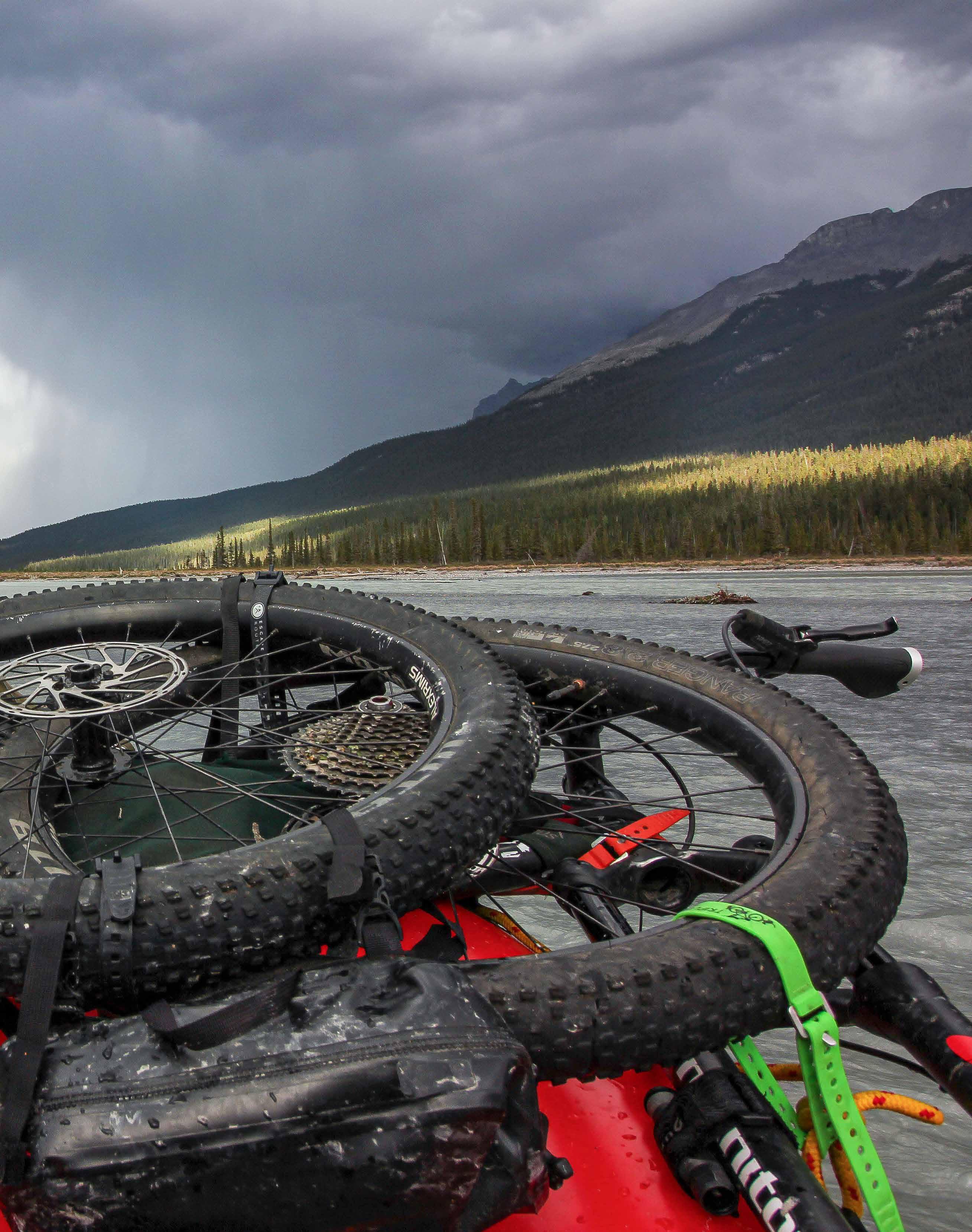
After lunch I hiked a few hundred metres further, to the shores of Conway Creek. I stripped the bags from my bike and began removing the wheels, pedals and seat. Like an old Transformers toy, I turned my bike into the tightest package I could, stacking the wheels onto the frame and strapping it all together. I unrolled the bright red packraft that had hung from my handlebars and inflated it, attaching the bike to the bow.
Conway Creek was cold, fast and narrow. The water pushed against a crumbling limestone wall. I dipped my paddle, careful to avoid the bike stacked on my bow, and navigated past a few downed trees. It wasn’t long before the creek spat me out onto the gentle, Kool-Aid-blue waters of the Howse River.
A few wispy clouds blew past jagged peaks. Glaciers poured down alpine bowls, glimmering in the late afternoon sun. A warm breeze blew upriver, carrying the familiar smell of sunbaked conifers up the river valley.
The Howse River valley was broad, rising on a gentle, almost
imperceptible grade. Floating downstream, there was just enough current to carry me forward, but not enough to form any serious rapids or hydraulics. From the water, it was easy to understand why Thompson had gravitated towards this pass and why, years later, it almost became a highway.
Proposals to build a highway over Howse Pass have been around for as long as people have tried to push railways and pavement across the Rockies. Early on, the lack of a major road or rail link near the pass turned attention north and south of the pass. But after Highway 11 (the David Thompson Highway) was completed in 1968, proposals for a road over the pass resurfaced every few years.
The most recent was in 2020, from a group called the Central Alberta Economic Partnership. They asked the BC government to review a 2005 study that, they explained, demonstrated that a new highway over Howse Pass would shave about an hour off the time it takes to get from Central Alberta to BC.
The proposal fell on deaf ears, but the persistent efforts to pave Howse Pass led the Alberta Wilderness Association to coin it “the ridiculous national park highway proposal that refuses to die.”
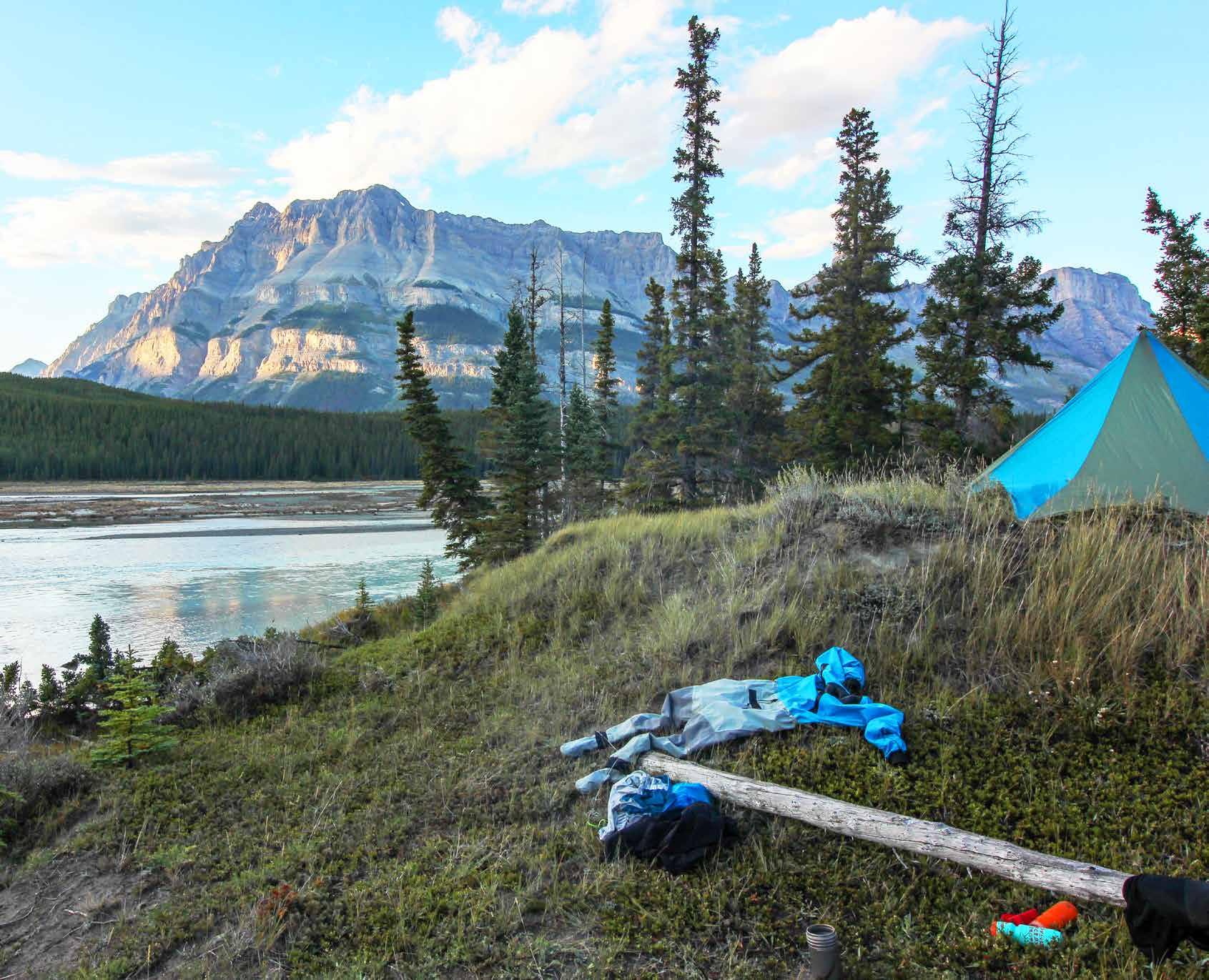
That night, I camped on a grassy bench above the river. Dark clouds gathered as the sun set, painting the sky in pastel shades of orange, pink and purple. A storm was building somewhere to the west, and by morning I would be rushing to pull on my drysuit in the blowing wind and sheeting rain. For that moment, though, I sat and watched, thinking of the countless storms, travelers, fur traders, animals and mystery beasts that had passed through this low-slung, forgotten divide.
To curb the threat of invasive species, national park restrictions regarding the use of personal watercraft have recently been updated. Check current regulations before planning your own hell-biking adventure.
PREVIOUS PAGE After hours of bushwhacking, mosquito bites and scratched arms, a faint trail feels like a gift. LEFT The bike finally stays under Fenton, not over his shoulder. RIGHT Fenton’s camp on the Howse River, with his drysuit waiting.



Mountain Life TRAVEL
This is the trip


you’ll talk about for the rest of your life.
Nepal is calling. October 2026. Only 10 spots.
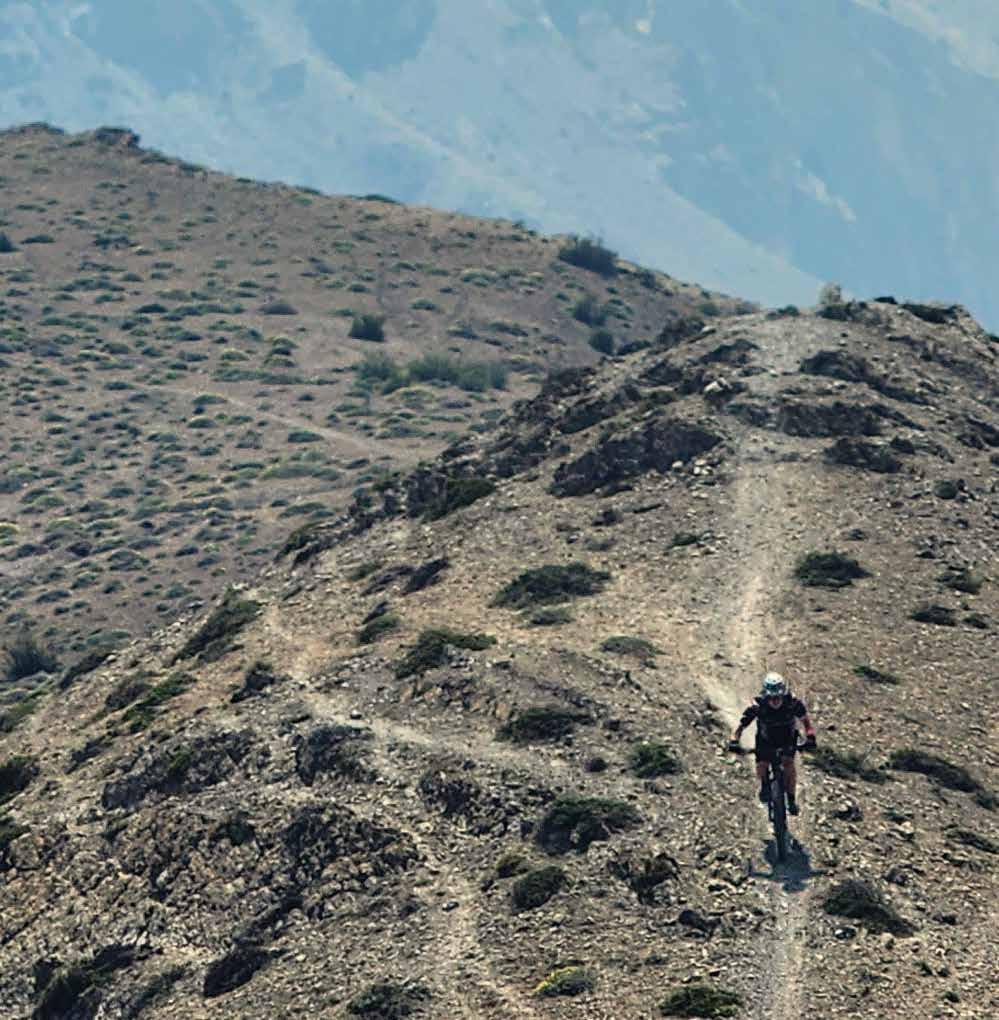
Made for Mountain Lifers. These aren’t trips you book — they’re journeys you join, led by our team and taken together with people who live the Mountain Life.



Followthe Finger
oct 31 – nov 8, 2026
SIEGE
Ayla Peacock, invasive species program coordinator, floats down Rubber Ducky in Fernie. AIDAN JONES/DEX DEG MEDIA
Battling invasive species, one larvae at a time
words :: Sylvia Dekker
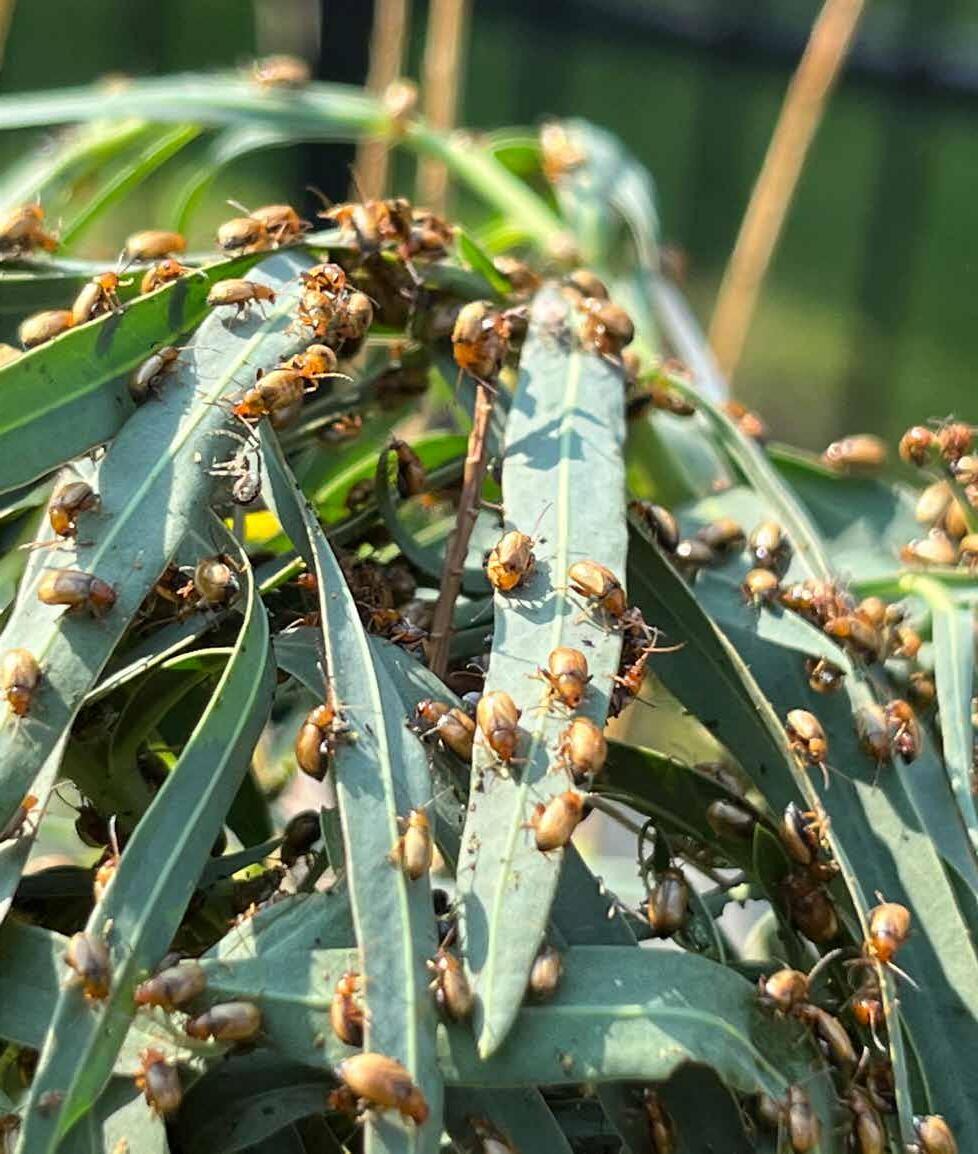
Ayla Peacock stood on the windswept west flank of the Crowsnest Pass, utterly transfixed on the white weevil grub in her palm. After three years spent deploying hundreds of the tiny wrigglers in the Alberta wilderness, she had discovered a healthy specimen boring into the stem of an invasive Dalmatian toadflax plant—an unmistakable sign of success.
The Dalmatian toadflax weevil grub, no larger than a sesame seed, was the descendent of those released by Peacock, and its existence proved the strength of both their species and her efforts. She had deployed the tiny troopers to act as undercover agents, assisting native plants and animals fighting for survival against the continual threat of invasive species.
Non-native plants have been putting down roots since the first ships landed on Turtle Island, with a surge in introductions during the 19th century’s leap in trade and immigration. Not all become invasive but, when far removed from the natural enemies that keep them in check at home, some are able to aggressively colonize their new habitats.
Invasive plants tend to grow quickly, sucking up available moisture and soil nutrients, and can spread and reproduce in creative ways. Some grow underground roots from which dozens of other plants pop up. Others send thousands of seeds flying, via exploding pods or the wind. In some cases, seeds can remain viable for more than 20 years in the soil, out-competing native species and dominating landscapes.
“People see green and think [everything] is fine, but it’s not the case,” says Peacock, the invasive species program coordinator at the Nature Conservancy of Canada. As beautiful and unassuming as some species are, invasive plants are the second-largest threat to biodiversity worldwide. For some ecosystems, such as British Columbia’s grasslands, they are the most significant issue.
“People care about the moose, the grizzlies, the wolves, but what they don’t realize is that biologically diverse ecosystems are what allow those cute furry animals to live there,” Peacock says. “Right now, landscapes are operating in ways that are not resilient, due to habitat fragmentation, climate change, wildfires etc.,” she explains. “It’s the perfect opportunity for invaders to come in.”
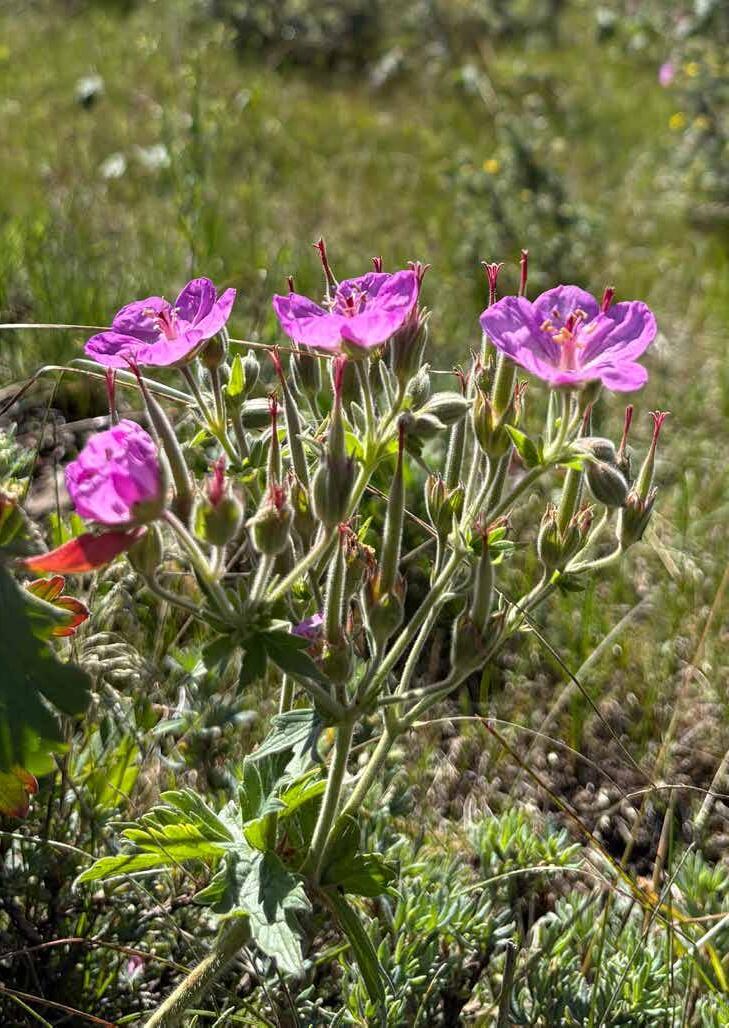
Once established, invasives can change the entire ecosystem, says Paige Kuczmarski, invasive species technician at Alberta Invasive Species Council. Some species, like leafy spurge—a dense, yellow-flowering weed—are toxic to herbivores. Others, like the deceptively pretty knapweed—a colourful plant in the sunflower family—inject toxins into the soil, inhibiting native plants and reducing the diversity of buzzing insects and scurrying creatures that rely on those plants.
An invasive infestation affects an entire ecosystem: big, small, microscopic, insect, amphibian, mammal. Species already struggling are at an even higher risk. For example, when winter range productivity drops, sheep, elk and deer suffer. The ecosystem loses balance. “At stake [for Canadians] is lower crop yields, high control costs ([which] make property less valuable and difficult to manage) and [higher] taxes,” says Kuczmarski.
Even if outdoor recreationists don’t recognize the infestations peppering our favourite places or notice the trickle-down effects on biodiversity, the impacts are tangible. Invasives degrade trails and habitats, damage and disrupt waterways and lakes, and sometimes lead to sweeping area closures. “Waterways, for example, can be so affected that you’re no longer able to fish, or fish are gone,” Peacock says. “Sometimes management includes spraying of herbicides, which have an impact on human health and can result in area closures, too.”
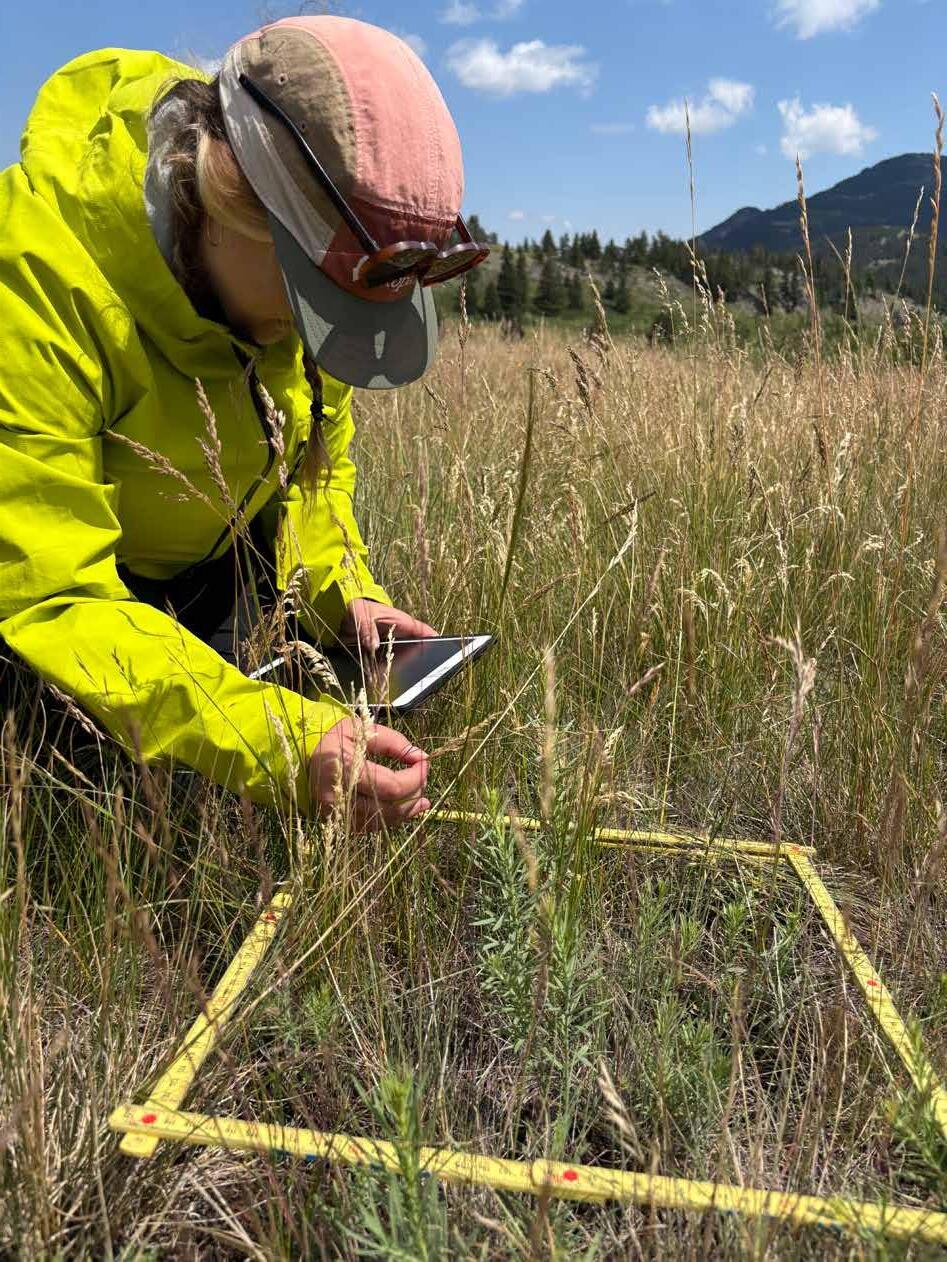
Counting grubs within a monitoring square. AYLA PEACOCK
Biocontrol agents at work on an invasive plant. PAIGE KUCZMARSKI
As beautiful and unassuming as some species are, invasive plants are the second-largest threat to biodiversity worldwide.
Millions of dollars are poured into the control of invasive species, and some of that cost is absorbed by recreationists. Many local biking associations, for example, are tasked with invasive management. “It comes at a cost,” Peacock says. “There is less money to improve or build trails, as a large portion of the budget is going towards control.”
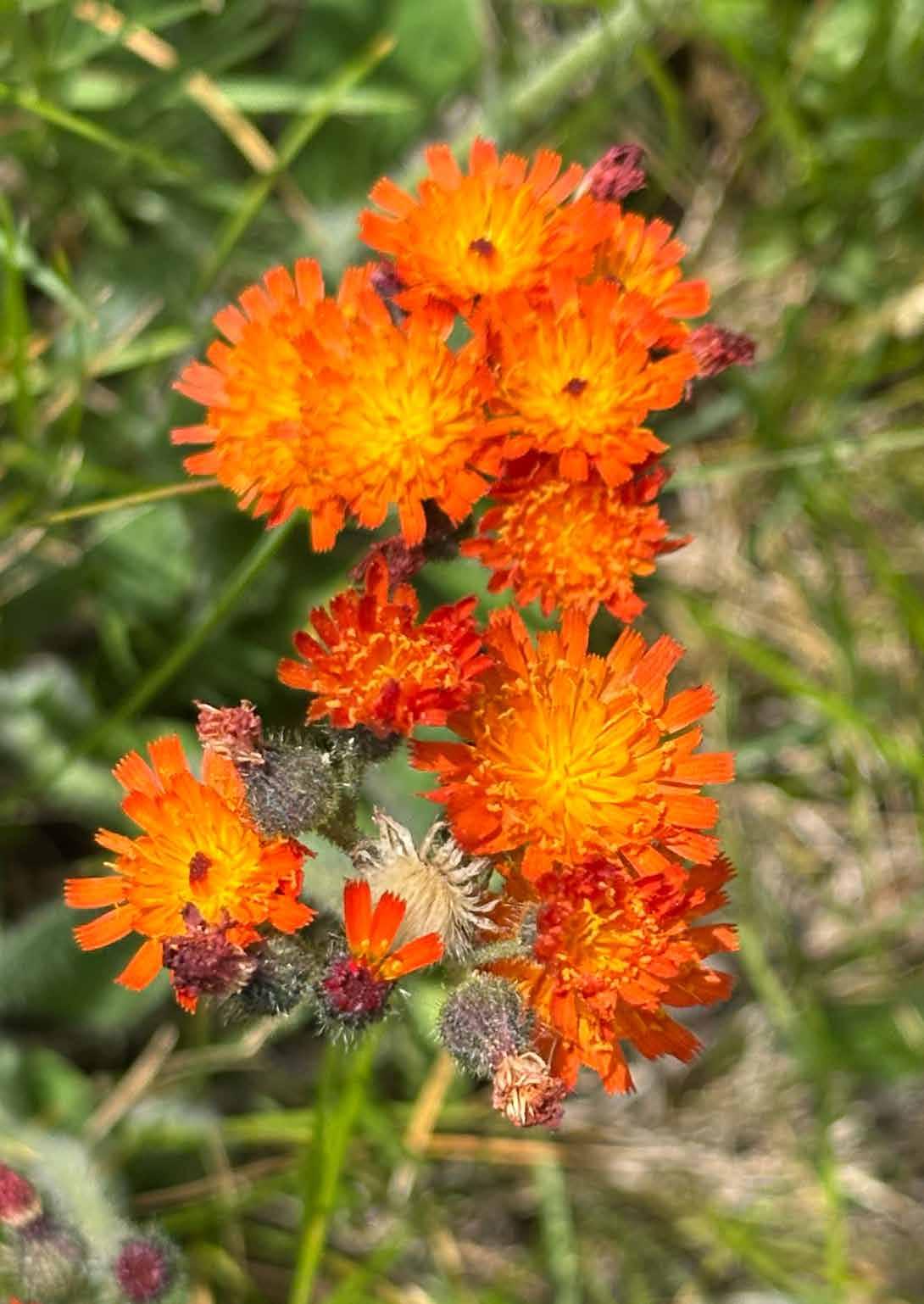
Awareness is another piece of the puzzle, and engaging the outdoor community has proven a challenge. “I think a lot of times they don’t [care] because they don’t know,” Peacock admits. Social media posts are particularly troubling to her when they feature two of the most common invasive plants, oxeye daisy and hawkweed, blanketing the edges of trails—accompanied by captions such as “riding with the wildflowers.” She explains, “It perpetuates the message that these flowers are cute and fine. They’re not.” Which is why step one of the fight is education and prevention.
Part of that process is simply being aware that, as a trail user, you are part of the problem. “Go along a trail and typically the sides are lined with invasive species,” she says. “Our bikes are picking up mud and seeds and transporting them further and to the next spot.”
Studies back her up. “Mountain trails are acting as conduits for non-native plants into mountain areas worldwide,” explains a 2025 study published in the journal Global Ecology and Biogeography that examines the spread of non-native species along hiking trails. Trails with heavy use tend to have more non-native species, whereas areas farther from the trails see fewer.
While land owners can be fined for not dealing with invasives on their land, Peacock says there’s nothing controlling our contribution to the problem: “A lot of us pack out what we pack in and are all really good about garbage, but we should also view invasive species the same way.” Because, once established, non-natives that become invasive are extremely hard to control.
“Invasive species management has lots of different tools in the toolbox,” Peacock says, including chemical sprays, controlled grazing and pulling. For Peacock and Kuczmarski, who work in vast spatial scales that are often remote, mountainous or near water sources, the options are less expansive.
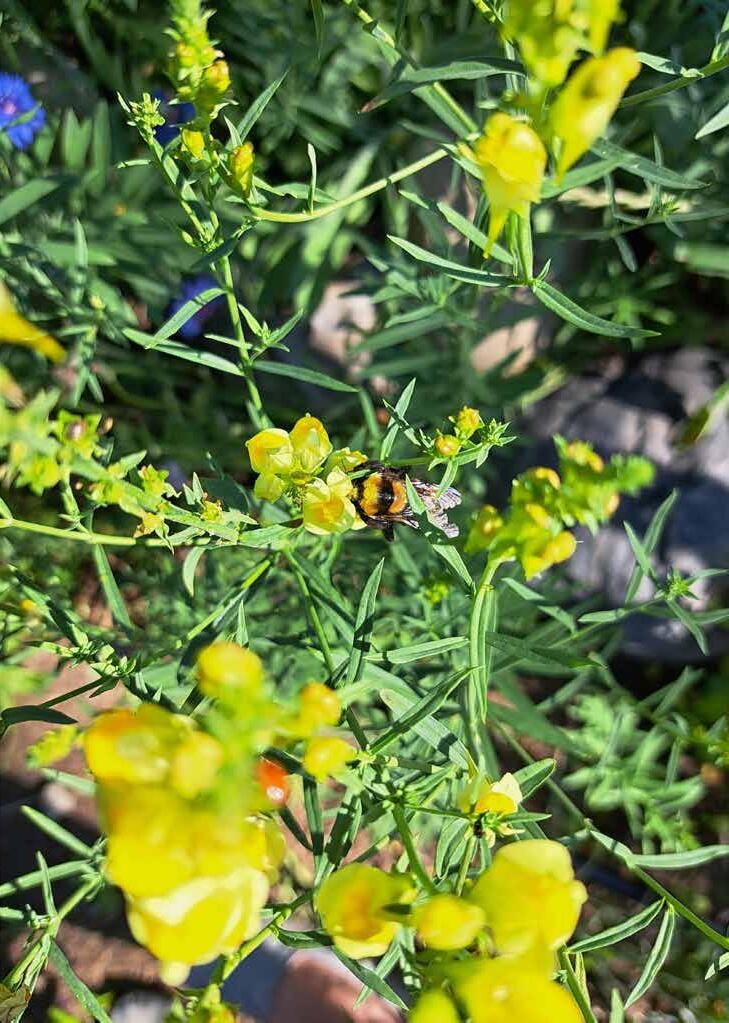
Invasive species, not Instagram fodder. LEFT Dalmation toadflax. SYLVIA DEKKER CENTRE Orange hawkweed. KALLUM MCDONALD. RIGHT Knapweed. AYLA PEACOCK
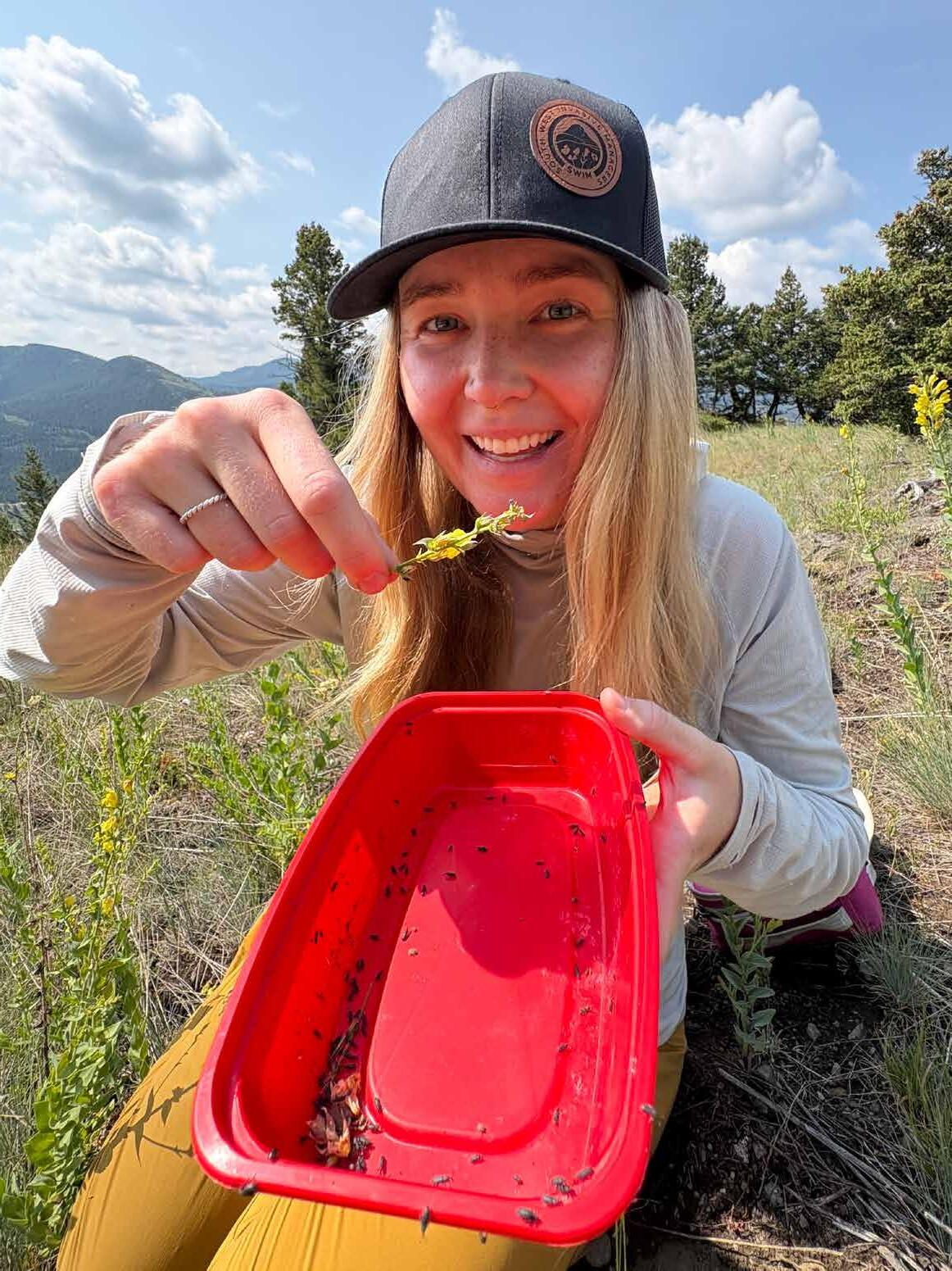
Ayla Peacock gets ready to chuck some bugs on Iron Ridge in Crowsnest Pass. NICOLE ARONITZ
That’s where those tiny grubs come into play. Known as biological control (often shortened to biocontrol), this strategy relies on releasing natural enemies—predators, pathogens or parasites—to suppress populations of pest plants, insects and beyond.
The weevil grubs Peacock was so stoked to find boring into Dalmatian toadflax stems on the west side of the Crowsnest Pass were just one of the biological control agents she released into the wild last year. Nicknamed “field heroes” in the field crop industry or “bios” in horticulture spaces, they play an effective, crucial part of ecologically conscious integrated pest management. Especially in our wild spaces. “I like to use biocontrol on areas that are difficult to reach or have exceptionally large infestations,” says Peacock. Not only are chemicals expensive—Peacock estimates $10,000 for five hectares of weeds—they are harmful to the non-target plants, animals and us. She adds, “spraying that many hectares just seems like poor land management.” Instead, for a fractional $900 she can let 250 weevils loose to eat and breed their way through a patch of stubborn weeds.
The first two years of wild biocontrol are slow, establishment years. “The [bios] do the work for you; you just have to be patient,” says Peacock. The payoff, she notes, comes later, once populations are successfully integrated. “Once those insects establish, they provide ongoing, cost-effective control across large areas,” says Kuczmarski. Attack strategies vary. Some agents kill or maim target plants by laying eggs inside the stems or feasting on the leaves. Others hamper reproduction by mining into the seeds. “The spotted and diffuse knapweed root weevils…lay their larvae in the roots just
below the soil surface and swell up the root before emerging in the following season,” explains Kuczmarski.
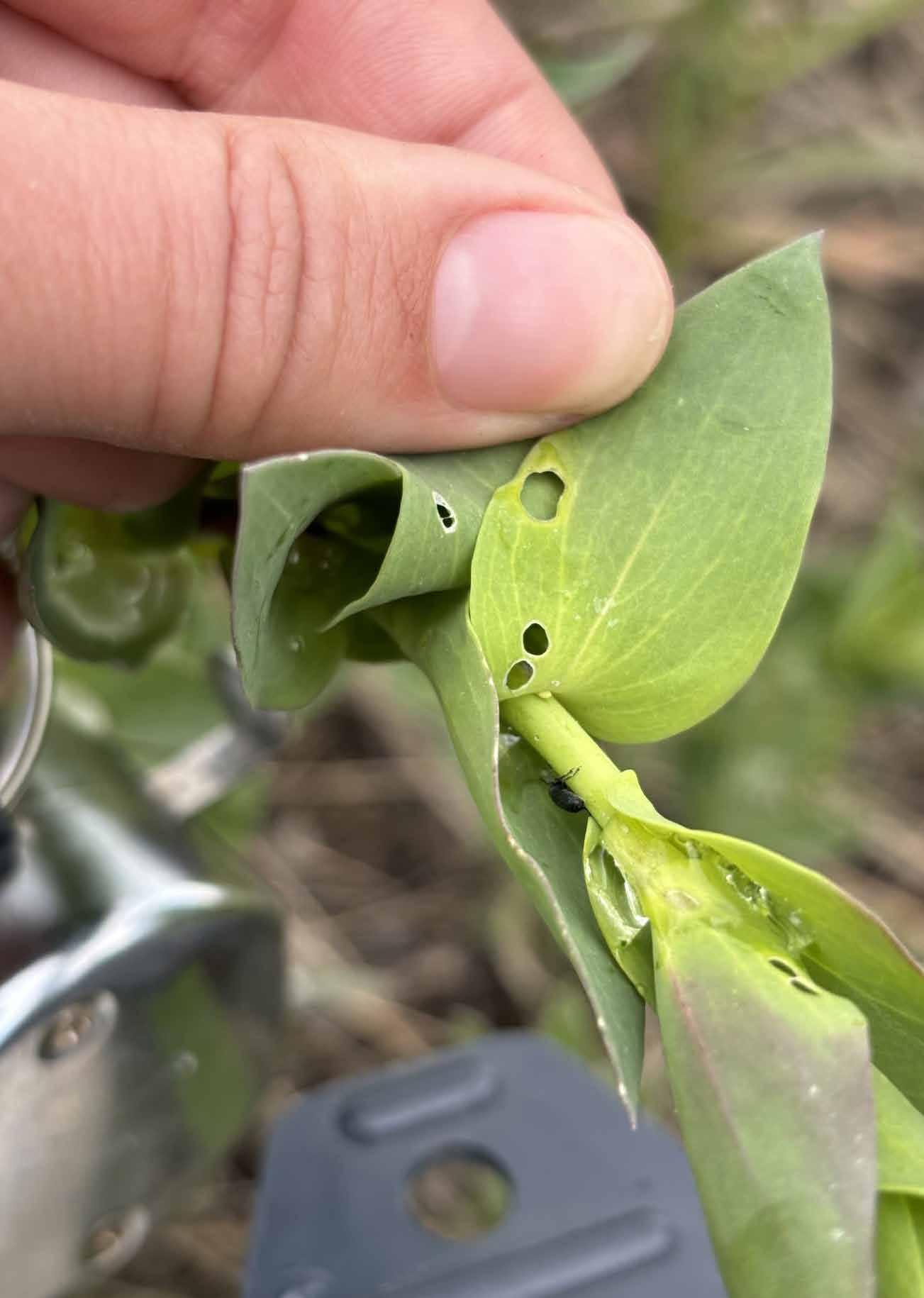
The symptoms of attack vary as well. “Dalmatian toadflax plant stems get black bruising, and if you open it up you’ll see the larvae,” Peacock explains. Those little grubs were exactly what she was so excited to discover in the Crowsnest Pass, as she squinted with trained eyes and knelt to count each grub inside her monitoring square. It’s quiet, invisible and inscrutable work. “People could be walking past our [control] agents and not know,” says Peacock.
If passersby did notice the weevils, some might not be particularly thrilled about it. Biocontrol is not new to Canadian wildscapes, but if few people realize trails are lined with a monoculture of invasives, even fewer understand and trust biocontrol. Case in point: Comments on a social media post explaining the use of a moth for phragmites—an extremely problematic invasive wetland grass—earned a variety of shocked and panicked reactions. How could introducing a non-native species to control another possibly be a good idea?
“Numerous surveys conducted over the past 10 years suggest that there is a strong negative perception of biological control… largely based on lack of biological knowledge, lack of awareness or of realistic risks and benefits, and sensationalism of past mistakes,” write the authors of the book Biological Control Programmes in Canada, 2013-2023. The combination fuels imagination and panic when messaging about biological control efforts trickles through the algorithm, partly because the consequences of those past mistakes still crawl over our backpacks and boots.
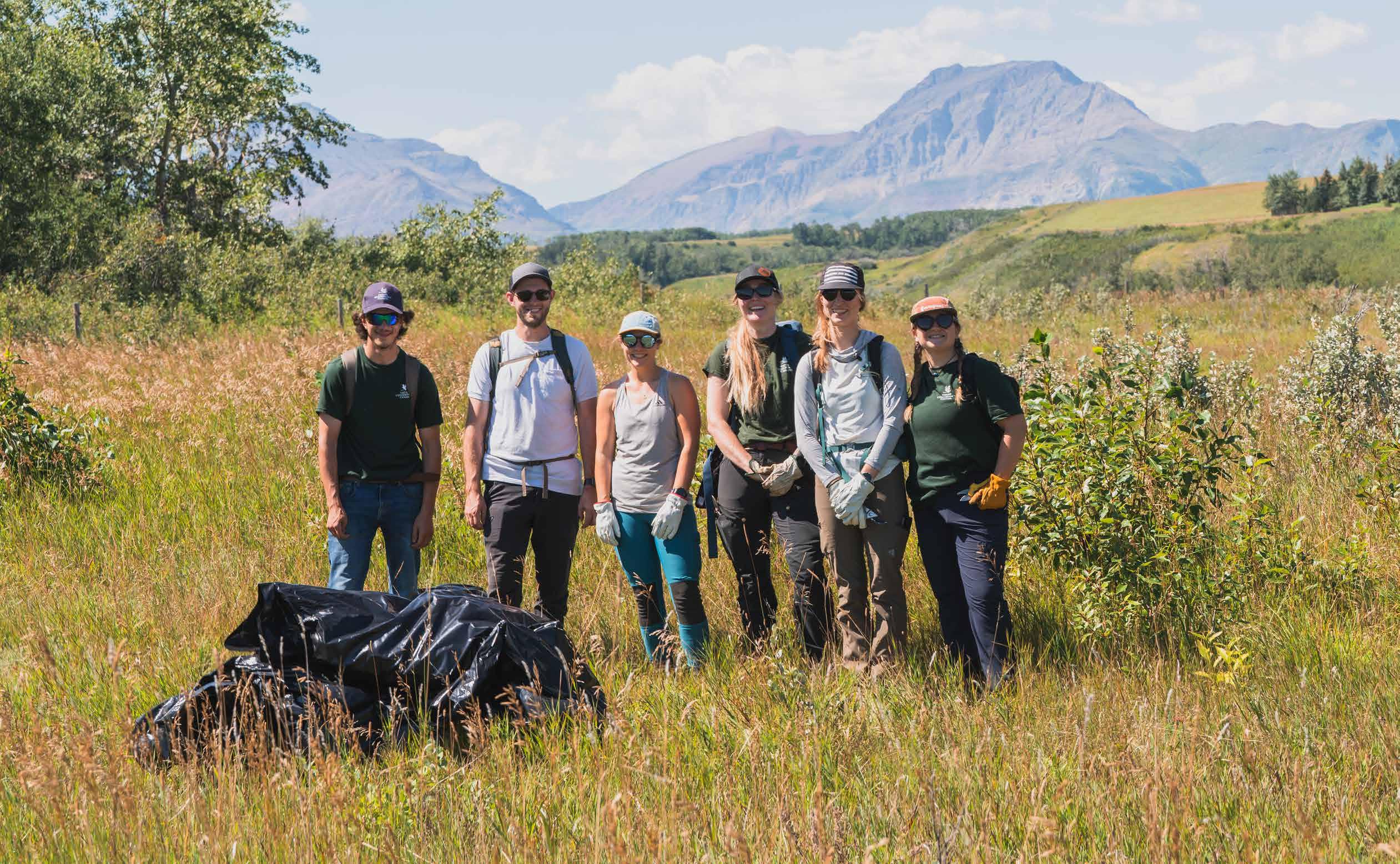
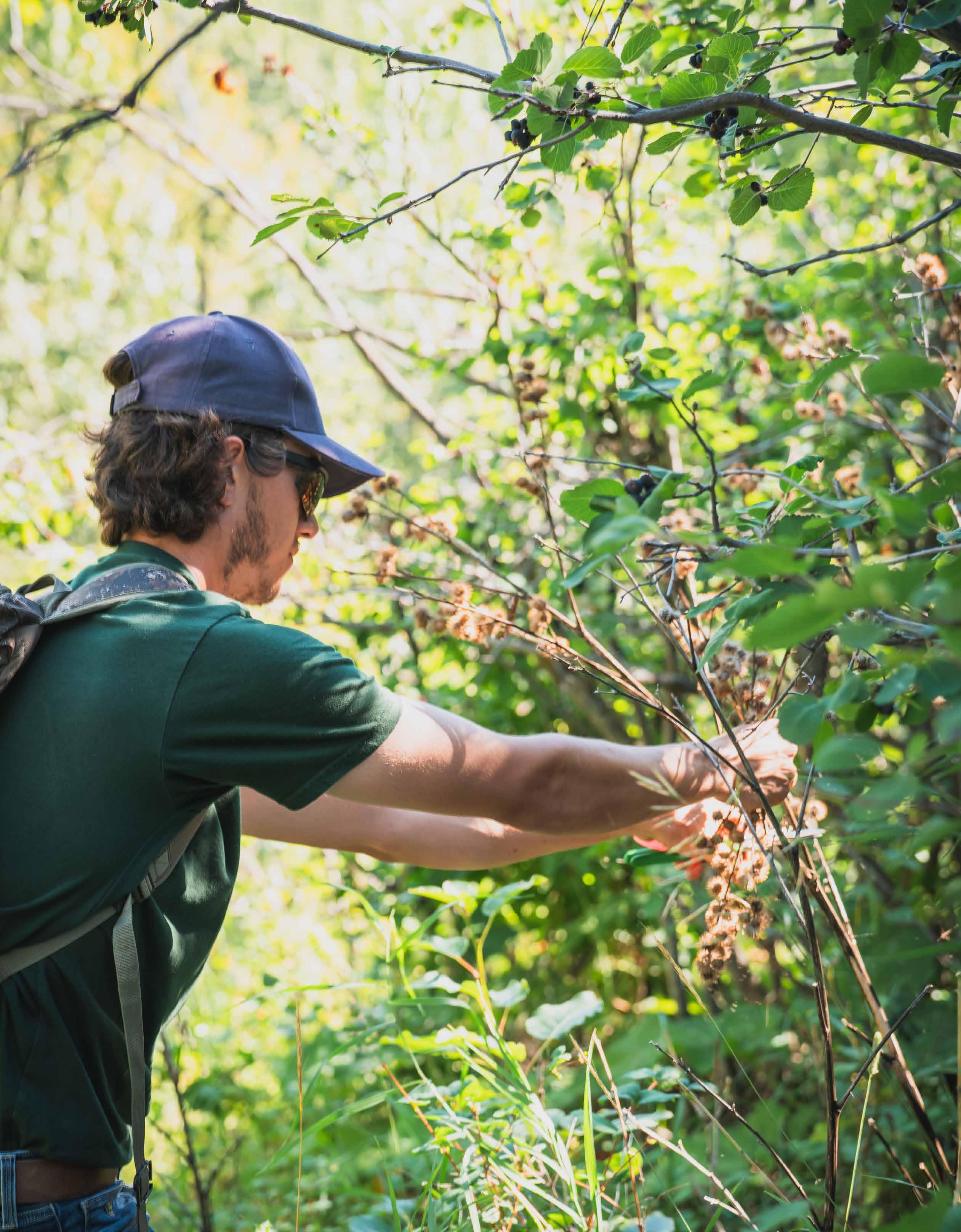
Conservation volunteers gather at The Yarrow, a biodiverse conservation land in Southern Alberta, for a “Burdock Bonanza.” JOSHUA SCHULTZ
If you see a ladybug in your home or the hills, there’s a good chance it’s an imported species called multicoloured Asian lady beetle (MALB, Harmonia axyridis). It’s not the infamous cane toad saga, a 1940s biocontrol attempt that backfired into a sensationalized, ongoing ecological nightmare in Australia, but MALB’s story is a relatable cautionary tale playing out in our own backyard.
In the 1980s, MALB was imported to various states in the U.S. to control aphids and other soft-bodied plant pests. It proved so effective that it displaced native lady beetles within its everexpanding range. When MALB now descend by the hundreds, seeking shelter from the fall and winter chill, they become an indoor nuisance even to the least insect-aware.
Kuczmarski says the culprit of past mistakes, significant or not, was insufficient testing and research at the time. Today, Canada is a world leader in science-based regulatory oversight of biological control agents. “There’s a huge approval process,” says Kuczmarski, outlining a flow chart of red tape including a petition for release reviewed by a committee who recommends approval or denial. If approved, the agent is imported under strict regulations, followed by rigorous laboratory and field testing.
“Biocontrol agents I’ve personally worked with have been researched for 10-plus years,” Peacock says. “They don’t feed on anything but the target species, so much so that they get to a point where they’re so effective they eat themselves out of a home.”
“A lot of us pack out what we pack in and are all really good about garbage, but we should also view invasive species the same way.” – Ayla Peacock
Most Canadians don’t realize that biocontrol can reduce pesticide use and support climate goals. It’s often the safest, most costeffective, reliable option. “The use of biocontrols in wild and natural spaces is a really important tool when a lot of our management has been based around pesticide use,” Peacock says.
Still, compared to the number of invasives, available control agents are limited. In Alberta, Peacock can purchase and release Dalmatian toadflax stem-mining weevil, named for the plants they attack; seed-head and stem-mining weevil, which attack spotted and diffuse knapweed; and leafy spurge beetles. Kuczmarski says trials by Agriculture Canada are ongoing for agents targeting oxeye daisy, yellow toadflax, Russian olive and common tansy, but several of these biocontrol agents have only been approved for importation and threeyear trials, with one approved as recently as 2025. Due to extensive study and possible waitlists while the bug is being reared, it could be at least a decade before they’re out fighting invasives in our wildscapes.
Peacock and Kuczmarski continue to work with their approved biocontrol agents (“chucking bugs,” as they call it), monitoring their success and learning more about the insects’ behaviour. Weevils— with their long snouts and habit of playing dead when approached— win the popularity contest overall and, Peacock says, “If I had to pick one in terms of efficacy: the Dalmatian toadflax weevil.” She describes a five-hectare field with an initial infestation density (scored from zero to 12) of Dalmatian toadflax at an eye-popping 11. Thanks to releasing the little weevil, it’s down to a two, with only a couple sporadic plants left.
Efficacy depends just as much on the agent as the weed. Compared to Dalmatian toadflax, knapweed is an entirely different, gnarly purple beast. “Knapweed seed-head and root weevils stunt growth and also reduce seed load, but won’t eradicate [knapweed] from an area, so we still need to spray or hand-pull,” says Peacock.
Which is why she encourages outdoor enthusiasts to put boots on the ground beyond their regular recreational activities. “Support local conservation or mountain biking organizations by showing up to weed-pull events. Take five minutes to clean your equipment: You get to spend hours out in nature, enjoying the ecosystem services that nature provides, so what is five minutes to you? Educate yourself on what invasives are in your area.”
Once you know what plants along your favourite trail are problematic, stop to take a closer look—you may discover your own wiggling trophy hidden deep in those trumblesome stems.
ABOVE The invasive Dalmatian toadflax shows signs of damage from biocontrol agents. PAIGE KUCZMARSKI
RIGHT Yanking and bagging invasive burdock out of the Rockies, one plant at a time. JOSHUA SCHULTZ
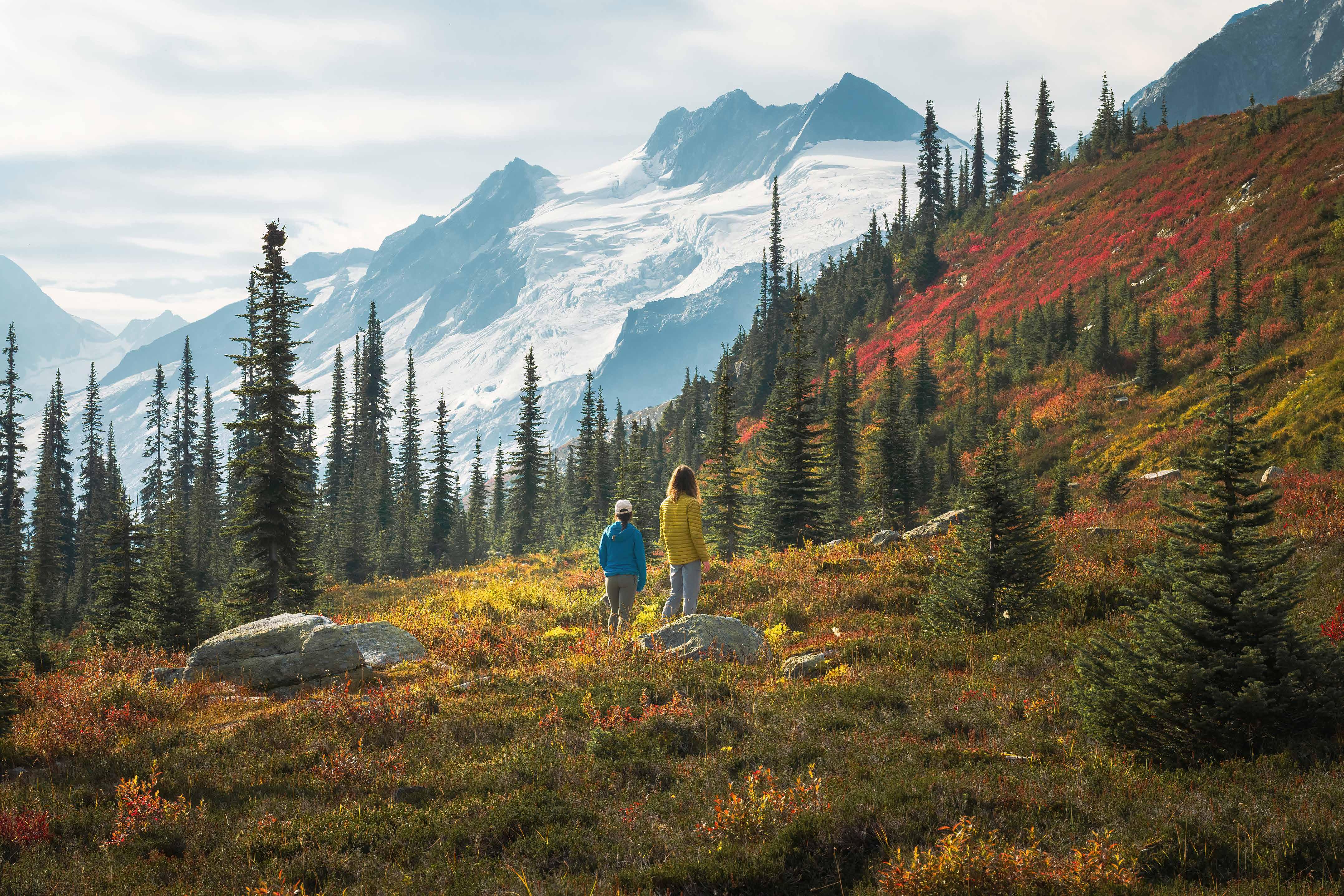

by : Vincent Schnabl; L ocation:
Ab b ott Ridge
, Glacier National Park
The Quieter Side of the Canadian Rockies
As you know, summer in the Rockies is a busy time. The roads are bustling, hotels are full, and the national parks are filled with travellers out exploring. It is a wonderful time to visit. But if you want to escape the crowds, fall travel to Golden, BC hits different. Golden is a scenic three-hour drive from Calgary, tucked between the Purcell and Rocky Mountains. In early fall, the valley shifts into autumn colour, cooler temperatures, quieter trailheads, and a slower pace.
For hikers, Golden is perfectly placed between three parks. Those looking for longer days and have a vehicle ready for dirt roads can head to Bugaboo Provincial Park. Granite spires rise high above glaciers and, with the right timing, golden larches light up the alpine. Cobalt Lake and the Conrad Kain Hut are local favourites.
Yoho National Park offers iconic roadside sightseeing and easy hiking, with Emerald Lake, Takakkaw Falls, Natural Bridge, and Wapta Falls. Glacier National Park surrounds the historic Rogers Pass and has everything from the easy access Hemlock Grove Boardwalk to short hikes like Bear Creek Falls. Ambitious hikers will feel at home on Hermit, Perley Rock, and Glacier Crest, where trails climb steeply toward amphitheaters of peaks and glaciers. All activities are subject to weather and trail conditions.
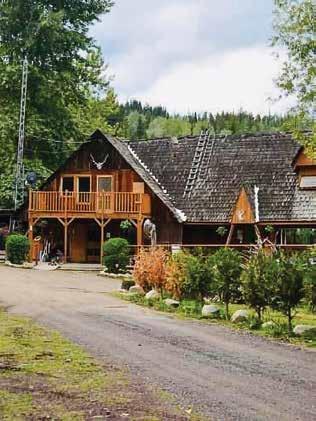
Kinbasket Lake Resort
The gateway to the magnificent Kinbasket Lake. Offering lakefront camping with full hookup RV sites, lakefront cabins and tent sites, fishing, swimming, boating, and more!
1-250-344-1270 www.kinbasketlakeresort.com

the FREE Golden APP tourismgolden.com/localapp
Outside the parks and close to town, Kicking Horse Mountain Resort offers lift-accessed ridge-top hiking with views across five national parks, and the Golden Skybridge has Canada’s highest suspension bridges and longest mountain coaster. If you truly want to get away from it all, Golden is home to more than 20 backcountry lodges, many catered and guided, offering remote access to places where few people have set foot.
By late fall, snow is creeping down the peaks and Golden settles into cozy season. Wake up to misty mornings and watch the mountains shift between snow, cloud, and soft afternoon light. Coffee in hand, take a relaxing stroll next to the Kicking Horse River and listen to the Golden Stroll audio tour. Catch a hockey game, see a movie at the cinema, browse downtown and eat some delicious food, and recline that chair a little farther than usual. Where you stay is part of that experience, and there are hotels, cozy cabins, romantic lodges, and vacation rentals to make you feel right at home.
You know that feeling when you take an exit and the highway rush falls away? If you are looking to get off the beaten track, visit the quieter side of the Rockies in fall and let Golden surprise you.
Start planning: tourismgolden.com/life
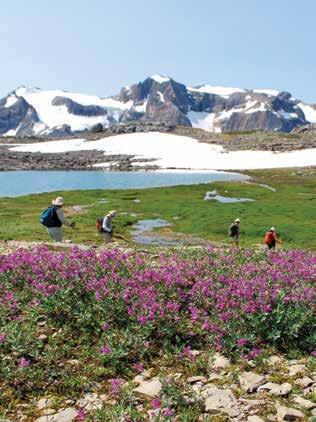
Mistaya Lodge
Helicopter access only in the heart of the Canadian Rockies. All inclusive packages let guests enjoy guided hiking, swimming, nature watching, photography, full catering & relaxation! 1-250-344-6689 www.mistayalodge.com


EARLY RISERS.
There's a type of person who sets an alarm for 4:00am - not because they have to, but because they want to. The kind of person who's skinning up a mountain before the resort opens, who's already an hour into a trail run when the rest of town is still on their first coffee, a person who reads the river the way the rest of us read a room.
You probably know someone like that.
These people form the community we know and love. A place full of early risers - climbers, bikers, runners, anglers, skiers - people who choose the mountains and rivers not as a backdrop, but as a way of life. People who understand that the best line, the subtlest take, or the most grueling climb are never really about the thing itself. It's about the people you're with and the memories you make along the way.
It's this Lifestyle that we're so passionate about here at Wild Life.
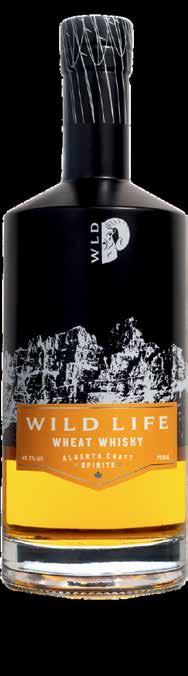
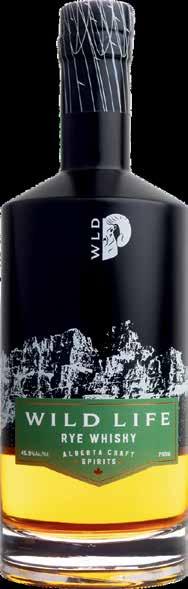
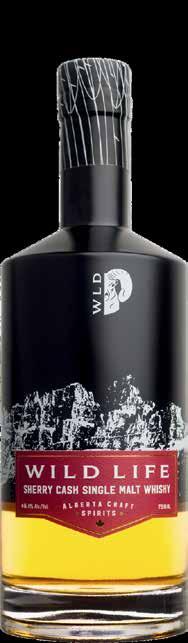
The same obsession with detail that gets you up at 4:00am is what goes into every batch we make. We're proud to share that our Alberta Rye Whisky has earned serious hardware on the competition circuit, winning multiple gold and 'Best in Class' medals from respected competitions across the country. We think it's the perfect dram to crack open after a long day in the mountains, whatever your mountain looks like.
In the words of local fisherwoman and WLD ambassador Paula Shearer: "The wild life is where the mountains meet the river. It's early mornings, fresh air and the endless pursuit of wild fish in wild places. It's a way of life built on adventure and connecting with nature."
We couldn't have said it better ourselves.
Cheers to summer in the Canadian Rockies.
Find us online at wildlifedistillery.ca or come say hello at our tasting room in Canmore, AB.
- The WLD Team
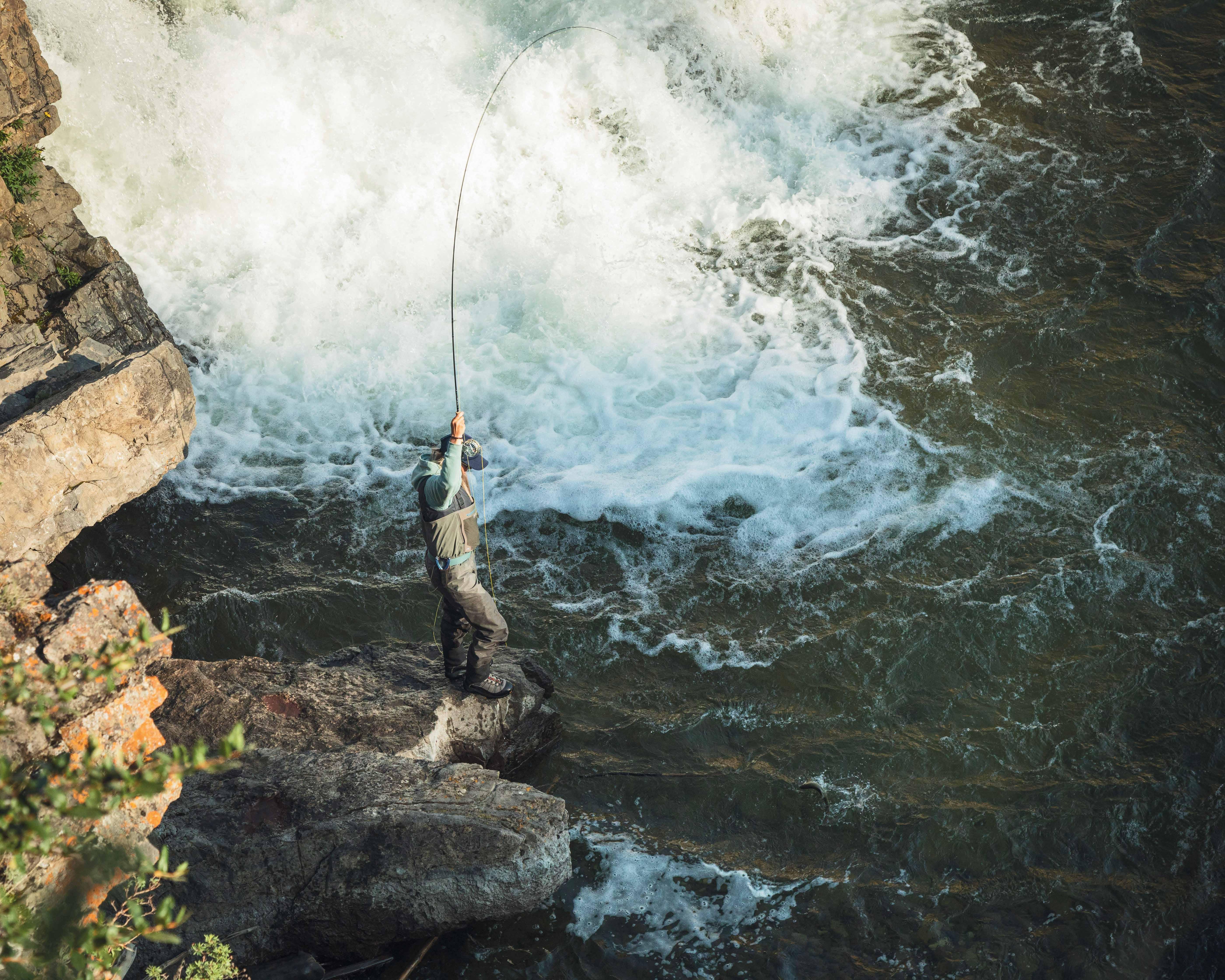

Credit: Justin Swan
Fisherwoman & WLD Ambassador
Paula Shearer
LIP SERVICE
How development and policy failures are threatening Alberta’s water sources
words :: Andrew Findlay
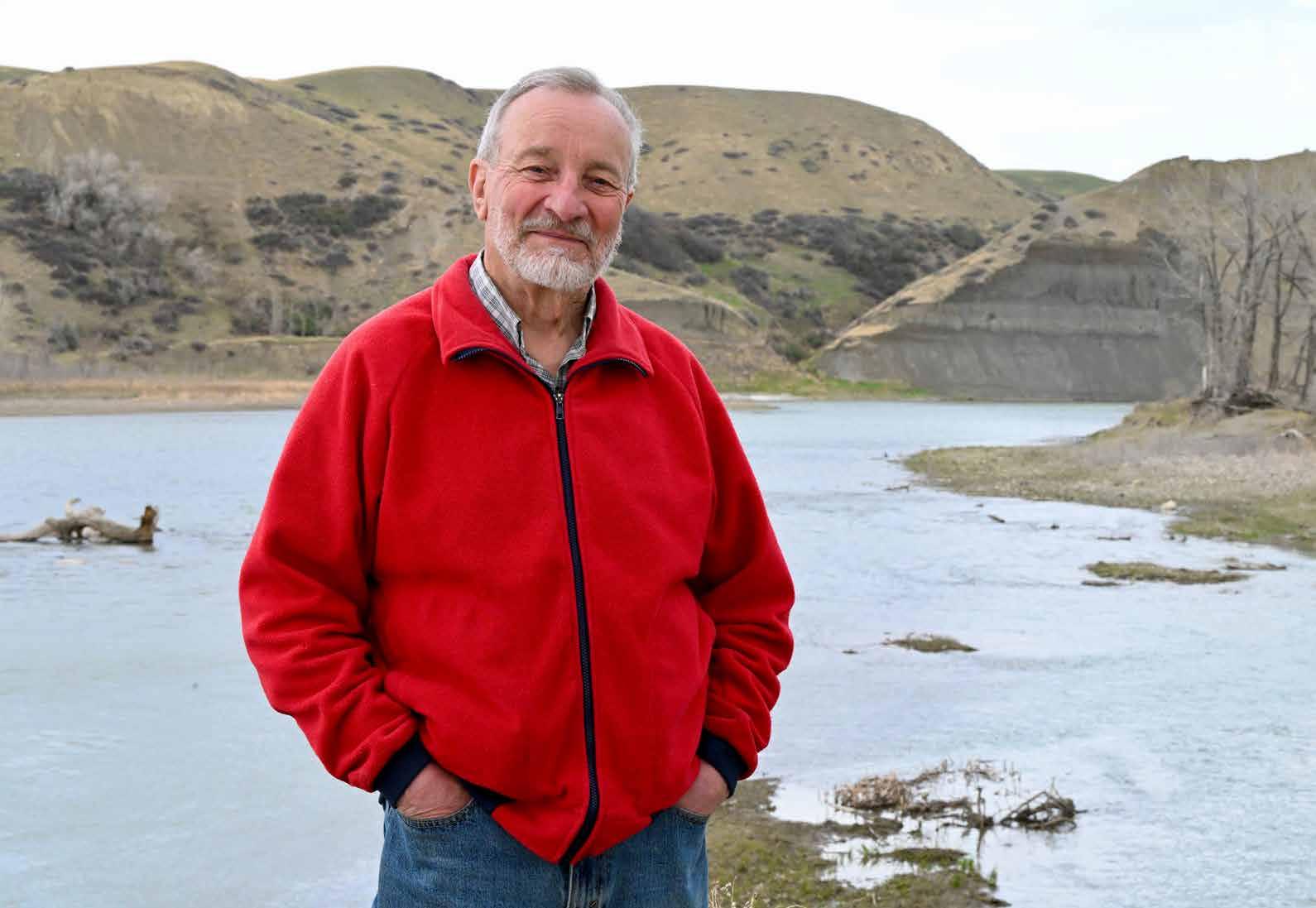
On a summer morning many years ago, biologist Lorne Fitch and a colleague bushwhacked over windfallen timber along a small stream feeding the Clearwater River. There they discovered a Garden of Eden: Wolf lichen draped over old-growth trees that grew stout and tall, and plump bull trout flashed in cold, clear shimmering pools. It was as though time had forgotten this remote valley.
“We had to fight our way into it because there wasn’t a road, no seismic trail, not even an outfitters’ horse trail,” Fitch says, over the phone from his home in Lethbridge. “It was like walking through a cathedral.”
WHEN THE WATER RAN CLEAR
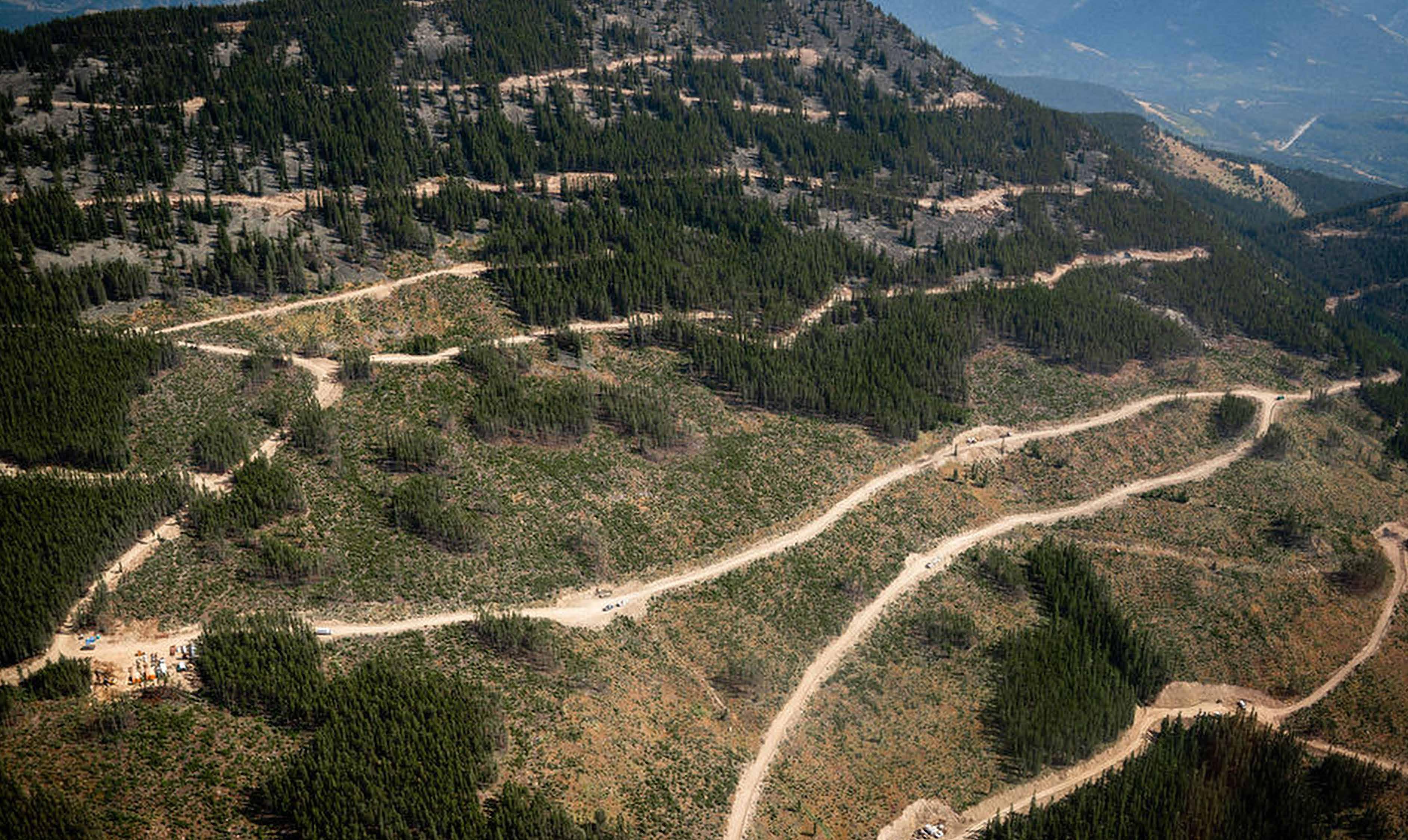
Half a century later, Alberta is facing a conservation crisis. More than 90 per cent of Alberta’s drinking water flows from the eastern slopes of the Rockies, but decades of mining, logging and development—along with climate change, melting glaciers and unreliable snowfall in mountain headwaters— are pushing these waters toward a breaking point. These mountains feed the rivers and aquifers that sustain communities, farms and wildlife—and they are located where Albertans hike, camp, ski and fish. It was here that Fitch’s environmental views first took shape.
Born and raised in conservative farm and ranch country, Fitch moved to the city after high school to enroll at the University of Calgary. There, life sciences introduced him to a way of looking at the natural world that was holistic rather than extractive. Summers working for the provincial government gave him broad field experience: assisting on northern pike reproduction projects, conducting range assessments for grazing leases and staffing field check stations for deer hunters. After graduating with a major in zoology and minor in physical geography, he landed a job with the Alberta Fish and Wildlife Division based in Red Deer. He assessed
Logging roads cut across the eastern slopes of the Rockies. CPAWS SOUTHERN ALBERTA
THE FIGHT FOR THE EASTERN SLOPES
During Fitch’s early summers in the field bushwhacking across dozens of mountain watersheds, he saw these policies as a sensible, fact-based lens for understanding the eastern slopes. Times have changed dramatically. Fitch says Alberta is now mired in a dark era where science no longer guides resource management and decisionmaking is dangerously politicized and tilted toward industry.
eastern slope streams and lakes for trout, investigating habitat and pollution issues. He and his coworkers measured stream width and depth, and evaluated the health of the surrounding streamside habitat. They electrofished (a non-lethal scientific study method) sections of streams to determine fish age and size. Winters were spent analyzing and writing up the data.
It was a dream for a young biologist, but also an eye-opener. Government biologists had conducted stream surveys throughout the 1950s and 1960s, and Fitch pored over their paper reports tucked away in dusty filing cabinets. Though less thorough than his own surveys, they captured an earlier, healthier snapshot of the rivers. Too often, Fitch’s studies found fewer and smaller trout, declining water quality and aquatic habitat further degraded by industry compared to his predecessors when they had walked the same waterways.
high-water mark for good government. His Progressive Conservatives supported oil and gas development, but not recklessly. They established the Alberta Heritage Fund as a rainy-day fund to help smooth the boomand-bust of commodity prices and ensure fossil fuel royalties would benefit citizens. They also created Kananaskis Country and Kananaskis Provincial Park, later renamed Peter Lougheed Provincial Park in 1986.
Long before water conservation and drought were common dinner table topics in Alberta, Lougheed’s government recognized the importance of balancing resource extraction and conservation—especially in the sensitive watersheds of the Canadian Rockies front ranges.
His government produced two important documents: the 1976 Coal Policy, which laid out where coal development would and would not be permitted, and the 1977 Policy for Resource Management
”Everything is politicized in [the] Alberta environment. You have ministers of environment that are basically the ministers of industry promotion.” – Bill Donahue
While Fitch was starting his career, Peter Lougheed was in the early years of his 14-year premiership following his 1971 election. A small-c conservative, Lougheed is remembered by many as a
of the Eastern Slopes, a non-legally binding but forward-thinking conservation, recreation and development framework for approximately 90,000 square kilometres of mountains and foothills.
The current quagmire of coal mining and exploration demonstrates just how far the province has drifted into pseudo-science and questionable policy. In May 2020, the United Conservative Party abruptly scrapped the 1976 Coal Policy, triggering a rush of coal exploration permit applications on land that had previously been off-limits. The move also triggered a swift and massive public backlash, prompting the provincial government less than a year later to reinstate the policy and cancel new coal leases.
Sonya Savage, energy minister at the time, wisely formed the coal policy committee to tour the province and gather both public and industry input to guide future coal policy. The committee’s report recommended comprehensive land use planning on the eastern slopes and consultation with Indigenous groups. But before the ink was even dry, the province quietly shelved the document and announced the Coal Industry Modernization Initiative, to be developed behind closed doors with industry input. Around the same time, five coal companies launched lawsuits against the provincial government over cancelled licenses and policy flip-flops—legal battles that have already cost Albertan taxpayers nearly $240 million.
Grassy Mountain, a proposed open-pit metallurgical coal mine near Crowsnest Pass, continues to drain government resources and the bandwidth of a public that, according to a February 2025 Leger poll, is more than 75 per cent opposed to coal mining on the eastern slopes. Australian mining giant Hancock Prospecting, one of the companies suing the province, has been pushing the mine for nearly a decade—and won’t take no for an answer.
Biologist and author Lorne Fitch has documented decades of decline on the eastern slopes. JESSICA GERGELY
In 2021, a Joint Review Panel of federal and provincial regulators rejected the project, concluding that the environmental costs far outweighed economic benefits. Undeterred, Hancock created a shell company, Northback Holdings, to keep it alive. The Alberta Energy Regulator (AER) readily accepted a new Grassy Mountain proposal as an “advanced coal project,” effectively circumventing a ministerial order that had suspended new coal applications. Resource law expert Nigel Bankes of the University of Calgary said the AER’s decision was on legally shaky ground. Recent decisions have done little to dispel public concern over the AER. Last summer, the regulator’s CEO Rob Morgan, a longtime oil industry executive, cancelled an independent-panel public hearing for Mine 14 near Grande Cache. The paper trail is concerning: It shows that Morgan made the decision only after the company proposing the mine, Summit Coal, complained in a letter to the energy ministry. That’s why Fitch calls the AER a “captured agency,” arguing that it is shaped more by industry and politics than by science or public interest.
“When the CEO of the owner of Mine 14 can call up the Minister of Energy and complain about a planned public hearing and that trickles down back to the CEO of the Alberta Energy Regulator, it tells you something about the objectivity of that agency,’’ Fitch says.
THE SILENT THREAT
Beneath the regulatory battles lurks a silent threat: toxic selenium. This mineral is essential to all animal life but becomes toxic, or even lethal, at higher concentrations. Found naturally in coal-bearing rock, selenium leaches into waterways when mining exposes waste rock to air and water. You can’t see it, smell it or feel it—but it’s dangerous, and there’s no easy solution.
Provincial scientists were monitoring water quality in Crowsnest Lake when their 2024 results revealed toxic selenium levels from long-closed coal mines in Crowsnest Pass, far exceeding the provincial limit of 2 micrograms per litre set to protect aquatic life. The contamination forced the province
to issue a fisheries advisory for the lake due to human health concerns. The AER remained unmoved by this inconvenient scientific report, fueling the growing public perception that it serves industry over the public.
Aquatic scientist Bill Donahue knows a thing or two about selenium, and about political interference and the burying of facts and science in Alberta. He served as VP and chief monitoring officer for the Alberta Environmental Monitoring, Evaluating and Reporting Agency before it was axed in 2016. He then led the Environmental Monitoring and Science Division at Alberta Environment and Parks, resigning in 2019 out of frustration with the anti-science bureaucracy.
More than six years after leaving the Alberta civil service, he’s blunt and unfiltered. “Everything is politicized in [the] Alberta environment. You have ministers of environment that are basically the ministers of industry promotion,” says Donahue.
Before quitting, a colleague told Donahue about more than 20 years of water quality data collected downstream of three coal mines—the Luscar, Gregg River and
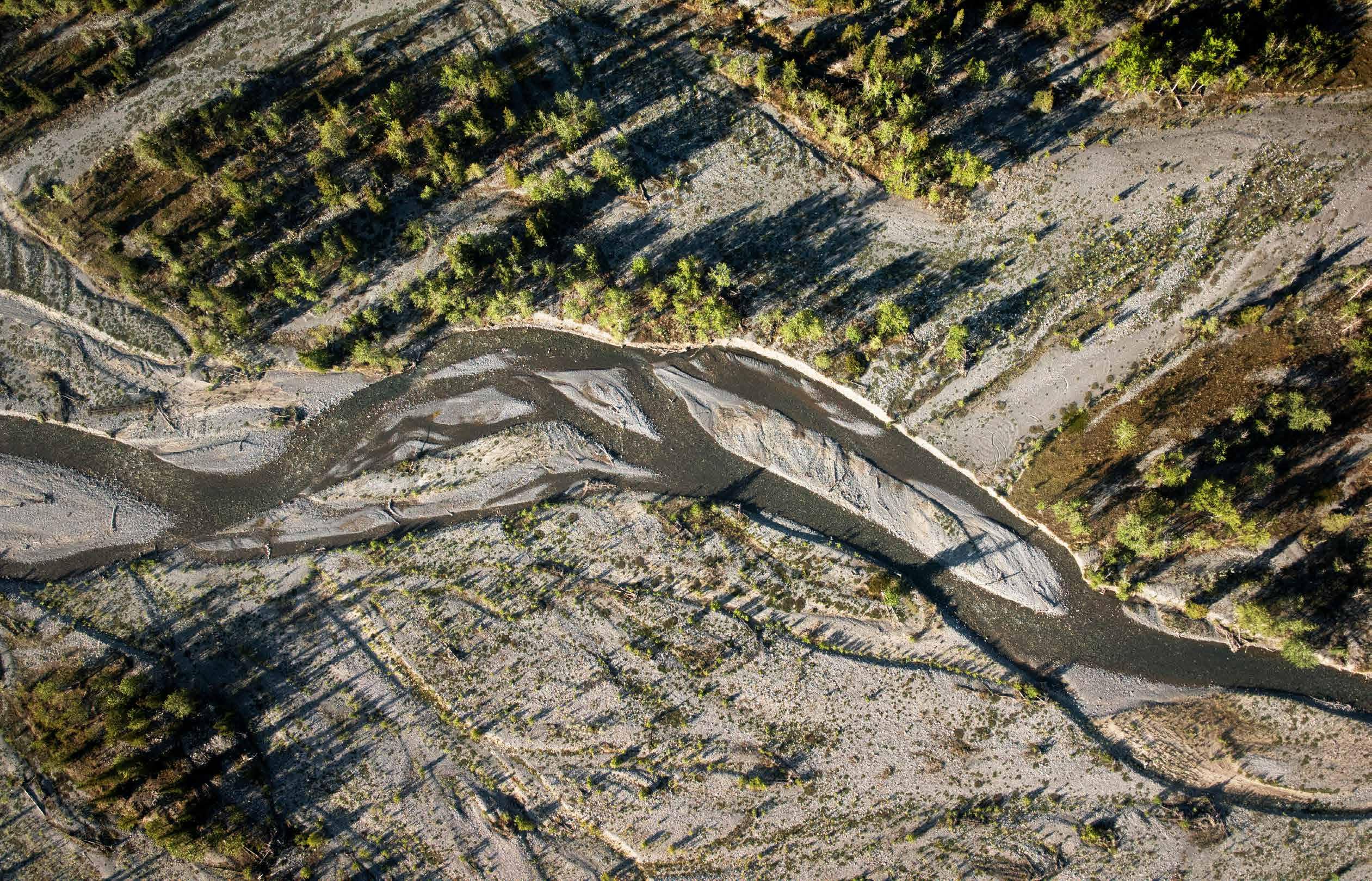
An aerial view of a degraded eastern slopes watershed. MITCHELL LEONG
Cheviot—in the McLeod River watershed. The data had sat for years stacked in bankers boxes, ignored. When he and fellow scientists analyzed it, the results were grim.
“We saw clear evidence that selenium concentrations in these systems downstream of these coal mines were far exceeding the levels that are supposed to trigger regulatory responses,” Donahue says.
Even though the AER had data showing toxic selenium levels in the watershed from the Luscar and Gregg River mines, the agency went on to approve another mine, the Cheviot, which closed in 2020. “Within two or three years of the mine’s opening, selenium was again spiking in the waterways,” Donahue says. The longterm impacts on the McLeod River Basin have been devastating: huge declines in threatened and endangered rainbow and cutthroat trout populations, reductions in aquatic invertebrates that serve as fish food and a catastrophic crash in total aquatic biomass by up to 95 per cent.
According to Donahue, the AER wasn’t basing decisions on monitoring results or science—rendering guidelines virtually meaningless. Even when data indicated significant spikes in toxins like selenium, there was no regulatory response.
“It was just business as usual,’’ he says. For coal mining proponents, “business as usual” means spinning a tale. Decades of coal mining in southeast British Columbia has contaminated drinking water in Fernie and poisoned cross-border rivers like the Flathead. So far, history has shown there is no technically and economically viable way for the industry to prevent selenium from leaching into groundwater.
A 2024 report from Kimberleybased environmental group Wildsight estimated the cost for Teck Resources Ltd.’s water treatment plant, built to remove selenium from mine-affected water in the region, would cost a whopping $6.7 billion to operate for 60 years. Earlier this year, Northback Holdings’ CEO Mike Young, in an interview with CBC radio’s Calgary Eyeopener, touted new treatment technologies that will enable the company to stop downstream selenium contamination. Donahue is skeptical.
“Honestly, I don’t know what he’s talking about,” Donahue says. “There’s a bunch of different techniques, chemical and biological, that are being used. But the question is: Have they been demonstrated to be effective, at scale? The answer is no, nowhere.”
WHEN THE FOREST FALLS
In recent years, the provincial government’s pro-coal stance and policy missteps have dominated discourse about the eastern slopes, often overshadowing another stressor: logging. Decades of timber harvesting are adding pressure to already drought-stricken streams.
In the upper Highwood River watershed, bull trout still spawn in clear gravel riffles. Towering trees shade the water, and windfallen logs form natural jams and pools where fish school. Bull trout—Alberta’s provincial fish and a threatened species under both the Alberta Wildlife Act and the federal Species at Risk Act—depend on these habitats.
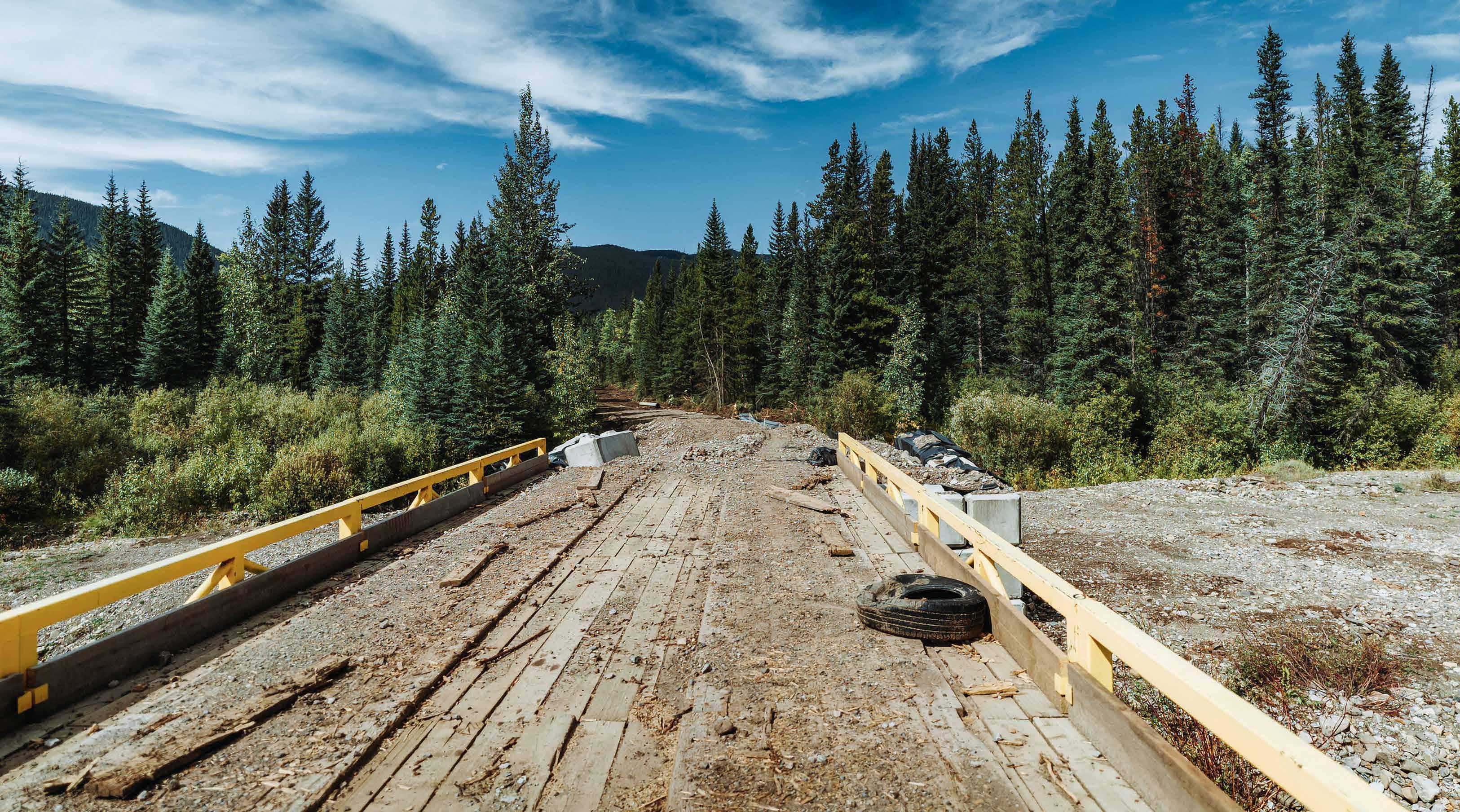
Conservation responsibility is shared between Alberta and the federal government, which can make for a confusing jurisdictional picture. On paper, the Highwood River is a critical habitat for bull trout. In practice, it’s a different story. Three springs ago, the logging company Spray Lakes Sawmills illegally built a bridge across the upper Highwood River, ignoring Fisheries and Oceans Canada (DFO) permit requirements. Canadian Parks and Wilderness Society (CPAWS) staff documented the site, showing failed or non-
Ignoring Fisheries and Ocean Canada permit policy, Spray Lakes Sawmills illegally constructed this bridge across the upper Highwood River. AMBER PAYLISS
existent erosion control measures mandated under Alberta’s Forests Act.
In the fall of 2023, BC-based logging company West Fraser bought Spray Lake Sawmills. The company removed the unauthorized bridge but forged ahead with logging plans in the Highwood watershed near the bull-trout bearing Loomis Creek. Last October, DFO issued a permit to West Fraser to build 13 new bridge crossings in the watershed. A Ministry of Forestry and Parkscommissioned assessment warned that the planned logging “will lead to increased peak flows” and that climate change impacts “are likely to be compounded by a high level of forest harvest in the watershed.”
Joshua Killeen of CPAWS Southern Alberta Chapter says West Fraser’s track record leaves little hope for safeguarding fish habitat. Since 2004, the company has racked up nearly $70,000 in Forests Act fines for sediment and erosion impacts in trout-bearing creeks. “We believe this to be the tip of the iceberg in terms of the scale of these issues, which have significant impacts on threatened species like bull trout and westslope cutthroat trout. A minority of cases actually make it to the enforcement stage,” Killeen says.
INVESTING IN NATURE
As the combined pressures of logging, mining and backcountry recreation mount, public demand for change grows. Conservation is not just ecological, it’s economic.
The Oldman Watershed Council (OWC) found that the $50 million invested by the Alberta government since 2014 in its Watershed Resiliency and Restoration Program generates $253 million annually in flood and drought mitigation, improved water security, infrastructure protection and other ecosystem benefits.
“Investment in environmental restoration is investment in Alberta’s economy,” says Shannon Frank, executive director of the OWC.
SHIFTING BASELINES
This spring at his home office in Lethbridge, Fitch spent weeks analyzing an independent audit of timber harvesting practices in the Oldman River for the Alberta Wilderness Association. The results, released in April, are troubling.
The audit looked at 496 survey points in the Oldman watershed and found 667
Fitch says Alberta is now mired in a dark era where science no longer guides resource management and decision-making is dangerously politicized and tilted toward industry.
issues impacting trout habitat. There were numerous instances of companies either clear-cutting or leaving inadequate timber and vegetation alongside streams—harming or eliminating riparian buffers that are critical for protecting water and habitat quality.
“There is a virtual vacuum of enforcement. Until these offences are viewed and treated as environmental crimes, little is likely to change except a progressive diminishment of our environment,” wrote Fitch in an op-ed about the audit.
Though he formally retired in 2006, Fitch didn’t fade away. Not even close.
When he’s not preparing reports or pointing his poignant pen at government policy and industry overstep, he’s a busy author. Last year he published Conservation Confidential, his third book, both a powerful call to action and a reflection on nature’s beauty and wonder.
Fitch points out the human tendency to view the natural world through the narrow lens of their own generation, accepting its degraded state as normal—a phenomenon Daniel Pauly, a University of British Columbia fisheries scientist, termed “shifting baseline syndrome.” It’s insidious and particularly apt in Alberta. Throughout his career, Fitch has witnessed
steady ecological decline on the eastern slopes, the proverbial death by a thousand cuts. Today, those cuts feel a little deeper.
More than 50 years later, Fitch still vividly remembers that beautiful section of the Clearwater River he explored as a young biologist. At first it didn’t register, but he soon realized he was seeing a trout stream the way it should be. That revelation stayed with him, guiding his views on conservation and watershed restoration.
“History is fundamental to understanding where we’ve been and to serve as a guidepost for where we want to be,” he says. Despite his often-scathing rebukes of the provincial government he once served, Fitch is surprisingly optimistic.
SIGNS OF LIFE
To see a cutthroat or bull trout flash in a clear mountain stream is to witness nature’s defiance. If fish can survive here, much is still holding: Water quality isn’t destroyed, aquatic invertebrates persist, streambeds remain intact and forests continue to shade the banks. “It means there’s still hope and there’s still so much work to do,” Fitch says. But that hope won’t last without action.
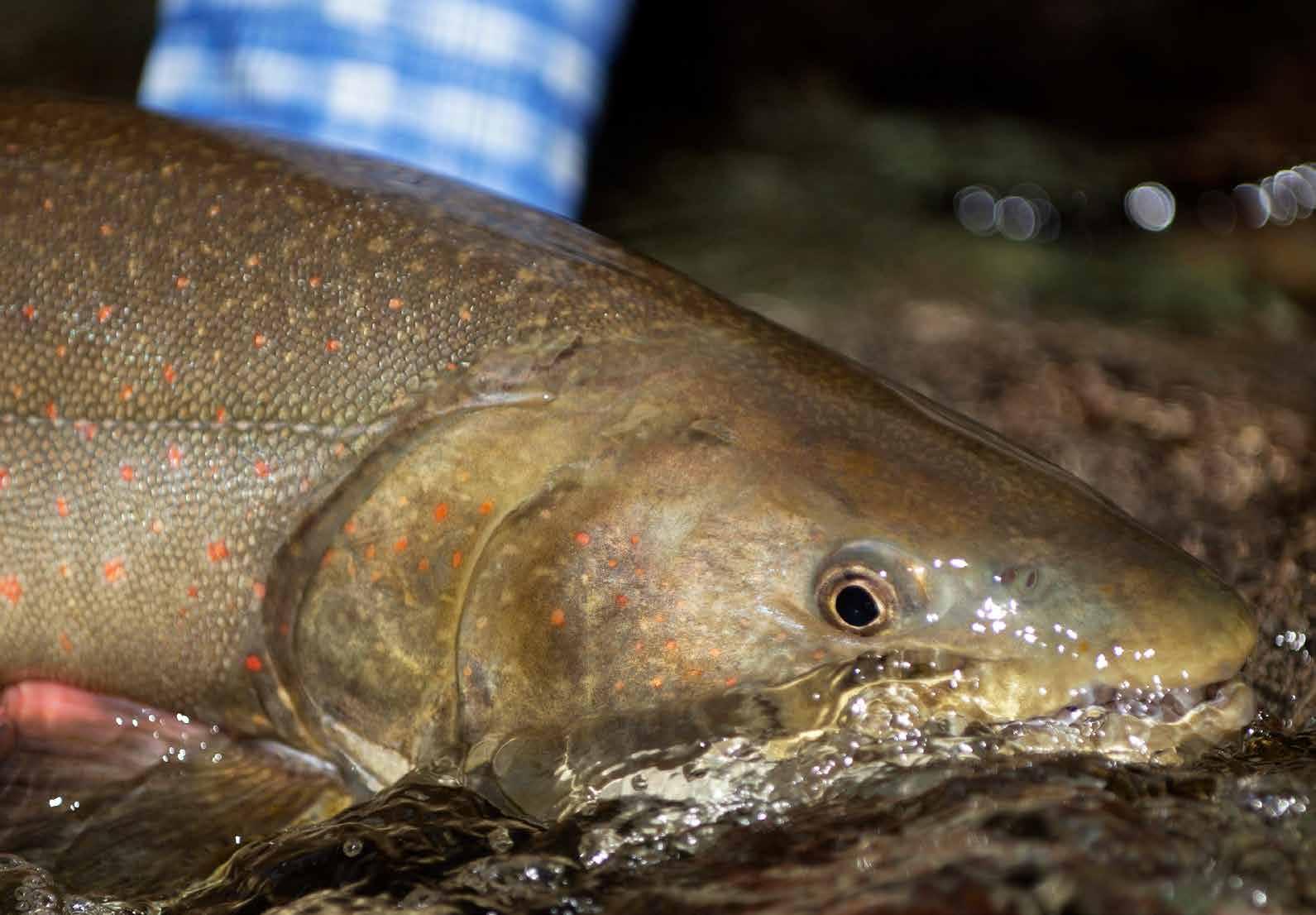
A bull trout, Alberta's provincial fish and a threatened species. JOSH NUGENT












DEEP COUNTRY
Greg Horne’s quiet life of exploration, adventure and discovery
words :: Bob Covey
For more than four decades, Jasper’s Greg Horne has been crossing thresholds.
High above ground or far below it, through remote, bush-choked valleys or atop unclimbed peaks, the retired national park warden has discovered those liminal points where comfort ends, uncertainty begins and perceptions shift.
“When you’re in a cave, sitting in total, absolute blackness, you’re completely switching off one of your senses,” he says. “You’ve been taught your whole life that darkness represents danger.”
For Horne, the underground world instead represents the irresistible promise of discovery.
“There’s an unbelievable rush,” he says, recalling the moment a difficult cave passage finally opens into untouched space. “You pop up into some chamber no one’s ever stepped into before.”
Last December, the Royal Canadian Geographic Society presented Horne with the RCGS’s Sir Christopher Ondaatje Medal for Exploration—one of the organization’s highest honours. The recognition, honouring his decades of explorations through caves, canyons and isolated wilderness, was fitting if unexpected. Horne has spent much of his life avoiding the spotlight.
“In a world of self-promotion and social media, Greg has 40 years of amazing expeditions that have added knowledge to our world, but few of them are widely known,” says longtime caving colleague and fellow of the RCGS, Christian Stenner.
Locally, however, Horne’s adventures are legendary. By his colleagues’ accounts, Horne has explored more of Jasper National Park than any other person in history— though he refuses to make the claim himself. To hear him describe the park is to understand why.
“To really know Jasper, it’s two or three lifetimes,” he says. “There are valleys that are really hard work. Places that are really off the radar.”
Born in Montreal, Horne moved frequently as a child, living or working in every Canadian province east of Ontario before eventually settling in Alberta in 1977. His father, a diesel engine salesman and technician, travelled occasionally to the Arctic to troubleshoot mechanical problems in isolated communities and at military bases—including Canadian Forces Station Alert, on the northeastern tip of Ellesmere Island. For Horne, those trips planted an early fascination with the north. Meanwhile, he was satiating his growing thirst for exploration by bush-bashing a canoe into the Canadian wilderness.
“With an older cousin, at about age 15, I began going to places that there was no information about—unnamed lakes in
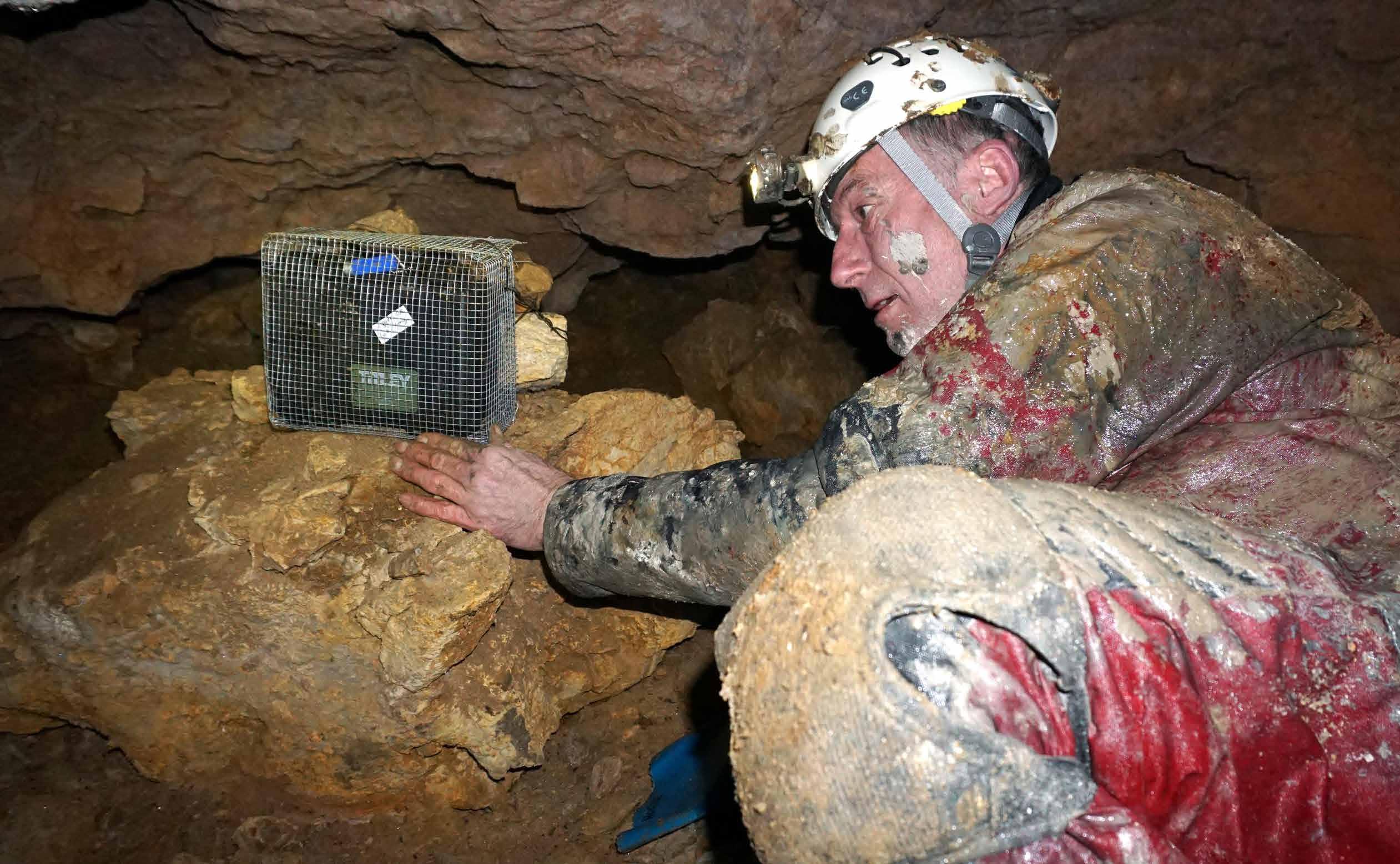
Greg Horne places a bat detector in an Alberta cave. The device captures high-frequency echolocation calls emitted by bats. DAVE HOBSON
Nova Scotia’s wilds, to see what was there,” he remembers.
After attending high school on Long Island, New York, Horne studied forestry at the University of New Brunswick. There, a guest speaker discussing work in Gros Morne National Park in Newfoundland sparked his interest in becoming a park warden. By 1981, after several attempts to land one of the highly competitive positions, Horne arrived in Jasper—what he calls his “dream park.”
He got the job in part because he’d augmented his application with an unusual extension of wilderness training: leading adventure programs with inmates from a minimum-security provincial correctional facility at Nordegg. In those expeditions, snowshoeing, canoeing, climbing and even introductory caving became tools not just of recreation, but of structure and accountability in unpredictable environments. The work demanded calm leadership in constantly shifting group dynamics, where trust and self-reliance were tested away from institutional walls.
“It challenged people mentally and physically,” he recalls. “For a lot of them, going into those environments was as difficult as anything else we did.”
During his 45 years with Parks Canada, Horne travelled thousands of kilometres through the park’s backcountry by foot, horse, ski and rope. In the front country, he specialized in environmental assessments, law enforcement (poaching prevention), vegetation management and ecological monitoring. He maintained historic warden
cabins, cleared trails, inspected remote infrastructure and responded to rescues in some of the Rockies’ most unforgiving terrain. Colleagues recall his ingenuity as much as his endurance: the practical jokes, the humour around “heritage food tours” (consuming decades-old cabin supplies) and his fastidious approach to ensuring a backcountry cabin could save a life on the worst night imaginable.
“You need to be able to arrive at a cabin—dark, cold, injured—and know that if you get inside that door, you’re going to be safe,” he says.
Castleguard was, until recently, the longest known cave in Canada, and remains one of the world’s few cave systems with passages terminating directly in glacial ice.
Pushing a lead to the system’s farthest reaches requires a multi-day underground expedition. Horne has spent up to five consecutive days beneath the icefield, navigating fossilized chambers where the smallest human impacts can last indefinitely.
Horne facilitated studies tied to climate change, glacier movement and subterranean biodiversity, contributing to discoveries of endemic cave species and helping establish
“There’s an unbelievable rush when you pop up into some chamber no one’s ever stepped into before.”
Horne turned down several full-time opportunities during his career, preferring to use his off seasons to see the world. Those travels took him to national parks around the globe—including Uganda, Tanzania and Argentina—where he sought out local rangers to compare challenges and perspectives.
“To spend time with a park ranger in Uganda during a civil war and hear his story,” Horne says, “it’s hard to complain much about a job in Canada after that.”
Still, it was underground in his home park where Horne’s career became globally significant.
Beginning in the mid-1990s, Horne helped pioneer exploration and scientific work in the Castleguard Cave system, a labyrinth beneath the Columbia Icefield with passages that stretch for more than 21 km.
Castleguard as a key biodiversity area. His cave and bat research extended into Wood Buffalo and Nahanni National Park Reserve, where exploration in the Lafferty Creek cave systems confirmed the northernmost bat hibernaculum in North America.
Stenner says that kind of exploration has implications far beyond adventure.
“Cave exploration leads to an understanding of the earth’s climate history,” he says, “and it has implications for how we manage groundwater reserves and the millions of people downstream who rely on them.”
Above ground, Horne’s explorations were no less ambitious. Starting in 2000, he embarked on roughly a dozen month-long northern expeditions—self-propelled ski traverses through Canada’s mountainous High Arctic. Fascinated by glaciated polar landscapes, he made approximately 65 first ascents of Arctic peaks with various team members while surveying remote glaciers and seabird colonies.
“The more north, the better,” Horne says with a grin.
Horne’s experiences north of the 60th parallel recalibrated his understanding of scale. In the Arctic, he says, mountains visible on the horizon might still be a week away by ski.
For Horne, who is currently planning an expedition to Mongolia, exploration has never been about fame, conquest or firsts. It’s about curiosity—about crossing into the unknown, whether through a narrow cave beneath a glacier or a forgotten valley in Jasper’s immense wilderness.
“Everybody can be an explorer,” he says. “You’re only limited by your imagination and motivation.”
Horne deep in Jasper National Park's backcountry, en route to historic Athabasca Pass in the Whirlpool River Valley, the traditional route of early fur traders crossing the Rocky Mountains. DAVID ARGUMENT

•









Guided by Legacy
Lauren
reconnects with her family’s land, history and guiding traditions
words :: Sylvia Dekker photos :: Megan Posein
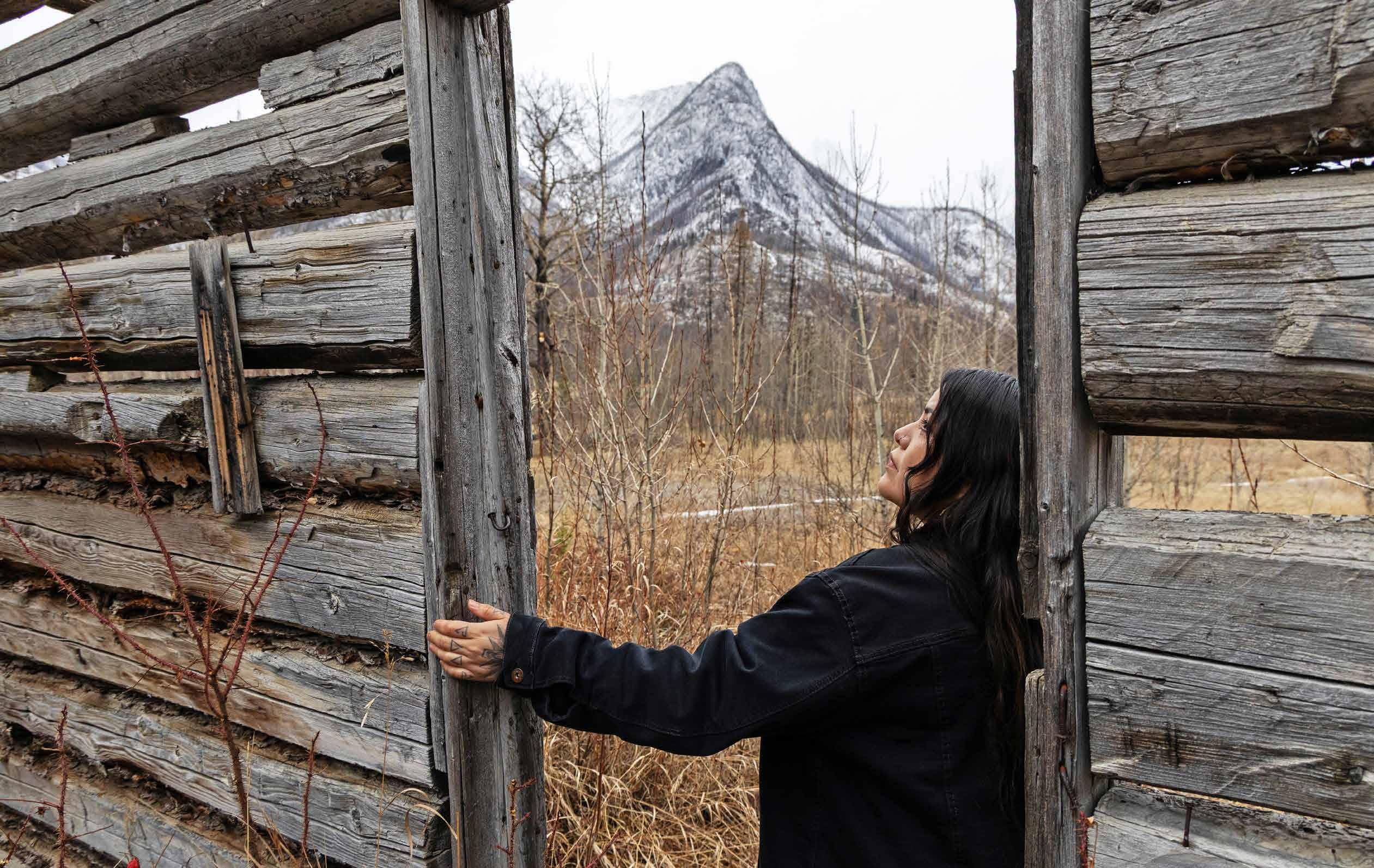
Lauren Moberly traces her fingers along the dovetailed corner of a cabin in the Athabasca Valley, feeling the rough grain of century-old Douglas fir. One hundred sixteen years ago her great-great-grandfather, Ewan Moberly, stepped out of this doorway for the last time, locking the cabin behind him, sealing a story that would echo across generations.
Today, his cabin is the oldest historical site in Jasper National Park, a short drive from the townsite and surrounded by burned trees and two-year-old regrowth. When Ewan surveyed the homestead for the last time, the land had been open. Fields and gardens stretched toward the mountains, with few trees in sight, and his 200 horses grazed in the wide meadows. As a respected
guide, he and his family led travellers, surveyors and traders via horseback, foot and boat through the Rockies. His deep knowledge of the area was trusted by famous explorers including Mary Schäffer, one of the first non-Indigenous women to explore what is now Banff and Jasper. Ewan’s cabin was one of several along the river, where six Rocky Mountain Cree and Mountain Métis families lived. “If you went down the river, you’d have to rent one of [the Moberlys’] canoes,” says Lauren.
In 1907, geologist A.P. Coleman described Ewan’s homestead as selfsufficient, with a brimming smokehouse and fully stocked store, writing that he “had nearly everything humanity could want, except bacon.” The cabin, which Lauren describes as an impressive building for the time, rang with the noise of 10 children and
music from the family’s phonograph.
In 1910, the music stopped. “In order to provide for proper protection of the game and the administration of the [Jasper] Park Reserve,” wrote the minister of the interior in a letter to the governor general in council, “the acting superintendent of the Park [is] instructed to arrange for the removal of these squatters.”
Hand on hip—classic Moberly fashion, as she laughingly notes—Lauren gestures to the cabin: “This was where they came to tell everybody about this change, that they had to leave.”
The families protested, but with their guns confiscated, the entrepreneurs and homesteaders had no choice but to abandon their homes, businesses and way of life.
To formalize the reluctant surrender of their land rights, each family was paid
Moberly
Lauren Moberly stands in the cabin her family was once forced out of.
damages for their removal and for the improvements they’d made to the land.
Ewan received $1,670, and his son Adolphus $180—a pitiful sum, equivalent to $45,000 and $5,000 today—and the money was gone long before the two-year journey ended. One tedious kilometre at a time, the families carved their path of exodus out of the park, dragging farm machinery, herding cattle and raising children. Wintering in hastily built cabins, they were constantly hounded by park officials. Many eventually settled in the Grand Cache area, where Lauren and her family still live today. “It was so far away from everything but was where our families decided to rebuild their lives,” she says. From scratch, they started over.
•
As the youngest of nine children, Lauren was lucky to be one of the few siblings allowed to skip school and join her parents on frequent trips to Jasper. Parallel to her deepening connection to the stories she heard during those visits, she vividly remembers a growing fear. After the Jasper Forest Reserve became a national park, bans on guns, horses and outfitting operations—businesses that provided horses and guides—emerged alongside preservation laws. “My mom would warn me if I even picked a flower, park officials would come get me,” she recalls.
That sense of caution and distance from the land lingered into adulthood, but it was the loss of beloved community elder, Lucy
Wanyandie—and with her, the tradition of tallow-and-ash soap-making—that ignited Lauren’s entrepreneurial journey. Determined to revive the craft and bring the knowledge back to her community, Lauren taught herself soap-making from scratch, foraging around Grand Cache for natural ingredients. She created Fallen Mountain Soaps, a collection of body products rooted in the Rockies. •
At the Moberly homestead, Lauren points to a silvery-green stem beside the trail leading from the cabin to a gravesite—sage. Nearby, a silver-bronze bush dotted with deepblue berries—juniper. Yarrow, wild rose and goldenrod sway in the breeze around her. In 2020, she learned Indigenous partners were permitted to forage in Jasper for medicinal purposes. Returning to her ancestral land through the scents and sensations of plants felt like a reversal of Ewan’s experience. It transformed her life and her business—sparking a process of research and the slow unearthing of her rich Aseniwuche Winewak (Rocky Mountain Cree) heritage. Now, she can’t absorb enough. “I am always learning more,” says Lauren. “I’m passionate about my community and sharing about who we are.” Soap was only the first step.
Lauren lifts a braid of sweetgrass, fallen from the spirit fence surrounding her greatgreat-great-grandmother, Suzanne’s, grave. Suzanne was born and raised in Jasper. After being abandoned by her husband the
day after their marriage, she managed a homestead and raised her two sons, Ewan and John, to success on her own. Her grandson Adolphus, a highly sought-after mountain guide and trail packer, would come home from guiding in his favourite place—Mt. Robson— with stories that flickered in her imagination.
In 1905, five years before the involuntary removal of her family from their homestead, Adolphus and Suzanne set off to visit the highest peak in the Rockies. But the esteemed matriarch would never see the mountain she had heard so many wonderful stories about. Suzanne fell ill on the journey to Mt. Robson and, forced to turn back, passed away just kilometres from her family’s homestead.
More than a century later, Lauren is finding a way to complete that journey herself. She has taken that legacy to new heights, expanding from land-based body products into storytelling with an eagle’seye view. This year, as a partner with Jasper Hinton Air helicopter tours, Lauren hopes to see Mt. Robson for the first time—for both herself and Suzanne—from the air. “All my ancestors were guides,” says Lauren. “I am the first aerial guide.”
”My mom would warn me if I even picked a flower, park officials would come get me.”
From above, she connects to both the land and her ancestors, sharing their story on each flight. “Guiding from the sky is reconciliation in a completely different way,” she says. It’s full-circle Indigenous tourism and, for Lauren, it feels like coming home.
Back on the ground at the Moberly homestead, Lauren rests the sweetgrass atop Suzanne’s grave. She is reminded that the Moberly legacy is stamped throughout the Rockies. “They were the forefathers of tourism in this area,” Lauren says. In fact, the nearby Miette Hot Springs is currently restoring a historical plaque featuring a familiar face: Ewan. As the story goes, after a successful hunt in the area he began skinning his ram. “He went to go wash his hands, and the water was hot,” Lauren retells.
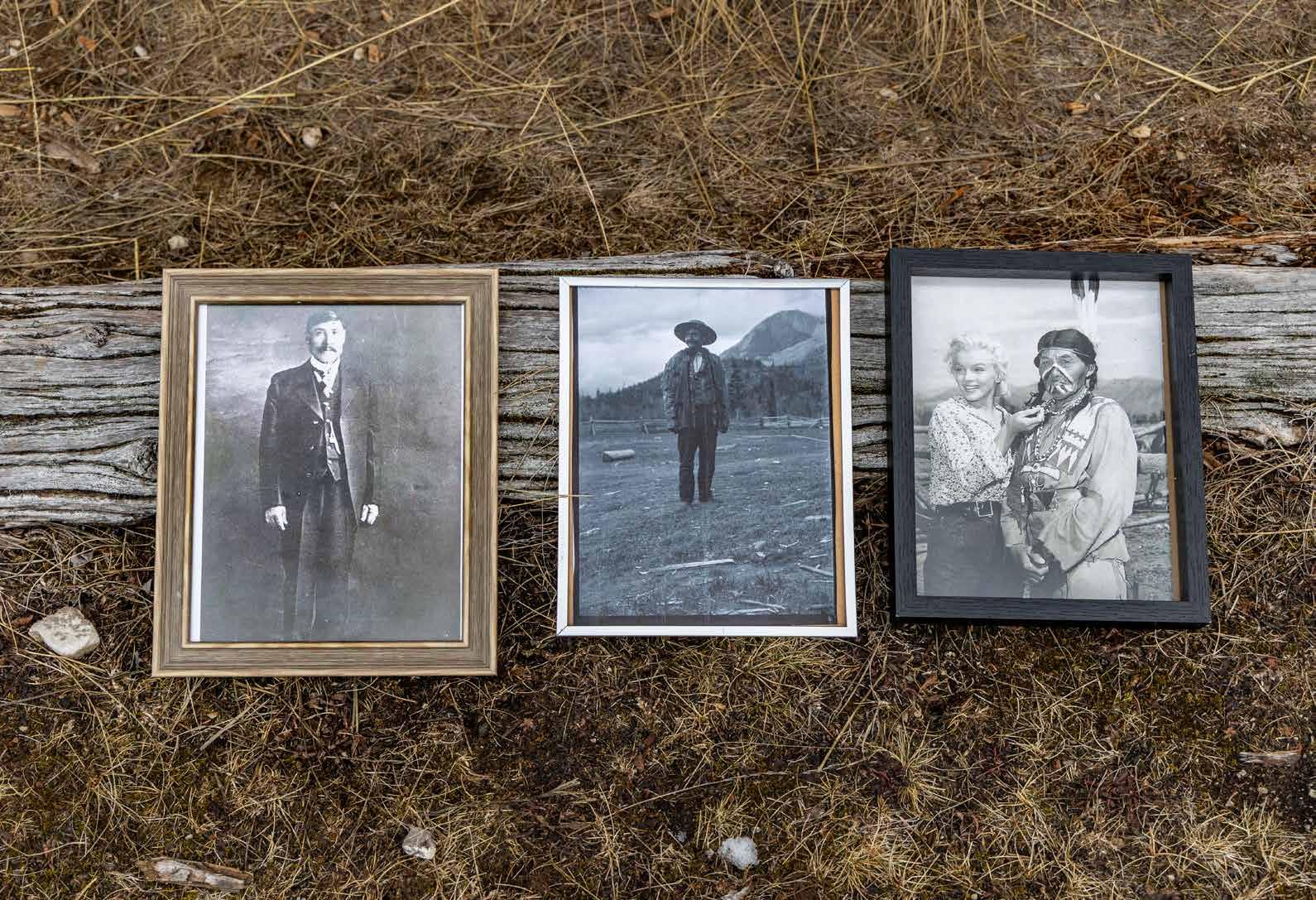
LEFT Ewan Moberly in 1910. MIDDLE John Moberly, Ewan’s younger brother. RIGHT Marilyn Monroe and Joe McDonald, Lauren’s great-grandfather.
ROCKABOO










He built a log pool, and the springs became both a place of healing for his family and a destination he shared with those he guided through the area.
“I’m still learning things about the land from the sky, and sharing [these stories] … gives me a bit of peace,” she says.
For Lauren, sharing takes many tangible forms: mixing traditional medicine into her nature-based body products, providing Indigenous, land-based snacks for helicopter tour clients and piecing together family trees with youngsters in her community.
“See the darker part?” Lauren asks, gesturing to the rich, orange-tinged logs at the cabin’s peak, starkly contrasted with the century-old, faded-grey timbers. “My dad, Mike Moberly, did that.” In 2002, the carpenter carefully referenced old photos to restore the
aging cabin to the way it looked the day Ewan last stepped over the threshold.
Despite that restoration, access remains limited. “A lot of people in my community and my family haven’t even been inside [the cabin] yet,” says Lauren. As one of the few members with a deep connection to their ancestral home, she is trying to bridge reconciliation between her family and a place
a sense of belonging and peace, Lauren is constantly building on the legacy left by her father and great-great-grandfather. She keeps up a stream of communication with Parks Canada, advocating for her community as Ewan once did. Lauren says her hope is that someday her family will feel welcome, and “not have that fear of opening a door or picking a flower.”
“I’m still learning things about the land from the sky, and sharing [these stories] … gives me a bit of peace.”
that holds so much history, heartache and a layered fear. “A lot of [us] feel like strangers here,” she says. “Are we allowed to touch this? Are we allowed to even be here?”
Attempting to find answers and repair
Today, Ewan’s house still stands locked—but through her work and the stories she shares, Lauren is gradually opening doors for her community, reconnecting them to their ancestral land.
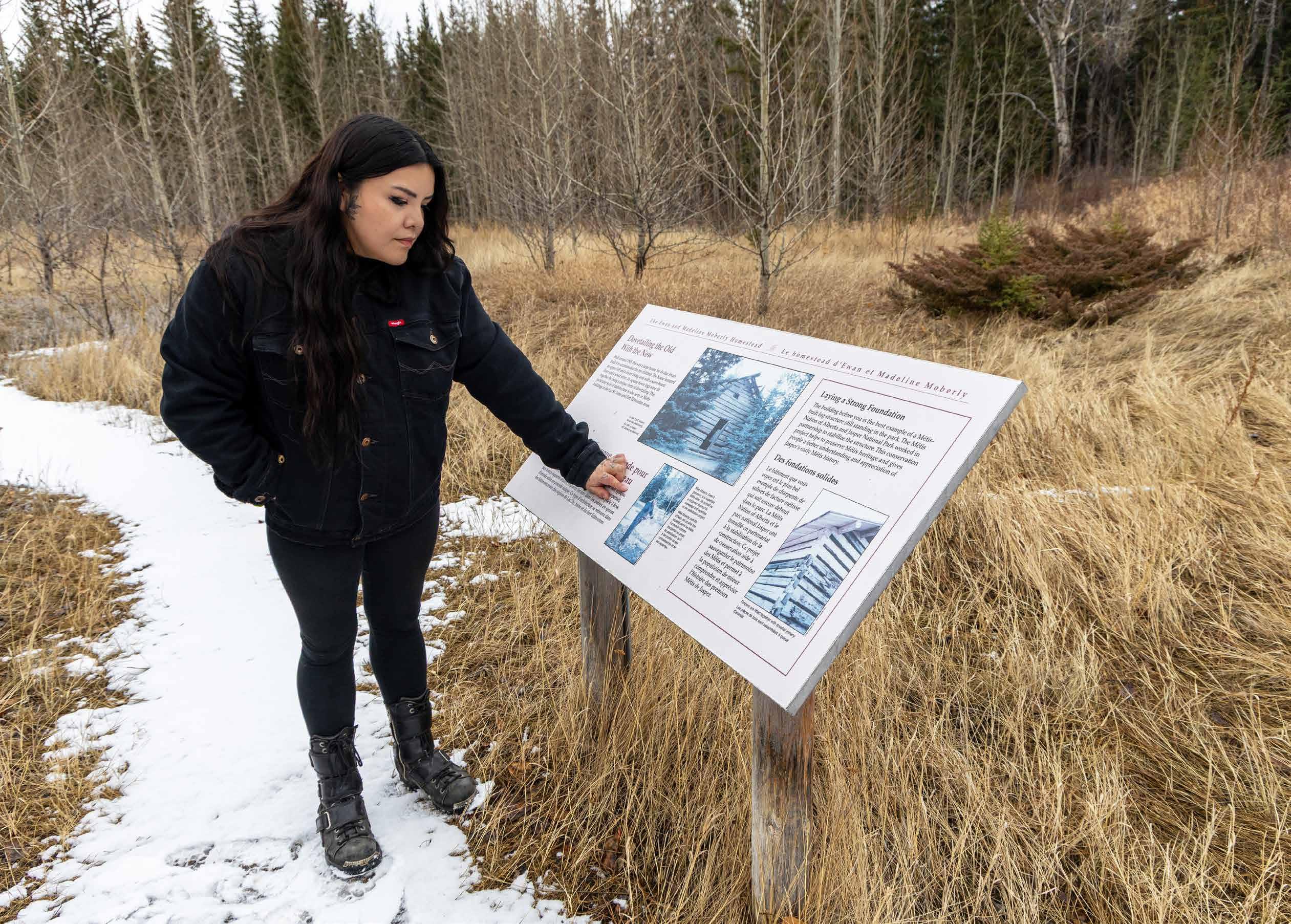
Lauren reads about her great-great-grandfather at the Moberly homestead.
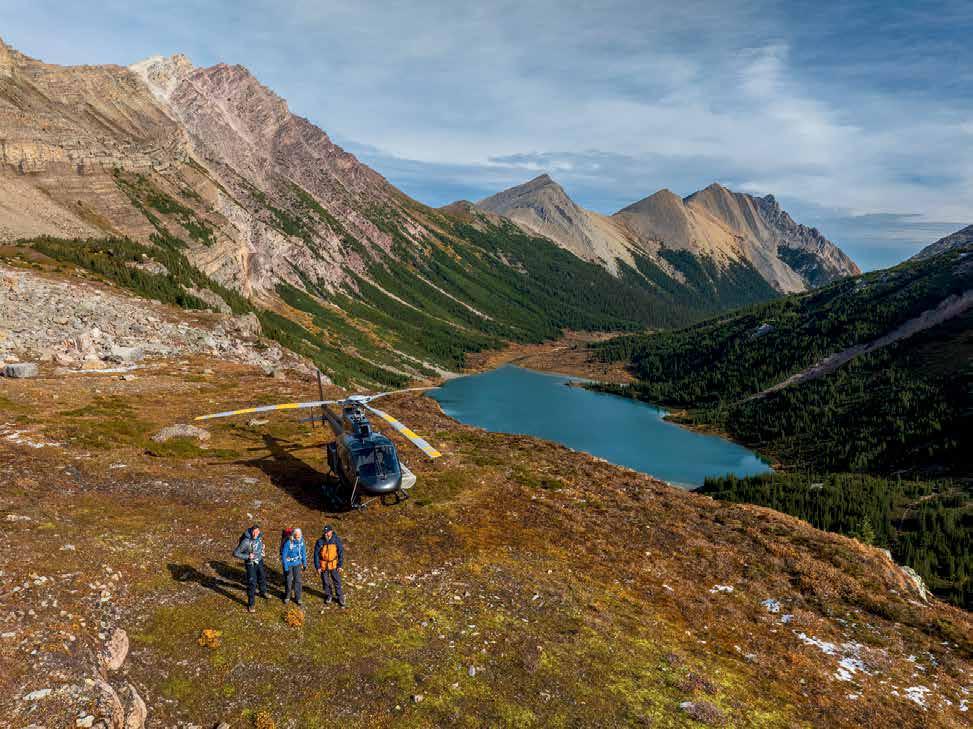
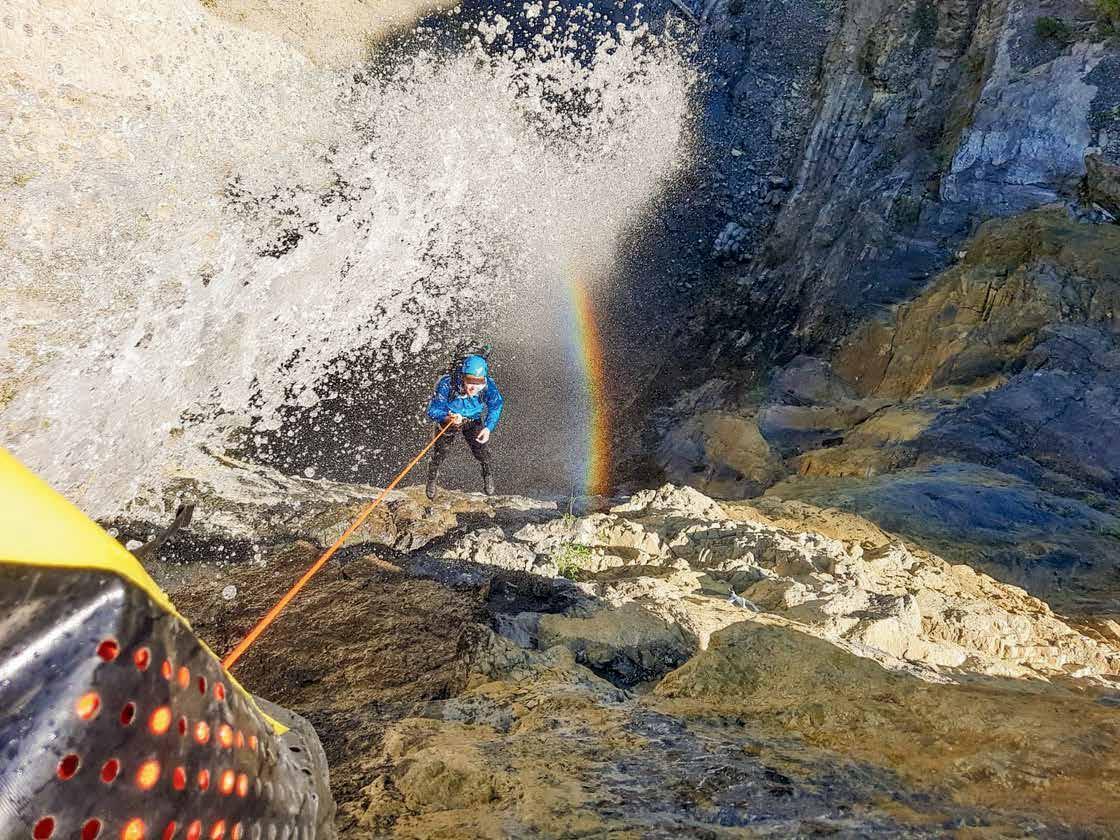
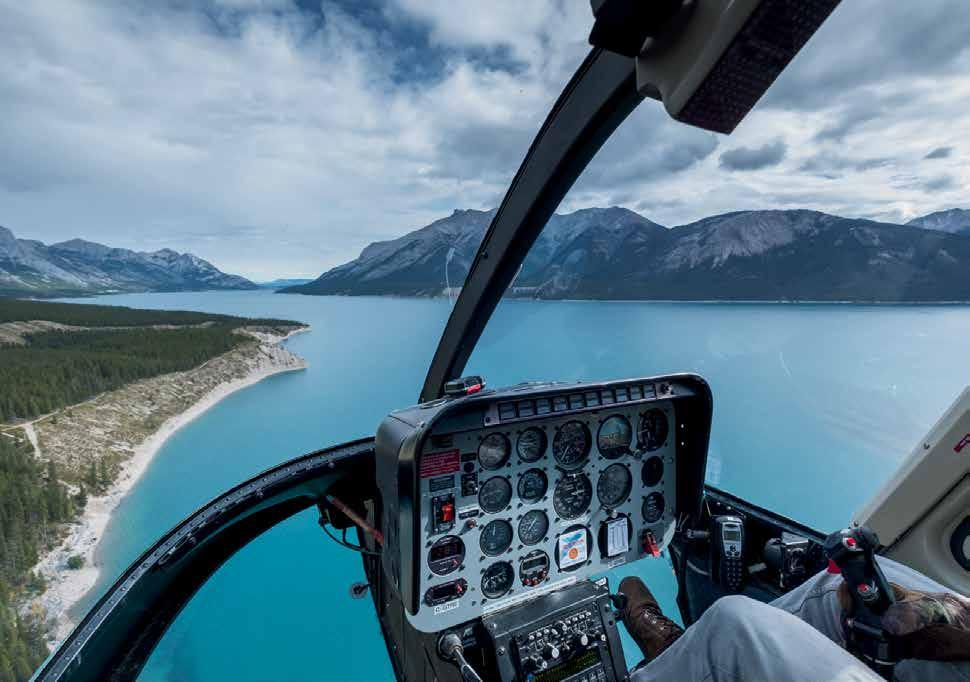
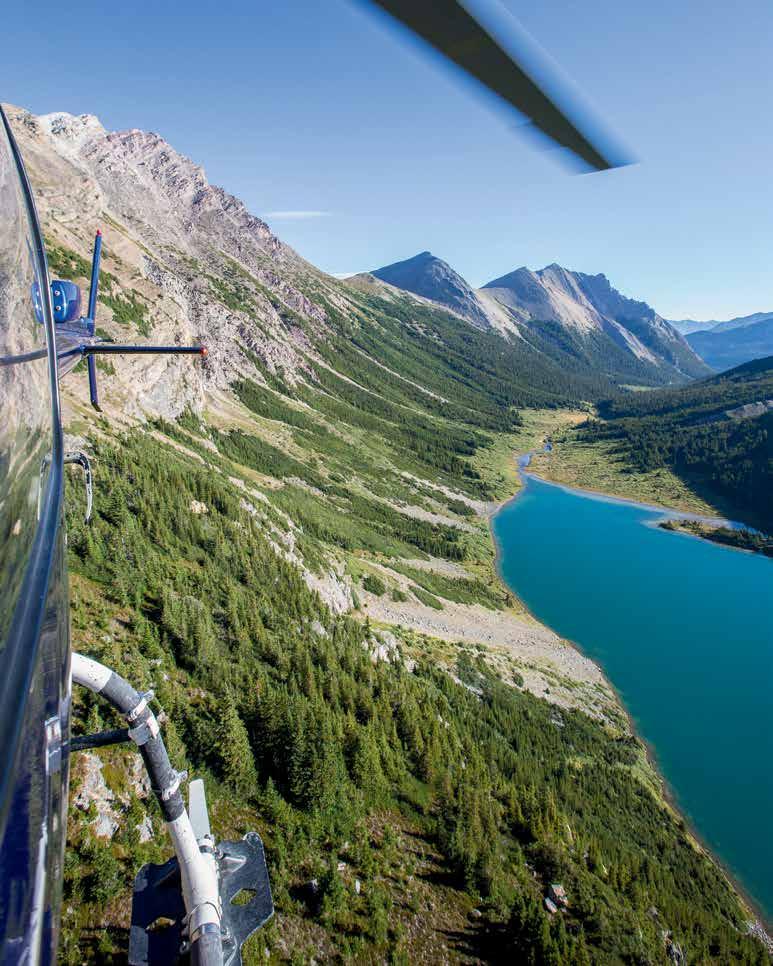
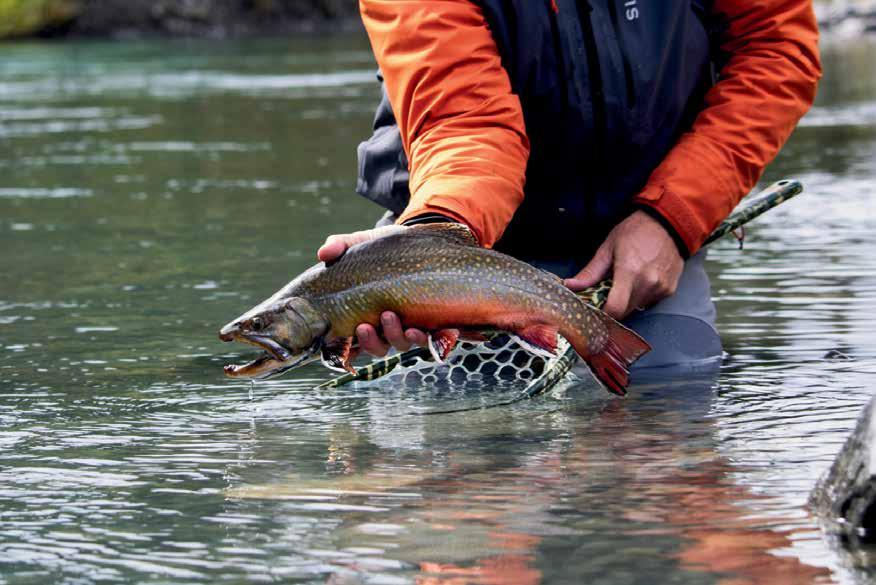
Epic Heli Adventures – Hiking, horseback, rafting, canyoning and fishing
Prime Rocky Mountain Access – Located near Banff, Canmore and Jasper








































ART IN THE BLACK: PORTRAITS OF HINTON’S CREATIVE COMMUNITY
Against a stark-black backdrop, Hinton-based photographer Kristin Braun is putting a face to the town’s hidden creative community. Through her project ART IN THE BLACK, Braun invites local artists—from beaders and taxidermists to aerial performers—to pose for striking portraits along with tools and objects that represent their craft.
With more than 40 portraits completed since November, the project has become a gathering point for creatives in a town historically defined by forestry and mining. Hinton’s art scene remains largely underground, with many artists producing work with little public visibility.
Braun also co-founded Mountain’s Edge Culture and Arts Society, which works to support and elevate local artists by helping them receive compensation for their work and increasing their visibility in the community. Through hosting arts events and advocating for local creatives, the organization is working to establish Hinton as a recognized arts destination.
Learn more at artintheblack.ca.
Five years ago, the idea for the UpLift!
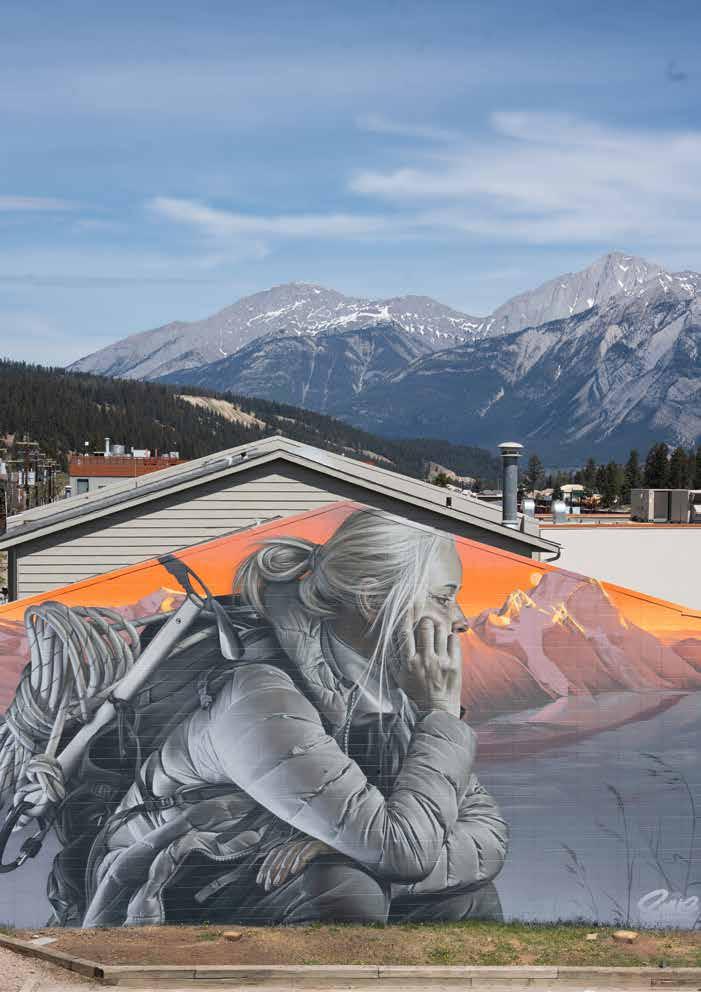
Jasper Mural Festival was scribbled out over beers between friends. Today, it has become one of the Rockies’ most compelling public art exhibitions—a world-class celebration of creativity and community that has transformed the town’s streetscape into an open-air, year-round gallery.
What began with a single mural concept has grown into more than 20 large-scale works and dozens of community projects, including the 2026 festival’s Recovery in Colour public art initiative, infusing art into Jasper’s interim housing and industrial spaces as the community rebuilds.
UpLift! Jasper is drawing internationally recognized artists from around the globe. Glasgow-based Smug One and Insane51, a Greek artist from Athens, headlined this spring. Festival co-founder Logan Ireland says the murals are far more than just paint on walls.
“The art is like the Trojan horse,” Ireland recalls being told by the founders of the Vancouver Mural Festival. “It brings all this other value to town.”
More than being strictly transactional, that value is in creating genuine relationships and cultural exchanges—whether through intergenerational conversations, as older residents connect with portraits of local matriarchs; through Indigenous artists bringing language and cultural symbolism
into prominent public spaces; or by providing a rally point to process collective, postdisaster grief and renewal.
“The mural festival sweeps through the town and creates this new landscape like a glacier,” Ireland suggests.
Towering portraits, wildlife pieces and vibrant Indigenous works have become woven into the community’s identity— landmarks now as recognizable as Jasper’s steel bridges and stone heritage buildings. Ireland says students touch the murals on their walk to school and visitors wander alleyways searching for the next masterpiece. Meanwhile, the artists themselves arrive expecting a gig and leave talking about Jasper like home. Those elements translate into word-of-mouth endorsements within the muralist community, ensuring high-profile artists are eager to contribute.
“People here bring artists ice cream cones. They buy them beers. They stop and chat. Artists love it,” Ireland laughs.
Ireland and co-founder Oliver Andrew committed early to paying artists properly, resisting the all-too-common expectation that creatives should work “for exposure.”
“Artists deserve to get paid,” Ireland says simply. That investment, he argues, is a socioeconomic catalyst for the community itself. The festival’s emotional significance crystallized during the 2024 Jasper wildfire.
Evacuated residents feared not only for homes, but for the murals themselves.
“People were saying, ‘I hope the murals survive,’” Ireland remembers. Miraculously, nearly all of them did.
In many ways, the collection of art now feels like a visual diary of Jasper’s recent history: recovery, resilience, creativity and connection, all painted across brick and concrete.
“Some people would argue public art should be part of infrastructure,” Ireland says. “A sense of community and a strong culture are critical, too.”
UpLift! Jasper has proven exactly that.
OFF THE WALL AT UPLIFT! JASPER MURAL FESTIVAL
Smug One's towering mural on Connaught Drive in Jasper. ROMAN SKRABAL
Barb Genert, moccasin and mitten maker, is part of a community of artists in Hinton, AB. KRISTIN BRAUN
UNDERSTORY: AN ECOLOGIST’S MEMOIR OF LOSS AND HOPE, BY
KEVIN VAN TIGHEM
In his new memoir, Kevin Van Tighem—botanist, conservationist, neophyte political candidate and prolific essayist—treats us to a compelling, if sometimes tangled, narrative from the thick, forested understory of his life.
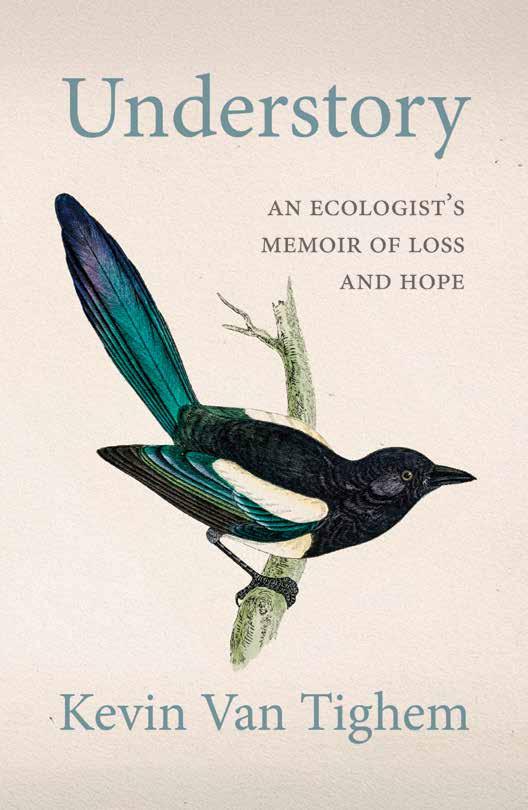
Growing up in a large family (he has nine siblings), Van Tighem learned early to be self-sufficient and spontaneous. Finding time for himself and harnessing an impulsive nature are themes that appear repeatedly in the book, as the timeline traverses from Van Tighem’s Calgary roots to his perch as a self-described imposter in the executive suite. Following his instincts frequently meant misadventures, including a campsite brawl—sparked when he took an axe to his neighbour’s stereo—and a sheepish apology for public critiques of the very managers from whom he sought his next job. To his credit, Van Tighem is unflinching as he describes his own inconsistent judgement that often led to his most entertaining stories.
Being impulsive did not mean he led a life adrift—Van Tighem did not become the superintendent of Banff National Park by being a wallflower. He charted a deliberate career of influencing watershed events in Alberta's natural resource history over the last five decades, including the Oldman River Dam construction and the transformation of Kananaskis for the 1988 Olympics. He plotted a a biological map of Alberta parks and has sounded the alarm on the decline of Alberta’s caribou as oil and gas development devoured their habitat. Opinionated and ambitious, the undercurrent in Understory is that Van Tighem sought to shape conservation in Alberta and did so from positions of increasing authority.
If you’ve lived or followed an environmentalist’s life you will recognize the arc of Van Tighem’s memoir. He was a curious child exploring nature, then a bold teenager pushing his limits. After university, in his 20s and 30s, he pendulated between remote wilderness jobs before becoming more determined through his 40s. In his 50s he experienced growing frustration at the forces stacked against him and the natural world. He then became increasingly disillusioned. Nearing retirement the gloves finally came off.
In the final chapter, Van Tighem looks back at meandering tales of joy, grief and the search for meaning. He bears witness to a life lived deliberately, wanting to leave the world better than he found it.
While Van Tighem concludes with explorations of humility, respect, kinship, reciprocity, gratitude, love and fierce determination—all values that should amount to hope—they are familiar what-ifs. Perhaps we should anticipate a follow-up volume where Van Tighem will lean on his rich experiences to articulate a more aspirational, hopeful direction for his home province.
– John Wilmshurst
RADICALLY WILD BY SCOTT SUNDERWALD
Rare is the memoir that describes a mediocre life; library bookshelves groan under the weight of books penned by famous artists, astronauts, business leaders, scientists and politicians. Local adventurer Scott Sunderwald’s collection of memories, Radically Wild, weaves a unique tale of a truly extraordinary life lived in nature, one that deserves a place on those overcrowded shelves.
Sunderwald was born in post-war West Germany, his father an internally displaced Flüchtling (refugee) from the East and his mother a Christian missionary from Provost, AB. From his feral childhood in the Black Forest to a brief sojourn in Niverville, MB (where his parents furthered their training as missionaries) and the many outdoor expeditions with his friend Corey Cribbs, Sunderwald cherished adventure hewn from nature.
Sunderwald begins his captivating memoir by recounting myriad wilderness adventures in Germany with Corey, including Corey’s departure to Canada in high school, their reunion at the British Columbia Institute of Technology and their exploration of Western Canada. Fishing, climbing and camping, they lived in and for the wilds, but eventually their paths would diverge (albeit temporarily). Following Corey’s departure from the narrative, Sunderwald continues by regaling tales from his career as a wilderness park manager and his adventures with family, in which he pushed the limits of bushcraft with his wife, Daralee (Corey’s cousin), and their six kids.
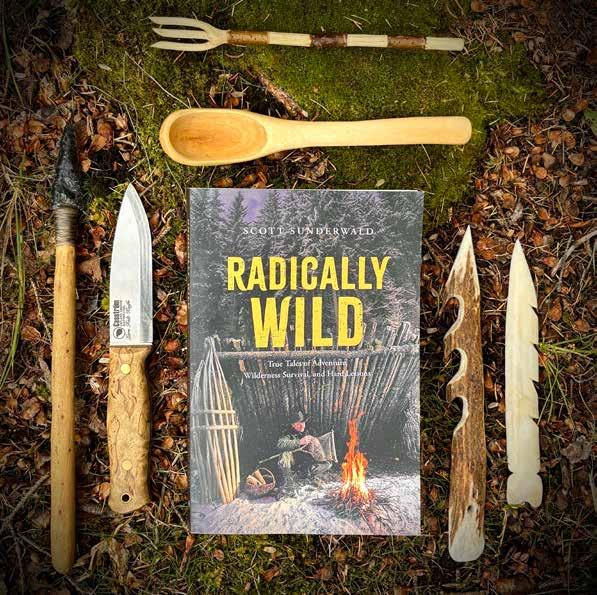
Each chapter describes one aspect of committing to a life in the woods, sharing harrowing tales of survival interwoven with lessons on how to build, travel, hunt and forage in nature. There
are some astonishing stories: Sunderwald survives getting struck by lightning, stalked by grizzlies and cougars, buried in a collapsed snow shelter—and working for the Alberta government as a wilderness patroller in the Willmore.
The stories here are fantastic, but most entertaining perhaps are the point-form “Lessons Learned” that follow each chapter. From things I wish my father had taught me (“Don’t kill your prospective girlfriend’s pet rabbit”) to tips every backcountry epicurean could use (“Beware of hidden toxins in some beetles and toads, and always cook your bugs”) and philosophical insights from his life as an adventurer and father (“Kids learn best when they have lots of freedom to explore…”), Scott Sunderwald has provided us with a Radically Wild read. – John Wilmshurst



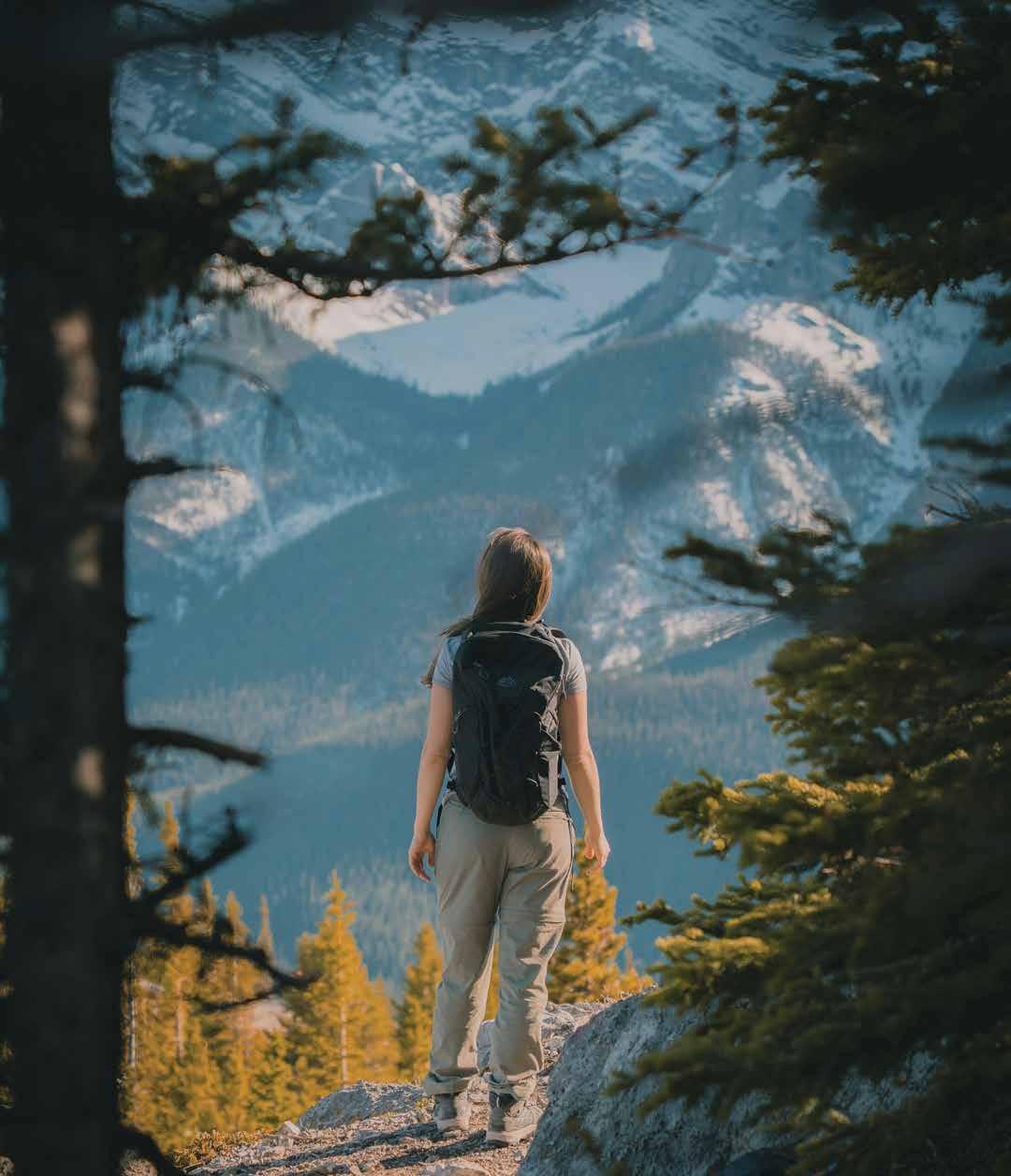

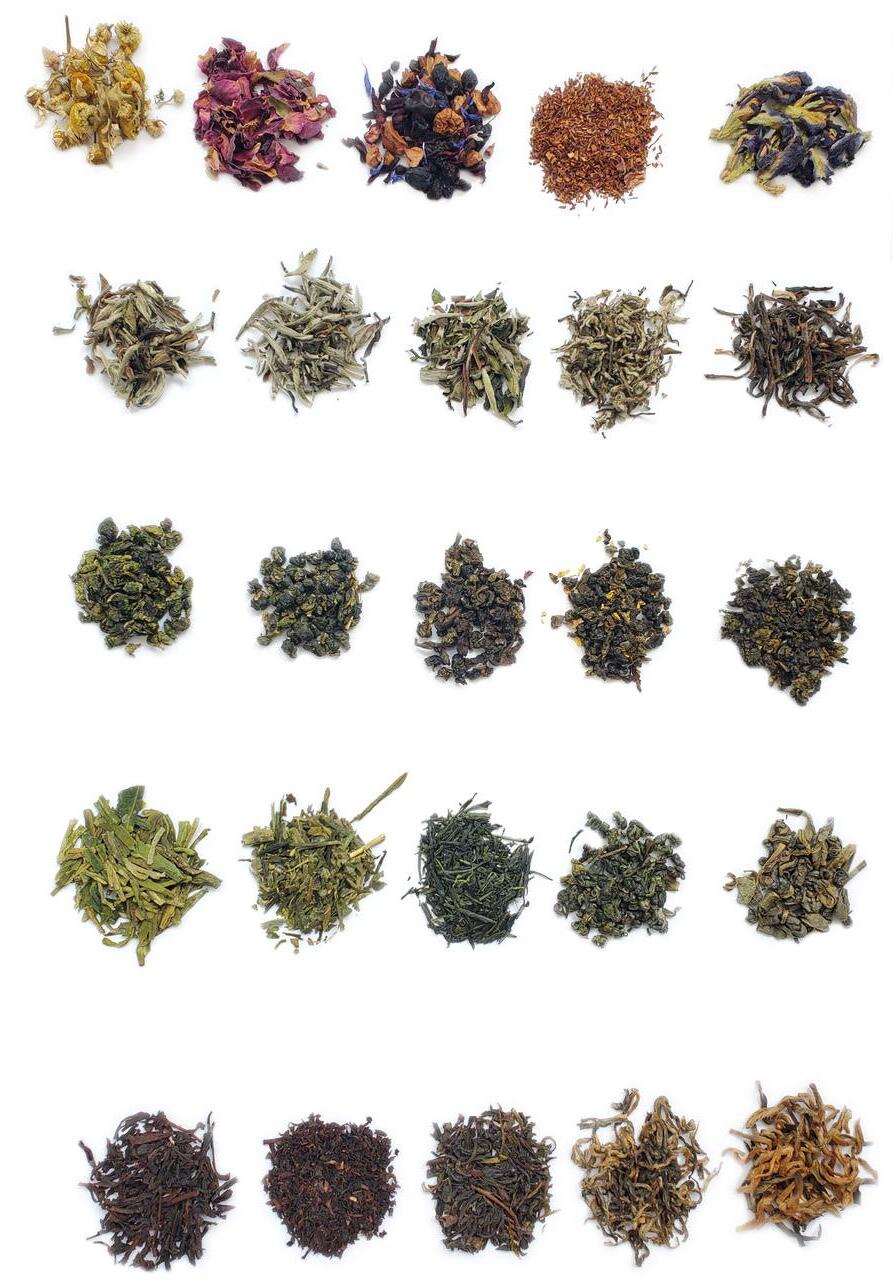


BC
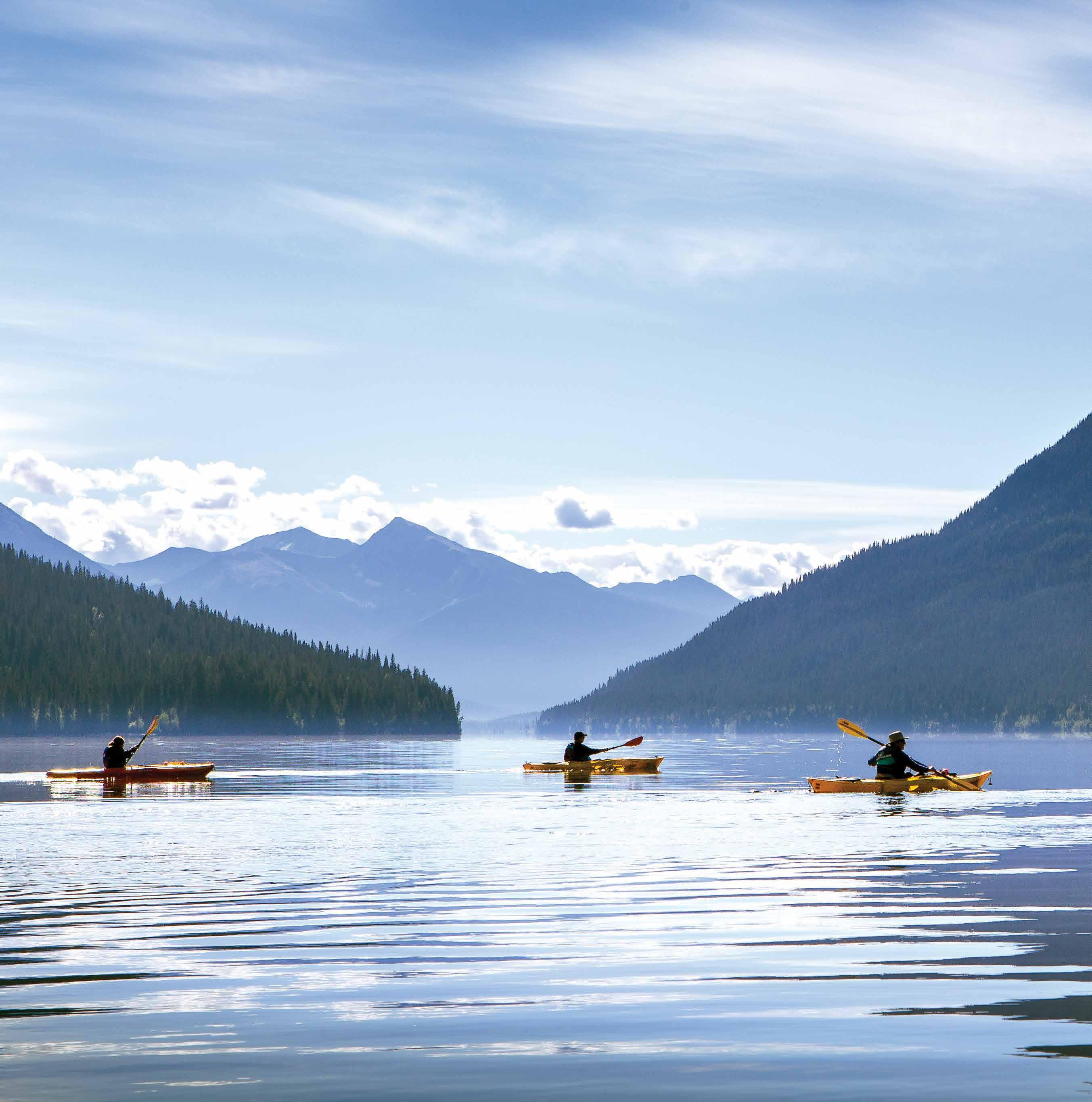
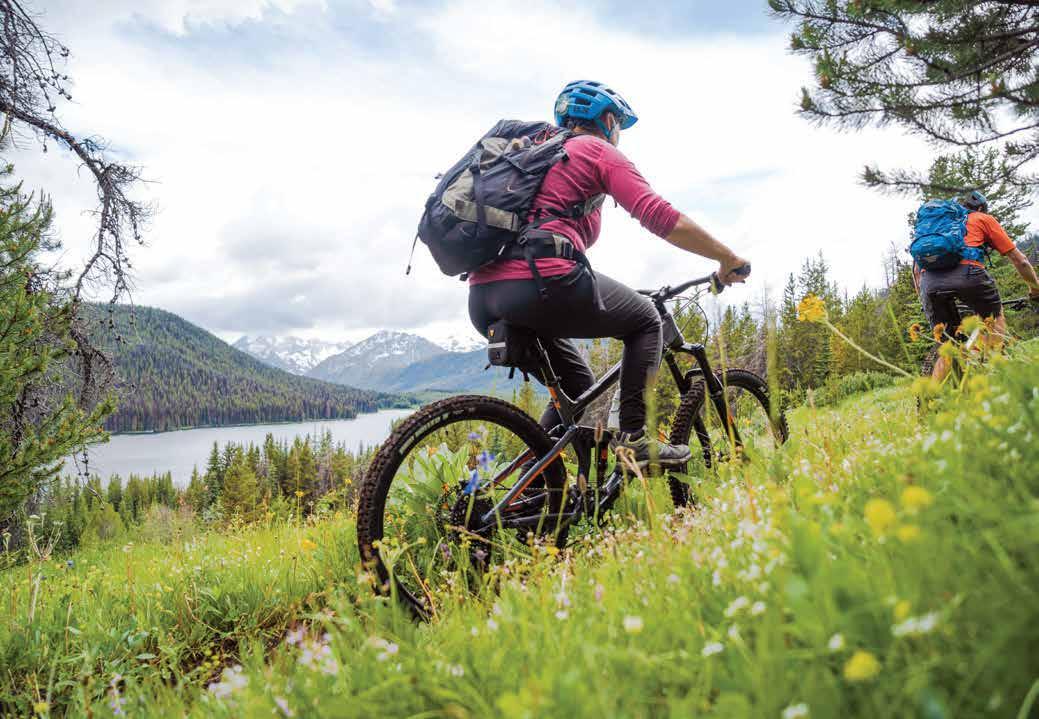

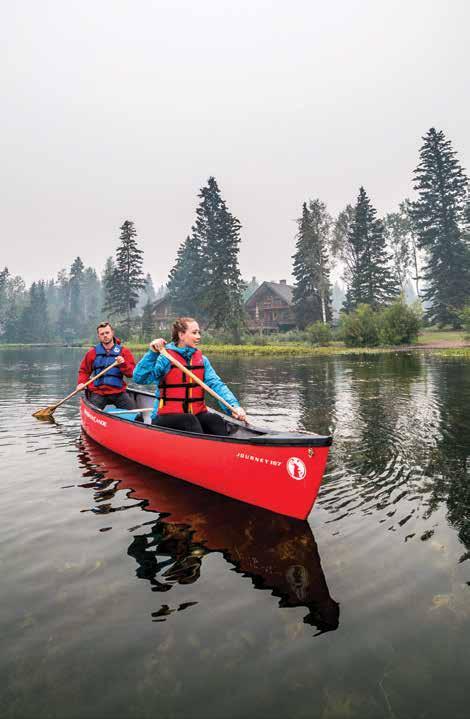
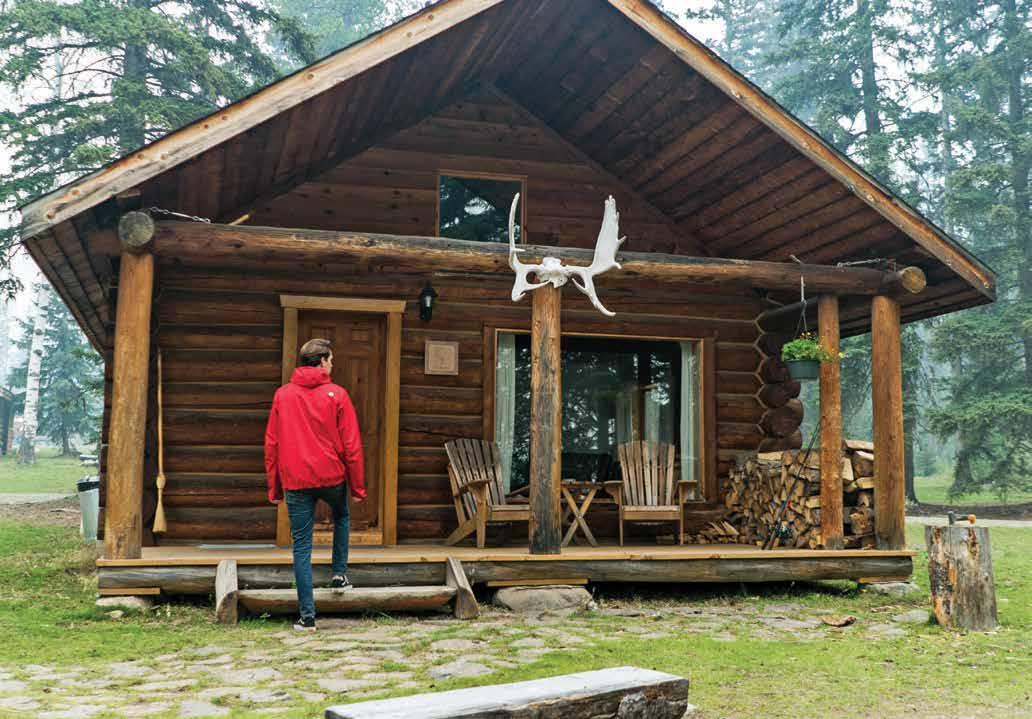
Thomas Drasdauskis
Jonny Bierman Tyler Cave Tyler Cave
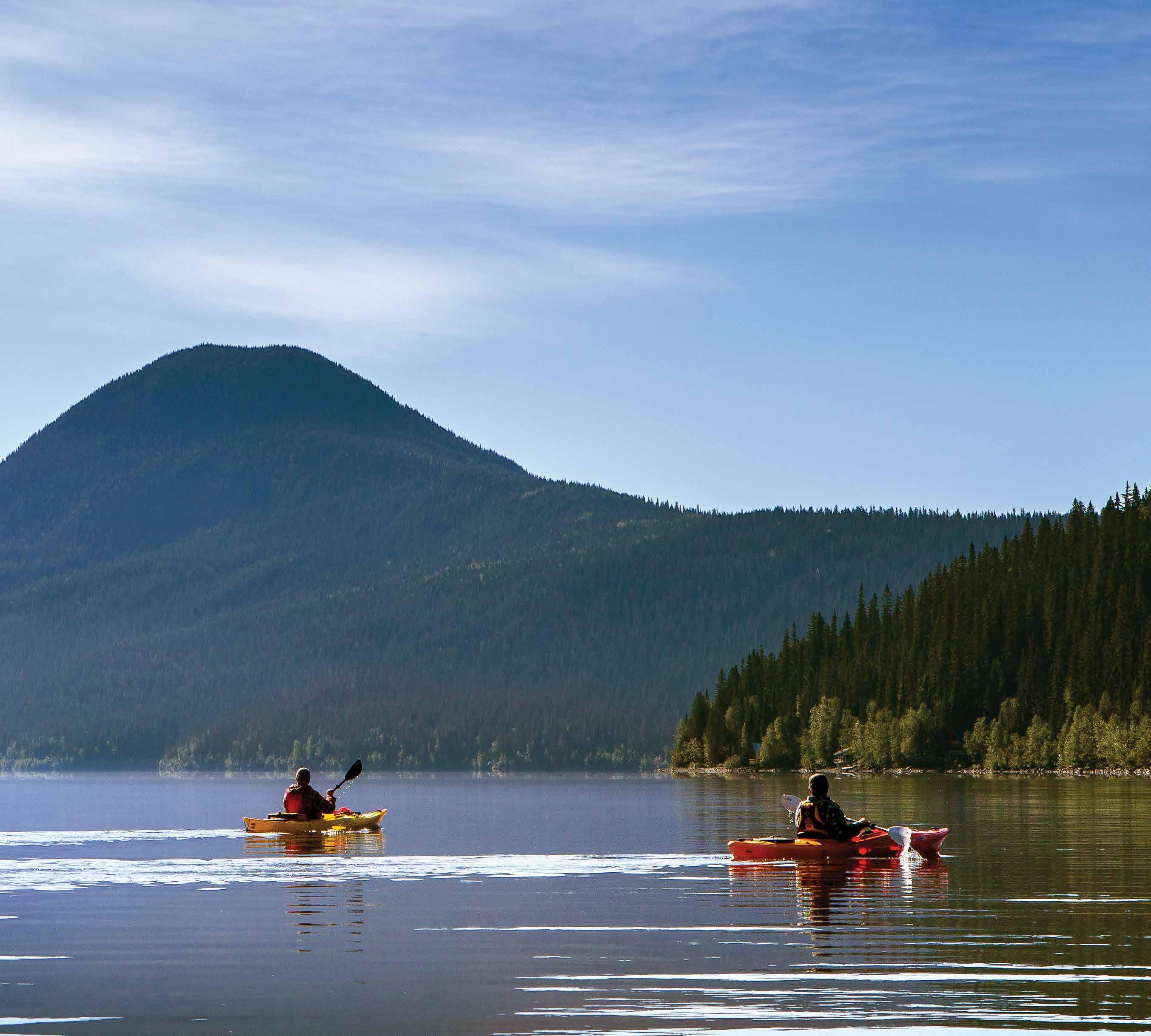
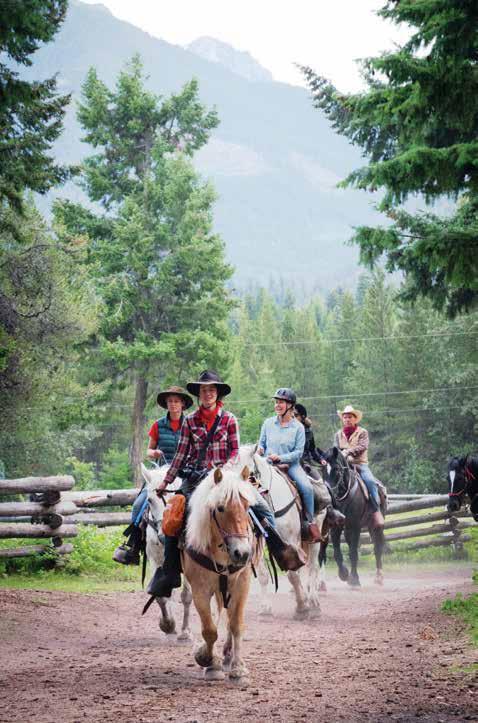
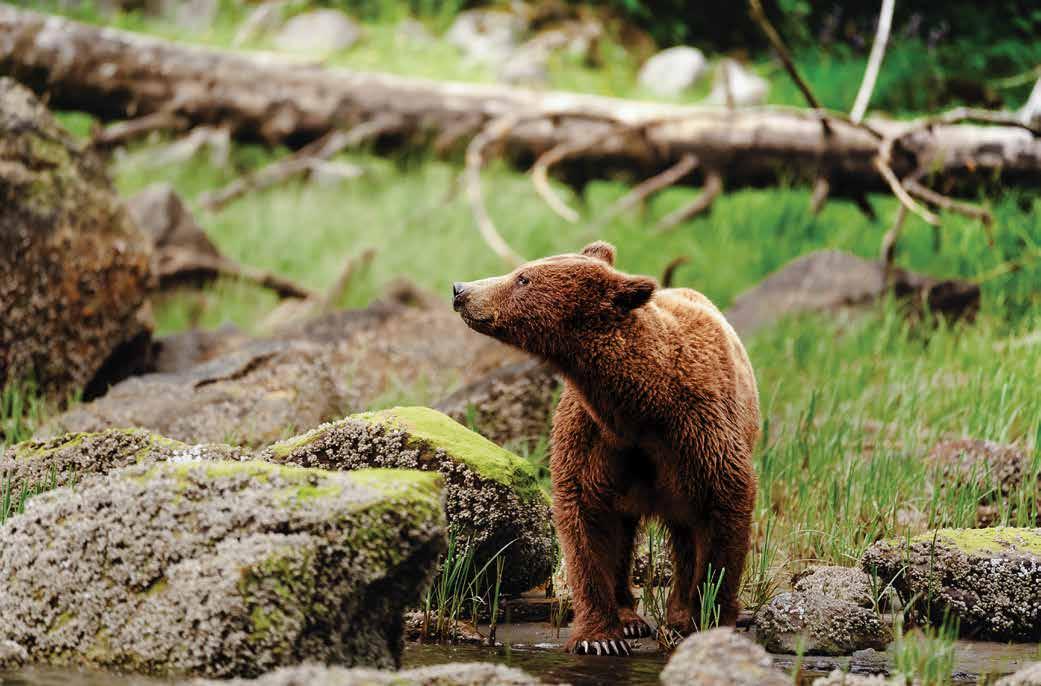
Jonny Bierman
Julie Elizabeth
Julie Elizabeth
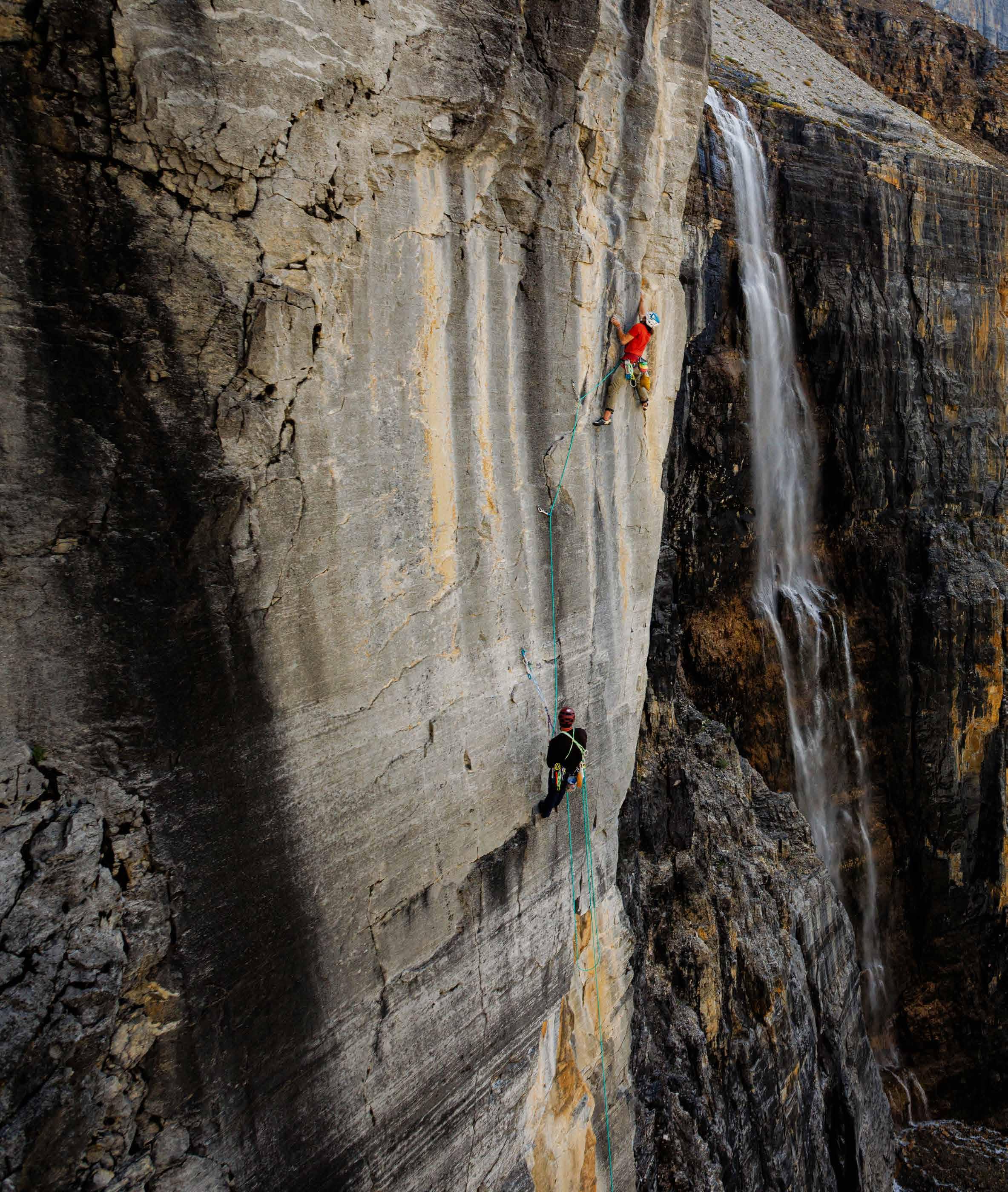
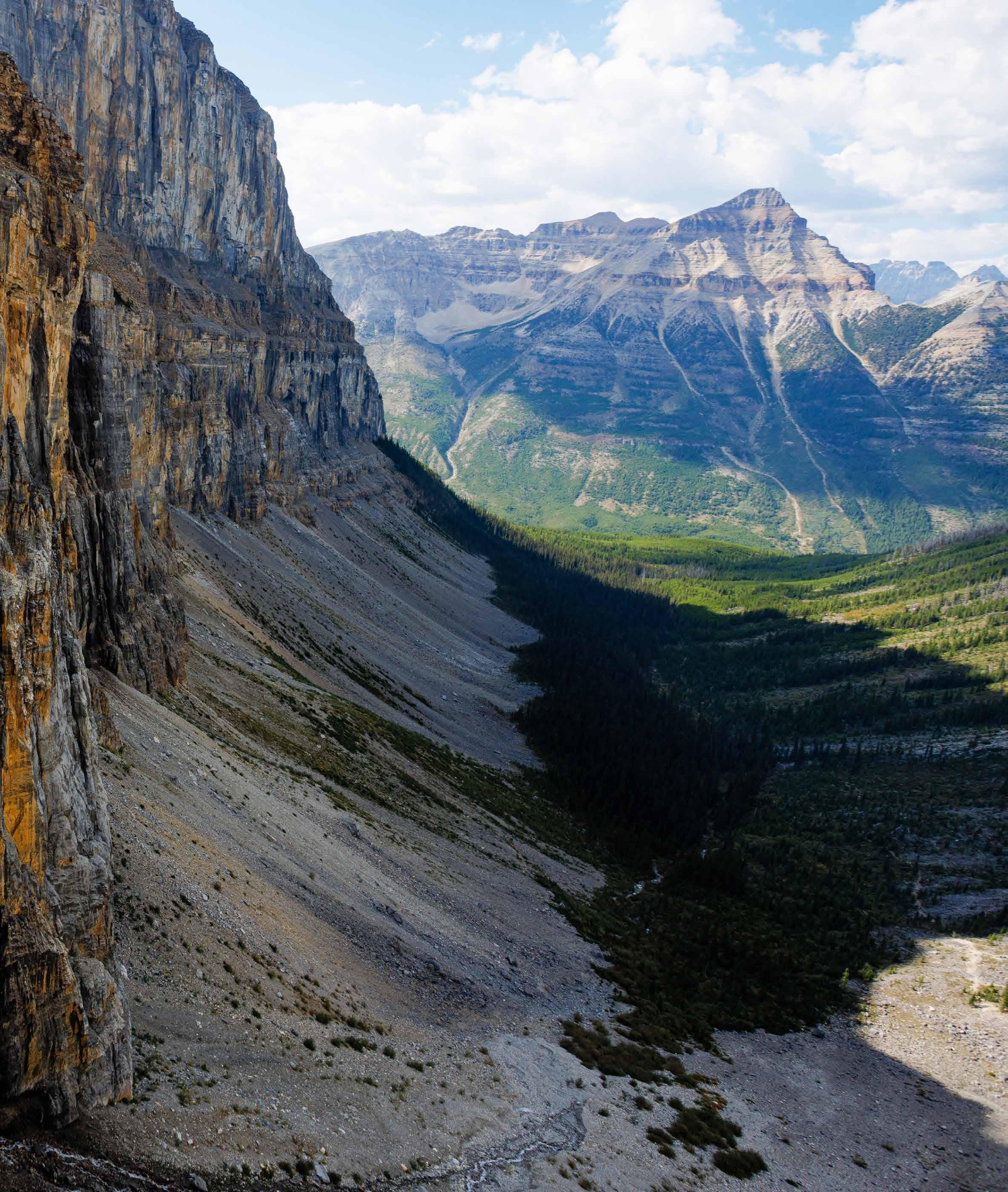
Connor Runge (climber) and Sean Bradbury (belayer) wrangle their way up Wolverine Petting Zoo (5.12a) on the Stanley Headwall in Kootenay National Park. EVAN WONG
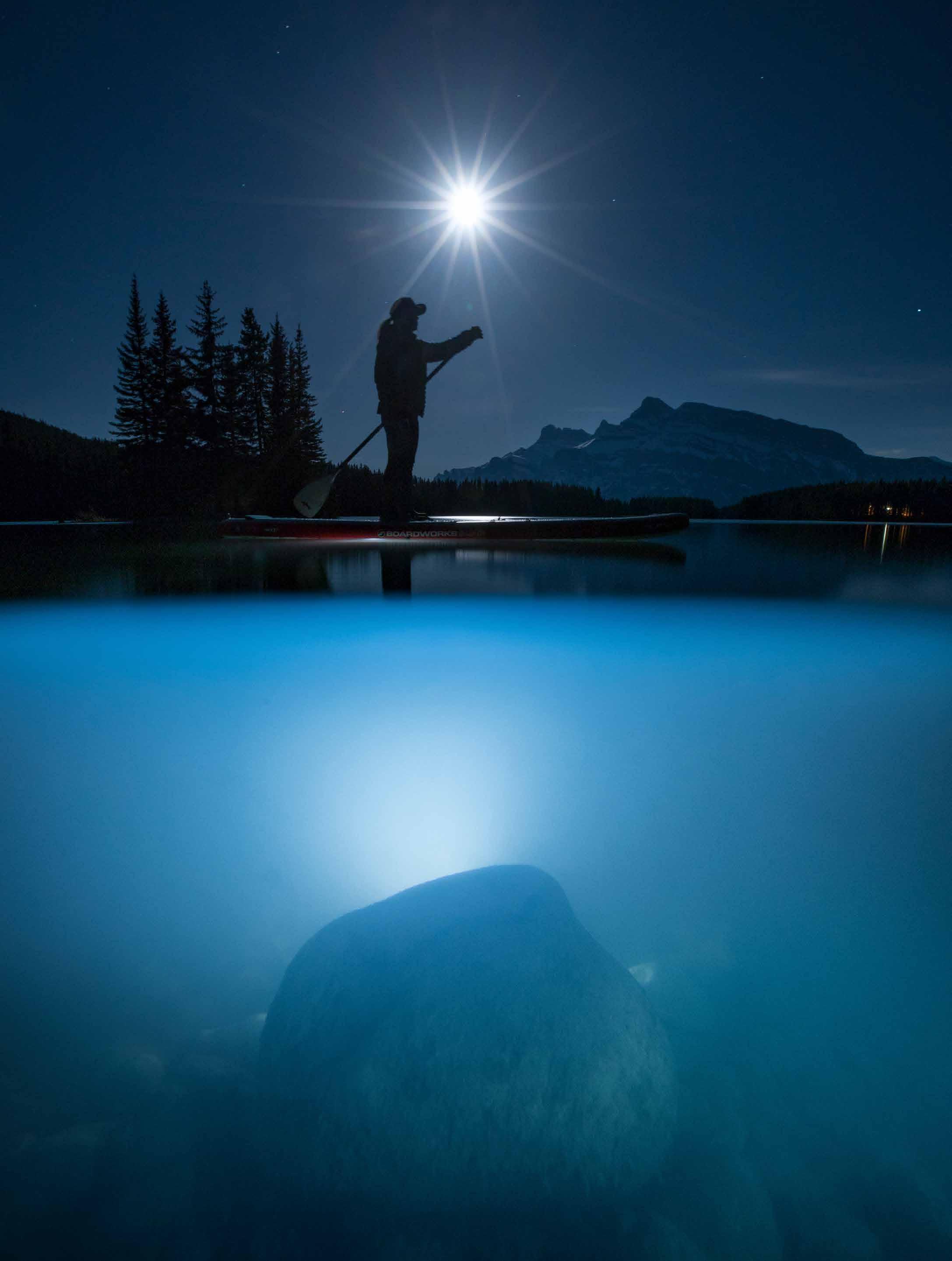
Sue Shih under a full moon at Two Jack Lake, Banff National Park, where the surface gives way to what’s below. PAUL ZIZKA
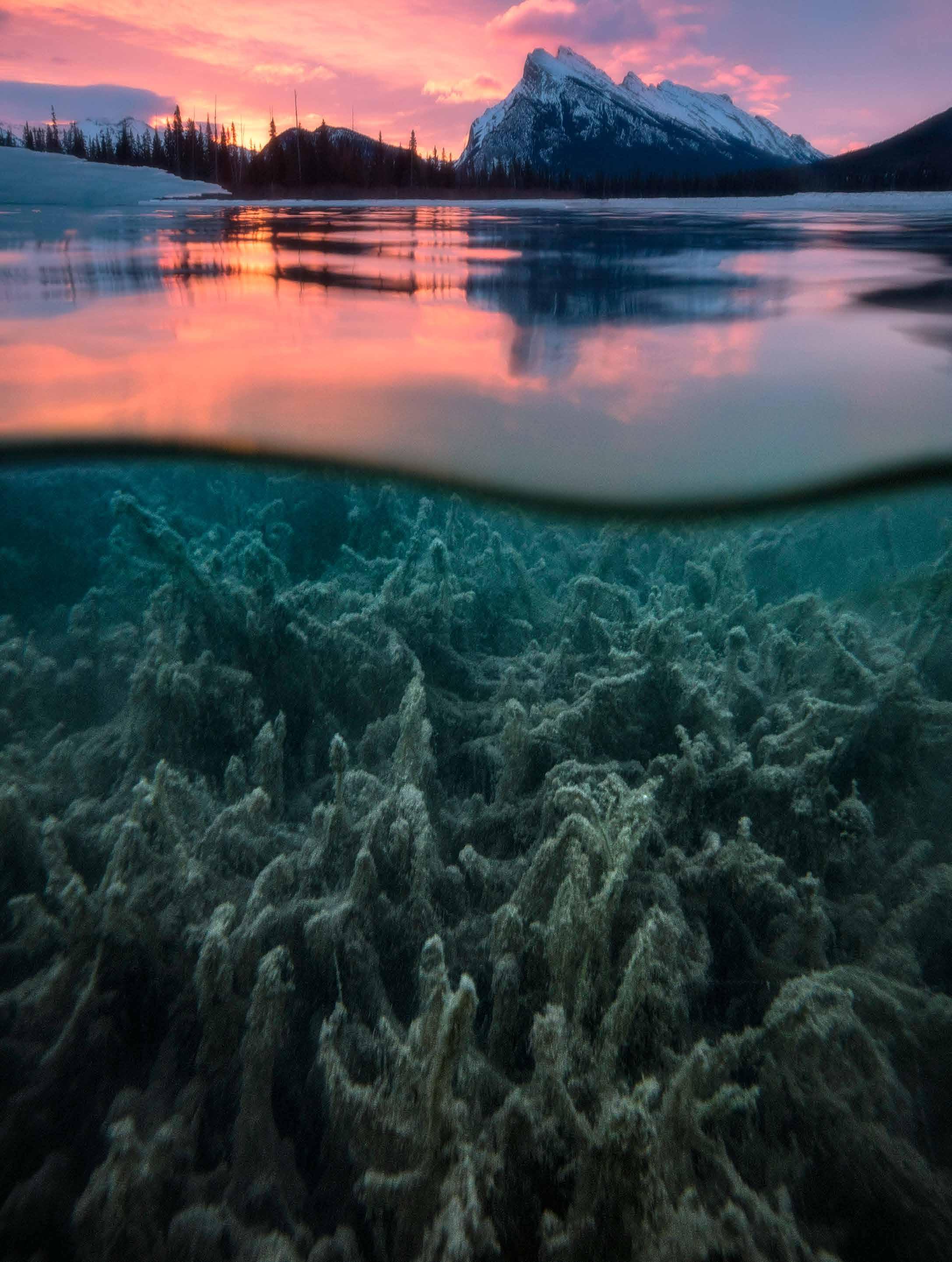
The secret life of Vermilion Lakes, Banff National Park, lit up by sunset. PAUL ZIZKA
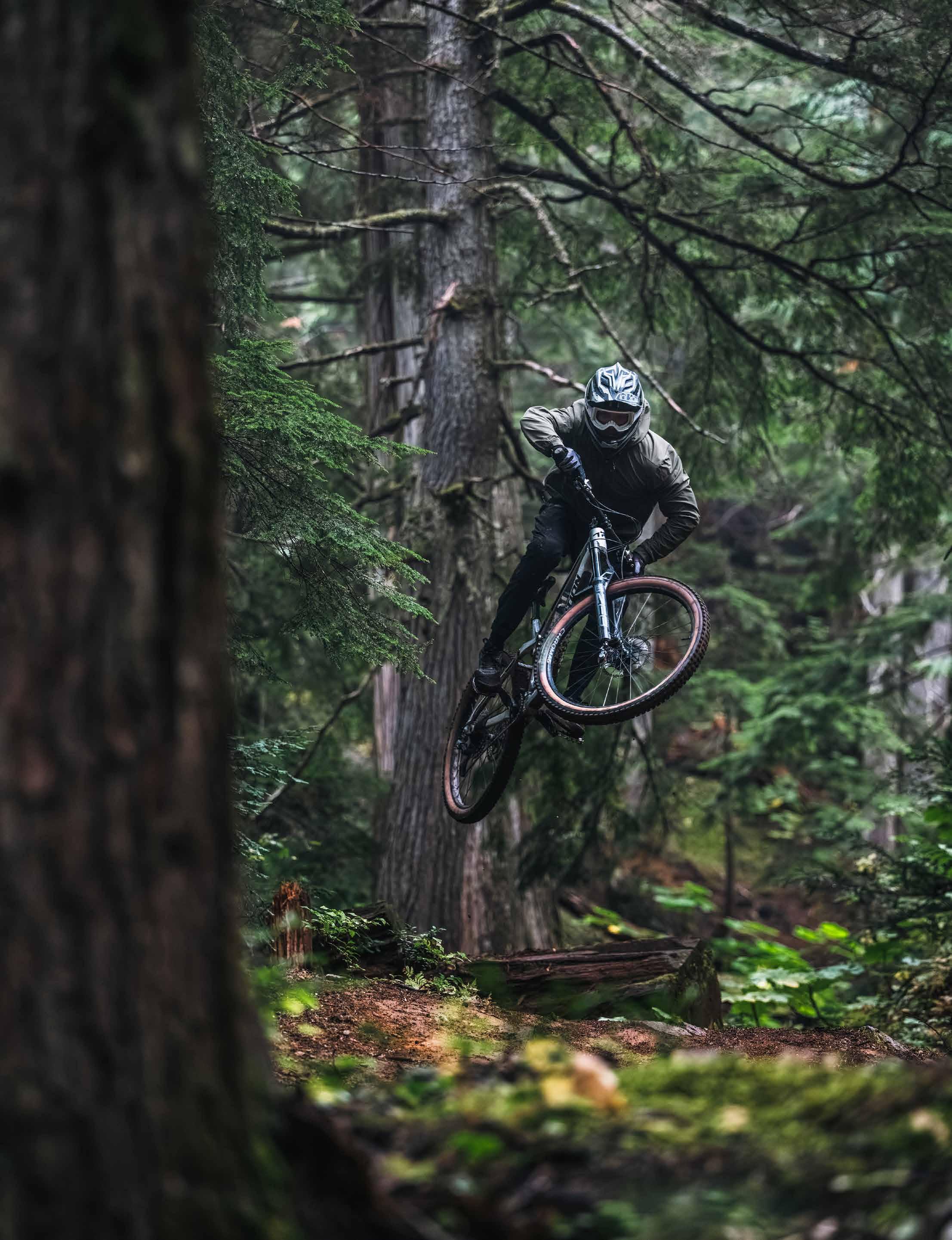
Vince Jauvin full sends through the timber on Boondocker, Revelstoke. LAURA SZANTO

Visiting the quiet spots near Ban National Park o ers a refreshing escape from the busy tourist hubs. Take Roam's Route 6 to explore the secluded trails by Lake Minnewanka. In Canmore, Roam’s Route 12 can conveniently take you to the beautiful Grassi Lakes Trailhead, perfect for a scenic adventure. Or find inspiration and wonder with a visit to the Cave & Basin National Historic Site within the Town of Ban on Route 4.
Explore where Roam Transit can take you.





















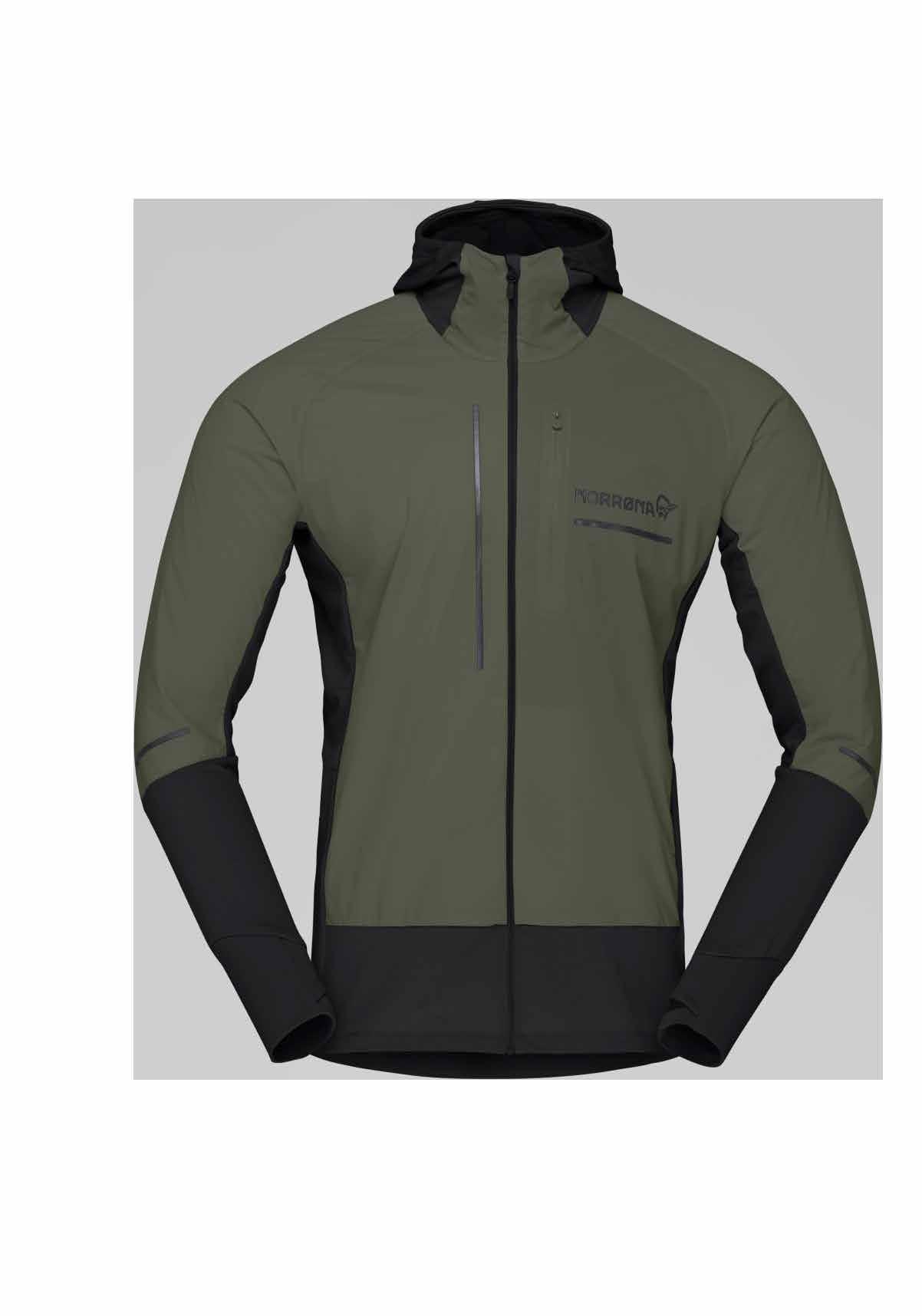

1. Few pieces nail the balance between warmth and breathability, but the NORRØNA SENJA ALPHA 90 HOOD earns its place in the quiver with a Polartec hybrid construction designed specifically for the fluctuating demands of trail running. At 250 grams, it disappears into your vest until the moment it doesn’t. monodsports.com // 2. The ARC’TERYX SYLAN 2 trail running shoe is designed for speed and reduced fatigue. With a rockered midsole, it propels from foot strike to toe-off, while an ultra-responsive foam compound maximizes energy return—helping you stay in PR mode all day long. arcteryx.com // 3. The YETI SKALA 60L is built for multi-day trips without feeling like overkill. With gender-specific fits and an adjustable harness, it sits comfortably on different body types. The RipZip opening lets you grab what you need without digging, and dedicated pockets keep everything from sunglasses to cookware organized and within reach. yeti.com // 4. THE GODDESS from GRIZZLY PAW BREWING began as the Canmore OG brewery’s International Women’s Day beer and quickly became a fan favourite. It’s a bright, tropical mango pineapple sour made for sunny days and easy drinking. thegrizzlypaw.com // 5. The ARC’TERYX LITHOS SL HARNESS is a minimalist sport climbing harness designed for comfort and performance. It uses Warp Strength Technology to distribute load evenly and reduce pressure points, and the updated fit system gives two leg-loop options per waist size so you can dial in the best fit. arcteryx.com // 6. The CARRYX PERSONAL DUFFEL 27 is the personal-item travel bag designed to skip baggage fees—but it’s not just for air-travel. Its structured, box-like design means the bag stands open and packs neatly, making short-haul trips far less chaotic. carryx.co


7. With ChromaPop contrast-enhancing lenses, the SMITH OUTRIGGER packs the polarized tech you need on the water with style that moves easily between active mornings and casual afternoons. A modest wrap and slim side shields reduce reflective glare on and off the water. smithoptics.com // 8. Good rest and a light pack are essential elements of backpacking. The 1.2-ounce, oneby-three-inch FLEXTAIL ZERO PUMP 2 is the world’s lightest and smallest outdoor pump, shaving weight off packs and quickly building a sleep system. Get it at Prairie Peak Provisions or direct from Flextail. flextail.com // 9. THE NORTH FACE MEN’S VALLEY VIEW JACKET is built for the trail. Equipped with seam-sealed DryVent fabric and a water-repellent finish, this jacket keeps wet weather at bay. Adjustable cuffs, pit-zip venting and water-resistant zippers give this layer the functionality of a jacket born for the elements. Wherever the hike takes you, the Valley View has your back. thenorthface.com // 10. Developed with input from professional mountain guides, the HELLY HANSEN ODIN INFINITY MINIMALIST JACKET is built to handle sudden storms on your toughest adventures. Designed with minimalism in mind for high-output activities, this ultralight, 3.5-layer shell features a waterproof, windproof and breathable Lifa Infinity bi-component membrane. Other essential backcountry features include a helmet-compatible hood, RECCO reflector and stash pocket. hellyhansen.com // 11. Camp life gets easier with the RISE AIRNEST 3+ Inflatable Shelter System. Simply roll up to the spot, connect the inflator, and start enjoying the scenery while your tent does all the work itself. Roomy, and with an included zip-in inflatable mattress, this thing sleeps like a dream. riseoutdoor.ca
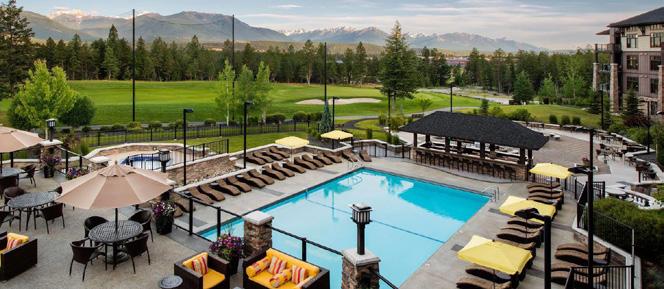
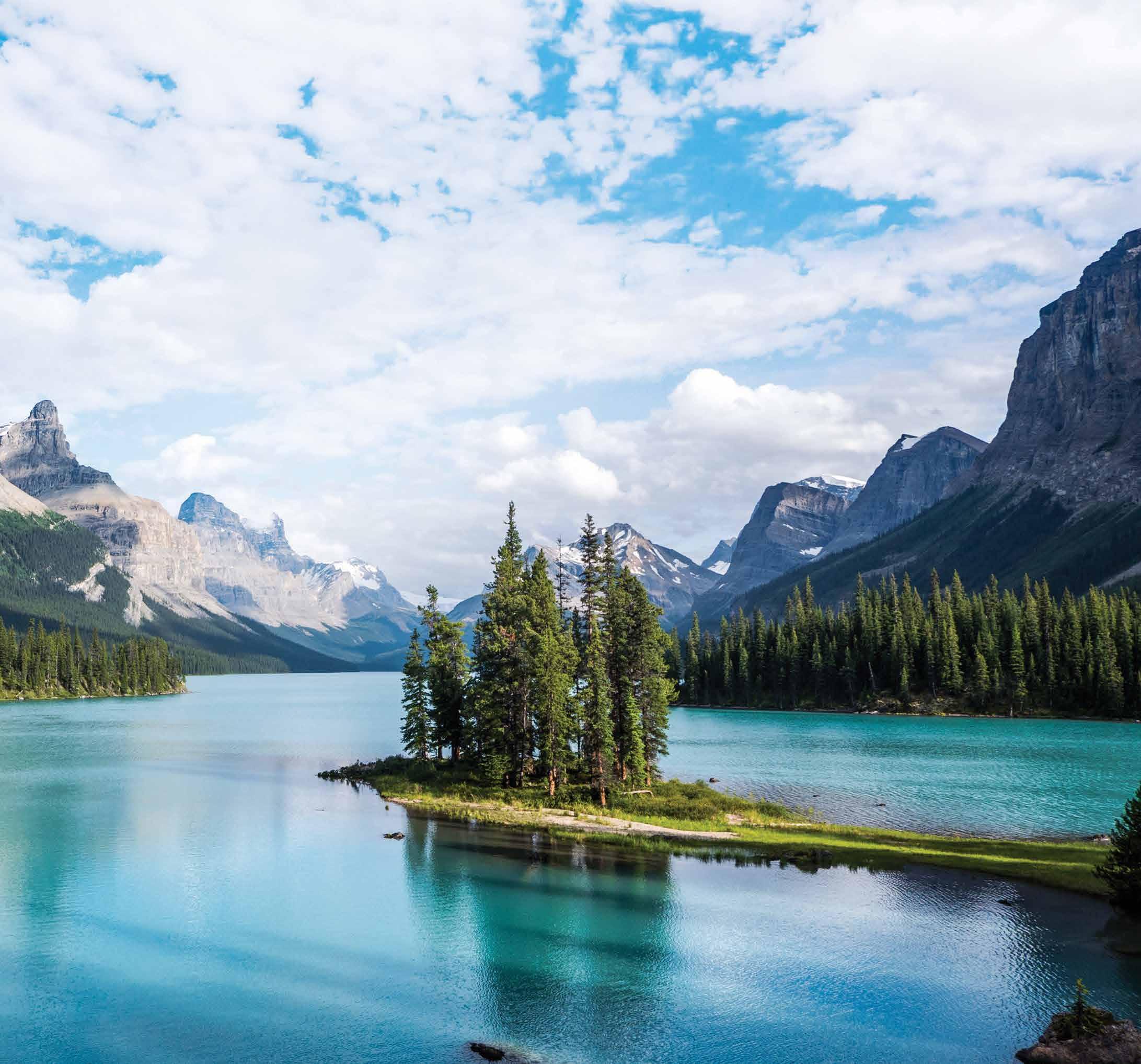



Terracana Ranch Resort
Robson Valley, BC
Suites
Stony Plain Inn & Suites
Copper Point Resort
Canmore Rocky Mountain Inn
Invermere
Invermere
Stony Plain
Canmore
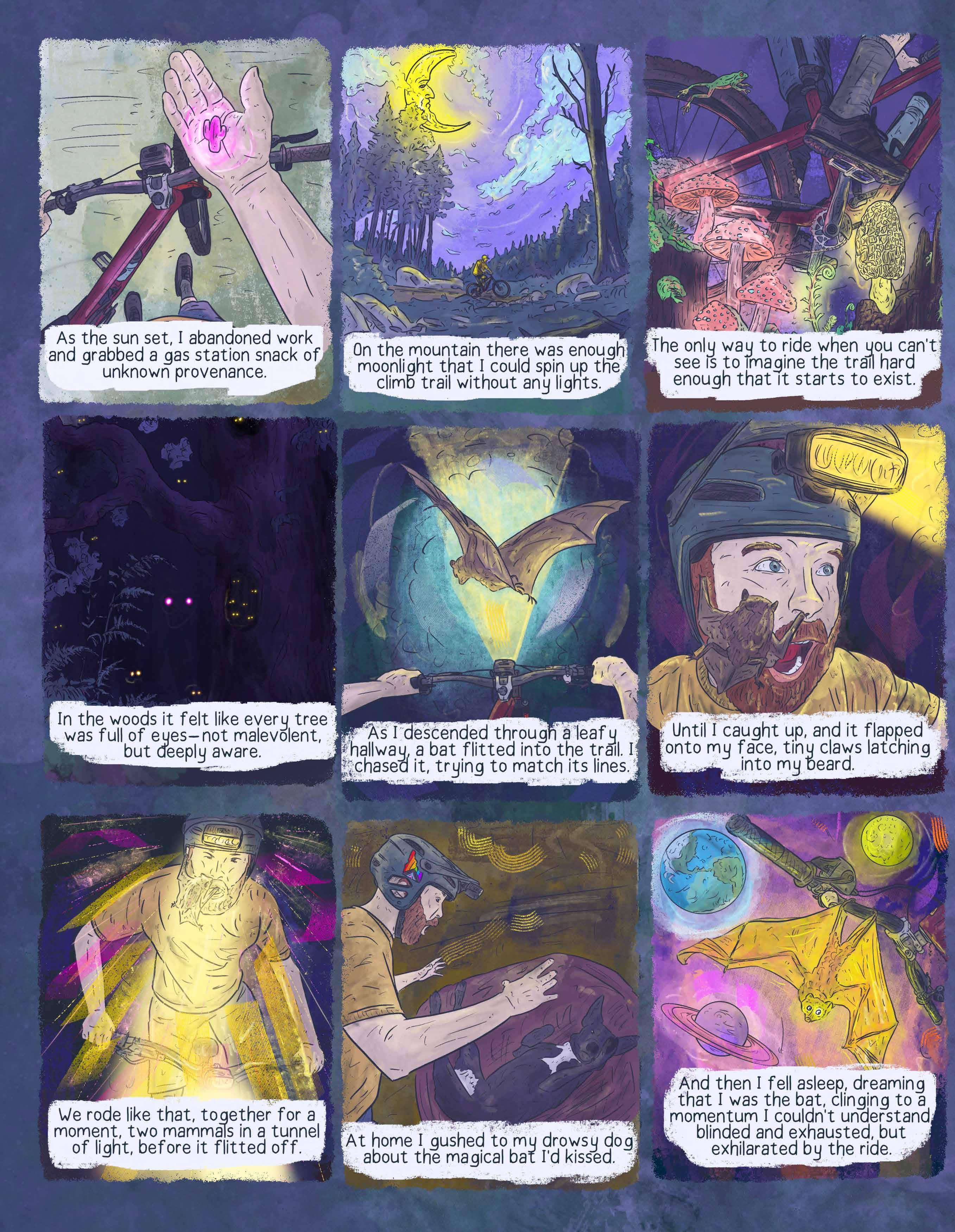
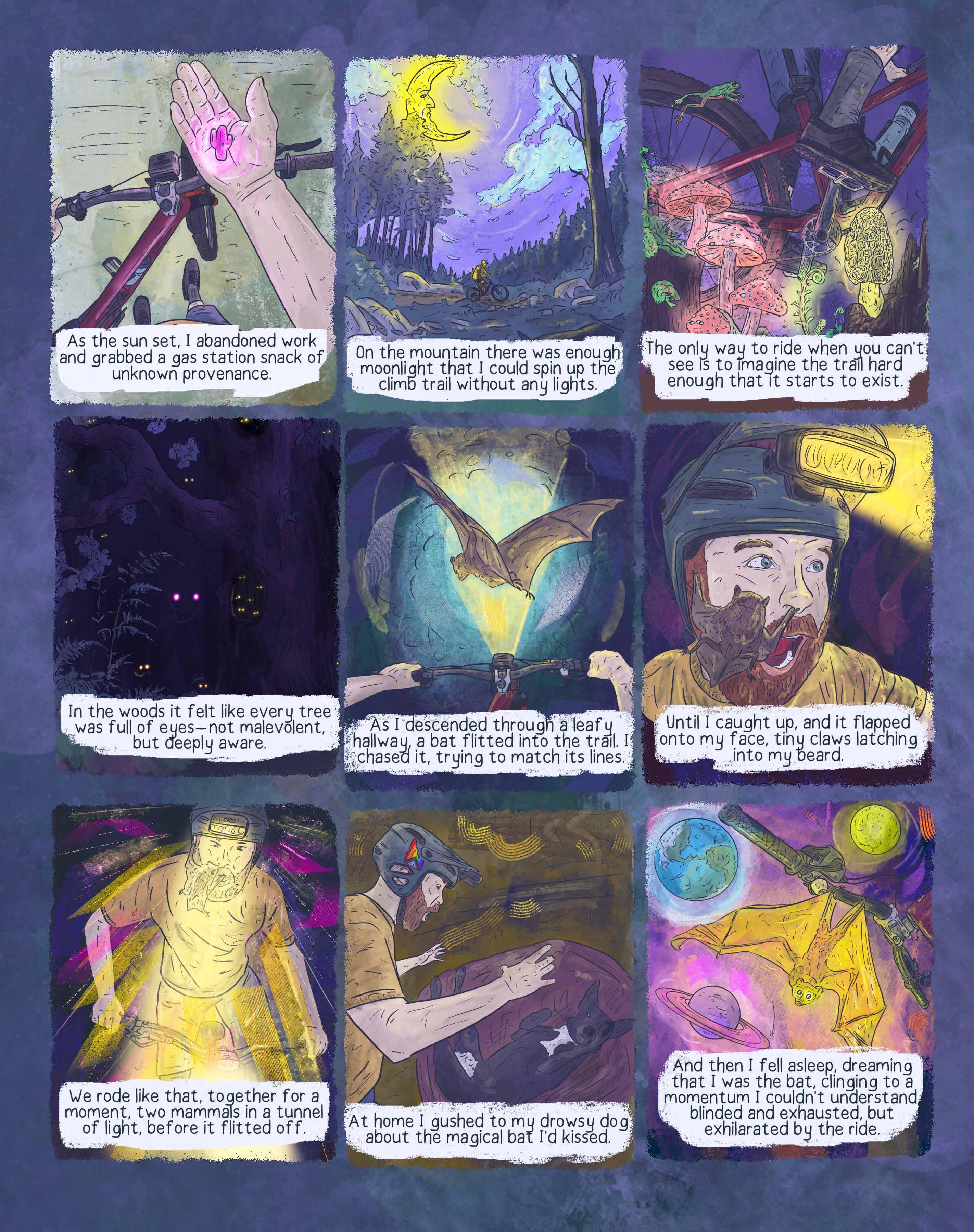
Cy Whitling is a writer, illustrator and photographer based in the youngest section of the Rocky Mountain chain, the Tetons.


















See The World, Don’t Carry The Weight Of It.