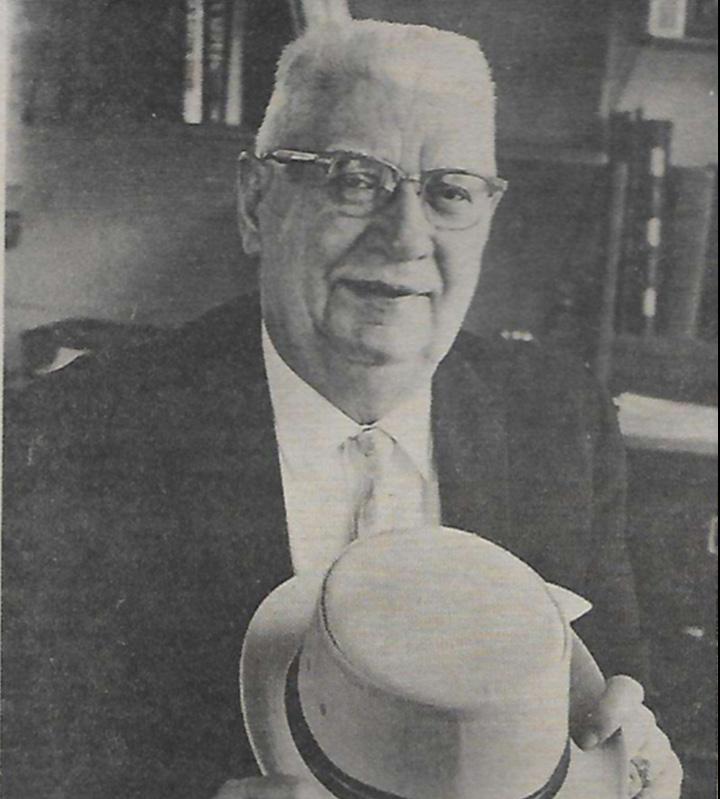
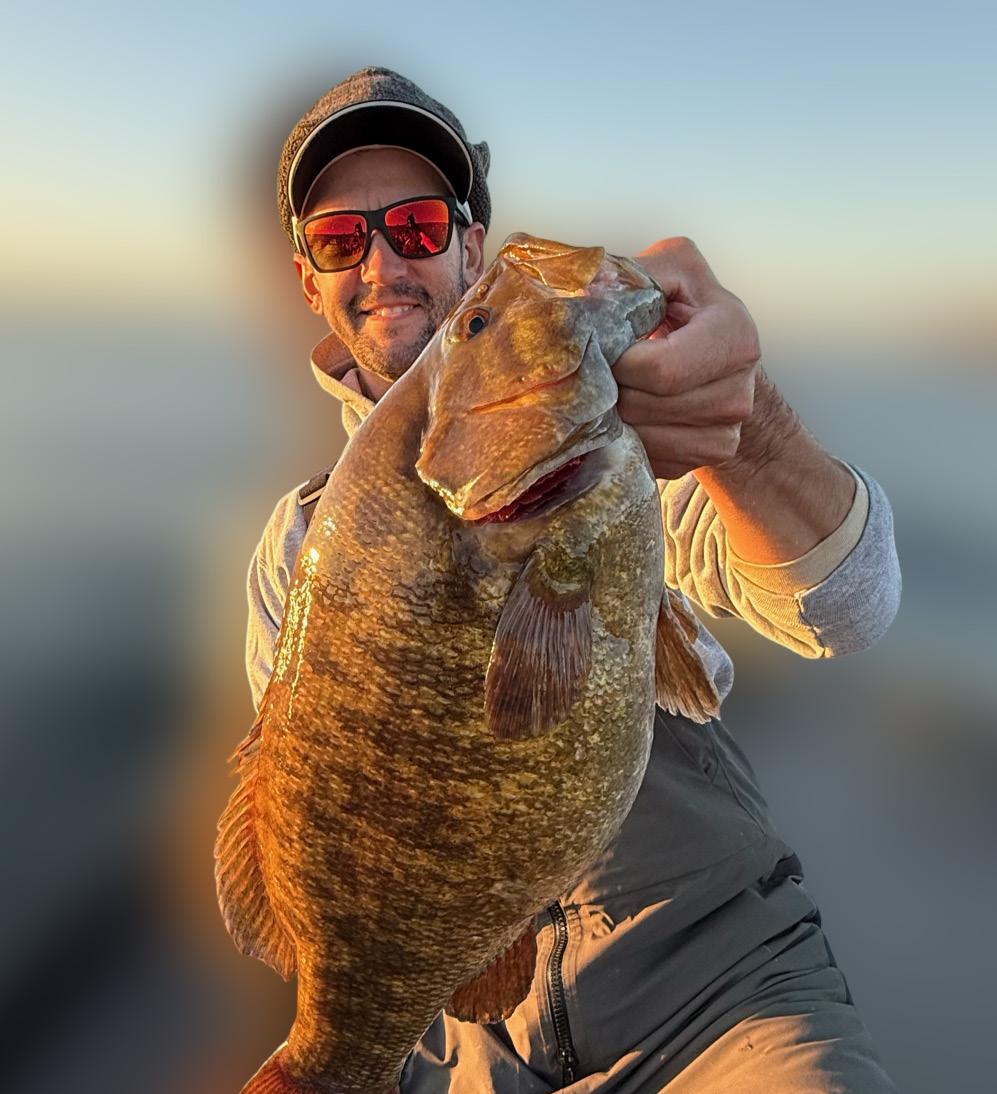
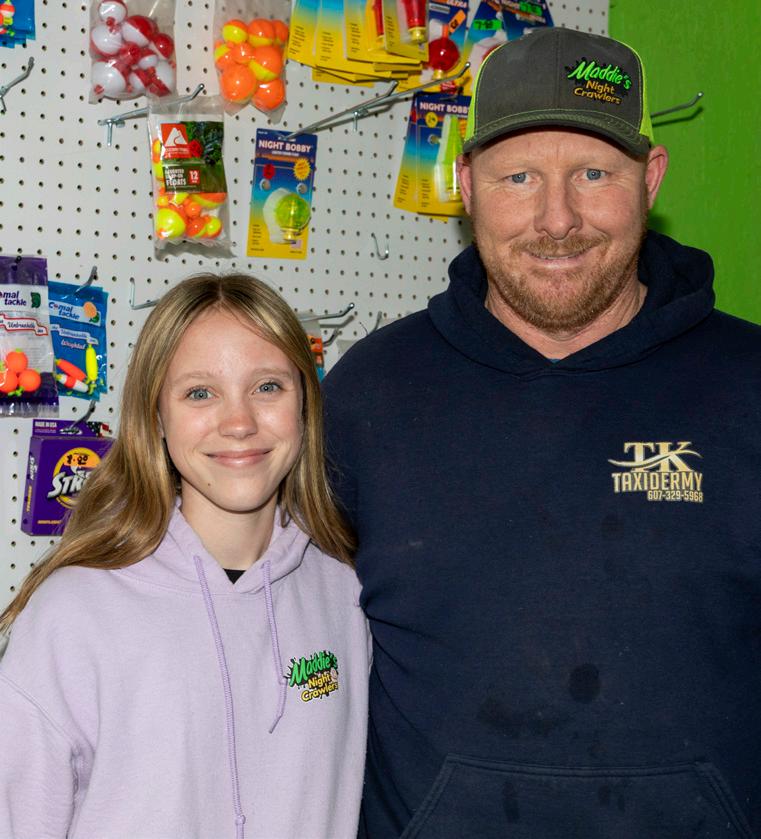
Cover photo by Wade Spencer. This page (top) Ernie Hill courtesy The Grit ; (middle) Evan Luta courtesy Evan Luta; (bottom) Maddie and Kevin Knapp by Wade Spencer.
mountainhomemag.com
E ditors & P ublish E rs
Teresa Banik Capuzzo
Michael Capuzzo
A ssoci A t E E ditor & P ublish E r
Lilace Mellin Guignard
A ssoci A t E P ublish E r
George Bochetto, Esq.
A rt d ir E ctor
Wade Spencer
M A n A ging E ditor
Gayle Morrow
s A l E s r EP r E s E nt A tiv E
Shelley Shank
c ircul A tion d ir E ctor
Michael Banik
A ccounting
Amy Packard
c ov E r d E sign
Wade Spencer
c ontributing W rit E rs
Bob Baker, Don Kelly, Don Knaus, Kevin McJunkin
c ontributing P hotogr AP h E rs
Bernadette Chiaramonte, Linda Stager
d istribution t EAM
Dawn Litzelman, Grapevine Distribution, Shea Maier, Linda Roller
TO ADVERTISE: E-mail info@mountainhomemag.com, or call us at (570) 724-3838.
AWARDS: Mountain Home has won over 100 international and statewide journalism awards from the International Regional Magazine Association and the Pennsylvania NewsMedia Association for excellence in writing, photography, and design. DISTRIBUTION: Mountain Home is available “Free as the Wind” at hundreds of locations in Tioga, Potter, Bradford, Lycoming, Union, and Clinton counties in PA and Steuben, Chemung, Schuyler, Yates, Seneca, Tioga, and Ontario counties in NY.
SUBSCRIPTIONS: For a one-year subscription (12 issues), send $24.95, payable to Beagle Media LLC, 39 Water Street, Wellsboro, PA 16901 or visit mountainhomemag.com..
Last Great Place
Saving the White House, Building Mountain Home
It was March 2006. George W. Bush was in the White House. Johnny Depp starred in the year’s highest grossing movie, Pirates of the Caribbean. Iran, pressed by the US, Europe, Russia, China, and the United Nations to halt uranium enrichment, insisted its nuclear program was purely civilian and kept enriching. My wife Teresa and I, who met as journalists at The Philadelphia Inquirer, had recently moved back to her hometown of Wellsboro and started publishing Mountain Home magazine as a regional magazine for the Twin Tiers and beyond out of our house along Kelsey Creek.
And with our fourth issue we already had a national scoop!
Wellsboro native Clancy Prevost, the former Northwest Airlines pilot who taught Zacarias Moussaoui to fly a 747-400 in his Minnesota flight class, liked the man he called
By Michael Capuzzo
“Zac,” and took him to lunch and tried to have sincere conversations with him about his religious faith. (Clancy, always a skeptic of his hometown religion and open to other faiths, was fond of walking up the steps of his father’s church and saying, “Alright, everyone, set your watches back five hundred years.”)
But despite his genial open-mindedness, Clancy met with deep hostility and finally reported Moussaoui to his superiors and to the FBI. He had grown suspicious of the Moroccan businessman who paid over $6,000 cash for his training, acted aggressive, and seemed to want to learn to take off but not to land.
On August 16, 2001, the FBI arrested the Al Qaeda operative whose assignment was to fly a 747 into the White House on September 11. Moussaoui was the only individual convicted in a US court for the 9/11 attack and sentenced to life in prison.
Secretary of State Condoleezza Rice and the Justice Department authorized a $5 million reward to a new American hero. NBC Today Show host Katie Couric, the NBC news magazine Dateline, and the CBS news magazine 60 Minutes all asked to interview Clancy for the inside story on how he stopped the terrorist who would destroy the President’s House, the People’s House.
Clancy said no, no, no.
Then we at Mountain Home asked Clancy for an interview; to our delight, he said “yes.” We had a small-town inside track: Teresa and most of her six siblings were delivered by Dr. John Prevost, Clancy’s dad.
We hired brilliant local artist Tucker Worthington to paint the 6’4” pilot (and former Wellsboro basketball star) for a Norman Rockwell-type cover. But, as our deadline
Courtesy Lou Prevost
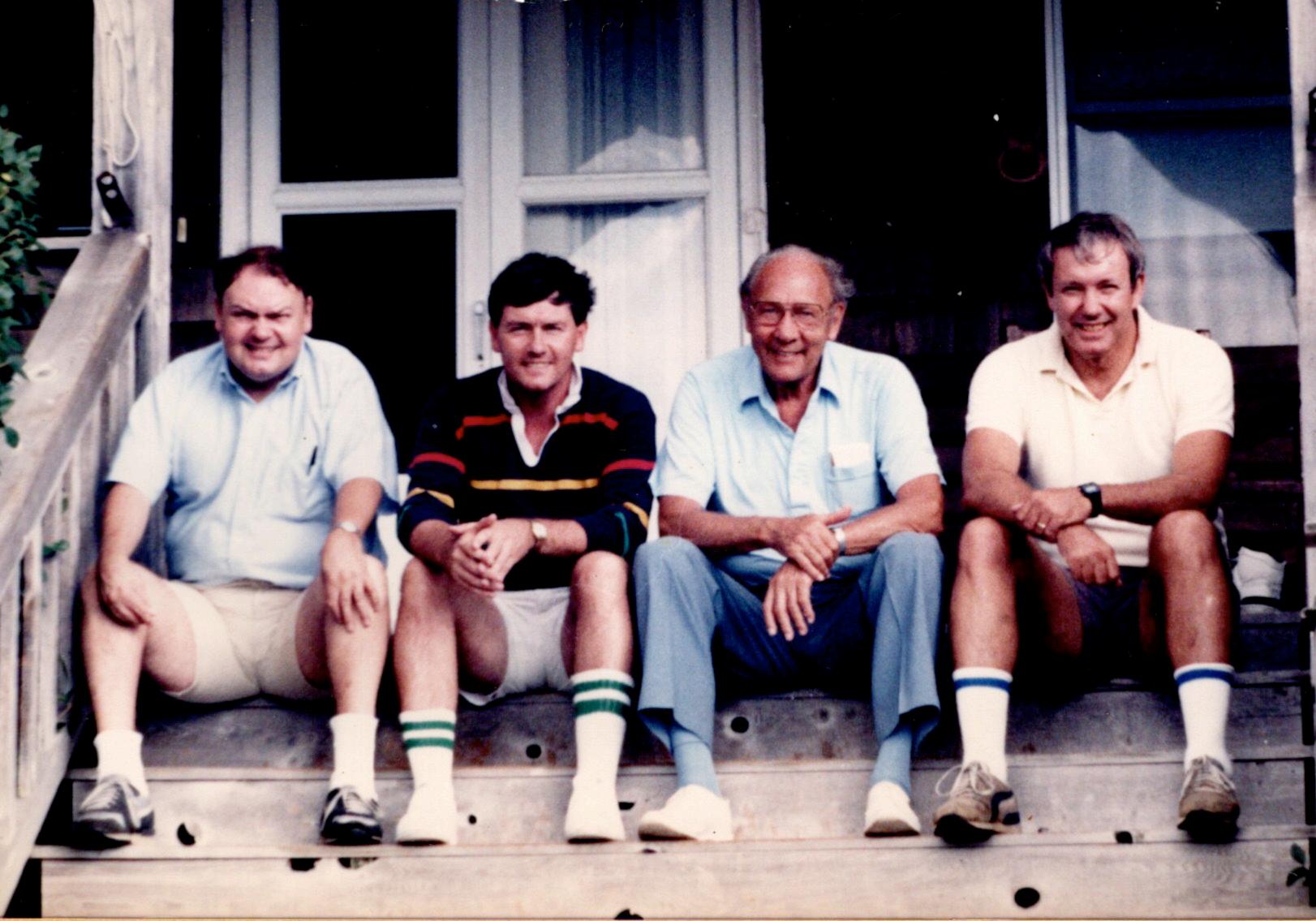
Prevost brothers gather at their sister’s shore house in 1986—Clancy at far right with (l to r) brothers Jim and Lou and father Dr. John.
Porch to Porch
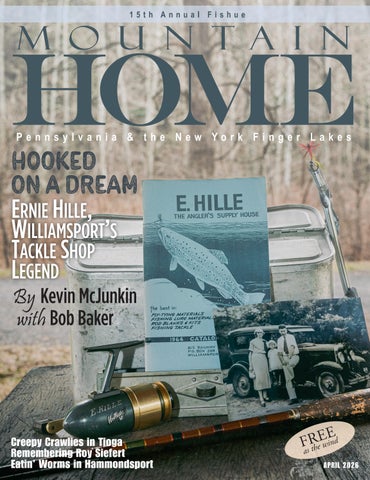
Hooked on a Dream
with Bob Baker ErniE HillE, Williamsport’s tacklE sHop lEgEnd
By Kevin McJunkin
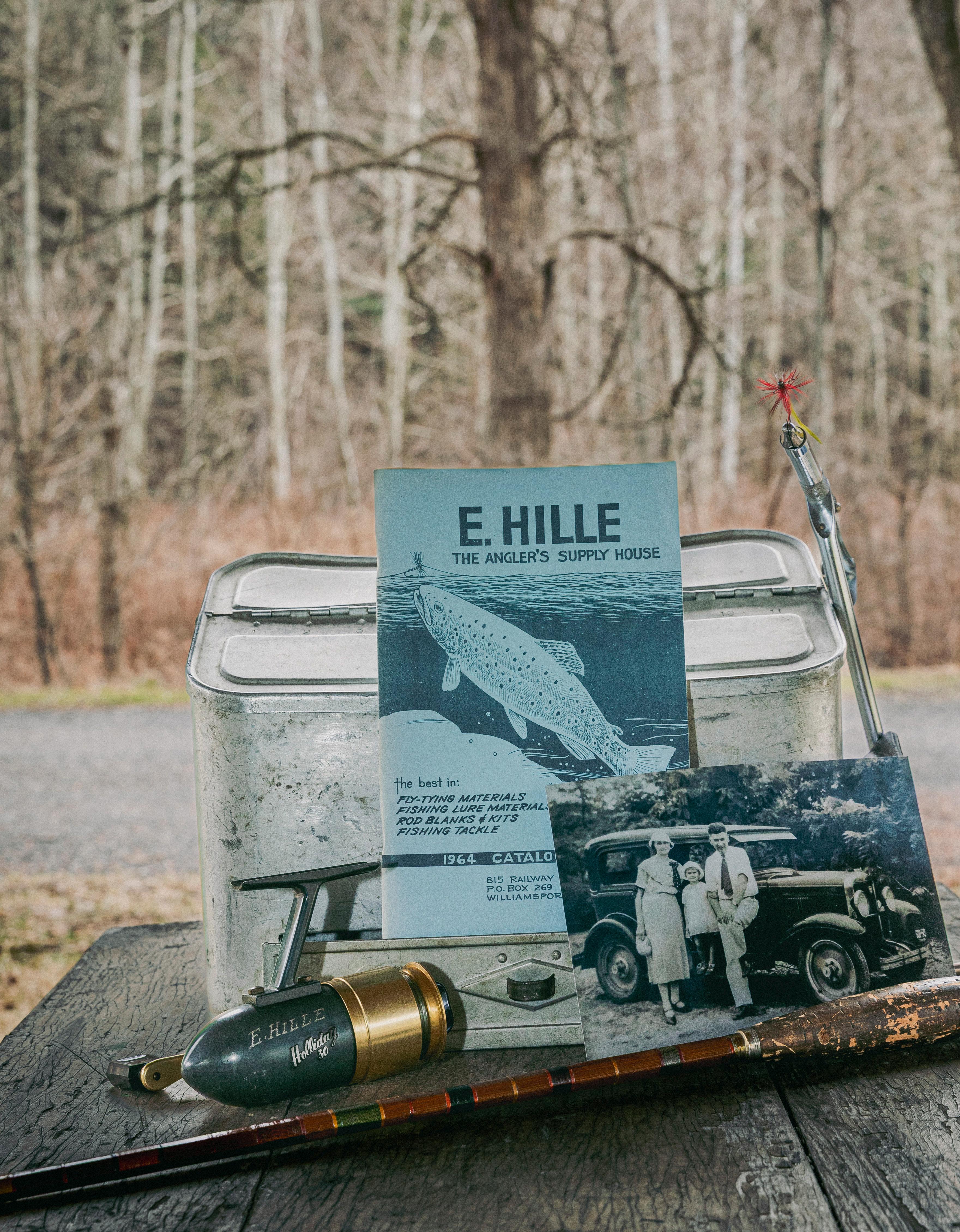
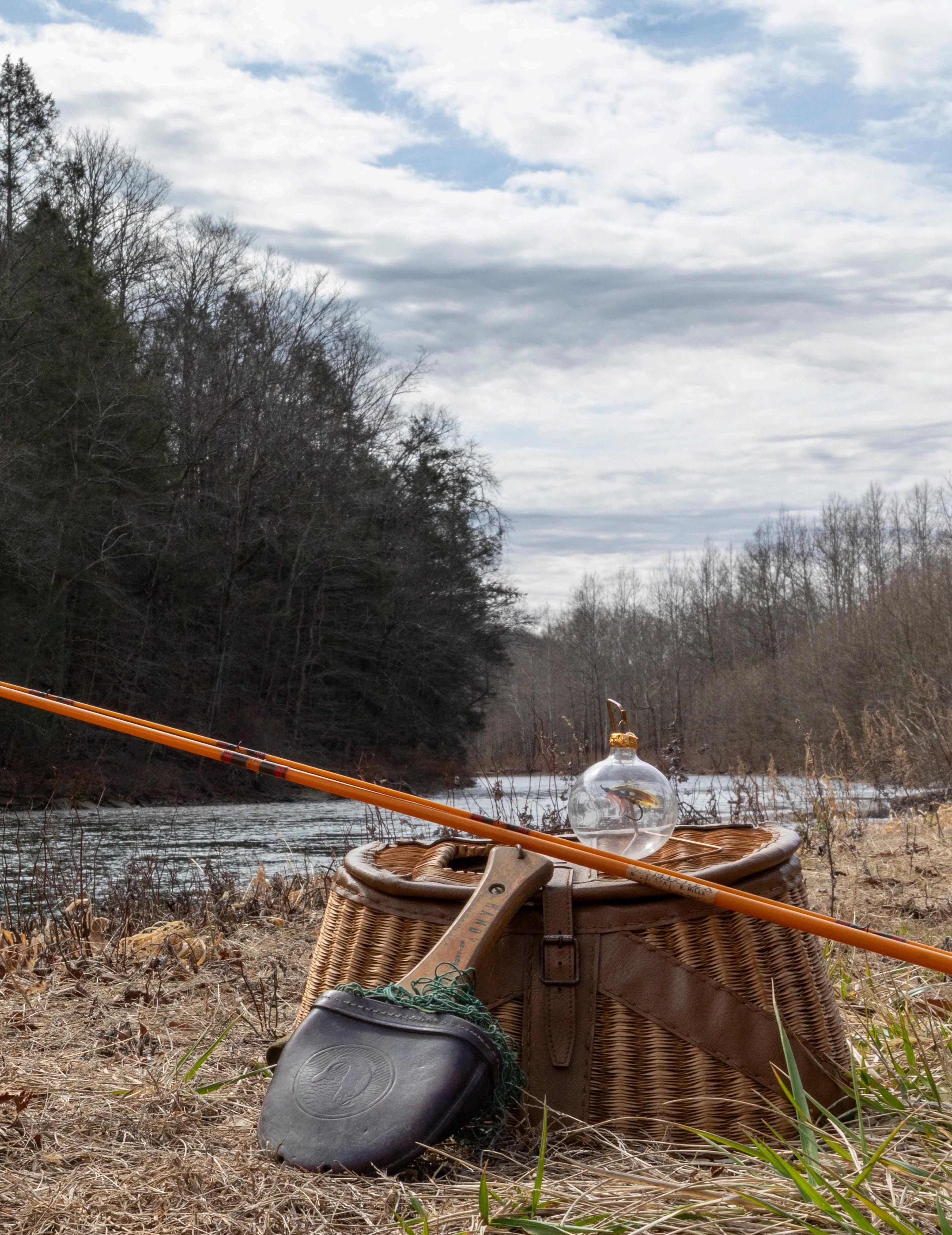
Leaning against a split willow creel are an E. Hille Lamiflex fiberglass fly rod and an early model Handy Pak folding net, made in Shamokin, with a wooden handle and leather sheath embossed with a fish; on top is an E. Hille Christmas ornament, with a Thunder and Lightning Atlantic salmon fly inside.
The Creel Deal
Anglers love to talk fishing, whether at the tackle shop, on the stream, or at the local watering hole. The conversation usually starts with, “Where are you from?” I respond, “The Williamsport area,” which often elicits “Oh, I’ve heard of Williamsport. That’s where E. Hille is!”
continued from page 7
On the Fly
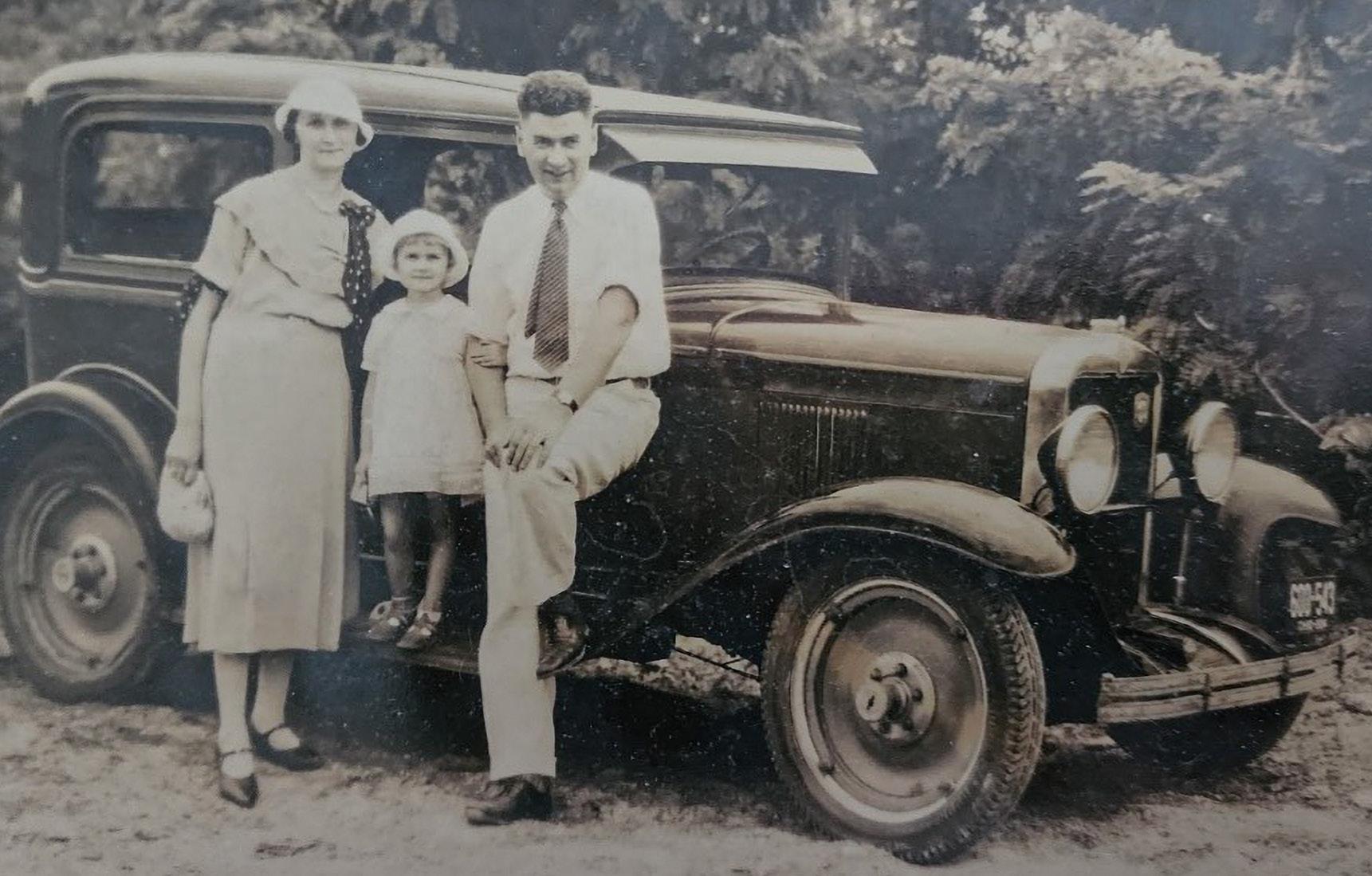
Ernie Hille, shown here circa 1935 with Hilda and Doris, kept a fly tying kit in his Ford Model A and started his supply company in Cleveland with this catalog in 1936.
For many years, E. Hille was one of the premier tackle shops in the country, initially specializing in hard-to-find fly tying materials, but over time expanding to become a one-stop shop for all angling needs. E. Hille became a name known to fishermen throughout the United States and Europe. But Hille’s was more than just a successful tackle business. Through their outreach, our region became a destination for many fishermen, contributing to the local economy. Most importantly, Hille’s was a family business, with deep roots in our region. Hille’s taught countless local anglers the skills of fly tying, lure making, and rod building, the ethics and sportsmanship of fishing (Hille’s was an early proponent of catch and release), and strongly encouraged and supported work to improve habitat and water quality of our trout streams. We (and the fish) are reaping those benefits today.
The Early Years
E. Hille founder Ernest Frederick Hille was born in Trebbin, Germany, on March 3, 1904. As a youth, Ernie fished in his local streams and canals, primarily for asp, a big—as long as thirty inches—fast-swimming game fish that preys on smaller fish and terrestrial insects such as grasshoppers and crickets. Money was tight, so Ernie learned to craft flies (lures) with found materials such as feathers, dog or cat fur, and yarn, thread, and cloth from his mother’s sewing basket.
Ernie’s uncle, George Hille, a soldier in the German army, was captured and taken to the US as a prisoner of war. After the war, most
of the POWs were sent back to Germany, but a few were allowed to stay if they had a skill that would benefit the American economy. George worked as a baker in Cleveland, Ohio, and the family arranged for Ernie to live with his uncle. On October 7, 1926, Ernie boarded a passenger ship, leaving behind his family and childhood sweetheart, Hilda Mueller, to arrive at Ellis Island ten days later. Ernie’s first American job was with the Ford Motor Company. In Ohio, Ernie was quickly exposed to new kinds of fishing—bass, trout, and other species. His fishing buddies noticed the effectiveness of his lures, and he enjoyed tying a few flies for his friends and showing them how to tie their own. He was able to save enough money to bring Hilda to the United States. They married, and a daughter, Doris, was born on May 7, 1930.
Having a job with a good income, Ernie was able to acquire quality fly tying materials, and his hobby of supplying fly tying materials to friends and others grew into a part-time vocation. Hilda enjoyed fishing with her husband, and now, in addition to being a homemaker and raising Doris, she was also his business partner.
The First Cast
Ernie laboriously typed and printed a catalog of fly-tying supplies on a rotary printing press, a major task in pre-computer days. Hilda was responsible for the cleaning, sorting, dying of feathers, and packaging. This was the introduction from his first catalog in 1936:
We offer this catalog of fly-tying materials to the angler who knowing the
thrill of fishing, wants to make his sport even more enjoyable by taking his share of fish on flies and lures of his own creation.
This source of supply is for the fisherman, looking for an occupation during those long winter months when only our dreams can be on a stream or lake, for anyone desiring a hobby that will quickly remove his thoughts of everyday routine, and for the fellow with limited funds, who must seriously count the expense of each piece of tackle. Not only is the cost of each homemade fly less than one quarter of the price of those readymade, but every fisherman can create his own flies to his own conception of a killing pattern…Flies are not difficult to make, a little patience, good materials as well as tools and instructions are all that is needed.
A fine sales pitch, although I daresay most fly tiers will guffaw at the idea of saving money by tying your own flies.
Coming to Williamsport
E. Hille had customers from the mountains of northcentral Pennsylvania, then and now a fisherman’s paradise. Ernie corresponded with Bob Snyder, a teacher at Williamsport High School, and Dick Williamson, a reporter for The Grit newspaper in Williamsport, and a frequent contributor to the Pennsylvania Angler
Hille
Courtesy Bill and Doris O’Connor
Tying the Knots
magazine under the penname Dick Fortney. Dick wrote articles about the E. Hille Company and about his angling adventures with Ernie, fortuitous because Ernie didn’t believe in paying for advertising, relying instead on word of mouth and distribution of his yearly catalog.
Bob and Dick invited Ernie to the spring outdoorsman show in April 1940, held at the Consolidated Sportsmen of Lycoming County facility. It featured over thirty exhibitors. Ernie enjoyed meeting some of his customers and promoting E. Hille. He fished on Lycoming Creek, Gray’s Run, Pleasant Stream, and the Loyalsock.
The Hille family visited Williamsport several times—the region reminded Ernie and Hilda of Trebbin. Bob helped Ernie find a job as an instructor at the machine shop of the Williamsport Technical Institute. The Hilles continued to run their part-time fly supply business out of their new home in Williamsport, taping over the Cleveland address of the 1940 catalog with their 842 High Street address. Doris didn’t have many opportunities to play with other kids after school because she was recruited (told) to help with the business.
The Hilles acquired a tract along Pleasant Stream, near the village of Marsh Hill. Ernie designed a cabin. Doris remembered gathering heavy river stones for the foundation with her mother while her father sat in a chair in the shade smoking his pipe, instructing them where and how to stack them. Ernie eventually had to hire a contractor to finish the job, much to Hilda and Doris’s relief. The family would close the shop at 3 p.m. each Friday to spend weekends at the cabin, welcoming friends to enjoy good food, fishing, and the beauty of the Pleasant Stream valley.
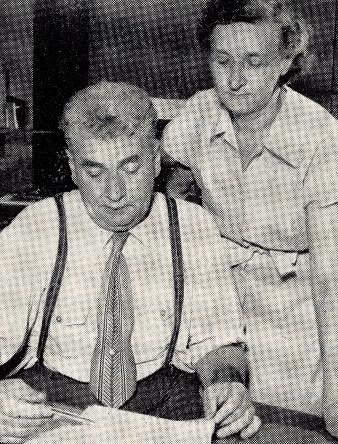
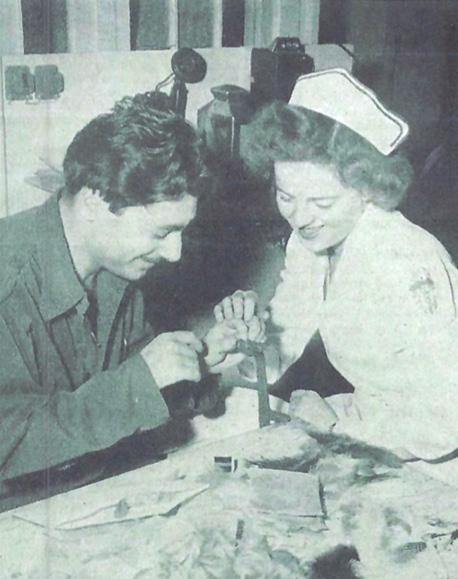
(Top) Ernie and Hilda peruse a customer order in May 1950; a fly-tying occupational therapy program the Department of Defense asked them to start in 1943 brought together therapists and disabled soldiers in army hospitals.
War and a Government Contract
Ernie had amassed a substantial inventory in anticipation of the upcoming war. Nevertheless, the E. Hille 1942 catalog included the following notice to their customers:
War conditions have in many instances stopped entirely the supply of the most important items used in fly tying. We feel it is our duty to distribute this scarce merchandise evenly among our customers, fully realizing that there may be inconveniences to some sportsman if he cannot purchase in the quantities desired. But please keep in mind that if we would have sold the merchandise in unlimited quantities, chances are that the entire stock would be in the hands of a few individuals and nothing for those who could otherwise enjoy an occasional fishing trip.
In the fall of 1943, Ernie was notified by the Department of Defense that they would be sending someone to meet with him. Ernie had registered for the draft as a requirement of his citizenship and wondered if he was going to be drafted.
General Walter Smith knocked on the Hille’s door. He was the US Secretary of the Combined Chiefs of Staff, later serving as General Dwight D. Eisenhower’s chief of staff. He informed them that the government was developing an occupational therapy program for wounded soldiers at the Walter Reed Army Medical Center. The War Department believed that fly tying would be therapeutic for their hands and minds. Ernie concurred.
To get started, they needed fly tying materials. Ernie pointed out that fly anglers target various species of fish, not just trout. Each fly-ty-
Hille
ing kit would need to include materials to tie wet and dry flies, streamers, bass flies, hair body lures, and cork body bugs. The general agreed, and asked Ernie to put together an appropriate kit. The eighty-three-pound result had enough materials, including tools and vises, to keep ten men busy tying flies for 2,400 hours.
A few months later, the Hilles were asked if they would be able to provide 400 kits to the War Department so they could distribute them to army hospitals across the country. Hilda and Ernie were astounded, and deeply honored, at being asked to undertake such a daunting task. Ernie’s proposal, one of several submitted, was quickly accepted. E. Hille would be paid $100,000— equivalent to $1.8 million in today’s dollars!
Ernie subsequently took a leave of absence from Williamsport Technical Institute, secured financing, and rented a building at 335 Rose Street in Williamsport with sufficient storage space and a large workroom to accommodate thirty employees to assemble the kits. An article in the May 1950 Pennsylvania Angler titled “America—Land of Opportunity” told the story of a hard-working immigrant making good, noting “An erstwhile German helps rehabilitate men his former countrymen wounded in combat.”
Ernie paused sales during the year and a half they were fulfilling the government contract, but remained in contact with his loyal customers, assuring them he would return. Many fly shops closed during this time because of insufficient inventory. Steel items could not be sold during the war, although an exemption was granted for Thompson vises and Wright & McGill hooks to go into the kits, keeping those businesses afloat.
E. Hille had a customer base of over 1,000 by 1946. Ernie decided not to return to his teaching job, so they could go into business full time and resumed retail sales at the Rose Street location. A counter and limited display of items were added to the small shipping and receiving room in the front. Customers would look through the catalog and order rather than browsing through aisles for merchandise. That was sometimes problematic.
Ernie was short-tempered and demanding, becoming irritated when he could not understand a customer. Prior to 1964, many misunderstandings occurred because of the lack of an order form. Anyone wanting to order had to write a letter or call. If they had a catalog, they could reference a page or item number. If they did not, this could be more difficult. Hilda would often step in and calm the customer down after Ernie blew up in frustration.
One On HEART DISEASE CAUSES 1 IN 5 DEATHS
Bill O’Connor and Other Changes
By the late 1940s, Doris was entering her senior year in high school. Because she worked in the store every day after school, she invited her new boyfriend, Bill O’Connor, to court her there.
When Bill was asked how he and Doris met, he paused, smiled, and stared off into space as if he was in that room so many years ago, seeing Doris for the first time. He described her as absolutely beautiful with long blonde hair and a flowing dress. He jokingly told a friend that she was going to be his wife one day.
GETTING YOUR HEART CHECKED COULD SAVE YOUR LIFE. TRUST THE EXPERTS AT UPMC.
Heart disease can be silent and deadly. Regular screenings at the UPMC Heart and Vascular Institute can monitor risk factors like high blood pressure, cholesterol, glucose, and elevated BMI that can so often lead to cardiovascular diseases. And we’re here for you with skilled experts and advanced treatments to manage even the most complex heart conditions.
Your heart care matters. Schedule an appointment today at UPMC.com/Heart
Since Bill was hanging out in the store with Doris, Ernie could keep an eye on them and put Bill to work. Bill was a bait fisherman, knowing nothing about fly fishing or tying. The Hilles, all proficient anglers, invited Bill to go fishing one evening. Ernie was strictly a dry fly fisherman, so this is what he taught Bill. Later, Bill would learn to fish wet flies from angling author Charles Wetzel, and additional techniques from other fishermen who frequented the shop. He became a good fly tier and rod maker.
Perhaps Ernie felt that Bill was the son he didn’t have, although he never said that to Bill. He continued to take Bill on fishing outings and other activities, including the first banquets of the Harrisburg Fly Fishers Club, an organization that included fly-fishing icons Charlie Fox, Sparse Grey Hackle (Alfred Miller), and Vince Marinaro. Ernie built and donated The Traveling Rod, a fly rod passed on to a member every year at the annual banquet to fish with and report at the next gathering. Ernie and Bill were honored with the Order of the Hat awards in 1973 and 1979, respectively, for their work in stream conservation.
Doris knew every aspect of the business but resented her father for forcing her to work her entire childhood. After graduation, she worked for three years as a bookkeeper with The Grit. Ernie was dismayed. Hilda understood completely, supporting her in this endeavor.
Meanwhile, Bill enlisted in the Navy, hoping to start an electrical business after he was discharged. He sent his pay home to Doris while he was deployed. Doris and Bill told her parents that they were in love and wanted to marry. To their shock, Ernie said that he would give his
Hille continued from page 11
Courtesy Susquehanna Chapter Trout Unlimited
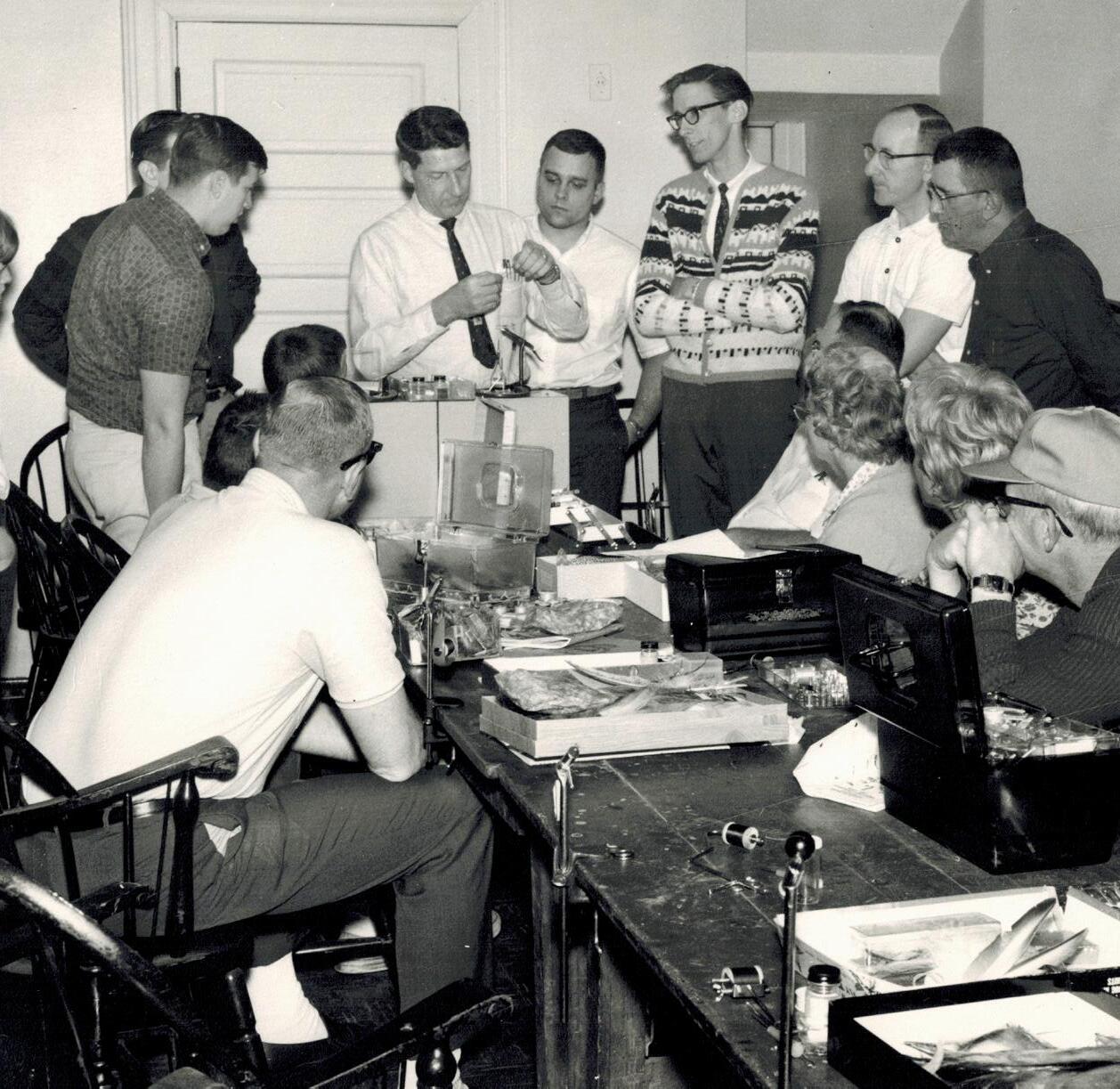
Sponsored by SCTU, Bill O’Connor teaches his first fly tying class at the YMCA in 1968.
Tying
Tying Another On
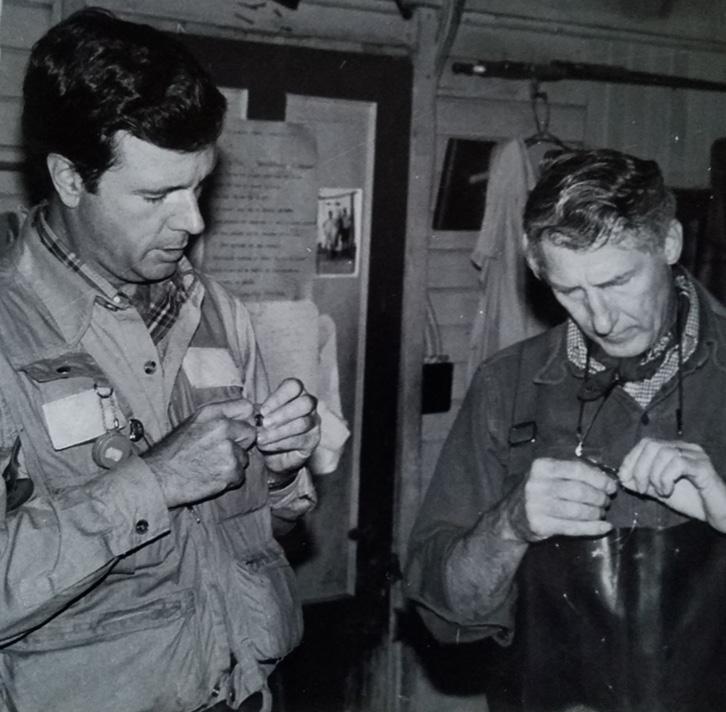
PA Senator John Heinz and Bill O’Connor tying leaders before a 1982 fishing trip.
blessing on one condition—they would take ownership of the E. Hille business when he and Hilda retired.
Doris and Bill accepted Ernie’s demand, and Doris grudgingly returned to E. Hille. Making it worse, Ernie refused to pay her a salary. He felt it was her duty and obligation to work there without a paycheck. Unbeknownst to Ernie and Doris, Hilda, as the bookkeeper, set aside the money to give to her daughter when she and Bill assumed control of the business.
Following Bill’s honorable discharge in 1954, E. Hille moved across town to 815 Railway Street, constructing a new, larger building to their specifications. Bill quickly learned that he could promote change by convincing Ernie that it was his idea to offer materials for the non-fly fisherman. Soon E. Hille began selling fly lines, lures and lure-making supplies, vests, waders, rods, fishing reels, and other quality tackle. With the move and a much larger catalog, they changed their name to E. Hille, The Angler’s Supply House.
There was no showroom at the new location, either, but many customers would come in just to talk fishing or get advice. Ernie, despite his faults, was a gregarious man. Back in the day, a young kid could eavesdrop on Ernie and Bill’s conversations with local and national anglers of note, as it was a relatively small fraternity. Ernest Schwiebert, author of Matching the Hatch, Lefty Kreh, and others fished local streams and found their way into the store to discuss the current hatches and tactics. Former Pennsylvania Fish Commissioner Bill Worobec remembers going to E. Hille to buy a neck to tie flies with. He was a young fly fisherman, new to fly tying, so he asked Bill how to select good hackle (feathers). Vince Marinaro, author of In the Ring of the Rise and The Modern Dry Fly Code, was standing there and overhead their conversation. Vince started rummaging through a tray of necks, holding them up and closely inspecting them, setting aside four or five that met his standards. Bill said, “This guy can tell you what to look for,” and Vince explained how to grade the necks. He then purchased all the selected necks, not even leaving one for the novice fly-tier.
“Well,” Worobec exclaimed, “at least I got a good lesson!”
Courtesy Williamsport Sun Gazette
The Beauty of Catch and Release
What a Great Tale!
By Don Knaus
The religion of catch and release was born about fifty years ago.
The dudes who didn’t fish for food decided that it would be good to save the resource by releasing hooked fish to the waters from whence they came. The earliest and most devout disciples of catch and release were fly fishermen. The Bass Anglers Sportsmen Society capped their first few tournaments with a monster fish fry of the bass caught. Fly fishermen were aghast and shook disapproving fingers. Now, B.A.S.S. returns all catches to their habitat.
I’ll admit it. I’m a fairly new convert to the dogma of catch and release. Oh, I’ve fished with guys who converted to the faith years ago. I heard their catechism and their sermons. Devotees of the doctrine preached
catch and release with evangelical fervor. But I didn’t bow to their belief until a few years ago.
The reason is simple. So simple that guys with Orvis fishing vests, L.L. Bean jackets, and Sage rods just never could see it.
The native people fished for food thousands of years before European settlers arrived in America. The first white men to carve homes out of the vast wilderness also fished to feed the family. Fish were abundant. There were annual runs of eels, salmon, shad, and such. Settlers caught them by the barrelful, preserving them with salt. The resident native fish were year-round food sources. When folks caught more than they could eat or preserve, they sold the surplus
at market. Families first fished to supplement the food larder.
My clan was no exception. We caught fish to eat. Everyone in the family binged on brook trout, scarfed bass filets, gobbled catfish, and savored walleye added to the menu. We fished for fun, but the real reason was to feed the family with high protein, low-fat fish. We were poor. The fishing helped out.
When I was newly married, I was a pauper. I had been raised to catch and cook fish, so I did. When our girls were toddlers, I couldn’t pick the bones out of brook trout fast enough. My bride and I would frantically de-bone, but by the time we had cleaned the second trout, the first one had been eaten. We felt like birds desperate-
ly trying to stuff the begging bills of our brood. We never raised much above the poverty level, so I caught fish to eat. We even forced down the pasty, bland-tasting stocked trout. I was, after all, raised to catch fish to eat.
About fifteen years ago, I began releasing trout. It was hard at first, but I religiously reeled in trout, pulled the hook, and let the fish swim away. Well, I didn’t particularly care for stocked trout fare anyway. And my adoption of the catch and release religion on Pine Creek raised my image in the eyes of fellow anglers. I was held in high regard by fervent fans of fish for fun—immediately elevated to a new, lofty level. I was among the cream of the crop. I was welcomed into the fraternity of elite fly fishermen as though I were a heretic suddenly struck by the spirit. Oh, it was a heady feeling to see other fly fishermen smile as I jerked the hook from the lip of a rainbow and let it swim away. Previously, I had heard disgusted sighs when I slipped a brown trout into my creel. Yep, I had arrived.
But I still kept all native brook trout and consumed them with relish. Bob, a good fishing buddy, often said after a brookie trip, “You can keep all the trout.” I think he just didn’t want to get caught with fish in his creel by an apostle of the catch and release doctrine. Maybe he just didn’t want to clean his fish. I took the brookies home and enjoyed every bite.
Recently, Bob and I went fly-fishing on Pine Creek, determined to just have fun and release any trout brought to net. Bob started out below the Swinging Bridge. I wanted to fish the other side, and was halfway across the rickety structure when Bob yelled. I looked. He held his rod high, bent as though a trout were struggling at the end of his line. I was sure that he was hung up on a rock, but I heard him brag, “First cast!” Maybe he had a trout. I proceeded across and began fishing for browns and ’bows. I glanced at Bob often. He was furiously flailing flies under the bridge. I never saw him play a trout. But then I was busy with my fishing.
In the first hour, I caught one trout and released it. As the sun set, I had a couple of “bumps” and a three second hook-up. Catch and release? Well, I did have it on the hook momentarily. I counted it. At dark, I re-crossed the bridge.
When I met Bob, we discussed our luck. I truthfully admitted to two trout. “Geez, that’s too bad,” he said.
“I caught and released nine trout. Coupla nice ones over sixteen inches.”
And therein lies the beauty of catch and release. There’s never any evidence to prove or disprove your fishing story. An attorney would love such a case. And Bob is an attorney.
Now don’t get me wrong. Bob is a good fisherman. He started fishing streams later than most of us. His skills and knowledge improved and, over the years, fishing Pine Creek and its tributaries, he surpassed many experienced anglers. But I have fished with Bob most of my adult life and he has never, ever beaten me with rod and reel. Never. I guess that day he did. He said so. I mean, who ever heard of a fisherman telling a lie?
Don Knaus, has authored several books and has written
outdoors for years. And he tells the truth!
Liberty book Shop
SERENDIPITY CORNER
He Could Tell Ya, But Then He’d Have to…
Hammondsport’s Evan Luta Reels in Fish Secrets
By Don Kelly
Hang around any boat launch or tackle store too long and you’ll hear the infamous question: “So, what’d you catch ’em on?” The answers range from exaggerated to understated, some lies and some truth. After all, fishermen are known for their fish stories.
Then there’s another group of anglers. Ones who adhere to omerta—a strict code of silence once reserved for criminals and mobsters unwilling to cooperate with authorities. On the water, it is silence observed by a community of like-minded anglers refusing to buy into the hype of the corporate tackle markets. Manufacturers, pros, and influencers rush to the media to cash in on quick fame and hot trends to make a few bucks, and with it a little is lost in the art of innovation. Omerta Tackle manufacturer and Finger Lakes fishing guide Evan Luta believes that code of silence is something missing in a lot of today’s fishing world.
Based out of Hammondsport, Evan calls the Finger Lakes home and spends his free time studying fish from the bow of his 2022 Triton 20trx. Dragging rock piles and mussel beds for bass, one thing became very apparent to him—bass jigs need to stay on the bottom. The only way to achieve that is to have a heavy jig.
The problem? At the time, the major brands only offered big hooks, with big profiles and overly bulky skirts. They might work on some waterways, but the crayfish and baitfish that bass munch on in this region are often small and compact. More bite-sized and less four course meal.
Seeing this led Evan to start tinkering and making his own jigs. He cut his first molds in 2005. After a few big catches and tournament wins, whispers started around the docks about a new breed of tackle. Soon enough, those whispers turned into sales. Evan would show up to tournaments with a
pocket full of jigs, selling enough to pay for gas and tournament entry fees.
Growing popularity led him to the question: “Could this be a real business?” and Evan’s quest to make the perfect flipping jig birthed Omerta Tackle Company. Its first product, a three-quarter-ounce football jig, quickly gained popularity among serious tournament anglers in upstate New York.
Today, Omerta Tackle continues to be made at Evan’s home with the help of his family and one employee. His two young kids tag along for fishing, and eventually they too might join the family business. Successful anglers, fishing guides, and friends help spread the word that his baits catch fish.
Listening to Evan talk about fishing jigs and catching bass is a masterclass in fishing.
Courtesy Omerta Tackle
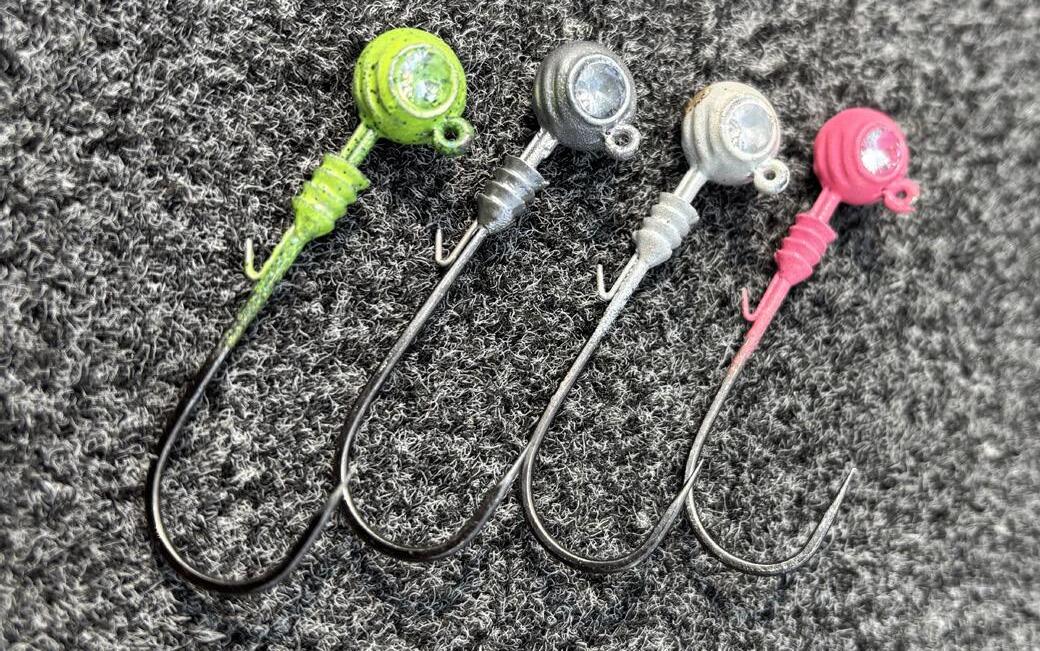
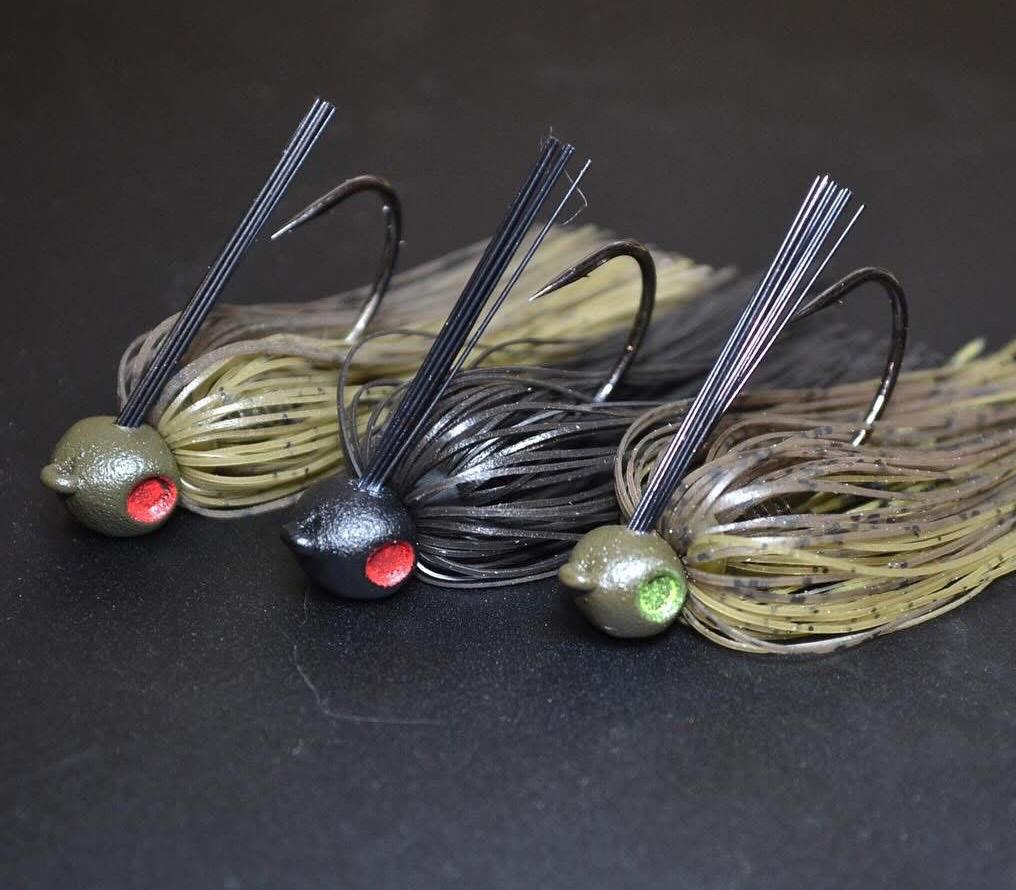
Evan Luta, the boss of Omerta Tackle, hooks anglers up with dolls like the Diamond Eye Minnow Jig (top left) and Lil Sneaky Jig that will wake up any sleeping fish and take care of the ones who don’t keep their mouths shut.
Gettin’ Jiggy
Don Kelly
Traditional Overnight Camp
Camp sessions run from Sunday to Saturday, with a weekend holdover option for campers who wish to stay for multiple weeks.
Session 1 June 28-July 4
Session 2 July 5-11
Session 3 July 12-18
Session 4 July 19-25
Session 5 July 26-August 1
Session 6 August 2-8
Session 7 August 9-15
Session 8 August 16-22
Overnight Sailing Camp
Camp Cory offers one and two-week options for our sailing program. Campers can participate in competitive races, water drills, land classes, as well as recreational sail. Children in the sailing program may participate in all the other great camp activity areas. Sailing Camp is for campers age 11-15.
Session 1/2 June 28 -July 11
Session 3/4 July 12-25
Session 5/6 July 26-August 8
Session 7 August 9-15
Session 8 August 16-22
Family & Adult Programs
Camp Cory is more than just a camp. With several opportunities for adults and families to enjoy all the camp fun along Keuka Lake.
Memorial Day Family Camp May 22-24
Labor Day Family Camp Sept. 4-6
Women’s Wellness Weekend Sept. 11-13
While box stores and major brands chase the latest trends, attempting to extract every angler dollar that they can, Omerta Tackle stays focused on the fish. Every detail matters and no corners are cut to make an extra buck. When asked what inspires his designs, his answer is three words—“Presentation, presentation, presentation.” Evan watches and feels the baits on every cast and continually evaluates them, chasing the most realistic presentation. Each bait is crafted with the finest skirts and premium hardware so anglers can focus on catching fish, right out of the package. His paint jobs, too, withstand the rigors of crawling over rocks and banging on structures, thanks to a special process that ensures durability.
Nothing new hits the market until the nuances of every minor detail come together. Omerta’s latest offerings include the Football Naked Nasty Ned and the Diamond Eye Minnow Jig. The Nasty Ned features a football shaped jig head that pairs with a variety of finesse soft plastics, while the Diamond Eye caters to forward-facing sonar techniques using soft plastic minnows. Coming soon, anglers can expect to see a unique underspin jig head that’s unlike anything else out there.
When he’s not in his workshop, Evan can be found on the local lakes, at fishing tournaments, and taking clients on guided fishing trips. Evan notes that his favorite fishing is targeting big fish with heavy line and larger baits—anything he can throw on a heavy bait caster. One of his favorite memories is a tournament on Cayuga Lake. He spent all day with his brother, looking for big bites, and by noon the duo had amassed an impressive sack of bass. They worked their way back to the launch, culling out four-pounders for even bigger fish. At the end of the day, their six fish with combined weight of over thirty-one pounds bested the field for a landslide win.
Aside from his own success, Evan enjoys taking clients out on guided trips that offer an opportunity to catch fish plus an education to become better anglers. Fisherfolk can book a quick trip for just a few hours after work, a half-day outing, or a full-day excursion.
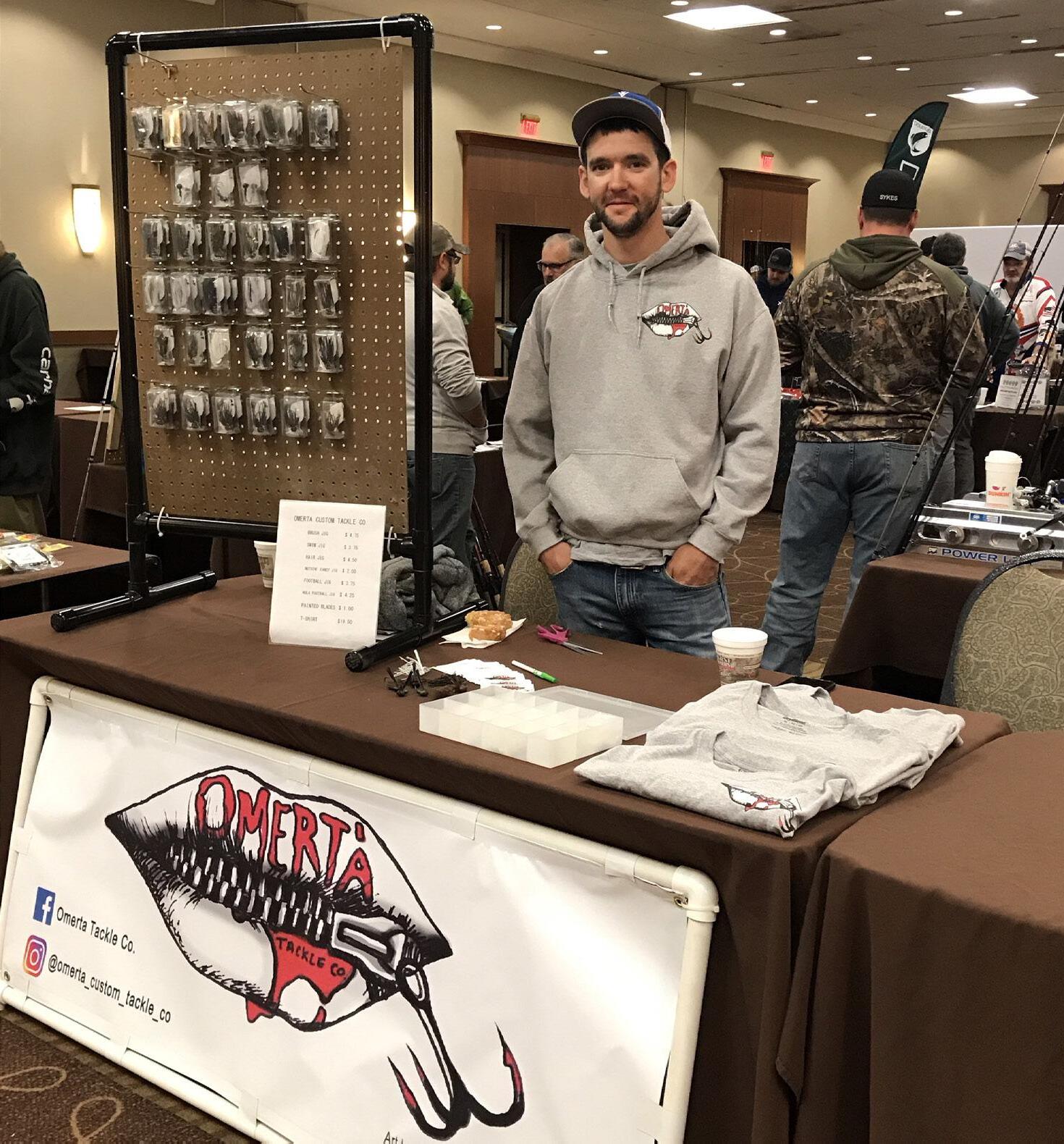
A few sales at the boat docks have morphed into a growing network of dealers and an online presence. Anglers can find Omerta Tackle Company products at Tackle Shack in Wellsboro, as well as three shops in New York’s upstate region—Doc’s Tackle in Honeoye, Fat Nancy’s in Pulaski, and Lakeside Outfitters in Canastota. Throughout the season, you may find Evan at local tackle shows working with his dealers or selling products at fishing clubs and sporting goods flea markets. Anglers can also learn more and buy directly from Omerta Tackle online at omertatackleco.com. Follow them on Facebook for new product releases.
Do you have a custom color that you’d like to see? Omerta Tackle Company can make a custom batch just for you, and, no worries, your secret is safe. Their lips are sealed.
Don Kelly is the owner of Tackle Shack in Wellsboro and a PA Fish & Boat Commission fishing skills instructor. He can be reached by email at tackleshack@frontiernet.net.
Brilliant Glass Show & Sale
Vase in “Venetian” pattern, cut by T. G. Hawkes circa 1890-1900. Corning Museum of Glass, Corning, New York.
The Night(crawler) Life
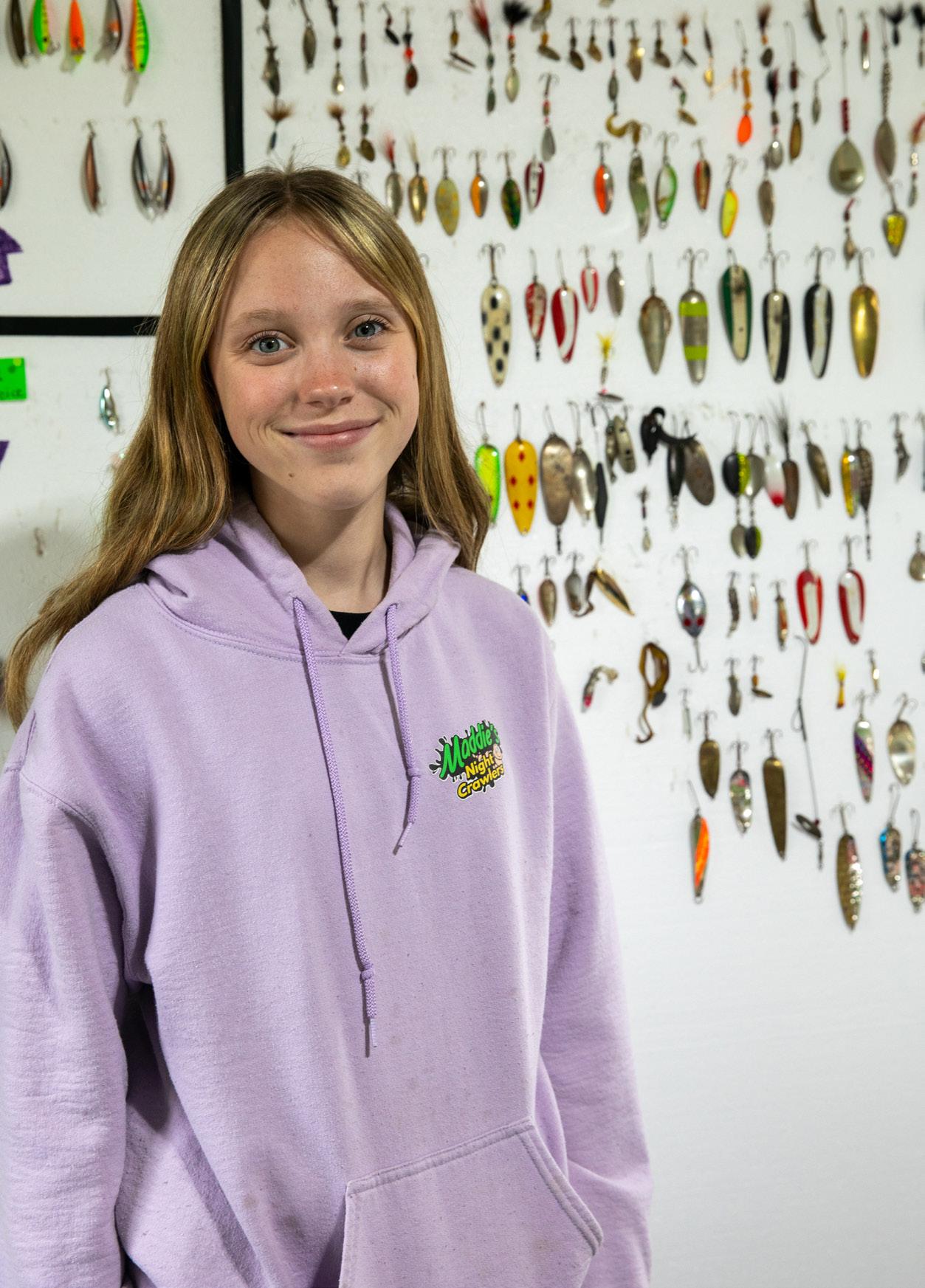
Maddie Knapp's bait shack in Tioga is open 24/7, but she and her father, Kevin, open the store in their garage from dawn to dusk during trout season.
Lost Your Last Worm?
Don’t Get Mad, Get to Maddie’s in Tioga
By Don Knaus
Iwas casting small spinners on Hammond Lake, hoping to catch some spring perch. I noted the guy about twenty yards up from me had a bent rod, and I watched as he was reeling in a nice fish. I figured “nice” by the bend and movement of his rod as he worked the reel. He lifted, and the fish broke the surface of the water. I noticed the eyes, the size, the markings. It was a walleye. The only fish I ever caught that beat the delicate taste of yellow perch was walleye.
I walked to the fellow fisher and admired his catch. I knew the right words for openers, and declared, “Wow! Nice ones.” Then, as a life member of the Fraternal Order of Anglers, I asked, “Whatcha usin’?” He almost laughed as he explained that he’d impaled a nightcrawler on the treble hook
of a lure to try. The walleyes loved it. He was leaving with a stringer full of delicious. I asked, “You got any ’crawlers left? I don’t have any worms.”
“Nope,” he said. “Just used my last one.”
I was anticipating a long trek to a bait shop when he added, “They’s a nice bait place in Tioga just down the road.” He then proceeded to give me a “country folk” set of directions.
“Ya head to Tioga [Route 287, north]. On yer right you’ll see a Baptist church. Ever been to Tioga?” I smirked, told him I was a lifelong county resident, and I know where the Baptist church is in Tioga. He nodded, raised his finger for emphasis, and continued, “Well, you pass the church. Then you’ll see the new Dollar General. The bait shop
is on yer left. Now, if ya see Mema’s Restaurant, you’ve gone too far. It’s called something else now, I think—Rosie’s.” He takes a breath and starts again, “Well, the restaurant is about a quarter mile past the place… Called Maddie’s Night Crawlers. Got a sign out front. Ya want bait, that little girl has it. You’ll find the place and get whatcha want. Past the new Dollar General, other side of the road. You see a small booth that says, ‘Maddie’s Night Crawlers’…little girl runs it…”
I headed to Maddie’s Night Crawlers. The graphics on the booth were impressive. I noticed cars parked in front of the garage, so I parked there, too. I heard fishing fibs and fantasies inside, so I entered. The customers left and a not-so-little girl, probably
(2)
Wade Spencer
POTTER COUNTY
SPRING SERVICE Sale!
about fourteen, remained. I was curious and asked if she was Maddie. “Yes, I’m, Maddie [Knapp].” I said that I was expecting to find a younger girl with a smaller bait booth. She smiled.
“Well, when I started, I was younger—just nine years old. This will be my fifth year in the business.”
I asked for more information, and she kept smiling at the nosey stranger and continued.
“My dad [Kevin Knapp] and I like to fish. And sometimes we’d go out at night with a flashlight and pick up nightcrawlers. One day, returning home from a fishing trip, he told me that he sold nightcrawlers when he was a kid. I told him that I’d like to do that. That was it.” She added, “Dad built me a little shack to sell nightcrawlers. We’d go out at night to get them and sell them the next day.”
I waved my hand at all that was offered that far exceeded the worms. Maddie, who’s also an honor student and athlete at Williamson Middle School, explained, “Yes, the business started with a little green shack and now we have a building. Well, guys would ask for more than the ’crawlers, so I tried to dig up and add red worms but I couldn’t keep up. Dad and I made contact with suppliers and soon we were selling different types of worms like red worms, green worms, baby crawlers…And now we sell lures, camping and fishing stuff, a little of everything. But I still go out after nightcrawlers.”
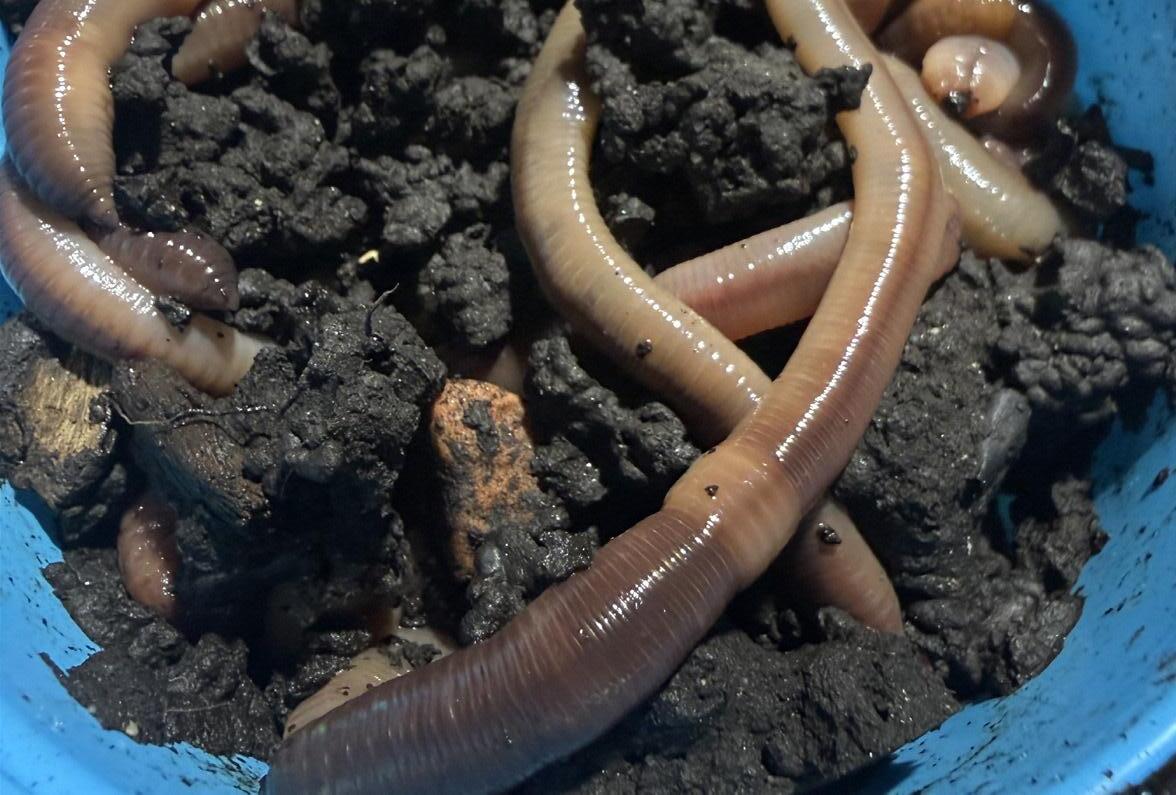
My look begged for more of the story. “Yes, I still go out with a flashlight and bucket. My nieces sometimes help. We often get over a hundred crawlers in a night. My dad drives to the places I need to be to pick worms. The best place is on a big area with mowed grass. They come out, find each other and mate. They’re easy to catch then, and you can get two at once. Dad showed me that manure attracts worms, too. You can work through a pile of cowplops to find red worms. The trout fishermen seem to like the smaller red worms.”
I noted that she mentioned her father a lot. She perked up and beamed, “Oh, yes. I couldn’t have come this far without Dad. He gave me the idea; he built my first shack; he got the sign. And when fishermen wanted lures, he worked with me to make sure I’m making good choices when it comes to buying things, or other decisions. He has helped when I wanted to expand the shop… what you see now.”
Asked about the shop’s hours, days, or seasons, she filled in with, “We open for the season a week before the first day of trout season. Then, we are open seven days a week dawn to dusk for shoppers in the garage…or store. But my bait shack is open 24/7.” She paused, then jumped into a thought she just remembered. “I do business with the Nessmuk store in Wellsboro [Main Street] and with the concession stand at Hills Creek Lake. Me and my dad go up and drop the worms off and then when they call we restock when needed.”
Don Knaus, has authored several books and has written about the outdoors for years. And he tells the truth! continued from
Little
Wiggle Room
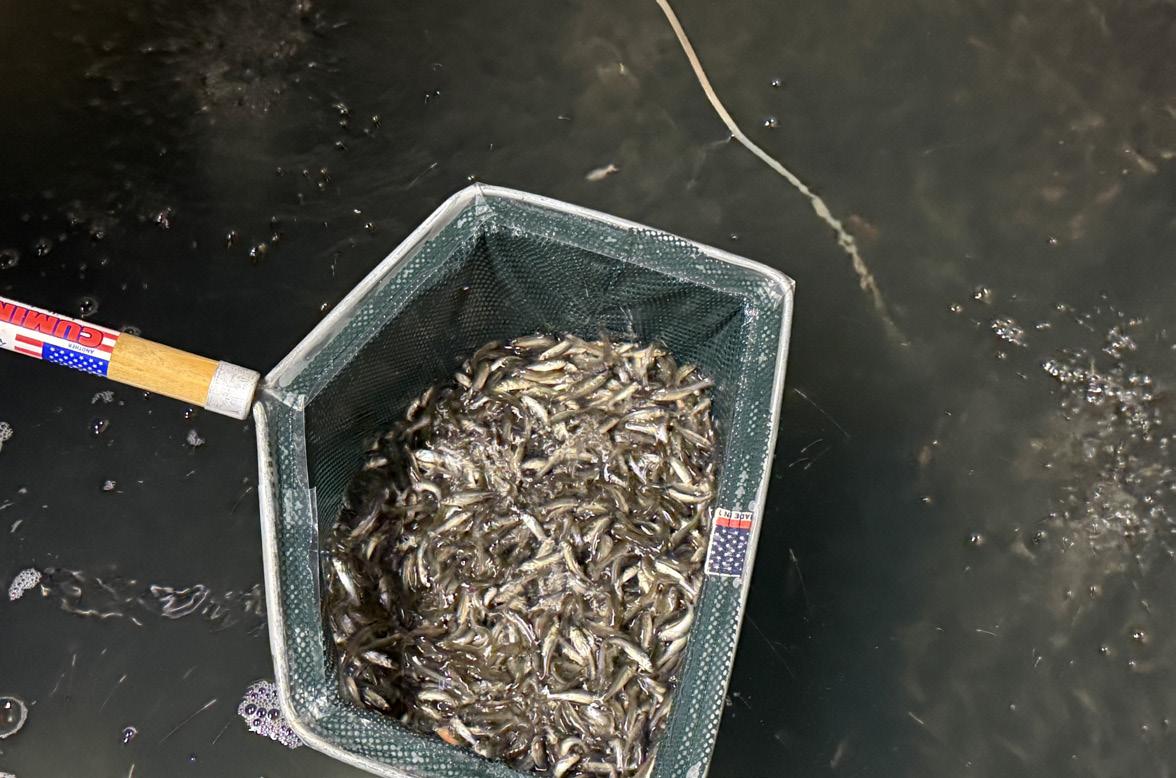
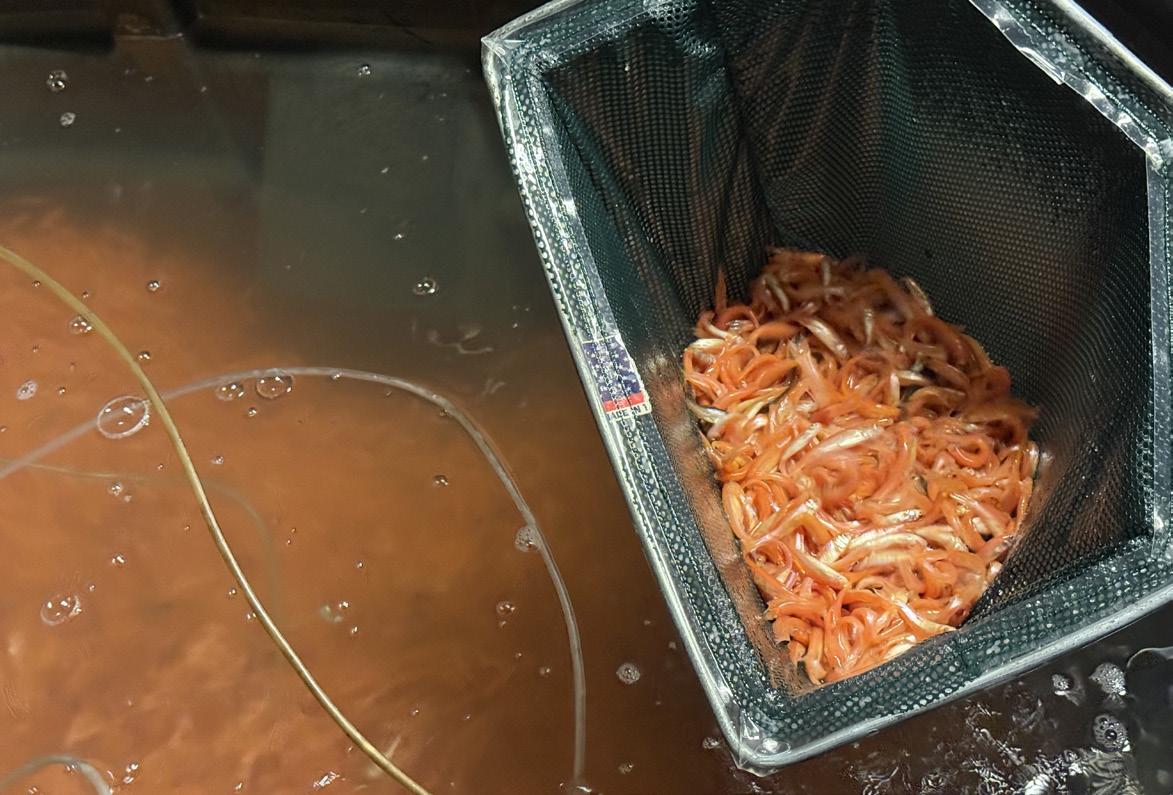
It’s no simple feat for Valley Wholesale Bait and Tackle in Beaver Dams to get anglers in New York and northcentral Pennsylvania their fathead minnows (top left), nightcrawlers, and rosey red minnows.
Valley Wholesale Bait and Tackle Goes Live Beaver Dams Supplier
Fishing with live bait is a tradition as old as time. Even with the advances in technology and the plethora of soft plastics, resin baits, and wooden imitations designed to fool fish, many anglers still rely on live worms, minnows, and grubs every time they fish. Ask Mike Wood at Valley Wholesale Bait and Tackle in Beaver Dams, “Why live bait?”, and his answer is simple: “Because it’s the best!” Despite the modern world’s attempts to create realistic replicas, it’s hard to beat the live, natural baits that fish are used to eating. For the last eight years, Mike and his son, Andrew Quick, have worked diligently to supply that live bait to the region.
And that’s not as easy as you might think.
Andrew grew up with a passion for fishing and, from a young age, wanted to own a bait shop. When he was fourteen, he started making phone calls to Canada to secure a worm deal. His efforts landed him an agree-
Worms Its Way In
By Don Kelly
ment for what he thought was 120 worms. To his dad’s surprise he had accidentally committed to buying 120 flats, or about 60,000 nightcrawlers—a huge order by any standard. The deal had to be cancelled, but the transaction proved to be a valuable learning experience.
Decades later, when the opportunity to buy a bait shop arose in Beaver Dams, Andrew jumped on it. He and his wife, Heather, own the business; Mike helps out.
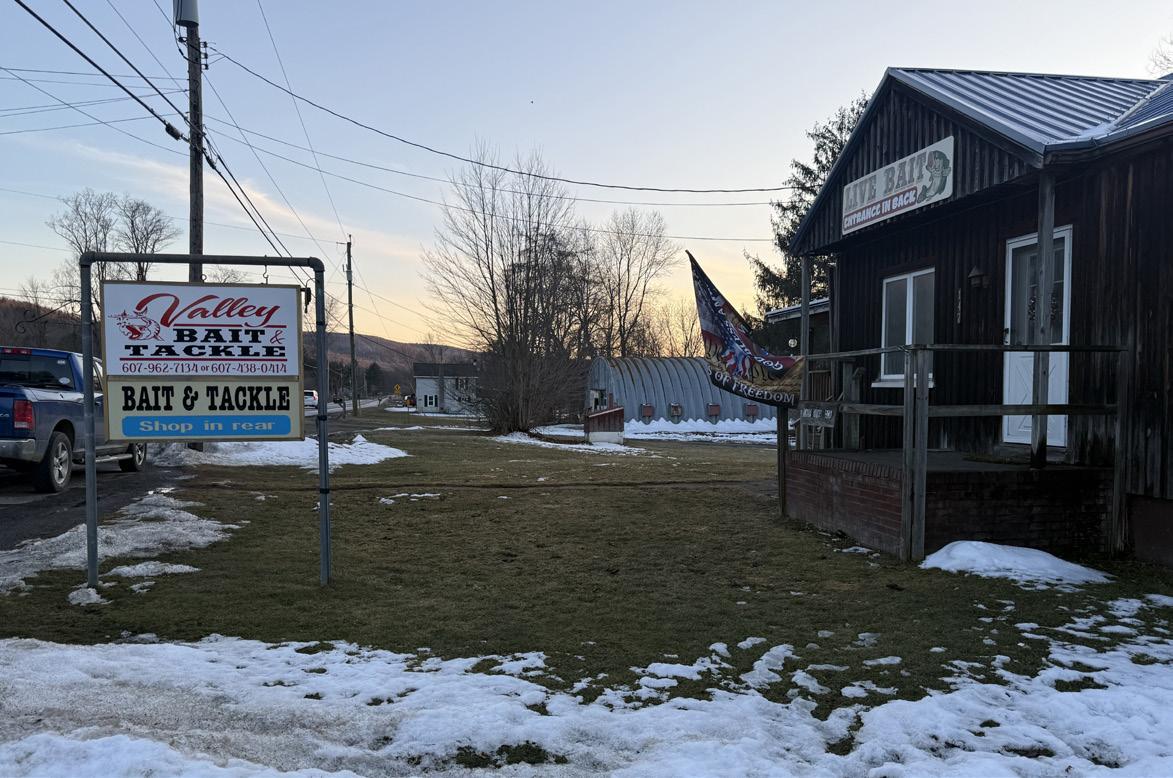
Valley Wholesale Bait and Tackle services seven counties in New York, and much of northcentral Pennsylvania. They deliver from north of Binghamton to south of Williamsport. Their network of dealers includes thirty-five to forty shops on an average week, ranging from convenience stores to full-blown tackle shops and a regional sporting goods chain. Though their focus is wholesale, the business also sells bait and fishing supplies
from their retail store. After hours, anglers can use their self-service option and leave payment in a drop box.
On the surface, fishing with live bait seems simple. Walk in, grab a box of worms, or ask for a couple dozen minnows, and head to the water for a fun day of fishing. Looking behind the scenes though, it’s apparent that growing those baits at the farms and transporting them to the hands of an anxious angler is a complex process.
Valley Wholesale Bait and Tackle sources their live baits from all over. Most of it comes from the US and Canada, but one popular trout bait, the butter worm, originates all the way from Chile. Originally imported as a nutritious pet food for reptiles, anglers discovered they also make excellent fishing bait. Of all the live baits, butter worms stand as one the most challenging to carry consistently, and growing demand continues to tighten supply.
Live baitfish come from as far away as Wisconsin and Arkansas. As Mike notes, “The hardest part about the live bait business is the logistics.” One hiccup in trucking, an unexpected traffic jam, a broken aerator or cooler, or any number of other problems can cause delays in shipments to dealers and in turn, the anglers. Shipments arrive weekly, bi-weekly, or monthly, depending on seasonal needs. Trucks might arrive late in the afternoon or in the wee hours of the morning. Either way, the Valley Bait crew is on hand to offload shipments and fill their giant fish tanks. A full load of bait fish could be 300 or 400 pounds of minnows.
All live fish go through testing and certification before they’re approved for sale, and New York State customers are required to carry a dated receipt showing their bait was purchased at an authorized source. In Pennsylvania, shop owners must hold an Aquaculture Dealer license, approved by the Department of Agriculture. Licensees are limited to certain approved fish species. Similarly, allowed baits vary from one state to another. It’s illegal to sell crayfish in Pennsylvania, but they continue to be a popular bass fishing staple in New
York. Whether you’re planning to sell live bait, or just heading out for a day of fishing, it’s important to know the rules and regulations. Using only approved live bait will keep you out of trouble and helps stop the spread of invasive species or diseases.
Worms, too, can have specific requirements, and Valley Bait is a certified importer of worms from Canada. The dirt they’re packaged in is highly regulated. Expansive farms grow nightcrawlers and redworms that are trucked to the US. When they reach the destination, bulk containers or cases of retail packaged quantities are unloaded and placed into a giant walk-in cooler, where they await their next road trip. Once a week, drivers load up their vehicles and distribute bait to dealers.
Popular live baits vary with the seasons, and Valley Bait’s offerings include tasty treats to target most any species of freshwater fish. Try wax worms, meal worms, and redworms for trout. If you’re bass fishing, grab a dozen medium golden shiners, or maybe a few large shiners for pike and muskie. Regionally, shop owners and anglers might have different colloquial names for baits. Small nightcrawlers, or night walkers, might be called baby
nightcrawlers, or dillies. Fathead minnows (Pimephales promelas by their scientific name) could be known as perch minnows, flatheads, or minnies. Similarly, orange phased fatheads that looks like goldfish are called rosey reds or ruby reds.
So next time you’re about to bait your hook, take a minute and think about the long journey that worm or minnow took to get to you. That trophy catch on a seemingly simple live bait is the culmination of tireless hours of farming, driving, sorting, and otherwise extensive care to ensure peak performance when it finally ends up on a hook.
You can find Valley Wholesale Bait and Tackle at 147 State Route 414 in Beaver Dams. Give them at call at (607) 438-0414.
Don Kelly is the owner of Tackle Shack in Wellsboro and a PA Fish & Boat Commission fishing skills instructor. He can be reached by email at tackleshack@frontiernet.net.
Mother Earth
Honoring Roy Siefert
By Gayle Morrow
It can be hard to know how to best honor someone’s memory. One way is to honor what was important to that person. In Roy Siefert’s case, that would be the forest.
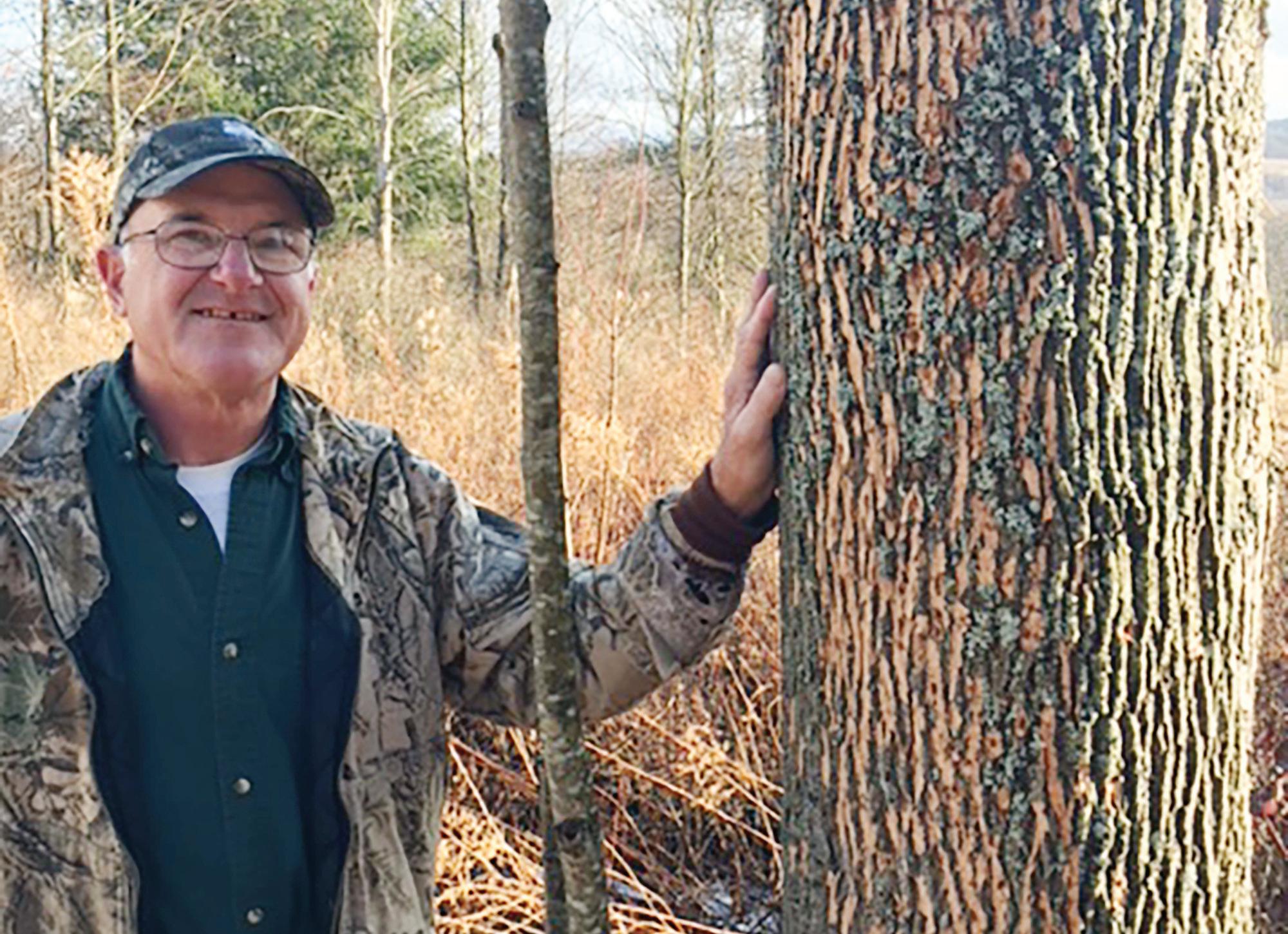
Roy (April 8, 1954—April 17, 2025) cared about forests, in particular the forest that exists here. As a Department of Conservation and Natural Resources employee for over thirty years, as district forester for the Tioga State Forest for fifteen of those, and then into his retirement, Roy worked to protect, conserve, and restore Penn’s Woods and to promote the understanding that all forest ecosystems, everywhere, are connected. If one is threatened, they all are.
“To go for a walk in the forest with Roy was a special thing,” says environmental attorney John Childe, a part-time Potter County resident and member of the Pennsylvania Environmental Defense Foundation (pedf.org). “He was an exceptional person” who had “a quiet appreciation of the forest.” Roy, also a member, provided an affidavit to PEDF in support of the organization’s efforts to require the state and DCNR to use money from state land oil and gas leases to restore state forests and
other public natural resources, and to stop the harm to state forests and parks from all-terrain vehicle use. He wrote: “A forest ecosystem is more than trees and plants. It includes the water, all fauna and flora, the soil and minerals that enrich them and the hydrology that enriches the soil, the air, insects, birds, fish, reptiles, amphibians, and the forces that alter their function. Our state forest ecosystem, in my opinion, is at a tipping point. Our forest ecosystem cannot absorb any more degrading activities.”
My pal Jim Weaver says that Roy, his pal, “understood Article 1, Section 27, of the state constitution.” Article 1, Section 27, an amendment coming up on fifty-five years old (it was added to the Commonwealth’s constitution on May 18, 1971), says at its outset that “The people have a right to clean air, pure water, and to the preservation of the natural, scenic, historic and esthetic values of the environment.”
Roy put that understanding into everything he did for Pennsylvania’s woods and waters, in particular for those in our region.
“Roy didn’t say much, but he provided the forester’s perspective,” Jim says. “He was
an integral part [as district forester] of the Pine Creek Watershed River Conservation Program. He was shy and introverted. He was my friend.”
Roy grew up in Bucks County, and “saw what happened there,” Jim continues, and then he “fell in love with the northcentral highlands.”
Those highlands, adds John, consist of seven separate forest districts that together comprise 1.6 million acres of almost contiguous forest.
If this immense woodland ecosystem is, indeed, at a critical juncture, what can be done?
The rest of Article 1, Section 27, states: “Pennsylvania’s public natural resources are the common property of all the people, including generations yet to come. As trustee of those resources, the Commonwealth shall conserve and maintain them for the benefit of all the people.”
We can best remember and honor Roy by ensuring the state does just that.
Bernadette Chiaramonte
Retirement—Sort Of
Ernie’s best friend, outdoor writer John Alden Knight, began writing articles about Trout Unlimited’s protection of cold-water fisheries in Michigan, piquing Bill and Ernie’s interest. They joined TU in 1962. Every E. Hille customer was informed of TU to see if there was interest in starting a Williamsport chapter. A charter application was filed, and on March 14, 1964, the Susquehanna Chapter of Trout Unlimited #044 was formed. Ernie was elected treasurer, and Bill, director. Ernie made his business office available for director’s meetings.
“What a great atmosphere for conducting matters of conservation, midst the inventories of feathers and fishing paraphernalia,” recalled Charter Secretary Bob Rinn. Over the years, SCTU has installed stream habitat improvements on local streams including Slate (Pine Creek tributary), Gray’s (Lycoming), and Wallis Run (Loyalsock); constructed a handicapped access fishing pier on Lycoming Creek; conducted environmental education and awareness programs; and served as a watchdog to protect local watersheds from damages associated with gas development and acid mine drainage.
Bill headed up the first SCTU fly tying class in the winter/spring of 1968. Al Troth, inventor of the Troth elk hair caddis fly and others, would help in later years. Annual fly-tying classes continue to this day, and SCTU’s therapeutic rod building program for veterans and first responders draws inspiration from E. Hille’s wartime efforts.
TU began taking up a great deal of Ernie’s time. He was giving more responsibility to Bill and was ready to retire. Ernie continued to help out for several years, but spent much time traveling and fishing, especially for lunker muskies.
Ernie went to the great river in the sky in 1977, followed by Hilda in 1990.
E. Hille’s Final Years
E. Hille continued to expand under the O’Connors’ stewardship. Bill guided celebrities on local streams, including President Jimmy Carter, senators John Danforth, Alan Simpson, and John Heinz, and sportscaster Curt Gowdy.
“They are just average people, same as you and I, who share an interest in fishing,” said Bill.
Bill and Doris retired in 1992 with over 35,000 customers in sixteen countries, plus supplying more than 150 fly shops. Their children, Chuck and Karen, were given the opportunity—never forced—to work in the business, but they had their own interests. E. Hille, The Anglers Supply House was sold to Larry Seibert and Robert Hook, ending a remarkable run of fifty-six years as a family-run business.
Ken and Sandra Rice purchased E. Hille in 1997, moving to the Route 15 curve at 811 South Market Street in South Williamsport, a much more visible location. The rooms of the converted house held retail displays so customers could browse through items. Larry’s nephew, Ted, dispensed expert fly tying and fishing advice. Hal James made quality rods, using the “effective spine” of rolled glass and graphite blanks, slightly oversized guides, and proper guide placement. He also liked bringing old rods back to life. Still, Hal cringed when I would come through the door with a splintered bamboo rod for a tedious restoration.
In 2007, Ken Beane relocated E. Hille into the Hurr’s Dairy building at 218 South Market Street. E. Hille was slow to adapt to the Inter-
HISTORY
COMES ALIVE
Stories from the past told by some of America’s most influential Historical Figures
Harriet Tubman
PORTRAYED BY DAISY CENTURY
Unlimited and Unmatched
PORTRAYED BY KIM HANLEY MARCH 24
Abigail Adams
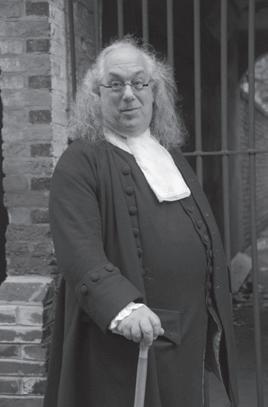
Benjamin Franklin
PORTRAYED BY BARRY STEVENS MAY 15
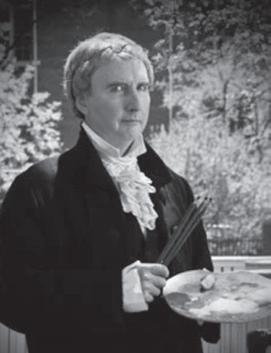
Charles Willson Peale
PORTRAYED BY BOB GLEASON
JUNE 23
Thomas Jefferson
PORTRAYED BY TOM PITZ
JULY 10 APRIL 14
Franklin D. Roosevelt
PORTRAYED BY NEILL HARTLEY
OCTOBER 13
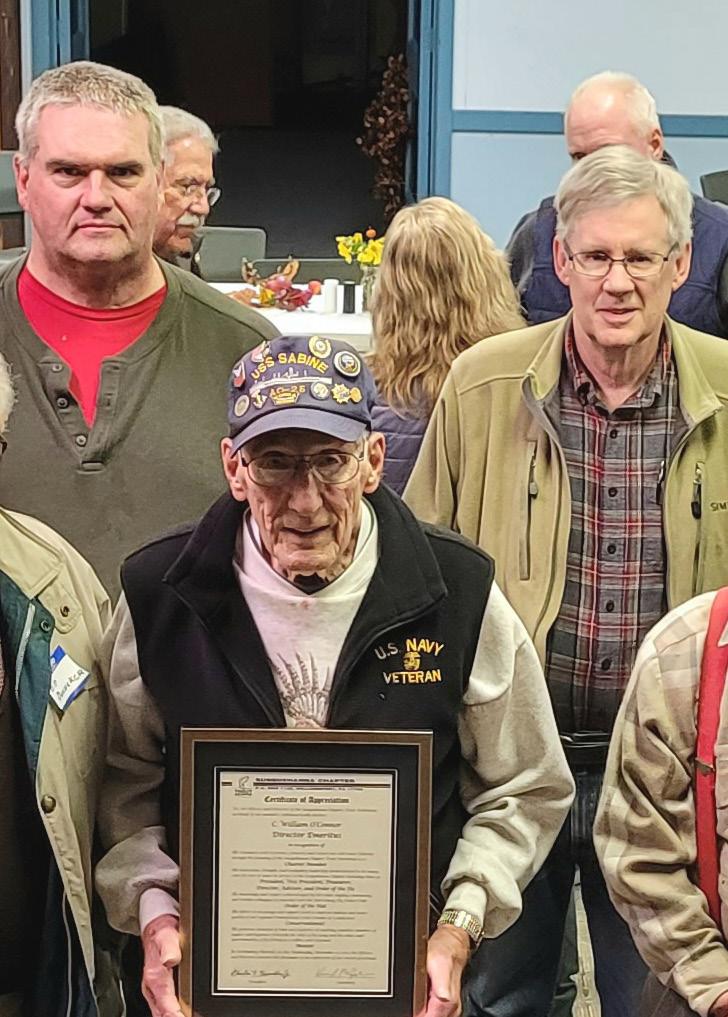
At the November 10, 2021 meeting, the Susquehanna Chapter recognized Bill O’Connor for his lifelong dedication and work for the mission and goals of Trout Unlimited. Writer Kevin McJunkin is behind Bill's left shoulder, and researcher Bob Baker is the big guy over Bill's right shoulder.
continued from page 28
net, according to the two final owners. A 2011 fire, followed by a protracted and unsuccessful battle with the insurance company, caused E. Hille to fold after seventy-five years. Beane generously donated salvaged materials to SCTU for fly tying classes and fund raising.
And so came the end of an era, but E. Hille’s influence lives on, especially in the work of SCTU, which I joined in 1989 when I moved to the area, and in 2014 became secretary “for life.” It was there I met Bob Baker, the chapter’s webmaster and newsletter editor whose extensive original research made it possible for me to tell this story. Without his interviews with Bill and Doris O’Connor, their voices and characters might be lost.
On November 21, 2021, Bob and I were both there when our chapter of Trout Unlimited honored Bill O’Connor at a ceremony where he received a standing ovation from many close friends, family, and associates.
Bill passed away on March 21, 2023, having been preceded by Doris on August 24, 2010.
There is a resurgent interest in fly-fishing, especially among women. Small fly and tackle shops are making a comeback in our area, offering superior service and merchandise, as well as supporting conservation projects and putting money back into the local economy. By patronizing them, we help the spirit of E. Hille to live on.
Kevin McJunkin is a retired Environmental Planner for Lycoming County. He is Secretary for the Susquehanna Chapter of Trout Unlimited and the Babb Creek Watershed Association and lives in Muncy, Pennsylvania, with his wife, Fran.
THE CHARLES KNOX & MARGARET C. ETNER FOUNDATION
Hille
Courtesy Susquehanna Chapter of Trout Unlimited
Bearly Enough Flowers
Thread Bare Farm Market
approached, Clancy, wintering in Florida, changed his mind and said, “No.”
A recovering alcoholic, he wanted no part of a hero’s hoo-hah, he told me over the phone. Quoting F. Scott Fitzgerald, he said, “Show me a hero, and I’ll write you a tragedy.” I tried to convince him we wouldn’t over-hype him; he was suffering an archetypal fear—he was “The Reluctant Hero.” He said “No” again.
We had advertisers, but no cover story. Tucker’s lovely cover painting was now useless, bound for the scrap heap. Our imminent tragedy was going out of business in our fourth issue.
Clancy’s wife, Sheilah Prevost, wintering in Wellsboro, was sympathetic. She slipped Teresa the address of Clancy’s condo in Coral Gables, Florida. Our writer Bill Kovalcik and I piled into my Honda Accord with our laptops and drove 1,300 miles to Coral Gables and knocked on his door. Clancy opened the door, rolled his eyes and said, “No. You wasted your trip.”
We were at a loss. At one point we went for a swim in the Venetian Pool in Coral Ca-
a coral rock quarry, and I got ill with vertigo. We went back to Clancy’s condo and knocked again, hoping for a miracle.
Just last week, Teresa and I recounted how we eventually landed this scoop for a crowd of Mountain Home readers at the Gmeiner Art & Cultural Center in Wellsboro. Phillip and Nancy Hesser invited us to their Kelsey Academy of lifelong learners to talk about Mountain Home’s twentieth anniversary and our plans for a multimedia expansion, a “bigger porch,” at mountainhome.substack.com.
What happened twenty years ago in Coral Gables was that our miracle pedaled up in the form of Clancy’s brother Lou, a Main Line Philadelphia hotel owner and manager (who has since retired home to Wellsboro), who returned from his afternoon bike ride to witness me and Bill begging Clancy to tell his story. Lou convinced us all to go out for lunch to break the mood. As we walked to the restaurant, Lou took his older brother aside and said, “C’mon, Clance! These are good guys. They came all the way from Wellsboro!”
Clancy said yes. The deadline was upon us. I drove back to Pennsylvania, fighting ver
senger seat furiously typing passages of the story we co-wrote. The March 2006 issue came out with Tucker’s lovely cover and the headline, “The Reluctant Hero.” The story won one of the first of Mountain Home’s 200-plus Pennsylvania News Media Association awards for excellence in journalism.
Today we’re making “The Reluctant Hero,” a part of local and American history, available to all our readers at mountainhome. substack.com, where you can enjoy the story of how Clancy Prevost saved the President’s House and Mountain Home. Hit the Subscribe button, sign up with your email for a free subscription (or paid, we won’t stop you, in fact we will be very grateful—it will help keep the printed magazine on the shelves). We’ll send the story to your inbox for you to read, print out, or share. And you’ll be part of the bigger porch for lots of great and free content to come.
See you online and on land, Mike and Teresa
GUNS WANTED
YARD SALE
BACK OF THE MOUNTAIN
Stony Fork Creek Vibes
By Linda Stager
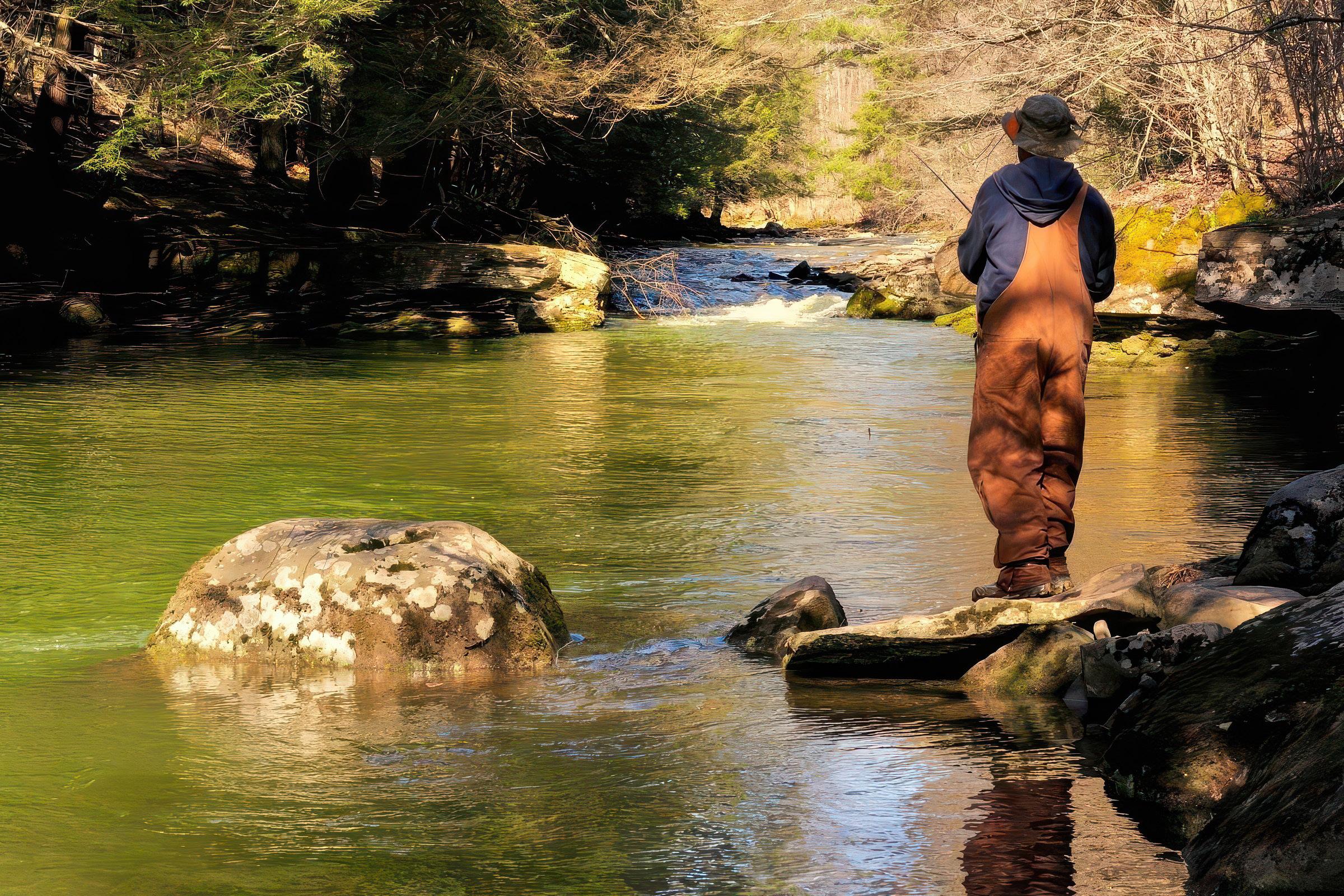
The first day of trout season always carries a quiet anticipation. I don’t fish, but I love photographing those who do.
This year, as usual, I returned to Stony Fork Creek here in Tioga County, Pennsylvania. The creek is steeped in history, and its rugged geology carves out pockets of perfect trout pools. I gingerly climbed down to creek’s edge and waited for the light to filter through. I settled in and watched, tucked in on a boulder behind this angler. Mornings on the creek are not really about the fish at all. They’re about the feelings that come with simply being able to be there, that peaceful stillness that’s like no other.
Personalized Care for You
At Guthrie primary care, we understand that your health is your greatest asset. Our experienced and compassionate team of physicians and advanced practice providers (APPs) work closely together to provide personalized care tailored to your needs.
Trust in our team to bring you reliable, comprehensive care. To schedule an appointment with Guthrie Primary Care, visit us online at www.Guthrie.org or call 866-GUTHRIE (866-488-4743).