CALM AND IN CONTROL
Handle tough conversations like a pro
THE DATA FACTOR
Precision health using genetics and biomarkers

POWERED BY
CALM AND IN CONTROL
Handle tough conversations like a pro
THE DATA FACTOR
Precision health using genetics and biomarkers
POWERED BY
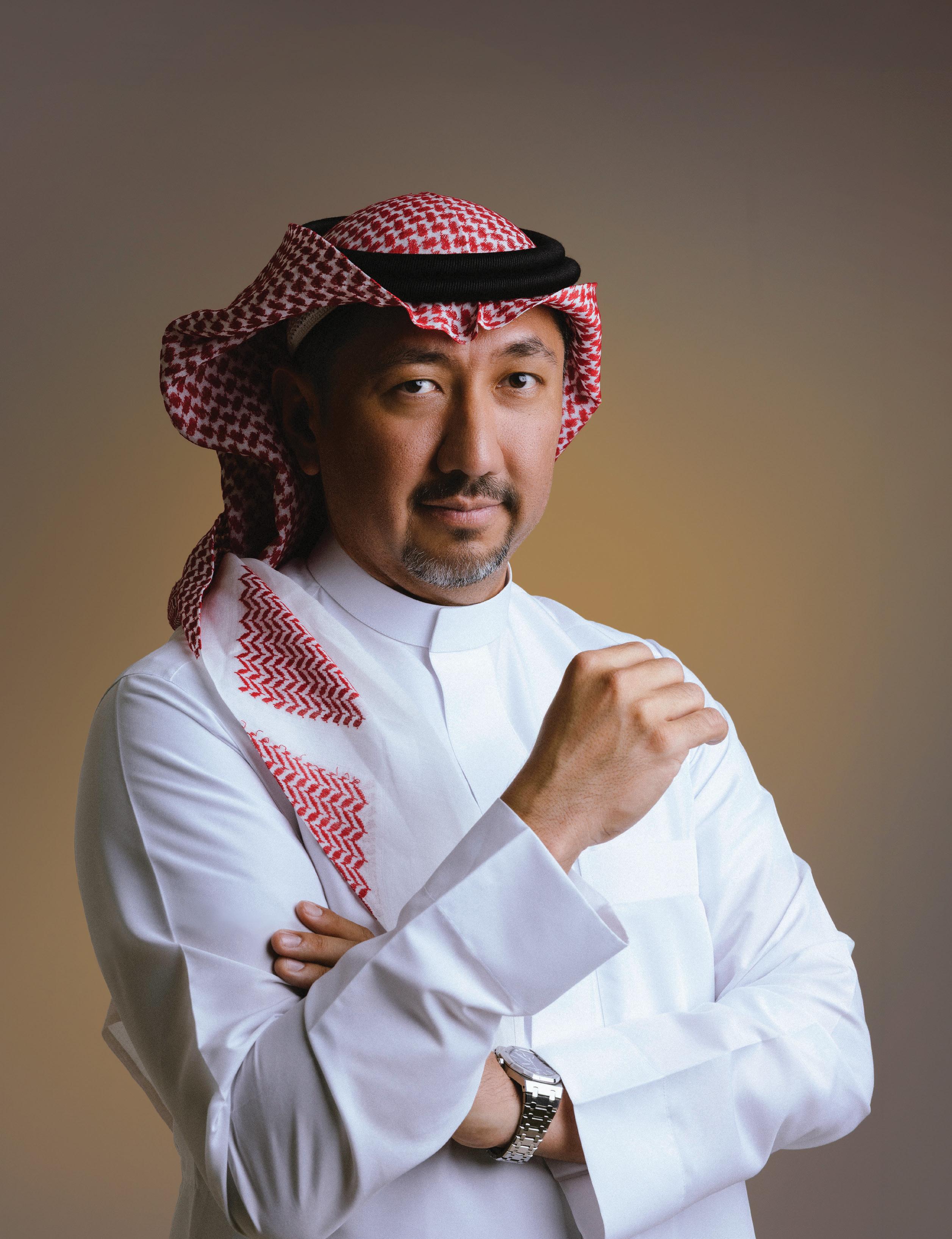
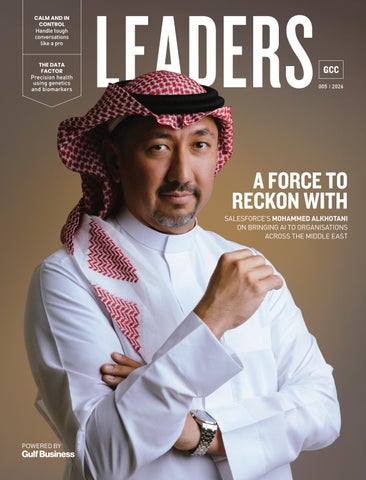
SALESFORCE'S MOHAMMED ALKHOTANI ON BRINGING AI TO ORGANISATIONS ACROSS THE MIDDLE EAST
SALESFORCE: POISED FOR ITS NEXT GROWTH PHASE
Salesforce’s Middle East chief Mohammed Alkhotani on how the company is scaling rapidly, embedding digital labour, and targeting a new growth engine across enterprises and SMEs

FUELLING SME AND FAMILY BUSINESS GROWTH
How Dubai is turning regulation into a platform for long-term growth

ROOTING FOR RESILIENCE
Companies are coping by rebalancing operations, balance sheets and strategies while also investing in people
DIVERTING WASTE FROM LANDFILLS IS A TANGIBLE WAY TO CONTRIBUTE TO A MORE SUSTAINABLE FUTURE AND SUPPORT THE UAE’S NATIONAL STRATEGIES, INCLUDING DUBAI’S ZERO WASTE BY 2041 AMBITIONS.”
TALA KHLAT, DIRECTOR OF PHILANTHROPY, DUBAI HOLDING
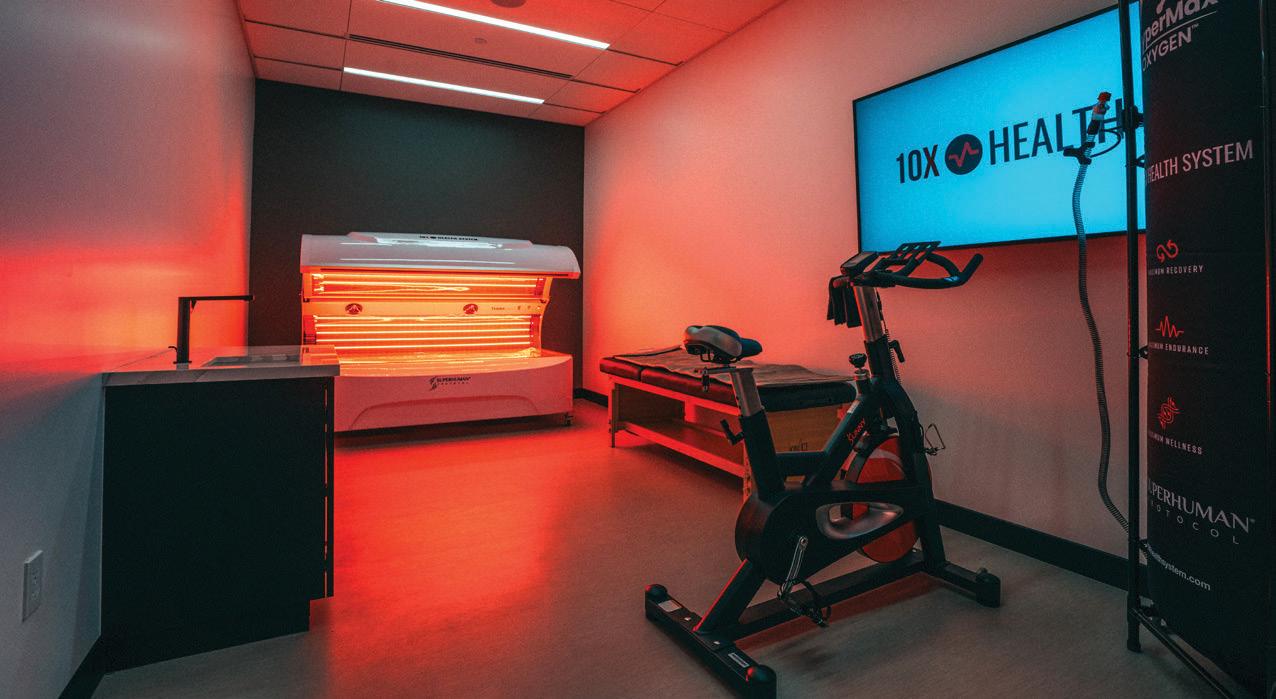
Brandon Dawson, co-founder of 10X Health System and Cardone Ventures, outlines how genetics, biomarkers and AI are reshaping modern wellness

ALL
Nissan and INFINITI’s Thierry Sabbagh shares the automaker’s regional strategy and why trust is emerging as a defining factor in auto purchase decisions
HEAD OFFICE: Media One Tower, Dubai Media City, PO Box 2331, Dubai, UAE, Tel: +971 4 427 3000, Fax: +971 4 428 2260, motivate@motivate.ae
DUBAI MEDIA CITY: SD 2-94, 2nd Floor, Building 2, Dubai, UAE, Tel: +971 4 390 3550, Fax: +971 4 390 4845
ABU DHABI: PO Box 43072, UAE, Tel: +971 2 657 3490, Fax: +971 2 677 0124, motivate-adh@motivate.ae
SAUDI ARABIA: Regus Offices No. 455 - 456, 4th Floor, Hamad Tower, King Fahad Road, Al Olaya, Riyadh, Saudi Arabia, Tel: +966 11 834 3595 / +966 11 834 3596, motivate@motivate.ae
LONDON: Acre House, 11/15 William Road, London NW1 3ER, UK, motivateuk@motivate.ae
Cover: Freddie N. Colinares
Follow us on social media: Linkedin: Gulf Business Facebook: GulfBusiness X: @GulfBusiness Instagram: @GulfBusiness
Editor-in-chief
Obaid Humaid Al Tayer
Managing partner and group editor
Ian Fairservice
Chief commercial officer
Anthony Milne
Anthony@motivate.ae
Group content director
Thomas Woodgate
Thomas.Woodgate@motivate.ae
Publishing director
Manish Chopra
Manish.Chopra@motivate.ae
EDITORIAL
Group editor
Gareth van Zyl
Gareth.Vanzyl@motivate.ae
Editor
Neesha Salian
Neesha.Salian@motivate.ae
Deputy editor
Rajiv Pillai
Rajiv.Pillai@motivate.ae
Reporter
Nida Sohail
Nida.Sohail@motivate.ae
Senior art director
Freddie N. Colinares Freddie@motivate.ae
General manager – production
S Sunil Kumar
Production manager
Binu Purandaran
Assistant production manager
Venita Pinto
Digital sales director
Mario Saaiby
Mario.Saaiby@motivate.ae
Sales manager
Hitesh Kumar
Hitesh.Kumar@motivate.ae

SAME STORY, DIFFERENT UAE 1973. 1980. 1990. 2026
THE MIDDLE EAST HAS LIVED THROUGH CHALLENGING MOMENT BEFORE, BUT IN 2026 THE STAKES, THE STRUCTURE OF THE ECONOMY, AND THE NATURE OF RESILIENCE IN THE UAE LOOK FUNDAMENTALLY DIFFERENT
The region is experiencing a crisis. The Gulf’s energy infrastructure is under strain. A critical waterway is blocked. Oil and gas prices are rising sharply, threatening a global energy crisis. Sounds like 2026. It also sounds like 1990, when Kuwait was invaded and the world scrambled to keep the Gulf open. And 1980, when the Iran–Iraq War put the same Strait of Hormuz under threat.
And 1973, when an oil embargo quadrupled the price of a barrel in just four months. And 1956, when the Suez Canal was nationalised.
And yet, despite being the same, things are different for the UAE. In the 20th century, the threat was regional; in 2026, the UAE is faced with direct kinetic targeting of its infrastructure and its land.
The question therefore is not whether we have been here before. We have. The question is what is different this time, economically, geopolitically and technologically, and how the UAE can, and will, bounce back.
IN 2024, UAE’S NON-OIL SECTORS CONTRIBUTED OVER 75 PER CENT OF GDP, AMOUNTING TO DHS1.342TN TODAY
The first difference is the structure of the UAE economy itself. For most of the twentieth century, Gulf states like the UAE were single-product exporters. A disruption to oil transit was, for them, existential. In 2024, UAE’s non-oil sectors contributed over 75 per cent of GDP, amounting to Dhs1.342tn today – a vibrant economy, composed of manufacturing, construction, financial services and ICT – might slow down but will not stop when a tanker cannot pass Hormuz. Its sovereign wealth funds tell the same story at scale.
Sovereign wealth funds in the UAE reportedly manage assets worth nearly $3tn in 2026, deployed across airports, semiconductor firms, AI platforms, gaming studios, healthcare companies and sports franchises.
The UAE’s wealth is no longer hostage to the volatility that once defined it.
Even within the oil economy, exposure to the Strait has been deliberately reduced. The Abu Dhabi Crude Oil Pipeline runs 380 kilometres to Fujairah on the Arabian Sea, bypassing Hormuz entirely. Saudi Arabia’s EastWest pipeline reaches Yanbu on the Red Sea. Neither is a complete substitute and both remain strategic targets, but together they represent a hedge that simply did not exist during the previous wars.
They have transformed a ‘total chokehold’ into a ‘manageable disruption’.
The second difference is technology — building a new economy underneath the physical one. To understand this, we return to 1973. The “Oil Shokku” threatened Japan’s energy-intensive heavy industries. Constrained but not defeated, Japan launched the Moonlight Project for radical energy conservation and pivoted into VLSI chips — semiconductors and precision manufacturing that broke the country’s dependence on heavy industry and defined the next three decades of global technology leadership.
Crisis compresses the timeline between innovation and adoption. The UAE is already at the frontier of technological adoption, whether through research or investment. The crisis will accelerate the transition.
Take AI. Microsoft has committed over $15bn to AI and cloud infrastructure in the UAE through 2029 — backed by US government export licences for advanced Nvidia GPUs, a clear signal of strategic trust. G42 has built Jais, an open-source Arabic-language model serving 400 million speakers, and is delivering the infrastructure layer for Stargate UAE. Nearly 60 per cent of the UAE’s working population engages with AI tools daily — the highest adoption rate on earth. This makes it the world’s most active live sandbox for deployment at scale. Then, there is cloud. On March 1, drones struck data centres in the UAE and Bahrain. Nearly 60 cloud services went offline. And yet: workloads rerouted, systems recovered, data held. Of the GCC’s 233 data centre developments, the affected facilities represented under two percent of total capacity.
The resilience of the infrastructure has demonstrated the UAE’s readiness to ensure commercial continuity. But it also has also done something strategic
MICROSOFT HAS COMMITTED OVER $15BN TO AI AND CLOUD INFRASTRUCTURE IN THE UAE THROUGH 2029
TODAY,
– it has offered a clear argument for the concept of digital embassies, announced by G42 at Davos just 40 days earlier. Digital embassies treat data sovereignty like a diplomatic flag, travelling with the workload regardless of which part of the world (or tomorrow – space?) the infrastructure sits in, enforced through legal, diplomatic and technical constructs.
For governments not yet ready for the AI boom, the core product for governments around the world might be the UAE’s plug-and-play infrastructure, but the USP is the UAE’s resilience despite stress.
The same pattern holds in Web3. The UAE is home to thousands of Web3 companies, licensed exchanges, custodians, DeFi projects and tokenisation platforms, operating under the enabling yet robust frameworks of VARA, ADGM and DIFC.
Binance, Kraken, OKX and Standard Chartered all call the UAE home. The FATF removed the UAE from its grey list in 2024 — a quiet but significant signal of institutional credibility. But it is not just the regulation. It is the culture. The UAE meets the vibe check — for traditional fund managers and for the young crypto founders building the next generation of wealth.
The third, and perhaps most overlooked, difference is the human one. In 1990, the threat of conflict triggered a mass exodus of the global workforce from the region. The “expat” was a transient figure, present for the pay cheque but rooted elsewhere.
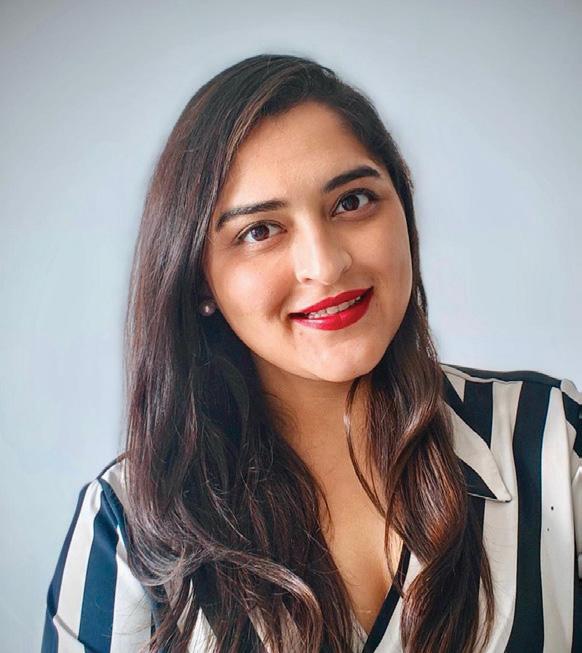
Today, the UAE has engineered a profound shift in social contract and soft power. Through the introduction of Golden Visas, retirement pathways, and 100 percent foreign ownership, the transient worker has been replaced by the vested resident. People are no longer just working here; they are building businesses, raising families, in a jurisdiction that feels like a fortress of stability. And I say this as a founder and a mother who calls the UAE her home.
For me, the UAE is safe not despite conflict in the region. It is built to be safe precisely because of it. L
EVEN WITHIN THE OIL ECONOMY, EXPOSURE TO THE STRAIT HAS BEEN DELIBERATELY REDUCED.
THE ABU DHABI CRUDE OIL PIPELINE RUNS 380 KILOMETRES TO FUJAIRAH ON THE ARABIAN SEA, BYPASSING HORMUZ ENTIRELY. SAUDI ARABIA’S EAST-WEST PIPELINE REACHES YANBU ON THE RED SEA. NEITHER IS A COMPLETE SUBSTITUTE AND BOTH REMAIN STRATEGIC TARGETS.

From ownership rules to taxation and succession planning, the emirate is turning regulation into a platform for long-term growth
ubai’s recent legal overhaul is changing how business is built in the Gulf. In less than three years, the emirate has introduced a corporate tax, lifted foreign ownership limits and passed new laws to support family enterprises. Those steps have made regulation a tool for growth rather than a constraint. Company registrations rose above 50,000 in 2024 and foreign investment held steady as more founders began treating Dubai as a long-term base for expansion. The result is a business environment that’s maturing fast yet still open to new entrants. The sections below look at how these reforms are shaping SME and family business growth across the UAE.
One of the biggest turning points has been the reform of company ownership rules. Between 2021 and 2024, a series of amendments to the Commercial Companies Law made full foreign ownership the default for most onshore sectors. The old requirement for a UAE national sponsor is now largely gone, which means investors can register and manage their businesses directly. For many founders, that single change has made Dubai a simpler place to hold and operate companies. The same updates have
eased how small and mid-sized firms can structure their shareholding. Managers can now tailor ownership and governance terms to match how their business is run, rather than fitting into rigid templates. It’s also become easier to set up, restructure or consolidate entities under one parent company, which helps when expanding or planning succession. These practical adjustments are quietly redrawing how entrepreneurs think about where to base and build their operations in the Gulf.
The move to a federal corporate tax has been just as significant. Since June 2023, most companies earning over Dhs 375,000 in annual profit have been taxed at 9 percent, while smaller firms can access relief or full exemption. The rate is low by global standards,
but what matters more is predictability. Investors now have a clear framework for reporting and planning, with rules modelled on OECD standards and consistent with more than 140 double-tax treaties that prevent the same income being taxed twice.
For local founders, this has made compliance easier to manage and future funding rounds simpler to structure. For cross-border groups, it’s given the UAE a stronger footing when comparing holding jurisdictions. The system also supports family-owned firms that are formalising their operations, allowing them to separate personal and business assets under clear accounting rules. As these reforms settle, corporate tax has started to function less as a new burden and more as part of a stable platform for longterm business planning in Dubai.
The same logic of predictability is now shaping how family-owned firms plan their future. The Federal Decree-Law on Family Businesses, introduced in 2023, has given long-standing groups a way to manage succession without the uncertainty that once surrounded inheritance and control. Ownership can move between generations under structured agreements, avoiding forced division or outside claims that often complicated transitions.
Families are also beginning to formalise how decisions are made. Governance charters, voting rules, and internal dispute processes are becoming standard, turning what were once informal understandings into legal frameworks that protect both the business and its owners. It’s a step that brings family enterprises closer to corporate best practice while keeping decision-making within the family.
Many regional groups are treating this as an opportunity to modernise. With clearer succession rules and stronger protection of ownership, they’re able to plan investment, diversify holdings, and bring in professional management with confidence that the company’s core control will stay intact.
Building on that steady move toward clarity, a new measure introduced in early 2025 has made it easier for companies to operate across Dubai’s different jurisdictions. Under Executive Council Resolution No Pic:
(11) of 2025, free zone entities can now do business in the mainland under a permit from the Department of Economy and Tourism. The only exception applies to financial firms based in the DIFC, which remain under separate regulation.
For most groups, this change removes the need to maintain duplicate structures. A company based in JAFZA, DMCC, or any other major free zone can now use a single entity to manage both onshore and offshore activity. It’s a practical update that reduces licensing costs, simplifies reporting, and allows businesses to consolidate operations.
Many founders see it as a step toward more flexible corporate planning. It gives family groups and mid-sized firms scope to expand into mainland markets while keeping the advantages of free zone registration, from 100 per cent ownership to easier capital repatriation. The result is a more connected operating model, one that better reflects how regional businesses actually trade and grow.
Together, these legal and regulatory updates have made Dubai a clearer place to build and run a company. For small and mid-sized firms, predictable taxation and easier corporate structures make planning far less complex. The same consistency appeals to family offices and investors who want to formalise holdings without adding new layers of risk. Foreign founders, too, now see the city as a stable base rather than a trial market, helped by ownership rights that give them full control. These reforms are building the kind of legal and fiscal certainty global founders look for before committing capital. For smaller firms, it reduces risk and simplifies crossborder planning. For family offices, it reinforces confidence that Dubai will remain a jurisdiction where business can grow across generations. L
FOREIGN FOUNDERS, TOO, NOW SEE THE CITY AS A STABLE BASE RATHER THAN A TRIAL MARKET, HELPED BY OWNERSHIP RIGHTS THAT GIVE THEM FULL CONTROL.
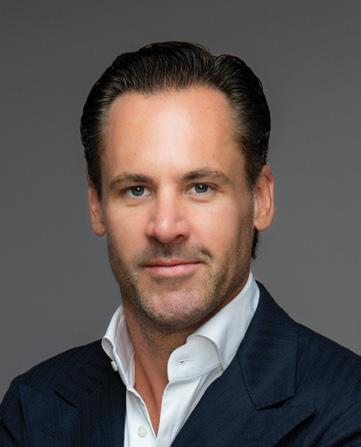
The writer is a partner at Knightsbridge Group.

Ambition and capital are no longer the primary constraints for global mega-projects; instead, success hinges on leadership’s ability to move beyond technical frameworks to master decisive governance and risk ownership
The global construction industry is standing at a transition point; the yea§rs ahead will be about strategic transformation, foundational investment, and cautious recovery. For the leaders tasked with delivering the next phase of infrastructure projects, the outlook presents both challenges and opportunities. The outlook for this year and the years to come will bring a reckoning for leaders, as the constraint facing the next phase of infrastructure delivery is no longer market ambition or capital availability, but leadership readiness.
As programmes grow larger, more interconnected, and more economically consequential, weaknesses that were absorbed at the project level are now being exposed as structural weaknesses rather than isolated project issues. This shift is already visible in the global data. According to Crux’s 8th Annual Report, which analysed more than 2,200 construction projects across
114 countries, disputes averaged $85.7m, over one-third of the original contract values, and affected more than 40 per cent of the projects, signalling weakness rather than isolated failures. So, the infrastructure performance will be determined by how decisions are made, risks are owned, and authority is exercised under pressure, not by the sophistication of frameworks or contracts.
Leadership attains a much more significant role as we notice that the scope of indecisiveness or delay in decision-making can be detrimental. Let us look at the scales involved: the UAE’s project pipeline exceeds roughly $770bn, and the country is continuously attracting investments across transport, energy, infrastructure, and real estate.
Globally, major programmes fail not due to a lack of ambition, but because of execution challenges. These include delays decision-making, frequent scope changes, weak governance, payment disruptions, supply chain issues, and capability gaps. The Crux report finds out that the change in scope is the single largest driver of claims (34 per cent), followed by incorrect or late design information (over 40 per cent combined) and governance and administrative failures (16.7 per cent). This indicates that it is not about technical breakdowns, but failures at the leadership levels in coordination, authority, and making decisions.
Talking of the Middle East, it is witnessed that change in scope is prevalent, which affects more than 50 per cent of the projects, and schedule overruns can be significantly higher than global averages (for example., around 83 per cent versus ~67 per cent globally). The same Crux data shows that the projects in Middle East experience longer schedule overruns than the global average, exceeding 60 per cent of planned schedules in some cases, with nearly 48 per cent of projects recording material cost impacts linked to disputes, scope change, and governance breakdowns. The scenario leaves no space for anomalies, as it would mean leaving large projects struggling; many cost overruns and delays attributed to complexity are
symptoms of governance gaps, slow decisions, and unclear ownership at the leadership level. In highstakes environments, process provides structure, but leadership judgement determines outcomes, separating organisations that maintain momentum from those that stall.
Technology and innovation remain critical drivers of progress in construction, yet implementation consistently falls short — not for lack of capability, but for lack of clarity. When decision rights are ambiguous, even the best tools go unused at the moments that matter most. Risk aversion at the leadership level is, in many ways, the industry’s most underacknowledged barrier to change.
Without a culture that encourages initiative and responsible risk-taking, technology remains passive infrastructure rather than an active driver of performance. Technology tends to amplify existing leadership and governance behaviours. In complex programmes, technology adds real value only when decision authority is clear, risks are owned, leadership is accountable, and teams are willing to act even when conditions are uncertain.
To deliver complex programmes successfully, the need is that leaders establish clear governance discipline in place that enables decisions rather than constrains them. They have to put clear guidelines on how decisions are taken under pressure, how authority is exercised, and how issues are escalated.
Within this structure, risk ownership must sit clearly at the leadership level; otherwise, accountability weakens and decisions are delayed. All the leaders, commercial, technical, and delivery, must operate from a shared understanding rather than working in silos. Crucially, an environment must be created where disciplined initiative is encouraged. Project and construction management functions add real value only when they are empowered with authority to shape decisions, not limited to process oversight or reporting layers, and positioned as decision architects rather than monitors.
As seen in a 2025 study by Multidisciplinary Digital Publishing Institute (MDPI) on complex construction projects in the GCC, adaptive leadership traits such as collaboration, rapid decision-making adaptability, and resilience were linked to better project performance, denoting that leadership capability drives results where technical systems alone cannot.
Indeed, the real readiness gap in large programmes is not procedural maturity but leadership capability at moments that matter most. As projects scale, leaders are required to make timely, high-impact decisions with imperfect information, align competing priorities, and
IN HIGH-STAKES ENVIRONMENTS, PROCESS PROVIDES STRUCTURE, BUT LEADERSHIP JUDGEMENT DETERMINES OUTCOMES, SEPARATING ORGANISATIONS THAT MAINTAIN MOMENTUM FROM THOSE THAT STALL.
take clear ownership of risk. Where this capability is weak, organisations default to caution, escalation, and delay, eroding momentum even when systems and frameworks are in place. In fact, organisations that are ready distinguish themselves by how authority is distributed and exercised. Leaders are trusted to act within the defined boundaries, accountability is unambiguous, and decisions are made close to the point of impact. Here, the performance will be shaped less by formal controls and more by the confidence of the leadership, the judgments they make, and the decisiveness they exude under pressure.
The outlook for the industry exposes a widening divide between ambition and readiness. Investment and technology are no longer the differentiators of performance; the leaders that will deliver the next phase of infrastructure successfully are those who understand that governance discipline, organisational readiness and leadership judgement are strategic assets.
As infrastructure programmes grow in scale and consequence, performance will no longer be measured by ambition alone. It will be defined by the ability to decide well, act decisively, and sustain the momentum under pressure. The leaders who recognise this shift will be the ones shaping the infrastructure outcomes moving forward. L
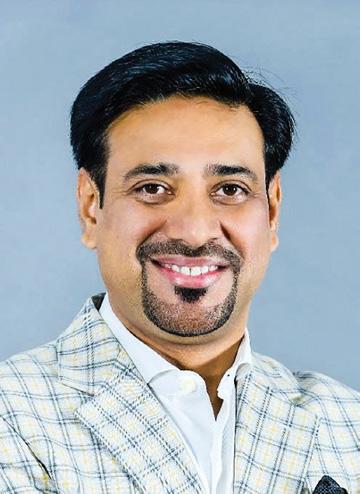
The writer is the commercial director at EllisDon.

We look at why AI in banking requires total transformation, not half-hearted adoption
As artificial intelligence (AI) reshapes the global economy, the banking sector has a harsh truth to confront: Success in the AI era demands that it is not viewed as a technology upgrade but a fundamental rewiring of how it should be integrated into the organisation’s ecosystem.
Smart AI integration leads to smart results. Consider J.P. Morgan, which has reported AI-driven savings of roughly $2bn every year. By rewiring the organisation for the AI-era, it showed the true extent of possibilities that can be unlocked.
Moving beyond the traditional mindset of processing transactions to embracing an AI-first approach is crucial to shape the banks of the future. According to estimates by McKinsey, organisations that merely adopt AI as an add-on to their existing systems capture less than 50 per cent of the potential value.
This difference in impact stems from the fact that successful AI integration requires foundational reengineering of the operational model, which is
actively led by the board and senior management, and complemented by an AI-first workforce.
Put simply, integrating AI is not an IT function but a collective, organisationwide responsibility starting from the top down. That also means that the roles of a CEO and CIO are more integrated, with active engagement in AI governance viewing it not as another IT tool but the foundation for complete business transformation.
While AI has been in application for decades, the arrival of gen AI made it more democratic. Even those who had initially adopted it viewed AI implementation as the responsibility of the IT division. In many organisations, AI adoption has also become synonymous with the usage of gen AI tools for mundane tasks, leaving the true possibilities of machine learning and advanced data analytics practically untouched.
To move the needle, organisations must have a cultural mindset shift. From being warehouses of data, banks
TO MOVE THE NEEDLE, ORGANISATIONS MUST HAVE A CULTURAL MINDSET SHIFT. FROM BEING WAREHOUSES OF DATA, BANKS MUST TRANSFORM INTO INTELLIGENT PLATFORMS THAT DRAW ON THEIR WEALTH OF DATA TO PROVIDE PREDICTIVE INSIGHTS THAT CREATE MORE VALUE FOR CUSTOMERS.
must transform into intelligent platforms that draw on their wealth of data to provide predictive insights that create more value for customers.
This means breaking down data silos, enabling realtime processing and leveraging technologies such as generative adversarial networks (GANs), which enable advanced AI-model training without compromising on customer privacy.
The mindset shift must be complemented by an increased awareness, and real need to move away from static banking products. With AI-powered systems enabling the creation of advanced financial profiles, banks can curate products that align with customer aspirations and preferences.
What this entails is a shift from product-oriented banking to intelligence-centric banking that will transform how customers think about banks. This trend will be accelerated by agentic AI systems that can drive autonomous decision-making and seamless execution –at scale.
By overhauling legacy frameworks and redefining service delivery, banks can become more ‘personal.’
To achieve this, banks and financial institutions must have a strong data infrastructure, clearly delineated AI governance frameworks that prioritise customer privacy, and ongoing employee training programmes. Systematic digital transformation can help achieve healthy costincome ratios, while building an AI-native workforce can contribute to increased operational efficiency.
With an agile, AI-ready workforce, banks can also address the fear that AI will replace humans. In fact, the goal must be to create a new class of professionals who are AI-first in their thinking and approach to work. Such a workforce knows intuitively to leverage AI’s capabilities without compromising on human judgement and ethical oversight.
Just as customers were wary of the internet at the start of the digital banking era, many continue to view AI with the fear of data privacy. That is why it is crucial to have a ‘white box’ model that provides clear insights into decision-making, meaning, not just ‘generated responses but clearly articulated responses on why a specific decision was made – be it related to investment or savings. A white box model addresses not only customer concerns about data privacy but also meets corporate governance standards.
As banks face the choice of embracing AI-led transformation or risking irrelevance in a market where processing speed and AI integration decide leadership, the writing on the wall is clear: There is no room to waver.
Banks must take the step forward with confidence, going beyond superficial AI adoption to genuine AI-first transformation. That requires the understanding that AI transformation is not about technology but about reimagining what banks can be and should be in the intelligence era. L
The writer is the CEO at Commercial Bank of Dubai.

We tend to overprepare what to say in difficult conversations, but what really shapes the outcome is how we show up. When emotions run high, body language, tone, and presence matter more than words
Some conversations might be tougher than others. For example, if we want to set a boundary, receive some feedback or if we need to ask a difficult question. In difficult conversations, we tend to overinvest in preparing and analysing content and we underestimate the impact of nonverbal communications. Yet when emotions rise, we have to understand that people respond first to signals of safety, not to perfectly
constructed arguments. That’s why, to be as effective as possible, it’s up to us to be mindful of our body language during those conversations.
Before starting a conversation, there is one essential step: regulate yourself. In uncomfortable conversations, emotions take over rational thinking. We need to make space for our emotions because suppressing them rarely works.
At the same time, we must recognise that the other person is constantly reading our behaviour. If we appear tense or restless, they will notice and will feel uncomfortable as well. As I always say: The best conversations take place with comfort for both parties. So, we should breathe out deeply, ground our posture and pause before responding. These small adjustments influence the entire dynamic. Calm sets the climate.
A smile can soften the start of a difficult exchange. It signals: I am here with good intentions and our relationship matters. Of course, it should fit the moment because when it appears at the wrong time, it can feel dismissive or inappropriate, especially when the topic is serious. However, a subtle smile can help connection.
Eye contact communicates presence. During tough conversations, this matters more than ever. It says: I see you and I am paying attention. Even though it’s obvious a lot of people still look at a screen, their notes or their phone and that kind of behaviour immediately weakens connection. At the same time, constant, intense eye contact can feel confrontational when emotions are high. Briefly softening your gaze or looking away for a moment allows the other person to process and gather their thoughts. As always with nonverbal communication, context and culture always matter. What feels respectful in one setting may feel intrusive in another.
DIFFICULT CONVERSATIONS DO NOT BECOME EASY JUST BECAUSE YOU’VE PREPARED BETTER SENTENCES. THEY ALSO IMPROVE WHEN THE INTERACTION FEELS SAFE ENOUGH AND COMFORT IS CREATED THROUGH BODY LANGUAGE.
Your voice is a valuable tool in tough conversations. If people hear your discomfort in a shaky or soft voice, they might feel more uncomfortable themselves. It’s not just the volume you can vary but also the pace, rhythm and intent. A lower voice creates calm. It should not be robotic or overly soft, but warm and inviting. On some occasions you might need to raise your voice to set a boundary, but usually a calm response is the best. It shows you care and will make people listen to you.
Silence is often underestimated. Many people rush to fill it, especially when tension rises. We often speak too quickly to relieve discomfort.
But silence can make a conversation more effective. For example, a short pause after someone has spoken gives both parties space to think. Silence can also strengthen the content. When you state something important and then remain quiet, the message carries more weight. You should resist the urge to over-explain or soften the message.
Distance influences psychological safety more than we realise.
Sitting directly opposite someone across a desk can unintentionally create opposition. Sitting at a slight angle often reduces defensiveness because it feels less confrontational.
The amount of physical space you occupy also sends a message. A desk covered with your documents while the other person has barely room to place a folder subtly communicates hierarchy and dominance.
In tense moments, slightly increasing physical space can help the other person stay a bit more relaxed. In emotional moments, leaning forward gently may signal care.
USE A HEAD TILT TO SIGNAL OPENNESS
A slight head tilt like we see in cute dog and cat videos
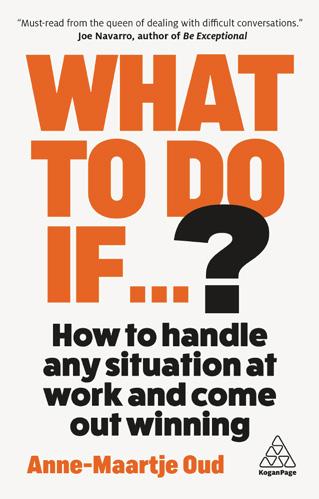
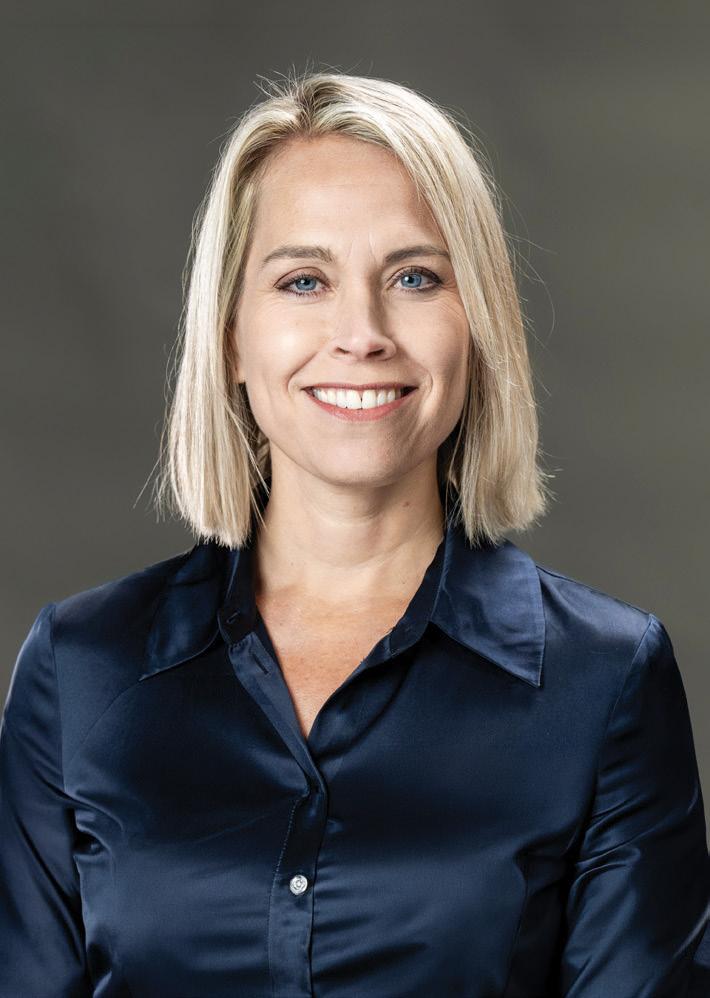
BY ANNEMAARTJE OUD
is a small gesture with significant impact. It communicates curiosity and willingness to listen. When people feel genuinely heard, something changes. They feel validated, noticed and therefore more relaxed within the difficult conversation.
Difficult conversations do not become easy just because you’ve prepared better sentences. They also improve when the interaction feels safe enough and comfort is created through body language. Of course, content matters a lot but the connection and interaction are what makes the difference in whether that content is heard and taken seriously.
Every movement, pause and choice of tone shapes how a message is received. Difficult conversations are never easy, but when you use proactive body language, they become more effective. Before your words make an impact, your behaviour sets the tone. L
The writer is author of WHAT TO DO IF...? How to Handle Any Situation at Work and Come Out Winning published by Kogan Page.
ANGELA COX
That moment when your idea is quietly dismissed isn’t just about the meeting, it’s where years of learned self-protection show up and start shaping how much of yourself you’re willing to bring to the table
You present an idea in a meeting that you have thought about carefully and genuinely believe in.
When you finish speaking, there is a pause before the most senior person in the room leans back and says, “I’m not convinced this is a good idea.”
It’s not an aggressive or loud challenge, but the room changes. Someone looks down at their laptop. Another shifts in their chair. No one builds on what you have said.
You feel it before you think about it. Your chest tightens. Your voice changes slightly. You start explaining more than you planned. You soften your language so you sound less certain, less exposed.
Later, you replay the moment. Not just what your boss said, but what no one else did. You criticise yourself for not being clearer. You promise yourself that next time you will be sharper, more prepared, harder to dismiss.
The instinct behind that adjustment is older than your career. A child once stood in a classroom and read aloud. They stumbled over a word. The teacher corrected them. A few classmates laughed. Others looked away, relieved it was not them. The moment lasted seconds, but the feeling stayed. It’s the same tightening in the chest and the same awareness of being seen and judged. Without consciously deciding it, you learn that getting it wrong carries risk. Standing out in the wrong way can cost you and losing favour feels dangerous. That learning does not stay in childhood. It grows up with you. It becomes more polished when the classroom becomes the office. The teacher becomes the senior leader and the laughter becomes silence.
You do not decide to wear a mask. You decide to avoid that feeling. Over time, avoiding that feeling shapes how you show up. You think carefully before you speak and weigh up how something will land before you say it. You volunteer when it feels safer than being overlooked. You hold back when the room feels unpredictable. What begins as reading the room slowly becomes editing yourself. This is where the masks form. Through coaching hundreds of leaders, I see the same four patterns repeatedly. The Perfectionist develops where getting it wrong once felt humiliating. If mistakes carry risk, then being flawless feels safer. You doublecheck. You tighten standards. You struggle to switch off because there is always more to fix. The People Pleaser
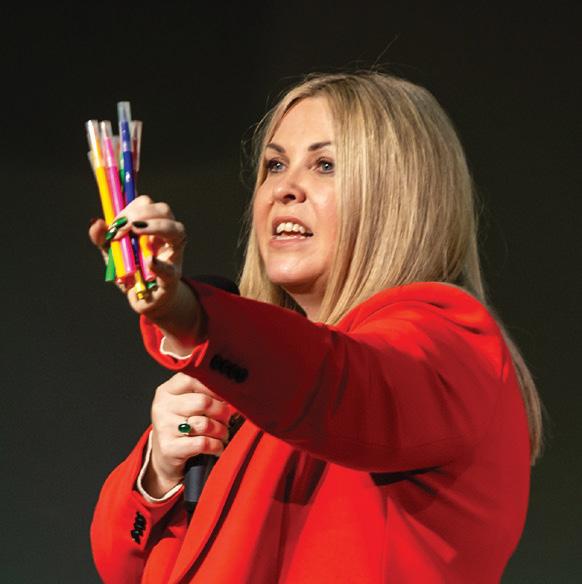
forms where harmony felt protective. If agreement kept you included, you learn to smooth tension quickly. You say yes when you mean no. You absorb discomfort so others do not have to.
The Persecutor of Others often grows where strength felt necessary. If being sharp or authoritative stopped others diminishing you, then criticism becomes a shield. You push hard. You expect more. You keep control.
The Persecutor of Self turns the pressure inward. If judgement is coming, better to deliver it first. Your internal voice becomes relentless. Achievement brings relief, but only briefly. None of these masks are signs of weakness. They are intelligent ways of staying safe. The problem is when you’ve been wearing them for years, you lose sight of the pressure they create. Keeping a mask in place takes energy. You manage your tone and monitor your reactions. You rehearse conversations and replay moments when you’re supposed to be sleeping. Even when work ends, the thinking does not. The exhaustion that follows is not always about workload. It is about the effort of being slightly different from who you really are.
When you repeatedly override what you think or feel in order to stay relevant, you abandon the real you. You start second-guessing your own instincts. You measure yourself by how others respond rather than by
what feels true. The question becomes less about what you believe and more about how you will be received.
Over time, confidence becomes fragile. It depends on approval, on being needed, on continuing to achieve. Without those signals, doubt creeps in.
From the outside, you may look capable and composed. Inside, there can be tension.
Years of pretending do more than make you tired. They shape your sense of who you are. It becomes harder to tell where the mask ends and you begin. You filter opinions before you fully form them. You adjust emotional responses before you understand them.
And when you lead from behind a mask, others learn to do the same. If the culture around you rewards performance but not honesty, perfection but not humanity, then pretending becomes normal. People stay in favour. They stay successful. They also stay guarded.
Belonging is powerful. Wanting to fit in is not the problem. The real question is whether fitting in requires you to shrink parts of yourself to stay secure.
The cost of not being accepted feels immediate. The cost of pretending builds slowly. And over time, that slow build changes who you believe you have to be in order to succeed.
Finding your voice is not about suddenly becoming more confident or outspoken. It is about reducing the gap between what you think and what you say, and doing that in a way that feels safe enough to sustain.
That does not happen through a single moment of bravery. It happens through small, deliberate shifts.
Start with a congruence check-in: There will be moments in your day where you have a clear thought and choose not to express it, or where you say something softer than you mean. Most people move past these moments quickly, but this is where the work sits. Notice the meetings where you hold back, the conversations where you over-explain, and the points where your tone changes. You are not trying to fix anything yet, just recognise where you are editing yourself.
Create a practice ground: Trying to change how you show up everywhere at once is unrealistic. Choose one setting where the stakes feel manageable, perhaps a regular team meeting or a one-to-one conversation, and use it as a place to practise saying what you actually think. Not more aggressively, just more directly. One sentence that reflects your real view is enough. Over time, that becomes easier to repeat.
Separate discomfort from danger: The physical response to being challenged can feel intense, but it is not always a signal that something is wrong. Often, it is the same learned reaction that formed years earlier. When you feel that tightening in your chest or shift in your voice, pause long enough to ask yourself whether

you are actually at risk or simply uncomfortable. That distinction changes how you respond.
Notice which mask you default to: Whether you recognise yourself more in the Perfectionist, the People Pleaser, the Persecutor of Others or the Persecutor of Self, each one has a predictable pattern. The Perfectionist tightens. The People Pleaser softens. The Persecutor of Others pushes. The Persecutor of Self criticises. When you can see your pattern in real time, you create a moment of choice. You do not have to follow it automatically.
Build your ‘I can and I am’ file: Confidence that relies on approval is unstable. Confidence built on your own evidence is different. Keep a record of moments where you spoke honestly, contributed clearly, or held your ground without overcorrecting. Not as an exercise in self-praise, but as proof that you can show up without the mask and still be effective.
Work with someone who will not collude with the mask: This is difficult to do alone because the patterns feel normal. A skilled coach will notice where you shift, where you hold back, and where your words and behaviour do not quite align. More importantly, they will help you understand what sits underneath it, so you are not just changing behaviour but reducing the need for the mask in the first place. None of this is about becoming a different person at work. It is about becoming less of a filtered version of yourself.
Because when the effort of pretending reduces, the energy that comes back is not just emotional. It shows up in clearer thinking, better decisions, and more honest conversations. And that is where both performance and wellbeing start to move in the same direction. L
The writer is a master executive coach and founder of Paseda360 Coach Training Academy.
CHRIS TAMDJIDI
Companies in the Middle East are facing some of the biggest challenges to their business ever. The firms that come through best will be those that invest in their people with the same seriousness they bring to their balance sheets
For businesses across the GCC, the last few weeks have felt like the very ground shifting under their feet. Dubai hotel occupancy fell from 82 per cent in January to below 35 per cent inside a fortnight. Group bookings for March and April were cancelled at close to 80 per cent. Vision 2030 projects are slipping. Some expat staff have left and not come back. This isn’t just a supply chain problem that the rest of the world is focusing on, it’s a full-system shock hitting tourism, aviation, real estate, retail, hospitality, and the confidence underneath all of them.
On the technical side, Gulf companies are responding well. Treasury teams are modelling cash, ops teams are rerouting and renegotiating, boards are meeting more often. The financial and operational dimensions of resilience are being handled with the discipline you would expect. What gets overlooked often is the half of resilience that sits between people’s ears.
When the ground shifts like this, decisions are made by tired people. Stretched leaders run crisis calls on top of day jobs. Middle managers absorb anxiety from their teams and families at once. Over time, decision quality quietly deteriorates – and no one notices because everyone is busy. And this will not pass quickly. The effects will last months, even years. This is where the ROI of human resilience shows up – in the quality of decisions under pressure, and the ability to sustain performance and wellbeing over time.
We have researched human resilience extensively – and have recognised that it is a trainable skill, not a trait. Specifically, there are 12 skills we can cultivate which significantly impact how we face stress, and how we work and maintain our wellbeing in difficult times. Our Resilience Screening dataset, built from over 2,000 professionals across 47 countries, is blunt on the point. People in the top quartile across the 12 resilience skills report roughly twice the performance, engagement and wellbeing scores of those in the bottom quartile, under comparable stress. And the gap grows when stress shifts suddenly. Low-resilience individuals lose capacity fast; high-resilience people hold up, and in some areas get sharper. This is the definition of who
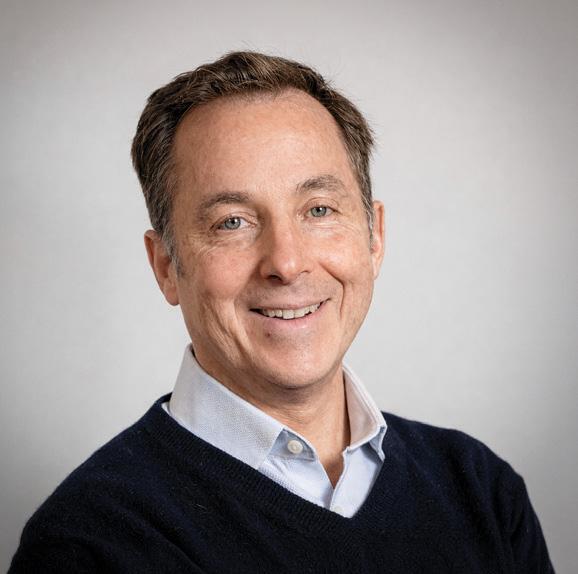
you want in the room right now. The McKinsey Health Institute finds the same pattern across 30,000 employees in 30 countries: those with high resilience and adaptability, supported by their organisation, are six times more likely to be engaged and nearly four times more likely to innovate. Separate McKinsey research shows gains of 21 per cent in effectiveness, 46 per cent in engagement and 45 per cent in wellbeing – not “nice to have” numbers, but outcomes that boards pursue through transformation.
Most human-resilience spending gets wasted, sprayed across the whole workforce as generic training, with no map of where the real load actually sits. If you ran your operations like that, your CFO would want to have a few stern words with you. A more serious approach looks a lot like the way Gulf businesses already think about operational risk: measure the exposure, segment it, target the response. Start by screening the population. A strong resilience screening assesses 12 key skills that determine if a person can absorb and recover from stress. These are physical (sleep, recovery, exercise, breathing), mentalemotional (focus, self-awareness, emotional regulation, relaxation, purpose, positive outlook), and social (connection, compassion). Risk sits at the intersection. Someone with poor sleep, weak regulation and high load is not a wellbeing statistic – they are a decision-making or capacity risk within your operation.

SPECIFICALLY, THERE ARE 12 SKILLS WE CAN CULTIVATE WHICH SIGNIFICANTLY IMPACT HOW WE FACE STRESS, AND HOW WE WORK AND MAINTAIN OUR WELLBEING IN DIFFICULT TIMES.
From there, the population splits three ways: in a typical Gulf workforce, we’d expect around 15–20 per cent at risk (high load, low skill, often with personal exposure), a larger middle group that is fragile but coping, and a smaller, thriving group. Each need something different. The at-risk need focused, confidential support – for example, coaching and a supportive conversation about workload or boundaries. The fragile middle benefits from team-level changes – psychological safety, better leadership, permission to recover and clear priorities as well as training approaches. The thriving can act as peer supporters and team leads.
After this, measure: retest at six and twelve months, tracking absence, attrition, engagement, innovation and decision quality. The numbers move, usually faster than boards expect.
EVERY CRISIS IS, EVENTUALLY, A TEST OF PEOPLE McKinsey’s analysis of the Covid -19 pandemic showed the companies that invested seriously in their people grew revenue roughly twice as fast as their peers through 2019–2021. Not because their supply chains were cleverer, but because they had reserves — loyalty, skill, trust, clearheadedness — to draw on when everyone else was running empty.
The current shock in the Gulf will reshape budgets, timelines and strategies for a while yet. The companies that come out strongest won’t be the ones with the slickest scenario decks. They will be the ones that treated human resilience as a real, measurable, investable capability, and started building it in the middle of the crisis – to ensure a better outcome, and also to be ready for the next inevitable shock. L
The writer is the co-founder and MD of Awaris and co-author of The Resilient Culture
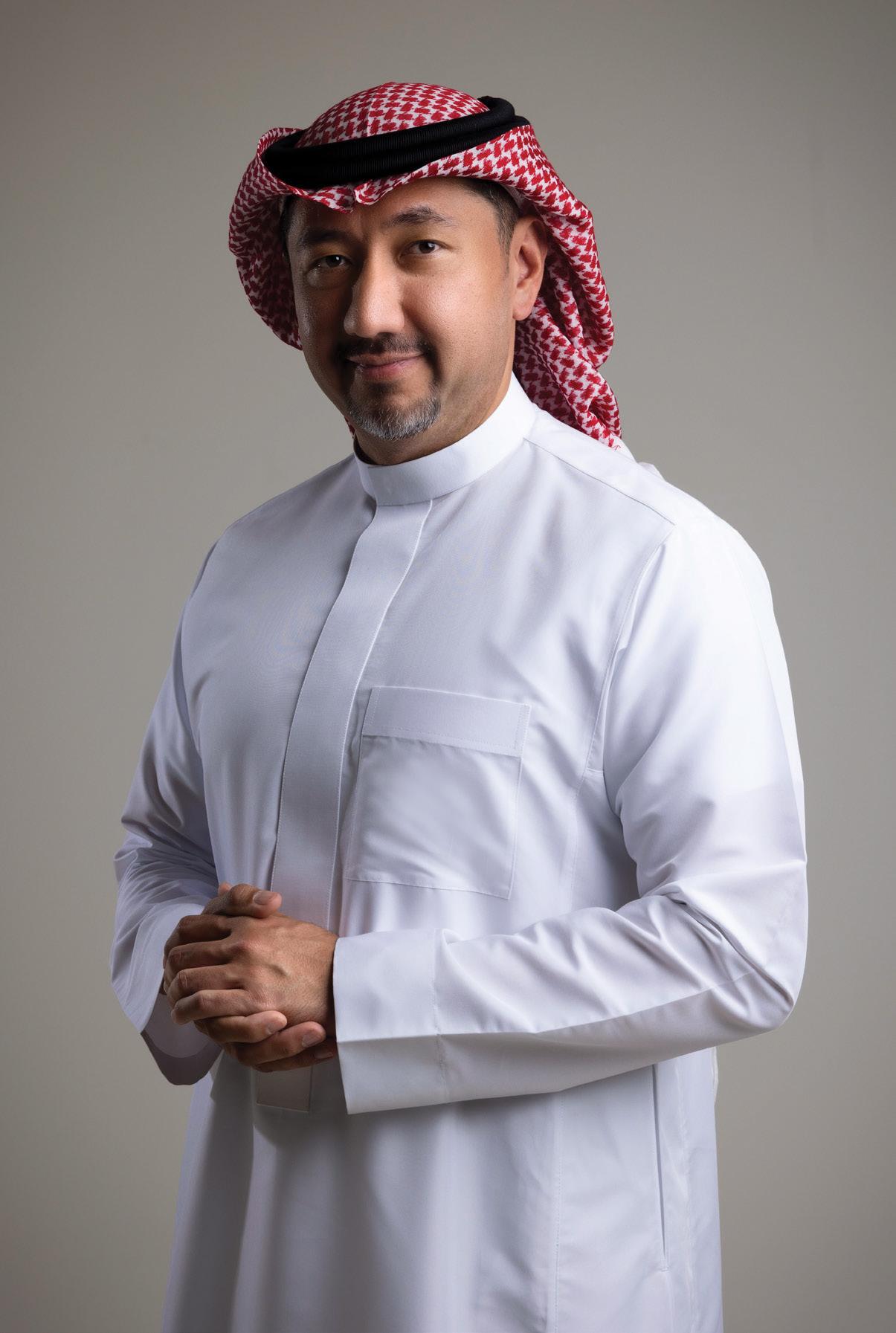
AI, SCALE AND THE MIDDLE EAST PLAYBOOK: INSIDE SALESFORCE’S
AS AI SHIFTS FROM EXPERIMENTATION TO EXECUTION, SALESFORCE’S MIDDLE EAST CHIEF MOHAMMED ALKHOTANI DETAILS HOW THE COMPANY IS SCALING RAPIDLY, EMBEDDING DIGITAL LABOUR, AND TARGETING A NEW GROWTH ENGINE ACROSS ENTERPRISES AND SMES
WORDS: GARETH VAN ZYL | PHOTOS: MARK MATHEW
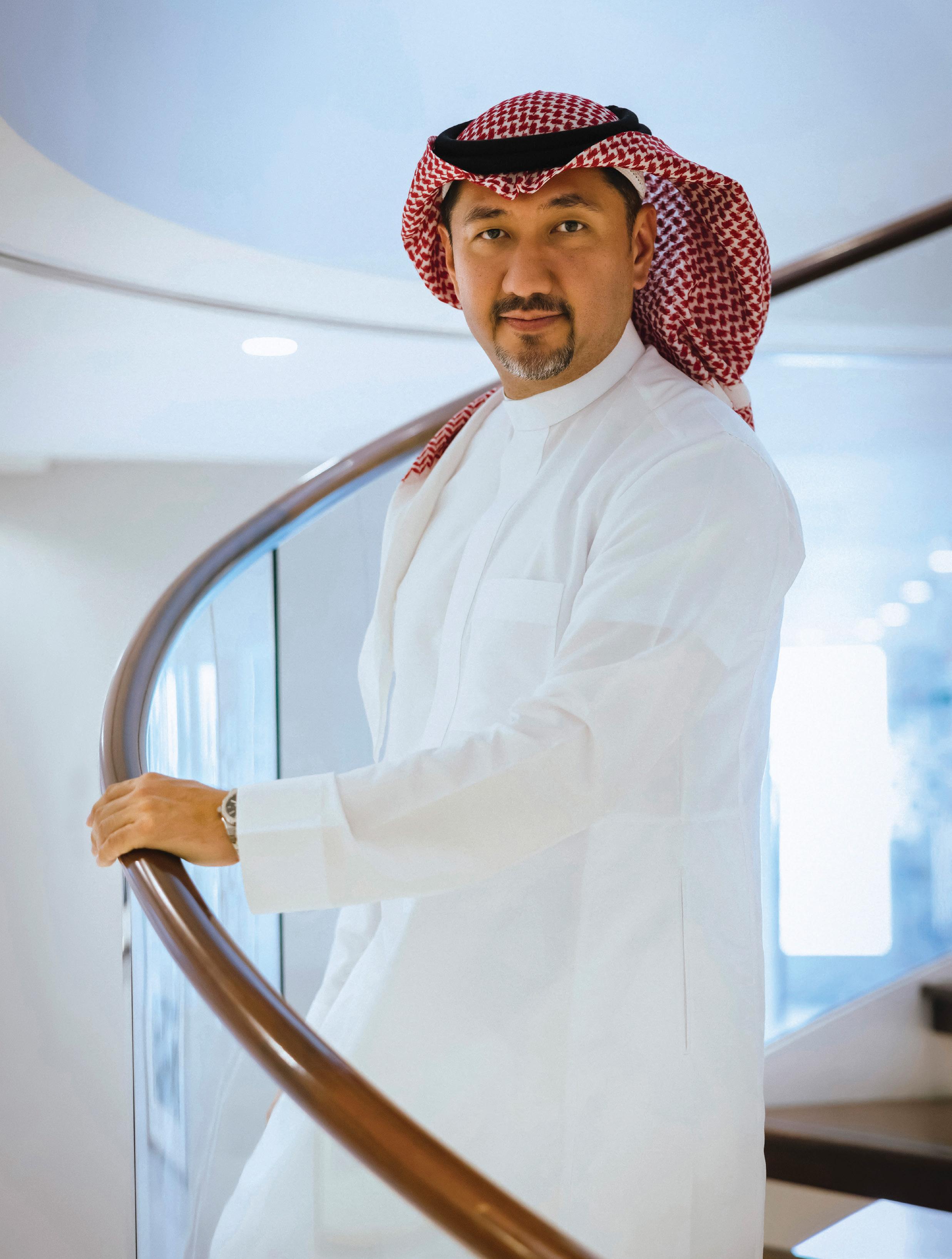
When Mohammed Alkhotani last spoke to Gulf Business in June last year, the ambition was clear: grow Salesforce’s Middle East business threefold within four to five years.
Less than a year later, that trajectory is not just intact — it is ahead of schedule, reflecting a broader shift across the Gulf where AI adoption is moving from ambition to execution.
“We were around 60 to 70 people in the region when we last spoke,” says Alkhotani, senior vice president and general manager for the Middle East at Salesforce. “Today, we are close to 300.”
That near fourfold increase in headcount in under 12 months signals more than internal expansion. It reflects a structural shift across the region, where governments, corporates and SMEs are accelerating AI adoption at pace.
“Every country in the Middle East has its own strengths,” Alkhotani says. “The opportunity is everywhere.”
To understand that momentum, Alkhotani points to a defining regional advantage: the pace of government-led digital transformation.
Across the GCC, public-sector digitisation has set a global benchmark, from near-instant passport renewals to fully digital licensing systems. That has reset expectations for the private sector.
“If I can renew my ID or passport in minutes, my expectations from any private-sector company are much higher,” he says.
The result is a widening gap between customer expectations and business capability, and a surge in demand for platforms that can close it.
For Salesforce, that demand feeds directly into its positioning as a “system of experience”, integrating data, AI and CRM into a single operating layer for customer engagement.
Globally, the company reported $41.5bn in annual revenue, including approximately $800m in AI-related sales and more than 29,000 AI agreements. The Middle East is becoming an increasingly important contributor to that mix.
Locally, hiring has outpaced forecasts, while engineering and technical teams have more than tripled. This is a clear signal that demand is shifting from licences to implementation.
“The growth is faster than expected,” Alkhotani says. “But it’s also because we start with the business problem, not the technology.”
Over the past 12 months, the AI conversation has changed fundamentally.
Access is no longer the constraint. Execution is.
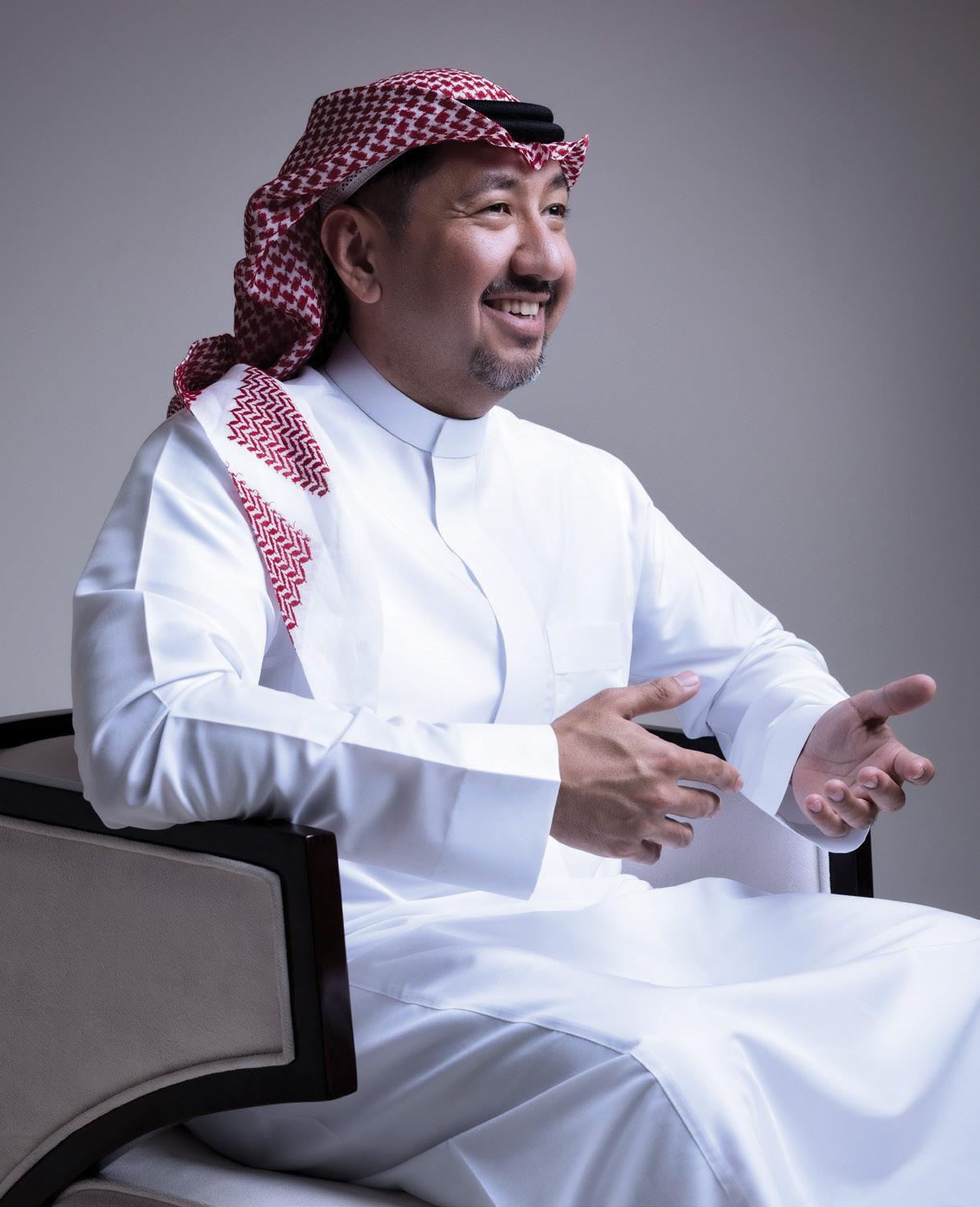
“Most companies have already invested in AI in some form,” Alkhotani says. “The challenge now is scalability, and how to
make those investments deliver real value.”
Salesforce’s response is to embed AI directly into workflows, not layer it on top.
Its flagship platform, Agentforce, is built around the concept of “digital labour”, AI agents that automate or augment core business processes.
“The key is embedding AI into the process,” he says. “If it sits outside, it’s a tool. If it’s inside, it becomes part of how the business operates.”
The impact is already measurable. Sales teams using AI are seeing higher productivity and improved conversion. In customer service, AI has moved from a lower-ranked priority to one of the top two areas of investment.
Internally, Salesforce is applying the same model. Employees are using AI embedded in collaboration tools to summarise conversations, generate responses and coordinate workflows.
In one case, an engineering lead trained an AI system to understand his priorities, team structure and working style.
“It became like a personal assistant,” Alkhotani says. “Summarising discussions, suggesting actions, even helping coordinate meetings.”
What was once theoretical is now operational and increasingly expected.
Top use cases
Personalisation
Content generation
Predicting campaign performance and ROI
Top barriers
Lack of strategy
Siloed data across channels
Difficulty scaling quality control
Source: Salesforce, State of Marketing Report, 2026
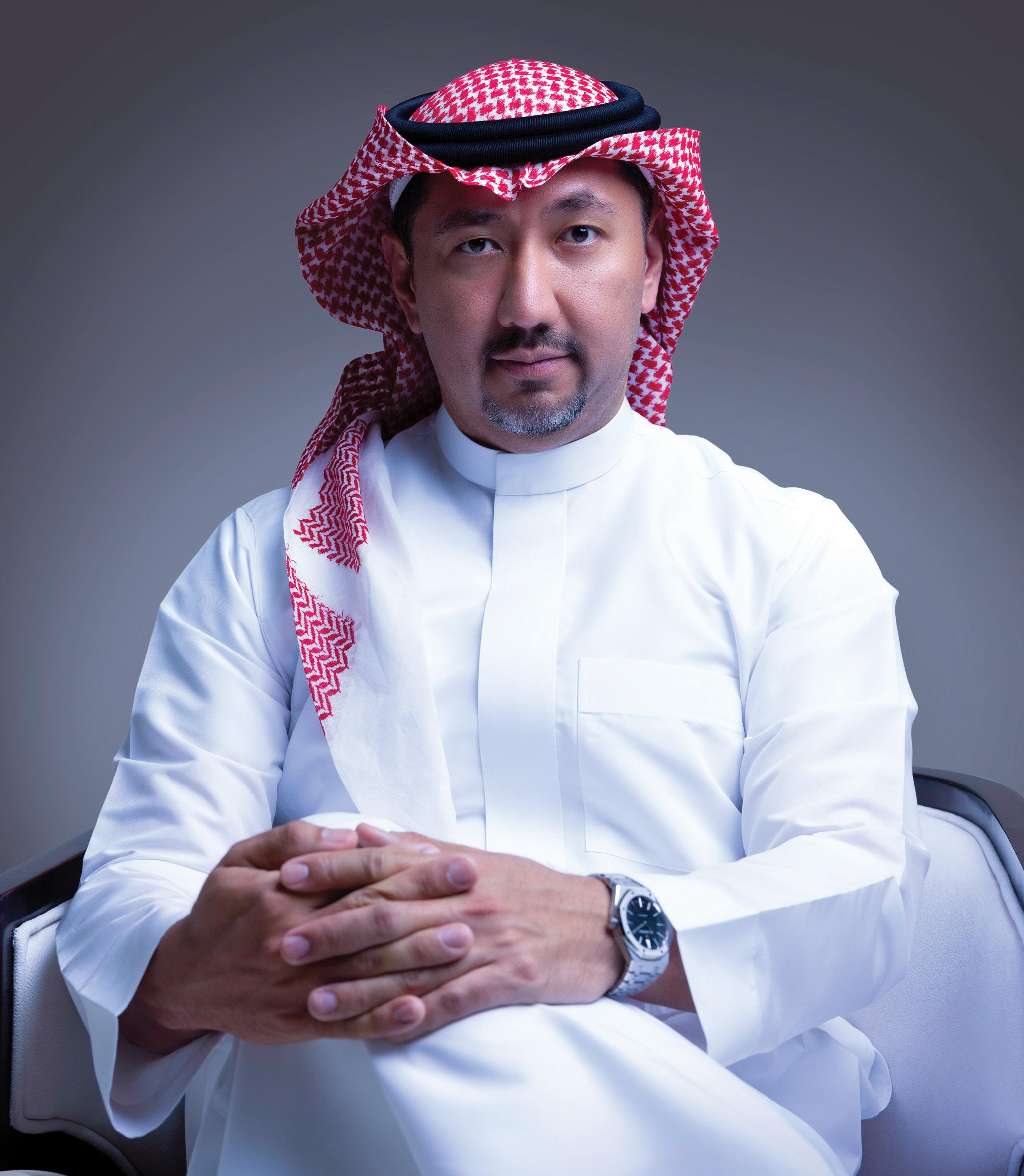
MOST COMPANIES HAVE ALREADY INVESTED IN AI IN SOME FORM, THE CHALLENGE NOW IS SCALABILITY, AND HOW TO MAKE THOSE INVESTMENTS DELIVER REAL VALUE.”
Despite rapid adoption, a key constraint remains: data. Salesforce’s latest UAE research highlights a clear disconnect. While 85 per cent of marketers trust AI to respond to customers, 78 per cent say they cannot access the data needed to do so effectively.
That gap is becoming the defining challenge for AI deployment in the region.
“The biggest issue is not AI itself,” Alkhotani says. “It’s how data is managed and integrated.”
Fragmented systems, siloed customer information and weak data architecture are limiting the ability to deliver personalised experiences at scale.
At the same time, expectations are rising. Around 86 per cent of marketers say AI is increasing customer expectations, while 73 per cent admit they are still running generic campaigns.
The result is a widening execution gap and growing urgency to fix it.
Without a unified data layer, even the most advanced AI tools struggle to deliver consistent outcomes.
That challenge is also shaping where Salesforce sees its next phase of growth.
86% SAY AI IS RAISING CUSTOMER EXPECTATIONS
73% STILL RUN GENERIC CAMPAIGNS
85% TRUST AI TO RESPOND TO CUSTOMERS TAKEAWAY: CONFIDENCE IS HIGH. EXECUTION IS LAGGING BY THE NUMBERS: UAE MARKETERS AND AI
78% STRUGGLE TO ACCESS CUSTOMER DATA
61% STRUGGLE TO KEEP UP WITH BEHAVIOUR SHIFTS
Source: Salesforce, 10th State of Marketing Report (UAE findings), 2026
THE CONSTRAINT IS NO LONGER BELIEF IN AI — IT’S ACCESS . BUSINESSES NEED TOOLS THAT ARE INTEGRATED, SIMPLE, AND DELIVER VALUE IMMEDIATELY.”
— Mohammed Alkhotani, SVP & GM Middle East, Salesforce
While Salesforce’s regional expansion has been driven largely by large enterprises, the next phase is focused on SMEs.
In April, the company rolled out Agentforce across its core suites in the GCC, at no additional cost and with no setup required.
The move targets a critical segment. SMEs account for the majority of businesses in the region, contributing 63.5 per cent of non-oil GDP in the UAE and forming a central pillar of Saudi Arabia’s Vision 2030 strategy.
Yet access to enterprise-grade AI has historically been limited by cost, complexity and integration challenges.
Salesforce is aiming to remove what it describes as the “AI tax”, the additional layers of cost and technical friction that have slowed adoption.
“The constraint is no longer belief in the technology,” Alkhotani says. “It’s access.”
Globally, 90 per cent of SMB leaders say AI improves efficiency, but 47 per cent say they feel overwhelmed by the pace of change and complexity of adoption.
By embedding AI directly into existing workflows, without additional licensing or setup, Salesforce is betting that SMEs will drive the next wave of AI adoption in the region.
The next 12 to 24 months will be defined less by experimentation and more by execution.
AI is no longer a competitive advantage on its own. It is becoming baseline infrastructure.
The differentiator will be how effectively companies integrate it into their operations, across data, workflows and customer experience. For Salesforce, that means continuing to scale its regional footprint, deepen technical capabilities and expand access across the market.
“The performance will be better, faster, more accurate,” Alkhotani says. “Investing in digital labour is not optional anymore. It’s a necessity.”
In the Gulf, where governments have already reset expectations, that shift is happening faster than most markets. The question is no longer whether businesses adopt AI, but how quickly they can turn it into measurable advantage. L

SMES: THE NEXT FRONTIER
SMEs make up the majority of businesses in the GCC
Contribute 63.5% of UAE non-oil GDP
1.3m+ enterprises in Saudi Arabia
90% of SMB leaders say AI boosts efficiency
47% feel overwhelmed by adoption
Source: Salesforce SMB Trends Report, UAE government data, Saudi Vision 2030
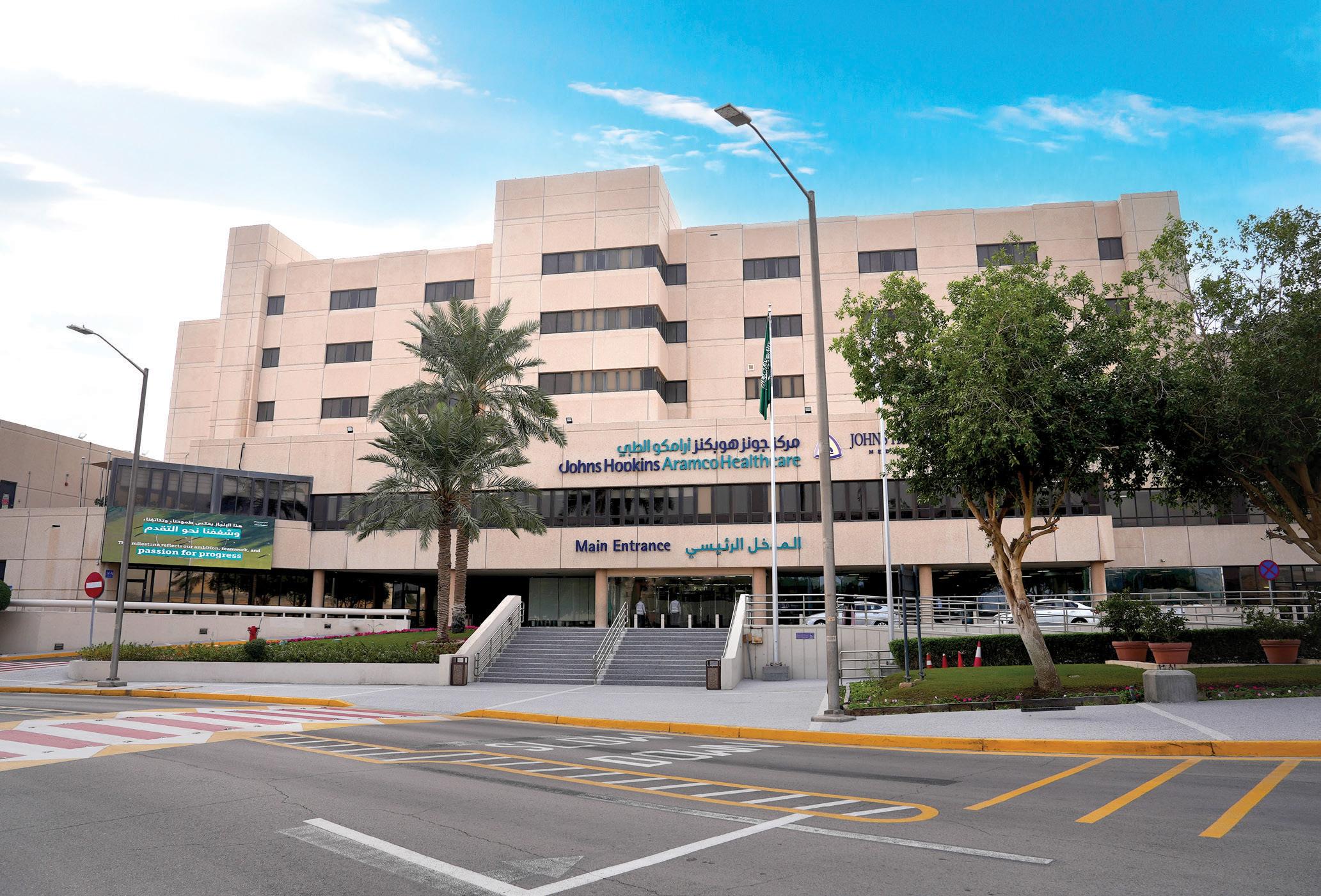
Johns Hopkins Aramco Healthcare has spent a decade quietly building one of the most ambitious healthcare systems in the Gulf region. Dr Russell Hales, radiation oncologist and chief of its Centers of Excellence, tells us more about it
In modern healthcare, breakthroughs are often measured in technology, new tools, new treatments, new data. But increasingly, attention is turning to a more fundamental question: how care itself is delivered. Dr Russell Hales, radiation oncologist and chief of Centers of Excellence at Johns Hopkins Aramco Healthcare, sat down on the sidelines of WHX in Dubai held in February to talk to Gulf Business about medicine, teams and the institution he has been building since joining JHAH in July 2025.
The conversation was anchored by an announcement: the formal launch of JHAH’s Cardiovascular Center of Excellence in Dhahran, Saudi Arabia, the institution’s second Center of Excellence, following the Oncology CoE, and a milestone a decade in the making. His central argument, made quietly and repeatedly throughout the exchange, was that the most transformative thing
in medicine right now is not the technology. It is the team.
Johns Hopkins Aramco Healthcare, JHAH, was established in 2014 as a joint venture between Saudi Aramco and Johns Hopkins Medicine. The logic of the partnership is straightforward: one of the world’s largest energy companies, with a medical services operation dating to 1945, combined with one of the world’s most respected academic health institutions. The result is a healthcare system built initially to serve Aramco employees and their families, and now, in a significant expansion, opening its facilities to the wider Saudi public for the first time.
Dr Hales spent 25 years at Johns Hopkins Medicine in Baltimore, 15 of them on the faculty, before making the move to Saudi Arabia. He is the kind of person who talks about patients the way other people talk about family, and it comes through quickly. “When I was asked to come out and be part of this,” he says, “I was given a primary task: to make Johns Hopkins Medicine outcomes and patient experience occur right here at Johns Hopkins Aramco Healthcare. I’m happy to say we’re well on our way.” The route there has been tangible. Last year alone, the progress has been tangible. In the past year alone, Johns Hopkins Medicine teams delivered nearly 120 assessments, many involving clinicians and other subject matter experts from Baltimore, spending days or weeks working side by side with JHAH staff in Saudi Arabia. “That degree of mentorship, of collaboration, of knowledge transfer,” Hales says, “is at the heart of the excellence that we’re about. This goes beyond sharing protocols. It’s about relationship building between different parts of the world, all under the same umbrella of outstanding medical care.”
The decision to anchor JHAH’s Centers of Excellence in oncology and cardiovascular medicine was not arbitrary. It was, Hales says, a direct response to the data. Cancer and cardiovascular disease, including stroke, are the two primary drivers of mortality not only in Saudi Arabia but across the wider Middle East. According to JHAH, projections suggest more than 479,500 Saudi citizens will be living with cardiovascular conditions by 2035, more than double the current patient population.
The Cardiovascular Center of Excellence has been modelled directly on the Johns Hopkins Heart and Vascular Institute in the US, bringing its protocols, its team-based model and its evidence base to Dhahran.
“For many patients, accessing the right heart care has often meant a choice between travelling abroad or not receiving it at all,” Hales says. “Our Center of Excellence intends to change that, bringing trusted care closer to home, in collaboration with Johns Hopkins Medicine.” In line with Saudi Vision 2030’s healthcare transformation goals, the centre is designed to reduce the need for medical travel, strengthen local specialty capacity and increase private-sector participation in the kingdom’s health system.
Hales pauses before answering a question about what distinguishes a Center of Excellence from any other well-resourced hospital department. He has, he says, spent a great deal of time thinking about this, partly because the phrase is everywhere. “Everybody loves to throw Centers of Excellence next to their hospital, their brand, whatever you want to call it. But we need to define what it actually means.” His definition is precise: excellent patient outcomes, delivered with compassion,
“FOR MANY PATIENTS, ACCESSING THE RIGHT HEART CARE HAS OFTEN MEANT A CHOICE BETWEEN TRAVELLING ABROAD OR NOT RECEIVING IT AT ALL.”
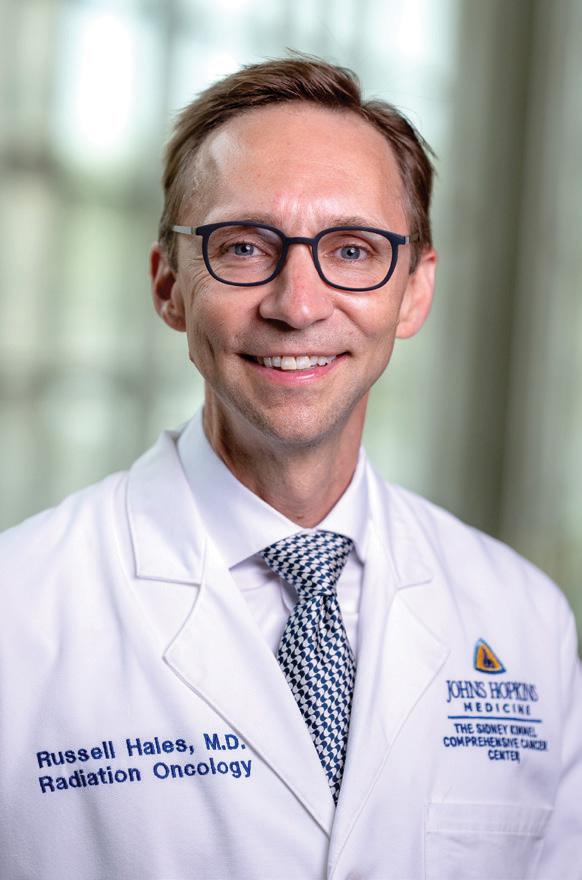
Dr. Russell Hales
using the best available technology, by teams and not individuals. The model he describes is a direct challenge to the traditional architecture of hospital medicine, where a patient moves from department to department, seeing one specialist, then another, hoping those specialists have communicated in between. “That fragmented way of delivering care will never answer the promise of medicine,” he says. He offers breast cancer as an illustration. Historically, an early-stage diagnosis sent you to a surgeon. An advanced diagnosis sent you to a chemotherapy doctor. Today, regardless of stage, a patient at a Center of Excellence will see a medical oncologist, a radiation oncologist, a surgeon, a reconstructive surgeon, a nutritionist, a survivorship
“EVERY DAY IS DIFFERENT. I DON’T HAVE ALL THE SOLUTIONS, BUT THE PEOPLE WHO SURROUND ME DO. MY JOB IS TO HELP THE ORGANISATION COME UP WITH SOLUTIONS TO THE PROBLEMS THAT WE FACE.”
expert and a rehabilitation specialist, potentially in the same visit, certainly as part of the same coordinated team. “What that means is patients can come into our clinic and see a team of doctors together, instead of one doctor one day, another doctor another day, hoping they will have communicated in between appointments.” The word wraparound comes up several times in conversation. It is not a marketing term. It is a structural description.
This model, he argues, is also how the full potential of precision medicine gets unlocked. “The biggest way that healthcare has changed is what I would call precision medicine, the idea that one size really doesn’t fit all, that every therapy can be tailored to the patient themselves. If you have cancer, we can now do a genetic analysis of your tumour and identify thousands of pathways that can be targeted. That requires robust AI algorithms. But it also requires teams that can harness that capability for the benefit of each individual patient.”
One of the most consequential shifts underway at JHAH is the move to commercialise, to open the institution’s facilities and expertise to people with no connection to Aramco. This is a structural change, not a marginal one. For the first time, JHAH is partnering with government agencies, participating in population health programmes, and making its two Centers of Excellence available to patients across the Eastern Province, throughout Saudi Arabia and from neighbouring countries.“Our job as a healthcare institution is not just to care for those that are employed by Aramco,” Hales says. “The charge we’ve been given is to make a difference to every person, not just the people that happen to be employed by Aramco. Population health is something we now do in local communities.” That shift carries real implications for access. The cardiovascular and oncology centres are now open to all. Future Centers of Excellence, Hales declines to name specialties but confirms the strategic plan exists, will follow.
The most unexpected part of the conversation with Hales is not the clinical detail or the institutional ambition. It is the moment he sets the technology aside entirely. Asked what excites him most about medicine right now, he reaches back to a BASF advertising slogan from his childhood: we don’t make the product, we make the product better. “There is all sorts of technology, all sorts of exciting things happening. But I fear that our ability to percolate that down to patients is not happening in a way it needs to. What excites me most, and what my career has been based on, is developing teams that can unlock the full potential of the technology before us. I am about human engineering. That, to me, is the most exciting thing, because it unleashes everything else available in medicine for our patients.”
He spends roughly half of each working day in mentorship, meeting with clinical leaders across JHAH and helping them become more effective. He is a radiation oncologist who chose his specialty in part, he says, because it requires optimism. Oncologists must be. “Every day is different. I don’t have all the solutions, but the people who surround me do. My job is to help the organisation come up with solutions to the problems that we face.”
His prescription for governments and policymakers is consistent with the philosophy he applies to his own institution. Early detection. Prevention. Investment in cancer screening, diabetes prevention, obesity and weight management programmes. “They’re inexpensive. They don’t cost a lot. And they have so much return on investment that they are the promise of medicine, preventing disease before it ever starts.”
The statement announcing the Cardiovascular Center of Excellence went out the same week as WHX closed. The second Center of Excellence is open. The third is in the strategic plan. And Hales, eight months into a role he came to build from the ground up, sounds very much like someone who has just reached the end of the beginning. L
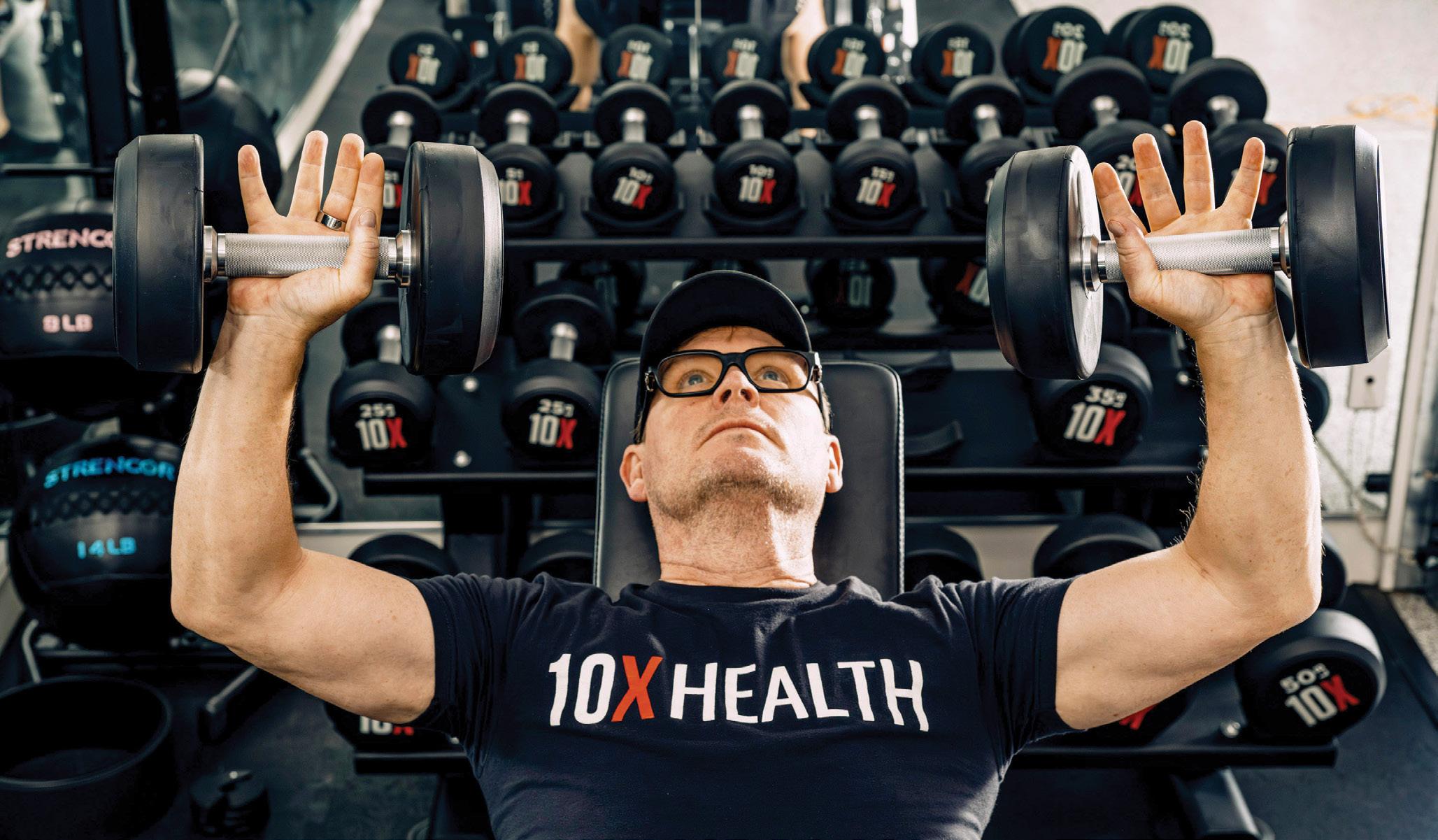
Brandon Dawson, co-founder of 10X Health System and Cardone Ventures , outlines how genetics, biomarkers and AI are reshaping modern wellness
Brandon Dawson is trying to change a simple habit most people never question, how they deal with their health. He advocates for a proactive, data-driven approach to health, moving beyond passive, reactive care. He champions precision health using genetics, biomarkers, and real-time feedback for personalised protocols. Dawson emphasises cellular health, mitochondrial function, and metabolic resilience for longevity. He criticises the supplement industry’s lack of data and quality, and envisions a future where technology and clinics work together globally.
Dawson has built companies that move fast and think big. As co-founder of Cardone Ventures alongside Grant Cardone, and of 10X Health System, he sits at an unusual intersection: one part business strategist, one part precision health architect. He’s direct and wastes no time getting to what he sees as the central problem: how most people engage with their health is categorically wrong. “People are done being passive,” he says. “For decades, the system trained us to show up when something was
wrong, when you’re sick, when you’re in pain, when the numbers are bad. That model is collapsing.” What’s replacing it, Dawson argues, isn’t simply better information. It’s a reckoning with data. The kind that used to sit exclusively inside hospital labs and research institutions is now accessible to anyone willing to look. Genetics, biomarker tracking, and real-time physiological feedback. “That’s not a niche luxury anymore,” he says. “That’s the new baseline expectation for anyone who takes their performance seriously.”
That shift, from reactive care to constant measurement, is where Dawson draws a sharp line between what the wellness industry calls personalisation and what he is actually building. The word ‘personalised’ gets used loosely in wellness, but Dawson says it often disguises a more limited system. One built on averages, surface-level inputs, and incremental optimisation rather than biological specificity. “The industry deserves credit for moving in that direction,” he concedes, “but what most people call ‘personalised health’
is still, in many ways, a more refined version of the same averaging problem. You fill out a lifestyle questionnaire, you get a customised supplement recommendation, maybe you track your steps and your sleep. That’s better than nothing, but it’s not precision.”
Precision, he explains, starts somewhere most wellness programmes don’t go: your DNA. “Your genetic makeup is not a preference or a lifestyle indicator. It’s the foundational code that determines how your body processes nutrients, manages inflammation, responds to training, and metabolises hormones. It’s fixed, it’s specific, and it’s unique to you.”
At 10X Health System, that genetic foundation is layered with live blood biomarker data, over 70 markers covering everything from hormone levels to inflammatory response, and integrated with real-time physiological feedback from wearables. The result is a protocol that could only belong to one person. “Not because we customised a template, but because every recommendation is a direct response to what your specific biology is telling us across three distinct data streams simultaneously.”

Brandon Dawson
On longevity, Dawson strips the concept back to biology. “Longevity isn’t about adding years to your life. It’s about adding life to your years.” At the core of that, he says, is cellular function, not surface-level wellness metrics.
“Most people don’t connect their brain fog or afternoon crashes to mitochondrial inefficiency,” he says, “but that’s exactly what’s happening for a huge percentage of the population.” When mitochondria are compromised through nutrient deficiencies, chronic inflammation or poor sleep, every system pays a price. Metabolic resilience follows the same logic: blood sugar regulation and insulin sensitivity are among the strongest predictors of how well a person ages. “We identify these vulnerabilities before they become conditions,” he says. “The goal isn’t to treat metabolic disease. It’s to ensure it never develops.”
The supplement industry is one of the most crowded, Pic:
“LONGEVITY ISN’T ABOUT ADDING YEARS TO YOUR LIFE. IT’S ABOUT ADDING LIFE TO YOUR YEARS. THE MACHINERY BEHIND THAT IS CELLULAR.”
least regulated spaces in consumer health. Dawson is direct about it. “Our industry has earned the skepticism,” he says.
“There is an enormous amount of noise, influencer-driven supplement stacks, detox protocols with zero clinical backing, marketing that exploits people’s desire to feel better,” he adds.
His position is simple: demand evidence. Not claims, not branding, but measurable biological need. Even when supplements are justified, he argues, quality is often compromised. The issue isn’t just whether an ingredient works, but what form it is delivered in and how the body actually uses it.
He points to vitamin B12 as an example, contrasting synthetic forms with bioactive alternatives. “The question we ask isn’t just whether an ingredient works in theory. It’s whether the specific form gives your body the best possible chance to actually use it.”
Dawson argues that traditional healthcare was never designed for optimisation, only intervention. “Think about what’s already possible,” he says. “You can collect a DNA sample at home and have a comprehensive genetic profile within days. Wearables
give you continuous data on heart rate variability, sleep quality, blood oxygen.” In his view, health is shifting from a clinic-centred model to a continuous data ecosystem where multiple inputs work together in real time.
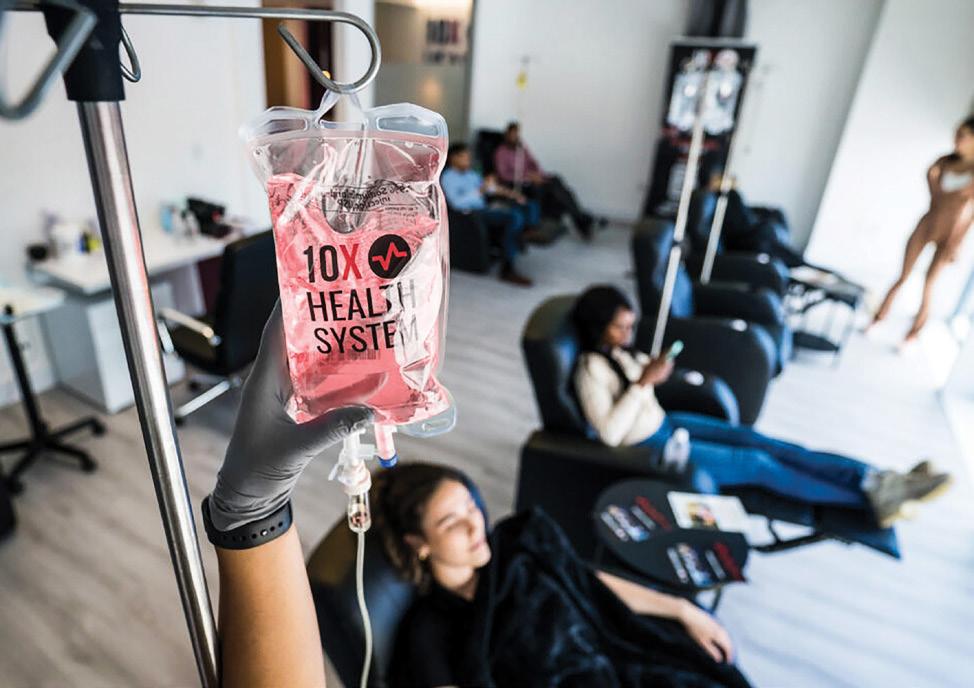
Genetics provide a baseline. Bloodwork reveals internal imbalances. Wearables track ongoing response. “When those three data streams are integrated, the traditional clinic becomes one node in a much larger ecosystem, not the centre of it.” He is careful not to frame this as replacement. “The future isn’t clinic versus consumer technology. It’s both, working in an intelligent, connected system.” 10X Health System currently operates across 46 countries, offering precision IV therapy through certified medical facilities and expanding into gut health testing, hormone optimisation, and its Superhuman Protocol, a three-stage system combining PEMF therapy, oxygen therapy and red light therapy.
On the decade ahead, Dawson identifies three forces he believes will define the next era of wellness: personalisation at scale, AI-powered decision-making, and the globalisation of preventative longevity medicine. “Imagine a system that knows your genetic predispositions, monitors your real-time biomarkers, tracks your sleep and recovery from wearables, and uses all of that to help you make micro-decisions throughout your day, which foods support your hormonal balance, which type of training matches your recovery capacity right now, when to push and when to restore. That’s not science fiction. That’s where we’re heading.”
On geography, he’s equally direct. “I’m particularly energised by what’s happening in regions like the Gulf. Leaders here are not waiting for the future of healthcare to arrive. They’re building it.”
The investment in infrastructure and the ambition around longevity medicine in Abu Dhabi and across the UAE, he says, is genuinely world-class. “This region is going to be central to how precision longevity medicine scales globally over the next decade.”
What building Cardone Ventures alongside Grant Cardone taught him about scale and conviction turns out to be inseparable from how he thinks about health optimisation. “Grant operates at a level of conviction and intensity that forces you to remove your own ceiling,” he says. “The biggest thing I took from building together is that your limitation is rarely the market. It’s the size of your thinking.” Speed and commitment followed as practical lessons. “Most businesses fail not because the idea was wrong but because the execution was too tentative.”
The deeper carry-over is structural. In business, you start by understanding your baseline, where you are financially, operationally, and culturally. You identify
the gaps between that baseline and where you want to go, build precise and measurable interventions to close them, and track the data to know whether your strategy is working. “You don’t guess. You don’t hope. You measure, adjust, and scale what works.” That, he says, is exactly how 10X Health System approaches optimisation. “Your genetics are your baseline blueprint. Your blood work identifies the gaps, the deficiencies, imbalances, and vulnerabilities that are limiting your performance. Your precision protocol is the intervention strategy. And your ongoing testing and wearable data are your performance metrics. The feedback loop is the same.”
What he’s observed consistently across both domains is one shared characteristic among the highest performers. “They’re ruthlessly honest about where they are. They don’t rationalise the bad numbers. They face them, they address them, and they use them as a starting point. Whether it’s a P&L or a blood panel, the willingness to look at the truth without flinching is the foundation of every meaningful result I’ve ever seen.”
The importance of building community around a vision, of making people feel part of something larger than a transaction, is something he has carried from Cardone Ventures directly into 10X Health System. “We’re not just selling a product or a test. We’re inviting people into a fundamentally different relationship with their own health. The mission has to be bigger than the business.” L
BY NEESHA SALIAN
Family businesses often face heightened pressure during periods of uncertainty, where disruption can test ownership structures, decision-making processes and long-term continuity plans.
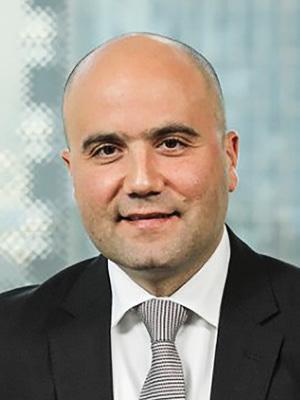
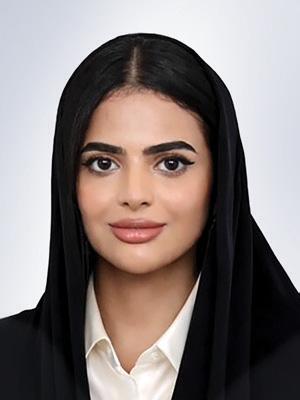
Here, Naji Hawayek (NH), partner – Corporate at Addleshaw Goddard, and Ghalya Rashid (GR), counsel – Corporate at Addleshaw Goddard, share how robust legal and governance frameworks can help family enterprises strengthen resilience, manage risk and ensure smooth generational transition.
Why are legal frameworks important for family businesses during times of uncertainty?
NH: Periods of uncertainty, whether driven by economic disruption, geopolitical developments or external shocks, highlight the importance of strong legal foundations in family businesses. Clear ownership structures, governance arrangements and succession planning help safeguard continuity, preserve enterprise value and enable faster decision-making. Families that put in place shareholder agreements and formal holding or foundation structures are typically better equipped to maintain stability across generations.
How can structural resilience be achieved?
GR: Structural resilience is often achieved through holding structures and the separation of business activities into distinct legal entities. This ring-fencing approach ensures that liabilities in one part of the business do not spill over into others, protecting the wider group and preserving overall value during periods of stress.
Why are governance and succession frameworks important?
NH: Governance and succession arrangements should be clearly documented and regularly updated. Constitutional documents such as shareholder agreements, articles of association and family governance charters should define ownership transfer, voting rights and leadership succession. Tools such as alternate directors or delegated authority mechanisms also ensure continuity when key individuals are unavailable.
What role do formal structures play?
GR: Foundations and holding companies, particularly those established in jurisdictions such as DIFC or ADGM,
are increasingly used to formalise ownership and succession planning. These structures separate legal ownership from beneficial interests and provide clarity around control. However, they require alignment across the family and are most effective when implemented proactively rather than during disruption.
How should diversification of investments be approached?
NH: Diversification should be supported by appropriate legal structuring, often through jurisdiction-specific entities. This helps manage regulatory exposure, mitigate cross-border risk and protect assets. Legal and tax advice is essential to ensure structures are efficient and compliant.
Why is the capital and liquidity strategy important?
GR: Clear policies on capital allocation, dividends and liquidity management should be embedded in shareholder agreements. Formalising these rules helps reduce disputes, ensures consistency and strengthens financial resilience during periods of stress.
What is the importance of insurance and risk transfer?
NH: Insurance plays a key role in shareholder-level risk management. Coverage such as business interruption, directors’ and officers’ liability and cyber insurance should be regularly reviewed to ensure alignment with risk exposure. Legal oversight ensures policies respond effectively when needed.
How can family businesses ensure operational agility?
GR: Governance structures should allow for flexibility in decision-making
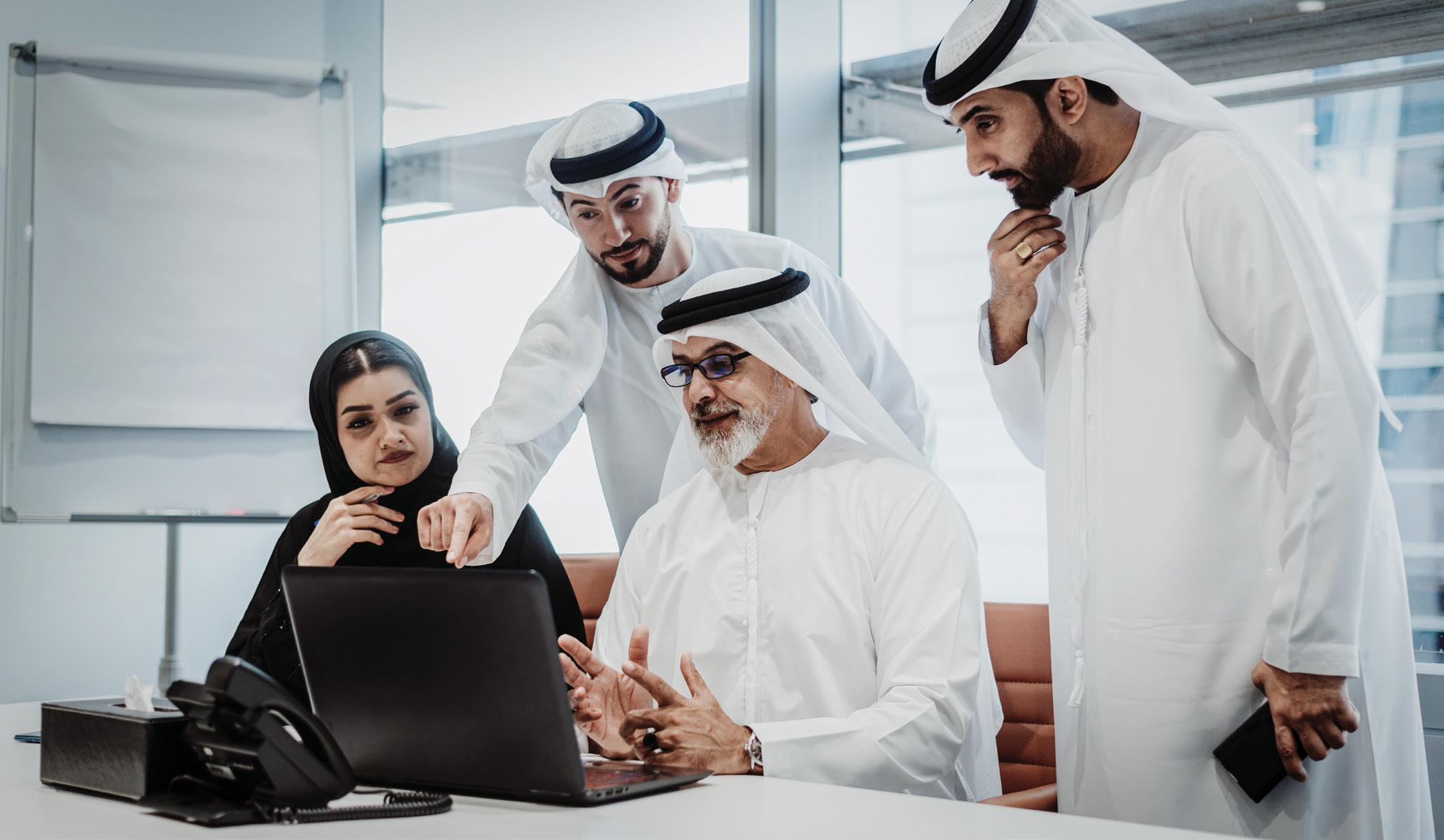
CONSTITUTIONAL DOCUMENTS SUCH AS SHAREHOLDER AGREEMENTS, ARTICLES OF ASSOCIATION AND FAMILY GOVERNANCE CHARTERS SHOULD DEFINE OWNERSHIP TRANSFER, VOTING RIGHTS AND LEADERSHIP SUCCESSION.”
during disruption. Delegated authority, alternate directorships and emergency provisions help ensure operations continue smoothly when key individuals are unavailable.
What is the role of business continuity planning?
NH: Business continuity planning should be formally documented, regularly reviewed and aligned with regulatory and contractual obligations. These plans provide a structured framework for responding to operational disruption.
Why are cybersecurity and digital readiness critical?
GR: Cybersecurity is central to operational resilience. Family businesses need clear policies on data protection, system security and incident response, supported by testing. Legal oversight ensures compliance and manages liability in the event of a breach.
How should diversification strategies be executed?
NH: Execution of diversification strategies should be structured through ring-fenced entities such as special purpose vehicles. This allows targeted investment while containing risk. Corporate approvals ensure clarity on authority and accountability.
What should be considered in contractual risk and force majeure analysis?
GR: Key commercial contracts should be reviewed for force majeure provisions, termination rights and liability limitations. Regular legal review helps identify exposure and preserve rights during periods of disruption.
Why are internal communication and reporting important?
NH: Clear communication structures ensure alignment between management and shareholders. Defined reporting lines, escalation procedures and internal policies support coordinated responses and regulatory compliance during disruption.

TALA KHLAT OF DUBAI HOLDING EXPLAINS HOW ‘GIFT IT FORWARD’ IS LINKING SURPLUS INVENTORY TO SOCIAL IMPACT WHILE SUPPORTING THE UAE’S CIRCULAR ECONOMY AMBITIONS
As sustainability targets tighten across the UAE, businesses are being pushed to rethink not just what they produce, but what they waste. Within this shift, initiatives that sit at the intersection of philanthropy and operational efficiency are starting to gain traction, moving beyond traditional CSR into something more embedded and measurable.
At Dubai Holding, that thinking has taken shape through “Gift It Forward”, a programme that redirects surplus inventory into community use while supporting broader circular economy goals. In conversation
BY NEESHA SALIAN
with Gulf Business, Tala Khlat, director of Philanthropy at Dubai Holding, explains how the initiative is evolving into a scalable model, one that ties social impact to supply chain optimisation, aligns with national strategies like UAE Net Zero 2050, and is beginning to reshape how companies approach responsibility in a resourceconstrained world.
Gift It Forward seems to go beyond traditional CSR initiatives to combine community giving with scalable circular economy impact. What inspired this approach?
The initiative was born from a dual challenge: how can we create positive impact in the communities we serve while promoting sustainable business practices? In 2024, we recognised that many businesses, including our own, were managing high volumes of surplus inventory. These unused items were tying up valuable resources in storage and logistics, driving operational costs and, too often, ending up in landfills. Gift It Forward was a solution that allowed us to divert surplus stock from our portfolio directly to those who could benefit. It marked a shift from traditional donations to a model that embedded sustainability in philanthropy by giving unused items a second life while bringing joy to people’s lives. The initiative resonated beyond our ecosystem – other businesses in the UAE joined us to support a more effective and impactful way to mitigate waste and uplift local communities. We worked with the Community Development Authority (CDA) and our outreach partners to identify where our donations would create the most impact. With their network and expertise, we identified and engaged our beneficiaries, which included blue-collar workers, People of Determination, orphans, students, taxi drivers and families in need.
Beyond the philanthropic aspect, how does the initiative specifically help more than 55 of your corporate partners optimise their supply chains and manage surplus inventory more efficiently?
Gift It Forward is a win-win for our
partners. It’s a practical way to handle surplus inventory, ranging from unsold items to branded merchandise. By transforming excess into a tool for good, businesses can reduce their overall environmental footprint while giving back to communities.
It’s not just about efficient storage management and waste mitigation. This initiative provides partners with invaluable insights into their own production cycles. By evaluating the volume and types of items donated, companies have an opportunity to reflect on their procurement and production practices. It promotes a mindset of conscious consumption and production at the source, making Gift It Forward as much about driving behavioural change in the long-term as it is about providing immediate community support.
You’ve reported a diversion of 115 tonnes of waste from landfills across 2024 and 2025. How does this feed into broader strategic goals across Dubai and the UAE?
Diverting waste from landfills is a tangible way to contribute to a more sustainable future and support the UAE’s national strategies, including Dubai’s zero waste by 2041 ambitions.
Through the initiative, we are bridging business surplus, corporate sustainability and social impact, encouraging a circular economy that prioritises giving more and wasting less. This directly contributes to the UAE’s Net Zero 2050 Strategy and aligns with the Dubai Integrated Waste Management Strategy 2041. We have cultivated a diverse ecosystem of public and private partners, enabling us to shape a clear path for collective, cohesive action that inspires sustainable business practices and serves the greater good.
This year, you’ve also partnered with the Dubaibased B2B platform, The Surpluss. What does this collaboration introduce to the initiative?
The Surpluss has been a vital partner in our journey, helping us strengthen the initiative’s impact and efficiency, from donation procurement to marketplace distribution. It is a homegrown climate tech startup, and last year’s runner-up from our ‘Innovate For Tomorrow’ impact accelerator programme. The Surpluss offers businesses a digitally enabled portal to exchange surplus goods.
The team has brought its expertise in facilitating the exchange of excess materials and resources to Gift It Forward. As part of this partnership, we collaboratively built an innovative digital platform that enhances donation logistics, traceability and environmental transparency for partner organisations. They can track and measure the impact of their donations in
real-time, helping support their sustainability goals and ultimately strengthening the overall success of the initiative.
You’ve chosen a model of ‘interactive markets’ across several locations in the UAE, rather than traditional distribution. Why is the ‘dignified choice’ approach more effective?
We organise pop-up marketplaces where our beneficiaries can browse, explore and select items based on their needs or those of their family – whether here in Dubai or in their home country. More than receiving pre-packed donation boxes, this affords everyone a respectful, inclusive and choice-based ‘shopping-style’ experience. Another positive about this model is the impact it leaves on our volunteers, from across Dubai Holding and partner businesses. They witness the spirit of community first-hand, creating more space for connection and gratitude. Our aim is to promote volunteering in the workplace and encourage mindful behavioural change, creating a ripple effect of awareness that extends beyond the marketplaces. To drive the message home, we introduced sustainability trainings for our volunteers to learn more about circularity and why it’s so important.
How do you imagine this initiative influencing private sector responsibility within the UAE?
We envision Gift It Forward as a blueprint for purpose-driven corporate responsibility in the UAE. It demonstrates that philanthropy does not have to be a one-off event but can be integrated into your business as a scalable, evolving experience that delivers meaningful and measurable socio-environmental impact. The collaborative nature of this initiative also enables us to continue growing the platform, which we can see in the year-on-year increase in the volume of items donated, beneficiaries reached and environmental impact mitigated. In 2024 and 2025, we cumulatively donated 440,000 brand-new items, reaching more than 26,000 beneficiaries. This year alone, thanks to the contributions of more than 55 partners, we have collected more than 500,000 brand-new items, enabling us to reach more individuals and divert more waste from landfills.
What is the long-term vision for the initiative’?
We see an opportunity to grow Gift It Forward into a lasting initiative that uplifts communities and promotes circular giving. Our goal is to continue diversifying our beneficiaries and expanding our impact across the diverse communities we serve. We hope to provide a blueprint for businesses within and beyond the UAE looking to drive tangible shifts while at the same time encouraging dialogue around how we collectively produce and consume. It’s not just a matter of donating unused inventory but catalysing a change in consumer behaviour – one that contributes to a more circular tomorrow. L
BY NEESHA SALIAN
In global trade today, logistics has moved from the background to the centre of business strategy, shaping how companies scale, compete, and respond to disruption. From geopolitical tensions to the rapid rise of e-commerce, supply chains are under constant pressure to be faster, smarter, and more resilient. Against this backdrop, Kami Viswanathan, president of FedEx Middle East, Indian Subcontinent and Africa, is navigating one of the most complex operating environments in the industry.
Here, she shares how FedEx is redesigning its network for a world of continuous disruption, the evolving role of logistics in driving growth, and what it takes to lead in a sector that is rapidly redefining itself.
As a female leader in a traditionally male-dominated industry, what advice would you give women entering logistics today that goes beyond work harder and be resilient?
In an increasingly fluid global business environment, supply chain resiliency is becoming more critical than ever. Logistics is no longer a back-end function; it is central to how businesses grow and compete. That shift alone makes this one of the most exciting industries for women to step into today.
As the backbone for global trade and commerce, logistics offers many opportunities for career growth. Be intentional about where you place yourself. Choose organisations where performance is rewarded, where leaders invest in people, and where you are given the space to lead early. Organisational culture will accelerate or limit your trajectory far more than any single role.
Second, don’t self-select out of operational or technical roles. Some of the most influential positions in logistics sit at the intersection of operations, engineering, and decision-making. Women who lean into these spaces early build disproportionate credibility.
Third, build your voice, not just your capability. In a complex, fast-moving industry, asking the right questions and challenging assumptions is often more valuable than having all the answers. And finally, think of your career as a portfolio of experiences, not a ladder. Don’t be riskaverse in taking on new projects. Logistics offers exposure across markets, functions, and technologies. The more deliberately and boldly you navigate that breadth, the faster you move from participant to leader.
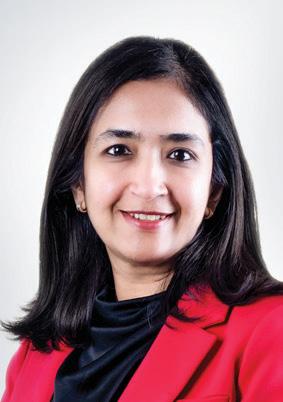
Supply chain shocks have shifted from rare events to a recurring reality. How is FedEx redesigning its network and decision-making processes to operate in a constant state of disruption rather than reaction? Disruption is no longer episodic; it is structural. The real shift for us has been moving from a model of recovery to a model of continuous adaptation.
At FedEx, resilience is engineered into both our physical network and our decision-making architecture. Our multimodal network across air, road, and ocean ensures we are not dependent on a single corridor or geography. Investments such as our hub at Dubai World Central, the Middle East Road Network, and expanded presence and connectivity in Saudi Arabia are designed to increase route density and give us options when conditions change. In recent months, disruptions across parts of the Middle East have required rapid adjustments to traditional air and ground corridors. At FedEx, this has meant activating alternative gateways and strengthening regional road connectivity to ensure shipments continue to move across markets. What truly changes the equation is data. Tools like FedEx Surrou and SenseAware allow us to predict risk, not just respond to it, particularly for high-value, timesensitive shipments.
The outcome for customers is simple: earlier visibility, more routing choices, and the ability to make better decisions ahead of disruption, not after it.
How is FedEx helping retailers turn logistics into a competitive advantage rather than a cost centre?
Across the Gulf’s fast-growing e-commerce market, logistics is becoming a key driver of conversion and customer

loyalty. In many ways, the delivery experience is now an extension of the brand experience.
The delivery journey plays a critical role in shaping customer trust and repeat purchases. Factors such as shipping costs, delivery timelines, and clarity on duties and taxes can directly influence buying decisions and overall satisfaction.
At FedEx, our focus is on helping reduce this complexity through integrated, digitally enabled solutions. Services like FedEx International Connect Plus are designed to offer a balance of speed and cost efficiency for crossborder shipments, while our digital tools provide greater transparency on duties, taxes, and delivery timelines upfront. The post-purchase experience is equally important. Digital capabilities such as FedEx Delivery Manager and Picture Proof of Delivery give consumers greater control and confidence, while seamless returns solutions help retailers close the loop and encourage repeat purchases.
Increasingly, customers are not looking for standalone services, but for integrated, end-to-end solutions that support the entire e-commerce journey.
Where do you see the biggest logistics gaps preventing regional SMEs from scaling internationally?
As Gulf economies accelerate diversification, SMEs are playing a central role in driving cross-border trade.
While small businesses are often competitive on product and innovation, expanding globally introduces additional considerations such as regulatory requirements, customs processes, and limited shipment visibility. These can make planning and scaling more challenging. Fragmentation can further add to this, as SMEs often work with multiple providers across transport, clearance, and last-mile delivery, increasing coordination efforts and costs.
The opportunity, therefore, is simplification. At FedEx, our role is to bring these elements together through an integrated network and digital platform, so businesses can access global markets without having to
build that infrastructure themselves. When logistics becomes seamless, SMEs can focus on what they do best, building and selling great products, while scaling internationally with far greater certainty. For many SMEs, the challenge is less about opportunity and more about navigating the systems around it.
Sustainable logistics often comes with higher short-term costs. How do you balance environmental commitments with commercial realities?
FedEx has a long track record of managing environmental impacts, and we’ve made significant progress growing our business while reducing our emissions in our operations. Efficiency is often overlooked as a key driver while other innovations mature and costs normalise. In logistics, efficiency is the foundation of any sustainability initiative, particularly in markets like the UAE, where sustainability is increasingly a national priority.
Every improvement in route optimisation, fleet modernisation, or facility design helps reduce emissions while also enhancing operational efficiency. This principle underpins how we invest across our network.

The outcome for customers is simple: earlier visibility, more routing choices, and the ability to make better decisions ahead of disruption, not after it.
At the same time, we take a measured approach in our transition to zero tailpipe-emission vehicles to ensure the technology meets the demands of our operations. The deployment of electric fleets in markets such as the UAE and investments in more fuel-efficient aircraft are all part of building a lower-emissions, higherefficiency network. Facilities like our hub at Dubai World Central further reinforce this approach through sustainable design, energy efficiency, and renewable energy integration.
Tools like FedEx Sustainability Insights (FSI) are another important level. FSI provide customers with greater visibility into the environmental impact of their shipments, enabling more informed decision-making.
Ultimately, sustainability at scale is most effective when it is embedded into how the network operates, rather than treated as a parallel initiative. L
BY NEESHA SALIAN

espite global disruptions, the Middle East automotive market demonstrates resilience, fuelled by strong demand and brand loyalty. Nissan prioritises the region, focusing on trust and evolving customer expectations around ownership. The automaker’s strategy centres on providing a seamless experience through digital integration and strong partner networks.
As global supply chains face renewed disruption and geopolitical tensions continue to test market stability, the Middle East’s automotive sector is holding its ground, underpinned by strong demand and deep-rooted brand loyalty. For carmakers, the region is not just weathering uncertainty, it is reinforcing its role as a core growth engine. In this interview with Gulf Business, Thierry Sabbagh, divisional vice president and president, Middle East, Saudi Arabia, CIS and India, Nissan and INFINITI, discusses how the company is navigating the current environment, why trust is emerging as a defining factor in purchase decisions, and how customer expectations around ownership are evolving.
Sabbagh also outlines the brand’s strategic priorities in the region, its response to logistical challenges, and the factors sustaining momentum for key models such as the Patrol and X-Trail.
In a period of wider global uncertainty, where does the region sit in Nissan’s strategic priorities?
The Middle East automotive market continues to demonstrate remarkable resilience, even in the face of current geopolitical and logistical pressures. While recent disruptions, particularly across key shipping routes, have created short-term complexity, these challenges are primarily logistical rather than structural. Demand fundamentals remain robust, underpinned by deepseated customer trust.
For Nissan, the Middle East remains a strategically important market and a core driver of our global performance. It is a region where we have nearly 70 years of heritage and a consistent track record of results. Our presence dates back to the 1950s, with markets like Kuwait among the first to see a Patrol on their roads. We continue to work with long-standing partners across the region, including in the UAE, who have been with us for over 50 years. This enduring legacy has forged powerful brand equity, positioning the region as a primary engine of our global performance and a vital contributor to the Re:Nissan global plan. This role is further solidified by a steady
pipeline of innovative products and iconic nameplates tailored specifically for our Middle Eastern customers. As we look ahead, our focus is clear: maintain continuity, support our partners and customers, and build on our momentum through disciplined execution and productled offensive.
In today’s market, what really drives automotive purchase decisions: price, product, or trust in the brand behind it?
It’s no longer a choice between price, product, or trust – it’s about the ecosystem that connects them. While price would always be a factor, it is no longer the sole driver. In a region where geopolitical and logistical shifts are part of the landscape, customers have become more deliberate. They are moving away from “transactional” buying and toward brands that offer long-term stability and a seamless ownership experience. Our strategy isn’t just about selling a car; it’s about the peace of mind that comes with a robust partner network, parts availability, and digital integration. When the environment becomes complex, “trust” becomes a very practical currency. For us, this trust is visible in the enduring loyalty to our most iconic nameplates. When a customer chooses a Patrol, or an enthusiast goes for a NISMO or GT-R, they aren’t just buying performance – they are investing in a 70-year legacy of reliability. That heritage allows us to stay close to our communities, ensuring that we continue to support them and deliver value consistently across every product, service, and brand touchpoint. Even when decision-making cycles get longer, the intent to stay with Nissan remains stronger.
Is the traditional ownership model changing in the region? To what extent are customers now expecting greater support across the ownership journey?
Customers in the Middle East are not necessarily rethinking ownership itself, but they are certainly redefining what they need from it. Especially during periods of uncertainty, the “return on investment” is no longer measured in horsepower or price, but in reassurance. People still want to own their vehicles, but they expect that experience to be simpler, more flexible and more connected from start to finish. This shift plays directly to our strength, as we are naturally prepared with an established omnichannel approach that seamlessly bridges the digital and physical worlds. The journey often begins with Shop@Home, which allows customers to explore and engage on their own terms
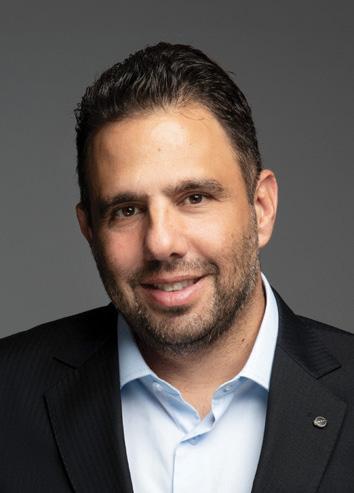
before transitioning into our physical touchpoints without any friction. It’s about being present wherever the customer is, ensuring the transition between a screen and a showroom is entirely invisible. Once on the road, we continue to build on this foundation through a connected ecosystem that transforms the vehicle into a service. Through NissanConnect and the MyNissan App, we provide real-time convenience and digital integration that keeps the customer supported at all times. When you combine these tools with service innovations like NissanService, the value equation shifts. It ensures that ownership is no longer just about handing over a key, but about providing continuous peace of mind and reducing complexity at every stage of the journey.
Has the current regional situation impacted Nissan’s business?
IT’S NO LONGER A CHOICE BETWEEN PRICE, PRODUCT, OR TRUST – IT’S ABOUT THE ECOSYSTEM THAT CONNECTS THEM.”
While no industry is entirely immune to global logistical shifts, our focus has been on navigating these complexities with agility. We are actively managing our supply chain to ensure we remain responsive to market conditions, making tactical adjustments where necessary to maintain a healthy flow of vehicles to our customers and partners. What is most important is that our underlying performance remains exceptionally strong. In the first nine months of our 2025 fiscal year (April–December 2025), we have seen a significant positive trend, with an 8 per cent increase in overall performance compared to the same period in FY24. This momentum is driven by deep customer demand for our core lineup, specifically the X-Trail and the iconic Patrol, which continue to see robust growth. The fact that production for high-demand models like the Patrol remains at normal levels is a testament to the strategic priority we place on this region. We view these short-term logistical challenges as manageable operational realities, rather than structural shifts. Our outlook remains firmly positive, supported by a market that continues to show a strong appetite for the Nissan brand and a clear path for sustained growth as we move forward. L
BY NEESHA SALIAN

Internet stability is often assumed to be constant, but it is really the product of thousands of networks, operators, and institutions working in coordination behind the scenes. As geopolitical tensions, rising data demand, and infrastructure dependencies reshape the digital landscape, the question of what keeps the internet resilient has become more urgent than ever. Hans Petter Holen, CEO of RIPE NCC (Réseaux IP Européens Network Coordination Centre), speaks about how this distributed system is managed in practice, and what it will take to keep it stable in an increasingly complex world.
RIPE NCC is a not-for-profit regional internet registry for Europe, the Middle East, and Central Asia, serving over 20,000 members in 76 countries. The organisation registers IP addresses and ASNs and acts as the secretariat to the RIPE community. As one of the world’s five regional internet registries, RIPE NCC works closely with network operators, governments, and industry stakeholders to maintain a stable, resilient, and secure internet ecosystem, ensuring digital services keep running even under geopolitical pressures.
Here are excerpts from the conversation.
How is internet stability maintained across interconnected regions during times of regional uncertainty or conflict?
Internet stability is maintained not by a single switch or authority, but by a decentralised system distributed across many networks. The more networks diversify their upstreams and strengthen local and regional interconnection, the more resilient they become, enabling them to absorb shocks and continue operating during crises. The RIPE NCC supports this resilience by coordinating IP addresses and Autonomous System Numbers (ASNs), promoting routing security, operating measurement platforms such as RIPE Atlas and RIS, and helping strengthen critical internet infrastructure through K-root.
What behind-the-scenes coordination occurs between network operators, governments, and other stakeholders to keep digital networks running smoothly and reliably?
Much of this coordination never makes the headlines, but it is essential to keeping the internet stable. Network operators work closely together, reroute traffic when needed, manage interconnection, respond to incidents, and maintain continuity under changing conditions. Governments and regulators also have an important role, not by running the networks themselves, but by enabling trusted cooperation, supporting resilient infrastructure, and avoiding policy or administrative obstacles that can slow response in critical moments. The RIPE NCC supports this ecosystem by providing neutral data, trusted coordination platforms, training, and technical expertise that help stakeholders work together more effectively.
What emerging trends in IP address allocation and digital infrastructure reflect the region’s growing connectivity and global integration?
The clearest trend is that the future is IPv6, while IPv4 is now a constrained legacy resource. In the RIPE NCC
service region, recovered IPv4 space is allocated through a waiting list, and transfers continue in the market, which shows that scarcity is permanent, not temporary. At the same time, the Middle East is seeing stronger IPv6 uptake in several countries, more IXPs, more regional cloud and content presence, and a broader interconnection ecosystem, all of which point to deeper digital integration with global networks.
What key lessons can businesses and policymakers learn about planning and managing resilient digital systems in a rapidly evolving landscape?
Resilience is not a one-time investment; it is a design principle. Businesses and policymakers need to reduce concentration risk, build redundancy across critical layers of infrastructure, and avoid dependencies that become liabilities in times of stress. The policy lesson is equally important, resilience is best supported by diversity, secure connectivity, open standards, and strong operational capacity. Recent events in the Middle East have shown that centralisation and localisation on their own do not guarantee stability. What matters is whether systems are flexible, distributed, and prepared to adapt under pressure.
How does RIPE NCC approach cybersecurity and protection against potential disruptions that could affect multiple countries simultaneously?
The RIPE NCC’s approach is to strengthen the technical foundations that reduce systemic risk across networks, especially through the resource public key infrastructure (RPKI) for routing security, measurements that improve visibility, support for open standards, trusted registry services, and capacity building for operators and policymakers. That matters because many large disruptions are caused or amplified by misconfigurations, route leaks, hijacks, and weak observability, all of which require ecosystem-wide discipline rather than isolated action.
What strategies are most effective in ensuring critical services, like banking, healthcare, and government systems, remain operational under pressure?
Critical services should avoid depending on a single carrier, a single data centre, a single DNS path, or a single international route, and they should validate that failover works in practice, not only on paper. Strong
IS MAINTAINED NOT BY A SINGLE SWITCH OR AUTHORITY, BUT BY A DECENTRALISED SYSTEM DISTRIBUTED ACROSS MANY NETWORKS.”
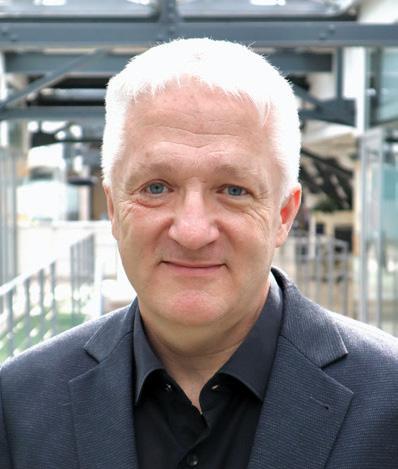
local interconnection, regional content presence, resilient DNS, and secure routing help ensure that essential services can still be reached even when international paths are degraded or traffic patterns change suddenly.
How do cross-border dependencies in the Middle East and Europe impact digital infrastructure resilience, and what steps can be taken to reduce single points of failure?
Cross-border dependencies are both a strength and a risk. They create access to larger markets, cloud ecosystems, and transit diversity, but they can also expose countries to external chokepoints when too much traffic relies on a small number of gateways, hubs, or overseas paths. The answer is not isolation, it is smarter diversification, more regional peering, stronger IXPs, broader cloud and content distribution, multiple upstreams, more domestic and regional routing options, and better measurement of where traffic actually goes. RIPE NCC’s own work on IXPs in the Middle East shows both the progress made and the remaining room to reduce unnecessary out-ofregion detours.
Which emerging technologies or approaches, such as AI-driven monitoring or decentralised networking, are likely to strengthen internet stability in conflict-prone or high-demand regions?
The future of Internet resilience will be shaped by technologies that improve visibility, speed, and flexibility. AI-driven monitoring can help detect and contain problems faster, but only when it is supported by strong data and sound operational practice. Over the longer term, the real gains will come from combining intelligent automation with secure routing, IPv6, stronger interconnection, distributed infrastructure, and better measurement. Resilience is not about one transformative tool; it is about building a smarter and more distributed system overall. L
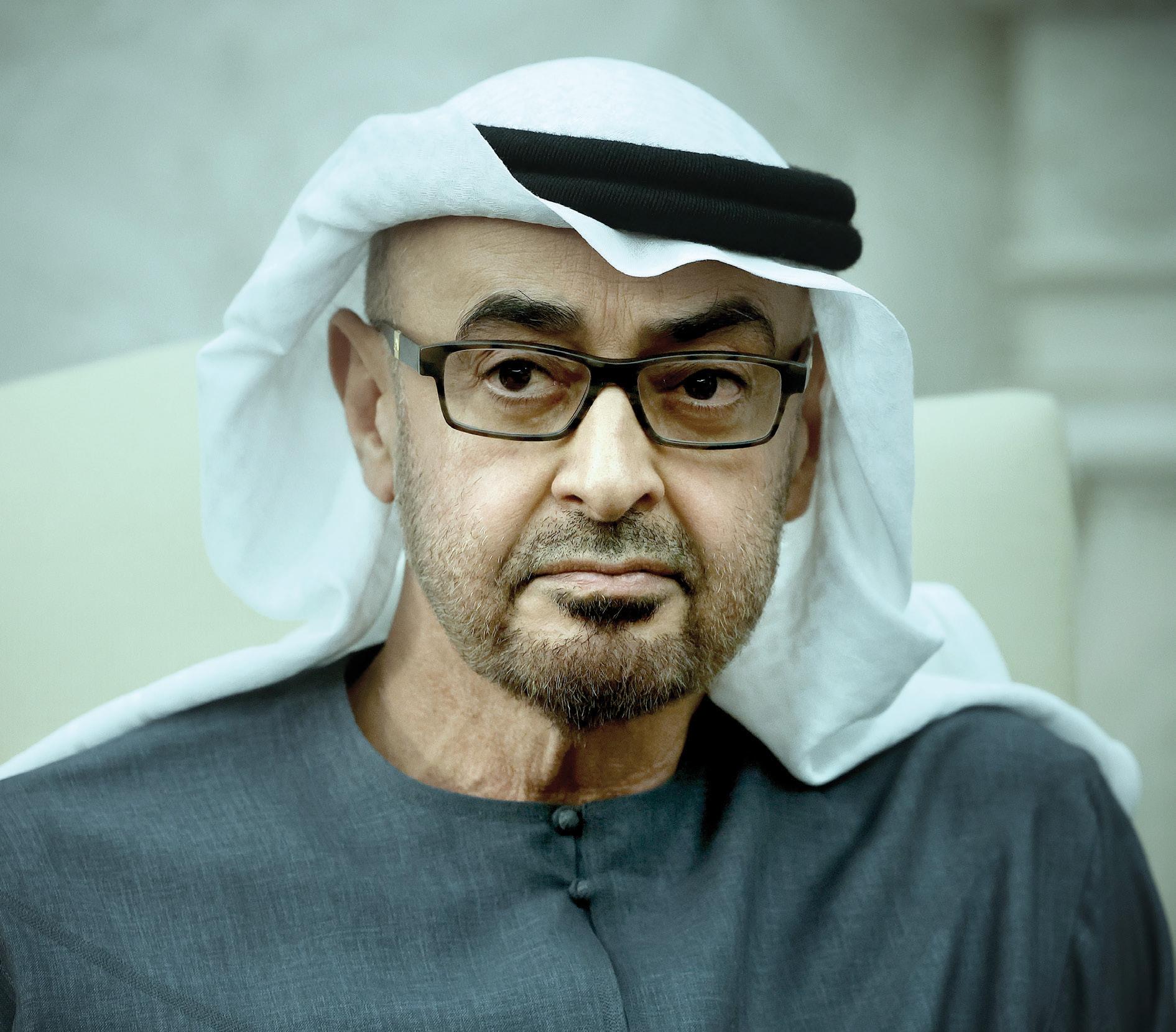
THE
UAE REMAINS, AS IT HAS ALWAYS BEEN, A BEACON OF GOODWILL, PEACE, PROGRESS, AND FRATERNITY IN THE REGION AND THE WORLD. WE WILL CONTINUE TO WORK FOR THE BENEFIT OF HUMANITY EVERYWHERE AND PURSUE A FUTURE THAT BRINGS PEOPLE CLOSER TOGETHER.”