ICONIC MENA COMPANIES
From ADNOC to ANAX, 50 businesses shaping the region
DETAILS IN THE DATA
How new insights are impacting precision medicine
ICONIC MENA COMPANIES
From ADNOC to ANAX, 50 businesses shaping the region
DETAILS IN THE DATA
How new insights are impacting precision medicine
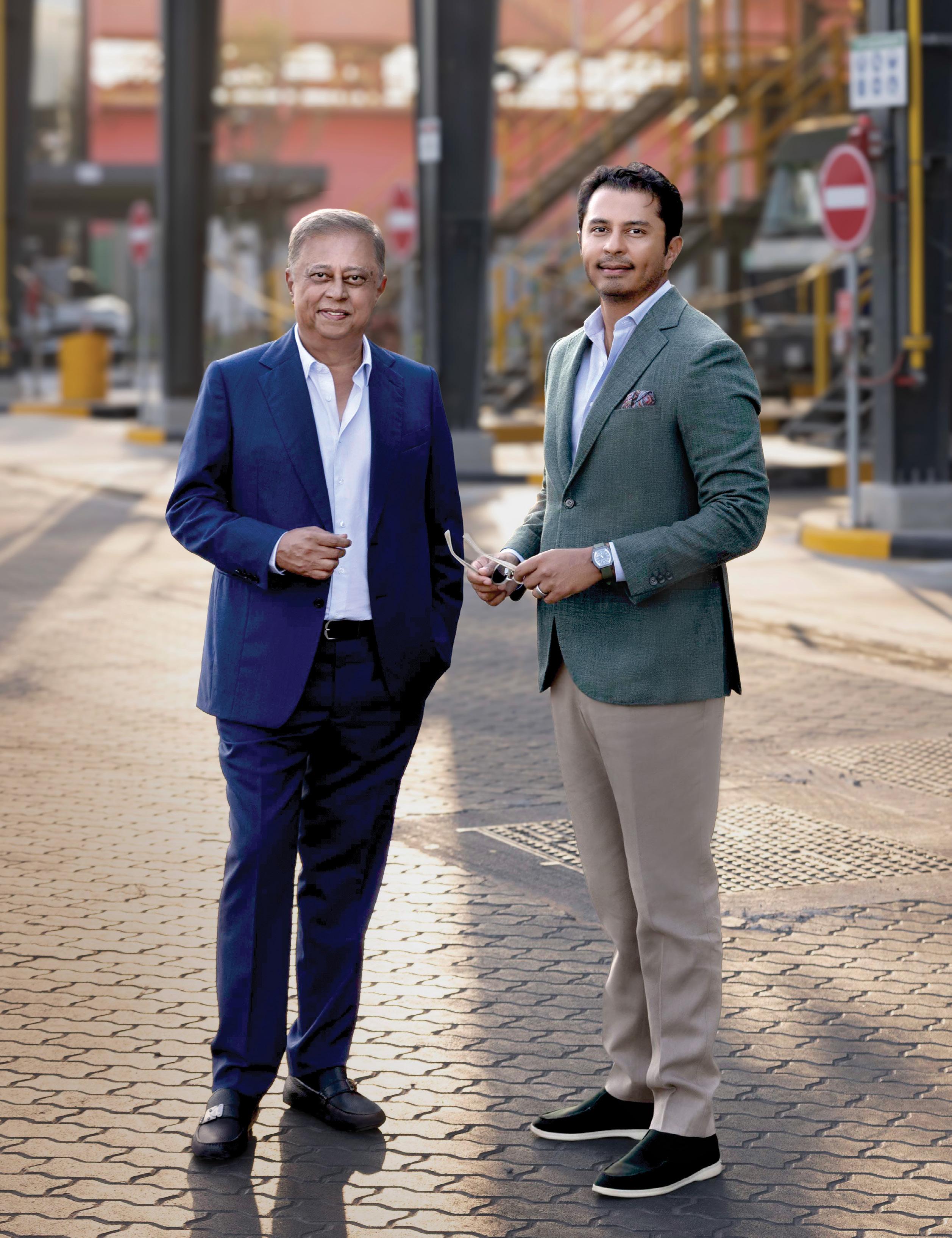
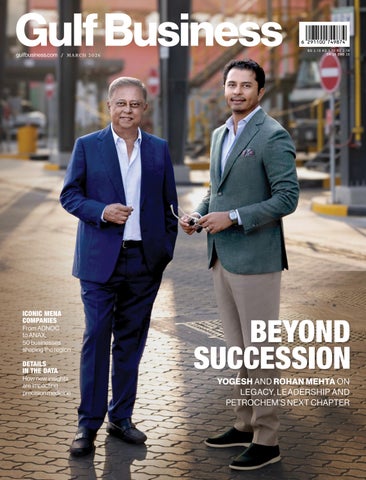
YOGESH AND ROHAN MEHTA ON LEGACY, LEADERSHIP AND PETROCHEM’S NEXT CHAPTER
09
An insight into the news and trends shaping the region with perceptive commentary and analysis

28
Rohan and Yogesh Mehta share how the region’s leading petrochemicals distributor plans to turn a Dhs300m investment into long-term expansion
35
The companies shaping the Middle East and North Africa aren’t just building businesses — they’re building the region itself. These are the 50 to watch



Smooth moves
Managing director Karim-Christian Haririan explains how BMW ME grew 27 per cent in two years p.61
A lion and a billionaire Flavio Briatore has been building brands people can’t stop talking about for 30 years p.58

Racing ahead
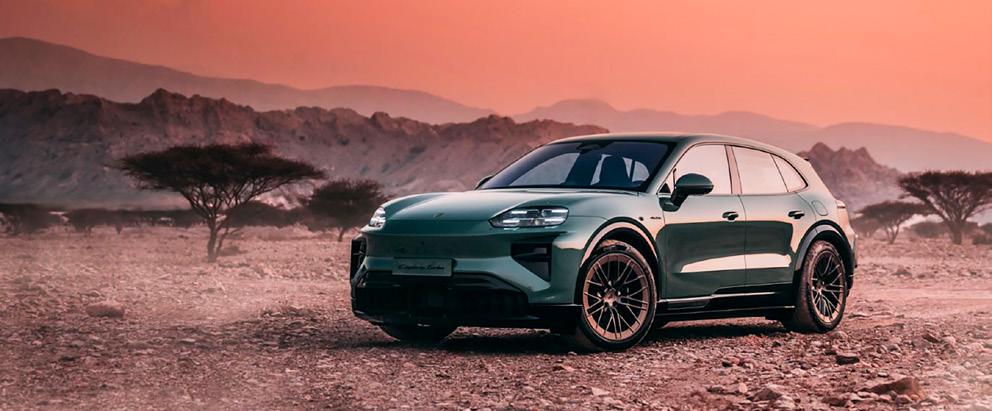
How Porsche Middle East and Africa delivered its strongest year in over a decade p.64
“The
global wealth landscape is undergoing a structural
shift. In an environment of volatility, regulatory divergence and generational change families are thinking about risk, resilience and long-term growth.
Arif Amiri,
CEO of DIFC Authority
Editor-in-chief Obaid Humaid Al Tayer
Managing partner and group editor Ian Fairservice
Chief commercial officer Anthony Milne Anthony@motivate.ae
Group content director Thomas Woodgate Thomas.Woodgate@motivate.ae
Publishing director Manish Chopra Manish.Chopra@motivate.ae
Group editor Gareth van Zyl Gareth.Vanzyl@motivate.ae
Editor Neesha Salian Neesha.Salian@motivate.ae
Deputy editor Rajiv Pillai Rajiv.Pillai@motivate.ae
Reporter Nida Sohail Nida.Sohail@motivate.ae
Senior art director Freddie N Colinares Freddie@motivate.ae
General manager – production S Sunil Kumar
Production manager Binu Purandaran
Assistant production manager Venita Pinto
Digital sales director Mario Saaiby Mario.Saaiby@motivate.ae
Sales manager Hitesh Kumar Hitesh.Kumar@motivate.ae
HEAD OFFICE: Media One Tower, Dubai Media City, PO Box 2331, Dubai, UAE, Tel: +971 4 427 3000, Fax: +971 4 428 2260, motivate@motivate.ae DUBAI MEDIA CITY: SD 2-94, 2nd Floor, Building 2, Dubai, UAE, Tel: +971 4 390 3550, Fax: +971 4 390 4845 ABU DHABI: PO Box 43072, UAE, Tel: +971 2 657 3490, Fax: +971 2 677 0124, motivate-adh@motivate.ae SAUDI ARABIA: Regus Offices No. 455 - 456, 4th Floor, Hamad Tower, King Fahad Road, Al Olaya, Riyadh, KSA, Tel: +966 11 834 3595 / +966 11 834 3596, motivate@motivate.ae LONDON: Acre House, 11/15 William Road, London NW1 3ER, UK, motivateuk@motivate.ae



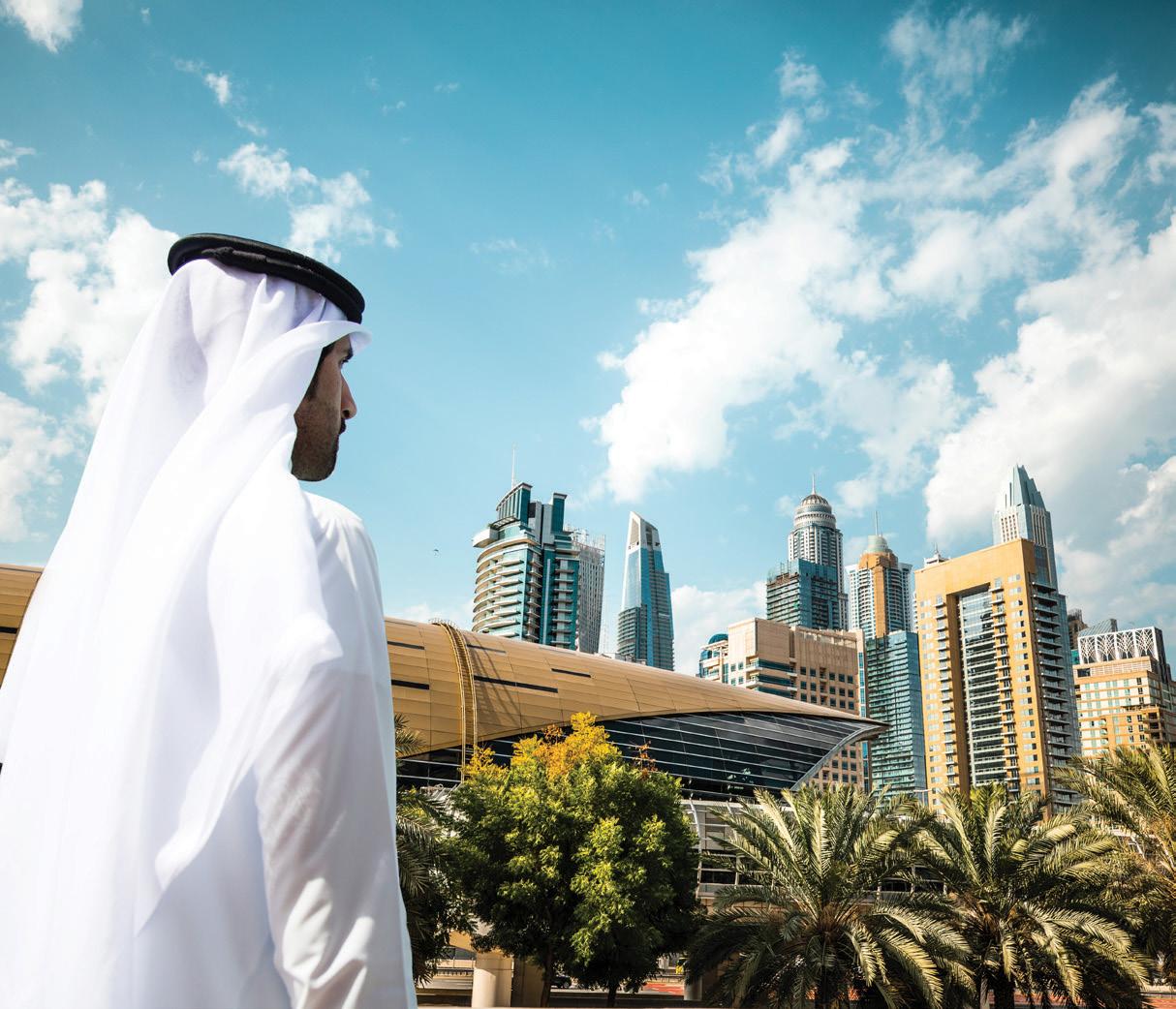
The UAE has reinforced its role as a regional hub for trade, technology, and renewable energy. Sheikh Khaled bin Mohamed bin Zayed Al Nahyan, Crown Prince of Abu Dhabi, met with Indian Prime Minister Narendra Modi at the AI Impact Summit in New Delhi, exploring opportunities to strengthen UAE-India partnerships across economic, technological, healthcare, and insurance sectors. Both countries emphasised sustainable development and knowledge exchange, further cementing their long-term strategic collaboration.
Meanwhile, Abu Dhabi hosted a high-level meeting between UAE President Sheikh Mohamed bin Zayed Al Nahyan and Qatari Emir Sheikh Tamim bin Hamad Al Thani, focusing on bilateral cooperation and shared
development priorities. Dubai Airports continues to impress, forecasting 99.5 million passengers in 2026, building on a record 95.2 million in 2025. Markets such as India, Saudi Arabia, and Britain remain major contributors, with China, Egypt, and Italy seeing doubledigit growth.
In the energy sector, Saeed Mohammed Al Tayer, MD and CEO of Dubai Electricity and Water Authority (DEWA), highlighted Dubai’s ambitious clean energy initiatives, including the Mohammed bin Rashid Al Maktoum Solar Park and pilot Green Hydrogen projects, offering avenues for collaboration with Indian businesses.Mubadala Energy also acquired a 15 per cent stake in Egypt’s Nargis Offshore Area, reinforcing the UAE’s commitment to expanding energy portfolios in key international markets.
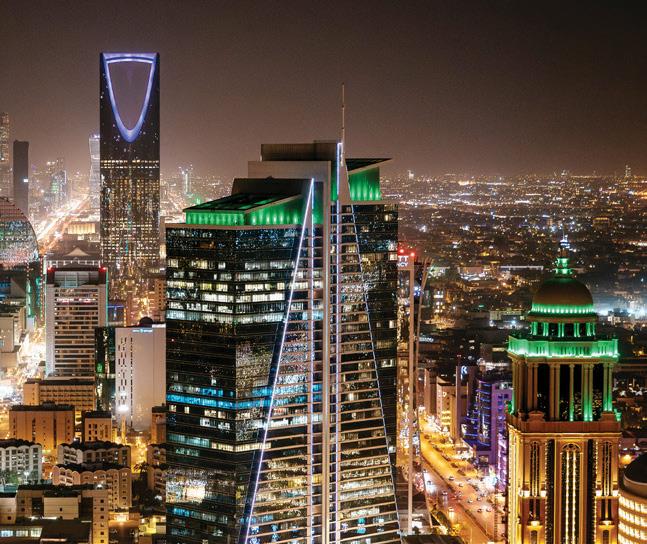
Saudi Arabia continues to diversify its economy beyond oil. Humain, the kingdom’s AI company, invested $3bn in Elon Musk’s xAI, now integrated into SpaceX, as part of a push to develop AI infrastructure. The kingdom also plans a consortium with US firms Baker Hughes, Hunt Energy, and Argent LNG for oil and gas projects in northeastern Syria, part of broader efforts to invest in regional energy infrastructure.
The government announced 20 new high-speed trains from Spain’s Talgo SA, valued at $1.57bn, underscoring the kingdom’s focus on modern transportation infrastructure.
The GCC continues to chart a course of ambitious growth and diversification, leveraging strategic partnerships, technology adoption, and regional integration. With record-breaking performance in aviation, energy deals spanning the globe, and targeted initiatives to attract investment and talent, the Gulf is poised to maintain its position as a dynamic hub for innovation, trade, and sustainable economic development.
Qatar’s economic strategy remains focused on diversification while maintaining its global leadership in liquefied natural gas (LNG). The country posted a Q4 2025 budget deficit of QAR 5.3bn, projecting a 5 per cent increase in government spending for 2026. The International Monetary Fund highlighted the opportunity for Qatar to implement value-added taxes and strengthen privatesector reforms. In a landmark energy deal, QatarEnergy signed a 27-year LNG supply agreement with Japan’s JERA, providing 3 million tonnes annually starting in 2028. This deal underscores Qatar’s strategy to secure long-term market share amid global competition, particularly with the US, while Japan pivots toward energy security
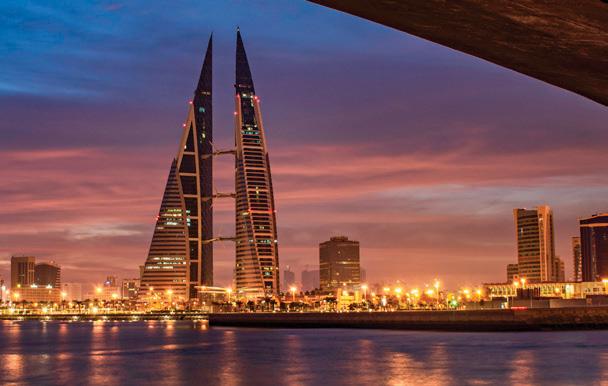
Bahrain’s Central Bank announced full subscription of its BD35m government treasury bill issue for February, reflecting continued investor confidence. The 182-day bills carry an interest rate of 4.98 per cent, slightly higher than the previous issue. The total outstanding value of government bills now stands at BD2.11bn.
Bahrain is also enhancing its industrial sector, with Export Bahrain signing an MoU with HQ Industrial in Hidd. The partnership aims to provide integrated support to entrepreneurs, including export advisory, capacity building, and market expansion, strengthening the competitiveness of Bahraini businesses regionally and globally.
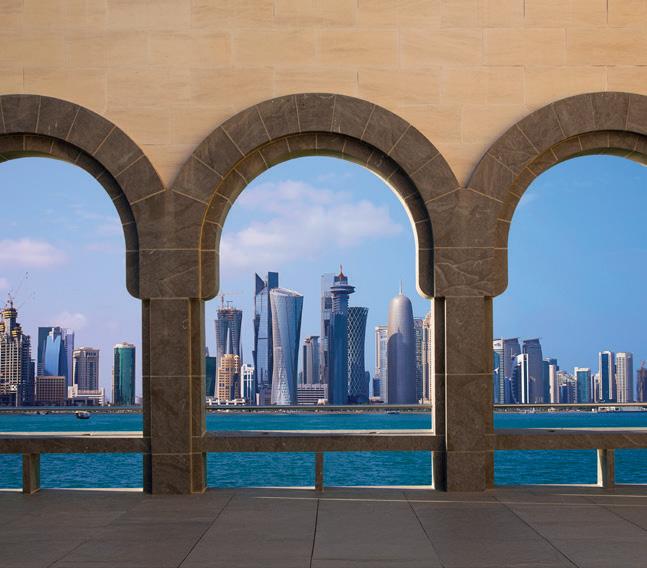
in response to geopolitical risks. Qatar continues to invest in technology and innovation, with the Qatar Investment Authority pledging an additional $2bn for its venture capital “Fund of Funds” initiative, complemented by a 10-year residency programme for entrepreneurs and executives. Regional cooperation is advancing as well: Mwani Qatar and the Saudi Ports Authority signed an MoU to enhance port operations, maritime safety, and logistics connectivity.
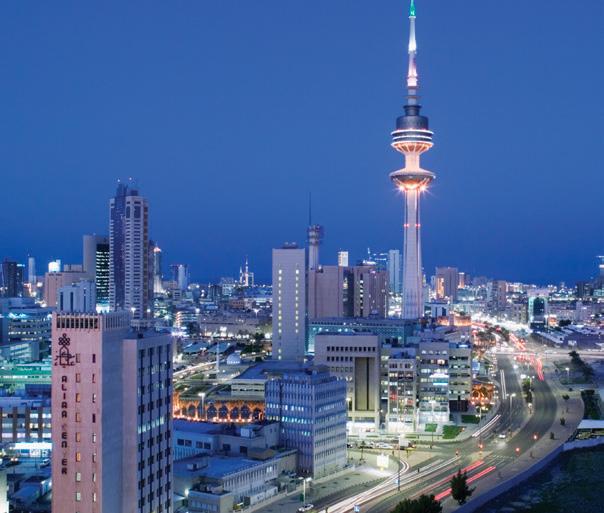
Kuwait’s draft budget for 20262027 forecasts a deficit of KD9.8bn ($32.12bn), with total revenue of KD16.3bn and oil revenue projected at KD12.8bn, down 16.3 per cent from the previous fiscal year. Total expenditure is expected to increase by 6.2 per cent to KD26bn, highlighting ongoing fiscal challenges as the country balances spending with reduced hydrocarbon income.
UAE GDP 2026: >5%, non-oil 78 per cent of GDP
SAUDI Q4 2025 GDP: 4.9 per cent (oil +10.4 per cent, non-oil -4 per cent)
KUWAIT BUDGET 2026-27 DEFICIT: KD9.8bn ($32bn)
QATAR Q4 2025 DEFICIT: QAR5.3bn ($1.45bn )
BAHRAIN TREASURY BILLS: BD35m fully subscribed, interest 4.98 per cent
UAE AND INDIA: Tech, healthcare, and sustainable development partnerships
QATAR LNG DEAL: 3 million tonnes/year with JERA, LNG capacity to reach 142 mtpa by 2030
DUBAI AIRPORTS:
99.5 million passengers forecast 2026, Al Maktoum expansion $35bn
SAUDI ARABIA: $3bn invested in xAI; 20 high-speed trains $1.57bn
BAHRAIN AND HQ INDUSTRIAL: MoU to boost exports and industrial growth
QATAR AND SAUDI PORTS: Collaboration on smart ports and regional trade



APRIL 2026
GULF BUSINESS REAL ESTATE SUMMIT & AWARDS



SEPTEMBER 2026
GULF BUSINESS AWARDS
OCTOBER 2026
GULF BUSINESS SAUDI INVESTMENT SUMMIT



NOVEMBER 2026
GULF BUSINESS UAE – INDIA BUSINESS SUMMIT & AWARDS

gulfbusiness.com/events FOR EVENT SPONSORSHIP AND MORE DETAILS, CONTACT manish.chopra@motivate.ae | mario.saaiby@motivate.ae | hitesh.kumar@motivate.ae UPCOMING EVENTS GULF




The Information Age rewired the global economy with software, connectivity and digital infrastructure unlocking a historic surge in productivity. Now, a bigger shift is underway. AI and robotics will accelerate output, and potentially double global wealth within a single generation
Let’s think of every fortune in the last 6,000 years (since the beginning of human civilisation), including The House of Orleans, Mansa Musa, John D Rockefeller, Cornelius Vanderbilt, Jeff Bezos and Elon Musk.
Think of all the miraculous achievements that humankind built in that time, from Roman aqueducts to the electrical grid, the internet, every software program, professional sports leagues, modern industry, smartphones, satellites — every economic transaction, every building, every highway. Think of the cumulative effort of the roughly 117 billion people who have lived on this earth.
Now realise that half of all that wealth, prosperity, value, services and products were built in just the last 25 years, during the Information Age. More importantly, over the next 25 years, we are likely to produce more than twice the wealth created in the past quarter century.
At just 3 per cent annualised growth, the global economy would generate roughly the same amount of wealth in the next 25 years as it did across all of human history combined.
There is also a meaningful chance — arguably better than 50 per cent — that we double or even triple historical gross world product (GWP) within that period. At a 7.76 per cent real growth rate, the next 25 years would outproduce the previous 6,025 years combined.
This is possible because artificial intelligence is transforming white-collar work, making businesses dramatically more efficient and enabling workers to be two to ten times more productive. Robotics will do the same for physical labour across manufacturing, healthcare and logistics. The space economy will further expand the boundaries of economic activity.
Earnings, profits and operating margins were largely stagnant from the 1700s to the early 1900s. With the rise of computers, the internet and software,
margins expanded sharply over the last 25 years. AI and robotics are likely to accelerate that trend further.
This surge in wealth creation was reflected in the stock market. Even investors who bought at the peak of the 2000 bubble went on to generate strong long-term returns as technology-driven productivity doubled economic output over the following quarter century.
Technology has been the primary wealth creator of the past 50 years, accelerating sharply in the last 25. While earlier growth was driven largely by population expansion, recent decades have seen slower population growth alongside faster real economic growth, clear evidence that productivity — not demographics — is now doing the heavy lifting.
That wealth, however, was not evenly distributed. Owning the market delivered solid returns, but owning the winners of the technology revolutions delivered extraordinary ones. The largest technology companies captured a disproportionate share of value. The median compound annual growth rate of the eight largest tech firms was around 25 per cent, far ahead of the S&P 500’s roughly 7 per cent.
A $10,000 investment in one of those companies grew to a median value of $1.7m, compared to just $52,261 in the S&P 500.
Other sectors will benefit too, but the vast majority of the hundreds of trillions of dollars of new wealth created over the next 25 years will likely come from revolutionary technology companies.
Inflation is often seen as a threat to investors, but over long periods equities have tended to reprice alongside currency expansion. As societies grow wealthier, a greater share of income flows into assets rather than consumption, supporting long-term asset prices despite short-term volatility.
That volatility will persist. The last 25 years included multiple recessions and market crashes, yet long-term investors still benefited enormously. If global growth
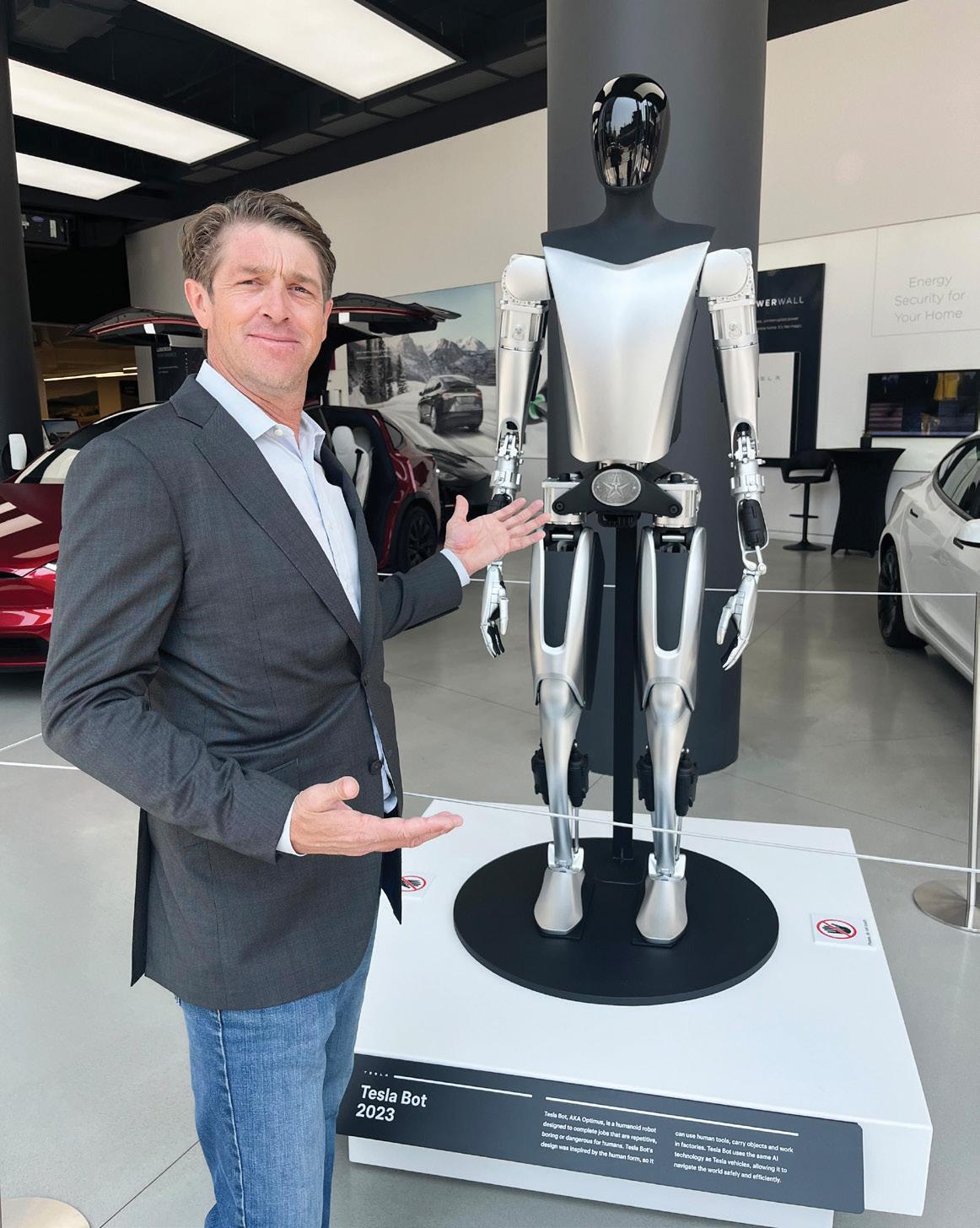
Cody Willard is the founder of TradingWithCody.com, a platform focused on long-term investment themes and technology-driven wealth creation. Willard has previously managed hedge fund capital and is a former co-host on Fox Business Network’s Happy Hour and a former Wall Street correspondent for NBC’s The Tonight Show
The AIRS Revolution Vs All Human History
ALSO
continues at even 3 per cent and margins expand, markets will rise by tens — potentially hundreds — of trillions of dollars.
Technological revolutions accelerate over time. The next 25 years may deliver as many breakthroughs in medicine, communications and software as all of history before them.
The takeaway is clear: focus on revolutionary technology, particularly companies driving AI, robotics and space. A handful of long-term compounders can drive extraordinary outcomes. At the same time, expect creative destruction — thousands of companies will fail.
In conclusion, there has never been a better time to be a revolution investor. Never before have such vast sums of revenue, profits and market capitalisation been poised to emerge in such a short span of time.
In an era where politics and structural transformation trump traditional economic cycles, the case for globally diversified, long-term conviction investing has never been stronger
In an age increasingly shaped by geopolitics, fiscal power, and structural transformation rather than traditional economic cycles, longterm perspective has become a decisive advantage for globally oriented investors. Julius Baer’s Secular Outlook 2026 stepped back from short-term market noise to examine the macroeconomic forces redefining the investment landscape.
Over the past three decades, the world has shifted from unipolarity under US dominance to an increasingly multipolar order, a trend accelerated by the US tariff campaign, launched in April 2025 by the new Trump administration on a day termed “Liberation Day” by the president. Rather than deglobalisation, however, strategic reshoring appears to be the likely outcome. Indeed, the aftermath of Liberation Day makes several things clear. First, trade wars do not work in a multipolar world-Chinese exports quickly shifted from the US to Asia and Africa, and oil markets barely reacted to punitive tariffs and sanctions. Second, global supply chains are too intertwined, complex, and mutually profitable for countries to fully rebalance their operations, with exceptions limited to sectors deemed critical to national security, such as information technology or energy.
For investors, these dynamics underscore that political and geopolitical forces will increasingly overshadow endogenous market signals, resulting in increased macroeconomic and financial market volatility. This reinforces the case for global portfolio diversification, guided by secular trends and their influence on major investable economies.
The most significant fiscal policy shift has recently occurred in Europe, where the continent has abandoned its dogmatic commitment to fiscal austerity in favor of massive fiscal spending aimed at achieving greater energy and military security independence. Germany’s historic fiscal and defense U-turn, aimed at modernising the country’s ailing infrastructure and restoring its defense capabilities, could prove to be a turning point. Another major political commitment arose from the 2025 North Atlantic Treaty Organization (NATO) summit, where member nations committed to a new defence spending target amounting to 5 per cent of GDP by 2035, which is more than double the previous 2 per cent guideline.
The US is not sitting on the sidelines either. The government has recently begun acquiring minority stakes in domestic companies that produce goods deemed relevant to national security. By now, the US fiscal stimulus appears to have become permanently procyclical.
In 2022, confronted with an inflation spike for the first time in decades, Western central banks have rapidly reset the cost of capital in the system. In the current context of fiscal dominance, debt sustainability considerations are increasingly feeding into the ‘neutral’ interest rate equation.
Pic: Supplied
While private sector strength has supported resilience to a normalised cost-of-capital environment, structural forces that drove decades of interest rate decline-ageing demographics, digital disruption, and extreme financialisation-remain deeply entrenched,
THE MOST SIGNIFICANT FISCAL POLICY SHIFT HAS RECENTLY OCCURRED IN EUROPE, WHERE THE CONTINENT HAS ABANDONED ITS DOGMATIC COMMITMENT TO FISCAL AUSTERITY IN FAVOR OF MASSIVE FISCAL SPENDING AIMED
AT ACHIEVING GREATER ENERGY AND MILITARY SECURITY INDEPENDENCE.
Yves Bonzon is group CIO at Julius Baer and a member of its Global Wealth Management Committee

exerting disinflationary pressure in developed economies. At the same time, record government debt and a rising interest burden, with global debt (public and private) amounting to just above 235 per cent of global GDP in 2024, are putting pressure on monetary policy authorities globally. Ultimately, interest rates and inflation are political choices. Nowadays, monetary authorities can access an extended policy toolbox, enabling them to actively target longer-term rates if needed, i.e., through yield-curve control or a rebranded form of quantitative easing.
What distinguishes the current super cycle conjuncture is its pace and breadth. Beneath the surface, we see a convergence of multiple technologies leading to severely disruptive forces; artificial intelligence (AI), the energy transition, and advances in life sciences, among others. Artificial intelligence remains the
fulcrum of market narratives and corporate investment, as Al hyperscalers have led US equity markets to new highs and have committed gigantic sums to Al infrastructure, with power and grid capacity emerging as binding constraints. While Al’s disruptive potential may surpass that of the internet, its payoff is anything but straightforward. Generative Al tools are everywhere, yet widespread adoption does not guarantee business transformation or bottom-line impact.
Recent evidence suggests Chinese policymakers now recognise that one of the most effective ways to reflate household balance sheets damaged by the prolonged downturn in the real estate sector is to engineer a managed and sustainable equity bull market. Incentives for listed companies to return cash to shareholders and efforts to institutionalise equity investments aim to shift savings into equities, restore confidence, and boost consumption.
Beyond policy, China’s structural strengths stand out: growing self-sufficiency, resilient exports despite US tariffs, leadership in electrification, and its progress on the AI front, highlighted by DeepSeek’s release in 2025. With power and grid capacity now the main bottleneck for scaling AI, China is responding with rapid expansion of electricity generation and storage, securing a massive energy cost advantage that reinforces its long-term competitiveness.
Viewed together, the trends shaping the current decade underscore a central message: in an environment where politics, policy, and structural change increasingly dominate market outcomes, global diversification and long-term conviction are no longer optional.
WITH POWER AND GRID CAPACITY NOW THE MAIN BOTTLENECK FOR SCALING AI, CHINA IS RESPONDING WITH RAPID EXPANSION OF ELECTRICITY GENERATION AND STORAGE

Why the future of healthcare is where technology meets humanity
In healthcare, the most powerful “device” isn’t a machine, it’s time. The time we gain to reach a patient earlier, before illness takes hold. So, what if the world’s most equitable breakthrough isn’t a new hospital or a fancy gadget, but prevention delivered at scale?
Picture a typical clinic day. No fanfare, no futuristic hardware – just a simple dashboard quietly flagging who needs attention now. A nurse makes three calls. One patient comes in for counselling, another for screening, a third for a follow-up. Nothing dramatic. But each call, each doctor’s visit, buys time – time that prevents complications, cut costs, and preserves quality of life. That is what progress looks like when technology frees caregivers to act sooner.
Around the world, healthcare systems face rising chronic disease burdens and widening access gaps. Shifting toward earlier, preventive intervention isn’t just smart, it’s essential for keeping healthcare sustainable.
Here in the GCC, where ambition meets urgency, this shift matters more than ever: from treating illness late to preventing it early; from raw data to human decisions; from innovation as spectacle to innovation as everyday practice. AI and genomics are powerful tools, but their real promise lies in pragmatic, humancentered use: spotting risks earlier so that we can intervene earlier, at scale.
I’ve learned that the future becomes durable when it builds on what’s endured: scientific rigour, clinical wisdom, and partnerships that go beyond hype. Across markets globally, that mindset is taking root: pairing new tools with trusted care pathways, designing for access from day one, and measuring success not by technology’s sophistication, but by simple moments. It enables a timely call, an earlier test, a life nudged onto a healthier path.
This is where technology meets humanity, not as a slogan, but as a system: prevention powered by data, delivered by people, and built for equity. If we commit to that, regions like the GCC won’t just adopt the future of healthcare. They will help shape global models for it.
Artificial intelligence (AI) can widen access, not just advance premium care. When used in prevention, through initiatives like the UAE’s genetic screening and MOHAP’s National Screening Programme for Prediabetes and Diabetes, it becomes one of the fastest paths to build healthier societies and ease burden on healthcare systems, especially in developing economies.
Danny Bar-Zohar is a member of the executive board and CEO of Healthcare at Merck
AI CAN WIDEN ACCESS, NOT JUST ADVANCE PREMIUM CARE. WHEN USED IN PREVENTION, THROUGH INITIATIVES LIKE THE
By analysing national health records and insurance claims, health teams can flag who’s at highest risk for noncommunicable diseases like diabetes and heart disease. The next step is what matters: timely counseling, earlier screening, and consistent follow-up that reduce complications, save costs, and change lives.
This commitment isn’t new – for GCC nations or for companies. Across the Gulf, countries are sharing tools, expertise, and capital with partner nations in the Global South. The UAE Africa Gateway is channeling investment into care and infrastructure.
The UAE has put hundreds of millions of dollars into efforts against polio, malaria, and neglected diseases like guinea worm. In 2025, Saudi Arabia and the World Health Organization advanced malaria prevention and cholera control programmes in Yemen, building on a $500m pledge to eradicate polio made last year. Qatar, Kuwait, Bahrain, and Oman continue to support humanitarian efforts that strengthen health systems. This kind of health diplomacy is increasingly shaping regional and global resilience.
At Merck, our long-standing partnership with the WHO, launched in 2007, provides free treatment for schistosomiasis, a neglected tropical disease second only to malaria among parasitic illnesses. Our conviction remains the same: the future of healthcare is technology and humanity moving in lockstep. Let’s design for that, making prevention routine, data actionable, and equity the measure of success.
BUILDING ON A $500M PLEDGE TO ERADICATE POLIO MADE LAST YEAR. IN 2025, SAUDI ARABIA AND THE WORLD HEALTH ORGANIZATION ADVANCED MALARIA PREVENTION AND CHOLERA CONTROL PROGRAMMES IN YEMEN,

As non-oil trade surges to record levels in the UAE, the real risk for import-driven sectors is not demand, it is currency volatility quietly squeezing margins
According to figures published by S&P at the start of February, the UAE’s non-oil foreign trade has achieved the fastest sales growth in almost two years.
“The UAE’s non-oil economy started the year on a solid footing, as new orders increased steeply, prompting firms to lift output and sharply expand their purchases. Stock levels were also boosted as lead times decreased rapidly, allowing companies to reduce some of the strain on business capacity,” said David Owen, senior economist at S&P Global
THE UAE REMAINS HIGHLY IMPORT-DEPENDENT WHEN IT COMES TO FOOD AND AGRICULTURE – AROUND 80-90 PER CENT OF ALL FOOD PRODUCTS ARE IMPORTED.
Market Intelligence, in the report. While any positive economic news is welcomed, as the government’s push to diversify the UAE economy manifests more tangibly, companies operating in diverse sectors such as food imports, commodities trading, industrial equipment and machinery, construction tools and building products are leveraging the country’s strategic location, sophisticated logistics infrastructure and pro-trade policies to source materials, equipment and goods globally.
However, this very strength – internationally sourcing equipment, commodities or material to gain savings or improve quality – creates a structural vulnerability: foreign exchange (FX) risk. For businesses importing food, machinery or construction materials, costs are often denominated in foreign currencies. In the UAE’s evolving trade-led commercial environment, FX exposure can present more as a key strategic risk rather than a peripheral finance detail.
Recent data underlines just how significant UAE’s overseas trade flows have become. By the end of 2024, the country’s total foreign trade reached Dhs5.23tn, up sharply from Dhs3.5tn in 2021.
Non-oil trade, which underpins many of the sectors mentioned, reached nearly Dhs3tn, with imports rising to Dhs1.701tn.
For sectors such asfood, commodities, industrial equipment, machinery and building products, import volumes matter. Many of these businesses source raw materials, machinery, components or finished goods from global suppliers, frequently priced in USD, EUR or other major currencies. Any shift in exchange rates can have a material impact on landed costs, procurement budgets or product margins. For
& Africa at Ebury
example, with Research and Markets predicting a 6.6 per cent ACGR boom in the UAE’s construction sector by 2030, demand for associated heavy equipment, building machinery and raw materials will continue to increase. In addition to cost overruns and project delays representing persistent challenges in the UAE construction market, impacting both public and private sector projects, supply chain order pipelines in these sectors often span months.
The time between procurement contract and delivery can be significant, further increasing the window for FX volatility.
The commodities trade is also noteworthy. In 2023, the top imports to the UAE were gold ($70.1bn), telephones ($36.6bn), cars ($23.4bn), refined petroleum ($20.1bn) and diamonds ($16.1bn), according to OEC. The leading country of origins for imported goods were: China ($71.7bn), India ($31.4bn), United States ($25.6B), Saudi Arabia ($12.6bn), and Japan ($12.2bn). If you’re in the trading or commodities businesses and moving large volumes of goods or materials regularly, then repeated exposure to foreign currency volatility can erode margins or create unpredictable cost variability.
The food sector in particular clearly illustrates the risk: despite remarkable advances driven by public investment and government focus on the agtech sector, the UAE remains highly import-dependent when it comes to food and agriculture – around 80-90 per cent of all food products are imported.
This dependence further magnifies FX risk for companies involved in the food supply, processing or distribution chain.
Given these factors, business leaders should be looking at FX risk as a core part of their financial and supply-chain strategy, not as an afterthought. As previously noted, companies operating across international trading sectors require structured FX risk management – especially those businesses with high-frequency import volumes or long procurement cycles. This is where partnering with specialised FX services providers can make a difference.
Through hedging solutions, forward contracts, currency-aware budgeting and expert advisory, businesses can mitigate the impact of exchangerate fluctuations on their cost base, protect margins while maintaining stable, predictable procurement costs.
In today’s global and interconnected trade world — and given the UAE’s record trade volumes and import dependence — FX exposure is far from a fringe issue and will only increase in importance.
For many organisations working across an array of trading sectors, managing currency risk has transformed into a business-critical pillar.
As climate pressures intensify, the GCC is shifting from food import dependence to an investment strategy for long-term resilience
Food security, as defined by the 1996 World Food Summit, is achieved when all people, at all times, have physical and economic access to sufficient safe and nutritious food that meets their dietary needs and food preferences for an active and healthy life.
As climate change intensifies and resources dwindle globally, ensuring food security has transitioned from being a priority to an urgent necessity. In the GCC, the approach taken to this has evolved significantly in recent years, shifting away from a policy of importing food towards a more sophisticated investment strategy built around owning and operating a diverse portfolio of foodrelated assets and establishing profitable ventures and networks across key global markets.
Strategically investing in optimal locations for different types of produce or food products, taking into account factors like climate, cost efficiency and profitability, enables countries to secure thriving food businesses that act as profit centres while also supporting national food security objectives.
Despite limited arable land and freshwater resources, the GCC, and in particular, the UAE and Saudi Arabia, are pioneering innovative strategies and leading global investments in food and agriculture, setting new benchmarks for strategic acquisitions. With a focus on commercial viability and competitive advantage, the GCC is establishing a solid foundation of diversified food assets capable of withstanding both market fluctuations and geopolitical shifts.
Financial strength and long-term
GCC countries have several key advantages that enable the effective implementation of this approach. First, substantial financial resources provide a solid foundation for the necessary investments in agro-tech and innovative, sustainable agricultural practices. Vertical farming, for example, has emerged as a highly promising solution to land and water constraints while maximising crop yields, and
we’ve seen it being rapidly adopted across the region. The GCC’s fiscal stability and long-term development outlook lend another advantage, granting the time to pursue research and development into technologies that may not deliver the immediate food security solutions of today but will form the foundation of future ones. This long-term approach speaks to the foresight of the region’s governments, both in their overall growth strategies and within the food sector specifically.
Diversifying supply chains and partnerships
The GCC has also long practiced the policy of cultivating deep trade networks, and this provides a solid platform for further diversifying supply chain assets in the pursuit of strengthening food security and resilience. By establishing strategic partnerships with countries across the globe, including foodsecure nations with strong agricultural bases and reliable food exports, as well as emerging markets with significant potential – specifically across Africa, the region can reduce its dependence on a limited number of suppliers and mitigate the impact of the inevitable trade disruptions. In addition, developing strategic food reserves and storage facilities, supported by open ports and free zones, can provide an additional buffer against supply chain shocks, ensuring stable supplies during challenging times.
Coordinated regional strategy
The unified GCC strategy for food security,
DESPITE LIMITED ARABLE LAND AND FRESHWATER RESOURCES, THE GCC, AND IN PARTICULAR THE UAE AND SAUDI ARABIA, ARE PIONEERING INNOVATIVE STRATEGIES AND LEADING GLOBAL INVESTMENTS IN FOOD AND AGRICULTURE, SETTING NEW BENCHMARKS FOR STRATEGIC ACQUISITIONS.
Amir Daoud Abdellatif is the CEO of Invictus Investment

announced in 2024, is a major step forward that will support and encourage joint research and innovation aimed at tackling common food security challenges associated with water scarcity and climate change. Policies to reduce trade barriers also assist in improving the competitive environment and facilitating food security cooperation. On a national level, the UAE has developed a comprehensive plan for sustainable agriculture aimed at raising the country to the top of the Global Food Security Index by 2051. In Abu Dhabi, both IHC and ADQ are driving this vision through investments in food and agriculture companies working on solutions that increase self-sufficiency and the resilience of the UAE’s food system and supply chain. Meanwhile, Dubai’s Food Tech Valley and Abu Dhabi’s AgriFood Growth and Water Abundance cluster serve as hubs for pioneering sustainable technologies.
In my opinion, the next policy step should be to continue to build on the unified GCC food security strategy to align divergent national plans and initiatives so that the region can collaboratively develop even more resilient and sustainable food systems. This should go hand in hand with a sharper focus on acquiring stakes in strategic agricultural and food production assets to reinforce control over key parts of the value chain. Continued investment in research, technology, innovation and collaboration will also be vital in securing the future of food in the region for the long term.
Progress is best achieved when governments, academia and the private sector work in tandem to drive change and create long-term value. Through shared effort and innovation, we can build a more resilient and sustainable future, and continue the positive transformation of the GCC’s food security landscape.
VERTICAL FARMING , FOR EXAMPLE, HAS EMERGED AS A HIGHLY PROMISING SOLUTION TO LAND AND WATER CONSTRAINTS WHILE MAXIMISING CROP YIELDS, AND WE’VE SEEN IT BEING RAPIDLY ADOPTED ACROSS THE REGION.

Stablecoins to the rescue? Why DBS CIO says the US debt “reckoning” isn’t here yet
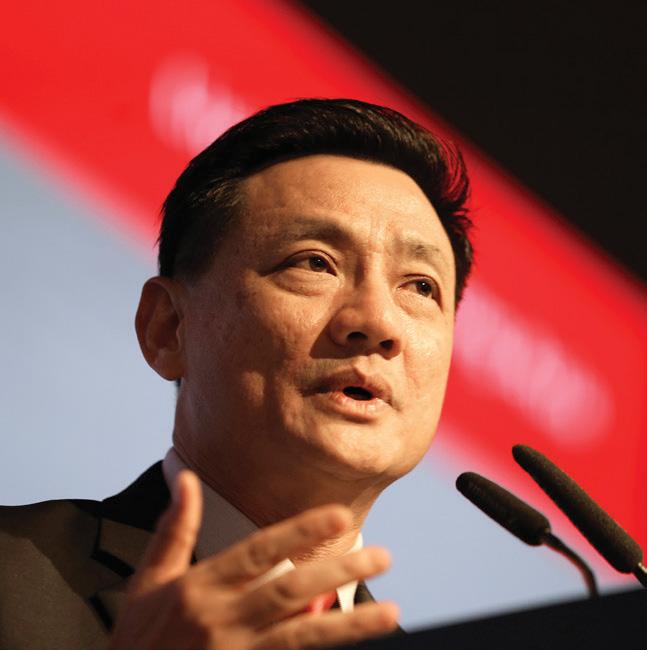
IS THE US HEADING TOWARDS A DEBT RECKONING? IN THIS EXCLUSIVE INTERVIEW, WEY FOOK HOU, CHIEF INVESTMENT OFFICER AT SINGAPORE-BASED DBS BANK, EXPLAINS WHY STABLECOINS ARE BECOMING AN UNEXPECTED BUYER OF US TREASURIES, RESHAPING HOW THE WORLD’S LARGEST ECONOMY FUNDS ITSELF.
BY GARETH VAN ZYL
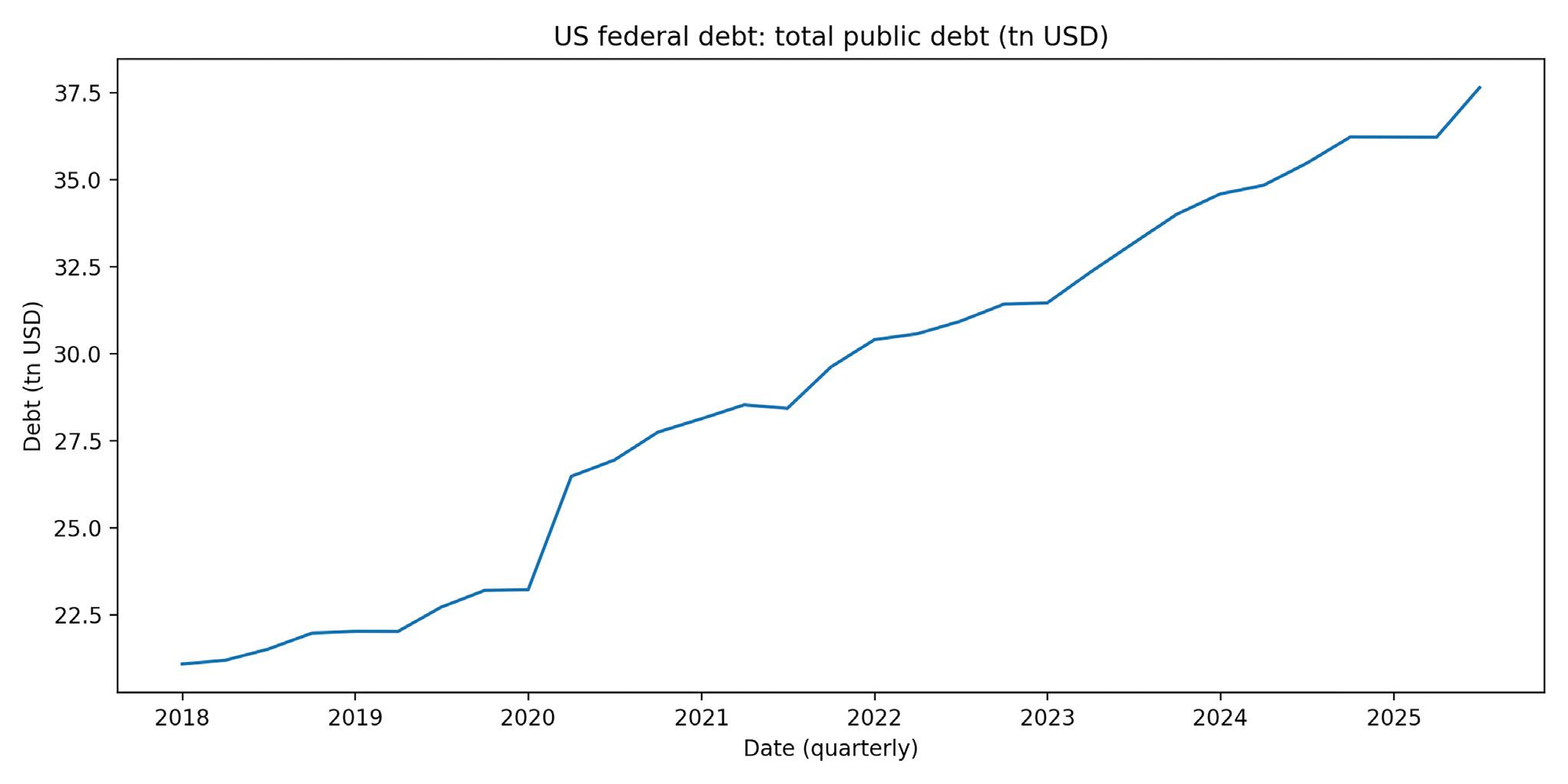
As US government debt approaches $39tn, concern is mounting over how long the world’s largest economy can continue to fund itself without consequences. Persistent deficits, rising interest costs and shifting geopolitical dynamics have sharpened investor focus on a single question: who will keep buying US debt?
Speaking in Dubai following the release of DBS’s latest CIO Outlook, Wey Fook Hou, CIO at Singapore-based DBS, believes those concerns, while legitimate, may be running ahead of reality. In his view, the long-feared “day of reckoning” for US debt markets is not imminent — and the growing role of stablecoins could be one reason why.
“We do not think the day of reckoning — where no one is willing to finance US economic growth — will happen this year,” Hou says. That does not mean the scale of the problem should be ignored. US debt levels remain a structural issue, but Hou argues that markets need to distinguish
between long-term sustainability and nearterm funding dynamics.
“Thirty-nine trillion dollars of debt is a problem,” he says. “But it may not appear as a problem this year.”
Hou points to a gradual but important shift in the global buyer base for US Treasuries. Several sovereign investors have begun trimming exposure, particularly in Asia, prompting questions about who will step in as marginal buyers.
“We are clearly seeing a downsizing of US Treasuries by sovereign wealth funds, especially in China and Japan,” he says. “That naturally raises the question of who will finance US growth if traditional buyers continue to pull back.”
DBS believes part of the answer could come from an unexpected source: stablecoins. Once viewed primarily as infrastructure for crypto markets, stablecoins are increasingly being used for payments and cross-border
remittances, driven by the efficiency of blockchain-based settlement.
“We think the innovation of stablecoins could introduce a new source of demand,” Hou says. Regulation is central to this thesis. Under emerging US legislation, including the GENIUS Act, stablecoin issuers would be required to back their tokens with highquality collateral, including US Treasuries.
“If you issue a stablecoin — whether it’s USDT or USDC — you have to buy Treasuries as collateral,” Hou explains. As adoption grows, this requirement could translate into steady incremental demand for government debt, helping to offset reduced participation from sovereign buyers.
“As the stablecoin market increases, you will find a new source of demand for US Treasuries,” he says. “That is really where we are coming from.”
Concerns about US debt often spill over
INTERNATIONAL ECONOMICS TODAY IS VERY MUCH APPROACHED AS A ZERO-SUM GAME — I WIN, YOU LOSE.”
into anxiety about the US dollar. But Hou cautions investors against allowing currency views to dominate portfolio decisions.
“A lot of people are fearful about the future of the US dollar and its depreciation prospects,” he says. “But portfolio construction should not be driven by currency concerns alone.”
Instead, he argues, investors should focus on asset quality and company fundamentals — particularly given that currency risk can be managed.
“Just because you are negative on the dollar’s trajectory does not mean you should avoid investing in the US,” Hou says. “Currency exposure can be hedged, and the cost of hedging is relatively modest compared to the potential returns.”
He also urges investors to rethink what US exposure really means in a globalised economy. “When you buy US companies,
you are effectively buying global companies that happen to be listed in the US,” he says. “A significant portion of their revenues is generated outside the US.”
Looking ahead, Hou sees policy uncertainty as a major source of market volatility, particularly as geopolitical tensions intensify. “The policies of the Trump administration are likely to be front and centre when it comes to market volatility,” he says. He characterises the current global environment as increasingly zero-sum in nature. “International economics today is very much approached as a zero-sum game — I win, you lose,” Hou says. “That creates
volatility across equity, commodity and foreign exchange markets.”
Alongside geopolitics, Hou highlights artificial intelligence as a major disruptive force that investors may be underestimating.
“There is a real risk of AI dislocating businesses,” he says. “The existential risk for traditional companies is very real.”
This view underpins DBS’s IDEA investment framework, which focuses on companies best positioned for a digital and AI-driven economy. “We focus on innovators, disruptors, enablers and adapters,” Hou says. “We want to own the disruptors, not the disrupted.”
Hou is clear that stablecoins are not a silver bullet for America’s fiscal challenges. However, he believes investors should pay closer attention to how financial plumbing is evolving.
“We need to monitor very closely how large this pool of stablecoin-related demand becomes,” he says.
In a world of multi-trillion-dollar deficits, marginal buyers matter. And increasingly, those buyers may come not from governments, but from the infrastructure of digital finance itself.

HOW MAYO CLINIC IS LEVERAGING ITS 100 PETABYTE DATA ECOSYSTEM, INCLUDING 30 PETABYTES OF DE-IDENTIFIED CLINICAL DATA, REPRESENTING EIGHT MILLION PATIENTS, TO RESHAPE HEALTHCARE DELIVERY, RESEARCH AND DRUG DEVELOPMENT GLOBALLY
BY NEESHA SALIAN
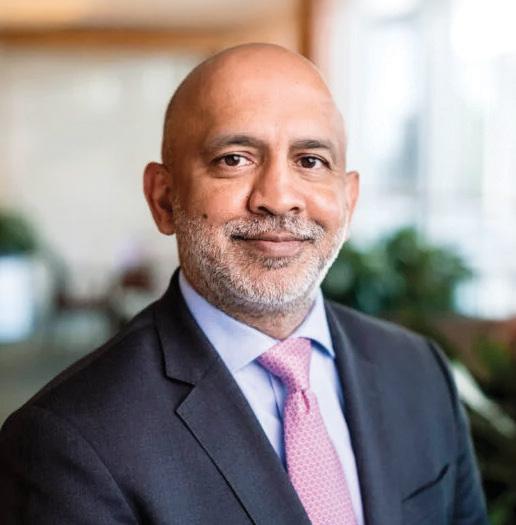
In an interview held on the sidelines of World Health Expo Dubai (WHX) 2026, Maneesh Goyal, the chief operating officer of Mayo Clinic Platform at Mayo Clinic, discusses the organisation’s data ecosystem, the launch of Orchestrate and Insights platforms, and why the Gulf region is positioned to rethink healthcare systems without the burden of legacy infrastructure. Here are excerpts from the conversation.
What excited you most about the conversations at WHX?
What’s exciting to me is that we’re transitioning from hype to reality but still maintaining our optimism. It’s often
hard to do when you’re on this really hype curve. The examples, the willingness to collaborate, the real impact that we’re seeing – this is why we’re in it. Healthcare has been slow to adopt technology and data-centric approaches. I think we’re finally there.
Where do you see the greatest opportunities realised, and where do the challenges persist across different healthcare sectors and regions?
QI think we’re now at a point in time when we finally have organised data, we have compute, and we have all of our structural challenges, the ageing population and
not enough staff, teams and buildings to support this ageing population. It’s like a perfect storm, if you will, if you can paint it as a positive spin on that comment.
A lot of different geographies are attending to this differently. In the US, we have a very built-out ecosystem of care providers. So now we have to take all of that and transition it into a data-centric approach, a forward way of operating. What’s interesting about this part of the world is that the population is increasing fairly rapidly, there’s a fair amount of influx, and the need to scale healthcare is more acute. But you’re not also building off of large legacy systems. So, there’s an opportunity to do it the right way.
People use the term leapfrog, and I had somebody yesterday say it’s not really about leapfrogging because we’re not competing against these systems. It’s actually just a new normal. And if you look at what the Ministry of Health in the UAE and frankly the other GCC countries are doing, really investing in infrastructure, in sovereign data strategies, and rethinking clinical and business processes from the ground up, and this is how it should be done.
When evaluating the real-world impact of AI in clinical settings, what metrics matter most to Mayo Clinic?
We’re very clinically oriented as an organisation. Mayo Clinic’s core value is that the needs of the patient come first. Those aren’t just words to us; it’s really how we think and operate. When we think about value on any one of these approaches, we look at: Were we able to diagnose that patient earlier? Were we able to diagnose them with higher precision and accuracy? Were we able to give them a recommendation and a therapeutic pathway that resulted in a lower reassessment rate and a better outcome? That’s how we measure ROI, it’s clinical ROI versus monetary ROI. Now, you still have to figure out how to do these things; you can’t just throw infinite dollars against it. But we tend to focus purely on the patient outcomes and then back into the financial ROI.
YOU CAN VALIDATE TRIALS ON A GLOBAL DATA SET AND UNDERSTAND IF THAT DRUG IS ACTUALLY GOING TO PERFORM WELL IN GCC GENOTYPIC AND PHENOTYPIC POPULATIONS, EVEN THOUGH IT PERFORMS REMARKABLY WELL IN EUROPEAN POPULATIONS.”
You’ve argued that healthcare needs to rethink its reliance on the concept of a “pilot”. Why do you believe that model no longer works in today’s environment? It’s actually a term that’s been brought forward from buying software. It means you’re going to evaluate something and then implement it for a long period of time. I think we’re in a period when rapid assessment, evaluation, and moving to the next better solution is the new norm. So that might mean we’re always piloting. Look at the pace of change over the last year. If you invested in a company, pick a category: ambient listening or revenue cycle. There have been three generations of companies that have come on in the last two years. If you bet on one and lock in, you might be behind the curve already.
The question is, it’s not about piloting, it’s about building a resilient infrastructure in your enterprise that can adapt to the latest and greatest. And that means all these vendors have to constantly evolve and invest more, which is actually a good thing.
Let’s talk about Mayo Clinic Platform_ Orchestrate and Platform_Insights, both launched in the past few months. Can you explain what these initiatives are and the impact they’re designed to make?
First, a couple of foundational things you should know. Mayo Clinic has spent the last five years really organising all of our clinical and administrative data. We have about 100 petabytes of data on eight million patients, of which we’ve de-identified about 30 petabytes. Those 30 de-identified petabytes consist of clinical history, radiology, pathology, omics and waveforms.
If you want to evaluate and create an algorithm for a specific condition, you can actually do that. It’s a complete data set. It’s
a unique asset. Then we’ve gone further and said, let’s find other partners across the globe that will do that in a federated structure, so we have patient diversity. We’ve gone two steps further and invited innovators, earlystage companies from across the world, including some from the GCC. These can be digital technology companies, biopharma, med device companies, to really come and innovate. An example: develop an algorithm to detect asymptomatic conditions such as cardiovascular risk. If you can detect before a patient ever exhibits symptoms, you can change their life for the better. That’s our Insights programme, we bring these solutions not just to Mayo Clinic, but to our partners across the globe.
Mayo vets these solutions; they’re built on a global data set, and then we bring those to health systems worldwide. If we get better and leave everybody else behind, we’ll miss the mark. We’ve created this learning model where everybody benefits while everybody uses the platform.
Our Orchestrate programme is rethinking how biopharma works with healthcare institutions. That 30 petabytes of data, we can make it available to our biopharma partners. They can use it to understand how their drugs are performing and not performing. They can identify new biomarkers for drug discovery. They can develop tools for earlier intervention for drugs they care about.
Can you give concrete examples of how biopharma is working with Orchestrate?
One of our partners is developing an earlier intervention for COPD. If you can get to early intervention, you have less risk of admission into the ER and less risk of acute follow-on complications. Another partner is looking at all of our data and, before they do a clinical trial, assessing if that clinical trial is possible. Here’s what’s funny about the clinical trial world: we do a lot of clinical trials in the biopharma space on academic medical centre organisations, North America and Europe.
Now we can look at this global data set and evaluate the validity of clinical trials on the data before we ever conduct trials. Or you can recreate existing trials on the data itself. What that means is you can validate trials on a global data set and understand if that drug is actually going to perform well in
GCC genotypic and phenotypic populations, even though it performs remarkably well in European populations. We know that happens today, a lot of drugs just don’t work in this part of the world or in Africa or in Asia, for many reasons.
We’re excited because we think it’ll change how the manufacturing process works. It also legitimises the opportunity to do local development of drugs. We can now partner with a regional manufacturer, regional R&D arms, and we’re democratising these assets that were previously controlled by global biopharma.
You recently announced expanded cancer research capabilities for Orchestrate, integrating the OMOP Oncology framework. What does that enable?
Orchestrate is now using an industryleading standardised framework to organise complex cancer information: OMOP oncology. This presents de-identified data in a consistent, structured, research-ready format. Developing new cancer therapies typically takes many years. Orchestrate’s capabilities help shorten this timeline by giving researchers faster access to highquality, real-world cancer data.
This year, we’re also incorporating tokenisation, technology that connects de-identified information from across a patient’s care experience to provide a more complete, longitudinal view of their healthcare journey. Combined with OMOP oncology, this gives researchers a comprehensive understanding of a patient’s cancer care pathway before, during, and after their care at Mayo Clinic.
Looking at 2026 and beyond, how do you see AI fundamentally changing how medicine advances?
If you think about medicine and how we move forward, there’s a hypothesis, research, publication, and then that publication finds its way into clinical practice. That’s how we’ve done this for over 100 years. It starts at the beginning: somebody really smart on a very narrow subject says, I have a hypothesis, generates a test, validates it, and goes downstream. That is limited by all the brilliant people on the planet. Somebody’s got to have that hypothesis.
What if now, with almost infinite compute resources and large amounts of data, we can ask the compute resources to understand, against the data, what are some interesting correlations we’ve never considered?
That’s exactly what we’re doing at Mayo, looking at these 30 petabytes and finding interesting correlations. Pick a disease like glioblastoma and an outcome like survival. You ask the AI engine what the causal things are that result in higher outcomes. What we’re finding: it produces nonsensical things; you throw those out. It produces things we already know; you throw those out. What’s left are things you now dig into, and that hypothesis goes into the beginning of the research process. So now you’ve got a higher, earlier starting point.
We’re going to find drugs we’ve discarded or not used in other situations that have lots of uses. We’re going to find things we’ve done in one patient population that don’t apply in another. We’re going to find that conventional wisdom, because that’s how medicine is practiced — is not how we should be doing things. I can give you clear examples of each. That is transformation.
That’s not a five-year thing. In the next three years, we’re going to find that the pace of change in medicine is so vast that we have to rethink everything from research to education. And that means higher quality all the way down.
There’s a significant challenge around training healthcare workers to adopt AI. How is Mayo approaching this?
I’ll give you a pragmatic answer. Many people already use ChatGPT and AI. The genie’s out of the bottle, and people are becoming sophisticated about what the tool can do. At first, it was magic; now you
know the limitations. We’re getting more sophisticated as end users. That’s everybody walking into the four walls of a healthcare organisation. We’re not having to teach them these concepts; they’re learning them outside, in their normal life. That’s really powerful for the adoption of new technology.
The issue with EHRs was that none of us was using an EHR in our lives, so that construct had to be constantly taught. At Mayo Clinic, we’re starting at the beginning, with our med school students and fellows. We’re giving them access to our data, tools, and, more importantly, access to innovate. The discipline of medicine is getting to the point where creating solutions as a clinician is a reality, but you need to give them all the tools and the safeguards so they understand what they’re creating.
Every subspecialty has an environment with access to those 30 petabytes, and they can start thinking about how to change their practice. Our oncology department has taken all our cancer patients, staged them, and added data so we know what stage their cancer progressed over time. Now that data is good ground truth if you’re developing solutions, and it’s available to everybody.
The last piece is governance. We’ve established criteria, a framework for models and data representation, and how a solution finds its way into practice with proper protection, so we’re not producing garbage science. At every point, we want to accelerate and reduce friction. We’re not trying to slow things down because if you slow things down, companies go directly to our physicians and nurses, and that’s harder to control. We need to empower them directly, where we can do this the right way.
How is Mayo Clinic approaching knowledge sharing in this region?
We have relationships with academic institutions. Today, we have seven academic institutions across the globe representing regional high-quality care, the number one in Canada, South America, Israel, Singapore, Korea, and a couple of countries in Africa. We intend to identify leading partners here that represent the highest quality care and high-quality data. That partnership model means all these organisations agree to organise their data the same way and make it available to each other. We never transport data across any country boundary. It’s all in
a federated architecture, all de-identified, and every patient has consented. We’ve been through government conversations and have been careful to do this the right way. This creates an ecosystem of the highest quality systems so you can do research and collaborate rapidly. The second thing: once you have an ecosystem of innovators on the platform, you want to bring those innovations to non-academic institutions: systems delivering community care, primary care, critical access hospitals, and government hospitals. That’s the Insights programme we launched late last year.
Ultimately, our intent is this: when you come to Mayo Clinic, you get this interesting model where lots of physicians collaborate to give you the right diagnosis. We can’t recreate that everywhere, but we can package up all their knowledge so that the physician in rural India or the Namib desert is making a diagnosis that has the benefit of this global dataset. At least on the diagnosis and care pathway side, we can make a difference. Now, if they need specialty surgery or specialty care, we still have to solve that problem.
What do you see as the biggest challenge facing healthcare globally?
The biggest issue is inequity. You can get the best care in the world if you have the means. Unfortunately, because of how society works, some people have really good care, and some people right down the street don’t. We’re at an interesting point in our existence as a species that we can actually level that playing field, not perfectly, but we can level it. That’s the biggest issue.
What we have to overcome: because people see opportunity, they’re going to make a lot of claims or go ahead of the science. We have to make sure we don’t let that happen because you can’t lose people’s trust.
What keeps you excited about this work?
This borders on religion for me. I’ve been at this for decades, and I’m finally seeing where we can actually impact people’s lives. Because of all the algorithms we’re running and the data-centric strategy, we’ve changed countless lives at Mayo. That gives me boundless energy. Every time I hear a patient’s story, I’m like, this is why we do it.

OURA’S SMART RING TRACKS SLEEP WITH CLINICAL PRECISION. CEO TOM HALE EXPLAINS WHY FRAGMENTED SLEEP MAY BE LINKED TO COGNITION ISSUES, WHY WOMEN ARE THE FASTEST-GROWING USERS, AND WHAT HAPPENS WHEN YOUR BIOMETRICS KNOW YOU’RE SICK BEFORE YOU DO
BY NEESHA SALIAN
Iwill admit I came to this conversation with more than professional curiosity. I sleep three, maybe four hours a night, waking often, rarely restored, functioning on something that resembles rest without quite being it. I have watched rapid cognitive decline move through my family at close range, and I know enough to understand that it rarely arrives without warning. It arrives after years of signals that went unread. So, when Tom Hale, the CEO of Oura, tells me over a video call that fragmented sleep is one of the earliest detectable signs of what becomes Parkinson’s or Alzheimer’s, I stop taking
notes for a moment. He says it without drama or qualifier. That is precisely what makes it land.
Oura has sold 5.5 million rings globally, now available in retail across more than 30 countries, with half of those rings sold since June 2024. In the Middle East, the company is growing at 250 per cent. Hale moves through the figures quickly, as someone does when they consider them a starting point rather than an achievement.
ON THE FINGER
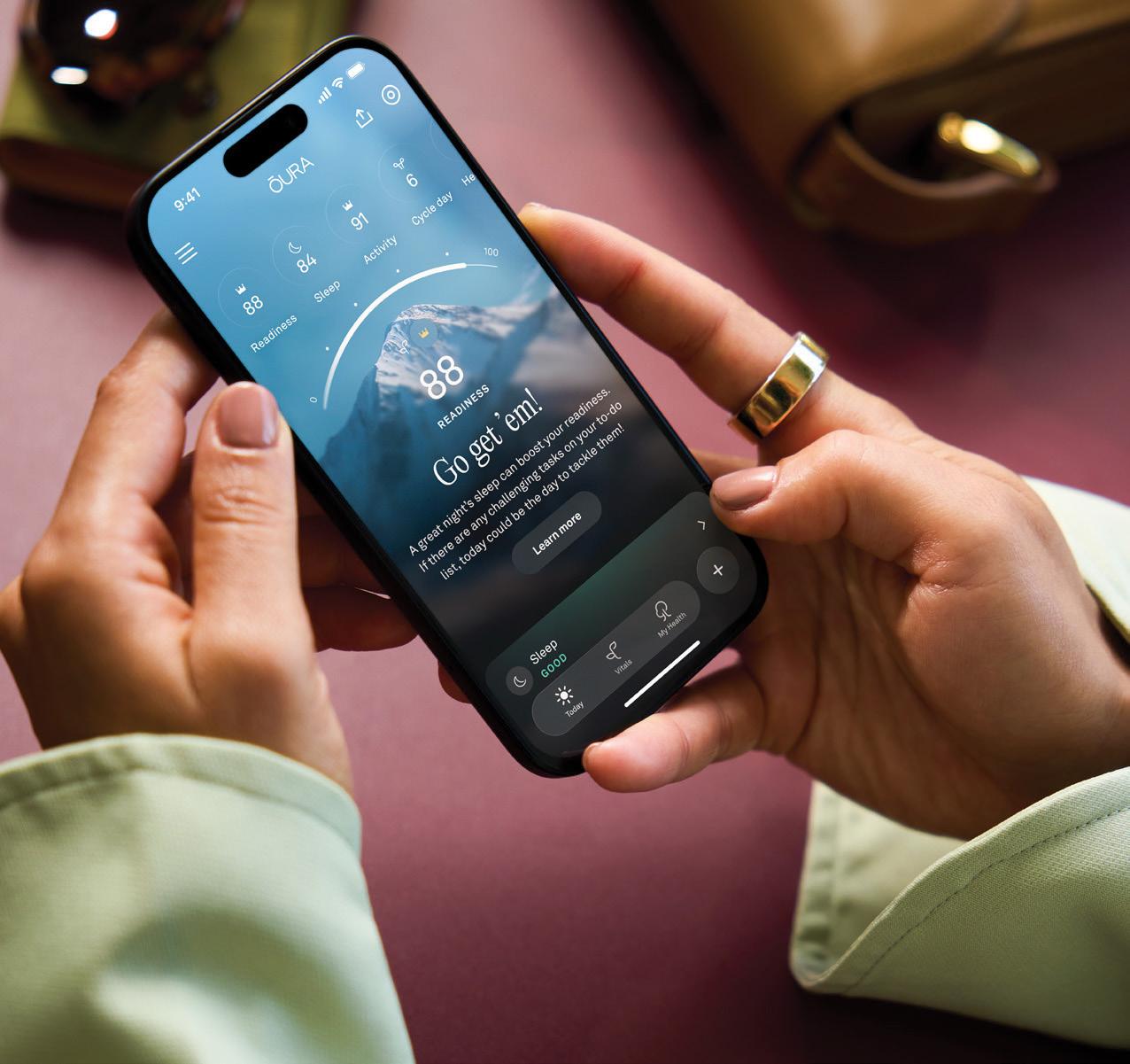
The product is a ring. It measures what your body is doing while you sleep with a
precision that borders on clinical. That is where the company began — and what it has become is considerably more layered. The accuracy of the ring is a function of where it sits. The signal at the finger is 50 to 100 times stronger than at the wrist. The tissue is uniform, the pulse waveform clean, and the measurement captures the heart’s output as it leaves the source.
Oura achieves 79 per cent sleep staging accuracy against polysomnography, the clinical gold standard, which scores 82 per cent*. Members wear their ring an average of 23 hours a day, and the results are tangible: according to internal surveys,
87 per cent report improved health and 88 per cent see improved sleep quality after wearing one.
“When you go to the hospital, where do they put the sensor?” Hale says. “They put it on your finger. There is a reason.”
Sleep is not the destination. It is the access point. “Sleep is a Trojan horse,” Hale says. It is universal and almost universally compromised. Its downstream effects run deep: cognition, mood, immunity, appetite. Poor sleep triggers leptin and ghrelin, the hormones that drive late-night eating. It is also one of the earliest detectable signals of cognitive decline, with fragmentation patterns appearing years before clinical symptoms emerge. “Being able to see that pattern of your sleep becoming more fragmented over time,” Hale says, “is a signal that you might want to start an intervention.”
What changes when people act on that insight is striking: they sleep better, eat better, exercise more, drink less. The ring does not issue commands. It connects the dots between behaviour and biology, and people adjust. The ring reads temperature, heart rate and respiration through the night. When any of those readings deviates from a user’s personal baseline, the system flags it before the person has any awareness of being unwell. “That’s a superpower,” he says, “because you had no idea you were getting sick before you started snuffling and feeling it.”

From sleep, Oura has expanded into readiness, stress recovery, women’s health, cardiovascular monitoring and metabolic tracking. Tens of new features in the past year alone, released in fortnightly updates. Women now make up the largest portion of its membership. Young women aged 20 to 30 are the fastest-growing demographic, a complete inversion of the product’s original profile. They use the AI features twice as long and twice as frequently as men. When Hale asked why, the answer was consistent: “It’s infinitely empathic, infinitely patient. It knows everything about me, and it cares. Which is, in a way, an indictment of their husbands and boyfriends.” Women, he observes, are in many ways the chief family
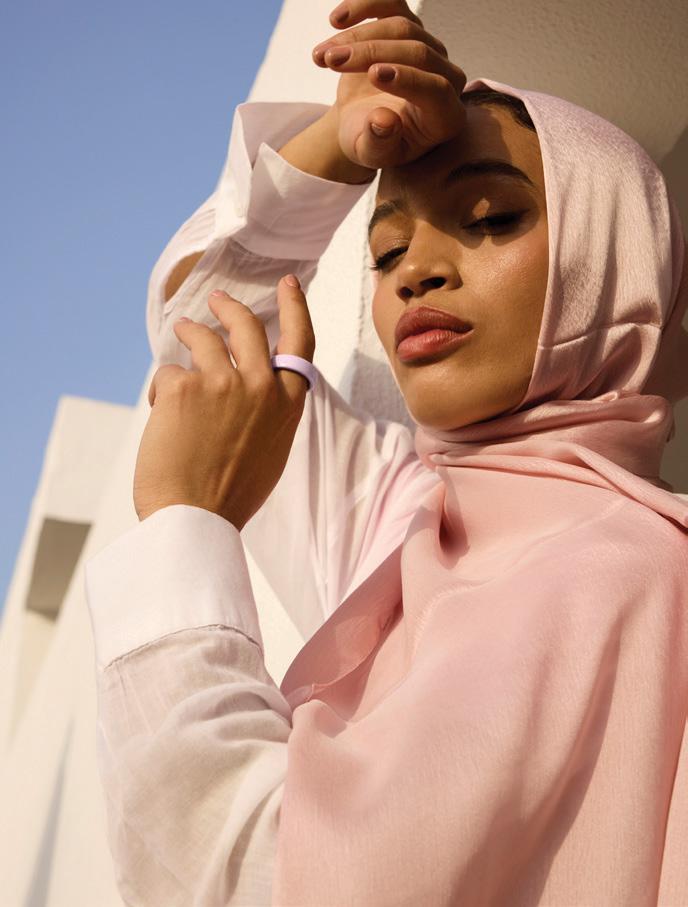
officers of their households, responsible for the health of everyone around them. Mothers buy rings for ageing parents, for partners working too hard, for children heading to university. The shared data creates a quiet, continuous situational awareness. A colleague of Hale’s used his wife’s biometric readings to schedule her chemotherapy on the days her body was strongest, and came home early, without being asked, on the days it was not. “Without her having to say, I’m not feeling well, can you please pick up the kids. He would just know. That kind of dynamic is really powerful.”
The clinical precision extends further than most users expect. When it comes to women’s health, the ring’s temperature tracking could detect major physiological changes, such as pregnancy, weeks before other methods would. It tracks pulse wave velocity, a measure of arterial stiffness and one of the clearest early predictors of heart attack and stroke. In metabolic health, it partners with Dexcom for continuous glucose monitoring and analyses photographed meals for nutritional content. Its partnership with Natural Cycles, an FDAcleared digital contraceptive, is as effective as barrier contraception.
The stories that give all of this a human dimension are not hypothetical. A Paralympic athlete was told by his family to train harder when he felt unwell. Oura had been flagging serious warning signs for a weekend. When he finally sought medical help, he was told his appendix was hours from bursting. People have discovered cardiovascular conditions and Graves’ disease through changes in their heart rate variability. “Once you get a picture of what normal looks like for you, you become very attuned to when things start to change.” Hale says, calling it “a sixth sense”.
Hale draws a firm line around what the technology does not claim. “Anybody who says they can track calories from a food photo is making it up. We’d rather have a gap than give you something false.” Thirty PhDs drive the science. “If it’s not true, we don’t say it,” he says. “We hold ourselves to that bar.”
Hale is deliberate about data sensitivity, ensuring Oura is governed as a covered entity under HIPAA and GDPR. “We’re
OUR STRATEGY IS SIMPLE. FIRST, EVERYTHING WE BUILD STARTS WITH A CLIENT-FIRST MINDSET. SECOND, WE RELEASE ONLY PRODUCTS THAT DELIVER REAL BENEFITS. WE FOCUS ON FEWER THINGS, BUT WE DO THEM BETTER.”
very careful to protect our users’ data as it reveals a lot of details about their health,” he emphasises.
He cites the Apple Watch ‘crash detection’ rollout as a cautionary tale; in its first year, ski resorts triggered hundreds of false 911 calls from minor bumps, often because bulky winter gloves muffled the device’s emergency alerts. Oura’s philosophy is to inform without alarming. The goal is long-term behaviour change, not emergency intervention.
The business Hale is building toward moves well beyond direct-to-consumer. His vision is explicit: to shift healthcare from sick care and crisis intervention to something he calls truly human care, supporting people for the 23 hours a day they spend outside a doctor’s office.
The route there runs through the insurance market. If a government spends one per cent less of its GDP on treating
illness, that capital can move to education, infrastructure, or AI. That argument opens doors that product marketing does not.
Oura is already working with Essence Healthcare, a Medicare Advantage insurer in the US, putting rings on members aged 65 and over.
Early data shows behaviour change, sustained engagement, and a projected reduction in costs simply by deferring hospital admissions by a year or two.
In Dubai, GluCare (now called Metabolic), a metabolic disease clinic, has published research showing sustained reductions in A1C through a hybrid care model combining wearables, glucose monitoring, nutrition coaching and clinical intervention. Hale arrived in the region through a chance meeting with Ali Dalloul, US president of G42, who connected him to local partners. “There was no region on the planet better suited to this than the Middle East,” he says.
The competitive landscape is intensifying. Samsung entered the space with its Galaxy Ring in 2024. Ultrahuman and RingConn continue to expand. Hale is unruffled, pointing to Oura’s head start in clinical validation and its growing data set as advantages that competitors cannot easily replicate.
The democratisation case is something Hale makes without prompting. Eleven per cent of Oura’s US users earn under $50,000 a year, according to internal data. The ring qualifies for purchase through flexible spending and health savings accounts, payable with pre-tax healthcare funds. Near his home, a bakery worker in her mid-20s, earning around $20,000 a year, wears one. When he asked why, she said her health mattered, and that skipping two cups of coffee a month covered the cost. “Piece of cake,” she said.
Leadership is where a different side of Hale becomes visible. He cites Jim Collins’ book Good to Great, and its argument that leaders exist to serve the people they lead. He leads from the front, he says, and mentions something he had never said publicly before: when he uses the office bathroom, he always leaves it cleaner than he found it. Wipes the sink. Pushes down the overflowing bin. “If you’re trying to improve people’s health, which is our mission, it’s everybody’s job. No one is above that.”
It is, in its way, the most “Oura” thing he says. The call ends and what stays is not any single statistic, though the precision of this technology is genuinely striking. It is something more personal: a sharpened awareness of my own three or four hours at night, the fragmentation I have learned to treat as normal, and the knowledge, sitting closer than I would like, of what cognitive decline looks like when it takes hold and accelerates.
Hale is building toward a world where a machine intelligence monitors your health every hour of the day and intervenes, quietly, before you know you need it. For the first time in some years, I find myself thinking seriously about getting more sleep.
*Recent independent research suggests accuracy may vary in older adults, particularly for deep sleep estimation, but the company’s claims are consistent with manufacturer data for general populations.
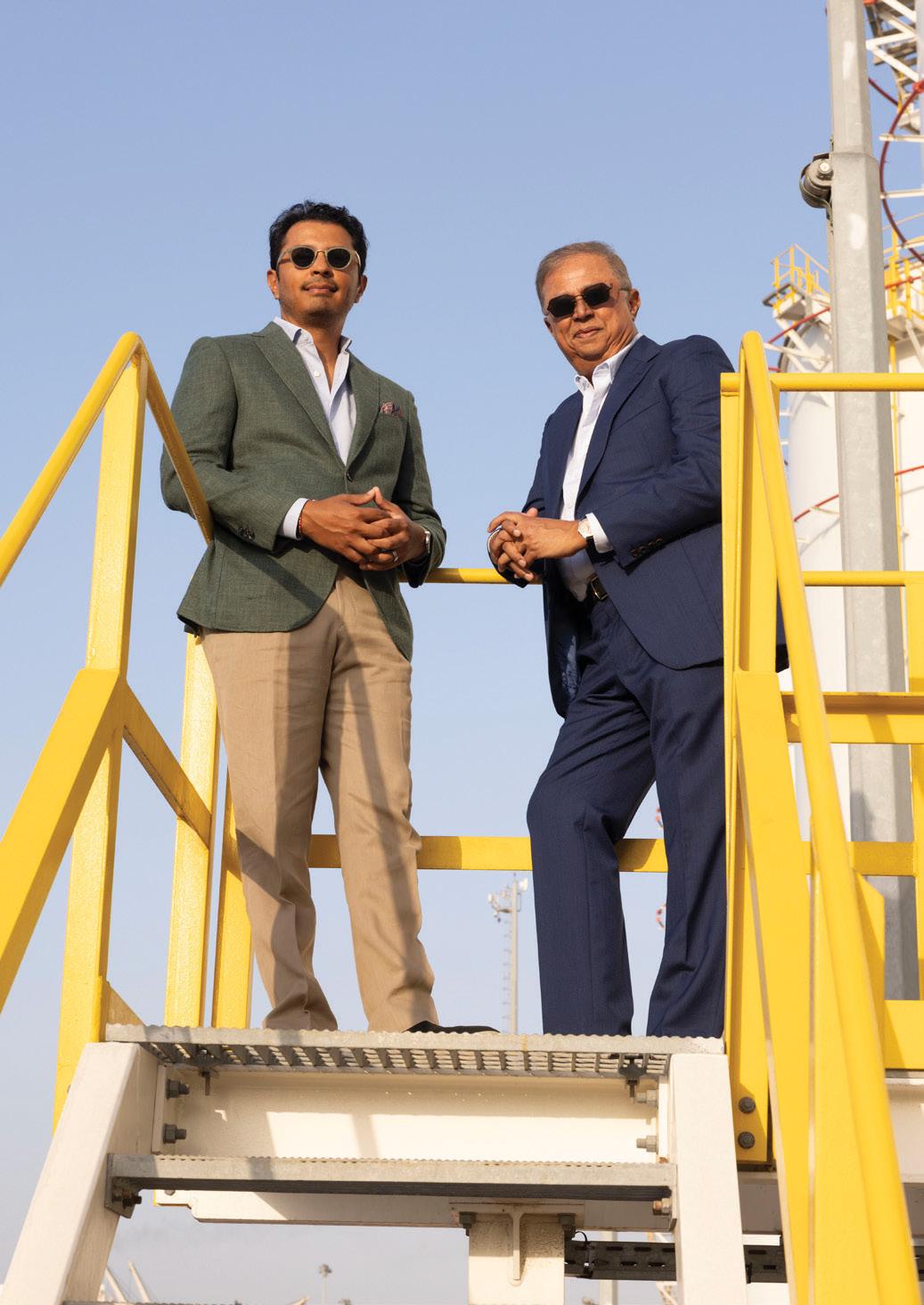
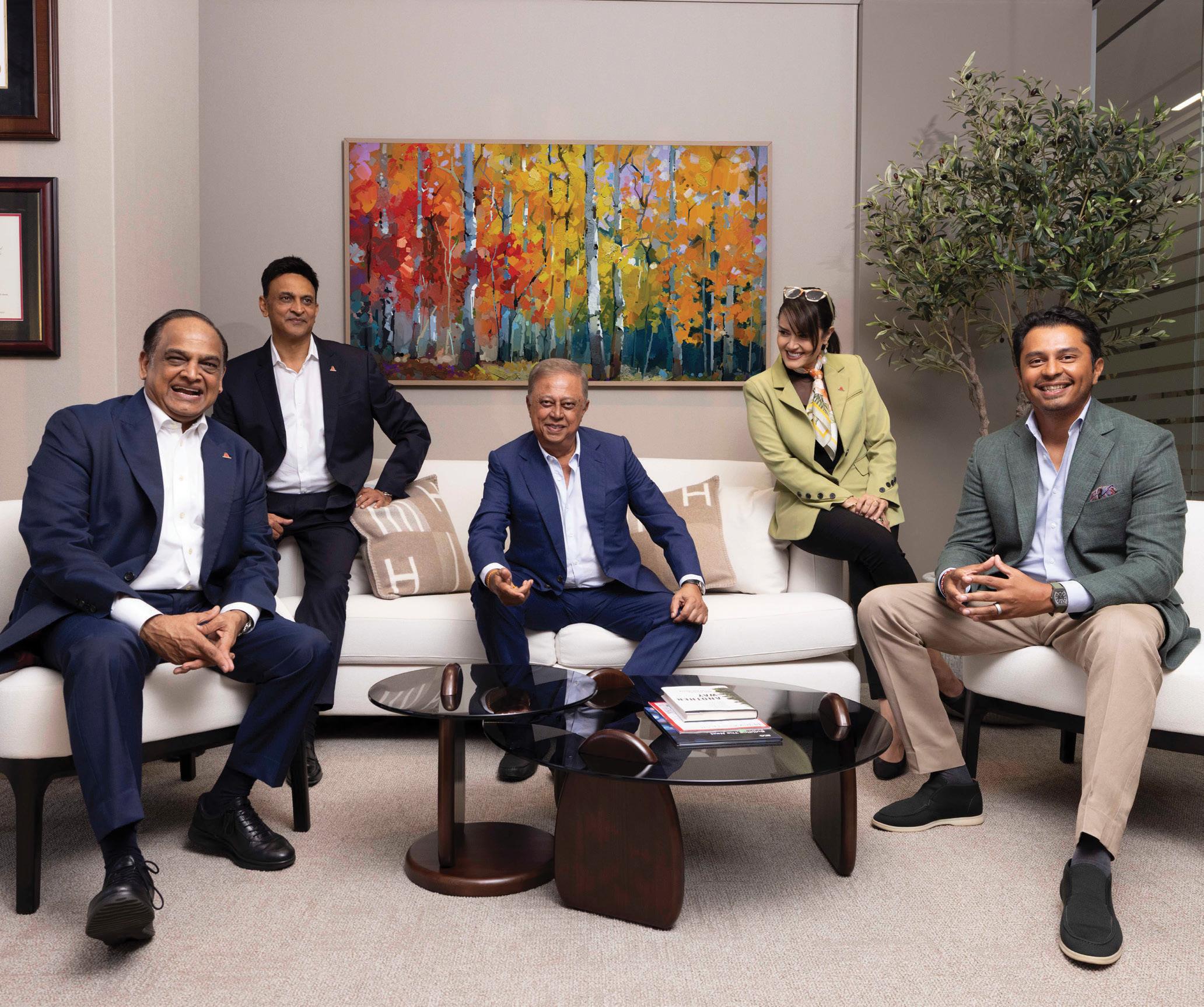
From founder and chairman Yogesh Mehta to managing director Rohan Mehta and CEO Venu Nayar, the region’s biggest petrochemicals distributor sets out how a Dhs300m investment is just the start of the company’s next chapter.
GARETH VAN ZYL
WORDS PHOTOS
MARK MATHEW
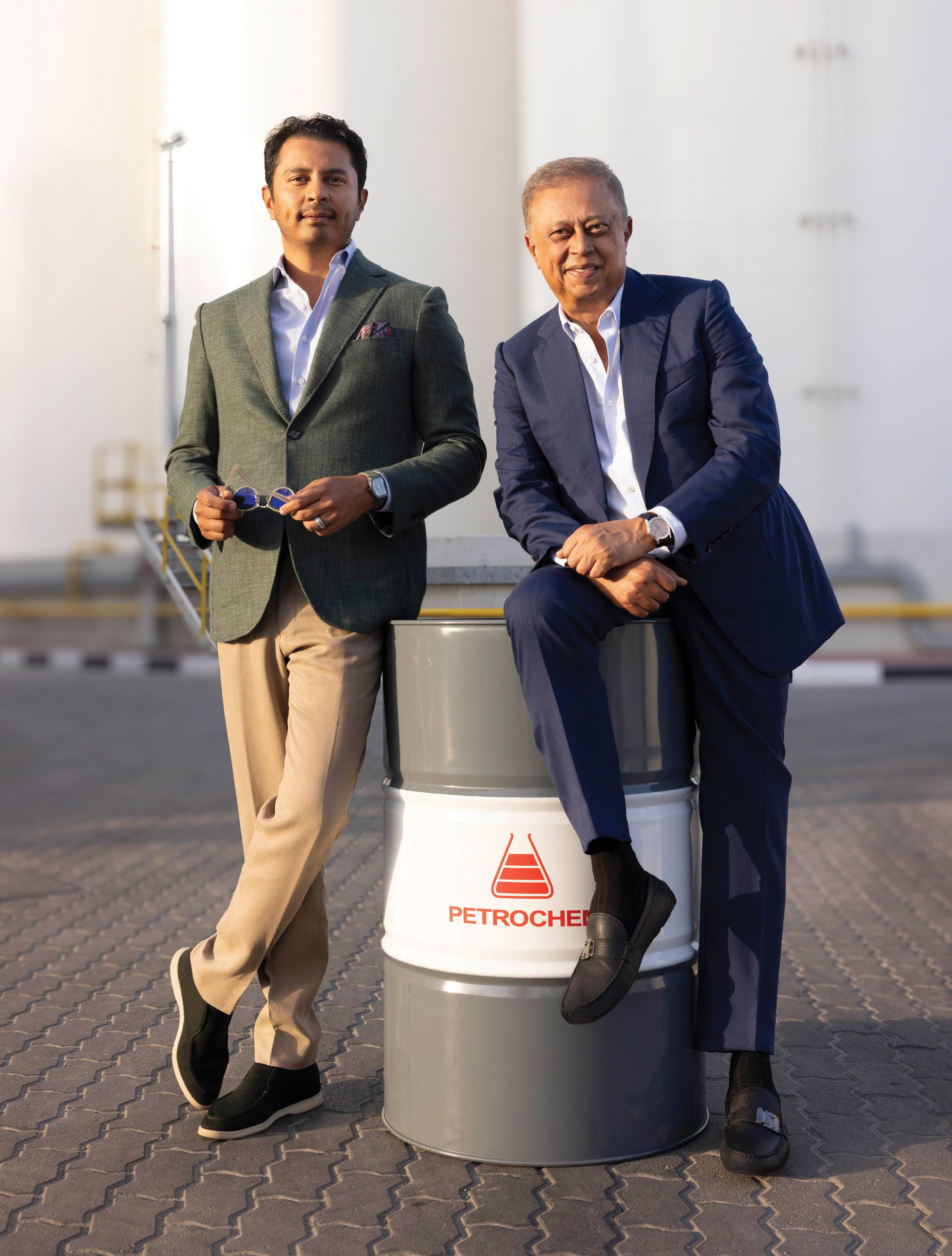
Just days after Petrochem officially opened its new Dhs300m terminal in Jebel Ali, a ship carrying cargo worth around $20m (Dhs73m) quietly docked alongside the brandnew facility. There was no ceremony. No ribbon-cutting. Just a vessel easing into berth, product flowing into tanks, and business getting on with itself.
For Yogesh Mehta, founder and chairman of Petrochem Middle East — known to most simply as Yogi — the moment carried more weight than most.
“I’ve been watching ships come into Jebel Ali for over 30 years,” he tells Gulf Business. “But seeing one arrive here, at our own terminal, so soon after opening: that was a fullcircle moment.”
That single docking neatly captured what Petrochem’s new terminal represents: not just a symbolic investment, but a fully operational piece of industrial infrastructure designed to work from day one — and for decades to come.
Petrochem’s journey mirrors Dubai’s own industrial rise. When Mehta arrived in the early 1990s, Jebel Ali was still finding its footing as a regional logistics hub. Petrochem began as a modest chemical trading business, operating from rented offices and learning the trade alongside multinational producers already established in the free zone.
“I used to come here once a week from Al Rashidiya in Dubai,” Mehta recalls. “I would sit with regional directors from companies like Union Carbide, which later became part of Dow Chemical Company, and learn how the chemical business really works — how supply chains move, how value is created.”
Three decades on, Petrochem now shares a boundary wall with Dow Chemical Company at Jebel Ali. Its new terminal, the company’s largest to date, consolidates operations, logistics and corporate headquarters on a single, purpose-built site.
“To build a state-of-the-art terminal next to the company I once learned from is humbling,” Mehta says. “It’s a feeling of pride, but also responsibility.”
“For me, this is a full stop,” he adds. “For Rohan, it’s a comma.”
If Yogesh Mehta represents Petrochem’s origin story, his son Rohan Mehta, managing director, represents its future — both father and son are Harvard Business School alumni.
“This isn’t just about adding capacity,” Rohan says. “It’s about building the platform for the next 30 years.”
More than a decade into the business, he sees the new terminal as the physical expression of Petrochem’s evolution from an entrepreneurial distributor into a fully asset-backed industrial operator.
“Our foundation is strong,” he says. “The challenge now is how we evolve without losing what made us successful.”
That evolution, Rohan argues, starts with people. Petrochem employs around 250 people globally, with roughly 150 based in Dubai, managing hundreds of container and truck movements every day across the Middle East, Africa and the Indian subcontinent.
“How do we attract talent? How do we give people confidence that this is a place to build a career?” he asks. “Owning infrastructure like this matters. It signals permanence.”
It also enables complexity. The new terminal introduces capabilities that remain rare in the region: stainless steel tanks for acids, temperature-controlled tanks for products such as styrene, and infrastructure that supports more sophisticated chemical handling and blending operations.
Beyond capacity, it also improves speed and control: reducing vessel turnaround times, tightening tank-to-ship connectivity and allowing customers shorter lead times and greater certainty of supply.
INVESTMENT
Dhs300m
LOCATION
Jebel Ali Port
CERTIFICATION
LEED Gold
CAPABILITIES
Bulk liquid storage, stainless steel tanks for acids, temperature-controlled tanks, strategic third-party storage
ROLE
Petrochem’s largest terminal to date, consolidating operations and headquarters
STRATEGIC ALIGNMENT
Dubai Economic Agenda D33
I USED TO COME HERE ONCE A WEEK FROM AL RASHIDIYA IN DUBAI, I WOULD SIT WITH REGIONAL DIRECTORS FROM COMPANIES LIKE UNION CARBIDE, WHICH LATER BECAME PART OF DOW CHEMICAL COMPANY, AND LEARN HOW THE CHEMICAL BUSINESS REALLY WORKS — HOW SUPPLY CHAINS MOVE, HOW VALUE IS CREATED.”
— Yogesh Mehta , founder and chairman
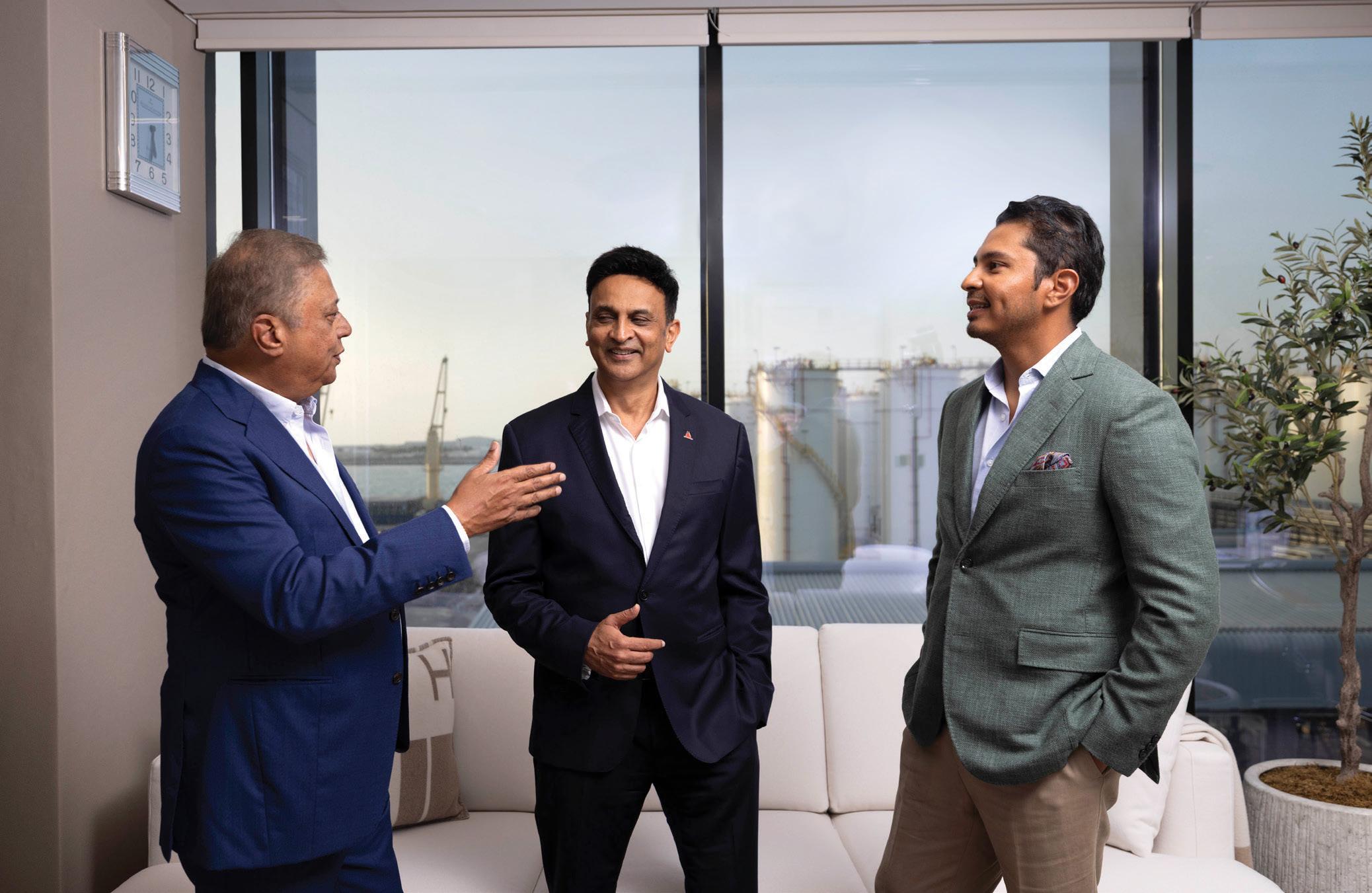
“This wasn’t built just for today’s volumes,” Rohan says. “It’s designed for future products, future customers and future markets.” For him, the generational transition underway at Petrochem is less about handover and more about continuity. “We’re not changing who we are,” he says. “We’re strengthening it.”
That long-term thinking sits at the heart of Petrochem’s Dhs300m investment, particularly at a time when much of the global chemical industry is navigating uncertainty. According to Venu Nayar, Petrochem’s chief executive officer, the timing is deliberate.
“The UAE is transitioning from a trading economy to a manufacturing base,” he says. “CEPA agreements, particularly with India, are accelerating that shift.”
India, Nayar explains, is fundamentally a consumption-driven economy rather than a manufacturing powerhouse like China. With zero customs duties under CEPA and growing trade friction between India and China, manufacturers are increasingly using the UAE as a platform to serve regional markets.
“That increases demand for chemical raw materials,” he says. “By committing Dhs300m now, we’re positioning Petrochem ahead of the cycle, not reacting to it.”
The investment also reflects deeper structural shifts in the global economy. Since the Ukraine war, Europe has faced rising energy costs and declining competitiveness. At the same time, China’s industrial overcapacity, built on years of cheap credit, has pushed excess supply into global markets.
“The Middle East sits at a strategic intersection,” Nayar says.
“Manufacturing is moving closer to consumption centres. Supply disruptions are becoming more common. Being close to the market matters more than ever.”
In that context, infrastructure ownership is less about risk-taking and more about risk mitigation. For Petrochem, owning strategic assets provides resilience in an increasingly fragmented global supply chain.
Recent years have reinforced that lesson. From the Suez Canal blockage to constraints at the Panama Canal, resilience increasingly depends on proximity, redundancy and physical control. Petrochem’s new terminal has been designed with that reality in mind.
in
THIS WASN’T BUILT JUST FOR TODAY’S VOLUMES, IT’S DESIGNED FOR FUTURE PRODUCTS, FUTURE CUSTOMERS AND FUTURE MARKETS. WE’RE NOT CHANGING WHO WE ARE, WE’RE STRENGTHENING IT.”
— Rohan Mehta , managing director
One of the clearest signals of its strategic role is strategic storage.
Kuwaiti petrochemical producer EQUATE has secured around 20,000 tonnes of capacity at the facility, using Jebel Ali as a buffer to serve Indian and regional markets.
“In the event of supply disruption, being two days away from customers makes a real difference,” Nayar says.
A defining feature of Petrochem’s strategy is its commitment to owning infrastructure rather than operating as a purely transactional trader.
“A trader moves paper from A to B,” Nayar explains. “A distributor invests for the long term.”
By building and owning terminals, while leasing land from DP World, Petrochem sends a clear signal to customers and suppliers that it is anchored in the region. “When manufacturers see that
30-YEAR JOURNEY
Mid-2000s Becomes the Middle East’s largest independent chemical distributor
2010s Expansion across Africa and Asia
level of investment, it builds confidence,” Nayar says. “It shows we’re here to stay.”
The terminal is evaluated over a five- to ten-year horizon, with returns driven by utilisation, operating leverage and longterm strategic optionality rather than short-term cycles.
That confidence matters. Petrochem supplies raw materials to almost every major paint and coatings manufacturer in the region. This is a scale that brings both opportunity and responsibility.
“We have significant market share,” Yogesh Mehta says. “That means we cannot afford to break trust.”
The company’s expansion also aligns closely with Dubai’s Economic Agenda D33, which aims to anchor high-value industrial activity and double the emirate’s economy over the next decade.
Looking ahead, Petrochem expects its core identity to remain intact: an emergingmarket chemical distributor focused on high-growth regions. But the business is also exploring selective manufacturing partnerships, green and low-VOC chemicals, EV-related chemistries and new verticals such as personal care.
“Distribution will remain the foundation,” Nayar says. “But with more value added.”
For Yogesh Mehta, the quiet arrival of that $20m ship just days after inauguration remains the clearest proof point.
“It showed that everything we built here works,” he says. “And that we’re ready for what comes next.”
Mid-2020s Expands tank terminal footprint in Egypt, with facilities on the Mediterranean and Red Sea
2026
Dhs300m Jebel Ali terminal and headquarters inaugurated
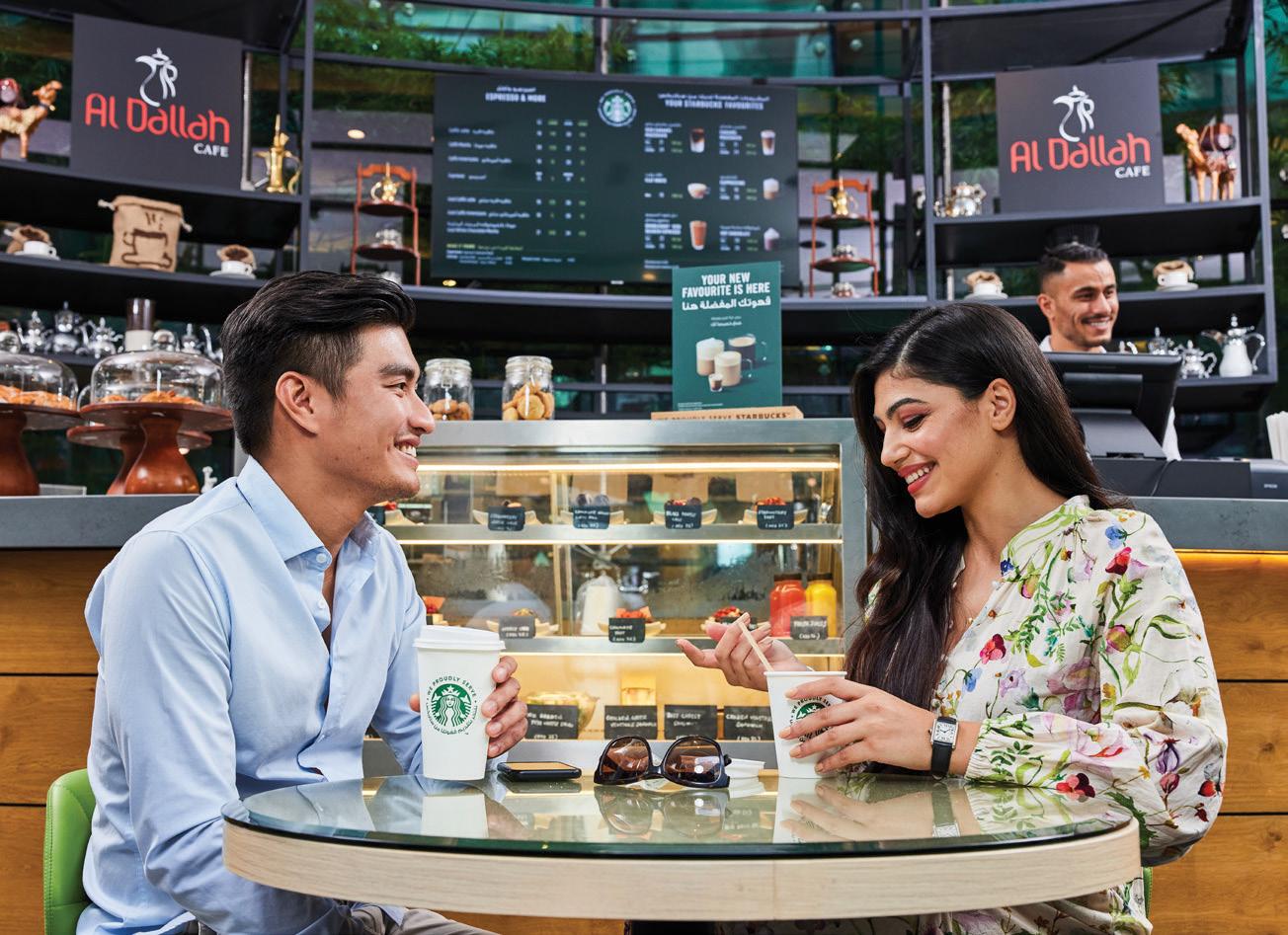
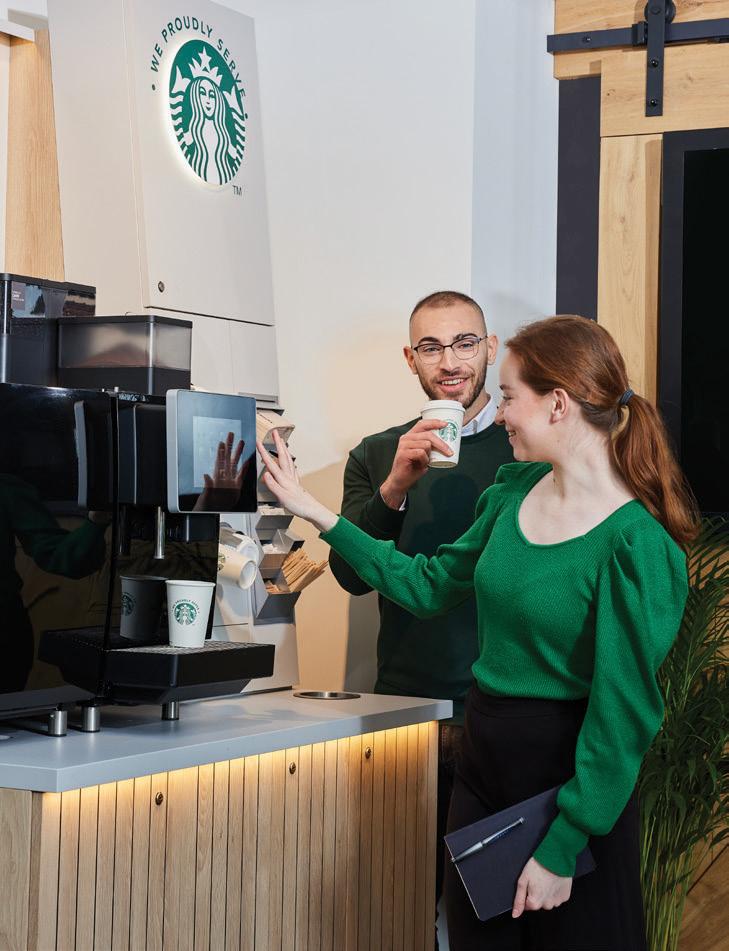
From guest experience to employee wellbeing, coffee is increasingly seen as an operational standard rather than a perk
Across the MENA region, coffee has become a defining part of both hospitality experiences and workplace routines. What was once treated as a simple refreshment is now viewed as an extension of service quality, brand perception and employee satisfaction. As hotels and offices evolve, expectations around consistency, reliability and ease of delivery are rising.
The We Proudly Serve Starbucks Coffee Programme, offered exclusively through Nestlé Professional, brings iconic Starbucks beverages directly into hotels and workplaces across the MENA region.
While hotels and offices operate under different pressures, both increasingly rely on coffee solutions that are simple to manage and dependable throughout the day. Coffee points are no longer confined to cafés or restaurants; they now feature prominently in hotel lobbies, lounges, meeting rooms, workplace cafés and collaborative spaces.
Flexible formats, from self-service stations to staff-served counters, allow organisations to adapt their coffee offering
to the layout and rhythm of each space. For most operators, the priority is not complexity, but consistency: delivering a premium, familiar beverage experience without adding operational strain or service risk.
Global coffee brands carry a level of familiarity that can reduce friction for both guests and employees. Starbucks is recognised globally for its coffee quality and familiarity.
Bringing that experience in-house through the We Proudly Serve Starbucks Coffee Programme helps create comforting, reliable moments throughout the day, from morning coffees to midmeeting breaks. All beverages use 100 per cent Arabica beans and follow Starbucks
brand standards, ensuring a consistent taste whether served in a hotel outlet or an office break area.
Nestlé Professional provides complete operational support, including equipment installation, staff training, and ongoing quality checks. This allows teams to serve confidently and consistently, while decision makers gain peace of mind through a smooth, reliable coffee operation across locations.
As organisations place greater emphasis on experience, for guests, employees and partners alike, coffee has emerged as a small but influential touchpoint. Whether in hospitality or the workplace, the focus is shifting towards solutions that combine quality, consistency and operational ease.
The We Proudly Serve Starbucks Coffee Programme helps hotels and offices elevate these everyday moments through a premium, trusted experience that reflects care and professionalism. Combining Starbucks brand strength with Nestlé Professional’s out- of- home expertise ensures quality coffee experiences that feel effortless, day after day across MENA.

THE MIDDLE EAST AND NORTH AFRICA (MENA) CONTINUES TO REDEFINE ITS PLACE IN THE GLOBAL ECONOMY. IN THIS SPECIAL FEATURE, GULF BUSINESS PRESENTS 50 COMPANIES AT THE FOREFRONT OF THAT TRANSFORMATION — BUSINESSES DISTINGUISHED BY SIZE, LEADERSHIP, AND BRAND POWER, AND UNITED BY THEIR ROLE IN SHAPING THE REGION’S NEXT PHASE OF GROWTH
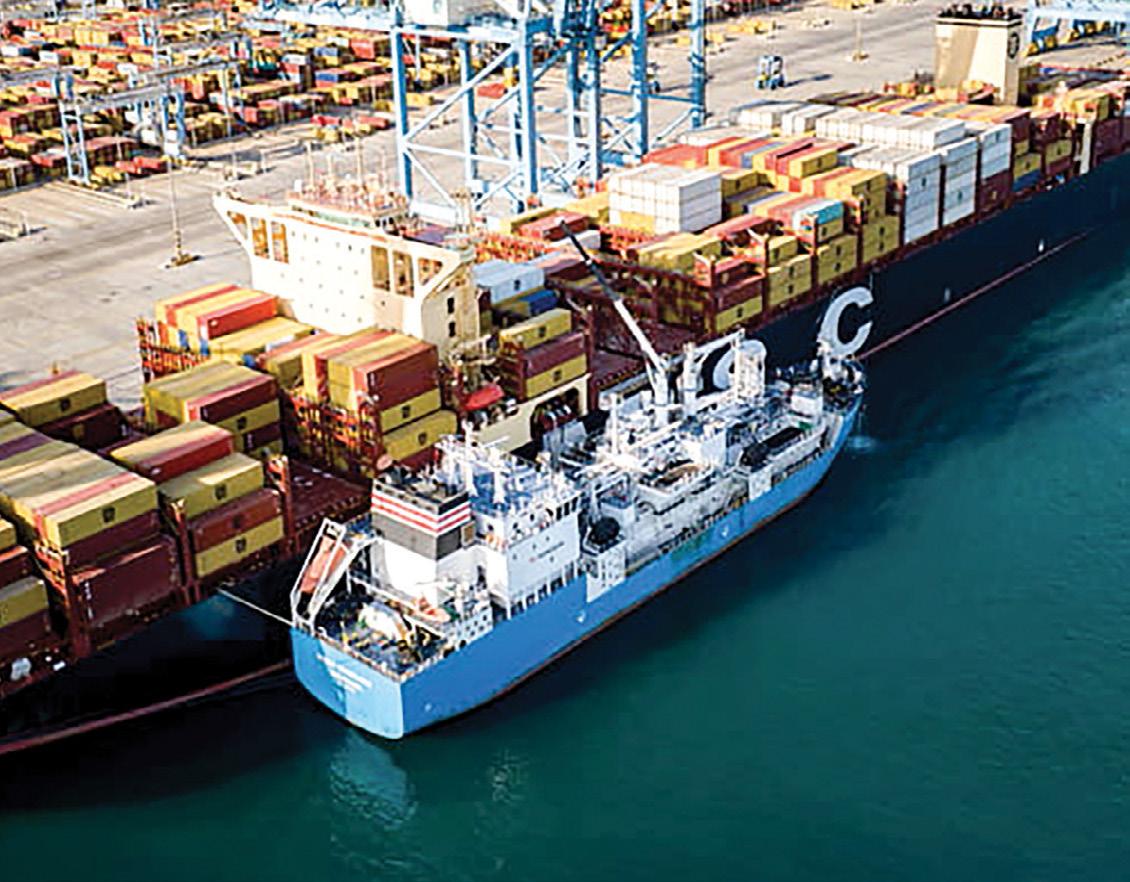
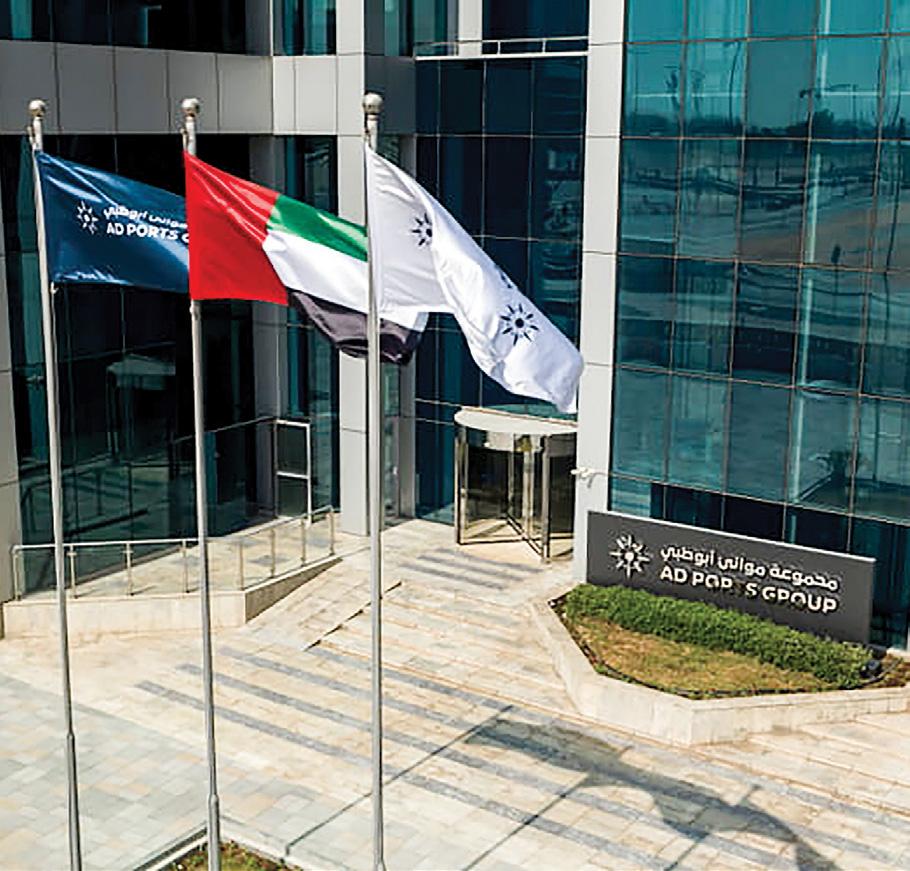
Listed on the Abu Dhabi Securities Exchange, AD Ports Group is a global enabler of integrated trade, logistics, and industrial development operating 34 port terminals across key trade corridors. The group delivered record FY2025 revenue of Dhs20.8bn, up 20 per cent yearon-year, with net profit rising 17 per cent to Dhs2.1 bn and EBITDA growing 12 per cent to Dhs5.1bn. Container throughput
ADNOC (ABU DHABI NATIONAL OIL COMPANY) / SECTOR: ENERGY HYDROCARBONS
• COUNTRY: ABU DHABI, UAE
Founded in 1971, ADNOC sits at the centre of the UAE’s energy strategy, spanning upstream production, refining, petrochemicals, trading, shipping and low-carbon solutions. The group is pursuing a capacity expansion strategy aimed at reaching five million barrels per day of oil production capacity by 2027. ADNOC’s six listed companies reported combined FY2025 revenues of Dhs190.1bn ($51.8bn), EBITDA of $16.7bn and net profit of $9.7bn, all record highs. ADNOC Gas recorded net income of $5.2bn, while ADNOC Logistics & Services grew revenue 41 per cent to $5bn.
surged 23 per cent to 7.7 million TEUs. The group turned free cash flow positive for the first time since its 2022 IPO and secured a 30-year concession to manage Jordan’s Aqaba multipurpose port.
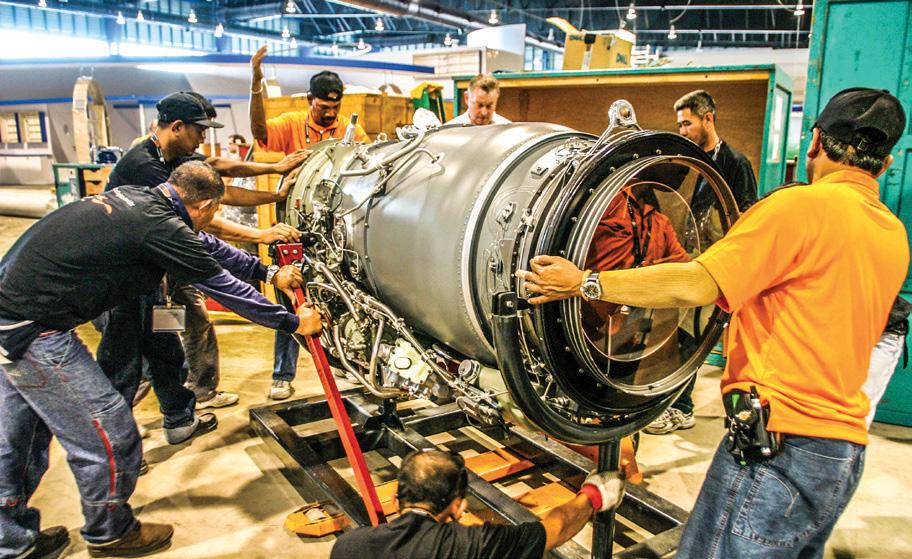
AGILITY GLOBAL / SECTOR: DIVERSIFIED LOGISTICS, AVIATION SERVICES AND INVESTMENT • COUNTRIES: KUWAIT / ABU DHABI, UAE
ADX-listed Agility Global is a multi-business owner spanning aviation services, fuel logistics, and warehouse infrastructure. Its portfolio includes Menzies Aviation, the world’s largest aviation ground services company, fuel logistics firm Tristar, and Agility Logistics Parks. For the nine months to September 2025, group revenue rose 10.2 per cent to $3.7bn, with EBITDA up 11 per cent to $568.6m. Menzies completed the $315 m acquisition of US-based G2 Secure Staff in Q3 2025. Total assets stood at $12.2bn.
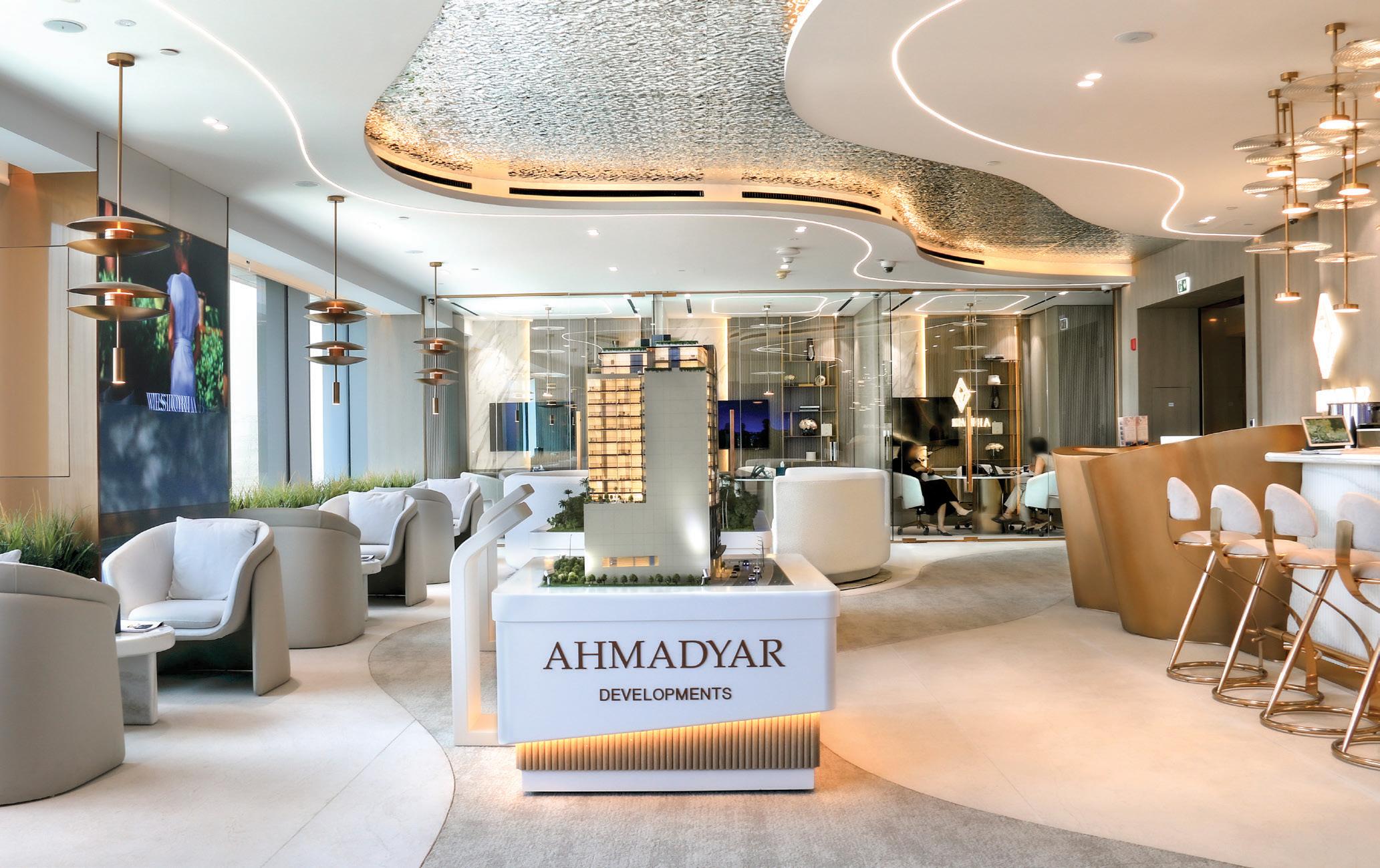
Ahmadyar Developments is a Dubai-based real estate developer focused on delivering modern, high-quality residential communities across rapidly growing urban locations in the UAE. Backed by more than 30 years of engineering, construction and infrastructure experience from its parent, Ahmadyar Group, the company specialises in thoughtfully designed properties that blend contemporary architecture, smart living features and long-term investment appeal. Foundationally rooted in a diversified business history spanning logistics, fuel distribution, ready-mix concrete and construction, Ahmadyar Developments was established as the group’s strategic entry into the dynamic UAE property sector.
Headquartered in Dubai, the company is building its reputation through a growing portfolio of off-plan and near-completion residential projects, including Palatium Residences in Jumeirah Village Circle — a mid-to-premium community offering studios to three-bedroom units with amenities such as swimming pools, fitness centres and smart-home integration — and the fully furnished coastal project Vestoria Bay on Dubai Islands, designed to appeal to lifestyle buyers and investors alike. These developments underscore the firm’s commitment to smart planning, architectural quality and timely delivery.
In mid-2025, Ahmadyar Developments expanded its market presence by launching a dedicated sales centre in Dubai Hills, enhancing its client engagement and showcasing its design vision and project offerings in
an immersive environment complete with model displays and consultation spaces. The launch event brought together partners, investors and industry stakeholders, signalling confidence in the company’s market positioning and growth trajectory.
The business emphasises a community-centred approach, integrating landscaped walkways, shared spaces and wellness-oriented amenities into its developments to create neighbourhoods that foster social interaction and balanced living. Its project execution is supported by in-house development teams alongside collaborations with local contractors and consultants, ensuring a streamlined process from land acquisition through construction and handover.
As Dubai’s property market continues to attract both regional and global capital, Ahmadyar Developments is positioning itself as a credible and agile developer that combines foundational engineering expertise with contemporary design and delivery capabilities. With a vision to build enduring residential value and contribute meaningfully to the UAE’s urban landscape, the company is steadily broadening its footprint and appeal among homeowners and investors alike.
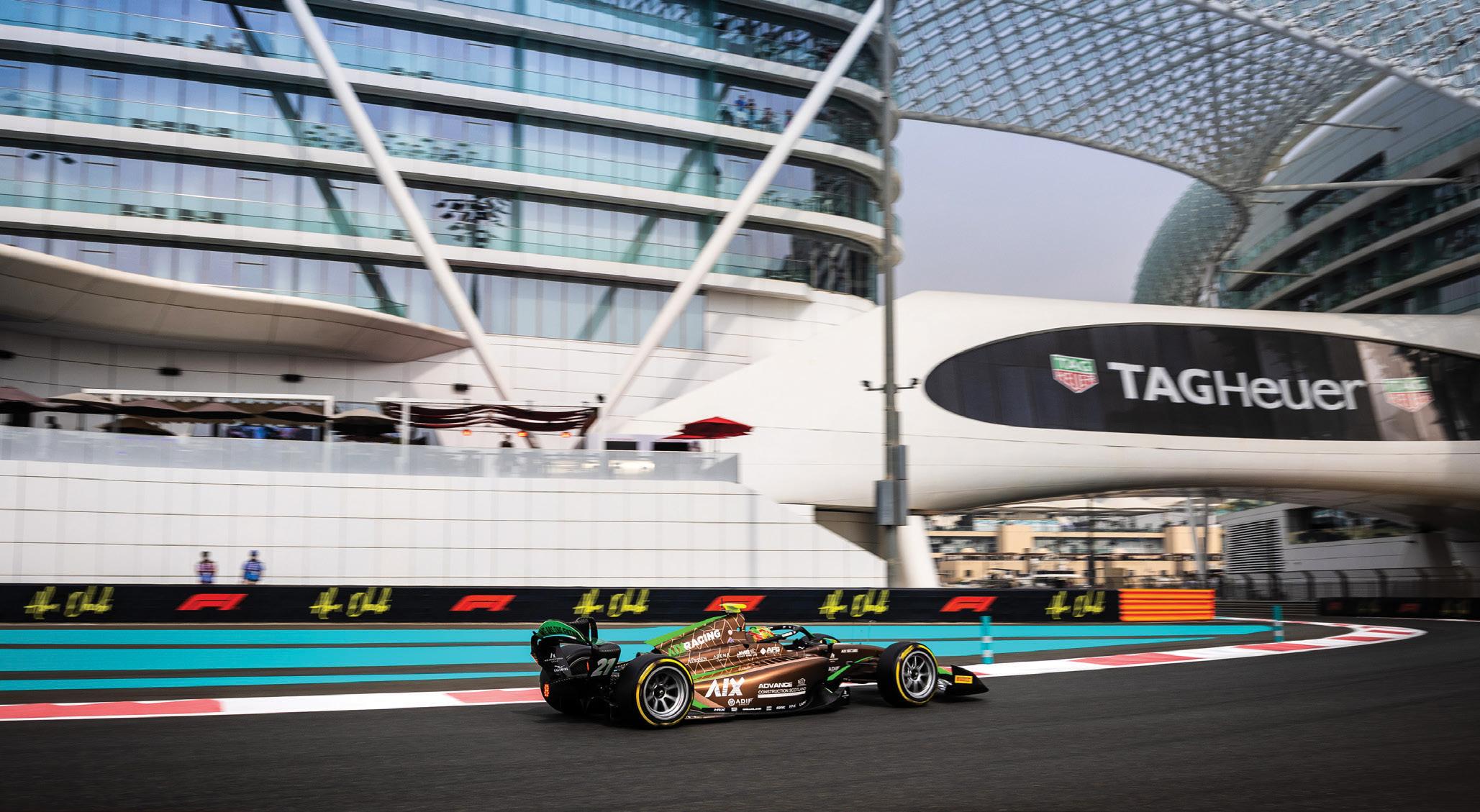
AIX INVESTMENT GROUP / SECTOR: INVESTMENT
ADVISORY FIRM • COUNTRY: DUBAI, UAE
Over the past decade, AIX Investment Group has established itself as a powerhouse in the financial industry, earning a reputation for reliability, innovation, and strategic foresight. Operating through multiple regulated entities, the group offers a wide spectrum of investment solutions tailored to both individual and institutional clients. At the forefront of its offerings is AIX Financial Consultation LLC, regulated by the Capital Market Authority (CMA), which provides specialised financial advisory services. The firm’s team of seasoned professionals assists clients with wealth management, retirement planning, and portfolio diversification, emphasising disciplined strategies designed to navigate market volatility.
The group’s philosophy, captured in its “We Are The Future” initiative, underscores a commitment to collective impact. By partnering with visionary individuals and organisations, AIX Investment Group seeks to drive sustainable development, empower communities, and tackle global challenges through targeted social initiatives. A notable example is the group’s contribution of Dhs1m to the Al Jalila Foundation, supporting medical education, research, and essential healthcare services in the UAE.
Technological innovation is also central to AIX Investment Group’s strategy. While AI shapes market narratives, the group leverages advanced analytics to augment human judgment rather than replace it. Director Morne Reinecke highlights the approach: “Our edge lies in combining AI
and quantitative tools with experienced portfolio managers and traditional trading principles.”
Beyond finance, AIX Investment Group has made a bold entrance into the motorsport world. Through AIX Racing, the group supports talent development in Formula 2 and Formula 3, while also sponsoring Formula 1 driver Pierre Gasly for the 2025 season. This move reflects both brand ambition and a commitment to nurturing excellence in competitive arenas. Looking ahead, AIX Investment Group aims to deepen its use of data-driven insights, sustain resilient investment strategies, and expand its global footprint.
SEEKS TO DRIVE SUSTAINABLE DEVELOPMENT, EMPOWER COMMUNITIES, AND TACKLE GLOBAL CHALLENGES THROUGH TARGETED SOCIAL INITIATIVES.
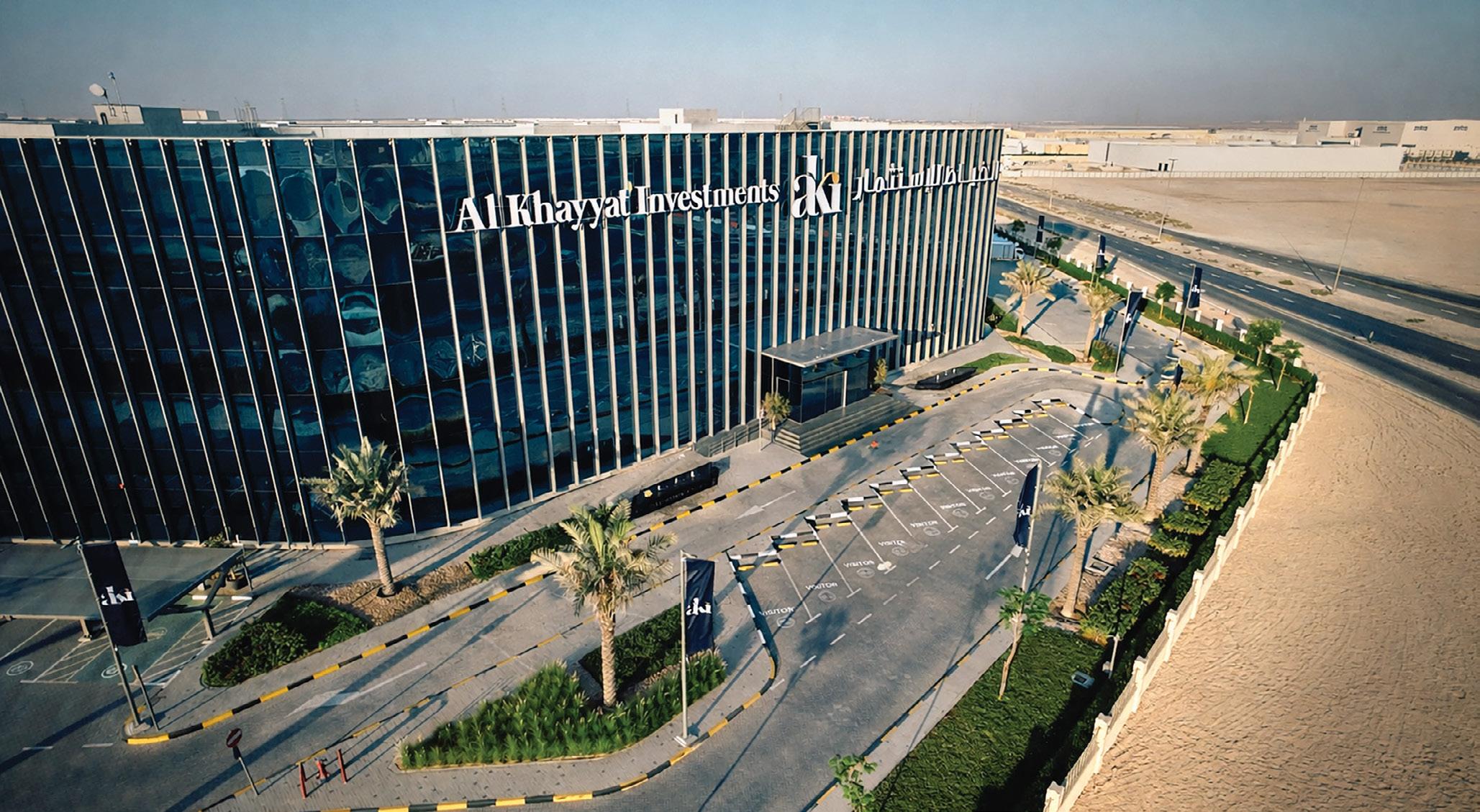
SECTOR: HOLDING COMPANY • COUNTRY: UAE
Al Khayyat Investments (AKI) is a Dubai-born, privately held Emirati holding company operating across a broad portfolio of sectors that touch everyday life — from healthcare and pharmaceuticals to retail, food and non-food consumer goods, logistics, manufacturing, automotive, contracting and environmental services. Established in 1982 by Dr. Saad F. Al Khayyat, who remains chairman, AKI has grown from a single pharmaceutical enterprise into a multibillion-dollar regional group built on a people-first philosophy and strong family values.
Today, under the leadership of Zaid S. Al Khayyat, managing director and board member, AKI operates across the Middle East and Africa, including the UAE, Saudi Arabia, Qatar, Bahrain, Kuwait, Oman, Egypt, Jordan and Iraq. The group employs 12,000 people representing over 70 nationalities and has earned recognition as a Best Workplaces organisation by Great Place to Work.
AKI’s diversified model combines partnerships with leading international brands and the development of homegrown ventures, positioning the group as both a market enabler and value creator. In 2026, AKI marked a milestone on the global stage through its partnership with the World Economic Forum in Davos, where Zaid S. Al Khayyat participated in high-level discussions on trade, innovation and sustainable growth, reinforcing the group’s commitment to long-term economic dialogue.
Within its consumer division, AKI Consumer has accelerated expansion, announcing a strategic partnership with CJ Foods to grow Korean food
brands across the Middle East. The division also made a high-profile debut at Gulfood 2026, showcasing more than 150 brand partnerships, presence across 15,000 retail doors and over 7,000 SKUs. The launch of AKI Creates — its brand incubator platform — further underscored its ambition to support emerging entrepreneurs.
AKI has also deepened international cooperation, signing strategic memoranda of understanding with Cainiao Group, an Alibaba company, in logistics and technology, and with BioBAY to explore life sciences collaboration, strengthening UAE–China trade ties. Operationally, the group continues to scale. AKI Logistics launched dedicated third-party logistics services across the UAE, supported by hubs in Dubai Industrial City and Dubai Investment Park. Its 1 million sq ft Fulfilment & Innovation Centre, opened in 2025, quadrupled capacity and enhanced supply chain efficiency. Meanwhile, Gulf Contracting & Landscaping delivered landmark projects including Abu Dhabi’s Maraya grand steps and sustainable community developments in Dubai and beyond.
THE GROUP EMPLOYS 12,000 PEOPLE
REPRESENTING OVER 70 NATIONALITIES
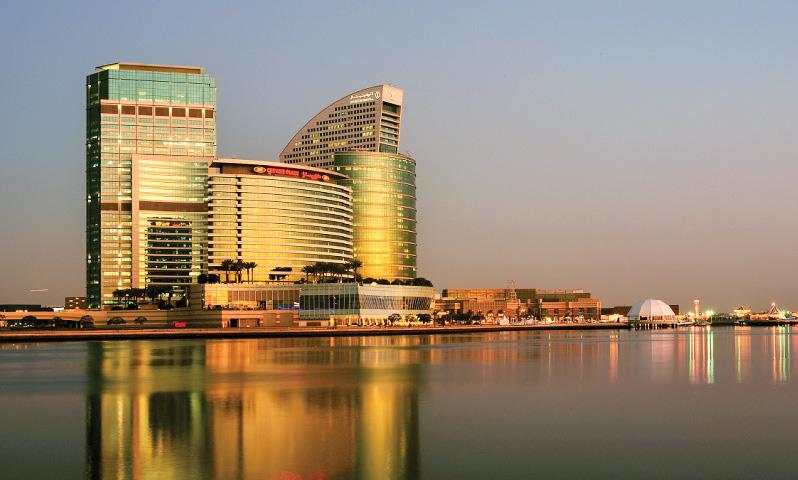
AL-FUTTAIM GROUP / SECTOR: AUTOMOTIVE, RETAIL, REAL ESTATE AND FINANCIAL SERVICES • COUNTRY: DUBAI, UAE
One of the UAE’s most diversified privately held conglomerates, Al-Futtaim operates across 20-plus countries with a portfolio of over 200 brands, including Toyota, Lexus, IKEA, and Marks & Spencer. In July 2025, the group acquired a 49.95 per cent stake in Saudi Arabia’s Cenomi Retail for SAR2.52 bn ($666m), one of the largest foreign strategic investments in a Saudi-listed retailer. At the Future Investment Initiative in October 2025, Al-Futtaim pledged SAR10bn ($2.72bn) in Saudi investments over three years across e-mobility, retail, real estate and insurance.
ARAMEX / SECTOR: LOGISTICS, EXPRESS & FREIGHT • COUNTRY: DUBAI, UAE
Aleading MENA logistics and express delivery provider, Aramex operates across more than 65 countries covering over 220 cities. FY2025 revenues rose 1 per cent to Dhs6.36 bn ($1.73bn), with December 2025 marking the highest monthly revenue in its history. Domestic Express grew 9 per cent to Dhs1.84bn and logistics revenue rose 18 per cent, while International Express contracted 11 per cent due to nearshoring trends. Net profit stood at Dhs85m. The first year of its Accelerate28 transformation strategy, spanning 300-plus initiatives, is underway, with full EBIT impact targeted by 2028.
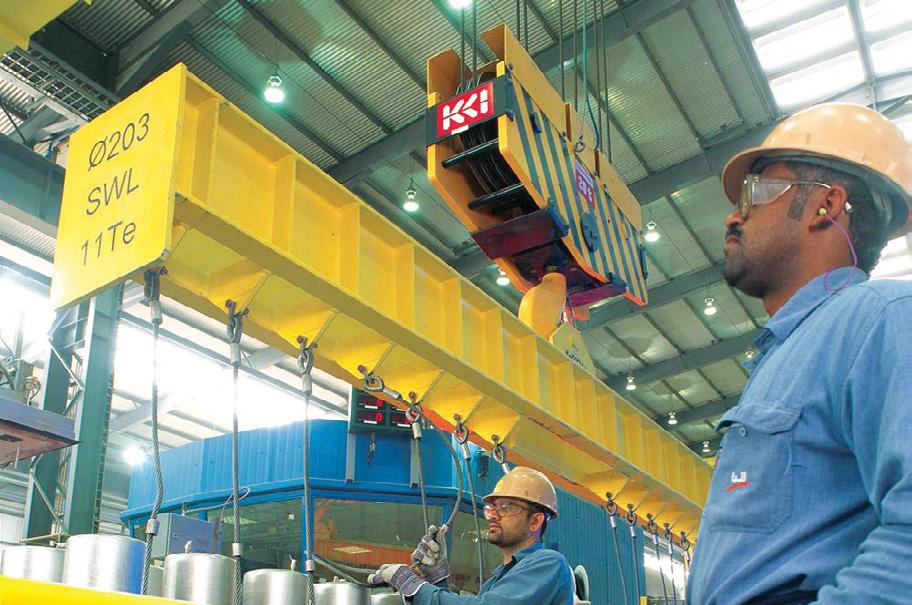
/ SECTOR: ALUMINIUM MANUFACTURING • COUNTRY: MANAMA, BAHRAIN
The world’s largest aluminium smelter on a single site, Alba delivered record FY2025 results driven by elevated LME prices and disciplined execution. Net profit rose 18.5 per cent to BD218.7m ($581.6m), while Q4 2025 posted the highest quarterly profit in the company’s 50-year history at $289.2m, up 193.4 per cent year-on-year. Net finished production hit a record 1,623,139 metric tonnes, with value-added products averaging 74 per cent of shipments. Alba exceeded its efficiency savings target, delivering $67.3m against a $60m goal.
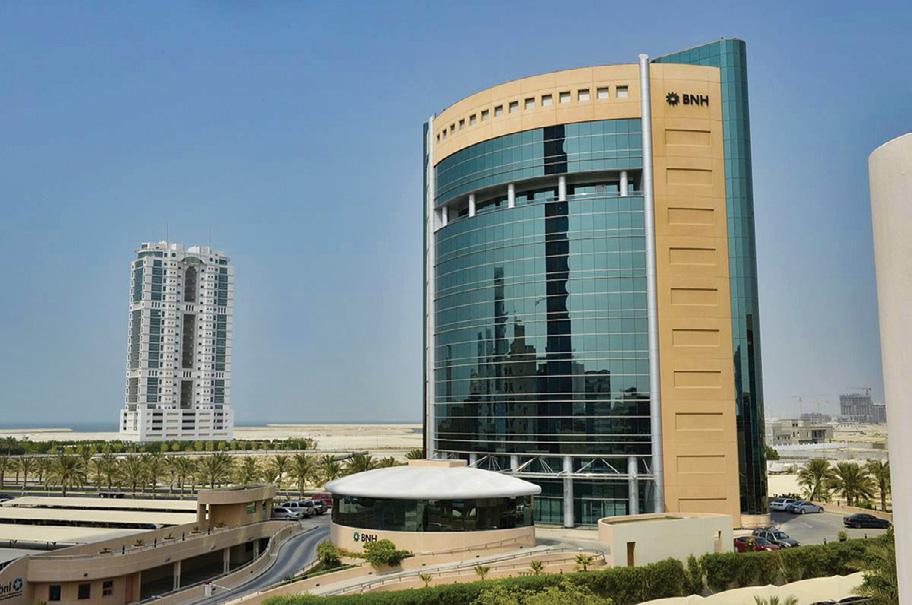
BAHRAIN NATIONAL HOLDING / SECTOR: INVESTMENT HOLDING • COUNTRY: BAHRAIN
Founded in 1969, Bahrain National Holding (BNH) is a Bahrain-based investment holding company focused on long-term value creation through strategic shareholdings and disciplined capital management. Listed on the Bahrain Bourse, the group has close ties to the kingdom’s financial services and insurance ecosystem. BNH emphasises prudent risk management, stable returns and portfolio optimisation, leveraging deep local networks to originate opportunities aligned with Bahrain’s evolving economic priorities and regional investment trends.

• COUNTRY: DUBAI, UAE
ANAX Holding, a leading investment firm with a diversified portfolio spanning real estate, hospitality, and high-growth investments, is reinforcing its position as a dynamic force in the regional business landscape. With a disciplined approach to capital allocation and venture development, the group continues to prioritise sustainable, long-term value creation across its operating sectors.
Since its inception, ANAX Holding has pursued a clearly defined growth strategy centered on building ventures that combine financial performance with measurable market impact. Each investment is guided by a structured framework designed to generate durable returns while contributing to broader economic and community development objectives.
Operating from its headquarters at Aspin Commercial Tower on Sheikh Zayed Road in Dubai, the company maintains close engagement with partners, clients, and stakeholders across the UAE and beyond.
The group is led by chairman Satish Sanpal, a UAE-based Indian entrepreneur recognised for his strategic acumen and ability to scale ventures across sectors. Under his leadership, ANAX Holding has expanded its footprint while strengthening its governance and operational discipline. Sanpal was recently named Visionary Leader in Real Estate by Gulf Business,
underscoring his influence on the regional property sector. His forward-looking approach continues to shape the group’s long-term roadmap, with a focus on innovation, market expansion, and industry leadership. Beyond commercial growth, Sanpal champions purposeful entrepreneurship through the Sanpal Foundation, the group’s philanthropic arm. The foundation supports initiatives in livelihood security, education, and community development across the UAE, India, and other global markets, aligning corporate success with social responsibility.
At the core of the group’s portfolio is ANAX Developments, its real estate division focused on delivering premium developments. The company has built a reputation for designing sophisticated living environments in prime Dubai locations, with an emphasis on long-term value and human-centred planning.
A defining milestone for the division was its partnership with ELLE to launch ELLE Residences on Dubai Islands. The project recorded a rapid sell-out following its market debut, signalling strong investor confidence and reinforcing the company’s brand positioning within the luxury property segment.
ANAX Developments continues to select strategic locations and prioritise build quality, future-readiness, and liveability across its pipeline. Each project is structured to balance architectural innovation with enduring asset performance.
Looking ahead, 2026 is positioned as a pivotal year for ANAX Holding. The group plans to launch a series of new ventures while delivering two major development projects in the fourth quarter. These milestones are expected to further consolidate its market standing and support its ambition to rank among the region’s leading holding groups.
With a diversified structure, disciplined execution model, and expansion-focused leadership, ANAX Holding continues to advance its strategic agenda, balancing growth, innovation, and long-term stakeholder value across the markets it serves.
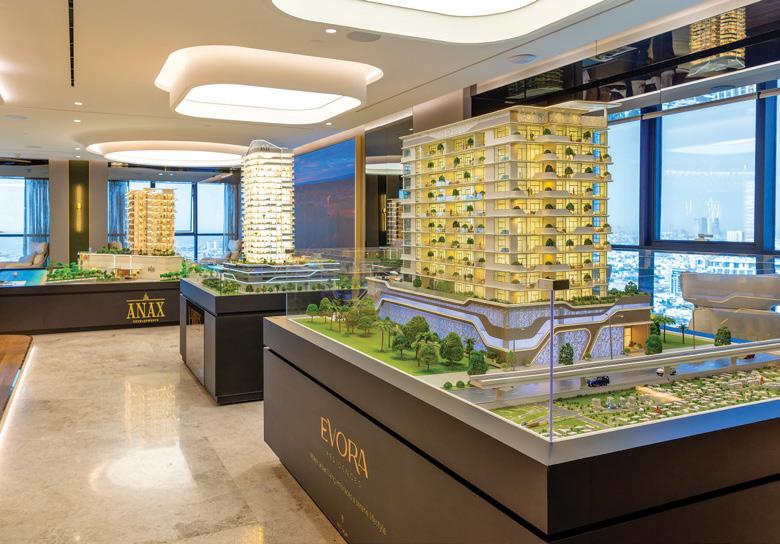
• COUNTRY: BAHRAIN
Batelco is Bahrain’s leading telecommunications provider and a cornerstone of the kingdom’s digital infrastructure. With a heritage spanning more than four decades, Batelco delivers fixed, mobile, broadband and ICT solutions to consumers, enterprises and government entities. The company plays a central role in Bahrain’s digital transformation agenda, investing in fibre, 5G and cloudenabled services. Through innovation, network resilience and regional partnerships, Batelco continues to strengthen Bahrain’s position as a connected, future-ready economy.
CAREEM / SECTOR: RIDE-HAILING, DELIVERY, FINTECH • COUNTRY: DUBAI, UAE
Careem operates across multiple cities in 10 countries, offering services spanning ride-hailing, food and grocery delivery, micromobility and financial services. In 2025, the platform expanded its service footprint across Abu Dhabi, Al Ain and Sharjah, enhancing more than 20 offerings across its Everything App ecosystem.
Careem Pay continued to grow its remittance network across new international corridors. Careem Plus subscribers reported average savings of Dhs375 per month, up 25 per cent year-on-year.
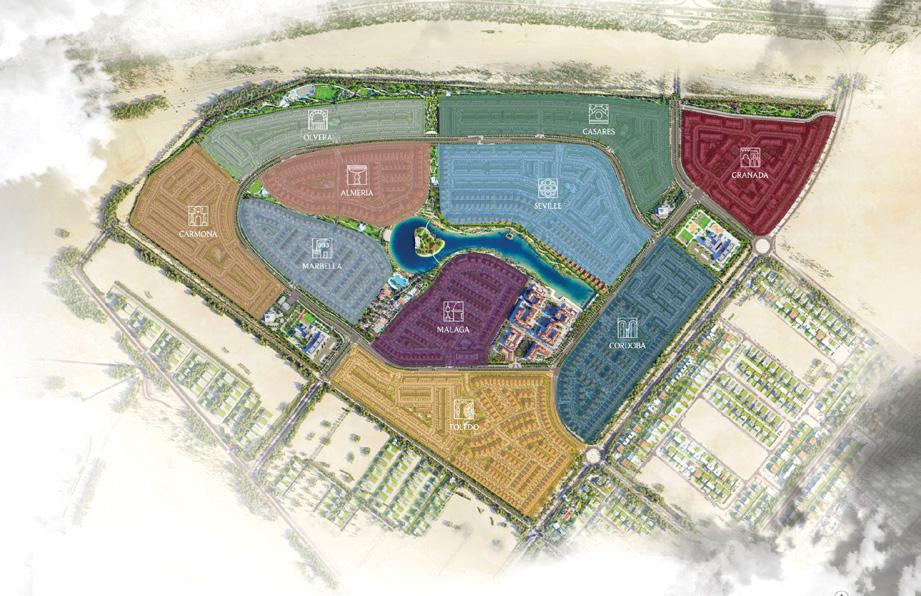
• COUNTRY: UAE
Bloom Holding is an Abu Dhabi-based real estate developer and master planner behind sustainable, mixed-use communities, hospitality, education and urban destinations in the UAE and internationally. The company’s flagship project, Bloom Living in Zayed City, Abu Dhabi, is a multiphase, fully integrated community inspired by Mediterranean design, combining villas, townhouses, apartments, parks, lakeside trails and retail hubs to deliver lifestyle-centric living. In 2025 Bloom Holding launched ‘Malaga’, the eleventh and final premium villas phase of Bloom Living expected by late 2028.
DAMAC GROUP / SECTOR: REAL ESTATE
• COUNTRY: UAE
DAMAC Group is a global private conglomerate founded in 1982 by Hussain Sajwani. Beginning in catering and logistics, it has grown into real estate, hospitality, data centres, fashion and capital markets, with operations across Europe, North America, Asia and the Middle East. Its subsidiary DAMAC Properties has delivered over 47,000 homes in cities including Dubai, London and Miami. The group also owns hospitality assets and luxury brands such as Roberto Cavalli, while EDGNEX leads its data centre expansion and DAMAC Capital targets investments in technology and finance.
SECTOR: TRADING • COUNTRY: UAE
Established in 1998, CFI Financial Group is MENA’s leading online trading broker, bringing over 25 years of industry expertise to global financial markets. From its early beginnings to its current position as a multi-regulated international group, CFI has built a reputation grounded in innovation, transparency, and client-first principles.
With a strong global footprint spanning key financial hubs including London, Abu Dhabi, Dubai, Cape Town, Baku, Beirut, Amman, Manama, and many more, CFI provides seamless access to both global and regional markets. The Group serves a diverse client base of retail and institutional traders, offering a comprehensive range of financial instruments across equities, currencies, commodities, indices, ETFs, and other asset classes. By combining advanced infrastructure with deep market knowledge, CFI ensures reliable market access supported by cutting-edge technology.
CFI offers a comprehensive suite of advanced trading platforms designed to meet the needs of traders at every level. Clients can access global
markets through industry-leading platforms that combine powerful functionality with intuitive user experiences across desktop, web, and mobile devices. With real-time pricing, advanced charting tools, customisable indicators, automated trading capabilities, and robust risk management features, CFI’s platforms deliver precision and flexibility in fast-moving markets. Backed by ultra-fast execution and secure infrastructure, the trading environment ensures reliability, transparency, and seamless performance, empowering clients to trade confidently anytime and anywhere.
Innovation remains at the heart of CFI’s growth strategy. As a leader in AI-driven trading tools, CFI integrates intelligent analytics, automation capabilities, and intuitive interfaces into its platforms. These advanced solutions are designed to enhance decision-making, optimise risk management, and support traders of all experience levels, from beginners seeking guided tools to professionals demanding precision and speed.
Beyond trading services, CFI is deeply committed to advancing financial education and literacy. The Group offers comprehensive multilingual educational resources, including seminars, webinars, in-depth market analysis, and step-by-step tutorials. Most recently, CFI launched CFI Academy, a structured learning platform featuring a series of courses tailored to traders of varying experience levels and objectives. By equipping traders with practical knowledge and actionable tools, CFI empowers them to build confidence, make informed decisions, and pursue sustainable long-term financial growth.
CFI’s brand reflects excellence, performance, and global ambition. The company has established high-profile partnerships with both locally and internationally recognised organisations such as, AC Milan, FIBA WASL, MI Cape Town cricket team, and the Department of Culture and Tourism – Abu Dhabi, Lebanese Basketball Federation, Jordanian Football Association and more. These collaborations underscore CFI’s dedication to teamwork, resilience, and global engagement. Furthermore, with SevenTime Formula One World Champion Sir Lewis Hamilton and Tennis Legend Maria Sharapova serving as Global Brand Ambassadors, CFI aligns itself with icons who embody precision, discipline, and success at the highest level.
CFI IS DEEPLY COMMITTED TO ADVANCING FINANCIAL EDUCATION AND LITERACY.
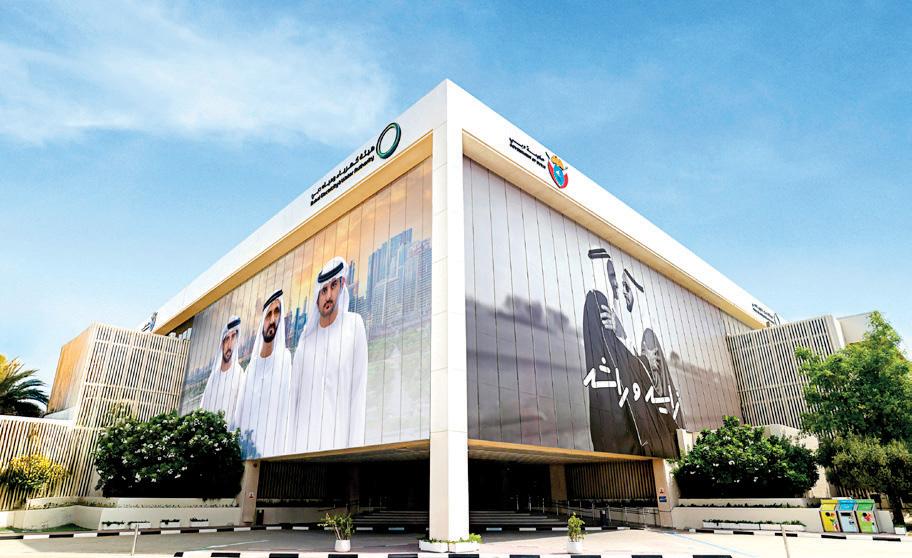
SECTOR: UTILITIES / CLEAN ENERGY
• COUNTRY: DUBAI, UAE
Dewa serves over 1.33 million customer accounts in Dubai. Listed on DFM since 2022, DEWA anchors the UAE’s clean energy agenda through the Mohammed bin Rashid Al Maktoum Solar Park, set to be the world’s largest single-site solar project. FY2025 revenue rose 6.02 per cent to Dhs32.84bn ($8.9bn), with net profit surging 25.66 per cent to Dhs9.09 bn ($2.5bn) and EBITDA at a record Dhs17.37bn. Clean energy output exceeded 10 TWh for the first time, up 52.38 per cent, accounting for 16.23 per cent of total generation. DEWA targets over 23GW of installed capacity by 2030.
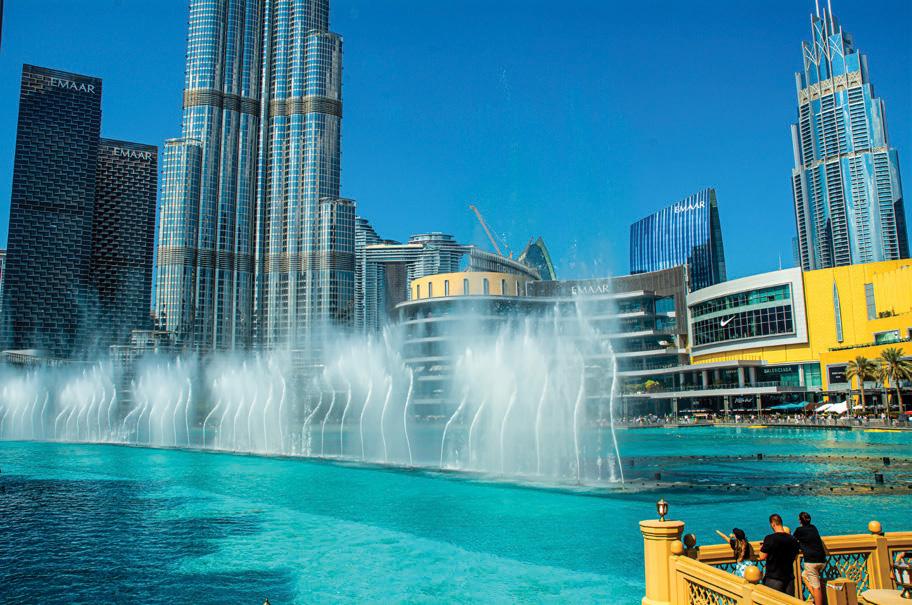
EMAAR / SECTOR: REAL ESTATE • COUNTRY: DUBAI, UAE
Emaar Properties, the Dubai-based real estate developer behind some of the region’s largest master-planned communities, delivered a record-breaking 2025 as demand surged across its property and retail portfolio. Revenue climbed 40 per cent to Dhs49.6bn, while net profit before tax rose 36 per cent to Dhs25.7bn. Property sales hit an all-time high of Dhs80.4bn, pushing backlog to Dhs155bn. In December, the company unveiled Dubai Square at Dubai Creek Harbour, a 2.6 million square metre retail hub featuring the world’s first drive-through mall, reinforcing Dubai’s global retail ambitions.
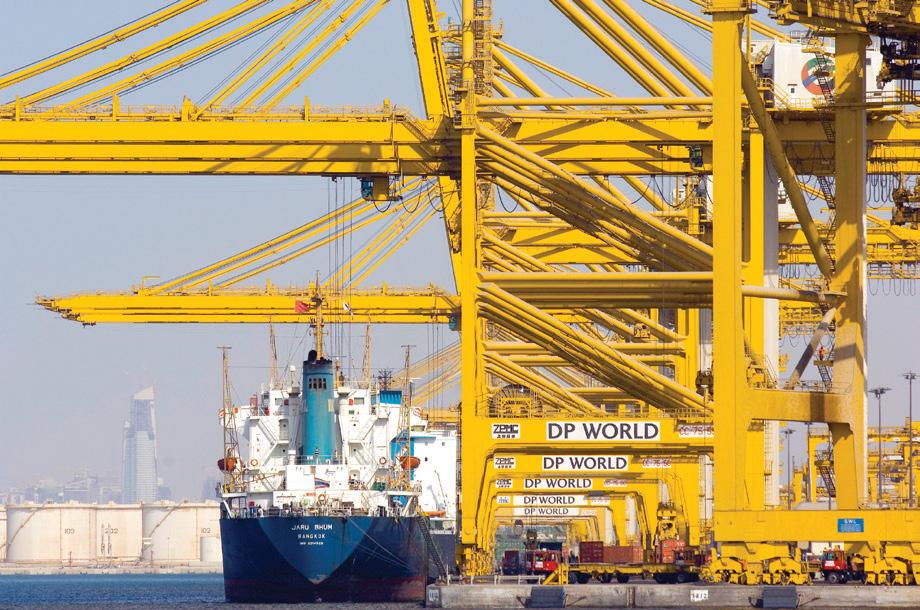
DP WORLD / SECTOR: PORTS, LOGISTICS & SUPPLY CHAIN • COUNTRY: DUBAI, UAE
Aprivately held global trade enabler headquartered in Dubai, operates across more than 80 countries through ports, terminals, logistics and marine services. In H1 2025, revenue rose 20.4 per cent to $11.24bn and adjusted EBITDA grew 21.4 per cent to $3.03bn. Container throughput reached 45.4 million TEUs, up 6.7 per cent, with flagship Jebel Ali Port handling 7.77 million TEUs. Profit attributable to owners more than doubled to $532m. The group continued investing in strategic expansions including Jebel Ali, London Gateway and Dakar.
EMPOWER / SECTOR: UTILITIES (DISTRICT COOLING) • COUNTRY: UNITED ARAB EMIRATES
Empower is Dubai’s leading district cooling provider and one of the largest globally by connected capacity. Founded in 2003 and listed on the Dubai Financial Market, the company supplies chilled water to major residential, commercial and mixed-use developments. District cooling reduces electricity consumption compared to conventional systems, aligning with sustainability goals. Empower’s growth mirrors Dubai’s real estate expansion, with DEWA now holding an 80 per cent ownership stake, strengthening strategic control.
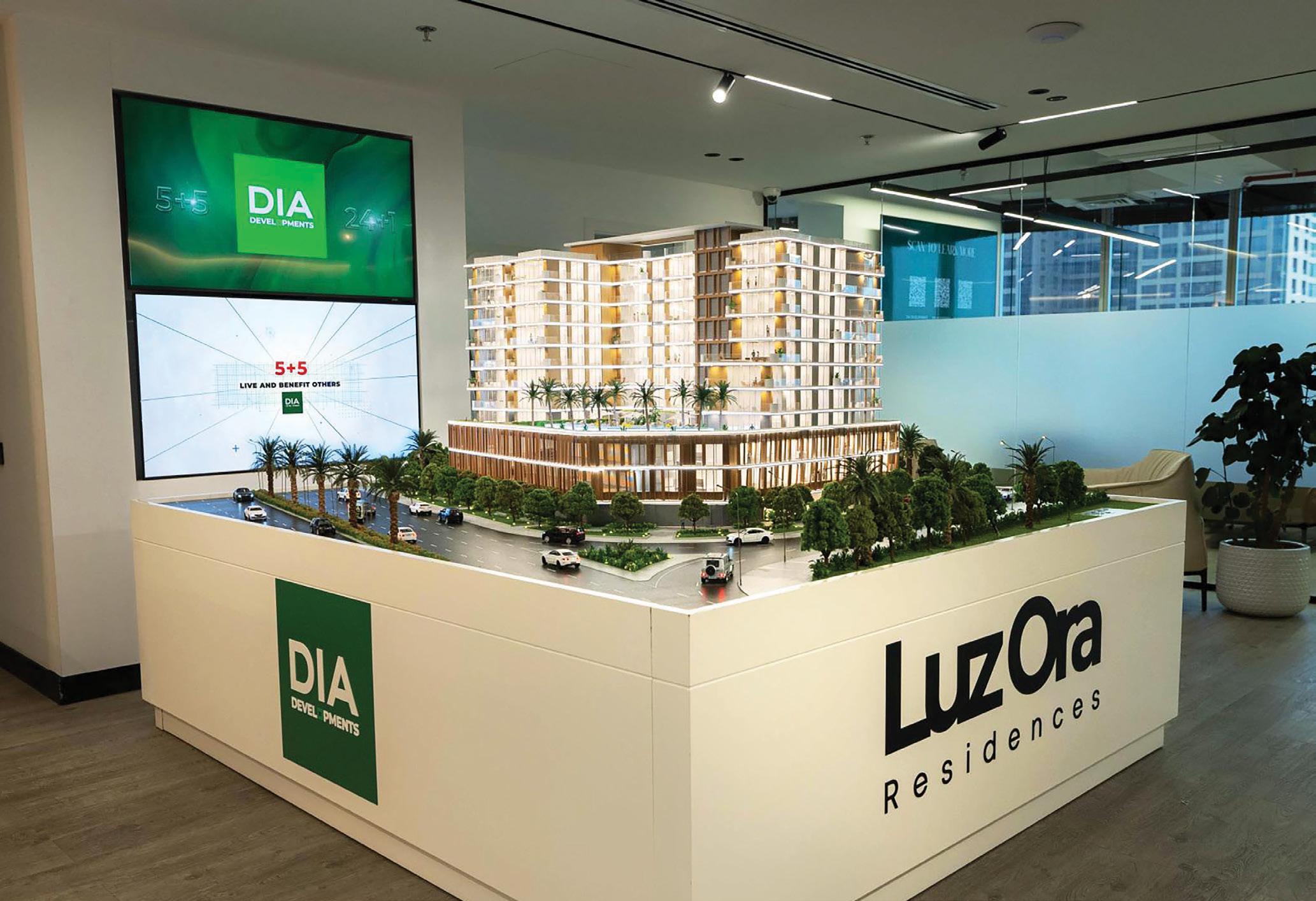
DIA HOLDING / SECTOR: CONSTRUCTION • COUNTRY: UAE
DIA Holding, an international group operating across construction, real estate development, property management, and education, is advancing a strategy centered on geographic diversification and long-term value creation. With active projects in Kazakhstan, the UAE, and Europe, the company continues to broaden its international footprint while reinforcing its presence in core markets.
In Kazakhstan, DIA Holding has delivered more than 25 projects in Almaty and Astana over recent years. The portfolio spans residential complexes across multiple market segments, commercial facilities, sports infrastructure, and educational institutions.
Parallel to its development activities, the group operates three education initiatives: a kindergarten in Almaty, a supplementary education centre for school students, and a student campus in Astana. In 2026, the company is set to complete and launch a private school in Astana designed for 900 students, marking a significant expansion of its educational platform.
In the UAE, DIA Holding is strengthening its position through Luzora Residences, a luxury waterfront development located in Dubai Islands, one of Dubai’s emerging coastal districts. The project combines contemporary architecture with direct beach access and proximity to Dubai International Airport, retail destinations, and leisure attractions. Architecturally,
Luzora is defined by clean lines and minimalist elegance inspired by natural light. Curved forms and articulated facades are designed to enhance openness and maximise brightness, creating seamless transitions between indoor and outdoor spaces. The development prioritises panoramic views and spatial fluidity, reinforcing a sense of coastal calm within a sophisticated urban setting.
The project offers a curated mix of one- and two-bedroom apartments, along with exclusive four-bedroom penthouses. A comprehensive range of amenities includes fitness and wellness facilities, indoor and outdoor swimming pools, landscaped gardens, children’s play areas, sports courts, residents’ lounges, co-working spaces, private dining rooms, rooftop terraces, and gourmet restaurants.
Across all markets, the group follows a disciplined model focused on transparency, controlled growth, and long-term asset management, positioning its projects as infrastructure that contributes to sustainable community growth.
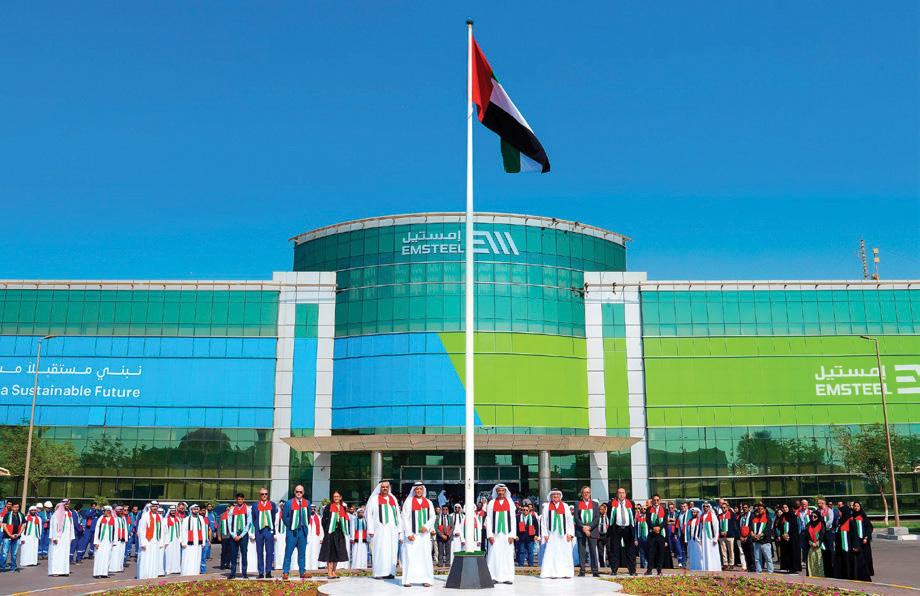
EMSTEEL / SECTOR: STEEL AND BUILDING
MATERIALS • COUNTRY: UNITED ARAB EMIRATES
EMSTEEL Group is the UAE’s largest steel and building materials manufacturer, listed on the Abu Dhabi Securities Exchange. Formed through the merger of Emirates Steel and Arkan Building Materials, the group supplies rebar, wire rod, cement and related products to major infrastructure and real estate projects. With a strong Abu Dhabi industrial base, EMSTEEL supports national construction demand while expanding exports, focusing on efficiency, technology upgrades and decarbonisation initiatives.
FIRST ABU DHABI BANK / SECTOR: BANKING
• COUNTRY: ABU DHABI, UAE
First Abu Dhabi Bank (FAB) has announced record 2025 results alongside ambitious AI and digital innovations. Group net profit surged 24 per cent year-on-year to Dhs21.11bn, while operating income rose 16 per cent to Dhs36.68bn. The bank is accelerating enterprise-wide AI deployment via its AI Innovation Hub, enhancing decision intelligence and client engagement. The bank also launched the FAB Rewards Active Credit Card with Mastercard, featuring wearable fitness technology and Lionel Messi-themed rewards, blending wellness and digital-first banking for customers.
EMIRATES / SECTOR: AVIATION
• COUNTRY: DUBAI, UAE
Emirates, the world’s largest international airline connecting six continents through its Dubai hub, has celebrated a record-breaking 2025 while charting an ambitious course for 2026. The airline moved 55.6 million passengers across nearly 180,580 flights, launched its first A350s to 18 cities, expanded Asian destinations, and rolled out Starlink WiFi across 232 aircraft. Emirates Skywards marked 25 years with 37 million members, and CSR initiative Aircrafted KIDS reached thousands of children across Africa, Asia, and the Middle East.
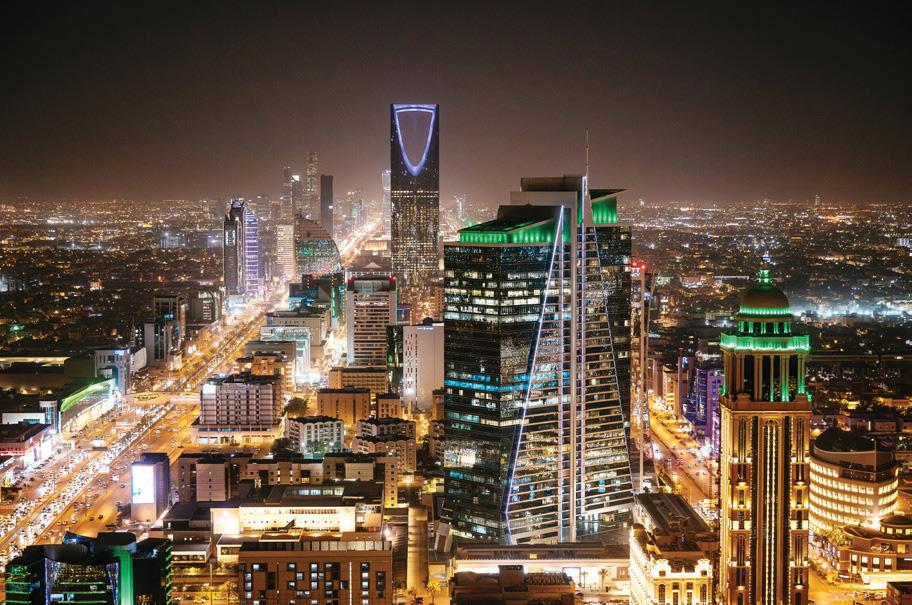
HUMAIN / SECTOR: TECHNOLOGY
• COUNTRY: SAUDI ARABIA
HuMain is a Saudi-based artificial intelligence and technology firm launched under the Public Investment Fund, focused on AI solutions, cloud infrastructure, and advanced computing services. In 2025, it began construction of its first AI data centers in Riyadh and Dammam using US-sourced semiconductors, targeting operational capacity in early 2026 and positioning Saudi Arabia as a regional hub for high-performance AI infrastructure. In recent months, HuMain has secured up to $1.2bn in financing to expand AI and digital infrastructure.

EXSCAPE / SECTOR: INTERACTIVE MEDIA / GAMING / TELECOMS • COUNTRY: UAE
Exscape is a UAE-based digital engagement platform scaling rapidly across emerging markets. In under a year, the company has surpassed 8 million downloads and over 1.5 million monthly active users, establishing early traction in one of the world’s most competitive mobile categories.
Rather than relying solely on traditional app-store distribution and ad-led growth, Exscape has built its model around direct network integrations. By embedding within telecom and carrier infrastructure, the platform enables frictionless onboarding, carrier billing and trusted local distribution, creating a scalable engine designed for multimarket expansion.
At its core, Exscape operates a mobile-first ecosystem combining gaming, social interaction and a subscription-led rewards marketplace. The platform hosts more than 120 games, a fully integrated social media platform, as well as 18 million square feet of expansive virtual worlds, engineered to drive sustained engagement rather than one-off installs.
This infrastructure-first architecture has translated into strong performance fundamentals. Subscriber conversion rates significantly outperform global gaming medians, while retention metrics indicate deep
recurring usage, underscoring a focus on lifetime value and subscription economics over vanity metrics. Designed for accessibility across device tiers, the platform supports both immersive, highspec experiences and lightweight, low-data formats optimised for emerging-market connectivity. The result is broad demographic reach and scalable user engagement across diverse markets. As digital entertainment increasingly converges with commerce, fintech and network ecosystems, Exscape is positioning itself as an infrastructure-powered digital platform built for scale, anchored in the GCC and expanding across high-growth regions.
In a mobile economy shaped by saturation and shrinking attention spans, Exscape is building the product, infrastructure, and user-first ecosystem that will define the next generation of mobile platforms.
THE PLATFORM HOSTS MORE THAN 120 GAMES, A FULLY INTEGRATED SOCIAL MEDIA PLATFORM, AS WELL AS 18 MILLION SQUARE FEET OF EXPANSIVE VIRTUAL WORLDS, ENGINEERED TO DRIVE SUSTAINED ENGAGEMENT RATHER THAN ONE-OFF INSTALLS.
HOKO / SECTOR: EVENTS AND RIGHTS OWNER COMPANY
• COUNTRIES: UAE, ASIA, EUROPE AND USA
Hoko is positioning itself as a leading force in the global experiential marketing sector, combining strategic advisory, creative development and operational delivery to help brands build meaningful audience engagement. Operating from key hubs in the UAE, Europe, US and Asia, the agency has established an international platform designed to blend local market insight with global execution capabilities.
The company provides end-to-end services spanning brand activation, event management, rights and intellectual property consultancy and live production. Its cross-market presence has enabled Hoko to execute high-profile campaigns and large-scale live experiences across multiple continents, reflecting growing demand for integrated experiential solutions among multinational brands. A defining element of Hoko’s portfolio is its premium hospitality division, Aioka. Under this brand, the agency curates immersive hospitality experiences within global Formula 1 race weekends
including Monaco, Las Vegas, Maimi, Singapore and Abu Dhabi. HOKO has developed proprietary, strategic platforms that blend networking, sport and executive engagement. An example being, The Polo Classic Cup convenes senior leaders and partners in a premium polo setting designed to foster meaningful business dialogue and long-term relationship building.
The inaugural edition, launched in December 2025, welcomed global finance leaders, family offices and investors, creating a highly curated environment for senior decision-makers.
Following its successful debut, the Polo Classic Cup is set for international expansion in 2026.
The company’s credentials further include a series of bespoke executive networking formats branded as meaningful conversations, ranging from luxury yacht receptions to curated fireside discussions with global business leaders. In parallel, Hoko has delivered high-visibility product launches for brands such as OKX, including large-scale activations at Dubai’s Museum of the Future.
Beyond live events, Hoko is investing in creative technology through its Hum(AI)n Assets platform, an AI-enabled production solution that integrates human creative direction with intelligent digital workflows.
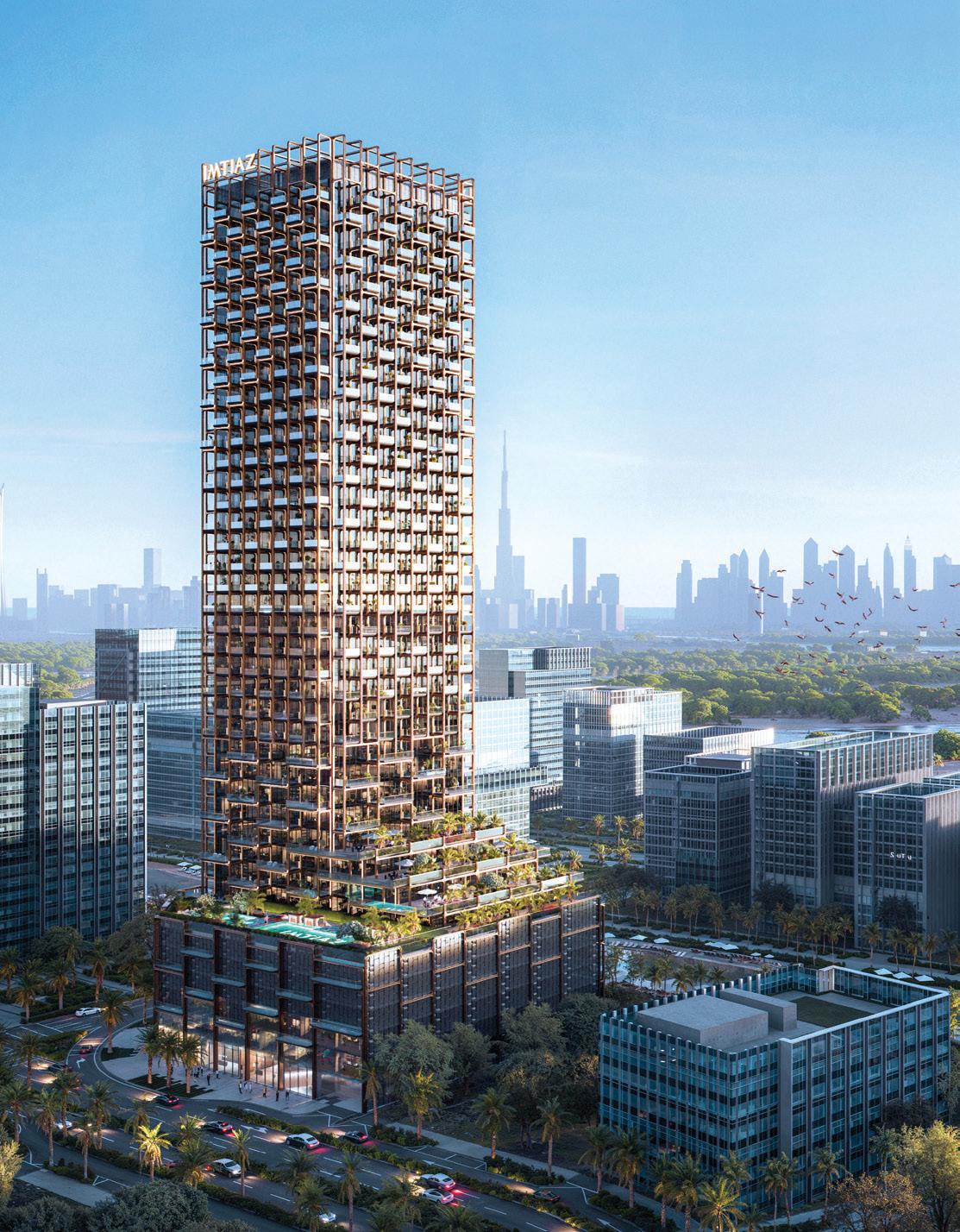
SECTOR: REAL ESTATE • COUNTRY: DUBAI, UAE
Founded in 1993 as a modest construction venture, Imtiaz Developments has evolved into one of Dubai’s fastest-growing real estate players, with more than 40 active projects and over Dhs10bn in sales. Now ranked among the top 10 developers in Dubai by sales volume, and among the top four for number of project launches, the company has cemented its position as a major force shaping the emirate’s urban landscape.
Positioning itself as a lifestyle- and legacy-driven brand, Imtiaz Developments views real estate as more than construction, focusing instead on long-term value creation and community impact.
A defining feature of the company’s strategy is its fully integrated inhouse development model, spanning conceptual design, engineering,
POSITIONING ITSELF AS A LIFESTYLE- AND LEGACY-DRIVEN BRAND, IMTIAZ DEVELOPMENTS VIEWS REAL ESTATE AS MORE THAN CONSTRUCTION, FOCUSING INSTEAD ON LONG-TERM VALUE CREATION AND COMMUNITY IMPACT.
construction, interiors and final delivery. This structure enables tighter quality control, cost efficiency and on-time completion across projects. Flagship developments including Westwood by Imtiaz, Westwood Grande by Imtiaz, Pearl House by Imtiaz, Luxor by Imtiaz, Cove by Imtiaz, Hyde Walk by Imtiaz and The Symphony by Imtiaz are located in high-growth districts such as Jumeirah Village Circle, Dubailand, Meydan and Dubai Islands. Projects incorporate smart home technology, rooftop pools, fitness centres and family-focused amenities and features aligned with Dubai’s increasingly lifestyle-oriented buyer demand.
Imtiaz Developments has emerged as the largest private developer on Dubai Islands, with 15 projects and its 16th launch, Sea Cliff by Imtiaz, recently unveiled. This month, the company achieved a major milestone with the handover of Beach Walk by Imtiaz, the first completed residential project delivered on Dubai Islands.
SUSTAINABILITY AND NEXT -GENERATION FOCUS
Sustainability remains embedded in the firm’s operating model, with energy-efficient systems, eco-conscious materials and community-driven initiatives forming part of its development framework. The company’s philanthropic efforts have been recognised with the Mohammed bin Rashid Al Maktoum Medal for Philanthropy.
Looking ahead, Imtiaz Developments says its next wave of projects will be shaped by nextgeneration buyer preferences, reinforcing its long-term growth ambitions in Dubai’s competitive property market.
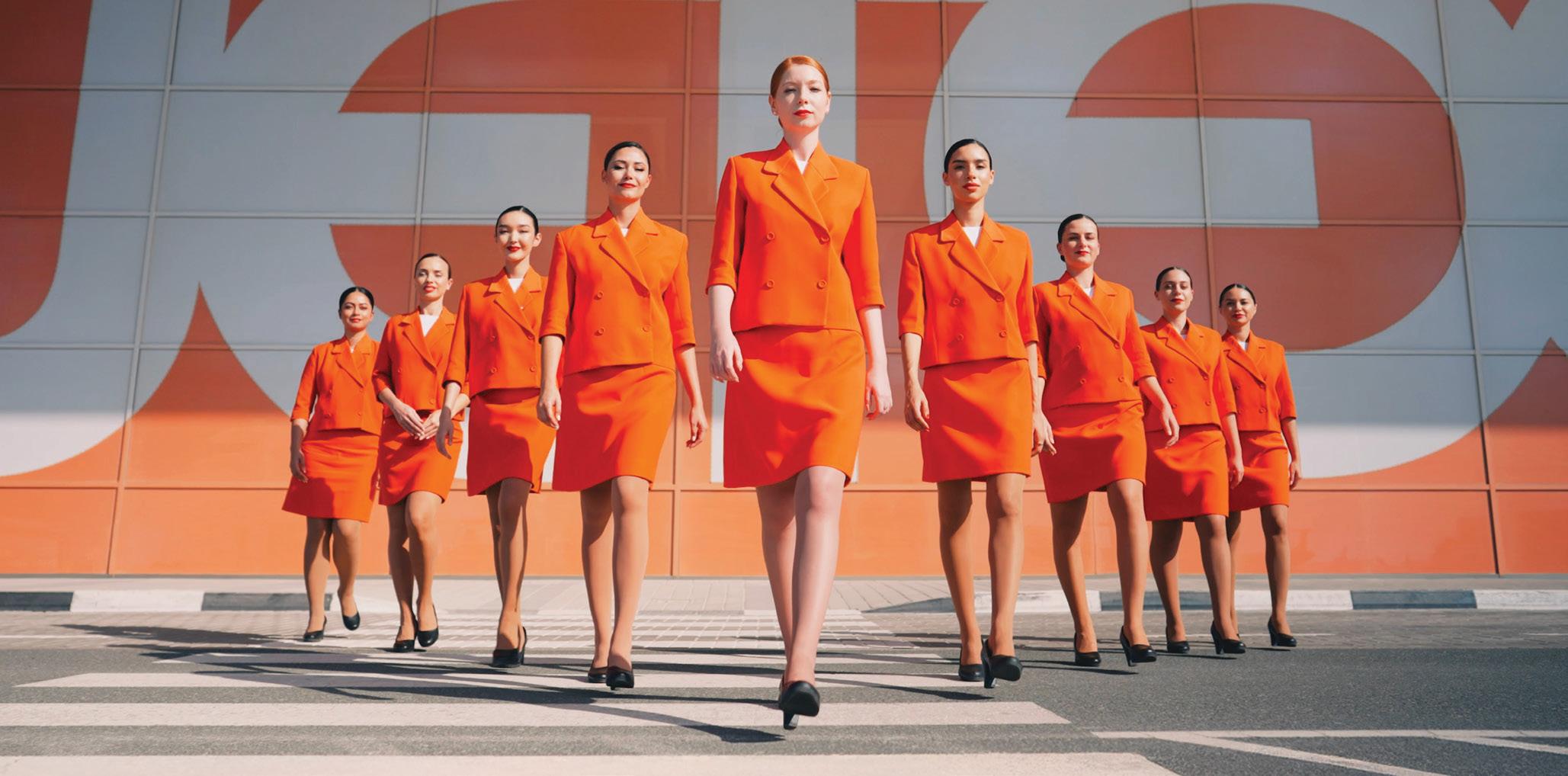
TRAVEL • COUNTRY: DUBAI, UAE
Private aviation services provider Jetex has reported significant global growth in 2025, reinforcing its position as a leading player in the executive aviation sector. The company confirmed that more than 400,000 private jet passengers utilised its services worldwide this year, reflecting sustained demand for premium, end-to-end aviation solutions. An award-winning global leader in executive aviation, Jetex is recognised for delivering flexible, best-in-class trip support solutions to customers worldwide. Jetex provides exceptional private terminals (FBOs), aircraft fueling, ground handling and global trip planning. The company caters to both owners and operators of business jets for corporate, commercial and personal air travel.
The milestone reflects the company’s continued focus on operational consistency, service innovation and global network development. By integrating trip planning, fueling, ground handling and passenger services under a unified platform, Jetex has strengthened its ability to deliver seamless experiences across multiple jurisdictions and regulatory environments.
Building on its strong performance, Jetex announced plans to expand its global network of private terminals in 2025. The company is extending its collection of premium FBO facilities to key international hubs, including Istanbul, Milan and the Red Sea region, with additional destinations expected to be revealed in the coming months. The expansion strategy is designed to strengthen Jetex’s presence in high-traffic business and leisure corridors, while enhancing service accessibility for global clients. Each new location is expected to deliver the company’s signature premium hospitality, operational efficiency and comprehensive trip support services.
As competition intensifies within executive aviation, Jetex’s continued infrastructure investment and passenger growth signal confidence in the sector’s long-term trajectory. The company’s 2025 milestones underscore its commitment to operational excellence and global connectivity in an increasingly dynamic aviation marketplace. EACH NEW LOCATION IS EXPECTED TO DELIVER THE COMPANY’S
/ SECTOR: DIVERSIFIED INVESTMENT • COUNTRY: ABU DHABI, UAE
IHC, the global investment company focused on building dynamic value networks, reported a stellar 2025, with revenue of Dhs111.4bn, up 29.1 per cent, and profit after tax of Dhs34.7bn, a 35.1 per cent increase. IHC plans to launch Judan Financial Holding, an AI-enabled platform targeting Dhs100bn in valuation, spanning banking, insurance, asset management, and fintech. Meanwhile, the UAE dirhambacked stablecoin DDSC, approved by the Central Bank of the UAE, goes live on ADI Chain, supporting institutional payments, trade, and programmable financial services.
/ SECTOR: MINING AND METALS • COUNTRY: SAUDI ARABIA
Ma’aden is Saudi Arabia’s flagship mining company and a key pillar of the kingdom’s industrial diversification strategy. Headquartered in Riyadh, it operates across gold, phosphate fertilisers, aluminium and base metals, with fully integrated mining and processing operations. As part of Vision 2030, Ma’aden is scaling exploration, expanding downstream capacity and forming global partnerships to unlock Saudi Arabia’s mineral wealth and position the country as a reliable supplier of critical minerals and industrial inputs.
KUWAIT FINANCE HOUSE / SECTOR: ISLAMIC BANKING AND FINANCIAL SERVICES • COUNTRY: KUWAIT
Kuwait Finance House (KFH) is one of the world’s largest Islamic banks, offering Shariah-compliant retail, corporate and investment banking services. Headquartered in Kuwait, the group has expanded its regional footprint through acquisitions, including Ahli United Bank, significantly increasing scale and geographic reach. KFH sits at the intersection of Islamic finance, digital banking and cross-border trade flows, positioning itself for sustainable growth across MENA and select international markets.
MAJID AL FUTTAIM / SECTOR: RETAIL • COUNTRY: DUBAI, UAE
Majid Al Futtaim, a leading pioneer in shopping malls, retail, communities, and leisure across the Middle East, Africa, and Asia, continues to shape inclusive, sustainable, and family-focused experiences. At the World Government Summit 2026, the group partnered with the Ministry of Family to launch the Family First programme, enhancing family-friendly spaces with intuitive signage. The company signed an MoU with ne’ma to reduce food waste by 2030 and listed a $500m Sukuk on Nasdaq Dubai, reflecting strong investor confidence.
/
SECTOR: REAL ESTATE • COUNTRY: UAE
Karma Developers is redefining contemporary urban living in Dubai through a philosophy that places sustainability, community and wellness at the core of development. For Karma, sustainability begins at the design stage — not as a compliance requirement, but as a guiding principle. Projects are conceived with LEED-aligned benchmarks, energy-efficiency modelling and long-term operational resilience embedded into the masterplan. Building orientation maximises natural light, cross-ventilation enhances airflow, façade articulation reduces heat gain, and landscaping is designed to deliver both environmental performance and aesthetic value.
Beyond technical sustainability, Karma emphasises spatial harmony and human experience. Flow, proportion and light are treated as architectural fundamentals, ensuring that residents experience openness and calm rather than density and confinement. Communal spaces are designed to feel intuitive and inviting, reinforcing the belief that buildings must breathe and communities must feel alive.
Over recent years, the company has delivered residential projects centred on connectivity and shared living — developments that balance privacy with interaction through accessible amenities and thoughtfully planned layouts. Now, Karma is entering its next growth phase by securing
land for integrated mixed-use communities that combine villa residences with office and commercial components. The strategy reflects shifting lifestyle patterns, where long commutes are increasingly incompatible with modern expectations. By creating ecosystems where living and working exist within walking distance, Karma aims to bridge the gap between productivity and quality of life.
This evolution is exemplified by Latitude 25, the company’s upcoming commercial tower in one of Dubai’s fastest-growing residential corridors. With more than 50,000 homes emerging in the surrounding district and metro connectivity advancing, the project is positioned as a commercial anchor within a rapidly densifying suburban landscape. Designed to serve professionals who live nearby, Latitude 25 aligns enterprise with convenience, reducing commute times while enhancing operational efficiency.
Karma’s forward trajectory also extends into hospitality. A four-star hotel currently in advanced design stages is being conceptualised as a wellnessdriven destination, integrating sustainable systems, restorative architecture and spaces that prioritise mental and physical wellbeing. For Karma, affordable luxury is defined not by excess, but by intentional living — daylight, green zones, active amenities and material mindfulness.
As the company expands, its focus remains clear: to design communities rather than standalone buildings, align commercial intelligence with environmental responsibility, and create developments that retain relevance for decades to come.
MIRAL / SECTOR: THEME PARKS
• COUNTRY: UAE
Miral is an Abu Dhabi-based developer and operator of world-class leisure, tourism and lifestyle destinations, best known for transforming Yas Island and Saadiyat Island into globally recognised entertainment hubs. The group’s portfolio includes Ferrari World, Warner Bros. World, Yas Waterworld, SeaWorld Abu Dhabi, CLYMB Abu Dhabi and major waterfront, hospitality and events venues. A major recent milestone is Miral’s partnership with The Walt Disney Company to develop the Middle East’s first Disney theme park resort on Yas Island.
MUBADALA / SECTOR: FINANCIAL SERVICES & INVESTMENT
• COUNTRY: ABU DHABI, UAE
Mubadala Investment Company, the Abu Dhabibased sovereign investor, is accelerating Abu Dhabi’s luxury, tech, and retail sectors through multiple landmark partnerships. In collaboration with Dubaibased developer H&H, Mubadala will bring the Eden House brand to Al Maryah Island in ADGM, setting a new standard for high-end residential living. Mubadala co-formed a joint venture with Aldar to consolidate prime retail destinations including Yas Mall and The Galleria Luxury Collection, with combined assets of Dhs10bn.
MSHEIREB PROPERTIES / SECTOR: REAL ESTATE
• COUNTRY: QATAR
Msheireb Properties is Qatar’s leading sustainable developer, best known for Msheireb Downtown Doha, which blends traditional Qatari architecture with smart-city infrastructure across 100-plus LEED-certified buildings. Led by CEO Ali Al Kuwari, the company is guided by Qatar National Vision 2030. In 2025, the QIA acquired a 49 per cent stake, signalling a major expansion push. With over 430 km of fibre optic cable and a 30 per cent reduction in energy consumption against conventional builds, the district sets the regional benchmark for smart, sustainable urban living.
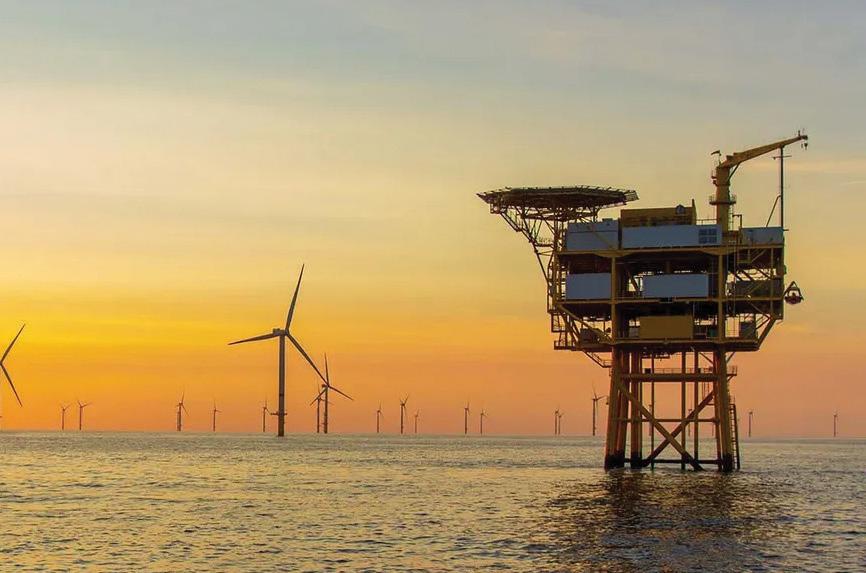
NMDC ENERGY / SECTOR: ENERGY/OIL & GAS
• COUNTRIES: DUBAI, UAE, SAUDI, KUWAIT
NMDC Energy, a leading provider of engineering, procurement, and construction (EPC) services for offshore and onshore energy projects, reported record-breaking 2025 results. Revenues surged 29 per cent year-on-year to Dhs18.7bn, driven by international markets and operational efficiency, while net profit rose 14 per cent to Dhs1.6bn. NMDC Energy continues global expansion, opening offices in Shanghai and Taiwan. AI deployment and strategic partnerships strengthened productivity and innovation.
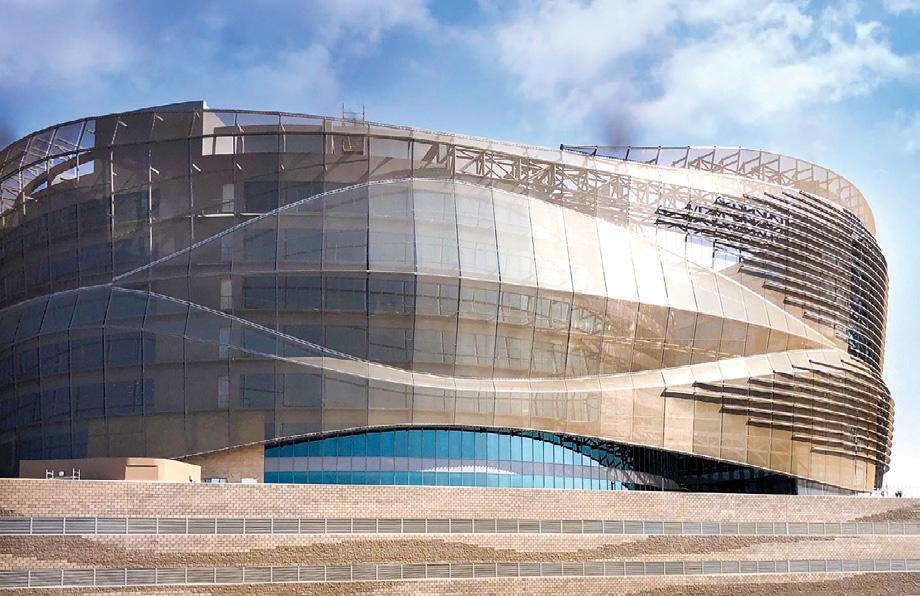
OMANTEL / SECTOR: TELECOMMUNICATIONS
• COUNTRY: OMAN
Omantel is Oman’s national telecommunications operator, providing mobile, fixed broadband, wholesale connectivity and enterprise ICT services. Beyond its domestic network, the group holds strategic international investments that strengthen Oman’s global digital links. Omantel is increasingly focused on cloud services, data centres and digital solutions, positioning itself as a core enabler of the Sultanate’s digital transformation. Ongoing infrastructure investment underpins its role supporting government, businesses and consumers in a liberalising market.
PUBLIC INVESTMENT FUND PIF / SECTOR: INVESTMENT HOLDING • COUNTRY: RIYADH, SAUDI
Saudi Arabia’s Public Investment Fund (PIF) is accelerating the country’s economic transformation as a key driver of Vision 2030. The sovereign wealth fund has strengthened its global portfolio through strategic partnerships and investments across diversified sectors. Recently, PIF transferred its 11-million-share stake in videogame publisher Take-Two Interactive to its subsidiary Savvy Games Group, ahead of the launch of Grand Theft Auto VI. PIF also partnered with JLL to expand FMTECH, and with Red Sea Aluminium Holdings to develop a state-of-the-art aluminum complex in Yanbu.
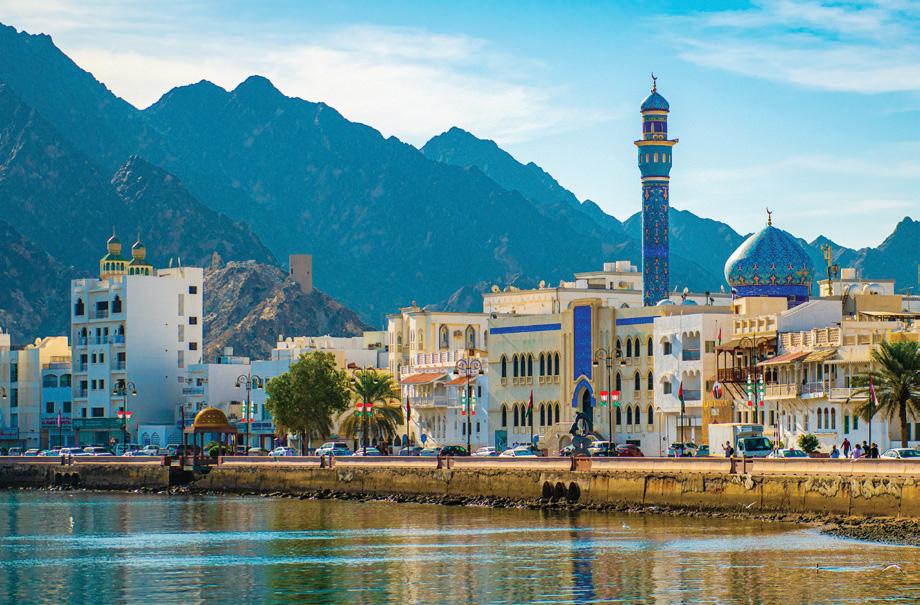
• COUNTRY: OMAN
OQ Gas Networks (OQGN) is the exclusive owner and operator of Oman’s national high-pressure natural gas transmission network, managing over 4,200 km of pipelines that deliver fuel to power plants, desalination facilities, industrial clusters and other major consumers nationwide. It holds a natural monopoly in the Sultanate’s gas infrastructure and plays a central role in supporting economic activity and energy security.
OQGN completed one of Oman’s largest IPOs, floating a 49 per cent stake on the Muscat Stock Exchange.
QATAR AIRWAYS / SECTOR: AVIATION
• COUNTRY: DOHA, QATAR
Qatar Airways, the multiple award-winning carrier, has been named ‘World’s Best Airline’ for an unprecedented ninth time at the 2025 Skytrax World Airline Awards, complementing its ‘World’s Best Business Class’ and ‘Best Airline in the Middle East’ accolades for the 13th occasion. On January 5, the airline launched three weekly non-stop flights between Hamad International Airport (DOH) and Hail International Airport (HAS), its 13th destination in Saudi Arabia, reinforcing its strategic regional presence.
QATAR FUEL (WOQOD) / SECTOR: ENERGY
DISTRIBUTION • COUNTRY: QATAR
QAtar Fuel (WOQOD) is Qatar’s sole licenced distributor and marketer of petroleum products, serving government, industrial, aviation and commercial customers nationwide. The company supplies petrol, diesel, aviation fuel and LPG, while developing and operating a growing network of branded service stations. WOQOD plays a central role in national energy security and mobility infrastructure, supporting transport, logistics and industrial activity as Qatar continues to expand its economy and population.
SAUDI ARAMCO / SECTOR: ENERGY
• COUNTRY: SAUDI ARABIA
Saudi Arabian Oil Company (Saudi Aramco) is the state-owned energy giant and one of the world’s most influential integrated oil and gas producers, spanning upstream exploration, production, refining, chemicals, and strategic downstream assets. Its third-quarter 2025 results showed robust earnings and expanded gas production targets, underlining its role in global energy supply and diversification. Aramco has been deepening international partnerships, signing over $30bn in deals with US companies, while also advancing domestic industrialisation through its localisation programme.
QATAR NATIONAL BANK / SECTOR: BANKING
• COUNTRY: QATAR
Qatar National Bank (QNB) is one of the Gulf’s largest financial institution by assets, offering corporate, retail, and wealth banking across more than 30 countries. Most recently QNB Group announced the successful issuance of the largest Qatari riyal–denominated bond issuance executed in the local debt capital markets by a financial institution to date, exclusively offered to international investors. The issuance, with a total size of QAR1bn, attracted strong interest from a diversified base of international investors. The bond was issued with a tenor of 1 year and priced at a coupon of 4 per cent.

ENTERTAINMENT VENTURES (SEVEN) / SECTOR: ENTERTAINMENT AND LEISURE
• COUNTRY: SAUDI ARABIA
Saudi Entertainment Ventures (SEVEN) is a Public Investment Fund-owned company tasked with building a nationwide entertainment ecosystem under Vision 2030. Established in 2017, SEVEN is developing 21 entertainment destinations across 14 Saudi cities, combining cinemas, family attractions, retail and dining. By expanding leisure infrastructure beyond major urban centres, SEVEN aims to stimulate domestic tourism, create jobs and improve quality of life while catalysing private-sector participation in Saudi’s entertainment sector.
STC GROUP / SECTOR: TELECOMS
• COUNTRY: SAUDI ARABIA
Stc Group is Saudi Arabia’s largest telecommunications and digital services provider, offering mobile, broadband, cloud, IoT, cybersecurity, fintech and entertainment solutions across the Kingdom and the broader MENA region. In 2025 the group posted an all-time record revenue of $20.7bn with net profit growth after adjustments, signalling strong operational momentum. stc is expanding cutting-edge infrastructure, boosting 5G coverage and strategic cloud and digital partnerships, including a landmark 10-year satellite connectivity agreement with AST SpaceMobile.
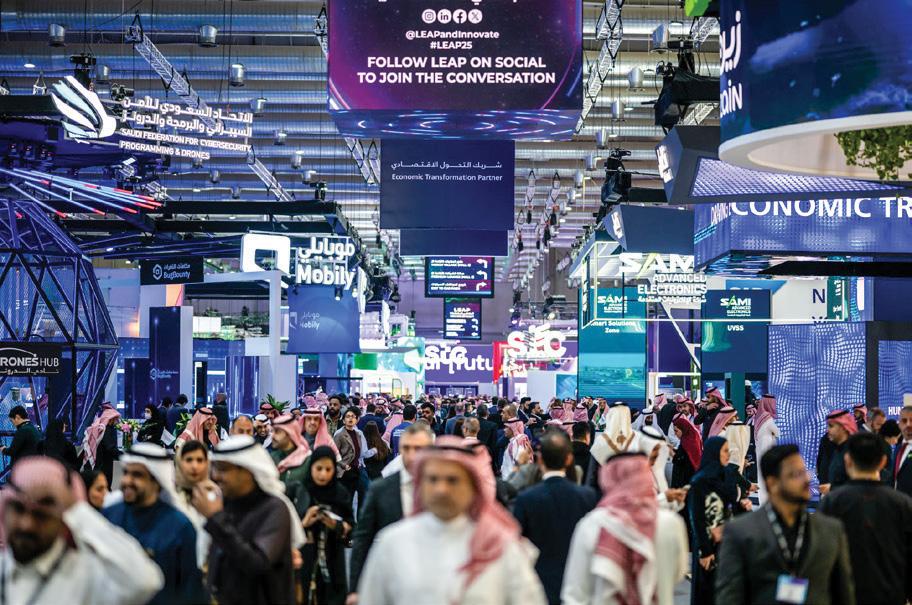
TAHALUF / SECTOR: EXHIBITIONS AND EVENTS
• COUNTRY: SAUDI ARABIA
Tahaluf is rapidly redefining Saudi Arabia’s global events landscape. Headquartered in Riyadh, it is a strategic joint venture between Informa, the Saudi Federation for Cybersecurity, Programming and Drones, and the Events Investment Fund. Its portfolio spans technology, healthcare, real estate and tourism, anchored by flagship platforms such as LEAP, Black Hat Middle East & Africa and Cityscape Global. With launches including Money20/20 Middle East and LEAP East, Tahaluf plays a central role in advancing Vision 2030.
TABBY / SECTOR: FINTECH
• COUNTRY: SAUDI ARABIA
Tabby is a leading MENA buy-now-pay-later (BNPL) fintech headquartered in Riyadh, enabling shoppers to split purchases into interest-free instalments and drive digital payments adoption. It operates across Saudi Arabia, UAE, and Kuwait and has integrated Tabby Card and merchant marketplace features. The company has been preparing for a Saudi market IPO, backed by significant funding rounds and partnerships that have strengthened its growth in the region’s expanding fintech landscape. The company has also appointed major investment banks to advise on the IPO.
ZAIN GROUP / SECTOR: TELECOMS
• COUNTRY: KUWAIT
Zain Group is a leading Kuwaiti-headquartered telecommunications provider offering mobile, data, broadband and enterprise ICT services across eight markets in the Middle East and Africa, serving over 51 million active customers. In 2025 the group achieved a 16-year high in consolidated revenue of $7.44bn and net income more than doubled year-on-year, driven by strong demand for data and digital services alongside network investments. Zain is also expanding its innovation and ecosystem initiatives, including a regional accelerator programme open to startups.

Speed, heritage and a 911 that has never sold better. Porsche Middle East is running at full power p.64

SONY WF-1000XM6
Sony’s WF-1000XM6 earbuds arrive with a significant claim: the world’s best noise cancellation, delivering a 25 per cent improvement over its predecessor. A new four-microphone system, upgraded 32-bit processing, a redesigned driver unit, and an 11 per cent slimmer body round out a flagship that has been tuned with Grammy-winning engineers. Price: Dhs1,299.
Samsung Galaxy S26 Series Samsung’s third-generation AI flagship arrives with the world’s first built-in Privacy Display, a redesigned camera system absorbing significantly more light, and an agentic AI layer designed to handle tasks in the background before you think to reach for your phone. Available now for pre-order, the Galaxy S26 starts at Dhs3,599, the S26+ at Dhs4,299 and the S26 Ultra from Dhs5,099.

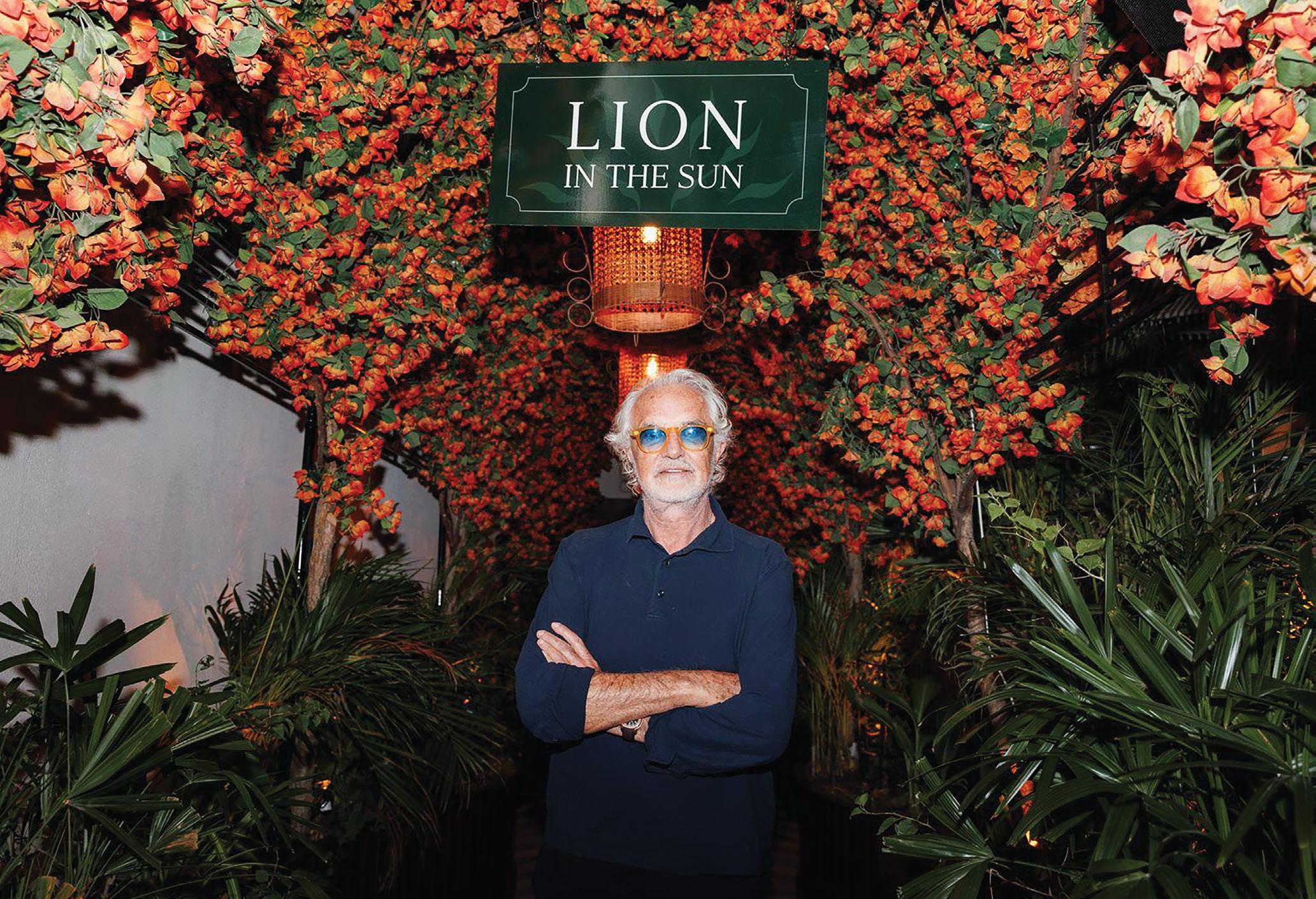
FLAVIO BRIATORE HAS BEEN BUILDING BRANDS PEOPLE CAN’T STOP TALKING ABOUT FOR 30 YEARS. THE
LATEST TWO IN DUBAI REVEAL WHY
BY NEESHA SALIAN
Flavio Briatore is sitting at the top of the Mandarin Oriental Downtown Dubai, and he is, by his own account, very happy. The Italian entrepreneur, whose career has moved through fashion, Formula One and more colourful chapters than most people accumulate in several lifetimes, has brought two of his most personal projects to the same address: Billionaire, his global performance dining brand, and Lion in the Sun, the restaurant drawn directly from his private home in Kenya. Both opened in November last year. Both are, he says, exactly what he had in mind.
“I have fun,” he says, when asked what drives him. “Whatever job you’re doing, if you’re lucky, you find the job you like to do, and you have fun. The moment you have fun, it’s not a question of timing, no question of Monday, Tuesday or Wednesday. It’s just fun, you know.”
He has been in Dubai longer than many of the towers around him. He arrived for the first time in 1989 alongside Bernie Ecclestone, then exploring the possibility of a Formula One race in the emirate. He watched the city become what it is. He opened the first Billionaire here 14 years ago at the Taj Hotel. He has tracked Dubai’s
evolution the way a developer tracks a plot of land, with patience, interest, and an eye for what comes next. “Dubai is the future,” he says.
The Billionaire story began in Sardinia 30 years ago, and its origin is characteristically Briatore: part accident, part instinct, entirely his own. He was in Sardinia with friends and found nowhere that felt right. He rented a villa, opened it to his circle, and within days there were lines of cars outside. Sardinia was already known as a millionaire’s playground and Briatore and
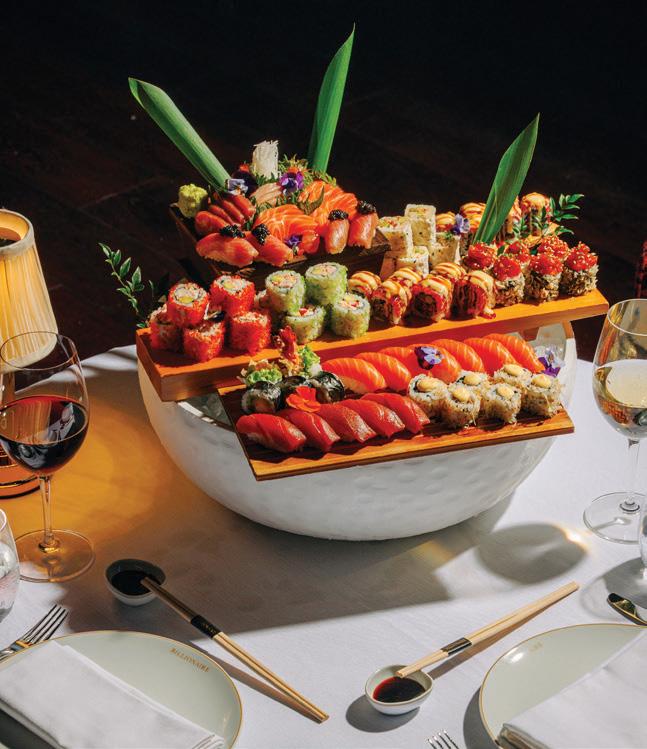
his associates were looking for a name. Briatore said: “Let’s call it Billionaire, it might sound arrogant but that’s exactly what I want. A name so arrogant you will not forget it. If I call it Cantina Blue or Maio or Maximo, then it’s just another name.” So, Billionaire it was. And to this day, It remains a name nobody forgets.
Three decades on, the brand has venues from Sardinia to St. Moritz at the Kempinski hotel, and its Dubai chapter has just entered its most ambitious phase. At the Mandarin Oriental Downtown, Billionaire now occupies a purpose-built performance space on the 61st floor, purpose-designed around two immersive stages where performances alternate seamlessly, with a floor layout built in the shape of an amphitheatre. From every table, the panoramic view of the show is unobstructed. From this height, the boundary between stage and audience dissolves entirely. The show is called Up in the Sky — and the name is literal.
The Billionaire concept is a dinner show in the most expansive sense of that phrase: fine Italian tradition and contemporary Japanese cuisine, a live stage running throughout the meal, acrobats, singers, dancers and international artists drawn from across the world. Dining, in the Billionaire logic, is not a pause in the performance. It is part of the journey. Guests do not arrive to watch a show. They arrive to be inside one.
Under the artistic direction of Irma di Paola, the programme shifts with the calendar. During Ramadan, the show transforms into Wonder Between Sky and Spirit — a special edition designed for the season, built around singers rather
Majestas,
founded by Briatore and
strengthened
through
its partnership with Primavera Investments, has in the space of a decade moved from its roots in England, Italy and Monaco to become one of the most active hospitality groups in the Gulf.
than dancers, voice-led and illusiondriven. The headlining act is James More, an internationally acclaimed illusionist performing direct from Broadway, supported by the high-tension aerial duo Duo Montico and specialist balance and speed acts. The adaptation is thoughtful: the one dance performance retained for Ramadan, Heritage, has been reimagined as a flamenco-inspired piece that, in di Paola’s words, fuses “solemn elegance with a contemporary pulse.” The DNA, she says, is unchanged. “Lively, immersive interaction with the crowd, plunged into a Ramadan of lights and illusions beyond the stars.”
If Billionaire is Briatore at full energy, Lion in the Sun, one floor above, on the 62nd, is what he looks like when he steps back. The restaurant is his most personal concept: drawn from the Lion in the Sun retreat he developed in Malindi, Kenya, inspired by Karen Blixen’s Out of Africa and shaped by the sensibility of a property that, over the years, drew global figures from culture, art, fashion and music. Naomi Campbell has been among the Kenyan retreat’s regulars. The Dubai translation, designed by architect

Richard Saunders, spans 8,072 square feet across an indoor dining room and open terrace, accommodating 160 guests for dinner and 300 for events. The interiors are warm and deliberately unhurried: wooden ceilings, ceiling fans, shuttered windows. It resembles a comfortable colonial bungalow more than a fine-dining restaurant which is, precisely, the intention. “I designed this place,” Briatore says. “I spent an hour every day on video calls with the architect in London. After, when the concept is done, it’s only a question of putting it together. The difficult part is: what is missing in Dubai? I want to have a place with an incredible view while you dine in a style reminiscent of my house in Kenya, so that it feels like home.”
The kitchen is led by culinary director and celebrity chef Batuhan Piatti, under whose vision open-fire technique and Mediterranean influences come together in a menu built around premium ingredients treated with precision. Lobster is sourced from Europe; king crab from Alaska and Russia. The Wagyu rib-eye, the gnocchetti with Mazara prawns, the pistachio flan, Briatore’s own penne, each dish is straightforward and precisely executed. A three-course meal ranges from Dhs250 to Dhs1,180 at the upper end. “I’m especially happy to see Lion in the Sun, my most personal concept, inspired by my home in Kenya, take on a new life on the 62nd floor,” Briatore says.
Across both venues, and across the broader Majestas group he leads, which encompasses Billionaire, Crazy Pizza, licences for Cova and Cipriani and La Rose des Vents, the scale of what Briatore has built becomes clear. Cova, the storied Milanese pasticceria owned by LVMH, brings a different register to the portfolio: where Billionaire operates on spectacle and Lion in the Sun on intimacy, Cova trades on the quiet authority
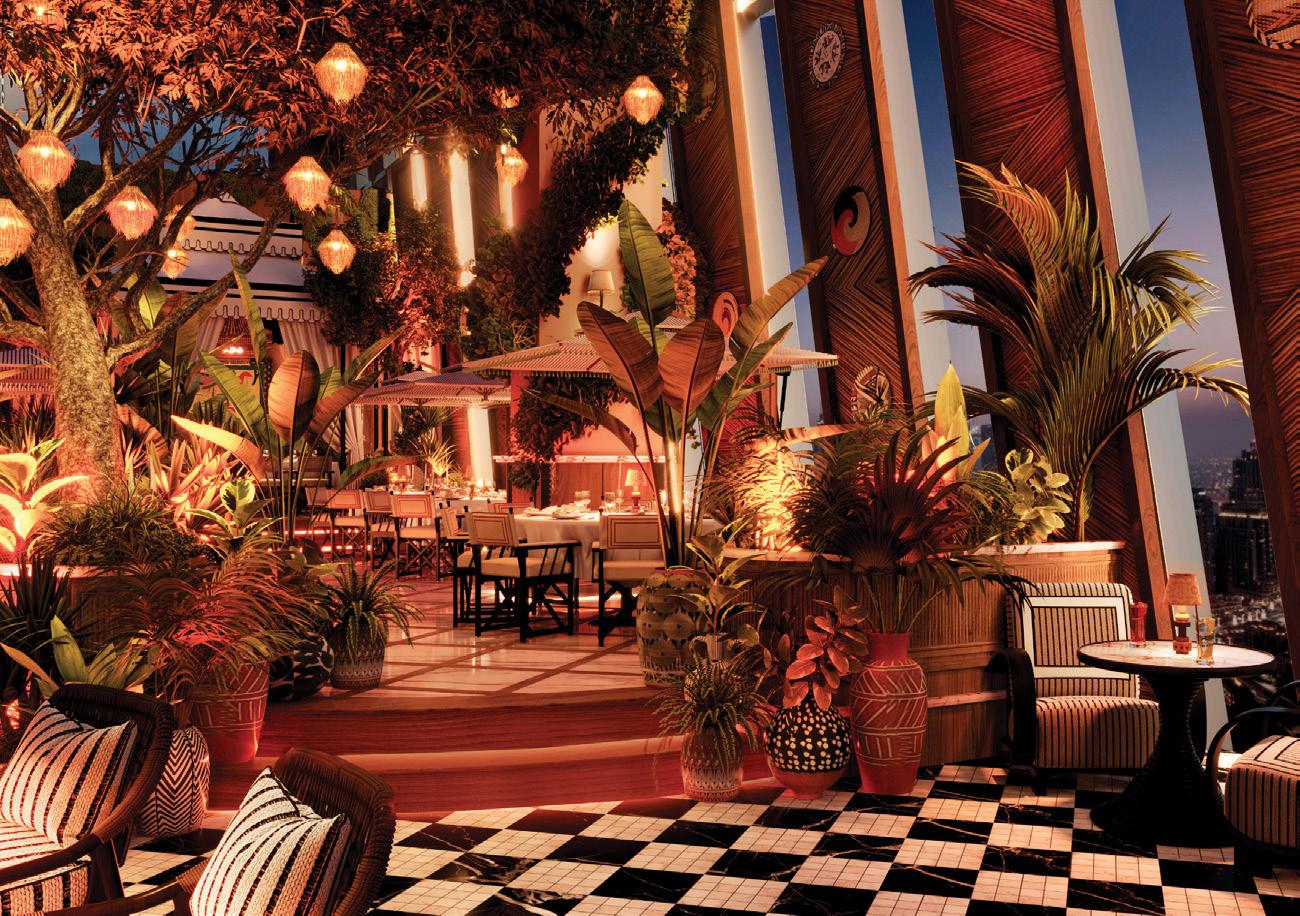

of an institution. Founded in Milan in 1817, it is synonymous with Italian pastry tradition, and Majestas manages two of its locations in Monaco under licence. Cipriani, the Venetian hospitality brand, rounds out a stable that now spans virtually every tier of the luxury dining experience.
Majestas, founded by Briatore and strengthened through its partnership with Primavera Investments, has in the space of a decade moved from its roots in England, Italy and Monaco to become one of the most active hospitality groups in the Gulf. The acceleration has been deliberate. Just before the FIFA World Cup in November 2022, the group opened four locations in Doha in a single move: Crazy Pizza, Twiga and Cova within the Printemps Doha Oasis — the largest luxury department store in the
Middle East — and Billionaire on the new Al Maha Island. Dubai and Riyadh were already established. Qatar arrived on the back of those successes. Europe and the US continue to develop in parallel.
The client, in Briatore’s telling, is never a transaction. “For me, the client is not the VIP, no VIP. The moment you walk in the door of my place, you need to feel it’s your house. You need to feel comfortable.” He pauses. “We believe that each customer is our public relations rep. The amount they bring, if you are happy in this place, you go home, you talk about it with your husband, your sister, your friend. Go there, you know.”
He applies the same thinking to the people who work for him. Majestas runs a large operation and Briatore knows, he says, the name of every person in it. He calls them
on their birthdays: the hospitality team, the Formula One engineers, everyone. He hires young, trains extensively, and expects the energy and commitment he brings himself. “I try to hire people, younger, with a lot of training, worldwide. Because I want the people working for me — same as me. The same energy I have. The same possibility to grow. The same possibility to have success.” One of his senior team, Claudio, has been with him for 25 years. Another, Francesco, came through the Italian version of The Apprentice and now serves as number two across the group. The cultural sensitivity that comes with operating across the Middle East is something he speaks about directly. Majestas employs people of multiple nationalities, religions and languages, and Briatore sees the local staff not merely as employees but as cultural translators. “We are a guest in this country, and like every guest, we need respect for the culture. I tell always my people: before you move, try to understand everything about this country. If one day somebody from Saudi or from Dubai is coming to Italy, you would do the same.” The formula, he argues, is consistent whether the view from the window is the Burj Khalifa or the mountains above St. Moritz. “In the end, if you’re treating people well, with respect, they are very loyal to you.”
Briatore is clear-eyed about why Dubai matters to him strategically. The UAE is, in his reading, the region that has replaced Europe as the engine of luxury hospitality growth. “I believe in the future. Dubai is the future. You have Sheikh Mohammed, you have the vision, you have the government. It’s just the beginning.” Saudi Arabia is part of the same conversation. So is the growing significance of Formula One in the Gulf, he returned to the sport in 2024 as Executive Advisor to Alpine and is focused on making the team competitive from 2026, which he sees as both personally important and commercially aligned with the region’s direction of travel.
On the hospitality side, a Las Vegas outpost of Lion in the Sun is in the planning stages. The private membership club FB1 is being developed further. His son Falco, he says with transparent warmth, may eventually carry the brand forward. “I hope my son will follow me. He loves it. I believe it will be the next Briatore to take over.”
BMW MIDDLE EAST’S KARIM-CHRISTIAN HARIRIAN EXPLAINS HOW THE AUTOMAKER GREW 27 PER CENT IN TWO YEARS, AND IT HAS LESS TO DO WITH STRATEGY DOCUMENTS AND MORE TO DO WITH CONSISTEMCY, COMMUNITY AND CUSTOMERS
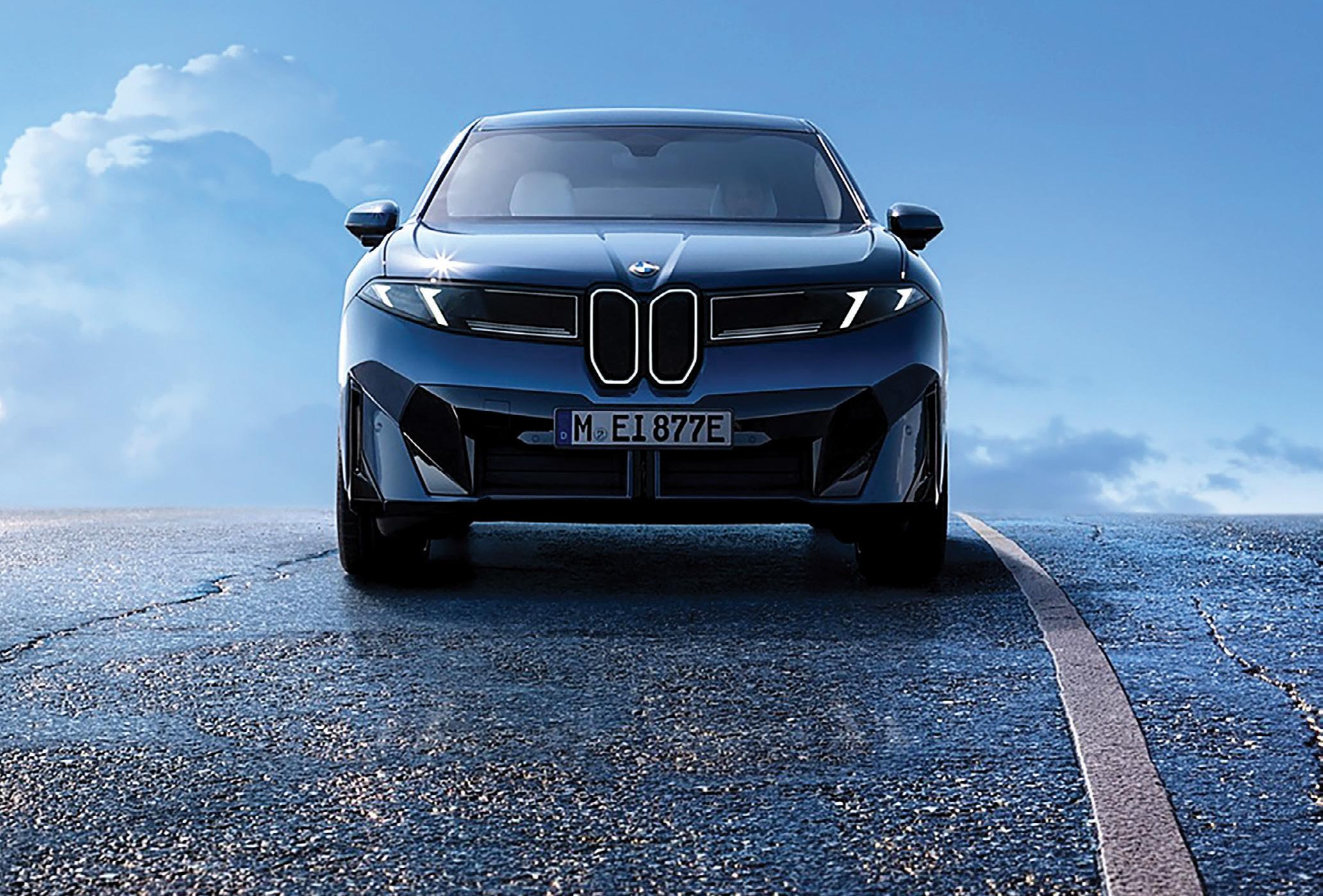
BY NEESHA SALIAN
Over the past two years, BMW Group Middle East has grown close to 27 per cent, compounding a 16.5 per cent increase in 2024 with a further 10 per cent in 2025. When we sit down with managing director KarimChristian Haririan in Dubai, he treats the figures as evidence rather than achievement, proof that a deliberate approach to markets, customers and experience is beginning to scale. The year brought its share of regional challenges. Haririan doesn’t dwell on them, though. “We ended 2025 on a very good and satisfying performance across all areas,” he says. The brevity is deliberate; what matters to him is the distance travelled, not the conditions along the way.
M MAKES ITS MARK
The story beneath the headline is where the texture is. M high-performance vehicles, the M2, M3, M4, M5 and M5 Touring, grew 38 per cent in 2025, the best the sub-brand has ever recorded in the region. Corporate sales were up 28 per cent, the highest in
the market’s history. MINI grew 16 per cent, another all-time high in the Middle East, carried by strong John Cooper Works demand and rising uptake of its batteryelectric range.
BMW Motorrad delivered its best year in the region with private customer sales up nine per cent, and the 7 Series grew 1.3 per cent despite being deep into its cycle. Customer Support Services were up 8.2 per cent. UAE and Saudi Arabia led the volume; Iraq, Bahrain and Qatar grew alongside them. “You give every market the support it needs to grow, at whatever level it is at,” he says.
The M growth is the number Haririan is most animated about, and it is worth understanding how it happened. BMW redesigned dedicated M spaces within its showrooms, appointed specialist M managers on both sides of the importer relationship, and ran an active driving programme that extended beyond its existing customer base. Racetrack days were opened to people who had never
owned a BMW. The bet was that the car would do the work once someone was in it. It did. “Customers here have, as we say in German, a little bit of benzine in the blood,” Haririan says. “They love driving, they love racetracks.” An evolved version of the programme is already being built for 2026.
The motorcycle side of the business tells a similar story. BMW Motorrad has long served government and institutional clients, a visible presence at state occasions across the Gulf. What is newer is the leisure dimension: riding as a hobby, weekend road tours, owners gathering while their bikes are serviced. Dedicated showrooms, specialist aftersales teams and importer-led rides have built a community around the product. Nine per cent growth in private customer sales in 2025 is the commercial expression of that.
The showroom itself is being reconsidered. Retail.Next is BMW’s global programme for how its spaces should feel and function,

“In Dubai, Abu Dhabi, Muscat, Riyadh, Jeddah, we offer today the same service quality as in Frankfurt, Munich or London. We say this so easily. But I can tell you, it is a lot of work.”
a consistent identity that Haririan compares to a luxury house, where the room in Paris and the room in Dubai share the same instinct. The Sheikh Zayed Road facility in Dubai is among the completed examples: more open, warmer, with clear zones for the M range, the luxury models and the electric lineup. In European markets where the format has been running longer, sales have moved upwards. “People felt more comfortable, much more appreciated,” Haririan says. “And then at the end they enjoyed the sheer driving pleasure.” The service standard that underpins all of it is something he is quietly proud of. “In Dubai, Abu Dhabi, Muscat, Riyadh, Jeddah, we offer today the same service quality as in Frankfurt, Munich or London,” he says. “We say this so easily. But I can tell you, it is a lot of work.” The facilities also train people, developing the local professionals who will sustain those standards as the network grows. Electrification is moving at the market’s pace rather than a manufacturer’s schedule, and Haririan is relaxed about that. BMW’s offer spans combustion, plugin hybrid and fully electric, placed side by side, with no hierarchy implied. Electrified vehicles gained ground in Q4 2025, and the Neue Klasse BMW iX3, arriving later this year, carries BMW’s next-generation platform and an AI conversational system built in: BMW’s Intelligent Personal Assistant expanded with Amazon’s
Alexa+ technology, replacing static commands with a large language model that processes natural dialogue, holds context across exchanges and can respond to complex requests. “You can talk to your car,” Haririan says. “It is already there, embedded. And we believe we are ahead of the competition by a generation.” Charging infrastructure is developing in partnership with the UAE’s Ministry of Energy and Infrastructure. The market is also moving from ownership to usership: leasing is gaining ground, nudged by business customers and incoming residents from markets where it is standard. BMW restructured its corporate sales approach around this shift early. The 28 per cent growth in that channel reflects it.
Syria is the forward story. BMW was present in the country until 2011, when sanctions brought that chapter to a close.
Following the lifting of the US Treasury and European Union restrictions last year, BMW Group Middle East has been assessing the market and meeting importer candidates. An announcement is coming. Haririan is careful and warm about what the re-entry will look like.
BMW’s standard is to have the aftersales infrastructure fully in place before a single car is sold. Workshop, trained staff, equipment, processes. “Volume is secondary,” he says. “We first set the network. Once this is done, slowly, the success comes.” Then, less measured: “Syria is a wonderful country. It deserves freedom and prosperity. We are happy to be part of that.” Competition comes up before we wrap up. Chinese manufacturers, the pace of their improvement, the question of whether premium brands feel the pressure differently or just later. Haririan does not name anyone. “What makes a brand short-term, mid-term, long-term successful is something that has been worked out over decades,” he says. “Great products. Customers who appreciate them over generations. The vast majority of our customers are not driving their first BMW. Some are on their fifth, sixth, seventh.” He lets that sit. Then: “Fair competition makes you stronger. I always look at myself. I don’t look so much at the others.”
What holds all of this together is a consistency of approach that Haririan describes without sentimentality. The global strategy provides the tools. The region decides which ones to pick up. “You take the tools that fit, that make people happy here,” he says. Two years of growth, seven measurable lines of improvement, a new electric platform arriving and a market returning. BMW Group Middle East, by the evidence of 2025, is running well. The longer conversation that continues suggests it knows exactly why.
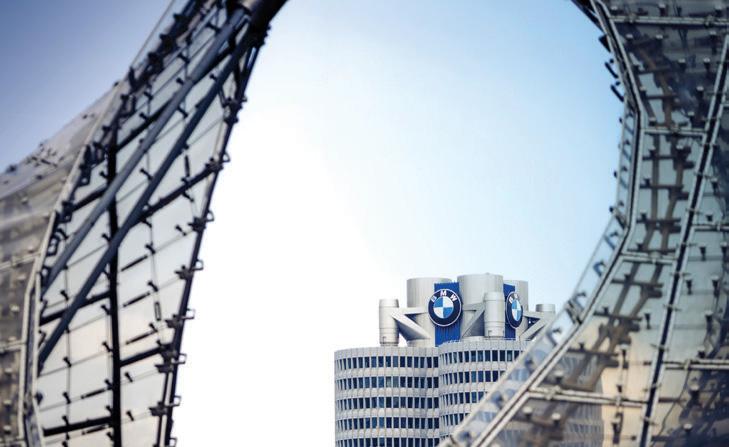
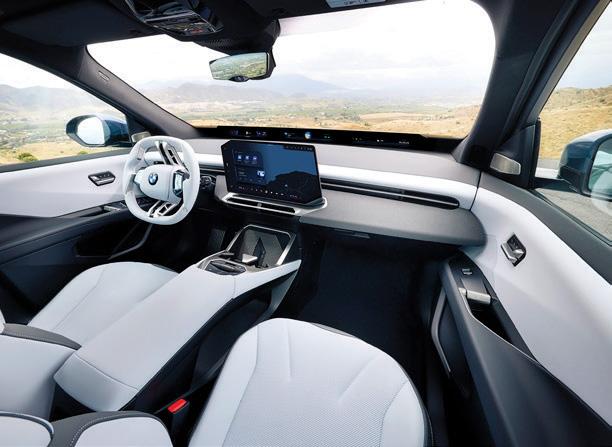























CELEBRATE THIS HOLY MONTH WITH SOME

















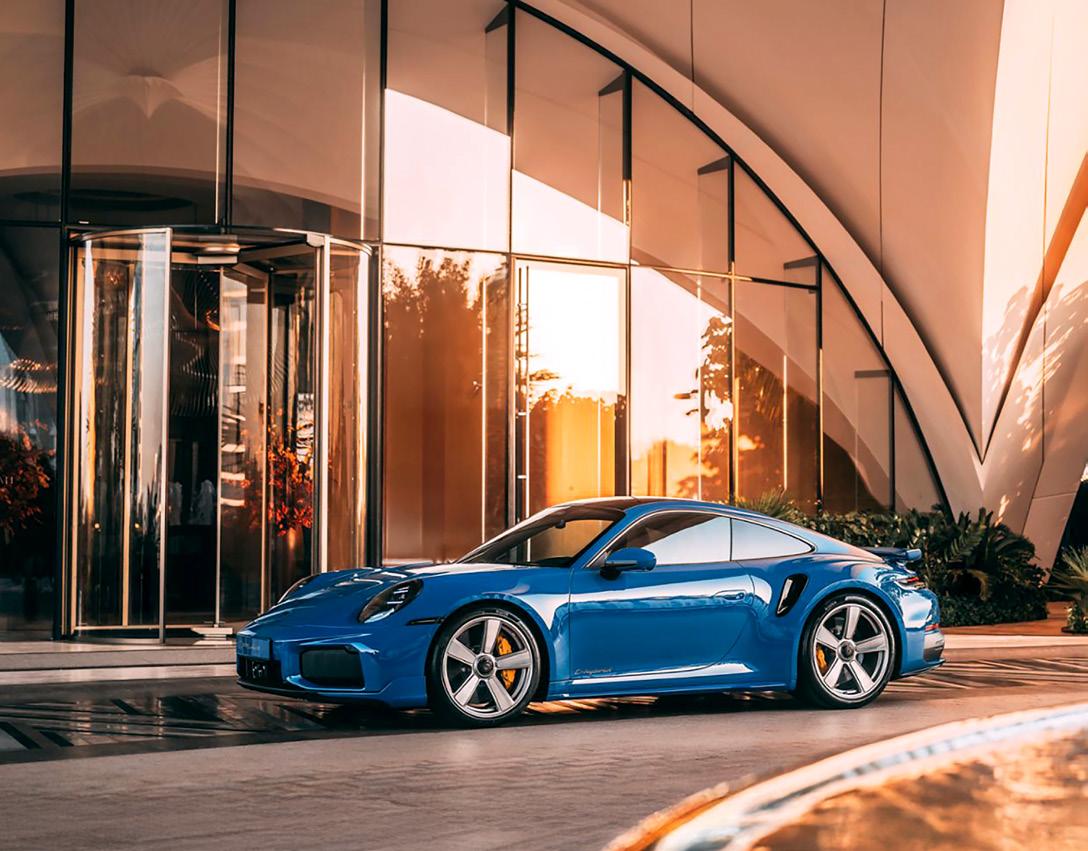
IN A REGION THAT MOVES FAST AND EXPECTS MORE, PORSCHE MIDDLE EAST AND AFRICA JUST DELIVERED ITS STRONGEST YEAR IN OVER A DECADE: 9,628 CARS, 16 MARKETS, AND A 911 THAT HAS NEVER SOLD BETTER. SOME YEARS DEFINE A TREND. THIS WAS ONE OF THEM
BY NEESHA SALIAN
For Porsche Middle East and Africa, 2025 marked its strongest retail performance in more than a decade, with 9,628 deliveries across 16 markets, a figure that represents 55 per cent growth since 2020, though just one per cent above the prior year. The global picture makes it more striking: worldwide, Porsche deliveries fell 10 per cent to 279,449, the brand’s sharpest annual contraction in recent memory, with China down 26 per cent and supply constraints biting across Europe. The Middle East and Africa had a different story to tell.
Dr Manfred Bräunl does not reach for understatement. “The best retail year in the last 12 years,” says the CEO of Porsche Middle East and Africa. “We are very happy with the results.”
But growth, he insists, is only part of the story. “Sales figures are not everything for us as a luxury car maker. It’s much more about customer satisfaction,” he says. “And that also went up significantly for us.”
Mohamed Hassan, the region’s sales director, frames it with equal directness. “We are super proud of our performance. But the most important thing is the
customer experience and their satisfaction. That’s our top priority.”
At the centre of the performance is the Porsche 911, which accounted for 23 per cent of deliveries in 2025, up from just 15 per cent of regional sales in 2020, rising 18 per cent year on year and marking its strongest year in the region to date. Globally, the 911 was one of the few points of light in an otherwise difficult year for Porsche, setting a new worldwide delivery record of 51,583 units. In MENA, it grew at 18 times that rate.

“It has been the best 911 year ever for our region,” Bräunl says.
The 911 is more than a nameplate. It is the brand’s benchmark. Since its debut in 1963, it has defined Porsche’s engineering DNA and emotional appeal. Its latest evolution introduces a T-hybrid system designed to enhance performance rather than prioritise electric-only driving, a detail that matters more to the 911 buyer than almost any specification on the sheet.
“We are not selling drivetrains,” Bräunl says. “We are selling a Porsche. A Porsche needs to drive like one, feel like one, smell like one.”
Hassan frames the deeper proposition. “It’s not what you buy with Porsche. It’s what you buy into,” he says. “We have a very rich heritage and history. Our job in the region is to enable that connection and transfer those values to our customers, especially the new generation.”
Electrification is advancing across the portfolio, but not at the expense of choice. The Porsche Taycan established early electric credibility. The electric Macan expands the SUV offering. The Cayenne is now available in combustion, hybrid and fully electrified variants.
“The car industry thought a few years ago this would go faster,” Bräunl says of the transition. “But in many countries it is going slower, and customers still want combustion engine cars.” Rather than push the shift, Porsche is presenting the options side by side. “We put the Macan combustion and the Macan electric together,” Hassan says. “The same customer drives both. Both are Porsches. Both perform. Then it’s their decision.” A large part of the work, Hassan adds, is simply getting customers into the car. “We are doing our part to put our customers in the product so that we reduce that anxiety to support them with that decision. At the end of the day, they must choose. We sell a Porsche. They decide how it drives.”
Bräunl puts it more simply. “I think this is the recipe for success. You give customers a choice. At the end of the day, we are not selling drivetrains. It’s a Porsche. Full stop.”
Performance credibility remains anchored in racing and in the people who have lived it. Bräunl speaks about Le Mans with the ease of someone who was there: he attended all three of Porsche’s consecutive overall wins at the 24 Hours race in 2015, 2016 and 2017. That kind of institutional memory, passed down through the organisation and into the customer base, is not something a
marketing budget can manufacture. “Porsche was born on the racetrack in 1948,” he says. “This emotional connection is not something you create overnight. It has been built over decades. You always have to support the community. You have to constantly build that connection.”
With more than 30,000 motorsport victories in the record, the connection runs deep. In the region, it is built event by event: monthly meets at DRVN by Porsche draw hundreds of owners, Carrera Cup weekends attract thousands more, and the fifth edition of Icons of Porsche returned to Dubai as one of the largest Porsche events in the world: more than 30,000 fans over two days, with six of eight Porsche board members in attendance and new models including the Cayenne Electric, Macan GTS and 911 GT3 with Manthey kit making their regional debut.
The brand’s reach extended further through the Speed of Light campaign, a collaboration with Dubai Department of Economy and Tourism (DET) shot at the Mohammed bin Rashid Al Maktoum Solar Park and featuring David Guetta. Showcasing the Macan Electric and Taycan, it has since accumulated 70 million views across all channels, making it among the most watched Porsche films in recent years.
“It’s about enabling and really connecting,” Hassan says. “Especially in this region, where we have many new customers coming into the brand, stressing that heritage and those brand values is one of the main pillars of our success.”
Personalisation has become another defining pillar. Porsche’s Sonderwunsch programme, its special-request division, whose name translates from German as ‘special wish’ — reported a regional record year in 2025. Two colleagues were introduced specifically to manage the volume of bespoke commissions, from paint-to-sample colours to fully customised interiors. In Saudi Arabia, the Macan Gems Collection — three show cars specified through Porsche Exclusive Manufaktur and inspired by Amethyst, Emerald and
Sapphire — was designed specifically to engage female customers through designled storytelling.
“We always encourage our customers not to buy cars from stock,” Bräunl says. “Configure them. Make them very special. Then it becomes their own car.” Hassan puts the Porsche slogan for the programme plainly: “You dream it, we build it.”
Hassan has a story that captures the programme better than any specification sheet. An Italian architect approached Porsche with a vision: a one-off Speedster based on a 911 from the 90s. What followed was not a transaction, it was a collaboration. The architect drove to the Porsche factory multiple times. He spent hours with the designers. He became so embedded in the process that he was given a Porsche employee badge. The car took years to complete. It was finished in 2025 and is now a showpiece exhibited around the world.
The logic behind it goes beyond aesthetics. Bespoke builds improve resale value, a car in a colour that exists nowhere else in the world is, by definition, scarce. And they deepen the relationship between owner and brand in ways that no standard specification can replicate.
Geographically, the UAE remains the division’s strongest market, supported by economic resilience and a mature luxury ecosystem. Saudi Arabia is expanding rapidly. Morocco is gaining pace. South Africa
“Porsche was born on the racetrack in 1948, this emotional connection is not something you create overnight. It has been built over decades. You always have to support the community. You have to constantly build that connection.”
remains a traditional anchor. India is a midterm prospect, significant in potential, complicated in practice. Tariff structures continue to act as a constraint, though Porsche’s commitment to the market has taken on a different kind of visibility: a 2025 collaboration with global NGO Liter of Light saw the brand support the donation of solar lamps to rural communities during Diwali, setting a Guinness World Record with 1,963 units installed in the shadow of the Gateway of India. It is the kind of initiative that builds cultural presence in a market before volume follows.
“The economy is important,” Bräunl says. “The UAE is very strong. Saudi is growing. Morocco is increasing significantly. India, in the mid-term, can become a key market for us.” The infrastructure build-out across the region reflects that confidence.
Four new Porsche Centres opened in 2025, alongside three renovation projects and three Porsche Now locations, a visible signal of importer commitment to the long game. Uncertainty, Bräunl acknowledges, is always a variable. “When there is
uncertainty, people shy away from heavy investments. A Porsche is also an investment.” But the pipeline, he says, answers the question before it is asked. The 911 Turbo S, the Macan GTS and the electric Cayenne are all incoming. “Product-wise, we are in super shape.”
Hassan ends where he began — with the customer. “We keep pushing,” he says. “We keep offering the best from a product perspective. But the most important thing is their experience and their satisfaction. That’s our top priority, and we build on that.” It is easy to read 2025 as a year defined by volume. But the number that lingers is quieter than the headline. In 2020, the 911 accounted for 15 per cent of Porsche’s regional sales. By 2025, that share had grown to 23 per cent. In a market flooded with options and short on patience, more customers chose the hardest car to justify and the easiest to love. That is not momentum. That is loyalty and in the luxury business, there is no metric worth more.