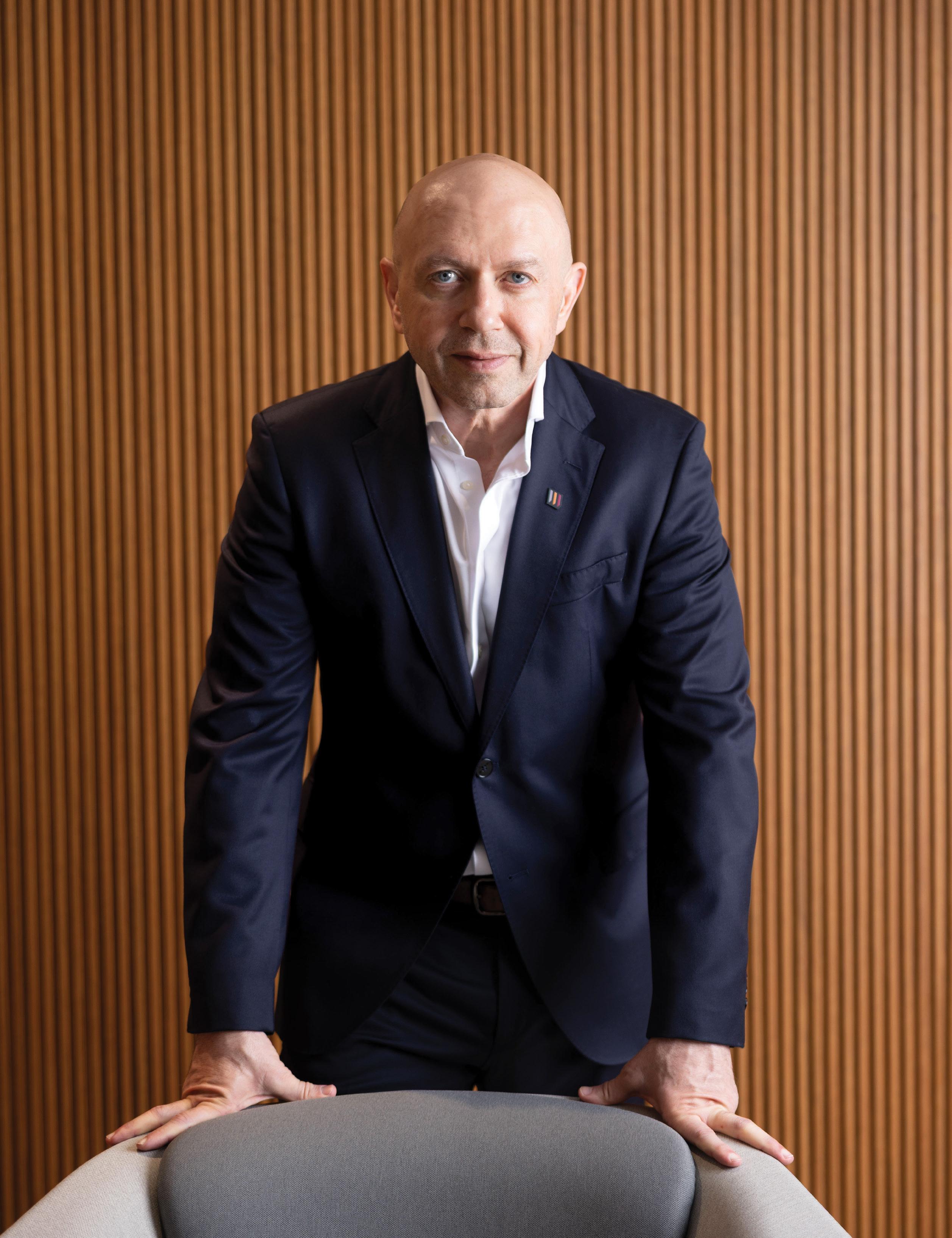
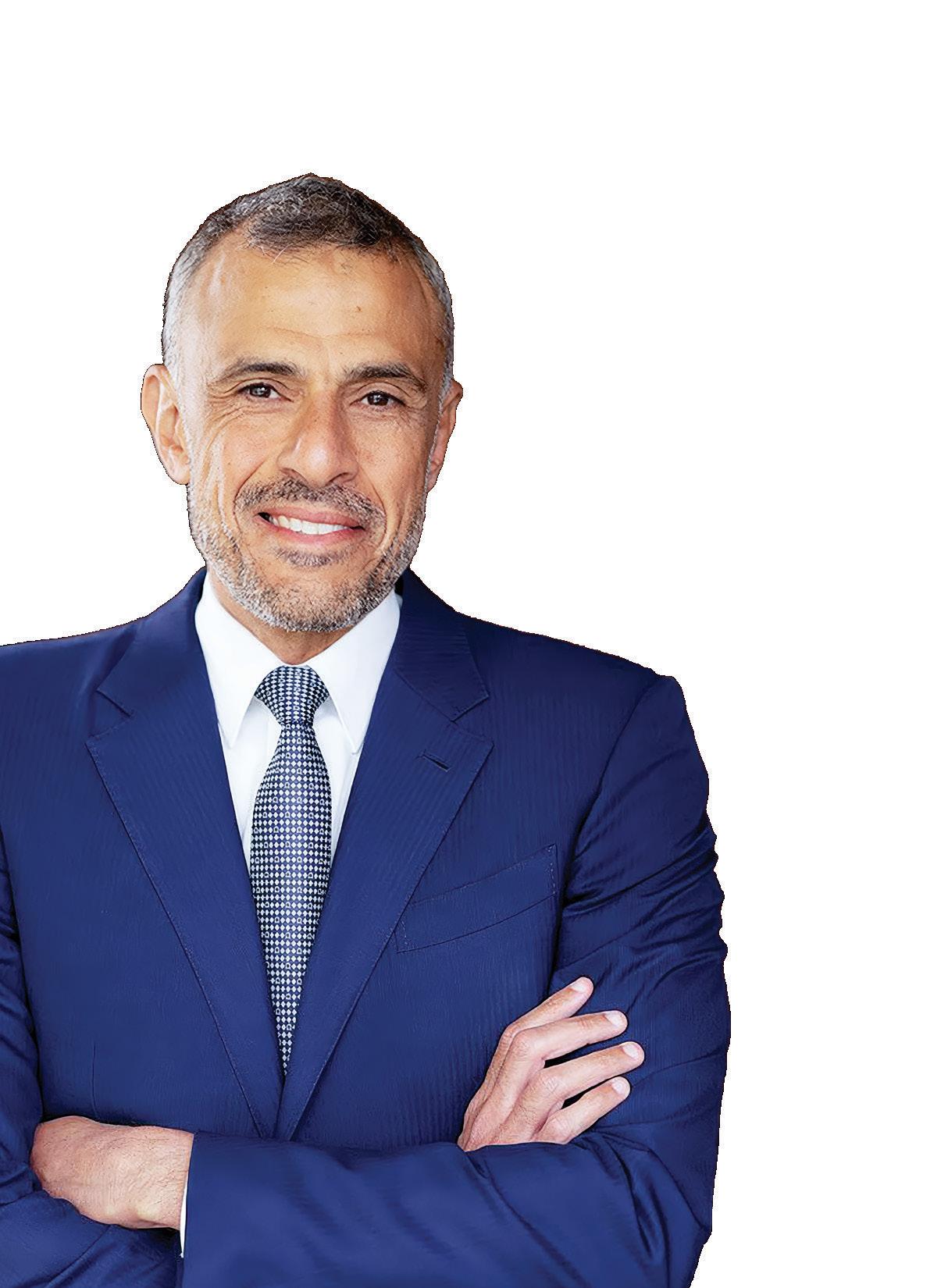

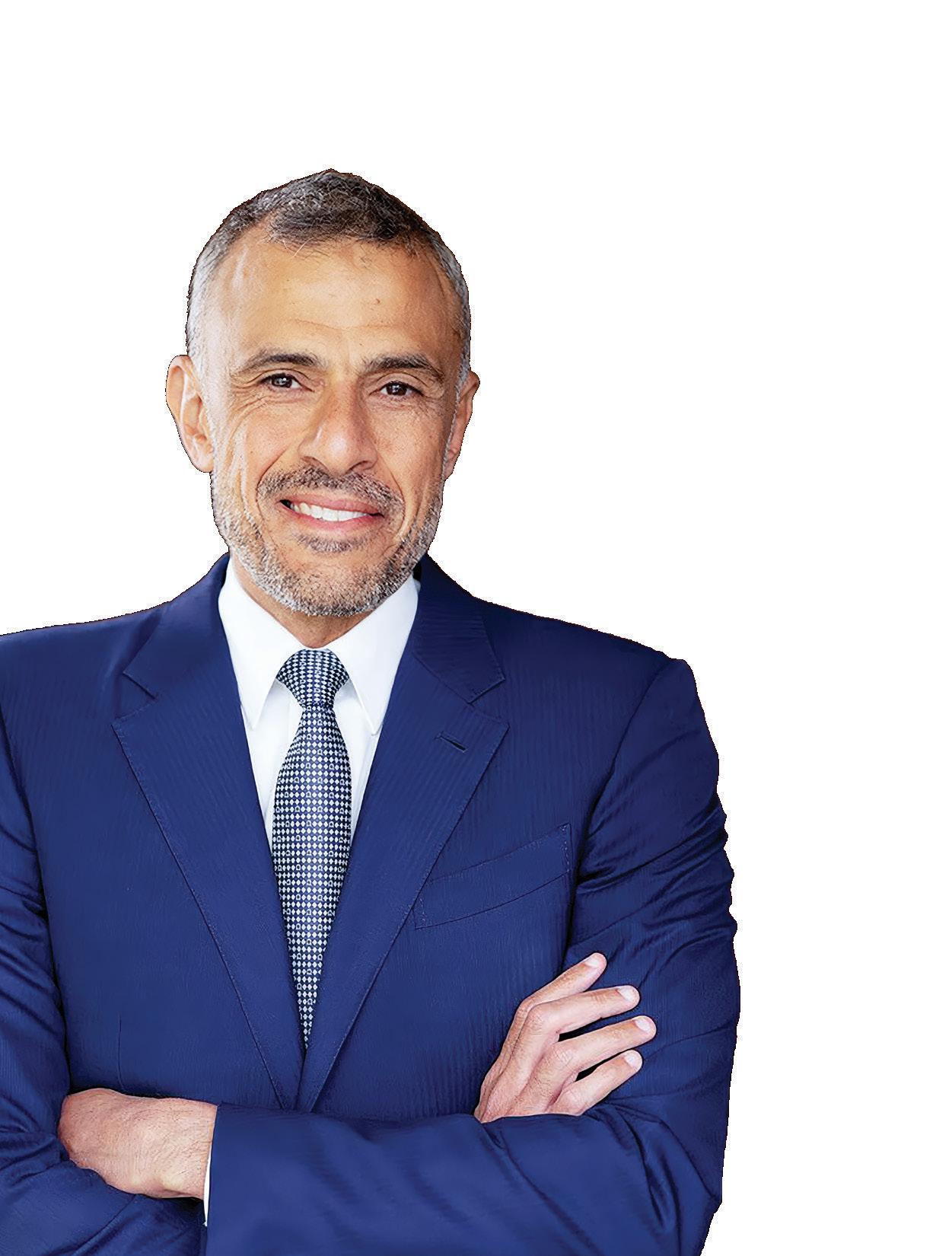
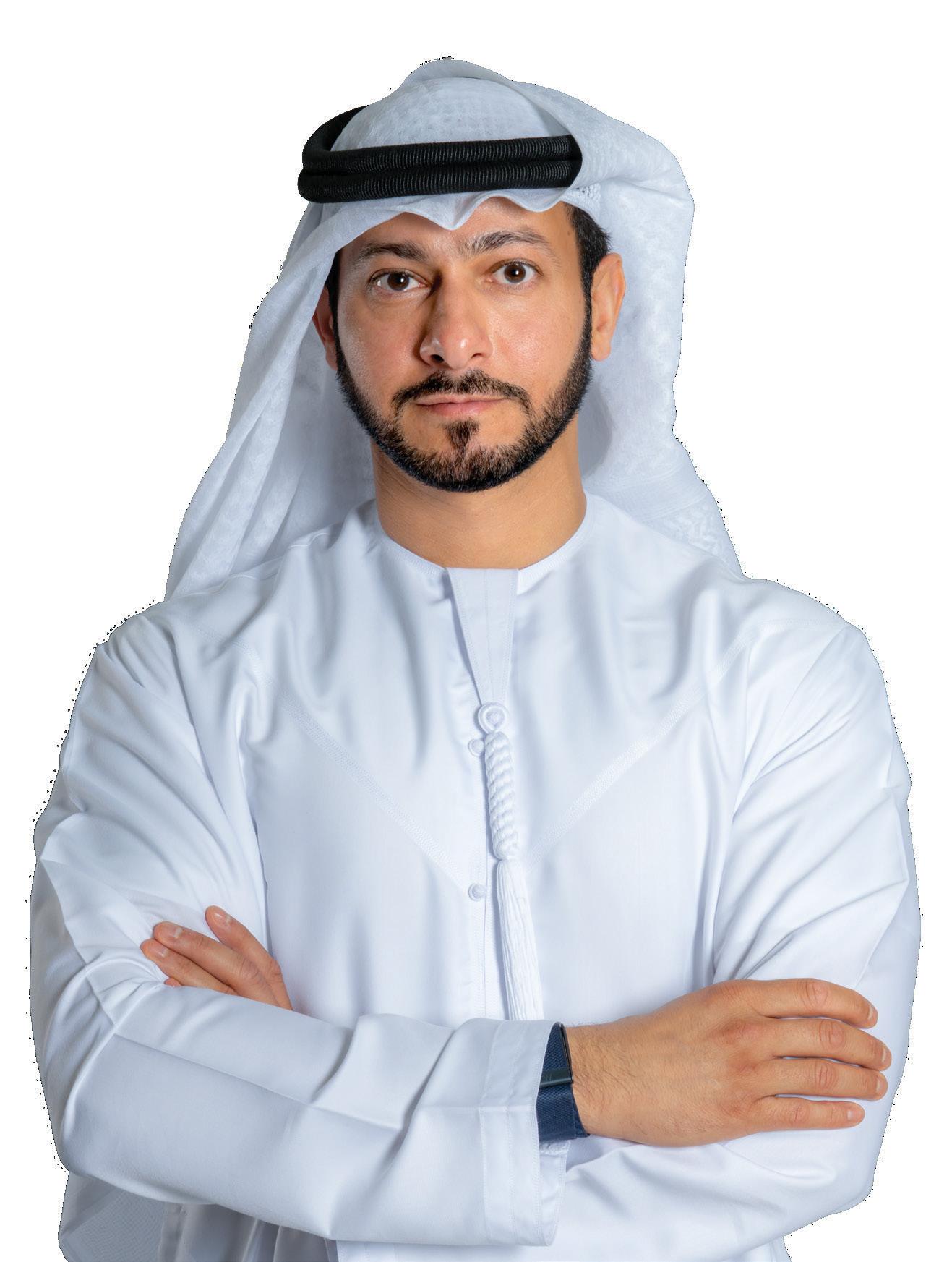
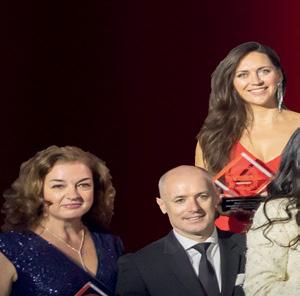
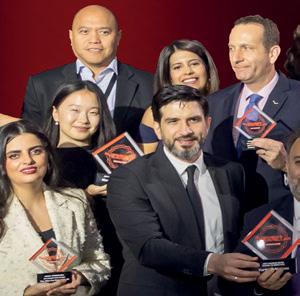
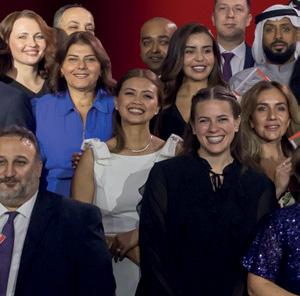
FIND OUT WHO EARNED A PLACE ON OUR HONOUR ROLL...
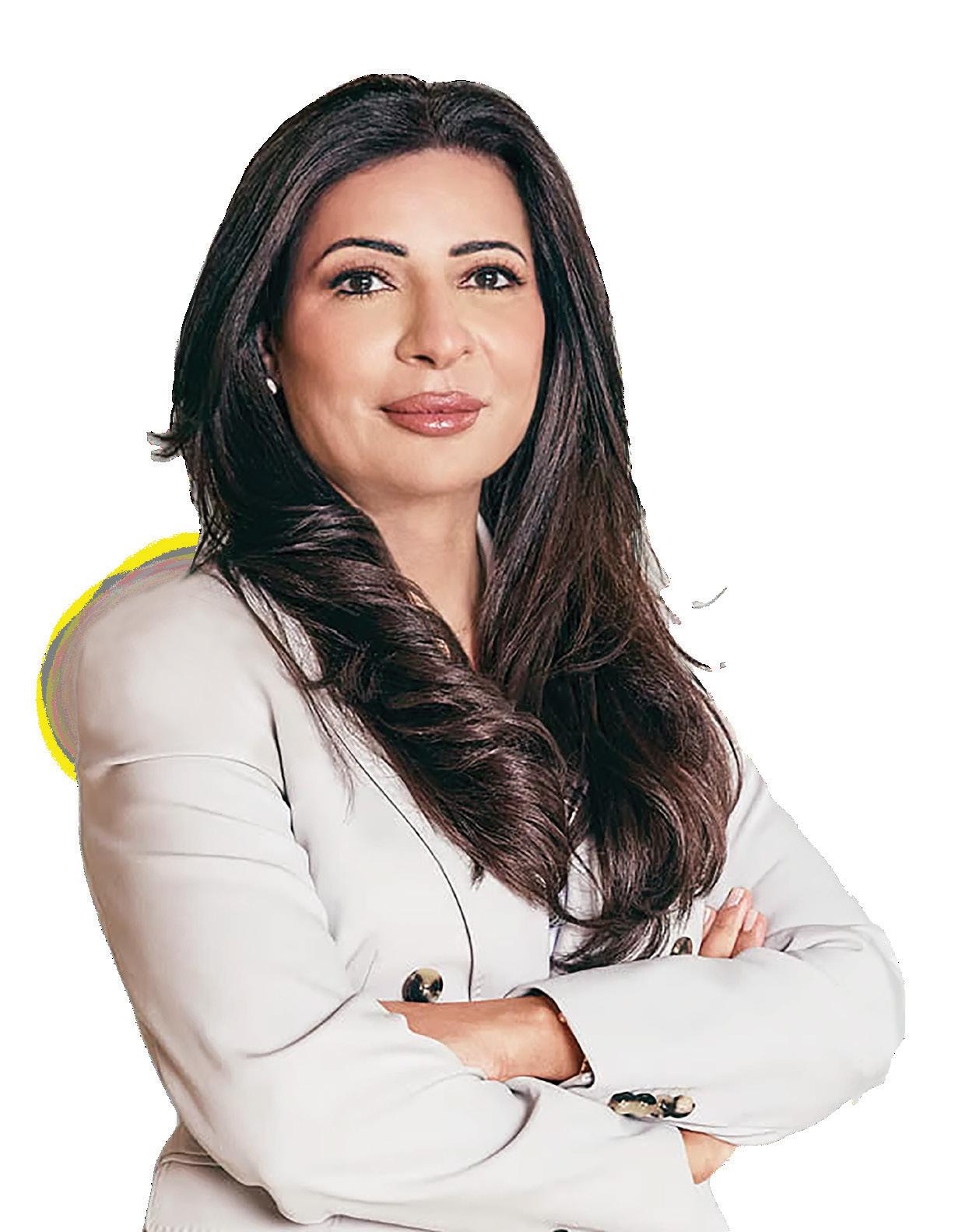
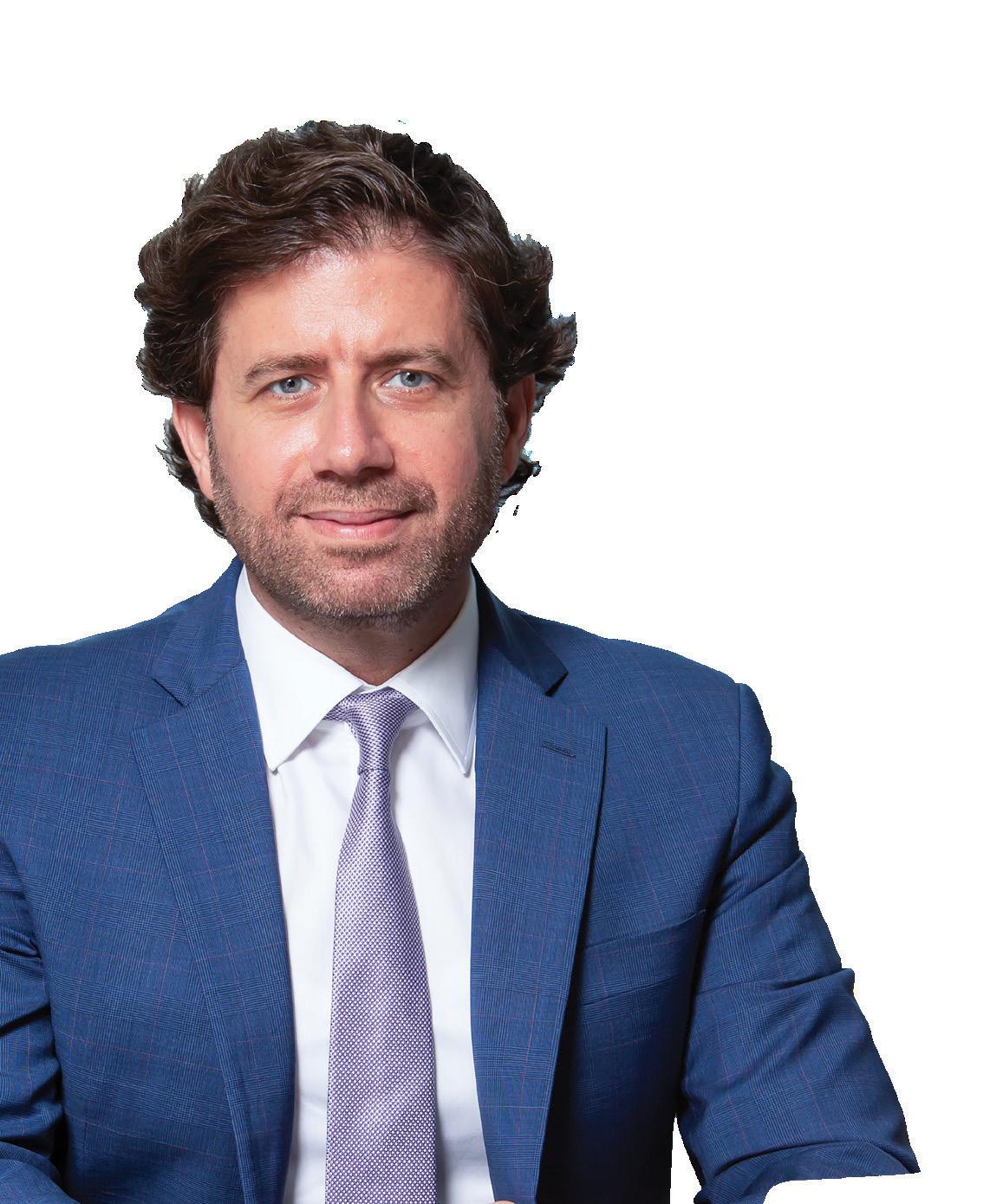
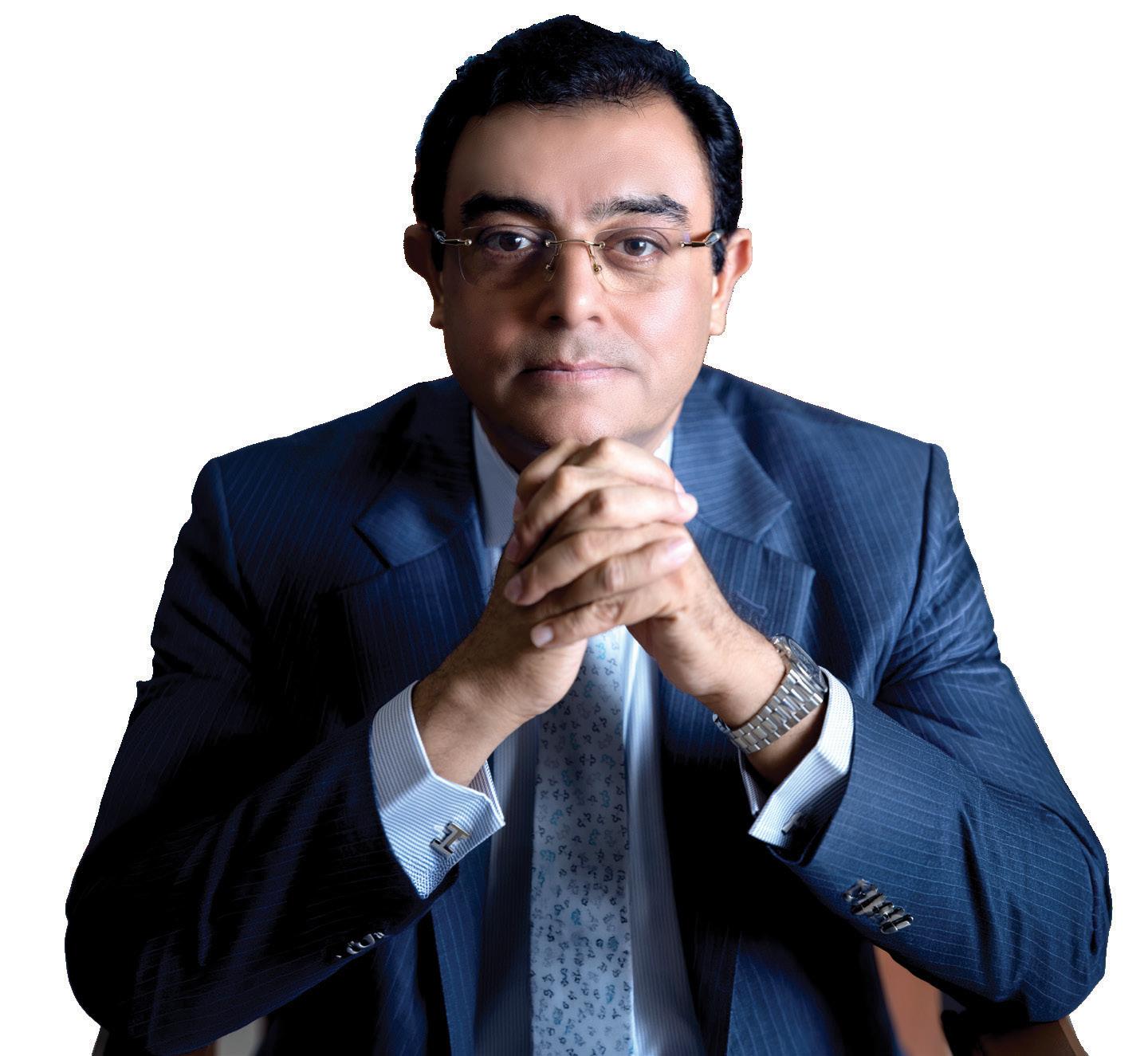
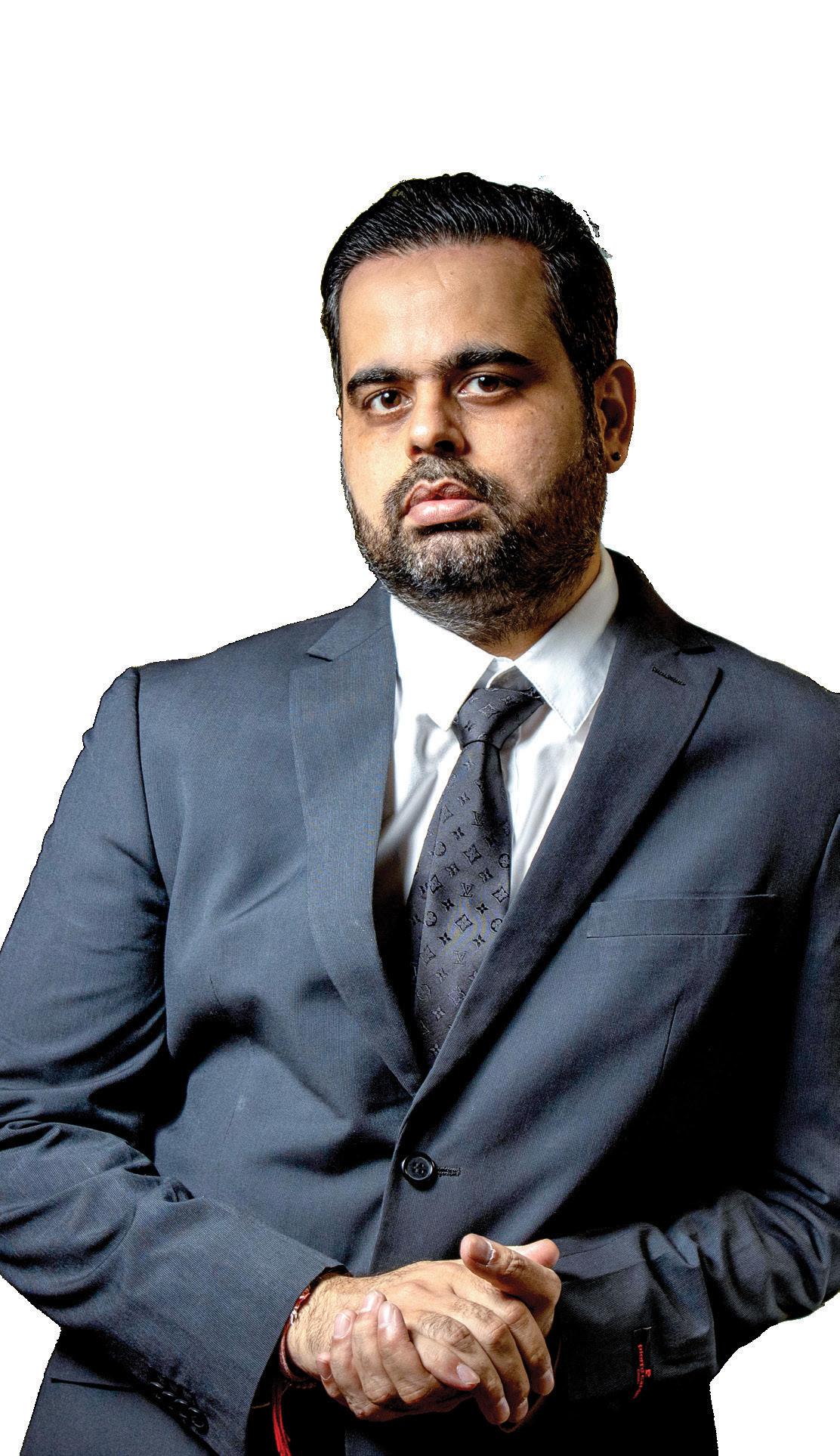
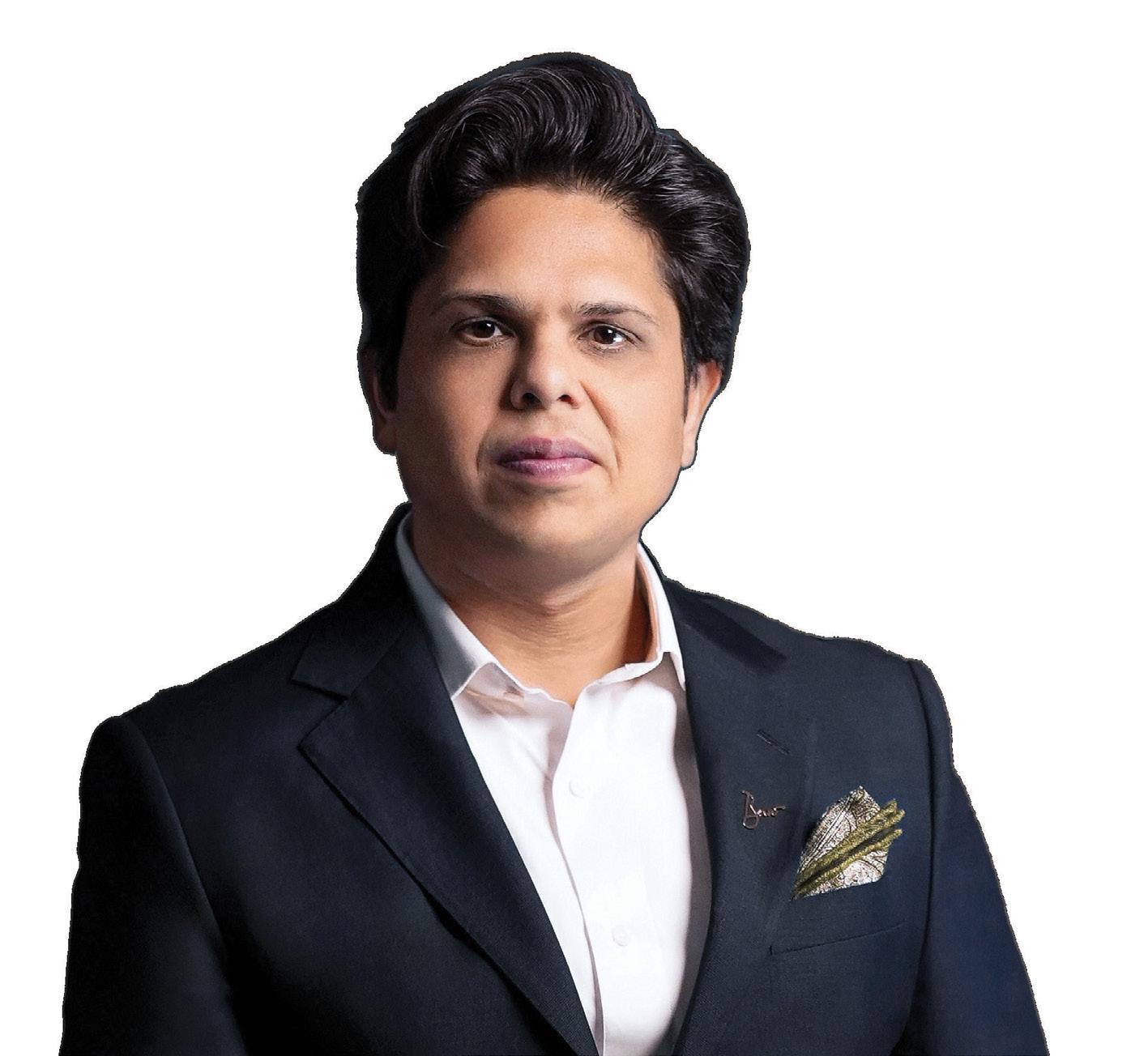
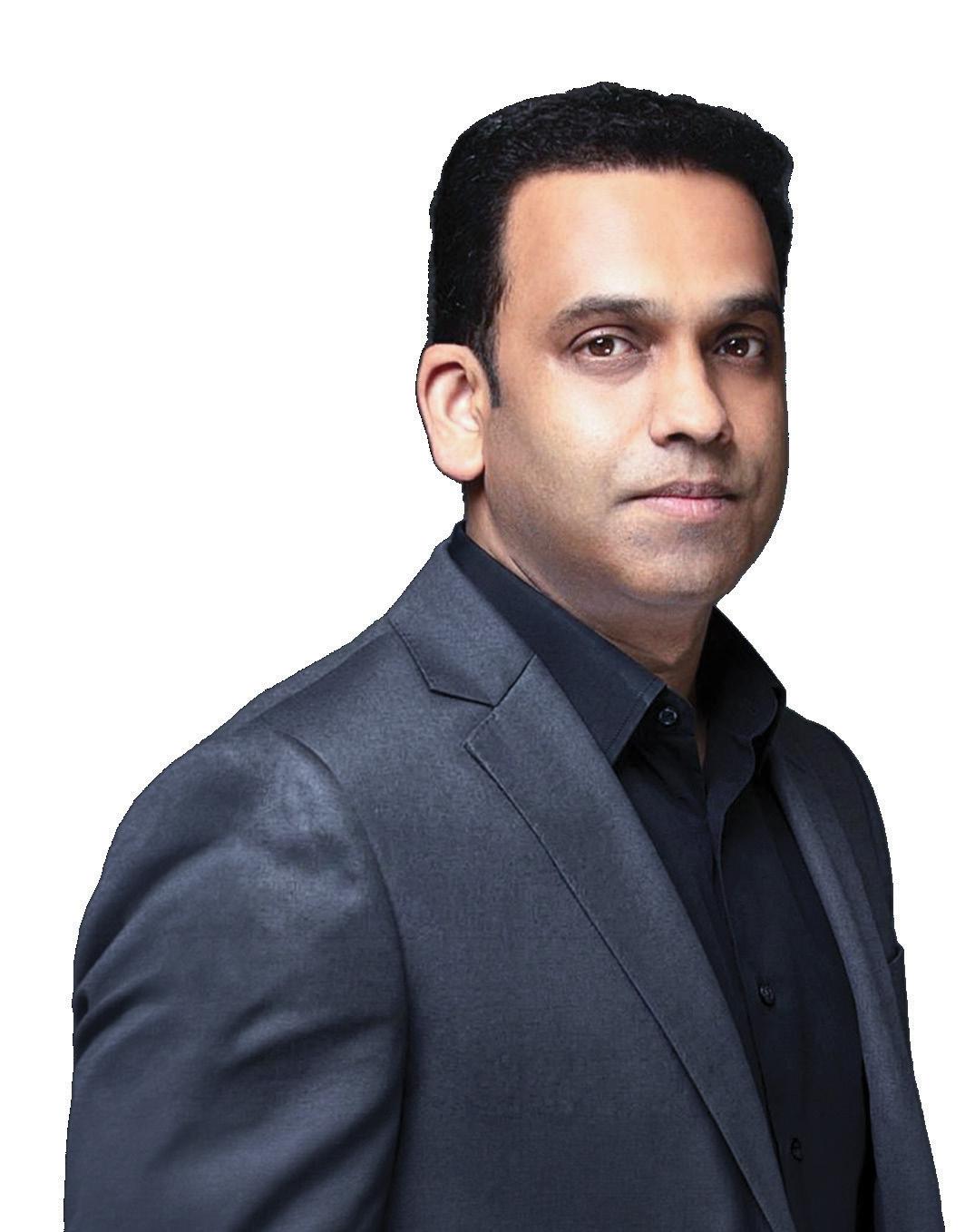
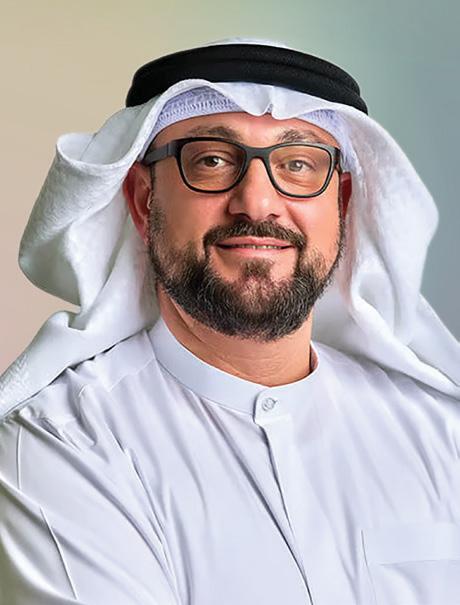
Ahmad
Anas
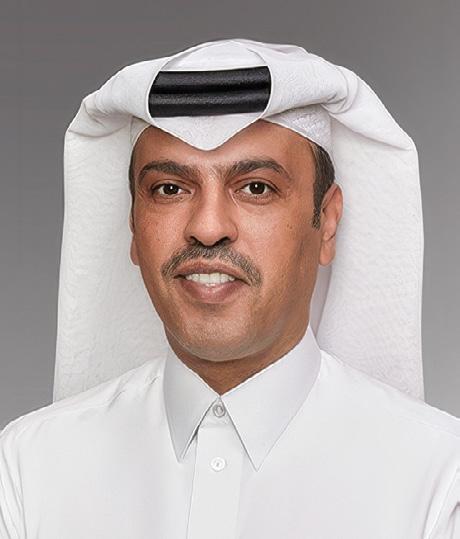
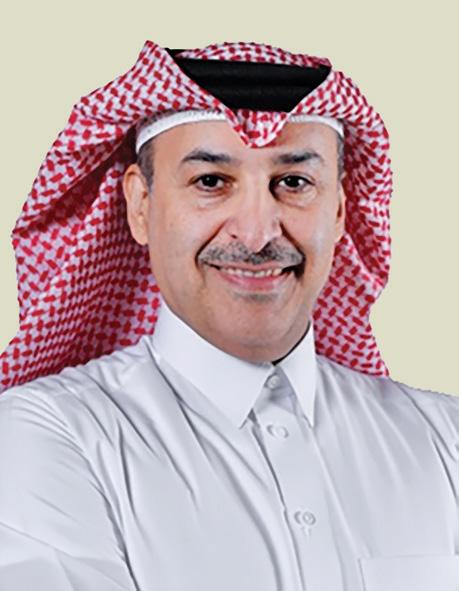
Abdulla
Alex
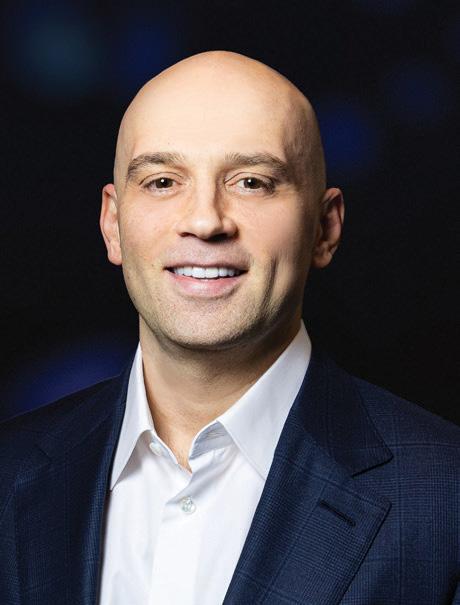
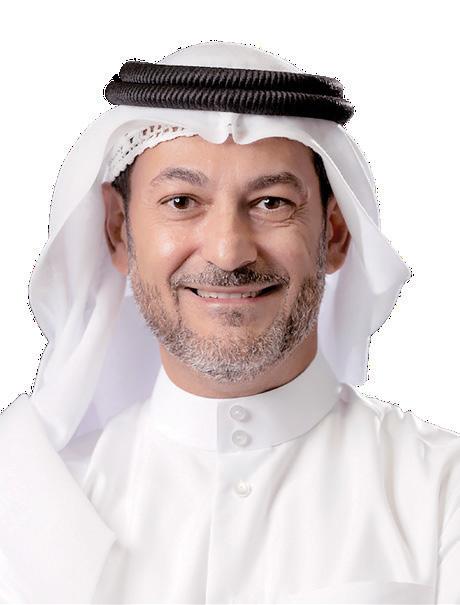
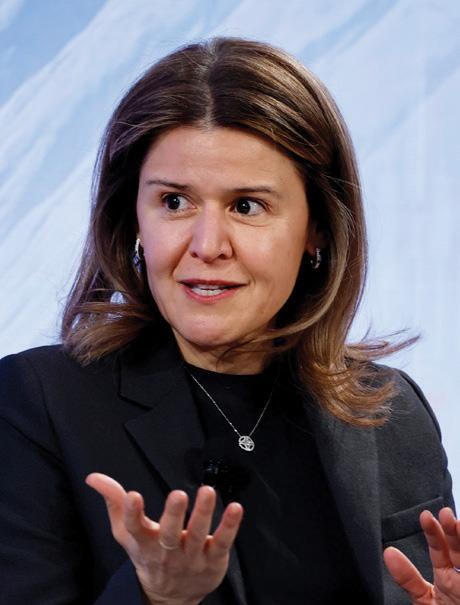
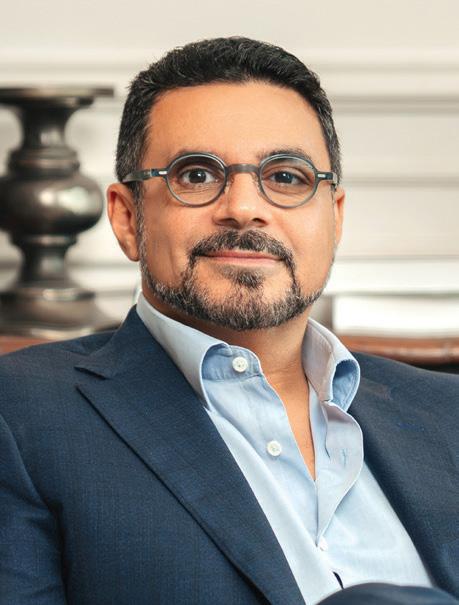
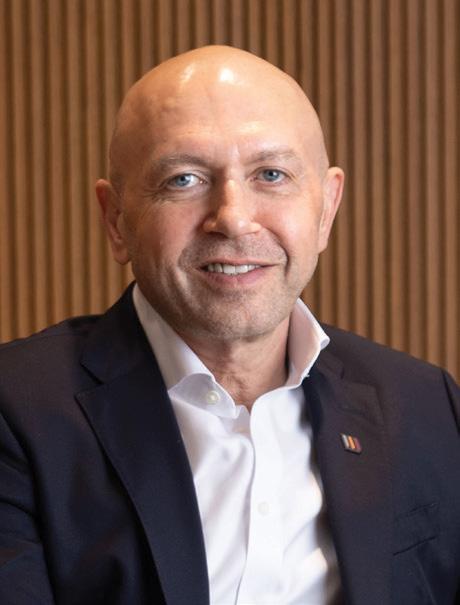
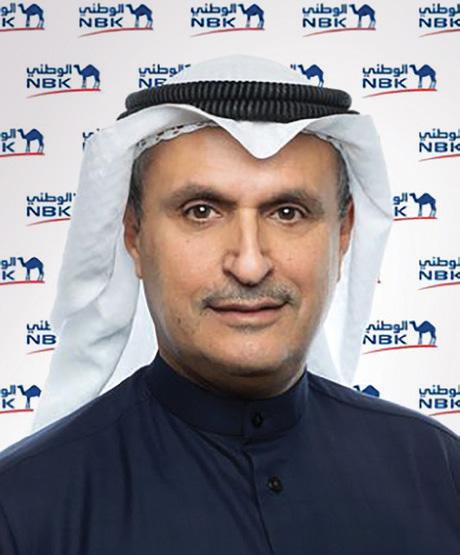
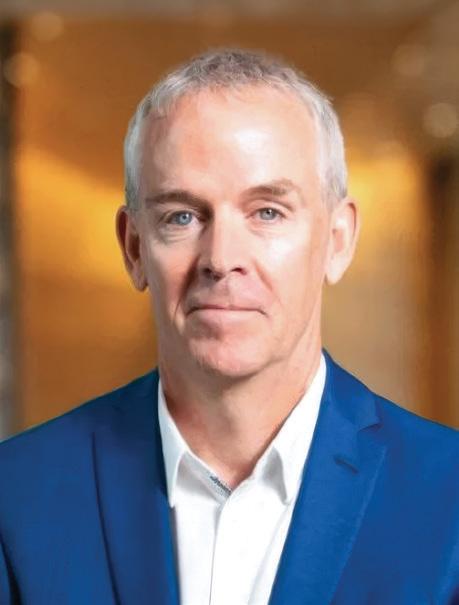
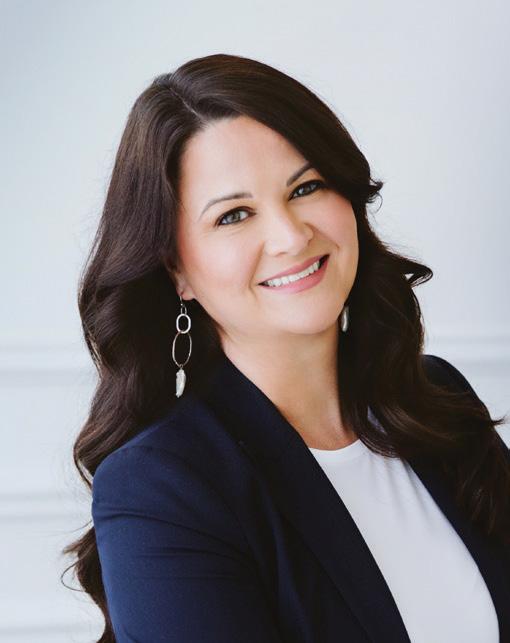

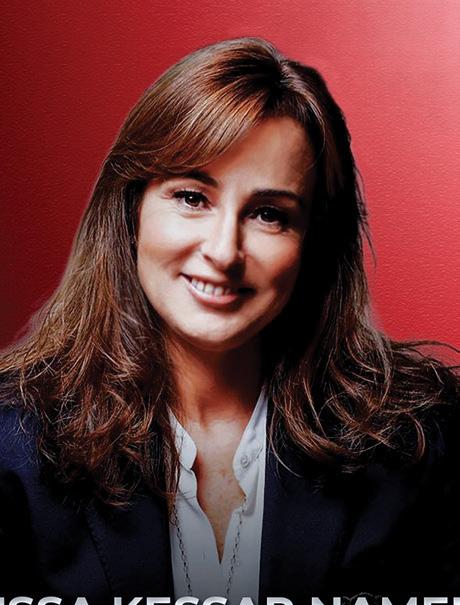
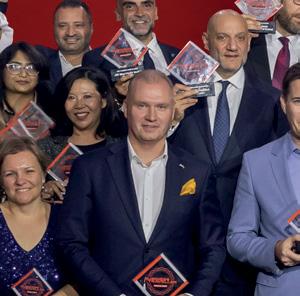
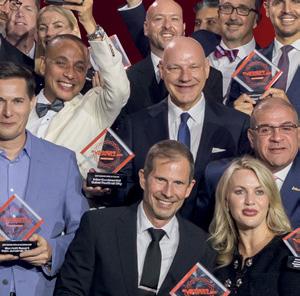
Mila Semeshkina, CEO and founder, Lectera.com
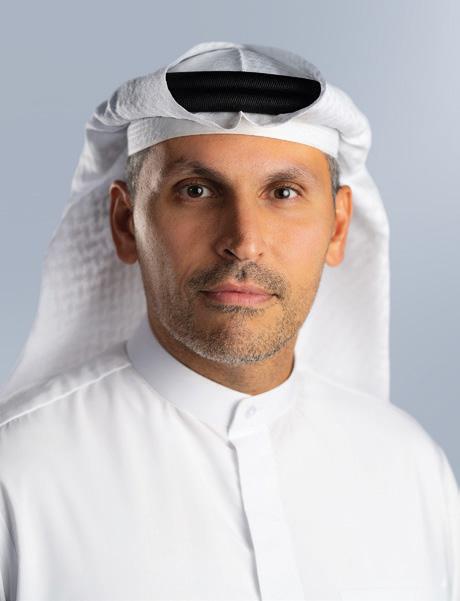
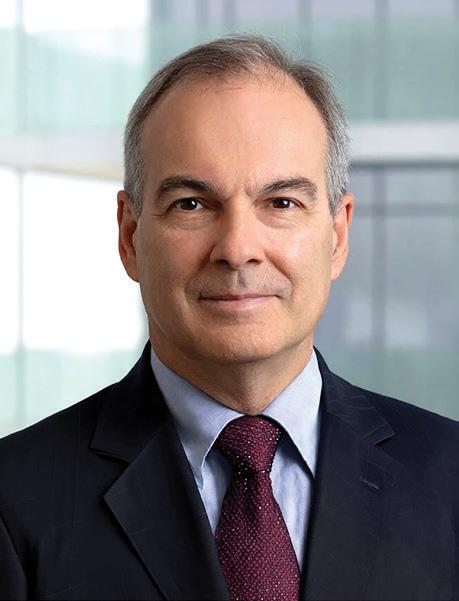
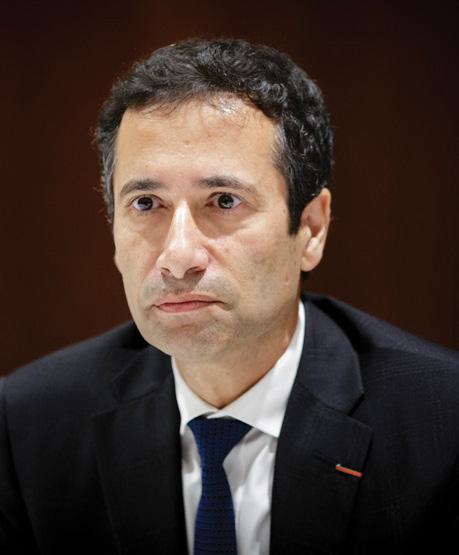
Mohamed Benchaaboun, chairman of the management board,
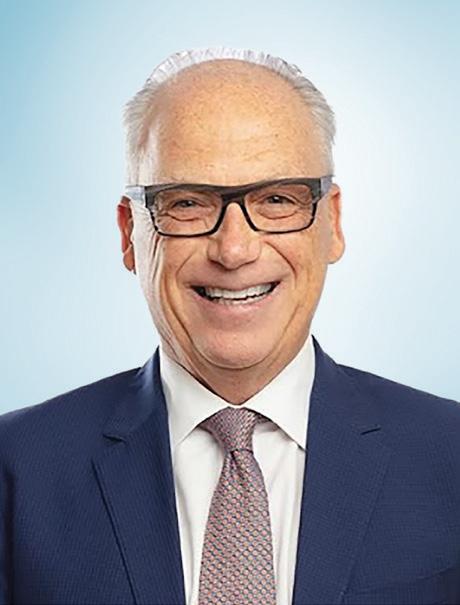
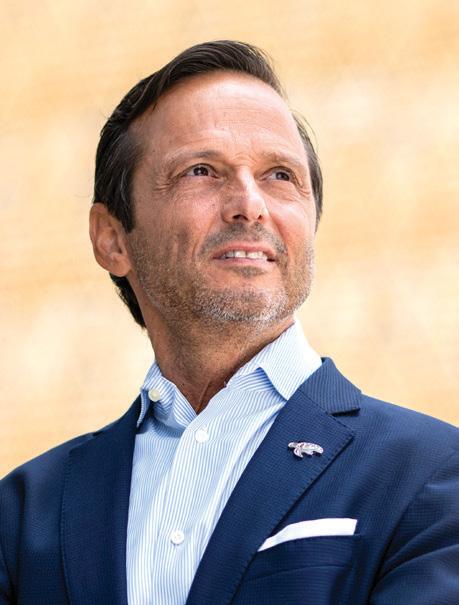
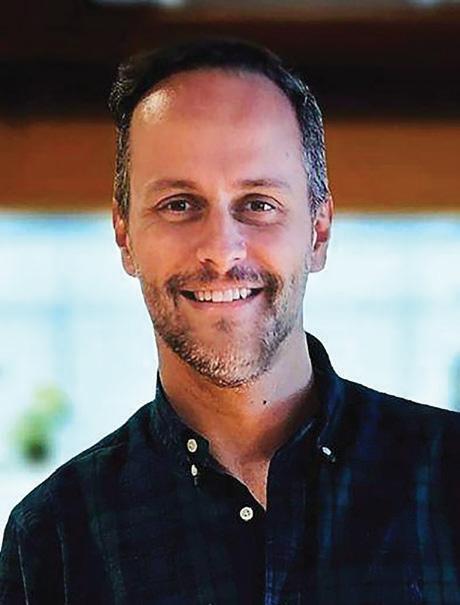
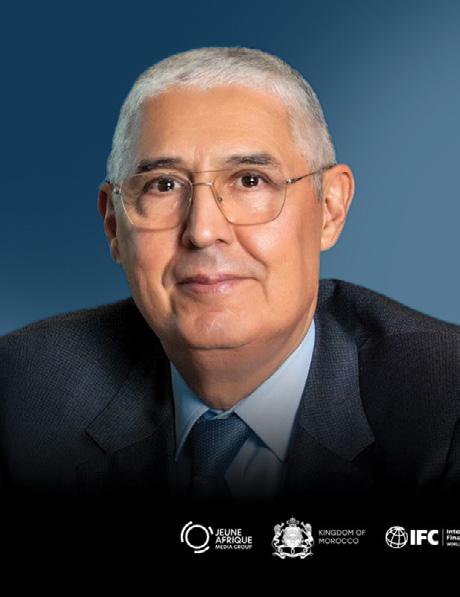
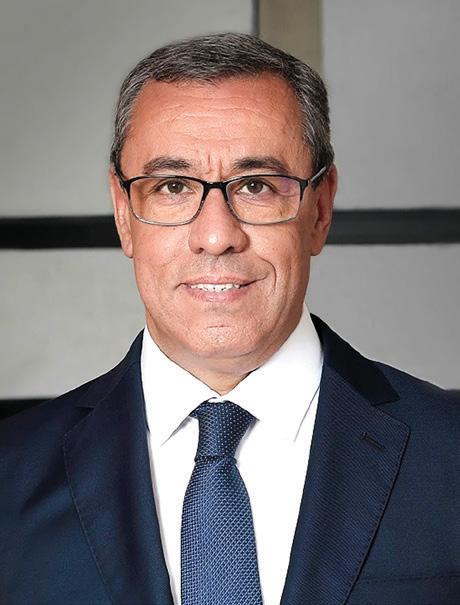
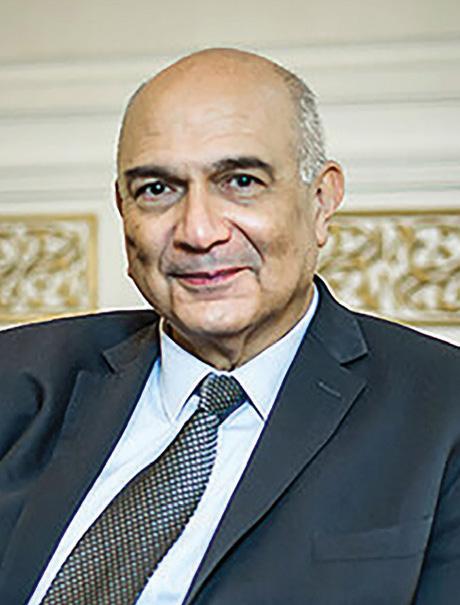
Mostafa
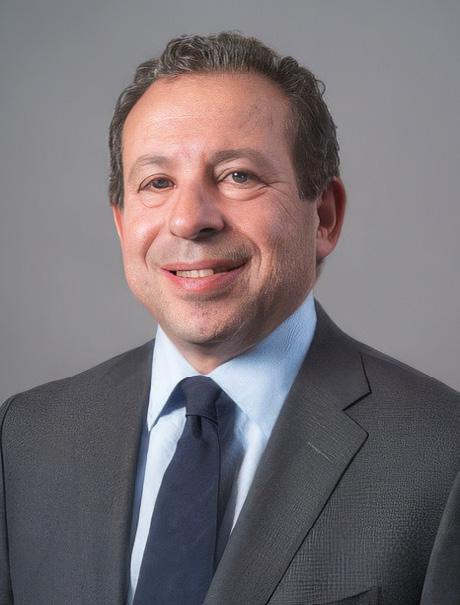
Osama Bishai, CEO, Orascom Construction
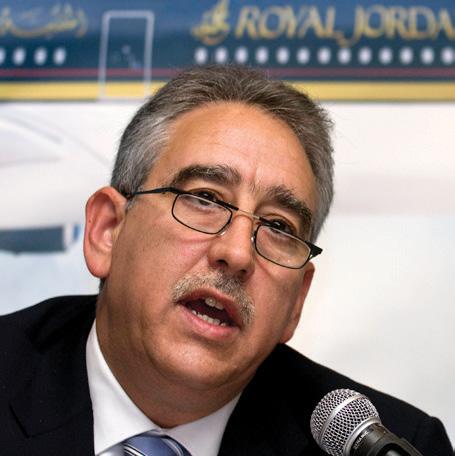
Samer Abdelsalam
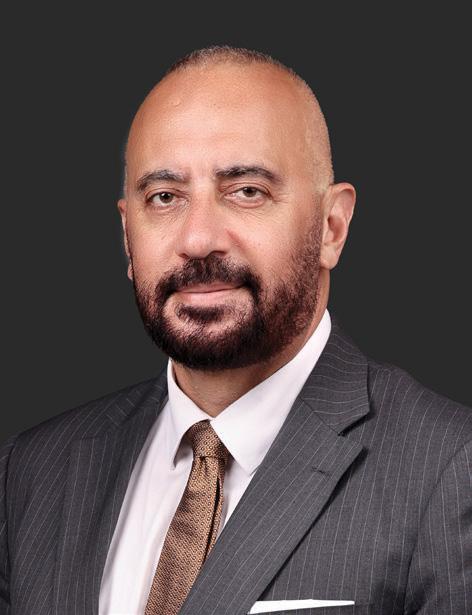
Raja Alameddine, CEO, ANAX
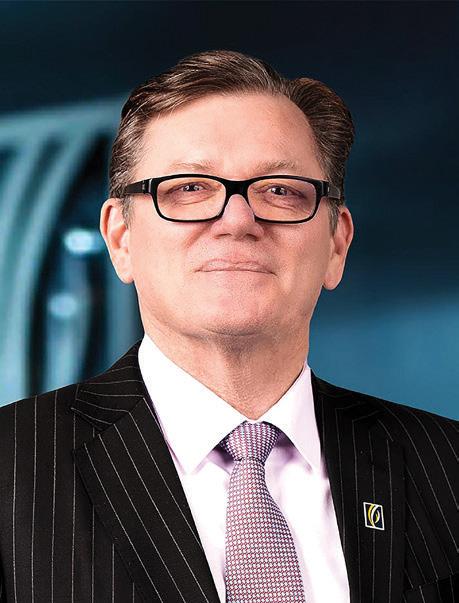
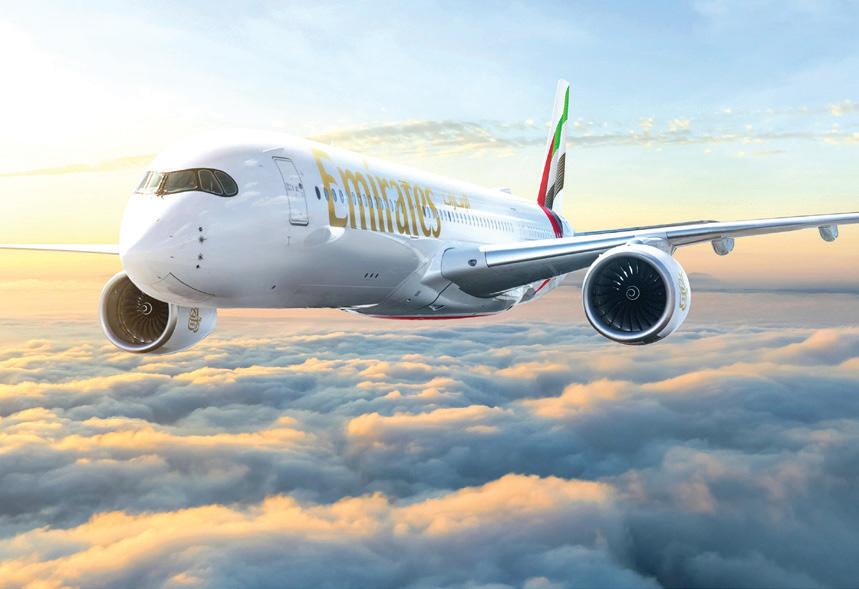
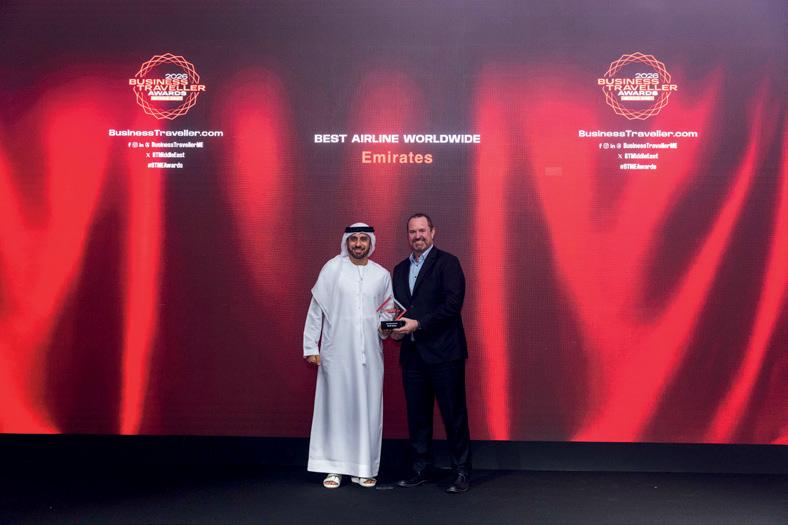
Shayne Nelson, group CEO, Emirates
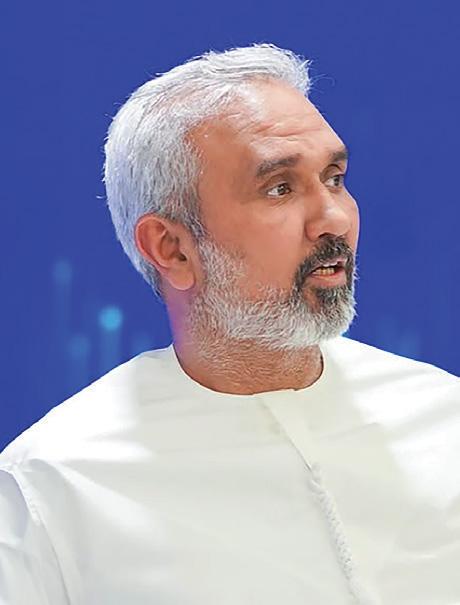
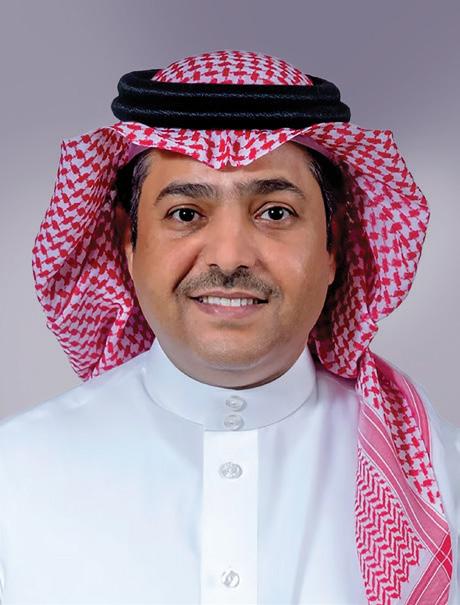
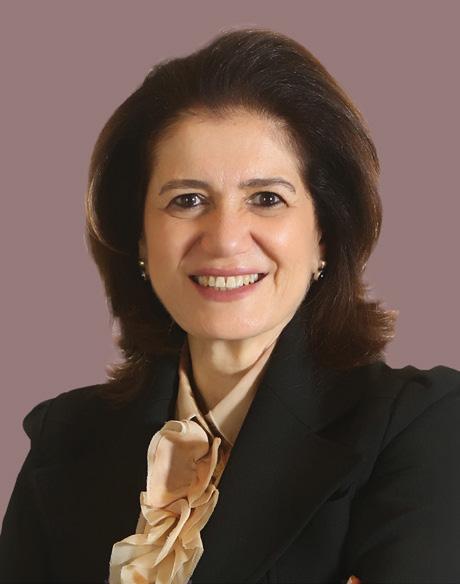
Randa Sadik, CEO, Arab
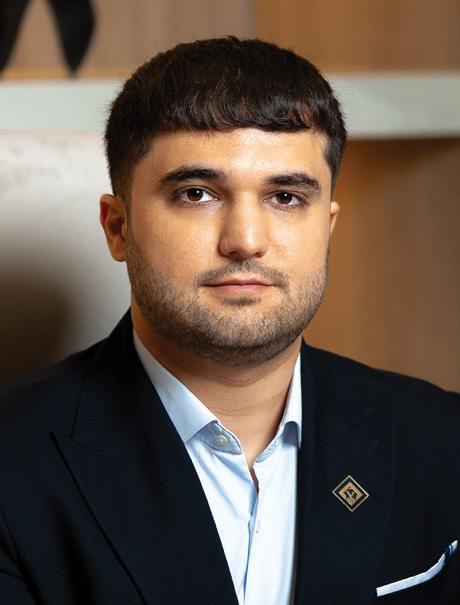
Rashed Ahmadyar,
Dr
TURN TO PAGE 31 TO READ MORE ABOUT THEM...







































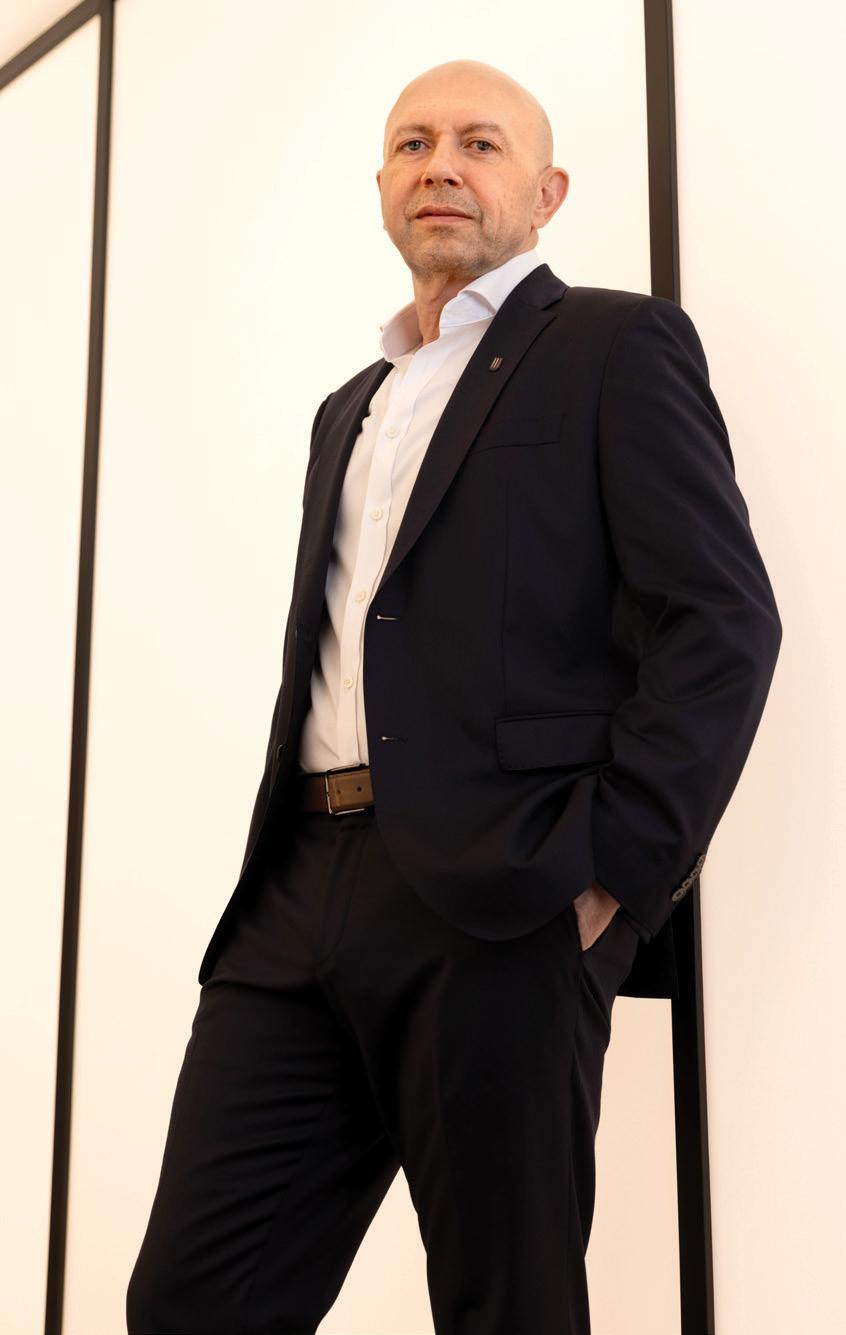
AWR Automotive’s COO Hussam Baghdadi on what it takes to guide a 60-year legacy business through a period of transformation

An insight into the news and trends shaping the region with perceptive commentary and analysis
MBRIF’s Shaker Zainal offers key insights on how to achieve it
Editor-in-chief Obaid Humaid Al Tayer | Managing partner and group editor Ian Fairservice
Chief commercial officer Anthony Milne Anthony@motivate.ae
Group content director Thomas Woodgate Thomas.Woodgate@motivate.ae
Publishing director Manish Chopra Manish.Chopra@motivate.ae
Group editor Gareth van Zyl Gareth.Vanzyl@motivate.ae
Editor Neesha Salian Neesha.Salian@motivate.ae
Deputy editor Rajiv Pillai Rajiv.Pillai@motivate.ae
Reporter Nida Sohail Nida.Sohail@motivate.ae
Senior art director Freddie N Colinares Freddie@motivate.ae
Our power list features 50 of the most influential MENA leaders and CEOs who define a more ambitious, dynamic and globally connected MENA region
General manager – production S Sunil Kumar Production manager Binu Purandaran
Assistant production manager Venita Pinto
Digital sales director Mario Saaiby Mario.Saaiby@motivate.ae
Sales manager Hitesh Kumar Hitesh.Kumar@motivate.ae
Follow us on social media: Linkedin: Gulf Business Facebook: GulfBusines X: @GulfBusiness Instagram: @GulfBusiness
HEAD OFFICE: Media One Tower, Dubai Media City, PO Box 2331, Dubai, UAE, Tel: +971 4 427 3000, Fax: +971 4 428 2260, motivate@motivate.ae DUBAI MEDIA CITY: SD 2-94, 2nd Floor, Building 2, Dubai, UAE, Tel: +971 4 390 3550, Fax: +971 4 390 4845 ABU DHABI: PO Box 43072, UAE, Tel: +971 2 657 3490, Fax: +971 2 677 0124, motivate-adh@motivate.ae SAUDI ARABIA: Regus Offices No. 455 - 456, 4th Floor, Hamad Tower, King Fahad Road, Al Olaya, Riyadh, KSA, Tel: +966 11 834 3595 / +966 11 834 3596, motivate@motivate.ae LONDON: Acre House, 11/15 William Road, London NW1 3ER, UK, motivateuk@motivate.ae

geopolitical shocks rather than be defined by them.



From the UAE’s sovereign retail sukuk debut to Saudi Arabia’s property liberalisation and Oman’s Strait of Hormuz initiatives, the GCC is translating geopolitical shifts into economic opportunities
The first major developments emerged in early June. On June 7, Qatar introduced sweeping amendments to residential construction regulations, including increased building heights for villas and palaces and the introduction of internal mezzanine floors, offering homeowners greater design flexibility and supporting the country’s evolving urban development agenda.
Momentum continued on June 15 when Saudi Arabia’s Qiddiya Investment Company
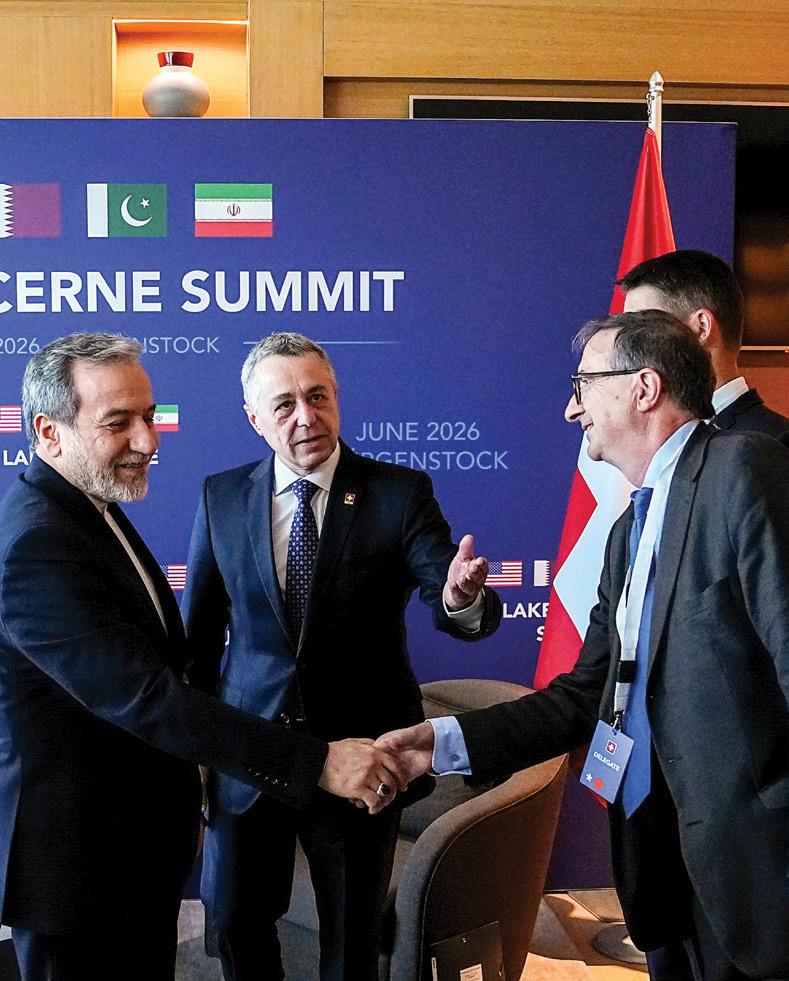
he emergence of a US-Iran peace framework has introduced a new dynamic into the Middle East’s geopolitical and economic landscape, prompting cautious optimism across Gulf capitals even as questions remain about the durability of the proposed settlement. The draft agreement, which reportedly includes sanctions relief for Iran, the release of frozen assets and a substantial reconstruction package, has been welcomed by markets as a potential pathway to reduced tensions and more stable energy flows. For Gulf countries, however, the implications extend beyond the immediate prospect of peace.
Policymakers are closely watching whether the agreement reshapes regional trade, investment and security dynamics, particularly as discussions continue around sanctions implementation, maritime security and regional influence. Against this backdrop, governments across the GCC have accelerated a series of economic, infrastructure and regulatory initiatives designed to reinforce competitiveness and position their economies for the next phase of growth.

On June 17, Qatar’s Civil Aviation Authority introduced updated rules governing the carriage of lithium-battery power banks, aligning regulations with international aviation standards. GULF
unveiled plans for the National Tennis Centre in Qiddiya City. Positioned as the largest tennis complex in the Middle East, the project is intended to strengthen Saudi Arabia’s ambition to become a global sports destination while supporting grassroots participation and elite athlete development.
Compiled by Nida Sohail
The UAE witnessed a particularly active month marked by initiatives spanning tourism, transportation and finance. On June 12, Etihad Airways and the Department of Culture and Tourism Abu Dhabi unveiled complimentary medical travel insurance for international visitors arriving on Etihad-operated flights, enhancing the emirate’s attractiveness as a tourism destination. The following day, June 17, Emirates had announced a comprehensive travel protection programme offering broader coverage for disruption-related incidents, including conflict-related travel interruptions, reflecting heightened attention to traveller confidence amid regional uncertainty. A landmark milestone in the UAE’s transport sector was achieved with the inauguration of the Mohamed bin Zayed City Passenger Train Station in Abu Dhabi, marking the unveiling of the country’s passenger rail network. The network is set to launch fully on September 30, 2026, with an introductory Abu Dhabi–Fujairah service beginning on June 30, reducing travel time between the two cities to just one hour and 45 minutes.
Elsewhere in the region, governments introduced measures aimed at supporting investment, labour market efficiency and international cooperation.
On June 22, Kuwait eased restrictions governing expatriates’ ability to amend educational qualifications and professions, a move expected to improve labour market flexibility.
The following day, June 23, Saudi Arabia’s cabinet approved executive regulations governing real estate ownership by nonSaudis, a landmark step that expands foreign participation in the kingdom’s property market.
In the UAE, the Ministry of Finance launched subscriptions for the country’s inaugural Sovereign Retail T-Sukuk Programme on June 23, opening government-backed Shariah-compliant investment opportunities to individual investors.
By June 24, attention shifted toward strategic infrastructure and regional connectivity. Oman announced coordination with the International Maritime Organisation to establish a temporary maritime corridor through the Strait of Hormuz, reinforcing freedom of navigation at a time when global shipping routes remain under scrutiny. Kuwait, meanwhile, amended the Kuwait Petroleum Corporation law to reinforce commercial operations and expand investment into renewable energy, while
the Kuwait Fund for Arab Eco nomic Development signed a financing agreement supporting educational infrastructure in Tajikistan.
In Qatar, Prime Minister Sheikh Mohammed bin Abdulrahman Al-Thani said on June 24 that the country expects to restore normal lique fied natural gas production within weeks, highlighting the importance of
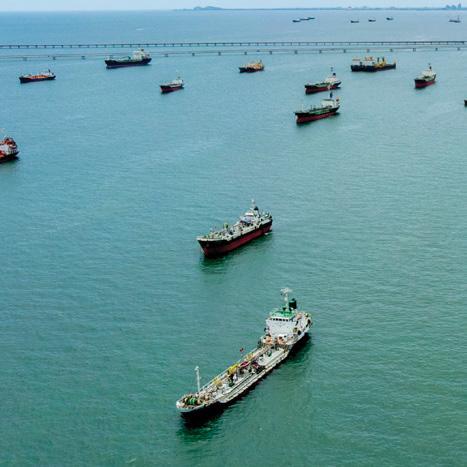
maintaining open maritime channels and regional stability. Collectively, the developments underscore how GCC nations are leveraging a potentially calmer geopolitical environment to deepen reforms, enhance connectivity and strengthen economic resilience, even as the broader regional settlement remains a work in progress.
How conflict has stress-tested a $6bn industry that never had a down cycle

The US–Iran conflict has created the first genuine credit-cycle test for the Gulf’s approximately $6bn buy now pay later (BPNL) industry. Between 2020 and 2025, the sector scaled from 76,000 users to over 13 million in Saudi Arabia alone, with two Riyadh-headquartered players capturing an estimated 93 per cent of Saudi BNPL volume. Both entered the crisis profitable, well-capitalised, and mid-pivot toward broader financial services. Neither they nor the market had ever faced serious economic headwinds. That experiment is now underway.
Operation Epic Fury and the effective closure of the Strait of Hormuz have delivered a simultaneous demand shock and credit quality shock to BNPL providers. Saudi non-oil PMI plunged to 48.8 in March — its first contraction since August 2020. E-commerce’s share of Ramadan retail jumped from 28 per cent to 34 per cent, theoretically benefiting BNPL checkout volumes. But the composition of that demand has shifted: 77 per cent of Saudi consumers were already using BNPL for essentials before the crisis. With food prices up 40–120 per cent, this
migration is accelerating. Global data shows 25 per cent of BNPL users now rely on services for groceries, with 27 per cent using them to bridge paydays. Essential purchases carry lower merchant discount rates (2–3 per cent versus 5–7 per cent for fashion) and signal borrower distress. The top-line metrics look resilient while portfolio quality quietly degrades beneath them.
GCC high-yield sukuk spreads have widened 194 basis points to 7.76 per cent — five-year highs. The all-in cost of BNPL debt facilities has increased 150–250 basis points. New issuance has frozen. Planned IPOs are delayed 12–18 months. Under a stress scenario in which the conflict extends through Q2, pre-crisis default rates of 3–4 per cent could rise toward 5–7 per cent, compounded by expatriate departure risk in markets where foreign nationals constitute 87–88 per cent of the population and BNPL providers have zero cross-border collection capability. Critically, the short duration of BNPL loan books (70–83 per cent refresh within three months) is a double-edged sword: credit deterioration transmits rapidly, but players with strong data infrastructure can also reprice and tighten underwriting faster than conventional lenders. The two dominant players hold over $4bn in committed facilities between them, providing genuine runway. Smaller players have no such cushion.
Neither SAMA nor CBUAE has panicked into emergency BNPL restrictions. The CBUAE’s Five-Pillar Resilience Package — deliberately calibrated below Covid-era levels — signals confidence, not desperation. SAMA continued its regulatory modernisation during the war, moving open banking from sandbox to formal licensing on March 26. The existing guardrails (SAR 5,000 cap, mandatory SIMAH checks, 12-installment maximum) are functioning as designed. The regulatory architecture built in peacetime is proving fit for purpose in crisis conditions.
This crisis is compressing what would have been a three-year evolution into six months. Three structural shifts are now underway. First, consolidation accelerates. The duopoly entered this crisis having already diversified beyond pure BNPL — into card programmes, virtual wallets, subscription services, consumer finance, and deposits — with both reporting profitability in 2025. Below them, players without regulatory licences, diversified revenue, or committed funding lines face existential pressure within quarters, not years. Second, the super-app pivot becomes survival strategy. Pure BNPL models dependent on
Arjun Vir Singh is a partner and global head of fintech, payments, and digital assets at Arthur D. Little
THE CBUAE’S FIVE-PILLAR RESILIENCE PACKAGE — DELIBERATELY CALIBRATED BELOW COVID-ERA LEVELS — SIGNALS CONFIDENCE, NOT DESPERATION.
SAMA CONTINUED ITS REGULATORY MODERNISATION DURING THE WAR, MOVING OPEN BANKING FROM SANDBOX TO FORMAL LICENSING ON MARCH 26
merchant discount fees are acutely vulnerable to simultaneous margin compression. Diversification is no longer a growth play — it is a defensive necessity. Third, underwriting models must evolve. Current models, trained on peacetime data with no GCC conflict precedent, cannot predict income shocks from tourism collapse, essential-spending distress signals, or expatriate flight risk. The fix requires realtime income verification through newly licensed open banking infrastructure, sector-of-employment risk overlays, and accelerated credit bureau reporting.
The historical pattern across every relevant precedent — Covid, the 2022 tech correction, Türkiye’s currency crisis — is consistent: BNPL consumer demand is resilient through crises, but company valuations and funding are not. The metric to watch: GCC high-yield sukuk yields. Below 7 per cent signals improving conditions. Above 8 per cent signals acute pressure. A Q3 resolution makes this painful but manageable for the duopoly. Extension into 2027 transforms it into a structural reset. The two dominant players have the capital and the product breadth to endure. Their planned Tadawul IPOs, and every player beneath them, likely do not.
BETWEEN 2020 AND 2025, THE SECTOR SCALED FROM IN SAUDI ARABIA ALONE
76,000 USERS TO OVER 13 MILLION

Why the compliance decision GCC enterprises are making today will define their AI readiness tomorrow
Across the GCC, enterprises are racing to prepare for e-invoicing mandates. Finance teams are being pulled into compliance programmes, service provider evaluations, and implementation timelines are being accelerated. But very few organisations are asking a far more important question: are they building for compliance alone, or for the AI-driven finance environment that comes next?
Those are very different questions. The gap between them is where I see enterprises making a costly architectural mistake.
Having built tax and finance infrastructure across India, the Middle East, the EU and Southeast Asia, one pattern repeats itself in every market where e-invoicing mandates arrive. Organisations that treat
the rollout as a compliance checkpoint often find themselves rebuilding the same infrastructure two or three years later, under more pressure and with less time.
The reason is almost always the same: they did not fully understand what e-invoicing actually creates.
At its core, e-invoicing requires enterprises to transform operational transaction data into taxready financial records that can be transmitted to government systems in a structured format. Regardless of the market or mandate model, the underlying shift remains the same: raw transaction data is being standardised, validated, and converted into clean financial records that can support real-time compliance and downstream finance operations.
Captured correctly, this creates something far more valuable than compliance readiness. It creates a trusted financial data layer, carrying not just transaction details, but tax context, counterparty information, validation status, and the full audit trail behind every invoice. That is precisely the kind of data AI agents in finance need to operate reliably. And most organisations, focused on clearing the compliance hurdle, are allowing that opportunity to pass entirely.
The default response for many enterprises is to solve e-invoicing directly inside the ERP. At first glance, that appears logical. The ERP already
contains invoice data, tax codes, customer records, and procurement workflows. Experience from more mature e-invoicing markets shows that compliance requirements rarely remain static. In countries such as Saudi Arabia, India, and Malaysia, businesses have had to adapt to evolving validation rules, additional data requirements, new reporting obligations, and expanded transaction coverage long after the initial rollout.
But the moment the mandate evolves — and it will— enterprises will find themselves making ERP changes again and again..
Business growth, whether through acquisition, expansion into new markets, or the addition of new product lines, introduces further integration complexity. Every new GCC market creates localisation requirements. Every regulatory update becomes another ERP modification project. Anyone who has managed a major ERP transformation knows what that eventually means: significant cost, lengthy timelines, and disruption that extends far beyond the finance function.
The deeper issue, however, is structural. ERP systems were designed to manage business operations, not to create clean, contextualised compliancegrade financial data that AI systems can reliably reason over.
This distinction becomes critical as enterprises begin introducing AI agents into finance operations. An AI system operating on fragmented ERP records or inconsistent tax mappings does not produce accurate results. Instead, it generates incomplete context, unreliable outputs, and potentially highrisk financial errors.
In most business environments, that may simply create inefficiency. In finance, it creates audit risk, compliance exposure, and governance concerns.
That is not a risk CFOs or CTOs in the GCC should be comfortable accepting.
The enterprises getting this right are making a deliberate architectural decision: separating the ERP layer, the e-invoicing layer, and the AI layer, and allowing each to evolve independently. The ERP continues managing operational workflows. The e-invoicing layer becomes an independent system of
WHEN TAX AUTHORITIES ASK FOR DATA POINTS , THREE YEARS LATER, THE DETAILS YOU SHARE WILL NOT BE SYSTEM BACKED
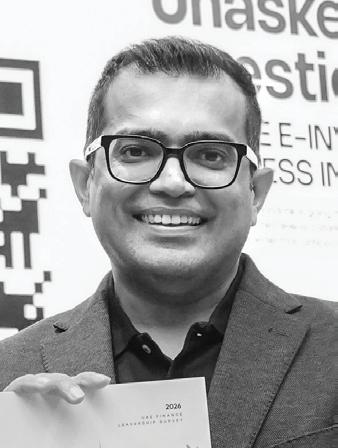
Archit Gupta , founder and CEO at ClearTax
tax records, continuously validated and maintained separately from the ERP itself. On top of that sits the AI layer, where intelligent agents operate on clean, contextualised financial data rather than fragmented operational systems never designed for AI reasoning. That separation creates both resilience and optionality.
Mandates can evolve without forcing repeated ERP modifications. AI capabilities can expand without being constrained by poor financial data quality. Enterprises gain the flexibility to modernise ERP environments gradually without disrupting compliance infrastructure.
Consider that your e-invoicing mandate evolves next year and the government requires more fields and details in the e-invoices.
Without a dedicated e-invoicing layer, you may wait months for an ERP update. Until then, your team will be enriching the new requirements manually. When tax authorities ask for data points, three years later, the details you share will not be system backed. Your finance teams will spend days pulling records, reconciling filings, validating counterparties, and reconstructing transaction history across multiple systems. Now consider you treat e-invoicing as a separate layer. The mandate change requirements will be enabled in real time, and all data will be system backed. An AI agent connected to that layer can retrieve the exact invoice, tax treatment, counterparty information, validation trail, and reconciliation history associated with the transaction. The response becomes transaction-specific, contextually grounded, and defensible.
Saudi Arabia’s ZATCA rollout has already shown the region what the trajectory looks like. The mandate does not stabilise after go-live. Data requirements become more granular, validation more rigorous, and the compliance bar continues to rise.
UAE enterprises now have the advantage of watching that pattern before they are fully inside it.
The e-invoicing rollout is one of those rare moments where regulatory obligation and strategic opportunity point in the same direction. The work has to happen regardless. The only question is whether enterprises approach it as a compliance project with a go-live date, or as the foundation for AI-native finance operations.
The real risk for GCC enterprises is not failing the e-invoicing mandate.
It is building an architecture today that becomes an AI constraint tomorrow.
Omar Boulos is the CEO at Accenture Middle East & Africa
Here’s why the Middle East’s next competitive edge is human, not digital
Artificial intelligence is reshaping economies faster than any technology before it. Across the Middle East, organisations are deploying advanced AI platforms, modernizing data infrastructure, and experimenting with generative tools at scale. Yet, beneath this momentum lies a less visible and far more consequential barrier: The reinvention gap. Increasingly, evidence suggests that technology is not the limiting factor. Talent is. Our latest data reveals a 24-percentage-point gap between the change executives expect and the readiness employees feel. This is the “reinvention gap”, and it is the greatest risk to the Middle East’s AI ambitions.
Globally, most organisations now have access to powerful AI. What separates leaders from laggards is not infrastructure, but their transition from simple automation to “Co-intelligence”. This is a new era where humans, AI agents, and robots redefine value together. In this model, AI doesn’t just support tasks; it can interpret intent, reason through options, and execute bounded workflows at speed.
Humans must remain in the lead, setting direction, defining guardrails, making trade-offs, and owning outcomes. The organisations we call ‘Talent Reinventors’ — the leading 18 per cent that combine AI adoption with a people-first mindset — are six times more likely to create great employee experiences and significantly outperform peers in adaptability and innovation. For the Middle East, where workforce ambition and AI readiness are already high, this distinction is everything.
Saudi Arabia, the UAE, and Qatar have all made talent development a national priority. Programme slike Saudisation and Emiratisation are not just about employment; they are about future-proofing national capability. The region has a unique advantage: Middle Eastern employees are among the most confident in the world, with 73 per cent ready for AI training, significantly higher than the
51 per cent global average. Because many of our job architectures are still being shaped, we can design “skills-based” workforce models from a cleaner starting point, avoiding the legacy “role-centric” traps of older economies.
Too many AI strategies still focus on automating around people. The Talent Reinventors in our research prove that real value comes from co-learning, where humans and AI continuously adapt together in the daily flow of work. This approach turns every interaction into a capability-building moment. For Middle East leaders, this means focusing on three characteristics of the reinvented workforce:
01. Talent mobility over static roles: This involves moving away from job titles toward skills as currency. By using AI-informed skills data, organisations can match talent to opportunities 16x more effectively, ensuring the right people are working on the highestvalue national projects.
02. Breakthrough leadership: Leadership in the age of co-intelligence requires more than digital literacy. It requires a mandate to redeploy the capacity AI creates into new growth, faster product iteration, and smarter capital allocation.
03. Intelligent teaming: Building team intelligence where AI-generated insights flag risks and encourage open dialogue, creating a supportive culture that prevents the cognitive overload reported by 50 per cent of the global workforce.
As AI advances, technology will increasingly commoditise. The differentiator will not be the algorithm, but the workforce. For the Middle East, the race for AI advantage is a race for talent reinvention. By aligning AI investment with national talent strategies, the region can define a uniquely powerful model for the AI economy, one where technology sets the pace, but human judgment, accountability, and stewardship firmly remain in the lead.














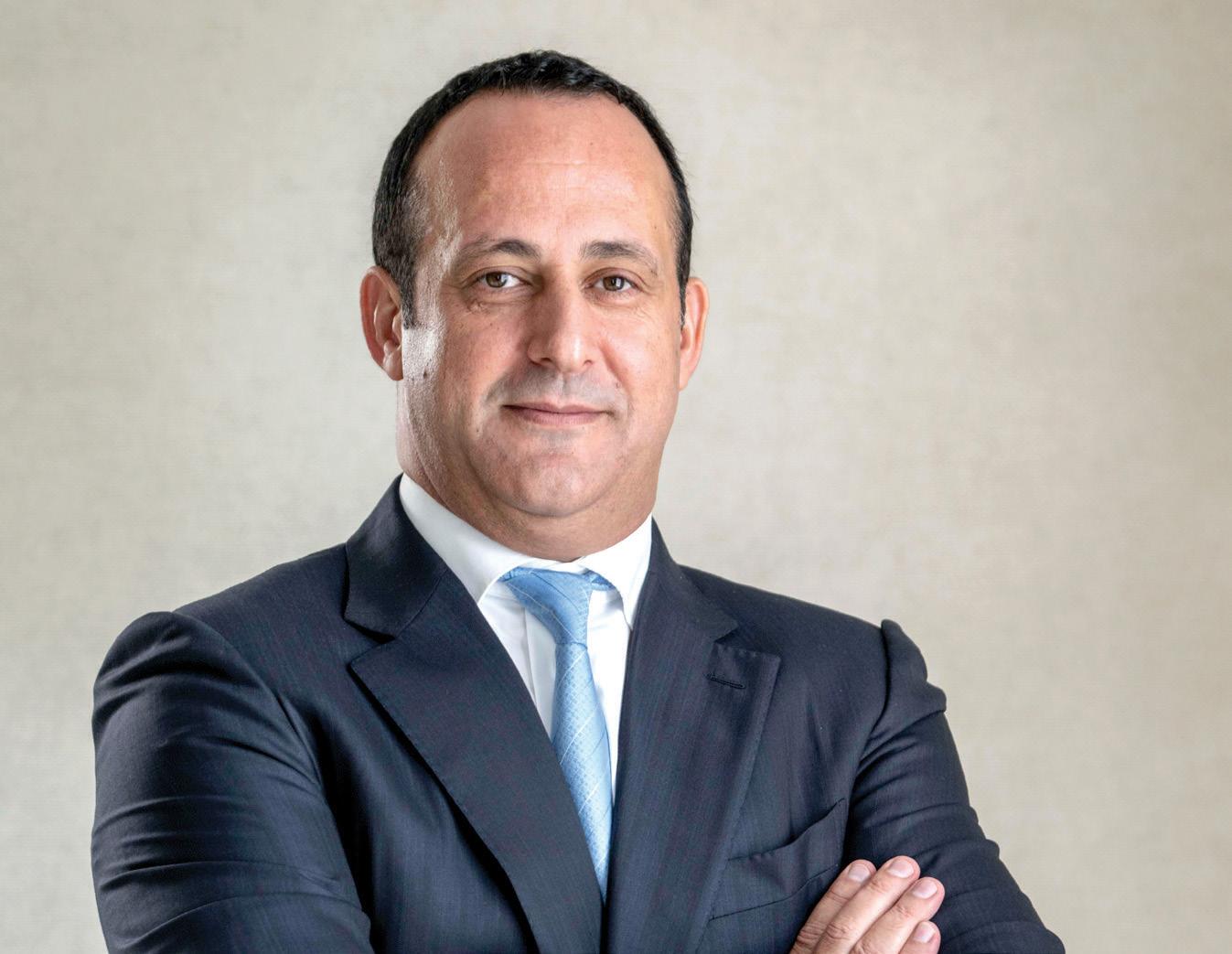
THE TELCO GIANT’S CHIEF COMMERCIAL OFFICER REVEALS HOW DU BUSINESS IS CLOSING THE GAP BETWEEN ENTREPRENEURIAL VISION AND ACCESSIBLE DIGITAL TOOLS, POSITIONING CONNECTIVITY AS THE FOUNDATION FOR THE UAE’S RISE AS A STARTUP CAPITAL
BY NEESHA SALIAN
In a nation built on entrepreneurial ambition, a critical gap persists. Thousands of founders across Dubai are writing the next chapter of the UAE’s economic story, yet many are doing so from coworking desks on consumer SIM cards, without the professional infrastructure their businesses deserve.
Karim Benkirane, chief commercial officer of du, sees this disconnect not as a market failure but as an opportunity. In a wide-ranging conversation with Gulf Business, Benkirane articulates a bold vision: repositioning du from a traditional telecom provider into an economic growth partner designed specifically for the SME ecosystem. The strategy centres on a deceptively simple principle, that
simplification, not complexity, is the ultimate competitive advantage for small businesses navigating an increasingly digital and regulated landscape.
Here are excerpts from the conversation.
How is du directly supporting SMEs in Dubai as they look to scale and compete in a more digital-first economy?
When you consider what the UAE has built in a matter of decades, it becomes clear that the entrepreneurial spirit is central to its story. At du, we feel both the privilege and the responsibility of serving the businesses that are writing the next chapter of that story. What strikes me, in every conversation I have with an entrepreneur in this country,
is the gap between that ambition and the tools available to them.
Closing that gap is what du, through du Business’s services and solutions portfolio, is here to do. Our approach centres on four pillars that reflect the breadth of what a growing business needs today: purposebuilt mobile plans for entrepreneurs, a seamless digital experience, an integrated service ecosystem, and a beyond-telco commitment to digital transformation. We have positioned du Business as an economic growth partner and in practical terms, that starts with access. We are actively working to reduce the complexity of how businesses access our services by streamlining processes and removing documentation barriers that usually make business-grade connectivity feel out of reach for freelancers and solopreneurs. We will also soon be rolling out launching coworking platforms that allow entrepreneurs to work from anywhere as an acknowledgement that the modern business does not always come with a fixed address. There is also something else worth noting about this moment. 2026 is the UAE’s Year of Family, and when I look at the businesses we are serving, so many of them are family stories. The ecosystem we are building at du Business is for every family that has decided to build something of their own.
How does du view its partnership with initiatives like Dubai SME and Dubai Founders HQ in shaping a more unified startup and SME ecosystem?
What distinguishes Dubai from almost any other business environment in the world is the quality of collaboration between government and the private sector. There is a shared understanding here that vision must be supported by infrastructure, ecosystems and genuine partnership. SME in a Box is a compelling expression of that. We are the first telecom provider to join that ecosystem alongside the Department of Economy and Tourism (DET) and Dubai SME. Through our partnership with Dubai SME, we are connecting businesses
WE RECENTLY LAUNCHED A NEW SUITE OF SOLUTIONS PURPOSE-BUILT FOR SMES: 90 DAYS OF COMMITMENTFREE ACCESS WITH FREE CANCELLATION, A 70 PER CENT DISCOUNT ON THE FIRST THREE MONTHS OF SELECTED FIXED PLANS.”
to mentorship programmes, funding opportunities, AI solutions and structured business support workshops.
Our partnership with Dubai Founders HQ (DFHQ) is also one I am particularly proud of. As one of five corporate partners in DFHQ’s inaugural accelerator programme, du Business worked directly alongside 23 startups to pilot solutions addressing real business challenges. The programme generated 36 proof-of-concept opportunities, and what would typically take 12 months to develop was compressed into three. That is a demonstration of what becomes possible when government, corporates and startups align around a shared objective. DFHQ is building a new model for how innovation translates into commercial reality, and du Business is committed to being at the heart of it.
SMEs often struggle with cost and complexity when adopting new technologies. What practical solutions is du offering to make digital transformation more accessible?
Our research surfaces a finding that cuts to the heart of this challenge: compliancerelated tasks consume over 30 per cent of a business owner’s productive time. That is a significant portion of a founder’s capacity directed away from growth and toward administration. When you layer on the complexity of navigating digital tools, AI platforms, security requirements and financial services simultaneously, it becomes clear that the greatest service we can offer is meaningful simplification. We recently launched a new suite of solutions purposebuilt for SMEs: 90 days of commitmentfree access with free cancellation, a 70 per cent discount on the first three months of selected fixed plans, and the flexibility to customise mobile plan benefits by choosing
between additional local minutes or national data. These incentives are part of our understanding that flexibility is fundamental to how small businesses operate, and that growth should never be constrained by the wrong connectivity commitment. The more significant step is du Launchpad, the UAE’s first telco-led, AI-powered super platform for SME growth, developed in partnership with Peko. With du Launchpad, we have an allin-one platform that helps SMEs save time by reducing complexity and strengthening compliance. It consolidates accounting solutions, HRMS and payroll management, corporate tax filing, WhatsApp Business integration and professional invoicing into one place, powered by AI workflows that reduce manual effort and keep day-to-day operations seamless.
What are the biggest connectivity or digital infrastructure challenges SMEs still face today, and how are you addressing them?
The truth is approximately 75 per cent of entrepreneurs in the UAE are operating on consumer plans because businessgrade connectivity was never presented to them in a way that felt accessible. These are substantive businesses contributing meaningfully to the UAE economy, yet operating without the professional infrastructure their work demands: without calling name presentation (CNAP) to establish a credible business identity or the administrative controls necessary to manage a growing team. Around 80 per cent of entrepreneurs operate from co-working environments or public spaces, making mobile connectivity the primary infrastructure and raising genuine security concerns. Somewhere in Dubai right now, someone is building the next great business from a co-working desk, on a consumer SIM card, using a personal bank account. They deserve better infrastructure than that. And we intend to provide it. Our secure MiFi solution and business-grade mobile plans are built precisely for those conditions. The rapidly evolving regulatory environment presents another dimension entirely. Corporate tax, CNAP compliance, and Emiratisation obligations are reshaping the landscape for smaller businesses at pace. Our digital onboarding tools are designed to help businesses navigate that transition with
confidence. Also, the appetite for AI across the SME community is growing, and for meaningful adoption to happen, there needs to be structured, practical guidance.
What will a “fully digitally enabled SME” in the UAE look like, and what role will du play in getting them there?
Registered businesses in the UAE are projected to grow from 1.2 million today to two million by 2031, underpinned by this country’s stated ambition to become the startup capital of the world. When you consider the policy environment, the infrastructure investment and the quality of public-private collaboration that supports that ambition, it is not difficult to believe it will be realised. The fully digitally enabled SME of the future will be defined by the quality of its access to infrastructure, expertise and support that have historically been available only to much larger organisations. Our B2B portal is one expression of that: a single destination for all telecoms and device requirements, designed to eliminate the fragmentation that costs small businesses so much time and energy. From idea to empire, this is the journey we are committed to enabling. Our ambition is for du Business to be the platform that takes a company from its earliest concept to meaningful growth, and to be a genuine part of the success story of every enterprise that builds its future here in the UAE.
But I want to end with something larger than du. The UAE is building something genuinely historic: a nation that has decided entrepreneurship is not just an economic policy but a cultural value. Every business that starts here and succeeds adds to that story. Our role is to make sure the infrastructure is never the reason that story does not get told.
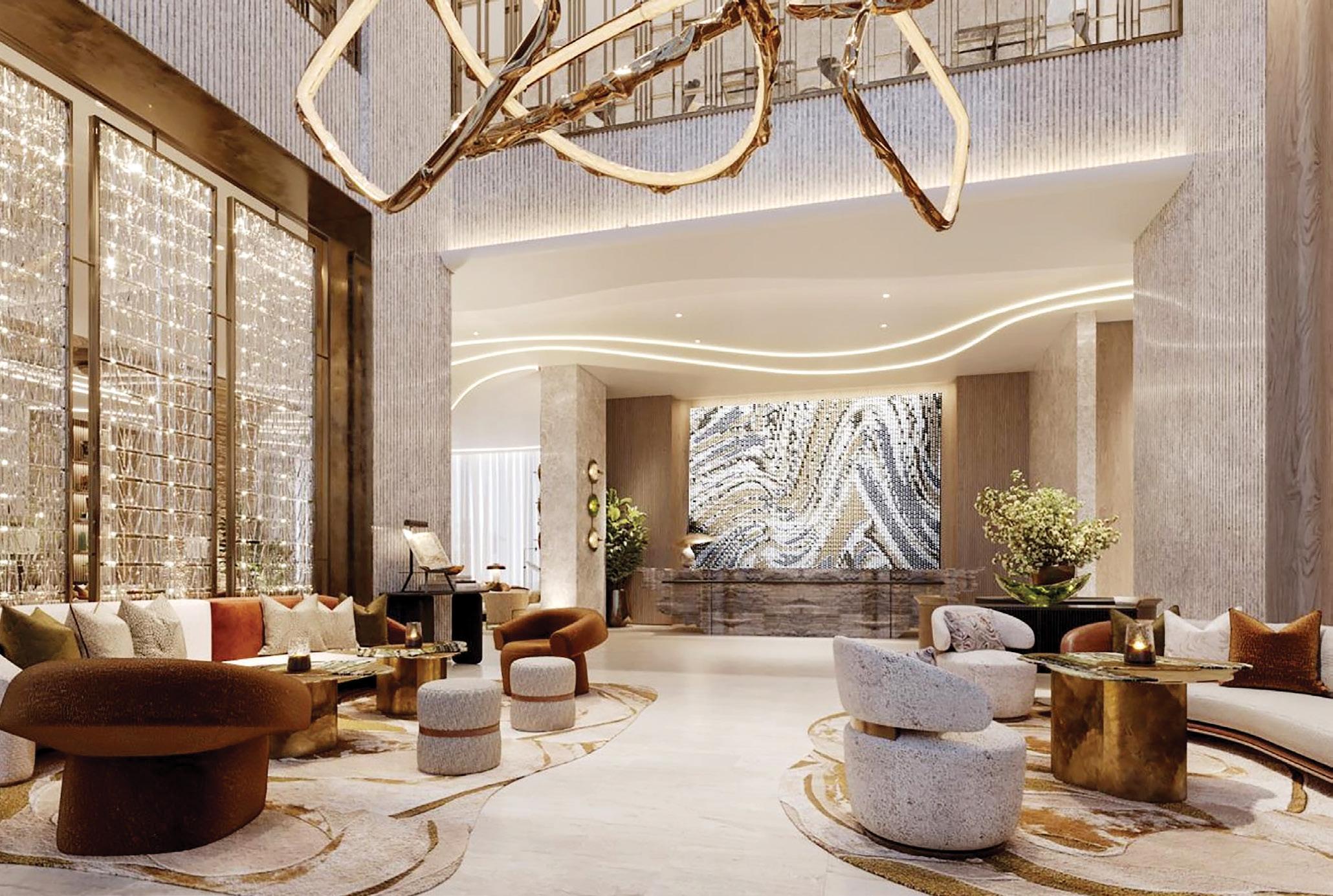
IN AN EXCLUSIVE INTERVIEW, GUY HUTCHINSON, PRESIDENT OF HILTON MIDDLE EAST & AFRICA, SHEDS LIGHT ON HILTON’S CONTINUED CONFIDENCE IN THE REGION, THE RESILIENCE OF TRAVEL AND TOURISM, AND HOW THE GULF IS REDEFINING GLOBAL HOSPITALITY
BY GARETH VAN ZYL
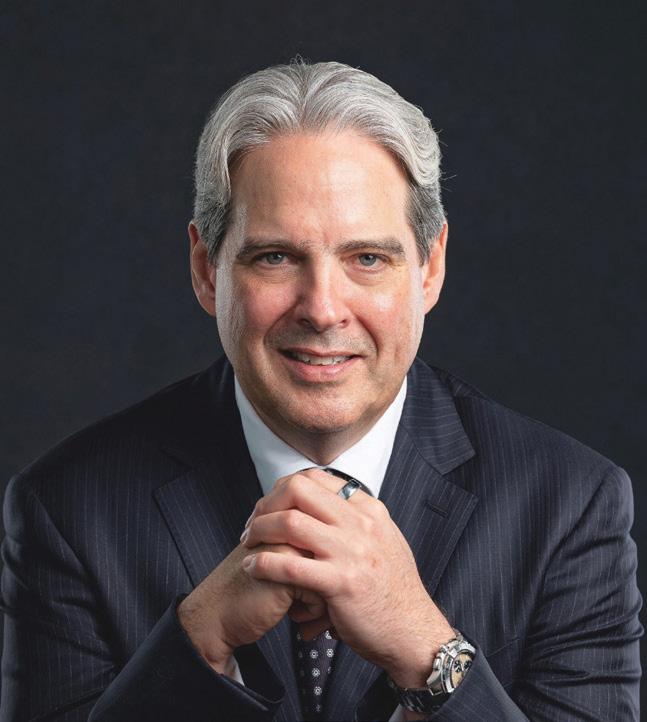
Hilton remains confident in the long-term outlook for the UAE and wider Middle East despite recent geopolitical tensions, with the hospitality giant continuing to sign new hotels and accelerate its regional expansion plans.
In an interview with Gulf Business, Guy Hutchinson, president of Hilton Middle East and Africa, said the company’s investment outlook for the region remains unchanged, pointing to strong economic
fundamentals, infrastructure investment and long-term tourism strategies across the Gulf.
“Those fundamentals remain unchanged. In fact, they are going to continue to accelerate,” Hutchinson said. “We’re still signing hotels; we’re still announcing hotels.” His comments come as the region emerges from a period of heightened geopolitical uncertainty. While recent tensions led some governments to issue travel advisories and airlines to adjust
flight schedules, restrictions have since begun to ease, with carriers including Emirates and Etihad restoring capacity and introducing new travel assurance measures to support demand.
However, Hutchinson said hospitality has historically proven resilient during periods of volatility and expects the sector to emerge stronger.
“It won’t be the first challenge we’ve faced, and it won’t be the last,” he said. “Travel and tourism are always a long-term play.”
Flexibility and guest support have also been central to Hilton’s approach during this period of uncertainty.
Hutchinson said customers have been able to book and cancel without penalties, and can continue to do so through to the end of the year.
“When you face challenges like this, this is where your values come into play. It’s
HILTON HAS MORE THAN 100 HOTELS TRADING AND UNDER DEVELOPMENT IN THE KINGDOM, REPRESENTING A COMBINED OWNER INVESTMENT OF MORE THAN $8BN. THE COMPANY ESTIMATES THAT ONE IN FIVE INTERNATIONALLY BRANDED HOTEL ROOMS CURRENTLY UNDER CONSTRUCTION IN SAUDI ARABIA FALLS UNDER A HILTON BRAND.
While Saudi Arabia is attracting significant attention, Hutchinson believes the UAE remains one of the world’s most compelling hospitality markets.
The country is Hilton’s largest operating market in the region, with 36 trading hotels and a further 13 properties in the pipeline.
about really leaning into your customers,” he said. “Be easy to do business with and encourage people to travel. That’s something we’re doing consistently.”
That confidence is reflected in Hilton’s development pipeline.
The company currently operates more than 110 hotels across the Middle East and plans to open more than 160 additional properties across 15 brands in the coming years, taking its regional portfolio beyond 270 hotels. The expansion is expected to create approximately 32,000 jobs.
Saudi Arabia remains the centrepiece of Hilton’s growth strategy and is now Hilton’s largest pipeline market in EMEA and third largest globally by rooms.
Hilton has more than 100 hotels trading and under development in the kingdom, representing a combined owner investment of more than $8bn. The company estimates that one in five internationally branded hotel rooms currently under construction in Saudi Arabia falls under a Hilton brand.
“We’re just scratching the tip of the iceberg in Saudi Arabia,” Hutchinson said. “The journey is only beginning.”
The company also recently deepened its presence in the kingdom through a strategic partnership with Riyadh Air, becoming the inaugural hotel partner for Sfeer, the airline’s lifestyle loyalty programme.
Investor confidence in Hilton’s model also remains strong. Hutchinson noted that more than half of the company’s new hotels in the region come from existing owners and investors.
“You couldn’t get a better testament than that,” he said.
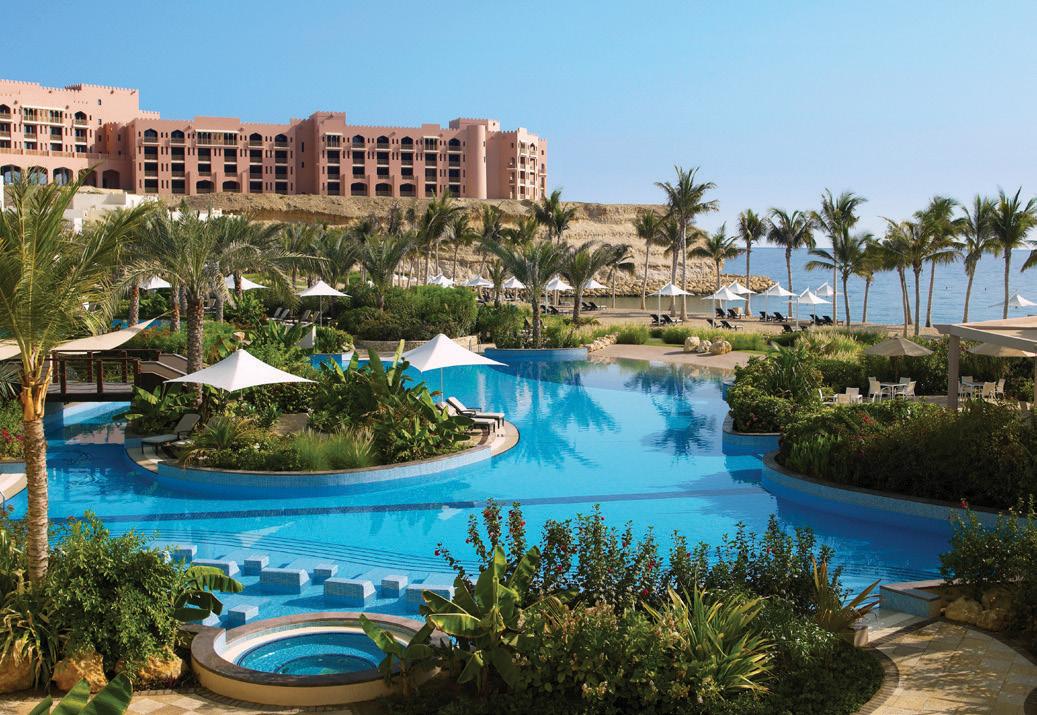
Reflecting on his first arrival in Dubai in 2000, Hutchinson said many of the questions surrounding the pace of development remain remarkably similar today despite the country’s continued expansion – adding that he believes the UAE still has significant room for growth.
“We’re very, very far from the end of the journey with the UAE. I think we’ve got a long way to go.”
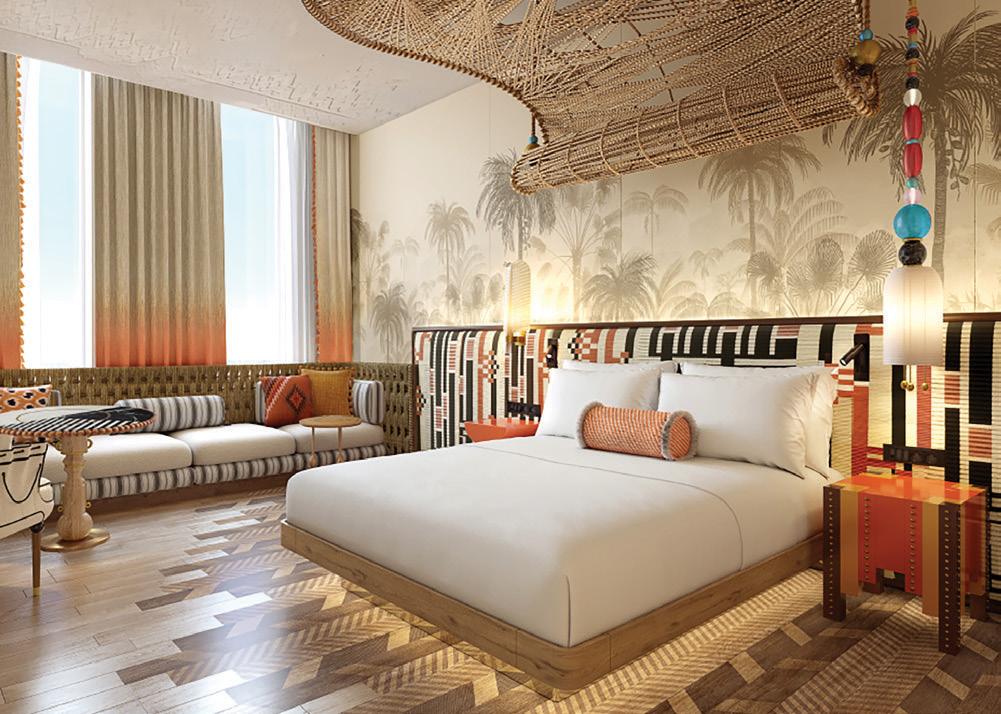
Beyond traditional luxury hotels, Hilton is increasingly focusing on mid-market, lifestyle and branded residential offerings as traveller preferences evolve.
Around one-third of its Middle East pipeline is concentrated in the mid-market segment through brands such as Hampton by Hilton and Hilton Garden Inn, while the company is also expanding its branded residences portfolio across the region.
Looking ahead, Hutchinson believes the Middle East is increasingly shaping global hospitality trends rather than simply adopting them.
“The global standard is being set here,” he said.
“This region is going to increasingly drive the global standards for tourism and travel and hospitality across the world.”
WORDS NEESHA SALIAN
Obesity intervention in the UAE is increasingly being assessed through its potential economic impact, according to a new report. The study frames obesity intervention not as a health budget line item, but as economic infrastructure. It is already shifting how policymakers in the Gulf are thinking about the disease.
The numbers are sobering. More than 1.2 million adults in the UAE live with obesity. But here’s where the conversation turns, if the country accelerates intervention today, ensuring innovative weight-loss solutions reach 57 per cent of adults living with obesity, it could unlock $1.5bn in cumulative healthcare savings while adding $51bn to GDP in 2031 alone. GDP growth itself could rise by an additional 1.5 percentage points.
This isn’t speculation. It’s the outcome of a rigorous analysis commissioned by pharmaceutical company Eli Lilly and conducted by Whiteshield, integrating deep policy knowledge with AI economics modelling.
“For too long, obesity studies have been limited to a narrow equation comparing the cost of intervention with the cost of treatment,” said Fadi Fara, chief executive officer of Whiteshield. “This report reveals, for the first time, the true scale of the benefits generated by weight loss and obesity treatment in the UAE, not only in terms of improving individual health, but also through economic and social benefits and positive impacts on the future workforce.”
But here’s the complexity: the disease itself has transformed.
At Imperial College London, Dr Sara Suliman, consultant endocrinologist and clinical lead for obesity, is seeing a cohort that barely existed a decade ago. “We’re seeing younger patients with more severe stages of obesity,” she explains. Historically, obesity was graded by body mass index, class 1 (BMI 30-35), class 2 (35-40), class 3 (above 40). “Now we see much more severe obesity, classes 4, 5 and 6, where the body mass index is over 50, 60 or even 70.” More troubling, these younger patients already carry complications. Type 2 diabetes now appears in children below 15. Cardiovascular disease manifests in people in their 20s and 30s. Obesity, she emphasises, is associated with more than 200 diseases, diabetes, cardiovascular disease, cancer, fertility issues, and others. The disease burden has become acute. This is the clinical reality Dr Suliman, now witnesses routinely. Complications that should take decades to develop are appearing in adolescence and early adulthood. The question of causation, genetic versus environmental, is revealing. Obesity’s heritability sits between 60 and 80 per cent, meaning predisposition is substantial. But genes haven’t changed in a century. What has, the
THAT
environment. Ultra-processed foods, sugar-sweetened beverages, sedentary lifestyles, and ubiquitous transport have exposed genetic vulnerability at scale.
In the UAE, this collision has been particularly acute. Rapid urbanisation has compressed what took other economies decades into a much shorter time span. The genetic predisposition was always there. The environment to trigger it arrived suddenly.
This is where Tala Mokdad, executive director of pricing, reimbursement, and access for the Gulf at Eli Lilly, situates the company’s research investment. “By quantifying these wider socioeconomic effects, the report aims to reposition obesity not only as a health issue, but as a strategic national priority closely linked to long-term economic resilience and quality of life in the UAE.”
The economic case is granular. Worker productivity could increase by the equivalent of five additional working days per year per individual previously living with obesity. Annual individual income could rise by $772. The workforce participation benefits are significant, an estimated 17,000 additional individuals could enter the labour force by 2031, including over 9,000 Emirati women, a direct contribution to demographic and gender participation goals outlined in the ‘We the UAE 2031’ vision.
Beyond labour, there are demographic returns, 75,000 additional births by 2031, of which 24,000 would be Emirati. Educational attainment improves, more than 2,000 additional bachelor’s degree enrolments and a 1.4 per cent reduction in university dropout rates.
Life expectancy for those previously living with obesity rises by 2.4 years. But rhetoric alone won’t close the gap between ambition and implementation. Dr Raghunath Raja Marimuthu, specialist gastrointestinal surgery at Aster Hospital Mankhool, Dubai, cuts to the structural imperative, “The report reflects that
BUT HERE’S WHERE THE CONVERSATION TURNS, IF THE COUNTRY ACCELERATES INTERVENTION TODAY, ENSURING INNOVATIVE WEIGHT-LOSS SOLUTIONS REACH 57 PER CENT OF ADULTS LIVING WITH OBESITY, IT COULD UNLOCK $1.5BN IN CUMULATIVE HEALTHCARE SAVINGS WHILE ADDING $51BN TO GDP IN 2031 ALONE.

obesity is not a lifestyle choice but a chronic, progressive disease demanding the same structured, multidisciplinary intervention we apply to any other major non-communicable disease.”
This requires hard systems work. The evidence suggests the UAE is already building it. In 2025, the Ministry of Health and Prevention (MoHAP) strengthened its national response to obesity by launching the National Clinical Guideline for Weight Management and Prevention of Adulthood Obesity.
Described as a national scientific reference, the guideline establishes evidence-based clinical recommendations for prevention, diagnosis and treatment, and is supported by healthcare professional training and public awareness initiatives. MoHAP has identified tackling obesity as one of its top public health priorities.
At an emirate level, Abu Dhabi’s Department of Health and Public Health Centre launched a comprehensive Personalised Weight Management
Programme, combining behavioural support, digital monitoring and evidence-based medical treatment. Dubai and other emirates operate obesity management services through healthcare providers including bariatric surgery programmes and multidisciplinary weight management clinics. Schoolbased programmes promoting healthy nutrition and physical activity are being strengthened. The National Nutrition Plan, National Plan for Prevention and Control of Non-Communicable Diseases, and preventive policies are reshaping how obesity is addressed as a chronic disease.
What remains is scale and speed. These programmes exist. The infrastructure is being built. The downstream consequences of untreated obesity, metabolic dysfunction-associated fatty liver disease, gallstone disease, advanced malignancy, are far harder to treat than obesity itself. Prevention infrastructure must accelerate. The UAE has the evidence, the economic case, the capacity to act, and now the systems in place. What it needs now is velocity. The report makes the economic argument powerfully but the clinical argument is simpler and more urgent, treat obesity like the disease it is. The economic benefits, the productivity gains, the GDP growth and the demographic resilience, follow naturally. The infrastructure exists. The policy frameworks are being deployed.
“NOW WE SEE MUCH MORE SEVERE OBESITY, CLASSES 4, 5 AND 6, WHERE THE BODY MASS INDEX IS OVER 50, 60 OR EVEN 70,” SAYS DR SARA SULIMAN
The question now is not whether to act. It’s whether the UAE can scale these efforts fast enough to reach the growing number of adults who need them before another generation of teenagers develops preventable complications.
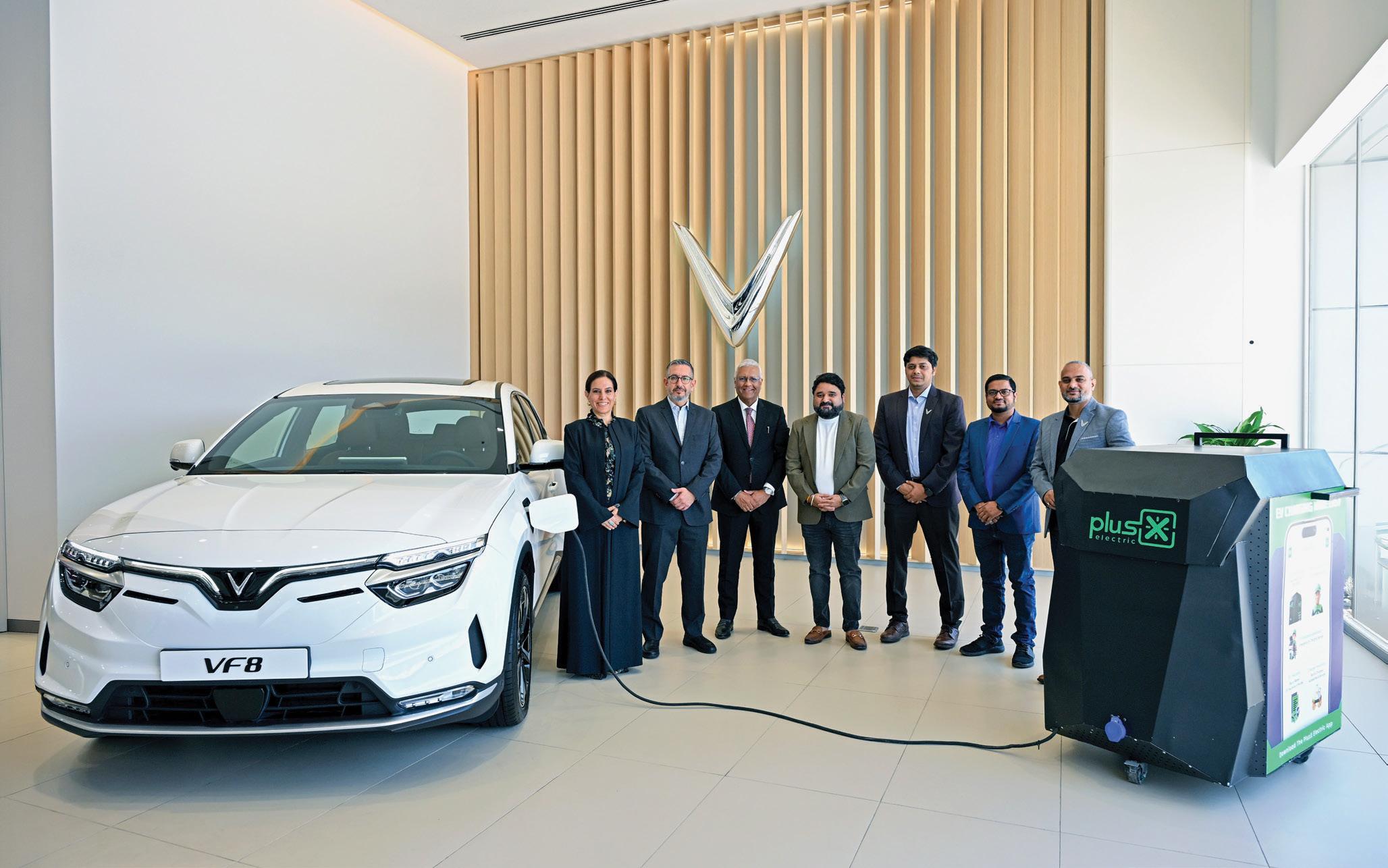
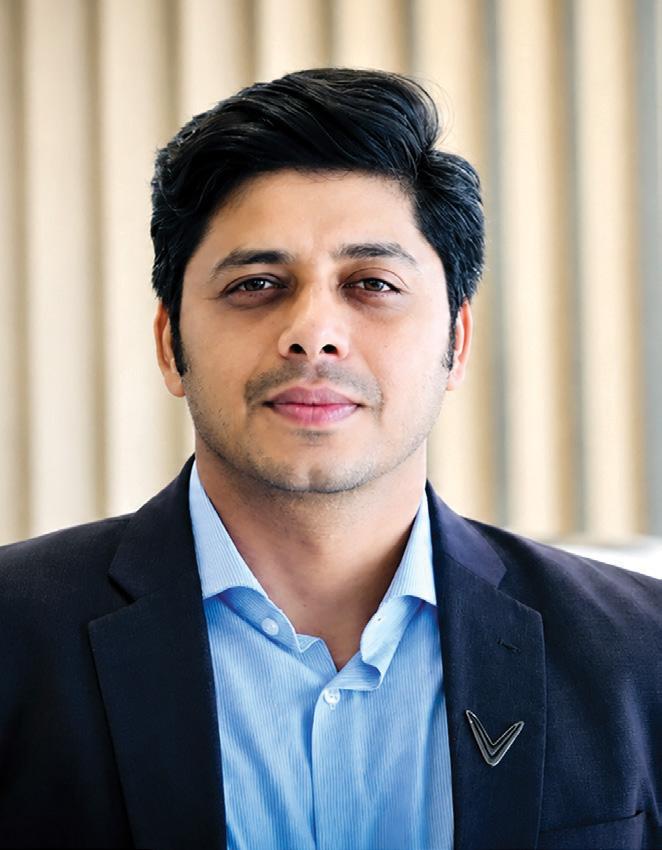
VinFast ME CEO Prashanth Rao outlines the Vietnamese EV maker’s push into the UAE and wider GCC, positioning Dubai as a benchmark market for its premium EV and ecosystem strategy
VinFast is expanding into one of the world’s most forward-thinking EV markets at a pivotal moment. What does Dubai represent for VinFast’s global ambitions?
Dubai is a benchmark market for future mobility. Customers here expect worldclass technology, premium service, and uncompromising quality. Earning their trust demonstrates VinFast’s ability to compete globally.
We are not entering the Gulf as a value alternative, but as a premium-accessible EV brand backed by Vingroup’s scale and Vietnamese innovation. Our vision extends beyond vehicle sales to building a complete EV ecosystem, including charging solutions, fleet partnerships, after-sales excellence, and supply-chain
capabilities. Together with Al Tayer Motors and our Jebel Ali parts distribution centre, we are laying the foundation for long-term growth across the UAE and GCC.
What innovations resonate most with Dubai and GCC consumers?
GCC customers look for three key attributes: range confidence, spaciousness, and premium design. VinFast vehicles are built around these priorities, combining bold styling with advanced technology. Beyond hardware, we are investing heavily in battery technology and software-defined vehicles. Features such as connected services, advanced driver assistance systems, and over-the-air updates allow our vehicles to continuously
improve over time. Vingroup’s scale lets us move quickly on R&D while maintaining manufacturing discipline.
Combined with one of the industry’s most comprehensive ownership packages, including a 10-year vehicle warranty, 10-year unlimited-kilometre battery warranty, and complimentary servicing, we deliver both innovation and peace of mind.
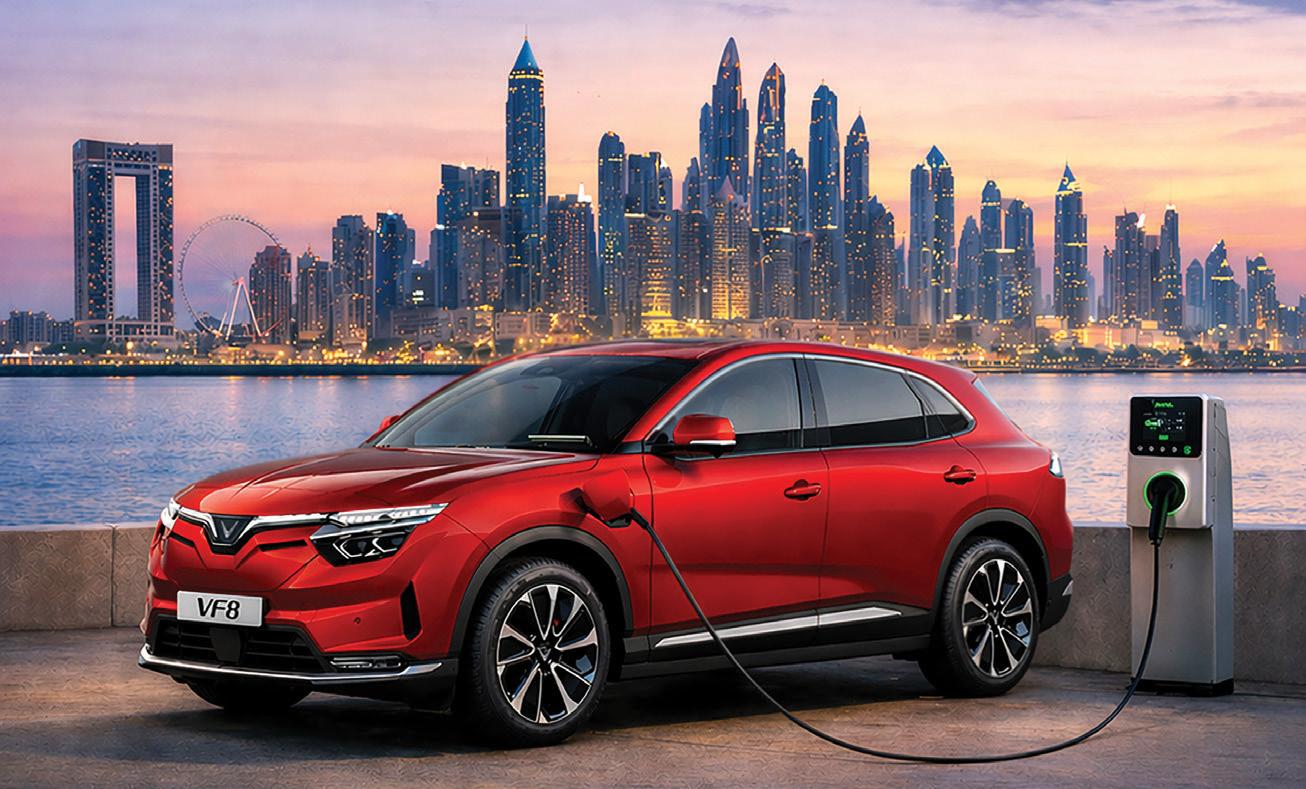
Tell us about the VinFast ownership experience in Dubai. We aim to make EV ownership seamless and convenient. Our partnership with PlusX Electric enables “At Your Door” charging, allowing customers to schedule and monitor charging sessions through an app.
This is complemented by a 10-year vehicle warranty, 10-year unlimitedkilometre battery warranty, complimentary servicing, roadside assistance, and technical support. Through Al Tayer Motors’ nationwide network and our Jebel Ali parts hub, customers can expect reliable sales and after-sales support across the UAE.
The Middle East is undergoing a massive EV transformation. What opportunities do you see for VinFast?
The Gulf’s EV transition is accelerating rapidly, driven by government initiatives, infrastructure investment, and growing consumer awareness. Compared to a petrol vehicle of its segment VF8’s running
VinFast combines competitive pricing, comprehensive ownership benefits, strong vehicle availability, and a resilient supply chain, making us well-positioned to support the region’s evolving mobility needs.”
costs (fuel + maintenance) is 60-70 per cent lower. As fuel costs fluctuate, the lower operating and maintenance costs associated with EV ownership become even more compelling for customers. We see strong opportunities among fleet operators, leasing companies, and premium SUV buyers seeking advanced technology and lower operating costs. VinFast combines competitive pricing, comprehensive ownership benefits, strong vehicle availability, and a resilient supply chain, making us well-positioned to support the region’s evolving mobility needs.
What are you most excited about for VinFast in Dubai and the broader Gulf region?
We’re excited about expanding our product lineup, strengthening charging partnerships, and growing our footprint across the UAE and GCC. Alongside Al Tayer Motors in the UAE and Bahwan
Automobiles in Oman, we are investing in supply-chain readiness, training, and EV skills development to ensure that service quality grows alongside demand.
Globally, we continue to invest in manufacturing, localisation, software, and future mobility technologies to support long-term growth.
Walk us through VinFast’s software roadmap and connected car capabilities.
Our philosophy is simple: a vehicle should improve over time. Through over-the-air updates, connected diagnostics, and the VinFast Companion app, customers can manage charging, maintenance, and vehicle health from a single digital ecosystem.
As our software capabilities evolve, customers will continue to benefit from enhanced convenience, safety, and new features throughout the ownership journey.
What’s your message to younger, tech-savvy UAE consumers making their first EV purchase?
Choose an EV that delivers both technology and long-term value. At VinFast, sustainability comes without compromise.
We combine connected services, innovative charging solutions, comprehensive warranties, repute of established dealer partner, extensive after-sales support, and lower ownership costs to make the transition to electric mobility easier and more rewarding. VinFast was built to challenge convention, and we believe that spirit resonates strongly with the next generation of UAE consumers.
As COO of AWR Automotive, Hussam Baghdadi has spent years navigating one of the region’s most dynamic and demanding industries. Here, he reflects on what it takes to lead a 60-year legacy business through a period of profound change, with the UAE at the centre of a global mobility revolution
WORDS NEESHA SALIAN
PHOTOGRAPHS JOHN MELENCION
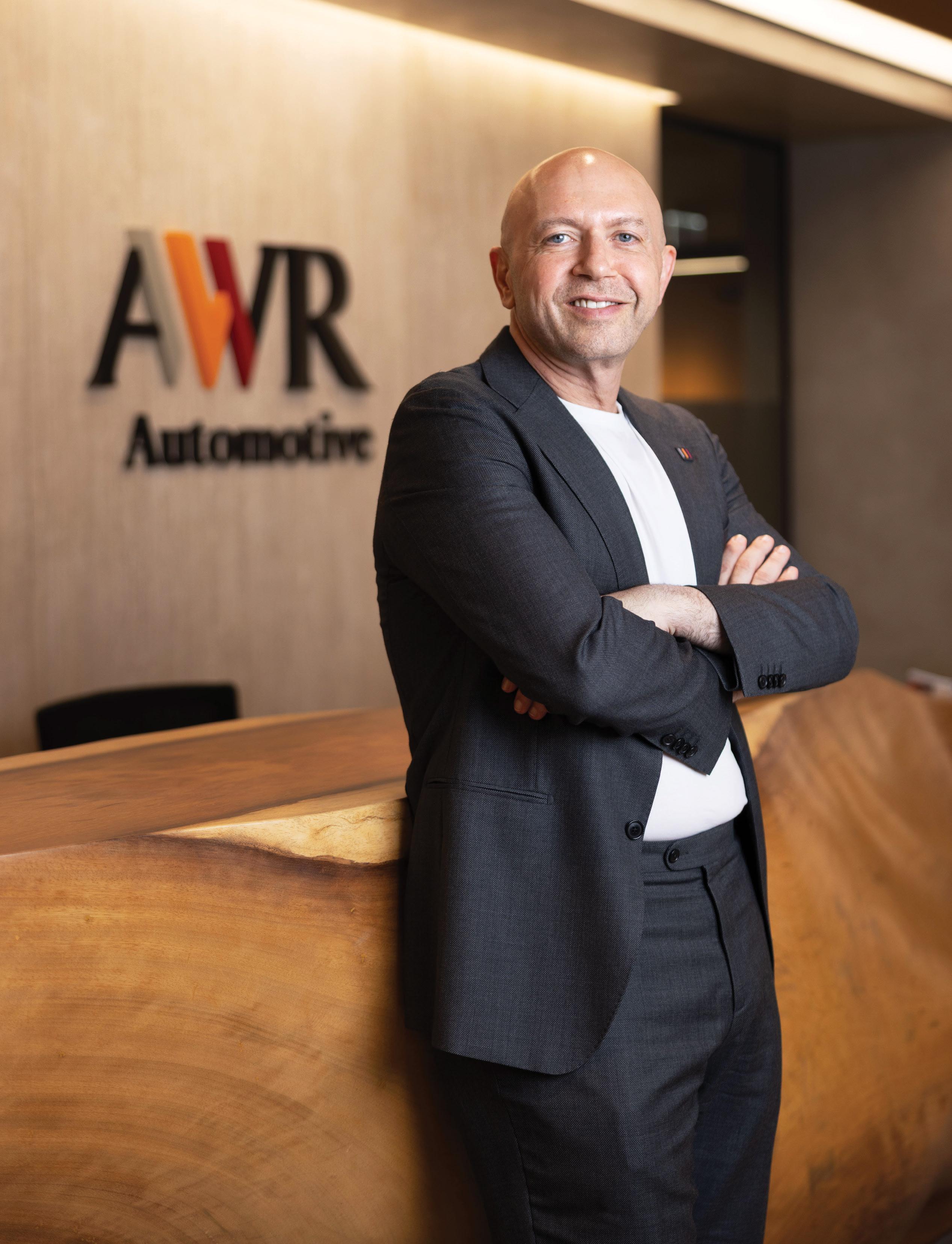

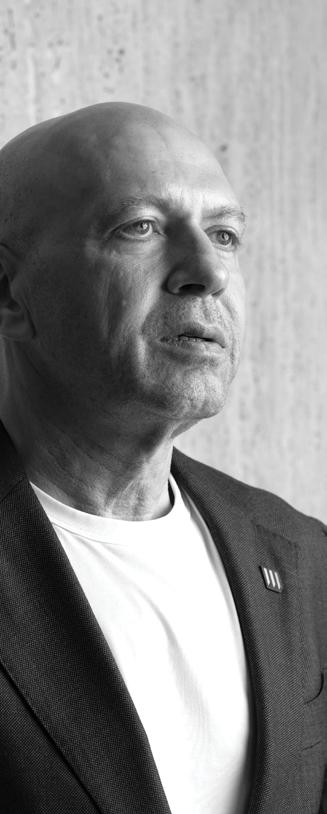
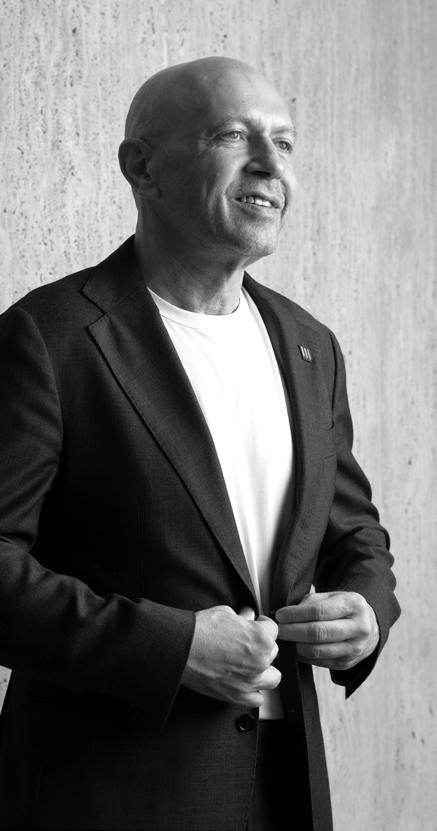
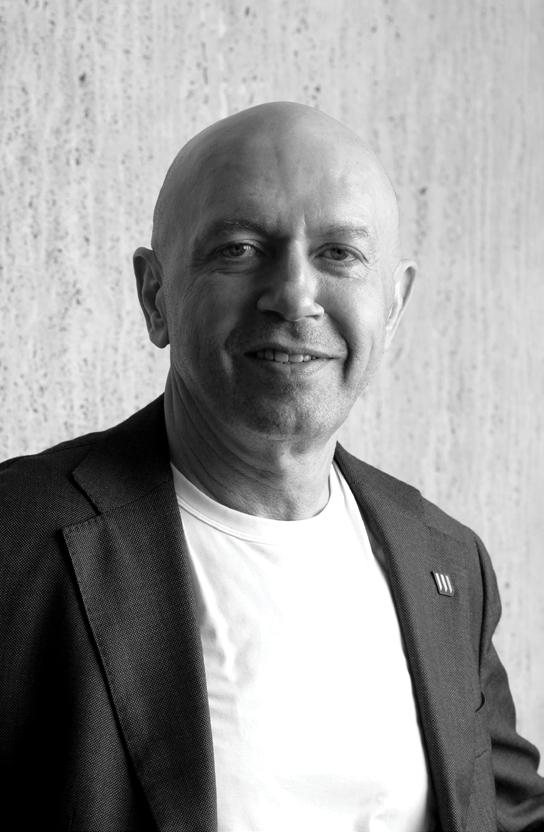
There is a particular kind of executive who can talk about disruption without flinching. Ask Hussam Baghdadi about the geopolitical and economic turbulence that has rattled the automotive trade in recent times, and he does not reach for crisis language. “Periods of disruption are never identical,” he says, evenly. “The specific causes may differ, but the lesson remains the same: businesses must always be prepared and stay several steps ahead.” You get much the same answer in person. We meet at the Nissan and INFINITI showroom at the AWR Group’s headquarters in Deira, a gleaming showroom with rows of immaculate vehicles: powerful Nissan Patrols and INFINITI’s flagship QX80s, polished and premium. Baghdadi, chief operating officer of AWR Automotive, arrives with the same refreshing authenticity that defines his approach: direct, clearsighted, with no patience for corporate theatre or soft-pedalling. Ask him a question and you get substance, not spin. His focus is the intelligent work behind the showroom facade, the systems, discipline and human leadership that make a business truly run, and he speaks about it with clarity and conviction. That temperament matters more than it once did. The company he helps lead (which also includes Renault, JMMC and NXT Used Cars among others in its portfolio) is in the middle of the most significant structural change in its history, and the easy thing to do with six decades of accumulated goodwill is to leave it nearly untouched. The group has chosen the harder path.
When Baghdadi joined the company in 1995, he started as a sales consultant. His rise to COO was earned through decades on the showroom floor and in customer-facing roles, learning what many executives never grasp: business acumen is built through people, not around them.
“You can’t lead a people business from an office,” he reflects. “Every role taught me something about how customers think and where systems break down. Sales taught me to listen. Customer service taught me that promises made in the showroom are maintained and kept in the service bay.”
That progression, nearly 30 years of it, instilled rare conviction: that leadership credibility is earned through ground truth. When Baghdadi argues that “aftersales is where promises become reality,” he speaks from lived experience, not theory. “The people closest to the customer see the truth first,” he notes.
To further understand Baghdadi’s leadership,
RESILIENCE IS NOT BUILT DURING PERIODS OF STABILITY. IT IS BUILT THROUGH HOW EFFECTIVELY YOU RESPOND WHEN CONDITIONS BECOME MORE COMPLEX.”
it helps to comprehend what he believes the job “is not”. He does not see his role as the author of change so much as its translator. “The most challenging aspect of any transformation is not technology, systems, or processes,” he says. “It is helping people navigate change with confidence.” This is a man, in other words, who has concluded that the binding constraint on a large organisation is rarely strategy and almost always people. “Automotive is, and will always be, a people business,” he says. “Behind every customer interaction, every innovation, and every business achievement is a team of individuals working together toward a common goal.”
The insight that animates his management style is deceptively simple. “One lesson I have learned throughout my career is that people rarely resist change itself,” he says. “They resist uncertainty.” From that follows a clear theory of the leader’s task: not to direct, but to reduce ambiguity. “Leadership therefore becomes less about directing change and more about creating clarity, alignment, trust, and purpose.”
It would be easy to read this as soft management. It is not. Baghdadi pairs the empathy with an exacting sense of operational standards. “Leadership requires balancing performance with empathy, ambition with understanding, and speed with clarity,” he says, less a slogan than a description of daily trade-offs. He is equally clear about the human cost of that period, crediting the staff who absorbed it: the frontline teams, he notes, were “fielding harder conversations with customers and making faster calls with less certainty than usual.” That, he says, “is ultimately what kept the experience steady from the customer’s side.”
The business Baghdadi is helping to transform is substantial. AW Rostamani Group (AWR Group) is a family enterprise built over more than seven decades, spanning automotive, real estate, retail, lighting solutions, travel, logistics, agritech and sustainable packaging. It serves more than 155,000 customers and 24,000 businesses each year, supported by a workforce of over 3,000.
The automotive arm is the part of that empire most visibly in flux. In April, the group announced that it was consolidating its automotive marques, services and mobility solutions under a single banner: AWR Automotive. The reorganisation folded in operations that had long run under separate structures, most
notably Arabian Automobiles Company, the Nissan and INFINITI and Renault distributorship that built the group’s reputation across Dubai, Sharjah and the Northern Emirates over nearly six decades. The unified division now brings together 14 brands and businesses across a network of 26 showrooms and 27 service centres.
That is a wide canvas. Nissan, INFINITI and Renault sit at the heart of the portfolio, among other leading brands, alongside flexible-access options such as rental and subscription, a growing roster of homegrown mobility ventures, and a full aftermarket layer of parts and multi-brand servicing that knits the whole together. For Baghdadi, the logic of the consolidation is not cosmetic, and it rests on a single foundation: trust. The unification, by design, builds on that legacy rather than breaking from it. What AWR Automotive represents is not a departure from the company’s established principles, but an evolution of them. The reasoning is structurally sound. As ownership models multiply and customer expectations shift, organising around individual brands had become restrictive. The company needed to think beyond silos and bring together the collective strength of its businesses, services, and capabilities into one unified proposition. This meant weaving together sales, aftersales, digital services, used cars, commercial vehicles, and future mobility solutions into a single integrated ecosystem, one designed around what customers actually need rather than how the organisation happened to be structured. What began as a single Nissan distributorship is now a diversified group of 14 brands under one structure, with the stated aim of greater transparency and trust.
Ask him what the much-used word “ecosystem” actually means in practice, and Baghdadi grounds it in customer behaviour rather than corporate architecture.
AWR GROUP SERVES MORE THAN 155,000 CUSTOMERS AND 24,000 BUSINESSES EACH YEAR
“Traditionally, automotive businesses were structured around a transaction: selling a vehicle, servicing it, and repeating the cycle,” he says. “Customers today think very differently. They are not looking for products alone; they are looking for solutions that fit their lifestyles, business needs, and changing mobility requirements.”
The practical expression of that idea is a deliberately porous front door. “A customer may enter through a Nissan, INFINITI, or Renault purchase,” he explains. “Another may choose a flexible ownership solution such as lease-to-own or rent-to-own. Others may engage with us through NXT Used Cars, commercial mobility solutions through JMMC, or our aftersales network.” Increasingly, he adds, they expect digital visibility throughout, the role played by AWR Automotive’s platform, AWR Connect.
What unifies those entry points, he says, is a single relationship rather than a series of transactions. He identifies people as the crucial factor not just systems. The model, he emphasises, “only works because the people running each touchpoint are trained to think in terms of that one relationship rather than their own function,” whether in sales, aftersales or digital support. The reorganisation, in other words, is as much a cultural project as a structural one. “The opportunity for businesses today is not simply selling vehicles,” he says. “It is becoming a trusted mobility partner.”
Baghdadi is clear-eyed about how thoroughly technology has rewired the buyer’s journey. “By the time many customers visit a showroom today, they have already researched the vehicle, compared specifications, explored reviews, and often narrowed their shortlist,” he says. That has changed the job of his sales team fundamentally: “The conversation is no longer about providing information that customers can easily find online. It is about helping customers navigate choices, providing expert guidance, and creating confidence in their decision-making process.”
Yet for all his investment in digital channels, he draws a firm line at where software stops being decisive. “People still buy from people,” he says. “Technology can improve efficiency, but trust
is built through human interaction. The most successful organisations are those that combine digital convenience with genuine human connection.” It is a principled stance he holds with conviction, and it’s one based on genuine results. Nowhere is that conviction sharper than on aftersales, the part of the business he regards as the true engine of loyalty. “Aftersales is where promises become reality,” he says. “A customer may choose a vehicle because of its design, technology, or performance, but loyalty is often determined by the ownership experience that follows.” In a market like the UAE, where owners keep long relationships with their vehicles and service providers, he argues, the maintenance bay does more to shape trust than the showroom floor. His verdict is unequivocal: aftersales “can no longer be viewed as a support function. It has become a strategic differentiator and one of the most powerful drivers of longterm customer loyalty.”
If there is a single idea that captures Baghdadi’s worldview, it is that durability is earned in difficulty. He rejects the notion that a company’s strength can be measured in good times. “In our industry, resilience is not built during periods of stability,” he says. “It is built through how effectively you respond when conditions become more complex.”
Baghdadi treats the intensity of that market as a tonic rather than a threat. “Competition across the automotive sector has never been stronger,” he says, “and customers today have more choices than ever before.” He calls it “a positive development because it pushes
IN AN INDUSTRY EASILY DISTRACTED BY THE NEXT MODEL LAUNCH OR THE NEXT TECHNOLOGICAL BREAKTHROUGH, HIS FOCUS STAYS STUBBORNLY OPERATIONAL: PEOPLE, PROCESSES, TRUST, EXECUTION
the entire industry to raise standards,” and frames his own task accordingly: not “reacting to competitors” but “continuously improving mobility solutions.”
The response, as he describes it, has been less about bold strokes than steady coordination. “For us, the focus has been on agility and preparedness,” he says. “We have worked closely with OEM partners, suppliers, financial institutions, and internal teams to minimise disruption, maintain service continuity, and ensure customers continue receiving the support they expect.” In practice that meant expanding flexible ownership options, deepening aftersales, and investing further in digital channels. The customer he is responding to has also changed, “more informed and deliberate,” he says, still willing to invest in mobility but “evaluating their options more carefully and placing greater importance on trust, transparency, value, and long-term support.” None of it, he is quick to add, “holds up without the people behind it.”
That instinct, treating preparedness as a permanent condition rather than a reaction, is what lets him speak about an uncertain market without anxiety. He promises no swift rebound: “Some global challenges continue to evolve, and recovery does not happen overnight.” What he offers instead is a capability, “our ability to adapt quickly, make informed decisions, and leverage the strength of long-standing partnerships.”
The showroom floor may be where customers first encounter the business, but the real work happens behind it. As AWR Automotive embarks on its most significant transformation in decades, Baghdadi’s vision for the decade ahead is clear: an industry that does not simply adopt global mobility trends, but shapes them. A business defined not by the vehicles it sells, but by the movement it enables.
His job, as he sees it, is not to chase the future. It is to evolve the organisation that creates it. “Our heritage gives us credibility, but it is our ability to evolve that will determine our future relevance,” he says.
And his read on what that transformation looks like is unambiguous: “The UAE is not following this shift. It is accelerating it, and the businesses that will matter are the ones building for that reality today, not reacting to it tomorrow.”
That clarity is the only edge that endures.
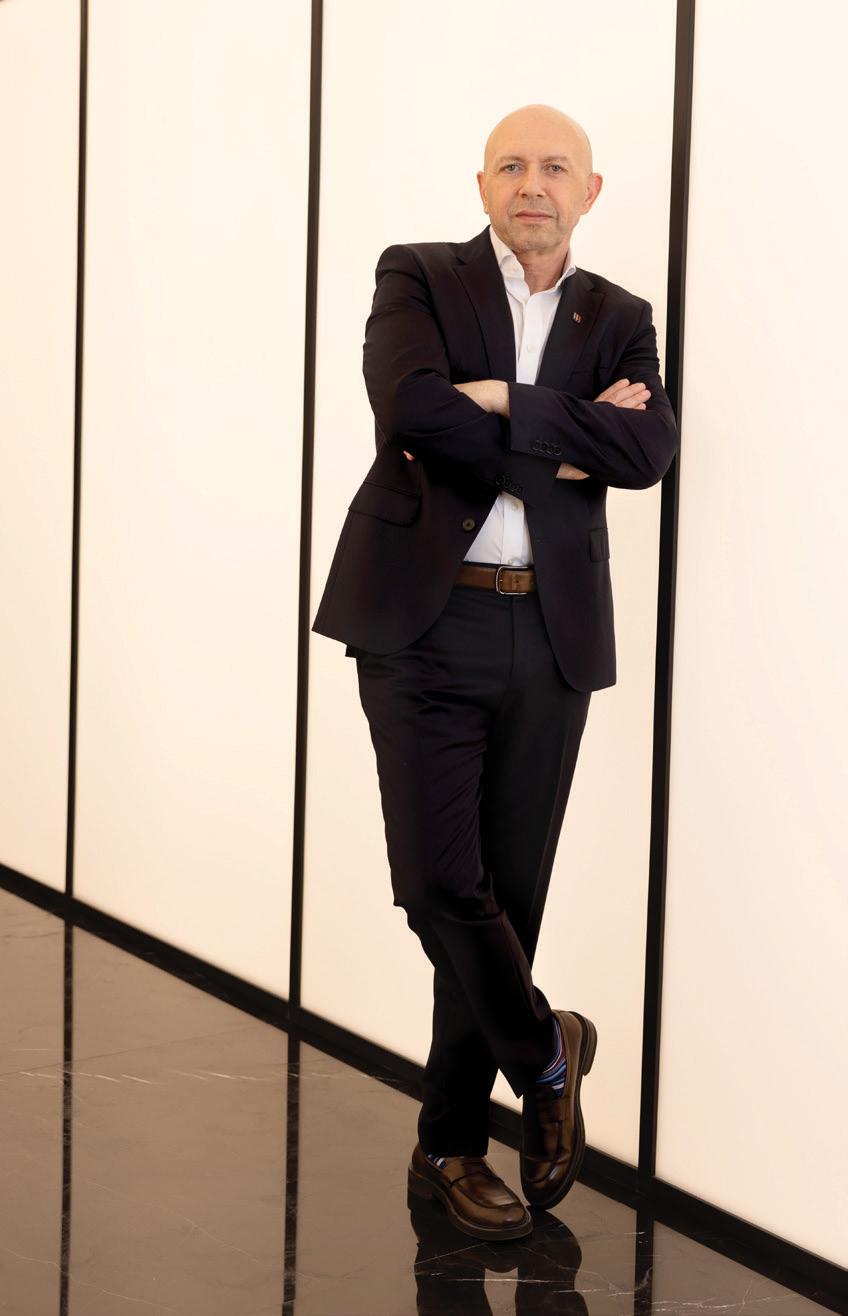
01 Manage the uncertainty, not the change. People don’t resist change, they resist uncertainty. The leader’s job is to reduce it, through honest and consistent communication.
02 Resilience is built in the hard times, not the calm ones. How you respond when conditions get complex matters more than how you perform when they’re stable.
03 Stay several steps ahead. Disruptions are never identical, but the discipline is: be prepared, and don’t wait for certainty to act.
04 Protect trust while you reinvent. Heritage gives you credibility; the willingness to evolve keeps you relevant. Hold on to both.
05 People still buy from people. Technology adds efficiency, but trust is built in person. Combine the two, don’t choose between them.
06 Aftersales is where promises become reality. It isn’t a support function. It’s where loyalty is won or lost.
07 Lead with empathy. People may forget your updates and presentations, but they remember how you made them feel in the hard moments.



































AND BUSINESS ACUMEN ARE SHAPING THE FUTURE OF BUSINESS ACROSS THE REGION. THEY ARE DRIVING
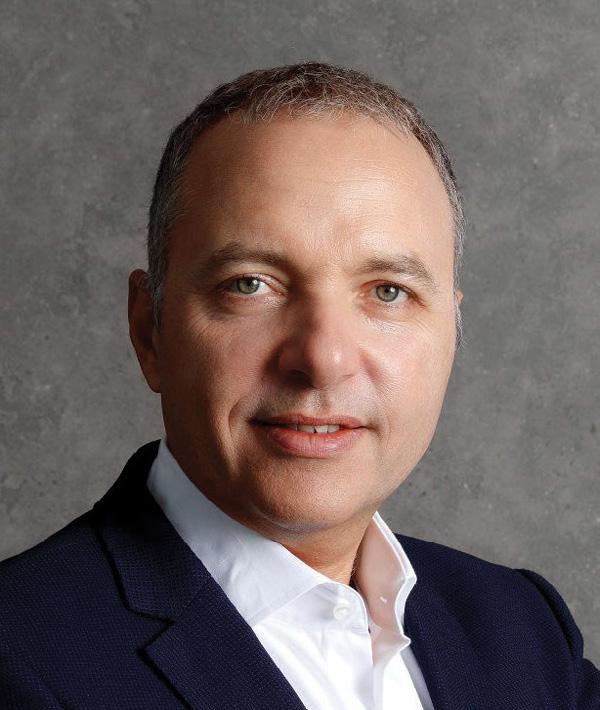
Abdallah Massaad has spent more than 25 years shaping industrial manufacturing businesses across regional and international markets, bringing strategic vision and operational expertise to his role as group CEO of RAK Ceramics. Since joining the company, he has overseen its evolution from a leading ceramics
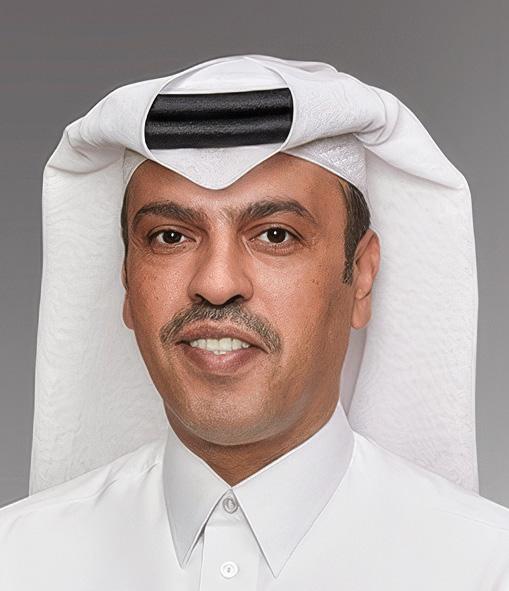
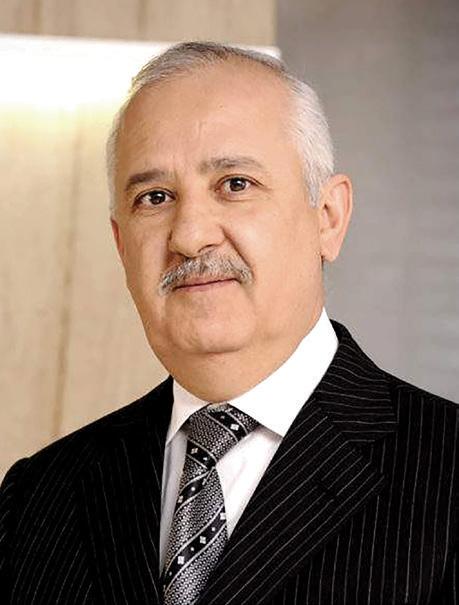
Abdulla Mubarak Al-Khalifa is group CEO of QNB Group, the largest financial institution across the Middle East and Africa by total assets, representing a major regional banking player. He has led the bank through significant periods of regional expansion, digital transformation, and strategic evolution while maintaining
GROUP CEO | RAK CERAMICS
manufacturer into a global, design-led lifestyle solutions provider. Under his leadership, FY2025 marked a defining year for the company. Pre-tax profit rose 19.9 per cent year-on-year to Dhs331.9m, while gross margins reached 40 per cent. The UAE, contributing 39 per cent of group revenue, was repositioned as RAK Ceramics’ global manufacturing headquarters, supported by investments in advanced Continua+ large-format porcelain slab production and the strategic consolidation of selected European manufacturing operations. Massaad has also accelerated the company’s premiumisation strategy through the expansion of brands such as KLUDI and Cookplay, while driving regional growth with a new manufacturing facility in Yanbu, Saudi Arabia. Today, RAK Ceramics employs 12,000 people, generates $1bn in annual
revenue and operates in more than 150 countries. Through RAK Porcelain, it has become the world’s largest tableware supplier to the hospitality sector, serving over 50,000 hotels, 20 major airlines and cruise operators. Innovation and sustainability remain central to his leadership. The company has achieved 100 per cent waste reuse within its manufacturing process and continues to invest in energy-efficient technologies and carbon reduction initiatives. These efforts have earned RAK Ceramics the UAE Ministry of Industry and Advanced Technology’s Industry 4.0 Leader Award and the In-Country Value Excellence Award. Massaad is steering RAK Ceramics beyond manufacturing towards becoming a global lifestyle solutions provider, supported by digital transformation, sustainable growth, expanded production capacity.
strong capital adequacy ratios and credit ratings from international rating agencies. QNB operates in more than 25 countries across Asia, Europe, Africa, and the Middle East, providing comprehensive retail, corporate, and investment banking services to diverse customer segments and markets. The bank’s international presence reflects strategic expansion strategy and positioning as a regional and international financial institution.
The bank plays a significant role in financing large-scale infrastructure projects, energy sector development, and sovereign-linked development initiatives across its operating markets.
Under Al-Khalifa’s leadership, QNB has invested substantially in digital banking capabilities, fintech partnerships, and technology infrastructure to enhance customer experience and operational efficiency. The bank has expanded digital
channels including mobile banking, online services, and digital payment solutions to serve evolving customer preferences. QNB has maintained strong profitability, healthy loan portfolios, and robust risk management practices during periods of regional economic and geopolitical change. Al-Khalifa holds a degree from Eastern Washington University and has contributed significantly to Qatar’s financial sector development through senior roles in banking strategy, financial regulation, and capital market development. His career spans banking operations, strategic planning, and regional financial policy engagement.
His leadership emphasises balanced growth, risk management, stakeholder value creation, and regional economic development support through strategic financial services provision.
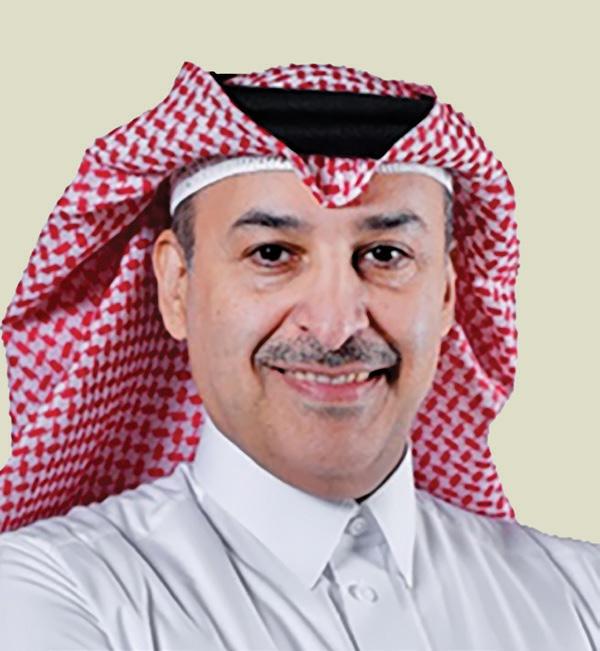
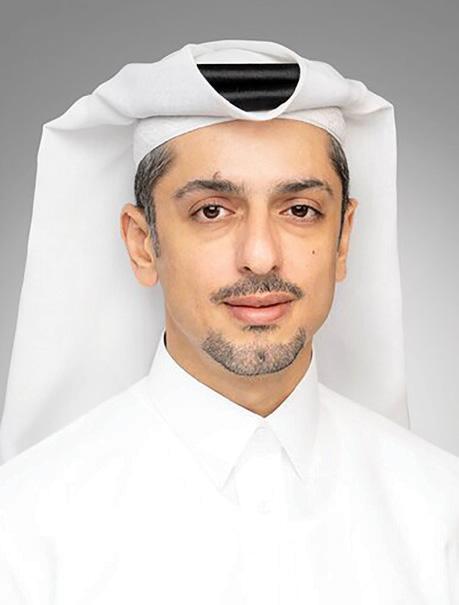
Ahmad Helal Al-Mohannadi is CEO of QatarEnergy LNG, appointed in 2026 after accumulating more than two decades of progressive experience across Qatar’s gas industry value chain. He began his career in technical engineering roles within Qatar’s pioneering LNG (liquefied natural gas) sector during its development phase
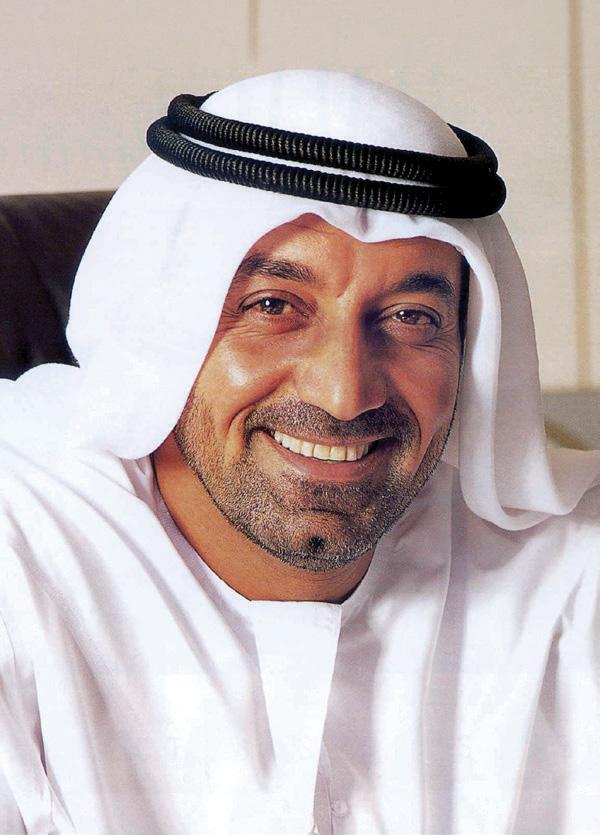
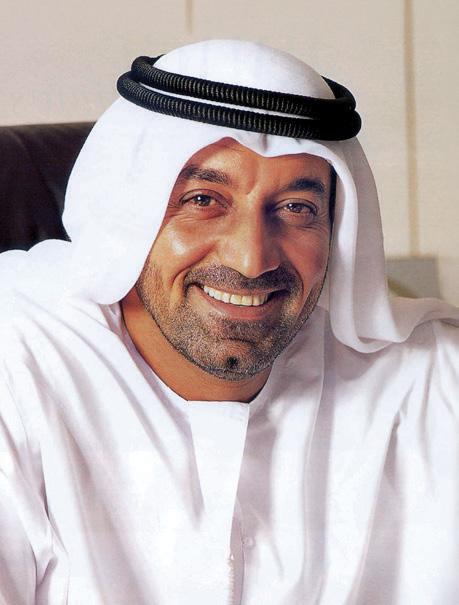
For more than four decades, Sheikh Ahmed bin Saeed Al Maktoum has been one of the driving forces behind Dubai’s transformation into a global hub for aviation, tourism, trade and finance. As
CHIEF EXECUTIVE OFFICER | QATARENERGY LNG
and progressed through operational management positions across RasGas and Qatargas before sector integration into QatarEnergy.
QatarEnergy LNG is one of the world’s largest LNG producers by capacity and export volume, occupying a significant position in global liquefied natural gas markets. The company is central to Qatar’s long-term natural gas development and monetisation strategy, particularly including North Field expansion projects designed to substantially increase production capacity. The company continues to expand production capacity in phases aligned with global LNG demand trends, economic viability assessments, and technological advancement. Capacity expansion represents significant capital investment and long-term strategic commitment to
LNG market leadership and supply security for international customers. Al-Mohannadi’s leadership focuses on operational excellence, production optimisation, project delivery for capacity expansion initiatives, and strategic positioning in competitive global LNG markets. His technical background informs engineering-focused operational management approach.
He holds a degree in chemical engineering from Qatar University, providing technical foundation for LNG production processes, thermodynamic principles, and industrial operations management.
Al-Mohannadi’s engineering background combines with extensive operational experience in leading one of the world’s largest LNG producers through complex capacity expansion and market competition challenges.
CHAIRMAN AND CEO | EMIRATES GROUP • CHAIRMAN | EMIRATES NBD • CHAIRMAN | DUBAI AIRPORTS • CHAIRMAN | DUBAI HOLDING
chairman and CEO of Emirates Group, he has overseen the organisation’s rise from a fledgling airline launched in 1985 with two leased aircraft into one of the world’s most successful aviation groups.
The scale of that success was evident in FY 2024–25, when Emirates Group reported record financial results, including pre-tax profits of Dhs22.7bn, revenue of Dhs145.4bn and cash reserves of Dhs53.4bn. The group carried approximately 53.7 million passengers during the year, underlining the strength of Dubai’s position as a leading global aviation gateway.
Growth has continued into FY 2025–26, supported by sustained travel demand, network expansion and ongoing investment in customer experience. Emirates is advancing a
significant fleet renewal programme, including the introduction of Airbus A350 aircraft, future Boeing 777-9 deliveries and a major cabin retrofit initiative across its existing fleet.
Beyond aviation, Sheikh Ahmed’s influence extends across several of Dubai’s most strategically important institutions. He serves as chairman of Emirates NBD, Dubai Airports and Dubai Holding, while also playing a key role in the emirate’s long-term development through the Executive Council of Dubai.
As Dubai continues to invest in major infrastructure projects, including the expansion of Al Maktoum International Airport, Sheikh Ahmed remains central to shaping the next phase of the city’s economic growth and global connectivity.
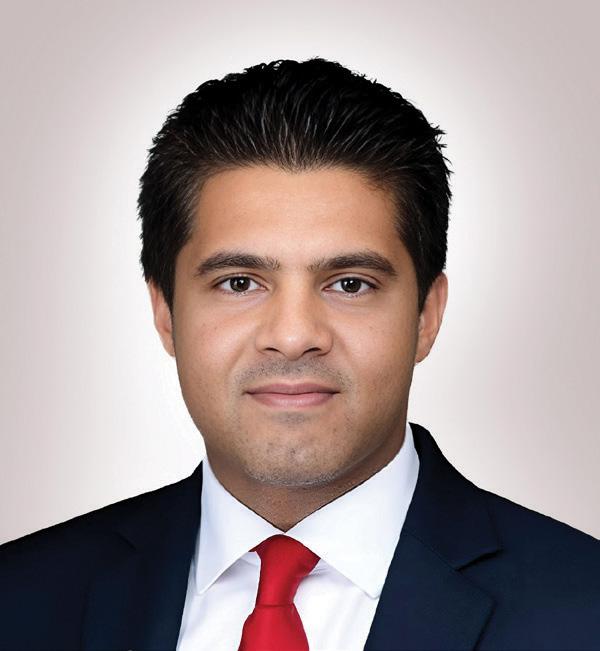
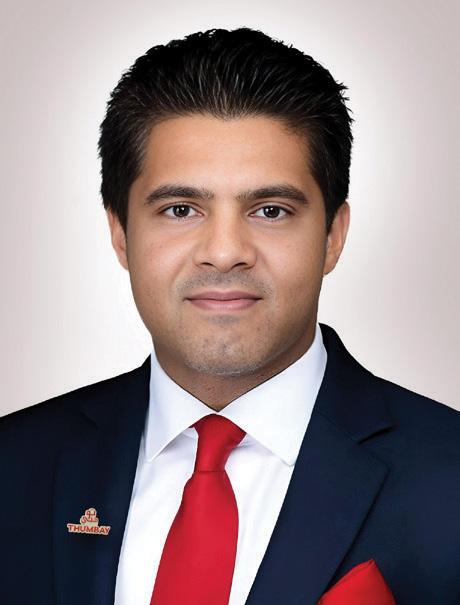
Akbar Moideen Thumbay is a young leader, prominent healthcare personality and business executive who serves as VP of Thumbay Healthcare, board member of Thumbay Group, and co-chair of the Gulf Medical University (GMU) Academic Health System. As a key figure in one of the region’s largest and most progressive
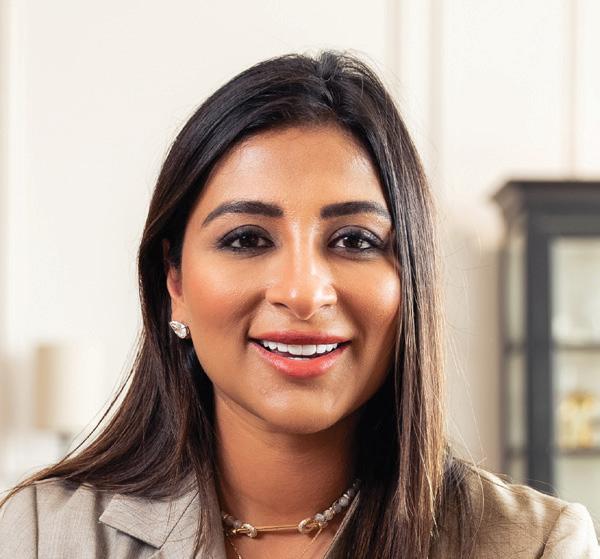
Alisha Moopen is the MD and group CEO of Aster DM Healthcare (GCC), leading one of the region’s most established integrated healthcare networks through expansion, consolidation, and digital transformation across the Gulf. Under her leadership, Aster has grown to 15 hospitals, 126 clinics, and 338 pharmacies across five GCC countries and Jordan, supported by continuous workforce expansion and large-scale healthcare job creation. Her
VP, THUMBAY HEALTHCARE | THUMBAY HEALTHCARE
academic healthcare networks, he has played an instrumental role in advancing the organisation’s vision of delivering world-class, patientcentered healthcare across the UAE.
Building upon the strong foundation established by his father, Dr Thumbay Moideen, founder President of Thumbay Group, Akbar has contributed significantly to the expansion and modernisation of the group’s healthcare ecosystem. Under his leadership, Thumbay Healthcare has strengthened its commitment to innovation, advanced medical technologies, clinical excellence, and accessible healthcare services, further reinforcing its position as a leading healthcare provider in the region.
As the VP, Thumbay oversees the strategic growth and development of Thumbay Healthcare’s extensive
network of hospitals, clinics, and specialised healthcare services. His leadership reflects a forwardthinking approach focused on quality, sustainability, and continuous improvement. A recent example of his commitment to community well-being is the strategic partnership between the Umm Al Quwain Chamber of Commerce and Industry and Thumbay University Hospital. Signed under his leadership, the collaboration aims to enhance healthcare access for the business community and residents of Umm Al Quwain, reflecting his belief that strong healthcare systems are fundamental to thriving economies and resilient communities. Through visionary leadership and a dedication to excellence, Thumbay continues to shape the future of healthcare in the UAE and beyond.
MANAGING DIRECTOR AND GROUP CEO | ASTER DM HEALTHCARE (GCC)
strategy focuses on an integrated ecosystem connecting hospitals, outpatient care, pharmacies, and digital health. This platform-led model is driving expansion across the UAE, Oman, and Saudi Arabia, while strengthening centres of excellence in oncology, cardiac sciences, orthopaedics, gastroenterology, urology, NICU care, transplant programmes, and robotic surgery. In Saudi Arabia, the growth is anchored by the expansion of Aster’s integrated model locally, for which the company has committed an investment of $250m. In the UAE, Aster is adding two new multi-specialty hospitals in Studio City and Discovery Gardens with over 250 beds, serving more than 560,000 additional patients annually. This is complemented by a Dhs300m expansion of Aster Hospital Al Qusais and a planned Dhs1bn investment in future-ready infrastructure and
digital transformation. Technology-led care remains central, with Aster’s 18-device robotic rehabilitation ecosystem and continued adoption of robotic-assisted surgeries enhancing precision and recovery outcomes. The myAster platform has surpassed 2.8 million downloads, impacted over five million lives, and enabled more than 50,000 video consultations, integrating telehealth, diagnostics, pharmacy, homecare, and digital records. AI innovations include an Arabic voice-assisted healthcare platform with Google Cloud in Saudi Arabia and the AI-enabled Thrive by myAster 100-biomarker preventive health assessment. Aster Volunteers has impacted over eight million lives through 100,000 volunteers via free surgeries, camps, and disaster relief. Aster employs over 13,000 healthcare professionals in the UAE.
A VISIONARY FORCE BEHIND ONE OF THE WORLD’S FASTESTEVOLVING BLOCKCHAIN ECOSYSTEMS IS TRANSFORMING DIGITAL FINANCE THROUGH SUSTAINABLE INFRASTRUCTURE, ACCESSIBLE TECHNOLOGY, AND REAL-WORLD SOLUTIONS DESIGNED TO DRIVE THE NEXT ERA OF GLOBAL CRYPTO ADOPTION
This international entrepreneur, visionary is recognised as one of the most influential figures shaping the evolution of the global blockchain and cryptocurrency industry. Through his leadership and innovation, Reinhardt has focused on developing sustainable, accessible, and scalable blockchain infrastructure designed to support long-term adoption beyond short-term market cycles.
At the centre of Reinhardt’s work is Ultima Blockchain, an ecosystem built to make blockchain technology practical and accessible for users worldwide. Under his leadership, Ultima has developed an integrated infrastructure ecosystem designed to connect blockchain technology with everyday applications. The platform operates on its own blockchain and includes a multi-currency wallet, a crypto debit card for daily transactions, the AI-driven automated trading platform UTrading, and the USafe cold storage device, which features CC EAL5+ certification, dual-chip architecture, and on-device transaction signing technology designed to ensure that users maintain control of their private keys.
One of Reinhardt’s most significant contributions to the blockchain sector is the development and advancement of splitting, an energy-efficient alternative to traditional mining models. By distributing rewards through
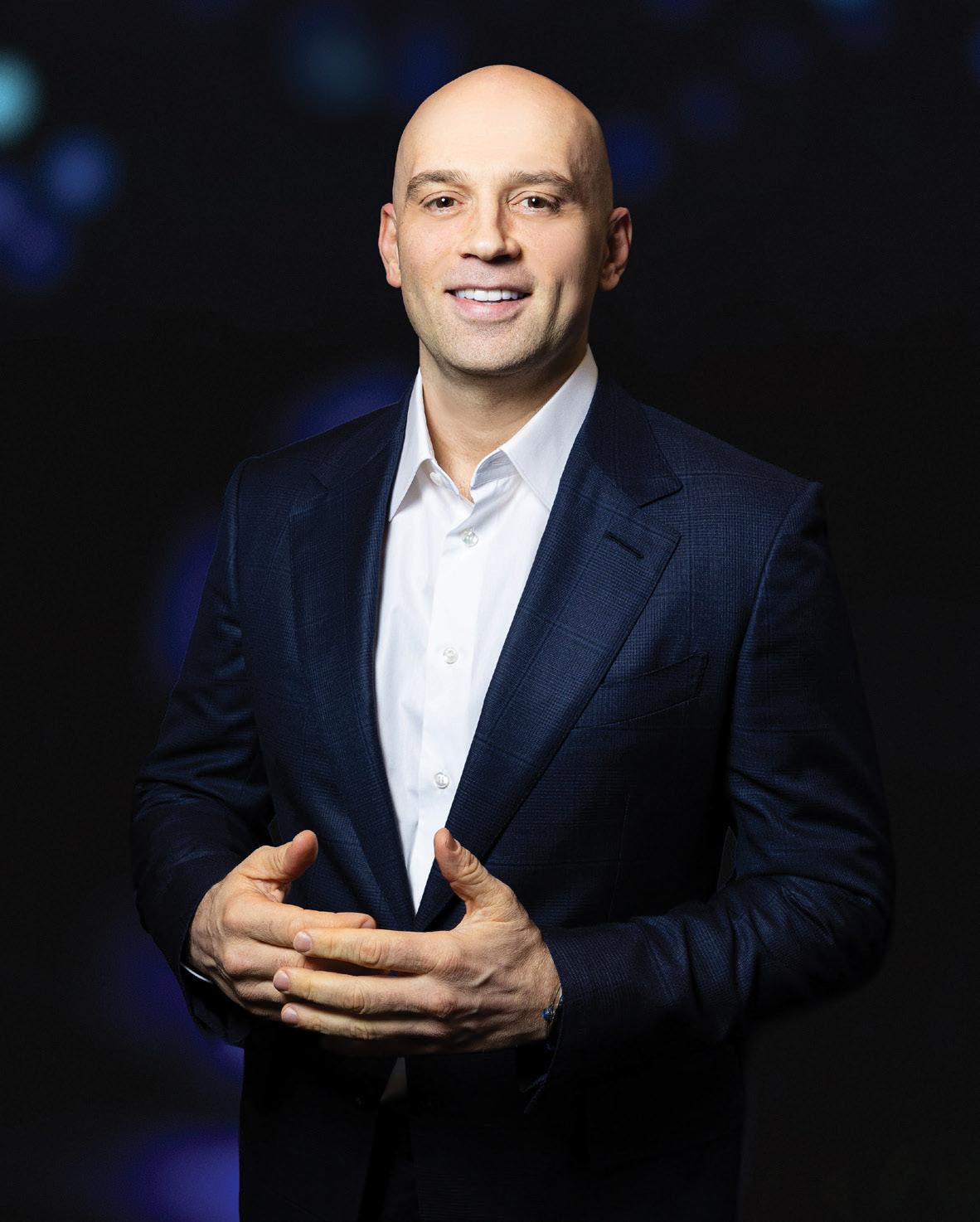
decentralised liquidity pools rather than relying on power-intensive hardware, this approach reflects Reinhardt’s broader vision of creating blockchain systems that are sustainable, efficient, and capable of supporting global-scale adoption.
Throughout his entrepreneurial career, Reinhardt has founded more than 20 successful cryptocurrency and technology startups, with solutions that are now used by more than two million people worldwide.
As a recognized industry leader and keynote speaker, Reinhardt has shared his expertise and vision on international platforms, including major blockchain conferences such as Consensus Hong Kong and Paris Blockchain Week, where he has addressed global audiences on the future of decentralised technology, infrastructure development, and blockchain adoption.
In 2026, Reinhardt continues to advance Ultima Blockchain’s mission of bridging the gap between blockchain’s potential and real-world utility. Under his leadership, the ecosystem remains focused on expanding practical applications, improving accessibility, and strengthening the infrastructure required for mainstream adoption. The company’s continued development reflects Reinhardt’s long-term strategy of prioritising scalable technology, transparency, and user ownership.
Reinhardt’s leadership philosophy centres on the belief that enduring blockchain ecosystems are built through strong foundations rather than market speculation. He emphasises infrastructure, sustainability, and simplicity as the defining principles of the next era of blockchain, creating technologies that empower users with greater control, ownership, and everyday functionality.
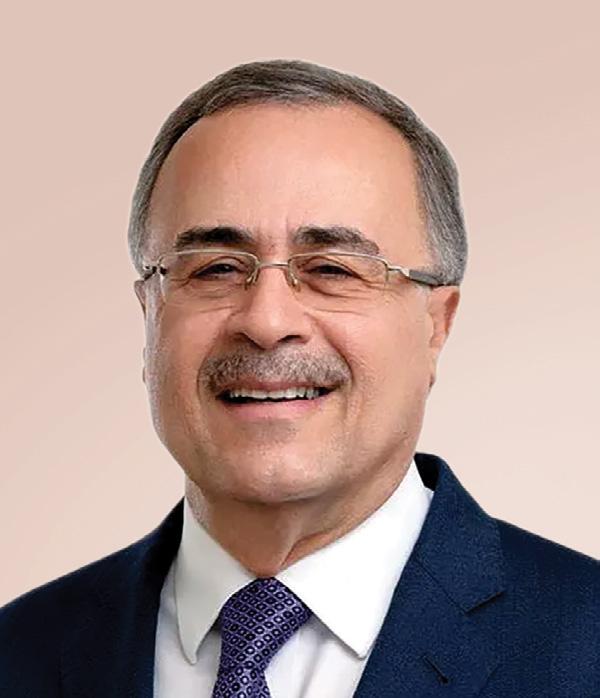
Amin H Nasser is president and CEO of Saudi Aramco, the world’s largest oil producer by output and one of the most valuable integrated energy companies globally. He has held the role since 2015 after joining the company in 1982, bringing over four decades of industry expertise. Nasser’s career at Aramco spans
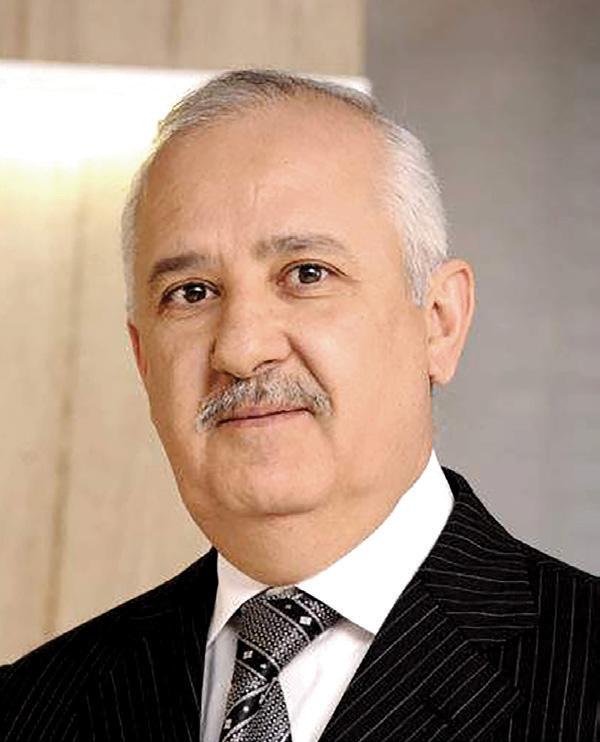
Anas Sefrioui is the founder and chairman of Groupe Addoha, one of Morocco’s best-known listed real estate developers. Media outlets describe him as the founder and CEO of the listed homebuilder, noting that the group prospered through lowcost housing development in Morocco.
upstream operations, engineering, and senior executive leadership roles across the company’s oil and gas value chain. He was appointed CEO during a transformational period that included international capital market access, downstream expansion, and strategic portfolio diversification.
In 2019, Aramco completed one of the world’s largest initial public offerings on the Saudi Exchange, generating substantial capital for corporate growth and shareholder returns. In 2020, it completed the acquisition of a majority stake in Saudi Basic Industries Corp (SABIC) for approximately $69bn, significantly expanding its petrochemicals footprint and reinforcing its downstream integration strategy across chemicals, plastics, and specialty products. Under his leadership, Aramco has continued to operate as a key global
supplier of crude oil while strategically expanding investments in natural gas, refining, petrochemicals, carbon capture and storage technologies, and lower-carbon energy solutions. The company has also invested significantly in digital technologies and automation across upstream and downstream operations, enhancing efficiency and operational performance.
Nasser holds a bachelor’s degree in petroleum engineering from King Fahd University of Petroleum and Minerals. He has participated in international industry forums and advisory bodies, including the World Economic Forum’s International Business Council, and has been recognised by industry organisations including the Society of Petroleum Engineers for his substantial contributions to the oil and gas sector globally.
FOUNDER AND CHAIRMAN | GROUPE ADDOHA
Sefrioui built Addoha into a major player in affordable housing, a segment closely linked to Morocco’s urbanisation and housing access agenda. The company’s listed profile identifies him as chairman, with Kenza Sefrioui serving as deputy chairman.
Beyond Morocco, Sefrioui’s business profile has increasingly been tied to African expansion. Forbes Africa’s 2026 billionaire profile lists him as a self-made real estate billionaire based in Casablanca and highlights Addoha’s roots in low-cost housing.
Recent reports also suggest a shift in strategy, with Sefrioui linked to premium development opportunities in Africa. While Addoha’s historical strength lies in mass-market housing, the broader real estate cycle across the continent is creating demand for mixed-use, middleincome and higher-margin residential
BEYOND MOROCCO, SEFRIOUI’S BUSINESS PROFILE HAS INCREASINGLY BEEN TIED TO AFRICAN EXPANSION
communities. Sefrioui’s influence comes from having built a property group that sits at the intersection of private enterprise, public housing demand and urban development. In a region where demographic growth and housing shortages remain major economic issues, Addoha’s evolution under Sefrioui continues to make him one of Morocco’s most closely watched real estate figures.
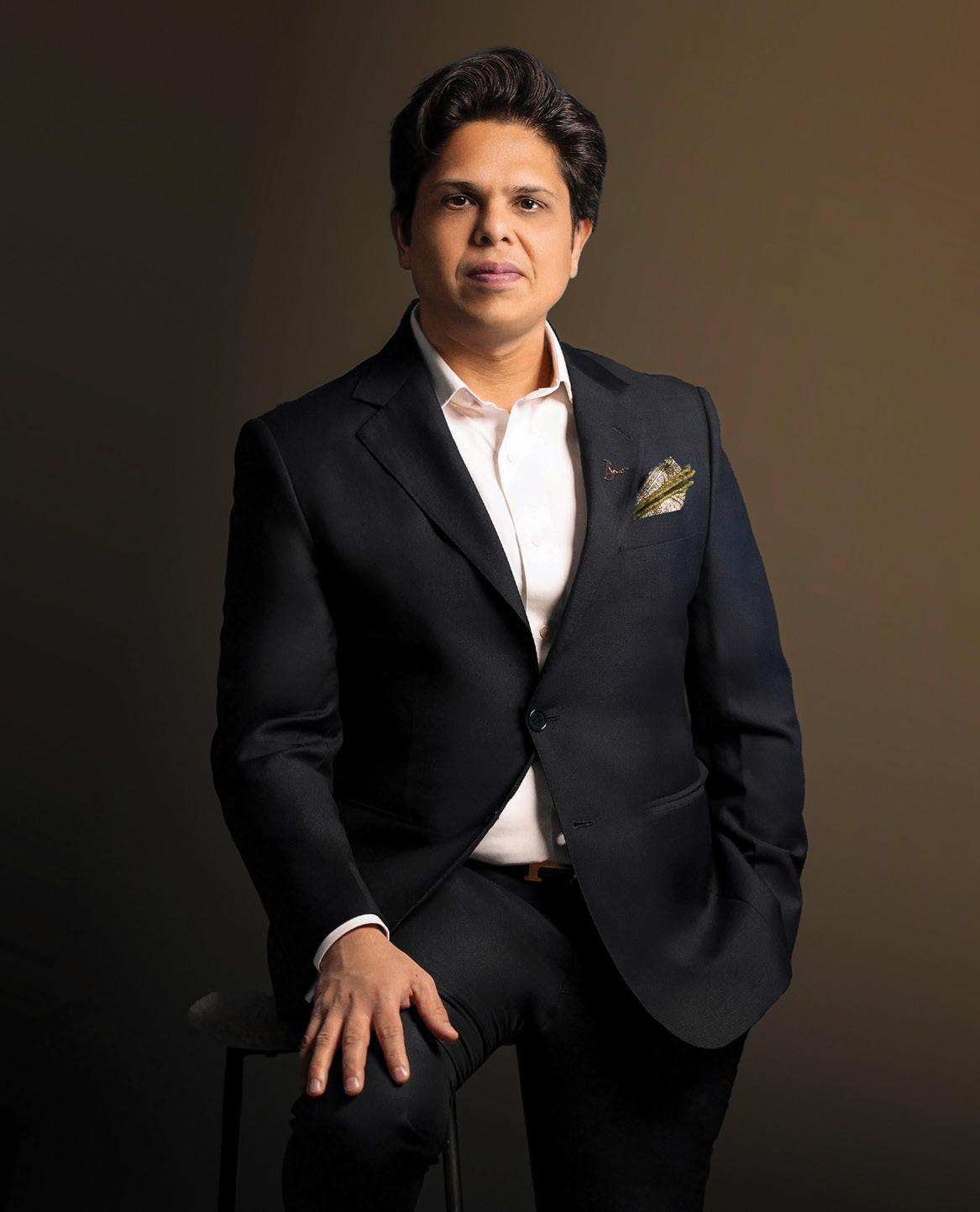
into one of the UAE’s fastest growing luxury real estate developers, and an expanding portfolio of international branded developments.
Under Dr Aggarwal’s stewardship, BNW Developments has achieved significant milestones through strategic collaborations with some of the world’s most recognised brands. His leadership enabled the landmark association with The Indian Hotels Company Limited and the introduction of the prestigious Taj Hotels legacy into the UAE real estate landscape. This was followed by partnerships with FashionTV, Michel Adam, Tonino Lamborghini, Wyndham Hotels & Resorts, and Radisson Hotel Group, reflecting his commitment to creating globally aligned, luxury-focused developments. Further strengthening BNW Developments’ execution capabilities, Dr Aggarwal established a multi-billion-dirham construction alliance with MAN Construction, while also developing a strategic partnership with Geminox, focused on sustainable practices and design excellence. These initiatives have reinforced BNW’s reputation for combining ambitious concepts with disciplined delivery.
BNW DEVELOPMENTS | CHAIRMAN AND FOUNDER
WITH A DEVELOPMENT VALUE EXCEEDING DHS32BN AND A GROWING PORTFOLIO OF LANDMARK PROJECTS, BNW DEVELOPMENTS IS RESHAPING THE UAE’S LUXURY PROPERTY LANDSCAPE
This versatile leader heads one of Middle East’s fastest-scaling real estate development companies, with a gross development value exceeding Dhs32bn. Through his strategic leadership, financial acumen, and commitment to excellence, Dr Aggarwal has established BNW Developments as a distinguished name in the UAE’s luxury real estate sector, building a development platform recognised for its global partnerships, design-led approach, and delivery-focused execution.
In 2021, Dr Aggarwal founded BNW Developments with a vision to introduce a new benchmark in the UAE luxury real estate, one built on brand integrity, operational excellence, innovation, and customer trust. In just a few years, Dr Aggarwal has transformed BNW Developments from an ambitious start-up
In 2026, Dr Aggarwal continues to lead BNW Developments through a period of accelerated growth, expanding its development pipeline, strengthening international collaborations, and advancing its position as a leading force in the region’s luxury property market. Today, BNW employs more than 650 professionals, maintains a zerobacklog delivery record and oversees a development portfolio exceeding Dhs32bn, an uncommon combination of scale and execution within the regional market. Beyond business, Dr Aggarwal is a recognised advocate for ESG-focused growth and responsible development. As a keynote speaker at institutions including the Institute of Chartered Accountants of India, Indian Business and Professional Council, and India Today Conclave, he continues to promote a vision where profitability and purpose, operate together as foundations of enduring success.
For Dr Aggarwal, long-term success is measured not only by projects delivered, but by the lasting value created for communities, partners and future generations.
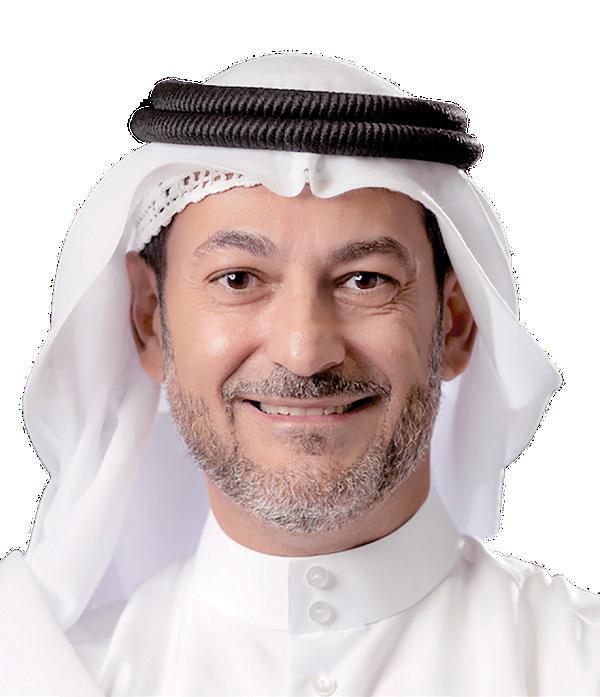
Aziz Aluthman Fakhroo is group CEO of Ooredoo Group, appointed in 2020 to lead the telecommunications and digital infrastructure operator through regional transformation. He brings strategic investment and financial management expertise developed through prior senior roles at Qatar’s highest governmental
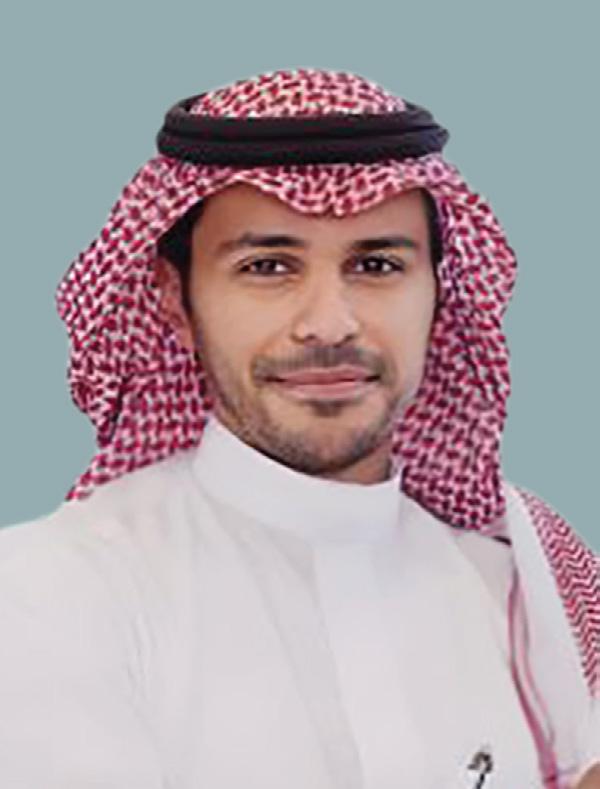
Fawaz Al-Jasser is CEO of Almarai. He assumed the role in January 2026, following a long and progressive internal career across multiple divisions and business units of the company. His internal career trajectory reflects comprehensive
CEO | OOREDOO GROUP
levels. He previously held senior roles at Qatar’s Ministry of Finance, where he contributed to national budget strategy, financial policy, and fiscal planning. His experience at Qatar Investment Authority provided comprehensive exposure to investment strategy, portfolio management, and long-term capital allocation decisions at sovereign scale, valuable for large-scale corporate strategy and capital deployment. Under his leadership, Ooredoo has accelerated its digital transformation and expanded investments in telecommunications and digital infrastructure across its existing markets.
The group’s geographic diversification reflects strategy to access growth markets and diversify revenue streams beyond Qatar’s domestic market. The group operates mobile services, broadband connectivity, fibre-optic
networks, and enterprise digital services across its operating markets, with increasing strategic focus on digital infrastructure development and datadriven service offerings. This evolution reflects global telecommunications industry trends toward digital infrastructure and converged services. Ooredoo continues strategic evolution from traditional mobile telecom operator into a regional digital connectivity and infrastructure provider, positioning itself for long-term relevance amid industry transformation, competitive dynamics, and changing customer demands for integrated digital services.
Fakhroo holds a bachelor’s degree in business administration and serves on several regional and international boards, contributing strategic perspective to corporate governance and industry development.
CEO | ALMARAI
understanding of Almarai’s operations, culture, and strategic objectives across the organisation. He has held leadership roles across diverse business segments including bakery operations, seafood production and distribution, and regional subsidiary operations.
Almarai is one of the largest integrated food and beverage companies operating across the Middle East, with significant market position and scale. The company operates across dairy products, fruit juices, bakery goods, poultry products, and seafood categories, serving consumer demand across diverse food and beverage segments.
The company is vertically integrated across the value chain, with extensive production facilities, processing infrastructure, and distribution networks spanning the GCC region and wider Middle Eastern markets.
This integration provides operational efficiency, quality control, and supply chain resilience across product categories.
He holds a postgraduate degree in business administration from the University of Leicester and has completed executive education programmes at IMD, the University of Michigan Ross School of Business and London Business School, supplementing his practical operational experience with formal business management training and contemporary management frameworks. Al-Jasser’s leadership priorities include operational efficiency, market expansion, product innovation, and sustainability initiatives aligned with regional consumer preferences and supply chain resilience in the GCC and broader Middle East region.
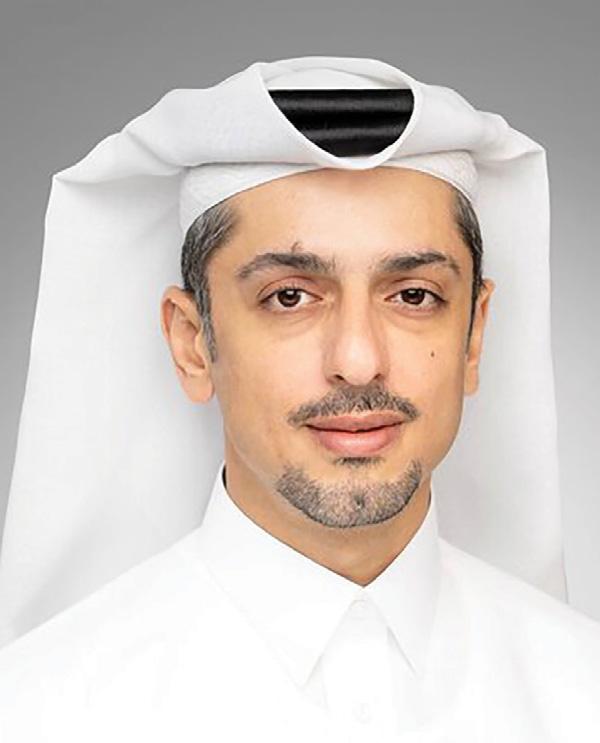
Hamad Ali Al-Khater is the group CEO of Qatar Airways, one of the world’s leading international airlines and a cornerstone of Qatar’s global connectivity ambitions.
Appointed in December 2025, he assumed leadership of the carrier at a time when the aviation industry
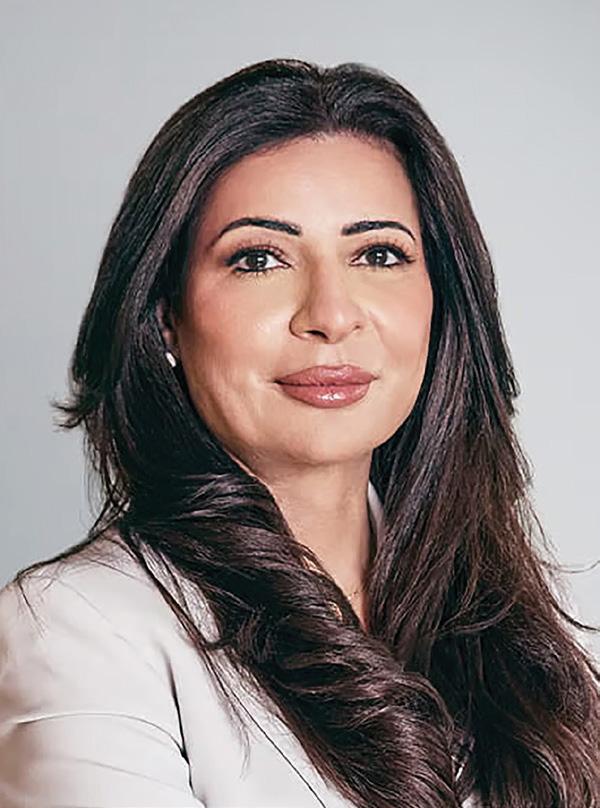
Hana Al Rostamani has established herself as one of the Middle East’s most influential banking leaders, guiding First Abu Dhabi Bank through a period of sustained growth, innovation and international expansion. As the first
CEO | QATAR AIRWAYS
continues to navigate evolving passenger expectations, growing competition, and long-term fleet and network expansion opportunities.
Al-Khater brings a unique blend of aviation, infrastructure, and energy sector expertise to the role.
Prior to joining Qatar Airways, he served as COO of Hamad International Airport, where he played a key role in overseeing operational performance, infrastructure development, passenger experience, and the airport’s continued evolution as a major global aviation hub. His leadership contributed to strengthening the airport’s position among the world’s most highly regarded transit gateways.
Before entering the aviation sector, Al-Khater held senior leadership positions at QatarEnergy, gaining extensive experience in strategic
planning, business development, and the management of largescale infrastructure initiatives. This combination of experience across two of Qatar’s most important industries has equipped him with a broad perspective on operational excellence, stakeholder management, and long-term growth. Under his leadership, Qatar Airways continues to build on its reputation for service excellence and global reach.
Operating a predominantly wide-body fleet, the airline serves more than 160 destinations across Europe, Asia, Africa, the Americas, and the Middle East through its Doha hub.
As the carrier enters its next chapter, Al-Khater is tasked with sustaining Qatar Airways’ position among the world’s premier airlines while supporting the country’s broader economic and tourism ambitions.
female CEO in the bank’s history, she continues to play a pivotal role in shaping the future of financial services in the UAE and beyond.
Under her leadership, FAB delivered a landmark performance in 2025, with net profit attributable to shareholders rising 24 per cent to Dhs21.1bn and group revenue increasing 16 per cent to Dhs36.68bn. The bank’s momentum continued into 2026, with total assets reaching Dhs1.49tn in the first quarter, representing a 14 per cent yearon-year increase. These results underscore FAB’s position as the UAE’s largest bank and one of the region’s most significant financial institutions.
A key pillar of Al Rostamani’s strategy has been technology-driven transformation. FAB has embedded
artificial intelligence across its operations, doubling processing capacity in key areas while reducing turnaround times by as much as 50 per cent. The bank continues to invest heavily in digital capabilities, data analytics and innovation to enhance customer experience and operational efficiency.
Beyond its domestic market, FAB has expanded its international footprint across Europe, Türkiye, Nigeria and India, strengthening its position as a globally connected financial institution. Through continued investment in people, platforms and products, Al Rostamani is steering the bank through a rapidly evolving financial landscape while reinforcing its role as a key enabler of economic growth across the UAE and the wider region.
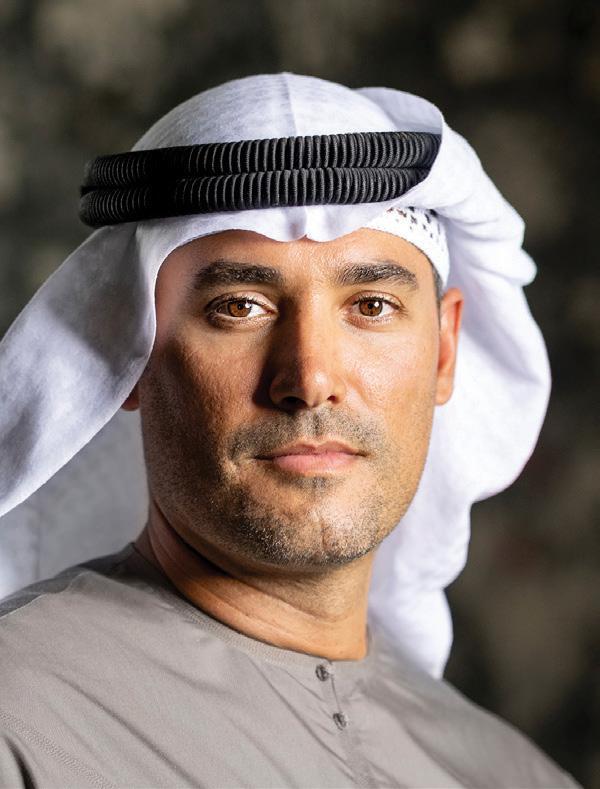
Zaal is responsible for driving the strategic growth and ongoing evolution of Al Barari while preserving the founding vision that has shaped the community since its inception: creating extraordinary environments where nature and modern
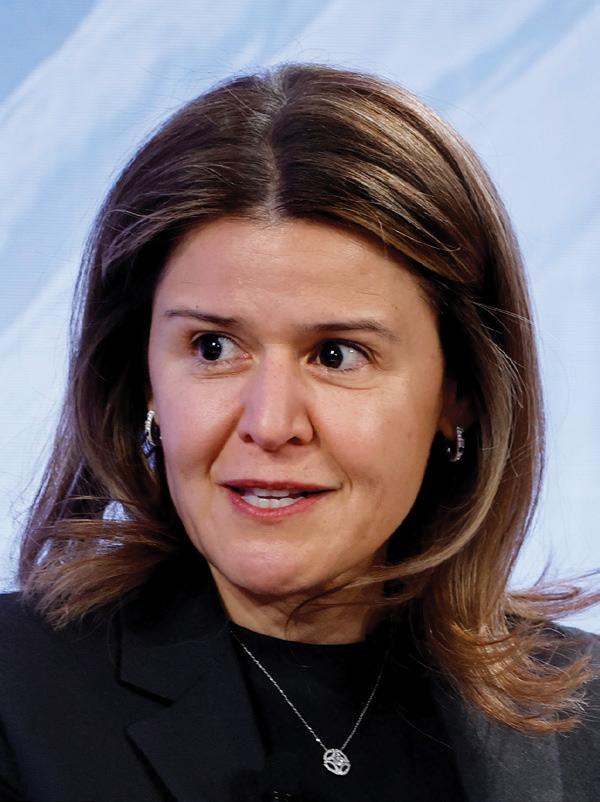
Henadi Al-Saleh is a senior executive and board member leading a diversified investment and operating organisation listed on a major regional stock exchange. With operations spanning six continents and a workforce of more than
CEO | AL BARARI REAL ESTATE GROUP
living coexist seamlessly. Having been closely involved in Al Barari’s journey from its formative years, he brings a deep understanding of the brand’s heritage, principles, and future aspirations. Under his leadership, the organisation has further strengthened its position as one of the region’s most distinctive luxury communities, expanding its residential offerings while elevating the lifestyle experiences that define the Al Barari ecosystem. Zaal’s leadership philosophy is founded on the belief that exceptional real estate goes beyond architecture and design; it is about creating purposeful environments that enhance everyday life.
Under his stewardship, Al Barari has evolved beyond a residential destination into a fully integrated lifestyle community, home to acclaimed wellness, hospitality, and leisure
destinations including The Farm, The Bay Health Club, Heart & Soul Spa, and Al Barari Playground. In 2026, Hazza continues to lead the group’s growth and long-term vision, further strengthening Al Barari’s reputation as a pioneer of sustainable luxury living.
Alongside his role at Al Barari, Zaal founded Elemental Developments, a venture dedicated to creating thoughtfully designed, wellness-driven residential buildings. Across all his projects, he champions the idea that luxury should be measured not only by design and exclusivity, but by the positive impact a development has on the people who live within it.
Known for his forward-thinking approach, Zaal continues to shape the future of real estate through a leadership philosophy rooted in sustainability and long-term value creation.
56,000 employees, Agility Global has established itself as a global investment and operating platform across aviation services, energy logistics, industrial real estate, and technology-driven businesses under Al-Saleh’s leadership.
Al-Saleh has played a central role in shaping Agility’s transformation from a regional logistics company into a global enterprise with a diversified portfolio. The company’s businesses include Menzies Aviation, the world’s largest aviation services provider; Tristar Group, a global energy logistics platform; and Agility Logistics Parks, one of the leading industrial real estate and warehousing platforms in the Middle East and Africa. Agility Global’s strategic investments include a stake in DSV, recognised as the world’s largest logistics company,
and Reem Mall, a $1.3bn flagship development in Abu Dhabi. In 2026, under Al-Saleh’s continued leadership as CEO, Agility Global has continued advancing its global growth strategy, strengthening its portfolio of market-leading businesses and investments while expanding its focus on emerging technologies, including energy transition, artificial intelligenceenabled industrial solutions, and digital supply chain innovation through its corporate venture capital platform.
Al-Saleh also serves on several boards and advisory bodies, including Gulf Warehousing Company and the Global Board of Advisors of Council on Foreign Relations. She holds a bachelor’s degree in economics from Tufts University and previously led debt and equity capital markets at NBK Capital.
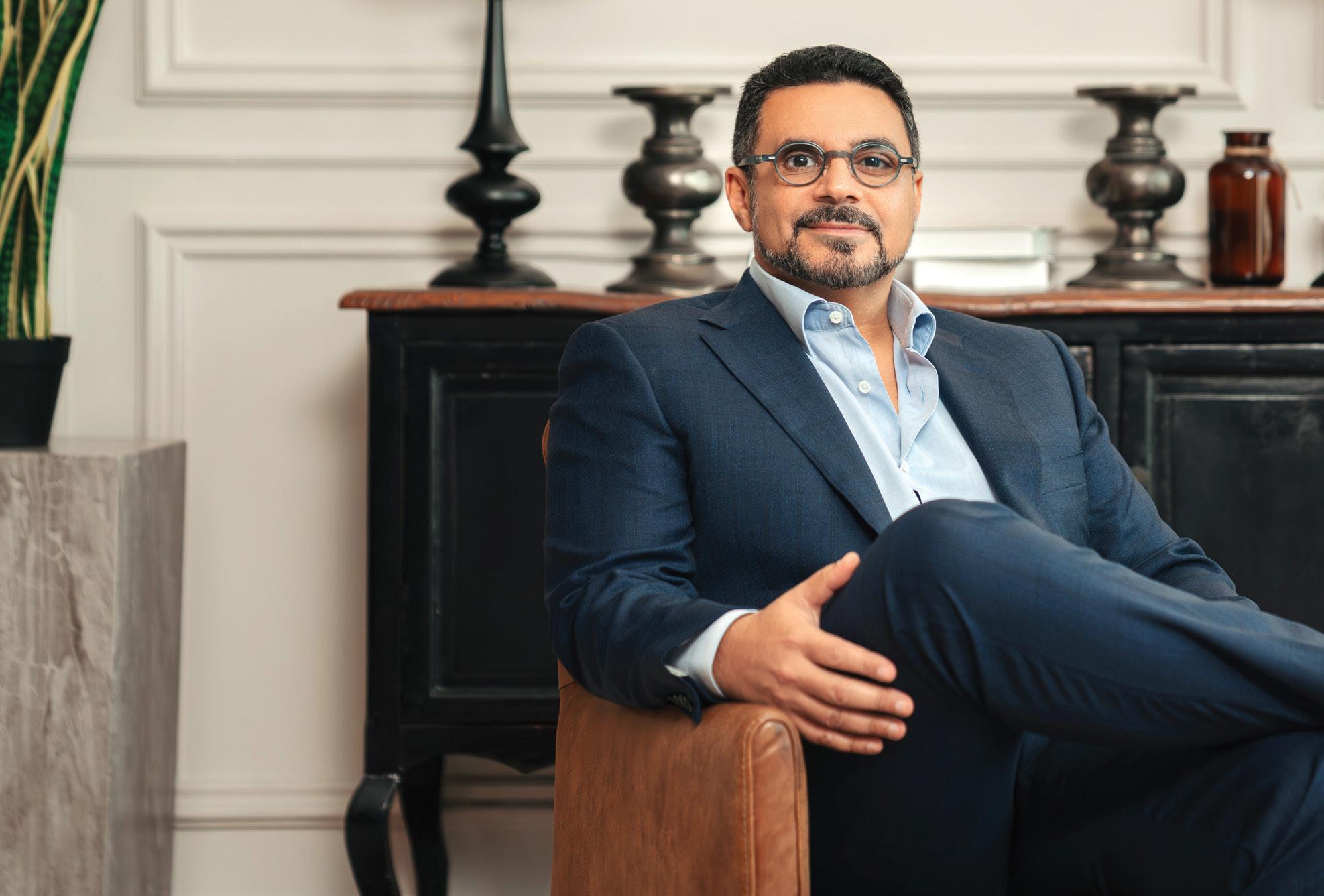
For more than two decades, Hisham Farouk has been at the forefront of advising businesses through some of the UAE’s most significant periods of economic growth, regulatory reform and corporate transformation, establishing himself as one of the region’s most respected business leaders and advisers.
As CEO of Grant Thornton UAE, Farouk has led the firm through a period of sustained expansion and strategic evolution, transforming it into a future-focused business anchored in trust, relevance and deep sector expertise. He has built a reputation as a leader who sees beyond cycles, driving continuous innovation while positioning the firm ahead of change and preparing it for what comes next.
Grant Thornton UAE’s recent achievements reflect this momentum. Under Farouk’s leadership, the firm was awarded the Go Beyond award for Best Firm in the Grant Thornton International Network, recognising
the firm for its outstanding trajectory of growth. In 2025, the firm joined a multinational, multidisciplinary platform led by Grant Thornton Advisors, bringing together more than 24,000 professionals across the Americas, Europe, APAC and the Middle East.
Farouk is a registered auditor with the UAE Ministry of Economy and a licensed insolvency practitioner with both the Dubai International Financial Centre (DIFC) and Abu Dhabi Global Market (ADGM). He has advised some of the region’s leading organisations across all major sectors. His expertise spans governance, restructuring, succession planning, dispute resolution and long-term value creation.
He has also earned recognition for his work with family businesses, helping them professionalise their operations, strengthen governance structures and prepare for future growth. His influence in this space led to him being described by The National as “the right-hand man for Dubai families”.
Beyond his corporate responsibilities, Farouk is an active contributor to the UAE’s entrepreneurship and leadership ecosystem, actively shaping the next generation of business leaders and contributing to the region’s evolving enterprise landscape.
He supports organisations such as Endeavor and the 30 per cent Club GCC Chapter while dedicating time to mentoring founders and emerging leaders and championing purpose-driven initiatives that uplift communities including Al Noor Training Centre for People of Determination and the Maria Cristina Foundation.
With executive education credentials from Harvard Business School, the University of Oxford, Chicago Booth University and INSEAD, Farouk continues to help organisations across the Middle East build resilience, embrace transformation and lead with confidence in an evolving economic landscape.
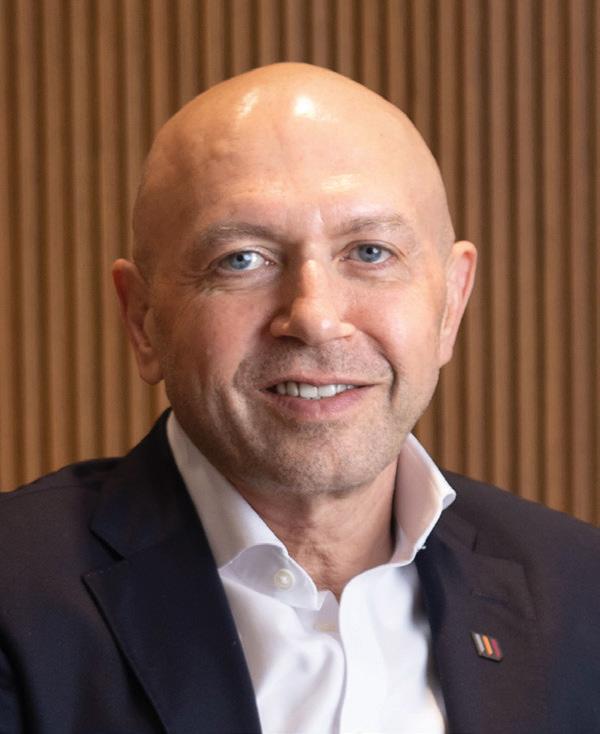
Hussam Baghdadi leads operations at AWR Automotive (Nissan, INFINITI, Renault and JMMC), part of the AW Rostamani Group (AWR Group), a multi-sector family business group in the Middle East.
With over 30 years of experience in the UAE automotive sector, Baghdadi is
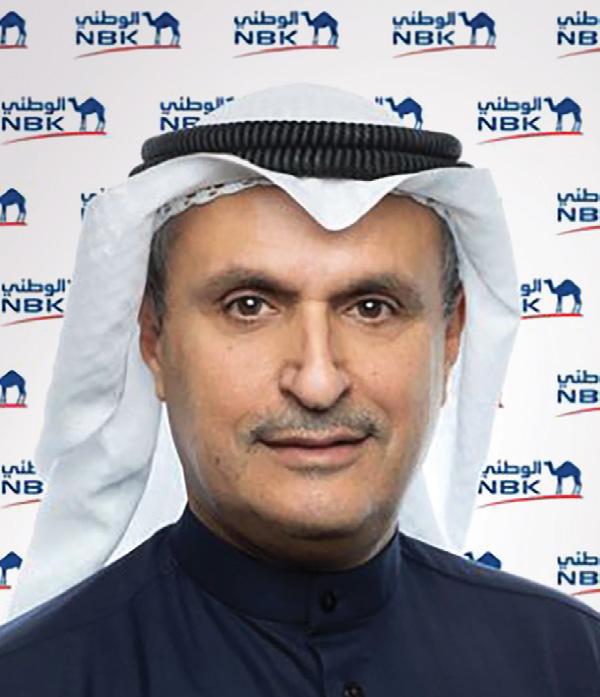
Adistinguished Kuwaiti banking executive and a veteran leader of the National Bank of Kuwait (NBK), where he has built an exceptional career spanning more than four decades since joining the institution in 1978. Serving as vice chairman and group CEO, AlSager has played a central role in guiding NBK’s growth,
responsible for driving the operational performance, strategic execution, and commercial growth of AWR Automotive’s multi-brand portfolio across the UAE. Leading integrated teams across sales, aftersales, marketing, customer experience, and network management, Hussam has played a pivotal role in strengthening operational excellence, enhancing customer-centric initiatives, and delivering sustainable business growth in a highly competitive automotive landscape. His leadership approach combines deep industry expertise, disciplined execution, and a strong focus on innovation, efficiency, and long-term value creation.
Throughout his tenure, Baghdadi has contributed to key business transformation initiatives, including growth programs, digital transformation efforts, expansion into new market
segments, and improvements in operational capabilities. Under his leadership, AWR Automotive has continued to achieve significant recognition through prestigious regional and international accolades, including the Mohammed Bin Rashid Al Maktoum Business Award, Dubai Quality Awards, Dubai Service Excellence Awards, and multiple global awards from Nissan, INFINITI, and Renault.
In 2026, Baghdadi continues to lead AWR Automotive’s growth agenda, focusing on operational excellence, customer experience transformation, and strengthening the company’s position across its automotive brands. He is also a graduate of the Stanford Graduate School of Business LEAD Executive Program, further enhancing his strategic leadership and innovation capabilities.
VICE CHAIRMAN AND GROUP CEO | NATIONAL BANK OF KUWAIT (NBK)
strengthening its market leadership, and advancing its position as one of the region’s most prominent financial institutions. Under AlSager’s leadership, NBK has continued to reinforce its position as Kuwait’s leading banking group, maintaining a dominant market position with more than 30 per cent of Kuwait’s banking assets and expanding its regional presence across 13 countries. The bank has achieved sustained balance sheet growth, with total assets increasing from KD37.67bn in 2023 to KD45.61bn in 2025 and KD46.10bn in the first quarter of 2026. During the same period, loans, advances, and Islamic financing reached KD27.29bn by Q1 2026. In 2026, NBK continued to demonstrate strong financial performance under AlSager’s leadership, recording KD331m in net operating income and KD135m in shareholder-attributable
net profit in the first quarter. The bank maintained strong asset quality, high liquidity, robust capital ratios, and leading international credit ratings from major agencies, including Moody’s, S&P Global, and Fitch Ratings.
Throughout his tenure, AlSager has overseen NBK’s continued evolution as a trusted financial institution, recognised for its resilience, innovation, brand strength, and contribution to Kuwait’s economic development.
UNDER
NBK HAS CONTINUED TO REINFORCE ITS POSITION AS KUWAIT’S LEADING BANKING GROUP
THROUGH STRATEGIC THINKING, INNOVATION, AND RELENTLESS EXECUTION, IMRAN FAROOQ HAS CREATED A GLOBAL-FACING REAL ESTATE POWERHOUSE REDEFINING INVESTMENT-DRIVEN LIFESTYLE DEVELOPMENT IN DUBAI AND BEYOND
Imran Farooq is a distinguished entrepreneur, business leader, and one of the most influential figures in Dubai’s real estate sector. With nearly three decades of entrepreneurial experience, he has built an exceptional track record of identifying emerging opportunities, scaling enterprises, and transforming ambitious concepts into highly successful businesses. Recognised for his strategic vision, innovative mindset, and disciplined approach to execution, Farooq has consistently demonstrated an ability to create organisations that deliver sustainable growth and long-term value.
In 2003, building on his early entrepreneurial successes, Farooq founded the SAMANA Group of Companies, establishing a diversified business platform designed to capitalise on opportunities across multiple industries. Under his leadership, the group expanded its operations through ventures in immigration consultancy, business services, corporate support solutions, and second citizenship programs, creating a strong foundation for sustained regional and international growth. Today, the SAMANA Group stands as a significant business enterprise with a workforce of more than 1,300 employees and annual revenues reaching approximately $1.9bn in 2025. Farooq’s most notable achievement has been the remarkable rise of SAMANA Developers, which has emerged as one of the UAE’s leading real
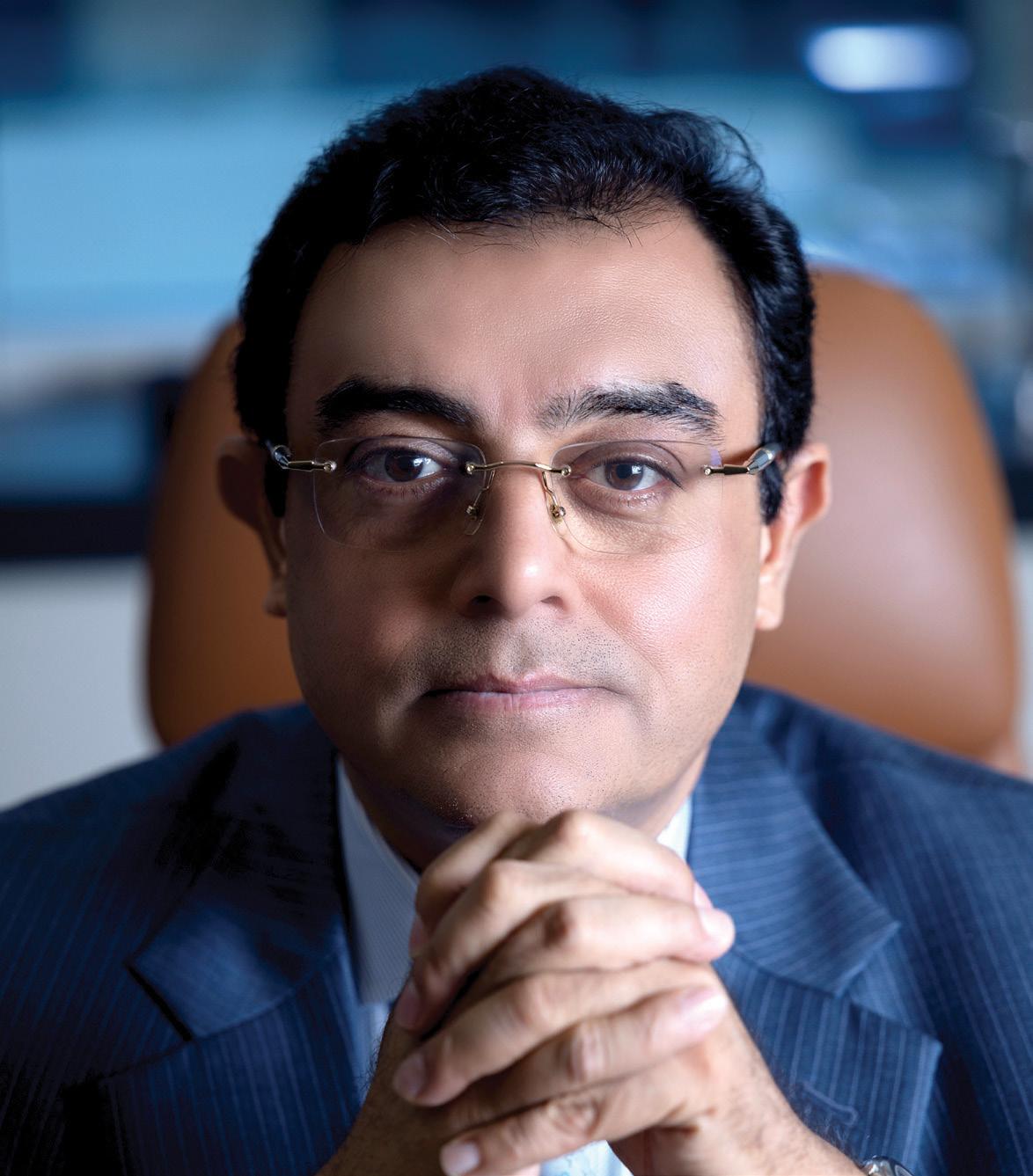
estate development companies. Following the launch of its inaugural project in Arjan, Dubai, the company experienced rapid growth driven by differentiated products, strong market demand, and a relentless focus on quality and execution.
In 2025, the company recorded its highest-ever monthly sales of $300m, achieved 40 per cent year-on-year sales growth, generated $1.9bn in gross sales, and launched 16 new projects across Dubai. With international investors accounting for 86 per cent of transactions, the brand continues to attract growing global interest.
Beyond the UAE, Farooq has successfully led SAMANA’s expansion into key regional and international markets, including Ajman, Egypt, the Maldives, and the World Islands. Landmark developments such as SAMANA Ocean Views Interiors by Elie Saab exemplify his vision of transforming SAMANA into a globally recognised real estate brand. Through visionary leadership and an unwavering commitment to excellence, Imran Farooq continues to shape the future of the SAMANA Group while contributing significantly to the evolution and global appeal of Dubai’s real estate landscape.
Pic: Supplied WITH INTERNATIONAL INVESTORS ACCOUNTING FOR 86 PER CENT OF TRANSACTIONS, THE BRAND CONTINUES TO ATTRACT GROWING GLOBAL INTEREST
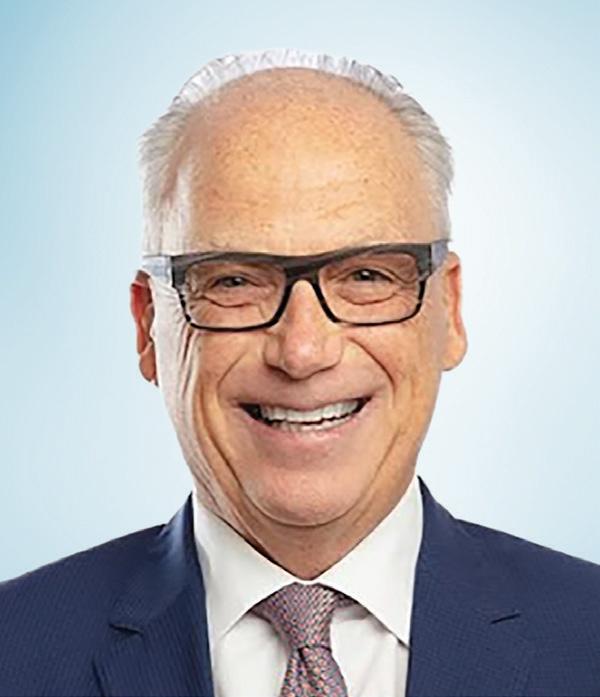
Jerry Inzerillo is group CEO of Diriyah Company, responsible for the development and delivery of Diriyah, a major heritage, cultural, and tourism project in Riyadh. He was appointed in 2018 to oversee the comprehensive transformation of Diriyah, the historic birthplace of the Saudi state, into a world-class cultural,
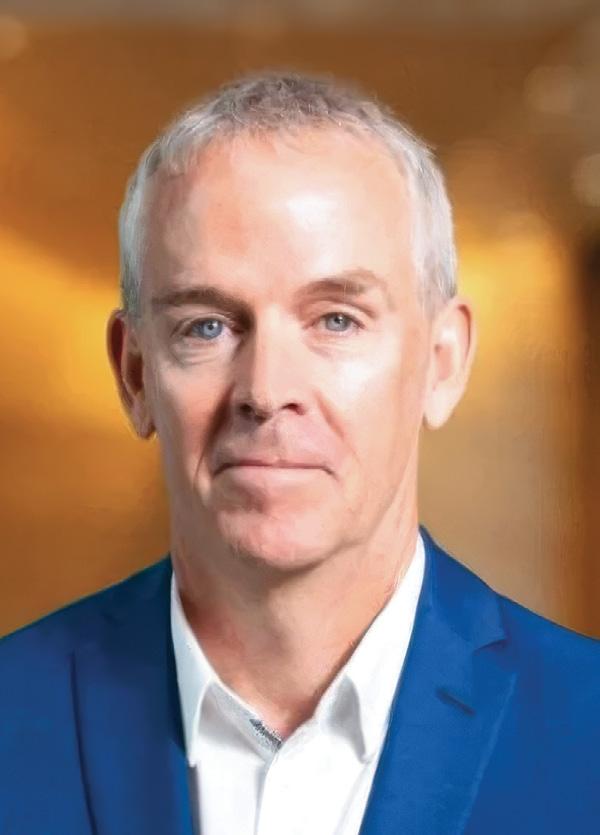
As the CEO of one of the world’s leading brand franchise operators, responsible for driving the group’s overall performance, strategic growth and continued expansion across MENA, Türkiye and Europe.
GROUP CEO | DIRIYAH COMPANY
residential, and tourism destination aligned with Saudi Arabia’s Vision 2030 programme objectives.
The Diriyah development spans approximately 14 square kilometres and represents one of the largest heritage restoration and urban development projects globally. It includes extensive restoration of the UNESCO-listed At-Turaif district, the historic settlement featuring traditional mud-brick architecture and cultural significance, alongside new hospitality, retail, cultural, and residential components designed to complement historical elements. The project is being delivered in multiple phases over an extended period to ensure quality and sustainable development. Prior to this role, Inzerillo held senior positions across the global hospitality sector, including at Kerzner International, where he was involved
in the development and operational oversight of luxury resort brands such as Atlantis and One&Only. His expertise spans resort management, hospitality operations, destination development, and premium guest experience strategies. He has held advisory roles in international tourism organisations and was appointed a UN Tourism Ambassador in 2024, reflecting recognition of his contributions to sustainable tourism development and cultural heritage preservation. His background combines practical hospitality operations expertise with strategic destination development experience.
Inzerillo’s leadership at Diriyah focuses creating a destination that serves both cultural and economic objectives while maintaining historical authenticity and community integration throughout project phases.
Under Hadden’s leadership, Alshaya Group has continued to strengthen its position as a global franchise leader, managing a diverse portfolio of internationally recognised brands across retail, hospitality, food and beverage, and digital commerce. The group partners with leading global names including Starbucks, H&M, Victoria’s Secret, American Eagle Outfitters, Foot Locker, Shake Shack, Chipotle Mexican Grill, Charlotte Tilbury and Bath & Body Works.
During 2025, Hadden led Alshaya Group through a period of strong performance, customer growth and portfolio expansion, including the launch of major new franchise partnerships such as Primark, Ulta Beauty and Chipotle Mexican Grill.
In 2026, Hadden has continued to accelerate Alshaya Group’s strategic
growth agenda. On April 9, Alshaya expanded its Primark presence in partnership with Majid Al Futtaim through the opening of Primark at City Centre Mirdif, followed by the opening of the third Dubai location at Mall of the Emirates, featuring more than 36,000 square feet of retail space and creating over 400 employment opportunities. On June 16, Alshaya announced a strategic partnership with Deliveroo Middle East, bringing more than 10 Alshaya brands across beauty, home and kids categories to customers in the UAE and Kuwait.
In May, Hadden also led the strategic collaboration between Alshaya’s Aura loyalty programme and Hilton’s Hilton Honors programme, enhancing customer engagement through integrated rewards and travel benefits across key GCC markets.
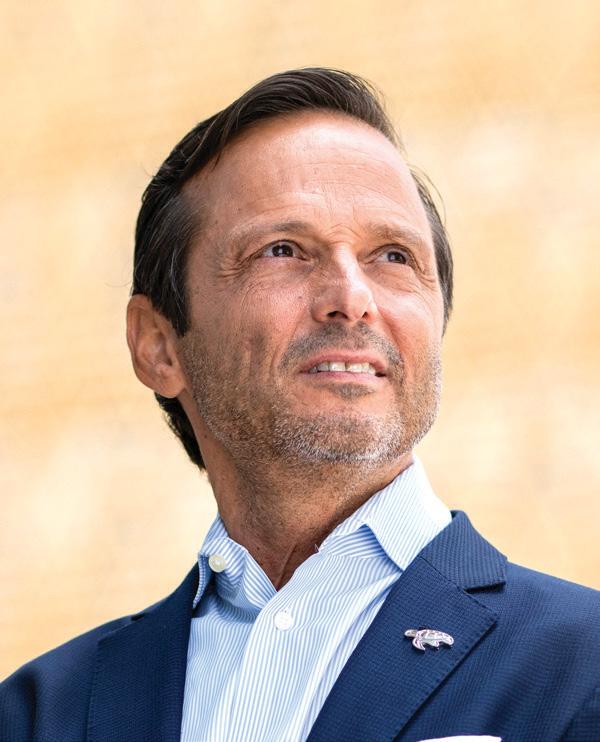
John Pagano is the group CEO of Red Sea Global, the developer behind two of Saudi Arabia’s flagship tourism projects, The Red Sea Project and AMAALA.
He has led the organisation since its formation in 2018, when the development of The Red Sea Project
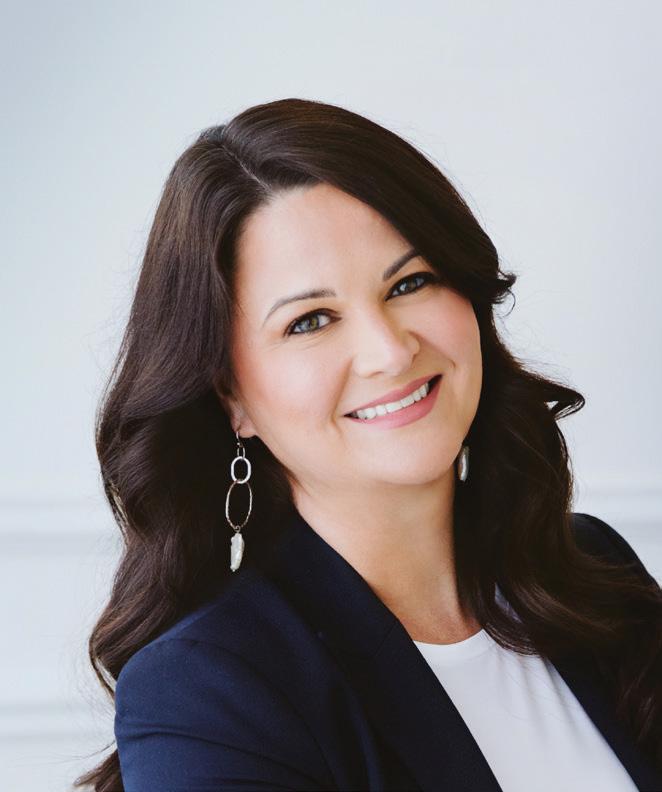
Katy Keenan is the CEO of the award-winning BCCD, where she led the organisation’s 2024 transition from the long-established British Business Group Dubai and Northern Emirates into a British chamber with a strengthened mandate and elevated credibility to support the
GROUP CEO | RED SEA GLOBAL
was launched under Saudi Arabia’s Public Investment Fund as part of the country’s broader Vision 2030 economic diversification strategy. Under his leadership, Red Sea Global has evolved into a master developer focused on largescale, regenerative tourism destinations designed to balance economic growth with environmental preservation.
The Red Sea Project is centred on regenerative tourism principles, prioritising environmental conservation and low-density development across a collection of islands, coastal zones, and inland sites. Its master plan integrates strict ecological protection standards, with development designed to limit environmental impact while restoring natural habitats where possible. Early resort openings have already begun in phases, marking the transition from planning to operational delivery.
AMAALA is positioned as a high-end wellness and ultra-luxury destination, designed to attract global high-net-worth travellers seeking immersive hospitality, wellness, and cultural experiences.
Pagano brings more than three decades of international real estate and infrastructure experience across the UK, Caribbean, and Middle East. His career has been defined by operating at the intersection of large-scale development, finance, and long-term asset stewardship, across projects that require coordination between public frameworks, private capital, and complex delivery environments.
He holds a bachelor’s degree in mechanical engineering from the University of Toronto, a technical foundation that has supported his career in complex infrastructureled development.
UK-UAE business community. A recognised advocate in UK-UAE bilateral trade corridor activity, Keenan works across government entities, multinationals and SMEs on both sides to help businesses connect, grow and succeed. Under her leadership, BCCD has deepened its position as the go-to ecosystem for business advocacy and market insights for their members and partners including high-value networking for British business in the UAE. The chamber has achieved 25 per cent year-on-year growth for five consecutive years and doubled its team in the journey. She has also established strong action points on reinvesting in experience optimisation technology to better serve the chamber’s growing community of over 1,000 members. Keenan herself has become known for bringing an authentic and open approach to the
commercial conversations that shape business confidence in the region. She also contributes through advisory roles including the University of Birmingham Business School Advisory Council and the British Embassy UAE Growth Partnership Board.
Keenan is also an active spokesperson in helping skilled but time restricted women back into the workplace with the Return to Work Programme run by the Women’s Pavilion at Expo. Keenan is a committed role model for empathy and vulnerability in leadership. She has spoken to students about soft-power leadership, financial literacy and ambition whilst championing mentorship and community impact across the chamber network. In a business landscape that often rewards impact over depth, she leads with both.
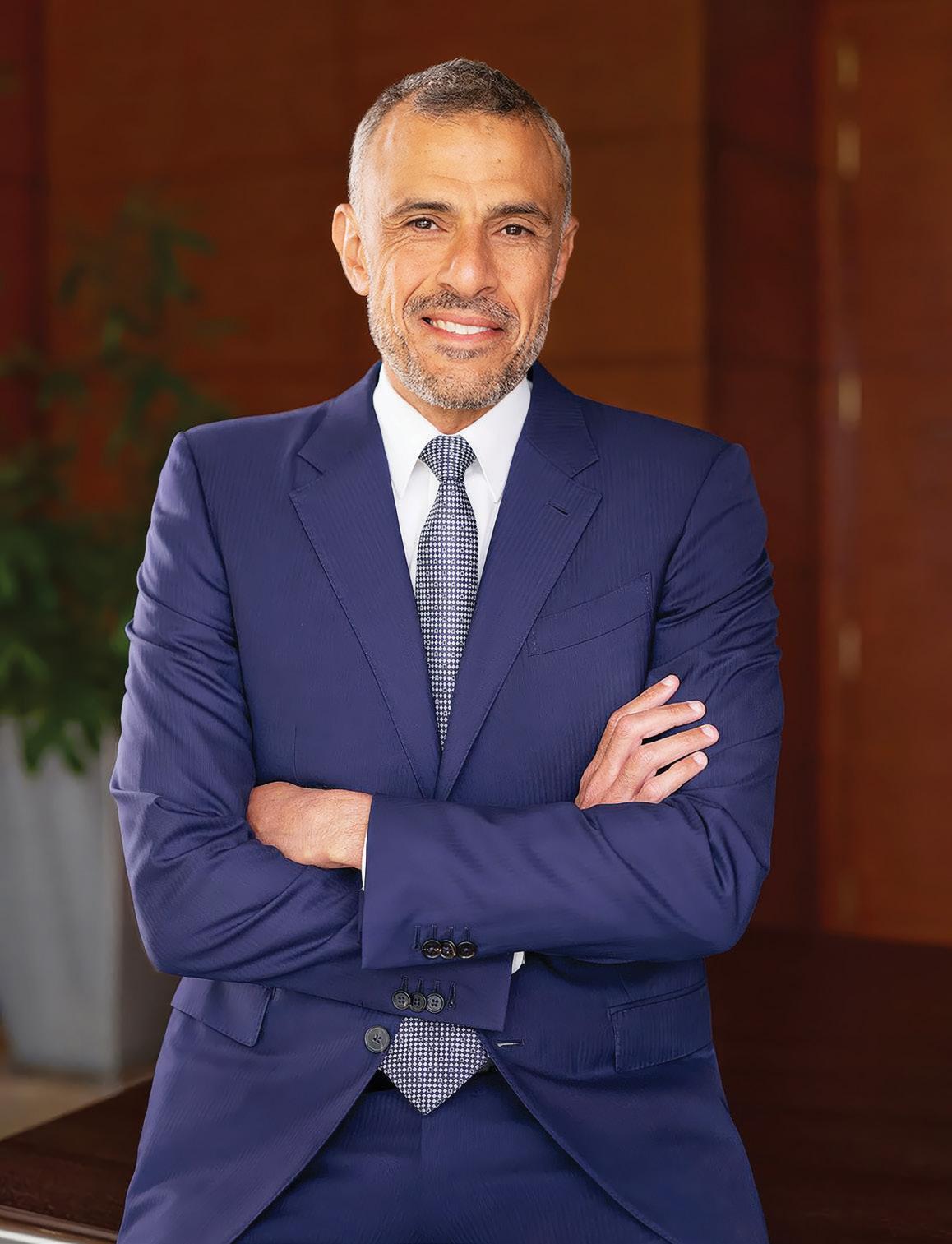
GROUP CEO AND CHAIRMAN | EXECUTIVE COMMITTEE, EFG HOLDING
WITH MORE THAN TWO DECADES AT EFG HOLDING, KARIM AWAD HAS PLAYED A PIVOTAL ROLE IN SHAPING THE GROUP’S GROWTH STRATEGY AND REGIONAL EXPANSION
Karim Awad has been one of the key architects behind the transformation of EFG Holding into one of the Middle East and North Africa’s most diversified financial services groups. As group CEO, chairman of the Executive Committee, and a member of the Board of Directors, Awad oversees a business that today spans investment banking, commercial banking, asset management, non-bank financial services, and fintech, serving clients across multiple markets.
With more than 25 years of experience in financial services, Awad began his career at EFG Hermes in 1998 as part of the Investment Banking Department. He steadily rose through the ranks, becoming head of Investment Banking in 2007, where he led a number of landmark transactions across Egypt and the
wider region. His leadership capabilities saw him appointed CEO of EFG Hermes in 2012 before assuming the role of group CEO of EFG Holding in 2013. Since taking the helm, Awad has led a comprehensive restructuring programme that reshaped the organisation’s strategic direction. The transformation included streamlining operations, improving efficiency, and divesting non-core assets, including the sale of a majority stake in Lebanon’s Credit Libanais. Under his leadership, EFG Holding sharpened its focus on the MENA region and evolved into a fully integrated financial solutions platform.
A central pillar of Awad’s strategy has been diversification. Over the past decade, EFG Hermes strengthened its position in investment banking, brokerage, and research across key markets including Egypt, the UAE, Saudi Arabia, and Kuwait. The firm also revamped its asset management operations through the consolidation of its regional public asset management business with UAE-based Frontier Investment Management, while expanding its private equity activities into high-growth sectors such as renewable energy and education. Beyond investment banking, Awad championed the creation of EFG Finance, a non-bank financial institution platform covering leasing, factoring, microfinance, fintech, mortgage finance, SME lending, and insurance solutions. In 2021, EFG Holding completed the acquisition of Bank NXT, marking a significant milestone in its evolution into a universal banking platform.
Today, EFG Holding continues to deliver strong financial performance while maintaining a focus on sustainability, corporate responsibility, and ESG principles. Awad holds a bachelor of business administration degree from the The American University in Cairo.
EFG HOLDING SHARPENED ITS FOCUS ON THE MENA REGION AND EVOLVED INTO A FULLY INTEGRATED FINANCIAL SOLUTIONS PLATFORM
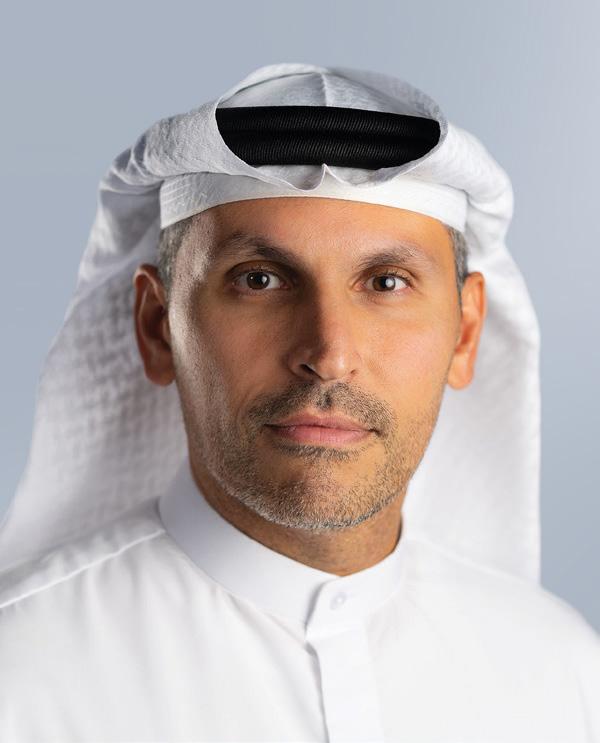
Khaldoon Khalifa Al Mubarak continues to play a pivotal role in shaping Abu Dhabi’s economic future through his leadership of Mubadala Investment Company, one of the world’s leading sovereign investment firms. Under his stewardship, Mubadala delivered its strongest performance
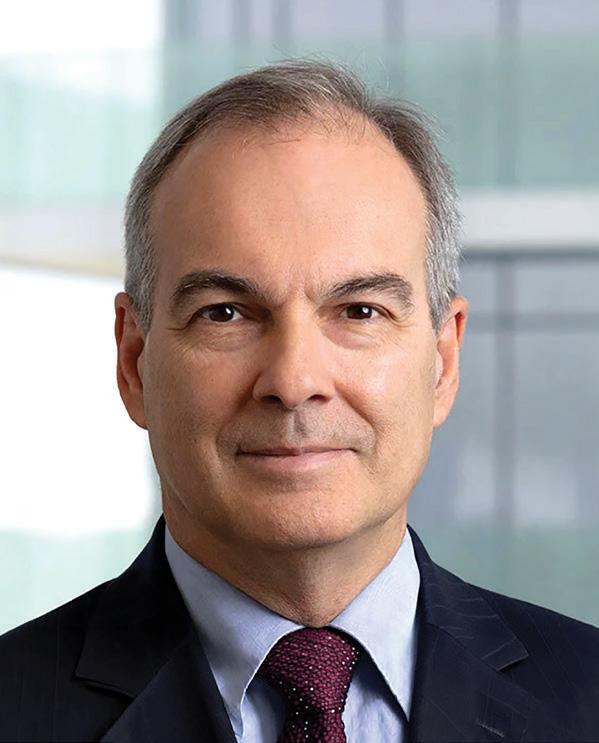
Adistinguished energy industry executive with 38 years of global leadership experience and a proven record of driving transformation, operational excellence, and value creation across the international oil and gas sector. As group CEO of Bapco Energies, Thomas leads
MANAGING DIRECTOR AND GROUP CEO | MUBADALA INVESTMENT COMPANY • CHAIRMAN | MANCHESTER CITY FC
to date in 2025, with assets under management rising 17 per cent to $385bn (Dhs1.4tn), reflecting the strength of its diversified global portfolio and longterm investment strategy.
The fund deployed a record $39bn in capital during the year while generating $38bn in proceeds, a 27 per cent increase year-on-year. Mubadala also recorded five- and 10-year annualised returns exceeding 10 per cent, cementing its position among the world’s topperforming sovereign investors. Key investments during the year included high-growth companies such as Whoop, Property Finder and Waymo, reinforcing the fund’s focus on technology, innovation and future industries.
The US remains Mubadala’s largest investment market, particularly in the technology sector, and the
organisation continues to pursue opportunities aligned with global digital transformation and artificial intelligence. In a notable move reflecting this focus, Al Mubarak announced in 2025 that Mubadala’s investment committee would incorporate an AI-enabled advisory system into its decision-making processes.
Beyond finance, Al Mubarak remains one of the UAE’s most influential business leaders. In 2025, he was awarded the prestigious Abu Dhabi Award by UAE President Mohamed bin Zayed Al Nahyan in recognition of his contribution to Abu Dhabi’s development.
He also serves as chairman of Manchester City FC, overseeing one of the world’s most successful football organisations.
the entity responsible for managing the government of Bahrain’s strategic investments in the energy sector, overseeing a diversified portfolio of companies spanning the full oil and gas value chain, including exploration, midstream infrastructure, refining, and petrochemicals.
Since assuming leadership of Bapco Energies, formerly known as the Oil and Gas Holding Company (nogaholding), Thomas has been instrumental in advancing the organisation’s strategy, strengthening integration across its subsidiaries, and enhancing financial and operational performance. Reporting to the board of directors and chairman Nasser bin Hamad Al Khalifa, he is responsible for delivering the group’s strategic vision and ensuring sustainable growth across Bahrain’s energy portfolio.
Throughout his career, Thomas has operated across nine countries and conducted business in more than 20 markets, bringing extensive expertise in strategic transactions, commercial optimisation, governance, and operational leadership. In addition to his role at Bapco Energies, he serves as chairman of the Board of Bahrain National Gas Company, deputy chairman of Bahrain Petroleum Company, and board member of Tatweer Petroleum.
Mark holds an MBA from European University and a bachelor of Science in chemical engineering from the University of New Brunswick. His leadership continues to support Bapco Energies’ evolution as a key driver of Bahrain’s energy sector growth, investment strategy, and long-term economic development.
SINCE TAKING THE HELM OF SHEIKH SHAKHBOUT MEDICAL CITY, PART OF PUREHEALTH GROUP, DR AL KAABI HAS ACCELERATED INNOVATION, EXPANDED SPECIALISED CARE CAPABILITIES, AND INTRODUCED GAME-CHANGING TECHNOLOGIES THAT ARE REDEFINING PATIENT CARE
The CEO of one of the UAE’s largest hospitals for serious and complex care and a subsidiary of PureHealth, the largest healthcare group in the Middle East, is a highly accomplished healthcare executive and medical doctor. Dr Al Kaabi brings more than 20 years of experience in clinical practice, healthcare operations, crisis management, and organisational leadership. He is widely recognised for driving operational excellence, enhancing patient care outcomes, and strengthening enterprise risk management across complex healthcare environments.
Prior to joining SSMC, Dr Al Kaabi served as chief of Critical Infrastructure Management and Response at PureHealth, where he played a pivotal role in safeguarding critical infrastructure and essential healthcare functions. In this capacity, he led the development and implementation of incident and crisis management frameworks, while establishing robust security protocols and health and safety standards that enhanced organisational resilience and preparedness.
Under Dr Al Kaabi’s leadership, SSMC has further strengthened its position as a leading centre for complex and critical care, advancing Abu Dhabi’s ambitions to become a global hub for medical excellence. As the largest complex and critical-care facility within PureHealth Group, SSMC has expanded its role in
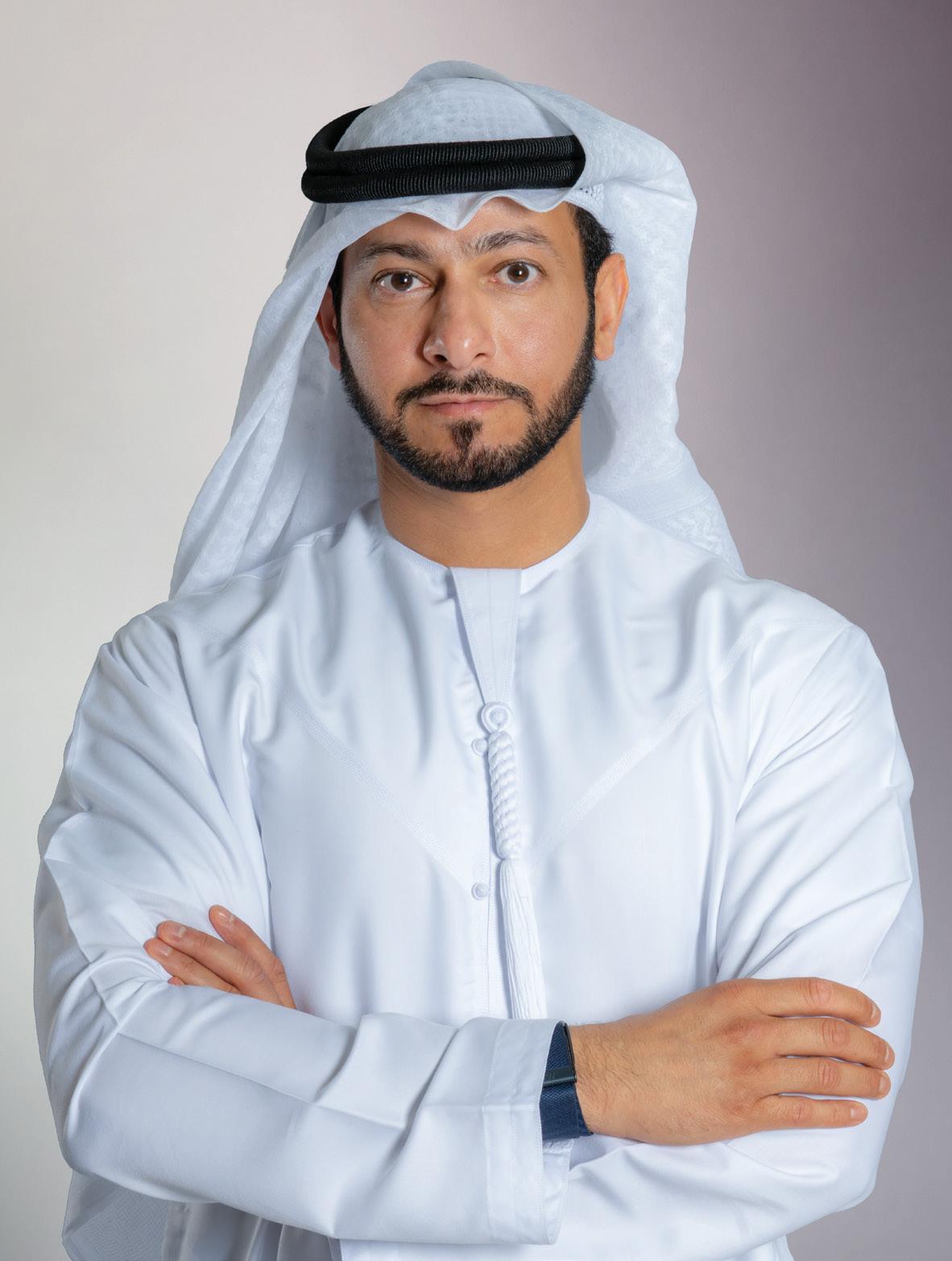
delivering highly specialised services, including burn care, comprehensive stroke care and robotic surgery, while advancing research and education. The hospital has also accelerated digital transformation and the adoption of artificial intelligence to improve clinical efficiency and patient outcomes.
Among the most significant achievements during his tenure was SSMC’s landmark recognition in 2024, when the hospital received the prestigious Joint Commission International (JCI) Academic Medical Centre Accreditation Gold Seal of Approval.
This historic accomplishment established SSMC as the first academic medical centre in the UAE and the first hospital in Abu Dhabi to achieve this distinction, reflecting excellence in medical education, clinical research, quality improvement, patient safety, and healthcare performance. In 2025, SSMC achieved further international recognition at the International Hospital Federation (IHF) Awards.
The hospital received the Legacy Achievement Recognition of the Dr Kwang Tae Kim Grand Hospital Award, the IHF’s highest honour, in recognition of outstanding performance across quality, patient experience, clinical outcomes, cost efficiency, and workforce wellbeing. SSMC was also awarded an honourable mention in the Dr Prathap C Reddy Excellence Award for Clinical Quality and Patient Safety, underscoring its commitment to innovation, patient safety, and continuous improvement.
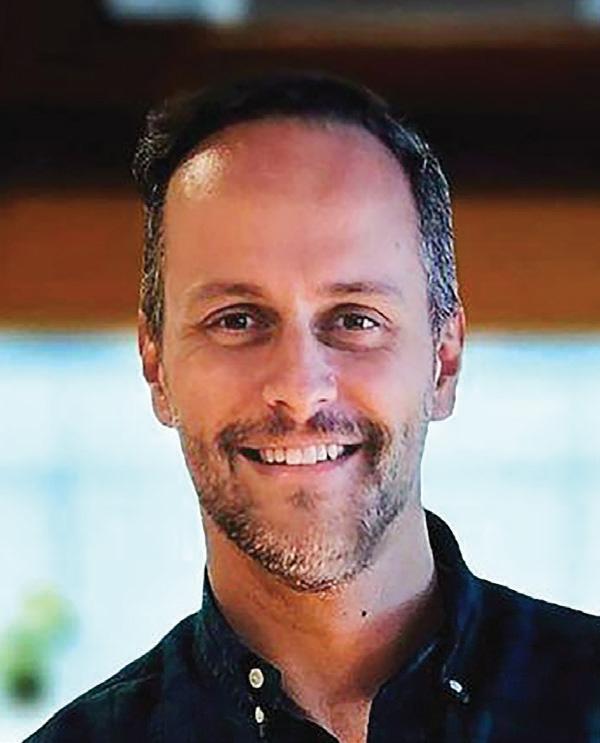
The British business leader and international events strategist is recognised for his transformative influence on the Middle East’s events landscape. Champion has played a pivotal role in positioning Saudi Arabia as a global hub for trade, investment, innovation,
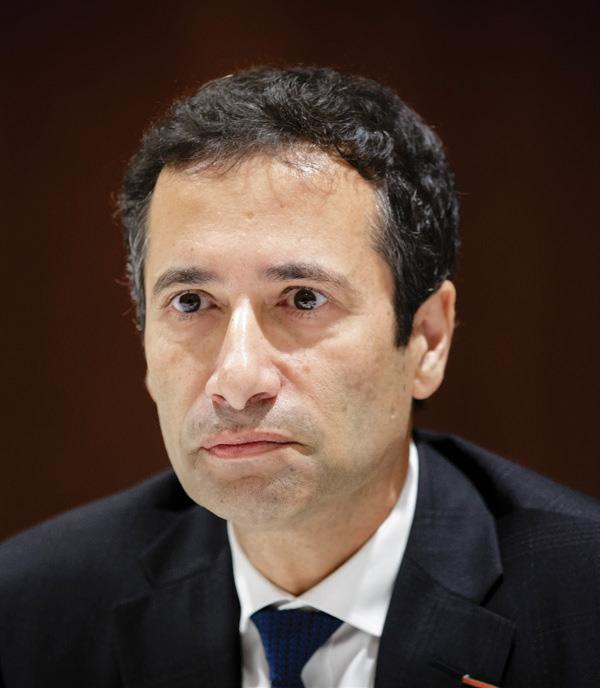
Mohamed Benchaaboun is chairman of the management board of Maroc Telecom, Morocco’s leading telecoms operator. Reuters reported that Maroc Telecom’s supervisory board appointed the former finance minister to the role in February 2025, replacing Abdeslam Ahizoune, who had led the company
CEO | TAHALUF
and international business engagement through world-scale platforms.
Since co-founding Tahaluf in 2022, Champion has led the organisation through a period of exceptional expansion and global recognition. Under his leadership, Tahaluf achieved more than 100 per cent year-on-year revenue growth, reaching SAR1bn in 2025, while establishing the company among the world’s top 20 events organisers. From an initial team of fewer than five employees in 2022, Tahaluf has grown into a global organisation of more than 300 professionals, delivering internationally recognised events and digital platforms.
Champion has overseen the creation and growth of landmark business events, including LEAP Tech Conference, independently ranked as the world’s leading technology event
brand; Cityscape Global, recognised as the world’s largest real estate exhibition; Black Hat MEA, the world’s most attended cybersecurity event; Money20/20 MEA, launched as the largest fintech debut event of its kind; and CPHI Middle East, the largest pharmaceutical launch event in history.
In 2026, Tahaluf continues to build on this momentum under Champion’s leadership, with its platforms attracting nearly one million attendees annually, including more than 100,000 international business visitors. These events continue to strengthen economic diplomacy, accelerate foreign investment opportunities, and contribute significantly to the kingdom’s global positioning. Tahaluf’s platforms generate an estimated SAR11bn annually in direct economic impact, with continued growth expected.
for 27 years. His appointment came at a sensitive time for the operator, following a major competition-related fine linked to rival Wana Corporate, known by the Inwi brand. Maroc Telecom’s scale, includes its listings in Casablanca and Paris, its ownership structure, with e& holding 53 per cent and the Moroccan state holding 22 per cent.
Benchaaboun’s early tenure has been marked by digital infrastructure and connectivity priorities. He has been ranked him among the Middle East’s top tech leaders for 2026, noting that
Maroc Telecom’s customer base grew 1.8 per cent year-on-year to more than 81 million by September 2025, while nine-month 2025 revenues reached $3bn. The company also launched 5G in Morocco in November 2025 after establishing joint ventures with Inwi, Uni Fiber and Uni Tower, backed by a $486.8m investment to accelerate rollout.
In April, Benchaaboun met European Commission official Henna Virkkunen at GITEX Africa for discussions on digital sovereignty, infrastructure security and Europe-Africa connectivity.
THE COMPANY ALSO LAUNCHED 5G IN MOROCCO IN NOVEMBER 2025 AFTER ESTABLISHING JOINT VENTURES WITH INWI, UNI FIBER AND UNI TOWER

CEO AND FOUNDER | LECTERA.COM, WOMEN’S EMPOWERMENT COUNCIL AND WE CONVENTION
BY COMBINING EDTECH INNOVATION, ENTREPRENEURSHIP AND SOCIAL IMPACT, THIS WOMAN LEADER HAS BUILT INTERNATIONALLY RECOGNISED PLATFORMS THAT EMPOWER INDIVIDUALS TO ADVANCE THEIR CAREERS, BUSINESSES AND LEADERSHIP AMBITIONS
Aglobally recognised entrepreneur, investor, edtech innovator and advocate for women’s empowerment, Semeshkina has built a distinguished career at the intersection of education, leadership development and social impact.
Under her leadership, Lectera has evolved into a globally recognised digital learning ecosystem serving more than seven million users worldwide. The platform has built a comprehensive multilingual portfolio of educational programmes spanning business, sales, digital marketing, leadership, financial literacy, career development and soft skills. Through its practical,
results-oriented approach, Lectera has successfully addressed one of the defining challenges of the modern economy: enabling professionals to rapidly reskill, remain competitive and adapt to accelerating market change. This has positioned the company as a significant contributor to workforce development and human capital advancement across international markets, particularly within the GCC, where innovation, entrepreneurship and talent development remain strategic priorities. Beyond her achievements as an entrepreneur, Semeshkina has established herself as a respected international advocate for lifelong learning, future skills and women’s economic empowerment. She has successfully developed and scaled educational products across global markets while building a strong personal brand as an investor, business leader and bestselling author. Her published works, including Learn or Leave the Market, Your Million Dollar Career and Act, Sister!, provide practical frameworks for career growth, resilience, leadership and professional success. Among her most impactful initiatives is the Women’s Empowerment Council and the WE Convention, a global community connecting more than 50,000 women leaders, entrepreneurs, experts and decision-makers. Under Semeshkina’s direction, the platform has become an influential vehicle for mentorship, networking, business development and leadership advancement, creating tangible opportunities for women worldwide. In 2026, Semeshkina’s strategic focus is centred on expanding access to practical education through Lectera while further strengthening the global reach of the Women’s Empowerment Council. A key milestone is the upcoming WE Convention in Dubai on November 28–29, which is designed for women who need more than inspiration, offering practical tools and meaningful exchange on the decisions shaping leadership, business, technology, and the future of work across MENA and beyond. Through her continued leadership, Semeshkina is shaping a global ecosystem that combines education, entrepreneurship and social impact, empowering future leaders to thrive in an increasingly dynamic world.
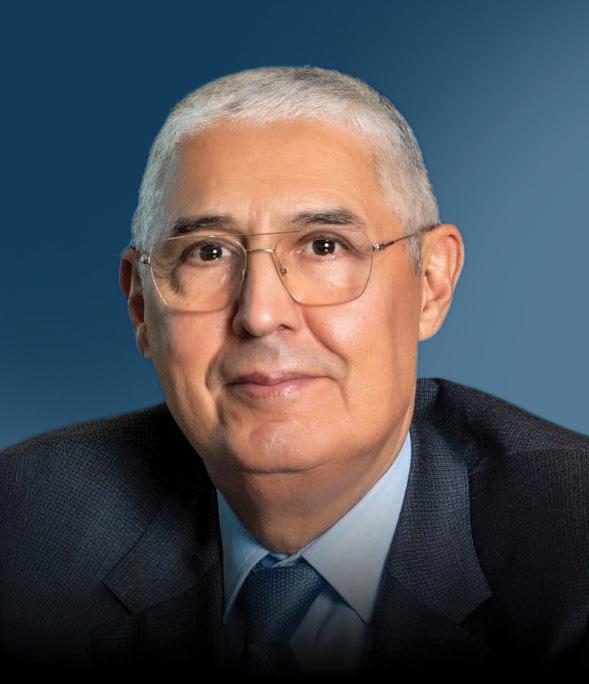
Mohamed El Kettani is chairman and CEO of Attijariwafa Bank, one of Morocco’s most influential financial institutions and a major banking group across Africa. The bank’s investor relations platform says he was appointed chairman and CEO in 2007, after joining Banque Commerciale du Maroc in 1984.
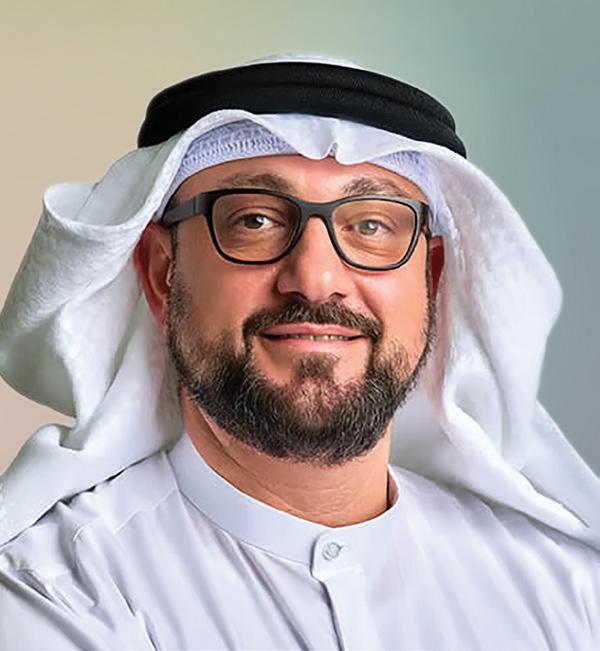
Mohamed Jameel Al Ramahi has been instrumental in positioning Masdar as one of the world’s leading clean energy businesses. As CEO, he oversees the UAE’s flagship renewable energy company at a time when global demand for sustainable energy solutions continues to accelerate. Under his leadership, Masdar has expanded
El Kettani’s career has tracked the expansion of Moroccan banking beyond domestic borders. He joined the group’s credit investment department, later became managing director in 1994 and co-CEO in charge of corporate and investment banking and private banking in 2003. He is a graduate of ENSTA ParisTech. Under his leadership, Attijariwafa Bank has grown into a panAfrican financial services platform, with activities spanning retail banking, corporate banking, insurance, asset management and capital markets. His long tenure gives him rare institutional depth in a sector where Moroccan banks have become key channels for trade and investment flows across North, West and Central Africa. Recent governance changes have also reinforced the bank’s succession and management structure. Financial Afrik reported in September
2025 that Attijariwafa Bank, under El Kettani’s leadership, promoted Rachid Kettani to deputy CEO in charge of the Retail Banking Division, reflecting efforts to strengthen management and support the group’s development strategy.
El Kettani has also received regional recognition, including being promoted to Commander of Côte d’Ivoire’s National Order in 2019, highlighting the bank’s wider African footprint.
EL KETTANI’S
CEO | MASDAR
rapidly to build a combined global project portfolio exceeding 51GW of clean energy capacity. The company has set ambitious targets for the decade ahead, aiming to grow its renewable energy portfolio to 100GW by 2030 while establishing itself as a leading producer of green hydrogen.
Al Ramahi joined Masdar in 2008 and has played a central role in its development over the past decade and a half. Before being appointed CEO in 2016, he served as both chief financial officer and chief operating Officer, helping guide the company through a period of significant growth and international expansion. With more than 30 years of experience in the energy sector, he brings expertise across strategic leadership, finance, risk management and operational excellence. In addition to leading Masdar, Al Ramahi holds
several prominent board and advisory positions. He serves as chairman of the Masdar Executive Committee, vice-chair of the Global Council on Sustainable Development Goals, and sits on the boards of a number of international energy and infrastructure organisations. He is also actively involved in global initiatives focused on sustainability, energy transition and international business cooperation.
His contributions have earned international recognition, including the Order of National Merit from French President Emmanuel Macron and the Order of Friendship from Uzbek President Shavkat Mirziyoyev. Widely regarded as one of the clean energy sector’s leading executives, Al Ramahi continues to play a key role in advancing the UAE’s renewable energy ambitions on the global stage.
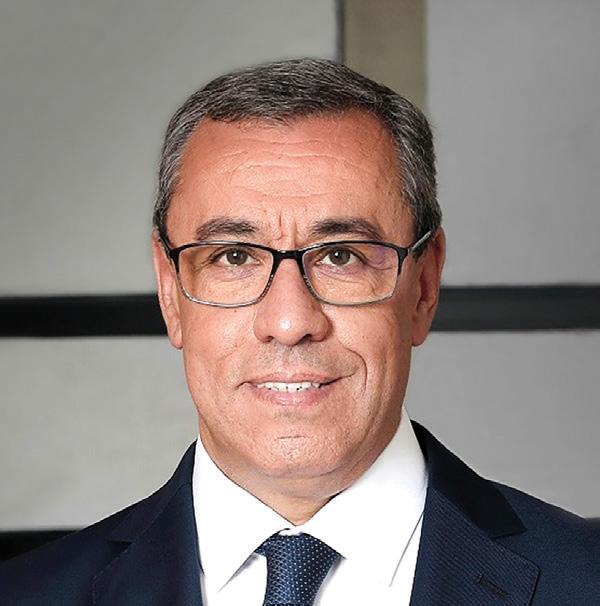
Mohamed Karim Mounir is chairman and CEO of Banque Centrale Populaire (BCP), one of Morocco’s largest banking groups. BCP announced his appointment as president director general in November 2018, following a board decision that confirmed his elevation to the top role.
Mounir is a long-serving BCP executive. He became CEO in 2018,
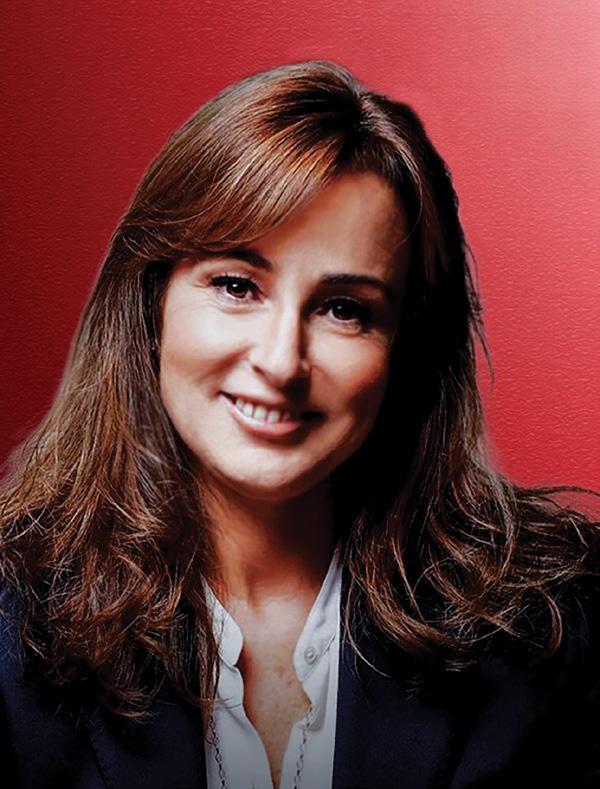
Noufissa Kessar is chairwoman and CEO of Al Mada, one of Morocco’s most influential investment holdings. Her appointment in January 2026 marked a major leadership transition, with Morocco World News reporting that Al Mada’s
after previously serving as general director of the company since 1997.
BCP is a major commercial banking group with cooperative banking roots and a wide presence across Morocco and Africa. The group has 10 cooperative banks in Morocco and operates in 24 countries through subsidiaries. Mounir’s mandate has centred on maintaining BCP’s domestic strength while supporting international growth, digital transformation and financial inclusion. His leadership also matters because Moroccan banking groups have become important regional platforms, expanding across francophone Africa and supporting trade, remittances and corporate finance. His background is deeply tied to the bank’s institutional evolution. MarketScreener lists him as chairman of Banque Centrale Populaire and CEO of Upline Group,
while also noting his board roles and educational background at École Mohammadia d’Ingénieurs and Conservatoire National des Arts et Métiers. Mounir’s profile is therefore less about a sudden rise and more about continuity, institutional knowledge and long-term execution at one of Morocco’s most systemically important financial institutions.
BCP IS A MAJOR COMMERCIAL BANKING GROUP WITH COOPERATIVE BANKING ROOTS AND A WIDE PRESENCE ACROSS MOROCCO AND AFRICA
CHAIRWOMAN AND CEO | AL MADA
board appointed her as chairwoman and CEO following the death of former CEO Hassan Ouriagli.
Kessar is a long-serving insider rather than an external appointment. She had served as the deputy CEO at Al Mada, where she played an active role in major strategic projects and in steering the group’s long-term development. Her appointment was presented as a continuity-driven move focused on consolidating existing transformations while pursuing innovation, sustainable growth and operational excellence.
Media reports revealed that Kessar joined SNI, which later became Al Mada, in June 2014 as an executive director. The report said she was involved in the group’s structural transformation toward a pan-African investment fund model focused on sustainable value creation. Al Mada’s influence is
AL MADA’S INFLUENCE IS SIGNIFICANT BECAUSE OF ITS EXPOSURE TO STRATEGIC SECTORS
significant because of its exposure to strategic sectors including banking, telecommunications, renewable energy, mining and food. The group holds stakes in some of Morocco’s largest private companies and has expanded investment activities across several African markets.
Kessar’s appointment is therefore notable not only as a leadership change, but also as a signal of continuity at one of Africa’s most powerful investment platforms.
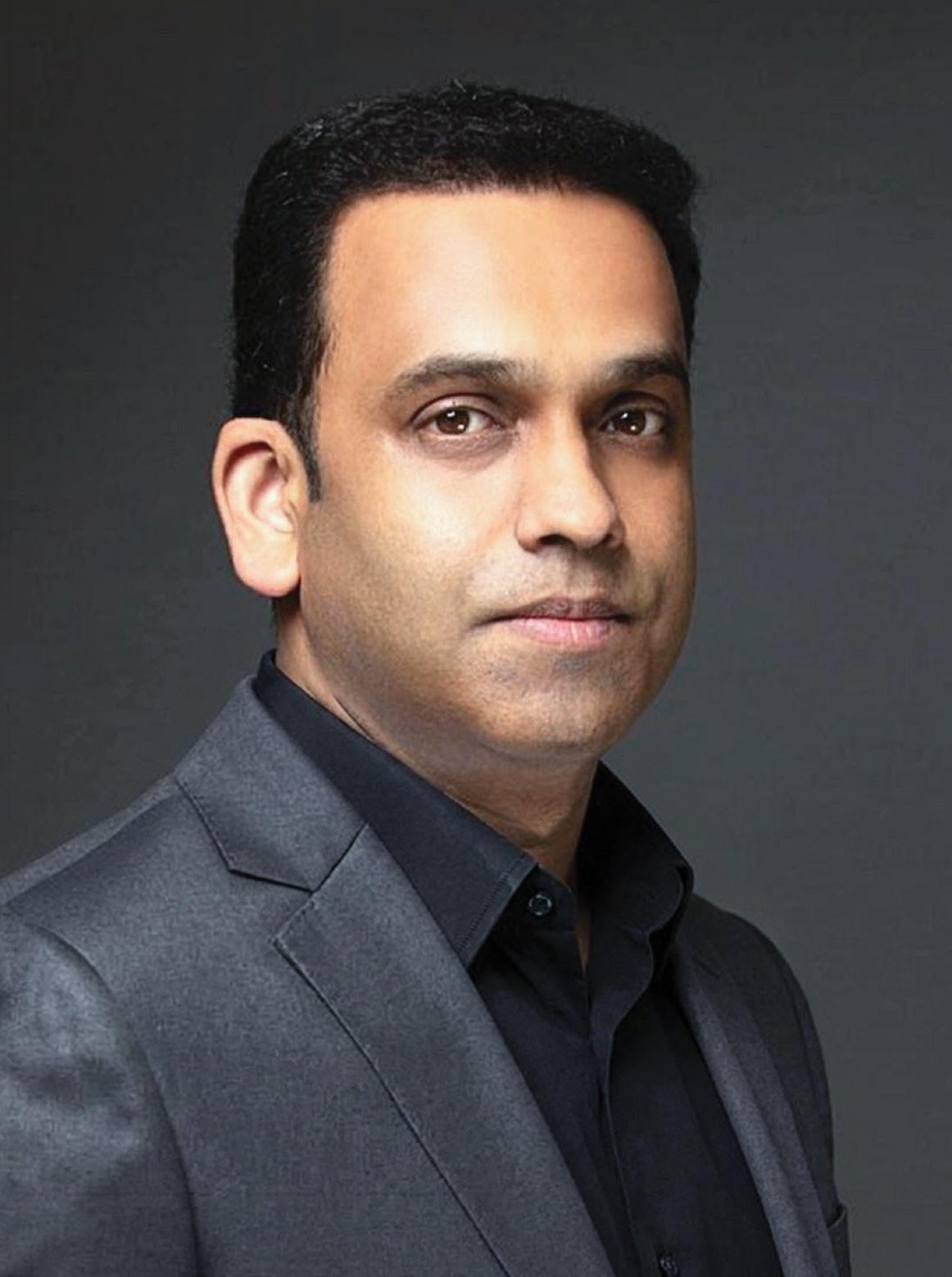
FOUNDER AND CEO | KARMA DEVELOPERS FOUNDER | SOPHONOS INVESTMENTS
FROM REAL ESTATE AND COMMODITIES TRADING TO VENTURE INVESTING AND TECHNOLOGY, NAVNEET MANDHANI HAS BUILT A DIVERSE BUSINESS PORTFOLIO SPANNING MULTIPLE CONTINENTS, EARNING RECOGNITION AS ONE OF THE REGION’S MOST DYNAMIC ENTREPRENEURS AND GROWTH-FOCUSED LEADERS
Few entrepreneurs successfully bridge the worlds of real estate, technology, venture capital and global trade. Mandhani has done exactly that, building a career defined by identifying opportunities ahead of the market and transforming them into scalable, long-term businesses. As founder and CEO of Karma Developers, Mandhani has established one of the UAE’s most ambitious real estate platforms, with operations spanning the UAE, the UK, Cyprus, Romania and Australia. Since founding the company in 2013, he has overseen the delivery of more than 2,000 homes, while a further 2,000 units remain under development. Under his leadership, Karma
Developers has become known for combining affordability, design quality and sustainability, while building a multibillion-dirham development pipeline across key international markets. Mandhani’s entrepreneurial journey extends well beyond property. Through Sophonos Investments, his private investment office, he backs emerging companies across artificial intelligence, deep technology, proptech and Edtech. The firm manages a portfolio of more than 26 companies across Europe, Southeast Asia and the US, with assets under management exceeding $500m and several successful exits to date.
His business interests also include commodities trading through Future Resources, a UAE-based company focused on building reliable industrial supply chains across Asia, the Middle East and Latin America. The venture reflects Mandhani’s broader approach to business — identifying structural opportunities and creating platforms capable of long-term growth.
Educated as an engineer with a master’s degree in electrical and computer engineering from the US, Mandhani spent nearly a decade working on large-scale projects within a Fortune 500 technology environment before transitioning into entrepreneurship and investing. Reflecting his commitment to continuous learning and leadership excellence, he is scheduled to attend Harvard Business School’s renowned Owner/President Management (OPM) Program, designed for accomplished business leaders and entrepreneurs. Mandhani’s achievements have earned widespread recognition, including awards for entrepreneurship, innovation and real estate leadership, alongside appearances in various publications, including Gulf Business.
Yet beyond awards and business success, Mandhani remains committed to mentoring entrepreneurs, supporting innovation ecosystems and promoting sustainable, community-focused development.
As markets evolve and industries converge, Mandhani continues to demonstrate a rare ability to combine global vision with local execution — building not only businesses, but ecosystems designed to create lasting impact.
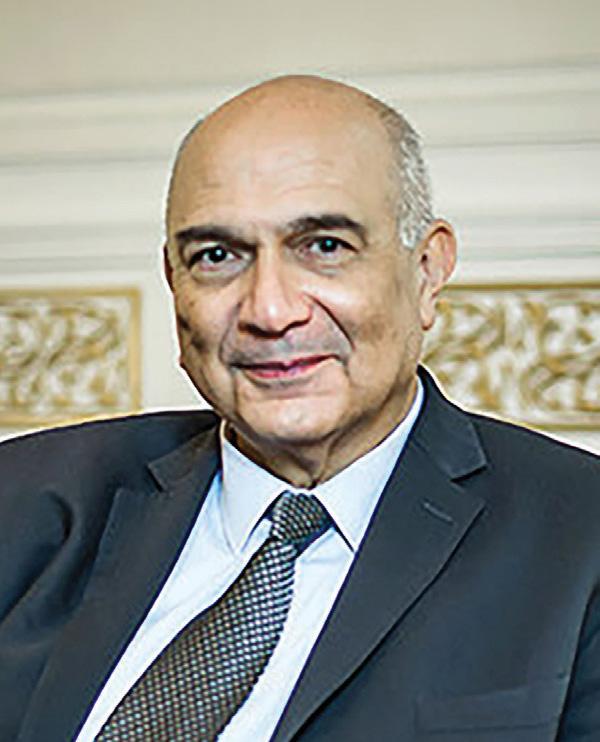
Mostafa Terrab is chairman and CEO of OCP Group, the Moroccan phosphate and fertiliser giant that plays a central role in global food security and crop nutrition. OCP’s leadership page lists Terrab as chairman of the board of directors and chief executive officer, while Harvard
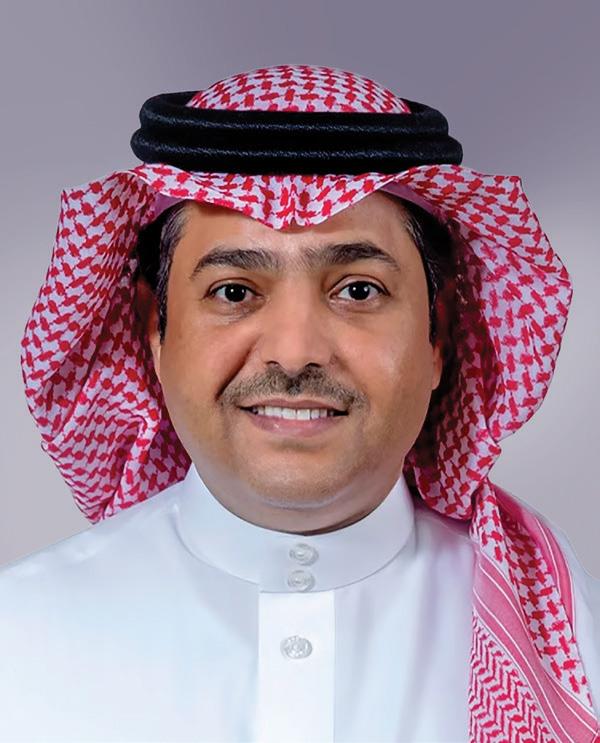
Olayan Mohammed Alwetaid is group CEO of stc Group, Saudi Arabia’s leading telecommunications operator with one of the largest subscriber bases in the region. He was appointed CEO in 2021 after more than two decades of progressive leadership within the company, demonstrating
CHAIRMAN AND CEO | OCP GROUP
Kennedy School describes OCP as a global leader in crop nutrition solutions headquartered in Morocco. Terrab has led OCP through a long period of transformation, moving the group beyond phosphate extraction toward higher-value fertilisers, sustainability, research and Africa-focused agricultural development. His leadership has also been associated with the establishment of Mohammed VI Polytechnic University, which the World Bank highlights as part of OCP’s broader investment in research and education. OCP’s current strategic direction is strongly linked to green industry. In 2024, OCP and ENGIE signed a strategic partnership to accelerate the group’s energy transition, including projects in renewable energy, energy storage, green hydrogen, green ammonia, power infrastructure and sustainable desalination. That agenda
builds on OCP’s green investment programme, which aims to reduce reliance on imported ammonia and strengthen Morocco’s position in sustainable fertiliser production.
Terrab’s importance extends beyond Morocco. As fertiliser supply chains, food security and decarbonisation become strategic global issues, OCP’s investment decisions increasingly shape agricultural resilience across Africa and beyond. Terrab remains one of the region’s most consequential industrial leaders.
OCP’S
deep industry knowledge and strategic vision.
He previously served as CEO of stc Bahrain, overseeing operations across a key regional market, and later as SVP of the Consumer Business Unit, where he oversaw commercial operations, customer-focused transformation initiatives, and revenue growth strategies. These roles provided comprehensive experience across regional markets and consumer segments.
His leadership has coincided with stc Group’s strategic transformation beyond traditional telecommunications into broader digital infrastructure and services, including cloud computing platforms, cybersecurity solutions, fintech services, advanced data centres, and enterprise digital solutions. This diversification has positioned the group as a comprehensive digital
infrastructure provider across the GCC and beyond. The group plays a central role in Saudi Arabia’s digital transformation agenda under Vision 2030, supporting both government and private sector demand for connectivity, data management, and digital infrastructure. stc has invested substantially in 5G deployment, fibreoptic networks, and digital ecosystem development to support economic diversification and innovation.
Alwetaid holds a bachelor’s degree in electrical engineering from King Fahd University of Petroleum and Minerals, providing technical foundation for his telecommunications expertise. He has served in leadership roles across industry councils, including the SAMENA Telecommunications Council, where he contributes to regional industry standards and strategy.
FROM LAUNCHING A CONSUMER ELECTRONICS BUSINESS TO LEADING MDR INVESTMENTS IN GULF AND AFRICA, PRATEEK SURI HAS BUILT A REPUTATION FOR IDENTIFYING HIGH-GROWTH OPPORTUNITIES IN EMERGING MARKETS
CHAIRMAN AND CEO | MASER GROUP
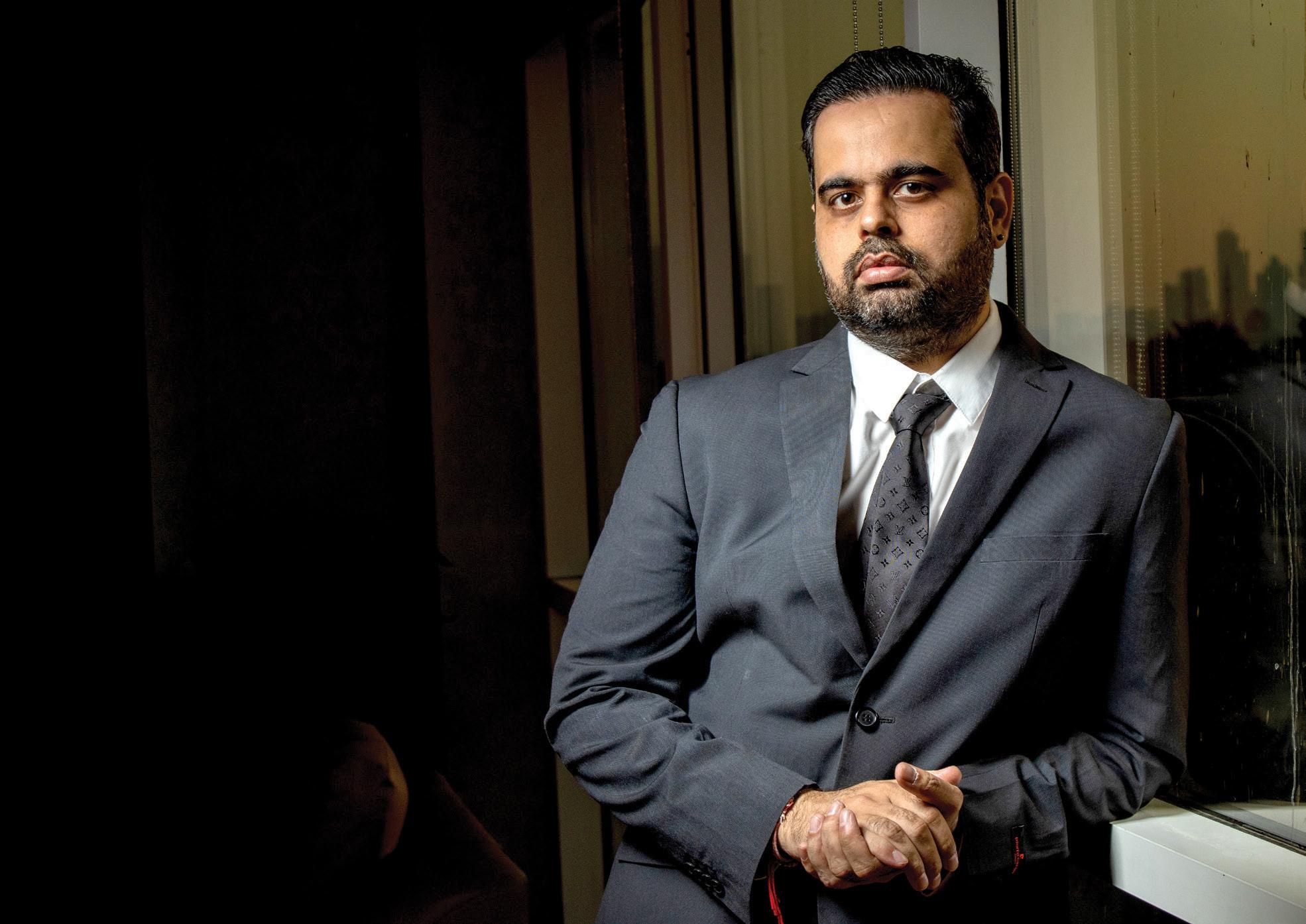
As chairman and CEO of Maser Group, Prateek Suri has built a diversified business group with interests spanning infrastructure, mining, artificial intelligence, logistics, and industrial supply chains. His entrepreneurial journey reflects the rise of a new generation of business leaders building global enterprises from emerging markets. Based in Dubai, Suri is among a select group of entrepreneurs who have built significant businesses across Africa and the Middle East. Recognised as one of the wealthiest Indians in Africa and among the youngest billionaires connected to the continent’s business ecosystem, he has played a role in shaping investment and commercial opportunities across multiple sectors.
Born in New Delhi and educated at BITS Pilani Dubai Campus, Suri began his entrepreneurial journey shortly after graduation. Rather than pursuing a traditional corporate career, he chose to build businesses from the ground up,
navigating the challenges of emerging markets and developing a reputation for resilience and execution.
His breakthrough came through Maser Group’s consumer electronics division. Under his leadership, the company expanded across multiple African and Middle Eastern markets, establishing a strong presence in televisions, air conditioners, audio systems, and home appliances. By focusing on distribution, affordability, and local market understanding, Maser evolved into one of Africa’s notable consumer technology success stories.
The company’s rapid growth led to Maser Group being recognised as Africa’s seventh unicorn, placing it among a select group of businesses to achieve such a milestone on the continent. The achievement highlighted both the scale of the company and the growing importance of African consumer markets in the global economy.
At the end of 2024, Maser Group completed the successful exit of its consumer electronics division after achieving annual revenues exceeding $1bn. Following the transaction, Suri expanded the group’s focus through MDR Investments, the investment and strategic development arm of Maser Group, with interests spanning infrastructure, mining, shipping and logistics, artificial intelligence, digital infrastructure, and energy.
Artificial intelligence has emerged as a key strategic priority. Through MDR Investments, Suri has explored opportunities in AI-enabled data centres and digital infrastructure, reflecting his belief that advanced computing capabilities will become increasingly important to future economic competitiveness. Alongside technology investments, the group has expanded into gold and copper mining, infrastructure, and logistics, reinforcing its focus on sectors that underpin long-term economic development.
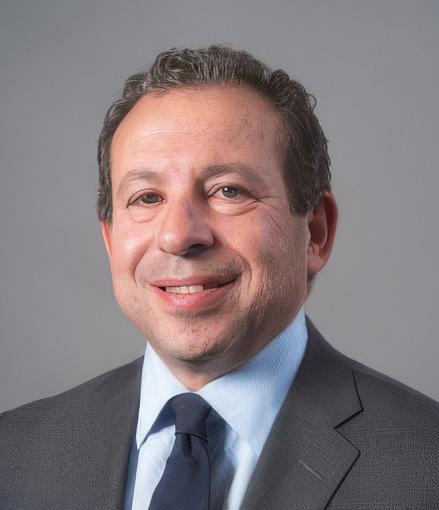
Osama Bishai is CEO and executive director of Orascom Construction, one of the region’s leading engineering and construction groups. He has been associated with the company’s senior leadership for decades, with market data listing him as CEO and executive director since 1998. Under Bishai, Orascom Construction
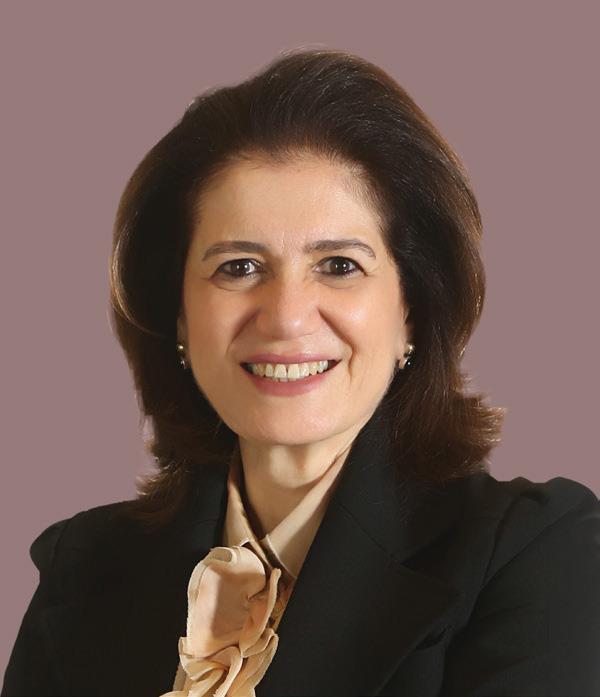
As the chief executive of one of the Middle East’s most established financial institutions, headquartered in Amman, Jordan, Sadik was appointed CEO in February 2022. She became the first woman to hold the position in Arab Bank’s history, bringing nearly four decades of banking expertise and strategic leadership to the role.
CEO | ORASCOM CONSTRUCTION
has built a strong position across infrastructure, industrial, commercial and energy projects in the Middle East, Africa and the US. The company’s 2025 performance showed the scale of its order book: consolidated backlog reached $9bn as of December 2025, while consolidated new awards rose 86.6 per cent year-on-year to $5.6bn.
Recent momentum has also come from energy transition projects. Orascom Construction, in consortium with Aeolus Energy and ENGIE, signed a power purchase agreement in March with the Egyptian Electricity Transmission Company to develop a 900MW wind farm near Ras Shokeir in the Gulf of Suez.
The company’s Q1 2026 results showed revenue of $1.47bn and highlighted continued activity across its core geographies, even as new awards moderated in some segments.
Bishai’s leadership has been defined by disciplined execution, cross-border project delivery and a growing role in renewable energy infrastructure.
As governments across MENA accelerate transport, utilities, energy and industrial projects, Orascom Construction remains one of the contractors most closely linked to the region’s infrastructure buildout.
THE COMPANY’S Q1 2026 RESULTS SHOWED REVENUE OF $1.47BN AND HIGHLIGHTED CONTINUED ACTIVITY ACROSS ITS CORE GEOGRAPHIES
CEO | ARAB BANK
Prior to joining Arab Bank in 2010 as deputy CEO, she spent 24 years at National Bank of Kuwait, where she held several senior leadership positions, including GM of the International Banking Group. She served as deputy CEO of Arab Bank for more than 10 years before assuming the CEO position.
Under her leadership, Arab Bank has continued to strengthen its position as a leading regional financial institution, advancing digital transformation, innovation, customer-focused banking solutions, and sustainable growth strategies. Also in May 2026, Arab Bank Group reported strong first-quarter results under Sadik’s leadership, with net income after tax reaching $275.8m, compared with $271m during the same period in 2025. In addition, the group’s assets grew by 9 per cent to $79bn, loans increased by 7 per cent to $41.9bn, and
SHE SPENT 24 YEARS AT NATIONAL BANK OF KUWAIT, WHERE SHE HELD SEVERAL
SENIOR LEADERSHIP POSITIONS, INCLUDING GM OF THE INTERNATIONAL BANKING GROUP
deposits rose by 8 per cent to $57.5bn, reflecting continued operational strength and financial stability. Sadik holds an MBA in finance from American University of Beirut and continues to lead Arab Bank’s growth as it expands its global banking ecosystem.
WITH MORE THAN THREE DECADES OF EXPERIENCE SPANNING SOME OF THE REGION’S MOST AMBITIOUS REAL ESTATE PROJECTS, RAJA ALAMEDDINE IS LEADING ANAX DEVELOPMENTS THROUGH A PERIOD OF GROWTH, EXPANSION AND DELIVERY, AS THE COMPANY LOOKS TO STRENGTHEN ITS POSITION IN THE UAE’S LUXURY PROPERTY MARKET
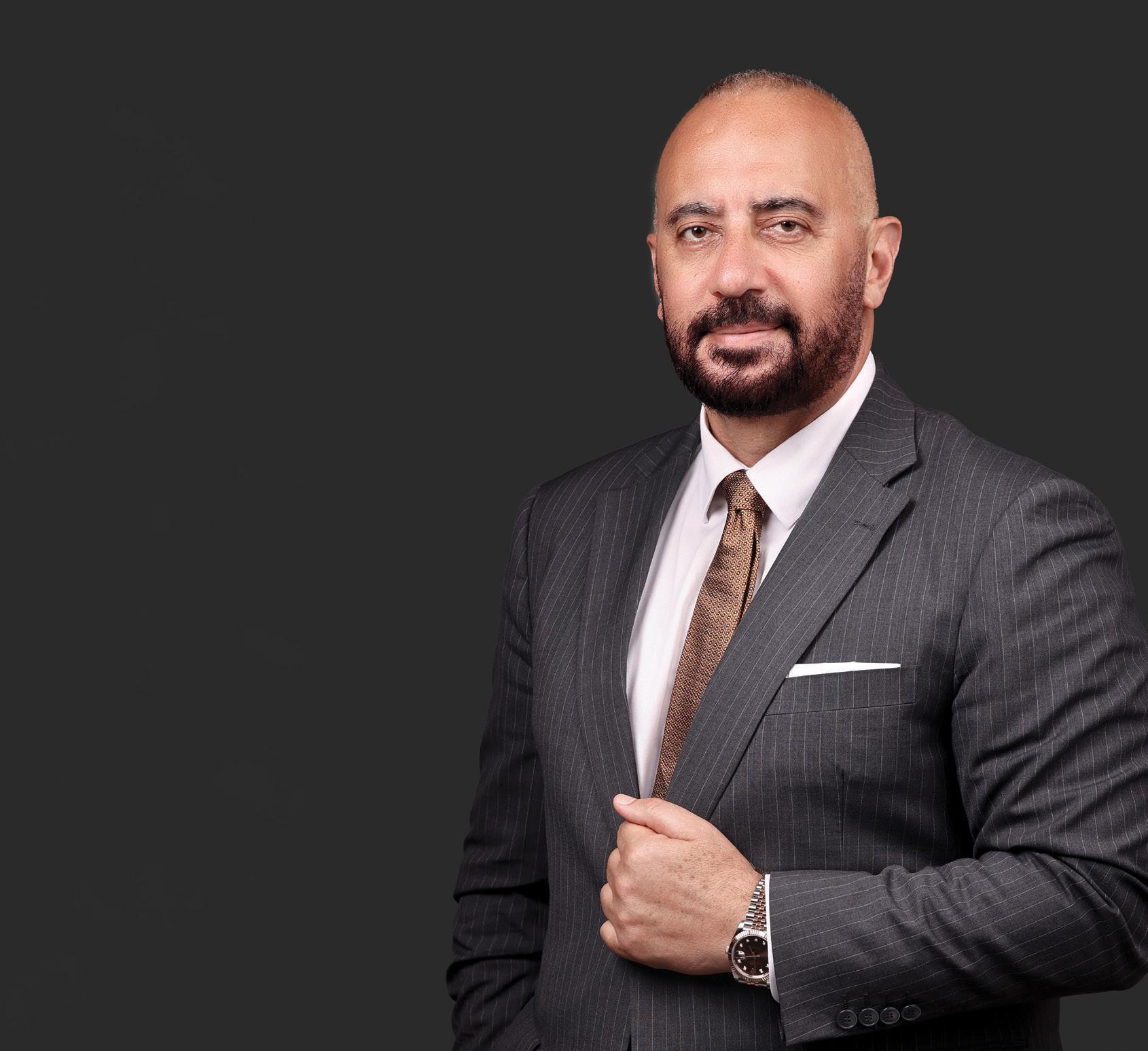
Few real estate executives in the region can match the breadth of experience that Raja Alameddine brings to ANAX Developments. Appointed CEO in 2026, he joins the company at a pivotal moment, with a mandate to accelerate growth, oversee strategic expansion and further establish ANAX as a leading name in the UAE’s luxury real estate sector.
With a career spanning more than 30 years, Alameddine has held senior leadership positions at some of the industry’s most recognised organisations, including Colliers International, Gulf Related, Jeddah Economic Company, Solidere International and Lootah Real Estate Development. Throughout that time, he has led a diverse portfolio of developments ranging from largescale master-planned communities to
complex mixed-use projects, gaining deep expertise across every stage of the real estate lifecycle. An MBA and engineering graduate of the American University of Beirut, Alameddine combines technical knowledge with commercial acumen, a blend that has helped shape major developments across regional and international markets. His experience in delivering large, multifaceted projects has earned him a reputation as a strategic leader capable of navigating changing market conditions while maintaining a focus on long-term value creation.
As ANAX enters its next phase of growth, his priorities include driving the company’s vision of experiential and integrated living, delivering distinctive projects that respond to the evolving needs of modern residents while creating long-term value for future generations.
As Dubai’s real estate sector enters a new phase of maturity and sophistication, Alameddine’s leadership comes at a crucial time. Backed by decades of industry experience and a proven track record across some of the region’s most ambitious developments, he is well positioned to guide ANAX Developments through its next stage of growth while helping redefine what modern luxury living can look like in the UAE.
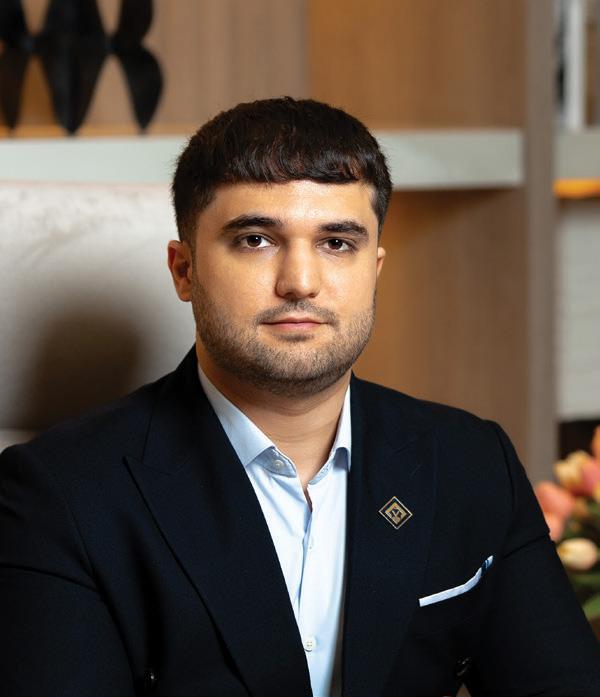
Rashed Ahmadyar is leading Ahmadyar Developments through a focused phase of growth, strengthening the company’s position as an emerging real estate developer in the UAE.
Under his leadership, the company has built a development portfolio valued at approximately Dhs1bn, with
Majali is a distinguished aviation executive with more than 40 years of leadership experience across the global airline industry. After assuming the role of CEO of Royal Jordanian Airlines on March 30, 2021, Majali has continued to drive the airline’s modernisation, transformation, and expansion strategy, building on a legacy of executive leadership that has
CEO | AHMADYAR DEVELOPMENTS
projects shaped by strong architecture, quality execution and long-term investment value.
A major milestone in this journey was Ahmadyar Developments being awarded Emerging Developer of the Year 2026.
The recognition reflects the company’s growing market presence, disciplined expansion and progress within Dubai’s competitive real estate sector.
other achievement was the launch of Vestoria Bay at Dubai Islands, which achieved approximately 90 per cent sales within its first week. The project generated more than two million digital views, reached nearly 500,000 unique users, and engaged over 1,000 property brokers, demonstrating the strength of the company’s market positioning and partner network.
Rashed’s strategy is centered on controlled expansion rather than
volume-driven growth. His approach combines market intelligence, selective project acquisition, efficient planning and transparency throughout the development process.
Looking ahead, he aims to expand the company’s portfolio across highgrowth areas of Dubai, introduce new residential developments, and strengthen institutional and brokerage partnerships.
His long-term vision is to establish Ahmadyar Developments as a trusted and competitive UAE developer recognised for consistent delivery, responsible growth and developments that remain relevant beyond market cycles.
Rashed’s vision is founded on disciplined execution, exceptional quality, and transparency throughout every phase of development.
shaped the development of the region’s aviation sector.
Under his leadership Royal Jordanian, achieved significant milestones. During the 2025 financial year, Royal Jordanian recorded a historic turnaround, achieving a net profit of JOD21.5m, while operating revenues increased by 11 per cent to JOD829m. The airline transported 4.4 million passengers in 2025, achieved its highest-ever load factor of 81 per cent, and ranked among the world’s top five airlines for punctuality. In 2026, Majali continues leading Royal Jordanian’s transformation agenda, overseeing network expansion, and operational resilience. By April 20, 2026, the company approved its 2026 business plan, with the fleet upgrade expected to reach completion by the end of 2026, including the introduction of Boeing 787-9 and Airbus A321neo aircraft. His
leadership continues to strengthen Royal Jordanian’s position as a leading regional carrier and a key contributor to Jordan’s aviation, tourism, and logistics sectors.
Majali has also held prominent international positions, including chairman of the International Air Transport Association (IATA) Board of Governors in 2008, member of the IATA Board of Governors, and Board Member of the Central Bank of Jordan (2011–2020).
THE AIRLINE TRANSPORTED 4.4 MILLION PASSENGERS IN 2025, ACHIEVED ITS HIGHEST-EVER LOAD FACTOR OF 81 PER CENT
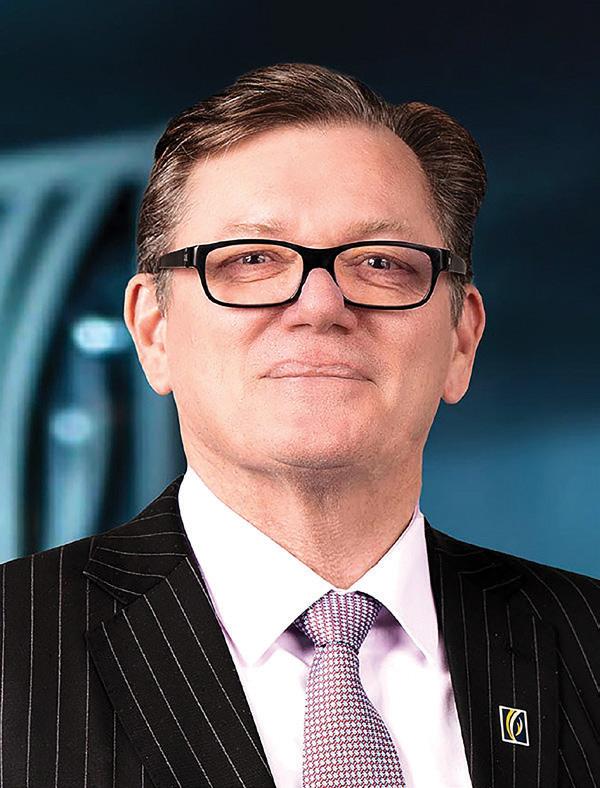
Shayne Nelson has established himself as one of the Middle East’s most influential banking leaders, overseeing a period of extraordinary growth and transformation at Emirates NBD. Since becoming group CEO in 2013, he has guided the bank through a
Few executives have had a greater influence on the UAE’s economic and energy landscape than Dr Sultan Ahmed Al Jaber. As MD and group CEO of ADNOC, executive chairman of XRG and chairman of Masdar, he sits at the intersection of traditional energy, industrial
decade of expansion, digital innovation and regional growth, helping cement its position as one of the largest financial institutions in the Middle East.
During his tenure, Emirates NBD’s market capitalisation has increased from approximately Dhs16bn to around Dhs187bn, while total assets have grown from Dhs308bn to more than Dhs1.2tn. One of the defining milestones of this period was the successful acquisition of Türkiye’s DenizBank for $2.7bn, significantly expanding the bank’s international footprint and strengthening its presence across key growth markets.
Alongside strategic acquisitions, Nelson has overseen strong organic growth across the group’s operations. Emirates NBD today holds the largest market share in both corporate and retail banking in the UAE and
is widely recognised as a regional leader in digital banking and financial technology innovation. The bank has also expanded its presence in Egypt, India and Saudi Arabia, where it has secured more branch licences than any other foreign bank operating in the kingdom.
Beyond his executive responsibilities, Nelson serves on the boards of several Emirates NBD subsidiaries and affiliated companies, including Emirates Islamic, Emirates NBD Capital and DenizBank. He is also a member of Mastercard’s Eastern Europe, Middle East and Africa Advisory Board.
With more than three decades of international banking experience spanning Asia, the Middle East and Australia, Nelson continues to play a key role in shaping the future of banking in the region.
MANAGING DIRECTOR AND GROUP CEO | ADNOC • EXECUTIVE CHAIRMAN | XRG • CHAIRMAN | MASDAR
development and the global transition to lower-carbon technologies. Since leading ADNOC’s transformation from 2016, Dr Al Jaber has overseen the company’s evolution into a diversified and increasingly technology-driven energy enterprise.
Under his leadership, ADNOC has expanded its international footprint, accelerated investments across the energy value chain and embraced artificial intelligence to improve efficiency and competitiveness.
The scale of that growth was evident in 2025, when ADNOC’s six listed companies collectively reported record revenues of Dhs190.1bn, EBITDA of Dhs61.3bn and net profit of Dhs35.8bn. The group also continued to strengthen its position as a global energy investor, with ADNOC, XRG
and Masdar together committing more than $85bn to energy-related assets in the United States.
A major milestone came in late 2025 when ADNOC secured an $11bn structured financing facility for the Hail and Ghasha offshore gas development, one of the largest and most ambitious gas projects currently under development worldwide. Dr Al Jaber’s leadership has earned international recognition. In 2025, he was named ICIS CEO of the Year for his role in driving ADNOC’s transformation and downstream expansion through XRG. He also received the Middle East Institute’s Distinguished Global Leadership Award in Washington, DC, recognising his contribution to energy security, economic development and international cooperation.
A SEASONED C-SUITE LEADER WITH MORE THAN 25 YEARS OF EXPERIENCE BUILDING AND SCALING BUSINESSES, FROM FOOD SECURITY AND LOGISTICS TO AUTOMOTIVE AND TECHNOLOGY, ACROSS THE MIDDLE EAST, AFRICA AND ASIA
Suresh Vaidhyanathan is a prominent C-suite leader and business builder with over 25 years of global enterprise leadership and public standing.
Throughout his distinguished career as CEO and CFO, Vaidhyanathan has consistently built business value for multibillion-dollar conglomerates,including large family groups and investment companies in the Middle East, Africa and Asia.
Over the years, he has extensively worked across diversified industry verticals, including food, automotive, logistics, hospitality, agri-business, retail, healthcare, real estate and technology. In recent years, he was associated with preeminent organisations including the Abu Dhabi Food Hub, Yas Holding, Ghassan Aboud Group, and others.
Regarded as one of the region’s most forward-thinking corporate strategists, Suresh specialises in steering business growth and promoting high-impact public-private partnerships in key
sectors including food security, automotive and logistics. He is currently advising several global companies on their growth and expansion strategies for the UAE and the region, including Forward Fooding, ID8 retail and others.
Complementing his operational experience, Vaidhyanathan possesses premier governance and educational credentials. He is a certified board director with Hawkamah (The Institute for Corporate Governance, UAE), member of the GCC Board Directors Institute, and a fellow member of the Institute of Directors (India).
His academic pursuits include specialised management programs from world-renowned business schools, including Harvard Business School, INSEAD, Wharton, Chicago Booth, and IMD. Suresh is also an alumnus of the Oxford Leading Sustainable Corporations Program.
Recognised regularly for corporate excellence, Vaidhyanathan has been named among the region’s top 100 CEOs lists, in addition to several other accolades. He also serves as a charter member of the Harvard Business Club of the GCC.
YEARS, HE HAS EXTENSIVELY WORKED
VERTICALS,
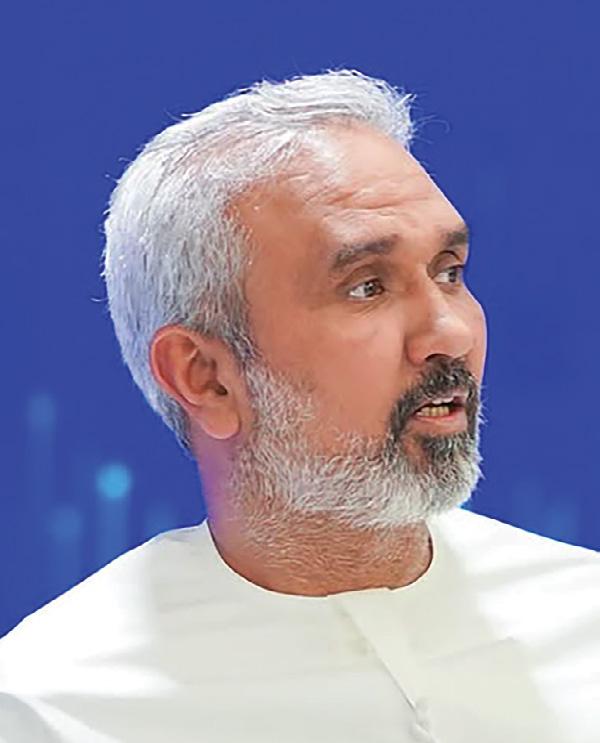
Appointed to his current leadership roles in July 2019, Shueb has been instrumental in driving IHC’s transformation into the UAE’s most valuable company, with a market capitalisation reaching approximately $140bn, while establishing the group as one of the world’s fastest-growing and
most diversified investment firms. With more than two decades of experience across manufacturing, construction, financial services, and investments, Shueb has built a distinguished track record of strategic expansion, operational excellence, and value creation. Since taking the helm of IHC, he has led the company’s diversification strategy across multiple high-growth sectors, strengthening its global footprint and enhancing portfolio performance through disciplined capital allocation, strategic investments, and operational synergies.
In October 2025, IHC announced the acquisition of a majority stake in First Women Bank Limited (FWBL) in Pakistan, marking the first privatisation of a bank in Pakistan under a government-togovernment framework. The transaction reinforced UAE–Pakistan economic
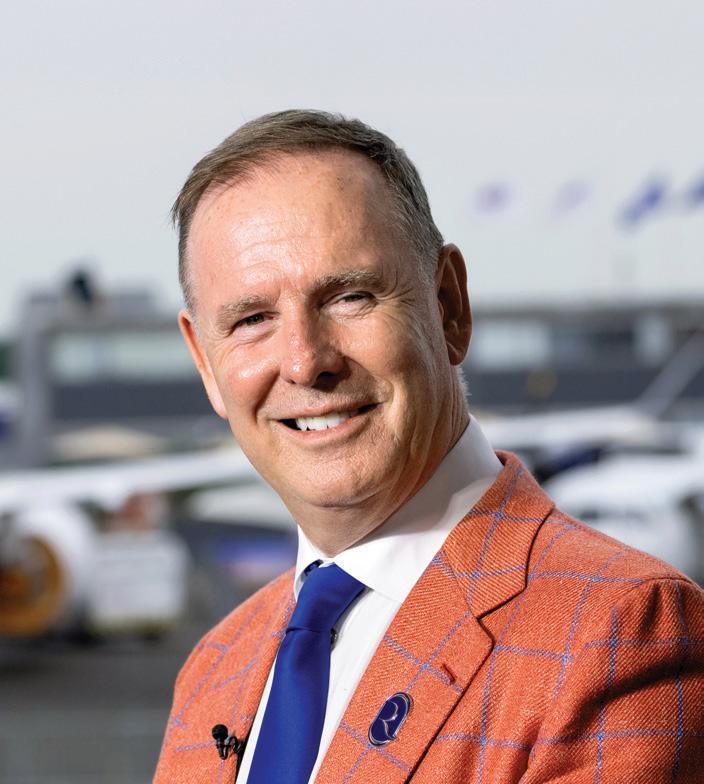
Tony Douglas is CEO of Riyadh Air, appointed in 2023 to establish and develop Saudi Arabia’s second national carrier. This strategic appointment reflects Saudi Arabia’s vision to develop a globally competitive airline and expand air connectivity as part of Vision 2030 economic objectives. He previously served as CEO
CEO | RIYADH AIR
of Etihad Airways, where he led strategic initiatives, operational improvements, and network expansion for the Abu Dhabi-based carrier. His tenure at Etihad provided comprehensive experience in airline operations, fleet management, international network development, and hub positioning strategy within competitive regional and global markets.
Douglas has held senior roles across aviation and defence industries, bringing multi-sector expertise in high-stakes operational management, technology integration, and strategic organisational transformation. Riyadh Air is being developed as a digitally focused airline based in Riyadh, with strategic positioning centred on international connectivity and hub development between Asia, Africa, and Europe. The airline leverages Riyadh’s geographic location as a central strategic advantage
cooperation and aligned with IHC’s strategy of building resilient financial institutions through technology-driven transformation, artificial intelligence integration, and digital modernisation. In 2026, Shueb continued to lead IHC through a period of exceptional financial performance and strategic growth. On June 12, 2026, IHC commenced the first Dhs1.8bn tranche of its approved Dhs5bn share buyback programme, following shareholder approval on March 16. This milestone reflected IHC’s strong financial position and commitment to disciplined capital management. The announcement followed one of the company’s strongest quarters, with Q1 2026 revenue increasing 33.2 per cent yearon-year to Dhs31.4bn and profit after tax rising 98.5 per cent to Dhs8.2bn.
Before joining IHC, Shueb served as group CEO of PAL Group of Companies.
for long-haul international connectivity and passenger transfer operations. The airline has placed major aircraft orders, including Boeing 787-9 Dreamliner and Airbus A321neo aircraft, representing a modern, fuel-efficient fleet designed for long-haul and medium-haul operations. .
Riyadh Air is currently progressing through a phased operational rollout, with staged network expansion planned across key global markets in Europe, Asia, Africa, and beyond. Future development priorities include infrastructure partnerships, alliances, and technological integration to support competitive operations in global aviation markets.
Douglas has emphasised Riyadh’s geographic position as a central strategic element of the airline’s long-term competitive advantage and growth strategy in international aviation.
CEO ZIAD MELHEM IS RESHAPING THE COMPANY THROUGH DISCIPLINED EXPANSION, TECHNOLOGICAL INNOVATION, AND GOVERNANCE, DELIVERING RECORD GROWTH WHILE BUILDING LONG-TERM INSTITUTIONAL STRENGTH ACROSS 15 REGULATED MARKETS
Since taking the reins as group CEO of CFI Financial Group in June 2025, Ziad Melhem has been leading the company through its next phase of transformation. Building on CFI’s more than 25-year legacy in financial markets, his focus is on advancing the company’s next chapter as a multi-regulated financial services group with a growing international presence.
Having worked across strategy, marketing, business growth, and executive leadership, Melhem brings a deep understanding of an industry being reshaped by technology and changing client expectations. His journey with CFI began in 2022 as a board advisor before he joined the executive leadership team as group CMO, helping strengthen the group’s international brand presence ahead of his appointment as CEO. His leadership marks an important stage in CFI’s evolution. Under Melhem’s leadership, the focus has shifted from growth alone to building the foundations of a global institution, strengthening governance, operational discipline, technology capabilities, and regulatory depth across markets.
This transformation has translated into record performance. CFI closed 2025 with its strongest quarter at the time, reaching $2.076tn in trading volume in Q4 and $6.4tn in annual trading volumes, representing approximately 85 per cent growth compared to 2024.
The momentum carried into 2026, with CFI recording the strongest quarter in its history. Trading volume reached $2.314tn in Q1, an 81 per cent year-on-year increase, with more than 37.2 million trades executed across its platforms. Beyond scale, these results highlight the trust clients place in CFI.
A major part of Melhem’s vision is creating a group designed for sustainable, long-term growth. CFI follows a licencefirst strategy, entering markets through regulated, locally established operations. This model combines global standards
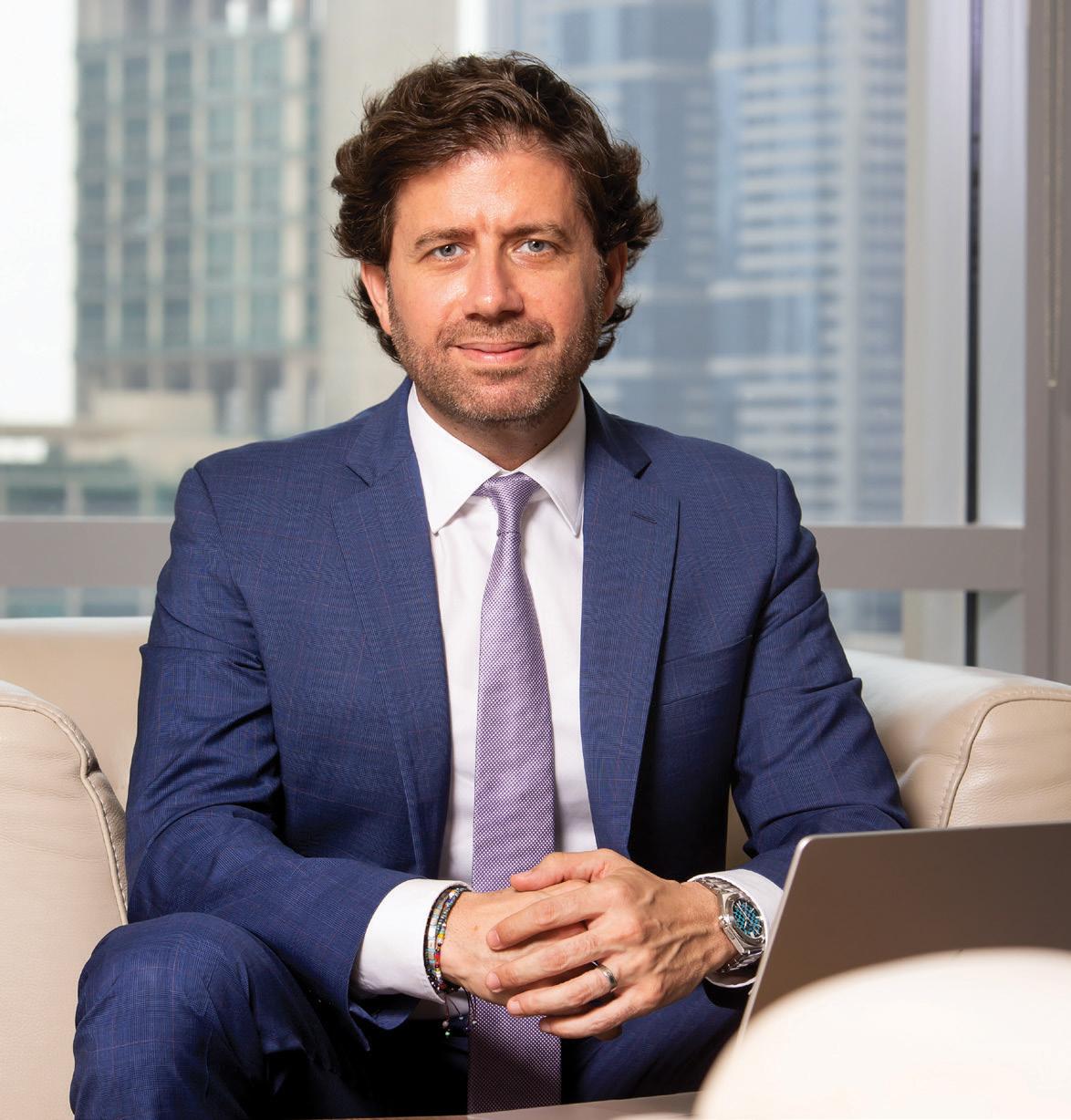
with deep local expertise. Today, the group operates through 15 regulated entities across multiple jurisdictions, including oversight from leading authorities such as the UK’s Financial Conduct Authority (FCA), Cyprus Securities and Exchange Commission (CySEC), UAE Capital Market Authority (CMA), and the Central Bank of Bahrain (CBB).
This approach has shaped CFI’s international growth journey, including its entry into Latin America through regulatory authorisation from the Banco Central do Brasil to operate as a securities brokerage firm and the launch of CFI Colombia following approval from the Colombian Financial Superintendence.
Working alongside the board and leadership team, Melhem’s focus has been on ensuring that growth is matched by the governance, operational discipline, and organisational maturity required of a global financial institution.
Technology remains central to this next chapter. CFI is strengthening its platforms and investing in AI-powered capabilities designed to create smarter experiences for clients. Melhem views technology and AI not simply as efficiency tools, but as strategic enablers that will redefine how financial services are delivered and experienced by clients globally.
For Melhem, long-term growth is also built around people. In 2026, CFI was recognised as a ‘Great Place To Work’ for the third consecutive year across three continents. The achievement reinforces his belief that companies built to last are shaped by the people behind them, and that empowering teams is essential to achieving CFI’s ambitions for the future.




NEW: Best Gaming & Esports Agency
NEW: Best Influencer Marketing Agency
NEW: Best Sports Marketing Agency
Best Creative Agency
Best Digital Agency


NEW: Best Agency Producer
NEW: Best Media Planning Leader
NEW: Independent Agency Head of the Year
Best Account Person
Best Arabic Copywriter





Best Events, Experiential and Engagement Agency

Holding Company of the Year Best Integrated Marketing Agency

Best Media Agency Best Performance Marketing Agency Best PR / Communications Agency





Best Creative Leader
Best CSR Initiative
Best New Business Development Leader
Best Strategic Planning Leader Best Place to Work in 2026
Best Talent Management Individual
NEW: Best Independent Digital Agency


Best Production House
Best Social Media Agency
Best Startup / New Agency


Best Corporate Communications & Marketing Team
Head of Agency with streams for Creative, Digital, PR, Media & Integrated Marketing Network Head of the Year
Outstanding Woman In Advertising or Media


NEW: Best Agency – UAE: Independents
NEW: Best Agency – UAE: Holding Company / Networks


Best Independent Creative Agency




Best Independent Media Agency RETURNING FOR 2026: Independent Agency of the Year





NEW: Best Agency – Saudi Arabia: Independents
NEW: Best Agency – Saudi Arabia: Holding Companies / Networks





NEW: Best Agency – Wider Middle East (Qatar, Oman, Bahrain, Kuwait, Jordan, Lebanon and Iraq)
Best Agency – Egypt




THE HEAD OF MOHAMMED BIN RASHID INNOVATION FUND (MBRIF) DISCUSSES WHY ACCESS TO CAPITAL IS ONLY PART OF THE EQUATION FOR INDUSTRIAL STARTUPS AND HOW FINANCIAL INSTITUTIONS AND ECOSYSTEM ENABLERS CAN WORK MORE EFFECTIVELY TOGETHER
BY NEESHA SALIAN

ndustrial startups are often seen as the backbone of long-term economic diversification, yet their path to scale is rarely straightforward. Unlike digital-first ventures, these businesses tend to face heavier upfront costs, longer development cycles, and more complex operational realities, making access to suitable financing and ecosystem support a critical determinant of success.
In the UAE, efforts to bridge this gap are becoming more structured, with a
growing emphasis on aligning capital, policy, and innovation support to better serve high-potential industrial ventures.
The Mohammed Bin Rashid Innovation Fund (MBRIF) sits at the centre of this approach, working to de-risk financing for innovative companies while also helping them build the capabilities needed to grow sustainably.
In an interview with Gulf Business , Shaker Zainal, head of MBRIF, discusses why access to capital is only part of the equation for industrial startups, how financial institutions and ecosystem
enablers can work more effectively together, and what more is needed to help scale ventures in a commercially sustainable way. He also outlines how the UAE is positioning itself as a regional hub for industrial innovation, and the role MBRIF plays in turning national ambition into practical support for emerging businesses.
What do you see as the biggest barriers industrial startups face today when it comes to accessing the right financing to scale?
I think it is useful to look at this from a slightly broader perspective, because the challenge is often simplified as access to capital, when in reality it is more about alignment. Industrial startups operate in a very different context compared to many other sectors. They often require higher upfront investment, longer production and revenue cycles, and they tend to carry more complex operating and risk profiles. When you look at it through that lens, it becomes clear that traditional financing structures do not always fit naturally with how these businesses grow.
At the same time, there are also practical challenges across the ecosystem. Many founders are not always fully aware of the financing solutions available to them, and in some cases the support landscape can feel fragmented, which makes it harder to navigate. So the real issue is not simply whether capital exists. It is whether financing is structured in a way that supports growth, and whether innovative businesses can access it with clarity and confidence. That is where the real opportunity lies.
How can financial institutions, government entities, and ecosystem enablers work together more effectively
to support industrial startups and innovation-led growth?
This is really about bringing together complementary strengths. Financial institutions are central to the system because they provide capital and have the expertise to assess and manage risk. Governmentbacked platforms and ecosystem enablers, on the other hand, can play an important role in reducing that risk, improving access to support, and helping create more flexible pathways for growth. When those different elements are aligned, you start to see a much more supportive environment for industrial startups. At MBRIF, for example, our ‘Guarantee Scheme’ is designed to create that kind of alignment. By working with financial institutions to de-risk lending, we are able to help high-impact ventures access financing without giving up equity, which is often a key consideration for founders focused on long-term value creation.
But the broader opportunity is to make the ecosystem feel more connected. It is about ensuring that solutions are not only available, but also accessible, wellcommunicated, and aligned with the real needs of businesses. When government entities, financial institutions, innovation platforms, and private sector stakeholders work together effectively, support becomes easier to navigate, collaboration becomes more practical, and capital flows more efficiently to the companies that are ready to scale.
What role does MBRIF play in supporting industrial startups beyond just providing access to finance?
At MBRIF, we have always taken the view that access to finance is only one part of the equation. Financing is critical, but what we have consistently seen is that capital on its own does not determine whether a company will scale successfully. Businesses also need the right support around that capital to grow in a structured and sustainable way. Through our Guarantee Scheme, we help innovative businesses access nondilutive financing, which is particularly important for founders who want to retain ownership while building for long-term growth. A good recent example is Fragrance Delivery Technologies, which received a Dhs7.2m MBRIF guarantee to support its advanced manufacturing expansion in
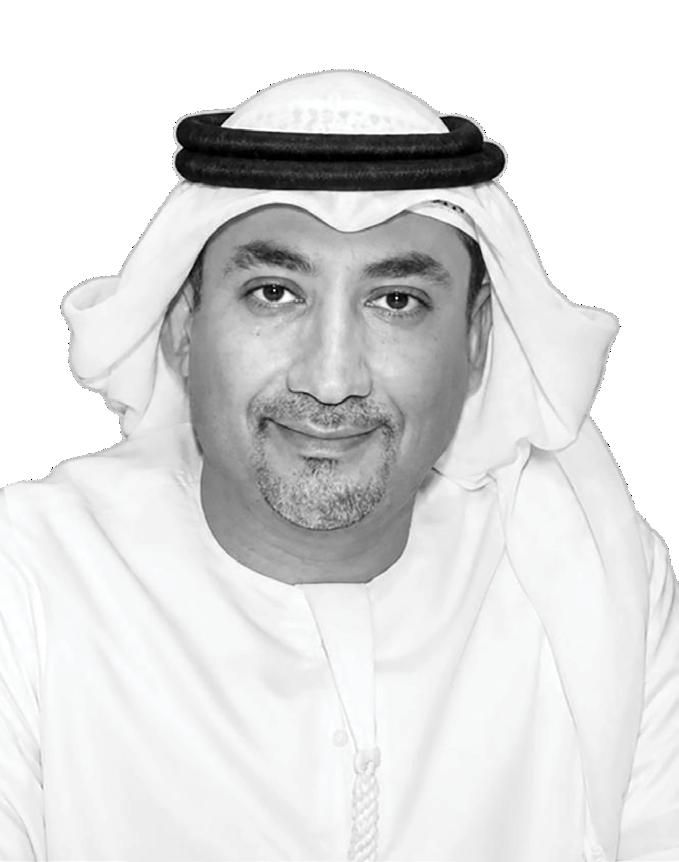
the UAE, including automation upgrades aligned with Industry 4.0 standards. That kind of support can be critical for industrial businesses operating at an important stage of growth.
At the same time, through our Innovation Accelerator Programme, we provide mentorship, strategic guidance, and access to a strong network of partners and experts. This helps businesses strengthen their models, prepare for scale, and make more informed decisions as they grow.
So our role is really about connecting those two dimensions. We help industrial startups access the capital they need, but we also support them in building the capabilities, relationships, and ecosystem connections that allow them to scale with greater confidence. That
broader support is what helps move the conversation from funding access alone to real growth enablement.
What more needs to be done to help high-potential industrial ventures scale in a way that is commercially sustainable and impactful?
I think this is where the conversation is naturally evolving. For a long time, the focus was mainly on helping businesses get established. Increasingly, the priority is how we help high-potential ventures move to the next stage and scale in a way that is commercially viable, operationally sound, and capable of delivering long-term impact.
Scaling brings a very different set of requirements. It is not only about funding. It is also about having the right ecosystem around the business. That includes access to markets, the ability to build partnerships with larger industry players, and access to expertise that supports both operational and strategic growth. It also means having financing structures that are aligned with longer-term business realities rather than short-term constraints.
At MBRIF, we try to reflect that shift in how we support innovative businesses. Through the Guarantee Scheme, we address access to capital. Through the Innovation Accelerator Programme, we focus on capability building, mentorship, and ecosystem connectivity.
When those elements come together, businesses are not just able to sustain themselves. They are in a much stronger position to scale with clarity, resilience, and long-term relevance.
AT THE SAME TIME, THROUGH OUR INNOVATION ACCELERATOR PROGRAMME, WE PROVIDE MENTORSHIP, STRATEGIC GUIDANCE, AND ACCESS TO A STRONG NETWORK OF PARTNERS AND EXPERTS. THIS HELPS BUSINESSES STRENGTHEN THEIR MODELS, PREPARE FOR SCALE, AND MAKE MORE INFORMED DECISIONS AS THEY GROW.”