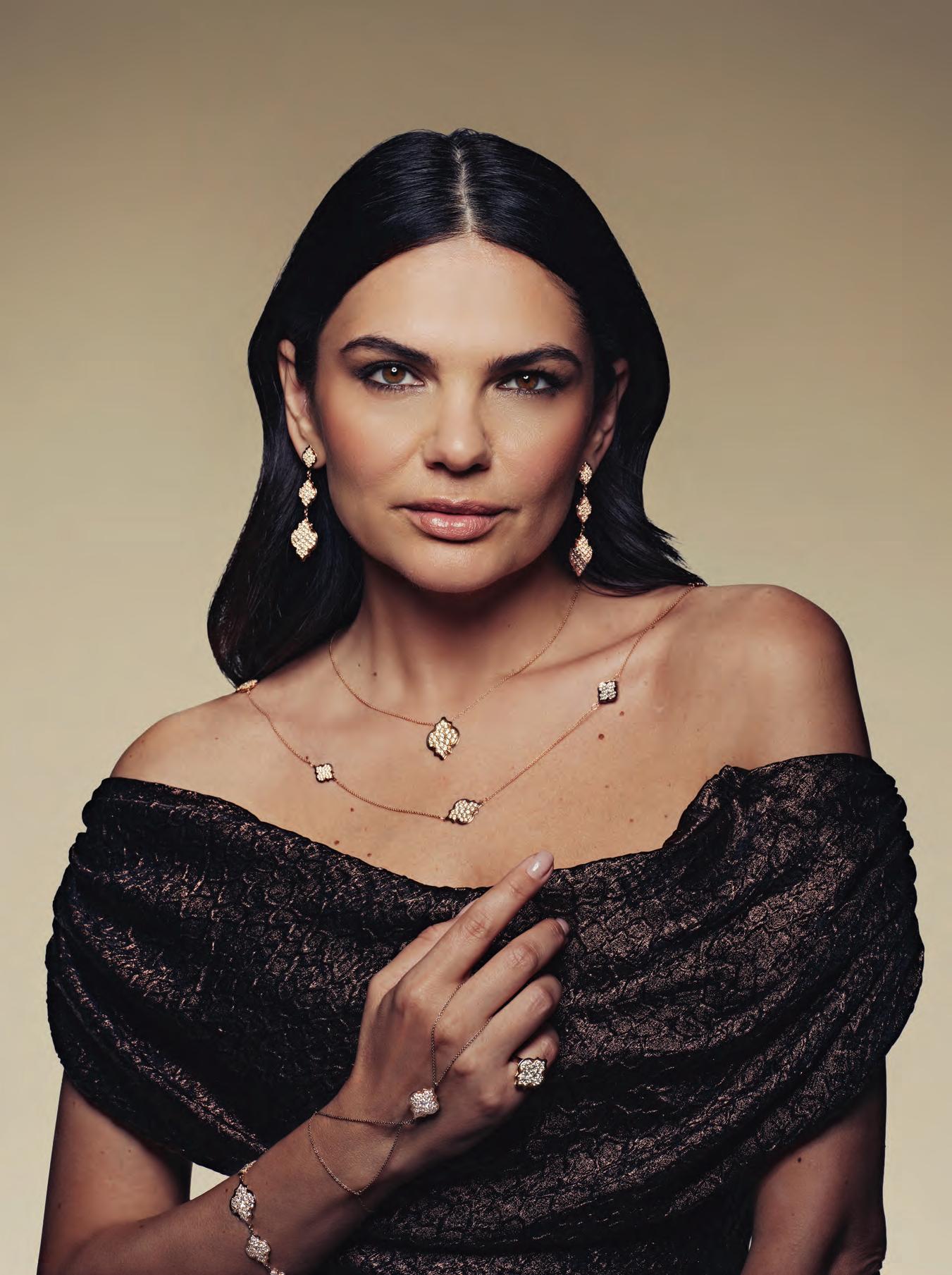

MALVINA
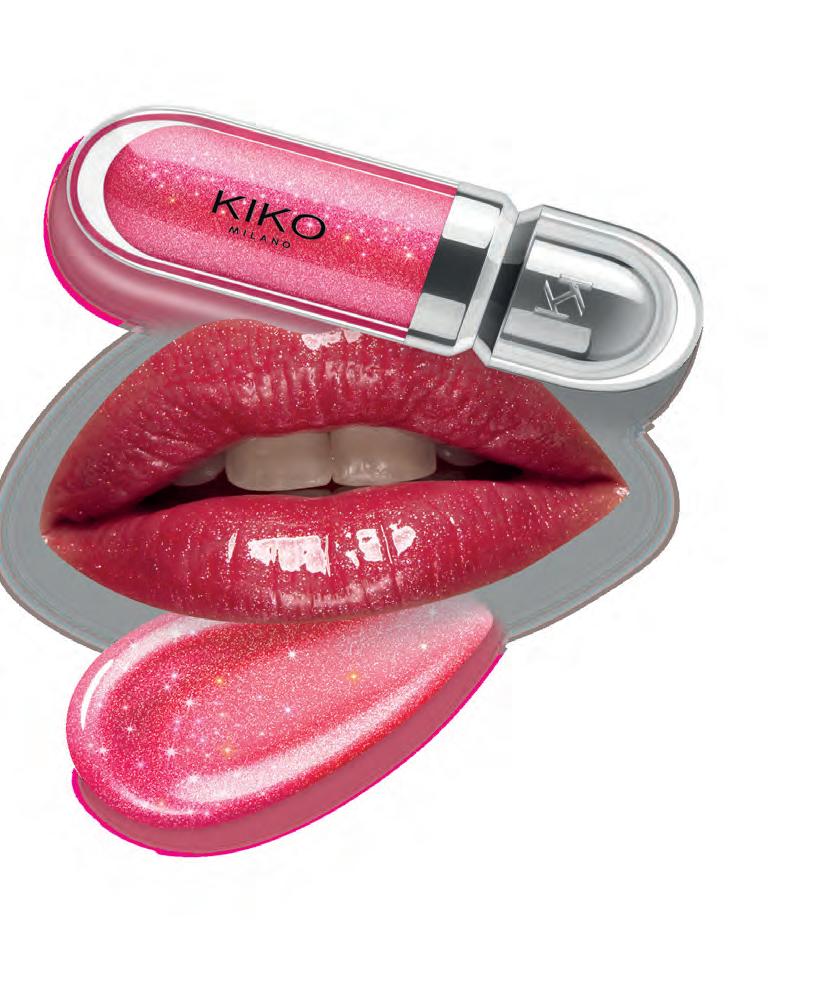

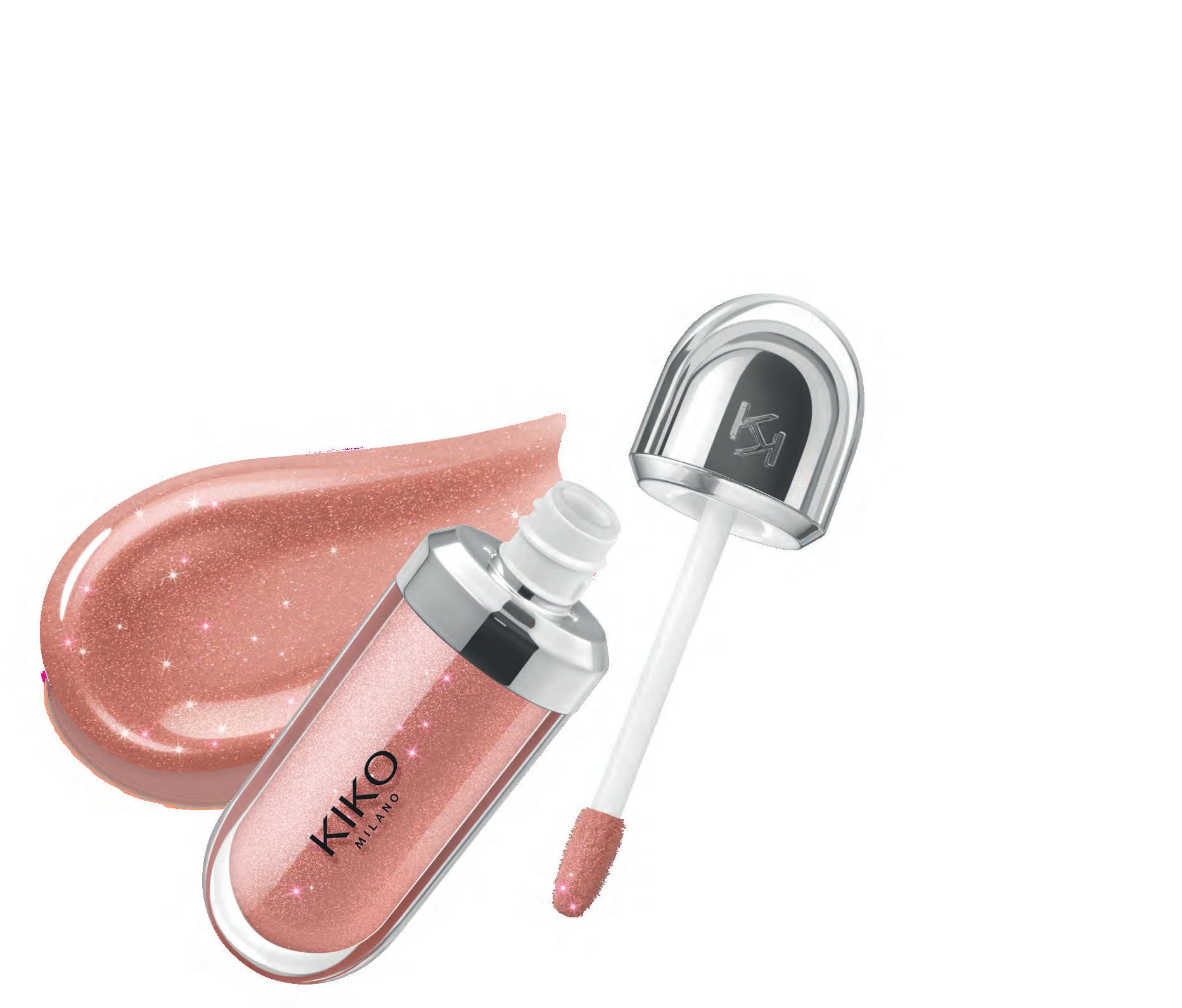
3Dimensions of Hydration: Instant*, 10H* lasting, amplified in 28 days*
KIKO’s No.1 gloss. One sold every second**
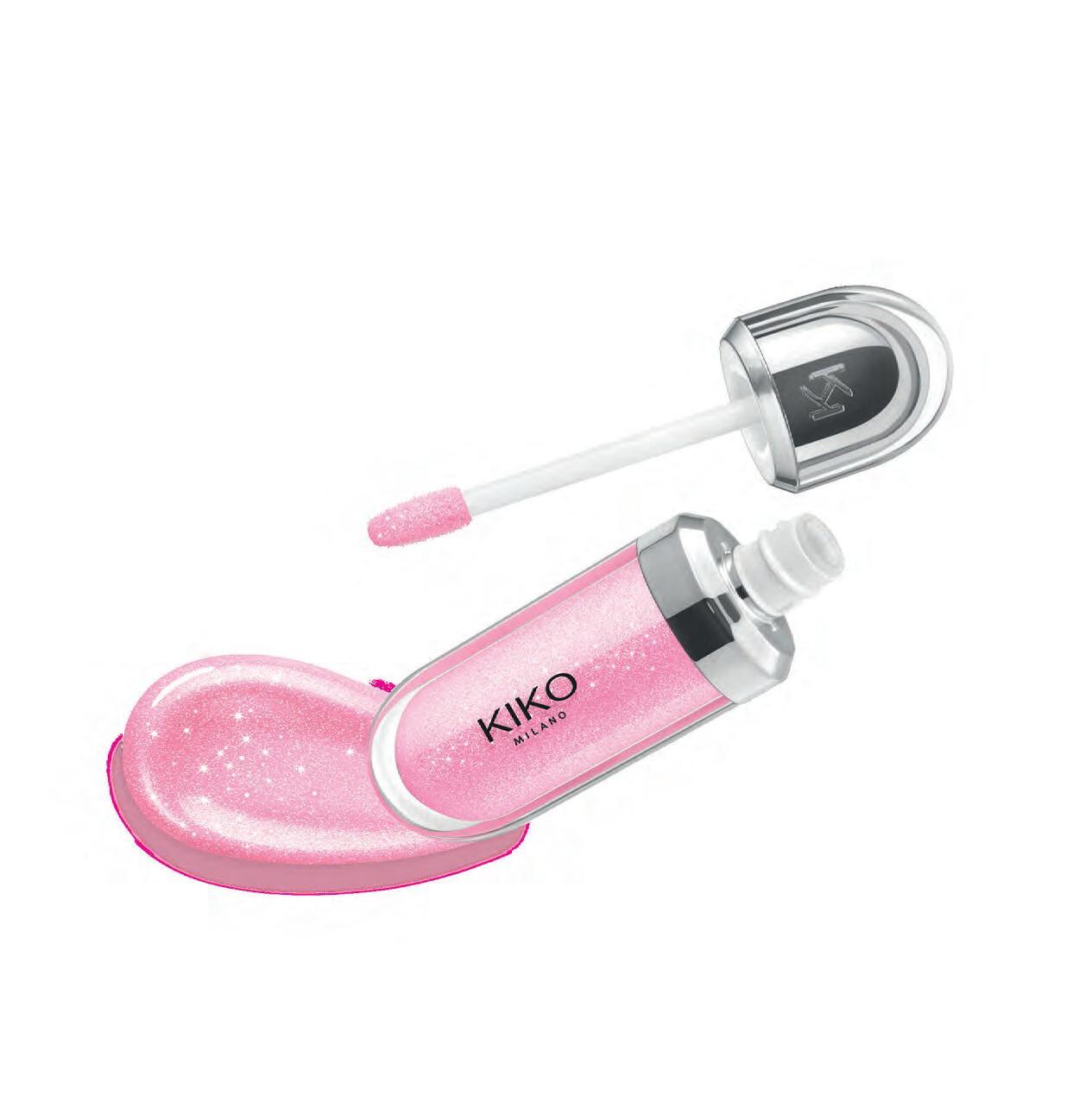
Over 30 shades that move when you move and glow when you talk.
Enriched with emollient ingredients.


EDITOR-IN-CHIEF
Obaid Humaid Al Tayer
MANAGING PARTNER AND GROUP EDITOR Ian Fairservice
CHIEF COMMERCIAL OFFICER Anthony Milne
GROUP CONTENT DIRECTOR Thomas Woodgate
SENIOR EDITOR Jessica Michault jessica.michault@motivate.ae
SENIOR ART DIRECTOR Olga Petroff
SENIOR REPORTER Aminath Ifasa DESIGNER Vibha Monteiro
EDITORIAL ASSISTANT Londresa Flores
GENERAL MANAGER PRODUCTION Sunil Kumar PRODUCTION MANAGER Binu Purandaran ASSISTANT PRODUCTION MANAGER Venita Pinto
GROUP SALES MANAGER
Chaitali Khimji chaitali.khimji@motivate.ae SALES MANAGER
Sarah Farhat sarah.farhat@motivate.ae
WEB DEVELOPER Firoz Kaladi
CONTRIBUTORS
Alice Holtham-Pargin, Caroline D’Almeida, Ekaterina Shirshova, Fiona Embleton, Mark Mathew, Megan Tomos, Morin Oluwole, Naomi Chadderton, Riya Kumar, Rob Chilton, Sitara Mulchandani
HEAD OFFICE
Media One Tower, Dubai Media City, PO Box 2331, Dubai, UAE, Tel: (+971) 4 4273000, Fax: (+971) 4 4282261, E-mail: motivate@motivate.ae
DUBAI MEDIA CITY SD 2-94, 2nd Floor, Building 2, Dubai, UAE, Tel: (+971) 4 390 3550, Fax: (+971) 4 390 4845
ABU DHABI PO Box 43072, UAE, Tel: (+971) 2 677 2005, Fax: (+971) 2 677 0124, E-mail: motivate-adh@motivate.ae
SAUDI ARABIA Regus Offices No. 455 - 456, 4th Floor, Hamad Tower, King Fahad Road, Al Olaya, Riyadh, Kingdom of Saudi Arabia, Tel: (+966) 11 834 3595 / (+966) 11 834 3596, E-mail: motivate@motivate.ae
LONDON Acre House, 11/15 William Road, London NW1 3ER, UK, E-mail: motivateuk@motivate.ae
EDITOR’S LETTER
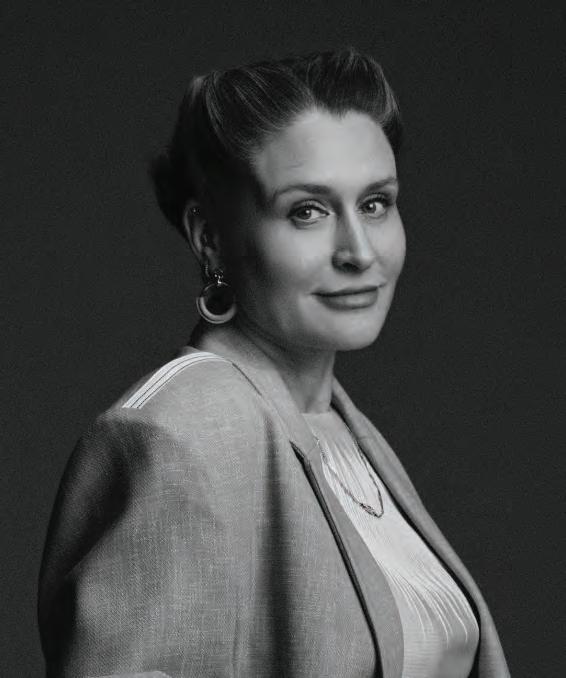
As we enter the long hot days of summer, this is the moment when many people take their foot off the gas, slow down and spend time on themselves. Often it leads to periods of introspection, as we project into the future and envision what we want our life to look like. It’s for these reasons that Emirates Woman decided to call this our Harmony issue. We wanted to explore the ways women are searching for, and finding, that balance.
For our cover star Malvina Cservenschi, founder and designer of the Malvensky jewellery house, harmony has come with her decision to bring the brand she founded in Romania to Dubai. In A Place Called Home (page 28) she shares that she has always felt at home in the UAE, and how for over a decade she has dreamed of bringing her designs – grounded in heritage, symbolism and storytelling – to a nation that holds those things dear.
French-Moroccan lawyer and gallerist Amal Rakibi is another woman who has found a compelling balance in her life. She used to keep those two passions firmly separate, but in The Art of Balance (page 62) she shares how she only felt truly in tune with herself when she allowed those universes to commingle. As for Zeina Abdalla, the co-founder of Metabolic, harmony is found in
being of service to others. In Knowledge Is Power (page 76) she shares how women in particular never seem to make their health a priority. She is determined to change that narrative.
There is also harmony to be found in gazing upon beautiful imagery, and this issue has several lush photo shoots worth lingering over. Check out It’s All About the Details (page 48), Verdant Visions (page 38) and West Coast Glow (page 80). Elsewhere, a feature, Back to Your Roots (page 92) explores retreats designed to bring mind, body and soul back into balance, and The Rest Revolution (page 72) makes the case for rest as the deepest harmony of all.
It’s important to remember that harmony does not simply mean the absence of conflict. There is also a different – and some might argue a deeper – kind of harmony. One that can emerge when disparate parts find that they were always, somehow, meant to coexist. Now that is a harmony worth finding.
Enjoy the issue.

jessica.michault@motivate.ae

The most highly anticipated movie of the summer, Christopher Nolan’s The Odyssey, finally hits theaters on July 17th. Starring pretty much every A list actor in Hollywood, the film clocks in at 2 hours and 52 minutes. If ever there was a moment to invest in seeing a film from the comfort of an IMAX Theatre Pod, this is it.

Ted Lasso returns to Apple TV+ on August 5th, leaping three years forward from where audiences left Lasso and his lads. The clever twist this time is the intrepid coach has been hired to inspire a seconddivision women’s football team. No doubt we have many new Ted-isms in our future.

Ariana Grande returns on July 31st, with the release of her eighth studio album, Petal. The singer has said this compilation of songs embodies the idea of “growing through the cracks of something cold and hard and challenging.” It sounds intense, but I bet it also has some wickedly catchy earworms.

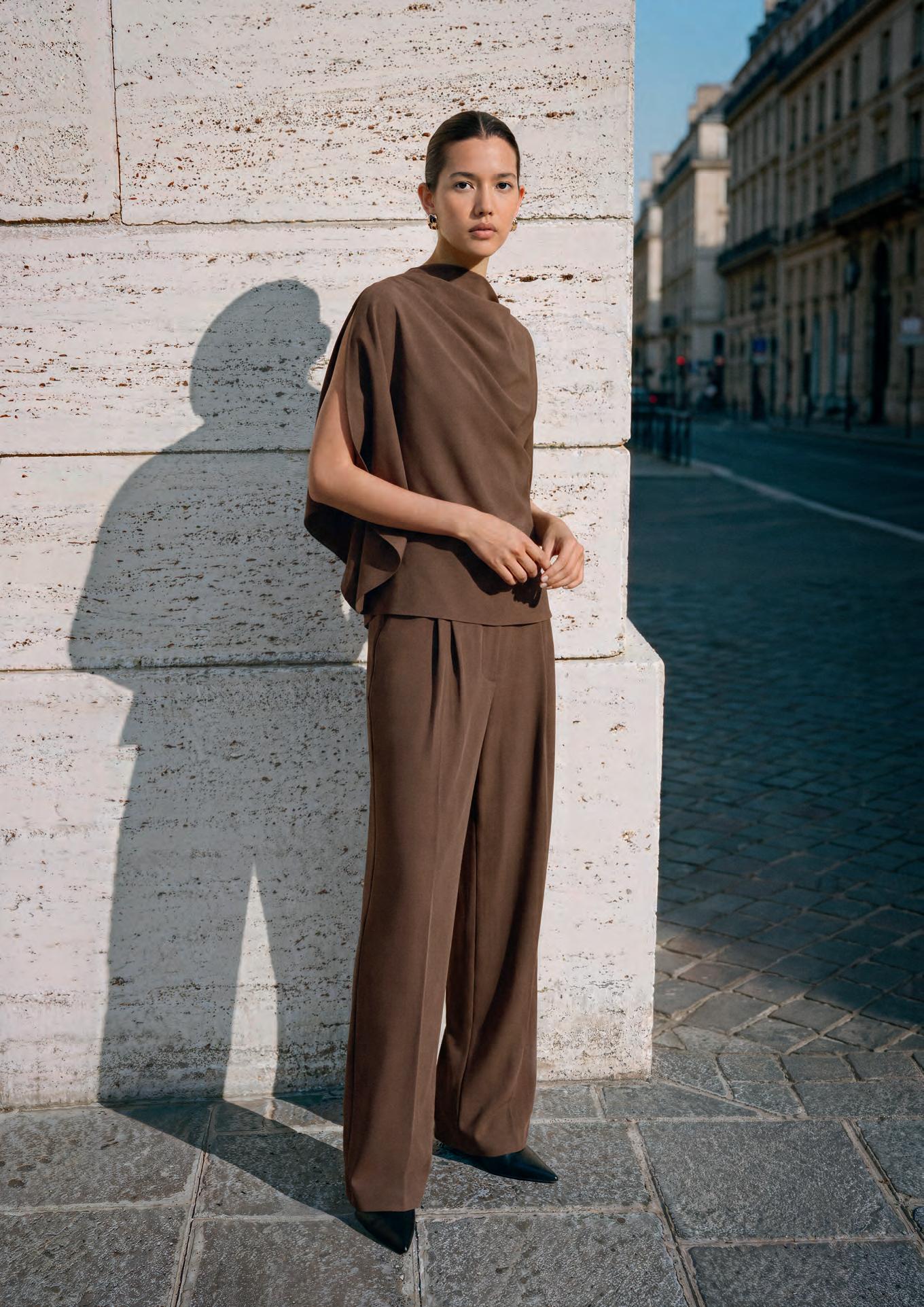
July-August 2026
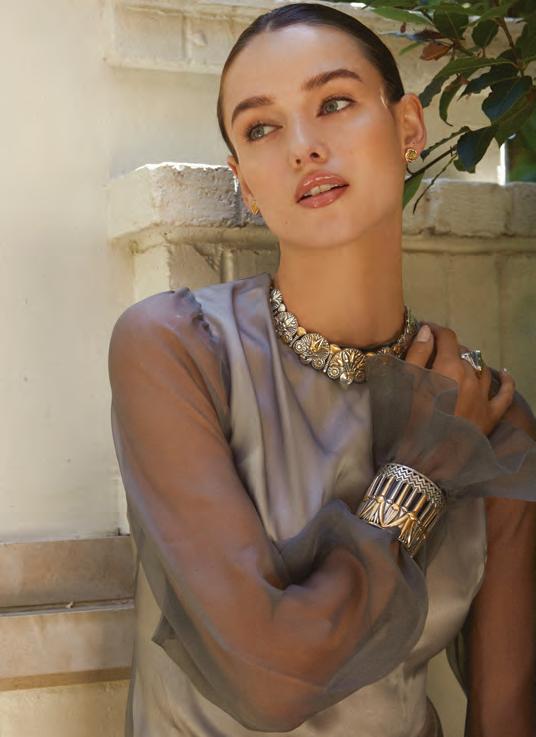
Outfit: Antonio Riva; Jewellery: Azza Fahmy Jewellery
38
24 Wardrobe in Motion
Princess Noura bint Faisal Al Saud is rewriting the codes of resort and golf fashion with her label JAY3LLE
28 A Place Called Home
Malvina Cservenschi on discovering a harmony she didn’t know she was looking for
38 Verdant Visions
A soothing cool breeze and a woman moving to her own rhythm…
46 Capturing a Colourful Life
Amer Mohamad discusses why he’s unafraid of AI’s increasing presence in photography
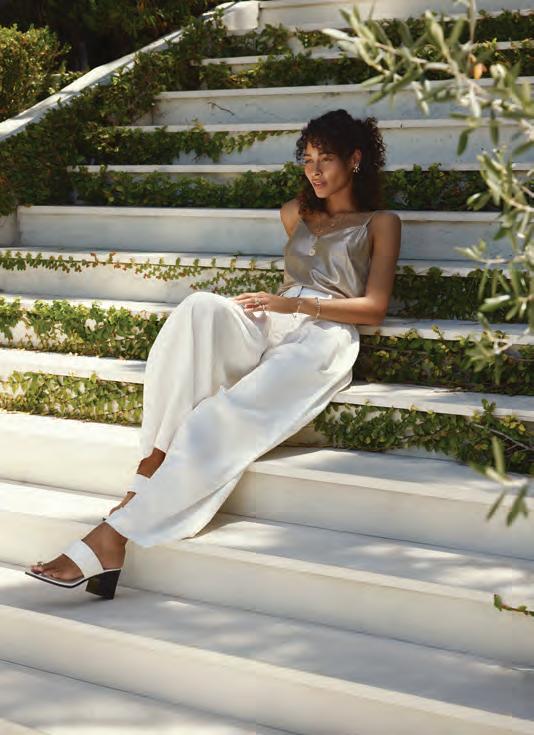
48 It’s All About the Details
When things are pared back to their essence, everything comes into focus
62 The Art of Balance
French-Moroccan lawyer and gallerist
Amal Rakibi discovered that true harmony lies not in choosing between two worlds, but in embracing them both
66 Time Is Money
As billionaires pour fortunes into the science of longevity – can money really buy more time?
70 The Hope Prescription
Psychologist Dr Deepika Chopra believes optimism is a skill you can train, especially when life feels uncertain
72 The Rest Revolution
Here’s why slowing down may be the key to moving forward
76 Knowledge Is Power
Zeina Abdalla, the co-founder of Metabolic, is teaching women that taking care of themselves first isn’t selfish
78 Harmony vs Balance
Morin Oluwole breaks down what women leaders understand about thriving in complexity
80 West Coast Glow
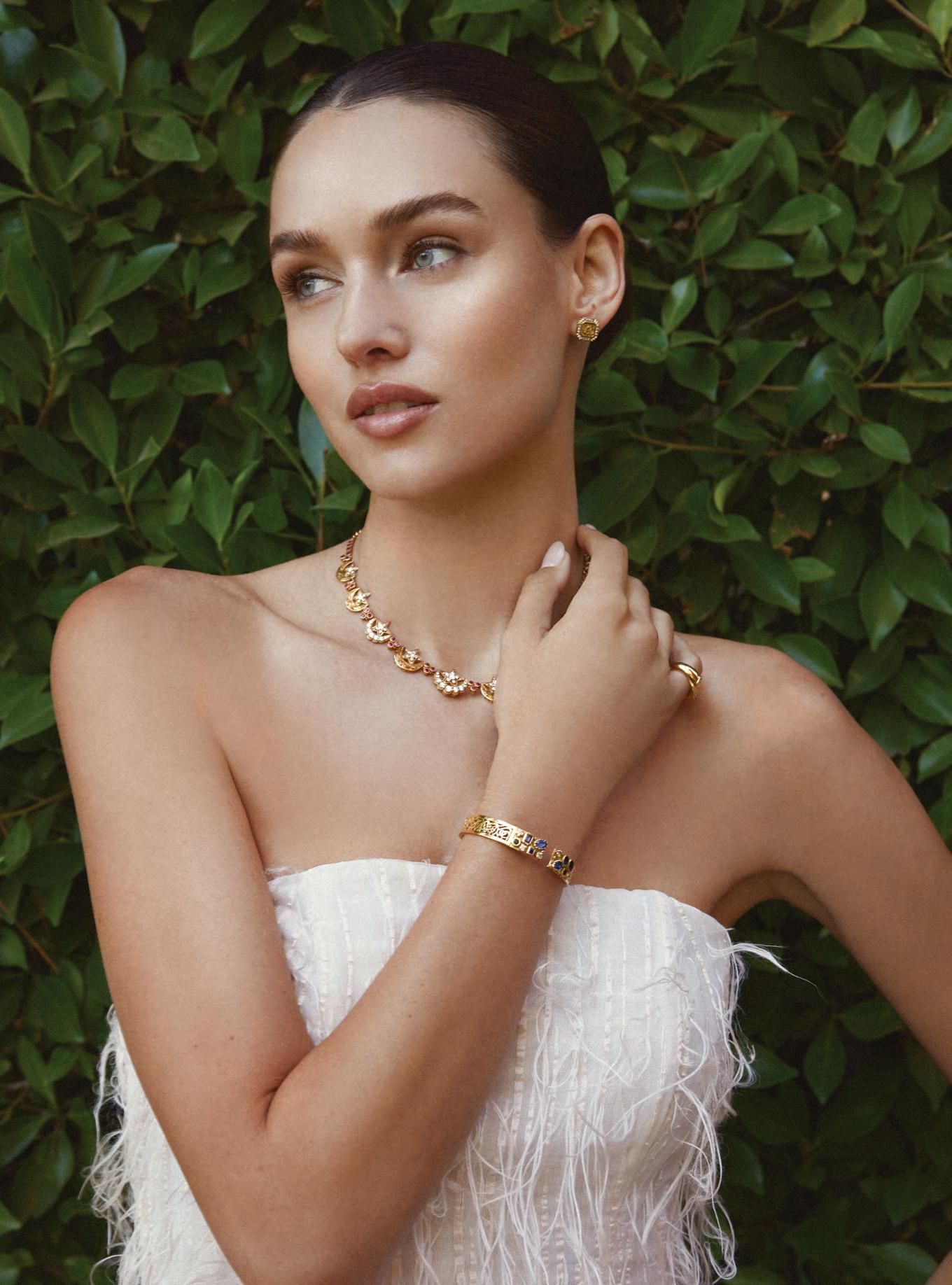
In the warm light of summer, nothing shines like Thurber diamonds and gold
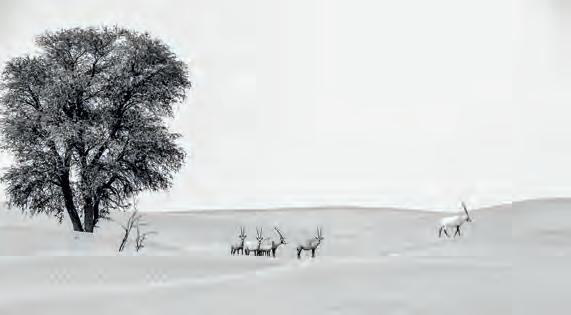


90 Hot New Buys
Here’s a roundup of products for a perfectly curated beauty cabinet
92 Back to Your Roots
Seven retreats that offer their own answer to the question “how do you actually heal?”
96 Beauty Shelf
Rawan M. Hussain takes us through her must-have beauty staples
97 Slow Your Roll
The one Dubai sanctuary that won’t try to sell you a lifestyle
98 Filmed & Flawless
The new Dior Forever foundations redefine what complexion makeup can do, on and off camera
100 The Heal-Good Factor
Understanding the relationship between the skin and the brain is key to creating a healthy glow
102 AM to PM Beauty
Shabi Orifien shares her morning to evening beauty routine
106 The Rise of the Un-Honeymoon
How women are reclaiming romantic travel destinations for themselves
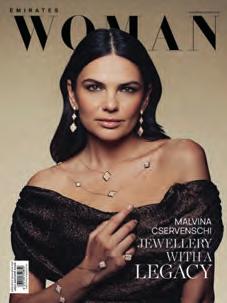
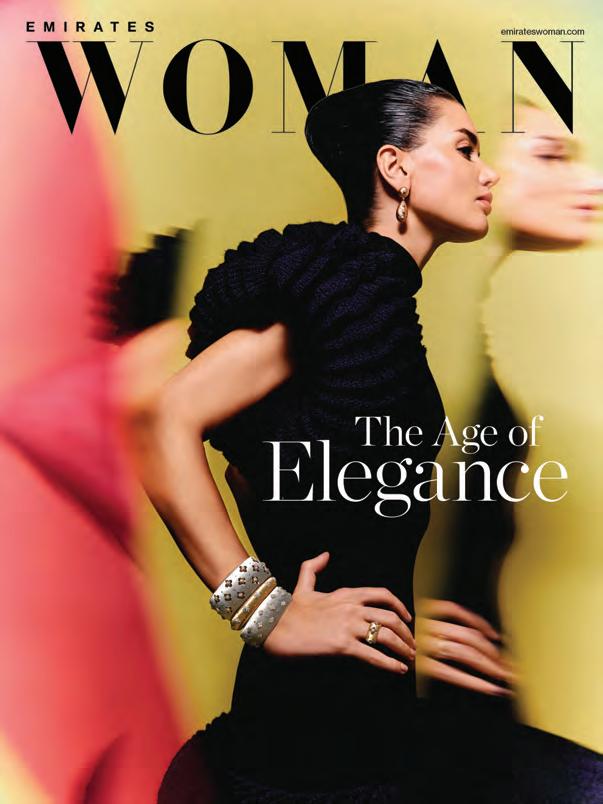
On the cover:
Jewellery: Malvensky
Outfit: Rhea Costa;
Talent: Malvina Cservenschi
Senior Editor: Jessica Michault
Photographer: Greg Adamski
Creative direction and styling: Daniel Negron
Hair and Makeup: Ivanna
Videographer: Alex Suhorucov
Photographer’s Assistant: James Aquillano
Editorial Assistant: Riya Kumar
110 Desert Reverie
Qasr Al Sarab Desert Resort by Anantara offers the opportunity to gain perspective within its vastness
114 Destination Dining
Across Europe’s most coveted summer holiday spots, these are the tables to travel for
118 Now or Never
Last-chance tourism has left travellers with a sense of urgency to experience already fragile locations. But is it time to re-examine bucket-list getaways
122 Let’s Go
As everyone gets ready to set off on their summer vacations, Bottega Veneta steps up with its new Mini Andiamo, a cute, condensed interpretation of its cult Andiamo Intrecciato design. It’s the perfect luxury travel companion for sunset aperitivos.
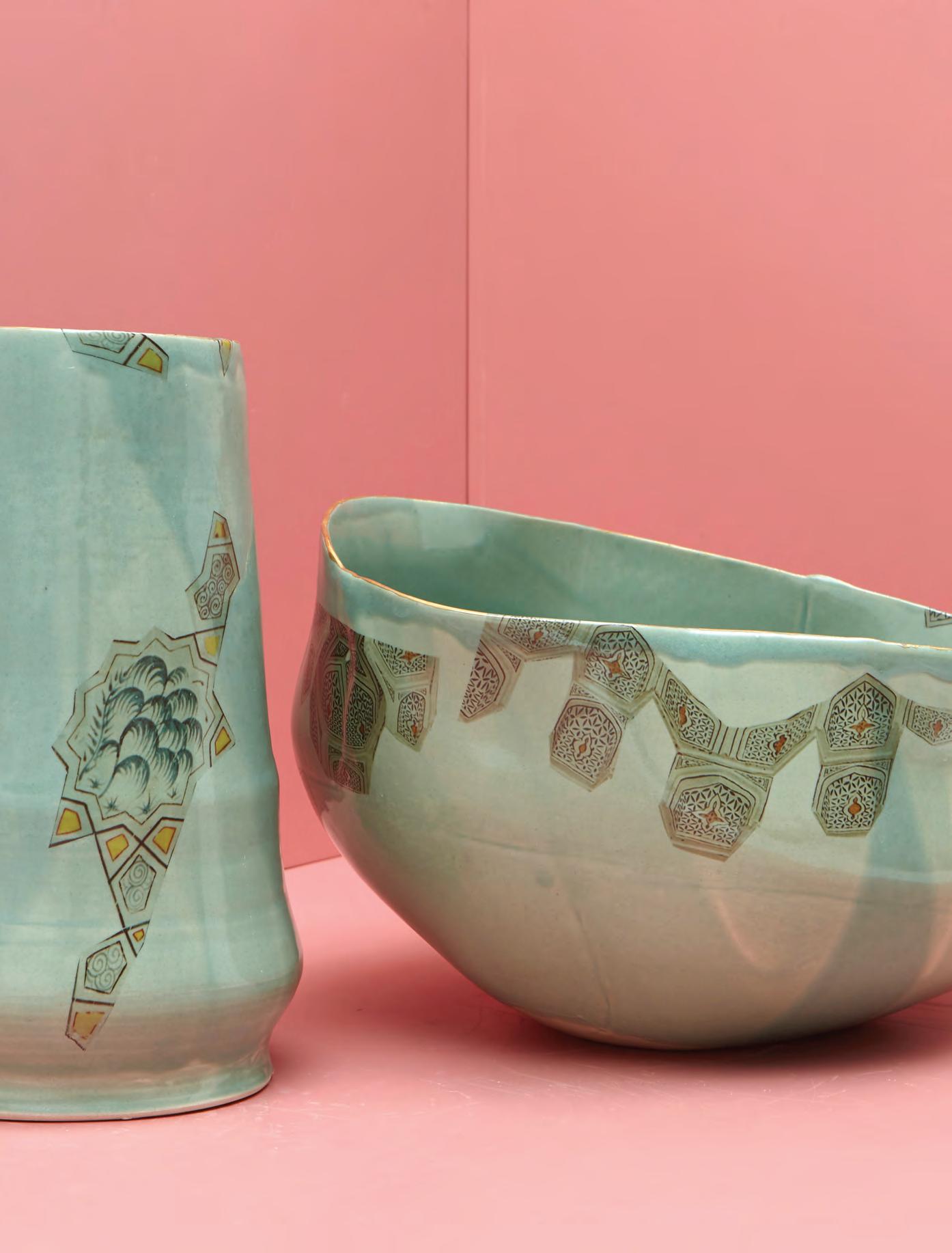
Nada Debs has always operated at the intersection of East and West, geometry and gesture. Now, with the launch of WA Collective, she's formalised what she has long practised intuitively: the art of creative dialogue. The inaugural collection, Traces, brings Beirut-based ceramist Lina Shamma into conversation with Debs’s signature geometric language – the catalyst being Debs’s travels through Uzbekistan, whose Islamic mosaics and arabesque tilework Shamma photographed, digitised into decals, then deliberately scattered off-grid across hand-built and wheel-thrown forms. The result is something genuinely unresolved in the best possible way: ordered and intuitive, ancient and immediate. WA – meaning “and” in Arabic, “harmony” in Japanese – turns out to be the most precise word for what happens when two creative women stop talking about collaboration and simply do it.
Try and remember to…
– Leave space for self-discovery
– Give your body the support it needs to support your success
– Rest more than you think you should
– Make time for your dreams

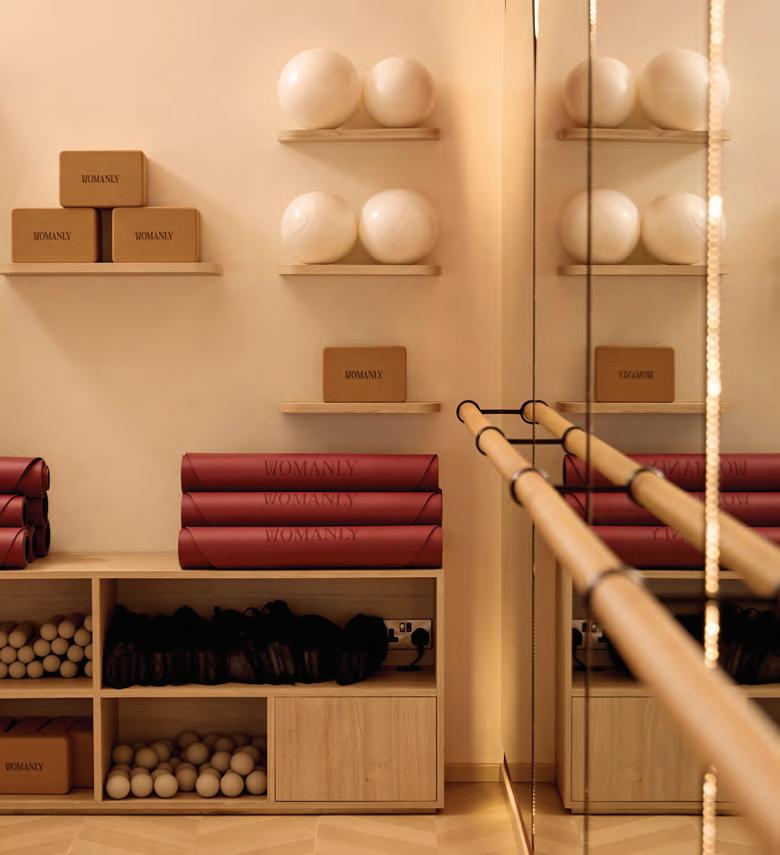
Womanly Wellness is Dubai’s newest sanctuary offering pilates, barre, and a lineup of holistic body and face treatments designed as rituals of care. Movement here blends grace with intentional strength, while every experience restores balance and honours the feminine rhythm.



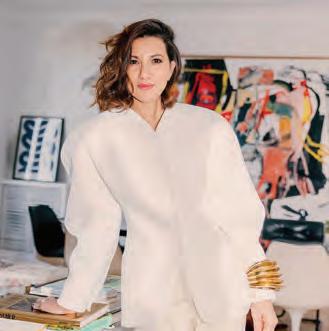
@amalrakibigallery
A gallerist, curator, and founder of her namesake art gallery.
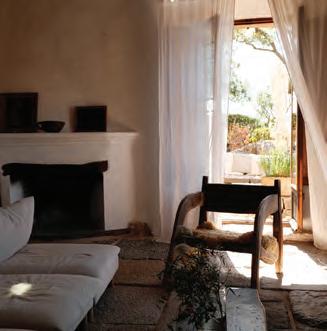
@thewomensanctuary
A women-led retreat embedded in mindfulness and sacredness.
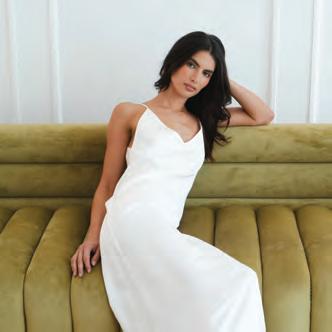
@amaragrace
A Dubai-based slow-fashion label creating pieces that are made to last.
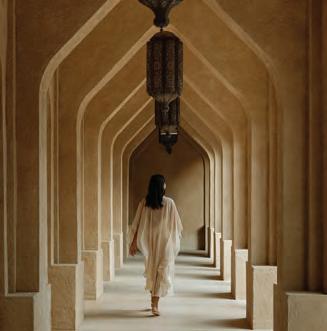
@anantaraqasralsarab
An arabesque desert resort nestled within the Empty Quarter in Abu Dhabi.
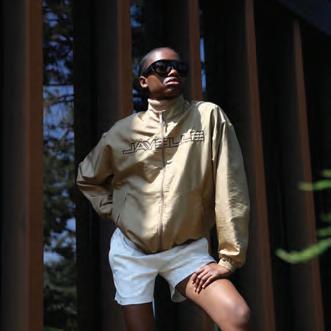
@jay3lle
A Riyadh-based golf-meets-fashion label by Princess Noura bint Faisal Al Saud.
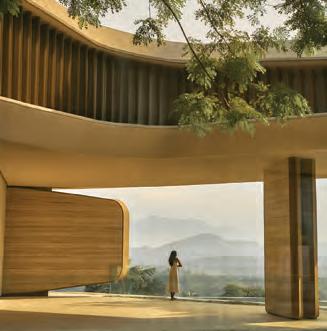
@tulahclinicalwellness
A wellness sanctuary in Kerala, where ancient wisdom meets modern science.
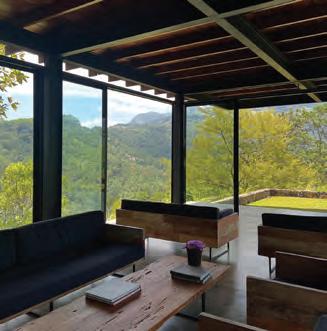
@santani_wellness
A luxury adaptive wellness resort in Kandy, Sri Lanka.

@drdeepikachopra
An Optimism Doctor and founder of Things Are Looking Up.

@shootmeamer
A Dubai-based fashion photographer with a distinct signature style.
A curated guide of Instagram accounts to #follow this month
COMPILED BY: AMINATH IFASA
COMPILED BY: RIYA KUMAR
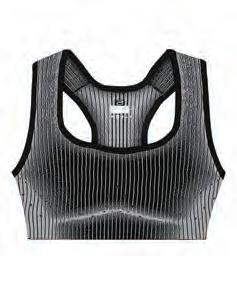
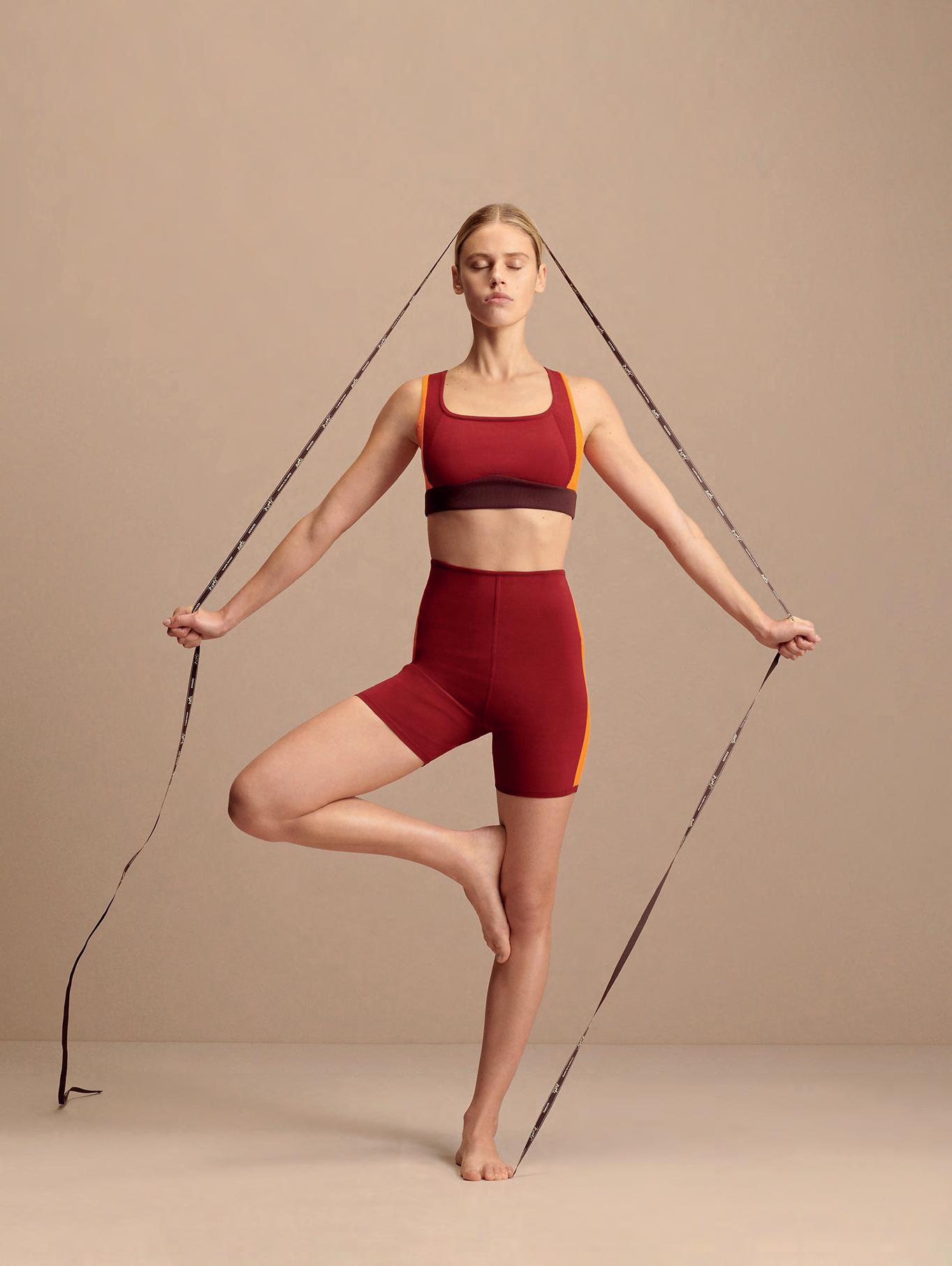
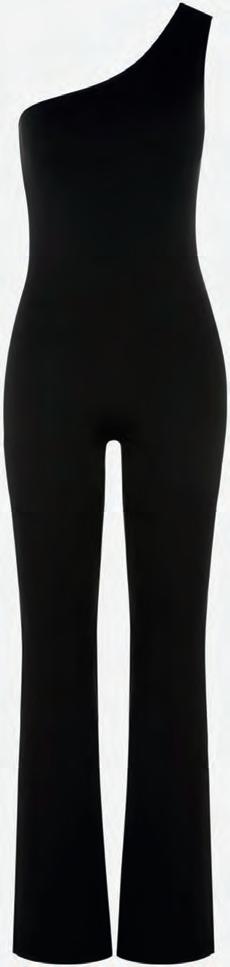
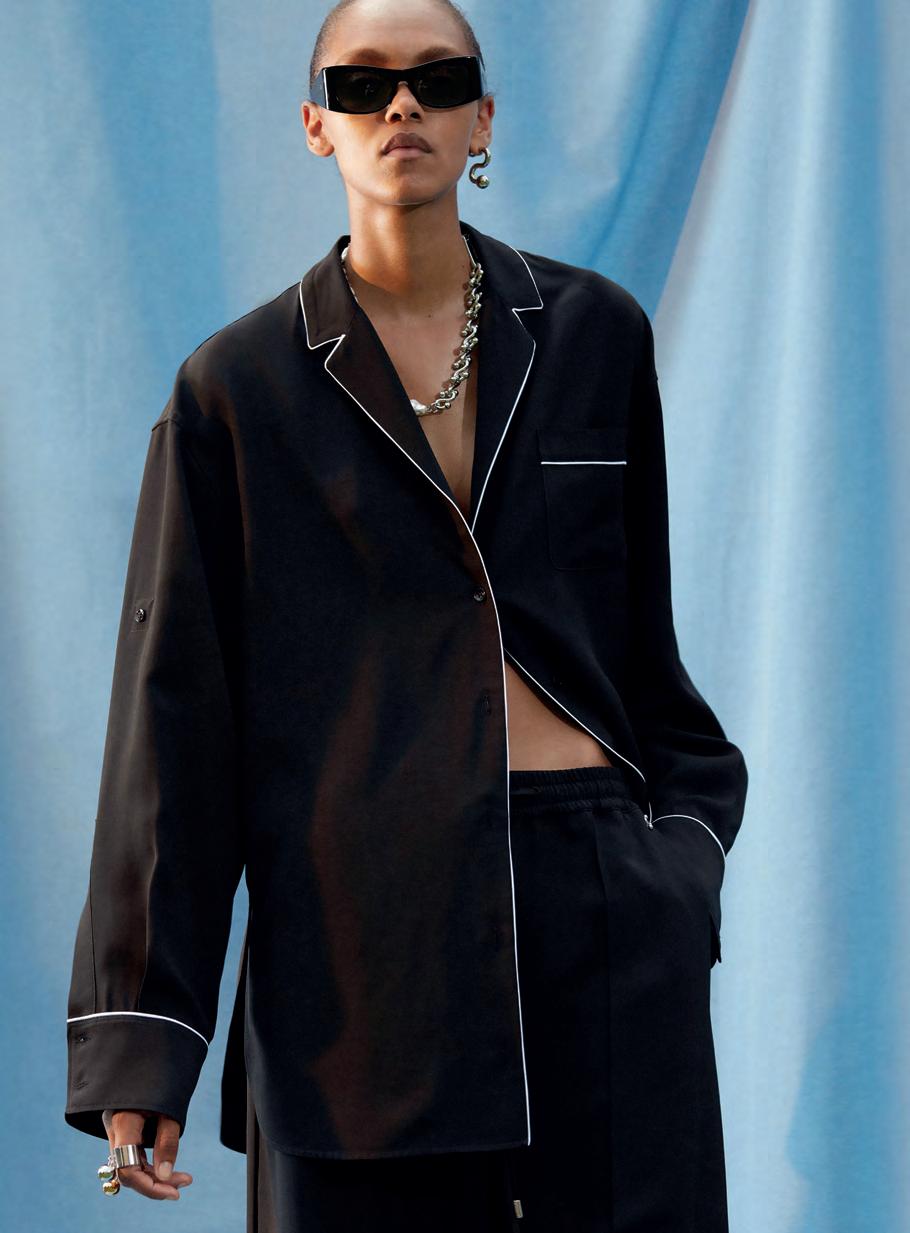
Because your practice deserves pieces as considered as your mindset
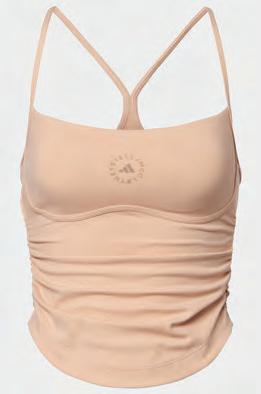
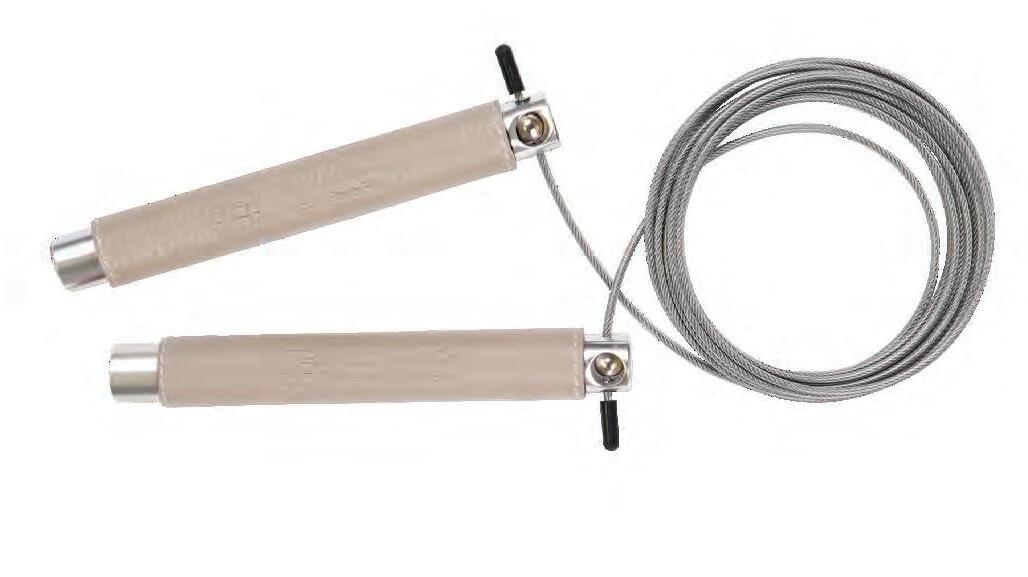
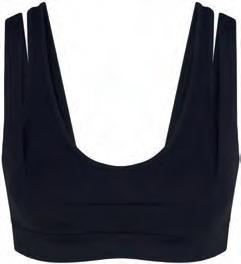
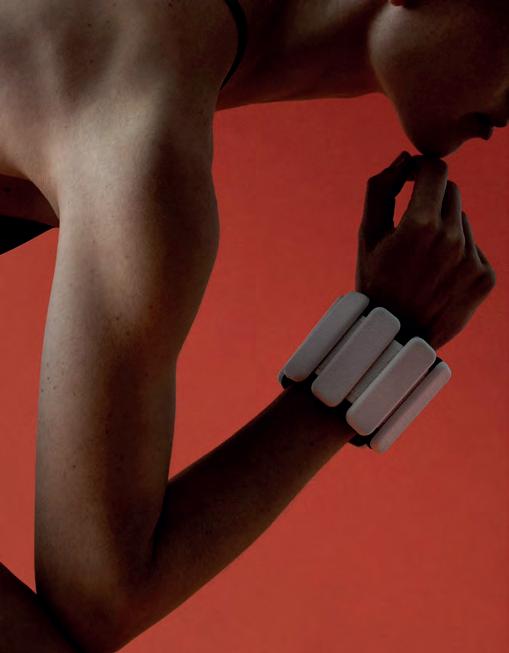
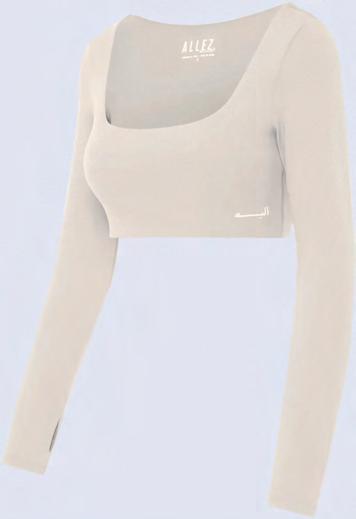
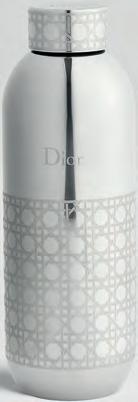
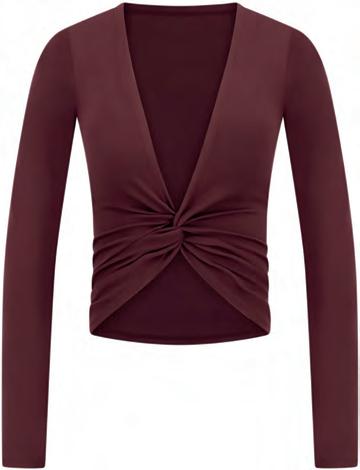
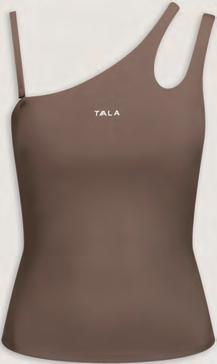
COMPILED BY: RIYA
KUMAR
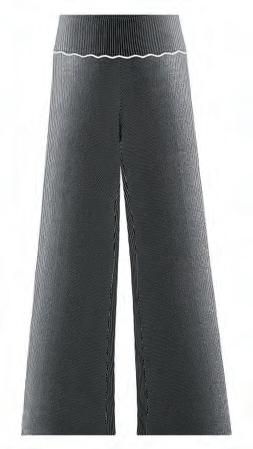
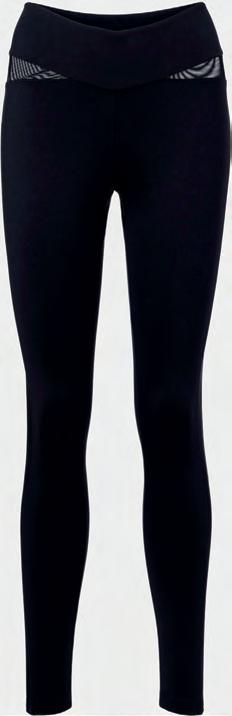
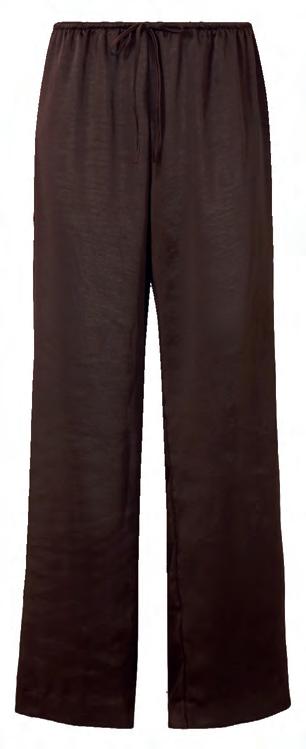
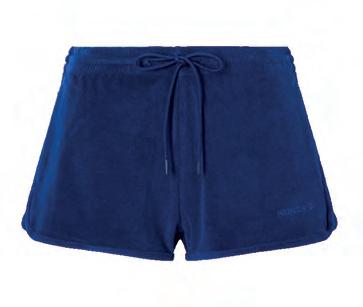
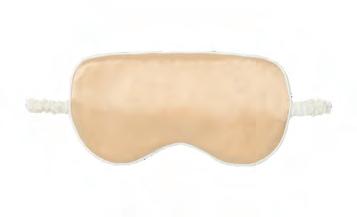
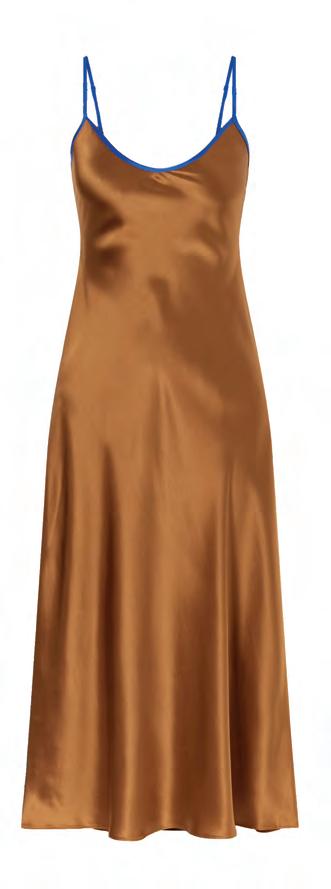
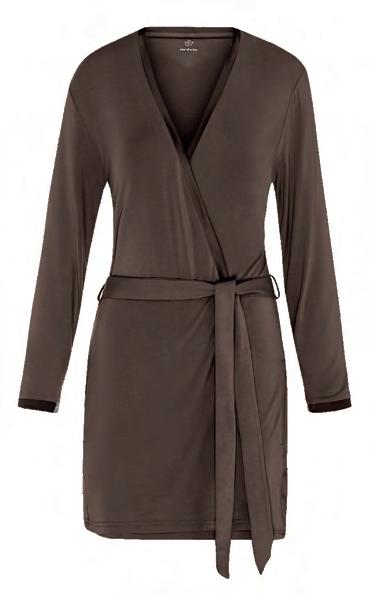
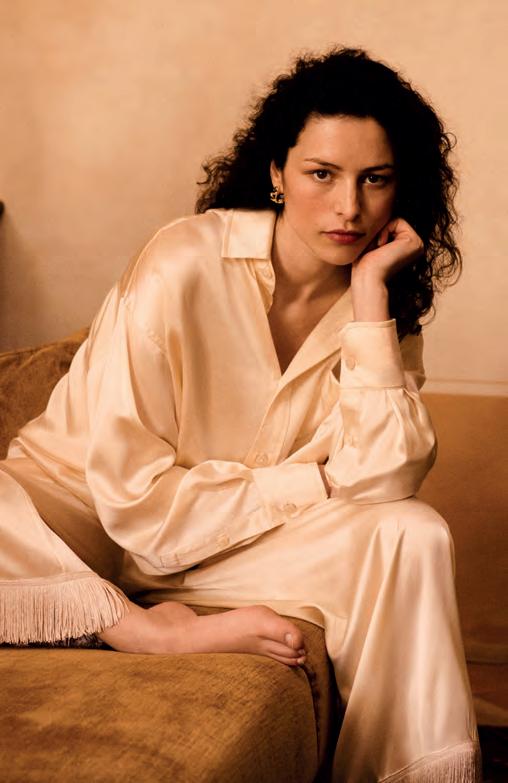
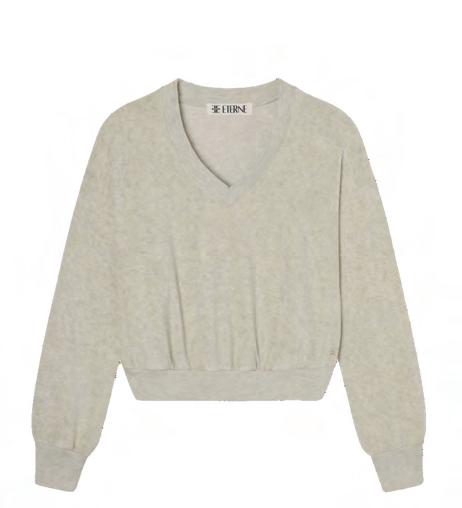
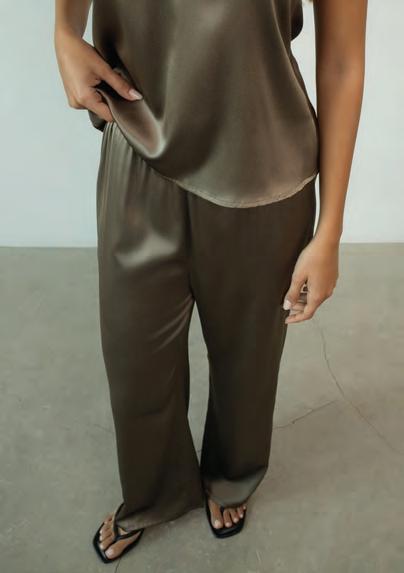
Thoughtfully crafted loungewear that celebrates simplicity, comfort and understated elegance
Dhs710 SKIMS

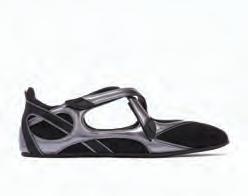
sandals Dhs2,900 KHAITE available at NET-A-PORTER

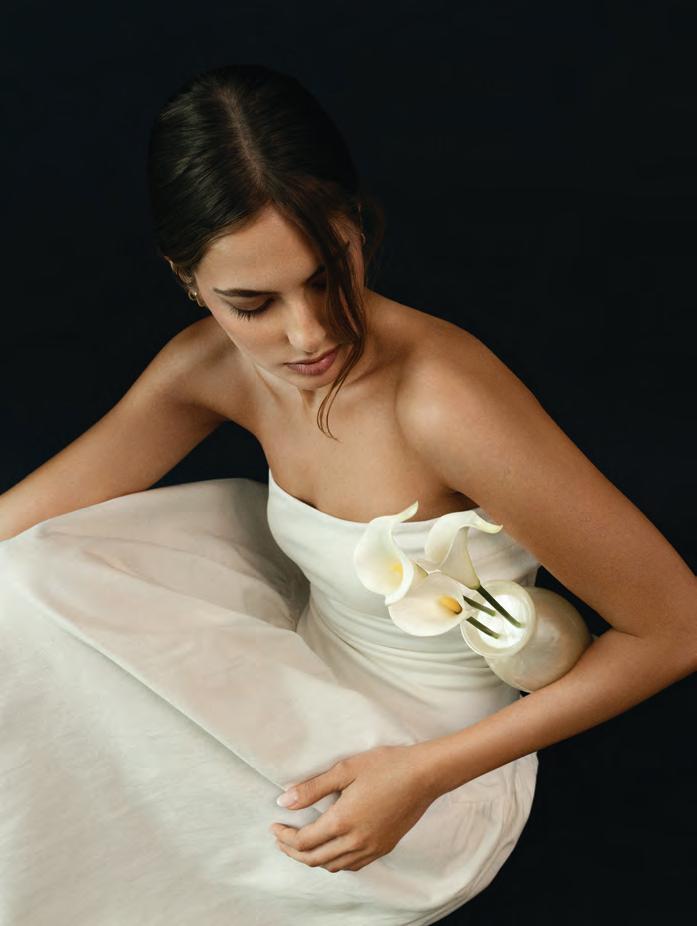
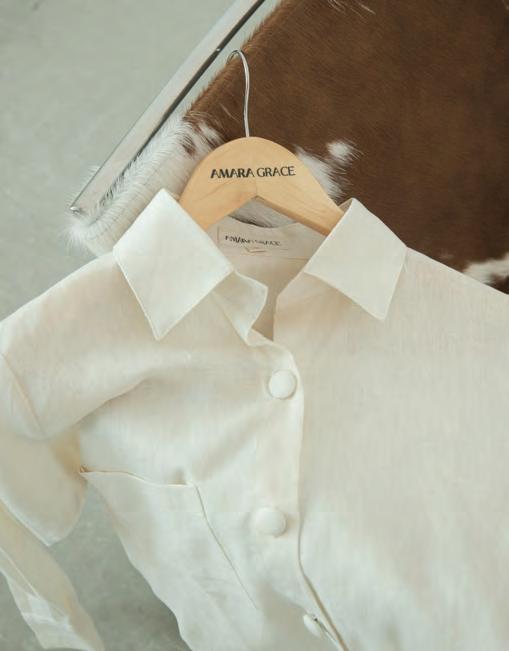
Inside Amara Grace, the seasonless label that Chloe Christodoulou designed to take its time
WORDS: AMINATH IFASA
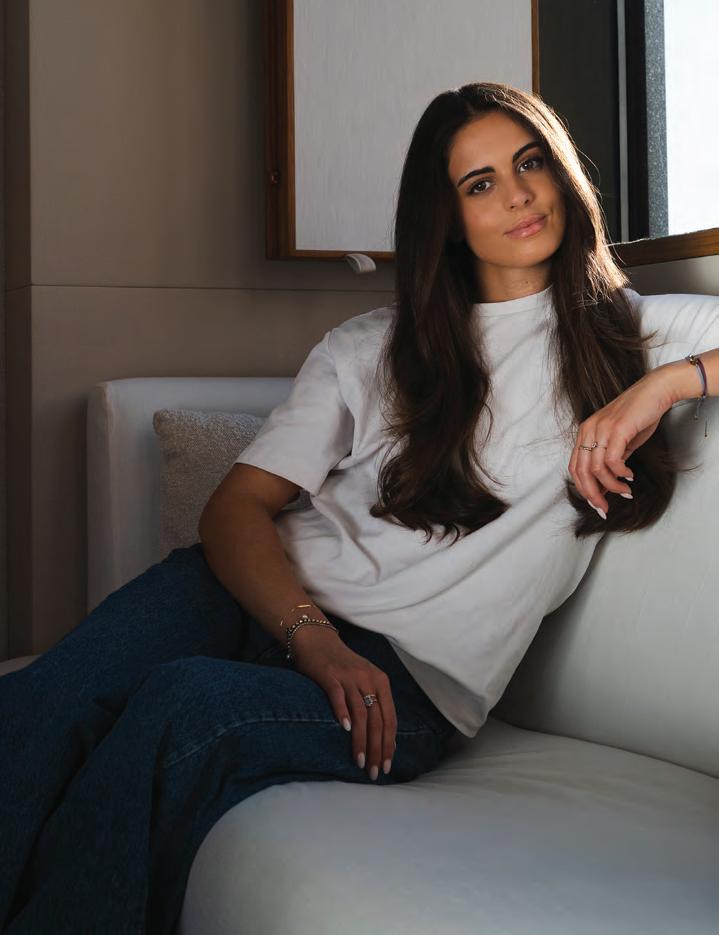
When the Instagram page for Amara Grace first appeared on my screen, something about it felt different, as the usual noise of fashion brands clamouring for attention was noticeably absent. A calm and feminine energy had been cultivated across every post and caption, the aesthetics intentional without feeling forced, and the more I scrolled, the more I wanted to understand who was behind this world. It is rare in an industry where fifty new brands cross an editor’s desk every day to find one that makes you stop and lean in closer, and Amara Grace had that effect immediately. The woman causing this reaction is Chloe Christodoulou, the twenty-seven-year-old founder
who chose to let her brand speak for itself rather than chasing viral moments. She considered building her brand around her personality, especially since social media rewards that approach so handsomely, but Christodoulou deliberately sidestepped that path. “I wanted people to find us and be like, ‘Wow, this brand is amazing, who’s the owner?’ and then they find us that way,” she explains. She remains humble about her journey and quick to acknowledge her mistakes, yet the founder never wavers in her conviction that the work speaks louder than the person making it.
Christodoulou chose the name Amara Grace with the same care that defines everything she does. Amara means everlasting in Latin and longevity in various African cultures, while Grace means elegance. “I wanted there to be actual meaning behind the brand’s name,” she says. She extends that philosophy of longevity to the clothes themselves, so the brand does not follow the traditional fashion calendar. Instead, she releases one collection per year and breaks it into smaller drops, designing so that pieces from previous collections can work seamlessly with new ones. So, a dress bought today should make just as much sense a decade from now. “The whole point about being seasonless is that our inspiration doesn’t come from the season or a trend,” she says. “It comes from how it is going to be worn, how it can feel, how you can wear this between different seasons.” The Mediterranean shaped Christodoulou’s
understanding of luxury. She grew up in Athens and then Cyprus, where that easy, breezy way of life taught her that simplicity itself is a form of elegance. She sources fabric in Dubai, produces in Dubai, and keeps the process intentionally slower than what the industry typically follows. Most brands design with tech packs and standardised sizing charts, but at Amara Grace, [they] go straight to the pattern cutting and iterating until the fit works for real women’s bodies. “What I’ve seen a lot in the reviews is that it’s always about fit,” she shares. “They’ll say, ‘Wow, you really thought about this fit.’ That for me is the best feedback.”
Christodoulou’s father grew up as the only brother among nine sisters, three of whom ran manufacturing practices in the 1960s producing for brands like Topshop and Liberty. “You have to immerse yourself in it,” the founder recalls him advising her. “You have to understand every little nitty gritty bit of what it takes to build a brand.” She took his advice seriously and moved to Dubai in March 2024 to learn the craft from the ground up.
To date, 80 per cent of the brand’s sales have come from the United States, a surprising statistic for a Dubai-based label that ships from the UAE and navigates higher shipping costs, but Christodoulou says the US girlies love them. She is in New York while we speak, exploring potential retail partnerships. And while she still currently runs the business alone, she gratefully acknowledges the people who have had her back as she builds her company. “All the people around me have been so supportive,” she says. “They want to be a part of the brand without being part of the brand.” She wanted perfection when she started. She planned every detail to be flawless. But her launch day was a mess. “We hadn’t integrated
shipping properly,” she admits. “If that didn’t happen, I wouldn’t be where I am today.” She does not fear failure because she has already failed more than once. She has lived through enough mistakes to understand that recovery is always possible, and she has earned that steadiness the hard way. “You might have a perfect moment,” she says. “But perfection as a whole doesn’t exist.”
For the longest time, Christodoulou’s days consisted of work, eat, sleep and repeat – so burnout eventually caught up with her. Now she walks through the city or along the beach, takes Pilates classes, and scrolls her phone without purpose. “Anything that completely disconnects you from your work is so important to regenerate the mind for the next day,” she explains. “Because if you’re burnt out, there’s no creation of those creative juices.”
Amara Grace hit its one-year anniversary in June. Christodoulou’s focus now is to release more guided content to help women understand capsule wardrobes and confident dressing. She is determined to create pieces that women reach for again and again. Pieces that they trust, and might one day pass down. “I’m a firm believer that everything happens for a reason,” she says. “And everything will work out for you in the way that it needs to.”
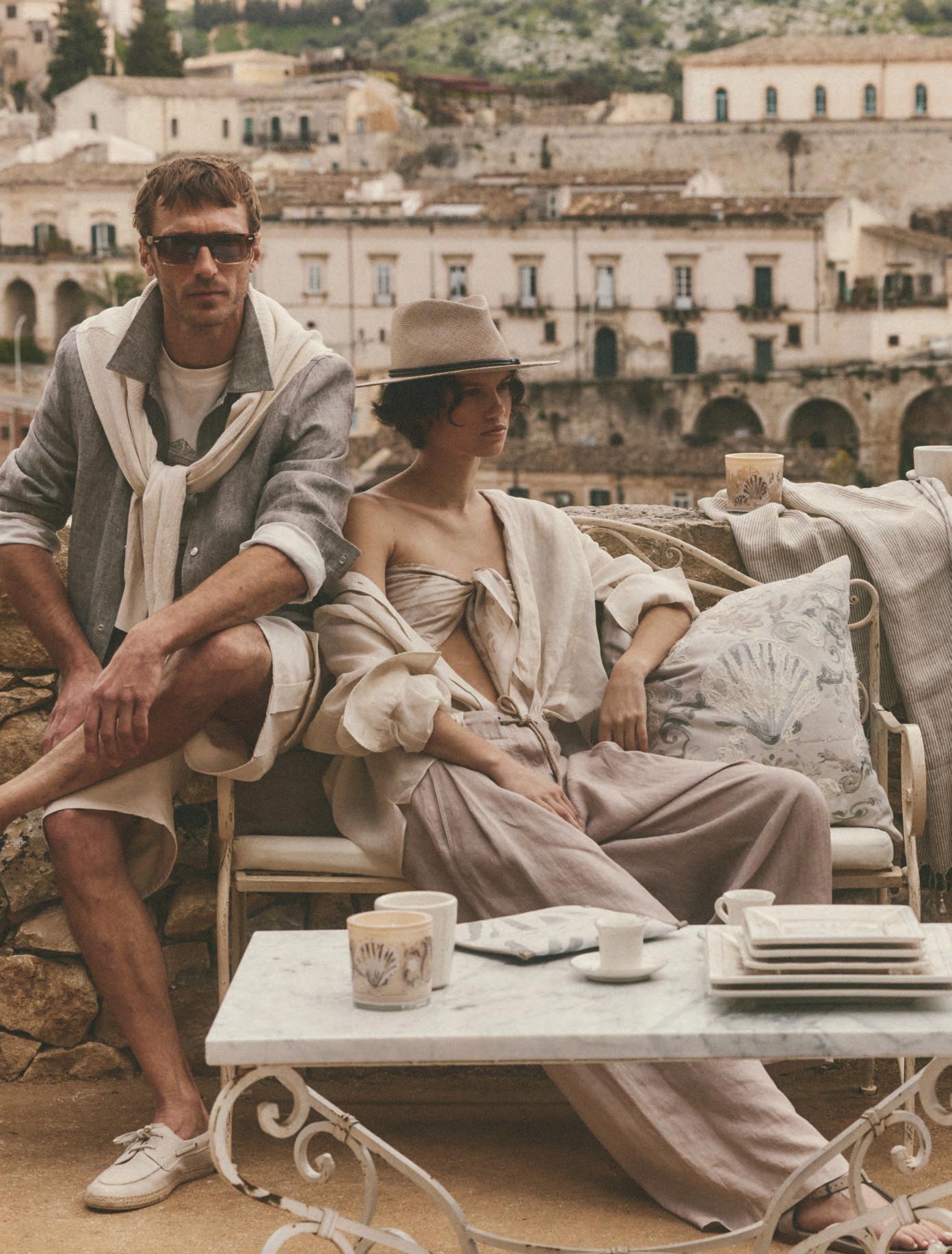
The Italian fashion designer Brunello Cucinelli has built an entire business around the philosophy that luxury should never raise its voice. This summer he takes that conviction to Sicily, specifically Modica, and lets the Mediterranean set the scene for a collection that telegraphs the concept of refined ease. These are pieces crafted to move at the pace of a long August afternoon: unhurried, sun-warmed, instinctively beautiful. In a subdued colour palette, soft tailoring produces ensembles that feel borrowed from the landscape. A shell motif that surfaces across clothing and objects alike, nods to something older and more elemental than trend. This is clothing as a state of mind. And the state of mind, it turns out, is somewhere between a Sicilian terrace and a very good glass of something cold.
It’s time to believe in…
– An unexpected source of inspiration
–
That inner voice waiting to guide you
–
The power of nature
– Forging your own
unique path
– The importance of each detail

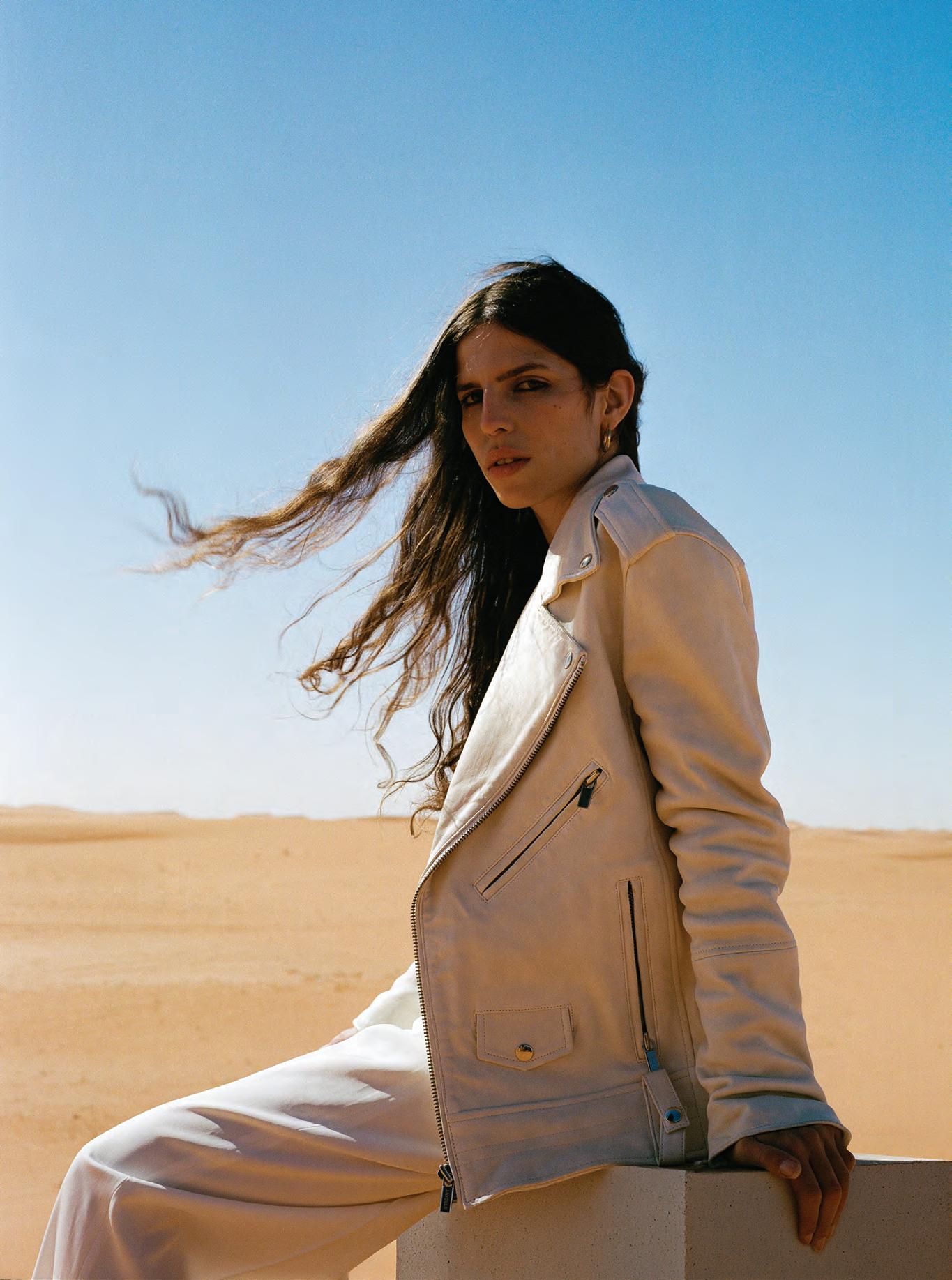
Princess Noura bint Faisal Al Saud built JAY3LLE with a global stage in mind – and with the launch of its e-commerce platform, the world can now shop it
When JAY3LLE launched its global e-commerce platform this spring, it did so with the kind of deliberateness that tends to characterise brands that have spent time getting their foundations right before reaching outward. Customers across the Middle East, Europe, the United States, Asia, and Africa could, for the first time, shop the collection directly –structured bomber jackets, tracksuits in luminous nylon and soft jersey, sculptural separates rendered in a palette that spans earthy neutrals, deep navies, and warm tonal brights – all of it crafted in Italy in limited quantities, and delivered in curated packaging that extends the brand experience well past the point of purchase.
At the head of that expansion is Princess Noura bint Faisal Al Saud, CEO of JAY3LLE, who has been clear from the outset about what kind of company she is building. “JAY3LLE was envisioned as a global brand from day one,” she says. “The vision is to create
a brand that brings together fashion, golf, and resort, demonstrating that a world-class luxury lifestyle brand can be developed from Saudi Arabia and expand internationally.” JAY3LLE is a brand defined by where it intends to go, and the business decisions Princess Noura has made in steering it reflect that orientation at every level.
Co-founded by Johan Lindeberg – the Swedish designer whose career has been spent at the intersection of performance and fashion – and Blue Lindeberg, JAY3LLE occupies a space in the market that the luxury industry has largely left unclaimed, filling the gap between women’s resort wear and golf fashion for a customer who takes both the sport and her wardrobe seriously. Lindeberg serves as Creative Director, giving the collections their technical edge and refined silhouette work, but the brand’s international ambitions are driven by Princess Noura’s strategic vision. The ecommerce platform, the New York launch event held this spring, the drop model through which new styles and colourways will
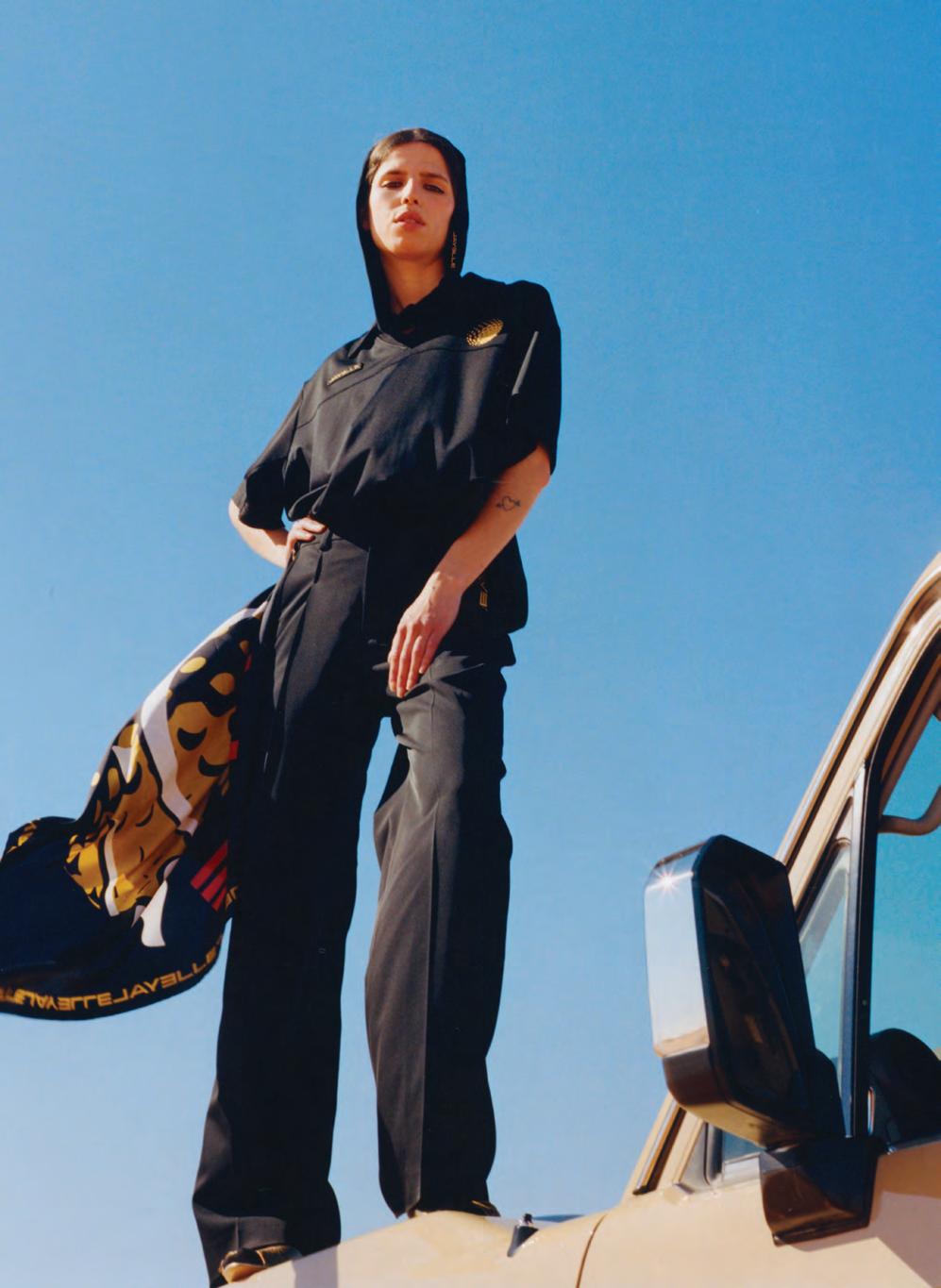
“JAY3LLE’S LONG-TERM VISION IS TO CREATE A LIFESTYLE ECOSYSTEM THAT BRINGS TOGETHER FASHION, RESORT, AND GOLF”
continue to arrive on an ongoing basis – these are the instruments of a scaling strategy, not simply a creative rollout.
The choice of golf as a founding category is well-timed. The sport is in a period of significant global growth, attracting a younger and more fashion-aware audience that has moved well beyond the traditional dress codes associated with it, and the market for women’s golf and resort wear at a luxury level remains underdeveloped relative to that appetite. JAY3LLE positions itself in that gap with precision, offering a wardrobe that moves from the course to travel to social settings without asking its wearer to change register. “We are creating more than clothing,” Lindeberg has said of the project. “We are building a lifestyle rooted in confidence, movement, and modern luxury.” It is a creative proposition that Princess Noura has translated into a business model built around quality, scarcity, and global access in equal measure.

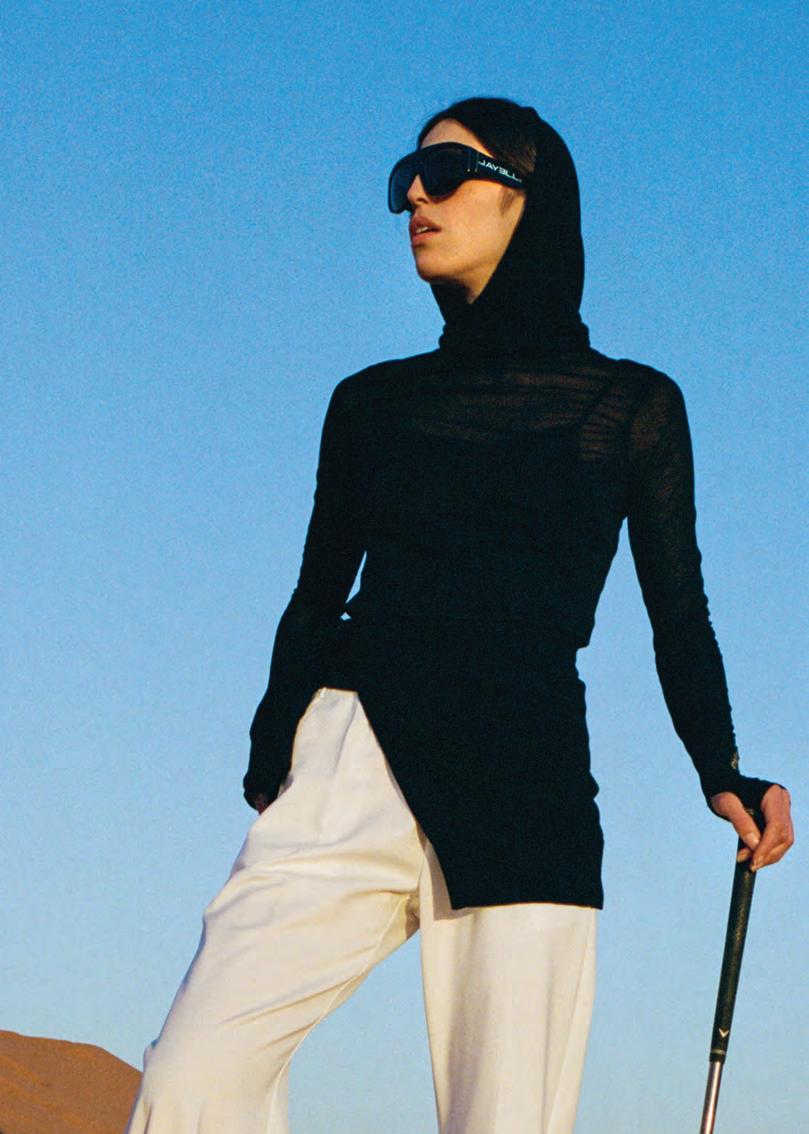
The e-commerce platform is the first stage of a broader retail strategy, with physical touchpoints already in development, and the worldwide shipping infrastructure now in place gives JAY3LLE the operational reach to match the scale of its ambitions. The New York event that marked the launch signalled the brand’s seriousness about establishing itself in key international markets, while the drop model – through which new styles and colourways are released on a rolling basis – keeps the offering dynamic and the relationship with its customer active rather than transactional.
“JAY3LLE’s long-term vision is to create a lifestyle ecosystem that brings together fashion, resort, and golf,” Princess Noura says. “The ambition is for JAY3LLE to become more than a fashion brand – it is a way of living.” That framing shapes the way the brand is being built from the ground up, with each decision, from Italian manufacturing to the considered breadth of its seasonal palette, contributing to a coherent world rather than a collection in isolation. For Princess Noura, the e-commerce launch is a milestone in a longer journey. “We see a clear opportunity to shape the future of luxury resort and golf-inspired fashion through a perspective that is both internationally minded and deeply rooted in identity, quality, and innovation.” The world JAY3LLE is building is only just beginning to open its doors – and by the look of it, they intend to keep them open wide.
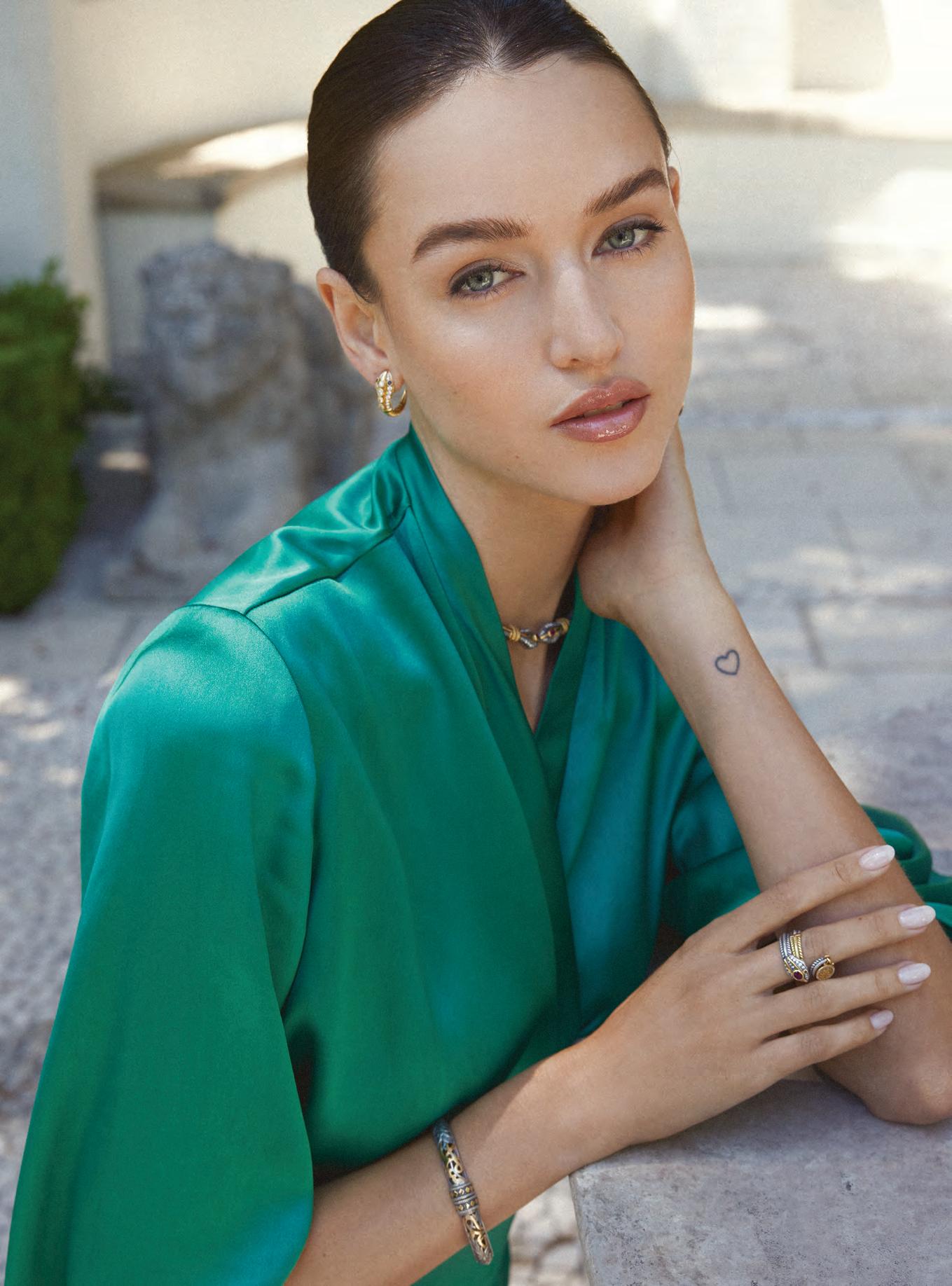
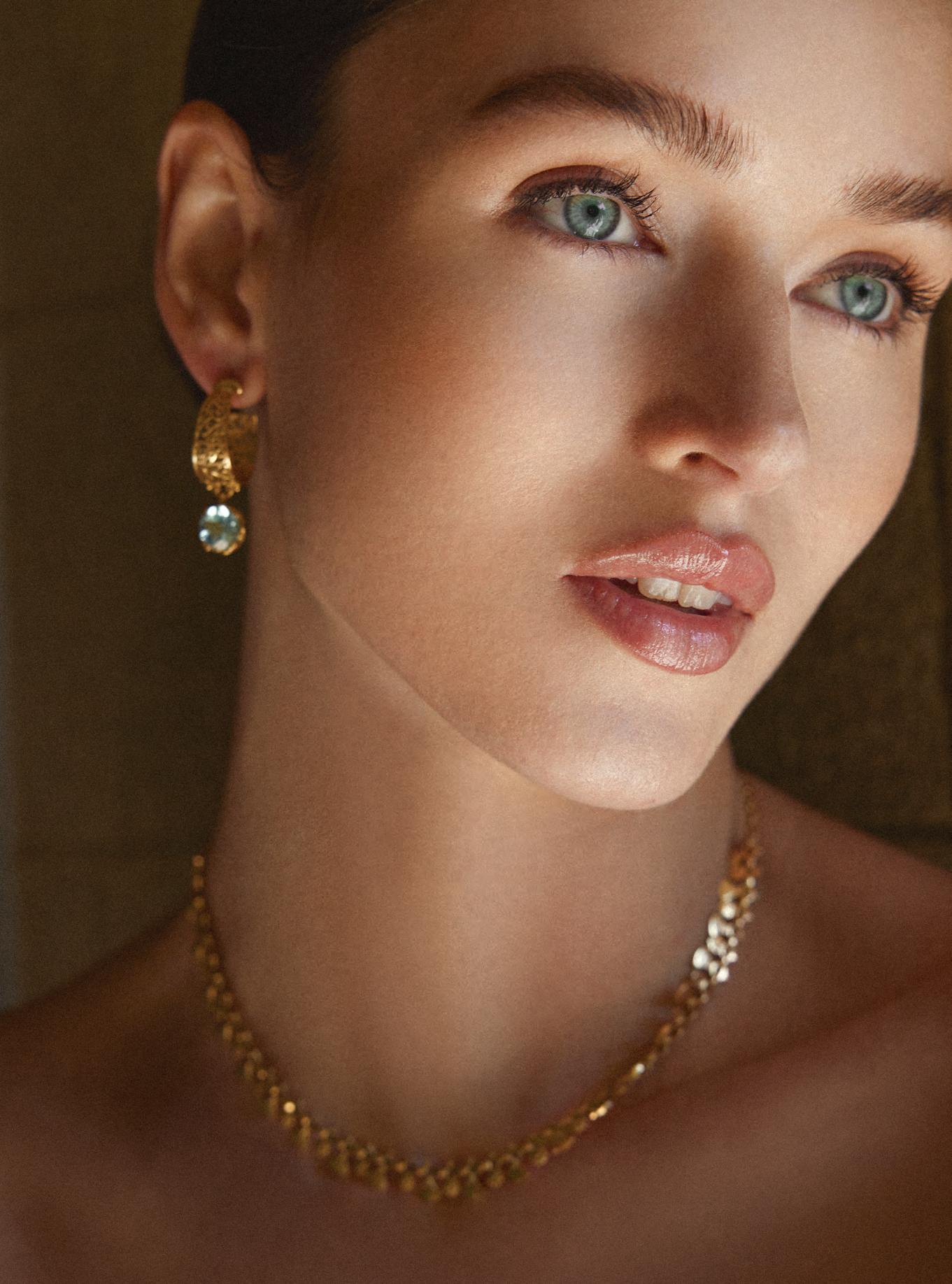
Malvina Cservenschi built the Malvensky jewellery house from a red string and a dream. Now she has brought her Romanian brand to Dubai – and discovered a harmony she didn’t know she was looking for

WORDS: JESSICA MICHAULT
PHOTOGRAPHER: GREG ADAMSKI
CREATIVE DIRECTION AND STYLING: DANIEL NEGRON
Jewellery: Malvensky; Outfit: Rhea Costa
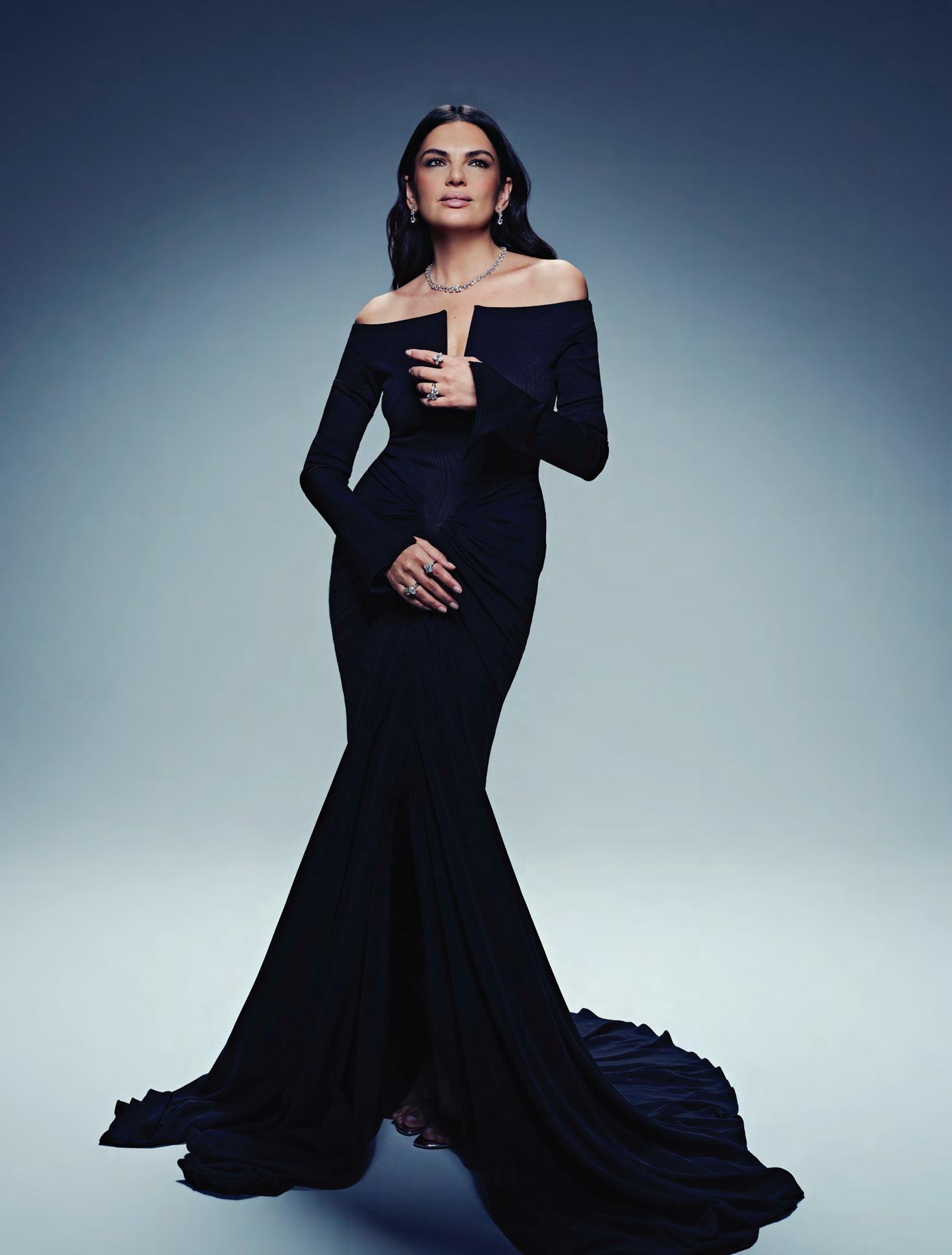
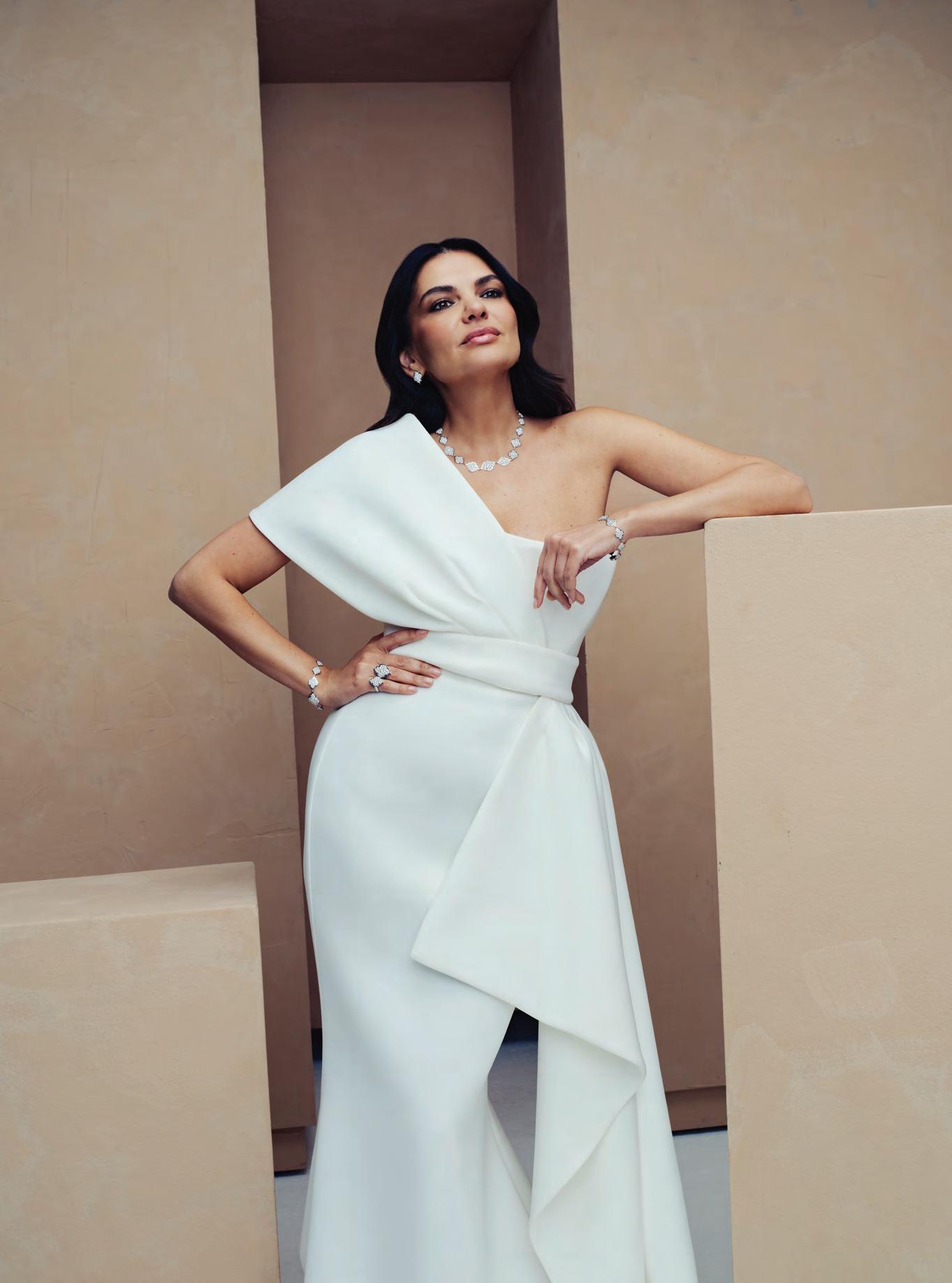
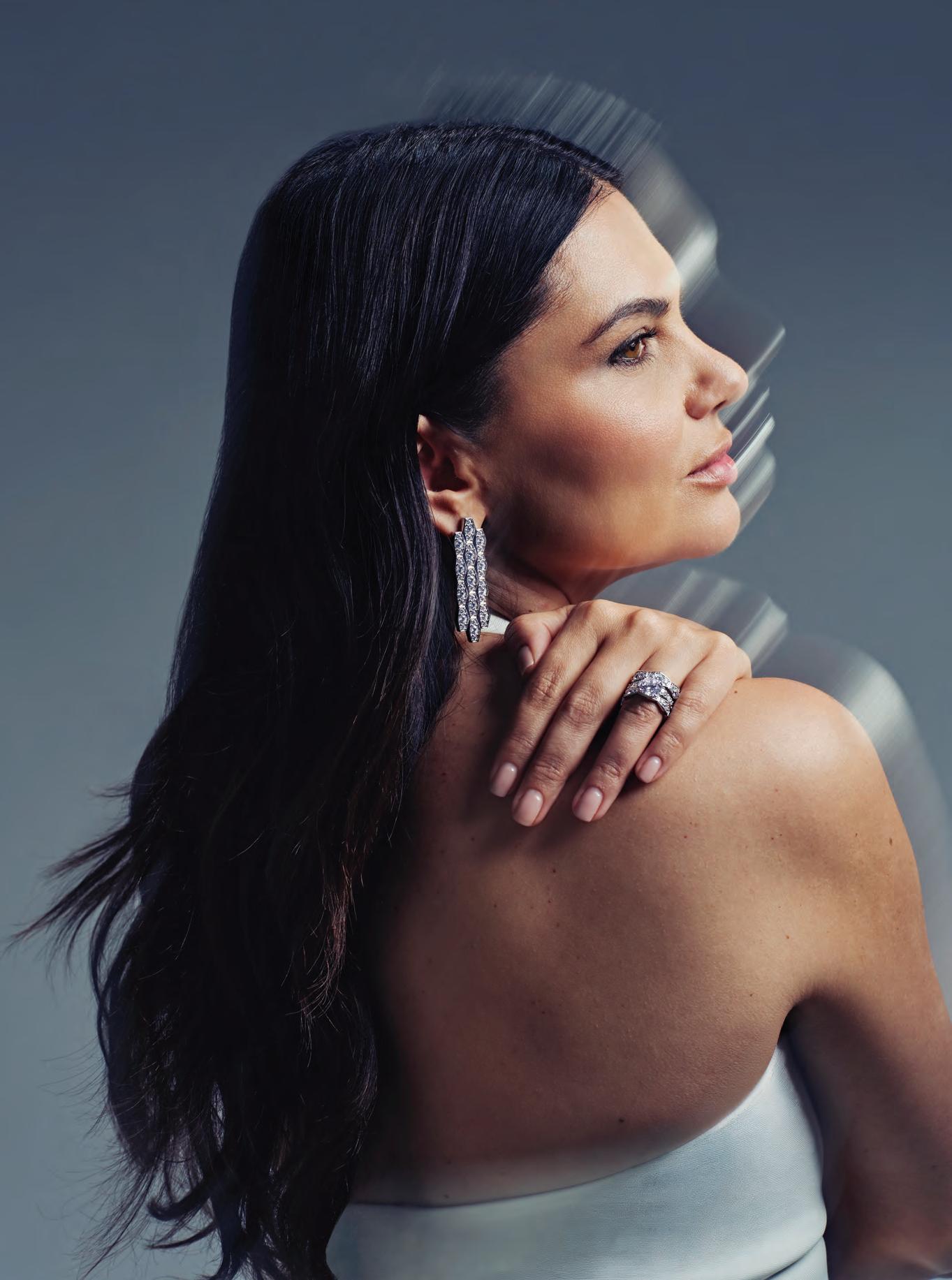
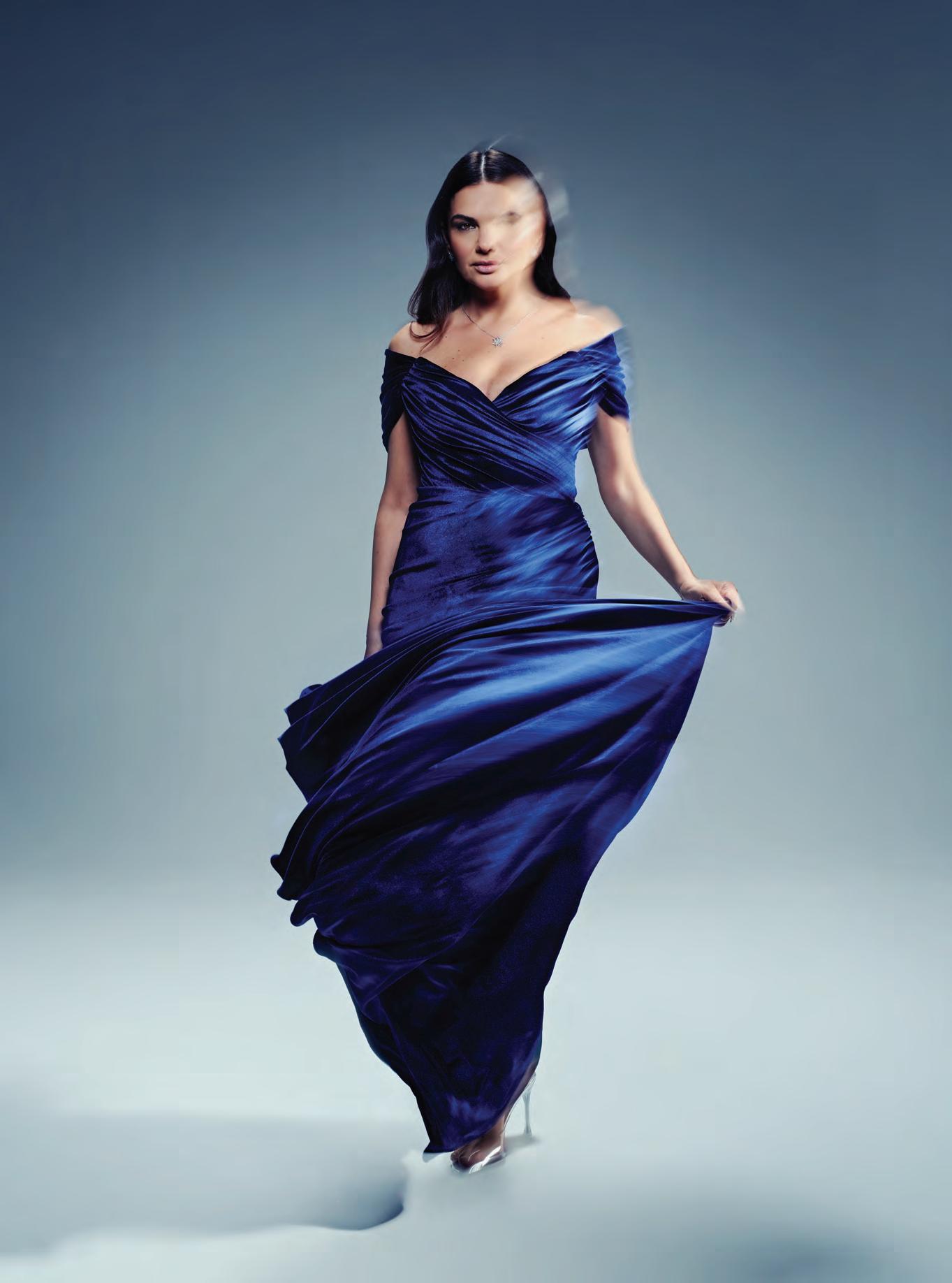
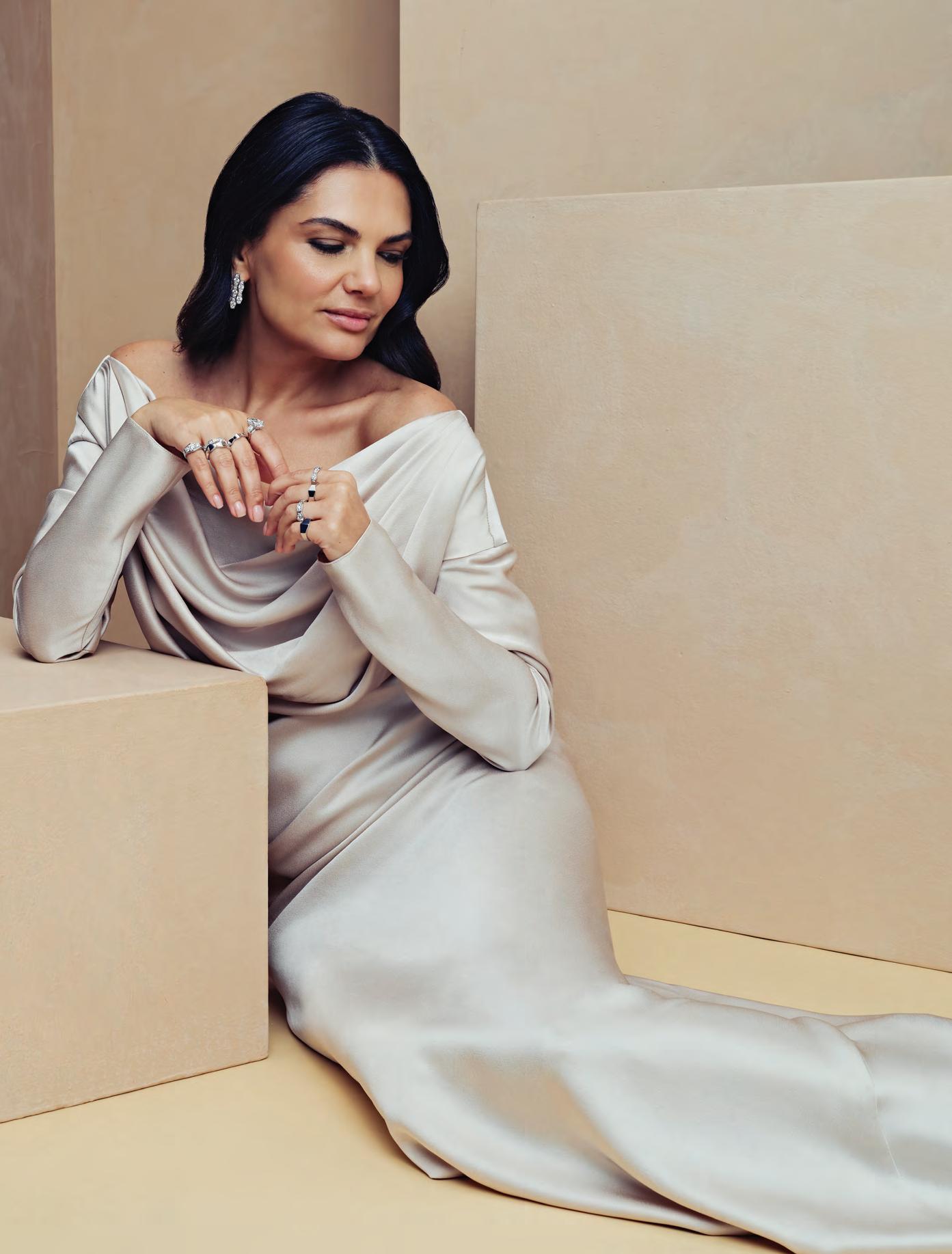
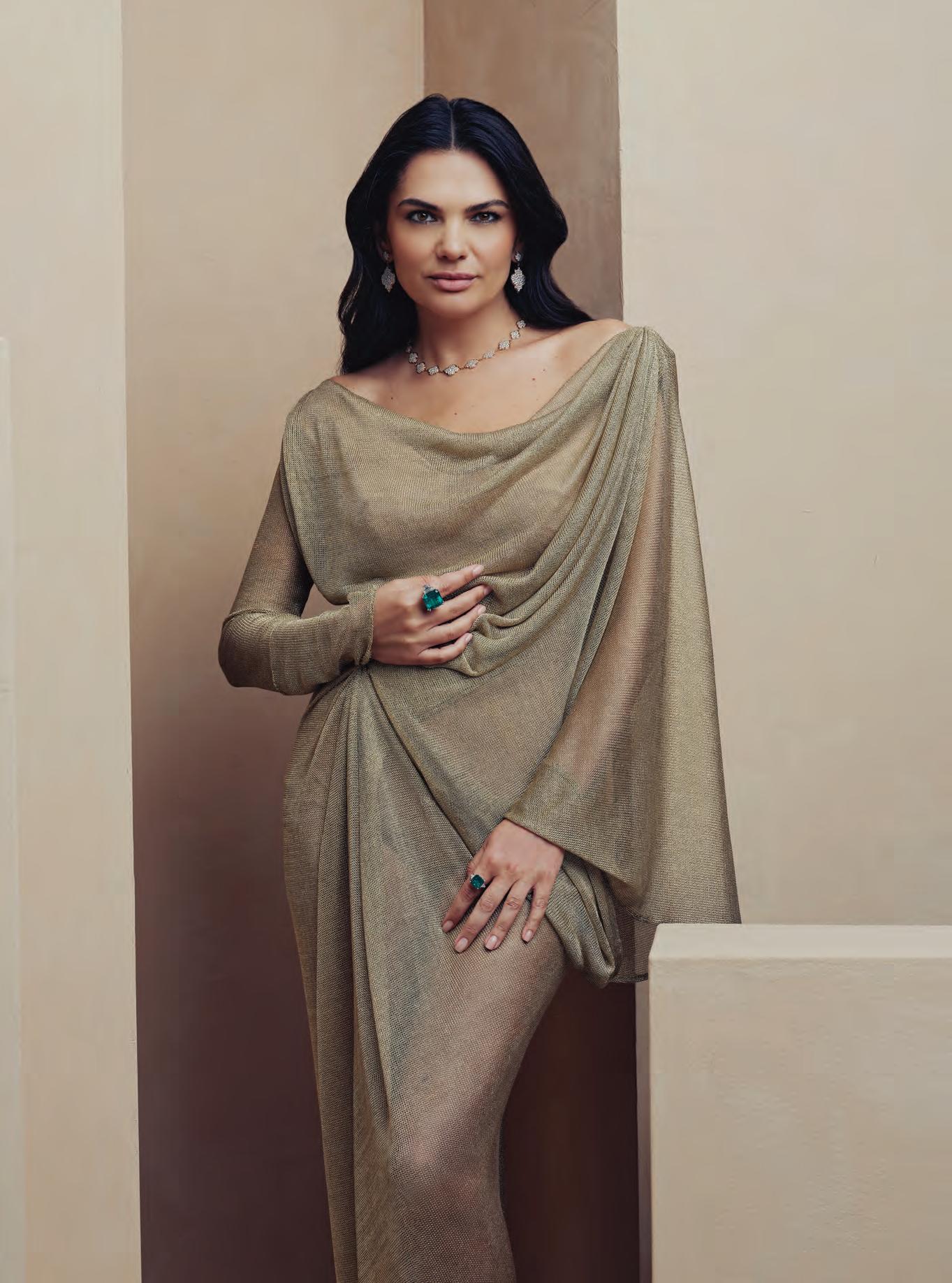
Sitting amid the lush cream-and-matte-gold interiors of one of Malvensky’s two newly opened boutiques at Al Habtoor Palace in Downtown Dubai, the brand’s founder and designer Malvina Cservenschi recounts what can only be described as a full-circle moment. She recalls visiting Dubai a decade ago and taking a photograph of herself standing on the hotel’s grand staircase. She sent the image to her mother in London with a simple message: One day, I’ll open a store here. Reflecting on why both the hotel and the city felt like the natural setting for the next chapter of her jewellery brand, Cservenschi explains: “I truly believe that the architecture of this place, and what has been created here, reflects the same values that define Malvensky.” Today that prescient photo is a tangible reminder that, when this woman puts her mind to something, nothing can stop her.
Born in Romania, raised between Bucharest and the deeply traditional countryside of Transylvania, Cservenschi was shaped, in part, by grandparents who believed that idle hands were a form of disrespect to life itself. “It was sort of like being in the army every summer vacation when I would go visit them,” laughs the founder, describing the regimented rhythms of those childhood years – tending gardens, cooking over open fires, washing clothes, feeding animals, learning to sew and crochet when the day’s harder work was done. Sunday was the only reprieve, a lazy afternoon at the lake. It was spartan and, she says, foundational in terms of the importance of hard work.
“From my father I inherited the fascination with business, with making things happen, finding solutions. He used to say: ‘if you want to have a successful business, you have to know how to do everything… to understand every aspect of a business, from sweeping the floor to leading the company, from managing the accounts to serving clients, making deliveries, negotiating with suppliers, solving problems, building a team, and making the toughest decisions.’” From her mother, Cservenschi learned something else entirely: an almost mystical ability to animate a room and give life to things. “She breathes life into any space she enters,” the founder says with quiet reverence. “She is in love with pearls. Every year for my birthday she offers me a string of pearls.” That string, and those summers in Transylvania surrounded by the traditional spiral patterns and rose-flower motifs woven into her grandparents’ carpets, are the seeds from which the Malvensky jewellery house eventually grew.
But the path there was anything but direct.
After graduating with a degree in foreign languages – English, Spanish, French – Cservenschi was essentially on her way to New York to join her family when a friend called with what seemed like a minor detour: an interview at the Romanian National Television for the role of weather presenter. She went, she says, because she had nothing to lose. She had no expectations. She got the job the same day. What followed was a decade on air that she describes with the kind of wry affection reserved for chapters of life that were necessary but never quite hers. She and her co-presenter, Albertina Ionescu – a blonde and a brunette, yin and yang –became the first weather duo on Romanian television, causing a small sensation. Within 18 months of learning on the job she had lobbied her way up to a presenter position on the 5 o’clock news, then the 10:30pm broadcast. On the side, she would act as a master of ceremonies at galas and events. Her years as a news anchor at the Romanian National Television gave her the foundation for
everything she does today in business – from storytelling, content creation and editing to video production, post-production, news writing, communication, and developing creative campaigns. She learned skills that would end up helping her to grow into a formidable businesswoman: how to run several social media platforms simultaneously, how to produce, direct, and present and most of all how to build relationships and networks that last.
And yet. “As a news presenter I just didn’t feel like I was bringing something to the table, to society. I also wanted my freedom. I wanted to be independent,” says Cservenschi. The moment of clarity arrived, of all places, through a documentary – The Secret – watched in the gap between her two nightly broadcasts. “They asked you: what is it that you really, really, really want? And this question made me think,” she adds. Deep inside the jewellery designer already knew the answer. She just needed to hear it asked aloud.
The red string came first. It was the building block of the first jewellery pieces Cservenschi ever designed. She added a gold charm – an angel, a heart, a clover, a coin – onto the silk thread. Love. Protection. Luck. Abundance. The four fundamental needs of a human life, rendered in miniature. She slipped one onto the wrist of a dear friend who had everything except love. She watched her friend’s reaction and felt something shift.
“I went to sleep one night and asked out loud: what should I do? When I woke up, I saw the red silk string bracelet I had designed on my wrist and I realised that the answer was right in front of me,” Cservenschi recounts. She opened her laptop that same night, began to research, and the next morning was knocking on the doors of jewellers on Calea Victoriei – Bucharest’s famous thoroughfare – looking for someone to produce her first four pendants. Later, she placed them on a table in the atelier of her close friend, the fashion designer Rhea Costa, and wrote by hand on small envelopes: Make a wish and let it happen. Two customers spotted her in the act and bought them immediately. “That was, I think, the happiest moment of my life,” the jewellery designer says. “Because I felt that I had found my purpose.”
The Malvensky jewellery brand was officially born in 2012, though the soul of it had been forming for decades. Working
“MY MISSION IS TO TRANSLATE VALUES, SYMBOLS, AND TRADITIONS INTO GOLD AND DIAMONDS”
through her lunch breaks and late into the nights while still presenting the news, Cservenschi diligently made her bracelets, slowly growing the business. She built one of Romania’s first Facebook stores. She designed the packaging, developed and launched a website – nurturing her budding jewellery house slowly and with intention. “Then one day, came a moment when I realised I had to make a choice. If you truly want to excel, you cannot give your best to two life-defining careers at the same time. It wasn’t fair to either television or the business I was building so I quit television,” she shares about the moment she decided to bet on herself.
Today, Malvensky counts more than 20 collections, most of them produced in Romania, with the high-end fine jewellery pieces crafted in Italy and Mumbai. As the brand’s creative director and designer Cservenschi personally comes up with all the collections. She has studied gemology at the GIA and spent time in Dubai learning about the fascinating world of gemstones. She has also toured Italian factories to understand the technical architecture of fine jewellery making. All that hard work has led to prestigious commissions, including becoming an official jewellery supplier of The Royal Romanian House. A distinction that has seen Cservenschi creating pieces for Her Majesty Margareta of Romania and other royal houses around the world.
The success of Malvensky in Europe is embodied by its brick-and-mortar flagship store in the heart of Bucharest. This 1,000-square-metre jewellery palace, which is spread over three floors, was a critical move for Cservenschi. She wanted every Romanian to have the ability to fully experience the homegrown brand, to see the creations up close, and learn about the stories and symbolism behind each design.
The collections themselves are a kind of touchstone, ones that celebrate heritage traditions and symbolism. They are inspired by Romania’s most significant traditional patterns and historical monuments – the Athenaeum, Pele Castle, Trajan’s Bridge –translated into gold and diamonds. The Romanian spiral. The tree of life. The clover. The wheat stalks. They all have a place in the Malvensky design universe. “My mission is to translate values, symbols, and traditions into gold and diamonds,” Cservenschi says. “To keep alive our roots. Because in order to be true to yourself, you have to stay connected to where you come from.”
Then, the East beckoned.
There is a word that recurs in our conversation about Cservenschi’s relationship with this part of the world: home. Not “market,” not “opportunity,” not even “inspiration” – though it is all of those things too. But it is this sense of feeling at home that emboldened the founder to launch her brand in the UAE. She moved to Dubai in February and despite the regional unrest she had faith in the perseverance and tenacity of the nation. The designer was determined not to let anything stop her from continuing to pursue her dream to grow her brand in Dubai. “When I went into the desert for three days to shoot the campaign for the collection I created especially for this market many years ago,” Cservenschi recalls, “I felt like time had stopped. There were only the stars above me and all the noise inside my head got very quiet. I feel deeply at home. I
feel at home here when I see all the patterned designs, when I hear the music, when I eat the food, when I see the people. I think in another life I used to be from here,” she confesses. That collection, the Heart of Orient, was the result of Cservenschi’s recognition that the symbols she had grown up with in Transylvania – the arched gate, the spiral, the geometric rosette – were not so different from the motifs she encountered across the Middle East. Harmony, it turns out, does not require sameness. It only requires resonance. “In the desert, in Al Maha, I was looking around and I found exactly the same symbols,” she shares. “There are symbols you can find anywhere in the world with small differences.”
The Heart of Orient collection is part of a larger project the founder calls Journey of Traditions. Designed to celebrate feminine beauty through themes of sensuality, elegance, and mystery, it continues Malvensky’s mission to discover, reinterpret, and celebrate the traditions, folklore, and cultural heritage of civilisations around the world. “I began Journey of Traditions because of my deep fascination with the symbols and motifs of Romanian folklore. From there, the journey naturally continued into the magical and mysterious world of the Orient, a culture rich in beauty, symbolism, and timeless craftsmanship,” she explains.
Cservenschi chose the location of her Dubai boutiques with characteristic precision, resisting the obvious gravity of the megamalls in favour of spaces that felt, in her word, aligned with local culture. “I have never gone where the crowds were,” she says. “I always look for where the heart of the people is, so they are naturally drawn to the brand.” What she is building in Dubai is not simply a retail presence. The founder plans to host intimate jewellery events for groups of women – evenings where she will explain how a piece is made, how to understand the value of an emerald versus a ruby, how to read a gemstone report, how to find what truly suits a person. It is an education as much as a sale.
The thread that runs through all of it – from the red string bracelet first created on a Romanian kitchen table to the diamond-set tiaras photographed against the dunes – is something that the theme of this issue asks us to consider directly: harmony. Not the easy kind, not the kind that simply means the absence of conflict, but the deeper kind that emerges when disparate parts find that they were always, somehow, meant to coexist.
Cservenschi carries it with her – between her father’s rigour and her mother’s beauty, between the television career she left and the business she built, between Romania’s ancient symbols and the Middle East’s living ones, between the woman who once sent a cri du coeur to her mother all those years ago and the woman who now stands beside the counter of her store in the Al Habtoor Palace where that dream has come true.
“Malvensky is proof,” Cservenschi says, “that out of two bracelets and a vision an idea can be built, diligently over time to grow to a point that it is ready to take on Dubai.” She pauses. Outside the boutique, the city hums. “I want people to know that if they have an idea, something new, something they connect with – even if they find that talent later in life – they can do it. If they have the vision, and if they have the courage, anything is possible.”
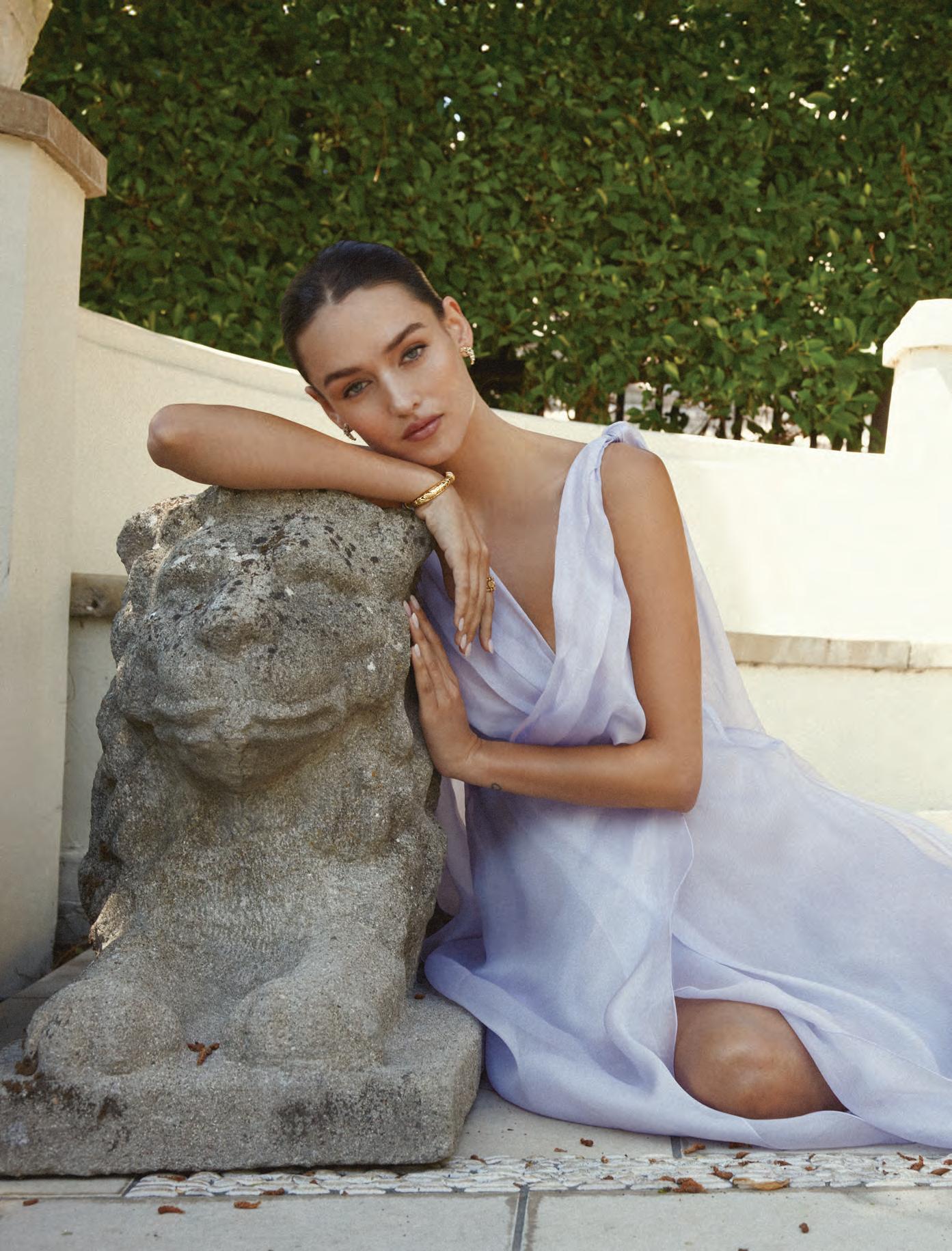
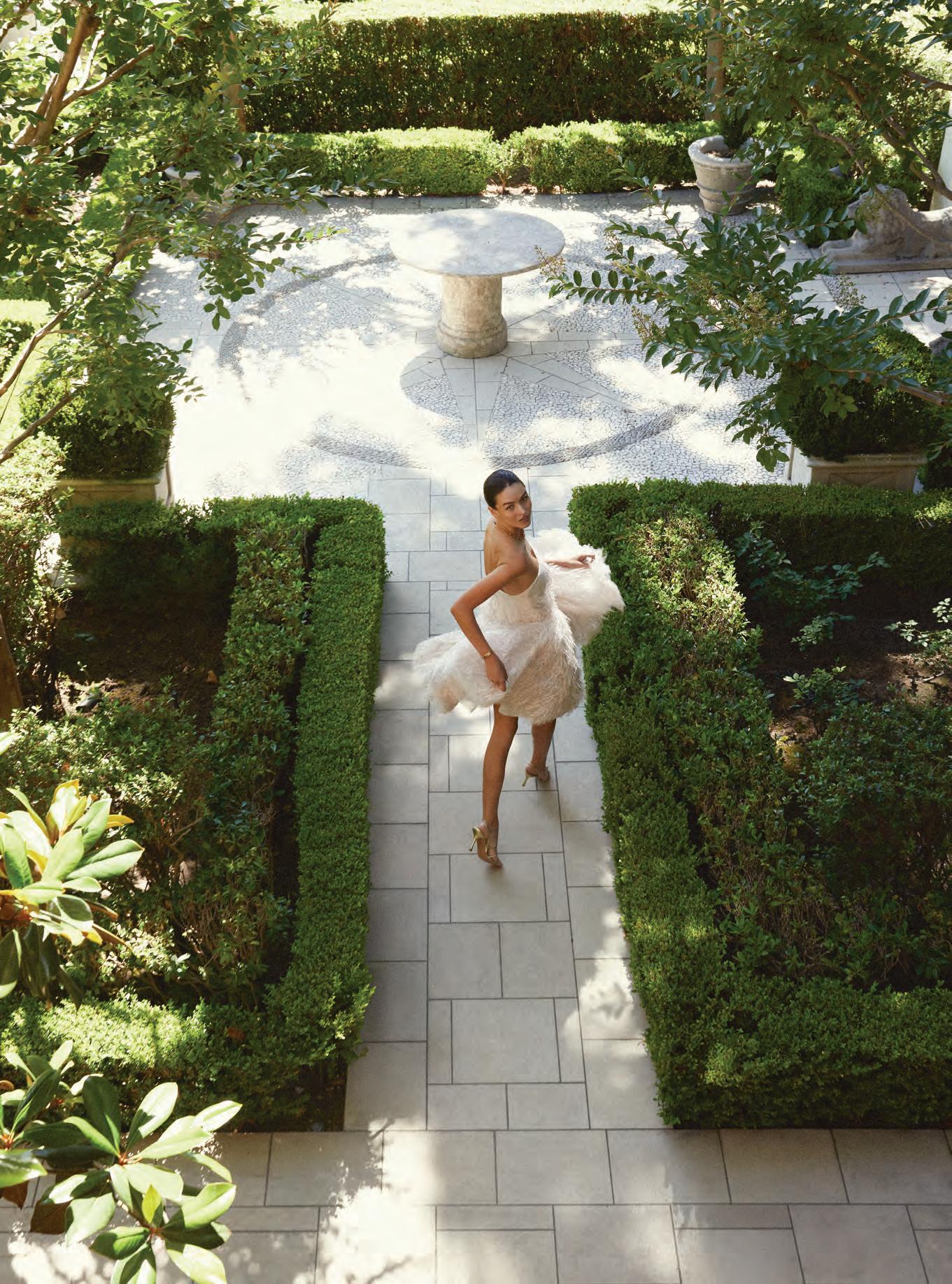
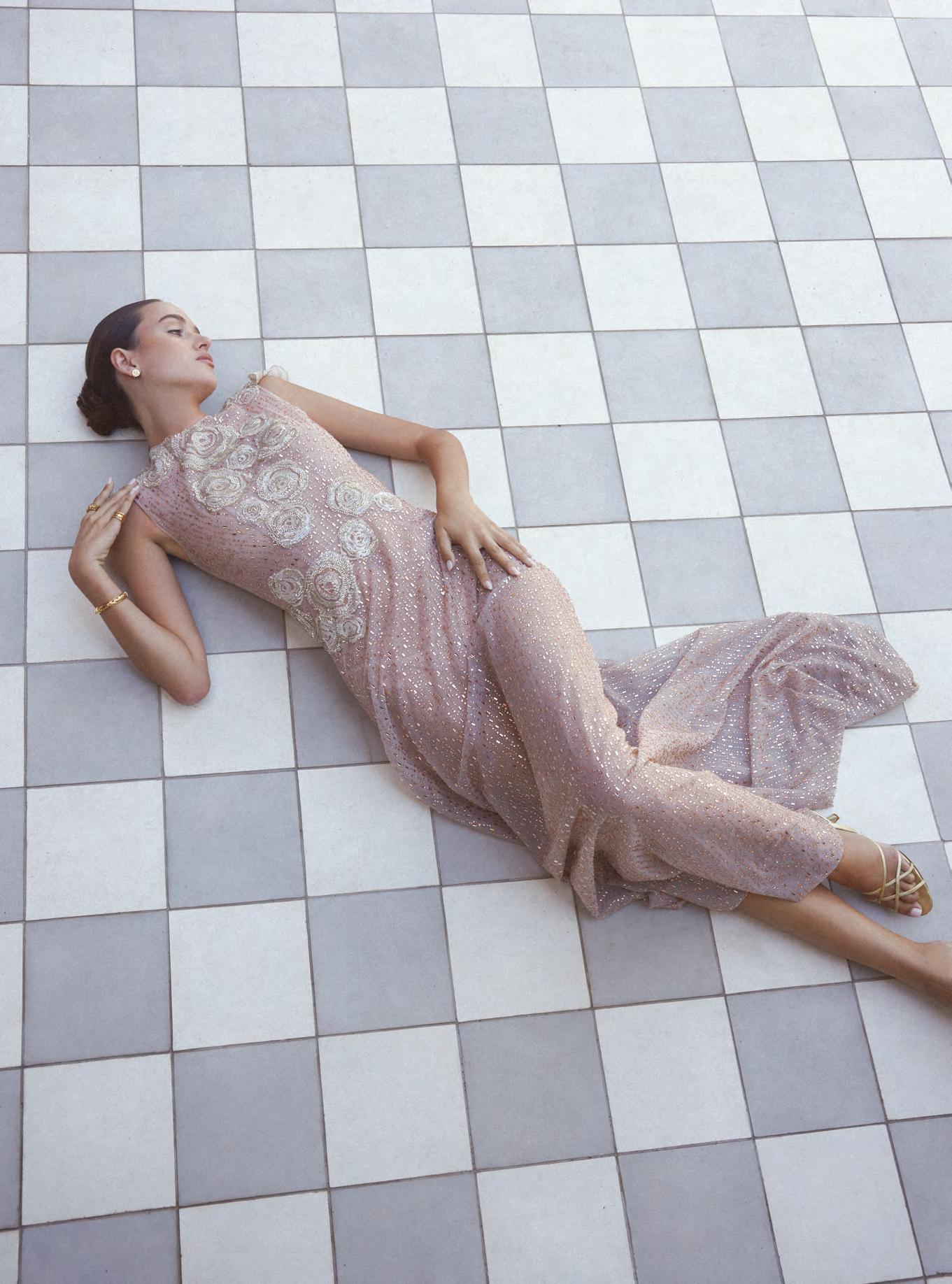
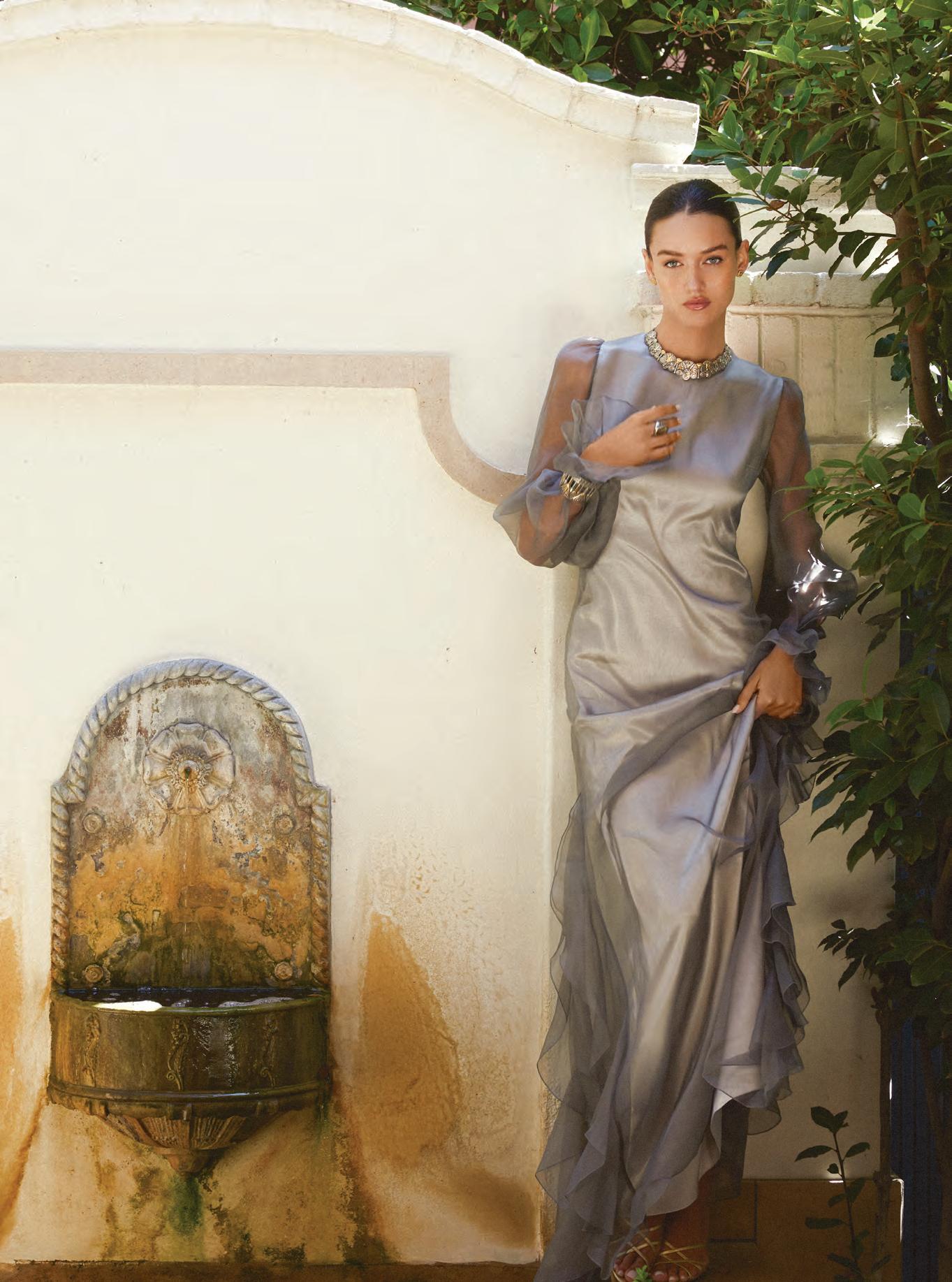
A soothing cool breeze, the serenity of dappled shade, melodic birdsong, a woman moving to her own rhythm… there are some things that always feel good
SENIOR EDITOR: JESSICA MICHAULT
PHOTOGRAPHER: TYLER PATRICK KENNY
One of the region’s most lauded photographers, Amer Mohamad discusses teamwork, architecture, and why he’s unafraid of AI’s increasing presence in photography
WORDS: ROB CHILTON

He’s shot high-profile campaigns for major brands.
He’s created striking images for some of the most demanding fashion magazines in the world. He’s collaborated with elite models and creative teams.
But every time photographer Amer Mohamad walks onto a location or into a photo studio, he still gets nervous. Why? “Because I care so much about my work and about getting every single shot right,” he shares.
As a child growing up in Syria, Mohamad was obsessed with fashion magazines, which he kept hidden from his father. Mohamad knew he wanted to be a photographer as early as 12 years old. But remarkably, he never undertook formal photography education, instead opting to study architecture at Ivanovo State Polytechnic
University in Russia. After graduating in 2018, he began a Master’s in architecture, something that he says “helped me to build my vision of the kind of photographs I want to take.” Asked to describe that vision in a few words, Mohamad immediately responds with “bold,” before adding, “colourful, fun, edgy, spontaneous.” He laughs, “I don’t do minimalism.”
When his university architecture professor saw photos that Mohamad had taken of his fellow students in their dorm rooms, he suggested he pursue his dream. This show of faith ignited the budding photographer’s imagination and set him on his path. A turning point came when Mohamad exhibited some photographs in a month-long exhibition at a prominent Berlin gallery. Around this time, he also shot album covers for renowned singers and photographed music stars. Commissions from international magazines followed, as did advertising campaigns for MAC cosmetics and other brands across Russia. Mohamad moved from Russia to the UAE in early 2022 and his talent was quickly spotted by the likes of Piaget, Chaumet, Guerlain, NYX Cosmetics, APM Monaco, Hindash Cosmetics, and H&M Beauty who hired him to shoot their campaigns.
Standing at six feet five, Mohamad tends to dominate a studio. But despite his height and charisma, he is never overbearing and always asks the creative team for ongoing feedback on the work they are producing. On set, he is known for his infectious laugh, his need for music that puts the room in the mood he is trying to capture with his images, and his ability to pivot on a dime when a shoot needs to adapt. Jade Chilton, who often works with Mohamad is impressed not only by his technical knowhow and creative vision but also by his intelligence and communication. “Amer speaks three languages fluently and really knows how to work the room,” she says. “He can be friends with both the client, the model, and the fashion assistant and adapts to his surroundings.” Unlike some photographers, Mohamad isn’t afraid to roll up his sleeves. “If a light needs fixing, he’ll get involved,” Chilton adds. “I often see him sitting on the floor eating lunch with the crew.”
Before a shoot Mohamad, 33, visualises how it will play out, a process he describes as “a movie in my head.” Sketching set-ups on paper and showing them to the crew ensures the shoot has coherence. His time studying architecture inevitably impacts his method. When he walks onto a set, his architectural instincts kick in as he surveys the lines, light, and shadows of the space. “My background in architecture completely shaped how I hold a camera,” he explains. “I map out how the shoot and the clothes and the model are going to come together and bring the shoot to life.”
Of course, for any creative working today the spectre of AI looms large. Mohamad, though, is refreshingly upbeat about the new technology that many fear will replace human skill. “I’m not worried about the future of authentic photography,” he says. “I think that AI can help us cross bridges and create innovative images. I still believe that we can work together. AI can create a lot of images, but it doesn’t have a vision, it doesn’t understand light, it takes time, and it’s expensive. AI needs a human touch.”
For Mohamad, a larger concern surrounding AI is its environmental cost. A huge amount of water is required to cool servers and IT equipment in data centres. It’s thought that asking ChatGPT between 10 and 50 questions uses 500ml of water. The United Nations, meanwhile, estimates that AI-related water consumption could equal the basic annual domestic needs of 1.3 billion people by the end of the decade. AI systems are estimated to have consumed around 765 billion litres of water in 2025, an amount greater than the total global consumption of bottled water in that same year. “AI images are consuming the environment – that’s what scares me,” says Mohamad. Currently on a short break to cleanse his mind
and refresh his creativity – a habit he values greatly – Mohamad has a number of shoots on the horizon, which will demand every ounce of his skill and energy. Although dedicated to his work and insistent on high standards, Mohamad is able to see the lighter side of his job. “His sense of humour is quite silly,” shares Chilton. “Amer has this big laugh that shakes the studio but, make no mistake, he takes his work really seriously.”
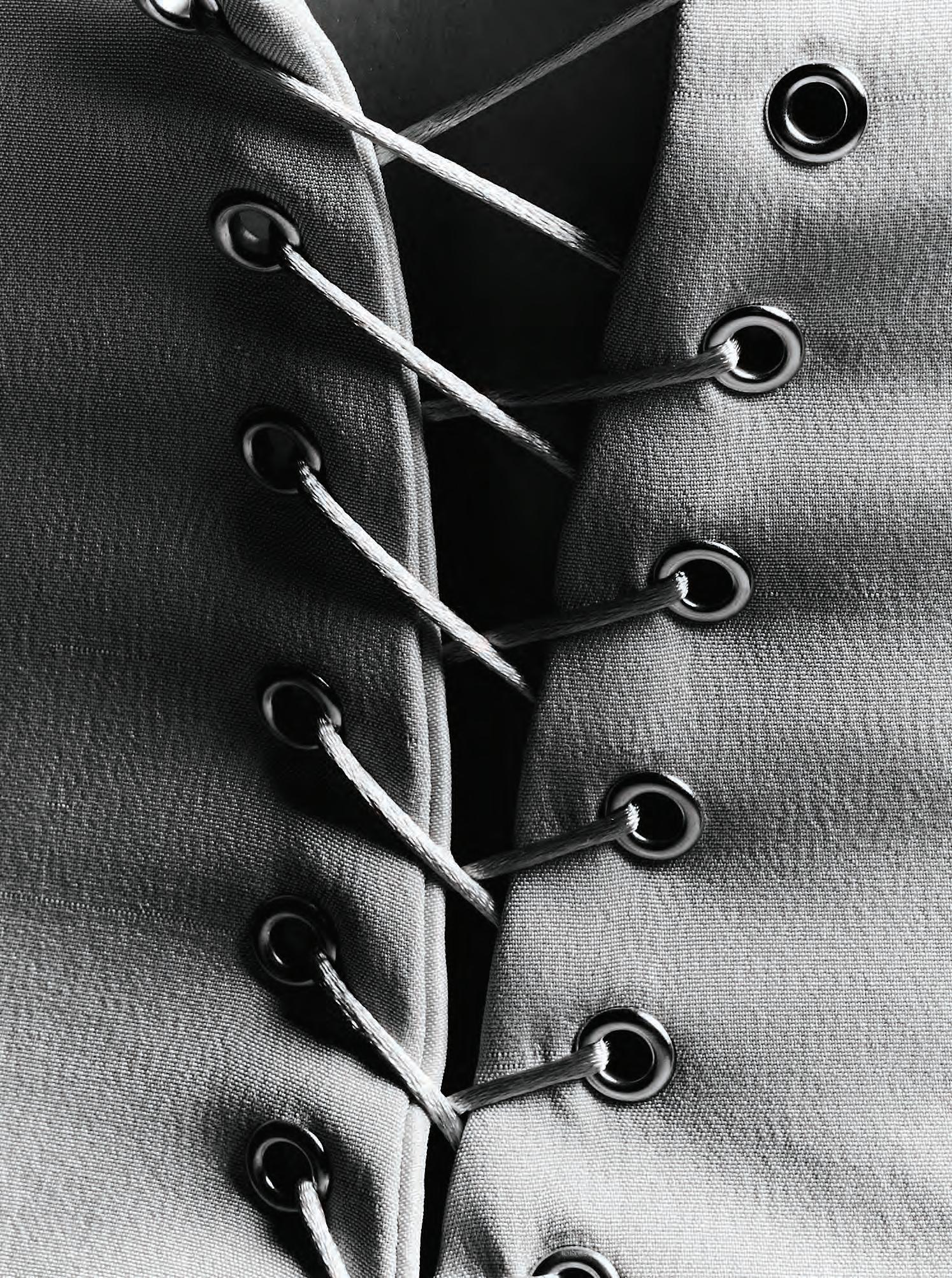
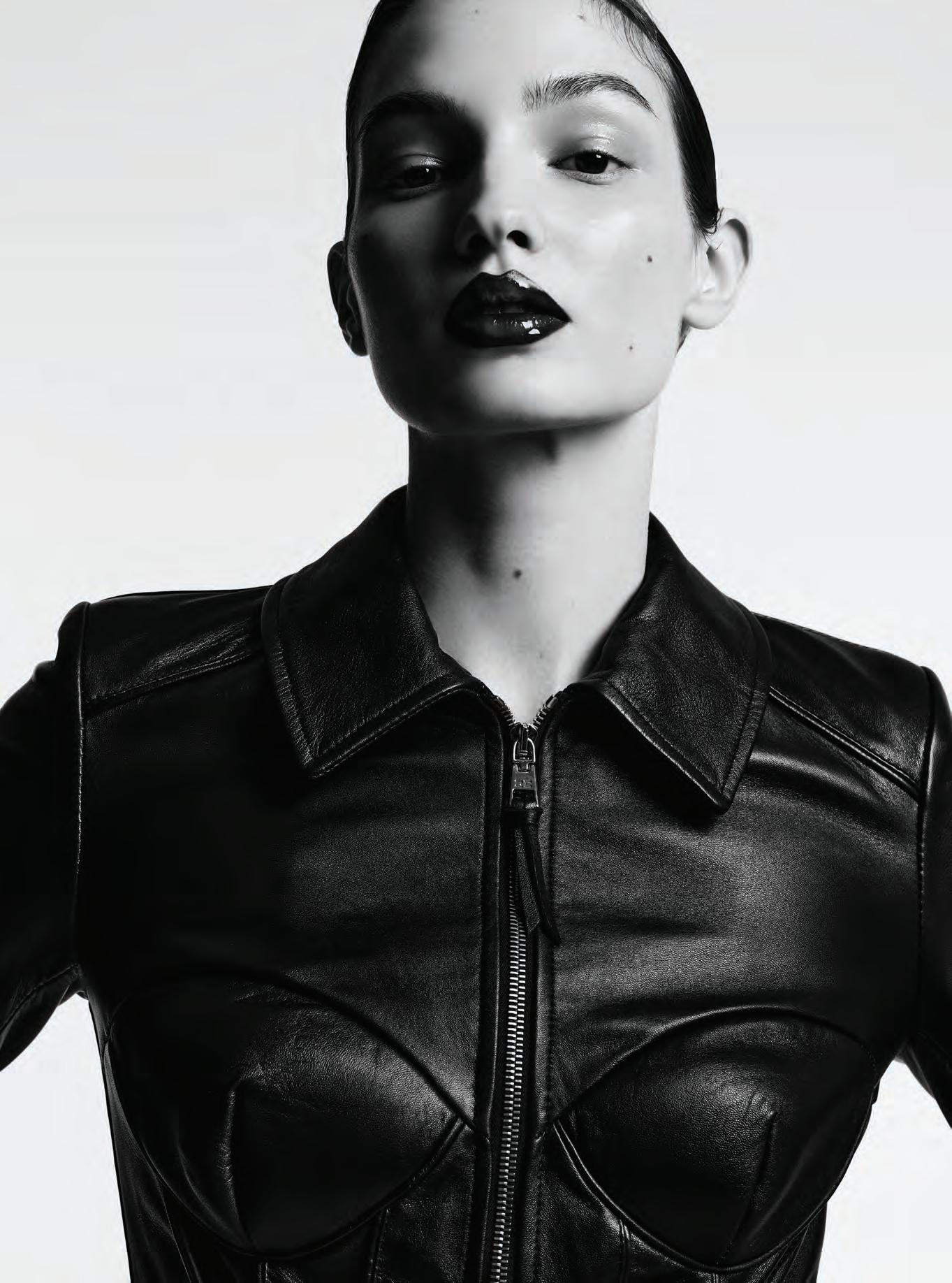
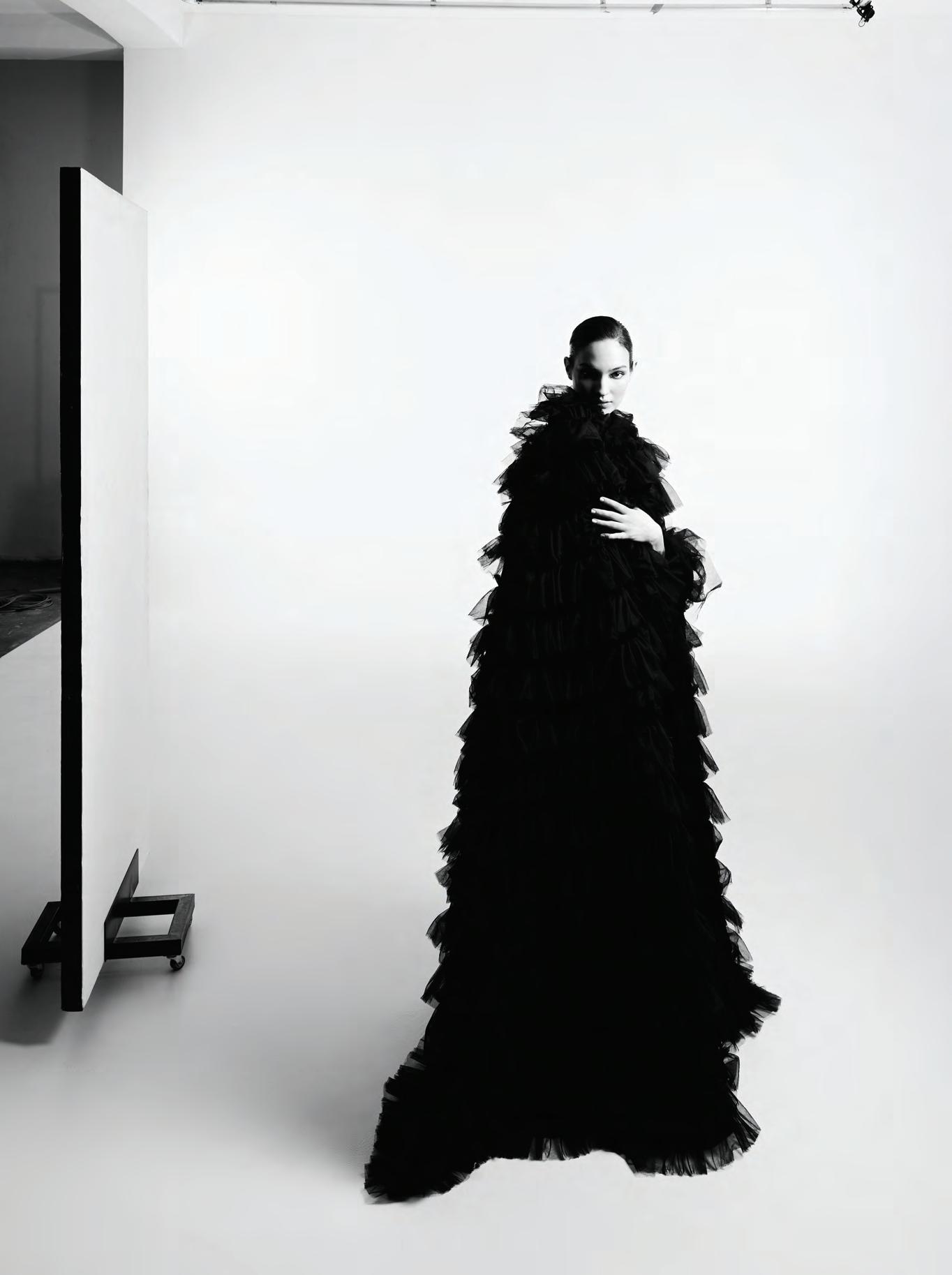
IT’S ALL ABOUT THE DETAILS
SENIOR EDITOR: JESSICA MICHAULT
PHOTOGRAPHER: AMER MOHAMADSTYLE: MARKO MRKAJA
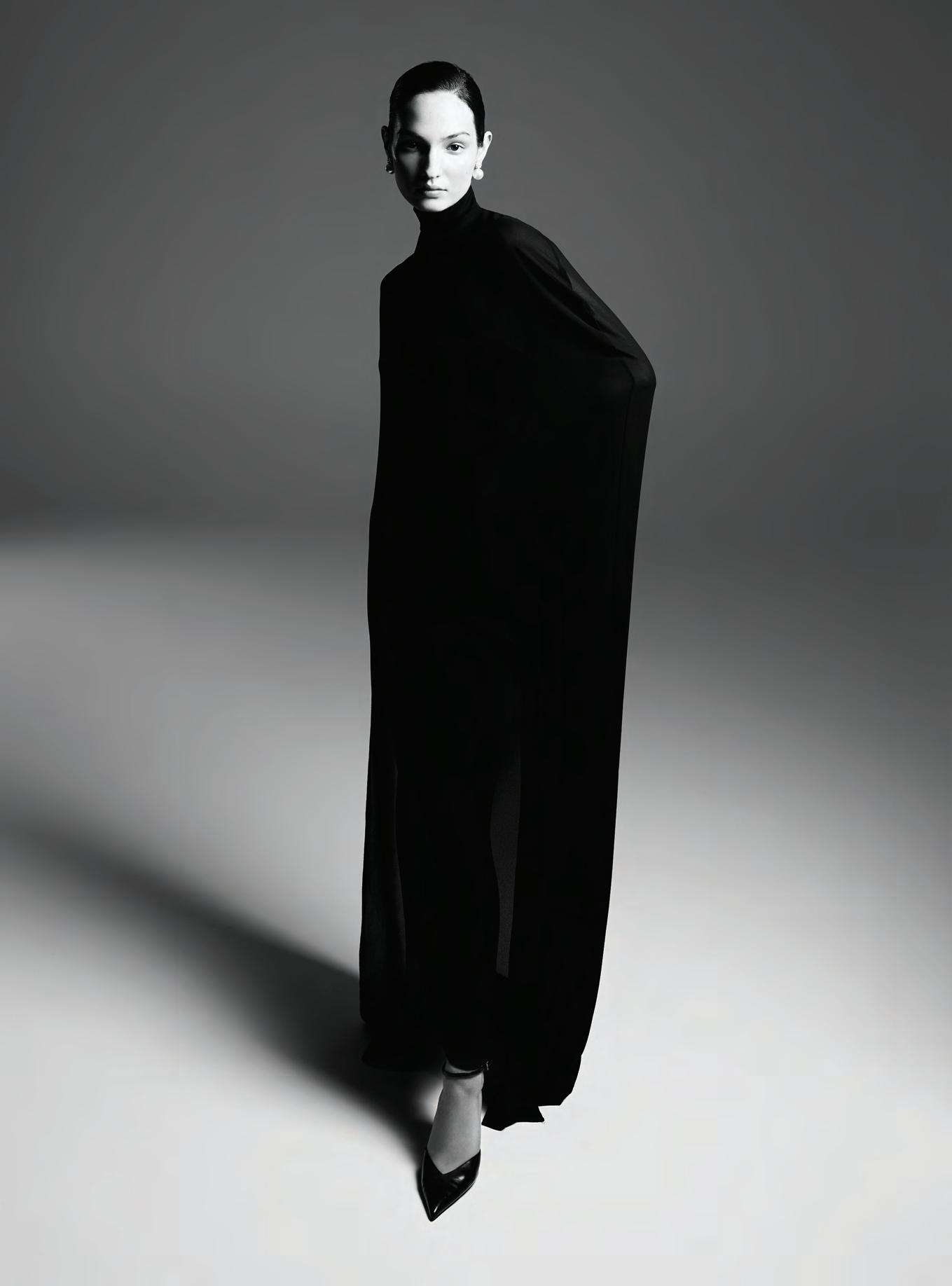
When things are pared back to their essence, everything comes into focus
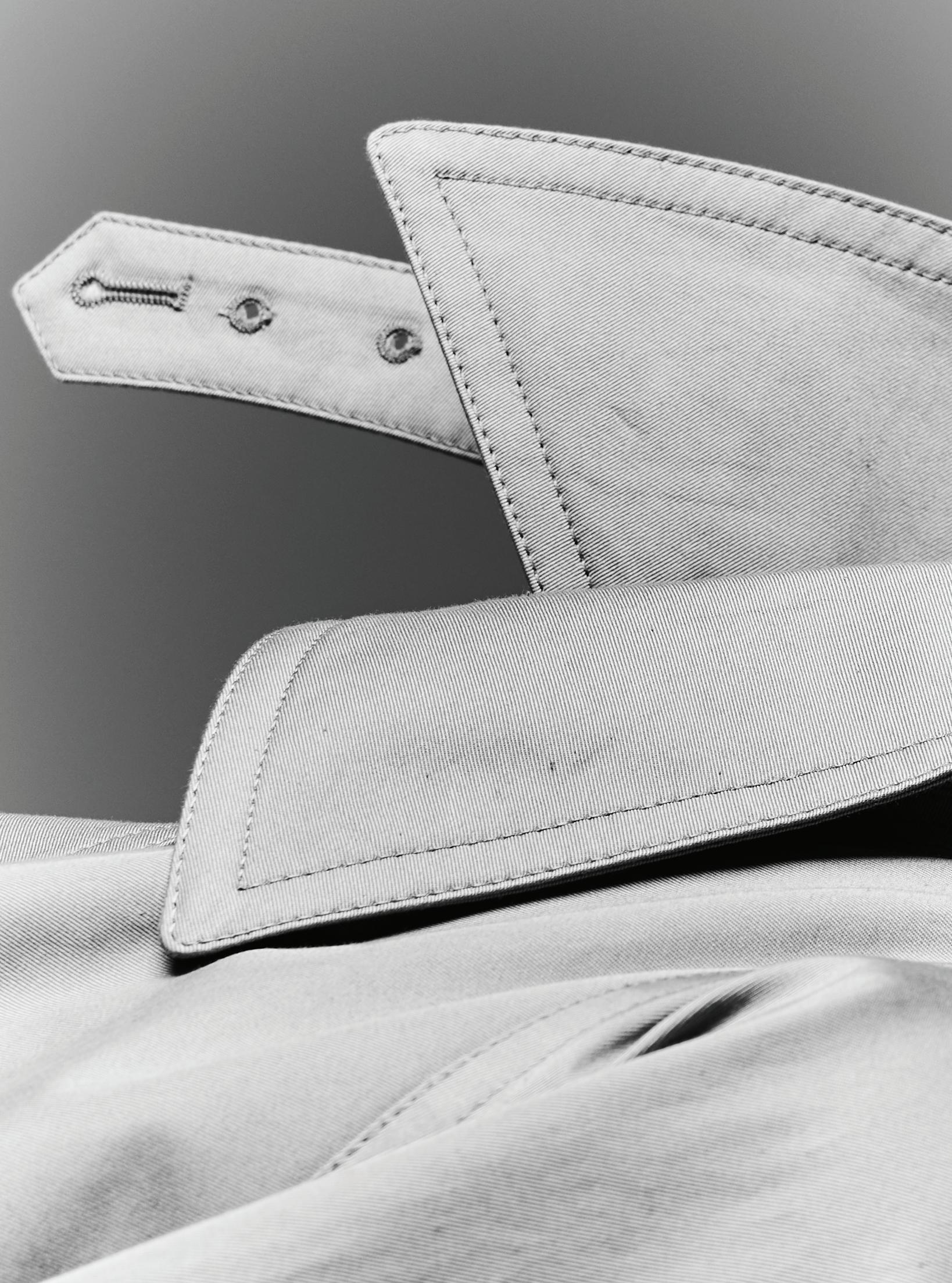
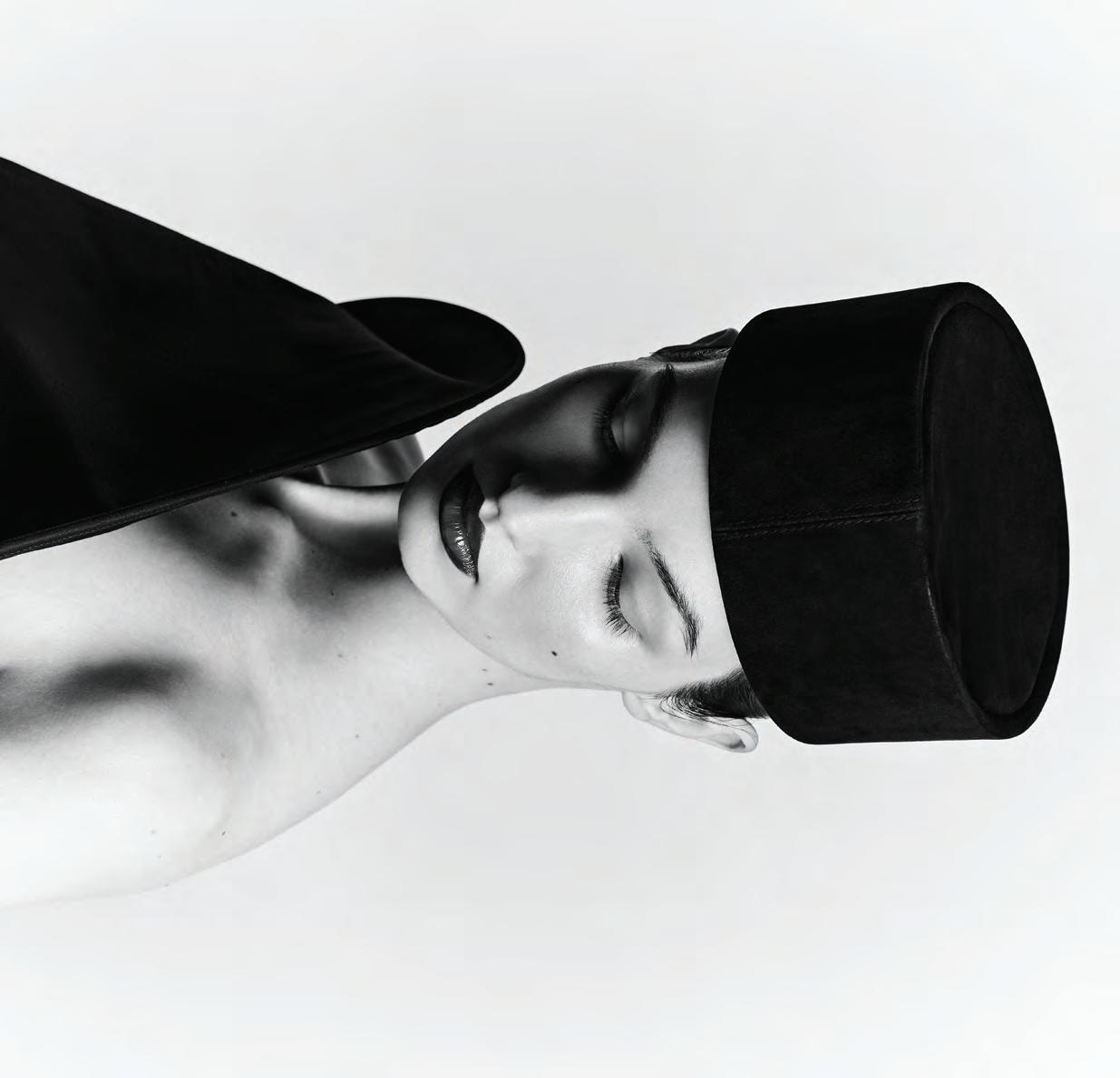
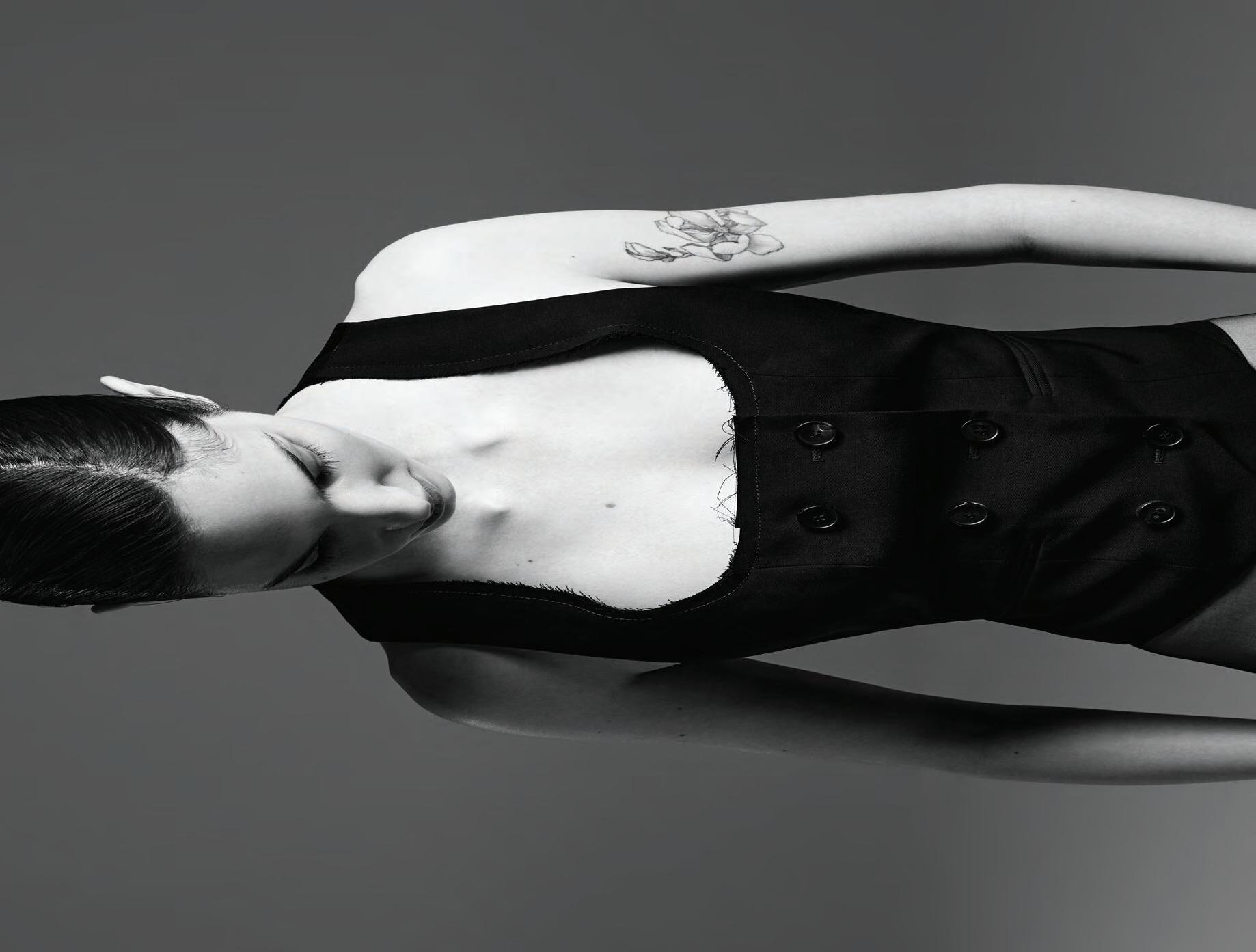
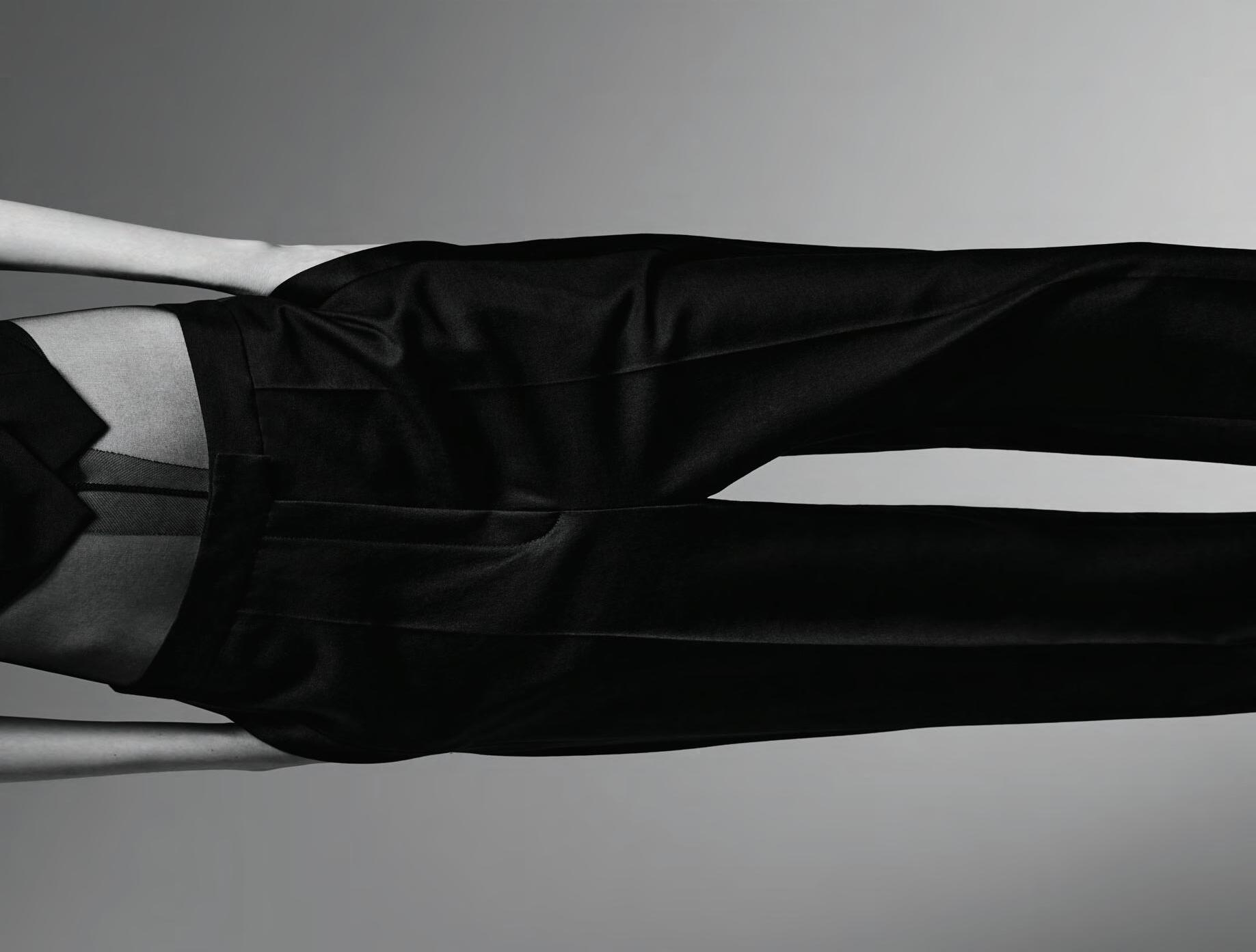
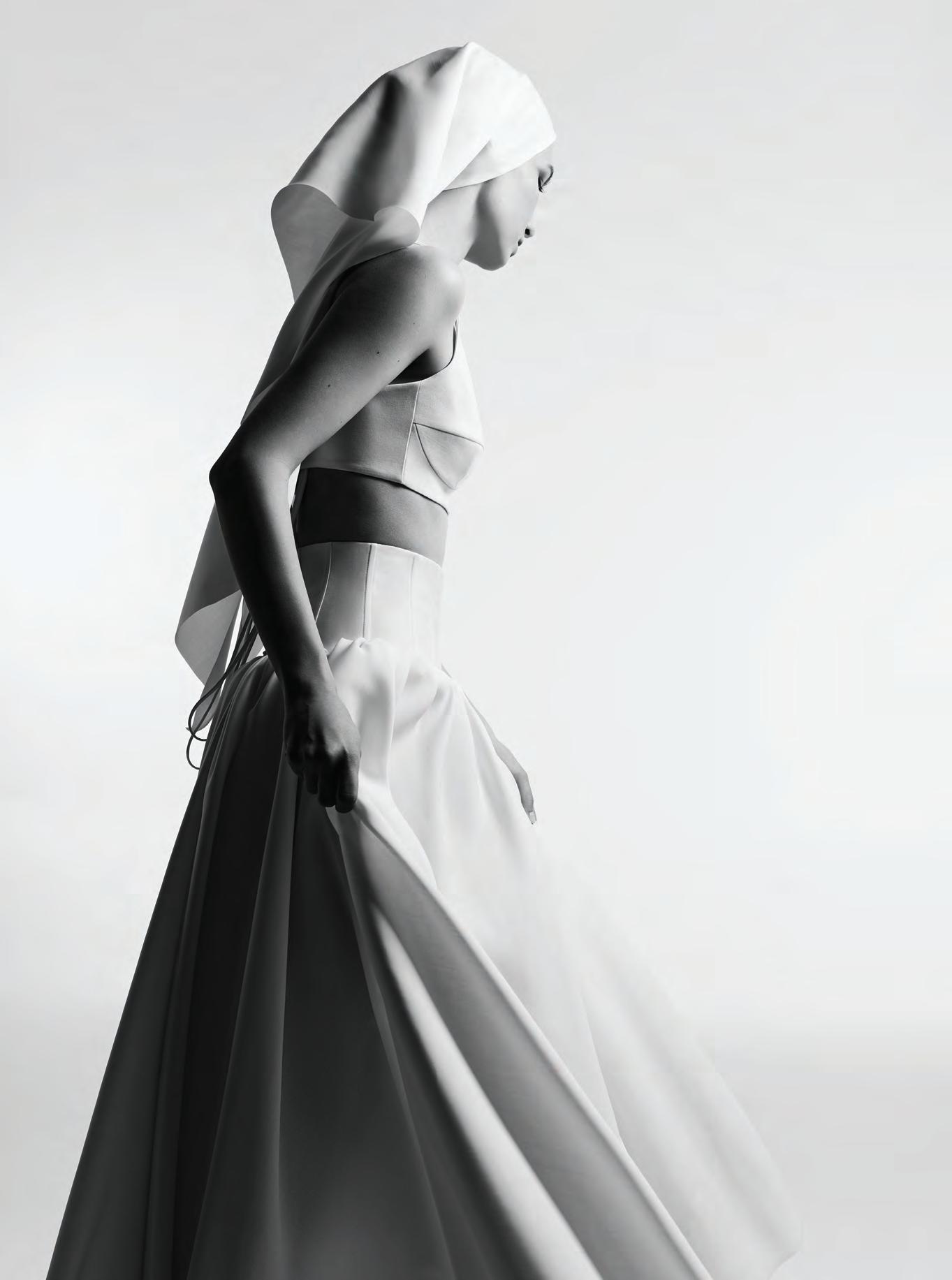
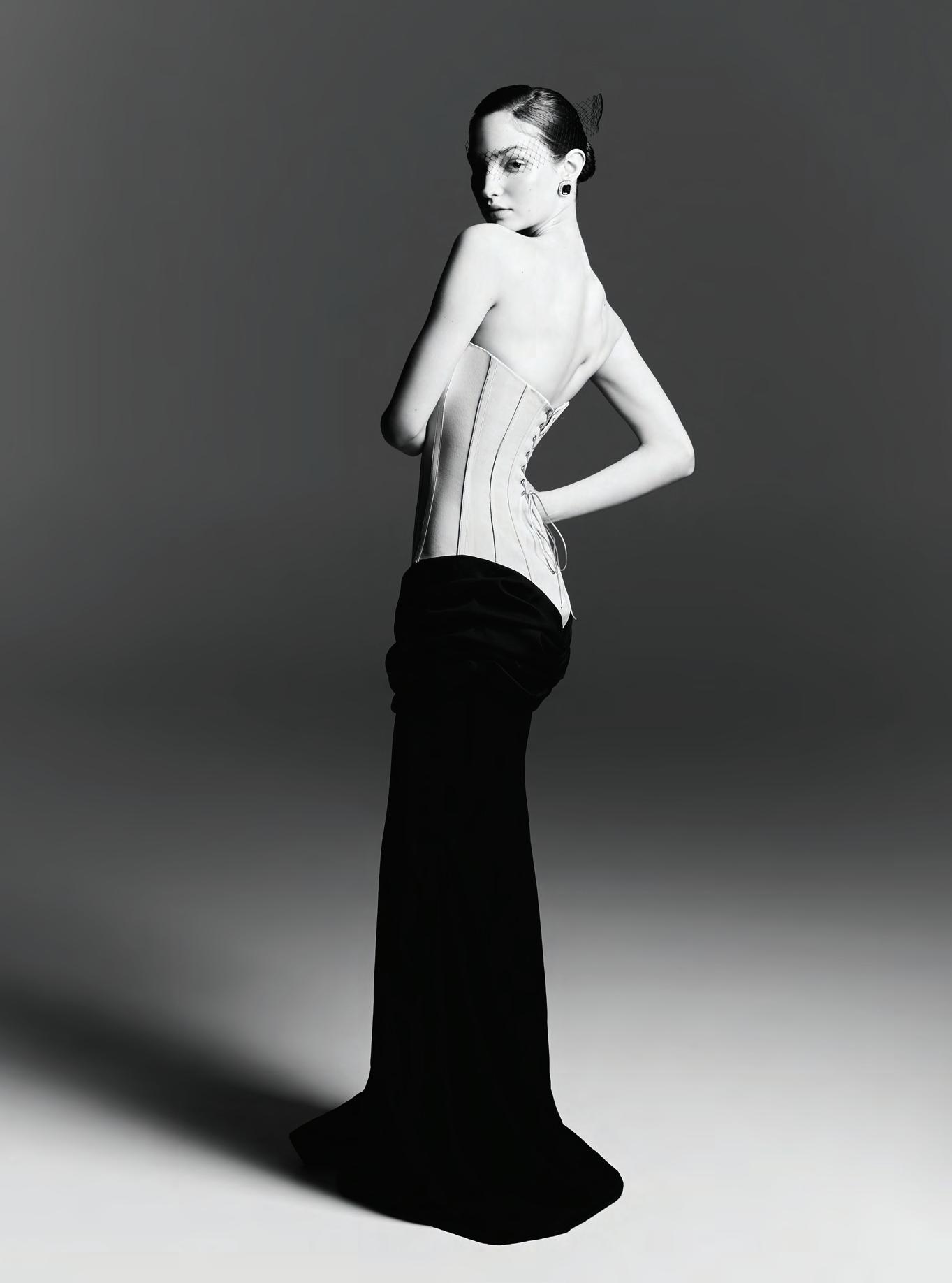
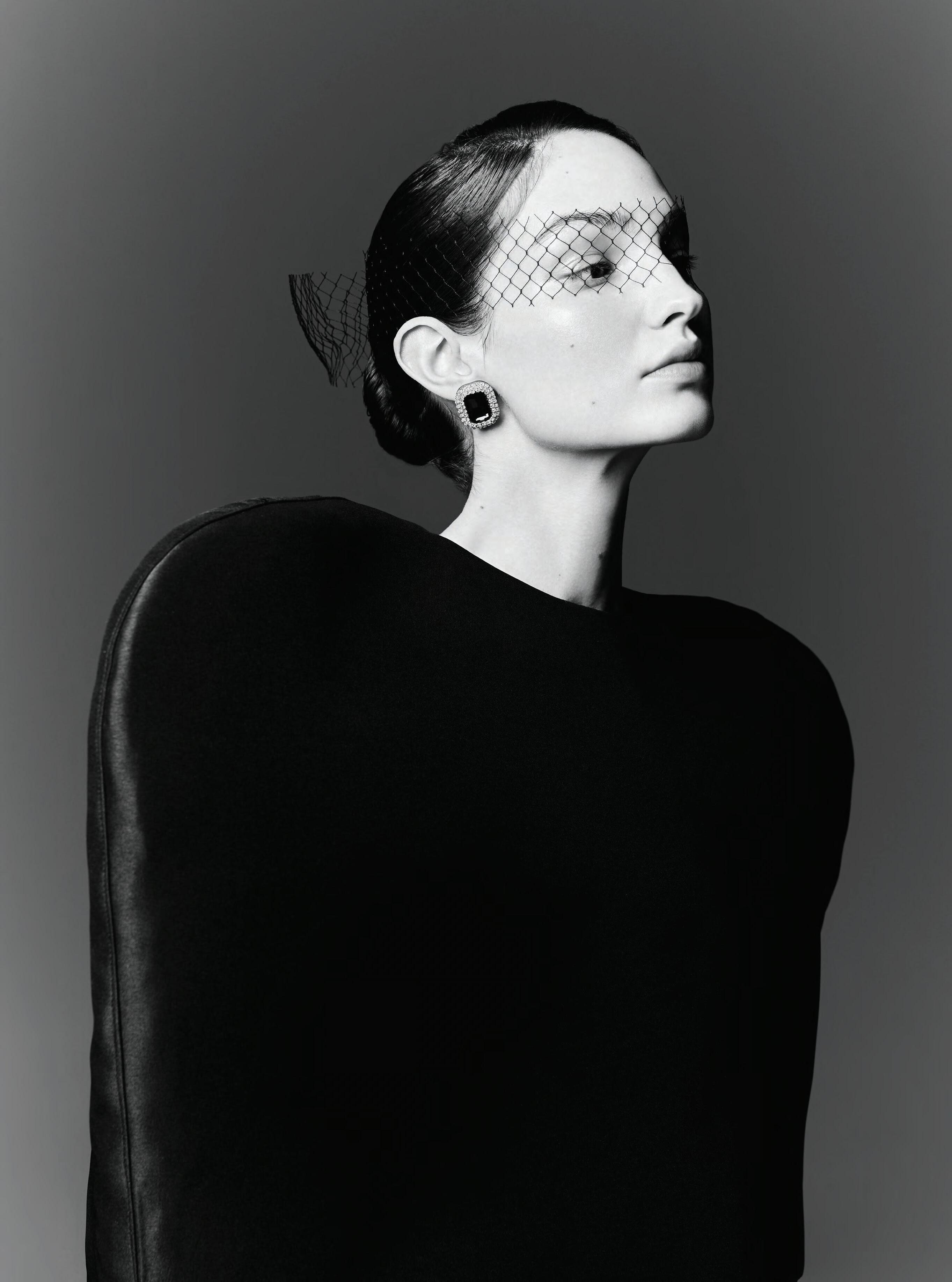
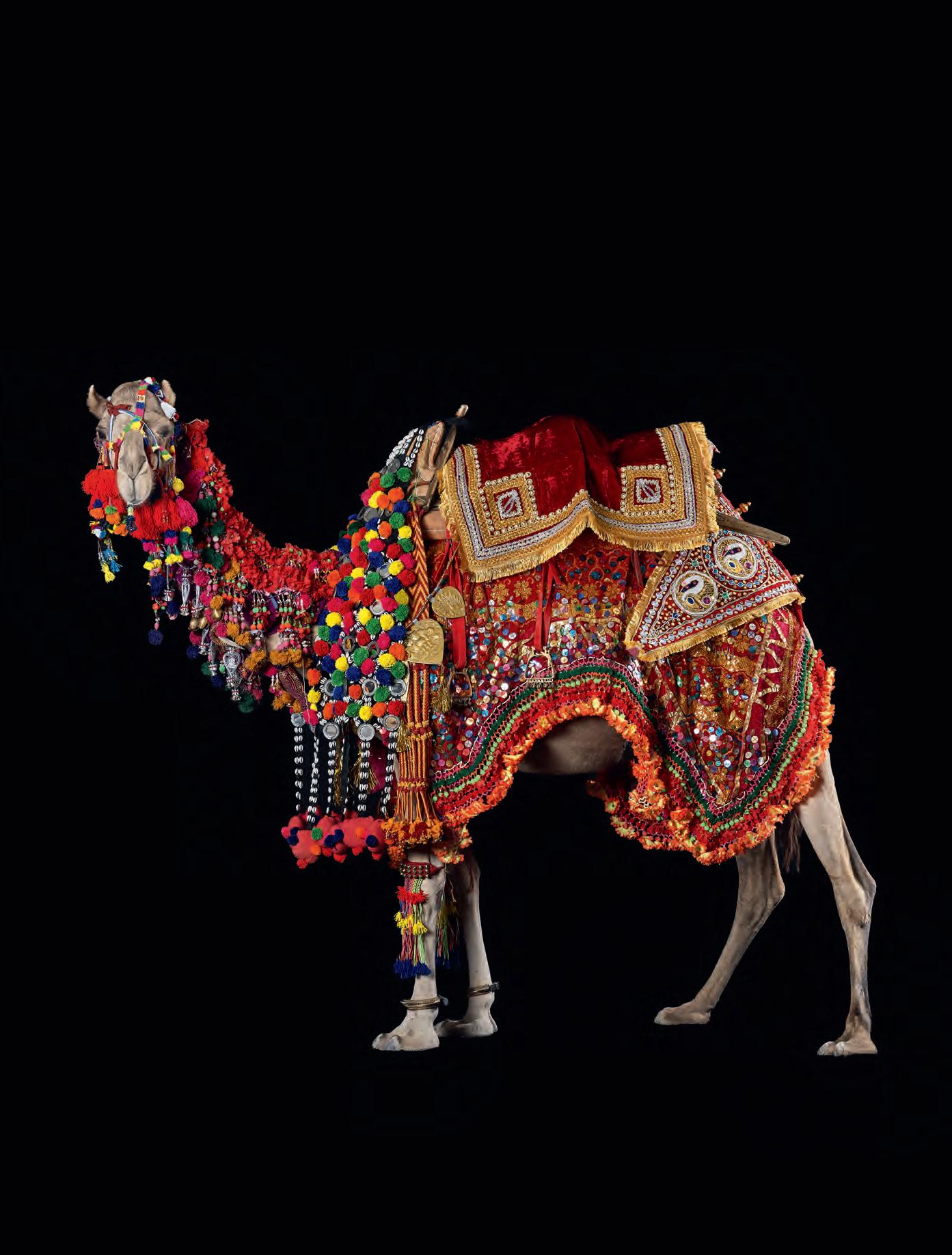
Her Highness Sheikha Latifa bint Mohammed bin Rashid Al Maktoum has just unveiled her debut photography book with Assouline, which does exactly what its headline says it will. Inside OdetoaCamel, she turns a sustained, deeply personal gaze on the titular dromedary – not as emblem or backdrop, but as a fully realised subject deserving of the same consideration we reserve for the most compelling of portraits. The results are arresting, as sand and shadow frame creatures of unexpected psychological depth and dignity. With a foreword by His Highness Sheikh Mansour bin Zayed Al Nahyan and accompanying text by journalist Jonathan Gornall, this tome is a tangible keepsake and celebration of the heritage of the Emirati people. It is a document of genuine devotion, made by someone who was able to see far beyond surface level.
– A life where all facets are celebrated
– The pursuit of vitality
– Making optimism a conscious choice
– Taking things slower
– Giving your health the focus it deserves
– Thriving in complexity
– The timeless beauty of gold and diamonds



HARMONY LIES NOT IN CHOOSING BETWEEN TWO WORLDS, BUT IN EMBRACING THEM BOTH
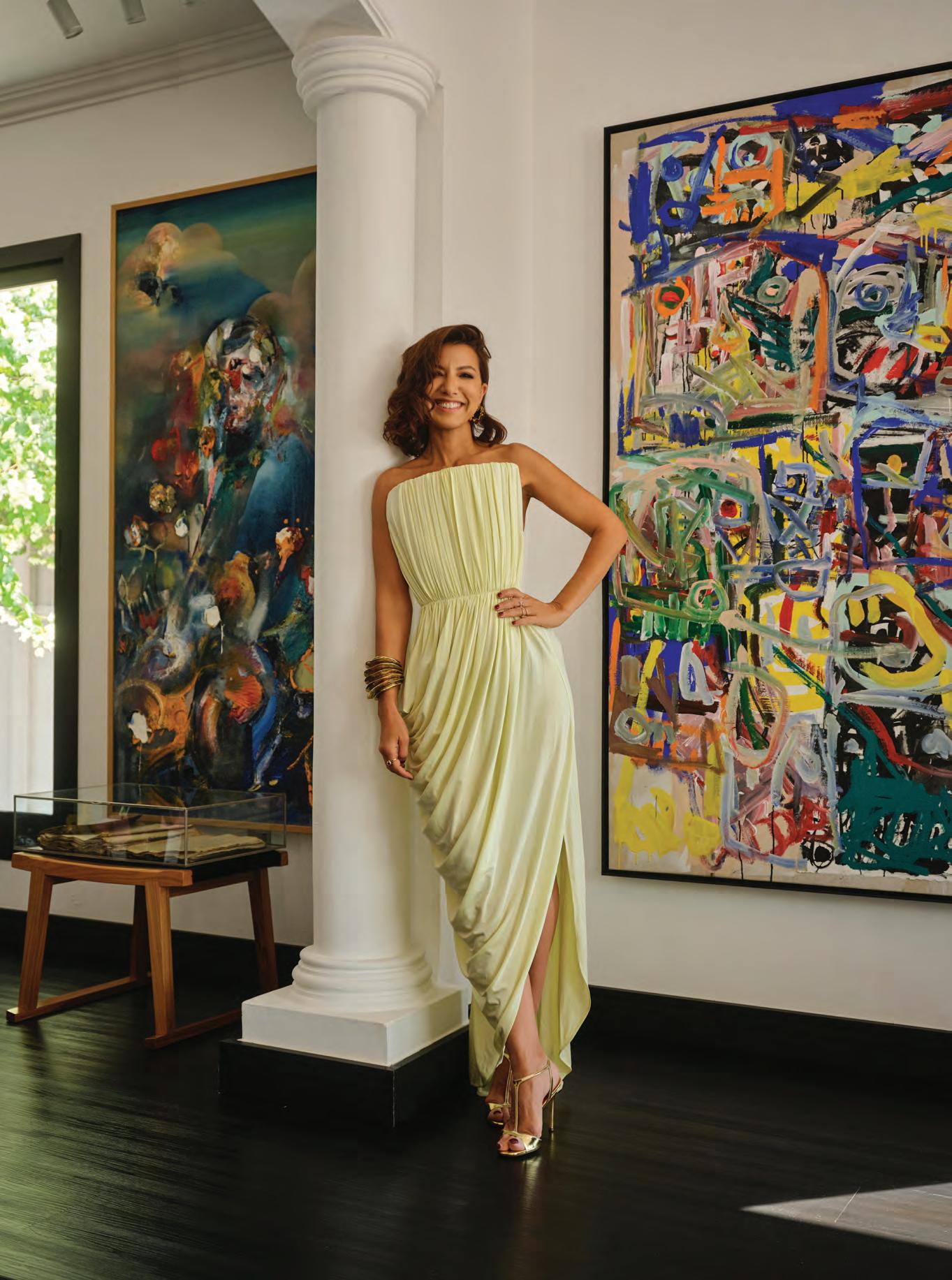
There is a version of Amal Rakibi who walks into a boardroom in Houston or Abu Dhabi, sharp-eyed, ready to close a multibilliondollar merger surrounded by men the energy sector. As a chief legal officer working in the high-pressure world of petrochemicals it is her job to be the one with the solution. And there is another Amal Rakibi. The one who opens the doors of her home in Dubai, hung with vintage finds and contemporary canvases, and welcomes collectors in for dinners and convivial conversations. For years, she assumed these were two women fighting for one life. It took her years to realise they were never meant to be separated at all.
“I started as a lawyer and I love being a lawyer,” Rakibi says with assurance. “I love the complexity of the thought process. I love to solve problems. I love to be part of something that is bigger than what most people can imagine.” She has recently closed a 60-billion-dollar M&A deal – exhilarating, high-stakes. But it is also, by her own description, “not creative at all.” “I have always worked in oil and gas, petrochemicals,” she explains, “I like to be a female in these highly powerful, male dominated environments, but I need some glam in my life. I need some creativity in my life.”
That need is what prompted her to start her own art gallery in 2018, which she first cleverly called Amalgame (a French word that roughly translates to “a mixture of different things”). It initially came into being when Rakibi was working in Texas, and now it lives inside her expansive Dubai home. The original name, the gallerist confesses, came about
“because I arrived in the art world out of the blue, where I had no legitimacy.” She kept her own name off it deliberately at the beginning, to keep her two worlds from touching. “I wanted to disconnect them from each other. I wanted to make sure that people in law firms, or in the law environment, didn’t know what I was doing in my private life.”
In point of fact, the gallery was a bit of a happy accident. After moving to Texas for work Rakibi found herself in an empty house with bare walls. But then a friend’s offhand suggestion – instead of buying furniture, buy art – changed everything. Rakibi followed that bit of advice and gradually started collecting, and her choices began to get noticed. “People started to tell me, ‘oh, you have an eye that’s really unique,’” she says. Her husband, the entrepreneur of the family, pushed her to formalise it into a gallery – but she nearly talked herself out of it before she’d begun. “Who am I to even start doing this? I’m an impostor, I cannot,” she remembers thinking. It was her husband’s blunt reframing that got her moving: “What’s gonna happen if you fail? You fail. But at least you tried it.”
In the end, what Rakibi decided to build was unlike any conventional gallery she had known, and she has taken plenty of criticism for her choice. “I even had some galleries telling artists who I was working with that if they continued to work with me that they would stop representing them, all because they didn’t want to be connected to something that wasn’t, in their minds, a real gallery,” she recounts. But over the years Rakibi has made peace with the label. Now known as the Amal Rakibi Gallery, its very existence inside her home makes it instantly feel special and different.
Clients come to her villa, have dinner, and experience the art displayed in situ all over her house. The pieces become a part of a living and breathing environment, rather than the typical sterile white-walled world of a more traditional art gallery. “I believe so much in this concept where people want an experience more than just a transactional deal,” Rakibi says, noting that collectors are increasingly coming to her
“I HAVE ALWAYS WORKED IN OIL AND GAS, PETROCHEMICALS. I LIKE TO BE A FEMALE IN THESE HIGHLY POWERFUL, MALE DOMINATED ENVIROMENTS, BUT I NEED SOME GLAM IN MY LIFE. I NEED SOME CREATIVITY IN MY LIFE”
not just to buy art, but to help them create a life around it. She is so committed to this vision that she often lets clients take works home for weeks, even months, to be sure they can live with the art. “I call it the puppy dog clause,” she says. “Nobody ever gives a puppy dog back once they have taken it home,” she explains with a smile.
When Rakibi first arrived in Dubai she says the art requests she fielded from clients were purely decorative. “I literally had people sending me a picture of a green couch and saying find me a painting that is green to match it.” But over the past six years she has watched the nation’s relationship to art mature as its international creative community continues to flourish. “Now there is a lot of creativity, a lot of designers, a lot of people that really want to create something that is not, you know, a hotel lobby.” The gallerist has also noticed a real regional pride taking hold among her collectors, many of whom now actively seek out artists from the Middle East and North Africa rather than simply chasing prestige names from the west or Asia.
That sense of pride also eventually caught up with her own self-concealment. A colleague searching for her name in Arabic for a company communication stumbled across her other life. “She was like, oh my god, Amal, you are a creative,” Rakibi recalls. But rather than feeling exposed, she felt something like a sense of relief. “Since I did my “coming out,” I feel very, very peaceful. Finally I am openly claiming the two sides of my personality, and I no longer worry about what anyone thinks.”
There is one painting, Rakibi says, that holds the whole story of finding this new balance in her life in a single frame – a black-and-white work by the Colombian artist Santiago Parra, that is hung in her dining room. She bought it the year she walked away from a job she had held for 15 years at a oil and gas company. A job and a culture she describes as having been “married to.” “I made the decision to take a risk and resign, to accept a job outside of my comfort zone, and for me
this painting represents freedom.” The purchase of that work marked the moment Rakibi chose her own direction over the safe one. “When I look at this painting, it reminds me about how I bet on myself. It was the hardest decision and the best decision of my life.” This one piece of art became the physical embodiment of Rakibi believing in herself and the importance of following your inner voice.
That instinct – to walk away from the obvious win when it doesn’t actually serve her – has only sharpened with time. Not long ago, Rakibi was offered the kind of job most lawyers spend a career chasing: senior vice president of a newly merged 60-billion-dollar company. She turned it down. “I feel so happy now. I love my life here. I love the gallery and watching how it continues to grow,” she says. “If I took that job I would be breaking all the momentum I have created and would have to go back to square one.” When her employer pushed back, asking why she’d refuse such an opportunity, her answer was simple: “Because it doesn’t make me happy.” She is unequivocal about what that decision says about her values now. “Harmony is not necessarily taking the obvious choice,” she reflects. “It’s picking the one that makes sense for you at that moment.”
Rakibi traces this clarity she has found in her life to being in her forties, and to loss – a close friend who died young, and recently her mother. “It was a bit of a wake-up call that life might not last for as long as I plan,” she states. So now she is intentional about where she spends her energy and who she spends it with. “Every day should be a day that makes you happy.”
It is, in the end, the same lesson her two careers have been teaching her in tandem – that harmony was never about resolving the contradiction between the lawyer and the gallerist. “I think I will never be able to separate the two,” she says, “because they are two parts of my own identity.” Today Rakibi no longer feels the need to choose because, as she so eloquently puts it, “Why should anyone be defined by one thing?”

As billionaires pour fortunes into the science of ageing, longevity is fast becoming the ultimate status symbol – but can money really buy more time?
WORDS: NAOMI CHADDERTON
a designer wardrobe, a superyacht moored in Monaco, a private jet on standby. The one thing it was never supposed to buy was more time. Yet that’s exactly what some of the world’s wealthiest individuals are now betting on, pouring billions into companies, technologies, and research designed to help people stay healthier, sharper and more energetic for longer. The question is: how much of it will actually work?
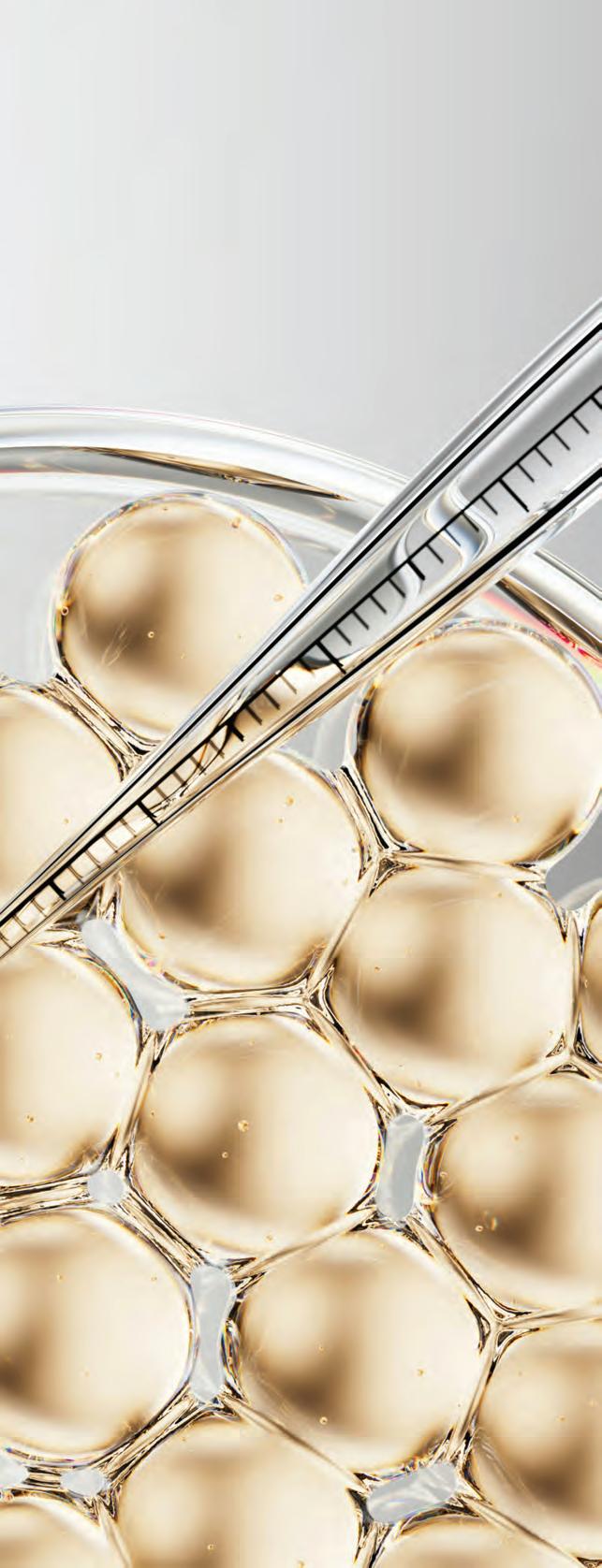
Leading the charge is Altos Labs, one of the most heavily funded longevity ventures in the world which, backed by billionaire investors including Jeff Bezos, is exploring cellular reprogramming – research aimed at restoring aged cells to a more youthful state. While the goal is not immortality, the ambition is undeniably bold: finding ways to slow, prevent, or even reverse aspects of agerelated decline. Then there’s OpenAI founder Sam Altman, who has invested $180 million (Dhs661 million) into Retro Biosciences, a company aiming to extend healthy human lifespan by a decade, while PayPal co-founder Peter Thiel funds a range of biotech ventures, championing the idea that ageing should be treated as a challenge to solve rather than an unavoidable fact of life. Not to mention Mark Zuckerberg and Priscilla Chan have committed billions through the Chan Zuckerberg Initiative to advancing disease research, prevention, and treatment.
While longevity may have become the latest buzzword in Silicon Valley, the growing fascination with ageing well isn’t simply about billionaire vanity projects – for Assia Grazioli-Venier, co-founder and managing partner of Muse Capital, the growing interest in longevity is being fuelled by genuine scientific breakthroughs as much as investor appetite. “We now have a real mechanistic understanding of ageing at the cellular level that we didn’t have 10 years ago” she says. “When you see ageing as a collection of biological processes that can potentially be intervened in independently, it stops feeling inevitable and starts feeling like an engineering problem.”
As one of the few venture capital firms actively investing in women’s health, Muse has built its thesis around an area long overlooked by both medicine and investors – much of the existing science has historically been built on male data. “Just 2 per cent of healthcare venture capital goes to women’s health, yet women drive 80 per cent of healthcare decisions. That math doesn’t add up,” Grazioli-Venier explains. “Women have different hormonal timelines, different cardiovascular risk profiles, and different neurological ageing patterns. Menopause alone is one of the most

significant biological events in a human lifespan, yet it received remarkably little serious research attention until recently.” As more female-specific health data is collected, the next decade could transform our understanding of how women age and what interventions may have the greatest impact on long-term health.
For all the excitement surrounding longevity science, however, some experts believe the conversation can still lose sight of what really matters – being happy and healthy in the present day, too. Rather than chasing the latest trends, says Jason Leavy, founder of Prime Performance Labs and a specialist leadership coach who works with executives and founders across Dubai, London and beyond. He advocates for focusing on daily habits which, in turn, will benefit you in the long run. “Longevity becomes a natural output of looking after yourself in the present,” Leavy says. “My clients understand that what you do now will pay you back years down the line.” In his view, the strongest predictors of longevity remain remarkably simple: quality sleep, social connection, movement, and nutrition. “People get seduced by sexy new things, but all the high performers are the ones who consistently get the fundamentals right. That is 95 per cent of the battle.”
One area he is particularly excited about, however, is brain health. While much of the attention is focused on the body, Leavy believes cognitive wellbeing deserves a far bigger role in the longevity conversation. “The brain is the CEO of the body, so what’s the point in maintaining your body if your brain is degenerating?” he says. With neurotechnology advancing at pace, from tools that enhance cognitive performance to treatments for anxiety and depression, he believes brain health is poised to become one of the most important frontiers in the wellness space. “Brain health is going to become mainstream, and I am very excited about that.”
Whether longevity ultimately becomes the next great medical breakthrough or simply another wellness obsession remains to be seen. What is clear, however, is that the conversation is no longer about cheating death – from billionaire-backed biotech labs to emerging women’s health startups, the focus is increasingly shifting towards helping people live better for longer. And while money may accelerate the science, the foundations of a longer, healthier life remain remarkably accessible: quality sleep, meaningful relationships, movement, purpose, and prevention. In the end, perhaps the real luxury isn’t adding years to our lives, but ensuring the years we already have are lived as well as possible.
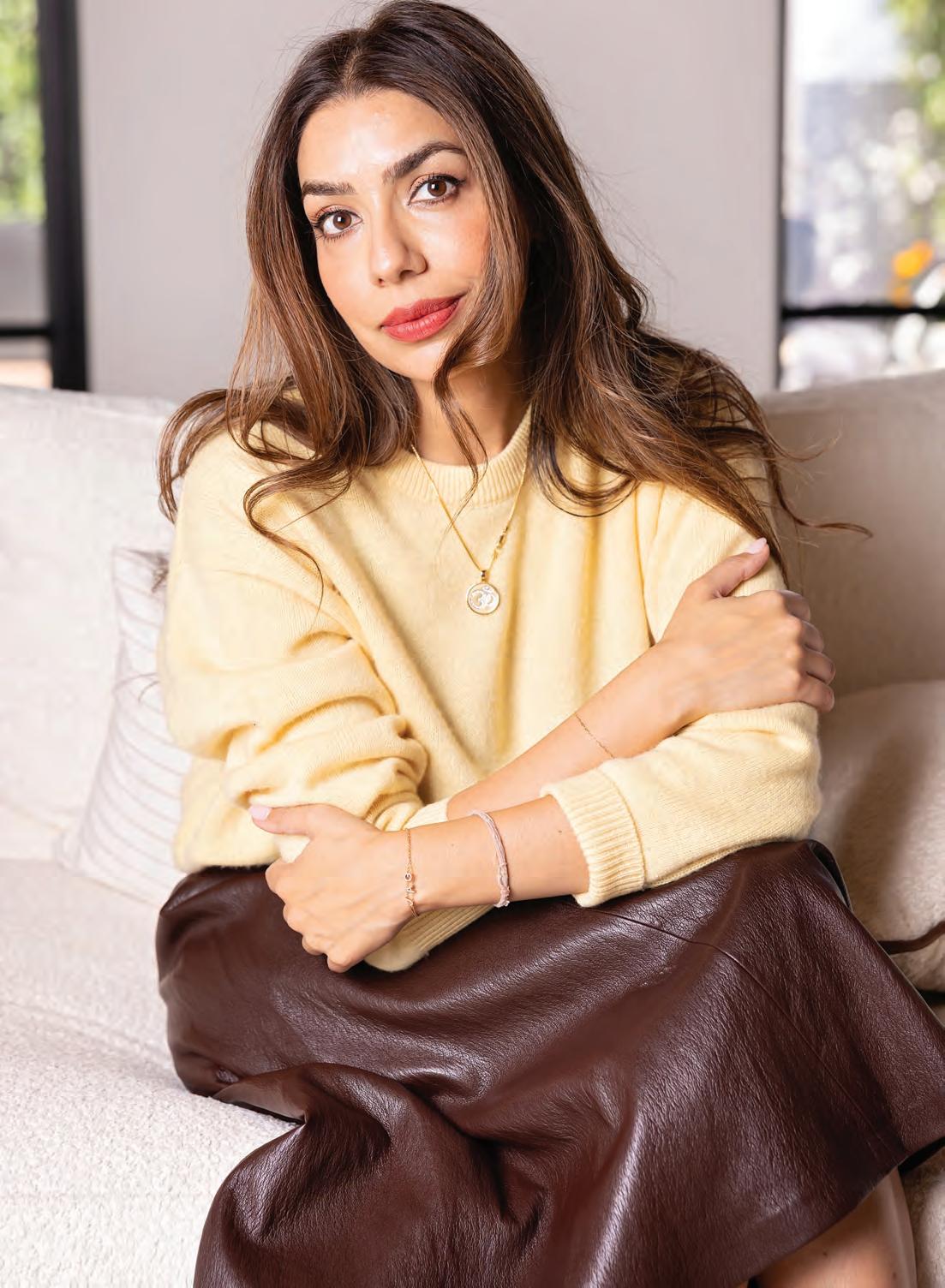
Psychologist Dr Deepika Chopra believes optimism isn’t something you’re born with. It’s a skill you can train, especially when life feels uncertain
WORDS: SITARA MULCHANDANI
Dr Deepika Chopra is not your average therapist. Scroll through her Instagram, and you’ll find all the trappings of a seemingly charmed life: sun-drenched days in Los Angeles, dinners with friends including Mindy Kaling, holidays abroad, and snapshots with her husband and three children. On the surface, it would be safe to assume that she lives a silver-lining type of life, one where the sun always shines, and optimism comes naturally to her. Yet beneath the glossy surface lies a far more interesting truth. The woman known worldwide as “The Optimism Doctor” was not born an optimist. She learned how to become one.
“I am not someone who has ever considered myself a natural optimist,” Chopra insists over Zoom late one evening, “I was raised by a family and parents that really exemplify that [optimism]… but personally I would say, in my own microcosm of family, I’m probably one of the more pessimistic people.” It’s surprising, then, that Chopra would choose to build her career on the study of hope. However, over years of research and practice, Chopra found herself increasingly drawn to one question: “Why do some people emerge from hardship with hope intact, while others become paralysed by it?” The answer, she discovered, had little to do with nature and everything to do with nurture. For many, optimism conjures images of relentless positivity (“good vibes only” please) or an unwavering belief that everything will work out, peppered with motivational sayings such as “this too shall pass.” But Chopra sees it differently. Rather than ignoring hardship, which she categorises as a tenet of toxic positivity, she argues that real optimism requires us to acknowledge it fully. As she puts it, “to be optimistic is really the expectation that the future still holds possibility while at the very same time remaining deeply engaged with reality.”
In fact, according to Chopra, there is a glaring misconception about what optimism really is. Instead of always looking at the glass half-full, she posits that it’s about accepting the present to allow oneself to move forward with the future, as she explains, “It’s not believing that life will be easy, it’s more so believing that even when life is difficult, our actions still matter, we still have agency.” It’s a philosophy that she’s had to put to the test personally, when, at the same time, she was writing the proposal for her recently released book The Power of Real Optimism, that her two-year-old son Dio was diagnosed with an
“To be optimistic is really the expectation that the future still holds possibility while at the very same time remaining deeply engaged with reality”
extremely rare illness – one that would see him spend the next year in and out of hospitals with surgeries and treatments. “Writing a book on optimism felt like a cruel irony,” reminisces Chopra, whose book is centred on the belief that optimism is not a personality trait; it is a skill. One that can be learned, practised and strengthened. “I remember almost laughing about it, to be honest. I called my editor and was like, ‘I don’t think I can write this book anymore.’ There’s no way I can write this book. I don’t feel even a shred or a seed of optimism,” she adds, “I wasn’t doing anything that resembled someone who was an optimist. I wasn’t sleeping, I wasn’t eating, I was ruminating over and over on why this was happening to us. I was full of rage.”
It wasn’t until one evening, while she was watching the movie A Family Affair on Netflix, that she heard one of the characters say, “The end is none of your business,” that she arrived at a turning point. “I had a shift from that rumination of being in threat mode in my brain. I was able to shift to agency, and like, what is my very next step? What’s my next move? What can I do?” Turning to her teachings, Chopra decided to focus on what she could control, and by doing so, she could re-teach herself to be optimistic. “Optimism is a muscle,” she explains, “you need to keep training it.” And so, she went back to what she knew best: creating joy lists, saying her affirmations, and trying to shift her focus from hopelessness to possibilities. “We need to actually arm ourselves with the correct tools that are sort of in sync with how the brain actually works to be able to help us carry it in a way that’s different from how we’ve been carrying it before.”
Chopra’s message feels particularly relevant at a time when uncertainty has become a near-constant backdrop to modern life. Whether it’s regional conflict, economic instability, or a triggering news cycle, many find themselves caught between the need to stay informed and the risk of becoming overwhelmed. But, as Chopra reiterates, the solution comes not from denial or blind positivity, “I think the days of being able to just say everything will be okay, everything happens for a reason, are really some of the most unhelpful things we can do.” Instead, it’s important to maintain agency in the face of uncertainty, and in that, learning our own strengths: “I know that, I really know it, in my core now, I can do hard things”.
WORDS: NAOMI CHADDERTON
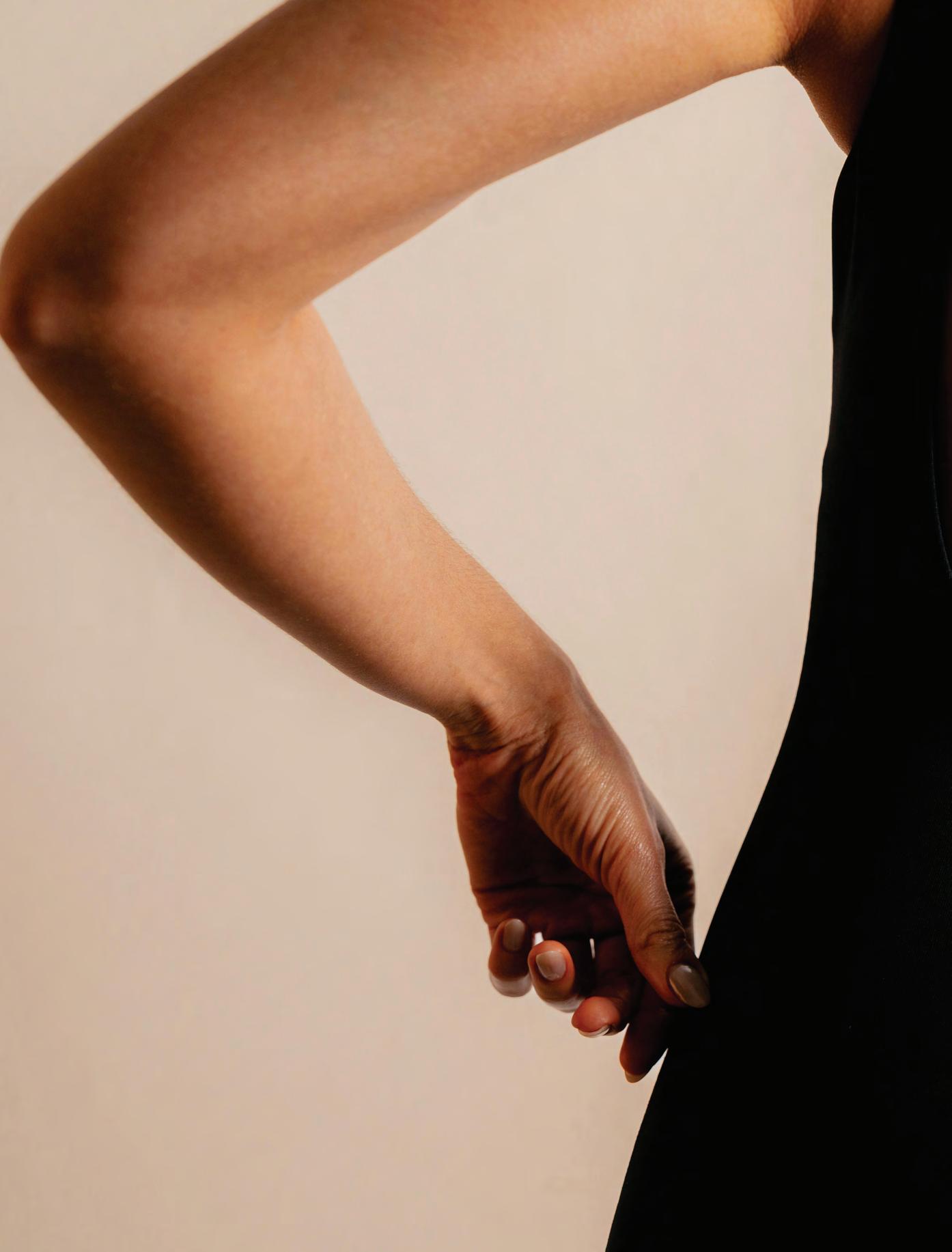
The smartest women in wellness aren’t working harder – they’re recovering better. From hormone-aware training and sleep optimisation to cold plunges and wearables, here’s why slowing down may be the key to moving forward
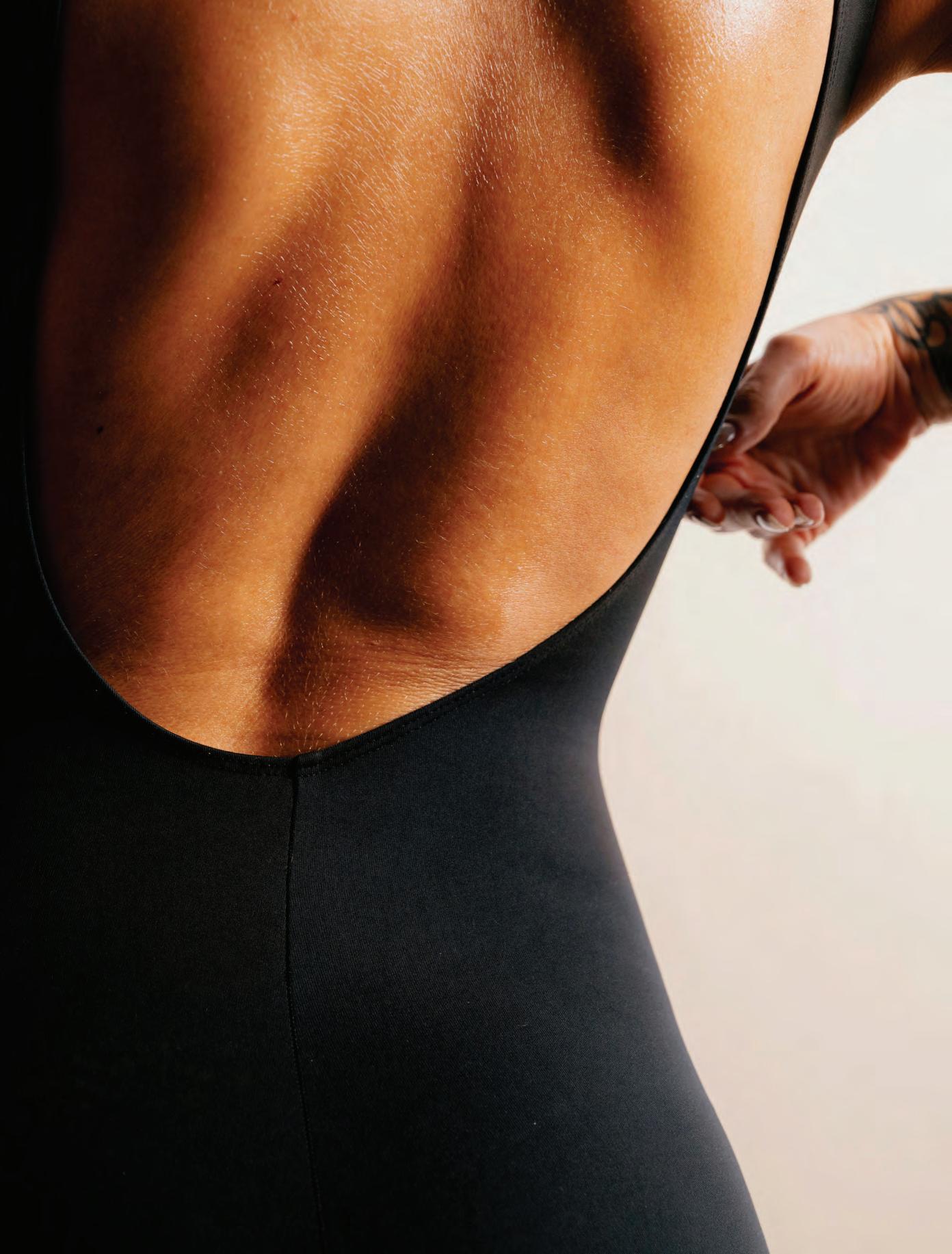
Not so long ago, wellness was largely centred around how hardcore our exercise routines were. A new Barry’s class to try, a 5am ritual to master, or a CrossFit competition that pushed us to our limits.
If we were sweating, if we smashed our step count and if we burned all the calories, we were doing something right. Today, however, the conversation is shifting, with recovery emerging as one of the most important pieces of the wellness puzzle, as more women recognise that supporting the body after exercise is every bit as valuable as the workout itself. “The science has finally caught up with the suffering,” says Danielle Santos, head coach at Sharjah’s Altitude Ladies Gym. “The “no pain, no gain” era was built on the idea that more is always better - more volume, more intensity, more hours – but what we now understand is that adaptation doesn’t happen during training; it happens during recovery. The training session is the stimulus. Sleep, nutrition, and rest are where your body actually rebuilds stronger.”
Recovery is particularly important for women because our bodies respond differently to men’s when it comes to training, stress, and muscle fatigue, all of which are fundamentally shaped by our hormonal cycles. “The mainstream fitness industry was built largely on research conducted on men, and that bias is still embedded in how most programs are designed today,” explains Santos. There are certain phases of our menstrual cycle where we build muscle significantly more easily, particularly during the follicular phase, which begins on the first day of menstruation and lasts roughly two weeks. During this time, estrogen rises and increases strength output, raises tolerance to exertion and protects muscle tissue from excessive damage. “Your body is literally primed to be pushed,” she explains. Then comes the luteal phase, from ovulation to the end of the cycle, when progesterone rises, recovery slows, injury risk increases and energy drops. “This is precisely the phase where most women try to maintain the same training intensity
and fail – not because of a lack of willpower, but because the hormonal environment simply doesn’t support it.”
So, what exactly should we be doing about it?
While more intense training can be done during the follicular phase, recovery should be prioritised during the luteal phase. As to be expected, sleep is a non-negotiable foundation – “it is during deep sleep that cortisol drops, growth hormone release peaks and tissue repair accelerates,” explains Jamie Moore, global director of fitness at SIRO Hotels. Close behind are nutrition, hydration, adequate protein intake, mobility work, and stress regulation. Then there are the new-world experiences that can be added into your routine including cold plunges, infrared saunas, compression therapy and cryotherapy, all of which can be extremely effective when used strategically. “Infrared saunas are excellent for circulation, parasympathetic activation, and sleep quality, particularly when used in the evening,” adds Santos. As for Moore, he believes walking is still one of the most underrated tools we have – “it supports lymphatic flow, improves blood glucose regulation, reduces stress and helps the nervous system downshift without adding load to the body,” he explains.
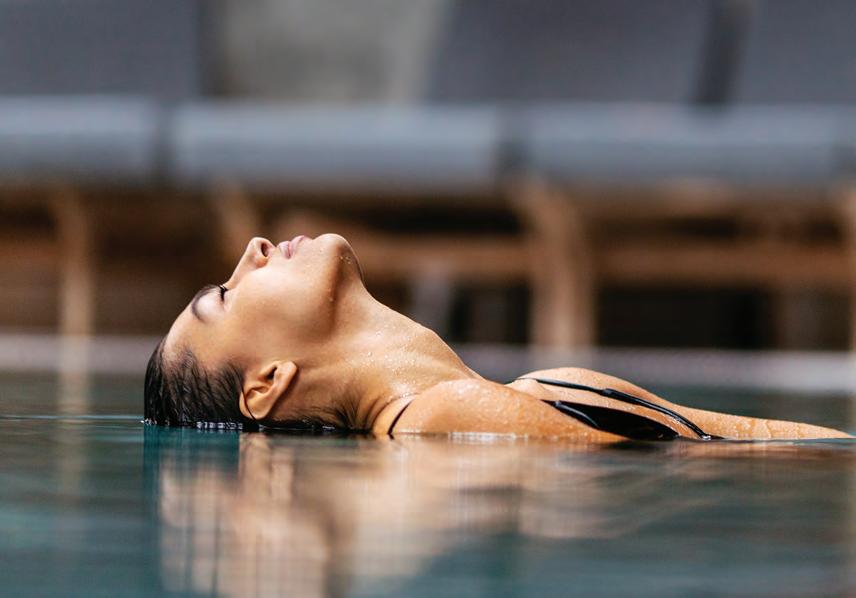
This growing awareness of recovery has led to a wave of new wearables that help us better understand how our bodies are coping with training, using movement and heart-rate data to signal when we might need more rest. Case in point? Devices like WHOOP and Oura rings now take pride of place in the most stylish of wardrobes. They have the added benefit of helping women track correlations between their cycle phases and recovery metrics. “That said, wearables are tools, not oracles,” notes Santos. “The risk is that people become so focused on the data that they lose the ability to listen to their body. I use them as a second opinion, not a first one. If your HRV looks fine but you feel terrible, trust your body.” And that’s what the whole conversation comes down to – trusting your body. If you’re feeling particularly fatigued, experiencing disrupted sleep, have a lack of motivation, or are becoming increasingly irritable, chances are you’re not giving recovery the attention it deserves. “Some women may also notice changes in cycle regularity, increased sensitivity to stress or a feeling of heaviness in workouts that previously felt manageable,” says Moore. “The body is constantly providing feedback, and recovery is about responding to that feedback early, not after burnout has set in.” Because sometimes progress doesn’t look like another workout, an earlier alarm, or a tougher challenge. Sometimes, it looks like an extra hour of sleep, a slower day and the confidence to trust that your body knows exactly what it needs. And maybe an ice plunge thrown in for good measure.


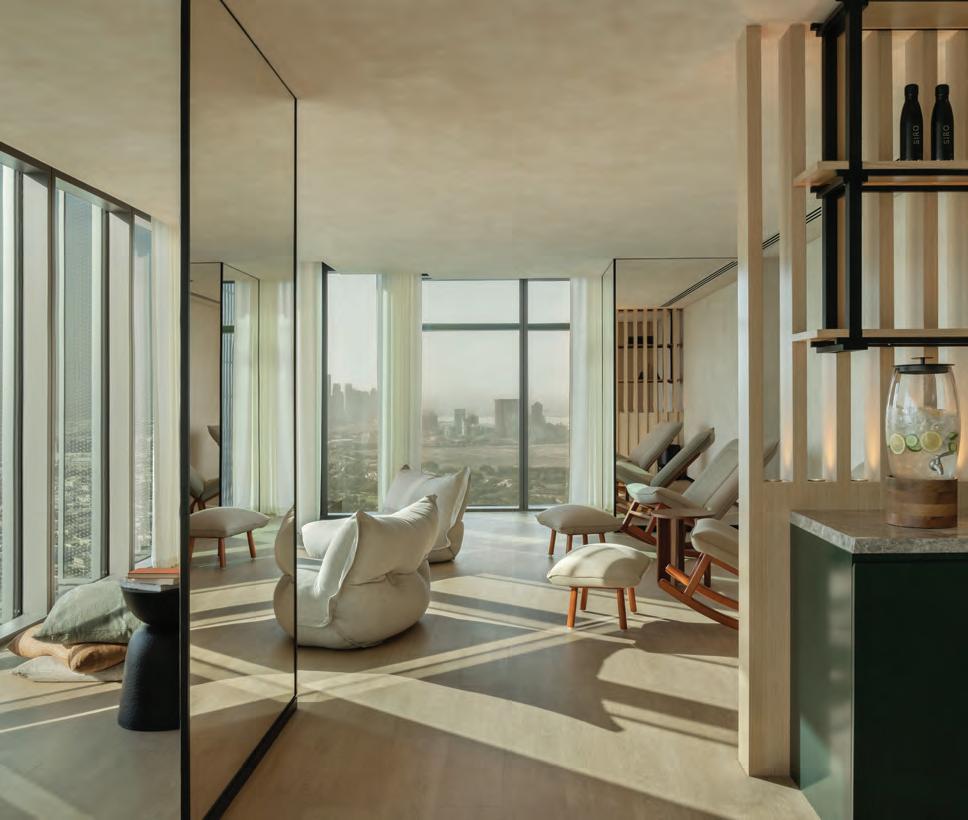
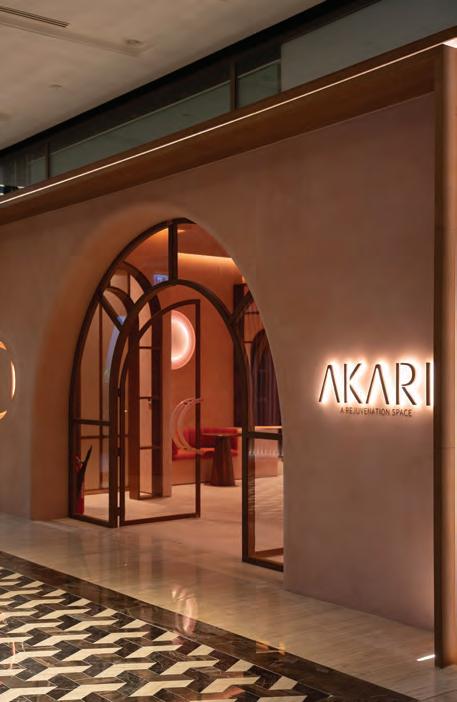
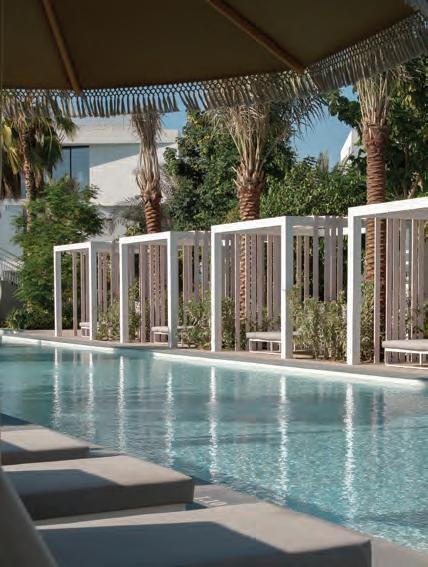
From state-of-the-art wellness labs to tranquil regeneration spaces, these are the city's top spots for recharging mind and body
SIRO One Za’abeel
Siro has a whole space dedicated to recovery – aptly named the Recovery Lab –which offers everything from invigorating cold plunges to assisted stretching and cutting-edge treatments like dry needling and cryotherapy. Also worth taking advantage of is the Zen Room, which is the perfect place to read, journal, or even have a quick snooze. @siroonezaabeel
The Bay Health Club
Set within the lush surroundings of Al Barari, The Bay Health Club is home to a ladies-only space that is dedicated to recovery. Expect the likes of a Rollstar machine for lymphatic drainage, Normatec air compression boots, a red-light therapy room, sauna, cold plunge facilities, and a pool for some gentle laps. Guest passes available. @bayhealthclub
Guided by the principle that wellness should feel both effortless and transformative, Akari is a new rejuvenation space in the heart of Dubai’s One Central. Not only does it offer red light therapy and compression boot therapy, but guests can also try out IHHT (Intermittent Hypoxia Hyperoxia Training) in one of its meditation pods, which involves breathing in alternating levels of oxygen for deep regeneration, all while you drift into a state of quiet calm. @akariwellness
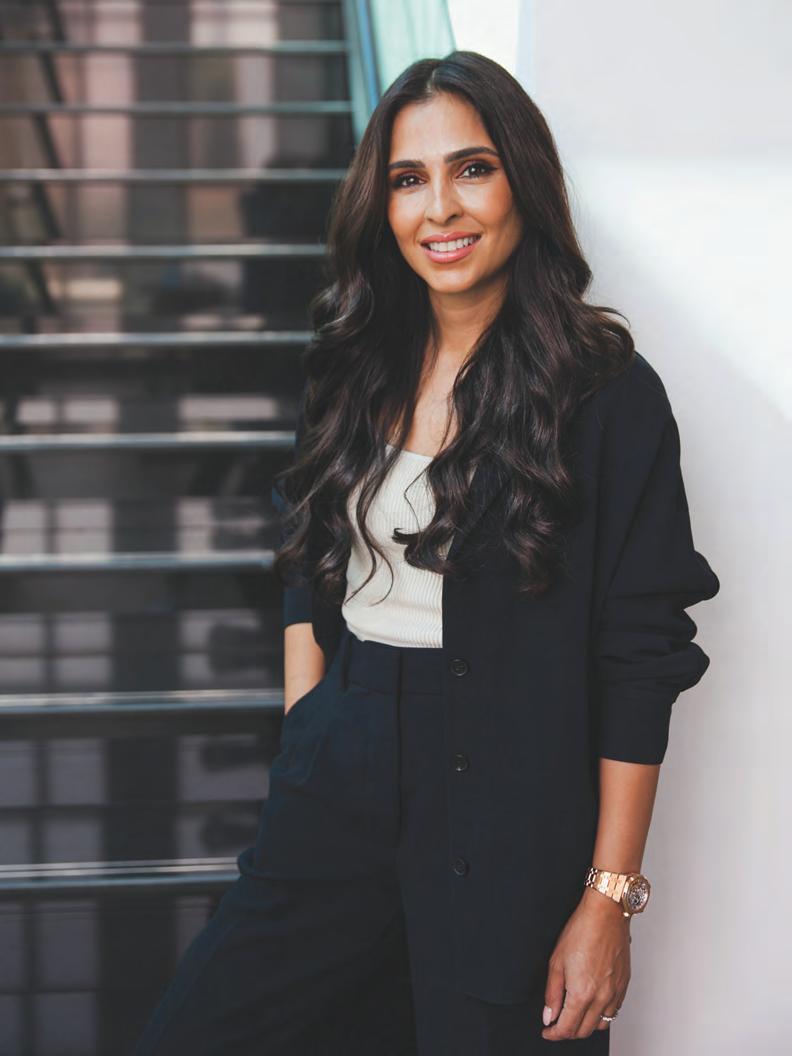
Zeina Abdalla, the co-founder of Metabolic, is teaching women that taking care of themselves first isn’t selfish. It’s the whole point
Zeina Abdalla did not set out to run a healthcare company. But since taking on the challenge of transforming what a clinic can look like, through her company Metabolic, she has been on a mission to empower women to place their health at the centre of their lives. Not just because being healthy and feeling good instantly impacts all aspects of our lives, but because of the ripple effect it has on the people around us, from families and friends to co-workers.
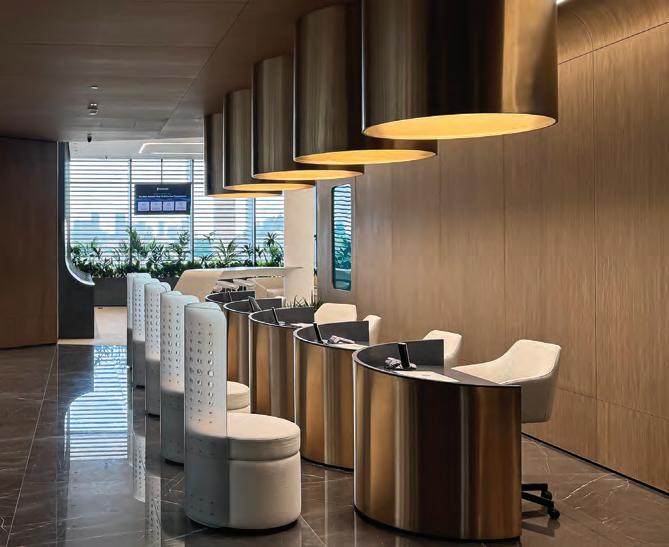
Abdalla’s road to the world of medicine is a rather unexpected one. Before becoming the cofounder of Metabolic she spent 11 years helming the successful digital media business Fishfayce, which catered to luxury brands. She built it from scratch into something so distinctive that it shifted the way the market curated the digital footprint of inperson experiences in the region. But when Covid hit, the events industry evaporated overnight, and with three small children at home, Abdalla chose to step back and take stock of what she wanted to do next. She took a year off. She assessed her life. And in 2023, she joined the company alongside her husband and his co-founder, elevating what is typically a purely clinical setting into an exceptional destination for wellbeing.
Initially that company was called GluCare. Health, a tech-enabled clinic in Dubai focused on diabetes care. Abdalla’s arrival came at the moment they started to reshape it. “We decided to launch Metabolic, as an umbrella company above GluCare,” she explains, alongside a direct-toconsumer brand called Zone.Health, built around peptide therapy, weight loss, and hormone treatments not typically covered by insurance. Two brands, two names, and (as she discovered when the startup network Endeavor put the company through its rigorous interview process) total confusion. “They were like, we don’t understand your brand, who are you?” she remembers. It became the catalyst for a rebrand that clarified what had been true all along: this wasn’t only a diabetes clinic. “We deal with anyone that wants to get ahead of their health, not to manage disease, but to bend risk,” she says. “Diabetes, thyroid issues, obesity, women’s health, PCOS, perimenopause. They’re all interlinked, at the end of the day.”
Metabolic might be all about giving its clientele the best service, across a myriad of health issues,
in one easy location. But Abdalla is determined that her company go the extra mile for every visitor. She wants each guest who walks into one of their clinics to feel as if they are entering a welcoming, friendly space filled with people who have their best interests at heart. “We don’t want to look like a clinic or feel like one. A lot of folks simply don’t like going to the doctor,” she explains. Abdalla is obsessive about the patient experience, from the inviting artwork on the walls, to an attentive and warm staff, and even a friendly coffee bar where visitors can wait for results from the in-house lab. Using state-of-the-art testing and diagnostic devices that leverage AI to get detailed results, a baseline check-up in the morning could lead to a same-day on-site consultation with a cardiologist, a discussion with a nutritionist, or perhaps even a session in the kitted-out on-site gym.
“Start from the basics. Get your baseline, see where you’re at, and then from there decide to take your health in hand, one step at a time”
Everything at Metabolic is built around making patients comfortable and the journey seamless, with open and truthful interactions from a team that empowers them to address any issues that might be discovered. “You’ve got thirty minutes with your doctor, and if you feel welcome, if you feel seen, you can have that open dialogue,” explains Abdalla. “The moment you feel like someone is judging you, or that they are in a rush to maximise the number of patients they see in a day, you shut down and are less likely to share information.” For the co-founders, their clinics should be a place where health needs are pinpointed, addressed and met in real time.
That openness is also the engine of Abdalla’s public advocacy. She talks about her own perimenopause, diagnosed at 43, without flinching. Followers who discover her story on social media are always reaching out. “They’re like, but you’re only forty-three, how are you already in perimenopause?” she shares. “But there’s no
specific age it happens.” Abdalla has been pre-diabetic twice, and she has shared those struggles too, explaining what she is doing to deal with the issue head on. “I’m not saying do it, I’m just saying this is what I’m doing, and maybe it could also work for you,” she says about sharing her health journey. “Vulnerability breeds connection,” she points out. “If you don’t share what you’re going through, then how can you help the next person?” Underneath the advocacy is a simple, recurring observation about the women who walk through the doors of Metabolic. “As a woman, in general, I feel like we always prioritise others, our kids, our husbands, our partners,” she says matter-of-factly. “But you typically need to ‘put your oxygen mask on first’ before you can take care of other people. How can you be of help to others if you’re not doing anything for yourself?” Abdalla sees it constantly: women who notice something is wrong with their bodies and quietly explain it away. “If I didn’t do what I am doing, I would have had no idea that I was in perimenopause,” she admits, “because I have such a hectic and busy lifestyle with the kids and everything, I would have just continued to brush off the symptoms, or made everything else a priority.”
What stops women from getting checked, she says, usually isn’t denial so much as not knowing where to start. “Some people don’t know where to go. They don’t know who to see,” she says. Her answer is to simplify everything down to data and small, sustainable, incremental changes. Asked what she’d prescribe to a woman who feels like she’s “running on empty”, her answer is almost stubbornly modest: “Start from the basics. Get your baseline, see where you’re at, and then from there decide to take your health in hand, one step at a time.”
The ambition now is scale, with plans underway for new locations in Silicon Oasis and London in the summer and Los Angeles by next year. Her strategy is to build them with consistency in mind, so that what visitors have come to expect from Metabolic in the UAE they will find at the company’s future outposts around the globe. “When you go to a Four Seasons in another part of the world, it’s going to be the same look, feel, smell, and overall experience,” she explains about her vision for how this Dubai-born company will be perceived internationally.
Abdalla still describes the work she does in the same terms she used on day one, when she walked into an industry she knew nothing about and trusted the people around her instead. “I’m not expected to know everything,” she admits. “I bring in people that are smarter than me at what they do, and that’s the key.” It is, in its own way, the same prescription she gives every woman who walks through her door: you don’t have to have all the answers. You just have to start.
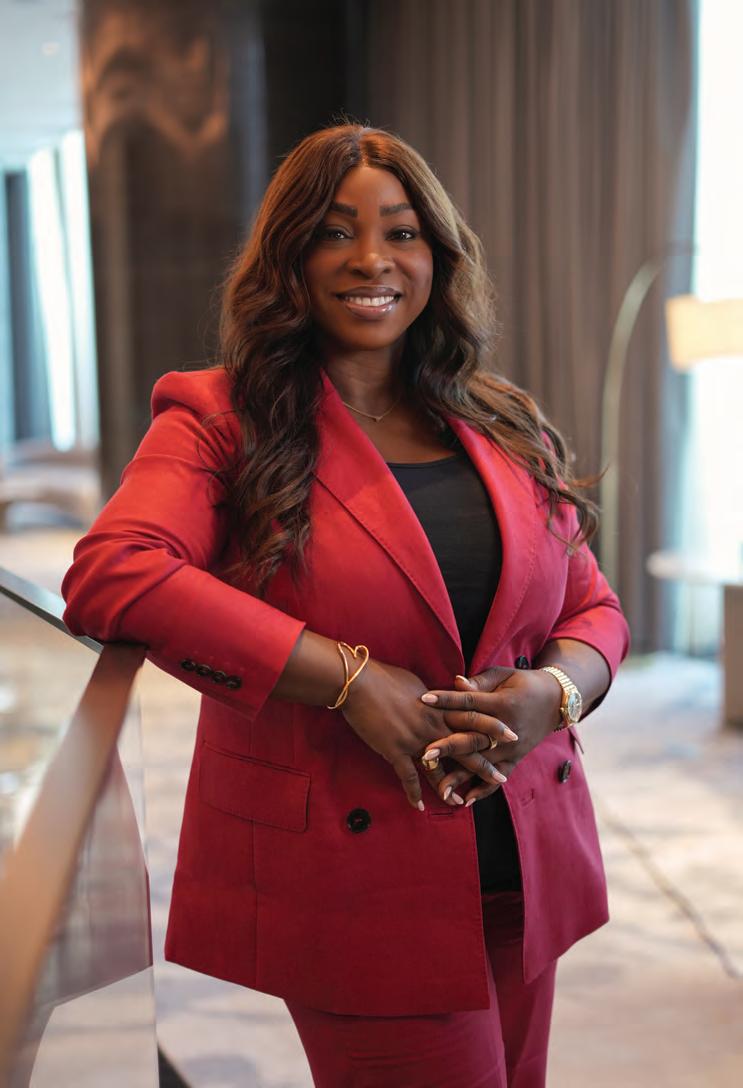
Morin Oluwole, CEO and Co-founder of Le Vitruve, is an international luxury business leader who serves on the boards of Breitling, Rituals, and Biologique Recherche and Product Council of Kempinski Hotels.
The former Global Luxury Director at Meta breaks down what women leaders understand about thriving in complexity
Every summer, there is a familiar conversation that emerges around women and leadership. How do we achieve balance? How do we manage our careers, our ambitions, our families, our health, our relationships, our personal aspirations, and somehow make it all fit together in harmony? The problem is harmony and balance are not the same thing. Balance suggests equilibrium. Equal weight. Equal attention. Equal distribution. Harmony is something entirely different. Harmony is not about giving everything the same amount of energy. It’s about understanding what deserves your energy at a particular moment. Increasingly, I believe this is one of the most important leadership skills women develop throughout their careers.
The reality is that modern leadership is rarely balanced.
For years, women have been told to pursue balance. Balance between ambition and family. Balance between work and wellbeing. Balance between professional success and personal fulfilment. Yet the most effective women leaders I know are not pursuing balance at all. They are pursuing harmony. It’s a distinction that matters. Balance implies equal distribution. Harmony requires intentional integration.
A founder building a company is not balanced. A mother caring for a young child is not balanced. An executive leading through transformation is not balanced. Some seasons require more of us than others. The goal is not perfection. The goal is knowing which priorities matter most right now.
The women leaders I admire most understand this instinctively. They are not attempting to optimize every area of life simultaneously. Instead, they are constantly making conscious choices about where to focus. And perhaps most importantly, they have learned to release the guilt that often accompanies those decisions.
For many years, leadership models rewarded certainty. The best leaders were expected to have answers. To project confidence. To demonstrate control.
Today, the environment looks very different. Technology is evolving at unprecedented speed and artificial intelligence is reshaping industries. Consumer expectations continue to shift and we have now adapted to global uncertainty becoming a constant.
In this climate, leadership increasingly requires something different: the ability to navigate competing priorities without becoming paralyzed by them. This is where harmony becomes a strategic advantage. The ability to hold multiple truths simultaneously. To be ambitious and empathetic, decisive and adaptable. To think short-term and long-term at the same time. To embrace innovation while protecting what makes an organization distinctive.
The most effective leaders are not choosing one side of these tensions. They are learning how to operate within them. Women, in many cases, have been practicing this skill long before it became a business necessity. Many women spend their lives managing complexity. Negotiating between professional and personal responsibilities. Building careers while caring for others. Balancing visibility with authenticity. Navigating expectations
that are often contradictory. These experiences can become a source of leadership strength. Not because women are inherently better leaders. But because they often develop a comfort with ambiguity that modern leadership increasingly requires. It’s a lesson that also extends far beyond business.
One of the most significant shifts I have observed among successful women is a move away from external definitions of success. Earlier in our careers, it is easy to measure achievement through promotions, titles, recognition, or financial milestones. These remain important. But over time, many women begin asking different questions.
Am I spending time on what matters most? Am I building something meaningful? Am I creating opportunities for others? Am I living according to my own values rather than someone else’s expectations? These questions are less visible but they are often far more transformative. This is because harmony is ultimately an internal measure. It’s not determined by how busy we appear, by how much we accomplish, nor by how many responsibilities we can carry. It comes from alignment. Alignment between our ambitions and our actions. Alignment between our values and our decisions. Alignment between who we are and how we choose to lead. As we move through another season of rapid change, perhaps the conversation should evolve. Perhaps women should stop asking whether balance is possible and start asking whether harmony is.
Harmony leaves room for growth. It leaves room for ambition and for imperfection. Most importantly, it recognises that leadership is not about creating a life free from tension. It’s about learning how to move through complexity with clarity, purpose, and intention. And that may be one of the most valuable leadership lessons of all.
THE WARM LIGHT OF SUMMER, NOTHING SHINES LIKE THURBER DIAMONDS AND GOLD
SENIOR EDITOR: JESSICA MICHAULT PHOTOGRAPHER: TYLER PATRICK KENNY
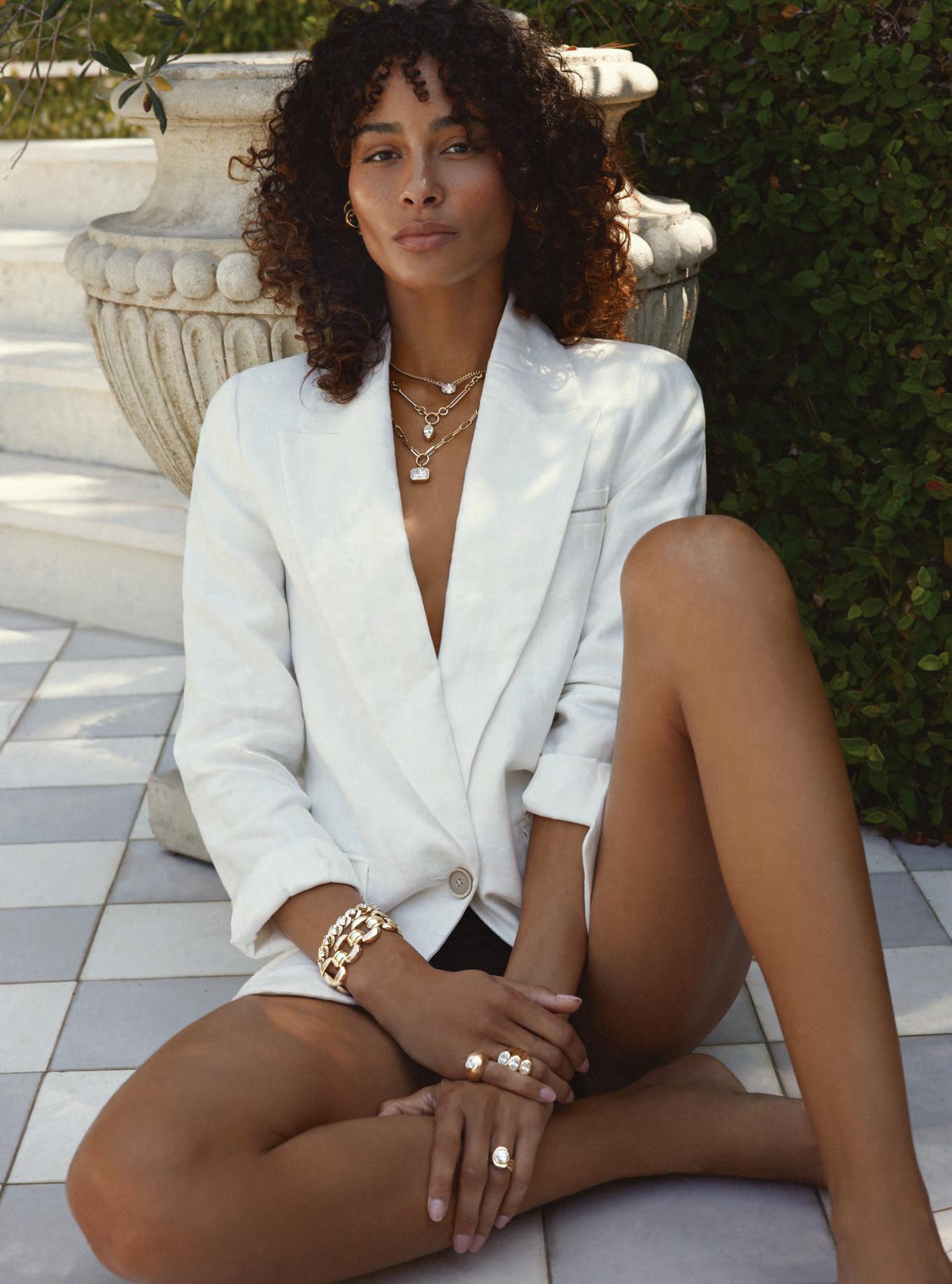
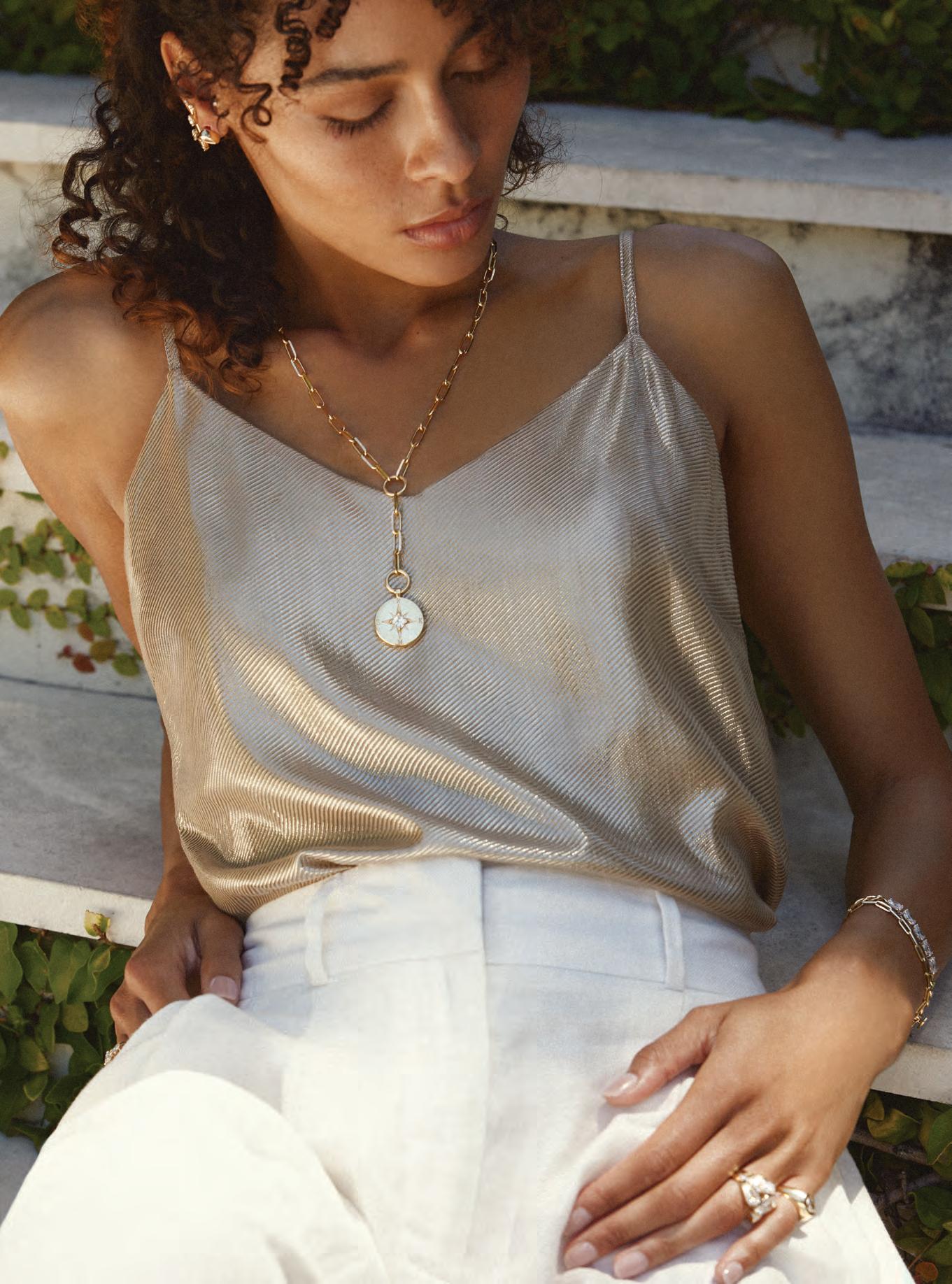
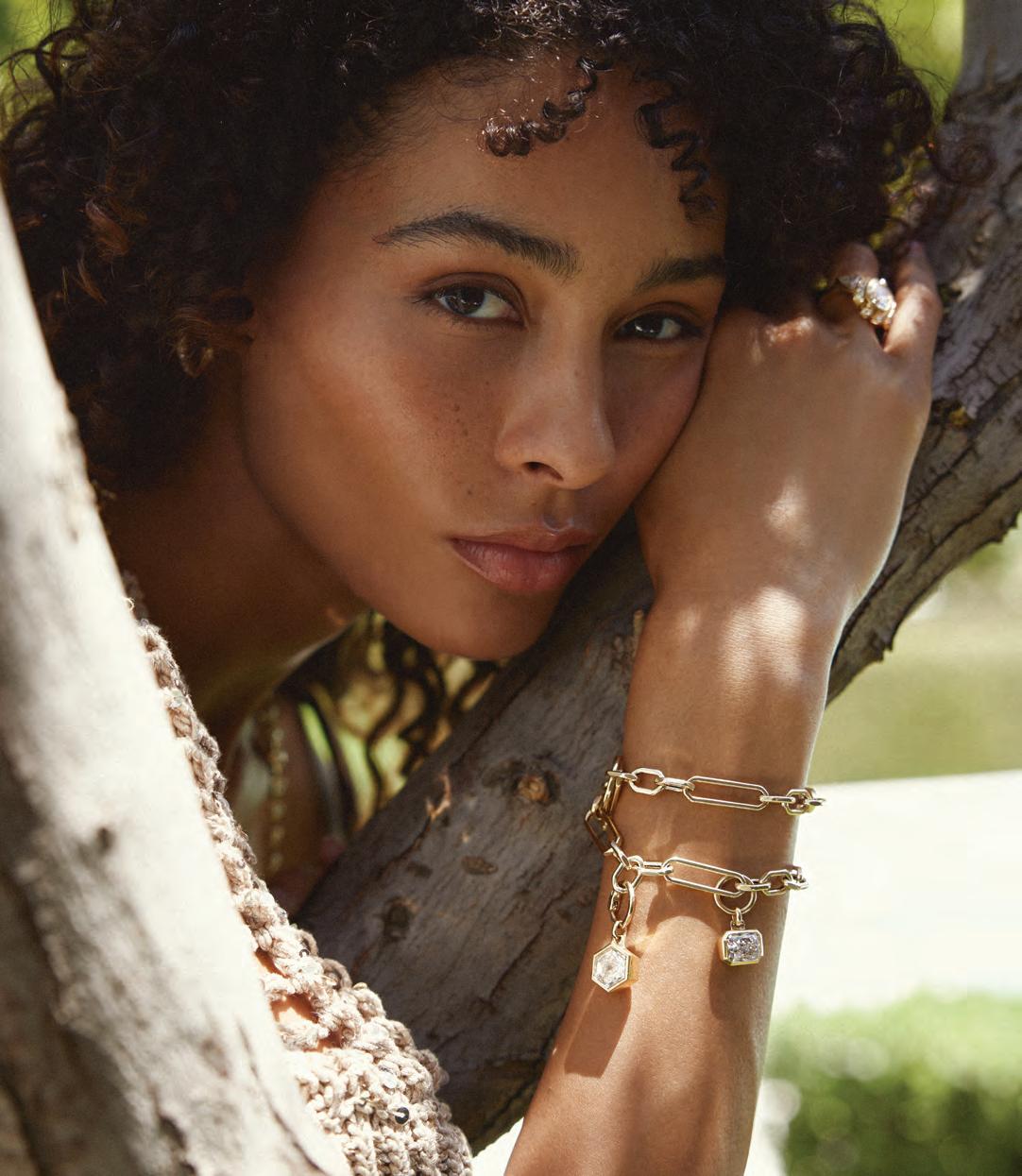
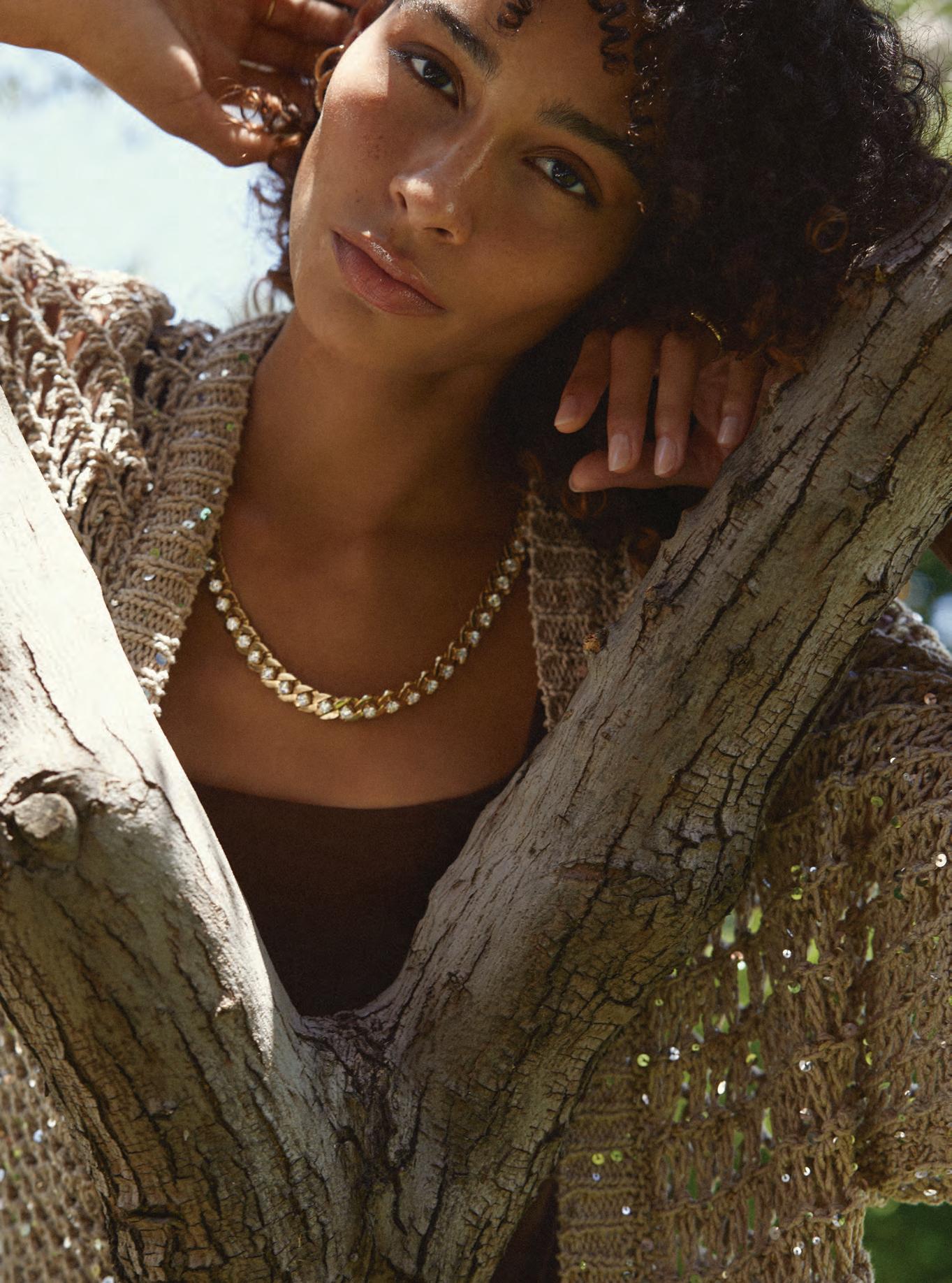
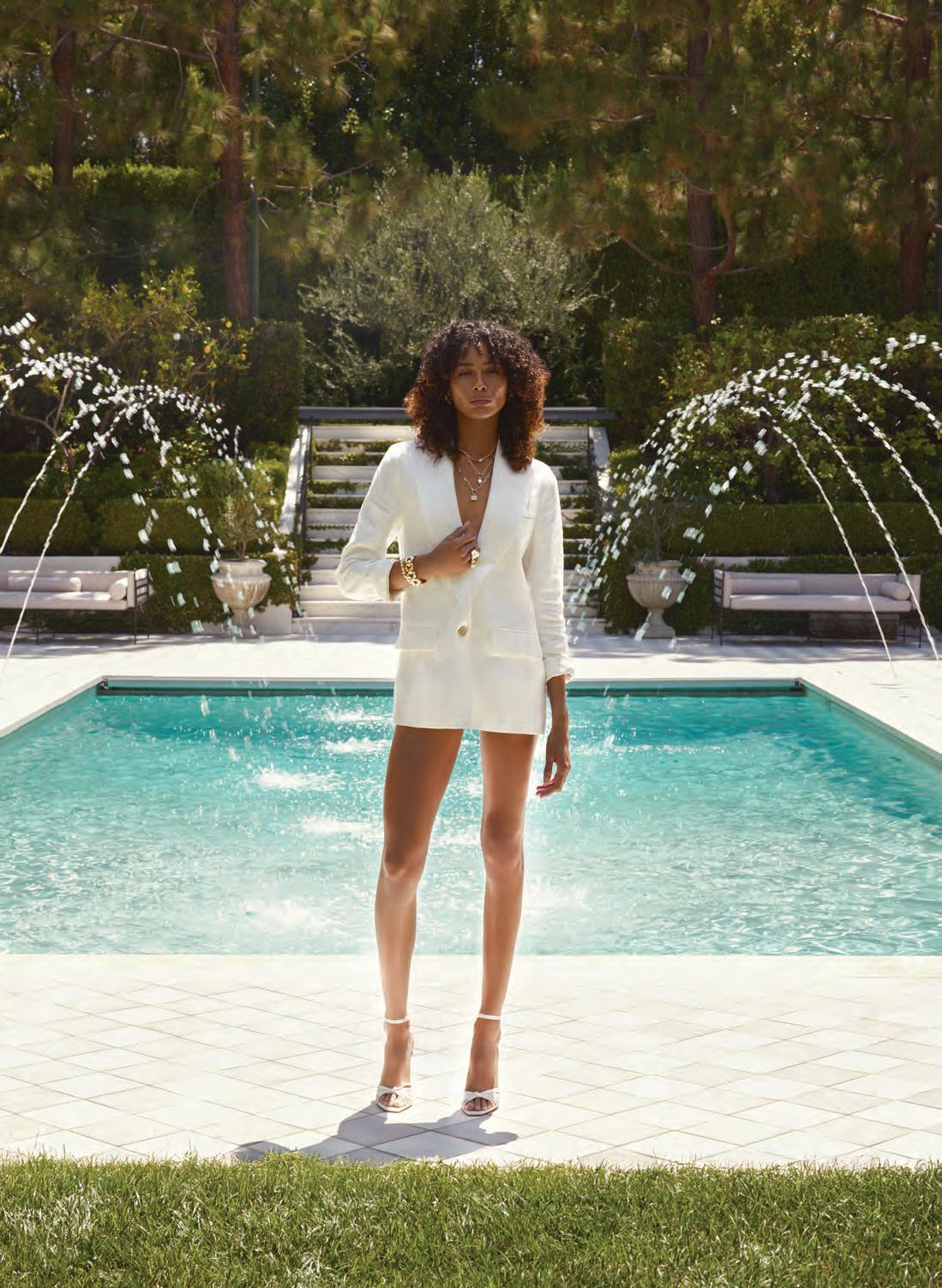
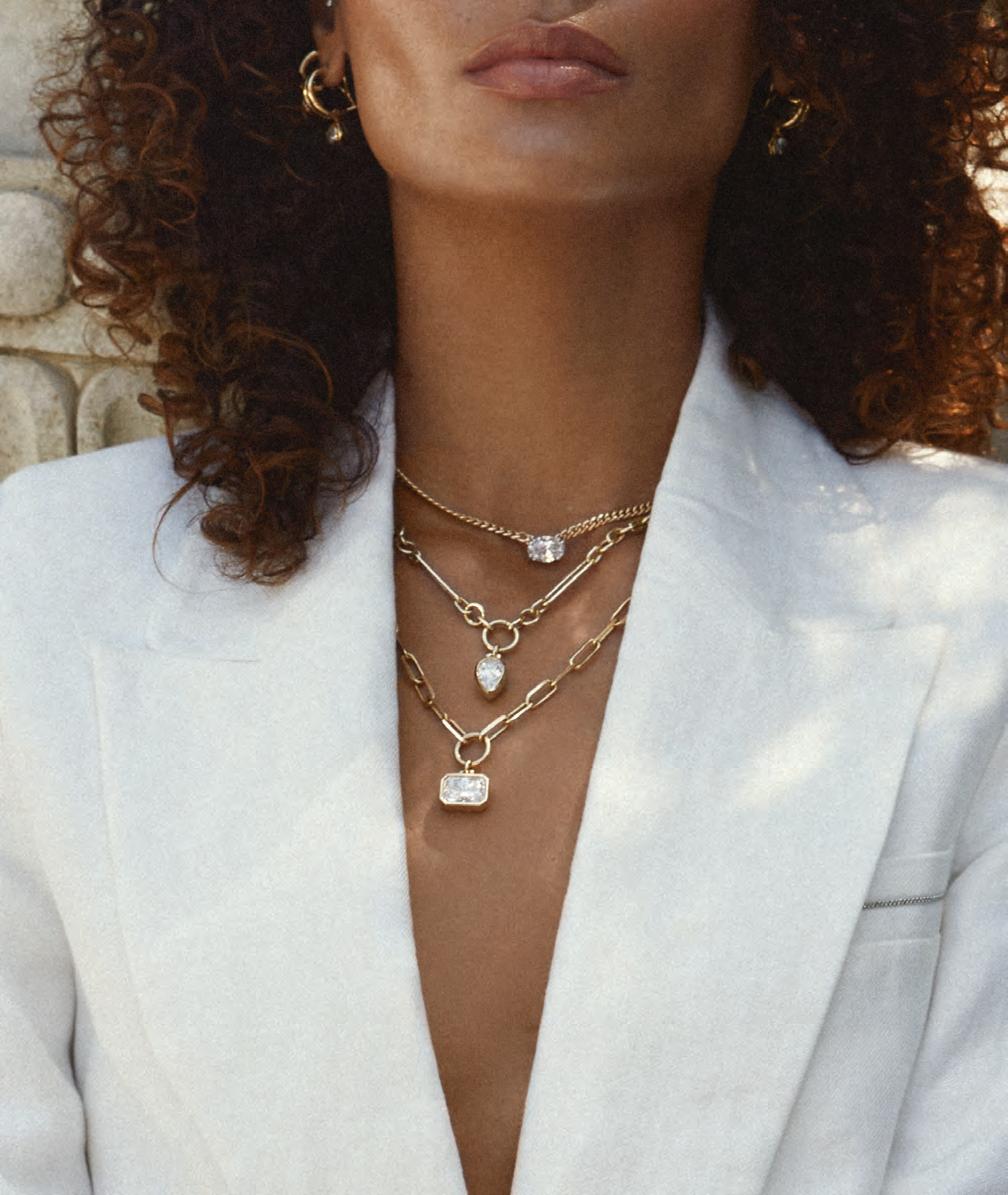
All jewellery available at Thurber.com
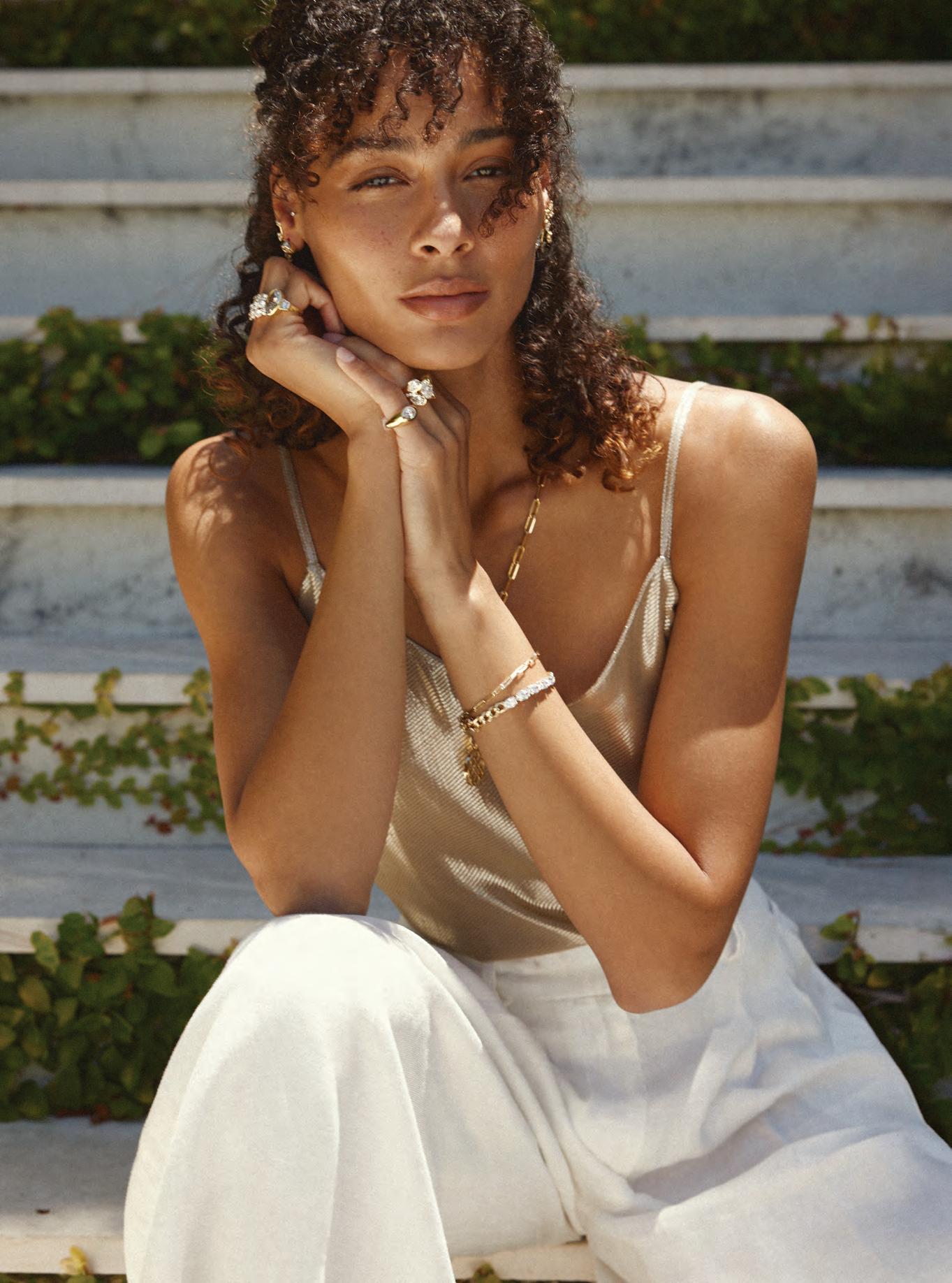
The camellia has been linked to the house of Chanel ever since its founder Gabrielle “Coco” Chanel fell in love with the beauty of its striking simplicity, bold geometry, and –slightly surprisingly – its lack of fragrance. But while the flower might not have an aroma, it certainly has other worthwhile properties, some of which have been harnessed in Chanel Beauty’s Hydra Beauty line. Two moisturisers, the Micro Crème and the lighter Micro Gel Crème, deploy a microfluidics technology that suspends camellia actives in tiny spheres visible to the naked eye – when applied, they burst on contact with skin, instantly giving every morning skincare routine a bit of playful dynamism.
Take the long view
and…
– Invest in that which extends beauty
– Harness g enerational knowledge
– Find a sanctuary that speaks to you
– Explore that which makes you glow
– Listen to what your emotions are telling you

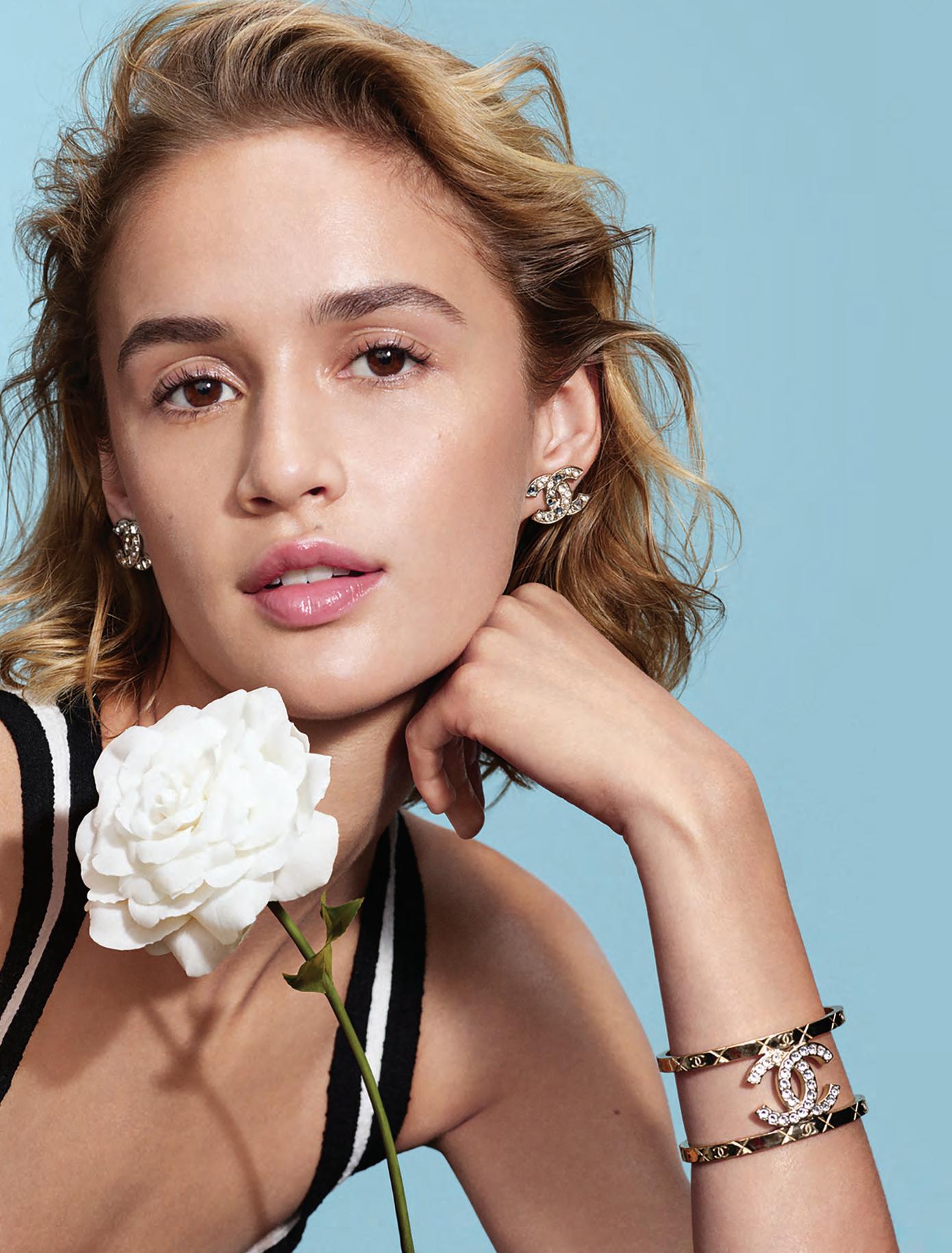
From picks focused on longevity to limited-edition collectibles, here’s a roundup of products for a perfectly curated beauty cabinet
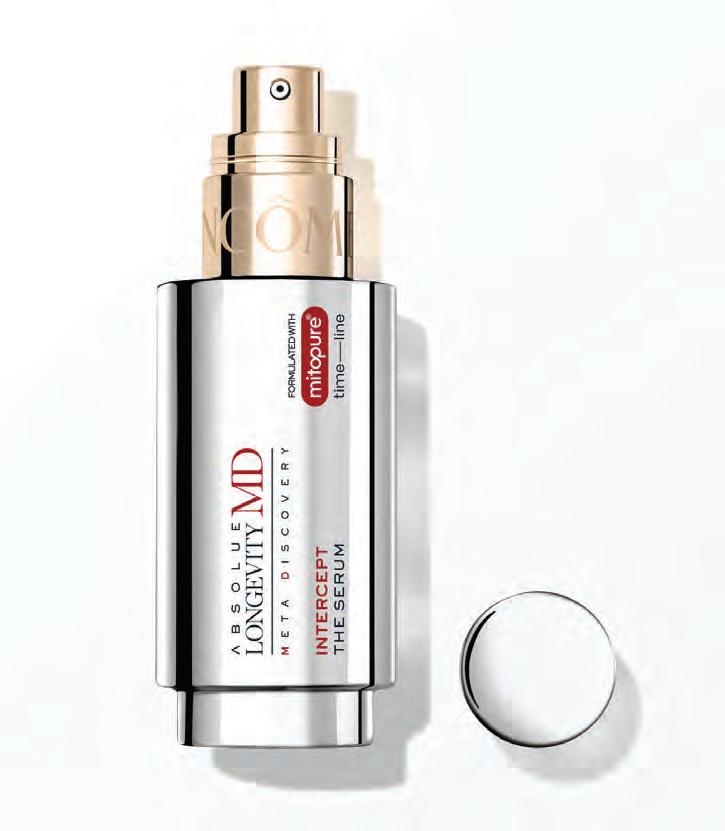
The new Lancôme serum is the “absolue” addition to the modern woman’s skincare regimen. Its advanced skincare innovation is designed to address signs of aging at their earliest stages to help boost cellular activity and support a youthful-looking complexion. Absolue Longevity MD Intercept The Serum Dhs740 Lancôme
A limited-edition collectible, this heart-shaped Pillow Talk face palette corrects, brightens and blurs the skin, giving fresh, blushed cheeks worth swooning over. Pillow Talk Beauty Soulmates Face Palette Dhs260 Charlotte Tilbury

Why wear sunscreen and setting spray separately when a combo option is on the table? The ONE/SIZE setting spray, newly launched in the UAE, is the perfect finish to lock in a pristine summer look. Exclusively at Sephora Middle East. On ‘Til Dawn Mattifying Sunscreen Makeup Setting Spray Dhs165 ONE/SIZE
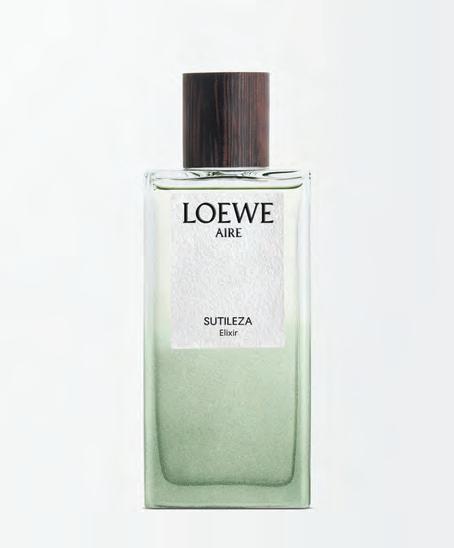
The new Aire Sutileza fragrance evokes an immediate sense of serenity. Blending delicate florals with the sweetness of pear along with musky, woody aromas of sandalwood and vetiver, the combination deftly captures warm summer days in a bottle. Aire Sutileza Eau de Toilette 100ml Dhs630 LOEWE Perfumes

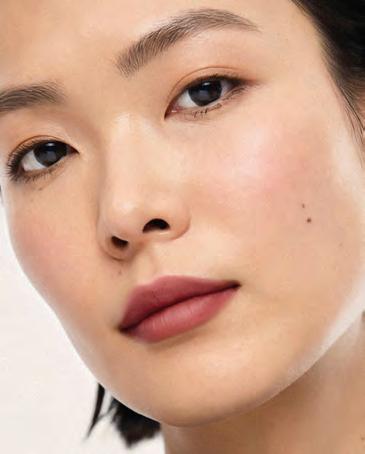
A lip-perfecting balm that’s ideal for the midday touch up, giving you a blurred, soft tint. This ultra-silky formula leaves lips feeling cashmere-soft from morning to night.
Blur Balm Dhs150 Hourglass

These pimple patches help protect spots and reduce redness. With a mirrored compact that’s refillable and travel-ready, it turns a sensitive subject into something almost celebratory. Hydro-star Big Pink Compact Kit Dhs70 Starface
Instantly adding the “oomph” element to any brow framework, the Rare Beauty lifting gel elevates, tints and sets to give a 12-hour waterproof hold. Brow Harmony Tinted Flexible Lifting Gel Dhs115 Rare Beauty
Adding the perfect layer of gloss to your hair while also moisturising and reducing breakage, the Fenty Beauty hair oil is the ideal hot summer solution. The Flashy One 9-in-1 Treatment Oil Dhs140 Fenty Beauty
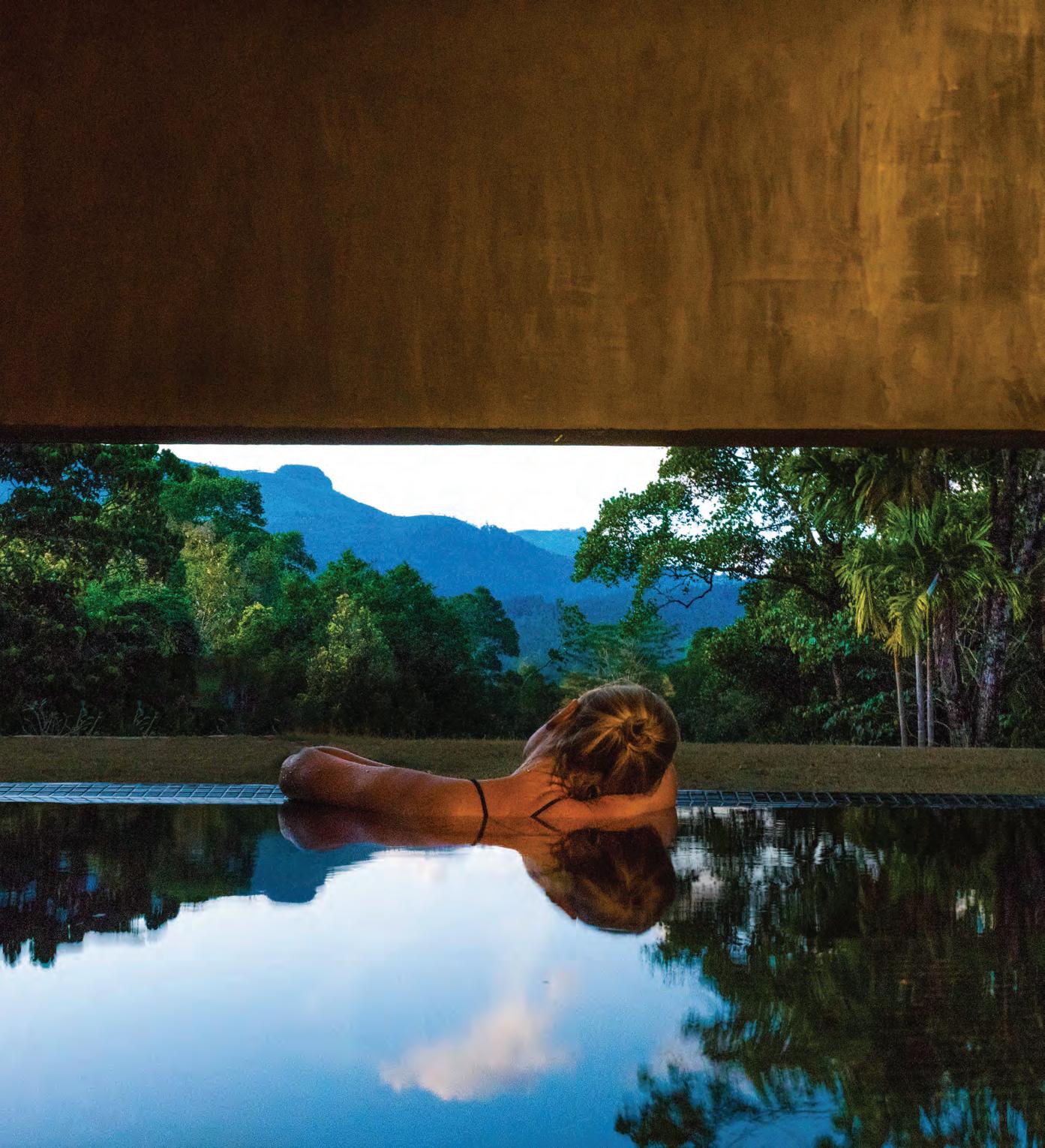

From sacred Mayan cenotes and Finnish sauna folklore to Indian Ayurveda, these seven retreats each offer their own ancient answer to the question “how do you actually heal?”
Before wellness became an industry, it was a cultural undercurrent. Different societies were in tune with the needs of the body through a knowledge passed down by generations, built over centuries, and embedded so deeply in heritage and customs that it was never meant to be packaged. The places gathered here each carry a different version of that knowledge. Seven countries and seven ancestral frameworks that collectively act as a reminder that the most considered answers to how a human being actually restores itself have been available for over a millennium.
In Sri Lanka, the greeting “Ayubowan” –may you have a long life – was a wellness intention long before longevity became a global pursuit. At Santani, the island’s first purpose-built luxury wellness resort, that sensibility informs everything about the experience, from the architecture and the medicine to the particular quality of silence the resort was designed to protect. Perched on a secluded 116-acre tea plantation in the Knuckles Mountain Range, it is defined by its Architecture of Silence – 20 minimalist
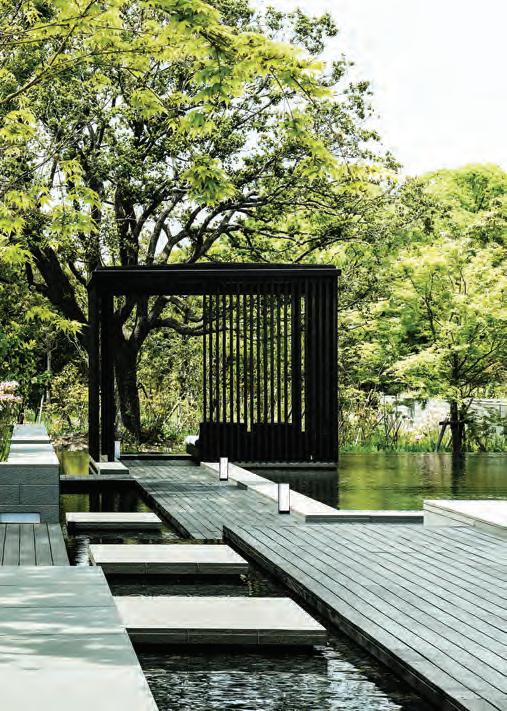
chalets, free from digital distraction, are held lightly within the landscape – where the first thing you hear each morning is the Hulu River moving through the valley below.
The founding philosophy of healing the root cause of imbalance shapes everything from the Panchakarma Detox for Hormonal Balance to nutrition plans guided by Rasa Haya, the six Ayurvedic tastes. Now in its tenth year, the resort introduces two wellness pathways – Refresh, for self-directed restoration, and Transform, a medically guided programme – and what both are working toward is a relationship with your own body that outlasts the stay. @santani_wellness
Conceived as a legacy project in the hills of northern Kerala, tulåh positions itself as a new model for what healthcare might look like when ancient wisdom and clinical science are allowed to work alongside one another. Set across 30 acres of medicinal gardens and rewilded forest, the sanctuary brings together Ayurveda, yoga, Vedanta, Tibetan medicine and traditional Chinese medicine alongside advanced diagnostics and regenerative therapies – an integrated system calibrated to each individual guest. Every programme begins before arrival, with assessments interpreted through the tulåh Life Index™. At its inaugural unveiling earlier this year, framed under the theme “From India to the World,” the sanctuary introduced itself to an international audience as India’s healing heritage expressed at the level of clinical rigour, its ancient frameworks deepened by modern medicine and brought to bear on the measurable health of each guest. @tulahclinicalwellness
Founded by Rym Nur, The Women’s Sanctuary operates as a roaming series of intimate spiritual retreats for Muslim women, each edition anchored in a different location and built around a specific theme drawn from Quranic scholarship and Islamic heritage. Past gatherings have taken place in Mallorca, Corsica and Zanzibar, and the most anticipated upcoming edition travels to Porto in September 2026 for Journey through Islamic Calligraphy, a five-day immersion exploring the sacred art of calligraphy and the deep legacy of Islam in Portugal, set within one of the country’s most striking settings.
The concept running through every gathering is fitrah – the innate human disposition toward the Divine that tends to be crowded
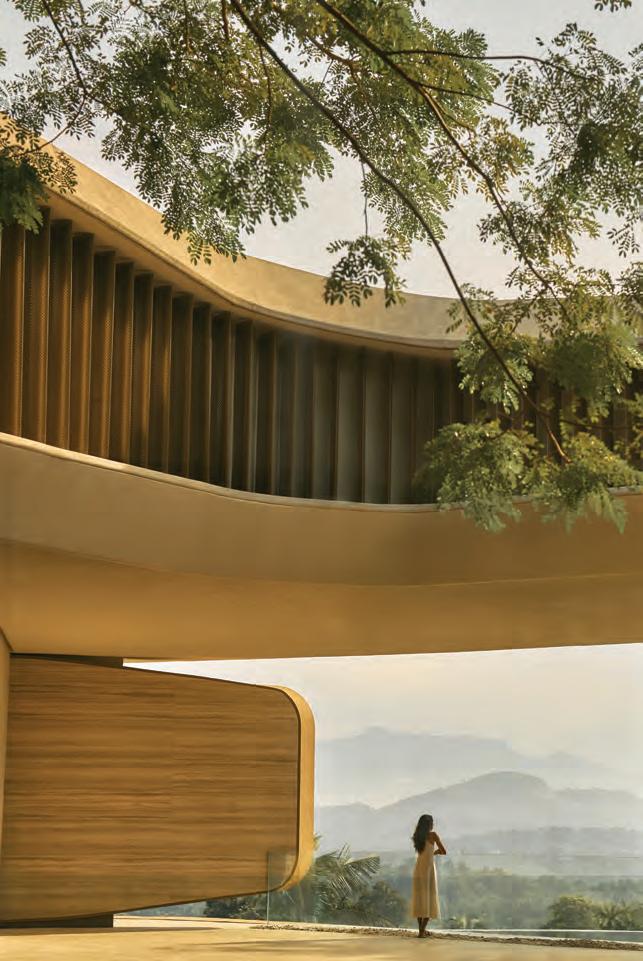
out in ordinary life, and the wellness being tended to here is firmly of the mind. Each edition combines daily lectures, workshops and mindful devotional practices with a particular kind of unhurried conversation that only becomes possible when a small group of women share a meaningful goal. There are no biometrics or clinical programmes that define this retreat. The framework is a centuries-deep Islamic contemplative tradition for those wanting mental clarity and a sense of belonging that structured wellness rarely reaches. @thewomensanctuary
Set in the jungle outside Mérida on Mexico’s Yucatán Peninsula, Chablé Yucatán is one of the few luxury resorts in the world that was designed around something that already existed – a sacred cenote, a naturally formed underground pool that the Maya have considered holy for millennia and used historically for ceremony and communion
with the divine. The spa here has treatment cabins suspended at the cenote’s edge and balconies opening directly above the water. Every treatment begins with the resonant sound of a conch shell, followed by drumbeats and a Mayan chant that sets intention.
The treatments draw on ingredients native to the Yucatán, among them chaya, a Mayan superfood prized for its regenerative properties, alongside herbal formulations tracing directly to centuries of local healing knowledge. @chableyucatan
This retreat, opened in December 2025 on the shores of Lake Norvajärvi outside Rovaniemi in Finnish Lapland, is among the most compelling new destinations in the luxury space. Anchored in a restored 1950s village schoolhouse – its original log walls uncovered during renovation – Skýra offers a small set of accommodations including log suites with private saunas and forest
terraces and a standalone lakeside villa, all oriented around an open-air Nordic spa guiding guests through the Finnish thermal cycle in the company of ancient forest and a lake that freezes in winter. The Private Folklore Sauna ceremony moves through the ceremonial greeting of the löyly and traditional birch-whisking, alongside the stories that connect the ritual to the ancestral life of this land. In the Arctic silence that holds the retreat, Skýra asks very little beyond the willingness to stop. @skyraretreat
The name is a translation of Panca Mahabhuta, the Balinese principle of the five great elements – earth, water, fire, air and ether – and at Fivelements Retreat, set alongside the sacred Ayung River on the outskirts of Ubud, that principle determines
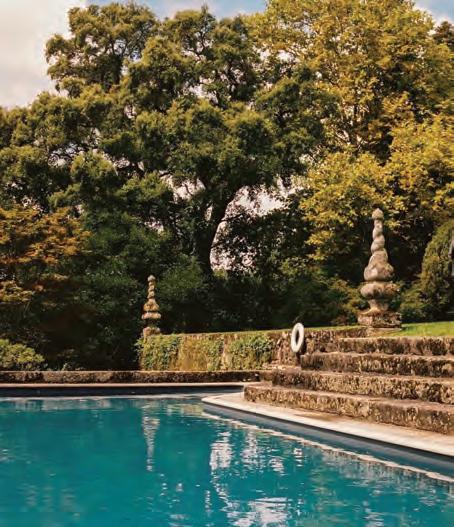
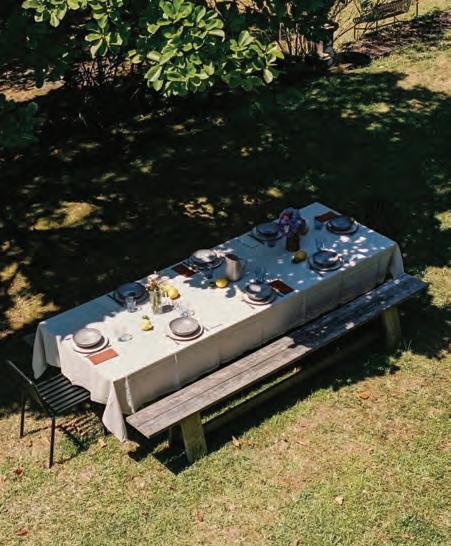
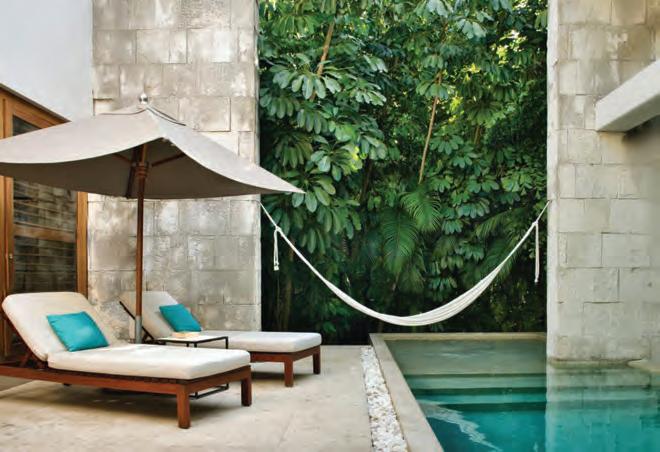
how the place is built and how guests are treated. Since opening in 2010, it has become known as one of the most serious and least conspicuous wellness sanctuaries on an island whose relationship to healing is ancient and, in the context of the contemporary wellness industry, hard to replicate.
The healing is performed by therapists from long lineages of Balinese practice, working through sacred fire ceremonies and bodywork rooted in Tri Hita Karana, the Balinese philosophy of living in harmony with the human, the natural world and the divine. Every treatment opens with a ritual foot bath and closes with a healing tea, and the traditional Boreh body scrub – a warming blend of ground rice, sacred spices and medicinal herbs – concludes with a flower bath beside the river, an experience that belongs as much to the landscape as to
the body. The plant-based cuisine at Sakti Dining Room is grown in the retreat’s own garden and treated as medicine, delivered in an open bamboo pavilion at the river’s edge.
@fivelementsretreats
Built within Ise-Shima National Park on Japan’s Kii Peninsula, Amanemu sits in one of the most spiritually significant landscapes in the country – a short distance from Ise Jingu, the most sacred complex of Shinto shrines in Japan, whose inner precincts have been ritually rebuilt on the same ground every twenty years for over a millennium. The resort’s wellness offering is structured and specific, offering four Wellness Immersion programmes covering detoxification, slowageing, stress management and recovery, each beginning with a personal health consultation. The 2,000 sq metre spa is fed by a natural hot spring whose mineral-rich waters form the backbone of every treatment, with kampo – the Japanese system of herbal medicine – running alongside zazen meditation, macrobiotic nutrition plans and private yoga sessions. Treatments draw on pearl powder and seaweed alongside the herbs and plants of traditional kampo practice, and all suites come with private onsen facilities. @amanemu_resort
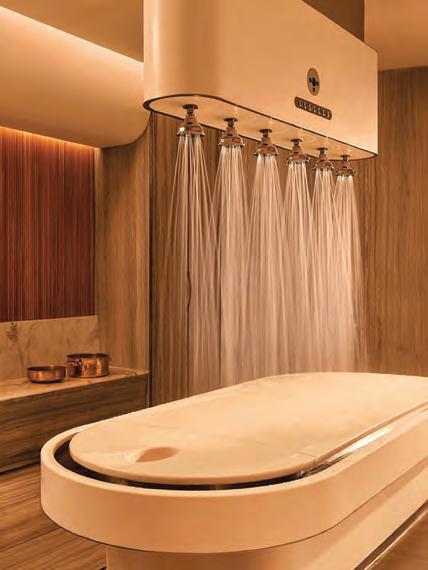
Rawan M. Hussain, founder and creative director of Saudi Arabia-based Studio Merge, takes us through her must-have beauty staples
Magic Cream Dhs450
Charlotte Tilbury
This moisturiser instantly makes my skin look more hydrated, smooth, and glowing. It creates the perfect base for makeup and leaves my complexion looking healthy.
Airbrush Flawless Finish
Setting Powder Dhs240
Charlotte Tilbury
I love how it sets my makeup without looking heavy or cakey. It blurs imperfections beautifully and gives my skin a smooth, flawless finish.
Phases Stick Blush Dhs98 Moonglaze
These blush sticks are so easy to apply and blend. They give my cheeks a fresh, naturallooking flush and make my skin look healthy and radiant.
Reflection Liquid Balm Gloss
Dhs205 Prada
This gloss gives my lips a beautiful glass-like shine without feeling sticky. It keeps my lips hydrated and comfortable throughout the day while adding the perfect touch of luxury.
Almond (Amande) Shower
Oil Dhs130 L’Occitane
I love how luxurious this shower oil feels on the skin. It cleanses gently, leaves my skin incredibly soft, and has the most beautiful almond scent.
Hyaluronic Acid Dhs48
The Ordinary
This serum is a staple in my skincare routine because it provides deep hydration and leaves my skin feeling plump, smooth, and refreshed.
COMPILED BY: AMINATH IFASA
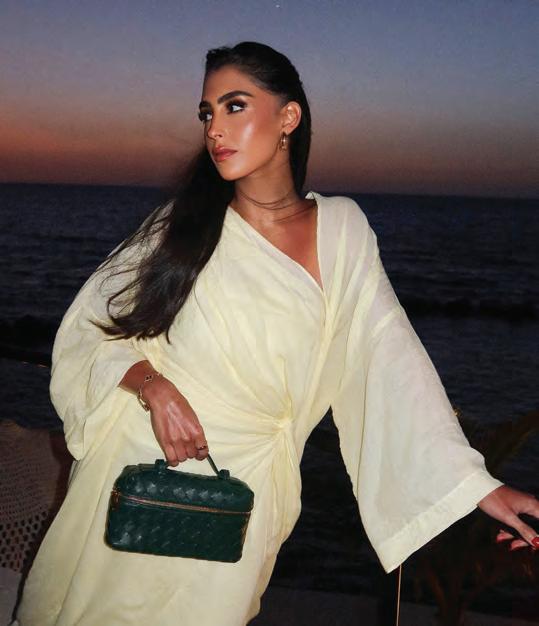
Eye2Cheek Blush and Eyeshadow Dhs280 Valentino
I love this blush because it adds the perfect pop of color while still looking soft and elegant. It
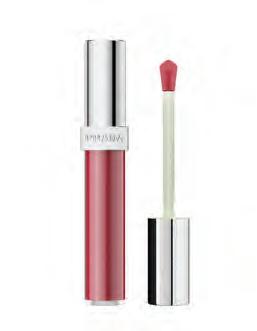
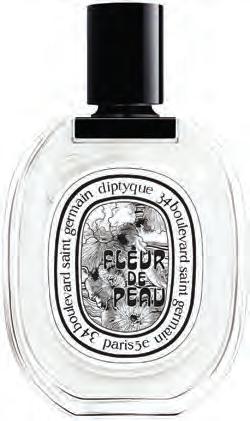
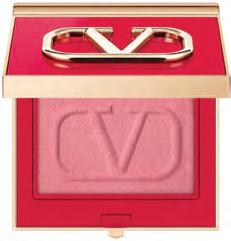
blends beautifully and gives my complexion a fresh, healthy glow.
Gloss Highlighter Dhs120 Refy
This highlighter gives my skin a natural, healthy glow without looking glittery. It blends effortlessly and creates that fresh, dewy finish I love.
Fleur de Peau Eau de Parfum
Dhs900 Diptyque
This fragrance is elegant, soft, and effortlessly sophisticated. I love how it feels clean and comforting while still being unique and memorable.
Abeille Royale Bee Lab Shots
Dhs263 Guerlain
This product makes my skin look brighter, fresher, and more radiant. The Vitamin C treat-
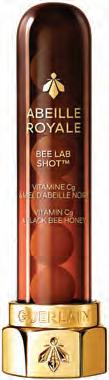
ment helps revive tired-looking skin, while the eye cream keeps my eye area smooth, hydrated, and refreshed.
Shape Tape Full Coverage
Matte Concealer Dhs150 Tarte
This is my go-to concealer because it provides excellent coverage while still looking smooth on the skin. It brightens my under-eye area and lasts all day.
Honey-Infused Intense
Lipstick Dhs185 Guerlain
I love how luxurious this lipstick feels on the lips. The formula is comfortable, richly pigmented, and the elegant packaging makes it feel extra special every time I use it.
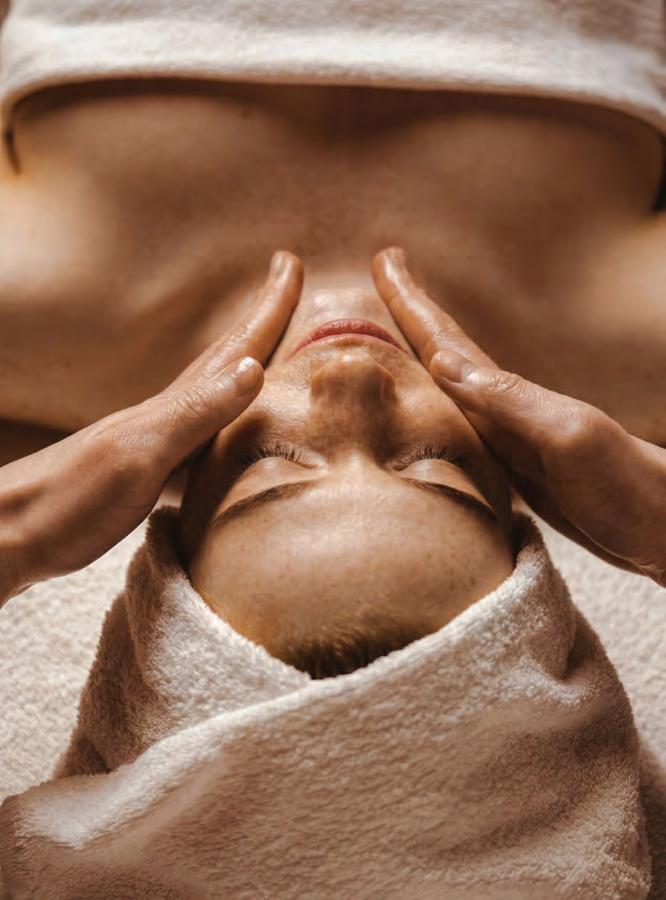
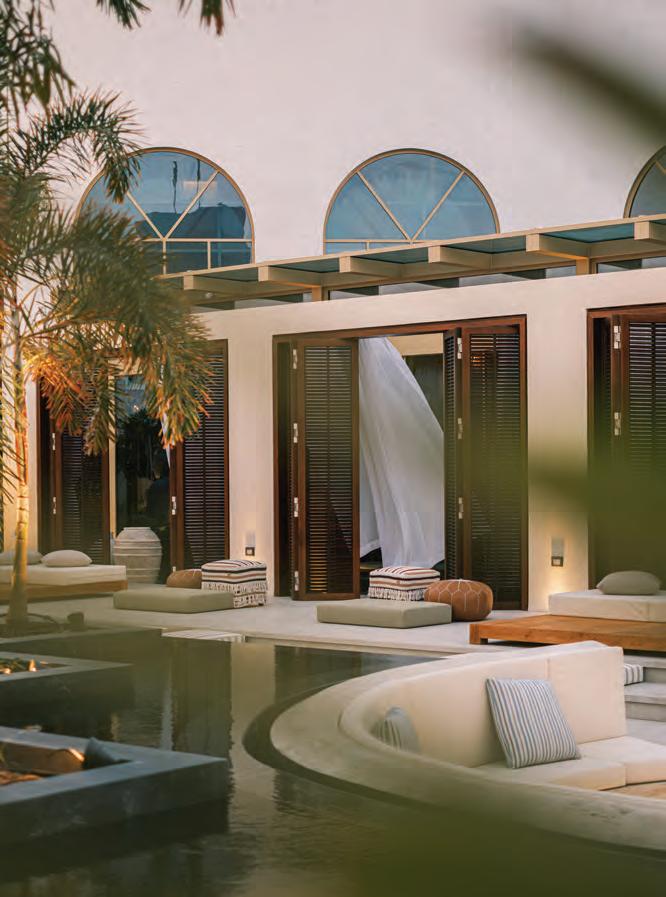
WORDS: AMINATH IFASA
There is a particular kind of exhaustion that comes from being sold wellness all the time. Another app, another ritual to book, another overpriced tea that promises to fix your nervous system. So, when you walk into Sohum Wellness Sanctuary in Dubai, the first thing you notice is that no one is trying to convince you of anything. The Sanskrit mantra “Sohum” – “I am that” – is founder Tanya Mansotra’s quiet nod to mindfulness and self-connection. But you do not need to know that to feel what the space is doing. The sanctuary brings together ancient Ayurvedic principles and contemporary luxury in a way that rarely feels forced. On offer are signature rituals like Abhyanga, Shirodhara, Pinda Sweda, and Kati Basti, each delivered alongside yoga, meditation, and sound sessions within a serene, design-led environment. It is one of the few places in Dubai where authentic Ayurveda, luxury spa
The one Dubai sanctuary that won’t try to sell you a lifestyle
experiences, and community-led wellness all exist under one roof.
For someone looking to start slowing down without feeling like they have joined a luxury detox camp, Sohum works because it does not overexplain itself. Beyond the treatment rooms, the sanctuary runs a curated calendar of experiences including sound journeys, breathwork sessions, moon gatherings, and creative workshops. What makes this place one-of-a-kind is its approach to these offerings – as these are not slapped together for social media. They feel like natural extensions of the place. Then there is Sohum Café, a vegan space that welcomes dogs and cats, which has quietly become a destination for conscious living, conversation, and community. Whether you are looking for a bespoke personal wellness journey, a corporate wellness programme, or simply a thoughtful gift for someone, Sohum handles all of it without ever turning wellness into a performance. You just show up, lie down, eat something simple, and leave a little more centred than when you arrived. No bells and whistles, just a state of Zen.
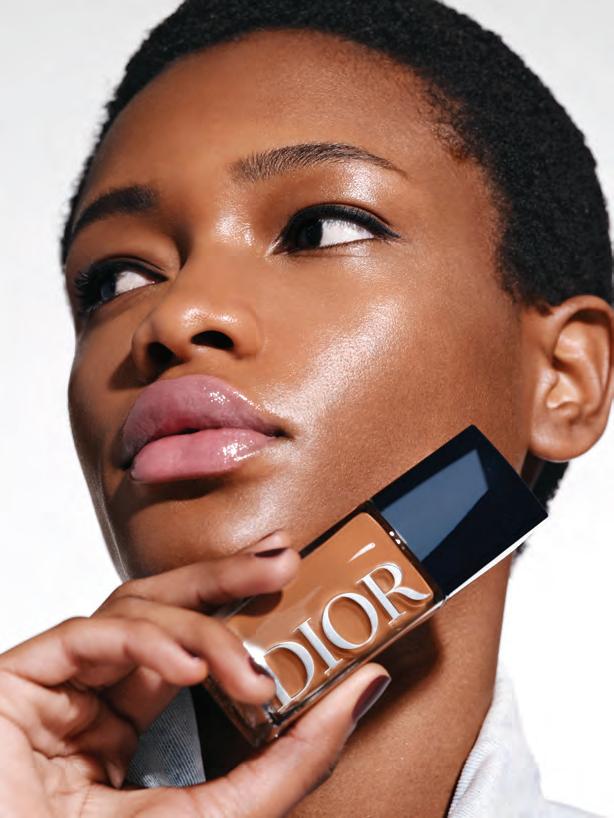
The new Dior Forever foundations fuse the precision of a photo-studio filter with the nourishing depth of a serum, redefining what complexion makeup can do, on and off camera
Makeup artist Peter Philips has spent decades watching skin perform under pressure, from runway lighting and red carpets to the unforgiving proximity of a camera lens held inches from the face. The two foundations he has developed for Dior’s 2026 relaunch of its Forever line are built from exactly that knowledge, designed to hold up where makeup is most exposed and most scrutinised.
Skin Glow, the luminous formula, centres on a patented highly reflective oil that diffuses light across the face rather than sitting on its surface. High-coverage pigments and perfecting powders work beneath that to create a soft-focus effect that reads as natural radiance from any angle, while polymers and a volatile ingredient form a micro-film that maintains wear through heat and humidity without any loss of that bare-skin feeling. Threaded through the formula is a serum-grade complex of hyaluronic acid, niacinamide, and a skin-structuring peptide,
which together deliver measurable improvements to bare skin after just one week.
Skin Wear, the matte counterpart, addresses something most foundations fail at – the powdery drift that accumulates as the day progresses. A polymer mesh holds two micro-powders in suspension, one absorbing shine and the other creating an optical blurring effect, so the finish stays breathable and transfer-resistant without ever tipping into cakey territory. The same triple-action serum complex runs through it.
Both arrive in 45 shades developed through analysis of over 500 skin tones and refined during shade-matching sessions with more than 330 women, with a new LVMH-developed pigment incorporated specifically to serve deeper complexions with greater accuracy. Anya Taylor-Joy, Willow Smith, and Jisoo front the campaign, shot close-up and unretouched, which, given what these foundations are built to do, is precisely the point.
WORDS: AMINATH IFASA
I L M E D & F L A W L E S S
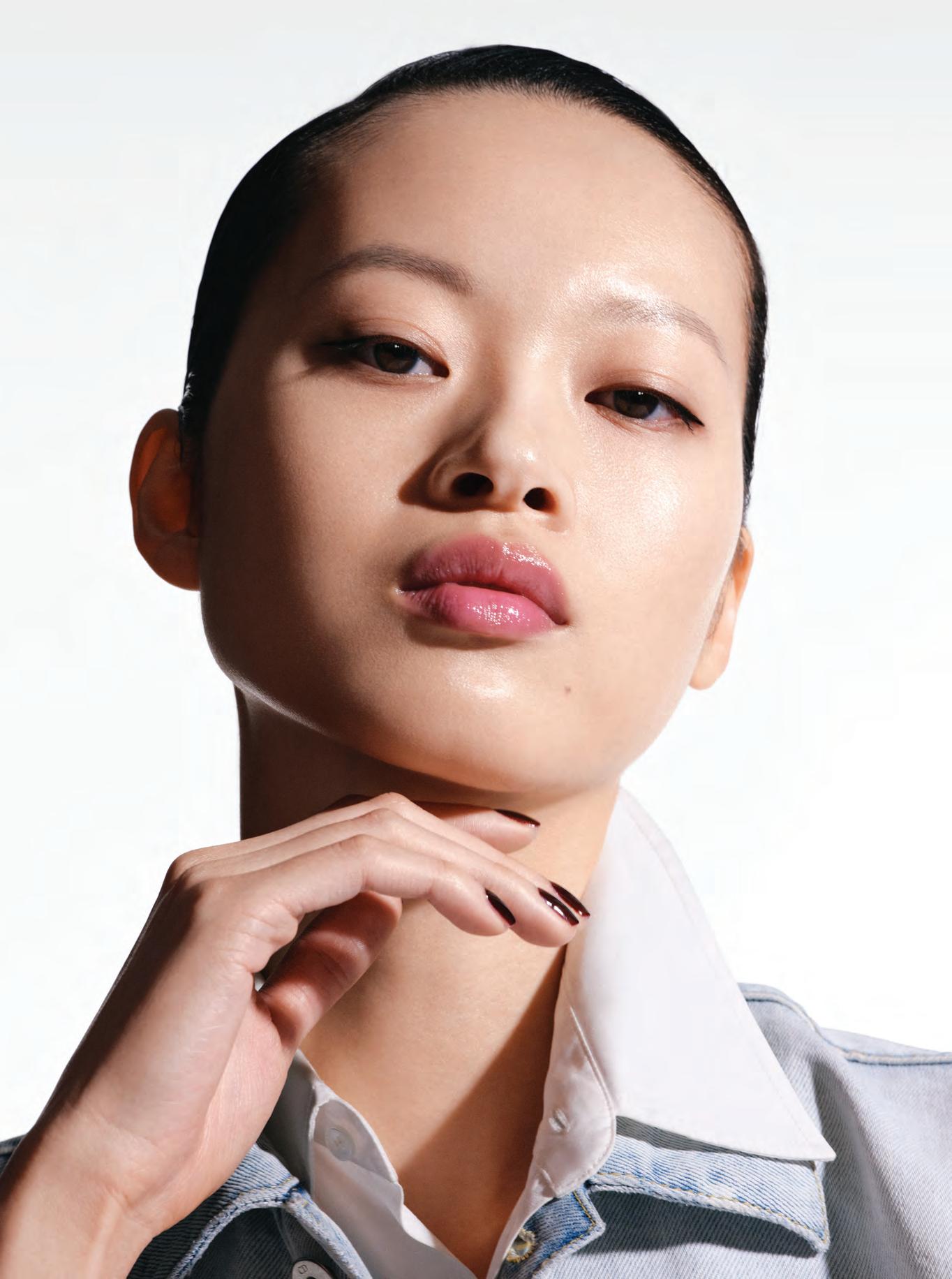
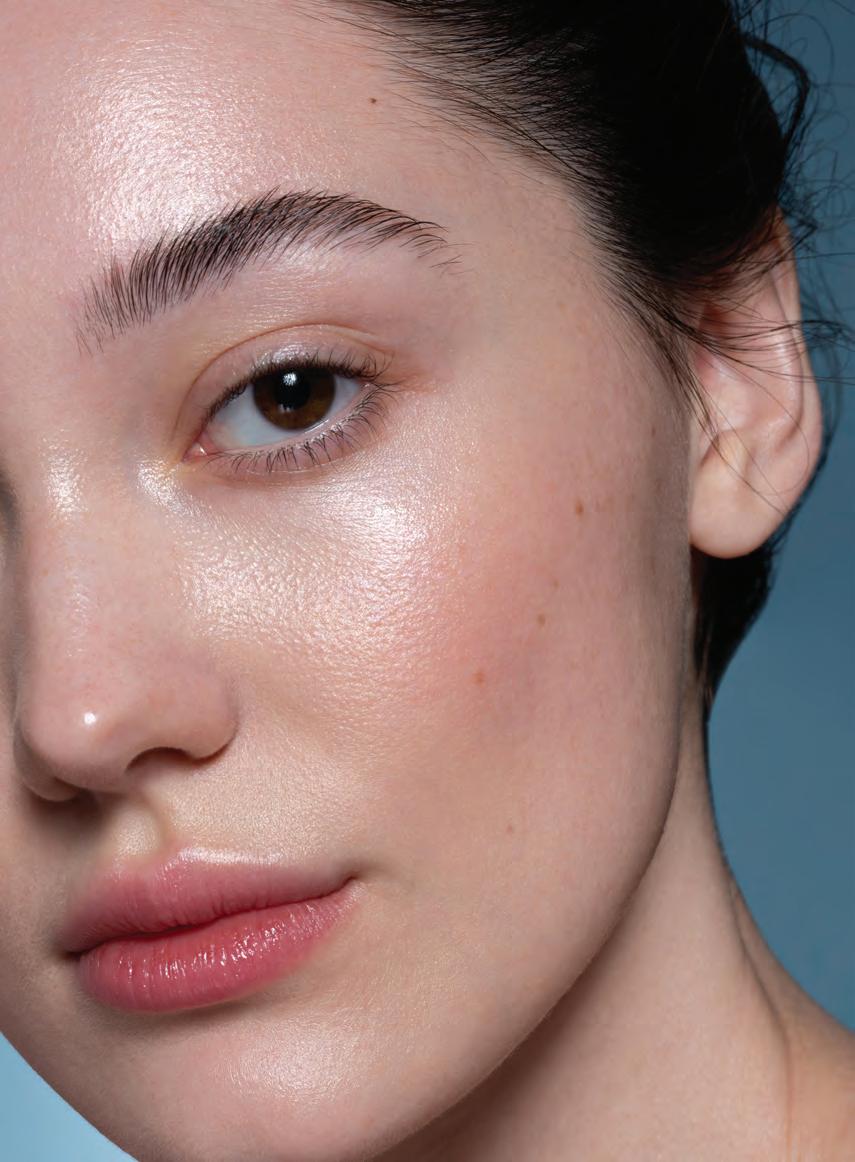
Understanding the relationship between the skin and the brain is key to creating a healthy glow
Our relationship with our skin is emotional – whether we’re embracing the skin we’re in, spots and all, or coming to terms with no longer having the same toddler-plump cheeks we had as teenagers. But our skin is also a visible barometer for how we’re feeling, so taking a 360° holistic approach to our skincare and mental wellbeing – rather than treating stress, spots, and angry patches of redness as isolated concerns – is increasingly seen as one of the most impactful ways to restore our zen and dewy complexions.
Currently, the link between the skin and brain (otherwise known as the skin-brain axis) is an exciting subject of conversation in beauty circles. Not only is your brain physically formed from the same layer of cells as your skin but “your skin is involved in direct, continuous communication with your brain and central nervous system,” says plastic and reconstructive surgeon Dr Ashwin Soni (www.thesoniclinic.com), which suggests all three are interconnected. If that sounds complicated, it’s because it is. What happens behind the scenes goes a little like this: “A variety of receptors send
signals from the brain to the skin, and vice versa,” says Dr Soni. “This means that the skin can influence – and be influenced – by inflammation within the nervous system, emotional stress and an imbalance in the microbiome [the bacteria, fungi and viruses that naturally live in and on our bodies].”
So it’s no coincidence that your skin often looks embattled when you’re anxious and a work deadline looms. “Your skin responds to psychological stress in the same way the brain does,” says Dr Alia Ahmed, a consultant dermatologist with a special interest in psychodermatology (www. thepsychodermatologist.com). “When we experience emotional distress, the brain activates a stress pathway that releases cortisol and other chemicals, which can weaken the skin’s immune defences, delay healing, disrupt the barrier and increase inflammation. Cortisol also affects collagen, elastin and hyaluronic acid – the building blocks that keep skin firm, elastic and hydrated.” Cue dehydrated skin, spots, dullness, premature ageing and conditions such as rosacea and psoriasis.
No wonder skincare that borrows from neuroscience, and taps into the connection between skin health and emotional wellness, is now having a moment in the spotlight. “These topicals can alter our mood, bring down stress-related responses, and improve balance in the skin-brain axis,” Dr Soni notes. Your first port of call may be specific peptides and adaptogens – botanical extracts that help your body adapt to physical, mental and environmental stress – as these are thought to “mimic the action of certain
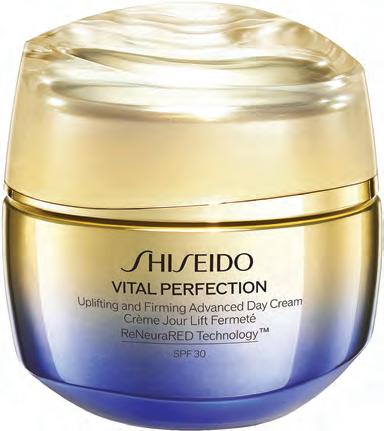
skin-brain receptors,” Dr Soni adds. Take for instance Perricone MD’s Neuropeptide Eyelid Lift Serum (Dhs263, Makeup AE), which is powered by neuropeptides. These help to intercept the nerve signals that cause facial muscles to contract, softening the look of wrinkles. Meanwhile, The Harmonie Serum by Neuraé (Dhs640, Harrods), a brand developed by the Sisley Group and backed by 10 years of clinical research, harnesses adaptogens including skullcap, a mild relaxant, and red indigo to limit cortisol production in the skin.
A mood-boosting scent, scientifically proven to soothe jangly nerves, is a key consideration, too. In the case of The Harmonie Serum, this is the centring woody note of Palo Santo. Then there’s the gently uplifting, floral-smelling HappyFeelBoost complex at the heart of Loya’s Silky Soft Plumping Cream (Dhs900, Harrods).
It’s not just about the roster of ingredients, though; how your skincare is applied to create a moment of reset and emotional balance is equally important. This is the premise behind Dermalogica’s Neurotouch Symmetry Serum (Dhs635, Sephora), where the power of adaptogens and skinfirming peptides is boosted by a sculpting technique. And Shiseido’s Vital Perfection Uplifting and Firming Advanced Day Cream SPF30 (Dhs529, Sephora), which is
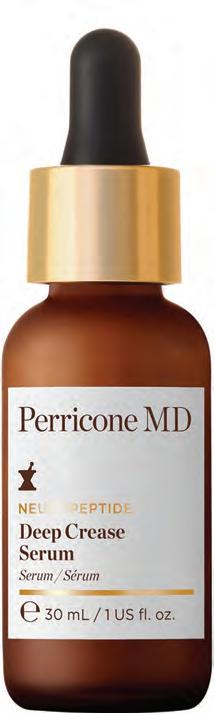
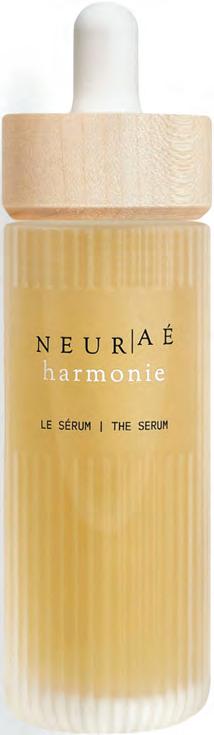
said to act on nerve cells that detect stimuli such as touch, sending a signal to the skin to boost collagen production.
“Touch is part of a language that the body innately understands,” echoes celebrity facialist Anastasia Achilleos, adding that your body generates emotions in response that take you back to when you first felt loved as a child. “Sensory touch is the act that induces self-love and that’s where we’re really headed when it comes to having a deeper, more meaningful and transportive experience every day with our rituals.” Not to mention, massage is proven to release feel-good chemicals like dopamine, endorphins and oxytocin.
Research into how much of an effect skincare can have on neural pathways is still in its infancy and more clinical studies involving neuroscientists and psychologists are needed, says Dr Soni. It’s worth remembering, too, that no cosmetic product will (or should) directly affect brain chemistry. But it’s this idea of creating an emotional shift through a therapeutic skincare “ritual” that perhaps resonates most deeply. For Dr Ahmed, this means incorporating relaxation therapies such as mindfulness and diaphragmatic breathing – a technique whereby slow, deep breaths through the nose fully expand the lungs, lower heart rate and switch off the body’s “fight or flight” stress response. She says, “because the brain and skin speak the same biochemical language, treating them together is essential – something I see reflected in my patients’ improved skin and improved state of mind.”
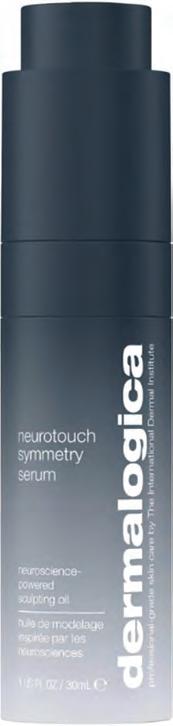
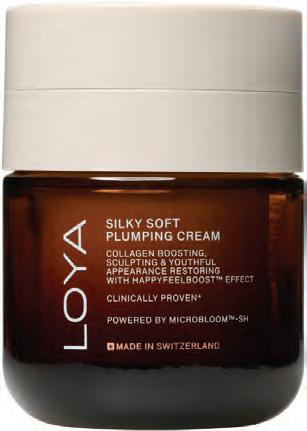
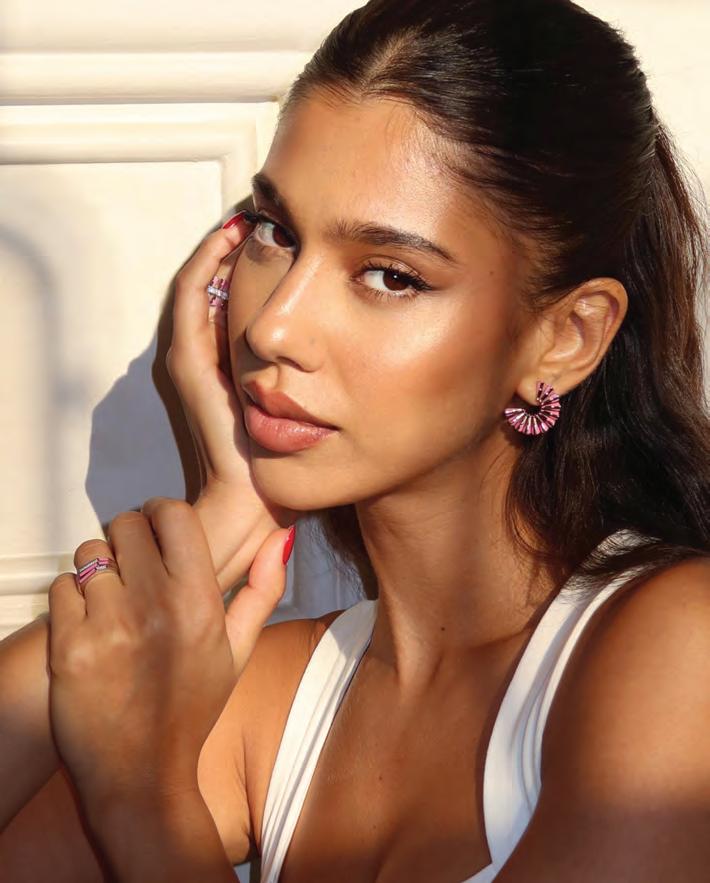
Lifestyle and Wellness Content Creator Shabi Orifien shares her morning to evening beauty routine
Talk us through your morning routine. My morning starts from within, with meditation and gratitude. Then, I use a Gua Sha or Medicube Age-R device to depuff and boost blood flow. For products, I layer The Treatment Lotion by La Mer, Anua 8 Hyaluronic Acid Hydrating Serum, and SkinCeuticals C E Ferulic. My skin leans dry, so I love rich Korean skincare bases like the Anua PDRN Hyaluronic Acid Capsule Cream and EPii Double Up Cream. I also love DUA x Augustinus Bader Renewal Cream. Throughout the day, I top up my hydration with Rhode Glazing Mist, so I take daily electrolytes for cellular hydration, Vitamin C, and glutathione. How does your evening routine differ? Nighttime is all about cleansing and cell renewal. I use the
Anua Heartleaf Pore Control Cleansing Oil, then exfoliate with the GENOSYS EPI Turnover Boosting Peeling Gel or Medicube Zero Pore Pads. Next, I apply Lancôme Tonique Confort to soothe my skin barrier. On certain nights, I use retinol. Otherwise, I focus on intense hydration, finishing with the VT Cosmetics PDRN Essence 100 and a Rejuran moisturiser to plump my skin while I sleep. What are your go-to skincare products? Korean skincare, without a doubt. Specifically, anything packed with advanced PDRN and multi-molecular hyaluronic acid for ultimate healing and plumping. Are you a fan of masks? Obsessed. My favourites are the Biodance Bio-Collagen Real Deep Mask left on overnight for glass skin, and the d’Alba Piedmont White Truffle Nourishing Treatment Mask.




Clockwise from top left:

PDRN Essence 100 Dhs194 VT Cosmetics; Glazing Mist Dhs110 Rhode; Les Beiges Water-Fresh Tint Dhs310 Chanel Beauty; Liaisons Dangereuses Typical Me Eau de Parfum Dhs1,100 Kilian Paris; Lip Contour Lip Stain Dhs116 Huda Beauty; Renewal Cream Dhs275 Dua by Augustinus Bader
How would you describe your approach to makeup? I actually like when minor imperfections still show through – I love when makeup enhances your look rather than alters your face. What can always be found in your makeup bag? My absolute beauty essentials: Chanel Les Beiges Water-Fresh Tint, Lancôme Teint Idole Ultra Wear Concealer, my Hourglass Ambient Lighting Palette, Charlotte Tilbury Airbrush Bronzer, an IBROU eyebrow gel, and a Huda Beauty lip liner stain. Which fragrances are your current favourites?
My signature is Kilian Liaisons Dangereuses, which I’ve worn since 2010. Right now, I am also loving Kilian Angels’ Share for warmth and Thomas Kosmala No. 4 Après l’Amour for a fresh, magnetic scent.
Talk us through your hair routine. My hair is naturally soft and straight, so I focus strictly on my scalp health. Weekly, I use the Christophe Robin Purifying Scalp Scrub with Sea Salt. For daily care, I swear by the Dr. FORHAIR Folligen Original Shampoo and Treatment line, paired with the Balmain Paris Moisturizing Hair Mask for my hair ends.
What is the most unusual item in your makeup bag? The Chanel Les Beiges Water-Fresh Tint and the Chanel Baume Essentiel Glow Stick. They are unusual because they look completely undetectable on the skin. The tint feels like pure water when blended, and the balm adds zero heavy glitter or shimmer. Together, they create a fresh, effortless glow that looks exactly like morning dew.
At first glance it would be easy to be fooled by Dior Maison’s latest glassware collection. The fluttering wings of a butterfly, the dainty progression of a ladybug, look to be captured in mid-movement in designer Cordelia de Castellane’s series of exquisitely crafted pieces. Drawing inspiration from the verdant surroundings of Christian Dior’s beloved retreat outside Paris, de Castellane translates flora and fauna into delicate decorative motifs. The result is a celebration of craftsmanship, heritage, and the simple pleasures of gathering around a beautifully laid table – just in time for the season of languid lunches, garden soirées, and long summer nights spent outside surrounded by Mother Nature.
You are long overdue for…
– Romance of your own making – A holiday among the dunes – Delectable dining
– Discovering a fleeting destination

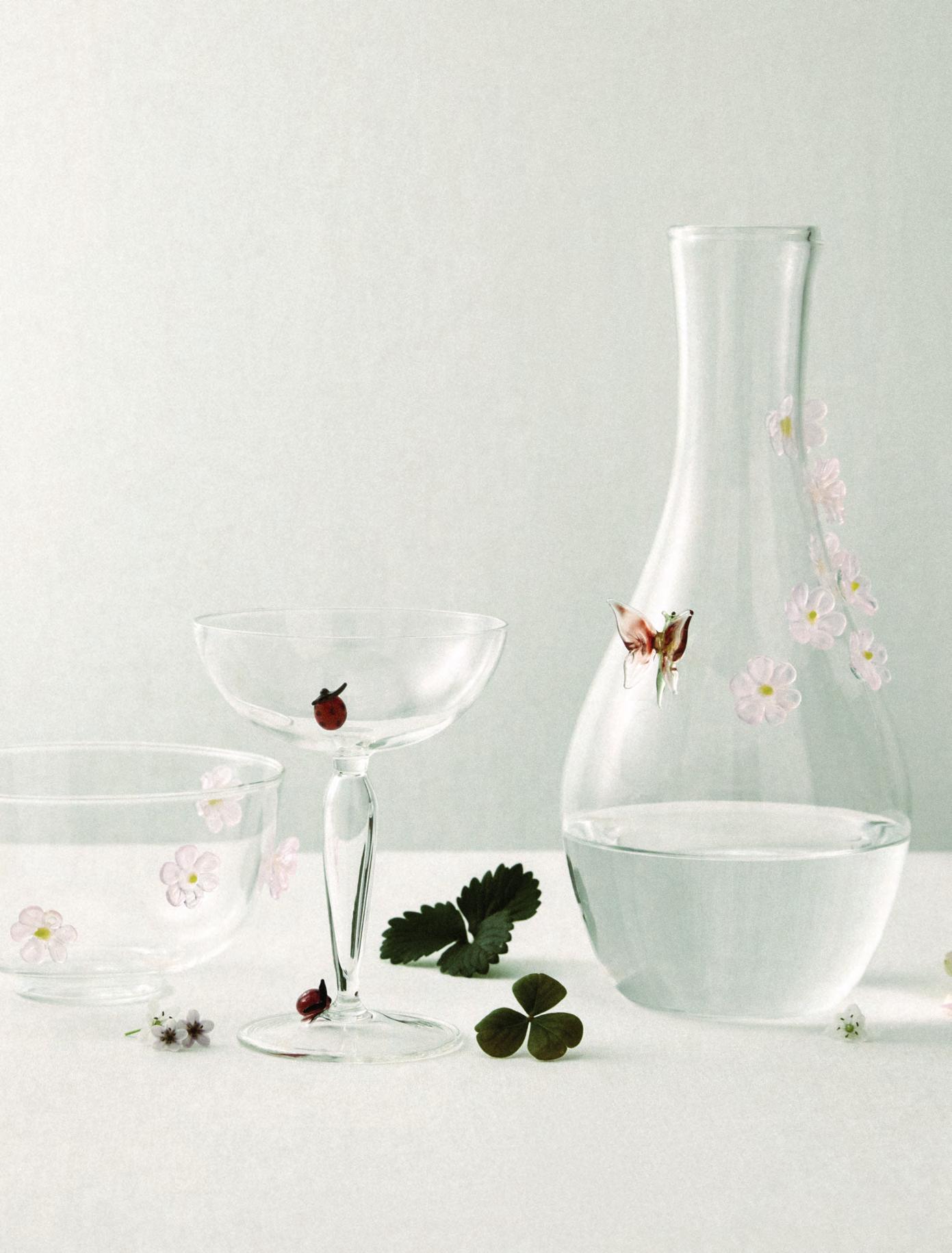
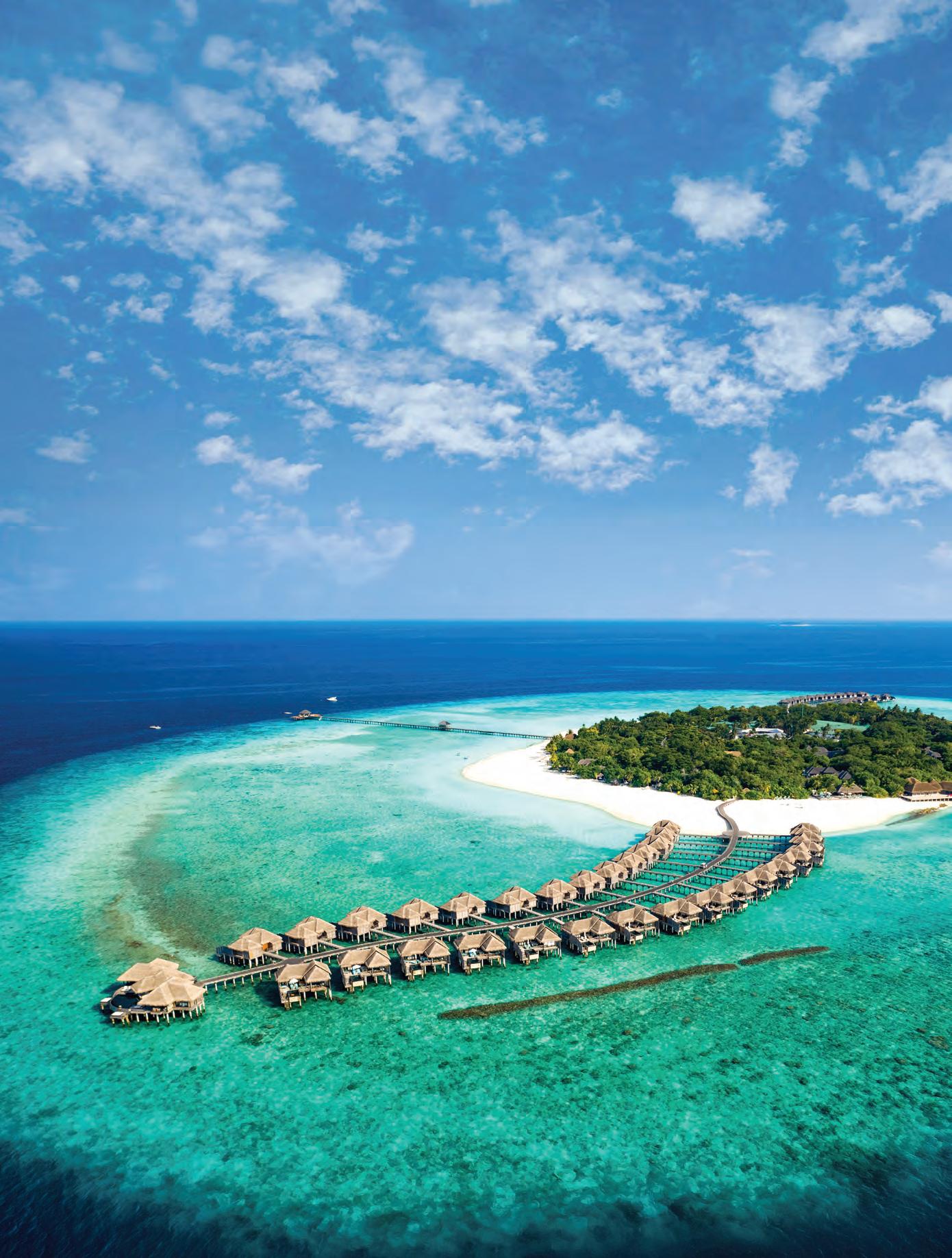

From solo
“me-moons” to luxury girls’ getaways, women are reclaiming romantic travel destinations for themselves
Iwant to go someplace where I can marvel at something,” Elizabeth Gilbert told her friend Delia in Eat, Pray, Love, moments before leaving behind her carefully constructed life to eat pasta in Rome, meditate in India and cycle through Bali in oversized sunglasses. Later immortalized by Julia Roberts in the movie adaptation, Liz searched for feeling itself in the world’s most romantic places, seeking stillness, solitude and freedom as much as herself.
2026 marks the twentieth anniversary of Eat, Pray, Love, and its cultural fingerprints still linger across the way women travel today. Long before solo female travel became a luxury marketing category, Gilbert’s story introduced millions of women to the idea that beautiful destinations did not need to be reserved for coupledom, and that a woman could occupy romantic spaces alone, not as a placeholder waiting for life to begin, but as the central character within it. For decades, the luxury travel industry positioned certain destinations almost exclusively as symbols of romantic completion. An overwater villa in the Maldives, an infinity pool in Bora Bora, a linen-draped breakfast overlooking the caldera in Santorini – entire corners of the industry became so coded around romance that they almost ceased to exist outside it. To travel there alone, particularly as a woman, once carried the faint implication that something had gone wrong. Women travelling alone were often portrayed either as emotionally recovering or romantically searching, and paradise itself became tied to narrative resolution: the honeymoon, the engagement, the reconciliation, the beginning of a new chapter. Two decades, countless travel trends and several generations of empowered women later, the Eat, Pray, Love-ification of travel still exists, but it has evolved far beyond post-divorce reinvention arcs and Bali yoga retreats.
Increasingly, aspirational travel no longer revolves around the fantasy of romantic partnership, but around self-investment, female friendship, freedom and celebration. According to Virtuoso’s 2025 Luxe Report, women now account for roughly 71% of solo luxury travellers globally, while the Adventure Travel Trade Association has
reported a 230% increase in women-focused travel companies. The language surrounding travel itself reflects that change. According to historian Stephanie Coontz in Marriage, A History, the honeymoon originated through nineteenth-century “bridal tours” taken by British newlyweds after marriage. By the 1970s, the term “babymoon” emerged as a restorative trip before childbirth. Now, entirely new categories have entered the cultural vocabulary: friendmoons, retirementmoons, jobmoons and me-moons among them.
Hospitality brands are responding accordingly. By 2025, Hilton Hotels & Resorts announced “me-moons” as one of its defining travel trends, reporting increases in solo bookings across more than half of its properties, particularly among millennial and Gen Z travellers. IHG Hotels & Resorts has similarly begun promoting “retirementmoon” itineraries featuring astronomy sessions in Florida and glassblowing workshops along the French Riviera for older groups celebrating retirement. The un-honeymoon, ultimately, is not simply about women rejecting couple-y vacations, it reflects a far larger cultural recalibration around who luxury travel is actually for. Content creator Brittany Allyn, whose viral “memoons” document her taking herself on elaborate solo dream holidays, advocates for gondola rides through Venice, dressing in ballgowns for solo dinners abroad, and even travelling to London to freeze her eggs. “When we think of dream vacations, thoughts usually follow about the need to have an occasion to celebrate,” she explains online. “And getting hitched is usually one of the biggest excuses of them all.”
Today’s female traveller increasingly looks very different from the archetype luxury hospitality once relied upon. She may be building a business, relocating internationally, travelling independently for work, navigating burnout, freezing eggs, ending long-term relationships, celebrating with friends, or simply constructing a life that feels far less linear than the traditional romantic timelines previous generations inherited. Like Allyn, many women are increasingly unwilling to postpone access to “dream” trips until a relationship provides narrative permission. In many ways, the unhoneymoon feels like such a distinctly postpandemic phenomenon. The years following 2020 dramatically accelerated conversations around emotional wellbeing, nervous system regulation and burnout, particularly among women. A 2024 Deloitte report found women continue to experience significantly higher levels of workplace stress globally than men, while younger women increasingly report chronic exhaustion linked to emotional labour and “always-on” culture.
Across the Maldives and wider Indian Ocean, resorts once marketed almost exclusively through the language of romance now foreground entirely different forms of escapism, including longevity programmes, sleep therapy, meditation, hormone-balancing treatments, and group excursions. Homegrown Dubai hospitality brand JA Resorts & Hotels has seen that evolution emerge particularly clearly among UAE travellers at their JA Manafaru, Maldives resort. “The Maldives offers an ideal setting for privacy, relaxation, and a much-needed
escape from the demands of daily life, especially for businesswomen, mothers, and wives,” says resort manager Roberto Garrone. A surge in group bookings at the resort found that friendship itself has become one of the defining emotional relationships shaping travel in the Maldives for 2026. “We have observed a new and growing demographic since December of last year, consisting primarily of groups of eight to ten women travelling together,” the resort explains. “These groups are typically celebrating milestone birthdays such
as 30th or 40th birthdays. Female groups appreciate the ability to seamlessly blend relaxation with engaging activities.”
The proximity of the UAE to classic honeymoon-y destinations like the Maldives, Mauritius and Seychelles also makes a strong case for all types of travellers from the region jetting over. So, whether it’s a solo reset, a birthday bestie-moon or simply an excuse to disappear somewhere beautiful for a while, there’s never been a better time to finally book the trip otherwise reserved for “someday”.
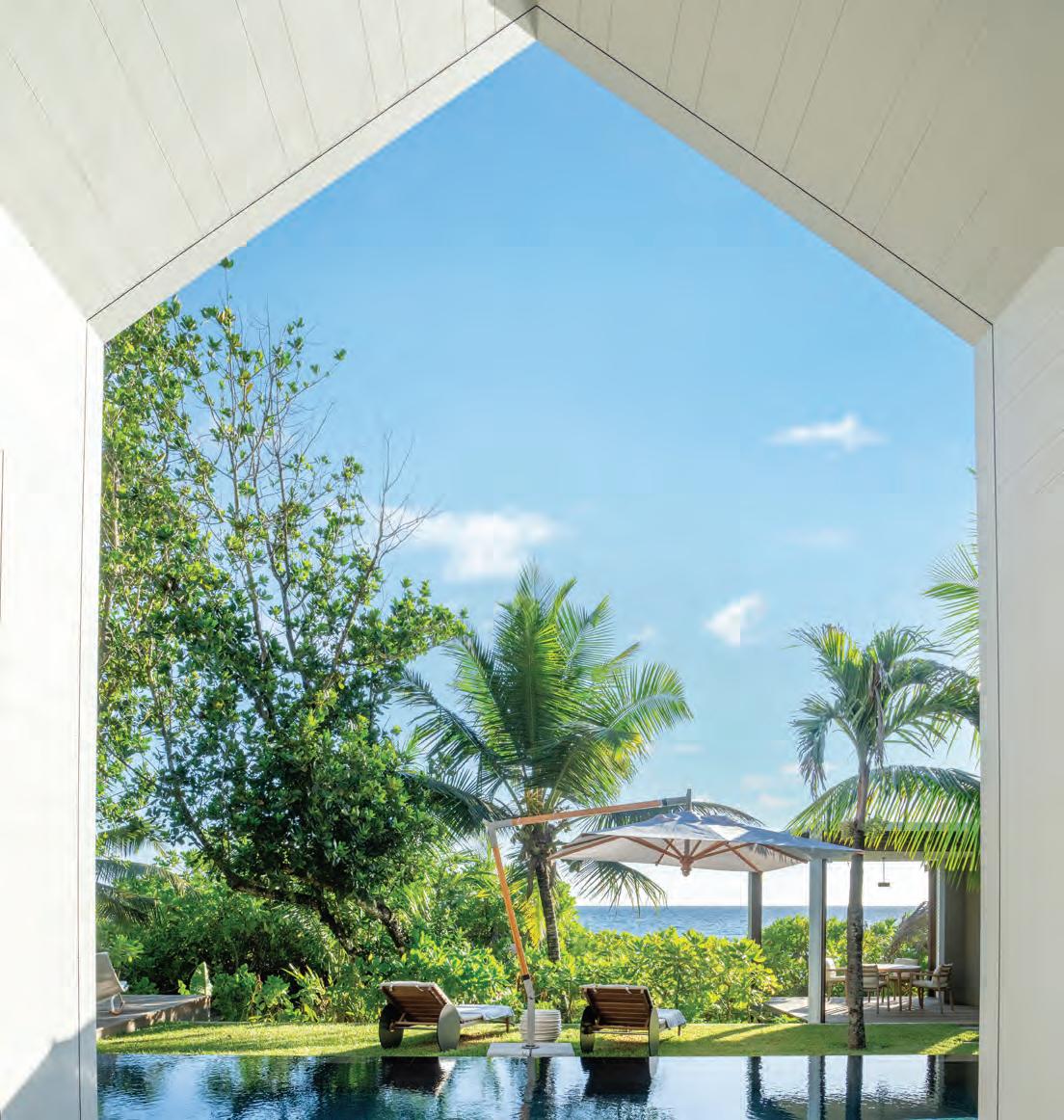
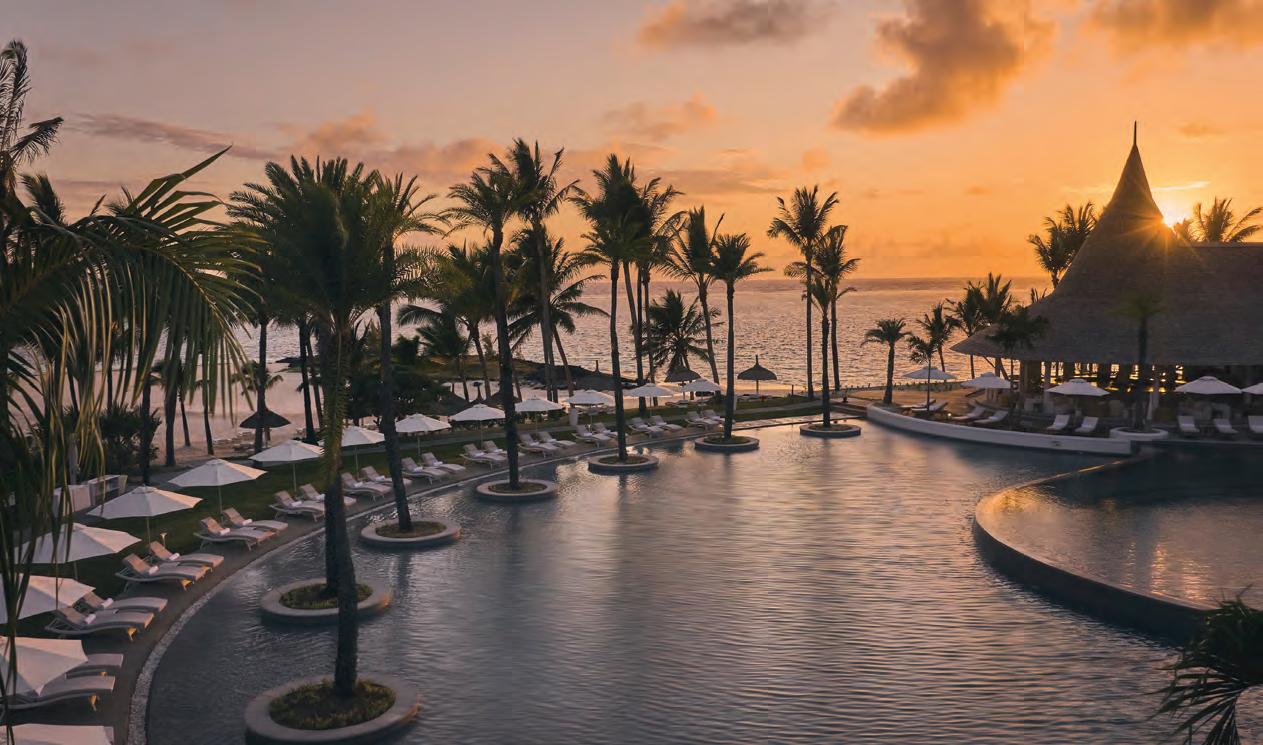
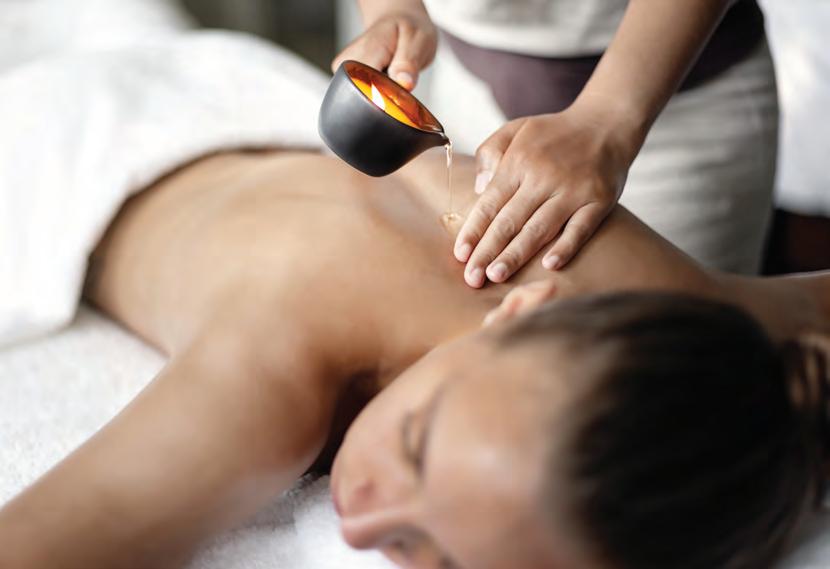
Cheval Blanc Seychelles brings the French maison’s signature polished elegance to the wild natural beauty of the Indian Ocean. Located along the secluded Anse Intendance beach on Mahé Island, the resort combines jungle-covered hillsides with pristine white sand and expansive contemporary villas designed for complete privacy. Interiors feel quietly luxurious rather than ostentatious, balancing natural textures with Cheval Blanc’s unmistakable refinement. The experience itself leans heavily into slowness and discretion, with Guerlain spa treatments hidden within tropical greenery and private pools overlooking the ocean. Unlike many traditional honeymoon resorts, the atmosphere feels intentionally calm and emotionally spacious, making it particularly appealing for women travelling alone or with friends.
Trading old-school honeymoon clichés for a brighter, more contemporary vision of island luxury, LUX* Belle Mare has become one of Mauritius’ most stylish modern beach resorts. The property consists of oversized suites in calming neutral tones, one of the Indian Ocean’s largest swimming pools, a beautifully designed open-air spa and restaurants tailored for the fashionable jet set. There is a sociable energy to the hotel that makes solo travel feel expansive rather than isolating, whether that means coffee at Maison LUX*, long lunches overlooking the beach or evenings soundtracked by live music beside the ocean.
On the Maldives’ northernmost atoll, JA Manafaru delivers far-flung solitude and privacy that feels noticeably more versatile than the traditional couples-only mould. The resort’s villas are intentionally spacious for groups, while the experience itself balances seclusion with activity, offering sunset cruises, snorkelling excursions, floating breakfasts, beachfront cinema nights and a standout wellness programme centred around restorative spa rituals and yoga. There is a particularly warm quality to the resort staff that makes it feel ideal for women travelling together or alone, especially for those seeking the escapism of the Maldives without the pressure of romantic performance attached to it.
For women who want their un-honeymoon to feel more White Lotus-coded than wellness retreat, Twinpalms offers a sleeker, more social version of luxury escapism. Located near the coveted Surin Beach on Phuket’s west coast, the boutique resort is known for its contemporary minimalist design, palm-lined lagoon pool and effortless adults-only atmosphere that feels worlds away from the traditional honeymoon resort formula. Suites open directly onto the water, beach clubs replace candlelit couples’ dinners, and days revolve around long lunches, yacht trips and sunset sets at Catch Beach Club, one of Phuket’s most iconic social spots.
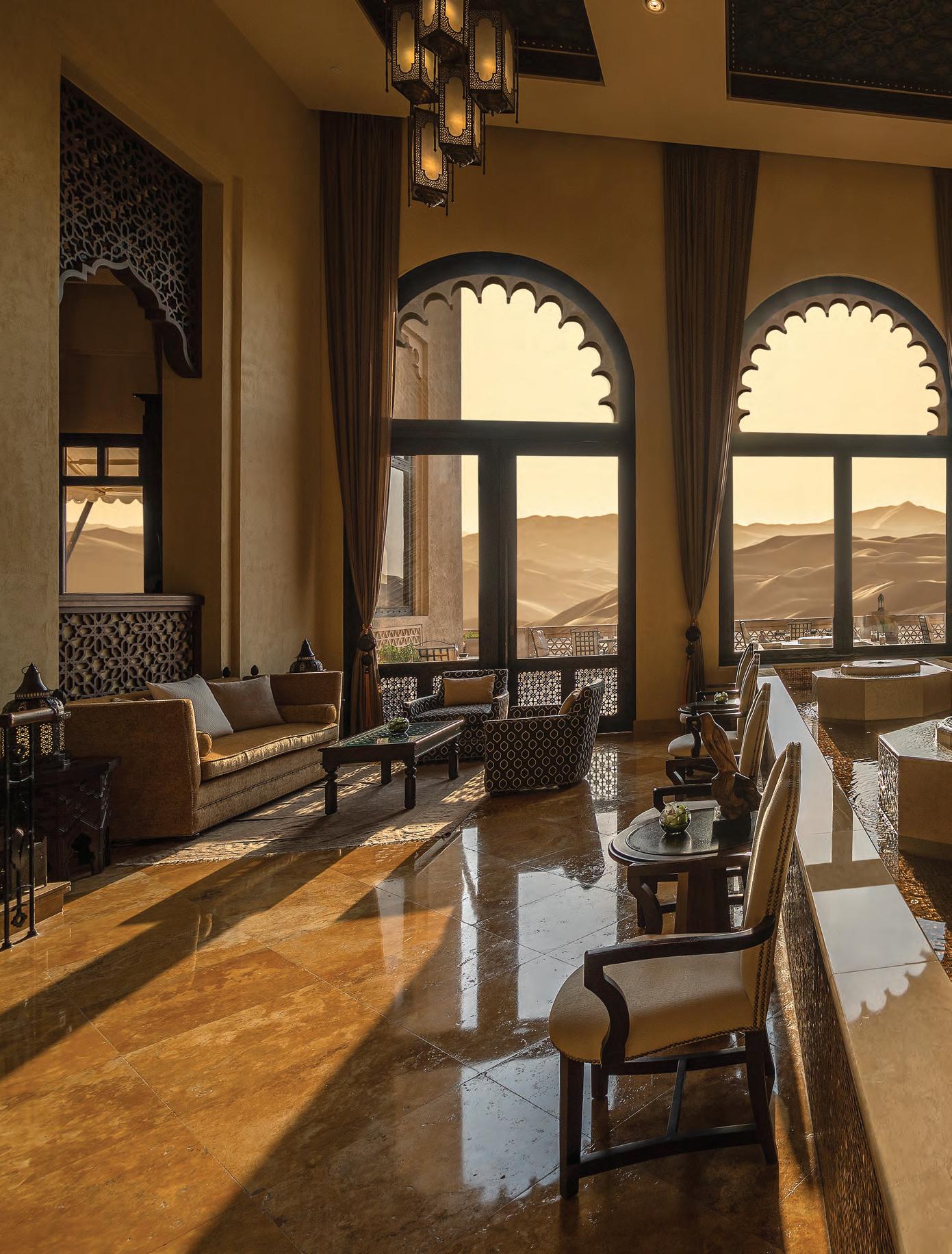
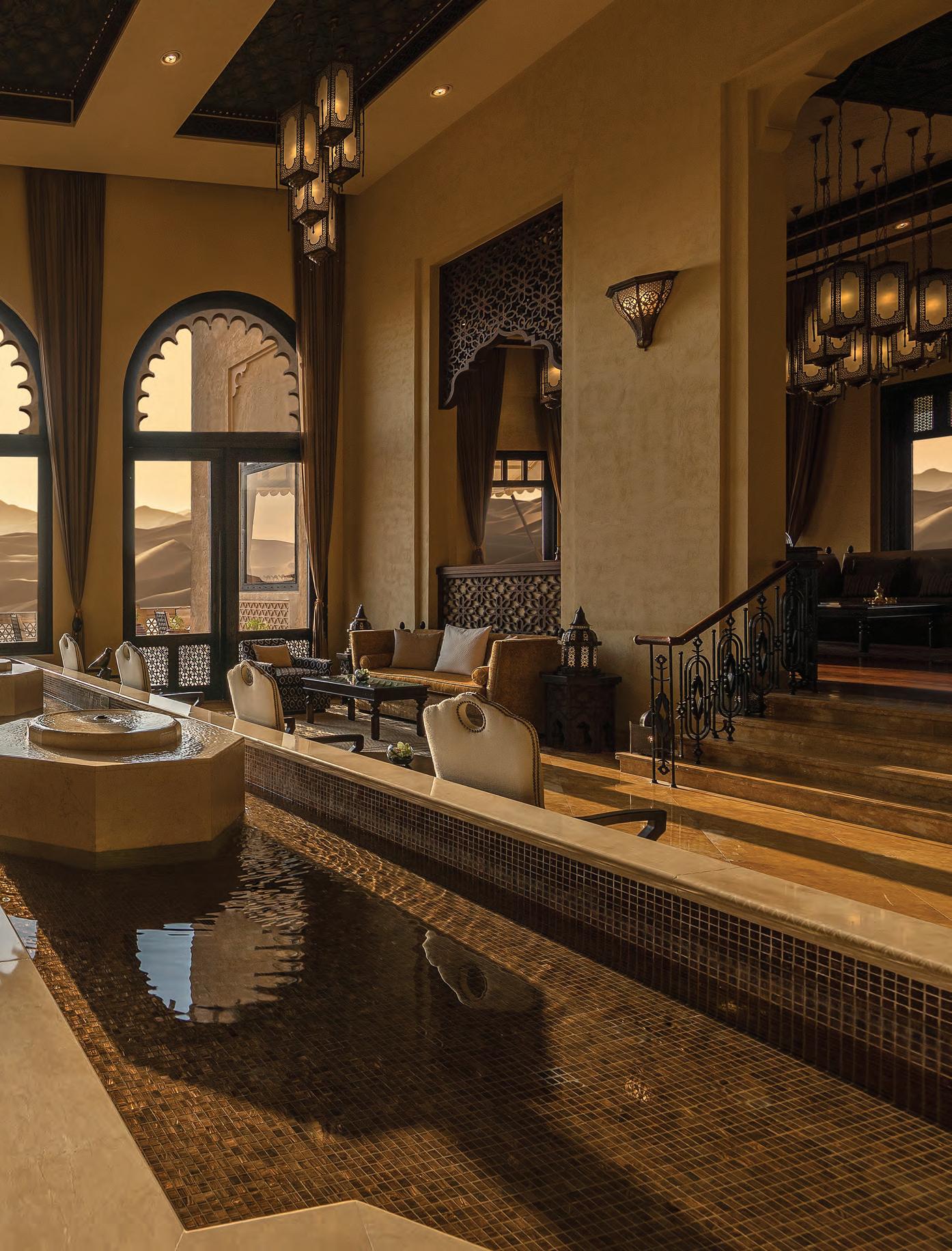
At Qasr Al Sarab Desert Resort by Anantara the world’s fifth largest uninterrupted desert offers the rare and humbling opportunity to gain profound perspective within its vastness
WORDS: AMINATH IFASA
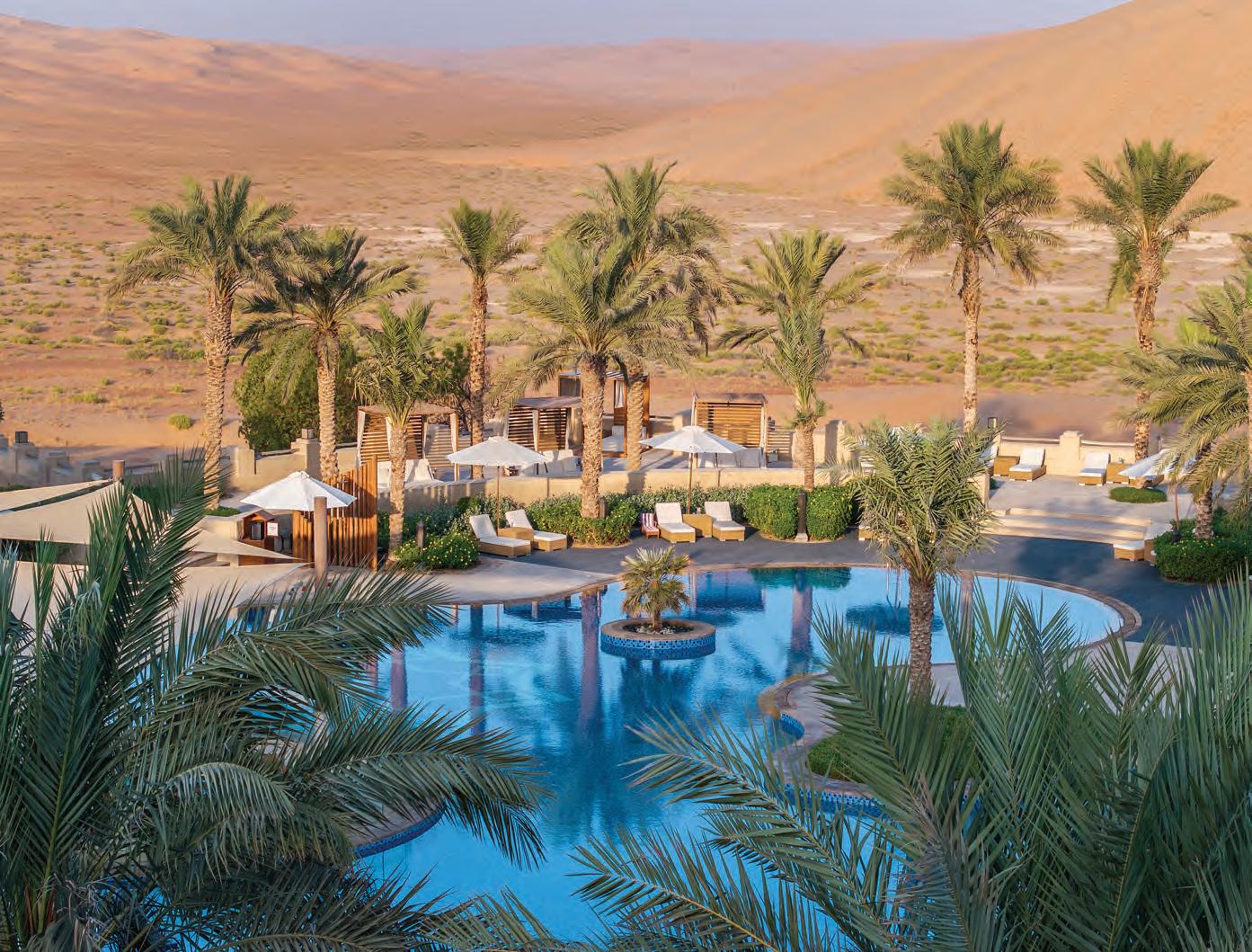
Achange of scenery becomes necessary when routine shrinks your field of vision, and I found mine three and a half hours from Dubai at Qasr Al Sarab Desert Resort by Anantara. The property sits deep inside the Rub’ al Khali, better known as the Empty Quarter – the vast, uninhabited expanse of the Arabian Peninsula’s largest desert and the fifth largest uninterrupted desert on the planet. Out there in the wilderness it is the dunes that don’t disappoint. Bearing no resemblance to the modest sandy slopes often glimpsed from a highway while travelling between emirates, these dunes dwarf the sky – almost too big to fully absorb. When the Anantara sign finally does appear, after driving through beautiful salt lakes, bypassing camels grazing along the roadside and fields of palm trees framing the surroundings – the outside world simply falls away. During times of regional unrest, this ability to quietly disappear into the desert feels less like an escape and more like a chance to finally catch a breath.
The resort elegantly folds itself into the commanding landscape. Its buildings are low and sand-coloured, so the desert
appears to have shaped them, the villas and pathways are spaced generously apart, and there is a sense of grandeur from the moment you arrive on the property. Even the buggy rides between buildings feel like moving through a different world. And it’s hard not to have images of the Dune movies flash before the eyes. Understandable considering that Timothée Chalamet and Zendaya walked these same sands to bring to life the blockbuster films.
I had the privilege of staying in a one-bedroom villa within the Royal Pavilion, which meant I could watch the sunrise and the sunset from the exact same spot on the same day. The villa came with a private pool, uninterrupted dune views, and a small gazebo tucked away where I could be hidden from the world. There I had the soothing privilege of spending two evenings watching the sun sink into the sand without seeing another living soul – a profound gift of solitude. The villa itself is designed so that the bedroom, living area, and outdoor spaces flow into one another, with a high perimeter wall that gives total privacy without ever blocking the panoramic views. Having that much space entirely to yourself is hard to find at any resort, but here it simply feels normal.

Previous spread: Qasr Al Sarab Desert Resort by Anantara lobby; Left page: Main pool; This page: Royal Pavilion Villa bedroom; Al Sarab Villa dining room
The Anantara staff are warm and never intrusive and the spa experience, even though I have sampled a few, turned out to be a one-of-akind moment. Its treatment rooms feature floor-to-ceiling windows facing the desert, so gazing out into the vastness while having the weight of the world slowly kneaded out of the body, leaves quite a lasting impression. Traditional hammam rituals and facials using locally inspired products are also available, though the desert-facing massage remains the one to book.
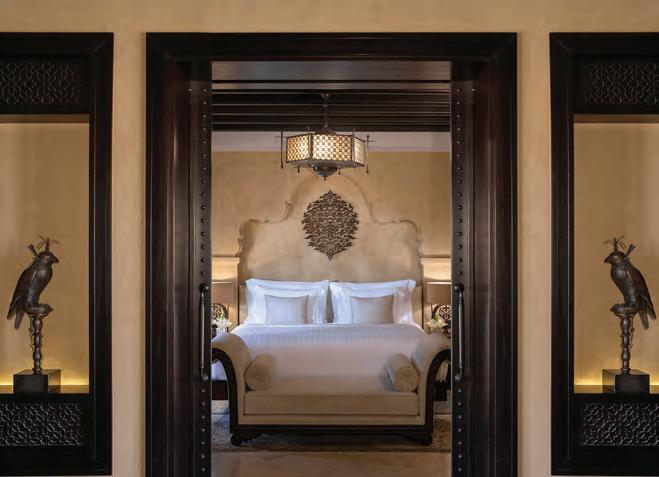
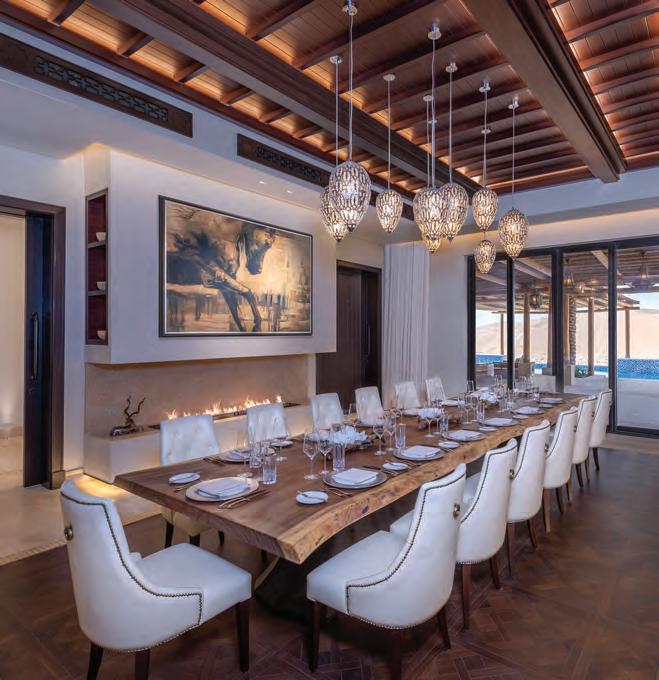
The resort has several dining options, each offering beautiful views of the endless beige dunes stretching in every direction. However, the dinner at Sohail is a genuine highlight, particularly the twelve-hour braised short ribs and the chef’s special tres leches cake. The restaurant serves Middle Eastern food in a setting that feels polished yet genuinely relaxed. Other things to partake in include the Ezba Tour, which introduces visitors to camels, gazelles, oryx, and falcons. It creates a lively counterpoint to the total stillness of the desert environment. Horse and camel riding are also available, along with yoga sessions throughout the day. Still, all these options are, well, optional. Visitors could just as easily spend their entire trip tucked away in their villa, ordering room service, swimming in its private pool, and watching the dunes change colours as the light shifts in contemplative solitude.
Also of note is the breathtaking stargazing experience. As luck would have it, the full moon lit the way as I was led deep into the desert to enjoy dates and tea as I gazed up at the heavens. The moon was so bright that the stars were hard to see – yet experiencing its silver glow wash over the largest sandscape on earth was its own kind of magic. The night air stayed cool even in summer,
and despite being in a group, the sheer vastness made everyone feel like they were wholly alone. Long after my return to civilization what I keep returning to about my time at Qasr Al Sarab Desert Resort is how little I reached for my phone while I was there. The urge to take pictures or scroll through my feed simply faded. When the dunes stretch endlessly in every direction, the view in front of me kept reminding me that its vastness is bigger than anything a screen can hold or truly capture. It’s a place where it is possible to be present enough to never feel the desire to look away and in doing so the Empty Quarter is able to fill the soul.
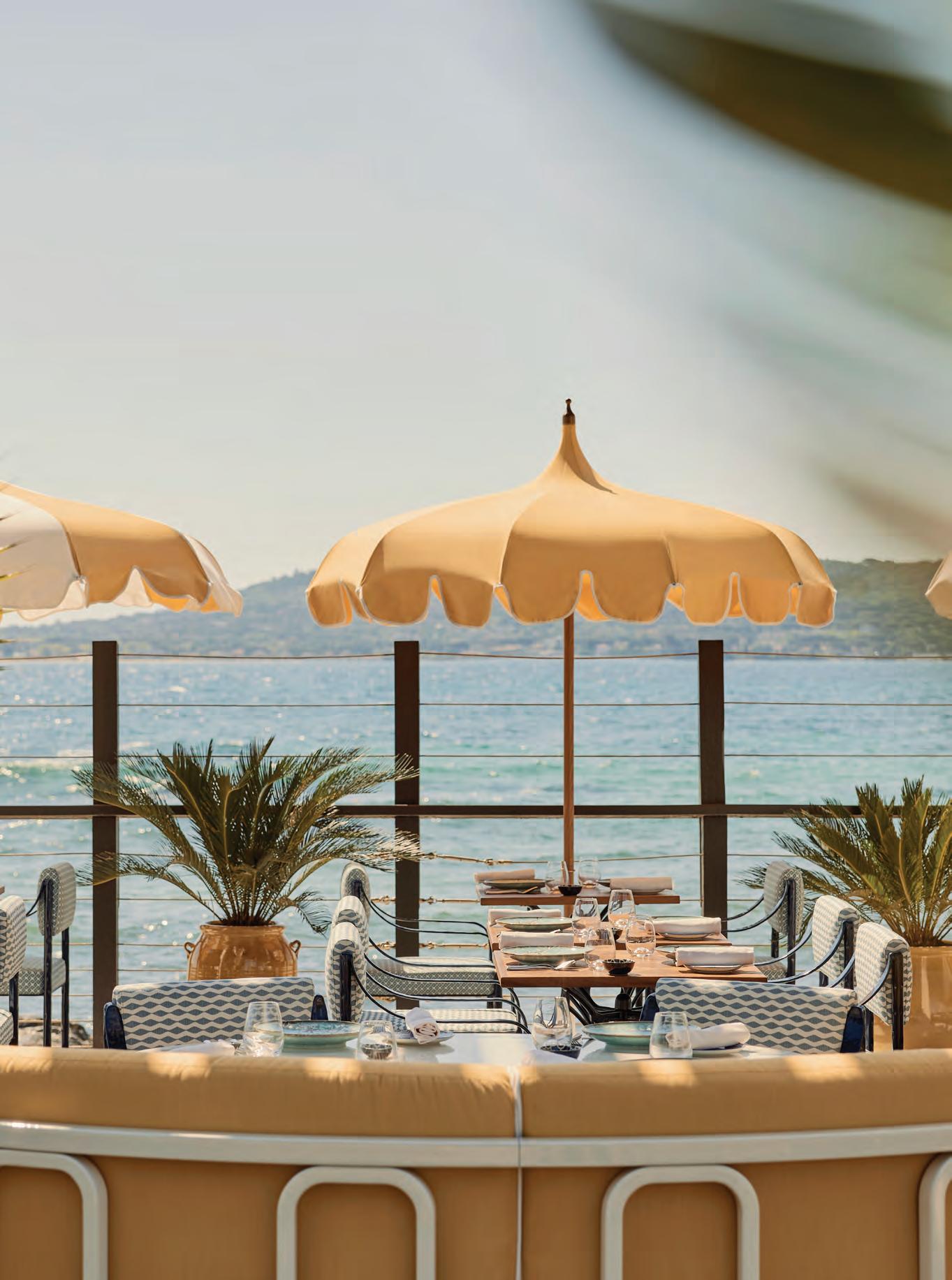
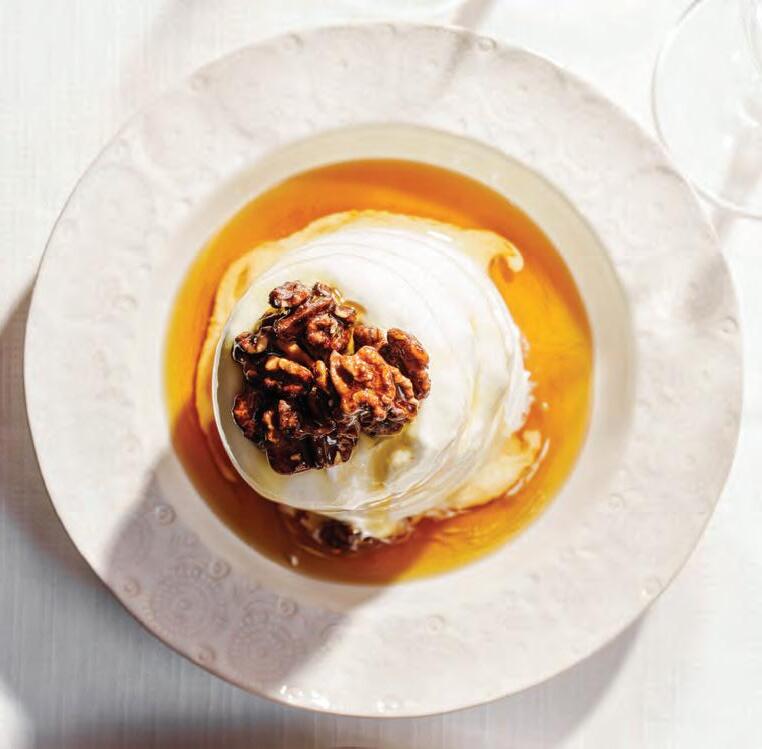
Across Europe’s most coveted summer holiday spots, these are the tables to travel for
WORDS: ALICE HOLTHAM-PARGIN
Chef Izu Ani’s born-in-Dubai Greek restaurant Gaia continues its global domination with a new opening in the South of France this summer. Now with homes in London, Monaco, Miami and beyond, Gaia Saint-Tropez takes up residence in the charming La Tartane Hotel, just moments from the heart of the village. Gaia has always been guided by the belief that good company makes a meal taste better, and there are few backdrops more conducive to lingering at the table than Saint-Tropez in
summer. Expect the brand’s signature reimagining of Greek-Mediterranean cuisine: pure ingredients, elegant simplicity, and the warmth of shared moments.
WHY GO: Dubai’s most beloved Greek restaurant, now in the world’s most glamorous seaside village. @gaia__sttropez
Born in Cannes in 2024 and previewed on the Costa del Sol last summer, Lucia now has its permanent home at the iconic Don Carlos Marbella Hotel. The space, designed
by the remarkably talented 26-year-old Remi Viale, is bold, colourful and unapologetically maximalist. A pool experience for sun-soaked sophistication, a restaurant for leisurely lunches and a second grotto bar –carved into the cave-like structure just steps from the pool – cater to guests from day to night. On the plate, Corporate Executive Chef Alessandro Pizza presents Cuisine du Soleil, best described as a Mediterranean menu that celebrates sun-driven ingredients, with highlights including a Chicken Milanese Cacio e Pepe and Bisou Baguette with entrecôte and honey Dijon.
WHY GO: Maximalist design, a grotto bar and a summer programme that includes wellness sessions and culinary workshops ensure something for everyone. @marbella.lucia
ROKA continues to make its mark in Greece with a new opening on the shores of Paraga Beach this summer, and it’s every bit as considered as the brand’s global reputation demands. The signature contemporary Japanese robatayaki cuisine, which has earned devotees across London, Dubai and Tokyo, now unfolds against panoramic Aegean views in a format built for the full arc
of a Mykonos day. Poolside lounging drifts into beachfront energy, which gives way seamlessly to late-night dining as the island finds its rhythm. Expect the smoky, precise cooking that made ROKA a cult favourite: the robata grill, the signature rock shrimp tempura, the black cod, elevated by one of the most breathtaking settings in Mykonos.
WHY GO: ROKA’s celebrated robatayaki against Aegean sunsets – consider this the summer’s most stylish new beach club table. @rokamykonos
COYA has long been a benchmark for luxurious, Latin-spirited dining. In Ibiza, it finds a setting that mirrors its energy perfectly, upgrading from a traditional high-energy dining experience into a beach club with a pisco bar and the brand’s first suites. From sunbeds and long, sun-drenched lunches directly on the golden shoreline to rooftop cocktails and refined evenings, the experience moves through the day with ease and intention. Light dishes and chilled cocktails arrive effortlessly from late morning through the afternoon; as the light shifts, so does the atmosphere, giving way to the energy and polish that has made COYA one of the most recognised names in luxury dining worldwide. The island’s rhythm, filtered through COYA’s unmistakable spirit.
WHY GO: Ibiza’s most glamorous new beach address, with COYA’s signature PeruvianJapanese cooking to match the setting.
@coyabeachibiza
Set within the much-revered Mandarin Oriental Bodrum, Maison Revka arrives this summer as one of the season’s chicest new concepts. The restaurant brings together French elegance and Slavic culinary heritage against the turquoise backdrop of the Aegean: a meeting of influences as unexpected as it is refined. Classic Slavic dishes are reimagined with contemporary technique and the finest local ingredients, resulting in a dining experience that sits entirely apart from anything else currently on offer along this stretch of the Turkish coast. Already a destination to see-and-be-seen in Dubai, Paris and Saint-Tropez, it brings that same maximalist glamour to Bodrum this summer.
WHY GO: A one-of-a-kind concept in an already exceptional hotel, this is the kind of table that rewards the detour.
@maisonrevka_bodrum
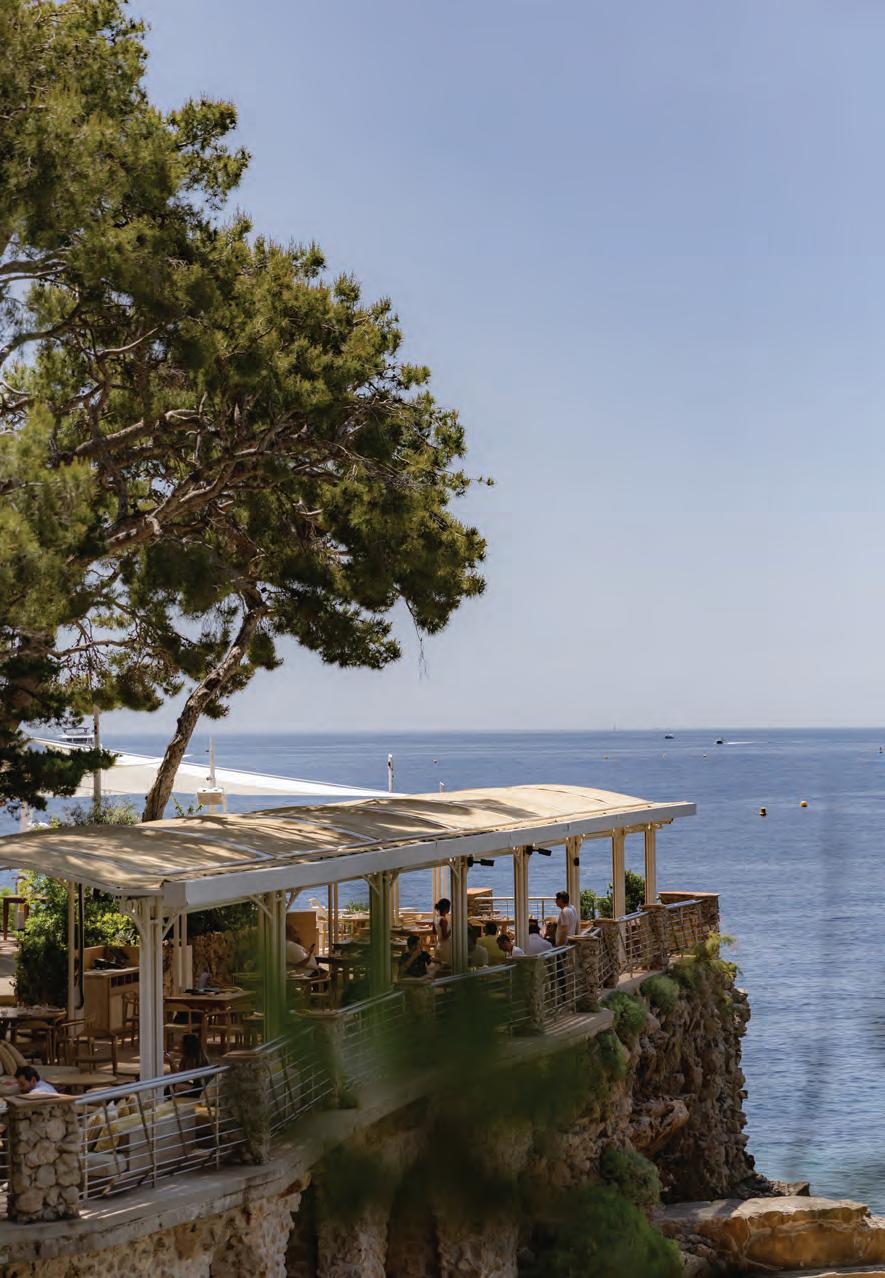
COMO Hotels has reimagined one of the Riviera’s most storied addresses, the Belle Époque landmark Le Beauvallon, once beloved by Winston Churchill and Audrey Hepburn, into a 42-room sanctuary perched above the Gulf of Saint-Tropez. At its heart is a bold culinary vision from Chef Yannick Alléno, one of France’s most decorated
chefs, whose Beauvallon Sur Mer marks his first beach-club restaurant. The menu draws Southeast Asian culinary traditions into conversation with the brightness of the Mediterranean. Think yellowtail tartare with peanuts and Thai basil ice cream, sea bass crudo marinated in baijiu, seared tuna with Kampot pepper sauce. A private jetty, bayside pool and complimentary speedboat to Saint-Tropez ensure the experience extends well beyond the table.
Left page: La Vigie Zanoni Monte-Carlo, Monaco; This page (from top): Maison Revka Bodrum, Turkey; Tresind London, UK
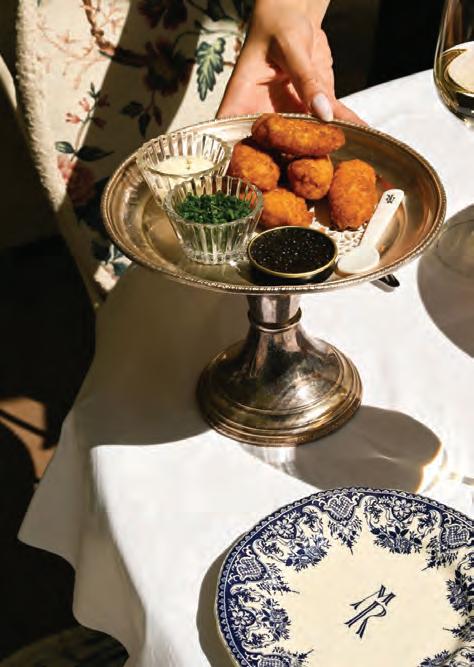
WHY GO: Historic Riviera glamour, a Michelin-pedigreed chef and a speedboat to Saint-Tropez. This is sun-soaked Riviera living at its most seductive. @beauvallonsurmer
Located at the very tip of the MonteCarlo Beach peninsula, La Vigie Zanoni is born from a collaboration between the iconic Monte-Carlo Beach and Chef Simone Zanoni, the Michelin-starred chef behind Le George at the Four Seasons George V in Paris. At La Vigie, his philosophy of seasonal, responsibly sourced Mediterranean Italian cooking finds its most beautiful backdrop yet: lemon trees, open sea views, handmade pastas and beautifully sourced fish and meats, with long lunches designed to drift effortlessly into music-filled evenings. While Monaco might drip with unmissable culinary experiences, La Vigie looks set to be its most coveted reservation of the summer.
WHY GO: For the tagliolini with Champagne and caviar, which Chef Simone says perfectly captures the spirit of Zanoni at La Vigie.
“It’s served in an authentic caviar tin, bringing a glamorous touch to the experience.”
@lavigiemontecarlo
Dubai’s most celebrated modernist Indian restaurant has landed in London, arriving in Mayfair as a tasting-menu-only experience that feels exactly right for a kitchen that has always treated dinner as theatre. Led by Chef Himanshu Saini with Head
Chef Amit Bagyal at the pass, the menu moves between heritage and invention with effortless confidence: think lamb chop with rosemary vindaloo and chimichurri chutney, and the legendary Khichdi of India, a dish drawing on 20 ingredients representing states across the country. Downstairs, a bar focused on lesser-known spirits crafted with Indian ingredients promises to be a destination in its own right.
WHY GO: To see a beloved Dubai restaurant (and chef) go global. @tresindmayfair
Set within the historic old port at the site long known as Remezzo, a fixture of Mykonos’ social scene for decades, Sapph debuts with a confident ambition: to restore the spirit of the island’s golden years rather than simply capitalise on them. The venue unfolds across terraces overlooking the Aegean, alongside a bar and an intimate nightclub accessible by request only. The food is a Mediterranean menu grounded in Greek produce with a restrained Japanese influence, with signatures such as sea urchin carpaccio and charred sea bream sashimi leading into large-format seafood and grilled meats, with hot mezze for the table. Greek labels anchor a wine list that also nods to international producers.
WHY GO: Old Mykonos glamour, beautifully restored. Consider this the island’s most romantic new address. @sapphomykonos
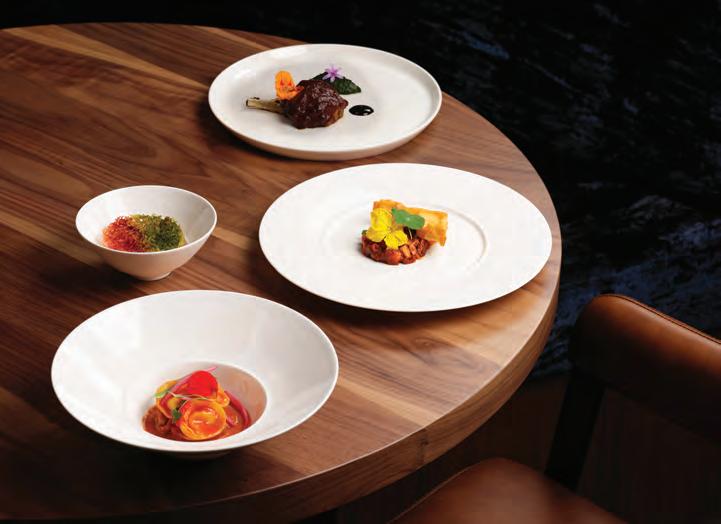
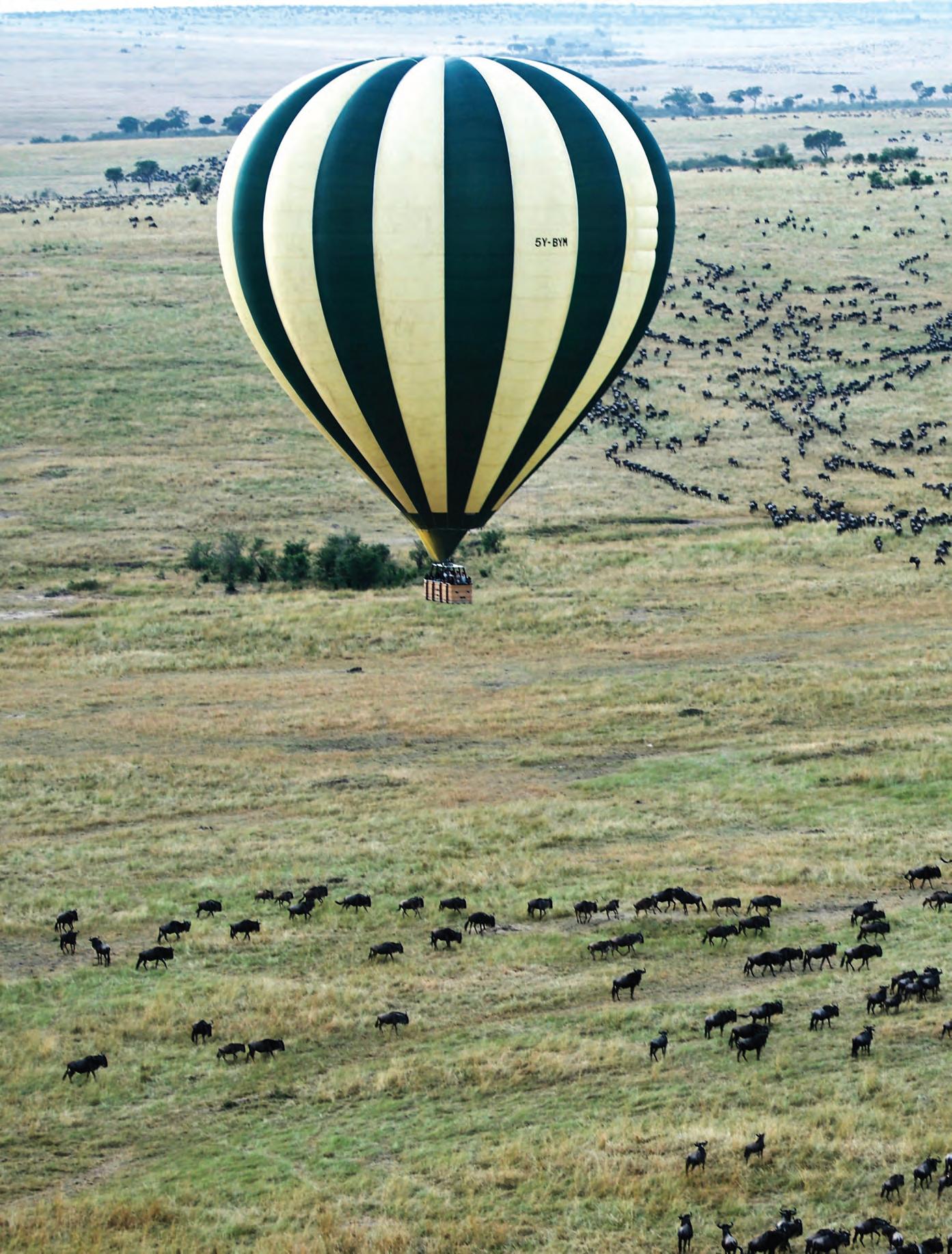
Last-chance tourism has left travellers with a sense of urgency to experience already fragile locations. But is it time to re-examine bucket-list getaways?
WORDS: CAROLINE D ’ ALMEIDA
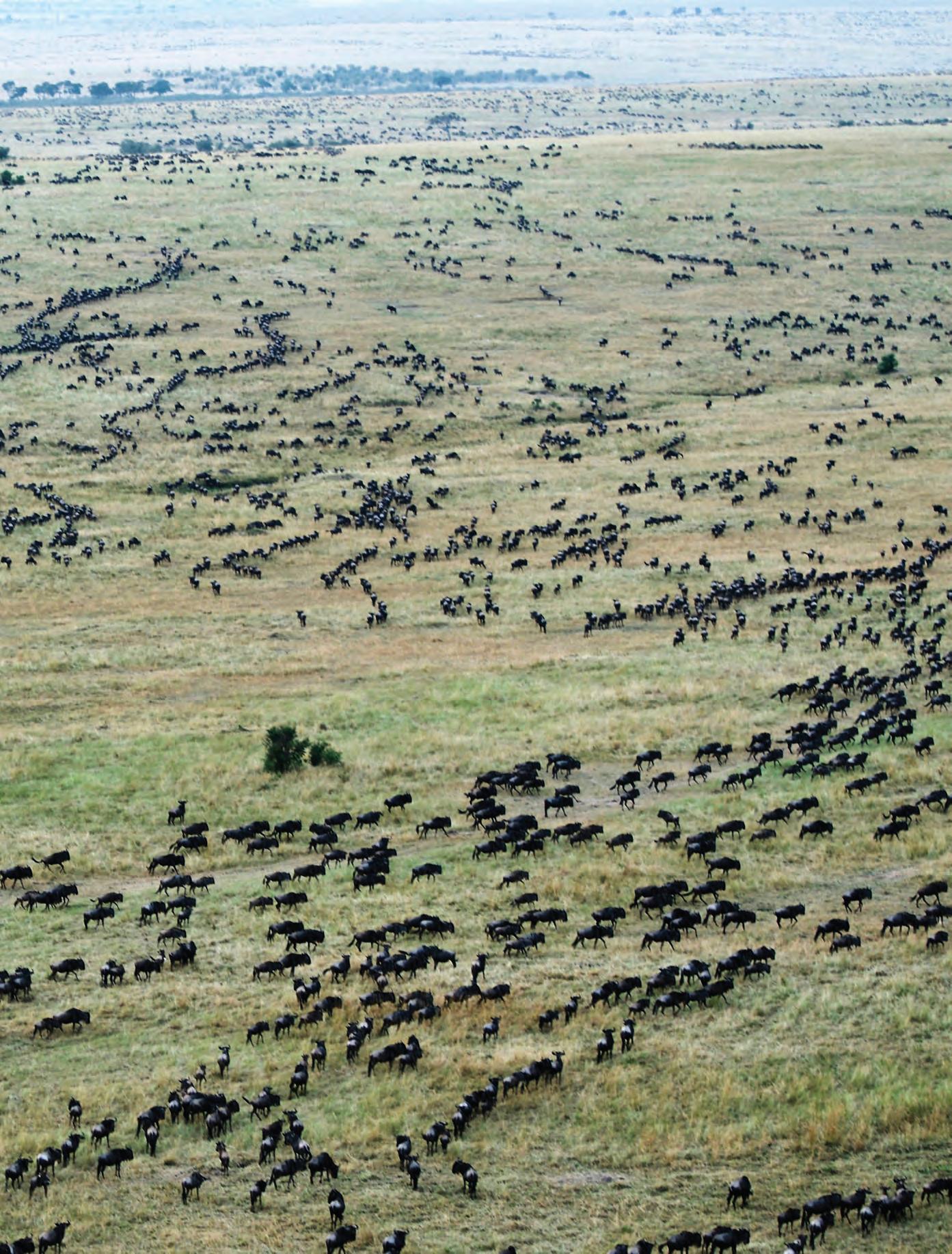
There’s a particular kind of photograph every family seems to have tucked away somewhere. A badly framed beach shot. Someone squinting against impossible sunlight. Parents smiling stiffly against picturesque mountains on a vacation they never expected to take. The format of travel memories may have evolved, glossy albums traded for endless camera rolls and cloud storage, but the instinct behind them remains the same: to freeze a place in time before life moves on. Increasingly, though, travellers are confronting a more unsettling possibility. What if it’s the places themselves disappearing first?
Across the world, destinations once marketed as untouched paradises are now grappling with overtourism, rising temperatures, disappearing coastlines, water shortages, coral bleaching and unpredictable weather patterns. Ironically, the urgency to “see it before it changes forever” may be accelerating the pressure on these destinations. What was once a niche environmental anxiety has now evolved into “last chance tourism”. The timing is hardly accidental. The years following COVID-19 unleashed a wave of revenge tourism, supercharged further by social media’s algorithmic travel economy. You’re just a scroll away from entire itineraries full of aesthetic cafés and hyper-visible bucket-list moments. Think cathartic baths and mountaintop swings in Bali, coffees at Hanoi Train Street and more.
But modern tourism poses a more uncomfortable and pressing question. When does tourism stop helping a destination survive and begin contributing to its decline? According to the iconic Masai Mara National Reserve’s official statistics, they clocked at least 300,000 tourists annually in 2023. Ballooning each year, the government collected revenues of $43.4 million in FY 2024/25. Unsurprisingly, most throng to catch a glimpse of the Great Migration, leading to inflated park entry fees and overcrowding with jeeps full of raucous tourists angling for a better shot. Human-induced climate change has also altered rainfall patterns, leading to historic changes in the crossing pattern.
have reshaped, and coral reefs are not expected to last to the end of the century. Over 90% of resorts have reported beach erosion, and 60% have experienced infrastructure damage linked to climate change and development practices. The paradox is difficult to ignore. Climate change is reshaping the destinations, while social media is reshaping them culturally. By adding visibility, once-niche destinations are now becoming endless viral pilgrimages instead.
IRONICALLY, THE URGENCY TO “SEE IT BEFORE IT CHANGES FOREVER” MAY BE ACCELERATING THE PRESSURE ON THESE DESTINATIONS
But for Wafa Yahya, a travel influencer and travel business owner, it’s the demand that drives supply. “Clients often come to me with a saved folder full of TikToks and Reels, wanting to recreate a specific shot or moment they saw online. And that’s actually a great starting point for inspiration. But it does require a lot of expectation management on my end. Explaining the reality of the crowds, the actual costs, the logistics that the 15-second clip conveniently left out.” As someone with a foot in both waters, she highlights Venice and Bali as other “endangered” spots and now actively looks to divert customers to more authentic locations. Both destinations indicate a wider global phenomenon of governments working to actively control tourism. Having repeatedly been at risk of being placed on the UNESCO List of World Heritage in Danger, Venice is at a critical juncture between mass tourism and climate fragility. Receiving anywhere between 20 and 30 million visitors annually, the city has seen both rising sea levels and extreme flooding events. While Venice has sought to cap day trips to regulate footfall, Bali has introduced tourism fees and even issued a development moratorium in overcrowded areas. However, it’s not just the legacy destinations under threat. The “hidden gem” Reels taking over most audience feeds have now turned the spotlight on Asian countries, from Vietnam to Thailand, Sri Lanka, Oman and more have been dominating travel bucket lists.
According to Jane, a driver and tour guide based in Kenya, tourism has certainly left its mark, more so during the aforementioned peak season. “People flock from all over to watch the animals crossing, only for them not to do so on that particular day. The social media factor is then good in the sense that it’s now helped dispel the myth and avoid overtourism to an extent,” she explains.
Another popular destination witnessing rapid climate change is the Maldives. The waterfront villas, translucent waters and private pools with a floating breakfast have long been a haven for couples and families. In the first quarter of 2026 alone, total arrivals reached 633,769, with 2025 closing at a record 2.25 million tourists, according to a government report. The world’s lowest-lying nation, the Maldives has almost 80% of its land just one metre above sea level, making rising levels urgently worrying. While tourism contributes massively to the GDP, it comes at a hefty cost. Coastlines

There’s a rise in travellers wanting something unique, shares Ipshita Sharma from SCN Travels & More. “Over the last 5–10 years, [the biggest growth has been in unexplored] destinations, especially the Stan countries like Uzbekistan, Kazakhstan, and Kyrgyzstan, along with Sri Lanka. Travellers are increasingly drawn to experiences that feel different from the standard tourist checklist, whether that’s exploring Silk Road cities like Samarkand, staying in traditional yurts by alpine lakes, etc. I’d say around 60–70% of that growth has been strongly nature-oriented, driven by mountains, lakes, culture, and immersive outdoor experiences rather than just city breaks.”
Lower travel and living costs, cultural curiosity, and the chance to avoid oversaturated spots have presumably fuelled the trend. However, the evident infrastructural inability to keep up with tourists is quickly catching up in most of these destinations.
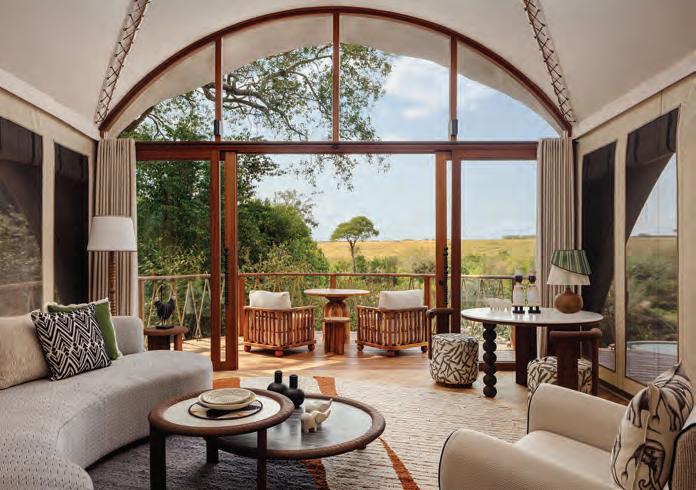
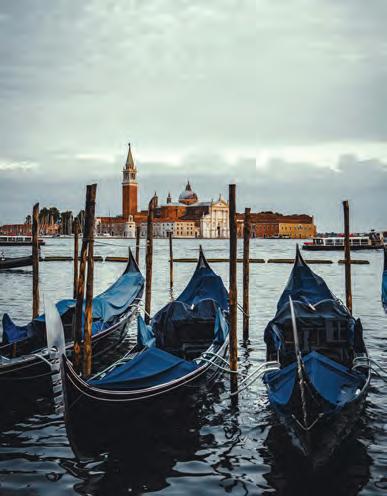
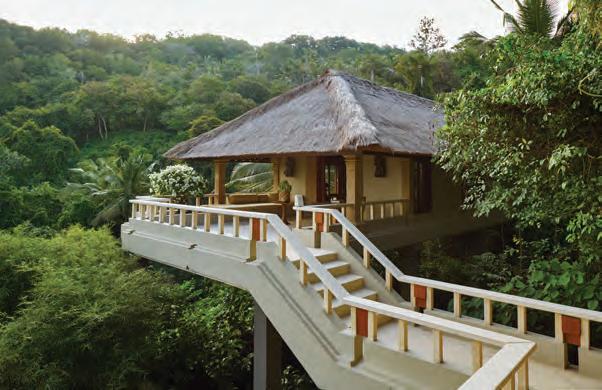
For Kaunain Fatima, a travel content creator, hope comes from the locals themselves. “On my first visit [to Sri Lanka] a couple of years ago, certain activities, including elephant-related experiences, were being promoted quite openly as part of cultural tourism. On a more recent trip, however, the tour operator politely told me they’re no longer offering it because they’ve become more aware of the ethical concerns.” The onus of climate conscientiousness still largely falls on the agents and operators, Sharma notes.
Previous spread: The Great Migration, Masai Mara National Reserve; This page (from top): The Ritz-Carlton, Masai Mara Safari Camp; Venice; Amankila, Bali
While travellers are amenable to greener options, “Budget usually leads the decision. If a greener option is similarly priced, people are all for it. But if sustainability costs significantly more, most will still choose what works better for their wallet,” she says.
The rise in overtourism has more hidden costs than climate and logistics. From Venice to Bali, the shift from tourism promotion to tourism management has been palpable. Extreme weather events have begun to inform travel options, with “cool-cationing” now another burgeoning trend. An oft-dismissed but concerning part of travel is insurance, with the underwriting unsurprisingly affected by a warming world. Travel insurance doesn’t automatically cover everything weather-related, a misconception Toshita Chauhan, Chief Business Officer, Policybazaar.ae, often encounters.
More importantly, “certain regions are attracting greater scrutiny from our underwriting teams. Southern Europe, particularly Greece, Spain, and Turkey, during summers faces elevated wildfire risk. Parts of North America are flagged for hurricane activity. What drives this is a combination of historical claims data, meteorological trends, and satellite-based risk modelling. Premiums in these corridors are being recalibrated accordingly,” says Chauhan.
As climate volatility grows, customers are left with no choice but to accept what’s being handed out. With destinations sitting on the brink of being near un-insurable, the introduction of tiered protection and hefty premium schemes, flight delays and weather disruptions make travel feel tenuous at best, unachievable at worst.
Perhaps the future of travel isn’t about seeing less of the world – but seeing it differently. Slow travel offers one possible way forward. Spending more time at one destination, using alternative modes of public travel, travelling off-season, and, of course, rejecting algorithm-approved itineraries. But even that solution comes layered with privilege. The ability to take extended holidays, swap flights for slower rail journeys, or spend weeks immersing oneself in a single destination remains inaccessible to many travellers navigating limited annual leave, rising costs and increasingly expensive travel infrastructure. The responsibility then cannot fall solely on individual travellers, while governments, airlines, hospitality giants and digital platforms continue incentivising mass movement at scale.
Still, amid the noise of viral itineraries and disappearing coastlines, there are signs of a quieter shift. Travellers are asking harder questions. Operators are rethinking what they offer. Destinations are beginning to prioritise preservation over unchecked marketing.
The family holiday photograph, at least, will never disappear. But perhaps the next era of travel will ask us to think less about capturing a place at its most beautiful, and more about whether we left it capable of surviving long after we’ve gone.
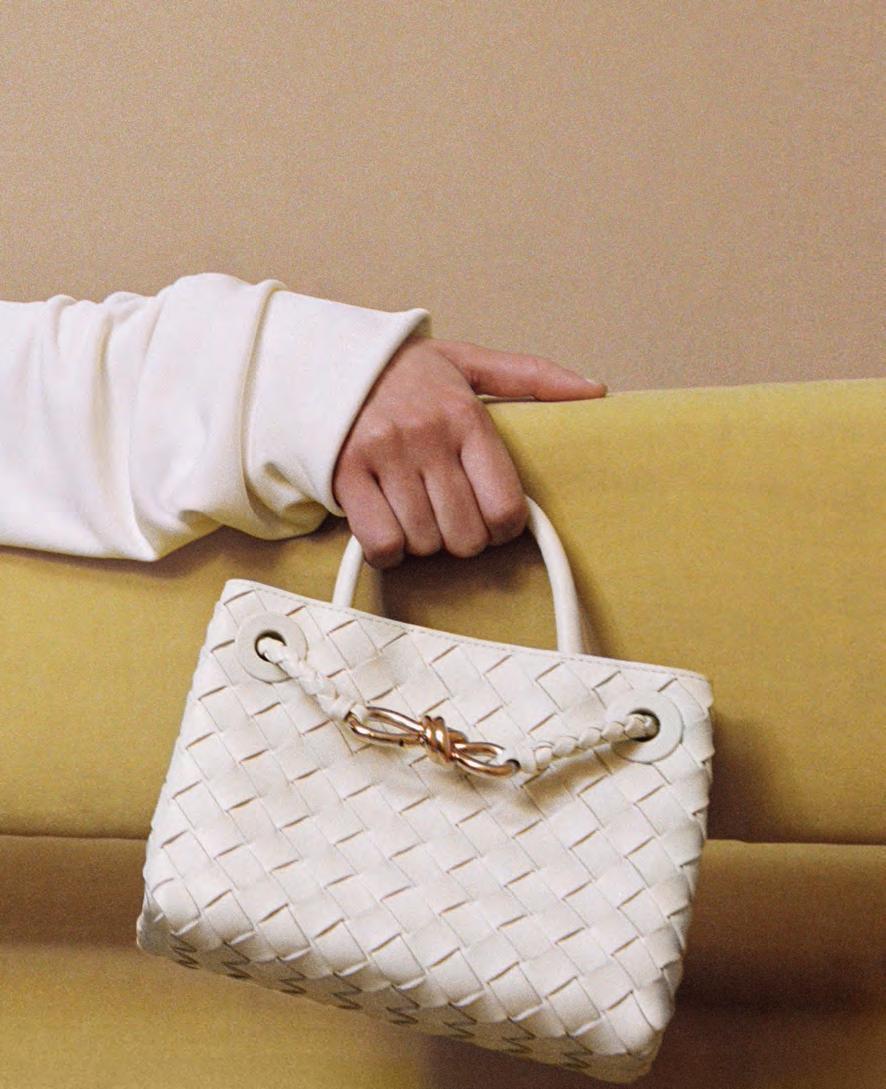
As everyone gets ready to set off on their summer vacations, Bottega Veneta steps up with its new Mini Andiamo, a cute, condensed interpretation of its cult Andiamo Intrecciato design. It’s the perfect luxury travel companion for sunset aperitivos, or add the crossbody strap for days spent exploring museums, walking cobblestone streets, and enjoying a bit of holiday retail therapy.