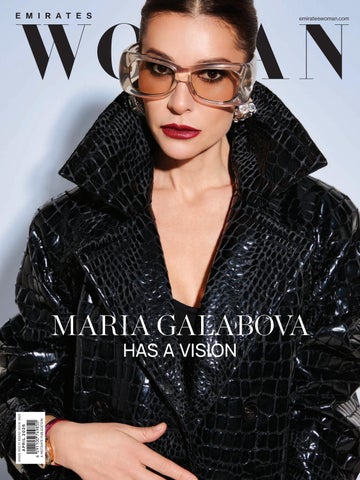

MARIA GALABOVA HAS A VISION

EDITOR-IN-CHIEF
Obaid Humaid Al Tayer
MANAGING PARTNER AND GROUP EDITOR Ian Fairservice
CHIEF COMMERCIAL OFFICER Anthony Milne
GROUP CONTENT DIRECTOR Thomas Woodgate
SENIOR EDITOR Jessica Michault jessica.michault@motivate.ae
SENIOR ART DIRECTOR Olga Petroff
SENIOR REPORTER Aminath Ifasa
FASHION EDITOR Camille Macawili DESIGNER Vibha Monteiro
EDITORIAL ASSISTANT Londresa Flores
GENERAL MANAGER PRODUCTION Sunil Kumar PRODUCTION MANAGER Binu Purandaran ASSISTANT PRODUCTION MANAGER Venita Pinto
GROUP SALES MANAGER
Chaitali Khimji chaitali.khimji@motivate.ae SALES MANAGER
Sarah Farhat sarah.farhat@motivate.ae
WEB DEVELOPER Firoz Kaladi
CONTRIBUTORS
Alice Holtham-Pargin, Amelie Louisa Klewe, Ekaterina Shirshova, Gemma White, Katy Gillett, Lauren Hills, Mark Mathew, Morin Oluwole, Naomi Chadderton, Vama Kothari, Yi-Hwa Hanna
HEAD OFFICE
Media One Tower, Dubai Media City, PO Box 2331, Dubai, UAE, Tel: (+971) 4 4273000, Fax: (+971) 4 4282261, E-mail: motivate@motivate.ae
DUBAI MEDIA CITY SD 2-94, 2nd Floor, Building 2, Dubai, UAE, Tel: (+971) 4 390 3550, Fax: (+971) 4 390 4845
ABU DHABI PO Box 43072, UAE, Tel: (+971) 2 677 2005, Fax: (+971) 2 677 0124, E-mail: motivate-adh@motivate.ae
SAUDI ARABIA Regus Offices No. 455 - 456, 4th Floor, Hamad Tower, King Fahad Road, Al Olaya, Riyadh, Kingdom of Saudi Arabia, Tel: (+966) 11 834 3595 / (+966) 11 834 3596, E-mail: motivate@motivate.ae
LONDON Acre House, 11/15 William Road, London NW1 3ER, UK, E-mail: motivateuk@motivate.ae
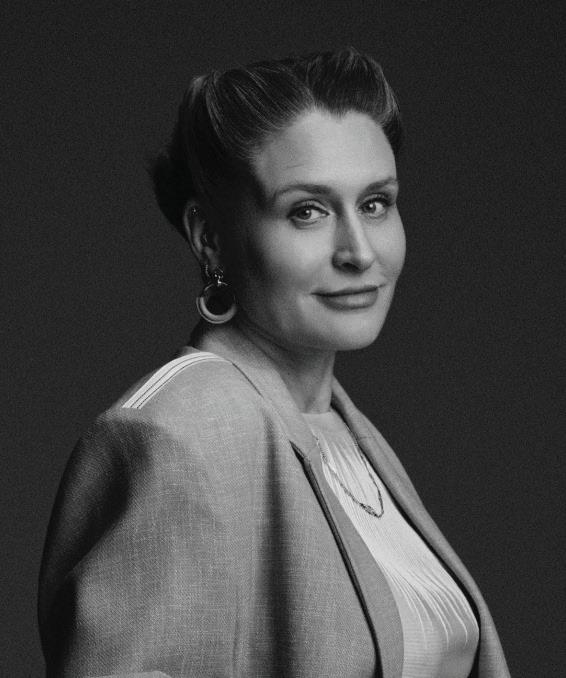
EDITOR’S LETTER
A New Point of View
Let’s be honest with one another. This past month has been, to put it mildly, stressful. The only thing that has helped – besides being surrounded by my family –is working on this issue. I chose the theme of The Female Gaze last year, but it feels so much more powerful and poignant putting it together at this moment in time.
Each article, think piece and feature that fills these pages makes me so proud to be a woman. These are my sisters in arms, determined to propose a new perspective for the future through their actions, their oeuvre, and how they are – in the purest sense of the words – generation shapers. From our cover story A Recipe for Success (page 28) and the thoughtful ode to girlhood, Just a Girl (page 70), to an insightful conversational series where we bring together women from different creative fields to discuss what it means to have a female gaze, Her Lens (page 84) – this issue is a celebration of the multi-faceted female perspective.
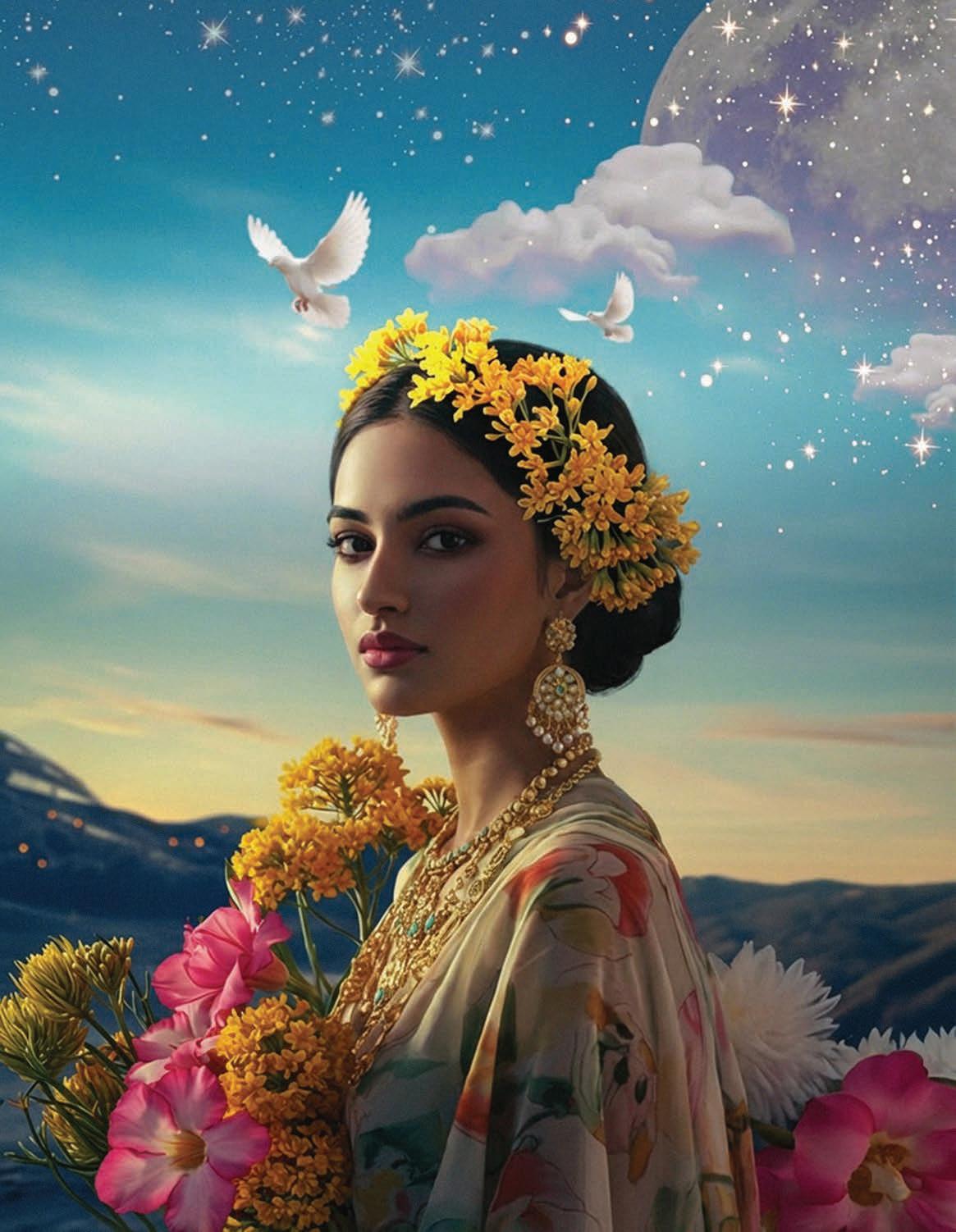
Speaking of which, I would be remiss if I didn’t mention my first ever digital cover at Emirates Woman. I cold called the respected Emirati artist Sumayyah Al Suwaidi and asked
her if she would be open to creating a piece of artwork for a digital cover of the magazine. Famous for using women as inspiration for her computer-generated collage creations, her work dovetails perfectly with the foundational concept of this issue. I gave her a simple brief – that the cover feature a woman surrounded by the national flowers of the countries of the Middle East. Her interpretation of that idea can be seen on our digital cover and in the Through Her Eyes feature (page 74) about Al Suwaidi.
Each page of this issue is a testament to female strength, ingenuity and perseverance. From the women featured to the women who brought it to life, this magazine is about creating a space for women’s voices to be heard. This month, and every month.
Enjoy the issue!
jessica.michault@motivate.ae

HERE COMES THE BRIDE
The Bride!, writer and director Maggie Gyllenhaal’s reimagining of Bride of Frankenstein, has just dropped. It taps into a cultural moment ripe for exactly what it is: a female filmmaker giving a silenced woman her voice back. Starring the Oscarwinning actress Jessie Buckley – it is, unapologetically, a story told on the bride’s own terms.

DRAGON SLAYER
For decades, Tori Amos has put female rage, grief, and desire into music. Her 18th studio album, InTimesofDragons, out 1 May (I have pre-ordered mine) is her most politically urgent yet – a metaphorical battle between democracy and tyranny that is, unmistakably, about right now. It’s Amos at her most necessary.
BROOKLYN BABY
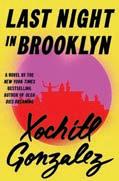
New York Times bestselling author Xochitl Gonzalez’s new book LastNightinBrooklyn drops this month. Already named one of the most anticipated books of 2026 by the likes of Time and Oprah, her propulsive, achingly observed novel set in Fort Greene at the dawn of Obama’s America and is sure to be a page turner.
CURATE
A
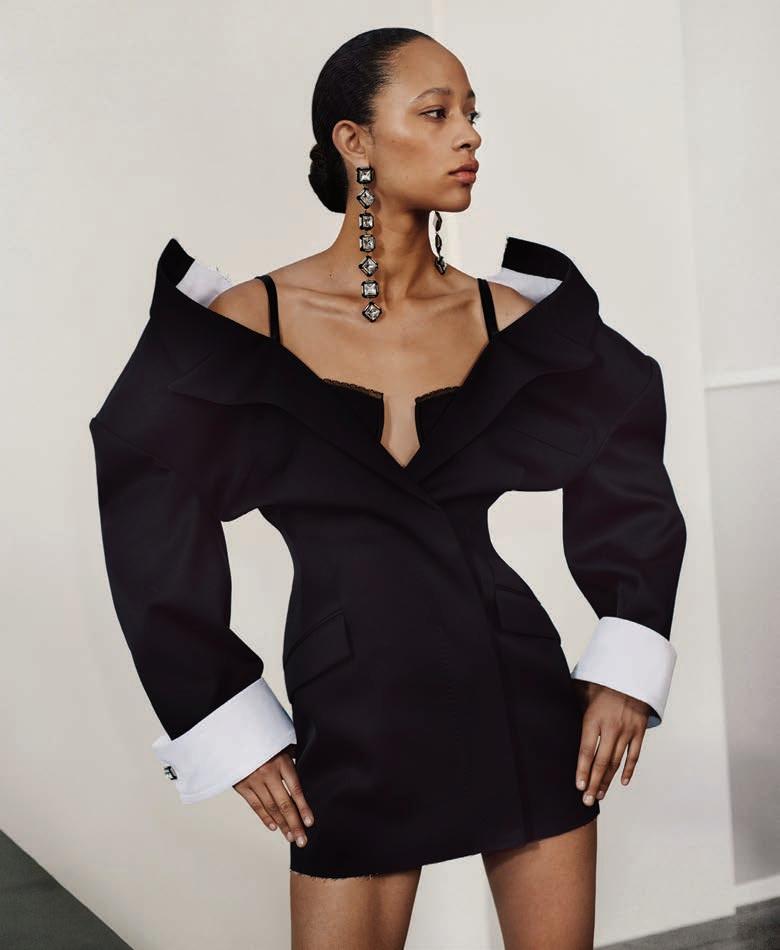
14 The Gentlewoman Daring cutouts and flattering silhouettes: welcome to essential tailoring
16 Soft Shades
Pastels don’t have to be girlish – take styling cues here of tonally-layered hues grounded by neutrals for a sophisticated and sharp look
18 Eyes Up Here
From classic to unconventional, statement sunglasses in multifaceted aesthetics reframe beauty and invite every woman to express her identity
20 Behind the Seams
Founder Fay Ezzat on building L’Atelier, a Dubai-based production studio supporting designers from concept to garment while pushing the needle in regional fashion development through a distinctly female perspective
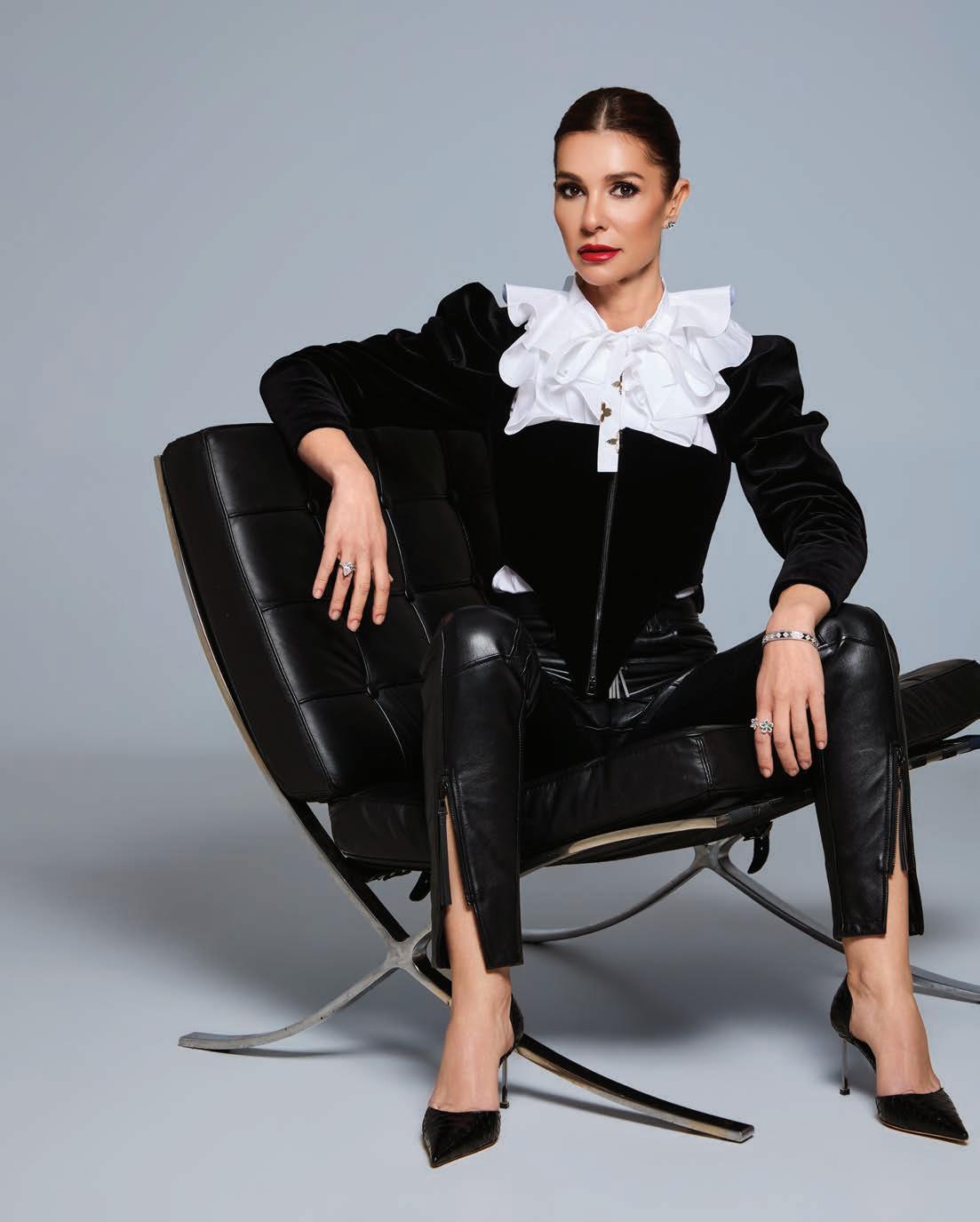
Outfit: Jacket, Dior; Shirt & Trousers, Louis Vuitton; Shoes & Jewellery: Talent’s own
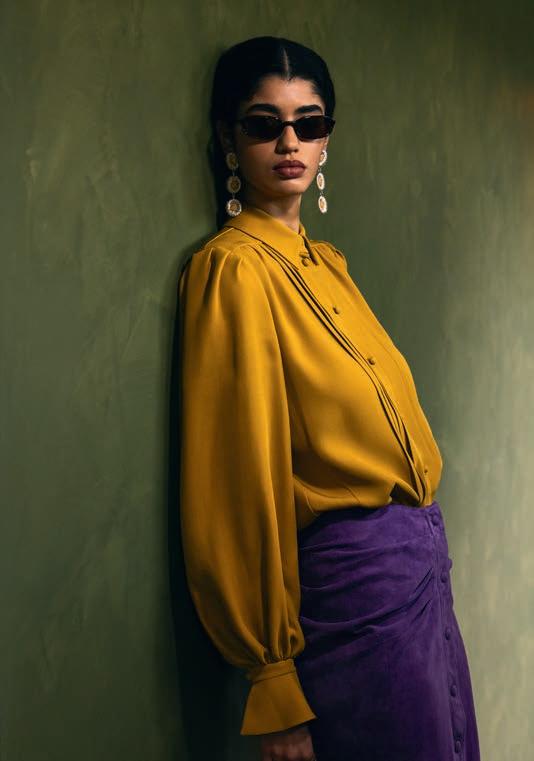
54 Returning the Gaze
MODE
24 A Curated Eye
Lara Jabara, co-founder of FAME Collective, on building a cultural platform and space where women’s stories lead
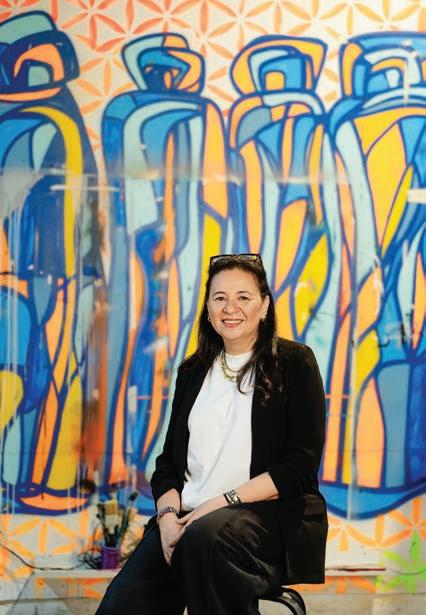
28 A Recipe for Success
Maria Galabova, the founder Keto Kartel, is building a brand on her own terms. One that is focused on a feel-good food built for health, longevity and, by extension, a new language of wellness
38 Le Regard Féminin
The camera doesn’t just capture –it listens, lingers, and lets her define the frame
When the ground shifts, femininity is being reinterpreted not as a fragility but as a quiet form of power
58 Power Tools
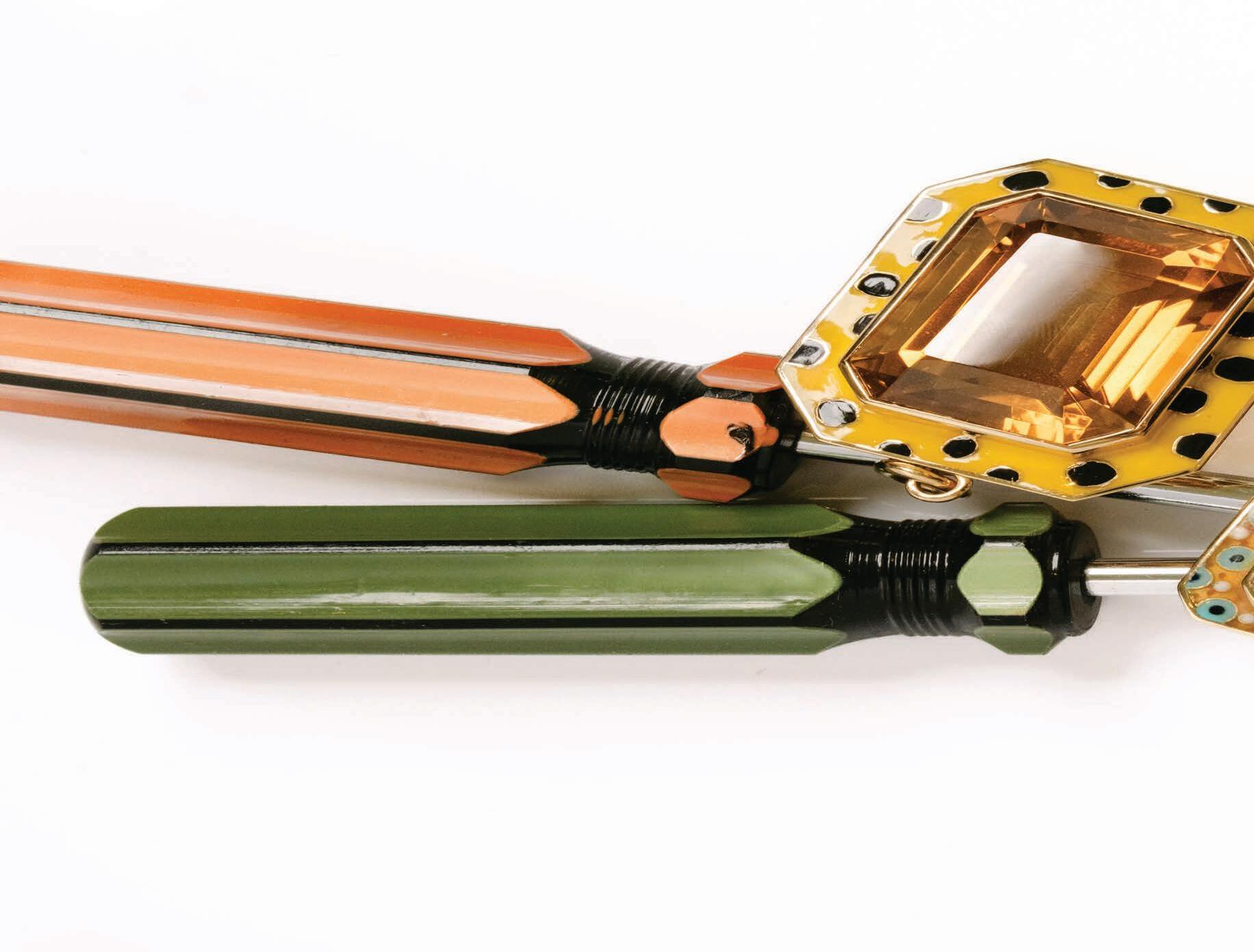
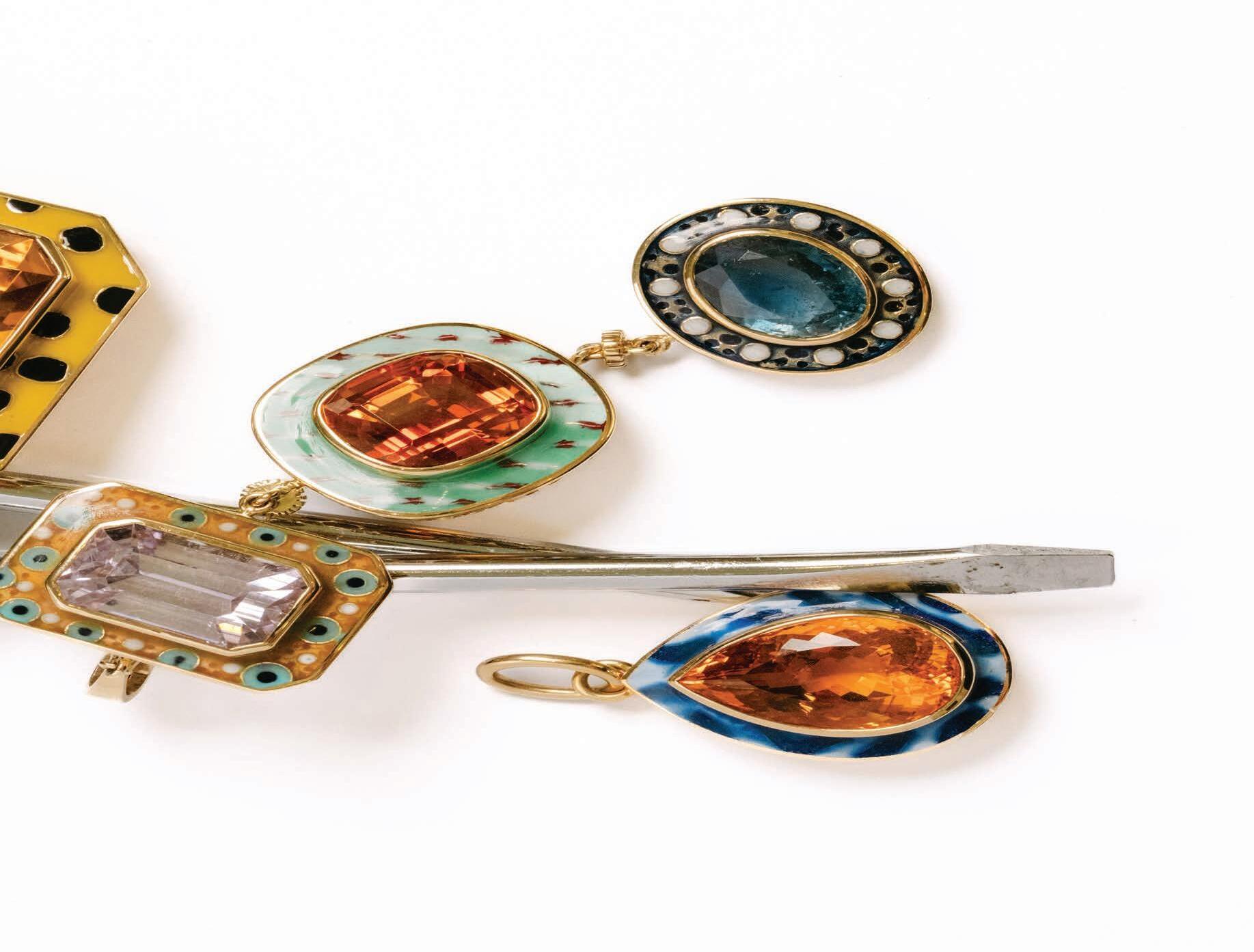
A meditation on endurance, craftsmanship, and modern femininity
VISION
70 Just A Girl
Girl dinner, girl math, hot girl summer: social media is leaning hard into the language of girlhood. But beneath the trend lies a bigger question about nostalgia, pleasure and what we expect from women
74 Through Her Eyes
Emirati artist Sumayyah Al Suwaidi created the digital cover of
Emirates Woman’s April issue. Its theme is something she understands in her bones
78 Equality In Art
Investing in women’s art elevates marginalised voices, balances the cultural landscape and offers buyers a chance to get in at ground level before the elevator to a level playing field departs. And you thought you were just buying a painting…
82 A Different Perspective
Morin Oluwole, an International Luxury Business Leader, explains why it’s always important to include a woman’s point of view in the rooms where C-suite business decisions are being made
84 Her Lens
Three conversations on storytelling, legacy, and the perspective that changes everything
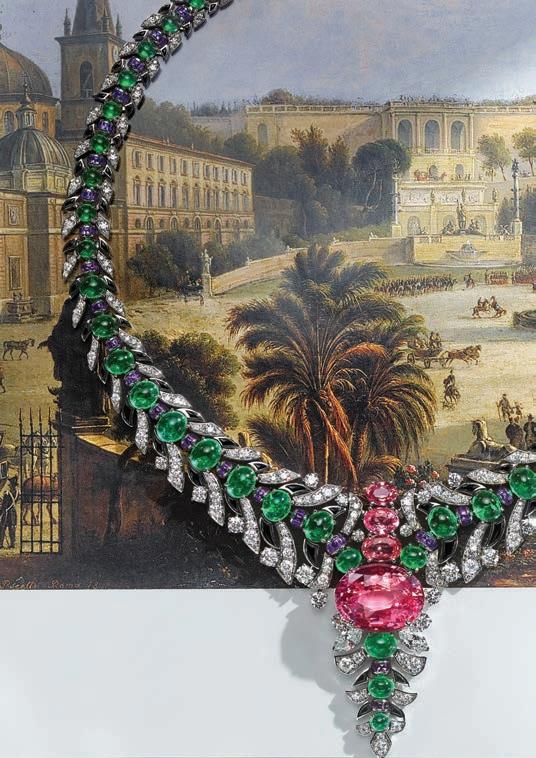
Top left: Bvlgari Secret Garden Necklace-Padparadscha sapphire; Top right: Outfit: Valentino; Jewellery: Buccellati
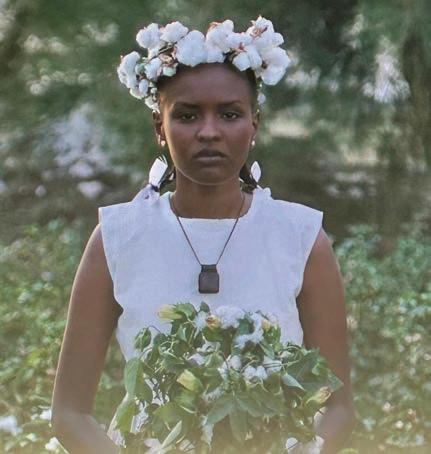
90 Common Ground
In the new movie Same Same But Different, actor Dalia Rooni not only stars in the film, she wrote the script. A heartwarming story about love, friendship and life as a third-culture kid
92 Romancing the Stone
With the new Eclettica high jewellery collection, Bvlgari’s Jewellery Creative Director Lucia Silvestri has delivered what may be the most fully realised expression of the Maison’s identity to date
GLOW
98 Hot New Buys
A curated edit of the latest and greatest beauty essentials to embrace your feminine era
100 The Gift to Your Future Self
Dr. Sreelatha Gopalakrishnan, an IVF specialist and mother, shares why freezing your eggs might be the most loving thing a woman can ever do for herself
102 Beauty Shelf
Creative consultant and podcaster Jannat Miranda takes us through her must-have beauty staples
104 Sunshine for the Senses
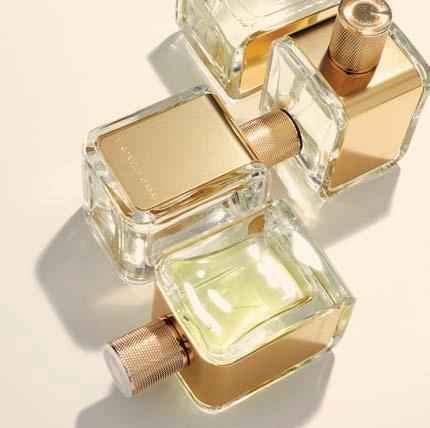
After over thirty years of shaping some of the world’s most powerful fragrance businesses, Véronique Gabai has done the one thing her entire career was quietly building towards: launching her signature brand
106 AM/PM Beauty
Emirati fashion influencer Noura Aljasmi shares her morning to evening beauty routine
108 Love Over Fear
Author and spiritual teacher Marianne Williamson on the inner work that can change everything
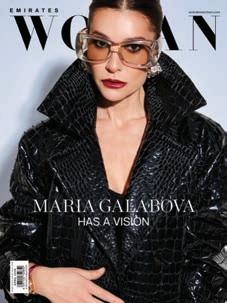
On the cover:
Outfit: Saint Laurent; Jewellery & Accessories: Talent’s own
Talent: Maria Galabova
Senior Editor: Jessica Michault
Photography: Kostadin Krastev
Hair: Martin Bonev
Makeup: Kiril Chalakov
ABODE
112 My Roman Empire
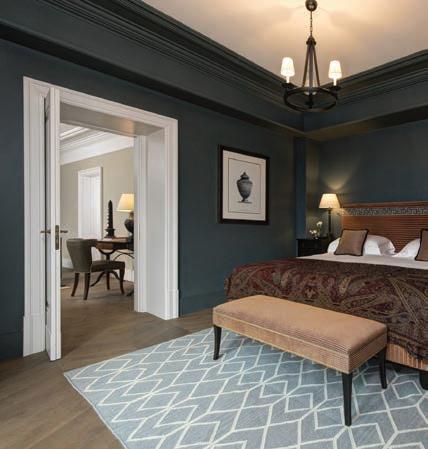
Memories of the Grand Tour live on at the Hotel De La Ville in the Eternal City
116 Journeys Through Time
Yi-Hwa Hanna chats with Bettany Hughes, a historian, broadcaster, and bestselling author about travelling the world to tell stories
118 The Artist’s Way
From Kala Ghoda’s white cubes and Worli’s hidden cartoons to Colaba’s cult cafés and Juhu’s sea-facing members’ club – Mumbai’s art scene is for those who like to wonder, look, and linger
MOST WANTED
122 En Pointe
The UAE is buzzing about a new homegrown shoe brand – THARA
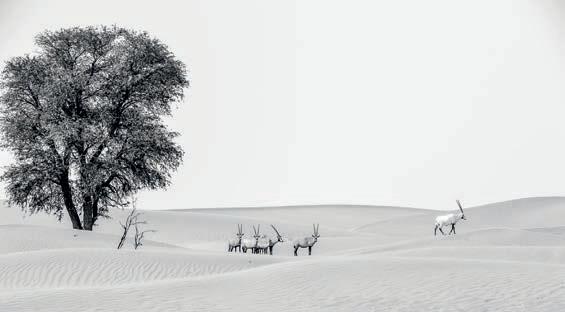

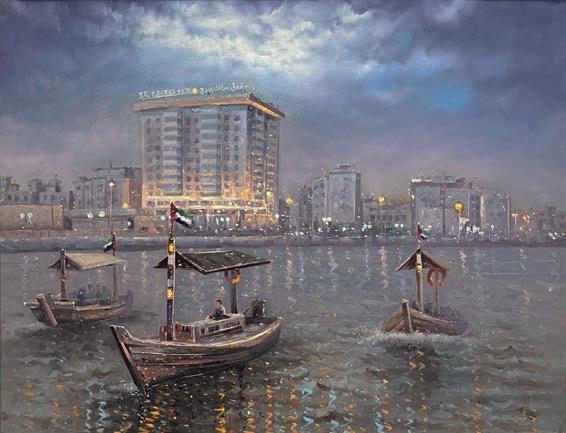


Photograph by Yousef Al Harmoodi
SIX SENSE
The year 1986 was quite a watershed moment for fashion. That was when six young graduates from Antwerp’s Royal Academy of Fine Arts – Ann Demeulemeester, Dries Van Noten, Walter Van Beirendonck, Dirk Bikkembergs, Dirk Van Saene, and Marina Yee – piled into a truck and drove to London’s British Designer Show and overnight changed the fashion conversation. Six singular, brilliantly different designers who happened to share a city, a school, and an extraordinary moment in time. Together, they became known as the Antwerp Six and a new exhibition at MoMu in Antwerp (until the 17th of January, 2027) celebrates how they proved that fashion did not have to come from Paris or Milan to shake the world.
CURATE
Why not explore your…
– Impactful feminine power – Gentlewoman side – Refined understated beauty – Unique point of view – Foundational strength



Soft Power
The latest launches and hero buys for an empowering April
WORDS: CAMILLE MACAWILI
MODERN MUSE
Sarah Burton’s latest Givenchy campaign blurs the line between muse, artist and observer with a cast including Annie Leibovitz and Kaia Gerber, reflecting a vision of modern womanhood
THREE TO OWN



THE HERO BUYS
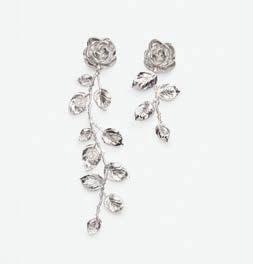
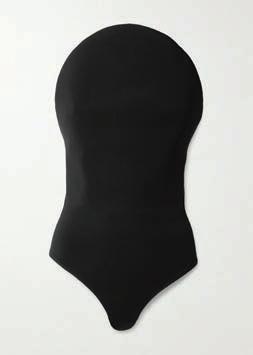
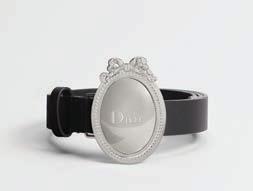
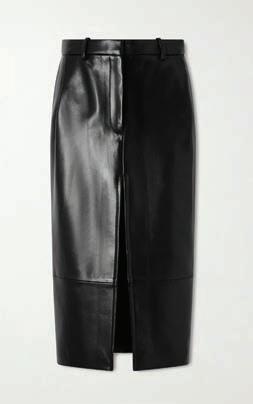
Symmetry Pochette Dhs5,105 Savette
Sloan Satin Mules Dhs2,934
Victoria Beckham
Book Clutch Dhs5,595 Olympia Le-Tan
Médaillon Belt Dhs4,100 Dior
Anden Leather Skirt Dhs16,900 Khaite
Cascading Silver Rose Earrings Dhs4,150 Magda Butrym
Strapless Bodysuit Dhs10,500 Alaïa
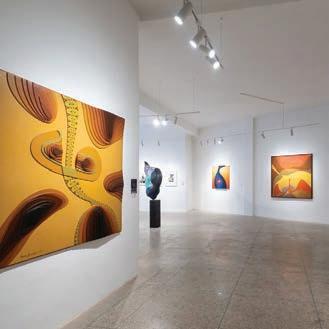
@artdubai
Dubai’s flagship international art fair, connecting galleries, artists, and collectors.
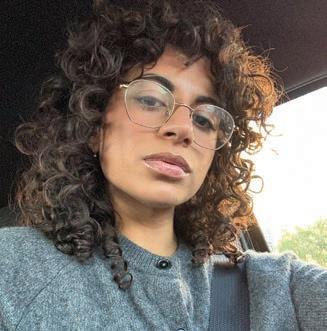
Actor, writer, and producer debuting at SXSW film & TV festival.
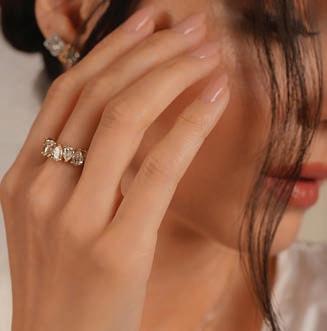
@etika_jewels
Fine jewellery brand creating modern pieces set with lab-grown diamonds.
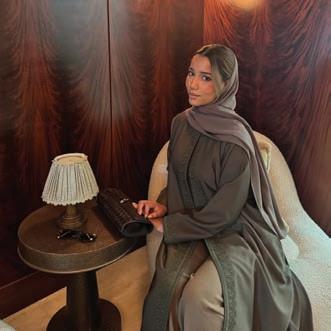
Content creator offering a curated stream of fashion, culture, and lifestyle moments.
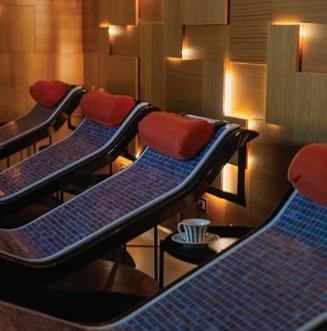
An elegant Roman escape overlooking the Spanish Steps.
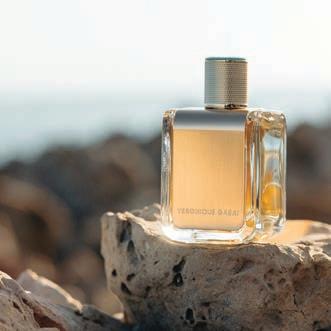
@veroniquegabai
A fragrance house inspired by the light and landscapes of the French Riviera.
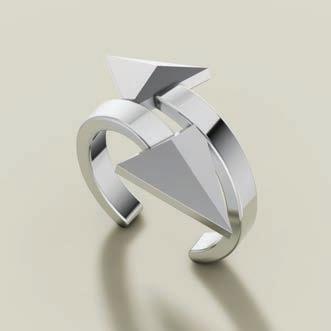
@muarjewels
A contemporary jewellery label designing sleek gold pieces.
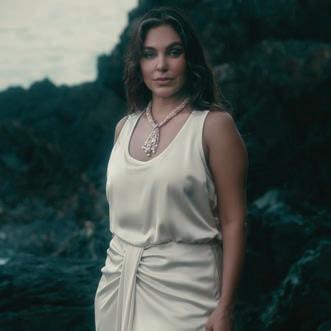
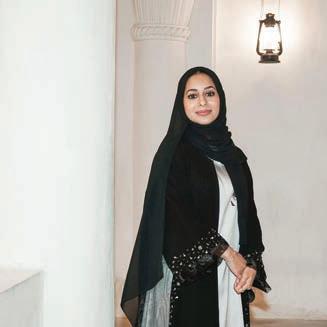
Saudi model and TV host sharing a confident edit of fashion, beauty, and lifestyle.
Social Listings
A curated guide of Instagram accounts to #follow this month
COMPILED BY: CAMILLE MACAWILI
@daliarooni
@hoteldelavillerome
@ghaliahamin
@sumayyahalsuwaidi
Digital artist known for vivid mixed media works with layered visual storytelling.
@z4kiaa
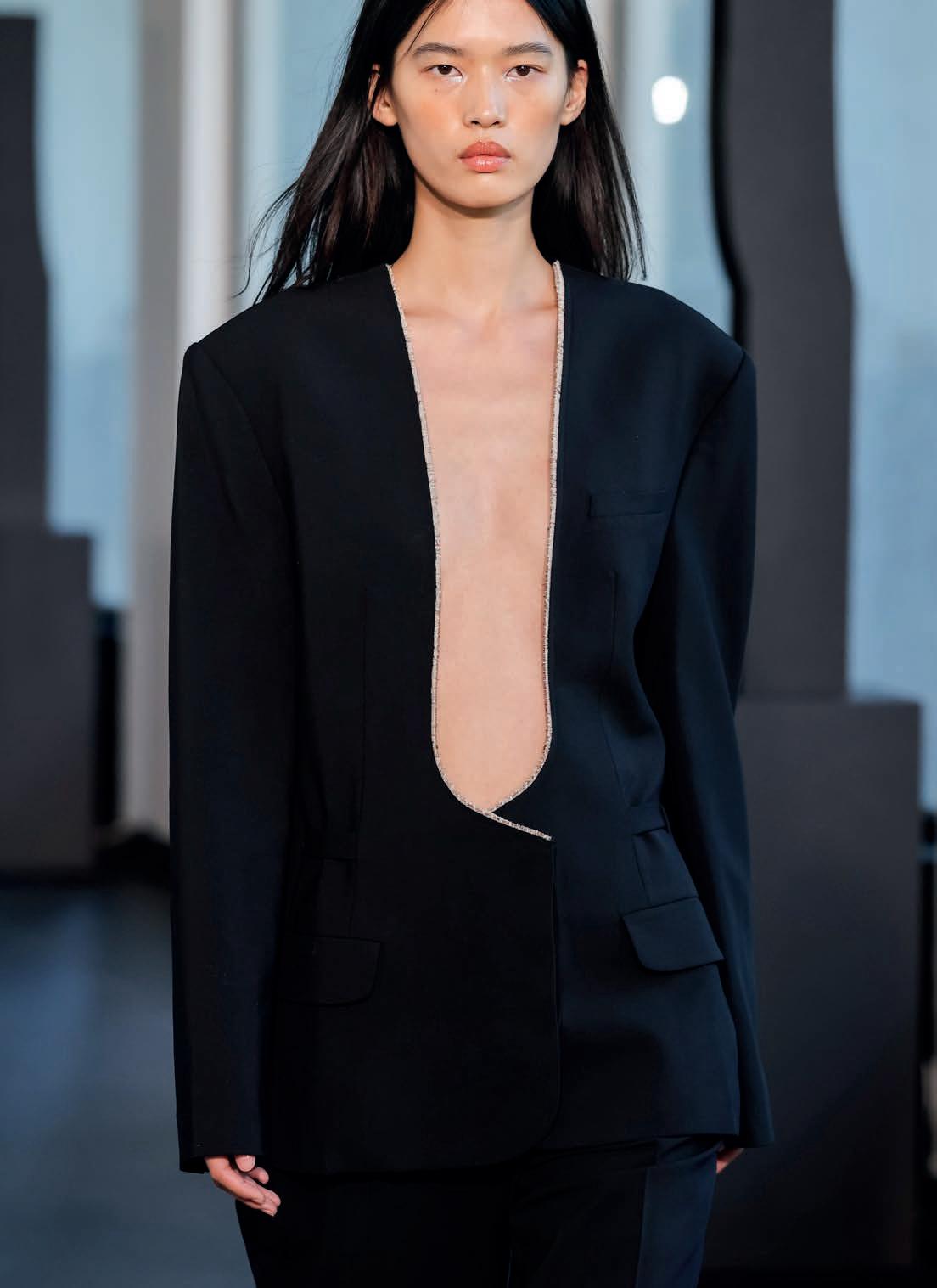
Daring cutouts and flattering silhouettes: welcome to essential tailoring for the modern woman
THE GENTLEWOMAN
COMPILED BY: CAMILLE MACAWILI
CHRISTOPHER ESBER
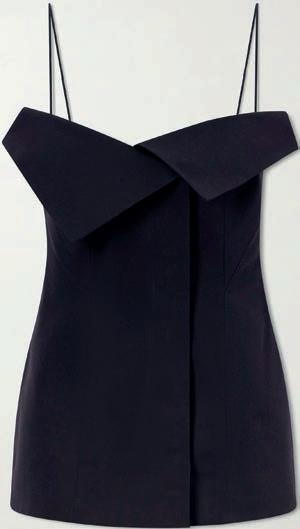
Eilwen Top Dhs4,700 FFORME available at Net-a-Porter
Torrent
Christopher Esber
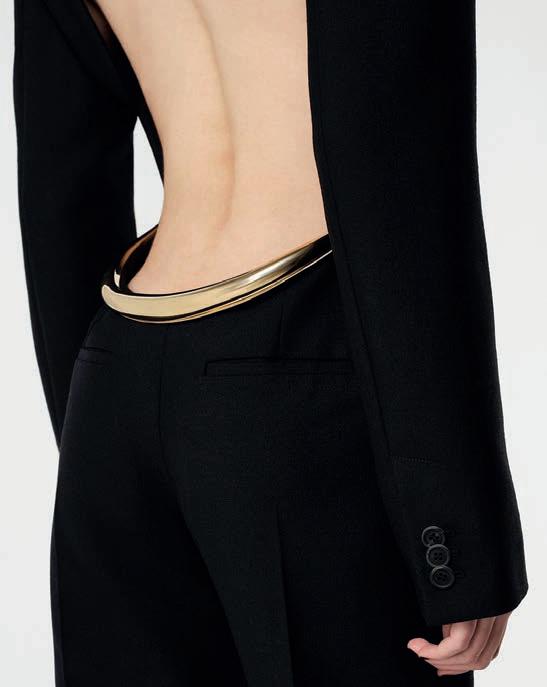
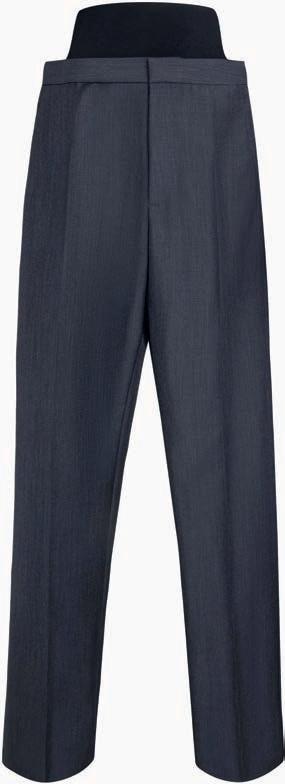
Knit Waistband Tailored Pants
Dhs2,715 Alaïa
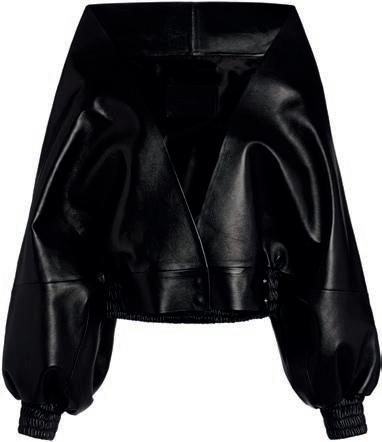
Leather Wrap Jacket Dhs30,080 Balenciaga
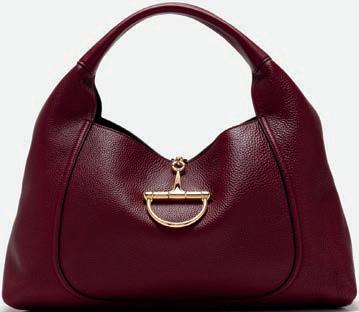
Softbit Shoulder Bag Dhs13,050 Gucci
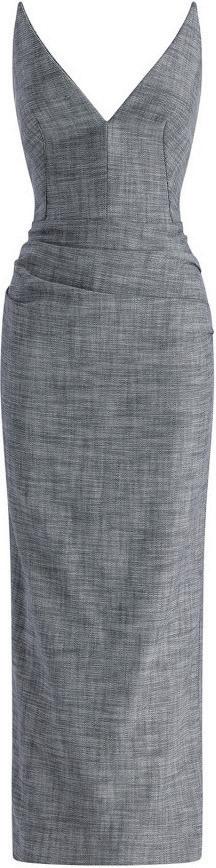
Saucy Minx Dress Dhs8,619 Maticevski
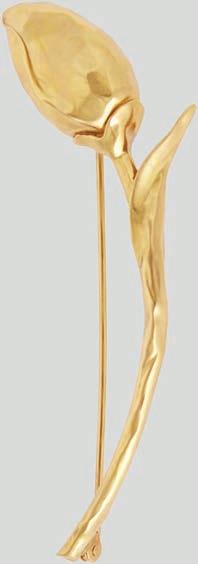
Bloom Brooch Dhs2,419 Erdem
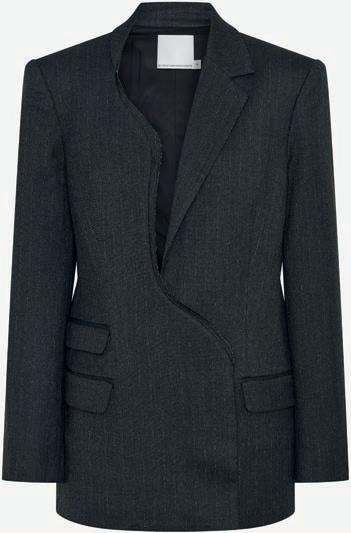
Pinstripe Blazer Dhs2,920
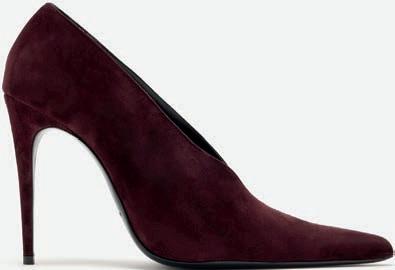
Obcasy Pumps Dhs3,930 Magda Butrym
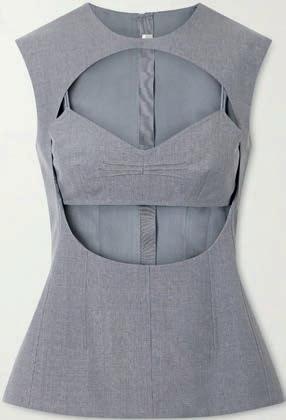
Cut-out Layered Blouse Dhs9,940
Jil Sander
Tilda Jumpsuit Dhs3,489 Revolve Los Angeles
Pastels don’t have to be girlish – take styling cues here of tonally-layered hues grounded by neutrals for a sophisticated and sharp look
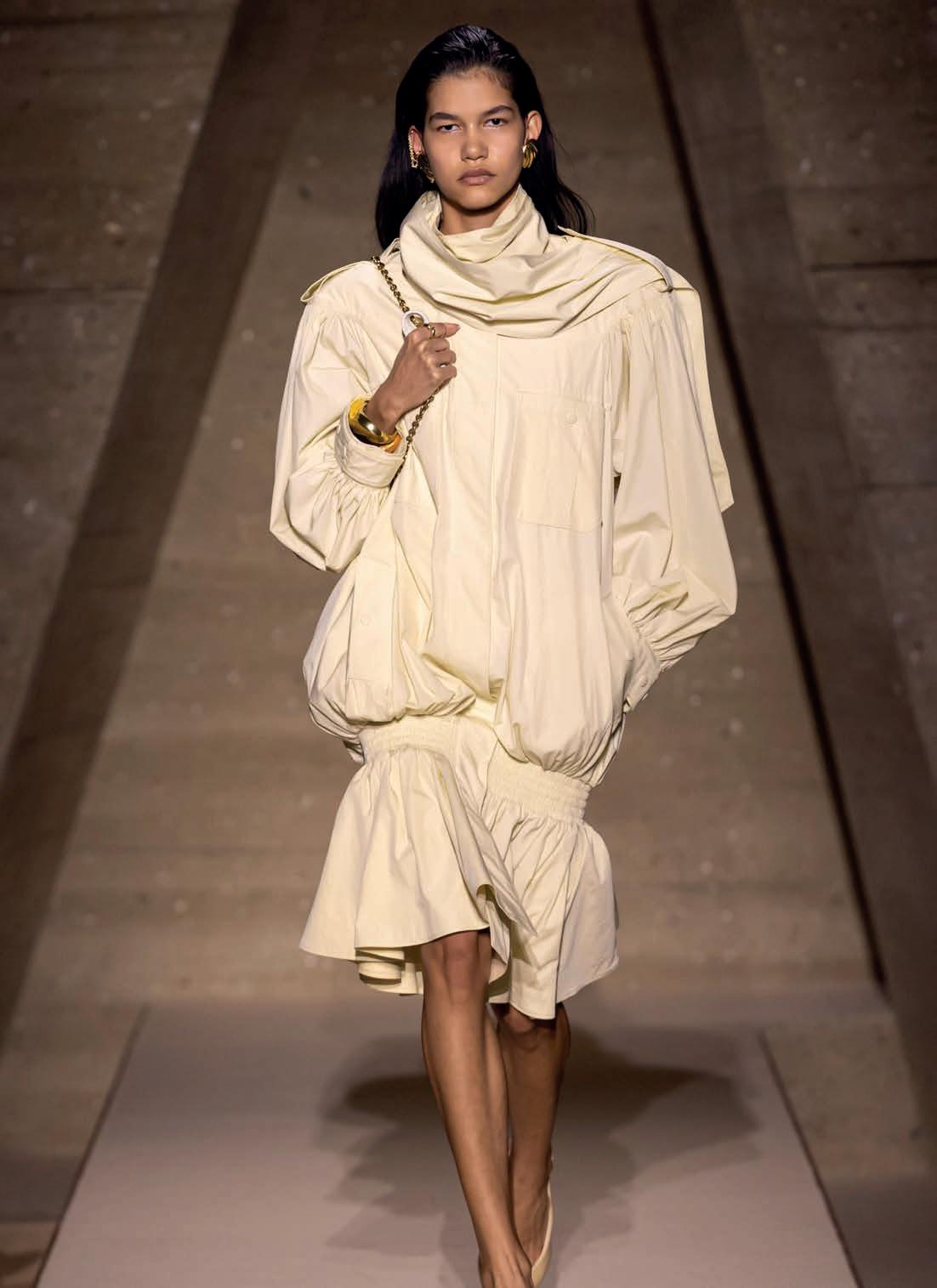
SOFT SHADES
COMPILED BY: CAMILLE MACAWILI
Khaite
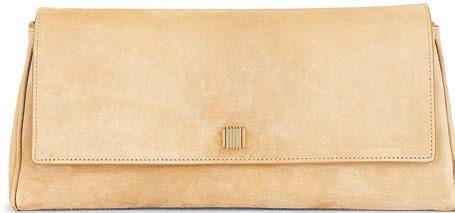
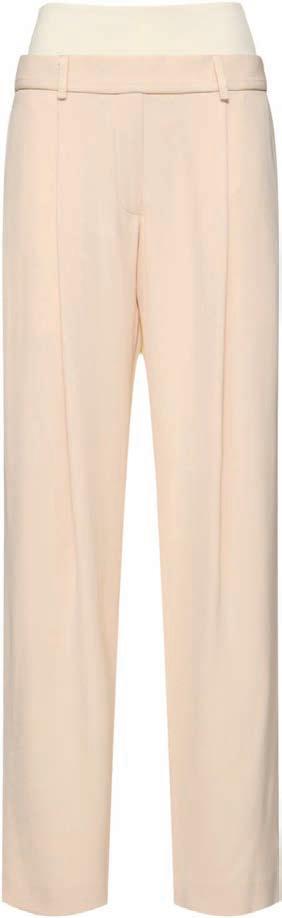
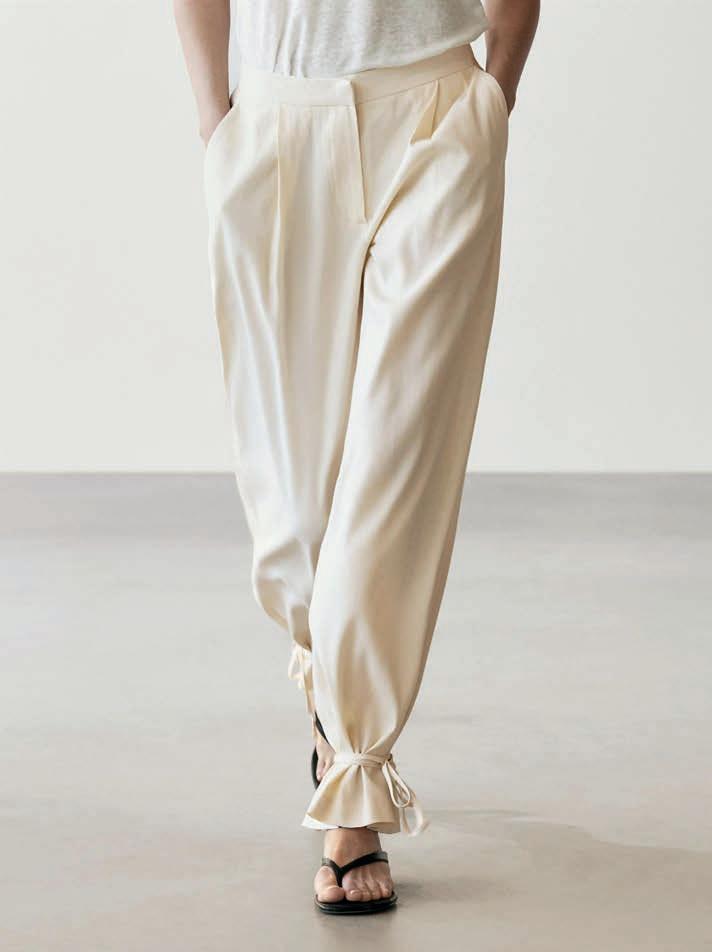
Sommar Duo Trousers Dhs1,147 Esse Studios
Wardrobe.NYC
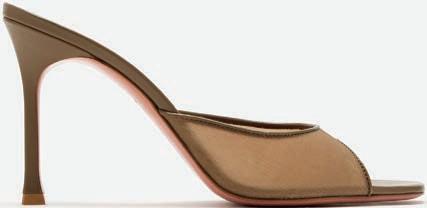
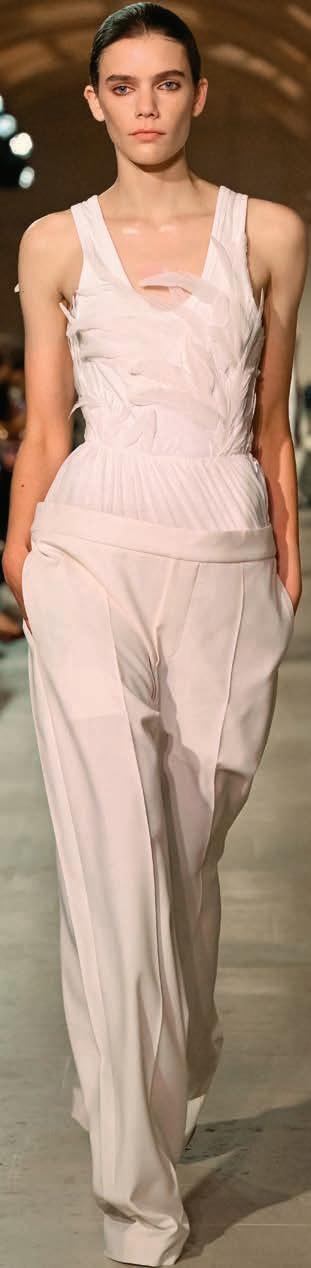
Alexa 95 Mules Dhs3,020
Amina Muaddi
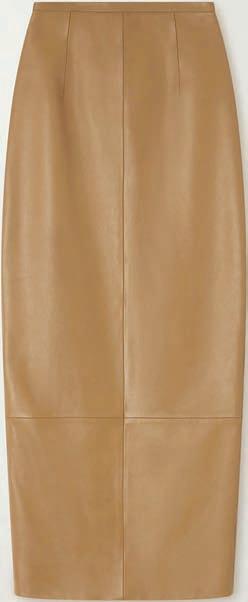
Winton Leather Midi Skirt Dhs18,600 Khaite
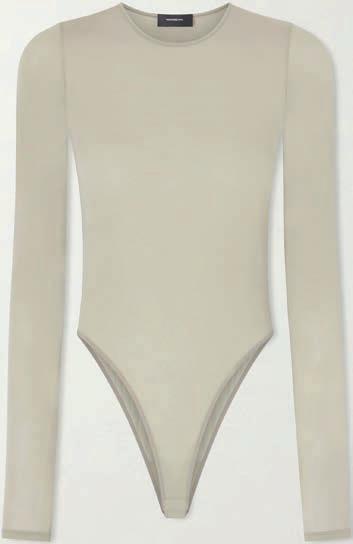
Stretch Bodysuit Dhs1,865
Barrel Trousers Dhs700 Massimo Dutti
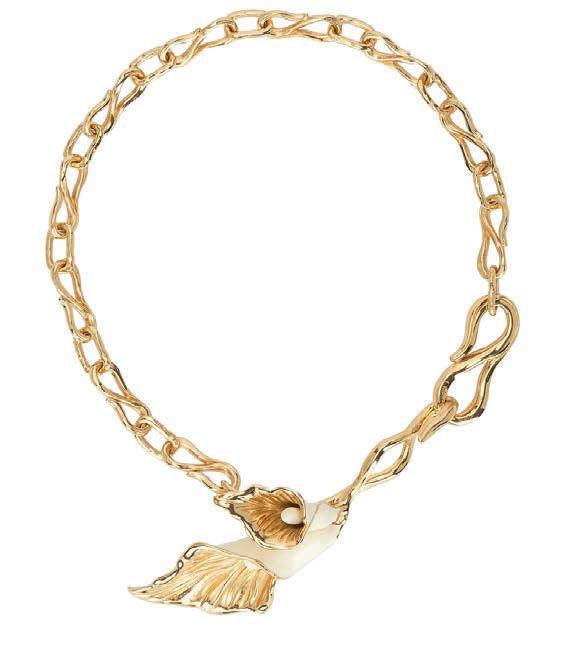
Flower Choker Necklace Dhs4,591 Chloé
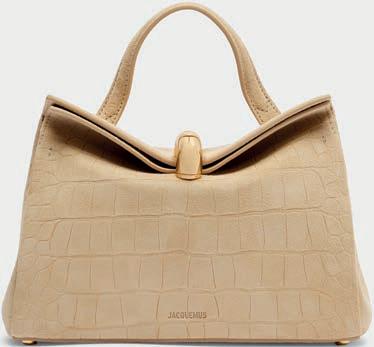
Valérie Small Top Handle Bag Dhs5,126 Jacquemus
Audrey Clutch Dhs8,081
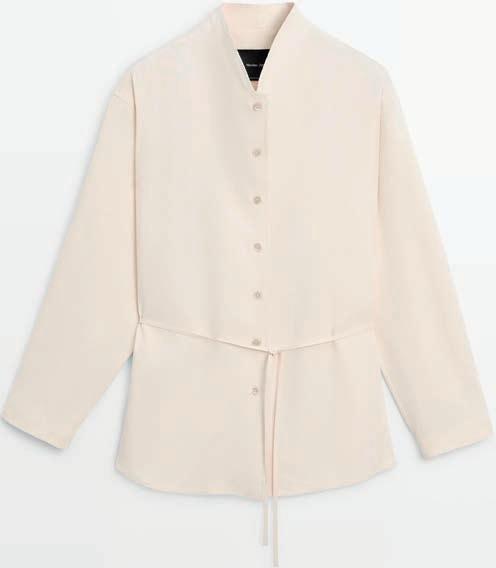
Flowing Collared Overshirt Dhs700
Massimo Dutti
VICTORIA BECKHAM
COMPILED BY:
CAMILLE MACAWILI



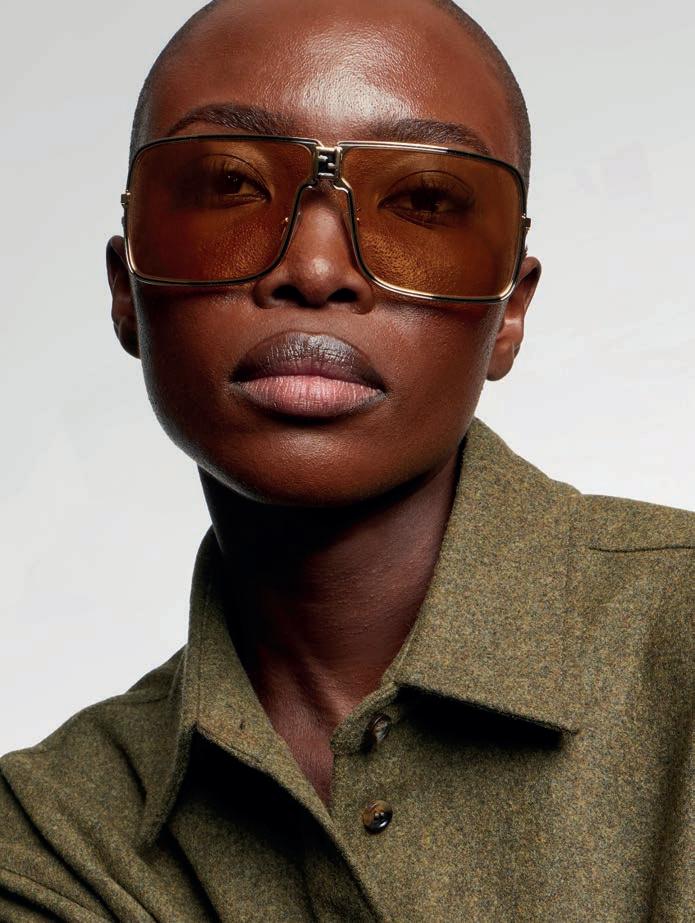
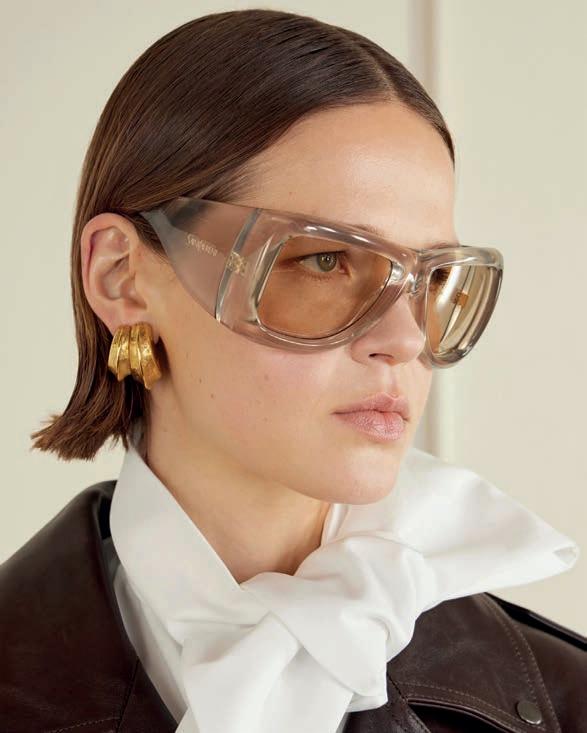
Eyes Up Here
From classic to unconventional, statement sunglasses in multifaceted aesthetics reframe beauty and invite every woman to express her identity
The Aviador Sunglasses Dhs1,690 Jacquemus
Signature Round-Frame Sunglasses Dhs3,515 Cartier
Aviator Sunglasses Dhs2,830 Bottega Veneta
Fendiness Aviator Sunglasses Dhs2,141 Fendi available at Mytheresa

Sunglasses
Dhs2,205
Sunglasses
Dhs2,190 Saint
Laurent



Assen Aviator Sunglasses Dhs4,950
Jacques Marie Mage
Rectangular Frame Sunglasses
Dhs2,020 Celine
Mask Leather and Tortoiseshell
Alaïa; Left page (top left): D-Frame Acetate
Behind the Seams
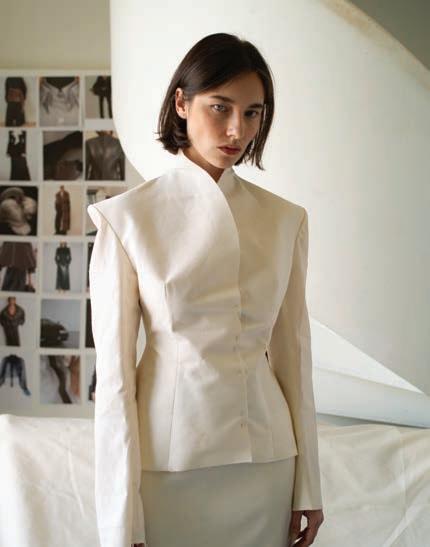
WORDS: CAMILLE MACAWILI
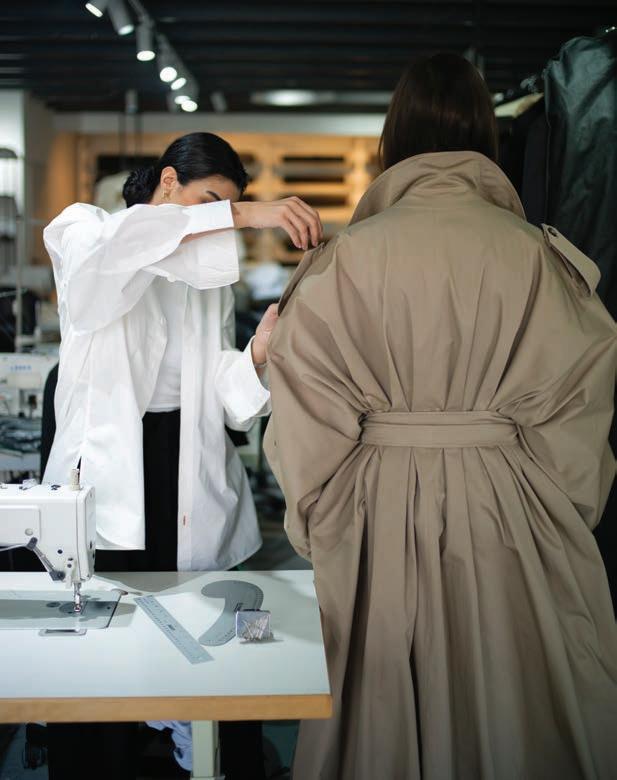
It was a quiet Tuesday afternoon when Fay Ezzat joined the video call from her garden. The atmosphere felt calm, though the air carried a sense of uncertainty as the wider region moves through a period of tension. Yet, Ezzat seemed unfazed – driven and determined to get back into the groove. Ezzat has recently rolled out a refreshed identity for her business, a production studio that has been quietly operating behind-the-scenes in Dubai for about a year. Dressed in an allblack outfit, she talks about L’Atelier and her intention to scale and bring fashion development closer to the designers who need it.

Ezzat’s relationship with fashion began long before L’Atelier took shape. She grew up surrounded by the mechanics of clothing and the instinctive creativity that powers it. Her father was one of the first tailors in Palestine producing jeans before moving into couture bridalwear and today runs a textile company in Spain. Some of his industrial machines now sit inside her Dubai studio, a quiet continuation of that legacy. From her mother came a different kind of education. Ezzat remembers watching her effortlessly assemble outfits and ideas, often taking pieces from her wardrobe and cutting them apart to create something new. That early curiosity formed her understanding of clothing as something that could always be reshaped and reimagined. Over time, working across
design and production gave her a clearer view of how the fashion system operates in the region, and where it often falls short.
The catalyst for L’Atelier came from that experience. Designers across the Middle East frequently struggle with the development stage of building a collection. Sampling may happen locally, fabrics sourced elsewhere, and production completed abroad, creating a fragmented process that can quickly become expensive and disconnected from the original idea. “Many designers come to us with strong concepts,” Ezzat explains. “But moving from the first sketch to a finished garment can feel overwhelming without the right guidance.” L’Atelier was designed to address that gap. The studio functions as a production and development space where designers can shape their collections from the earliest stages, beginning with design refinement and sampling and continuing through fabric sourcing, production, logistics, and imagery.
The goal is to simplify a process that often feels opaque to emerging designers and bring it closer to home. Within one space, brands
Founder Fay Ezzat on building L’Atelier, a Dubai-based production studio supporting designers from concept to garment while pushing the needle in regional fashion development through a distinctly female perspective on creativity and business
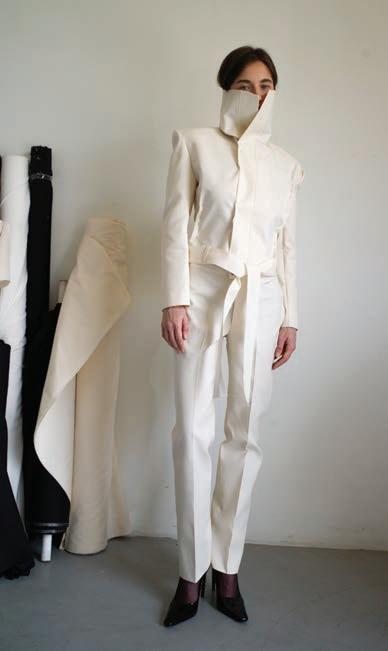
Fay Ezzat, Founder of L’Atelier
can develop garments with close attention to fit, fabrication, and cost, decisions that carry real consequences for a young label. Ezzat sees her role as both creative collaborator and strategic guide, helping designers balance their aesthetic ambitions with practical realities. “Many new brands are concerned about producing too much stock,” she says. “They want to build slowly and avoid the financial pressure that comes with unsold pieces.”
By approaching production in smaller, more considered steps, the studio encourages a workflow that prioritises quality and craftsmanship over speed. Although L’Atelier was created primarily for fashion designers, its expertise has naturally extended into lifestyle and hospitality projects, where the team develops apparel that aligns design with the brand’s function.
Building the business has required Ezzat to step into a different role entirely. Transitioning from designer to entrepreneur meant learning how to manage a growing client base, build a team, and develop systems that keep the studio running efficiently. “One of the biggest challenges was balancing my time between supporting clients and supporting the team,” she says. The responsibility can feel heavy at times, particularly when designers trust the studio with their collections.
Yet that trust has also become one of the most meaningful markers of progress. She shares, “There were many moments when I doubted whether I would be able to continue, but I kept believing in the vision I had from the very beginning. Today, seeing everything slowly come together makes the journey even more meaningful.”
After operating quietly for its first year, L’Atelier is now entering a new chapter with a refreshed identity and plans to expand its services, in tandem with Ezzat’s ambition to introduce a new approach to fashion education that supports the next generation of regional
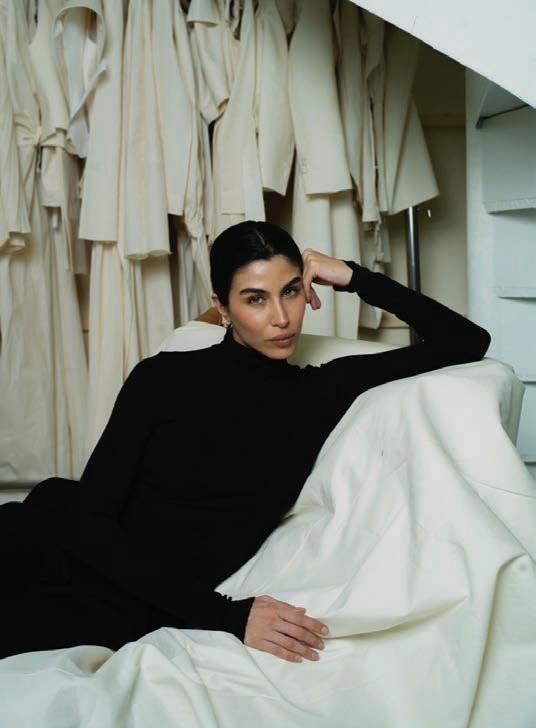
designers. Running the studio has inevitably reshaped her personal relationship with clothing. Long days and constant decision-making can leave little time to give attention to yourself, something she admits she is still learning to balance. “When you start a business, you often forget about yourself,” she says. There were periods when she realised she was rotating the same handful of outfits throughout the week, focused entirely on the work in front of her.
Yet dressing well still matters to her. “There were phases where I was working nonstop, going to work every day, micromanaging everything, and ending up wearing the same five looks repeatedly throughout the week. But at the same time, the image of your company and what you represent is very important. I always try to reflect my company through my personal aesthetic as well, and that brings me back to who I am”, she shares. Personal style remains an extension of the studio she has built, a quiet reminder of the aesthetic clarity that first drew her into fashion. As L’Atelier continues to grow, that connection between creativity, discipline, and self-expression remains at the centre of how she approaches both her work and the way she presents herself.
Right:
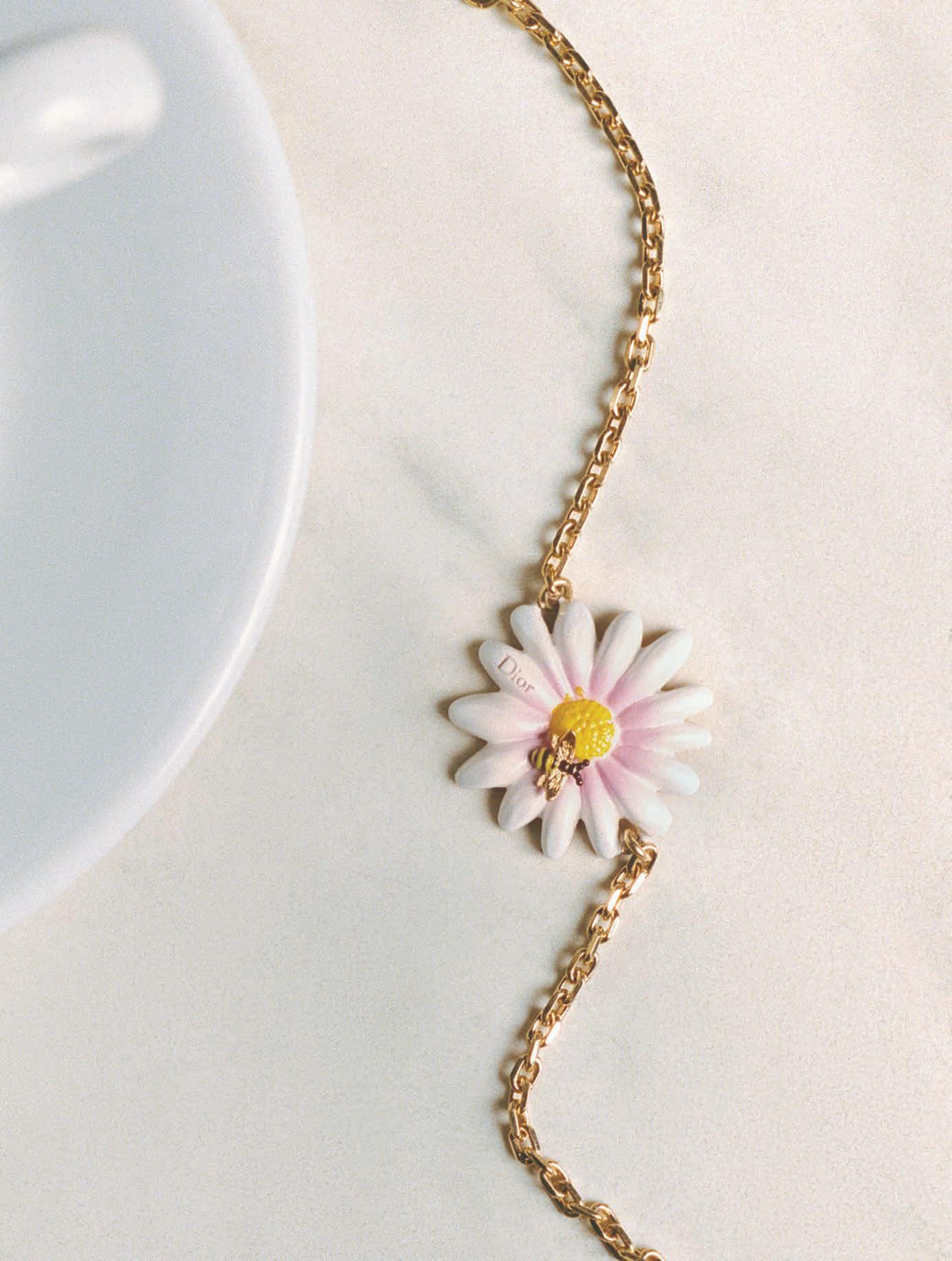
CHAIN REACTION
This season a cheerful sartorial pick-me-up comes courtesy of Dior’s latest collection and its whimsical Daisy jewellery. The pristine white lacquer petals feature a blush of pink and a sunshine centre that harkens the full bloom of spring. The addition of delicate bee adornments only heightens the charm of this jewellery, and is perfectly in keeping with the overall floral heritage of the Parisian fashion house. For those looking for a light-hearted finish to their outfits, these bright blooms certainly do the trick.
MODE
Why not reframe the narrative and…
– Curate a unique perspective
– Discover a new taste for life
– Channel a mysterious mood
– Leverage some soft power
– Get a grip on glamour

PHOTOGRAPHY:
WORDS: CAMILLE MACAWILI
A Curated Eye
LARA JABARA, CO-FOUNDER OF FAME COLLECTIVE, ON BUILDING A CULTURAL PLATFORM AND SPACE WHERE WOMEN’S STORIES LEAD
Across the Middle East, trailblazing female artists and creatives have long shaped the culture and design scene, often without the same level of visibility as their male counterparts. Through craft, image, and design, they have carried memory, identity, and tradition forward, building a visual language that feels both personal and collective. Their work has pushed the idea of the female gaze into something more grounded and selfdefined. What is shifting now is the confidence around it. A new generation is less concerned with fitting into existing systems and more focused on setting its own terms.
At the same time, the audience has changed. People are no longer looking to simply acquire objects. Discerning collectors want to understand them – the story, context, and connection now carry as much weight as the work itself. It has shifted from just pure product acquisition to a participatory culture where the boundaries between exhibition, retail, and cultural space feel less fixed, and the experience around the work matters just as much as the piece. What stays with you is not just what you see, but what it means and who it comes from.
This is where Lara Jabara positions FAME Collective – as a space that reflects how women in the region actually create and connect. Italian-Lebanese, raised between Athens and Beirut and now based in Dubai, Jabara brings
a curated perspective (think Sarah Andelman of Colette) formed throughout her experience in image making and spending much of her life as a fine artist.
“For so long, our stories have been told about us, not by us,” she says. “Our region, rich in culture, heritage, and creativity, deserves so much more recognition. The realisation came gradually through my work and research. I became passionate about bridging the gap between Middle Eastern creatives and the global stage. I was constantly encountering incredibly powerful women artists and designers whose work felt globally relevant, yet they weren’t being presented within international conversations in a meaningful way. Often, their work was framed through a narrow cultural lens or simply overlooked. That absence made me realise there was a real gap, never in talent, but in visibility, context, and representation. This is how FAME was born, a platform that not only showcases and champions female art and design from our region but a space for women to express their authentic selves, connect, and be celebrated,” she explains. That thinking sits at the centre of FAME Collective, the platform she co-founded, which brings together contemporary art, collectible design, jewellery, and fashion under one space.
“We always get that question. I honestly, I love it… So what we say is, we’re the first female collective platform in the MENA region for all things contemporary art, collectible
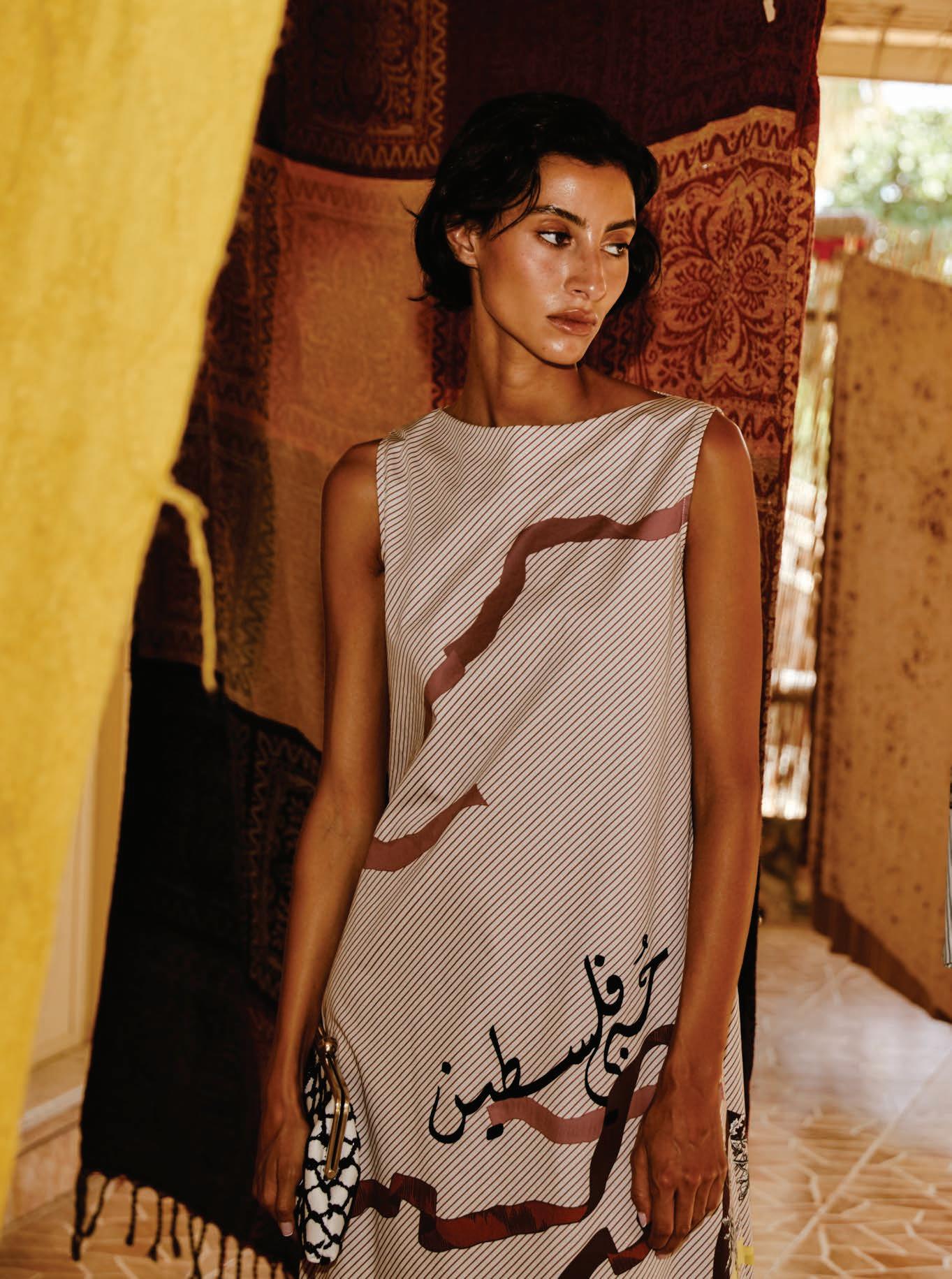
design, fine jewellery and luxury fashion. A hub for women’s creativity in the region,” she says, framing it in the most direct way. But the intention behind it runs deeper. Jabara expands, “By allowing those disciplines to coexist, we create a richer narrative about contemporary creativity from the region. It is through our different creative disciplines, and shared space that fosters women to connect, inspire one another, and build a community that grows and multiplies, which is the true essence of FAME.”
It did not start as a business idea. It started with a gap. “After university, we just wanted to host an exhibition in Athens for female Arab art,” she says. “When we did that event, I looked around and thought, ‘Why isn’t this a thing? Why doesn’t this exist?’” That question stayed, and eventually turned into a platform that gives women from the region space to show their work on their own terms. It’s not about breaking stereotypes for the sake of it, it’s about owning our narrative and celebrating
“JEWELLERY CAN BE SCULPTURE, TEXTILES CAN BE STORYTELLING, OBJECTS CAN BE ARCHIVE”
the depth of our culture in a modern, unapologetic way. “It’s an online platform, and we do curated pop-ups, collaborations and events throughout the year. Because we have many different disciplines – contemporary art, collectible design, fashion – it gives us the freedom and flexibility to do different things and connect to different women.”
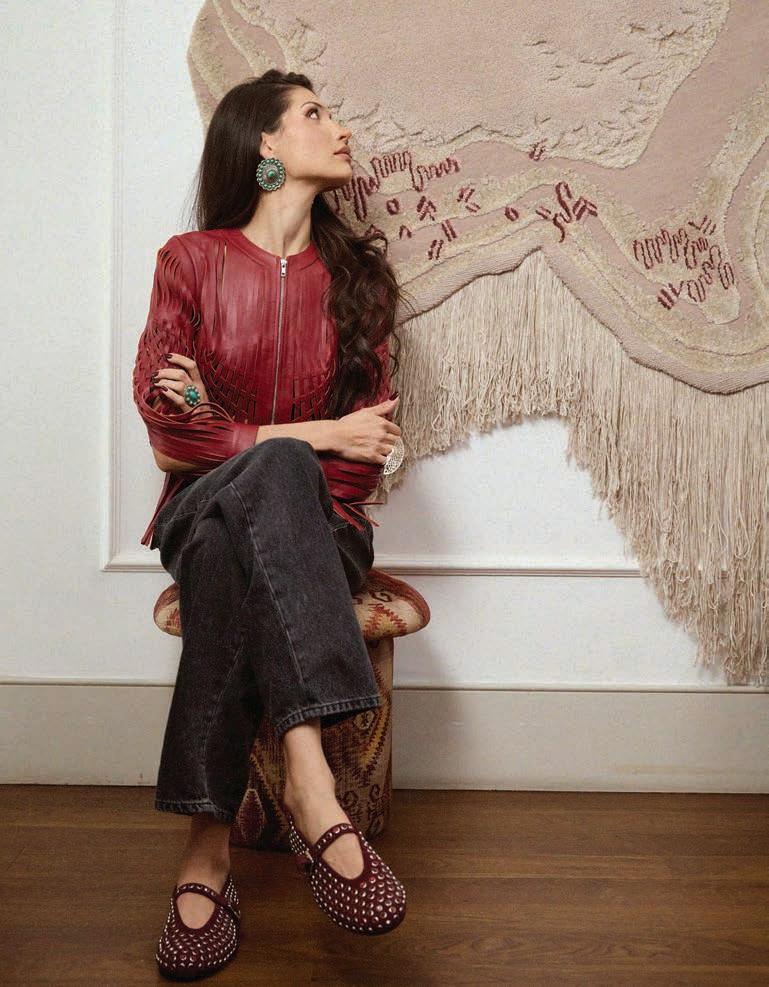
Lara Jabara, co-founder of FAME Collective
The latest pop-up, a ladies’ majlis, was held in March at Arts Club Dubai. Jabara shares, “We had a panel talk with Nada Debs, Bokja, and Carla Baz, who are, you know, female pillars in design for the region.” For her, it is the ecosystem that truly sets the collective apart. It is as much about discovering new works as it is about exchanging perspectives with the community. She adds, “My favourite thing whenever we host pop-ups or events is the energy in the room. It’s women coming together, it’s collaborative, it’s all about community. I want it to be an experience so we created a space where we teach our audience the story behind the piece, behind the designer, behind the artist.”
At its core, the female gaze here is not about how something looks. It is about who is speaking. “When women speak through their own work, whether through jewellery, objects, or art, they bring nuance, intimacy, and complexity that can’t be replicated from the outside,” she says. You do not need a background in art to understand it. You just need to see that the work comes from a real place.
Jabara’s experience as a creative director shapes how she builds that connectivity. “My background in creative direction trained me to think in narratives and systems rather than isolated objects,” she says. “I’m always interested in how a piece lives beyond itself, what story it carries, how it communicates identity, and
how it sits within a broader cultural conversation.” It is a way of working that makes every piece feel considered, not random.
That becomes more meaningful when exploring where the work comes from. “Embroidery, patterns, and fabrics often reflect a region, tribe, or tradition, carrying techniques and meanings passed down through generations,” she says. “Each garment tells a story about the people and cultures that created it.” For Jabara, showing that properly matters. “They hold the memory of communities and craftsmanship, and honouring them means keeping those stories alive.”
The collective moves across disciplines because the work itself does. “Jewellery can be sculpture, textiles can be storytelling, objects can be archives,” she says. Bringing them
together allows you to see the full picture, rather than fragments.
When it comes to choosing who to work with, Jabara’s approach stays instinctive. “I always look for artists who are telling their own unique story,” she explains. “Authenticity is the most important thing. People can feel that.” It keeps the focus on honesty rather than trends. “Many of the artists we work with are navigating layered identities, diasporic experiences, family traditions, political histories, and contemporary life. When those elements appear in their work, they create pieces that are both deeply personal and universally relatable to women everywhere. When women create from this place of authenticity, their work becomes more than an object or artwork, it becomes a narrative. These stories allow others to see the region through a more nuanced lens that reveals the richness, diversity, and complexity of women’s lives and creative voices. In doing so, they not only preserve cultural memory but also reshape how the region is understood, both from within and from the outside.”
Beyond the work, the community sits at the centre of everything. “Building female community isn’t just something that FAME collective does, it’s truly the backbone of who it is,” she says. The goal is to create a space where women can support each other, share ideas, and grow, both creatively and professionally. That carries into how people experience it.
“We like to have our designers or artists there so it’s not transactional,” she says. “It’s about getting to know the artist and the piece before you buy it.” The connection comes first, the purchase comes after. “Creation by women is how history was passed down to me – through my grandmother, through art, through cooking, through music, through any form of creation,” she says. Today, she works closely with her mother Christiana, an art curator, and that relationship continues to shape the platform. “It’s expanded how we can connect to so many different women because it’s two eyes, two generations, two different tastes.” Looking ahead, her focus stays open. “Long term, I see FAME evolving into a cultural ecosystem,” she says. “A space for exchange between regions and disciplines.” For now, the aim is simple: to keep building something where women can show up as they are.
Maria Galabova, the founder Keto Kartel, is building a brand on her own terms. One that is focused on a feel-good food built for health, longevity and, by extension, a new language of wellness
WORDS: JESSICA MICHAULT
PHOTOGRAPHER: KOSTADIN KRASTEV
A RECIPE FOR SUCCESS
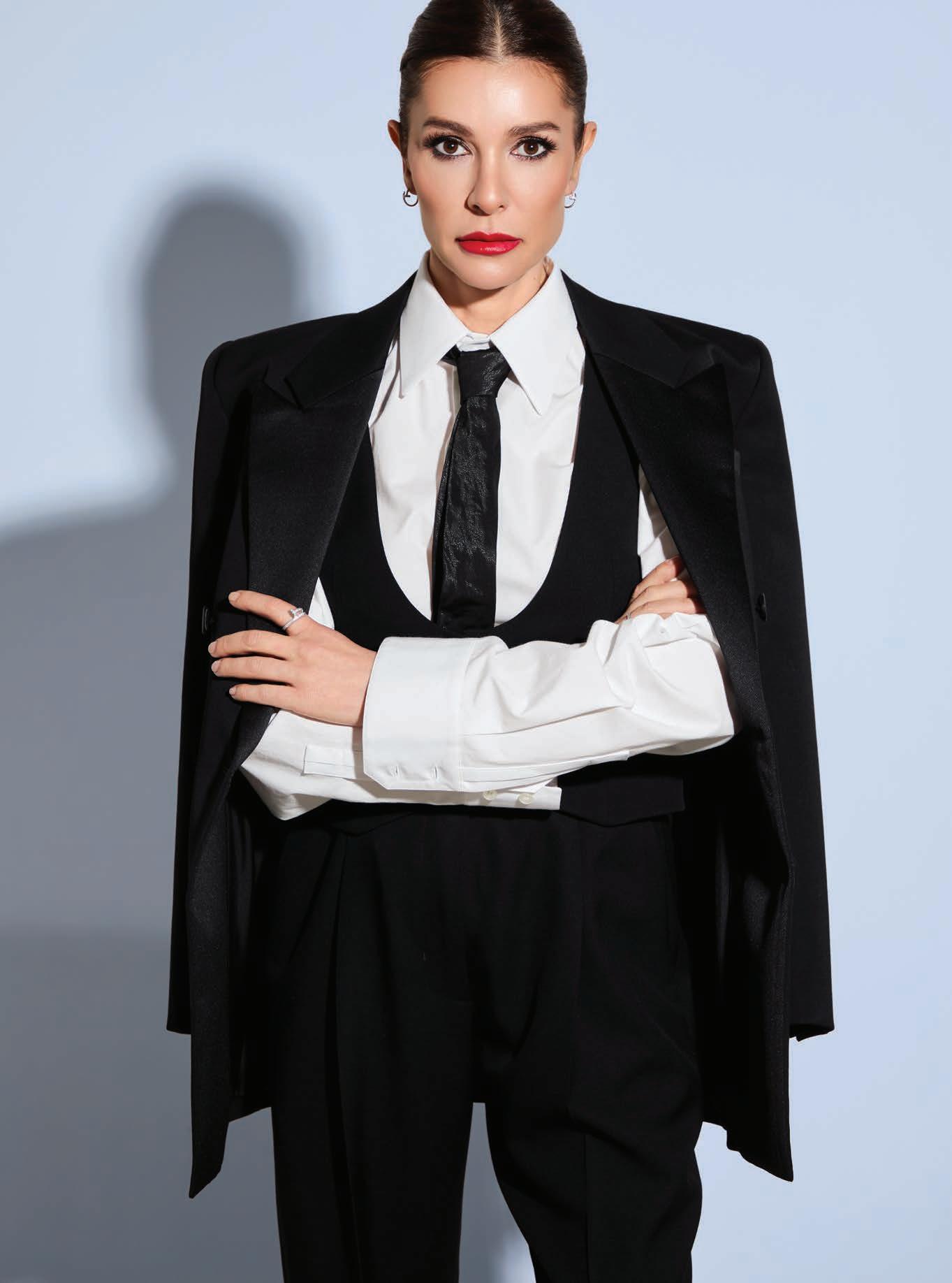
Outfit: Tom Ford; Jewellery: Talent’s own
This page: Outfit:
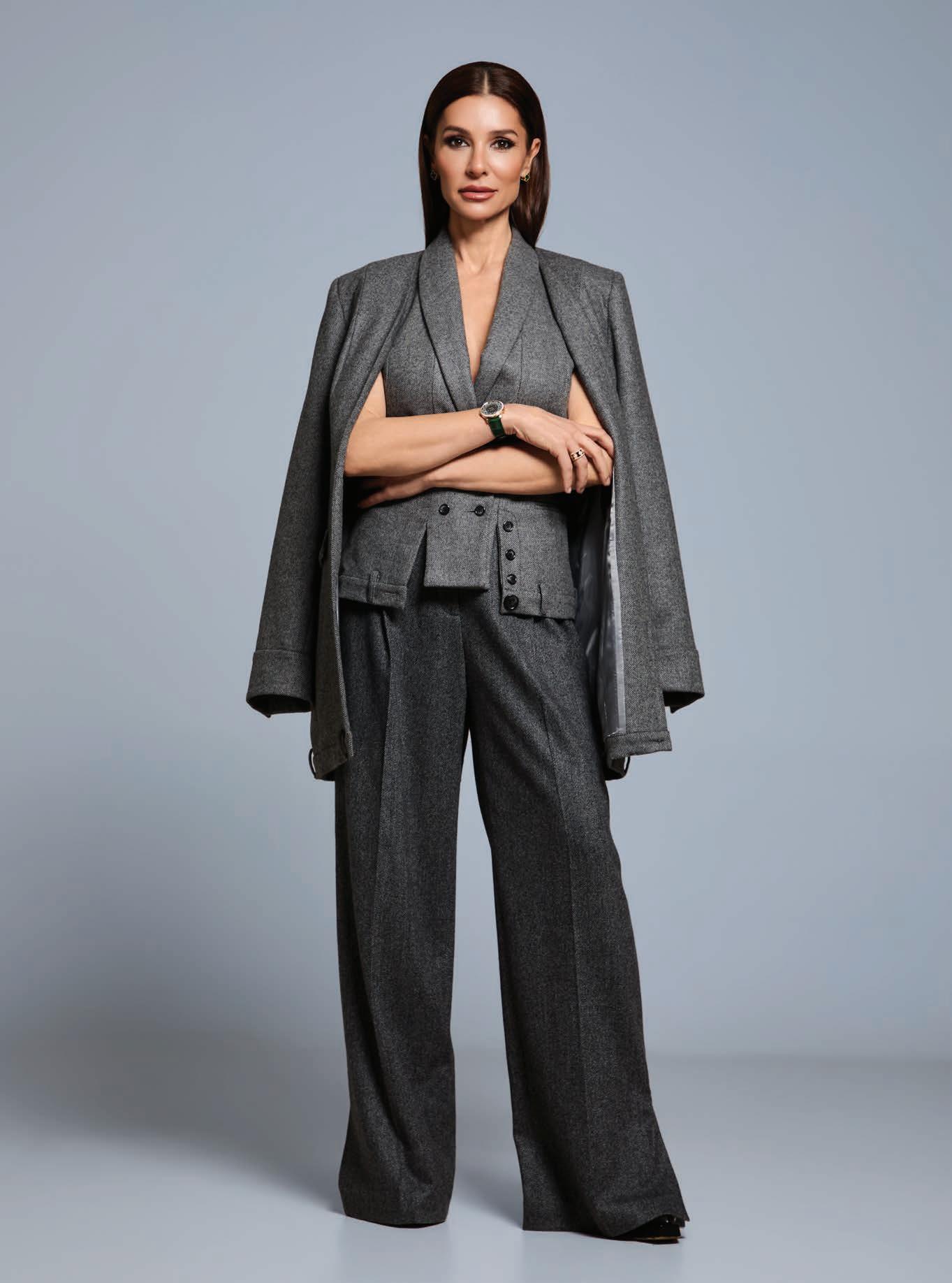
Other Theory; Jewellery: Talent’s own; Right page: Outfit: Hristakiev; Jewellery: Talent’s own
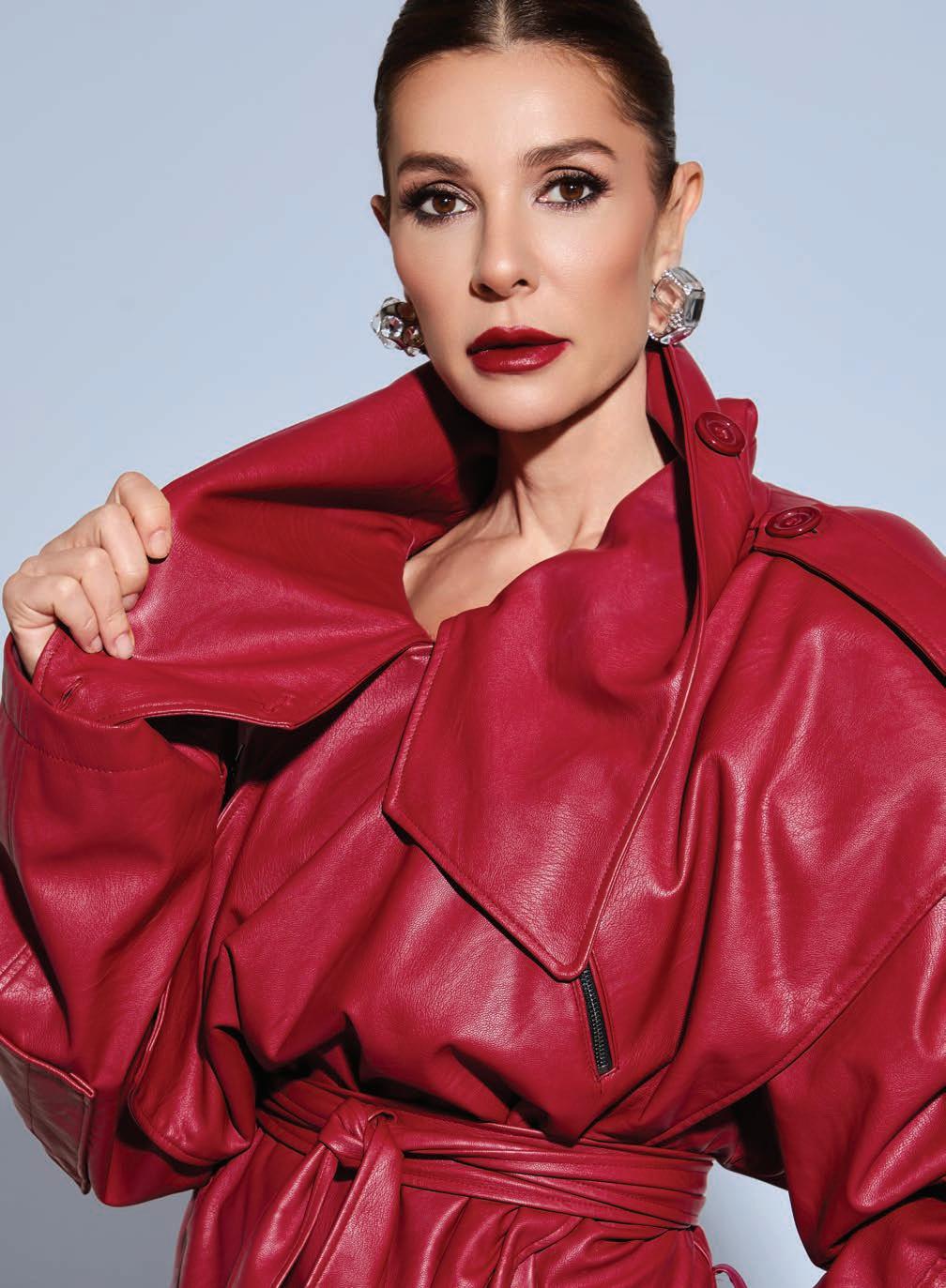
The epiphany was personal. Maria Galabova, the founder of Dubai-based food brand Keto Kartel, had it at the kitchen table watching her husband spend years struggling with his weight. Then he adopted a keto diet and proceeded to lose twenty kilograms. It was, she says, a revelation. “It was that ‘big wow’ moment – the kind of huge inspiration where you start visualising success, seeing things clearly, and making plans with no hesitation. It all made sense at once.”
The story of what came next is, on one level, a story about food. About croissants made without the refined flour that spikes blood sugar. About recipes that took years of development and personal testing before a single product reached a shelf. About a keto lifestyle translated from something her family practised privately into something Galabova believed the wider world needed access to. But underneath all that, it is something else: the story of a woman who decided she had a mission – and has pursued it with the kind of single-minded intensity that leaves very little room for doubt.
Galabova was born in Bulgaria and raised with particular insights around health and longevity. “I come from a family of doctors,” she explains, “so there was always that awareness.” She studied politics, sociology, and law – a formation that gave her both analytical rigour and a deep understanding of human behaviour, qualities that would shape how she thought about branding, community, and the psychology of food. She has lived in Dubai since 2016, raising three children – Kiril, now eighteen, Victoria, ten, and Nikoleta, five – in a city she describes as having given her something essential. “Dubai is fast, but it’s also very open to new concepts – people are willing to try, and the market is ready,” she says. “Dubai gave me the space, but I built the journey. And if I had to start again, I would choose it all over again.”
Keto Kartel was not created out of frustration or desperation. Galabova is clear about this distinction, and it matters. The wellness industry is full of brands that began with a founder’s personal struggle – a crisis translated into a product. But this founder’s origin story is different: it began with wonder, with watching something work, and wanting to share it. “We started working closely with our chef, creating recipes that were genuinely tasty – not just alternatives, but food you truly enjoy,” she recalls. “We were simply looking for better, healthier choices for ourselves. And what started at home naturally became something we wanted to share with others.”
What they shared, when they were finally ready, was the product of more than five years of development. In an era of launch-fast-iterate-later startup culture, this is a strikingly long runway. “Credibility is everything,” Galabova states matter-offactly. “We tested everything on ourselves before offering it to others. That’s what makes us trustworthy – we lived the experience, and now we’re sharing it.”
The distinction between diet brand and lifestyle brand is one she makes repeatedly and with feeling. In a market brimming with programmes, protocols, and before-and-after narratives, Keto Kartel has been deliberate about the language it uses and the promises it makes – or refuses to make. “We’re not a diet brand – we’re a lifestyle,” she explains. “And that’s what turned
Keto Kartel into something bigger, almost like a movement, built on trust with our customers.” The industry’s tendency to treat the female body as a problem to be solved is something she pushes back against with particular directness. “Our message is simple: we don’t change how people look, we change how people feel.”
Building that trust has not always been straightforward. The food and beverage industry remains, in many of its corners, a maledominated environment – and Galabova is candid about what it has required to be taken seriously within it. “Building trust as a woman in business, especially in the F&B space, is not always easy, and there is a certain pressure that comes with it,” she acknowledges. Her response to that pressure has been very pragmatic: not to argue her way into rooms, but to make the argument unnecessary. “What I did instead of proving myself through words, I focused on consistency and results. In a way, those challenges became a strength.”
That strength is most visible in the philosophical framework she has built around the brand’s relationship to women’s bodies and women’s health. “There is a big difference between shaming bodies and taking care of them,” she says. “We’re not here to criticise – we’re here to support women and men. It’s about health, longevity, and energy, not size or weight. It’s about feeling better in your body, having the energy to live your life.”
The wellness industry has spent decades building on insecurity on the premise that a woman’s body is, by default, a problem requiring a solution. Galabova built Keto Kartel on the opposite premise, and she was intentional about it from the start. “We don’t use language like ‘fix it’ or ‘change that.’ Our philosophy is different – it’s about awareness, taking care of yourself, and feeling secure in your own body.” This issue is built around the
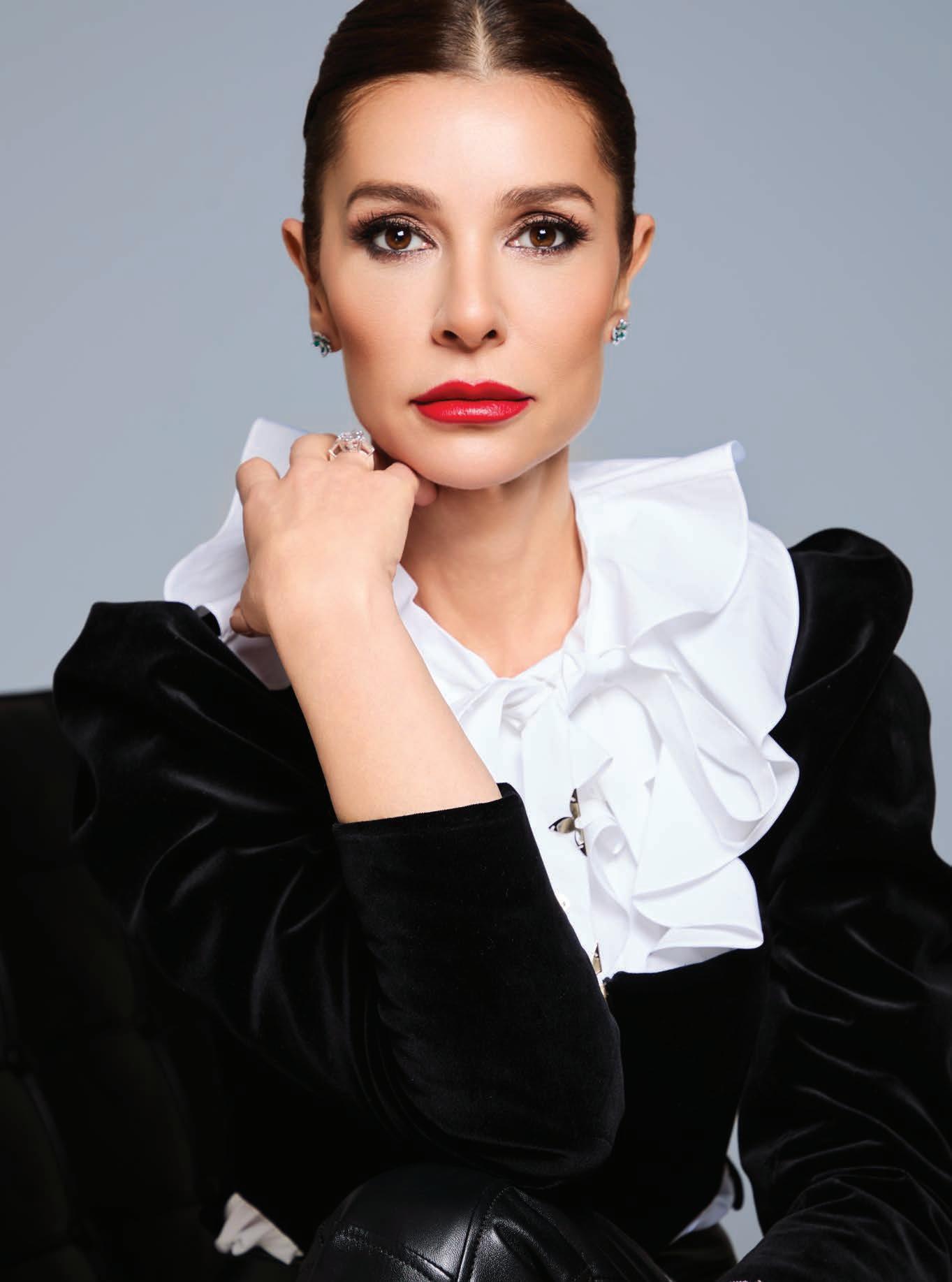
Outfit: Jacket, Dior; Shirt, Louis Vuitton; Jewellery: Talent’s own
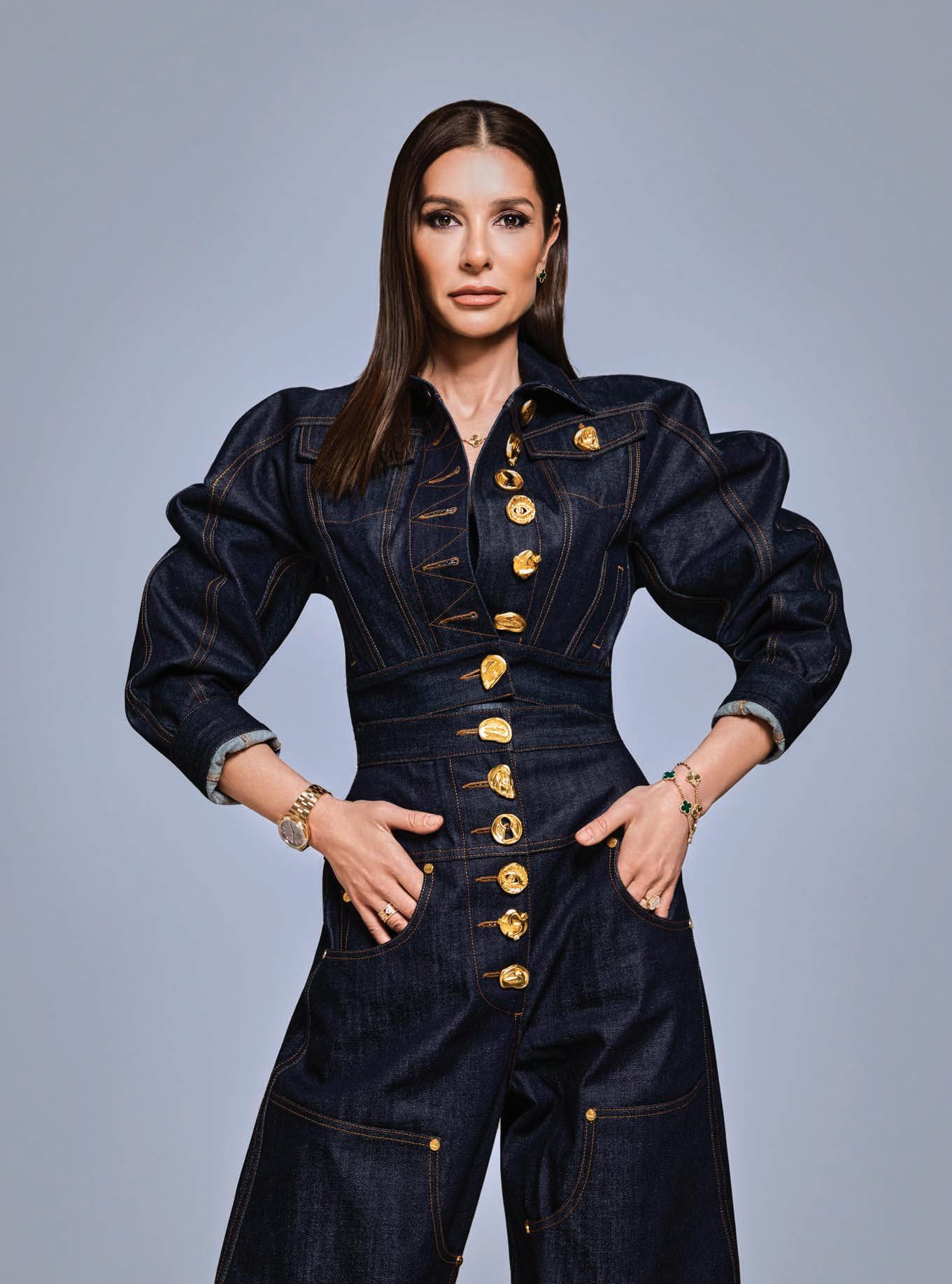
Outfit: Schiaparelli; Jewellery: Talent’s own
“BEING A WOMAN, A MOTHER, A DAUGHTER, AND A WIFE SHAPED THE WAY I APPROACH BUSINESS. IT GAVE ME A DIFFERENT KIND OF STRENGTH – ATTENTION TO DETAIL, CARE, AND A DEEPER SENSE OF RESPONSIBILITY THAT PEOPLE CAN FEEL AND RELATE TO. I BELIEVE THAT’S THE CORE OF REAL SUCCESS.”
idea of seeing the world on your own terms rather than performing for someone else’s lens.“What I built is a brand that reflects real life, not something designed to please people,” she says. “I’m not trying to meet expectations or follow trends. Everything is built on authenticity and real experience.” When she looks at the community that has gathered around Keto Kartel, she sees evidence of what she believes women are genuinely looking for right now. “I see women who want balance, not pressure. They want to feel good, not be perfect. Strict diets are no longer the answer.”
One of the most striking things Galabova says has to do with the relationship between food and emotion. It has been the biggest lesson that building Keto Kartel has taught her, and it lands with the weight of something genuinely discovered. “Creating Keto Kartel, I learned about the strong connection between food and emotion. I knew it exists, but I didn’t know that it was that strong. Did you know that when we lack love, we crave sugar? Or that when we feel afraid, we crave salt? And that spices are connected to the feeling of sadness? Eating is emotional.” It reframes everything else she has said: the brand’s refusal to shame, its insistence on enjoyment, its focus on how people feel rather than how they look. All of it, seen through this profound understanding, is not just good branding. It is a clear comprehension of what food actually means to people.
Being a female founder has also given Galabova something she did not entirely anticipate. “Being a woman, a mother, a daughter, and a wife shaped the way I approach business. It gave me a different kind of strength – attention to detail, care, and a deeper sense of responsibility that people can feel and relate to,” she shares. Her leadership style she describes as both personally hers and distinctly shaped by gender: detail-oriented, hands-on, intuitive, grounded
in the capacity to hold multiple roles simultaneously. She built her own blueprint, she says, because there was no template she wanted to follow. “I believe that’s the core of real success.”
So what does success look like for Galabova? She plans on expanding Keto Kartel both regionally and internationally, and she wants it to become, in time, a global reference point – not just for food, but for lifestyle. “Growth is not just about scale, it’s about impact,” she says. “It’s about how many lives we can reach and improve. We have a clear vision, but we stay grounded in how we grow. In the end, it’s about building something that expands with purpose and becomes a true reference in the industry.” But fundamentally, for Galabova, the ideal of success looks different now than it did when she launched her brand. Early on it was about growth, recognition, proving the concept. Now it is something quieter and more durable. “Today, success means sustainability, stability, and real values. It’s not just about building a business anymore – it’s about building a community, changing lives, and creating something long-term that aligns with longevity.” When she talks about belonging, the word she reaches for is alignment. “I feel I belong in what I’ve built – it reflects who I am, how I think, and how I live. It’s fully aligned with my values and my vision of life. Beyond business, belonging is my family. It’s my role as a mother and a wife, and the balance I try to create around it. That’s where I feel grounded.”
Clearly Galabova is a woman who refuses to do things halfway. “When I believe in something, I’m fully devoted. It’s either you give everything, or you don’t reach the level of success you’re aiming for.” Coming from someone who spent five years perfecting a croissant before she would put it in front of a customer, the future of Keto Kartel is looking very secure.
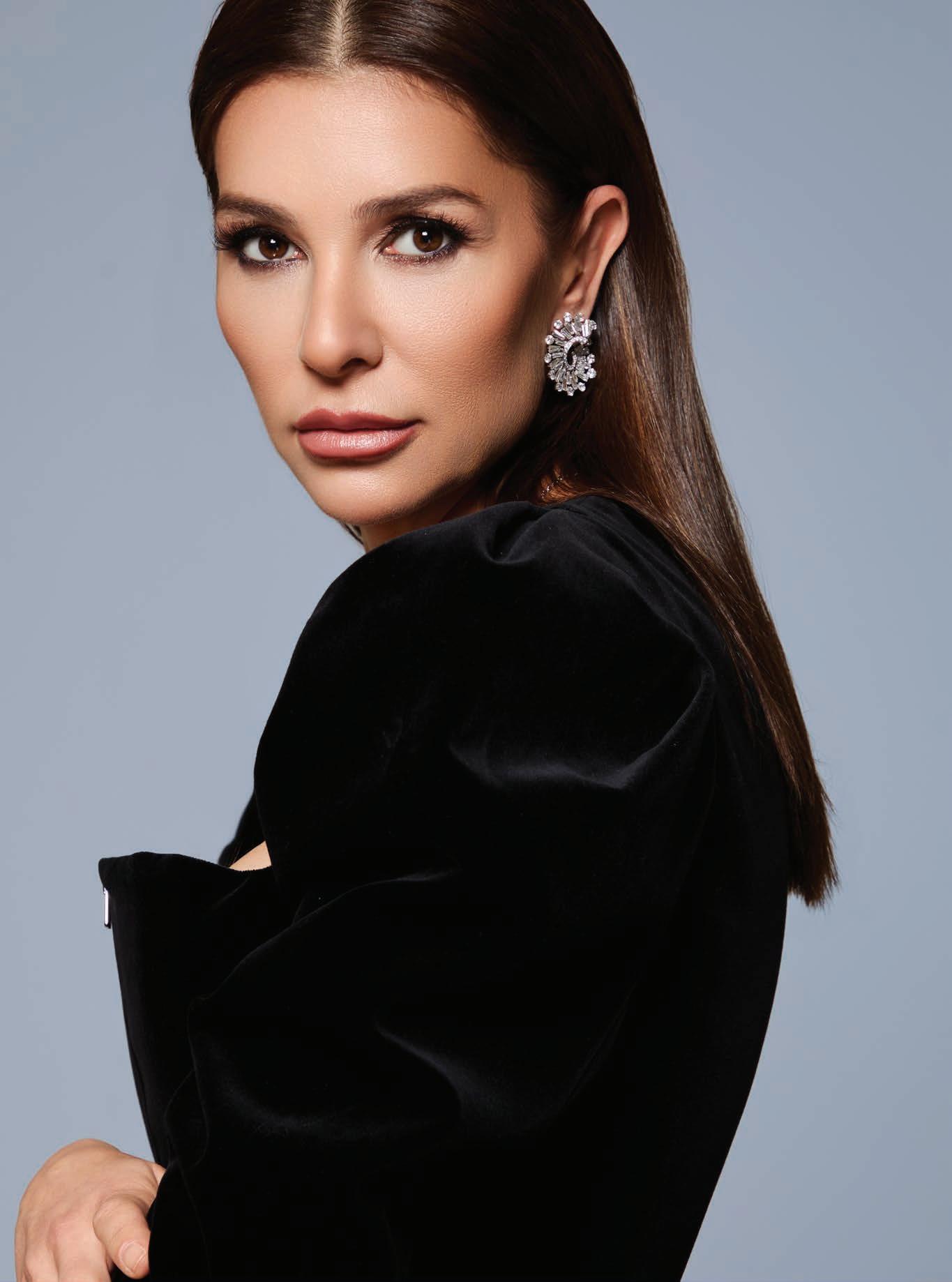
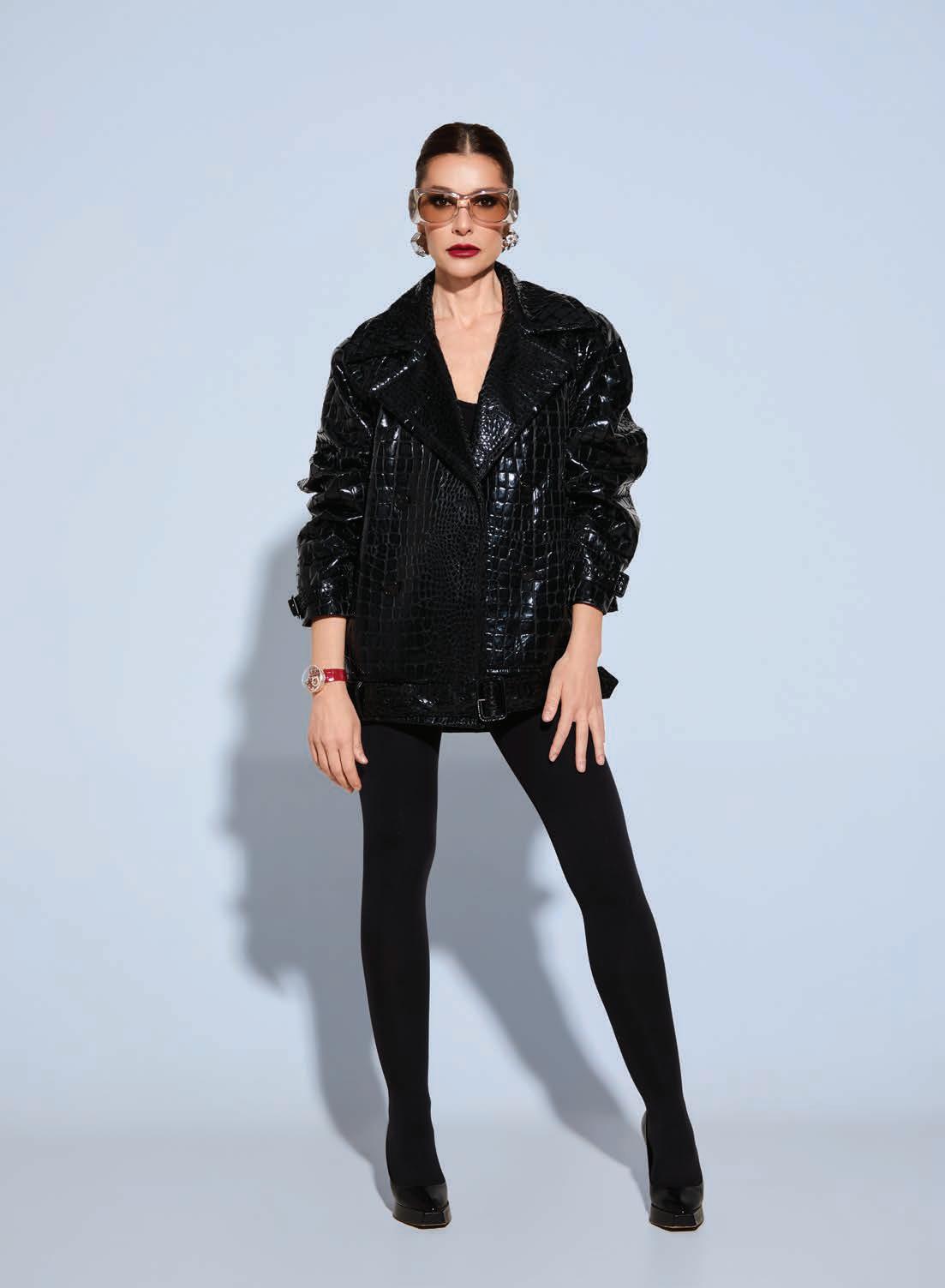
Talent: Maria Galabova Hair: Martin Bonev Makeup: Kiril Chalakov
Left page: Outfit: Jacket, Dior; Jewellery: Talent’s own; This page: Outfit: Saint Laurent; Jewellery & Accessories: Talent’s own
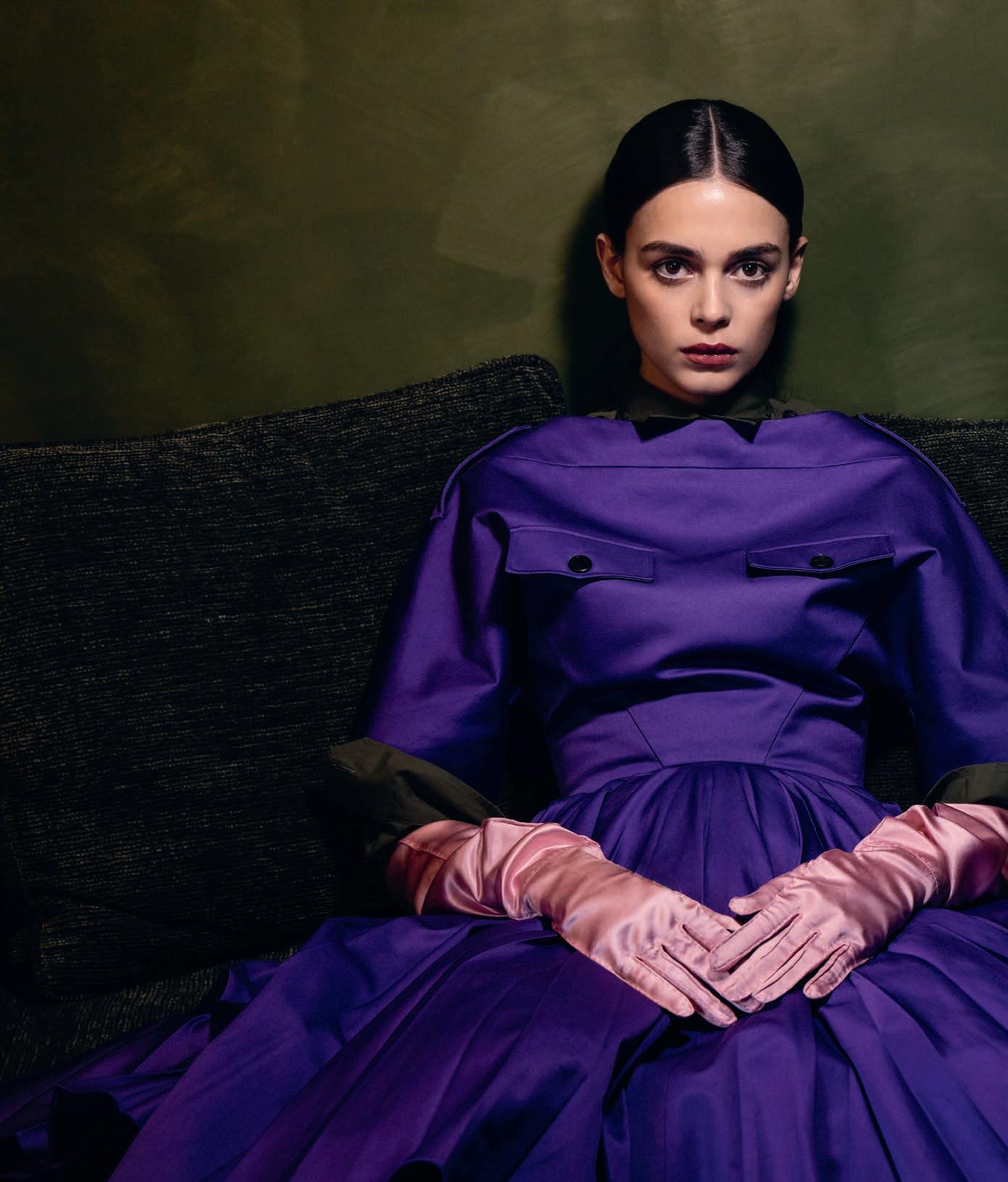
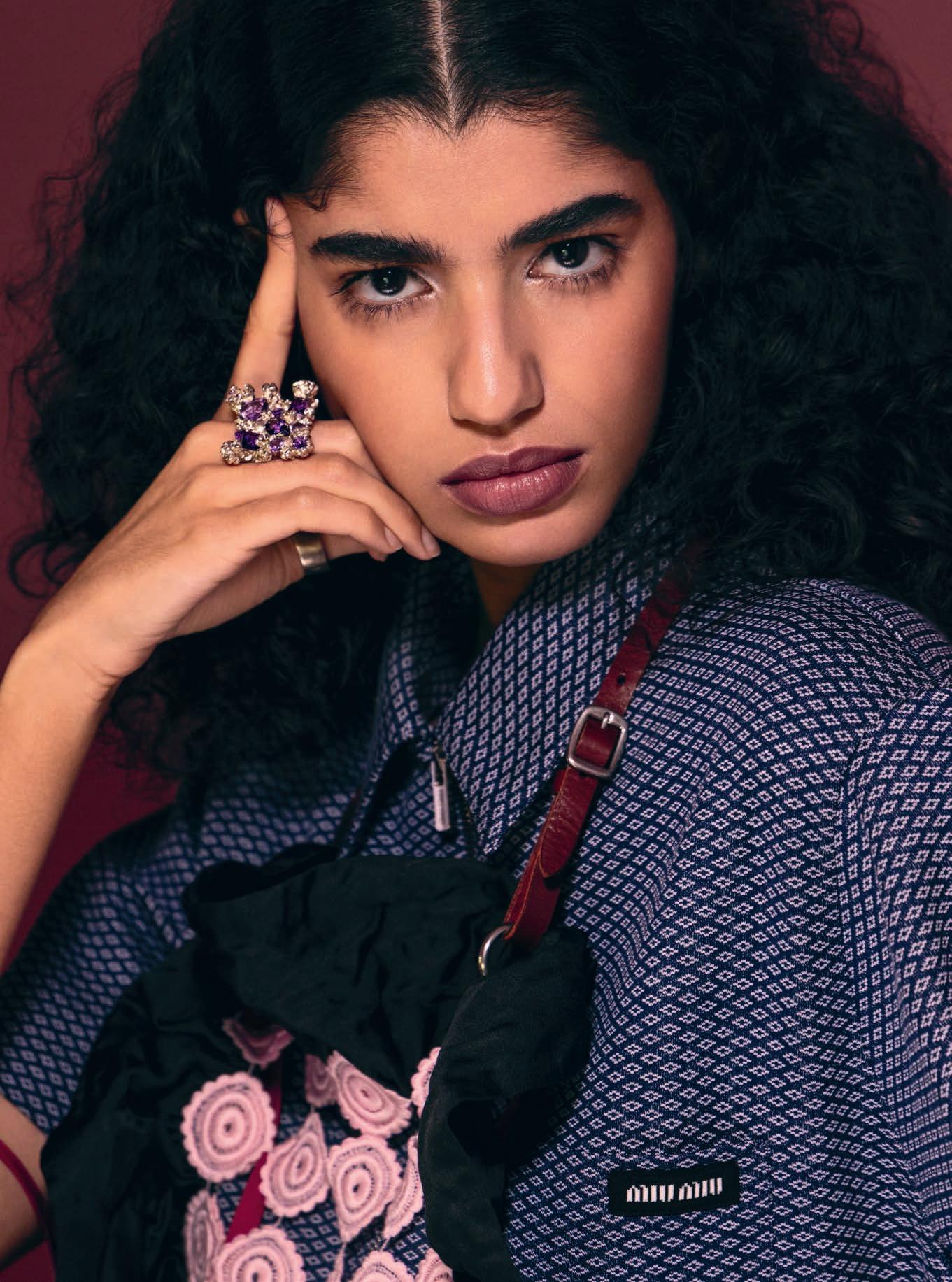
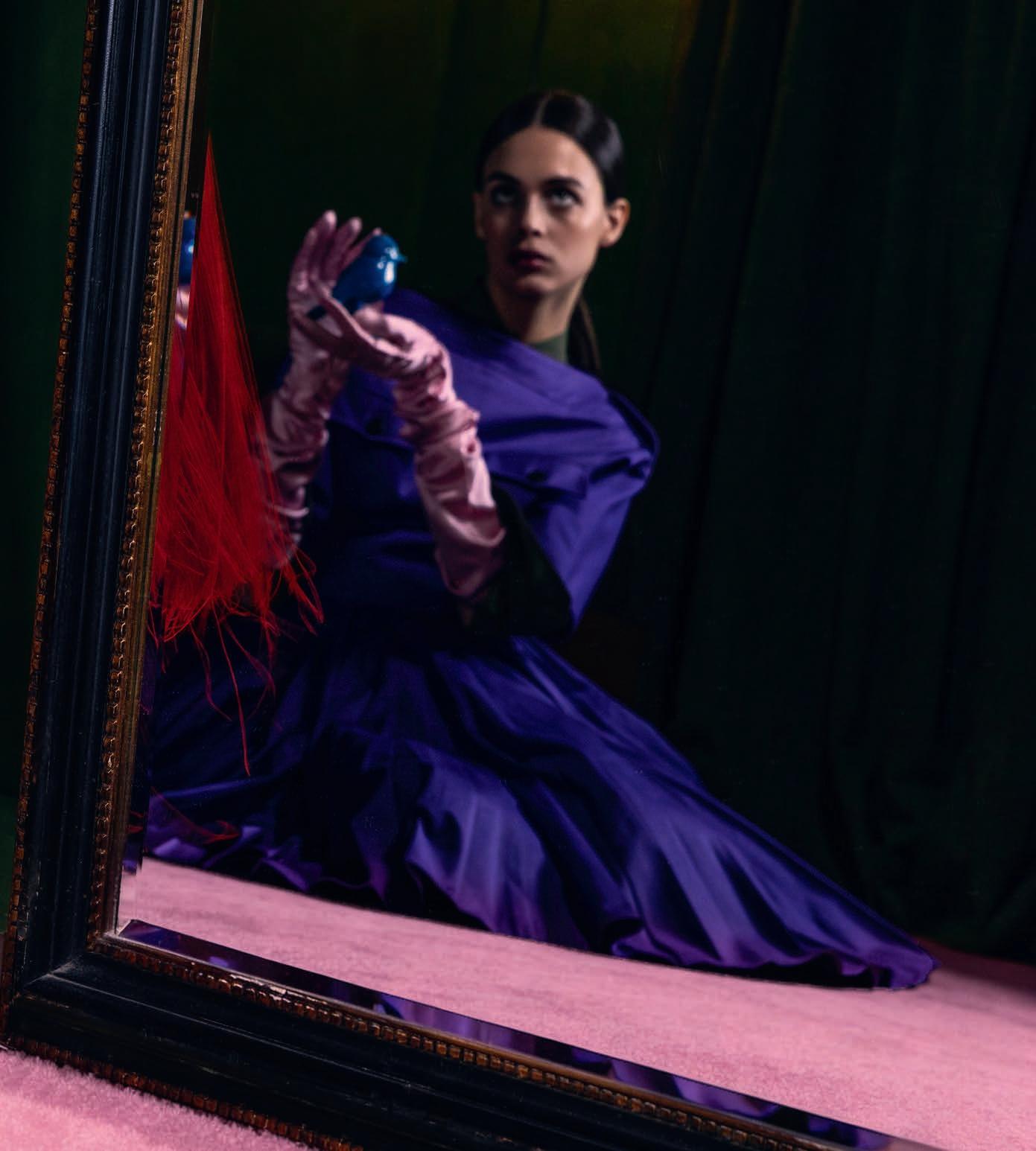
LE REGARD FÉMININ
THE CAMERA DOESN’T JUST CAPTURE – IT LISTENS, LINGERS, AND LETS HER DEFINE THE FRAME
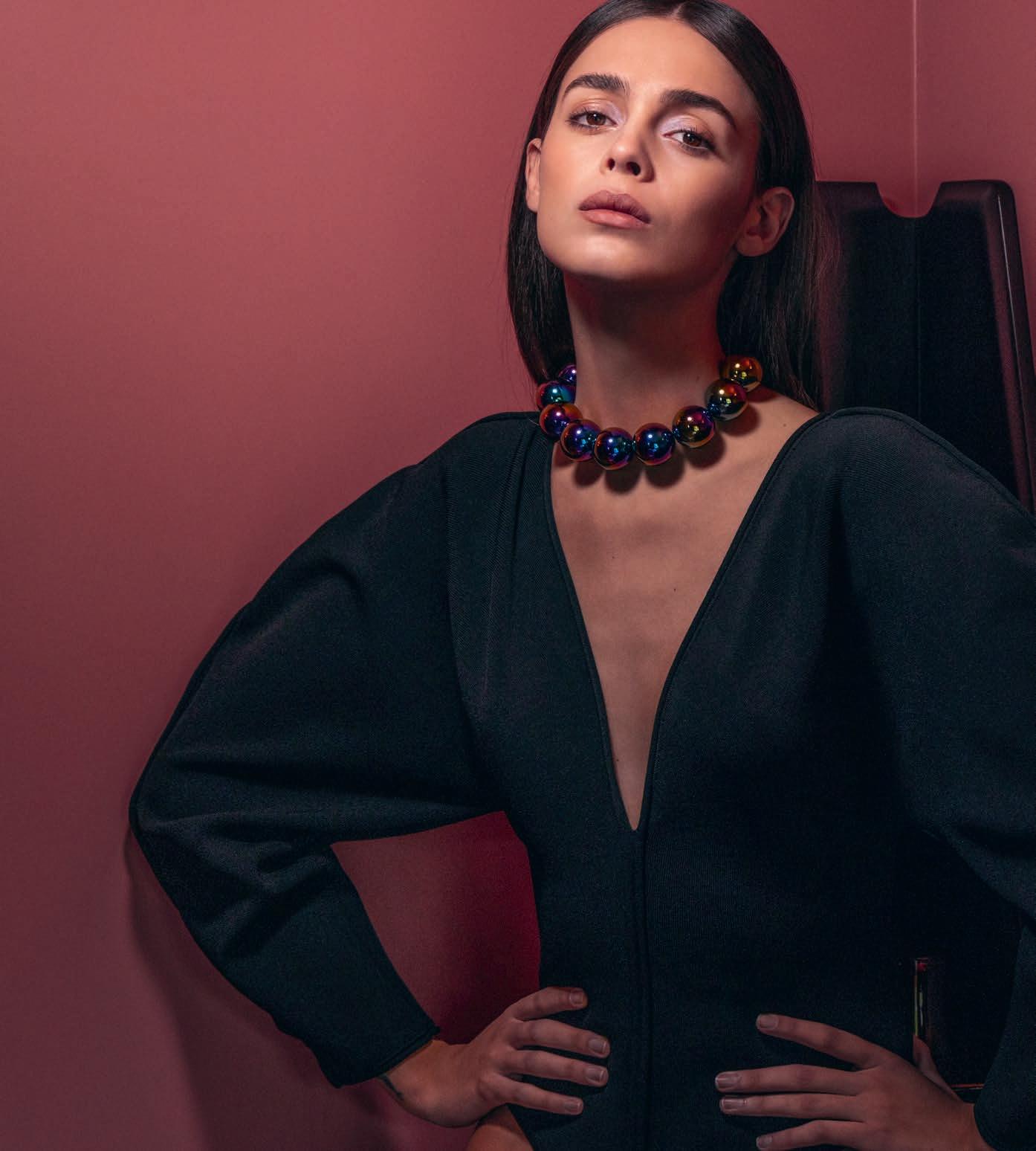
Outfit: Prada; Room
Decor: Marion Collard
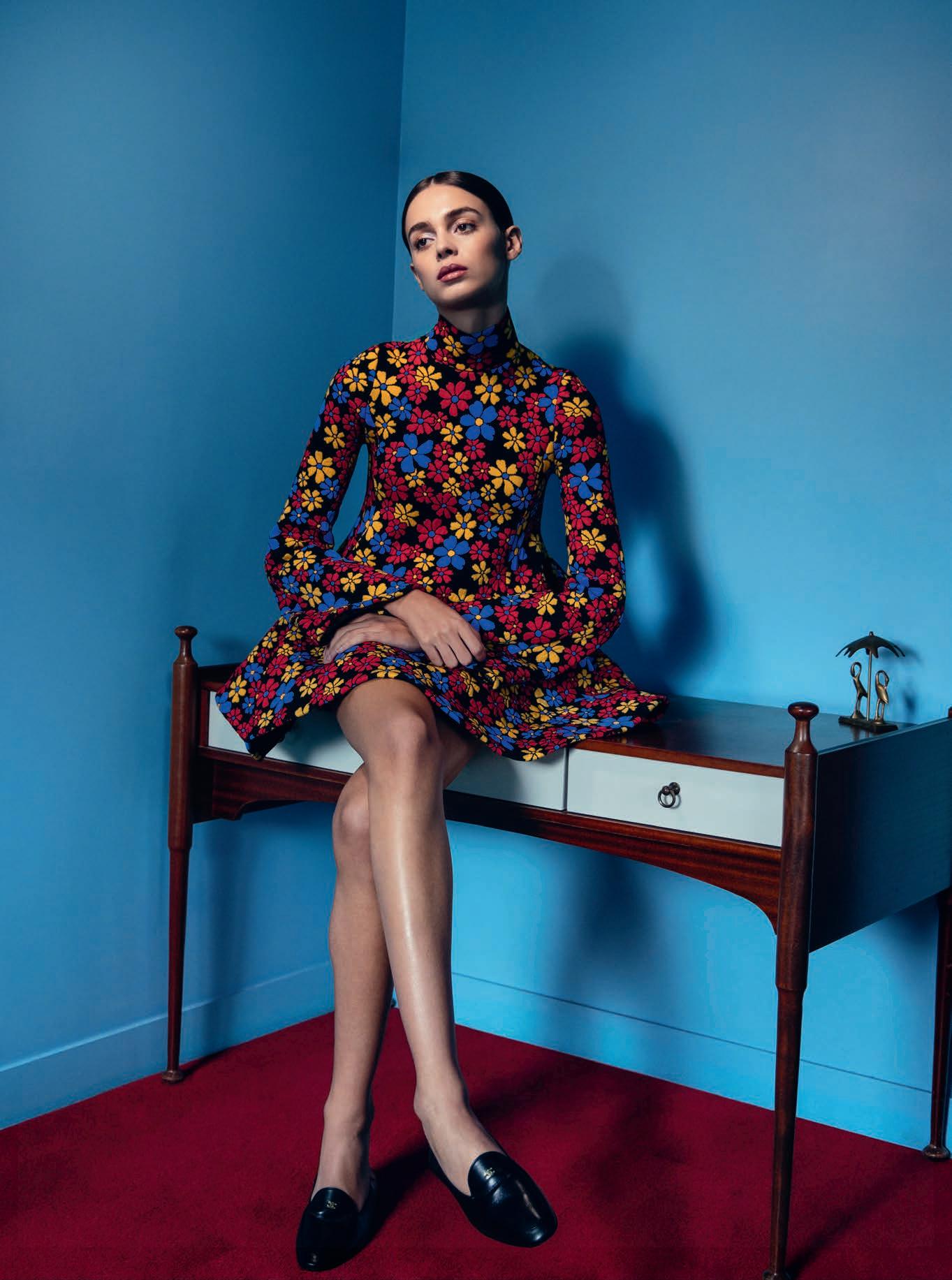
This page: Outfit: Celine; Room Decor: Ugo Schildge; Right page: Outfit: Miu Miu; Jewellery: Meteor
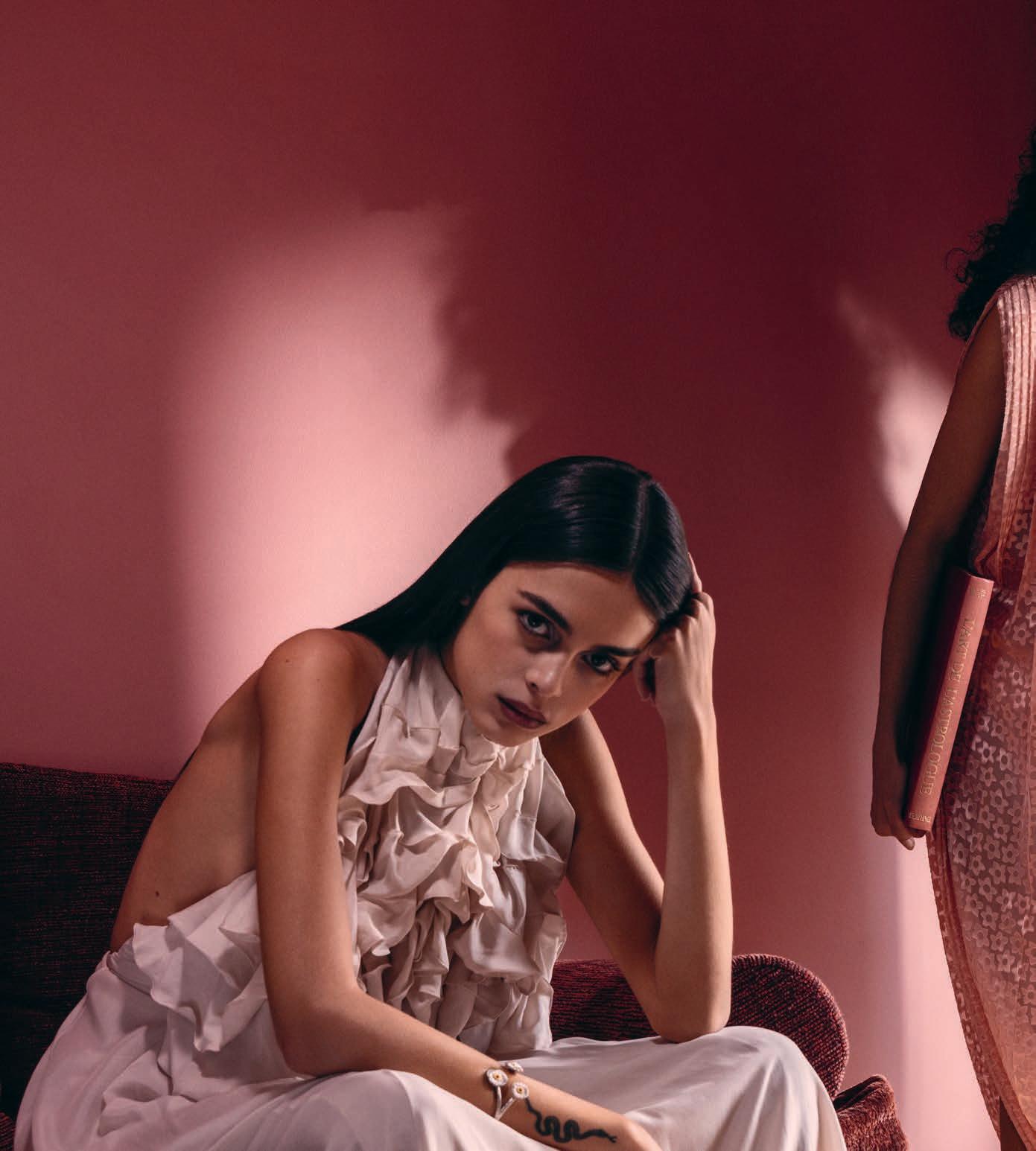
Outfits: Maison Margiela and Louis Vuitton; Jewellery: Buccellati and La Môme Bijou; Room Decor: Sarah Valente
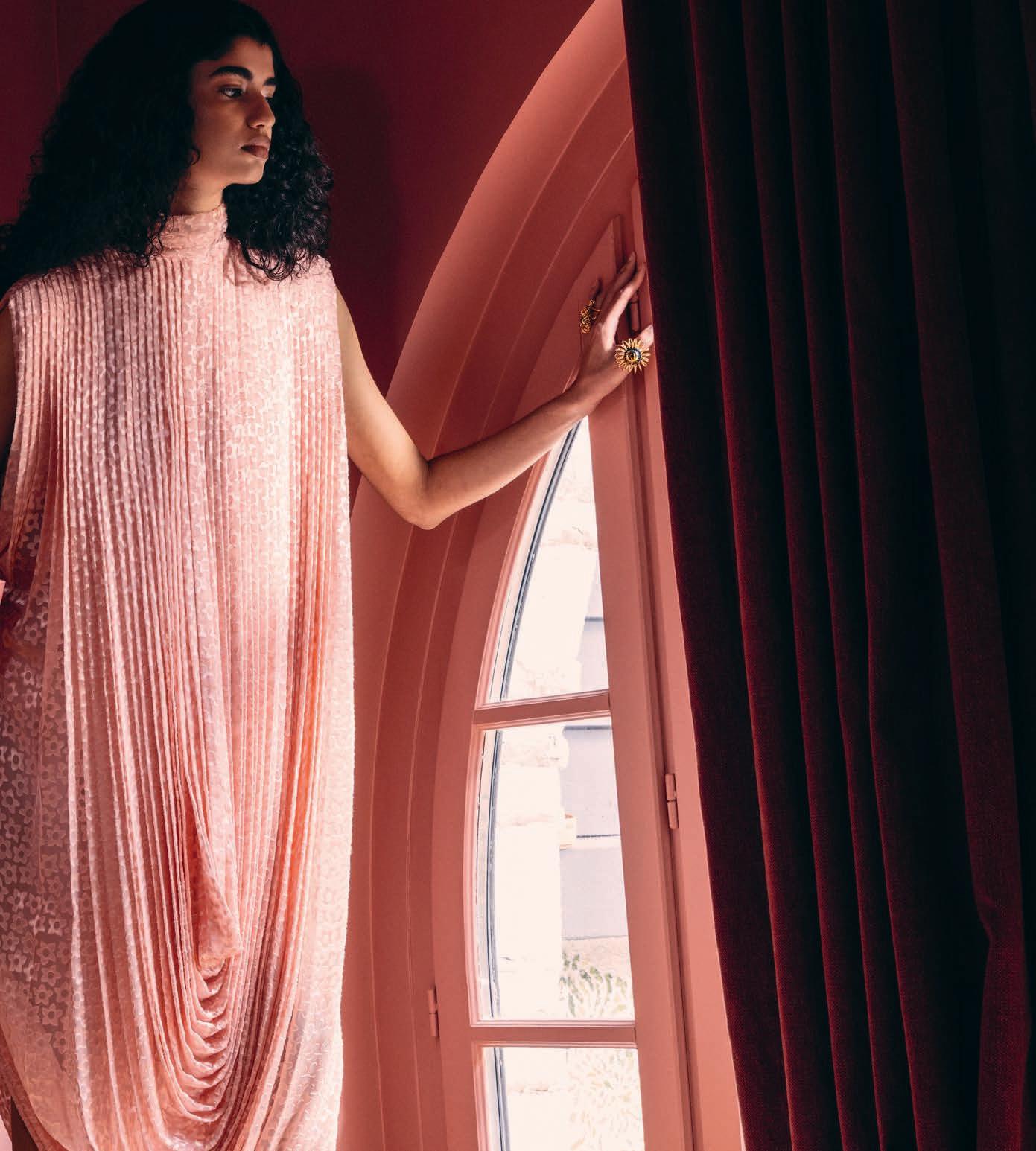
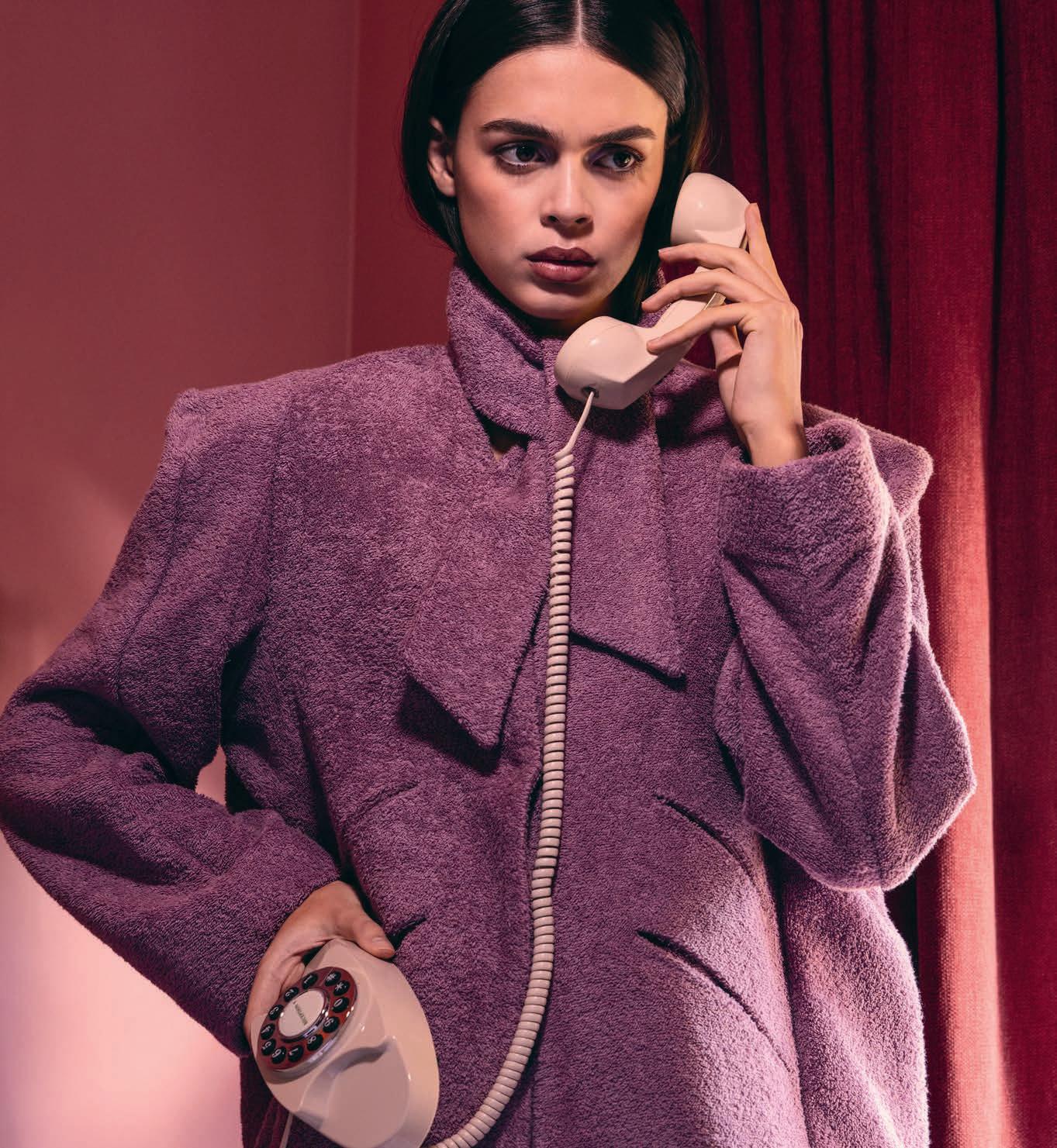
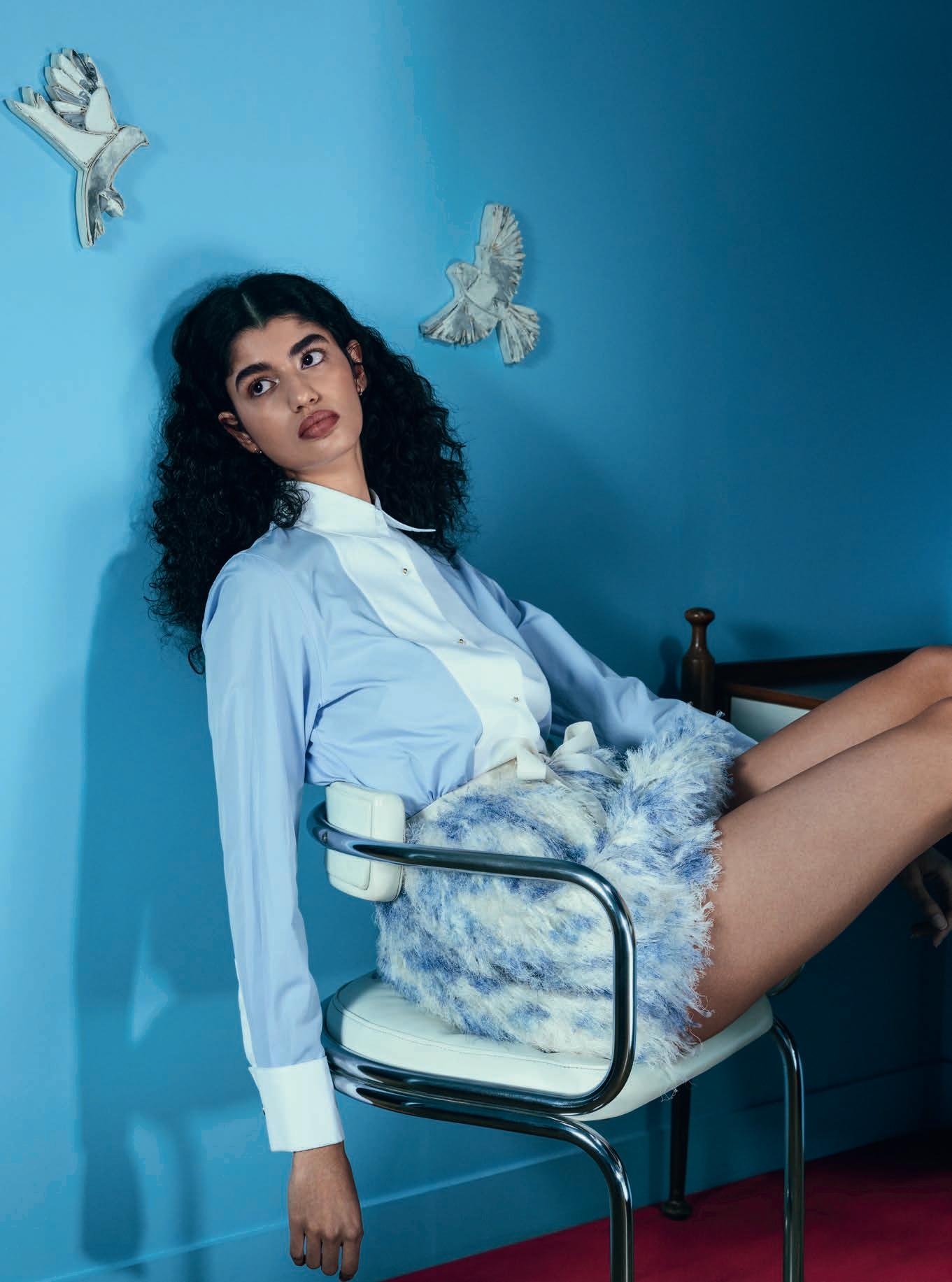
Left page: Outfit: Veronique Leroy; Room Decor: Sarah Valente; This page: Outfit: Dior; Room Decor: Ugo Schildge
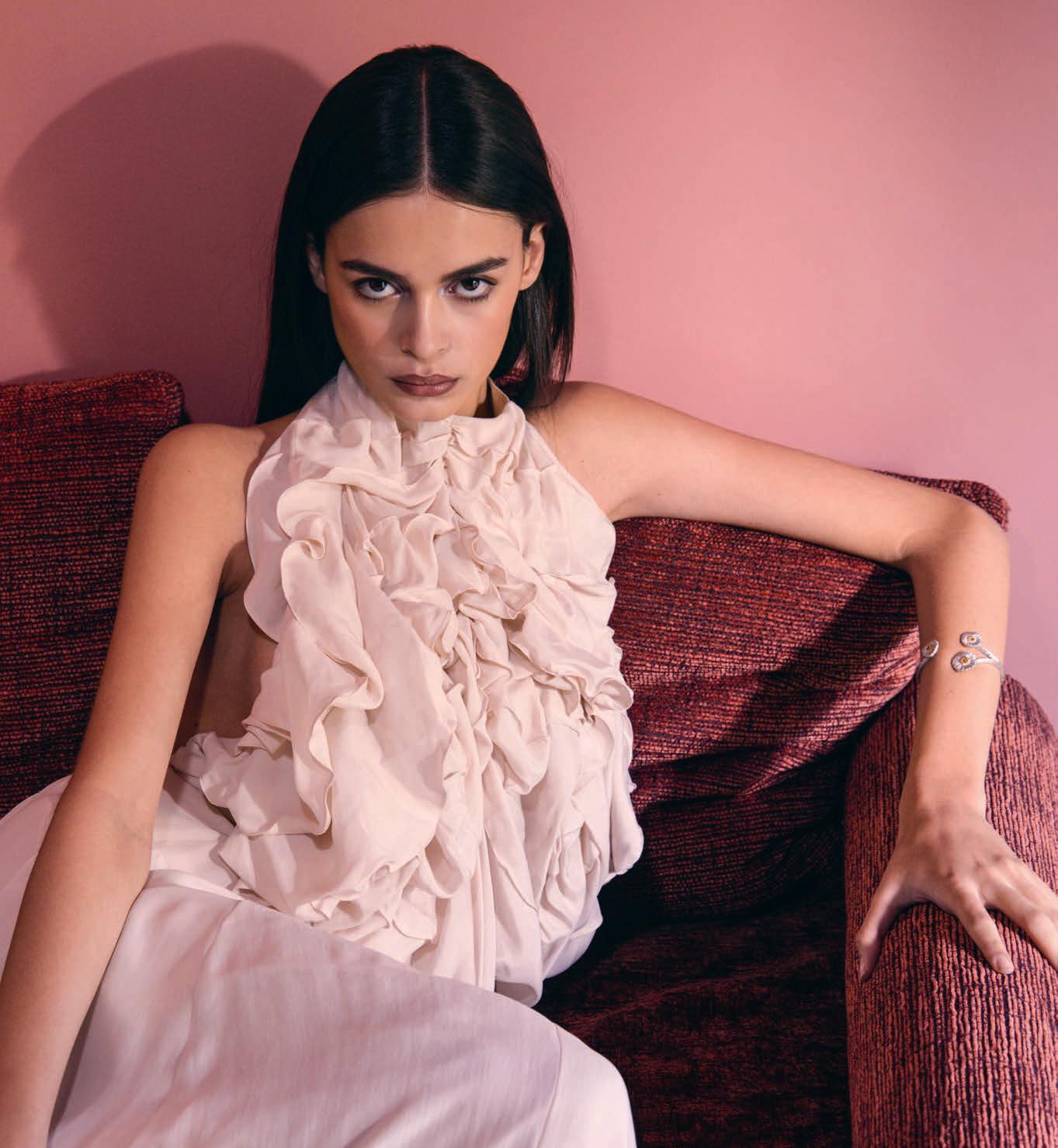
Outfit: Givenchy; Jewellery: La Môme Bijou; Room Decor: Sarah Valente
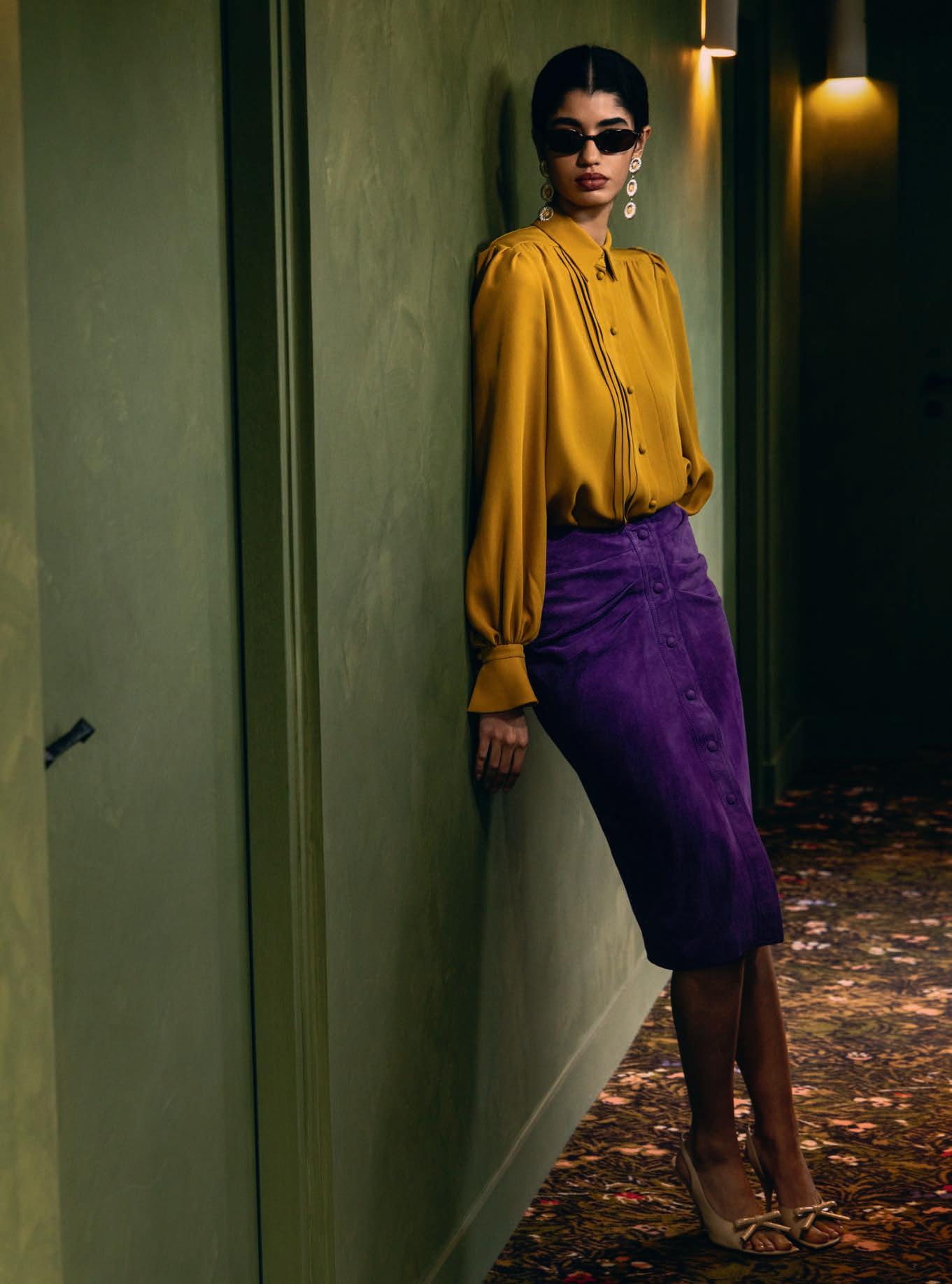
This page: Outfit: Maison Margiela; Jewellery: Buccellati; Right page: Outfit: Valentino; Jewellery: Buccellati
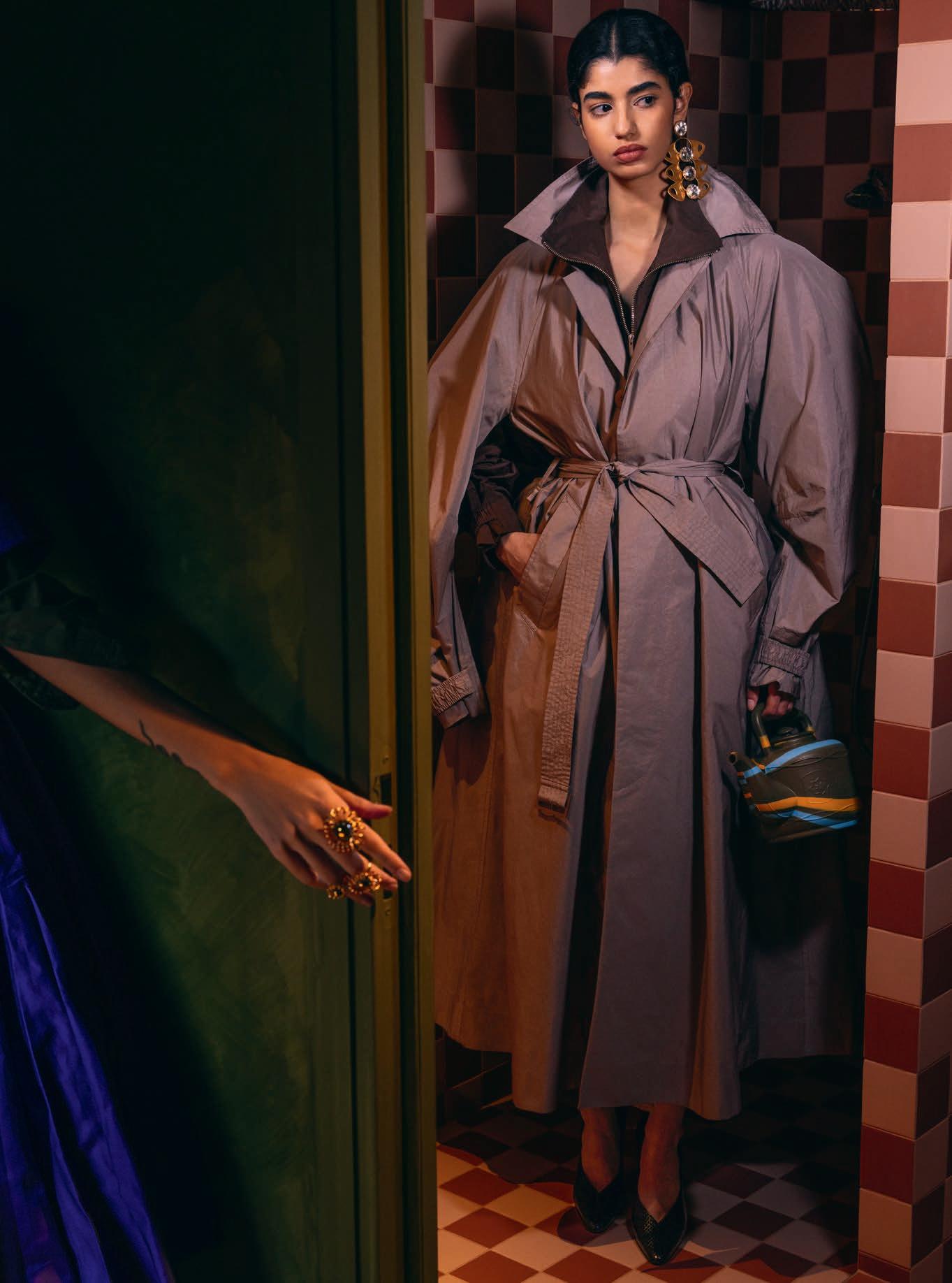
This page: Outfit: Issey Miyake; Jewellery and Bag: La Môme Bijou; Room Decor: Marion Collard; Right page: Outfits: Fendi and Ralph Lauren; Jewellery: Buccellati
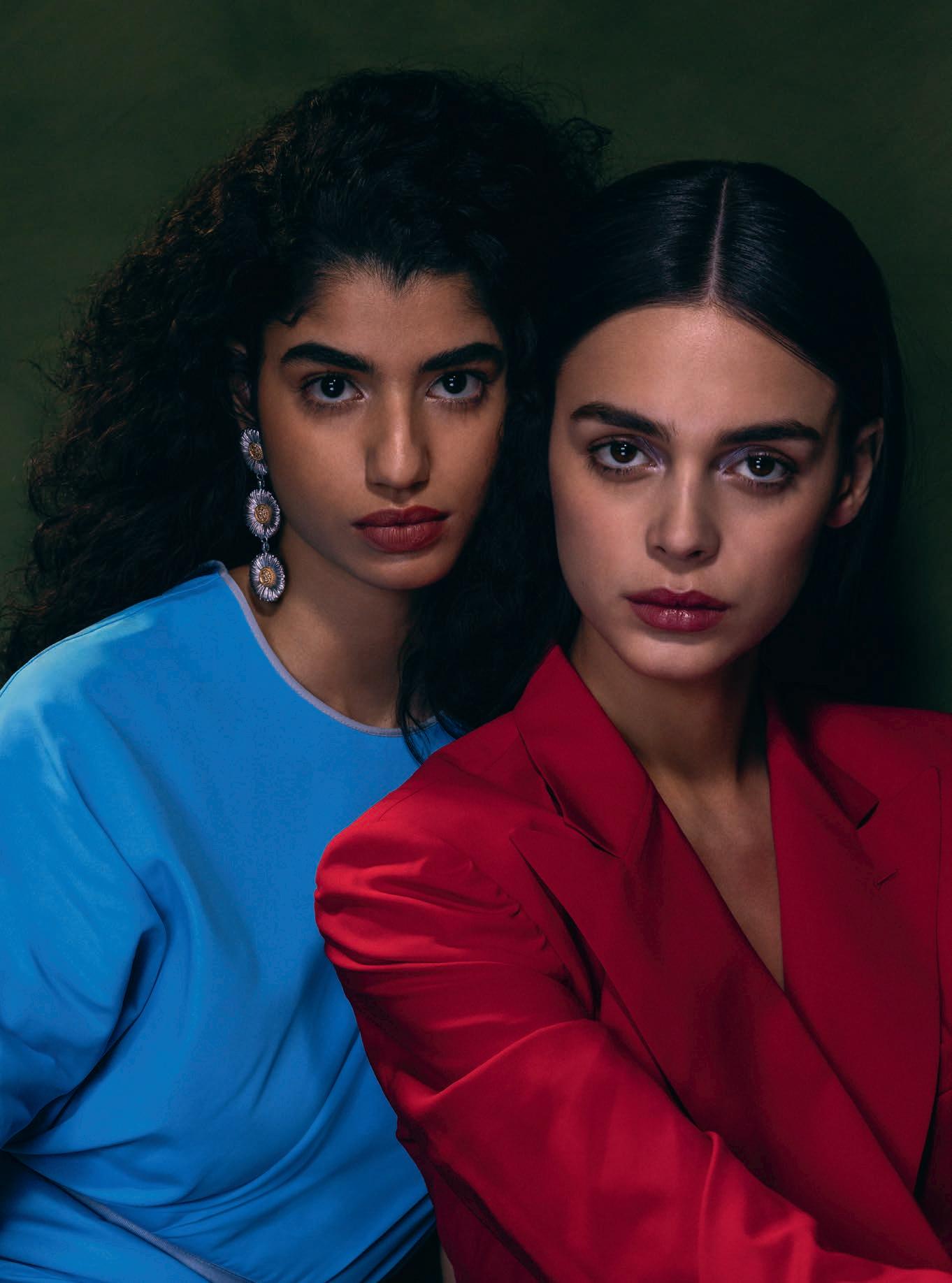
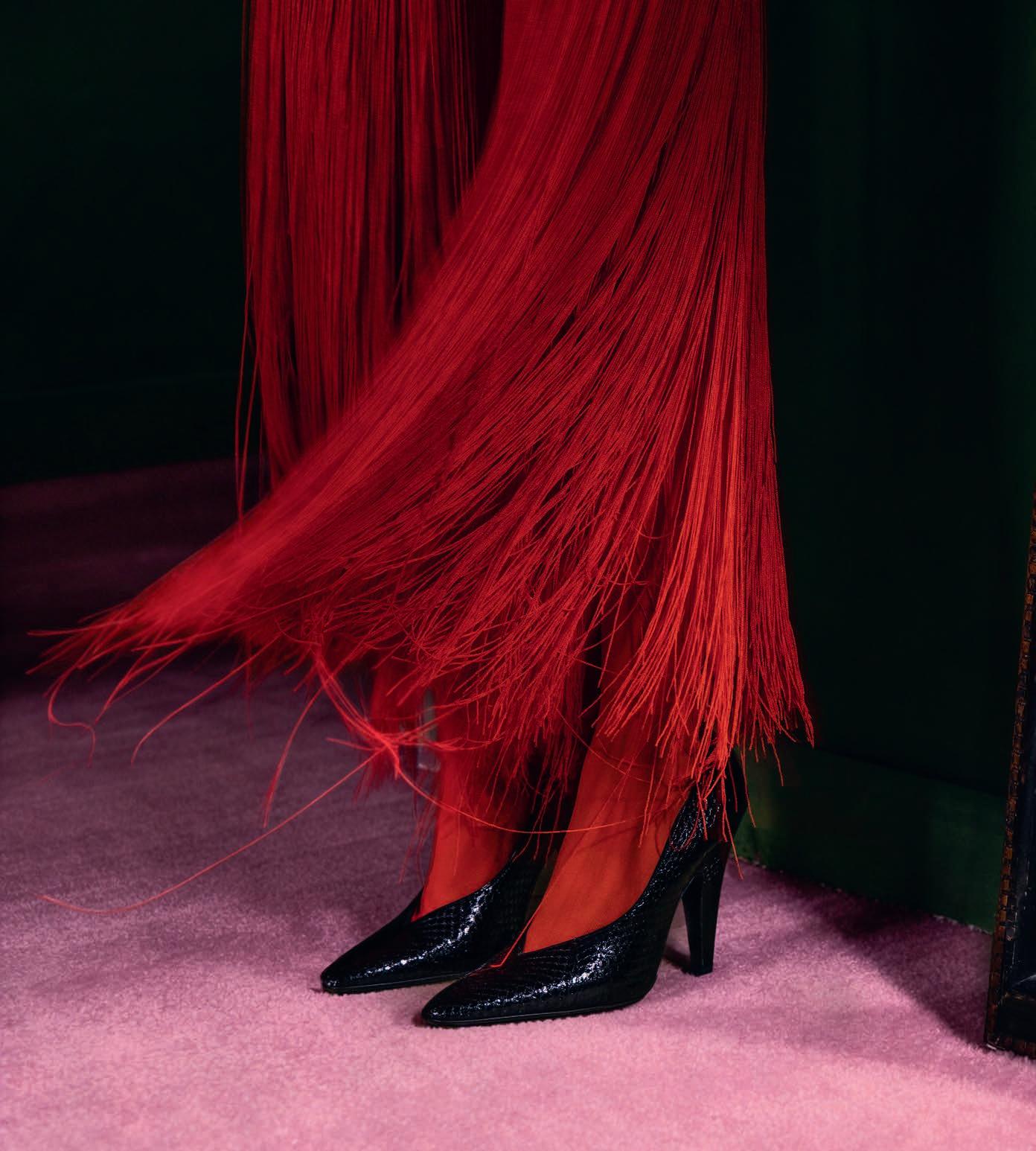
Outfits: Alaïa and Prada
Interior Designer: Marion Collard
Art Director: Sarah Valente
Stylist: Christine Lerche
Models: Mavi Garcez at Monster Management and Sephora Mosbah at Cover Management
Hair: Malin Wallin at Blend Management
Makeup: Lorian Leger at Blend Management
Production: 1nstant
Location: Thanks to La Folie Barbizon Hotel
RETURNING THE GAZE
WHEN THE GROUND SHIFTS, FEMININITY IS BEING REINTERPRETED NOT AS FRAGILITY, BUT AS A QUIET FORM OF POWER
WORDS: AMELIE LOUISA KLEWE
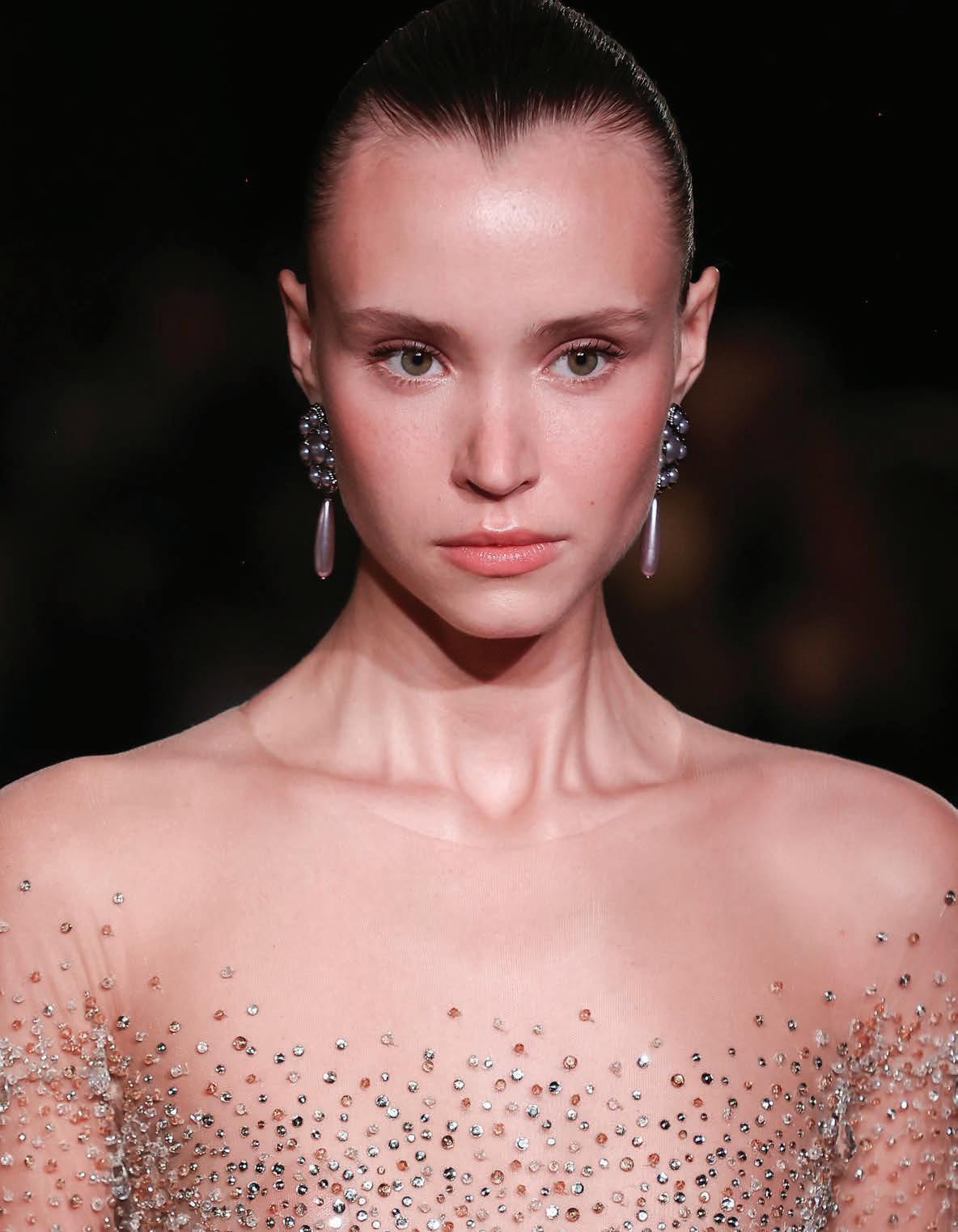
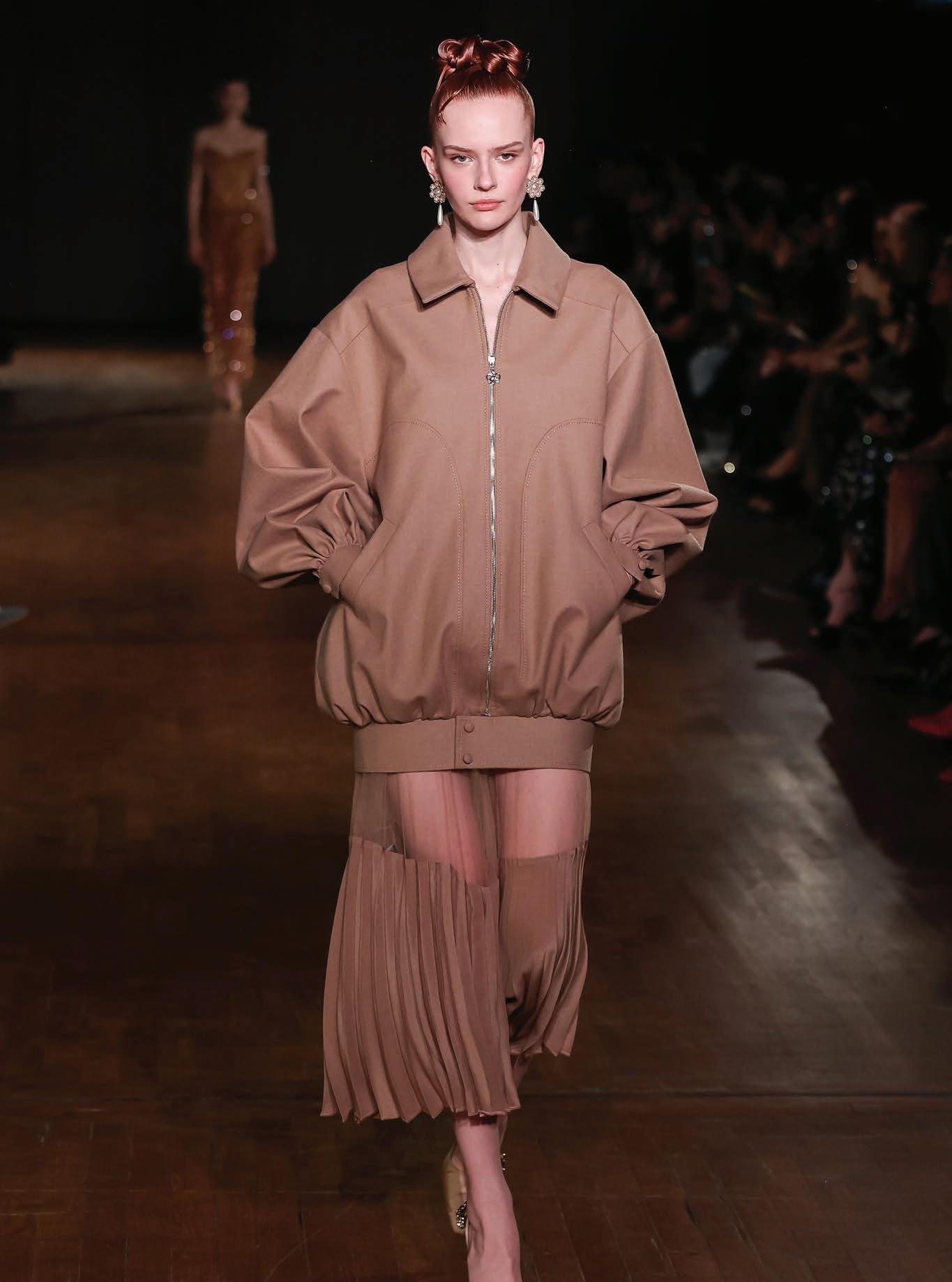
Georges Hobeika, Fall/ Winter 2026 collection
“ALLOW US TO DREAM, TO CREATE A WORLD AND TO TELL A STORY”
The latest round of fashion shows have pointed to a renewed attraction to softness, ornamentation, and visibly “feminine” forms – elements historically associated with delicacy but increasingly reinterpreted as deliberate agency. The return of romantic silhouettes and intricate embroidery feels less like escapism and more like psychological recalibration: reclaiming control through appearance, asserting identity through beauty rather than exaggerated seriousness. Femininity is being reclaimed as soft power – a way of occupying space through elegance and aesthetic control rather than overt dominance.
One expression of this shift can be seen in the latest collection by Georges Hobeika. The AW26 collection presented a body of work formed at the intersection of Lebanese heritage and Parisian flair. Watching the show unfold its hard not to wonder: When the world seems to be looking toward the Middle East more than ever, what do the women of the region see when they look back at their own reflection? Perhaps continuity. Beauty. Work. Family. Life, moving forward. A quiet strength that does not ask for permission but simply continues – one stitch, one collection, one season at a time.
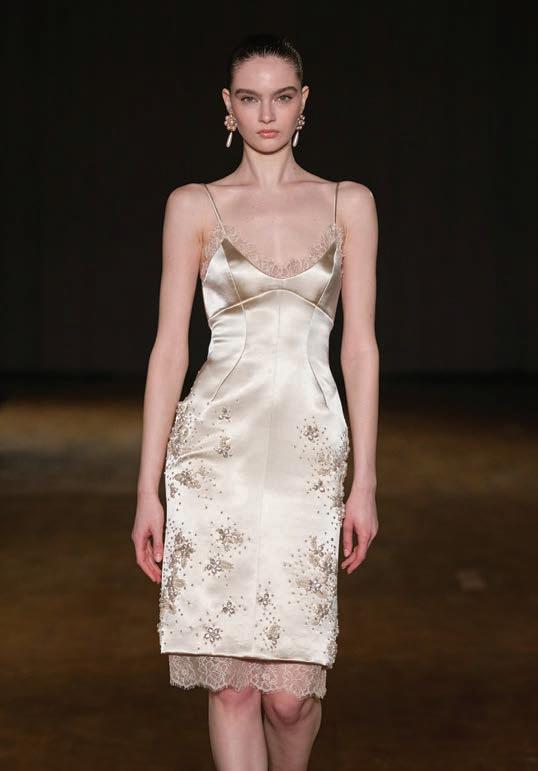
In terms of the Hobeika offering, it began with a deceptively simple dress, yet intricate in construction: curved darts following the body from bust to hip, champagne silk layered over delicate lace. It feels like the kind of dress a woman chooses when she wants to feel held by something soft – a personal choice based on both comfort and beauty as beaded floral motifs trail down the pencil skirt, catching the light. As the collection unfolds, sheer fabrics appear alongside corsets, voluminous shirts, and softly tailored suiting – a careful balance between delicacy and precision. Structured fluidity becomes the language: minimal silhouettes embellished generously, garments that move with the body rather than perform for an audience.
The floral motif, which was nodded to at the start, weaves through the entire collection – less as ornament, more as orientation. Flowers open toward the light that sustains them, indifferent to who watches. The pearl embroideries, the pale silks, the way fabric meets skin without resistance: all of it points toward a femininity turned inward. Not self-absorbed, but self-contained. A woman who dresses this way is not asking to be seen. She is the one doing the seeing. This renewed attraction to softness, ornamentation, and visibly “feminine” forms – elements historically associated with delicacy, are increasingly reinterpreted as deliberate agency in fashion. The return of romantic silhouettes and intricate embroidery feels less like escapism and more like psychological recalibration: reclaiming control through appearance, asserting identity through beauty rather than exaggerated seriousness.
Georges Hobeika, Fall/ Winter 2026 collection
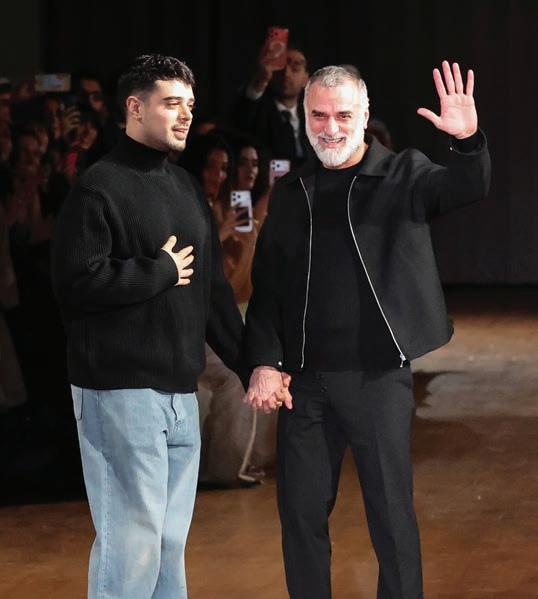
Jad and Georges Hobeika
Arabia on an international stage. That too is soft power: influence built not through authority alone, but through the ability to shape how a story is told.
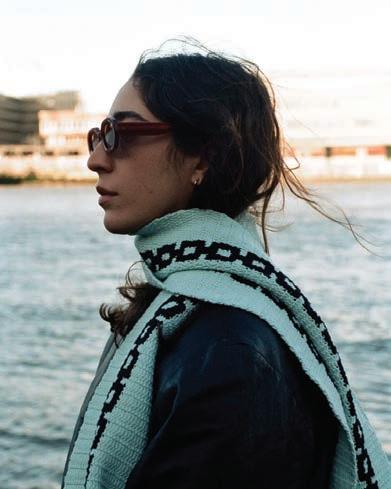
And then there are women working entirely outside the gaze. In Lebanon’s Bekaa Valley, the community-based fashion brand LAMSA trains Syrian refugees and Lebanese artisans in crochet and design, transforming traditional craft into economic independence. Founder Natalie Garland describes how the brand’s name – LAMSA, meaning “touch” – celebrates the personal imprint of each artisan. Here, soft power operates at an intimate scale: a woman supporting her family through work made by hand. The power lies not in visibility, but in continuation.
Femininity is being reclaimed as soft power – a way of occupying space through elegance and aesthetic control rather than overt dominance.
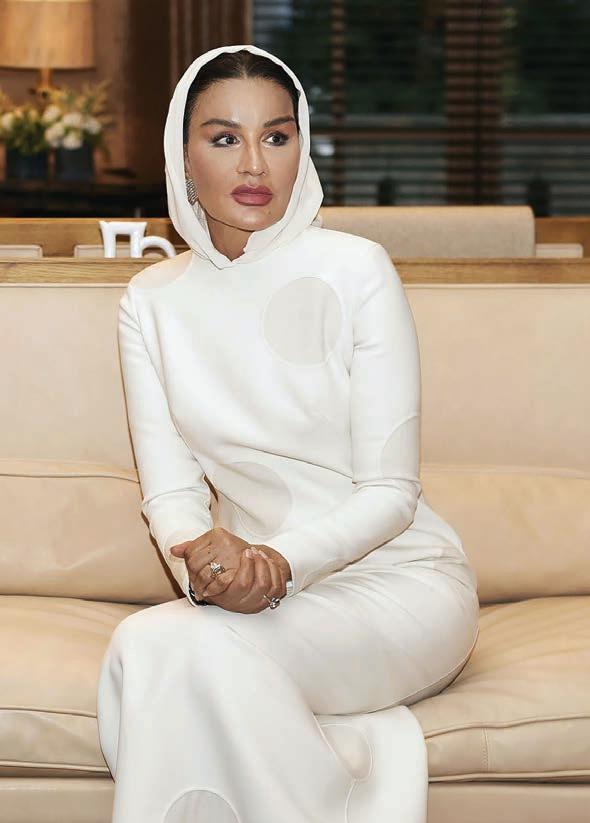
This understanding of soft power – influence built through presence, credibility and cultural fluency – extends far beyond the runway, shaping how women across the region occupy public and private space alike. Consider Sheikha Moza bint Nasser, chair of the Qatar Foundation. For decades, she has been one of the Arab world’s most visible public figures – not through formal office, but through a different kind of authority entirely. Moving easily between UNESCO, conflict zones, heads of state and fashion magazines, she embodies a form of influence built through presence and credibility. When she speaks, she is heard not because she commands armies, but because she has spent decades cultivating a presence that has earned attention without asking for it.
A different form of this influence can be seen in Saudi Arabia, where Mona Siraj and Reema Almokhtar shape how the country presents itself to the world. Now senior directors at Red Sea Global, both began their careers in journalism – often as the only women in the room – experiences that sharpened the clarity with which they now craft narratives about Saudi
As Jad Hobeika once put it, a fashion show must, “allow us to dream, to create a world and to tell a story.” Creating such a world from Lebanon carries its own quiet weight – a reminder that beauty and craft continue alongside histories of resilience.
When the brand first presented in Paris in 2001, Arab designers were still largely absent from the global stage – which meant Middle Eastern women were still being seen through someone else’s lens. But today Hobeika’s vision embraces glamour unapologetically, redefining how Middle Eastern femininity could appear internationally. Against a backdrop of global uncertainty, the glamour at the heart of the maison’s collections takes on another role: emotional steadiness. In many Middle Eastern contexts, glamour has never been frivolous. It is a language – one of heritage, cultural pride and personal composure. Here, softness does not contradict strength. It reveals it.
Choosing how to dress is ultimately an act of authorship. Clothing allows women not only to decide what to wear, but how to inhabit the world – and how to see themselves within it. From the outside, the Middle East is often interpreted through the lens of tension. But when the women who live within the region look at themselves, the image can be entirely different. They are not simply being looked at.
They are the ones returning the gaze: the woman alone with her mirror, deciding for herself what she sees.
Above: Sheikha Moza bint Nasser, chair of the Qatar Foundation; Right: Chain Scarf by Mona, UNSPOKEN collection, LAMSA
POWER
PHOTOGRAPHY: SHEENA GOLANI
A meditation on endurance, craftsmanship, and modern femininity
STYLING: CAMILLE MACAWILI
TOOLS
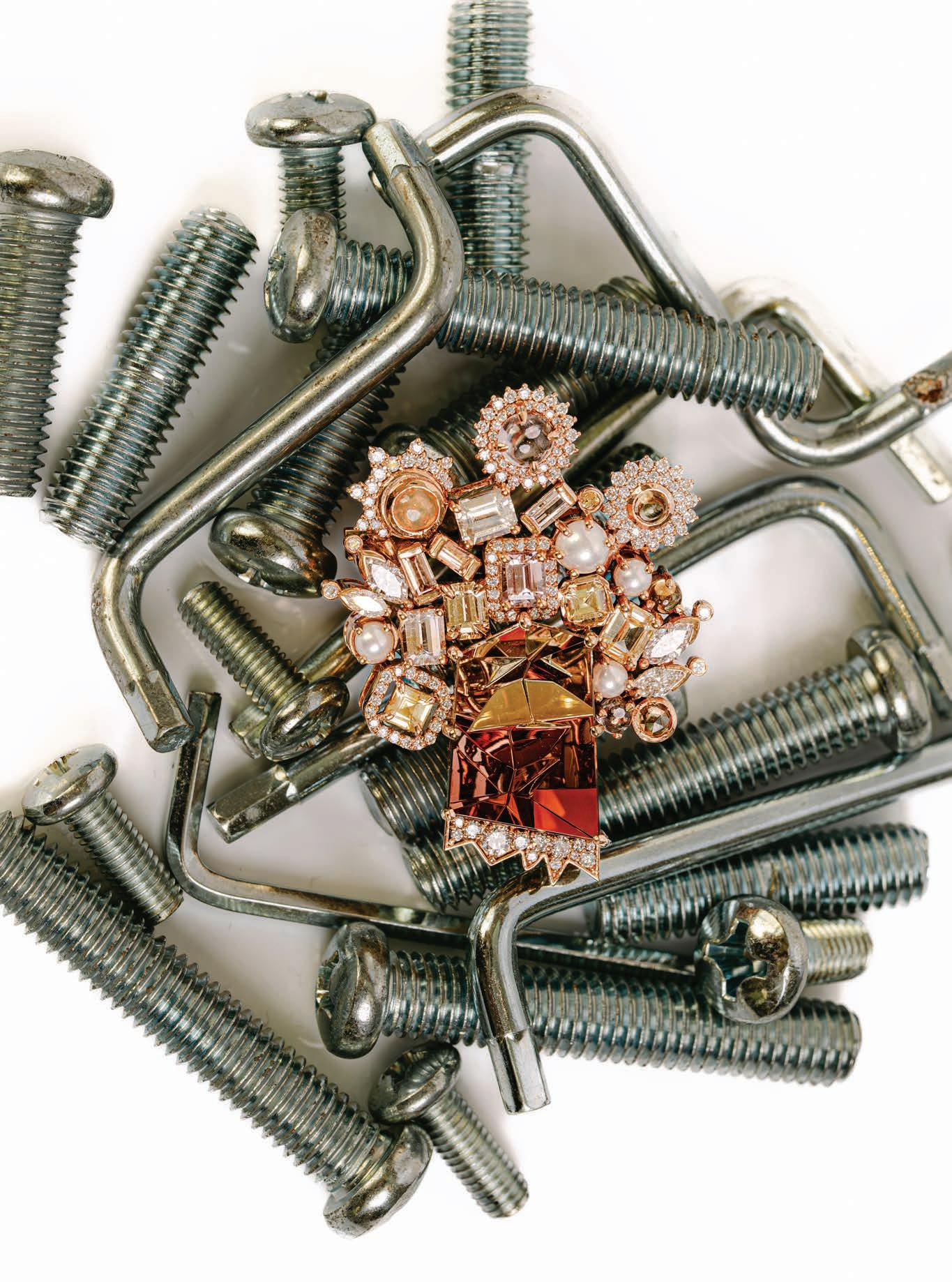
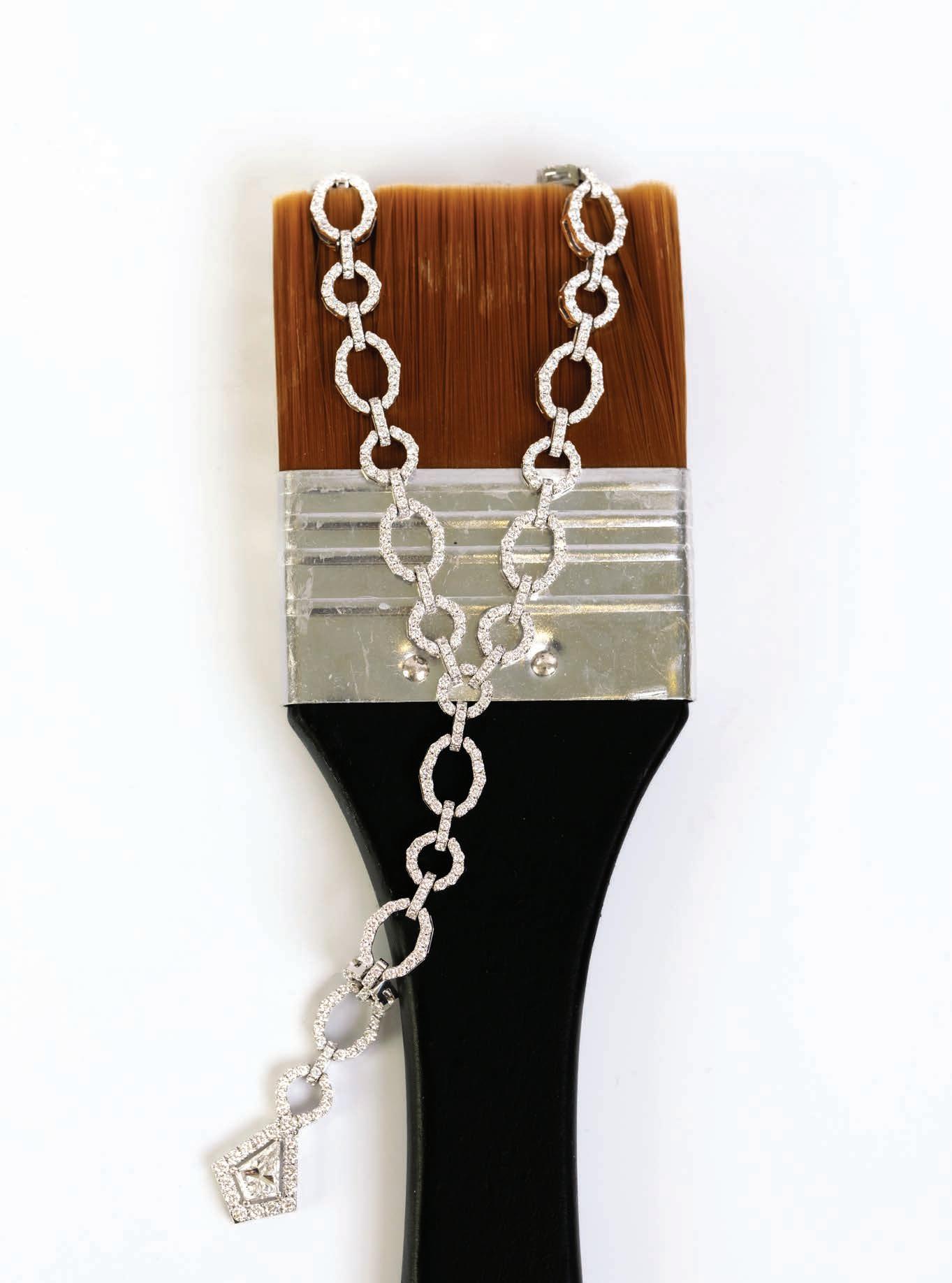
Left page: Jewellery: Mariyeh Ghelichkhani; This page: Jewellery: Suzanne Code
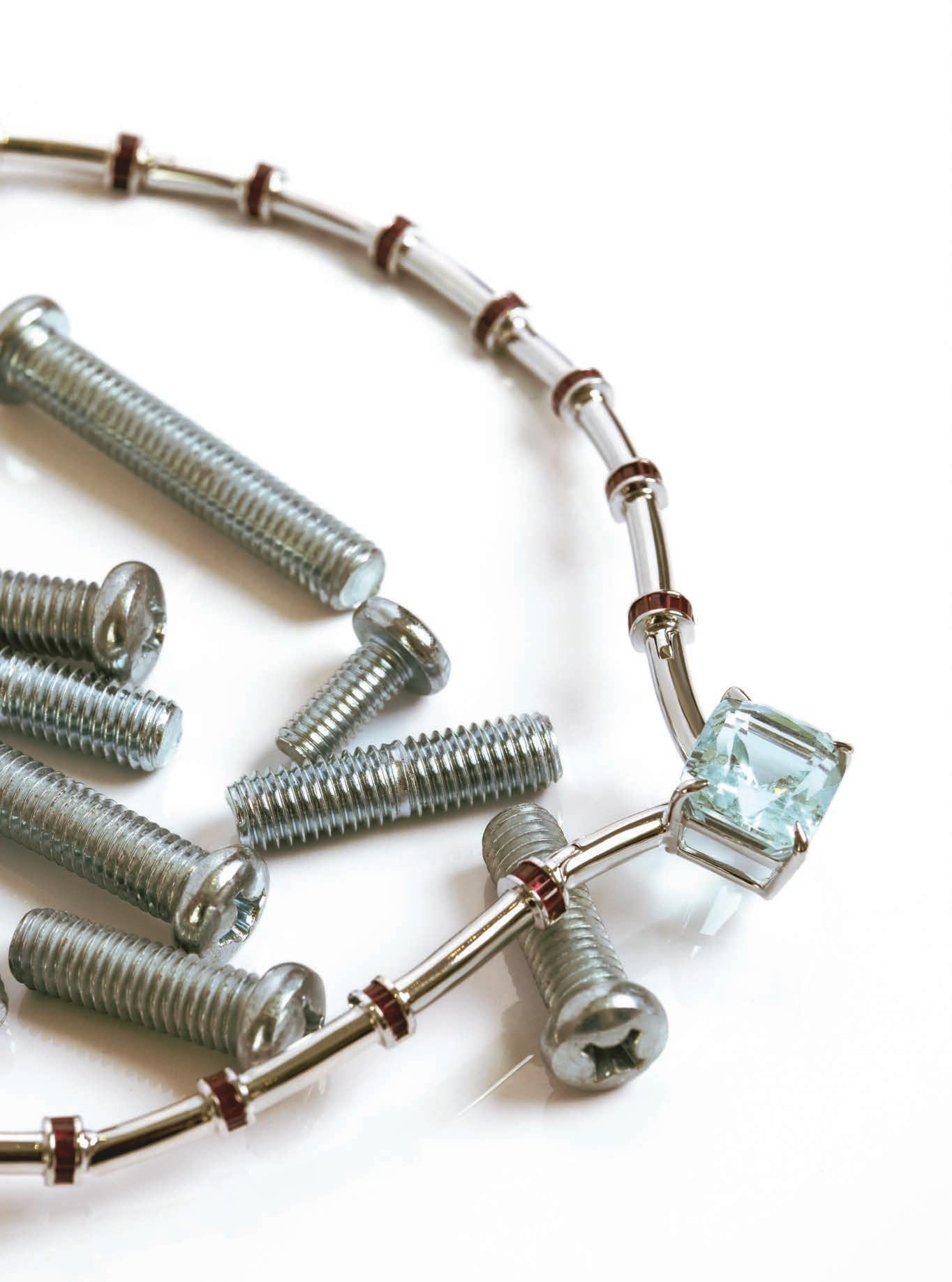
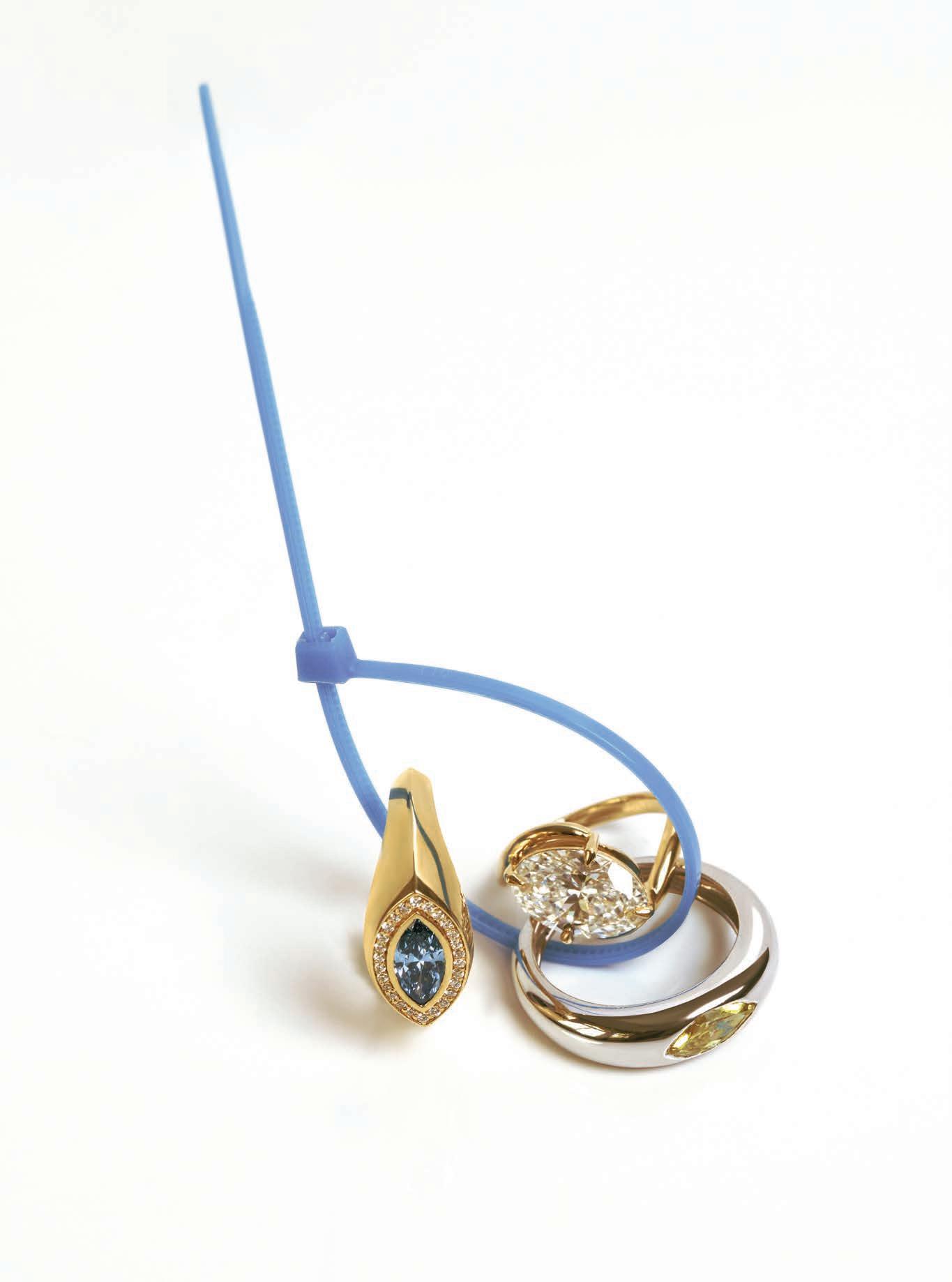
Left page: Jewellery: House Janolo; This page: Jewellery: Etika Jewels
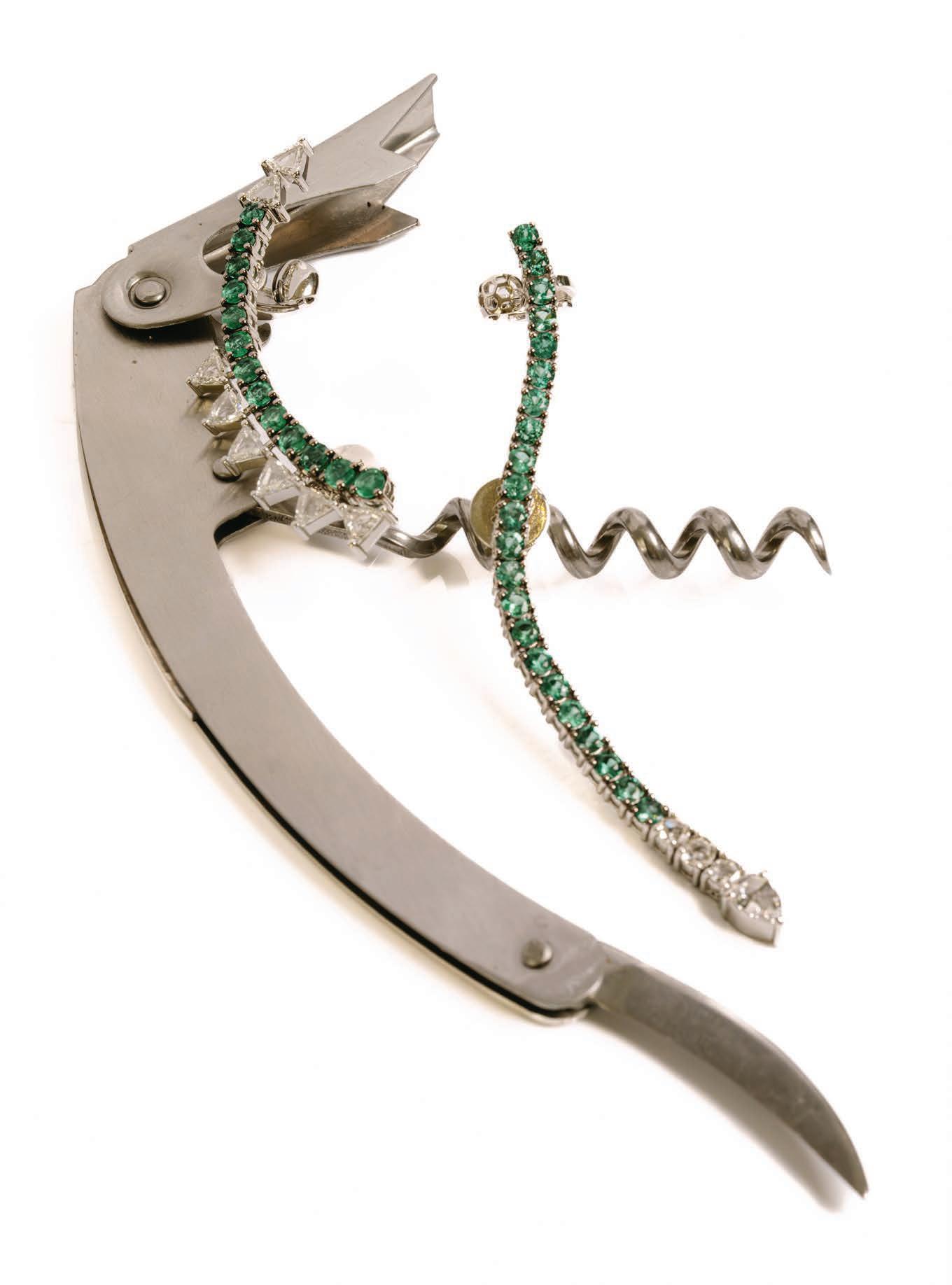
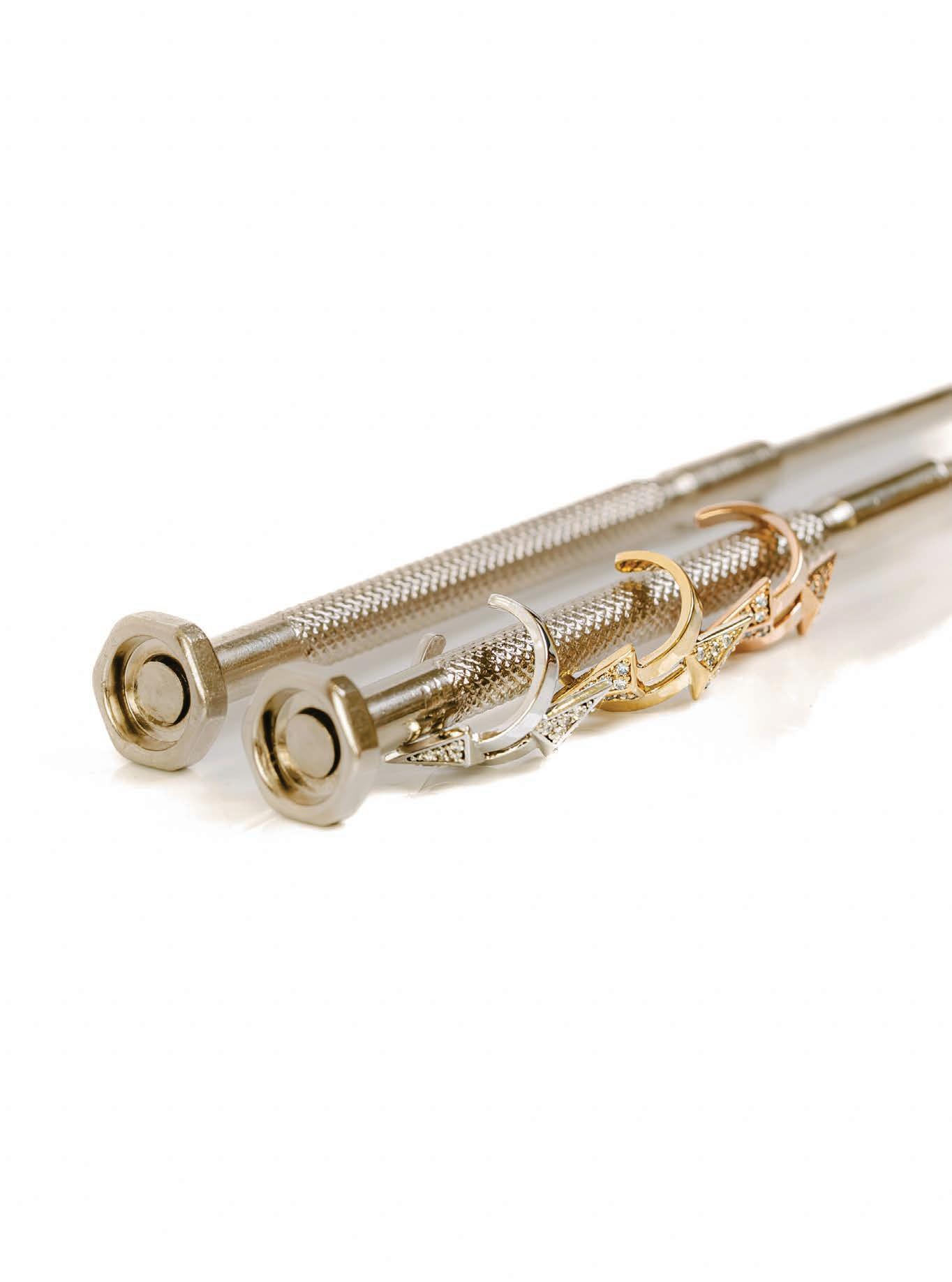
Left page: Jewellery: Savolinna; This page: Jewellery: Muar Jewels
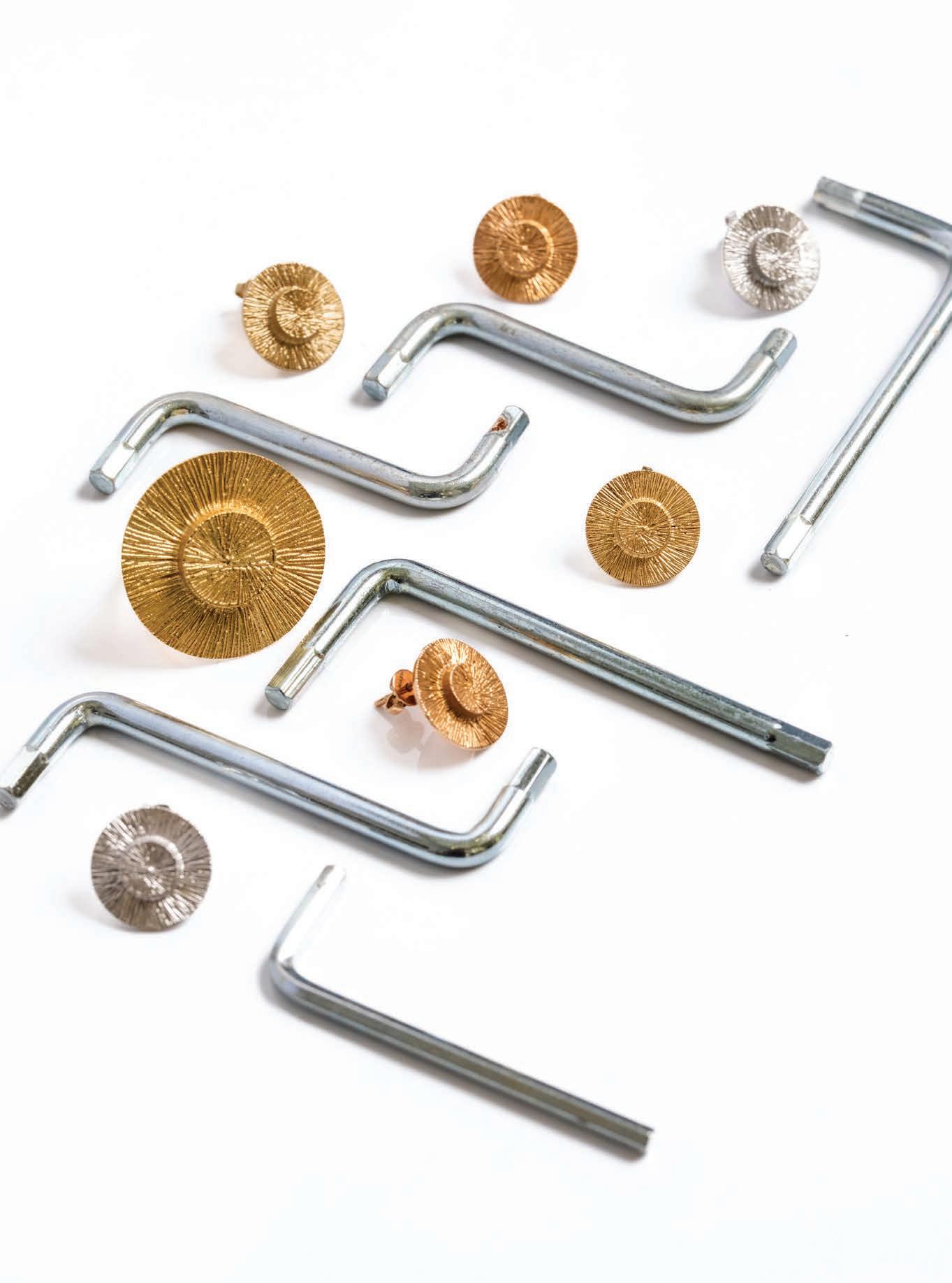
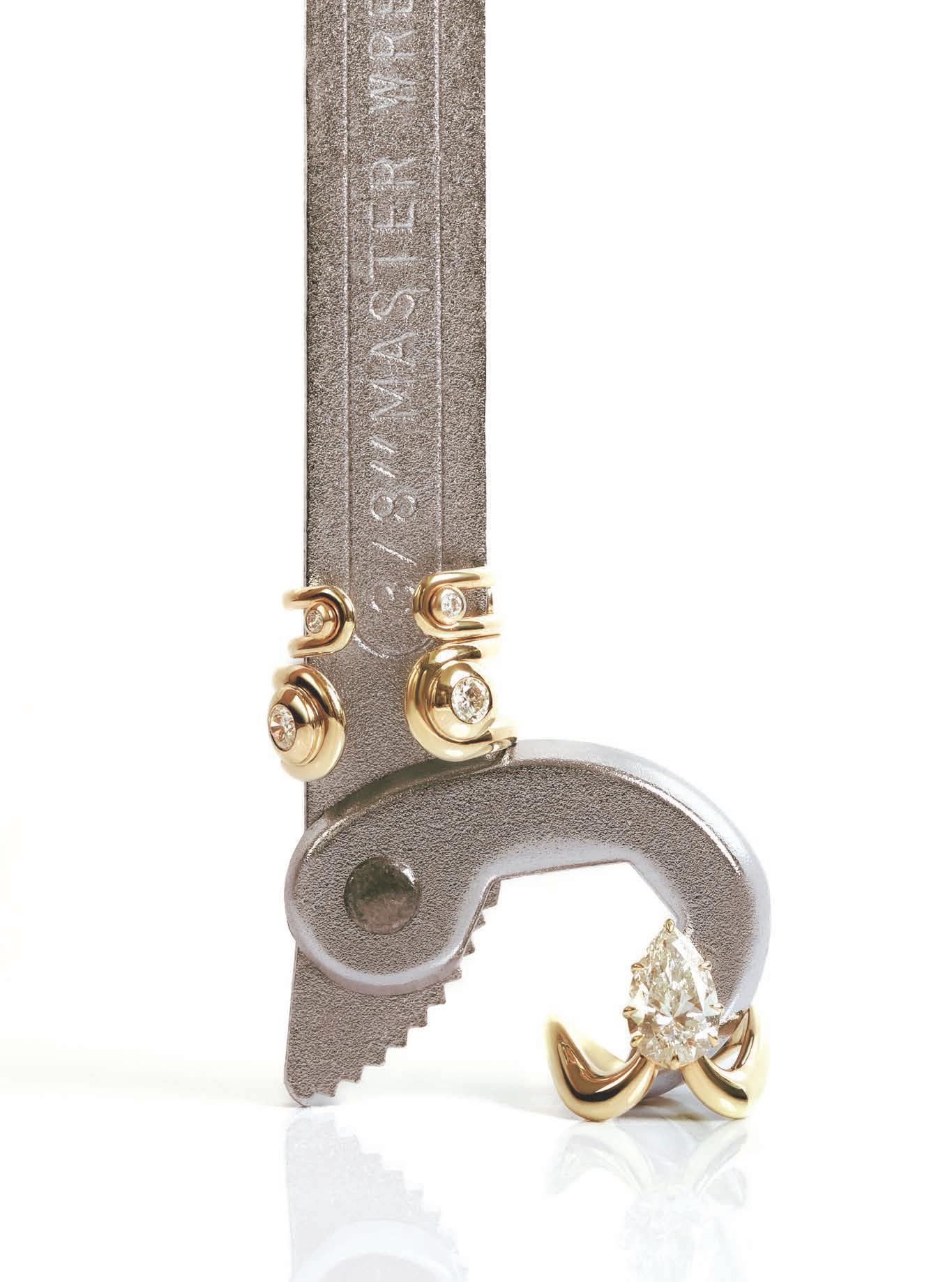
Left page: Jewellery: Muar Jewels; This page: Jewellery: Savolinna
GROUP EFFORT
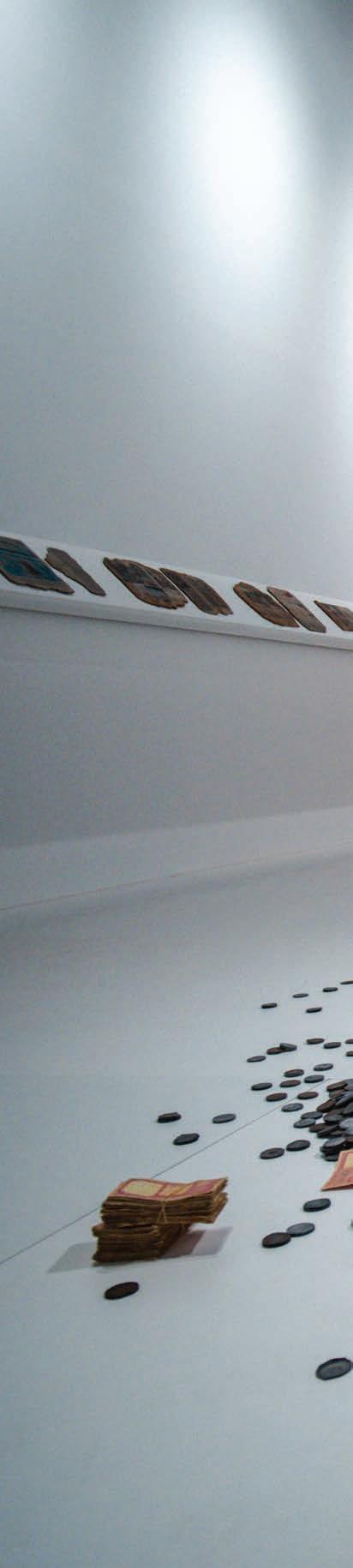
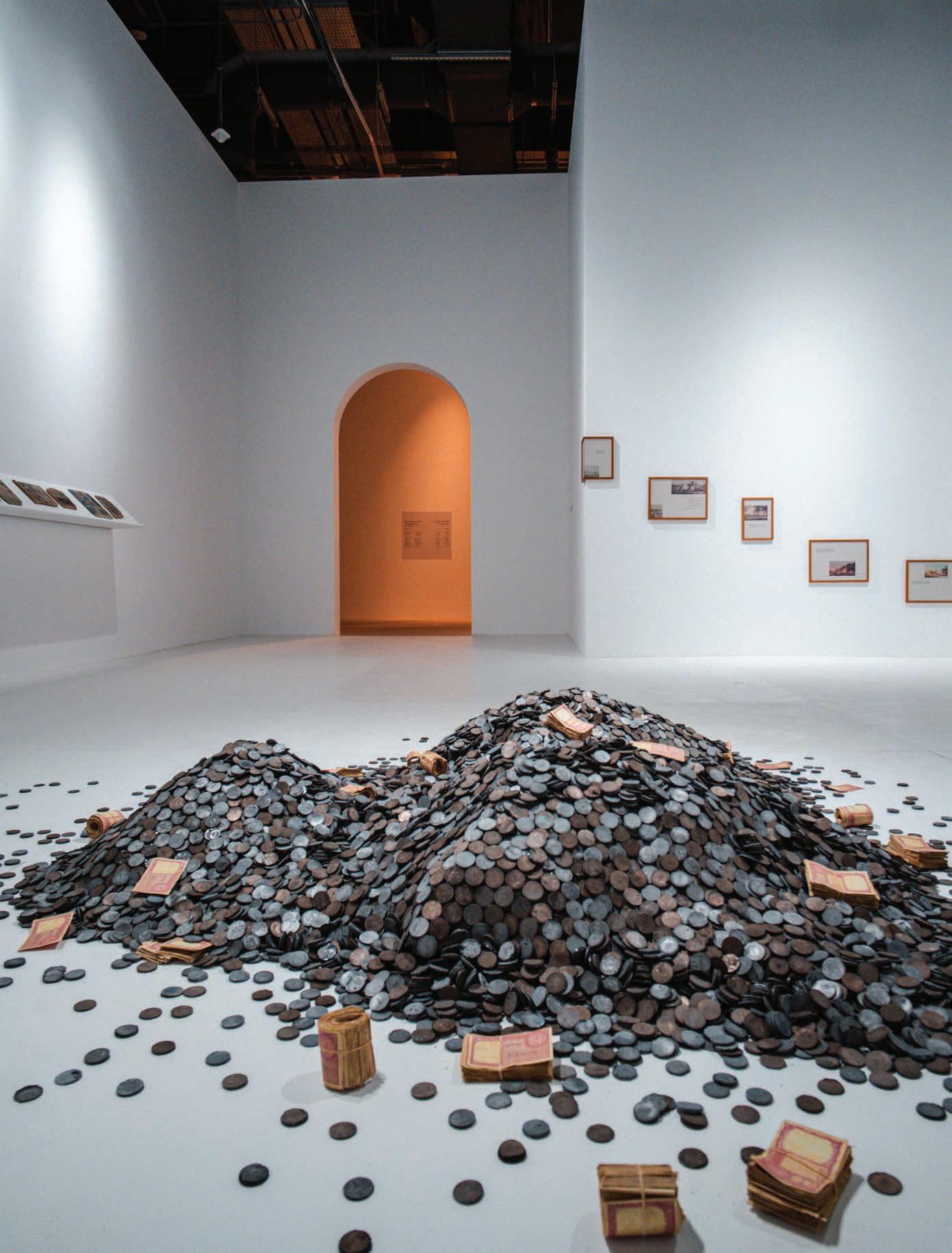
Emirati multidisciplinary artist Fatma Al Ali will be part of a new group exhibition opening on the 14th of April and running until the 6th of June at the Green Art Gallery in Dubai. Alongside other respected artists like Alla Abdunabi, Michael Rakowitz and Alessandro Balteo Yazbeck, she will present pieces including IPickedUpaCoinandHearda Whisper. The installation has an audio component hidden within a pile of replicas of 5 different coins and paper notes from 1820 to 1970, including Al Qawasim-minted coins. The piece is an observation of the different powers that shaped the region through the erasure of the currency under British presence, replaced first by the Indian rupee, then the Gulf rupee. The work was first commissioned as part of the Beyond Emerging Artist program at Abu Dhabi Art in 2024.
VISION
Find a bond with…
– The joyful nature of girlhood
Art as a way of escape
–
Female artistic visions
– A woman’s point of view
–
The stories women share
An artist coming into her own
A generation defining visionary
JUST
WORDS: NAOMI CHADDERTON
Girl dinner, girl math, hot girl summer: social media is leaning hard into the language of girlhood. But beneath the trend lies a bigger question about nostalgia, pleasure and what we expect from women
A GIRL
Social media trends are nothing new. Some have been rooted in efforts to do good – 2014’s ice bucket challenge, for example, when people dumped freezing cold water over their heads to raise awareness for Amyotrophic Lateral Sclerosis. Others more frivolous, such as the Snapchat dog filters that were huge in 2016, and those strange few months in 2011 when people
started lying face down like a plank in unusual places. More recently, though, the mood has shifted, with a new wave of trends emerging that lean heavily into the language of girlhood, encouraging both influencers and fully grown women alike to embrace things like girl dinner (a loosely assembled plate of foods like cheese, fruit and crackers that requires little more effort than opening the fridge) alongside hot girl summers and the emergence of girl math (yes, if we return something we bought online, we are making money). What ties it all together is the curious return to calling ourselves “girls” – a small linguistic step backwards that begs the question: what are we hoping to gain from it? Is it to feel softer? More vulnerable? A desire to retreat to a time when our biggest decision was what to wear to a party or who to text back? Historically, the label “girl” has rarely been neutral, carrying assumptions of dependence and diminished power, which makes the trend all the more curious: at a moment when women arguably have more autonomy than ever before, why does womanhood sometimes feel like something to sidestep?
“Girlhood isn’t just a life stage – it’s more about chasing a feeling,” Christi Gadd, clinical psychologist at Dubai’s Thrive Wellbeing Clinic explains. “Perhaps remembering a time where feeling things intensely was normal, even expected. Where you could be completely consumed by a friendship, a song, an obsession, without anyone questioning your professionalism or your
“GIRLHOOD ISN’T JUST A LIFE STAGE – IT’S MORE ABOUT CHASING A FEELING. PERHAPS REMEMBERING A TIME WHERE FEELING THINGS INTENSELY WAS NORMAL, EVEN EXPECTED.”
composure. Where you could collect all the posters of your favourite band and paste them all over your room without worrying about your house having the perfect neutral adult aesthetic when friends come over. The responsibilities were lower. The feelings were just as big. That combination is rare – and once it’s gone, we tend to miss it more than we expected to.”
Here’s a thought: what if the things we love about being “girls” – friendship, playfulness, curiosity, ease – doesn’t actually belong to girlhood itself? We tend to speak about girlhood as though it were synonymous with intensity, defined by sleepovers, crushes and people who were the centre of our world. Adult friendships operate differently. They are no longer assigned by geography or timetable, but formed through choice and sustained across cities, careers, marriages, divorces and grief.
They may not involve hours spent in each other’s bedrooms dissecting every text message, yet they often carry a different kind of strength. They survive disagreement and they accommodate change. “Adult-friendship intensity can look less all-consuming because logistics, like work, caregiving and geography, change, but the quality can become richer: more selective, more honest and more anchored,” says Dr Jane Halsall, counselling psychologist at Cornerstone Clinic. “Often it can feel harder to make friends as we get older, but that doesn’t make it any less valuable.”
It’s the misconception that building real, meaningful connections in adulthood can be impossible that led Keeya Saund and Karenna Kumari to launch She Connects in early 2025 – a community where women can connect, grow and feel inspired. They host events such as group fitness classes and matcha mornings in a bid to bring like-minded women together to help form real connections, and in August last year the pair expanded their reach to the UAE, with She Connects DXB working to make connection intentional again. “Our aim is to create spaces where women can build real, lasting friendships in a city that is constantly evolving,” explains Saund. “Meaningful female friendship in adulthood feels different because it’s chosen. When we’re younger, connection is frequent, but often circumstantial. You bond because you are in the same school, class or environment. In adulthood, connection is far more intentional. It’s built with discernment. You align on values. When it lands, it’s deeper than anything we experienced when we were younger. And while it might take longer for you to find your people, when you do, it feels more solid.”
The same goes for obsession. Teenage girls are often mocked for how intensely they love things – bands, films, Timothée Chalamet. But that instinct doesn’t vanish as we get older – it just becomes harder to indulge without a hint of self-consciousness. Case in point? Who has swapped a friendship bracelet with a friend at a Taylor Swift concert and not felt embarrassed? And who else binge-watched all three seasons of The Summer I Turned Pretty in one weekend without a hint of shame?
A teenage girl screaming at a concert is indulged; a woman doing the same risks being described as unserious. But that doesn’t have to be the case. “Somewhere along the way we learned that enthusiasm has a cost,” explains Gadd. “Visible excitement can get read as naivety. Obsession as immaturity. There’s an unspoken expectation that adult women stay composed, measured, a bit ironic about their feelings – like caring too openly about something
“THE RESPONSIBILITIES WERE LOWER. THE FEELINGS WERE JUST AS BIG. THAT COMBINATION IS RARE – AND ONCE IT’S GONE, WE TEND TO MISS IT MORE THAN WE EXPECTED TO.”
makes you less credible. That kind of licensed intensity is rare in adult life. We’re hungry for it. But let’s be honest – Taylor Swift just brings out the fun, heartbroken girl in all of us.”
So, the point in all this? It’s time to learn that things we romanticise with girlhood were never really about age – they just feel rarer in adulthood, not because we outgrow them, but because life gets fuller, busier and a little more serious. “Reflecting nostalgically on the past restores a sense of continuity, meaning and social connection,” adds Dr Halsall. “It is not about refusing to grow up, but more about finding a way to expand our definition of womanhood to include frivolity, obsession, silliness and intensity without shrinking ourselves.”
Seen like this, the nostalgia for girlhood isn’t really about wanting to be small again, it’s about remembering a time when pleasure didn’t need a reason. The intensity we associate with those years wasn’t simply about youth – it was about being free to care deeply and show it. The real question is whether we still make space for that once we’re called women.
WORDS: JESSICA MICHAULT
THROUGH HER
EYES
Emirati artist Sumayyah Al Suwaidi created the digital cover of Emirates Woman’s April issue. Its theme is something she understands in her bones
There is more than one woman on the digital cover of the April issue of Emirates Woman. Look carefully to find their profiles hidden within an array of flowers of different Arab nations from the region.
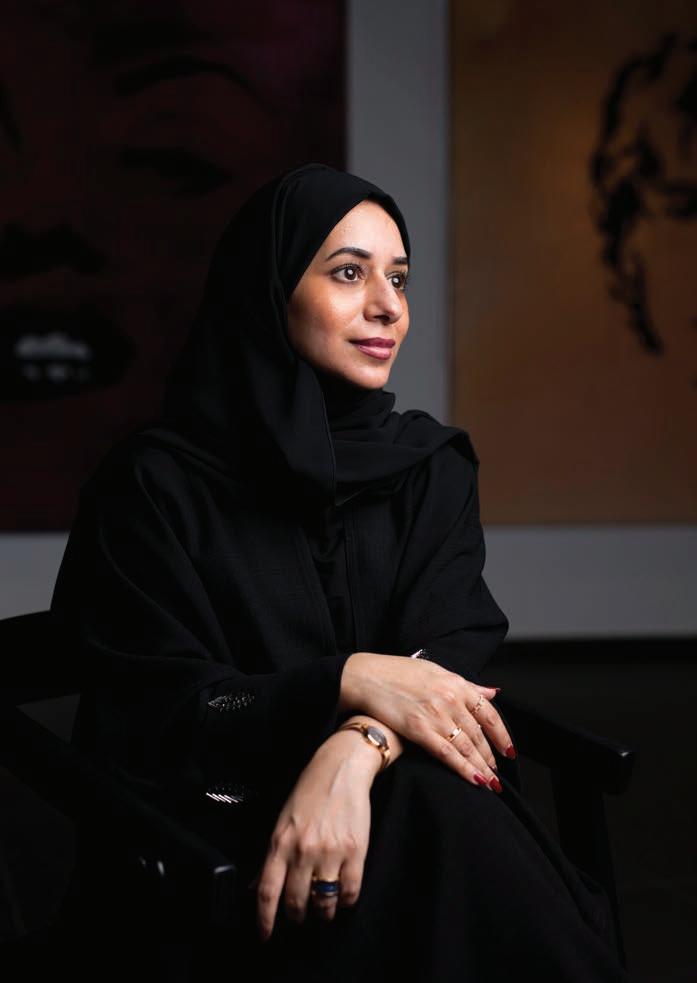
Sumayyah Al Suwaidi put them there deliberately, layered into the composition with the patience and precision that defines two decades of practice in digital art. When her husband asked to look at the cover, he couldn’t see them. She was not surprised. “We immediately see it,” she says of the difference in how women observe – taking a beat, then adding: “We see the details immediately.” It’s an anecdote, but in its own little way, it makes the entire argument of The Female Gaze as the theme of this issue: that women look differently, read differently, find things that others pass over entirely. Al Suwaidi is, depending on the moment you catch her, an artist, a curator, a fashion designer, and an entrepreneur. She is also a wife, a mother to five children and holds a full-time job alongside all of it. She was raised in Abu Dhabi in what she describes as a conservative Emirati household, shaped by a family that valued togetherness and principle. Her aunt, she notes with unmistakable pride, was the first Emirati woman to receive a scholarship to study in England in the 1970s, and the first Emirati female to work in an oil and gas company. The women in her family, it seems, have always found their own way to be first.
Al Suwaidi’s own particular firstness was born when she was sixteen years old and sitting beside her cousin watching her work
on a college assignment in an art software programme she had never seen before. The encounter was immediate and total. “I asked her what is this, what is this magic?” she recalls. She went home that same weekend and asked her aunt for a computer. Not to study, not to work – to make art. Her aunt, practical and resourceful, did not simply buy one; she had a machine built to specification, with design software installed from the start. “If it wasn’t for the computers, I wouldn’t have been an artist,” Al Suwaidi says plainly. “That’s how I am an artist.”
By 2001, she had released her first collection, inspired by the late Sheikh Zayed Bin Sultan Al Nahyan. By 2003, she had her first exhibition in Abu Dhabi. The years that followed took her work to galleries across the UAE, and then further: the United Kingdom, the United States, France, Germany, China, Morocco. At the JF Kennedy Center in Washington DC, she exhibited a piece that stopped a woman in her tracks – a figure holding a flower on one side and a knife on the other, a study in the same person changed by circumstance. The woman began to cry. She said it reminded her of her sister. Al Suwaidi had made it about herself at a time of transformation; the woman in Washington found something entirely her own inside it. “If your art doesn’t reach the hearts of the people or doesn’t help make them feel something,” Al Suwaidi says, “then it’s not art. Then it’s just a decor piece or just a craft. Art has to have some kind of passion in it, some kind of story in it. It has to give you that bite of electricity.” Her work has been offered at Christie’s
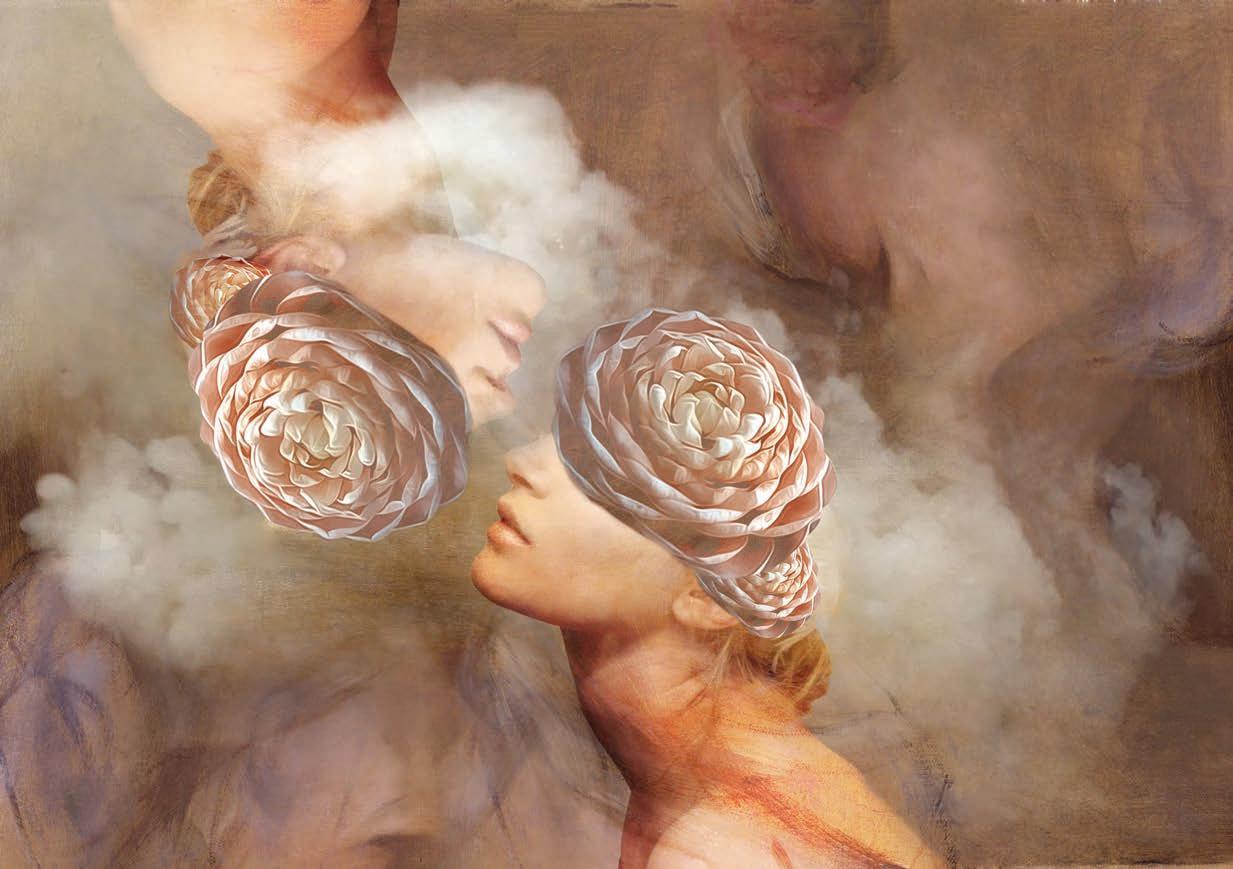
She Loved Me, digital art, 2016
Sumayyah Al Suwaidi
and exhibited at Sotheby’s – endorsements she wears with quiet satisfaction. Al Suwaidi is not one for false modesty, but neither for hollow boasting. What she has earned, she has earned the hard way: going door to door to galleries in her early years, carrying her work, asking to be seen. “You have to be persistent,” she says. “You have to be stubborn. You have to know that what you’re doing is the right thing and you’re doing it for yourself.” To artists who complain that opportunities don’t exist, she is bracingly direct. “It’s not true. It depends on your own hard work. It depends on how hungry you are and what you want to accomplish.”Her approach to the work itself is grounded in something deeply personal. “My work is my daily diary,” she says. “It’s where I exhale everything I inhale during my day.” Juggling the full complexity of a life lived at full speed – the art, the fashion brand Seen, the curation, the job, the family – requires somewhere to put it all. “If I wasn’t an artist, I might be a boxer,” she says with a laugh. “I’d find a punching bag in my room and I’d be punching it every day.” The art absorbs what the day generates. The strongest work, she has learned, tends to come precisely from those moments of intensity. “Usually the best work I do is the work that I do when I am” – she pauses to find the right word – “intense. Or when I am worried. Or when I am feeling down. So yeah, that’s when the best work comes out.”
The cover she created for Emirates Woman is no exception. She worked on it during the current period of regional anxiety, and she poured the fullness of that pressure into the piece. Her recurring
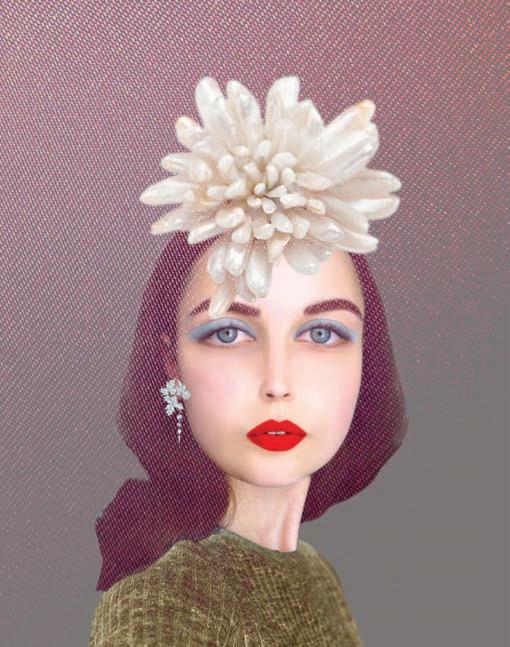
visual signatures are all there: women, always women, often with exaggerated features – very large eyes, very long necks – that make them striking rather than straightforwardly beautiful, and that carry in their unconventionality a kind of defiance. Recently, she has added stars and moons to her vocabulary, elements she describes as giving her work a feeling of hope. “That feeling that keeps us going,” she says. “That is what changes everything in our day-to-day life.” And hidden within the cover: the multiple faces. There, and not there, for those who look closely enough. It is a thoroughly female gesture – to put something in plain sight and trust that the right eyes will find it. “The difference between the woman’s gaze and the man’s gaze,” Al Suwaidi says, is precisely this: “a woman’s gaze is a very calculated one. We tend to translate and decipher every little thing that we’re looking at. And then we say why, how, when, who, what – so many questions. So our gaze is always different.”
Sumayyah Al Suwaidi has been asking those questions, through pixels and images, for nearly thirty years. She intends to keep going. “I always take the opportunity,” she says of the invitations that come her way to show her work, to represent her country, to speak for something larger than herself. “I like to represent my country and I’m proud of my country and what we have accomplished so far.” She pauses. “I like to share it with the world.”
The artistry of the UAE as expressed through the eyes of Al Suwaidi is an utterly unique perspective. That of a woman fully formed, standing in her power and owning her vision.
Somewhere in the clouds, digital art, 2014
WORDS: GEMMA WHITE
EQUALITY IN ART
Investing in women’s art elevates marginalised voices, balances the cultural landscape and offers buyers a chance to get in at ground level before the elevator to a level playing field departs. And you thought you were just buying a painting…
Women’s art. Don’t you just hate that qualifier: women’s.
Women’s art, women’s football, women’s rights… Why do we not talk of men’s art, men’s football, men’s rights? Because male endeavours require no qualifier. Men’s football is football; men’s rights are rights, and men’s art is art.
It’s ironic then, that one can’t delve into the history of women’s art without talking about men. Having shaped and dominated the artistic discourse for millennia with nary a mention of women, except in passing as loyal muse, generous patron or humble attendant, patriarchal standards might have framed women’s art, but it has not bookended it, leaving investment in the genre making not only cultural, but economic sense. “An artist is an artist, and it is not a male,” says Lebanese artist, painter and muralist, Chafa Ghaddar. “A creator is not a male, but that is what has always been understood in the wider realm globally.”
“Historically, women’s art has been assigned less importance than men’s due to factors such as professional recognition, historical documentation and cultural norms that shaped who could become an artist – and what counted as ‘serious’ art,” says Egyptian artist and curator Samar Kamel. “For centuries, women had limited access to formal artistic education, while traditional
gender roles prioritised women as wives and mothers rather than professional artists. Artistic careers required time, mobility, and financial independence – resources many women did not have access to.”
Patriarchal sovereignty at all levels whether social, political, religious and, importantly when we talk about art, institutional (galleries, salons, academies, museums), along with the limitations imposed on women by these enforced rules and standards worked to not only suppress burgeoning female creativity – or at the very least keep it in the home and out of public view – but also to deride and dismiss it.
“Those constraints were reinforced by representational regimes in which women appeared far more reliably as subjects than as authors, with visual culture conditioned by gendered spectatorship and the disciplining of taste,” says Dr Laura Cherrie Beaney, author, academic, and director of communications at Tabari Artspace in Dubai. “The result was a canon that often naturalised male authorship and treated women’s work as peripheral, amateur, or ‘minor’.”
She adds: “Across generations and geographies, women artists from the Middle East and North Africa have played a formative role in shaping the region’s modern and contemporary visual culture. Their work has generated distinct formal languages while intervening in debates surrounding
Right:
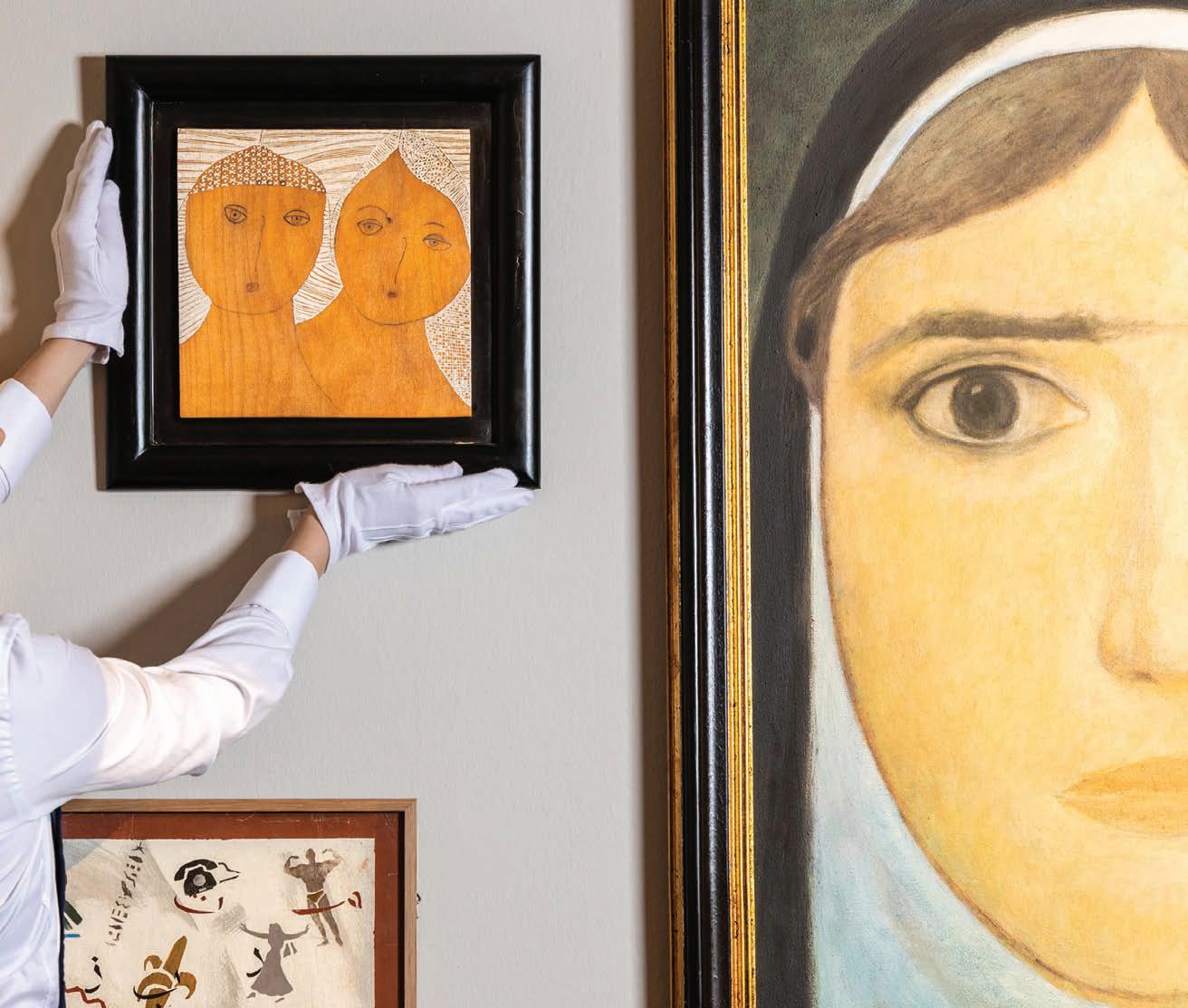
Huguette Caland’s ‘Untitled(Two Faces)’ on view at Sotheby’s in London, England
identity, political authority, and social change. The growing international visibility of these practices reflects a longer history of artistic and intellectual production that has remained underrepresented within dominant narratives of global art history.”
Twentieth-century Modernism proved if not a turning point, then at least an offramp for female artists to begin unshackling themselves from the constraints of the past. Regionally, today’s female artists owe an immense debt of gratitude to the likes of Lebanese-American poet, essayist and visual artist Etel Adnan whose vibrant use of colour reflected not only the landscape around her but highlighted the intersection of poetry, painting and political discourse;
“THESE WOMEN STUCK TO WHAT THEY BELIEVED IN. THEY DID NOT FOLLOW TRENDS; THEY FACILITATED AND OPENED THE SPACE FOR US.”
to Iraqi artist Madiha Umar whose melding of calligraphy with abstract art is lauded as the precursor to the Hurufiyya movement; to Lebanese painter and sculptor Huguette Caland and to Iraqi painter and educator Naziha Salim – “the first Iraqi woman who anchored the pillars of Iraqi contemporary art”. “Adnan created a whole language on her own,” says Lebanese digital artist, Kristel
Bechara. “These women stuck to what they believed in. They did not follow trends; they facilitated and opened the space for us.” Says Dr Beaney: “From the early Modernist period onwards, women artists increasingly participated in avant-garde movements, exhibitions and artistic debates. Yet these advances were within a wider culture in which women’s intellectual and creative
contributions were frequently undervalued.” There’s a sinister precision to the word ‘undervalued’ in that it requires an acknowledgement of the power dynamics at play and an awareness of one’s position in the food chain. “Your work is good,” the hegemony is saying, “but because you’re not as influential or as well platformed as I am, I’ll offer you less than what it’s worth.”
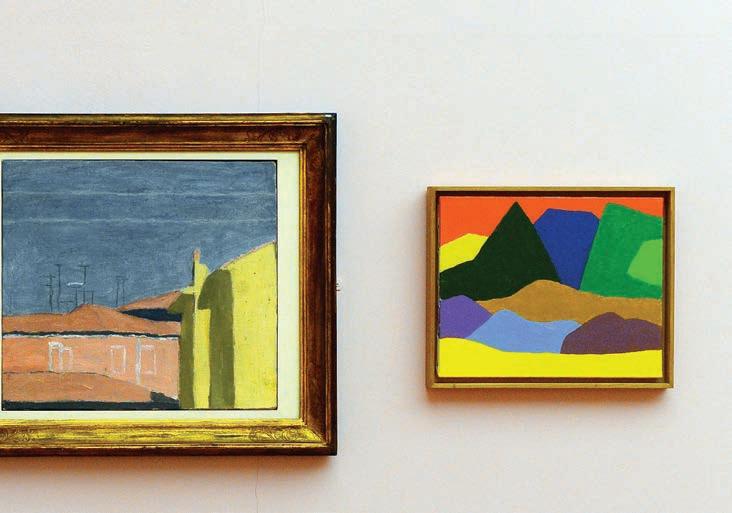
Painting of Lebanese artist Etel Adnan (R) in dialogue with the masterpieces by Italian
Devalued resonates on many levels, and in the Venn diagram of devaluation with its overlapping circles of the lived female experience as it relates to creativity, money and power, the female artist sits at the centre.
“There is a devaluation of day-to-day roles, language and craft,” says Ghaddar. “And when you do have a feminine voice emerging from all of that it is critiqued as disruptive and resistant. But it is strong because it acknowledges that it had to pierce a very rigid eco-system in order to emerge.”
Patience is a word that comes up again and again in conversations with female artists. Patience that has been forced upon them, patience they have convinced themselves they must possess because that’s the way things are and always have been, and also the good kind of patience, the one that whispers into your ear that the muse cannot be hurried. But what’s a female artist to do when she’s relentlessly exhibiting patience not art? “My journey has often been about been waiting for something to happen and then telling myself: ‘You know what? I can actually do this without waiting for someone’,” says Egyptian multidisciplinary artist, Rabab Tantawy. “I waited for my first solo show, I submitted my work to galleries, I did all the open calls and was getting rejection after rejection. So, I found
a freelance curator, I found a space, I did my own opening night sent out my own press releases. Once I knew I could do that I didn’t have to wait for someone to rescue me or discover me on all these terms.” Now 54, recognition came later in life for the muralist, but when it did, she was ready. The creator of the Yas murals for Aldar Properties, as well as public artworks in Al Seef and a 500 square metre mural in Al Quoz Creative Zone, Tantawy was the first artist to design a Formula One car, the McLarens driven by Lando Norris and Daniel Ricciardo during the 2021 Abu Dhabi Grand Prix. And as co-founder of Studio Thirteen in Al Quoz, she is familiar with the collective power of women coming together through art.
“I was still waiting for something to happen somehow when I found a lot of artists like me who were looking for studios to work out of,” she says. “When I found Studio Thirteen, I started contacting other artists and it was the men I contacted who were discouraging. They talked about all the risks but no rewards. And the women were the ones supporting me, saying: ‘We are in this with you’.”
Technology too has contributed to the way in which women navigate the art world.
For Bechara, the rise in NFTs proved a great equaliser in her artistic landscape.
“As a digital artist, I was an early adopter of blockchain technology and I understood what it did for collectors,” she says. “NFTs levelled the playing field because digital became as valuable as my traditional paintings. Collectors were international and I didn’t have to go through galleries or middle men, the work was advertising itself. With NFTs, the work was new, it wasn’t based in history or accepted norms, or reliant on galleries and all the gatekeepers that traditionally were there.”
“Prices tend to follow visibility, and visibility is shaped by prior collecting patterns, museum exhibitions and critical discourse,” Dr Beaney says of the state of art for sale and at auction. “Even where institutions and galleries have made deliberate efforts to revisit historical imbalances, the market continues to reflect the accumulated advantage of male careers.” She points out that according to the Art Basel and UBS Global Art Market Report 2025, women artists constituted 41 per cent of artists represented by galleries globally, accounting for approximately 42 per cent of primary market sales, indicating substantial progress in representation and demand. Yet the highest value tiers remain far more concentrated. In the first half of 2025, only 13 women appeared among the 100 top-selling artists at auction, according to the 2025 Artnet Intelligence Report, demonstrating how entrenched reputational hierarchies continue to imprint the secondary market.
“Investing in art by women means you are supporting a much broader and more accurate understanding of cultural history by bringing attention to artists whose perspectives were often overlooked,” says Maan Jalal, Consultant, and Founder of The Culturelist. “Women artists frequently explore experiences, narratives, and social realities that have not always been centred in traditional art histories. Supporting their work helps expand the range of stories and viewpoints represented in museums, collections and public discourse.”
“IT EXPANDS ART HISTORY AS A DYNAMIC, PLURAL NARRATIVE SHAPED BY MANY VOICES RATHER THAN A SINGLE MALE LENS.”

artist Giorgio Morandi (L) in Bologna, Italy
For Mariam AlDhaheri, curatorial assistant at Louvre Abu Dhabi, it’s about actively contributing to the future of art.
“It expands art history as a dynamic, plural narrative shaped by many voices rather than a single male lens,” she says. “Investing in art by women contributes to a more balanced cultural landscape. It helps preserve diverse perspectives, experiences, and stories that shape how societies understand themselves. Such investment supports dialogue, encourages innovation, and ensures that future generations inherit a more complete and nuanced artistic record. Beyond the narratives of the past highlighting male artists, the female existed, produced and must be showcased.”
If investing in art specifically by women feels purposeful, that’s because it is. Actively seeking out the under- or mis-represented across the artistic spectrum requires more to be asked of the collector beyond that of investor or audience. They become a champion of it whether intentional or not. This kind of intentionality in addition to established factors can effect change. “Our experience in the MENA region suggests a more nuanced picture,” says Dr Beaney. “Across both established and emerging practices, women artists from the region are achieving prices comparable to, and in some cases exceeding, those of their male peers in the gallery context and increasingly at auction. Strong institutional programming, engaged collectors, and sustained curatorial attention have contributed to an ecosystem in which women artists enjoy a central position within our contemporary art scene.”
F. Scott Fitzgerald ‘borrowed’ from his wife Zelda’s writings and journals;
Margaret Keane’s husband Walter claimed he painted her celebrated pieces; photographer and surrealist Lee Miller’s work on the solarisation technique was credited to her lover Man Ray; with history famously said to be written by the winners, revisionism has become a powerful tool in modern attempts to right the wrongs of the past.
In 1998, New Yorkbased feminist artist collective The Guerrilla Girls unveiled a seminal work: The Advantages of being a Woman Artist. The poster ironically listed 13 reasons extolling the virtues of being a female artist, which included, “Being reassured that no matter what kind of art you make it will be labelled feminine”, “Seeing your ideas live on in the work of others”, and “Being included in revised versions of art history”. What is the point of glory, it starkly asks, if the artist is not only no longer around to enjoy it, but was actively censored during their lifetime?
Most recently evidenced in Katy Hessel’s lauded 2022 illustrated history of women artists, The Story of Art Without Men, while the intentions of revisionism are unquestionably noble, the fact of its necessity remains emotionally evocative. But, with no alternatives, better late than never is all we have.
“Women artists occupy a central position within the contemporary art ecosystem of the Gulf and wider Middle East, and many have achieved substantial international recognition,” says Dr Beaney. “The prominence of women artists in the region also reflects the wider structure of the Gulf’s cultural sector. Women in the Gulf hold influential roles across galleries, fairs, institutions, curation, auction houses and collecting networks throughout the region.” She adds: “There is also an interpretive dimension. Women artists often draw attention to experiences and social structures that historically remained outside dominant visual narratives. Through their subjectivity, they uniquely raise the gendered experience in a way that male artists cannot.”
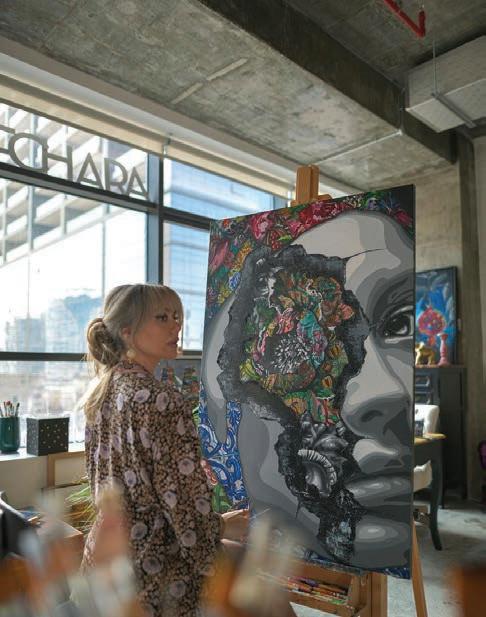
Above (from left): Kristel Bechara; Rabab Tantawy; Below: Chafa Ghaddar
Morin Oluwole, an International Luxury Business Leader who serves on the boards of Breitling, Rituals, and Biologique Recherche and the former Global Luxury Director at Meta, explains why it’s always important to include a woman’s point of view in the rooms where C-suite business decisions are being made
The corporate world was not built for women. And yet, women enter it every day, carrying perspectives that are underrepresented, undervalued, and, until recently, dismissed. The female gaze is more than a point of view – it is a lens that challenges the very architecture of business. It asks hard questions: Why do we define success this way? Why are certain voices louder than others? And, ultimately, what happens when women lead, not just participate? For me, the female gaze is about clarity over noise, strategy over show, understanding over assumptions. It notices what’s missing – the blind spots, the cultural friction, the patterns others overlook. Acted on, these insights are transformative. Some call it “soft skills.” I call it power. Power to question, to pause, to bring nuance where others see certainty. In
boardrooms, this perspective has reshaped strategy, product, and brand identity – yet it’s often overlooked until results speak for themselves.
Early in my career, I assumed leadership came with a more senior title. It didn’t. It came in how I framed problems, translated ideas into action, and navigated contradictions others ignored. Women are taught to be “liked” first, to shrink, to edit ambition. The female gaze teaches the opposite: bring your full perspective, unapologetically. Speak clearly. Own your space. Authority isn’t granted – it’s inferred from how you think, act, and respond under pressure.
THE HUMAN SIDE OF STRATEGY
Early in my career in tech, I remember sitting in a meeting where the discussion focused almost entirely on numbers –growth projections, performance metrics, operational targets. All important, of course. But I found myself asking different questions: how will people actually experience this? How will customers feel? What story are we telling without realising it?
The room paused. It wasn’t that the question was difficult – it simply hadn’t been asked. Over time, I’ve seen that many of the most successful strategies are built not just on data, but on empathy. Data tells you what people do, but understanding why they do it – and how they feel when they interact with a brand – requires a deeper perspective.
This is where the female gaze often becomes a strategic advantage. In luxury, for example, this perspective is invaluable. Brands succeed not only because of product or price, but because they understand emotion, perception, and meaning. They know how a client wants to feel when they encounter the brand.
LEADERSHIP THAT LOOKS AHEAD
Another element it brings is long-term thinking. In many corporate environments, there is a strong pressure for speed and immediate results. But women leaders often approach decisions with a broader time horizon. Not out of caution, but out of awareness. We tend to consider how choices will affect teams, relationships, and reputation over time.
The corporate world is richer, smarter, and more effective when the female gaze is present. And I don’t mean token presence; I mean influence, authority, and space to act.
A DIFFERENT
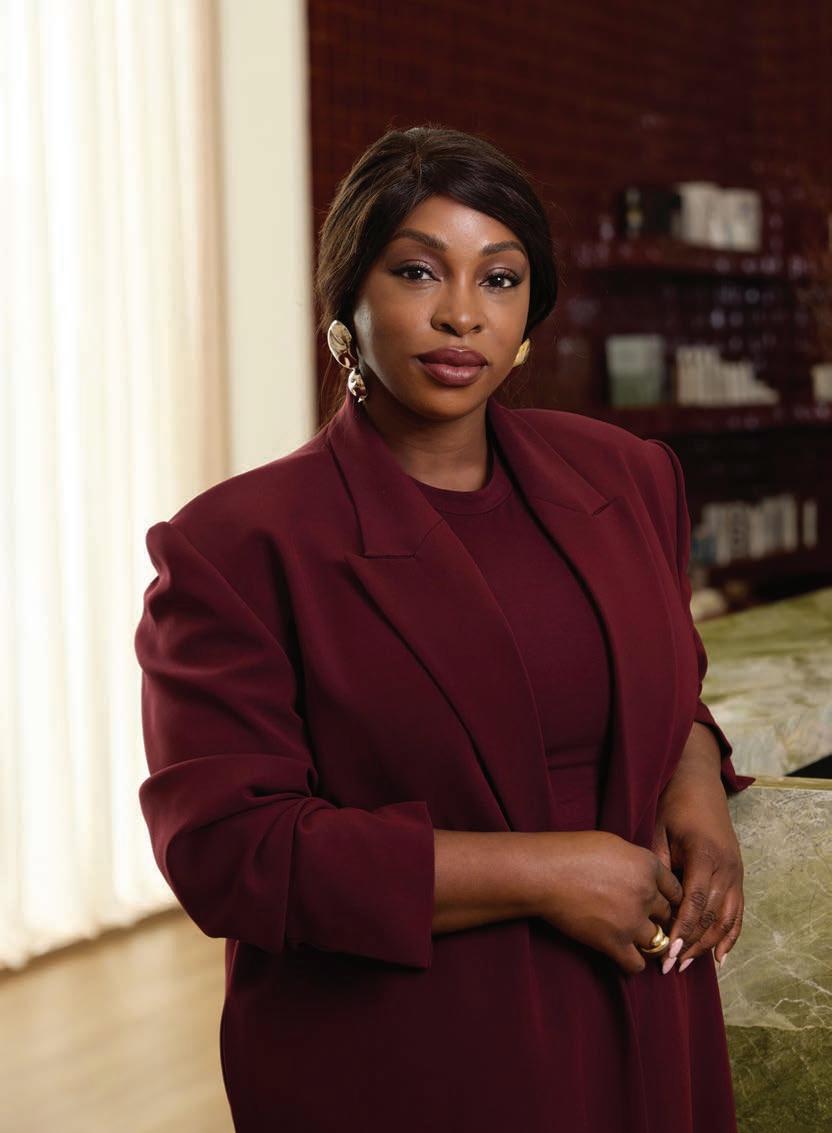
A female gaze in leadership often asks slightly different questions:
∙ Who is not in the room?
∙ Whose voice have we not heard yet?
∙ What might this decision look like six months from now – or five years from now? These questions do not slow progress. They make progress more sustainable. When women are empowered to lead, the world becomes not only fairer, but sharper, more creative, and more resilient.
BEYOND THE OLD LEADERSHIP MODEL
The most dynamic environments I’ve experienced were those where perspectives balanced each other: analytical and intuitive, fast and reflective, assertive and collaborative. For years, women were advised to “fit in” to existing corporate cultures. That moment is changing. The real opportunity now is not to imitate leadership models, but to expand them. A world shaped by more of a female gaze would not necessarily be softer or slower. It would simply be more aware – more attentive to complexity, more conscious of human dynamics, and more balanced between ambition and responsibility. The world is changing, whether corporations realise it or not. Women are shaping it from the inside, quietly and boldly, and the female gaze is central to that transformation. If you want to understand what the future of leadership looks like, start by listening to the women who have always been seeing more than anyone else in the room. The female gaze is not a trend or a talking point. It is a shift in perspective that exposes outdated assumptions about power, leadership, and success. The real question is no longer whether women belong in these spaces – it is whether institutions are ready for the clarity and change that come when we fully step into them. @morin | morinoluwole.com
PERSPECTIVE
HER LENS
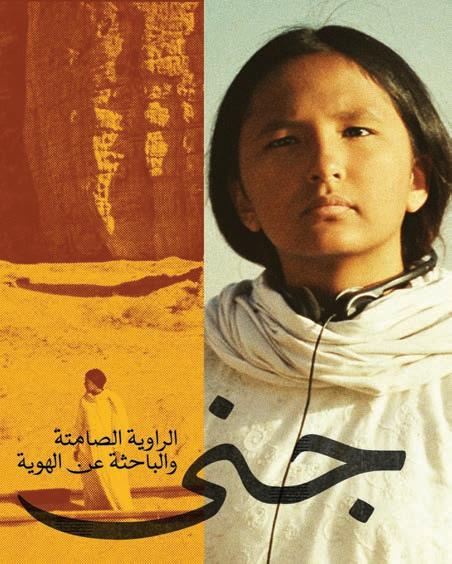
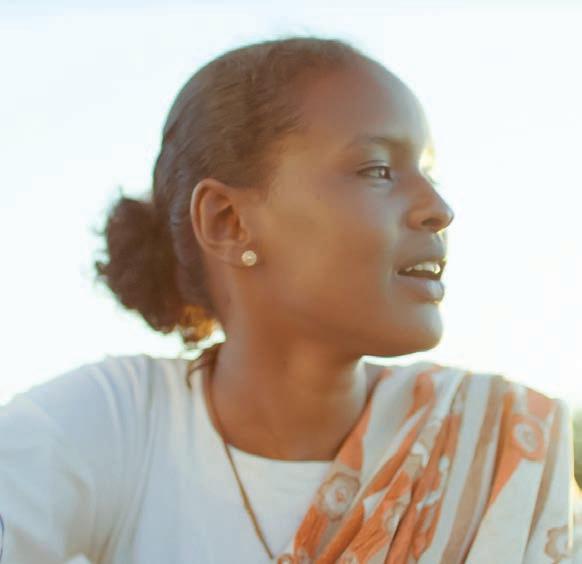
Hijra
Cotton Queen

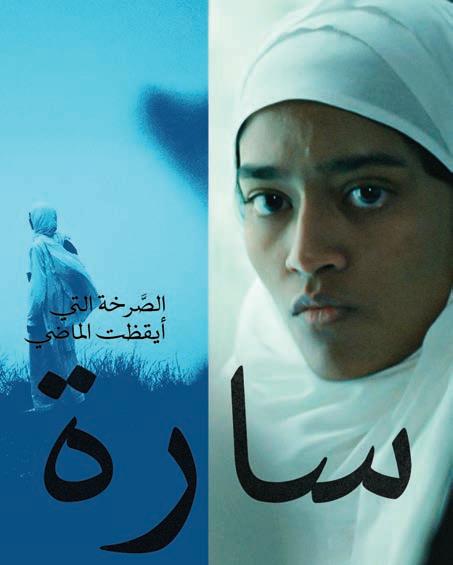
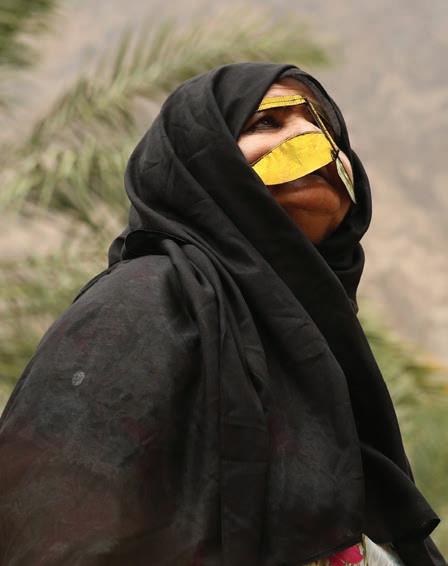
Three conversations on storytelling, legacy, and the perspective that changes everything
MODERATED BY AMINATH IFASA
Hijra Honey,Rain&Dust
A NOTE FROM BUTHEINA KAZIM, FOUNDER OF CINEMA AKIL
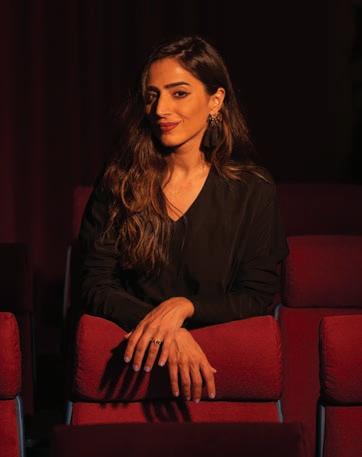
One of my favourite lines in literature is Joan Didion’s opening to The White Album: “We tell ourselves stories in order to live.” I return to it often, not out of reverence, but because it seems to come haunting me through life's unfolding chapters... the noisy ones, the cosy ones and the abrupt. As the founder of an arthouse cinema, I have always lived under the auspices of the female gaze, walk into our space in Alserkal and Sofiko Chiaureli’s gaze from The Color of Pomegranates meets you in the foyer in protection. This worldview is rooted in my work at Cinema Akil, where programming has always been an exercise in attention, to the crevices and to meeting points… in order to live.
For this series of conversations for Emirates Woman in its keen focus on the female gaze, I was less interested in interviews than in encounters, sisterhoods in stories that ebb and flow without hierarchy or performance. Not subject and moderator, but two women meeting through their storytelling. These conversations themselves emerged in the wake of a Ramadan program I curated recently in a garden majlis at dusk, gathering four films by women.
Nujoom Al Ghanem, whose films have long formed an environmental and emotional archive of the Emirates, sat with Zain Masud, a landscape artist attuned to the quiet intelligence of indigenous plants; their exchange unfolding as a shared language of land, one through image, the other through living species. Shahad and Ghalia Ameen, sisters navigating cinema and cultural production across geographies in dialogue with Mahdiah Al Jedd, founder of Hikma Rituals (literally Wisdom Rituals). While Suzannah Mirghani, whose work loves the space between history and poetics, met Laila Binbrek, director of the UAE Pavilion at the Venice Biennale in an encounter that lingered in the tension between institution and the fragile, persistent act of storytelling.
The women brought together in this series are – each in her own way – storytellers. They take different forms and might have different vocabularies, but they share a persistent instinct… to shape meaning… in order to live.
THE TRUST BETWEEN US
Nujoom Al Ghanem, an award-winning poet, artist, and filmmaker, has spent years documenting the lives of people across the UAE. Her work is a deep exploration of character, place, and memory. She is joined by Zain Masud, an art historian turned landscape designer whose practice is rooted in the native species and cultural stories of the Arabian Gulf. Aminath Ifasa moderates.
Nujoom Al Ghanem: When I start researching a character, and the whole world around this character, the relationship develops profoundly. That brings us together into another level, which is the production level. Zain Masud: I spent the morning watching Nearby Sky. It was genuinely the calmest and most extracted out of the current situation that I have felt in the last two and a half weeks. A gesture of tenderness and defiance. I was so moved by the force of these characters, the very distinctive knowledge that you hone into. What did you absorb by being
around them? What did it mean to you? Al Ghanem: I start with the research. Sometimes you get to know these people through the press. A friend sent me a link to an article about Fatima Ali Alhameli [the first Emirati female camel owner to enter her camel in the country’s camel beauty pageant competition and participate in Abu Dhabi’s camel auctions], and said, “This is an interesting woman. Maybe you can make a film about her,” inspiring me to start working on the film Nearby Sky. I read the article, and she was extraordinary. It took two and a half years to finish that film. I wanted to capture her at her farm, at the camel pageants, the auctions, the races.
Masud: She’s a very powerful woman. And when you talk about how language and words are meaningful to you, you found the perfect subject. She speaks in poetry. She can’t read. She didn’t learn to think that way through reading; she’s attuned to the nature around her. She’s a free spirit.
Aminath Ifasa: I want to jump in here. We see many women-centric films acclaimed around the world, but often they are created by men. I feel it makes all the difference to see a woman look at another woman. The female gaze changes the entire narrative. What are your thoughts on that?
Masud: I was thinking about this while watching Nearby Sky. I am acutely aware of the difference in my own practice, I work in an all-female team, and what we produce as a result. But I was watching these films thinking, ‘I don’t think a man could have made them in our context.’ It requires a certain sensitivity and a trust that is more forthcoming when women come together.
Al Ghanem: The key word is trust. We are genuinely able to find the common ground where we can communicate with ease. We understand our emotions. I have a goal to make the film. Fatima has a goal to show herself, to prove her strength. There is this mutual responsibility. I might ask her, “Would you mind saying this in your own way?” Sometimes she would agree.
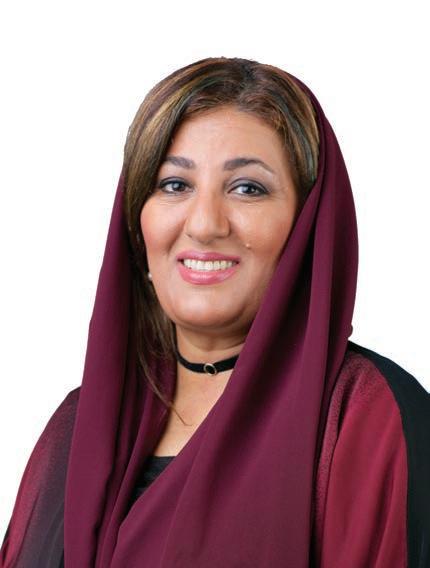
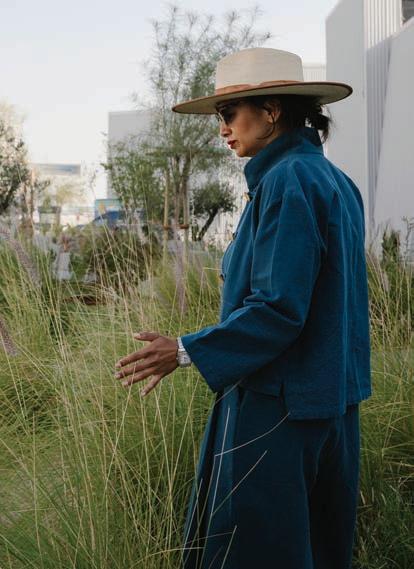
Sometimes she would say, “I’m sorry, Nujoom, I cannot say that.” She knows what she wants and what she doesn’t. She forces you to respect that space.
Masud: And it’s interesting what you’re saying about the intelligence of these people. A sort of spiritual intelligence, a privileged form of knowledge that can only be learned over decades of life in close proximity to a place.
Al Ghanem: I was raised by four women. My grandmother and three aunts. They were very tough with me, to make me a strong woman. The fortunate thing was that their house was full of books. I learned how to paint, how to read. I had a language to express myself through.
Masud: I’m very moved by how honest you are. The journey that brought you here. That depth of experience is very apparent in the films. I was thinking of the way you use music. It’s multi-sensory.
Al Ghanem: Thanks to my education. You have to respect every element in your film. I’ve been collaborating with amazing composers in the Gulf and abroad. I gave Marwan Abado [the music of the film] the traditional songs and asked to have that melody using modern instruments. The visual and the sound are equal. The music has to be composed specifically for the film. Masud: I want to thank you for your art. It did something healthy and important for me today. There’s so much more I could say.
THE JOURNEY WITHIN
When Ghaliah Amin was cast in the movie Hijra, it was her first time acting in a feature film. The story follows women on a physical and spiritual journey across Saudi Arabia. She is joined by Mahdiah ElJed, a sustainability professional and herbalist, co-founder of hikma rituals, a herbal apothecary and wellness studio focused on plants of the region. Aminath Ifasa moderates.
Mahdiah ElJed: From what I understand, Hijra follows women on a physical journey that becomes an emotional and generational one. What drew you to this story?
Ghaliah Amin: It reminded me of how we used to live in Jeddah. I went to Hajj with my sister in 2002. The emotional journey starts when Sarah tells her sister goodbye, but she doesn’t really want to. She just had to leave. ElJed: And your character, the aunt, portrays a different dimension of womanhood.
“THE KEY WORD IS TRUST. WE ARE GENUINELY ABLE TO FIND THE COMMON GROUND WHERE WE CAN COMMUNICATE WITH EASE.”
How did you relate to her?
Amin: I understood Aunt Leila. She just wanted what was best for her nieces. This idea of a woman leaving her family to explore life – in 2001, that was difficult. The aunt wants the best for them, but at the same time, she gives the mother Sarah’s number. She wants her nieces to be safe. There’s a scene with three generations of women in one room. You see how they react, how they interact. The love, and the anger.
ElJed: The film portrays women beyond clichés. How conscious were you of resisting expectations?
Amin: I wanted the character to feel real. Aunt Leila is living a normal life, and all of a sudden it gets disrupted. She wanted to continue, but she couldn’t stay quiet. She didn’t express her emotions a lot.
ElJed: There’s a strong tension between the older and younger women. But also, moments of recognition. The film suggests women inherit not only traditions, but also unresolved tensions, desires for something different. Is that something you relate to?
Amin: The way your mom brings you up, you don’t just listen. You see her character. We all become our moms at a certain age. Even if it’s something you don’t like in her, it represents you at the end. We just embrace our shadow. You can see the grandmother at the end, she becomes more lenient. The characters grow throughout the film. Each one has depth.
Nujoom Al Ghanem
Zain Masud
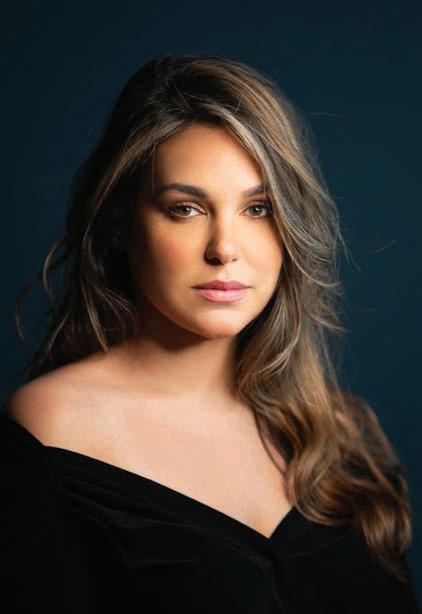
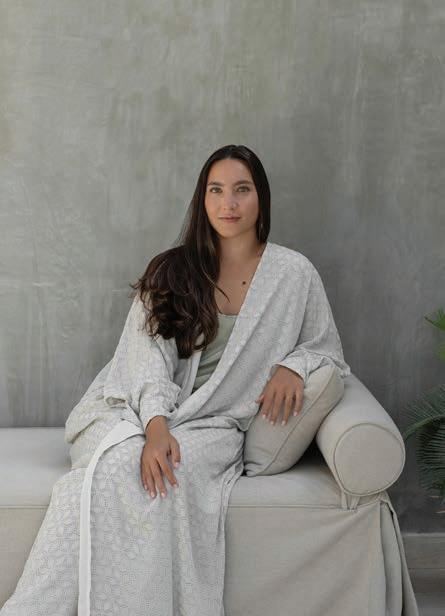
ElJed: Faith is a lived experience in this film. The story unfolds around the Hajj, but the characters are navigating family conflict. How did you approach portraying faith in that context?
Amin: There’s a scene where I’m cleaning Jenna’s hair, and I say, “Remove the thing from your head, so I can wash it properly.” She says, “No, I’m still in a state of ihram. I can’t remove it.” At that moment, Aunt Leila represents something going against tradition, because there’s a problem now. Sarah has disappeared. But then she leans back and thinks, “She’s a kid.” She wants to do what’s right. She says, “Okay, I’ll help you. Just remove the wax.” Sometimes you’re harsh, you want to get things done. But you have to see the kids around you.
Aminath Ifasa: How important do you think it is for a film that has the female gaze to be conceptualised by a woman?
Amin: Very important. Because she’s discussing women in the film. We always see films made by men where you look at the woman and think, “We don’t do that.” In this film, you feel every character. Even the grandmother, who is so angry, you feel bad for her. If it’s written by a woman, you relate to them more.
ElJed: How was it to work with your sister, the director?
Amin: It was great. She trained me for two to three weeks. We built a bond directly with the other actors. The way she thinks is truly genius.
Ifasa: Mahdiah, when building a brand that focuses on women, how important is it for the founder to be a woman?
ElJed: Historically, there has been a sacred bond between women and the land, and the world of plants. Go back one or two generations in our own families, many of us have grandmothers who knew how to use plants for health. It’s a deeply feminine set of skills. We reflect on the fact that women carry life. We see it as part of our responsibility to help others reconnect to the natural world.
Amin: Mahdiah, how can we start reconnecting to the land as modern women?
ElJed: Reconnecting with the land and reconnecting with ourselves are part of the same journey. The hijra is both a physical and a spiritual migration, a movement that calls for transformation of the heart. Our relationship with the natural world mirrors this process. Practically, it asks us to slow down, to show mercy to ourselves. The word rahma shares a root with rahm, meaning womb. Caring for ourselves is the first step, and from that, care flows into the capacity to nurture our families, our communities, and, ultimately, the world itself.
THE POWER IN THE STORY
Suzannah Mirghani is a SudaneseRussian filmmaker and academic whose work explores the intersection of history, industry, and women’s lives. Her film Cotton Queen tells the story of three generations of women in a cotton farming village. She is joined by Laila Binbrek, Director of the National Pavilion UAE at the Venice Biennale, who has spent her career platforming art and stories from the region.
Aminath Ifasa moderates.
Suzannah Mirghani: Cotton Queen is the story of a family in a cotton farming village in Sudan, told through the eyes of a young teenage girl. It’s about her relationships with the other women in her family. Three generations of women. At the centre of it all is cotton. What it means to industry, and what it means to the people who nurture it, who grow it, who wear it. The women have a much stronger, more intimate relationship to cotton than any male industry could imagine.
Laila Binbrek: Having seen the film, it is so rich in the layers of storytelling. We both try to tell untold stories. Why was it important to use that particular viewpoint – the grandmother and the daughter – to tell this story? Mirghani: It was important to tell women’s stories from Sudan. We don’t really have a film industry in Sudan. In terms of fiction, there is not enough representation of
Ghaliah Amin
Mahdiah ElJed
women on screen. When I was talking about the cotton industry, the colonial industry, I needed the historical perspective. And you cannot get that without an older generation.
Binbrek: There are references to colonialism, but they are subtle. How do you balance those layers without letting them take over the gentleness of the story?
Mirghani: I cannot tell the story of cotton without telling the story of colonialism. All the markers are there. The colonial mansion, deteriorated but there. A reminder of the past. I also touch on circumcision. These issues cannot be divorced from a young girl’s life in that environment. You see a colonial house every day. You have business interests coming in from abroad. The film takes you through a girl’s life and everything she has to experience.
Binbrek: What do you see as filmmaking as a form of research in itself?
Mirghani: My own discoveries about the cotton queen are now communicated through the film. People didn’t know there was such a thing. Young girls exploited not only in their work, but then in their bodies and beauty by a patriarchal industry. I took that title and took it away from being about beauty and exploitation to being about a young girl’s power. To be a queen in the real sense.
Binbrek: Do you feel that the way you conduct your academic research influences the way you construct the narrative on screen?
Mirghani: I have two things I do. One is to
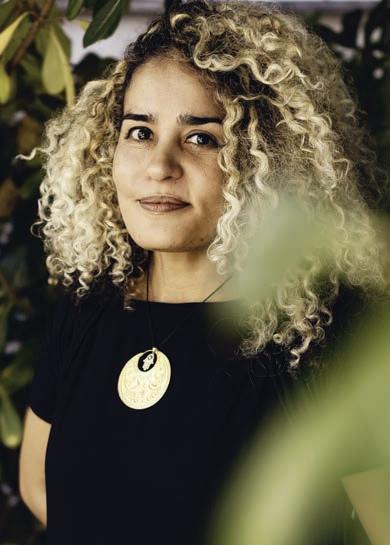
“I THINK THE VALUE OF THE FEMALE GAZE IS IMMENSE AND SHOULD NOT BE UNDERESTIMATED.”
have a solid foundation. That is the research part. And then to layer on top a kind of poetic imagination, a reimagination of that historical story. I left Sudan when I was a young girl. I have a childlike view of my country, tinged with the mystical, the folk tales. I take a very solid historical foundation and dress it up poetically.
Binbrek: As a filmmaker representing your own culture, do you feel a responsibility to ensure things aren’t misunderstood or sensationalised?
Mirghani: These kinds of questions happen after the film is made. When I write the script, I am alone. The writing process is personal, quiet, lonely. You don’t have an audience in mind. Your first audience is your character. So, you write for them. Only after the film is viewed and debated do these questions come. Now, I think, “I am responsible for a story from Sudan.” But I wasn’t thinking that in my room alone. Binbrek: How long was this process?
Mirghani: Five years from start to finish. I made a short proof of concept three years
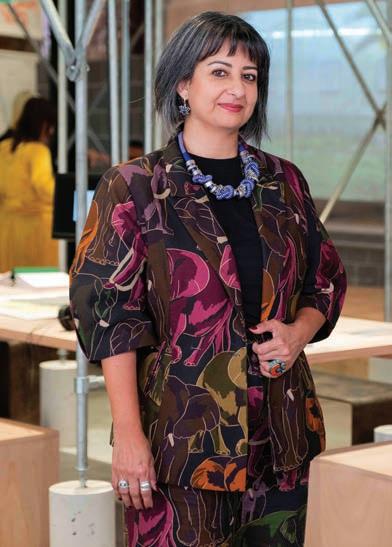
before that. You could say I was living in a Sudanese cotton farming village for eight years. That’s where my head has been.
Aminath Ifasa: For someone to be from that community, having biological roots, I think it affects the way a story is told. How important is it that this story was told by a Sudanese woman?
Mirghani: I can only speak for myself. You can do as much research as you want, but to not have experienced Sudan, to have experienced cotton fields, to have experienced these communities – my extended family have cotton fields, we would visit them. My story isn’t a technical story. It’s about the community. In terms of the female gaze, I concentrate on women. I get asked, “Tell me about the Sudanese woman,” and I push back. There is no such thing. We have many different types, many social classes. It was determined in my film to represent very different perspectives of three generations.
Binbrek: Women in general have more sensitivity and empathy to extract stories from those who might not think their story is important. How did you build trust with the actors and the communities?
Mirghani: It’s a long process. I was working with the same actors from my short. A simple way to build trust was to hold the table reads in their houses. We would sit in their living room, they would make tea. It became a social occasion. They got so happy when I suggested it. It was less scary for everyone. They gained a bit of ownership of their role. Binbrek: And then you had to move the entire production to Egypt because of the war. Mirghani: The actors were displaced. Living in fear. The film became a rallying point. A reason to come together, to rebuild the community we had in Sudan, but now in Egypt. The film gave everyone a purpose. Something to work towards. We no longer have our homes. But there is something we can do together.
Binbrek: I think the value of the female gaze is immense and should not be underestimated. Mirghani: Hallelujah to that.
Suzannah Mirghani
Laila Binbrek
WORDS:JESSICA MICHAULT
There is a moment in the movie Same Same But Different – actor and writer Dalia Rooni’s whip-smart, warmly chaotic debut feature – when three Persian women sit together and refuse to eat the last bite of food on the table. The men in their lives watch on, mildly bewildered, while the women perform the very particular negotiation of generosity and restraint that anyone raised in the Middle East will recognise in their bones. It is funny, yes. It is also, in the way that only the best comedies manage, quietly teaching an endearing cultural lesson.
The film, which made its world premiere at the 2026 SXSW Film Festival, follows three Persian women living in America –each at a wildly different crossroads in love and life – through a single, pivotal weekend. All three are in an intercultural relationship, grappling, in their own way, with the weight of heritage, the idea of belonging, and the impossible math of becoming fully yourself when the cultures you carry inside you can present conflicting emotions. It is an ensemble story about identity and immigration and cultural tension, and it was written, produced, and – perhaps most importantly – lived by Rooni herself.
“I have known these women for years,” Rooni explains over Zoom from her home in Los Angeles, of the female stars of the film. “We’ve been auditioning for the same things forever, even though we’re so different. Because if there’s space for a Middle Eastern girl on TV, there’s typically only space for one of us.” She pauses. “I really wanted to be like: hey, look – you can put three Middle Eastern girls leading a movie and guess what? They can all be different. Just by their personalities and their talents, not their race.” That the film exists at all is something of a minor miracle of indie filmmaking willpower. Frustrated by nearly a
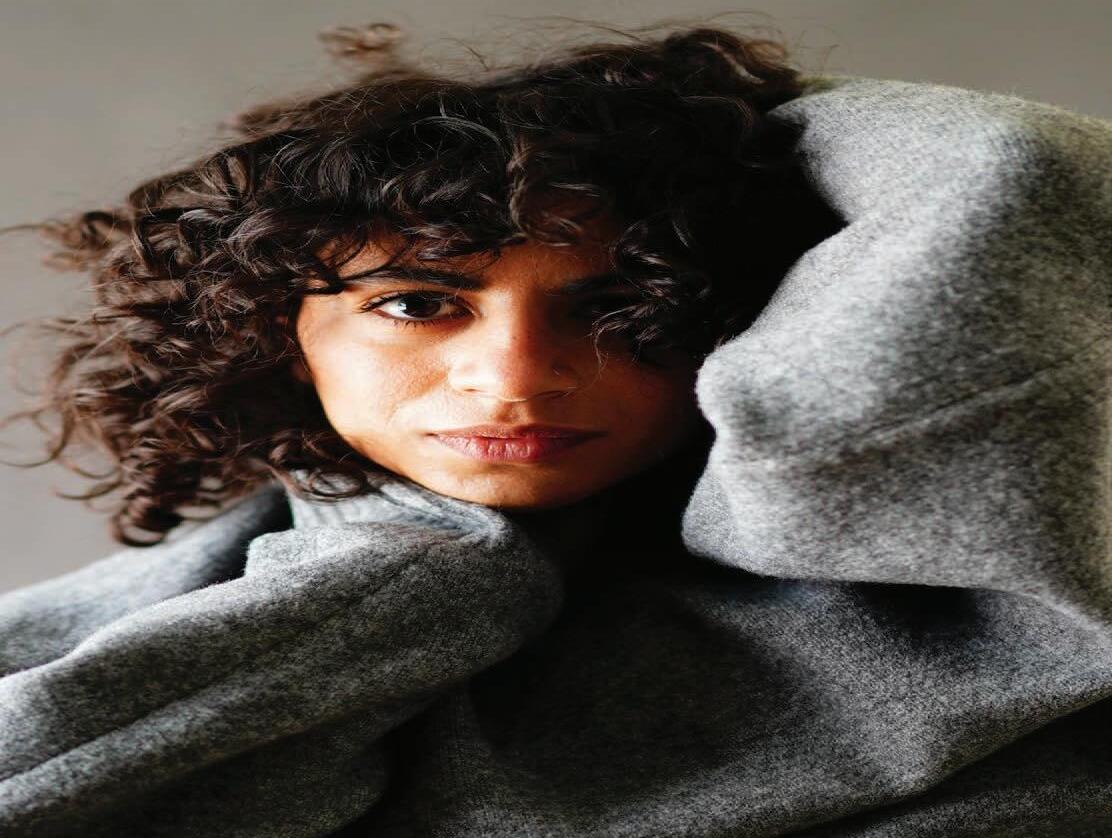
COMMON GROUND
In the new movie Same Same But Different actor Dalia Rooni not only stars in the film, she wrote the script. A heartwarming story about love, friendship and life as a third-culture kid
decade of roles that failed to reflect her reality – “I had been in LA for eight and a half, almost nine years and I just didn’t have any bookings that I thought did me justice” –Rooni sat down and wrote the script herself. In less than a year, she had financing, a cast, a director, and a slot at one of the most coveted film festivals in the world. One of
her investors? The Airbnb host whose house became the film’s primary location after Rooni cold-pitched him the entire film over a two-minute phone call.
“I joke about it now,” she says, laughing, “like it was easier to write a film, produce it, raise a bunch of money, and get it into South by Southwest than to get placed on a TV show. So I think there’s a chip on my shoulder for sure about that. But yeah, this script came out of a place of pain. People just weren’t seeing my value and I was like:
I have to prove it. That’s how it landed on a page.” The resulting film is disarmingly personal. Rooni’s own husband plays her on-screen boyfriend – a casting decision her manager initially pushed back on, before director Lauren Noll overruled everyone and insisted he was the only person specific enough for the role. The bachelorette party at the film’s emotional centre – the scene Rooni calls “the heart of the film” – reenacts a real moment: her now-husband stripping for her friends, a gesture Rooni has clearly spent years trying to adequately explain to people who weren’t there to feel its specific tenderness. “And by the way, that was like an epiphany at that time,” she says, eyes still bright with the memory. “It was like: yeah, I guess that would be weird if you weren’t so secure in this relationship.” She laughs. “That was something I was like, we have to have this in the film.”
What makes Same Same But Different so impactful, however, is not merely that it is autobiographical, but how fluently it moves between the universal and the specific. The three leads navigate the timeless landscape of romantic uncertainty – the slow-burn friendship that tips into love, the long-term relationship beginning to show its cracks, the whirlwind romance that forces a reckoning – while simultaneously navigating terrain that is far more culturally particular. A myriad of cross-cultural issues, from faith, and family to the loneliness of thirdculture kids is touched upon in an open and honest way – often addressed with a dash of humour to help the audience see the issues through a prism of relatability.
The film handles the faith storyline with notable care, resisting the easy dramatic shortcut of making religion the villain. Rooni is clear this was non-negotiable. The director, she explains, grew up in a deeply religious community – a biography that gave her a particular sensitivity to the nuance required. “It was very important that they’re not gonna be the bad guys,” Rooni says. “My husband’s family, they grew up very Catholic, and that prayer scene in the film – it happened to me the first time I met his family. And they have always been just the loveliest, least judgmental people.”
It is this insistence on complexity – on characters who are neither flattened by stereotype nor hollowed out as symbols – that gives the film its genuine emotional charge. Rooni has little patience for the kind of
Middle Eastern representation that reduces women from the region to a single, legible narrative. She knew girls in hijabs who took them off on yachts. She knew the full, contradictory spectrum of womanhood that mainstream Western media had decided didn’t exist. “They’re just girls at the end of the day,” she says simply. “And they fall in love and they have heartbreak and heartache and drama – and the drama just looks different sometimes. But they’re still girls. And I wanted to show that.”
Rooni is conscious, too, of who doesn’t yet have access to this kind of storytelling – and who might, once the film finds its streaming audience. She is thinking about the girl who will watch it and see herself reflected not as threat, not as tragedy, not as the single representative of a monolithic culture, but as a person in all her ordinary, extraordinary complexity. “I’m hoping people come away from seeing this movie just thinking: wow, those Persian girls, they’re just like us. That’s someone who I would have had a preconceived notion about, and I was wrong.” She pauses. Then, with the precision of someone who has been turning this thought over for years: “I would love for you to have ten different ideas of what this person can be when you see her – instead of the one that you are fed in the media constantly. That’s it. That’s really, really it.”
The set, by all accounts, reflected this same ethos of communal warmth. Rooni’s parents catered, cooking Persian food for
seventy-five people filming in that single Airbnb house, her mother using the top of a washing machine in the laundry room –the only available counter space – to chop onions at odd hours of the night. Parents who, not so long ago, had worried about what Hollywood might do to their daughter. “Having them being caterers on the set was like – I don’t even have words to explain how much that meant to me,” shares Rooni.
Same Same But Different is a film about finding love, about chasing acceptance, about the long, imperfect work of discovering who you truly are when the world keeps handing you a much simpler version of yourself and asking you to accept it. That it is also very funny – genuinely, frequently, laugh-out-loud funny – is not incidental to this project. It is the project. “When we watch films that tell us how to think, we leave being like, ʻoh, this was a history lesson,’” Rooni says. “And I’m like – don’t tell me what to think. I would rather just lay it out on the table and have you take away your own ideas and conclusions. Comedy is the best way to disarm people. If they don’t want to see the hidden messaging, they don’t have to – it can just be a fun watch.”
“I think I’ll continue writing to thirdculture kids,” Rooni says with conviction. “Because that grey area of not knowing how much of this or that you are – that’s what ties us together. That’s a culture in and of itself. And I want to write about that. And celebrate it.”
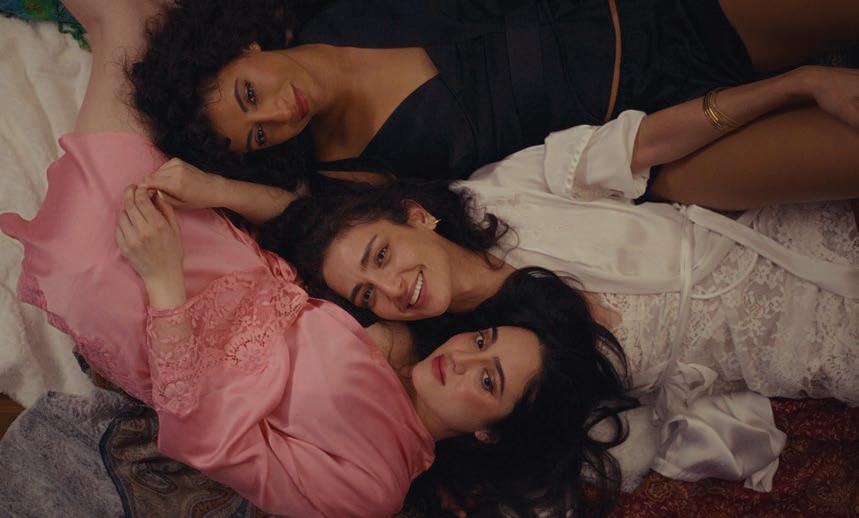
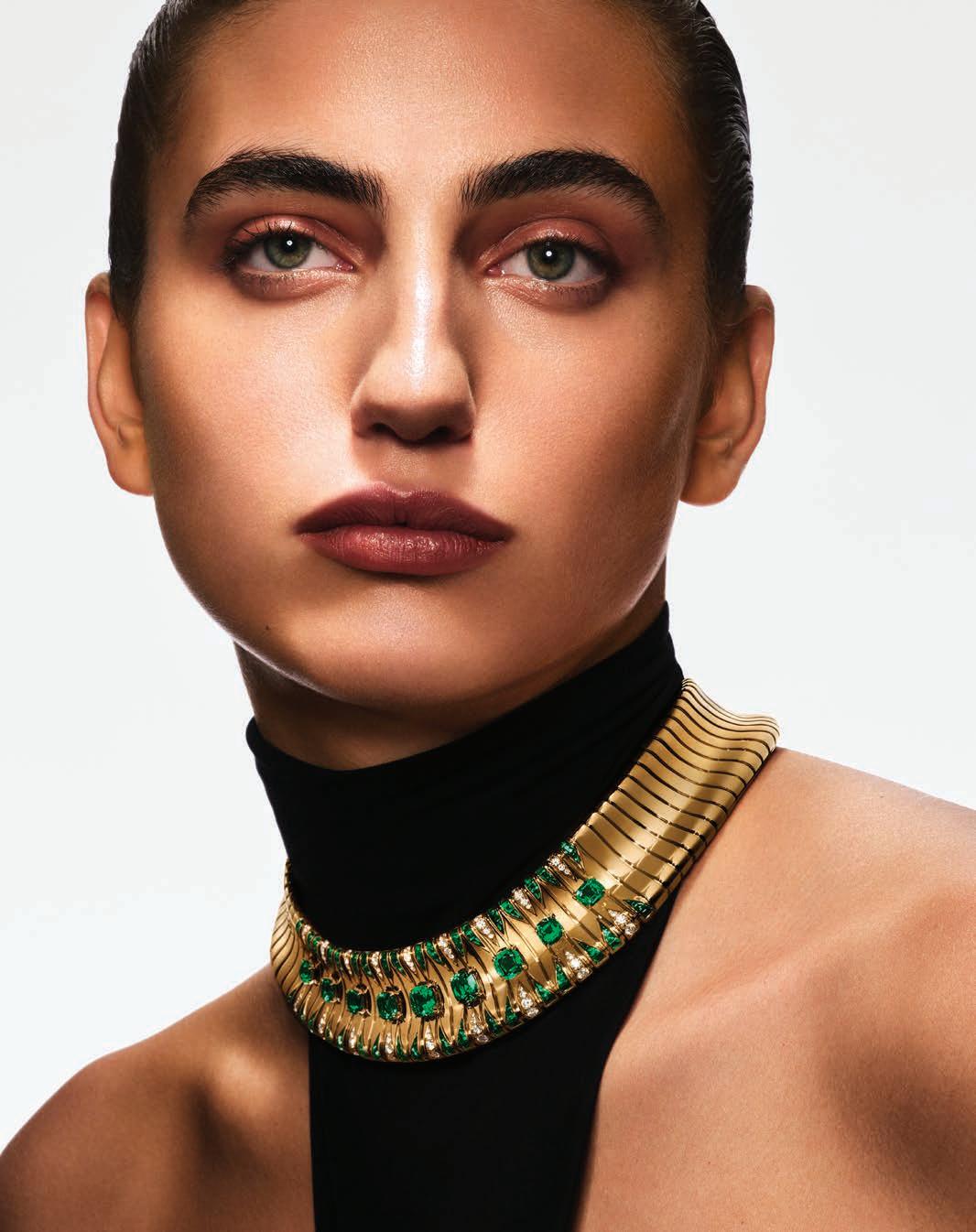
ROMANCING
WORDS: JESSICA MICHAULT
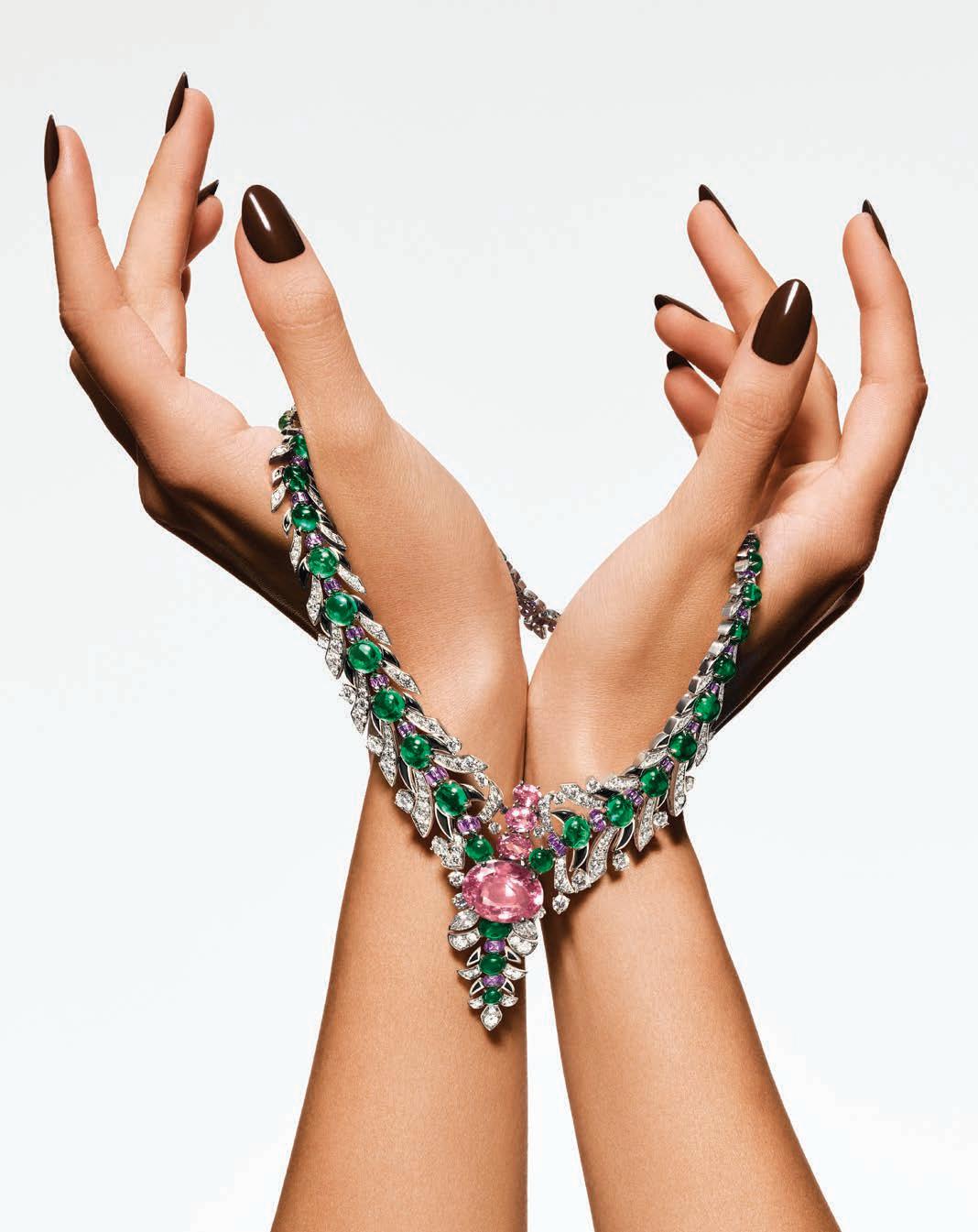
THE STONE
With the new Eclettica high jewellery collection, Bvlgari’s Jewellery Creative Director Lucia Silvestri has delivered what may be the most fully realised expression of the Maison’s identity to date. Here she opens up about her love of listening to stones and why true luxury should never chase trends
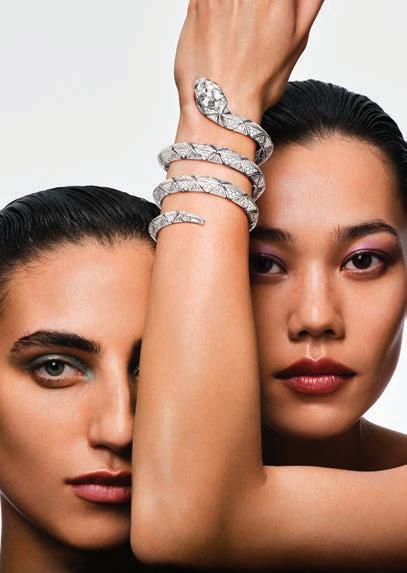
Tof harmony out of diversity. “Eclecticism has always been at the heart of how I define Bvlgari,” she affirms. “It is not just about mixing different elements – it is about creating harmony out of di versity. A creative language where inspirations from different eras, places, and artistic expressions come together naturally.”
In Eclettica, that language reaches what she describes as its most complete and authentic expression, drawing on painting, sculpture, and architecture as equal creative partners. Painting informs the chromatic boldness, the way gemstones function as precious strokes of colour in vibrant, unexpected combinations. Sculpture gives the pieces their three-dimensional presence – volume, shadow, the sense that each creation exists fully in space. And finally architec ture gives the collection its underlying logic. Its rhythm, balance, proportion,and the invisible structure that keeps the vibrant wild energy of Silvestri’s ideas from spilling over into marvelous chaos.
At the heart of the collection are nine pieces Bvlgari calls the Capolavori – the Italian word for masterpieces, and a title that in
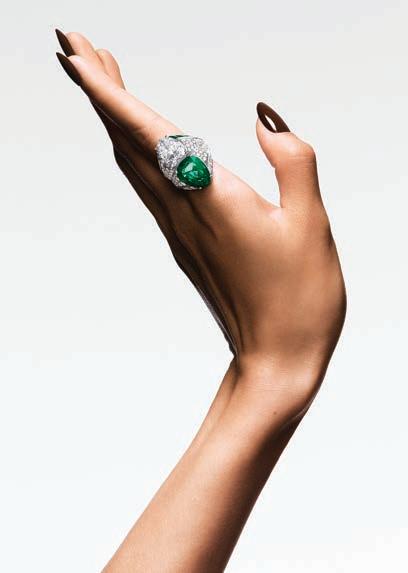
here are many things that are undeniable about Lucia Silvestri, Bvlgari’s Jewellery Creative Director. She is refined, she has that undeniable Italian flair, and she knows precious gems like the back of her hand. As someone who has been with the Maison for over 45 years Silvestri has a particular kind of authority that comes with time. And a wisdom that can only be achieved by having held more extraordinary stones than most people will ever see in a lifetime. With Eclettica, the Maison’s new high jewellery collection, she has channelled that accumulated knowledge and profound instinct into something that feels both entirely new and unmistakably Bvlgari. The word eclecticism, she says, is at the core of how she understands the company she creates for. Not as aesthetic restlessness, but as something more considered: creation

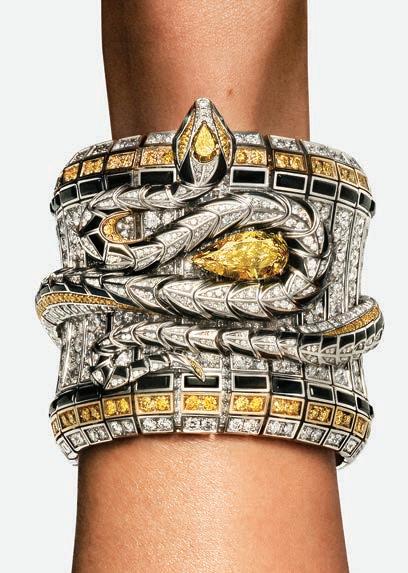
this context is not hyperbole. These are the pinnacle of what Silvestri and the Maison’s artisans have attempted: gemstones of the highest caliber married to creative audacity, technical perfection as the vehicle for artistic vision. The collection also introduces what Bvlgari calls “artsmanship” – a concept coined to describe exactly this fusion, the point at which artistic intuition and visionary mastery become indistinguishable from one another. “The introduction of concepts like ‘Artsmanship’ reflects a deeper integration between artistic vision and craftsmanship,” Silvestri confirms. “It is a collection that feels very complete and very true to who we are.”
It is when she speaks about the stones themselves, though, that Silvestri is always the most animated – and most revealing about how she actually works. She famously does not design around gemstones so much as she listens to them, allowing each stone to direct
“EACH STONE HAS ITS OWN PERSONALITY, AND I ALWAYS LISTEN TO WHAT IT SUGGESTS”
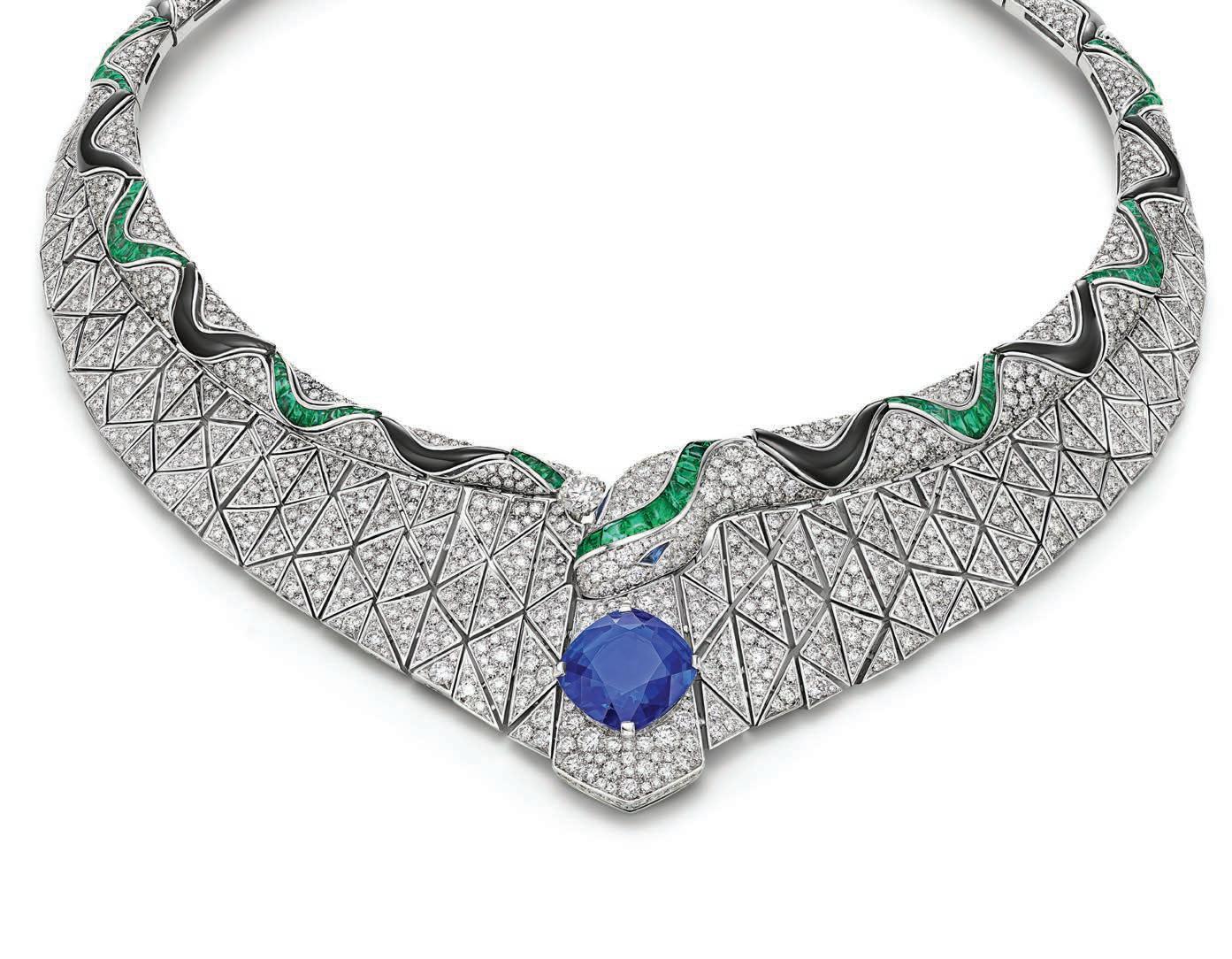
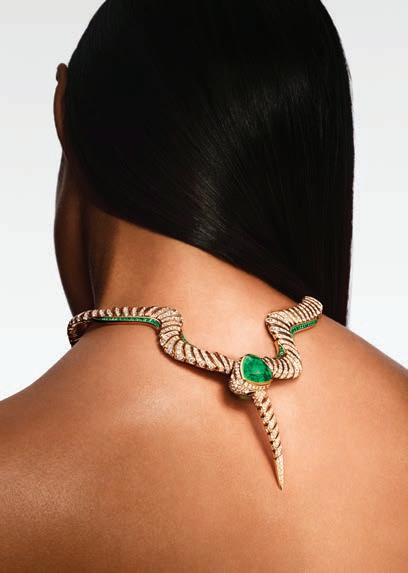
ing, and understanding exactly what any given gem can and cannot do.
“Each stone has its own personality, and I always listen to what it suggests,” she says. “This time, they spoke about boldness, colour, and freedom. The gemstones in Eclettica invited us to be daring, to explore unexpected combinations, and to push creativity further. At the same time, they required respect and balance, guiding us toward harmonious compositions. It is always a dialogue between the stone and the design, and in this collection, that dialogue felt particularly vibrant and expressive.”
One of the collection’s most talked-about pieces, the Secret Garden necklace, centres on a padparadscha sapphire – one of the rarest gemstones in the world, prized for its elusive balance of pink and orange hues – that Silvestri describes as love at first sight. “I remember seeing it in natural light and being completely mesmerised by its perfect balance of pink and orange,” she recalls. “Every stone is different, and each one creates a unique emotion. That is what makes my work so special: there is always a new story, a new feeling to discover.” Eclettica also includes fourteen
is the kind of piece that sounds technically impossible until you understand the level of obsessive precision that Bvlgari’s artisans bring to such tests of imagination. “It is an incredible challenge,” Silvestri says as someone who has spent years dreaming up the impossible, “because you are essentially trying to recreate the softness of fabric using only precious materials. Achieving this harmony between technical precision and fluidity is what makes high jewellery so fascinating. When it works, the piece comes to life and moves with the body in a very natural way.”
The question of timelessness comes up, as it always does in conversations about high jewellery, and Silvestri’s answer is as definitive as you would expect from someone who has spent her career thinking about it. True luxury, she believes, simply does not follow trends. The goal is never to chase what is new for its own sake. “We aim to create pieces that will remain relevant and desirable for generations,” she shares. “In that sense, innovation and timelessness coexist, but always with a sense of balance and harmony.”
It is an equilibrium she describes in almost every context – between geometry and freedom, between rigor and creativity, between the discipline that great craftsmanship demands and the audacity that great art requires. “When they are in perfect equilibrium, the result feels effortless and elegant,” she says. “That is what we always strive for at Bvlgari – creating pieces where complexity and simplicity, rigor and freedom, come together in perfect harmony.”
OH HONEY
The Gisou haircare family is growing. The brand’s new Honey Milk Active Repair Leave-In Conditioner Mist is a multitasker – detangling, hydrating, smoothing, protecting, and boosting shine in a single weightless spritz. Through the use of Mirsalehi Honey, hydrolyzed milk protein, and ceramides, it works to preserve keratin integrity and visibly strengthen strands over time. But no doubt it will be the scent of the spritz that will pull people in first – honey nectar, warm vanilla, creamy sandalwood and fresh peach combine to a heady effect. Leave it to Gisou to make the post-shower moment feel like something worth lingering for
GLOW
There
is no better time to…
– Lean into your feminine side
– Plan for your family’s future
– Take the leap and bet on yourself
– Allow scents to tell your story
– Let love conquer all

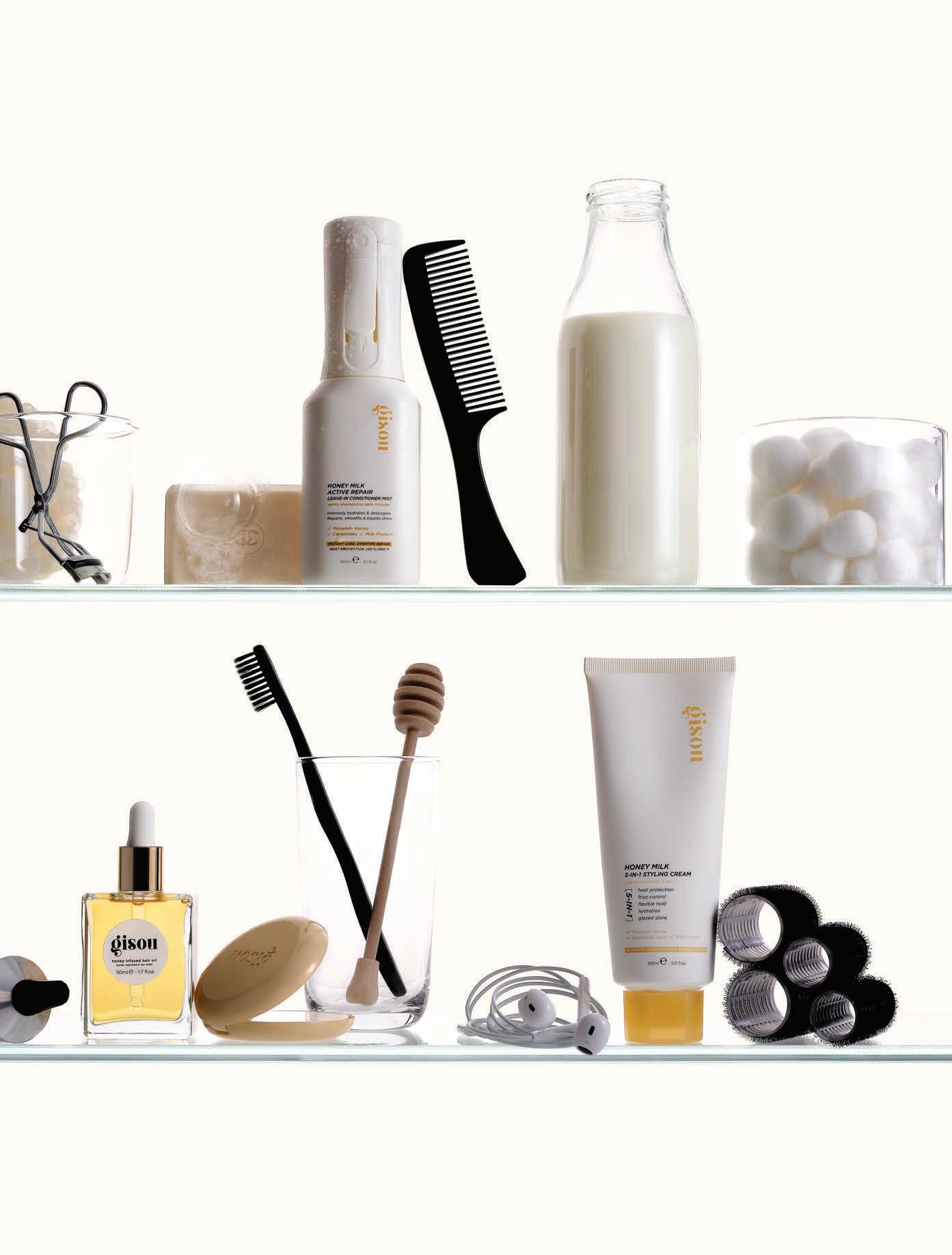
Hot New Buys
WORDS: CAMILLE MACAWILI
A curated edit of the latest and greatest beauty essentials to embrace your feminine era
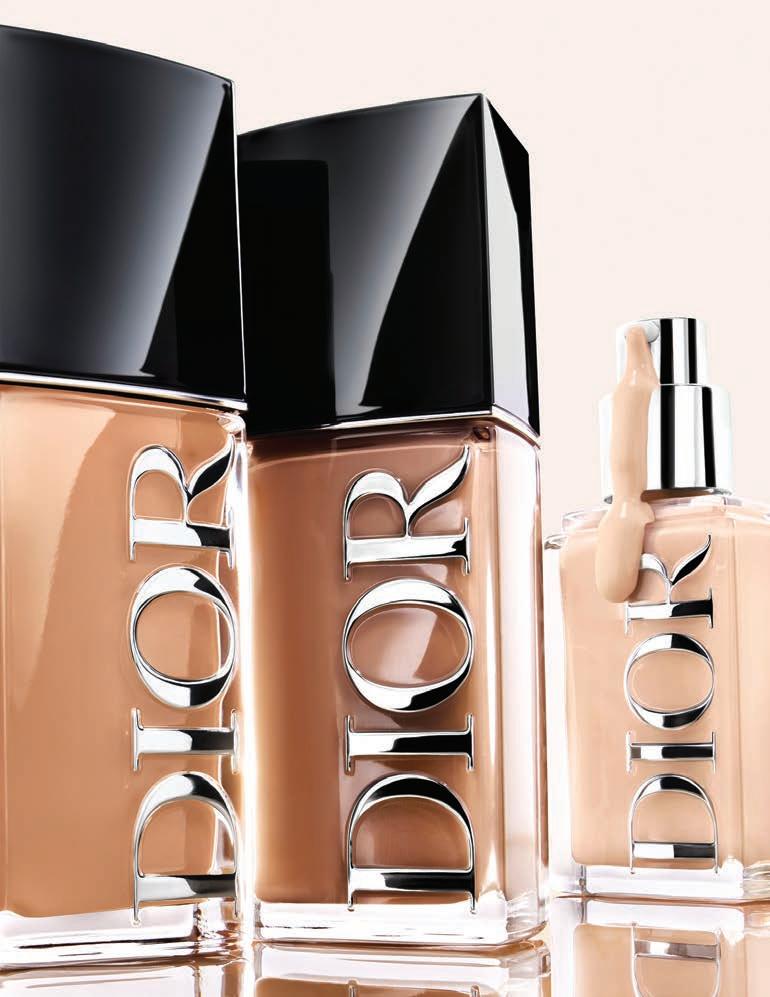
No Filter Needed
A 24-hour base for ultra-blurred and flawless skin, providing no-retouch perfection all day. Forever Skin Glow Foundation Dhs265 Dior
IN FULL BLOOM
A floral fragrance that embodies the rare beauty and historic legacy of Villa Medici di Castello, which doubles as an aesthetic addition to your vanity table. Magnolia Eau de Parfum, 100ml Dhs1,014 Santa Maria Novella

SWIPE FOR THE HYPE
A medium coverage concealer infused with the skincare benefits of a serum that hydrates, calms, and blurs the skin. Swipe Serum Concealer Dhs85 Tower 28 available at Sephora
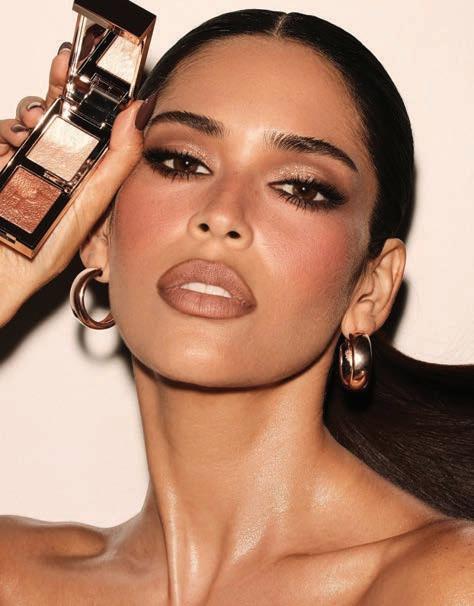
High Shine
Reach for this shimmering eyeshadow duo with super-fine sparkles and pearl pigments for effortless high-voltage shimmer and sophisticated sparkle. Major Dimension Eye Illusion Eyeshadow Duo Dhs165 Patrick Ta available at Sephora

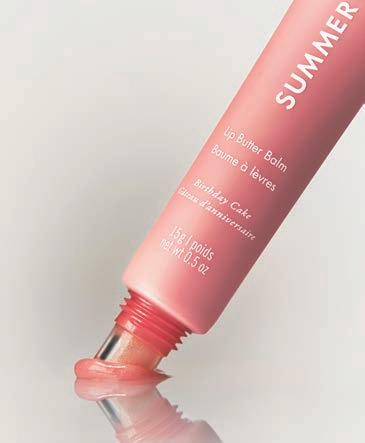
From Patchy to Pouty
This lip duo features two flavours of the best-selling Lip Butter Balm – Birthday Cake and Strawberry Soft Serve – for instant moisture, shine, and sheer colour. Sweet Pink Duo Dhs140 Summer Fridays

SNOOZE FEST
A sleep mask crafted from the finest mulberry silk for gentle sleep, in a new graphic print designed for daydreamers. Bluebelle Pure Silk Contour Sleep Mask Dhs562 Slip
WARM UP
This buildable cream-based bronzer defines and adds warmth to the skin, with a natural, velvety finish. Cream Bronzer Dhs120 REFY

COMING UP ROSES
A lightweight oil infused with rose and geranium scents and jampacked with antioxidants that leave the skin silky, rejuvenated, and smooth without the greasiness. The Geranium Rose Body Oil 100ml Dhs445 Augustinus Bader
THE GIFT TO YOUR FUTURE SELF

Dr. Sreelatha Gopalakrishnan, an IVF specialist and mother, shares why freezing your eggs might be the most loving thing a woman can ever do for herself
It was a Tuesday morning when a patient I will call Nadia sat across from me and wept. Not from grief, but from relief. She was 38. She had frozen her eggs at 32, on a whim she almost talked herself out of. Six years later, divorced and rebuilding, she was staring at a photograph of two perfect blastocysts on my screen, saying through trembling lips: ‘I am so glad I listened to that little voice.’ I have heard that sentence more times than I can count. Every time, something in my chest
loosens because I know what it cost that woman to walk into my clinic in the first place. It cost her the discomfort of confronting her own biology. It cost her courage. In the end, she did not freeze time. She simply refused to let time make decisions for her. I am writing this not just as a doctor, but as a woman and a mother of two daughters. I think about the conversation I want to have with them someday when they are old enough to understand that biology, for all its beauty, does not negotiate. I am writing this for every
woman who has whispered the question to herself and then quickly swallowed it back down: What if I am not ready yet but I still want to be a mother one day?
THE SCIENCE, SIMPLE SPOKEN
Every woman is born with all the eggs she will ever have, roughly one to two million. By puberty, that number has already dropped to around 300,000. By 32, some women may have 100,000 remaining. By 37, egg quality begins to decline meaningfully. By 40, the odds of a successful natural pregnancy drop significantly. This is not designed to frighten. Its simple biology. The challenge is that a woman’s ambitions, her career, her search for the right person, none of these follow the same timeline as a her ovaries. Egg freezing, or oocyte cryopreservation, works by stimulating the ovaries with hormonal injections over 10 to 14 days, retrieving mature eggs through a minimally invasive procedure, and vitrifying (flashfreezing) them at -196°C, where they can remain for a decade or more without deterioration. When a woman is ready, those eggs are thawed, fertilised, and transferred. They do not age while they wait.
THE STORY THAT CHANGED ME
Fatima was 29 when she first came to see me. She was brilliant, single, and freshly accepted into a fellowship programme in London. Her mother had been sending marriage proposals on WhatsApp. She joked about it, but her eyes did not laugh. She asked me, casually, whether egg freezing was ‘worth it.’ I asked her what she wanted her life to look like at 45. She paused for a long time. “I want to be a mother,” she said finally. “I just... not yet. And not with the wrong person just because time is running out.” We froze twelve mature eggs before she left for London. She completed her fellowship, fell in and out of love appropriately, and at 36 met someone she describes as ‘embarrassingly wonderful.’ They married. She returned to my clinic, we thawed her eggs, and eight months later she sent me a photograph of a baby girl with her father’s smile and her mother’s stubborn chin. The card she enclosed read: ‘Thank you for helping me stop being afraid of my own timeline.’ I have it on my desk. I look at it on the hard days.
presumptuous? Am I assuming too much? Let me answer that directly: No. You are not being presumptuous. You are being kind to your future self. You are buying options, not making promises. Thousands of women freeze their eggs and never use them and many still say it was worth it for the peace of mind alone. The most romantic thing you can do for the love story you have not lived yet is to make sure you are ready for it when it comes. That is not giving up. That is having faith.
WHAT TO EXPECT: STEP BY STEP
01 – Fertility Assessment. Bloodwork for anti-Müllerian hormone (AMH), follicle-stimulating hormone (FSH), and oestradiol, plus an ultrasound to count your antral follicles. This gives your doctor a detailed picture of your ovarian reserve in about a week.
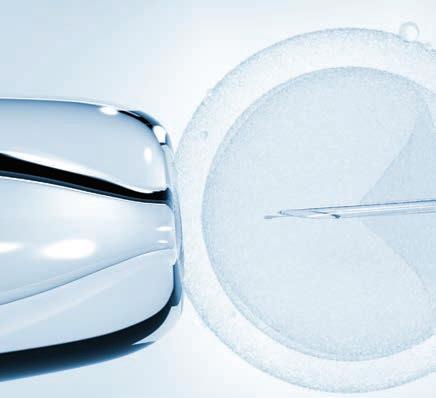
“The challenge is that a woman’s ambitions, her career, her search for the right person, none of these follow the same timeline as a her ovaries”
02 – Ovarian Stimulation. Over 10 to 14 days, you will self-administer hormonal injections to encourage your ovaries to mature multiple eggs. Most women describe mild bloating and emotional sensitivity – entirely manageable.
03 – Egg Retrieval. A short procedure of 15 to 20 minutes under light sedation. You will not feel it. Most women return to normal life within a day or two.
04 – Freezing & Storage. Your mature eggs are vitrified and stored until you are ready – whether that is two years from now or twelve. When to book a consultation? If you are between 25 and 38, not yet ready for children, and uncertain about your future fertility – one AMH blood test can give you a snapshot of your ovarian reserve and start an informed conversation with a specialist.
FROM ONE WOMAN TO ANOTHER
THE QUESTION NOBODY ASK OUT LOUD
In my years of practice across the UAE, I have noticed that women here carry a particular burden around this conversation. There is the cultural weight the assumption that pursuing fertility preservation is somehow an admission of failure. There is the religious uncertainty. And there is the quiet, whispered question: Am I being
I became a mother in my midthirties, in the middle of a busy residency. I was lucky – I conceived naturally, both times. But I have sat across from enough women to know that luck is the only word for it. When my older daughter found a photograph of me in medical school – young, tired, holding a coffee cup the size of her head – she asked: ‘Were you happy, Mama?’ I had to think about it. I was. But I was also lonely, uncertain, carrying so much worth in my ambition because the rest of it had not arrived yet. I wish someone had told me then: you do not have to choose between the woman you are becoming and the mother you might want to be. You can hold both. You can plan for both. There will come a day when you are glad you did this. And on that day, all injections, all the uncertainty, all the courage it took – it will feel like the most obvious thing you ever did for yourself. If any part of this has spoken to you – please make the call. Book the consultation. Get the blood test. Not because time is running out. But because your future self deserves every option you can give her.
The Beauty Shelf
Creative consultant and podcaster Jannat Miranda takes us through her must-have beauty staples
Dynamic Resurfacing Facial Wash Dhs220 Elemis
My go-to daily cleanser. It gently exfoliates while keeping the skin balanced and smooth, which makes it perfect for maintaining a refined texture without stripping the skin.
Dynamic Resurfacing Facial Pads Dhs265 Elemis
These are a staple in my routine. They help manage redness and keep my skin texture incredibly smooth. I love using them before bed when my skin needs a quick refresh.
Lash and Brow Date Serum Dhs185 Aiza
I use this every morning and night to keep my lashes and brows thick and healthy while maintaining a very natural look. Also love that it’s a homegrown brand!
Shape Tape Concealer Travel Size Dhs65 Tarte
A classic for a reason. It gives great coverage without feeling heavy and is my go-to when I need a little extra brightness under the eyes.
Almond Body Scrub Dhs130 L’Occitane
I’ve recently become obsessed with exfoliating scrubs, and this one is a favourite. It leaves the skin incredibly soft and smooth while smelling amazing.
Shampoo Dhs 135 and Conditioner Dhs125 OUAI
My go-to haircare duo. It leaves my hair feeling clean, nourished, and light without weighing it down.
Correct and Conceal Duo
Dhs180 Rosemin Beauty
Perfect for events, shoots, or when I need a little extra coverage. It blends beautifully and keeps skin looking natural rather
COMPILED BY: AMINATH IFASA

than overly made-up. Also love that I get to include a friend’s makeup brand in my kit!
Hair Mist Dhs642 Guerlain
A finishing touch I love, it leaves my hair subtly scented without being overpowering.
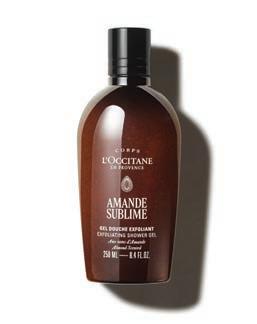

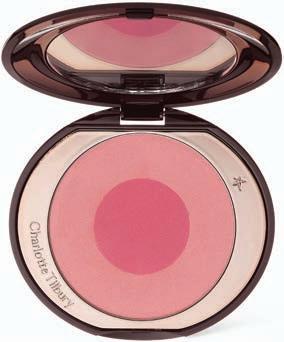
Major Sculpt Crème Contour & Powder Bronzer Duo Dhs165
Patrick Ta
She’s So LA - found this shade in NYC last summer and it is perfect for days when I want that effortless sun-kissed, just-leftthe-spa look. It blends beautifully and melts into the skin.
Cheek to Chic Blush Dhs190
Charlotte Tilbury
I love a fresh, sun-kissed flush, and this blush gives exactly that while keeping the skin looking luminous and natural.
Rouge Coco Baume Hydrating
Lip Balm Dhs200 Chanel
My everyday lip essential. I’m a sucker for any lip balm that has a lipstick-style applicator. It’s nourishing while still looking polished.

Lip Liner – Pillow Talk Dhs125
Charlotte Tilbury
My absolute saviour for shoots and events or even a normal night out without lipstick. It defines the lips perfectly and works with almost any shade. I usually just apply some tinted balm.
St. Barts Scalp & Body Scrub Dhs175 OUAI
Another scrub I love; the texture is amazing and the scent is like a mini vacation in the shower.
Superfood Air‑Whip
Moisture Cream Dhs225 Youth To The People
This is one of my favourite moisturisers. I love that the formula includes nutrient-rich vegetables – it genuinely feels like giving your skin a healthy green juice.
here are people who spend decades in an industry accumulating knowledge, power, and influence on behalf of other people’s visions. And then, at the moment that feels exactly right, they turn all of that accumulated expertise inward. Véronique Gabai is at that crossroads. After more than thirty years at the highest levels of the global fragrance world – including over a decade as Global President of Estée Lauder fragrances, and current board memberships at Interparfums and Parfums de Marly, not to mention her advisory work with Bath & Body Works and fragrance consultancy for Zimmermann – she has launched her own eponymous brand. It is, she says, something she always knew she would do. “The desire, the dream, if you will, of having my own brand, was there for as long as I can remember.”
What took time was not the vision but the courage. Gabai is candid about this in
T SUNSHINE FOR THE SENSES
a way that is rare among people of her professional stature. The hesitation, she explains, was never about financial risk or the comfort of a powerful career. It was something more fundamental. “It was probably more the fear of failure,” she says. “At some point, the risk of not jumping into it and really realising the dream that I had in me for such a long time was becoming bigger than the risk of not doing it.”
The tipping point arrived when her next logical corporate step – the CEO role at a public company – crystallised into something she knew, in her heart, was not what she wanted. “When your next logical step is not what you want to do, then you can’t stay forever where you are.” She is, she notes without apology, someone who needs new challenges, new adventures, new projects. Starting her brand was finally that new thing. Calling her perfume company Veronique Gabai, was a decision she did not arrive at quickly – or lightly. She spent two years debating alternative names before settling on claiming wholeheartedly her own. The logic, when she arrived at it, was simple: “I put so much of my own value system into the creation of the brand. It was
WORDS:JESSICA MICHAULT
After over thirty years of shaping some of the world’s most powerful fragrance businesses, Véronique Gabai has done the one thing her entire career was quietly building towards: launching her signature brand
about a message that came from my heart and hopefully one that would touch the hearts of others. And so I felt it was more sincere to sign it,” Gabai explains. It is an act of complete professional ownership –the fragrance expert stepping fully out from behind the brands she has shaped and putting her name to something entirely hers.
The fragrances are rooted in the South of France, specifically the Côte d’Azur, where Gabai was born. Every scent in the collection tells the story of a moment or sensation from that region, the feeling of a beach on the Côte d’Azur, the rose that blooms only in Grasse in May, the particular quality of light and air that draws people back year after year. “La Plage is the feeling of being on the beach in the Côte d’Azur,” Gabai shares about one of her scents, “Noir de May is all about the rose that grows only in the South of France.” But the brand’s ambition extends well beyond geography. Gabai is not interested in merely beautiful perfume. She is interested in perfume that makes people feel genuinely better –and she has spent more than three decades building the knowledge to do exactly that.
“Breaking luxury with craftsmanship, wellness and sustainability – that’s really what it is,” she says of the brand’s proposition. The key is natural ingredients, used at a level – between fifty and ninety percent of each formula – that goes well beyond the industry norm. Synthetics are cheaper and easier to source, she acknowledges, but they cannot deliver what natural materials can: “That faceted layered feeling on the skin, that chemistry with skin, which always personalises your own signature fragrance.”
And when natural ingredients are composed with intention at these concentrations, they can do something else. “You can have a wellbeing benefit. It’s not enough just to use natural ingredients to have wellbeing benefits. You need to know how to compose them,” reveals Gabai. This is the distinction she draws with precision: the difference between a perfume that smells good and one that, over time, makes you feel luminous, calm, more open to the world. “You will have that aura of luminosity around you, this ability to breathe better, and therefore to feel better.”
Gabai has four non-negotiable ingredients that run through every fragrance in the collection as an invisible common thread: bergamot for inner joy; rose – used not as
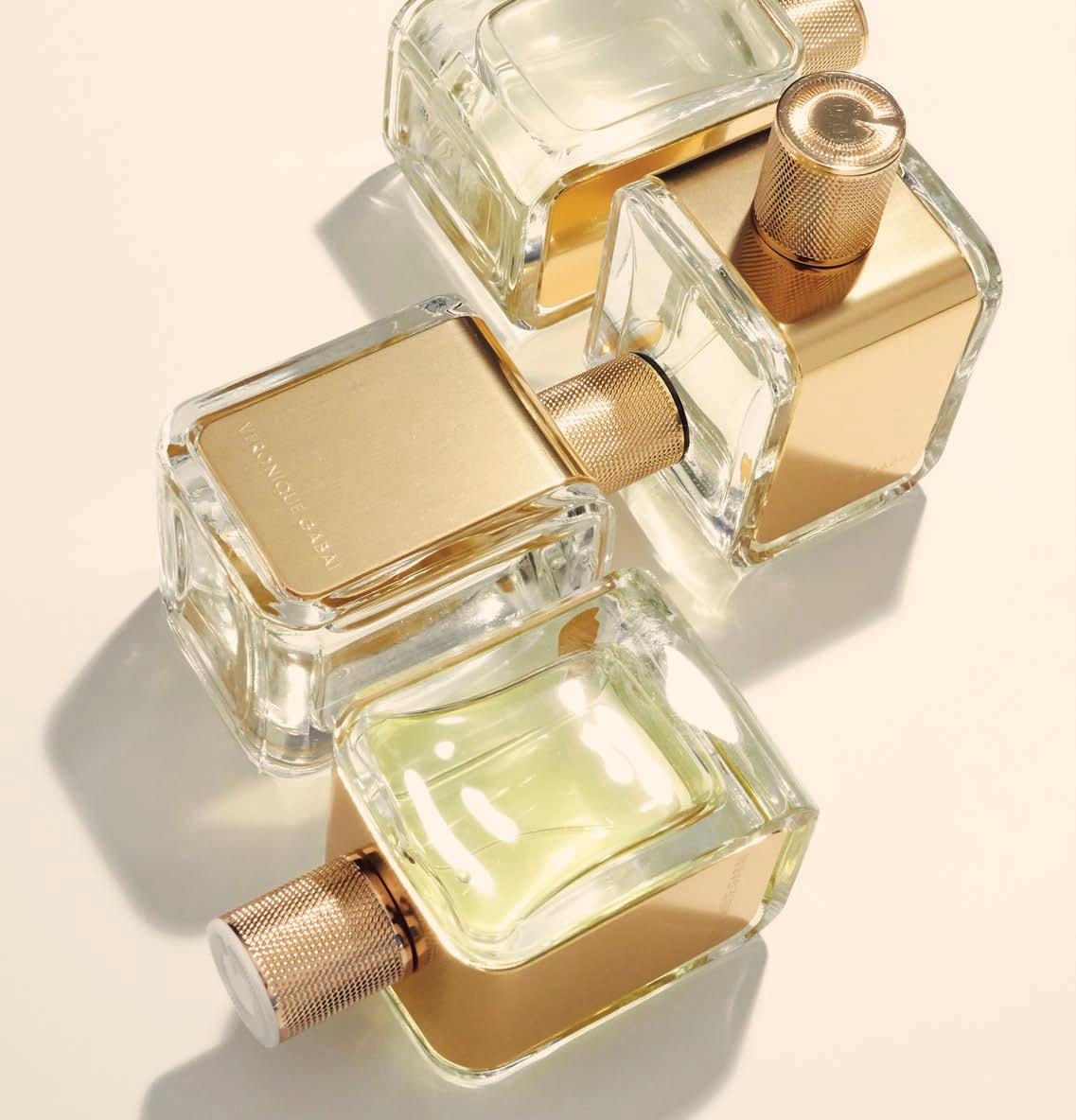
a scent but as a texture – for love and comfort; cedarwood, for strength and alignment; and a touch of amber for warmth. “They’re my east, west, north, south,” she says. “They’re always there in different proportions, even in fragrances that smell nothing like them.” It creates something people may not consciously identify but will almost certainly feel in their soul: an emotional coherence beneath the surface variation of the individual scents.
The flacons are designed with the same layered intentionality as the fragrances themselves. The packaging is in a very par-
ticular warm pale gray she calls Parisian white – “the colour of Paris, when you see the walls, the roofs, the sky” – but open it and you are immediately in the blue and gold of the Mediterranean. The gold bottle expresses sunshine. The shape is simultaneously square and round, because, she explains, “I believe we all have a part of femininity and a part of masculinity.” One face is opaque, one transparent – “because there are things we keep for ourselves, and there are things we give to the world.” The surface moves between rough and smooth, glass and metal. “I want people to have this sensorial
experience before they have the pleasure of the scent.” Every object in the Veronique Gabai universe has been thought through to this degree of precision. Nothing is incidental – everything is intentional. The brand’s motto is, “sunshine for the senses and the soul.” An escape to places defined by light and warmth – but the sunshine Gabai is truly interested in is not meteorological. It is the one we can radiate from our interior. “It will bring you that sunshine within: the one that is made of love, of care, of joy,” she says with emotion. After all, she is well versed in exactly what scent can do for a person, and has helped build empires for others around that knowledge.
Now she is doing it for herself and for her customers – in her own name. “Ultimately I wanted to bring joy to people through scent,” she says simply. “And I know that scent has that power, because I’ve worked on it for 30 years in every aspect of it.” After a career like that, this is what it looks like when you finally do the thing you always knew you were meant to do.
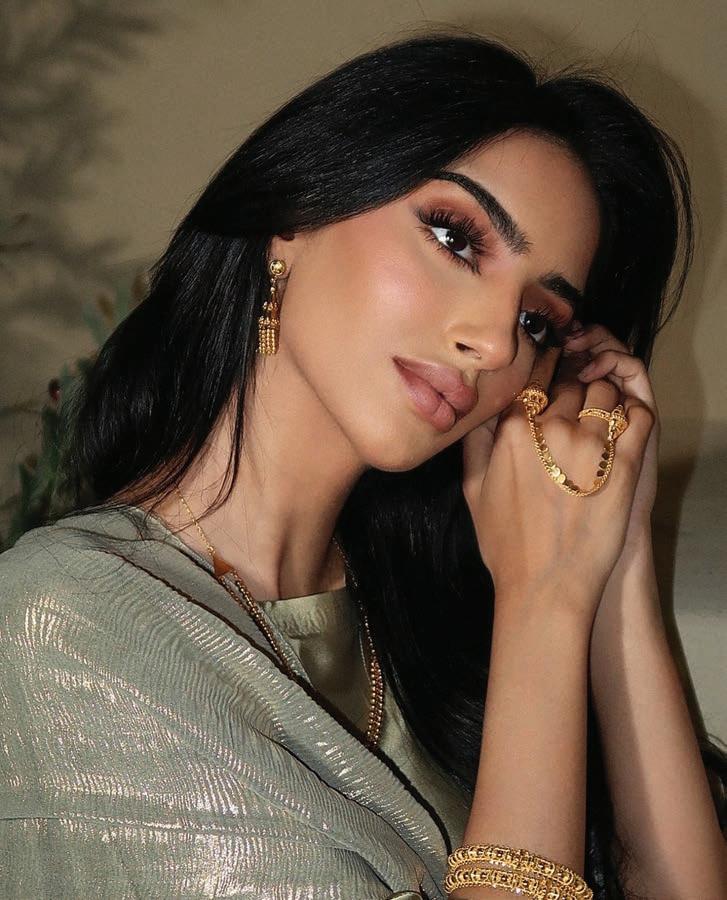
AM TO PM BEAUTY
Emirati fashion influencer Noura Aljasmi shares her morning to evening beauty routine
Talk us through your morning routine. My mornings usually begin quite early. If I’ve had a restful night, I wake up around 5 am, otherwise, my day starts closer to 7am. I like to begin with athkar and prayer, followed by a glass of water to hydrate and ease into the day. My morning skincare routine is intentionally minimal. I simply rinse my face with water rather than using a cleanser, then apply my favourite moisturiser, Clinique Moisture Surge, before doing my makeup. During my drive to work, I enjoy a small ritual –either a refreshing cold juice or a cup of karak tea, depending on my mood that morning. How does your evening routine differ? My evenings are often fast-paced. I typically
finish work between 6pm and 7 pm, and if I have a photoshoot or brand commitment, I head straight there. Otherwise, I return home – usually quite exhausted after the traffic. Once home, I like to reset with a hot shower and slip into silk pajamas to unwind. My nighttime routine is where I dedicate more attention to my skin. I double cleanse, beginning with an oil cleanser followed by ACM face wash, then apply a moisturiser from Clinique moisture surge and La RochePosay B3 serum for even skin tone. I strongly believe in quality over quantity when it comes to skincare – using only what your skin truly needs. Before the day ends, I feed my cat, catch up on posting or responding to brands
and messages on social media, and usually relax with a movie before going to sleep. What are your go-to skincare products?
A few products have truly earned their place in my routine. ACM Sebionex Face Wash is my go-to cleanser for acne-prone skin. I also love the Medicube Zero Pore Pads for improving skin texture, and for hydration I rely on Clinique Moisture Surge or the COSRX Moisturising Mist. One tip I always share is to use disposable face towels instead of regular towels. It’s a small change that can make a significant difference in maintaining clear skin. Are you a fan of masks? I do enjoy mud masks – they’re excellent for deep cleansing



Clockwise from top left:

Moisture Surge Intense - Intense 72h Lipid-Replenishing Hydrator 125ml Dhs418 Clinique; Bye Bye Under Eye Anti-Aging Concealer Dhs144 IT Cosmetics; Lash Clash Extreme Volume Mascara Dhs185 Yves Saint Laurent; Moonlight Patchouli Eau de Parfum Dhs815 Van Cleef & Arpels; Vanish Air Brush Concealer Dhs150 Hourglass; Assayroon Hob Sultan Eau de Parfum Dhs972 Khaltat
and purifying the skin. However, I’m less convinced by sheet masks. In my opinion, they tend to provide temporary hydration rather than long-term skincare benefits. How would you describe your approach to makeup? I truly enjoy makeup, but I don’t follow trends blindly. I prefer to focus on techniques and products that complement my features. My approach is timeless – enhancing natural beauty rather than chasing every passing trend.
What can always be found in your makeup bag? A few staples never leave my makeup bag: YSL mascara, IT Cosmetics and Hourglass concealers, the Makeup by Mario Master Mattes palette, and MAC Radiance Fix Spray.
Which fragrances are your current favourites? I have always loved perfumes –they’re such a personal expression. Some of my favourites that I keep returning to are Hub Sultan blends, Van Cleef & Arpels Patchouli Blanc, Moonlight Patchouli, Poison by Dior, and ASQ Safari perfume oil. Talk us through your hair routine. On weekends – usually Friday or Saturday –I like to treat my hair with coconut oil or amla oil for about an hour before washing it. For everyday care, I keep things simple. I brush my hair, occasionally scent it lightly with bukhour, and apply L’Oréal Elvive Oil Replacement Cream to the ends to maintain shine and moisture throughout the day.
What is the most unusual item in your makeup bag? I would say MAC Radiance Fix Spray. It’s not talked about as much as other products, but whenever someone tries it, they instantly fall in love with it. How has the current situation affected your routine, and how have you continued to cope and power through? Fortunately, the situation hasn’t changed my routine. We are blessed to live in a country with strong leadership and advanced security systems. Our leaders have reassured us that everything is under control, and there is a great sense of trust and stability. Because of that, I’ve continued my daily life and work as usual.
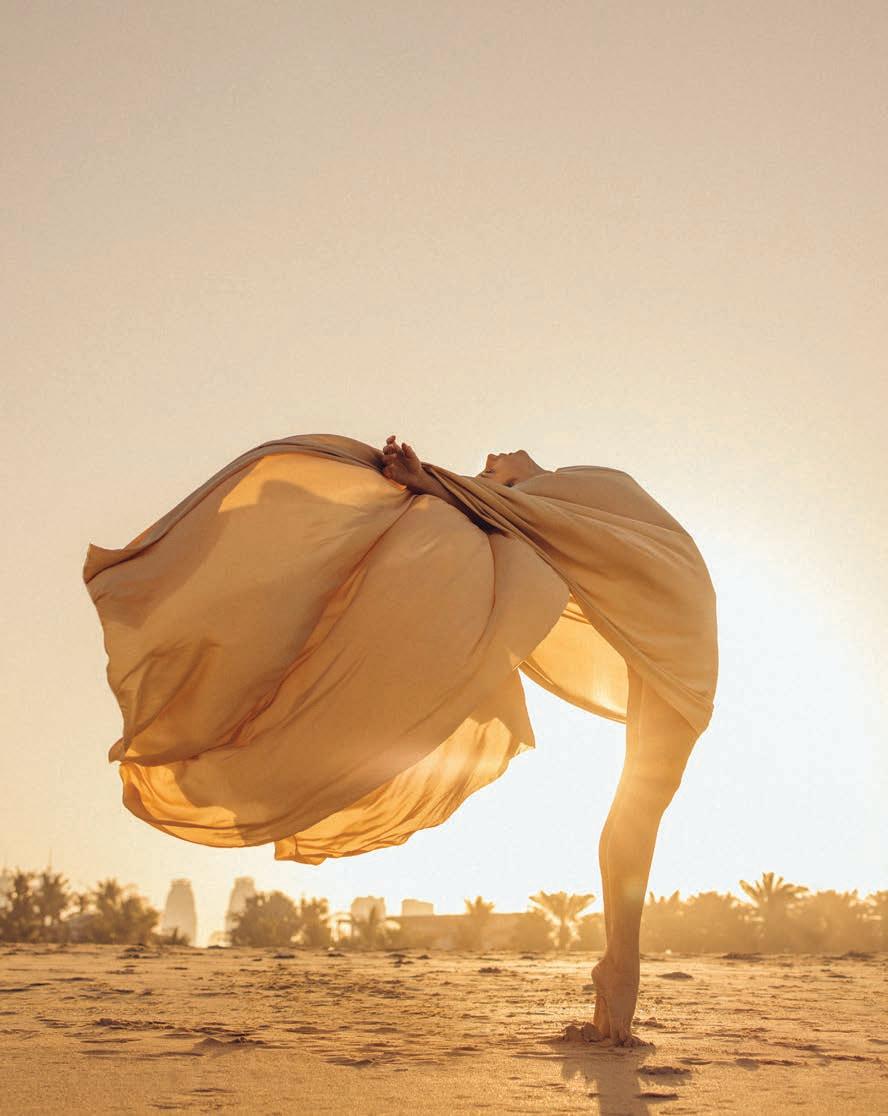
LOVE OVER FEAR
Author and spiritual teacher Marianne Williamson on the inner work that can change everything
WORDS: LAUREN HILLS
As life feels increasingly noisy, fractured and emotionally demanding, Marianne Williamson is inviting women to do something refreshingly radical: return to love. An acclaimed author, spiritual teacher and global voice for conscious leadership, Marianne Williamson recently visited the UAE for the first time as part of the Kayan Wellness Festival.
Williamson’s message is not about retreating from reality, it is about meeting it differently. Choosing love over fear, she believes, is not a passive act, but a powerful inner discipline – one that allows women to reconnect with their clarity, authority and capacity to influence the world around them. “Whenever we’re not at peace, that means fear is ruling our perceptions,” she says. “The presence of inner peace is a sign that our thinking is aligned with love.” For Williamson, love and fear are not abstract ideas; they are the two core lenses through which we experience life. “Love is to fear what light is to darkness,” she explains. “In the presence of light, darkness disappears – and in the presence of love, fear disappears.”
GROUNDING IN LOVE BEFORE THE WORLD RUSHES IN
In a culture that rewards speed and responsiveness, Williamson places enormous importance on the moments before the day begins. How we start our mornings, she says, determines the emotional tone of everything that follows. “Just as you take a shower because you don’t want to carry yesterday’s dirt into the day, you ground yourself in love each morning so you don’t carry yesterday’s stress into the day,” she says. That means resisting the reflex to reach for phones, headlines or social media as soon as we wake up. “When we first wake up is when our mind is most open to new impressions. Going straight to the news of the world is a very self-sabotaging thing to do.” Instead, she suggests a gentler ritual: closing your eyes, sending love to the world, and dedicating the day to being an instrument of love. It doesn’t require hours of meditation, as even a few intentional minutes can shift the nervous system and the mind. “Before you even get out of bed, send your love to all the world,” Williamson proposes. “Own your mistakes, forgive where you can, and commit to being more loving today than you were yesterday.”
LISTENING BEYOND THE NOISE
tremendous power within us, but we must develop that power in order to achieve its transformative results,” Williamson explains. “It’s about cultivating the habit of listening to love and putting it first in our lives.” In practical terms, that means slowing our reactions, questioning fear-based thoughts, and allowing time for insight to emerge rather than forcing decisions from anxiety.
STRENGTH WITHOUT HARDNESS
In uncertain times, emotional resilience is often confused with emotional armour. But Williamson challenges the idea that closing our hearts keeps us safe. “Being guarded, disconnected and hardened doesn’t protect us from hurt, it actually invites it,” Williamson offers. True strength, in her view, lies in remaining open while staying grounded. Keeping the heart open doesn’t mean abandoning boundaries. “It doesn’t mean we won’t say no, when necessary,” she explains. “It means we stay grounded in gentleness, even when holding people accountable.” There is, she believes, a profound difference between harshness and loving firmness, and the latter is always more effective. Williamson says that: “There is nothing harshness can achieve that can’t be achieved more powerfully through love.
“Whenever we’re not at peace, that means fear is ruling our perceptions. The presence of inner peace is a sign that our thinking is aligned with love.”
FORGIVENESS AS FREEDOM
Forgiveness – of ourselves and others –runs through all of Williamson’s work. Not as a moral obligation, but as a practical path back to peace. “We can have a grievance, or we can have inner peace,” she says. “We cannot have both.” Holding onto resentment, she explains, hardens us from the inside. Forgiveness, by contrast, keeps us flexible, receptive and emotionally alive. “Love can transform any situation that hurts us, but only if we align with it,” she says. “Mercy toward ourselves and others is one of our greatest powers to heal, to let life repair itself and begin again.”
RETURNING TO LOVE IN DIFFICULT MOMENTS
When anxiety spikes or we feel pulled off course, Williamson offers a simple but disciplined practice: pause. “Stop for a moment. Say or do nothing. Return to stillness and ask that love guide your perceptions,” she says. “Deliver your thoughts into the light of love and wait quietly while your mind self-corrects.” With repetition, she says, this becomes easier and faster.
With external demands and opinions competing for our attention, hearing and trusting our inner guidance can feel impossible. Williamson describes this struggle as the difference between the ego mind and the voice of the soul. “The ego mind speaks first and loudest,” she says. “The voice of the soul speaks quietly. It doesn’t force itself upon us, but rather, it waits in silence for our bidding.”
Aligning with love, particularly at the start of the day, creates the internal spaciousness needed to hear that quieter wisdom. It’s a practice, she says, much like strengthening a muscle.“We have
ONE LAST THOUGHT
Williamson‘s final message to women living in the Emirates is both affirming and urgent. “Women are the hope of the world,” she says. “Our hearts and minds are more temperamentally ready to embrace a kinder, gentler way of being. We need to encourage each other to speak the truth of our hearts – and take that truth beyond our homes, into the world as a force for good.”
This moment in time, she believes, is calling women forward. And love, she reminds us, is not a retreat – it is a responsibility.
A WHITEWASHED RESET
Not everyone can drop everything and fly to Greece at a moment’s notice for a bit of respite. But thanks to Anantara Santorini Abu Dhabi Retreat, tucked along the coast, halfway between Abu Dhabi and Dubai, people living in the UAE don’t really need to. The whitewashed domes, the vivid blue water, the luminous light bouncing off curved walls – it is Santorini, beautifully transposed to the Arabian Gulf. With just 22 rooms and suites, all with sea views and private terraces, this hidden gem of a hotel feels genuinely intimate rather than resort-scaled. It is not a substitute for the Aegean, exactly. It is something more convenient, and – on a clear evening with the Gulf shimmering below – arguably just as good.
ABODE
Take time out to…
– Live like a Roman
– Let a story help you travel – Follow an artist’s path in Mumbai

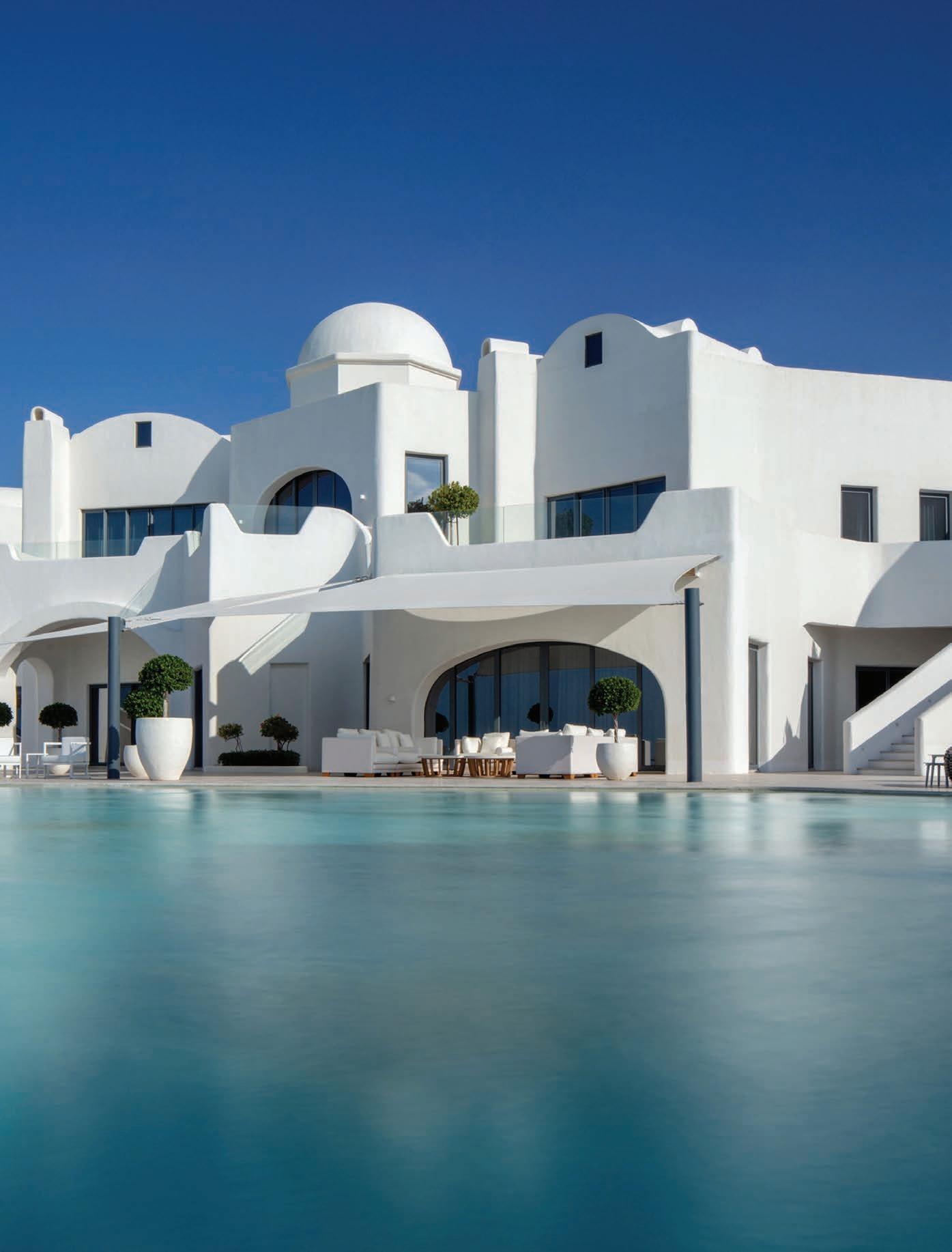
Memories of the Grand Tour live on at the Hotel De La Ville in the Eternal City
WORDS: KATY GILLETT
MY ROMAN EMPIRE
In the 18th century, young European aristocrats descended upon Rome as part of the Grand Tour, a rite of passage that promised cultural enlightenment, ancient ruins and perhaps a touch of romance. Three centuries later, Hotel De La Ville, a Rocco Forte property, reimagines this tradition by seducing travellers seeking la dolce vita
The nine-storey hotel, which was originally built as a monastery in the 1800s, was resurrected under the guidance of Italian architect Tommaso Ziffer, who pays deliberate homage to those days of continental wanderlust. Guests stepping through the entrance are immersed in a contemporary interpretation of Grand Tour glamour, spaces that feel simultaneously historic and up to date. Hotelier and interior designer Olga Polizzi – Rocco Forte’s sister – layers rich fabrics against pale marble, burnished wood against statement art. In isolation, pieces might mismatch, but together they work harmoniously to echo this property’s ethos of aristocratic romance meets modern expectations.
Each of the 104 rooms and suites has its own character. The Panoramic Suites live up to their name with sweeping views across Rome’s terracotta rooftops towards the dome of St Peter’s Basilica, while the Roma Suites surround guests with hand-selected vintage pieces and objets d’art. For those seeking the ultimate expression of Roman luxury, the Suite de la Ville spans a generous footprint with a private terrace overlooking what is arguably one of the finest vantage points in the Eternal City.
But location remains Hotel De La Ville’s trump card. The Spanish Steps cascade directly below, offering guests a front-row seat to one of Rome’s most celebrated landmarks. From this address, the luxury boutiques of Via Condotti lie moments away, as do galleries, trattorias and hidden churches for those keen to wander and get lost. There’s an abundance of great eateries in
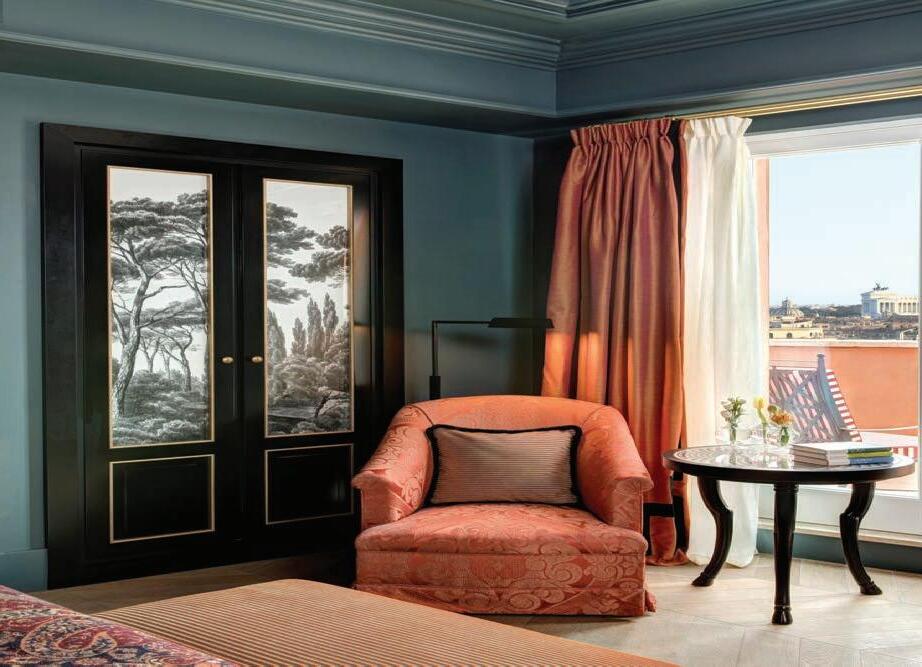
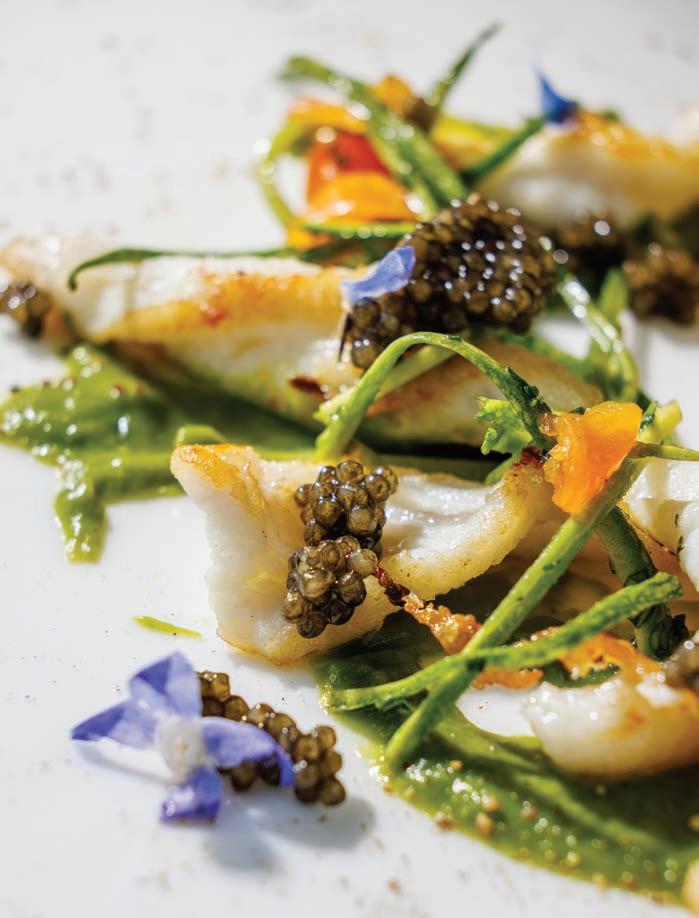
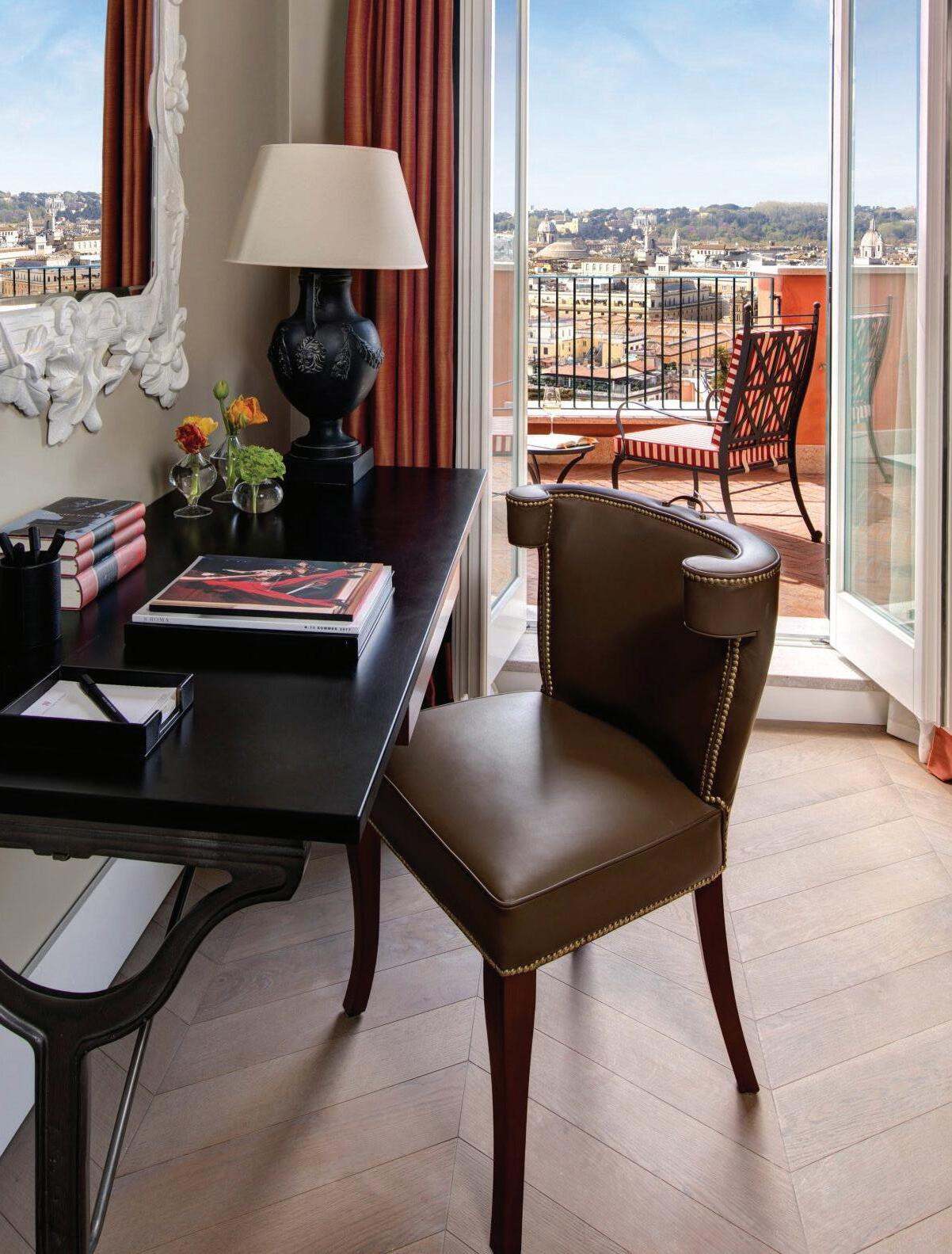
Clockwise from top left: Bedroom, panoramic suite with terrace; Cielo rooftop terrace; Roma suite studio; Irene Forte Spa
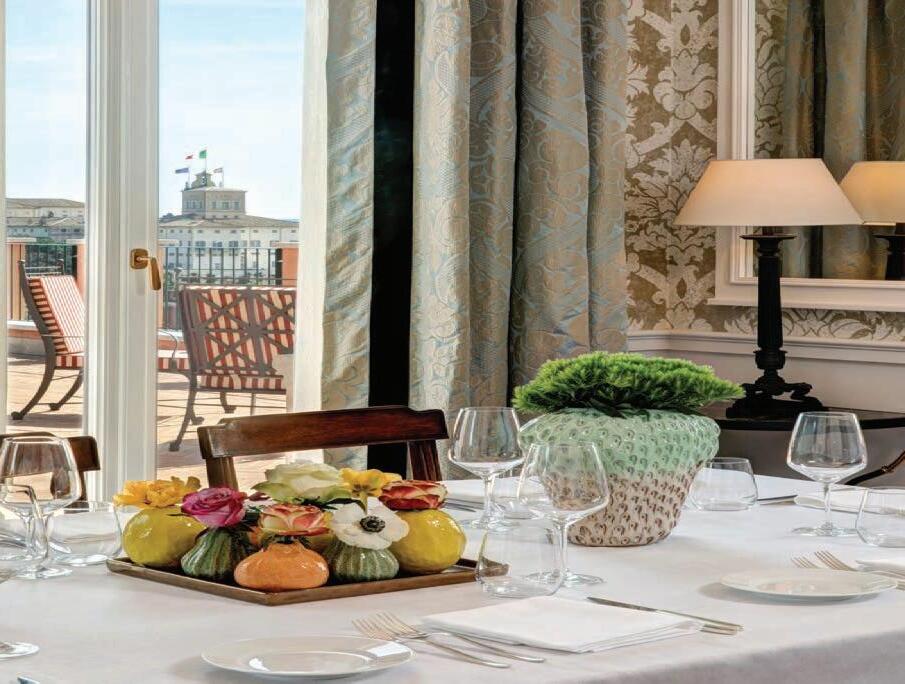
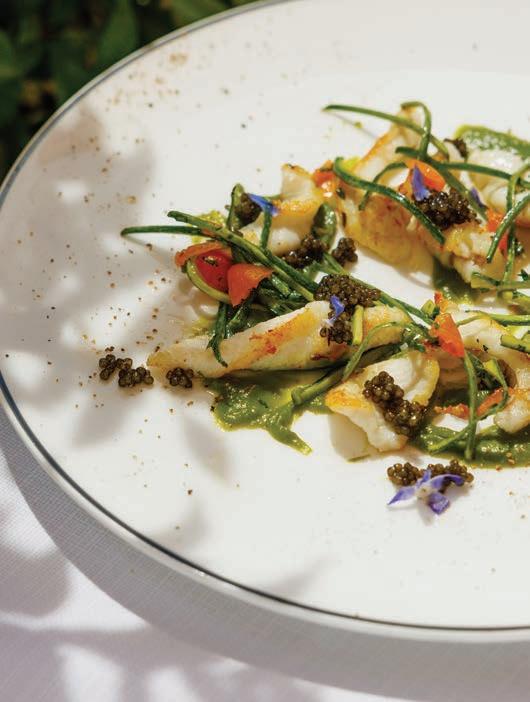
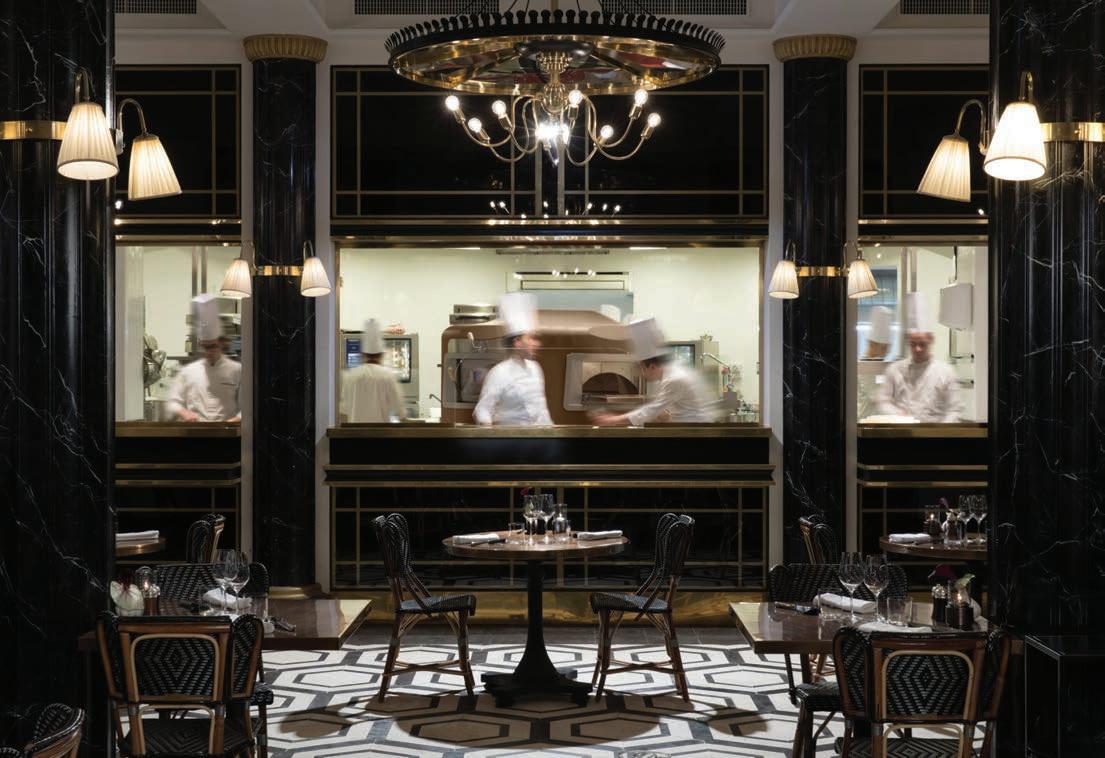
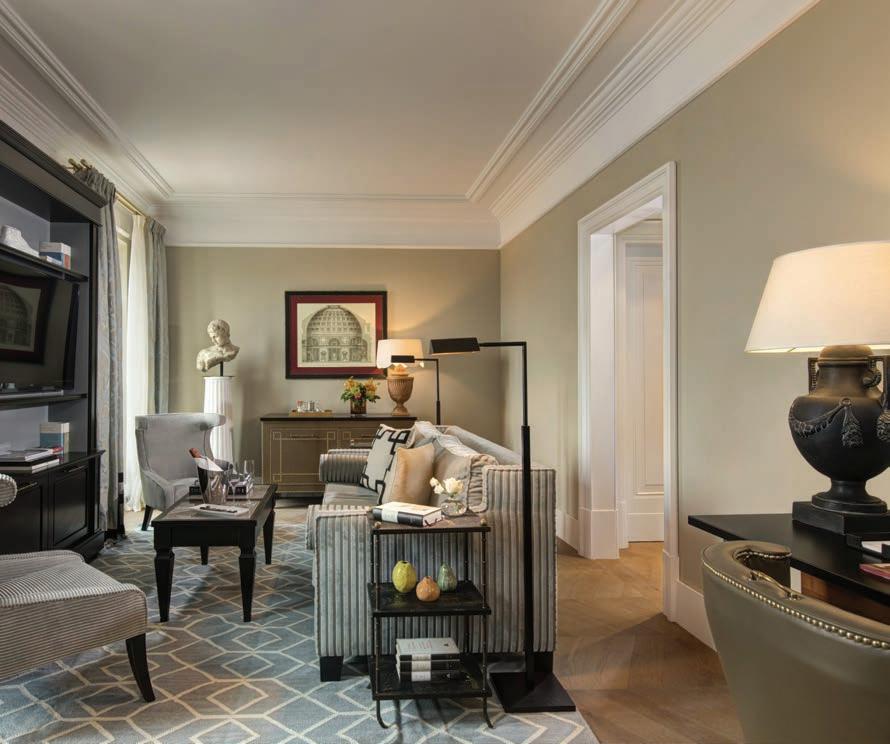
the surrounding area, but dining at the hotel also offers several distinct experiences. Café Ginori, a collaboration with the storied Ginori 1735 porcelain house, presents a space where heritage craftsmanship collides with contemporary Italian cuisine. Dishes are as aesthetically pleasing as their plates, as guests dine surrounded by exquisite tableware from one of Italy’s most celebrated makers. Meanwhile, Mosaico, the hotel’s elegant courtyard restaurant, provides an atmospheric setting beneath stylish umbrellas and soft evening lighting, where Italian classics are executed with precision. It’s also where you’ll enjoy a delightful breakfast of continental buffet and a la carte dishes.
The rooftop terrace, Cielo, deserves a special mention, as this glamourous space delivers what might be Rome’s most breathtaking panorama. The city’s iconic skyline stretches in every direction, the Trinità dei Monti church standing nearby. It’s an idyllic spot for a leisurely lunch or to watch the sunset, where you can soak up the theatrical grandeur that makes Rome so perpetually magnetic.
Wellness also assumes a central role at the hotel through the Irene Forte Spa, a sanctuary whose orange blossom signature scent lingers long after you’ve left. This self-care haven draws upon the regenerative power of Sicilian botanicals, harvested from Verdura Resort’s organic farm and transformed into an eponymous skincare line used across treatments here. The facility encompasses five treatment rooms, including a couples’ suite with private Rasul, alongside a thermal circuit featuring salt room, sauna, steam room, ice fountain, Kneipp foot baths and hydro pool. A full-body cryotherapy chamber offers cutting-edge recovery, while infrared loungers in the relaxation lounge invite guests to decompress in warmth. Elsewhere, the Technogym-equipped fitness studio caters to guests, with personal training, private yoga and Pilates sessions available upon request.
Rocco Forte properties are distinct in terms of aesthetics and ethos, but a uniting thread is their intuitive service, as staff anticipate guests’ needs discreetly. At Hotel De La Ville, they balance warmth with professionalism in a manner that feels distinctly Italian. Whether arranging private access to the Capitoline Museums or offering a long list of recommendations for the city’s
best vintage shops beyond the tourist traps, the concierge team demonstrates deep local knowledge.
For travellers seeking a Roman experience that honours history amid contemporary luxury, Hotel De La Ville is a winner – hence why it’s also a beloved celebrity escape. The address alone justifies attention, but add to that the thoughtful design, lovely spa, cutting-edge treatments and a genuine sense of place, this property exceeds expectations. It’s a destination that has captured the imagination of tourists for centuries, and will likely continue to draw them in for many more. roccofortehotels.com

Left page (from top left): Suite De La Ville dining room; Cielo rooftop terrace; Mosaico restaurant
This page (from top): Sitting room, panoramic suite with terrace; Piazza di Spagna
JOURNEYS THROUGH TIME
Yi-Hwa
Hanna
chats with Bettany Hughes, a historian, broadcaster, and bestselling author about travelling the world to tell
stories
You’ve travelled across continents to research your books, shows and films – from Turkey, Greece, and Egypt to Afghanistan and beyond. How has being on the ground, walking the same landscapes as ancient civilizations, shaped the way you tell their stories? It’s totally essential. As a historian, I can’t write history unless I go to the place where it happened. It feels like that’s a respectful thing to do, both in terms of the people whose long past you’re telling, but also for the people who are the guardians of that history now. You get to meet them, and talk to them, and hear their perspective on what you’re doing. And geography makes history, so it also means you can stand on a battlefield and feel certain things there – for instance, I can imagine why there was a particular wind that scared people [at a specific point in the past], or you can imagine looking over the borders and boundaries and suddenly seeing snowcapped mountains at a distance. You can imagine the ambition of wanting to travel to explore that in the past. So, it’s vital for me to “go to street”. And I love it. Luckily, I like travelling! What first sparked your fascination with history? I think it was a mixture of things. I went to see the Tutankhamun exhibition when I was five years old, and I was just blown away by the idea that all these fairy
tales I’d heard of – of the Boy King, with his “fairy gold”, and his mysterious death – were true. It was also partly because when I was at school, then later, studying at university, I noticed that there were lots of female historians, but not many who were being published or who are being allowed the chance to do television programmes. So, I very actively thought I wanted to change that perspective. How essential is the role of storytelling in history, in your opinion? It is totally essential. We are a storytelling species – we understand the world by telling stories about
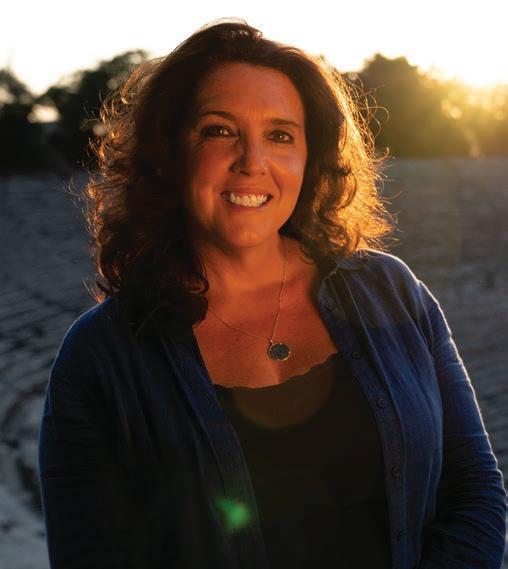
Bettany Hughes
it. If you look at the world 40,000 years ago, we were creating abstract art of, for example, a person with a lion’s head – because somehow that helped people understand who they were in the world. I’ve just come back from central Anatolia. where there are these amazing discoveries at Karahan Tepe and Göbekli Tepe, where there are literally stone storyboards, almost like cartoons. So, stories really, really matter. And I think they do even more now. You want to give a voice to the people whose stories aren’t normally heard, but also to ensure that what we’re delivering is authentic and factual – because since we’re hardwired to love stories, it also means we can believe mistruths or misinformation when it’s delivered to us persuasively. History is constantly walking that balancing line of helping us understand the bigger story, but [still] keeping the factual truths accurate and authentic. You recently participated in the Emirates Airline Festival of Literature, where one of your talks, “A Historian’s Guide to Surviving the 21st Century” asked what lessons the past could offer for navigating todays’ crises – how history could help us understand and prepare for change in an age of information overload. Tell us more. It’s a really pertinent question. One of the great values of being a historian is that you take the very long view. I can
also see that through time; there has hardly been a generation that hasn’t thought that the world was about to end. We’ve always been anxious, whether it’s been the plague, the pandemic, warfare, starvation. And we write about [these things]. [Yet] we’ve had lots of chances self-extermination, and we haven’t done that yet. Clearly, since you and I are sitting here talking right now! So [in that sense], there is actually something very hopeful about that big sweep of history. What we have to do – since, as you said, we have such an overload of information now – is that we can choose not to look at it. I mean, that’s the reality. We can choose to just be with friends and family for an evening without picking up our phones. The device might be required to physically get us there, with a dropped pin to follow for example, but once there, we can choose to have three or four hours without it. I think the most important thing we have as a species is that we can always leave avenues of choice open – so that’s what we’ve got to do, on a macro and a micro scale. One of your other talks was on the Seven Wonder of the Ancient World. Why do you think these monuments still captivate us all these years later, and what do they tell us about human ambition today? Isn’t it interesting that we all know about the phrase “the seven wonders of the ancient world”, and the names of some of them are – yet while we may not know what they all are, we do know that they matter? It tells me something big and important. As a species, we can now recognise that we have symbolic inheritance – that we’re physically born with memory within our genes, and we’re physically born understanding the inheritance of what our ancestors created. And this list is a very particular list of seven places that were set down in Alexandria around 2,300 years ago. They’re huge – it’s kind of all about scale for these seven wonders. And I don’t look at them with rose-tinted spectacles, but what they do prove is that we really value creating wonder. We value the possibility of collaborating, so that we can realise beyond the potential of the individual… that we can join together to generate extraordinary things, at least, because they’re the ultimate acts of collaboration. They also tell us that as a species, we re-
ally want to create wonder. We want to go visit and witness these things, and we want to share our stories of what wonderful thing. I see that in times both good and bad, throughout the story of our journey. During very tough times, we create beautiful works of art, even though we may be starving. It really matters to us that to be suffused with awe is something that we positively enjoy – and that’s what these wonders are, just seven examples of awe. Travel to places with historical value is trending. In some cases, it’s a pushback against the rise of AI and the increasing digital demands of today’s world, and in others, the result of greater investment to preserve these places from global tourism authorities. Why do you think modern travellers are seeking a deeper connection with the worlds’ historical sites? I think there’s something biological there – we’re creatures of memory, so we actually know that memory and heritage matters. In a world full of AI and virtual creations, there’s this incredible haptic thing that you are looking at the one whatever it’s at a place like AlUla, or, for instance, the one tomb that’s standing in that particular angle in the desert. There’s something unique about that kind of experience.
THREE THINGS YOU ALWAYS PACK
A tube of vitamin C (because if I’m unwell, or someone else is unwell, as least you can feel that you’re getting better if you have some effervescent Vit C!)
A moisturiser (it doesn’t have to be an expensive one – just any kind of moisturizer – because I always seem to end up in deserts)
A scarf or a skirt (because the remote desert or remote mountain doesn't have any shops like that).
ULTIMATE BUCKET LIST DESTINATION
The Hanging Gardens of Babylon. It’s the only one of the seven wonders I’ve not been to.
We also do love connecting with other people. We can look at those and know they were created by human hands 2,000 years ago, and treasure that connection across time and space. It’s another thing that’s built to last, and it’s another way of connecting. I remember a moment when the year 2000 was coming up – at the time, many people said the past is irrelevant, and all the answers lie in the future. Then we got to the millennium and suddenly realised that that isn’t the case – we still need that foundation. So I think [this trend] is an appreciation of the depth and breadth of our roots. What’s the first thing you usually do when you arrive at a new destination? I always take a moment to smell the air. If I go into a hotel room and the windows are closed, I’ll immediately open them – or I’ll go back down onto the street. It’s something I almost need, in a sensory way, to understand the place I’ve come to – and smell is a huge part of that. What’s your go-to choice of inflight entertainment? Flights are my total guilty pleasure. I love working and writing or researching and travelling during the rest of my time – but I will sit on a flight and try to watch movies. It’s my complete joy, and I’m very upset that you can now get wifi on planes, because it used to be the classic thing – it was like a pod [where that was all there was]! So, I catch up on movies inflight. But I actually think that’s very important for me, because I’m in the business of making factual films and documentaries, so it’s important for me to see what the world wants to see. I’ll often start with a documentary, then watch a movie. I like independent cinema, and I love thrillers and action movies. I think maybe it’s to do with growing up with actors, but I understand the huge amount of effort and creativity it takes to create this other world. Where are you headed next? Back to London, to change my clothes, then start a new series on the greatest cities on earth – what makes a great city, what it is historically and culturally, what it means now. That’s going to be one of my next big adventures. So, if any of your readers want to share their city with me, let me know – I’m right at the beginning of this project, so if you’d like to tell me why you think I should come see your city, feel free to reach out! @bettany_hughes
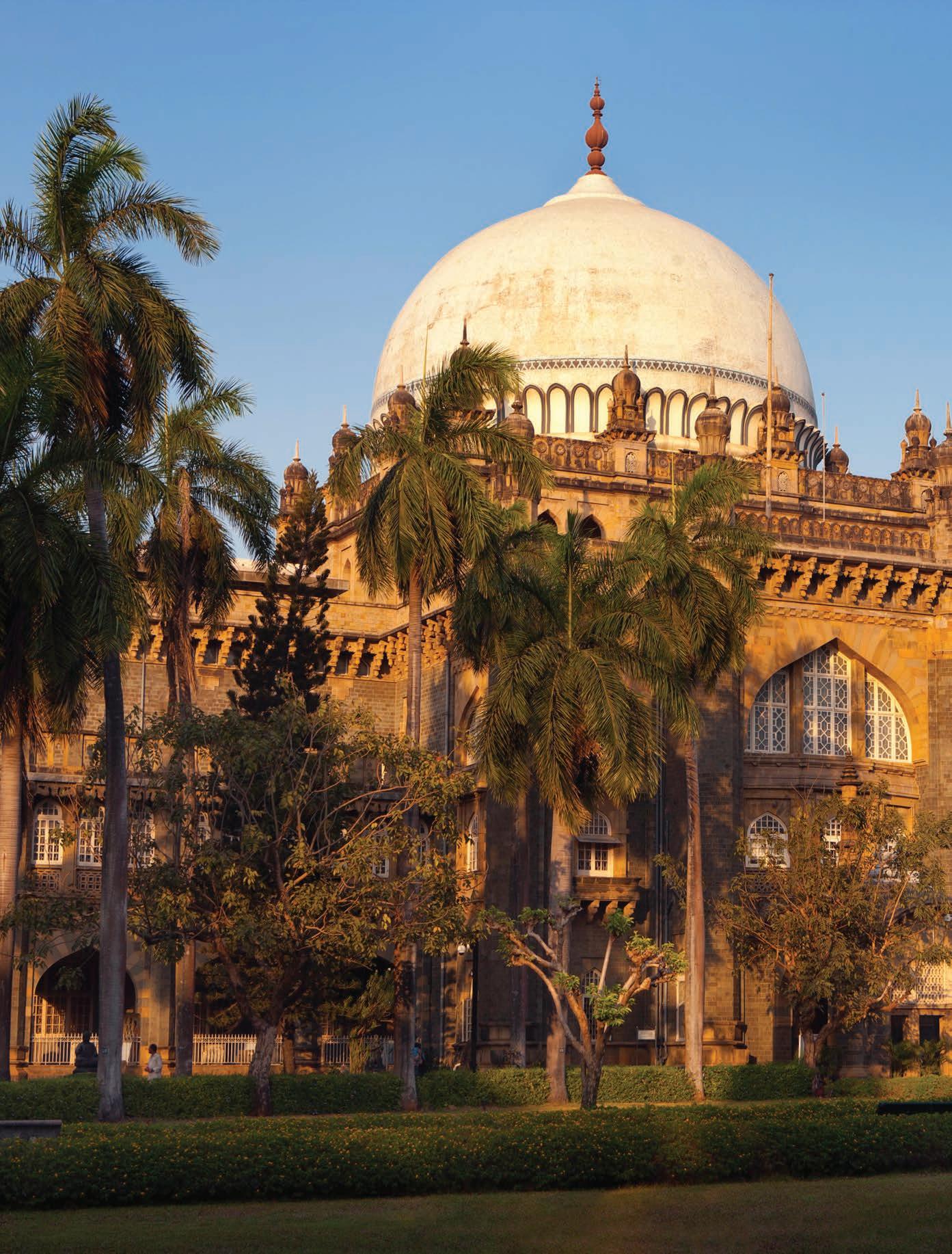
THE ARTIST’S WAY

From Kala Ghoda’s white cubes and Worli’s hidden cartoons to Colaba’s cult cafés and Juhu’s seafacing members’ club –Mumbai’s art scene is for those
who
like to wander, look, and linger
Mumbai, Bombay – whichever name you prefer, comes with its own weight. A day here can hold both extremes: a promotion and a heartbreak, a flooded street and a perfect sunset, a long queue and a small, unexpected kind ness. Glass buildings stand next to crumbling ones; new cafés open beside old Udipi joints… over time you realise this mix is the whole point. Mumbai is tiring, loud, often unfair – and yet, somehow, it keeps finding small, loving ways to make room for you. Bombay’s art scene is the perfect example of this. It began to truly thrum in the mid‑20th century, when the Progressive Artists’ Group and a wave of inde pendent galleries turned the city into a restless studio by the sea. It can be felt in smoky soirées in Kala Ghoda, debates in cramped Colaba galleries, and via canvases that smell of turpentine and quiet rebellion. Today, art has slipped beyond white cubes into warehouses, cafés, streets and Instagram only col lectives, where young artists stitch together identity, memory and politics in vivid colour. It’s also a scene shaped by irony – early work framed through a colo niser’s gaze, and all the local voices that followed. The best way to see it is on foot: joining an art walk, moving from gallery to gallery, catching colonial facades, fading signboards and tiny architectural details that tell you as much about the city’s past as the work hanging on its walls.
Chatterjee and Lal
Chatterjee & Lal was formed in 2003 by husband and wife team Mortimer Chatterjee and Tara Lal. Today based in Mumbai’s Colaba art district, the gallery is an important node in the city’s maturing art scene. Whilst the gallery has always focused on the work of emerging and mid career artists, more recently programming has included historical material that adds to the corpus of knowledge on twentieth century histories of art and design. @chatterjeeandlal
WORDS: VAMA KOTHARI
Chhatrapati Shivaji
Maharaj Vastu Sangrahalaya
The Prince of Wales Museum, now Chhatrapati Shivaji Maharaj Vastu Sangrahalaya, is one of those institutions that locals instinctively insist visitors see before they leave the city. Housed in an Indo-Saracenic building framed by palms and a circular lawn, it holds layered narratives of human civilisation alongside rare works that trace Bombay’s colonial and mercantile past. Do not miss the dedicated Bombay gallery, where hand-painted prints and early photographs depict a young port city taking shape just as the East India Company laid its anchors along its shores. @csmvsmumbai
Apaulogy
Meet Paul Fernandes, an artist who grew up in the in-between spaces of Bombay and its changing names, absorbing the city’s eccentricities long before they were threatened with erasure. A cartoonist with an archivist’s heart, he redraws forgotten Bombay through humour and sly satire –tram lines and Irani cafés, double-decker buses and lost cinemas, all returning in ink and colour like guests at a reunion. Tucked away in the quiet alleys of Worli, his hidden, quaint store-gallery feels like stepping into a parallel city: part museum, part comic strip, part love letter to Bombay that still lingers in collective memory. @apaulogy_gallery
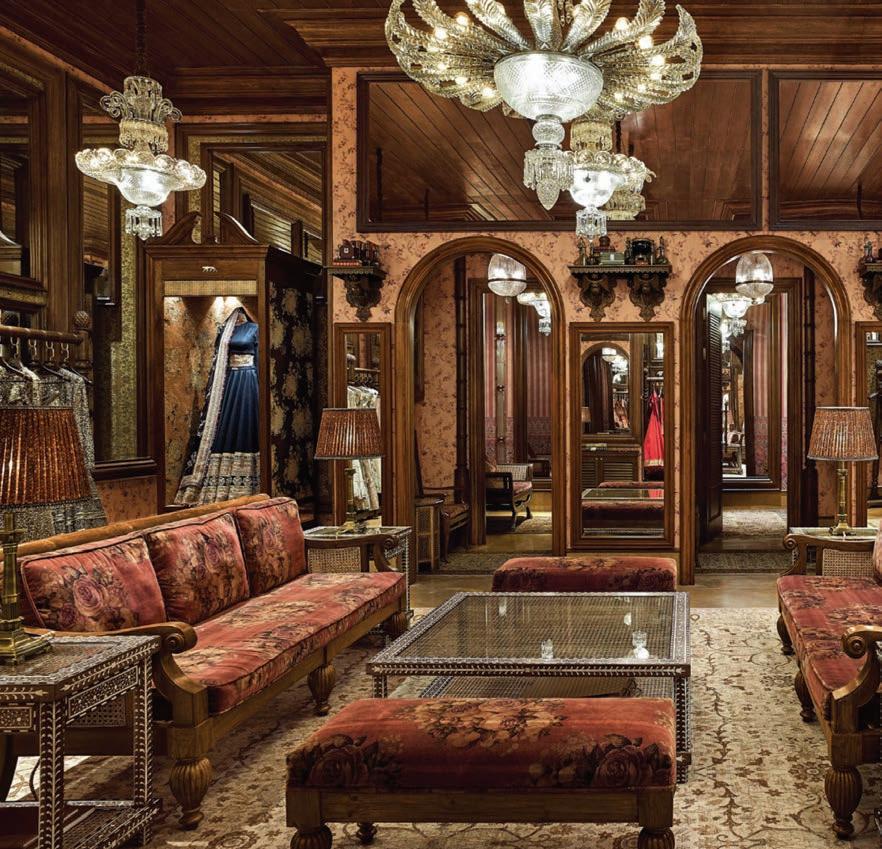
Cafe Leopard
Leopold Café, founded in 1871, feels less like a restaurant and more like an old witness to the city’s evolution from colonial port to restless metropolis. It has survived shifting regimes and the violence of 26/11, the bullet scars are still visible on its walls. For
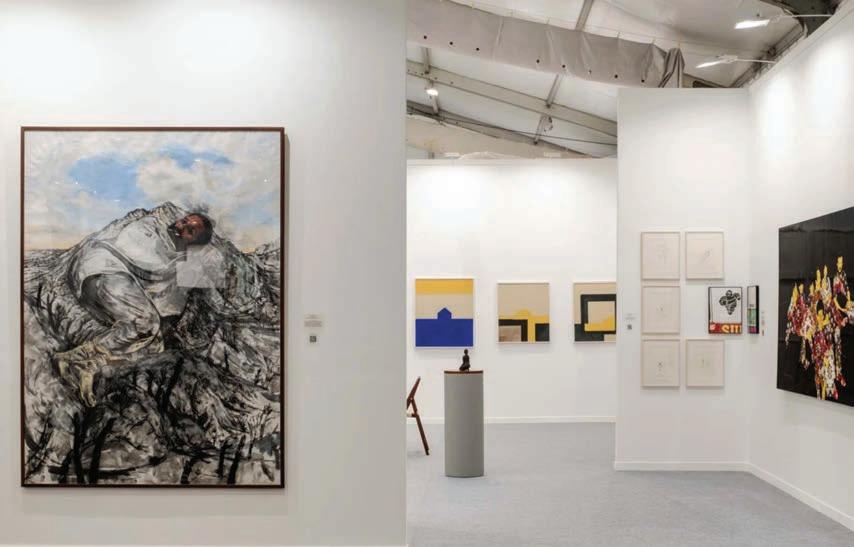
those drawn to art and history, the mirrored panels, sun-faded signage and whirring ceiling fans transform the space into a living archive of Colaba’s cosmopolitan past. Over tangy chicken lollipops, peppery bheja fry with soft pao, or masala prawns with a fizzy root drink, visitors will find themselves
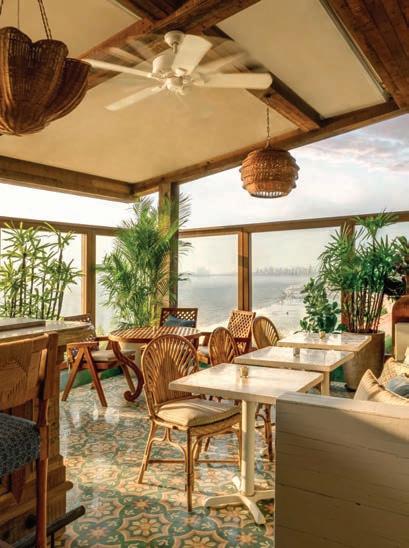
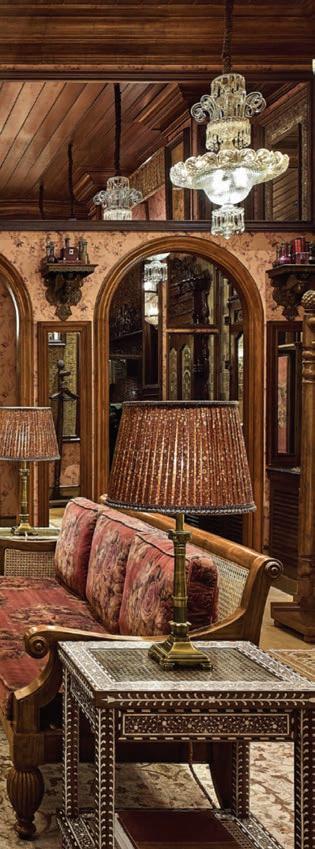
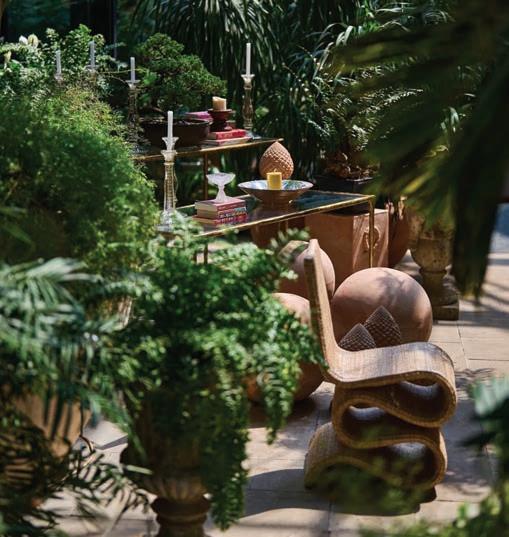
stepping quietly into a conversation that has been unfolding for over a century. @leopoldcafemumbai
Kala Ghoda Cafe
Kala Ghoda Café is one of those Bombay institutions that regulars slip into on autopilot, a narrow, high-ceilinged room that once gave newspaper reporters a place to escape the din of the newsroom and argue over headlines and politics. As the city’s print culture thinned out, the crowd shifted to designers, gallery-goers and lawyers, but the tempo inside stayed slow and conversational. There is a long dark wooden door at the back that opens into a small bar that quietly serves midday drinks while old jazz records set the afternoon mood for those listening. @kgcbar
Soho House
Soho House Mumbai in Juhu is where the city’s newer story plays out, a sea-facing members’ club that gathers filmmakers, designers, writers and young founders under one roof and asks them to look up from their screens and speak to each other. You don’t just walk in; you apply, wait, and hope the committee thinks your work belongs in the mix. People come for an Aglio
e olio at their resident restaurant, Cecconi's, and stay for the beachy views and lived-in, modern contemporary rooms that feel like an apartment you once dreamed of, a small, sunlit home away from home. sohohouse.com
Masque
Masque grew out of a simple, stubborn idea: that India’s farms, forests and coastlines could quietly power one of the country’s most ambitious kitchens. Built inside a former mill in Mahalaxmi, it keeps a bit of that industrial past – high ceilings, concrete, metal – but softens it with warm light, long wooden tables and an open bar that lets you watch the night unfold. The founders set it up as a tasting menu restaurant from day one, more studio than dining room, so the menu could move with the seasons. Today, it’s counted among Asia’s 50 Best Restaurants, a quiet benchmark of just how far that idea has travelled. @masquerestaurant
Bhavya Ramesh Jewellery
Bhavya Ramesh’s jewellery looks like it was designed for people who treat dressing as a full-body storyboard. She works heavily with 14kt gold-plated brass and silver, but the real signature is form: exaggerated nails and finger extensions, spiky ear cuffs,
nose pieces and chains that rearrange how jewellery sits on the body. Her references swing from temple jewellery and South Indian bridal adornment to street style and surrealism, which is why a lot of pieces feel both ancestral and alien. Her work stands out because it’s instantly recognisable –more attitude than ornament, more character than “pretty.” @bhavyarameshjewelry
Papa Don’t Preach
Papa Don’t Preach feels like stepping inside a fully realised aesthetic universe. Founder and designer Shubhika Sharma has shaped the Colaba space to echo the fantastical references behind her collections, layering colour, mirrored surfaces and ornate detailing into a set-like interior. Sharply structured blouses, sequinned saris and jewel-toned accessories reside within this immersive backdrop, blurring the line between retail and theatre. Even without a purchase, the visit offers a study in how fashion can build atmosphere as convincingly as it builds garments. @papadontpreachbyshubhika
Sabyasachi
The Indian luxury brand long favoured by brides and Bollywood stars, Sabyasachi has opened a sprawling 2,000-squaremetre flagship in Mumbai that feels more like a private museum than a store. Heavy teak, low lamps, oil paintings and vitrines of jewels create the mood of an old Calcutta mansion. Alongside embroidered couture, you move past antique furniture and glass cases of uncut diamond chokers, jadau raani haars, navratna rings and oversized jhumkas, fashion and jewellery staged as living history. @sabyasachiofficial
Nilaya Anthrology
Nilaya Anthology is a 100,000 sq ft design destination in the heart of Mumbai – a vast, walkable anthology of how an Indian home can look and feel. It is part gallery, part furniture and decor store, part evolving exhibition: a place where objects, materials, colour and craft are staged almost like chapters in a book. You can walk through full-scale rooms, handle textiles, study surfaces, and see how contemporary Indian and international designers are thinking about the home as a canvas. It’s where craft traditions, new materials and modern aesthetics sit side by side, making it as much a place to learn as to shop. @nilaya.anthology
Previous spread: Chhatrapati Shivaji Maharaj Vastu Sangrahalaya; Left page (from top): Sabyasachi; Chatterji and Lal; Soho House; Above: Nilaya Anthrology
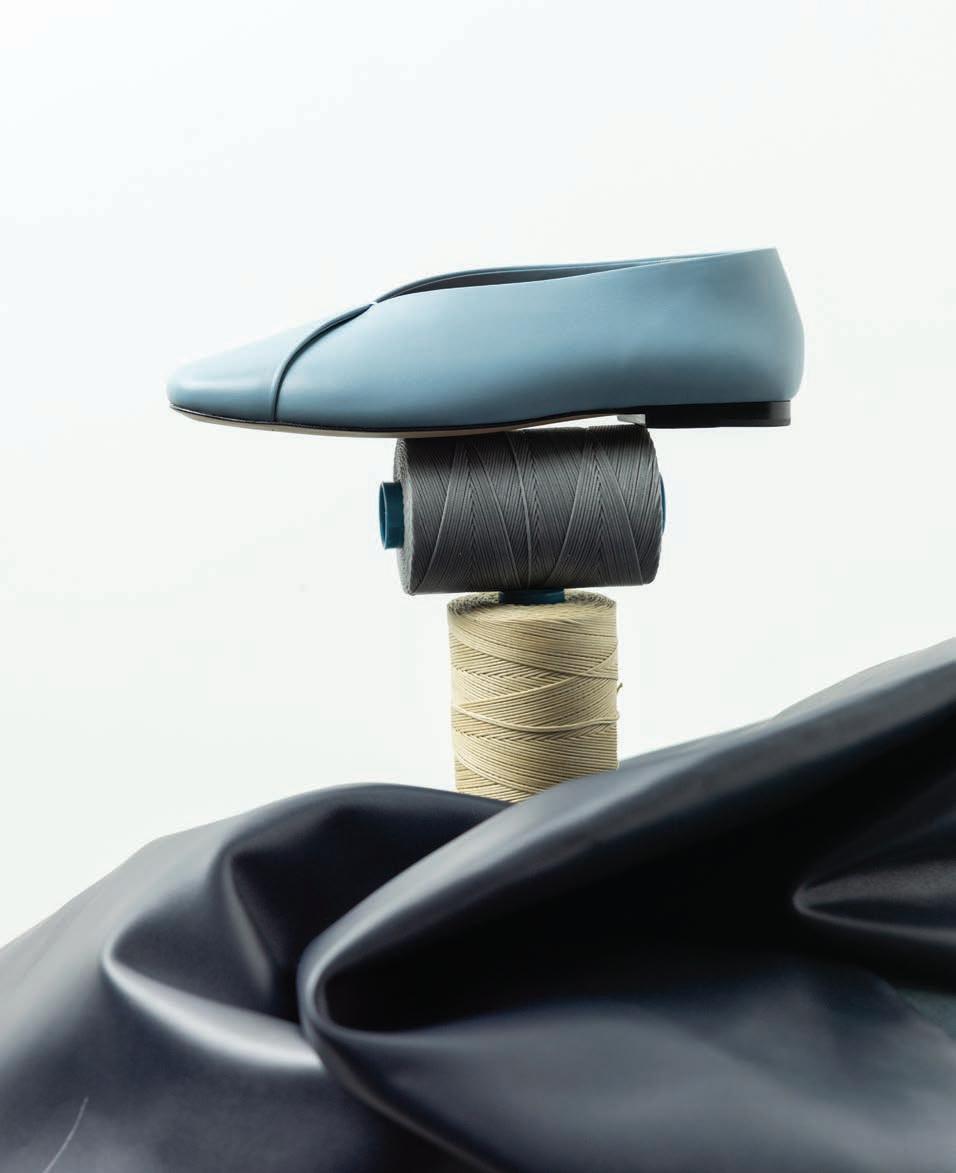
EN POINTE
The UAE is buzzing about a new homegrown shoe brand - THARA. The Abu Dhabi label is creating a stealth wealth offering of beautiful nappa leather ballerina flats that are already getting a reputation for their softness, comfort and elegant design. The grounded minimal footwear makes the argument that sometimes the biggest statements can be made with a whisper.