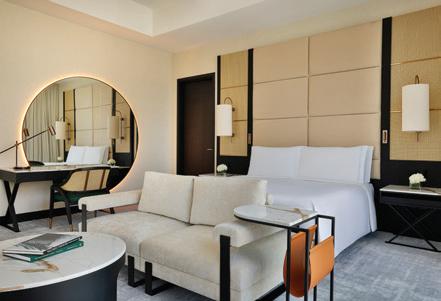
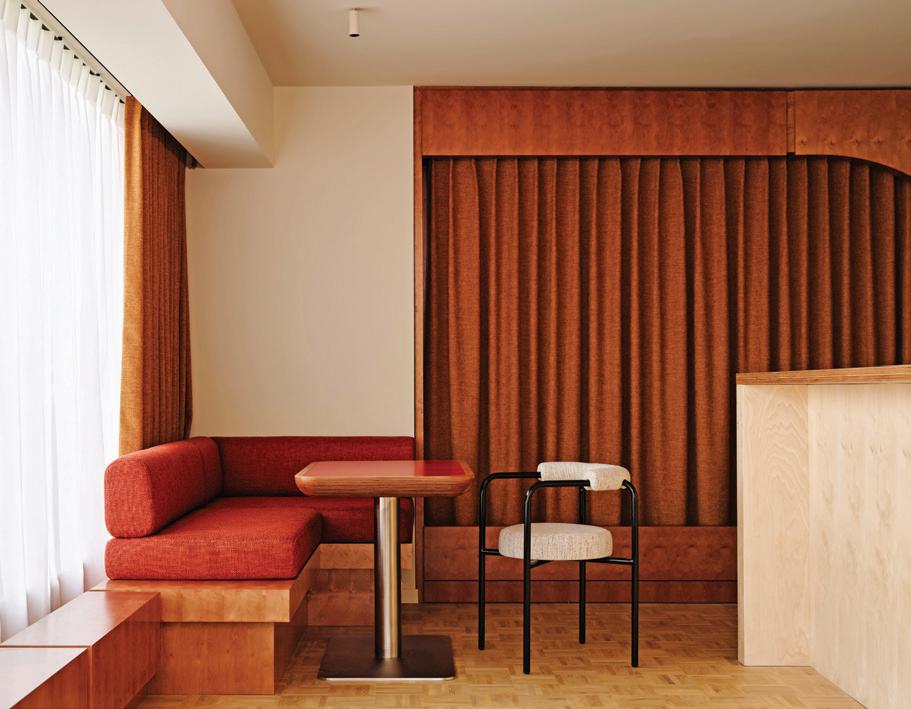
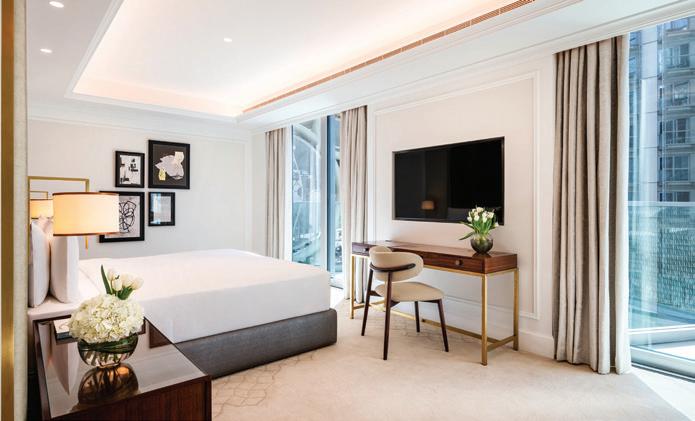
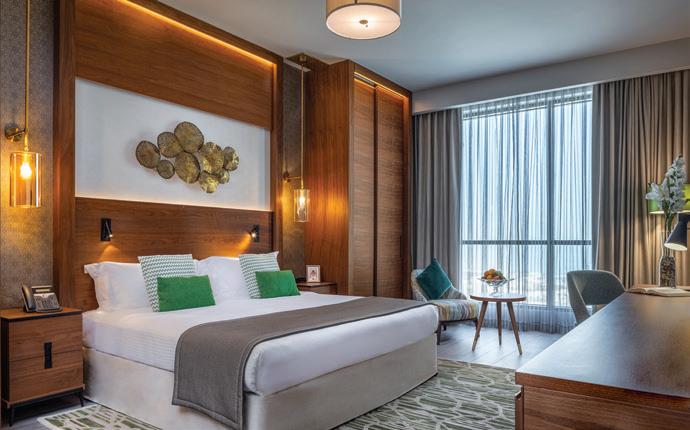
07 Hot Ticket: History is at the heart of Syria’s new Old Vine Hotel, Damascus
08 Regional News: The latest airline, hotel, and travel news
10 Global News: An update on international travel
12 Sustainable Traveller: The greener side of tourism and hospitality
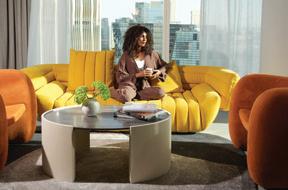
MAKE YOURSELF AT HOME
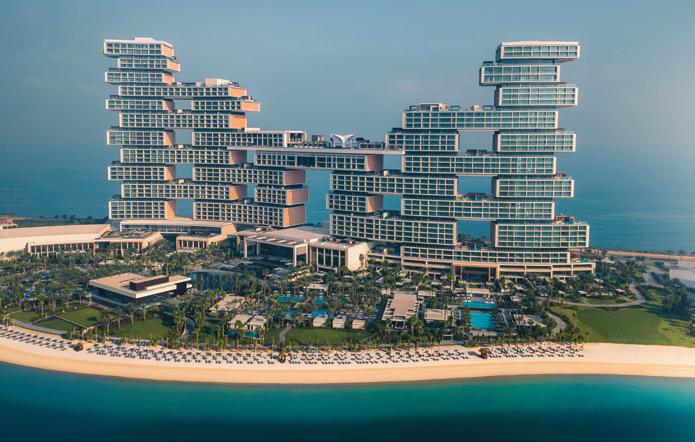
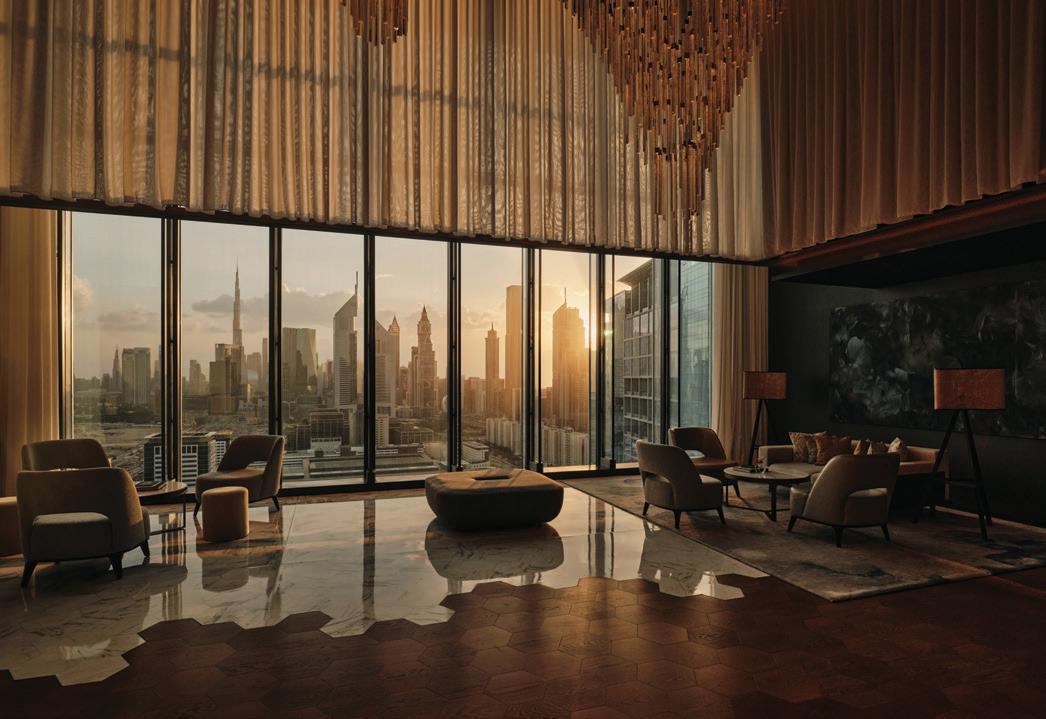
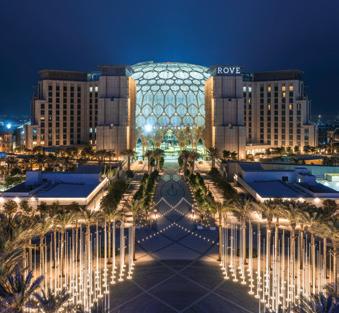
50 staycation ideas that could feel like the ultimate weekend or holiday upgrade
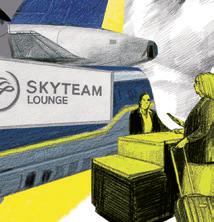
15 Patrick Roux, CEO of SkyTeam, speaks on growth, innovation, and airline alliances
18 Luxury in the Details: An interview with Four Seasons Hotel Riyadh’s regional VP and general manager Shadi Suleman
20 Op-Ed: A tourism disaster waiting to happen?
21 Elevator Pitch with Husam Malki, general manager of Anantara Downtown Dubai Hotel
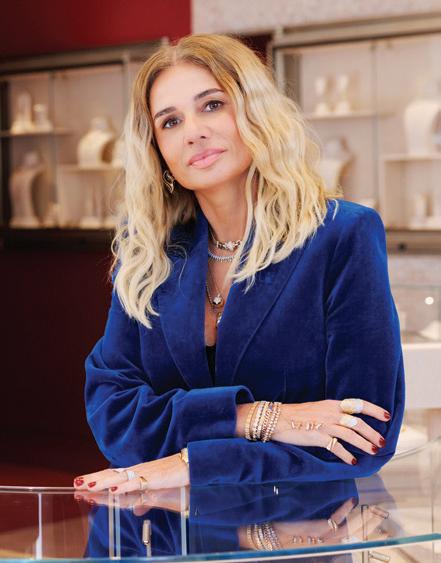
22 Frequent flyer with Milka Karaağaçlı, founder of Kismet by Milka
23 Extra Day in Chengdu
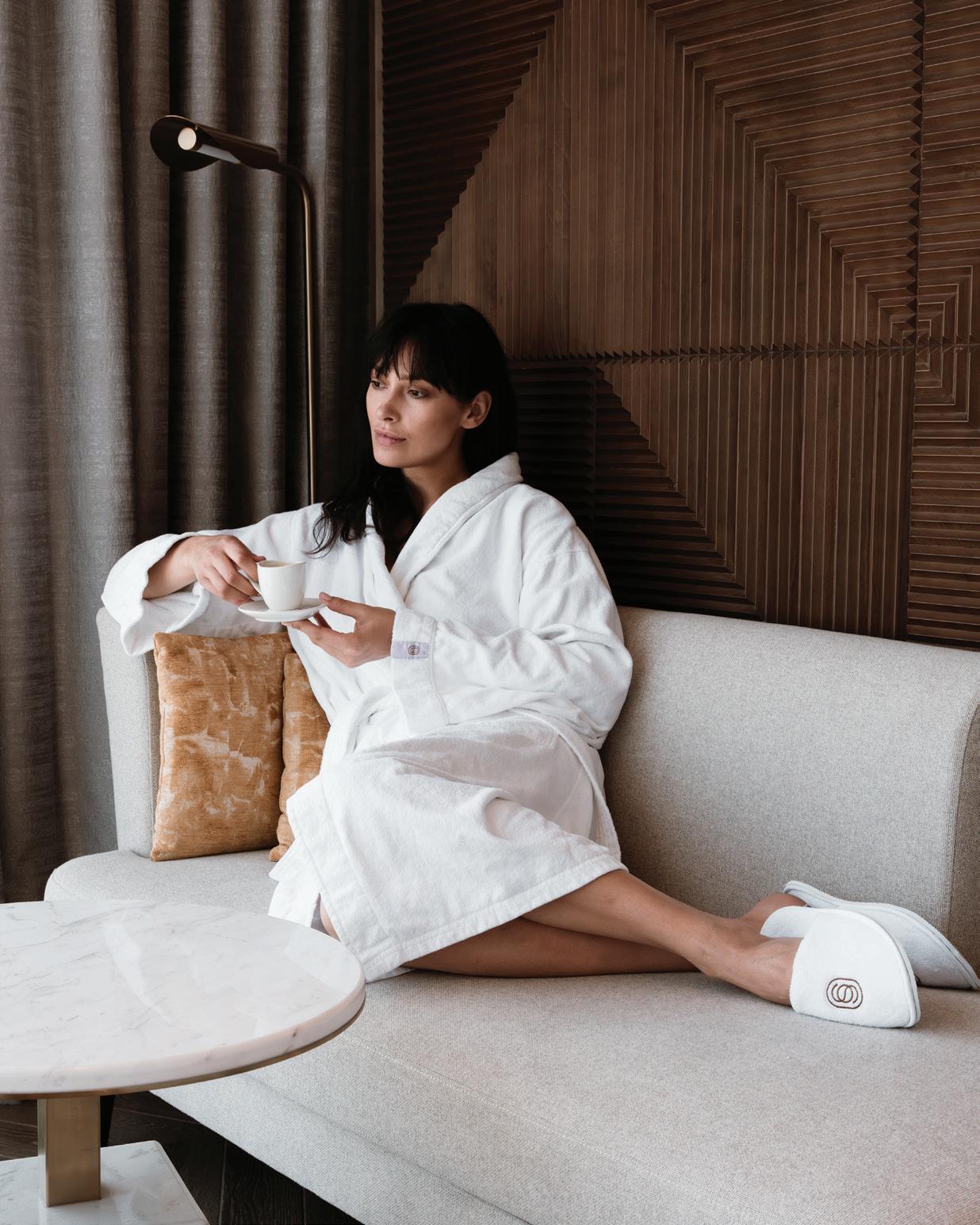
25 Soothe yourself with the wellness-oriented side of travel and tourism
26 Splash out on luxury experiences and products
28 Our pick of cultural events around the world and inflight entertainment
The power of culture Inside a new era of travel that’s rooted in heritage and local identity
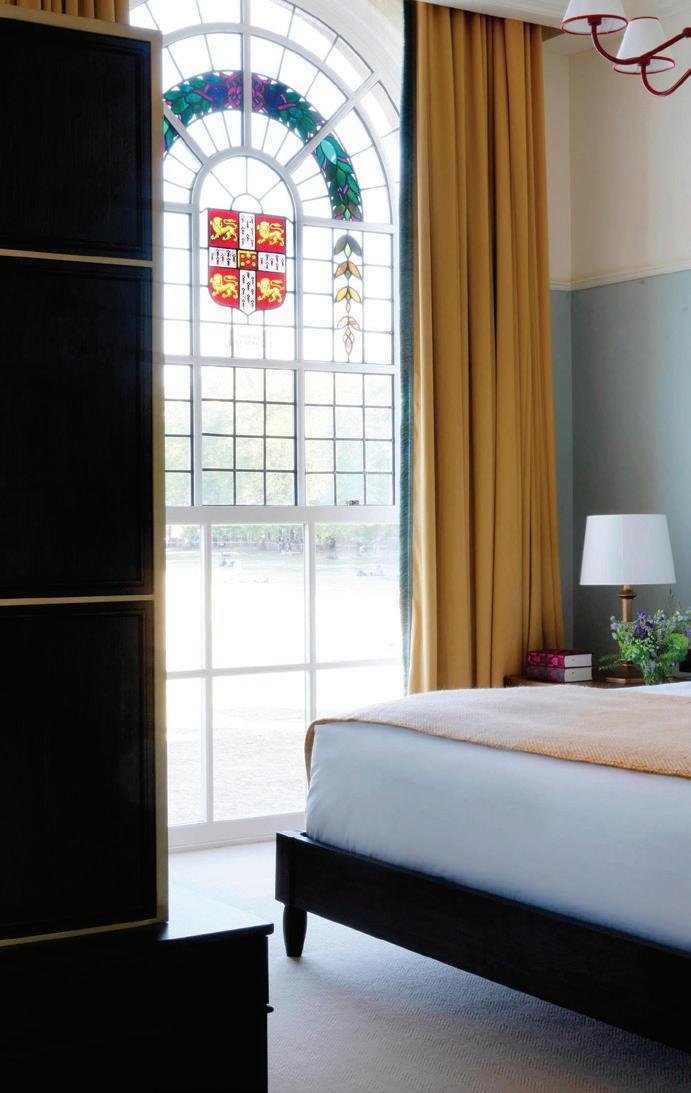
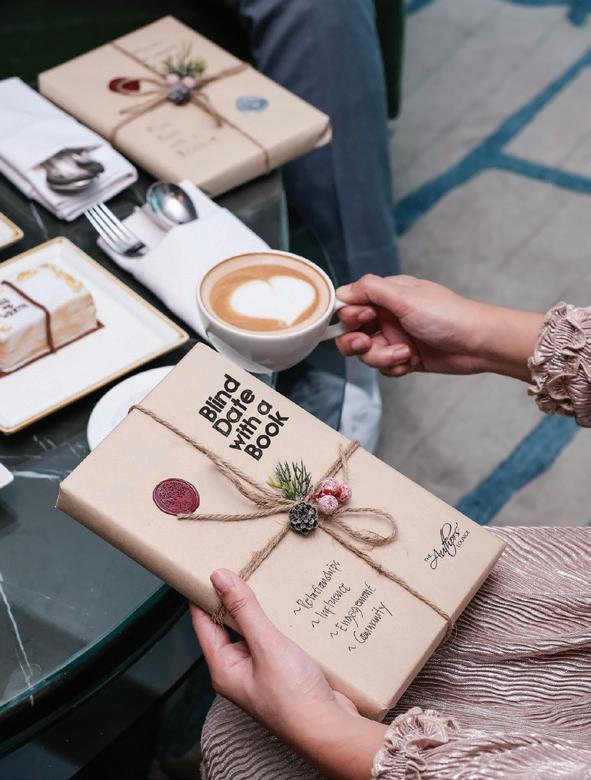
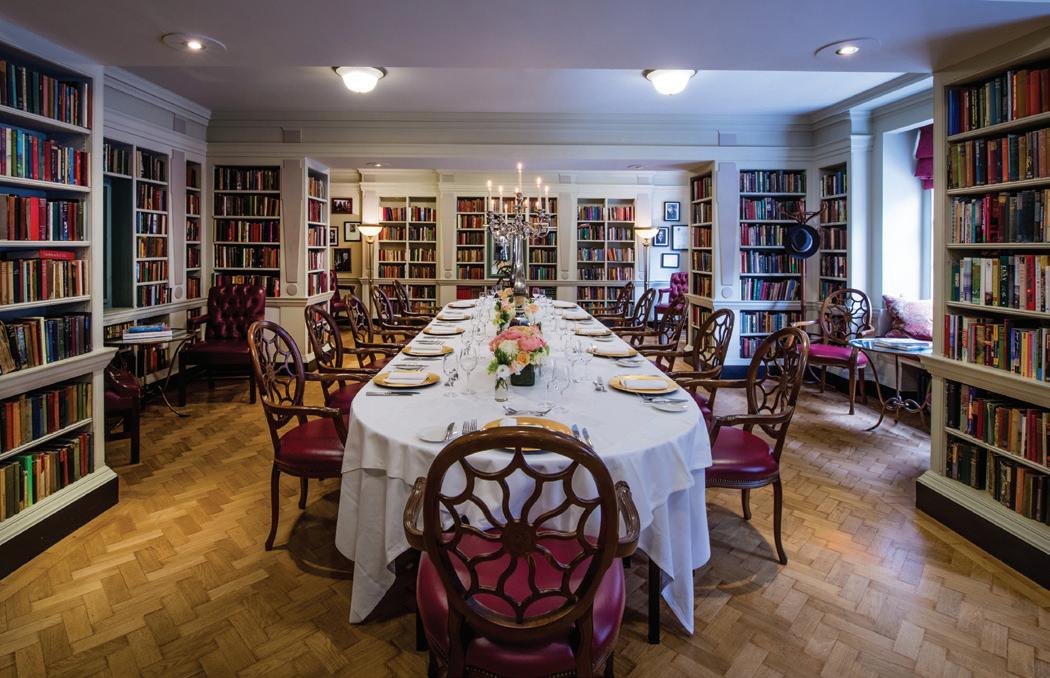
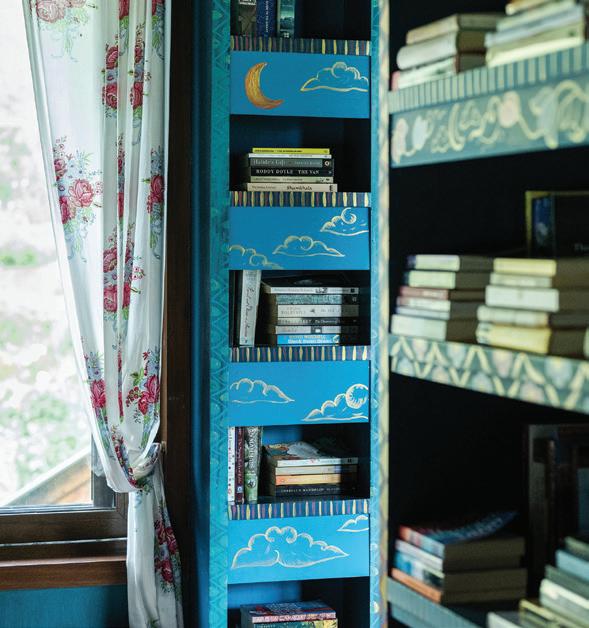
Booking in The rising appeal of literary travel, from reading retreats to ‘Book Butlers’ and more
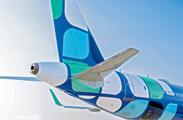
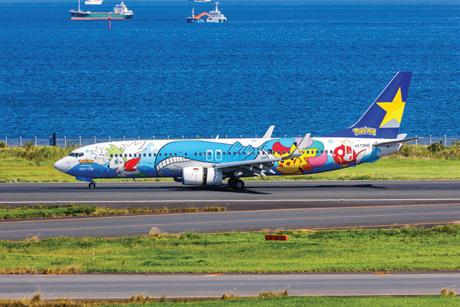
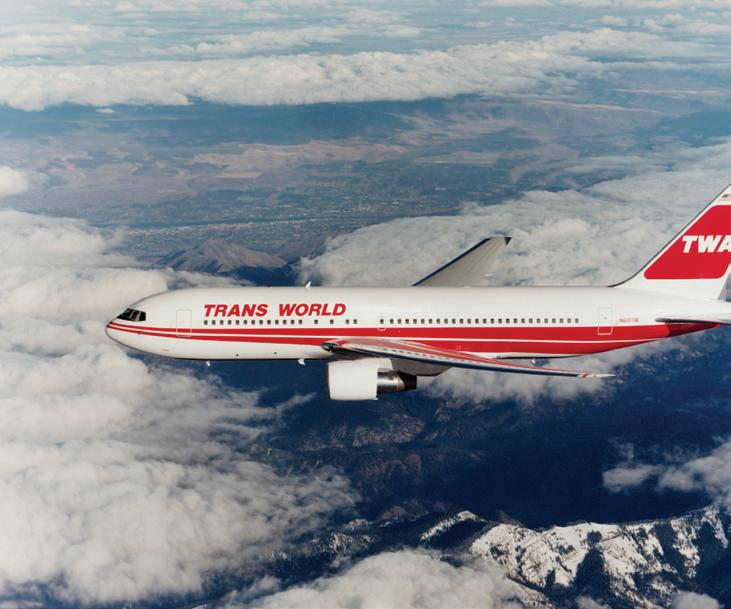
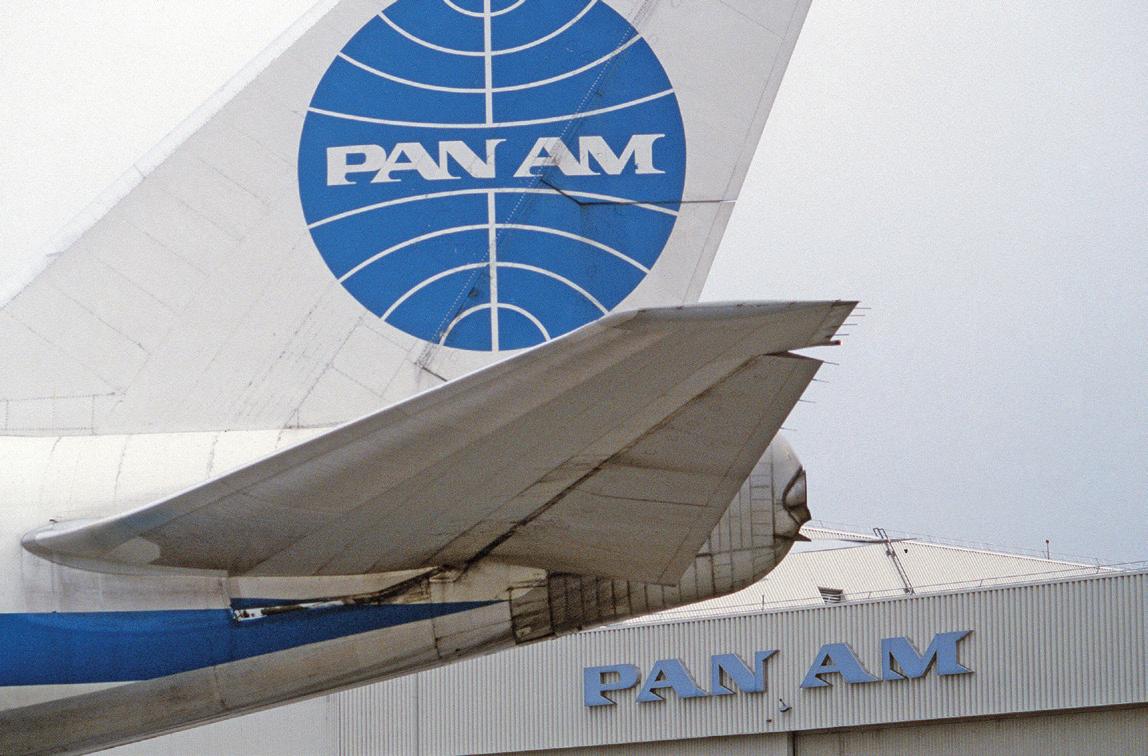
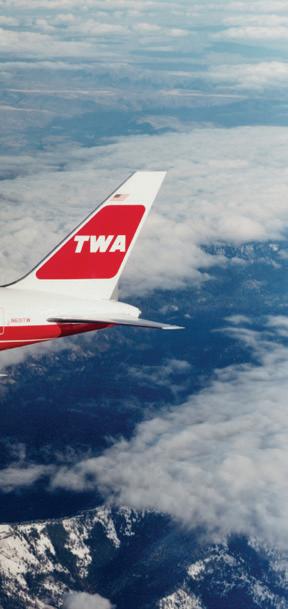
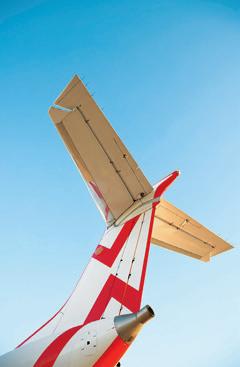
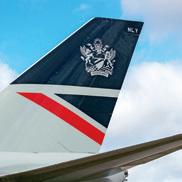
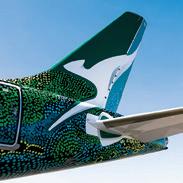
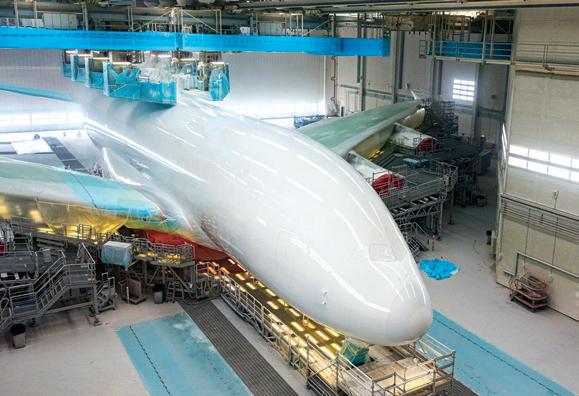
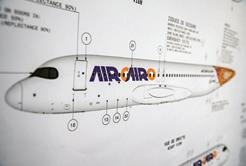
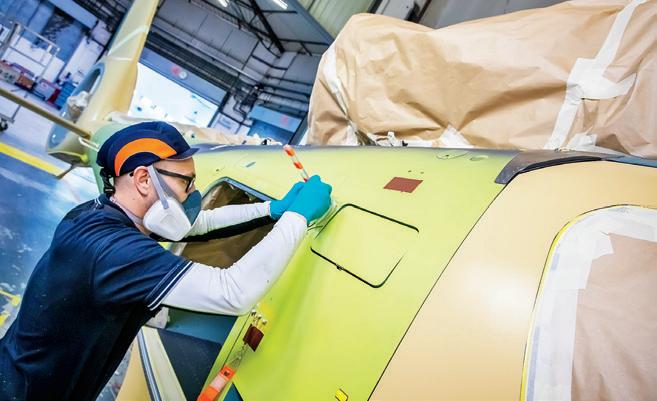
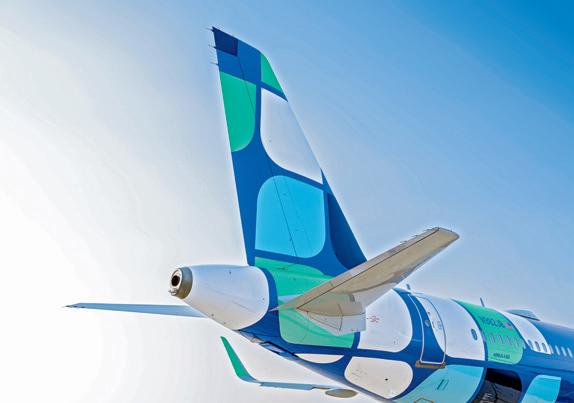
Sky writing How airline liveries grab attention, promote brand loyalty, and boost business
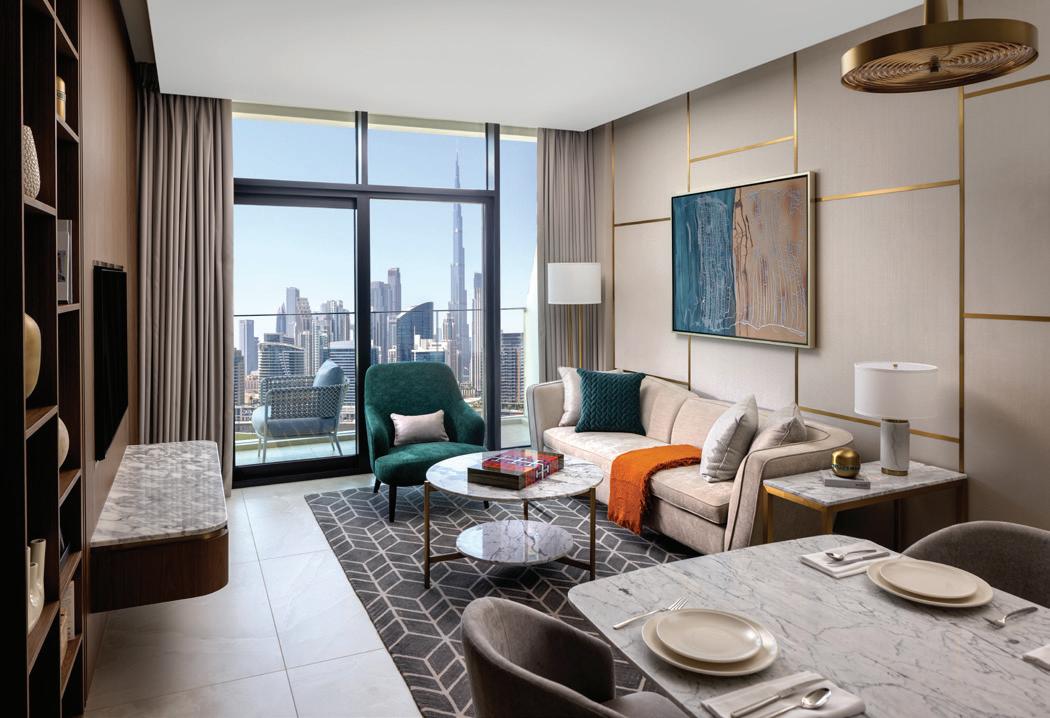
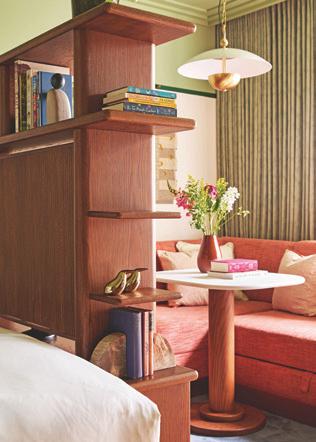
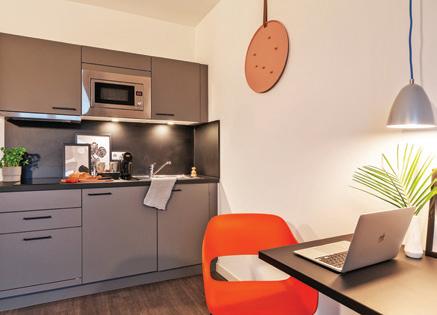
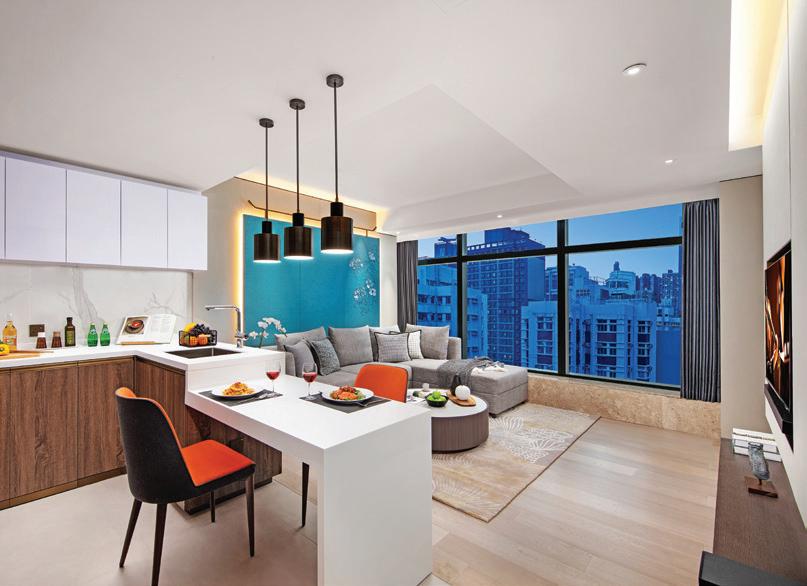
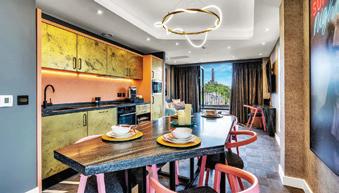
Home base Leading serviced hotel apartments across the world for every traveller
Raffles
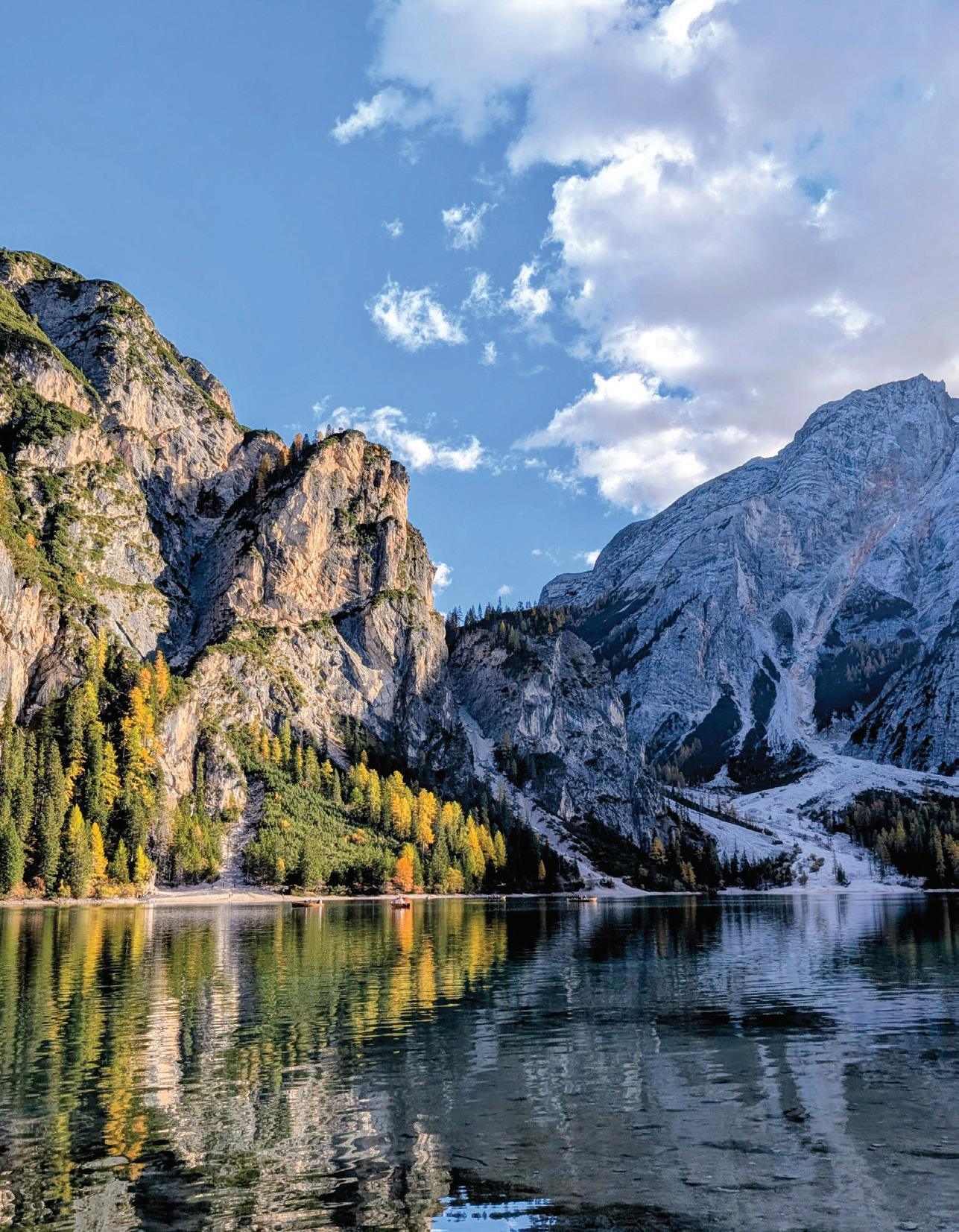
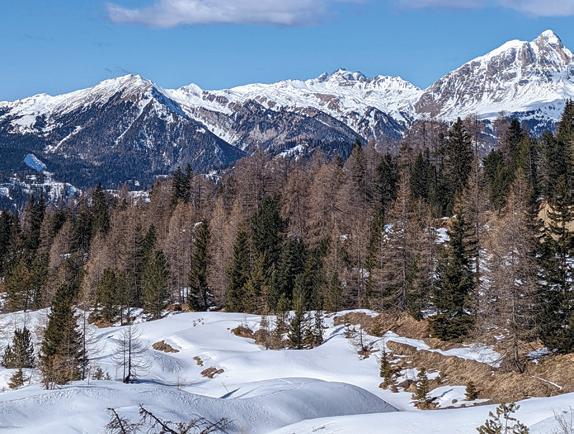
61 Where the montains echo In Italy’s northeastern region, the Dolomites offer modern travellers a slower kind of alpine luxury
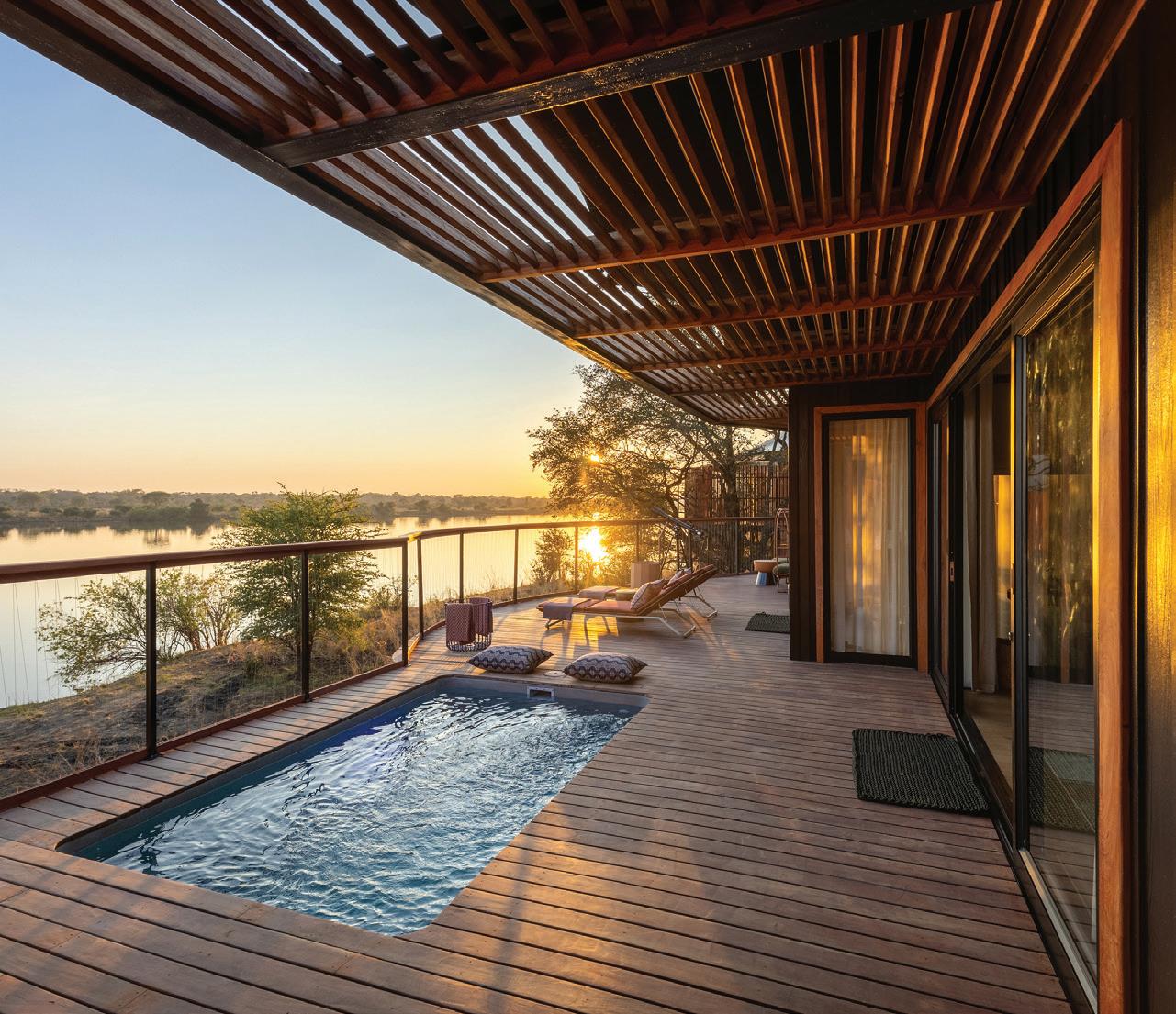
Anantara Kafue River Tented Camp, in Zambia, is the brand’s debut safari lodge
Editor’s Letter
THIS MONTH, in recognition of this incredible place so many of us call home, we’re celebrating the destinations right on our doorsteps. On p.30, you’ll find 50 staycation ideas that are simply too good to miss. Whether you are a long-term resident or a first-time visitor, there is always something new to discover in this ever-evolving landscape we are so lucky to navigate.
When I was in high school here in the late 1990s to early 2000s, one of my sisters flew overseas for college – and upon telling people she’d grown up in Dubai, some responded with curious notions. One thought she meant Hawaii; another asked what it was like growing up in India, thinking the emirate was in a different country. When I went to university myself just a couple of years later, the questions had changed to: “Is that the place with the seven-star hotel and the palm treeshaped island?” This time around, they were right: the Burj Al Arab had opened, and the Palm Jumeirah had been announced. That was circa 25 years ago.
What this region has accomplished since then is nothing short of astounding. During the years I spent abroad for my degree and early career, a new era had begun – and soon after I returned, the Burj Khalifa made global headlines, broke world records, and redefined the skyline. Other global hubs through history have taken centuries to attain the transformation that this place has achieved in mere decades.
Dubai has sat in the top 10 of the Global Power City Index for two years running, and its neighbours – from Abu Dhabi to Riyadh and Manama – have also been recognised for their ‘comprehensive power to attract people, capital and enterprises from around the world’. The UAE, Saudi Arabia, and Qatar are ranked among the 50 most innovative nations on earth, with Oman and Bahrain not far behind. The region recently registered the most significant global gains in the Global Liveability Index and the UAE, Qatar, Oman, Saudi Arabia, Bahrain, and Kuwait are among the safest countries in the world. The Middle East is also the world’s top-performing tourism region, earning a reputation for luxury and outstanding hospitality that has become a global benchmark. With DXB maintaining its streak as the world’s busiest international airport for over a decade, it could be easy to focus on greener pastures elsewhere – but it’s important to remember that our own shores contain the very places the rest of the world now looks to for inspiration.
When I think of home, I think of this place that shaped me. I know which cafés have the best karak, which award-winning restaurants are worth a visit, and how to get there without GPS. I know where to find the hidden gems, from the tailor that welcomes me with hot black tea, to the industrial zone shop selling locallymade jewellery, and the boutique selling vintage books. The joy of surfing a wave off the Arabian Gulf, the bewitching serenity of the desert, and the soul-stirring awe of a Jumeirah Beach sunset – one of the most beautiful views in the world – are permanently etched in my mind. It’s a place where each time I step out my door, I see faces and hear words from across the globe, feeding into a multicultural perspective that influences my outlook on the world. And I wouldn’t have it any other way.
Yi-Hwa B. Hanna Editor
BUSINESS TRAVELLER MIDDLE EAST IS JOINTLY PUBLISHED BY MOTIVATE MEDIA GROUP AND BUSINESS TRAVELLER MEDIA LTD
MOTIVATE MEDIA GROUP
EDITOR-IN-CHIEF OBAID HUMAID AL TAYER
MANAGING PARTNER AND GROUP EDITOR IAN FAIRSERVICE
CHIEF COMMERCIAL OFFICER ANTHONY MILNE
GROUP CONTENT DIRECTOR THOMAS WOODGATE
EDITOR YI-HWA B. HANNA
ART DIRECTOR CLARKWIN N. CRUZ
EDITORIAL CO-ORDINATOR LONDRESA FLORES
CONTRIBUTORS
ENRIQUE PERRELLA, BEN WEST, JACLYN TROP, ALICE HENDERSON, HANNAH BRANDLER, NIVEA SERRAO, PALLAVI SANGTANI, THOMAS WOODGATE, MICHAEL KEATING
GENERAL MANAGER – PRODUCTION S SUNIL KUMAR
PRODUCTION MANAGER BINU PURANDARAN
ASSISTANT PRODUCTION MANAGER VENITA PINTO
GROUP SALES MANAGER CHAITALI KHIMJI
SENIOR PARTNERSHIPS MANAGER MURALI NARAYANAN
HEAD OFFICE: MEDIA ONE TOWER, DUBAI MEDIA CITY, PO BOX 2331, DUBAI, UAE; TEL: +971 4 427 3000; FAX: +971 4 428 2266; E-MAIL: BTME@MOTIVATE.AE
Travellers can step into the past at this newlyrestored boutique gem
WORDS YI-HWA HANNA
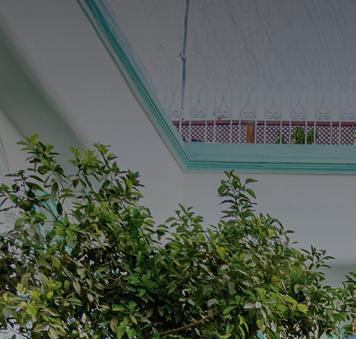
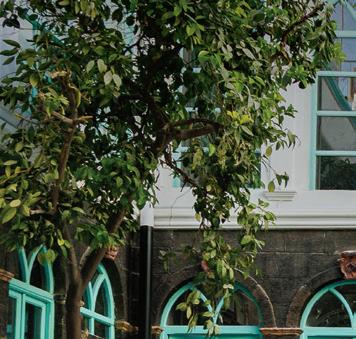
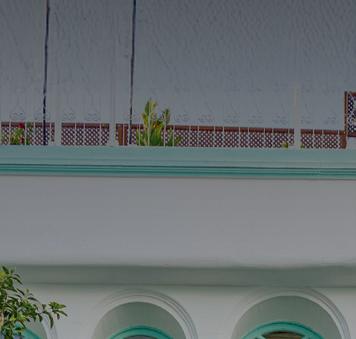
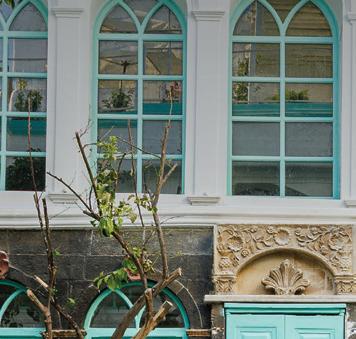
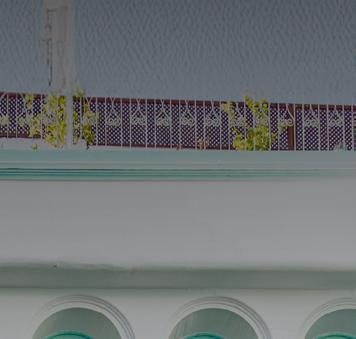
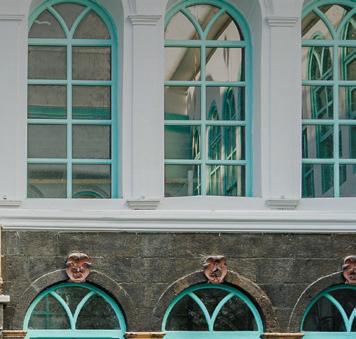
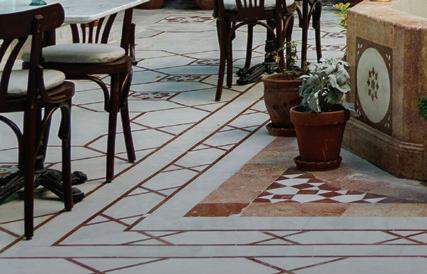
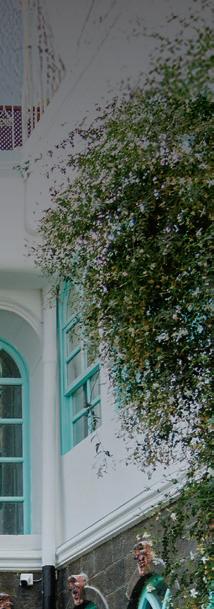
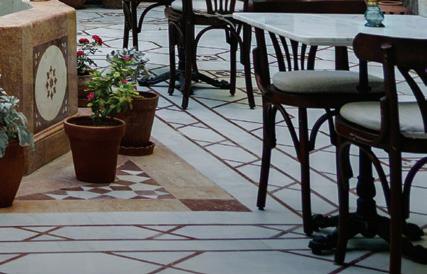
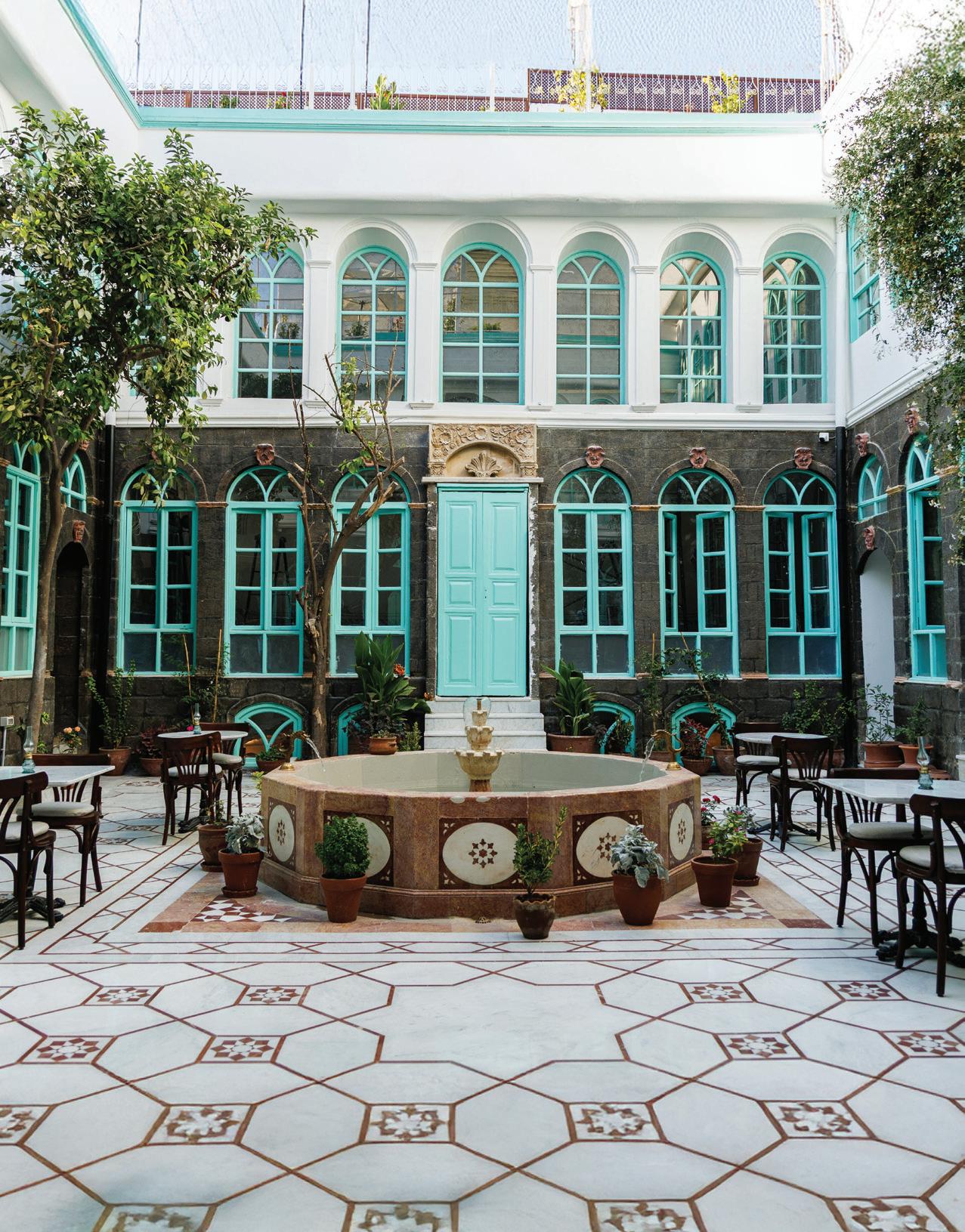
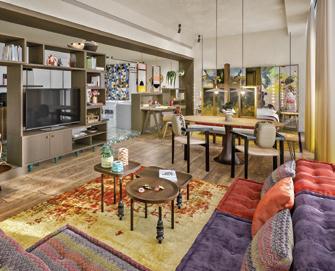
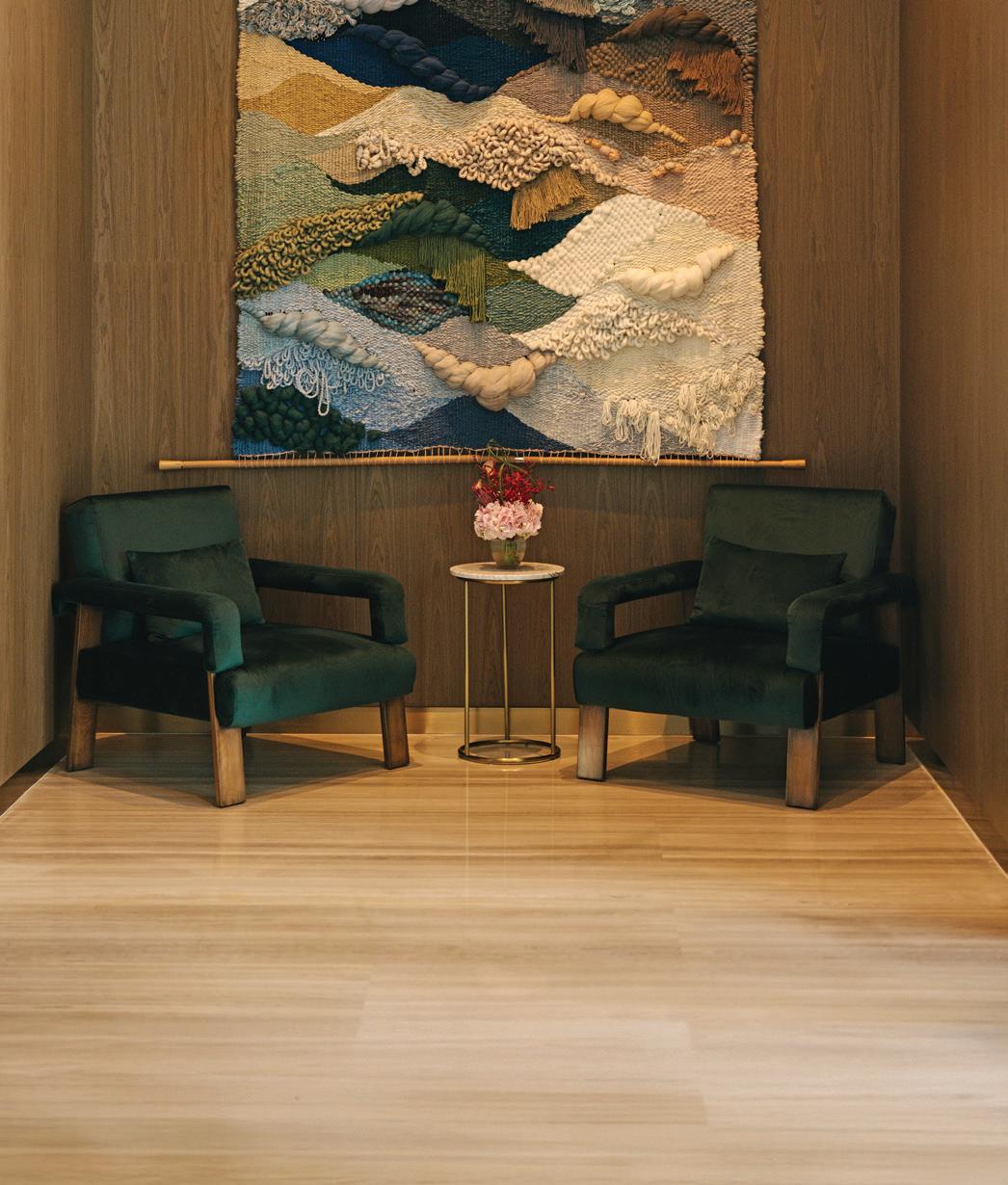
THE OLD VINE HOTEL has officially opened in the heart of Damascus Old City, marking a significant addition to Syria’s growing heritage tourism sector. Inaugurated by the country’s Minister of Tourism, the five-star boutique property is housed within a meticulously restored cluster of traditional Ottoman-era residences. This project is a key part of a national strategy to revive historic Damascene homes, transforming them into high-end destinations that preserve their unique architectural identity. Located just a short walk from the iconic Umayyad Mosque and the Shrine of Saladin, the hotel offers 25 guest rooms and suites. The interiors showcase the exceptional skill of local artisans, featuring hand-painted tiles, original high ceilings, and traditional woodwork. The design seamlessly integrates modern luxuries with the historic charm of a traditional courtyard layout. Beyond providing luxury accommodation, the opening of Old Vine is intended to stimulate the local economy. During the launch event, a heritage bazaar was held to highlight traditional Damascene brocade and local handicrafts, emphasising the hotel’s role as a cultural hub. By repurposing historic structures rather than building new ones, the project sets a new standard for sustainable, heritage-led development that caters to travellers seeking authentic cultural experiences, and signals new confidence in the region’s tourism potential.
HOT TICKET
COMMUNITY WINS
Serving kindness
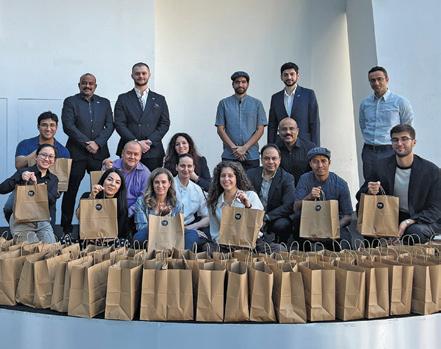
Last month, ME Dubai by Meliá launched a heartfelt initiative to support the local community during Ramadan. In partnership with the UAE Food Bank, the hotel prepared and donated 100 speciallycurated Iftar meals to those in need. Each bag was assembled to provide a complete and nourishing meal of traditional Majboos and Raita, alongside essential items like dates, fruit, laban, and bottled water. The initiative went beyond a simple donation as the hotel’s leadership team and department heads personally participated in packing the meals. This hands-on approach aligned with the spirit of compassion and collaboration that defines the Holy Month, and the UAE Food Bank’s mission to reduce waste and support families, while the hotel reaffirmed its long-term commitment to social responsibility and community welfare.
A fresh slice of a coastal paradise
STORY HOSPITALITY
– the hospitality arm of Abu Dhabi Capital Group – has signed a new landmark premium development on Montenegro’s coast.
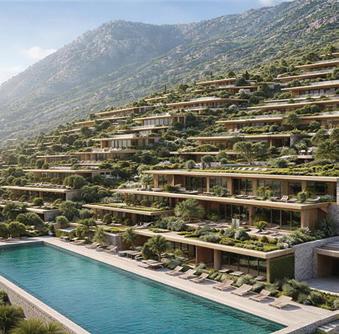
Located in Miločer Garden, STORY Budva Riviera is a 200-key property scheduled to open in Q4 2029 following a four-year construction timeline, and marks the debut of the group’s premium STORY Hotels & Resorts brand in the country. Situated near Budva and the iconic Sveti Stefan, the development will offer views of the Adriatic Sea and surrounding mountains.
Acommodations will range from studios to three-bedroom apartments, alongside a limited selection of luxury penthouses, all serviced by a 24/7 concierge. As the last opportunity for a large-scale resort in the
Bay of Przno, the project embraces sustainability through the use of natural materials like stone and wood. Amenities include saltwater pool clubs, cooffice spaces, a spa with ice baths, and a fitness centre. Notably, natural caves on the property will be transformed into unique guest experiences. This project represents the group’s second branded residences globally, following its debut in New Cairo, Egypt.
ADRIATIC APPEAL
The project aims to blend refined luxury with the beauty of Montenegro’s coastline
CAPTION
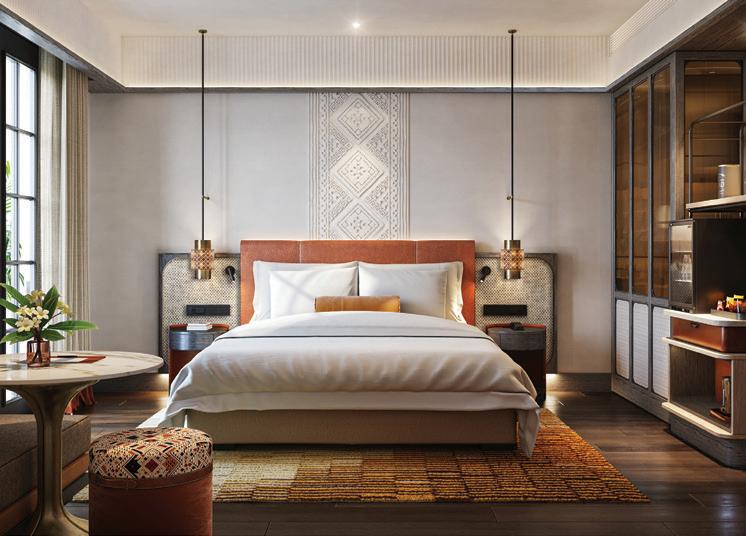
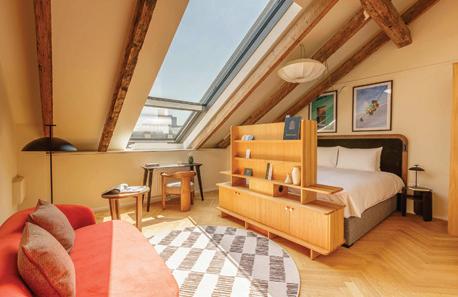
A bedroom design for
STORY Budva Riviera
Come one, come all
Dubai’s attractions have opened their doors to the community
AS MANY residents faced disrupted or restructured travel plans last month, a range of Dubai-based attractions leapt into action by offering free entry.
Among these were Atlantis’s Aquaventure water park and Lost World Aquarium, which offered a limited number of complimentary tickets per day from 10 March to 22 March; Dubai Miracle Garden, which offered free entry to anyone with a valid Emirates ID between 15 to 31 March; House of Hype, which offered
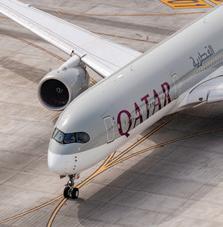
Qatar Airways announced that it would be granting tier status extensions for Privilege Club members following the suspension of operations due to regional conflict leading to the closure of Qatari airspace on 28 February 2026. Members that were due for renewal during this disruption were contacted by email to receive an extension.
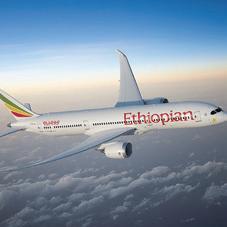
Ethiopian Airlines has teamed up with Marriott Bonvoy to allow members to earn and redeem across both of their portfolios. ShebaMiles can be converted to Marriott Bonvoy points at a 2:1 ratio, while Marriott Bonvoy points can be transferred to ShebaMiles at a 3:1 ratio. Bonvoy members will receive a bonus of 5,000 ShebaMiles for every 60,000 points in a single transaction, and on eligible stays, members can choose between earning ShebaMiles or Marriott Bonvoy points as usual. ROUTE ROUND-UP
The airline is working to resolve booking backlogs and gradually increase flight offerings as it works toward reinstating its full schedule.
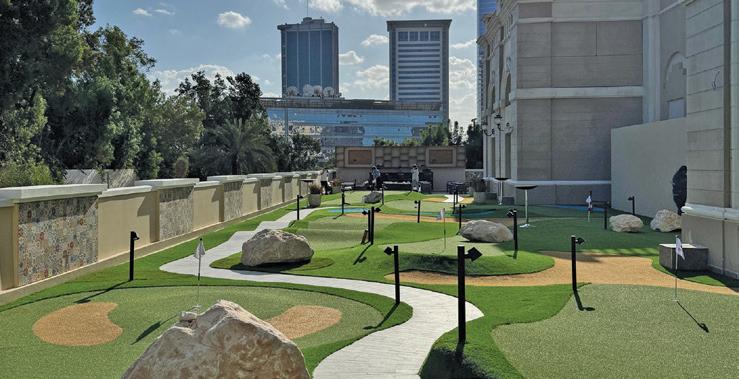
up 50 zero-cost tickets per day on a first-come-frst-served basis between 15 to 22 March; Destination Mina Seyahi, which offered UAE residents free access to its beach, pool, and Jungle Bay Waterpark from 13 to 31 March; Aura Skypool, which had up to 500 free tickets up for grabs to be redeemed throughout March; and The ENTERTAINER, which gave away 25,000 complimentary memberships –with a lucky 25 eligible to win a share of 2.5 million Emirates Skywards miles. Among similar deals still available this month, in Dubai, Five Iron Golf, a leading golf-themed indoor sports and entertainment venue at The Westin Beach Resort & Marina, which is offering unlimited free sessions at its -hole outdoor mini-golf course totally gratis until 30 April; and One&Only Royal Mirage is offering free beach and pool access for children under the age of 12 until further notice. In Abu Dhabi, guests with a minimum two-night stay at 171 participating hotels citywide can enjoy complimentary access to the Louvre Abu Dhabi, Zayed National Museum, and Natural History Museum Abu Dhabi through 5 April. The museum passes can be collected by inquiring at the hotel concierge in question.
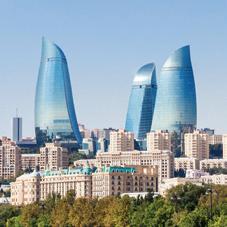
Air Astana has increased its flight frequencies to Baku, Azerbaijan, from both Almaty and Atyrau, since 15 March. The Almaty-Baku route now operates twice weekly, and will expand to four flights per week by May. Since 18 March, services from Atyrau have also risen, to three times weekly. The new schedule offers convenient daytime departures, with round-trip economy fares starting at AED 1,175 from Almaty and AED 727 from Atyrau for those booking via official channels.
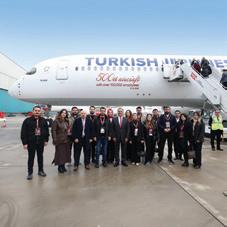
Turkish Airlines – which unveiled its 500th aircraft in February, with a special milestone livery that honours the airline’s 100,000 employees and retirees – has now signed a codeshare agreement with Air Montenegro to enhance connectivity between Türkiye and the Balkans. As a result, Turkish Airlines will now be placing its code on flights to Tivat and Podgorica, while Air Montenegro will be adding its code to Turkish Airlines’ services to Dubai and Baku.
GET THE SCOOP
The latest updates in the travel industry from across the world
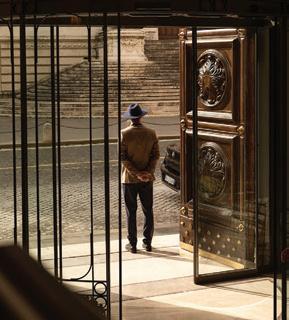
1 Corinthia Rome debuts in former Bank of Italy landmark (Above) Corinthia Hotels has officially opened its Italian debut on Piazza del Parlamento, transforming the former Bank of Italy HQ into a “grand boutique” destination. The neoclassical palazzo now features 60 rooms and suites, including the duplex Campo Marzio and the frescoed Theodoli Heritage Suite. Business travellers will benefit from 50+ Mbps WiFi, 24-hour concierge services, and proximity to key government buildings. Culinary offerings by Chef Carlo Cracco span three venues, including the garden-set Viride and Ocra Bar. A subterranean spa, located within the building’s original vaults, offers a quiet retreat in the heart of the capital’s artisan quarter.
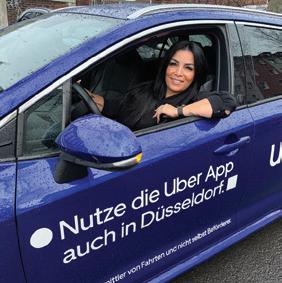
2 Uber expands women-only option to more global cities (Right) Uber is expanding its “Women Preferences” feature to more cities worldwide, offering female passengers and drivers the ability to choose same-gender pairings for their journeys. Initially launched in Saudi Arabia in 2019, the tool has since facilitated over 230 million trips globally. It is now available to drivers in more than 40 countries and is being rolled out for riders in select markets across seven countries, including France, Germany, and the US. The feature provides three main ways for women to utilise the service: requesting a female driver on-demand, reserving a ride with a woman in advance, or setting a permanent preference in the app settings to increase the likelihood of a same-gender match. While Uber clarifies that matches are not guaranteed due to driver availability, the tool is designed to provide greater comfort and choice, particularly for late-night travel. Female drivers can also toggle the setting to receive requests exclusively from women riders, offering them more control over their working environment.
3 Aethos Milan debuts total redesign and new star status (Below) Aethos Milan has entered a new era following a comprehensive design transformation that has now earned the property a five-star rating. Located near the Darsena, the hotel now features 35 reimagined guest rooms characterised by an eclectic, tailor-made aesthetic, using deep colour palettes and tactile finishes, with opening rates from €379 per night. A major highlight is the return of the Doping Bar, which now connects directly to a redesigned courtyard featuring a multi-tier sculptural fountain. The relaunch also introduces Cima, a refined restaurant reserved exclusively for hotel guests and its growing members’ community.
4 Minor Hotels to open Avani+ Lanexang Vientiane in Q2 2026 (Right) As Minor’s second property in Laos, this design-led hotel will feature 197 rooms, ranging from standard categories to a Presidential Suite. Located just 15 minutes from Wattay International Airport, the property is positioned as a contemporary base for international business and leisure travellers. The hotel’s layout emphasises “Avani-Smart” design, balancing functional workspaces with comfort. It will have four culinary venues: Mekong Mosaic for all-day dining, the easygoing Sabaidee Social bar, The Pantry for casual meetings, and the upscale Salongxay for fine dining. For corporate events, the Lanexang Hall ballroom can host up to 320 guests, supported by additional meeting rooms and an outdoor lawn. Wellness facilities include a dedicated AvaniSpa, the AvaniFit gym, and an outdoor pool.
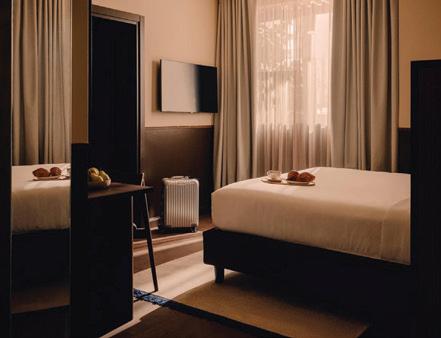
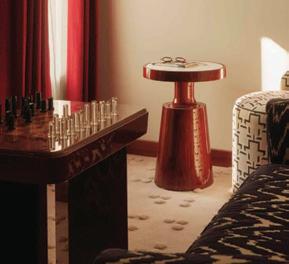
5 The Shepherd Mayfair reveals first look at rooms and suites (Above) Located in the heart of London’s historic Shepherd Market, the boutique property, set to open in summer 2026, will feature 82 rooms and suites spread across six floors. Designed by Timothy Shepherd, the interiors emphasise “quietly considered luxury”. Rooms are individually configured to mirror the building’s townhouse origins, with many featuring window seats. The hotel prioritises a travel-led sensibility, utilising adaptable furniture like desks that convert into dressing tables and consoles that transform into chessboards. The architectural concept draws from 18th-century mansions, incorporating storytelling details that reference local history and wartime intelligence. Part of the Elegant Hotel Collection, rooms rates start from £500 a night.
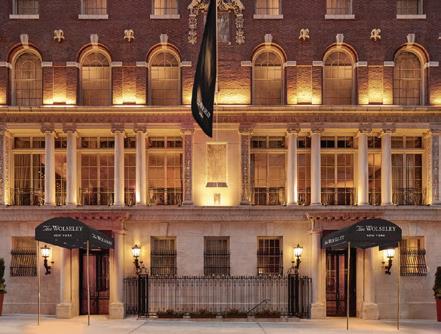
6 London’s iconic Wolseley to open NYC flagship in 2027 (Below) The Wolseley Hotels has announced its global launch, with its first property set to open in New York City in early 2027. Located at 130 West 44th Street, the flagship hotel occupies a landmark 1905 building originally designed by McKim, Mead & White. The property will feature 76 guest rooms and suites alongside the first US outpost of the celebrated London restaurant. Additional amenities include a cellar-level speakeasy and a holistic wellness center. This Midtown Manhattan debut marks the beginning of a selective international rollout for the brand across Europe, Asia, and the Middle East.
7 Virgin Atlantic rolls out totally rebuilt mobile travel app
(Above) The airline has launched a completely rebuilt app for iOS and Android. Designed as a “personal travel companion,” key features of the new platform include integrated passport scanning for faster check-in, digital boarding pass storage, and live, time-sensitive notifications to keep travellers updated on their journey status. The app also integrates the airline’s AI-powered concierge to provide real-time support for trip information and account queries. For Flying Club members, the app offers direct access to track points, monitor tier progress, and manage rewards. While currently focused on airline journeys, Virgin Atlantic plans to integrate holiday bookings in a future update to create a unified travel home, while it also rolls out free Starlink WiFi across the fleet.
On the wild side
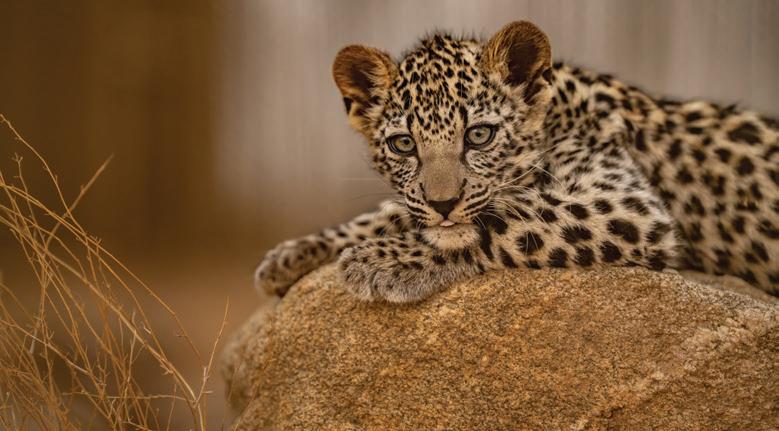
AlUla’s conservation-led tourism is reaching new heights through its bold and growing Arabian Leopard Conservation Programme
LULA IS rapidly establishing itself as a global benchmark for ecotourism, proving that its aporoach towards high-end destination quality and rigorous wildlife stewardship is not just compatible, but mutually reinforcing for its surrounds. At the heart of this transformation is the Royal Commission for AlUla (RCU) and its ambitious Arabian Leopard Conservation Programme. By focusing on the long-term recovery of one of the world’s most critically endangered big cats, the destination is delivering a blueprint for sustainable travel that prioritises ecological resilience alongside responsible visitor access.
AThe momentum surrounding this initiative was particularly evident during International Arabian Leopard Day earlier this year. The occasion served as a global spotlight on the progress made at the Arabian Leopard Conservation Breeding
Centre in Taif. Since 2020, the RCU has more than doubled the number of leopards under its care – a vital lifeline for a species with fewer than 120 individuals remaining in the wild. The success of the breeding programme has been remarkable; since 2025’s International Arabian Leopard Day alone, the Centre has celebrated the birth of six new cubs, signaling a hopeful future for the species.
Beyond breeding, AlUla’s strategy involves a comprehensive rewilding of the landscape. A dedicated Arabian Leopard Rewilding Centre is currently in development within Sharaan National Park. This facility will move beyond individual care to focus on restoring the ecological balance that is necessary for the leopards’ eventual return to their ancestral range. This includes the managed breeding of key prey species and the restoration of the desert flora that supports the entire food chain.
The RCU’s partnership with the Smithsonian’s National Zoo and Conservation Biology Institute (NZCBI) further elevates this mission. By integrating global scientific expertise with local habitat stewardship, AlUla is translating complex conservation science into tangible action. This collaboration ensures that the destination’s nature-led transformation is grounded in decades of experience in species recovery.
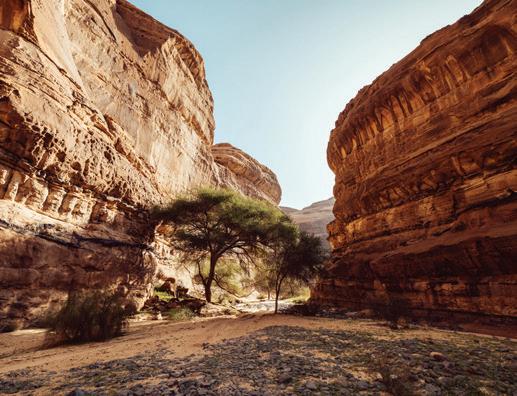
For the traveller, this conservation work translates into a “light-touch” tourism model. In Sharaan National Park, visitors can already experience low-impact, guided nature encounters that showcase the restored ecosystems. Even at Hegra, Saudi Arabia’s first UNESCO World Heritage Site, the narrative is shifting to highlight the intrinsic link between the region’s ancient human history and its living natural environment.
As AlUla continues to expand its ecotourism, it offers a window into a future where travel actively contributes to the preservation of the planet’s rarest species. By safeguarding the Arabian Leopard, AlUla is building a world-class destination rooted in genuine mindfulness and sustainability.
DID YOU KNOW?
AlUla is also a premier spot for astrotourism. Its Manara and AlGharameel Nature Reserves were the first in the GCC to be named official Dark Sky Parks, while the AlUla Manara Observatory is now a key hub for global space research.
Sharaan National Park
Pioneering marine recovery
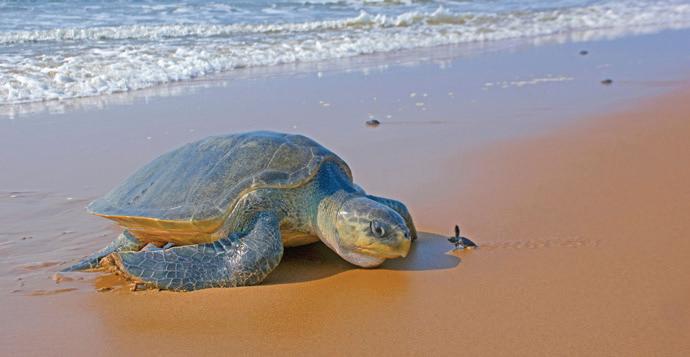
In 2025, the “Eye in the Sky” drone initiative at The Ritz-Carlton Maldives, Fari Islands – a leader in marine preservation – completed 902 missions, removing 450kg of ghost nets and tracking 17 species, including blue whales. The property also partners with the Olive Ridley Project – an organisation fighting to save sea turtles from discarded fishing nets – to develop vital rescue infrastructure. With 2,500 coral fragments outplanted and solar power meeting 50% of energy needs, the resort aims to slash single-use plastics by 80% in 2026.
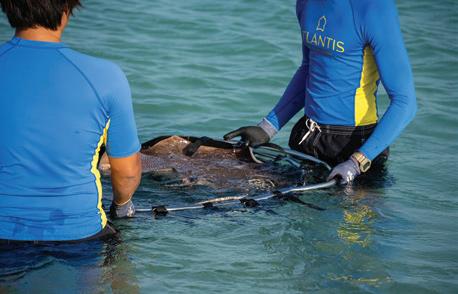
UAE stingrays return to the wild
ATLANTIS DUBAI has marked a significant milestone in its commitment to marine conservation through the Atlantis Atlas Project. On 12 February, the initiative successfully reintroduced a new cohort
of Honeycomb Stingrays into the Arabian Gulf at the Jebel Ali Wildlife Sanctuary – a key output of a breeding programme established in 2019 to bolster local populations, particularly as over a third of shark and
Curbing carbon
Solar power and new biodigesters are reducing the environmental footprint of travel catering for a new era of waste management
ray species face threats from overfishing. To date, the project has returned 65 Arabian Carpetsharks and 12 Honeycomb Stingrays to their natural habitat. Following the release, Atlantis colleagues joined the Dubai Environment and Climate Change Authority and local students for a collaborative beach clean-up. This joint effort underscores the project’s focus on responsible waste management and ecosystem health, bridging the gap between active wildlife restoration and community education to ensure the long-term sustainability of the UAE’s precious waters.
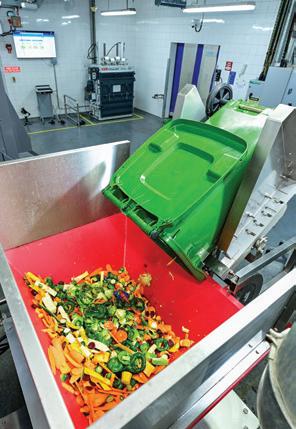
EMIRATES FLIGHT CATERING (EKFC) has commissioned a massive, custom-built Power Knot LFC-3000 biodigester, marking a major shift in its waste management strategy. Located at the Central Commissary Unit, the system uses aerobic digestion – a mix of oxygen and microorganisms – to break down food waste at the source. Since its December 2025 launch, the unit has scaled to process 3.5 tonnes daily, with projections reaching 6 tonnes as the biological culture matures. This initiative is expected to avoid 2,000 tonnes of CO2e annually by preventing methane emissions from landfills. Beyond digestion, EKFC is integrating solar panels that generated 4,000 MWh last year and is trialing the region’s first electric hi-loader by mid-2026. These efforts, alongside AI-driven production and 47 recipes designed to repurpose trimmings, solidify EKFC’s commitment to a closed-loop system that prioritises environmental resilience across its global operations.
Attractions
Activities
Dining
Health
Education
Entertainment
Real Estate
Hotels & Resorts
Shopping
The
Expert opinions on the future of travel
Expert opinions on the THE BIG INTERVIEW
PATRICK ROUX
CEO OF SKYTEAM
‘We’ll see more integration between alliances and low-cost carriers’
Enrique Perrella caught up with the head of SkyTeam airline alliance to talk growth, innovation, and rival alliances
Q&
AWHEN SKYTEAM
LAUNCHED in New York on 22 June 2000, it was entering a market already shaped by older, more established airline alliances. Yet its founding members – Aeroméxico, Air France, Delta, and Korean Air –were betting that cooperation could deliver something more than just codeshare agreements: a seamless, consistent, and rewarding experience for the traveller.
In the beginning, SkyTeam offered just over 6,400 daily flights to 451 destinations –but that quickly changed. The alliance added CSA Czech Airlines and Alitalia in 2001, followed by a milestone expansion in 2004 that brought in Continental, KLM, and Northwest. With a new total of 14,320 daily flights to 658 cities in 130 countries, SkyTeam was no longer the newcomer – it had become a serious contender.
“We knew we had to refocus the alliance on what matters most: the customer,” said SkyTeam CEO Patrick Roux, reflecting on the vision that now drives the alliance’s strategy.
BIOGRAPHY
“Seamlessness, consistency, and personalisation were – and still are – our guiding principles.”
The value of alliances
“One thing I’ve always prioritised is business value,” Roux explained. “While alliances have a diplomatic
Roux took the reins at SkyTeam in October 2022, with over three decades of experience at Air France, having worked across regions including the Americas and AsiaPacific. He brought a commerciallyfocused mindset to an organisation often seen as symbolic rather than strategic.
Insight
Continued from overleaf
component, my focus has been to make SkyTeam a business enabler.”
That value, according to Roux, comes in two forms: increasing revenue through better customer propositions and helping member airlines reduce costs by aligning processes and infrastructure. “Alliances should drive tangible value not just symbolism,” he emphasised.
Do some members have more influence than others?
SkyTeam is made up of 18 airlines of vastly different scales, from global giants to regionally-focused carriers. Roux acknowledges that influence is naturally shaped by scale – but insists on maintaining balance and inclusivity. “It’s a constant balancing act. Our goal is to ensure that every member’s voice is heard,” he said.
“Of course, when you have large, influential members – such as Delta, Air FranceKLM, and Korean Air – they can help support and uplift smaller members. This creates momentum and promotes sharing.
“But influence doesn’t mean dominance. We also learn from our smaller or regionally-specialised members. Sometimes they lead in areas like customer service, operational agility or digital tools – and we scale those insights to benefit the entire alliance.”
Roux said the alliance thrives on this mix of perspectives, with members regularly exchanging best practices in areas such as AI, sustainability programmes, and elite recognition policies.
A new era of membership and digital transformation
Under Roux’s leadership, the alliance welcomed two major members: Virgin Atlantic in 2023 and Scandinavian Airlines (SAS) in 2024.
SAS’s transition from Star Alliance was particularly notable. “SAS brings deep experience from its time with Star Alliance,” Roux said. “But they’ve already told us how welcomed and supported they feel within SkyTeam, and how they’re seeing real benefits early on.”
These new members reflect SkyTeam’s effort to deepen its network while enriching its culture of collaboration.
“We have very active working groups, crossmember task forces, and
digital teams,” Roux added. “Integration doesn’t stop after joining – it’s an ongoing effort to create consistency without erasing individuality.”
The push for seamlessness and recognition
One of SkyTeam’s most visible programmes is SkyPriority, which offers premium services such as priority check-in, boarding and baggage handling for Elite Plus and premium cabin travellers. According to Roux, it’s “one of the most mature and well-
‘We conduct regular audits of our members and benchmark against our customer promise’
executed alliance-wide programmes” in the industry. What makes it effective is not just the offering, but how the alliance ensures consistency. “We conduct regular audits of our members and benchmark against our customer promise,” Roux said. “We also launched the SkyPriority Panel app, which lets travellers report issues or provide feedback in real time. It’s a kind of crowd-sourced audit,” he added. That emphasis on real-time feedback and accountability
reflects SkyTeam’s broader digital transformation strategy, which includes tools like the Carry-on Calculator and a loyalty benefits calculator to reduce friction and eliminate guesswork for frequent travellers.
SkyTeam-branded lounge strategy
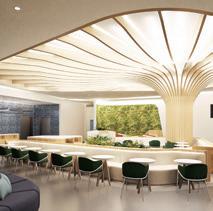
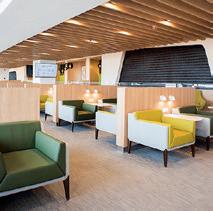
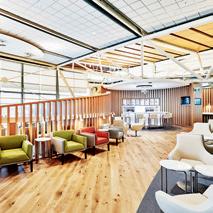
As business travellers know, lounges are more than a perk – they’re an essential part of the journey. Recognising this, SkyTeam has invested in its own network of branded lounges in locations like Dubai, Santiago, Vancouver, São Paulo, and Sydney.
“These serve travellers where we don’t have a dominant member airline, allowing us to maintain a high-quality experience,” Roux said. “We’re actively exploring additional locations and have four or five new projects under consideration.”
The lounge initiative reflects the alliance’s broader strategy to control and elevate the customer journey, especially in competitive or under-served markets.
Bridging the air-rail divide
With growing pressure to reduce carbon emissions and increase multi-modal travel options, SkyTeam is embracing rail partnerships as a natural complement to its airline network.
“We’ve launched pilot programmes with Eurostar and Trenitalia, focusing on seamless booking and connectivity,” Roux said.
“The first step is simple: integrating train services into our members’ websites and booking engines.”
But the vision goes beyond integration. “We’re also exploring more advanced connections, like linking loyalty programmes and enabling digital check-in across modes of transport,” he added.
Interestingly, SkyTeam’s conversations with Trenitalia began before ITA Airways
exited the alliance in 2025 to join Star Alliance. “While it was disappointing to lose that presence, it also pushed us to explore new models,” Roux said.
Membership turnover
SkyTeam has seen its fair share of membership changes. While it grew steadily throughout the 2000s and early 2010s, several departures – including Continental and Copa in 2009, China Southern in 2018, and ITA in 2024 – have reshaped the alliance’s footprint.
In some cases, these exits were offset by additions like Vietnam Airlines, Xiamen Airlines, Saudia, and Middle East Airlines. But in other instances, SkyTeam took a strategic pause to reconsider how it could maintain a presence in critical markets without a local airline partner.
“We’re continuing to evaluate how best to serve the Italian market in the future,” Roux noted, “either through new partnerships or by reinforcing existing member operations.”
The temporary suspension of Aeroflot in 2022 due to geopolitical reasons further reflects the challenges of managing a global alliance during turbulent times.
The future of alliances
SkyTeam has taken notable steps in sustainability, including launching The Aviation Challenge in 2022 and becoming the first global airline alliance to adopt an Anti-Human Trafficking Declaration in 2025. These actions highlight the alliance’s commitment not just to growth, but to responsible leadership.
“We worked with our members to co-design a fiveyear plan,” Roux explained. “That foundation now allows us to accelerate new projects and innovations, from enhancing customer recognition to developing
ALLIANCE UPDATES
SkyTeam will open a branded lounge at Frankfurt Airport Terminal 3 this month. The 550 sqm space will be operated by Global Lounge Network and offer airport views, showers, soundproof booths and a VIP area.
DOMESTIC ACCESS
SkyTeam is introducing lounge access on domestic itineraries for Elite Plus members at more than 70 lounges, particularly Air France, China Eastern, Garuda Indonesia, Kenya Airways, KLM, SAS, Saudia, Vietnam Airlines, and Xiamen Airlines.
VANCOUVER REVAMP
In June 2025, SkyTeam revealed its newly refurbished lounge at Vancouver International Airport. Travellers can enjoy views of the runway, charging points at seat and local flavours throughout the day.
real-time connectivity tools across the alliance.”
As for what comes next, Roux is watching the evolution of low-cost carriers (LCCs) and their increasingly blurred lines with traditional airlines.
“Take GOL in Brazil or IndiGo in India – both work closely with our members. The line between legacy and low-cost carriers is blurring,” he said.
“Many LCCs are introducing loyalty programmes, business class cabins, and partnerships. They’ve realised that being part of a broader ecosystem makes them more resilient.”
In particular, Delta, Air France-KLM and Virgin Atlantic have signed a new codeshare agreement with IndiGo, which will extend the Indian LCC’s reach into Europe and North America. While the details are still being finalised, it is likely that if this collaboration is successful, a LCC may begin to cooperate more deeply with other SkyTeam members and their frequent flyer programmes.
Will we see LCCs join alliances like SkyTeam? “It’s still early days, but I do think we’ll see more integration between traditional alliances and LCCs – at least in selective, strategic ways,” said Roux.
A
quarter-century history, plus ongoing evolution
From a small group of four founding airlines to a network of 18 members serving over 600 million travellers a year, SkyTeam has evolved into a powerful alliance with a clear customer-first strategy. And with an eye on digital tools, multi-modal connectivity, and global consistency, Roux is positioning SkyTeam not just for growth, but for relevance in a shifting travel landscape. “It’s an exciting time for us,” he said. “And we’re just getting started.”
Lounge news from SkyTeam
BRANDED LOUNGE EXPANSION
Luxury in the Details
As the Four Seasons Hotel Riyadh redefines highperformance hospitality, Saudi’s ambitious new mindset is transforming the region’s business travel. Regional Vice President and General Manager Shadi Suleman explains the importance of leading through alignment, and why the foundation of a luxury brand is built on consistency and strong values over flash
feel it in our lobby conversations, in the diversity of sectors represented, in the mix of nationalities.
The building has evolved, of course. But the real transformation is in the mindset of the traveller. They are staying longer, blending business with cultural discovery, and expecting a global-standard experience in a city that is defining its future in real time.
You began your tenure with Four Seasons 24 years ago, as a night manager at this property. Returning now as Regional Vice President after a journey involving multiple other cities and countries, what is the most striking difference to you - not just in the building, but in the approach of Riyadh’s business traveller?
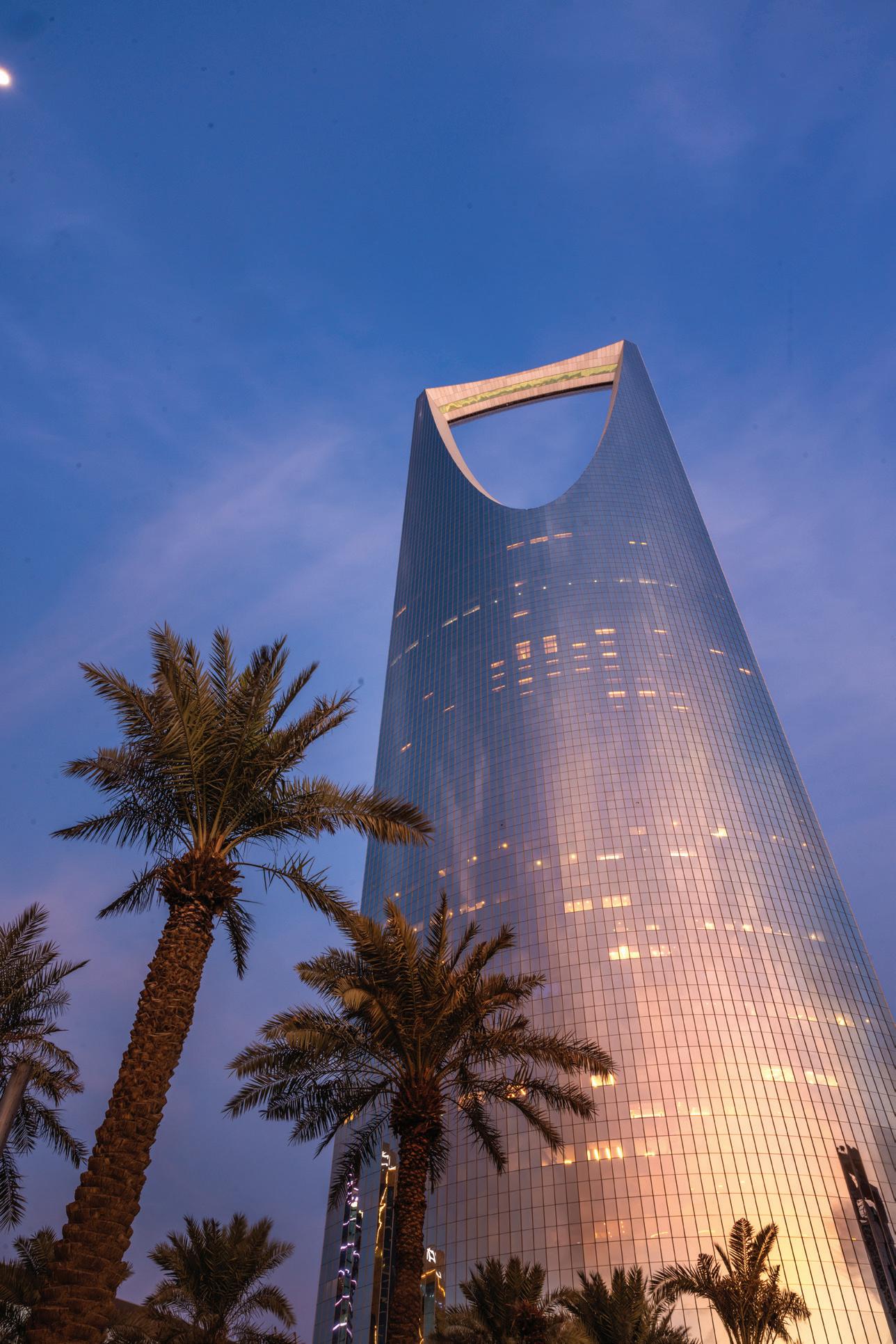
When I first arrived in 2002 at Four Seasons Hotel Riyadh at Kingdom Centre, Riyadh was already the kingdom’s business heart, but it was largely functional. Executives flew in, closed meetings, and left.
Today, the energy is entirely different. Riyadh is confident, outward-facing and ambitious. The business traveller is no longer just here to negotiate – they’re here to shape industries, to invest, to build partnerships that didn’t exist back then. There’s a creative pulse now. You
You’ve famously spoken about one of your early roles in hospitality, as an elevator attendant. How has that ground-level perspective influenced how you lead a high-performance team in a luxury environment today? Being an elevator attendant teaches you something no leadership seminar
ABOVE
Four Seasons Hotel Riyadh at Kingdom Centre
BELOW
Shadi Suleman
ever can: that luxury is delivered in seconds. Through a smile. Eye contact. Anticipating which floor a guest needs before they press the button.
That role grounded me. It reminds me that no position is small. In fact, those front-line roles are where the brand is either validated or broken. Today, when I lead, I never forget that the bell attendant or receptionist carries as much brand responsibility as I do.
In a luxury environment, high performance is not about hierarchy; it’s about alignment. When everyone understands that their moment matters, excellence becomes a shared mission.
You’ve described yourself as a “wild horse” who often went left when others went right. In a corporate world that often prizes rigid structure, how has that rebellious streak helped you innovate in the regional hospitality market?
Structure is important. But intuition is equally powerful. Being a “wild horse” simply means I’m not afraid to challenge assumptions. In this region especially, we are witnessing change at an unprecedented speed. If you operate purely by yesterday’s rulebook, you miss tomorrow’s opportunity.
Innovation here has meant rethinking how we position Riyadh; not just as a capital, but as a destination. It’s meant adapting our service rituals to a younger, more globally-exposed Saudi
demographic. Sometimes going left simply means asking, “Why not?”. Luxury must feel timeless, but the thinking behind it cannot be static.
With two new Four Seasons properties slated for 2026 in Saudi, how do you ensure the legendary service of the brand stays consistent while the footprint is expanding at such an aggressive pace?
Expansion only works if culture scales with it. The upcoming openings at Red Sea Shura Island and AMAALA are extraordinary opportunities; yet our priority is people, not only buildings. Legendary service is not a script; it’s a mindset. We invest heavily in leadership development, crossproperty exposure, and internal mobility. Many of the leaders who will open those hotels are already within our ecosystem today.
Consistency comes from values. The architecture may differ between a spiritual destination like Madinah and a wellness luxury concept like AMAALA, but the emotional experience of care must feel unmistakably Four Seasons.
Riyadh is seeing an influx of luxury hospitality brands. How do you maintain your property’s status as the definitive business hub amidst all these new shiny choices?
Competition is healthy. It elevates the market. But our advantage is heritage. At Four Seasons Hotel Riyadh at Kingdom Centre, we are not new to the conversation; we helped shape it. For more than two decades, this hotel has been the meeting point for ministers, CEOs, and global decision-makers. Being the definitive business hub is less about design and more about trust. When a head of state or a Fortune 500 CEO lands in Riyadh, they choose certainty. They choose discretion. They choose a team that understands the rhythm of high-stakes travel. Shiny fades. Relationships endure.
In recent years, we have witnessed the rise of the “bleisure” traveller. How has the hotel’s design and F&B offering evolved to cater to a guest who might be in Riyadh for a major deal but who also wants to enjoy a world-class lifestyle experience after they’re off the clock?
The modern executive no longer switches off lifestyle when business ends. At Café Boulud Riyadh, we offer
‘If you operate purely by yesterday’s rulebook, you miss tomorrow’s opportunity’
ABOVE FROM TOP Café Boulud Riyadh; Obaya Lounge
a setting that works as efficiently for a power lunch as it does for an elegant evening out. Discreet, refined and rooted in the culinary vision of Daniel Boulud, it allows guests to move seamlessly from deal-making to destination dining. Obaya Lounge serves as a versatile social hub that is ideal for informal daytime meetings and equally compelling in the evening, when the atmosphere becomes more relaxed and sophisticated. Meanwhile, Tonic Lounge offers a contemporary space to unwind after a high-stakes day, bringing a cosmopolitan edge to
the hotel’s lifestyle offering. For today’s bleisure traveller, it’s about having everything in one place: productivity by day, inspiration by night – without ever having to leave the property.
You’ve stated you prefer the word “manager” and prefer to lead by influence. In a region where hierarchy is often deeply respected, how do you practically foster a culture where even a bellboy feels empowered to influence the guest experience?
In our daily briefings, every voice matters. We celebrate stories where a line-level employee solved a problem creatively. Hierarchy may exist structurally, but service excellence cannot wait for permission. If a bellboy notices a guest struggling with luggage and finds a solution before being asked, that is influence in action.
True leadership is not about controlling outcomes; it’s about creating confidence in others to act.
You’ve credited a mentor in Qatar for telling you there is “no ceiling.” As you oversee operations in Saudi and Qatar, how are you identifying and breaking the ceiling for the next generation of hospitality talent?
In Saudi Arabia especially, the talent pipeline is extraordinary. Young Saudis are locally and globally educated, digitally fluent, and ambitious. Our role is to provide exposure early through cross-training, international task forces, and mentorship from seasoned leaders. We actively identify high-potential Saudi colleagues and place them in stretch assignments beyond their comfort zone. Growth rarely happens in safe spaces. “No ceiling” is not a slogan. It’s a promise that advancement is based on performance and passion, not tenure.
If we were to catch up with you again in 2030, once the currentlyscheduled pipeline of six more Four Seasons properties are open, what do you hope will be the hallmark of your work legacy then?
If we meet again in 2030, I hope the hallmark will not be the number of properties opened. I hope it will be that we helped redefine Saudi hospitality leadership, that we developed Saudi talent who are now leading internationally, that our hotels became platforms for cultural exchange, and that we elevated service standards across the region.
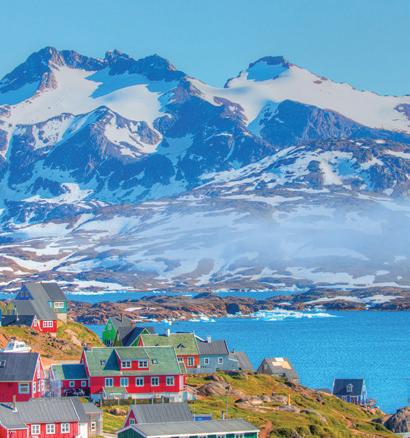
GA TOURISM DISASTER WAITING TO HAPPEN?
Greenland’s untapped wilderness is starting to court major international attention – but the country may be trying to run before it can walk
REENLAND, THE WORLD’S biggest island, has been the focus of unprecedented attention in the last year. Not only has Trump expressed interest in ‘acquiring’ it, but the country is currently on a mission to expand its mining and agricultural sectors, as well as tourism.
Greenland is currently at the intersection of two major tourism trends: the desire to escape overtourism, and the rise of the ‘coolcation’. In November last year, the country opened its new, enlarged main airport in the capital, Nuuk, with a much longer runway so that it can accept bigger planes and direct international flights. Greenland is also planning to open new international airports in Ilulissat and Qaqortoq next year –the three airports will cost a total of US$800 million.
For a country that has a population of just 56,800, this is, of course, transformative. But on a recent visit, I saw firsthand that the government may have bitten off a lot more than it can chew, as the building of hotels and other tourist infrastructure hasn’t caught up with the airport expansion.
Home
truths
I flew in the same week that United Airlines began direct flights from Newark. Upon arrival, I wondered whether I was going to have to sleep under a table at the airport as the itinerary had already collapsed.
Being in the Arctic region, Greenland has exceptionally changeable weather. Soon after we touched down, thick fog grounded all subsequent flights that day. This meant that there were now many more people on the ground than scheduled.
While waiting for news of my ongoing domestic flight, the airport
announced on the public address system that all hotels were full and that stranded passengers should seek out accommodation with friends and family – a difficult prospect if you don’t know a soul in the country.
It’s also not the kind of place that you can jump in a car and drive to the next town in search of an alternative hotel: Greenland’s challenging, mountainous terrain and large, deep fjords make road construction too complicated and expensive. The only inter-settlement travel is via planes, helicopters, ferries, and boats.
After some frantic phoning, my group managed to find an unfinished B&B. We were told that a couple of us would have to share a double bed. Since we’d all only met a few hours before, and I’d already had an altercation with one
NEW HORIZONS Locals worry overdevelopment could impact the landscape
of my colleagues over a reclining seat incident, this wasn’t the most attractive of propositions.
Meanwhile, Nuuk’s few hotels were lining conference rooms with camp beds to accommodate as many stranded passengers as possible – and I was told the sports hall is also occasionally opened up to increase capacity.
This scenario is not an uncommon occurrence – a colleague of mine visited the month after me and had the exact same experience. Things will invariably get worse as tourist numbers increase.
‘The building of hotels hasn’t caught up with the airport expansion’
It’s not just the lack of hotels: Air Greenland can’t cope with demand either. I was expecting to fly in from Copenhagen on its new Airbus A330-800 neo, known for enhanced passenger comforts, including a modern IFE system. Instead, the flight was on a plain old Boeing 737-800, leased from a company called Jettime, and it was akin to Ryanair.
Tarnished territory?
Tensions have also been increasing among the locals: some welcome the increased job opportunities expansion offers, but others fear that the extra wealth generated won’t filter fairly down to the population. They worry that one of the few places remaining that’s hardly touched by man could be wrecked by overdevelopment, and fret about the detrimental environmental impact on this fragile Arctic environment.
Having said all this, I don’t mean to put visitors off. If offered the chance to return, I’d be back there like a shot to experience the stunning landscapes, true wilderness, distinctive cuisine, and aweinspiring activities. But it’s a destination where you need to exercise a healthy degree of patience and flexibility – and be prepared for the unexpected.
The tourism and business opportunities are undeniably very appealing – but Greenland has quite a job on its hands to meet its ambitions.
The Elevator Pitch
Business Traveller Middle East gives Husam Malki, general manager of Anantara Downtown Dubai Hotel, five minutes to pitch his property to prospective guests
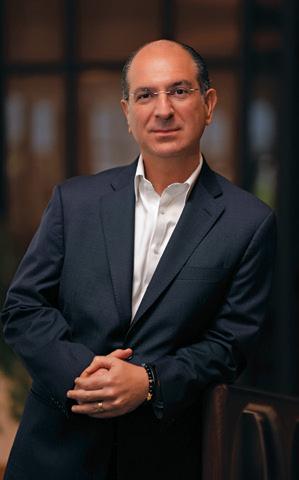
AVING BEEN part of Anantara Hotels & Resorts since 2014, it has been a privilege to lead this property since its opening in July 2022. Together with my hardworking team, we launched it as the first urban Anantara in the Middle East – a sophisticated sanctuary just moments from Sheikh Zayed Road, a short drive from Dubai International Financial Centre.
HOur 252 guestrooms and suites are among the most spacious in Business Bay, beginning at 52 sqm. Each room offers a retreat from the city, with light-filled interiors, tactile finishes and integrated technology designed for the modern traveller. Superior, Deluxe and expansive Luxury Suites offer separate living areas ideal for extended stays or private entertaining. At the pinnacle, our 235 sqm Anantara Royal Suite features a private pool and a balcony.
Like our other Anantara Hotels & Resorts, dining is central to our identity. Ziya, our signature dining destination, serves up a confident interpretation of global flavours from India to Japan, accommodating guests from morning to evening in a brilliant setting where each
BOTTOM
A bedroom at Anantara Downtown Dubai Hotel
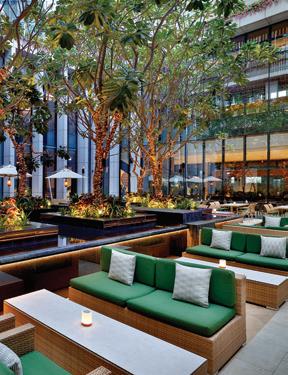
meal is presented in theatrical style. Mood Bar introduces a more discreet atmosphere with live entertainment in a speakeasy style space, while the Lobby Lounge offers an elegant afternoon tea, or a place to catch up with a colleague over small platers. Our Pool Bar delivers relaxed moments by the water, complemented by acclaimed dining venues including The Girl & The Goose, Kimura-ya and Punjab Kitchen, which together create an epicurean hotspot within the city known for its impressive dining landscape.
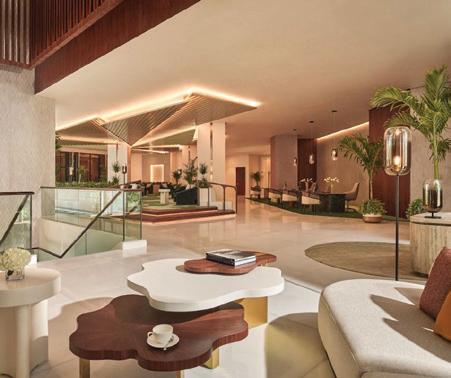
Recently, I guided the hotel through a full transformation under the Mirage concept, which introduced a refined aesthetic that provides our guests a sense of calm they enjoy at a resort, while having the city on their doorstep. Our bright lobby welcomes guests with a cascading handcrafted Bohemian glass sculpture, showcasing the open space and thoughtfully-chosen décor.
‘[Our] acclaimed dining venues together create an epicurean hotspot known for its impressive dining’
For meetings and events, we have positioned the hotel as a primary choice in Business Bay. The Mirage Ballroom hosts up to 550 guests, supported by eight adaptable meeting rooms equipped with advanced technology. Our dedicated MICE team curates conferences, launches and social occasions with precision, while Ziya Courtyard and the Pool Deck offer distinctive al fresco settings.
Wellness remains integral to the Anantara philosophy. Anantara Spa draws on Thai heritage while addressing the pace of urban living, with therapies ranging from traditional massage to advanced detox rituals. Our pool and state of the art fitness centre provide further opportunities to restore balance.
Recognised as Dubai’s Leading Luxury City Hotel by the World Travel Awards for three consecutive years, we continue to evolve with purpose. At Anantara Downtown Dubai, guests enjoy an enthralling urban experience with authentic hospitality at one of the city’s most convenient addresses.
ABOVE FROM LEFT Husam Malki; Lobby; Ziya Couryard
DESTINY BY DESIGN
Yi-Hwa Hanna chats with Milka Karaağaçlı, founder of Istanbulfounded luxury fine jewellery brand Kismet by Milka
Q&
AYou left a successful 14-year career in advertising to launch Kısmet by Milka during a global financial crisis in 2009. How did that shape the philosophy of your brand today? Looking back, it really was a leap of faith. I left a career I had built for many years and stepped into something completely unknown. But I followed a very strong feeling inside me that I wanted to create something of my own. In the beginning, it was simply about believing in an idea and having the courage to try. Over time, that decision shaped the way I approach everything in my journey. Trusting intuition, not being afraid of uncertainty, and continuing forward even when the timing doesn’t seem perfect.
You’ve grown from a boutique label to a global sensation, with flagships on London’s Bond Street and in Dubai Mall. What drew you to the Middle East as your first sales point outside of Istanbul?
The Middle East was one of the first places where the designs were truly understood and appreciated. There is a very strong culture of jewellery there, and people have a deep knowledge and appreciation of craftsmanship. At the same time, cities like Dubai bring together both a very strong local audience and an incredibly international community. That mix of cultures, tastes, and perspectives created a natural environment for the designs to find their place.
As you expand into new fashion capitals like London and Paris, how do you manage the logistics of a global business while ensuring every piece remains rooted in Türkiye? No matter how much we grow internationally, the creative heart
always remains in Istanbul. All designs are developed through the Istanbul design house, where craftsmanship and detail are still at the centre of the process. Of course, managing a global business requires strong logistics and structure, but for me it is very important that the creative spirit and the craftsmanship remain exactly where the story began.
How does the energy of the different cities you visit – from the raw energy of New York to the innovation of Tokyo – influence the work in your designs?
Every city has its own character and rhythm. You feel it immediately when you arrive. But it’s not about designing something different for each city. What I find more interesting is how these places shape a certain taste, a social energy, and a way people express themselves. That collective energy influences how people wear jewellery, how they style it, and how they connect with it emotionally.
How do you balance the fast-paced nature of international business travel with the need for personal stillness and family time?
For me, being a mother is not something limited by time or place. It’s something you carry with you everywhere. Even when I travel, that connection is always there. Balance is not about separating things perfectly, but about staying present and emotionally connected, whether you are in a meeting in another city or sitting at home with your family.
Do you prefer destinations with the same sense of historical depth as Istanbul, or do you prefer the sleek modernity of newer hubs?
I’m inspired by both. Cities with a strong historical identity always feel very familiar to me because Istanbul itself is layered with so much history. But I also enjoy the energy of newer cities that are constantly evolving. The contrast between the two is often where the most interesting ideas appear.
What’s the first thing you usually do at a new destination?
I usually try to walk around a little before anything else. Even if it’s just around the neighbourhood of the hotel. I like to observe how people move through the city, how they dress, how cafés feel, the rhythm of the streets. It helps me understand the place much more quickly than anything else.
Packing essentials
• A comfortable jacket
• A book
• Something small that belongs to my children
Bucket list destination
• I’d love to spend more time in Japan just exploring slowly, rather than just visiting briefly. It has always fascinated me, and it has such a strong respect for detail, craft, and aesthetics.
What’s your go-to choice of in-flight entertainment on long-haul flights?
Sometimes I watch films or documentaries, but flights are also surprisingly productive moments. With fewer distractions, I often catch up on emails, review ideas, or even have calls. Being in the air doesn’t necessarily mean being disconnected anymore.
What’s your earliest travel memory?
Family road trips. Long drives, stopping in different towns, discovering new places along the way. Those early experiences probably shaped my love for travel very early on.
How do you spend your air miles?
Mostly on long-haul flights between cities where the brand is growing. Being able to travel comfortably and arrive rested, with focus, makes a big difference when your schedule moves quickly between continents.
Chengdu
The Sichuan capital combines scenic landmarks with fiery hotpots and panda-watching
WORDS ALICE HENDERSON
EXTRA DAY
PARK LIFE
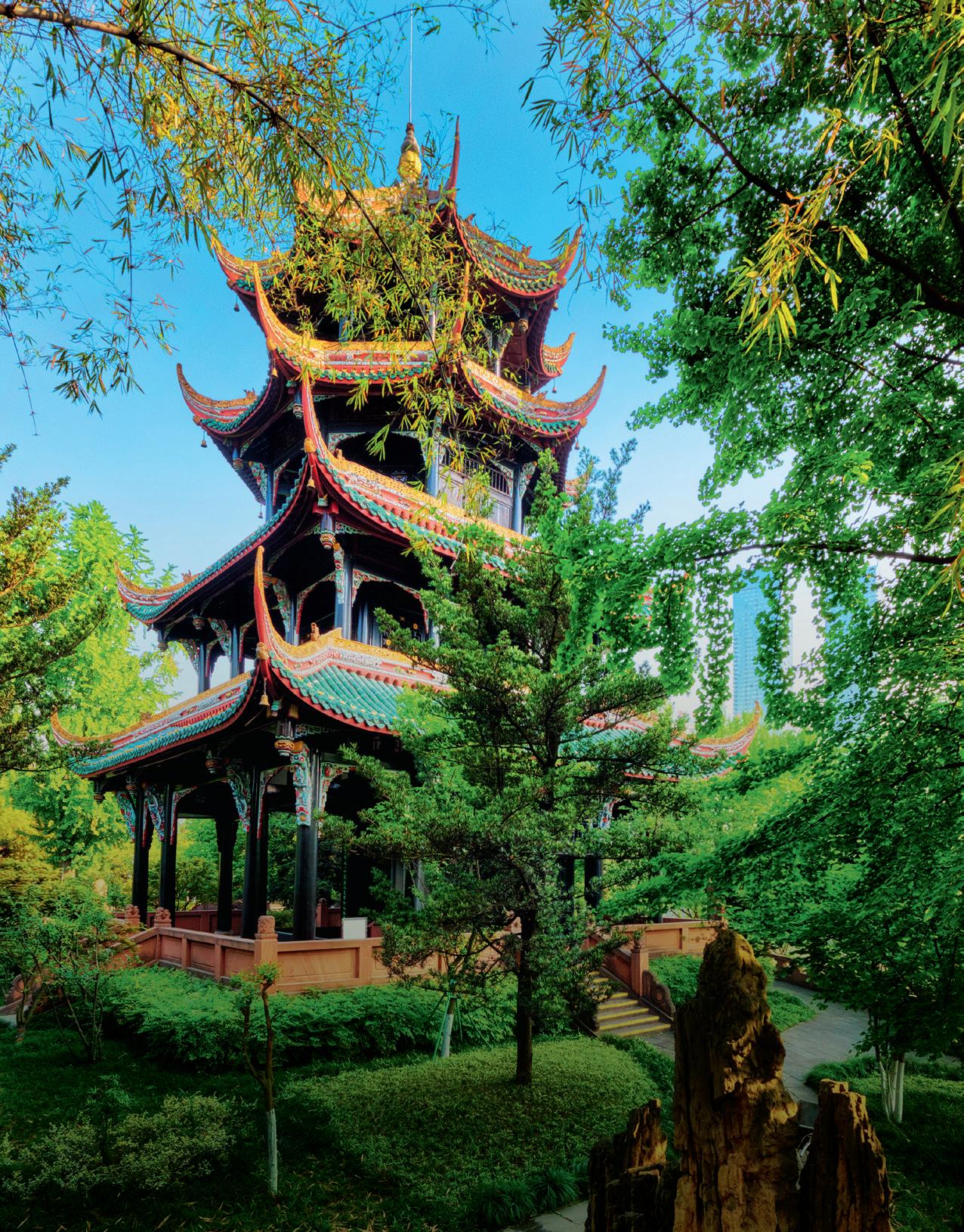
Wangjiang Pavilion in Wangjianglou Park
CHENGDU
GREEN SCENE
Western China’s business hub is one of the country’s most important cities, and home to more than 20 million people, yet it offers a more relaxed way of life than Beijing or Shanghai.
In 2018, Chengdu set its sights on becoming a ‘park city’, introducing greenways as well as expanding existing spaces to improve liveability. Visit today and you’ll see the city’s parks are functional, dynamic spaces.
Highlights include Chengdu Outdoor Music Park, which hosts huge open-air concerts, while the People’s Park in central Chengdu witnesses everything from dance groups to the centuries-old practice of ear cleaning. There’s even a ‘Poets’ Corridor’ – where park-goers write lines of verse using a brush and water.
Other green areas to check out include Wangjianglou Park, which is home to more than 150 types of bamboo, and Tianfu Greenway – a 100km cycle path that traces the city perimeter.
DINING DELIGHTS
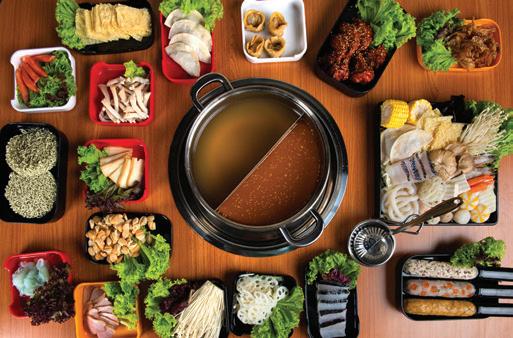
As Sichuan’s capital and a UNESCO City of Gastronomy, Chengdu has no shortage of tantalising food options. Dan dan noodles (with minced meat in spicy sauce), mapo tofu (medium-firm silken tofu with beef) and Sichuan hotpot all hail from the area. Head to Margaux Manor, an authentic spot with tranquil lakeside views and live music performances, to sample a traditional fiery hotpot.
FURTHER AFIELD
Amid the snowy peaks of the Min Mountains are a striking collection of rippling pools and multi-tiered waterfalls.
The city is also recognised for its relaxing tea house culture. Heming Tea House in People’s Park is a local favourite, with jasmine and green tea being the most popular flavours. Here, the custom is to steep tea in a gawain , a traditional lidded bowl, but the practice of pouring needs mastering to avoid scalding your fingers – order a teapot and cup as a safe option.
CULINARY HISTORY
Foodies can further explore Chengdu’s delicacies at the Sichuan Cuisine Museum. Alongside culinary artefacts,
the museum offers a spread of traditional snacks for visitors to try, including broad beans flavoured with Sichuan peppercorns and siu mai dumplings.
You can even take part in creating typical Sichuanese dishes by joining a cooking class or live demonstration, with English interpreters available. I made panda-shaped dumplings filled with bean paste, before watching a chef expertly craft mapo tofu over a blazing pan.
PENCHANT FOR PANDAS
Chengdu’s native giant pandas are honoured in statues and memorabilia in all corners of the city. For the real deal, however, visit Chengdu Research Base of Giant Panda Breeding – one of the city’s most famous conservation sites.
This centrally located base has over 150 pandas in its care, including some red pandas in a ‘free roam’ enclosure that visitors can walk through. Head here early in the morning to get the most out of your visit – pandas are most active first thing. You’re also in for the best chance of spotting cubs from October until April.
The scenic site was relatively undiscovered until the 1970s when it was stumbled upon by local foresters. Today it’s recognised as Jiuzhaigou National Park, and features 17 waterfalls and 108 lakes spread across three valleys connecting in the shape of a Y – with the mineral-packed waters providing a tranquil turquoise hue.
are all must-see spots. From Chengdu, it takes two hours to reach Jiuzhai Huanglong Station by high-speed train, with a further 90-minute drive to the park. Private cars aren’t allowed inside the park, but there is a shuttle bus available. Beware of altituderelated symptoms like breathlessness and fatigue – the park is located 2,200m above sea level.
Sichuan Airlines typically flies direct from Dubai to Chengdu three times a week, and China Southern Airlines typically flies direct from Dubai to Chengdu five times a week.
Five Flower Lake, Arrow Bamboo Lake and Pearl Shoal Waterfall
NATIONAL MASCOT Visit the country’s beloved pandas
JIUZHAIGOU
After stepping off a flight, checking into a hotel, and going over the meeting prep, don’t reach for the caffeine – instead give yourself 10-15 minutes of targeted movement to increase your energy, reboot your circulation, and focus both body and mind. These exercises require nothing but a towel, chair, or suitcase. No gear also means no excuses. This sequence, based on principles used by elite travelling athletes, opens tight joints, activates major muscle groups, and elevates the heart rate in short bursts. A BritishJournalofSportsMedicine study revealed just 11 minutes of physical activity a day delivers benefits. So, armed with science, try this circuit to keep your body and mind business ready.
TRAVEL WORKOUT
Forward or reverse lunges 8-10 each leg
How: Step one foot forward (or backward), lowering until both knees are at 90°. Push back to start. Alternate legs.
2
Benefit: Strengthens legs and core; improves balance and circulation after prolonged sitting. 1
Bodyweight squat 10-15 reps
How: Stand with feet shoulder-width apart.
Push hips back as if sitting in a chair, keep chest tall, then drive through heels to stand.
Benefit: Engages glutes, quads, hamstrings and core; enhances joint mobility and activates the lower body to reignite your body post-flight.
3
Low-impact burpee 8-10 reps
How: Squat, plank, optional push-up, return to squat, jump – or omit jump for low impact.
Benefit: Full-body cardio burst; energises and promotes circulation efficiently.
Mountain climbers 20-30 seconds
How: From plank, alternate pulling knees toward chest rapidly.
Benefit: Full-body core and cardio activation; boosts heart rate and focus. 4
5
Single leg glute bridge 8-10 each leg
How: Lie on your back, knees bent. Lift hips, squeeze glutes. For more of a challenge, lift one leg.
Benefit: Counteracts hip tightness; reactivates hamstrings and glutes after a day of sitting.
6
Side lunge with arm reach 8 each side
How: Step to the side into a lunge; as you do, stretch one arm over the opposite knee. Alternate sides.
Benefit: Improves lower body circulation, adds torso rotation, promotes digestion and energy flow around the body.
KINARA BY VIKAS KHANNA has launched a limited residency at JA Hatta Fort Hotel’s Jeema restaurant. Moving from its usual home at JA Lake View Hotel until the end of April, the Michelin-acclaimed concept features signature dishes like Kurkuri Dahi and Achari Lamb. “Our menu seeks to preserve authenticity while presenting it in a way that feels thoughtful, contemporary, and deeply personal,” said Chef Khanna. Call +971 4 8099 345 or email fnbreservation.hfh@jaresorts.com to book.
SPK Dubai has launched Sunset Escape, a weekday dining experience on the 35th floor of The H Dubai. Available Monday to Friday from 5 PM to 8 PM, the AED 160 menu includes three courses and two drinks, featuring dishes like Ebi truffle rolls, wagyu burgers, and oldschool tiramisu. A new golden
THE EXPERIENCE
Free Rein
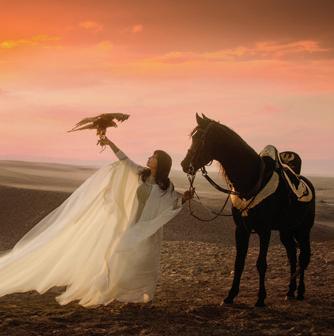
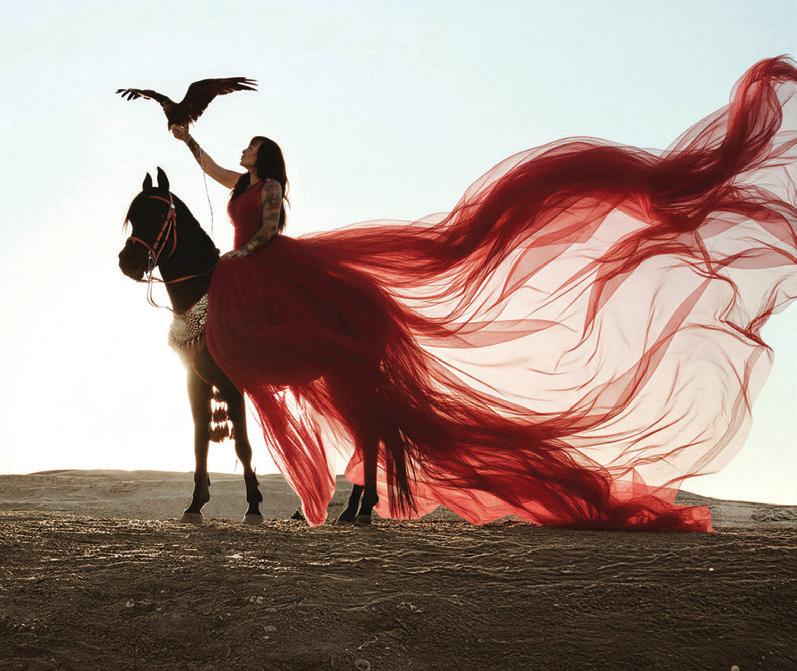
RIDE EGYPT has introduced the first equestrian expedition through the country’s White Desert. Following 11 years of operations, this British-led company developed the route after months of testing terrain to ensure a fluid experience across the remote landscape. The journey traverses both the White and Black Deserts, moving between volcanic ground and chalk formations. To support the route, a sustainable stable and ecolodge has been established in Bahariya, with a focus on horse welfare. The itinerary is offered as a mini-break from autumn through spring. Designed for small groups, it prioritises mental stillness in a trafficfree environment, with horses matched to rider ability and alternative activities available for non-riding guests.
THE FRAGRANCE
A narrative in scent and lived memory
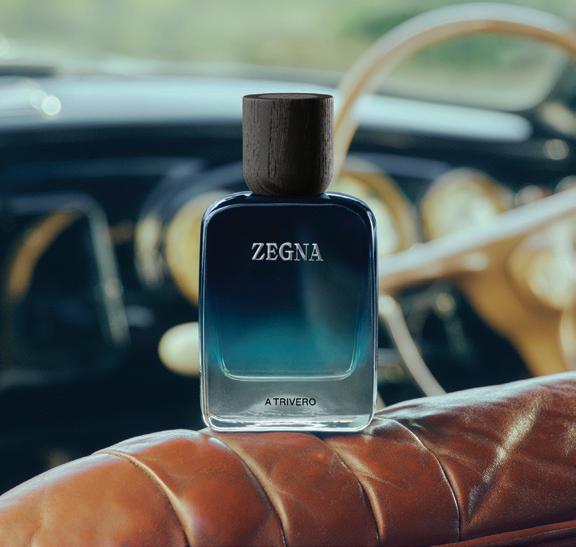
MEMORIE, the latest fragrance collection from ZEGNA, distills over a century of brand vision, craft, and landscape into six distinct olfactory volumes, crafted by master perfumers Dominique Ropion, Fabrice Pellegrin, and Quentin Bisch. The collection is rooted in the Italian Alps and the house’s origins in 1910. The name reflects lived experience rather than mere history, with each scent capturing a specific chapter of the founder’s life. The journey begins with Il Calamaio, representing where ideas took shape at dawn,
followed by Il Lanificio, where raw fibres became fabric. A Trivero marks the road leaving home, while Il Sottobosco captures the forest after rain. The path continues with La Panoramica, the road carved into the mountains, and concludes with Saga del Piemonte, where memory becomes legacy. Each scent is housed in a refillable glass bottle. The collection was launched with a cinematic film directed by Roman Coppola and starring Mads Mikkelsen, which explores these interconnected worlds through the family’s historic home, Casa Zegna.
Sleek and green
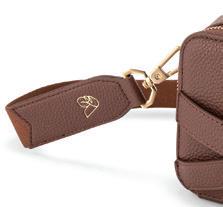
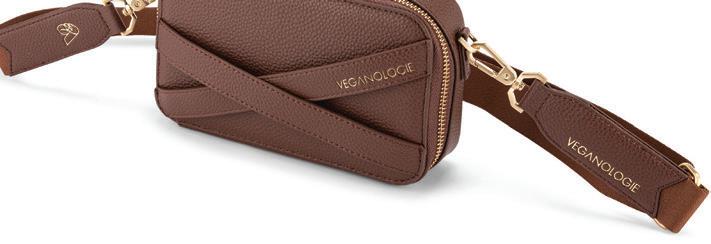
Compact, ethical, and stylish, this eco-friendly crossbody “man bag” uses 5.5 recycled bottles to create a sleek, organised home for your gear
DUBAI-BASED sustainable luxury fashion accessories brand Veganologie’s Mars Man Bag is a compact and structured crossbody designed for the modern professional seeking refined organisation. It features dedicated internal compartments for a phone, wallet, keys, and earbuds, utilising a two-way zipper that opens flat for seamless access. The exterior is crafted from GRS-certified recycled PU leather with an understated matte finish, making it versatile enough to pair with formal suits or casual hoodies. Available in four shades, each piece is constructed using the equivalent of 5.5 recycled plastic bottles. The design is finished with recyclable zinc alloy hardware and a soft recycled lining. Every purchase supports UAE coastal conservation by planting a mangrove tree, aligning luxury functionality with PETA-certified ethical standards and sustainable materials. From AED 450.
The Art of Time
Vacheron Constantin’s recent Ramadan campaign, “Crafted Rhythms”, was developed in collaboration with regional illustrators Abir Mnasria and Zaina Khayyat of The Attic Studio and used handcrafted illustrations to translate haute horlogerie into a visual language inspired by Middle Eastern heritage. The campaign highlighted ve core Métiers d’art - watchmaking, engraving, enameling, guillochage, and gem-settingaligning these disciplines with the holy month’s values of patience, re ection, and harmony. The piece pictured at left is the Égérie Moon Phase, with a 37mm pink gold case set with diamonds, and a moon phase indicator. Price upon request
THE BAG THE WATCH
IT: Welcome to Derry
Fear not if you haven’t seen the box office record-smashing horror releases that were IT: Chapter One and Two! Director Andy Muschietti’s (The Flash) return to the world of Stephen King’s most infamous novel is a prequel set 27 years before the events of the first film, as we explore Pennywise the Clown’s origins, while he continues to rain down terror on yet another group of plucky young kids. It’s a perfect standalone companion series that captures everything fans (and readers) loved about the original and its adaptations.
READ
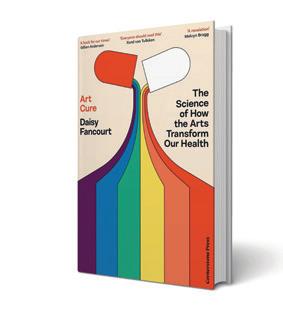
Art Cure: The Science of How the Arts Transform Our Health by Daisy Fancourt
PROFESSOR DAISY
FANCOURT makes a compelling, researchbacked case for the arts as the “forgotten fifth pillar” of health. Drawing on decades of scientific studies, she demonstrates how music, dance, visual art, and live performance can reduce stress, build brain resilience, and
even extend longevity. Practical and persuasive, the Art Cure positions the arts alongside sleep and exercise as fundamental to well-being. It’s a timely, evidence-driven argument for prioritising cultural engagement as an essential component of a balanced, flourishing life.
AED 112, amazon.ae
Today,
Explained
HOSTED BY Vox Media journalists, each episode deep dives into the story behind one specific news headline, unpacking the context, consequences, and human impact behind it. Clocking in at just below 30 minutes per episode, with a daily release schedule, it’s a smart, accessible and tightly-produced listen for anyone seeking a deeper understanding of the stories shaping our world beyond the news cycle’s usual noise. Available on Spotify.
CULTURAL CALENDAR
OUR PICK OF EVENTS TAKING PLACE AROUND THE WORLD
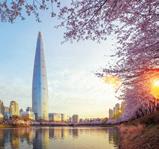
Yeouido Spring Flower Festival, Seoul, South Korea 8-12 April
Seoul’s Yeouido Cherry Blossom Festival transforms the Han River’s Yunjungno road into a tunnel of soft pink blooms each spring. Visitors stroll beneath thousands of cherry trees, enjoying street performances, evening illuminations, and seasonal food stalls. It’s a serene yet lively celebration of nature, marking one of South Korea’s most picturesque and anticipated seasonal events.
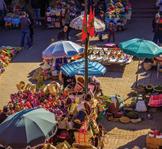
Festival du Livre Africain de Marrakech, Marrakesh, Morocco 23-25 April
Held in the heart of the city, this vibrant literary festival brings together writers, thinkers, and publishers from across the continent for three days of conversation and celebration that spotlight African literature in all its diversity, with panels, readings, and debates exploring everything from identity and language, to history, and the future of storytelling.
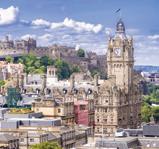
Beltane Fire Festival, Edinburgh, Scotland 30 April
Once a year, Edinburgh’s Calton Hill comes to life in a fiery spectacle of movement, music, and myth. Rooted in ancient Celtic traditions, the event features torchlit processions, drumming, and theatrical performances. It’s a raw, immersive celebration of rebirth and the changing seasons, where fire and storytelling come vividly to life.
50 fantastic staycation ideas that will make staying in the region feel like the ultimate weekend or holiday upgrade
OU DON’T ALWAYS need a boarding pass to find a world-class reset. Whether travel restrictions have kept you grounded or you’ve simply chosen to trade the long-haul for a local haul, the region is home to some of the best hospitality offerings on the planet - and we’ve rounded up some great picks.
YNORTHERN EMIRATES
1
RADISSON BLU RESORT, FUJAIRAH
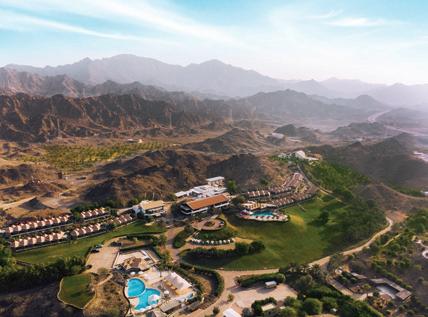
Enjoy access to a private beachfront and on-site diving centre at this beautiful property with views of the Hajar Mountains – and if you book in advance, you can save up to 25% with a prepaid rate.
2
FAIRMONT AJMAN
With stunning views of the Arabian Gulf, this serene beachfront hotel is offering up to 20% off with their “Special Starts Here” package for stays until 31 May 2026, as well as a Wellcation package that includes a detox juice, spa treatment, and pool access
starting from AED 550; plus a Seaside Romantic Getaway package with 15% off, in-room breakfast, and spa privileges, as well as late checkout.
3
RIXOS AL MAIRID RAS AL KHAIMAH
If all-inclusive is what it’s all about for you, this resort with four pools, awardwinning restaurants, a thriving kids club, and countless activities is one for you. UAE residents can book in with 30% off their best flexible rate, which includes unlimited dining, curated experiences, and plenty more.
4
NAJD AL MEQSAR
For a secluded retreat in the mountains of Khorfakkan, this unique property by Sharjah Collection has seven traditional ‘Kareen’
WORDS YI-HWA HANNA
houses in a repurposed historic village, in which to enjoy a serene break. Dubai Islamic Bank cardholders can enjoy a 15% discount on stays here through 30 June 2026.
5 INTERCONTINENTAL RAS AL KHAIMAH
This lovely ‘barefoot luxury’ destination on Hayat Island has a stellar offer for families for stays through 30 May. The Family Staycation package includes accommodation for two adults and two kids (those under 12 stay and dine free), with an extra bed available too; daily breakfast and dinner included; plus AED 150 spa credit; and complimentary access to Planet Trekkers Kids’ Club.
6
SOFITEL AL HAMRA BEACH RESORT
Whether it’s the lush food or the renowned spa drawing you to this resort, if you book before or up until 12 April for a stay through to 26 April, you’ll can earn double the reward points, to redeem against future stays. To do good while enjoying your time away, families can opt for the Family Getaway by Le Petit Prince package, where bookings made before 31 December, with a miniumum of two rooms with at least one child in one room, will get the second room at half-price, earn double reward points, and know that Sofitel will donate the equivalent of €3 to the Antoine de Saint Exupéry Foundation (dedicated to improving children’s lives) in your honour.
7
ANANTARA MINA AL ARAB
This unique proprety has been described time and time again as a chance to visit the Maldives without ever leaving the UAE, and now, GCC residents can save up to 18% on room and villa bookings, with 10% off dining at resort restaurants, plus the bonus of having up to two kids under the age of 11 dine for free. Mininum two-night stay required for bookings during weekends.
8
FAIRMONT FUJAIRAH
Enjoy a coastal family retreat at this lush resort nestled between the rugged mountains and the calming waters of the Indian Ocean – with 15% off best available rates for bookings through 31 August. Guests availing of this package will also get free daily breakfast, complimentary kids club access, and welcome amenities for little ones – plus late check-out, and the one-time use of the private chalet at no extra cost. Up to two children under the age of 12 stay free.
9 THE COVE ROTANA RESORT
Since it was first opened in 2009, this serene enclave has been a Ras Al Khaimah favourite - and soon, it’s going to be refreshed with a major refurbishment. For now, this, and all Rotana properties across the UAE, have a staycation package with a free upgrade to half-board, room upgrade, late check-out, all for 10% off the lowest rate.
10
LONGBEACH CAMPGROUND
This award-winning luxury glamping destination in RAK closes for the season soon - book your package (from just AED 283 a night, with breakfast) while you can!
ABU DHABI
1 ALDHAFRA RESORT, VIGNETTE COLLECTION BY IHG
UAE residents can nab 30% off rates at this serene retreat in the heart of the Liwa Desert. Your stay will come with AED 150 dining credit, two desert or cultural experiences (from a vast list including camel treks, henna art, archery, and sandboarding). If available, you’ll also get a free room upgrade.
2
JUMEIRAH SAADIYAT ISLAND
UAE residents can take advantage of a special three-night-minimum package at this eco-conscious luxury resort, with prices starting at AED 1,420 per night. The deal includes discounted room rates, flexible check-in and -out, and wellness and familyfriendly experiences. The offer is valid for stays through 31 May.
3
ROSEWOOD ABU DHABI
This beloved luxury property on Al Maryah Island is offering a 25% discount – with complimentary access to the spa’s sauna and steam room – on stays booked as an advance purchase. Alternatively, its Spring Break package includes breakfast, lunch or dinner, access to the Rosewood Explorers Kids Club, use of the fitness centre and pool, plus 20% off all dining outlets and treatments at the spa, available through 30 April.
4
ST. REGIS SAADIYAT ISLAND RESORT
Another great deal for UAE residents is an exclusive staycation deal at this property with a 9km eco-protected beach, with easy access to various cultural, leisure, and golf attractions. Packages start from AED 1,400, and include free breakfast, early check-in and late checkout, and additional discounts on other dining and spa experiences.
5 FAIRMONT BAB AL BAHR, ABU DHABI
Want something more than a one-
Rosewood Abu Dhabi
Rixos Al Mairid Ras Al Khaimah
night break, but not quite ready to go for something longer? The “30 Hours at Fairmont” staycation could be the answer! Available through 30 April, this package offers guests a 30-hour stay window wherein you can choose to arrive early or leave late at your preference. It also includes daily breakfast for two, a guaranteed upgrade to the next room category up, and 30% savings on dining across hotel restaurants – and kids stay free. Bookings must be made directly with the hotel reservations team.
6 EMIRATES PALACE MANDARIN ORIENTAL, ABU DHABI
Need a break from the stress of the day-today? This iconic hotel’s “Meaningful Pause” package – valid until 31 August – includes complimentary early check-in and late check-out, free daily breakfast for two, and a 20% discount on dining at select restaurants as well as the spa.
7 SHANGRI-LA QARYAT AL BERI, ABU DHABI
A stalwart on the capital’s hospitality scene for almost 20 years, this cherished property is offering a staycation package including daily breakfast for two – plus 25% off other dining experiences – plus early check-in and late check-out, alongside access to the 1km private beach, two pools, the souq at Qaryat Al Beri, and the opportunity to take an abra boat ride through the surrounding area. The best part? Rates start from just AED 700, and the offer is valid until 30 December.
8 PARK HYATT ABU DHABI
This coastal delight on Saadiyat Island has a special staycation deal for GCC residents through 31 December, inclusive of free breakfast, and a 20% discount on food and beverage plus select spa treatments, booked online using code GCCRES.
This hotel’s “Staycation, Breakfast and Dinner on Us’ deal offers free half-board, plus kids of up to 18 years of age can stay for free.
10
RADISSON BLU HOTEL & RESORT, AL AIN
A hidden gem in the UAE capital, the garden city of Al Ain is a true desert oasis. This family-friendly resort in Al Sarooj offers landscaped gardens, three pools, and mountain views. RAKBANK card holders can claim a 15% discount off the hotel’s best available rate, plus early check-in, free access to the hotel-operated entertainment (including an adventure park), and a 20% discount on dining outlets operated by the hotel. Radisson Rewards members, meanwhile, can book into a Family Experience or Romance Package, or get a 15% discount.
DUBAI
FOR THE FASHION-LOVER
1 SO/ UPTOWN
This diamond-inspired hotel has style in every crevice, and through September, UAE residents can check into this designled retreat with daily breakfast and lunch or dinner included; plus 30% off à la carte dining and complimentary sundowners. The deal includes 50% off spa treatments, and if you book in as a family, you’re guaranteed connecting rooms. Five-night stays even get a free upgrade to the Atelier Suite!
2
VIDA DUBAI MALL
Through 15 October, the new “Unlock Downtown Dubai” package from this chic hotel – with Burj Khalifa views and
instant access to Dubai Mall – includes complimentary breakfast, free stays for kids, early check-in and late check-out, 30% off in-house F&B, plus a complimentary ticket to select Emaar Entertainment attractions including Dubai Aquarium & Underwater Zoo, Sky Views Observatory with Slide, or Dubai Ice Rink.
3 INTERCONTINENTAL HOTEL DUBAI FESTIVAL CITY
Want another option for a hotel connected to a mall? This luxury property has direct access to Dubai Festival City Mall, and those booking into its Family Retreat package can enjoy a complimentary room upgrade, AED 200 spa credit, and the chance for children under the age of 12 to stay and dine for free.
FOR THE WELLNESS WARRIOR
4
JW MARRIOTT MARQUIS HOTEL DUBAI
With this hotel’s “Stay in the Moment” retreat, you’ll not only get one Reformer Fitness class daily, you’ll also get 50% off spa treatments for your recovery after. You can book this package with promotional code E6771 for stays through 29 October.
5 JUMEIRAH AL QASR
Accessible from various hotels at this interconnected property, which can be accessed from many of its sister locations by boat, Talise Spa at Madinat Jumeirah is a leading spot for self-revitalisation. And now, Jumeirah properties are offering a staycation offer with reduced room rates and early check-in and out, inclusive of breakfast or half-board, and two-for-one spa treatments of 60 minutes or more. Validity periods may vary, but at time of press, this deal was available through 13 April.
9 CONRAD ABU DHABI ETIHAD TOWERS
Looking for a teenager-friendly staycay?
Atlantis The Royal
Radisson Blu Hotel & Resort, Al Ain
6
SOFITEL DOWNTOWN DUBAI
Through 30 April, this city hotel with an award-winning spa is offering a UAE residents offer with rates starting from AED 500, inclusive of daily breakfast for two, 25% savings off restaurants and bars (and laundry services!), plus guaranteed connecting rooms for families. Up to two kids under 12 dine free.
7
SIRO ONE ZA’ABEEL
Need a health reset? Book a three-night stay at the city’s ultimate wellness hotel and get a fourth free – breakfast included! Or book a recovery-focused stay at 20% off.
8
JA PALM TREE COURT
For those after a little pampering and a nervous system reset, this hotel’s Well-being Stay offer includes AED 300 spa credit for Calm Spa treatments, unlimited access to the steam room, sauna, spa bath, and wellness facilities, as well as daily breakfast for two. Guests also receive early check-in, late check-out, and an upgrade to the next suite category subject to availability.
9 ANANTARA THE PALM DUBAI RESORT
GCC residents can enjoy up to AED 500 daily resort credit - plus early check-in and late check-out and free breakfast - through this serene beachfront resort’s staycation special that also comes with 20% activites and 30% off the legendary Anantara Spa.
FOR THE URBAN ESCAPE
10
THE H DUBAI
If flexibility is the name of your game, The H Dubai’s 24-hour Stay & Play staycation package lets you check in anytime, enjoy free breakfast plus AED 200 spa credit, and nab complimentary tickets to LEGOLAND Dubai, MOTIONGATE Dubai, Real Madrid World, LEGOLAND Water Park or The Green Planet. Valid through 30 April.
11
ROVE HOTELS
Another pick for those looking for a quick escape that can be enjoyed within less than a weekend, Rove Hotels’ 36-Hour Staycation Package – valid for stays booked online through April – lets residents pay for
one night, then check in from 9am and out by 9pm. It’s valid at Rove At The Park, Rove City Centre Deira, Rove City Walk, Rove Downtown, Rove Dubai Marina, Rove Expo City, Rove Bur Dubai, Rove La Mer Beach, Rove Trade Centre, Rove JBR, and Rove Al Marjan Island.
12
ADDRESS HOTELS & RESORTS
Book into one of these properties online before 15 October and you could get 30% savings on dining and spa, free tickets to a range of Emaar Entertainment attractions, and flexible check in- and -out.
13
MÖVENPICK DUBAI CREEK
Book into the GCC residents package at this hotel in the heart of the historic Dubai Creek area, and you can enjoy up to four times the amount of reward points for ALL Accor members through 9 August.
14
MEDIA ONE HOTEL
This unique, sustainability-friendly boutique-style hotel offers easy access to Dubai Marina, Dubai Media City, and beyond, and has an excellent rooftop pool. Book in for its cool-kid vibe with up to 30% off your stay using code CHAMP15 and you’ll also get free shuttle services to Barasti & JBR Beach.
15 TAJ DUBAI
Not only has this cool city hotel (with panoramic Burj Khalifa views) recently
One&Only One Za’abeel
Rove Expo City
revamped its rooms, it’s also celebrating four years of its Taj InnerCircle and NeuPass loyalty programme. If you’re a member, you can get a 20% discount on a breakfastinclusive stay, with 20% off dining venues, spa therapies, and salon services during your stay - plus double the Neucoins on bookings and eligible spends during your stay. Book by 20 April for stays up to 30 September.
FOR THE PET-OBSESSED
16 W DUBAI - THE PALM
Welcoming humans and furry friends with open arms, this property is offering GCC residents the chance to book in from AED 580 per couple per night through 30 April. The deal includes 20% off on in-house dining and spa treatments, plus early check-in.
17
25HOURS HOTEL
This pet-friendly city escape is staying true to its name with its all-inclusive 25-hour staycation package, that lets you check in when you wish, and gives you a free 30-minute spa treatment to boot. Prices start from AED 720; valid until 15 September.
18
INTERCONTINENTAL RESIDENCES
DUBAI BUSINESS BAY
This elegant luxury property in the heart of
Business Bay isn’t just pet-friendly, it’s also proudly inclusive human-wise, with a focus on the heart behind its community activities. From now through 30 September, you can book in for AED 499 per night – wherein you could book into a studio and be upgraded to a one-bedroom residence, if available. The stay includes breakfast plus lunch or dinner for two, beach shuttle service, wellness sessions, and flexible check-in and -out.
19 JA HATTA FORT HOTEL
If recharging in nature soothes your soul, book in for this hotel’s wellness-led mountain escape for two. The package includes a 30-minute back massage or mini facial at Terra Wellness, a choice between a guided hike or honey-tasting experience, a half-board upgrade, breakfast smoothies, and a sunset fruit platter. Prefer to hang with your pooch? Book in for its Paw-fect Getaway petfriendly stay package, which comes with dogfriendly room amenities, organic welcome treats from Furchild Pet Nutrition, and 20% savings on dining and selected experiences. Both are valid through until April 2026.
FOR THE FOODIE
20 ATLANTIS THE ROYAL
This stunning property has more
award-winning and Michelin-worthy dining venues that you can shake a stick at, and it’s now giving UAE residents the chance to book in for 20% off rooms, suites, and signature penthouses – or to stay three nights and pay for two. Members of The Atlantis Circle also get 30% off dining experiences.
21 RIXOS PREMIUM DUBAI JBR
While the Rixos brand is famous for its all-inclusive deals that ensure gourmands are well-fed during their stay, this particular property is especially beloved for its stellar food and beverage offering. It’s now offering UAE residents rates with early check-in and late check-out, plus added-value perks
InterContinental Residences Dubai Business Bay
25Hours Hotel
including free waterpark access (for stays of two or more nights), 30% off spa treatments, and 25% off dining and watersports.
22
FOUR SEASONS RESORT AT JUMEIRAH BEACH
“As a UAE resident, you hold the key to Dubai’s best insider secrets,” says this hotel that’s beloved for its excellent F&B offering. They’re right – and they’re sharing the love through exclusive inclusions for UAE residents. To find out what your Emirates ID can unlock, you must give the hotel a call – but any guest booking in for a stay through 31 December can enjoy 15% off their room rate for a stay of two or more nights. Alternatively, you can opt for the Experience More spending credit package, which gives you credit back to spend on in-house dining, wellness, and experiences. The amount of credit varies, but if you’re booked into a suite, the spending credit could go up to AED 1,850.
23
ONE&ONLY ONE ZA’ABEEL
Rest and reset through the ‘Time Together’ package that gets you 20% off the best available room rate, daily breakfast for two (which can also be enjoyed in-suite!), guaranteed early check-in and check-out, a restorative wellness experience at Clinique La Prairie, daily access to SIRO Fitness Lab, and access to KidsOnly – plus AED 500 dining credit, which is a win for foodies considering this hotel is home to plenty of exceptional culinary destinations, including the celebrated Nobu One Za’abeel, Culinara, The Link, La Dame de Pic, and StreetXO.
24
TAJ EXOTICA RESORT & SPA
Not only does this resort have one of the most oustanding Indian restaurants in the city, it also has a 70m-long pool - the longest on Palm Jumeirah’s East crescent. Book into the UAE residents staycation package from AED 549 and enjoy a stellar complimentary breakfast, and 30% off other F&B plus the spa.
25
MARRIOTT RESORT PALM JUMEIRAH
There are 10 restaurants and bars at this sunny spot on The Palm Jumeirah – plus a huge pool and a spa. Use code Z87 for online bookings through 30 September and nab its ‘Stay 4, Pay 3’ nights offer, from AED 450 per night for two adults and two kids.
FOR THE ADVENTURE-SEEKER
26
ALDHAFRA RESORT, VIGNETTE COLLECTION BY IHG
Fulfil your desert dreams at this resort in the Liwa desert, which is offering GCC residents a 30% discount on stays, with AED 150 dining credit, plus two complimentary desert or cultural activities, ranging from camel rides, archery, to sandboarding and more.
27 BAB AL SHAMS
Book the GCC residents offer at this iconic desert hotel and enjoy daily breakfast or half-board, 20% off other F&B and the spa (with a stunning hammam), confirmed early check-in and late check-out, and falconry displays, camel rides, and more.
28
GRAND HYATT DUBAI
If waterparks are your jam, the GCC residents offer (booked online using code GCC20) here gets you 20% off room rates plus select restaurants and spa treatments, as well as free breakfast and complimentary access to the recently-opened Grand Hyatt Dubai Waterpark.
29
CENTARA MIRAGE BEACH RESORT
Book before 15 April while showing your Emirates ID, and you’ll get 25% off dining, drinks, and spa treatments through your stay, on top of an exclusive room rate for the UAE Residents Staycation package. You’ll also get unlimited access to its waterpark, pools, lazy river, and private beach, while little ones can enjoy access to Camp Safari kids’ club and indoor play zones.
30 MANDARIN ORIENTAL DOWNTOWN DUBAI
“A Meaningful Pause” - the elevated staycation package available at Emirates Palace Mandarin Oriental, Abu Dhabi - is also valid at this city hotel, with 20% off best available room rates, early check-in and late checkout, free room upgrades (if available), daily breakfast, and 20% off spa and dining... plus exclusive beach access to Mandarin Oriental Jumeirah Dubai. Valid until 31 August.
Taj
Marriott Resort Palm Jumeirah
With cultural tourism accounting for around 40% of international travel revenue, the region’s recent investments in heritage, arts, and the strength of local narratives are offering a new draw
POWER THECULTURE OFCULTURE OF
For years, the narrative of travel and tourism in the Middle East was often dominated by the “biggest, tallest, fastest” superlatives. While those recordbreaking feats still draw crowds, a more profound shift is occurring as the soul of a destination – its arts, its history, and its forms of creative expression – becomes another primary driver of wanderlust. For domestic, regional, and international tourists alike, the desire to seek out cultural institutions is a chance to tick off a bucket list, educate and entertain ourselves, and understand a place and its people better – while simultaneously feeding a growing global desire for more substance over the low-quality, highstimulation content of the modern attention economy.
In an increasingly fractured world, the importance of arts and culture is taking on a new weight. History has shown that during times of conflict, cultural institutions can act as neutral ground for cross-border awareness and dialogue, acting as vital anchors for identity and mutual understanding. They can provide a common language, foster resilience and in some cases even reconciliation, and offer a creative reflection of shared human values. For the traveller, these spaces can offer a sense of perspective and empathy that a standard touristic itinerary might miss. Cultural tourism accounts for approximately 40% of all international tourism revenue globally, proving that the search for meaning through various arts is also a massive economic engine. And as authenticity becomes increasingly important to modern globetrotters, this is only set to grow. In recent years, a preference for ‘slow travel’ and community initiatives are taking precedence over traditional sightseeing
RIGHT
Zayed
National Museum was named among TIME magazine’s World’s Greatest Places for 2026
BOTTOM
The Dubai Museum of Art (DUMA), which was announced in winter 2025
OPPOSITE
PAGE
Dubai Frame
packages – and with this shift, the era of the checklist tourist is being replaced by the cultural explorer: someone who seeks more nuanced, high-engagement cultural narratives that offer them more than just a photo opportunity.
The art of the stay: from galleries to guest rooms
This cultural pivot is a global movement wherein art is being used to breathe new life into mature destinations. In some cities, where recent waves of overtourism have started to threaten the fabric of life for locals too, savvy hospitality brands are using the arts as a tool for sustainable engagement. Take the Galleria Vik Milano in Italy, for example. Located within the historic Galleria Vittorio Emanuele II arcade, this hotel functions as much as a private art gallery as it does a luxury stay. Each of its 89 rooms is a unique collaboration with international and local artists, designed to immerse guests in Milan’s creative soul rather than just its shopping districts.
In the US, the Kentucky-founded 21c Museum Hotels doubles as a range of fully-accredited contemporary art museums, with its collection of boutique properties often housed in rehabilitated historic buildings, and featuring 24/7 accessible galleries and site-specific installations that move art from traditional galleries into an everyday hospitality setting.
In Scotland, The Fife Arms is among this new breed of properties where the hotel itself is a cultural institution. This property in the Highlands has integrated more than 16,000 pieces of art into its guest rooms and public spaces, with its collection ranging from a watercolour painted by Queen Victoria to modern commissions by global stars like Iwan and Manuela Wirth, founders of the Hauser & Wirth gallery. There, guests can join daily art tours to navigate the hotel’s “living gallery”.
In South Africa, The Silo Hotel – built within a historic grain elevator in Cape Town – sits directly above the Zeitz Museum of Contemporary Art Africa (MOCAA), where it serves as a central point for the city’s arts district, offering guests direct access to the continent’s largest collection of contemporary African art.
Closer to home, The Ned, Doha showcases a permanent collection of more than 350 artworks by 100+ artists from
Qatar, West Asia, and North Africa; while The Chedi Al Bait, Sharjah, uses its traditional architecture and culturallytrained hosts to act as storytellers that can translate the UAE’s national heritage into the guest experience. Through a collaboration with World Art Dubai, UAE-based hotels such as Jumeirah Creekside Hotel – which has an art collection of nearly 500 works – and 25hours Hotel Dubai have embraced artist-in-residency programmes involving live creation and the contribution of unique pieces to their permanent and curated displays. In Morocco, the Royal Mansour Marrakech offers signature workshops where guests can enjoy hands-on engagement through artistic instruction led by local master craftsmen.
By integrating curated arts-led experiences into the guest experience, these “destination check-in” hotels are encouraging travellers to engage more deeply with their surroundings. This reflects a broader European trend where museums remain the heavy lifters of the economy; in 2023, the EU regions with the highest number of nights spent by domestic and international tourists – Berlin, Paris, and Madrid – were those anchored by world-class cultural corridors.
Cultural institutions can act as vital anchors for identity and mutual understanding
ABOVE Museum of the Future, Dubai, UAE
Global recognition
In recent years, the Middle East has been stepping up its game of cultural appeal to claim its seat at this global table. The UAE, in particular, has been securing major accolades that validate its cultural ambitions. Most recently, three UAE landmarks made the prestigious TIME Magazine World’s Greatest Places of 2026 list. Among them - with the other two being Jumeirah Marsa Al Arab, and Surf Abu Dhabi - is the Zayed National Museum in Abu Dhabi’s Saadiyat Cultural District. Recognised for its falcon-inspired steel towers and its role in preserving 300,000 years of history, the museum serves as a bridge between the UAE’s national story and the global stage.
Dubai has also been making its mark in terms of global recognition for its cultural efforts. The Dubai Culture and Arts Authority (commonly known as Dubai Culture) has won multiple awards at GovMedia Conference in Singapore over the past couple of years, recognising its work in advancing the city’s cultural landscape. These awards have highlighted a commitment to integrating innovation with local heritage, proving that tradition doesn’t have to remain static, and that it can, instead, be remarkably forward-thinking
The region is also embracing the “experiential” side of culture. In June 2024, Saudi Arabia became the home of the first-ever teamLab digital art museum in the Middle East. Since its founding in 2001, the Tokyo-based TeamLab digital collective’s museums have made waves across the world by turning the traditional museum experience on its head through a unique blend of art, technology, design, and nature that promise a deeply immersive, interactive, and futuristic take on what defines art – and how we can interact with it. Located in Jeddah’s historic Al Balad district (a UNESCO World Heritage site), the 10,000 sqm teamLab Borderless Jeddah ensures digital art becomes a staple of the GCC’s creative landscape. Echoing this success, teamLab Phenomena Abu Dhabi opened in the UAE in April 2025, in the Saadiyat Cultural District. As of last year, teamLab’s global portfolio was estimated to have attracted more than 35 million people to its exhibitions and museums worldwide, with its teamLab Planets location in Tokyo even having set a Guinness World Record in 2024, for the world’s most visited museum dedicated to a single group or artist. So far, the 17,000 sqm Abu Dhabi outlet appears to be on track with this appeal: data released by the Department of Culture and Tourism – Abu Dhabi showed that it was already among the city’s top attractions within the first few months of its opening, having drawn in almost 146,000 visitors by June 2025.
ABOVE
The Silo Hotel in Cape Town, South Africa
BELOW
The Grand Egyptian Museum, Giza, Egypt
The economics of cultural identity
The shift toward culture isn’t just a matter of “soft power”; it’s also a hard-hitting economic driver. In Saudi Arabia’s tourism sector, a cornerstone of Vision 2030, saw visitor numbers surge to a record-breaking 122 million in 2025, generating an estimated SAR 300 billion in spending. A significant portion of this growth is fuelled by “regenerative, culturally-rooted destinations” like AlUla and Diriyah.
Abu Dhabi has mirrored this trajectory, with recently released data showing a 47% increase in visitors to its cultural attractions and heritage sites within the first half of last year alone –marking more than four million visitors within a six-month period. Flagship institutions like Louvre Abu Dhabi, the Cultural Foundation, Qasr Al Hosn, and Manarat Al Saadiyat are proving that travellers are willing to stay longer – an average of 3.2 nights in 2025, up from an average of three nights in 2024, and 2.8 nights in 2023 – when the offering has depth.
Beyond the UAE and Saudi Arabia, the wider region is also leaning into its heritage. Qatar – which hosted the first-ever Art Basel in the MENASA region earlier this year – welcomed 5.1 million guests in 2025, with many attracted by the sustained draw of iconic cultural sites like the National Museum of Qatar and Katara Cultural Village. Meanwhile, Egypt recently witnessed a historic milestone with the full opening of the Grand Egyptian Museum (GEM), which is expected to attract five million visitors annually. In its first weeks of full operation in late 2025, daily attendance already exceeded projections, reportedly reaching up to 24,000 visitors.
The shift toward culture isn’t just a matter of “soft power”; it’s also a hard-hitting economic driver
The festival factor
If museums are the anchors, then festivals are the wind in the region’s cultural sails, building up energy that can pull in crowds.
The global event tourism market was valued at a staggering $1.52 trillion in 2024, with music and arts festivals alone generating up to €300 million for host cities in a single week – seen through examples such as Europe’s Tomorrowland or Primavera Sound – and the Middle East has been building its own circuit of big-ticket events for both local and global appeal.
In Dubai, the Museum of the Future continues to be a magnet for both tourists and international thought leaders. Its Dubai Future Forum has become the world’s largest gathering of futurists, with the 2025 edition hosting over 2,500 participants to discuss everything from AI to intergenerational fairness, and in doing so, representing a shift wherein culture also includes the study of what comes next.
The Emirates Airline Festival of Literature has evolved into an internationally-renowned event that brings many of the world’s greatest literary talents and most influential thinkers to the desert. Its 2026 edition, held at Dubai Festival City, featured over 100 international and regional writers, ranging from notable historians like Peter Frankopan to culinary stars like Asma Khan. This success is mirrored by the Sharjah International Book Fair, which remains one of the world’s largest, alongside the growing influence of the Saudi National Cultural Awards, which celebrate 16 different cultural sectors. More than events, these festivals have become reasons for domestic and global tourists to travel, filling hotels and boosting local businesses. This literary ecosystem’s status as a global powerhouse also helps to build cross-cultural bridges through the power of storytelling, creating a space where stories can also inspire real-world journeys.
This literary appeal has spilled over into the region’s chance to jump on the growing trend of literary tourism (which you can read more about on p.42). Recent data from Skyscanner reveals that 32% of travellers are now interested in visiting destinations because they were name-checked in a book, while 18% are actively seeking book-themed accommodation. While cultural exploration can be a solitary act – making it a great pick for the growing number of solo travellers – for the modern tourist looking for community, offerings such as voco Bonnington Jumeirah Lakes Tower’s “Blind Date with a Book”, or the upcoming Avani Book Club’s social book swaps – already launched in Europe and anticipated to land in the region by this month – are meeting a growing demand for cultural links that bring people together.
ABOVE
TeamLab
Borderless, Abu Dhabi
Cultural deep-dives
For those seeking a more traditional – yet no less award-worthy – evening, Dubai Opera remains the region’s premier stage. Its 2025-2026 season has been a masterclass in diversity, featuring the Hungarian State Opera’s production of La Bohème, worldclass piano recitals by Yuja Wang, and even modern classics like Wicked, with each of these global acts bolstering the city’s reputation as a stop on the international circuit.
But perhaps the most telling sign of the region’s cultural maturity is the recognition of its grassroots experiences. Lonely Planet named Old Dubai’s cultural food tours as one of the top global must-dos for 2026. These tours, which wind through the historic neighbourhoods of Bur Dubai and Deira, offer travellers an authentic taste of the 200 nationalities that call the city home. From Somali suqaar to Syrian kebabs, it is a reminder that culture is found in the daily rhythm of the streets, and on our plates, as much as it is in a gallery.
Amidst an age of hyper-connectivity, in a world that often feels like it’s moving too fast, these cultural milestones can offer us a reason to slow down and smell the roses. By adding cultural flavour to our journeys, the Middle East is proving that the stories it can tell are among its most valuable exports.
WORDS YI-HWA HANNA
From reading retreats to “Book Butlers,” literature is transforming from a travel companion into the destination inspiration
BOOKING IN
or decades, books were often the passive accessories of a holiday: the paperback stuffed into a carry-on, or the movieadaptation-worthy thriller accidentally left behind in a hotel lobby. In recent years, however, this script is being flipped, as literature is increasingly evolving from being a travel companion to inspiring the destination itself.
The rise of the “Reading Retreat” and literary-themed travel in recent years marks a significant shift in how we seek to disconnect. According to recent research, Pinterest searches for “book club retreat ideas” have surged by a staggering 265%, while data from Skyscanner reveals that 32% of travellers are now interested in visiting destinations specifically because they were name-checked in a book. As per Skycanner’s report, a further 18% of travellers are actively seeking out book-themed accommodation.
This trend appears to be part of a response to a “digital fatigue” that has reached a boiling point. In an era of relentless scrolling, the physical book has become the ultimate analog luxury. The fact that modern social media is often increasingly filled with “brain rot” content has only served to increase the appeal of books for consumers who are seeking something with a little more substance.
According to Skyscanner’s “Bookbound” trend report exploring the growing appetite for literary travel, 78% of travellers have booked, or would consider, a trip inspired by literature. The number of people using the travel website’s hotel bookings’s “library” filter are going up by 70% globally year on year, and as noted in that same report by Rebecca Sinclair, chief brand officer at Penguin Books UK, with 85% of book-buyers reading to “relax or escape,” it is no surprise that reading has become a primary source of wanderlust. “Books open up the world to us, bringing us closer to new places, cultures, and perspectives. Reading and travel are
intrinsically linked – books inspire real-world journeys, which in turn create the space for people to lose themselves in books,” Sinclair was quoted. Indeed, countless people from across the world have tried to replicate Elizabeth Gilbert’s journey in Eat, Pray, Love, and thanks to Cheryl Strayed’s Wild came out, from 2012 (when the book was published) to 2022, the Pacific Crest Trail experienced the fastest increase in hiking traffic since its original completion date in 1993. When Alex Garland’s The Beach was released in 1996, its popularity inspired a film adaptation directed by Danny Boyle and starring Leonardo DiCaprio – which, upon its release in 2000, inspired many more travellers to visit the now-iconic Phi Phi Islands in Thailand, Phuket.
If these book titles made you think of the films inspired by them, you wouldn’t be alone: In recent years, the page-
to-screen pipeline has gathered unprecedented momentum, fundamentally reshaping how studios and streamers source new content. The entertainment industry is increasingly leaning on proven intellectual property, with book-to-screen movies and TV shows now dominating global charts. To producers these days, adaptations are catnip for box office success, as they currently make up 70% of the world’s topgrossing films. High-profile literary trends like BookTok, combined with the insatiable appetite of streaming platforms, have turned novels into the primary engine for “safe” hits. When studios favour books over original screenplays, they may mitigate risk – with a reported 53% revenue premium compared to non-IP projects. This effect doesn’t just benefit the box office – it can also breathe new life into the source material, offering a boomerang effect of wins. According to
data from WordsRated, a research organisation focusing on the publishing industry, film adaptations have been shown to increase a book’s popularity by 1,000%+ (through engagement on book review sites such as Goodreads), along with sales spikes of up to and over 100%.
With the advent of social media, it would be easy for one to think that, in recent years, reading has been tossed aside in favour of the endless scroll. And to some extent, this is rather true. A recent report found that daily reading for pleasure has dropped by 40% over the past two decades –and yet for those who do read, the number of books being read per year seems to be increasing. And yet ironically, while digital content may be in large part blamed for the decline, it’s also responsible for a renewed interest in reading’s reputation as a trendy hobby. Fuelled by Gen Z’s rebellion against screen burnout, fatigue around other types of content, and the growth of phenomenons like #BookTok and #BookTok Bookstagram – sub-communities of popular platforms such as TikTok and Instagram – reading is now cool again. With occasions such as UNESCO’s World Book Day (which takes place each year on 23 April), social media users can expect their feeds to fill up with videos featuring content creators’ book recommendations, author videos, and fun reading-related challenges. Bolstered by the rise of nostalgia across industries, and a growing desire for more analog activities, books are now also celebrated as a social and aesthetic asset that can promote mindful consumption, build community and connection, and showcase intelligence and emotional depth. In an era dominated by rapid, oftensuperficial digital consumption, they can be a status symbol for the more refined consumer. And alongside the fastgrowing wellness sub-sector of the gobal tourism industry, literature-inspired travel is also experiencing a new heyday.
A new chapter in hospitality
Major hotel brands are pivoting to meet this demand with increasingly sophisticated initiatives. In Dubai, the Author’s Lounge at voco Bonnington Hotel in JLT has recently introduced a “Blind Date with a Book” concept, encouraging guests to step out of their literary comfort zones with wrapped mystery titles. For AED 69, visitors to the hotel’s Author’s Lounge can now receive a surprise wrapped book to keep, paired with a coffee and dessert, which they are encouraged to begin reading in the cozy café setting, complete with some library walls.
On a global scale, Minor Hotels launched the Avani Book Club last month, with the introduction of the Avani Book Corner. A curated shelf where guests are encouraged to bring a book and take a book in turn, these new book nooks are to become a permanent part of the Avani experience. Rolled out first at the Avani Museum Quarter Amsterdam Hotel with a Book Club Social book swap event on 4 March, keen readers were invited to scan a QR code to browse hero titles from the Avani Global Destination Reading List, grab a drink, and settle in to turn the page. Presented as “a simple reminder that travel and stories belong together,” its Middle Eastern rollout is rumoured to be scheduled for this month – stay tuned for exact dates and details!
Sheraton Hotels & Resorts has also doubled down on its role as “The World’s Gathering Place” through a partnership with Hello Sunshine’s Reese’s Book Club. Initially launched in Los Angeles, Toronto, and London, the “Lobby Library” concept – which features a curated back catalog of picks
ABOVE
Marriott - Stay for the Story at University Arms Hotel, Autograph Collection
and “Beyond the Page” speaker event – has now expanded across the EMEA region. Regional bibliophiles can now find these curated spaces at the Sheraton Grand Hotel, Dubai, as well as properties in Krakow, Brussels, and Frankfurt.
Certain properties from Four Seasons and Resorts and Conrad Hotels & Resorts work with Bedside Reading, a curated digital library programme, to offer guests free access to bestsellers, ebooks, and audiobooks.
Curated stays and “Book Butlers”
The concept of the “Book Butler” is perhaps the ultimate expression of this trend. At The Ben, Autograph Collection in West Palm Beach, Florida, the “Book Butler” programme allows guests to order books to their room via a partnership with a local bookstore. Similarly, the University Arms Hotel in Cambridge, England – part of Marriott Bonvoy – offers “Stay for the Story,” a two-night reading retreat wherein guests can hand over their phones to a Book Butler and immerse themselves in the joy of reading. The hotel’s library, stocked by Mayfair’s legendary Heywood Hill, serves as the heart of the property, where even the spa treatments can be accompanied by a preferred audiobook.
Further afield, the initiatives range from the whimsical to the scholarly. The Library Hotel in New York City is a wellknown themed hotel where rooms are organised by Dewey Decimal classifications, each of which features a curated collection of books. In Hella, Iceland, Hotel Rangá, an SLH hotel, provides a “Book Lovers” turndown service in winter, offering a staff-chosen Icelandic book accompanied by hot drinks and options for author readings.
For those who prioritise the aesthetic of the library as much as the content, several properties offer truly dramatic reading spaces. B2 Boutique Hotel in Zurich is famous for its library lounge featuring 33,000 books and soaring ceilings. In the Bavarian Alps, Schloss Elmau features the largest bookstore in any German hotel, along with specialised, quiet, and cozy library spaces designed for deep focus. The Seamus Heaney Library at The Bloomsbury Hotel London, a member of the Doyle Collection, is home to hundreds of rare firstedition books dating as far back as the 1930s, as well as a range of 20th-century classics.
The Hochschober Hotel in Austria features “Wortreich” – a 4,000-book library with dedicated reading salons. They have even extended the trend to the next generation, offering a “Kids’ Villa” and “Youth Club” stocked with age-appropriate literature. For those on a budget and who don’t mind a bit of discomfort with a shared bathroom, Book and Bed Tokyo in Japan offers a hostel-style experience where guests can sleep in nooks amidst the bookshelves. For a more intimate and luxurious escape, the 10-room Sitara Himalaya in Manali – part of the Relais & Château portfolio – prioritises opportunities for quiet contemplation, offering a sanctuary for readers complete with a dedicated library space, and plenty of cosy nooks in which to curl up with a book.
ABOVE
’Blind Date with a Book’ at the UAE’s voco Bonnington Dubai Jumeirah Lakes Towers
OPPOSITE PAGE FROM TOP
The Seamus Heaney Library at The Bloomsbury Hotel London, a member of the Doyle Collection; Reading nooks at the Sitara Himalaya hotel, part of Relais & Châteaux
While reading is traditionally a solitary act, the modern trend emphasises community. The Calile Hotel in Brisbane, Australia, hosts book club events in their library, providing vino, cheese, and a space for reading groups to meet. In the United States, The Henson in the Catskills hosts “Page Break,” a weekend-long reading retreat, while Retreat In The Pines in Texas offers retreats aimed specifically at community and relaxation for book lovers. At the Kimpton Marlowe Hotel in Cambridge, Massachusetts, you can unleash your inner librarian at the “Little Free Library” in its lobby, part of a global network created to foster a community-driven book exchange; while at the Sandbourne Santa Monica in California, the outdoor appeal is enhanced by a poolside library curated by the famous Zibby’s Bookshop. In Oregon, the literary-themed Sylvia Beach Hotel offers author-inspired rooms with a strict no television policy.
Another notable literary sanctuary is the Tai Urban Resort in Kaoshiung, Taiwan, which features a hotel-to-library connection with a book-lined lobby and an in-house bookshop. For total immersion, Gladstone’s Library in Wales remains the only residential library in the UK where guests can sleep amongst the collection.
Beyond the margins
Beyond traditional hotels, a new breed of curated reading retreats is gaining traction. Reading Retreat UK offers “literary pampering” in Elizabethan manors and beachfront
78% of travellers have booked, or would consider, a trip inspired by literature
cottages, complete with three-course meals and sessions with reading consultants. For those seeking community, Ladies Who Lit hosts escapes in country manor houses across the UK and Morocco, weaving together guided discussions and fireside page-turning. At Starcroft Farm Cabins in the UK, a reading retreat in this dark skies corner of the High Weald AONB comes with a bespoke prescription of words to soothe the soul from The Poetry Pharmacy. These pills of prose are served alongside wholesome locallymade treats, the chance to have a custom book selected for you from the village bookstore, and a peaceful private cabin in which to curl up and delve in, before falling asleep under a stargazing skylight.
The trend moves further into immersive experiential territory with companies like Books In Places, which hosts retreats in destinations chosen specifically to match the setting of a featured book – think Agatha Christine’s Death on the Nile in Egypt, or Jane Austen’s Persuasion at the Bath Christmas Market. If you’ve ever dreamed of tracing the same path of characters such as The Da Vinci Code’s Robert Langdon, or Harry Potter, or Captain Antonio Corelli in Captain Corelli’s Mandolin, here’s your chance to curate an itinerary one will never forget.
In an age of hyper-connectivity, perhaps the most valuable thing a hotel can offer a modern traveller is the permission – and space – to slow down, switch off, and get lost in a good book. And whether you’re travelling on business or for your leisure, adding a little literature-inspired flavour to your journey could help you closing the book on life’s more draining distractions and open a new chapter on depth.
SKY WRITING
HOW AIRLINE LIVERIES GRAB ATTENTION, PROMOTE BRAND LOYALTY, AND EVEN AFFECT THE BOTTOM LINE
WORDS JACLYN TROP
a Turkish frigate sank in a typhoon on a goodwill voyage to Japan. The people of Kushimoto village in Wakayama Prefecture, where the ship ran aground, helped rescue the Turkish crew. Then, in 1985, an emergency Turkish Airlines ight returned the favour by helping evacuate 215 Japanese citizens stranded in Tehran during the Iran-Iraq War.
This century of friendly relations between Türkiye and Japan is recounted in Turkish primary school textbooks – and through a special themed livery for Turkish Airlines. A livery tells the story of an airline and, for national carriers, illustrates the history of a country and its people, says Ahmet Olmustur, chief commercial of cer for Turkish Airlines. “By carrying the Kushimoto story on our aircraft, we continue to weave cultural memory into our design language, honouring the past while connecting to the future.”
ART IN MOTION
For more than a century, aircraft exteriors have served as billboards in the sky – mechanical messenger pigeons broadcasting an airline’s values from 30,000 feet. From iconic liveries – think Pan Am’s Blue Globe and TWA’s Wings of Pride – to newer designs such as ANA’s Pikachu Jet and Air New Zealand’s homage to The Lord of the Rings and The Hobbit movies, the fuselage functions as a highly visible branding tool. Painting a plane can also guarantee an enduring shelf life for one-off promotions: Alitalia’s sleek silver aluminium livery of the late 1990s, touting a new watch line from its compatriot Bulgari, lives on as one of aviation’s most famous designs.
“A livery is a rst impression,” says Ariana Diaz, senior director of marketing for public air charter JSX. “It has to turn heads on the ramp, be instantly recognisable in the air, and still feel fresh years from now.”
The nearly ten-year-old Dallas-based carrier chose a design featuring a red X to “mark the crossover into a new way of travelling,” Diaz says. A red stripe along the fuselage suggests speed and convenience.
Designing an aircraft livery is both art and science, according to Ryan Frost, executive creative director at Landor, a San Francisco-founded brand consulting rm that has developed concepts for Alitalia (which ceased operations in 2021), Etihad’s award-winning, golden-hued geometric Facets of Abu Dhabi design, and dozens of others. “The entire fuselage of the aircraft is a canvas for expression, and it is closely related to the amount of visual disruption that comes from the livery,” Frost says.
DESIGN PROCESS
Making a plane memorable is big business, costing millions of dollars and sometimes taking several years to bring a concept to life. “We look at everything from colour psychology to how the design plays in different light, even how it photographs from a smartphone,” says JSX’s Diaz. “Every curve and stripe is intentional.”
The process begins with a two-dimensional design that communicates an airline’s logo, symbols and overall aesthetic. The concept is then transformed into a 3D model so that the team can examine it from different perspectives. They assess the alignment of the tail, the positioning of the doors and how the design appears at altitude when viewed from below. The ndings are incorporated into technical drawings that specify the location of each part of the livery design to the millimetre.
COLOUR PSYCHOLOGY
CLOCKWISE FROM TOP LEFT: Skymark Airlines aircraft with Pokémon livery; Pan Am Boeing 747 aircraft; The tail fin of a JSX plane; A TWA plane, circa 1980s
Colour is king when creating a livery. Colours in uence purchasing decisions on a psychological level before passengers even research prices or routes. “Certain colours immediately communicate speci c brand promises,” Frost says. “When someone sees a sophisticated colour palette, they’re unconsciously prepared to pay premium prices.” Deep blues and re ned greys suggest trust, reliability, and sophistication, while bright, vibrant colours communicate energy, approachability, and value.
Carriers such as British Airways, Air France, and Cathay Paci c tend to veer toward simplicity, sometimes adorning only the
EYES ON THE SKY
Three memorable liveries over the decades
ALITALIA BULGARI LOGO JET
Alitalia’s Bulgari Aluminium livery, unveiled in 1998, required 1,600 hours, 25 specialists, 590kg of paint and hand-finished details – an unforgettable feat of aviation elegance.
BRITISH AIRWAYS LANDOR
The iconic British Airways Landor livery – introduced in 1984 – cost US$1 million to design, involved 18 months of research and 1,000 interviews, and proudly flew until 1997.
QANTAS FLYING ART SERIES
The Qantas Minyma Kutjara Tjukurpa livery, painted in Mirabel, Canada, took more than two weeks and incorporated over 20,000 dots – Airbus’ most challenging design ever for this aircraft.
FROM ABOVE Painting a Virgin Atlantic and Air Cairo Airbus
aircraft tail with the brand logo and leaving the rest of the body blank – a no-frills aesthetic known as Eurowhite. The goal is to communicate a sense of reliability and sophistication – brand values that justify premium pricing. But it also costs the airlines less to paint and maintain, as well as less to air-condition the cabin.
Ironically, low-cost carriers spend more to convey a sense of fun and affordability to budget-conscious travellers. They typically extend their designs from nose to tail, covering a signi cant portion of their real estate with attention-grabbing colours and patterns. Think of leisure German carrier Condor’s colourful striped liveries, meant to evoke visions of striped beach towels and put viewers in a holiday state of mind. Condor deliberately sought to create a memorable concept, according to Mikko Turtiainen, the airline’s North American director of sales. “This was exactly our goal, to stand out in a sea of sameness,” he says. “As a relatively unknown brand in North America, the striped branding has been a game changer.”
The most successful colour strategies balance operational ef ciency with brand differentiation. Painting a large aircraft can cost more than half a million dollars and pull it out of commission for weeks at a time, according to Angelo Lacorte, an aircraft painting manager with more than 20 years of experience at rms such as International Aerospace Coatings. Painting stripes on an A330 neo, for example, takes Condor seven to nine days. But a host of factors beyond the cost of labour, paint, and pulling a plane out of commission in uence the nal design. Climate is key, according to Lacorte: paint must be applied in air-conditioned environments to control temperature, humidity and potential corrosion.
“A hangar in California in the winter will have different airconditioning costs than one in Iceland,” Lacorte says. “Paints and paint strippers perform poorly at too high or too low humidity.”
PAINT ECONOMICS
“Painting an aircraft is an incredibly technical process,” Diaz says. “Executing perfectly from paper to plane requires a level of accuracy that leaves no room for guesswork.”
It also entails an economic calculus based on an airline’s market positioning. The paint, specially treated to ensure longevity and avoid wear and tear from the elements, can weigh up to 1,000 pounds per aircraft, signi cantly in uencing fuel costs over an aircraft’s lifetime. An intricate livery can cost more than double a Eurowhite, especially if using special paints such as pearlescent, metallic, or mica, or employing certain illusions such as a gradient effect, according to Lacorte.
Even for smaller planes, the weight adds up. Wheels Up’s new livery adds 88kg to its Challenger 300s and 77kg to its Phenom 300s to the tune of US$100,000 to US$200,000 per plane.
“Paint weight directly affects ef ciency and performance,” says Wheels Up CEO George Mattson. “Every additional pound increases fuel burn and operating costs, while also reducing range or payload capacity. For private jets, this can mean fewer passengers or bags on long trips, making the right paint and livery choice critical to overall operations.”
Sometimes a decal, which weighs much less than paint, can get the job done, and many airlines use both, employing decals and stickers for geometrically challenging elements or areas where the precise application of paint would be too dif cult or
‘A livery is a rst impression. It has to turn heads on the ramp and be instantly recognisable in the air’
costly. Decals also provide exibility for airlines that need to rebrand quickly without investing in new paintwork.
But the weight ratchets up even for a simple design. For example, Turkish Airlines’ typical livery – predominantly white with blue lettering – uses approximately 227 litres of paint for a narrowbody, and nearly twice that for a widebody.
Paint was a key consideration for private jet operator Wheels Up, which unveiled a new livery featuring an understated blue and white Up logo. “Some of the designs we looked at used darker paint schemes,” says Mattson, “but when you have darker paint schemes, you have more layers of paint, and you have more weight. And weight costs money – the darker the colours, the more weight you’re adding to the plane.”
GUIDING PHILOSOPHIES
The design will serve as Wheels Up’s guiding inspiration as it overhauls its eet over the next two years. “We wanted to be distinctive, something that customers become familiar with, ight by ight, plane by plane,” Mattson adds.
Consistency is crucial for newer carriers working to build trust and recognition. Legacy airlines have more room to play, and some choose to splash out on paint – and deploy multiple designs across their eet – if it means a chance to stand out.
JetBlue is known for its eye-catching liveries commemorating sports teams and rst responders. In May, the airline debuted its Brewing Altitude to mark its partnership with Dunkin’. The Airbus A320 features Dunkin’s pink and orange branding from nose to tail and across the fuselage belly, punctuated by a sprinkled doughnut design on the tail section.
“When airlines embrace distinctive colour strategies, they’re investing in brand equity that pays dividends in customer loyalty and pricing power,” says Frost. “Special liveries become brand ambassadors, generating earned media and social buzz that traditional advertising can’t buy.”
WHAT IS A SERVICED APARTMENT?
Traditionally designed for longer stays, serviced apartments combine hotel-style amenities with the relaxed comforts of home. They typically offer more space – with separate living, dining and sleeping areas –along with kitchen and laundry facilities. Services tend to be lighter than in hotels, such as weekly housekeeping or fewer dining options. While they remain a cost-effective option for those away for weeks or months at a time, serviced apartments are also gaining popularity for shorter visits. Growing demand is pushing providers to raise their game, with enhanced offerings ranging from onsite restaurants to wellness facilities and lively social spaces.
LOOKING FOR A STYLISH CITY PAD OR SOMEWHERE TO COOK UP A STORM? WE’VE GOT YOU COVERED WITH TOP PROPERTIES ON THE SERVICED APARTMENT SCENE
WORDS ALICE HENDERSON AND YI-HWA HANNA
GREAT FOR: A SENSE OF COMMUNITY
INTERCONTINENTAL RESIDENCES DUBAI BUSINESS BAY
High-net-worth professionals and families, and longterm residents who want a “serviced residence” experience with five-star hotel perks - all with a sense of community through regular events and activities - at this centrally-located luxury home-away-from-home pick. While it doesn’t have meeting rooms or a dedicated coworking space, it does have a 24-hour business centre
and very spacious lobby lounges designed for quiet work. It’s also extremely inclusive, with accessibility designed into the property (including sensory-friendly kids play areas). Each of its studio, one-, two-, and threebedroom units includes a fully equipped kitchen (complete with high-end SMEG and Bentley appliances), but if you don’t feel like cooking, you can dine at all-day
restaurant Ancora, rooftop pool bar Alto, or via 24-hour room service - or visit one of the many great nearby restaurants in the bustling Business Bay area. Other facilities include an on-site fitness centre with stateof-the-art Technogym equipment, and an outdoor pool with canal and Burj Khalifa views. The premium experience is reflected in the quality and attention to detail
(such as Byredo amenities in its bathrooms, and unique art found throughout the hotel). It’s also pet-friendly, with dedicated floors for pet-friendly rooms that come with supplies available alongside the extra fees for pet-inclusive stays (such as pet beds and deep cleaning). Prices start from AED 650 per night.
KEY TO THE SYMBOLS
GREAT FOR: FITNESSFOCUSED TRAVELLERS
SWISSÔTEL LIVING, JAKARTA MEGA KUNINGAN
There’s no excuse to skip your workout at Swissôtel Living’s first Indonesian outpost. Located in Jakarta’s Mega Kuningan business district, the Accor property offers 240 serviced apartments and impressive wellness and fitness facilities. Gym-goers will find a complete range of cardio machines in the expansive gym (including a StairMaster), plus benches, dumbbells and weight machines. Guest can also get fitness equipment and instructions delivered to their apartment with the Vitality service. For postworkout recovery and relaxation, there’s a sauna, outdoor pool and spa bath, too. Keen runners can also follow the Mega Kuningan Loop – a circular 2.7 km running route close to the property . Prices start from Rp 1657015 per night
GREAT FOR: A HISTORIC CITY BREAK
WILDE APARTHOTELS, VIENNA FLEISCHMARKT
A stone’s throw from Vienna’s old town, Wilde Aparthotels’ new opening in the Austrian capital is ideal for a cultural escape. Explore cobbled streets, ornate Baroque palaces and Vienna’s vibrant coffee shops right on your doorstep. The property itself has a rich history dating back more than 300 years, having operated as a post office for over half that time. It’s now been meticulously transformed into 136 rooms, studios and one-bedroom apartments with bold design inspired by Viennese modernism. The property also houses a modern brasserie, whiskey bar and shop selling local goods in the grand lobby. Prices start from €167 per night
‘Wilde Aparthotels’ new opening is the ideal place for a cultural escape’
GREAT FOR:
A CHIC LONDON BASE
THE JULY LONDON VICTORIA
Just a two-minute stroll from London’s bustling Victoria Station, this central London pad is a great base for exploring the UK’s capital city. Like its two sister properties in Amsterdam, interiors are uber cool. Styling takes inspiration from the Art Deco era, with luxurious dark green marble, bright furniture and potted plants throughout the public areas. In guest rooms, expect plush salmon furnishings, rosy red and gold accents, plus peachand cream-tiled bathrooms. A pastel mural of muted green leaves and swirling shapes adorns the ceiling of Mediterranean-British restaurant, The Idler, too. Wellness-seekers will also find a gym, sauna and cold room on-site, plus there’s an honesty bar to unwind after a long day. Prices start from £249 per night
‘Chefs can request specialist equipment –so no recipe is off the cards’
GREAT FOR: THE HOME COOK
CANDLEWOOD SUITES BERLIN CHARLOTTENBURG
Those who like to get creative in the kitchen will love the new Candlewood Suites Berlin Charlottenburg. The brand’s first European property offers 139 apartments equipped with a well-stocked kitchen, while ambitious chefs can request more specialist cooking equipment from the front desk – from blenders to slow cookers – so no recipe is off the cards. Another well-considered feature is the addition of in-room sound systems, which guests can connect to via their smartphone to enjoy their favourite tunes as they whip up a meal. Prices start from €69 per night
GREAT FOR: A REVITALISING STAYCATION
ROOMZZZ APARTHOTEL EDINBURGH
This property marked Roomzzz’ Aparthotels Scottish debut when it opened in Edinburgh’s St James Quarter – a complex of shops and restaurants in the centre of the capital. The 74 apartments are optimised for rest, relaxation, and plenty of high-quality Zs with pillowy pocket-sprung mattresses and soft LED mood lighting. In the spa-like bathrooms, guests will find heated flooring, White Company toiletries, rain showers in the Smart Studios and Grande Studios, plus a dressing table and Dyson hair dryer in the premium Bonnie Suite. Thanks to its partnership with neighbouring food hall Bonnie & Wild, there’s no need to lift a finger in the kitchen – scan the in-room QR code to have El Perro Negro burgers or Kochchi’s Sri Lankan curry delivered to your door. Prices start from £179 per night
GREAT FOR: LOCAL CULTURE
ASCOTT NORTH POINT HONG KONG
Positioned in Hong Kong Island’s dynamic North Point district, 20 minutes from the Central CBD, guests staying in one of the 116 apartments are well placed to get a sense of the real Hong Kong. Discover authentic tastes at the Java Road Market and Cooked Food Centre, browse up-and-coming talent at Oi! art centre, and experience the buzz of Chun Yeung Street wet market –famous for the tram running straight through it. Nods to Hong Kong’s heritage are also showcased throughout the property, with pieces by emerging artists. You’ll find an ethereal floral work by Chinese artist Liu Jianyun in the ground floor residents’ lounge, while the restaurant features abstract painting A Changing World ’ by contemporary artist Wang Zhixin.
Prices start from HKD 1,006 per night
GREAT FOR: TECH BROS
CHEVAL MAISON – EXPO CITY DUBAI
Cheval Maison – Expo City Dubai became the second property to open as part of Dubai’s Expo City complex in March – a hub for technology and innovation, built on the site used for Expo 2020 Dubai. Adjacent to Al Wasl Plaza dome in the City’s centre, the property is within walking distance of major attractions including the Energy Trees at the Sustainability Pavilion and the Dubai Exhibition Centre and has direct access to the Dubai Metro. Many of its 151 serviced residences, as well as the rooftop pool, boast unique views of the dome’s record-breaking projection screens, which come alive nightly with captivating illumination shows. Inside, interiors are just as striking with gleaming white marble throughout public areas, and luxe jacquard furnishings in the apartments.
Prices start at £77 per night
‘The Standard’s properties are well known for hosting Fashion Week after-parties and trendy brand pop-ups’
The Standard’s properties are well known for hosting Fashion Week after-parties and trendy brand pop-ups, while some properties have their own artist in residence. The newest outpost, located in Brussels’ up and coming hipster hangout – the Northern Quarter – is no different. Since opening in May, it’s hosted plenty of DJ nights in its swanky rooftop bar, plus a gig in partnership with art gallery KANALCentre Pompidou in The Greenhouse. Alongside 200 guestrooms, the property has 20 serviced apartments, each equipped with kitchenettes, work areas and generous king-sized beds. Prices start at £344 per night
‘[It’s] one of
the few truly pet-friendly properties in this future forward tech-park’
GREAT FOR: WATERFRONT LIVING
ASCOTT CORNICHE AL KHOBAR GREAT FOR: DIGITAL NOMADS & TECH PROS
This four-star property from Ascott – one of the region’s leading brands for long-stays – is located just a roughly 15-minute walk away from the Al-Khobar Corniche. The promenade is one of the city’s most popular spots for tourists and residents alike, due to its wide range of cafés, restaurants, and green spaces. While you can’t swim off the main promenade, there are plenty of water-based activites nearby, from jetskiing to speedboat trips, as well as opportunities for fishing. It has studios, and one- to three-bedroom apartments with separate living rooms, all with WiFi, flat-screen TVs, and iPod docks, plus kitchenettes. Room service is also available. Foodies will enjoy the top-floor revolving restaurant at Khobar Water Tower, or for culture vultures, the King Abdulaziz Center for World Culture (Ithra) beckons. Prices start at SAR 382 per night
GREAT FOR: MICE VISITORS
PREMIER INN ABU DHABI CAPITAL CENTRE
One of the best brands for long-stays at a lower price point, Premier Inn also has a 30-night+ Long Stay Offer that gives guests with longer stays 25% off dining, daily housekeeping, and other utilities. Whether you’re there for a night or a month though, this location out of their current eight in the UAE is just steps away from the Abu Dhabi National Exhibition Centre (ADNEC), making it ideal for business contractors, exhibitors, and guests attending events at the always-busy multiaward winning venue. This property also offers Premier Plus rooms with upgraded amenities (better WiFi, coffee, and sleep sprays) for greater comfort. While there is no in-room kitchen, it does have an all-day restaurant, Nuevo, and room service, and is close to many popular restaurants.
Prices start from AED200 per night
One of the few truly pet-friendly properties in this future-forward tech park, this hotel’s lobby and all-day dining spot OUI Bar + Terrace are designed specifically for flexible working. Among its 112 stylish rooms/suites and 59 dedicated apartments, it has studios with kitchenettes, plus one- and twobedroom apartments that also come with separate living areas. When hungry, there’s also the popular Jones the Grocer on-site, or 24-hour room service. This “smart city” hub boasts the social atmosphere Radisson RED hotels are known for, and it’s within a 15-minute drive from Dubai International Airport, or 25 minutes from Downtown. Prices start from AED 400 per night
RADISSON BLU RESIDENCE DUBAI SILICON OASIS
‘It has a dedicated children’s pool’
GREAT FOR: AN EXTENDED FAMILY STAY
RESIDENCE INN BY MARRIOTT MANAMA JUFFAIR
This 24-floor property in the lively Juffair district is designed for those who want a true “home away from home” experience in Bahrain. It’s particularly convenient for long-term visitors, with a supermarket and Starbucks right next door, and popular spots like the Al Fateh Grand Mosque just a short walk away. The 80 spacious suites feature separate living and dining areas alongside fullyequipped kitchens with fullsized fridges, microwaves, and stovetops. For those travelling with children, it’s remarkably family-friendly; one child under 12 can stay free using existing bedding, and there is a dedicated children’s pool. Wellness facilities include a 24-hour fitness centre, a sauna, and a steam room. Prices start from BHD 55 per night
GREAT FOR: RELIGIOUS TOURISTS
STAYBRIDGE SUITES JEDDAH ALANDALUS MALL
Connected directly to Al Andalus Mall, minutes from Al Haramain Railway station, this property is ideal for those balancing business in the city with pilgrimages to Makkah, and is particularly popular with Saudi nationals and long-stay expats. The 164 suites include studios and one- or twobedroom apartments, all featuring fullyequipped kitchens with full-sized fridges, microwaves, and dishwashers. Guests get a complimentary daily breakfast and an evening social three times a week, which encourages networking among residents. For recreation, there’s a clay tennis court, fitness centre, and rooftop pool with dedicated space for children. It’s fully wheelchair accessible, with dedicated mobility suites, and the garage has EV charging stations. Prices start from SAR 430 per night
GREAT
FOR:
A LUXURY URBAN ESCAPE
MÖVENPICK HOTEL AND APARTMENTS GHALA MUSCAT
Located a 12-minute drive from Muscat International Airport, and near the Oman Convention & Exhibition Centre, this property features 58 stylish serviced apartments, from studios to expansive threebedroom units. Each has a fully-equipped kitchen or kitchenettes, and some offer private terraces. Wellness is a major focus here; guests have 24-hour access to a state-of-theart fitness centre and spa, which includes a unique salt therapy room. There are four dining venues on-site, including a classic steakhouse and a rooftop bar with a resident DJ. The rooftop also hosts an infinity pool and a giant spa bath, with open views of the city and the rugged Hajar Mountain. Prices start from OMR 45 per night
In Italy’s northeastern region, the Dolomites offer modern travellers a slower kind of alpine luxury
WORDS PALLAVI SANGTANI
very turn in the Dolomites feels like a painting that forgot it was supposed to be still. Here, peaks rise with almost unnatural precision, lakes appear exactly where they should, and the light lands deliberately. There is something about them that feels quietly dramatic and completely disarming.
This sense of unreality is part of why filmmakers from around the world have long been drawn to this corner of the Italian Alps. Scenes from For Your Eyes Only, The Pink Panther, Cliffhanger and Everest were shot here, drawn by a landscape that already understands composition and scale.
For the modern traveller, what unfolds here is a different kind of luxury. One built around slowness, intention, and time well-spent. It is not a place that relies on peak ski season or high summer crowds to shine. Scenic drives, winter walks, long lunches, and unhurried stays reveal just as much, and often more.
WHAT TO SEE
When the landscape leads
The Tre Cime di Lavaredo mountain range is impossible to ignore. These three vertical spires rise with such clarity that they feel designed rather than formed. When standing beneath them, there is a strange sense of order. Everything feels balanced, even their scale. It becomes immediately clear why filmmakers return here when they want instant visual authority.
Then there is Alpe di Siusi, the largest alpine meadow in Europe. In the colder months, it opens into a wide, almost theatrical expanse. Wooden huts dot the plateau. Skiers move in the distance. Horses pull sleighs across long stretches of snow. Yet the scale feels calming rather than empty, typically inviting long, appreciative looks rather than movement.
And then there is Lago di Braies, also known as Lake Prags, a natural lake that is so perfectly framed, it feels almost suspiciously so. When it freezes, sounds drop away and the cliffs reflect back with mirror-like clarity. It feels like time itself is paused, as if the mountains are holding their own echo.
Between these points, the drive itself becomes part of the experience. Roads curve through apple orchards and vineyards before climbing into forest and exposed rock. Villages appear gradually, with various church spires cutting through mist; a lake frozen into silence; trees that look like careful brushstrokes.
WHERE TO STAY The luxury of stillness
In San Cassiano, a village in South Tyrol, Aman Rosa Alpina balances mountain calm with an unforced sense of luxury. Recently reimagined as a fully-branded Aman property in summer 2025 (from the historic Rosa Alpina hotel, which was originally opened in 1939), it preserves the warmth of a familyrun Alpine retreat, leaning into wood, stone, and soft textures, while the views do most of the talking. To take in the scenery from a truly unique setting, head to the resort’s 65ft outdoor infinity pool with panoramic views. Days slip by unnoticed here, shaped by light and weather rather than schedules.
For something more intimate, Ansitz Heufler – a property led by lauded South Tyrolean chef Norbert Niederkofler – feels like a retreat from the world. At this beautifully-restored 16th-century manor, contemporary comfort is handled with the utmost care, allowing original details to remain present rather than decorative. Its alpine breakfasts are built around local produce, with fresh bread, mountain butter, cheese from nearby farms, and apricot jam so good that it is likely to find its way into your suitcase to take some home. The result is a stay that feels grounded and personal, where modern living coexists with history rather than competing with it. There are only 10-11 suites, each one uniquely designed, and both of its on-site restaurant – Osteria and The Lounge, a bar located in a former smokehouse – are centered around Niederkofler’s Cook the Mountain philosophy.
Near Merano, Miramonti Boutique Hotel offers a more contemporary mountain retreat. Floor-to-ceiling windows keep the valley view open, with an infinity pool that seems to spill into the landscape. Days drift easily between nearby slopes, long mountain lunches, and slow afternoons in the spa – which also features an outdoor steam bath and rock sauna.
WHERE TO DINE
Worth a special journey
AN ALLSEASON DESTINATION
For hiking, mountain biking and climbing, visit June through October. For skiing, December to March are the most popular months to visit the Dolomites.
Dining in the Dolomites is best approached not as an extension of where you stay, but rather, as a primary reason to move through the landscape. In Bruneck, Atelier Moessmer by Norbert Niederkofler, a three-Michelin-starred restaurant, is housed within a historic villa once tied to the region’s textile heritage. The atmosphere is inward looking and composed, removed from performance or display. Here, Niederkofler’s philosophy shapes the experience from the inside out. Ingredients are drawn exclusively from within a 20km radius, grounding every decision in place and season. “Cook the Mountain” extends beyond sourcing into the way the room operates. This is where service stops being background noise and becomes choreography. The dining room moves as one, guided by trust rather than instruction. There are no visible cues; no raised voices. Plates arrive and disappear with exact timing. Pours land precisely when they should.
A very different expression of dining awaits higher up. At the summit of Kronplatz, AlpiNN sits above the valley floor, reached by cable car. The ascent itself creates a clean break from the world below. Inside, the dining room opens out to uninterrupted views that command attention before anything reaches the table, where light, altitude, and silence take the lead. You’ll leave not with a catalogue of flavours, but with a feeling that lasts long after the last morsel Like the Dolomites themselves, it doesn’t rely on spectacle, simply offering moments that stay with you – like meals that provide a literal taste of where you are, and sense of stillness that lingers long after the mountains fade from view.
HOTEL REVIEWS
Kimpton KAFD Riyadh + Raffles Sentosa Singapore
Expert takes on this month’s essential places and products
Kimpton KAFD Riyadh
A design-forward lifestyle hotel bringing Kimpton’s playful sophistication to Riyadh’s futuristic financial district
HOTEL REVIEW
What’s it like?
When a brand like Kimpton lands in a city reshaping itself as rapidly as Riyadh, expectations tend to follow. The debut of Kimpton in Riyadh feels fittingly timed, then. Located in the capital’s ambitious King Abdullah Financial District (KAFD) – a sleek, master-planned area of striking towers and pedestrian skywalks – the hotel reflects both the forward-looking spirit of its surroundings and the relaxed confidence of the brand behind it.
Kimpton’s reputation has long been built on its ability to combine luxury with a sense of warmth and individuality, and here that philosophy translates into a property that sheds the corporate edge often found in big, bustling city centres. That said, a quick glance at the clientele confirms it remains a firm favourite with business travellers. The lobby has the easy energy of a social living room rather than a traditional checkin hall, with artful design touches and seating areas that naturally invite conversation, coffee meetings, or quiet laptop time between appointments. All of which can be found in progress regardless of when you happen to walk through the foyer.
More than just good looks, the location is a serious advantage.
KAFD was designed as a “vertical city” where offices, dining, culture and transport connections sit within easy walking distance – something that still feels rare in Riyadh, where traffic can otherwise dictate your day. The hotel’s proximity to the metro and its network of air-conditioned skywalks means navigating the district is seamless, whether you’re heading to meetings nearby or exploring the capital’s emerging lifestyle scene.
is polished, yes, but social. It’s a balance that doesn’t feel forced either, putting weary travellers – or those with compressed timelines – at ease.
Rooms
The hotel’s 212 rooms and suites lean into Kimpton’s signature design sensibility: stylish but unfussy, with thoughtful touches that balance comfort and practicality. Expect plush bedding, contemporary furnishings and generous workspaces, with just enough personality to avoid the feel of generic luxury. Yoga mats are a thoughtful touch, while well-stocked minibars and spacious bathrooms add a sense of indulgence. Many look out over KAFD’s striking architecture.
Despite its corporate surroundings, Kimpton manages to avoid feeling purely businesslike. The atmosphere
Direct access to KAFD’s skywalk network and metro makes getting around easy – plus, there’s extremely quick and easy access to the airport, too.
Facilities
Dining is central to the experience here, with four distinct venues giving the hotel a lively culinary identity. Botanica is the allday anchor, a greenery-filled space that works just as well for breakfasts as it does for dinners. Ziya offers a more refined setting, while Vinyl Ember leans into moody lighting and open-fire cooking for a more atmospheric evening.
VERDICT
Kimpton’s Middle East debut feels confident and well-judged – a lifestyle hotel that softens Riyadh’s corporate edges with design that leans into eye-catching works by local artists and a clear sense of personality. For business travellers who appreciate style alongside substance, it’s an appealing new address in the capital.
BEST FOR
Business travellers who want a stylish, social base in Riyadh’s most forwardlooking district.
DON’T MISS
Dinner at Vinyl Ember, where moody lighting and open-fire cooking create one of the district’s more compelling after-dark dining experiences.
PRICE
Room rates for a weekday in April start from SAR 1,800 per night
CONTACT
7422 Innovation Street 2 2921 Al Aqeeq, Riyadh, Saudi Arabia; +966 11 440 9999; ihg.com/kimptonhotels
For downtime, poolside bar Kanza provides a laid-back retreat above the city. Elsewhere, there’s a wellequipped health club, an outdoor pool and flexible event spaces. Smaller touches – from social hours to attentive service – add personality to what could otherwise be a straightforward hotel stay.
Raf es Sentosa Singapore
Singapore’s first all-villa resort is one of Asia’s most exciting new luxury retreats
What’s it like?
Raffles Sentosa is a beautiful paradox: an island retreat that lets you step away from the city without actually leaving it – the CBD is just a 15-minute drive away.
Designed by Yabu Pushelberg, Raffles Sentosa blends sculptural architecture with lush gardens and water features. Floor-to-ceiling glass windows draw the landscape into the rooms, where natural materials and a serene palette emphasise openness and tranquillity. The effect is effortlessly tropical-modern –calm, with just enough architectural swagger to remind you that you’re somewhere expensive.
While completely different from the original property, the atmosphere remains unmistakably Raffles. Gracious, anticipatory service is delivered with precision, but without fuss and formality. Peacocks wander the grounds as if they own the place, while winding pathways snake through frangipani-scented gardens.
Rooms
With just 62 villas, the emphasis is on privacy and personal space. Even the smallest villa (if you can call 200+ sqm “small”) offers a private pool, a terrace with sundeck and a walled
garden. Essentially, it’s your own highceilinged, detached residence.
The Raffles Butler service is a highlight – thoughtful, discreet, occasionally psychic. They can arrange almost anything, from private omakase dinners to RollsRoyce golf carts.
Facilities
The resort’s dining portfolio is well curated. The Empire Grill, the main
restaurant, serves modern Italian cuisine, with poolside tables. Breakfast, lunch and dinner are all covered; mornings see the arrival of a tableside fresh fruit, juice and Bloody Mary trolley. Royal China, by contrast, offers an elegant take on Cantonese cuisine. If the characters from Crazy Rich Asians were real, they’d dine here.
For something more intimate, Iyasaka by Hashida seats just 12 guests for an omakase journey.
The Chairman’s Room is the resort’s speakeasy, ideal for a nightcap. Order the Sentosa Sling – a less sweet riff on the original, made with upcycled watermelon skin.
The fitness centre and spa sit in a handsome heritage building and make sure you forget what day it is. There’s access to Sentosa Golf Club and a pedestrian path down to Tanjong Beach. However, you’ll be wondering why you ever left your villa.
A ballroom and adjoining garden terrace can accommodate up to 600 guests, with the lush landscaping providing a suitably cinematic backdrop for events ranging from executive conferences to weddings.
VERDICT
Raffles Sentosa is a confident, contemporary reimagining of the brand – one that prizes space, tranquillity and tactful service over spectacle.
BEST FOR
Combining business with wellness. Fair warning: your partner will want to tag along.
DON’T MISS
A guided Tai Chi session by the spa waterfall.
PRICE
From SGD1,600 (£925) per villa per night, including daily breakfast for two and a welcome Sentosa Sling.
SET TO OPEN this month, Anantara Kafue River Tented Camp marks the brand’s debut safari lodge, perched 3.5m above the banks of Zambia’s Kafue River. The camp’s design prioritises ecological flow, using elevated rosewood platforms to allow wildlife to move unhindered beneath. Featuring just ten villas and three Horizon Terrace Suites, the lodge offers an eco-chic treetop experience with interiors by MRS blending midcentury modern accents with Zambian craftsmanship. Guests can explore the vast Kafue National Park via private riverboats or expert-led game drives to spot some of the region’s 500 bird species and diverse predators. From bush dinners under the stars to wellness treatments in private villa spaces, it combines Anantara’s signature hospitality with the raw, untouched rhythm of one of Africa’s oldest wilderness reserves.
BEGIN YOUR JOURNEY ABOVE RIYADH
Located in the iconic Kingdom Tower, Four Seasons Hotel Riyadh offers refined luxury, comfortable accommodations, breathtaking city views, and world-class service.
Recognized by the Forbes Travel Guide Awards for the third time, the hotel continues to set the benchmark for luxury hospitality in the capital. Enjoy elegant rooms and suites, a serene spa, and Café Boulud’s celebrated French cuisine. With new direct flights connecting 15 destinations to Riyadh, experiencing the city has never been easier.