This is a complicated issue in our school magazine There are so many exciting things to cover in the month of February: Black History Month, Valentine’s Day and the talented members of our community are all topics that deserve their spots on these pages But we cannot ignore the tension we find when we turn on the news or scroll far enough on TikTok Strikes, protests and war are important to talk about, but they don’t seem to go along with the whole theme of love and community that defines the month of February. But when you really think about it, conflict is an important part of love Everything that February is about is rooted in love, but love is nuanced Valentine’s Day is a cute holiday to celebrate the people you care about with flowers, hearts and candy Yet, negative commentary on it portrays it as a money grab for big companies. Both can be true! Our athletes and artists continue to practice their passions in spite of the late nights, mistakes and unclear paths because they’re doing what they love. Black History Month celebrates figures who fought for and
Love and war
who represent the people and the culture that they love, but it’s been a tough road toward this recognition. Love isn’t always pretty, and we can’t pretend that struggling isn’t an important aspect of it
Love isn’t always pretty, and we can’t pretend that struggling isn’t an important aspect of it.
Looking at the root causes of so much of the conflict we hear about, we can find love there as well The nurse ’ s strikes in New York City come from the heroes who love their jobs and want to improve the way they’re treated for themselves, their community and future nurses. The protests against ICE in Minnesota involve people fighting for safety and justice for the people they love and their community Even the conflicts in Iran
come from people who value the freedom of the people they love and future generations Even in this month of love, conflict happens in all relationships–romantic or not It’s important to feel heard and natural for people to disagree, whether it’s with or about someone they love But it’s just as important to remember that your relationship shouldn’t make you feel like you ’ re at war If you or someone you know is in an unsafe situation, reach out to a trusted adult or contact the National Domestic Violence Hotline at 800799-7233.
The passion we feel for the people and things that we value is an integral part of who we are When we feel that something we love is threatened, we defend it. Depending on the scale of the threat, both sides of the conflict can get intense. Love seems lost in all the fighting. But we must remember to keep messages of hope and reminders of love alive in times of war and unrest.
What’s inside this edition
Co-Editor-In-Chief
Co-Editor-In-Chief
Copy Editor
Mac News Editor
News Editor
Magen Connolly
Rylee Dombro
Luna Munoz-Diaz
Kruz Smith
Inscape staff
Feature Editor
Student Life Editor
Opinion Editor
Columnist
Science & Tech Editor
Sports Editor
Arts & Entertainment Editor
Staff Reporter
Staff Reporter
Staff Reporter
Advisor
Advisor
Adilene Urbina
Julianna Rodriguez
Mary Marley
Imani Griffin
Kayleigh Barrett
Elizabeth Storrie
Simone Whitt
Emmerson Sliwka
Mireya Gomez de la Casa
Kelly Quirk
Fiona Stanek
Thomas Bochenczak
Abigail Sheahan
Editorial Policy: The opinions expressed in this magazine are the views of the individual writers, and not of the Inscape staff or Mother McAuley High School Liberal Arts High School. Inscape is an open forum that welcomes letters to the editors, comments and feedback from all readers. All letters to the editors must be signed in order to be printed.
Mother McAuley Liberal Arts High School
3737 W. 99 Street th Chicago, IL 60655 (773) 881-6500 www.mothermcauley.org
Principal Dr. Kathryn Baal
Vice Principal Mrs. Sandra Smycz
Vice Principal Mrs. Sarah Kolkmeyer ‘06
front cover by Mireya Gomez de la Casa
cover by Kayleigh Barrett
Warren chips in to the McAuley community
Kayleigh Barrett
Meet Marissa Warren, the Director of Corporate Partnerships at Feeding America. You may have seen her on career day and even had the chance to talk with her. With this interview we were able to get some insight as to how she got to where she is today and offer some advice to people who may want to follow in her footsteps!
She attended DePaul University for undergrad where she got her Bachelors of Arts in Journalism.
“My college major did not influence my decision to pursue a career in philanthropy and social impact,” Warren said. “My decision was based on a lifelong passion for service, an understanding of the critical role direct investments play in shaping an individual's life and my own experience as a recipient of such investments.”
Now, there's been some barriers…but those did not stop Warren! She was comfortable enough to express that throughout her career, people have attempted to put her in a box.
However, instead of internalizing this she used as fuel, she said,“I was intentional about strengthening my existing skills, developing new ones and pursuing opportunities that stretched me.”
Warren was very expressive that an inclusive approach is the key to unlocking measurable and sustainable impact: “When individuals feel a sense of belonging, they are empowered to show up as their full selves,” she said. Warren believes that when diverse talent is celebrated and not stifled, people adopt a test-and-learn mindset which drives innovative solutions.
Being in this business means also seeing the bad: food insecurity, homelessness and global wars all affect this job.
“These realities weigh heavy on my heart, and they underscore both the urgency and the responsibility of our work.” Though don't let that grey cloud of discouragement loom over you for too long. Warren was also very open about the pride she feels for her coworkers and for the next generation. “I’ve had the privilege of working alongside some of the most talented, committed and innovative leads in the field.”
It was truly amazing to interview and ask questions to such an intelligent and lovely lady She was very open and kind with all her answers. I hope you guys go out of your way to speak to Marissa Warren at McAuley’s next career fair.
With the month of hearts underway, it's important to remember to keep our hearts healthy! One way McAuley promotes heart health is through the incredible organization, Young Hearts For Life (YH4L), a free volunteer based heart screening program designed to test students for heart conditions that cause sudden cardiac death.
Heart health
Rylee Dombro
“A nurse called my mom and told her that I have Wolff-Parkinson-White syndrome,” Duleba said.
In its 20 years of operation, YH4L has screened over 350,000 students. Of those, more than 3,100 were identified as students at risk for life-threatening heart conditions such as Hypertrophic Cardiomyopathy, Long QT Syndrome, Wolff-Parkinson-White Syndrome and Brugada Syndrome.
At Young Hearts For Life’s 2023 screening at McAuley, nine students were identified as "at risk” and received follow-up care to address possible heart conditions. One of those students was Hallie Duleba, 12. When the organization first visited McAuley, Duleba’s mother signed Hallie and her younger sister, Drew Duleba 11, up for the free electrocardiogram screening.
While Drew’s heart screening came back normal, Hallie’s were more complicated.
Wolff-Parkinson-White syndrome, commonly known as WPW, is a congenital heart condition in which an extra electrical pathway triggers dangerously rapid heartbeats.
“Finding out I had WPW forever changed my life,” Hallie said. “For a while I would get sick after cross country meets and now we have realized that was my heart.”
Treatment for WPW often involves a cardiac ablation. This is a minimally invasive procedure that uses catheters to deliver radiorequency or cry ablation energy to destroy tissue that cause abnormal heart rhythms.
“I ended up getting a cardiac ablation, and after a bit of a recovery, I’m doing so much better! Without Young Hearts For Life I would have never known I had WPW.”
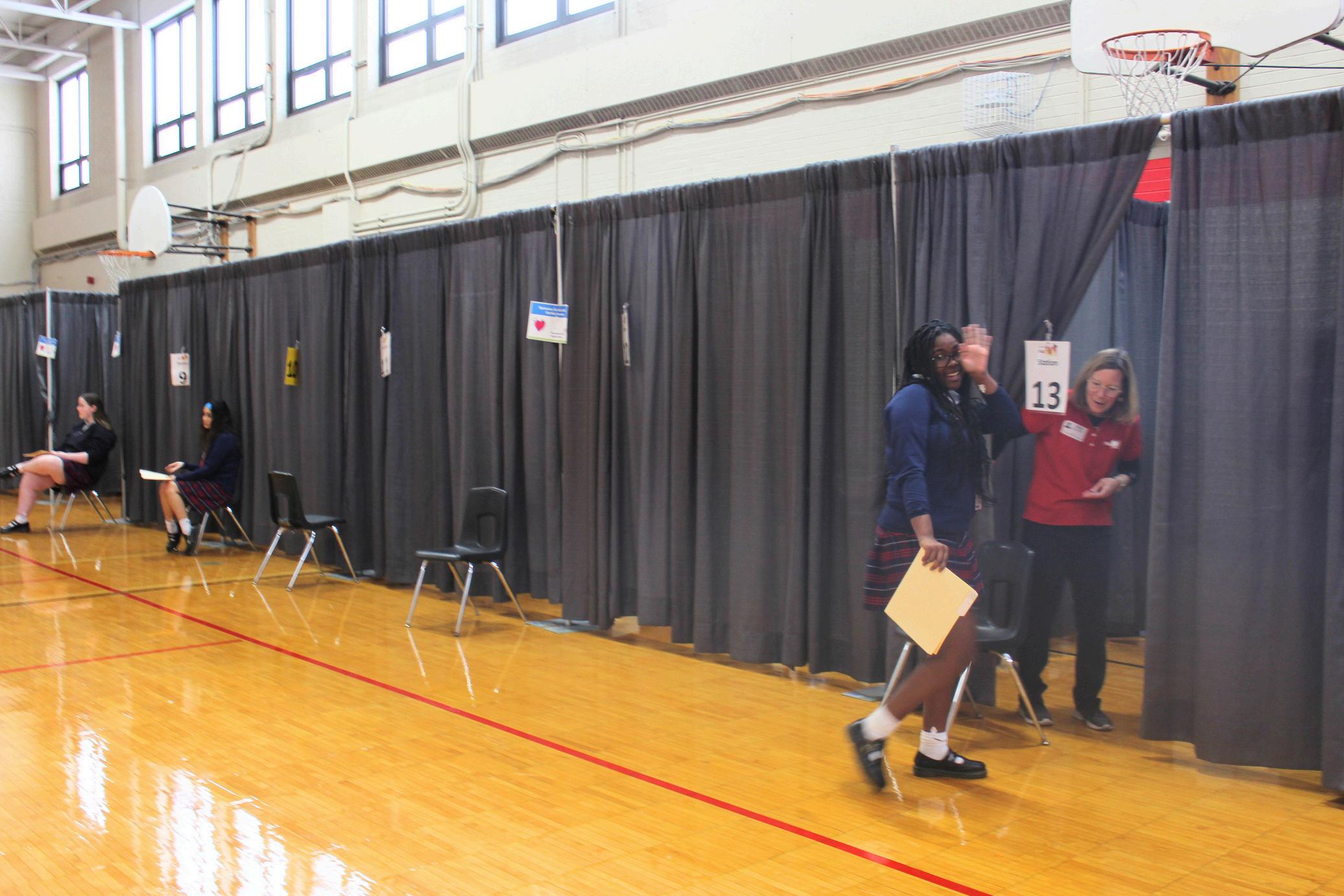
This year, McAuley was lucky enough to have YH4L come back. So on Jan. 22, over 300 McAuley students received heart screenings. The preventative heart screenings were quick and noninvasive.
“The screenings were conducted by volunteers from the Mothers Club, who placed sticky electrodes on students' wrists, chest and ankles to record the heart's electrical activity Results were sent directly to parents within two to three weeks of testing.
“I think others should totally get screened if they have the opportunity because at a young age you don’t really get symptoms for heart problems,” Duleba said, “For me, Young Hearts For Life truly saved my life.”
above. Maya Johnson 12 stops by the YH4L for her free ECG screening. photo by Rylee Dombro
above. Marissa Warren, Director of Corporate Partnerships at Feeding America
YouTube to state review
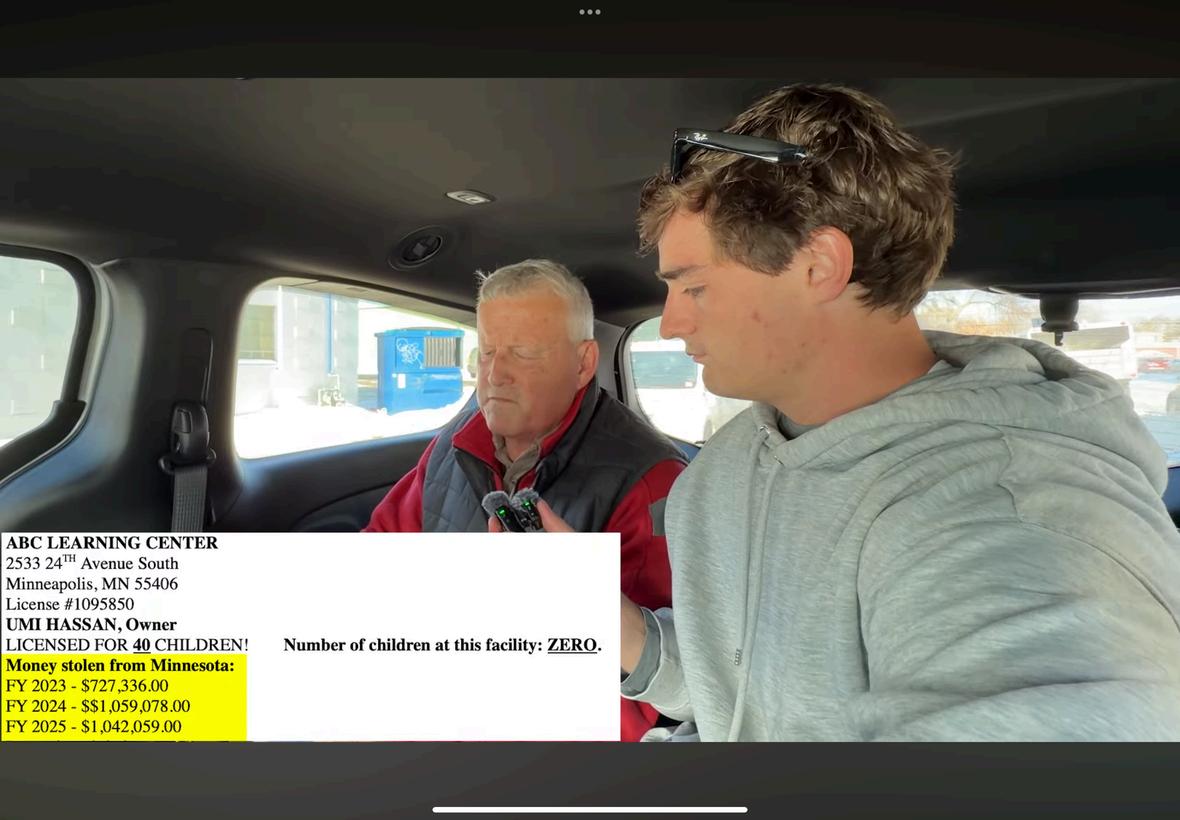
YouTuber Nick Shirley’s video took government officials by surprise. Just after Christmas, Shirley and political consultant David Hoch traveled to numerous day cares in Minneapolis carrying public records regarding federal day care funding with the intent to expose the state’s day care systems. Upon arrival at several Somali-owned day cares, owners were alarmed by the coverage. Shirley stated that when arriving at various day cares he saw blacked-out windows, a lack of children inside and spelling errors on signage, including one day care labeled “Quality Learing Center,” missing the “n.” Shirley claims that various day cares are being paid for services not provided, resulting in fraud. Questions began to arise about the fraud in Minnesota, when it began and where the dollars being paid to the day cares are actually going, if indeed Shirley's claims are true.
Since the late 1990s, Minneapolis has become home to the largest Somali community in the United States, and Somalis then began to slowly establish themselves as U.S. citizens. In 2020, when a fraud scheme involving fake documentation for millions of meals that were
never served to children was uncovered, most defendants charged were Somali. The federally funded child nutrition program aimed to provide meals to children during the school closures. This led to political controversy and accusations against the broader Somali community in Minnesota.
So when the accusations that similar activity occurred again, this time involving day cares, harassment and controversy increased. The Trump administration has frozen child-care payments for the state and ramped up reporting requirements for all states receiving child-care funds after the video was released. On the other hand, Minnesota Department of Children, Youth, and Families Commissioner Tikki Brown said the day care sites featured in the video have been subject to regular checks, with state regulators visiting within the last six months. In the following days after the video’s release, children were seen walking into day cares. Managers stated that Shirley visited them outside of regular operating hours. Shirley has reported receiving death threats and expressed concerns about his safety.
In the meantime, other self-styled investigators in other states have been inspired by Shirley to begin similar forms of selfjournalism. Independent creators with smartphones are bypassing traditional media to report directly to the public through on-theground investigations. With the rise of Shirley’s videos and the attention they have brought to government officials, this type of media may become more common in 2026.
Fear wears a badge
U.S. Immigration and Customs Enforcement (ICE) violence in America is unfolding right now–not in distant history, but in streets, homes and detention centers across the country. For many immigrant families, ICE is not a faceless agency; it is the source of fear, disruption and loss. What some call enforcement others call trauma; what some call statistics others call stolen moments with children, spouses and parents. This article takes a clear stance: the harm caused by ICE outweighs any claim of protection.
According to The Guardian, two men died within two weeks at an ICE detention facility in El Paso, Texas, and ICE reported 32 custody deaths in 2025, the highest number in nearly two decades. Researchers and advocates have raised serious concerns about medical care and oversight in those facilities, and families are left with more questions than answers about how their loved ones died while in government custody. These are not distant numbers; they represent lives cut short under the watch of a U.S. agency.
This shows that law enforcement isn’t limited to detention centers but also reaches into people’s homes, spaces that are normally safe places for people.
According to Reuters, ICE agents broke down the door of a Minnesota home on Jan. 19, 2026, handcuffed a 56-year-old naturalized U.S. citizen and dragged him into the snow wearing only shorts and Crocs before eventually returning him home without explanation or apology. The man said he felt “fear, shame and desperation,” and images of the incident quickly circulated on social media, sparking outrage and concern about excessive force during immigration operations.
Violence does not always leave physical scars. Sometimes it looks like parents afraid to answer the door, children learning silence before trust and a community holding its breath every time federal agents appear nearby These are not abstract consequences; they are real people with real trauma.
Deaths in ICE custody
Supporters of aggressive enforcement argue ICE is necessary for national security, but a safety framework built on fear is not safe at all.
Most recently, protests erupted in Minneapolis after federal immigration agents fatally shot a 37-year-old U.S. citizen during enforcement operations, drawing national attention and calls for investigation into excessive force and accountability.
Kelly Quirk
Mireya Gomez de la Casa
above. graph created to show the amount of deaths in ICE custody within the last five years. Information from Immigration and Customs Enforcement, American Immigration Lawyers Association, American Civil Liberties Union, American Oversight and Physicians for Human Rights. graph by Mireya Gomez de la Casa
above. Nick Shirley and David Hoch pictured driving to ABC Learning Center in Minneapolis to expose said fraud.
Source Nick Shirley YouTube video titled “I Exposed Minnesotas Billion Dollar Fraud Scandal”
Recent foreign affairs
The U.S. has gone international, launching a military operation on the capture of Venezuela’s President, Nicolas Maduro, and weighing options on Iran’s anti-government protests and the violent crackdowns from Iranian authorities.
On the weekend of January 3, U.S. forces made their way into Venezuela's capitol, Caracas, and attacked sites across the city while they captured the nation’s President and First Lady, Cilia Flores. Both were flown to New York to face drug and terrisom charges. Maduro is known to have an extensive track record of human rights abuses, involvement in Venezuelan cartels, consolidating power through authoritarian measures like rigging elections and is at fault for the country’s economy being in crisis. Following the raid, a press conference from President Trump made it clear that oil was the primary motivator for the attack.
Venezuela has the world’s largest proven oil reserves, having an estimated 303 billion barrels worth of oil sitting in the ground. However, the country’s oil production has decreased; in 2008 they produced nearly 3 million barrels per day, but as of 2025 they have averaged around 921,000 barrels per day.
Elizabeth Storrie
Part of the decrease comes from corruption and underinvestment within the country, but the U.S. imposing economic sanctions on Venezuela in 2017 and putting naval blockades on oil tankers in 2025 has also played a critical role in the country’s economic struggles.
President Trump is also threatening military action in Iran to put an end to the brutal crackdowns on anti-government protests, which has killed over 6,000 people. These protests started on December 28, 2025, sparked by the Islamic Republic’s suffering economy Iran’s currency was sent into a free fall by late September after experiencing economic pressure from their twelve day war with Israel in June of 2025; the United Nations reimposing sanctions on the country over its atomic program added to this pressure.
The U.S. president has since encouraged Iranian protestors to keep going, saying that “help is on its way.” He’s also warned Iran’s government from executing protestors, saying the U.S. would take “strong action” if they do. And, starting January 8, internet access for Iranians was cut off, with officials imposing a near-total shutdown to block online communication and organizing dissent. Simultaneously, its disconnected people within
SubHeadline
Since Monday, Jan. 12, thousands of nurses have walked off their job at five major hospitals in the New York City area to participate in New York’s largest nurse strike to date. The five hospitals affected by this strike are as follows: Mount Sinai Hospital, Mount Sinai Morningside, Mount Sinai West and New York Presbyterian, all located in Manhattan, as well as Montefiore Einstein, located in the Bronx. Nurses, in addition to the New York State Nurses Association (NYSNA), have been accusing these hospitals of refusing to improve staffing levels, health care benefits and overall workplace safety in hospitals.
Nurses on strike
Adilene Urbina
ded that the hospital had the best staffing ratios in the city
the country from global internet and having international phone calls, making it one of the most extensive blackouts in Iran’s history
Some of the hospitals responded to the nurses’ complaints by sharing positive safety measures they have already recently put in place. Montefiore stated it has rolled out several key programs in order to keep nurses safe at work, including widespread deployment of weapon detection capabilities, paying for round-the-clock armed NYPD members and issuing nurses wearable panic buttons. Furthermore, New York Presbyterian also said that they are committed to safe staffing and ad-
For the nurses, these actions have not been enough. Mount Sinai representatives held bargaining sessions on Friday, Jan. 16 with the NYSNA for the first time since the strike started four days prior. Moreover, NYSNA and New York Presbyterian representatives met with a mediator for nearly six hours on Thursday, Jan. 15, officially marking the first round of negotiations. These talks ultimately failed to make enough progress to reach a deal. In addition to that, New York Presbyterian representatives have called the NYSNA’s demands "unreasonable".
“It takes two to negotiate. NYSNA nurses respect the mediators and are ready and willing to come to the bargaining table when they call,” NYSNA President Nancy Hagans said in a statement to ABC 7 New York. “Hospitals are willing to keep frontline nurses out in the cold instead of at the bedsides of our patients where we want to be.”
The strike comes just shy of three months since the Trump Administration proposed a re-
classification through the Department of Education over the definition of a “professional degree.” This means that now with this new proposal there would be caps on loans based on whether or not students are enrolled in a program that is considered “professional” or not. Students in graduate programs will now be capped at $20,500 per year with a lifetime limit of $100,000. Since the announcement, the American Nurses Association said over 200,000 nurses and patients have signed its petition demanding the education department revise the definition of a professional degree to explicitly include advanced nursing degrees.
Striking nurses have been getting support from other city unions such as the Uniformed Firefighters Association, which represents the Fire Department of the City of New York; its members joined picket lines Thursday, Jan. 15. As of right now, it is unclear how long this strike may go on, but all hospitals impacted by the strike have stressed that they will remain open.
above. Iranians gathered in Tehran, Iran waving pre-Islamic Revolution Iranian flags in protest
Source: Wikimedia Commons
From combat to the classroom
Most students know Dr. Elizabeth Kovar as a math and science teacher, but few realize that before she ever stood in front of a classroom, she was navigating combat zones, military deployments and the realizations of war—all before the age of 20. At just 17 years old, Kovar enlisted in the United States Army Determined to forge her own path, she turned to the military as a means to achieve an education that might otherwise have been out of reach.
“I was never going to let anybody or anything stop me from getting my education,” Kovar said. “Your education is priceless.”
Kovar began her journey with advanced individual training at Fort McClellan, Alabama —a base that would later close in the year 1999. Assigned to military police as part of a combat support unit, she was actually attached to military intelligence—an uncommon role for women at the time. Out of an estimation of 289 people in her company, only 12 of them were women, and she and one other served as military police. This position placed her directly behind infantry lines, where she faced not only physical challenges, but mental ones too.
Life in combat support was grueling. Kovar and her peers spent months in bivouac—a temporary camp with little to no shelter, which meant going without showers and living on MREs—preserved meals that were often unpleasant. Occasionally, “hot meals” were provided, but these were often powdered substitutes of real food. Therefore, it wasn’t that appetizing.
“You just learn to deal with it and keep going,” Kovar said. Despite the harsh conditions, she remained focused, learning to survive in extreme circumstances while maintaining her commitment to her education.
Balancing military service with higher education was a difficult task. Kovar enrolled at the University of Connecticut, but deployments commonly interrupted her studies. Her group was deployed to the Middle East, keeping her from school for nearly a year and exposing her to the harsh realities of war. The military’s firm policies made it hard to find room to compromise; missing a final exam could mean failing an entire semester. Not only was the military uncooperative, but so were the teachers at the time. Despite repeated interruptions, she completed her bachelor’s degree after six years of being in between the military and school.
Graduate school presented many new challenges. While pursuing a PhD during her inactive military status, she was occasionally pulled back once again for weeks at a time. All of these circumstances helped Kovar reinforce her determination to succeed in both areas.
Luna Munoz-Diaz
Kovar’s time in the military was a mixture of hardship and growth. She immersed herself in new cultures and learned languages, including Arabic, which enhanced her worldview Yet the emotional toll was significant; she witnessed the struggles of her peers, including the loss of a friend to suicide, accentuating the lasting impact of combat service. Returning home required adjustment as veterans often face pressure to resume their “normal” life immediately; however, the positive aspect of her experience was that it created lifelong friendships and cultivated self-reliance.
Despite the influence of her service, teaching wasn’t a planned outcome from her military life. Kovar grew up in northern Maine, near the Canadian border, without many modern conveniences. This helped develop her creativity, independence and curiosity She explained that teaching became a natural path, a way to explore ideas and think critically “To be a free-thinking, happy person, you have to be educated. That is how you learn to understand people and the world around you,” Kovar said. Obstacles—whether financial or personal—should never prevent someone from pursuing knowledge.
When reflecting on her journey, Kovar acknowledges both the hardships and the victories of military life. From intense deployments to the challenge of balancing her education and service, her story is full of both courage and determination. She also stresses the importance of perseverance: “If you want to do something, you just do it. There shouldn’t be any excuses,” Kovar said. As both an educator and a mentor, she carries the lessons forward, persuading her students to pursue their goals with persistence and integrity
The discipline and resilience developed throughout the years of military service are evident in her classroom, where curiosity is highly encouraged every day. Her journey— from enlisting at 17 to completing advanced degrees despite constant interruptions—reflects the power of self-determination. Her story serves as a reminder that education can be both a refuge and a pathway forward, even in the most challenging circumstances one could even imagine. Through teaching, she continues to shape lives—not by revisiting her past, but by investing in what comes next. Her classroom is full of growth, possibility and future ambition.
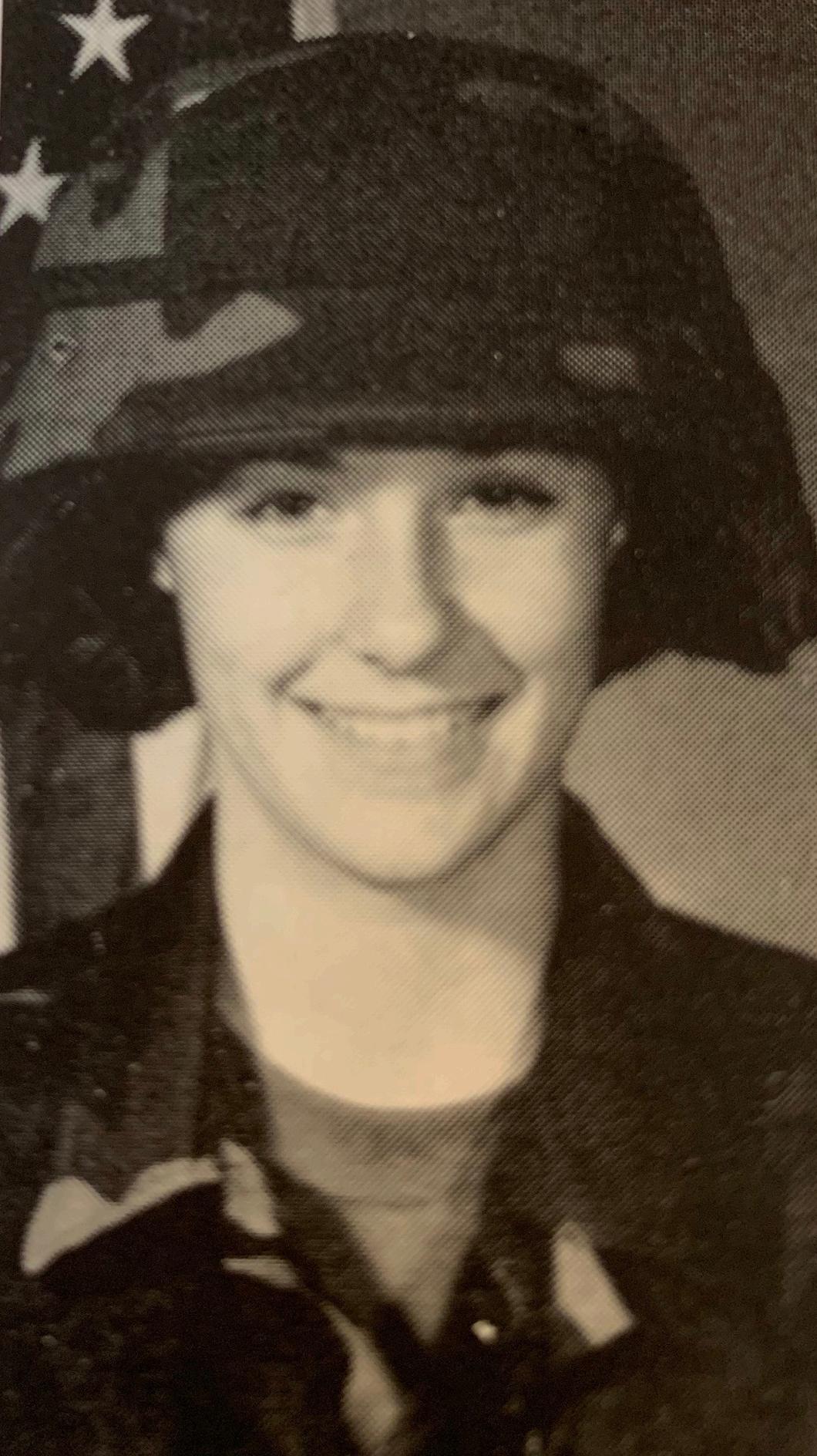
above. Dr. Elizabeth Kovar seen in uniform during her time of service.
photo provided by Dr. Elizabeth Kovar
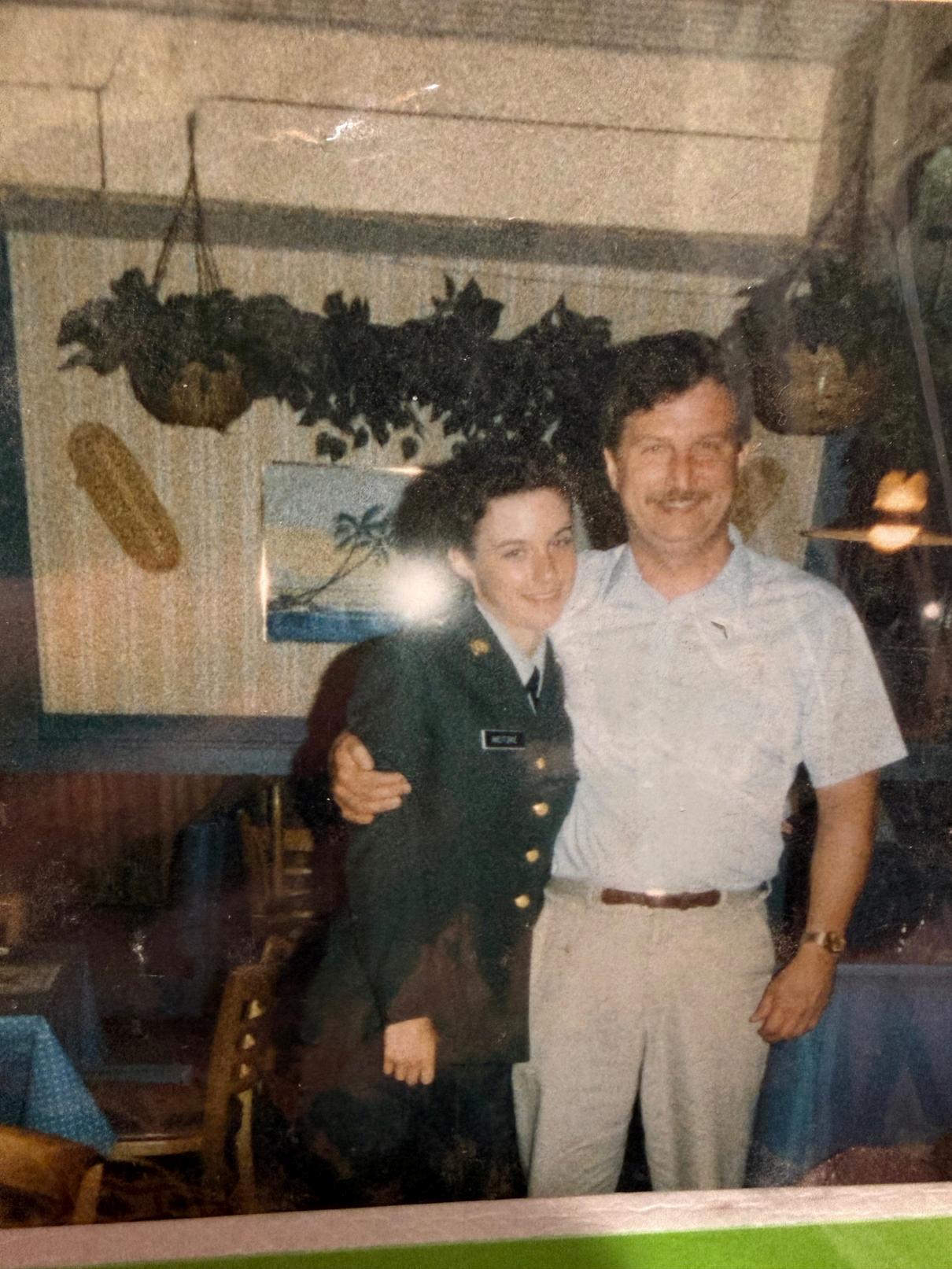
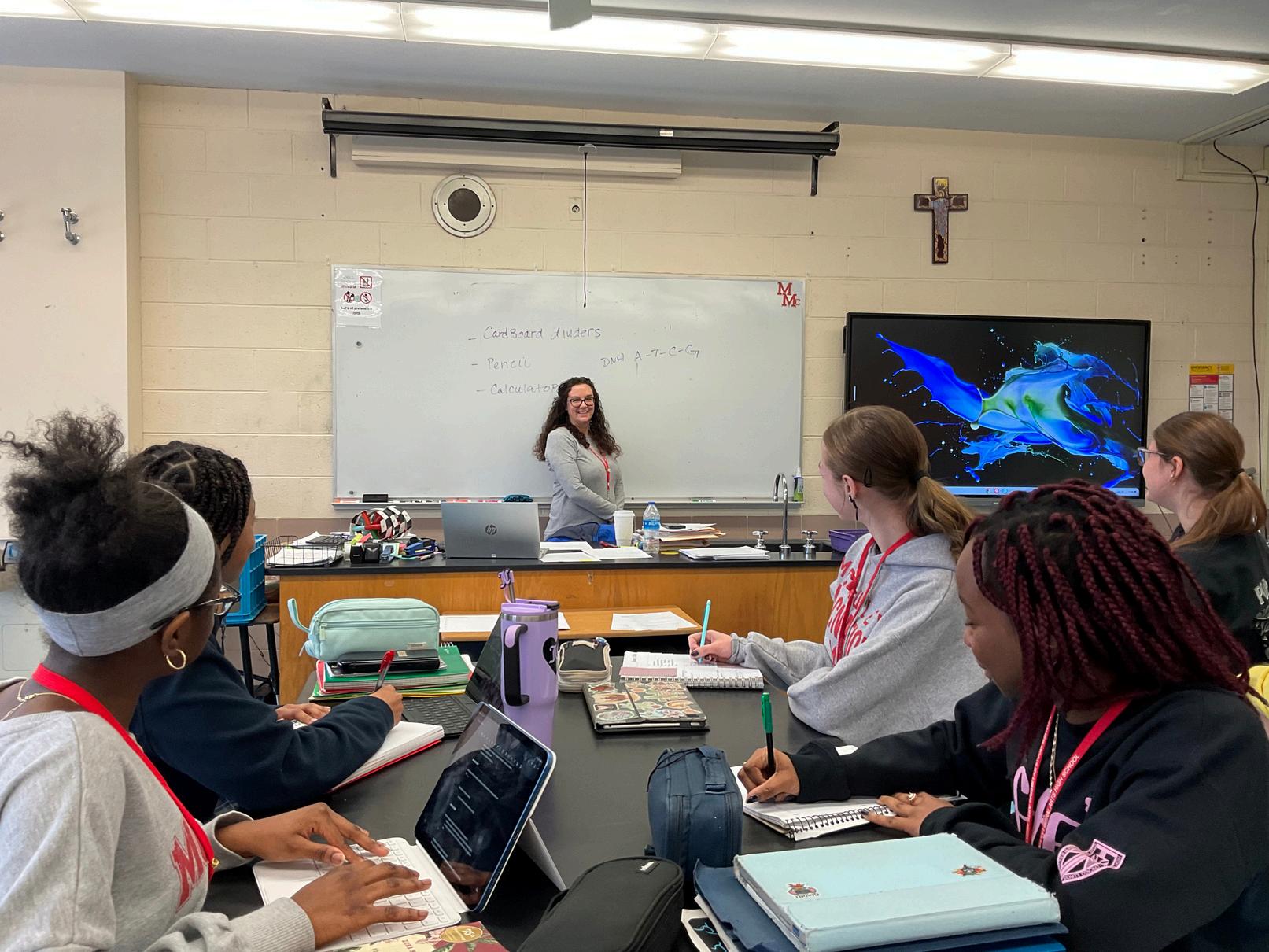
above. (left) Dr. Elizabeth Kovar’s dad welcoming her back home from training. photo provided by Dr. Elizabeth Kovar. (right) Dr. Elizabeth Kovar welcoming her students to class. photo by Luna Munoz-Diaz
With the second semester in full swing, excitement about the end of the school year often comes with added stress. Exams, sports and growing responsibilities can quickly become overwhelming for students. With Valentine’s Day approaching, however, we have an opportunity to slow down and focus on selfcare. Whether with a partner, friends, family or solo, the holiday offers a reminder to pause and recharge.
To explore fun and affordable ways to treat yourself, we went out and rated popular activities.
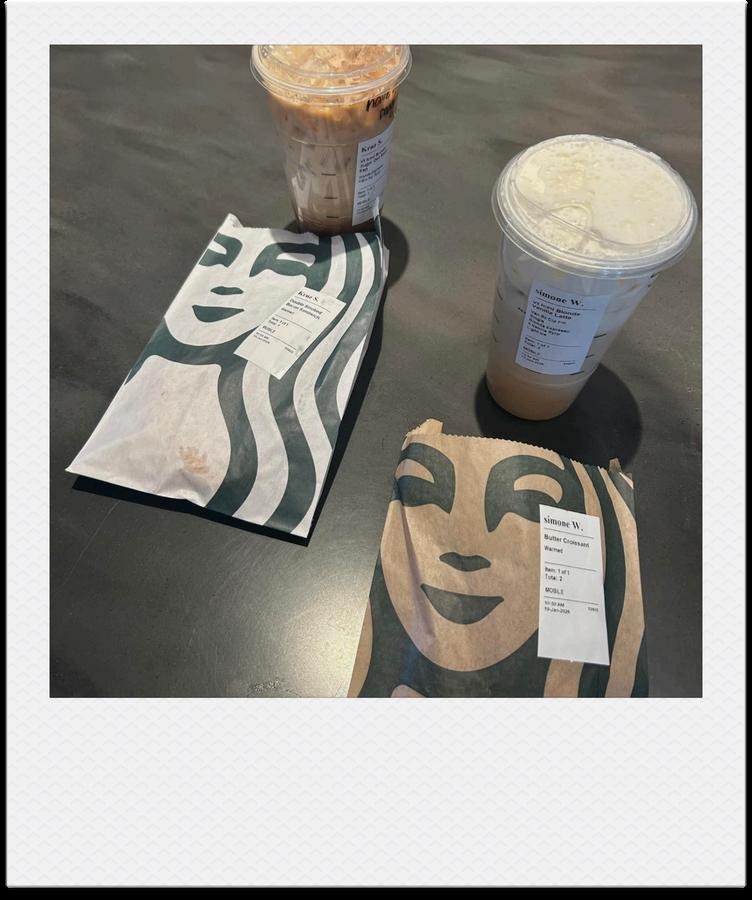
Our first stop was Starbucks, a staple in McAuley student life. We ordered an Iced Brown Sugar Oatmilk Shaken Espresso and an Iced Starbucks Blonde Vanilla Latte, both available at the Kitty Mac. For food, we chose a Double-Smoked Bacon, Cheddar and Egg sandwich and a butter croissant. It was our first time trying the Iced Starbucks Blonde Vanilla Latte, and we were pleasantly surprised by its smooth flavor. It is a good option for those who enjoy coffee without an overly bitter taste. Overall, we spent about $20, with food items around five stars. Starbucks menu so there's always something new to try
Kruz Smith and Simone Whitt
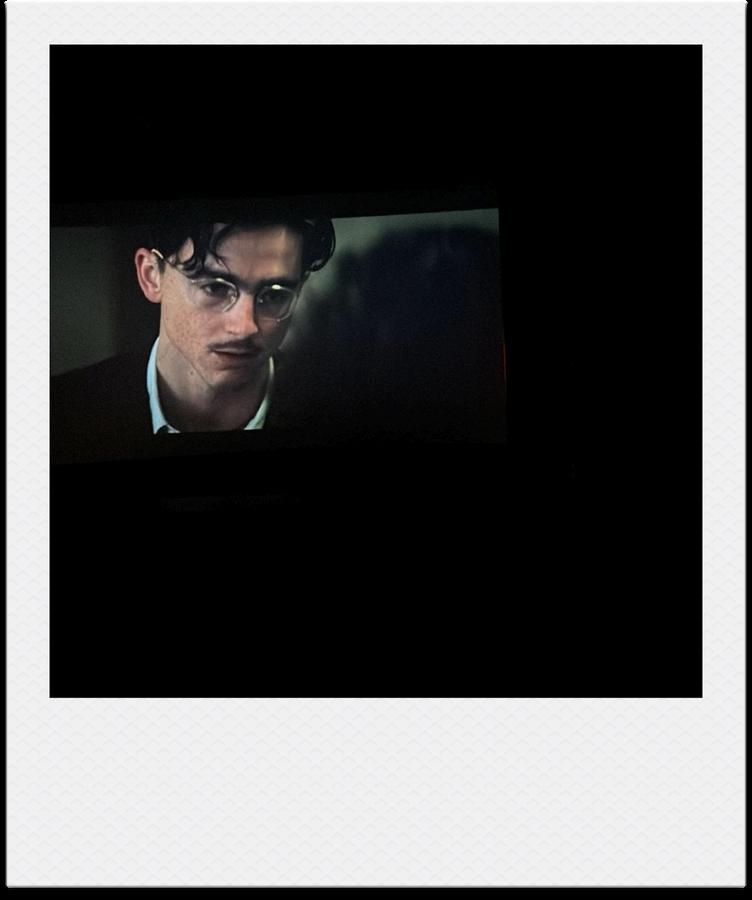
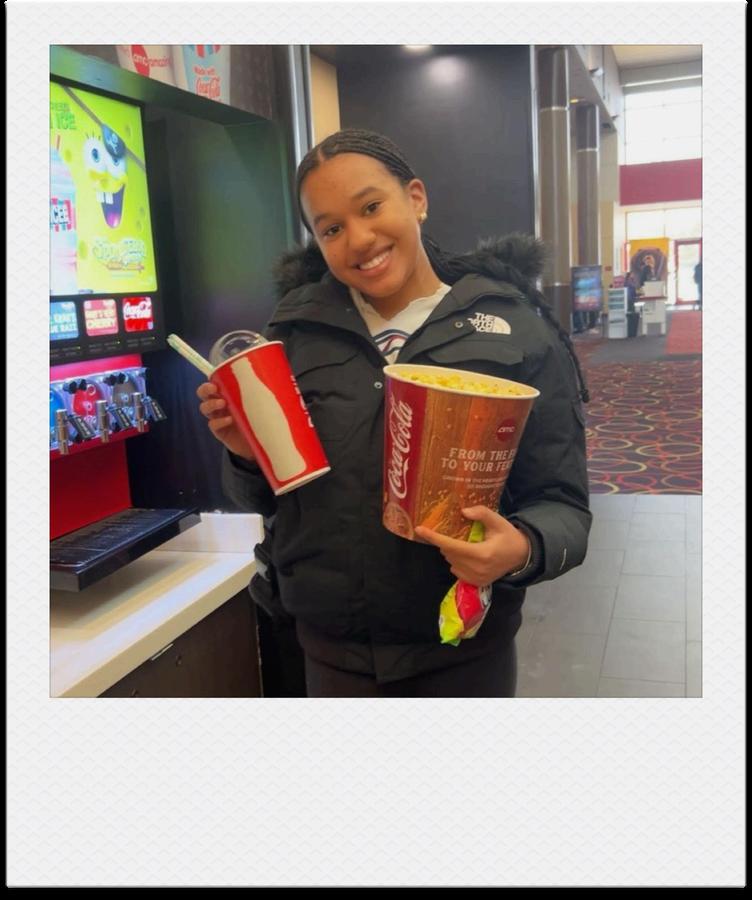
Next, we visited Crestwood Movie Theater. One tip for moviegoers: finish your Starbucks drink before entering the theater, as outside beverages are not allowed (we learned that the hard way). Tickets cost $14.80 each for the Golden Globe winning film “Marty Supreme,” starring Timothée Chalamet. We also shared a combo that included a large popcorn, two large drinks and candy for $32.66, which was more than us. We give the movie theater four stars.
Our final activity was making heart-shaped pizzas, a trend that gained popularity with the rise of DIY food in 2017. We purchased our ingredients from the S&T Pizza Department in Mt. Greenwood. The sauce, dough, two bags of cheese and toppings totaled $30. Using kitchen scissors, we cut the dough into heart shapes, creating a fun experience with minimal cleanup.
The pizzas were both tasty and nostalgic, reminding us of making pizza Lunchables in grade school. We rated this activity five stars for its creativity, affordability and ability to bring people together.
Watching a movie whether at home or in a theater is an effective way to unwind. Films offer an escape from daily stress, allowing you to immerse yourself in another world for a few hours.
As the semester continues, finding simple ways to slow down can make a meaningful difference. Whether through fun drinks, a movie or a homemade meal, treating yourself is an important part of maintaining balance.
It wasn’t that bad:
In my nine years of being a “Stranger Things” fan, I never thought the controversial opinion would be that the Season 5 finale wasn’t that bad. In fact, the word I used to describe it was “perfect.”
Hot takes: Finale fiasco? The plague of nostalgia
It was disappointing:
Imani Griffin and Fiona Stanek
Imani Griffin
In the days leading up to the finale, every conversation I had revolved around one thing: death. I kept getting asked, “Whose death would you care about the least?” After hearing rumors of “six deaths,” “devastation” and “not a dry eye,” many deduced that multiple main characters would. My response was always the same: in my perfect world, no one would die. And no one really did.
For me, the biggest issue wasn’t the ending itself, but how long the season took to be released. By that point, with how big the show had become, people had already written their own endings and didn’t go into the finale with an open mind. Viewers failed to consider that a symbolic, nostalgic ending could be just as, if not more, heart-wrenching and meaningful as one centered on character deaths.
“Stranger Things” had the perfect setup to make its ending a reflection of growing up — childhood ending, time passing and the ambiguity of the future — and it used that beautifully.
As for perceived plot holes, many can be reasonably explained when looking at the show as a whole. The characters were always able to breathe in the Upside Down; earlier seasons showed the real danger was the unknown, not the air itself. The pregnant women weren’t seen because they were pulled into the abyss. Suzie and Dustin’s relationship was framed as star-crossed from the beginning, making it reasonable to assume they eventually broke up.
As someone who started watching “Stranger Things” at a young age and is now a high school junior, the finale struck a lovely chord. It wasn’t just about the characters growing up—it was about us, too.
The “Stranger Things” finale had everything it needed to be iconic: a massive budget, devoted fans and years of buildup. Yet, somehow, it ended up feeling incomplete and almost a let-down to me–not because the finale lacked emotion or action, but because it lacked consistency.
Fiona Stanek
After finishing the finale, it was hard for me to ignore how this season was riddled with both plot holes and inconsistencies. For a season that was leading up to the “final battle” shown in the last episode, it felt strangely hollow and quick. The once jarring ecosystem of the Upside Down–the demogogrons, demodogs, demobats and every other threatening creature that took the lives of many characters–were all suddenly missing in action.
What also became evident to me is that the quality shift in the fifth season was so noticeable to fans of the show that multiple fan theories started to circulate online. One of these theories I noticed suggested that earlier seasons had a different creative influence working on the scripts. The theory centers on the idea that the brilliant writing present in the first four seasons was largely the work of Ross Duffer’s ex-wife, Leigh Janiak. The two divorced before the fifth season.
To me, when a show ends and sparks mixed reviews alongside a flood of fan theories proposing “better endings,” it’s clear that the audience wasn’t satisfied with what they were given. One of the most talked-about examples was the widely popular “Conformity Gate” theory which took the internet by storm. This theory suggested that an alternate finale was planned to air after the original finale episode: one that would have addressed many of the plot holes left unresolved in the season.
In all, I don’t believe that the “Stranger Things” finale was terrible, but I do believe that it didn't honor the story that came before it. And that is why I was disappointed.
With the rise of change in today’s society, people have begun clinging to the past. This year's theme is to make sure 2026 is just like 2016, with unicorn frappuccinos from Starbucks and revisiting the cringy Snapchat memories. On top of that, those born in 2008 are turning 18, and we've begun getting sick with nostalgia.
A thing that I’ve heard a lot in this day and age is that “things aren't like they used to be.” Usually I’d hear it from an 80 something year old who reminisces about when things were dirt cheap, but now it’s coming from people who I've grown up with…and I agree with them. My summers went from selling lemonade and drinking hose water to working from 8 a.m. to 4 p.m.. selling pizza.
The biggest difference though is the change in quality, and not just in the context of physical materials. The fast food quality has tanked, YouTube’s content has plummeted, the air quality has dropped, malls are disappearing, teenagers no longer have third places, and then there's that voice in the back of your head that says your friends no longer like you but just tolerate you because they feel bad.
Someone needs to just pump the brakes because every year feels like it's going faster. It’s honestly not a surprise that everyone is clinging to how things once were because we're realizing that we are not the only things aging. Our favorite childhood YouTubers are growing up, our parents are growing up, WE are growing up…and no one talks about how scary it is. Once you're 18 you’re just expected to know what to do: jury duty, taxes, jobs, living, cooking, planning and–goodness gracious–voting.
We honestly just need to take a step back and breathe because this year has already been too much to take in and we’re only almost one month in. Nostalgia is pulling us into its arms while the world crumbles around us…and it's the best feeling ever. Though nostalgia is amazing, we can’t live in the past forever. Of course, the memories of watching LDshadowlady after school makes you feel like a little kid again, but the wonderful world is waiting for us outside and we need to face it head on. Nostalgia…I love you, but I must let you go.
Kayleigh Barrett
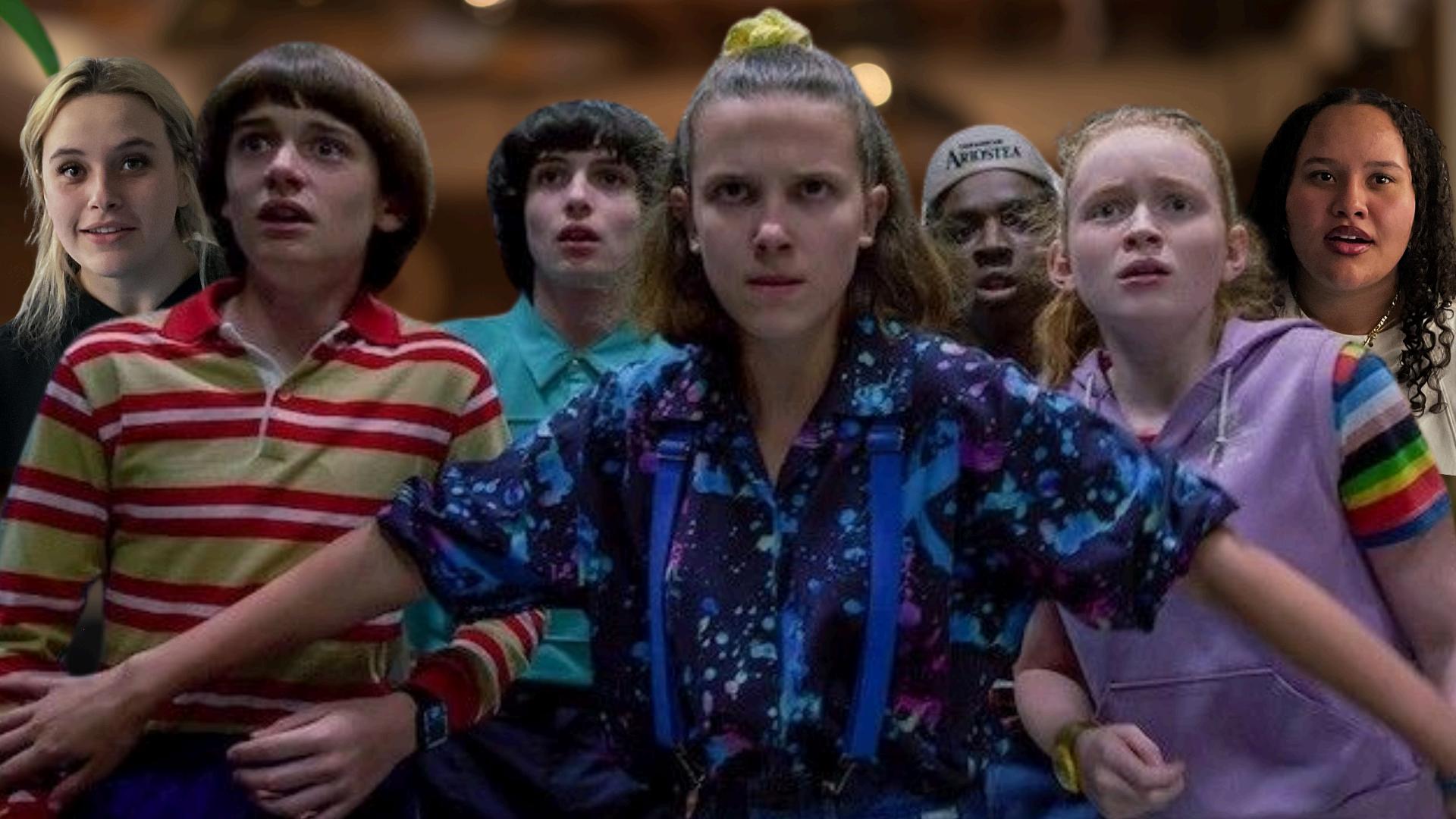
above. Fiona and Imani sneek there way into a “Stranger Things” scene.
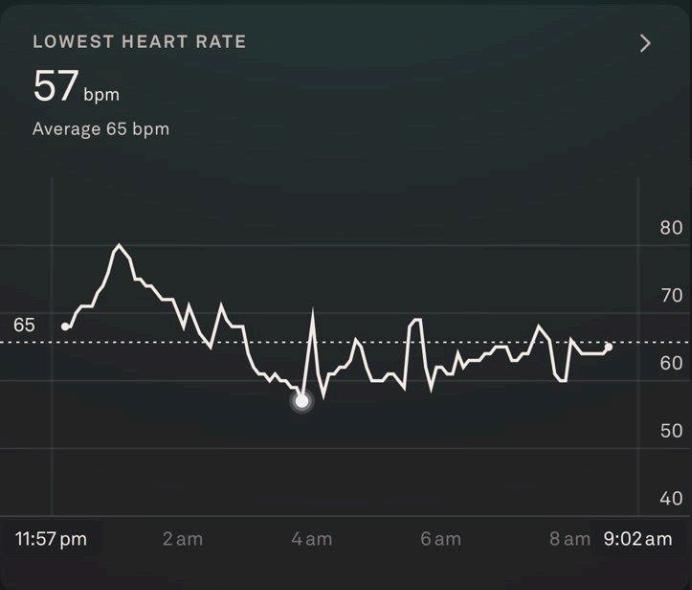
The Oura Ring is becoming more and more popular for health tracking, being worn on the finger instead of the wrist like most other health trackers for more precise measurements. Inside the ring are advanced biometric sensors that monitor sleep, activity, stress, heart rate, breathing patterns, body temperature, measuring heart rate and blood oxygen levels, as well as an accelerometer that tracks movement throughout the day
Data collected by the ring is translated into three core daily metrics: a Sleep Score, a Readiness Score and an Activity Score. Together, these scores are designed to give users a summary of how well they slept, how prepared their bodies are for the next day and how active they have been.
When worn during sleep, the ring tracks when users fall asleep, how long they sleep and which sleep stages they move through during the night. It also records changes in heart rate, breathing and body temperature across different phases of sleep, offering detailed insights into overall sleep quality
During the day, the Oura Ring will automatically detect a wide range of physical activities. Users report that the ring correctly id-
entifies activities such as boxing, skiing and kayaking without manual input. For running and walking, the Oura app can display routes, cardio zones, step counts and estimated energy your body uses daily.
Putting a ring on wellness
Julianna Rodriguez
Beyond fitness and sleep, the ring has become a valuable tool for cycle tracking. By measuring body temperature every day and charting subtle fluctuations, the Oura Ring helps users understand patterns in their menstrual cycles.
Multiple reports even show cases of the Oura Ring saving lives or encouraging people to seek help early on to prevent health problems before they hit.
According to an ABC News article, Nikki Gooding, a nurse practitioner, claimed that her Oura Ring told her she was “displaying major signs that my body was under some sort of stress.” The information pushed her to seek medical care more urgently. After further testing, Gooding was diagnosed with Hodgkin lymphoma, a cancer that affects the lymphatic system.
In a similar case, the ring’s data helped detect a serious heart condition. Dave K., a 54-year-old man from Connecticut, noticed an unusually high resting heart rate in his Oura data when it
was compared to his friends, and decided to consult a doctor. He was diagnosed with asymptomatic atrial flutter, a condition that often progresses into atrial fibrillation.
“My doctor told me if I hadn’t caught this when I did, I would have had a stroke or heart attack within the year,” Dave said in Oura Ring’s blog called The Pulse. “I was completely asymptomatic, so my Oura data is what saved me.”
The Oura Ring continues to show how health tracking can provide early warning signs and encourage users to seek professional care. It can be a useful device anywhere from saving lives to simply just tracking physical habits.
above. screenshot of data example from Oura app tracking users heart rate.
NASA’s Moonbound Artemis rocket Lau
NASA is preparing for its Artemis mission, which aims to be a historic mission sending astronauts further from Earth than ever before and deliver the insights NASA needs to return to the Moon. NASA is doing this for economic benefits, scientific discoveries and to prepare for the crewed missions to Mars.
On Saturday, Jan. 17 the NASA SLS rocket and Orion spacecraft reached Launch Pad 39B after nearly a 12-hour journey from the Vehicle Assembly Building at the agency’s Kennedy Space Center in Florida. In the coming days, engineers and technicians will prepare for the Artemis Rocket for the wet dress rehearsal. Several tests must be completed before launch. NASA warned, “It may roll back SLS and Orion to the vehicle Assembly Building for additional work ahead of launch after the wet dress rehearsal.” The prelaunch test involves conducting a mock launch countdown and fueling the SLS with 70,000 gallons of cryogenic propellants that are later drained. The Artemis II has suffered several delays. There was talk of the launch happening in 2022 and in 2019. NASA was certain 2023 would be the year of the crewed mission but that did not happen.
NASA will collaborate with commercial and international partners and establish the first long-term presence on the Moon. NASA has advanced spacesuits and human landing systems for the exploration of the Moon. The Artemis II won’t land on the Moon, but it will circle it for a 10-day trip to test systems and hardware for future expeditions to the surface.
The crew of the Artemis II includes NASA astronauts Reid Wiseman, Victor Glover and Christina Koch, as well as the Canadian Space Agency's Jeremy Hansen Koch and Glover are set to represent the first woman and first African American to travel to the Moon. Additionally, Hansen is set to become the first Canadian to fly close to the Moon. The rocket NASA is using is one of the largest ever built. Hauling the rocket was a massive vehicle known as the crawler-transporter that NASA uses to convey spacecraft. Standing at 322 feet, it is one of the largest active rockets in the world. It was built by Boeing and Northrop Grumman. The mission could get off the ground as early as Feb. 6 and no later than April 6.
above. NASA’s Artemis II Space Launch System rocket and Orion spacecraft are seen at Launch Complex 39B, Jan. 17at NASA’s Kennedy Space Center in Florida. Source.NASA/Keegan Barber
Mary Marley
Play like a girl How to bear the loss
Simone Whitt
With the recent loss of the Chicago Bears to the Los Angeles Rams, the city of Chicago is mourning the end of what was a very memorable season. The Bears gave fans hope and something to believe in.
Instead of mourning, though, you should tackle life the same way the Chicago Bears 2025 team tackled this season. A major theme throughout their year was playing the full 60 minutes of football. In the words of Caleb Williams, every game requires a “60 minute effort” to win. When you apply that same mindset to life, you learn that despite the adversity and obstacles you face, what matters most is how you finish. What made this Bears team special was their willingness to play until the final whistle. Even when they were behind, they competed with discipline and heart. They trusted the process and each other. That same mindset can apply to school, relationships and personal goals. You may face challenges that test your confidence or moments that feel overwhelming, but the most
important thing you can do is keep showing up and giving your best effort.
Head Coach Ben Johnson instilled a mantra for the season: the phrase “good, better, best” is a reminder that growth is always possible and effort should never stop. Being good is a strong starting point, but it should not be the final goal. Each day presents an opportunity to improve, to move from good to better, and eventually to best through hard work, discipline and persistence. The phrase encourages a mindset of growth, where setbacks are seen as lessons and success is measured by effort rather than outcome. “Good, better, best” challenges us to never settle, to keep striving, and to always aim for improvement in everything we do.
The Bears’ season may have ended with a loss, but their example reminds us that true success is defined not by one outcome, but by the effort, resilience, and heart we show every step of the way The only way to bear disappointment is to keep moving forward–one step and one day at a time.
Milano Cortina takes center ice
The Milano Cortina 2026 Winter Olympic Games will take place from February 6-22. One of the most exciting highlights this year is the return of NHL players to Olympic ice hockey since 2014. Stars like Sidney Crosby, Auston Matthews and Mitch Marner will be representing their countries on the ice once again, the last time being during the 4 NationsFaceoff in the 2024-25 season.
“The whole Olympic experience, it’s more than just being a part of the hockey team … you’re getting to represent your country I’m just grateful for the opportunity to be able to do it again,” said Crosby.
This year, a total of sixteen sports will be featured in the event. Milan will be the one to host the opening ceremony and the indoor events, while Cortina d’Ampezzo—the historic mountain town that previously hosted the 1956 Winter Olympics—will be the area for the outdoor competitions. The purpose of the multi-venue approach is to make use of existing facilities and to reduce the environmental impact of the Games. They’re also aiming to promote eco-friendly transportation from venue to venue. The International Olympic Committee plans to make upcoming Games “climate positive” by 2030.
Beyond the organization and environmental goals for the Games, the Olympics serve as a major global event that brings countless countr-
ies together from all over the world. Over 90 nations are anticipated to participate in the 2026 Winter Games. The Olympics is sure to provide a platform for cultural exchange, allowing the host countries to showcase their traditions with an international audience. It’s aiming to leave a lasting legacy by supporting economies and encouraging long-term benefits to local communities.
Overall, the Milano Cortina 2026 Winter Olympic Games are expected to be an influential international event. With the combination of elite athleticism, environmental sustainability and cultural exchange, the Games will reflect the preceding priorities of the modern Olympic movement and promote cooperation within participating nations. They will stand as a symbol of unity and excellence through sports.
Emmerson Sliwka
There is nothing like the thrill of a hockey game, a roaring audience, intense face-offs and the pressure of racing time. Mary Chesley 12 knows all about it! Her passion for the sport began at just nine years old–when she attended her brother's games and practices–sparking her now nine-yearlong hockey career.
Hockey is far from an easy sport. With fewer than 5% of Americans knowing how to ice skate, players must master a demanding skill as the foundation of the game and is often considered dangerous due to the physicality of the sport.
However despite these challenges, Chesley’s positive attitude and passion for hockey have fueled her skill and growth as a player.
Chesley is currently a member of Windy City Storm AAA where she plays as a forward and has committed to Marian University. A journey like hers is not easy; it was achieved through persistent hard work and dedication. And all of those qualities require motivation.
“My biggest motivation is getting the chance to always get better! There are always things that you can get better at, and I love that about hockey. It pushes me to continue to always put in hard work,” Chesley said.
As mentioned previously, her hockey path began with her family. “My family is also a big motivation for me because of all the support and sacrifices,” said Chesley There is no doubt that her future in the sport was built on a foundation of love from her family and diligent work. Her skill and excellence will continue to grow in college. Chesley is a true representation of what happens when years of hard work and dedication come to fruition.
Luna Munoz-Diaz
above. Chesley, #26 in uniform for the Windy City Storm. photo provided by Mary Chesley 12
Award season has arrived, and with that comes opinionated debates. The 83rd Golden Globe Awards were held Sunday, Jan. 11, at the Beverly Hilton in Beverly Hills, California.
Artist Spotlight Snubbed or dubbed
Kruz Smith Magen Connolly
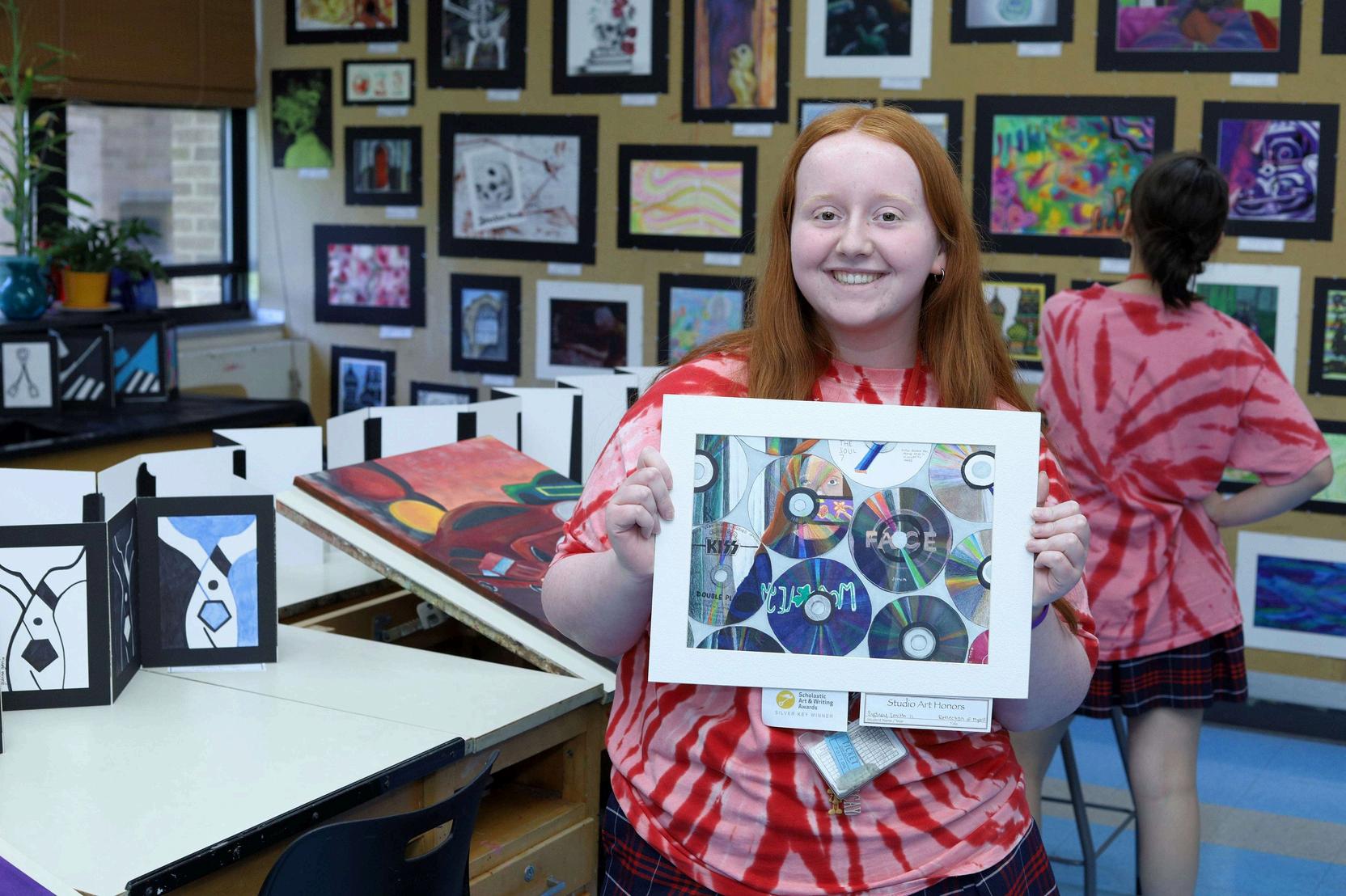
Sydney Smith 12 was an artist from an early age. She spent summers sitting with and trying to copy her grandpa as he made scenes of Ireland’s country come to life using watercolor or charcoal. McAuley art classes fostered this interest and creativity
“Being at McAuley has challenged me to step out of my comfort zone and experiment with new materials and ideas,” said Smith. While she has worked with a variety of mediums and is open to working with new ones, her favorite is oil paint. She likes testing different styles as well, but most of her pieces include realistic proportions with exaggerated colors. This choice plays well with the theme she is exploring in her AP Art & Design class.
“For my AP Art & Design portfolio, my guiding question is ‘How can I portray memories as treasured?’ As I have investigated my question, I’ve looked at how everyday actions can become valuable and what parts of significant memories stand out to me,” said Smith. Her inspiration for this theme comes from the people she loves, daily activities and special memories. Her talent has earned her a Silver Key from the Scholastic Art and Writing awards as well as a spot as an Artapalooza vendor. Even going forward, Smith will continue advancing her skills.
“I am planning to get a bachelors in biomedical sciences and a minor in fine art. I want to keep my hands in art because it truly is a part of who I am and it allows me to express myself,” said Smith. This outlet connects her to her loved ones and her own feelings, and she will carry its significance everywhere she goes.
The award for best motion picture-Drama, went to “Hamnet,” starring Jessie Buckley. Best animated picture was awarded to “K-Pop Demon Hunters”, a film that became a cultural phenomenon. According to Forbes, the film’s soundtrack spent 20 weeks ranked No. 1 on the Billboard Hot 100. With an officially confirmed sequel coming to Netflix in 2029, it was no surprise the film took home the award.
What surprised many viewers was that “Sinners,” directed by Ryan Coogler, received only two Golden Globes, one of which—best original score— was not televised. This outcome fueled ongoing criticism that Hollywood fails to properly reward diverse creators. According to CNBC, the #OscarsSoWhite movement trended in 2015 and 2016 after no people of color were nominated across 20 acting categories in consecutive years. Since then, the industry has faced increased scrutiny over its lack of diversity both on screen and behind the scenes.
Some critics argue that films centered on struggle and hardship starring actors of color are more rewarded than films featuring actors of color in broader narratives. Others say it is possible “Sinners” simply was not the panel of judges’ favorite film this year and that no racial intent influenced the voting.
However, after the Oscar nominations were announced Jan. 22, the tables turned. “Sinners” became the most nominated film of the event.
With a total of 16 nominations, “Sinners” became the most Academy Award-nominated film ever, surpassing “Titanic” and “La La Land.” This now poses the question: why did the movie receive more attention at the Oscars than at the Golden Globes?
To answer this question, it is important to consider what the two ceremonies are and how nominations are determined.
The Golden Globes, dating back to 1944, are one of the world’s premier entertainment awards, recognizing excellence in motion pictures and television across 28 categories. What differentiates the Golden Globes from the Oscars is that the Oscars are exclusively for film. The Academy Awards, also known as the Oscars, have recognized excellence in cinematic achievement with 25 categories since 1992, according to Oscars.org
The voting processes for the two ceremonies are also different. For the Oscars, “nominations are determined by eligible members from all 19 Academy branches,” according to Oscars.org. These branches vote via an anonymous online ballot that is then tabulated by the independent accounting firm, PricewaterhouseCoopers. For the Golden Globes, nominations are determined by an independent body of international entertainment journalist voters.
This may explain why “Sinners” received less attention at the Golden Globes due to its international outlook. According to the Oscars website, the Academy Award is the most prestigious honor a film can receive. When it comes down to it, “Sinners” is doing just fine.
After years of uncertainty and constant debate about Marvel’s direction, the franchise is entering what feels like a turning point. Following the release of “Thunderbolts,” Marvel Studios’ Phase 6 is officially underway, and the upcoming 2026–27 wave promises big changes for the Marvel Cinematic Universe.
Marvel at the future
that even though the MCU has told “well over 100 hours of stories” since “Avengers: Endgame,” the studio is shifting focus.
Imani Griffin
The lineup is packed: “Wonder Man” (Jan. 27, 2026), “Daredevil: Born Again” Seasons 2 and 3 (March 2026 and TBD), “Spider-Man: Brand New Day” (July 31, 2026), “X-Men ’97” Seasons 2 and 3 (Summer 2026 and TBD), “Your Friendly Neighborhood Spider-Man” Seasons 2 and 3 (Fall 2026 and TBD), “Avengers: Doomsday” (Dec. 18, 2026), “Vision Quest” (2026), a “Punisher” TV special (2026), and future titles including “Avengers: Secret Wars” (Dec. 17, 2027), “Blade,” “Shang-Chi and the Legend of the Ten Rings 2,” and “Armor Wars.”
Phase 6 feels like a bridge — wrapping up the Multiverse Saga while setting up what comes next. Marvel Studios president Kevin Feige has said
“We produced 50 hours of stories between 2007 and 2019. But in the six years since ‘Avengers: Endgame’ concluded the Infinity Saga… that’s too much,” Feige said, explaining why Marvel is slowing down and prioritizing clarity and quality Feige has also talked about where all this is leading. Regarding Secret Wars, he explained that the event movie won’t just wrap up the Multiverse Saga — it will “very, very much set us up for the future,” emphasizing that what comes after is about beginnings and fresh storytelling arcs. This blend of closure and new beginnings is what makes Phase 6 so enticing. Fans are finally getting long-teased characters like the X-Men and Fantastic Four, and the lineup mixes nostalgia with reinvention. For many, 2026 feels like a reset — a chance for the MCU to push forward with renewed focus and energy
above. Sydney Smith 12 poses with one of the many works she had displayed at Artapalooza in 2025 photo by HR imaging