While the publishers have made every effort to ensure the accuracy of all information in this magazine, they will not be held responsible for any errors herein. cpimediagroup.com
EDITOR’S LETTER
Hello mamas,
There are moments when the world feels louder than usual. News alerts flash, conversations grow heavier, and our children – perceptive as ever – begin to ask questions we wish they didn’t have to ask.
This March, as families across the UAE navigate a region facing uncertainty, our focus turns inward: to the quiet strength of home. Because while we cannot always control the headlines, we can shape the emotional climate our children grow up in.
In this issue, we explore how to support children’s mental wellbeing during unsettling times – how to answer difficult questions honestly but gently, how to recognise anxiety in little bodies, and how to model calm even when we feel unsure ourselves.
March also brings moments that remind us of what anchors us. Mother’s Day offers a chance to celebrate the steady hands and open hearts that hold families together. With spring break approaching, we look at ways to step back from the noise – to reconnect, reset, and create pockets of joy that children will carry with them long after the news cycle moves on.
If there is one thing we know, it is this: children do not need certainty to feel safe. They need connection. And that is something we can always give. Wishing you and yours a month that brings calm, connection and togetherness.
Warmly,
In the know
Up-to-date news for families, children, and parents.
iCandy unveils the core 2
iCandy has unveiled the Core 2 – the latest evolution in its pushchair portfolio and the brand’s most premium single pushchair to date. Following the success of the original Core, the Core 2 has been redefined to meet the evolving needs of modern parents – offering enhanced comfort, elevated design and effortless functionality.
With simplicity perfected, the Core 2 embodies an understated, minimalistic, and streamlined aesthetic, appealing to parents who value modern design, practicality and fuss-free living.
Available in three trend-led colourways – Storm Grey, Sandstone and Black, each paired with a sleek Matte Jet Black chassis – the Core 2 delivers style without compromise.
Launching alongside the Core 2, iCandy also introduces the new iCandy Cocoon 360 - a next-generation child restraint system designed to grow with families. Available to purchase via icandyworld.com.
Stokke launches the YOYO Wild Collection
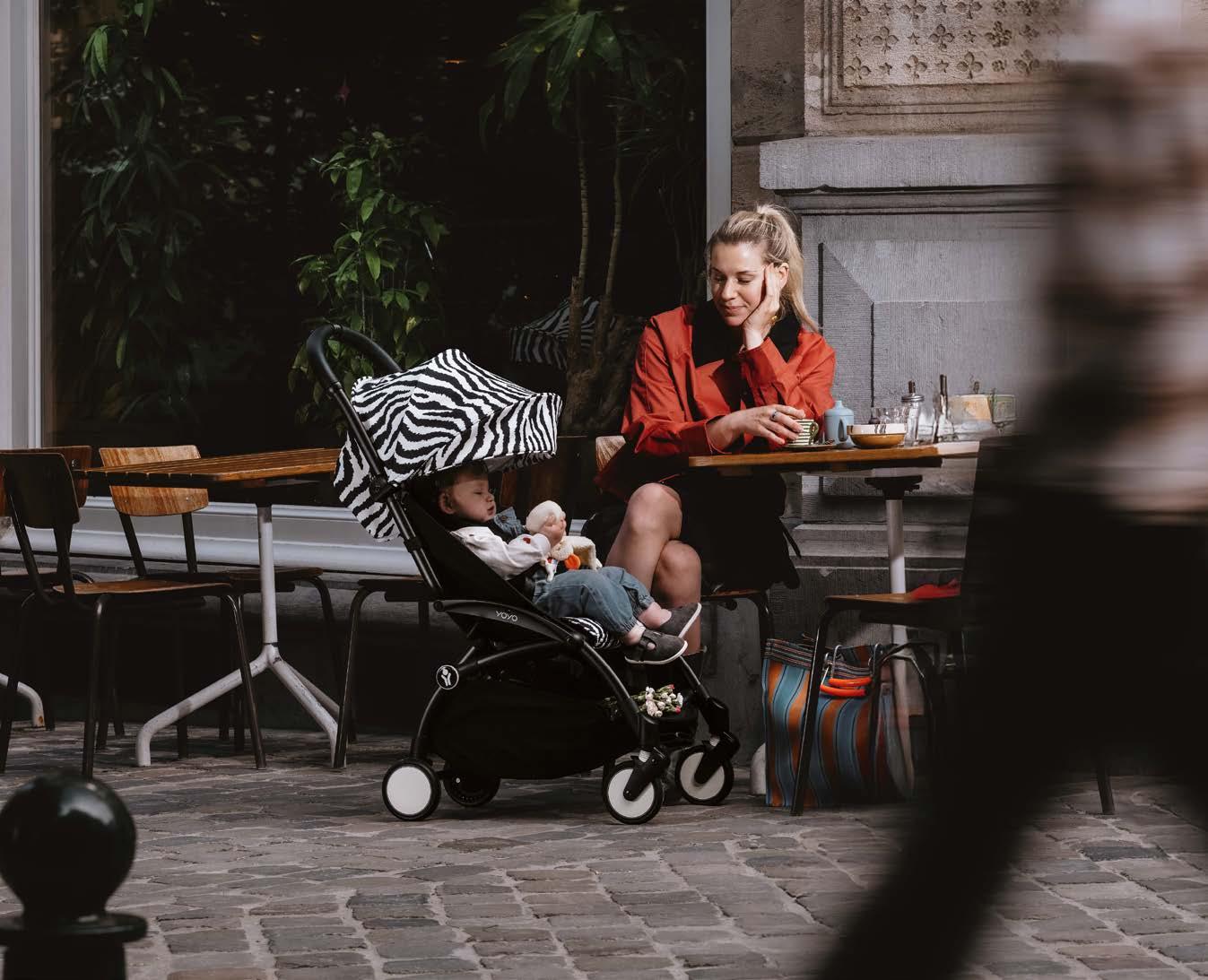
Stokke has unveiled its YOYO Wild Collection in the UAE, introducing bold Leopard and Zebra prints to the popular YOYO 6+ colour pack. Blending animal-inspired design with everyday functionality, the new collection adds personality to one of the world’s most recognisable compact strollers.
Created for modern parents navigating busy city life, the Wild Collection reflects both individuality and practicality. Lightweight, foldable, and travel-friendly, the YOYO® remains a go-to choice for urban families at home or abroad. The 6+ colour pack, suitable from six months, includes a protective canopy with a peeka-boo window—ideal for the UAE’s sunny climate.
“At Stokke, we believe parenting should empower, not define you,” says Martha Jørgenvåg, Vice President of Innovation. Founded in Ålesund, Norway in 1932, Stokke is known for combining Scandinavian design with functionality. The YOYO Wild Collection is priced at AED 499, while the YOYO Frame and Color Pack costs AED 2,538 together and is available to purchase via stokke.ae and from all major baby stores across the UAE.
Dine among giraffes and lions this Ramadan at Dubai Safari Park
Dubai Safari Park welcomes the return of its popular Iftar in the Wild experience this Ramadan, offering guests the chance to break their fast in a unique wildlife setting. Visitors can choose to dine beside giraffes at the Giraffe Platform or alongside lions at the Lion Kopje, enjoying an intimate two-hour experience from 6 PM to 8 PM for up to six guests.
The package includes all-day park access and unlimited shuttle train rides, allowing guests to explore six themed zones and enjoy an Arabian Desert Safari tour before Iftar. A curated menu is served against the backdrop of the park at sunset, while a dedicated guide shares insights about the animals.
Designed with animal welfare in mind, the experience is both educational and memorable. Available throughout Ramadan, prices start from AED 2,150. The park is open daily from 10 AM to 6 PM during the holy month. Visit dubaisafari.ae.
Wild Wadi Waterpark reopens with special UAE resident offer
Dubai’s iconic waterpark, Wild Wadi has reopened, welcoming families back for a new season of splash-filled fun. Set against one of the city’s most recognisable backdrops, the park returns with its full lineup of thrilling rides and familyfriendly attractions.
Adrenaline seekers can take on Jumeirah Sceirah and Tantrum Alley, while families can enjoy favourites such as Burj Surj and the Wave Pool. Seasonal shows, live music and roaming entertainment add to the lively atmosphere throughout the day.
A variety of dining options cater to all tastes, from classic burgers at Surfer’s Burgers and freshly baked slices at Firecrust Pizza to Middle Eastern dishes at Dhow & Lagoon Kitchen and quick bites at Wave View Café.
To mark the reopening, UAE residents can enjoy a limitedtime special offer priced at AED 149, making it an ideal option for weekend outings and school-holiday fun. For details, visit wildwadi.com.
The Lost World Aquarium and Avenues introduce a meal deal
The reimagined Lost World Aquarium has introduced a special package combining immersive underwater discovery with a dining experience at The Avenues. Guests receive access to all 14 interactive chambers, coming face-to-face with 65,000 marine creatures, enjoying 360-degree projection mapping, and watching a live mermaid show, followed by a meal at selected outlets in The Avenues.
Families can choose from a three-course set menu at Asia Republic, a burger, side, and drink at DXBurger, bottomless pizza and a drink at Street Pizza, or a main, side, and drink at Wavehouse. The package is available from AED 175 per person and is available year-round. Visit aquaventureworld.com.
Fun things to do with the kids this month
Baby Bare Bubbles debuts a children’s spa menu
Wellbeings Holistic Healing has collaborated with Baby Bare Bubbles to create a spa menu specifically for children aged 5–16 years to offer safe, nurturing experiences that promote calm, connection, and care from an early age.
Baby Bare Bubbles offers spa rituals and products that are gentle, non-invasive, and suitable for even the most delicate skin. All products used are British-made, vegan, cruelty-free, paediatricianapproved, dermatologically tested, breastfeeding safe, and suitable for newborns. At the core of the Baby Bare Bubbles experience is a signature botanical blend of dandelion, hops, oats, and purple coneflower, chosen for their naturally soothing, healing, and protective properties. Children can enjoy the Dandelion Dream Mini Facial, a gentle 30-minute facial designed to calm and nourish young skin, as well as the Dandelion Dream Mini Massage, a soothing 30-minute massage created to relax growing bodies and quiet young minds. For shared moments, the Mum & Me Cocoon offers a nurturing wellbeing ritual enjoyed together in a calm setting. Visit wellbeings.me/baby-bear.
Building connections one LEGO brick at a time
This Ramadan, the LEGO Group is supporting 4-get-menot and doyourbit.xyz to host a Six Bricks community workshop in Dubai, designed to foster intergenerational connection through play. As families juggle busy schedules and digital distractions, the LEGO Play Well Study 2024 shows that 87% of parents and 88% of children wish they could play more together. The workshop saw youth and seniors share meaningful moments using the Six Bricks approach – short, guided activities built around six colourful LEGO DUPLO bricks that encourage focus, creativity and collaboration.
Run by doyourbit.xyz in collaboration with 4-get-menot, which supports seniors affected by memory-related conditions, the initiative highlighted play as a powerful tool for strengthening family bonds, supporting wellbeing and bridging generations. Rooted in the spirit of Ramadan, the event celebrated connection, community and shared experiences through the simple joy of building together.
JLT opens new dog park in Cluster V
Jumeirah Lakes Towers has unveiled a new dog park in Cluster V. The park was inaugurated by JLT’s Chief Dog Officer, Chase, a one-year-old English Cocker Spaniel, who welcomed residents and their furry companions to explore the new space.
Designed as a safe and inviting environment, the park features a secure gated area, open spaces for exercise, agility obstacles, and a dedicated dog water fountain to keep pets hydrated. Conveniently located in Cluster V, it provides an accessible outdoor setting for dogs and their owners to relax and socialise. Open daily from 6AM to 11PM.
Muna British Academy opens AED 300M eco campus in Saadiyat Lagoons
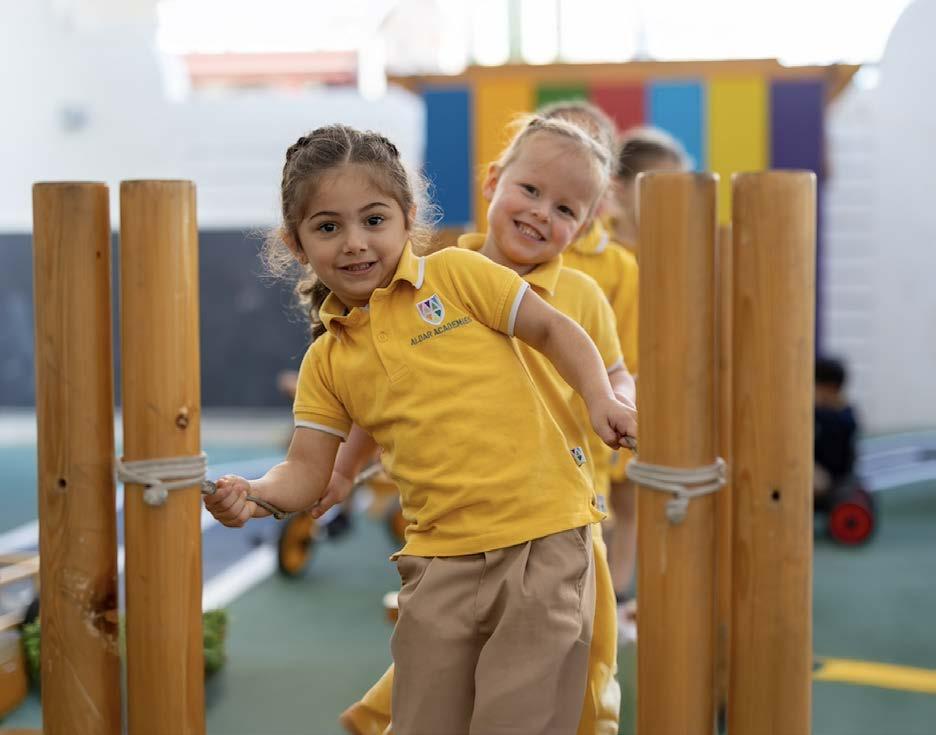
Muna British Academy, part of Aldar Education, has begun full operations at its new AED 300 million campus in Saadiyat Lagoons. Spanning 43,508 sqm and accommodating up to 2,600 students, the eco state-of-the-art facility sets a new benchmark for sustainable, innovation-led education in the UAE.
Rated “Outstanding” by ADEK for four consecutive cycles, the school is expanding from FS1 to Year 13, beginning with Year 7 and phasing up to secondary level in response to strong parent demand.
The campus features advanced STEM labs, robotics and 3D art spaces, outdoor science areas, and professional performing arts facilities. Sports amenities include two padel courts, tennis courts, two 25-metre pools and a FIFA-sized football pitch.
As the first school in the UAE to achieve Estidama Pearl 5 certification, the campus reflects a strong commitment to sustainability, academic excellence and holistic student development.
Cognita appoints David Baldwin as Group CEO
Cognita has announced the appointment of David Baldwin as Group CEO with immediate effect. David joined Cognita in 2018 and has held senior leadership roles across the UK and Middle East. Most recently, as CEO of Cognita Middle East, he led a period of significant growth, expanding the regional network to 14 schools across five countries, serving more than 23,000 students. He is recognised for his deep expertise in K–12 education and strong understanding of the group’s culture and communities.
Following a comprehensive global search, David was selected as the standout candidate to lead Cognita into its next chapter. The Board thanked Andreas Tolpeit for his service as Interim Group CEO; he will resume his role as Group CFO. Stuart Millman has been appointed CEO, Middle East (Interim).
SEDRA to Welcome King’s College Riyadh
ROSHN Group and Cognita Middle East have announced a new all-through campus for King’s College Riyadh at SEDRA, marking ROSHN’s largest private education development to date.
Opening in Q3 2027, the purpose-built 36,300 m 2 campus will initially serve pre-school to Year 9, expanding annually to offer a full British-international pathway. Students will follow the National Curriculum for England, alongside Arabic and Saudi national subjects, graduating with IGCSEs, A-Levels or BTECs.
Building on King’s College’s 145-year UK heritage and six successful years in Riyadh, the new campus will feature worldclass facilities, including a 25m pool, sports halls, football pitch, theatre, and advanced science and technology labs.
The partnership supports Vision 2030 by integrating premium education into SEDRA’s growing, family-focused community. Visit kingscollegeriyadh.com/sedra.
The latest gadgets
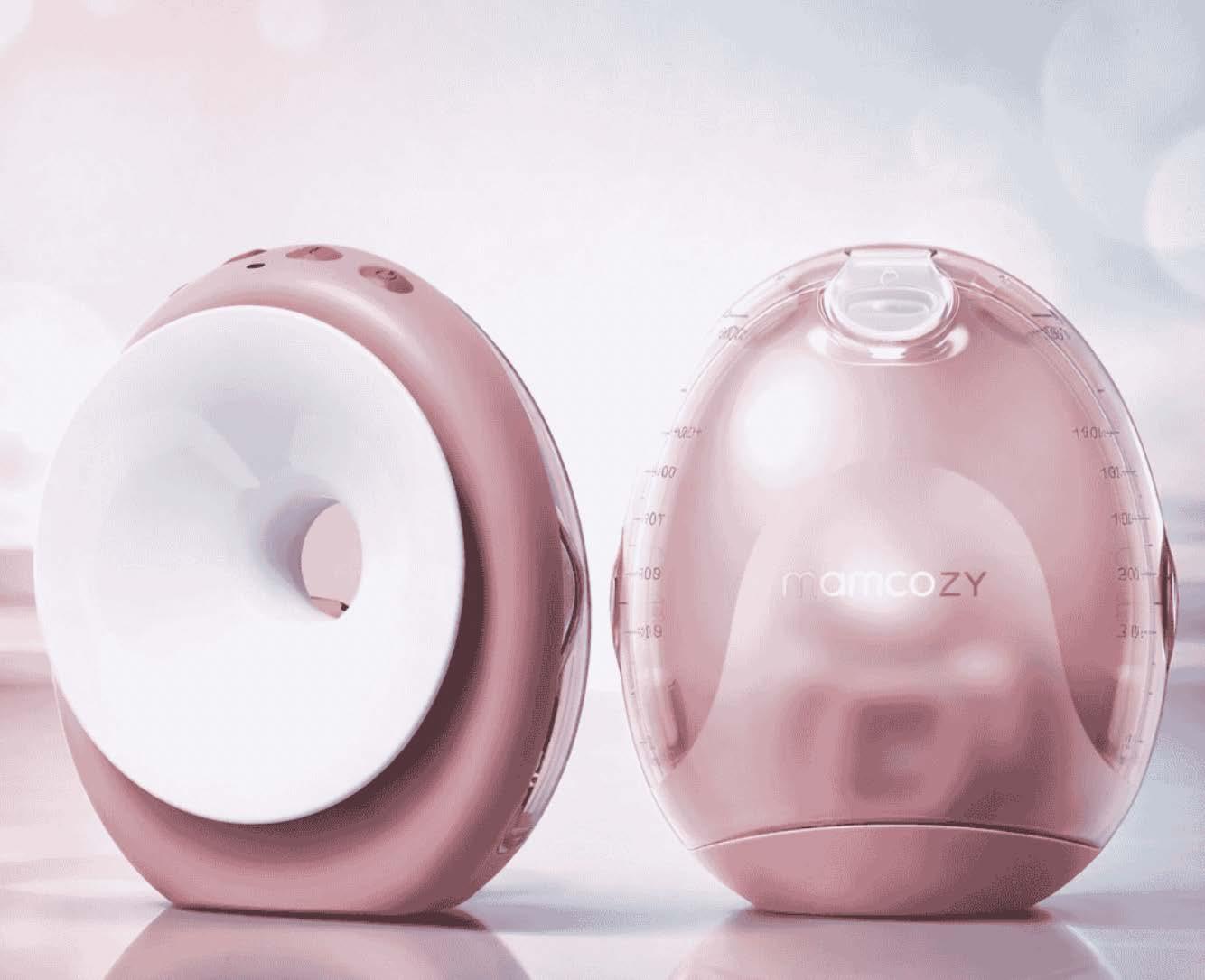
Momcozy debuts the Air1 Ultra-Slim Breast Pump
Momcozy’s Air1 Ultra-Slim Breast Pump has launched as a symbol of modern motherhood: discreet, high-performing, and engineered for pace. At just 2.4 inches thick – 20% slimmer than standard wearable pumps – the Air1 is designed to disappear beneath clothing. Designed for total discretion, the Air1 features an industry-first top-visibility window, allowing for a seamless check of milk flow and positioning at a single glance. Paired with app controls for quiet, remote mode switching, it ensures mothers can manage their sessions with absolute confidence, staying fully present in the moment, wherever it may take them. Visit momcozy.com.
Bookshelf
sleek: Bang & Olufsen launches the Beosound Emerge
A sleek and slim bookshelf speaker that fits seamlessly into any space, the Beosound Emerge fills your room with fullrange, ultra-wide sound. Compact yet powerful, this WiFi home speaker delivers immersive audio wherever you are, making it the perfect gift for Eid to elevate any home setting. Priced at AED 4,795. Visit bang-olufsen.com/en/ae.
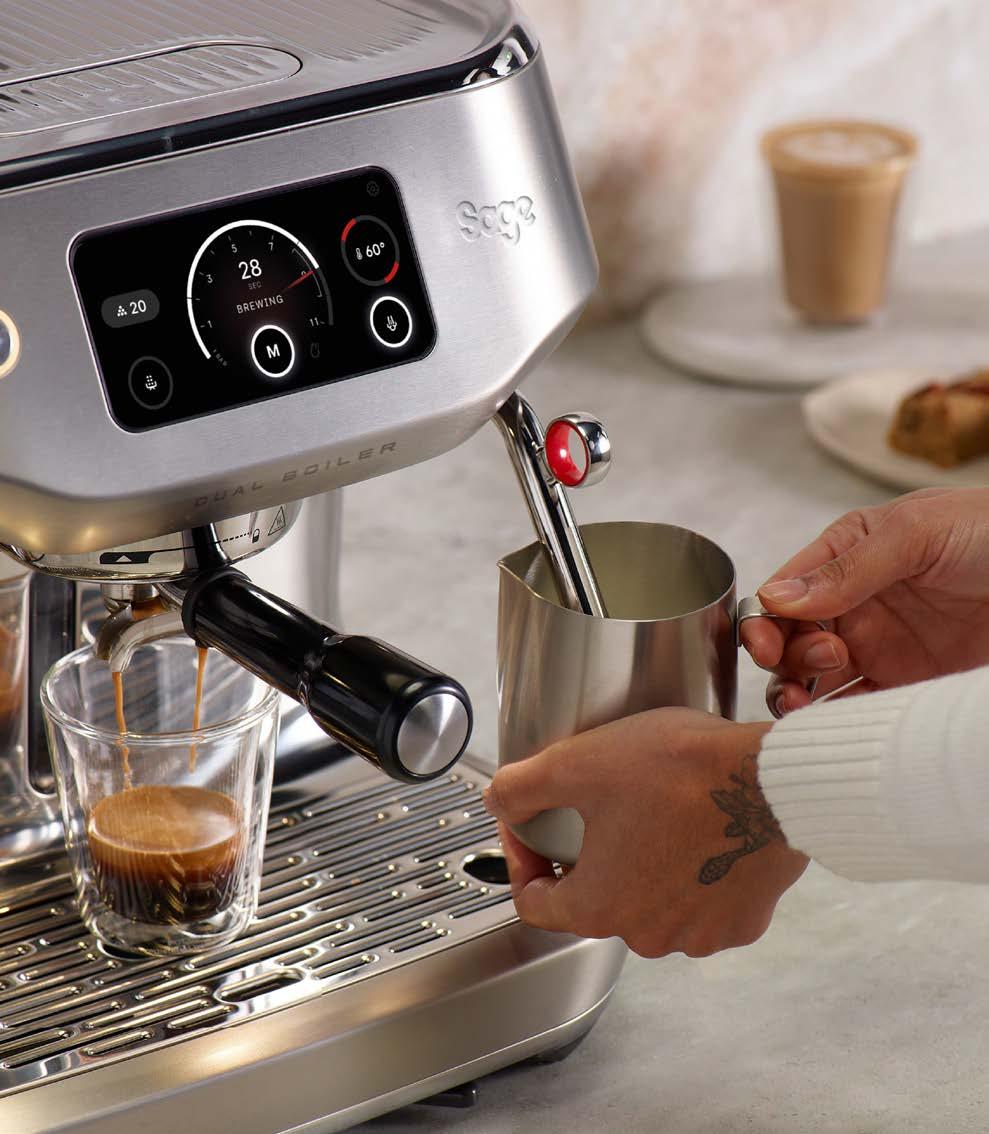
Morning magic: café-style coffee, minus the queue
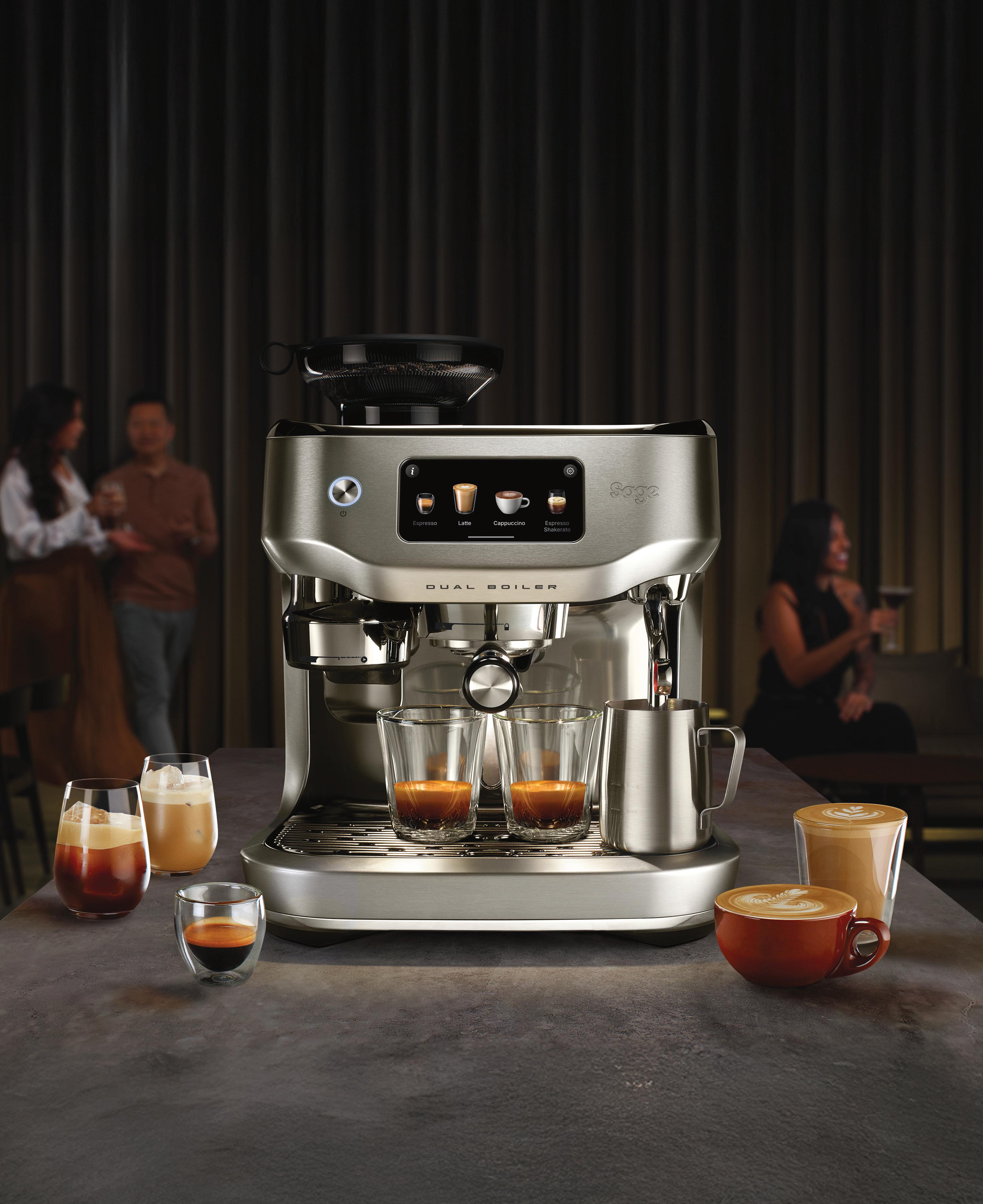
For parents juggling school runs, breakfast chaos, and work-fromhome calls, coffee can feel like a luxury – and Sage Appliances is making it achievable at home. The brand’s new Oracle Dual Boiler combines café-level quality with effortless automation, offering a perfect pick-me-up for busy families.
The Oracle Dual Boiler is built for flexibility. In auto mode, it handles the grind, brew, and milk in three simple steps, giving consistent results every time. For those who love a hands-on approach, manual mode lets you control everything from preinfusion to milk texture – ideal for experimenting with your favourite latte or flat white. This adaptability means everyone in the household can get their coffee just the way they like it, from a quick espresso to a creamy cappuccino.
A 5.7-inch high-definition touchscreen guides users through every step, with bright animations and helpful barista tips. Smart connectivity via Wi-Fi allows remote control through the Sage Coffee app, so you can start brewing before you even enter the kitchen – a small but magical convenience for hectic mornings.
With 15 preset drinks, including espresso, cappuccino, flat white, mocha, iced latte, and shakerato, the machine satisfies every coffee craving. Its triple heating system and dedicated steam boiler let you extract espresso and texture milk simultaneously, giving home brews the consistency and richness of restaurantstandard coffee.
Now available to purchase through Sage Appliances’ website and select retailers, the Oracle Dual Boiler retails at AED 9,999. Visit sageappliances.com.
SUPPORTING CHILDREN THROUGH UNCERTAIN TIMES: A PSYCHOLOGIST’S GUIDE FOR FAMILIES
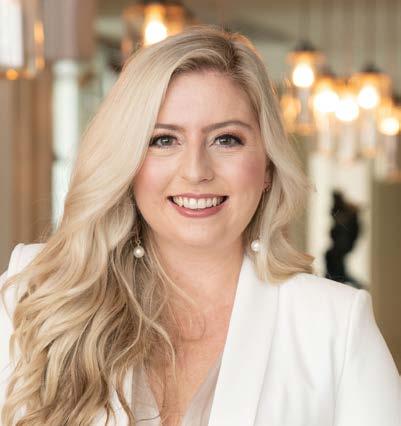
Dr. Jane Halsall, a Chartered Counselling Psychologist and ADHD Assessor at The Cornerstone Clinic Dubai, shares how parents can foster calm, resilience, and emotional security when the world feels unstable.
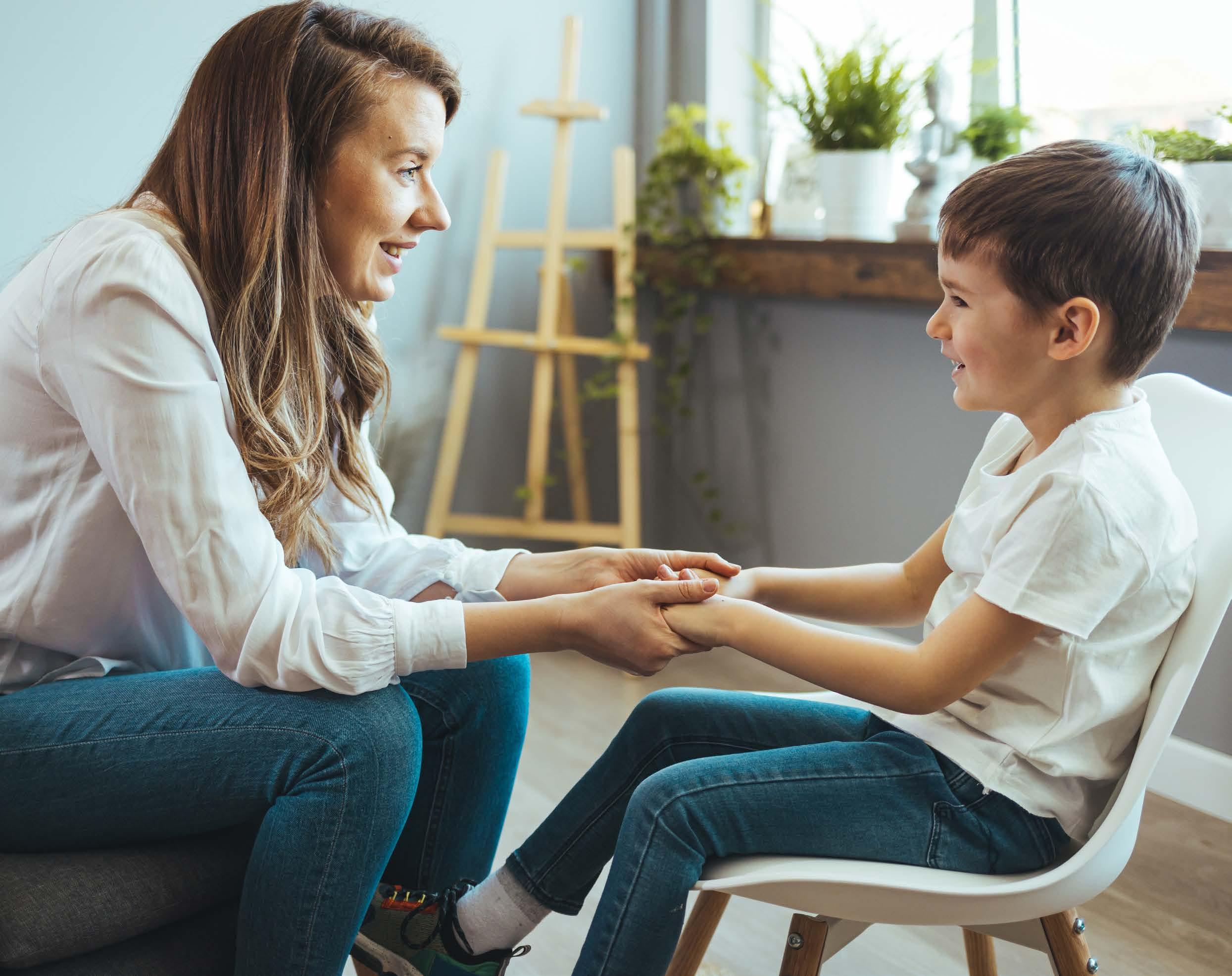
When conflict or global tension dominates the news cycle, children notice. Even if conversations happen behind closed doors, children are attuned to emotional shifts in the adults around them, so we have to be mindful of how we are processing our emotions and our own behaviours. Supporting them begins not with perfect answers but with emotional steadiness.
When children become aware of conflict, what are the most common emotional and behavioural responses parents should look out for?
Emotional responses can be anxiety, fear as they may worry about their safety or the stability of their environment. Responses can vary by age and temperament. Younger children may become clingy, tearful.
Children need honesty but filtered honesty in an ageappropriate way”
School-aged children may show irritability, concentration difficulties or increased reassurance-seeking. Teenagers may appear withdrawn, angry, or preoccupied with news and social media. There is often confusion
and even sadness. In terms of behavioural responses, inability to sleep, they may isolate more and possibly show more signs of aggression and frustration. These behaviours are not “misbehaviour” they are stress responses. Children often express anxiety through behaviour before they can articulate it in words.
How does uncertainty and perceived threat impact the nervous system in both adults and children?
Uncertainty activates the body’s threat system. Both adults and children move into a fight, flight, or freeze response when they perceive danger even if that danger is distant, so the key is to remain calm and ground yourself in the moment.
Their nervous systems are still developing and rely heavily on co-regulation with caregivers. When stress is chronic, their bodies can remain in a heightened state of alert.
Dr. Jane Halsall
How much information should parents share? How can they talk to their children about conflict or war in an age-appropriate way without overwhelming them?
Children need honesty but filtered honesty in an age-appropriate way. For younger children, simple and contained explanations work best. An example would be, “There are some problems happening in another country. The grown-ups are working hard to keep people safe.” Avoid graphic details or continuous news exposure.
For older children and teenagers, invite conversation: “What have you heard? What are you thinking about it?” Correct misinformation gently. Keep explanations factual, calm, and reassuring without minimising their feelings. The goal is to inform without overwhelming.
How to create safety and predictability at home when the
Simple statements like: “In this house, we are safe” and “Mummy and Daddy are here to look after you,” provide containment that their nervous system can rely on.”
external world feels unpredictable? Why is routine important for the nervous system?
When the external world feels unpredictable, the home environment becomes even more important. Make sure you communicate well and have consistency. Routine regulates the nervous system because predictability signals safety. Consistent bedtimes, shared meals, school runs, and small daily rituals (a bedtime story, a Sunday pancake breakfast) provide psychological anchors.
Children don’t need a perfect world. They need a predictable micro-world.
Simple statements like: “In this house, we are safe,” and “Mummy and Daddy are here to look after you,” provide containment that their nervous system can rely on.
What practical tips can parents use to manage their own stress?
If a parent panics or catastrophises aloud,
a child’s anxiety will escalate. They mirror what we do. This does not mean parents must suppress their emotions. It means managing them consciously.
Practical techniques for parents include limiting personal news consumption, avoid doom-scrolling in front of children, practice slow breathing (in for 4, out for 6), step outside for fresh air before responding to a child’s fears, verbalise calm thinking: “I feel worried, but I know we are safe,” and modelling grounded coping teaches children how to manage stress.
Signs to look for:
In children, prolonged stress may show up as:
• Sleep disruption or nightmares
• Headaches or stomach aches
• Heightened startle response
• Irritability or aggression
• Difficulty concentrating
• Emotional meltdowns over small triggers
How can parents help ground hypervigilant or panicked children?
For children prone to panic or hypervigilance, grounding techniques help bring the nervous system back to the present moment.
Try:
• 5-4-3-2-1 technique: Name 5 things you see, 4 you feel, 3 you hear, 2 you
• smell, 1 you taste
• Box breathing: Inhale 4, hold 4, exhale 4, hold 4
• Cold water on wrists to reset physiological arousal
• Movement: jumping jacks, wall pushes, or stretching
• Co-regulation: Sit close, speak slowly, lower your tone
The aim is not to eliminate fear but to show the body it is safe in this moment.
Daily grounding activities to create normality
Small daily rituals stabilise families during uncertain times. Consider:
• Family dinners without devices
• Evening walks
• Shared reading time
• Gratitude reflections before bed
• Physical play or sport
• Prayer, mindfulness, or quiet reflection if aligned with family values
When parents prioritise routine, coregulation, honest conversation, and their own emotional steadiness, they give children something profoundly stabilising: a nervous system that says, You are not alone. We are safe enough. We will face this together.
What language can parents use to comfort without unrealistic promises?
Children may ask: “Will we be safe?” or “Will a war come here?” Avoid absolute guarantees like “Nothing bad will ever happen.” Instead, offer realistic reassurance: “Right now, we are safe.” “There are lots of people working to keep everyone safe.” “If anything changes, the adults will handle it.” This balances honesty with containment and builds trust.
What’s the best way to support teenagers in the age of social media without dismissing their fears?
Teenagers are often exposed to raw, unfiltered content online. Graphic footage and alarmist commentary can amplify anxiety. Instead of dismissing their concerns (“Don’t worry about it”), invite dialogue: “How is seeing that affecting you?”
Encourage media literacy. Discuss how algorithms amplify extreme content. Suggest intentional breaks from news feeds. Help them balance awareness with boundaries. Most importantly, validate their emotional responses while gently grounding them in present day safety.
For more information or to contact Dr. Jane Halsall, visit cornerstoneclinic.ae.
The Mother, Baby & Child Awards in association with Baby & Kids Expo is back to honour the best products, brands, services and retailers within this core market and recognise the achievements of industry luminaries making a profound impact on the journey of parenthood!
The Mother, Baby & Child Awards are entirely consumer-voted, giving you the power to celebrate the people, brands, and services that truly make a difference to families. If you know someone or a business that supports mothers, children, or families in an exceptional way, nominate them now.
All winners will be chosen by public vote, ensuring every award reflects genuine appreciation from our community. Submit your nominations today and help us honour those who make family life better!
Where to go, what to do, and how to make the most of time together. This month we’re exploring fresh finds for Spring Break in Dubai – from dinosaur sleepovers and lagoon daycations to a well-earned parents’ date night, and looking at the best places to celebrate Mother’s Day, including everything from sky-high afternoon teas to comforting Sunday roasts.
CELEBRATING MUM
From sky-high afternoon teas to comforting Sunday roasts, here are five thoughtful ways to celebrate Mother’s Day across Dubai.
Afternoon Tea at Balloons at the Palace
High above the shoreline at Jumeirah Al Qasr, this sky-high setting offers a Mother’s Day afternoon tea with a difference. Suspended above the Arabian Gulf, Balloons at the Palace pairs sweeping views with a thoughtfully curated selection of sweet and savoury treats, making it an occasion that feels both intimate and memorable.
The experience centres on a traditional afternoon tea served in elegant surroundings: delicate pastries, freshly baked scones, and a selection of artisan teas, all presented with care. It’s the kind of outing that invites families to slow down – to linger over conversation, admire the view and mark the day in a way that feels a little out of the ordinary.
Running Tuesday to Sunday across two sittings (1pm to 3pm and 3.30pm to 5.30pm) experience offers flexibility for families planning their celebrations. Afternoon tea is available from AED 295 per person.
For mothers who appreciate a sense of occasion – and for families looking to elevate their annual tradition – this lofty escape delivers both perspective and pause in equal measure. Visit Jumeirah.com.
New Brasserie Experience at Brasserie Frantzén
The Dubai outpost of celebrated Swedish chef Björn Frantzén offers a relaxed yet refined setting for families marking Mother’s Day. At Brasserie Frantzén, the atmosphere is warm and welcoming, designed to feel comfortable rather than ceremonial – ideal for a celebratory meal that doesn’t feel overly formal.
The menu draws on brasserie classics elevated with careful technique. Starters such as lobster roll in brioche, yellow beetroot with mushrooms and walnuts, or beef carpaccio with foie gras set the tone. Mains range from veal schnitzel – first created at Frantzén’s gastropub The Flying Elk – to mussels à la crème, wagyu beef burger and wood-fired celeriac with truffle. A traditional steak with pepper sauce pays homage to the dish that first inspired the chef’s culinary path.
To finish, families can step into the restaurant’s candy room to select desserts together – a playful ending that younger diners will especially enjoy. Open daily for dinner (6pm to 1am) and for weekend lunch (12.30pm to 4pm), the brasserie welcomes all ages, making it well suited to multigenerational celebrations. Visit brasseriefrantzendubai.com.
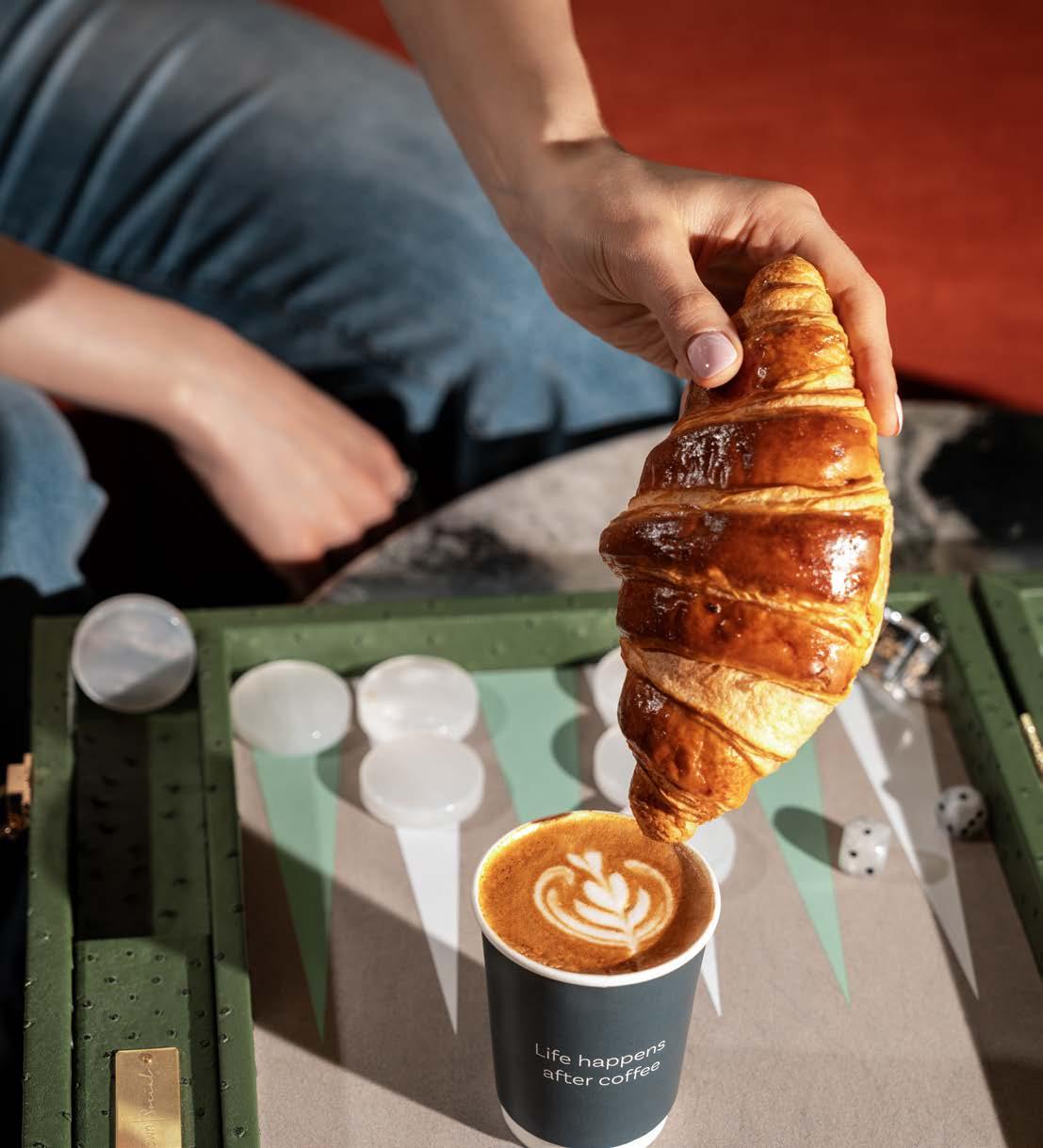
A sweet pause at Uptown Social
For those who prefer a simple, low-key gesture this Mother’s Day, Uptown Social offers a small but thoughtful way to mark the moment. On 21 March, mums – including pet mums – can enjoy a complimentary croissant with any hot beverage.
Whether it’s a quiet morning coffee before the day begins or an afternoon catch-up with family, the café provides an easy setting to pause and reconnect. Sometimes, Mother’s Day doesn’t need elaborate plans; a warm drink, a flaky pastry and uninterrupted conversation can feel just as meaningful. Visit uptownsocialdubai.com.
Sunday Roast at Qwerty, Media One Hotel
At Qwerty, the Sunday roast is rooted in British tradition –and for Mother’s Day, it becomes a generous family affair. Inspired by long London afternoons, the roast is served carved to order, accompanied by crisp potatoes, glazed carrots, red cabbage with cranberries, seasonal greens and all the expected trimmings.
The atmosphere remains relaxed and unhurried, encouraging families to settle in, share plates and let conversation flow. For Mother’s Day (March 15 from 12.30pm onwards), a buy-oneget-one-free offer on the roast adds to the spirit of generosity. The terrace is welcoming – dogs included – making it a comfortable option for larger family gatherings.
Mains are priced at AED 135, or AED 175 for a three-course experience. Visit mediaonehotel.com.
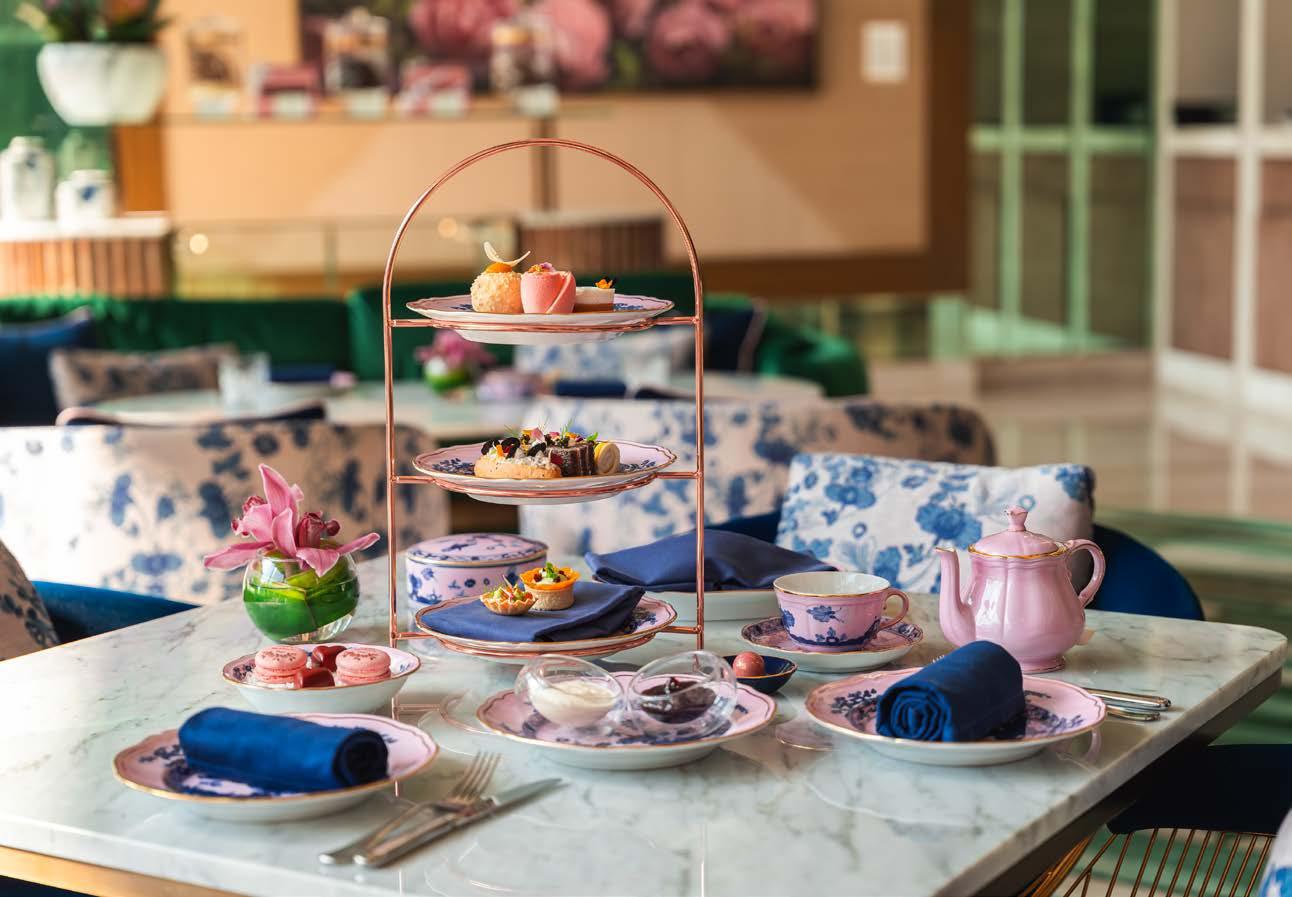
Afternoon Tea at Ginori Terrace
Throughout March, The St. Regis Downtown Dubai presents an afternoon tea at Ginori Terrace that honours mothers and the women who inspire them. Designed as a month-long celebration, the experience offers families the opportunity to mark the occasion beyond a single day.
The savoury selection includes crab and avocado tartlet, butternut and ricotta tart, pastrami with truffle cream and delicate salmon tramezzino. Sweets range from roseinfused pastries and spring tartelettes to mango-coconut creations and pistachio flower kunafa cake, alongside freshly baked scones with Cornish clotted cream and jam.
Served daily from 2pm to 6pm, packages begin at AED 250 per person for coffee and tea, with additional options available. For families seeking an elegant yet relaxed setting for meaningful conversation, Ginori Terrace offers a refined way to celebrate together. E-mail restaurant. reservations@stregis.com.
THINGS TO DO
SOMETHING SPECIAL FOR HER
A fragrant pause: Orphéon Eau de Toilette by Diptyque
For mothers who treasure small, sensory rituals, a beautiful fragrance can feel like a daily act of self-care. The latest interpretation of Orphéon by Diptyque captures just that mood – a moment suspended between afternoon and evening, when the day softens and the night begins to hum with possibility.
This new Eau de Toilette draws inspiration from the spirit of a storied Parisian jazz club, evoking warmth, conversation and creative energy. It opens with a bright flourish of green tangerine and Japanese yuzu, lending a gentle citrus lift. At its heart, juniper berries, pink peppercorn and ginger add a subtle spice, softened by rose and magnolia. A base of cedar and musk grounds the composition, creating a scent that feels both luminous and reassuring –vibrant enough for evenings out, yet refined for everyday wear.
As a Mother’s Day gift, Orphéon feels less about grand gestures and more about atmosphere: a reminder that even in the busiest seasons of life, there is space for beauty, memory and a little Parisian-inspired indulgence. Visit diptyqueparis.com.
A curated selection of meaningful gifts for mums that honour the stories, strength, and quiet magic of motherhood – chosen to be cherished well beyond Mother’s Day.
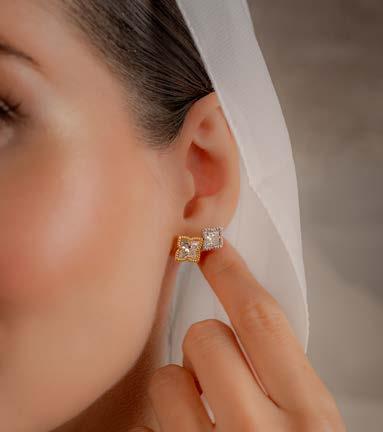
Light in bloom: Fleur de Lumière by Etika Jewels
Jewellery has long been a language of love, but the Fleur de Lumière collection by UAE-founded Etika Jewels offers a particularly thoughtful interpretation for Mother’s Day. Rather than a literal floral motif, the collection captures the essence of petals unfolding in light – subtle, radiant and quietly powerful.
At its heart is the brand’s exclusive diamond flower cut, a distinctive diamond shape designed to maximise brilliance while maintaining softness. The effect is fluid rather than flashy: light moves through each stone with a gentle glow, echoing the way presence and warmth can fill a room. Crafted in 18K gold – available in white, yellow and rose tones – the pieces are designed to feel effortless against the skin, from luminous earrings to delicately balanced necklaces and bracelets.
Founded by Basma Chaieri, Etika Jewels is known for its use of lab-grown diamonds and responsibly sourced materials, aligning contemporary design with a more conscious approach to luxury. That ethos adds an additional layer of meaning for families seeking a gift that reflects both beauty and values.
Timeless yet modern, each piece offers a wearable reminder that the light women share with their families is often the very thing that defines them. Visit etikajewels.com.
The gift of rest: bedding by Minoa
Among the most meaningful gifts for mothers is something that supports rest – a gesture that acknowledges how much they give, often without pause. Dubai-based eco-luxe brand Minoa centres its collections on this idea, designing bedding and home textiles that encourage deeper, more restorative sleep.
Using low-impact natural fibres such as bamboo lyocell and European flax linen, Minoa focuses on breathability and temperature regulation – essential in warmer climates. These materials help manage moisture and maintain comfort through the night, creating an environment where the body can properly unwind. Silk-filled duvets add lightweight indulgence, while ultra-soft towels elevate everyday rituals into moments of calm.
As a Mother’s Day gift, beautifully crafted bedding may seem understated, yet it carries a powerful message: that her rest matters. In homes that are often busy and full, transforming the bedroom into a serene retreat can be one of the most thoughtful gestures of all – an invitation to slow down, recharge and feel cared for in return. Visit minoa.ae.
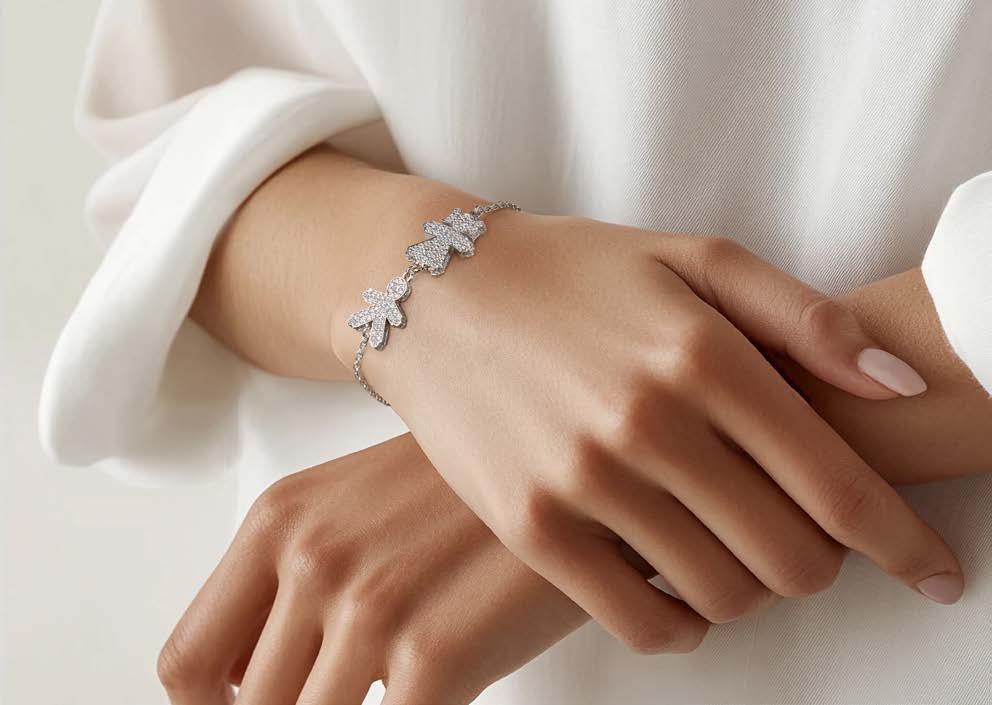
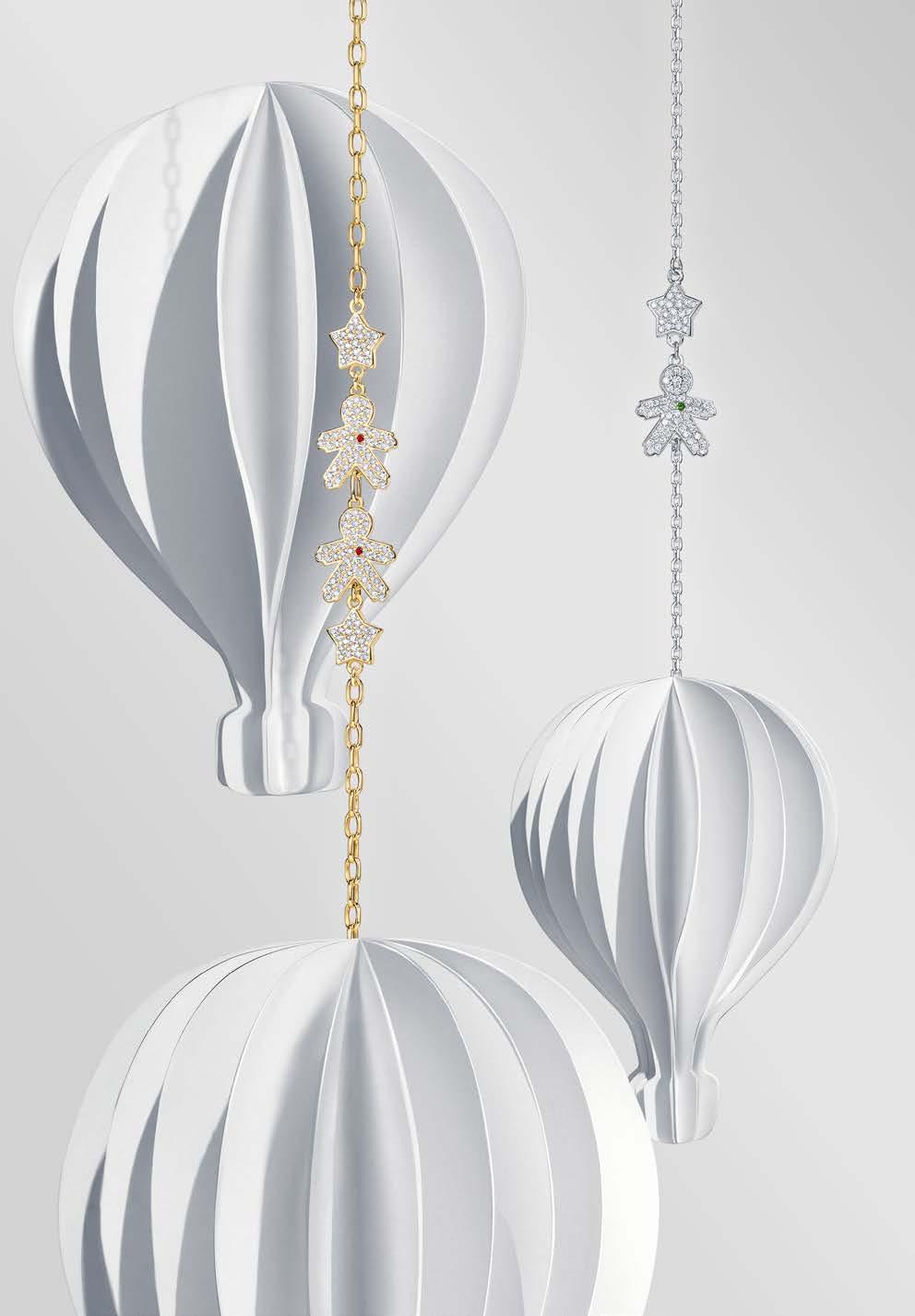
For many mothers, the most treasured gifts are those that hold meaning long after the day itself has passed. Personalised jewellery continues to resonate for this reason – it tells a story, marks a milestone and becomes part of a family’s narrative. Newly launched in the UAE, GEOMA Jewelry centres its collections on exactly that idea: emotion translated into enduring design.
Founded by creative entrepreneur Daria Pukhaeva, the brand approaches fine jewellery with a distinctly modern sensibility. At its core is the belief that jewellery should do more than decorate; it should commemorate. Each piece is crafted in 18K (750) gold and set with carefully selected stones, designed to be worn daily and kept for a lifetime.
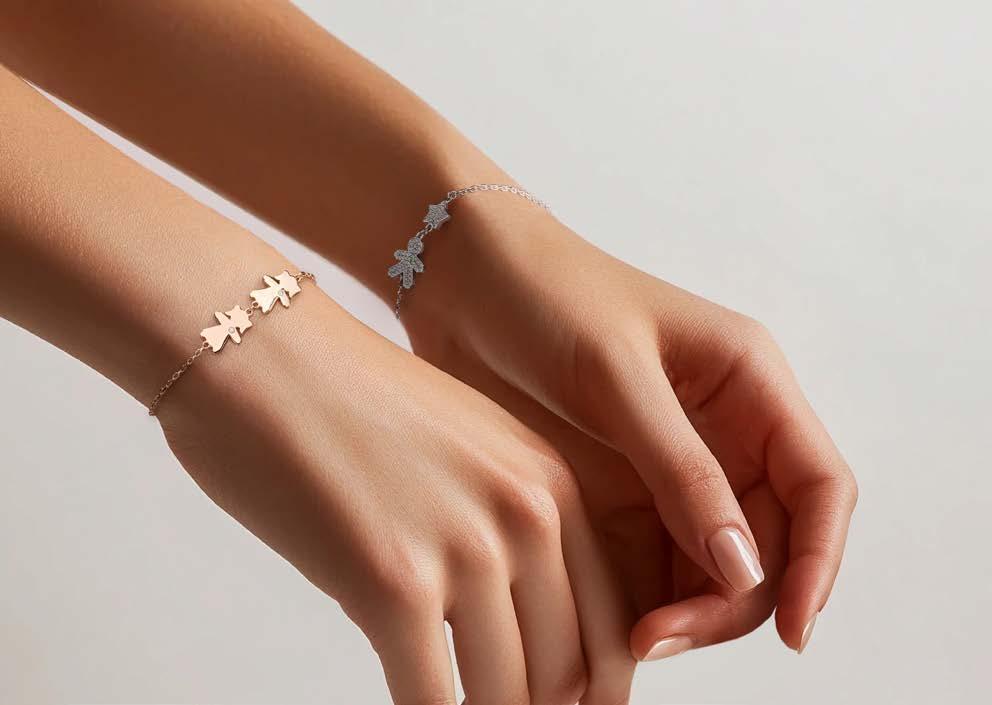
The GEOMA Kids collection feels particularly fitting for Mother’s Day. Delicate bracelets in gold or silver are created to symbolise the bond between parent and child, with options to personalise through engraved initials, significant dates or meaningful gemstones. The result is understated yet deeply sentimental – a piece that evolves alongside a growing family. A genuinely precious keepsake a mother will never want to take off.
Meanwhile, the GEOMA Letters line offers a refined take on identity and connection. Minimalist pendants shaped as initials can represent a child’s name, a partner, or even a word that carries personal significance. Clean and contemporary, they layer easily with existing jewellery while retaining their own quiet statement.
Part of GEOMA’s appeal lies in its thoughtful use of stones, each chosen for symbolic resonance – from white diamonds representing enduring love to sapphires associated with wisdom and harmony. It’s a detail that adds depth without excess, allowing families to select something that reflects not only style but sentiment.
For Mother’s Day, a personalised piece from GEOMA offers something lasting: a wearable reminder of the people and moments that define her world, crafted with care and intended to be cherished for years to come.
Pieces by GEOMA can be created online or in-store in Dubai. Prices vary depending on personalisation. Visit geomajewelry.ru or follow @geomajewelry.
FRESH FINDS FOR SPRING BREAK IN DUBAI
From dinosaur sleepovers and lagoon daycations to a well-earned parents’ date night, these new openings promise fun for every member of the family.
Take a roarsome dino sleepover at T-Rex Glamping
If your family’s idea of the perfect spring break involves a little adventure, a lot of imagination and zero airport queues, T-Rex Glamping at Dubai Parks and Resorts might just be your most memorable staycation yet.
Billed as the world’s only dinosaur-themed glamping experience, this one-of-a-kind escape swaps standard hotel corridors for life-sized dinosaurs, themed tents and outdoor movie nights beneath the stars. From the moment you arrive, the setting feels like stepping onto the pages of a Jurassic storybook – only with airconditioning and plush bedding firmly in place.
Accommodation ranges from signature garden-view tents to VIP options complete with private plunge pools. Inside, the tents are surprisingly spacious and thoughtfully equipped, striking a balance between playful prehistoric touches and genuine comfort. Think proper beds, cosy seating areas and enough room for the whole brood to settle in after a day of roaring adventures.
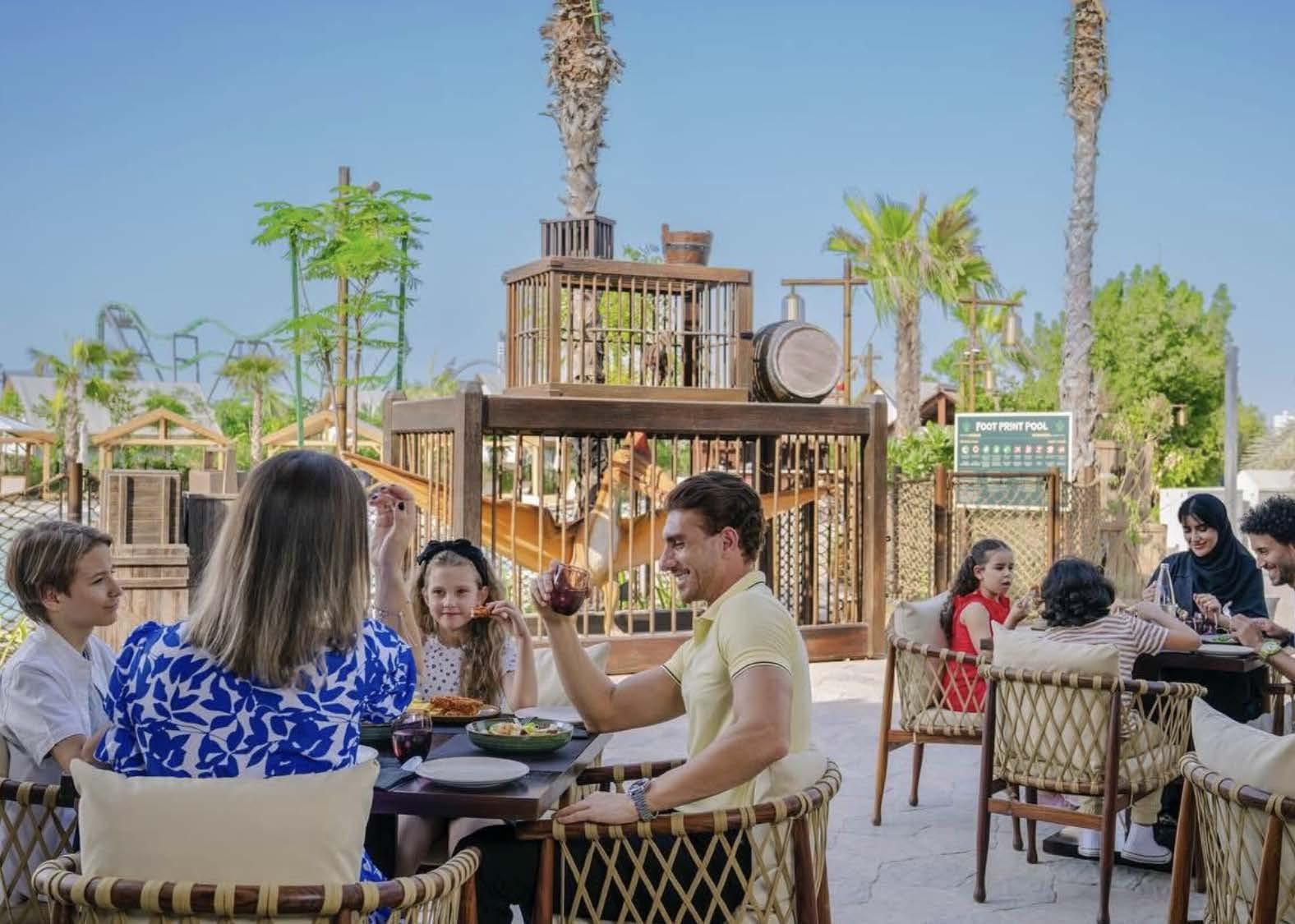
Days here are anything but ordinary. Little explorers can take part in dinosaur hunts, daily kids’ entertainment and family-friendly activities, while parents can unwind by the dinosaur footprint pool or fire up the dedicated BBQ grill outside their tent. Even dining keeps to theme, with the Roaring Dinosaur Café and Splashing Raptor Pool Bar adding extra fun to mealtimes.
One of the biggest draws? Your overnight stay includes access to the parks at Dubai Parks and Resorts. Families can dip in and out of favourites such as Motiongate Dubai, Legoland Dubai, Legoland Water Park and Real Madrid World, making it an easy, all-in-one escape. There’s also breakfast included and access to Riverland activities such as archery and axe throwing, ensuring no one utters the dreaded “I’m bored.”
Starting from AED 1,025++ per night, T-Rex Glamping isn’t your average staycation – and that’s precisely the point. It’s immersive, energetic and just a little bit magical. Waking up to the distant “roar” of a T-Rex, sipping coffee outside your tent while the kids plan their next expedition, and ending the evening with a film under the stars? That’s the kind of spring break memory that lasts long after the school term resumes.
For families ready to trade the predictable for the prehistoric, this is one adventure that truly delivers. To book, visit dubaiparksandresorts.com/en/t-rex_ glamping.
Your new family poolside hangout: The Lagoon Family at Park Hyatt Dubai
If you’re staying in Dubai this spring break and craving a sunshine-filled escape the whole family will love, The Lagoon Family at Park Hyatt Dubai deserves a top spot on your list. Set along the tranquil shores of Dubai Creek, this reimagined beachfront-style destination feels like a mini holiday – without ever leaving the city.
Designed with families firmly in mind, The Lagoon Family blends relaxed luxury with thoughtful, child-friendly touches. The lagoon waters are intentionally shallow, with a gentle beach-style entry that’s ideal for younger swimmers building their confidence. There’s plenty of soft white sand for sandcastle architects, roomy loungers for parents in need of a proper unwind, and a lively splash pad that guarantees fun.
The setting itself is a standout: panoramic skyline views meet two impressive 100-metre infinity lagoons, creating a serene backdrop that feels worlds away from the everyday school-run rush. Whether you settle in with a book while the kids paddle nearby or join them for a dip, it’s an easy, stress-free day out.
Food is another win for families. The Mediterranean-inspired menu covers everything from freshly grilled whole salmon and fresh salads. For little diners, there’s a reassuring line-up of crowd-pleasers: margherita pizza, chicken tenders with fries, beef sliders, and penne pasta with tomato sauce. In short, no negotiating required.
The Lagoon Family is open daily, with lagoon access from 9am to sunset and the restaurant serving from 12pm until sunset. Expect to pay AED 200 per adult on weekdays (AED 100 for children aged 5 –12) and AED 250 per adult on weekends (AED 125 for children aged 5 –12). To book, call 04 602 1105 or e-mail thelagoonbeachclub@hyatt.com.
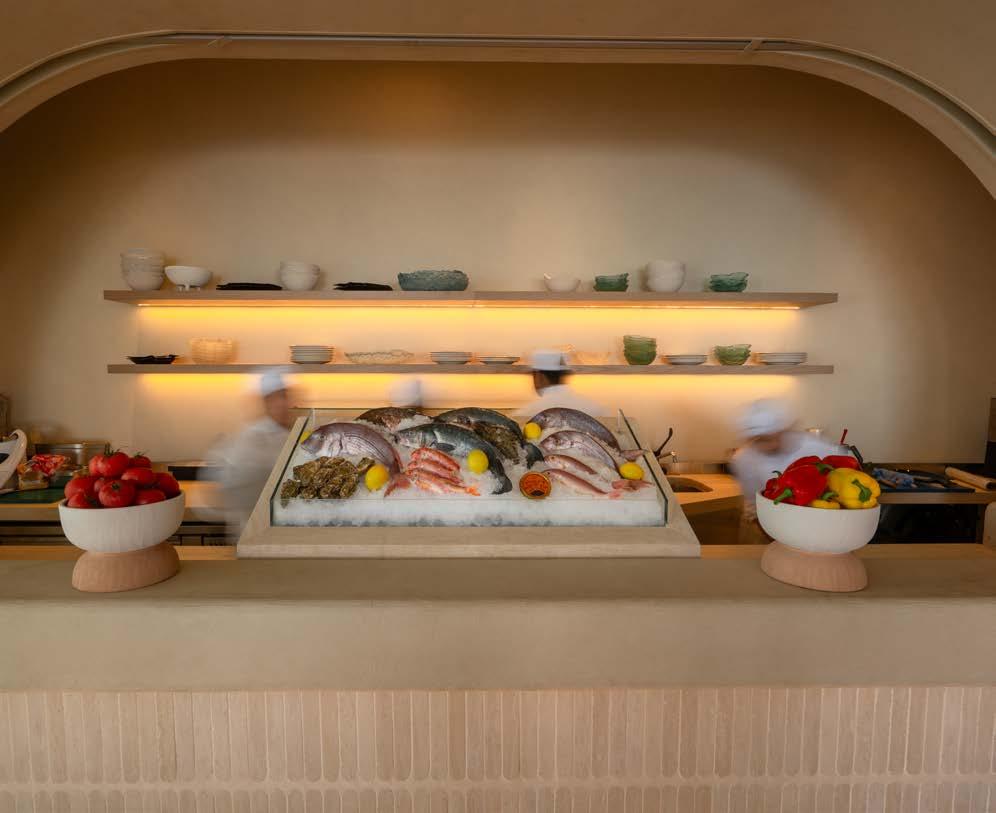
Try a Greek date night at Son of a Fish
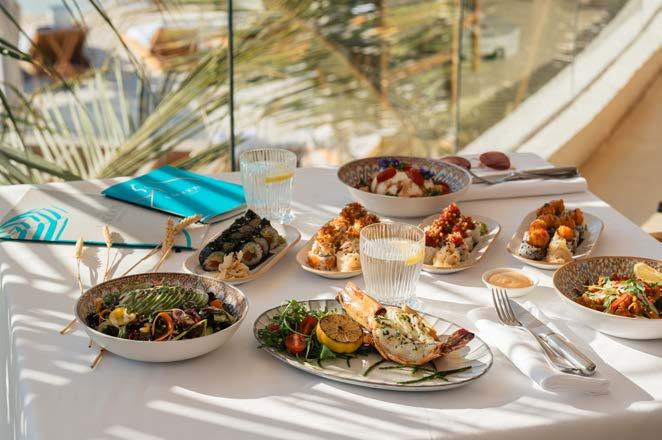
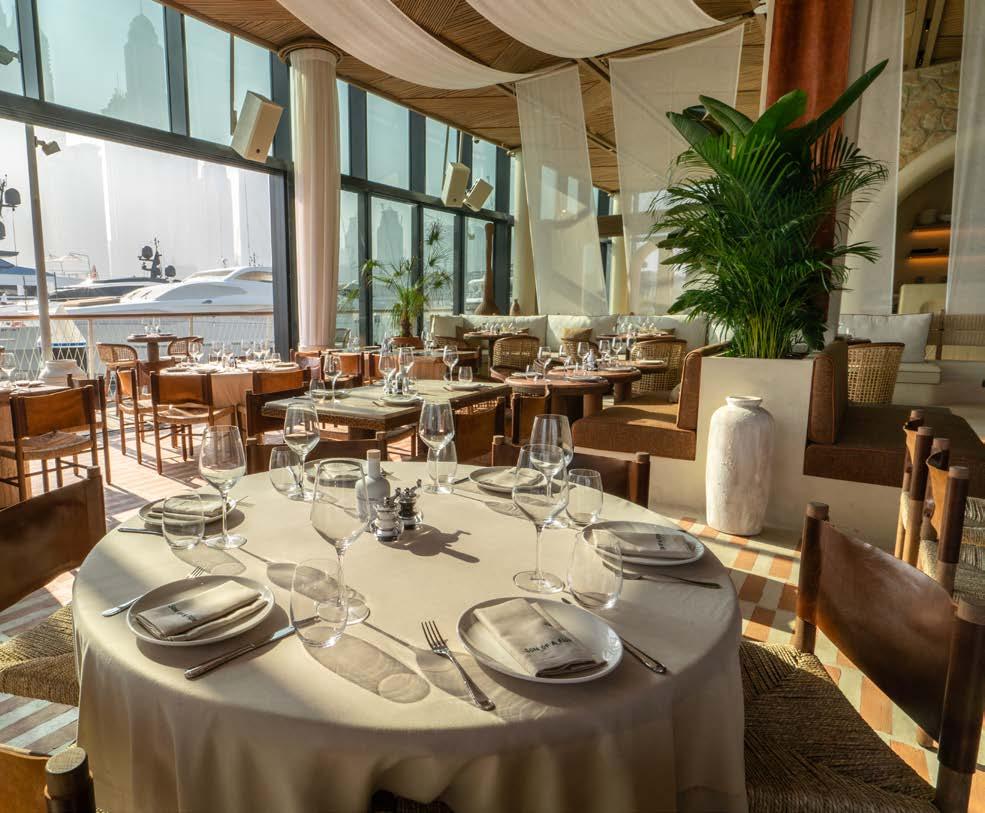
When the babysitter is booked and you’re ready to swap bedtime stories for sunset spritzes, Son of a Fish at Dubai Harbour makes a compelling case for your next date night. This coastal Greek newcomer channels the carefree spirit of the Athenian Riviera, delivering a dining experience that evolves beautifully from relaxed dinner to lively after-dark escape.
Perched beside Bar du Port, the restaurant feels like a mini Mediterranean escape without the airport queues. The design is all understated elegance: whitewashed textures, natural tones and floor-to-ceiling windows that flood the space with golden-hour light. Step onto the terrace and you’re greeted with sweeping marina views – the kind that instantly slows the pace and sets the mood for uninterrupted conversation.
The menu leans into authentic Greek flavours with a modern twist, designed for sharing. Expect fresh seafood, premium
cuts and vibrant vegetarian plates that capture the generosity of true Mediterranean hospitality. A fresh fish display nods to traditional seaside tavernas, while the kitchen brings polish and creativity to every dish.
As dusk settles, the atmosphere subtly shifts. The bar takes centre stage with curated bottles and signature cocktails – ideal for toasting a rare child-free evening. Then the soundtrack builds: modern Aegean electronica blends with live DJ sets, creating a buzzy yet sophisticated vibe that feels celebratory rather than chaotic.
Open daily for lunch and dinner, Son of a Fish strikes that sweet spot between refined and relaxed. For parents craving a night that feels both grown-up and joyfully unhurried, this Dubai Harbour hotspot delivers a little slice of the Greek islands.
To book, call +971 4 832 6177 or visit sonofafishdubai.com.
Rania
Hawayek
Milos Pavlovic
Kathrin Foehe
Sapna
Dina
Shireen Marzouk
Omaima
LIFE WITH KIDS
Where we talk about everything and anything that comes under the umbrella of raising kids. This month we’re exploring how thoughtful bedroom design can shape a child’s sense of self, learning why the shoes we choose for our children during toddlerhood can shape healthy movement for years to come, and looking at insights on the powerful link between predictability and nervous system safety in neurodivergent children.
FAMILY LIVING
LITTLE STEPS WITH LIFELONG IMPACT
We speak to Yuliya Kudryashova, ECCO Kids Category Lead, to learn why the shoes we choose for our children during toddlerhood can shape balance, confidence, and healthy movement for years to come.
Why is the early development stage, especially toddlerhood, so critical when it comes to footwear choices?
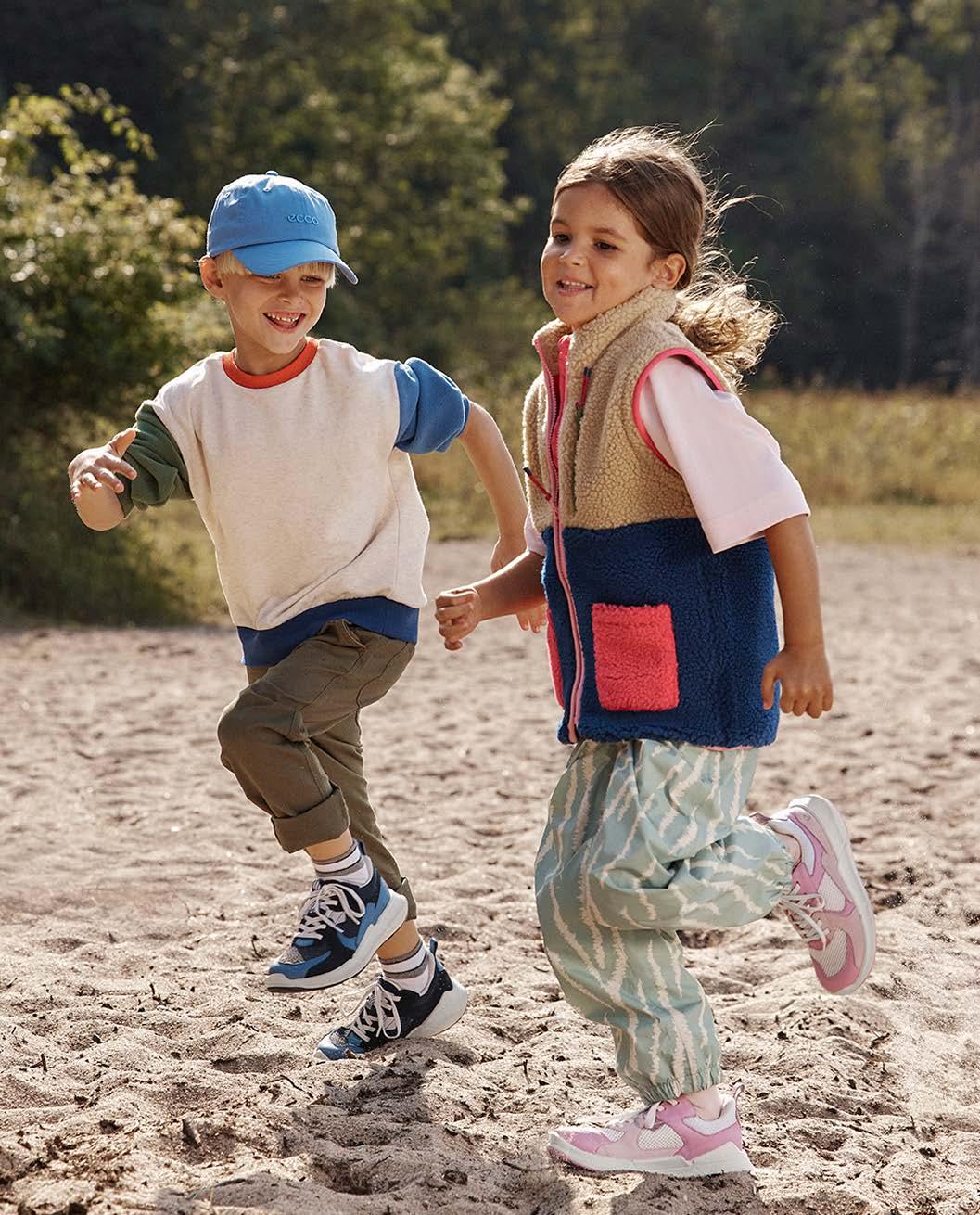
Children’s feet are not simply miniature adult feet; they are soft, malleable, and in a foundational stage of bone and muscle development. As a result, at ECCO, meticulously designs footwear specifically tailored to the unique demands of this essential stage of development.
It's critical that footwear for this age group should protect rather than restrict, our kids’ lasts are specially developed to do this. We want to lay a literal foundation for a lifetime of movement.
How do a child’s feet develop from infancy through early childhood, and how should shoes support that process?
ECCO shoes are designed for every step –and we know that none are more important than those first ones. As feet develop from infancy to early childhood, they require freedom to move, sense the ground, and strengthen naturally.
Shoes should support this by accommodating natural movement. As a result, flexibility is something that’s super
3 misconceptions parents have about children ’ s shoes
1Supportive shoes are rigid shoes
Many parents believe a supportive shoe needs a stiff arch and heel. However, for growing feet, optimal support comes from flexibility. You have to allow for natural movement.
2“They’ll grow into it”
Buying shoes too big is a common mistake. Oversized shoes force a child to claw their toes or alter their gait to keep them on, which can lead to tripping and unnatural development.
3All soft-soled shoes are good
Not so. While excellent for prewalkers, once a child is taking their own steps outdoors, they need a flexible but protective sole. One that’s too soft offers no protection from uneven terrain or shock.
important; seek out soles that bend easily at the ball of the foot. Secure, non-restrictive fits are the #1 priority. Shoes must hold the heel securely without squeezing the toes, allowing room for growth and playing during movement.
What happens when shoes don’t allow for natural movement or growth?
Ill-fitting, restrictive shoes can lead to a whole host of issues, from pain to affecting posture over time. General discomfort can also make walking and playing uncomfortable, potentially discouraging physical activity.
How quickly do children’s feet grow, and how often should parents be checking shoe fit?
As many parents know, children’s feet grow rapidly. They often require a new size every 3-4 months in early toddlerhood, slowing to 4-6 months as they get older (keep in mind
that each individual’s needs are different, so don’t panic if your child’s needs are different).
Consumer research conducted at ECCO shows that nearly 50% of parents buy 3-4 pairs of shoes per year, and approximately 40% buy five or more pairs. Parents should check fit at least every 2-3 month. Parents are already highly attuned to this, with outgrown shoes being the #1 reason for purchase across all age groups. Our kids’ shoes are designed with details such as roomy toe boxes and removable insoles for growth allowance.
What are the key elements of a well-fitting shoe for toddlers and young children?
Adequate length and width: There should be a thumb's width of space beyond the longest toe to allow for growth and splaying during movement. Secure heel counter: The heel should fit snugly
without slipping up and down for optimum stability. Flexible sole: The shoe must bend easily to allow a natural rolling motion. Space for toes: A wide, rounded toe box prevents cramping and allows toes to grip naturally. Adjustable closure: Straps or laces ensure a secure and customizable fit.
What materials do you recommend for children’s shoes, and why do they matter?
Materials are crucial for comfort, function, and durability. Premium leathers like those used and developed by ECCO, and
high-quality textiles are ideal. They are breathable, allowing heat and moisture to escape and keeping feet dry and comfortable. As well as being durable these materials are also adaptable, moulding gently to the foot while offering protection. As for the sole, materials should offer a balance of grip, flexibility, and lightweight durability.
How important are flexibility, sole thickness, and heel structure in a child’s shoe?
Flexibility is critically important, essential for natural foot movement. Soles should
50% of parents buy 3 – 4 pairs of shoes per year, and approximately 40% buy five or more pairs. Parents should check fit at least every 2 – 3 month.
be thin enough to allow the child to feel the ground, aiding balance and proprioception, but thick and tough enough to provide protection from rough surfaces. A defined, secure heel cup is also important for stability.
Are there design features parents should avoid, even if they look appealing or trendy?
Absolutely. Always avoid excessively rigid and heavy shoes that restrict natural movement, as well as constrictively narrow or pointed toe styles which can cramp toes and affect development. It’s also best to steer clear of non-adjustable styles which rarely provide the kind of secure, personalised fit that’s best for growing feet. Non-breathable synthetic fabrics are another thing to be cautious of as they can cause sweaty, uncomfortable feet.
That being said, we do believe you can have all of those things and shoes that are stylish!
If parents remember just one thing about buying shoes for their children, what should it be, and why?
Parents are encouraged to prioritise fit and function over fashion – especially when the foot is still growing. A well-fitting, functional shoe supports natural movement and development should be prioritised.
The Middle East’s BIGGEST International Baby, Child and Toy Exhibition
30th April - 2nd May ‘26 . Dubai World Trade Centre
Exhibit at the Expo; Book your stand now! 70% Exhibition space, SOLD OUT
THE POWER OF A CHILD’S SPACE
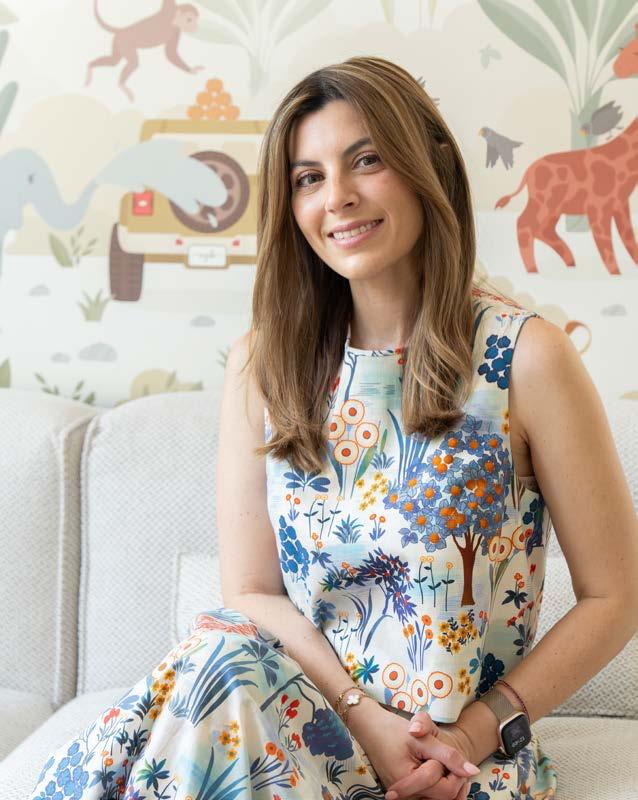
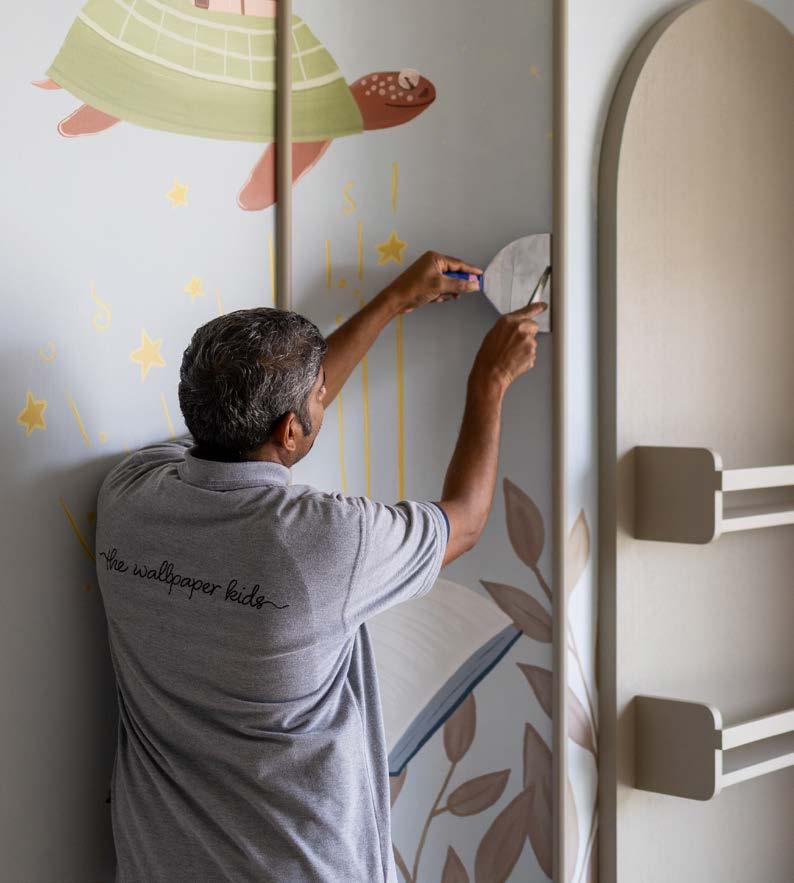
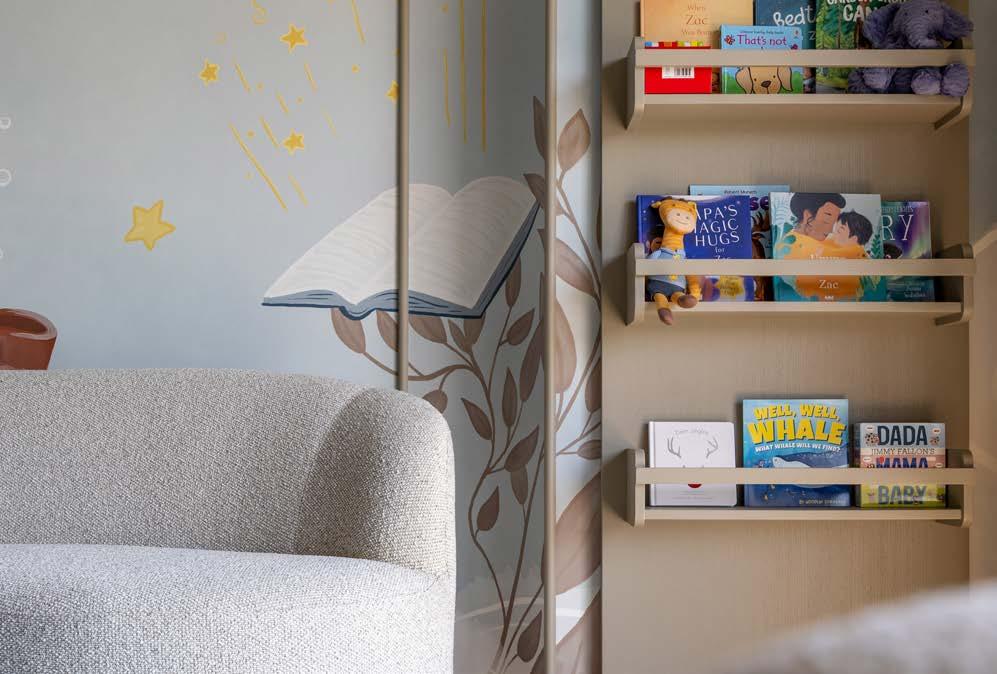
We talk to Reem Shakarchi, Founder & Creative Director of The Wallpaper Kids in Dubai, on designing rooms that nurture emotional wellbeing and growth, and how thoughtful design can shape a child’s confidence, sleep, and sense of self. After seeing the transformative effect of a personalised bedroom on her own son, Reem set out to rethink how we design for children.
What inspired you to create The Wallpaper Kids, and was there a moment when you realised children’s spaces needed more thoughtful design?
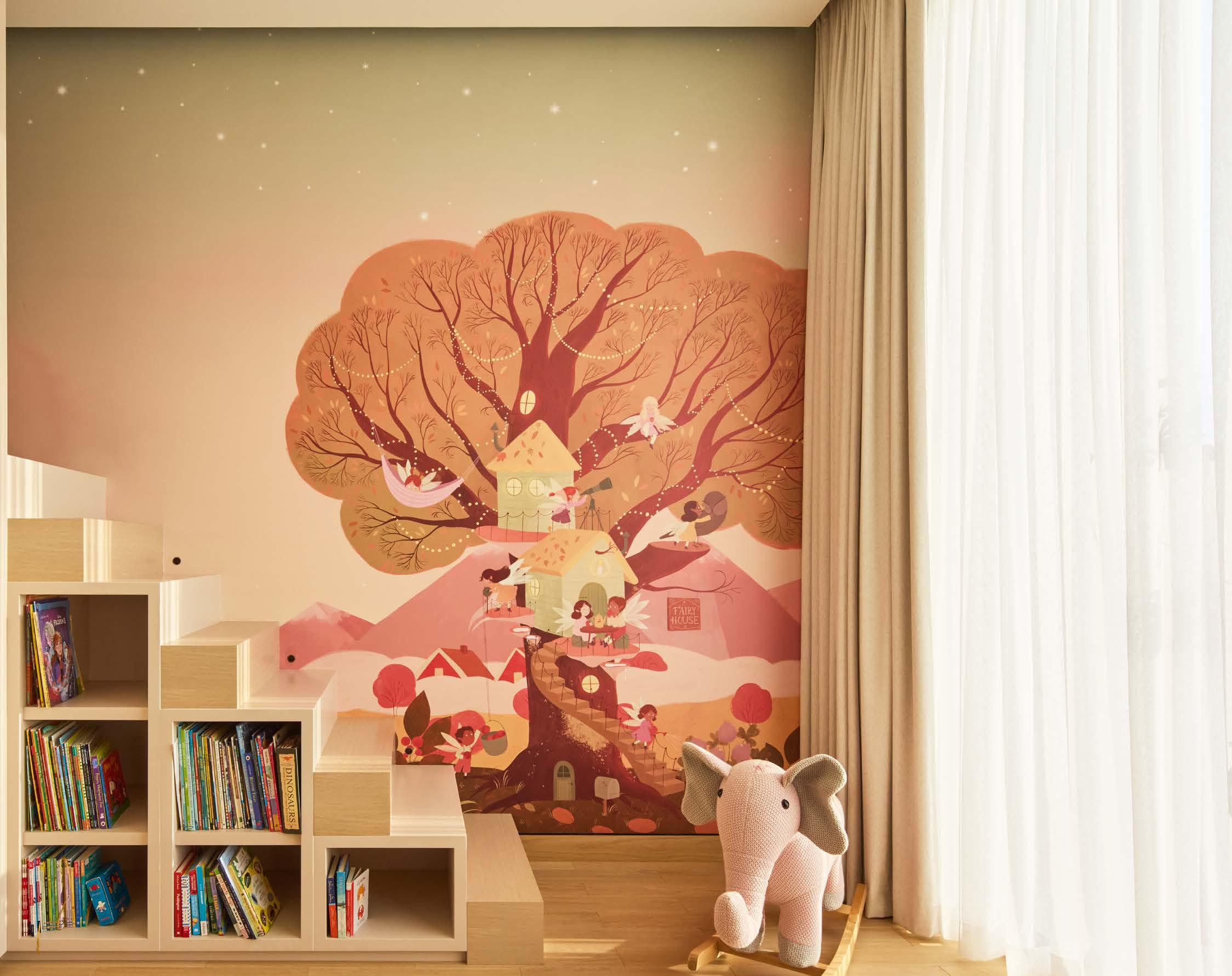
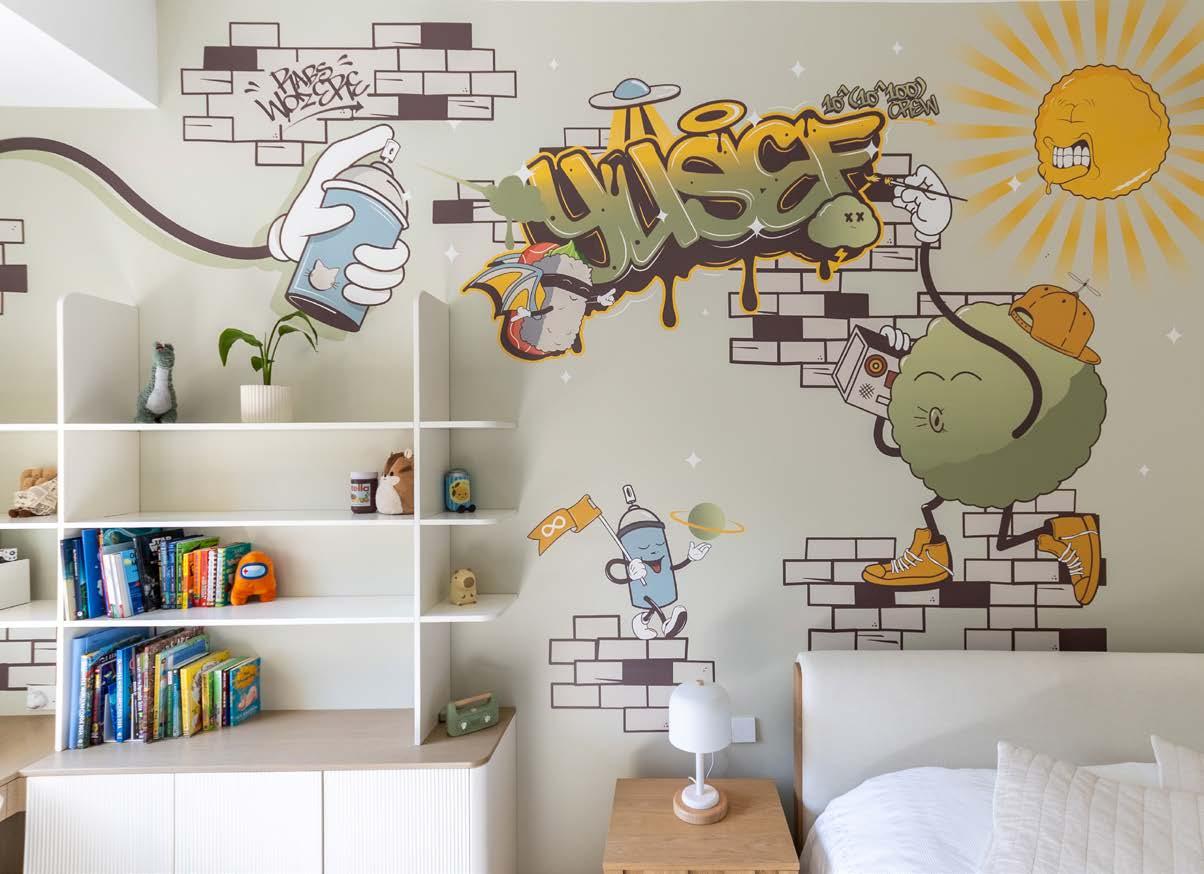
The inspiration for The Wallpaper Kids began at home, when my husband painted a mural in our son’s bedroom. He took our son’s interests and passions at the time and transformed them into a story on the walls, something entirely personal and made just for him.
What struck me most wasn’t just the mural itself, but the impact it had on our son. He felt seen and heard, as though his opinions mattered and who he was as a person truly mattered. That sense of recognition had a noticeable effect on his confidence and self-esteem, and it made me realise just how powerful a child’s environment can be.
That moment led me to explore this idea more deeply. Through research into child development, emotional wellbeing, and sensory design, I began to understand how crucial it is to consider the imagery, colours, and materials we place in children’s spaces. From there, The Wallpaper Kids was born - with the aim of creating rooms that don’t just look beautiful, but actively support a child’s sense of identity, imagination, and emotional growth.
You place children’s development and wellbeing at the heart of your designs. Why do you think the environments children grow up in matter so much?
Children today are growing up in a very different world to the one we knew, one filled with constant stimulation, digital noise, and social pressures. Because of that, the spaces they return to at the end of the day matter more than ever. A child’s
room should feel like a safe haven – a place where they can feel calm, grounded, and connected to themselves, their family, and their values.
Children’s perceptions are also continually evolving, particularly in the early years. Imagery that feels playful and comforting during the day can take on a very different meaning at night, and certain colours, patterns, or overly complex visuals can feel overstimulating or even disorienting. Thoughtful design helps avoid this, creating environments that feel reassuring rather than overwhelming.
Just as adults need spaces where they feel comfortable and at ease, children need environments that support emotional safety, happiness, and a sense of belonging. When a child feels settled in their surroundings, they’re better able to rest, play, imagine, and ultimately thrive.
How do children respond differently to spaces designed with their developmental needs in mind?
Children often respond with greater calm, confidence, and engagement when a space is designed specifically for their developmental stage. They tend to play more independently, focus for longer, and form a stronger emotional connection to their surroundings. When a room reflects a child’s sensory needs, interests, and sense of self, it helps them feel safe, seen, and supported - which in turn supports emotional regulation, creativity, and self-esteem.
What design elements do you consciously avoid when creating wallpapers for bedrooms?
We consciously avoid design elements that could feel unsettling or overstimulating, particularly at night. This includes heavy shadows, overly dark or intense contrasts,
and, where possible, open or staring eyes in characters or animals. When we include realistic animals, we keep them smaller in scale, so they feel friendly rather than overwhelming once the lights go down. We’re also very intentional about spacing - our patterns are designed with enough breathing room between elements, allowing children to comfortably absorb each detail without feeling visually overloaded. The goal is always to create a space that feels calm, reassuring, and emotionally safe for rest.
For parents struggling with bedtime routines, how can a thoughtfully designed space help?
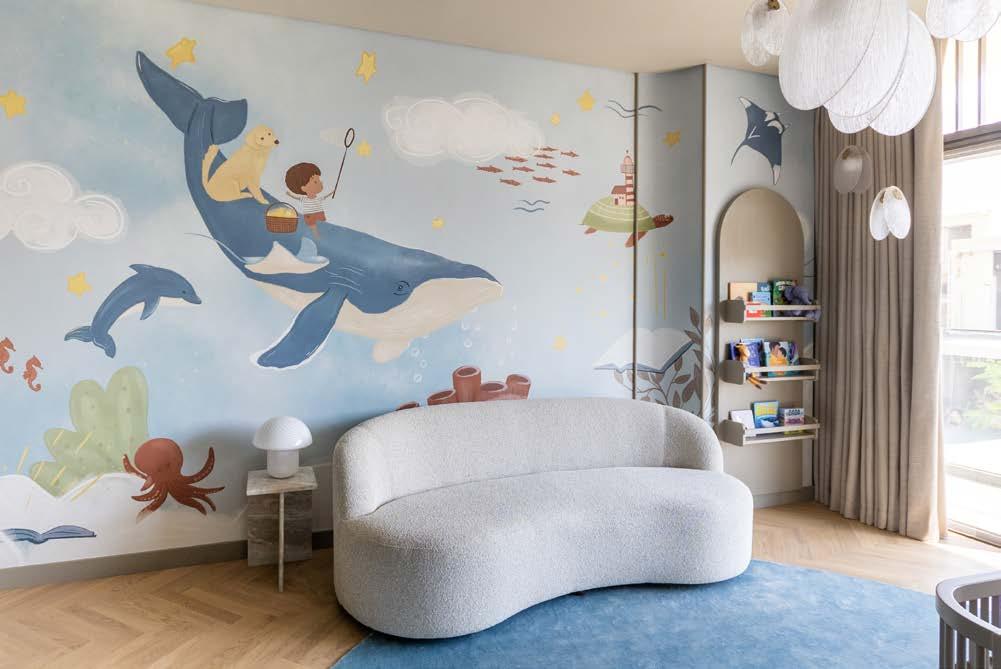
A thoughtfully designed bedroom can play a powerful supporting role in bedtime routines by helping a child’s nervous system naturally slow down. Calm colour palettes, gentle imagery, and uncluttered visuals create a
sense of safety and predictability, which helps children feel more settled as the day winds down. When a space feels comforting rather than stimulating, children are more able to relax, regulate their emotions, and transition into sleep. Over time, this consistency can make bedtime feel less like a battle and more like a reassuring ritual – a familiar environment that gently signals it’s time to rest.
How do you design wallpapers that grow with a child, rather than feeling quickly outgrown?
We focus on creating timeless, story-driven designs rather than following age-specific trends. By embedding layers of meaning into the artwork - through narrative, gentle details, and thoughtful colour palettes - the wallpaper grows with the child. Younger children can engage with the characters and storytelling, while older children begin to
notice finer details or connect more deeply with the themes. We carefully balance playfulness with sophistication, so the space evolves naturally as a child grows instead of feeling outgrown. At the same time, we celebrate childhood fully - embracing whimsy, magic, and imagination – because children should be free to explore, dream, and play. They’ll have plenty of time for “grown-up” spaces later.
What common design mistakes do you see in children’s bedrooms that can actually disrupt sleep?
A common mistake is prioritizing aesthetics over function. Overly bright or stimulating colours, busy patterns, or excessive décor can make a room feel chaotic. Large, realistic animals with open eyes or sharp teeth can unintentionally frighten children at night, especially when shadows from nightlights
A common mistake is prioritizing aesthetics over function.
fall across the walls. Too much screen exposure or fluorescent lighting can also disrupt natural sleep rhythms. A child’s bedroom should feel calm, cozy, and safe – a space to unwind, dream, and recharge.
Thoughtful use of colour, texture, and soft lighting can make a huge difference in supporting healthy sleep habits.
What advice would you give parents who feel overwhelmed by choice when designing their child’s room?
My advice is to keep it simple and start by listening to your child – their interests, favourite colours, and what sparks their imagination. You don’t need to fill the whole room with décor; sometimes one feature wall - whether it’s wallpaper, a painted wall, or a collection of framed art prints – is all it takes to bring magic, personality, and playfulness into their space while keeping it calm and functional.
For more information, visit thewallpaperkids.com or follow @thewallpaperkids on Instagram.
WHY ROUTINE MATTERS FOR NEURODIVERGENT CHILDREN
Sarah Maamari, Psychologist for Children, Adolescents, and Families at Sage Clinics shares insights on the powerful link between predictability, nervous system safety, and calmer, more connected family life.
When we talk about routine, what does that actually look like for families day to day, and why is this important for neurodivergent children?
Routine does not mean rigid schedules or doing things perfectly every day. For most families, routine simply means having a familiar flow to the day. Waking up, getting ready, eating meals, transitioning to school, and winding down in a similar order. For neurodivergent children, this predictability creates a sense of safety. When the brain knows what to expect, it does not have to stay in a constant state of alert. This allows children to use their energy for learning, connecting, and managing emotions rather than coping with uncertainty.
When a neurodivergent child has a meltdown or emotional outburst, what is usually happening underneath the behaviour?
Most emotional outbursts are not about the moment itself. They are a sign that the child’s nervous system has reached its limit. Sensory input, emotional demands, social expectations, and unexpected changes can quietly build up throughout the day. When the brain becomes overwhelmed, it shifts out of a thinking state and into a survival state. At this point, behaviour becomes a form of communication rather than a choice. The child is not being difficult, they are showing us that something feels too much.
What are some small, realistic ways parents can add more predictability at home without feeling overwhelmed?
Predictability does not have to be complicated. Parents can start with one part of the day that feels challenging, such as mornings or bedtime, and keep that sequence consistent. Using the same language for transitions, offering gentle warnings before changes, and keeping expectations clear can make a big difference. Visual reminders or simple written routines can also reduce stress for both parents and children. Even small amounts of consistency can help a child feel more settled.
What can parents do when routines are disrupted during periods of illness, holidays, or unexpected changes?
Disruptions are part of family life, and it is normal for children to find these periods harder. During times of change, it helps to
When the brain becomes overwhelmed, it shifts out of a thinking state and into a survival state.
keep at least one or two familiar anchors in place, such as a bedtime routine or a morning ritual. Preparing children in advance, explaining what will be different and what will stay the same, can reduce anxiety. After disruptions, children may need time to readjust, and this is not a setback.
Can you explain the link between lack of routine, heightened anxiety, and emotional outbursts in neurodivergent children?
When children do not know what to expect, their brain interprets uncertainty as a possible threat. This increases anxiety, even if the child cannot explain how they feel. High anxiety makes emotional regulation much harder. Small frustrations can quickly turn into big reactions. Routine helps
lower this anxiety by providing clarity and predictability. When the brain feels safe, emotions become easier to manage.
Why might behaviours that look like defiance actually be signs of overwhelm or dysregulation?
What appears as defiance is often a child expressing that they cannot cope in that moment. Neurodivergent children may struggle with transitions, processing instructions, or managing sensory input. When routines are unclear or change suddenly, their capacity to cooperate decreases. Understanding this helps shift our response from discipline to support and compassion.
How does a consistent routine support emotional regulation and reduce meltdowns or shutdowns?
Consistent routines reduce the number of decisions and surprises a child has to manage. This lowers stress on the nervous system and supports emotional regulation. Over time, predictable patterns help children recover more quickly from stress, experience fewer intense emotional reactions, and feel more confident navigating their day.
How can visual schedules, advance warnings, or consistent responses help children feel safer and more in control?
Visual schedules help children understand what is coming next without relying only on verbal instructions. Advance warnings give the brain time to adjust to change. Consistent responses from adults build trust and a sense of safety. When children know what to expect from their environment and the adults around them, they feel more in control and less anxious.
If parents could take just one message away about routine and behaviour, what should it be?
Routine is not about control or perfection. It is about creating a sense of safety. When children feel safe and supported, behaviour improves naturally. Predictability helps neurodivergent children regulate their emotions, trust their environment, and thrive in daily life.
For further insight or to reach out to Sarah Maamari at Sage Clinics, contact +971 4 575 5684, e-mail appointments@sageclinics.com or visit sage-clinics.com.
The New Bio-Oil® Skincare Oil (Natural) 100% Natural.
New Bio-Oil® Skincare Oil (Natural) is made entirely from natural ingredients. By harnessing the power of science and nature, Skincare Oil (Natural) matches the efficacy of the original Skincare Oilthe world’s leading scar and stretch mark product.
HEALTH AND WELLNESS
THE WELLNESS EDIT
Prioritising moments of wellness for physical, mental, and emotional health optimisation. This month we’re looking at why maternal brain health is one of the most significant – yet overlooked – transitions in a woman’s life, how to help children steer clear of school germs, the athleisure brands to know, how fresh vitamin C can help your skin, and much more.
MATERNAL BRAIN HEALTH: THE INVISIBLE TRANSITION NO ONE PREPARES WOMEN FOR
From hormonal shifts to neuroplastic change, Dr Mouzayan Ginzarly, Family Medicine Consultant at The Brain & Performance Centre in Dubai, delves into why maternal brain health is one of the most significant – yet overlooked – transitions in a woman’s life.
Maternal brain health is one of the most significant yet least acknowledged transitions in a woman’s life. Pregnancy and early motherhood bring profound changes to attention, memory, emotional regulation, and cognitive stamina, reshaping how women think, process, and perform long after physical recovery is complete.
Yet maternal care continues to prioritise the body, while the brain is largely overlooked. There is a growing need to recognise maternal brain health as essential to a mother’s wellbeing, her confidence, and her ability to navigate the demands of modern family life.
Treating cognitive and emotional performance not as an afterthought, but as a core part of postnatal care.
We hear a lot about physical recovery after birth, but far less about the brain. Why has maternal brain health remained largely invisible in mainstream postnatal care?
For most healthy women, postpartum brain changes are largely reversible and strongly influenced by: Rapid hormonal shifts (oestrogen, progesterone, oxytocin drop), sleep deprivation, emotional stress and identity shift, nutrient depletion, cognitive overload, and recovery from childbirth itself. The maternal brain is adaptive, not damaged.
Research shows structural and functional changes that support bonding and caregiving – and many cognitive symptoms improve as hormones stabilise and sleep improves.
Maternal brain health has remained relatively invisible because postnatal care has historically prioritised what is most immediately measurable: physical healing, hormonal
recovery, and infant wellbeing. Cognitive and neurological changes are more subtle, less visible, and often normalised rather than assessed.
There is also a long-standing cultural narrative that frames mental and cognitive strain after birth as something mothers are expected to tolerate. Symptoms such as reduced concentration, emotional volatility, or mental fatigue are frequently attributed solely to sleep deprivation, without acknowledging that pregnancy and childbirth involve measurable neurological adaptation.
Mainstream care tends to be reactive rather than preventive. Unless a mother presents with clinically significant depression or anxiety, the brain is rarely discussed in structured terms. This creates a gap where many women feel cognitively or emotionally different, yet do not meet diagnostic thresholds for intervention.
From a neurological perspective, maternal recovery should extend beyond physical milestones. The postnatal period places sustained demands on attention, emotional regulation, and executive function at a time when the brain has already undergone structural and connectivity changes. Recognising this dimension allows for a more complete and realistic approach to postnatal care.
From a medical perspective, what actually happens to the brain during pregnancy and early motherhood?
During pregnancy, significant hormonal shifts –particularly in oestrogen and progesterone – influence brain structure and neural connectivity. Neuroimaging studies demonstrate changes in regions involved in social cognition, emotional processing, and executive function. These adaptations are thought to enhance bonding,
responsiveness, and threat detection. This reflects neuroplastic adaptation rather than cognitive decline. The brain reorganises to prioritise caregiving-related functions. However, this reallocation of neural resources can be experienced subjectively as reduced mental flexibility or slower recall in certain contexts.
Is “baby brain” a myth, a misunderstanding, or a real neurological shift?
“Baby brain” is not a myth, but it is often oversimplified. It reflects genuine neurological adaptation rather than loss of intelligence or capability. Define it clearly as so many people never heard this expression before: “Baby brain” is a common term used to describe mild, temporary changes in memory, attention, and mental clarity that can occur during pregnancy and early motherhood, largely influenced by hormonal shifts, sleep disruption, and emotional adaptation.
Pregnancy and early motherhood involve structural and functional brain changes that prioritise bonding, emotional attunement, and responsiveness to an infant. This reorganisation may temporarily influence working memory, attention, and cognitive flexibility, particularly in environments requiring multitasking or sustained focus.
The misunderstanding lies in interpretation. Everyday lapses in recall or concentration are often framed as cognitive weakness. In reality, the brain is prioritising different neural networks. When combined with sleep fragmentation and increased cognitive load, these effects become more noticeable.
“Baby brain” is best understood as an adaptive shift in neural priorities. It reflects a brain recalibrating for caregiving, not one deteriorating.
Why do so many women feel cognitively different long after the postpartum period ends?
Cognitive and neurological changes are more subtle, less visible, and often normalised rather than assessed.”
In early motherhood, the brain operates under sustained demand. Sleep disruption, emotional load, and constant vigilance place pressure on cognitive stamina and decisionmaking capacity. At the same time, the stress response system may remain more reactive, increasing vulnerability to anxiety or mental fatigue.
Importantly, these changes are biological and physiological, shaped by both internal hormonal shifts and external environmental demands. For many women, the brain does not simply “return” to its pre-pregnancy state. It continues adapting over time, influenced by caregiving intensity, sleep quality, stress levels, and support systems.
Pregnancy initiates lasting neuroplastic changes, and motherhood introduces ongoing cognitive and emotional demands that extend well beyond the early postnatal window.
Executive function – the capacity to plan, prioritise, regulate emotions, and manage multiple streams of information – remains under sustained demand. Many women resume professional responsibilities while continuing primary caregiving roles, increasing cumulative cognitive load. This can affect attention, processing speed, and mental endurance over time.
Additionally, there is often an expectation that once physical recovery milestones are reached,
Dr Mouzayan Ginzarlycia
cognitive recovery should also be complete. In reality, the brain may still be recalibrating in response to chronic sleep disruption, stress, and responsibility.
Feeling cognitively different does not necessarily indicate dysfunction. It often reflects a brain that has adapted to prolonged demand without sufficient recovery.
Understanding maternal brain health as a longterm process, rather than a short postpartum phase, allows for more realistic expectations and support.
Many mothers describe brain fog, forgetfulness, or difficulty
focusing – what is happening neurologically during this time?
These experiences are usually multifactorial rather than the result of a single cause.
Hormonal fluctuations continue to influence neurotransmitter systems involved in attention, mood, and memory. At the same time, brain networks associated with emotional vigilance and threat detection may remain highly active, drawing cognitive resources away from sustained concentration.
Sleep fragmentation plays a central role. Inadequate or interrupted sleep disrupts
When should you get checked?
Common in the first 3 – 6 months postpartum
• Brain fog
• Mild forgetfulness
• Slower word recall
• Emotional sensitivity
• Fatigue-related poor concentration
Consider evaluation if these symptoms persist beyond 6 months postpartum:
• Cognitive fog is worsening, not improving
• You struggle with daily functioning
• Mood symptoms are significant
• Sleep has improved but brain function has not
memory consolidation and glymphatic clearance – the brain’s metabolic “cleaning” system – contributing to the sensation of mental fog and reduced clarity.
Chronic stress further activates the sympathetic nervous system, which can impair cognitive flexibility and working memory. When combined with high mental load –constant planning, anticipating, and decisionmaking – the brain can feel overloaded even when underlying neurological capacity remains intact.
The result is a genuine neurological experience of reduced clarity or focus. It is not a sign of diminished intelligence, but a reflection of competing physiological and cognitive demands.
Beyond memory or focus, many women describe emotional changes – heightened vigilance, anxiety, or sensitivity. Is the brain rewiring for caregiving?
Yes. Pregnancy and early motherhood are associated with adaptive changes in neural circuits related to empathy, attachment, and
Postpartum mothers often experience:
• Increased sleep fragmentation
• More time in lighter sleep stages
• Faster arousal to infant sounds
This is not driven by one single hormone. It ’ s a combined effect of:
• Oxytocin
• Prolactin
• Cortisol shifts
• Infant cue conditioning
• Repeated nighttime arousals
Research shows mothers wake more easily to their own baby’s cry than to other sounds – a learned and hormonally supported adaptation.
threat detection. This heightened sensitivity supports rapid responsiveness to an infant’s needs.
Hormonal influences and stress-regulation systems become more finely tuned to environmental cues. While this enhances caregiving capacity, it can also feel like increased vigilance, emotional intensity, or anxiety.
Context is crucial. When supported by adequate rest, reassurance, and social support, the brain can gradually recalibrate. When combined with chronic stress or insufficient recovery, this heightened state may persist longer than intended.
These emotional shifts are adaptive rather than inherently pathological. They reflect a brain configured for protection and responsiveness. The goal is not to eliminate this adaptation, but to ensure it is supported rather than overstretched.
What helps support cognitive stamina during early motherhood in terms of sleep strategies, nutrition, movement, mental rest?
Supporting cognitive stamina is primarily about protecting recovery capacity.
Sleep remains the most influential factor. Even when uninterrupted rest is unrealistic, prioritising consistency, short restorative naps, and reduced pre-sleep stimulation can meaningfully support attention and emotional regulation.
Nutritionally, the brain depends on stable glucose supply and adequate hydration. Regular meals containing protein, healthy fats, and complex carbohydrates help maintain cognitive stability. Severe restriction or irregular eating can worsen fatigue and mental fog.
Gentle, consistent movement supports circulation, stress modulation, and mood regulation. Low-impact activity such as walking or stretching is often sufficient to support brain function without adding physiological strain.
Equally important is cognitive rest. Reducing unnecessary multitasking, limiting information overload, and allowing periods of low stimulation help preserve executive function capacity. Cognitive stamina improves when the brain is given structured opportunities to recover. There is no one strategy fits it all, every mother is unique and deserves a personalised and tailored support from healthcare professionals to make the motherhood journey pleasant for her and her child.
How can parents differentiate between normal adaptation and postpartum depression or anxiety?
There is overlap, but several distinctions are important.
Normal adaptation tends to fluctuate. Fatigue, emotional sensitivity, or moments of overwhelm
often correlate with sleep, stress, or situational demands. There are typically periods of relief, enjoyment, or emotional variation.
Postpartum depression or anxiety is more persistent and intrusive. Symptoms are present most of the day, for many consecutive days, and do not meaningfully improve with rest or reassurance. This may include sustained low mood, loss of interest, excessive guilt, constant worry, racing thoughts, or a sense of being unable to cope. Clinically, concern increases when symptoms persist beyond two weeks or progressively worsen.
Impact on functioning is another key marker. When emotional or cognitive symptoms significantly interfere with daily life, relationships, or self-care, professional support is warranted.
Seeking help is not an indication of failure. Postpartum depression and anxiety are medical conditions with biological and psychological components, and early intervention improves outcomes.
What do you hope parenting culture understands better about the maternal brain in the next decade?
I hope there is broader recognition that the maternal brain undergoes real, measurable neurological adaptation. These changes are not a reduction in capability, but a reorganisation in response to caregiving demands.
Recovery should not be defined by short timelines. The expectation that women return quickly to their previous cognitive and emotional baseline can create unnecessary pressure. Maternal brain health is dynamic
Important postpartum distinctions to know
This is not driven by one single hormone. It’s a combined effect of:
• Adaptive vigilance:
• Focused on infant safety
• Improves with rest
• Does not cause persistent distress
Pathological anxiety:
• Intrusive, uncontrollable thoughts
• Hyperarousal beyond infant-related triggers
• Persistent impairment
and influenced by sleep, stress, workload, and support systems.
A more informed culture would acknowledge that caregiving reshapes neural priorities and that sustained support, rather than minimisation, leads to healthier long-term outcomes for mothers and families. I would add that a preparation even before conceiving with right awareness is crucial. I mean when you want to invest in something in general you take the time, you think, you learn about it etc. – conceiving should be the same, the more we understand our biology and prepare for the changes the better we’ll cope with it.
What’s one message you wish every new mother could hear about how her brain is changing?
Your brain is not failing; it is adapting. The changes you may notice in focus, memory, emotional sensitivity, or mental energy reflect neuroplastic adjustment to a profound life transition. They are biological responses to new demands and responsibilities.
Understanding this reduces self-blame and encourages realistic expectations. A brain that has changed in response to caregiving deserves patience, recovery, and support.
Adaptation takes time, and that time is valid.
For further information, visit braindubai.com.
RAISING HEALTHY KIDS: WHAT REALLY PROTECTS THEIR IMMUNE SYSTEM
From sleep and nutrition to knowing when to seek medical care, Dr. Danny Alsalloum, Pediatrician at Medcare Women & Children Hospital, Dubai, explains the everyday habits that genuinely reduce a child’s risk of illness and steering clear of germs.
What are your top three daily habits that genuinely reduce a child’s risk of getting sick?
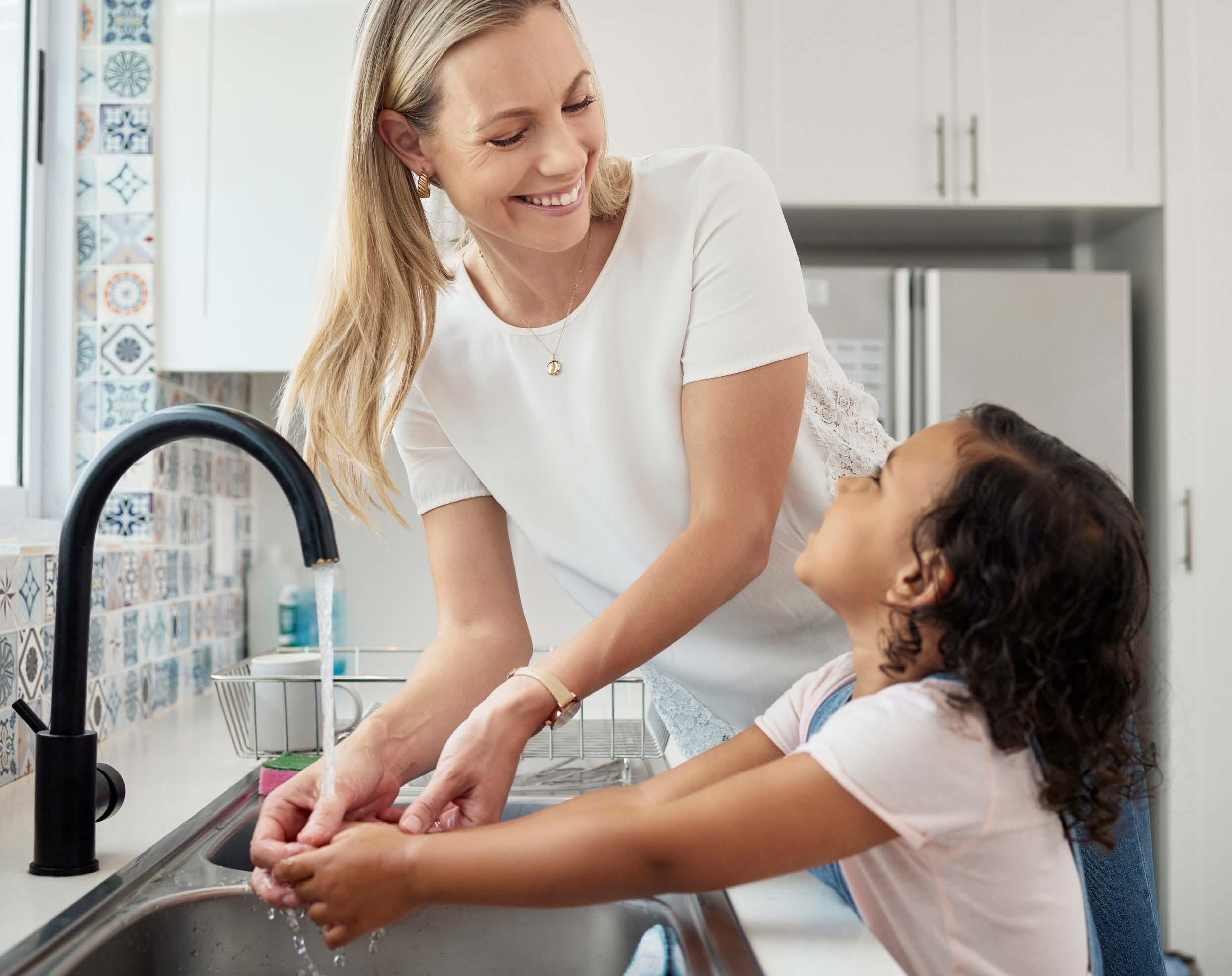
Good hand hygiene, adequate sleep, and a balanced diet are three of the most effective daily habits. Regular physical activity and staying up to date with vaccinations also play an important role in preventing infections.
How much do sleep, nutrition, and hydration influence immunity in young children?
They are fundamental. Sleep allows the immune system to recover and function properly, good nutrition provides essential vitamins and minerals for immune cells, and hydration helps maintain circulation and mucosal barriers that protect against infection.
Is there such a thing as “boosting” the immune system, or should parents focus on supporting it instead?
The immune system cannot be “boosted” overnight. Parents should focus on supporting it through healthy lifestyle habits nutritious meals, sufficient sleep, regular activity, stress reduction, and timely vaccinations.
Are vitamin supplements necessary for most children, or can they get what they need from diet alone?
Most healthy children can meet their nutritional needs through a balanced diet. Supplements may be recommended in certain situations such as vitamin D for some children, picky eating, or specific medical conditions but should only be given after consulting a doctor.
Which foods or nutrients are most important for immune health?
Key nutrients include protein, iron, zinc, vitamin A, vitamin C, vitamin D, and omega-3 fatty acids. Foods such as fruits, vegetables, dairy, eggs, lean meats, legumes, nuts (age-appropriate), whole grains, and fish all contribute to immune health.
How can parents tell the difference between a common cold and the flu in children?
Colds usually develop gradually with runny nose, sneezing, and mild fever. Flu often starts
Good hand hygiene, adequate sleep, and a balanced diet are three of the most effective daily habit.”
irritable, is not feeding well, vomits repeatedly, or parents are concerned about their child’s condition.
Are there specific symptoms that require urgent assessment, especially in younger children?
Yes. Urgent assessment is needed for difficulty breathing, bluish lips or skin, seizures, stiff neck, persistent vomiting, inability to wake, or in infants poor feeding, reduced wet nappies, or high fever.
When should parents worry about dehydration or breathing issues?
Signs of dehydration include dry mouth, no tears when crying, reduced urination, sunken eyes, or lethargy. Breathing concerns include rapid breathing, chest retractions, flaring nostrils, wheezing, or persistent coughing that interferes with feeding or sleep.
Which over-the-counter remedies are appropriate –and which should parents avoid?
Paracetamol or ibuprofen may be used for fever or pain in the correct dose for age and weight. Parents should avoid giving aspirin to children and be cautious with cough and cold medicines in young children unless advised by a doctor.
If parents could change just one habit this year to help their children stay healthier, what would you recommend?
suddenly and may include high fever, body aches, fatigue, headache, and cough. A doctor can confirm the diagnosis if needed.
What are the best ways to manage symptoms at home safely?
Ensure the child rests, drinks plenty of fluids, eats light nutritious meals, and keeps the nose clear with saline drops or sprays. Fever or discomfort can be managed with ageappropriate medications as advised by a doctor or pharmacist.
What warning signs suggest a child needs medical attention rather than home care?
Seek medical advice if symptoms persist beyond a few days, fever is high or prolonged, the child becomes unusually drowsy or
Establishing consistent routines for sleep, nutritious meals, and handwashing – alongside keeping vaccinations up to date – is one of the most powerful ways to protect a child’s health throughout the year.
YOUR SHORTCUT TO RADIANT SKIN VITAMIN C:
For women juggling it all, a potent Vitamin C serum may be the simplest way to restore glow, firmness, and confidence – if it’s made properly. Founded by a UAE-based mother Kathryn Jones, KJ Serums is redefining how Vitamin C should be formulated, and why it works. We hear from Kathryn to learn more.
Vitamin C has emerged as one of the most sought-after ingredients in modern skincare, celebrated for its brightening, anti-ageing, and rejuvenating benefits. Yet in a market dominated by fast, mass-produced formulas, freshness, formulation and scientific craftsmanship are often overlooked.
Enter KJ Serums, the homegrown UAE brand founded in 2017 by Kathryn Jones, whose scientific and medical expertise drives her mission to create skincare that truly works. With a focus on hand-blended, freshly formulated serums, KJ Serums is redefining how Vitamin C should be made and used, proving that real results come from clever, intelligent formulation. At the heart of this approach is the flagship Triology Fresh Vitamin C Serum, a carefully curated blend designed to deliver radiant, healthy, and youthful skin every day.
While many skincare brands rely on largescale manufacturing and long shelf lives, research shows that Vitamin C performs best when it is fresh, stable, and scientifically formulated. Mass-produced serums can spend months in transit or storage, compromising their effectiveness long before they reach the skin. KJ Serums takes a different approach, hand-blending each batch of Triology monthly to ensure the L-ascorbic acid remains fresh, stable, and readily absorbable at the point of use.
The Triology Fresh Vitamin C Facial Serum embodies this philosophy, with its name reflecting the three key ingredients that define the formula: L-ascorbic acid, Vitamin E, and Ferulic acid. L-ascorbic acid supports skin renewal and brightens the complexion, while Vitamin E and Ferulic acid enhance antioxidant protection, improve hydration, and help minimise visible signs of ageing, delivering radiant, youthful-looking skin without relying on harsh processing or overmanufactured formulas.
A gentle tingling upon application signals that the active ingredients are fresh and working. Available in 10% and 20% concentrations, Triology should be stored away from sunlight and heat and used within a month of opening to ensure maximum efficacy.
KJ Serums’ Triology Fresh Vitamin C
Facial Serum is is priced at AED 175 for 30ml or AED 237 for 60ml and can be purchased from kjserums.com.
Meet the expert: Kathryn Jones, founder, KJ Serums
Why did you choose to combine L-ascorbic acid, Vitamin E, and Ferulic acid in this formula, and how do they work together to benefit the skin?
We chose to combine L-ascorbic acid with Vitamin E and Ferulic acid because they work synergistically to enhance both stability and performance. L-ascorbic acid is the goldstandard form of Vitamin C for brightening and collagen support, but it can be unstable on its own. Vitamin E helps reinforce the skin barrier and provides additional antioxidant protection, while Ferulic acid stabilises the formula and enhances the overall antioxidant power. Together, they create a more effective and resilient formula that protects against environmental stressors while supporting brighter, firmer-looking skin.
What visible skin improvements can users realistically expect from the 10% versus the 20% concentration, and who is each strength best suited for?
The 10% concentration is ideal for those newer to Vitamin C or with more sensitive skin. Users can expect gradual brightening, improved skin clarity, and a more even tone with consistent use.
The 20% concentration is better suited to experienced users or those looking to target more visible concerns such as pigmentation, dullness, or early signs of ageing. It delivers more intensive brightening and collagen-support benefits, but as with any active, it’s important to build tolerance gradually.
“Many users feel a gentle tingling when applying fresh Vitamin C” – what does this sensation mean, and how can people tell the difference between normal activity
A mild, brief tingling sensation can be completely normal when applying active L-ascorbic acid, particularly if the skin isn’t accustomed to it. This usually subsides within a
However, persistent stinging, redness, or discomfort that lasts beyond a short period may indicate irritation. In that case, we recommend reducing frequency of use, applying over moisturiser initially, or starting with the lower 10% strength. Skin should feel comfortable overall, active doesn’t need to mean uncomfortable.
Because the serum is designed to stay fresh and potent, what is the best way to incorporate it into a daily skincare routine and store it to maintain maximum effectiveness?
For best results, we recommend applying the serum in the morning after cleansing and before moisturiser and SPF. Vitamin C works beautifully under sunscreen, helping to defend against environmental stressors throughout
To maintain potency, it should be stored in a cool, dry place away from direct sunlight, with the cap secured tightly after each use. Because it’s a fresh formula, it should be used up within one month of receiving.
A MOTHER’S GUIDE TO FACIAL REJUVENATION:
WHERE TO START AND WHAT REALLY WORKS
We hear from the experts at Hortman Clinics in Dubai to learn how today’s non-surgical treatments are helping women reclaim radiance – without surgery or downtime.
Between school runs, career demands, and the invisible mental load that so many women carry, it’s no surprise that mothers are often the last to prioritise themselves.
As we age, collagen declines, elasticity softens, jawlines blur slightly and fine lines begin to settle in, leaving many of us wondering: “when did I start looking so tired?”
The good news? Rejuvenation no longer means drastic surgery or weeks of hiding away. Today’s most advanced non-surgical technologies offer subtle, natural-looking results with minimal disruption to daily life.
The conversation around facial rejuvenation has changed profoundly in recent years. We are no longer chasing perfection or dramatic transformation. Today’s aesthetic approach
is about restoration – restoring firmness, luminosity and structure in a way that feels subtle, elegant and entirely natural.
At Hortman Clinics, advanced energy-based treatments are redefining what is possible without surgery. By stimulating the body’s own collagen production, these technologies work beneath the surface to rebuild skin from within rather than masking concerns temporarily.
Morpheus Ignite combines microneedling with radiofrequency to stimulate collagen and elastin deep within the skin, improving firmness, texture and radiance with minimal downtime. For more noticeable laxity around the brows, jawline or neck, Ulthera Prime uses focused ultrasound to lift and tighten foundational support layers, gradually restoring contour while preserving natural expression.
For time-pressed mothers, Thermage FLX delivers firming and smoothing in a single session by heating deeper dermal layers to trigger immediate tightening and longterm collagen renewal. Meanwhile, Sofwave provides a preventative option for early signs of ageing, stimulating mid-dermal collagen to subtly lift and refine without disruption to daily life.
The emphasis is always on personalisation. Treatments can be combined depending on individual goals, lifestyle and skin condition, ensuring results that feel refreshed rather than altered. Modern rejuvenation is not about changing how you look – it’s about restoring confidence and helping you feel like the most radiant version of yourself.
For further information, visit hortmanclinics.com.
Meet the expert: Dr Raquel Fernandez De Castro
A leading doctor and mother, Dr. Raquel is a world-renowned figure in aesthetic
such as nutrition, sleep quality, stress levels, exercise and even gut health can directly affect our cells through mechanisms like inflammation and cellular senescence. This growing awareness of epigenetics allows us to focus more on prevention rather than simply treatment. By optimising lifestyle choices, we can positively influence how we age – not only improving appearance, but also supporting overall health and longevity.
What are some gentle, entry-level treatments that are popular with first-timers?
For good skin, LED therapy, such as Heleo4, combined with Hydrafacial, Fotona, and medical-grade topical treatments can also help improve texture, tone, and overall skin health.
How do injectables like antiwrinkle treatments or skin boosters work in simple terms?
Why is medical training so important in facial aesthetics?
Medicine is constantly evolving. As doctors, we have a responsibility to continue learning throughout our careers. New technologies, products, research, and even artificial intelligence are changing the landscape rapidly. Patients today have access to vast amounts of information – and misinformation – so it is essential that practitioners remain educated, updated, and grounded in strong medical knowledge. A solid foundation combined with ongoing training ensures patient safety and optimal results.
How do you balance enhancing someone’s appearance while protecting their natural features?
first consultation?
Skin concerns due to hormone fluctuations and big changes that occur inside the body during pregnancy, which manifest directly on the skin and its quality. Common concerns are usually about the eye area, tear-trough, eyebrows, and laxity of the skin.
How much of facial ageing is lifestyle, and how much is simply time and biology?
Ageing was traditionally thought to be largely genetic. While biology and time certainly play an important role, modern medicine and technology have transformed our understanding of how lifestyle influences the ageing process. We now know that factors
Anti-wrinkle injections, often referred to as toxin treatments, work by relaxing overactive facial muscles. When these muscles soften, fine lines reduce and the face appears more refreshed and open. Beyond the physical effects, there is research showing a positive psychological impact, as patients often feel more confident and uplifted. Scientifically, the treatment works by temporarily blocking the release of acetylcholine at the neuromuscular junction, which reduces muscle contraction.
Skin boosters, depending on the formulation, are designed to improve skin quality rather than muscle movement. They work within the dermis to enhance hydration, refine texture, reduce the appearance of pores, improve pigmentation and boost luminosity.
Are there treatments that can be done discreetly around school runs and work?
Absolutely, because there is no downtime, you can go back to work. 80% of my patients come on their lunch break.
It requires experience, knowledge, and aesthetic judgement. Beauty standards vary across cultures, but the doctor’s role is not to sell treatments – it is to guide and educate patients. We must protect natural expression, prevent over-treatment, and always aim to achieve the best result with the least intervention. Enhancement should never mean erasing individuality.
If there was one piece of advice you’d give mums who are curious but hesitant about rejuvenation treatments, what would it be?
Go for it, this is the best gift you can give to yourself, bring yourself back to you, at least a little bit with small improvements, and the feeling and impact that can have on your life is going to be very positive.
Start by consulting a qualified doctor you trust. Build a strong skincare routine and, where appropriate, combine this with supportive treatments from an experienced therapist. From there, follow a step-by-step plan based on your individual needs. Rejuvenation should be gradual, personalised and always focused on enhancing (not altering) the woman you already are.
REDISCOVERING YOU – ONE HAIR APPOINTMENT AT A TIME
Maria Dowling, founder and creative director of mariadowling Salon Dubai reveals how busy women are embracing personalized, low-maintenance hair – from colour sculpting and bond-protecting treatments to indulgent caviar-infused care that restores shine, strength, and confidence.
What’s the biggest shift you’ve noticed in what women are asking for compared to a few years ago?
There are two common shifts I have noticed. First of all, women are in a hurry, and time is a huge constraint for most people, so they’re seeking fast, quick solutions. They no longer want to spend a day having their hair done as they are time-poor.
Also, instead of arriving with a single celebrity reference, they want personalized, wearable hair that respects their texture, elevates their individuality, and fits seamlessly into their reality.
Are there any new buzzwords or techniques clients should know about this season?
This season it’s all about colour sculpting –layering techniques and multi-dimensional shades to create a more sculpted, dynamic look with bespoke colour tailored to each client. To be honest, though, as a colour specialist salon, this is something that we have always done: create bespoke colours that are most flattering to our clients!
Alongside that, adaptive cutting reflects the shift toward personalized, low-maintenance styles designed for real life.
How does hair typically change with age, hormones, or after having children?
As women age, hair naturally greys and often becomes coarser, while hormonal shifts –particularly after pregnancy – can lead to thinning and shedding. Hair loss becomes the common denominator, prompting a shift toward styles, cuts, and treatments that enhance volume, texture, and overall hair health.
How often should someone realistically update their cut to keep it looking fresh?
To keep hair looking fresh, short styles benefit from a trim every four weeks to
This season it’s all about colour sculpting – layering techniques and multidimensional shades to create a more sculpted, dynamic look with bespoke colour.”
them. However, moderation is key: overusing these treatments can lead to protein buildup, resulting in brittleness or breakage. When used correctly, bond protectors not only preserve hair integrity during colour processes but also leave it feeling soft, glossy, and effortlessly polished.
cocktail of all-natural ingredients and offers a multitude of benefits to all hair types in just 20 minutes. Peppermint, jojoba and lemongrass help rebalance the hair, while bergamot, sesame, vitamin B5 and honey soothe and heal the scalp. The aromatherapeutic benefits of the soothing oils will also help to calm an anxious mind.
It’s suitable and safe for use on virgin or coloured hair, the clay promises to leave hair soft, shiny, revitalised and full of health. For those who colour their hair, treatment is recommended two to three days before a colour service as if you use it before, trust me your colour will look better than ever!
For a new mum wanting to feel a bit like herself again, what would you advise her to ask for in the salon?
For a new mum looking to reconnect with herself, the salon visit should be about more than just a cut or colour – it’s about being pampered. She should ask for styles that are low-maintenance yet flattering, treatments that nourish and restore, and a little time to relax. A thoughtful, personalized experience can help her feel refreshed, confident, and truly cared for.
maintain shape and edge. Longer layers can go 8–10 weeks, allowing growth while preserving movement and dimension. Regular updates ensure styles stay polished, manageable, and effortlessly modern, no matter the length.
What colour trends work best for women who don’t want frequent salon visits?
For women avoiding frequent salon visits, subtle changes work best – 1–2 shades lighter than natural hair or a low-maintenance balayage. Avoid placing colour on the parting, so regrowth is less obvious, and finish with a gloss to keep hair looking healthy, shiny, and effortlessly polished between appointments.
We’re hearing lots about hair bond protectors, such as Olaplex – how do these work and are they worth using?
Hair bond protectors, such as Olaplex, have revolutionized colouring by safeguarding strands from damage and keeping hair strong, resilient, and healthy. They’re essential –there’s truly no way to achieve vibrant colour safely without
We absolutely love that you use shampoo with caviar in your salon. Can you explain why caviar is good for the hair?
The presence of caviar in shampoo is not just a luxurious treat for hair, it is also packed with vitamins, minerals, and omega-3s that nourish and strengthen each strand. It helps to restore moisture, smooth frizz, and add shine, leaving hair soft, healthy, and radiant. In short, caviar doesn’t just cleanse – it revitalizes, making every wash feel indulgent and salon-worthy.
If we were to invest in one at-home hair product to consistently use for hair health, what would it be and why?
The mariadowling’s hair & scalp clay is a must as it harnesses the hydrating power of Aloe Vera to deeply cleanse, stimulate, moisturise and rebalance the scalp. Designed to counteract the negative impact of changing hormones, external aggressors and over styling, this cleansing and revitalising masque is powered by a powerhouse
Salon spotlight
mariadowling Salon is the ultimate reset for busy mums who rarely take time for themselves. From the warm welcome to the genuinely personalised consultation, everything is designed around making you feel at home. The team understands post-baby hair changes, time constraints, and the need for styles that look polished without constant upkeep. Their bespoke colour, thoughtful cutting techniques, and nourishing treatments – including their signature caviar-infused care –leave hair looking healthy, glossy, and effortlessly manageable. You walk out not just with beautiful hair but feeling like yourself again.
For more information, visit mariadowling.com.
ATHLEISURE BRANDS TO KNOW
Because motherhood is a full-body workout – and your wardrobe should keep up.
From sunrise school runs to late-night wind-down stretches, modern motherhood rarely stands still. Today’s athleisure isn’t just about gym sessions – it’s about pieces that flow effortlessly between pilates class, coffee catch-ups, Zoom calls, errands and moments of calm carves out just for you.
If you’re refreshing your wardrobe this season, these are the athleisure brands redefining comfort, performance and elevated everyday style across the region – because when you feel supported in what you wear, everything else moves a little more smoothly.
LC: polished and put together, but comfortable
For women who power through packed diaries without missing a beat, LC’s Active Marl collection delivers refined performance with elevated ease.
Designed for all-day movement, the collection features ultra-soft marl fabric with four-way stretch and breathable comfort. The result? Pieces that feel effortless yet look put together –even when you’re juggling three WhatsApp groups, your five-year-old’s playdate schedule, and back-toback meetings.
Expect:
• Tanks and supportive bras
• Leggings and kick flares
• Shorts
• A sleek shrug
• A modern active onesie
Finished with subtle silver reflective logos and offered in Teal Marl and Dark Grey Marl, these pieces are designed to layer seamlessly and maintain their luxe feel wash after wash.
Perfect for: The multitasking mum who wants her activewear to look intentional, not accidental.
Visit lcofficial.com.
H&M Move: where softness meets calm
If your wellness routine leans toward yoga nidra, breathwork or slow stretching while the house is finally quiet, H&M Move’s latest collection is designed with exactly that energy in mind.
Inspired by restorative practices, this drop embraces the softer side of movement. Crafted in the brand’s signature SoftMove fabric, the pieces feature a brushed, second-skin finish that feels gentle yet supportive – ideal for deep stretches or mindful moments between busy schedules.
The palette is intentionally calming: light truffle brown, blush pink, warm brown, amazonite and ivory – tones that feel as serene as your postmeditation mindset.
Standout pieces include:
• A knotted bra top
• A cropped tee with an elegant open-back twist
• Sculpting classic and flared leggings
• A versatile wrap cardigan that can be styled front or back
Accessories such as ombré socks, a canvas tote, sleeping mask and water bottle complete the ritual-ready collection.
Perfect for: The mum who treasures her slow mornings and carves out intentional self-care time.
Visit ae.hm.com
Maeya: the homegrown hero
Dubai-based premium activewear label Maeya continues to build a loyal following with its newest capsule collection, CloudForm – a masterclass in understated, wear-anywhere essentials.
Designed for Pilates, yoga, low-impact workouts or simply living in from morning coffee runs to evening errands, the collection revolves around its ultra-soft CloudForm fabric. The mid-weight performance material delivers a matte finish, light support and impressive stretch and recovery — offering that coveted second-skin feel without sacrificing structure.
Key pieces include:
• CloudForm long and short sleeve tops
• CloudForm contour crop
• CloudForm straight leg pant:
The neutral palette makes mixing and matching effortless – ideal for mothers who value minimalism and longevity in their wardrobe.
Perfect for: The style-conscious mum who loves local brands and elevated essentials.
Visit maeyaclothing.com
MULU: athleisure for the whole family
Sometimes, the biggest luxury is simplicity – especially when dressing an entire household.
The newly launched Reborn Collection from MULU reflects founder Kanessa Muluneh’s journey into motherhood and her vision of creating fashion that bonds families. With sizes ranging from baby to 5XL, the collection embraces inclusivity and ease.
Built around the mantra “unlock ease, unlock MULU,” the brand focuses on clothing that moves with you through daily life – school runs, errands, travel days and weekend outings.
The collection features:
• Five classic core shades: black, navy, maroon, brown and green
• Two playful additions: yellow and light blue
• Premium, adaptive fabrics designed for comfort across body types
• Modern abayas and elevated everyday essentials
The brand caters to established families seeking coordinated yet contemporary wardrobe solutions – think matching moments, but elevated.
Perfect for: Families who love coordinated style and stress-free dressing.
Visit mulu.world
TAKING CARE OF YOU
Wellness news, easy self-care, and products to elevate your everyday
What’s new in health and wellness?
Advancing cell and gene therapies in the Middle East
Almond Blossoms Fertility & Wellbeing Center opens in Dubai
Almond Blossoms Fertility & Wellbeing Center has opened in Dubai Healthcare City, introducing an integrated model of care that combines fertility, reproductive health, and mental wellbeing within a single facility.
Designed to support individuals and couples through sensitive and emotionally complex experiences, operating on the principle that medical outcomes and emotional wellbeing are inseparable. The center’s approach acknowledges the deep interconnection between fertility challenges, life transitions and mental health, and asserts that addressing these factors holistically results in more meaningful, sustainable outcomes and an enhanced patient experience.
The center’s core offering is a comprehensive fertility program, including IVF, ICSI, IUI, fertility assessments, egg and sperm freezing, genetic testing, and personalized reproductive planning. Treatments are provided by internationally trained specialists, utilizing advanced laboratory technologies and evidence-based protocols, and are tailored to each patient’s specific needs and circumstances.
Visit almondblossoms.care
Eforea Spa at Hilton Dubai Palm
Jumeirah introduces new advanced facial treatments
eforea spa at Hilton Dubai Palm Jumeirah has unveiled a new line-up of advanced facial treatments designed to restore balance and deliver visible results.
Now available in-spa, the 75-minute Post Travel Recovery Treatment by HydroPeptide (AED 690) begins with a warm White Quartz stone back, neck and shoulder massage to ease tension and
Advances in cell and gene therapy and expanding Gulf healthcare capabilities are opening new opportunities for regional collaboration, participants heard at World Health Expo Dubai 2026.
During a panel titled “Cell & Gene Therapy Waves: From Scientific Breakthroughs to Real-World Clinical Delivery,” international clinicians and industry leaders discussed global experience in research, technology transfer, and multistakeholder cooperation to prepare healthcare systems for advanced therapies.
Moderated by Ebru Yavuz, UAE General Manager of Arabian Ethicals, the session featured Professor Marcos De Lima of The Ohio State University Wexner Medical Center and Dr. Rabi Hanna of Cleveland Clinic Children’s Hospital. Speakers highlighted developments in cellular therapies such as CAR-T, alongside the importance of clinical governance, regulatory oversight, and long-term evidence generation.
Panelists noted that collaborative innovation models are helping address complex diseases including sickle cell disease and thalassemia. They emphasized that responsible adoption requires strong regulation, specialized infrastructure, and sustainable planning.
The discussion reflects broader GCC priorities around healthcare innovation, quality, and scientific collaboration.
boost circulation, followed by a hydrating facial that replenishes moisture and revives tired skin – ideal for frequent travellers.
Three mesotherapy facials have also joined the menu. The Vitamin C and Whitening treatment (AED 690) brightens and evens skin tone, while the Lifting and Wrinkle Fillers facial (AED 690) uses peptides and hyaluronic acid to firm and smooth. The EXO Booster (AED 750), powered by exosomes and plant stem cells, supports collagen production and skin repair.
Follow @eforeaspadubai or call 04 230 0090.
Sound Healing and Yoga classes now at The Lost World Aquarium
If your idea of self-care feels overdue, there’s a new way to reset – quite literally beneath the surface. At the Lost World Aquarium in Atlantis, The Palm, wellness takes on a dreamlike quality, with weekly Sound Healing Meditation and Underwater Yoga sessions held against a breathtaking backdrop of 65,000 marine animals.
Perfect for mothers juggling busy schedules, these early morning classes (8am–9am) offer a rare hour of uninterrupted calm. Sound Healing Meditation, held every Wednesday and Friday (AED 275), uses soothing frequencies to quiet the mind, rebalance the nervous system and encourage emotional release.
On Saturdays and Sundays (AED 275), Underwater Yoga focuses on gentle strength, flexibility and mindful breathing, suitable for all levels – even complete beginners.
It’s a chance to pause, breathe and reconnect with yourself in one of Dubai’s most extraordinary settings – because every woman deserves a moment of tranquillity.
Visit booking.aquaventureworld.com.
Olympic athlete Sarah Lindsay launches online “Club Roar”
Renowned coach, fitness expert and Olympian Sarah Lindsay has launched Club Roar, a premium online training platform designed to deliver sustainable, science-backed body transformations.
The Club Roar app offers personalised one-to-one coaching for clients unable to attend in-person sessions, providing the same level of support as Lindsay’s studio. Members receive tailored training programmes, customised nutrition plans, progress tracking and direct communication with their dedicated coach, alongside access to Sarah herself.
Combining progressive workouts, individualised meal planning and lifestyle optimisation, the platform focuses on long-term results rather than quick fixes. Programmes adapt to gym or home setups, include modifications for injuries, and are updated every four weeks to ensure continued progress. Weekly checkins, video feedback and an engaged online community further support accountability and consistency.
Built on an evidence-based philosophy, Club Roar prioritises habit formation and sustainable change. With thousands of client transformations to date, the programme aims to deliver measurable results that last.
Visit roar-fitness.com/personal-trainer-dubai/
SIRO One Za’abeel debuts new padel courts with World Padel Academy
SIRO One Za’abeel has opened its exclusive new padel courts, operated by World Padel Academy. The new padel destination features three premium outdoor courts, a dedicated Refuel Bar, and a curated retail space, alongside a dynamic calendar of training sessions, leagues, tournaments, and social gatherings. Designed to align with SIRO’s holistic wellbeing philosophy, the courts integrate fitness, mindfulness, recovery, and community, reinforcing SIRO’s position as Dubai’s home of performance-driven lifestyle.
Visit sirohotels.com.
Luna Daily lands at Sephora Dubai
The selfcare must haves
British body care brand Luna Daily has launched in flagship Sephora stores across Dubai, marking its Middle East debut. As demand grows for microbiome-friendly, multifunctional formulas, the brand introduces science-led body care designed to work with skin –particularly in challenging climates like the UAE.
Founded by Katy Cottam, Luna Daily champions the “skinification” of body care, applying facial-grade science to the entire body, including intimate and sensitive areas. Each product features the proprietary THERMA-BIOME+™ complex, a blend of thermal water, prebiotics and vitamins that supports the skin’s natural microbiome. The range is vegan, cruelty-free and dermatologist-approved.
Hero products include the Everywhere Spray-to-Wipe™, a convenient cleansing mist designed for use anytime, and the aluminium-free All Over Deodorant™ for body-wide freshness. With formulas suited to dry, sensitive and fragrance-intolerant skin, Luna Daily reflects a broader shift towards transparent, intelligent and stigma-free body care.
Visit luna-daily.com or follow @luna_daily_official.
Renelle Cosmetics launches stretchmark serum
Dubai-based skincare brand
Renelle Cosmetics is turning heads with its debut product: a stretchmark serum designed to visibly reduce the appearance of stretch marks and protect against future ones in just eight weeks.
Founder Widad Taleb created Renelle after struggling to find a gentle, effective solution during her own motherhood journey. “I was frustrated that nothing seemed to work. Women were told to just live with it,” says Widad. “I wanted a product that actually delivers, without hype or false promises.”
Formulated in France for GCC climates, the lightweight, fragrance-free serum blends Alchemilla Vulgaris, Equisetum Arvense, and Hedera Helix, supporting elasticity, connective tissue resilience, and skin hydration. Consistent use shows visible improvement in stretchmark appearance, length, depth, and pigmentation within eight weeks.
Visit renellecosmetics.com.
Paddington Bear arrives at Lush UAE
Bath time just got a joyful upgrade as the Paddington x Lush collaboration arrives in the UAE. Now available at Lush stores in Dubai Hills Mall, Dubai Mall and Yas Mall, this limited-edition collection brings citrus-scented fun to family routines.
Created with STUDIOCANAL Kids & Family Ltd., the range celebrates kindness, gentle rituals and responsibly sourced ingredients. The Paddington Bath Bomb transforms water into a glowing marmalade-orange soak, making evening baths something kids look forward to. The Marmalade Body Wash blends orange peel, juice, oil and orange blossom honey water for a fresh, uplifting cleanse that’s vegan-friendly and suitable for the whole family.
The Marmalade Sandwich Bubble Bar adds soft, citrusy bubbles, while the Paddington Tag Soap – made with coconut oil, Manuka honey and orange oil – turns everyday handwashing into a comforting ritual.
Playful yet practical, the collection combines Lush’s ethical values with Paddington’s charm, making bath time a little kinder, and a lot more fun.