Regina’s Story


By: Rissa Howland










By: Rissa Howland
Rae Indigo, is an esteemed yogi and martial artist known worldwide for her unique courses on wellbeing, including mind science, meditation, and breathwork. As a biochemist, she also pioneered a line of high-end, organic skincare. When she’s not teaching others how to live stressfree, she’s likely surrounded by the love of her three feisty Pomeranians.
As February arrives with its gentle promise of love, like Valentine’s hearts, red roses, cozy messages of affection everywhere, many of us feel a quiet pull to turn that love inward. For parents, the month of self-love and self-care can feel both timely and needed. The demands of family life rarely pause, yet February offers a beautiful invitation: to practice loving yourself with the same warmth and compassion you give your kids every day.
You already know what patient, unconditional love looks like. You’ve shown it through busy mornings, homework help, bedtime stories, tough

conversations, and those small moments that make your heart swell. Now imagine directing just a little of that tenderness back to yourself. Self-love isn’t indulgent or selfish, it’s the steady foundation that helps you show up with more patience, joy, and energy for your family.
Here are tender, realistic ways to weave self-love and self-care into February, honoring the real rhythms of parenting.
After January’s big “start fresh” energy, February arrives softer.
The focus shifts from grand transformations to connection, and that includes connection with yourself. Research shows that parents often experience higher stress levels than non-parents, with many juggling emotional labor, daily responsibilities, and the pressure to “do it all.” Yet small, consistent acts of self-kindness can significantly reduce stress, boost resilience, and improve overall well-being.
This month, let love be your guiding theme, not the flashy, commercial kind, but the quiet, everyday version. The kind that whispers, “You are worthy of rest.
You are enough exactly as you are.”
These cozy, restorative moments remind us that self-care can be simple and deeply nourishing:
Many parents hesitate to prioritize themselves, worried it takes time away from the kids. But the truth is the opposite: when your cup is empty, everyone feels it. Self-love is the act of refilling so you have more warmth, patience, and presence to give.
Here are practical, flexible ways to practice self-love this February:
When guilt sneaks in (“I should be doing more”), pause and speak to yourself like you would a dear friend. Try a simple phrase: “This is hard, and I’m doing my best.” Research by Kristin Neff shows that treating yourself with kindness reduces burnout more effectively than pushing harder. Set a pleasant phone reminder for one 2-minute compassion break daily.
Self-care doesn’t need hours, it can be 10 minutes of quiet. Sip tea while gazing out the window, listen to a favorite song with headphones, or wrap yourself in a cozy blanket. These
small pauses tell your nervous system that you matter.
Imagine wrapping yourself in warmth and stillness—these images capture that gentle invitation:
If your body feels tense from carrying the day’s load, try 5-10 minutes of stretching, slow walking, or family-friendly chair yoga. Movement releases endorphins and reminds you that your body is yours to care for too.
These gentle family movement moments show how easy and joyful it can be:
Journaling can be a quiet act of self-love. Write one sentence each day: “Today I am proud of...” or “I deserve...” Even on hard days, naming something positive builds a kinder inner voice.
Create a mini spa at home: dim lights, a warm bath with Epsom salts or a favorite scent, candles flickering softly. For many parents, this is the ultimate treat—uninterrupted quiet for your senses.
Self-love and family connection aren’t opposites, they strengthen each other. When you feel more grounded, your patience deepens, your joy flows more
freely, and your kids feel the calm energy you carry.
Some of the most beautiful expressions of love happen in quiet, everyday moments together, reading side by side, sharing a laugh, simply being present. These shared experiences remind us that love flows both ways.
Some days, self-love might feel impossible, when the todo list overflows, the kids are struggling, or exhaustion takes over. On those days, lower the bar. Self-love can look like accepting help, saying no to extras, crying if you need to, or simply making it to bedtime. You’re not failing if self-care looks messy or inconsistent. You’re human. And you are worthy of kindness even on the toughest days.
This February, let love be your compass. Love for your kids, yes, but also love for the parent who shows up day after day with courage, creativity, and heart.
You deserve moments of peace, softness, and joy. You deserve to be seen, heard, and cared for. Start small, be patient with yourself, and remember: the love you give your family begins with the love you give yourself.
You are already enough. This month, let that truth settle in like warm sunlight after a long winter.


Loving one
Right where they are Without judging or pressing
To be where you are
Can be challenging at times
For both involved
As we are all human
With issues to solve
Yet each day we are growing
Whether we know it or not
Because we’re in a new day
And our beings will not stop
Be it learning to be patient
And pause to just breathe
Or run to create
All one can see
For we learn from each other
And from things old and new
While God’s love remains constant And is forever infused


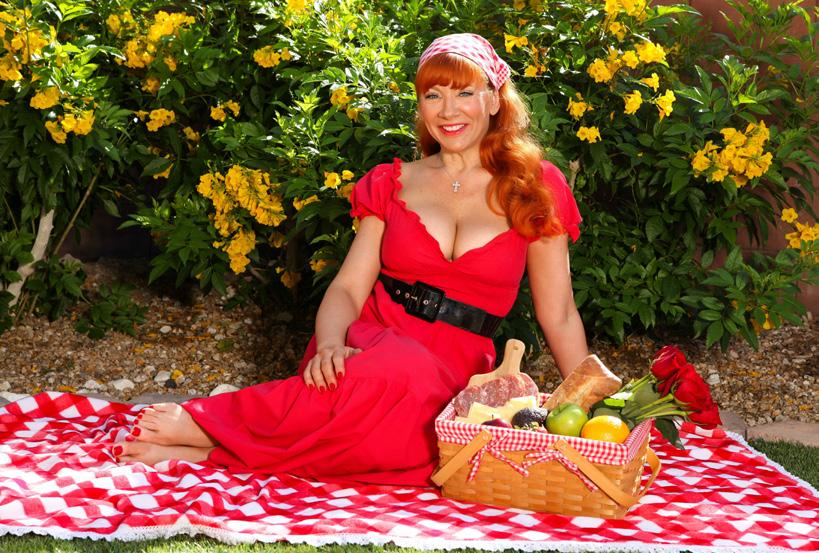
Jennifer Affronti is a former model, actress, stage performer, television personality and burlesque dancer. Her personal journey through chronic illness led her to completely change her career path to become a resource and advocate for people who want to live happier, healthier and more fulfilling lives. She is now a certified Holistic Health Coach and the founder of Wholelistically Healing, where she focuses on empowering individuals to take control of their health and well-being through personalized coaching and guidance.
With Valentine’s Day in the air, I wanted to share a recipe that comes straight from my healing heart. I’ve always had a deep love for curry, and this golden coconut chicken curry was created many years ago during a tender season of my life. I was preparing for surgery and needed to meal-prep nourishing meals ahead of time. A dear friend came to care for me—and quickly fell in love with this dish too.
This curry is more than just comfort food. It’s warming, grounding, and deeply nourishing for both body and soul. Rich in antioxidants and antiinflammatory spices, it’s especially supportive for gut health and overall wellness.

A little side note for my fellow Ancient Nutrition lovers: I used to add a scoop of their Turmeric Bone Broth Protein to this recipe for an extra boost of nourishment—and it was divine. Also for my vegan friends, you can leave out the chicken or add tofu.
Before we begin, let’s slow things down for just a moment. Take a deep breath, get grounded, and center yourself. Then turn on your favorite song, wiggle those shoulders, and dance it out in the kitchen as your loving energy infuses the food you’re preparing for your family. And don’t forget your prayer or words of gratitude.
Now… let’s make a little magic.
Ingredients:
• 6 pieces of chicken, baked with sea salt, black pepper, and granulated garlic powder, then diced
• 1 (16-oz) bag organic frozen peas and carrots
• 1 (16-oz) bag frozen riced cauliflower
• 1 white onion, diced
• 4 cloves garlic, minced
• 2 cans full-fat, unsweetened coconut milk
• 1 tablespoon organic curry powder (I used McCormick)
• 1 tablespoon organic ground turmeric
• 2 teaspoons black pepper
• 2 teaspoons sea salt
• ½ teaspoon hot curry powder or red curry (optional, for heat)




• 1 teaspoon freshly grated ginger
• 2 tablespoons olive oil
Directions:
1. In a large skillet over medium heat, add the olive oil. Once warmed, add the diced onion and garlic. Sauté for a few minutes until fragrant and translucent.
2. Add the frozen peas and carrots, stirring to gently heat them through.
3. Pour in the coconut milk, followed by the curry powder, turmeric, sea salt, and black pepper. Stir well until fully combined and beautifully golden.
4. Add the diced chicken and riced cauliflower, mixing everything together.
5. Bring the curry to a gentle bubble, stirring occasionally to ensure everything is evenly heated and coated in the sauce.
6. Just before removing from the heat, grate fresh ginger over the top and give it one final loving stir.
7. Serve warm and enjoy the comfort, nourishment, and love in every bite!






Regina still remembers the moment she realized her life would always revolve around food. Long before she became a restaurateur, entrepreneur, and industry disruptor, she was simply a young girl growing up in Mexico, surrounded by stories of family, tradition, and resilience. Her greatgrandparents opened their restaurant in 1944 eight decades ago and it remains open today. That legacy, passed down through generations, planted a seed that would quietly shape her future.
Twenty-one years ago, Regina immigrated to the United States, carrying that legacy with her. Like many immigrants, she started with determination, grit, and a willingness to work harder than anyone else in the room. At just 17 years old, she began working in restaurants, not knowing that every shift would become part of her education.
She truly started from the ground up. Hostess. Server. Busser. Bartender. There was no position too small, no task beneath her. Over time, her curiosity set her apart. Regina didn’t just show up to work she asked questions. She observed. She volunteered for extra responsibilities. She paid attention to how systems worked, how teams were built, how menus were designed, and how customers responded.
That curiosity led her to help launch an entire banquets and catering department for the company she worked for. It led to opening multiple restaurant locations. And for years, she helped build someone else’s dream, believing that patience and loyalty would eventually pay off.
But then came a moment that changed everything.
After years of dedication, Regina asked for a raise. The answer was no. That single word landed heavier than expected not because of the money, but because of what it represented. In that moment, something clicked. She realized that if she was capable of building someone else’s success, she was capable of building her own.
Around that same time, Regina traveled to Mexico City on a business trip. One of her
coworker’s wives was vegan, and Regina who had planned the itinerary worried she wouldn’t be able to eat. Mexican cuisine, after all, is often associated with meat, cheese, and tradition heavy recipes.
What they discovered instead changed Regina’s life.
The food was extraordinary. Bold. Creative. Deeply rooted in Mexican culture and completely plantbased. Dish after dish challenged everything she thought she knew about vegan food. It wasn’t restrictive or boring. It was exciting, soulful, and authentic.
That experience awakened something inside her. Regina returned home with a new vision: to show the world that plant-based food could be full of flavor, culture, and joy. She didn’t want to erase tradition she wanted to reimagine it. She wanted to honor her heritage while creating something forward thinking. More than anything, she wanted to make a small but meaningful mark on the world.
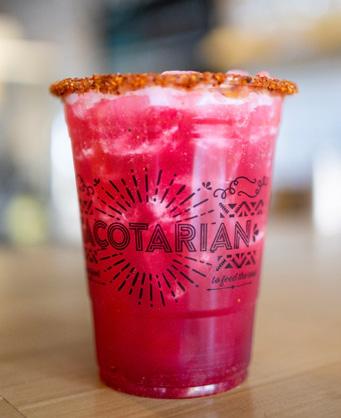
In 2018, Regina opened her first Tacotarian.
What began as a single restaurant quickly became something much bigger. Tacotarian wasn’t just a vegan restaurant it was a cultural experience. The menu paid homage to traditional Mexican flavors, reinterpreted through plant-based ingredients.
The atmosphere was colorful, welcoming, and unapologetically joyful. And the story behind it resonated deeply.
Today, Tacotarian has five locations in Las Vegas, one in San Diego, and a growing franchise program. But Regina is the first to say that success didn’t come overnight and it didn’t come without doubt.
Only about three percent of the population identifies as vegan. Early on, Regina wondered if that statistic would limit her growth. Would people outside the vegan community embrace the concept? Would the market understand what she was trying to build?
The answer came from the guests themselves.
People weren’t just showing up for vegan food. They were showing up for connection. For culture. For the energy and authenticity behind the brand. Families came in curious and left surprised. Skeptics became regulars. Conversations sparked over tacos, laughter


filled dining rooms, and something special began to take shape.
That was the turning point.
Regina realized that Tacotarian’s mission wasn’t about numbers it was about people. It was about making plant-based food accessible, inclusive, and exciting. It was about creating a space where culture was celebrated, not diluted. And it was about proving that doing good and doing well could coexist.
As a leader, Regina believes deeply in building culture first. To her, leadership means creating an environment where people feel seen, valued, and inspired to bring their best selves to work every day. Many of her team members have grown with the company, stepping into leadership roles of their own. She takes pride not only in what Tacotarian serves, but in how it treats the people who help bring it to life.
Her advice to aspiring entrepreneurs is refreshingly simple: just start.
Don’t wait for perfect. Don’t wait until everything feels ready. Build a small version, test it, adjust, and keep going. Progress, she believes, comes from movement not perfection.
Equally important is building a support system. Regina is a strong advocate for surrounding yourself with people who lift you up: friends, family, mentors, and especially other women in business. Entrepreneurship can be isolating, and she believes no one should have to do it alone.

She encourages practical action attend one networking event, one small business meetup, one conversation this month. Opportunities, she says, often come from a single connection.
Today, Regina’s work continues to evolve. Beyond restaurants, she is expanding Tacotarian into new formats, including consumer products that bring the brand’s bold flavors into people’s homes. Her vision remains rooted in the same values that started it all: culture, creativity, and the belief that food can be a powerful force for change.
From a 17-year-old restaurant worker to a Mexican immigrant entrepreneur redefining plant-based dining, Regina’s journey is a testament to resilience, curiosity, and honoring where you come from while boldly stepping into what’s next.
Her great-grandparents’ legacy lives on not just in one restaurant opened in 1944, but in every taco served, every team member empowered, and every guest who discovers that plant-based food can be just as rich, joyful, and meaningful as the traditions that inspired it.
And for Regina, this is only the beginning.
By Jessica Waugh
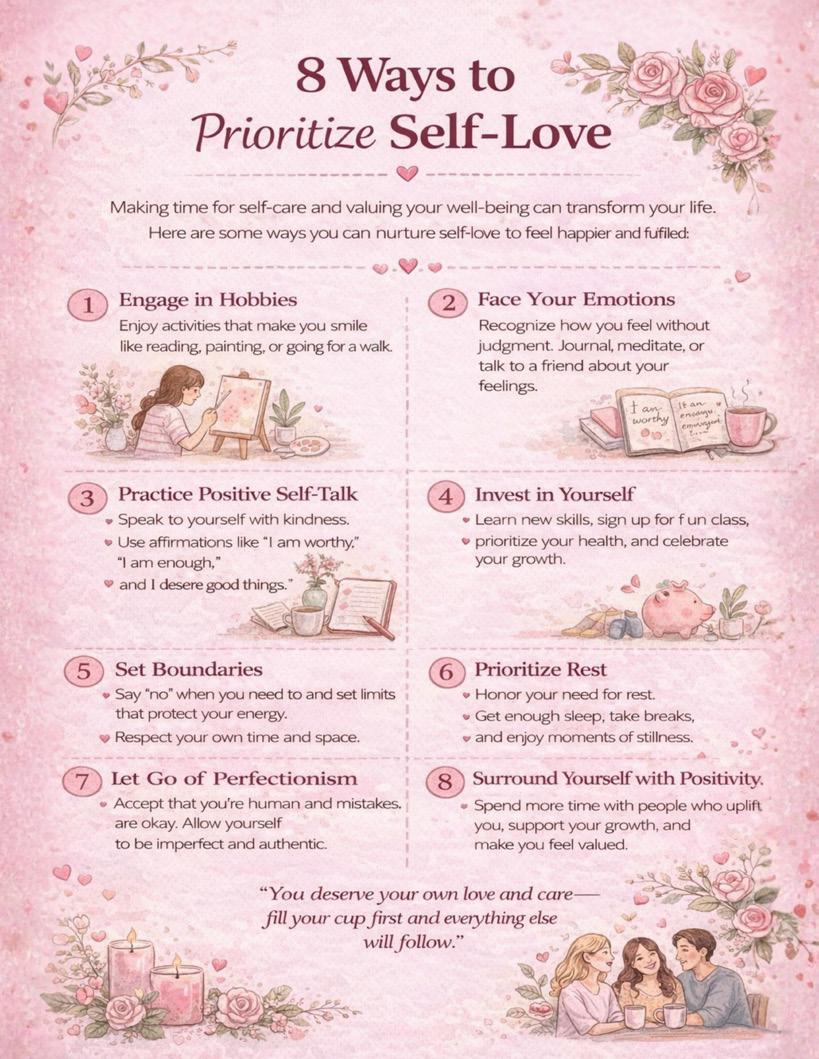
February often puts love in the spotlight. Hearts, flowers, romantic gestures, and conversations about partnership fill the season. But for many women, love doesn’t feel light or celebratory. It feels heavy. Demanding. Conditional.
We are taught early on that love means showing up, sacrificing, accommodating, and holding space for everyone else. Love looks like being dependable, selfless, and endlessly available. Somewhere along the way, many women learn that being loving means being last on their own list. And eventually, that way of loving catches up to us.
For women in perimenopause and menopause, this pattern becomes harder to maintain. Not because we’re failing, but because our bodies are asking for something different. Something more honest. Something more sustainable.
This season invites a powerful shift. What if love doesn’t belong at the edges of your life? What if love belongs at the center, starting with you?
When Love Becomes SelfAbandonment
Many women don’t realize how often they abandon themselves in the name of love.
We say yes when we’re exhausted.

We stay silent to keep the peace. We overextend to avoid disappointing others. We minimize our needs so no one feels uncomfortable.
These behaviors are often praised. We are called thoughtful, generous, and strong. But biologically and emotionally, this constant selfneglect takes quite a toll.
Chronic overgiving keeps the nervous system in a heightened stress response. Cortisol rises. Sleep becomes disrupted. Emotional resilience decreases. For women already navigating hormonal shifts, this can show up as irritability, anxiety, fatigue, resentment, or a quiet sense of disconnection from themselves.
Love was never meant to cost you your wellbeing.
Self-love isn’t bubble baths or affirmations alone. At its core, selflove is safety. It’s the act of listening to your body and responding with care instead of judgment.
When you honor your limits, your nervous system relaxes. When you speak your needs, your body feels seen. When you rest without guilt, your hormones recalibrate.
This matters deeply during perimenopause and menopause, when the body becomes more sensitive to stress and less tolerant of self-betrayal. The old ways of pushing through no longer work. And that’s not a weakness. It’s wisdom.
Putting yourself at the center doesn’t make you selfish. It makes you regulated. And a regulated woman shows up with more patience, clarity, and emotional availability for everyone she loves.
Boundaries Are an Act of Love
Many women fear that boundaries will push people away. In reality, boundaries are what make relationships sustainable. A boundary says, “I care enough about this relationship to show up honestly.” It says, “I want to stay connected without losing myself.” It says, “I value both of us.” Without boundaries, resentment grows. With boundaries, trust deepens.
This might look like:
• Saying, “I can’t commit to that right now,” without overexplaining.
• Asking for help instead of carrying everything alone.
• Choosing rest instead of pushing through.
• Allowing others to be
disappointed without making it mean you did something wrong.
Boundaries are not walls. They are bridges that allow love to flow without depletion.
February often centers on romantic partnership, but love is layered. Women thrive on connection in many forms. Friendship. Community. Self-trust. Shared experiences. Feeling understood.
During midlife transitions, many women experience shifts in relationships. Some friendships change. Family dynamics evolve. Partnerships require new conversations. This can feel unsettling, but it’s also an opportunity to expand what love looks like.
Community becomes medicine. Being witnessed by other women who understand your experience creates belonging and emotional safety. And emotional safety is essential for healing, growth, and hormonal balance.
You are allowed to need more than one source of love. You are allowed

to receive support, not just give it.
Emotional Growth Is an Act of Love
Placing love at the center means choosing growth, even when it’s uncomfortable.
It means noticing patterns that no longer serve you. It means letting go of roles that kept you small. It means rewriting the story that says your needs are too much.
Emotional growth doesn’t mean becoming someone else. It means becoming more yourself.
As hormones shift, clarity often increases. Tolerance for misalignment decreases. This can be perceived as a loss, but what if it is actually an invitation to live more honestly and love more consciously.
You don’t need to overhaul your relationships to shift how love shows up in your life. Start small.
• Ask yourself, “What do I need right now?” and answer honestly.
• Notice where you feel resentment. There is likely a
boundary waiting to be set.
• Practice receiving. Compliments. Help. Support. Presence.
• Speak one truth you’ve been holding back, gently and with care.
• Choose one relationship, including the one with yourself, to show up more authentically.
These small acts create safety, trust, and deeper connection over time.
When you place love at the center, everything changes.
You stop chasing approval. You stop proving your worth. You stop abandoning yourself to keep others comfortable.
And in doing so, you become more available for real connection. The kind rooted in honesty, respect, and mutual care.
This February, let love begin with you. Not as an afterthought. Not as a reward. But as the foundation. Because when you stop putting yourself last, love finally has room to grow.
Jessica Waugh is a Certified Menopause Specialist and National Board-Certified Health and Wellness Coach with over half a decade of experience helping women navigate the complexities of perimenopause.
As the Founder and CEO of JWaugh Wellness and Co-Founder of the Menopause Fair Las Vegas, Jessica’s mission is deeply personal, rooted in her own experience with very early-onset perimenopause and the lack of support she faced. She specializes in helping women rewire the habits that hijack their hormones, empowering them to become the woman they were always meant to be so they can make the impact they are destined to make.
Through the Pause Collective, Pause Events, and 1:1 sessions, Jessica creates safe, supportive spaces where women can connect, share, and thrive. With a unique blend of root-cause science, compassion, and actionable strategies, she helps women embrace this transformative phase with clarity, strength, and unwavering confidence.


February is loud about love. Red hearts. Roses. Chocolates. Big gestures. Perfect moments.
Everywhere you look, love is packaged as something shiny and external. Something to give. Something to receive. Something to prove.
But the love that has changed my life the most has never looked like any of that.
It looks like learning how to be gentle with myself. It looks like rest without guilt. It looks like choosing myself even when it feels uncomfortable.
Growing up in foster care shaped how I understood love early on. Acceptance felt earned, and I learned quickly that being helpful,
By: Jennifer Hass
agreeable, and needed was often the safest way to belong, even if it meant slowly losing myself in the process. Love didn’t feel unconditional. It felt transactional. If I was good, useful, easy, or accommodating, I was safe. If I wasn’t, I learned to shrink.
That belief followed me into adulthood in ways I didn’t fully understand at the time.
For a long time, I thought love meant giving everything I had until I had nothing left. I was really good at helping. Fixing. Showing up. Holding space. Carrying weight that wasn’t mine to carry. I wore that like a badge of honor. If someone needed something, I figured it was my responsibility to give it.
What I didn’t realize was how often I confused being needed with being loved.
As women, we are often praised for how much we give. We are celebrated for being strong, reliable, dependable, and selfless. Somewhere along the way, many of us learn that our worth is tied to our usefulness.
Self love asked me to choose differently.
Helping others has always mattered to me. It still does. But I’ve learned there’s a difference between helping from overflow and helping from depletion.
February reminds us that love is layered. It’s not just romantic. It’s how we honor ourselves.
Because when you rise rooted in self love, everyone around you rises too.
February invites us to reflect on love in all its forms, but this issue is a reminder that the most transformative love often starts within.
RISE exists to amplify stories that feel honest, human, and deeply relatable. May this February issue encourage you to extend the same compassion you offer others back to yourself.


By: Rissa Howland
Calling all dog lovers and pet parents—As a professional dog trainer, one of the most common mistakes I see happens without owners even realizing it.
Socialization is a vital component of raising a healthy, well-balanced dog. How—and how often—you socialize your pup matters far more than most people think. True socialization requires intention, consistency, and guidance throughout your dog’s entire life—not just during puppyhood.
Many pet parents introduce their dog to a few other dogs while they’re young and assume that’s enough. Then, socialization stops. Months later, when that same dog is placed back into a social environment, the outcome can be very different.
Instead of confidence, the dog may show fear, uncertainty, discomfort around other dogs, and difficulty reading social cues. When socialization is abruptly cut off, dogs can struggle to interpret interactions and may forget how to engage appropriately.
That’s why consistent exposure is essential—not just to other dogs, but to new environments, textures, sounds, and people as well. A well-balanced dog is one that feels confident and comfortable in any situation.
Many pet parents believe dog parks are the best way to
socialize—but that isn’t always the case. If your dog is still in the early stages of obedience training, dog parks can actually do more harm than good.
Not all dogs at dog parks are trained, every dog follows different rules at home, and unwanted behaviors can be picked up quickly. Off-leash environments can also become unsafe when dogs are not properly supervised.
A common issue is bullying— what may look like play can actually be behavior that needs immediate correction. While not all dog parks are bad, they may not be the best choice if your goal is structured, safe socialization.
One option many pet parents overlook is professional daycare. Structured daycare environments provide supervision, training, and positive reinforcement throughout the day. Dogs are evaluated before joining playrooms, supervised by trained canine coaches, and guided toward respectful social
interactions. This creates a safe and enriching experience that supports long-term confidence.
Daycare isn’t just about exercise—it’s about enrichment. Dogs participate in activities such as agility, creative projects, and special themed events. Pet parents can also check in through live webcams for peace of mind.
The goal of structured daycare is simple: to create a safe, happy environment where dogs can thrive socially, emotionally, and physically. With positive reinforcement and wellsupervised play, your dog is supported every step of the way. If you’re curious to learn more, walk-in tours are often available to see the facility firsthand.



b l e O p t i o n s T r u s t e d B r a n d s f o r D o g s & C a t s








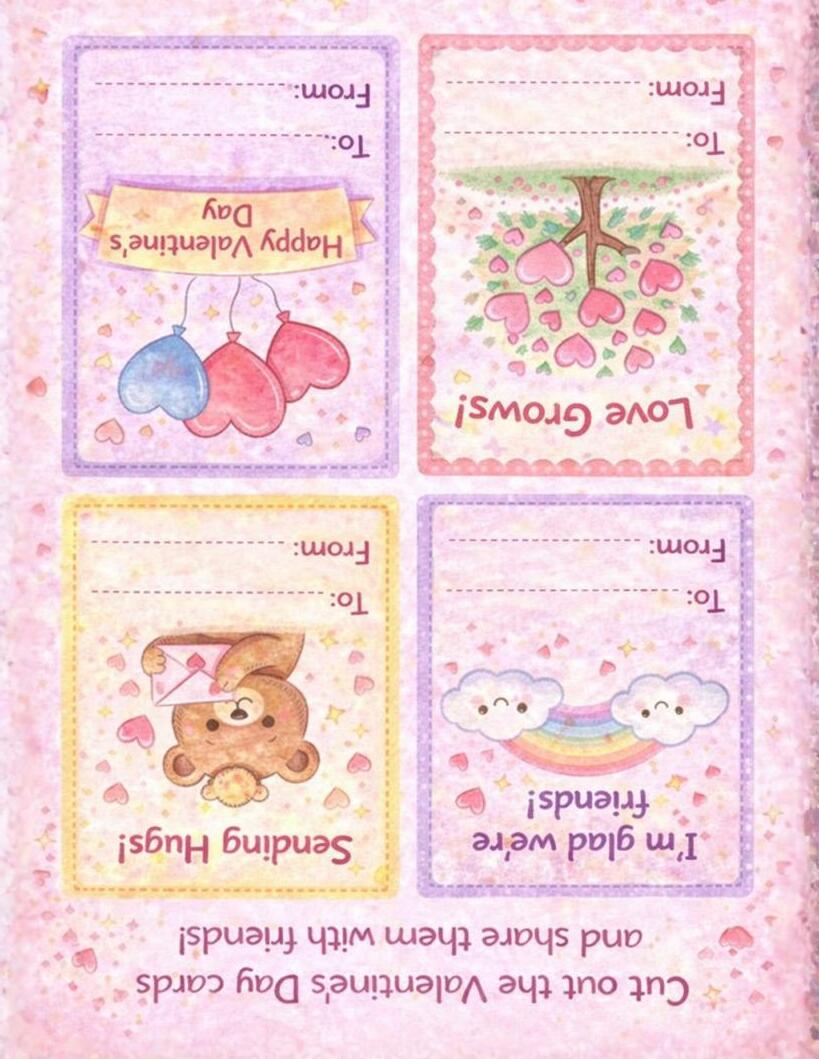





Tateonna Hass loves making crafts and teaching others how to create them too. She enjoys sharing her creativity through hands on projects, from sewing pillows to making colorful handmade items. Tateonna is the founder of Sunshine Beads, her own small business where she creates and sells handmade bracelets at pop up locations.

Love, Tateonna
Happy Valentine’s Day!
This Valentine’s Day, I hope you find a way to share love in your own special way. And don’t forget to give yourself a little love too. You are important, and you matter.
If you don’t know what to do for Valentine’s Day, I think making something is a great idea. You can draw a picture, make a card, bake something with an adult, or help someone with a chore. Love doesn’t have to be big. It just has to be real.
Even if it doesn’t turn out perfect, that’s okay. What matters is that I tried and enjoyed making it.
I like making things because it helps me feel confident. When I finish a project, I feel proud of myself.
Valentine’s Day isn’t just about one kind of love. It’s about loving your family, your friends, and the people who help you every day. I also think it’s important to love yourself. That means being kind to yourself and being proud of who you are.
This Valentine’s Day, I decided to make handmade gifts for the people I love. I made cards and small surprises, and each one was different. I thought about what each person likes and what would make them smile. That made the gifts feel even more meaningful. When you make something for someone, you are giving them your time. Anyone can buy something from a store, but when you sit down and create something yourself, it shows love in a different way. It shows that you cared enough to make it just for them.
I really like doing crafts because it makes me feel happy and calm. I can take my time and choose my favorite colors and designs. When I’m making something, it feels special because it comes from my heart. I like knowing that I created something just for someone else.
Valentine’s Day is one of my favorite holidays because it’s all about love and kindness. I don’t think love has to be big or expensive. Sometimes the best gifts are the ones you make with your own hands.
By Tateonna Hass






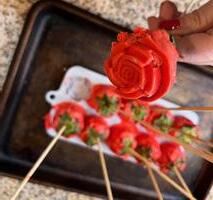




Food made with love, gratitude, and joy always tastes the best. Share your roses with someone special—or enjoy one yourself. You deserve it!
A Sweet Reminder
Tip: Keep them in the refrigerator until you’re ready to eat—these roses like to stay cool and will melt if left out.
6. Pop & Enjoy! Once frozen, carefully pop the roses out of the mold. You now have a beautiful (and tasty!) yogurt rose bouquet.
5. Freeze the Bouquet: Put the cookie sheet with the mold into the freezer for 3–4 hours. This is a great time to clean up, dance some more, or make Valentine cards!
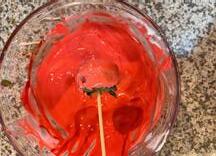
4. Swirl & Place: Dip each strawberry into the yogurt mixture and give it a fun little swirl! Once it’s coated, gently place it on top of the yogurt-filled rose mold. Repeat until all the roses are ready
3. Prep the Strawberries (Grown-up help is recommended here!): Don’t poke it all the way through. Cut the tips off of each strawberry. Carefully push a bamboo skewer into the stem side of each strawberry.
2. Fill the Rose Mold: Place your rose mold on a cookie sheet (this helps keep things steady). Spoon the yogurt mixture into each rose shape, filling them about ¾ of the way.
Tip: Want brighter roses? Add one drop at a time until you love the color!
1. Mix the Magic: Grab a mixing bowl and add the yogurt and maple syrup. Stir, stir, stir! Now add a few drops of red food coloring and mix again.
• A few drops of nontoxic red food dye Directions:
• 1 rose candy mold (purchased at Michael’s)
• 10 bamboo skewers
• 10 strawberries (tips cut off, keep the greens!)
• 2 tablespoons maple syrup
• 2 cups Greek yogurt
What You Will Need:
Turn on your favorite music, say a prayer and bless the food for everyone.
happy. Plus, they look like a bouquet you can eat—no watering required! Cooking is a wonderful way to show love, and when we make food with happy thoughts and kind intentions, it makes everything taste even better. First things first, let’s get ready to dance in the kitchen.
with ingredients that help our bodies grow strong and
Day treat you can make for someone you love, a family member, a friend, or even yourself (because self-love matters too!). They’re creamy, naturally sweet, and made
These beautiful yogurt rose pops are a healthy Valentine’s
Today, we’re making edible roses—how fun is that?!
Valentine’s Day is all about love, kindness, and sweet surprises. And guess what? Roses are my very favorite flower! They remind me of caring for others, sharing love, and doing something special straight from the heart.

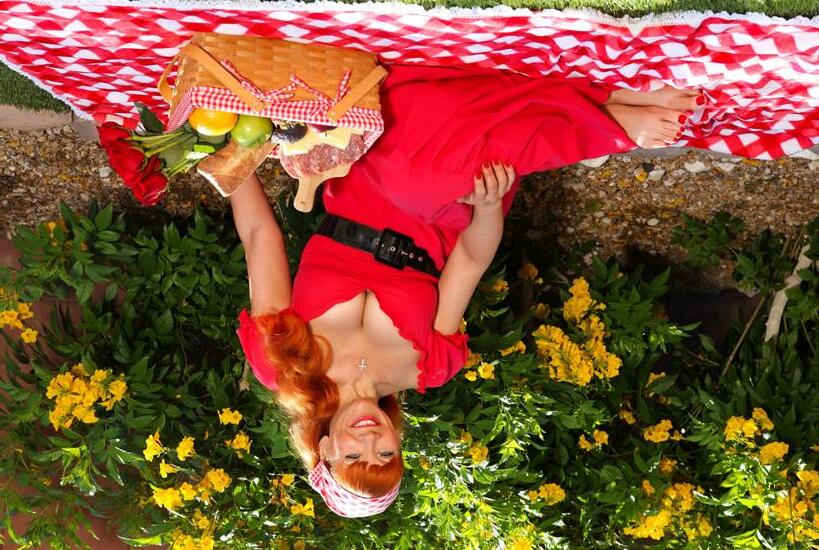























Heather Scott is a freelance photographer for RISE Magazine, capturing authentic moments that celebrate community, creativity, and connection. With an eye for natural light and genuine storytelling, her work highlights the beauty in real people, real stories, and the spirit of entrepreneurship.