Internet Marketing in 2025
Investments, Strategy, and the Parrot That Changed Everything
What if the biggest return on your marketing investment this year came not from a brand-new tactic—but from your ability to choose wisely between a $50 parrot and a $500 one?
Strange analogy? Maybe. But bear with me.
In a world full of digital noise, shiny objects, and short-sighted hacks, what separates brands that scale with confidence from those stuck at the starting line isn’t access to technology… it’s mindset. And as we head deeper into 2025, that mindset is the real currency. It’s time to stop asking, “What’s the cheapest option?” and start asking, “What will this decision multiply over time?”
To get there, let’s start with a story—a parable if you will—about investments, business, and yes... parrots.
The $50 Bird vs. the $500 Opportunity
John and Don, two long-time friends and aspiring business owners in 2025, made their way to a local artisan market one Saturday afternoon. The stalls were bursting with handcrafted goods—organic skincare, digital art NFTs, solar-powered gadgets, and at one end, a vibrant stall filled with parrots.
Two birds caught their attention.
One was green and
priced at $50. The other, a stunning blue parrot, was listed at $500.
Curious, they asked the vendor, “Why such a huge difference in price for two birds that look so similar?”
The vendor replied, “The $50 parrot is just that—a parrot. He chirps, he flaps his wings, he’ll sit on your shoulder. But the $500 parrot? He talks. He responds to commands. He’s been trained to entertain guests and interact with humans.”
John, skeptical, said, “Why pay more when the odd one chirps just fine?” He walked away with the green bird.
Don, seeing something beyond feathers and price tags, bought the trained bird.
Weeks passed. John’s parrot chirped occasionally. Don’s? It became part of his brand. It brought joy to his Zoom calls, racked up views on TikTok, and became a mascot his audience adored. The
$500 “splurge” turned out to be a business asset.
And there we have it: the perfect metaphor for modern marketing.
Marketing in 2025: Do You Want a Pet or a Partner?
In 2025, brands like John’s are still everywhere—trying to save their way to success. Looking for the cheapest email software. Hiring the lowest-cost freelancer. Running cookie-cutter Facebook ads “because it worked for someone else.”
Then there are the Dons—entrepreneurs who understand that value doesn’t come from choosing the cheapest route. It comes from selecting tools, partners, and strategies that
elevate their business and brand for the long haul.
And that difference— between spending and investing—is where empires are built.
So where should you be investing your marketing dollars in 2025? What strategies generate compounding returns?
Let’s break it down.
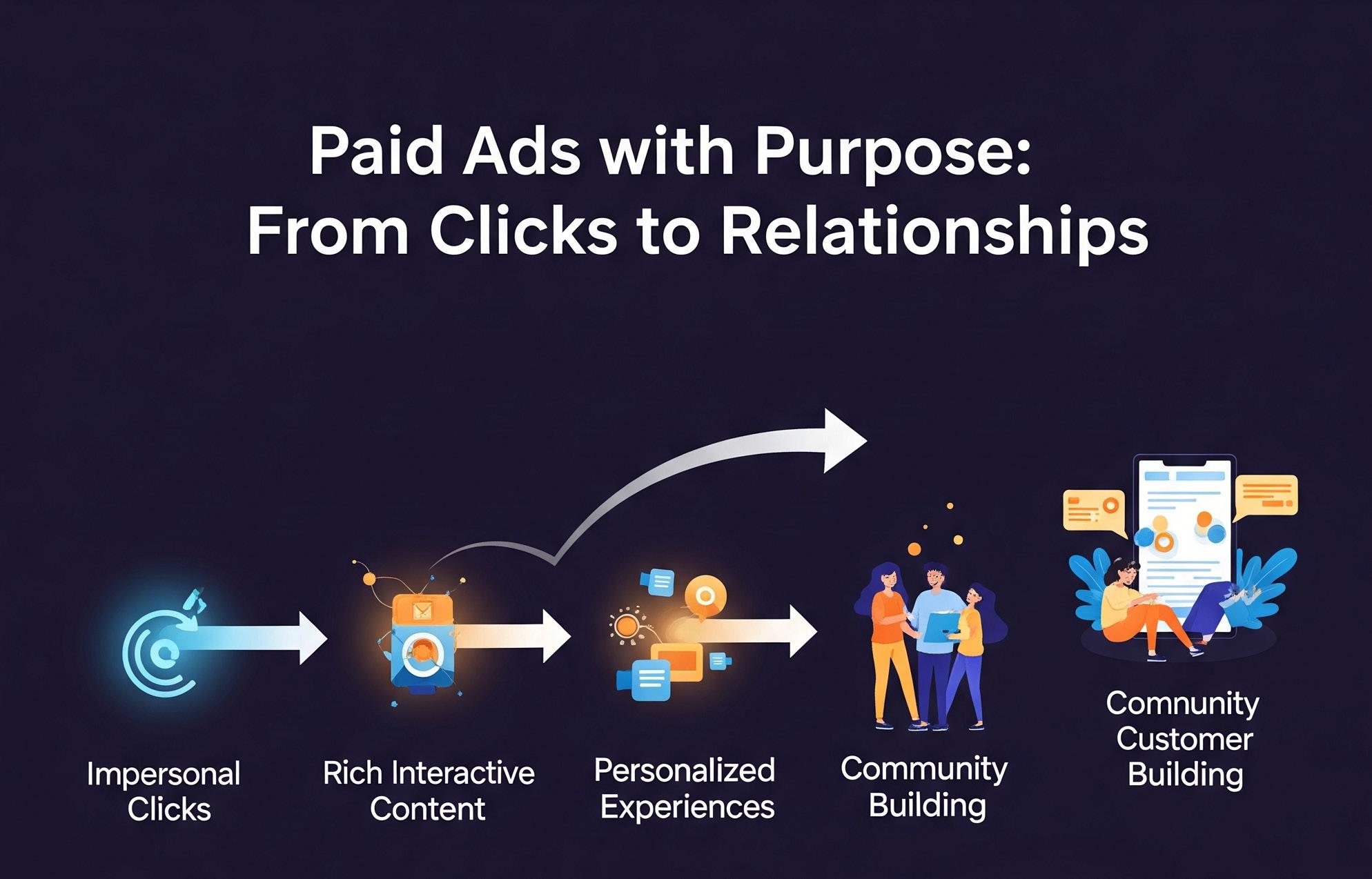
1. Paid Ads with Purpose: From Clicks to Relationships
Too many businesses still treat advertising like they’re throwing darts in a dark room. But in 2025, paid ads aren’t a gamble—they’re a business amplifier... if you know how to use them.
With platforms like
Meta Ads, Google Performance Max, LinkedIn, and TikTok evolving at record speed, the opportunity isn’t just in visibility. It’s in precision. The kind of targeting and automation now available allows for deeper audience segmentation, better ROI tracking, and faster testing cycles than ever.
But here’s what hasn’t changed: if your messaging is off—or if you don’t have a clear funnel—you’re still burning cash.
Smart ad investment looks like this:
Directing traffic into high-converting lead magnets—not just product pages. Retargeting based on behaviors, actions, and engagement—not just visits.
Building warm audiences through educational content, not cold sell pitches.
Marketing isn’t about clicks—it’s about relationships. Paid ads are only powerful when they’re part of a system designed to build loyalty and action.
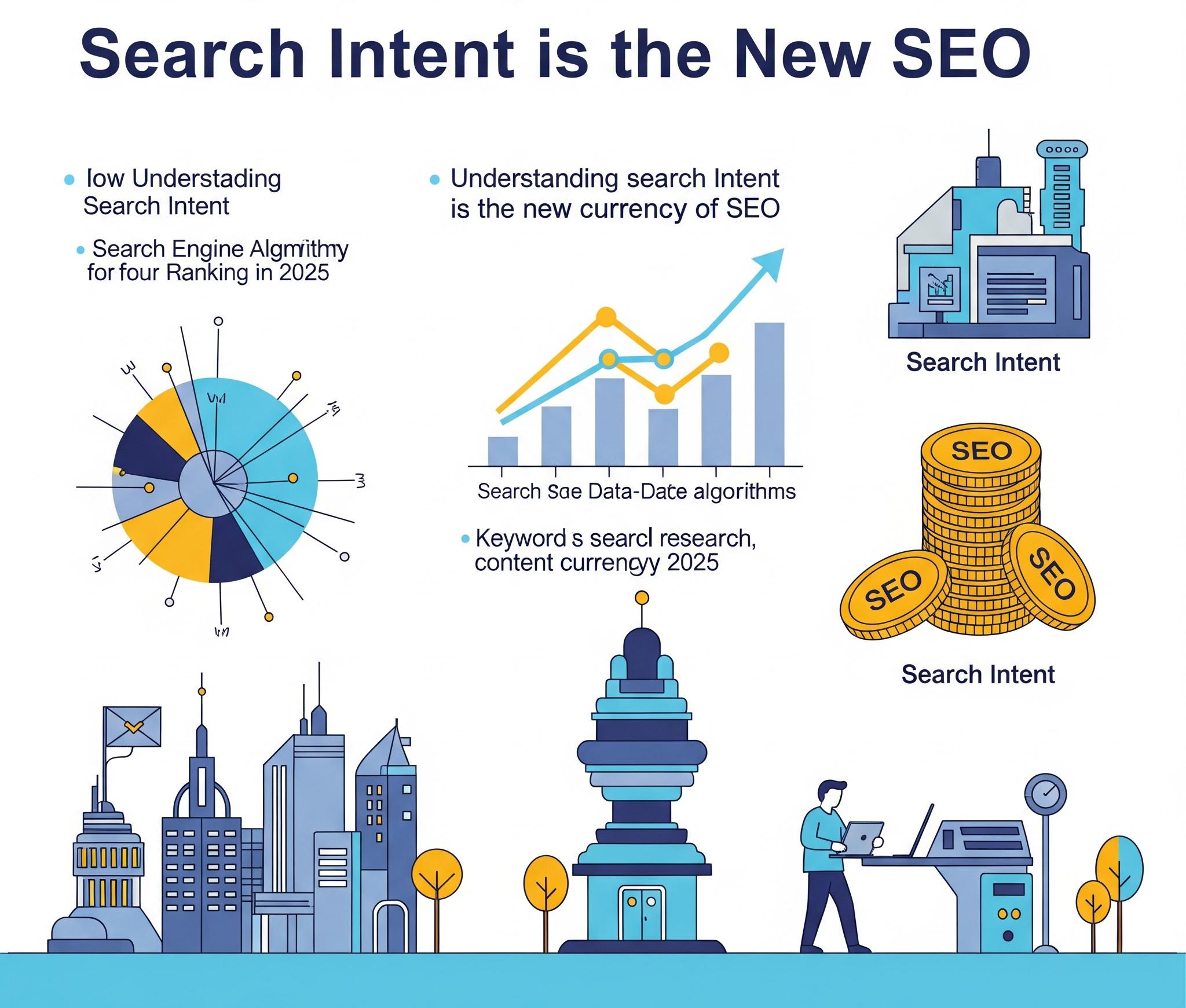
2. SEO in 2025: Search Intent is the New SEO
CurrencySearch engine optimization is often misunderstood.
Many still cling to outdated strategies revolving around keyword volume and backlinks. But in 2025, SEO has evolved. Google’s AIbased algorithms now prioritize actual human satisfaction over shallow signals.
That means this: ranking for a “top keyword” is worth nothing unless it’s answering real questions, solving real problems, and leading to real business outcomes.
Smart investment in SEO in 2025 includes:
Deep keyword intent research driven by platforms like Ahrefs 3.0, Surfer SEO AI, and Google’s own Search Console Insights. Creating subject matter hubs and interlinked content frameworks—not one-off blog posts. Optimizing for featured snippets, voice search, and short-form answers. The new SEO game is empathy plus expertise. It’s about writing as your buyer thinks—and designing for how they act.
It costs more up front in time and strategy… but
the return is exponential.
3. Your Audience Is the Algorithm: Invest in Real, Human Proof
Forget about chasing the Instagram algorithm or begging for reach. In 2025, the algorithm is simple: people trust people.
Social proof, usergenerated content, and real customer storytelling will outperform polished studio campaigns every time. A brand is no longer what it says about itself—it’s what others say about it, with receipts.
Here’s what today’s audiences look for:
Client selfies using your
product or service. Unfiltered reviews, both the good and the growthfocused. Behind-the-scenes moments that scream authenticity.
Case studies that show specific problems, outcomes, and results. If you haven’t invested in a system to gather and distribute testimonials and social proof, you’re missing the most influential content source available. Tools like rave. io, VideoAsk testimonials, and UGC marketplaces make producing this type of content affordable and scalable.
Think of every story your customer tells as an unpaid salesperson
working on your behalf.
4. Content That Converts: Quality is the New Minimum
Content has always been king—but in 2025, it’s a kingdom of creators... and the standards are higher than ever.
Posting just to post? Meaningless. Chasing trends without alignment? Exhausting. The future lies in targeted, consistent, human-first content that walks your buyer through their journey with clarity and conviction.
Your weekly marketing content needs to do three things:
Speak directly to a defined problem. Offer a point of view (not just a solution). Empower your audience
to make a decision. High-quality content doesn’t mean expensive, but it does mean intentional. Investing in video strategy, copy that’s rooted in buyer psychology, or editorial planning based on content pillars will take your “marketing” from occasional to unstoppable.
AI helps, but your competitive advantage is still your voice.
5. Time Is an Investment—Not Just Money
We often think of marketing investments in terms of cash—but time may be your most expensive currency.
Every minute spent DIYing a funnel you hate, writing posts that fall flat, or trying to “figure it out as you go” has an opportunity cost. And the most successful founders in 2025 are no longer doing everything themselves.
They’ve built lean, agile teams. Hired creative support. Doubled down on coaching.
Yes, it can feel vulnerable to pay for expertise—but if you’re trying to build an empire on free PDFs,
you’ll stay stuck in the small game.
Choosing the $500 Parrot in Your Business
So, look around your business today.
Are you stuck writing social captions that sell nothing?
Running ad campaigns with no lead nurturing?
Guessing your SEO strategy from ten outdated guides?
Showing up “everywhere” but converting nowhere?
These are signs you’re still buying the $50 parrot.
You’re settling. Bleeding time. Trying to save
pennies while burying profits.
But the Don’s of the world? They aren’t afraid to bet on the $500 bird— the one that opens doors, shifts perception, and captures attention.
Because when you invest deliberately—when you choose things that work over things that are just cheap—you don’t just get more exposure. You get transformation.
Final Words: Don’t Cut
Costs. Cut What’s Not Working.
As we step deeper into 2025, one truth is emerging louder than ever: The market rewards boldness backed by strategy.
Your brand doesn’t need to be everywhere. But wherever you show up, you need to show up as the best version of your business— clear, confident, and conversion-ready.
So the next time you’re faced with a marketing decision, ask yourself:
“Am I building an asset or buying a distraction?”
The right path usually costs more upfront—but in this market, value compounds.
Make the smarter investment. Choose the better parrot.
Your future business is counting on it.
How to Make More Sales Simply by Being Contrary
Why doing the opposite in your marketing might be the smartest move you make this year.
A few months ago, a friend was prepping a product launch. He had everything in place— optimized funnels, polished sales pages, slick email campaigns— the works. But the results were lukewarm.
Audiences weren’t paying attention. Engagement was low. It felt like shouting into a crowd that had already heard every trick in the book.
So we tried something different.
Instead of slick, we went simple. Instead of polished videos, we used a casual screenrecorded Loom. Instead of a high-pressure sales email, I sent a short note, just talking about why the product mattered and how it might help.
No gimmicks. No countdown timers. Just a real human message.
The result? The email had double the open rate of previous launches. The response to the uncut video was overwhelmingly positive. And conversions? We saw a 30% bump from that single message.
This isn’t about being lazy. It’s about being human. Everyone’s inbox is crowded with perfect copy, bold claims, and strategies pulled from the same playbook. So when you break the pattern— even just a little—it’s like a breath of fresh air. People notice.
Here’s the truth: being
contrary works because it gets attention. It stands out by not trying too hard.
Think about it. Everyone’s obsessing over automation and polished content. Meanwhile, a handwritten thankyou note in someone’s mailbox feels intimate and rare. It gets saved. It gets remembered. It gets shared.
In one direct mail experiment, we sent printed thank-you cards to a group of recent customers. Each card had a handwritten message, a discount code, and a request to share it with a friend.
The campaign didn’t
just boost repeat sales. It elevated the brand’s entire perception. It felt thoughtful in a world that’s constantly optimized but increasingly impersonal.
That same principle applies across the board. Want more engagement on social? Skip the studio setup. Record a short selfie video explaining something you just learned. Want better response rates? Write emails like you’re writing to one person, not a subscriber list.
And perhaps most importantly: stop overcomplicating things. Your customer doesn’t need a ten-step funnel or five upsells. Most times, they just need clarity, confidence, and connection.
Doing things differently doesn’t mean being quirky just for attention. It means choosing real over perfect, personal over polished.
Take the risk of sounding like yourself.
In a sea of sameness, that is what sells.
7 Outsourcing Secrets to Get the Biggest Bang for Your Buck
How to scale your business without wasting time, money, or losing your sanity
Outsourcing sounds great in theory, right? Hand off the parts of your business you don’t have time for, free yourself up to focus on the big picture, and watch the results roll in. That’s the promise.
But if you’ve been in business for any length of time, you know it doesn’t always work like that.
Maybe you’ve hired someone from a freelance platform who promised the moon, but barely delivered a paper airplane. Or you’ve spent twice your budget on a project that never wrapped. Or worse, you’ve avoided outsourcing altogether because you just didn’t know where to start. I’ve been there. Most entrepreneurs have.
But here’s the thing: when done right, outsourcing doesn’t just work—it works really well. You just have to approach it with the right mindset, some strategy, and a healthy dose of common sense.
So if you’re looking to grow your business this year without burning out (or burning cash), here are seven outsourcing lessons worth knowing.
1. Hire for Outcomes, Not Just “Help”
Most people start outsourcing because they’re drowning in tasks. The instinct is to say, “I need help with social media,” or “I just need someone to do my emails.” That’s understandable—you want relief. But relief alone doesn’t guarantee progress.
Instead of hiring someone just to do stuff, get crystal clear on the specific result you actually want. Do you want 10,000 new followers in the next six months? Do you want consistent sales from your email list? Do you want a website that not only looks professional but actually turns visitors into customers?
When you define the outcome first, everything changes. You can reverse engineer the exact skills, experience, and mindset your hire needs to get you there. For example, if the goal is more sales from your list, you might need a copywriter with a track record in email marketing—not just a “virtual assistant” who can send emails.
It’s a small mental
shift, but it’s powerful. When freelancers or contractors understand what success looks like, they’re empowered to own the outcome—not just complete a checklist.
And when they own the outcome, you get more than a helper—you get a partner in achieving results.
2. Specialists Will Save You More Than Generalists
Here’s a mistake I’ve made (more than once): trying to find one person who can “do it all.” Design, copywriting, social media, funnels… you name it.
The truth? Those people are unicorns, and unicorns are rare (and usually expensive).
In most cases, you’re better off hiring two or three people who are great at specific things than giving one person too much.
For example: the person who writes great Instagram captions may not be the best one to handle paid ads. The designer who’s good at branding likely isn’t amazing at email layouts.
Specialists get things done faster and better— and that saves you time, money, and frustration.
3. Test Before You Commit
A polished portfolio or glowing testimonials can be impressive, but they don’t always tell the whole story. Someone might be amazing on paper yet struggle in real-world collaboration— slow responses, unclear communication, or a work style that just doesn’t click with yours.
That’s why it’s smart to start with a small, paid test project before diving into a long-term commitment. Think of it as a “first date” for working together. You’re both feeling out the fit— skills, communication, reliability, and how well they understand your needs.
Make the project something they’d actually be doing regularly for you. If you’re hiring a writer, have them produce an article for your brand. If it’s a designer, ask for a quick mockup of a real deliverable. Be crystal clear on the brief, deadlines, and what “done” looks like. And when the work comes back, review not just the quality, but also how they got there—Did they ask smart questions? Did they hit deadlines? Did
they adapt to feedback?
You’ll learn more from one real, relevant task than you ever could from a résumé, portfolio, or even twenty interview questions. If it goes well,
you can confidently move forward. If not, you’ve only invested a small amount of money and time—saving yourself a costly mismatch down the road.
4. Don’t Be the Bottleneck
It sounds obvious, but it’s a trap many business owners fall into: if your instructions are vague, your processes are chaotic, or your expectations live only in your head, outsourcing won’t save you time—it’ll multiply your problems. Your new hire will spend more time chasing answers than doing the work.
Before you hand off a task, take a beat to set it up for success. That doesn’t mean creating a 47-page SOP that reads like an IRS instruction manual. It means stripping things down to the essentials:
What’s the goal? (What does “done” look like?)
What’s the process? (How do they get there?)
What examples can you share? (Good and bad ones help.)
You can make this painless—record a quick Loom video walking through the task, jot down a short checklist in Google Docs, or outline the key steps in a project management tool.
The payoff? Your hire
can work independently, make smart decisions, and keep things moving without waiting for you to unblock them. The clearer you are upfront,
the less you’ll need to micromanage—and the faster you’ll see real results from outsourcing.
5. Your Time Is Worth More Than You Think
If your time is worth $100 an hour—or more—stop spending it on $10-anhour tasks. It’s not just inefficient; it’s expensive. Every hour you spend resizing Canva graphics, formatting blog posts, or manually updating spreadsheets is an hour you’re not closing deals, creating new offers, or building relationships that grow your business.
Outsourcing isn’t just about getting help—it’s about protecting your highest-value work. When you hand off the routine, repeatable tasks, you’re not just buying back time; you’re buying back focus and mental bandwidth. That space is where the real leverage happens— strategic thinking, creative problem-solving, and big-picture moves that actually increase revenue.
Think of it this way: if you spend 10 hours a week on low-value tasks, that’s 40+ hours a month— an entire workweek— taken away from the activities that only you can do. By outsourcing, you’re effectively hiring someone to give you back that week, every month.
The best use of outsourcing isn’t just to lighten your load—it’s to keep you in your zone of genius, working on the things that move the needle most.
6. Global Talent Is a Goldmine—If You Use It
Right
Hiring offshore can be one of the smartest moves you make—if you approach it with the right mindset. There’s an incredible pool of skilled, reliable professionals in the Philippines, Pakistan, Eastern Europe, Latin America, and beyond. You can often find toptier talent for a fraction of what it would cost to hire locally, especially for roles that don’t require inperson presence.
But here’s the key: treat them like teammates, not “cheap labor.” When people feel undervalued, they disengage quickly— and turnover costs you far more than you save. The best offshore relationships are built on the same principles as any great team: clear expectations, mutual respect, and open communication.
This means taking the time to:
Onboard them properly with context, tools, and training.
Schedule regular check-ins so they feel connected and supported.
Recognize wins and give constructive feedback in a timely way.
Also, don’t just hire for technical ability—look for strong communication skills. Being able to collaborate smoothly across time zones and cultures is just as important as the hard skills on their résumé. Platforms like
OnlineJobs.ph, Upwork, or Fiverr Pro are a great starting point, but always filter for both skillset and communication in your vetting process.
When you do this right, offshore hiring doesn’t just save you money—it gives you loyal, long-term partners who can help you scale faster than you could alone.
7. Don’t Chase the Cheapest Option
It’s tempting to try and cut costs, especially when you’re just starting out. But going for the cheapest option almost always costs more in the long run.
You’ll find yourself explaining things repeatedly, fixing mistakes, waiting on missed deadlines, and managing stress you didn’t budget for.
Look for value, not just price. Pay people what they’re worth—and expect better work and less drama in return.
A $100 job done right the first time is cheaper than a $40 job that needs to be redone three times.
Final Thoughts:
Outsourcing Is a Skill, Not a Shortcut
Let’s be honest— outsourcing takes a bit of trial and error. But when you slow down, make smart hires, and keep communication tight, it becomes one of the most powerful tools in your business toolkit.
Start small. Document what matters. Hire people who make your life easier, not harder.
When all the pieces line up, you’ll be amazed how much you can get done—and how much brain space you free up just by not doing everything yourself.
Outsource smart. Grow faster. And maybe, finally, take that weekend off.
Top Online Closing Techniques to Make More Sales
Why closing more deals online today starts with trust, not pressure.
Online selling has evolved. The hard closes, manipulative countdown timers, and overly rehearsed scripts just don’t land like they used to. Today’s buyers are sharp, skeptical, and tired of being “sold to.” They’re not looking for a pitch—they’re looking for clarity, confidence, and connection. Closing a sale in 2025 is far less about persuading and far more about leading with presence and purpose.
The key to closing today is shifting your focus from pushing the product to guiding the person. One powerful way to do that is by assuming the sale is already moving forward. When someone shows interest, don’t wait for a dramatic “yes”—just confidently lead them to the next step. Say something like, “Let me go ahead and send the
link so you can reserve your spot,” or “I’ll set aside time for your onboarding.” Confidence sells. When you act like working together is a natural next step, it feels effortless for the buyer to agree.
Adding urgency still matters, but buyers are hyper-aware of fake scarcity. Don’t create false pressure. Instead, be real and specific: prices are increasing, bonuses are expiring, or your calendar is booking up. Urgency works when it’s rooted in truth, not manipulation. On the flip side, sometimes the best way to close isn’t to close at all. Letting someone know the offer isn’t for everyone—or giving them an easy “out”—instantly lowers defenses. When a buyer feels like you’re not desperate for the sale, it dramatically increases trust. That trust, ironically, makes them more likely to say yes.
What helps even more is showing the buyer what’s possible if they take action. Use your conversation or content to paint a clear picture. Show them what their life or business might look like after working with you. Let them visualize a result they can feel. At
the same time, remind them gently of the cost of doing nothing. Ask something like, “If you’re still in the same place six months from now, is that something you’d be okay with?” It’s not pushy— it’s grounding. It helps them think bigger and choose progress over procrastination.
Sharing stories of past clients or results is another natural close. Relatable success stories are proof that your offer works—and buyers tend to believe outcomes they can connect with. Highlight someone who faced the same challenge and came out the other side with real results. These case studies don’t have
to be dramatic, they just need to be genuine. They frame the transformation and help the buyer say, “That could be me.”
Once you’ve made your offer, sometimes the smartest thing to do is say nothing. Silence is uncomfortable at first, but it gives the buyer the space to process. Say what’s included, share the price, and pause. On a sales call or in a proposal email, resist the urge to over-sell or backtrack. Let your offer breathe. When people aren’t overwhelmed by chatter, they actually have a clearer path to yes.
The key to effective closing also lies in making the next step simple. Friction kills momentum. If someone wants to move forward, remove confusion and walk them through what happens next. “Here’s what to expect,” “This is how we’ll begin,” or “Here’s what you’ll receive after payment” goes a long way in preventing hesitation. People want to feel guided, not left guessing.
Finally, let the buyer cocreate their yes. Instead of trying to win them over, ask better questions. “What would make this
worth it for you?” or “What would you need to feel confident about starting today?” These types of questions help your lead unpack their concerns and move toward clarity—on their terms.
At the end of the day, the best closers know they’re not just selling a product. They’re leading someone through a decision—and hopefully
a transformation. Closing shouldn’t feel like convincing. It should feel like helping. In today’s market, presence, honesty, and a calm, confident invitation are what turn conversations into conversions. If you can learn to do that, more doors will open. Not just for your product, but for your brand, your business, and the bigger results you’re here to deliver.
Let’s be real for a second—running a business means juggling more roles than you ever signed up for. CEO by day, customer service rep by night, and everything in between. Sound familiar? The reality is, you simply can’t do it all, and frankly, you shouldn’t even try.
That’s where outsourcing comes in. Done right, it can be the lifeline that gives you back your time, boosts your profits, and lets you focus on the parts of your business that light you up. But here’s the thing—there’s a right way and a wrong way to outsource. And if you don’t do it strategically, you’ll end
up wasting just as much time and money as you’re trying to save.
So, how do you make outsourcing actually work for you and not against you? These 7 outsourcing secrets will help you stretch every dollar, tap into global talent, and finally get ahead in your business.
1. Outsource Customer Service—ASAP
Let’s kick this off with one of the most overlooked gems in outsourcing: customer service. Let’s face it, handling customer support can eat up your entire day before you’ve even had your second cup of coffee. There are endless questions, complaints, refunds to process, and of course, the occasional angry email that wrecks your mood.
The good news? You can free yourself from all of that without sacrificing quality. In fact, with the right team, you might even improve your customer experience. Start by outsourcing
routine tasks like answering FAQs, processing orders, and managing email inboxes. Many virtual assistants and customer service reps (especially in countries like the Philippines) are pros at this and speak excellent English.
Plus, by removing yourself from the day-to-day support trenches, you gain the time and space to focus on nurturing your business—think launching your next product, building better systems, or simply taking a much-needed breather.
2. Prioritize ROI-Driven Tasks for Outsourcing
Here’s a question: what’s your true hourly rate? If you’re the CEO of your business, it’s probably worth more than $50 or $100 per hour, right? So why are you spending hours tweaking your website design or trying to figure out how to set up an email automation?
High-ROI outsourcing means offloading lowlevel (but essential) tasks so you can stay in your zone of genius. Focus on tasks that directly generate revenue or allow you to grow your business long-term— things like sales, partnerships, content creation, and strategic decision-making.
It’s smart to bring in specialists for the rest: graphic design, web development, video editing, social media scheduling, admin... you name it. These are tasks where precision matters, but your direct involvement doesn’t.
3. Provide Clear Instructions—Every. Single. Time.
Struggling with freelancers not “getting it”? That’s probably not because they’re bad at their job—it’s usually a sign that you haven’t given them enough direction to succeed.
Think of outsourcing like ordering at a restaurant.
If you just say, “bring me food,” you’re going to get a surprise on your plate. But if you’re specific—“I want a medium-rare steak with mashed potatoes on the side”— you’re more likely to get exactly what you want.
Write out step-by-step instructions, or better yet, record short screen-share videos using tools like Loom or Zoom. These walkthroughs are gold because they create consistency and reduce miscommunication. And once the work is done right the first time, you’ll save hours correcting or rewriting things later.
Consistency is key. Create templates, frameworks, or project briefs so your team always knows exactly how to deliver what you need.
4. Know the Difference Between Cost and Value
Yes, outsourcing helps you cut costs—but cheaper doesn’t always mean better.
Paying someone $3/ hour might feel like a steal, but if they take twice as long and need hand-holding the whole time, you’re not saving anything. In some cases, it’s worth spending a bit more upfront to work with someone who’s smart, fast, and experienced. You’ll get better results and waste far less time.
brand to position you as premium, that’s worth every penny. Focus on value-driven outsourcing: what will this person’s work bring back to your business?
5. Build Long-Term Relationships, Not Just Task Takers
Think of outsourcing like building your dream team—not like hiring temps on call.
The best freelancers and virtual assistants aren’t looking for one-off gigs. They want longterm relationships and meaningful work. And trust me, your business will run 10x smoother with a team that knows your voice, your systems, and your goals inside and out.
mistakes before they happen, and making smart decisions without always being told what to do.
When your outsourced support becomes invested in your success, everything changes. You’ll stop micromanaging, start delegating with trust, and finally get that feeling that someone has your back.
6. Stick With What You’re Great At—and Outsource the Rest
There’s a reason you started your business. You probably had a special skill, passion, or
Remember, you’re investing in solutions— not just labor. If a graphic designer charges $100 more but elevates your
Get to know the people you hire. Check in with them regularly, give feedback, share your vision. Treat them like part of your team, not just task robots. That relationship equity pays off massively when your team starts thinking creatively, catching
unique way of serving others. That thing— that sweet spot—is where your time is most valuable. Everything else? Offload it.
You’re not supposed to be an expert in bookkeeping, email automation, Pinterest strategy, or editing your own podcast. And guess what? You don’t need to be. That’s why outsourcing exists—to connect your business with people who specialize in exactly what you’re not good at (or don’t want to do).
business. Free yourself from busywork so you can get back to the work you love.
7. Don’t Wait Until You’re Drowning—Start Now
A lot of entrepreneurs wait too long to outsource. They wait until they’re completely overwhelmed, burnt out, and scrambling just to keep up. By then, it’s often too late—and you’re hiring reactively instead of strategically.
Here’s the truth: if you feel like you “should be able to do it all,” that mindset will keep you stuck.
If you want serious, sustainable growth, you need infrastructure— and outsourcing is one of the fastest ways to build it. You don’t need a huge budget or a dozen freelancers to start. Even hiring help for 5 hours a week can radically change your bandwidth.
can take it off your plate, and see how much mental energy it frees up. Momentum builds fast from there.
Final Thoughts:
Outsourcing = Liberation Outsourcing isn’t about cutting corners. It’s about reclaiming your time, building freedom into your business, and saying yes to growth without burning out.
Whether you’re scaling to 6-figures, launching a new offer, or just sick of wearing all the hats—these outsourcing insights can help you make smarter choices and finally feel in control of your business again.
The sooner you build the support structure your business needs, the sooner you’ll stop hustling and start thriving. Don’t just buy time—buy back your energy, creativity, and peace of mind.
This is your permission slip to stop being the bottleneck in your own
Start small. Identify one task you can delegate right now. Write it out, find a freelancer who
You’ve got this.
7.5 Real-World Steps to Getting Anything You Want (Yes, Really.)
Let’s cut straight to it— most of us didn’t start our journey into online marketing just to “hustle harder.” You started because you wanted something more. More freedom. More income. More control. Maybe it was so you could pay off debt, travel more, or retire your partner. Whatever your “why” is, it’s valid—and it deserves to be honored with action, not just hopes and hashtags.
Here’s what nobody talks about: Getting what you want isn’t just about strategy. It’s about rewiring your mindset, staying honest with yourself, executing like a boss, and learning
how to clear internal and external blocks that quietly sabotage your success.
This guide—7.5 steps to getting anything you want—is for online marketers, entrepreneurs, creatives, and anyone who’s tired of chasing success and is ready to claim it instead. Let’s go deep.
Step 1: Be Brutally Honest With Yourself
Let’s start here: If you’re not getting what you want, chances are something inside of you is resisting the outcome. This isn’t a criticism—it’s human nature. Fear, selfdoubt, perfectionism, imposter syndrome, analysis paralysis… they’re all symptoms of internal misalignment.
So, ask yourself the hard stuff. Are you subconsciously delaying success because it feels scary? Are you making things “complicated” so you don’t have to take a risk? Are you trying to do things the way someone else says to, even though
it doesn’t feel aligned?
Brutal honesty is the birthplace of freedom. If you can own your current reality, you can change it. But if you sugarcoat your struggles, you’ll stay stuck on the same plateau, waiting for magic that never comes. If you want to have it all, start by being willing to see it all.
Step 2: Get Super Clear On What You Actually Want
Here’s a curious truth: most people say they want “success,” but can’t define what that even means for them. And when you don’t define it, you can’t hit the target.
So what do you actually want?
Not “more clients.” How many? In what niche? Paying you how much? By when?
Not “more time.” What would you do with free time if you had it? Travel? Read? Build another business?
Vision is a muscle—and clarity builds strength. So map it out in detail. Write down your ideal day, your revenue goal, how you feel when you wake up, how you spend your weekends, who you work with, and how much you charge. Let it be vivid and bold. This step separates people who dream from people who win.
Step 3: Reprogram Your Default Settings
Let’s go deeper. You’ve likely been running on autopilot for years— based on old beliefs, family patterns, cultural pressure, or past failures that shaped how you see the world.
Here’s the kicker: without consciously reprogramming your mindset, your brain will keep defaulting to the familiar (even if the familiar sucks).
The good news? You can absolutely rewire your mental operating system.
Start catching yourself when old thoughts pop
up: “This is too hard,” “I’m not ready,” “What if I fail?”
Replace them with empowered mantras: “I was made for this.” “I figure things out.” “My success is inevitable.” Surround yourself with people, accounts, and podcasts that stretch your belief and reinforce your next-level self. Truth is, your identity creates your reality. Every major leap will require you to upgrade how you see yourself.
Step 4: Get Rid of the Energy Leaks That Are Costing You You know that open
loop running in your head for weeks now? The unfinished funnel, the email sequence you said you’d write last month, the broken link on your website? That’s an energy leak—and it’s costing you big time.
Every single thing you avoid or put off is quietly draining your mental bandwidth. And the longer you carry it, the heavier it gets.
So grab a notepad (or open your notes app) and brain-dump every unfinished or lingering task that’s weighing on your mind. Don’t
sugarcoat it. List it all— business or personal. That awkward email, the unclaimed refund, the overdue invoice, the cluttered desktop, the neglected client followup.
Then start plugging the leaks. One by one. You’ll be amazed how much clearer and more powerful you feel when you start reclaiming lost energy. Less chaos = more capacity.
Step 5: Take Action Like the Person Who Already Has What You Want
Want to transform your business in real time? Here’s a mindset shift
that rewires everything:
Ask yourself: How would the version of me who already has what I want act today? Then do that.
Would they procrastinate on launching a product? Would they spend 3 hours watching YouTube ads on funnels instead of writing emails? Would they keep saying yes to misaligned clients “for the money”?
Or would they set clean boundaries? Raise their prices? Wake up early? Record content consistently?
Start embodying the habits, thoughts, and energy of the 2.0 version of you. Even if it feels awkward at first, this kind of energetic alignment will start reshaping your outcomes faster than any hack or tactic ever could.
It’s not fake. It’s practice.
thing:
Opportunities flow when you’re in motion.
If you’ve ever felt like success comes out of nowhere—a chance meeting, a surprise DM, a random podcast invitation—it’s not random. It’s a result of being visible, open, and activated.
So put yourself in the path of possibility. Share your work. Talk about your offers. Send the pitch. Post the rant. Get on that livestream. Attend that mastermind you’ve been stalking online.
Step 6: Make It Easy for Magic to Find You Manifestation? Strategy? Good fortune? Whatever you call it, here’s the
Don’t just sit on the sidelines waiting for your business to “go viral.” Groundbreaking connections are made in messy, imperfect action.
Motion attracts momentum. Always.
Step 7: Speak Your Goals Out Loud (to People Who Get It)
One major reason people don’t reach their goals? They keep them secret and hope they happen organically.
Real talk: If you’re the only one holding yourself accountable, chances are high you’ll move too slow, get in your head, and conveniently “forget” your timeline when things get hard.
Instead, speak your goals OUT LOUD. Tell your mastermind peers. Ask your biz bestie to check in with you. Get a coach. Create a public declaration.
that wants to rise to the occasion.
Bonus: You’ll start getting organic support, referrals, and ideas from people who see you as powerful—not someone who’s just “trying.”
Intentional community is rocket fuel. Don’t go it alone.
Step 7.5: Care About the Right Things
Here’s the half-step most people skip: caring deeply but selectively.
So many online marketers get thrown off by vanity numbers,
algorithm changes, slow weeks, crappy webinars, or rude clients. But here’s the truth…
If you want a lifechanging business, care about impact, relationships, and alignment above everything else.
Care about:
How your clients feel when they work with you How true your offers are to your zone of genius How courageously you show up in your content Don’t care about:
Your competitor’s 6-figure
When you speak your goals into a room where others are winning, it activates a part of you
The views on one reel
Getting it perfect every time
The people who win long-term aren’t working harder. They’ve just gotten laser-focused on what actually matters. They know what season they’re in (building, stabilizing, scaling) and they’re staying in their lane.
When you care about the right things, you stick with it long enough to get the right results.
Final Thoughts: You Already Have What It Takes
No fluff here—you’re perfectly capable of creating whatever you want next. Wealth, freedom, impact—it’s not reserved for “those people over there.” It’s yours, if you’re willing to align your actions with your desires, release what no longer fits, and show up with clear, consistent courage.
You’re not too late. You’re not behind. You’re just moments away from everything shifting. It’s time.
Mute the noise. Disappoint a few people. Trust your path. And most of all—make the decision today to be the kind of person who gets what they want.
Again and again.
Let this be your turning point. The best version of your business—and your life—is waiting
Building a Facebook Business Page in 2025? Here’s What You Really Need to Do in That First Hour
Let’s be honest—setting up a Facebook Business Page isn’t the part most people get excited about. It’s one of those tasks that sits on the to-do list way too long or gets rushed in five minutes between meetings. But here’s the deal: when you set it up right, your Facebook Page can be one of the simplest, most powerful tools in your online arsenal.
Yes, even in 2025.
Facebook may not be the trendiest platform these days, but it still leads the pack when it comes to audience reach, local visibility, and social proof. The Page you create isn’t just a digital
profile—it’s a storefront, a business card, and a launchpad for ads all rolled into one. It can help people find you, fall in love with what you offer, and turn into paying clients or customers.
That is, if you do things correctly from the start.
Whether you’re launching a brand-new Page or giving an older one a much-needed glow-up, this first hour matters. Not just for visibility, but also for credibility, organic reach, and long-term growth.
Here are 15 things to knock out in the first hour of building your Facebook Business Page—these will set you up with a solid, professional foundation and dramatically increase your chances of connecting with the right people.
1. Don’t Use Your Personal Profile
If you’re still using your personal Facebook account for business— posting offers, answering
client questions, or sharing your business hours—stop now. It might feel convenient, but it’s not built for business use, and it’s against Facebook policy to run a brand exclusively through a personal profile.
More importantly, using a Business Page unlocks a full suite of tools: analytics, ad campaigns, Messenger autoresponses, integrations with Instagram, and searchable public listings. It also helps keep your personal life and professional brand separate, as it should be.
Make the move. It’s not just smarter—it’s essential.
2. Use Your Actual Business Name
Stick to the name people know you by. It might sound obvious, but far too many business owners try to make their Page name quirky, overly descriptive, or loaded with keywords. It just confuses people and buries your profile in the search results. If your official business name is taken, try clean variations like adding your city, specialty, or initials—something a customer would still recognize and search for.
Go for clarity over creativity here. The easier it is to remember (and find), the better.
3. Claim a Custom Username (Handle) Quickly
Once your Page is live, lock in a clean, branded username. It creates a super-simple link to share, like facebook. com/YourBusinessName.
That branded link looks much more professional on marketing materials, email signatures, or your website than a scrambled string of numbers and letters. The good ones do get taken quickly, so claim yours even if you’re not ready to promote your page heavily just yet.
4. Choose the Right Categories
Facebook will ask you to assign your Page a category. Don’t take this lightly—it shapes how people find you, suggests content to users, and determines
which features are available.
Pick categories that are specific and aligned with your services. For example, if you’re a baker, choose “Bakery” or “Cake Shop,” not just “Local Business.” You can now add multiple categories, which is extremely helpful if you offer more than one type of service.
Think like your customer. Which words would they use to search for a business like yours? Choose those.
5. Add a Professional
Profile and Cover Photo
Your visuals say everything at a glance. Don’t cut corners on this.
Your profile photo should clearly represent your brand—either a clean, high-resolution logo or a professional headshot if you’re a personal brand.
Your cover photo is prime real estate. Design one that explains what you do or highlights what people can expect from you. This could include a product close-up, a service highlight, a team photo, or a short explains-it-all headline.
Cover videos or animated visuals are also options in 2025, but a welldesigned image still gets the job done beautifully. You don’t need to be flashy—just be clear, polished, and authentic.
6. Optimize Your About Section
Too many people leave this blank or paste in something generic. Bad move.
your Page, they want to know what you do, who you do it for, and why they should care—all in about 10 seconds. Your About section should deliver that.
Be specific, conversational, and helpful. List your services, location, contact info, links, and anything else that helps someone feel confident you’re a legitimate business worth their time.
This section also improves your SEO, so don’t treat it like a placeholder. Write it like it matters—because it does.
7. Enable Messaging and Use Instant Replies
People expect fast responses from businesses on Facebook. If you take too long to get back to them, they move on to someone else.
as simple as “Thanks for your message—we’ll get back to you within 24 hours” builds trust instantly.
If Messenger becomes a key part of your lead process, consider using conversation flows to guide people toward scheduling, shopping, or learning more before a human even gets involved.
8. Add a Strong Call-toAction Button
Don’t let this default to “Follow.” That blue button under your cover photo can direct people toward the next step—booking a
When someone lands on
Make sure Messenger is turned on, and create a quick Instant Reply so people get an immediate response even if you’re not online. Something
call, visiting your website, sending a message, or purchasing something.
Pick the action based on what you want new visitors to do right now. Want leads? Choose “Contact Us” or “Book Now.” Want to make sales? Go with “Shop Now.” Running a funnel? Link the “Sign Up” button to your lead magnet or webinar page.
This button should match your strategy, not just sit there.
9. Load Your Page With Quality Content First
Before you invite anyone to like or follow your Page, take a moment to make it worth visiting.
Create at least five strong posts showcasing what you do, how you help people, and what makes your business different. Mix in a video, behindthe-scenes post, a product highlight, or an FAQ. This isn’t just about content for the algorithm—it’s about
building a story for first-time visitors. Let them scroll through and understand your value quickly.
10. Pin Your Best Post
Once you’ve got a few posts live, choose the one that packs the biggest punch and pin it to the top of your page.
Your pinned post should either explain who you are, offer a free resource, promote a flagship service, or create curiosity around what you do. You can change it anytime, but always make sure the first thing people see delivers value—or at least answers the question, “Why should I care?”
11. Don’t Mass-Invite Your Friends
This sounds appealing at first. Invite everyone, right? More followers, more reach?
Not exactly.
If your network isn’t your target audience, those Likes won’t help you. In fact, Facebook
takes engagement ratios into account—so a bunch of disengaged follows actually hurts performance and visibility.
Be thoughtful. Start by inviting clients, leads, collaborators, or people who already interact with you on other platforms. Focus on quality, not vanity numbers.
12. Connect Your Instagram
If you haven’t already, sync your Instagram Business account with your Facebook Page. Meta makes it easy and gives you access to tools
that let you:
Post to both platforms at once
Respond to messages in one inbox
Run ads across both platforms
Track metrics in a unified dashboard
This kind of efficiency matters when you’re managing multiple channels. Plus, keeping things connected helps your brand show up more consistently across every platform.
13. Rearrange Your Tabs
Don’t settle for the default tabs on your Page. Facebook lets you rearrange or remove them based on your focus.
For example, if you don’t have a shop, remove the Shop tab. If you run webinars or events, make sure the Events tab is easily visible. If you collect reviews? Place the Reviews tab higher for quick access.
Set it up so your visitors can get where they want to go fast—without getting lost in features you don’t use.
14. Set Up Meta Business Suite
Meta Business Suite is Facebook’s free scheduling, messaging, and analytics tool for business accounts, and it’s essential if you want to manage your presence without feeling glued to your phone 24/7.
Inside, you can draft and schedule content, view performance stats, respond to comments and messages, and even manage both Facebook and Instagram posts in one place.
15. Show, Don’t Sell (at Least at First)
No one jumps onto Facebook excited to be sold to. So don’t treat your Page like a digital flyer. Instead, think of it as a place to tell a story about your brand.
Feature real people. Share real moments. Educate, inspire, entertain—then sell with context.
Your Page should create connection long before it closes a sale. That’s what separates forgettable Pages from the ones people trust and return to over time.
The learning curve is low, and the time savings add up fast. Don’t sleep on it.
Final Thoughts: The Smartest Hour You’ll Spend This Week
A strong Facebook Business Page won’t solve everything—but it can absolutely put you in front of the right people, build credibility fast, and give you a home base online that keeps working even when you’re offline.
It’s not about being trendy. It’s about being findable, trustworthy, and consistent. Especially in 2025, when word-ofmouth often starts with a Google search and an online scroll.
Don’t overthink this first hour—just be intentional. Show up with clarity, polish your basics, and give people a reason to stick around.
Because when they do? That’s when the real magic happens.
I still cringe a little thinking back to my early days selling online. The internet felt like this huge, confusing marketplace where I was shouting into the void. I’d pour hours into perfectly crafted emails, obsess over my website’s design, and try to create content that was just… so good. But then, just when I thought I had a potential customer hooked, they’d disappear. Poof. Gone. It was maddening, and honestly, it made me question if I was cut out for this.
It’s a feeling I’ve heard echoed by so many fellow online entrepreneurs and salespeople. We build these beautiful digital shops, pour money into ads, and write words that we think will resonate, but that final step – the actual closing of the deal – often feels like this elusive unicorn. It’s easy to get excited about attracting attention, but if all that attention doesn’t lead to a sale, it feels like we’re just spinning our wheels. As Sujan Patel
wisely puts it, “You can reach out to the best qualified prospects in the world... But if you can’t ultimately get them to pull the trigger and close the deal with the right sales closing techniques, all of that effort will have been for nothing.” [mailshake. com] And let’s be honest, the sales landscape is getting tougher; closing deals is generally more challenging now than it used to be [mailshake. com].
But here’s the truth I’ve discovered: closing isn’t some magical talent only a few possess. It’s a skill. It’s a craft. It’s a series of deliberate, thoughtful actions you can learn and absolutely master. After countless hours of trying, failing, refining, and eventually celebrating those wins, I’ve distilled my approach into a set of techniques that have genuinely changed the game for me. These aren’t about trickery or hard-selling. They’re about truly understanding where the buyer is coming from, building genuine
trust, and then guiding them naturally towards a decision that benefits them as much as it benefits my business.
So today, I want to share my personal toolkit –my 10 essential online closing techniques. These are the strategies I lean on, adapt, and constantly tweak to not only boost my sales but also to build real, lasting relationships with the people I serve.
1. The Assumptive Close: Whispering “Yes” into the Future
This is one of my alltime favorites because
it’s so subtly powerful. The Assumptive Close is about projecting confidence and acting as if the sale has already happened, because the signals you’ve received are so strong. Think about it: if someone’s spent time on your site, put items in their cart, or responded positively to your follow-up, the next logical step really is a purchase, right?
How does this look online? Instead of asking the direct, sometimes confrontational, “Would you like to buy this?”, I’ll phrase it like, “Great! To get your [product/ service] rolling, I just need to confirm your preferred shipping address.” Or, for a digital product, it might be, “Once your account is active, you’ll have immediate access. What email address should we use for your login credentials?”
says, “We’re aligned, let’s just get this done.” It bypasses the pressure of a direct yes/no question and smoothly guides them toward the action. I’ve found this works wonders when someone is clearly enthusiastic and has navigated most of their potential hurdles. It feels like a collaboration, a shared understanding that we’re moving forward.
the ins and outs of what I offer, the Summary Close is my go-to. Online, this usually happens after a detailed product demo, a lengthy video call, or within a carefully structured email. The idea is to recap all the key benefits, features, and agreed-upon points of value that have resonated with them.
The absolute key here is to deliver this naturally. There’s no room for pressure. It’s just a gentle nudge, a signal that
2. The Summary Close: Rebuilding the Value, Piece by Piece
When a prospect has a lot to consider, or when I’ve invested a good chunk of time explaining
I’ll often put this together as a concise list, maybe in a follow-up email or even a dedicated section on a private page. It looks something like this: “So, just to quickly recap everything we’ve discussed about
[Product Name], you’ll be gaining:
Benefit 1: [Specific Outcome, e.g., “Saving at least 10 hours a week on tedious tasks”]
Feature 1: [How it delivers, e.g., “Our automated scheduling tool”]
Benefit 2: [Specific Outcome, e.g., “Boosting client engagement by a solid 25%”]
Feature 2: [How it delivers, e.g., “These personalized communication templates”] And as we agreed, you’ll also get: [Any added bonus, e.g.,
“Our premium support package, free for the first three months.”]
After laying it all out so clearly, I’ll follow up with something simple like, “With all these advantages laid out clearly, does it feel like the right time to move forward and integrate this into your workflow?” It’s about ensuring they’ve fully grasped the value, making the decision to say “yes” feel like the most logical next step. It prevents them from getting lost in the details or having second thoughts because something slipped their mind.
3. The “Just Checking In” / Soft Close: Keeping the Conversation Alive Sometimes, especially in the sometimesimpersonal online world, a direct closing attempt can feel a bit jarring if the prospect isn’t quite there yet. That’s where the “Just Checking In” or Soft Close comes in handy. It’s not about forcing a sale right now; it’s about gently nudging the conversation forward and understanding if there are any quiet roadblocks, all without adding pressure.
I might use a subtle pop-up on my website offering a quick live chat, or send a well-timed email after someone has revisited a product page multiple times. A message like: “Hey [Name], I noticed you swung back to our [Product Page]. Just wanted to check if any questions popped up or if there’s anything that’s making you pause?” Or even better, I’ll connect it to our previous conversation: “Hope
you’re having a good week! I was reflecting on our chat about [their specific pain point]. Have you had a chance to think about how [my product/service] might help with that?”
The real magic of this approach is that it signals genuine care. It shows I’m invested in their success, not just making a quick buck. It opens the door for them to voice any lingering doubts in a safe, low-pressure way. As [revenuegrid.com] puts it, understanding the “psychological pieces of advice to close sales” is crucial [revenuegrid. com], and this technique taps into that comfort zone. It’s all about keeping communication flowing and making it easy for them to say “yes” when they feel truly ready.
4. The Urgency/Scarcity Close: The Allure of “Now” This is a classic strategy for a reason, and when used with genuine intent, it’s incredibly effective online. The Urgency/
Scarcity Close plays on that powerful human tendency to act when we feel like something might slip away – that good old FOMO (fear of missing out).
In my online world, this looks like limited-time discounts, countdown timers on landing pages, or emails announcing that stock is running low. A banner on my site might read: “Last Chance! 20% Off [Product Name] – Ends Tonight!” Or an email could say: “Only a few spots left for our exclusive launch event at this price. Grab yours before they’re gone!”
[cirrusinsight.com] hits the nail on the head: “You’re telling them that they have a chance to get a fantastic product at a great price, but that chance is only available if they take action now. Most prospects will take your offer to avoid the regret of missing out on a great sales deal.”
[cirrusinsight.com]
authenticity. Fake scarcity or manufactured urgency will kill trust faster than anything else. The deal has to be real, the deadline firm. This technique shines brightest when a prospect is already deep in the consideration phase and clearly sees the need for what you offer. It’s that final, gentle push needed to overcome inertia.
5. The Takeaway Close: Sometimes Less is More (and More Appealing) This might sound a bit backward, but the Takeaway Close can be surprisingly powerful. It’s about removing an element of your offer, and in doing so, making the remaining offer even more desirable.
I often use this when someone is hesitant about the price or feels a bit overwhelmed by the options presented.
The absolute nonnegotiable here is
Here’s how I put it into practice online: Imagine a client is considering a premium package but is eyeing the price tag a bit nervously. I might
say, “I totally understand your concern about the investment. You know what? If the budget is a bit tight right now, we could actually remove [mention a specific premium feature] and adjust the price accordingly. Would that make it align better with what you’re looking to spend?”
The fascinating fallout from this is that by suggesting taking something away, I often prompt the prospect to reconsider and actually reaffirm the value of that very feature – and by extension, the entire package. They might respond, “Actually, that [removed feature] is precisely why I was so interested. You know what? Let’s stick with the original plan.” It subtly shifts their focus from what they might lose to what they desperately want to keep, often solidifying their commitment to the higher-value solution. [revenuegrid.com]
rightly points out that the “Take away close” is a
recognized technique [revenuegrid.com]. It requires a bit of finesse, but the result can be great.
6. The Balance Sheet
Close: The Logical Tally of “Why You Should”
This is for my fellow analytical thinkers out there! The Balance Sheet Close, often called the “Ben Franklin Close,” is all about helping prospects weigh the pros and cons in a structured, logical way.
Online, this translates into creating a simple comparison chart within a proposal, a dedicated section on a webpage, or even a shared document during a consultation call. I might present it like this: “Let’s just take a balanced look at the advantages you’ll gain from [Product Name] versus any potential hurdles. On the ‘Pros’ side, we have clear benefits like [list key benefits: e.g., ‘boosting efficiency,’ ‘slashing errors,’ ‘improving teamwork’]. On the ‘Cons’ side, perhaps the
main consideration is [list potential objection, e.g., ‘the initial setup time’]. However, as we’ve discussed, the time invested in setup is quickly recouped by [counter-argument, e.g., ‘the immediate and ongoing time savings you’ll experience’]. Does this tally accurately reflect where you’re at, and do the pros here seem to clearly outweigh the cons for you?”
This technique simply brings order to their decision-making process. It lays out the undeniable benefits in black and white, often
guiding them to their own logical conclusion: that the advantages far outweigh any perceived drawbacks. It’s about empowering them to see the value objectively.
7. The Trial Close: Listening for Cues and Confidence
The Trial Close is wonderfully effective because it’s about subtly checking the pulse of the prospect throughout our interaction, rather than waiting until the very end. It’s about asking questions that reveal their true feelings about your offer without actually asking for the sale.
live chats. Instead of just presenting information, I’ll ask things like:
“How do you envision this fitting into your everyday operations?”
“What are your initial thoughts on the [specific feature] we just discussed?”
“If we were to move forward with this, what would be the biggest win for your team?”
“Does this sound like a solution capable of tackling your primary needs?”
These questions act as little feedback loops. Enthusiastic responses tell me I’m on the right track. Hesitant answers or overlooked concerns signal that I need to address those points more thoroughly before trying for the final commitment. As [hubspot.com] notes, getting the post-sale right is key, but before that, continuous feedback is essential [hubspot.com].
“yes.”
8. The “Sharp Angle” Close: Turning Objections into Opportunities
This technique is about addressing an objection by – get this – turning it into a reason to buy. It’s about finding that unique angle where the very thing that gives them pause actually highlights the value of your offering. This one really requires you to know your product inside and out, and to really understand potential customer concerns.
So, picture this: a client
I’ll embed these minichecks into my emails or
Trial closes are my way of ensuring I’m building enough confidence and demonstrating enough value to warrant that final
is worried that your powerful marketing automation tool might be a bit too complex for their small team. Instead of just saying, “Oh, it’s not that complicated!” I might try this: “That’s a really fair point about the learning curve. And you know, the very power and flexibility that might seem a little daunting at first are actually exactly why it’s so effective for businesses like yours that are focused on rapid scaling. By mastering these more advanced capabilities right from the start, you’re not just solving immediate needs; you’re futureproofing your marketing strategy and positioning yourselves leagues ahead of the competition. Are you ready to invest in that kind of future growth?”
The trick is to reframe what they see as a negative into a strategic advantage. It shows you’ve heard their concern, but you can expertly illustrate how the very thing they questioned is, in fact, a
significant benefit. It’s all about highlighting the foresight and strategic value wrapped up in their purchase.
9. The “If-Then” Close: Securing Agreement, Step by Step
Similar to the Trial Close, the “If-Then” close focuses on securing agreement on a smaller point, a conditional commitment. If they answer “yes” to the condition, it moves us that much closer to the ultimate sale.
My online version might look like this: “If I can demonstrate how our platform seamlessly integrates with your current CRM setup, would you then be comfortable proceeding with the implementation next week?” Or: “If we can guarantee the delivery timeline aligns perfectly with your project deadline, would that enable you to finalize the purchase order today?”
bite-sized pieces. Getting a “yes” to a specific, conditional question builds momentum and lowers the perceived risk associated with the larger commitment. It’s a subtle way to get their buy-in on a critical element that’s essential for them to ultimately say “yes” to the whole deal.
10. The Direct Close: Confidence is Key And finally, let’s not forget the sheer power of simply asking for the business. This isn’t about being pushy; it’s about being confident and clear, especially when all the signals are
This technique breaks down the decision into
pointing towards a “yes.” It’s about aligning with a prospect’s obvious readiness.
After I’ve thoroughly explained the value, addressed any lingering concerns, and built a solid rapport, there are times when it’s abundantly clear the prospect is ready to move. My direct approach online might be a straightforward email: “Given our conversation and your enthusiasm for achieving [specific goal], I’d recommend we move forward with the [Package Name]. Are you ready to proceed
with the order?” On a website, of course, a clear “Buy Now” or “Add to Cart” button is the ultimate direct close!
[hubspot.com] rightly points out that “Seal The Deal With These Techniques” is a fundamental objective [hubspot.com]. Sometimes, the most effective way to seal the deal is to be direct and confident in asking for it. It’s a sign of respect for their time and intelligence. It clearly signals that I’m ready to serve them and truly believe in the mutual benefit of the transaction.
This is what [revenuegrid. com] might refer to as a “hard close,” and when used at the right moment, it’s simply the natural, confident conclusion to a successful sales journey [revenuegrid.com].
How I Truly Use These: It’s About Flow, Not Formulas
What I’ve learned most profoundly is that these techniques aren’t meant to be used in isolation, like rigid rules. They weave together, creating a more dynamic and responsive sales process. My approach is always adaptable. It starts with building genuine connection and truly understanding what my prospect needs –that’s the bedrock. Then, I’ll use trial closes to check their temperature, summary closes to reinforce value, and might layer in urgency or a takeaway close if the situation calls for it. The secret sauce? Deep listening and the ability to adapt those techniques to the individual person.
As [pclub.io] highlights,
“tailoring your closing strategy to the buyer’s mindset, deal stage, and specific objections isn’t optional—it separates winning reps from the rest” [pclub. io]. This means I don’t have a one-size-fits-all script. I’ll lean on the balance sheet for more analytical buyers, or the assumptive close for those who are radiating enthusiasm and seem ready to leap.
I’m not immune to that sinking feeling of potential rejection, either. As [hubspot.com] points out, the fear of failure can be a real hurdle [hubspot.com]. My own journey has taught me that rejection often isn’t personal; it’s usually a sign that maybe the timing wasn’t quite right, the solution wasn’t the perfect match, or that I needed to adjust my own approach. Every single interaction is a chance to learn and grow.
Take a moment to reflect. Think about your own online sales process right now. Where do you see potential customers tend to pause or drop off? Which of these techniques feel like they’d naturally fit into your business and your own style?
Pick one or two to experiment with. Don’t try to implement all ten at once! Choose a couple that genuinely resonate with you and start sprinkling them into your next conversations, your follow-up emails, or even your website’s user flow. Listen and observe. Really pay attention to how people respond. Did the technique feel natural? Did it move the conversation forward? What did you learn from that particular interaction?
anything – it’s actually the start of a relationship. By becoming more confident and skilled with these online closing techniques, you’ll not only see your sales numbers climb, but you’ll also build a more committed, enthusiastic customer base along the way. It’s about facilitating decisions that truly add value.
So, I have to ask: Are you ready to confidently guide your prospects to that ultimate “yes” and really unleash your own sales potential? The digital world is brimming with opportunity – let’s go make some meaningful connections and close some deals.
Your Turn: What’s Your Next Move?
So, where does this leave you?
Adapt and refine. Every customer, every business, every situation is unique. Your greatest strength will be your ability to adapt these tools to fit the moment. Remember, closing isn’t really the end of