What You Need to Know Before Becoming
a Pet Parrot Parent
What’s Inside
Choose the Right Parrot for You
Parrot Living Space
Cage Type and Setup
Hygiene and Cleanliness
Social Needs and Bonding
Common Parrot Health Issues
Beginner Advice for New Parrot Parents
What Do Parrots Like to Play With?
Best Toys for Parrots
10 Amazing Facts About Parrots
Choose the Right Parrot for You
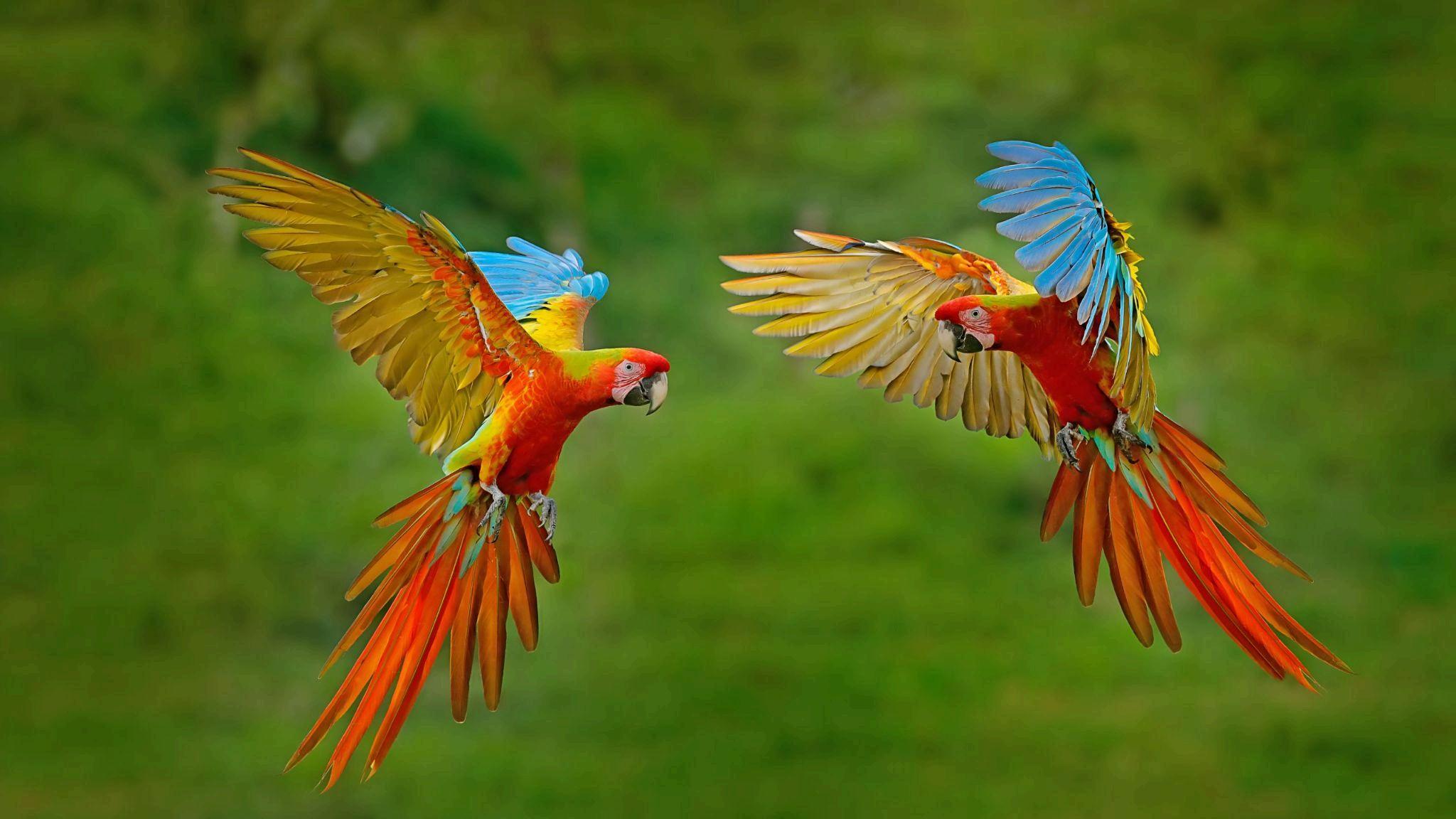
Not all parrots are the same. Some are loud and energetic. Others are calm and gentle so picking the right one matters more than you think.
If you live in an apartment, a quieter bird like a cockatiel or a budgie might suit you better. If you have time and space, larger parrots like macaws or African greys can be wonderful companions.
Also, consider lifespan Many parrots live for decades Some even outlive their owners So this is not a short-term decision.
Ask yourself honestly: Do I have time every day? Can I handle noise?
Am I ready for a long-term commitment?
If the answer is yes, you’re already on the right path
Parrot Living Space
Your bird’s environment shapes its mood and health. A parrot that feels safe and stimulated will be happier and more social.
Place the cage in a room where your family spends time. Parrots love being part of daily life Avoid isolating them in quiet corners or separate rooms
Natural light is important, but direct sunlight all day is not ideal. Also, keep the cage away from kitchen fumes, smoke, and strong scents. These can harm your bird’s sensitive respiratory system.
A good living space should feel calm, safe, and interactive.
Cage Type and Setup
The cage is your parrot’s home. Bigger is always better. Birds need space to stretch, climb, and move freely.
Choose a cage with horizontal bars. This helps your parrot climb and stay active. The spacing between bars should match your bird’s size. Too wide can be dangerous.
Inside the cage, include:
● Perches of different sizes and textures
● Food and water bowls placed cleanly
● Toys for mental stimulation
● A quiet resting spot
Try not to overcrowd the cage. Your bird should still have space to move comfortably.
Hygiene and Cleanliness
Cleanliness is non-negotiable when it comes to parrots A dirty cage can lead to infections and health issues.
Clean food and water bowls daily. Replace cage liners often. Wipe down perches and toys regularly.
Also, parrots love bathing. Some enjoy a gentle mist spray. Others prefer a shallow water dish. Keeping them clean helps maintain feather health and reduces dust.
A clean environment keeps your bird active and reduces the risk of disease.
Social Needs and Bonding
Parrots are highly social creatures. In the wild, they live in flocks. When you bring one home, you become their flock. This means daily interaction is essential. Talk to them. Sit near them. Let them be part of your routine.
A bored parrot can develop behavioral issues like screaming or feather plucking. These are often signs of loneliness or stress. Spend at least a couple of hours interacting with your bird each day. Even simple presence matters.
Building trust takes time so be patient and consistent. The bond you create will be incredibly rewarding.
Common Parrot Health Issues
Parrots are good at hiding illness. By the time symptoms appear, the condition might already be serious. That’s why awareness is important.
Common signs to watch for include:
● Low energy or unusual quietness
● Changes in appetite
● Diarrhea
● Breathing difficulty
Some of the most concerning diseases include:
● Psittacosis – a bacterial infection that can affect both birds and humans
● Aspergillosis – caused by mold, often affecting the respiratory system
● Psittacine Beak and Feather Disease – a serious viral condition affecting feathers and immune system
Another condition many people hear about is Avian influenza. It mostly affects wild birds and poultry but can spread under certain conditions. These diseases can become severe quickly. Early diagnosis by a qualified avian vet is crucial.
For trusted guidance, organizations like Association of Avian Veterinarians provide reliable information on bird health and care
Beginner Advice for New Parrot
Parents
Starting your journey with a parrot can feel overwhelming But it becomes easier when you focus on the basics. Keep things simple at first. Let your bird adjust to its new environment. Avoid too much handling in the first few days.
Stick to a routine. Feed at the same time. Clean regularly. Spend time daily. Birds thrive on consistency. Also, don’t expect instant bonding because trust builds slowly. Respect your bird’s comfort level.
And one important tip never ignore small changes in behavior. They often signal something deeper.
What Do Parrots Like to Play With?
Parrots are playful and curious. They need mental stimulation just as much as physical space.
They enjoy:
● Chewing objects
● Climbing ropes
● Solving simple puzzles
● Exploring new textures
Rotate toys regularly. This keeps things fresh and prevents boredom.
Simple things like paper, cardboard, or wooden blocks can keep them entertained for hours.
Best Toys for Parrots
Choosing the right toys is important for safety and enrichment.
Look for toys that are:
● Non-toxic
● Durable but chewable
● Free from sharp edges
● Made from natural materials
Safe, eco-friendly options include wooden toys, natural fiber ropes, and untreated perches.
Avoid plastic toys with small parts that can break off. Also, stay away from anything with harmful dyes or coatings.
A mix of toys works best. Some for chewing, some for climbing, and some for thinking.
10 Amazing Facts About Parrots
Parrots are fascinating creatures. Here are a few things that make them truly unique:
1. Many parrots can mimic human speech
2. They have strong problem-solving skills
3. Some species live over 50 years
4. They use their feet almost like hands
5. Their beaks are powerful enough to crack nuts
6. Parrots form deep emotional bonds
7 They can recognize colors and shapes
8. Some species dance to music
9. They communicate using body language
10. Each parrot has its own personality
These traits are what make parrots so special. They’re not just pets. They’re companions with character.
The Beginning of a Beautiful Bond
Choosing to bring a parrot into your life is not just about having a pet around the house It’s about welcoming a highly intelligent, emotional, and social companion who will depend on you every single day.
They will notice your routines. They will respond to your voice. Over time, they will become a part of your everyday life in ways you may not expect.
But this connection only grows when you show up for them. With patience, consistency, and careThere will be moments that test you Noise, mess, or even stubborn behavior That’s all part of living with a creature that thinks and feels deeply.
And then there are the moments that make it all worth it. The way they greet you. The trust they build. The small interactions that slowly turn into something meaningful.
So before you take that step, make sure you’re ready to give them not just a home, but your time and attention.
Because when you do it right, you’re not just raising a bird. You’re building a bond that can last a lifetime.1