STRENGTHENING COMMUNITIES
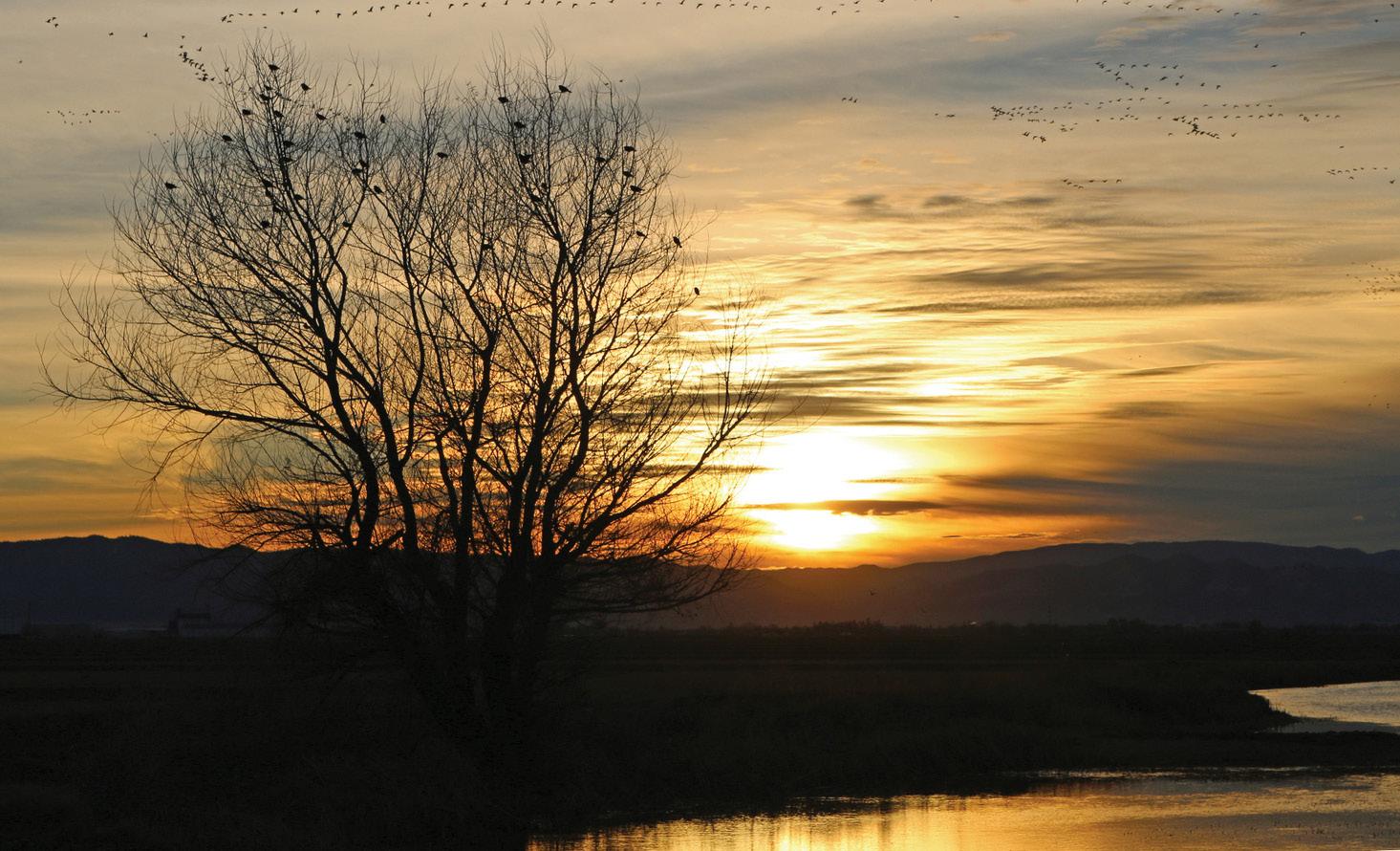
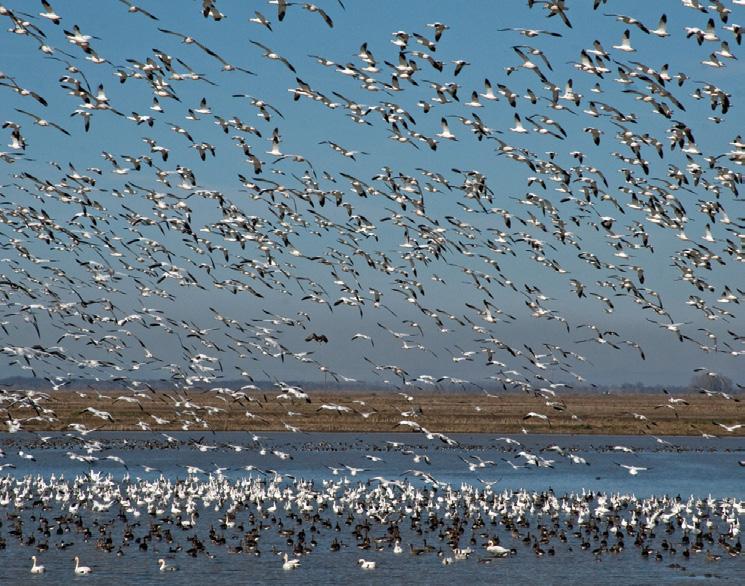
In the Sacramento Valley, water fuels one of the most productive agricultural regions in the world. It nourishes fields of rice, provides habitat for millions of migratory birds, supports thriving fish populations, and sustains the communities that call this region home. Every season, every harvest, and every ecosystem depends on a delicate balance of water managed with care and foresight.
At the center of that effort is Western Canal Water District, which plays a vital role in stewarding this essential resource across approximately 67,500 acres in Butte and Glenn counties.
Established in 1984, with canal infrastructure dating back to 1911, Western Canal supplies agricultural water to local farmers while supporting critical fish and waterfowl habitat throughout the region. Western Canal holds pre-1914 water rights to 150,000 acre-feet of natural flow from the Feather River and 145,000 acre-feet of storage water from Lake Almanor. Together, these water rights and infrastructure form the foundation of a water delivery system that has sustained agriculture, protected valuable habitat, and strengthened local communities for generations.
With approximately 90 percent of its service region dedicated to rice production, Western Canal delivers water through a network of 258 canal turnouts serving 150 customers for agricultural irrigation, rice straw decomposition, waterfowl habitat, and other agricultural uses. Behind every turnout is a commitment to balancing productive agriculture with responsible resource management.
That commitment has made Western Canal a recognized leader in water stewardship throughout the region. Beyond delivering water, the District plays a critical role in protecting and enhancing the health of the broader watershed. One of its most notable achievements is its $9.5 million Butte Creek Fish Passage Project, which has helped recover the spring-run Chinook salmon population from fewer than 100 returning adults before construction to an average of approximately 10,000 fish annually.
Building on this legacy of innovation, Western Canal continues to invest in the future of its water delivery system. To strengthen long-term reliability and resiliency, Western Canal has embarked on a plan to replace aging infrastructure and construct a fully automated water control structure. By improving the precision and efficiency of water deliveries, this project will increase water savings, enhance water quality, and create additional benefits for fish and wildlife throughout the Butte Creek watershed. Additionally, agricultural users will also gain a more reliable year-round water supply, helping sustain the farms that contribute to the local economy, feed communities around the globe, and provide critical winter habitat for nearly seven million migratory birds traveling the Pacific Flyway.
Recognizing the significance of this effort, Western Canal partnered with Morrison to pursue funding through the U.S. Bureau of Reclamation's 2024 WaterSMART Planning and Project Design Grant Program. Working closely with district staff, Morrison's Grants
CONTINUED ON INSIDE RIGHT PANEL
STRATEGIC GRANT PLANNING:
TURNING FUNDING OPPORTUNITIES INTO LONG-TERM IMPACT
For many businesses, nonprofits, and public agencies, grants are essential to pursuing strategic objectives and advancing missiondriven work. Yet too often, organizations approach grants reactively: a funding opportunity appears, a team rushes to assemble an application, and valuable time is spent trying to retrofit programs to match the funder’s priorities. While this approach may occasionally result in success, it rarely creates sustainable growth or long-term funding stability.
Strategic grant planning offers a different path.
Rather than treating grants as isolated opportunities, strategic grant planning positions funding as part of a broader organizational strategy. It helps organizations identify priorities, align programs with realistic funding pathways, build internal systems, and pursue grants intentionally rather than opportunistically. Organizations that engage in strategic grant planning are generally more competitive, more efficient, and better prepared to manage and sustain awarded funds.
WHY STRATEGIC GRANT PLANNING MATTERS
1.
It Creates Alignment Between Funding and Mission
A common mistake organizations make is pursuing grants simply because funding is available. While this may bring in short-term revenue, it can also create “mission drift,” where programs become disconnected from the organization’s core purpose. Strategic grant planning helps organizations stay focused on initiatives that genuinely advance their mission. Instead of chasing every opportunity, organizations can evaluate whether a grant aligns with their long-term goals, community needs, and operational capacity.
2. It Improves Grant Competitiveness
By creating the time and space to thoughtfully identify stakeholder needs, operational challenges, market opportunities, and long-term goals before funding opportunities arise, organizations can develop stronger, more focused project concepts. Strategic planning also enables the advance collection of supporting data such as operational metrics and economic impacts – strengthening both the credibility and quality of applications while avoiding last-minute data gaps. It further supports the cultivation of meaningful, trust-based partnerships; realistic, well-informed budgets; and strong evaluation frameworks with clear, measurable outcomes and systems for tracking and communicating impact. When these elements are in place before a grant
opportunity is released, applications become more cohesive, compelling, and competitive.
3. It Strengthens Organizational Capacity
Grant readiness is about far more than writing ability. Funders want confidence that grant funds will be managed responsibly and effectively. Strategic planning encourages organizations to evaluate internal capacity, including financial management systems, staffing structure, program oversight, reporting capabilities, data collection practices, and compliance procedures. By identifying gaps early, organizations can strengthen systems before major funding opportunities arise. This preparation is especially important for government grants and largescale initiatives that require extensive reporting, procurement, or compliance processes.
THE “HOW” OF STRATEGIC GRANT PLANNING
Successful strategic grant planning does not happen overnight. It requires intentional reflection, coordination, and ongoing refinement. However, organizations of any size can begin building a more strategic approach by following several key steps:
Step 1: Clarify Organizational Priorities
The first step is identifying what the organization is truly trying to accomplish over the next one to five years. This may involve reviewing your strategic plan, capital plan, deferred maintenance plan, and other applicable internal documents. Key questions include:
• What programs or services are most critical?
• What business/community/industry needs are we trying to address?
• What expansion goals do we have?
• Which initiatives are financially sustainable?
• What programs and initiatives will we pursue regardless of grant funding? Which are grant-dependent?
Clear priorities help organizations focus their funding efforts and avoid pursuing opportunities that distract from long-term goals.
Step 2: Conduct a Grant Readiness Assessment
Before pursuing grant funding, organizations should conduct an honest and comprehensive assessment of their readiness to apply for, implement,
manage, and sustain grant-funded projects. A grant readiness assessment helps identify strengths, gaps, risks, and operational constraints before significant time and resources are invested in an application process.
It also allows organizations to make more strategic decisions about which opportunities are truly feasible and aligned with their capacity. Below are questions organizations should consider during the readiness evaluation process.
• Can our accounting system track grant expenditures separately by project or funding source?
• Do we have established internal controls for procurement, approvals, reimbursements, and financial oversight?
• Do we have sufficient cash flow to sustain operations while awaiting grant reimbursements?
• Do we have the staff capacity to pursue grant opportunities without overextending the team?
• Are decision-making authority and accountability clearly defined?
• Does organizational leadership support the pursuit of grant funding and the proposed project?
• Do we already have established relationships with key project partners?
• Do we know how project success will be defined and measured?
• Are there gaps in our current data systems that could affect reporting accuracy or funder compliance?
Step 3: Research and Prioritize Funding Agencies and Programs
A great place to begin in the search for grant opportunities is Grants. gov, the federal clearinghouse for grant opportunities. Many states and localities have similar grant portals. Another resource for grant seekers is their own industry and professional organizations, who are often on the forefront of advocating for state and federal grant programs through their lawmakers.
As you begin exploring the grant funding landscape, the volume of available opportunities can quickly feel overwhelming. However, it’s important to keep in mind that grant success depends as much on discernment and alignment as it does on opportunity. Strategic grant planning involves researching prospective funding agencies to understand their funding priorities; geographic focus; typical award sizes; eligibility requirements; past grantees; match requirements; and reporting expectations. Even within the same agency, these factors can vary widely from grant program to grant program, often as a result of how the original funding legislation and/or regulation was written.
Many grant programs publish lists of previously funded projects, providing valuable insight into the types of initiatives, organizations, and outcomes the funding agency prioritizes. Reviewing past award recipients can help grant seekers better understand the agency’s funding preferences, identify patterns in successful applications, and assess how closely their proposed project aligns with the funder’s strategic objectives.
Organizations should prioritize funders and programs whose goals genuinely align with their mission and programs. This targeted approach is generally far more effective than submitting large numbers of lowalignment applications.
Step 4: Build Strong Partnerships
Strategic partnerships expand organizational reach; increase technical expertise; improve credibility; strengthen project outcomes; and demonstrate community support. In some instances, an organization may not meet the eligibility criteria to apply directly for a grant, but by partnering with an eligible lead applicant, both organizations can meaningfully participate in – and benefit from – the funded project, leveraging complementary strengths to advance shared goals and
expand overall impact. Partnerships should be developed intentionally and well before application deadlines. Strong collaborations are built on trust, shared goals, and clearly defined roles.
Step 5: Create a Grant Roadmap
Once organizational priorities are identified, a grant readiness assessment is conducted, and potential funding opportunities and partners are engaged, it is time to create a grant roadmap that outlines logical grant opportunities to which the organization will apply over the next one to five years. A strong roadmap will list out each potential grant opportunity, including:
• Funding agency and grant program
• Total funding availability, as well as minimum and maximum grant award amounts
• Eligible project costs
• Anticipated release dates and application deadlines
• Project duration
• Any additional considerations such as required partnerships, funding priorities, competitive factors, special registration requirements, etc.
This planning tool improves organization-wide coordination and prevents missed opportunities. It should be a living document, reviewed by the leadership team at least every six months and updated as needed.
STRATEGIC GRANT PLANNING AS A LONGTERM INVESTMENT
Strategic grant planning is not merely an administrative exercise. It is an investment in organizational effectiveness, sustainability, and community impact. Most importantly, strategic planning allows organizations to focus less on chasing funding and more on advancing their mission.
In a rapidly evolving funding landscape, organizations that succeed will not necessarily be those with the largest staffs or budgets. They will be the organizations that approach grants thoughtfully, intentionally, and strategically. Grant funding should not drive an organization’s mission. Instead, strategic grant planning ensures that funding becomes a tool for advancing mission success.
ABOUT THE AUTHOR:
Morrison’s Grants Manager Sarah DeForest helps clients in government, food, agribusiness, manufacturing, production agriculture, processing, and marketing to plan, prepare for, and secure competitive state and federal grant funding. For more information on Morrison’s Strategic Grant Planning services, Sarah can be reached at sdeforest@morrisonco.net.
Team developed a competitive application, the result of which was a successful award that will help advance the planning and design necessary to bring this important project to fruition.
Alongside planning for the future of its infrastructure, Western Canal also recently prepared for an important leadership transition. In 2025, longtime General Manager Ted Trimble announced his planned retirement after years of dedicated service to the district. As Western Canal looked toward its next chapter, the Board knew they needed a leader capable of navigating California's increasingly complex water landscape while continuing the district's long-standing tradition of stewardship.
Western Canal partnered with Morrison again –this time engaging Morrison's People Solutions
team to lead a comprehensive executive search for a talented and experienced professional to serve at the helm of their organization. After an extensive vetting process, the Board selected Jenny Scheer as its next General Manager. Since joining Western Canal in December 2025, Scheer –a Sacramento Valley native with extensive experience in policy development, water district management, and infrastructure projects – has transitioned seamlessly into leadership, building upon the District's strong foundation while helping guide its vision for the future.
Today, Western Canal Water District stands at an exciting intersection of tradition and innovation and Morrison is grateful to partner with them in their efforts. With a century-long legacy of water stewardship,
investments in modern infrastructure, and strong leadership for the future, the District is well-positioned to continue serving farmers, protecting natural resources, and strengthening the communities that depend on water for generations to come.
HANNAH SCHIEK
Hannah Schiek recently joined the Morrison team as a Business & Accounting Advisory Services Consultant. In this role she serves Morrison clients in a range of services including outsource controller roles and accounting support, business planning and budgeting, system documentation and improvement, loan compliance and cash planning, accounting system conversions, and audit support. Hannah assists Morrison clients in distribution, processing, agribusiness, agricultural cooperatives, nonprofits organizations, and other industries.
Prior to joining the Morrison team, Hannah was a Senior Associate at Pinion, the region’s leading public accounting firm. While there, she worked in a variety of industries, with a focus on agribusiness. Hannah holds a bachelor’s degree in Business Administration with an emphasis on accounting from California State University, Chico, and is a licensed Certified Public Accountant (CPA).
Q&A WITH HANNAH
WHAT IS YOUR FAVORITE PART ABOUT LIVING IN CHICO, CA?
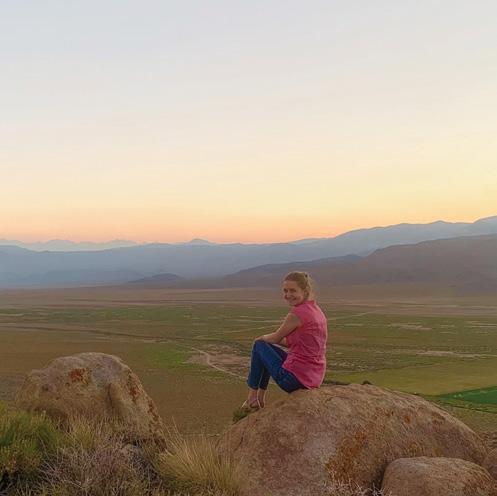
The people, the relaxed pace of life, and the beautiful trees! You're never too far away from a lovely place to walk.
WHAT ARE YOUR FAVORITE ACTIVITIES?
I recently bought a guitar and have been teaching myself a few songs, which has been a fun way to decompress at the end of the day (my roommates are very tired of hearing "Dust in the Wind"). I have also played the harp since middle school and piano since a young age. Beyond music, I enjoy pickleball, card games, and being outside in nature.
WHAT ARE YOU CURRENTLY LISTENING TO?
I always have some Eagles, Bruce Springsteen, and John Mayer somewhere in the rotation, along with the occasional classical, country, and folk phases. I recently saw James Taylor in concert with my dad in Tahoe!
WHAT IS ONE THING YOU ARE LOOKING FORWARD TO MOST IN THE FUTURE?
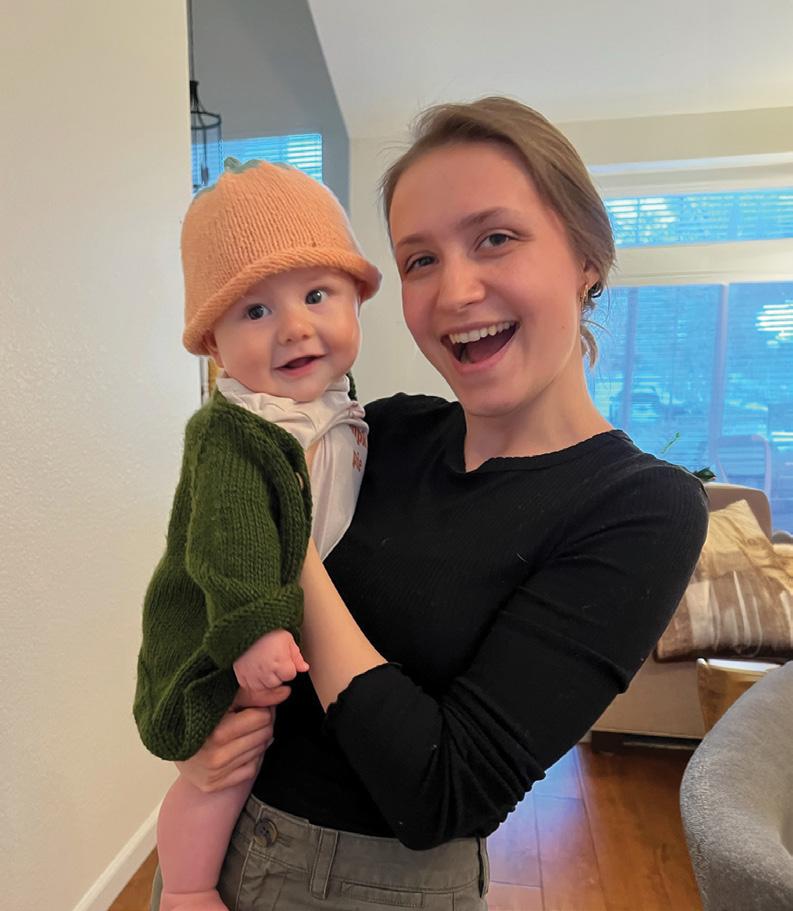
My friend and I will be going to England and Scotland this summer! Some highlights will be visiting Chatsworth House and seeing some highland coos. I am also a semi-new aunt and am looking forward to more visits with my adorable nephew in Oregon.
WHAT IS A FUN FACT ABOUT YOU?
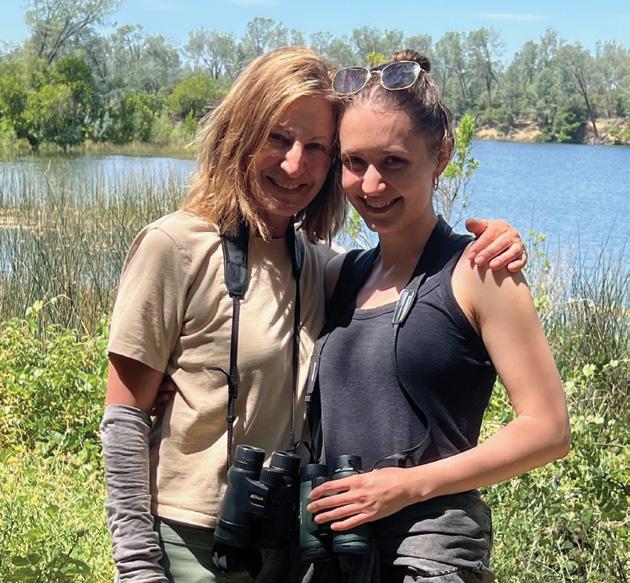
I enjoy birdwatching, a hobby I inherited from my mom, and can identify a lot of birds by their song alone.
WHAT IS YOUR FAVORITE THING ABOUT YOUR CAREER?
I love that accounting is full of puzzles and problem solving, and I especially enjoy solving problems alongside coworkers and clients. Nothing beats the "accountant's high" you feel when you get everything tied out to perfection.
1385 Ridgewood Drive Chico, CA 95973