NTC Newsletter
Fall 2022
The National Transortation Center at Morgan State University is pleased to present its bi-annual newsletter. This issue highlights ongoing research from our principal investigators related to CAVs, Complete Streets, and more. We encourage you to follow our upcoming publications and educational webinars to stay up-to-date on the latest in transportation research.
Exploring Connected & Autonomous Vehicles
Developments in Connected & Automated Vehicles (CAVs) are quickly placing capabilities once left to futurists and science fiction writers comfortably within reach of mainstream transportation research. These technologies are among the most promising innovations in the transportation field, holding the potential to revolutionize efficiency and sustainability in current transit systems.
Ongoing projects at the Urban Mobility Equity Center are making critical contributions to this emerging subfield. One of the many potential applications of CVs is demonstrated in the project, “Integrated Optimization of Vehicle Speed Control and Traffic Signal Timing.” Having recently been published by researchers atVirginia Tech and Morgan State University, this study uses simulators to explore how connected vehicle technology can be used in tandem with modified traffic signals to improve throughput and energy efficiency.
“The proposed integrated controller can greatly improve energy efficiency with up to 17.7% fuel savings, at the same time enhancing the traffic mobility by reducing total delay by 47.18% and vehicle stops by 24.8%,”readsonepassageofthestudy.
These findings validate those posited by similar projects published by UMEC researchers in recent years, such as “DevelopinganIntelligentConnectedVehicle based Traffic State Estimator,” which argues that adaptive traffic management systems, particularly those at intersections, can leverage information provided by CVs to dramatically reduce travel times experienced by travelers in automobiles.
UMEC Director Mansoureh Jeihani discussed the impact that connected & automated vehicles would have on transportation equity in the coming years at the Maryland Connected & Automated Vehicle Working Group hosted by MSU.
“Using CAVs to give access to jobs, medicine, and food to everyone – that’s a golden opportunity and we have to jump on it,” Jeihani said.
As the technologies needed to mass produce these vehicles becomes cheaper and more widely available, it will become increasingly necessarytodevelopsystemsthatareableto absorb these machines into new and existing transportation infrastructure in a way that balancesefficiency,performance,andequity.
BI-ANNUAL NEWSLETTER FOR THE NATIONAL TRANSPORTATION CENTER
In this issue: Exploring CAVs P.1 Equitable Complete Streets P.2 Secretary Buttigieg’s Visit P.3 A Message from the Director P.4 Ongoing Projects P.5
Occupant Protection Technologies Webinar Series
UMEC researchers hosted two webinars discussing the latest developments in occupant protection technology in April and September of 2022
The first webinar focused on technological innovations and safety features marketed towards the general public, including pedestrian detection systems and collision warnings.
The second webinar discussed recent technological developments that aimed to expand accessibility and convenience for disabled travelers using transportation services. These ranged from vehicle modifications and visual displays to smartphone apps connecting disabled travelers to essential services.
How Complete Streets Can Make Transit More Accessible and Equitable
Complete Streets are an emerging paradigm in transportation infrastructure design based on the principle that a society’s roadways should be designed with allusers in mind, not merely those driving cars.
Complete Streets are characterized by exclusive bus lanes, separated bike lanes, pathways and crossings for pedestrians, and tram lines. App-based transportation technologies, like scooters and bikeshare, can also be easily integrated into these infrastructure frameworks.
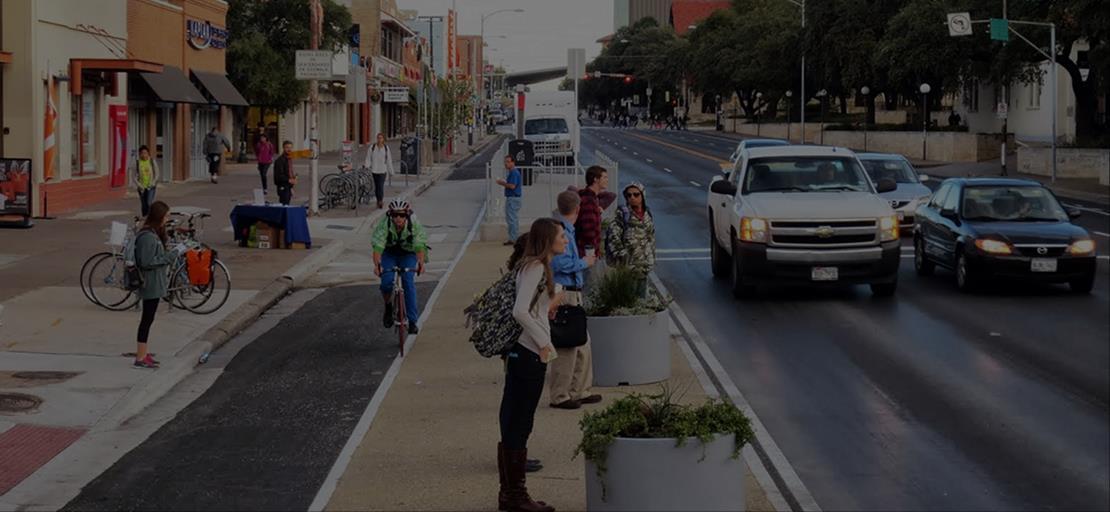
Though Complete Streets have been a mainstay in transportationresearch literature for decades, their popularity has grown as criticism of car-centric transportation infrastructure has become more widespread.
Although such design principles have long been a mainstay of cities in Europe, East Asia, andAustralia, NorthAmericantransportation agencies have only now begun implementing typical features of Complete Streets in urban areas across the United States.
UMEC researchers have recently sought to better understand the practical implications of Complete Street design implementation by studyingthebehaviors ofdrivers,cyclists,and other travelers and by making design recommendations with respect to specific roadway parameters.
Their findings suggest that more travelers would make use of public transit and nonmotorized transportation methods if the infrastructure around them was more amendable to their use. Practicality, accessibility, and above all safety, shape travelers’ behavior and modal choice.
Policymakersseekingtopromotethesetravel modes should thus look to the character of the roadway itself before drawing conclusions about different travelers’ willingness to adopt alternative transport methods.
Decades of car-centric infrastructure development have revealed the necessity of an accessible, multi-modal transit system. Particularly in urban areas, traffic congestion remains a major source of inefficiency and pollution. Further research and public supportforalternativetransportationmodels can therefore provide opportunities to address these problems and achieve more equitable socio-economic outcomes.
US Secretary of Transportation Visits MSU
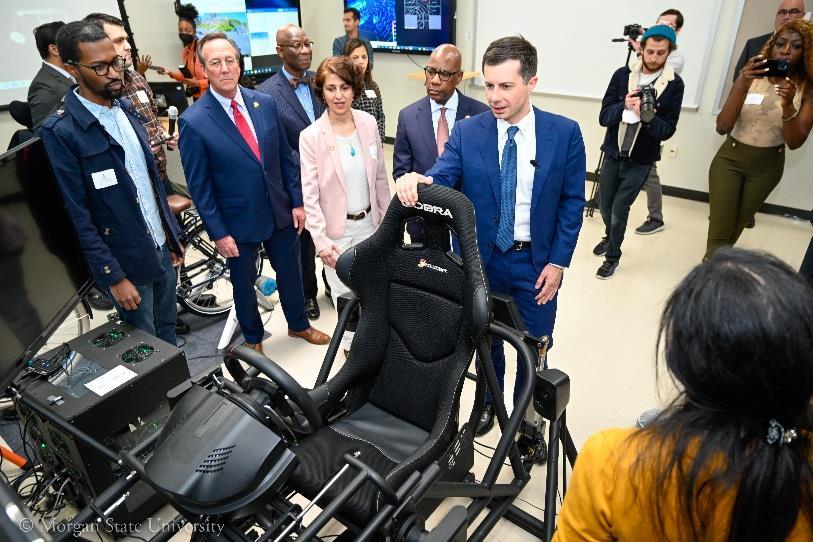
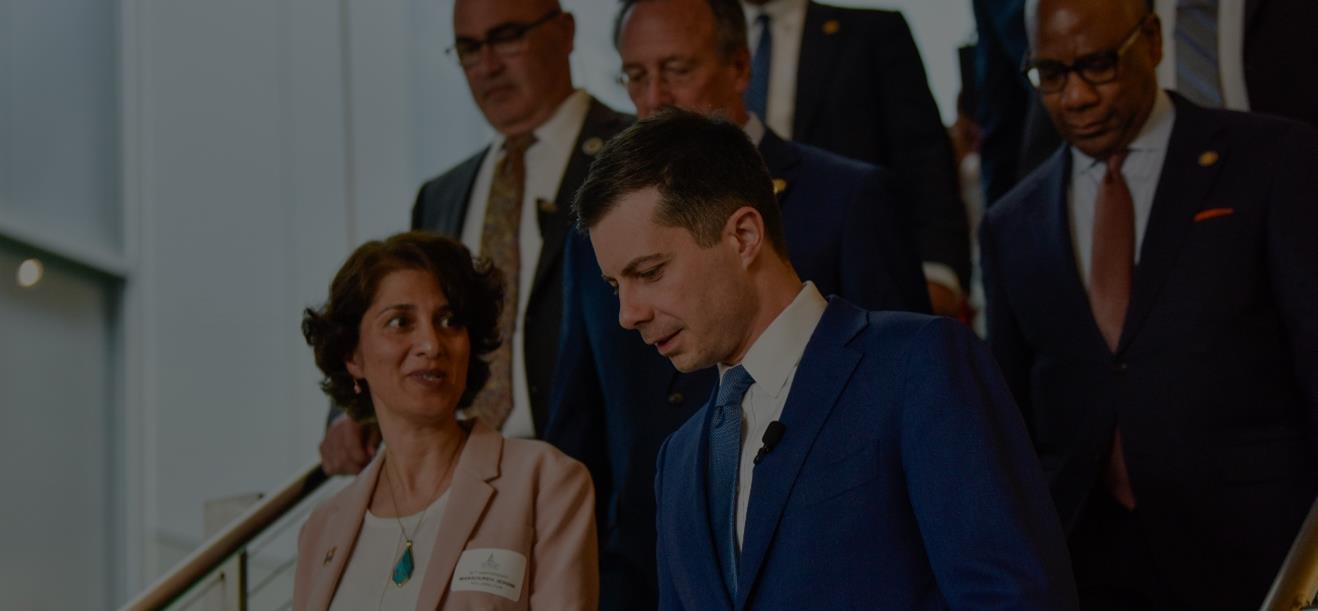
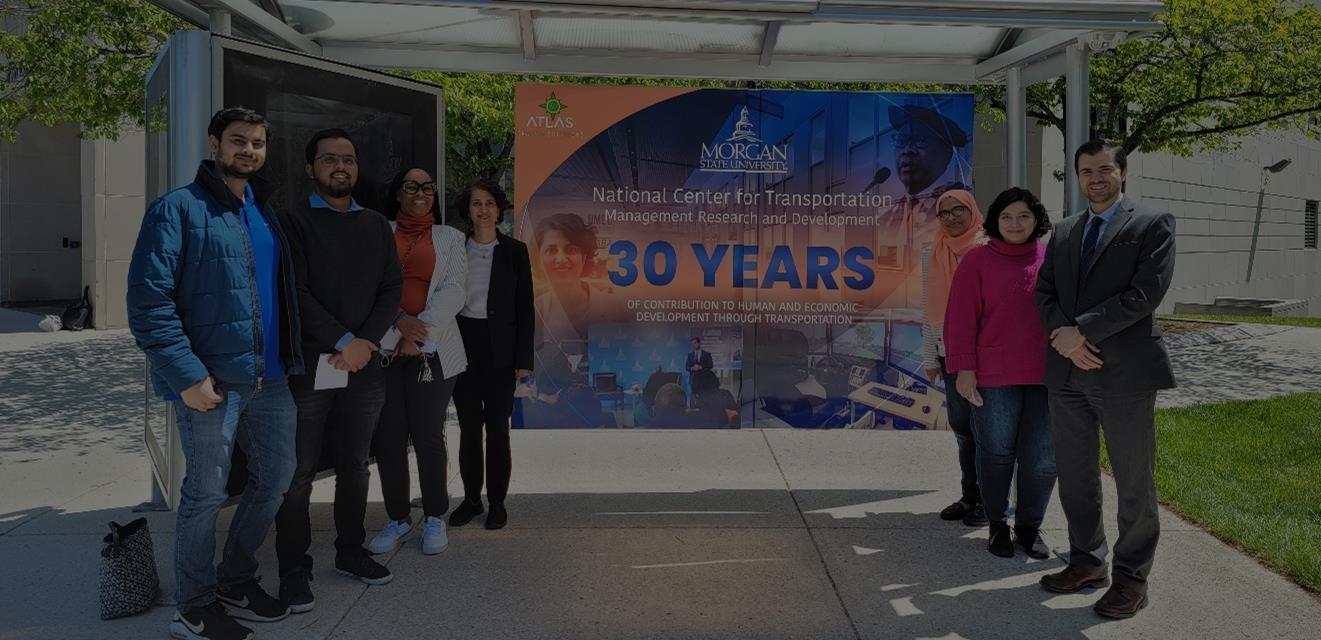
US Secretary of Transportation Pete Buttigieg visited the Morgan State University campus in April of 2022 to view ongoing UMEC research initiatives and celebrate the 30th anniversary of the National Transportation Center established by Congress under the Intermodal Surface Transportation Efficiency Act of 1991.
Among the technical projects demonstrated for Secretary Buttigieg was the Autonomous wheelchair being developed by UMEC researchers. Thewheelchair,whichhassincebeendeployedata pilot program in partnership with Baltimore Washington International Thurgood Marshall Airport, is designed to transport wheelchair-bound passengers across transport hubs without an attendant. The technology promises to improve mobility and independence for those with disabilities.
The Secretary also tested the Center’s driving simulator, which makes use of a lifelike automobile
interface fitted with a traditional steering wheel accelerator, turn signals, breaks, and other features to allow for test subjects to safely participate in driving studies. Participants can drive through digitally recreated traffic environments projected onto three large LED screens.
Buttigieg’s visit concluded with a series of discussionswithUMECresearchers,including one with the Center’s Director, Mansoureh Jeihani. The conversations focused on the need to ensure that recent federal investments in transportation adhere to principals of equity, and how the public sector and academia can continue to collaborate to promote successful transportation development by introducing the latest findings in transportation research into infrastructure development practices.
Researcher Spotlight: Eazaz SadeghVaziri
Congratulations to Dr. Eazaz Sadeghvaziri for being awarded a fellowship with the American Society for Engineering Education. Dr. Sadeghvaziri has made significant contributions to the transportation field, publishing a number of individual and collaborative research products related totransportationequityandothertopics.
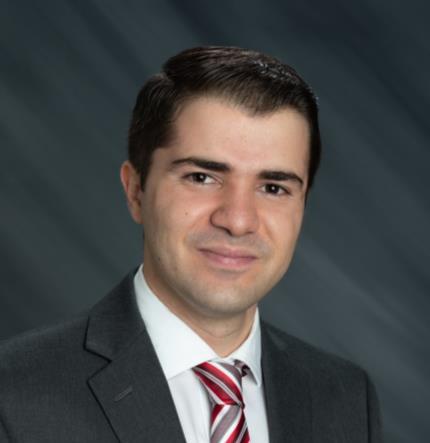
He is also recognized for his role as an educator, having supported the academic and professional development of many graduate students as they pursue their research.
EYE ON IT Upcoming Webinar Series
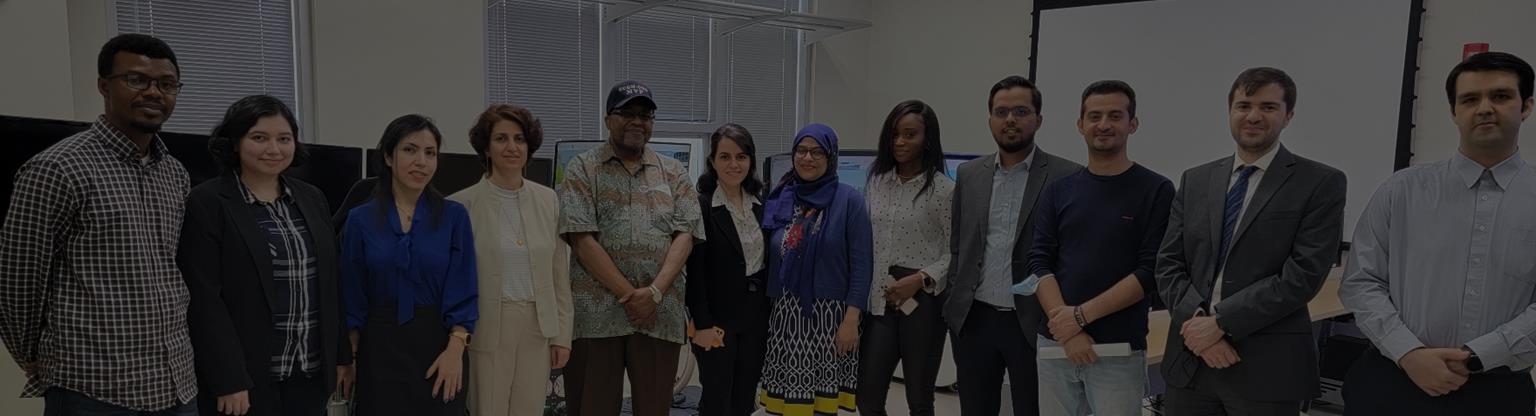
Beginning in January of 2023, UMEC will host a webinar series in which faculty and students will present their research findings on the UMEC research projects.
STAY INFORMED
Visit our Website
The best way to stay up–to-date on UMEC’s research and technology transfer activities is to visit our website at https://morgan.edu/umec
A Message From NTC Director Mansoureh Jeihani

As the Urban Mobility and Equity Center enters the final year of its grant program, we will soon be sharing a rich collection of sixth-year projects with members of the transportation community. Our principalinvestigatorsareengagedwithresearchat the forefront of emerging transportation technologieswithdrasticimplicationsforthefuture of the field. It is our mission to ensure that these findings are used by administrators, policymakers, the public and other researchers in a way that goes beyond knowledge generation by practically improvingpeople’slives.
In Baltimore, where UMEC’s lead university at Morgan State resides, one can witness both the challenges and opportunities transportation professionals seek to address. Underserved communities continue to endure transportation deserts in a city that is uniquely devoid of public transportationoptions.Thecostsofcongestionand ill-maintained infrastructure fall disproportionately on communities with few resources with which to manage these problems.
At the same time, pilot programs for emerging paradigms in transportation have demonstrated meaningful success shared bus and bike lanes along North Avenue, greater support for multimodal transit infrastructure, and a rapidly-growing scooter and bikesharesystemamong others. Public support for sustained investment in commuter railways has seen multi-decade highs, with officials on the cusp of major additions to the city’s rail network.
These contrasts demonstrate the importance of UMEC’s commitment to applying principals of equity in our research
In recent years, our outreach efforts have focused on the ways in which novel technologies can be used to benefit traditionally underserved communities. Accessible transportation is a vital factor in social mobility, giving residents the ability to find meaningful work, quality food, education, and healthcare. Beyond our traditional research publications, our researchers have made great strides in disseminating this information with policymakers and the public by participating inpanels,publishingwebinarseries,receiving patents, and discussing our findings with journalists and transportation officials.
25th Annual NSTI Banquet
The National Summer Transportation Institute celebrated its 25th anniversary in 2022. The annual banquet provided the opportunity to reflect ontheprogram’s successes over the years, featuring speeches from past students and a keynote presentation
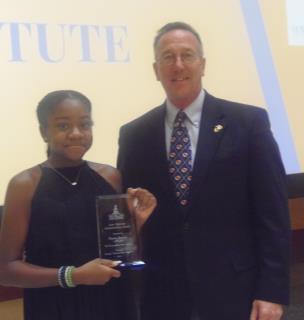
 from Maryland Secretary of Transportation Jim Ports.
Ongoing and Completed UMEC Projects
COMPLETED
Investigating the Effect of Connected Vehicles (CV) Route Guidance on Mobility and Equity; Dr. Mansoureh Jeihani, Dr. Ali Haghani (University of Maryland)
Multi-depot and Multi-school bus Scheduling Problem with School Bell Time Optimization; Dr. Ali Haghani (University of Maryland
Integrated Optimization of Vehicle Speed Control and Traffic Signal Timing: System Development and Testing; Dr. Hao Chen (Virginia Tech), Dr. Hesham Rakha (Virginia Tech), Dr. Mansoureh Jeihani
Equitable Complete Streets: Data and Methods for Optimal Design Implementation; Dr. Cinzia Cirillo (University of Maryland), Dr. Mansoureh Jeihani, Dr. Paul Schonfeld (University of Maryland)
Developing an Intelligent Connected Vehicle based Traffic State Estimator; Dr. Hesham Rakha, Ahmed Abdelrahman, Dr. Hossam Abdelghaffar (all from Virginia Tech)
Impact of COVID-19 on Ridehailing and Other Modes of Transportation; Dr. Jianhe Du, Dr. Hesham Rakha, (both from Virginia Tech)
Developing Optimal Peer-to-Peer Ridesharing Strategies; Dr. Young-Jae Lee, Dr. Amirreza Nick
Optimum Connected Vehicle Speed Control on Signalized Roadways in Mixed Flow; Dr. Hao Chen (Virginia Tech), Dr. Hesham Rakha (Virginia Tech), Dr. Mansoureh Jeihani, Dr. Eazaz Sadegh
BicyclistLongitudinalMotionModeling;Dr.HeshamRakha(Virginia Tech), Dr. Karim Fadhioun (Virginia Tech), Dr. Mansoureh Jeihani
How Mobility and Accessibility Affect Crime Rates: Insights from Mobile Device Location Data
Dr. Lei Zhang, Mofeng Yang, Guangchen Zhao, Aref Darzi, Sepehr Ghader (all from University of Maryland)
ONGOING
Shared Bus/Bike Lane Safety Analysis: Assessing Multimodal Access and Conflicts; Dr. Celeste Chavis, Dr. Cinzia Cirillo (University of Maryland)
The Effect of COVID-19 on Mobility and Equity: A Case Study on Transit Users in Baltimore, MD; Dr. Mansoureh Jeihani, Dr. Celeste Chavis
Integrated Optimal Transit Network Design with MaaS Implementation; Dr. Young-Jae Lee, Dr. Amirreza Nickkar
The Typology of Transportation Accessibility: A Qualitative and Quantitative Meta-Analysis; Dr. Hyeon-Shic Shin
User Preference Analysis for Mobility-as-a-Service (MaaS) and Its Impact in Maryland; Dr. Young-Jae Lee, Dr. Hyeon-Shic Shin, Dr. Paul Schonfeld (University of Maryland)
Fare-Free Public Transportation: A full-scale real-world experiment in Arlington, Virginia; Dr. Cinzia Cirillo (University of Maryland), Dr. Hesham Rakha (Virginia Tech)
Analysis of Interrelated Network Improvement Alternatives; Dr. Paul Schonfeld (University of Maryland), Dr. Hesham Rakha (Virginia Tech)
Investigating Walking and Biking Activities Among Low-Income Americans; Dr. Eazaz Sadeghvaziri, Dr. Mansoureh Jeihani
Changes of Bikeshare and Other Non-Automobile Modes of Transportation During Covid; Dr. Jianhe Du, Dr. Hesham Rakha
Optimization of Vehicle Trajectories Considering Uncertainly in the Vicinity of Actuated Traffic Signals; Dr. Hesham Rakha, Amr Shafik, Seifeldeen Eteifa
Quantifying the Impact of C-V2x on Transportation system Efficiency, Energy and Environment; Hesham Rakha, Dr. Kyoungho Ahn
Advanced Mobility for People with Disability:Autonomous Wheelchair Pilot Deployment at the BWI; Dr. Mansoureh Jeihani, Dr. Kofi Nyarko, Dr.Eazaz Sadeghvaziri, Dr. Cynthia Glass
Tech Times Issue 00 Month Year
all ongoing and completed UMEC projects at https://www.morgan.edu/umec
View
