Morgan State University Board of Regents
The Honorable Kweisi Mfume, Chair
Gen. Larry R. Ellis, U.S. Army (Ret.), Vice Chair
Mr. Carl W. Turnipseed, Secretary
Ms. Swati Agrawal
The Rev. Dr. Harold A. Carter, Jr.
Ms. Julissa Ferreras-Copeland
Dr. Linda J. Gilliam
Mr. John W. Henry III
Mr. Benjamin B. Klubes
Dr. Shirley M. Malcom
Mr. Champion Ojo
Mr. Brian D. Pieninck
Mr. William A. Sherman II, Esq.
Ms. Shelonda D. Stokes
President’s Senior Administration
Dr. David Kwabena Wilson
President
Dr. Hongtao Yu
Provost and Senior Vice President, Academic Affairs
Dr. Don-Terry Veal
Vice President, State and Federal Relations and Chief of Staff
Ms. Endia DeCordova
Vice President, Institutional Advancement
Ms. Dena Freeman-Patton
Vice President and Director, Intercollegiate Athletics
Ms. Julie Goodwin
General Counsel
Ms. Armada Grant
Special Assistant to the President
Mr. David LaChina
Executive Vice President, Finance and Administration
Dr. Willie E. May
Vice President, Research and Economic Development
Ms. Kim I. McCalla
Vice President, Facilities, Design and Construction Management
Dr. Timothy Summers
Vice President/Chief
Information Officer, Division of Information Technology
Dr. Kara M. Turner
Senior Vice President, Enrollment Management and Student Success
Dr. Letitia Williams
Vice President, Student Affairs
TESTIMONY
Fiscal Year 2027 Capital Budget
Morgan State University
David K. Wilson, President
House Appropriations Capital Budget Subcommittee
The Honorable Malcolm P. Ruff, Chair March 16, 2026
Senate Budget and Taxation Capital Budget Subcommittee
The Honorable Craig J. Zucker, Chair March 17, 2026
VISION STATEMENT
Chair and members of the Senate and House subcommittees, thank you for the opportunity to testify on the Governor’s fiscal year 2027 capital budget allowance for Morgan State University.
I am extremely appreciative of Governor Moore’s support for higher education and, specifically, his support for Morgan. I also thank the members of the legislative committee for their strong and continued support of Morgan State University. Our analyst, Mr. Micah Richards, has once again done an outstanding job in analyzing our budget.
Morgan State University is the preeminent public urban research university in Maryland, known for its excellence in teaching, intensive research, effective public service, and community engagement. Morgan prepares diverse and competitive graduates for success in a global, interdependent society.
MISSION STATEMENT
Morgan State University serves the community, region, state, nation, and the world as an intellectual and creative resource by supporting, empowering, and preparing high-quality, diverse graduates to lead the world. The University offers innovative, inclusive, and distinctive educational experiences to a broad cross-section of the population in a comprehensive range of disciplines at the baccalaureate, master’s, doctoral, and professional degree levels. Through collaborative pursuits, scholarly research, creative endeavors, and dedicated public service, the University gives significant priority to addressing societal problems, particularly those prevalent in urban communities.
STRATEGIC PRIORITIES
Morgan State University is guided by our Strategic Plan, “Transformation Morgan 2030: Leading the Future,” which details the University’s approach to continued growth and advancement for “Maryland’s Preeminent Public Urban Research University.” It includes six strategic goals:
GOAL 1
Enhance Student Success and Wellbeing
Provide students with a comprehensive educational and transformative experience that actualizes their full potential and empowers them to emerge as confident and competent global citizens and dynamic leaders in their selected careers and communities.
Implement Faculty Ascendency and Staff Development Initiatives
GOAL 2
GOAL 3
GOAL 4
GOAL 5
GOAL 6
The University will implement a broad range of human resource development initiatives for the benefit of faculty and staff.
Elevate Morgan’s Status to R1 Very High Doctoral Research University
Over the next 10 years, Morgan will emerge as an R1 doctoral research university fully engaged in basic and applied research and creative interdisciplinary inquiries undergirded and sustained through increased research grants and contracts.
Expand and Improve a Campus-Wide infrastructure to Support Operational Excellence and Increase Overall Institutional Capacity
Morgan will advance new construction, capital improvement, deferred maintenance, and campus safety projects in keeping with the University's evolving master plan.
Serve as the Premier Anchor Institution for Baltimore City and Beyond Morgan will expand and deepen its role as a recognized anchor institution with broad social and economic impact.
Accelerate Global Education Initiatives and Expand the University's International Footprint
Morgan will enhance its study abroad program and promote global awareness and intercultural competencies through its diverse curricular and co-curricular programs and activities.
Morgan State University: A Rising Force in Higher Education
Morgan State University continues its remarkable trajectory of growth and excellence, making significant strides in enrollment, retention, academic innovation, research expansion, and global impact. In Fall 2025, Morgan's enrollment reached 11,559. This marks the fifth consecutive year of record-breaking enrollment and a 7.6% increase over the previous year. Since 2020, Morgan’s enrollment has surged by more than 51%. Our retention rates have remained above 70% for 15 consecutive years, and graduation rates continue to exceed 40%. The number of Black male students enrolled last fall also rose by an impressive 10% over the previous year, underscoring early success as Morgan looks to address one of higher education’s most pressing challenges. Morgan is increasingly becoming a premier destination for higher learning and advancement and is the third largest among Historically Black Colleges and Universities (HBCUs).
Morgan’s rising prominence is reflected in its national recognition. Ranked No. 9 in US News & World Report’s top HBCUs and No. 10 in LinkedIn’s inaugural Top HBCUs in the United States, Morgan is increasingly being recognized as a top-tier institution. Bloomberg Businessweek ranked Morgan 54th overall nationwide for the University’s Earl G. Graves School of Business and Management. Morgan State University was also recognized among the nation’s top institutions for its commitment to serving military students, earning the distinguished 2025–2026 Military Friendly School designation and Military Friendly Spouse School designation, and being named a “Best for Vets” Gold Star College by Military Times.
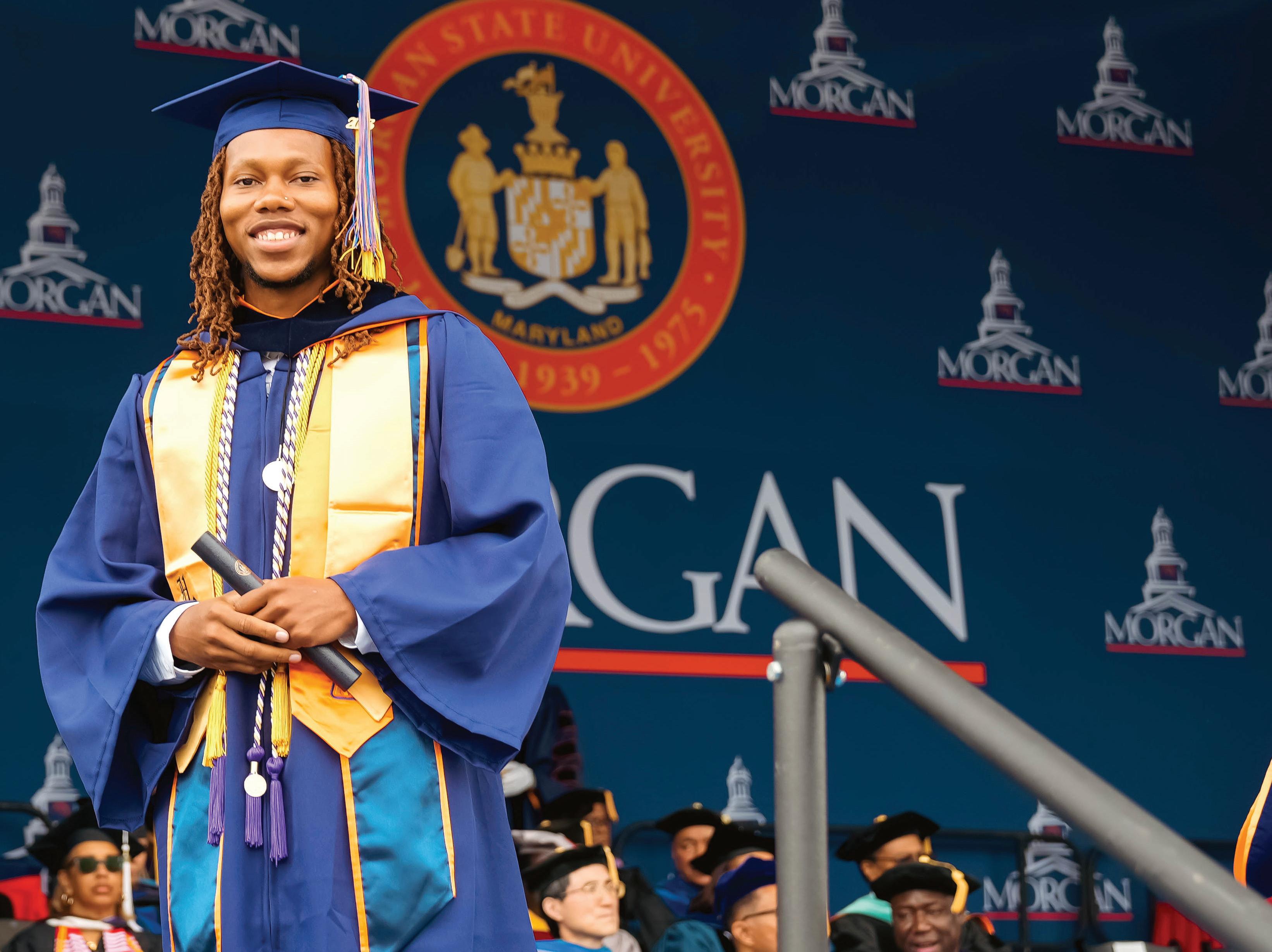
Morgan’s rising prominence is also evident in our students' outstanding achievements. Six students were named among the nation’s most promising young leaders, earning a spot in the 2025 HBCUniverse 30 Under 30 cohort. The recognition highlights exceptional students and recent graduates from Historically Black Colleges and Universities who are making their mark across industries and redefining what’s possible for the next generation of changemakers. The HBCUniverse 30 Under 30, launched by Venture for T.H.E.M., shines a spotlight on innovators, scholars, and creators who embody the legacy of excellence rooted in HBCU culture. Now in its second year, the program connects honorees to a powerful network of peers and mentors committed to advancing opportunity, collaboration, and impact.
A team of talented students from the School of Architecture and Planning made history by winning first place in the Annual Walt Disney Imagineering Imaginations Design Competition one of the most prestigious design challenges for students nationwide. Competing against approximately 80 teams from across the U.S., Morgan’s team emerged victorious, showcasing their creativity, innovation, and design excellence on a national stage.
In a commanding demonstration of innovation, teamwork, and academic excellence, Morgan’s Graves School of Business and Management students made an indelible mark at a sustainability case competition hosted by Penn State University. Representing Morgan with distinction, the student team, Blue Wave Solutions, clinched first place in the 2025 Smeal Undergraduate Sustainability Case competition held in April. The competition, now in its fifth year, challenged students to harness the power of artificial intelligence to develop sustainable solutions for realworld environmental and social justice challenges.
Tackling the urgent challenge of climate change through invention, a team of students from the University’s School of Engineering and the School of Architecture and Planning captured first place at the Hack the Climate Hackathon, part of the MIT Raise AI & Education Summit held last July. Their award-winning project, ThermaWise, is a cuttingedge platform that empowers users with creative, data-driven energy-saving solutions showcasing the students’ commitment to sustainability, technological innovation, and real-world problem-solving
Academic Innovation and Expanding Opportunities
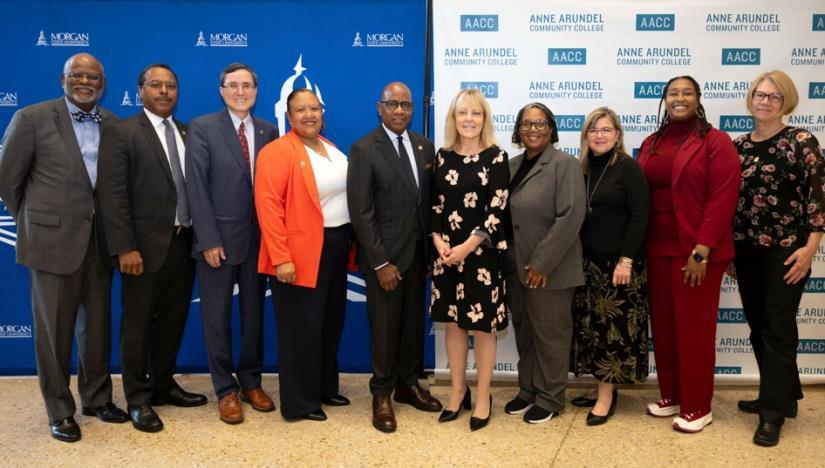
Morgan’s commitment to academic excellence and expanded opportunities is demonstrated through our ever evolving and expanded program offerings. We have introduced more than 35 new academic programs since 2021, including 11 bachelor’s, nine master’s, and 13 doctoral programs the latest being a Master’s in Community Health Nutrition. We are the first Historically Black College or University to have our undergraduate teacher preparation program, the Bachelor of Science in Elementary Education, accredited by the International Dyslexia Association (IDA). Our College of Interdisciplinary and Continuing Studies (CICS) is reshaping pathways for nontraditional students, offering 18 interdisciplinary degree programs through the “Morgan Completes You” initiative. Since its inception in 2022, enrollment in CISC has grown by 165%, from 62 to 220 students. As a result of the program’s growing success, it has been recognized, most recently by the Association for Continuing Higher Education (ACHE), with the 2025 ACHE Older Adult Model Award We have expanded our pathways to degree attainment. In addition to our partnership with the Community College of Baltimore County (CCBC) through the Degrees to Succeed (D2S) Program, which provides dual admission and streamlines the transition from an associate degree to a bachelor’s degree, the University has launched a Transfer Pathway partnership with Anne Arundel Community College (AACC). Through this partnership, Morgan and AACC will simplify the transfer process, enhance career readiness, and improve the state’s overall degree attainment in higher education. Under the new agreement, students graduating from AACC with an Associate of Arts (A.A.) or an Associate of Science (A.S.) degree will have met Morgan’s general education requirements for admission to the University’s bachelor’s degree programs.
World-Class Faculty and Research Excellence
Morgan faculty are leading the way in research and innovation, making an impact locally and globally. Eight Morgan faculty members rank among the top 2% of scientists worldwide, and nine have been elected as Fellows of the American Association for the Advancement of Science (AAAS) the world’s largest multidisciplinary scientific society. Hongtao Yu, Ph.D., provost and senior vice president for Academic Affairs, was the sixth Morgan scientist to receive the honor within the last five years and the ninth in University history.
Stacyann Nelson, Ph.D., an assistant professor in the School of Computer, Mathematical, and Natural Sciences’ Department of Physics and Engineering Physics, was selected to receive the 2025 Joseph A. Johnson Award of Excellence, presented jointly by the American Institute of Physics (AIP) and the National Society of Black Physicists (NSBP) Dr. Nelson is recognized for her research examining gluon dynamics in gold nuclei to better understand the fundamental properties of hadronic matter at high energies. Her work provides valuable insights into how matter behaves at its limits and offers clues to the state of the universe just moments after the Big Bang
Dr. Jocelyn Turner-Musa, professor and chair of the Department of Psychology, was elected as a Fellow of the American Psychological Association (APA), one of the discipline’s highest honors, in recognition of her impactful contributions to the field.
The University earned its first-ever individual Emmy Award at the 67th National Capital Chesapeake Bay Chapter Emmy Awards, for the original documentary “History of a National Treasure: The Documentary Story of Morgan State University.” Produced by Morgan’s Center for New Media and Strategic Initiatives, the film received the award in the Documentary/Historical category.
Expanding Research and Moving Toward R1 Status
Morgan is advancing toward an R1 (very high research) designation, achieving record-breaking research funding. In FY 2025, Morgan secured a record-high $104.4 million in new federal research commitments an 18% increase over the previous year and the fourth consecutive year of historic funding growth. Morgan researchers continue to secure competitive grants from a range of federal agencies, including the National Science Foundation, NASA, NOAA, and the Department of Defense. This federal research drives critical advancements in microelectronics, artificial intelligence, cybersecurity, STEM education equity, and career readiness. The University also increased its full-time post-doctoral research staff from 49 in FY2020 to 101 in FY2025
Morgan State University continues to transform its research, scientific discovery, and technical ideas into inventions that connect communities, address societal challenges, and improve lives. In 2025, the U.S. Patent and Trademark Office (USPTO) issued Morgan 10 utility patents, bringing its total to 49. This past year’s activity marks the second-most patents granted to the University in a single year, further solidifying Morgan’s status among the nation’s top patent-producing HBCUs. In 2023, the University logged a record year with 13 utility patents issued, while becoming the only HBCU listed among the National Academy of Inventors’ Top 100 U.S. Universities Granted Utility Patents
Global Reach and International Recognition
Morgan’s global footprint is expanding through growing international student enrollment and study abroad opportunities. In 2025, 150 Morgan students participated in Study Abroad programs, while 550 participated in the Virtual Exchange-COIL (Collaborative Online International Learning) Program. Students Kelci Cunningham and Cynthia Winn received highly coveted scholarships to support their study abroad in South America and southwestern Europe, respectively, during the 2025–26 academic year. Cunningham, a sophomore scholar in the Clara I. Adams College, was awarded the prestigious Benjamin A. Gilman International Scholarship to spend the spring 2026 semester studying in Brazil. Winn, a sophomore Social Work major, received a scholarship from the Council on International Educational Exchange (CIEE) to support international travel to Portugal this summer.
Morgan also remains a national leader among HBCUs in producing Fulbright Scholars. Two faculty members Valerie Odero-Marah, Ph.D., professor of Biology in the School of Computer, Mathematical, and Natural Sciences (SCMNS), and Betty Torrell, associate professor of Interior Design in the School of Architecture and Planning (SA&P) have been awarded the distinguished Fulbright U.S. Scholar Award for the 2025–2026 academic year. Earlier this year, two distinguished faculty members Oscar Barton, Jr., Ph.D., professor and dean of the Clarence M. Mitchell, Jr., School of Engineering, and Thurman L. Bridges, Ph.D., chair and associate professor in the School of Education and Urban Studies were honored with Fulbright U.S. International Education Administrators (IEA) awards. Their selection reflects Morgan’s growing influence in shaping global academic partnerships and perspectives.
Morgan’s renowned University Choir has achieved international acclaim, performing at venues worldwide. In the spring of 2025, the Choir embarked on an 11-day concert tour across Southeast Asia. This year’s destinations included Thailand, Malaysia, Singapore, and Hong Kong each offering a rich blend of cultural immersion, musical exchange, and historic exploration
Not to be outdone, Morgan’s Magnificent Marching Machine marching band, led by Director of Bands Jorim E. Reid, Sr., performed in the 137th Tournament of Roses Parade, held in Pasadena, California, in January 2026.
Morgan’s Transformative Impact on Baltimore and Beyond
Morgan State University continues to prove that its value extends well beyond the classroom. According to a recently released economic impact study conducted by the independent firm Econsult Solutions, Inc. (ESI), Morgan contributes a staggering $1.5 billion annually to the state of Maryland’s economy, cementing its position as one of the region’s most impactful and forward-moving institutions
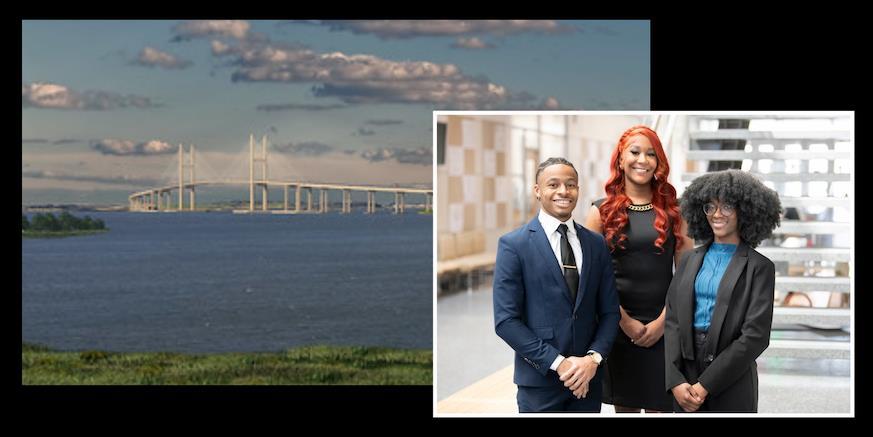
Not only are we a major catalyst for economic development as evidenced above and by the key role we played in the redevelopment of Northwood Commons we are also benefiting the broader community through our research centers, whose work enhances equity, reduces disparities, and saves lives while elevating emerging fields of study. Morgan students are also making a meaningful impact beyond our research centers. Three outstanding students from Morgan’s Clarence M. Mitchell, Jr., School of Engineering have secured highly sought-after paid internships with the Key Bridge Rebuild Project, placing them at the heart of one of the most ambitious infrastructure recovery efforts in the nation. Breya Link, an innovative senior majoring in Family and Consumer Sciences at Morgan, has received a $1,400 grant from the University’s Office of Undergraduate Research (OUR) to advance her novel community-based study. Awarded through OUR’s CreativeEdge Mini-Grant Program, the grant will support Link’s project titled, “The Gems of Charm City: Out of Nothing, Everything”: a qualitative study investigating how economic stigma affects development, identity, and resilience among Black families in Baltimore
A Bright Future Ahead
With exceptional students, world-class faculty, cutting-edge academic programs, record-breaking research achievements, and an expanding global presence, Morgan State University is firmly positioned as a premier anchor institution in Baltimore and as one of the fastest-rising universities on the national and international stage.
On the Horizon
In the face of growing physician shortages and persistent health disparities in underserved communities, Morgan State University is taking a decisive step toward a solution that will serve both Maryland and the nation. With the support of a two-year, $1.75-million grant from the Robert Wood Johnson Foundation (RWJF), Morgan is developing a comprehensive plan to establish its own public, nonprofit Doctor of Medicine (M.D.) program a first for Maryland’s largest HBCU. The new Morgan-operated medical school is envisioned to expand opportunities for students from groups underrepresented in the profession, produce more physicians committed to practicing in underserved communities, and strengthen the health care workforce pipeline in Maryland and beyond. The planned medical school will position Morgan to help address Maryland’s most pressing health care needs. Statewide, shortages in primary care and specialty physicians are projected to grow in the coming decade, with underserved urban and rural communities bearing the greatest burden. Morgan’s effort will focus on producing culturally competent physicians, expanding primary care capacity, and fostering research that addresses health inequities.
Impact of Capital Investments
The impact of state-of-the-art facilities on Morgan State University’s growth and ascension cannot be overstated. Modern, cutting-edge spaces attract top students, faculty, and research funding, strengthening our position as Maryland’s Preeminent Public Urban Research University. Facilities such as the Center for the Built Environment and Infrastructure Studies, the Morgan Business Center, home of the Earl G. Graves School of Business and Management, and the Calvin and Tina Tyler Hall Student Services Center and the New Health and Human Services Center have not only enhanced the student experience but have also been instrumental in forging strategic partnerships with renowned institutions, including Purdue, Yale, Dartmouth, Harvard, Johns Hopkins, Bank of America, Apple, Ripple, and Google. These partnerships provide our students and faculty with unparalleled learning and research opportunities
Transformative Facilities at Morgan State University Center for the Built Environment and Infrastructure Studies (CBEIS)
Opened in 2012, CBEIS is the home of our School of Architecture and Planning, Civil Engineering and Transportation Planning Departments, and National Transportation Center (NTC), including the Urban Mobility and Equity Center one of only two Tier-1 HBCU research centers funded by the U.S. Department of Transportation.
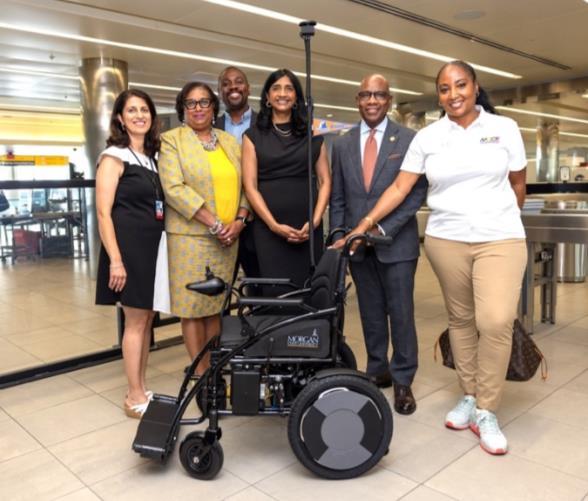
• At a special demonstration event held at Baltimore/Washington International Thurgood Marshall Airport (BWI Airport), researchers from Morgan State University’s National Transportation Center (NTC), Safety and Mobility Advancements Regional Transportation and Economics Research (SMARTER) Center, and Center for Equitable Artificial Intelligence and Machine Learning Systems (CEAMLS) unveiled an innovative autonomous wheelchair technology.
• Morgan State researchers installed a light detection and ranging system, also known as LiDAR, near nine intersections to monitor highway and road conditions and inform efforts to improve the safety of drivers, road workers, and pedestrians. This project is an initiative of the Safety and Mobility Advancements Regional Transportation and Economics Research (SMARTER) Center. Established with a $15million grant from the U.S. Department of Transportation in 2023, the SMARTER Center is the first such grant-funded by an historically Black university
Morgan Business Center – Home of the Earl G. Graves School of Business and Management
• Opened in 2015, the Morgan Business Center became the new home of the Earl G. Graves School of Business and Management (GSBM) The Graves School is among the top 5% of business schools worldwide, accredited by the Association to Advance Collegiate Schools of Business International (AACSB). It is the only HBCU business school recognized in Bloomberg Businessweek’s 2024–2025 Best B-Schools ranking. Anchoring Morgan’s West Campus, the Morgan Business Center houses the National FinTech Center, a Center of Excellence, and the hub of the HBCU Blockchain and FinTech Network, which actively engages faculty and students across all HBCUs in research, curriculum, and education in Blockchain and FinTech. It supports faculty and students at all HBCUs in developing their skills in various areas of FinTech, including blockchain, cryptocurrencies, crypto economics, cybersecurity, payment systems, entrepreneurship, and related areas. Other key points of interest residing in the Business Center are the Center for Data Analytics and Sports Gaming Research, the Capital Markets Lab, and the Business Incubator The Center for Data Analytics and Sports Gaming Research focuses on the role of data in sports analysis and gaming industries. The Capital Markets Lab and Business Incubator provide students with real-world financial and entrepreneurial training
• UNCF has announced its selection of Morgan for Project ACCLAIM (Accelerating Learning in Asset Investment Management), a national initiative designed to prepare Historically Black College and University students for leadership in asset and investment management. This program is backed by a $10million investment from Adage Capital Management and philanthropists Elizabeth and Phill Gross
Martin D. Jenkins Hall – Behavioral and Social Sciences Center
Opened in 2017, our Behavioral and Social Sciences Center (BSSC) serves as the home of the James H. Gilliam, Jr., College of Liberal Arts, providing state-of-the-art facilities for behavioral and social sciences research, including:
• A Forensic Anthropology Lab, Psychology Labs, a Vivarium, and observation rooms, equipped to support innovative scientific studies;
• The Vivarium, accredited by the American Association for Accreditation of Laboratory Animal Care (AAALAC), which enables researchers to conduct ethical and humane, cutting-edge research with the assistance of laboratory animals; and
• The Environmental Justice Thriving Communities Technical Assistance Center (EJ TCTAC), funded by the U.S. EPA and Department of Energy, is headquartered here. As the HBCU hub for Region 3, Morgan leads research and technical support across Delaware, Maryland, Pennsylvania, Virginia, Washington, DC, West Virginia, and seven federally recognized tribes.
Calvin and Tina Tyler Hall Student Services Center
Opened in Fall 2020, Tyler Hall serves as the gateway to the University. It is also a welcoming hub for student services and other vital University functions, including Admissions, Financial Aid, Records and Registration, Bursar, Human Resources, and Information Technology. Key features include:
• A three-story atrium, modern recruitment rooms, a rooftop green space with multiple gathering “pods,” and state-of-the-art office suites; and
• Bear Essentials (BE), a one-stop Student Services Center, streamlining student support from admissions to graduation.
New Health and Human Services Center
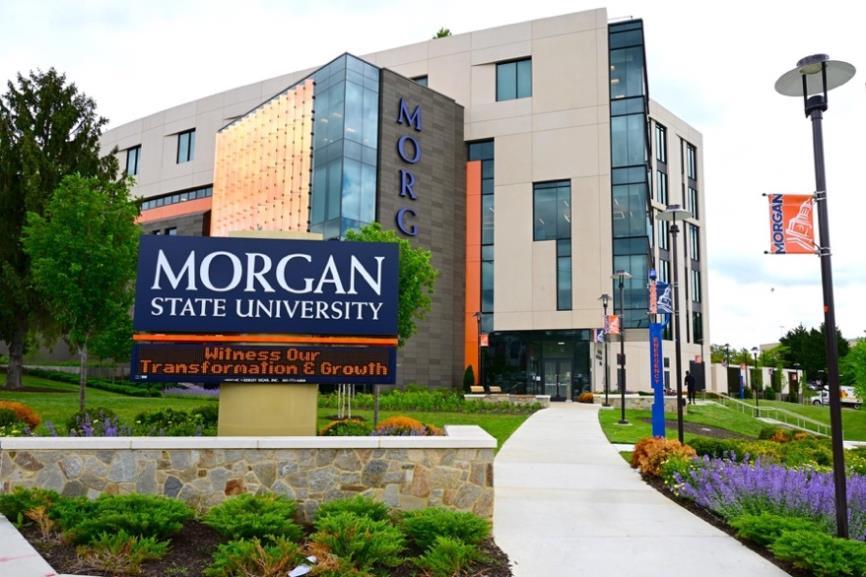
Morgan’s newest building is our Health and Human Services Center, which opened in Fall 2024. This modern, eyecatching, cutting-edge facility houses:
• The School of Community Health and Policy, including Public Health, Nutritional Sciences, Nursing, PreProfessional Physical Therapy, and Health Education;
• The School of Social Work and Department of Family and Consumer Sciences;
• Medical Laboratory Sciences and the University Counseling Center; and
• Smart classrooms, fully equipped laboratories, and simulation environments to provide students with real-world training.
Accommodating Exponential Growth
Morgan’s record-breaking enrollment growth, expanding research enterprise, and increasing public-private partnerships, coupled with aging infrastructure, have placed a strain on our facilities, requiring new funding sources to meet demand.
To accommodate our growing student population, Morgan has:
✔ Leased off-campus housing and facilities to support student accommodations;
✔ Opened Legacy Hall, a new, 604-bed residential facility, in Fall 2024;
✔ Completed major renovations to Baldwin Hall and Cummings House, reopening them in Fall 2024;
✔ Revamped Hurt Gymnasium, providing updated recreation and athletic spaces, in 2024;
✔ Opened Thurgood Marshall Hall, a new, 670-bed residential building and new dining hall for 700, in Fall 2022;
✔ Constructed a new Police and Public Safety facility in 2019 to enhance campus security;
✔ Upgraded the Gilliam Concert Hall and Recital Hall at the Murphy Fine Arts Center;
✔ Improved the air quality in multiple campus buildings; and
✔ Developed a strategic housing plan incorporating, due to the unavailability of state funds:
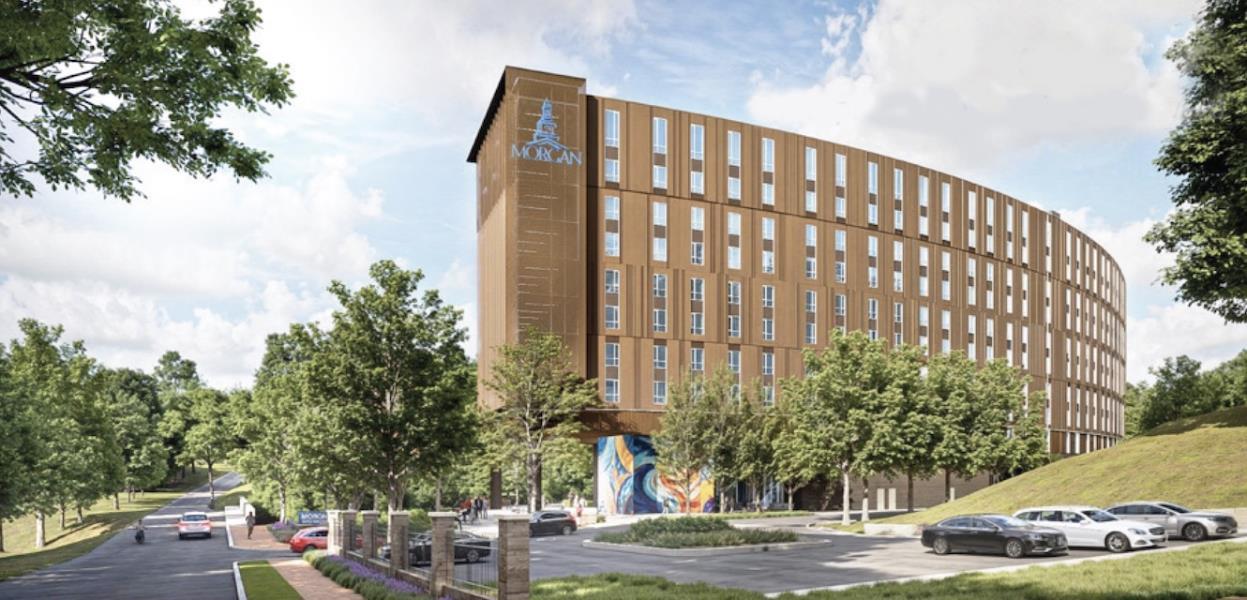
• Renovations and replacements of aging residential facilities; Harper-Tubman renovation is underway, and a new residential facility to replace O’Connell Hall is under construction;
• Public-private partnerships, including with the Maryland Economic Development Corporation (MEDCO) approximately $370 million invested; and
• Capital investments from HBCU CapFin Loan programs (approximately $106 million invested), HEERF federal funds (approximately $30 million invested), and Maryland Clean Energy Center (MCEC).
Making Way for the Future
Lake Clifton High School is in the early stages of demolition, with the main demolition starting in a few weeks. In process is removal of the building’s art, which will be temporarily stored then reinstalled as buildings are developed. Upgrading the electric infrastructure is underway to enable the implementation of energy and electrification projects.
The 2035 Facilities Campus Master Plan is underway and is expected to be completed later this year.
Network/Infrastructure Improvements
Preparing for and supporting the future requires more than buildings and programs; it requires networks/cellular telecommunications and the infrastructure that support them. These systems must grow with and precede future development if the University is to maintain its competitiveness. The existing network is dated and often fails. These networks are the lifeline of the campus, supporting teaching, research, and operations They require multiple pathways in case one is damaged or becomes obstructed.
To remain competitive, the network must have capacity, reliability, and flexibility, and be easily expandable, up to date, and secure. Lectures and meetings are both in-person and virtual, providing flexibility and constant communication.
Sustainability
Creating a sustainable campus, reducing Morgan’s carbon footprint, and meeting the requirements of the Climate Solutions Now Act are important to Morgan. As the decarbonization plan is developed, we are working to understand the potential physical and financial impacts on campus, which will involve new infrastructure in buildings; re-piping, upgrading and modifying electrical systems; new mechanical systems; and re-educating and restructuring our maintenance operations.
Deferred Maintenance/Renovation Projects
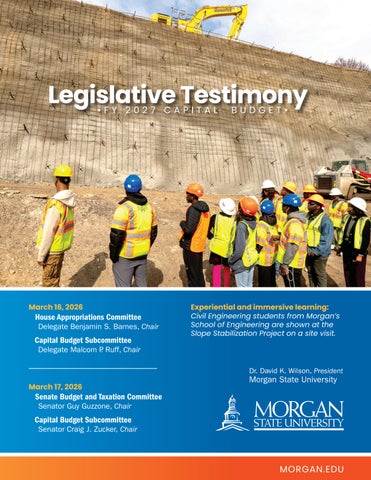
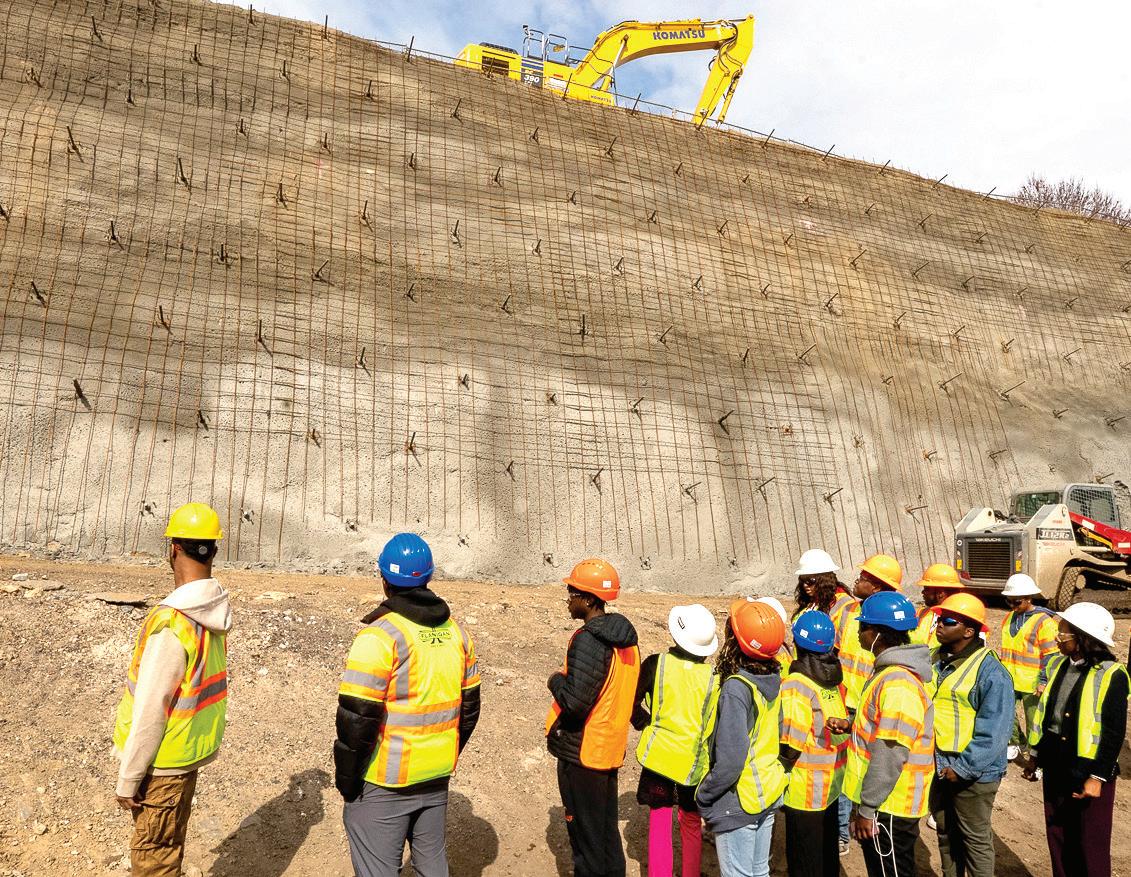
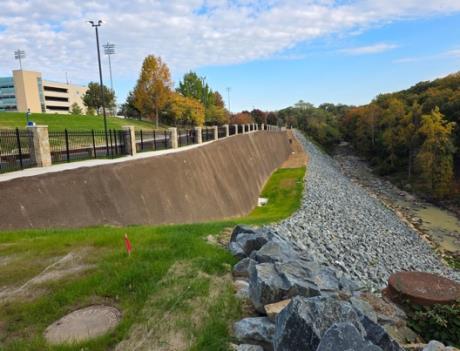
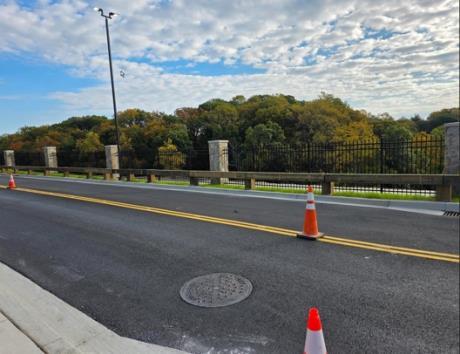
Morgan has completed almost $50 million in various deferred maintenance projects since 2020 and has about $20 million of such projects in the immediate pipeline. Stadium Way stabilization was recently completed in 2025, securing the slope and the road from the Herring Run This work prevented the road from failing and sliding down into the Herring Run.
Other projects include replacing piping, electrical, mechanical, and roof systems that are in decay Often, the decay is hidden behind walls and is only discovered after the system has failed. Morgan continues improvements to buildings with the deferred maintenance program.
Need for Continued Investment
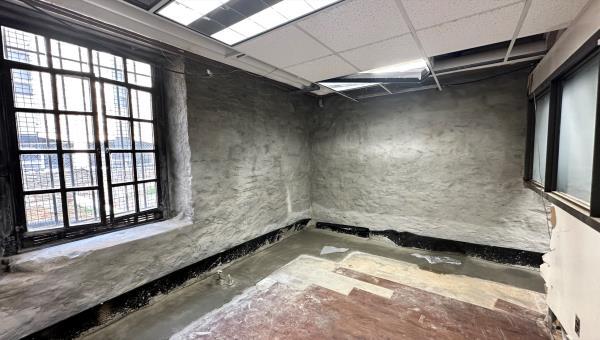
The University is extremely appreciative of the State’s ongoing investment in our growing University. It has been critical to advancing our mission. Although much has been accomplished, continued capital investment remains critical to advancing our mission of academic excellence, research innovation, and student success. The unexpected, exponential growth, now controlled, has put a strain on campus buildings and infrastructure, preventing us from providing adequate accommodations. In addition, many of our older facilities are in a severe state of deterioration and are declining faster than we can stabilize or demolish the buildings, as they are being reluctantly used for badly needed surge space. Frequent pipe and equipment failures not only cause damage and extreme temperature fluctuations but also increase campus occupants’ stress, reduce productivity, and raise serious health concerns, with several staff members reporting coughing, headaches, and burning eyes, among other ailments. Air quality testing is performed on a periodic basis, but there is no standard for mold or its health implications, nor is there a solution for reported health-related symptoms. Replacing any system will also require replacing in-wall plumbing, pipes, and other systems, as many breaks are behind the walls, necessitating major renovations to buildings.
Elevators in all the older buildings constantly break down, sometimes taking weeks to repair, as parts are often unavailable. These conditions are not just inconvenient; they present ADA challenges, as alternate accommodations must be put in place until the elevator’s condition is remedied.
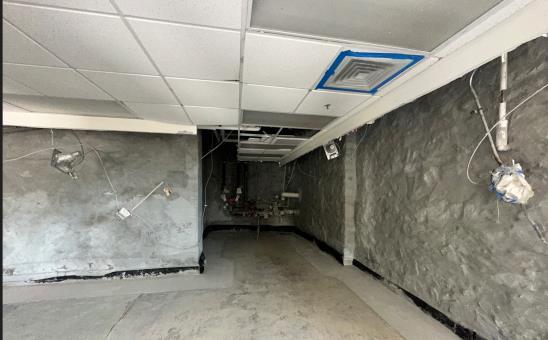
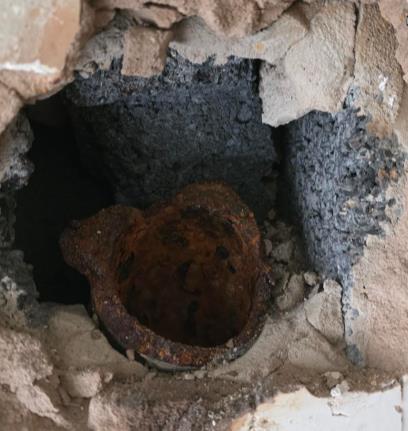
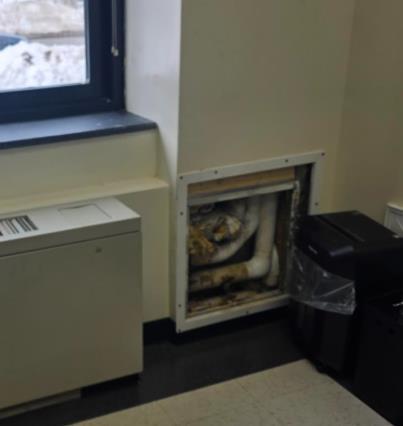
The pictures below represent similar conditions around campus, particularly in our legacy facilities. The University continues to explore alternative ways to accommodate programs, including identifying off-campus facilities for lease or purchase. Campus power must be expanded to accommodate the addition of modular facilities.
Truth Hall Plumbing
Structural Crack
Engineering Plumbing
Truth Hall Water Infiltration Completed
Chapel Water Infiltration Completed
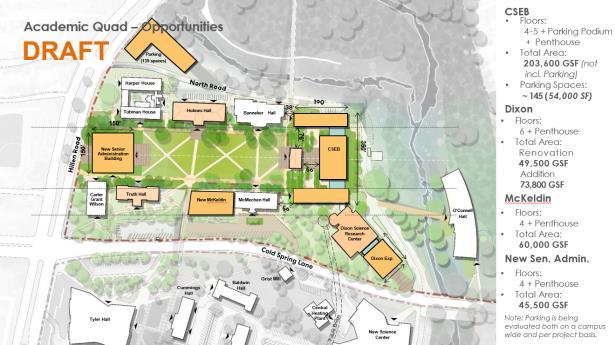
Listed below are Morgan’s legacy and older buildings, some of which have had no significant renovations since opening and including others that have renovations more than 30 years old. Renovating, preserving, and/or replacing these buildings is estimated to cost more than $950 million.
Carnegie Hall (Science Complex) Classes 1919 1992
Alumni House Administrative 1922 2003 Renovation
Montebello Administrative 1922 Demolition/New Buildings
Old Heating Plant Not in Use 1924 Stabilization/Partial Rebuild/Reuse
University Chapel Meeting Spaces 1941 Interior Renovation
Truth Hall Administrative 1946 1979 Total Renovation
Holmes Hall Administrative/Classes 1952 1993 Total Renovation
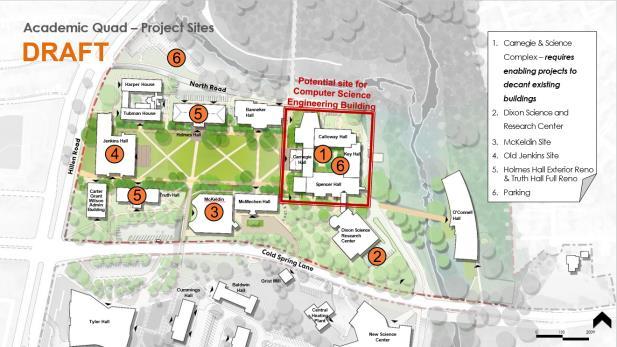
Calloway Hall (Science Complex) Classes/Research 1953 1992 Demolition
Health Center Student Health 1954 1991 Renovation/Expansion/Reuse
Spencer Hall (Science Complex) Classes/Research 1962 1989 Demolition
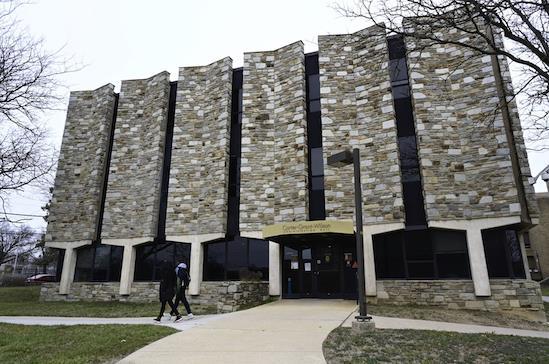
Carter Grant Wilson Administrative – Vacant 1963 1994 Renovation/Expansion
Key Hall (Science Complex) Science/Research 1964 1994 Demolition
McMechen Hall Admin/ROTC/Classes/Lab 1972 1994 Renovation
Hill Field House Admin/Classes-Tutoring/Athletics 1974 1999 Undetermined
Jenkins Hall Administrative 1974 Demolition/New Building
McKeldin Center Administrative 1974 Demolition/New Building
Portage Ave Classes 1983 Renovation
Mitchell Engineering Engineering 1991 Renovation
Schaefer Engineering Engineering 1997 Renovation
Included in the University’s FY 2027 Five-Year Capital Budget Request was a project to upgrade the campus network infrastructure. That project was deferred in the Governor’s CIP until FY 2031. The existing network system is nearing the end of its useful life and needs to be replaced. We are concerned that deferring this project puts the University at risk for a catastrophic breakdown. The campus network infrastructure is critical to all our network, communications, building automation, and fire and safety systems, and thus needs to be implemented as soon as possible.
We have already been impacted by federal tariffs and immigration uncertainties, which have created labor shortages and lengthy delivery times for key pieces of equipment.
Continued investment is necessary to:
• Expand and modernize academic facilities to accommodate growing programs;
• Address critical infrastructure and aging facility needs;
• Enhance activity programs for maintaining students' wellbeing and mental health;
• Advance research capabilities in areas such as STEM, public health, and cybersecurity; and
• Enhance sustainability initiatives to improve energy efficiency, campus resilience, and meet the Climate Solutions Now Act plan.
Capital investments directly contribute to our growth, competitiveness, and long-term sustainability, ensuring the University continues to serve as a premier anchor institution for Baltimore and beyond.
GOVERNOR’S CAPITAL BUDGET RECOMMENDATION
The Governor’s FY 2027 capital budget allowance for Morgan is $147,577,000 in GO Bonds.
Capital Projects and Infrastructure Investments at Morgan State University
New Science Center – Phase II
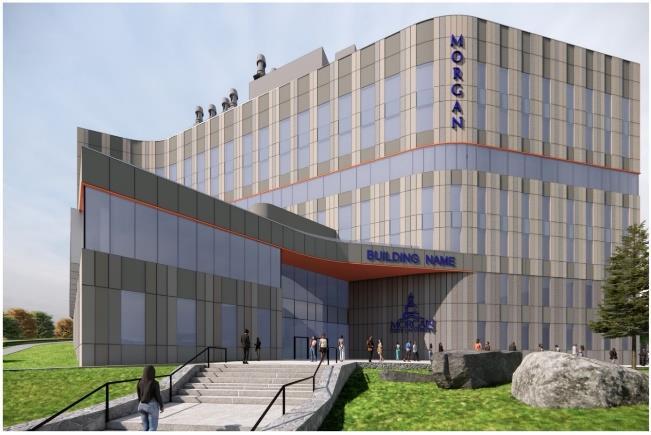
This will provide additional construction funding and the first phase of equipment for this state-of-the-art science facility, which will house the Biology and Chemistry Departments and the Dean’s Office. The new facility will be built on the former site of the Washington Service Center.
Campus-Wide Electrical Infrastructure Upgrades
This will provide additional funding for the design and construction of new electrical infrastructure. New feeders from Baltimore Gas and Electric (BGE) will increase our electric capacity and improve research resiliency. Key improvements include:
• Addition of a central 34kV substation, replacing the Cold Spring Substation, and renovating the Montebello Substation;
• Replacement of the Cold Spring substation and an upgrade of the Montebello substation, to expand power capacity; and
• Installation of new feeders and underground duct banks connecting BGE’s Clifton Park substation to the new single point of service (SPS), ensuring integration with the Cold Spring and Montebello substations.
Carter-Grant-Wilson Renovation
This will provide the funding needed to complete the pre-construction design work.
Closing
In closing, I once again express my sincere appreciation for your continued support of Morgan’s Capital Improvement Program. Our facilities serve as a first impression for prospective students, faculty, and staff, and your investment is transforming our campus, shaping the next generation of competitive, capable graduates and attracting critical public and private sector partnerships.
As we continue to expand and modernize our learning environments, we remain committed to producing students who grow the future and lead the world, advancing cutting-edge research and community outreach. Your support is essential to providing state-of-the-art facilities that enhance student success and academic excellence across all disciplines.
Therefore, I respectfully request your full support of the Governor’s recommendation for our FY 2027 capital budget allowance, ensuring that Morgan remains at the forefront of innovation, education, and research.
Thank you for your continued partnership and commitment to our mission.
RESPONSES TO ISSUES & RECOMMENDED ACTIONS
Department of Legislative Services’ Analysis
RECOMMENDED ACTIONS
Recommendation 1 (Page 2): Approve all proposed authorizations for Morgan State University.
Response: The University concurs with this recommendation
Recommendation 2 (Page 3): The Department of Legislative Services recommends the release of $50,000 of fiscal 2026 GO bond funds authorized for construction. A letter to this effect will be drafted for committee consideration.
Response: The University concurs with this recommendation