Guide to Catastrophic Injury Claims Explained More
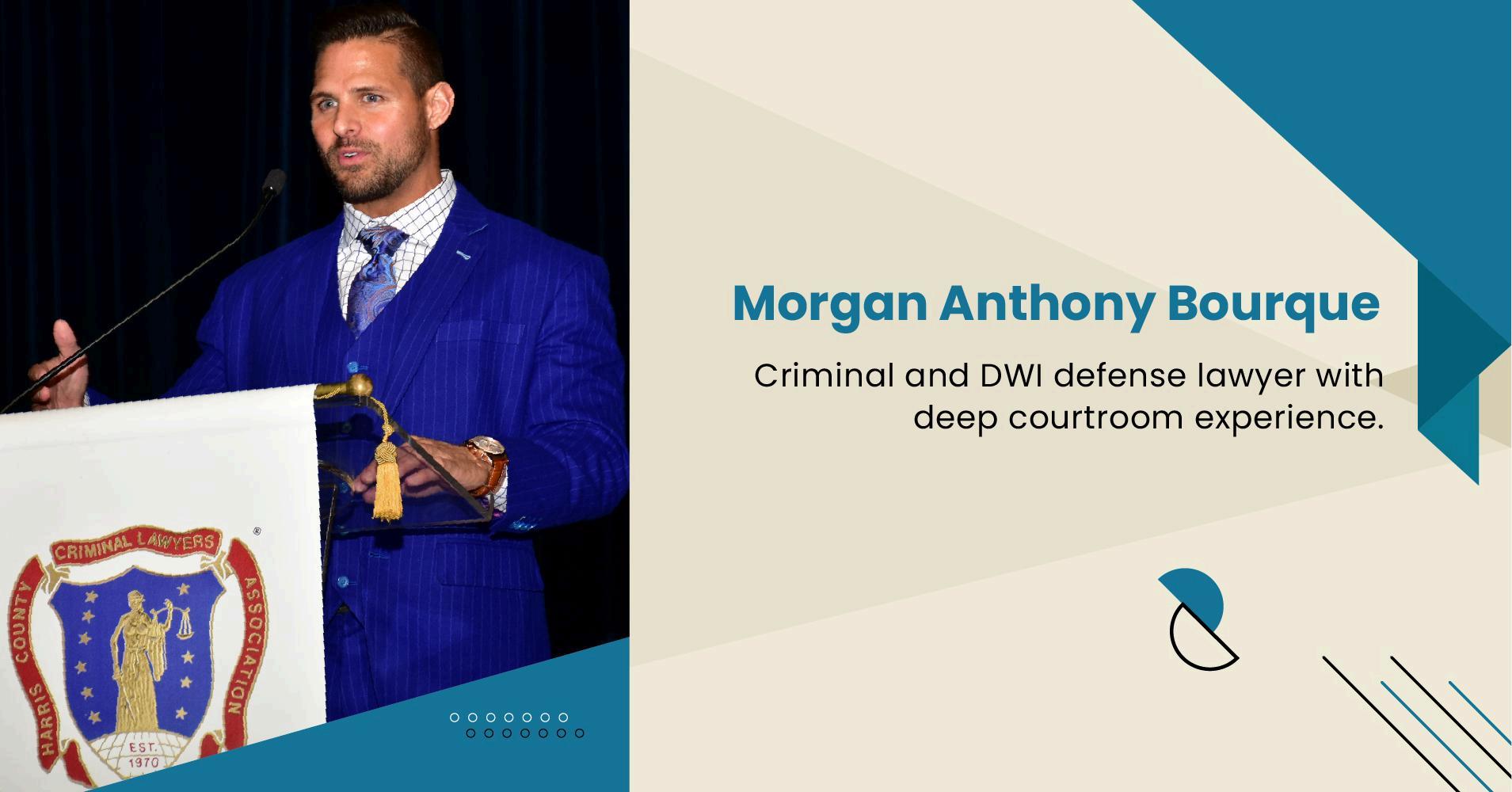
As noted by Morgan Anthony Bourque, catastrophic injuries are life-altering events that leave victims facing long-term or permanent physical, emotional, and financial challenges. These injuries often include severe brain trauma, spinal cord damage, amputations, severe burns, or multiple fractures—conditions that drastically change a person’s ability to work, live independently, or enjoy daily activities. Because the consequences are so profound, the process of pursuing a catastrophic injury claim is more complex than a standard personal injury case.
A catastrophic injury claim aims to secure compensation that reflects the full scope of current and future losses. Victims are not only seeking reimbursement for immediate medical treatment but also for long-term rehabilitation, ongoing care, adaptive equipment, and loss of income or earning capacity. In many cases, families also require financial support for modifications to their home or vehicle to accommodate the victim’s new physical limitations. The emotional toll—pain, suffering, and reduced quality of life—is also factored into the compensation amount.
Establishing liability is a crucial part of these claims. The victim must prove that another party’s negligence, recklessness, or intentional conduct caused the injury. This can involve gathering medical records, accident reports, expert testimony, and witness statements. Because catastrophic injuries often occur in high-impact
situations—such as road traffic accidents, workplace incidents, medical negligence, or defective products—multiple parties may be responsible. Identifying all liable parties helps ensure victims receive the maximum compensation available.
Insurance companies typically scrutinise catastrophic injury claims closely due to the high payouts involved. As a result, victims may face pressure to settle quickly for an amount far below what they truly need. Accepting an early settlement can be risky because the full impact of these injuries may not be immediately clear Long-term medical projections, rehabilitation plans, and lifestyle changes must be fully understood before determining a fair settlement figure. This is why experienced legal representation is essential. A knowledgeable solicitor can assess the true value of the claim, negotiate with insurers, and, if necessary, prepare the case for court.
Ultimately, a catastrophic injury claim is about securing the resources necessary to rebuild a life disrupted by a devastating event. While no amount of compensation can truly undo the damage, a successful claim can provide stability, support long-term recovery, and help victims reclaim as much independence and quality of life as possible.