41st martin luther king jr.
College of Ministers and Laity
Induction Ceremony

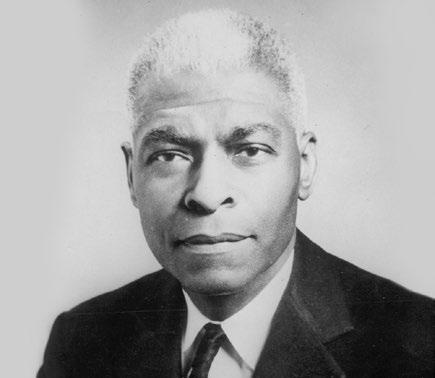
11:00 a.m. benjamin elijah mays induction crown forum
“ moral cosmopolitan heroic search for knowledge ” ATLANTA, GEORGIA

THURSDAY, APRIL 9, 2026
1:30 p.m. dean carter’s retirement luncheon 4:30 p.m. thurman thursday dialogue session
5:30 p.m. open mic: expressions of appreciation for dean carter
7:00 p.m. a conversation on the black christ
EVENTS SCHEDULE Retirement Celebration
THURSDAY, APRIL 9, 2026
11:00 A.M. Doors open at 8:00 a.m.
41st Annual Martin Luther King Jr. College of Ministers & Laity Induction Ceremony & Benjamin Elijah Mays Crown Forum
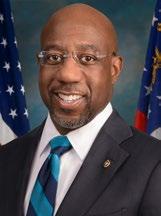
PREACHER:
The Honorable Reverend Raphael G. Warnock ’91, Ph.D.
Senior Pastor, Ebenezer Baptist Church U.S. Senator (GA)
PORTRAIT INDUCTIONS
MUSIC: The world-renowned Morehouse College Glee Club
Martin Luther King Jr. International Chapel
1:30 P.M.
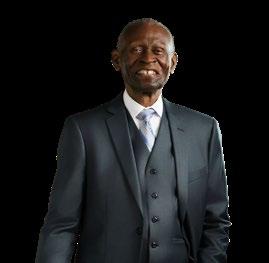
Retirement Celebration Luncheon
The Reverend Dean Lawrence Edward Carter Sr., Ph.D.
Franklin LaFayette Forbes Arena
4:30 P.M.
Thurman Thursday Dialogue Session
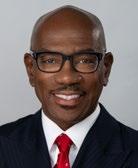
FACILITATOR:
The Reverend Kenyatta R. Gilbert, Ph.D. Dean, Howard University School of Divinity, Howard University
The Reverend Dean Gilbert will lead a conversation on Vocational Pathways, addressing a $10 million grant given from the Lilly Endowment Inc., to support students interested in attending seminary.
Martin Luther King Jr. International Chapel
African American Hall of Fame, Second Floor
5:30 P.M.
“Open Mic”: Expressions of Appreciation For Dean Carter
An ‘open mic’ for individuals to express their well wishes and words of wisdom to The Reverend Dean Carter and his family as he prepares to retire on June 30, 2026.
Martin Luther King Jr. International Chapel — Crown Nave
THURSDAY, APRIL 9, 2026
7:00 P.M.
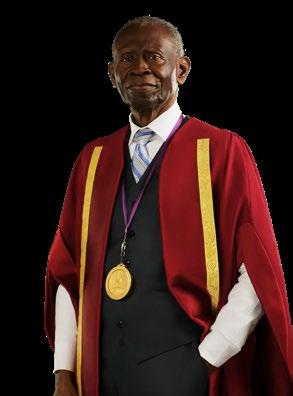
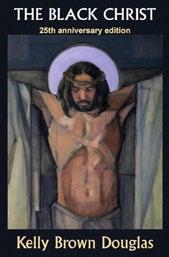
Author Talk: A Conversation on “The Black Christ”
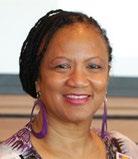
Retirement celebrations continue with an Author Talk with the Reverend Canon on her book, The Black Christ, and oil portrait unveiling.
Martin Luther King Jr.
International Chapel — Crown Nave
MODERATOR:
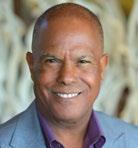
The Reverend Director
Michael Bernard Beckwith, D.D.
Founder and Senior Minister
Agape International Spiritual Center Los Angeles, California
OIL PORTRAIT RECIPIENTS:
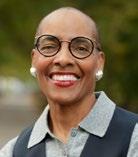
The Reverend Canon Kelly Brown Douglas, Ph.D.
Visiting Professor of Theology
Harvard Divinity School and Canon Theologian of the Washington National Cathedral
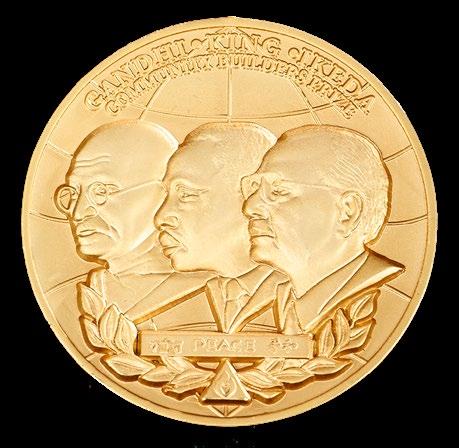
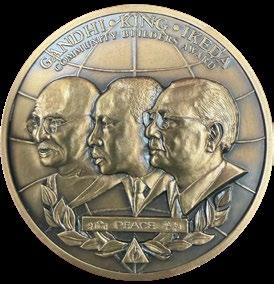
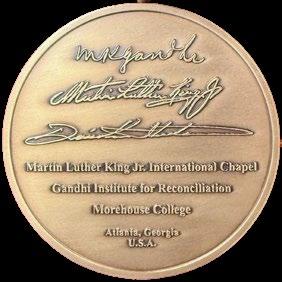
Recipient of the Gandhi, King, Ikeda Community Builders Award
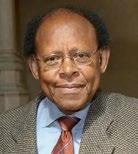
The Late Reverend James Hal Cone, Ph.D.
Bill & Judith Moyers
Distinguished Professor of Systematic Theology Union Theological Seminary
OIL PORTRAIT TRIBUTES BY:
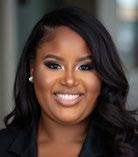
The Reverend Melanie C. Jones Quarles, Ph.D. Assistant Professor of Ethics, Theology and Culture Director, Katie Geneva Cannon Center for Womanist Leadership Union Presbyterian Seminary
The Reverend JoAnne Marie Terrell, Ph.D.
Kenneth B. Smith, Sr. Professor of Public Ministry and Associate Professor of Theology, Ethics and the Arts Chicago Theological Seminary
SUNDAY, APRIL 12, 2026
5:30 P.M.
The Dean’s Sunday: Vesper Hour Service and Sermon Talkback
GUEST PREACHER:
The Reverend Brad Ronnell Braxton, Ph.D.
President and Professor of Public Theology Chicago Theological Seminary
Martin Luther King Jr. International Chapel — Crown Nave
From the President of the College
Welcome from the President
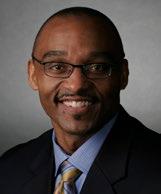
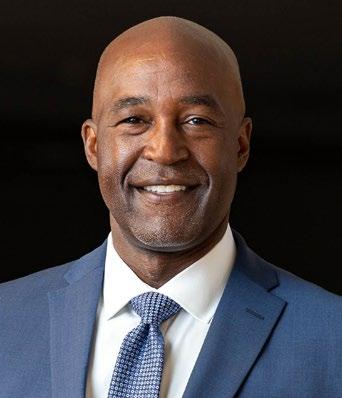
What a pleasure it is to welcome you to the Martin Luther King Jr. International Chapel for the 41st Martin Luther King Jr. College of Ministers and Laity at Morehouse College. This has been a season of transition for Morehouse College, not only with my arrival as the 13th president, but also with the retirement of our beloved founding dean of the Martin Luther King Jr. International Chapel, the Reverend Dr. Lawrence Edward Carter Sr.
For nearly five decades, Dean Carter has served as professor, archivist, curator, spiritual scholar, and faithful guardian of the Morehouse tradition. Under his stewardship, the Chapel has experienced a remarkable transformation. I extend my deepest, most sincere gratitude to our Dean for his extraordinary leadership, including the launch of this program.
I also offer congratulations to the 225 honorees and inductees into the Class of 2026, with special honors to our 2026 Gandhi-King-Ikeda Award recipient, the Reverend Dr. Kelly Brown Douglas, professor of theology at Harvard University Divinity School and Canon Theologian at Washington National Cathedral and the Cathedral of St. John the Divine in New York City.
Morehouse is grateful to all who energetically support the Chapel’s vitally important work to foster sustainability, peace, understanding, and equity worldwide.
Sincerely,

F. DuBois Bowman ’92, Ph.D. Thirteenth President, Morehouse College
From the Dean of Chapel
FROM THE DEAN OF CHAPEL
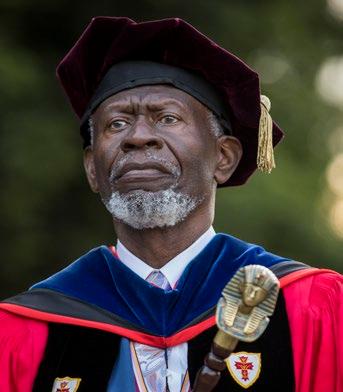
Welcome from the Dean
We extend a warm welcome to all who learn, evolve, reveal, worship, dedicate, and aspire in the Martin Luther King Jr. International Chapel today. Our purpose as an intentional spiritual community is to be a living affirmative environment for individuals to realize that they are unique emanations of God, the love-intelligence governing the Omniverse. We embody an understanding of our oneness with God, and we consciously practice this truth in our everyday lives. Through the wisdom-agency of normative cosmopolitan personalist virtue-ethical optional technologies, and the energy of unconditional love, we are committed to individual transformation, and to being a beneficial presence in the cosmos. Simply, we are here for God!
It is our hope that this experience of awareness, prayer, praise, prophetic and pastoral preaching, praxis, and philosophy will greatly enrich your life and bring you into a meaningful connection with God, nature, and people in a holistic understanding of Christian cosmology as moral cosmopolitans and universal citizens.
Historically Black churches and historically Black colleges, with chapels, appeared from the mind of Black and White northern and southern freedom loving abolitionists, as the strongest way to fight racial oppression, promote Reconstruction, and champion the Black social gospel. This tradition affirmed the dignity, sacred personhood, creativity, and moral agency of African Americans, and launched a new liberal liberationist abolitionism with an advanced role for the Black church, fresh from the freedom spaces of Brush and Hush Harbors, and the celebratory sounds, symbols, and traditions of West Africa, in response to the tragedy of American legal slavery.
The Crown Forums, the First Year Assemblies and the Vesper Hours address the deepest aspirations of the human spirit, that transcend needs, pain, suffering, and death. In so doing, they seek to affirm and enliven whatever may be the religious orientation, which gives meaning and richness to your life, and deepen the authentic lines along which your quest for spiritual reality has led you. Your time in the College Chapel is an hour of challenge, critique, responsibility, dedication, evaluation, obligation, stimulation, and a commitment to actualizing potentials, as you consider the issues affecting the sacredness of our common humanity and autonomy competency. The Chapel is a symbol of the intent of Morehouse College to recognize spirituality—sustainable cooperation or justice—as fundamental to the human experience.
We look hopefully toward our common future with the informed expectation that your participation during this day, and ongoing activities emerging from your diverse, but conscientious perspectives, will creatively transform the Cosmos in just and nonviolent ways. Nonviolent Peace is Possible!
Sincerely,

Lawrence Edward Carter Sr., 33˚Ph.D., D.D., D.H., D.R.S., D.H.C., MULT.
Founding Dean of the Chapel, Professor of Religion, College Archivist and Curator
Founder, Gandhi-King-Ikeda-Mandela Institute for Cosmopolitan Virtue Ethics and Reconciliation
Chairman, Howard Thurman Spiritual Educational Trust
Co-Founder, Covenant
The Occasion To Celebrate the Twenty-Sixth Anniversary of the Gandhi-King-Ikeda-Mandela Institute for Cosmopolitan Virtue Ethics and Reconciliation
Today, we gather to celebrate the twenty-fourth anniversary of the Gandhi-King-Ikeda-Mandela (GKIM) Institute for Cosmopolitan Virtue Ethics and Reconciliation, a program that focuses on meditation, conflict transformation, and peace. As we work together locally, globally, and cosmically to create a legacy of nonviolent teachings, it will be an audacious challenge calling for justice, and compassion for the children of the world. We must be the change we wish to see.
We celebrate the immortal spirits of Mahatma Gandhi, Martin Luther King Jr., Nelson Mandela and the wisdom of Daisaku Ikeda that emanate from the times and places of their lives into the future and throughout the world. We must be the change we wish to see.
We honor the founding of the GKIM Institute to heal and revive human hearts and minds deeply wounded by violent ideologies, trauma, and inequalities to open the way for a healing chapter in human history. We must be the change we wish to see.
We celebrate the creation of the GKIM Institute because the Mahatma demonstrated unconditional love in recognizing the need for nonviolent training and discipline that has also served as a cornerstone for the work of King, Ikeda, and Mandela. They exhibited an awareness that it is only by developing the discipline of self-control that people truly understand the science and spirituality of nonviolence and use it to overcome their weaknesses and realize their own strength. We must be the change we wish to see.
We advance the personalities and principles of Gandhi, King, Ikeda, and Mandela for their exalted way of peaceful living, inspired by a deep sense of integrity; and because of their commitment to creative social reform, leading people to develop global networks of sustainable
cooperation and human solidarity. We must be the change we wish to see.
We forge a mission to link the “love-olutions” of Mahatma Gandhi, Martin Luther King Jr., Daisaku Ikeda, and Nelson Mandela so that the four may come together at this hour to transform the old world into a new WorldHouse of moral citizenship, tolerance, respect for difference, and diversity—maturity grounded in spiritual oneness. We must be the change we wish to see.
We commemorate the life, legacy, and character of the barefoot saint of India who believed in the immense spiritual and religious potential that resides equally in each of us. His legacy inspired King and Ikeda to become prophets of inner spiritual transformation for individuals and communities that has sparked reformations in politics, education, economics, and cultures as well as, reconciliation between genders, nations, races and religions. We cannot have what we are not willing to be. We do not get what we desire, we get what we are.
Therefore, because the Mahatma’s spiritual legacy is one of humanity’s priceless treasures, we, the people of the planet, strengthen our numerical forces at this critical juncture in history to accelerate the Gandhi-King-IkedaMandela Institute for Cosmopolitan Virtue Ethics and Reconciliation in the Martin Luther King Jr. International Chapel at Morehouse College and the global movement for peace and nonviolence. Today we teach activism, nonviolence, optimism, and populism in the spirit of Gandhi, King, Ikeda, and Mandela promoting a holistic vision for the growth, health, safety, and wellbeing of our evolving beloved economic, political, cosmic world community. Our vision is the creation of a global society in which the full development of each individual’s potential is the central goal.
Adapted from the dedicatory Litany to establish the Gandhi Institute, April 2, 2000.
The Magic of the Ben Ben Stone
It was the tendency of the ancient monument-builders of the Nile to codify their symbolic teachings in stone. Thus, for those who knew the “language,” the physical structure and placement of a monument, temple, or other sacred building unveiled a deeper story.
The Ben Ben, or “obelisk,” was such a significant monument that, during the New Kingdom (1580-1200 BC), it came to symbolize Kemit itself. The Ben Ben was clearly a sun and light symbol, dedicated to Ra, embodying the transcendence immanent in Ra’s Light. The Ben Ben’s soaring lines were meant to evoke this transcendence and its connection to the solar light was imbued in the capstone or pyramidion, coated in a gold-silver alloy called nubhedj (“electrum”), with a brilliant reflection could be seen 50 miles away on a clear day.
The term Ben Ben is a doubling of the old Kamite word ben meaning “man, phallus, beget.” It is the source of the Hebrew ben or Arabin ibn meaning “son of.” The ancient Nile dwellers clearly understood that the rays of the sun fructified the earth and all life upon it and therefore made that all important heavenly body the archetypal symbol of the Heavenly Father whom they called Ra. The Ben Ben, though, is more than a mere “phallic symbol”; it is a sign of the sun (or Ra’s) fructifying light-ray materialized in granite.
In the mind of the ancient priests of the Nile, light, consciousness, and understanding were synonymous. Thus, the Ben Ben codified the process of enlightenment, achieved through the correct acquisition of knowledge and the slow revelation of cosmic wisdom. Under such influence, dark mysteries and unexamined secrets were made manifest.
The Ben Ben yet retains its power to inspire the imagination, and to encapsulate transcendence. Again and again, the modern architect re-erects obeliscoid forms because the elegant, geometric harmony of the Ben Ben speaks a language that continually excites the creative instincts of man. Time and again, we return to this ancient architectural form not because we lack other models, but because it expresses for us the cosmic imperative of our indwelling spirit. Through the Ben Ben, we pay homage to the Light Bringer, the Father of All, and the best of His Creation.
by Charles Sumner Finch III, M.D. Former Director of International Programs, Morehouse School of Medicine
Howard Washington Thurman
Memorial
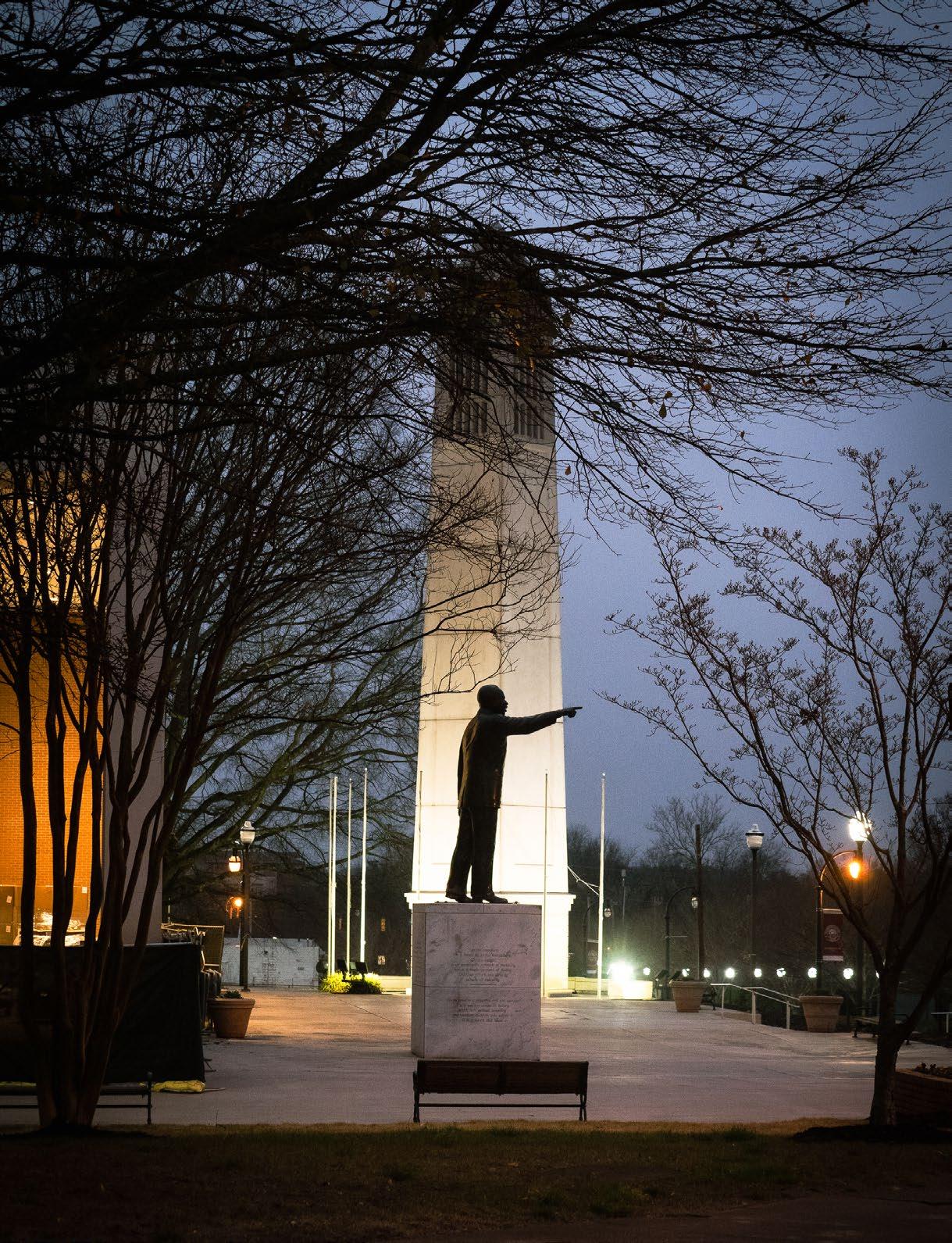
The Howard Washington Thurman Memorial obelisk on the campus of Morehouse College is a celebration of the process of enlightenment, achieved through the deliberate acquisition of knowledge, understanding, and the slow revelation of cosmic wisdom.
The monument rises in the shadow of the Martin Luther King Jr. International Chapel, marking the resting place of Thurman, a 1923 graduate and nationally respected theologian who was considered a forerunner in the religious movement of celebrating
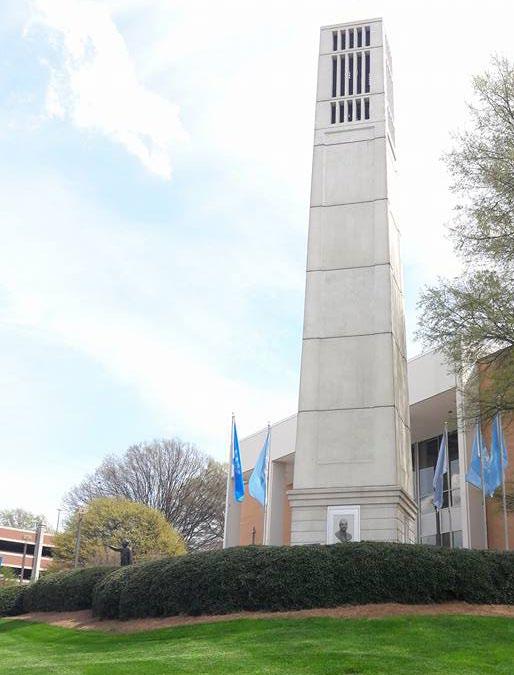
the unity of all people, and embracing a religious spirituality that was intercultural, interracial, interdenominational, and international.
During its heyday (1580-1200 B.C.), the obelisk was a sun and light symbol, embodying the transcendence immanent in God’s light. The obelisk remains a symbol of man’s creativity and wisdom. At Morehouse, the monument serves as a beacon for scholarly pursuits, visionary leadership, compassionate service, and a worldview that inspires positive change.
Benjamin Elijah Mays Induction Crown Forum
Henry Melvin Goodgame ’84, Presiding Vice President of External Relations and Alumni Engagement
“Entrada”
Arr. Grayston Wes
PRELUDE
PROCESSIONAL
CALL TO ORDER
INTRODUCTION OF SPEAKER
MUSICAL SELECTION
ADDRESS
MUSICAL SELECTION
ROLL CALL OF PORTRAIT INDUCTEES VOICE OVER
“Finale from Symphony II”, Op 13., No 6 arr. Charles Marie-Widor
AFRICAN DRUMMERS
“Grand March” from Aida Giuseppe Verde, arr. Christopher Morris
“See the Victory Before Us and Walk On” Composed by Uzee Brown Jr. ’72, DMA
Collin Richardson ’06, DMA Guest Organist
Jennie Celeste Parks Williams
Yolanda Denise King
Martin Luther King III ’79
Dexter Scott King
Bernice A. King
Toussaint King Hill Jr. ’81
Vice President Goodgame ’84
F. DuBois Bowman ’92, Ph.D. 13th President, Morehouse College
Morehouse College Glee Club
The Honorable Reverend Raphael Gamaliel Warnock ’91, Ph.D.
United States Senator (Ga.) Senior Pastor, Ebenezer Baptist Church
Kathy Taylor-Brown Gospel Artist
Cameron Nolan ’21 Content Manager, Morehouse College
Martin Luther King III, Arndrea Waters King, & Yolanda Renee King
Dexter Scott King & Leah Weber King
David Francis Oliver
INDUCTION AND CHARGE TO COLLEGE OF MINISTERS & LAITY HONOREES
The Reverend Dean Lawrence Edward Carter Sr., Ph.D. Founding Dean of the Chapel
Benjamin Elijah Mays Induction Crown Forum
2026 CLASS OF INDUCTEES INTO THE MARTIN LUTHER KING JR. BOARD OF PREACHERS, BOARD OF SPONSORS, AND COLLEGIUM OF SCHOLARS
LaRita Horton Addison
Lawrence E. Aker III
Christophe Alexander
Joty Tavares Allison
Victor Aloyo Jr.
Judy A. Alston
Philippe Eugene Cargile Andal
Edward L. Anderson
Joyce Anderson
Tawnya Denise Anderson
Victor Anderson
Joshua S. Bartholomew
Darlene Celeste Beal
Eddie Beal
Tyree Beard Jr.
Thurl Lee Bailey Sr.
Dereca Lynn Blackmon
Richard Anthony Blint
Bryan Bonaparte
Thomas L. Bowen
Keith Boykin
Regina Nacole Bradley
Edward L. Branch
Regina Drucilla Brent
Uzee Brown Jr.
Derrick Michael Bryan
Christopher Alan Bullock
Debbie Ardella Strickling-Bullock
John Edward Burton Jr.
Malcolm Jameal Byrd
Leon Campbell Jr.
Brandon Julian Xavier Clack
Sherwin Donell Clark
Reginald Cleaver Jr.
Tyrone A. Clinton Jr.
Julian Alston Cobb
Helen R. Cooper
Leah Jeannemaire
Creque-Harris
Edward J. Cribbs
Joshua Matthew Daniels
Paul Anthony Daniels
Cece Jones-Davis
Henry Cleveland Davis Jr.
THE STRIKING OF THE 1787 BELL
Illya Eliphis Davis
Derrell Levon Dean
Jacques D. Denkins
Edward Donalson III
Kelly Brown Douglas
Robert Young Doxey
Damien Claudy Durr
Monique T. Earl-Lewis
Justin D. Edwards
Paul S. Edwards
Collie Nathan Edwers
Basim Elkarra
Frederick V. Engram Jr.
Alex L. Erdmann
Kongit Farrell
Isaac Newton Farris Jr.
Marissa R. Farrow
Judy Fentress-Williams
Jennifer Beal Fields
Anita Ann Flagg
Laphon T. Flood-Francis
Kendrix J. Gardner Sr.
Tammy Gieselle Gatling
Robert C. Gay
Ernest L. Gibson III
Chaz T. Gipson
Moses Stroter Gordon II
Terrance Dewayne Grant-Malone
David B. Green Jr.
Jaron Stephen Green
Marcus Green Sr.
Nathaniel L. Green Sr.
Jonathan Adam Greenblatt
Jordan Thomas Griffin
Laurent St. Clair Grosvenor
Monica Hall
John Harris
Clarissa Myrick Harris-White
Stanley Hearst II
Yolanda Mason Henderson
Nelson Anthony Henry
Laurel Hord Hill
Thaddaeus K. Hill
Toussaint King Hill III
Maurice J. Hobson
Randolph “Randy” Marshall
Hollerith
Oscar Holmes IV
Jeff Hood
Jamal-Dominique Hopkins
Bianca Robinson Howard
Joseph Troy Howard Sr.
Andria Hudson
William Hudson III
Segun Idowu
Juanita Brown Ingram
Joshua C. Ivery Sr.
Brandon A. Jacobs Sr.
Kevin James
Alexander Johnson
Kimberlee A. Johnson
LaMont J. Johnson Sr.
Bernette Lee Jones
Ivory Jones III
Timothy McArthur Jones Sr.
Debra A. Jordan
P. Kimberleigh Jordan
Peniel E. Joseph
Shirin Karsan
Rudy Karsan
Terence Keel
Ken Kemp
Rashaun Kemp
Samaad Wes Keys
Alveda C. King
Arndrea Waters King
Bernice A. King
Derek King II
Derek King Sr.
Kyle King
Leah Weber King
Martin Luther King III
Venus C. King
Victoria C. King
Yolanda Renee King
Aaron Bernard Lackey Sr.
Paul W. Lambert
Emmanuel Yartekwei Lartey
Samuel T. Livingston
Antwan L. Lofton
Sharma D. Lewis Logan
Katie Loncke
Harold Moses Love Jr.
Damon Lynch III
Loretta E. Lynch
James Willie Mable Jr.
Charline Manual
Terence Lamont Mayo
Julius Harrison McAllister Jr.
Julius Harrison McAllister Sr.
Charles Henry McClain Jr.
Shederick Antonio McClendon
Gregory William McGonigle
Preston L. McKever-Floyd
Stephanie Merling
Malcolm J. Merriweather
Quinn Steven Millington
Debra B. Morton
Paul S. Morton Sr.
Sa’ad Alim Muhammad
Ryan Thomas Murphy
Spencer Alexandria Nabors
Brian Randolf Nelson Sr.
Jeffery Wayne Norfleet II
Tessy Ojo
Dwight A. Owens
Bryant X. Phelps
Yolanda Pierce
Donavan Jamal Pinner
QuanTez Pressley
Michael Prest
Damon M. Ray
Carroll Edward Rhodes II
Natosha Reid Rice, Esq.
Dawrell Rich
Jonathan Andrew Richardson
Prince Raney Rivers
Derrell Roberts
Tina Roberts
Stephanie Robinson
Frank L. Robinson Jr.
Rodney Sampson
Shanterria Alston Sampson
Jeffery Edwin Sanders
“And Then Shall The Trumpet Sound” COLLEGE HYMN
“Dear Old Morehouse” J.O.B. Mosley ’29
Edward Morrow ’80, DMA Professor, Chair of the Music Department, Director of the Morehouse College Glee Club
Morehouse College Organist
Brett G. Scharffs
Leon Lamont Scoggins
Devlin Marque Scott
Shane Bernard Scott
Robin Scott-King
Nathan Edward Scovens
Michael J. Seaberry
Michael Simanga
C. Whitney Simmons
Carlos Simon Jr.
Mashaun Donta Simon
Celeste C. Smith
Corey Smith
Paul Ezekiel Smith
Robert A. Spicer Sr.
Hortense J. Spillers
Richard E. Steele Jr.
Matthew Louis Stevenson III
G. Lamar Stewart
Ronald S. Sullivan Jr.
Liza Swedarsky
William Edward Thomas Jr.
Lisa L. Thompson
Elmore Torbert Jr.
José Francisco Morales Torres
Adam Kendall Troy
Cynthia A. Tyson
John H. Vaughn
Daniel Wagner
Chanequa Walker-Barnes
Rodney Dwayne Waller
Lucien Washington
Angela Farris Watkins
Farris Christine Watkins
Charles Lee Watterson
Adria Welcher
Kamau I. Welcher
Kristopher Keith White
Floyd Wilkinson
Eric Lewis Williams
Jeremy L. Williams
Nolan Williams Jr.
Bronson Elliott Woods
Clarence E. Wright
Joretha Williams Wright
David
David Francis Oliver, DMA
Collin Anthony Richardson ’06, DMA Guest Organist
The Reverend Dean
Benjamin Elijah Mays Induction Crown Forum guest
preacher
The Honorable Reverend Raphael Gamaliel Warnock ’91, Ph.D.
United States Senator (Ga.)
Senior Pastor, Ebenezer Baptist Church
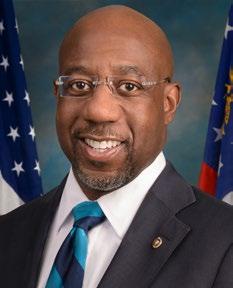
U.S. Senator Reverend Raphael G. Warnock was raised in public housing in Savannah, Georgia and is the first in his family to graduate from college. Senator Warnock earned his undergraduate degree from Atlanta’s historic Morehouse College and received two master’s degrees and a Doctor of Philosophy in systematic theology from Union Theological Seminary. He has been awarded ten honorary doctorates from institutions across the country, including his alma mater, Morehouse, in recognition of his leadership and public service.
Since 2005, Senator Warnock has served as Senior Pastor of Ebenezer Baptist Church in Atlanta, the spiritual home of the Reverend Dr. Martin Luther King, Jr. Elected Georgia’s first Black Senator in 2021, Senator Warnock has championed legislation to cap the cost of insulin for seniors, invest in students and the workforce, and address the maternal mortality crisis. He has secured more than $265 million for Georgia HBCUs, more than $17 billion in total for HBCU campuses across the country, and has successfully fought to secure $138 billion in student debt relief for more than 4 million Americans.
Senator Warnock continues to use his moral voice in the U.S. Senate to deliver for Georgians — from ending gun violence and closing Georgia’s health care gap, to supporting farmers and rural communities, expanding tax cuts for working families, and protecting the sacred right to vote.
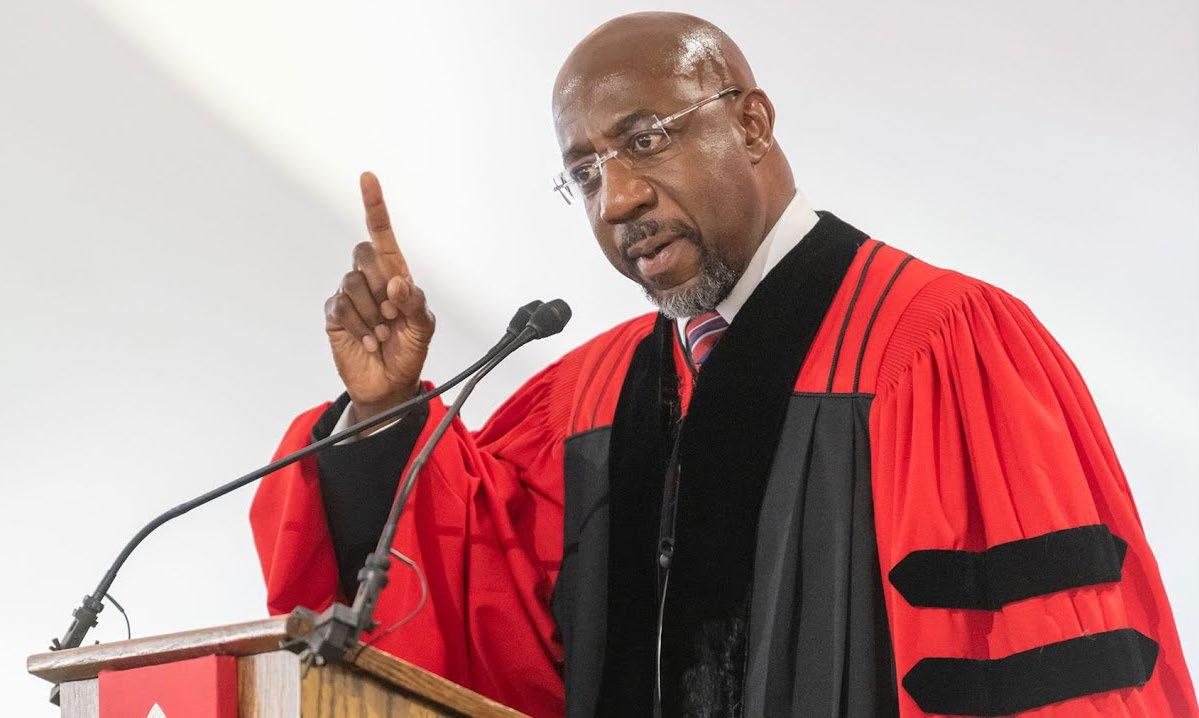
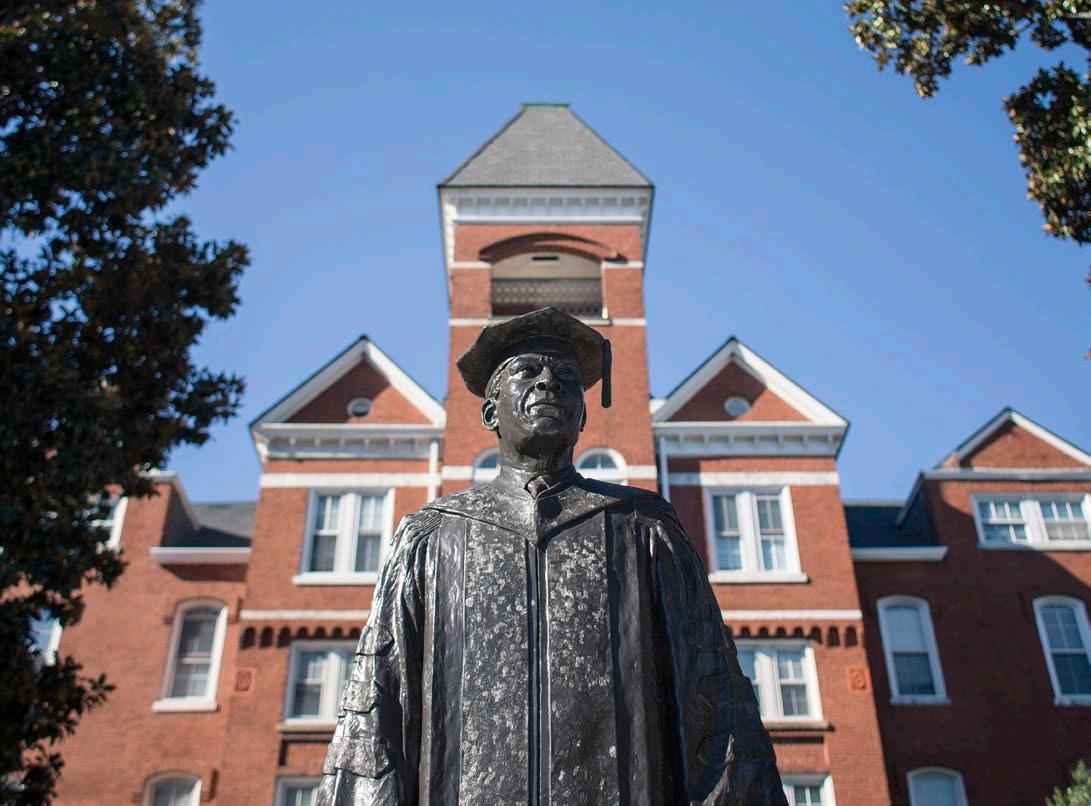
CHARGE TO THE 2026 CML INDUCTEES
Iam pleased today to induct you into the Morehouse College Black Social Gospel tradition – founded in 1867 by William Jefferson White, greatly enhanced by William Edward Burghardt DuBois, John Hope, Mordecai Wyatt Johnson, Benjamin Elijah Mays, Howard Washington Thurman, and widely acclaimed during the nonviolent prophetic Civil Rights Movement, led by Martin Luther King Jr., class of 1948.
As new members of the Martin Luther King Jr. Board of Preachers, Board of Sponsors, and Collegium of Scholars, you join a pantheon of adaptive leaders whose virtue ethical, spiritual, and moral example has helped change the world.
I charge you, therefore, to follow in their footsteps – and even to do greater things – as affirmative, appreciative, coherently critical and engaged role models for this generation of students, always remembering that our vision is the creation of an inclusive, global, dignitarian society in which the full development of each individual’s potential is realized.
Further, I charge you to be faithful servant scholar leaders, guarantors of continuity, celebrators of change, negotiators of structure, facilitators of meaning, practitioners of cosmopolitan
virture ethics, and co-creators of the Beloved Economic Political Cosmic WorldHouse Community, to the end that we will right the age-old wrongs that continue to haunt the American people and others around the world.
Finally, I charge you to use your time, talent, tender and technology to help usher in an age of diversity maturity, peace, and nonviolence for the children of the world, to raise another generation of leaders committed to humanity’s heroic search for knowledge, knowing that virtue ethical intelligence is the light of God, and the means by which we co-create a radically inclusive beloved world house.
In token of our hope and confidence in you, we present these citations, which list 49 cosmopolitan virtue ethical options by which Martin Luther King Jr. and many Hindus, Buddhists, Muslims, Jews, Christians, Sikhs, Scientists and Secular Humanists live their lives and transform society.
Testifying to this investiture, and in witness whereof with the seals of the College and the Chapel, your inductions are here unto ratified this Ninth day of April 2026, Per Dominum Nostrum Jesum Christum.
Martin Luther King Jr. 2026 BOARD OF PREACHERS Inductees
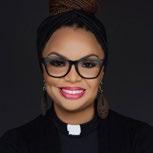
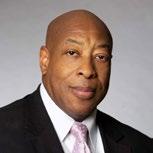
LaRita Horton Addison Lawrence E. Aker III
Joty Tavares Allison
Philippe Eugene Cargile Andal
Edward L. Anderson
Joyce Anderson Tawnya Denise Anderson
Tyree Beard Jr. Dereca Lynn Blackmon
Thomas L. Bowen
Christopher Alan Bullock
John Edward Burton Jr. Malcolm Jameal Byrd
Leon Campbell Jr.
Brandon Julian Xavier Clack
Sherwin Donell Clark
Reginald Cleaver Jr.
Julian Alston Cobb
Helen R. Cooper
Edward J. Cribbs Joshua Matthew Daniels
Paul Anthony Daniels
Cece Jones-Davis Henry Cleveland Davis Jr.
Edward L. Branch
Martin Luther King Jr. 2026 BOARD OF PREACHERS Inductees
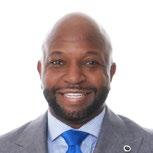
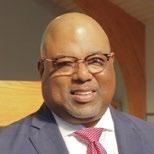
Derrell Levon Dean Jacques D. Denkins
Edward Donalson III
Damien Claudy Durr
Justin D. Edwards Collie Nathan Edwers Basim Elkarra
Alex L. Erdmann Marissa R. Farrow
Anita Ann Flagg Kendrix J. Gardner Sr. Tammy Gieselle Gatling
Robert C. Gay
Chaz T. Gipson
Moses Stroter Gordon II Terrance Dewayne Grant-Malone
Jaron Stephen Green
Marcus Green Sr. Nathaniel L. Green Sr.
Jordan Thomas Griffin Laurent St. Clair Grosvenor
Monica Hall
John Harris
Desmond Drummer
Stanley Hearst II
Martin Luther King Jr. 2026 BOARD OF PREACHERS Inductees

Randolph “Randy” Marshall Hollerith
Bianca Robinson Howard Joseph Troy Howard Sr.
Andria Hudson
William Hudson III
Juanita Brown Ingram
Joshua C. Ivery Sr.
Brandon A. Jacobs Sr. Alexander Johnson
Bernette Lee Jones Ivory Jones III
Sharma D. Lewis Logan
Timothy McArthur Jones Sr.
Debra A. Jordan
Aaron Bernard Lackey Sr.
Harold Moses Love Jr.
Damon Lynch III
James Willie Mable Jr. Charline Manual
Terence Lamont Mayo Julius Harrison McAllister Jr.
Julius Harrison McAllister Sr.
Charles Henry McClain Jr.
Nelson Anthony Henry
Preston L. McKever-Floyd
Martin Luther King Jr. 2026 BOARD OF PREACHERS Inductees
Debra B. Morton
Paul S. Morton Sr. Brian Randolf Nelson Sr.
Dwight A. Owens Bryant X. Phelps Donavan Jamal Pinner QuanTez Pressley Damon M. Ray
Natosha Reid Rice, Esq.
Jonathan Andrew Richardson
Carroll Edward Rhodes II
Prince Raney Rivers
Frank L. Robinson Jr.
Rodney Sampson Shanterria Alston Sampson
Jeffery Edwin Sanders
Leon Lamont Scoggins
Devlin Marque Scott
Shane Bernard Scott Nathan Edward Scovens
C. Whitney Simmons
Mashaun Donta Simon
Quinn Steven Millington Mark Andrew Moore Jr.
Corey Smith
Martin Luther King Jr. 2026 BOARD OF PREACHERS Inductees
Matthew Louis Stevenson III Kyle Austin Stevenson G. Lamar Stewart
Debbie Ardella Strickling-Bullock
William Edward Thomas Jr.
Elmore Torbert Jr. Rodney Dwayne Waller Lucien Washington
Charles Lee Watterson Kamau I. Welcher
Floyd Wilkinson Bronson Elliott Woods
Joretha Williams Wright John H. Vaughn
Paul Ezekiel Smith Robert A. Spicer Sr.
Martin Luther King Jr. 2026 COLLEGIUM OF SCHOLARS Inductees
Victor Aloyo Jr. Judy A. Alston
Victor Anderson Joshua S. Bartholomew Richard Anthony Blint
Keith Boykin Regina Nacole Bradley
Uzee Brown Jr.
Derrick Michael Bryan
Tyrone A. Clinton Jr.
Leah Jeannemaire Creque-Harris
Illya Eliphis Davis
Kelly Brown Douglas
Paul S. Edwards
Frederick V. Engram Jr.
Judy Fentress-Williams
Ernest L. Gibson III
David B. Green Jr.
Clarissa Myrick Harris-White
Maurice J. Hobson
Oscar Holmes IV
Jeff Hood Jamal-Dominique Hopkins
Terence Keel Samaad Wes Keys
Martin Luther King Jr. 2026 COLLEGIUM OF SCHOLARS Inductees
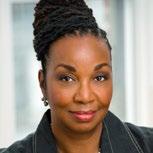
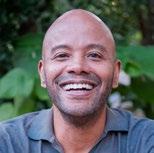
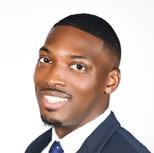
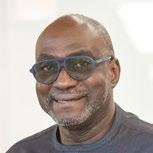
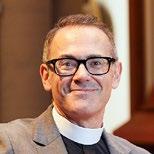
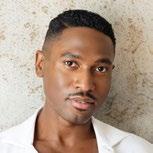
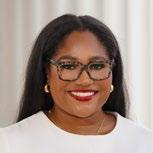
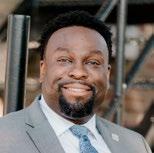

Kevin James Kimberlee A. Johnson
LaMont J. Johnson Sr. P. Kimberleigh Jordan Peniel E. Joseph
Ken Kemp Emmanuel Yartekwei Lartey
Monique T. Earl-Lewis
Samuel T. Livingston Loretta E. Lynch
Shederick Antonio McClendon
Gregory William McGonigle
Malcolm J. Merriweather
Spencer Alexandria Nabors Jeffery Wayne Norfleet II
Tessy Ojo
Yolanda Pierce
Dawrell Rich
Stephanie Robinson
Brett G. Scharffs
Michael J. Seaberry
Michael Simanga
Carlos Simon Jr.
Hortense J. Spillers
Ronald S. Sullivan Jr.
Martin Luther King Jr.
2026 COLLEGIUM OF SCHOLARS Inductees
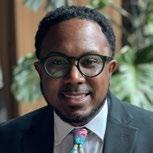
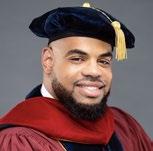
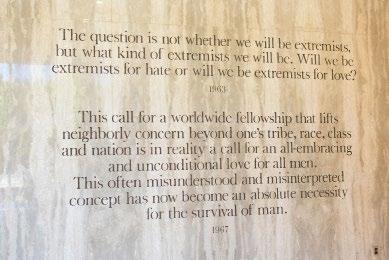
Lisa L. Thompson
José Francisco Morales Torres
Cynthia A. Tyson Chanequa Walker-Barnes
Adria Welcher Eric Lewis Williams
Jeremy L. Williams Clarence E. Wright
Liza Swedarsky
Martin Luther King Jr. 2026 BOARD OF SPONSORS Inductees
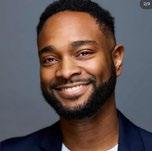

Christophe Alexander
Darlene Celeste Beal
Eddie Beal
Thurl Lee Bailey Sr.
Regina Drucilla Brent
Robert Young Doxey Kongit Farrell Isaac Newton Farris Jr. Jennifer Beal Fields Jonathan Adam Greenblatt
Yolanda Mason Henderson Laurel Hord Hill
Thaddaeus K. Hill Toussaint King Hill III
Segun Idowu
Rudy Karsan Shirin Karsan
Arndrea Waters King
Bernice A. King
Derek King II
Derek King Sr.
Rashaun Kemp Alveda C. King
Kyle King
Leah Weber King
Martin Luther King Jr. 2026 BOARD OF SPONSORS Inductees


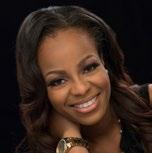
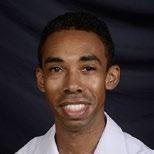
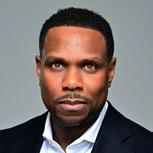
Martin Luther King III Robin Scott-King
Venus C. King
Victoria C. King
Yolanda Renee King
Paul W. Lambert Antwan L. Lofton
Katie Loncke
Stephanie Merling Sa’ad Alim Muhammad
Ryan Thomas Murphy Michael Prest
Derrell Roberts
Tina Roberts
Celeste C. Smith
Richard E. Steele Jr. Adam Kendall Troy
Daniel Wagner
Angela Farris Watkins Farris Christine Watkins
Kristopher Keith White Nolan Williams Jr.
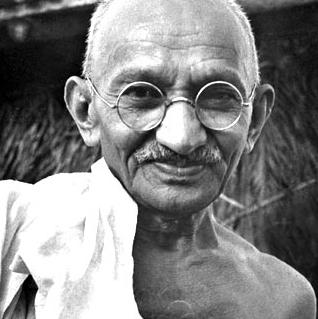
Mohandas Karamchand “Mahatma” Gandhi (1869-1948)
Gandhi has been chosen by the people of India, England, and by countless citizens throughout the globe as the greatest world leader of the past 1,000 years. Through the use of nonviolence, fasting, and religious tolerance, he developed and tested the means for ending an era of colonial domination and imperialism. He elevated the love ethic of Jesus to the level of international diplomacy. Using his insightful and thorough reading of John Ruskin, Leo Tolstoy, Henry David Thoreau, Ralph Waldo Emerson, the BhagavadGita, the Bible, the Koran, and the philosophies and scriptures of other world religions, he instituted a form of universal worship and promoted a love for truth, regardless of its source. This reading further encouraged him to remain by pain or pleasure, victory or defeat, and to work without promise of success or fear of failure. He spent a total of 10 years imprisoned by the British, a period that witnessed the proliferation of his writings, which now fill 100 volumes, each over 500 pages in length.
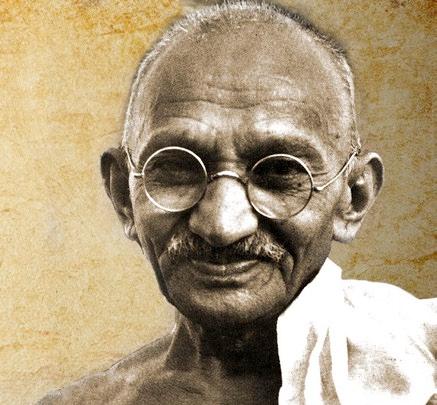
may ignore him at our own risk .... He is the Christian of the century.”
The world does not realize, however, that the Mahatma was not always nonviolent. Gandhi acknowledged many times that his wife of 62 years, Kasturbai Kapadia Gandhi, in her natural unassuming Hindu manner, taught him the art, practice, and science of nonviolence. Her temperament caused Gandhi to publicly declare that he believed women to have a natural predisposition to nonviolent leadership. While Gandhi was in prison, his wife spoke on his behalf and fasted on the same strict vegetarian diet he used. Gandhi himself acknowledged and documented Kasturbai’s courage and bravery to be greater than his own.
Officials of the government of India have informed us that nowhere outside of India have Mahatma and Kasturbai, whose name means “the great mother,” been honored together as perhaps the most influential family of the 20th century. This joint recognition is long overdue and greatly needed, not only to recognize the role of women but also to complete the humanity of all of us.
Gandhi’s civil disobedience and nonviolent demonstrations in South Africa and India won greater freedom and ultimately, independence for 400 million Indians after three centuries of British rule. It also inspired the leadership of Martin Luther King Jr., Nelson Mandela, Desmond Tutu, Albert Luthuli, Lech Walesa, Vaclav Havel, Mother Teresa, Aung San Suu Kyi, Mairead Corrigan-Maguire, the Dalai Lama, and Thich Nhat Hanh.
It is because of his selfless devotion to service and scholarship for the dispossessed—dressing like them, speaking their language, and living among them—that billions today continue to grant Gandhi the title “Mahatma “ and to regard him as a Christian, Judaic, Buddhist, Islamic, and Hindu saint.
The Mahatma was the catalyst, if not the initiator, of five of the major revolutions of the twentieth century: the revolutions against colonialism, racism, violence, and sexism, and for ecology. According to Albert Einstein, “Gandhi organized the people of India into a mass movement on a scale without precedent or parallel. He was the greatest political genius in human history. Generations to come, it may be, will scarce believe that such a one as this ever in flesh and blood walked upon the earth.”
Gandhi’s life and achievements also caused Martin Luther King Jr. to say, “Gandhi was inevitable. If humanity is to progress, Gandhi is inescapable. He lived, thought, and acted, inspired by the vision of humanity evolving toward a world of peace and harmony. We
Six related Morehouse personalities have Gandhi connections which have facilitated the development of this nation. These six persons are Mordecai Wyatt Johnson, Howard Washington Thurman, Benjamin Elijah Mays, Samuel Woodrow Williams, Martin Luther King Jr., Floyd McKissick, and Charles Radford Lawrence. All of these gentlemen must be credited with midwifing Gandhian nonviolence into the American body politic. Martin Luther King Jr. claimed Gandhi, Johnson, Thurman, Mays, Williams, and Lawrence as his mentors. Floyd McKissick, who attended Morehouse, succeeded James Farmer as the head of the Congress of Racial Equality, which was founded on the principles of Gandhian nonviolence. The awarding of honorary degrees to the Gandhis symbolized Morehouse’s continued recognition of the transforming role of nonviolence in the sound construction and healthy maintenance of our ever-emerging world house. The Mahatma is indeed the greatest world leader of the 20th century.
“Strength does not come from physical capacity. It comes from an indomitable will.”
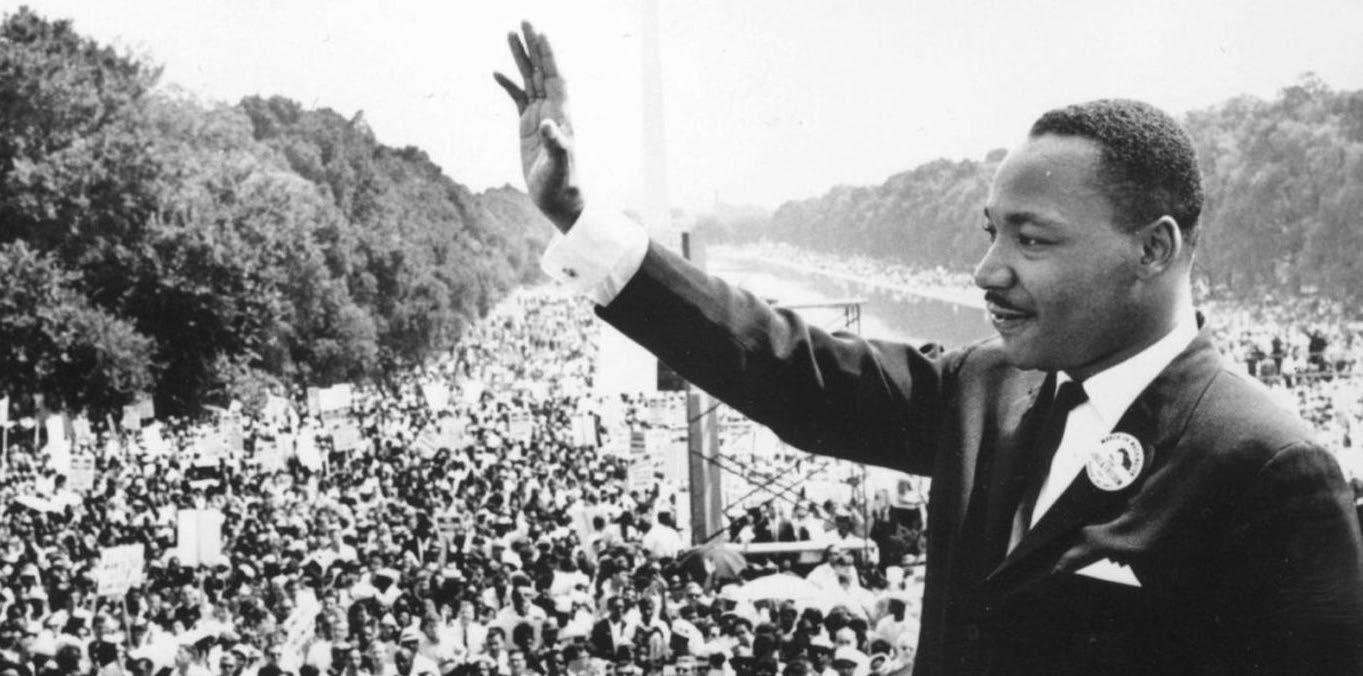
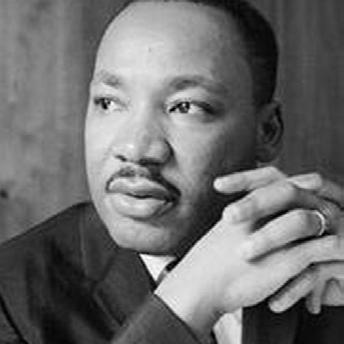
Martin Luther King Jr. (1929-1968)
“The ultimate measure of a man is not where he stands in moments of comfort and convenience,” said Dr. Martin Luther King Jr., “but where he stands at times of challenge and controversy.” Throughout the 20th century, no American leader demonstrated more moral courage and spiritual leadership in the face of extreme adversity than Dr. Martin Luther King Jr. As a modern day prophet and civil rights leader, King worked assiduously to “redeem the soul of America.” His pronounced opposition to racism, militarism, and materialism exceeded the ideals posited by any private citizen or elected public official in America during the last century.
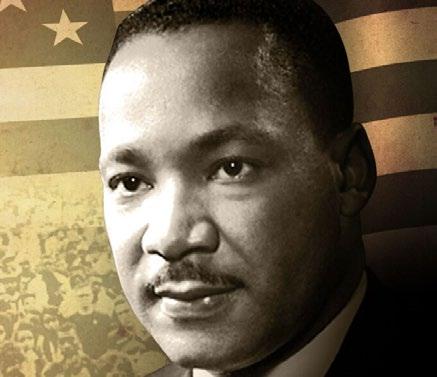
King was a man of ideas and action. He engaged in civil disobedience, and he inspired protest movements for civil rights and human rights. His unwavering faith in the power of love, and his philosophy of nonviolence, skillfully and brilliantly represented the hopes and dreams of the poor and dispossessed throughout the world. Dr. King’s leadership, unquestionably, reshaped the racial landscape in the American South and, indeed, in the nation; moreover, his vision of equality encouraged the development of political and economic justice in Asia, Europe, Latin America and the Caribbean, and South Africa. His sincere heartfelt compassion for people transcended
race and class and even revised the paradigm of equality by embracing the beloved community.
Dr. King’s commitment to peace and justice received widespread acclaim. Time magazine recognized him as “Man of the Year” in 1963, he received the Nobel Peace Prize in 1964, and he became the only non-elected American to be recognized with a federal holiday in 1983. In 1998, Congress authorized the Washington, D.C. Martin Luther King Jr. National Memorial Foundation to establish a memorial in his honor. This memorial is located on the Tidal Basin near the Franklin D. Roosevelt Memorial and between the Jefferson and Lincoln memorials.
Yet, in the new millennium, it is evident that Dr. King’s most enduring legacy can be summed up in his own words: he tried to feed the hungry and he tried to clothe the naked. He was a drum major for justice, a drum major for peace, and a drum major for righteousness. He gave his life loving his enemies while serving humanity. Clearly, Dr. Martin Luther King Jr. is the most significant American leader of the 20th century. His tireless leadership, his unselfish spirit, and his undying influence on the maturation of American freedom and democracy will forever impact the lives of unborn generations throughout the world.
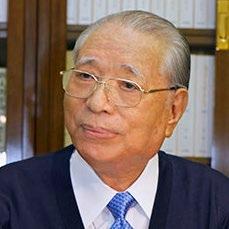
Daisaku Ikeda (1928-2023)
Daisaku Ikeda is a peacebuilder, Buddhist philosopher, educator, author, and poet. He was president of the Soka Gakkai lay Buddhist organization in Japan from 1960–79 and is the founding president of the Soka Gakkai International (SGI), one of the world’s largest and most diverse communitybased Buddhist associations, promoting a philosophy of empowerment and social engagement for peace. He is also the founder of the Soka Schools system and several international institutions promoting peace, culture, and education.
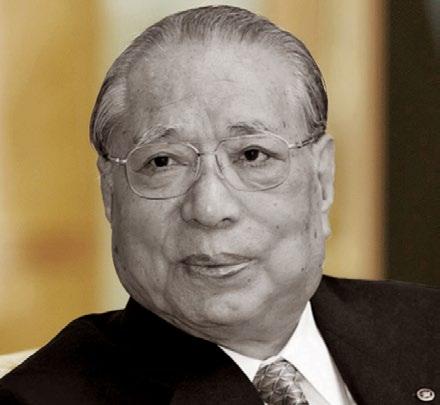
Ikeda was born in Tokyo, Japan, on January 2, 1928, the fifth of eight children, to a family of seaweed farmers. Growing up during World War II, he endured firsthand the suffering and devastation of war, including the death of his eldest brother who was killed in action in Burma (present-day Myanmar). This experience as a teenager gave birth to a lifelong passion to work for peace and root out the fundamental causes of human conflict.
In 1947, at the age of 19, he encountered Buddhism through a meeting with Josei Toda (1900–58), who was an educator, pacifist, and leader of the Soka Gakkai. Toda had been imprisoned during the war with his mentor Tsunesaburo Makiguchi (1871–1944). Both held firm to their religious convictions in the face of oppression by the military authorities who imposed State Shinto ideology on the population as a means of sanctifying their war of aggression, and Makiguchi had died in prison. Toda’s resolve to stand up to the militarist regime impressed Ikeda, who would later write, “The words of a person who had suffered imprisonment for his convictions carried a special weight. I felt intuitively that I could trust him.” Although Ikeda’s association with Toda lasted only 10 years, he describes his mentorship by Toda as the defining experience of his life and the source of everything he has done and become.
In May 1960, two years after Toda’s death, Ikeda, then 32, succeeded him as president of the Soka Gakkai. In 1975, he became the founding president of the SGI, now a global network linking over 12 million members in some 190 countries and territories. Ikeda writes, “Everything depends on the people. That is why it is vital to forge a growing network that brings people of goodwill and conscience together.”
Ikeda has also founded a number of independent, nonprofit research institutes that promote peace through cross-cultural, interdisciplinary collaboration: the Boston Research Center for the 21st Century (renamed the Ikeda Center for Peace, Learning, and Dialogue in 2009), the Toda Institute for Global Peace and Policy Research, and the Institute of Oriental Philosophy. The Min-On Concert Association and
the Tokyo Fuji Art Museum promote mutual understanding and friendship between different cultures through the arts.
It was in the 1960s that Ikeda began also to work toward the founding of a school system based on first Soka Gakkai President Makiguchi’s educational theories. This was a dream that both Makiguchi and Toda had cherished. In 1968, Ikeda realized the vision with the founding of Tokyo Junior and Senior High Schools. The schools were not simply a monument to his predecessors. Their establishment was the first major step in an ongoing endeavor to develop a humanistic educational system, one that Ikeda has described as the culminating undertaking of his life. The schools’ establishment was followed in 1971 by the establishment of Soka University, and in subsequent years by a string of other educational institutions around Japan and abroad. These schools are open to all students and have no religious instruction. Ikeda writes: “My determination was to build these schools up into centers of learning consecrated to the goal of peace, working with educators throughout the world.”
Ikeda is a strong proponent of dialogue as the foundation of peace. Since the 1970s, he has pursued dialogue with individuals from diverse backgrounds—prominent figures from around the world in the humanities, politics, faith traditions, culture, education and various academic fields—in order to discover common ground and identify ways of tackling the complex problems facing humanity. Over 70 of these have been published in book form. Dialogue and the promotion of cultural exchange have also been at the basis of his efforts to build trust and foster friendship in contexts of historical division and conflict.
The central tenet of Ikeda’s thought, grounded in Buddhist humanism, is the fundamental dignity of life, a value he sees as the key to lasting peace and human happiness. In his view, global peace relies ultimately on a self-directed transformation within the life of the individual, rather than on societal or structural reforms alone.
This conviction is expressed most succinctly in the preface of The Human Revolution, Ikeda’s novelization of the Soka Gakkai’s history and ideals: “A great inner revolution in just a single individual will help achieve a change in the destiny of a nation and, further, will enable a change in the destiny of all humankind.”
Ikeda is a prolific writer who has published more than 240 works, ranging from commentaries on Buddhism to biographical essays, poetry and children’s stories. He has two sons, Hiromasa and Takahiro, and lives with his wife, Kaneko, in Tokyo.
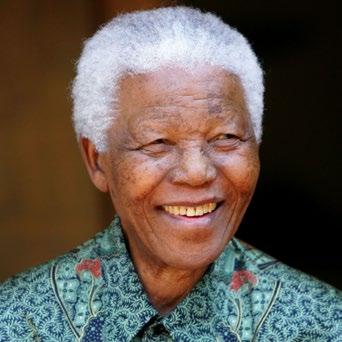
Rolihlahla Mandela was born in the Madiba clan, the village of Mvezo, on the Eastern Cape, July 18, 1918. Hearing the elders’ stories of his ancestors’ valour during the wars of resistance, he dreamed also of making his own contribution to the freedom struggle of his people.
Nelson Mandela (1918-2013)
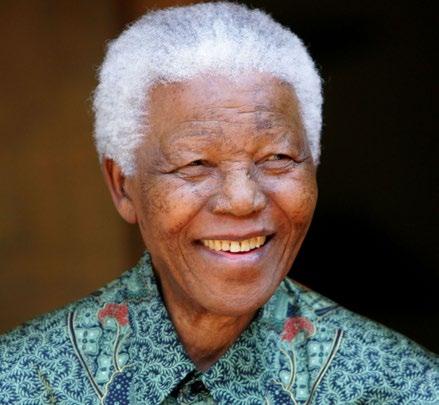
Nelson completed his BA through the University of South Africa and went to the University College of Fort Hare for his graduation in 1943. Meanwhile, he began studying for an LLB at the University of the Witwatersrand. By his own admission he was a poor student and left the university in 1952 without graduating. He only started studying again through the University of London after his imprisonment in 1962 but also did not complete that degree. In 1989, while in the last months of his imprisonment, he obtained an LLB through the University of South Africa. He graduated in absentia at a ceremony in Cape Town.
Mandela, while increasingly politically involved from 1942, only joined the African National Congress (ANC) in 1944, when he helped to form the ANC Youth League (ANCYL). Mandela rose through the ranks of the ANCYL and through its efforts, the ANC adopted a more radical mass-based policy, the Programme of Action, in 1949.
On March 21, 1960, police killed 69 unarmed people in a protest in Sharpeville against the pass laws. This led to the country’s first state of emergency, the banning of the ANC, and the Pan Africanist Congress (PAC) April 8th. Mandela and his colleagues in the Treason Trial were among thousands detained during the state of emergency. During the trial Mandela married a social worker, Winnie Madikizela, on June 14, 1958. They had two daughters, Zenani and Zindziswa. The couple divorced in 1996. After he and his colleagues were acquitted in the Treason Trial, Mandela went underground and began planning a national strike for 29, 30, and 31 March.
On January 11, 1962, using the adopted name David Motsamayi, Mandela secretly left South Africa and was arrested in a police roadblock outside Howick and charged with leaving the country without a permit and inciting workers to strike. He was convicted and sentenced to five years’ imprisonment, which he began serving at the Pretoria Local Prison. While facing the death penalty his words to the court at the end of his famous “Speech from the Dock” on April 20, 1964 became immortalized.
On June 11, 1964, Mandela and seven other accused were convicted, and the next day were sentenced to life imprisonment. Mandela’s mother died in 1968 and his eldest son, Thembi, in 1969. He was not allowed to attend their funerals.
He was released Sunday 11 February 1990, by South African President F.W. de Klerk, nine days after the unbanning of the ANC and the PAC and nearly four months after the release of his remaining Rivonia comrades. Throughout his imprisonment he had rejected at least three conditional offers of release.
Mandela immersed himself in official talks to end white minority rule and in 1991 was elected ANC President to replace his ailing friend, Oliver Tambo. In 1993 he and President FW de Klerk jointly won the Nobel Peace Prize, and in 1994 he voted for the first time in his life.
On May 10, 1994, he was inaugurated as South Africa’s first democratically elected President. On his 80th birthday in 1998 he married Graça Machel, his third wife.
True to his promise, Mandela stepped down in 1999 after one term as President. He continued to work with the Nelson Mandela Children’s Fund he set up in 1995, and established the Nelson Mandela Foundation, and The Mandela Rhodes Foundation in 2003.
Nelson Mandela never wavered in his devotion to democracy, equality and learning. Despite terrible provocation, he never answered racism with racism. His life is an inspiration to all who are oppressed and deprived; and to all who are opposed to oppression and deprivation. He died at his home in Johannesburg on December 5, 2013, at the age of 95.
“No one is born hating another person because of the color of his skin, or his background, or his religion. People must learn to hate, and if they can learn to hate, they can be taught to love, for love comes more naturally to the human heart than its opposite.”
thursday, a pril 9, 2026
Thurman Thursday Dialogue Session
4:30 p.m.
The Martin Luther King Jr. International Chapel African American Hall of Fame
w elcome & o pening s tatement
The Reverend Timothy Alan Williams ’87, D.Min. (PhD Candidate) Assistant Dean of Campus Ministry and Adjunct Professor of Religion Morehouse College
i ntroduction of p resenter Assistant Dean Williams
p resenter
The Reverend Kenyatta R. Gilbert, Ph.D. Dean and Professor of Homiletics Howard University School of Divinity, Washington, D.C.
thursday, a pril 9, 2026
“Open
Mic”: Expressions of Appreciation
Honoring the Distinguished Legacy of The Reverend Dean Lawrence Edward Carter Sr., Ph.D.
The Reverend D. Darrell Griffin ’89, D.Min., Presider Senior Pastor, Oakdale Covenant Church, Chicago, Ill.
5:30 p.m.
Martin Luther King Jr. International Chapel — Crown Nave
w elcome & o pening s tatement
The Reverend Dr. Griffin
“OPEN MIC”: Expression of Appreciation for Dean Carter
(We kindly ask that each individual keep their remarks to a maximum of two minutes.)
c losing r emarks The Reverend Dean Carter
thursday, a pril 9, 2026
Author Talk: A Conversation on “The Black Christ”
The Reverend Professor Willie Dwayne Francois III ’09, D.Min., Presider Senior Pastor, Fountain Baptist Church, Summit, N.J. Associate Professor of Theology, Union Theological Seminary, New York, N.Y.
7:00 p.m.
Martin Luther King Jr. International Chapel — Crown Nave
w elcome & o pening s tatement
i ntroduction of m oderator
m oderator
l ecturer , gki award r ecipient & o il p ortrait h onoree
d ialogical c onversation
p ortrait tributes
The Reverend Dr. Francois
The Reverend Kevin Kitrell Ross ’99, MRPL Senior Minister, Unity of Sacramento, Calif.; Board Member, Parliament of the World’s Religion
The Reverend Director Michael Benard Beckwith, D.D. Founder and Senior Minister, Agape International Spiritual Center, Los Angeles, Calif.
The Reverend Canon Kelly Brown Douglas Visiting Professor of Theology, Harvard Divinity School & Canon Theologian, Washington National Cathedral, Washington, D.C.
The Reverend Dr. Beckwith The Reverend Canon Douglas
The Reverend JoAnne Marie Terrell, PhD, L.H.D. Kenneth B. Smith, Sr. Professor of Public Ministry & Associate Professor of Theology, Ethics and the Arts, Chicago Theological Seminary, Chicago, Ill.
The Reverend Melanie C. Jones Quarles, PhD, S.T.D. (honoris causa) Assistant Professor of Ethics, Theology and Culture Director, Katie Geneva Cannon Center for Womanist Leadership Union Presbyterian Seminary, Richmond, Va.
PORTRAIT UNVEILINGS
The Late Reverend James Hal Cone, Ph.D. Bill & Judith Moyers Distinguished Professor of Systematic Theology Union Theological Seminary, New York, NY & Father of Black Liberation Theology
The Reverend Canon Kelly Brown Douglas, Ph.D.
“And Then Shall the Trumpet Sound”
ob
J ectives of the GANDHI KING IKEDA MANDELA INSTITUTE
for cosmopolitan virtue ethics and reconciliation
Mohandas Karamchand Gandhi has bequeathed us a roadmap that has been tested and proven workable within and between nation states. Our American Moses, Martin Luther King Jr., has employed the roadmap in a fashion that further confirms the reliability of the Gandhian bequest to the world. The Gandhian nonviolent method was user friendly in the South African crisis effectively addressed by Nelson Mandela’s government to end the more than fifty years of apartheid oppression. Daisaku Ikeda has effectively used Gandhian and Kingian nonviolent methods to democratize and internationalize the imperialistic military state of Japan since 1960. The most convincing sanctions for the effective use of nonviolent approaches to conflict resolution are seen in the diplomacy of the United Nations, and the state departments of all nations. The nonviolent diplomatic philosophies have been demonstrated by many world leaders such as Mother Teresa, Jesse Jackson, Pope John Paul II, Jimmy Carter, Mary McLeod Bethune, Baclav Havel, Johnnie Coleman, Marian Wright Edelman, Chief Albert Luthuli, Desmond Tutu, and Han Park.
1
TO SERVE as a conference and multicultural institute, a place to organize international and community based forums within and sponsored by the Martin Luther King Ir. International Chapel, and to discuss a variety of perspectives affecting our common humanity. These could include such issues as community disintegration, denominationalism, enslavement, environmental injustice, ethnic

cleansing, hate crimes, healing, inadequate schools, poverty, privileged markets, racism, school violence, the unity of science and religion, sexism, societal fragmentation, spirituality, terrorism, unemployment, unequal access to higher education, war, the prison industrial complex, and xenophobia. A large variety of groups crossing all cultural, economical, educational, gender, lifestyle, national, racial, and religious boundaries will discover new bases for the common ground between us. This Institute will inspire a more profound sense of domestic and international civility and humanity, helping us to appreciate
that we are geographically one and are becoming spiritually one. Such diplomacy is reachable as a noble end of reconciling diversity toward which we should strive.
2 TO MAKE KNOWN the life, work, and philosophies of Martin Luther King Jr., Howard Thurman, Benjamin Mays, Floyd McKissick, Samuel Woodrow Williams, Mordecai Wyatt Johnson, George Kelsey, William Jefferson White, Charles T. Walker, Charles Radford Lawrence, James Madison Nabrit, and with Mohandas K. Gandhi as the greatest world leader of the Twentieth Century, and
Daisaku Ikeda as the contemporary embodiment of the philosophy of nonviolence institutionalized internationally.
3
TO HONOR Kasturbai Gandhi for her singular, unsung contribution of role modeling and tutoring her husband in the practice of nonviolence. This will inaugurate a tradition of honoring women whom The Mahatma felt had a natural predisposition to providing nonviolent leadership.
4
TO EXPLORE possibilities of exchanging visiting scholars and students from India and other countries who are experts on and interested in the application of philosophies of nonviolence internationally.
5TO BE A CONDUIT for partnerships and coordinated efforts of domestic and international organizations dedicated to reconciliation work. Some of these partners will be the Carter Center, the Peace Corps, the Fellowship of Reconciliation, Soka Gakki International (Buddhist), the Atlanta Masjid of Al Islam, Science and Spirit Magazine, Holistic Health Magazine, the Morehouse Andrew Young Center for Global Leadership, the India Council of Cultural Relations (New Delhi), the Gandhi Hamer King Center (Denver), UNESCO, Operations Crossroads
Africa, the American Friends Services Committee, the Highlander Institute, the George Mason Institute for Conflict Resolution, the Southern Poverty Law Institute, Oxfam America, the Synthesis Dialogues, Council for the Parliament of World Religions, Association for Global New Thought, the Appeal of the Nobel Peace Prize Laureates Foundation, the Knotted Gun Project, and the Indian American Culture Association of Atlanta, and the Tikkun Community.
6
TO ASSIST in the fulfillment of Resolution GA/9500, unanimously adopted by the 55th plenary meeting of the United Nations General Assembly, November 10, 1998. The resolution called for the International Decade for a Culture of Peace and Nonviolence for the Children of the World (2001-2010), with the year 2000 being a year of education. This includes the inauguration of “A Season of Nonviolence” annually, (January 30 - April 4), a period between the assassination dates of Gandhi and King, respectively.
7TO OFFER consultancy and guidance to institutions and individuals engaged in the study and research of nonviolence for problem solving. We would actively promote the introduction of foundation courses on Gandhian, Kingian, and lkedian philosophies in educational institutions, and facilitate a shift in the attitude of the print and electronic media towards rooting out the culture of violence by generative and creative kinds of nonviolence.
8
TO UNDERTAKE the production and distribution of literature on nonviolence, peace, Gandhi-King-IkedaMandela studies, comparative religion, tolerance, appreciation of differences, and diversity-maturity.
9TO DEVELOP a network of individuals and institutions engaged in the task of peace and justice education, conflict transformation, peace, and justice promotion activities.
10
TO DEVISE suitable formats and programs to bring the arts, particularly performing arts/ dramaturge-in-residence, in peace and justice promotion. We will also seek to develop a comprehensive web page on Mahatma Gandhi, Martin Luther King Jr., Daisaku Ikeda and Nelson Mandela.
We propose to utilize The GandhiKing-Ikeda-Mandela Institute for Cosmopolitan Virtue Ethics and Reconciliation as an institutionalized forum linking practice, knowledge, and service. Our goal is to help develop thoughtful servant-scholar leaders who think and act differently about problems of oppression and insensitivity which tend to be examined within narrow contexts with little attention paid to their complex and often paradoxical generalities around the world. This program emphasis would further assist the dean of the Chapel and the other College offices in the theological and intellectual exploration of vocation with the future ordained and lay leadership.
COMMUNITY BUILDERS PRIZE RECIPIENTS
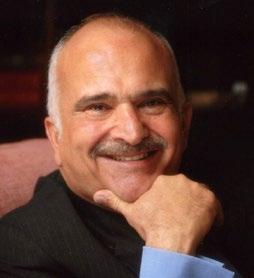
2001
HRH Prince
El Hassan bin Talal
Prince of Jordan; President, The Club of Rome
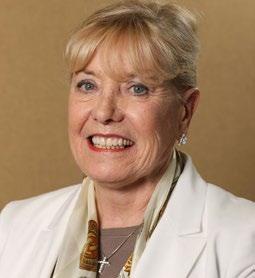
2003
Ms. Betty Williams
Peace Worker, Founder and President, World Centers of Compassion for Children; Co-recipient, Nobel Peace Prize, 1977
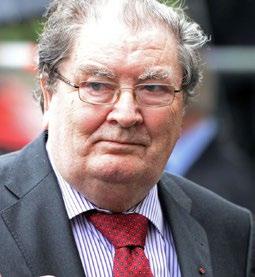
2005
Mr. John Hume
Architect of Northern Ireland Peace Settlement; Founder, Social Democratic and Labour Party; Co-recipient, Nobel Peace Prize, 1994
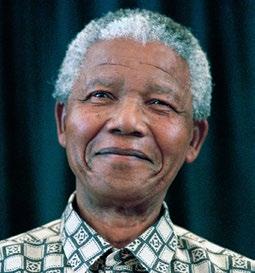
2001
Mr. Nelson R. Mandela
Former President, Republic of South Africa; Former President, African National Congress; Co-recipient, Nobel Peace Prize, 1993
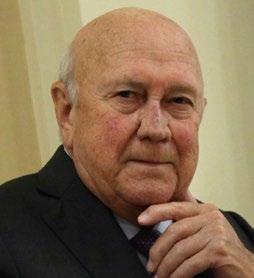
2004
Mr. F. W. De Klerk
Former President, Republic of South Africa; Co-recipient, Nobel Peace Prize, 1993
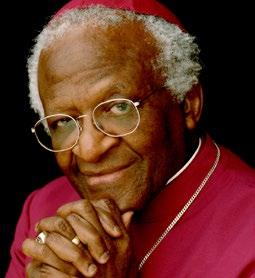
2006
Archbishop Desmond Tutu
Anglican Archbishop Emeritus of Cape Town; Recipient, Nobel Peace Prize, 1984
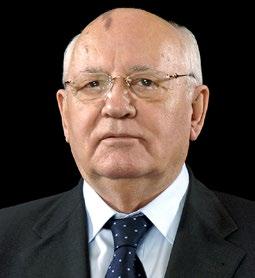
2001
Mr. Mikhail S. Gorbachev
Former President, the Soviet Union; President, The Gorbachev Foundation; President, Green Cross International; Recipient, Nobel Peace Prize, 1990
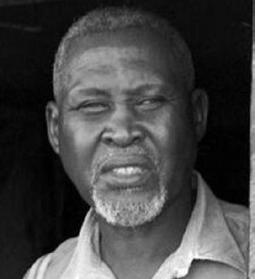
2004
Chief Albert John Luthuli (posthumous)
Former President, African National Congress; Recipient, Nobel Peace Prize, 1960
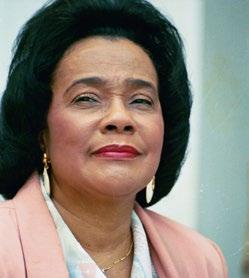
2006
Mrs. Coretta Scott King
First Lady of the Civil Rights Movement; Founder, The Martin Luther King Center for Nonviolent Social Change
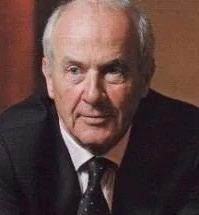
2002
Dr. Michael Nobel
Chairman, Nobel Family Society; Chairman, The Nonviolence Project
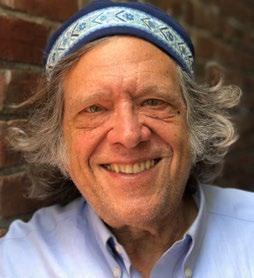
2005
Rabbi Michael Lerner
Editor, Tikkun Magazine; Founder & National Co-Chair, The Tikkun Community; Rabbi Beyt Tikkun
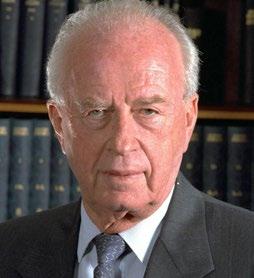
2009
Mr. Yitzhak Rabin (posthumous)
Former Prime Minister, State of lsrael; Architect, Oslo Accords; Co-recipient, Nobel Peace Prize, 1994
GANDHI KING IKEDA COMMUNITY BUILDERS PRIZE RECIPIENTS
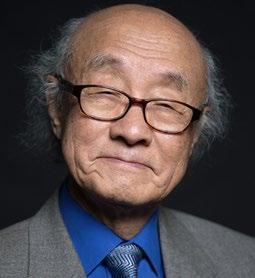
2010
Dr. Han Shik Park
University Professor oflnternational Affairs; Director, Center for the Study of Global Issues; (GLOBIS) University of Georgia; Architect of U.S.-North Korean Relations
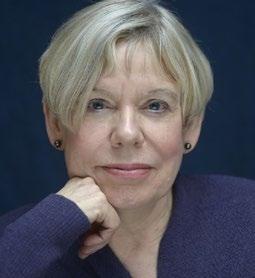
2014
Dr. Karen Armstrong
Founder, Charter for Compassion; Leading Historian of World Religion; Thinker and Bestselling Author
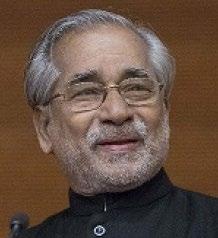
2018
Dr. Neelakanta Radhakrishnan Chair, Gandhi Peace Mission
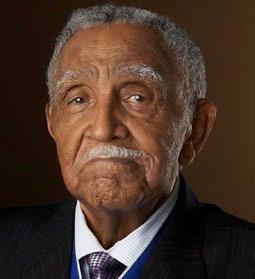
2011 Co-recipient
The Rev. Dr. Joseph E. Lowery
Dean of the American Civil Rights Movement; Co-founder and President Emeritus, Southern Christian Leadership Conference (SCLC)
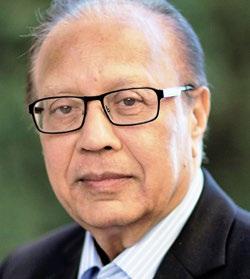
2015
Amb. Anwarul K. Chowdhury
Former Under-Secretary-General of the U.N. and Ambassador of Bangladesh to UN; Founder of the Global Movement for the Culture of Peace
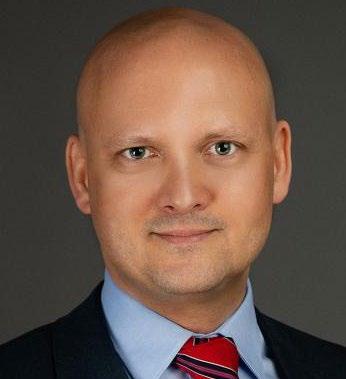
2019
Dr. Kai Frithjof Brand-Jacobsen Director, Department of Peace Operations (DPO) - PATRIR
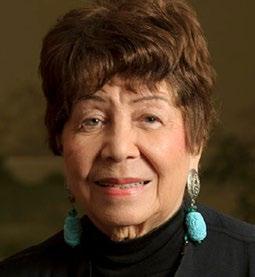
2011 Co-recipient
Mrs. Evelyn Gibson Lowery
Pioneer, American Civil Rights Movement; Founder, SCLC/W.O.M.E.N., Inc. (Women’s Organizational Movement for Equality Now)
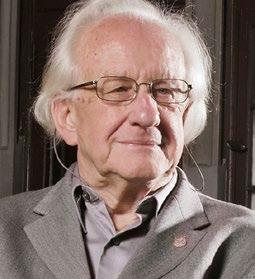
2016
Dr. Johan Galtung
Father of International Peace and Conflict Studies; Founder, Galtung-lnstitute for Peace Theory and Peace Practice; Founder, TRANSCEND International
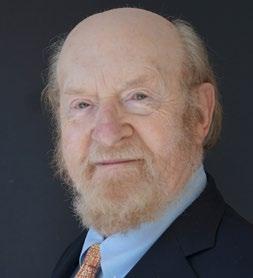
2021
Dr. Robert Cummings Neville
Professor Emeritus of Philosophy, Religion, and Theology , Dean, 1988-2003, Boston University
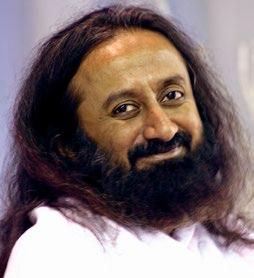
2013
His Holiness
Sri Sri Ravi Shankar
Founder, Art of Living Foundation, International Association for Human Values
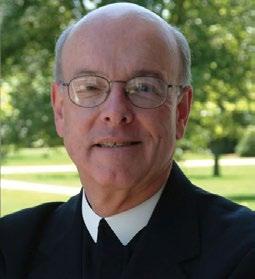
2017
Brother James Gaffney, FSC
President Emeritus, Lewis University; Honorary Founder, Lewis University
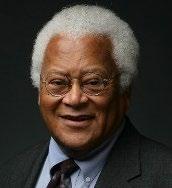
2022
The Rev. James Morris Lawson Jr. Activist, Professor, and Former Pastor of Holman UMC
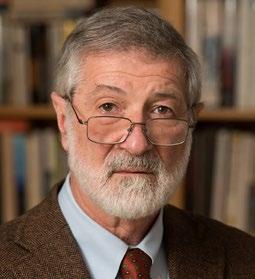
2023
Ira Helfand, M.D.
2017 Nobel Peace Prize Recipient and Co-President of the International Physicians for the Prevention of Nuclear War
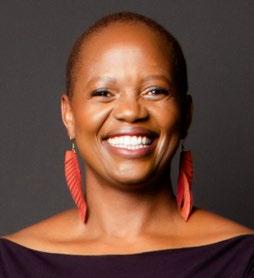
2024
Wanjira Mathai
Managing Director for Africa and Global Partnerships at the World Resources Institute
COMMUNITY BUILDERS PRIZE RECIPIENTS GANDHI KING MANDELA
PEACE PRIZE RECIPIENTS
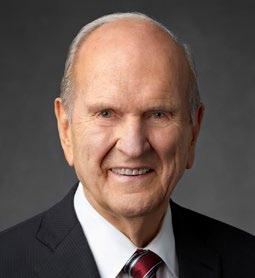
2023
Russell Marion Nelson Sr., PhD, MD
17th President, The Church of Jesus Christ of Latter-day Saints
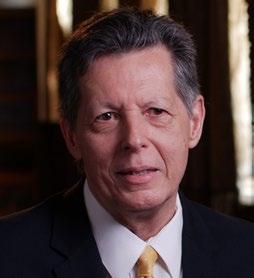
2024
The Reverend Gary John Dorrien, PhD
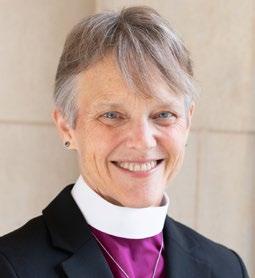
Reinhold Niebuhr Professor of Social Ethics at Union Theological Seminary and Professor of Religion at Columbia University 2025
The Right Reverend Mariann Edgar Budde, D.Min. Bishop of Washington
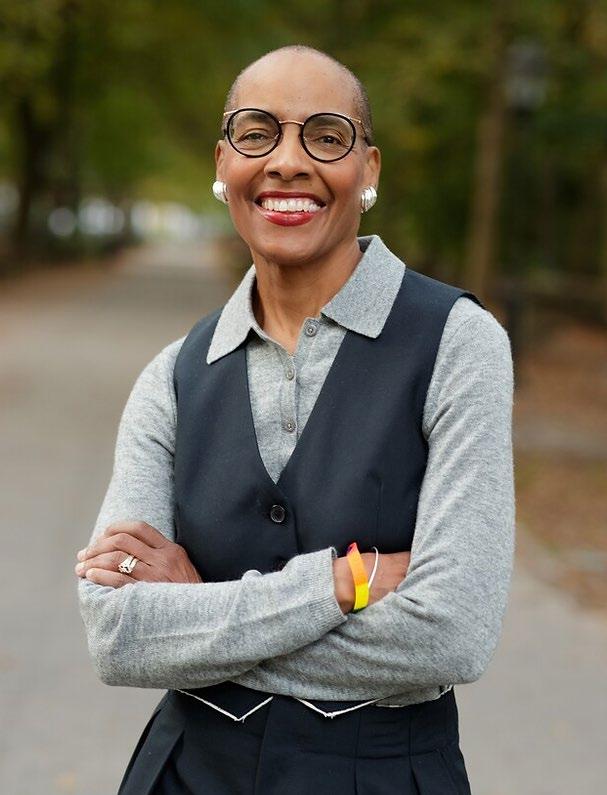
2026 COMMUNITY BUILDERS AWARD
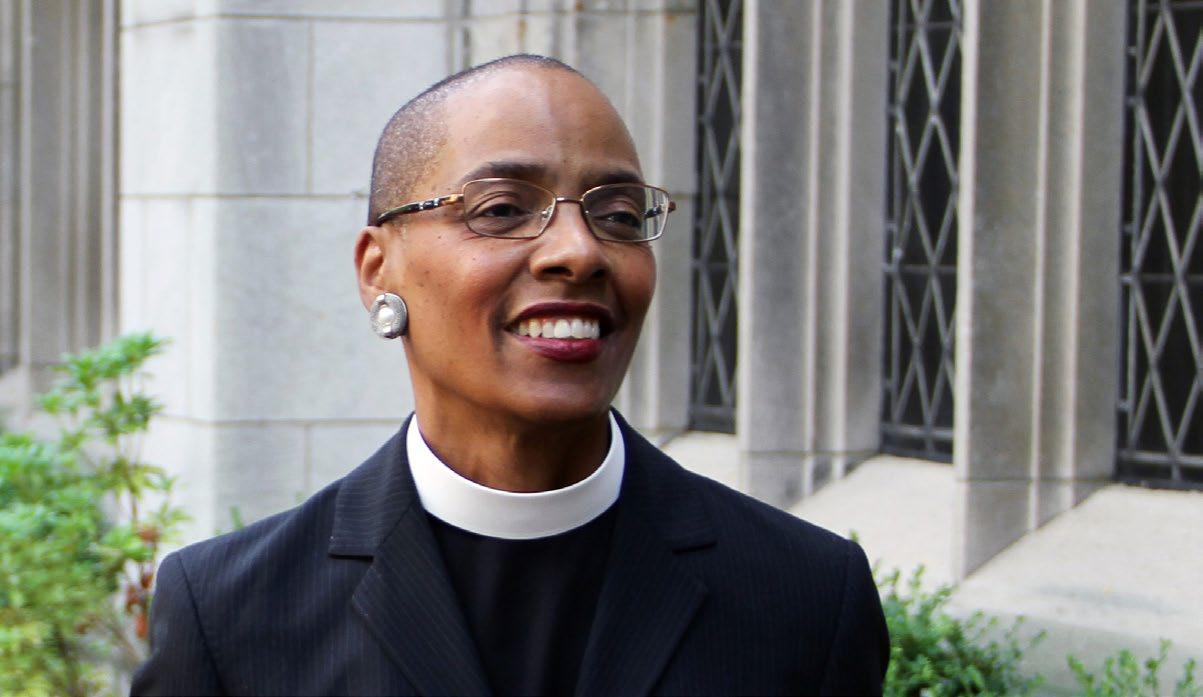
The Reverend Canon Kelly Brown Douglas, Ph.D.
The Rev. Kelly Brown Douglas, Ph.D. is currently the visiting professor of Theology at Harvard Divinity School. From 2017 to 2023, she was Dean of the Episcopal Divinity School at Union Theological Seminary and Professor of Theology. She was named the Bill and Judith Moyers Chair in Theology at Union in November 2019 where she is now Dean emeritus. She served as interim Dean of the Episcopal Divinity School from 2023-2024. During the 2023 fall term, she served as Honorary Professor of Global Theology at Emmanuel Theological College in Liverpool, England.
Ordained as an Episcopal Priest in 1983, she currently serves as the Canon Theologian at the Washington National Cathedral and Canon Theologian at the Cathedral of St. John the Divine - New York City; and Anglican Communion Canon at Newcastle Cathedral in Newcastle, England.
Douglas is the author of many articles and several books including the 2023 Grawemeyer Award winning book, Resurrection Hope: A Future Where Black Lives Matter. Her academic work has focused on womanist theology, racial justice issues as well as sexuality and the Black church. Her current research interest involves expanding the moral imaginary in fostering a more just future.
See the Victory Before Us and Walk On
Composed by Uzee Brown Jr. ’72, D.M.A
1 Here we stand, surrogate voices— of those who have been silenced— by tragedy, indifference and time. We stand amidst a world where deception freely roams, And integrity and truth are held as crime.
Refrain:
Yet reverently we stand the heirs of this great land, and lift our voices high with cheerful song!
Walk on by faith, walk on with hope, with renewed determination to press on sing praise to the God of all creation, the hope of every nation see the victory before us and walk on!
2 Here we stand, bearing witness, to nature’s aberrations. Where disasters, unpredictable plague the near and distant lands. Oblivious to change, so many fail to heed—foreboding signs the universe commands.
Refrain:
Yet reverently we stand the heirs of this great land, and lift our voices high with cheerful song!
Walk on by faith, walk on with hope, with renewed determination to press on sing praise to the God of all creation, the hope of every nation see the victory before us and walk on!
3 Here we stand, champions of freedom, where courageous voices cry out, and fight for justice every day. We have thrived amidst the threats that democracy may fail, as we face new jolts and struggles on the way.
Refrain:
Yet reverently we stand the heirs of this great land, and lift our voices high with cheerful song!
Walk on by faith, walk on with hope, with renewed determination to press on sing praise to the God of all creation, the hope of every nation see the victory before us and walk on!
See the victory before us and walk on! Yes, just walk on!
Dear Old Morehouse
Dear old Morehouse, dear old Morehouse, We have pledged our lives to thee; And we’ll ever, yea forever, Give ourselves in loyalty.
True forever, true forever, To old Morehouse may we be; So to bind each son the other, Into ties more brotherly.
Holy Spirit, Holy Spirit, Make us steadfast, honest, true, To old Morehouse, and her ideals, And in all things that we do.
J.O.B. Mosley ’29
Acknowledgments and Institutional Partners













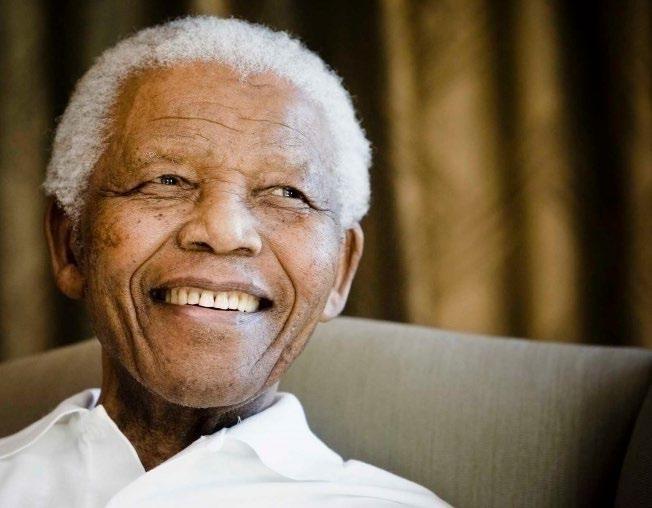
“There can be no keener revelation of a society’s soul than the way in which it treats its children.”
Dr. Benjamin E. Mays Historic Preservation Site
Nelson Mandela
MARTIN LUTHER KING JR. INTERNATIONAL CHAPEL
CHAPEL ASSISTANTS
For 46 years, one of the signature initiatives of the Chapel has been The Martin Luther King Jr. International Chapel Assistants program. This student organization is open to all who seek to be stretched and strengthened in their faith, engaged in dialogue and action on issues of social justice and human rights, and oriented to the diversity of spiritual perspectives that comprise our Great “World House” concept for wholeness and healing. The Chapel Assistants Program is open to students of all majors and career interests; however, a particular focus is given to those who are discerning vocational callings in lay or ordained ministry and scholarship in the theological academy. The Chapel Assistants Program offers a host of rich experiences and opportunities including: Thurman Thursdays each week at 5:30 p.m. in the Chapel Library; Sermon Talkback Sessions following each Sunday Vesper service; Monthly Sandy F. Ray Preaching Laboratory Sessions; participation in the Festival of Young Preachers; Interfaith Immersion Weekends and Pilgrimages; Ministry in the Arts; Seminary Swing Tours; and, summer internship placements.
Programs & Opportunities for Becoming Ambassadors of Cosmic Peace by Embodying King’s World House Values:
thurman thursdays
Thursdays | 5:30 p.m.
Join the chapel assistants each Thursday for dynamic theological table talks on issues ranging from politics to religion, ethical formation, vocational discernment, leadership development, interfaith engagement and church administration.
sunday vespers
Sundays | 5:30 p.m.
Each Sunday during the semester, join the chapel assistants, the King Chapel Gospel Choir (KCGC) and other Atlanta University Center students, staff and faculty for worship. Preachers include alumni clergy, special guests and select chapel assistants who have preached in the Sandy F. Ray Preaching Lab and or at the Academy of Preachers.
worldhouse academy
The WorldHouse Academy seeks to “deepen the faith of young people by helping them think theologically about their lives as well as the challenges faced by our global community” and “to identify and cultivate a cadre of theologically minded youth who will become leaders in church
and society.”’ The WorldHouse Academy, a youth theological institute that will develop the capacity of high school youth to comparatively and substantively engage the texts. traditions, commitments and histories of the religious communities of their formation; employ critical tools to conduct theological and ethical analysis of current events and the world around them; examine various models of religious vocation and professional theological engagement and, prepare to successfully matriculate as an undergraduate student in a liberal arts institution, particularly Morehouse College and other historically black colleges and universities, with a commitment to robust interdisciplinary preparation for graduate and professional education, hopefully leading to theological and religious vocations.
interfaith assembly
The Gandhi. King, Ikeda Institute for Cosmopolitan Virtue Ethics and Reconciliation at Morehouse College hosts the annual WorldHouse Interfaith Assembly, a supportive and tangible expression of the global movement for peace and nonviolence through the Martin Luther King Jr. International Chapel. We model and teach activism. Nonviolence, optimism and populism in the spirit of Mohandas Karamchand “Mahatma” Gandhi, Martin Luther King Jr. ’48 and Daisaku lkeda promoting a holistic vision for the growth, health, safety and wellbeing of our beloved evolving world cosmos. Our vision is the creation tit a cosmopolitan society in which the full development of everyone’s potential is the central goal.
the howard thurman spiritual and educational trust
Transferred from the Howard Thurman educational Trust (HTET) formed in 1961 in San Francisco. California to Morehouse College in 2009. The HTET was renamed the I-Ioward Thurman Spiritual Educational Trust for Nonviolent Global Conflict Resolution in October 2018. The Trust was established for religious, charitable, scientific, literary. or educational purposes or for the presentation of cruelty to children or animals. Primary activities of the Trust are lo support student educational. international and cultural programs. The Howard Thurman Crown Forum is hosted by the Chapel annually in November as close as possible to the birthdate of Dr. Thurman, November 18, 1899.
the howard thurman honors program
The Morehouse College Honors Program was renamed the Howard Thurman Honors Program in 2019. The Thurman Honors Program is a member of the National Collegiate Honors Council. an international community of educational institutions. professionals. and students who are passionate about advancing honors education in diverse settings yielding a global perspective and a unified voice in support of honors in the classroom and around the campus. A member of the Morehouse Class of 1923, Howard Washington
Thurman remains one of the College‘s most prolific scholars and academicians.
sandy f. ray preaching lab
Are you looking to hone your preaching skills? As “iron sharpens iron,” the Sandy F. Ray Preaching Lab offers chapel assistants the opportunity to deliver a sermon throughout the year for advice and constructive criticism from peers and seasoned homileticians.
festival of young preachers and the academy of preachers (Fall Semester Annually)
Each fall, chapel assistants and other aspiring preachers sign up and participate in the annual festival. Participants receive coaching and review of their sermon manuscripts in preparation for a select group to participate in the National Festival of Young Preachers sponsored by the Academy of Preachers.
ministry in the arts
The Chapel offers talented men and women the opportunity to lend their voices, talents and gifts in worship through spoken word, dance, vocal and instrumental presentations, drama and visual arts.
seminary swing
The Chapel Assistants program holds a longstanding tradition of preparing its members for theological education on the graduate level. This preparation is due in part to the annual Seminary Swing trip which offers chapel assistants the opportunity to experience student life at schools such as Harvard Divinity School, Yale Divinity School, Princeton Theological Seminary, Union Theological Seminary, University of Chicago, Boston University, Duke University, Southern Methodist University, and Vanderbilt University.
summer internships
The Chapel Assistants Summer Internship Program was established in 2013 as a pilot program of the “WorldHouse Initiative Realized.” The aim of the Chapel Assistants Summer Internship Program is to develop a formal structure for the historically informal and relational process of students identifying and securing summer ministerial internships in congregational contexts.
martin luther king jr . college of pastoral leadership
The College of Pastoral Leadership (CPL) builds on the Chapel’s 43-year, internationally recognized legacy of delivering ecumenical spiritual and vocational education to provide a year- long professional development program that advances the goal to nurture a new generation of highly talented and religiously committed leaders lor church and society. The CPL provides programming and mentoring to help early career pastors and students develop as 21st century moral cosmopolitan leaders.
MARTIN LUTHER KING JR. SCHOLARS
Renard Darnell Allen
J’Kharious Nkosi Ajanku
Gerard A. Ancrum
Ernest Andrew Brooks III
Gabriel Denard Cloud
Delman Lamont Coates
Jawanza Karriem Colvin
Brandon Thomas Crowley
Devon Jerome Crawford
D’Marre Justin Lamar Craddock
Brian Russel Davis
Julian Michael DeShazier
Willie Dwayne Francois III
Tiant D’Andre Holloway
JaParis Xavier Key
Brandon Lamar Jackson
Kevin Rae Miles Johnson
Hassan Xavier Henderson-Lott
Lester Agyei McCorn
Tyrone Emmanuel McGowan
David Malcolm McGruder
Rashad Raymond Moore
Echol Lee Nix Jr.
Donavan Jamal Pinner
George Anthony Pratt
*2025-2026 Scholarship Recipient
Winford Kennadean Rice Jr.
Joseph Carlos Robinson
Kevin Kitrell Ross
Samuel T. Ross-Lee
Willie J. Seals Jr.
Naivion “Makai” Stephens*
Michael A. Walrond Jr.
Raphael Gamaliel Warnock
Tyler Micah Washington
Beryl Monroe Whipple
Demetrius M.T. Ziegler
Reginald Wayne Sharpe Jr.
MARTIN LUTHER KING JR. INTERNATIONAL CHAPEL ASSISTANTS PROGRAM PRESIDENTS
Carl H. Lane ’81
Gregory George Groover Sr. ’83
Rufus Michael Mosby ’84
Phillip Cusic ’85
Steven Carson ’85
Timothy Alan Williams ’87
Anthony Lindberg Bennett ’88
Samuel Thomas Ross-Lee ’88
Raphael Gamaliel Warnock ’91
Amos Byron Coleman ’93
Micheal Anthony Walrond Jr. 93
Delman Lamont Coates ’95
DeQuincy Manvel Hentz ’96
Jawanza Karriem Colvin ’97
Russel Erich Caufield ’98
Kevin Nelson ’98 (CAU)
Heather L. Johnson ’99 (SC)
Nicholas Scott Turner ’00
Demetrius Melic Zeilger ’03
Vincent Malowry Jones, Jr.’04
Gregory David Jackson ’05
Charles Benjamin Houston ’06
Renard Darnell Allen Jr. ’07
Willie Dwayne Francois III ’09
Tyrone Emmanuel McGowan Jr. ‘10
Rashad Raymond Moore ’12
Reginald Wayne Sharpe, Jr. ’13
*Current President
Winford Kennedean Rice Jr. ’14
Devon Jerome Crawford ’15
Christopher Anthony McCroy ’16
Ja’Paris Xavier Key ’17
Tiant D’Andre Holloway ’18
Timothy Michael Browning ’19
Spencer Alexandria Nabors ’C20 (SC)
Donavan Jamal Pinner ’20 ”20
Gabriel Denard Cloud ’21
Tyler Micah Washington ’23
Elijiah Jahaad Tivon Waller ’24
D’Marre Justin Lamar Craddock ’25
Alonzo Brinson ’27*
Morehouse College Martin Luther King Jr. International Chapel
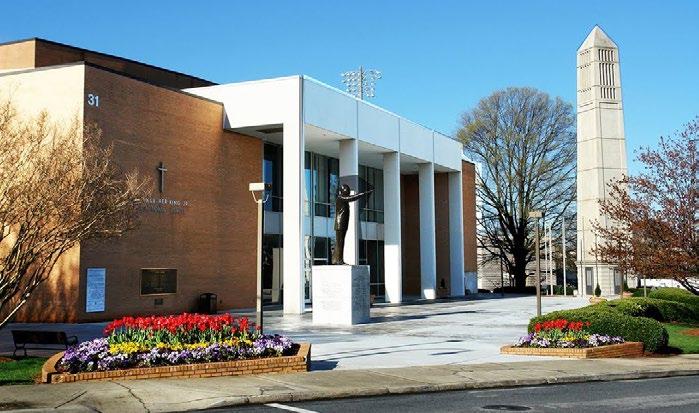
chapel mission and programming
MISSION
To develop transforming nonviolent ambassadors of peace to reveal and co-create the “Beloved World Economic Community” as a reflection or mirror of the social justice of Jesus.
IMPACT
43 years of growth and expansion; 1500+ program participants
THE GREAT WORLDHOUSE Martin Luther King Jr. International Chapel
The Reverend William Jefferson White, D.D. (Hon.) ’11
Founder of Morehouse College
Verdun Perry ’94, M.B.A. Chairman, Board of Trustees
F. DuBois Bowman ’92, Ph.D. Thirteenth President of Morehouse College
David Anthony Thomas (Hon. ’25), Ph.D., M.B.A., M.Phil.
President Emeritus
The Reverend Robert Michael Franklin Jr. ’75, Ph.D., D.D., D.H.L. President Emeritus
Walter Eugene Massey ’58, Ph.D., D.S., D.Hum., Ed.D., D.H.C., Mult.
President Emeritus
Leroy Keith Jr., Ph.D. ’61
President Emeritus
Hugh Morris Gloster Sr. ’31, Ph.D., Ll.D., D.H.L., Litt.D., D.H.C., Mult. President Emeritus and Founder of the King Chapel
The Reverend Delman Lamont Coates ’95, Ph.D. Chairman, Martin Luther King Jr. International Chapel Trustee Committee
The Reverend Lawrence Edward Carter Sr., 33° Ph.D., D.D., D.H., D.R.S, D.H.C., Mult. Dean of the Chapel, Professor of Religion, College Archivist, and Curator
The Reverend Quincy James Rineheart, (Ph.D. Candidate) Associate Dean of Chapel Relations and Bayard Rustin Crown Forum Host
The Reverend Timothy Alan Williams ’87, D.Min. Assistant Dean of Campus Ministry
David Wall Rice ’95, Ph.D. Professor of Psychology and Crown Forum Endowed Chair
David Francis Oliver, D.M.A. College Organist
Marva Griffin Carter, Ph.D. Music Consultant and Pianist
Mrs. Kimberly Gaines Wigley Executive Assistant to the Dean
Guy Edward Mitchell Event Support Manager
The Martin Luther King Jr. International Chapel Trustee Committee Members
Verdun Perry ’94, M.B.A. Chairman (Ex Officio)
Harold V. Bennett, Ph.D.
F. DuBois Bowman ’92, Ph.D. (Ex Officio)
Delman Lamont Coates ’95, Ph.D. Chair
Lawrence Edward Carter Sr., Ph.D. Quincy James Rineheart, (Ph.D.)
The Martin Luther King Jr. International Chapel Assistants Executive Board 2025–2026
Alonzo Brinson ’27 40th President
Damarion King ’27
Vice President
Chavous Langhorn ’27
General Secretary
Lauren Byrd C’2027
Treasurer
Naivion Stephens ’28
Historian
Johnny Simmons ’26
Parliamentarian
Matthew Woodfolk ’27
Deacon Board Chair
Tayvian Allen ’27
Ke’Shawn Ward ’28
Outreach & Evangelism Co-Chairs
Joshua Bass ’27
Social Media Chair
Javin Ali ’28
Deputy Secretary
Jaleia Latson C’2027 Spelman Liaison
Terence “TJ” Wright ’29 Freshman Liaison
Joe Norington-Reaves ’27
Mallory Childs ’28
Scholarship & Practical Ministry Co-Chairs
Christian Talley ’28
Worship & Liturgical Arts Chair
Kimber Dickson ’27
Interfaith Ministry Chair
Braylon Bodison ’27
Hospitality Chair
Tyler Raines ’28
DeJon Wilkins ’27
Public Relations and Digital Ministry Co-Chairs
SUPPORT THE
CHAIRISHING CAMPAIGN
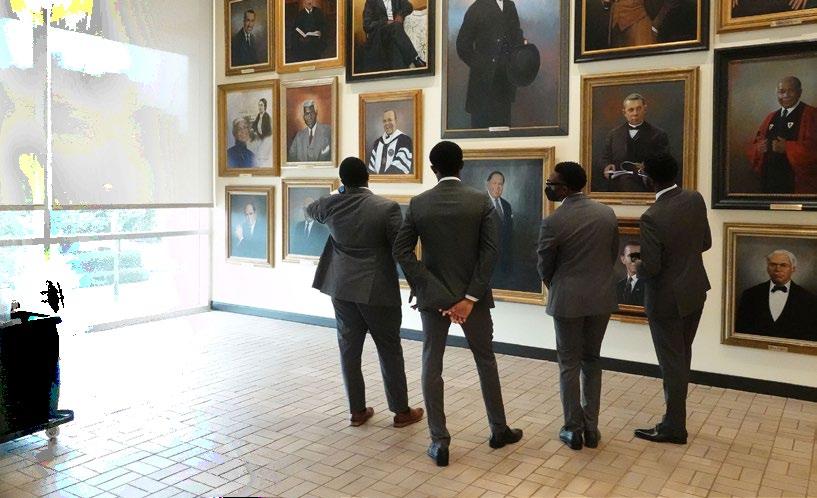
The Martin Luther King Jr. International Chapel is a cosmic treasure that serves as the world’s most prominent religious memorial dedicated to the life, legacy, and Black social gospel justice tradition of its iconic namesake, Martin Luther King Jr. It is a beacon for global change and an incubator for innovative ideas that advance civil human rights ethics.
For those who dream of a beloved world economic community, nonviolent social change, personal and inclusive transformation, peace, and justice, the King Chapel at Morehouse College offers a scholastic and spiritual home for the study of King and his philosophy.
The internationally acclaimed Dean of the King Chapel, the Rev. Dr. Lawrence Edward Carter Sr., has spent the past four decades building the world house memorial into a global ministry that promotes excellence, ethics, equality, and engagement, while encouraging and inspiring ambassadors of peace, unity, and harmony to carry King’s work and commitment to human dignity by saving democracy for all.
Share in preserving the King Chapel at Morehouse College by purchasing a chair today.
A $1,500 gift will enable you to buy a new tuxedo seat with an engraved plaque that will be on display in the historic venue that has hosted lectures by world dignitaries, scholars, theologians, celebrities, and newsmakers. Highlight your own name on a chair or honor the memory of a loved one.
From hosting 2,200 students for weekly community meetings to thousands of parents who entrust their beloved sons to the College each fall—and tens of thousands of visitors who snap photos of the King Statue on the International Plaza throughout the year—King Chapel is the living room in which Morehouse College welcomes world leaders of consequence.
In the sacred hush of The Crown Nave, the walls have countless tales to tell from ministers and leaders of diverse faiths and nationalities— people who share a common love for human kind and respect for people of all racial, economic, and gender identities. Their images have been captured in over 200 oil portraits that pay tribute to their journeys as humble servant scholar-leaders who became solidarity rights champions. Like King, they dedicated their lives to making the world a better place for saving and spreading democracy.
An investment in preserving King Chapel, our global treasure at Morehouse, is an investment in the ideals, values, vision, and courage of emerging servant scholar-leaders, who, in ways small and grand, will carry on King’s legacy and fulfill his dream.
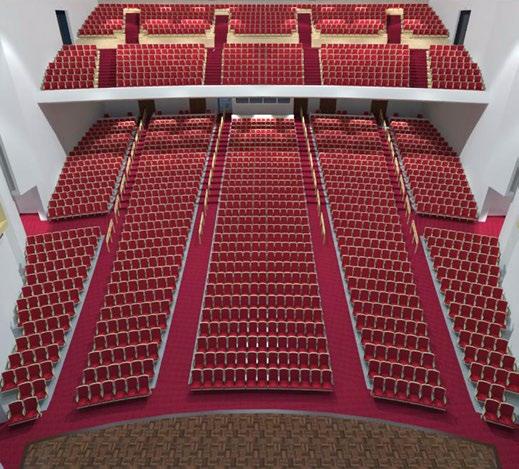


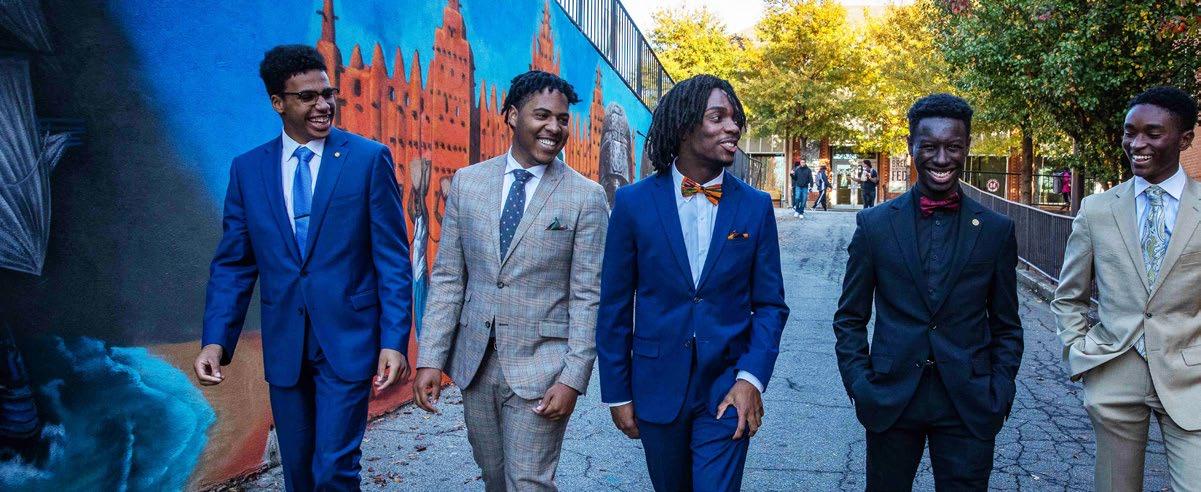
As the world recognizes the need for socially responsible leaders, Morehouse College is poised with a pipeline of exceptional Men of Consequence who are prepared to do what Morehouse Men have done for 159 years—lead, serve, and work on the frontlines of change. We are working toward a future in which our endowment will allow the financial flexibility to support all deserving scholars, and the scholarships we offer students will be need blind. Your philanthropic investment will help ensure that Morehouse continues to produce enterprising, accomplished men who change the narrative, change the system, change each other, and change the world.
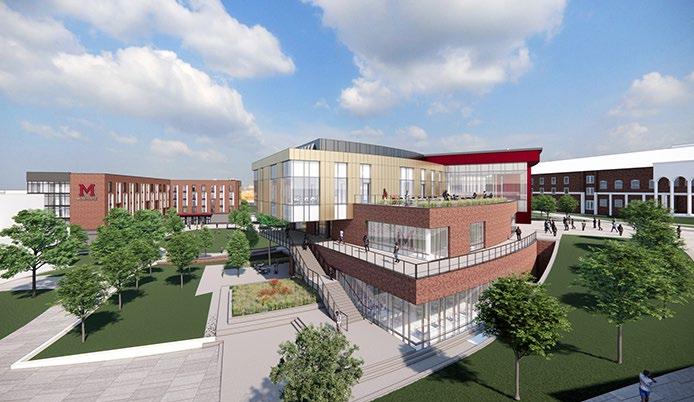
Morehouse College is in the midst of a $500 million fundraising campaign. More than $360 million has been raised to date. With your continued investment, we can fortify a legacy ignited in 1867 as an engine for excellence in higher education and a beacon of hope illuminating the path toward justice, equality, and economic empowerment. Et Facta Est Lux .
We also need your support in the following areas:
Building the Campus of the Future
Endowed student scholarships
Innovative academic programs, athletics, and access to global experiences