Green vs Red Chimichurri: What’s the Difference?
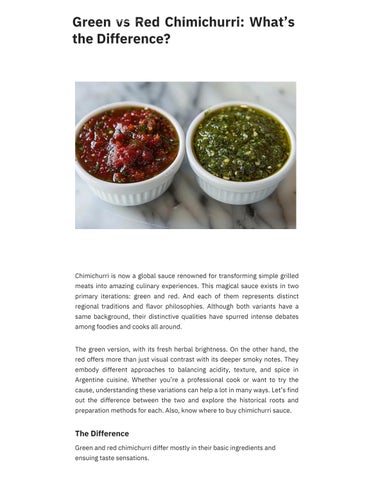
Chimichurri is now a global sauce renowned for transforming simple grilled meats into amazing culinary experiences. This magical sauce exists in two primary iterations: green and red. And each of them represents distinct regional traditions and flavor philosophies. Although both variants have a same background, their distinctive qualities have spurred intense debates among foodies and cooks all around
The green version, with its fresh herbal brightness On the other hand, the red offers more than just visual contrast with its deeper smoky notes. They embody different approaches to balancing acidity, texture, and spice in Argentine cuisine. Whether you’re a professional cook or want to try the cause, understanding these variations can help a lot in many ways Let’s find out the difference between the two and explore the historical roots and preparation methods for each. Also, know where to buy chimichurri sauce.
The Difference
Green and red chimichurri differ mostly in their basic ingredients and ensuing taste sensations.
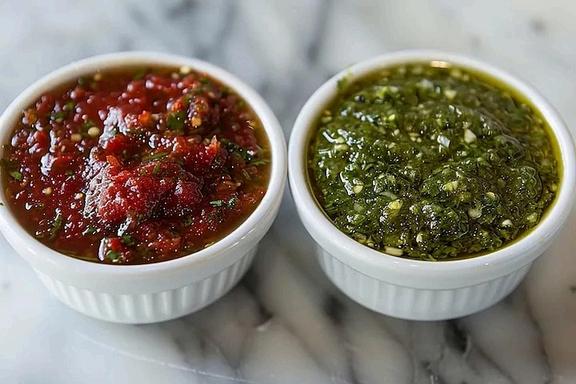
Green Chimichurri: The usual form is green chimichurri Its distinctive fresh herbal basis coarsely chopped parsley along with oregano, garlic, red wine vinegar, and olive oil sets it apart Perfect for breaking through the richness of grilled meats, this mix produces a sharp, sour sauce with excellent texture For lighter proteins say chicken, fish, or vegetables its flowery tastes and acidity fit particularly well.
Red Chimichurri: Less traditional than the green sauce, the red one provides a stronger taste Smoked paprika, roasted red peppers, and occasionally tomato paste or crushed red pepper give color and a more subtle taste. Plus, the addition of these ingredients creates a sauce with smoky and slightly sweet undertones and a smoother consistency. The best part is that this variety goes especially well with heartier meals, including grilled steak or sausages.
The texture of both sauces also differs because of the ingredients Because of the fresh herbs, green chimichurri usually has a more gritty texture; red chimichurri often has a somewhat thicker consistency. These variations in taste, texture, and components define their best uses in food, so home cooks and professional chefs can choose the most suitable variant for their recipes
Historical Roots
In Argentine cuisine, chimichurri sauce is absolutely indispensable Its precise beginnings are unknown, and much discussed. Historical records suggest that the sauce most likely started in Argentina in the 19th century as European immigrants altered their home sauces using locally grown vegetables
While its naming history is still debated, chimichurri became fundamentally Argentine through widespread adoption With each region and household creating small variants, the sauce developed as a useful complement for grilled meats Classic recipes balance fresh parsley, garlic, vinegar, and oil
Beyond its culinary function, chimichurri reflects Argentine cultural identity. With recipes passing down through generations, it’s cooking still brings family pride. Since then, the sauce has become somewhat wellknown worldwide while still being the most famous condiment in Argentina.
Preparation Methods
Green Chimichurri
The traditional green version requires finely chopped fresh flat-leaf parsley (about 2 cups packed leaves) combined with minced garlic (3–4 cloves), dried oregano (1 tbsp), red wine vinegar (¼ cup), and olive oil (½ cup). Then, the ingredients are mixed without blending to maintain texture. Season with salt, black pepper, and optional red pepper flakes. Finally, rest it for 2+ hours, allowing flavors to meld while preserving the herbs’ freshness. The coarse texture and uncooked preparation define its authentic character.
Red Chimichurri
The red variation replaces 30–40% of parsley with roasted red peppers (peeled and diced). Add smoked paprika (1 tbsp) and optionally tomato paste (1 tsp) to the base green recipe The roasted components create a smoother consistency, often blended briefly. Its deeper flavor profile develops best after 24 hours’ refrigeration, as the smokiness intensifies while the acidity mellows.
Conclusion
Green and red chimichurri each bring distinct qualities to the table. The green version bursts with parsley’s freshness, garlic’s punch, and vinegar’s tang. It is perfect for cutting through rich meats. Its red counterpart counters with smoky paprika and sweet roasted peppers and creates a deeper and more complex profile for bold grilled flavors
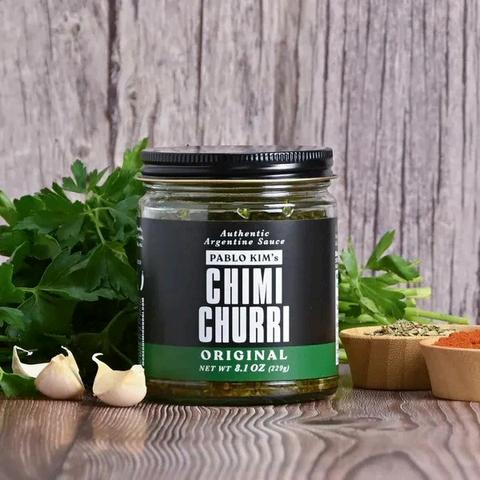
The choice depends on your dish, but the result remains constant. Ordinary meals become extraordinary — that’s chimichurri’s true power Want to savor the authentic flavor of chimichurri? Find your perfect green or red Argentinian chimichurri sauce on More Chimichurri