A conversation with Iqbal Ike K. Ahmed, MD, FRCSC, and Ian F. Pitha, MD, PhD, about the future of care.
The John A. Moran Eye Center at the University of Utah is the largest ophthalmology clinical care and research facility in the Mountain West. Physicians provide comprehensive care in all ophthalmic subspecialties, making Moran a major referral center for complex cases.
REFER A PATIENT
801-213-2001 moraneye.link/refer-a-patient
U.S. News & World Report 2025-2026 Best Hospitals for Ophthalmology No. 9 NATIONWIDE No. 6 NATIONWIDE FOR RESIDENCY EDUCATION No. 1 IN THE WEST
PATIENT VISITS:
188,582
$9.8 Million
SURGERIES PERFORMED:
10,786 BY SPECIALTY
4,586 — Cataract/Lens Extractions
1,572 — Retina
1,140 — Glaucoma
1,129 — Oculoplastic 1,079 — Pediatric
430 — Cornea/Refractive
354 — Uveitis
164 — Neuro-Ophthalmology
332 — Other
Innovation with Purpose: Advancing Glaucoma Care
Across all subspecialties, our care teams treat every patient, from common to rare and complex cases. The highest level of care requires state-ofthe-art technology, advanced clinical expertise, and cutting-edge research programs.
Nowhere is this more evident than in glaucoma care, which continues to evolve rapidly as new technologies broaden treatment options. The Alan S. Crandall Center for Glaucoma Innovation is leading the way.
Iqbal Ike K. Ahmed, MD, FRCSC, leads the center with dedication and a unique passion for enhancing the lives of glaucoma patients. From investigating next-generation laser-based therapies or developing the latest surgical devices to data-driven decision support, the work of the Crandall Center embodies a central truth of modern ophthalmology: high-quality, independent research is vital for transforming more data and tools into better patient outcomes. Central to this effort is Associate Director Ian F. Pitha, MD, PhD, whose research is guided by the daily care he provides and a strong commitment to improving the quality of life of patients with significant treatment burdens.
Equally important is the basic research that underpins future care. Neuroprotective work led by David Krizaj, PhD, represents a promising future for glaucoma and how we must think about it not solely as a disease caused by pressure, but as a neurodegenerative condition requiring novel therapeutic strategies.
Education remains a crucial part of this equation. As innovation speeds up, the way clinicians
learn must evolve along with it. Craig J. Chaya, MD, directs a world-renowned glaucoma fellowship program, and Rachel G. Simpson, our vice chair for education, leads a highly engaged faculty in developing new models of education that focus on active learning and real-world application.
Moran’s role is not simply to introduce innovation, but to define how it is evaluated, integrated, and applied. Through the Crandall Center and our broader clinical expertise, we are helping to set the agenda for the future of glaucoma care and developing approaches that can give new hope to patients with complex cases.
Moran’s role is not simply to introduce innovation, but to define how it is evaluated, integrated, and applied.
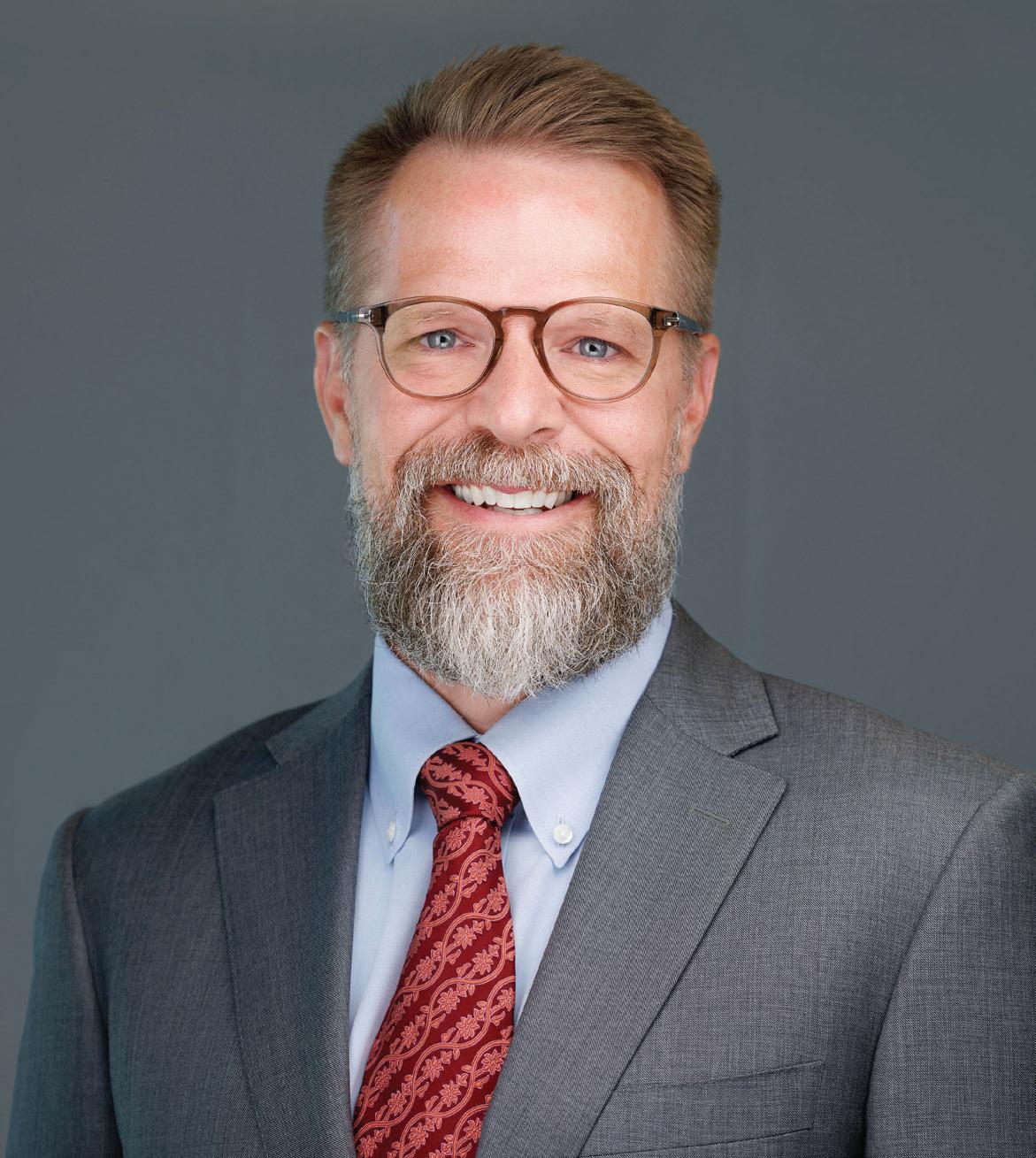
Jeff Pettey, MD, MBA Chair, Department of Ophthalmology & Visual Sciences, University of Utah CEO, John A. Moran Eye Center CEO, University of Utah Vision Institute
Where Glaucoma Innovation Meets Clinical Judgment
At the Alan S. Crandall Center for Glaucoma Innovation, Director Iqbal Ike K. Ahmed, MD, FRCSC, and Associate Director Ian F. Pitha, MD, PhD, evaluate and advance new approaches to glaucoma care alongside their day-to-day clinical practices.
We asked Drs. Ahmed and Pitha to share their perspectives on modern glaucoma care, emerging technologies, and how clinical judgment, data, education, and real-world constraints influence which innovations ultimately make a difference for patients.
Q: What do you see as the central challenge in glaucoma care today?
Pitha: I think one of the biggest challenges is identifying which patients really need to be treated, how closely they need to be followed, and how aggressive that treatment should be. You can treat everyone as if they’re imminently going blind, but that leads to overtreatment. Or you can be less aggressive, and then you’re going to miss some people, and they’re going to lose vision.
When you’re sitting in front of a patient, the care is very individualized. Even though it’s one disease, the variability between patients is huge, and we still must do a better job of matching the right level of treatment to the right patient. Ahmed: Although we’re very technology-heavy in terms of what we do in glaucoma, the reality is that you have to be able to get new technologies to patients. Reimbursement and coverage are shifting, and access can be challenging. Decisions are being made that aren’t always clearly understood.
I believe this just pushes us to do better with our data and to be more science-driven and patient-driven. I also think we need to do more when it comes to patient-reported outcomes, because at the end of the day, that’s what matters most to
patients. And that’s also what I think payers and ultimately policymakers will be most driven by.
Q: Where do emerging technologies—particularly AI and new devices—actually help right now?
Ahmed: The biggest opportunity for AI in glaucoma is risk assessment to better understand who needs treatment when.
We’re incorporating more data points—such as home tonometry—and analyzing larger datasets; AI has the potential to help correct the imbalance between overtreatment and undertreatment.
Pitha: I think of AI as an enabling tool rather than a single solution. It is effective in the lab for image analysis and drug screening because it can spot patterns and process huge amounts of data much faster than we can. Ultimately, it still works best when paired with human judgment and experimental insight.
Clinically, AI’s value will depend on how well it organizes information and supports decision-making. More data by itself isn’t necessarily helpful unless it supports or influences our decisions with actionable insights that naturally fit how we think and work as clinicians and surgeons.
Q: How do you think about evaluating new glaucoma devices before they reach widespread use?
Pitha: A lot of my work focuses on understanding how new devices behave once they interact with tissue—and whether they do what we hope they’ll do in real-world use. That includes looking at materials, design, and how small changes in technique can affect outcomes. Fiona McDonnell, PhD, here at the Moran Eye Center, is allowing us to answer a lot of these key questions early using an iPerfusion 3 system, which measures ocular pressure and aqueous fluid outflow using donated human eyes. The iPerfusion allows us to evaluate micro-invasive
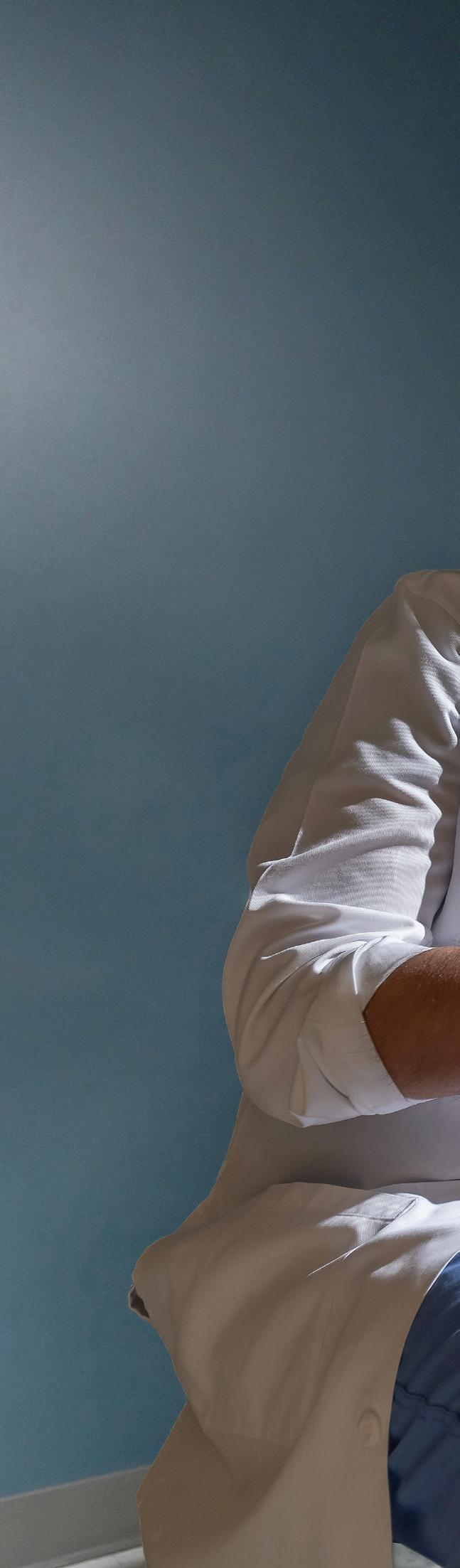
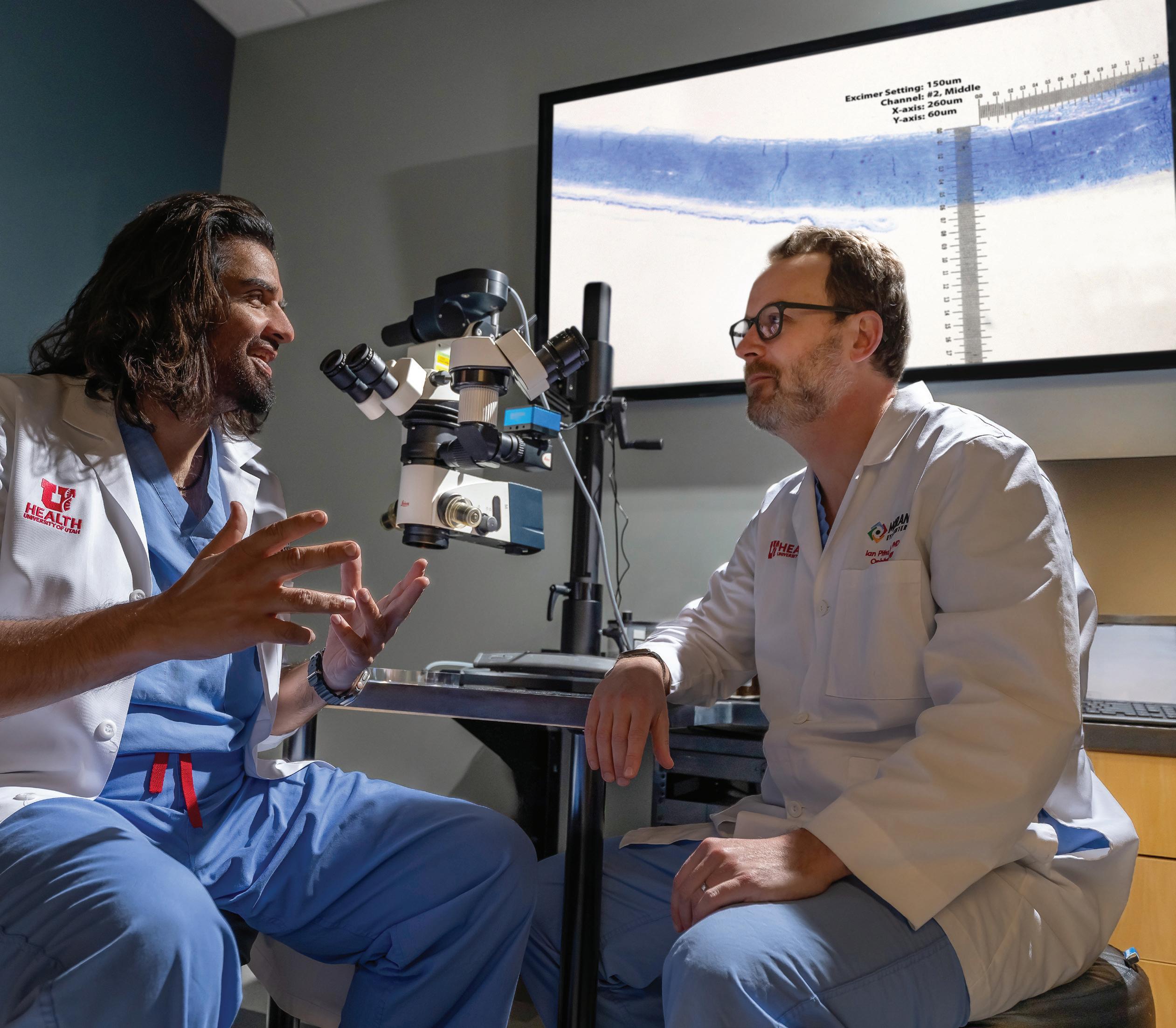
Ahmed
and
discuss their work in a Crandall Center lab.
Drs.
(left)
Pitha
glaucoma surgery (MIGS) devices and their performance very early in their development.
I’ve worked closely with Gore on devices aimed at advanced glaucoma, which is an area where we still need better options. That work is really about modifying traditional filtering approaches using new biomaterials to improve safety and durability in patients where the stakes are highest.
Being involved early lets us start asking really practical questions—how a device integrates with tissue, how surgeons are actually going to use it, and where real-world practice might diverge from the intended design once it reaches practice. Ahmed: I think a common thread in our work
over the last few years has been the wellknown advantages of laser-based therapies in glaucoma. These approaches allow us to be much more precise, to deliver treatment in ways that are less intrusive for patients, and often safer. We’re using them now in ways that we never have, including femtosecond lasers, ultrashort-pulse lasers, different wavelengths, picosecond lasers, and excimer lasers. So, I’m really excited about that aspect as a whole. The other areas also continue to grow, including working in the middle segment of the eye targeting the uveoscleral outflow pathway using implants and gels to augment a pathway of glaucoma that
isn’t well-optimized.
And, we’re still working on subconjunctival procedures, which I’m very excited about for more advanced patients. In that space, we’re taking things to the next level where we’re moving from passive drainage approaches to programmable adaptive and auto-regulating drainage devices.
Q: Looking back, what is one study—or area of research—you think your glaucoma colleagues should be paying attention to?
Ahmed: The five-year results of the HORIZON trial evaluating the Hydrus Microstent in combination with cataract surgery. What made that study important wasn’t just pressure lowering endpoints, but the impact on visual field progression.
We showed about a 50% reduction in visual field progression over five years compared to cataract surgery alone. That’s an important endpoint, and it’s something we don’t often see demonstrated clearly in surgical glaucoma trials. It highlights how translational work can connect innovation to outcomes that actually matter to patients.
Pitha: Another area I think people should be paying attention to is the work Dr. Brian Stagg, MD, here at Moran, is doing around clinical decision-making and informatics. A lot of us struggle with how to consistently apply guidelines and synthesize the amount of data we generate in glaucoma.
His work focuses on how clinicians interact with EMRs and how decision support and dash-
boards can surface the right information at the right time. It’s not a flashy device or procedure, but it has the potential to meaningfully change how we practice day to day.
Q:How should our educational programs adapt to a rapidly changing clinical landscape?
Ahmed: Education must evolve in parallel with innovation. The field is moving quickly, and the way clinicians learn and connect has changed.
This year, I’ll be launching what I view as the next step in education. It will be an online community called EyeComplex meant to function more like a social media platform, but in a very deliberate, evidence-based way—where people can interact, share cases, engage with high-quality content, and learn from each other rather than just passively consume information.
It’s going to be heavily media-driven, very interactive, and focused on real-world decision-making. At the same time, it will give us the ability to understand what people are engaging with so we can tailor education to what is relevant to their practice.
Pitha: Training and education also must keep pace with technology, data, and surgical advancements in the field. Fellows now need experience with both traditional surgery and newer, less invasive techniques.
Education has to emphasize judgment and thoughtful adoption, not just exposure to new tools.
About the Crandall Center
AUTHOR BIOS
Iqbal Ike K. Ahmed, MD, FRCSC, is a professor of ophthalmology and visual science and director of Moran’s Alan S. Crandall Center for Glaucoma Innovation. A glaucoma and anterior segment specialist, Ahmed is internationally recognized for his leadership in surgical innovation, particularly in the development and evaluation of micro-invasive glaucoma surgery (MIGS), laser-based therapies, and advanced glaucoma procedures. His work focuses on translating new technologies into clinical care and rigorously evaluating long-term patient outcomes. Ahmed is also widely regarded for his contributions to glaucoma education and global collaboration in ophthalmology.
Ian F. Pitha, MD, PhD, is a professor of ophthalmology and visual sciences and associate director of Moran’s Alan S. Crandall Center for Glaucoma Innovation. A glaucoma specialist, Pitha conducts research focused on glaucoma therapeutics, device development, biomaterials, and the role of the sclera in outflow and disease progression. He plays a key role in early evaluation of emerging glaucoma technologies, including eye perfusion research, to better understand how procedures and materials perform in real-world practice. Pitha is also actively involved in glaucoma fellowship training and education.
The Alan S. Crandall Center for Glaucoma Innovation at the John A. Moran Eye Center leverages unique resources and collaborations to conduct preclinical, clinical, and comparative research to develop better therapies and surgical devices, deepen the understanding of glaucoma, and expand access to care.
Scan to read the Crandall Center’s FY25 Activities Update.
PRECLINICAL STUDIES
Novel Therapies and Research from David Krizaj, PhD
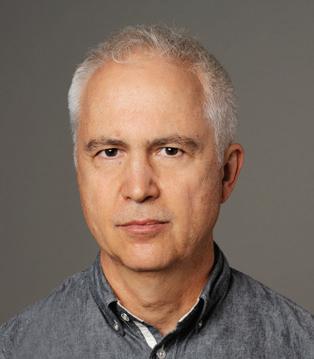
Crandall Center Associate Director of Science David Krizaj, PhD, is conducting preclinical research for a novel neuroprotective therapy derived from an impressive and growing body of work studying TRPV4 TREK-1, calcium- and potassium-permeable, stretch-activated ion channels that play a critical role in how cells regulate and respond to intraocular pressure.
His research shows that TRPV4 activity is required for intraocular pressure elevation in different animal models of glaucoma, and that TRPV4 overactivation drives progressive loss of retinal ganglion cells in the optic nerve, together with inflammation and irreversible vision loss.
Collaborating with the University of Utah Department of Chemistry and the University of California, San Francisco,
he has developed first-in-class small-molecule drugs that selectively modulate the activity of TRPV4 and other mechanosensitive channels. Their slow-release platform technology can lower IOP for several months, without the need for daily administration.
Learn more at moraneye.link/krizaj-lab.
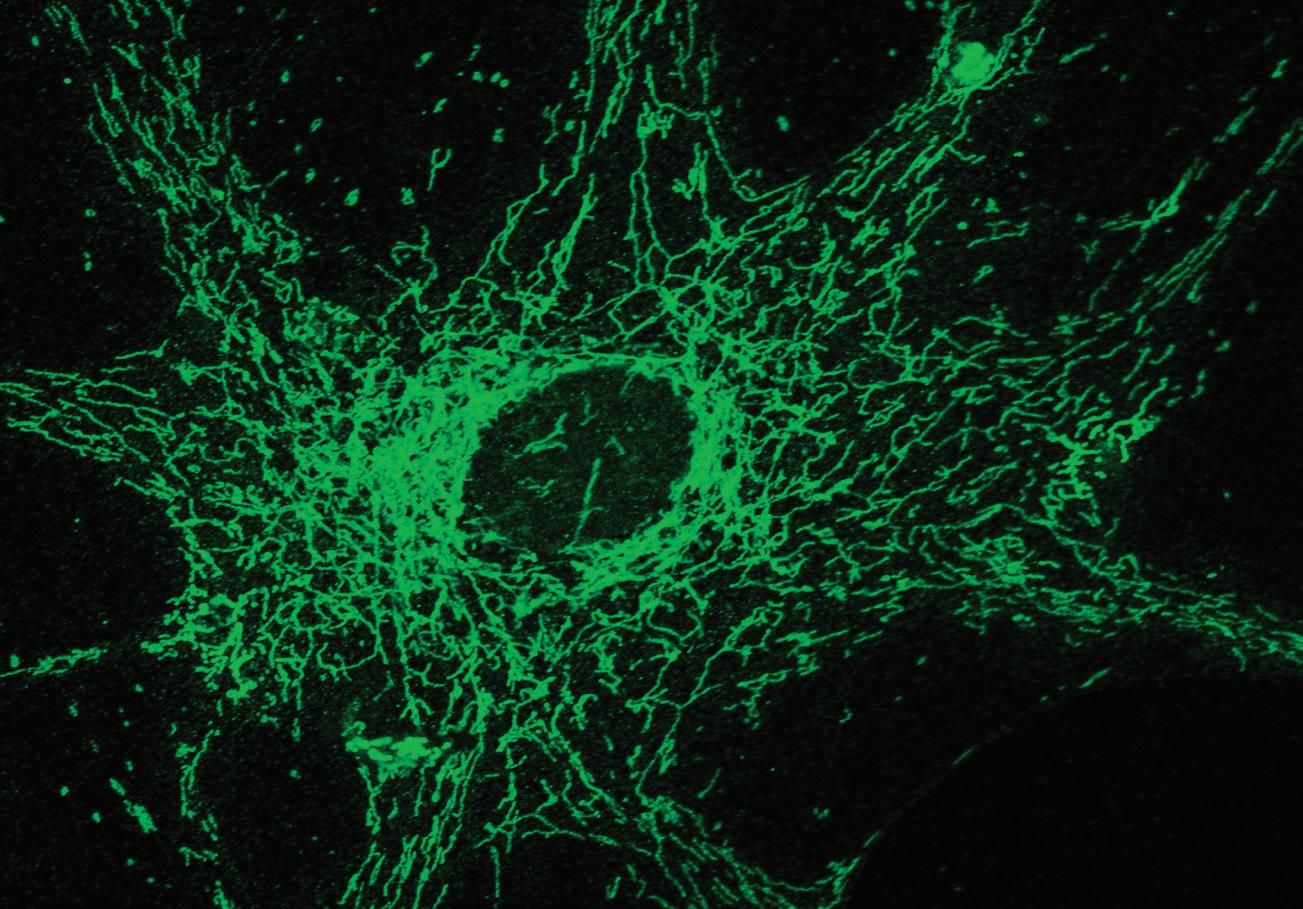
• • • Imaging, below, from the lab of David Krizaj, PhD, at right, depicts mitochondria in trabecular meshwork cells. These organelles power cellular energy metabolism and are sensitive to changes in intraocular pressure.
PUBLICATIONS
Recent research highlights from Crandall Center faculty collaborators.
Influence of Intraocular Pressure on Clinical Decision-Making in Glaucoma Management. Polski A, Brintz BJ, Hess R, Kawamoto K, Medeiros FA, Stein JD, Stagg BC; SOURCE Consortium. JAMA Ophthalmology. 2026 Jan 8:e255593.
Glaucoma Management in Sturge-Weber Syndrome Using the Delphi Process. Abbas K, Harrison B, Peter Chang TC, Edmunds B, Hammond B, Lueder GT, Nischal KK, Mills MD, Walton DS, Blieden LS, Freedman SF, Plager DA, Wirostko BM, Levin AV. Ophthalmology Glaucoma. 2025 Nov 26:S2589-4196(25)00242-X.
Short-Term Outcomes of Gonioscopy-Assisted Transluminal Trabeculotomy in Patients with Advanced Glaucoma. Konuganti PY, Rajamani M, Grover DS, Chaya CJ, Ramamurthy C. Journal of Current Ophthalmology. 2025 Sep 18;36(4):373-380.
Post-Operative Outcomes at One Year of STREAMLINE Microinvasive Glaucoma Surgery Combining Micro-Goniotomy and Focal Ab-Interno Canaloplasty. Sharma M, Johnson C, Carpenter CM, Ofori-Atta BS, Brintz BJ, Polski A, Nakatsuka AS. Clinical Ophthalmology. 2025 Sep 12;19:3381-3387.
More Publications
Scan or visit moraneye.link/crandall-center-publications for more research citations from Crandall Center faculty researchers.
JOHN A. MORAN EYE CENTER
65 MARIO CAPECCHI DRIVE
U.S. POSTAGE PAID
PERMIT NO. 1529
SALT LAKE CITY, UT 84132 NON-PROFIT ORGANIZATION
SALT LAKE CITY, UT
Alan S. Crandall Center for Glaucoma Innovation Pre-Residency Research Fellowship
This one-year pre-residency fellowship offers a uniquely immersive experience for recent medical graduates preparing to enter ophthalmology residency. Fellows work closely with Ike Ahmed, MD, FRCSC, Ian F. Pitha, MD, PhD, Brian Stagg, MD, Austin Nakatsuka, MD, and many other clinician-scientists at the forefront of glaucoma innovation to gain hands-on training in translational research and clinical investigation.
Through direct mentorship, structured research projects, and exposure to patient care, fellows develop the scientific and analytical skills needed to contribute meaningfully to vision science and clinical advancement.
Graduates emerge with a competitive research portfolio, strong academic foundations, and a deep appreciation for the intersection of discovery and patient impact that defines modern ophthalmology.
The 2025-2026 fellows are Lieu Nguyen Lowrie, MD, a graduate of the University of Kansas School of Medicine, and Charissa Tan, MD, a graduate of the University of Hawaii John A. Burns School of Medicine.
Learn more about the fellowship at moraneye.link/ glaucoma-research-fellowship.
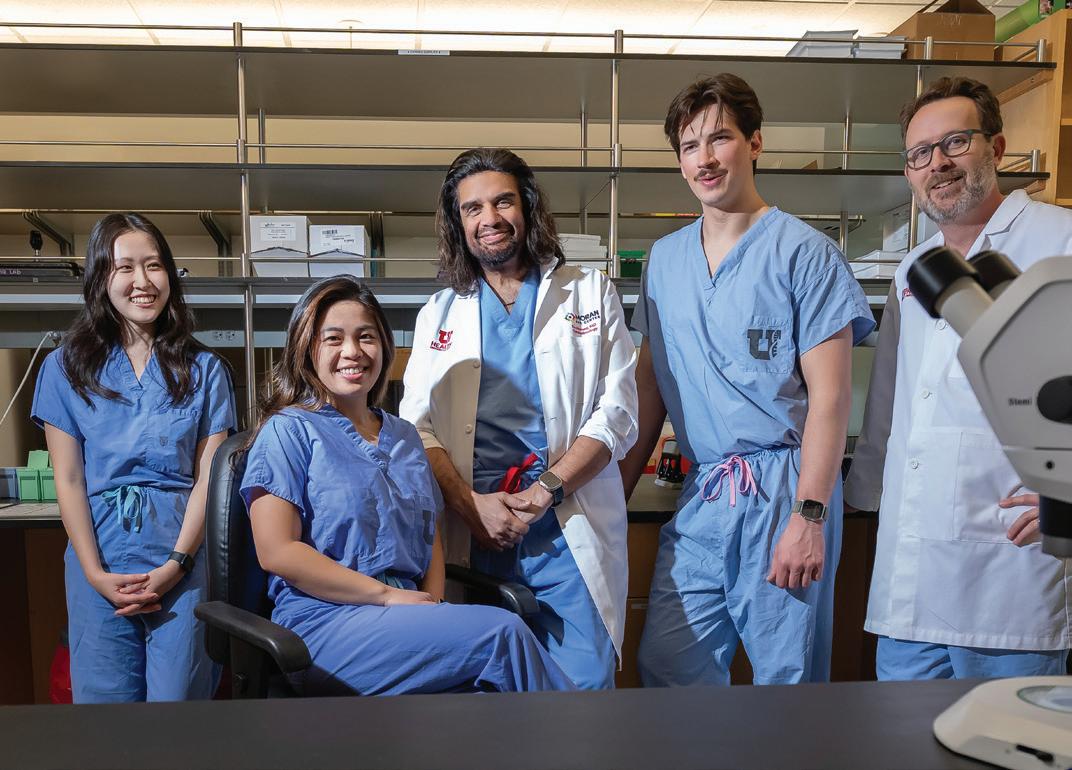
From left, glaucoma research fellows Charissa Tan, MD, and Lieu Nguyen Lowrie, MD, Ike Ahmed, MD, FRCSC, medical student Earl “Parker” Scott, and Ian F. Pitha, MD, PhD.