Understanding Social and Emotional Development
Social and emotional development plays a major role in shaping a person's ability to communicate, build relationships, and manage emotions effectively From early childhood to adulthood, these skills influence behavior, confidence, and decision-making
Strong social and emotional development helps individuals understand their feelings, express emotions appropriately, and develop empathy for others Children who receive emotional support and positive guidance often perform better in school and social environments
Families, teachers, and communities all contribute to healthy emotional growth. Developing these skills at an early age creates a strong foundation for lifelong success, better communication, and healthier personal and professional relationships in the future
Core Pillars of Development
Self-Awareness
Understanding one's own feelings and emotions
Empathy
Recognizing and sharing the feelings of others
Communication
Expressing thoughts and emotions clearly
Importance in Childhood Growth
Social and emotional development is especially important during childhood because it helps children learn how to interact with others and respond to different situations.
Stress Management
Children with strong emotional skills can manage stress and solve problems with greater ease and confidence
Safe Environments
Parents and teachers provide support and guidance, helping children feel secure, valued, and emotionally grounded.
Positive Friendships
Emotional skills help children build lasting, meaningful friendships and develop selfconfidence and independence
Academic Achievement
Healthy development supports school performance and prepares children for future responsibilities and social challenges.
Activities That Encourage Emotional Growth
Positive experiences and structured activities help children develop communication skills and emotional understanding from an early age.
Teamwork
Collaborative activities teach children to cooperate, share responsibilities, and respect different perspectives
Storytelling
Sharing stories builds vocabulary, emotional expression, and the ability to understand others' experiences.
Group Learning
Group settings encourage communication, problemsolving, and the development of social bonds among peers
Impact on Relationships and Communication
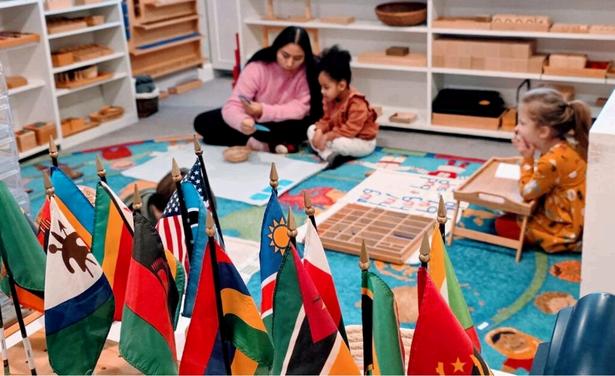
Healthy relationships depend greatly on social and emotional development because emotional intelligence improves communication and understanding
Individuals with strong emotional skills can listen carefully, express thoughts respectfully, and manage conflicts calmly.
These abilities help strengthen friendships, family connections, and workplace relationships. Emotional awareness also encourages empathy, allowing people to understand the feelings and perspectives of others
Good communication reduces misunderstandings and builds trust in both personal and professional interactions.
Emotionally intelligent people often experience healthier relationships and greater success in collaborative environments
The Power of Emotional Intelligence
Social and emotional development equips individuals with the tools to navigate complex interpersonal dynamics and thrive in diverse environments
Each of these competencies reinforces the others, creating a virtuous cycle of stronger relationships and more effective communication across all areas of life.
Building Lifelong Success Through Emotional Skills
Social and emotional development continues to shape success throughout life by improving leadership, teamwork, and decision-making abilities
Leadership
Emotionally intelligent leaders inspire teams and navigate challenges with clarity and composure
Teamwork
Strong interpersonal skills enable effective collaboration and mutual respect in professional settings
Decision-Making
Emotional awareness supports thoughtful, balanced decisions under pressure and uncer tainty.
Empathy
Employers value people who demonstrate genuine empathy and adaptability in diverse environments.
A Foundation for Lifelong Growth
By encouraging social and emotional development at every stage of life, individuals can build stronger relationships, improve mental well-being, and achieve greater success in both personal and professional experiences.
Relationship Building
Communication, empathy, and trust

Early Development
Emotionalfoundations in childhood
Lifelong Success
Lifelong learning, self-awareness, and emotional control contribute to long-term happiness and productivity. Social and emotional development is not a destination it is a continuous journey that enriches every chapter of life
Leadership, resilience, and well-being 3x 90% ↑58%
Children with strong emotional skills are significantly more likely to thrive academically and socially
Of employers rank emotional intelligence as a top factor when evaluating candidates for leadership roles
Individuals with developed emotional skills report significantly higher resilience during life challenges