Montessori Early Childhood Education: Foundations of Learning
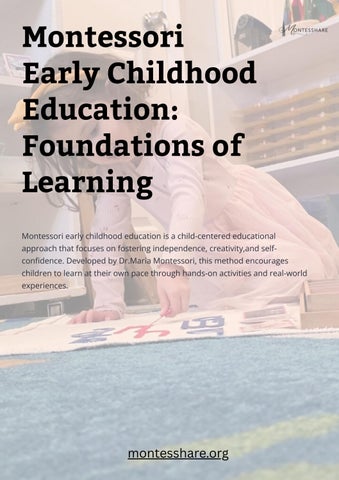
Montessori early childhood education is a child-centered educational approach that focuses on fostering independence, creativity,and selfconfidence. Developed by Dr.Maria Montessori, this method encourages children to learn at their own pace through hands-on activities and real-world experiences.
Introduction to Montessori Early Childhood Education
A Child-Centered Approach
The approach emphasizes respect for the child, creating an environment where they can explore and discover freely In Montessori classrooms, children are given the freedom to choose activities that align with their interests, while also engaging in tasks that develop their physical, cognitive, and social skills
The Teacher's Role
The teacher's role is to guide and support, rather than direct, making the learning experience more personalized Montessori early childhood education aims to cultivate a love for learning, allowing children to become active participants in their own education.
Key Principles of Montessori Early Childhood Education
The Montessori early childhood education approach is built on several key principles that promote holistic development
Respect for the Child
Recognizing their individuality, capabilities, and natural curiosity
Self-Directed Learning Multi-Age Classrooms
The learning environment is carefully prepared with materials that encourage exploration, creativity, and critical thinking
Hands-On Learning
Practical life activities help children develop fine motor skills, independence, and problem-solving abilities
Allowing older children to model behavior and help younger ones, fostering a sense of community and responsibility
Connection to Nature
The method encourages a deep connection to nature, fostering environmental awareness and respect
These principles work together to create a nurturing, stimulating, and engaging educational experience.
The Montessori Learning Environment
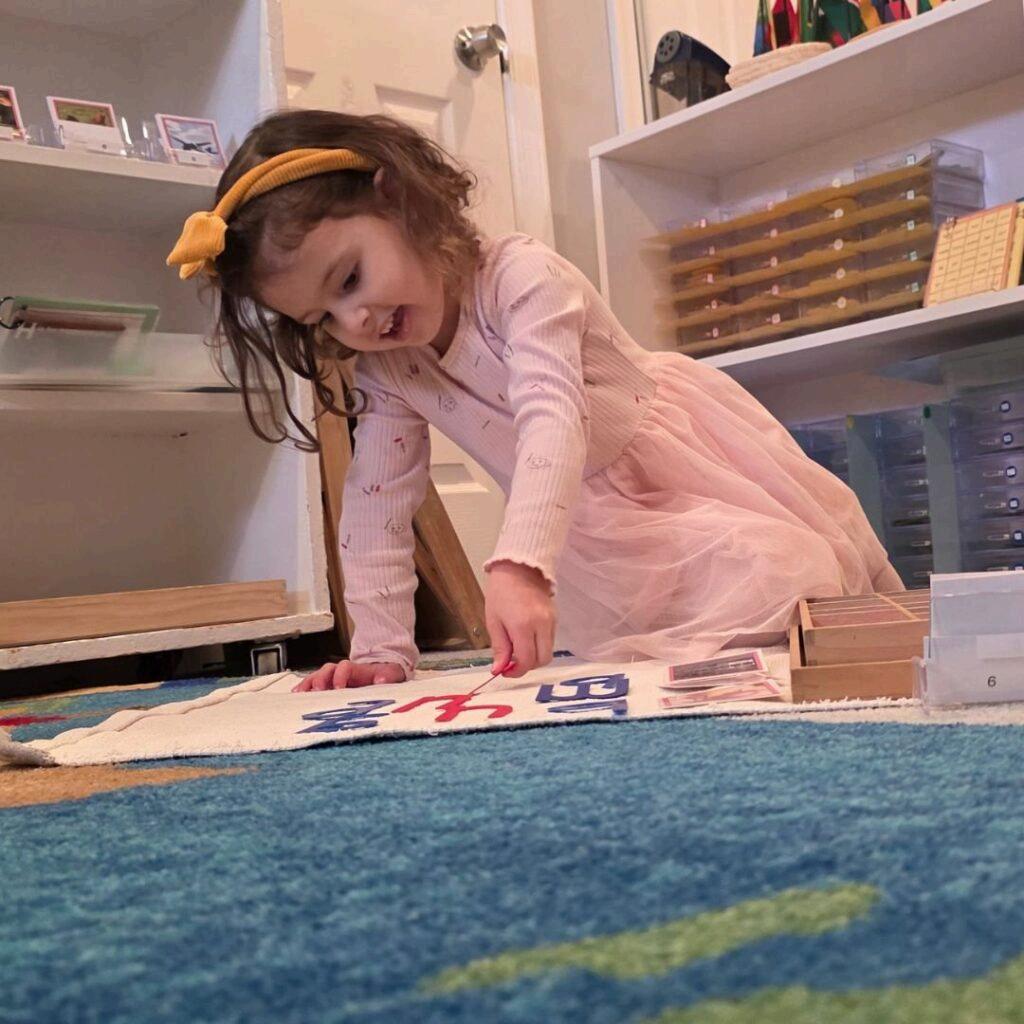
The learning environment is central to Montessori early childhood education Classrooms are designed to be welcoming, accessible, and filled with materials that encourage self-directed learning.The learning environment is central to Montessori early childhood education Classrooms are designed to be welcoming, accessible, and filled with materials that encourage self-directed learning. Furniture is childsized, allowing children to move freely and independently, while the space is organized to promote order and focus. Montessori classrooms are equipped with specialized learning materials that engage children in purposeful activities, from sensory exploration to academic subjects like math and language. These materials are designed to be self-correcting, enabling children to assess their own work and develop problem-solving skills The environment also includes areas for quiet reflection, group activities, and interaction with nature. By providing a well-prepared, structured environment, Montessori education helps children develop a sense of responsibility, independence, and respect for their surroundings.
Inside the Montessori Classroom
Child-Sized Furniture
Furniture is child-sized, allowing children to move freely and independently, while the space is organized to promote order and focus.
Self-Correcting Materials
These materials are designed to be selfcorrecting, enabling children to assess their own work and develop problem-solving skills.
Specialized Learning Materials
Montessori classrooms are equipped with specialized learning materials that engage children in purposeful activities, from sensory exploration to academic subjects like math and language.
Nature & Reflection Areas
The environment also includes areas for quiet reflection, group activities, and interaction with nature.
By providing a well-prepared, structured environment, Montessori education helps children develop a sense of responsibility, independence, and respect for their surroundings.
Role of the Montessori Educator
In Montessori early childhood education, the role of the educator is unique. Rather than being the center of attention, the Montessori teacher acts as a guide, supporting and observing the child’s learning process. Teachers are trained to recognize each child’s individual needs and developmental stages, and they provide appropriate materials and activities to challenge and stimulate growth. They also foster a sense of community by encouraging collaboration, respect, and self-discipline among the children. The educator’s role is to create an environment where children feel safe to explore, make mistakes, and take risks in their learning. By offering encouragement and gentle guidance, the Montessori educator helps children develop the skills necessary to become independent, lifelong learners
What the Montessori Educator Does
1
Recognize Individual Needs
Teachers are trained to recognize each child's individual needs and developmental stages, and they provide appropriate materials and activities to challenge and stimulate growth
2
Foster Community
They foster a sense of community by encouraging collaboration, respect, and selfdiscipline among the children
3
Create a Safe Space
The educator's role is to create an environment where children feel safe to explore, make mistakes, and take risks in their learning.
4
Offer Encouragement
By offering encouragement and gentle guidance, the Montessori educator helps children develop the skills necessary to become independent, lifelong learners
Benefits of Montessori Early Childhood Education
Montessori early childhood education offers numerous benefits that extend beyond academic achievement Children in Montessori classrooms develop a strong sense of independence as they are encouraged to make choices and take responsibility for their actions. This approach promotes self-discipline, as children learn to manage their own time and work at their own pace. Social skills are also enhanced, as children interact with peers of different ages, fostering empathy, cooperation, and communication Additionally, Montessori education nurtures creativity and critical thinking, encouraging children to ask questions, explore, and problem-solve By focusing on the whole child cognitive, emotional, social, and physical development Montessori early childhood education helps children build a solid foundation for future learning and success
Key Benefits at a Glance
Independence
Children develop a strong sense of independence as they are encouraged to make choices and take responsibility for their actions.
Social Skills
Children interact with peers of different ages, fostering empathy, cooperation, and communication.
Self-Discipline
Children learn to manage their own time and work at their own pace, promoting selfdiscipline
Creativity & Critical Thinking
Montessori education nurtures creativity and critical thinking, encouraging children to ask questions, explore, and problem-solve.
By focusing on the whole child cognitive, emotional, social, and physical developmentMontessori early childhood education helps children build a solid foundation for future learning and success.
A Foundation for Lifelong Learning
"Montessori early childhood education aims to cultivate a love for learning, allowing children to become active participants in their own education."
The Whole Child
Montessori education focuses on the whole child -cognitive, emotional, social, and physical development-ensuring every dimension of growth is nurtured.
A Nurturing, Stimulating Experience
The key principles, the prepared environment, the unique role of the educator, and the wide-ranging benefits all work together to create a nurturing, stimulating, and engaging educational experience that lasts a lifetime