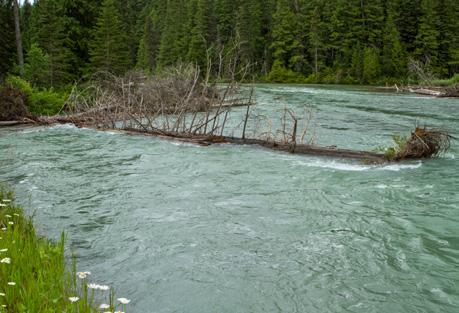
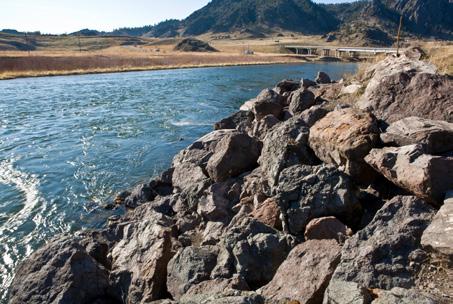
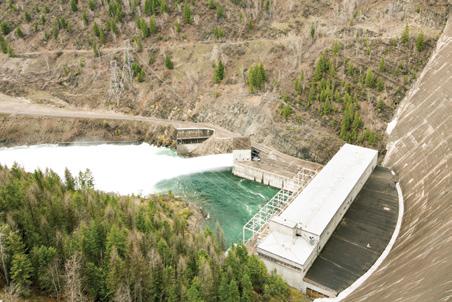
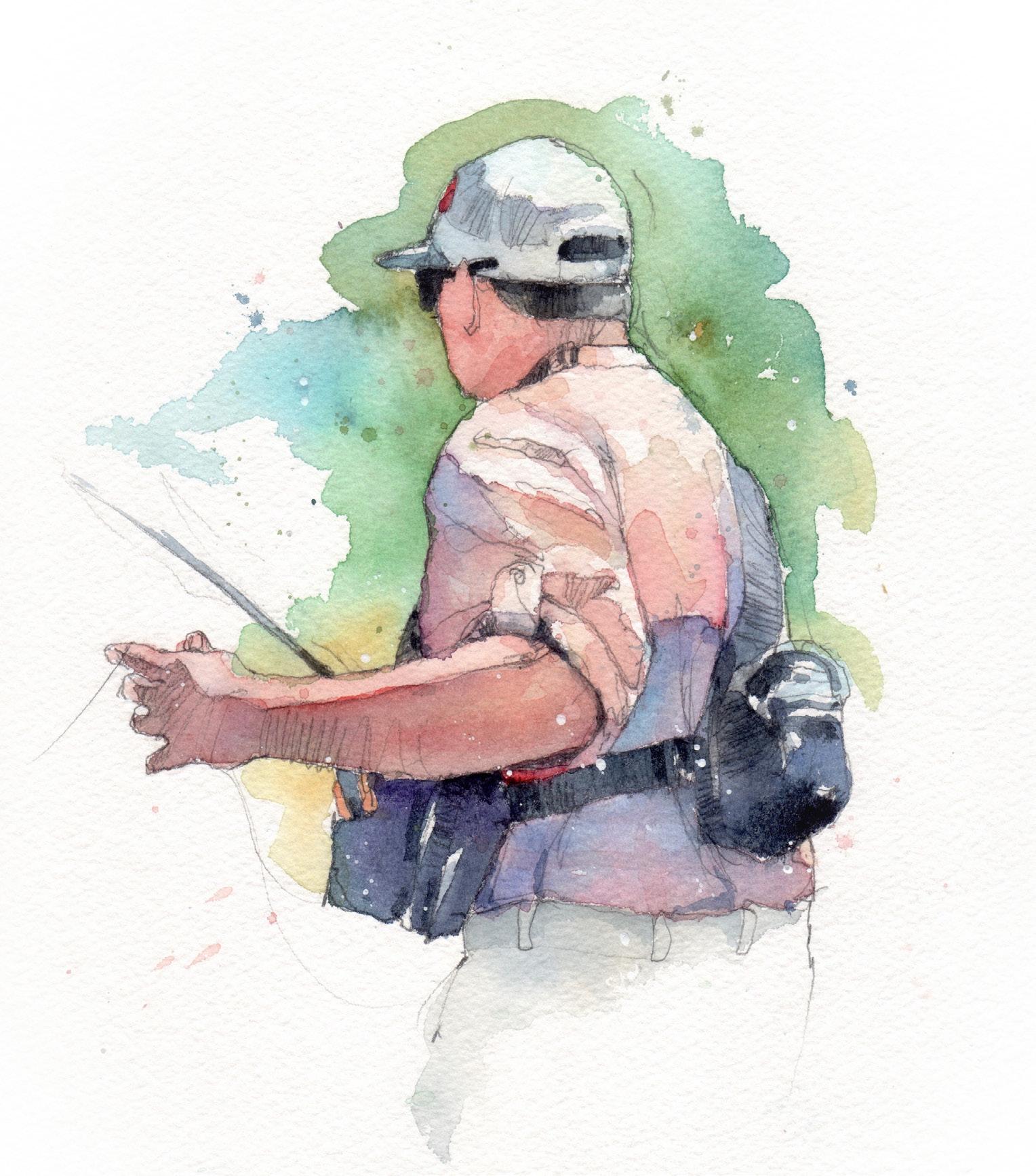
Beaver dams are good medicine for rivers. But they can block the spawning runs of Arctic grayling in the Big Hole. Biologists have found a way to give grayling short-term gaps for long-term gains. By
Dan Crockett
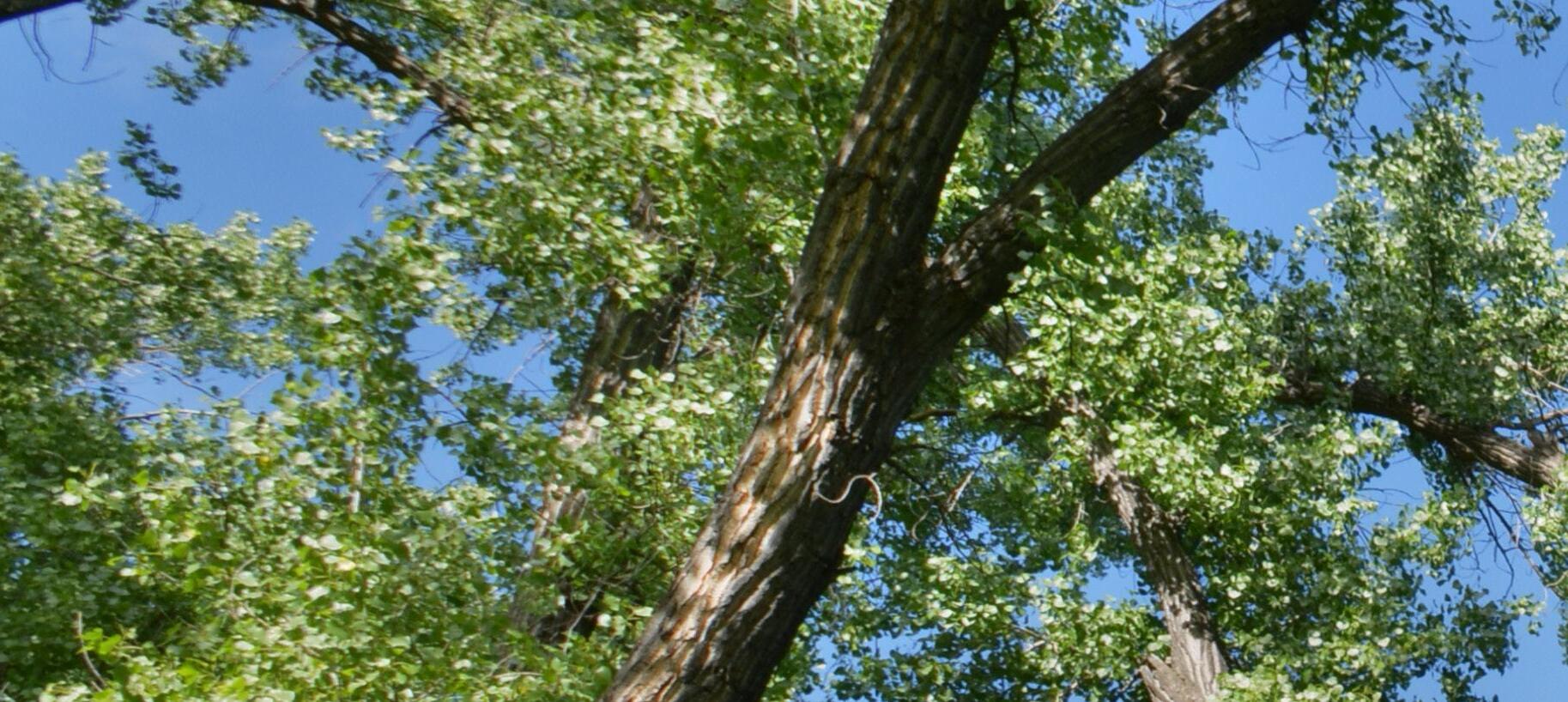
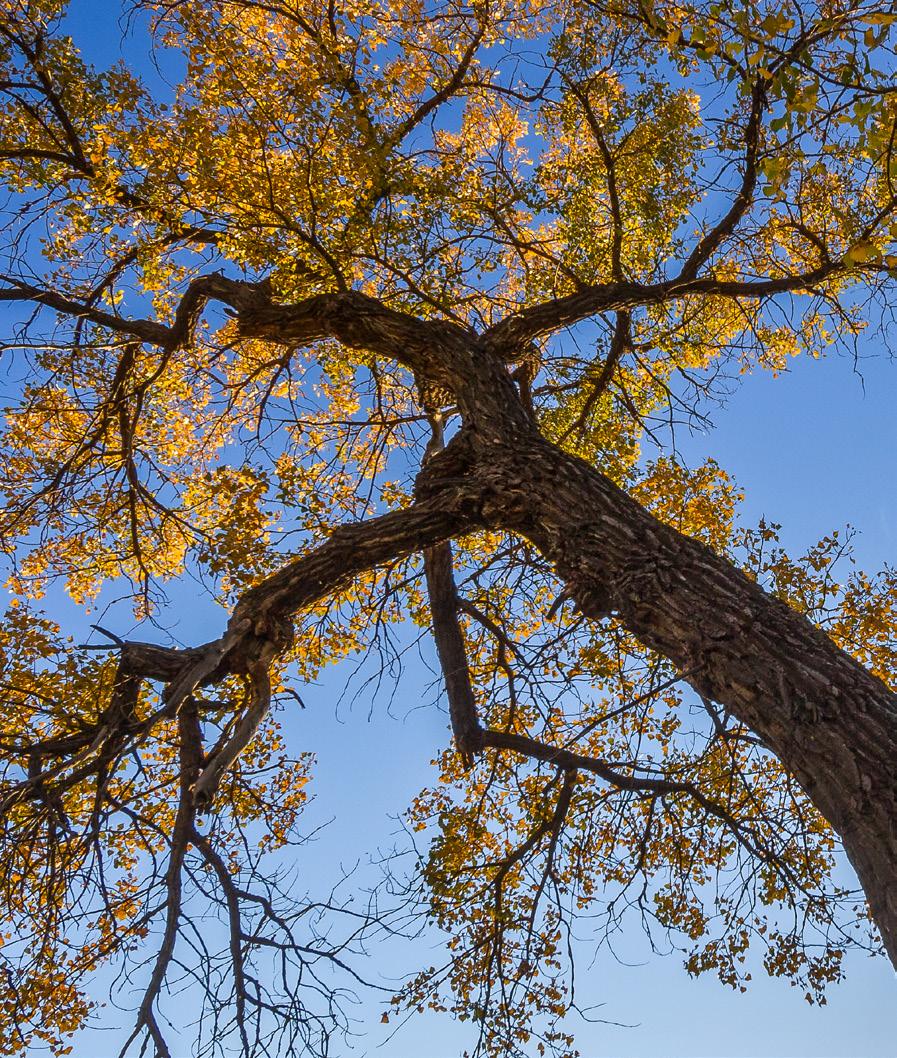
Trees Worth Treasuring Montana’s cottonwoods provide essential habitat for birds and other wildlife. But where rivers are altered, these iconic trees can struggle to regenerate. By Julie
Lue
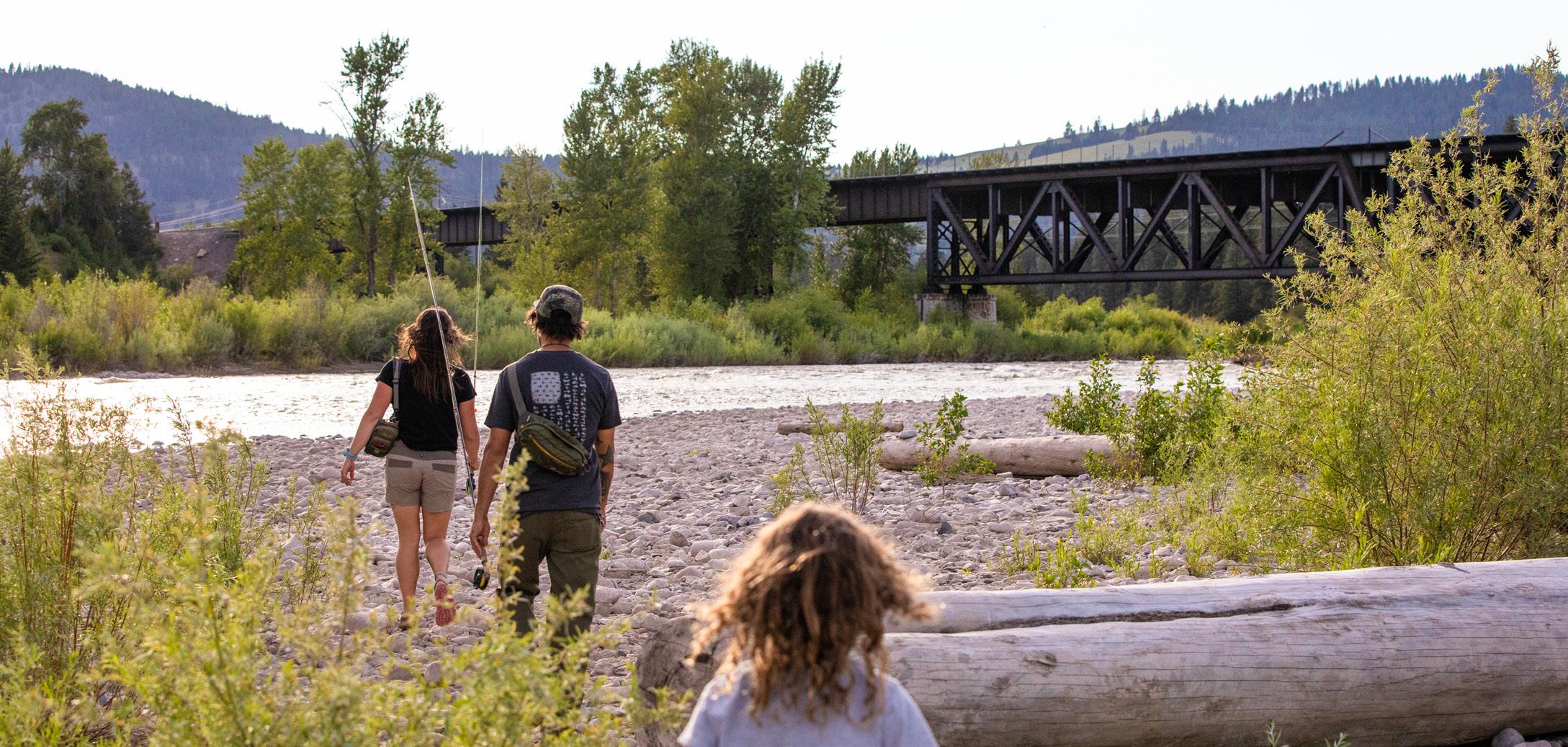
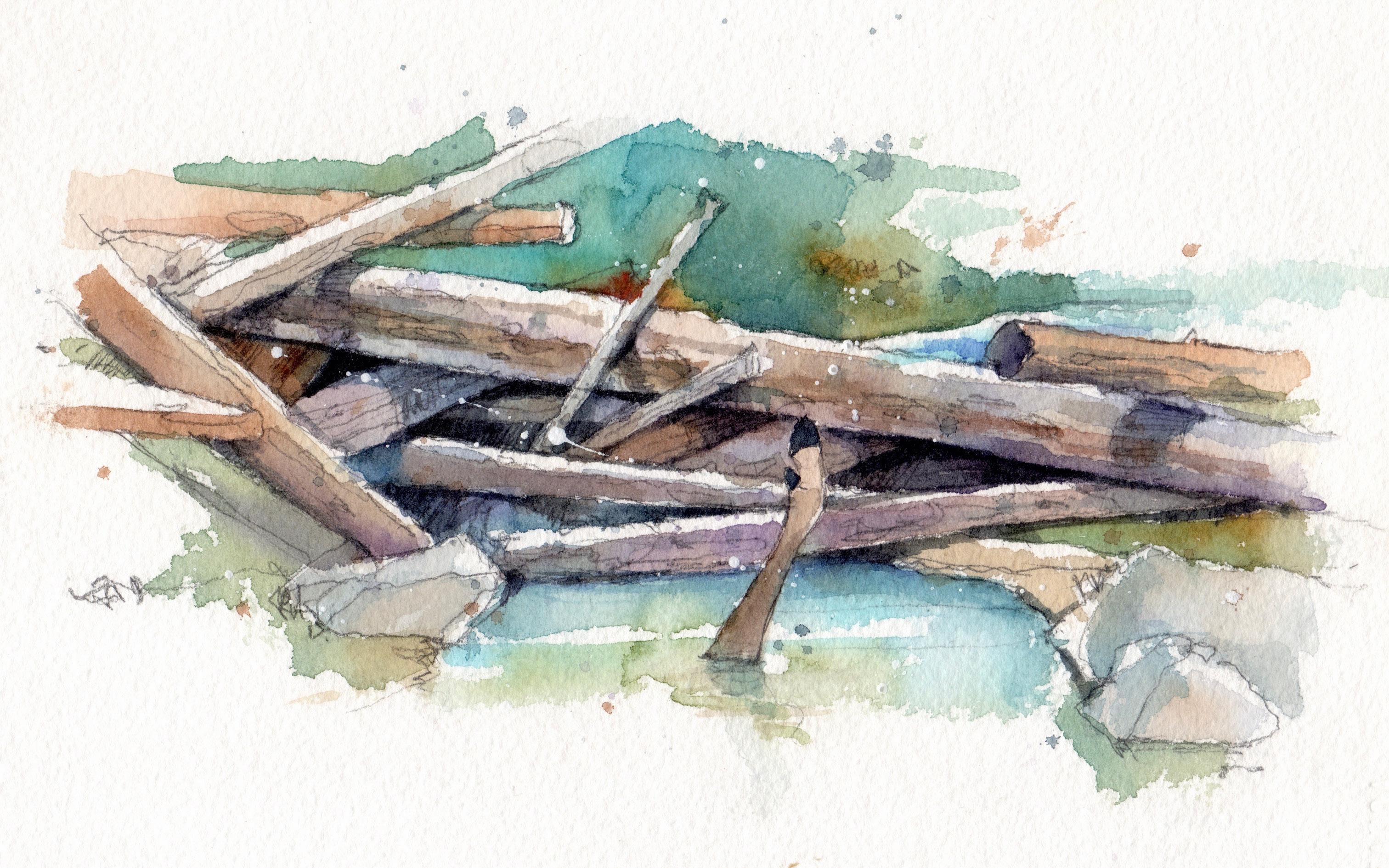
Bone Jam Two anglers find a surprise half-submerged in a creek, carrying lessons in life and death. By Noah Davis
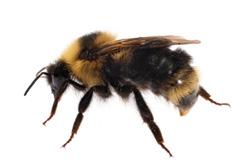
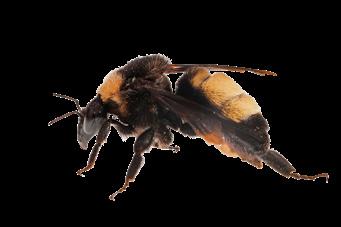
The Last Best Place For Bumble Bees
Times are tough for native bumble bees across North America, but a volunteer army is helping uncover a bonanza buzzing in Big Sky Country. By Paul J. Driscoll
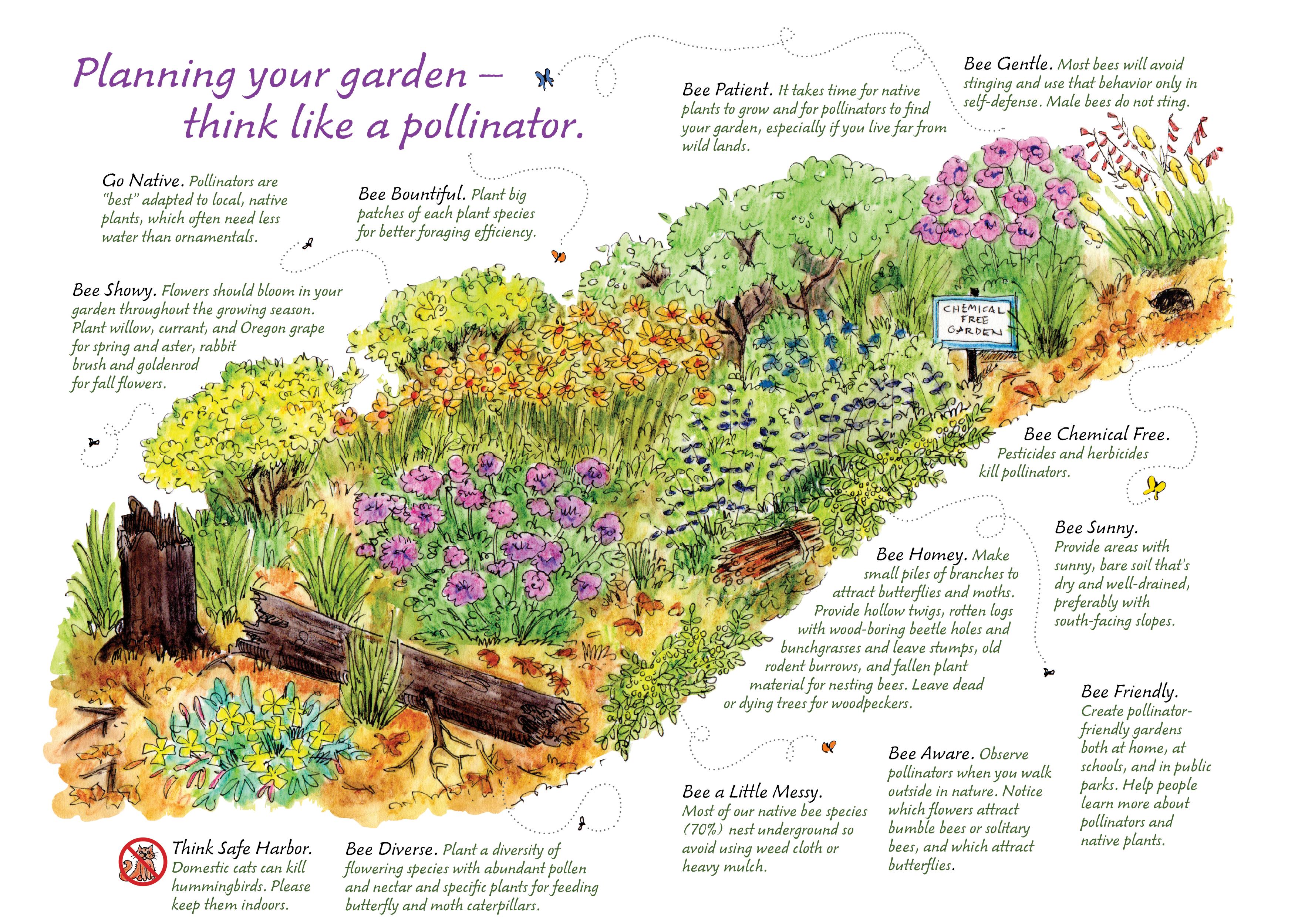
Pollinator Playground Reviving your yard with a handpicked selection of handsome native plants can provide a beautiful boost to birds and pollinators without creating a salad bar for urban deer. By Mike McTee
For address changes or subscription information call 800-678-6668. In Canada call +1 406-495-3257
Postmaster: Send address changes to Montana Outdoors Montana Fish, Wildlife & Parks, P.O. Box 200701, Helena, MT 59620-0701. Preferred periodicals postage paid at Helena, MT 59601, and additional mailing offices.
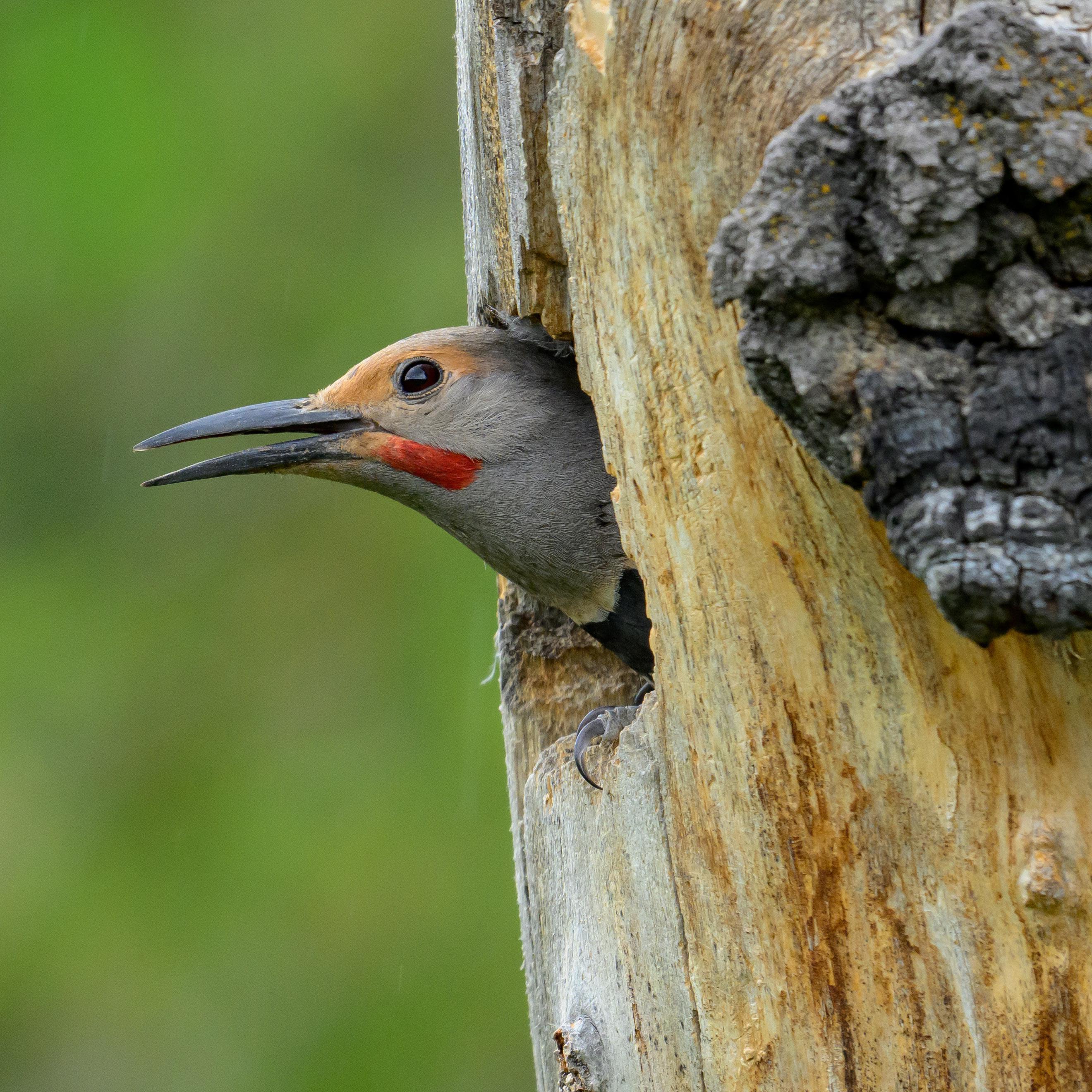
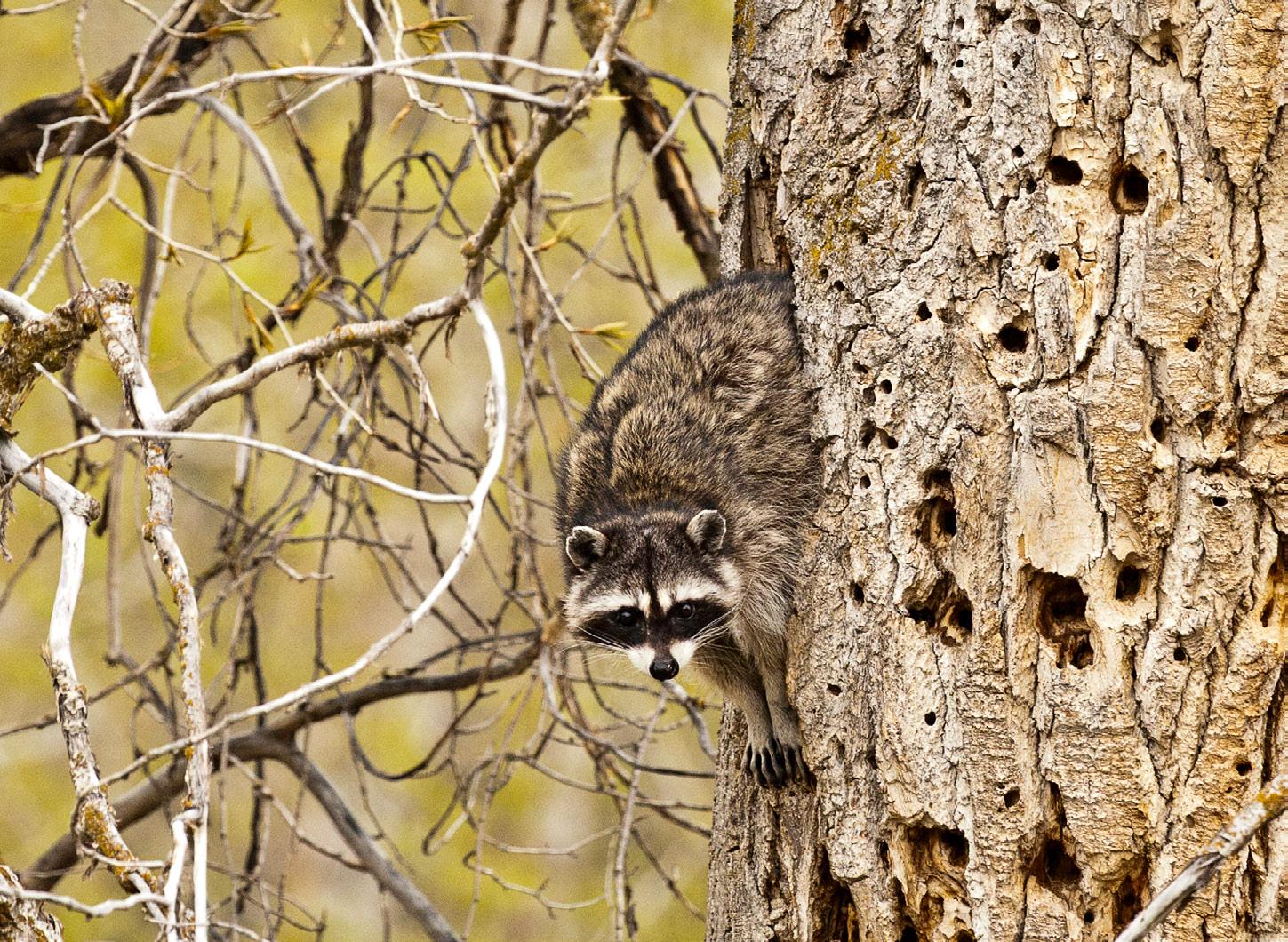
BEAK-A-BOO A northern flicker peeks from a hole in a dead cottonwood, which nesting birds flock to like riverside apartments. Unfortunately, these iconic trees are struggling to regrow. Learn more on page 20. Photo by Bill Kinney.
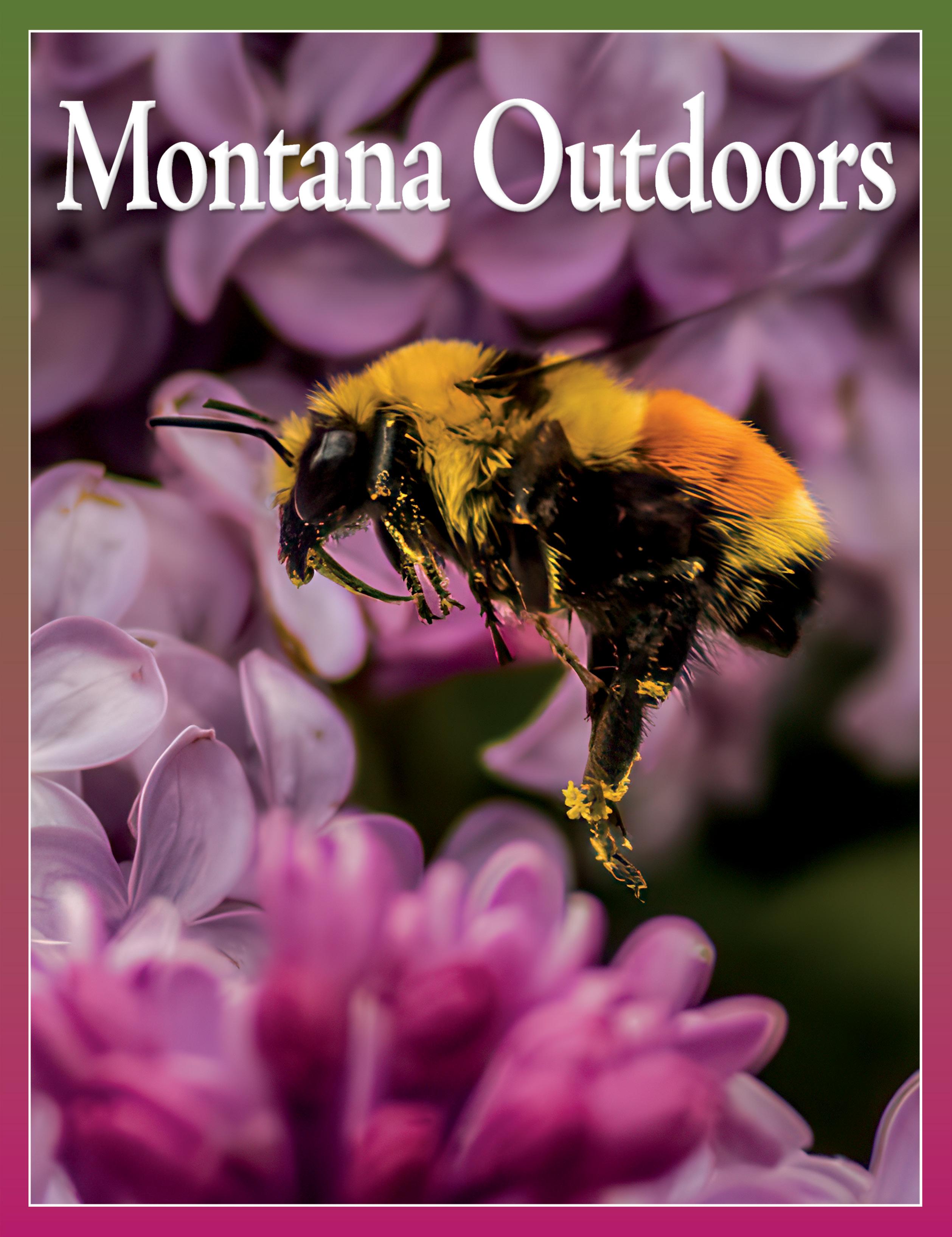
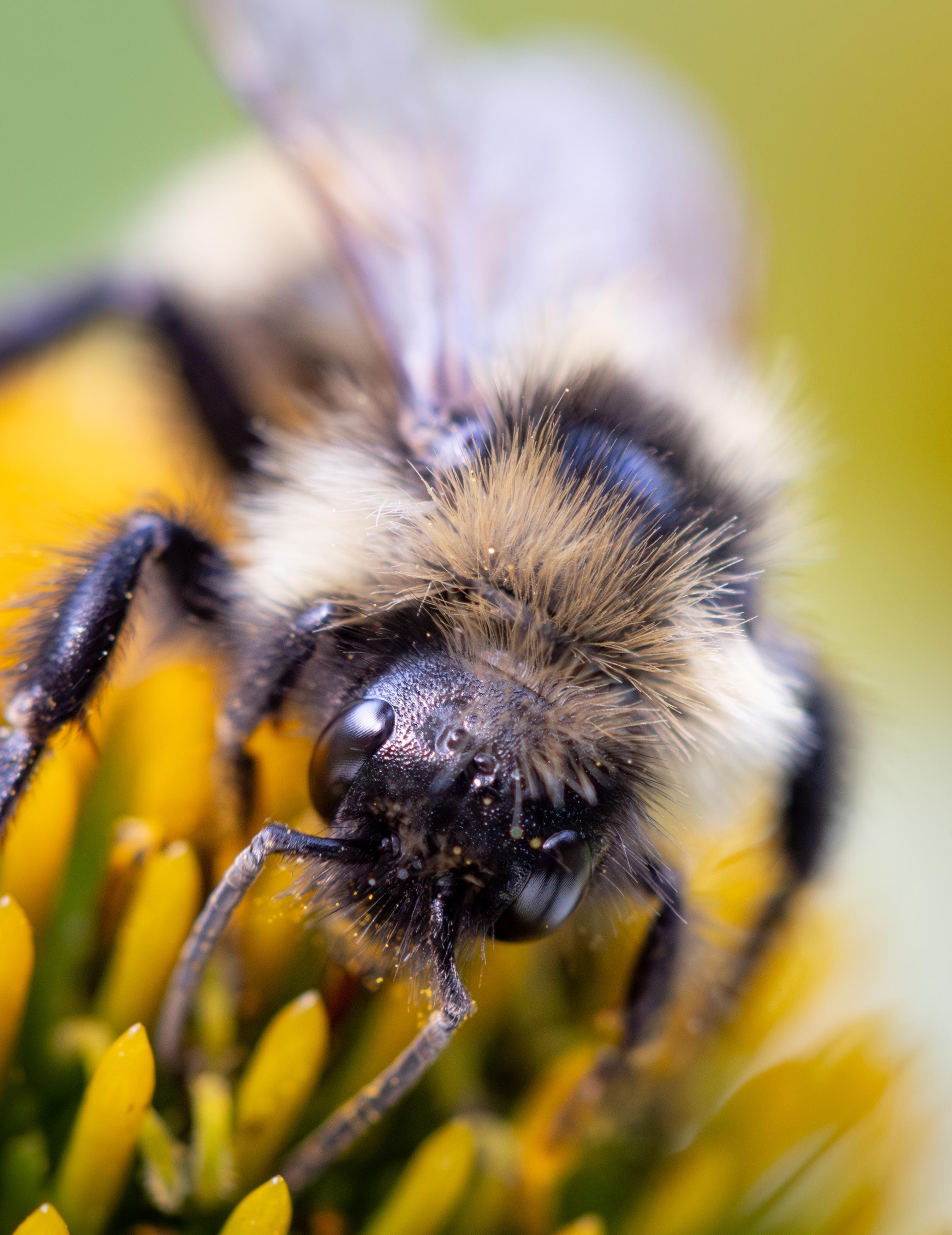
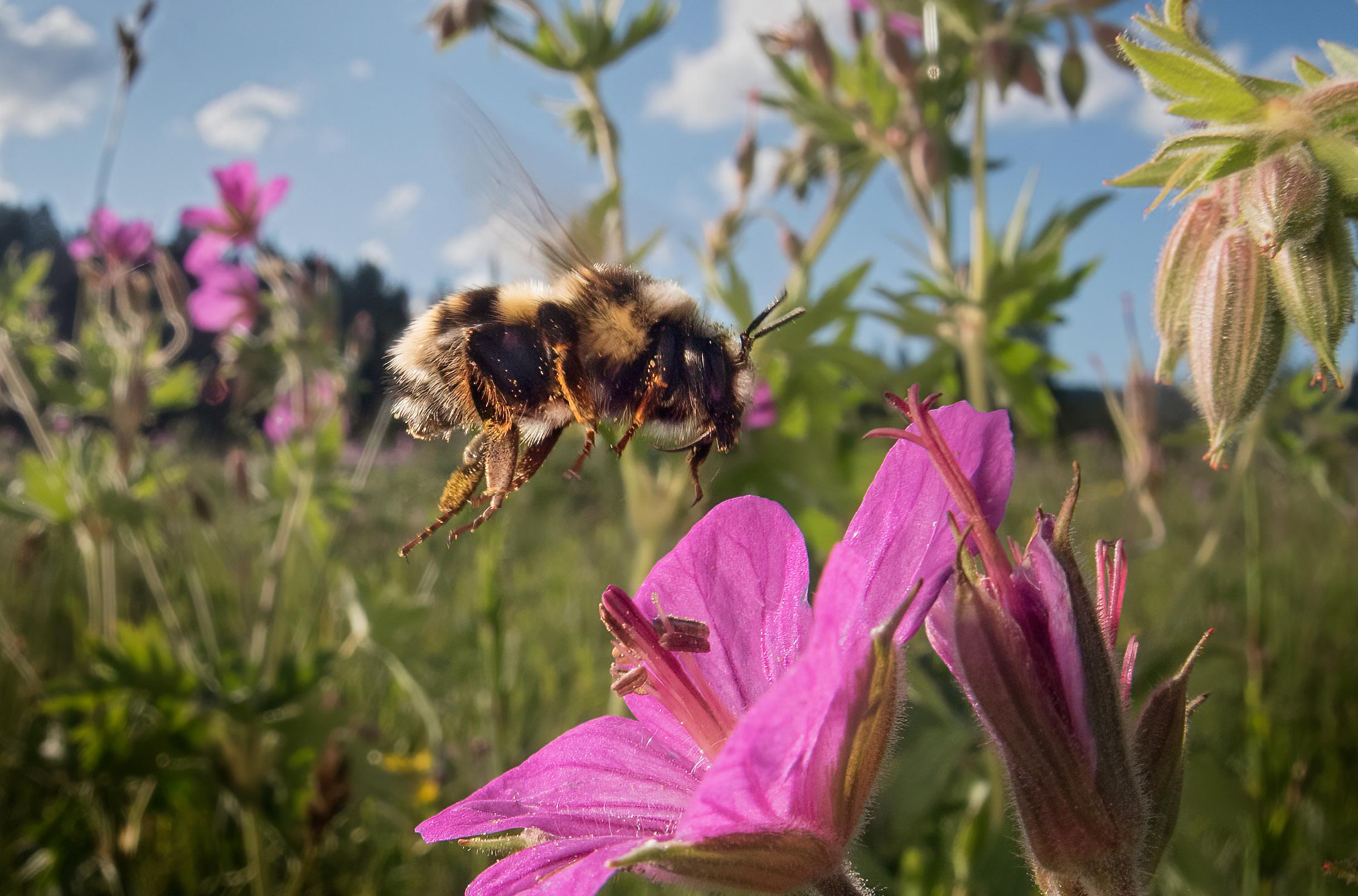
COVER Bumble bees are linchpin pollinators, and populations are tumbling across the globe—but less so in Montana, home to a record-tying 29 species that a volunteer army is helping reveal. Learn more on page 34.
Photo by Erin Braaten.
LETTERS
played (both the national organization and Montana TU) to ensure no dams were built.
This article missed a prime opportunity to pay tribute to the significant efforts by other organizations and Dan Bailey specifically to conserve the Yellowstone River from dam development, thus ensuring that future generations can continue to experience this wonderful, free-flowing river.
Garrett Fawaz Helena
Berkeley Pit crew
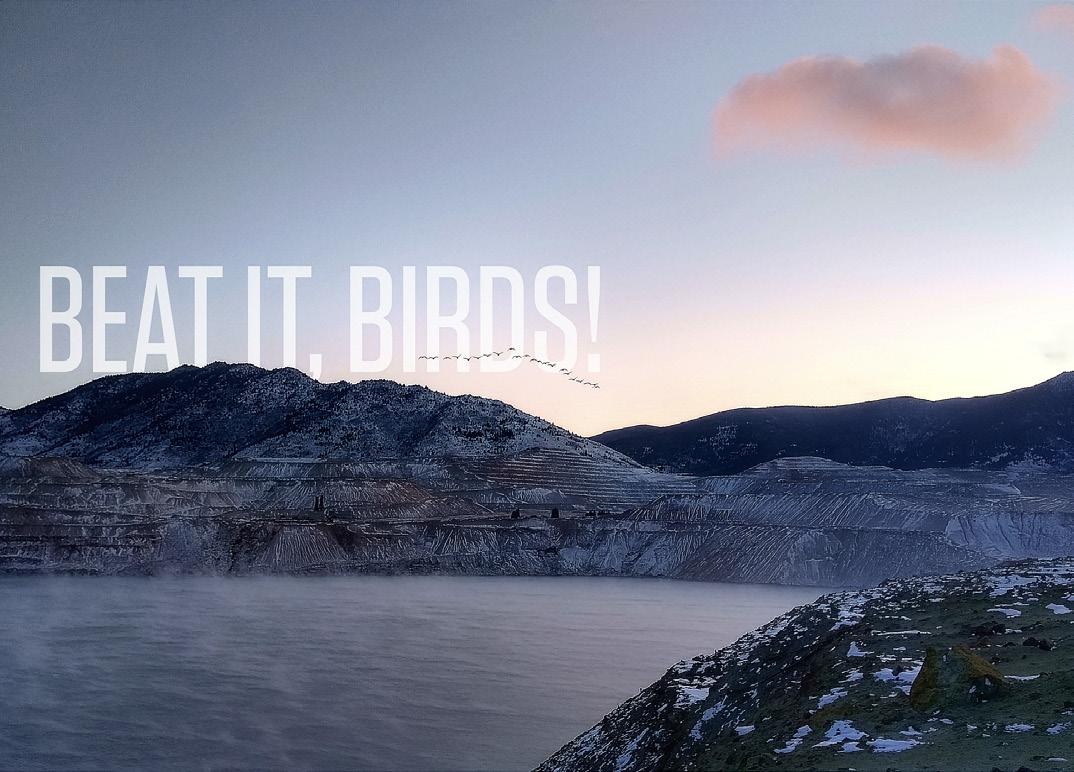
Thank you for the article on the Berkeley Pit (“Beat it, Birds!” March-April), the research into the birds that land on it, and the methods being used based on that research. Near the end of the article, you answered one question I had: Is there any place nearby for exhausted birds to go when hazed off the Pit? It was good to see that this need has been considered and that the Clark Fork River fills the bill—when it’s not frozen over. I wonder if a warm spring pond could be developed somewhere nearby as well.
I moved to this wonderful state in 2012, and the existence of the Berkeley Pit was a source of concern, frustration, and even anger for my first few years here. I really, really dislike that thing and the decisions that created it—but there’s no point in “shouldas” now. It’s there, it must be dealt with, and I am reassured in knowing there are people dedicated to that effort. I really appreciate the research and problem-solving that has gone into the efforts to keep the most vulnerable bird species off the Pit. While it all shoulda happened years ago—that, too, is history. The team working on this problem now is admired and appreciated; keep up the good work.
Elaina Graham Troy
on dam dodging
Your short reminder article
“Dodging a dam on the Yellowstone River”(Past Perspectives, March-April) served as a reminder for me as well. In the twilight of my life and as a frequent visitor to Montana for more than 50 years, I recall with pleasure the wise stewardship of its citizens. At 90 I am too old to move to the best place I have ever visited. Besides, moving to your home would be an act of loving it to death as so many wealthy people from elsewhere are now doing. Congratulations to all Montanans and Montana Outdoors for what you have preserved and given to the rest of us.
Good luck in continuing it.
Louis Lavoie Minnetonka, MN
I truly enjoy Montana Outdoors and all it offers readers. However, I did wonder why “Dodging a dam on the Yellowstone River” in March-April made no mention of Dan Bailey [a well-known fly shop owner in Livingston], who was an influential voice raising awareness about all that was at stake with the proposed dam long before FWP got involved.
You also didn’t mention Three Men, Three Rivers, a film that FWP produced highlighting Dan’s many contributions to stop any and all dams on the Yellowstone River. Nor the important role Trout Unlimited
Editor replies: Thanks for your letter, Garrett. We packed in as many details as we could given the limited space, and inevitably, key points had to be left out. We appreciate you shining a light on the important contributions made by Dan Bailey, Trout Unlimited, and others during that historic effort.
Mounds of mystery
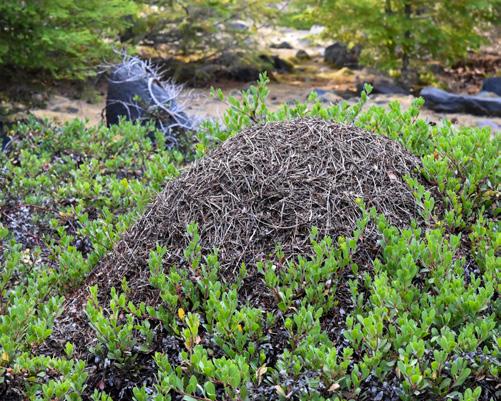
I really enjoyed March-April’s Outdoors Portrait on western thatching ants. On my daily walks northeast of Helena along the Missouri River, I’ve watched as a nest of these ants has grown steadily over the years. However, I’ve noticed sometimes during the winter, unknown critter(s) excavate shallow depressions in the nest mound. I’ve always assumed it to be the work of a coyote or fox, but I’ve long wondered what might attract these animals to the nest, especially given that the ants are probably far underground below the frost line. Any ideas?
David Turner Helena
Editor replies: We reached out to Bryce Maxell, Montana Natural Heritage Program coordinator, who offered two potential explanations: Thatching ants will dig craters to gather or dissipate heat and increase or decrease air flow as they shift the vegetative contents within the mound to control its temperature (as highlighted in the article). Or, as you surmised, the divots could be the work of an animal, such as a bird “anting.” Birds will disturb the surface of nests to provoke ants to crawl through their feathers. Researchers theorize the formic acid that ants defensively spray may kill bacteria and parasites afflicting the bird. To see dramatic video of this, search for “anting” on YouTube.
Rightly representing Montana I’m writing to say how much I enjoy Montana Outdoors . My daughter Rosalie moved to Bozeman and brings me issues when she visits. Your articles and photos give me a real sense of the state. Thank you for all the time and effort you put into making a superior magazine.
Lynn P. MacGowan
Castleton, NY
CORRECTIONS
March-April’s Outdoors Portrait understated how many ant species live in Montana. According to the state’s Natural Heritage Program, Montana hosts 114 species, including 112 native and 2 nonnative ants.
“Calling All Gobblers” also undercounted the number of wild turkeys nationwide, which is estimated at 7 million, and stated that Gould’s turkeys exist in pockets of southern Arizona, but they can also be found in parts of southwestern New Mexico, where they were never extirpated.
We welcome all your comments, letters, feedback, and questions. Write to Montana Outdoors, P.O. Box 200701, Helena, MT 59620-0701, or email paul.queneau@mt.gov.
Western thatching ant mound
Thai Holy Basil Wild Turkey Stir-Fry
By David Schmetterling I
Preparation time: 20 minutes I Cooking time: 25 minutes I Serves: 3
TBasil Chicken, known as Pad Kra
Gai (pad
basil, gai=chicken) is one of the most common dishes in Thailand. Like so many Thai recipes, the ingredients are few and the flavors are bold. I love cooking Thai food with wild game because the flavors are bright and distinct. Meals come together quickly, and it’s easy to adjust the heat to your heart’s content.
Personally, I love spicy-hot food, but if you don’t, you can easily tone down the heat in this dish.
I like using the white breast meat from a wild Merriam’s turkey or ringneck pheasant. The white meat does not compete with or overpower the flavors of the other ingredients. Also, since it is cooked on high heat and quickly, you want to avoid the tougher legs or thighs, which need longer cooking to break down the tissue.
Each ingredient is critical and none more so than the holy basil, the most pronounced flavor of this dish. Though you can definitely substitute Thai sweet basil or Italian basil, the dish is more authentic if you can find Thai holy basil, which adds a special bright, peppery flavor that only this variety provides. Look for it in Asian food sections of grocery stores, or at farmer’s markets. I grow the plant in my backyard greenhouse in Missoula.
This dish is commonly served with a fried egg served atop a bed of rice. I learned to make this dish, including the technique for frying an egg, in northern Thailand. As in many Southeast Asian countries, rice is the main course in Thailand. There, the word “rice” is synonymous with “food” or “meal.” Everything else, including this stir-fry, is just an accompaniment. n
—David Schmetterling is a recently retired FWP fisheries biologist in Missoula.
Find more recipes online at bit.ly/TastingMontana
INGREDIENTS
1 lb. wild turkey or pheasant breast, cut into ½- by 2-inch pieces
6 cloves of garlic, minced, pressed, or ground
4-10 Thai or other hot chilies, minced or ground
6 T. vegetable oil, divided
1 T. oyster sauce
2 t. soy sauce
1 t. brown sugar
1 c. (heaping) Thai holy (or other) basil leaves
3 eggs, cracked into a small bowl
Sriracha chili hot sauce
For the rice:
1 c. Thai jasmine rice (basmati or long grain will also work)
2 c. water
1 T. vegetable oil
DIRECTIONS
Step 1: The stir-fry happens quickly, so start by cooking the rice. Use a rice cooker or, as I do, a saucepan: Stir together the oil, water, and rice, cover, and cook over high heat until it boils. Stir, then simmer on low heat, covered, for 23 minutes.
Step 2: While rice is cooking, prepare garlic and Thai chilies: Heat a wok or a large pan over high heat and add 2 T. oil until it shimmers. Add garlic and chilies and stir until garlic is golden brown.
Step 3: Add meat and stir until coated with oil, then add oyster sauce, soy sauce, and brown sugar. Stir until the meat is cooked, but not overcooked. Test by slicing a chunk in half. If it is just a little faded pink in the middle, it is done. The meat will continue cooking for a few minutes off-heat.
Step 4: Remove from heat, stir in the basil leaves, and transfer the stir-fry to a serving plate
Step 5: Without cleaning the pan, add 4 T. oil and heat over high heat.
Step 6: Slide the eggs into the oil. Spoon the hot oil on top of each egg so they fry on both sides, 2-3 minutes. Move the pan around to make sure the eggs don’t stick. With a slotted spoon, transfer the eggs to a paper towel to soak up excess oil.
Step 7: Place one egg atop a mound of cooked rice on each serving dish. Drizzle the eggs with Sriracha as desired. Serve stir-fry next to the mounds of rice. n
hai
Pao
=fried, kra pao=holy
While other basils will work, the bright, peppery flavor of holy basil makes this dish authentically Thai.
Boosting opportunities for warm-weather fun
he first warm days of spring always send me daydreaming about the best ways to spend time outdoors in the months ahead. Pretty soon I’m sitting at my calendar planning adventures, which for my family often begin with a visit to an FWP fishing access site (FAS) to enjoy one of Montana’s many incredible lakes and rivers.
The iconic signs that mark those sites never fail to make me smile—in part because the classic logo is a fish biting an unbaited hook—and because of how it welcomes you in to stop and explore.
I now also experience a rush of pride since I was appointed as FWP director almost a year and a half ago. I drive a lot for my job, and I’m amazed that no matter where my travels take me in the state, I seem to pass a dozen or more FAS signs along the way. We have 350 of these sites spread across the state, and once they open to the public, they instantly become a treasured spot to generations of Montanans.
And we need more of them. The closer I get to our cities, the fuller FAS parking lots become. One of our priorities is finding opportunities to work with private landowners and public agencies to open new entry points in the “access deserts” along Montana rivers, where there are long stretches without a public put-in. Governor Greg Gianforte made this a priority well before I started as director. Working with the Montana Legislature, he has helped set aside millions of dollars in state funding so we can move quickly when a good opportunity arises.
Last summer FWP partnered with the Bureau of Land Management to open the Redwater FAS at the confluence of the Missouri and Redwater rivers south of Poplar. It includes a boat ramp, parking and picnic areas, and great fishing right from the riverbank. The coolest part to me, though, is that it creates a new
public portal into an 80-mile stretch of river that previously had no spot to actually access the water.
FWP is also searching for new ways to expand existing sites to help ease crowding. The Sha-Ron FAS in East Missoula is plenty popular with anglers, but in the heat of summer you’ll see 100 inner tubes for every fishing rod in the hands of those who come there to access the Clark Fork River. Over the past two decades it grew so popular that on some days the parking overflowed down the sides of Highway 200 for hundreds of yards in either direction, creating a dangerous situation for pedestrians and an annoyance to neighbors.
In response, FWP worked with Missoula County, the Montana Department of Transportation, and others to build a new parking lot with additional river access east of Sha-Ron. Since opening in 2023, it has helped relieve crowding on busy days.
Fishing accesses are just one of many ways FWP is working to increase the options for public recreation sites across the state. Less than three miles away from Sha-Ron, FWP opened the 635-acre Milltown State Park in 2018, which includes several miles of river frontage right at the confluence of the Clark Fork and Blackfoot rivers. It also protects diverse habitats including restored river bottoms, mature cottonwood stands (read more about those on page 20), and a forested bluff that’s great for viewing spring wildflowers (see page 11).
All this makes me happy. I understand the deep pride that FWP’s northwestern region parks manager David Landstrom feels when he sees the public enjoying our state lands, which he writes about on page 5 of this issue. He’s busy working on some exciting new access opportunities near Kalispell, and I can’t wait to see the smiles those places will bring.
—Christy Clark, Director, Montana Fish, Wildlife & Parks
Milltown State Park’s delightful river frontage
MEMORY MAKER
David Landstrom Northwestern Region Parks Manager
MY CHILDHOOD CAMPING TRIPS helped chart the course for my career.
I grew up in Wisconsin, where my parents took me and my three brothers on frequent adventures in our old single-axle Mallard camper. The joy I felt on those outings eventually led me to major in recreation management at the University of Montana. During college I interned with Montana Fish, Wildlife & Parks for one summer on a project comparing recreation uses at fishing access sites near Bozeman. This required camping on the Big Hole, Beaverhead, Yellowstone, and other rivers. I was in heaven.
Life got even more interesting after I graduated and started doing seasonal work that sent me across the equator twice a year. I spent springs and summers at state parks on Flathead Lake, then flew south (way south) to repeat spring and summer working for a contractor at a scientific station on the Antarctic Plateau, where my tasks included operating heavy equipment and running transportation for researchers. That location afforded me unforgettable
experiences, including a chance to visit Earnest Shackleton’s historic base, where time seems to stand still because of how the frozen desert preserves the artifacts.
My career took another leap in 1999 after I landed a full-time position as Region 1 field manager with FWP’s Parks Division in Kalispell. That led to my current job overseeing 15 state parks and 34 fishing access sites in northwestern Montana.
My work has morphed some as our state has grown, but the core mission remains the same: to provide great recreational opportunities in balance with conservation. That’s not easy and we don’t always get it right, but we sure give it our best. Whenever I’m feeling tangled up in administrative drudgery, I recall all the fun and family time I had camping as a child.
I see people having those life experiences in our state parks and take heart knowing I have played a small part in making them possible. I feel that across this entire agency, and it’s what keeps my fire burning.
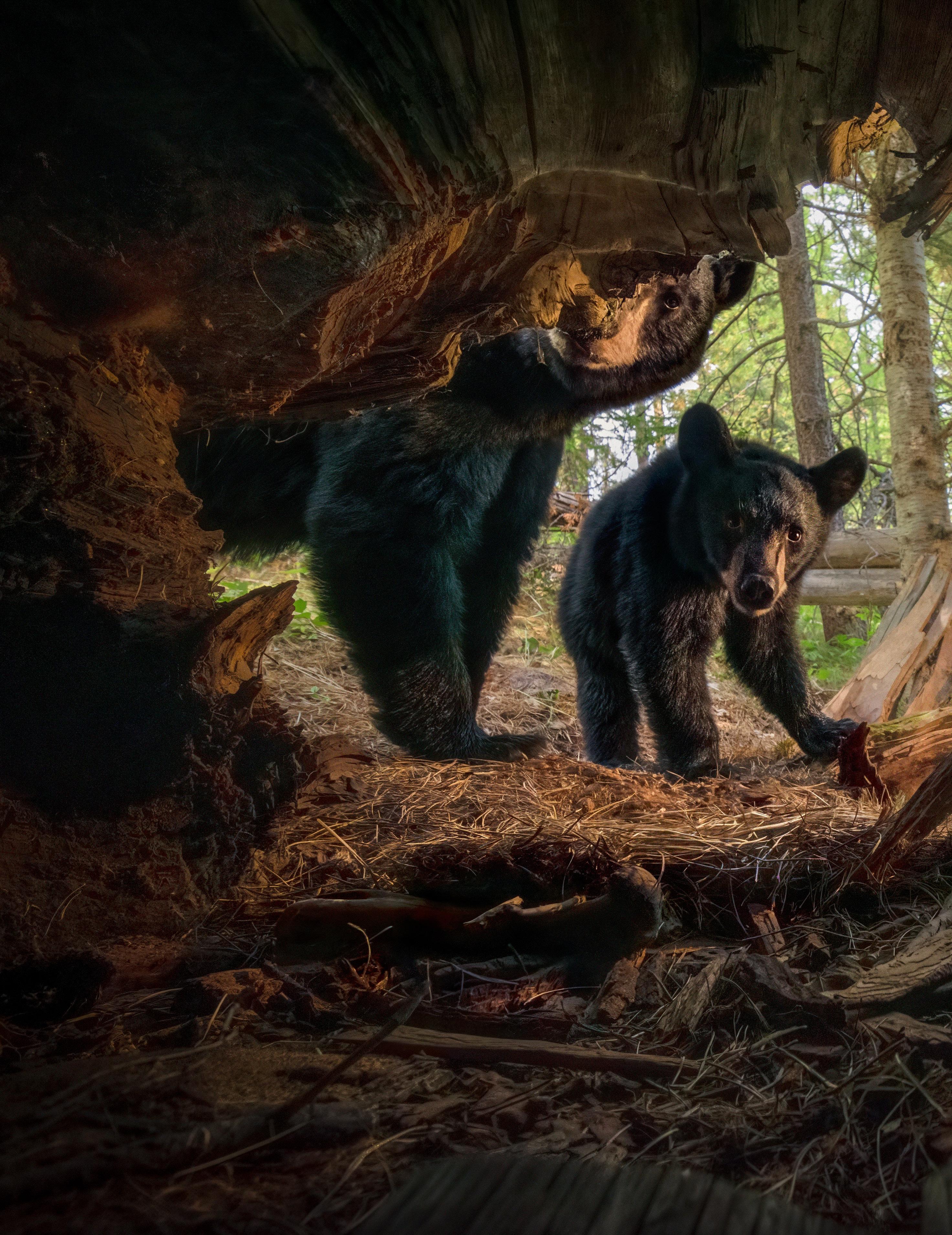
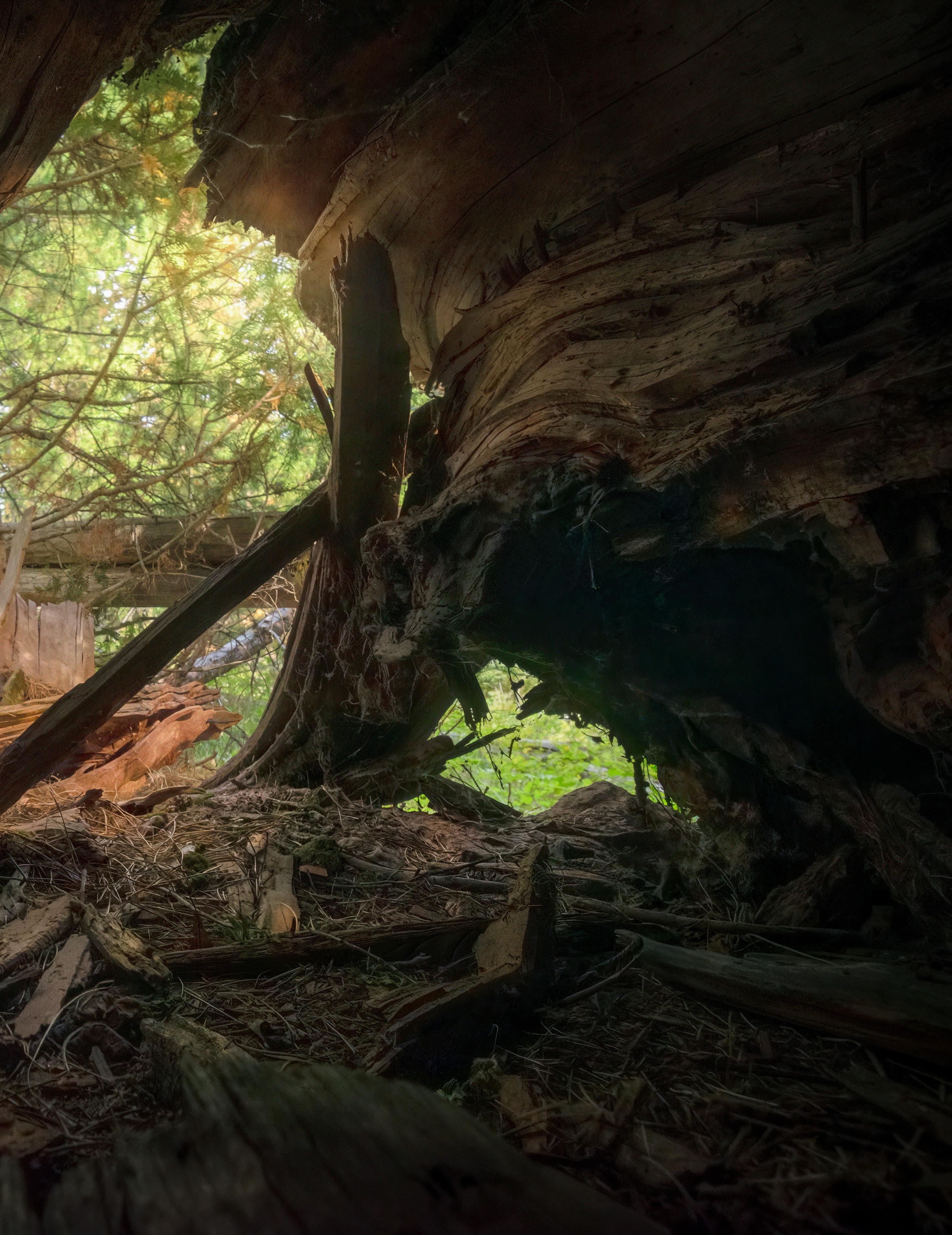
Photographer Zack Clothier was following a game trail south of his hometown of Seeley Lake when he found a large hollow in a fallen, old-growth larch. A skilled game tracker, he could see that a wide variety of animals had been stopping to peer inside. He nestled a DSLR camera trap within the cavity and placed several wireless flashes on nearby trees that would trigger if the motion detector attached to the camera sensed an animal. “That way the flashes are off to the side and not right in their face,” he says. It wasn’t long before a mother and cub black bear came to investigate, taking their own portrait. Then the cub crawled in and pulled the camera box out of the hollow. “It batted it around and scratched it up enough that I needed to replace the filter that protects the lens, but I’m used to that. Bears are really curious and love to mess with my camera traps,” he says, noting that it’s all part of the thrill and anticipation of his work. “I’m also a landscape photographer, so as I position my camera and flashes, I spend a lot of time envisioning the composition. That sometimes takes a full day, but it’s so satisfying when I capture an image just as I imagined it.” n
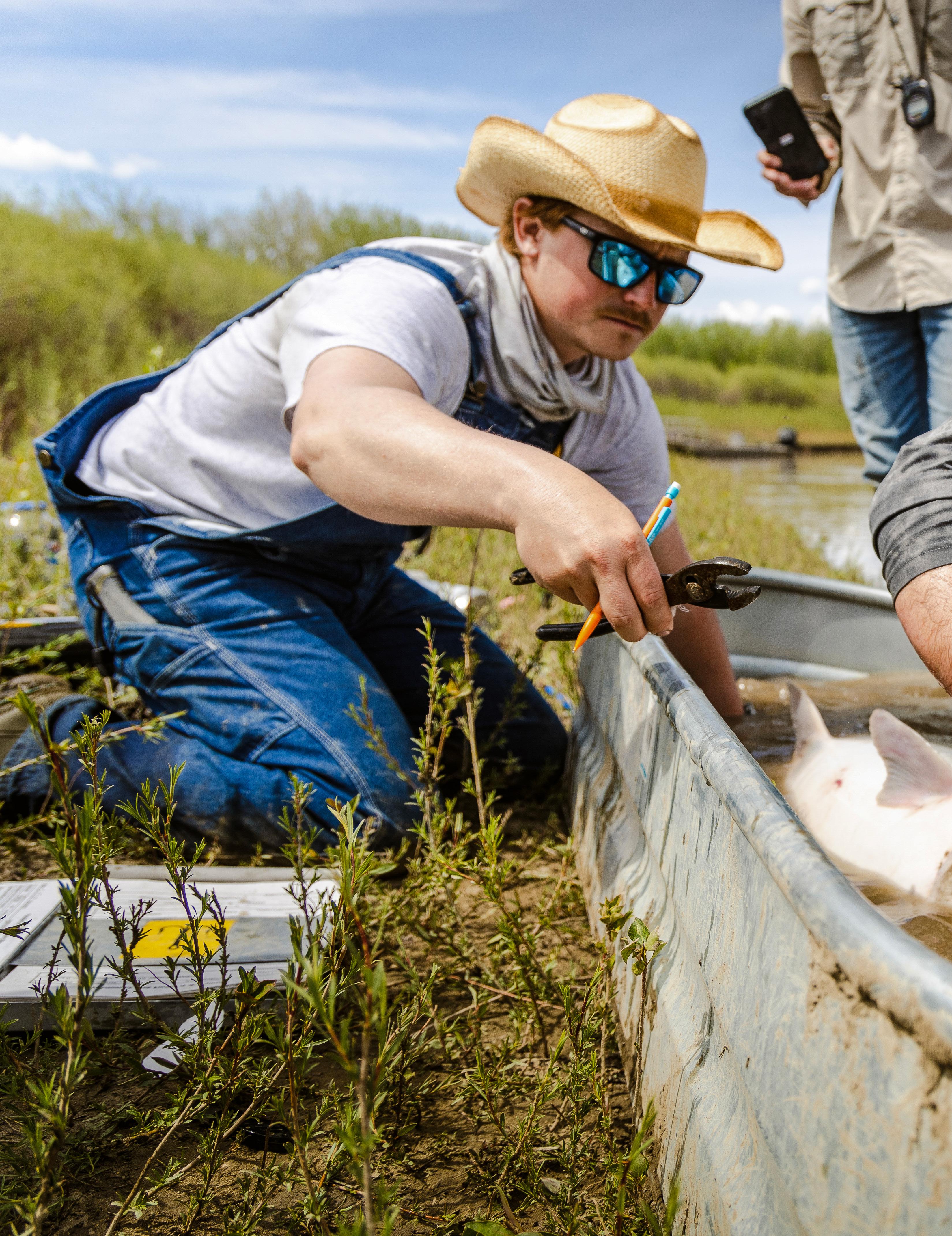
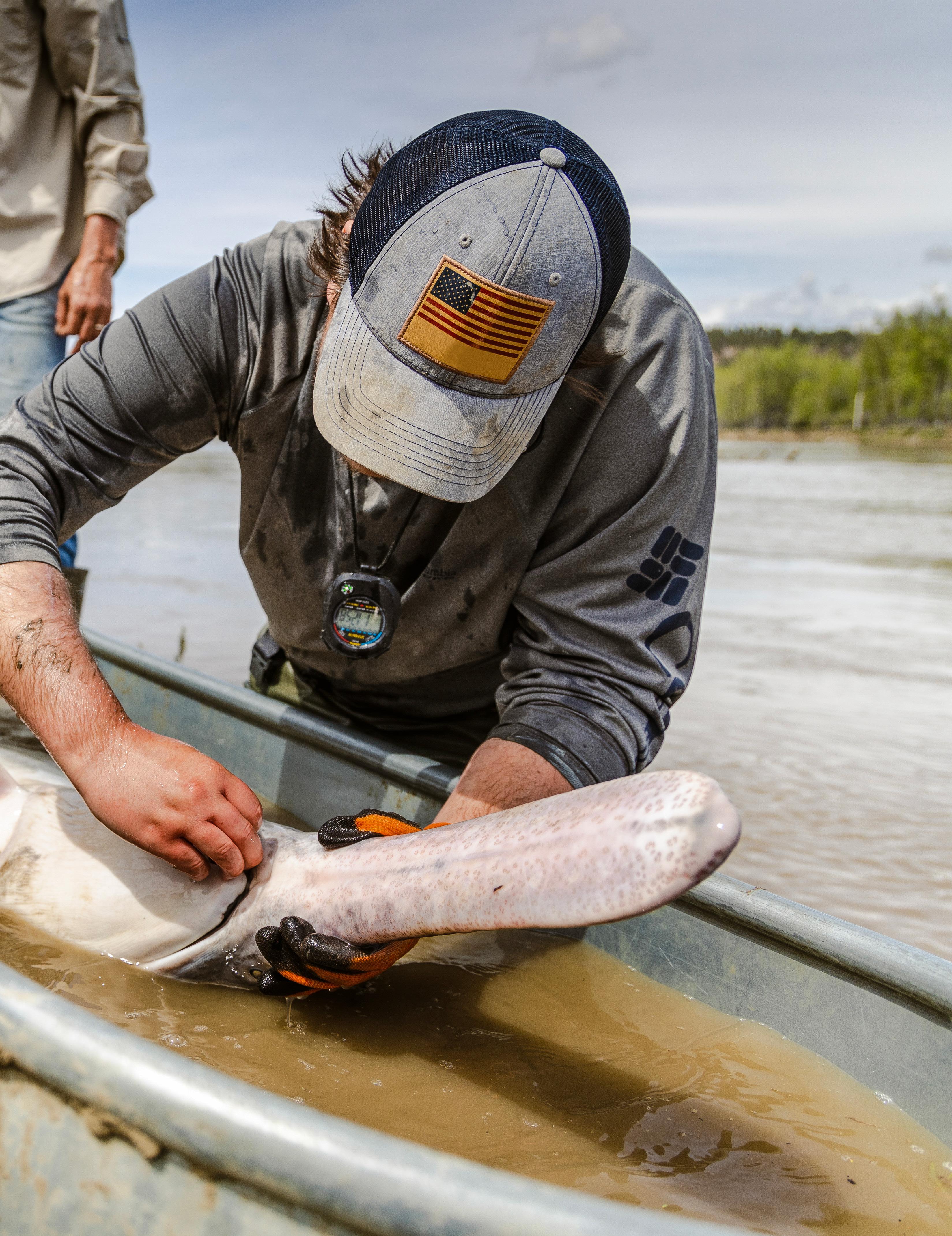
PADDLE DATA Fisheries technicians Dawson Schott (at left) and other FWP fisheries staff gather biological information from a paddlefish on the banks of the Missouri River south of Hays. Paddlefish are a close relative to sturgeon and have skeletons made primarily of cartilage, similar to sharks. Fossils of this ancient fish from around Fort Peck Reservoir date back 70 million years to when Tyrannosaurus rex hunted this same area for triceratops. Montana is home to America’s largest paddlefish and one of the few remaining self-sustaining populations. From May to mid-June, anglers gather on parts of the Missouri and lower Yellowstone rivers for paddlefish season, attempting to catch them with a heavily weighted treble hook, a tactic known as snagging. To track how well fish recover, FWP biologists are leading a two-year study placing radio tags on snagged paddlefish. “After we release them, we’ve found that mortality appears to be low,” says Schott. “The fish usually head downstream a few miles to a deep pool for a few days to recover, then continue upstream to spawn.” To see this field work in action, scan the QR code or visit youtu.be/pMFqRAOXBU4. n
PHOTO BY NICK DANIELSON/MONTANA FWP
Average number of miles monarch butterflies travel each day as they migrate.
Carry like you mean it
When it comes to bear spray, accessibility is vital so you can deploy it quickly.
Here are four effective ways to keep bear spray in quick, easy reach.
1. Hip holster The most common option. Worn on your belt and designed so you can deploy the spray without removing it.
2. Chest harness Keeps spray front-and-center—especially useful with backpacks, bicycles, or waders.
3. Running belt A snug, bounce-free option for trail runners and fast movers.
4. Cargo pocket Works best when the pocket is loose, accessible, and not buried under layers.
If you’re carrying bear spray somewhere you can’t reach, you might as well not have it. n
Park to commemorate the 150th anniversary of the Rosebud Battle
osebud Battlefield State Park in southwestern Montana will bustle with activity on June 17 as it marks the 150th anniversary of its namesake battle, which set the stage for Lieutenant Colonel George Custer’s crushing defeat eight days later and 42 miles away at the Battle of the Little Bighorn.
Ceremonies will include a keynote speaker and a wreath-laying ceremony to honor all of the fallen during the battle. Members of many Montana tribes will participate, including a group riding in on horseback from nearby Trail Creek. There will also be historical demonstrations, drumming, a victory dance, and a meal.
The Battle of the Rosebud took place on June 17, 1876, in the Montana Territory between a U.S. Army column led by General George Crook and a force of mostly Lakota Sioux and Northern Cheyenne led by Crazy Horse. The Cheyenne call it the Battle Where the Girl Saved Her Brother, after an incident in which Buffalo Calf Road Woman raced heroically through gunfire to grab her brother, Comes-InSight, whose horse had been shot out from under him.
All Ears for Montana Outdoors
After Crook’s forces retreated, tribal warriors grew confident they could prevail against the army—which they demonstrated eight days later with the stunning victory over Custer and his soldiers at the Battle of the Little Bighorn. Because Crook’s column had withdrawn to the south to regroup and resupply, Custer was left without the reinforcements he expected as he approached the Little Bighorn, where he and many of his regiment paid the ultimate price.
Today, 3,052-acre Rosebud Battlefield State Park remains quiet and undeveloped, preserving a portion of the battlefield that should be a beautiful setting for the planned June event.
“It is going to be a great day,” says park ranger Spencer Morris. “This park often gets overlooked because we’re a ways off the beaten path, but we’re in a very scenic location and June is a great month to visit. We’re really honored to partner with our Native American neighbors to host this important event.”
For more on the park or the latest news on the commemoration, visit fwp.mt.gov/ stateparks/rosebud-battlefield/. n
Many articles in this issue are now available as spoken audio, allowing you to listen hands-free as you’re driving, hiking, or wherever your adventures take you. Visit fwp.mt.gov/montanaoutdoors or use the QR code at right on your smartphone, then look for featured article links. n
STATE PARK EVENTS
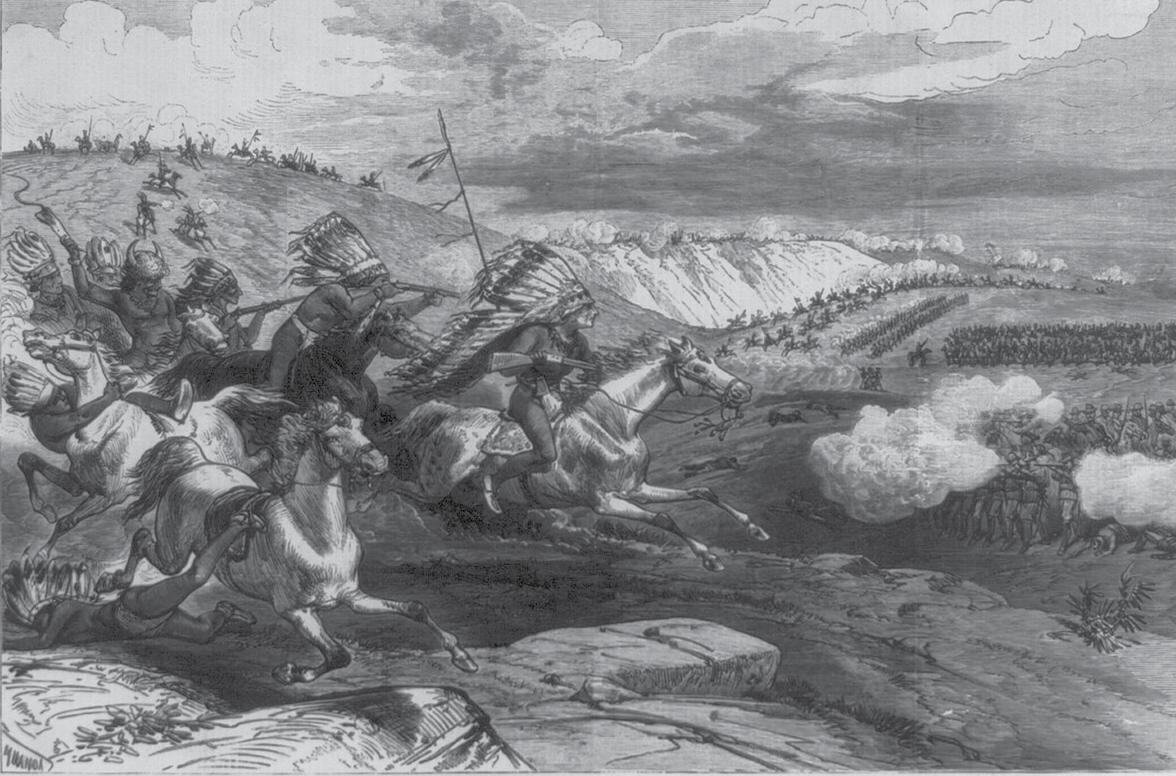
A wood engraving depicting Sioux warriors and Army soldiers at the Battle of the Rosebud
OUTDOORS REPORT
Great state parks for wildflowers
From the pine forests to the rugged badlands, many of Montana’s 55 state parks put on spectacular displays of wildflowers each spring. Here are five picturesque options:
Flathead Lake State Parks
Flathead Lake is home to six state parks with colorful spring blooms, especially Wild Horse Island. Ridges and benches around the lake are often painted yellow with arrowleaf balsamroot.
Lone Pine State Park, 5 miles southwest of Kalispell, also has a remarkable arnica bloom.
Best timing: May and June.
Giant Springs State Park
Giant Springs has more than 30 miles of trails next to the Missouri River winding through relatively untouched native prairie. Among other flowers, it’s known for an outstanding yucca bloom.
Best timing: Late April to early June.
REGULATIONS
New
regs for mule deer
doe
Makoshika State Park
Given enough moisture, the hoodoos and natural bridges of Montana’s largest state park are framed by a bouquet of prairie wildflowers.
Best timing: Early May to mid-June.
Milltown State Park
Several hiking trails at Milltown wind through conifer forest that blooms with pasqueflowers, shooting stars, arnica, and many other wildflowers.
Best timing: April to early June.
Bannack State Park
Though the park is best known for its ghost town, the hills surrounding Bannack bloom in purples, pinks, and yellows.
Best timing: Mid-May to late June. n
hunting on public lands, shorter nonresident bird seasons, and other changes
unters should pay close attention to regulation changes this year following new directives from the 2025 Montana Legislature and the Montana Fish and Wildlife Commission.
Resident and nonresident mule deer doe hunting is no longer legal on most public lands statewide after a vote by the Fish and Wildlife Commission aimed at boosting mule deer numbers and managing hunting pressure. This change, which will carry forward through 2027, will make Mule Deer B licenses in most hunting units across the state valid only on private land. Check your hunting district to be sure.
Similarly for elk, all Region 1 Elk B licenses for units in northwestern Montana will only be valid on private land.
The Commission also voted to reduce the number of deer licenses a resident can hold from eight to three, and trimmed the number of nonresident general deer licenses that are offered to Elk-Deer Combo tag holders by 2,500. More than 12,000 nonresident general deer licenses will still be available statewide.
“In proposing the change, Commission
Chair Lesley Robinson pointed to the increase in hunting pressure she and other landowners are seeing and the need to try something different,” says FWP Director Christy Clark.
Applications for Deer B and Elk B are due by June 1, while those for moose, mountain goat, and bighorn sheep are due by May 1.
Anyone looking to hunt Montana’s five unlimited bighorn units (most are limited-drawing tags with steep odds) now needs to apply through the drawing system for the tags rather than purchase them over the counter, but will no longer be required to use bonus points.
New tags, shorter seasons for nonresidents
Several new laws will shorten upland bird hunting seasons (including spring wild turkey) and shed hunting for nonresidents.
The 2025 Montana Legislature passed a law last year creating a $50 nonresident shed hunting license for Montana’s wildlife management areas (WMAs). It also prohibits nonresidents from picking up antlers on WMAs for the first seven days they are
open to the public in the spring. Most WMAs open at noon on May 15, but not all, so check the regulations for opening dates.
The Legislature also passed a law that delays the start for nonresident upland game bird hunting seasons on state and federal public lands and private lands enrolled in public hunting access program such as Block Management. Upland bird seasons (including spring wild turkey) for nonresidents on those lands will now begin 10 days after the opening day for residents for all species except mountain grouse.
The 2025 Montana Legislature also passed laws increasing several license fees, including raising the nonresident Base Hunting License fee from $15 to $50.
“When Montana’s Legislature and its Fish and Game Commission meet, public input and involvement are critical, including from nonresidents,” says Clark. “FWP works hard to provide ample opportunity for the public to be involved. If you’re interested in helping to shape future regulations, sign up for emails, call your regional office, and subscribe to our newsletters so you know what’s going on.” n
Beaver dams are good medicine for rivers. But they can block the spawning runs of Arctic grayling in the Big Hole. Biologists have found a way to give grayling short-term gaps for long-term gains.
BY DAN CROCKETT
ith a four-toothed rake on his shoulder and wearing waders that look like they’ve been dragged behind a truck, Ryan Kreiner stands on a bluff overlooking the upper Big Hole Valley. It’s Earth Day, and we’ve come to do a little spring cleaning for Arctic grayling.
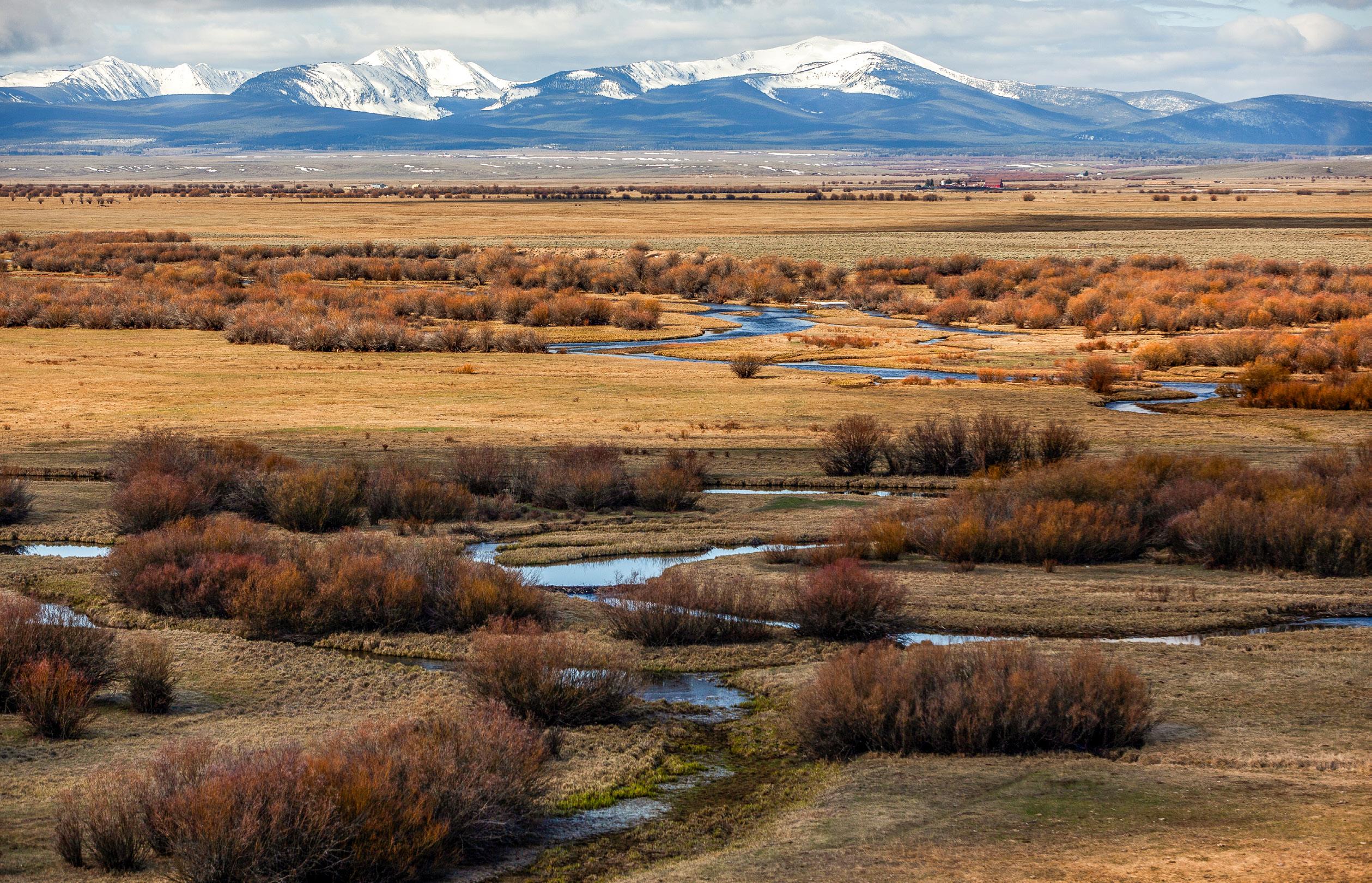
Sparkling below us on this cool April morning, Steel Creek wanders across the valley, carving horseshoes and doubling back as if drawn by a kid fed three Pop Tarts then handed an Etch A Sketch. With beaver ponds scattered liberally along its path, Steel is the essence of a healthy creek—unless you’re an Arctic grayling trying to swim upstream to spawn, which they’ll soon be doing in the last week of April and first week of May.
“Sampling Steel Creek in the fall, we typically find 20 to 40 young-of-the-year grayling spread over the lower 3 miles,” says Kreiner, a native fish biologist for Montana Fish, Wildlife & Parks. “But after several years of low-magnitude runoffs, we only found six, and they were all stuck in the last quarter-mile below the lowest beaver dam.”
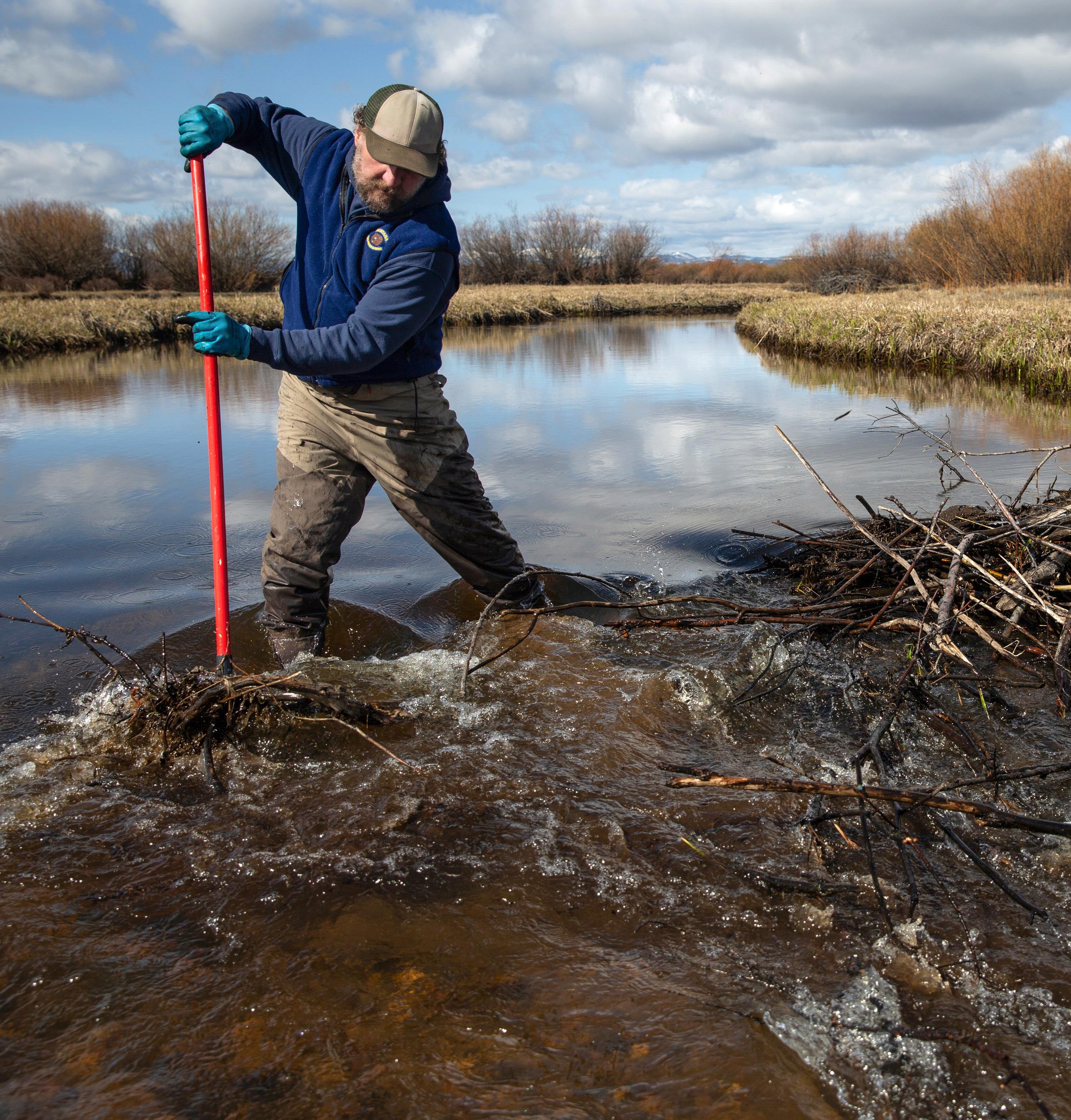
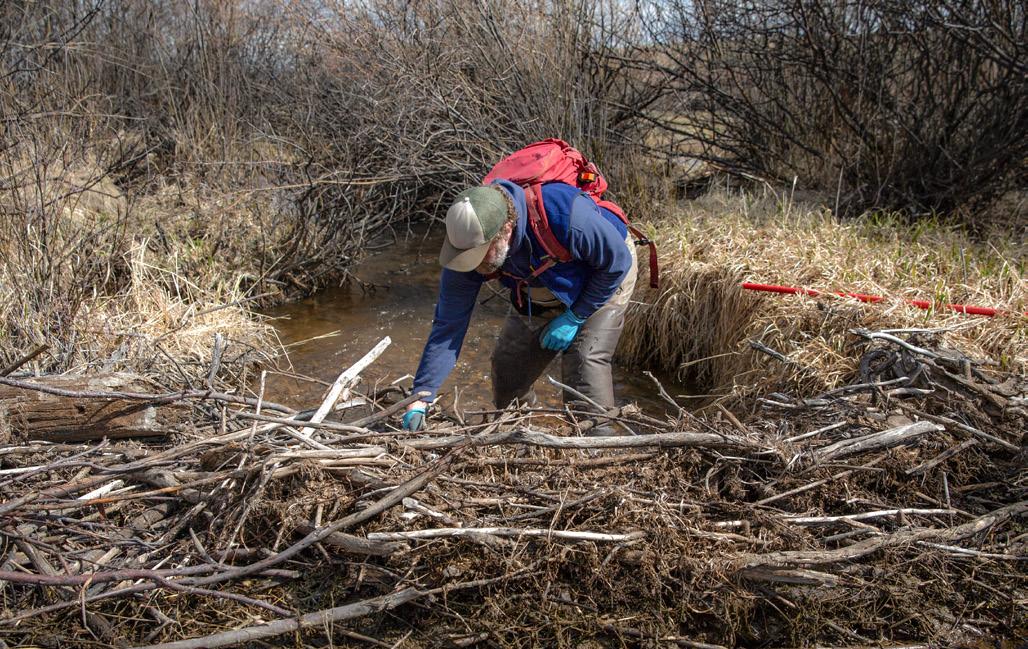
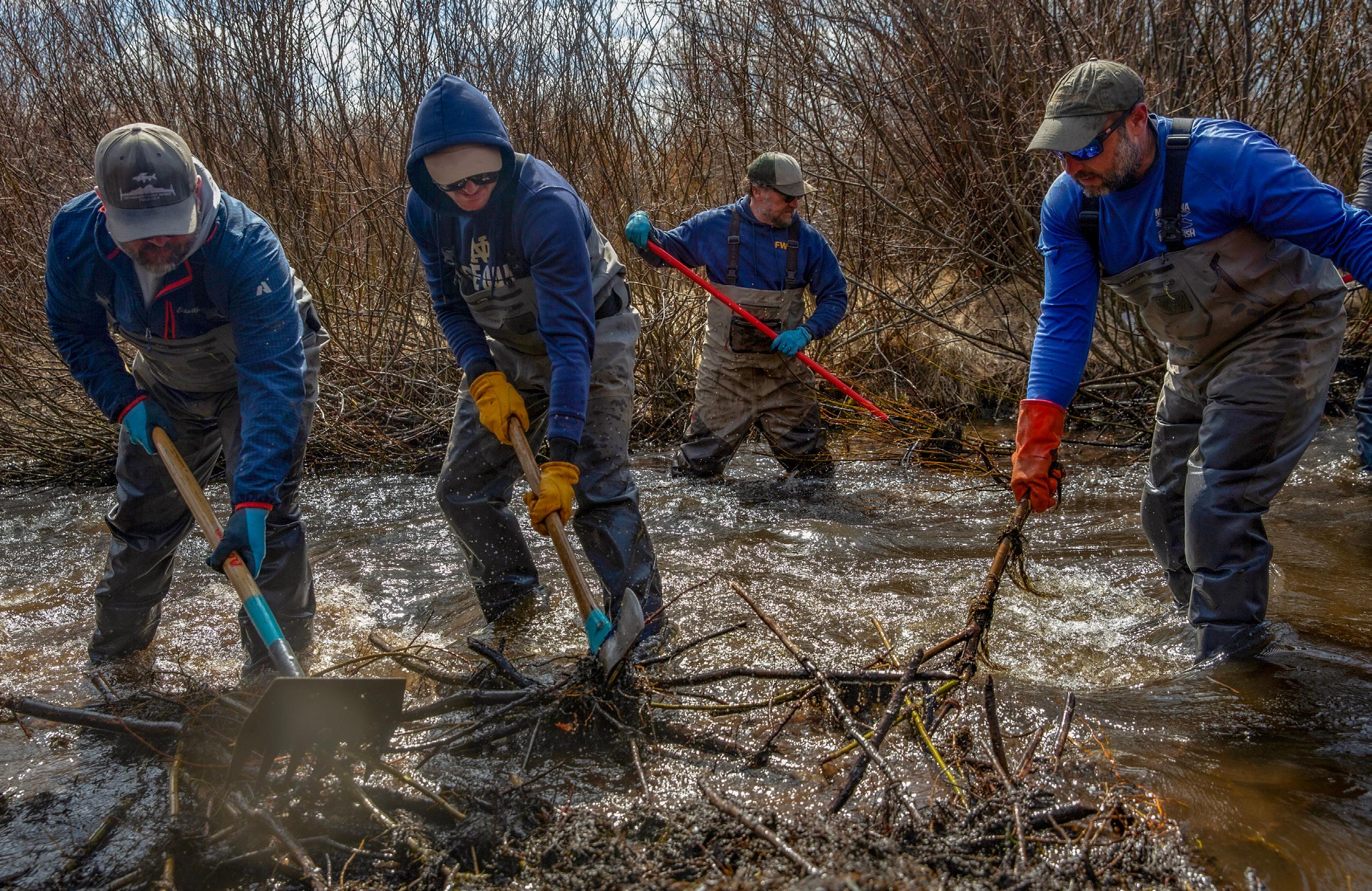
We pick up our rakes and head down to the creek; it’s time to start notching dams. This is as low-tech as stream work gets: Stand at one end of a dam, take a good swing, pull hard, repeat. Eventually the pressure of the water stacked up above begins gnawing at the breach. Then the current starts ripping and it all goes in a satisfying rush of silt and willow cuttings. The end result for grayling is clear passage upstream and freshly scoured gravel ideal for laying eggs.
SLIP STREAM FWP fish biologist Ryan Kreiner creates a temporary gap in a beaver dam on Steel Creek, one of several spawning tributaries for Arctic grayling on the Big Hole River of southwestern Montana. Biologists time this work just as fish are about to swim upstream to spawn. PHOTO BY HOLLY PICKETT
Upper Big Hole River
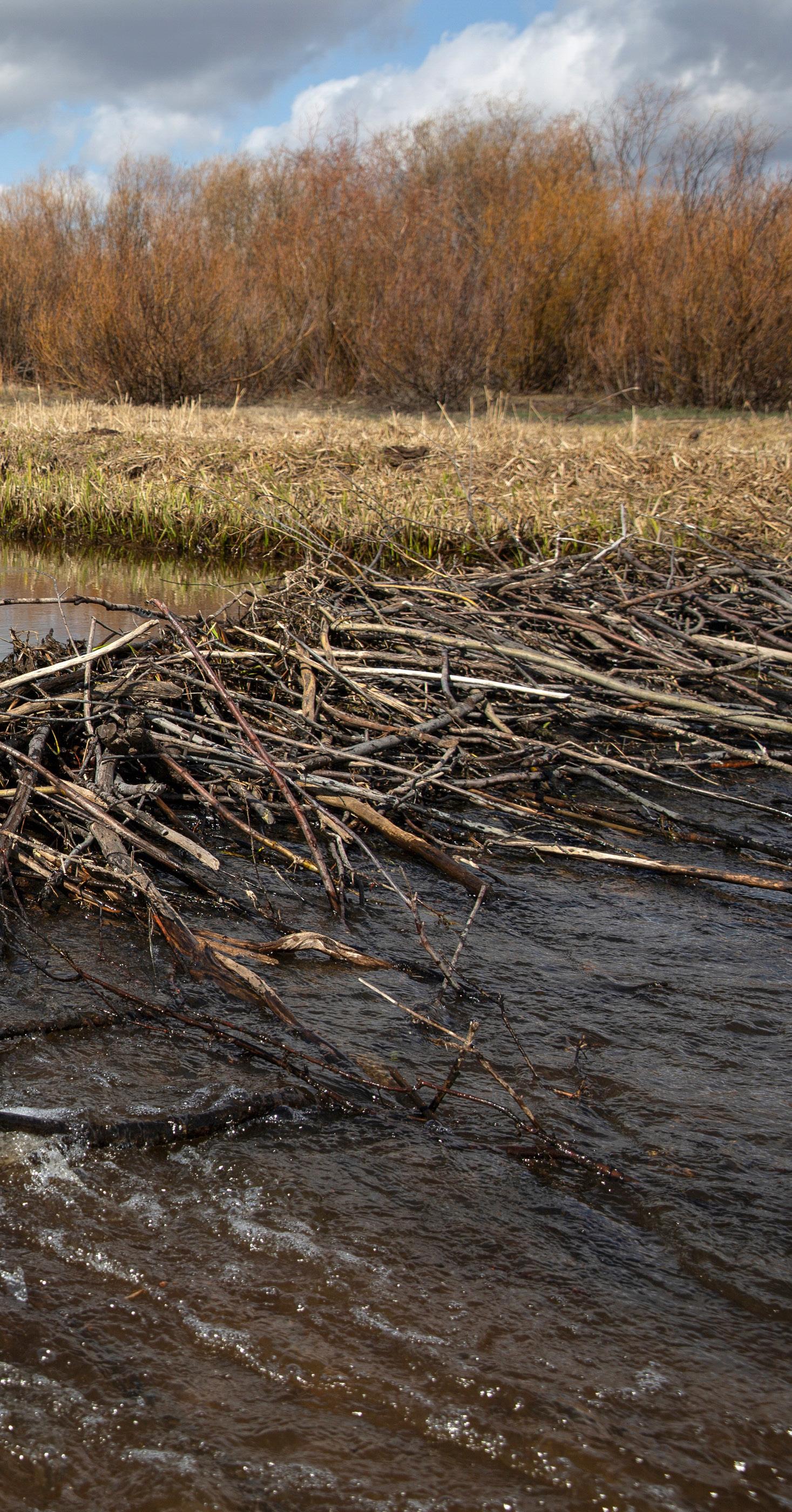
Notching beaver dams mimics how the structures fail naturally. In a good runoff year, high water will find its way around one corner of a dam and carve a new channel. But a string of low-runoff years allows the dams to keep growing and become ever more formidable to grayling.
“When we started doing this in the Big Hole in 2022, if you stood at the base of those dams, you’d need a periscope to see over the top. At almost any flow, no fish had a prayer of getting over,” Kreiner says. “Now that we’ve been notching dams every spring, they are a lot more manageable, and we’re finding 25 to 70 young-of-the-year grayling spread across the last three miles of Steel.”
HISTORIC PRESERVATION
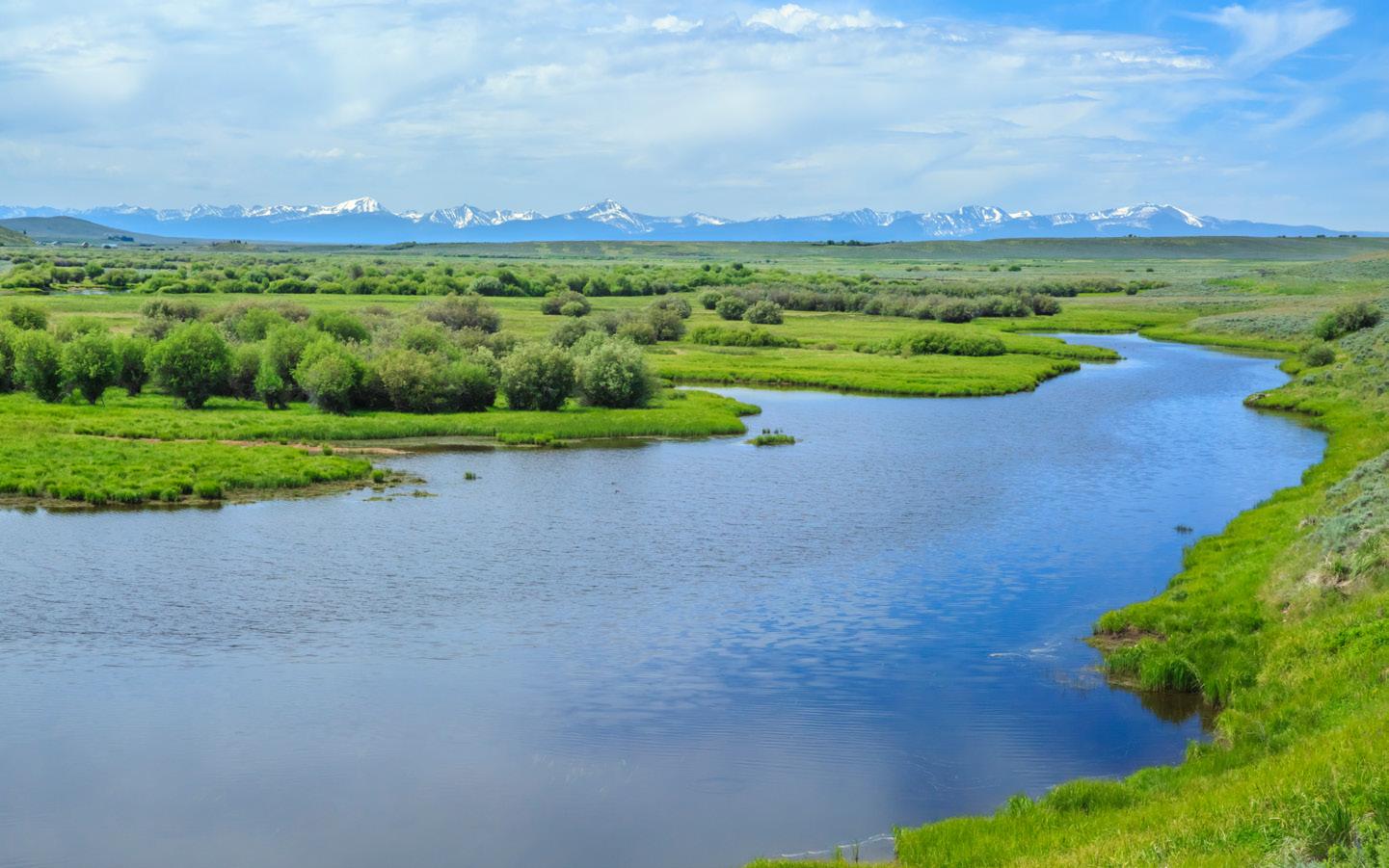
When the Corps of Discovery came up the Missouri River in 1805, Lewis and Clark found grayling shimmering all across its southwestern Montana headwaters. Today, the Big Hole holds the last native fluvial (river-dwelling) grayling population in the Lower 48.
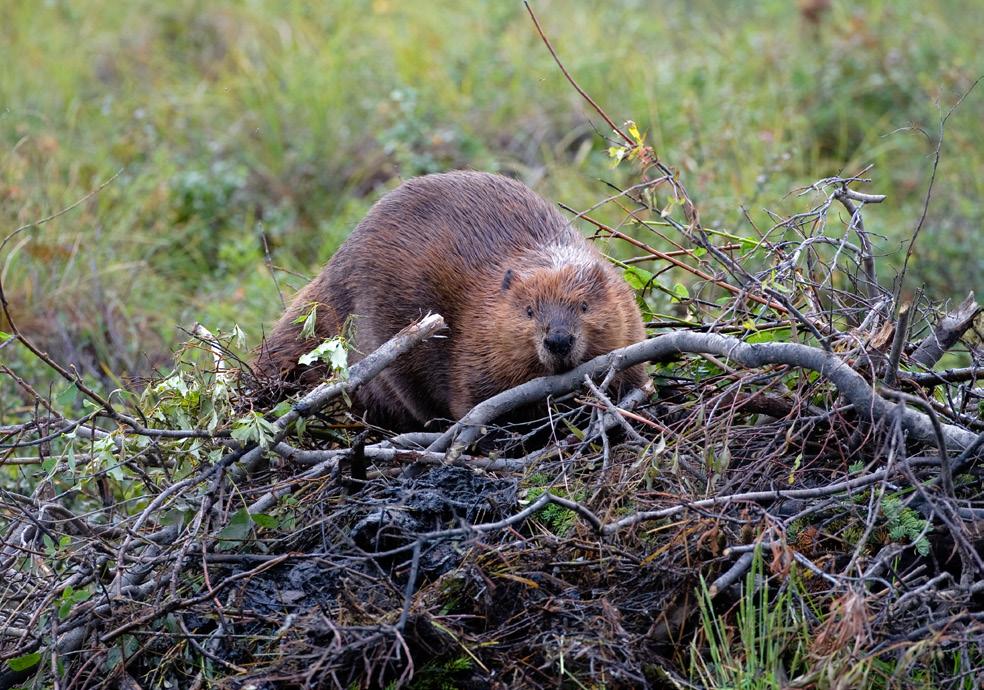
For millions of years, beavers served as both nurses and engineers for creeks across the West, keeping them healthy and dynamic. As settlers arrived, over-trapping and habitat destruction decimated beaver populations. But in recent decades, the chisel-toothed rodents have resurged as a vital force for restoring streams. Kreiner makes it clear that FWP views beavers and grayling as natural allies.
“Beavers do a ton of good work for these
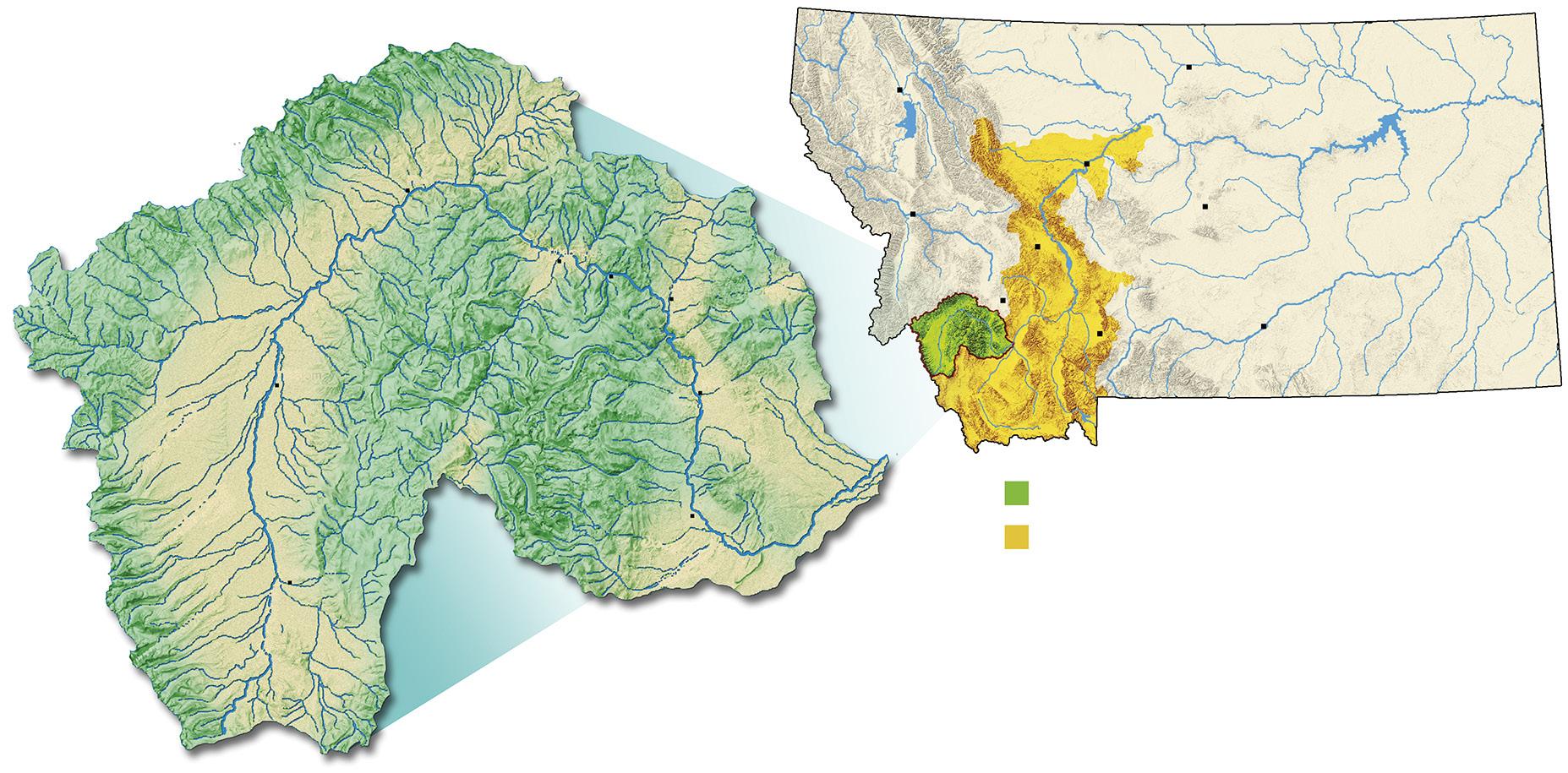
The mighty Missouri River begins its journey east in the headwaters of the upper Big Hole River, fed by a wide web of tributaries converging from every direction in a valley 75 miles long and 30 miles wide. Biologists have found that Arctic grayling spawn in just six or seven of the cleanest, coldest creeks.
creeks and the species that depend on them,” he says. “They are not the primary driver of the grayling population. But all the grayling left in the Big Hole now spawn in just six or seven tributaries. If three of those are blocked, we’ve lost half our potential spawning population.”
Notching dams just before rising stream temperatures and early runoff spur the grayling to spawn goes a long way toward ensuring every fish can reach the riffles and runs it needs.
A FISH FELLOWSHIP
Grayling look like relics from another age, and they are. They’ve been living in the Big Hole since woolly mammoths and shortfaced bears roamed this country.
In the brutally dry summer of 1988, though, they came perilously close to joining
those beasts as ghosts among the sage. For 24 days, not so much as a trickle dampened the Big Hole riverbed at the Wisdom Bridge, with nothing upstream or down but cracked dirt and desolate cobbles.
A few years later, an environmental group sued the U.S. Fish & Wildlife Service (USFWS) to designate Arctic grayling an endangered species in the Lower 48. That potential listing under the Endangered Species Act became the catalyst for an outstanding alliance of landowners, state and federal agencies, and nonprofit conservation groups. They vowed to never let one of America’s most beloved trout streams run dry again and started working to ensure that grayling swim its waters far into the future.
Thanks to this remarkable partnership, crucial summer flows are both colder and more consistent than they were 35 years
Dan Crockett is a freelance writer and longtime magazine editor in Missoula.
HIGH, WIDE, AND HANDSOME Averaging 6,000 feet in elevation, the Big Hole is one of Montana’s highest and widest mountain valleys, rimmed by the Pioneer Mountains to the east and the Bitterroots to the west. Those snowcapped peaks provide copious cold water to its river system.
MAP BY LUKE DURAN; PHOTO BY JOHN LAMBING
Kalispell Havre
Great Falls
Billings Bozeman
Butte
Missoula Helena Lewistown
CCAA project area
Fluvial arctic grayling historic range
Fishtrap Wise River
Melrose Glen Jackson Wisdom
All
the grayling left in the Big Hole now spawn in just six or seven tributaries. If three of those are blocked, we’ve lost half our potential spawning population.”
ago, despite higher air temperatures, lower snowpacks, and smaller runoffs.
There are far more grayling spawning successfully than when that first lawsuit was filed, and they still haven’t crash-landed onto the list no creature wants to make.
“All of that comes down to one thing: the landowners,” says Matt Jaeger, native species and Beaverhead-Ruby program manager for FWP. “They provide the foundation that has made so much good work on the river possible. Everything we do relies on that collaboration.”
In 2006, the USFWS cemented that alliance when it launched a Candidate Conservation Agreement with Assurances (CCAA) program aimed at recovering and sustaining grayling in the Big Hole. The CCAA is a 10-year contract that offers ways for ranchers and other landowners to improve their operations and benefit grayling. Those strategies almost always come with substantial funding and often labor, materials, and equipment provided by state and federal agencies as well as nonprofits.
In exchange for undertaking conservation measures,
Too Many Dams = Zero Grayling
Beaver dams can be serious roadblocks for Arctic grayling that need to spawn upstream.
“In Red Rock Creek it was estimated that, on average, grayling had an 88 percent probability of passage over individual beaver dams. But I’ve encountered dams so large they had zero possibility of passage except during major runoff years when water breaks through the dams,” says Ryan Kreiner, FWP native fish biologist. “We’ve counted over 50 dams in the lower 11 miles of that stream. Even if you assume that 88 percent make it over each dam, it doesn’t take long before the number of dams adds up and you start running out of fish. Throw in a couple of bigger dams and they’re done.” n
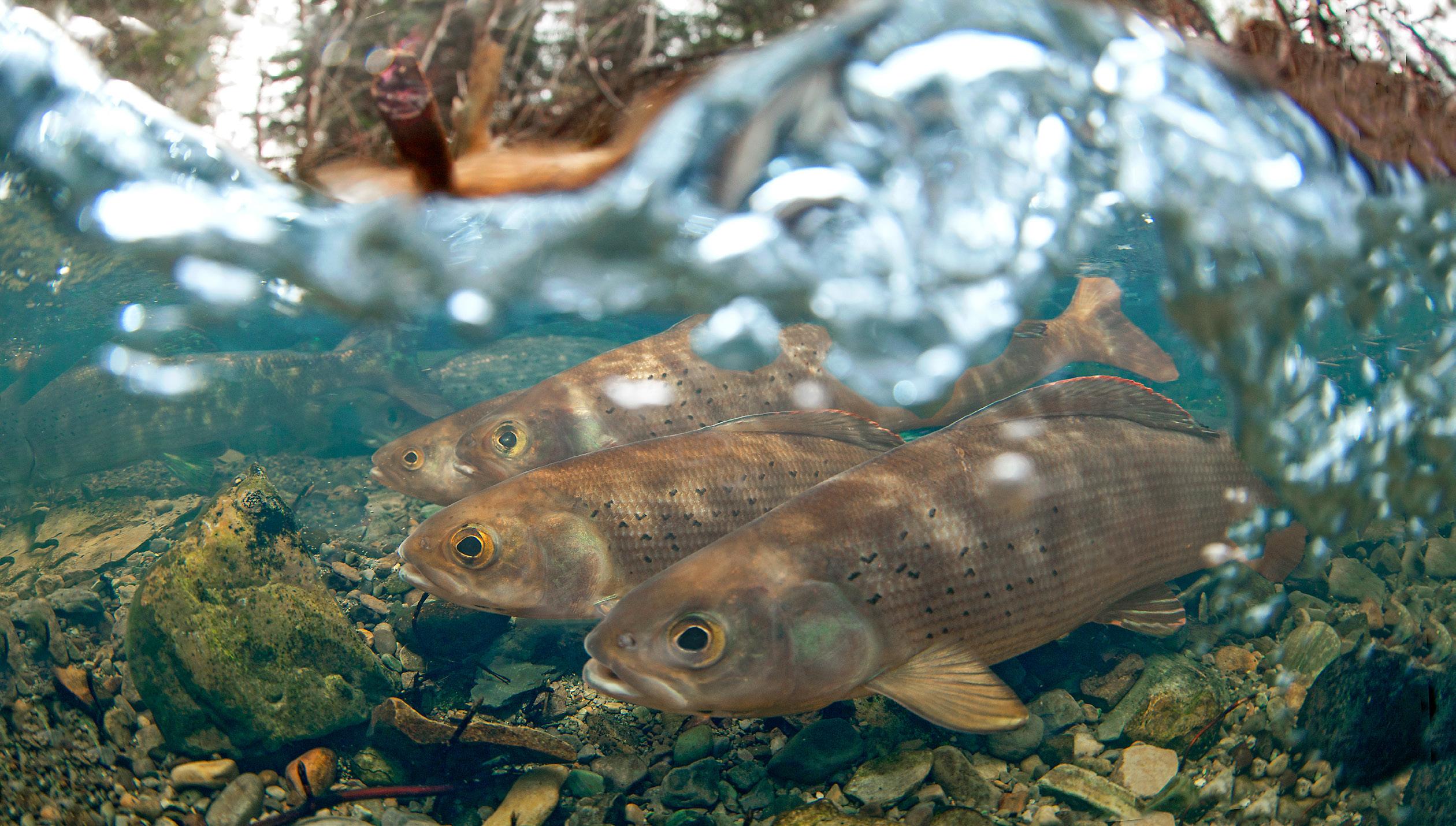
NORTHERN STAR True to its name, the Arctic grayling is a fish of the far north mostly relegated to Alaska and northern Canada. Montana’s Big Hole River holds the last native river-dwelling grayling in the Lower 48 after the one other population in Michigan went extinct in the 1930s.
CCAA All the Way
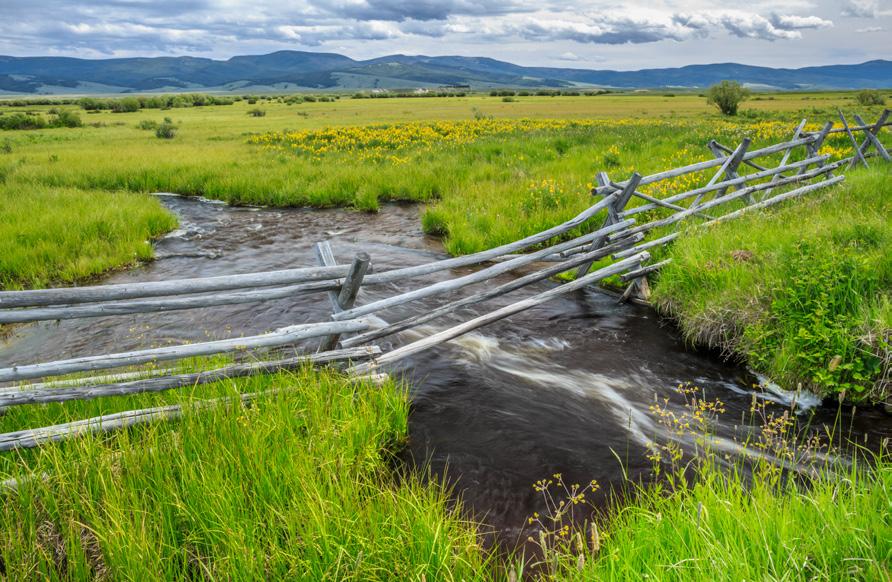
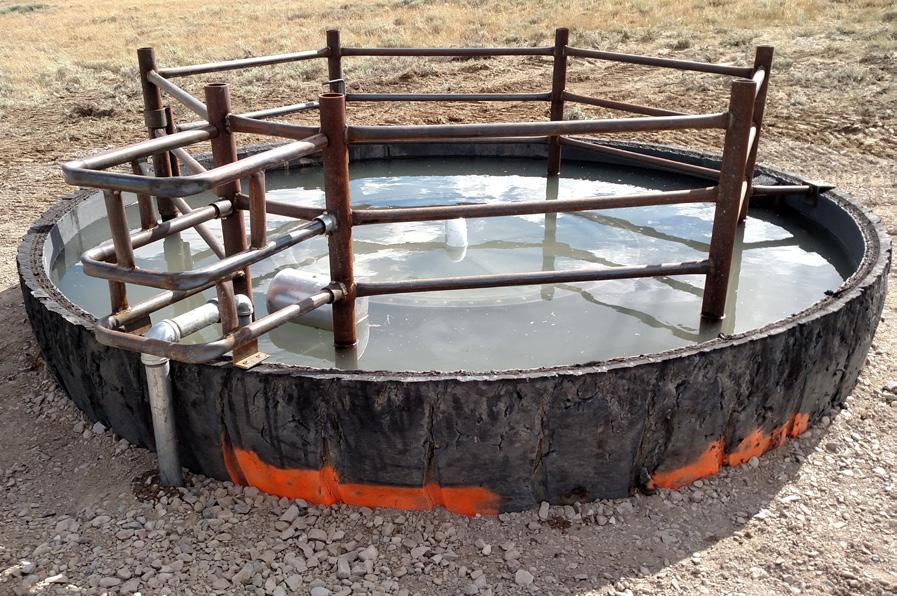
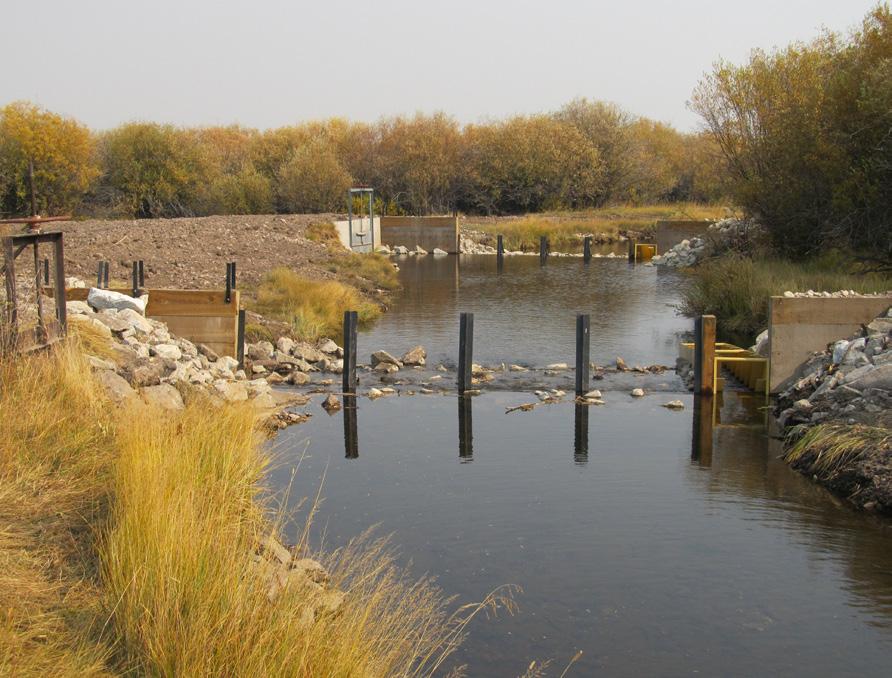
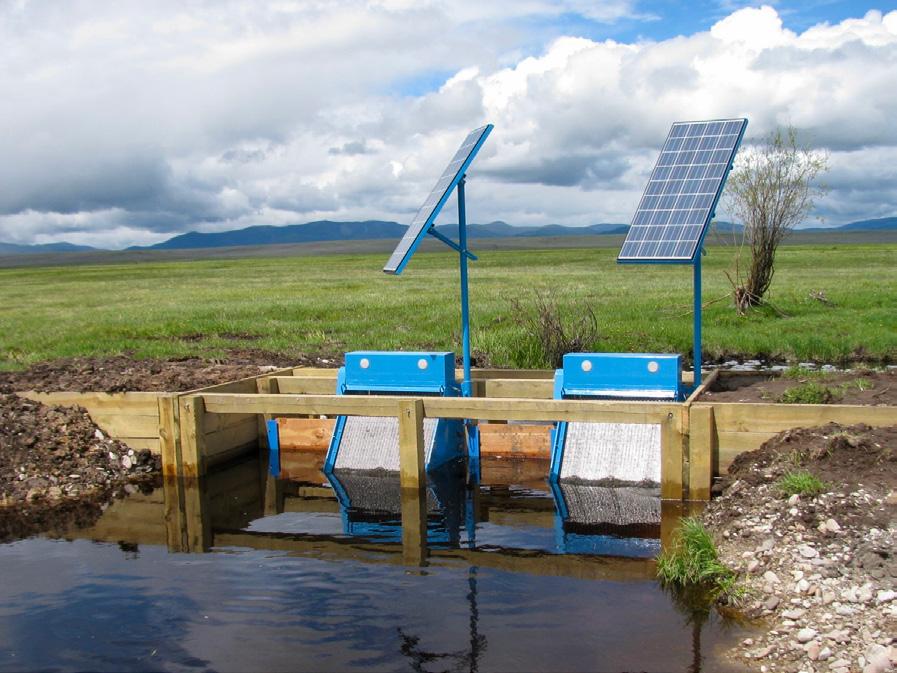
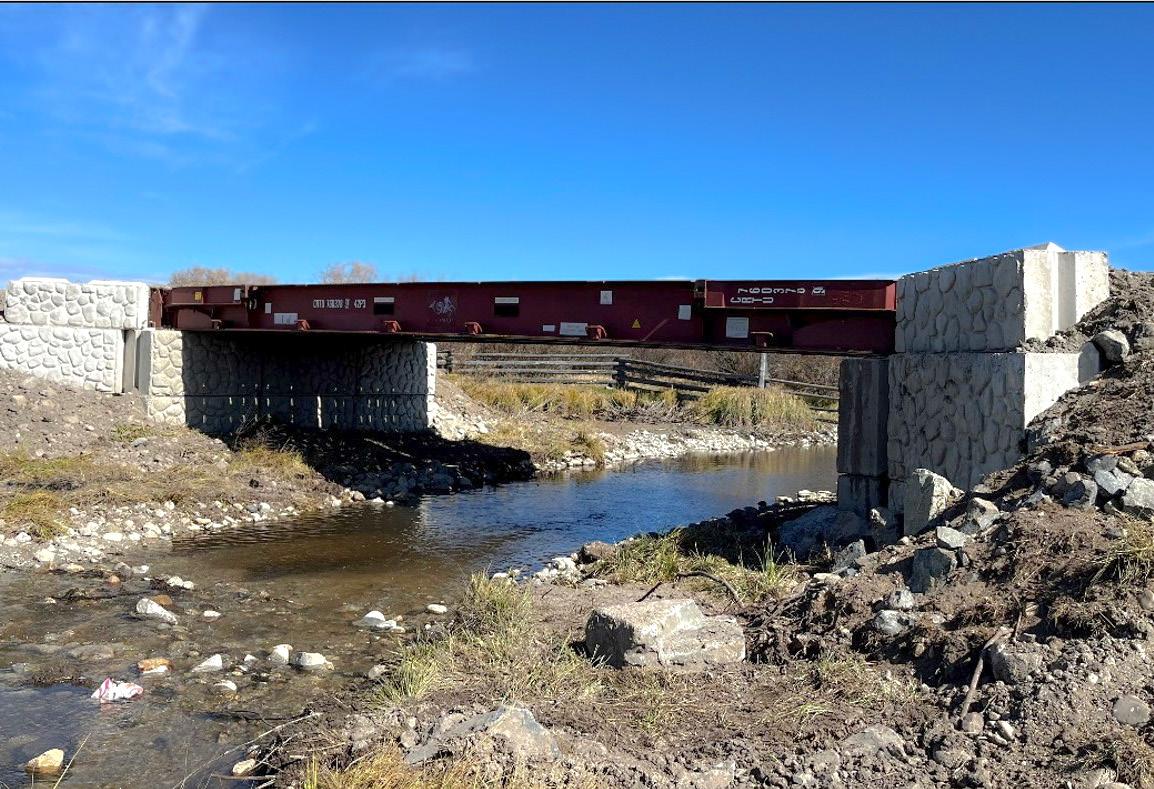
Though its name is a mouthful, the Big Hole Candidate Conservation Agreement with Assurances (CCAA) has played a crucial role conserving fish and wildlife in the Big Hole Valley, engaging ranchers to help preserve stream flows; protect riparian zones using stock tanks and fencing; keep grayling out of irrigation ditches and other entrapments using headgates, fish ladders, and fish screens; and remove barriers to migration on creeks and rivers such as replacing culverts with bridges (see photos on left).
Since 2006, 31 ranches and landowners have enrolled in the CCAA, which encompasses:
161,000 acres
51 creeks and the Big Hole River
267 miles of river and tributaries vital to grayling spawning and thermal refuge
95% of core grayling habitat
Headgates with a fish ladder
Solar-powered fish screen
Riparian fencing
BABY GOT BACK Grayling grow quickly in the Big Hole, rarely living beyond five years. They spawn the spring of their third year in the same tributary of their birth—if they can reach it. If those creeks are blocked or waterless even for one year, populations may dip for several years.
Stock tank
DASHING DORSAL
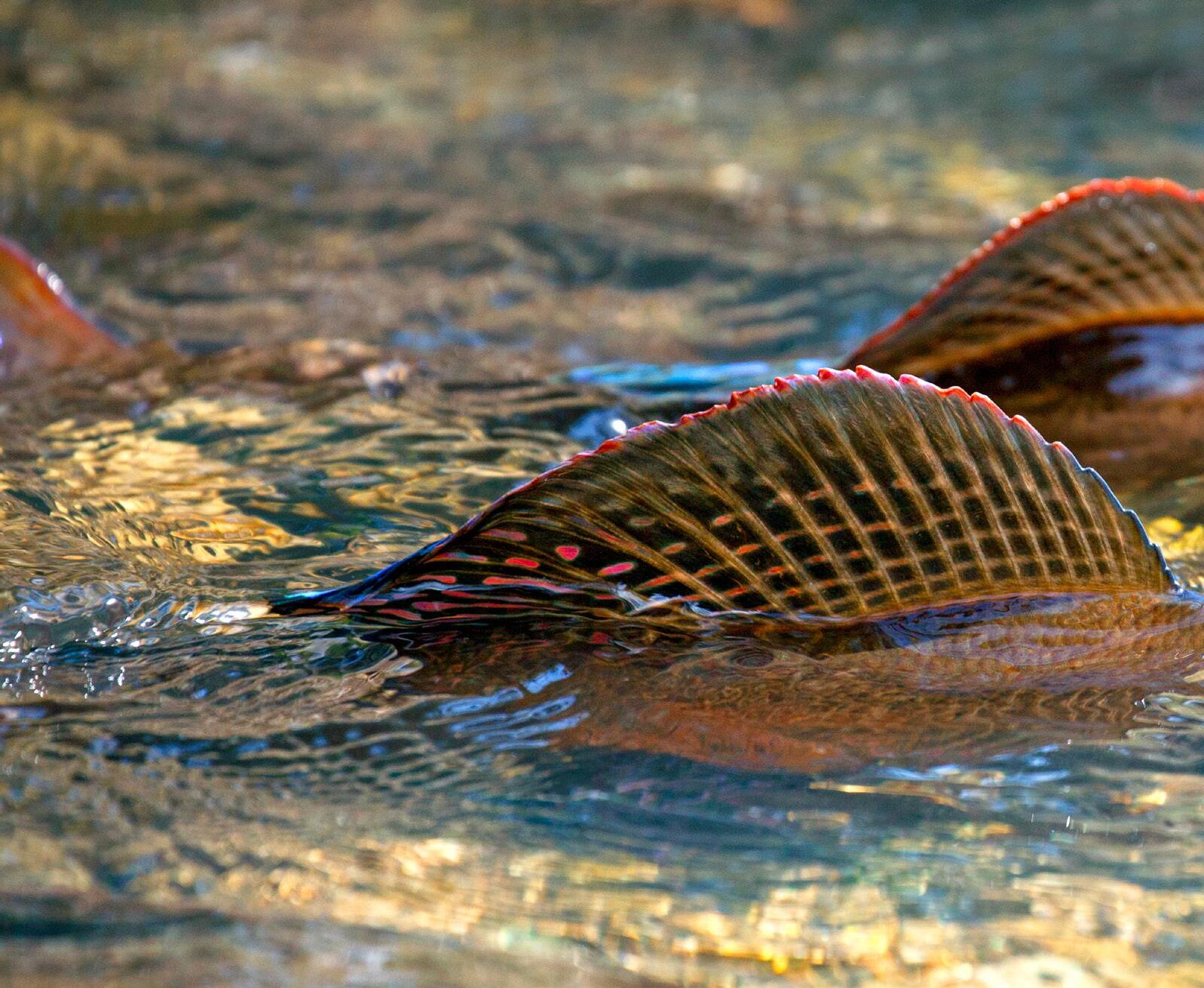
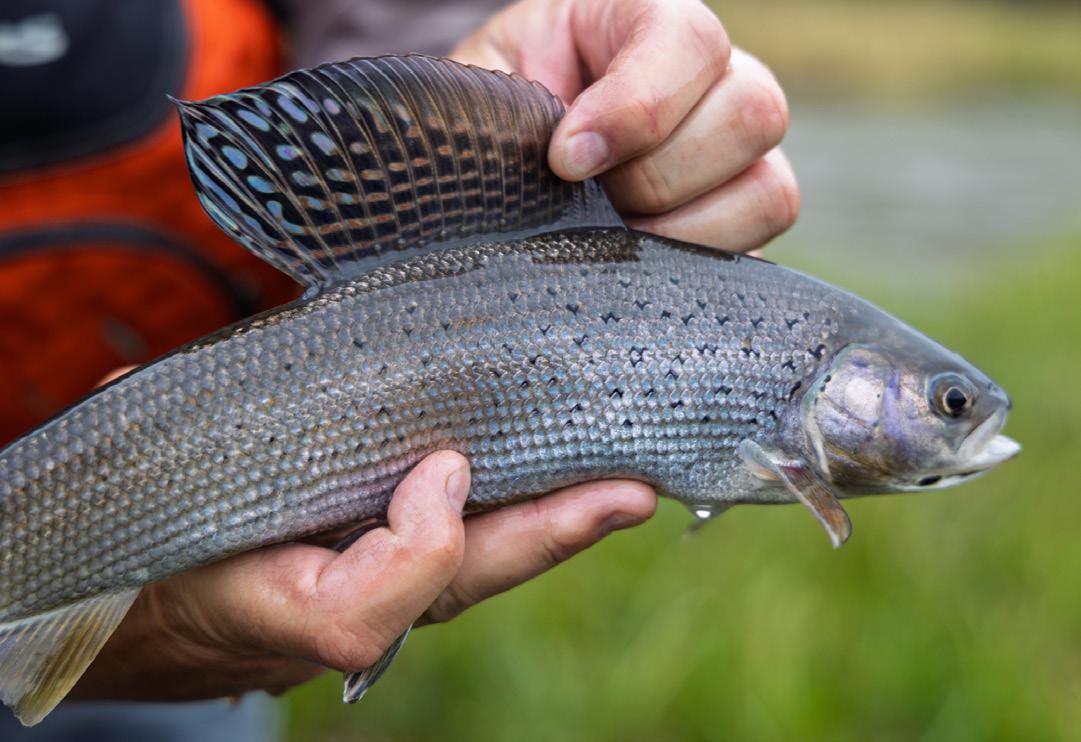
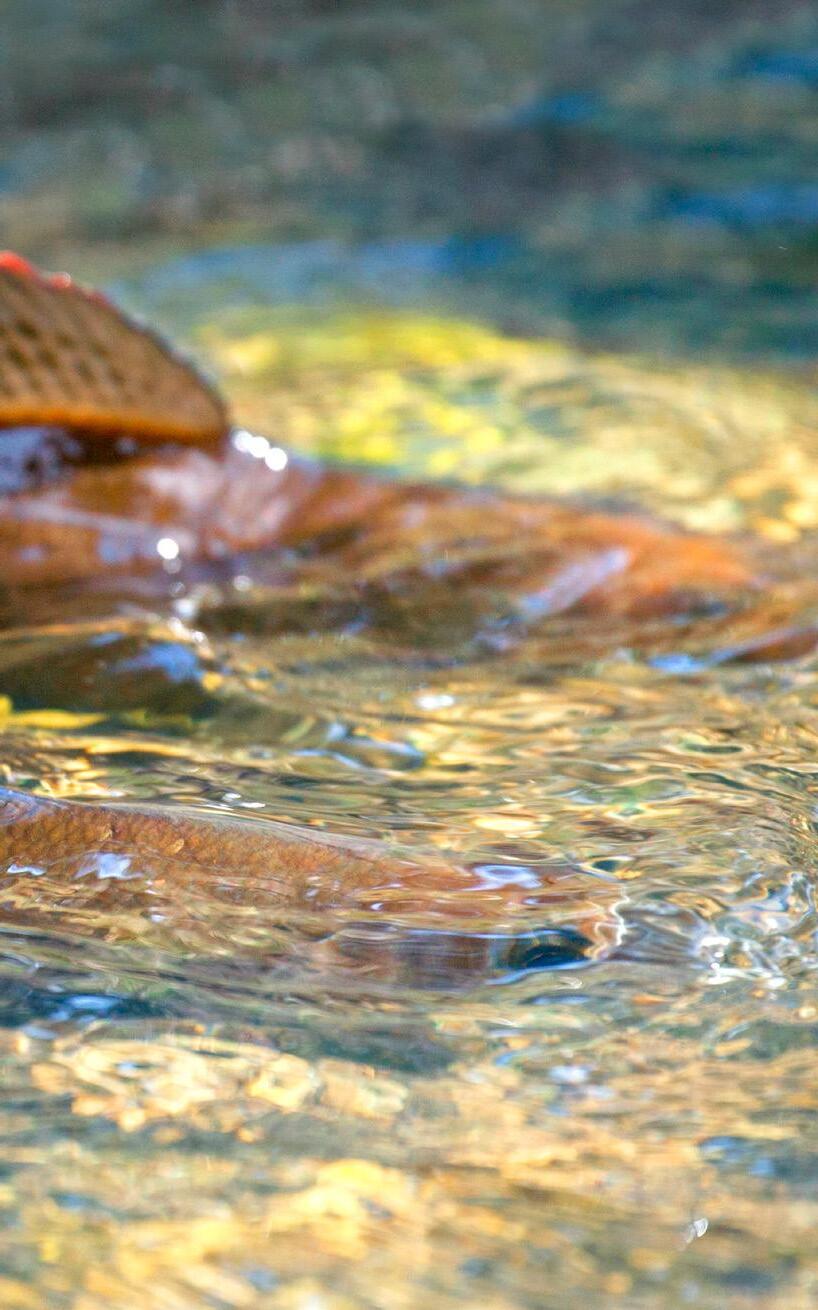
Arctic grayling are the only member of the salmon family with a tall, sail-like dorsal fin, gorgeously sequined with turquoise spots that turn crimson during spring spawning in late April and early May, especially on the larger fish.
PHOTO BY LAUREN KARNOPP/FWP
channel narrower, deeper, and shadier to provide colder water and cleaner gravel.
These investments paid big dividends for grayling and trout in the witheringly dry summer of 2025. Ranchers’ water rights entitled them to keep pulling water into their ditches. Instead, almost every ranch in the CCAA closed all their headgates two weeks early, leaving precious flows in the river.
The landowners provide the foundation that has allowed so much good work on the river. Everything we do relies on that collaboration.”
landowners are guaranteed by the agreements to not be on the hook for any measures beyond what’s set forth in their agreement and site plan if grayling are listed as endangered. CCAA conservation measures include removing barriers blocking grayling migration, maintaining minimum streamflows for fish survival, improving and protecting streamside habitat, and reducing the number of fish stranded in irrigation ditches, known as “entrainment.” Everyone who signs up gets a plan tailored to their land and their goals. Rather than heavy-handed mandates, it relies on forging partnerships.
“A big part of earning trust was us not coming in saying, ‘It’s my way or the highway,’” Jaeger says. “Instead, we said, ‘Here are some things that we need to do for this fish. How do you think that can work best on your place?’”
Participating ranchers have since built miles of wildlife-friendly fences to keep livestock out of sensitive riparian areas. They’ve installed stock tanks on higher ground above those areas to protect streambanks from cattle while still allowing wildlife to drink and cross. They’ve replaced broken and damaged headgates, allowing them to use water far more efficiently. And they’ve installed fish screens at the entrance of irrigation canals, preventing grayling and trout from getting drawn from the river into the ditches and becoming stranded.
This work has also helped willows to flourish, anchoring banks and keeping the
“Delivering what grayling need to succeed is our driving goal,” Jaeger says. “But the bottom line is if it works for the fish but doesn’t work for the ranchers, it doesn’t work. We never forget that.”
NICK-OF-TIME NOTCHES
Late in our morning along the Big Hole, Kreiner and I meet the rest of the notching crew, two fisheries biologists from FWP and two from the Forest Service, busy working their way down Steel Creek. They’ve already notched eight dams on Swamp, Pintler, and Plimpton creeks and jumped in to help here.
The pair from the Beaverhead-Deerlodge National Forest spurn garden rakes in favor of tools built to hack fire lines. One lugs a Pulaski, the other a monstrous McLeod with a massive rake on one side of the head and a hoe blade on the other. He tears out half the last dam with one John Henry–worthy swing. We all head up Christiansen Creek and notch half a dozen more before finishing the day on Fishtrap Creek.
Arctic grayling rely almost entirely on meandering, low-gradient stretches for spawning. When temperatures spike in July and August, they seek vital refuge in quick-tumbling tributaries like Fishtrap Creek that stay 10 to 15 degrees F cooler and better oxygenated than the main river.
“Grayling can make it through some rough times and find a way to survive,” Kreiner says. “But they need access to a lot of different kinds of habitat over the course of the year and over the course of their life. If you hem them into just one stream or even one reach of river, they’re done.”
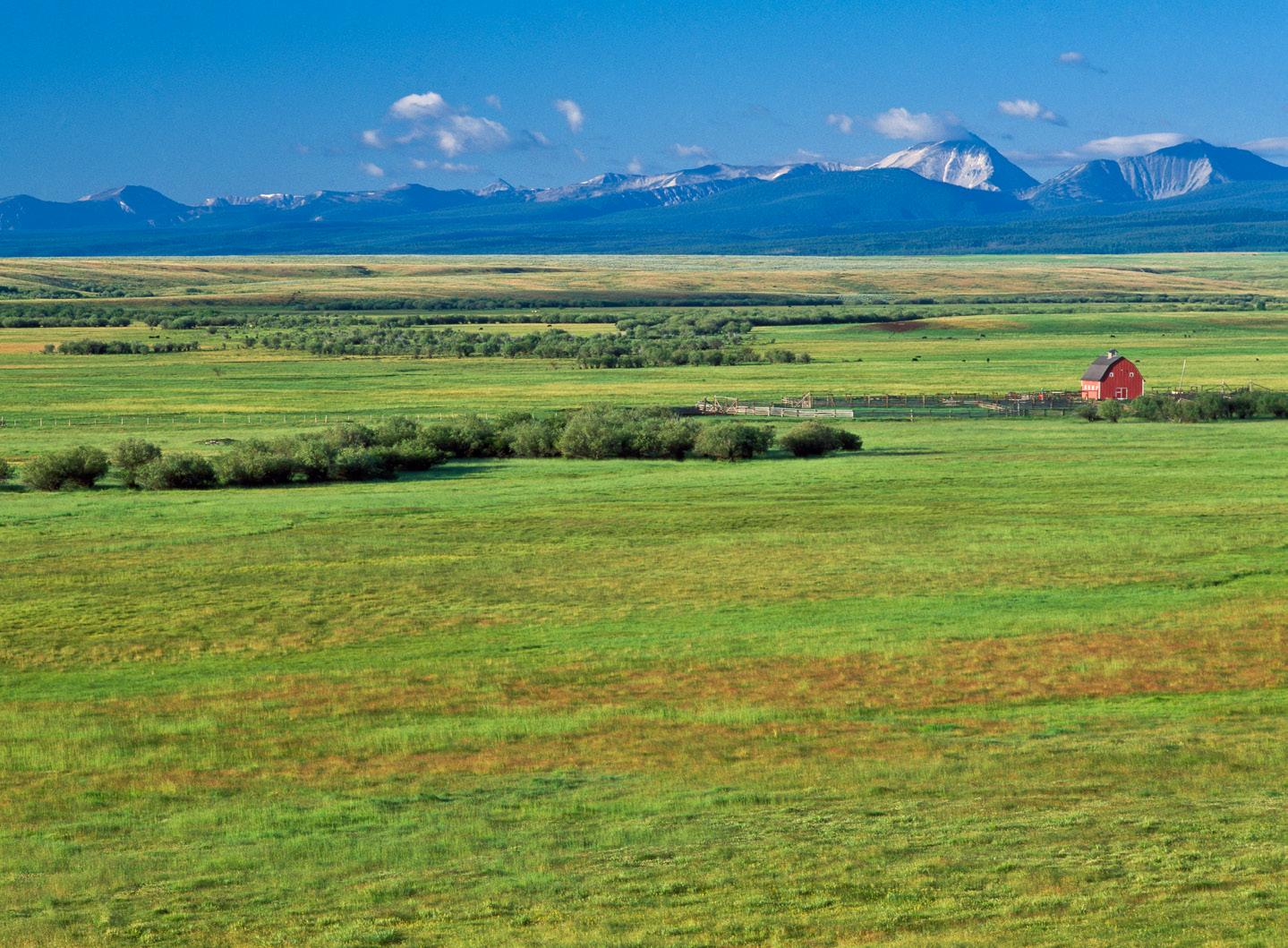
TIMELESS VALLEY The Big Hole looks much the same as when the Corps of Discovery came up the Missouri River in 1805. What has changed is the shrinking range of the Arctic grayling. Two-hundred-plus years ago, a few beaver dams wouldn’t have made a dent in the species’s population. But today with so few spawning streams remaining, the fish need every chance they can get to move upstream to spawn.
HOLEY HOEDOWN Armed with garden rakes and firefighting axes, FWP biologists gather in late April on a few of the Big Hole’s key spawning tributaries to create safe passage for Arctic grayling through beaver dams. After the fish have moved through the gap to upstream spawning waters, beavers waste no time repairing the notches.
The first spring Kreiner started notching beaver dams in the Big Hole, he hiked up to where Fishtrap joins the main river. Just a few hundred yards upstream from the confluence, a tall dam blocked the creek. Fishtrap is too steep and swift to attract spawning grayling, but on a hunch, he went back in August.
“Fish were just stacked in the mainstem and fanned right across the creek mouth,” he says. “Next spring we breached that dam. When we surveyed Fishtrap the following year, we found three grayling. After that, we took out more dams upstream, and the next year we found 25. We’ve learned that when the river gets hot, all the adult grayling in the upper Big Hole are going into a handful of these cold creeks. So we just keep at it.”
Nothing we’ve seen in decades of notching dams on Red Rock Creek suggests it does any significant harm to beaver populations.”
KIND COMPROMISE
All this raises a good question: Are beavers being persecuted for the sake of a flashy fish?
“Nothing we’ve seen in decades of notching dams on Red Rock Creek [which also holds grayling in the nearby Centennial Valley] suggests it does any significant harm to beaver populations,” says Torrey Ritter, a nongame wildlife biologist for FWP who has brought national attention to the vital role beavers play in riparian health. “These folks are notching dams at the same time they’d get washed out in a good runoff year, like beavers and grayling evolved with. If they did this in the fall, beavers would rebuild them
ECO-ENGINEERS
Beavers play a crucial role as both nurses and engineers for creeks across the West, including the many tributaries of the Big Hole River, keeping them healthy and dynamic.
PHOTO BY RONALD PHILLIPS
that night. But in the spring, they’re willing to let it slide until the water drops.”
Ritter spearheaded a statewide beaver dam census in 2024 and found that the Big Hole holds some of the highest numbers and densities of dams of any Montana watershed.
“There is so much high-quality beaver habitat in the Big Hole that pulling out dams on a few streams has a negligible impact across the larger landscape,” he says.
The pools that beaver dams create are good for everything from caddisflies to cottonwoods, mint to moose. But Jaeger says another key benefit comes not as ponds slowly spread but when they rapidly empty.
“There’s a misconception that the backwater behind beaver dams regenerates willows and banks,” Jaeger says. “That’s true to a degree, but it’s the disturbance after dams fail that makes the greatest difference. Rivers are conveyor belts for sediment.”
Pull the cork on a beaver pond, and rich sediment and cut willows surge downstream. That creates fresh, fertile seedbeds where willows, aspen, cottonwoods, and forbs take root and fortify streambanks. It also sweeps sediment from the creek bottom above and below the former dam, leaving clean gravel and cobbles that grayling need for spawning.
“Since 2006, the number of adults spawning successfully rose significantly and genetic diversity remained high,” Jaeger says. “That’s the crux of it: keeping grayling as broadly distributed as possible and sustaining enough genetic variation so they can adapt to change.”
FWP’s biologists have adapted too, letting the fish show them what they need and responding with a multipronged strategy that now includes swinging rakes each spring.
Ninety-nine percent of the world’s grayling live among tundra and great slabs of ice in rivers that run to the North Pacific or the Arctic Ocean. The waters of the Big Hole eventually roll south into the Gulf of Mexico. The fact that these holdouts from the Pleistocene persist amid sagebrush and bunchgrass is a testament to just how durable this unique population is when given half a chance.
It’s genuine cause for hope, affirming the power of true partnerships. This year marks the 20th anniversary of the Big Hole CCAA. By every measure, it has been a success.
“What built my trust with the agencies came down to one thing: They listened to us,” says fifth-generation Big Hole rancher Max Lapham, who joined the CCAA at its inception. “Without the funding and help from the agencies and nonprofits, the majority of these projects never would have gotten done. We’ve already re-upped once on the CCAA and we’ll definitely sign up again. It’s been wonderful, providing us the opportunity to give something back to this country that’s been so good to us for so many years.”
Like everything worth doing, sustaining this progress means getting up every morning and working hard at it. This spring, Kreiner and his hardy crew will once again be out there on the headwaters, swinging rakes and McLeods, opening the creeks just in time for sail-finned fish to run free and create the next generation of the Lower 48’s last wild river-dwelling grayling.
See a video of FWP biologists surveying Arctic grayling in Red Rock Creek at youtu.be/Q7b-eswspBw
Montana’s cottonwoods provide essential habitat for birds and other wildlife. But where rivers are altered, these iconic trees can struggle to regenerate.
BY JULI E LUE
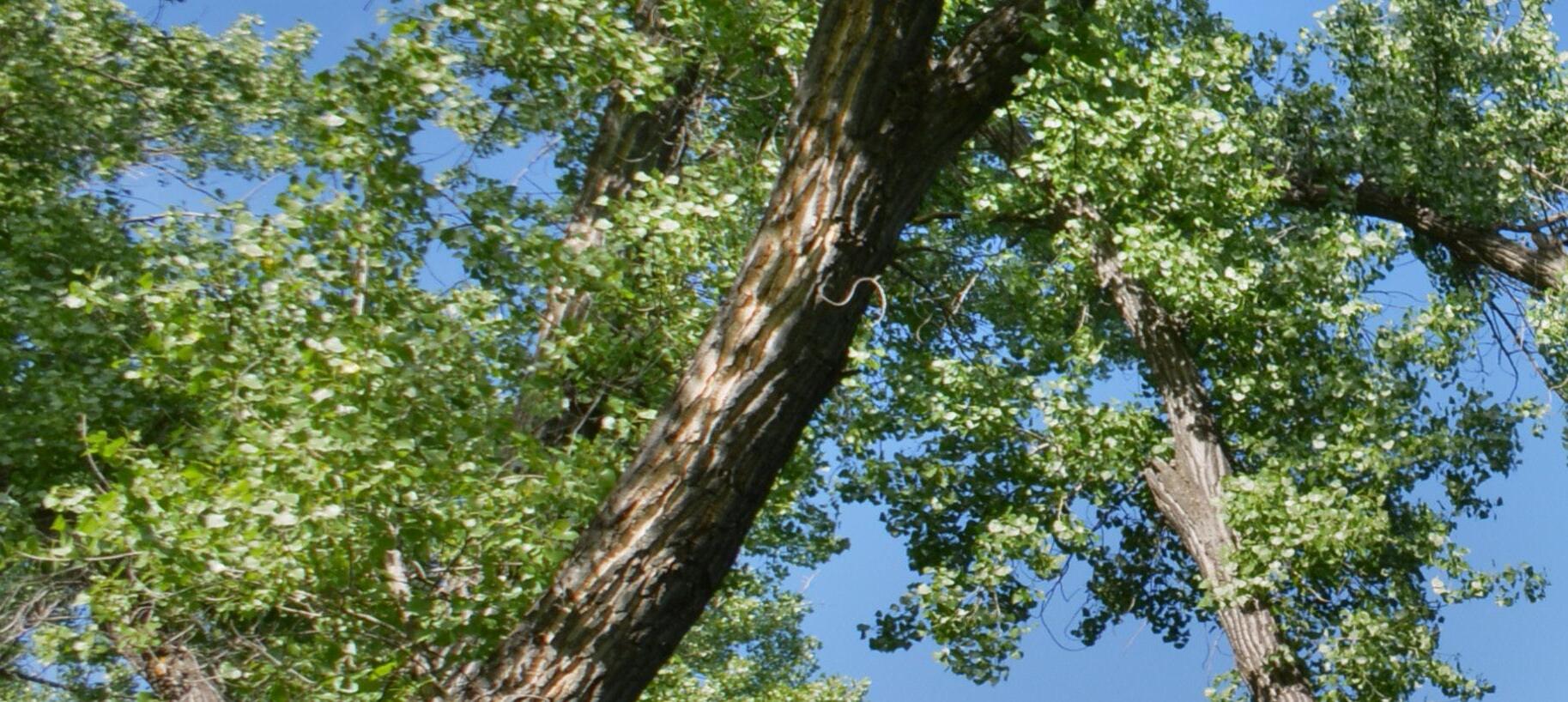
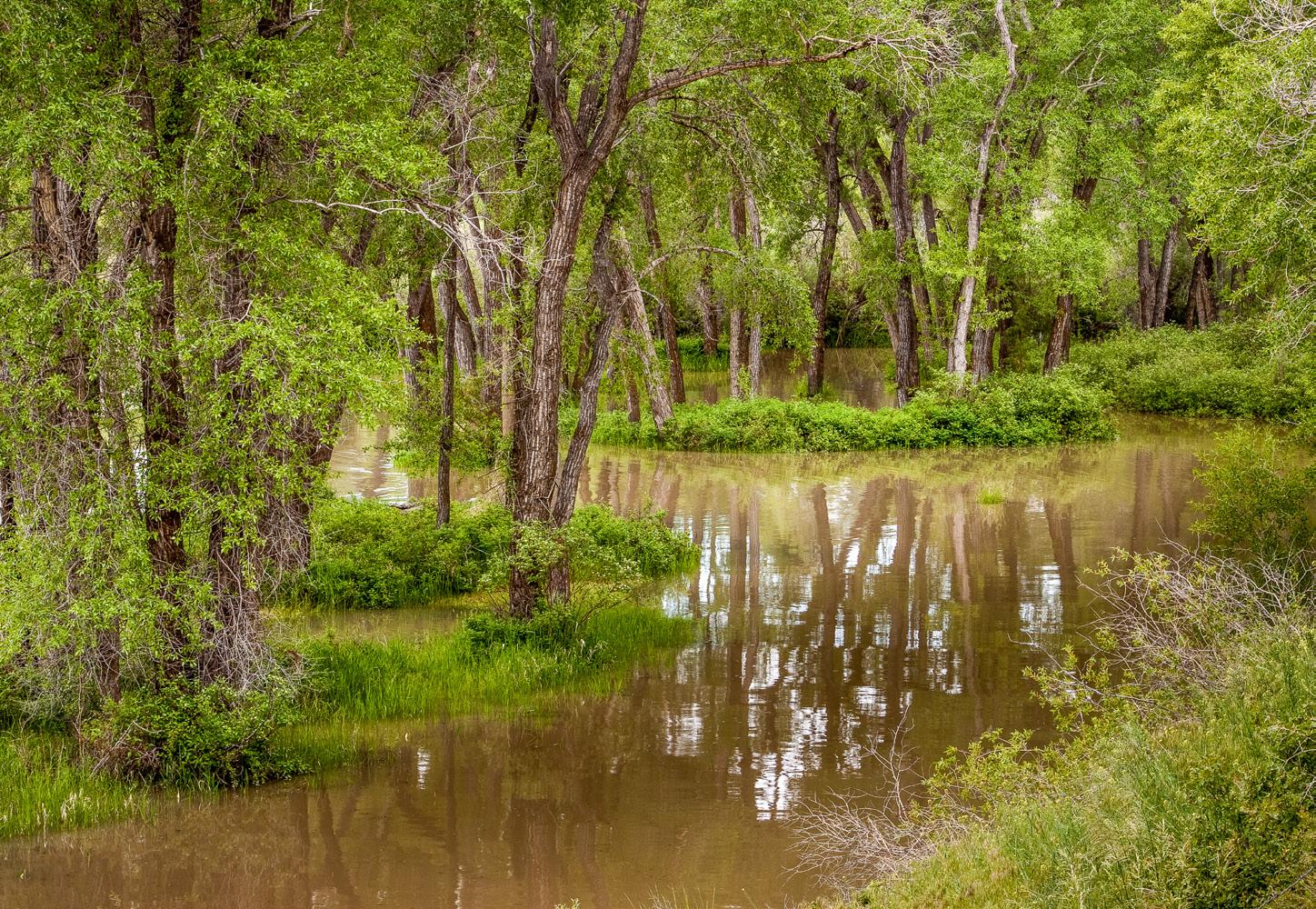
For the last 25 years, I’ve lived on a dry sagebrush ridge overlooking a ponderosa pine forest in Montana’s Bitterroot Valley. Yet when I think of the state as a whole, I think not of pines but of cottonwoods—especially those corridors of trees, known as gallery forests, that grow along all our major waterways, marking the riparian lifelines that stretch from mountains to plains.
After a long winter, there’s no more welcome sight than that first green-up along a Montana river, when cottonwood buds shed their sticky husks to reveal leaves as soft as lettuce. And there’s nothing prettier in fall than a broad river valley seamed by cottonwood forests glowing yellow and gold, their foliage transforming even long, lonesome stretches of interstate into scenic byways.
Cottonwood galleries also offer a reassuring presence, especially in arid country.
They orient us to the landscape, telling us where the river is or used to be. They lead us to water, shade, fish, and a huge diversity of birds and other animals. These forests are a sign of a place that can sustain life.
Unfortunately, many cottonwood stands are struggling to sustain themselves. Over millennia, the trees have adapted their reproduction strategies to wild rivers with natural variations in seasonal flow. But where rivers and riparian areas have changed— whether from storage dams and water management, other stream alterations, development, or invasive species—they are less able to provide the conditions cottonwoods need to establish new generations.
As older trees die, there often aren’t enough younger trees coming up to replace them—not enough seedlings, saplings, or middle-aged trees to help perpetuate some of our most vital and productive wildlife habitats.
A BOON FOR BIRDS
From frogs to flying squirrels, a huge variety of animals use riparian (streamside) areas, which in much of western North America are dominated by cottonwoods.
But walk through a cottonwood forest in spring and the first sound you’re likely to notice is birdsong. Though riparian areas cover less than 4 percent of the state, 85 percent of Montana birds depend on them during critical parts of their life cycles such as nesting and migration.
“Cottonwood habitats—and riparian systems in general—are immensely important for breeding birds,” says Bo Crees, an avian specialist for the Montana Natural Heritage Program and Montana Audubon.
Cottonwoods’ tremendous value to birds and other wildlife stems in part from their susceptibility to the fungal disease “heart rot.” These fast-growing trees tend to only live around 100 years (though one cottonwood in North Dakota dates back to 1641), often decaying slowly from within. Crees, who floats 150 to 400 miles of the Missouri and Madison rivers every two years while doing bird surveys, says it’s not uncommon to hear large limbs or trees fall. “All of a sudden there’s this huge crash behind you and you think you’re about to get whacked.”
Woodpeckers excavate holes in dead trees or dying parts of live trees, chiseling cavities that can be used later by roosting bats or by nesting birds like chickadees, screech owls, kestrels, and wood ducks.
On the plains, cottonwoods are often the
A frequent contributor, Julie Lue writes from Florence in the Bitterroot Valley.
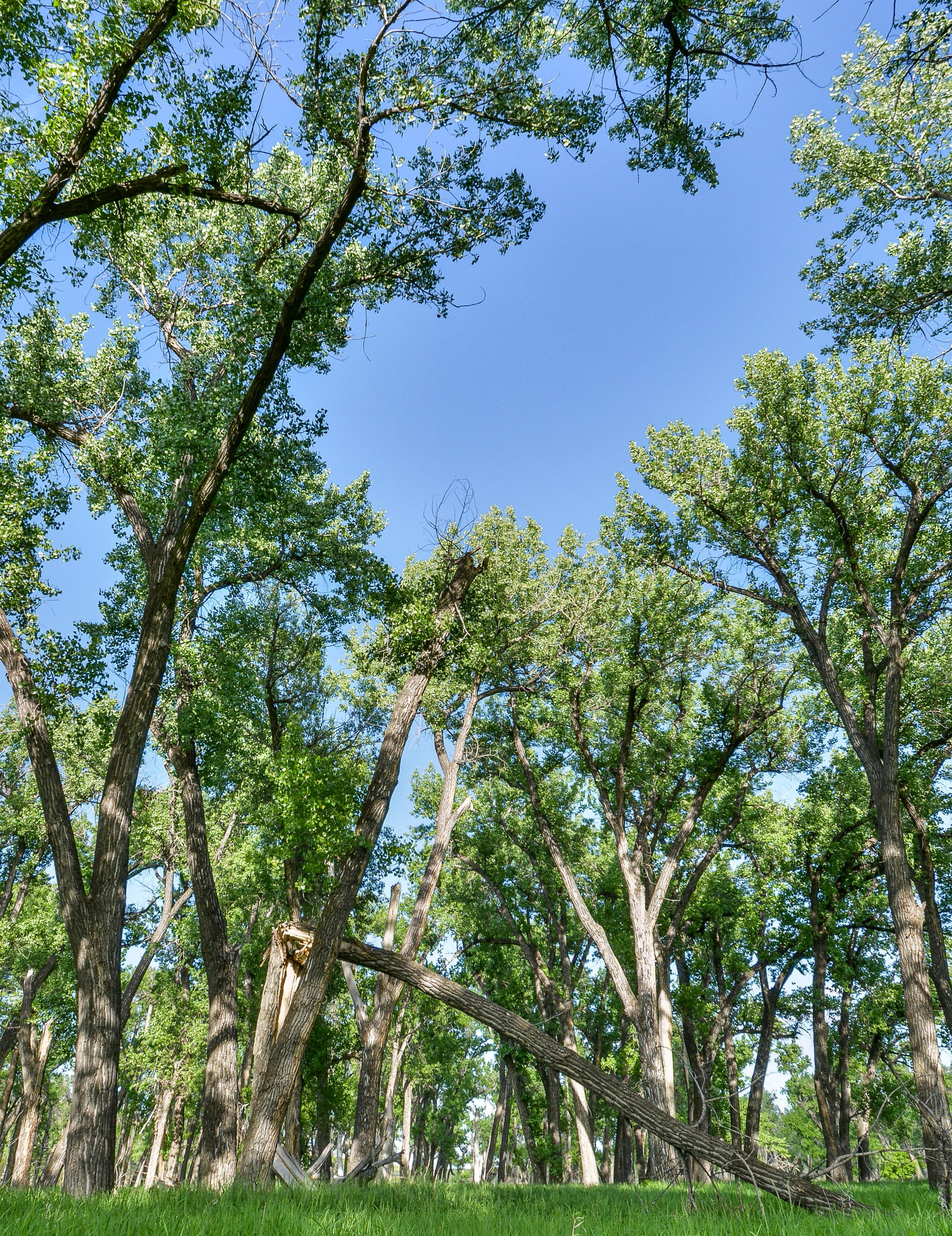
GREEN GALLERIA The gallery forests of mature cottonwoods gracing Montana’s river corridors are lush oases for birds and other wildlife. Yet these areas often lack younger age classes that will replace older, dying trees and maintain these valuable natural assets over time. PHOTO BY JACOB LILLEY
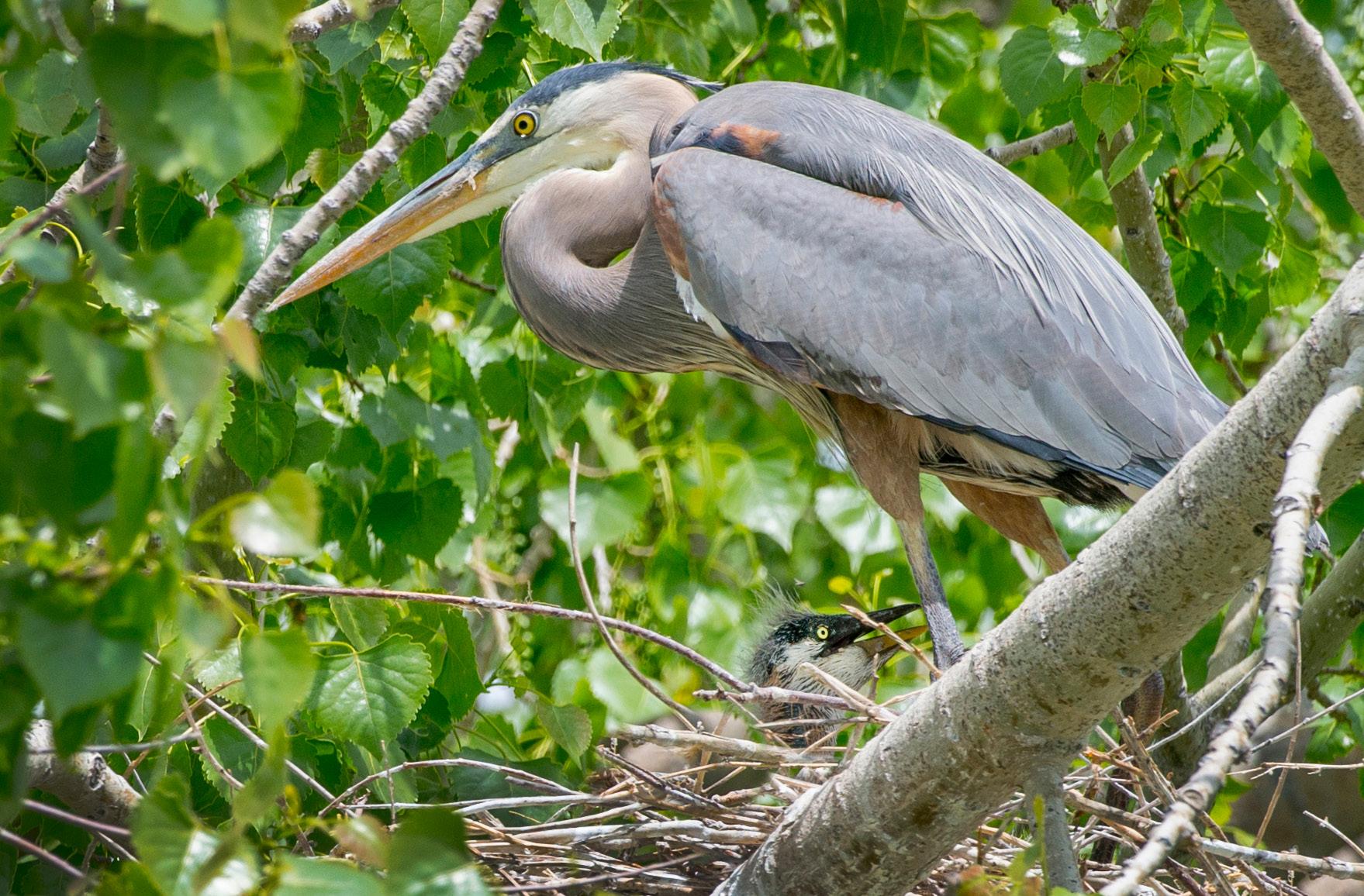
only trees that can support the heavy nests of bald eagles and great blue herons.
The herons, which are a state “species of concern,” vastly favor mature cottonwoods for their nesting colonies.
Crees uses aerial and satellite imagery to “fly” above hundreds of miles of Montana rivers as part of a project to map great blue heron rookeries, looking for groups of nests that appear as clusters of tiny blobs in the treetops. Comparing aerial photos from different years, he is also able to track cottonwood loss, which affects not just herons but countless nesting songbirds.
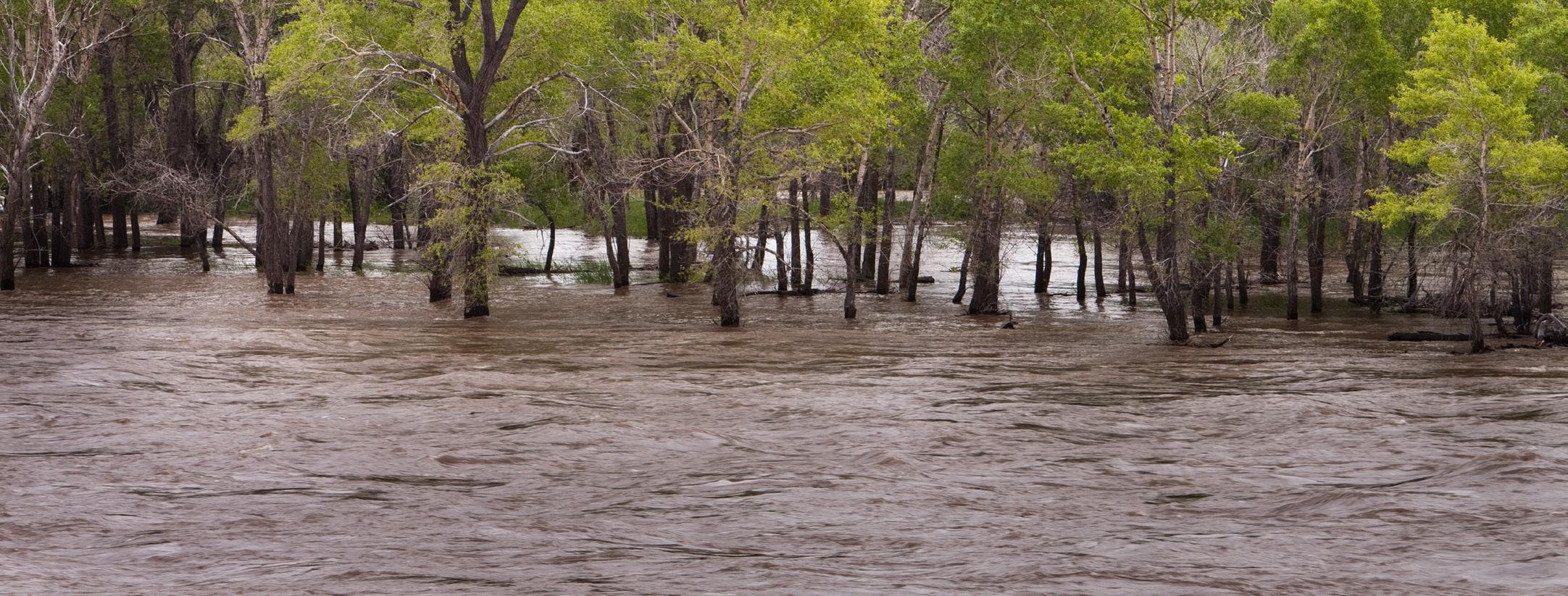
“It’s really interesting to toggle back and forth between years and see the dramatic difference,” he says. Sometimes many acres of trees or entire rookeries disappear from one year to the next, due to development, agricultural conversion, and other transformations. Flooding can also remove cottonwoods, but it’s the one force that can give back as much as it takes out.
RAISING THE BARS
A mature female cottonwood can produce millions of short-lived, golden-brown seeds each year, releasing them in late spring and early summer in a blizzard of silky white puffs set adrift on wind or water.
Yet those millions of seeds may not produce a single seedling or sapling, much less a tree that survives to maturity, if they don’t land on the proper seedbed. To germinate, cottonwood seeds need bare, moist soil in full sun. Then for longer-term survival, young trees need to grow close enough to the river to receive adequate moisture but also far enough above it to avoid getting blasted by high water or ice jams.
Similar to aspens, larch, and lodgepoles, cottonwoods are a pioneer species that takes full advantage of disturbance. It’s no accident they shed their seeds to the wind right
when rivers usually flood.
“If you want to track where cottonwoods are going to appear successfully on the landscape, look for freshly deposited sandbars,” says Dr. Michael L. Scott, a retired U.S. Geological Survey (USGS) research ecologist who has spent decades studying cottonwoods along the Missouri River and throughout the West. “If you eliminate the conditions that create sandbars—basically, large flows that erode, transport, and deposit sediment—you’re going to limit natural cottonwood reproduction.”
According to Scott, “Flows of 50,000 cubic feet per second account for about 70 percent of the cottonwoods along the Missouri below Fort Benton.” But peak flows are now smaller by about 20 percent and less frequent, he says, with large storage dams and the changing climate playing a role.
Before dams, Missouri River flows reached 50,000 cubic feet per second or more about every 9 years at Fort Benton, where records date back to the late 1800s. But since dams have controlled the flow, the Missouri has reached this level just once every 17 years. “This has reduced the river’s ability to create suitable establishment sites for cottonwood,” Scott says.
And where we lose cottonwoods, says Torrey Ritter, an FWP nongame biologist based in Missoula, “We lose a lot of birds, a lot of fishing. We lose water storage. We lose water purification.”
A RIVERBANK DELICACY
Montana has three distinct species of cottonwood—black, eastern (aka plains), and narrowleaf —as well as a hybrid of narrowleaf and plains called lanceleaf.
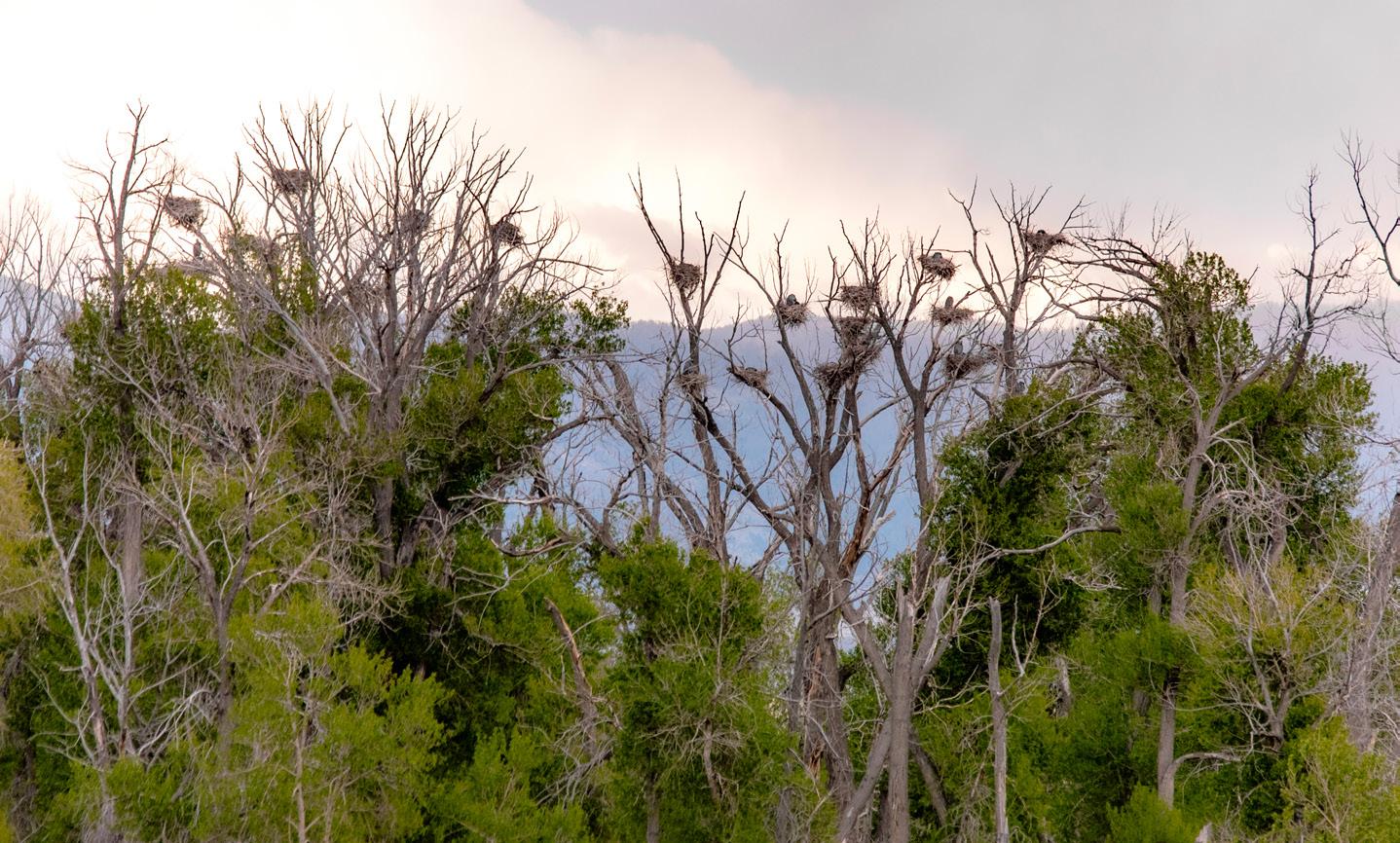
ROOK STARS Cottonwood stands attract great blue herons (above) looking to build communal nesting colonies known as rookeries (top). These are often the only trees on the open plains strong enough to support herons’ hefty nests. Great blues are a state “species of concern” due largely to the lack of cottonwood regeneration along many Montana rivers.
CLOCKWISE FROM TOP LEFT: LEA FRYE; LINNET LONG; ELIZABETH MOORE
Lewis’s woodpeckers
Where we lose cottonwoods, we lose a lot of birds, a lot of fishing. We lose water storage. We lose water purification.”
None are in danger of extinction, but the habitats they dominate are in peril.
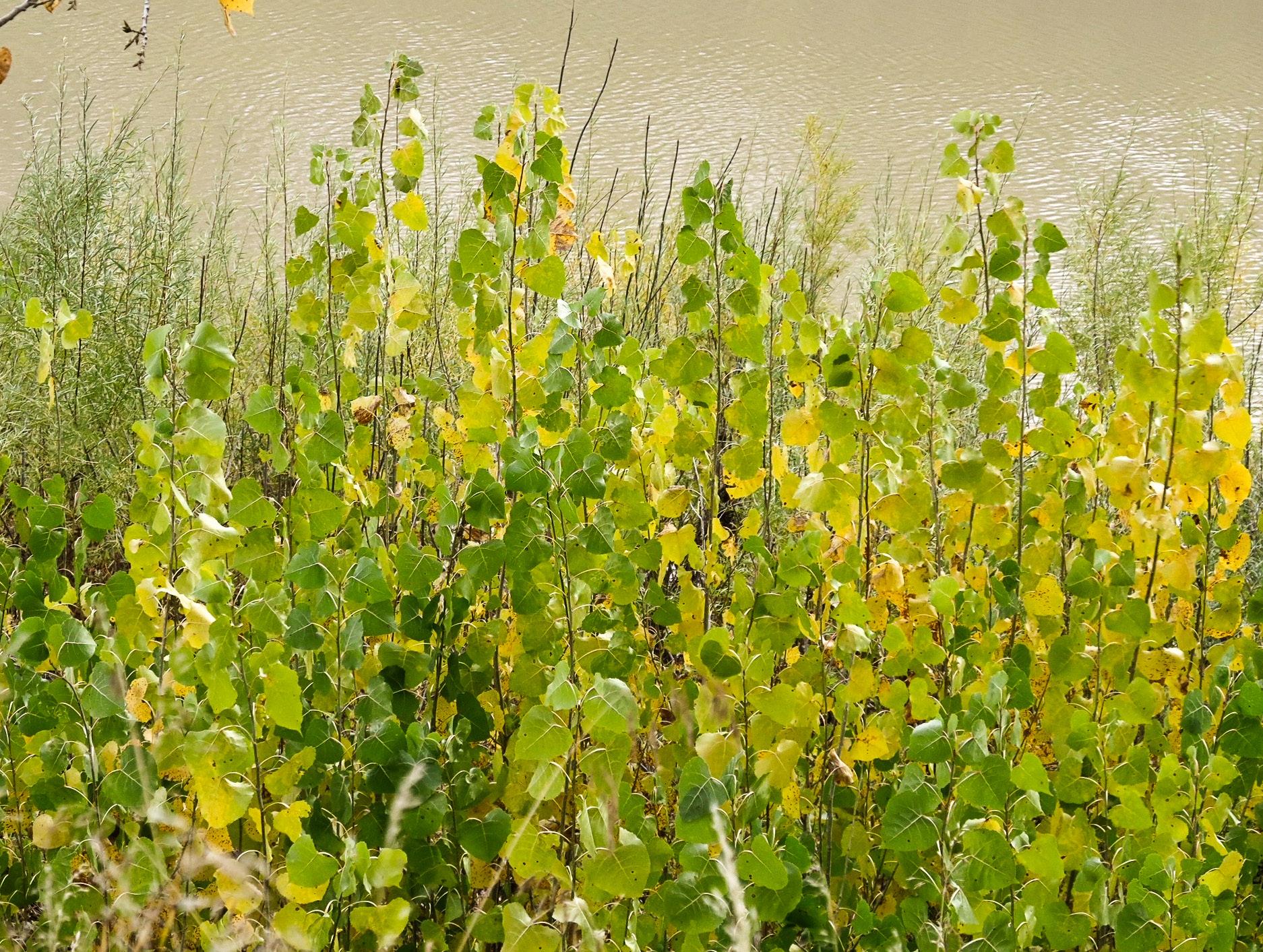
In June 2022, historic flooding on the Yellowstone, the longest free-flowing river in the United States, reshaped the floodplain across a broad swath of Montana. Soon afterward, “point bars and inside bends were just loaded with little cottonwoods,” says Bryan Giordano, an FWP fisheries biologist based in Billings. In 50 to 70 years, these point bars—low, curved ridges of sand and gravel deposited by floods along the inner bank of a meandering river—may host mature cottonwood forests that help prevent future bank erosion. But those seedlings and saplings face a long and precarious path to maturity.
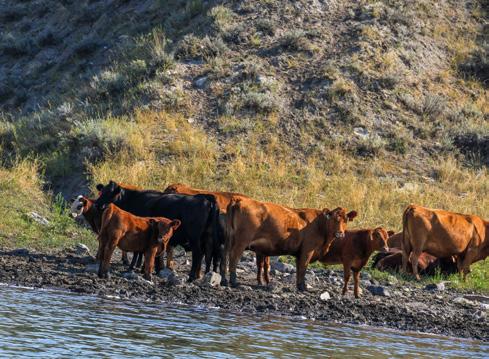
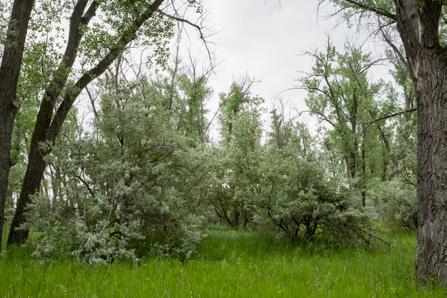
Like aspens, sprouting cottonwoods are a protein-rich delicacy for deer, elk, cattle, and other grazers. They’re also far more palatable than competing invasive species such as Russian olive, salt cedar, and common buckthorn. To give cottonwoods a temporary boost, habitat managers sometimes place fencing around stands of young trees until they grow tall enough to survive the extra attention—or entire riparian corridors to keep cattle away from the river bottom, instead providing stock tanks or other supplemental water sources on higher ground.
“As cottonwoods are maturing, periodic, short-term controlled grazing can actually be beneficial if it’s an area that’s been fenced off for a long time, but they can’t handle cattle just hanging out all the time along the river,” says Jeannette Blank, program director for Montana Freshwater Partners, a nonprofit organization in Livingston dedicated to stream and wetland restoration.
Along the Yellowstone River near Emigrant, landowner Jeff Reed witnessed a flurry of cottonwood regrowth after his ponds flooded in 2022. He recommends that to protect young trees from deer, “any time you get regrowth, fence it. If it’s open
FOUNTAINS OF YOUTH Living up to their name, cottonwoods fill the late-spring air along river corridors with fuzzy seeds just as high water is receding—strategic timing to cover freshly deposited sandbars in thickets of young trees (above). If that soil stays moist and the trees can survive beavers and over-browsing, some may grow into massive pillars. Below: Cottonwoods are one of very few trees that can survive having their trunks buried in sediment.
How Flooding Creates Cottonwood Forests
In spring, high water from mountain snowmelt raises river levels. Muddy from erosion, the water also floods low areas, called “floodplains,” next to river channels.
Flooded floodplains create wetlands, channels, and pools— habitat for frogs, shorebirds, and waterfowl.
Standing water seeps down and recharges groundwater. Underground microbes purify the water.
In June or July, cottonwood seeds float through the air. The “cotton” carries the seeds in the wind and on the water surface.
When seeds land in moist silt and gravel left by floodwaters, they take root. Cottonwood seeds can germinate only in moist areas exposed to sunlight.
Key plants that wildlife eat also grow on these bare, moist soils, including goldenrod, milkweed, snowberry, and others.
Thick stands of “doghair” cottonwood saplings produce twigs and leaves eaten by deer. Beavers feed on the bark and twigs of all ages of cottonwood.
Migrating birds moving along the river corridor feed on insects and rest on cottonwood branches. Other birds nest in the branches.
Large cottonwoods are often the only trees big enough to hold the heavy nests of eagles and great blue herons.
Shade from tall trees keeps water temperatures cool and allows shade-dependent shrubs like chokecherry and Wood’s rose to grow. Roots anchor soil.
When old cottonwoods die, the dead standing trees, called snags, provide habitat for many cavitydwelling species including woodpeckers, wood ducks, chickadees, bats, squirrels, and owls.
Morels grow under dead or dying cottonwoods.
The dead “rottenwood” attracts ants and beetles that many birds eat. Eventually, dead cottonwoods topple. Ospreys may build a nest on the broken top. The fallen logs provide habitat for amphibians, rodents, and small predators like shrews and mink.
When floodwaters return, they wash logs and branches into the river. This creates underwater logjams that provide fish habitat— and better fishing.
Sediment builds behind logjams, forming sandbars where new cottonwood stands grow. n
and grassy and there are seedlings, they’re gone.”
Beavers also gnaw down cottonwood trees for food or building material, a natural behavior that presents problems where trees are sparse and natural regeneration is limited. Reed says he allows beavers to take down some of his old cottonwoods—which may die soon anyway—and focuses on protecting middle-aged trees.
He also leaves dead cottonwood trunks and logs deposited by floods. When washed back into the river by future high water, this dead wood can help create superb fish habitat.
HARDENING OF THE ARTERIES
Healthy rivers have a much larger footprint than the water we see flowing past us from the banks. Water is also flowing through the soil beneath our feet, out across the floodplain, and even beyond it. The more space a river has to wander freely and slow its flow in lazy oxbows, the more time it has to recharge the local aquifer. This in turn helps maintain flows once snow has melted off from the high country.
Yet many rivers in Montana have been straightened and riprapped to make room for crops, housing developments, roads, and other human uses, to the detriment of riparian areas and cottonwood regeneration. Once a river hits major flood stage, these modifications can worsen flooding for everyone downstream by increasing the rate and volume of water that would have been slowed and partially absorbed on a healthy meandering river.
“A straightened, riprapped river becomes like a massive fire hose blasting water downstream,” Ritter says. Some landowners also clear out shrubs and dead wood in an attempt to create a “park-like” setting, retaining only the large living trees. This can lead to unintended consequences when the river tops its banks.
“The floodplain’s ability to dissipat e energy is being cleared away,” says Ritter. “Now when the river gets up on these flat surfaces, there’s no dead wood or shrubs or anything to slow it down.”
Kept in their more complex, natural state, riparian habitats provide better cover, shade, and food for birds, mammals, and fish—the very things that often attract people to live by the river in the first place.
“In a lot of streams and rivers, fish will get their food from what’s called allochthonous sources, which means from outside the river,” says David Schmetterling, FWP’s recently retired native fisheries research coordinator in Missoula. “When you see a thick tangle of rose and dogwood
and hawthorn and chokecherry and logs on the banks, you can just imagine how it’s alive with insects and small mammals and other things that may drop to become fish food.”
Cottonwoods and other trees that fall into rivers and streams slow the flow and create pools and logjams. In turn, logjams keep the river channel on the move and hold back sediments to create sandbars where baby cottonwoods can grow. South of Missoula on the Bitterroot River, “A lot of regeneration we see is behind these logjams or even just big trees out in the middle of cobble islands and sandbars,” Ritter says.
BACK TO THE FUTURE
Conserving Montana’s magnificent cottonwood stands may require a shift in perception about what healthy riparian habitat looks like, says Kristina Smucker, FWP nongame wildlife bureau chief in Helena.
“I’m hoping that with education and outreach, we can convince landowners to keep snags that aren’t a danger to people or structures, and allow shrubs and downed debris to stay put for wildlife habitat,” she says. If landowners give a river space by providing a natural vegetated buffer, Smucker adds, “the diversity of birds and critters they’ll find will be so much richer.”
Rivers with large storage dams like the Missouri offer a special challenge. Using
Now when the river gets up on these flat surfaces, there’s no dead wood or shrubs or anything to slow it down.”
STEVEN AKRE
FALLEN ANGELS Cottonwoods provide habitat even after they collapse into rivers. Boaters might not appreciate these “sweepers,” but they slow the flow and improve fish habitat.
Cottonwoods in Crisis
Before they will sprout, cottonwood seeds need bare, moist, silty soil in full sunlight. Historically, these conditions prevailed each spring when high water in Montana rivers spilled over banks and inundated adjacent floodplains. But that flooding has declined over the past century, leaving few young trees to replace the dying old stands of cottonwoods still seen along rivers.
Actions by homeowners, livestock growers, land and water managers, government agencies, and others can all help maintain healthy rivers and healthy cottonwood forests into the future.
Here are some of the problems cottonwoods face, along with proven solutions.
PROBLEM: Roaming livestock can overgraze cottonwood saplings and degrade riverbanks and floodplains through trampling and soil compaction.
SOLUTION: Manage livestock access with fencing, off-stream water sources, and rotational grazing to protect riverbanks and allow cottonwoods to regenerate.
PROBLEM: Deer and beavers feed on young cottonwoods, preventing many saplings from ever reaching maturity.
SOLUTION: Protect young cottonwoods with fencing or tree guards and replant if possible to ensure a steady supply of future trees.
PROBLEM: Landowners install riprap and other bank armoring, preventing floodwaters from reaching floodplains and limiting cottonwood regeneration.
SOLUTION: Avoid building in floodplains or too close to rivers, and avoid riprap by instead using natural bank stabilization methods that allow floodplain connection.
PROBLEM: Invasive species like Russian olive outcompete native cottonwoods for water, light, and space, limiting regeneration.
SOLUTION: Remove invasive trees and replace them with native cottonwoods and willows to restore healthy riparian forests.
PROBLEM: Homeowners remove snags, downed trees, and underbrush to create “park-like” settings, eliminating habitat and disrupting natural river processes.
SOLUTION: Retain woody debris and native vegetation, including snags that don’t pose a threat to people or property, along riverbanks and in floodplains to support habitat and ecosystem function.
PROBLEM: River straightening and floodplain development disconnect rivers from their floodplains—speeding up flows, worsening downstream flooding, and limiting the slower, sediment-rich conditions cottonwoods need to regenerate.
SOLUTION: Restore river-floodplain connections where feasible by allowing rivers to meander, limiting floodplain development, and focusing on projects that mimic natural flow and channel patterns.
PROBLEM: Hydropower dams hold back high spring flows that once flooded floodplains and carried silt for cottonwood seed germination.
SOLUTION: Create temporary, controlled spring pulse flows from hydropower dams that mimic historical flood events to create sandbars where cottonwoods can potentially become established. n
carefully managed dam releases to benefit cottonwoods in years of ample spring runoff has been discussed for decades. But with so many competing interests and uses along the river, carrying out brief “pulse floods” of adequate magnitude has proved difficult.
“We’re so constrained along these large rivers with water management and dams,” Smucker says. “It’s really going to take creativity to find the opportunities and the places to engineer things that we would have historically counted on floods to do.”
Before Euro-American settlement, Indigenous people “basically learned to live with the wild river, which required them to only use the floodplain seasonally,” says Scott, the retired USGS research ecologist. “They would build their villages on higher ground because they knew the river was going to flood. But we have modified our rivers to serve our purposes rather than adapt. We want to tame the river, but we want all the amenities that the wild river had, and you really can’t do both at the scale of the entire river.”
While human efforts can’t match the restorative effects of a flood, people along the Missouri River have stepped in to help. The Friends of the Missouri Breaks Monument in partnership with the Bureau of Land Management have planted and tended hundreds of cottonwoods on the river’s Wild and Scenic stretch, which includes the famed White Cliffs.
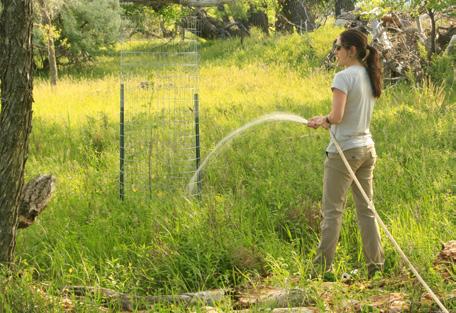
This challenging project has been helped by recreational boaters lugging buckets of water to the young trees.
Northwestern Energy operates 11 hydroelectric dams on the Missouri and Madison rivers. Grant Grisak, a biologist
for the utility, is experimenting with larger-scale plantings of 4 to 11 acres set back from the river to help avoid beavers. Expected to mature over the next 50 to 75 years, the plots are protected by fencing and watered by drip irrigation until trees establish enough root mass to survive on their own. Grisak, who previously worked as a fisheries biologist for FWP on the pallid sturgeon project, says this type of restoration
challenges biologists like him “to look beyond our own careers.”
Tom Philp of Winifred also takes the long view. After working in ranching and construction, he’s spent the past 16 years operating the McClelland-Stafford Ferry, which has shuttled travelers across the Missouri River for more than a century. “I can talk about cottonwoods all day,” Philp says. He has so far planted and tended to 15 trees
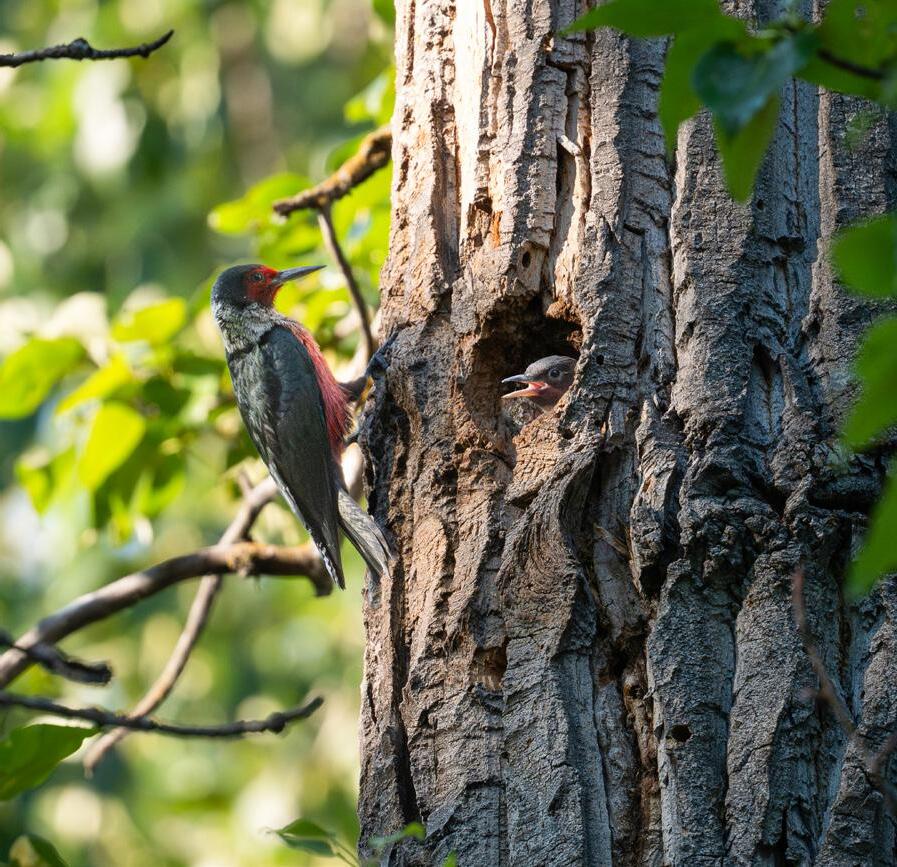
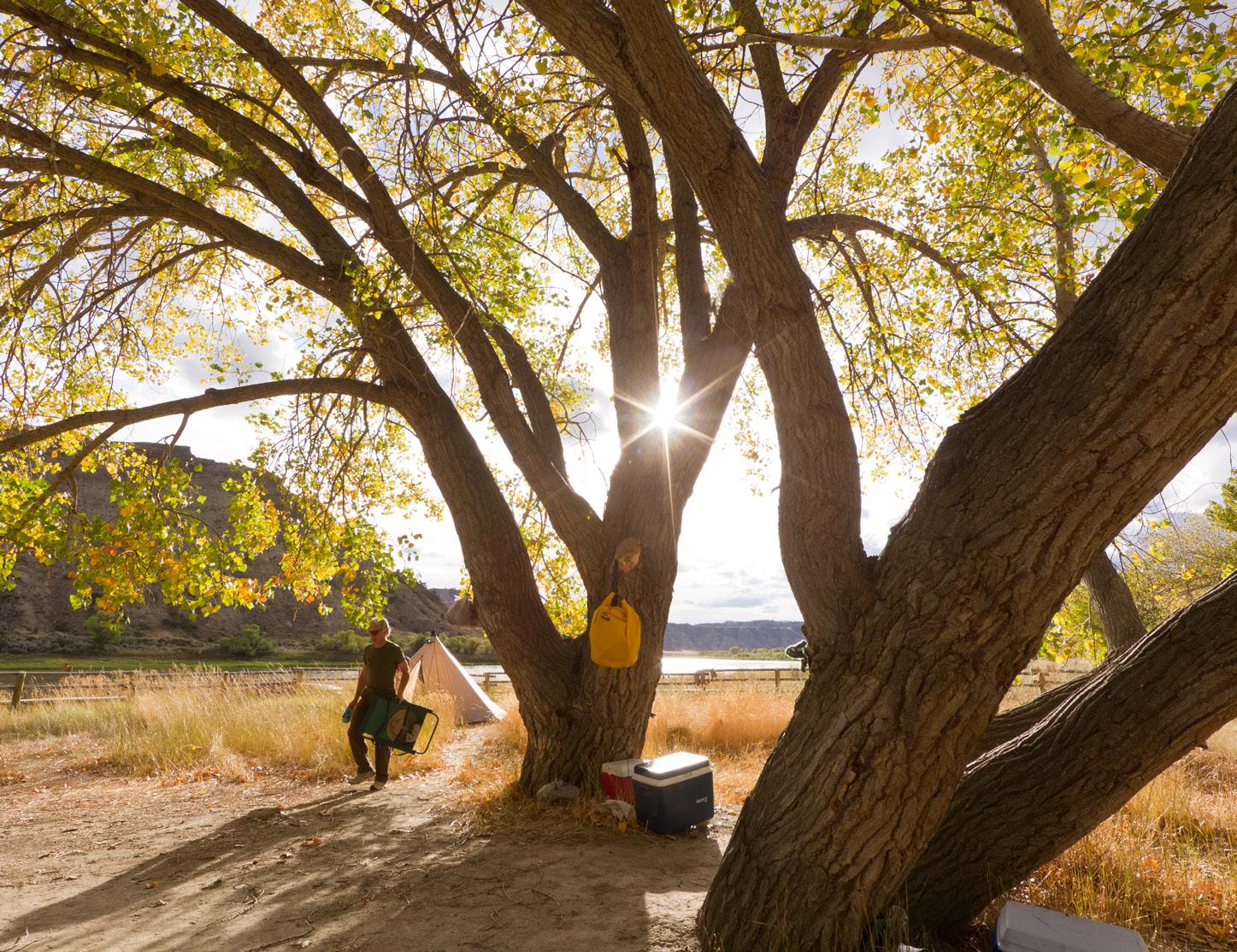
LOFTY SHELTERS Cottonwoods provide otherwise hard-to-find shade (above and top left) across the wide-open plains of Montana. Because many trees suffer a fungal disease known as "heart rot," they also provide cavities that many birds and wildlife such as black bears and raccoons (top right) use for shelter.
We want to tame the river, but we want all the amenities that the wild river had—and you really can’t do both.”
at the ferry launch, some now taller than the house where he and the other ferry operator stay. He also fenced off two naturally growing saplings to protect them from beavers and cattle. “They lasted one year,” Philp says, before an ice jam came through and bulldozed everything down, including a large metal post that tethers the ferry.
Now in his late 70s, Philp takes pride in helping promote healthy populations of cottonwoods. “I’m like that old saying,” he says. “I’m the man who plants trees I’ll never sit under.”
And like the 400-year-old cottonwood in North Dakota that cast shade over herds of bison a century before the Corps of Discovery came up the Missouri, these trees provide both a link to the past and a way to share hope for the future.
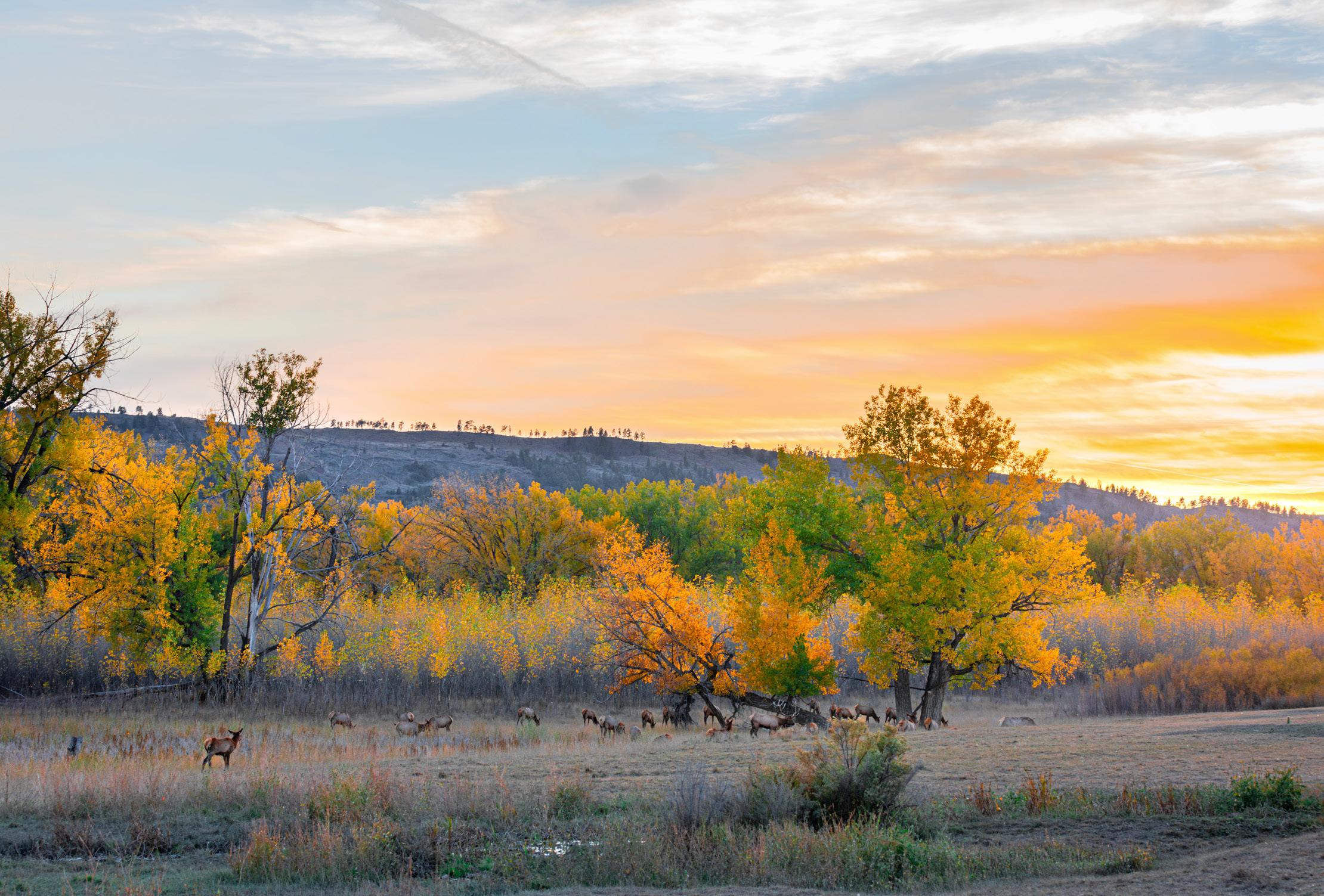
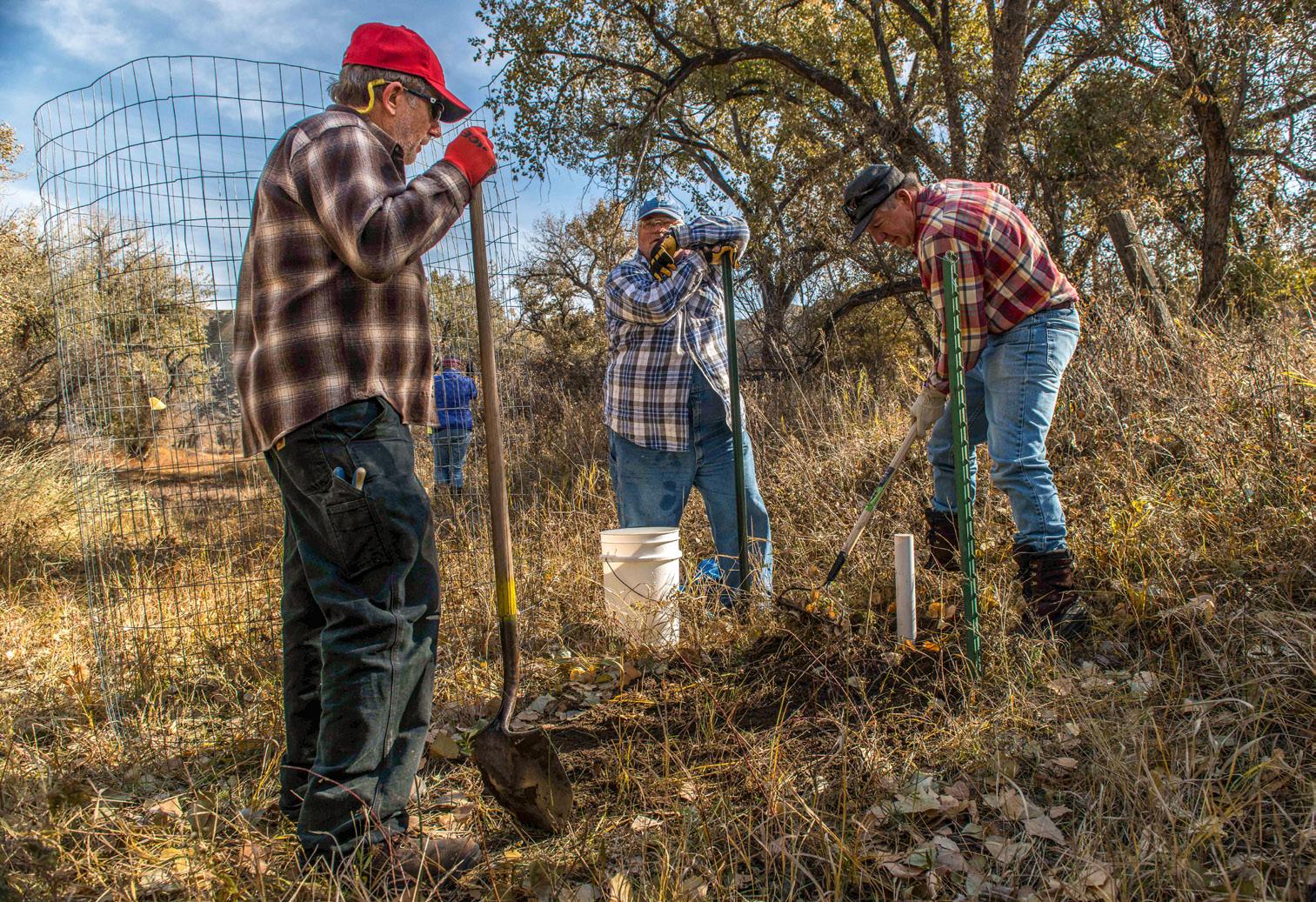
SO MUCH TO LOVE Conservation work by volunteers plays an integral role in helping cottonwoods regenerate. Erecting fences around young trees (bottom right) protects them until they are mature enough to survive browsing by cattle, deer, and elk (above).
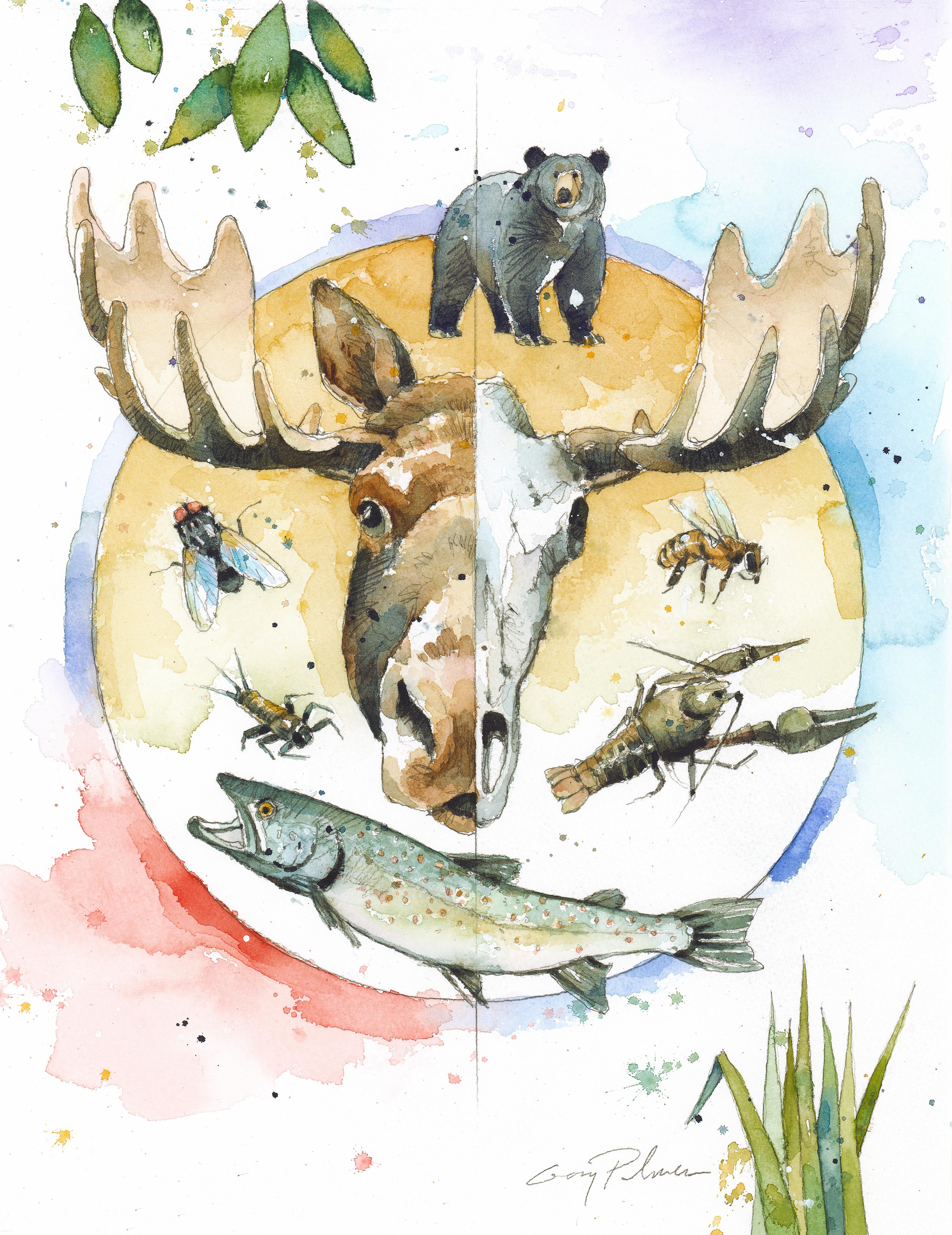
By Noah Davis. Illustrations by Gary Palmer
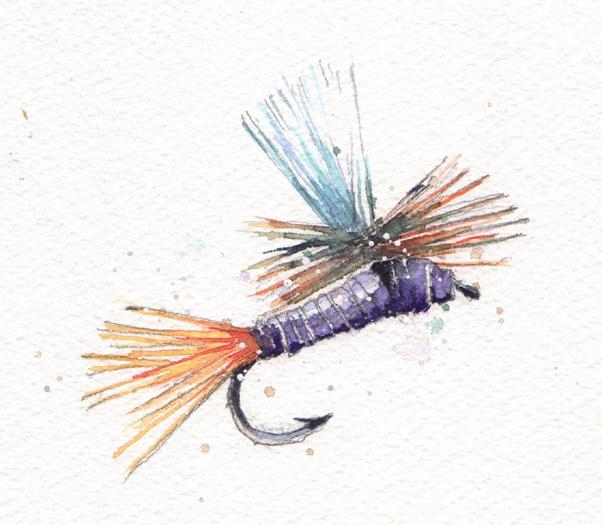
MY DAD’S PURPLE HAZE FLY lands at the confluence of two currents near the top of the run. The left flow fights the right for a moment, giving the threaded hook an insect-like skitter. In another beat, the pink cheek of a cutthroat flashes where the fly was, and Dad lifts his rod to set his small hook.
After giving the fish a quick thank you and compliments on the orange slash under its chin and fine black spots on its tail, the trout is back in the run and Dad and I move up the creek.
The stream flows through thick willows. In late June, visibility extends mere inches into the wall of thin leaves. There is no path to follow other than the course of the water, so our feet remain wet and cool. We’ve fished this stream for more than a decade, long enough that our memories paint our expectations. Each year we recognize where spring runoff has changed some features—a root ball, a flimsy log, a short beaver dam. Yet the true pools, the bends dug out by a century of high-water seasons, endure.
I aim my cast at the bubble line along the far bank. There is just enough depth to hide a trout’s dorsal fin, and the grass curtain hanging over the water offers enough security for a fish to linger. Halfway through the drift, the wind shifts downstream, and a putrid smell of rotting flesh assaults my nose.
My eyes water. I turn to blow the stink from my nostrils. As I do, I see a trout splash my fly, and I half-set knowing I am already too late.
“You smell that?” Dad asks, wrinkling his nose.
“I bet whatever is dead is in the big bend.”
I know the spot well. The creek makes a sharp left turn at the base of a large ponderosa, a drastic shift that pins logs at awkward angles even spring floods don’t often dislodge. Stones the size of my head are trapped in the jigsaw of wood.
The aquamarine pool downstream of the jam tends to hold a few cutthroat ready to rocket from the depths to take the ants and beetles that slip off the wood. Bull trout wait in the deep, slow water above, hoping for a struggling fish to flash and betray fragility. Most cutthroat keep to the shallows where riffles chop the surface.
I spot a moose leg spearing out of the lower pool, hoof cupped toward us like an outstretched hand. As I draw closer, I see the creek has stripped the hair and some of the skin off the hindquarters. Red, purple, and blue meat shimmers beneath the water, and the hide ripples like the flaps on a wall tent.
Pinned against a log, the half-submerged ribcage buzzes with bees and wasps. Underwater, the sinewy scarlet muscle stretched over the ribs looks like stained glass.
Noah Davis is a frequent contributor. His second book of poetry, The Last Beast We Revel In, was published by CavanKerry Press in April 2025.
I climb onto the logs to examine the top half of the moose. Its bald neck looks extra-long without any hair, and I can see now it’s a bull with tall pedicles but no antlers attached to them. It must have died after its paddles had shed but before the next set began to grow. With those protruding posts on its head and skinny neck, the carcass looks more like a sunken giraffe than a moose.
The eye sockets are empty and most of the flesh is gone from the nose, so the bare hide undulates around thin bones. Fish shadows dart under the logs and the breadth of the carcass. I see no bull trout.
“I think he’s been dead for a few months,” Dad says, inspecting the hoof.
“Must’ve died higher and was carried down in the melt,” I reply. “Water was cold enough to refrigerate him for a while.”
“Do you think he broke a leg and fell in one of the beaver ponds?”
“Or broke through and drowned under the ice.”
“This creek carried a whole moose down. That’s something.”
“By the end of the month he’s gonna be mostly dry. Water’s dropping fast.”
I’ve found the scattered remains of dead moose while hunting grouse around brushy seeps, massive
femurs prehistoric in their heft. The long ribs like the legs of a giant spider. Yet it’s strange finding a moose submerged halfway between a full animal and a skeleton, the softness of hide and muscle still present and moving in the flow.
My gaze drifts along the arc of the jam, searching for what else its rigid net might have caught. Under the surface I see the shimmering leaves of willows where the bank gave way, and at depth, for a brief moment I mistake the shaved lengths of beaver cuttings for bones.
Then I do see bones.
“There’s a deer skeleton over here, too,” I call to Dad, who is starting up and around the jam to fish the riffle.
“A deer? Must’ve been a deadly winter upstream.” He drops down onto the sandbar above and begins to false cast. “Maybe we should turn back. Could be an omen.” I can see him wink as he lays down his fly, then hear the splash of a rise and Dad is again tight into a cutthroat. I guess the omen of bones means more trout.
I lie on the wide log to look closer at the deer. The bones are older than the moose’s; no flesh remains. It was a mature doe, based on the skull. I can see no leg bones, and the ribcage is settled on the bottom.
What other skeletons are hiding here? I have no macabre feeling seeing these creatures in the log jam. Since everything living needs the dead, since every step we take is on the past lives of others, this is a brilliant scene to witness. What a gift to mark this chapter of plenty for the creek.
Climbing off the jam and back to the moose leg, I pinch my nose and look close at the flesh still hanging to the hip. Mayfly nymphs cling black and stark against the cream bone, their thin legs obvious even through water. On the meat itself, two crayfish have found the lee side of the muscle and feast in their luck. I imagine that as lengths of flesh give way, bull trout below have swallowed the manageable morsels. I hope when my life ends, my body can in some way provide similar benefit and bounty. What better celebration than to be enjoyed? To help others through a few more meals?
“Let’s keep fishing,” Dad calls.
“I’m coming.”
Above the jam, I look back and can’t see a single bone through the glare on the water.
Three days later, Dad and I return. We both say out loud that we’d like to wade a bit farther up the canyon than the last visit, but silently we know we also want to check on the moose.
Water carries so much into itself, flowing over grains of sand that once were mountains, then boulders, then stones, then gravel. Or bears, and elk, and trout, and osprey, and herons that began as wet fur, feathers, meat, then bones, then shards.
There is no longer a strong stench as we fish up the creek. Here on the steep backside of peak runoff, the water has already dropped significantly and there are fewer places to cast. We quickly reach the jam and step across the gravel looking for the remains.
A single foreleg is wedged between two logs, but the rest of the moose is gone. Drag marks broom the sand toward the willows. Black bear tracks and a beaten path show the way toward the rank meal.
“Hey bear!” Dad and I both call as we back our way downstream, hands on our bear spray. We quickly round the corner then stride through the shallows, discussing what creek is close enough for us to fish the rest of the afternoon.
Once we make the trail and the threat of surprising a digesting bear has passed, I think back to the leg still pinioned in the jam.
“At least the bear left a little bit of the moose for the mayflies,” I say.
“Wonder if that leg will be there next year?”
Dad questions.
“Bits and pieces, I bet.”
THE LAST BEST PLACE FOR BUMBLE BEES
Times are tough for native bumble bees across North America, but a volunteer army is helping uncover a bonanza buzzing in Big Sky Country.
BY PAUL J. DRISCOLL
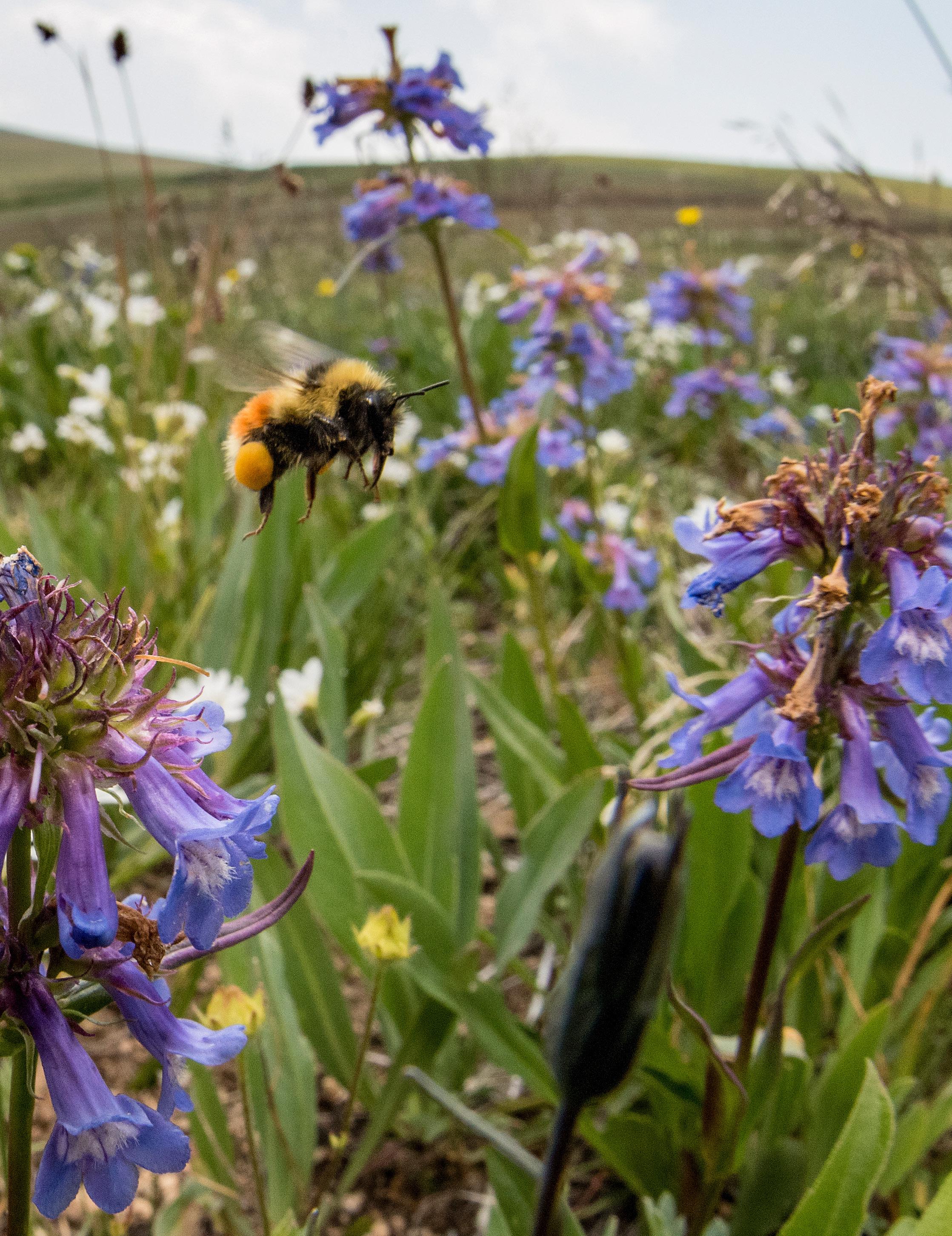
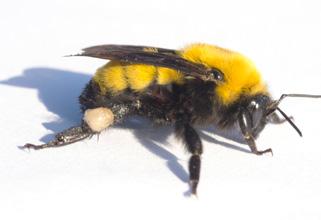
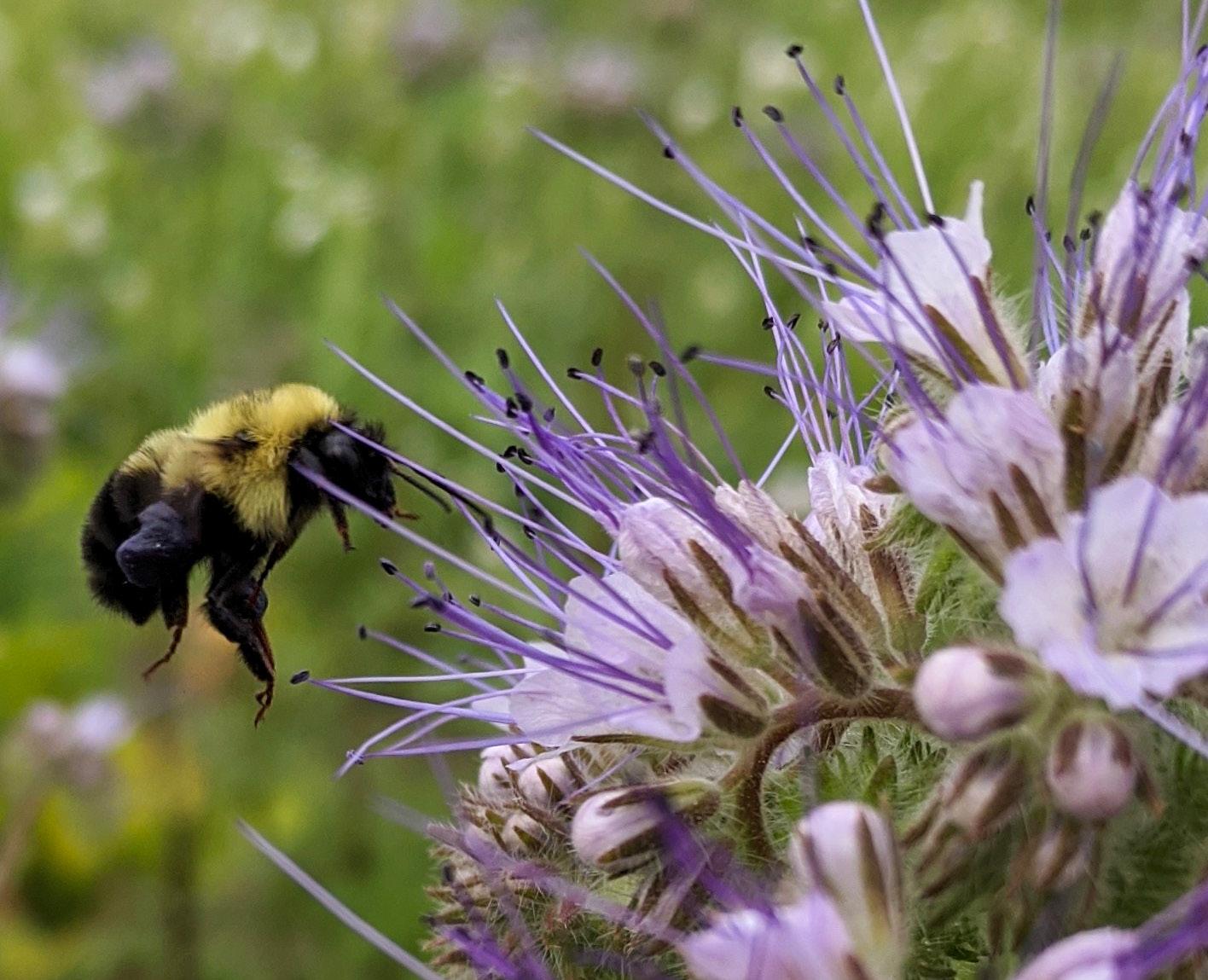
FLOWER POWER A Lapland bumble bee (Bombus sylvicola) in the Beartooth Range packing a large wad of pollen with its corbicula, aka “pollen basket.” This polished cavity on a bee’s rear leg has a fringe of hairs that grips a wad of pollen grains gathered from flowers for transport.
BY CLAY
PHOTO
BOLT
Though Michelle Toshack is one of Montana’s top bumble bee experts, two summers ago in her front yard in Livingston, she was baffled by a furry black-and-yellow bee.
“I thought, What on earth is that weirdlooking bee?”
It turned out to be a two-spotted bumble bee, Bombus bimaculatus, common to the eastern United States and southeastern Canada and occasionally seen in eastern Montana. Her find is the farthest west the species has ever been recorded.
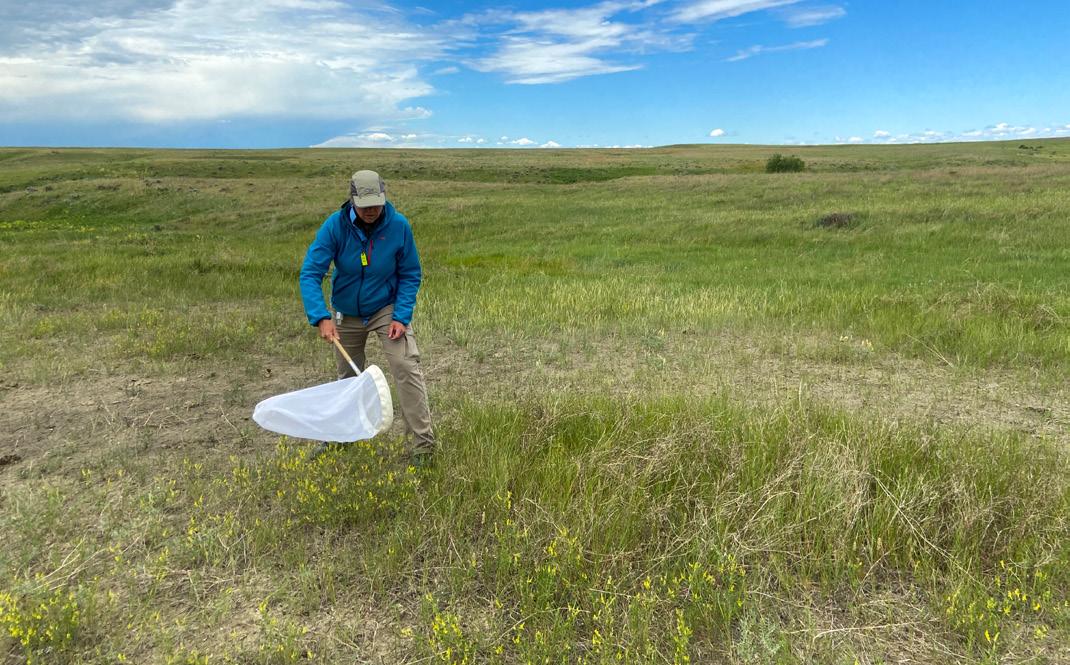
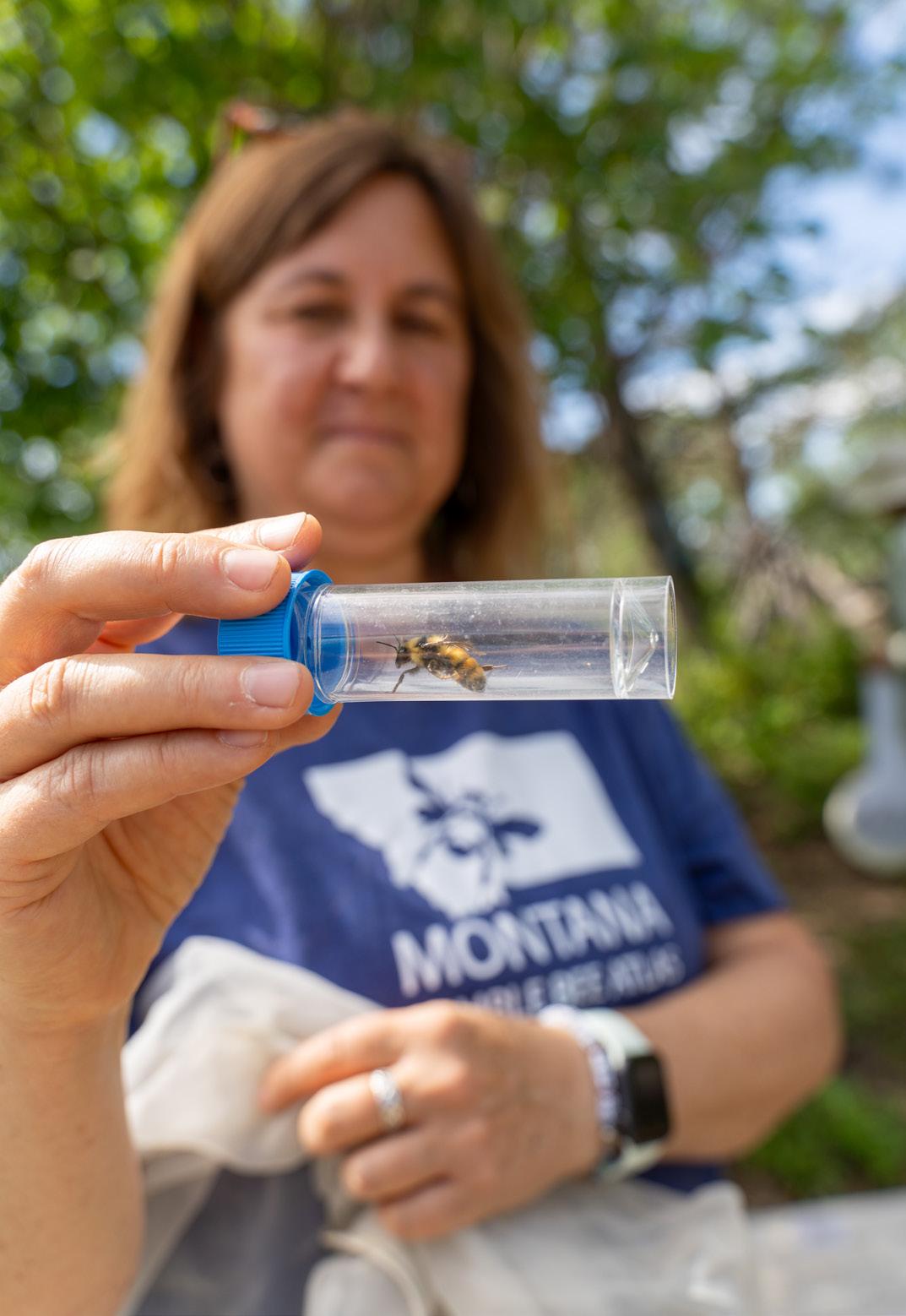
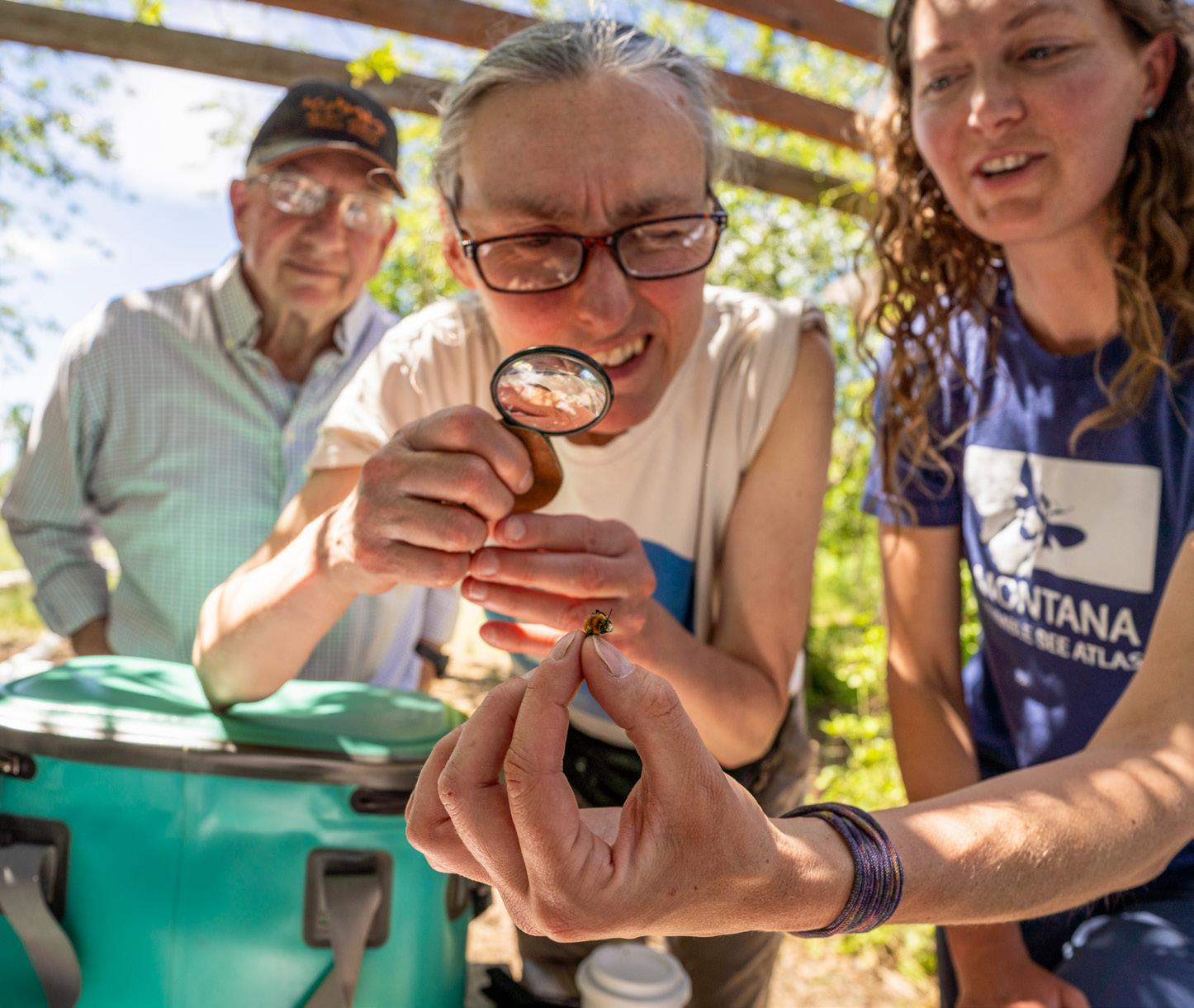
Toshack hopes this year will bring more surprises. She works for an international pollinator conservation nonprofit called the Xerces Society, which is building an army of volunteer bumble bee surveyors to help map the presence and diversity of these fuzzy insects for a project known as the Bumble Bee Atlas. Launched in the Pacific Northwest in 2018, this ambitious effort has spread to 21 states and enlisted nearly 30,000 surveyors.
Montana joined in 2024 with Toshack as lead. Since then she has trained 442 volunteers across the state who have conducted 628 bee surveys, categorizing more than 5,500 bumble bees to date. Administered by the Xerces Society, this project partners extensively with federal and state agencies, local nonprofits, plant societies, hiking groups, and any other interested parties to get as many people as possible engaged.
“Montana has some of the best bumble bee habitat on earth, and we sit right at the
Paul Driscoll is a volunteer for the Xerces Society and the Montana Bumble Bee Atlas. This is his fifth story for Montana Outdoors.
convergence point of eastern and western species, so we are incredibly important for the future of America’s bumble bees,” Toshack says. “In fact, we’re home to at least 29 of North America’s 50 native bees, tied for first place with South Dakota for the number of species we host. It’s possible the Montana Bumble Bee Atlas will help push us past 30.”
“
Montana has some of the best bumble bee habitat on earth.”
FLYING PICKUPS
Montana’s extraordinary abundance of bumble bees comes courtesy of its large expanses of wild lands and wildly varied geography—prairies that attract species from Canada and the east, high alpine peaks and forests that invite bees from the north and west, and scrubby sagebrush steppe connecting arid basins to the south.
Bumble bees are cold blooded like all insects, but they come equipped to survive Montana weather with a coat of fuzzy insulating hair and a remarkable ability to thermo-regulate by “shivering”—vibrating
their flying muscles to increase their temperature to the 86 degrees F needed for flight. This allows them to forage in cold that leaves other bees grounded.
It’s not the only extraordinary thing their two-bladed wings can do. Bumble bees sweep them in a unique figure-eight pattern to hover like hummingbirds, and can fine tune their wingbeats to resonate at the exact frequency that coaxes certain flowers to release a shower of pollen dust, a phenomenon known as “buzz pollination.” In the world of native blooming plants, some flowers have evolved to transfer pollen exclusively to bumble bees.
GIVE ME A C Some flowers only release pollen for bumble bees, waiting for the unique middle-C note of their buzzing wings to vibrate their anthers.
DEFIER OF WEATHER AND PHYSICS Bumble bees are built to survive the fickle weather of alpine environments such as those found above timberline in Glacier National Park, where some of the greatest species diversity can be found. When temperatures plunge, bumble bees warm up by “shivering,” vibrating their flight muscles to generate heat. Scientists were once confounded by how bumble bees can fly with such large bodies and tiny wings, seeming to defy the laws of physics. The trick turns out to be how they move their wings—not up and down, but in a figure-eight pattern. Tiny changes in air pressure caused by those movements keep
bees aloft.
bumble
These flowers may put a high value on a bumble bee’s ability to haul huge loads of pollen. The “flying pickup truck” of the insect world, bumble bees can carry nearly their own weight using specialized “pollen baskets” on their hind legs called corbiculae, and an expandable sac in their abdomen to store nectar.
The tongues (called proboscis) of each species vary from 5 to 18 millimeters depending on the shapes of local flowers, allowing some to gather nectar from tube-shaped mountain huckleberry blooms and others from more open flowers like wild geranium. Bumble bees rank among the most effective pollinators on earth, ranging for miles at times to find whichever blooms hold the richest bounty on a given day.
“They are kind of like the mountaineers of the bee world, able to fly in cooler temperatures and earlier or later in the day than other bees, especially at higher elevations,” Toshack says.
That hard work is energy intensive, and a foraging bee can starve to death in a matter of hours if fresh blooms aren’t found. While nectar can be converted to quick energy,
More than 75 percent of flowering plants —wild and cultivated —rely on pollinators. “
pollen is carried back to their underground nests as protein to feed the colony. Research has shown that compared to honey bees introduced here from Europe, bumble bees are far more efficient at moving large amounts of pollen between more flowers and over greater distances.
A GLOBAL CHALLENGE
Unfortunately, bumble bees worldwide are in steep decline due to a combination of disease, habitat loss, pesticides, invasive plants, and the warming climate. That drop isn’t just bad news for flowers; it has a cascade of negative consequences that ripple across entire ecosystems.
DEATH BY A THOUSAND CUTS
In Montana and across the globe, bumble bees and other pollinators face a mounting list of challenges that put populations in peril and, in some cases, on the brink of extinction. Stressors include land conversion, pollution, and invasive species, as well as factors intensified by the warming climate such as droughts, wildfires, and storms.
Pesticides also do enormous harm.
Neonicotinoids, the most widely used pesticides on earth, kill not only pest insects but also bumble bees, butterflies, and other beneficial bugs, and remain deadly in the environment for up to three years. Yet they are one problem everyone can help alleviate by choosing organic products and avoiding yard and garden treatments that contain imidacloprid, acetamiprid, dinotefuran, clothianidin, or thiamethoxam. When purchasing plants, ask for those not treated with neonicotinoids. For more information and a list of products to avoid, visit xerces.org/pesticides/. n
“As plant distribution shifts or declines, animals that rely on plants for food are also affected, from insects to birds to large mammals such as deer and even humans,” says Tabitha Graves, a research ecologist in Columbia Falls with the U.S. Geological Survey (USGS).
Almost 90 percent of wild flowering plants and 75 percent of food crops around the world depend on pollination for successful seed and fruit production. According to the USGS pollinator strategy, even wind-pollinated crops such as corn and soybeans benefit from visits by bees. Through the work they do to support our country’s food supply, pollinators contribute billions of dollars annually to our economy.
Though Montana is especially rich in bumble bee species, it is home to at least four in decline, including the western, Morrison, American, and Suckley’s cuckoo bumble bee—a parasitic bee that relies on the western bumble bee. It was last recorded in Montana in 2015 and has not been seen since. Toshack hopes surveys will turn up more.
In 2025, Montana Bumble Bee Atlas surveyors recorded 44 western bumble bees,
ILLUSTRATION BY VIRGINIA WAGNER; FIRST PUBLISHED
BY DL WAGNER
an increase from 32 the previous year. Just 40 years ago this species was common across its expansive range but today is increasingly hard to find.
“These surveys do wonders to help us understand species distribution across the state,” Toshack says. “It helps us know where species are, which habitats they’re using, and which flowers they rely on to help inform on-the-ground conservation efforts.” For some bee species, scientists don’t have enough information to assess trends. “That’s why it’s so important to get this kind of baseline information about pollinators.”
Understanding bumble bee population trends is essential. If numbers are rising, that could mean habitat and other environmental conditions are improving and conservation efforts are succeeding. If populations are declining, habitats may be degraded and require repair and improvement.
Native bumble bees also have an uneasy coexistence with commercially farmed European honey bees. Though they don’t interbreed with commercial honey bees, they do compete for pollen and nectar. Wild bumble bees also visit some of the blooming crops that honey bees circulate among, creating a vector for diseases.
In the early 1960s, a honey bee parasite common to Europe was inadvertently introduced into North America and made its way into wild bee colonies. Known as the Varroa destructor mite, it is a serious nuisance for honey bee keepers but can be effectively controlled with pesticides such as amitraz. For wild bumble bees, though, the mite carries other diseases including a parasitic fungus that damages the digestive tract and appears to diminish foraging abilities, shortening the already brief life of worker bumble bees.
THE MORE YOU KNOW
Montana bumble bee documentation and collection began in earnest when early biologists helped establish the Montana Entomology Collection in 1898. This collection of more than 3,000 bumble bee specimens resides in Bozeman at Montana State University (MSU).
Like many insects, bumble bee species can be tough to differentiate because hair color and other characteristics can vary across their ranges. That is another reason
TUMBLING BUMBLE BEES Though Montana is especially rich in bumble bee species, it is home to at least four species in decline:
why accurate and repeated field surveys are so important.
Before 2014, Casey Delphia, an entomologist and research scientist at MSU, called wild bee data for the state a “black hole.” Four counties, three in the eastern part of the state, had no bumble bee data at all. Delphia and Michael Ivie, entomology curator at MSU, and graduate student Amy Dolan set out to better catalog the state’s bumble bee species.
Delphia and Dolan examined bees from the university’s collection, then requested Montana bumble bee specimens from 25 museums, federal agencies, and universities. Some specimens dated to the 1880s. In 2015, they spearheaded a new collection effort, focusing first on Montana counties
with little or no bumble bee data. Biologists, volunteers, and students collected and identified 15,000 bumble bees, which helped grow Montana’s known species to 29.
That led to publication of Bumble Bees of Montana in 2017, and since then the team has added 13,405 bumble bee records.
Graves and her team at USGS also conduct population surveys and studies over a multi-state region including Montana. USGS works with the U.S. Fish & Wildlife Service, the Bureau of Land Management, Glacier National Park, tribes, and ranchers to conduct this research, which guides management and restoration and tracks bumble bee population trends. The western bumble bee is one of their focus species, as it is for the Montana Bumble Bee Atlas.
BEE BANK Montana State University entomologists Casey Delphia (at left) and Michael Ivie used a collection of more than 3,000 bumble bee specimens collected across Montana since 1898 to help grow the number of known species in the state.
Western bumble bee
Suckley’s cuckoo bumble bee
Morrison bumble bee American bumble bee
“We used data from 14,000 surveys between 1998 and 2020 and found a 57 percent decline throughout its historic range,” Graves says. “Montana’s mountain ranges are strongholds, and notably, the Greater Yellowstone Ecosystem had the smallest decline of anywhere on the continent—around 15 percent.”
The Northern Rockies and isolated mountain ranges in Montana have seen declines around 36 percent, while the plains of eastern Montana fell 53 percent. Some states have fared even worse, such as California, which declined 83 percent.
HELP WANTED IN EASTERN MONTANA
The Montana Bumble Bee Atlas aims to conduct more surveys in the eastern portion of the state in 2026, where many grid cells have not yet been adopted by volunteers (see map on opposite page). This project is funded largely through the U.S. Forest Service, but that grant runs out at the end of the year.
Toshack offers training to land managers
Montana is the last best place for pollinators.” “
and volunteers primarily in the spring. They then head out to survey bumble bee populations. Volunteers adopt grid cells where they conduct 45-minute surveys, catching bumble bees in nets and transferring them to small vials that are placed in a cooler for 10 minutes. This puts bees to sleep so they can be easily handled and photographed for identification. Afterward, bees slowly wake up and, after several more minutes, fly away unharmed. Volunteers submit information about the species of bees and the flowers they found them on to bumblebeewatch.org.
After handling thousands of bumble bees using this method, Toshack has only once been stung. “Surveyors basically never get
stung, which always surprises people.”
The streams of new data coming in is exciting news for Kristina Smucker, FWP’s Nongame Wildlife Bureau chief.
“Montana is the last best place for pollinators and the top western state for bumble bee diversity. The Bumble Bee Atlas is exactly the kind of well-organized, statewide effort we need right now,” she says.
FWP updates its State Wildlife Action Plan every 10 years, and the 2025 edition identified several bumble bees as “species of greatest conservation need.”
One big way every Montana homeowner can help is just outside their front door. After Toshack made her 2024 front yard discovery of a two-spotted bumble bee, she created a native garden for pollinators. Pollinator gardens provide an enormous benefit for bees and other pollinators, says Marirose Kuhlman, habitat coordinator for Missoula County’s ecology department.
Working with Toshack, Kuhlman helped launch the Montana Bumble Bee Atlas and is a proponent of “rewilding your backyard”
USGS’s Tabitha Graves surveying for bumble bees in eastern Montana
Bumble bee on Phacelia flower
TRAINED EYES Michelle Toshack (above) and Marirose Kuhlman (opposite page) helped launch the Montana Bumble Bee Atlas in 2024. They have so far trained more than 400 volunteers how to catch bees with nets, scoot them into glass vials, then place them in a cooler for 10 minutes where bees go into a deep sleep so they can be handled and identified. It’s safe for the bees, and volunteers essentially never get stung.
[see “Pollinator Playground,” page 42]. She offers four-hour workshops on small-scale pollinator landscaping and judicious use of pesticides. Kuhlman, who advises people to check the Montana Native Plant Society website for information on local or regional pollinator-friendly plants, says the Montana Department of Natural Resources and Conservation nursery in Missoula is also a great source for perennial plant-plugs.
By planting a pollinator garden, you never know what might show up. Last year when Toshack was home in Livingston between trips traveling the state to train new volunteers, her eyes caught a familiar form buzzing through native wildflowers in her garden.
“There in my yard I saw another twospotted bumble bee, which is so very cool,” she says. “With just two records in the Livingston area, we can’t document a true range shift, but it helps us start to see patterns. We were flying blind for many decades when it came to bumble bees, but with all the new surveys going on, I’m thrilled we finally are getting the data to do right by them.”
MONTANA BUMBLE BEE ATLAS RESULTS TO DATE
5,572 bumble bees identified
22 of Montana’s 29 known species detected
442 participants 628 surveys completed
The Montana Bumble Bee Atlas divides the state into survey grid cells (above), with red cells marking the highest-priority, under-surveyed areas, showing the need for more volunteers in the state’s eastern half.
For training and instructions on how to adopt a cell, visit: bumblebeeatlas.org/pages/mountain-states/.
Pollinator Playground
Reviving your yard with a handpicked selection of handsome native plants can provide a beautiful boost to birds and pollinators without creating a salad bar for urban deer.
Chunk! Chunk! Chunk! Chunk!
The sod cutter whined as its blade sliced through my lawn like a block of cheese. Its motor pulled me toward the fence, where I wrestled the machine 180 degrees to cut the next section.
My buddy Brad was busy rolling up the strips of sod and stacking them next to the sidewalk where I’d placed a “free” sign. Neighbors quickly appeared, thankful for patches to cover the dead spots their dogs had left in their lawns during the winter.
After a couple hours of work, swaths of bare dirt hugged the sidewalk.
My goal was couch appeal over curb appeal.
I’d long dreamed of restoring a patch of land, but never imagined it being within city limits. I kept hearing about widespread bee declines and began to wonder if maybe the 500-square-foot patch of dirt my wife and I owned was actually my chance to improve wildlife habitat.
After I shared my dream with a biologist friend, she sent me a pollinator scorecard ranking the most valuable flowers for bees. Based on data from the Helena–Lewis and Clark National Forest, researchers created a list of nine native plants that together support 80 percent of the local bee species. The trick was to offer a buffet of blossoms staggered to last from just after spring snowmelt through summer.
Along with hunting and other outdoor pursuits, I’m also a birder and naturalist, so I talked to a landscaper about what native plants would provide privacy and boost habitat for birds and pollinators.
He recommended planting junipers and curl-leaf mountain mahogany for an evergreen hedge with Rocky Mountain maple
By Mike McTee
mixed in for a dash of deciduous color. Once Brad and I peeled back the grass and planted the shrubs, the view immediately improved, but the job seemed unfinished.
Wild rose, blanket flower, and other natives top the list of pollinator favorites, but also less-obvious species such as willow and kinnikinnick are favored for their unique trait of flowering early in the spring when many plants are barely showing signs of life.
Like a kid with Pokémon cards, I wanted to collect them all. I began prowling local nurseries, skipping past exotics like catmint and Russian sage. Although they draw pollinators, especially non-native European honeybees, native bees would find the highest quality pollen from the plants they evolved alongside.
I also planted native bunchgrasses. Though grasses wouldn’t offer pollen to bees, their dense stems and thatch would provide shelter and nesting habitat for insects.
Six weeks later my landscaping hobby had snowballed into obsession. I was still spreading mulch and shopping for increasingly obscure plants, and I’d begun growing natives in containers for later transplant. Though neighbors complimented our yard, my concerns were beginning to pile up. Deer were slurping kinnikinnick stems like spaghetti. Cheatgrass were sprouting, keeping me extra busy pulling weeds. Distracted by my yard projects, I’d hardly touched my fly rod all spring, and I still had to figure out irrigation and edging. My neighbor Rich, who’d converted his front yard into a lush aspen grove, reminded me that native landscaping projects are always a roll of the dice.
Then one afternoon as I sat on the couch overlooking my habitat experiment, my eye caught a flash of blue and rusty orange streaking into the bunchgrasses. I stood, and my eyes saucered open as I realized a lazuli bunting was searching the mulch for a meal.
Here was one of Montana’s most colorful creatures, a songbird that is practically glued to brushy hillsides and draws, foraging only steps from my sidewalk. My concerns evaporated as another thought filled the brain space: I’d better dig up more lawn.
I persuaded my wife that our next big goal should be growing a thicket—a minor tangle of branches around the aspen trunks where a chickadee might escape a pursuing Cooper’s hawk or glean insects from branches. I began by scalping the lawn along our backyard fenceline. My 3-year-old son combed through soil clods, picking out grubs fatter than his thumb, stones wider than his head, and a lone vertebra of unspecified origin. When I planted the shrubs, I did my best to explain the role of each species, how chokecherries were irresistible to robins and how Oregon grape offered early season pollen. We only needed to set the stage for the concert.
Two seasons have since passed. Passersby pause to admire the 6-foot stems of Great Basin wild rye that arch over the sidewalk. Chipping sparrows hop between fescues searching for seeds. Clematis vines weave through our shadowbox fence into the neighbor’s jurisdiction. Bumble bees bask among the wild rose blossoms as crab spiders don pink camouflage to match their hideouts. Skipper butterflies fold and spread their wings while sipping nectar from lemonyellow bouquets of rabbitbrush flowers.
In short, we managed to transform our lawn from an ecological desert into a playground for pollinators and a buffet for birds. Though whitetails now bed between our living room and the native landscaping, concealed from the street but not from us, they seldom nibble the beebalm, rabbitbrush, fleabane, and other deer-undesirables we chose to plant.
Hordes of weeds have yet to invade.
Mike McTee lives in Missoula and works as a researcher at the MPG Ranch in Florence.
And since I keep my plants under heavy surveillance as I watch their seasonal progress, I expel any exotics as soon as they sprout. Compared to nearby Mount Sentinel, where weed control is an uphill battle fought with periodic doses of herbicides, my native garden is compact enough for simple hand pulling.
I also can’t help but scrutinize the undergrowth these days when I’m hiking and hunting. I tip my hat to the many plants that were once unfamiliar, and the ones I still don’t recognize stick out like dandelions in a lawn.
Back at home, there’s so much biological activity on our .17-acre lot, I now exercise my naturalist tendencies right from my doorstep, and my son is following suit. The autumn after we began to transform our yard, he was out with my dad exploring a local forest. My dad pointed out a low-growing shrub. “Look, blueberries.”
The 3-year-old crouched for a better look, then corrected him. “No, Papa. That is Oregon grape.”
Planting to Promote Pollinators
Early Season
• Bebb’s willow (Salix bebbiana)
• Oregon grape (Berberis repens)
• Kinnikinnik berry (Arctostaphylos uva-ursi)
Middle Season
• Wood’s rose (Rosa woodsii)
• Silky lupine (Lupinus sericeus)
• Snowberry (Symphoricarpos albus)
Late Season
• Blanketflower (Gaillardia aristata)
• Showy fleabane (Erigeron speciosus)
• Smooth aster (Symphyotrichum foliaceum)
For more, visit xerces.org/plant-lists/
Native Landscaping Tips
Start small so the project doesn’t become overwhelming. You can always expand later.
Prepare your site by removing all existing plant material, especially roots.
Choose native plants that match site conditions and bloom at different times during the growing season.
Apply a thick mulch layer between plants to suppress weeds.
Irrigate grasses and forbs only the first season. Excess water favors weeds.
For additional resources and a list of nurseries that carry native plants, visit the Montana Native Plant Society’s website at mtnativeplants.org/
Giving them a shot
By Tom Dickson
I’m worried about America’s youth. But maybe not all of them.
This past March I volunteered to tally scores at the 2026 Montana state tournament for the National Archery in the Schools Program (NASP). Roughly 400 students representing 25 elementary, middle, and high schools from all corners of the state competed indoors at the Lewis and Clark County Fairgrounds in Helena.
The event is coordinated by Montana Fish, Wildlife & Parks, which also provides basic archery instructor training and shares equipment costs for teachers interested in starting NASP at their schools. About 1.2 million kids grades 4 to 12 participate in NASP programs nationwide each year, including about 10,000 from Montana.
At the day-long state tournament, students competed in two categories: traditional bullseye targets, and 3D targets simulating deer, bighorn sheep, pronghorn, and other game animals. The kids pleasantly surprised me.
Though I don’t have children or grandkids, I’m concerned about the future that young people face. They will soon be adults paying into the Social Security system you and I will rely on in old age. For selfish reasons, I want them to succeed.
But I also care because I remember what it was like to struggle in school and then find a job, a house, and a purpose in life. That was hard enough in the 1970s and ’80s. What with chronic drought, gun violence, soaring real estate prices, global war, and AI threatening millions of jobs, it must be terrifying to be a young adult these days. Add to that the stress created by smartphones.
In his 2024 book The Anxious Generation, social psychologist Jonathan Haidt argues that kids who stay indoors glued to screens have “lost exposure to the kinds of challenging physical and social experiences that all
young mammals need to develop basic competencies, overcome innate childhood fears, and prepare to rely less on their parents.”
The result? A global spike in adolescent mental illness since 2010.
Montana kids likely use smartphones just as much as those elsewhere. But at the fairgrounds I saw hundreds of easygoing, well-adjusted, socially skilled students. There wasn’t a smartphone in sight.
Unlike what you read regarding today’s supposedly dysfunctional youth, unable to make friends, talk in person, or date, the tournament’s participants were friendly and outgoing. Six-foot-tall seniors advised pintsized 5th-graders. Boys and girls, participating in equal numbers, cheered each other on. At day’s end, one middle-schooler came up and thanked me for volunteering.
One factor could be that NASP’s egalitarian approach reduces social tension. Kids all use the same equipment, which gives rich archers no advantage over poor ones. A kid in a wheelchair can shoot just as well as a basketball star. Girls and boys are equally skilled. And most of the top scorers are from
small towns, like Trout Creek (population 277), Arlee (270), and Twin Bridges (405).
Are kids from rural areas less stressed out and thus better able to concentrate on hitting a bull’s-eye? Maybe, but the tournament also drew competitors from larger schools in Great Falls and Helena. They too were laughing, talking with their teammates, and scoring 9s and 10s.
Perhaps, instead, it’s the very nature of archery—an enjoyable, easy-to-learn sport that fosters focus, patience, and self-confidence.
“Children need a great deal of free play to thrive,” writes Haidt. “The small-scale challenges and setbacks that happen during play are like an inoculation that prepares children to face much larger challenges later.”
Maybe that’s what NASP does for students. I don’t know. But I’m for anything that helps young people have fun while learning to navigate the ever-more complex and unstable world we’ve left them.
Tom Dickson is the previous editor of Montana Outdoors.
GARY PALMER
IDENTIFICATION
Though 15 native plum species grow in the United States, the American plum is the only one you’re likely to find in Montana. Classified as both a large shrub and a small tree, it can grow up to 16 feet tall.
Young branches can be smooth or slightly fuzzy, but as the shrub ages, it takes on a gray color and develops thorns and pointed, hardened branches as a defense against browsing wildlife. Around the end of April or beginning of May, the tips of the short branches bloom with small, fivepetaled white flowers in clusters of two to five with a sweet scent that attracts pollinators. Because these flowers appear before the leaves, they are a potential clue for spotting the shrub during spring.
The 2- to 4-inch-long leaves look similar to those on cultivated varieties. They are smooth, narrowly oval, and pointed at the end, with finely serrated edges.
The fruits are ½ inch to 1 inch in diameter when they ripen at the end of August or early September—making them Montana’s largest native edible fruit. They start out with a yellowish hue and mature to a reddish-purple with yellow pulp and a pit in the center.
American plum
Prunus americana by Amy Grisak
t’s remarkable how often we stroll past a botanical treasure in plain sight without noticing it simply because it lacks flowers or fruit. Take the small, shrubby trees called wild American plums. For most of the season, they look like any other thicket. But once they are covered in flowers or laden with fruit, we can’t believe they were right under our nose.
In a coulee in central Montana, my husband, who has a keen eye for these sorts of things, spotted a group of wild plums loaded with fruit and initially wondered if a homestead once stood nearby. The tallest shrubs reached 12 feet high and grew entangled with one another on an open, sunny hillside. Sampling the small red-purple fruit, I found it had a pleasant sweet-tart flavor. It didn’t take long to realize that this was no cultivated variety. These shrubs were none other than native American plums, also known as wild plums, American wild plums, or red plums.
Wildlife consuming the fruit help disperse seeds, but American plums will also sprout from root-shoots known as rhizomes. This encourages the plant to grow in dense patches of thicket rather than scattered individual shrubs.
HABITAT AND RANGE
The American plum grows across a wide swath of the continent from southern Saskatchewan east to southern Maine, and as far south as Florida and Arizona. It is particularly abundant in the woodlands and shrublands of the Great Plains.
You can find American plums throughout Montana, most commonly in the prairie breaks of the central and eastern parts of the state, within coulees and stream corridors with deep, moist soils.
In his book Journal of a Trapper, Osborne Russell wrote about feasting on American plums with James Bridger along Pryor Creek south of current-day Billings in the 1830s. He wrote:
The best plums I ever saw are there. The trees are loaded and breaking down to the ground with the finest kind, as large as pheasant eggs and sweet as sugar. They’ll almost melt in yo’ mouth.
Unfortunately, American plums face
several threats: competition from invasive species such as Russian olive and salt cedar; lack of frequent wildfires that maintain sunny, open habitats; and land conversion to farms, subdivisions, and other uses. They also suffer from black knot fungus and pests including plum curculio.
TRADITIONAL USES
Northern Cheyenne, Crow, and other tribes have traditional uses for American plums as both food and medicine, including ingesting the bark to treat diarrhea.
Members of the Corps of Discovery mentioned plums 28 times in their journals and identified five species. Decades later, homesteaders were delighted to note thickets where they collected fruit to make jams and jellies, a welcome treat when cultivated fruit was not available.
WILDLIFE VALUE
Dense thickets of American plums offer protection for nesting birds and small mammals, including porcupines and rabbits. Cedar waxwings, sharp-tailed grouse, wild turkeys, and many other birds feed on the fruit, whether on the tree or the ground. It’s also valuable for mice and other small rodents, and a black bear is unlikely to pass up a plum feast.
Amy Grisak is a writer in Great Falls.
An American plum in full bloom
Whether you’re fishing, camping, mountain biking, boating, hunting, wildlife watching, or hiking the Highline Trail in Glacier National Park, Montana is a place where everyone can find their own way to connect with the natural world. Around here, the outside is in us all.