MONTANA CONSERVATION KIDS
This book meets educational standards set by the Montana Office of Public Instruction.
This publication contains copyrighted material. The latest version of this booklet is available for download at no cost for educational, noncommercial use from Montana Fish, Wildlife & Parks, mt.fwp.gov
CONTRIBUTORS:
CHRISSY POWER, AUTHOR
RYAN SCHMALTZ, EDUCATOR @ FWP
EMILY LEWELLEN, GRAPHIC DESIGNER @ FWP
SHANNON HILTY, BIOLOGIST @ FWP
JULIE LUE, EDITOR
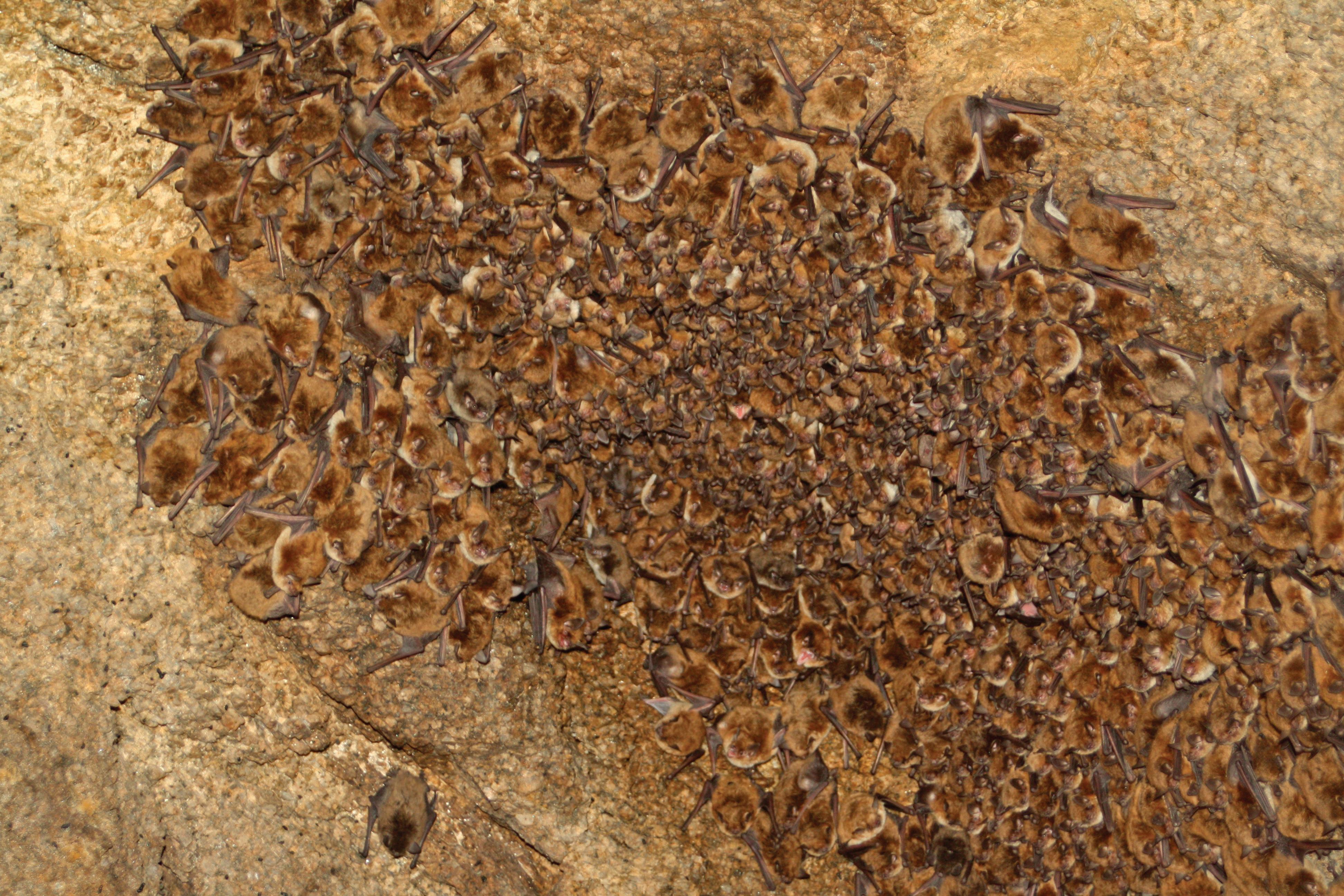
FAMILY | Bat
SPECIES | 15 species of bat live in Montana
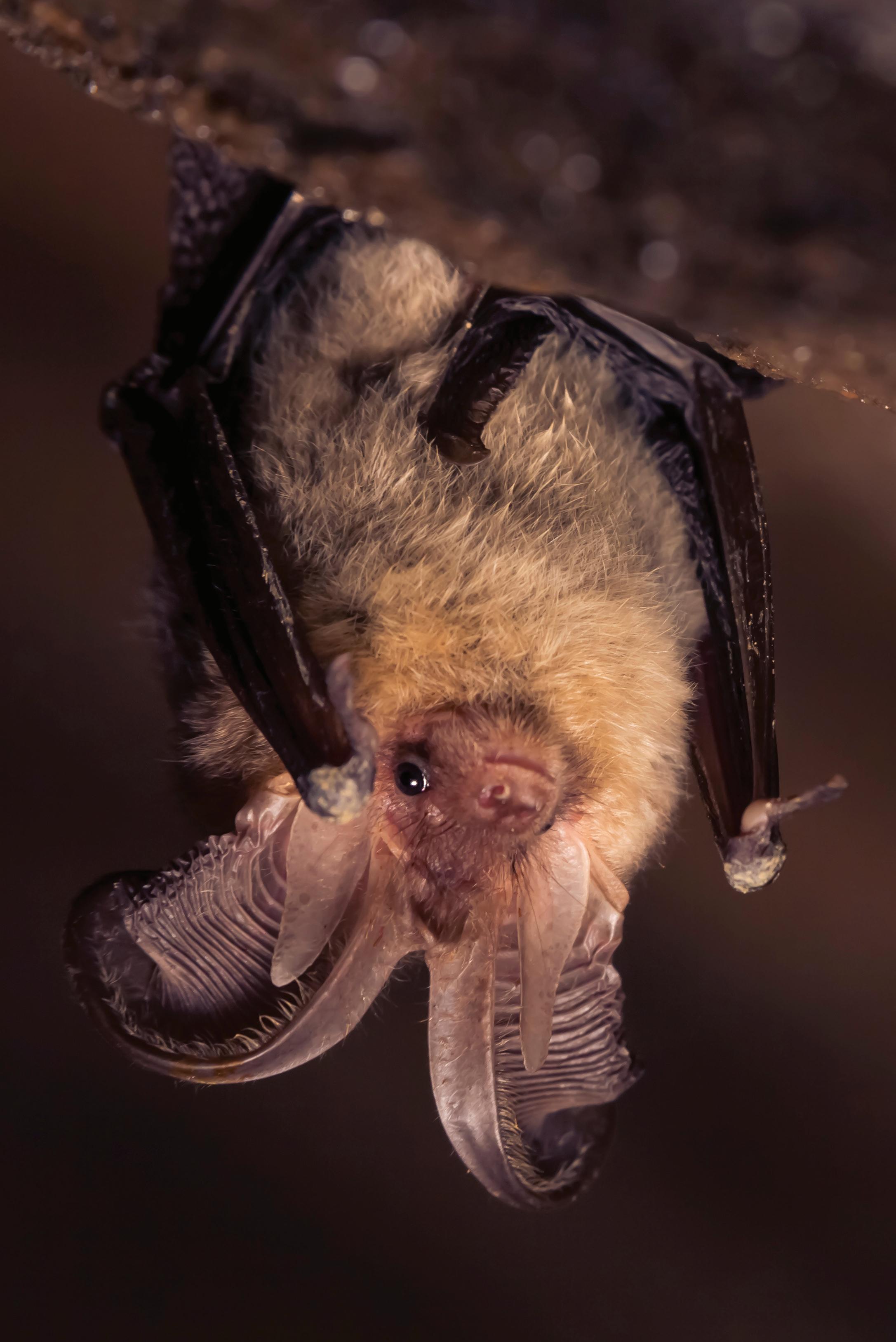
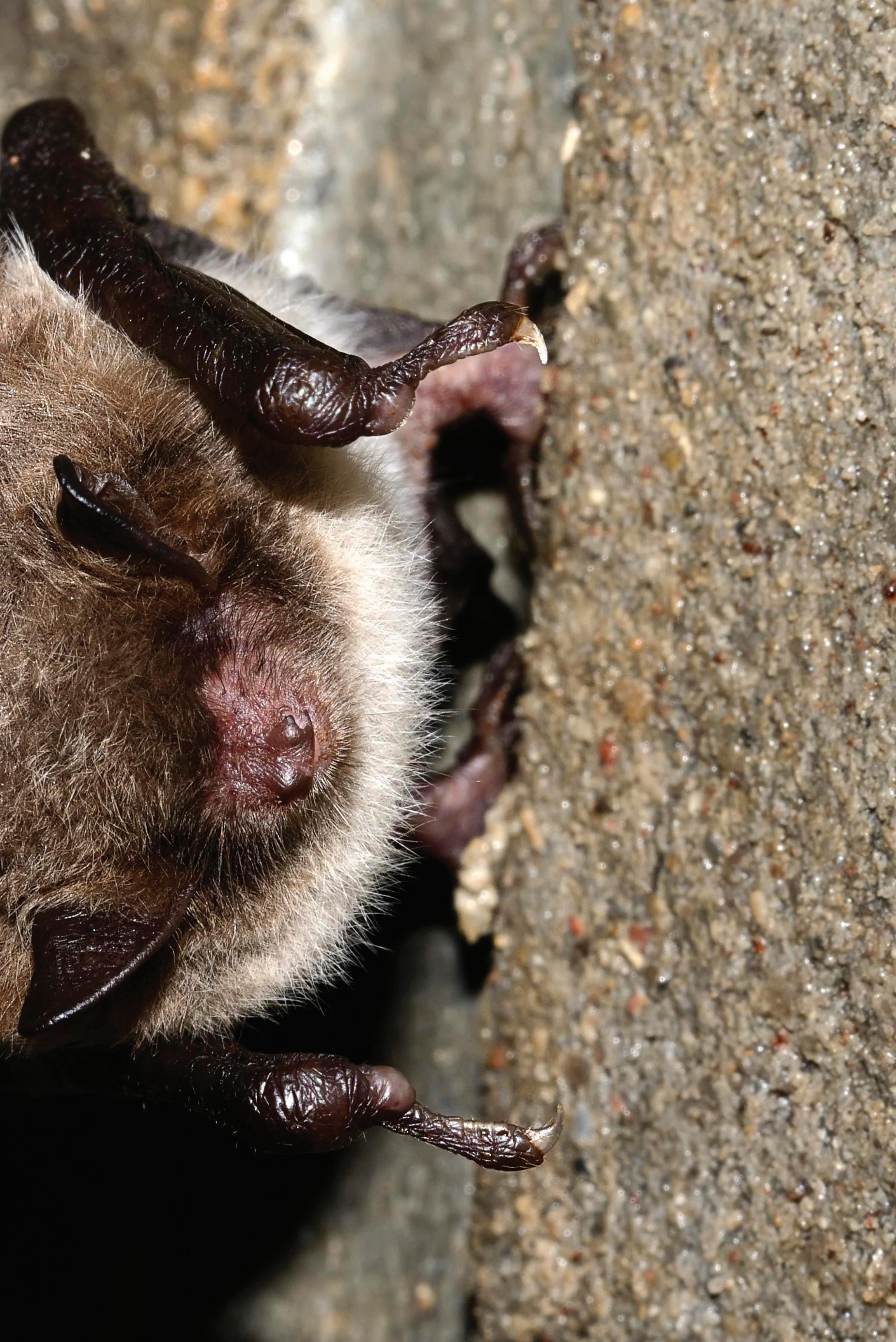
Bats are mammals. This means they are warm blooded, have live births, drink milk as young, and have hair or fur. Bats are the only mammals that can fly!
Myotis is the name given to small mouse-eared bats. Their ears might look mice-like, but bats are not rodents!
Bats belong to the order Chiroptera. Chiroptera means hand-wing. This name is given to bats because the bones in their wings are very similar to the bones of a human hand.
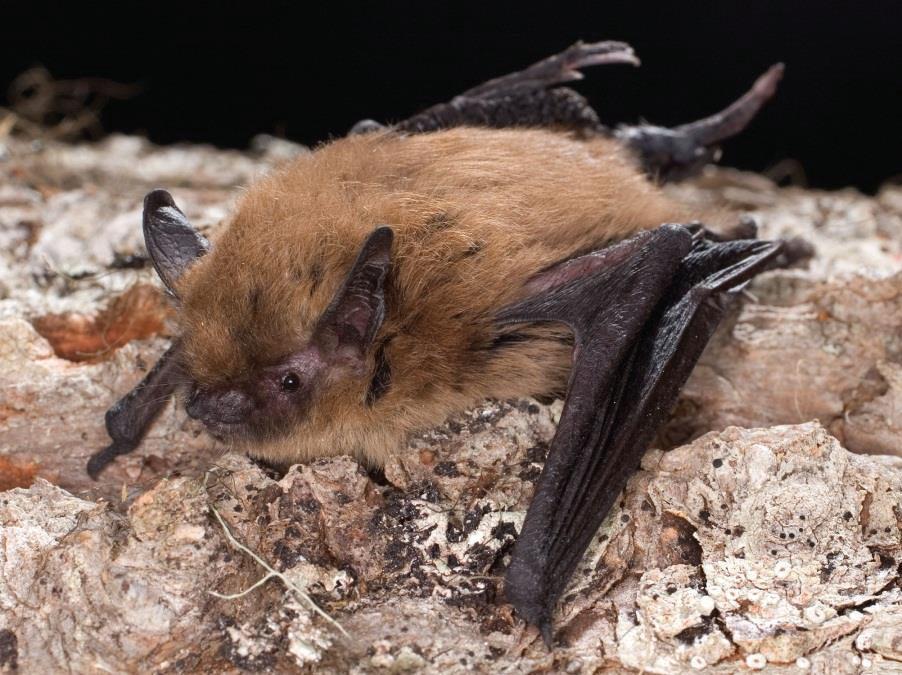
California Myotis (Myotis californicus)
California Myotis (Myotis californicus)
BIG BROWN BAT
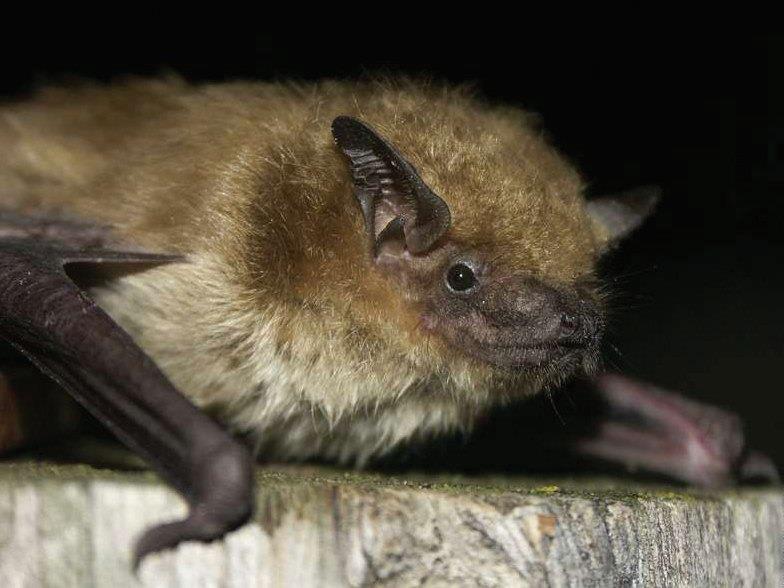
Big Brown Bat (Eptesicus fuscus
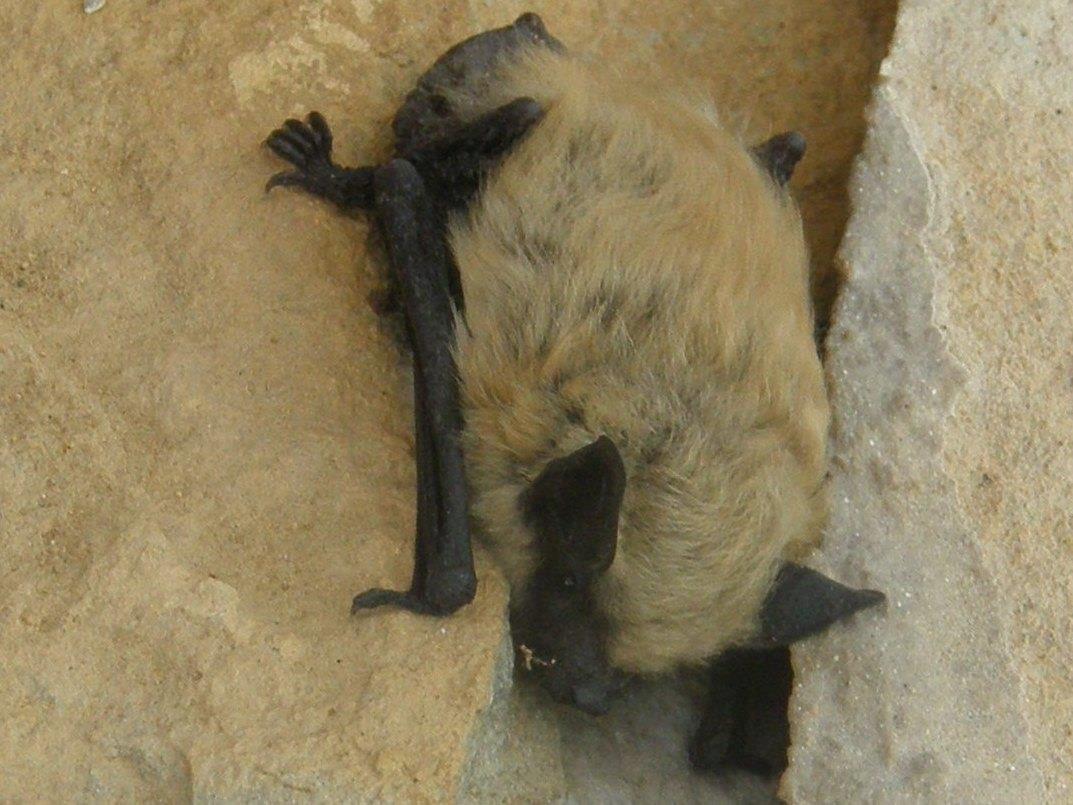
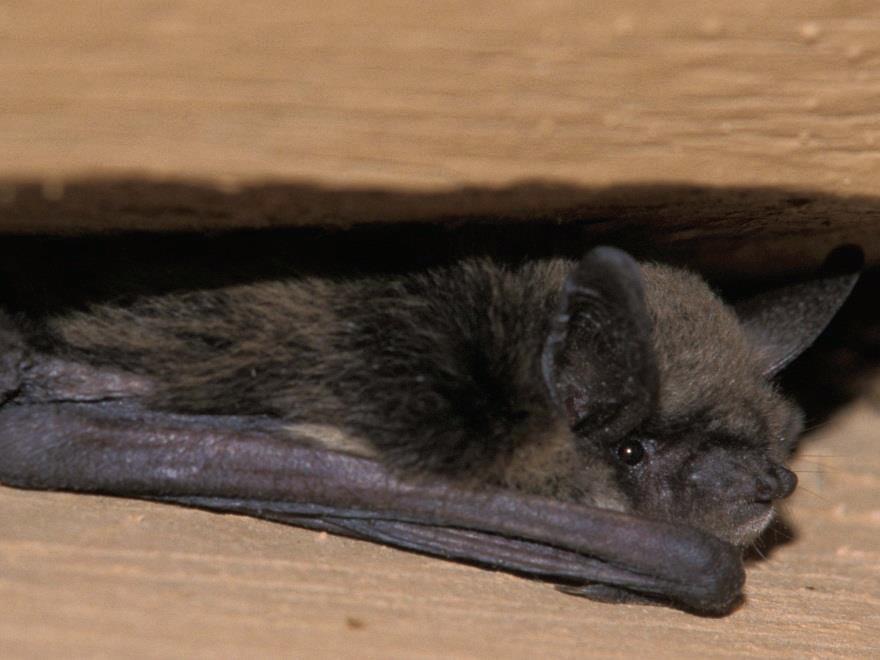
footed Myotis Myotis ciliolabrum)
Western Small-footed Myotis (Myotis ciliolabrum)
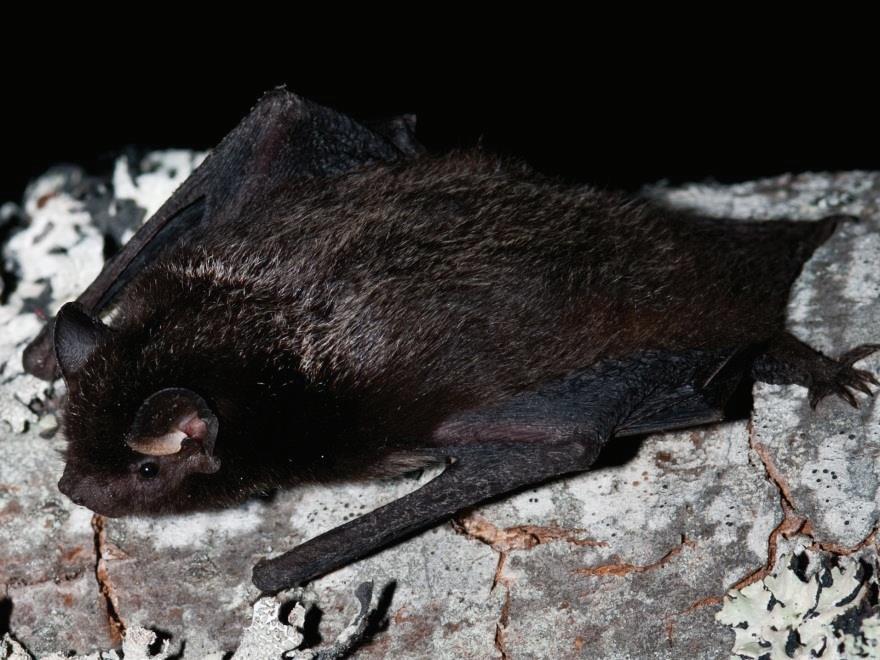
Silver-haired Bat (Lasionycteris noctivagans)
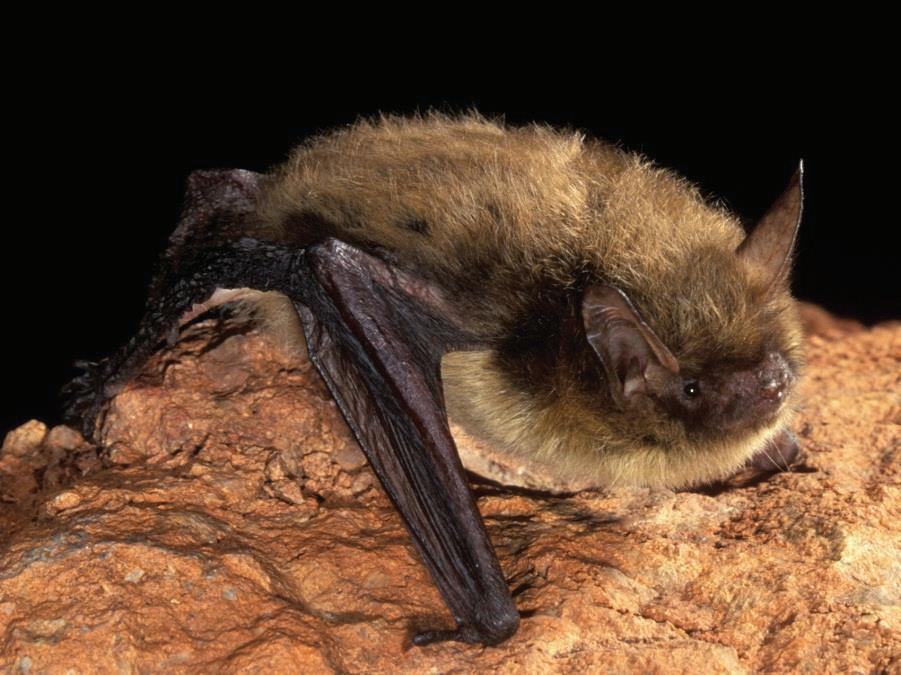
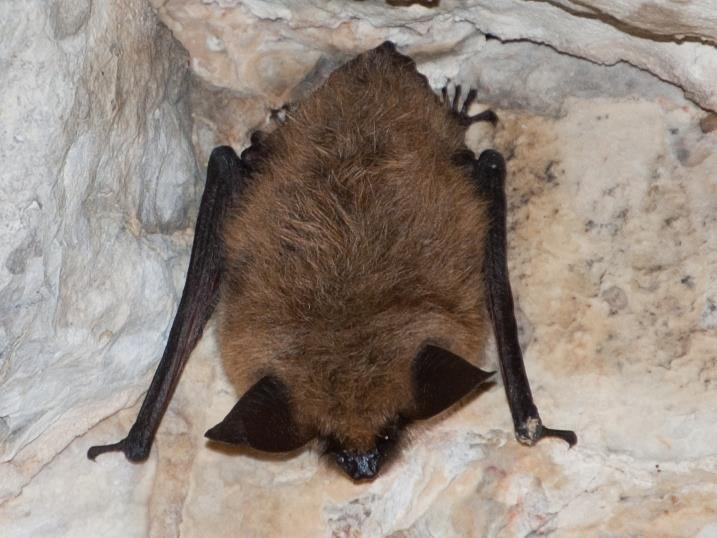
Fringed Myotis (Myotis thysanodes)
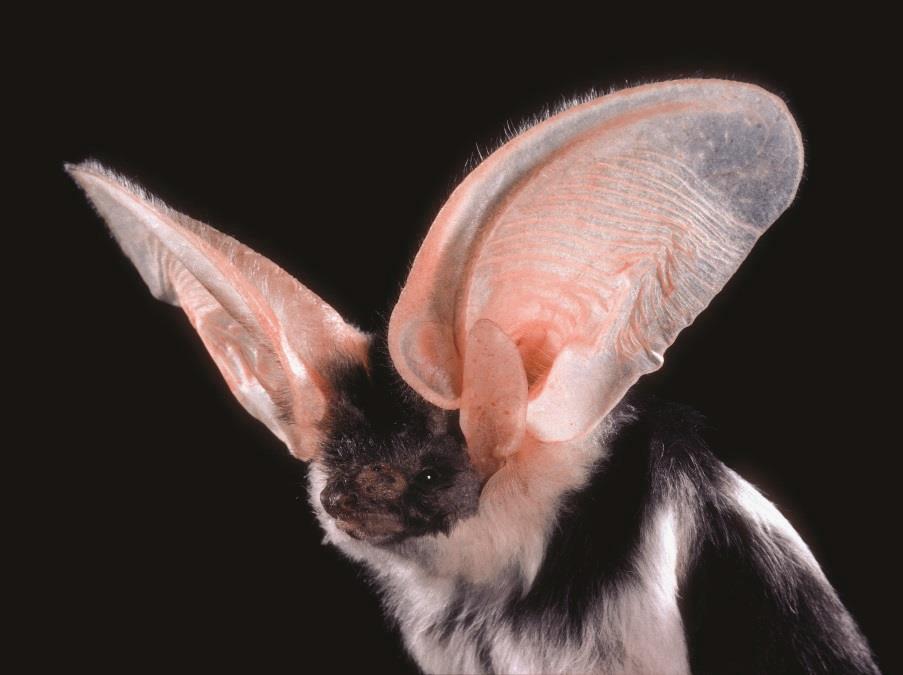
Spotted Bat Euderma maculatum)
EACH SPECIES IS
Northern Myotis Myotis septentrionalis)
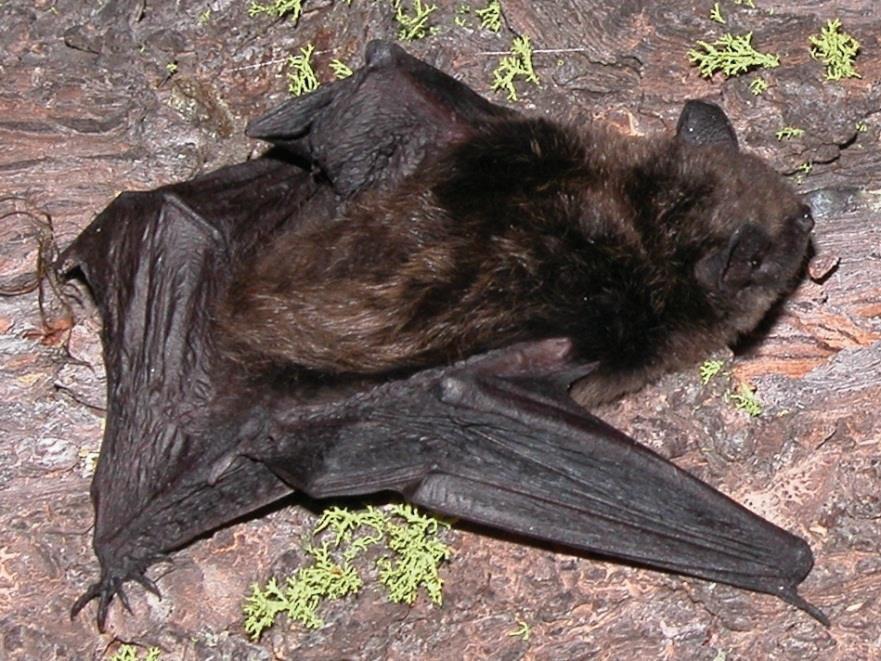
Long-legged Myotis
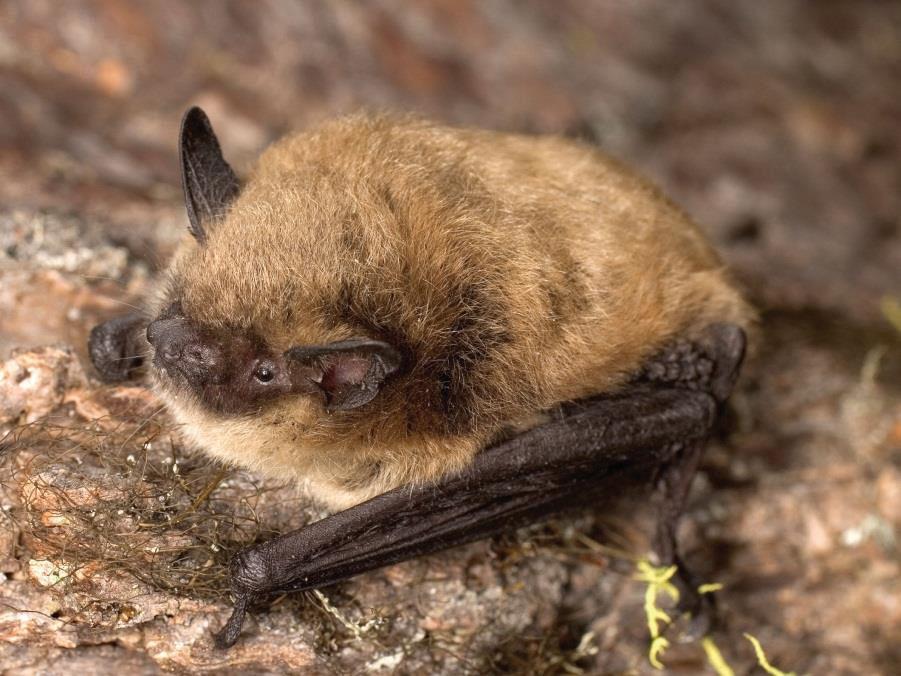
Yuma Myotis
Myotis yumanensis
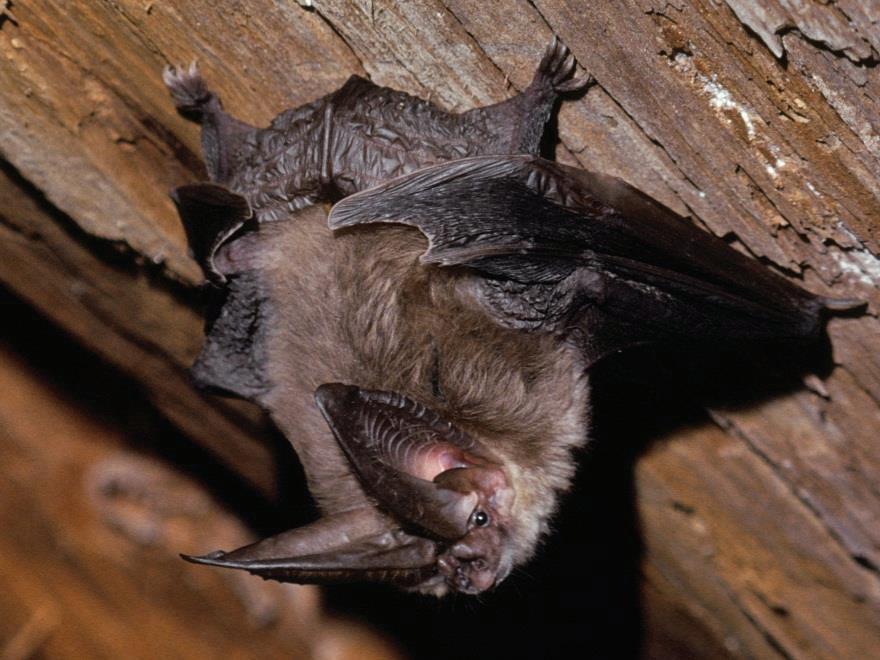
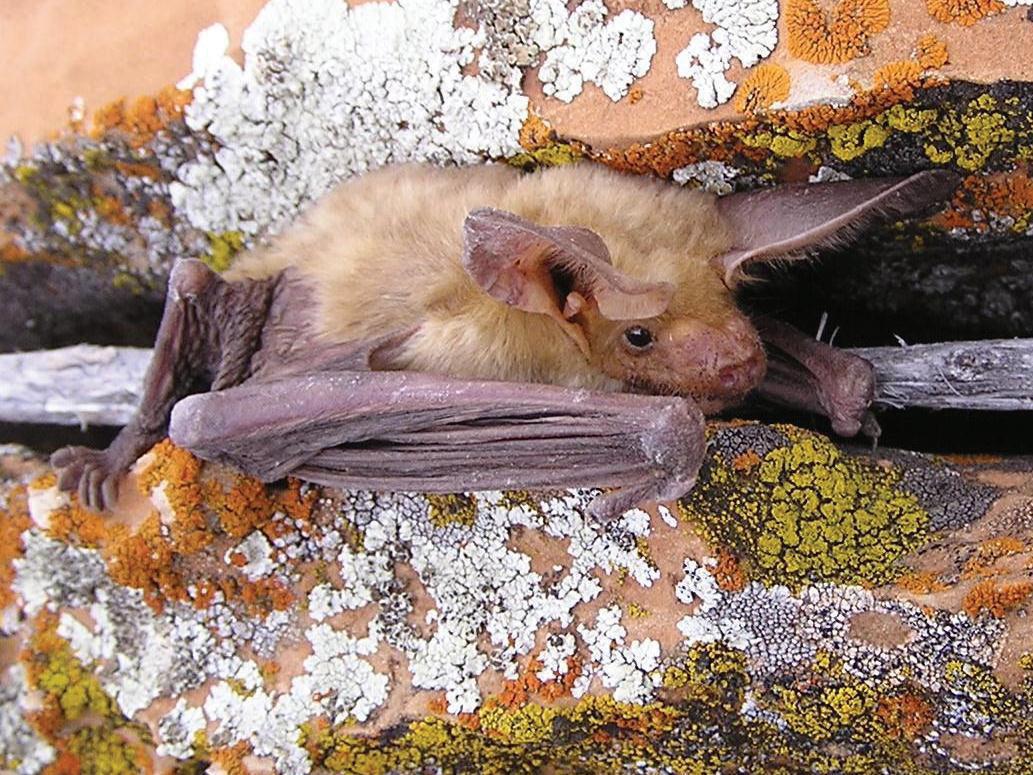
Pallid Bat
Antrozous pallidus)
Bat
pallidus Townsend’s Big Corynorhinus townsendii
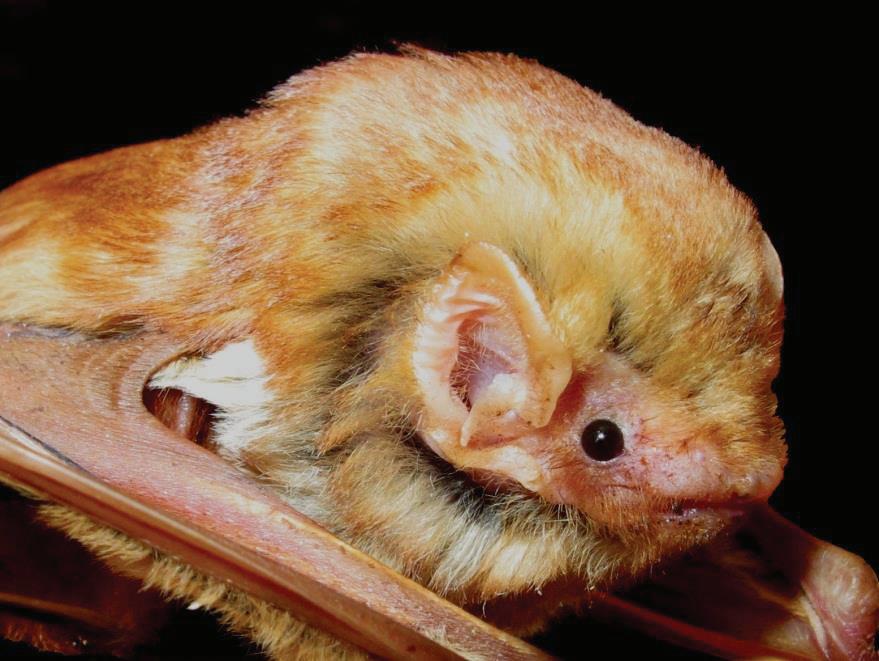
Eastern Red Bat (Lasiurus borealis
Eastern Red Bat (Lasiurus borealis
SPOTT E
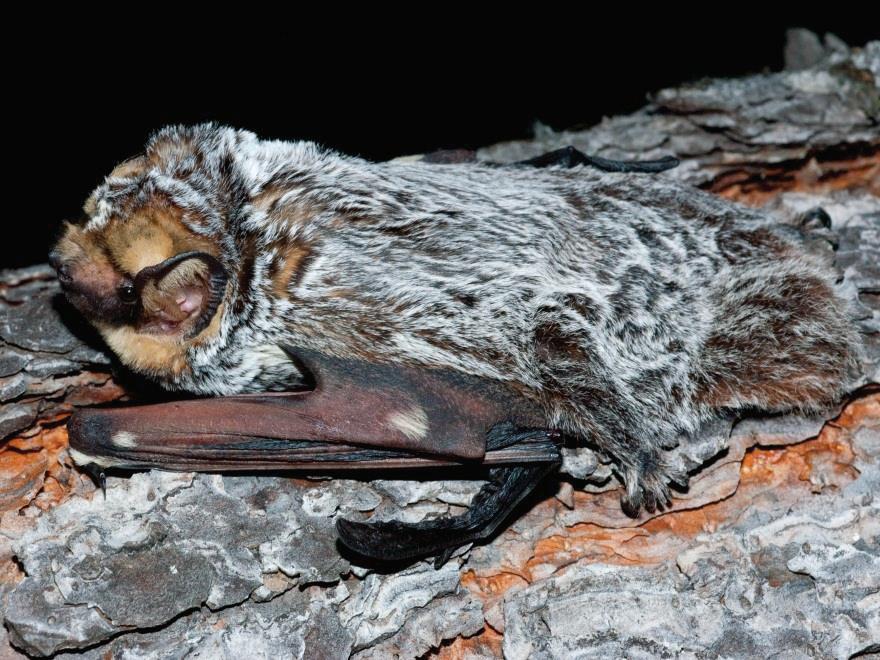
Hoary Bat Lasiurus cinereus)
Hoary Bat (Lasiurus cinereus)
LONG- E
Little Brown Myotis (Myotis lucifugus)
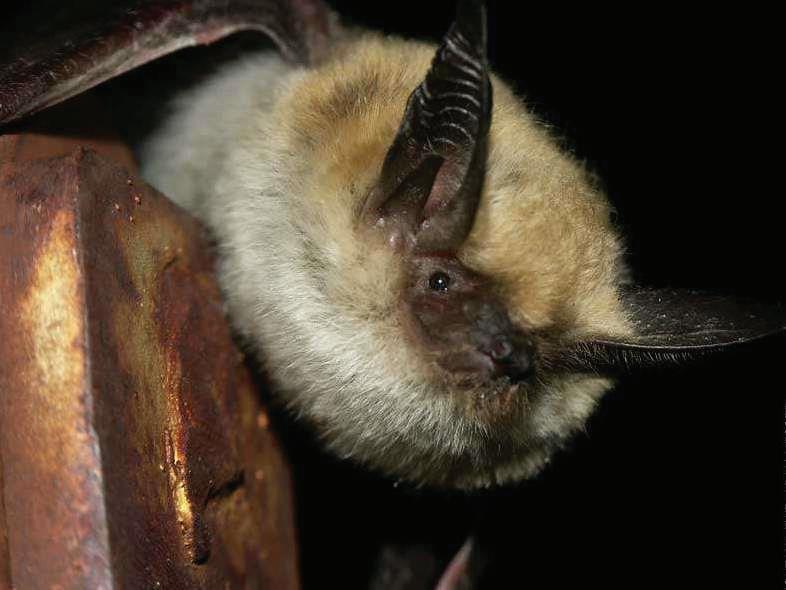
Silver-haired Bat Long-eared
Habitat is where a species has the food, water, shelter, and space it needs to live. Typically a habitat is described by the plants and weather of a place. Bats can be found all over Montana.
Bats roost, or make their homes, in old trees, caves, mines, cliffs, buildings, and even bat houses people make for them!
THINK
LIKE A
THINK LIKE Where in your community could a bat live?
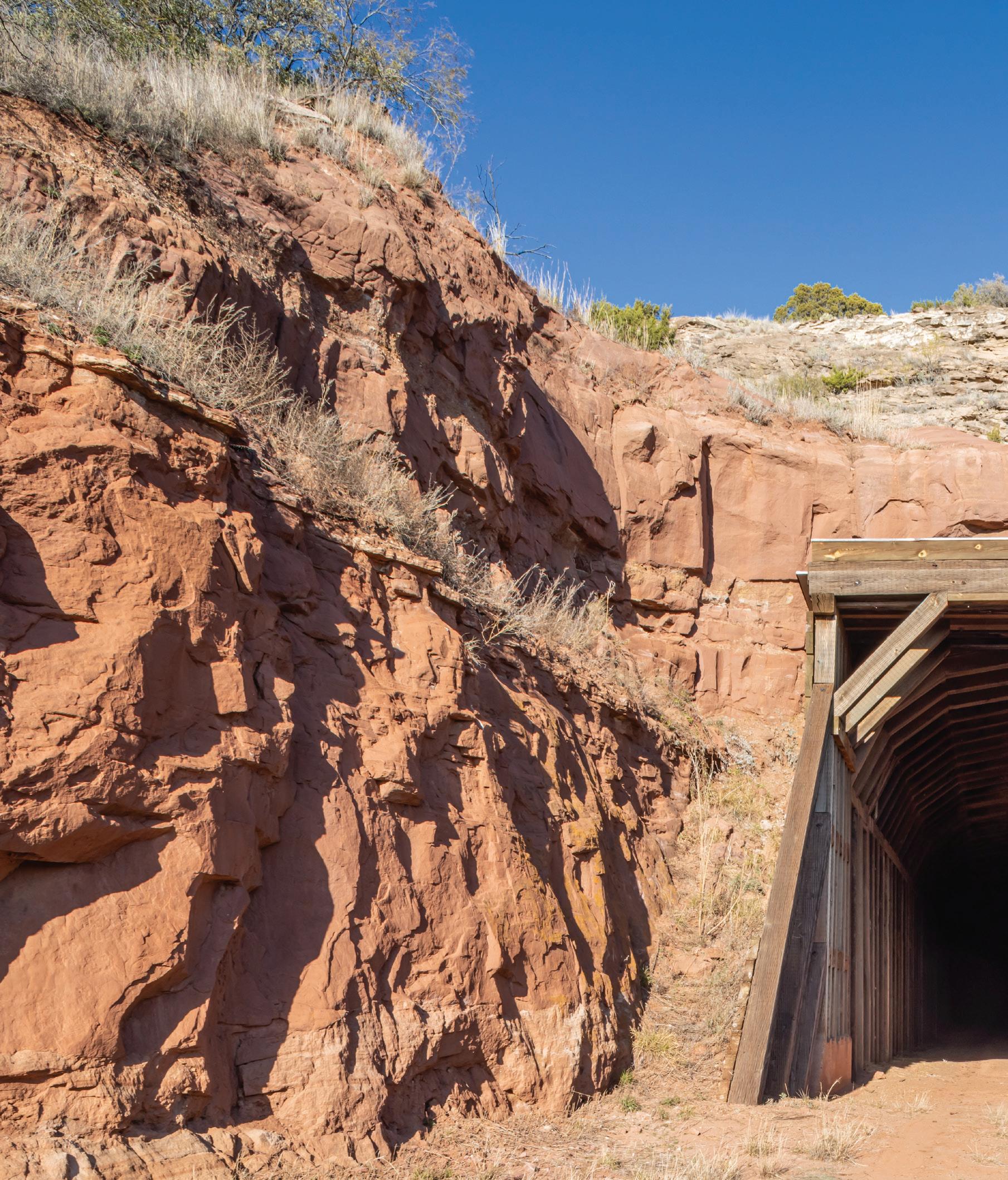

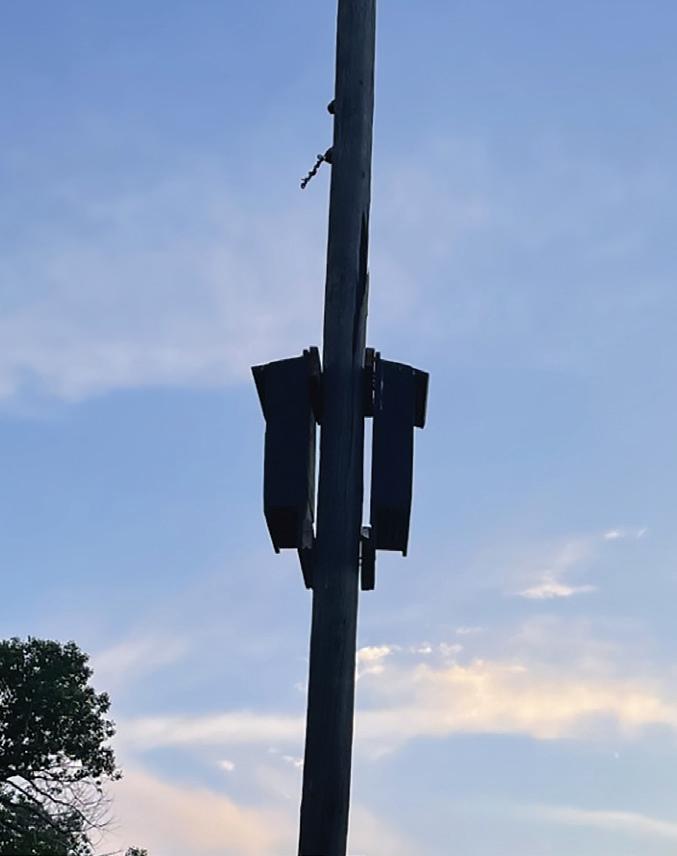
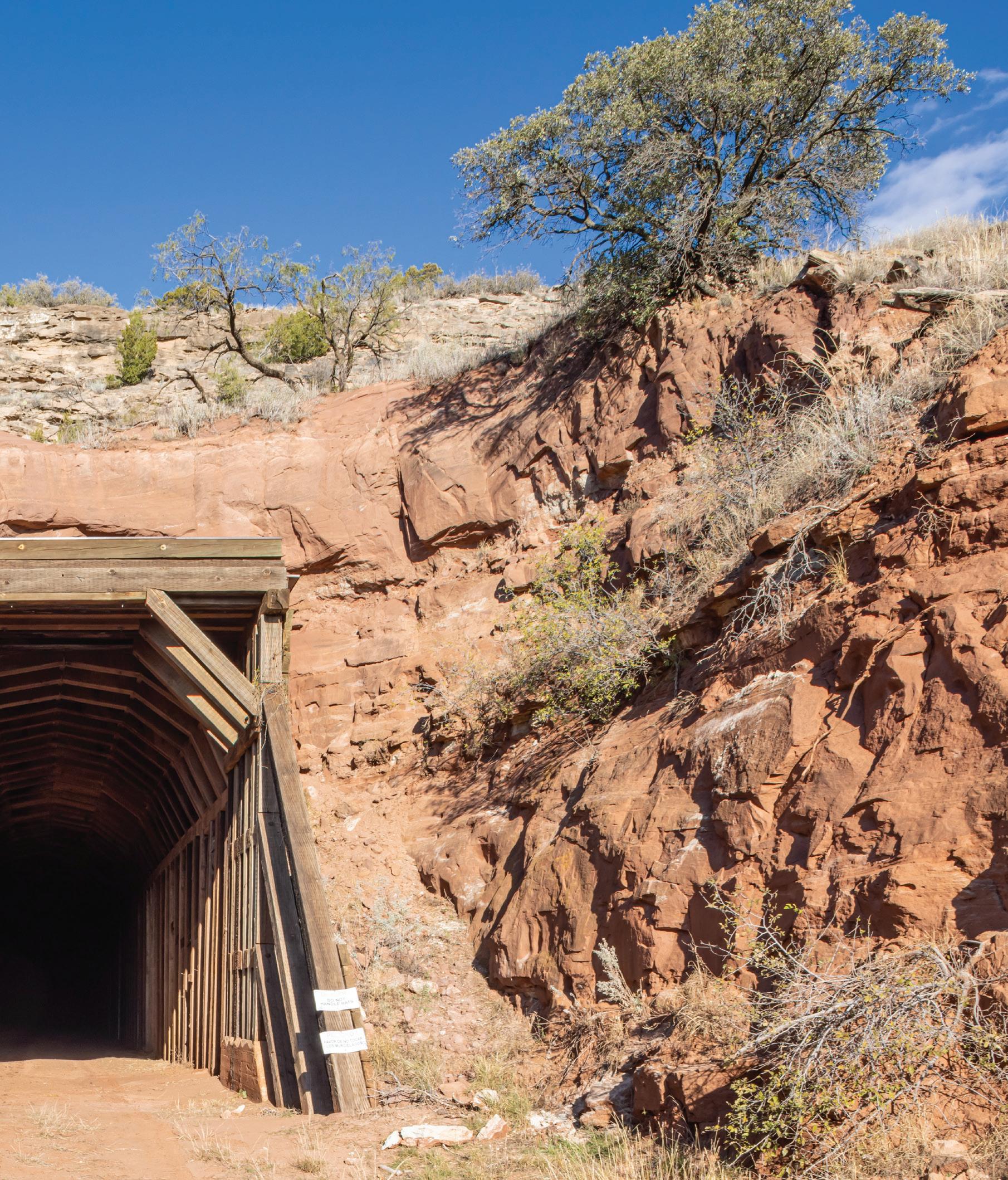
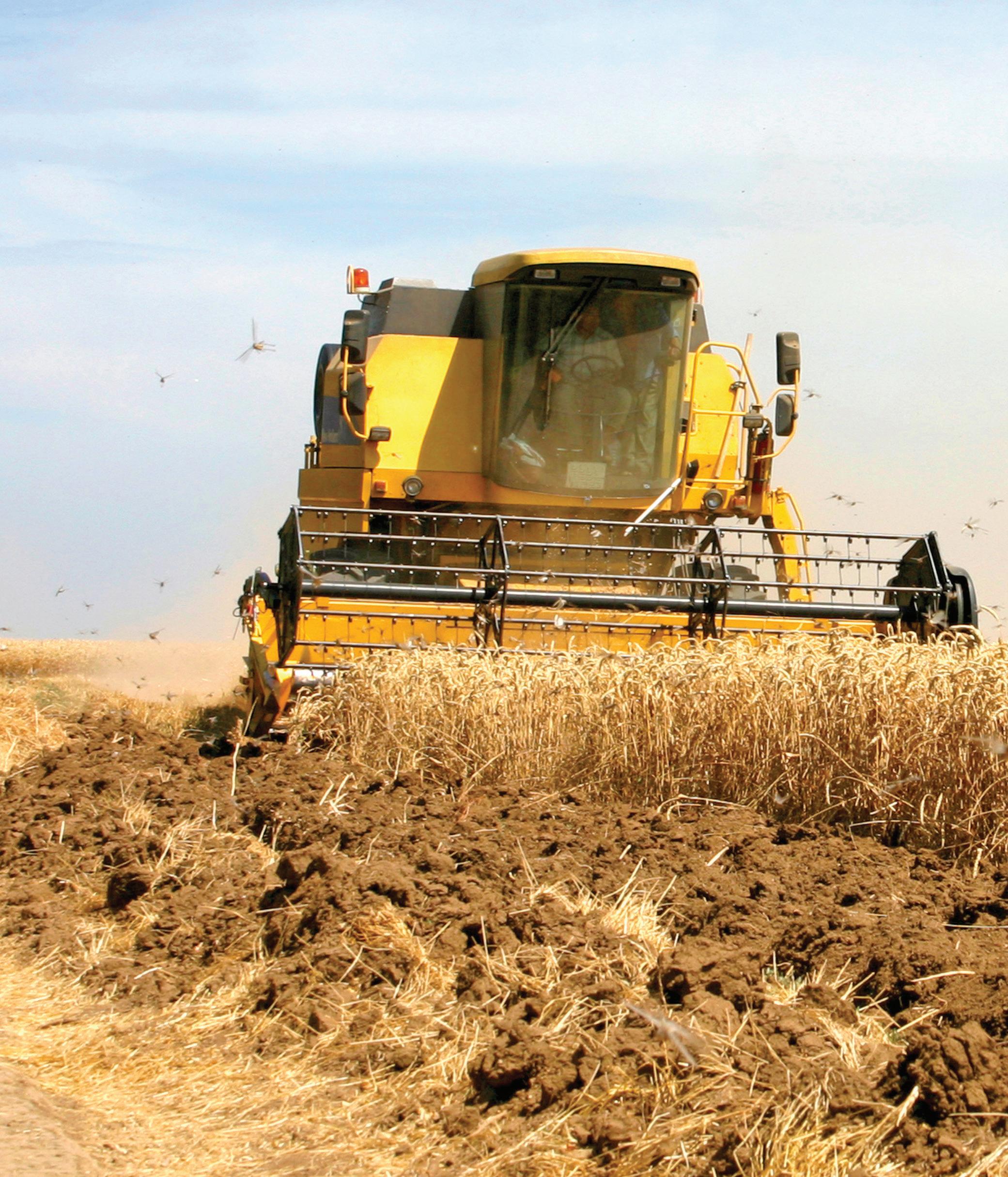
All 15 species of Montana bats are insectivores. This means they eat insects.
A single bat can eat over 1,000 bugs a night!
Not only do bats make it more enjoyable to be outside, but they also save Montana farmers and ranchers money on pest control.
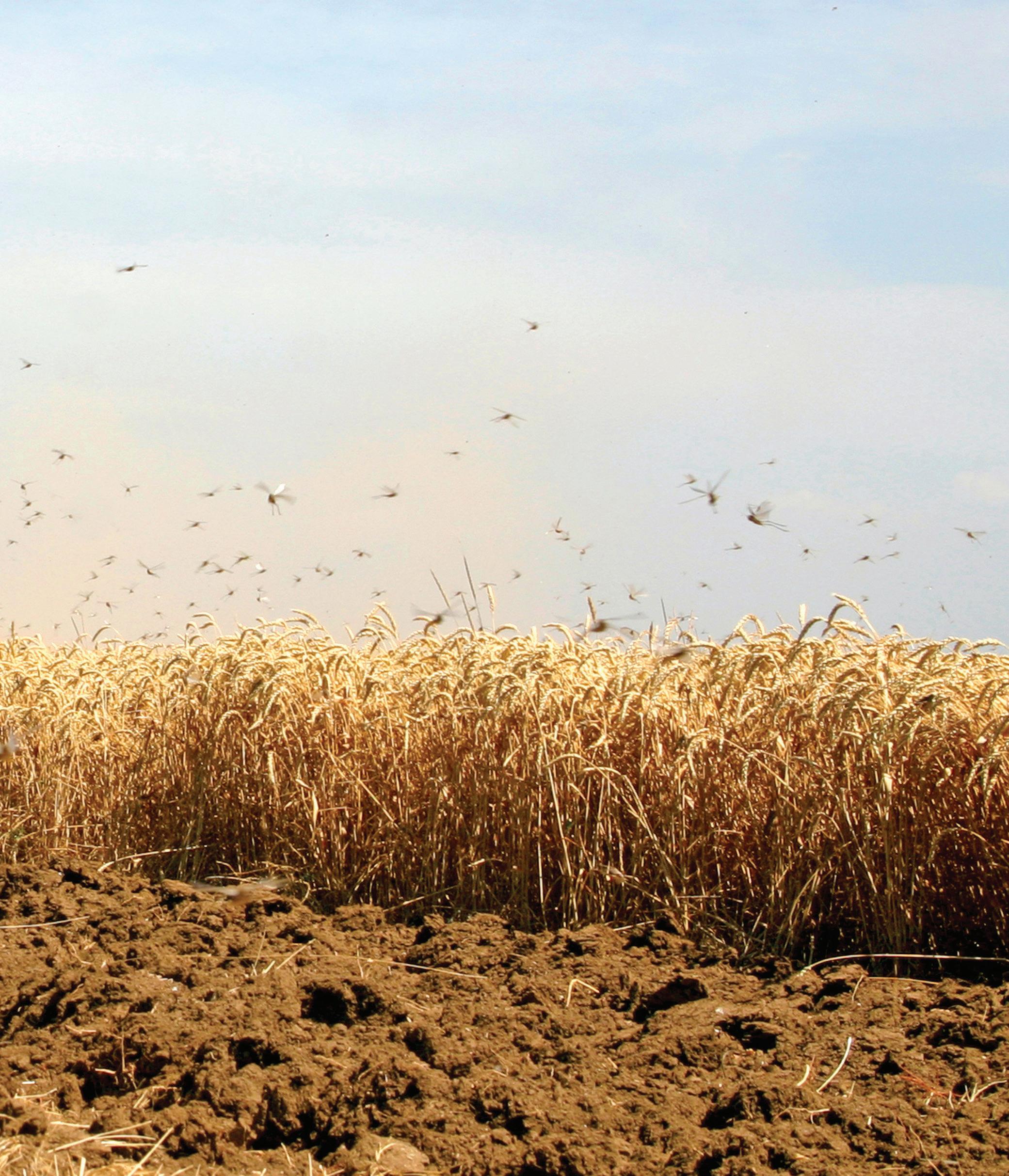
How do we know how many bugs a bat eats?
Bats have good eyesight, but they can’t see in the dark. They use echolocation to hunt and find their way at night or in caves. Echolocation is a way of making sounds and using echoes to locate things.
Bats make special sounds that bounce off objects and come back to them. These are called echoes, and we usually can’t hear them. Bats can tell how close or far something is by how long it takes the sounds to return.
Bats are amazing hunters! Bats use echolocation to find bugs in the dark. As they get closer to a bug, they emit their sound faster and faster. Once they get close enough to a bug, they dive and use their wings, feet, or tail to push the bug into their mouth.
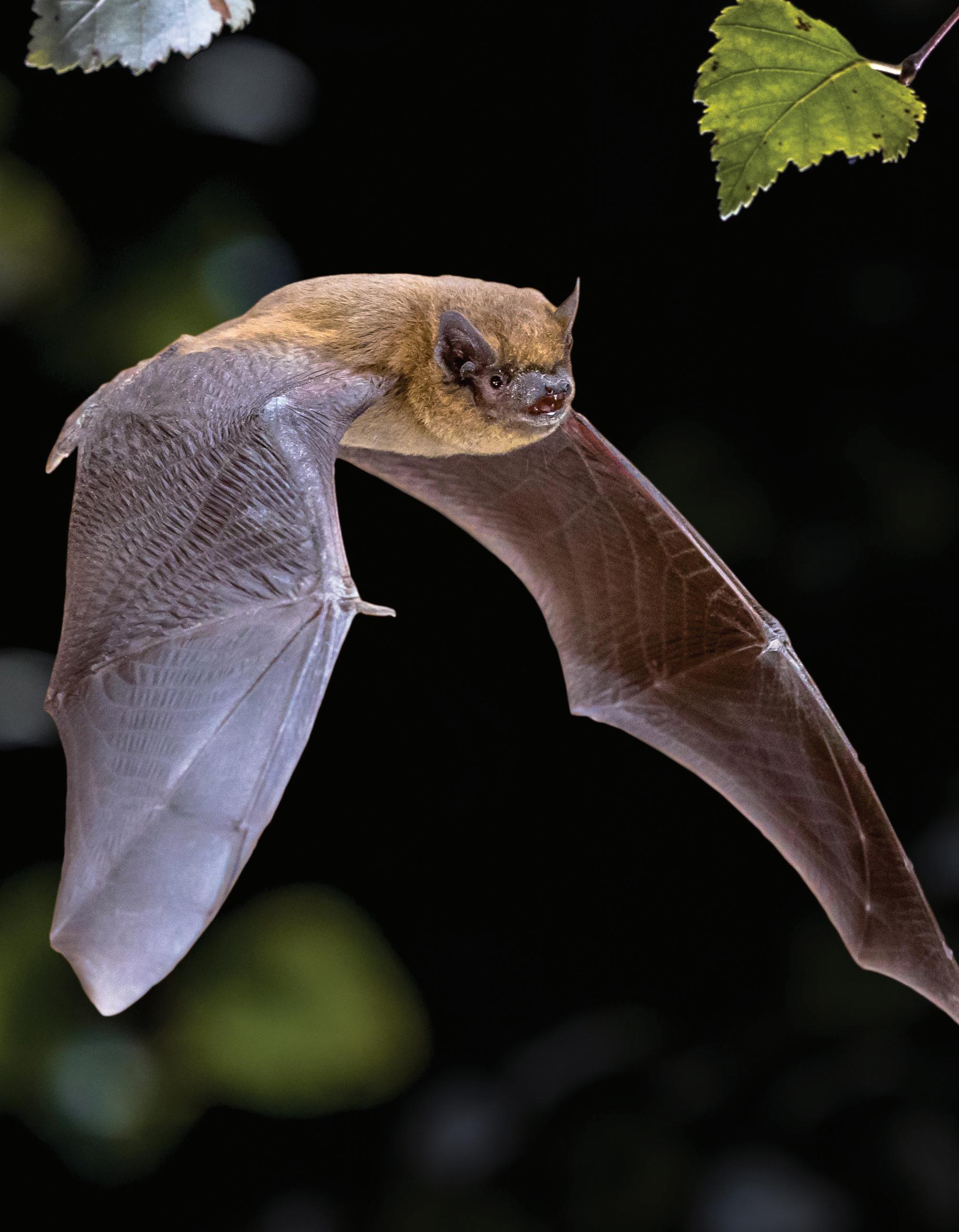
THINK LIKE A SCIENTIST
If humans can’t hear echolocation, how do we know?
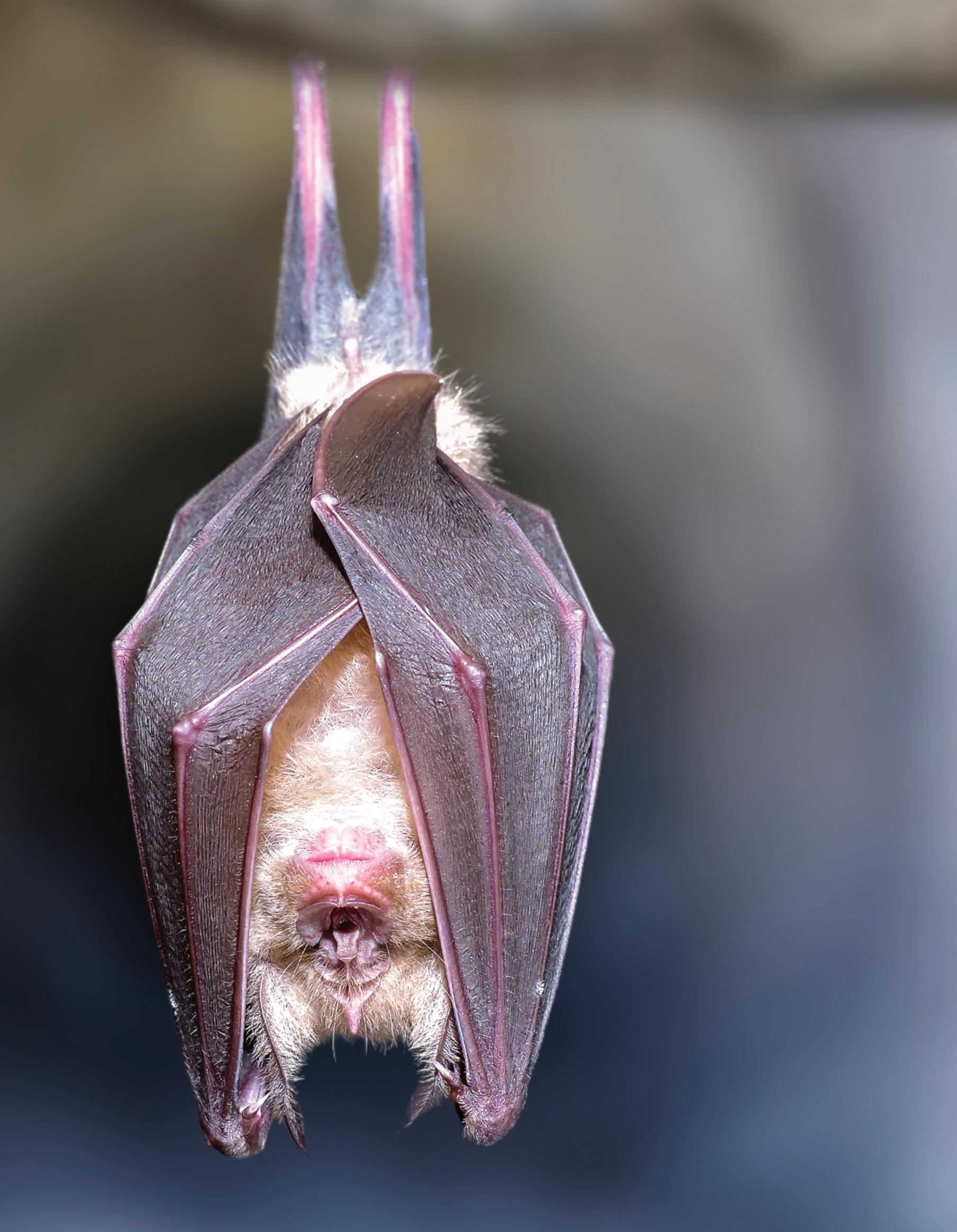
In Montana, many bats hibernate during winter. This means they go into a deep sleep for about half the year. Bats hibernate because they can’t find enough food during the cold winter months.
Many bat species hibernate in rock crevices , caves, or mines during winter. When they emerge in the spring, they need access to food, water, and safe roosts.
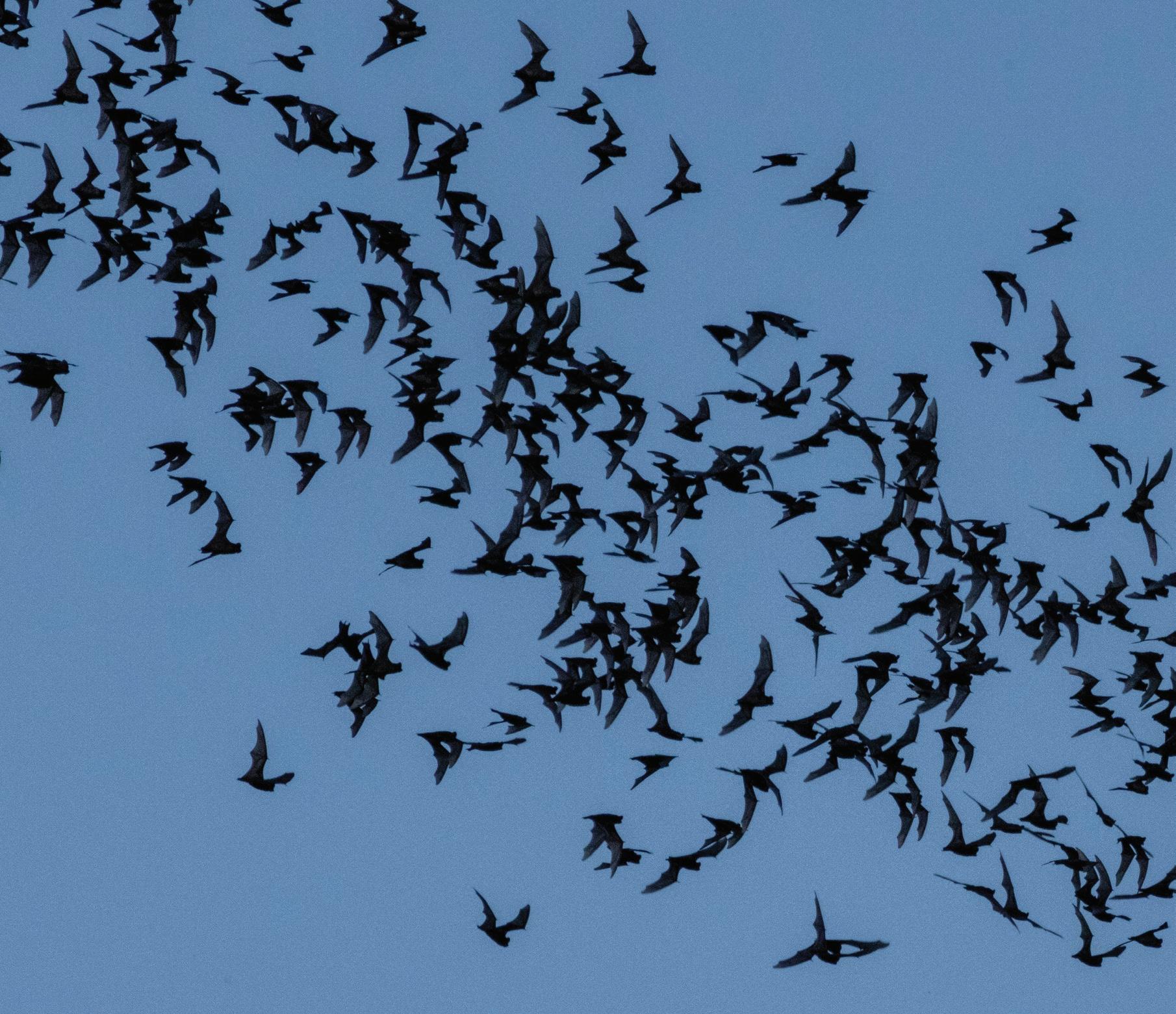
For some species, Montana winters are too cold, so they migrate. Several species, including the hoary bat and eastern red bat, leave Montana to find warmer habitats.
Our understanding of hibernation and migration in bats is very limited. Biologists at FWP are working to understand these behaviors better.
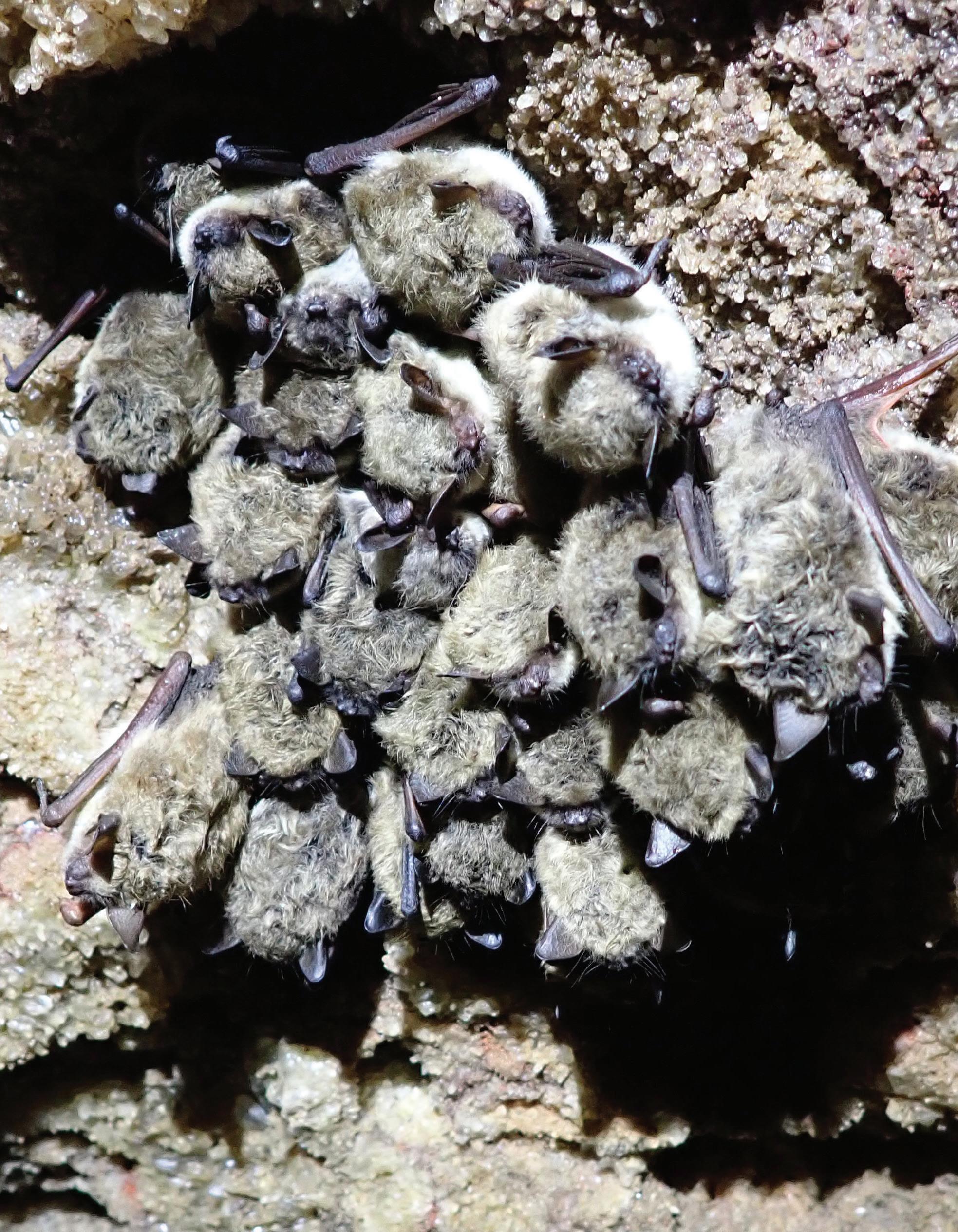
Most bats only have one baby, or pup, a year, but some bats, like the silver-haired bat, can have twins! Bats are mammals. They feed their pups milk until they are old enough to fly and hunt for bugs.
Pups are born in late May and start learning to fly in June and July. They need to be strong enough to hunt and fly so they can prepare for migration or hibernation.
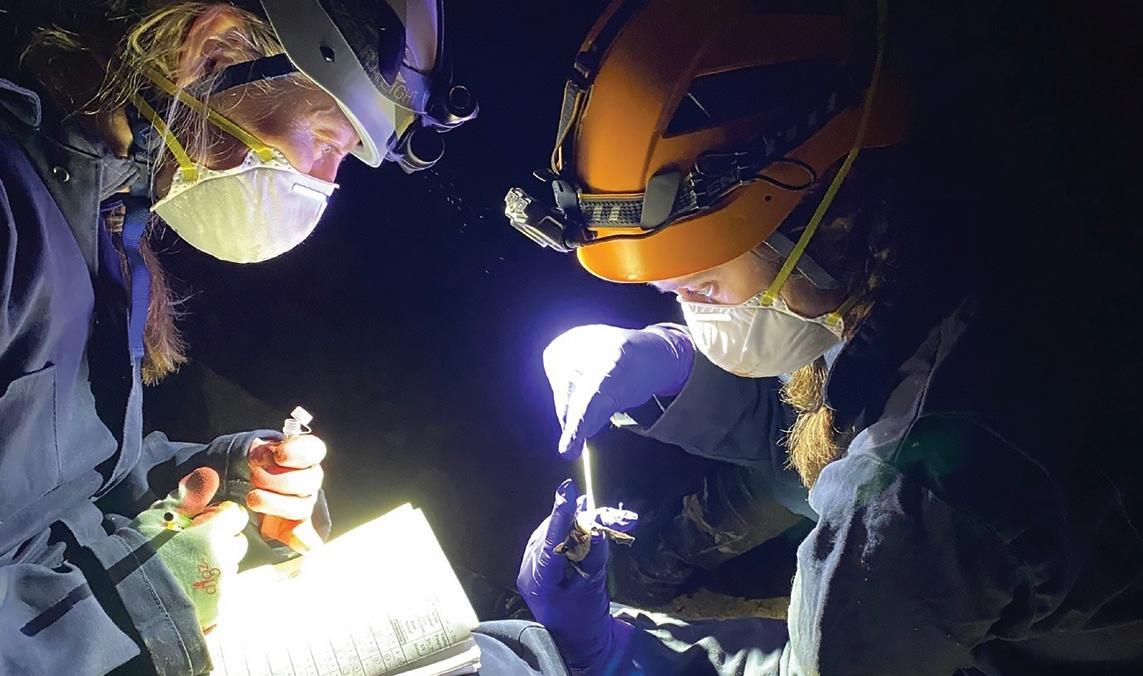
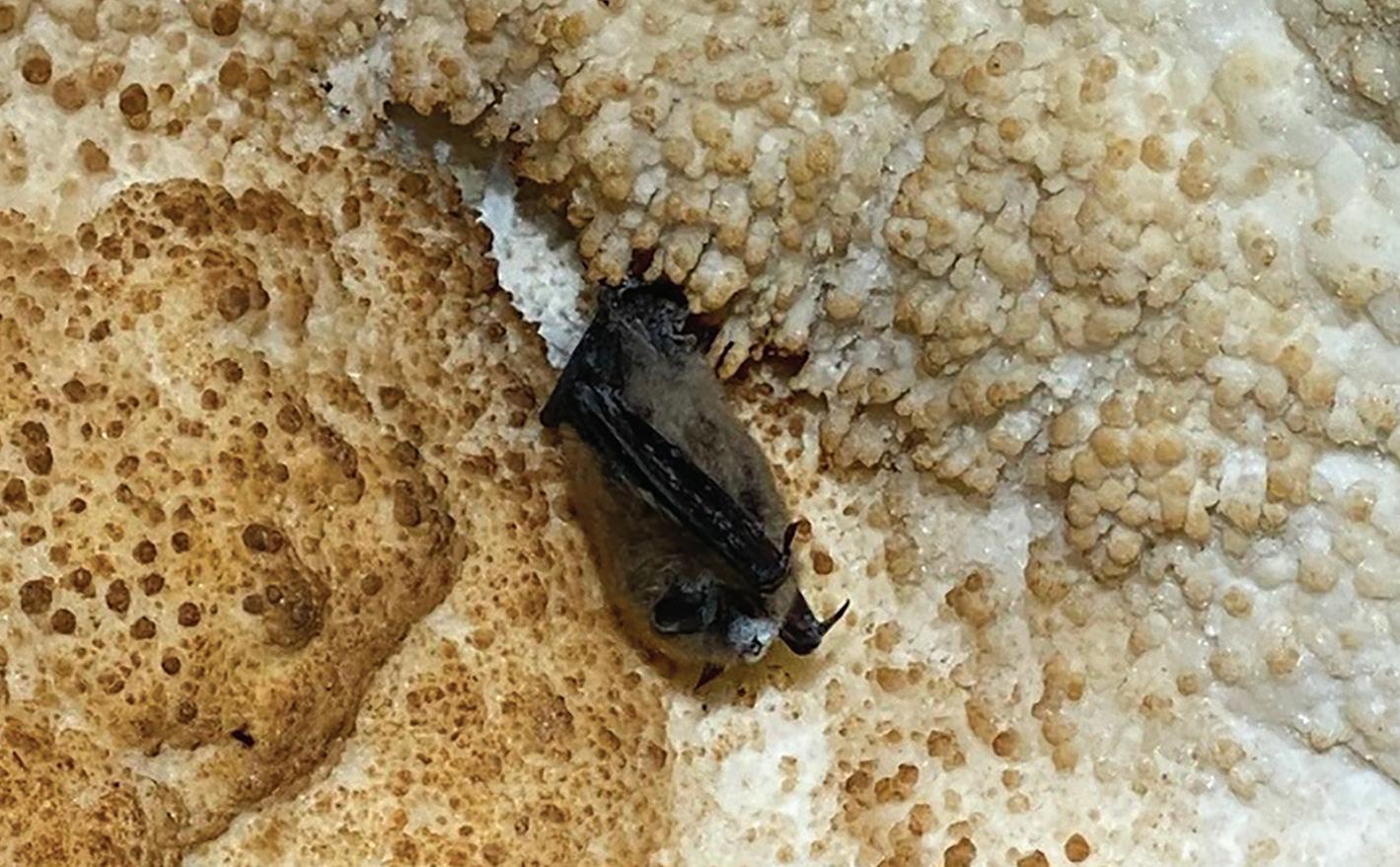
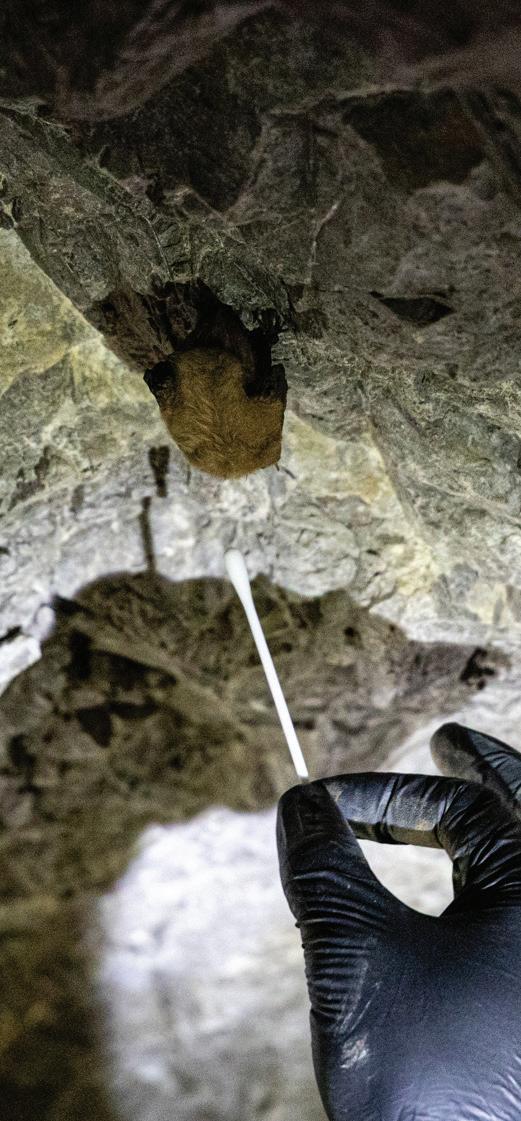
White-nose syndrome is a disease caused by a fungus that affects many species of bats while they are hibernating. The fungus gets on the bat and causes it to wake up too early from hibernation, when temperatures are still too cold for bugs to be around. Because of this, the bats aren’t able to find enough food to survive.
In 2020 biologists found the fungus in Montana. FWP biologists are studying white-nose syndrome to learn more about it and what it means for the future of Montana bats.
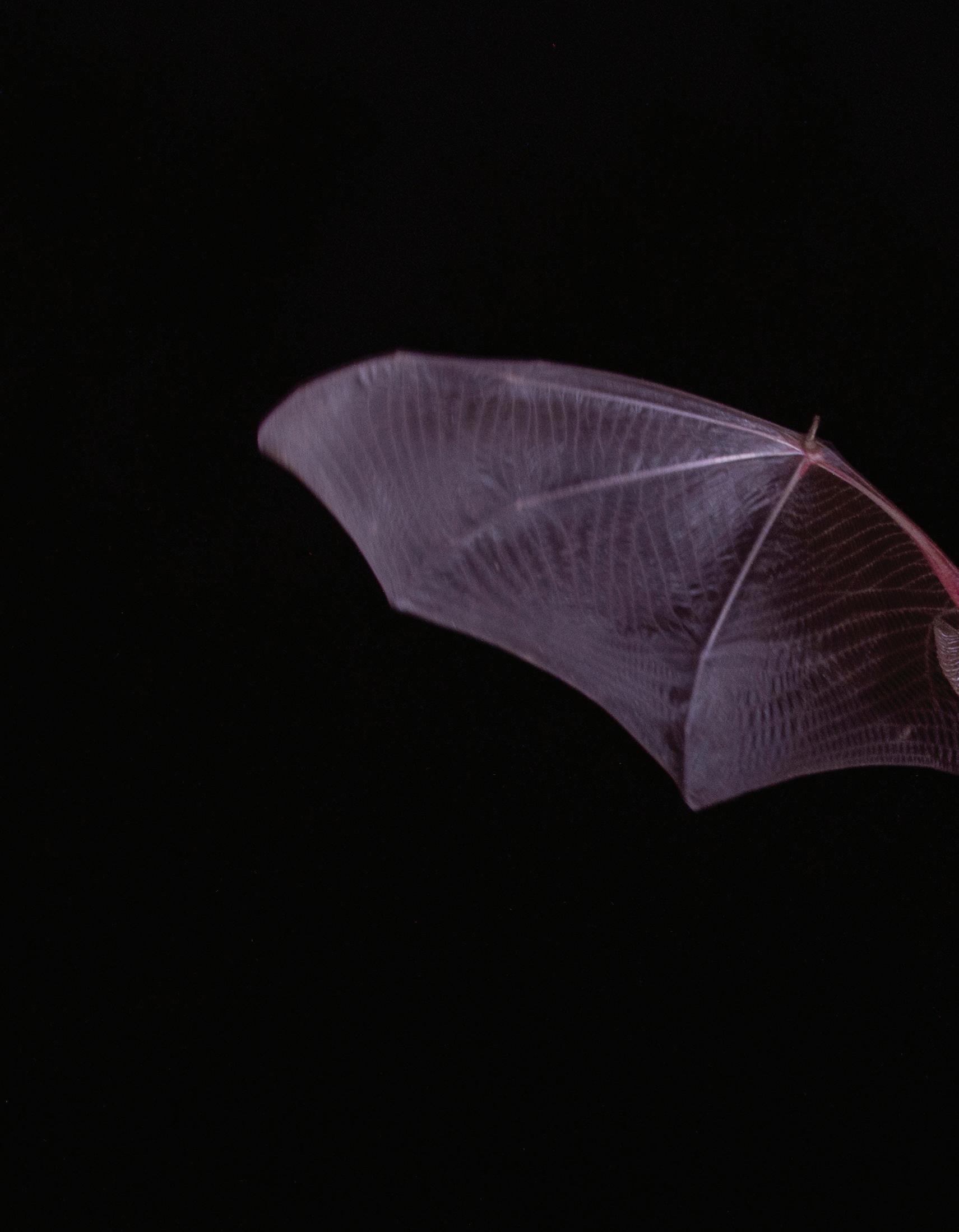
Bats are nocturnal. They sleep during the day and are active at night. Echolocation allows them to find their way at night.
Less than 1 percent of bats have rabies. But, you should still never touch bats or any wild animal.
Bats are amazing and helpful creatures! Plus they regularly clean themselves, kind of like cats do!
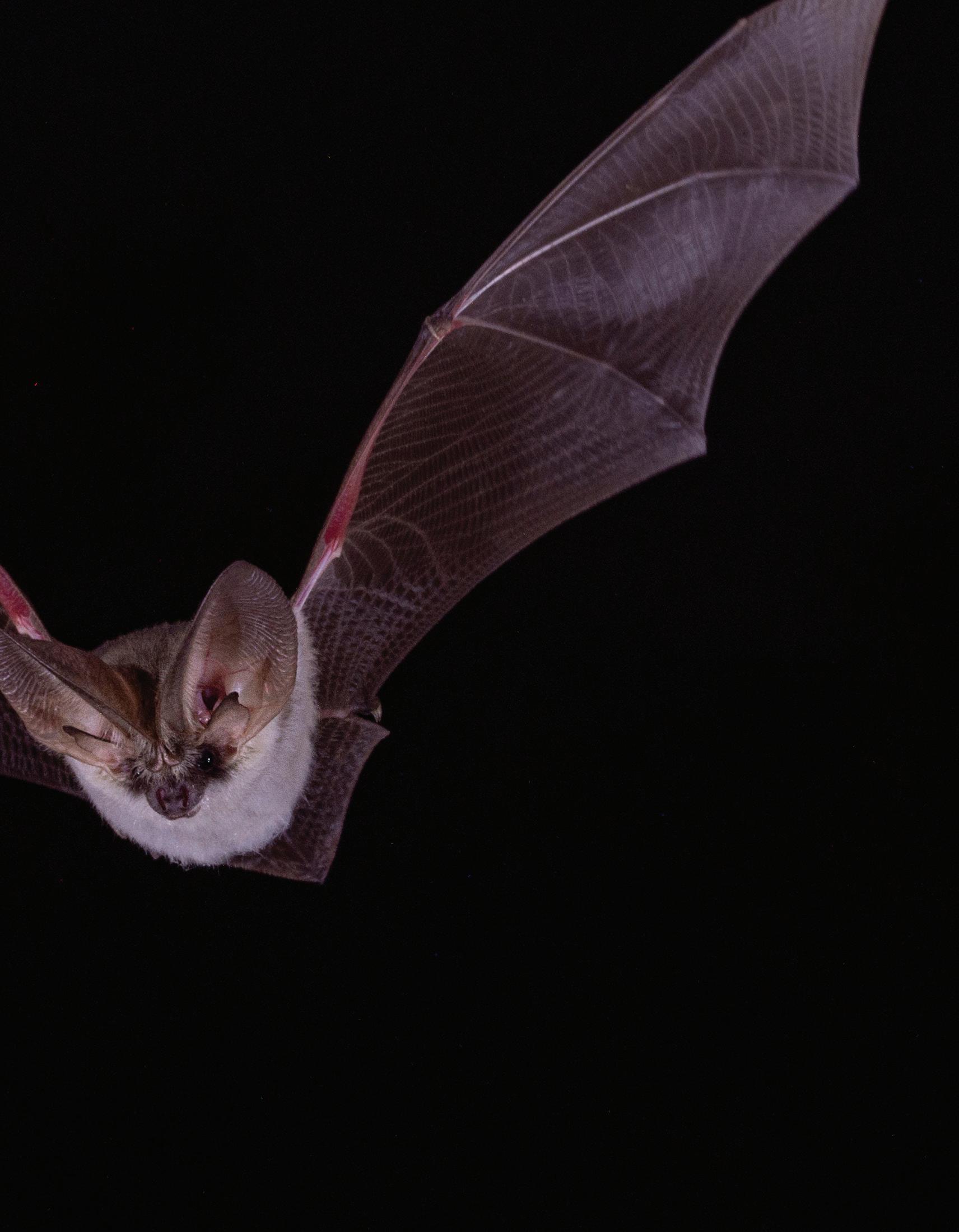
Like all wildlife, bats can carry diseases, including rabies. Even though rabies is uncommon in bats, you should never touch them or any wild animal.
• Never handle a live or dead bat.
• Stay away from any bat that appears sick or is on the ground during daylight.
• If a bat accidentally gets into your house, tell an adult and leave doors and windows open so the bat can find its way out.
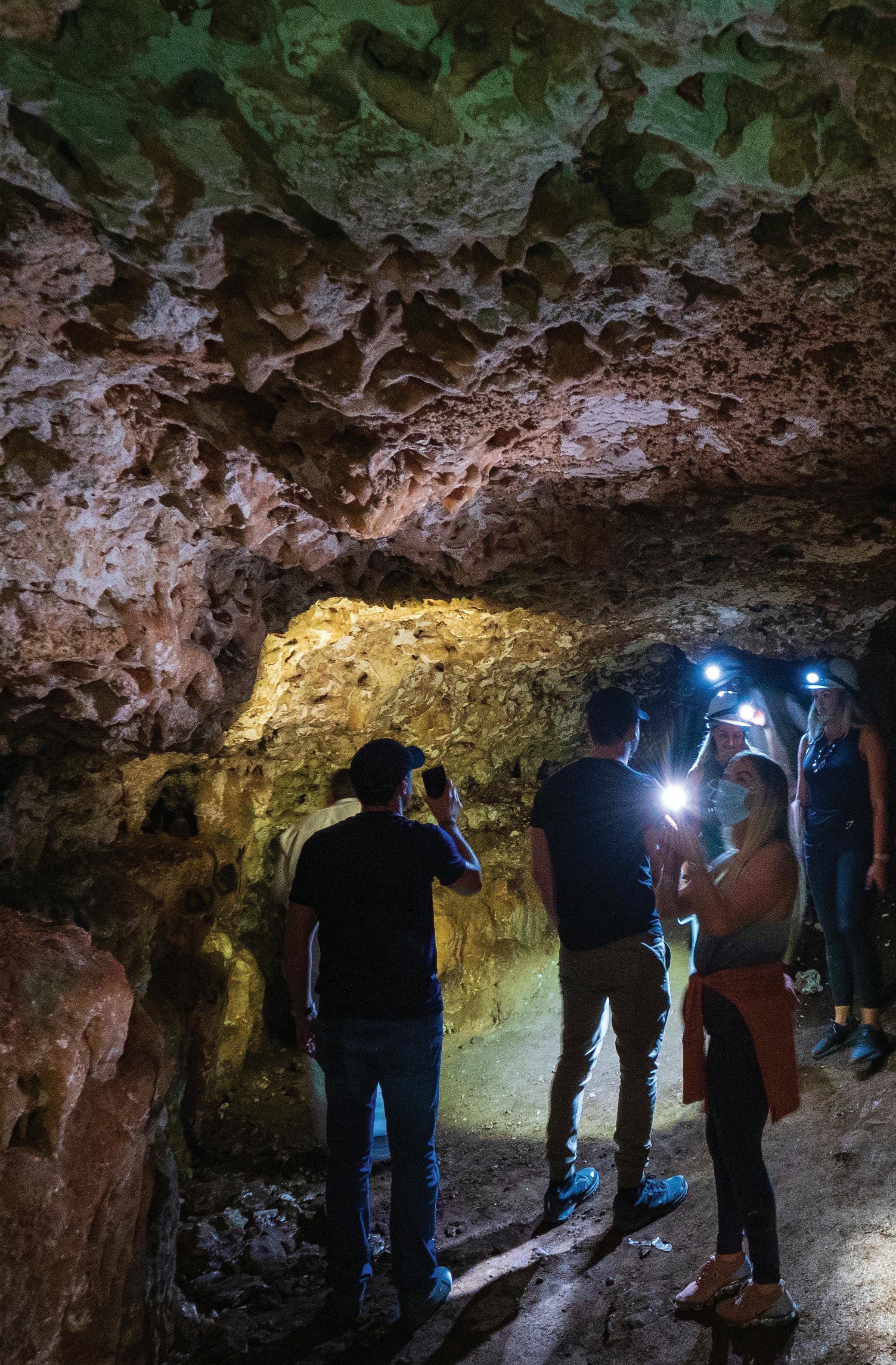
Bats can live to be over 30 years old!
Although bats are predators, they also have predators. Many animals, including owls, snakes, weasels, raccoons, and skunks, are natural predators of bats. However, house cats can also kill bats, so keep your kitty indoors if possible.
Bats have more than just predators to watch out for. Wind turbines (large windmills), disease, climate change, pesticides, and land conversion resulting in habitat loss are all harming bat populations. White-nose syndrome, or WNS, and wind energy development are currently the biggest known threats in Montana. Negative human perception is also a threat - by reading this book and learning to appreciate bats, you are helping bats persist in Montana!
BIOLOGIST
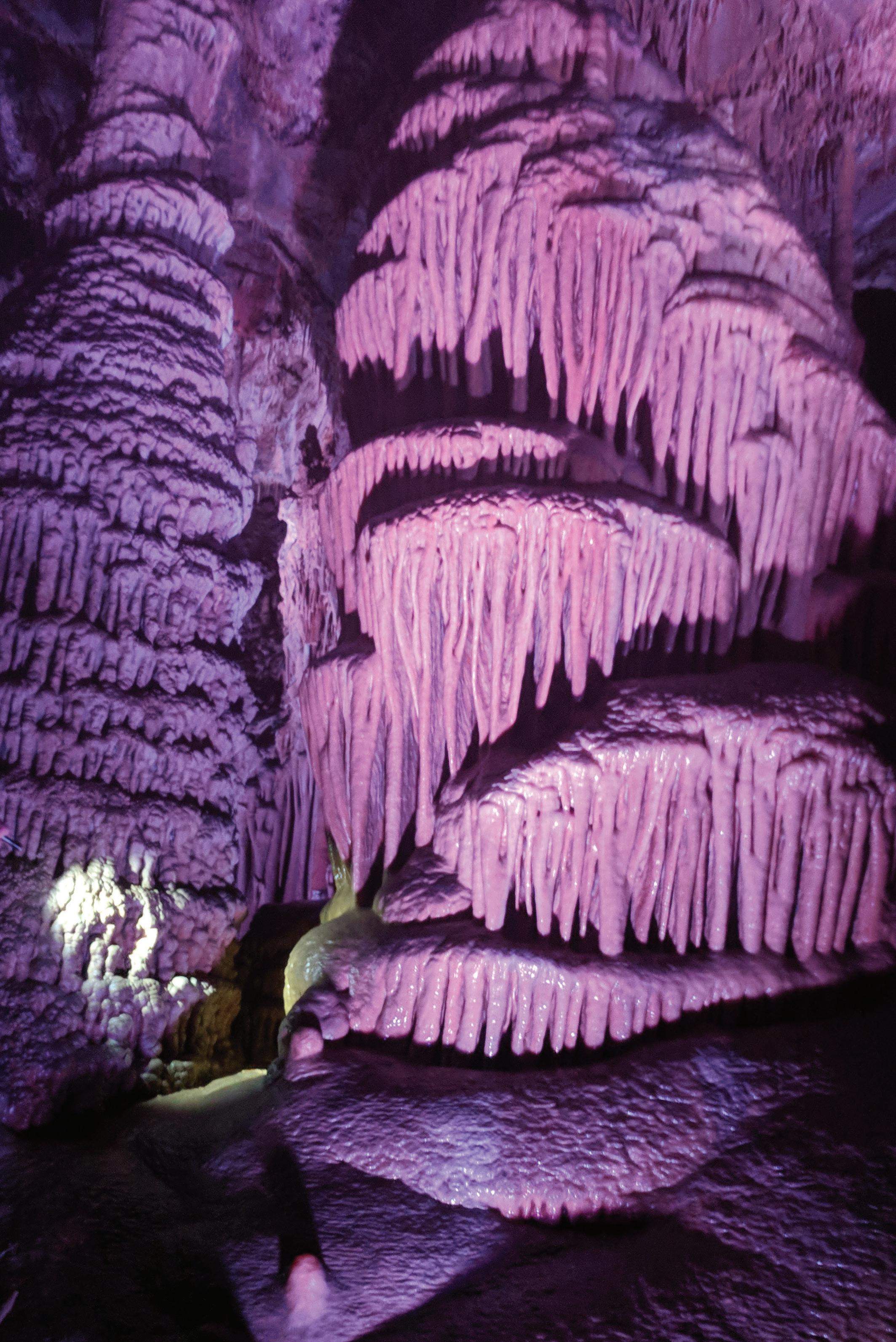
CHIROPTERA
CREVICE
A scientist who studies living things
Hand-winged
A small crack or opening
HIBERNATE
INSECTIVORES
ROOST
A long period of deep sleep
Animals that eat insects (bugs)
A place where bats sleep or take breaks
1. How do you think biologists learn about bats?
2. How do we know how many bats can live in an area?
3. What can humans do for bats?
4. Where in your neighborhood can you find a bat?
Enjoy your time outside, and always try to think like a scientist!